EMORY L BENNETT MEMORIAL VETERANS NURSING HOME
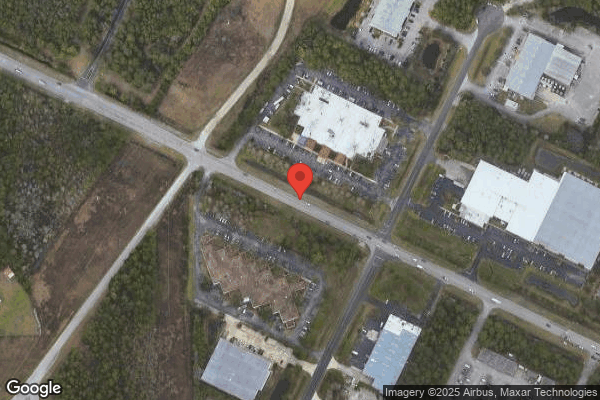
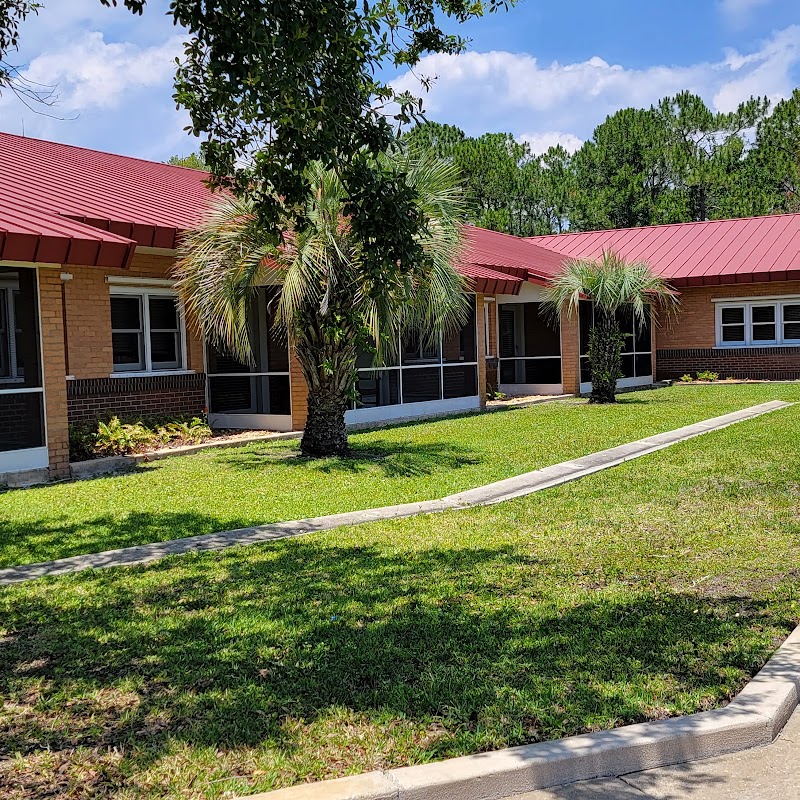
1920 MASON AVENUE, DAYTONA BEACH, FL 32117 (386) 274-3460
Government - State 120 Beds FLORIDA DEPARTMENT OF VETERANS' AFFAIRS Data: November 2025
Trust Grade
43/100
#493 of 690 in FL
Last Inspection: October 2024

Within standard 12-15 month inspection cycle. Federal law requires annual inspections.

Overview

Emory L Bennett Memorial Veterans Nursing Home has a Trust Grade of D, which indicates below-average performance with some significant concerns. It ranks #493 out of 690 facilities in Florida, placing it in the bottom half of the state, and #26 out of 29 in Volusia County, suggesting limited options for improvement in the area. The facility's trend is stable, as it has consistently had five issues reported in both 2022 and 2024. Staffing is a relative strength, with a rating of 4 out of 5 stars, although the turnover rate is concerning at 58%, higher than the state average of 42%. However, there are troubling incidents noted in the inspector findings. For example, one resident experienced a fracture after a fall because the facility failed to manage their pain or recognize the change in their condition. Additionally, medication carts were found unlocked and unattended multiple times, raising concerns about medication safety. Lastly, the kitchen staff did not follow proper sanitation practices, which could lead to foodborne illness risks for residents. While there are strengths in staffing, these specific incidents highlight serious weaknesses that families should consider.

Trust Score
D
43/100
In Florida
#493/690
Bottom 29%
Safety Record
Moderate
Needs review
Inspections
Holding Steady
5 → 5 violations
Staff Stability
⚠ Watch
58% turnover. Above average. Higher turnover means staff may not know residents' routines.
Penalties
○ Average
$9,503 in fines. Higher than 69% of Florida facilities. Some compliance issues.
Skilled Nurses
✓ Good
Each resident gets 61 minutes of Registered Nurse (RN) attention daily — more than 97% of Florida nursing homes. RNs are the most trained staff who catch health problems before they become serious.
Violations
⚠ Watch
15 deficiencies on record. Higher than average. Multiple issues found across inspections.
★★☆☆☆
2.0
Overall Rating
★★★★☆
4.0
Staff Levels
★☆☆☆☆
1.0
Care Quality
★★★☆☆
3.0
Inspection Score
Stable
2022: 5 issues
2024: 5 issues

The Good

  • 4-Star Staffing Rating · Above-average nurse staffing levels
  • Full Sprinkler Coverage · Fire safety systems throughout facility
  • No fines on record

Facility shows strength in staffing levels, fire safety.

The Bad

2-Star Overall Rating

Below Florida average (3.2)

Below average - review inspection findings carefully

Staff Turnover: 58%

12pts above Florida avg (46%)

Frequent staff changes - ask about care continuity

Federal Fines: $9,503

Below median ($33,413)

Minor penalties assessed

Chain: FLORIDA DEPARTMENT OF VETERANS' AFF

Part of a multi-facility chain

Ask about local staffing decisions and management

Staff turnover is elevated (58%)

10 points above Florida average of 48%

The Ugly 15 deficiencies on record

1 actual harm
Oct 2024 5 deficiencies
CONCERN (D)

Potential for Harm - no one hurt, but risky conditions existed

Deficiency F0558 (Tag F0558)

Could have caused harm · This affected 1 resident

**NOTE- TERMS IN BRACKETS HAVE BEEN EDITED TO PROTECT CONFIDENTIALITY** Based on observation, interviews, and record review, the facility failed to ensure that one resident (#2) who was visually impai...

Read full inspector narrative →
**NOTE- TERMS IN BRACKETS HAVE BEEN EDITED TO PROTECT CONFIDENTIALITY** Based on observation, interviews, and record review, the facility failed to ensure that one resident (#2) who was visually impaired, from a total survey sample of 31 residents, received reasonable accommodation of needs for his call light. Failure to ensure that a resident who is visually impaired has the appropriate means to call for assistance can pose a safety risk to that resident. The findings include: During a facility tour on 10/15/24 at 10:28 a.m., Resident #2 was observed lying in bed. His call light was not within his reach. (Photographic evidence obtained) In an interview on 10/15/24 at 10:30 a.m., Resident #2 stated he was legally blind. When asked how he called for assistance, he stated there was a call light to use but he didn't know where it was. He usually waited until someone came in his room to ask for help. He further stated the staff did not introduce themselves when they came in his room. On 10/15/24 at 11:07 a.m., Licensed Practical Nurse (LPN) A was observed dressing a skin tear on the resident's right elbow. After he was finished with the dressing change, he walked out of the resident's room and did not provide Resident #2 with the call light. He was asked if the resident's call light was within reach. LPN A walked back to the resident's room and confirmed that the call light was not within reach. He said, He doesn't use it anyway. He calls out when he needs help. He is blind and cannot see the buttons on this call light remote. LPN A then handed the call light to the resident and walked out of the room. A review of the medical record revealed that Resident #2 was admitted to the facility on [DATE]. His diagnoses included, but were not limited to: blindness in both eyes , dry eye syndrome of both lacrimal glands, age-related cognitive decline, type 2 diabetes, schizoaffective disorder, insomnia, pain, major depressive disorder, and disorders of the eye. A review of the resident's active physician's orders revealed the following orders: 01/19/21 - Gen teal tears moderate (artificial tears) 01. - 0.3 - 0.2%, one drop in both eyes twice daily (BID), 03/29/23 - Jardiance 25 mg (milligrams) QD (daily), 11/30/22 - Levemir 100 unit/ml (units per milliliter), 95 units once a day (QD), and 01/19/21 - Stye Lubricant (White petroleum-mineral oil) 57.7-31.9%, small amount to both eyes at bedtime (HS) A review of the resident's care plan (revised on 10/4/24), revealed that he was blind in both eyes related to visual nerve damage. Interventions included arranging items in the room within the resident's reach (call bell, TV remote, personal hygiene items). Furniture in the room was to be arranged consistently, conveniently and safely. The care plan also indicated that the resident had a cognitive deficit, periods of confusion and impaired decision making related to his overall health status. Intervention - Introduce yourself and explain what you are going to do prior to providing care. Orient to time and place as needed. A review of the Quarterly minimum data set (MDS) assessment, with an assessment reference date (ARD) of 10/3/24, revealed that Resident #2 had a brief interview for mental status (BIMS) score of 13 out of 15 possible points, indicating intact cognition. The assessment also documented the resident's severe visual impairment. In an interview on 10/17/24 at 11:28 a.m., Certified Nursing Assistant (CNA) B was asked about Resident #2's functional status. She stated he was blind and required minimal assistance and cueing with his ADLs due to blindness. She stated he could make his needs known. When asked how he called staff for assistance, she replied, When he is in the bathroom he can pull the cord in the bathroom because he feels the cord and pulls it, but he does not use the one at bedside because he cannot see the buttons. Normally he yells out and if he is in the wheelchair, he propels himself to the doorway and starts calling and waving. We also try to anticipate his needs and check on him. During an interview with the Administrator on 10/17/24 at 4:01 p.m., she explained that when staff noted that a resident might benefit from certain equipment, they should notify the unit manager who would bring the issues to the interdisciplinary team (IDT). The resident might be referred to physical therapy for assessment of needs and the facility would take it from there. When asked about Resident #2's call light, she stated she had not thought about it. She further stated she was unaware of any type of call light that the resident would benefit from. She added that Resident #2 yelled out for help and staff also checked on him frequently. .
CONCERN (D)

Potential for Harm - no one hurt, but risky conditions existed

Deficiency F0645 (Tag F0645)

Could have caused harm · This affected 1 resident

Based on record review, interviews, and a review of the facility's policy and procedure, the facility failed to ensure that residents were properly screened for a mental disorder (MD) or intellectual ...

Read full inspector narrative →
Based on record review, interviews, and a review of the facility's policy and procedure, the facility failed to ensure that residents were properly screened for a mental disorder (MD) or intellectual disability (ID) prior to admission, and that individuals identified with a MD or ID were evaluated and received care and services appropriate to their needs for one (Resident #48) of a total survey sample of 31 residents. Resident #48's Pre-admission Screening and Resident Review (PASRR) was incomplete with numerous areas of the form left blank. Incomplete PASRR forms can result in residents not receiving appropriate help/services and/or could create a delay in the process. The findings include: A record review was conducted for Resident #48 noting an admission date of 11/26/2021 and a previous admission date of 04/13/2018. His diagnoses included anxiety, depression (other than bipolar), manic depression (bipolar disease), and post traumatic stress disorder (PTSD). The resident's Quarterly minimum data set (MDS) assessment, dated 09/27/2024, revealed that the resident had a Brief Interview for Mental status (BIMS) score of 10 out of 15 possible points. Scores between 08 and 12 indicate moderate cognitive impairment. A review of Resident #48's PASRR, dated 01/19/2018, revealed that it was incomplete. Page one areas for the legal representative's name and address, the medicaid identification number, other health insurance name and number, whether the resident was private pay, and the facility name, address, city, state, zip code and phone number that the hospital was requesting admission to were left blank. Page two was entirely blank; Section A areas for indicating that the resident had diagnoses including anxiety, depression, bipolar disorder, and other (post-traumatic stress disorder) were left blank. Section B areas related to intellectual disability information were left blank. The area for any services received was left blank, and the source(s) of information was left blank. No new Level l, and/or request for Level ll evaluation and determination had been completed since this PASRR, dated 01/19/2018, was completed. (copy obtained) A review of Resident #48's active physician's orders included the following orders: 10/17/2024 - Other test: Lithium level for impulsiveness one time, 12:00 am - 7:00 am 10/16/2024 - Other test: Lithium level for impulsiveness one time, 12:00 am - 7:00 am 10/12/2024 - Trazodone tablet 100 mg, amount: 100 mg, oral BID at 8:00 a.m. and 8:00 p.m. for major depressive disorder, recurrent, moderate 08/21/2024 through 10/12/2024 (discontinued date) - Trazodone tablet 100 mg, amount: 100 mg, oral TID (three times a day) at 9:00 a.m., 1:00 p.m., and 8:00 p.m. for major depressive disorder, recurrent, moderate 08/20/2024 - Other test: Lithium level for bipolar disorder, current episode mixed, mild-treatment once a day on the 3rd Tuesday of the Month, 12:00 am - 7:00 am 03/19/2024 through 10/16/2024 (discontinued date) - Lithium carbonate capsule 150 mg, amount: 300 mg orally, special instructions: give 1 capsule dose 300 mg BID, 9:00 AM, 8:00 PM for bipolar disorder, current episode mixed, mild treatment 02/13/2024 - Clonazepam (Schedule IV tablet) 0.5 mg (milligrams), amount: 0.5 mg orally BID (twice daily) at 2:00 p.m. and 8:00 p.m. for anxiety disorder, unspecified 02/13/2024 - Clonazepam (Schedule IV tablet) 1 mg, amount: 1 mg orally once a day at 9:00 a.m. for anxiety disorder, unspecified 10/11/2023 - Lacks capacity 07/27/2023 - Antidepressants Fluvoxamine, Trazadone - Document each depression behavior per shift, every shift; day evening, and night. 06/09/2021 - Clonazepam behavior monitoring every shift; day, evening, and night (copy obtained) An interview was conducted with the Social Services Director (SSD), a licensed clinical social worker (LCSW), on 10/15/24 at 12:09 p.m. She stated nursing staff assisted her with completing resident assessments to identify a history of depression. Assessments were completed quarterly and as needed. If signs of depression were identified, the resident would be referred to the psychiatric team. A resident identified as having a newly evident or possible MD, ID or a related condition after admission would be assessed to ensure they had a disorder. Residents found to have a disorder were reported and referred to determine whether or not a PASRR Level II was needed. The SSD was responsible for ensuring that a referral was sent to the appropriate state-designated authority. Another interview was conducted with the SSD on 10/17/2024 at 11:39 a.m. She stated the facility was currently working through the process of identifying residents with a possible MD, ID or a related condition prior to admission to the facility, and she currently did not have access to the state-designated authority. She further stated the Director of Nursing (DON) could assist but she was currently away from the facility. An interview was conducted with the Administrator on 10/17/2024 at 12:28 p.m. She confirmed that the DON was responsible, but she was out of the facility, was not expected back next week, and the SSD was new to the facility and did not have access to the state-designated authority. A review of the facility's policy and procedure titled Social Service Practice Guidelines (effective date: 03/22/19), revealed: Standard: The facility will provide mental health and social services consistent with the resident care plan: PASRR: Social Services personnel who have a Master of Social Work (MSW) OR licensed in the State of Florida as a Clinical Social Worker (LCSW), or Mental Health Counselor (LMHC) are Delegated Level l screeners. Review all resident Pre-admission Screening and Resident Review (PASRR) for completeness and accuracy prior to a residents' admission to facility. If relevant PASRR information is missing, such as mental health diagnosis, then a new Level l, and Level ll if indicated, must be completed prior to admission. If the Level l must be completed promptly after discovery, within 72 hours. If the new Level l indicate that a Level ll is required, the nursing facility should complete a Resident Review (for significant change if applicable) and/or request a PASRR Level ll evaluation and determination within the provider portal (https://floridapasrr.kepro.com/). (copy obtained) According to the National Center for PTSD at https://www.ptsd.va.gov/professional/treat/cooccurring/ncd_cooccurring.asp (Accessed on 10/31/24 at 2:25 p.m.), Research findings over the past decade have shown a connection between posttraumatic stress disorder (PTSD) and neurocognitive disorders (NCD) among older adults and survivors of traumatic brain injuries. NCD refers to the group of disorders in which the primary clinical concern is acquired cognitive impairment rather than developmental cognitive impairment. As cognitive deficit can occur in a number of domains (i.e., complex attention, executive function, learning and memory, language, perceptual-motor, and social cognition), the broader definition of NCD is also useful when decline occurs in a single domain, rendering the term dementia inaccurate (1). .
CONCERN (D)

Potential for Harm - no one hurt, but risky conditions existed

Quality of Care (Tag F0684)

Could have caused harm · This affected 1 resident

**NOTE- TERMS IN BRACKETS HAVE BEEN EDITED TO PROTECT CONFIDENTIALITY** Based on record review and interviews, the facility failed to ensure that one (Resident #89) of a total survey sample of 31 resi...

Read full inspector narrative →
**NOTE- TERMS IN BRACKETS HAVE BEEN EDITED TO PROTECT CONFIDENTIALITY** Based on record review and interviews, the facility failed to ensure that one (Resident #89) of a total survey sample of 31 residents, received care and services timely, in accordance with professional standards of practice, by failing to schedule physician-ordered magnetic resonance imaging (MRI). Failure to provide care timely poses a risk to residents' health due to delayed interventions. The findings include: During a facility tour on 10/15/2024 at 10:39 a.m., Resident #89 was observed seated in his wheelchair outside his room. He asked to be put back in bed. He stated he was always sleepy and fatigued and did not know what was wrong with him. A review of the resident's medical record revealed that he was admitted to the facility on [DATE] with diagnoses including dementia, Parkinson's disease, psychotic disorders with hallucinations due to unknown physiological condition, major depressive disorder, anxiety disorder, insomnia, and other fatigue and tiredness. A review of the active physician's orders revealed orders for the following: 09/10/2024 - MRI of the brain related to Parkinson's disease 11/03/2022 - Nuplazid (atypical antipsychotic used for Parkinson's disease) 34 milligrams (mg) once a day (QD) and Levodopa - Carbidopa (Sinemet - combination medication/Dopamin promoter) 25 - 100 mg three times a day (TID) for Parkinson's disease. A Nursing Progress Note dated 09/10/2024 read, Neurology consult MRI without contrast and laboratory test sent order for the MRI and awaiting laboratory results. (Photographic copy obtained) In an interview on 10/16/2024 at 9:39 a.m., Registered Nurse ( RN) C was asked about Resident #89's MRI results. She said, There was an order for it but I don't think it's scheduled. When asked how nurses knew when residents had scheduled appointments, she replied that the scheduled date and time was normally added to the orders. She confirmed that there was nothing on the orders to indicate that the MRI was scheduled. She added that she would follow up with the unit manager and the unit secretary, as they were responsible for scheduling appointments. A follow-up interview was conducted on 10/16/2024 at 10:42 a.m. with RN C. She stated the unit manager had confirmed that the MRI had not been done and she had faxed it again. She stated the unit secretary was normally notified when an appointment was needed so she could follow up. RN C stated she had also asked the unit secretary about the order, and the unit secretary said that she was not aware of it. During an interview with the Administrator on 10/17/2024 at 4:01 p.m., she stated the facility utilized a community liaison to schedule resident appointments and that the unit clerks should follow up at least weekly to check on the status. .
CONCERN (D)

Potential for Harm - no one hurt, but risky conditions existed

Deficiency F0806 (Tag F0806)

Could have caused harm · This affected 1 resident

Based on interviews and record review, the facility failed to provide food that accommodated resident preferences, by failing to provide options of similar nutritive value to residents who requested a...

Read full inspector narrative →
Based on interviews and record review, the facility failed to provide food that accommodated resident preferences, by failing to provide options of similar nutritive value to residents who requested a different meal/snack choice for one (Resident #91) of four residents reviewed for nutrition, from a total survey sample of 31 residents. Resident #91, diagnosed with type 2 diabetes and blood sugar readings at times reaching 219 mg/dL, expressed a desire for sugar-free foods and snacks; however, they were not provided. The findings include: During a tour of the facility on 10/15/2024 at 10:27 AM, Resident #91 was observed sitting up in her bed fully dressed and watching television. She complained that the facility had no diabetic food or desserts, and she stated she had been asking for sugar free items. They push ice cream a lot. A review of the resident's medical record revealed an admission date of 09/12/2022 and diagnoses including type 2 diabetes mellitus w/other specified complications: chronic kidney disease, stage 4 (severe), and hyperglycemia. A review of the Quarterly minimum data set (MDS) assessment, dated 09/09/2024, revealed that Resident #91 had a Brief Interview for Mental Status (BIMS) score of 14 out of 15 possible points, indicating intact cognition. The assessment also documented that the resident was independent for eating. A review of Resident #91's care plan with a revision date of 09/11/2024, revealed the facility was to provide a regular diet and thin liquids as ordered, a scoop plate, and double vegetables. They were to monitor labs, monitor weight, and notify the medical doctor or registered dietitian. They were to determine and honor the resident's food preferences as much as possible. A review of the active physician's orders revealed the following orders: 09/24/2024 - Levemir U-100 Insulin 100 unit/ml (units per milliliter), 35 units subcutaneously once daily at 8:00 a.m. 08/02/2024 - Check expiration date of Levemir every Monday once a day on Monday 7:00 a.m.-3:00 p.m. 09/21/2023 - Diet: regular/thin liquids, scoop plate with all meals, double vegetables. A review of the resident's blood sugar readings from 09/17/2024 through 10/17/2024 revealed a range between 60 mg/dL - 219 mg/dL (milligrams per deciliter). (Photographic copies obtained) According to Medical News Today at https://www.medicalnewstoday.com/articles/type-2-diabetes-blood-glucose-levels-2 (Accessed on 10/31/24 at 3:15 p.m.): For individuals with T2D (type 2 diabetes), health experts recommend aiming to keep blood sugars between 80 and 130 milligrams per deciliter (mg/dL) before a meal and less than 180 mg/dL 2 hours after. According to the Centers for Disease Control and Prevention (CDC) at https://www.cdc.gov/diabetes/treatment/index.html (Accessed on 10/31/24 at 3:20 p.m.): A blood sugar target is the range you try to reach as much as possible. These are typical targets: Before a meal: 80 to 130 mg/dL. Two hours after the start of a meal: Less than 180 mg/dL. A quarterly nutritional review dated 06/12/2024 at 9:52 a.m. revealed a history of hypertension, hyperlipidemia, diabetes, congestive heart failure and cerebral vascular accident with right-sided weakness. Resident receives a regular diet with double veggies and is able to feed herself. Resident utilizes a scoop plate related to right-sided weakness. Resident documented meal intake is generally >75%. Resident generally avoids consuming desserts. A quarterly nutritional review dated 03/13/2024 at 9:24 a.m. revealed diagnoses including chronic kidney disease - stage 4, congestive heart failure, anemia, diabetes and hypertension. Resident receives a regular diet with double veggies and uses a scoop plate for dining independence. Resident generally consumes 75% or more of meals. She generally does not consume any sweet desserts related to her diagnosis of diabetes. In an interview with Consultant Certified Dietary Manager (CDM) G on 10/17/2024 at 3:15 p.m., she stated the facility provided low-concentrated sweets, no added salt, regular, mechanical, and pureed diets. When asked to explain Resident #91's diagnosis and diet, CDM G stated, She is alert and oriented and tolerates a regular diet. She eats in the dining room and selects what she wants. She avoids desserts. I have never recommended to change her diet. We try to liberalize the diets as much as possible. The residents and the medical doctor do their own thing. When asked whether she had consulted with the medical doctor regarding the resident's diagnosis and her diet, CDM G replied, No, her diet was written in 2023; that was before me. She should be on Low Concentrated Sweets but unless her blood sugars have been out of control, I would have left it alone. CDM G stated she talked to the resident about four months ago related to her weight. The resident asked for some diet items but did not complain about her diet. .
CONCERN (E)

Potential for Harm - no one hurt, but risky conditions existed

Food Safety (Tag F0812)

Could have caused harm · This affected multiple residents

**NOTE- TERMS IN BRACKETS HAVE BEEN EDITED TO PROTECT CONFIDENTIALITY** Based on kitchen food service observations, staff interviews, and facility policy and procedure review, the facility failed to f...

Read full inspector narrative →
**NOTE- TERMS IN BRACKETS HAVE BEEN EDITED TO PROTECT CONFIDENTIALITY** Based on kitchen food service observations, staff interviews, and facility policy and procedure review, the facility failed to follow proper sanitation and food handling practices to prevent the outbreak of foodborne illness, with the potential to affect all residents who consumed foods from the facility's nourishment rooms, by failing to seal and date mark open food products in the nourishment rooms, clean residue build up in the ice machine drain hose and coffee dispenser hood, and clean in and around the ice machine dispenser ports and tray. Food handling and sanitation are important in health care settings serving nursing home residents. Unsafe food handling practices represent a potential source of pathogen exposure. The findings include: A tour of the kitchen was conducted on 10/16/2024 at 11:29 AM. During the tour, observations of the nourishment room on the Delta Hall unit revealed one jar of open peanut butter on the plastic bin shelf, and one open bundle of bread on the plastic bin shelf with no date marking. During the same tour, two open bundles of bread with no date marking were observed on the shelf on the Alpha Hall unit. Observations of the freezer, located in the nourishment room on the Alpha Hall unit, revealed one open carton of [NAME] vanilla ice cream tied in a plastic bag with no name or date marking, one open carton of vanilla ice cream, and one carton of strawberry ice cream tied together in a plastic bag with no name or date marking, one frozen ice cream bar with no name or date marking, and one frozen Drumstick ice cream with no name or date marking. Also, observations on the Alpha Hall unit nourishment room revealed brown residue build up in the ice machine drain hose connected to the sink, brown residue covering the coffee dispenser hood, lime scale-like build up around the coffee machine hot water dispenser nozzle, and lime scale-like build up in and around the ice machine dispenser ports and tray. On 10/17/24 at 1:36 PM, the same observations were made in the Alpha Hall unit nourishment room. (Photographic evidence obtained) During the kitchen tour on 10/16/2024 at 11:29 AM, an interview was conducted with the certified dietary manager (CDM). He confirmed that there were two nourishment rooms. Dietary staff and housekeeping shared responsibility for checking and cleaning the nourishment rooms. Housekeeping cleaned the refrigerators. Dietary staff stocked the nourishment rooms based on request. Snacks and supplements were provided to the unit on the snack cart. An interview was conducted on 10/17/2024 at 10:02 AM. with Dietary Aide D who stated she was not familiar with the facility's policy and procedure for date marking food, but when asked what happened when a food item was opened, used, and placed back on the shelf, she replied, Wrap, label, date, store in the refrigerator for 3-4 days then discard. When asked who was responsible for cleaning the nourishment rooms, she replied, The CNA (certified nursing assistant) delivers food on the cart to each nourishment room. Dietary staff check the refrigerator to ensure food is labeled. Employee D stated she did not know if there was a freezer. When asked who was responsible for checking and cleaning kitchen equipment in the nourishment room, she replied, Housekeeping checks and cleans the microwave and coffee maker. Housekeeping checks the nourishment rooms daily. Employee D was not sure how problems related to equipment in the nourishment rooms were reported. An interview was conducted on 10/17/24 at 10:24 AM with [NAME] E, who reported that when a food item was opened, used, and placed back on the shelf, it was wrapped, sealed, dated and labeled, and discarded within three days. Dietary aides checked and stored the refrigerator and freezer in the nourishment rooms. Maintenance cleaned the ice machine. I think nursing maintains the equipment in the nourishment rooms. When there was a problem with equipment in the nourishment room, nursing or a dietary staff member reported it to the kitchen manager. An interview was conducted on 10/17/24 at 10:40 AM with Food Service Administrator F. She confirmed that when a food item was opened, used, and placed back on the shelf, the item was labeled with the open date, pull date, date used, expiration date, and was discarded after three days. The facility's policy was to label and date everything. When asked who cleaned the nourishment rooms, Employee F replied, Dietary visits daily, housekeeping cleans, and nursing staff logs temperatures of the refrigerator and freezer. Dietary stores food in the nourishment rooms. Housekeeping checks and cleans kitchen equipment in the nourishment room daily. Maintenance is responsible for cleaning the ice machine in the nourishment room. The ice machine is digital so it will alarm when it needs to be cleaned. When there is a problem with equipment in the nourishment room, nursing staff will report it to maintenance. If the coffee machine is not working, it is reported to Dietary. An interview was conducted on 10/17/24 at 10:57 AM with Consultant Certified Dietary Manager (CDM) G who confirmed that the facility's policy and procedure for date marking food was to label when opened and discard after three days. She reported that nursing staff cleaned and stored food in the nourishment rooms. She was not sure which staff member was responsible for cleaning and checking kitchen equipment in the nourishment rooms. She also was not sure who was responsible for cleaning the ice machine in the nourishment room, but when there was a problem with equipment in the nourishment room, the nursing staff reported it to maintenance via phone call or face-to-face. An interview was conducted on 10/17/24 at 1:36 PM with Regional Maintenance Employee H and the facility's Maintenance Director. Employee H stated Employee I was new to the facility. Employee H confirmed that Housekeeping cleaned nourishment rooms daily and Maintenance cleaned and checked the ice machine filter monthly. Employee H stated the drain hose was last checked on 7/25/2024. An interview was conducted on 10/17/24 at 1:42 PM with Housekeeping Employee J. She confirmed that Housekeeping was responsible for checking equipment in the nourishment rooms. Housekeeping and nursing staff checked the refrigerators and freezers. Housekeeping cleaned the cabinets and drawers. Maintenance checked equipment in the nourishment rooms. Housekeeping reported broken equipment to nursing staff, and nursing staff submitted work orders. A review of the facility's policy and procedure titled Cleaning Guidelines (dated 11/20/2017), revealed: Standard: The food service area shall be maintained in a clean and sanitary manner. 12. Ice machines and ice storage containers will be drained, cleaned and sanitized per manufacturer's instructions and regularly. Plastic ware, china and glassware that cannot be sanitized or are hazardous because of chips, cracks or loss of glaze shall be discarded. Damaged or broken equipment that cannot be repaired shall be discarded. A review of the facility's policy and procedure titled Foods Brought by Family/Visitors (dated 12/8/21) revealed: Standard: The facility will provide storage/refrigeration of limited amounts of food brought in by family and visitors . 7. Food items and snacks kept on the nursing units must be maintained as indicated below: b. All food belonging to residents must be labeled with the resident's name, the item and the use by date. (Copy obtained) Reference: FDA Food Code 2022 Annex 5. Conducting Risk-Based Inspections Annex 5 - C. Intervention Strategies for Achieving Long-term Compliance. 4. Establish First-In-First-Out (FIFO) Procedures. Page 31. https://www.fda.gov/media/164194/download (Accessed on 5/24/2024): Product rotation is important for both quality and safety reasons. First-In-First Out (FIFO) means that the first batch of products prepared and placed in storage should be the first one sold or used. Date marking foods as required by the Food Code facilitates the use of a FIFO procedure in refrigerated, ready-to-eat, TCS foods. The FIFO concept limits the potential for pathogen growth, encourages product rotation, and documents compliance with time/temperature requirements. Equipment, Utensils, and Linens. 4-601.11 Equipment, Food-Contact Surfaces, Nonfood-Contact Surfaces, and Utensils. 4-6 Cleaning of Equipment and Utensils, 4-601 Objective, Equipment Food-Contact Surfaces and Utensils. (A) Equipment Food Contact Surfaces and Utensils shall be clean to sight and touch. (B) The food-contact surfaces of cooking equipment and pans shall be kept free of encrusted grease deposits and other soil accumulations. (C) Nonfood-contact surfaces of equipment shall be kept free of an accumulation of dust, dirt, food residue, and other debris. .
Dec 2022 5 deficiencies
CONCERN (D)

Potential for Harm - no one hurt, but risky conditions existed

Deficiency F0582 (Tag F0582)

Could have caused harm · This affected 1 resident

Based on record review and interview, the facility failed to provide three (Residents #11, #18, and #36) of three samped residents, notices of non-coverage to allow residents the opportunity to make i...

Read full inspector narrative →
Based on record review and interview, the facility failed to provide three (Residents #11, #18, and #36) of three samped residents, notices of non-coverage to allow residents the opportunity to make informed decisions about continued services and/or the right to an expedited review by a Quality Improvement Organization. The findings include: A review of the facility's Beneficiary Protection Notification and Notice of Medicare Non-Coverage (NOMNC), conducted on 11/30/2022 at 11:30 AM, revealed two (Residents #11 and #18) of three sampled residents were not provided a NOMNC with a written statement that said the facility was unaware of the need for the form. On 11/30/2022 at 11:35 AM, a record review revealed that one (Resident #36) of three sampled residents was not provided a Skilled Nursing Facility Advance Beneficiary Notice of Non-Coverage with a written statement that said the resident did not want to continue service. Photographic evidence was obtained. An interview was conducted on 11/30/2022 at 12:27 PM with the Social Services Director (SSD) regarding why Form CMS-10055 and Form CMS-10123 were not provided to sampled Residents #11, #18 and #36. The SSD stated for Form CMS-10123, the facility was not accustomed to completing these forms, and simply didn't know. They (SSD/Facility) were learning as they went. As for Form CMS-10055, the SSD stated she verbally informed the resident and the resident did not want to continue services. The SSD was provided a copy of a CMS-10055 form and was asked if she noticed the three optional selections, one in which the resident could check their desire to not continue, and a space for their signature. The SSD acknowledged the form contained the selection and signature line. .
CONCERN (D)

Potential for Harm - no one hurt, but risky conditions existed

Respiratory Care (Tag F0695)

Could have caused harm · This affected 1 resident

Based on observations, staff and resident interviews, medical record review, and facility policy and procedure review, the facility failed to ensure that one (Resident #39) of 21 residents receiving r...

Read full inspector narrative →
Based on observations, staff and resident interviews, medical record review, and facility policy and procedure review, the facility failed to ensure that one (Resident #39) of 21 residents receiving respiratory care, were provided such care per physician's orders. The findings include: On 11/28/22 at 1:00 PM, Resident #39 was observed lying in bed. In an interview, he stated he had a CPAP (Continuous Positive Airway Pressure) device that was brought here by his wife, but that the CPAP was broken, and he never got to use it. The resident further stated he had been waiting for a new CPAP for over two months. He was asked if his sleep was disturbed from not having his CPAP. He stated he didn't sleep well without the CPAP. No CPAP device was observed in his room. On 11/30/22 at 9:10 AM, Resident #39 was observed lying in bed. He stated he hadn't heard anything about his CPAP device yet. He further stated he didn't get a good night's rest and he slept off and on throughout the night. He stated again that he slept better with his CPAP. A medical record review for Resident #39 revealed diagnoses including Chronic Obstructive Pulmonary Disease (COPD), Obstructive Sleep Apnea (OSA), and morbid obesity. Further review of the record revealed current physician orders which included: 10/4/22: Call [physician] for CPAP settings. Discontinued physician's orders revealed: 10/4/22: Patient to use CPAP at bedtime (order discontinued 10/17/22). A review of the eMAR (electronic medication administration record) for October 2022 revealed the CPAP order was signed off as item unavailable on October 4, 6, 7, 8, 9, 12, 13, 14, and 16. The CPAP was signed off as having been administered on October 5 and 11, and it was signed off as refused on October 10. A progress note, dated 9/3/2022, revealed, . [Resident #39] stated he had a good first night, slept well, wants to see social services on Monday to try to get another CPAP, his at home is broken, message left with [Employee F] in social services. The progress note was authored by Registered Nurse (RN) C. A review of Resident #39s History and Physical, dated 9/8/2022, with his facility doctor, revealed a note which read, Morbid obesity with obstructive sleep apnea, discussed a CPAP machine and he states in the process of being fixed. On 12/01/22 at 8:49 AM in an interview with RN C, she was asked if she was caring for Resident #39 today. She replied yes. She was asked if the resident had a CPAP device. She stated the resident was not admitted with a CPAP and that family brought his CPAP device in. She stated it was given to Unit Clerk D. On 12/01/22 at 9:03 AM in an interview with Social Services Employee F, she was asked if she recalled working on getting a functioning CPAP device for Resident #39. She stated during one of his Interdisciplinary Team (IDT) meetings, the CPAP device was brought up by nursing and no one ever came back to her about it again. On 12/01/22 at 9:13 AM in an interview with Unit Clerk D, she was asked if she knew about a CPAP device for Resident #39. She stated the resident's wife brought in a CPAP device around the end of September 2022, and she gave it to Registered Nurse (RN) G, who she stated was currently out on leave. She further stated the CPAP had been sitting in the unit manager's office ever since. On 12/01/22 at 10:08 AM in an interview with RN H, she was asked what her current position in the facility was. She replied she was currently the interim unit manager on the Delta unit, covering for RN G. She was asked if she could provide information about Resident #39's CPAP device. She stated the resident's wife brought a CPAP device to the facility in early October 2022, and an order was obtained to obtain the settings from the resident's pulmonologist. When the settings were obtained, the CPAP was plugged in, and the device was found to be broken. She was asked if any attempts had been made to fix the device or replace it since that date. She stated No, usually when the machine is broken, the family gets it fixed. I just went down and spoke with him to see if he still wants a machine. He told me he does want a machine, so I'm calling today for an appointment for him to be fitted for a new CPAP machine. The VA (Veterans' Administration) will pay 100% for a new CPAP. On 12/01/22 at 11:41 AM in an interview with the Director of Nursing (DON), she was asked about Resident #39's CPAP device. She stated, I believe he did not have his with him and it did not work for a while before he was admitted here. His wife was going to see if she could get it fixed, but I'm not sure what happened after that. If it couldn't be repaired, we could get him reassessed for a new one. A review of the facility policy titled CPAP and BiPAP Equipment (Effective Date 3/20/2017) revealed: Standard: The facility will provide routine cleaning and maintenance to minimize infection and ensure maximum functioning of the equipment. .
CONCERN (D)

Potential for Harm - no one hurt, but risky conditions existed

Infection Control (Tag F0880)

Could have caused harm · This affected 1 resident

Based on observations, interviews, medical record review, and facility policy review, the facility failed to establish and maintain an infection prevention and control program designed to provide a sa...

Read full inspector narrative →
Based on observations, interviews, medical record review, and facility policy review, the facility failed to establish and maintain an infection prevention and control program designed to provide a safe, sanitary and comfortable environment, and to help prevent the development and transmission of communicable diseases and infections for one resident (Resident #194) of seven residents requiring urinary catheter care, from a total sample of 27 residents. The findings include: On 11/29/22 at 9:22 am, Resident #194 was observed lying in bed. A urinary catheter bag was observed on the door side of his bed, was not covered with a dignity bag, and was approximately half full of clear, yellow urine. The bag was touching the floor. (Photographic evidence obtained) On 11/30/22 at 2:50 pm, Resident #194's urinary catheter bag was observed uncovered with clear, yellow urine. It was lying against the bed frame and floor of his room. (Photographic evidence obtained) Registered Nurse (RN) J entered the room to answer the call light. She did not address the urinary catheter bag lying against the bed frame and floor. Upon leaving the room at 2:15 pm, she was interviewed and was asked if she was assigned to Resident #194 today. She stated, No, I just saw his call light on and answered it. She was asked if urinary catheters should be elevated off the floor. She replied, I'm not really sure, I can find out. But they probably really shouldn't be touching the floor. She was asked if she had noticed Resident #194's urinary catheter bag touching the floor. She said no. She was not observed going back into his room. On 12/01/22 at 8:45 am, Resident #194 was observed lying in bed. His urinary catheter bag was observed on the left side (door side) of the bed, uncovered, with the bottom of the bag touching the floor. (Photographic evidence obtained) On 12/01/22 at 12:25 pm, Resident #194 was observed sitting up in a wheelchair in his room. His urinary catheter bag was uncovered and on the floor. (Photographic evidence obtained) He was asked how long he had been up in his chair. He stated, A while, maybe an hour. I ate lunch in my chair. In an interview with Certified Nursing Assistant (CNA) I on 12/01/22 at 12:36 pm, she was asked if urinary catheter bags should be touching the floor. She stated, No, they shouldn't be touching the floor. When they are up in a chair, the urinary bag is in a privacy bag, and when they are in bed, it hangs in the holes on the side of the bed, up off the floor. She was asked if she was caring for Resident #194 today. She stated yes. She was asked if she was aware that Resident #194's urinary catheter bag was currently lying on the floor. She stated, Yes, I was getting him a new privacy bag. The old one got ripped on the night shift and he needs a new one. She was asked how long he had been sitting up in his wheelchair. She stated, We got him up for lunch, about an hour ago. In an interview with the Director of Nursing (DON) on 12/01/22 at 11:25 am, she was asked what the expectation for the care of urinary catheters/bags was. She stated, Catheter care every shift, and empty the drainage bag. The catheter is changed monthly unless otherwise specified by the doctor. She was asked what the infection control expectations for the care of urinary catheters/bags were. She stated, Catheter care every shift. Using sterile technique with the catheter. We use privacy bags when the resident is up in a chair and then when they're in bed, the catheter bag should be up off the floor, whether it's in a privacy bag or not. She was asked if staff were expected to elevate the catheter bag up off the floor if it was observed touching the floor. She stated, Yes, nurses and CNAs (Certified Nurses Aides) can do that. That is provided as education to staff and is an expectation. A medical record review for Resident #194 revealed the following orders: 11/17/22: Change Foley (urinary catheter) catheter every month on the 16th of every month (mixed incontinence) 11/15/22: Change urinary drainage system every Friday 11/17/22: Foley Catheter care every shift. Cleanse with soap and water day, eve, and night. Further medical record review revealed a care plan which outlined the following plan for care of infection prevention related to this urinary catheter: Date implemented: 11/29/22 Focus: Resident has potential for infection related to urinary catheter due to neuropathy. Goal: Will remain free of infection related to urinary catheter through the next review date. Interventions: Flush catheter per orders. Change catheter per orders. Monitor for signs/symptoms of UTI (Urinary Tract Infection) and notify MD. Change drainage bag per policy. Provide dignity bag when OOB (out of bed). Provide catheter care every shift and PRN (as needed). A review of facility policy titled Urinary Catheter Indication and Maintenance (revised 6/9/17) revealed (Part 3: Procedures) 4. Maintain catheter tubing and drainage bag off the floor with privacy bag as appropriate. \
CONCERN (E)

Potential for Harm - no one hurt, but risky conditions existed

Accident Prevention (Tag F0689)

Could have caused harm · This affected multiple residents

**NOTE- TERMS IN BRACKETS HAVE BEEN EDITED TO PROTECT CONFIDENTIALITY** Based on observations, record reviews, and interviews, the facility failed to ensure the resident environment remained as free o...

Read full inspector narrative →
**NOTE- TERMS IN BRACKETS HAVE BEEN EDITED TO PROTECT CONFIDENTIALITY** Based on observations, record reviews, and interviews, the facility failed to ensure the resident environment remained as free of accident hazards as was possible, and failed to provide adequate supervision for four (Residents #19, #25, #3, and #26) of four residents who smoked, kept their lighters in their rooms, and either used oxygen or were near oxygen concentrators. This practice endangered residents, staff and other building occupants. The findings include: On 11/28/2022 at 12:32 PM, Resident #19 was observed wearing a nasal cannula (tubing used to deliver oxygen through the nose) connected to an O2 (oxygen) concentrator. When asked if he knew what his O2 flow rate was supposed to be, he said he took care of it himself and didn't need the staff, but he didn;t provide a flow rate setting. The concentrator was running at 5 LPM (liters per minute). Additionally, a cigarette lighter was observed between the bed and the oxygen concentrator on the floor on top of a fall mat. Resident #19 was asked if he was permitted to have a lighter in his room, and he replied yes. On 11/29/2022 at 8:35 AM, Resident #19's O2 concentrator was observed to be set at 5 LPM, and the cigarette lighter was on the side of his bed. (Photographic evidence obtained) On 11/29/22 at 3:15 PM, Resident #19 was observed sitting on the side of his bed with his oxygen concentrator next to him and set at 5 LPM. He was asked where he kept his cigarettes and lighter. He stated, In my lock drawer. He was asked if his lighter was locked up now. He stated, It might be in my pocket. He was asked how many lighters he had, and he replied one. A No Smoking: Oxygen sign was observed on the outside of Resident #19's door. On 11/29/22 at 3:20 PM, Resident #25 was observed with two packs of cigarettes and a lighter sitting on top of his dresser. An oxygen storage closet was located aproximately 10 feet from his room. On 11/29/22 at 3:25 PM, Resident #3 was observed with vaping materials on top of his side table. His roommate was on oxygen therapy. On 11/29/22 at 3:31 PM, an interview was conducted with the Director of Nursing (DON) regarding the use of lock boxes by the residents. She stated lock boxes were obtained by residents if they wanted to contain personal property. When she was asked about residents who smoked and their cigarettes/lighters, she said if the resident was an unsupervised smoker, they could have a lock box to keep their cigarettes in when they were not smoking. When asked if this included cigarette lighters, she replied yes. When asked if smoking items were to be secured when not in use, she said yes. On 11/29/22 at 5:14 PM, an interview was conducted with the Risk Manager regarding assessments for residents who smoked, to determine whether they should be supervised while smoking. She said residents were assessed by nursing supervisors (floor, unit managers) for smoking status determination. When asked about the frequency of the assessments, she said residents who smoked were assessed upon admission, and reassessed quarterly or as necessary, such as a resident giving another resident a cigarette, or for a change in condition. When asked if independent smokers were to have smoking materials locked up, she replied she was unsure and would have to find out. On 11/29/22 at 5:24 PM, an interview was conducted with Resident #19's physician regarding his O2 orders. The physician said Resident #19 had an order for O2 at 2 LPM as needed, and she knew the flow rate was 2 LPM, because she looked at it during rounds. She added that to her knowledge, she hadn't known the resident to change the flow regulator, nor had she witnessed him changing the flow regulator. Only the staff nurses set the concentrator flow rates according to the physicians' orders. On 11/30/22 at 7:20 AM, an interview was conducted with LPN O. He was asked if Resident #25 smoked. He stated yes. He was asked if the resident kept his smoking materials locked in his room. LPN O stated, I think they just took it all away, and that's why he's in a mood this morning. On 11/30/22 at 7:55 AM, a package of cigarettes and a blue disposable lighter were observed on Resident #26's nightstand, next to his bed on the window side. (Photographic evidence obtained) On 11/30/22 at 8:30 AM, a Smoking Risk Factor review was conducted for four of four independent smokers, indicating that one (Resident #19) of four was rated No Problem for their capability to follow safe smoking practices, while all others were rated a Moderated Problem. Resident #19 had his lighter on top of a fall mat for two days, and then placed his lighter in his pocket on the evening of 11/29/22, which was not a secured drawer or container per the facility's Smoking and Tobacco Use Policy. On 11/30/22 at 8:45 AM, the DON presented a QAPI Plan titled Storage of Smoking Materials, with a plan of action submission date of 11/29/22. In this submission, the plan identified three of four independent smokers with lighters in their rooms that were not stored in a secure container, and a root cause analysis of residents needing to be re-educated on the storage of smoking materials per facility policy. On 11/30/22 at 9:18 AM, progress notes revealed that the Administrator entered Resident #26's room at approximately 6:15 PM on 11/29/22, he removed a lighter from Resident #26's bed and two from from his top dresser drawer. On 11/30/22 at 7:45 AM, he anottated that he had spoken with Resident #26 and explained the issue with unguarded lighters, why he confiscated the lighters, and the resident stated he understood. On 11/30/22 at 9:33 AM, progress notes revealed that the Administrator annotated on 11/29/22 at approximately 6:10 PM, that he entered Resident #25's room and observed that a cup holder on the resident's wheelchair contained a lighter and two packs of cigarettes. He explained the issue with the lighter to Resident #25 and removed it. On 11/30/22 at 9:54 AM, progress notes revealed the Administrator annotated that on 11/29/22 at approximately 6:30 PM, he entered Resident #19's room and asked the resident where his lighter was, and the resident stated it was in his pocket (which is not a secured drawer or container per the facility's Smoking and Tobacco Use Policy) and he knew to keep it locked up. The Administrator reiterated the importance of keeping the lighter secured, and Resident #19 said he understood. The lighter was not confiscated. On 11/30/22 at 10:26 AM, progress notes revealed the Administrator annotated that on 11/29/22 at approximately 6:20 PM, he went to Resident #3's room and observed a lighter in an ashtray in front of Resident #3's TV. He removed the lighter and explained the problem with leaving lighters in the open to the resident. A review of the facility's policy titled, Smoking and Tobacco Use, revealed: On Page three under Resident Smoking Guidlines, Residents with Independent Smoking Privileges, (d) read that Residents with independent smoking priveleges may maintain all smoking articles in a secure drawer or container in their rooms. On Page 4 under Resident Smoking Guidlines, Residents with Independent Smoking Privileges, note read that Residents with independent smoking priveleges who do not comply with the above quidelines will forfeit their independent smoking privileges pending review by the Interdisciplinary Team. On Page 4 under Periodic Checks for Smoking Articles, para. 2, read, Articles found in violation will be removed by the nurse or designee who will store them for the resident in a secure location. On Page 4 under Designated Smoking Areas, para. 3, read, Oxygen use is prohibited in smoking areas. Although oxygen is safe and non-flammable by itself, having combustable articles or accelerants near it will aid in rapidly burning everything around it, thus recommending that there should be zero open flames near oxygen devices or storage units, or at least least five feet away from oxygen units that are active or stored. Vapers (e-cigarettes), which have an internal heating mechanism and are at the forefront of burn accidents by users receiving oxygen therapy, should not be easily accessible either. Resources: Centers for Disease Control and Prevention. Fatal fires associated with smoking during long-term oxygen therapy-Maine, Massachusetts, New Hampshire, and Oklahoma. Morbidity and Mortality Weekly Report. American Lung Association. Using oxygen safely. [NAME] Y, Légaré M, [NAME] F. E-cigarette use in patients receiving home oxygen therapy. Can Respir J. 2015;22(2):83-5. doi:10.1155/2015/215932 .
CONCERN (F)

Potential for Harm - no one hurt, but risky conditions existed

Deficiency F0761 (Tag F0761)

Could have caused harm · This affected most or all residents

Based on observations, staff interviews, and facility policy review, the facility failed to store all drugs and biologicals in locked compartments. This failure involved the Delta 5 hallway medication...

Read full inspector narrative →
Based on observations, staff interviews, and facility policy review, the facility failed to store all drugs and biologicals in locked compartments. This failure involved the Delta 5 hallway medication cart, Delta 5 hallway treatment cart, Delta 3 hallway medication cart, Alpha 5 hallway treatment cart, Alpha 5 hallway medication cart, Alpha 3 hallway medication cart, and four separate nurses on two different shifts during three different days. The findings include: On 11/28/22 at 3:08 pm, the medication cart on Delta 5 hallway was observed to be unlocked as evidenced by the locked popped open. The first two drawers were opened and bottles of prescription medications were observed. (Photographic evidence obtained) No staff were observed in the area of this medication cart. On 11/29/22 at 3:50 pm, the treatment cart on Delta unit was observed to be unlocked and unattended. (Photographic evidence obtained) At this same time, the medication cart on Delta 3 was observed to be unlocked and unattended. The cart was observed to be unattended and unlocked for two full minutes. (Photographic evidence obtained) Registered Nurse (RN) K approached the medication cart but did not say anything. She was asked if this was her medication cart. She stated yes. She was asked if she walked away from her cart, leaving it unlocked and unattended. She stated yes. She was asked if this was her usual practice. She stated, No, I lock it when I walk away. She was asked if she had left the treatment cart (located next to this medication cart) unlocked and unattended. She stated yes. On 11/30/22 at 7:17 am, the treatment cart located on Alpha 5 hall was observed to be unlocked and unattended. (Photographic evidence obtained) The medication cart on Alpha 5 was also observed to be unlocked and unattended at this same time. (Photographic evidence obtained) Licensed Practical Nurse (LPN) L approached the medication cart. She was asked if she was responsible for this medication cart. She stated yes. She was asked if it was her practice to leave the medication cart unlocked when it was left unattended. She stated, No, I had an emergency. She was asked what the nature of the emergency was. She stated, I had to check a Foley (urinary catheter) because they told me the urine color wasn't right. She was asked if she should lock the medication cart before attending to an emergency situation. She stated, I had an emergency and I had to go down the hall. She was asked why the treatment cart next to her medication cart was unlocked and unattended. She stated, I got a g-tube (feeding tube) dressing out of the cart. She was asked if she left the cart unlocked and unattended after getting the g-tube dressing. She stated, Yes. I meant to come back and lock it. On 11/30/22 at 5:15 pm, the treatment cart on Delta 5 hallway was observed to be unlocked and unattended. (Photographic evidence obtained) RN J approached the treatment cart after three minutes of it being observed unlocked and unattended. She was asked if the treatment cart was usually left unlocked when unattended. She stated, Occasionally it's unlocked. I just took something out of there. On 11/30/22 at 5:25 pm, the medication cart on Alpha 3 hallway was observed to be unlocked and unattended. (Photographic evidence obtained) LPN M approached the medication cart after four minutes of observation of the cart being unlocked and unattended. She was asked if this medication cart was assigned to her. She stated yes. She was asked if she knew why the cart was left unlocked and unattended. She stated, I had an emergency. She was asked what the nature of the emergency was. She stated, A resident was calling out to go to the bathroom. She was asked how long it would take to lock the medication cart. She stated, Quick, push the button. In an interview with the Director of Nursing (DON) on 12/01/22 at 11:34 am, she was asked what her expectation was for medication carts and treatment carts being secured. She stated, If the nurse is stepping away from the area where she can't see the cart, she should be locking the cart. She was asked if there was any reason a medication cart or treatment cart would be unlocked and unattended. She stated, No, there shouldn't be. Maybe in a dire emergency. She was asked what emergency situation would justify a nurse leaving her medication cart unlocked and unattended. She stated, I would say if a code blue was called, and she stepped away for that emergency that would be justified. That's all I can think of. She was asked if a nurse being told that urine in a Foley (urinary catheter) bag is a different color, or a resident calling out for help to go to the bathroom be considered a dire emergency. She stated, No, they should still lock the carts as they walk away. The lock can be pushed in as you're walking by or away. A review of the facility's policy for Storage of Drugs and Biologicals (effective date: 5/4/2016) revealed, Standard: In accordance with state and federal laws, the facility will store all drugs and biologicals in locked compartments/containers under proper temperature controls, and permit only authorized personnel to have approved methods of access. .
Apr 2021 5 deficiencies 1 Harm
SERIOUS (G)

Actual Harm - a resident was hurt due to facility failures

Quality of Care (Tag F0684)

A resident was harmed · This affected 1 resident

**NOTE- TERMS IN BRACKETS HAVE BEEN EDITED TO PROTECT CONFIDENTIALITY** Based on observation, resident interview, clinical record review, staff interview and facility policy and procedure review, the ...

Read full inspector narrative →
**NOTE- TERMS IN BRACKETS HAVE BEEN EDITED TO PROTECT CONFIDENTIALITY** Based on observation, resident interview, clinical record review, staff interview and facility policy and procedure review, the facility failed to provide care and treatment in a timely manner, in accordance with professional standards of practice, the plan of care and the resident's choices for pain management and identifying a change of condition after a fall for 1 (#47) out of 4 residents sampled for accidents, from a total of 36 sampled residents. Resident #47 sustained a fracture of the hip and femur bones when he fell, but the first x-rays indicated no fractures. Three days later the resident requested transfer to the hospital due to extreme pain. Failure to manage pain and identify a change of condition after a fall negatively impacted Resident #47's ability to maintain his highest practicable, physical well being. Professional Standard of Care is defined in Chapter 766.102 as the prevailing professional standard of care for a given health care provider shall be that level of care, skill, and treatment which in light of all relevant surrounding circumstances is recognized as acceptable and appropriate by reasonably prudent similar health care providers. The findings include: During an interview on 04/22/2021 at 1:05 PM with Resident #47, he confirmed that he had fallen in his room on 01/21/2021. He was in the hallway outside his room talking to Employee O, CNA and did not have his nasal cannula on. When he returned to his room, he felt dizzy, the room started spinning and he fell. He stated, Oh yeah I was in a lot of pain! He knew the first x-ray was negative, but the pain just got worse. He finally had to tell the nurse he wanted to go to the hospital. He stated, I knew something was really wrong. A titanium pin was surgically placed in his hip. He now uses a wheelchair to ambulate for long distances because he must have oxygen continuously. A record review for Resident #47 revealed he was admitted on [DATE]. His diagnoses included intertrochanteric type left proximal femoral neck fracture, history of pneumonia, other nonspecific abnormal finding of lung field, emphysema, pulmonary fibrosis, chronic respiratory failure with hypoxia, and chronic obstructive pulmonary disease. (Photographic evidence obtained) Nursing notes revealed Resident #47 had a fall on 01/21/2021 at 12:20 AM. He was observed sitting on the floor in his room, near the doorway. He reported that he got dizzy and lost his balance and fell on the floor. He reported that he did not hit his head. He complained of pain in his left leg and hip. He was unable to bear weight on his left leg. The nurse documented that he was wincing in pain as the Certified Nursing Assistant (CNA) helped him off the floor and into his bed. The physician was called, and he ordered x-rays to be taken of the left hip and leg. A mobile imaging company was called and conducted the diagnostic test at 2:30 AM. (Photographic evidence obtained) Review of the nursing note dated 01/21/2021 at 10:21 AM revealed it read: Status post (S/P) fall: resident remains in bed, continues to complain of left leg and hip pain, routine pain medication given, ordered x-rays completed and results returned, reviewed with provider, no new orders, all areas negative for fracture/dislocation, resident made aware, encouraged resident to start moving left leg as much as can be tolerated, staff assisting with care. (Photographic evidence obtained) Review of the nursing note for Resident #47 dated 01/21/2021 at 10:12 PM revealed it read: Resident remained in bed all shift. Resident complaint of increased pain to left leg and hip. Resident not using left leg saying he cannot move it on his own. X-rays completed earlier in day. Resident medicated for pain per orders and took a dose of Baclofen earlier in shift. Resident had some blanching of skin to both lower legs, oxygen at 90% with oxygen in place. Vital signs remain within normal limits. Resident turned and repositioned off left hip using pull sheet and barrel roll to move resident. Resident took medication as scheduled. Supervisor aware, will continue to monitor. (Photographic evidence obtained) Review of the nursing note dated 01/22/2021 at 2:36 PM revealed it read: S/P: Resident alert, requiring modified assistance with activities of daily living (ADLs) and transfers, complaint of left leg pain this morning, but scheduled Lortab was effective, vital signs within normal limits, noted with a bruise on left elbow, no swelling, or bruises on left lower extremities, will continue to monitor. (Photographic evidence obtained) Review of the nursing note for Resident #47 dated 01/22/2021 at 10:05 PM revealed it read: S/P fall: Assisted with care this shift. Encouraged to ask for staff for aid when getting out of bed. Complaint of pain to the left leg and side of body. No bruises noted. Medicated as directed. Oxygen (O2) therapy on continuous. No distress noted. (Photographic evidence obtained) Review of the nursing note dated 01/23/2021 at 6:18 AM revealed it read: Resident has not slept much these past hours. Complaint of pain in left hip, and leg, requested and received Tylenol 650 milligrams (mg) with positive effect x 2. Baclofen also given. Resident is needing more assistance with ADLs. Unable to bear weight on his left leg. Incontinence care given as needed (PRN). (Photographic evidence obtained) Review of the nursing note dated 01/23/2021 at 12:23 PM revealed it read: S/P fall: remains requesting assistance with ADLs and transfers, able to move all extremities as tolerated, expressing signs and symptoms of weakness, vital signs within normal limits. Will continue to monitor. (Photographic evidence obtained) Review of the nursing note for Resident #47 dated 01/23/2021 at 11:18 PM revealed it read: Nursing note: Resident remained in bed all shift, requires more assistance with ADLs and transfers per CNAs. Resident took all medication as directed. Continues to voice concern of pain from left leg and continues to keep leg motionless even after encouragement to move. Resident had an incontinence episode x1 with incontinence care provided. Will continue to monitor. (Photographic evidence obtained) Review of the nursing note dated 01/24/2021 at 10:30 AM revealed it read: This morning resident complained of lots of pain on left leg and chest/muscle spasms. Baclofen given with some effect. Pulse 124, temperature: 100.5 degrees Fahrenheit ('F) stating not feeling good. Physician notified. New orders given for electro-cardiogram (EKG). Resident remains closely monitored, state feeling a little better. Temperature decreased to 99.1'F. Mobile imaging company called. Resident made aware of new order. (Photographic evidence obtained) Review of the nursing note for Resident #47 dated 01/24/2021 at 6:50 PM revealed it read: EKG completed. Waiting for the final report to arrive. Resident complaint of pain to the left hip down to his left knee upon movement. No bruising noted to this area. Assistance needed with transferring. O2 on continuous. (Photographic evidence obtained) Review of the nursing note dated 01/24/2021 at 9:50 PM revealed it read: Physician reviewed EKG. Resident has been expressing his wish to be transferred to the hospital due to his increased pain to the left hip and leg. Physician ordered to the emergency room (ER). The resident was transported. (Photographic evidence obtained) A review of Resident #47's Medication Administration Record (MAR) from 01/21/2021 at 12:20 AM through 01/24/2021 at 9:50 PM revealed, he was assessed for pain using a pain rating scale of 0-10 with ten being the worst pain. On the day shift on 01/21/2021, he reported a 9/10. On the evening shift on 01/22/2021, he reported a 4/10. On the day shift on 01/24/2021, he reported a 7/10. Nursing staff documented giving the resident PRN pain medication on 01/21/2021 at 1:54 AM, 11:59 AM and 5:10 PM; on 01/22/2021 at 3:40 PM and 11:12 PM; on 01/24/2021 at 8:16 AM. Nurses noted: Pain. Left leg and hip. Resident request. (Photographic evidence obtained) A review of Resident #47's hospital admission Document date 01/25/2021 at 12:27 AM, revealed it read: Date of admission [DATE]. Chief Complaint: fall 3 days ago. Increased left hip pain. X-ray of the hip done on admission shows acute intertrochanteric type left proximal femoral neck fracture with soft tissue swelling. No dislocation. Plan: Orthopedic surgeon was consulted. The patient is scheduled for surgery today. Patient will require an inpatient admission for anticipated stay of 3 days for hip fracture. (Photographic evidence obtained) A review of Resident #47's Minimum Data Set (MDS) dated [DATE] revealed his ADL functioning was assessed as requiring one staff member assist or set up help only, supervision, oversight, encouragement or cueing for bed mobility, transfers, walking in his room or the corridor, locomotion on and off the unit and dressing. He was independent with eating and toilet use. He was not steady, but able to stabilize without staff assistance when moving from a seated to standing position, walking, turning around, moving on and off the toilet. For surface-to-surface transfers he required the assistance of staff to stabilize. He had impairment on one side in the lower extremity. He used a walker and wheelchair for mobility devices. He reported having no pain in the last 5 days of the assessment period. (Photographic evidence obtained) A review of the Point of Care History for ADLs from 01/21/2021 at 12:20 AM until 01/24/2021 at 9:50 PM, revealed the resident required increased assistance with all ADLs. He did not walk or bear weight on his legs. (Photographic evidence obtained) A review of Resident #47's Care Plan dated 10/19/2018 revealed it read Problem: Falls. Resident is at risk for falls related to history of falls, impaired mobility, neuropathy, antihypertensive and psychotropic medication use. The care plan was updated on 01/21/2021 for follow up with x-ray s/p fall. A new problem was added to the care plan on 01/23/2021. It read: Has a fracture of left hip s/p fall. A new problem area was added on 01/25/2021. It read: Risk for falls and fracture related to diagnosis of osteoporosis. Has a fracture of left femoral and intertrochanter s/p fall. Problem area: Resident is at risk for altered breathing/respiratory distress related to diagnosis of Chronic Obstructive Pulmonary Disease (COPD), Emphysema, Pulmonary fibrosis. Interventions included O2, 2 liters via nasal cannula continuously. Problem area: Pain. Resident is at risk for alteration in comfort. Interventions included: Provide repositioning and other non-medical interventions for pain management as needed. Observe decreased range of motion, resistance to care related to pain. Contact physician as needed for revision of pain management if current plan ineffective. (Photographic evidence obtained) During an interview with the Director of Nursing (DON) and the Risk Manager (RM), Employee F, on 04/22/2021 at 3:44 PM, Employee F stated there is a discussion of falls in the morning meeting with the interdisciplinary team, and information is included that is available at the time. Investigations are conducted after the fall by the RM. The DON stated, I review the nursing notes every morning. She was asked to describe the assessment process when a resident falls. She stated, The nurse does an assessment at the time of the fall. They ask the resident 'Are you in pain?', and vital signs are taken. The nurse and the Certified Nursing Assistant (CNA) will write a statement for the incident. There is an Event Details Form with a check list the nurse uses to tell what happened. The date, time, interventions, and anything pertinent are documented. The DON reviewed the Event Details form dated 01/21/2021 for Resident #47's fall. She confirmed that the oxygen saturation levels, and vital signs were not documented at the time of the fall. The DON stated they assess for pain and fractures. The nurse would also check for external rotation and shortness of the leg. She was informed that the nursing notes did not mention shortness of the leg or external rotation of the hip being conducted. The DON could not confirm that it was done. The nursing notes did not indicate that the physical therapy (PT)/rehab department screened the resident for a fracture. The DON read the nursing notes for Resident #47 and confirmed. She stated that PT screenings are done for most falls. She agreed that mobile x-rays are not always accurate. When asked if PT screened the resident at the time of the fall or during the three days after the fall prior to being sent to the hospital, they stated they were not sure. They left the interview to go and see if they could find a PT screening of Resident #47. Upon returning to the interview, the DON produced a Rehabilitation Screen form dated 01/24/2021 that read: Will eval indicated upon return. (Photographic evidence obtained) When asked when they decide to send a resident out to the hospital after a fall, the DON stated, If they hit their head, if they have a change in ADLs/functioning. After reviewing the nurse's notes, the DON confirmed the change in his condition between the time of the fall on 01/21/2021 and 01/24/2021 when he requested to go to the hospital. She reported that resident had an incontinence episode, which he never had before and a decline in ADLs. He required more assistance with his ADLs. She noted an increase in self-reported pain and continued to keep his leg motionless. He was choosing not to move his left leg. She stated that the physician should have been notified of the change of condition, and with the significant change in his condition, he should have been sent out to the hospital. The nursing notes did not indicate what information was relayed to the physician regarding the resident's condition/presentation. The nurse on duty notified the physician on 1/24/2021 at 10:30 AM. The resident was sent out to the hospital at 9:50 PM. An EKG was ordered and done at 6:50 PM. The resident expressed on 1/24/21 at 9:50 PM that he wished to go to the hospital. The DON read the nursing notes and confirmed there was a delay in treatment. The DON and RM confirmed that they did not do a thorough investigation. During an interview with Employee E, RN, on 04/22/2021 at 4:33 PM, she stated that she was the Risk Manager at the time of Resident #47's fall. She spoke with the nurse on duty after the fall, but does not have a statement by either the nurse or Employee O, the CNA who found him on the floor. She could not say what happened or why the resident fell. She thinks it was because he did not have his nasal cannula on. She did not know if the PT department screened the resident after the fall because it happened at night and she was not in the facility. She could not provide evidence that she followed up after the first x-rays came back negative. Review of the facility policy and procedure entitled Fall and Fall Risk Management revealed it read: The facility will ensure that the resident's environment remains as fee from accident hazards as possible and each resident receives adequate supervision and assistance devices to prevent accidents. A fall includes a.) a resident is found on the floor but the means by which he/she got to the floor was un-witnessed. The facility will identify appropriate resident specific interventions to reduce the risk of falls. Examples of initial approaches might include but are not limited to physical therapy screening/evaluations and treatment if indicated. Fall risk may also be impacted by pain, decline in physical condition and/or underlying medical condition which may require assessment/treatment by the physician. Monitoring Subsequent Falls and Fall Risk: 1. The clinical team will monitor and document each resident's response to interventions intended to reduce falls or risk of falls. 3. If the resident continues to fall, the clinical team, in conjunction with the physician will re-evaluate the situation and determine whether it is appropriate to continue and/or change current interventions. (Photographic evidence obtained)
CONCERN (D)

Potential for Harm - no one hurt, but risky conditions existed

Transfer Notice (Tag F0623)

Could have caused harm · This affected 1 resident

Based on medical record reviews and staff interviews, the facility failed to send notification to the Office of the State Long-term Care Ombudsman of resident transfers and discharges for two (Residen...

Read full inspector narrative →
Based on medical record reviews and staff interviews, the facility failed to send notification to the Office of the State Long-term Care Ombudsman of resident transfers and discharges for two (Residents #5 and #75) of three residents sampled for a review of transfer and discharges, from a total sample of 36 residents. The findings include: 1. A record review was conducted for Resident #5, which noted an initial admission date of 6/12/2019. On 4/19/2021, the resident was transferred/discharged to an acute care hospital's emergency department. As of 4/21/21, Resident #5 was still in the hospital. No evidence was found of notification to the Office of the State Long-Term Care Ombudsman. During an interview conducted on 4/22/2021 at 10:45 AM with the Social Services Program Manager, she confirmed that Residents' #5 and #75 transfer/discharge notices were not sent to the Ombudsman. She was not aware she was supposed to send notification to the Ombudsman for resident transfers and discharges. During an interview conducted on 4/22/201 at 10:53 AM with the Administrator, he confirmed that no one at the facility was notifying the Ombudsman of discharges or transfers of residents. He was only reporting facility-initiated discharges to the Ombudsman. 2. A record review was conducted for Resident #75, which noted an initial admission date of 8/30/2019. On 2/25/2021, the resident was transferred to the hospital. On 3/9/2021, Resident #75 returned to the facility from the hospital. No evidence was found of notification to the Office of the State Long-Term Care Ombudsman.
CONCERN (D)

Potential for Harm - no one hurt, but risky conditions existed

Deficiency F0757 (Tag F0757)

Could have caused harm · This affected 1 resident

**NOTE- TERMS IN BRACKETS HAVE BEEN EDITED TO PROTECT CONFIDENTIALITY** Based on record review, staff interview and policy and procedure review, the facility failed to monitor resident behaviors and p...

Read full inspector narrative →
**NOTE- TERMS IN BRACKETS HAVE BEEN EDITED TO PROTECT CONFIDENTIALITY** Based on record review, staff interview and policy and procedure review, the facility failed to monitor resident behaviors and potential side effects related to the use of psychotropic medication for one (Resident #74) of five residents reviewed for unnecessary medications from a total of 36 residents in the sample. The findings include: A record review for Resident #74 revealed he was admitted on [DATE], with the following diagnoses: history of alcohol use, major depressive disorder recurrent episode, suicidal in the past, and adjustment diagnosis of mixed anxiety and depression. A review of the physician orders on 4/22/21, revealed an order for Sertraline 150 mg (milligram) by mouth daily for major depression. Behavior monitoring documentation and/or side effect monitoring documentation was not found in the medical record. An interview was conducted with the Director of Nursing (DON) on 4/22/21 at 12:54 PM. The DON confirmed there was no documentation for behavior monitoring for Resident #74 related to the use of Sertraline. An interview was conducted with the pharmacist on 4/22/21 at 1:58 PM. She verified there was no documented behavior monitoring for Resident #74 related to the use of Sertraline. She added that Sertraline has a black box warning for suicidal ideation. It is important to monitor for any thoughts of suicidal ideation, depression, constipation, diarrhea, difficulty sleeping and any increased appetite. When asked about behavior monitoring, she stated, Yes, we should have done a BMFR. BMFR stands for behavior modification flow record and we use it to monitor for cognitive behaviors. A review of facility policy, titled Psychotropic Medication guidelines, on 4/22/21 at 1:04 PM, stated antidepressants should include daily monitoring for presence of target behaviors and any adverse effects of the medication. .
CONCERN (F)

Potential for Harm - no one hurt, but risky conditions existed

Food Safety (Tag F0812)

Could have caused harm · This affected most or all residents

Based on kitchen food service observations, staff interviews, facility document review, and facility policy and procedure review, the facility failed to follow proper sanitation, food distribution and...

Read full inspector narrative →
Based on kitchen food service observations, staff interviews, facility document review, and facility policy and procedure review, the facility failed to follow proper sanitation, food distribution and service practices to prevent the outbreak of foodborne illness with the potential to affect all of the residents in the facility. The facility failed to ensure that the dietary staff implemented the facility policy for the proper procedures for hand hygiene, disposable glove use, and proper sanitation practices in the kitchen when staff failed to change gloves when they became contaminated, and to wash their hands between glove changes during the lunch meal service. The findings include: On 4/19/2021 at 10:25 AM, the initial tour of the kitchen was conducted. A smoking device identified as a Vape was observed on the prep table across from the steamers and the fryer in the kitchen (Photographic evidence obtained). The Dietary Manager stated the vape belonged to Employee K, Dietary Staff, and she asked him to remove the device. The three-compartment sink was set up with a pan soaking in the sanitizer sink. The sanitizer was identified as Quaternary Ammonium and tested by a dietary staff member. The first test revealed the Quaternary Ammonium sanitizer level was 500 parts per million (ppm). The staff member then added more water to the sink and tested it again. The second test revealed 200 ppm of Quaternary Ammonium used. In the dry food storage area, expired cereal was observed in several bins. The expiration dates were 10/2020 and 03/2020 (Photographic evidence obtained). On 4/21/2021 at 11:25 AM, a second observation of the kitchen was conducted. Food temperatures were taken revealing the hot-holding temperature of the pureed green beans was 124 degrees Fahrenheit ('F). After several failed attempts to reheat the beans by Employee K, the Dietary Manager was able to reheat the green beans to 171 'F. Employee L was observed setting up the meal trays at the beginning of the tray line. She was wearing disposable latex gloves. She touched other surfaces with her gloved hands, thus contaminating them, as she was setting up the trays with stainless steel utensils. The utensils were stored in a dish rack with the eating ends facing upward (Photographic evidence obtained). She was observed taking a fork, spoon, and knife for each tray out of the dish rack by the eating end of each utensil. She then put them on the trays. She did not doff her gloves after contaminating them, wash her hands with soap and water or don new gloves. She did not get clean utensils for the trays. Employee N was observed preparing sandwiches with gloved hands. She wrapped the sandwiches in plastic wrap and then took a pen out of her pocket and wrote on the labels for the sandwiches. She applied a label to each sandwich and put the pen back in her pocket. She then took new bread slices out of a bread bag and laid them out on the prep table cutting board and began to spread them with peanut butter. She did not doff the contaminated gloves, wash her hands, or don new gloves. on 4/21/21 at 11:55 AM, Employee K doffed his gloves and donned new gloves without washing his hands. Employee K was observed taking off dirty gloves and placing them next to clean scoop plates and put on clean gloves. He was then observed touching a rag used to wipe the serving line and changed his gloves. He put the dirty gloves on top of the other set of dirty gloves next to the scoop plates. He was observed three additional times taking his gloves off and pulling out a tray of corn muffins with bare hands and putting on new gloves while placing the dirty gloves with the other dirty gloves next to the scoop plates. Employee K was then observed removing plastic wrap from a food container and placing it in the same pile with the dirty gloves. The plastic wrap rolled from the pile of gloves and onto a resident scoop plate. He then moved the trash off of the plate and continued to fix the resident's meal on the contaminated plate. Review of the facility policy and procedure entitled Preventing Foodborne Illness-Employee Hygiene and Sanitary Practices #3102, effective 11/27/2017 revealed it read: Food Services employees shall follow appropriate hygiene and sanitary procedures to prevent the spread of foodborne illness. 6. Employees must wash their hands: a. After personal body functions; b. After using tobacco, eating, or drinking; c. Whenever entering or re-entering the kitchen; d. before coming into contact with any food surfaces; e. After handling raw meat, poultry, or fish and when switching between working with raw food and working with ready-to-eat food, f. After handling soiled equipment or utensils; g. During food preparation, as often as necessary to remove soil and contamination and to prevent cross contamination when changing tasks; and/or h. After engaging in other activities that contaminate hands. 10. Gloves are considered single-use items and must be discarded after completing the task for which they are used. The use of disposable gloves does not substitute for proper handwashing. 14. Personnel may not smoke or use other tobacco products, eat, drink or chew gum in the food preparation area. .
CONCERN (F)

Potential for Harm - no one hurt, but risky conditions existed

Room Equipment (Tag F0908)

Could have caused harm · This affected most or all residents

Based on kitchen food service observations, staff interviews, and facility policy and procedure review, the facility failed to ensure all essential kitchen equipment was maintained in safe operating c...

Read full inspector narrative →
Based on kitchen food service observations, staff interviews, and facility policy and procedure review, the facility failed to ensure all essential kitchen equipment was maintained in safe operating condition by not ensuring proper maintenance of the mechanical, high temperature dishwashing machine and walk-in freezer. The findings include: On 4/19/2021 at 10:25 AM, the initial kitchen tour was conducted. Employee J was asked to run the high temperature mechanical dish machine. He ran the machine a couple of times to get the machine up to the right temperature. When asked what the temperature of the wash cycle and final rinse cycle should be, he stated the wash cycle temperature should be 160'F (Fahrenheit) to 180'F and the final rinse cycle should be 180'F. He ran the dish machine and the actual temperature for the wash cycle was 158'F-159'F and the temperature for the final rinse cycle was 183'F-184'F. On 4/22/201 at 9:20 AM, a second operation of the dish machine was observed. Employee M was operating the dish machine. She rinsed and loaded dirty dishes onto racks and pushed them into the dish machine. The temperature of the dish machine was 145'F-147'F. When Employee M was asked what temperature the wash cycle temperature was supposed to be, she replied, 160'F or higher. She did not know why the temperature was only reaching 145'F-147'F and did not know how long it had been like that (Photographic evidence obtained). During an interview with the Dietary Manager on 04/22/2021 at 9:30 AM, she stated that the specifications for the dish machine were on the side of the machine. The specifications were observed on a silver plaque attached to the side of the machine, not readily observed by staff. The plaque read: Wash cycle 160'F (Photographic evidence obtained). She stated that she was not aware that the dish machine had not reached the temperature of 160'F. Record review of the temperature log for the dish machine revealed no temperatures had been recorded for 04/21/2021 and 04/22/2021 (Photographic evidence obtained). During the initial tour of the kitchen on 04/19/2021 at 10:25 AM, the temperature reading of the internal thermometer of the freezer was 21'F. A record review of the freezer temperature log revealed freezer temperatures ranged from 5'F to 20'F from 04/10/21 to 04/19/2021. During an interview with Dietary Manager on 4/19/2021 at 11:20 AM, she stated that the freezer has had maintenance calls a couple of times since 4/10/2021. Review of the facility Policy and Procedure entitled Sanitization revealed it read: 8. Dishwashing machines must be operated using the following specifications: High-Temperature Dishwasher (Heat Sanitization) a. Wash temperature (150'F-165'F) for at least forty-five seconds (Photographic evidence obtained). .
Understanding Severity Codes (click to expand)
Life-Threatening (Immediate Jeopardy)
J - Isolated K - Pattern L - Widespread
Actual Harm
G - Isolated H - Pattern I - Widespread
Potential for Harm
D - Isolated E - Pattern F - Widespread
No Harm (Minor)
A - Isolated B - Pattern C - Widespread

Questions to Ask on Your Visit

  • "Why is there high staff turnover? How do you retain staff?"
  • "Can I speak with families of current residents?"
  • "What's your RN coverage like on weekends and overnight?"

Our Honest Assessment

Strengths
  • • Licensed and certified facility. Meets minimum state requirements.
Concerns
  • • 15 deficiencies on record, including 1 serious (caused harm) violation. Ask about corrective actions taken.
  • • Grade D (43/100). Below average facility with significant concerns.
  • • 58% turnover. Above average. Higher turnover means staff may not know residents' routines.
Bottom line: Trust Score of 43/100 indicates significant concerns. Thoroughly evaluate alternatives.

About This Facility

What is Emory L Bennett Memorial Veterans's CMS Rating?

CMS assigns EMORY L BENNETT MEMORIAL VETERANS NURSING HOME an overall rating of 2 out of 5 stars, which is considered below average nationally. Within Florida, this rating places the facility higher than 0% of the state's 100 nursing homes. A rating at this level reflects concerns identified through health inspections, staffing assessments, or quality measures that families should carefully consider.
How is Emory L Bennett Memorial Veterans Staffed?

CMS rates EMORY L BENNETT MEMORIAL VETERANS NURSING HOME's staffing level at 4 out of 5 stars, which is above average compared to other nursing homes. Staff turnover is 58%, which is 12 percentage points above the Florida average of 46%. High turnover can affect care consistency as new staff learn residents' individual needs.

What Have Inspectors Found at Emory L Bennett Memorial Veterans?

State health inspectors documented 15 deficiencies at EMORY L BENNETT MEMORIAL VETERANS NURSING HOME during 2021 to 2024. These included: 1 that caused actual resident harm and 14 with potential for harm. Deficiencies causing actual harm indicate documented cases where residents experienced negative health consequences.
Who Owns and Operates Emory L Bennett Memorial Veterans?

EMORY L BENNETT MEMORIAL VETERANS NURSING HOME is owned by a government entity. Government-operated facilities are typically run by state, county, or municipal agencies. The facility is operated by FLORIDA DEPARTMENT OF VETERANS' AFFAIRS, a chain that manages multiple nursing homes. With 120 certified beds and approximately 116 residents (about 97% occupancy), it is a mid-sized facility located in DAYTONA BEACH, Florida.
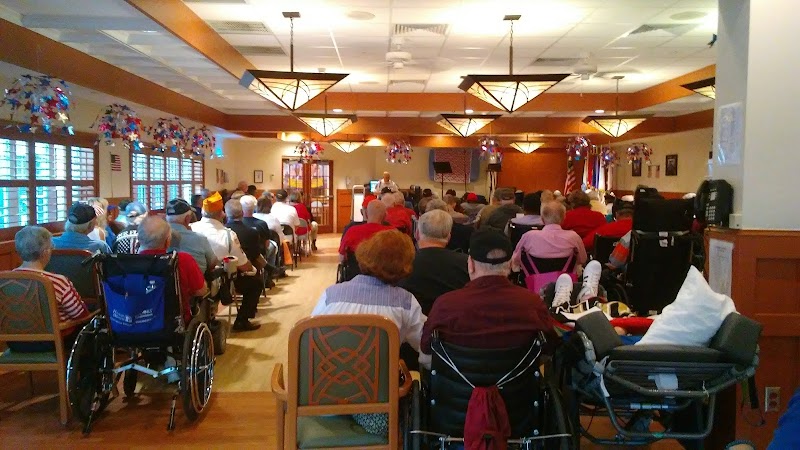
How Does Emory L Bennett Memorial Veterans Compare to Other Florida Nursing Homes?

Compared to the 100 nursing homes in Florida, EMORY L BENNETT MEMORIAL VETERANS NURSING HOME's overall rating (2 stars) is below the state average of 3.2, staff turnover (58%) is significantly higher than the state average of 46%, and health inspection rating (3 stars) is at the national benchmark.

What Should Families Ask When Visiting Emory L Bennett Memorial Veterans?

Based on this facility's data, families visiting should ask: "How do you ensure continuity of care given staff turnover, and what is your staff retention strategy?" "Can I visit during a mealtime to observe dining assistance and food quality?" "How do you handle medical emergencies, and what is your hospital transfer rate?" "Can I speak with family members of current residents about their experience?" These questions are particularly relevant given the facility's high staff turnover rate.

Is Emory L Bennett Memorial Veterans Safe?

Based on CMS inspection data, EMORY L BENNETT MEMORIAL VETERANS NURSING HOME has a clean safety record: no substantiated abuse findings (meaning no confirmed cases of resident harm), no Immediate Jeopardy citations (the most serious violation level indicating risk of serious injury or death), and is not on the Special Focus Facility watch list (a federal program monitoring the lowest-performing 1% of nursing homes). The facility has a 2-star overall rating and ranks #100 of 100 nursing homes in Florida. While no facility is perfect, families should still ask about staff-to-resident ratios and recent inspection results during their visit.

Do Nurses at Emory L Bennett Memorial Veterans Stick Around?

Staff turnover at EMORY L BENNETT MEMORIAL VETERANS NURSING HOME is high. At 58%, the facility is 12 percentage points above the Florida average of 46%. High turnover means new staff may not know residents' individual needs, medications, or preferences. It can also be disorienting for residents, especially those with dementia who rely on familiar faces. Families should ask: What is causing the turnover? What retention programs are in place? How do you ensure care continuity during staff transitions?

Was Emory L Bennett Memorial Veterans Ever Fined?

EMORY L BENNETT MEMORIAL VETERANS NURSING HOME has been fined $9,503 across 1 penalty action. This is below the Florida average of $33,174. While any fine indicates a compliance issue, fines under $50,000 are relatively common and typically reflect isolated problems that were subsequently corrected. Families should ask what specific issues led to these fines and confirm they've been resolved.

Is Emory L Bennett Memorial Veterans on Any Federal Watch List?

EMORY L BENNETT MEMORIAL VETERANS NURSING HOME is not on any federal watch list. The most significant is the Special Focus Facility (SFF) program, which identifies the bottom 1% of nursing homes nationally based on persistent, serious quality problems. Not being on this list means the facility has avoided the pattern of deficiencies that triggers enhanced federal oversight. This is a positive indicator, though families should still review the facility's inspection history directly.