GARDENS HEALTHCARE & REHABILITATION CENTER
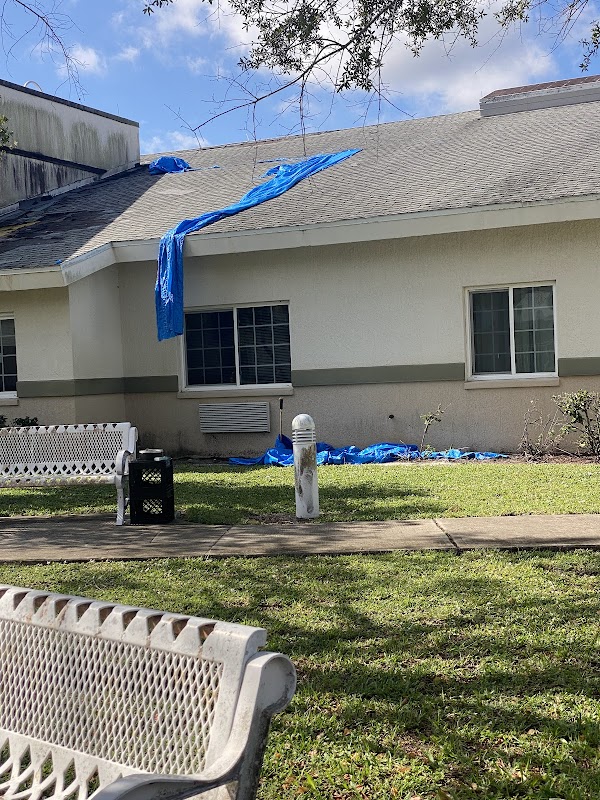
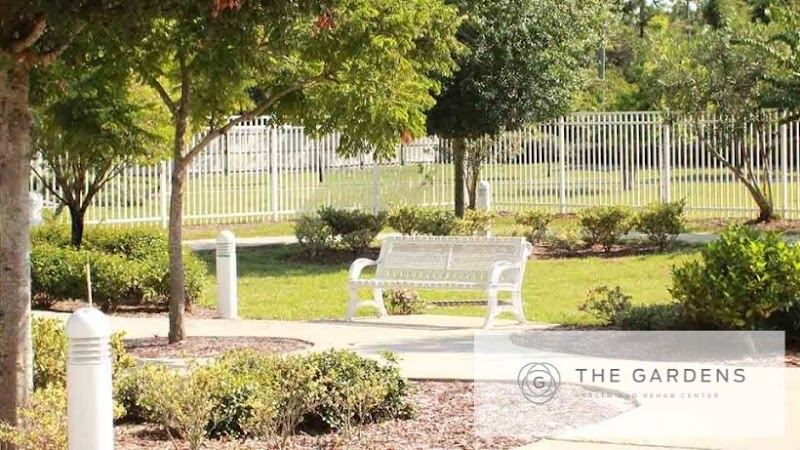
1704 HUNTINGTON VILLAGE CIRCLE, DAYTONA BEACH, FL 32114 (386) 255-6571
For profit - Limited Liability company 108 Beds GOLD FL TRUST II Data: November 2025
Trust Grade
58/100
#353 of 690 in FL
Last Inspection: January 2024

Within standard 12-15 month inspection cycle. Federal law requires annual inspections.

Overview

Gardens Healthcare & Rehabilitation Center has a Trust Grade of C, indicating it's average compared to other facilities. It ranks #353 out of 690 in Florida, placing it in the bottom half, and #20 of 29 in Volusia County, suggesting there are only a few local options that are better. The facility's performance is worsening, with issues increasing from 2 in 2022 to 5 in 2024. Staffing is a concern, rated 2 out of 5 stars, with a high turnover rate of 54%, which exceeds the state average. While the facility faces some challenges, such as serious incidents of improper discharge procedures that left a resident feeling lost and unprepared, it does have an excellent rating of 5 out of 5 for quality measures, indicating that the care provided is strong in that area.

Trust Score
C
58/100
In Florida
#353/690
Bottom 49%
Safety Record
Moderate
Needs review
Inspections
Getting Worse
2 → 5 violations
Staff Stability
⚠ Watch
54% turnover. Above average. Higher turnover means staff may not know residents' routines.
Penalties
○ Average
$8,512 in fines. Higher than 67% of Florida facilities. Some compliance issues.
Skilled Nurses
⚠ Watch
Each resident gets only 23 minutes of Registered Nurse (RN) attention daily — below average for Florida. Fewer RN minutes means fewer trained eyes watching for problems.
Violations
○ Average
8 deficiencies on record. Average for a facility this size. Mostly minor or procedural issues.
★★★☆☆
3.0
Overall Rating
★★☆☆☆
2.0
Staff Levels
★★★★★
5.0
Care Quality
★★☆☆☆
2.0
Inspection Score
Stable
2022: 2 issues
2024: 5 issues

The Good

  • 5-Star Quality Measures · Strong clinical quality outcomes
  • Full Sprinkler Coverage · Fire safety systems throughout facility
  • No fines on record

Facility shows strength in quality measures, fire safety.

The Bad

3-Star Overall Rating

Near Florida average (3.2)

Meets federal standards, typical of most facilities

Staff Turnover: 54%

Near Florida avg (46%)

Higher turnover may affect care consistency

Federal Fines: $8,512

Below median ($33,413)

Minor penalties assessed

Chain: GOLD FL TRUST II

Part of a multi-facility chain

Ask about local staffing decisions and management

The Ugly 8 deficiencies on record

2 actual harm
Dec 2024 2 deficiencies 2 Harm
SERIOUS (G) 📢 Someone Reported This

A family member, employee, or ombudsman was alarmed enough to file a formal complaint

Actual Harm - a resident was hurt due to facility failures

Transfer Notice (Tag F0623)

A resident was harmed · This affected 1 resident

**NOTE- TERMS IN BRACKETS HAVE BEEN EDITED TO PROTECT CONFIDENTIALITY** . Based on record review, interviews, and facility Transfer and Discharge policy review, the facility failed to provide a 30-day...

Read full inspector narrative →
**NOTE- TERMS IN BRACKETS HAVE BEEN EDITED TO PROTECT CONFIDENTIALITY** . Based on record review, interviews, and facility Transfer and Discharge policy review, the facility failed to provide a 30-day notice of discharge for one (Resident #1) of 2 residents reviewed for facility-initiated discharges, from a total of 4 residents sampled. As a result of the swift discharge from what had become Resident #1's home, he experienced sadness, loss and regret, and had insufficient time to plan for discharge to another location that would meet his physical, emotional and psychosocial needs. The findings include: A closed record review for Resident #1 revealed he was admitted to the facility on [DATE] and was [AGE] years old. He was discharged on 10/23/24. His diagnoses included paraplegia, hypertension, polyneuropathy, neurogenic bowel, neuromuscular dysfunction of bladder and depression. The quarterly Minimum Data Set (MDS) assessment dated [DATE] assessed Resident #1 with a brief interview for mental status (BIMS) score of 15, indicating he was cognitively intact. A review of the Discharge Return Not Anticipated MDS assessment dated [DATE], revealed Resident #1 had an unplanned discharge on this same date to a short-term general hospital. Resident #1 was independent with daily decision making and required some assistance with activities of daily living. Discharge planning for him to return to the community was not occurring while he was in the facility. A record review of the physician's order for Resident #1 revealed an order for him to be sent to the ER (emergency room) for evaluation and treatment. (Photographic evidence was obtained) Review of the document titled AHCA Nursing Home Transfer and Discharge Notice revealed Resident #1 was transferred to a local hospital. The date the notice was given was 10/23/24, with an effective date 10/23/24, not the required 30-day notice of discharge. Further record review revealed that the Resident Representative section of the transfer form for Resident #1 was shown as unable to sign. and the reason for Transfer/Discharge was listed as Your needs cannot be met in this facility. (Photographic evidence was obtained) Review of a Psychiatry Phone Note dated 10/23/24 read: This provider was notified that resident was admitted to hospital as a [NAME] Act (a law that allows for involuntary examination and treatment for people who may have a mental illness and are a danger to themselves or others). It was reported to provider that patient had sent a message to his wife late Tuesday night, very early Wednesday morning, a suicide note. Staff reports that wife called the facility for staff to check on patient. Upon walking into his room, they noticed resident had tied his phone cord to the trapeze above his bed in attempt to hang himself. Staff cut the cord immediately and patient was able to respond and was still conscious. Per staff, patient will not be returning to this facility. Still in the hospital at this time. (Photographic evidence was obtained) Review of the document titled Nursing Home to Hospital Transfer for Resident #1 dated 10/23/24 at 4:00 am reported he was being sent to the hospital for choking with phone cord wrapped around his neck. Resident's head was observed hanging from a phone type charger, which was around his neck and tied to a trapeze bar above his head. His face was purple, eyes were bulging and the resident was groaning. The cord was cut with scissors. Bleeding was noted from the resident's mouth and nose. Called 911. Resident stated he was trying to commit suicide. (Photographic evidence was obtained) A telephone interview was conducted with Resident #1's spouse and Power of Attorney on 12/10/24 at 1:30 pm. She stated she had received a text from Resident #1. He was in distress, so she called the facility. Staff checked on him, found him in distress and transported him (to the hospital). She called the facility a few hours later and spoke with a staff member in the finance department and begged that the facility please not give away his room. Resident #1 wanted to return to the facility because emotionally it was good for him. He had his own private room there and a great rapport with the staff. A few hours later she received a phone call from the Administrator, who advised her that under the circumstances, she would have to come get Resident #1's belongings. So, she did. While at the facility she sat in the conference room with the Administrator and another facility staff member. Resident #1's wife said, [Resident #1] was not hurting ANYONE there, until that moment when he was in an emotional crisis. The facility just didn't want him back because of that incident. Resident #1 remained in the hospital for a little over three weeks, longer than he should have. The staff there told her after day two he didn't need to be there, but he had a urinary tract infection and was septic (infection in the blood) from it. Because of that, he was not allowed to participate in any counseling at the hospital. The psychiatric doctor told her he was not worried about Resident #1, but not once did he get counseling. Resident #1 was finally discharged once his illness resolved, but it was then they had to find someplace for him to go. That took a while. She stated the staff had loved him at the facility. He had been there 6 months. He was not ready to come home yet but was working on that. Resident #1 was happy with the physical therapy department and they would go in and work with him specifically. He also could use the machines in the gym to maintain his strength even though he was not on active PT caseload. Resident #1 was really upset that he was not going back. He wanted his room and the PT he was getting. Resident #1's wife began to cry at this point in the conversation. Resident #1 was currently at another local nursing home. We are not thrilled about it. She cried again as she explained the attempt on his life was unprecedented. That was SO not like him; it was a shock. She concluded by again saying, The staff here LOVED him, I mean they LOVED him. A telephone interview was conducted with the receiving hospital's Clinical Supervisor (CS) on 12/10/24 at 2:10 pm. The hospital's Psychiatric Counselor (PC) was also on the call. The PC stated Resident #1 was sent to them under the [NAME] Act, and the facility refused readmission. Because they anticipated pushback from the facility, they started working on discharging him earlier, but the facility said no. The CS reported that it was Resident #1's wife who told them she had been told to come get Resident #1's belongings the day he was transferred to the hospital. The CS asked the Administrator if he was willing to be fined by the Centers for Medicare and Medicaid services (CMS, a federal agency) and mentioned that the fines could be steep for refusing to allow the resident to return. The Administrator said yeah. It sounded like the decision was over his head, and he understood it was a tough decision to make. The CS stated that the text Resident #1 sent was at 2:00 am. Staff ran, got him off of the [Hoyer] and there were no other patients who saw it. The CS said he and the PC felt it was a very inappropriate refusal, and that Resident #1 had made it very clear he had wanted to go back to the facility. The PC concluded, stating Resident #1 realized his action had an impact and he could not go back to the facility. It affected him strongly at first, realizing that his life had changed so much related to the surgery that left him paralyzed. Then, realizing he could not go back to what was his home. That was one more thing for him to come off of. The resident's wife was definitely upset. A telephone interview was conducted with Resident #1 on 12/10/24 at 2:20 pm. He confirmed he was discharged from the facility and not allowed to come back. He was unfortunately at another nursing home now. The overall culture at the former facility was Let's take care of patients. The facility was wonderful; full of people who cared. He stated he so regretted not being there anymore and referred to the care as excellent. Resident #1 humbly explained his suicide attempt was during a desperate time, and he did a stupid thing. He became tearful as he explained he had an emotional breakdown, and it all came crashing down on him. The (new) facility was just not giving him what he needed as far as care. He said, It just isn't very good. Furthermore, there was very limited equipment in the therapy gym. Resident #1 learned almost immediately after his transfer that he would not be allowed back. He wanted to return but was told he couldn't. They packed up all his stuff and left it for his wife to retrieve. Wham, bam, thank you ma'am, he was out of there. Resident #1 said he was supposed to receive a 30-day notice, but the facility was willing to pay a fine just to get it over with. Resident #1 concluded by saying he did not want to be where he was now and asked if there was any way the facility could be forced to take him back. An interview was conducted with the Administrator on 12/10/24 at 2:45 pm. The Director of Nursing joined him for the interview. The Administrator explained Resident #1 had been in the facility since April. He had come in as skilled (needing skilled nursing services), and they tried to get Resident #1 to where he could go home with the assistance of his wife. He wasn't strong enough yet. Prior to admission, Resident #1 had been a golfer and having back pain for a while. His friend, a surgeon, convinced Resident #1 to get back surgery and performed the operation. The surgery resulted in Resident #1 becoming paralyzed. Resident #1 was in a private room, so that made him happy. He was always polite, with no major issues. The DON interjected and explained Resident #1 was well-liked; he would talk with the staff and goof around. This incident was a total change for him. Resident #1's wife received an email from him late at night. She opened it and called the facility immediately. The wife advised the staff who answered that Resident #1 might commit suicide. Staff immediately went to the room and upon entry, saw him hanging from a telephone cord tied to his over-bed trapeze. Staff took scissors and immediately cut him down. There were no signs that would happen, and the wife had never voiced any similar concerns. Resident #1 had been seen by psych, and no antecedents were identified. Resident #1 was upset with the staff and told medics he was fading but the staff stopped it. Resident #1 was very close with the staff. It was traumatic. The Administrator said after finding Resident #1, emergency medical technicians were called. They arrived and Baker-Acted Resident #1. The facility assessed the situation and decided not to have Resident #1 return. The facility was not going to be able to meet his needs based on his wanting to harm himself. Facility staff followed him in the hospital for days, but nothing changed. Resident #1 was making no progress and refusing his antidepressants. They notified Resident #1's wife, who asked to come get his belongings. She realized he was not coming back. Ultimately, the Administrator signed off on the decision not to readmit Resident #1, but he certainly doesn't make those decisions alone. Clinical and Regional staff decided to deny Resident #1's return. The Administrator was asked if they considered providing a 30-day notice and one-to-one staffing supervision for the 30-day period leading up to discharge (or appeal hearing) in order to keep Resident #1 safe. The Administrator said they contemplated it, but decided no. He stated the facility sent a 30-day discharge notice to the hospital, but was reminded the date on the notice was the same day of the transfer, not 30 days later. The Administrator said the staff felt they might have been able to do something earlier to stop this resident. Ultimately, he felt he could not keep Resident #1 safe from himself. A telephone interview was conducted with Long Term Care Ombudsman (LTCO) A on 12/10/24 at 1:15 pm. She stated she was just talking with LTCO B, who handles discharges. She said she called the Administrator after this discharge and advised him he needed to accept Resident #1 back per the 30-day discharge notice requirements. The Administrator replied that he would not allow Resident #1 back per his and corporate's decision, as it was not in the best interest of this resident. She reminded him again he needed to take Resident #1 back, and he said no again. When the LTCO spoke with Resident #1 while he was still in the hospital, he told her he wanted to return to the facility. Review of the facility's policy Standards and Guidelines: Transfer and Discharge Implemented/Reviewed/Revised: 1/1/21 found it states: Standard: It is the standard of this facility to provide appropriate transfer and discharge services . The facility will allow for sufficient preparation and orientation by informing the resident where he or she is going to take steps to minimize anxiety. Guidelines: 1. The facility must permit each resident to remain in the facility, and not transfer or discharge the resident from the facility unless- (A) The transfer or discharge is necessary for the resident's welfare and the resident's needs cannot be met in the facility . 2. The facility may not transfer or discharge the resident while the appeal is pending, pursuant to § 431.230 of this chapter, when a resident exercises his or her right to appeal a transfer or discharge notice from the facility pursuant to § 431.220(a)(3) of this chapter, unless the failure to discharge or transfer would endanger the health or safety of the resident or other individuals in the facility. The facility must document the danger that failure to transfer or discharge would pose. - Page #2: 30 Day Facility Initiated Discharges (Notice Requirements Before Transfer/Discharge): 1. Notify the resident and the resident's representative(s) of the transfer or discharge and the reasons for the move in writing and in a language and manner they understand. The facility must send a copy of the notice to a representative of the Office of the State Long-term Care Ombudsman. 2. The facility should record the reasons for the transfer or discharge in the resident's medical record and include in the notice the following items: 1)The reason for transfer or discharge; [1)] The effective date of transfer or discharge; 2) The location to which the resident is transferred or discharged ; 3) A statement of the resident's appeal rights, including the name, address (mailing and email), and telephone number of the entity which receives such requests; and information on how to obtain an appeal form and assistance in completing the form and submitting the appeal hearing request; 4) The name, address (mailing and email) and telephone number of the Office of the State Long-Term Care Ombudsman; 5) For nursing facility residents with intellectual and developmental disabilities or related disabilities, the mailing and email address and telephone number of the agency responsible for the protection and advocacy of individuals with developmental disabilities established under Part C of the Developmental Disabilities Assistance and [NAME] of Rights Act of 2000 and; 3. The Notice of Transfer or Discharge should be made by the facility at least 30 days before the resident is transferred or discharged except under the following circumstances: The Notice must be made as soon as practicable before transfer or discharge when- a. The safety of individuals in the facility would be endangered; b. The health of individuals in the facility would be endangered; c. The resident's health improves sufficiently to allow a more immediate transfer or discharge; d. An immediate transfer or discharge is required by the resident's urgent medical needs; or e. A resident has not resided in the facility for 30 days. Unplanned Discharges/Emergency Transfers to Hospital: 1. When a change in condition or required transfer to the hospital or other higher level of care is determined, the facility should obtain appropriate transfer orders . 2. Documentation of the change should be reflected in the medical record . 5. In situations where the facility has decided to discharge the resident while still hospitalized , the facility will send a notice of the discharge to the resident and resident representative . (Photographic evidence was obtained)
SERIOUS (G) 📢 Someone Reported This

A family member, employee, or ombudsman was alarmed enough to file a formal complaint

Actual Harm - a resident was hurt due to facility failures

Safe Transfer (Tag F0626)

A resident was harmed · This affected 1 resident

**NOTE- TERMS IN BRACKETS HAVE BEEN EDITED TO PROTECT CONFIDENTIALITY** Based on record review, interviews, and facility Resident Return to Facility document review, the facility failed to permit one ...

Read full inspector narrative →
**NOTE- TERMS IN BRACKETS HAVE BEEN EDITED TO PROTECT CONFIDENTIALITY** Based on record review, interviews, and facility Resident Return to Facility document review, the facility failed to permit one resident who was admitted for long-term care (Resident #1) to return to the facility following a [NAME] Act transfer to the hospital from a total of two residents reviewed for transfer/discharge. The abrupt discharge for Resident #1 caused him to experience sadness, loss and regret, and gave insufficient time to plan for discharge to another location of his choice that would meet his physical, emotional and psychosocial needs. The findings include: A closed record review for Resident #1 revealed he was admitted to the facility on [DATE] and was [AGE] years old. He was discharged on 10/23/24. His diagnoses included paraplegia, hypertension, polyneuropathy, neurogenic bowel, neuromuscular dysfunction of bladder and depression. The quarterly Minimum Data Set (MDS) assessment dated [DATE] assessed Resident #1 with a brief interview for mental status (BIMS) score of 15, indicating he was cognitively intact. A review of the Discharge Return Not Anticipated MDS assessment dated [DATE], revealed Resident #1 had an unplanned discharge on this same date to a short-term general hospital. Resident #1 was independent with daily decision making and required some assistance with activities of daily living. Discharge planning for him to return to the community was not occurring while he was in the facility. A record review of the physician's order for Resident #1 revealed an order for him to be sent to the ER (emergency room) for evaluation and treatment. (Photographic evidence was obtained) Review of the document titled AHCA Nursing Home Transfer and Discharge Notice revealed Resident #1 was transferred to a local hospital. The date the notice was given was 10/23/24, with an effective date 10/23/24, not the required 30-day notice of discharge. Further record review revealed that the Resident Representative section of the transfer form for Resident #1 was shown as unable to sign. and the reason for Transfer/Discharge was listed as Your needs cannot be met in this facility. (Photographic evidence was obtained) Review of a Psychiatry Phone Note dated 10/23/24 read: This provider was notified that resident was admitted to hospital as a [NAME] Act (a law that allows for involuntary examination and treatment for people who may have a mental illness and are a danger to themselves or others). It was reported to provider that patient had sent a message to his wife late Tuesday night, very early Wednesday morning, a suicide note. Staff reports that wife called the facility for staff to check on patient. Upon walking into his room, they noticed resident had tied his phone cord to the trapeze above his bed in attempt to hang himself. Staff cut the cord immediately and patient was able to respond and was still conscious. Per staff, patient will not be returning to this facility. Still in the hospital at this time. (Photographic evidence was obtained) Review of the document titled Nursing Home to Hospital Transfer for Resident #1 dated 10/23/24 at 4:00 am reported he was being sent to the hospital for choking with phone cord wrapped around his neck. Resident's head was observed hanging from a phone type charger, which was around his neck and tied to a trapeze bar above his head. His face was purple, eyes were bulging and the resident was groaning. The cord was cut with scissors. Bleeding was noted from the resident's mouth and nose. Called 911. Resident stated he was trying to commit suicide. (Photographic evidence was obtained) Review of the document tilted Bed Hold Notice for Resident #1 dated 10/23/24 advised the notice was provided because resident was admitting to the hospital. It stated the facility policy was to remind of the bed-hold information. If the facility stay was paid by Medicaid, the bed would be held at no extra cost to the resident for a maximum of 8 days in a calendar month while hospitalized . If hospitalized beyond that time frame, private funds must be used to pay for and extended hold . if you do not hold your bed and wish to return to the facility, you will be allowed to return to your previous room, if available, or to the first available bed in a semi-private room. This is conditioned upon requiring services and your eligibility . You and your representative must verify that you wish to have your bed held within 24 hours of being admitted to the hospital or your bed will be relinquished . The form was signed by the facility but the resident's signature box stated, Unable to sign. (Photographic evidence was obtained) No documentation in the record was found reflecting communication between the facility and the receiving hospital during Resident #1's stay. A telephone interview was conducted with Resident #1's spouse and Power of Attorney on 12/10/24 at 1:30 pm. She stated she had received a text from Resident #1. He was in distress, so she called the facility. Staff checked on him, found him in distress and transported him (to the hospital). She called the facility a few hours later and spoke with a staff member in the finance department and begged that the facility please not give away his room. Resident #1 wanted to return to the facility because emotionally it was good for him. He had his own private room there and a great rapport with the staff. Then a few hours later she received a phone call from the Administrator, who advised her that under the circumstances, she would have to come get Resident #1's belongings. So, she did. While at the facility she sat in the conference room with the Administrator and another facility staff member. Resident #1's wife said, [Resident #1] was not hurting ANYONE there, until that moment when he was in an emotional crisis. The facility just didn't want him back because of that incident. Resident #1 remained in the hospital for a little over three weeks, longer than he should have. The staff there told her after day two he didn't need to be there, but he had a urinary tract infection and was septic (infection in the blood) from it. Because of that, he was not allowed to participate in any counseling at the hospital. The psychiatric doctor told her he was not worried about Resident #1, but not once did he get counseling. Resident #1 was finally discharged once his illness resolved, but it was then they had to find someplace for him to go. That took a while. She stated the staff had loved him at the facility. He had been there six months. He was not ready to come home yet but was working on that. Resident #1 was happy with the physical therapy department and they would go in and work with him specifically. He also could use the machines in the gym to maintain his strength even though he was not on active PT caseload. Resident #1 was really upset that he was not going back. He wanted his room and the PT he was getting. Resident #1's wife began to cry at this point in the conversation. Resident #1 was currently at another local nursing home. We are not thrilled about it. She cried again as she explained the attempt on his life was unprecedented. That was SO not like him; it was a shock. She concluded by again saying, The staff here LOVED him, I mean they LOVED him. A telephone interview was conducted with the receiving hospital's Clinical Supervisor (CS) on 12/10/24 at 2:10 pm. The hospital's Psychiatric Counselor (PC) was also on the call. The PC stated Resident #1 was sent to them under the [NAME] Act, and the facility refused readmission. Because they anticipated pushback from the facility, they started working on discharging him earlier, but the facility said no. The CS reported that it was Resident #1's wife who told them she had been told to come get Resident #1's belongings the day he was transferred to the hospital. The CS asked the Administrator if he was willing to be fined by the Centers for Medicare and Medicaid services (CMS, a federal agency) and mentioned that the fines could be steep for refusing to allow the resident to return. The Administrator said yeah. It sounded like the decision was over his head, and he understood it was a tough decision to make. The CS stated that the text Resident #1 sent was at 2:00 am. Staff ran, got him off of the [Hoyer] and there were no other patients who saw it. The CS said he and the PC felt it was a very inappropriate refusal, and that Resident #1 had made it very clear he had wanted to go back to the facility. The PC concluded, stating Resident #1 realized his action had an impact and he could not go back to the facility. It affected him strongly at first, realizing that his life had changed so much related to the surgery that left him paralyzed. Then, realizing he could not go back to what was his home. That was one more thing for him to come off of. The resident's wife was definitely upset. A telephone interview was conducted with Resident #1 on 12/10/24 at 2:20 pm. He confirmed he was discharged from the facility and not allowed to come back. He was unfortunately at another nursing home now. The overall culture at the former facility was Let's take care of patients. The facility was wonderful; full of people who cared. He stated he so regretted not being there anymore and referred to the care as excellent. Resident #1 humbly explained his suicide attempt was during a desperate time, and he did a stupid thing. He became tearful as he explained he had an emotional breakdown, and it all came crashing down on him. The (new) facility was just not giving him what he needed as far as care. He said, It just isn't very good. Furthermore, there was very limited equipment in the therapy gym. Resident #1 learned almost immediately after his transfer that he would not be allowed back. He wanted to return but was told he couldn't. They packed up all his stuff and left it for his wife to retrieve. Wham, bam, thank you ma'am, he was out of there. Resident #1 said he was supposed to receive a 30-day notice, but the facility was willing to pay a fine just to get it over with. Resident #1 concluded by saying he did not want to be where he was now and asked if there was any way the facility could be forced to take him back. An interview was conducted with the Administrator on 12/10/24 at 2:45 pm. The Director of Nursing joined him for the interview. The Administrator explained Resident #1 had been in the facility since April. He had come in as skilled (needing skilled nursing services), and they tried to get Resident #1 to where he could go home with the assistance of his wife. He wasn't strong enough yet. Prior to admission, Resident #1 had been a golfer and having back pain for a while. His friend, a surgeon, convinced Resident #1 to get back surgery and performed the operation. The surgery resulted in Resident #1 becoming paralyzed. Resident #1 was in a private room, so that made him happy. He was always polite, with no major issues. The DON interjected and explained Resident #1 was well-liked; he would talk with the staff and goof around. This incident was a total change for him. Resident #1's wife received an email from him late at night. She opened it and called the facility immediately. The wife advised the staff who answered that Resident #1 might commit suicide. Staff immediately went to the room and upon entry, saw him hanging from a telephone cord tied to his over-bed trapeze. Staff took scissors and immediately cut him down. There were no signs that would happen, and the wife had never voiced any similar concerns. Resident #1 had been seen by psych, and no antecedents were identified. Resident #1 was upset with the staff and told medics he was fading but the staff stopped it. Resident #1 was very close with the staff. It was traumatic. The Administrator said after finding Resident #1, emergency medical technicians were called. They arrived and Baker-Acted Resident #1. The facility assessed the situation and decided not to have Resident #1 return. The facility was not going to be able to meet his needs based on his wanting to harm himself. Facility staff followed him in the hospital for days, but nothing changed. Resident #1 was making no progress and refusing his antidepressants. They notified Resident #1's wife, who asked to come get his belongings. She realized he was not coming back. Ultimately, the Administrator signed off on the decision not to readmit Resident #1, but he certainly doesn't make those decisions alone. Clinical and Regional staff decided to deny Resident #1's return. The Administrator was asked if they considered providing a 30-day notice and one-to-one staffing supervision for the 30-day period leading up to discharge (or appeal hearing) in order to keep Resident #1 safe. The Administrator said they contemplated it, but decided no. He stated the facility sent a 30-day discharge notice to the hospital, but was reminded the date on the notice was the same day of the transfer, not 30 days later. The Administrator said the staff felt they might have been able to do something earlier to stop this resident. Ultimately, he felt he could not keep Resident #1 safe from himself. A telephone interview was conducted with Long Term Care Ombudsman (LTCO) A on 12/10/24 at 1:15 pm. She stated she was just talking with LTCO B, who handles discharges. She said she called the Administrator after this discharge and advised him he needed to accept Resident #1 back per the 30-day discharge notice requirements. The Administrator replied that he would not allow Resident #1 back per his and corporate's decision, as it was not in the best interest of this resident. She reminded him again he needed to take Resident #1 back, and he said no again. When the LTCO spoke with Resident #1 while he was still in the hospital, he told her he wanted to return to the facility. Review of the facility's standard Standards and Guidelines: Resident Return to Facility implemented 1/1/21, reviewed/revised 1/1/24 found it states: Standard: It will be the standard of this facility to allow residents to be readmitted per federal and state guidelines unless the resident is deemed inappropriate to be re-admitted to the facility for the following reasons: 1. The discharge or transfer is necessary for the resident's welfare and the facility cannot meet the resident's needs. 2. The resident's health has improved sufficiently so that the resident no longer needs the services of the facility. 3. The resident's clinical or behavioral status endangers the safety of individuals in the facility. 4. The resident's clinical or behavioral status endangers the health of individuals in the facility. 5. The resident has failed to pay for (or to have paid under Medicare or Medicaid) his or her stay at the facility. 6. The facility ceases to operate. Guidelines: 1. The process for readmission of a resident following rehospitalization or therapeutic leave should be followed per the facility bed hold and transfer and discharge policies . 4. The facility may have concerns about permitting a resident to return to the facility after a hospital stay due to the resident's clinical or behavioral condition at the time of transfer. The facility must not evaluate the resident based on his or condition when originally transferred to the hospital. If the facility determines it will not be permitting the resident to return, the medical record should show evidence that the facility made efforts to: -Determine if the resident still requires the services of the facility and is eligible for Medicare skilled nursing facility or Medicaid nursing facility services. -Ascertain an accurate status of the resident's condition-this can be accomplished via communication between hospital and nursing home staff and/or through visits by nursing home staff to the hospital. -Find out what treatments, medications and services the hospital provided to improve the resident's condition. If the facility is unable to provide the same treatments, medications, and services, the facility may not be able to meet the resident's needs and may consider initiating a discharge. For example, a resident who has required IV medication or frequent blood monitoring while in the hospital and the nursing home is unable to provide this same level of care. -Work with the hospital to ensure the resident's condition and needs are within the nursing home's scope of care, based on its facility assessment, prior to hospital discharge. For example, the nursing home could ask the hospital to: -Attempt reducing a resident's psychotropic medication prior to discharge and monitor symptoms so that the nursing home can determine whether it will be able to meet the resident's needs upon return; -Convert IV medications to oral medications and ensure that the oral medications adequately address the resident's needs . 6. If the resident chooses to appeal the discharge, the facility must allow the resident to return to his or her room or an available bed in the nursing home during the appeal process, unless there is evidence that the resident's return would endanger the health or safety of the resident or other individuals in the facility. (Photographic evidence was obtained) .
Jan 2024 3 deficiencies
CONCERN (D)

Potential for Harm - no one hurt, but risky conditions existed

ADL Care (Tag F0677)

Could have caused harm · This affected 1 resident

**NOTE- TERMS IN BRACKETS HAVE BEEN EDITED TO PROTECT CONFIDENTIALITY** Based on observations, resident and facility record reviews, and interviews with staff, the facility failed to provide appropria...

Read full inspector narrative →
**NOTE- TERMS IN BRACKETS HAVE BEEN EDITED TO PROTECT CONFIDENTIALITY** Based on observations, resident and facility record reviews, and interviews with staff, the facility failed to provide appropriate assistance with nail care for one (Resident #60) of four residents (Resident #60) reviewed for activities of daily living (ADLs), from a total of 29 residents in the sample. The findings include: An observation of Resident #60 was made on 01/23/24 at 9:34 AM. The fingernails on both of her hands were elongated and an unknown dark brown substance was observed under the nail tips. The tips of her nails were jagged and in need of filing. (Photographic evidence obtained) On 1/24/24 at 1:43 PM, Resident #60's fingernails on both hands were observed still in the same condition and with the unknown brown substance under the tips. (Photographic evidence obtained) An interview was conducted with Licensed Practical Nurse (LPN) A on 1/25/24 at 11:24 AM. When asked who was responsible for residents' nail care, LPN A replied that certified nursing assistants (CNAs) provided nail care and were permitted to trim nails unless the resident was diabetic; in that case, the nurses provided the nail care. When asked how staff removed debris from underneath the nails, LPN A said she was not sure if CNAs were using nail brushes or orange sticks. She stated residents' fingernails should be tended to as needed. CNA B was interviewed on 1/24/24 at 2:38 PM. She confirmed that the CNAs were responsible for assisting residents with keeping their fingernails clean. CNAs could file and clean fingernails but not clip them. The nurses were responsible for that. Resident #60 was observed in her room on 1/25/24 at 9:49 AM. She was in bed and had the remains of her breakfast on her overbed table. Upon request, she displayed her fingernails which now appeared neatly filed, but still with the same brown substance under the tips. Resident #60 reported that the nurse had just come in the other day to do them. She asked, They look better, don't they? When shown, she acknowledged the brown substance underneath but could not state what it was or how it got there. The Long Term Care Unit Manager (LTCUM) was interviewed on 1/25/24 at 11:33 AM. She stated CNAs should provide care when a resident's nails were long or in need of cleaning. Orange sticks were available for cleaning underneath the nails but nail brushes were not. CNAs provided hand hygiene before meals by using hand wipes. The LTCUM was accompanied to Resident #60's room to observe her fingernails; however, the resident was receiving personal care. When shown the photographs, the LTCUM confirmed the presence of the dark brown unknown substance under the tips. She was unsure of what the matter was but confirmed Resident #60's need for nail care. A record review for Resident #60 found she was admitted to the facility on [DATE]. She had a quarterly minimum data set (MDS) assessment with an assessment reference date of 11/8/23. Resident #60 had a brief interview for mental status (BIMS) score of 13 out of 15 points, reflecting that she was cognitively intact. Her diagnoses included cancer, Parkinson's disease and renal insufficiency. Resident #60 was care planned on 8/22/23 for her ADL self-care performance deficit related to her activity intolerance, impaired balance, weakness and Parkinson's disease. The goal was to maintain her current level of function through the next review date. Interventions included, but were not limited to, requires extensive assistance of 1 person with personal hygiene. Resident #60 was also care planed on 11/13/23 for a rash to her vaginal area, with the goal to heal by the next review date. Interventions included avoid scratching and keep hands and body parts from excessive moisture and monitor skin rash for increased spread or signs of infection. (Photographic evidence obtained) A review of Resident #60's CNA tasks found that she required physical to total assistance daily with bathing and personal hygiene. The bathing task further asked if nail care was provided during bathing. The task was marked yes for January 5, 10, 17, 19 and 22, 2024, and noted that Resident #60 required physical help to total assistance with nail care. She was independent with eating. (Photographic evidence obtained) A review of the facility's Standards and Guidelines: Nail Care (implemented 1/15/21, revised/reviewed 1/15/2) found: Standard: It will be the standard of this facility to provide nail care to residents per resident preferences and to maintain dignity. Guidelines: .3. Nail care includes regular cleaning and regular trimming, unless contraindicated by resident condition, specific behaviors or resident refusal. .6. Trimmed and smooth nails can help prevent the resident from accidentally scratching and injuring his or her skin. 7. Watch for and report changes in general condition of resident's nails. (Photographic evidence obtained) .
CONCERN (D)

Potential for Harm - no one hurt, but risky conditions existed

Garbage Disposal (Tag F0814)

Could have caused harm · This affected 1 resident

Based on observations and interviews with staff, the facility failed to ensure waste and refuse were disposed of properly into one of two dumpsters inspected. Failure to ensure refuse is contained pre...

Read full inspector narrative →
Based on observations and interviews with staff, the facility failed to ensure waste and refuse were disposed of properly into one of two dumpsters inspected. Failure to ensure refuse is contained presents unsanitary conditions and the risk of harboring and feeding pests. The findings include: During the initial kitchen tour on 1/22/24 at 10:25 AM, the facility's two commercial garbage dumpsters were inspected. One of the two dumpsters was found with medical waste, food, cardboard boxes and trash strewn about the base of the dumpster. Some of the debris had migrated to the base of electrical equipment nearby. (Photographic evidence obtained) The Certified Dietary Manager (CDM), who was present for the tour, confirmed the condition of the area. She explained garbage pickup was two days a week and as requested. Maintenance was responsible for picking up the trash around the dumpsters. The CDM was asked if maintenance worked weekends but she did not respond. The dumpsters were revisited on 1/25/24 at 1:40 PM. The same one of two dumpsters was now overfilled and the lid was propped open approximately three feet. Cardboard boxes were holding the lid open and boxes and trash were exposed. The CDM recognized the concern and asked for assistance with redistributing the contents of the dumpster in order to get the lid to close. She again stated maintenance was responsible for maintaining the dumpsters. The Maintenance Director (MD) was interviewed on 1/25/24 at 2:01 PM. He was asked about his responsibility with maintaining the condition of the dumpsters and surrounding areas. The MD stated the dietary department was responsible, but he helped and picked up when he saw something. He had spoken to dietary about it. Trash pickup was daily except for Thursdays and Sundays. The MD looked at the photographic evidence and confirmed the unsanitary conditions. .
CONCERN (F)

Potential for Harm - no one hurt, but risky conditions existed

Food Safety (Tag F0812)

Could have caused harm · This affected most or all residents

Based on observations, interviews with staff, and a review of the 2022 Food Code, the facility failed to store and distribute ice in accordance with professional standards for food service safety in t...

Read full inspector narrative →
Based on observations, interviews with staff, and a review of the 2022 Food Code, the facility failed to store and distribute ice in accordance with professional standards for food service safety in two of three ice machines inspected. This had the potential to affect all 103 residents who ate and drank by mouth from a total of 104 residents in the facility. Failure to ensure ice machines are clean and draining properly poses a risk of contamination with mold or bacteria, which could lead to waterborne illness. The findings include: During an initial tour of the kitchen on 1/22/24 at 10:25 AM, the ice machine was inspected. Standing water was pooled at the base of the opening where the ice machine lid closed and came to rest. The location of the pooled water presented a likelihood of splashing into the ice when the lid was closed. (Photographic evidence obtained) The Certified Dietary Manager (CDM), who was present at the time of the tour, acknowledged the pooled water and it's proximity to the ice. She stated it had always been like that. The CDM retrieved some paper towels and began wiping up the water but it splashed back into the ice. The tile floor around the base of the machine was very wet and had shallow, pooled water around the legs of the machine. During a visit to the 500 hallway on 1/22/24 at 12:21 PM, the food pantry's ice machine was inspected. The white plastic face plate concealing the ice chute had what resembled reddish pink bio-slime along the base of the plate. (Photographic evidence obtained) During a revisit to the kitchen on 1/25/24 at 1:40 PM, the ice machine pooling water concern had been resolved. The CDM explained that maintenance assisted with the resolution. She was accompanied to inspect the ice machine on the 500 hall. Upon inspection, she confirmed the presence of the pink substance. The CDM put the machine out of commission by posting a sign. The Maintenance Director (MD) was interviewed on 1/25/24 at 2:01 PM. He was asked about the kitchen ice machine and reported it had been fixed. He explained he had to raise and level it to ensure condensation drained forward to the drain and not back into the ice. The MD was asked how often he monitored the buildup of condensation for that machine. He said daily since the discovery was made days ago. Prior to that, he deep cleaned the machines every three months and did a general cleaning monthly. The MD and the Administrator were accompanied to the 500 hall ice machine. The MD attempted to wipe the area but the substance was embedded in the plastic and would not come off. He confirmed the presence of the substance. A review of the 2022 United States Food and Drug Administration found under section 4-602.11 Equipment Food-Contact Surfaces and Utensils it states: Surfaces of utensils and equipment contacting food that is not time/temperature control for safety food such as iced tea dispensers, carbonated beverage dispenser nozzles, beverage dispensing circuits or lines, water vending equipment, coffee bean grinders, ice makers, and ice bins must be cleaned on a routine basis to prevent the development of slime, mold, or soil residues that may contribute to an accumulation of microorganisms. (Photographic evidence obtained) A review of the Internet website (https://www.mytwintiers.com/news-cat/national-news/what-is-that-pink-slime-in-the-ice-machine/) found the biofilm known as pink slime is a frequent sight on ice machines and as buildup anywhere near water. The substance is a bacteria colony that could lead to serious health problems if ingested or if left unattended. Biofilms are the result of microorganisms attaching to a surface and often is a result of mold or fungus that has accumulated from bacteria growth on a surface that is constantly exposed to clinging water droplets and warm temperatures. Once well-developed biofilms establish themselves on surfaces, cleaning and sanitation become much more difficult. Sanitizing might not be enough and the substance must be physically removed from a surface in addition to regular cleaning. (Photographic evidence obtained) .
Feb 2022 2 deficiencies
CONCERN (D)

Potential for Harm - no one hurt, but risky conditions existed

Deficiency F0583 (Tag F0583)

Could have caused harm · This affected 1 resident

Based on observations and staff interviews, the facility failed to ensure that two (Residents #85 and #5) of three residents observed during medication administration, from a total sample of 27 reside...

Read full inspector narrative →
Based on observations and staff interviews, the facility failed to ensure that two (Residents #85 and #5) of three residents observed during medication administration, from a total sample of 27 residents, were provided privacy during medical treatment. The findings include: On 2/22/22 at 11:00 AM, Registered Nurse (RN) A was observed performing blood glucose monitoring for Resident #85. RN A obtained the necessary equipment, entered the resident's room, and left the door open after verifying the resident's identity. The nurse pricked the resident's finger for blood and obtained a blood glucose result without pulling the resident's curtain to provide privacy. RN A stated the blood sugar was 211 and the resident required insulin. After hygiene, the nurse obtained 2 units of insulin and went back to Resident #85 with the door still open and the privacy curtain not pulled. The nurse administered the insulin in the resident's left lower abdomen. When asked whether she provided privacy during the process, she replied, I completely forgot about that. On 2/22/22 at 11:45 AM, Licensed Practical Nurse (LPN) B obtained the necessary equipment for blood glucose monitoring and entered Resident #5's room. The nurse did not knock on the resident's door, did not ask permission to enter, and left the door open after verifying the resident's identity. LPN B pricked the resident's finger for blood and obtained a blood glucose result without pulling the resident's curtain to provide privacy. Resident #5 was in the bed close to the door and could be observed from the hallway. LPN B stated the blood sugar reading was 463. He added that the blood sugar was beyond the parameters and the resident's physician would have to be contacted. He returned to the resident and stated LPN D/Unit Manager contacted the physician and orders were given to administer 12 units of insulin and recheck the resident's blood sugar after an hour. LPN B obtained the 12 units of insulin, entered the resident's room without closing the door or pulling the curtain for privacy, and administered the insulin in the resident's left upper arm. During a medication administration observation on 2/23/21 at 9:07 AM, LPN C was observed entering Resident #5's room without knocking on the door or requesting permission to enter. LPN C left the door open, and did not pull the privacy curtain closed before administering medication to the resident. In an interview on 2/23/22 at 9:30 AM, LPN C confirmed that she had not provided privacy to Resident #5 during medication administration. .
CONCERN (D)

Potential for Harm - no one hurt, but risky conditions existed

Unnecessary Medications (Tag F0759)

Could have caused harm · This affected 1 resident

Based on observations, record reviews, and staff interviews, the facility failed to ensure a medication error rate of less than 5%, based on 2 errors with 35 opportunities for error, resulting in an e...

Read full inspector narrative →
Based on observations, record reviews, and staff interviews, the facility failed to ensure a medication error rate of less than 5%, based on 2 errors with 35 opportunities for error, resulting in an error rate of 5.714%. The findings include: During a medication administration observation on 2/23/21 at 9:07 AM, Licensed Practical Nurse (LPN) C was observed obtaining medication for Resident #5. The nurse obtained and administered one tab of Lasix 20 milligrams (mg) ( medication to remove excess fluid ), and one tablet of glipizide 2 mg (medication to help regulate blood sugar) to Resident #5. A review of Resident #5's medical record, revealed that her current physician's orders included Glipizide 5 mg two tablets by mouth two times a day for diabetes, and Furosemide (Lasix) 20 mg two tablets by mouth one time a day related to edema. (Copies obtained) In an interview on 02/23/22 at 9:30 AM, LPN C confirmed that she had administered one Lasix pill and one glipizide pill. When asked to review Resident #5's physician's orders, LPN C stated, I overlooked the order. I needed to give 2 pills of Lasix and glipizide. She stated she would go back and administer the two remaining pills to Resident #5. A review of the facility's policy and procedure titled: Standards and Guidelines: Medication Administration (Last revised on 01/01/2021), revealed the standards read, It will be the standard of this facility to administer medication in a timely manner and as prescribed by the physician, unless otherwise clinically indicated or necessitated by other circumstances, such as lack of availability of medication or refusal of medication by the resident. The guideline included: 2. The Director of Nursing services is responsible for the supervision and direction of all personnel with medication administration and duties and functions. 5. Should a dosage seem excessive considering the resident's age and medical condition, or medication orders seem to be unrelated to the resident 's current diagnosis or medical condition the person preparing /administering the medication shall contact the resident's physician or the facility's Medical Director for further instruction. 8. After successfully identifying the resident to receive medication administration, the individual administering the medication should ensure that right medication , right dosage right time and right method of administration are verified. .
Feb 2020 1 deficiency
CONCERN (F)

Potential for Harm - no one hurt, but risky conditions existed

Food Safety (Tag F0812)

Could have caused harm · This affected most or all residents

Based on observations in the kitchen on 2/24/2020 through 2/27/2020, and staff interviews, the facility failed to prepare, distribute, and serve food in accordance with professional standards for food...

Read full inspector narrative →
Based on observations in the kitchen on 2/24/2020 through 2/27/2020, and staff interviews, the facility failed to prepare, distribute, and serve food in accordance with professional standards for food service safety. The findings include: During an initial tour of the Dishwashing room in the kitchen on 2/24/20 at 11:21 AM, observed the ceiling tiles. There was a black substance on the wall behind the dishwasher sink and the dishroom tiled walls. The blackened area covered the entire area (See photographic evidence). The 2 dish- rack holders were also observed with murky and slimy liquid interspersed with black colored growth. (See photographic evidence) after the last rack was removed to show the evidence. The Certified Dietary Manager was interviewed on 2/24/20 at 11:21am while observing the area. She stated that the walls were power washed every 2 days but the blackened areas returned. She was asked if the kitchen had a mold problem. Staff did not respond. She was asked if the Administrator had been notified of the problem and she said no. The Administrator was called to the kitchen and she was present while the photographic evidence was taken. It was also observed during the same time that there were five serving scoops which were already washed and stored with dried food debris. The can opener was observed impacted. Observed the 2 Plate Lowerators holding clean plates with spillage and food debris. The base of the door leading out of the cleaning equipment room was observed with the kick plate missing but covered with black growth that had destroyed the base of the door. (Photographic evidence) Interview with the Administrator at 11:23 AM on 2/24/2020. The Administrator stated that the facility had not been able to find a replacement door and none of the vendors had a replacement door. The Certified Dietary Manager (CDM) stated that the Dietary aides were responsible for cleaning the dish room walls and the floors. They were to power wash the walls every 2 days. On 2/27/2020 at 12:46 PM, the wall by the dishwasher sink which was cleaned on 2/24/2020 was observed again with some discoloration. Interview with the Dietary aide in charge of cleaning the area at 12:48 PM on 2/27/2020 revealed that the wall was cleaned daily. A review of the Daily cleaning schedule failed to indicate that the Dietary aides were responsible for Power- washing the walls of the dish-room. It noted that between 6:30 PM and 7:15 PM, Log dish temperature and PPM. Send dishes. When finished, wipe down dish machine, counters and walls. The facility had no cleaning schedule for the dishroom walls.
Understanding Severity Codes (click to expand)
Life-Threatening (Immediate Jeopardy)
J - Isolated K - Pattern L - Widespread
Actual Harm
G - Isolated H - Pattern I - Widespread
Potential for Harm
D - Isolated E - Pattern F - Widespread
No Harm (Minor)
A - Isolated B - Pattern C - Widespread

Questions to Ask on Your Visit

  • "Can I speak with families of current residents?"
  • "What's your RN coverage like on weekends and overnight?"

Our Honest Assessment

Strengths
  • • Licensed and certified facility. Meets minimum state requirements.
Concerns
  • • 8 deficiencies on record, including 2 serious (caused harm) violations. Ask about corrective actions taken.
  • • Grade C (58/100). Below average facility with significant concerns.
Bottom line: Mixed indicators with Trust Score of 58/100. Visit in person and ask pointed questions.

About This Facility

What is Gardens Healthcare & Rehabilitation Center's CMS Rating?

CMS assigns GARDENS HEALTHCARE & REHABILITATION CENTER an overall rating of 3 out of 5 stars, which is considered average nationally. Within Florida, this rating places the facility higher than 0% of the state's 100 nursing homes. This mid-range rating indicates the facility meets federal standards but may have areas for improvement.
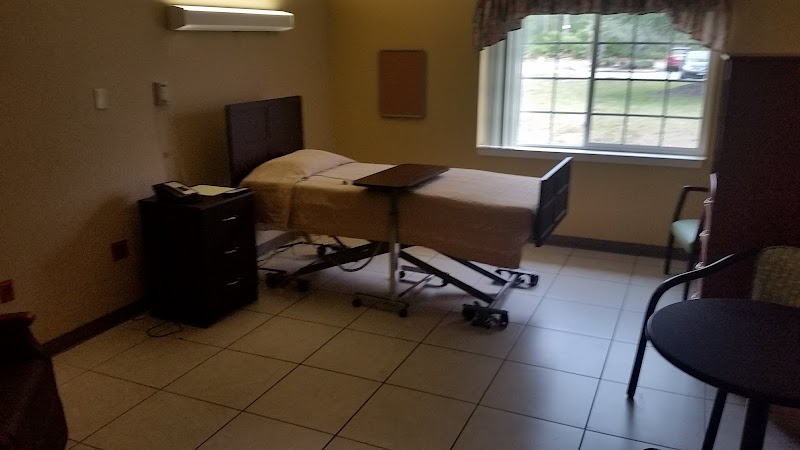
How is Gardens Healthcare & Rehabilitation Center Staffed?

CMS rates GARDENS HEALTHCARE & REHABILITATION CENTER's staffing level at 2 out of 5 stars, which is below average compared to other nursing homes. Staff turnover is 54%, compared to the Florida average of 46%.

What Have Inspectors Found at Gardens Healthcare & Rehabilitation Center?

State health inspectors documented 8 deficiencies at GARDENS HEALTHCARE & REHABILITATION CENTER during 2020 to 2024. These included: 2 that caused actual resident harm and 6 with potential for harm. Deficiencies causing actual harm indicate documented cases where residents experienced negative health consequences.
Who Owns and Operates Gardens Healthcare & Rehabilitation Center?

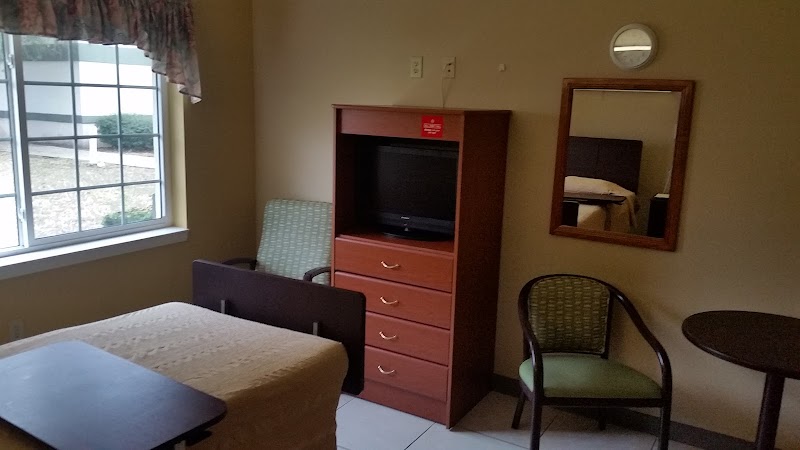
GARDENS HEALTHCARE & REHABILITATION CENTER is owned by a for-profit company. For-profit facilities operate as businesses with obligations to shareholders or private owners. The facility is operated by GOLD FL TRUST II, a chain that manages multiple nursing homes. With 108 certified beds and approximately 103 residents (about 95% occupancy), it is a mid-sized facility located in DAYTONA BEACH, Florida.
How Does Gardens Healthcare & Rehabilitation Center Compare to Other Florida Nursing Homes?

Compared to the 100 nursing homes in Florida, GARDENS HEALTHCARE & REHABILITATION CENTER's overall rating (3 stars) is below the state average of 3.2, staff turnover (54%) is near the state average of 46%, and health inspection rating (2 stars) is below the national benchmark.

What Should Families Ask When Visiting Gardens Healthcare & Rehabilitation Center?

Based on this facility's data, families visiting should ask: "Can you walk me through typical staffing levels on day, evening, and night shifts?" "Can I visit during a mealtime to observe dining assistance and food quality?" "How do you handle medical emergencies, and what is your hospital transfer rate?" "Can I speak with family members of current residents about their experience?" These questions are particularly relevant given the below-average staffing rating.

Is Gardens Healthcare & Rehabilitation Center Safe?

Based on CMS inspection data, GARDENS HEALTHCARE & REHABILITATION CENTER has a clean safety record: no substantiated abuse findings (meaning no confirmed cases of resident harm), no Immediate Jeopardy citations (the most serious violation level indicating risk of serious injury or death), and is not on the Special Focus Facility watch list (a federal program monitoring the lowest-performing 1% of nursing homes). The facility has a 3-star overall rating and ranks #100 of 100 nursing homes in Florida. While no facility is perfect, families should still ask about staff-to-resident ratios and recent inspection results during their visit.

Do Nurses at Gardens Healthcare & Rehabilitation Center Stick Around?

GARDENS HEALTHCARE & REHABILITATION CENTER has a staff turnover rate of 54%, which is 8 percentage points above the Florida average of 46%. Moderate turnover is common in nursing homes, but families should still ask about staff tenure and how the facility maintains care continuity when employees leave.

Was Gardens Healthcare & Rehabilitation Center Ever Fined?

GARDENS HEALTHCARE & REHABILITATION CENTER has been fined $8,512 across 2 penalty actions. This is below the Florida average of $33,164. While any fine indicates a compliance issue, fines under $50,000 are relatively common and typically reflect isolated problems that were subsequently corrected. Families should ask what specific issues led to these fines and confirm they've been resolved.

Is Gardens Healthcare & Rehabilitation Center on Any Federal Watch List?

GARDENS HEALTHCARE & REHABILITATION CENTER is not on any federal watch list. The most significant is the Special Focus Facility (SFF) program, which identifies the bottom 1% of nursing homes nationally based on persistent, serious quality problems. Not being on this list means the facility has avoided the pattern of deficiencies that triggers enhanced federal oversight. This is a positive indicator, though families should still review the facility's inspection history directly.