DEBARY HEALTH AND REHABILITATION CENTER
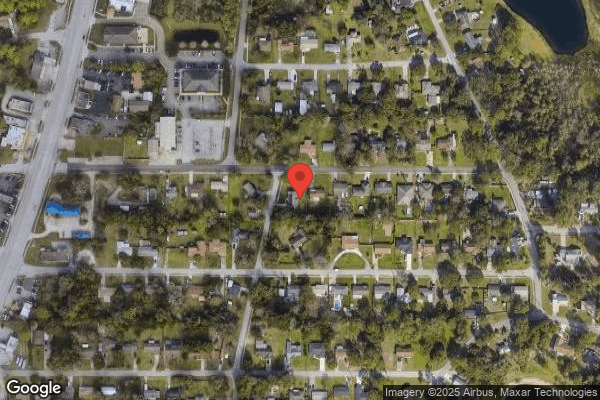
60 N HWY 17/92, DEBARY, FL 32713 (386) 668-4426
For profit - Limited Liability company 120 Beds ASTON HEALTH Data: November 2025
Trust Grade
90/100
#28 of 690 in FL
Last Inspection: January 2024

Within standard 12-15 month inspection cycle. Federal law requires annual inspections.

Overview

Debary Health and Rehabilitation Center has received a Trust Grade of A, indicating that it is considered excellent and highly recommended for families seeking care. It ranks #28 out of 690 facilities in Florida, placing it in the top half of all nursing homes in the state, and #6 out of 29 in Volusia County, indicating that only five local options are better. However, the facility's trend is worsening, with the number of identified issues increasing from three in 2022 to five in 2024, which is concerning. Staffing ratings are decent at 4 out of 5, with a turnover rate of 50%, which is around the state average, suggesting that while staff stability is not a strong point, they are generally knowledgeable and experienced. Notably, there were no fines reported, which is a positive sign, but the facility has faced issues such as unsafe food handling practices and inadequate personal care for residents, including failure to provide proper nail care and treatment as directed for specific residents.

Trust Score
A
90/100
In Florida
#28/690
Top 4%
Safety Record
Low Risk
No red flags
Inspections
Getting Worse
3 → 5 violations
Staff Stability
⚠ Watch
50% turnover. Above average. Higher turnover means staff may not know residents' routines.
Penalties
✓ Good
No fines on record. Clean compliance history, better than most Florida facilities.
Skilled Nurses
○ Average
Each resident gets 38 minutes of Registered Nurse (RN) attention daily — about average for Florida. RNs are the most trained staff who monitor for health changes.
Violations
⚠ Watch
12 deficiencies on record. Higher than average. Multiple issues found across inspections.
★★★★★
5.0
Overall Rating
★★★★☆
4.0
Staff Levels
★★★★★
5.0
Care Quality
★★★★☆
4.0
Inspection Score
Stable
2022: 3 issues
2024: 5 issues

The Good

  • 4-Star Staffing Rating · Above-average nurse staffing levels
  • 5-Star Quality Measures · Strong clinical quality outcomes
  • Full Sprinkler Coverage · Fire safety systems throughout facility
  • No fines on record

Facility shows strength in staffing levels, quality measures, fire safety.

The Bad

Staff Turnover: 50%

Near Florida avg (46%)

Higher turnover may affect care consistency

Chain: ASTON HEALTH

Part of a multi-facility chain

Ask about local staffing decisions and management

The Ugly 12 deficiencies on record

Jan 2024 5 deficiencies
CONCERN (D)

Potential for Harm - no one hurt, but risky conditions existed

ADL Care (Tag F0677)

Could have caused harm · This affected 1 resident

Based on observations, staff and resident interviews, medical record review, and facility policy review, the facility failed to provide one dependent resident (#8) from a total sample of 35 residents,...

Read full inspector narrative →
Based on observations, staff and resident interviews, medical record review, and facility policy review, the facility failed to provide one dependent resident (#8) from a total sample of 35 residents, with services to carry out activities of daily living necessary to maintain appropriate grooming and personal hygiene. Resident #8 was not provided adequate fingernail care. The findings include: On 01/16/24 at 11:56 AM, Resident #8's hands were observed and his fingernails on both hands had jagged edges and brown matter underneath the fingernails. He was asked if staff provided his nailcare and he answered yes. (Photographic evidence obtained) On 01/17/24 at 9:06 AM, Resident #8 was observed in bed. His fingernails remained the same as observed on 01/16/24 at 11:56 AM, with jagged edges and some evidence of deterioration of the nailbeds on the 2nd and 3rd digits of the right hand. Resident #8 stated, I had fungus a long time ago. On 01/19/24 at 10:34 AM, an interview was conducted with Licensed Practical Nurse (LPN) C. The nurse was asked who was responsible for providing the residents' nail care. LPN C stated, Activities staff and sometimes the aides. LPN C further stated Activities staff were in the dining room providing nail care at that time. When asked who was responsible for diabetic nail care, LPN C replied, the podiatrist. When asked if the podiatrist cared for the fingernails and toenails for diabetic residents, LPN C said, I know the podiatrist does the diabetic toenails, but let me confirm who is responsible for the fingernails. She left to find the answer and returned a few minutes later stating, I apologize for giving you the wrong information. I am responsible, as the nurse, for caring for the diabetic fingernails. LPN C was accompanied to Resident #8's room. The nurse asked Resident #8 to allow her to look at his fingernails to determine if he needed nail care. She then stated, Yes, the resident needs nail care and I will try to file them before I cut them. When asked if there was a specific time set aside for resident nail care, LPN C replied that there was not. On 01/19/24 at 10:37 AM, an interview was conducted with Certified Nursing Assistant (CNA) D, who stated he had been employed at the facility for 31 years. When asked who was responsible for nail care, CNA D stated the CNAs provided resident nail care. When he was asked whether a specific time was set aside for nail care, he replied, At least once a week for clipping. As far as washing and cleaning the nails, that's done daily. CNA D was accompanied to Resident #8's bedside. Resident #8 asked, Are you going to do my nails now? CNA D looked at the resident's fingernails and stated, Yes, he could use some nail washing and filing. A review of a Quarterly Minimum Data Set (MDS) assessment with an assessment reference date of 12/12/23, revealed that Resident #8 had a Brief Interview for Mental Status (BIMS) score of 03 out of 15 possible points, indicating severe cognitive impairment. A review of section GG for self-care revealed he was dependent on staff for bed mobility, transfers, toilet hygiene, and personal hygiene. A review of sections E for behaviors revealed that there were no indications of refusal of care behaviors. A medical record review for Resident #8 revealed diagnoses including diabetes mellitus, type 2 and dementia. A review of Resident #8's most current person-centered care plan revealed: FOCUS: Activities of Daily Living (ADL) Deficits related to functional mobility deficits, weakness, cerebral vascular accident (CVA). Goals: Resident will be clean, dressed, and well-groomed with no contractures through next review. Interventions: Set up and supervise simple grooming tasks, Set- up for ADL tasks daily, allow time to do as much on own as able. A review of December 2023 and January 2024 nursing progress notes revealed no documentation of Resident #8's refusal of nail care or preference to wear his fingernails long. A facility policy review for Activities of Daily Living (ADLs) (Revised January 2012) revealed the following: Residents will be provided with care, treatment, and services as appropriate to maintain or improve their ability to carry out activities of daily living (ADLs). Residents who are unable to carry out activities of daily living independently will receive the services necessary to maintain good nutrition, grooming and personal and oral hygiene. Policy Interpretation and Implementation. 2. Appropriate care and services will be provided for residents who are unable to carry out ADLs independently, with the consent of the resident and in accordance with the plan of care, including appropriate support and assistance with: Hygiene (bathing, dressing, nail care and oral care). 4. A resident's ability to perform ADLs will be measured using clinical tools, including Minimum Data Set (MDS). .
CONCERN (D)

Potential for Harm - no one hurt, but risky conditions existed

Quality of Care (Tag F0684)

Could have caused harm · This affected 1 resident

**NOTE- TERMS IN BRACKETS HAVE BEEN EDITED TO PROTECT CONFIDENTIALITY** Based on observation, interviews, and record review, the facility failed to ensure that one (Resident #96) of 35 sampled residen...

Read full inspector narrative →
**NOTE- TERMS IN BRACKETS HAVE BEEN EDITED TO PROTECT CONFIDENTIALITY** Based on observation, interviews, and record review, the facility failed to ensure that one (Resident #96) of 35 sampled residents received treatment and care in accordance with professional standards of practice, the resident's plan of care and resident choices, based on the resident's and resident representative's desire to have bilateral compression stockings placed on lower extremities daily as ordered. The findings include: On 1/16/24 at 12:18 PM, Resident #96 was observed seated in his wheelchair. He was dressed in a long-sleeved shirt, long dark pants, and dark-colored crew socks. When greeted, he smiled and said hello. He was accompanied by his niece, who reported that she visited every day. When asked how the care at the facility had been, she stated He's ordered to wear compression stockings daily, but they never place them on him. I even purchased multiple pairs. The resident's niece pulled up Resident #96's pant legs to expose his lower extremities showing that he was not wearing bilateral compression stockings. Resident #96 was observed on 1/19/24 at 9:05 AM. He was seated in his wheelchair dressed in a long-sleeved shirt, dark-colored pants and dark crewcut socks. A blanket covered his face. When greeted, he smiled and shook his head up and down. When asked to see his socks, he pulled up both pant legs revealing that no compression stockings were in place. Resident #96 was observed again on 1/19/24 at 12:15 PM, in the main dining room, eating lunch with his niece. When asked if his compression socks were on, his niece stated No and pulled up the resident's pant legs showing his dark-colored crew socks. No compression socks were in place. A review of Resident # 96's medical record revealed he was admitted on [DATE] from an acute-care hospital. His diagnoses included traumatic subdural hemorrhage, traumatic brain dysfunction, sequela, type 2 diabetes, hypertension, and anxiety. A review of the 5-day, admission Minimum Data Set (MDS) assessment, dated 11/10/23, revealed the resident had adequate hearing and vision; was understood, was able to understand others and had a Brief Interview for Mental Status (BIMS) score of 00 out of 15 possible points, indicating severe cognitive impairment. He required partial moderate assistance from staff with lower body dressing, and partial moderate assistance from staff for putting on and taking off footwear. A review of the active physician's orders revealed an order dated 12/7/23: Encourage use of compression stocking to bilateral lower extremities. On AM and remove at HS every day for apply and at bedtime for remove. A review of the electronic treatment administration record (eTAR) found that Resident # 96's placement of compression stockings to bilateral lower extremities on in AM and remove at bedtime, had been signed off as Administered on 1/16/2024 and 1/19/2024, despite the observations and interview with the resident's family member verifying that they had not been placed. (Copies obtained) During an interview with Certified Nursing Assistant (CNA) F on 01/19/24 at 10:24 AM, who reported being assigned to a floating position around the facility to assist with residents, she stated she was not too familiar with Resident #96 but could locate treatments a resident required to include compression stockings through the [NAME] system located in the electronic medical record. She confirmed that the CNAs were responsible for placing compression stockings if there was a physician's order. She further stated if a resident refused, the nurse was notified and the refusal was documented. On 1/19/24 at 12:02 PM, an interview was conducted with CNA G, who reported he had been assigned to Resident #96, but not this week. He was aware that Resident #96 had orders for compression stockings and stated he would place them on in the morning and the assigned CNA at night should be removing them. When asked if there would be a reason the compression stockings weren't placed, he stated, No, not unless the staff taking care of him wasn't aware of the order. On 1/19/24 at 12:05 PM, an interview was conducted with Registered Nurse (RN) E, who confirmed that there would be no reason why compression stockings weren't placed on Resident #96 unless there was an updated order from the physician placing the current one on hold, for which there would be a new physician's order and documentation in a progress note. .
CONCERN (D)

Potential for Harm - no one hurt, but risky conditions existed

Pressure Ulcer Prevention (Tag F0686)

Could have caused harm · This affected 1 resident

Based on observations, medical record review, interviews, and review of the policy and procedure for Following Physicians' Orders (revised 1/2024), the facility failed to provide necessary treatment a...

Read full inspector narrative →
Based on observations, medical record review, interviews, and review of the policy and procedure for Following Physicians' Orders (revised 1/2024), the facility failed to provide necessary treatment and services, consistent with professional standards of practice, to promote healing for one (Resident #111) of two residents selected for pressure ulcer review, from a total sample of 35 residents. Resident #111 suffered deterioration of a sacral pressure wound which was facility-acquired. The findings include: An interview was conducted with Resident #111 and her son on 1/16/24 at 11:53 a.m. in her room. The resident was speaking with her son and was observed on a low air loss mattress with pillows on the bed and booties on both her feet. She reported having wounds on her sacrum and lower legs. The son reported the wound care nurse was great, but when she was off on weekends, no one completed the wound care. Both reported that the wound care physician was overseeing and caring for the wounds. On 1/17/24 at 9:00 a.m., Resident #111 was observed lying in bed and stated the wound care physician came by and reported the wound on her sacrum was not improving. He stated he was going to change the treatment. The wound care physician provided the treatment to the resident's sacrum today. A review of Resident #111's record revealed an admission date of 11/25/23. Diagnoses included: paraplegia, cord compression, diabetes mellitus stage III, sacral pressure ulcer, peripheral vascular disease, osteoporosis, and vascular wounds of the lower extremities. A review of the current physician order, dated 1/18/24, revealed a treatment order for the sacrum which instructed clinical staff to cleanse the sacrum with normal saline or wound cleanser, pack with calcium alginate ropes, apply a sheet of calcium alginate, and cover with a silicone foam dressing every day and as needed. A review of the January 2024 Treatment Administration Record (TAR), revealed treatments to the sacrum were not signed off as having been provided on 1/3 morning and evening, 1/6 morning, 1/12 morning and evening, or 1/16 evening. The December 2023 TAR was reviewed and revealed that on multiple days the sacral treaments, which were scheduled twice a day, were not signed off as having been provided on the following days: 12/8, 12/9, 12/10, 12/16, 12/23, 12/24, 12/28 and 12/29/23. An interview was conducted with the Director of Nursing (DON) at 2:30 p.m. on 1/18/24. She reviewed the TARs for December and January and confirmed that there were multiple blanks where staff did not sign off as having completed the wound care. She reported staff should be signing off on the TAR when wound care is completed. The DON reported that on 1/3/24, she completed the morning dressing change to the sacrum and forgot to sign that TAR. An interview was conducted with Registered Nurse (RN) E/Wound Care Nurse on 1/18/24 at 3:10 p.m. She reported completing wound care on the long-term care side of the facility from Monday through Friday each week. The nurses assigned to the residents completed the wound care on the weekends and when she was not there. On the rehabilitation unit, the desk nurse completed the wound treatments, and if she was absent, the unit manager completed the wound care/dressing changes. Wound care was documented on the TAR and signed off after completion. Residents who had pressure ulcers, and those followed by wound care, had weekly UDAs (User Designed Assessments). Site, wound type, measurements, date identified, reviews, tunneling or undermining, drainage, pain, tissue types, wound color etc were documented in the UDA. The RN reviewed the December and January 2024 TARs. She stated Resident #111's wound was identified on 12/4/23. It was facility-acquired and treatments began on 12/5/23. After reviewing the TARs, the RN confirmed that the treatments for wound care were not signed out on 12/8, 12/9, 12/10, 12/16, 12/23, 12/24, 12/28, or 12/29/23. The January 2024 TAR was reviewed and she confirmed that the 1/3 evening, and the 1/6, 1/12, and 1/16 wound care treatments to the sacrum were not signed out by the nursing staff as having been done. A wound care consult was conducted on 12/6/23 and Resident #111 was evaluated for an initial wound assessment of the sacral wound. The Stage III sacral pressure wound measured 3.5 x 5.5 x 0.1 cm (centimeters). No tunneling was noted. There was a moderate amount of drainage with no odor. The wound was noted with 90% granulation and 10% slough (dead tissue). An order was written to cleanse the wound with wound cleanser, pat dry, apply honey gel silicone border foam dressing and avoid direct pressure to the wound site. A wound consultation note, dated 1/10/24, noted an X-Ray to the sacrum and coccyx with no osseous (bone) abnormalities. There was a plan for a bone scan to rule out osteomyelitis and an infectious disease consultation for evaluation of possible pyoderma gangrenosum (condition that causes large, painful sores (ulcers) to develop on your skin, most often on your legs). The sacral wound continues to demonstrate deterioration. Debridement to sacrum performed today. Sacral Stage III pressure ulcer not healed with measurements 10 x 8 x 5.2 with undermining noted at 1:00 and ends at 3:00. There is a moderate amount of drainage noted with a strong odor. The wound has 40% granulation, 60% slough and is deteriorating. A new treatment order was written. A 1/17/24 UDA wound evaluation note was reviewed and revealed a Stage III to sacrum with measurements 10 x 8 x 5.2 with undermining, moderate drainage, and the treatment order was changed. On 1/18/24, the physician order notes to cleanse sacrum with normal saline or wound cleanser, pack with calcium alginate ropes, apply sheet of calcium alginate and cover with silicone foam dressing every day and as needed. An interview was conducted with Advanced Registered Nurse Practitioner (ARNP) H on 1/19/24 at 9:30 a.m. He reported being notified the wound was deteriorating on the sacrum. A bone scan, X-Ray and labs were ordered along with making an appointment with the Infectious Disease Physician. The ARNP reported the wound was being treated by the wound care physician and he was following. There was a question of pyoderma gangresom, possible osteomylelitis and noncompliance of the resident with turning and positioning. The ARNP stated if wound care treatment/dressings were not being completed, the wound could be compromised. He was not aware that wound care was not being completed. On 1/19/24 at 9:45 a.m., Resident #111's sacral wound was observed with RN I. The wound was the size of a fist and a half with slough and red and black color around the wound. The RN stated signing off on the TAR was expected when completing wound care. The RN noted the wound had deteriorated and the wound care physician was seeing the resident. A review of the facility's policy and procedure for Following Physicians' Orders (revised 1/2024) revealed that physicians' orders should be followed as prescribed and if not followed, the reason should be recorded on the resident's medical record during that shift. The physician should be notified along with responsible party if indicated. .
CONCERN (D)

Potential for Harm - no one hurt, but risky conditions existed

Accident Prevention (Tag F0689)

Could have caused harm · This affected 1 resident

Based on observations, staff and resident interviews, medical record review, and a review of facility policy, the facility failed to ensure that two (Resident #56 and #94) of 35 residents in the total...

Read full inspector narrative →
Based on observations, staff and resident interviews, medical record review, and a review of facility policy, the facility failed to ensure that two (Resident #56 and #94) of 35 residents in the total sample, were provided an environment as free of accident hazards as was possible. The findings include: On 01/16/24 at 11:44 AM, razors were observed at the sink in Resident #56's room. On 01/17/24 at 9:12 AM, four razors were observed rubberbanded together in a cup on the sink in Resident #56's room. (Photographic Evidence Obtained) On 01/19/24 at 8:57 AM, three razors were observed in an open cabinet at the sink in Resident #94's room. (Photographic Evidence Obtained) Resident #94 was asked if the razors belonged to him and he stated, yes. He was asked if the razors were usually stored in the cabinet at the sink and he replied, Yes. On 01/19/24 at 9:12 AM, an interview was conducted with Registered Nurse (RN) J. She was asked how sharps were managed at this facility and she replied, We dispose of sharps in the sharps container after use. She was asked to describe some examples of sharps. She stated, needles, razors, lancets. On 01/19/24 at 9:13 AM, an interview was conducted with Certified Nursing Assistant (CNA) K. She was asked to provide some examples of a sharps item. She replied, needles and razors. She was asked if razors were kept out in the open in the residents' rooms. She stated, No, we are not supposed to keep razors in the room. Sometimes the family bring things and we may not be aware, but if I find it, I take it out of the room and store it for the resident, but it's not supposed to be left out in the room. On 01/19/24 at 9:20 AM, an interview was conducted with Licensed Practical Nurse (LPN) C, who was acoompanied to Resident #56's room. She was asked what was in the cup that was located at the sink and why were the items located there. LPN C replied, Those are razors and I don't know why they're here, I'd have to ask the CNA. She was asked how razors were usually stored and disposed of. She replied, Razors should not be kept in the resident's room, and they should be disposed of into the sharps after use. She was asked if she was familiar with the medications that Resident #56 received and she replied, Yes, I think he gets an anticoagulant but let me be sure. She used her computer to look up Resident #54's medication list, then she replied, Yes, he takes Eliquis. She was asked to describe some pertinent side effects or adverse reactions to Eliquis. LPN C stated, Bleeding is a side effect or adverse reaction for taking Eliquis. She was asked if the accepted practice of the facility was to leave razors out in the open in the resident's room and she said, No, we usually get the razors from supply and then dispose of them after use, but I will immediately remove those razors. When she was asked whether the resident could shave himself, LPN C stated, No, his CNA shaves him. A review of the facility's policy and procedure for Sharps Disposal (Revised January 2012), revealed the following: The facility shall discard contaminated sharps into designated containers. Policy Interpretation and Implementation. 1. Whoever uses contaminated sharps will discard them immediately or as soon as feasible into designated containers. 7. Whoever observes incorrect disposal or handling of contaminated sharps should report the information to the Infection Preventionist (or designee). .
CONCERN (D)

Potential for Harm - no one hurt, but risky conditions existed

Unnecessary Medications (Tag F0759)

Could have caused harm · This affected 1 resident

Based on observations, staff interviews, medical record review, and facility policy review, the facility failed to ensure a medication error rate of less than 5 percent. Three errors were identified o...

Read full inspector narrative →
Based on observations, staff interviews, medical record review, and facility policy review, the facility failed to ensure a medication error rate of less than 5 percent. Three errors were identified out of 26 opportunities for error, resulting in a medication error rate of 11%, involving two (Residents #50 and #99) of four residents observed during medication administration, from a total of 35 residents in the sample. The findings include: On 1/17/24 at 8:00 a.m., Nurse A was observed preparing medications for Resident #50. She pulled each medication according to the electronic Medication Administration Record (eMAR) and signed off each as she prepared the medications. She administered the medications, which were being given by mouth, to the resident. Upon returning to the medication cart, Nurse A was asked if she had completed this medication pass for Resident #50. She stated yes. She was asked if she had signed off all the medications on the eMAR for this resident. She stated yes. She was asked if she was going to prepare medications for the next resident at this time. She stated yes. She was asked to open the eMAR for Resident #50 and review it. After her review, Lubricant Eye Drop Solution 0.4-0.3% was observed to have been signed off as having been administered. The nurse was asked if she had administered this eye drop to the resident. She stated, Oh, no I didn't. On 1/18/24 at 8:20 a.m., Nurse B was observed preparing medications for Resident #99. Nurse B prepared and poured one Folic Acid tablet 1 mg (milligram) into a medication cup. After completing the medication preparation and pouring for all medications, she locked the eMAR screen and the medication cart. She was asked if the medications she had poured were what she was going to bring into the room to administer to Resident #99. She stated yes. She was asked to review the order for Folic Acid prior to entering the resident's room. Upon reviewing the order in the eMAR, she stated, Oh, Folic Acid 1 mg tablets, give 5 tablets. I need to add 4 more tablets to make the 5 tablets. Nurse B was then observed administering the medications to Resident #99. She administered 2 sprays of Flonase Nasal Spray 50 micrograms (mcg) per spray into each nostril. After Nurse B administered one spray in each nostril, she stated, I'm going to wait a minute or two to do the second spray. She administered a second spray into each nostril. While reviewing Resident #99's medications in the eMAR to sign them off after administration, Nurse B stated, Oh, it was only one spray for each nostril. A review of the facility's policy titled Medication Administration (revised 1/2024) revealed: Standard: Medications are ordered and administered safely and as prescribed. Procedure: 3. Medications are administered in accordance with presciber orders; 9. The individual adminstering the medication checks the label to verify the right resident, right medication, right dosage, right time, and right method (route) of administration before giving the medication. .
Feb 2022 3 deficiencies
CONCERN (D)

Potential for Harm - no one hurt, but risky conditions existed

Investigate Abuse (Tag F0610)

Could have caused harm · This affected 1 resident

Based on interviews and record reviews, the facility failed to thoroughly investigate an allegation of sexual abuse by failing to promptly identify one (Resident #35) of nine hospice residents as a po...

Read full inspector narrative →
Based on interviews and record reviews, the facility failed to thoroughly investigate an allegation of sexual abuse by failing to promptly identify one (Resident #35) of nine hospice residents as a potential victim of an alleged perpetrator's actions. The findings include: A review of Resident #35's medical record revealed an admission date of 4/17/20. Her medical diagnoses included dementia, heart failure, and respiratory failure. A Significant Change Minimum Data Set (MDS) assessment, dated 11/30/2021, revealed a Brief Interview for Mental Status (BIMS) score of 12 out of a total 15 points possible, indicating moderately impaired cognition. Resident #35 required extensive to total assistance from staff with activities of daily living (ADLs) and was receiving hospice care. A psychiatric evaluation, dated 12/30/2021, indicated Resident #35 was alert and oriented to person, place and time. Her thought processes were documented as organized and she was noted with fluent speech. A review of facility documentation indicated that Resident #35 was not interviewed on 12/15/2021, the date of the alleged incident, regarding whether she had been abused/mistreated by the alleged perpetrator during any of his four visits with her on 11/30/2021, 12/1/2021, 12/2/2021, or 12/6/2021. However, documentation did reveal that Resident #35 was interviewed on 12/20/2021 regarding whether she had any concerns related to her care or concerns related to abuse. Resident #35 denied any concerns on 12/20/2021. Further review of Resident #35's medical record revealed documentation of hospice visits by the alleged perpetrator on 11/30/2021, 12/1/2021, 12/2/2021, and 12/6/2021. During the 11/30/2021 visit, the documentation indicated that lotion was applied to the resident's skin. The hospice CNA task forms noted the application of lotion to a resident's skin as part of residents' personal care. There was no documentation to support that lotion was applied during the remaining three visits. There was no documentation to support that this CNA provided care to Resident #35 at any other time during the resident's stay. (Copies obtained) On 2/9/2022 at 10:15 a.m., an interview was conducted with Resident #35's daughter-in-law. She explained that there had been an allegation of sexual assault in December 2021 against a hospice Certified Nursing Assistant (CNA) who had provided care to her mother-in-law. She further explained that Resident #35 mentioned the alleged perpetrator had attempted to apply lotion to her skin and Resident #35 felt uncomfortable about it. On 2/10/2022 at approximately 12:30 p.m., the Social Services Director (SSD) provided a typed statement dated 2/9/2022 at 6:50 p.m. The statement was regarding an interview conducted by the SSD with Resident #35's son. The interview indicated Resident #35 was lethargic and was unable to answer questions. The resident's son mentioned his mother told him that the male hospice aide wanted to rub lotion on her during one of his visits. She did not think it was okay for him to do this, so she declined the offer. (Copy obtained) On 2/9/2022 at 11:15 a.m., an interview was attempted with Resident #35. She was lying in her bed with her son at the bedside. Her eyes were open and she was able to smile but was unable to answer any questions. On 2/9/2022 at 5:50 p.m., an interview was conducted with the Social Services Director (SSD), Administrator in Training (AIT), and Director of Nursing (DON). The SSD explained that all residents receiving hospice care by the alleged perpetrator were interviewed on 12/15/2021. A list of the residents interviewed by the facility and their responses was reviewed. The list did not contain Resident #35's name. During the interview, the SSD was asked whether Resident #35 had been interviewed. The SSD explained that neither Resident #35 nor her Resident Representative had been interviewed as part of the facility's investigation on 12/15/2021. When asked why Resident #35 had not been interviewed, the SSD explained that Resident #35 had enrolled in hospice care a couple of weeks before the CNA (hospice CNA) was arrested, and added that when the facility developed the list of potential victims, Resident#35 was overlooked. The facility's abuse prevention policy titled Abuse Prevention Program (no effective date, no facility review date) was reviewed. The policy statement read, As part of the resident abuse prevention, the facility's administration will identify and assess all possible incidents of abuse; investigate and report any allegations of abuse within timeframes as required by federal and state requirements; The policy outlined the role of the person conducting the abuse investigation to include interviewing other residents to who the accused employee provides care or services. (Copy obtained) .
CONCERN (D)

Potential for Harm - no one hurt, but risky conditions existed

Deficiency F0697 (Tag F0697)

Could have caused harm · This affected 1 resident

Based on observations, interviews, and record reviews, the facility failed to effectively manage a resident's pain, by failing to identify and respond to non-verbal indicators of pain for one resident...

Read full inspector narrative →
Based on observations, interviews, and record reviews, the facility failed to effectively manage a resident's pain, by failing to identify and respond to non-verbal indicators of pain for one resident (Resident #7) reviewed for pain management from a total sample of 35 residents. The findings include: A review of Resident #7's medical record, revealed an admission date of 6/6/2014. Her medical diagnoses included vascular dementia and cerebral infarction (stroke). Resident #7 also had a contracture of her left arm. A quarterly Minimum Data Set (MDS) assessment, dated 2/1/2022, revealed a Brief Interview for Mental Status (BIMS) score of 02 from a total 15 possible points, indicating severely impaired cognition. Resident #7 required extensive to total assistance with activities of daily living (ADLs) and received hospice services for end-of-life care. On 2/7/2022 at 12:13 p.m., Resident #7 was observed sitting in a reclining geri-chair in her room. The chair was reclined. She was grimacing, her brow was furrowed, and she was repeatedly whimpering. Resident #7 was not able to answer any questions. On 2/8/2022 at 2:05 a.m., an off-hours visit was made to the facility. Resident #7 was observed lying in her bed. Her eyes were open, her brow was furrowed, she was frowning, and she was repetitively whimpering. Resident #7 was not able to answer any questions. A review of the resident's physician's orders, revealed an order for acetaminophen 650 mg (milligrams) to be given by mouth every four hours as needed for general discomfort. An order dated 8/17/2021, was identified for hospice services. (Copies obtained) On 2/8/2022 at 2:15 a.m., an interview was conducted with Licensed Practical Nurse (LPN) A. She confirmed that she was assigned to Resident #7. She was notified that the resident was lying awake in bed and was displaying non-verbal indicators of pain. The nurse stated, Oh, she makes those noises all the time. The nurse was asked whether she had conducted a pain assessment on the resident during the current shift. The nurse stated she had not. The nurse was then asked how she assessed the resident for pain. The nurse stated, She doesn't complain of pain and then explained that the resident was non-verbal. When asked whether the nurse had received any recent education regarding effective management of a resident's pain, she stated, I think so, but I can't say for sure. When asked whether the resident had any medications available for pain, LPN A stated she wasn't sure. LPN A was then asked to review Resident #7's physician's orders. LPN A reviewed the orders and stated the resident had an order for Tylenol (acetaminophen) that could be given every four hours as needed. LPN A was asked to evaluate Resident #7 for pain, as she appeared very uncomfortable. As of 2/8/2022 at 2:30 a.m., LPN A had still not evaluated Resident #7 for pain. A review of the medication administration records (MARs) for February 2022, revealed one administration of acetaminophen on 2/8/2022 at 4:55 a.m. (Copy obtained) A review of the MARs for January 2022, revealed no documented administration of the acetaminophen for the entire month. (Copy obtained) A review of an Addendum Plan of Care Review by the hospice provider, dated 1/13/2022, revealed no entries for the pain levels section and included a handwritten statement which read, Tylenol effective. (Copy obtained) A review of the resident's comprehensive care plans revealed a focus area for Alteration in Comfort related to Cognitive Impairment and Muscle Spasms (may not be able to express pain). Interventions included the administration of pain medication as ordered, assistance to reposition for comfort, observation for any verbal or non-verbal indicators of pain or discomfort, and to notify the physician/hospice if current pain medications were not effective. (Copy obtained) Resident #7's Pain Level Summaries for February 2022 were reviewed. Of the 25 pain assessments documented in February 2022 for this non-verbal resident, 17 were documented as verbal pain assessments. (Copies obtained) On 2/10/2022 at 11:58 a.m., Resident #7 was observed lying in bed. The head of the bed was elevated. A positioning wedge had been placed next to her right leg. The resident was frowning and was attempting to extend her right leg repeatedly. When asked whether she was in pain, she continued to frown and look around the room. She was not able to answer any questions. On 2/10/2022 at 2:24 p.m., Resident #7 was observed lying in bed. The head of the bed was elevated. The positioning wedge had been removed from the resident's right side. The resident was frowning and repeatedly whimpering. Resident #7 was again unable to answer any questions, but did eventually state, Ow while looking at her right leg. On 2/10/2022 at 3:20 p.m., an interview was conducted with Certified Nursing Assistant (CNA) B. She confirmed that she was assigned to Resident #7 and that she was familiar with the resident's care. She was asked whether Resident #7 ever complained of pain. CNA B stated, No. She doesn't say much. Not that I'm aware of. CNA B was then asked whether she was familiar with non-verbal indicators of pain. She responded, I guess if they have like a scrunched up face or something like that. CNA B was asked whether she had received any recent training in identifying indicators of pain in non-verbal residents. She stated she did not believe she had. On 2/10/2022 at 3:25 p.m., an interview was conducted with Registered Nurse (RN) C. The nurse confirmed that she was assigned to Resident #7 and that she was familiar with the resident. She was asked whether the resident ever complained of or showed signs of pain. She stated, She doesn't talk. She kind of does that sound thing, which we think could be pain but who knows. Other than that, I'm not sure. RN C was asked to review Resident #7's medical record for pain medications. She explained that Resident #7 had acetaminophen available every four hours as needed. She added that there was no documented administration of acetaminophen on the previous shift. RN C was asked whether she had assessed Resident #7 for pain during the current shift. She stated she had just come on duty, but she had not received any concerns about Resident #7 in report from the off-going nurse or CNA. RN C was notified that Resident #7 appeared to be uncomfortable and was asked to assess Resident #7 for pain. She stated, Well, I can't start her medications until 4:00 p.m. RN C was reminded that Resident #7's acetaminophen could be administered every four hours as needed. She stated, Oh that's right. It's as needed. I'll go down and see her. The nurse left the medication cart and went into Resident #7's room. She returned to the medication cart approximately two minutes later and stated, Yea, she's probably in pain. I'll go ahead and get her the Tylenol. The facility's policy for pain management, titled Pain Assessment and Management (Version 1.3 (H5MAPR0208), Revised March 2015) was reviewed. The purpose of the policy read, The purpose of this procedure is to help the staff identify pain in the resident, to develop interventions that are consistent with the resident's goals and needs, and that address the underlying causes of pain. The policy continued, Pain management is a multidisciplinary process that includes the following: Assessing the potential for pain; effectively recognizing the presence of pain; developing and implementing approaches to pain management . The policy directed staff to observe possible behavioral signs of pain which included, verbal expressions such as groaning, crying, screaming; facial expressions such as grimacing, frowning, clenching of the jaw, etc; guarding, rubbing, or favoring a particular part of the body; insomnia; (Copy obtained) .
CONCERN (F)

Potential for Harm - no one hurt, but risky conditions existed

Food Safety (Tag F0812)

Could have caused harm · This affected most or all residents

Based on kitchen food service observations, staff interviews, facility document review, and facility policy and procedure review, the facility failed to follow proper sanitation and food handling prac...

Read full inspector narrative →
Based on kitchen food service observations, staff interviews, facility document review, and facility policy and procedure review, the facility failed to follow proper sanitation and food handling practices to prevent the outbreak of foodborne illness. Specifically, the facility failed to ensure that the dietary staff were trained and knowledgeable about proper sanitation practices in the kitchen. Specific instruction on hand hygiene, food handling and sanitation is important in health care settings serving nursing home residents, due to the risk of serious complications from foodborne illness as a result of their compromised health status. Unsafe food handling practices represent a potential source of pathogen exposure. This failure potentially impacted every resident consuming food from the facility's kitchen. The findings include: A tour of the kitchen with the Certified Dietary Manager (CDM) on 02/07/22 at 2:13 PM revealed: -On the refrigerator across from the tray line, the door handles were soiled and sticky with food debris, and the inner door of the refrigerator had dried debris afixed to the surface of the door. -Inside the refrigerator was an opened 46-ounce container of nectar consistency water dated with a use by date of 11/08/21, without an opened date. There was another 46-ounce container of thickened orange juice dated 02/03/22. There was an unlabeled container of a reddish/orange liquid dated 02/04, with the year not indicated. (Photographic evidence obtained) -In the food pantry, 24 single-serve bowls of cereal were observed to be unlabeled and undated, with two large brown boxes stacked on top of them. -Multiple containers of 46-ounce lemon-flavored nectar-thickened water were observed on the shelves with use by dates of 11/08/21. (Photographic evidence obtained) -The 3-compartment sink across from the food line was observed with the first wash compartment containing mixing bowls and utensils soiled with food products, the second rinse compartment #2 had a colander of cooked bowtie pasta in it, and the third sanitized compartment was observed plugged up and ¾ filled with cloudy water. -The large floor storage bins for flour and rice were not sealed. (Photographic evidence obtained) -The walk-in refrigerator was observed with a multi-serving bag of ketchup opened in the cardboard box. The silver ketchup dispensing bag was soiled with residual ketchup and the cap was encrusted with dried ketchup. A large tray of undated food was on the refrigerator shelf not completely wrapped to prevent contamination. Unidentified contents were observed with illegible writing. A red, sticky substance was found on the shelves and floor. (Photographic evidence obtained) -In the walk-in freezer, there was a 17-pound box of opened frozen pie dough sheets with a plastic storage bag that was open to air and undated. Frozen sweet potatoes were poorly wrapped in plastic wrap with a use by date of 02/02 and were exposed to the air. A kitchen observation on 02/09/2022 from 2:30-3:50PM revealed: -A dietary aid was observed working on the dish line with shoulder-length hair. Her hairnet only partially covered her head. -The refrigerator exterior doors had been cleaned, but the interior door remained soiled with dry debris. -Cook G was observed making macaroni salad, not wearing gloves. His mask was positioned on his chin and he adjusted his eyeglasses numerous times. He walked to the refrigerator, returned with salad dressing, then proceeded to break down cardboard. He then returned to continue making the macaroni salad without wearing gloves or washing his hands. -Three containers of peanut butter were found on the can rack with a use by date of 01/22/22, and an additional container was observed in the food prep area with the same use by date. An interview was conducted with [NAME] G regarding the facility's policy/practice regarding foods use by dates, and he stated they discarded these items before the use by date. He added that it was something everyone in the kitchen kept an eye on; this was not one person's responsibility. -A kitchen blue light was observed with debris inside the fixture and on the bulb. Clean soup containers/warmers were located directly four feet from the light. -There were large 18x12 cooking sheets improperly stored with the edges of the cooking sheets resting on the floor. Ceiling vents over the tray line were soiled with dust and debris hanging from them. (Photographic evidence obtained) -There were two detached hoses from juice concentrate dispensers observed lying on shelves unbagged. The cranberry juice multi-serving dispenser was resting on the counter with the dispenser nozzle in direct contact with the countertop. -At 3:03PM, the walk-in refrigerator was checked and a tray of brownies and a tray of yellow sheet cake, both dated 02/07/2022, were observed partially exposed, loosely covered with white paper. (Photographic evidence obtained) Loosely wrapped cheese was observed on the shelf with a use by date of 12/03/21 and a received date of 12/29, no year indicated. Dinner service was observed on 02/09/2022 from 4:10 PM to 5:15 PM. On the service line, [NAME] G was observed taking food temperatures correctly, but failing to record them in the meal temperature log. He stated he usually filled them in later. A review of the meal temperature log showed that the temperatures were not recorded for lunch or dinner on 02/09/2022. The Regional Dietary Director was interviewed on 02/10/2022 at 9:00 AM. Information regarding the cleaning of the kitchen vents by an outside vendor was provided. The last date of service was 10/18/2021 with documentation that the hood should be cleaned every 90 days. Documentation was provided stating that the ice machines were cleaned monthly and filters were changed every 6 months as per manufacturer recommendation, with a last changed date of on 10/21/21. A kitchen tour was conducted on 02/10/2022 from 11:50 AM to 12:45 PM with the Regional CDM during the lunch service. The facility CDM was observed in the kitchen on three of the four survey days, wearing a dark-colored beanie on her head with braided hair exposed in the back about 3 inches below the rim of the hat. The regional CDM stated the dietary staff should have their hair completely contained in a hair net, and that they were permitted to wear hats, but the hair must be contained. In the walk-in freezer there were numerous torn bags of opened and undated bags of pizza dough and potato wedges. These food items were stored in cardboard boxes with unclosed lids, not properly resealed/or wrapped up. The Regional CDM stated the items that had been opened should have been dated and properly resealed, but they should not be exposed to the air. [NAME] G was observed touching his glasses with and without gloves, touching papers in the kitchen and grabbing utensils for meal service numerous times during this kitchen visit. In the walk-in refrigerator, a full-sheet cake approximately 12x18 and a same-sized tray of brownies were observed with white paper lying on top of them dated 02/08/22. An interview was conducted with the Regional CDM and Registered Dietitian (RD) on 02/10/2022 at 1:38 PM. The RD stated she mainly communicated with the Regional CDM, and he would notify her if there was something he needed her to follow up with. She stated her main communication was with facility management. She said when she came to the facility, the CDM would let her know if she needed her to follow up on a resident need, or if a nurse wanted to talk to her. That was the kind of things she worked on. She said she reviewed new admissions and addressed changes in weights and anything that was brought up by the Interdisciplinary Team (IDT). She provided support for the dietary department, but she did not do education for the dietary department. Corporate did that. When she walked through the kitchen, it was the same as the Regional CDM, or corporate staff. They had a checklist, but it was done by the dietary department. She only reviewed the checklist, but she did not complete it. It was something she submitted to the corporate office. An interview was conducted with the Regional CDM on 02/10/2022 at 1:45 PM. He stated he had been here for a little over two weeks, and that this was a new building for him. Going forward he said he would be a part of education, working with the CDM training the management team and deciding what mandatory in-services would be done, what was expected to be done on a monthly basis and would conduct monthly audits in addition to ongoing education and audits. At 1:52 PM, the findings were reviewed with the Regional CDM, who stated he understood and acknowledged the concerns. .
Feb 2020 4 deficiencies
CONCERN (D)

Potential for Harm - no one hurt, but risky conditions existed

Deficiency F0676 (Tag F0676)

Could have caused harm · This affected 1 resident

**NOTE- TERMS IN BRACKETS HAVE BEEN EDITED TO PROTECT CONFIDENTIALITY** Based on observations, resident and staff interviews, and record reviews, the facility failed to provide appropriate treatment a...

Read full inspector narrative →
**NOTE- TERMS IN BRACKETS HAVE BEEN EDITED TO PROTECT CONFIDENTIALITY** Based on observations, resident and staff interviews, and record reviews, the facility failed to provide appropriate treatment and services to maintain activities of daily living for one (Resident #38) of two residents reviewed for activities of daily living, from a total sample of 38 residents. The findings include: A review of clinical records found Resident #38 was admitted to the facility on [DATE] with a primary medical diagnosis of spondylosis. The resident required extensive assistance by staff for activities of daily living (ADLs) to include walking. On 02/18/20 at 12:29 PM an interview was conducted with the resident. He explained that he would like to use his walker to ambulate independently around the facility and that he was recently discharged from therapy services without meeting that goal. The resident explained that he was placed on a restorative nursing program and that he was to be assisted by staff to walk to the dining room with his walker. He further explained that the restorative staff fail to arrive to his room on time which results in him having to use his wheelchair to propel to the dining room. On 02/20/20 at 10:31 AM an interview was conducted with the therapy director. She explained that the resident was discharged from physical therapy services in January 2020 at that a functional maintenance plan was recommended at that time. The plan included the resident being assisted to walk to the dining room and back with his walker. This was to occur for each meal. On 02/20/20 at 11:12 AM an interview was conducted with the resident's assigned nurse aide regarding the functional maintenance plan. The nurse aide explained that the resident eats his meals in the dining room and that he uses his wheelchair to get to the dining room and back. She stated the resident uses his walker sometimes when he is on a restorative program or with physical therapy. She was unsure of whether the resident was receiving restorative nursing services at that time. On 02/20/20 at 11:18 AM an interview was conducted with the restorative nurse. She explained that the resident was recently referred to therapy with the hopes that the resident would be released with independent ambulation. She explained the resident was not able to reach that goal and that he was referred back to the nursing department for a functional maintenance plan. She explained that the assigned nurse aide would be responsible for carrying out the intervention of assisting the resident to walk to the dining room. On 02/20/20 at 11:23 AM Resident #38 was observed in the dining room sitting in his wheelchair. He stated he was not assisted to walk to the dining room and had propelled himself there in his wheelchair. On 02/20/20 at 11:27 AM a follow up interview was conducted with the resident's assigned nurse aide. She was asked to explain how she would obtain basic care and ADL information for each resident. She stated We use the [NAME]. There is one on paper and there is one in the kiosk. The nurse aide accessed the [NAME] for Resident #38 and pointed to an intervention which read Ambulate resident with extensive assist and FWW (front-wheeled walker) from and to room for every meal. The CNA acknowledged that she was previously unaware of this intervention and that she had not been routinely assisting the resident to the dining room using his walker. A copy of the functional maintenance plan was provided on 02/20/20. It was signed by the physical therapy assistant on 1/20/20 and the restorative nurse on 1/21/20. The functional maintenance plan goal read, Overall goal of restorative program: Patient to improve gait mobility from room to dine. The activities to be completed read Pt requires CGA (contact guard assist)/SBA (stand-by assist) while ambulating to dining room with FWW (front-wheeled walker) for approximately 150' or as tolerated. .
CONCERN (D)

Potential for Harm - no one hurt, but risky conditions existed

ADL Care (Tag F0677)

Could have caused harm · This affected 1 resident

**NOTE- TERMS IN BRACKETS HAVE BEEN EDITED TO PROTECT CONFIDENTIALITY** Based on observation, record review and interview, the facility failed to provide activities of daily living (ADL) care necessar...

Read full inspector narrative →
**NOTE- TERMS IN BRACKETS HAVE BEEN EDITED TO PROTECT CONFIDENTIALITY** Based on observation, record review and interview, the facility failed to provide activities of daily living (ADL) care necessary to maintain grooming and personal hygiene for one of two residents, Resident #82, reviewed for ADL care in a sample of 38 residents. The findings include: On 2/17/2020 at 1:42 PM, Resident # 82 was observed in his room. All of the fingernails on both of his hands were at least 1 centimeter (CM) in length with a dark brown substance underneath each nail. Record review for Resident #82 found he was admitted to the facility on [DATE] with the diagnoses of chronic obstructive pulmonary disease, chronic pain syndrome, emphysema, constipation, generalized anxiety disorder, major depressive disorder, and congestive heart failure and he was admitted into Hospice care on 5/9/2019. Record review of the most recent quarterly minimum data set (MDS) dated [DATE] revealed Resident #82 had a brief interview mental status (BIMS) score of 6 out of 15. Resident #82 was assessed as needing extensive assist, one person physical assist for personal hygiene and the facility did not document any behaviors or rejection of care on the assessment. Record review of Resident # 82's care plans revealed he was care planned for needing extensive assistance with ADLs/personal care. On 2/19/2020 at 9:10 AM, the fingernails on both of his hands were observed. The fingernails on each hand were observed to be at least one centimeter in length each with a brown caked substance underneath each nail. Resident #82 was interviewed at the time of the observation and asked if he would like his nails cut. He stated, Yes. He stated his certified nursing assistant (CNA) (Employee E) usually cuts his nails, but has been out sick. He was asked if he would allow someone else to cut his nails and he stated, Yes. During an interview on 2/19/2020 at 09:15 AM, with Resident # 82's nurse (Employee B ), she was asked for the schedule for nail care. She stated nail care is done every day or as needed. She stated if a resident is diabetic the CNAs would not cut their nails and that Resident #82 was not diabetic. She was asked to observed Resident #82's nails. She observed them and then asked Resident #82 if it would it be ok if they cut and cleaned his nails. The resident agreed. In a second interview on 2/19/2020 at 10:33 AM, with Employee B she stated Employee E is Resident #82's regular Hospice CNA and he has been out for three 3 weeks. .
CONCERN (D)

Potential for Harm - no one hurt, but risky conditions existed

Deficiency F0761 (Tag F0761)

Could have caused harm · This affected 1 resident

Based on observation and staff interview, the facility failed to ensure medications that require refrigeration were stored at the proper temperatures for 1 of 3 medication rooms and failed to ensure s...

Read full inspector narrative →
Based on observation and staff interview, the facility failed to ensure medications that require refrigeration were stored at the proper temperatures for 1 of 3 medication rooms and failed to ensure safety and security of medications stored in the medication room of 1 of 3 medication rooms (north wing). The findings include: 1. During an interview with the Licensed Practical Nurse (Employee C) on the north wing on 2/19/20 at 1:45pm, a staff person was observed removing a key from the desk drawer and proceeded to open the medication room door. The employee removed a packaged item, closed the door and put the key back in the drawer. Employee C was asked if the key in the desk drawer opened the medication room, and she said it shouldn't. She was asked to try the key in the lock. The key was found to open the medication room door. Employee C stated she was not aware that key was there. An interview was conducted with the Assistant Director of Nursing (ADON) on 2/19/20 at 2:05pm. She was asked if the nurses had a key to the medication room on their key rings, she said, Yes. She was asked why there was a key to the medication room unsecured in the drawer in the nurse's station. She was unaware of the medication key being left at the nursing station; however, would immediately take care of the issue and remove the key from the drawer. 2. An observation of the North wing medication room was conducted with the Assistant Director of Nursing on 2/20/20 at 10:05 am. Observation of the medication refrigerator found the temperature was 28 degrees and was verified by ADON. There were 2 insulin pens and a vial of unopened Humalog insulin on the shelf. Observation of the insulin pens and vial of Humalog found they were cold but not frozen. The standard for storage of these medications is between 36 and 46 degrees F. The temperature log indicated on the night shift the temperature was 36 degrees. The ADON adjusted the thermostat to increase temperature and check in 30 minutes to ensure proper temper. .
CONCERN (D)

Potential for Harm - no one hurt, but risky conditions existed

Safe Environment (Tag F0921)

Could have caused harm · This affected 1 resident

**NOTE- TERMS IN BRACKETS HAVE BEEN EDITED TO PROTECT CONFIDENTIALITY** Based on observation, interview, and record review, the facility failed to maintain a safe and sanitary environment for 4 reside...

Read full inspector narrative →
**NOTE- TERMS IN BRACKETS HAVE BEEN EDITED TO PROTECT CONFIDENTIALITY** Based on observation, interview, and record review, the facility failed to maintain a safe and sanitary environment for 4 residents in a sample of 38 residents. (Residents #108, #19, #41 and #52) The findings include: On 2/17/2020 at 11:20 AM, two unlabeled urinals were observed in the bathroom between rooms [ROOM NUMBERS]. One urinal was located on the towel rack to the right of the toilet and the second on the grab bar behind the toilet. The urinals were unlabeled. On 2/18/2020 at 10:11 AM both urinals were still in bathroom. During an interview with Resident #41 on 2/18/2020 at 10:12 AM, he stated he did not use the urinals but he did use the bathroom. During an interview on 2/18/2020 at 10:13 AM with Resident #52, he stated he uses the urinals and the bathroom. He had one urinal on the side of his bed that was not labeled. He stated the urinals in the bathroom were his. During an interview with Resident #19 on 2/18/2020 at 10:14 AM he stated he used the bathroom. During an observation on 2/20/2020 at 11:53 AM, three unlabeled urinals were observed in the bathroom between rooms [ROOM NUMBERS]. One was hooked to the towel bar to the right of the toilet. A second was on the grab bar behind the toilet and a third on top of the toilet tank. An observation was then made in room [ROOM NUMBER] next to bed A. There were two trash cans to the right of the bed. Each trash can had two urinals attached. Two of the four urinals were unlabeled. A fifth urinal was observed on the windowsill in room [ROOM NUMBER] near bed B. The urinal was unlabeled. In an interview with Resident #108 in room [ROOM NUMBER] bed A on 2/20/2020 at 11:54 AM, he stated the urinals in the bathroom were not his. He had his own urinals and that he did not think they needed to be labeled. He stated the staff empty them for him. He stated he uses the bathroom. During an interview on 2/20/2020 at 11:58 AM, with the nurse for rooms [ROOM NUMBERS] (Employee B) she was asked to look in the bathroom. She stated the urinals should be bagged and labeled and that she would get the certified nursing assistant from across the hall to do it. Photographic evidence obtained.
Understanding Severity Codes (click to expand)
Life-Threatening (Immediate Jeopardy)
J - Isolated K - Pattern L - Widespread
Actual Harm
G - Isolated H - Pattern I - Widespread
Potential for Harm
D - Isolated E - Pattern F - Widespread
No Harm (Minor)
A - Isolated B - Pattern C - Widespread

Questions to Ask on Your Visit

  • "Can I speak with families of current residents?"
  • "What's your RN coverage like on weekends and overnight?"

Our Honest Assessment

Strengths
  • • Grade A (90/100). Above average facility, better than most options in Florida.
  • • No major safety red flags. No abuse findings, life-threatening violations, or SFF status.
  • • No fines on record. Clean compliance history, better than most Florida facilities.
Concerns
  • • 12 deficiencies on record. Higher than average. Multiple issues found across inspections.
Bottom line: Generally positive indicators. Standard due diligence and a personal visit recommended.

About This Facility

What is Debary Center's CMS Rating?

CMS assigns DEBARY HEALTH AND REHABILITATION CENTER an overall rating of 5 out of 5 stars, which is considered much above average nationally. Within Florida, this rating places the facility higher than 99% of the state's 100 nursing homes. This rating reflects solid performance across the metrics CMS uses to evaluate nursing home quality.

How is Debary Center Staffed?

CMS rates DEBARY HEALTH AND REHABILITATION CENTER's staffing level at 4 out of 5 stars, which is above average compared to other nursing homes. Staff turnover is 50%, compared to the Florida average of 46%.

What Have Inspectors Found at Debary Center?

State health inspectors documented 12 deficiencies at DEBARY HEALTH AND REHABILITATION CENTER during 2020 to 2024. These included: 12 with potential for harm.

Who Owns and Operates Debary Center?

DEBARY HEALTH AND REHABILITATION CENTER is owned by a for-profit company. For-profit facilities operate as businesses with obligations to shareholders or private owners. The facility is operated by ASTON HEALTH, a chain that manages multiple nursing homes. With 120 certified beds and approximately 104 residents (about 87% occupancy), it is a mid-sized facility located in DEBARY, Florida.

How Does Debary Center Compare to Other Florida Nursing Homes?

Compared to the 100 nursing homes in Florida, DEBARY HEALTH AND REHABILITATION CENTER's overall rating (5 stars) is above the state average of 3.2, staff turnover (50%) is near the state average of 46%, and health inspection rating (4 stars) is above the national benchmark.

What Should Families Ask When Visiting Debary Center?

Based on this facility's data, families visiting should ask: "Can I visit during a mealtime to observe dining assistance and food quality?" "How do you handle medical emergencies, and what is your hospital transfer rate?" "Can I speak with family members of current residents about their experience?"

Is Debary Center Safe?

Based on CMS inspection data, DEBARY HEALTH AND REHABILITATION CENTER has a clean safety record: no substantiated abuse findings (meaning no confirmed cases of resident harm), no Immediate Jeopardy citations (the most serious violation level indicating risk of serious injury or death), and is not on the Special Focus Facility watch list (a federal program monitoring the lowest-performing 1% of nursing homes). The facility has a 5-star overall rating and ranks #1 of 100 nursing homes in Florida. While no facility is perfect, families should still ask about staff-to-resident ratios and recent inspection results during their visit.

Do Nurses at Debary Center Stick Around?

DEBARY HEALTH AND REHABILITATION CENTER has a staff turnover rate of 50%, which is about average for Florida nursing homes (state average: 46%). Moderate turnover is common in nursing homes, but families should still ask about staff tenure and how the facility maintains care continuity when employees leave.

Was Debary Center Ever Fined?

DEBARY HEALTH AND REHABILITATION CENTER has no federal fines on record. CMS issues fines when nursing homes fail to meet care standards or don't correct problems found during inspections. The absence of fines suggests the facility has either maintained compliance or corrected any issues before penalties were assessed. This is a positive indicator, though families should still review recent inspection reports for the full picture.

Is Debary Center on Any Federal Watch List?

DEBARY HEALTH AND REHABILITATION CENTER is not on any federal watch list. The most significant is the Special Focus Facility (SFF) program, which identifies the bottom 1% of nursing homes nationally based on persistent, serious quality problems. Not being on this list means the facility has avoided the pattern of deficiencies that triggers enhanced federal oversight. This is a positive indicator, though families should still review the facility's inspection history directly.