ALLIANCE HEALTH AND REHABILITATION CENTER


130 W ARMSTRONG AVENUE, DELAND, FL 32720 (386) 734-6401
For profit - Partnership 130 Beds Independent Data: November 2025
Trust Grade
90/100
#1 of 690 in FL
Last Inspection: February 2025

Within standard 12-15 month inspection cycle. Federal law requires annual inspections.

Overview

Alliance Health and Rehabilitation Center in DeLand, Florida, has an excellent Trust Grade of A, indicating a high level of recommendation and quality care. It ranks #1 out of 690 facilities in Florida and #1 out of 29 in Volusia County, placing it at the very top of available options. The facility is improving, with a decrease in issues from four in 2023 to two in 2025. Staffing is rated at 4 out of 5 stars, but has a turnover rate of 46%, which is average for the state. Notably, there have been no fines, which is a positive sign. However, the facility does have some concerning practices. For example, the kitchen has faced issues with sanitation, including the failure to date mark numerous open food packages, which raises the risk of foodborne illness. Additionally, the ice machine had dark, slimy biological growth, indicating poor maintenance. While these concerns are serious, it is worth noting that critical issues that could cause harm were not reported, and the facility is taking steps to improve its practices.

Trust Score
A
90/100
In Florida
#1/690
Top 1%
Safety Record
Low Risk
No red flags
Inspections
Getting Better
4 → 2 violations
Staff Stability
⚠ Watch
46% turnover. Above average. Higher turnover means staff may not know residents' routines.
Penalties
✓ Good
No fines on record. Clean compliance history, better than most Florida facilities.
Skilled Nurses
○ Average
Each resident gets 33 minutes of Registered Nurse (RN) attention daily — about average for Florida. RNs are the most trained staff who monitor for health changes.
Violations
○ Average
7 deficiencies on record. Average for a facility this size. Mostly minor or procedural issues.
★★★★★
5.0
Overall Rating
★★★★☆
4.0
Staff Levels
★★★★★
5.0
Care Quality
★★★★☆
4.0
Inspection Score
Stable
2023: 4 issues
2025: 2 issues

The Good

  • 4-Star Staffing Rating · Above-average nurse staffing levels
  • 5-Star Quality Measures · Strong clinical quality outcomes
  • Full Sprinkler Coverage · Fire safety systems throughout facility
  • No fines on record

Facility shows strength in staffing levels, quality measures, fire safety.

The Bad

Staff Turnover: 46%

Near Florida avg (46%)

Higher turnover may affect care consistency

The Ugly 7 deficiencies on record

Feb 2025 2 deficiencies
CONCERN (D)

Potential for Harm - no one hurt, but risky conditions existed

Transfer Notice (Tag F0623)

Could have caused harm · This affected 1 resident

**NOTE- TERMS IN BRACKETS HAVE BEEN EDITED TO PROTECT CONFIDENTIALITY** Based on record review and an interview with staff, the facility failed to notify the office of the State Long-Term Care Ombudsm...

Read full inspector narrative →
**NOTE- TERMS IN BRACKETS HAVE BEEN EDITED TO PROTECT CONFIDENTIALITY** Based on record review and an interview with staff, the facility failed to notify the office of the State Long-Term Care Ombudsman of a discharge for one (Residents #104) of three residents whose records were reviewed for transfers/discharges, from a total survey sample of 31 residents. The findings include: A review of the medical record revealed that Resident #104 was admitted to the facility on [DATE] and then discharged on 12/05/24. His diagnoses included, but were not limited to, acute on chronic systolic heart failure, cellulitis of the right limb, bacteremia, chronic kidney disease (CKD), and Plural effusion. A review of the Discharge Summary note, dated 12/05/24, revealed that Resident #104 was discharged home at 12:30 PM that day under hospice care. The resident's spouse signed the discharge papers and reviewed the discharge medications. A review of the resident's Minimum Data Set (MDS) assessments revealed a Discharge/Return Not Anticipated MDS assessment with an assessment reference date (ARD) of 12/05/24, indicating a planned discharge. The discharge location was noted as home. Further review of the record revealed that Resident #104 received an AHCA (Agency for Health Care Administration) Nursing Home Transfer and Discharge Notice on 12/04/24 with an effective discharge date of 12/05/24. The reason for the discharge was noted as home with hospice services. The areas of the form indicating the date the notice was given to the resident or representative, the date the Ombudsman was notified of the discharge, and the date the clinical record was noted, were all left blank. (Copy obtained) An interview was conducted with the Social Services Director (SSD) on 02/27/25 at 1:20 PM. She confirmed that the facility was supposed to notify the local Ombudsman's office of resident discharges. She was asked to provide verification of Ombudsman notification for Resident #104. She was unable to provide verification. She stated when she notified the Ombudsman's office via fax, she did not keep the confirmation page. On 02/27/25 at 2:10 PM, a telephone interview was conducted with the Ombudsman who confirmed that she had not been notified of Resident #104's discharge. A review of the facility's policy titled Social Services and Case Management: Post-Discharge Plan of Care (undated), revealed the following: Purpose: Pre-Discharge Planning will be coordinated by the Case Management Social Service Department for the development of post-discharge plan of care. 7. Contact those service agencies determined to be needed to support resident's needs, resources, and services upon discharge. These may include such services as: home health, durable medical equipment, therapy services, meals on wheels, transportation, etc. .
CONCERN (D)

Potential for Harm - no one hurt, but risky conditions existed

Comprehensive Care Plan (Tag F0656)

Could have caused harm · This affected 1 resident

**NOTE- TERMS IN BRACKETS HAVE BEEN EDITED TO PROTECT CONFIDENTIALITY** Based on observations, resident and staff interviews, medical record review, and facility policy and procedure review, the facil...

Read full inspector narrative →
**NOTE- TERMS IN BRACKETS HAVE BEEN EDITED TO PROTECT CONFIDENTIALITY** Based on observations, resident and staff interviews, medical record review, and facility policy and procedure review, the facility failed to ensure the implementation of the comprehensive person-centered care plan for one (Resident #7) of four residents reviewed for falls, out of six residents identified for falls with major injuries, from a total survey sample of 31 residents. Failure to implement the necessary fall interventions on a resident's care plan places them at risk for additional falls and associated injury/pain. The findings include: Resident #7 was observed and interviewed on 02/27/2025 at 9:40 AM. She was lying in bed covered with a blanket up to her chin. No fall mats were observed on the floor on either side of the bed. (Photographic evidence obtained) Resident #7 stated she had been educated on and was encouraged to use her call light prior to trying to get up and walk or transfer. Resident #7 was observed a second time on 02/27/2025 at 9:55 AM. She was lying in bed with her eyes closed. No fall mats were on the floor. A review of the resident's face sheet revealed she was admitted to the facility on [DATE] and then readmitted on [DATE]. Her diagnoses included osteoporosis, atrial fibrillation, cognitive communication deficit, heart failure, unspecified dementia without behavioral disturbance, hypothyroidism, hyperlipidemia, major depressive disorder, chronic pain, chronic obstructive pulmonary disease (COPD), anemia, nondisplaced fracture of proximal phalanx of left great toe, moderate protein calorie malnutrition, and presence of automatic cardiac defibrillator. (Copy obtained) A review of the quarterly [NAME] Data Set (MDS) assessment, dated 01/29/2025, revealed that Resident #7 was assessed with a Brief Interview for Mental Status (BIMS) score of 10 out of 15 possible points, indicating moderate cognitive impairment. No signs or symptoms of mood disorder or impairment in upper or lower extremities were documented. A wheelchair was used for mobility. The resident required set-up or supervision only for activities of daily living (ADLs), and had two or more falls since the last assessment. (Copy obtained) A review of the Care Plan, dated 02/11/2025, revealed the following focus areas: The resident is at risk for falls related to impaired balance/gait, use of psychotropic medications, urinary incontinence. Initiated 03/15/2022. Revised 01/14/2025. Goal: Potential for falls/fall-related injuries will be minimized through next review date. Interventions included fall mats while in bed. Initiated 01/12/2025. The resident has alteration in behavior as evidenced by refusing care at times, has impulsive behaviors, poor safety awareness, will spontaneously get up without calling for assistance and refuses to wear non-skid socks. Falls were documented on 08/27/2024, 9/06/2024, 10/12/2024, 10/28/2024, 12/26/2024, 12/28/2024, and 01/12/2025 x 2. (Copy obtained) During an interview with Certified Nursing Assistant (CNA) A on 02/27/2025 at 10:53 AM, she looked around Resident #7's room and confirmed that there were no fall mats in the room. She did not get the resident up this morning; therapy got her up and helped her dress. She stated the resident usually has fall mats. The resident went to breakfast, came back, got into bed, and then got up just a few minutes ago and left her room. She did not assist the resident to get up this last time either. She stated Resident #7 liked to get up and go back to bed throughout the day. She would prefer to be in bed all day but they encouraged her to get up. During an interview with Physical Therapist B on 02/27/2025 at 11:03 AM, he stated he thought there was a fall mat on the floor on the side of the bed nearest the window, but not one under her wheelchair. He stated he helped the resident get dressed and go to the restroom. He then stated he recalled that there were no fall mats down at all but there should have been. He confirmed that the resident could propel her wheelchair independently. He did not take her to breakfast; she wheeled herself down to the main dining room. He stated the CNAs were responsible for ensuring that the floor mats were in place. During an interview with Resident #7 on 02/27/2025 at 12:49 PM, she was observed in bed under the covers. Fall mats were observed on either side of the bed that looked clean and new. The resident stated the fall mats on the floor were put down this afternoon, and it was the first time they had ever put mats down in her room. She was asked again if they had ever placed fall mats next to her bed on the floor. She chuckled and said, No, not ever. She stated she needed them so she would not get hurt if she fell out of bed. She had never fallen out of bed, but she had fallen on the floor in her room. During an interview with CNA A on 02/27/2025 at 12:53 PM, she stated she put the mats down in the resident's room. She found them in the resident's closet next to her clothes. CNA A stated she had not put the mats in the closet and confirmed that the mats did not belong in the closet with the resident's clean clothing. During an interview with the Director of Nursing (DON) on 02/27/2025 at 1:04 PM, she stated she was unaware that the fall mats were not down on the floor this morning when the resident was in bed. She stated, Well, we will do better. She confirmed that the CNAs were responsible for placing the fall mats down for the resident's safety. A review of the facility's policy and procedure titled Nursing admission At Risk - Post Fall and Quarterly Evaluation (Copyright 2010, otherwise undated) revealed: Purpose: To evaluate and monitor risk for falls and status for implementation of interventions. To prevent or reduce risk of fall and any associated injury. 5. The licensed nurse will evaluate resident for appropriate fall interventions per responses obtained in effort to minimize residents fall and/or injury. 6. The licensed nurse will inform the resident's physician of fall risk and obtain approval for application of safety devices, if applicable, will complete order for the same and transcribe to the Treatment Administration Record (TAR) for continuity of care. 7. The licensed nurse will ensure the application of safety equipment/interventions and notify staff of resident's risk for fall and related injury. (Copy obtained) .
Mar 2023 4 deficiencies
CONCERN (D)

Potential for Harm - no one hurt, but risky conditions existed

Deficiency F0558 (Tag F0558)

Could have caused harm · This affected 1 resident

**NOTE- TERMS IN BRACKETS HAVE BEEN EDITED TO PROTECT CONFIDENTIALITY** Based on observations, a review of resident records, and interviews with staff, the facility failed to ensure a resident's call ...

Read full inspector narrative →
**NOTE- TERMS IN BRACKETS HAVE BEEN EDITED TO PROTECT CONFIDENTIALITY** Based on observations, a review of resident records, and interviews with staff, the facility failed to ensure a resident's call light was within reach at all times in the event the resident needed assistance for one (Resident #24) of one sampled resident observed with a call light out of reach, from a total of 28 residents in the sample. The findings include: A record review for Resident #24 found she was admitted to the facility on [DATE]. She had diagnoses including, but not limited to, repeated falls, hypertension, malnutrition and hip fracture. Resident #24 required extensive assistance with bed mobility and toilet use, and total assistance with transfers. She used a wheelchair as a mobility aid. An observation of Resident #24 was conducted on 3/7/23 at 9:32 AM. She was in her bed. Her call light was observed hanging from it's wall receptacle behind the resident's bedside table. The cord was looped and the call button was clipped to the cord, approximately four to five feet away from the resident. (Photographic evidence obtained) When asked if she knew how to use her call light, Resident #24 replied, Yes. An observation of Resident #24 on 3/7/23 at 11:10 AM, found she was still in bed and the call light was still clipped to itself in the same location, out of reach. (Photographic evidence obtained) On 3/7/23 at 1:56 PM, Resident #24 was observed again, still in bed. Her call light remained clipped to itself in the same location on the wall. (Photographic evidence obtained) An interview was conducted with the Unit Manager (UM) on 3/7/23 at 2:00 PM. She was asked if Resident #24 knew how to use her call light. She stated the resident should be able to. The UM was alerted to the location of the resident's call light. The UM accompanied the surveyor to Resident #24's room and confirmed the device was out of reach. She relocated the call light, clipping it to Resident #24's blanket, reminding her to use it when she needed assistance. .
CONCERN (D)

Potential for Harm - no one hurt, but risky conditions existed

Deficiency F0583 (Tag F0583)

Could have caused harm · This affected 1 resident

Based on observation and interview, the facility failed to ensure privacy and confidentiality of medical records for one (Resident #43) in a total of sample of 28 residents. The findings include: On ...

Read full inspector narrative →
Based on observation and interview, the facility failed to ensure privacy and confidentiality of medical records for one (Resident #43) in a total of sample of 28 residents. The findings include: On 3/7/23 at 4:45 PM, the medication administration computer was left open on the second floor 300 hall exposing Resident #43's medication administration record. The information could be seen by residents and guests who were observed passing along the hallway. The following information could be seen from the screen: The resident's name, date of birth , room number, diagnoses, allergies and medications. (Photographic evidence obtained) In an interview on 3/7/23 at 4:50 PM, Registered Nurse (RN) D confirmed that she had gone to administer medication to the resident and forgot to hide the screen. A reviewed of the facility's admission Packet (Page 8, Section 5 - Resident Privacy) read, The facility will maintain the confidentiality of the residents' protected health information, which includes but is not limited to information contained on the resident's medical and financial records, in accordance with the applicable state and federal law. (Photographic copy obtained) .
CONCERN (D)

Potential for Harm - no one hurt, but risky conditions existed

Infection Control (Tag F0880)

Could have caused harm · This affected 1 resident

**NOTE- TERMS IN BRACKETS HAVE BEEN EDITED TO PROTECT CONFIDENTIALITY** Based on observations, interviews and record reviews, the facility failed to maintain an infection prevention and control progra...

Read full inspector narrative →
**NOTE- TERMS IN BRACKETS HAVE BEEN EDITED TO PROTECT CONFIDENTIALITY** Based on observations, interviews and record reviews, the facility failed to maintain an infection prevention and control program to provide a safe, sanitary and comfortable environment, and to help prevent the development and transmission of communicable diseases and infections for one (Resident #25) of four residents on transmission-based precautions, and for two (Residents #25 and #234) residents from a total sample of 28. Failure to follow proper infection control standards increases the risk of adverse health outcomes for facility residents, staff, and other facility occupants. The findings include: During a tour on 3/6/23 at 11:50 AM, an occupational therapy assistant (OTA) was observed wheeling Resident #25 to her room. On the resident's door was a kit with personal protective equipment (PPE) and a stop sign instructing those entering the room to see the nurse beforehand. On 3/6/23 at 12: 30 PM, Resident #25 was observed wheeling herself to the bathroom inside her room. On 3/6/23 at 1:00 PM, Resident #234 was observed self-propelling herself in her wheelchair. She stated she had lunch in the dining room and was going back to her room. Resident #234 confirmed that she was Resident #25's roommate. As soon as she got to the room, she wheeled herself into the bathroom. (Shared bathroom for both Resident #234 and Resident #25) On 3/7/23 at 9:45 AM, Residents #25 and #234 were observed in their room. Both residents confirmed that they shared the bathroom. When asked if their bathroom was cleaned after each use, Resident #234 stated no. Both residents confirmed they were continent, required minimal assistance with transfers, and therefore, did not bother to call the staff if they could use the bathroom independently. A review of Resident #25's clinical record indicated that she was admitted to the facility on [DATE] and had a primary diagnosis of urinary tract infection (UTI). Her secondary diagnoses included, but were not limited to, dementia, major depressive disorder, acute angle-closure glaucoma and needs assistance for personal care. The resident's physician's order, dated 3/3/23, revealed she was to be on contact isolation for Vancomycin-Resistant Enterococci (VRE), with Hiprex (Antibiotic) one gram (gm) two times a day (BID) as a UTI preventative, and Microdantin (Nitrofurantoin - Antibiotic) 50 milligrams (mg) every evening for VRE. A review of Resident #25's care plan, initiated on 2/21/23, revealed that Resident #25 had a UTI related to Extended-Spectrum Beta-Lactamase (ESBL). The care plan was then revised on 3/3/23 indicating that urine culture results showed VRE. Interventions included contact isolation precautions due to VRE UTI. Dedicate equipment to this resident - no sharing, wear gown/gloves during care only if risk of exposure to this resident's bodily fluid (Photographic copy obtained). A review of Resident #25's annual Minimum Data Set (MDS) assessment, dated 12/20/22, revealed that the resident had a Brief Interview for Mental Status (BIMS) score of 15 out of a possible 15 points, indicating that she was cognitively intact. She was independent with bed mobility, eating and toilet use, and required supervision with transfers. In an interview on 3/9/23 at 10:39 AM, Certified Nursing Assistant (CNA) C confirmed that both Resident #25 and Resident #234 were continent of bowel and bladder. She added that these residents were expected to call for help to the restroom, but most of the time they did not call. When asked about about the isolation precautions, CNA C stated she was notified to wear PPE while providing care to Resident #25. During an interview on 3/9/23 at 12:42 PM, Licensed Practical Nurse (LPN) E confirmed that Resident #25 was diagnosed with ESBL. A few weeks later, after finishing her antibiotics, the urine culture came back positive for VRE. She also confirmed that Resident #25 had a roommate throughout the course of her antibiotic treatment. When asked to describe the isolation precautions required, LPN E stated Resident #25 was on contact isolation and staff were required to wear PPE only while providing care. When asked if the resident could share equipment, LPN E stated she was not sure and would consult the infection control specialist. In an interview on 3/9/23 at 2:51 PM, the Infection Control Specialist (ICS) stated Resident #25 had VRE as of 3/3/23. She added that the resident was also on contact precautions and staff should wear a gown and gloves whenever they were providing care. She stated it was okay for the resident to go out of her room as long as she did not share the bathroom since she was continent. When asked whether Resident #25 had a roommate, the ICS said no, then looked up the census and stated the resident had a roommate who was a new admission. She added that if they were both continent, one should use a bedside commode and the other should use the bathroom. Staff should empty the commode. A review of Resident #234's clinical record revealed that she was admitted to the facility on [DATE]. The admission Minimum Data Set (MDS) assessment, dated 2/25/23, revealed that Resident #234 had a Brief Interview for Mental Status (BIMS) score of 15 out of a possible 15 points, indicating intact cognition. She required minimal assistance with bed mobility, toilet use and transfers. A review of the facility's policy and procedure entitled Infection Control-Infection Surveillance (Last reviewed in 2013), indicated that the facility used prevention strategies to reduce the risk of transmission of infection including, but not limited to, barrier precautions, cleaning, disinfection, and education. .
CONCERN (F)

Potential for Harm - no one hurt, but risky conditions existed

Food Safety (Tag F0812)

Could have caused harm · This affected most or all residents

Based on kitchen food service observations, staff interviews, facility document review, and facility policy and procedure review, the facility failed to follow proper sanitation and food handling prac...

Read full inspector narrative →
Based on kitchen food service observations, staff interviews, facility document review, and facility policy and procedure review, the facility failed to follow proper sanitation and food handling practices to prevent the outbreak of foodborne illness, with the potential to affect all residents who consumed foods from the facility, by failing to date mark numerous open food packages in the dry storage room, the refrigerator, and the freezer. Food handling and sanitation is important in health care settings serving nursing home residents. Unsafe food handling practices represent a potential source of pathogen exposure. The findings include: A tour of the kitchen was conducted on 3/6/2023 at 10:29 a.m. During the tour, no date markings were observed on an open box of white potatoes, an open box of celery and cherry tomatoes, an open box of large tomatoes, an open box of green and red peppers, an open box of cabbage, an open bag of lettuce, an open box of sweet potatoes, and two bunches of asparagus sitting in a box on the shelf in the walk-in refrigerator. In the dry storage room, there was one open package wrapped with no date marking. (Photographic evidence obtained) A follow-up tour of the kitchen was conducted on 3/7/2023 at 8:38 a.m., and the same observations were made of the abovementioned food items. At the same time, new observations of one open box with carrots, one open box of cucumbers, one box of mushrooms, and an open bag of onions were on the shelf in the walk-in refrigerator with no date marking. (Photographic evidence obtained) An interview was conducted on 3/9/23 at 1:45 p.m. with [NAME] F, who confirmed that the facility policy for food storage was to ensure the food was labeled and dated. Open food was to be wrapped, date marked, and discarded after three days. An interview was conducted on 3/9/23 at 1:50 p.m. with Dietary Aide G, who confirmed he was responsible for food storage, but Any Dietary Aide can put away food. He confirmed the First In, First Out system was used when storing food, and all open food was to be dated when opened and discarded after the third day. An interview was conducted on 3/9/23 at 1:55 p.m. with Certified Dietary Manager H, who stated everyone was responsible for maintaining food storage standards, but currently one staff member was assigned to concentrate on that duty. He stated food was kept in boxes to keep the manufacturer codes. He confirmed that the food policy for food storage date marking was that open food should be labeled and dated, then discarded after 72 hours. A review of the facility's policy and procedure entitled Food Storage Overview (Dated 2015), revealed: Purpose: Food is stored by methods designed to prevent contamination. Procedures: 4. Plastic containers with tight-fitting covers are to be used for storing cereals, cereal products, flour, sugar, dried vegetables, and broken lots of bulk foods. Containers are to be labeled . 8. All stock is to be rotated. a. Old stock is always used first (first in - first out method). b. Food should be dated with date received as it is placed on the shelves . f. Foods are to be covered, labeled and dated including month, day, and year. (Copy obtained) Reference: FDA Food Code 2022 Annex 5. Conducting Risk-Based Inspections Annex 5 - C. Intervention Strategies for Achieving Long-term Compliance. 4. Establish First-In-First-Out (FIFO) Procedures. Page 31. https://www.fda.gov/media/164194/download (Accessed on 1/23/2023): Product rotation is important for both quality and safety reasons. First-In-First Out (FIFO) means that the first batch of product prepared and placed in storage should be the first one sold or used. Date marking foods as required by the Food Code facilitates the use of a FIFO procedure in refrigerated, ready-to-eat, TCS foods. The FIFO concept limits the potential for pathogen growth, encourages product rotation, and documents compliance with time/temperature requirements. .
Jul 2021 1 deficiency
CONCERN (F)

Potential for Harm - no one hurt, but risky conditions existed

Food Safety (Tag F0812)

Could have caused harm · This affected most or all residents

Based on observation and staff interview, the facility failed to maintain the ice machine in the facility kitchen to prevent the spread of foodborne illness and ensure the safety of the 70 residents t...

Read full inspector narrative →
Based on observation and staff interview, the facility failed to maintain the ice machine in the facility kitchen to prevent the spread of foodborne illness and ensure the safety of the 70 residents that resided at the facility. The findings include: During an initial tour of the kitchen on 07/26/2021 at 10:22 AM, the interior of the ice machine was observed. The interior roof panel of the ice machine had dark brown, slimy biological growth in several areas. The substance was seen in the corners and deep recesses of the upper compartments and along the horizontal surfaces above the ice. Condensation was visible on and around the substance. (Photographic evidence was obtained) On 07/26/2021 at 11:30 AM, the Dietary Manager (DM) was asked to look inside the kitchen ice machine. Using a flashlight and her cell phone, she inspected the upper recesses of the ice machine and confirmed it had dark brown, slimy biological growth in several areas. During the interview with the DM, she explained the maintenance department was responsible for cleaning and maintenance of the ice machine. When she was asked how frequently the machine was cleaned, she speculated it was approximately every 6 months. The DM then confirmed the ice machine would need to be shut down and emptied to be cleaned. .
Understanding Severity Codes (click to expand)
Life-Threatening (Immediate Jeopardy)
J - Isolated K - Pattern L - Widespread
Actual Harm
G - Isolated H - Pattern I - Widespread
Potential for Harm
D - Isolated E - Pattern F - Widespread
No Harm (Minor)
A - Isolated B - Pattern C - Widespread

Questions to Ask on Your Visit

  • "Can I speak with families of current residents?"
  • "What's your RN coverage like on weekends and overnight?"

Our Honest Assessment

Strengths
  • • Grade A (90/100). Above average facility, better than most options in Florida.
  • • No major safety red flags. No abuse findings, life-threatening violations, or SFF status.
  • • No fines on record. Clean compliance history, better than most Florida facilities.
Concerns
  • • No significant concerns identified. This facility shows no red flags across CMS ratings, staff turnover, or federal penalties.
Bottom line: Generally positive indicators. Standard due diligence and a personal visit recommended.

About This Facility

What is Alliance Center's CMS Rating?

CMS assigns ALLIANCE HEALTH AND REHABILITATION CENTER an overall rating of 5 out of 5 stars, which is considered much above average nationally. Within Florida, this rating places the facility higher than 99% of the state's 100 nursing homes. This rating reflects solid performance across the metrics CMS uses to evaluate nursing home quality.
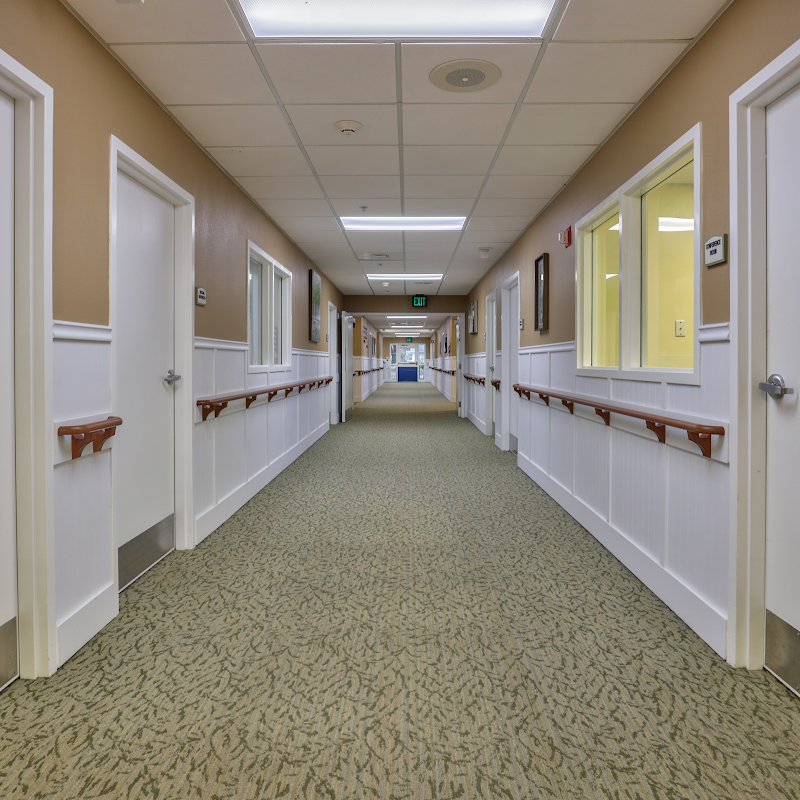
How is Alliance Center Staffed?

CMS rates ALLIANCE HEALTH AND REHABILITATION CENTER's staffing level at 4 out of 5 stars, which is above average compared to other nursing homes. Staff turnover is 46%, compared to the Florida average of 46%. This relatively stable workforce can support continuity of care.

What Have Inspectors Found at Alliance Center?

State health inspectors documented 7 deficiencies at ALLIANCE HEALTH AND REHABILITATION CENTER during 2021 to 2025. These included: 7 with potential for harm.
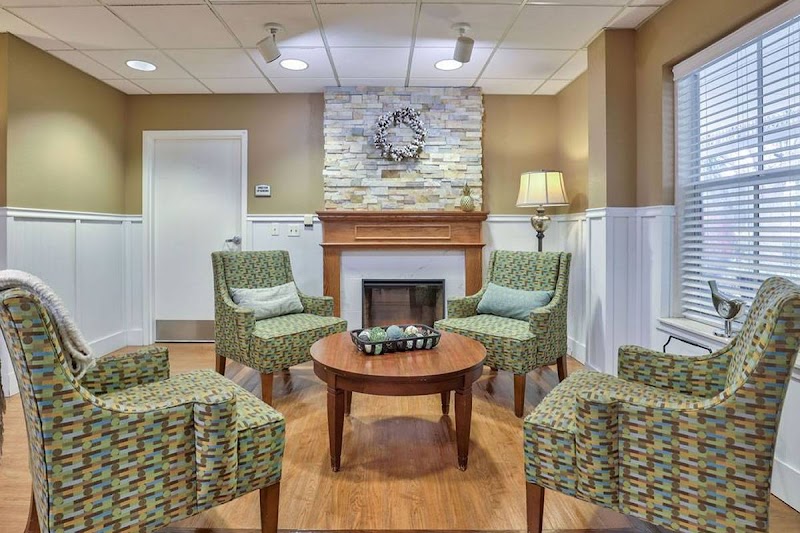
Who Owns and Operates Alliance Center?

ALLIANCE HEALTH AND REHABILITATION CENTER is owned by a for-profit company. For-profit facilities operate as businesses with obligations to shareholders or private owners. The facility operates independently rather than as part of a larger chain. With 130 certified beds and approximately 107 residents (about 82% occupancy), it is a mid-sized facility located in DELAND, Florida.

How Does Alliance Center Compare to Other Florida Nursing Homes?

Compared to the 100 nursing homes in Florida, ALLIANCE HEALTH AND REHABILITATION CENTER's overall rating (5 stars) is above the state average of 3.2, staff turnover (46%) is near the state average of 46%, and health inspection rating (4 stars) is above the national benchmark.

What Should Families Ask When Visiting Alliance Center?

Based on this facility's data, families visiting should ask: "Can I visit during a mealtime to observe dining assistance and food quality?" "How do you handle medical emergencies, and what is your hospital transfer rate?" "Can I speak with family members of current residents about their experience?"

Is Alliance Center Safe?

Based on CMS inspection data, ALLIANCE HEALTH AND REHABILITATION CENTER has a clean safety record: no substantiated abuse findings (meaning no confirmed cases of resident harm), no Immediate Jeopardy citations (the most serious violation level indicating risk of serious injury or death), and is not on the Special Focus Facility watch list (a federal program monitoring the lowest-performing 1% of nursing homes). The facility has a 5-star overall rating and ranks #1 of 100 nursing homes in Florida. While no facility is perfect, families should still ask about staff-to-resident ratios and recent inspection results during their visit.

Do Nurses at Alliance Center Stick Around?

ALLIANCE HEALTH AND REHABILITATION CENTER has a staff turnover rate of 46%, which is about average for Florida nursing homes (state average: 46%). Moderate turnover is common in nursing homes, but families should still ask about staff tenure and how the facility maintains care continuity when employees leave.

Was Alliance Center Ever Fined?

ALLIANCE HEALTH AND REHABILITATION CENTER has no federal fines on record. CMS issues fines when nursing homes fail to meet care standards or don't correct problems found during inspections. The absence of fines suggests the facility has either maintained compliance or corrected any issues before penalties were assessed. This is a positive indicator, though families should still review recent inspection reports for the full picture.

Is Alliance Center on Any Federal Watch List?

ALLIANCE HEALTH AND REHABILITATION CENTER is not on any federal watch list. The most significant is the Special Focus Facility (SFF) program, which identifies the bottom 1% of nursing homes nationally based on persistent, serious quality problems. Not being on this list means the facility has avoided the pattern of deficiencies that triggers enhanced federal oversight. This is a positive indicator, though families should still review the facility's inspection history directly.