ATHENS POST ACUTE LLC
545 WEST EUCLID AVENUE, DELAND, FL 32720 (386) 734-9085
For profit - Limited Liability company 60 Beds ELEVATION HEALTHCARE Data: November 2025
Trust Grade
25/100
#597 of 690 in FL
Last Inspection: November 2023

Within standard 12-15 month inspection cycle. Federal law requires annual inspections.

Overview

Athens Post Acute LLC has received a Trust Grade of F, indicating significant concerns about the quality of care provided. Ranking #597 out of 690 in Florida and #28 out of 29 in Volusia County places it in the bottom half of facilities, suggesting limited local options for better care. While the facility is showing some signs of improvement, with issues decreasing from 9 in 2022 to 8 in 2023, a high staff turnover rate of 64% is concerning, especially when combined with $61,744 in fines, which is higher than 90% of other Florida facilities. Staffing is rated 3 out of 5 stars, but RN coverage is below average, meaning residents may not receive the full attention they need from registered nurses. Specific incidents include the failure to designate a full-time Director of Nursing and unsafe food storage practices that could affect resident health, highlighting both strengths and weaknesses in the facility's operations.

Trust Score
F
25/100
In Florida
#597/690
Bottom 14%
Safety Record
Moderate
Needs review
Inspections
Getting Better
9 → 8 violations
Staff Stability
⚠ Watch
64% turnover. Above average. Higher turnover means staff may not know residents' routines.
Penalties
✓ Good
$61,744 in fines. Lower than most Florida facilities. Relatively clean record.
Skilled Nurses
○ Average
Each resident gets 34 minutes of Registered Nurse (RN) attention daily — about average for Florida. RNs are the most trained staff who monitor for health changes.
Violations
⚠ Watch
22 deficiencies on record. Higher than average. Multiple issues found across inspections.
★☆☆☆☆
1.0
Overall Rating
★★★☆☆
3.0
Staff Levels
★☆☆☆☆
1.0
Care Quality
★★☆☆☆
2.0
Inspection Score
Stable
2022: 9 issues
2023: 8 issues

The Good

  • Full Sprinkler Coverage · Fire safety systems throughout facility
  • No fines on record

Facility shows strength in fire safety.

The Bad

1-Star Overall Rating

Below Florida average (3.2)

Significant quality concerns identified by CMS

Staff Turnover: 64%

18pts above Florida avg (46%)

Frequent staff changes - ask about care continuity

Federal Fines: $61,744

Above median ($33,413)

Moderate penalties - review what triggered them

Chain: ELEVATION HEALTHCARE

Part of a multi-facility chain

Ask about local staffing decisions and management

Staff turnover is elevated (64%)

16 points above Florida average of 48%

The Ugly 22 deficiencies on record

Nov 2023 7 deficiencies
CONCERN (D)

Potential for Harm - no one hurt, but risky conditions existed

Deficiency F0576 (Tag F0576)

Could have caused harm · This affected 1 resident

Based on interviews, record review, observations, review of the resident council minutes and the Resident Handbook, the facility failed to ensure packages and mail were unopened when received for 1 of...

Read full inspector narrative →
Based on interviews, record review, observations, review of the resident council minutes and the Resident Handbook, the facility failed to ensure packages and mail were unopened when received for 1 of 13 sampled residents (Resident #32). Residents have the right to receive mail and packages unopened. The privacy of the residents are affected. The findings include: An interview was conducted with Resident #32 in his room on 11/28/23 at 10:45 a.m. He reported having concerns that his mail and packages are being brought to him opened at times. His packages have to be opened in front of staff, usually the activity director. The resident was alert and oriented, and spoke clearly. He reported discussing this in Resident Council meetings. A record review was conducted for Resident #32 which noted an admission date of 3/1/23 and re-entry date on 7/14/23. Diagnoses included non-traumatic subarachnoid hemorrhage and mood disorder. A review of the Minimum Data Set on 9/4/23 noted resident has a BIMS of 14, indicating intact cognition. Resident #32 was observed receiving an Amazon package unopened at 2:45 p.m. on 11/29/23. The resident was speaking to the Clinical Nurse Supervisor, Licensed Practical Nurse (LPN) and was told he had to open it in front of the Activity Director. After the LPN walked off, the resident reported he is waiting for the Activity Director to return. The resident also reported telling the LPN supervisor and stated it was a federal offense to open the resident's mail. An interview was conducted with the Activity Director and Administrator on 11/29/23 at 3:55 p.m. The Resident council meetings were discussed. The Activity Director reported she delivers the mail and packages to the residents. An inventory form is taken with her and the resident opens the package in front of her. She was not sure there is a policy concerning opening mail and packages in front of staff. The inventory form is filled out when packages are opened. She reported only opening mail if asked, and the opening of packages in front of staff started 6 months ago. The Administrator reported it is not required for residents to open packages in front of staff. The Activity Director works Monday through Friday and there is no one to deliver packages on the weekend. The Administrator reported a plan would be put in place for a weekend receptionist to sort mail and disperse with education provided for staff concerning mail or packages being documented for inventory. The Activity Director confirmed that 3 of the 4 last resident council meetings noted opened mail and packages. The Administrator reported the mail should not be opened. An interview was conducted with Resident #32 in the hallway on 11/30/23 at 10:15 a.m. He reported he opened the package received on 11/29/23 in front of a staff member. A review of Resident Council Meetings dated 9/21/23 and 10/15/23 noted mail does not arrive unopened. (photographic evidence obtained) A review of the Resident Handbook noted under Consent Regarding Mail Correspondence revealed residents have the right to send and receive unopened mail. .
CONCERN (D)

Potential for Harm - no one hurt, but risky conditions existed

ADL Care (Tag F0677)

Could have caused harm · This affected 1 resident

Based on observations, staff and resident interviews, medical record review, and facility policy review, it was determined that the facility failed to provide activities of daily living services to ma...

Read full inspector narrative →
Based on observations, staff and resident interviews, medical record review, and facility policy review, it was determined that the facility failed to provide activities of daily living services to maintain grooming and personal hygiene, specifically fingernail care, for one resident (Resident #23) out of 12 residents sampled. The findings include: On 11/27/23 at 12:15 pm, Resident #23 was observed in his room and had fingernails elongated on each finger. He was asked if he prefers his fingernails to be that long. He stated, NO! I don't. The interview was stopped at that time due to resident's display of anger. On 11/28/23 at 10:10 am, Resident #23 was observed up and dressed in day clothes in the milieu. His fingernails were observed to be elongated. He was asked if he prefers his fingernails to be that long. He stated, No, I gotta get these nails cut. The resident was asked if he would allow his fingernail lengths to be measured. He stated yes. The following measurements were taken from tip of finger to end of nail: Left hand thumb: 1 centimeter Left hand first finger: 1 centimeter Left hand second finger: 3/4 centimeter Left third finger: 3/4 centimeter Left fourth finger: 3/4 centimeter Right hand thumb: 1 centimeter Right hand first finger:1 centimeter Right hand second finger: 1 centimeter Right third finger: 3/4 centimeter Right fourth finger: 3/4 centimeter On 11/29/23 at 10:22 am, Resident #23 was observed sitting in a chair in the TV/dining room. He was observed to have both hands inside his sweat shirt pockets. He was asked if his nails were still long. He stated, Yeah, I need to get them trimmed. He took his hands out of his pockets and showed both hands. All nails were observed to elongated with the exception of the left pinky fingernail which was the same length as the fingertip. A medical record review for Resident #23 revealed a quarterly MDS (Minimum Data Set) evaluation dated 8/26/23 which showed a BIMS (Brief Interview for Mental Status) score of 08 (indicative of moderate cognitive impairment). Diagnoses included unspecified dementia, major depressive disorder, and cognitive communication deficit. A review of the person-centered care plan for Resident #23 revealed the following focus with goals/interventions: Focus (5/24/18, revised 11/29/22) Activities of Daily Living (ADLs): (Resident) is at risk for ADL self-care performance and mobility deficits related to diagnoses dementia, glaucoma, and muscle wasting of bilateral upper extremities. Goals: (revised 5/30/23) (Resident) will maintain current level of function through the review date Interventions: Check nail length and trim and clean on bath days and as necessary. Report any changes to the nurse. Progress notes were reviewed for Resident #23 from 8/1/23 through 11/29/23. There were no progress notes stating the resident refused nail care or any ADL care. On 11/30/23 at 8:30 am, an interview was conducted with Employee E, Certified Nursing Assistant (CNA). She was asked who provides fingernail care to the residents. She stated she was not for sure. She has washed under the nails, but has not clipped them. She was asked if a resident's nails are elongated, what is she trained to do. She stated, I'll let my nurse know. I know over at the sister facility the activities staff and the restorative lady do a lot of the fingernail care. They trim and clean. I'm not sure over here. She stated she was caring for Resident #23 today, but had never trimmed his fingernails. On 11/30/23 at 12:45 pm, in an interview was conducted with Employee F, Registered Nurse (RN). She was asked who provides fingernail care to the residents. She stated, On shower days it should be done by the nurses' aides; any other time any nursing staff and activities staff can provide that care. She was asked if she was caring for Resident #23 today and stated yes. When asked if she had ever trimmed his fingernails she stated, I have not. He can be difficult; he has his own preference for hygiene. She was asked if any nurses aide had reported to her that Resident #23 had refused fingernail care. She stated, No, not specifically. She was asked what she is trained to do if a resident refuses fingernail care and stated, We try to come back later and attempt again. We will have other staff try. When asked where is that refusal documented she stated, It should be in the regular progress note. A review of the facility policy titled, Activities of Daily Living; Quality of Life; Special Rehab Services (reviewed 11/2022) revealed: Policy statement: Each resident shall receive, and this facility will provide necessary care and services to attain or maintain the highest practicable physical, mental, and psychological well-being, consistent with the resident comprehensive assessment and care plan. Scope: Residents will be given the appropriate treatment and services to maintain or improve their ability to carry out the activities of daily living, including hygiene, bathing, grooming, oral care, mobility, transfer, ambulation, elimination/toileting, eating, dining, and communication. .
CONCERN (D)

Potential for Harm - no one hurt, but risky conditions existed

Deficiency F0698 (Tag F0698)

Could have caused harm · This affected 1 resident

Based on medical record review, observations, staff and resident interviews, and a review of the facility's dialysis policy, the facility failed to ensure shared communication between the facility and...

Read full inspector narrative →
Based on medical record review, observations, staff and resident interviews, and a review of the facility's dialysis policy, the facility failed to ensure shared communication between the facility and the dialysis center for one of one resident receiving hemodialysis services, from a total of 12 residents in the sample. (Resident #29) The findings include: A medical record review for Resident #29 revealed no communication with the dialysis clinic he attended. A review of the resident's current physician's orders revealed an order for Dialysis Center Dialysis: M/W/F (Mondays, Wednesdays, and Fridays) at the named dialysis center, with a chair time of 11:40 AM. On 11/28/23 at 12:44 PM Resident #29 was observed in his room resting in bed and would only answer a few questions. He affirmed that the facility sends a bag meal/snack with him to dialysis. On 11/30/23 at 9:15 AM Employee C, Unit Manager, was interviewed. Employee C had been employed by the facility since 4/20/23. She was asked to explain the facility process for sending and receiving pertinent information about the resident to and from the dialysis center. She stated, We send information to the dialysis center with the resident in a binder or we call them if we need to. The dialysis center sends the binder back to the facility with the resident for us to review, or they call us. She was asked how the facility obtains post dialysis weights on the resident. She stated, We don't have to weigh him. Dialysis usually weighs him before and after dialysis, and the dialysis center usually puts that information in the communication binder. On 11/30/23 at 9:22 AM Employee L (CNA) was interviewed. Employee L had been employed by the facility for 20 years. She was asked to explain her role in caring for a resident who receives hemodialysis (HD). She stated, If I have the resident on that day, I make sure he is cleaned up and ready. I get his lunch bag from the kitchen, and I help make sure he has everything he needs in his bag, his blanket, his binder, whatever he needs to take with him. When transportation gets here, I go and let him know that they are here for him. She further stated, We only have one resident in the facility who gets dialysis. On 11/30/23 at 10:43 AM, the surveyor requested Resident #29's dialysis binder from the Director of Nursing (DON). She stated she would locate the binder. On 11/30/23 at 11:05 AM, the surveyor requested Resident #29's dialysis binder from Employee F, who was the nurse assigned to Resident #29. She stated she would locate the binder. On 11/30/23 at 11:46 AM, the surveyor requested Resident #29's dialysis binder from the administrator. She stated she would look into why the binder had not been located and presented. On 11/30/23 at 11:53 AM, surveyor again requested Resident #29's dialysis binder from Employee F who stated, They are printing it out now. At that time the surveyor requested the binder be presented immediately in whatever condition it was currently available. The binder was presented by Employee C who was accompanied by the DON. On 11/30/23 at 11:57 AM, Employee C presented the dialysis binder for Resident #29. She stated, There are no recent communication sheets in the binder. It looks like we haven't sent the binder in a while. A review of the facility's Dialysis, Care of the Resident Receiving Dialysis Treatments Policy, Issued September 1, 2022, Reviewed/Revised July 2, 2023, Standard of Practice, Special Care Monitoring for Residents on Dialysis, STEP 8 states: Arrange for dialysis as ordered. Send Dialysis Information Form with resident. STEP 12 states: Resident dialysis assessment will be maintained in the medical record. .
CONCERN (D)

Potential for Harm - no one hurt, but risky conditions existed

Unnecessary Medications (Tag F0759)

Could have caused harm · This affected 1 resident

**NOTE- TERMS IN BRACKETS HAVE BEEN EDITED TO PROTECT CONFIDENTIALITY** Based on observations of medication administration, interviews with staff, and review of the Policies and Procedures for Infecti...

Read full inspector narrative →
**NOTE- TERMS IN BRACKETS HAVE BEEN EDITED TO PROTECT CONFIDENTIALITY** Based on observations of medication administration, interviews with staff, and review of the Policies and Procedures for Infection Control/Medical Waste Handling, and Cleaning and Disinfection of Resident Care Items and Equipment, the facility failed to ensure the medication error rate was less than 5% with two errors out of 33 opportunities. The medication error rate was 6.06% due to the nurse discarding a sharps needle in the room trash can and using durable medical equipment without cleaning afterwards. The findings include: On 11/28/23 at 10:33 a.m., Employee A, Registered Nurse (RN) was observed administering a blood glucose check in room [ROOM NUMBER]. The RN used a lancet to check the blood glucose, and after completion threw the lancet and test strip in the trash can at bedside. An interview was conducted with Employee A, on 11/28/23 at 10:40 a.m. He confirmed the lancet and test strip were thrown in the trash can and should have been disposed of in the sharps container. An observation was conducted with Employee A on 11/29/23 at 8:55 a.m. for medication administration. Employee A asked a nurse for a blood pressure machine and pulse oximeter (a device that measures the saturation of oxygen carried in the red blood cells) which were given to him. He did not clean the devices before use. After taking the blood pressure and blood oxygen level for the resident in room [ROOM NUMBER]C, the RN took the machine and set it back on cart without cleaning. An interview was conducted with Employee A on 11/29/23 at 10:40 a.m. He confirmed he did not clean the durable medical equipment before or after use. The RN reported it should have been cleaned with alcohol. He stated he usually cleans the blood pressure cuff and pulse ox equipment with alcohol. The Policy and Procedure for Infection Control/Medical Waste Handling reviewed November 2022 revealed under 3. All sharps must be handled as medical waste, placed in appropriate sharps container and sent for eventual incineration. The Policy and Procedure for Cleaning and Disinfection of Resident Care Items and Equipment reviewed November 29, 2022 noted under Standard of Practice reusable items are cleaned and disinfected or sterilized between residents (stethoscopes, durable medical equipment); #4 reusable care equipment will be decontaminated and/or sterilized between residents according to manufacturers' instructions and #7 intermediate and low level disinfectants for non-critical items include: ethyl or isopropyl alcohol or three other cleaning agents. .
CONCERN (E)

Potential for Harm - no one hurt, but risky conditions existed

Deficiency F0565 (Tag F0565)

Could have caused harm · This affected multiple residents

Based on observations, staff and resident interviews, and facility policy review, it was determined that the facility failed to provide the resident group with a private space for 8 out of 12 resident...

Read full inspector narrative →
Based on observations, staff and resident interviews, and facility policy review, it was determined that the facility failed to provide the resident group with a private space for 8 out of 12 residents sampled. A resident group is defined as a group of residents that meets regularly to: Discuss and offer suggestions about facility policies and procedures affecting residents' care, treatment, and quality of life; Support each other; Plan resident and family activities; Participate in educational activities; or For any other purpose. The findings include: On 11/27/23 at 11:30 am, the Activity Director was asked when the next scheduled Resident Council Meeting would be held. She stated it was scheduled for that day at 2:00 pm. She was asked if she could confirm if Resident #13 was the Resident Council President. She stated yes. She stated Resident #8 was the [NAME] President, and had previously been the President. On 11/27/23 at 11:45 am, Resident #13 was asked if she was the Resident Council Present. She stated yes. She was asked how long she had been President. She stated she was not sure exactly, but it had been a few months. When asked if the council would be meeting today at 2:00 pm, she stated yes. When asked she gave permission for the surveyor to attend the meeting today. She was asked where they hold their meetings and she stated in the TV room where they eat meals. On 11/27/23 at 2:00 pm, eight residents were observed in the open area which serves as the facility dining room and activity room. This area was observed to have 3 walls with no fourth wall or door to enclose the area for privacy. The open area led to the nurses' station straight ahead, the 100 hallway to the right and the 200 hallway to the left. The meeting was called to order at 2:00 pm with the President leading the group with the Pledge of Allegiance. There were 2-3 staff observed in the nurses' station for the duration of the meeting. Staff were observed to come into the meeting area throughout the meeting included housekeeping sweeping the floor and kitchen staff speaking to other residents who were not attending the meeting. The meeting area was observed to be noisy and chaotic. The President was asked if it's always this noisy during their Council meetings. She stated, Yes, and just wait until 3:00, it gets even louder. She was asked if she wished to have the meetings in a private area. She stated yes. The Activity Director stated, We used to have the meetings in the therapy room, but that stopped with the new owners. At 2:39 pm Resident #3 yelled out, If people would be quiet, we could hear! to the residents in the back of the area who were not attending the meeting. At 2:46 pm, the noise level escalated due to staff scooping ice into cups and other staff and residents not in the meeting speaking loudly. The Council President and one resident yelled loudly to staff and other residents to quiet down by yelling, We're trying to have a meeting here. The Activity Director then said, We're trying to have a resident council meeting. At 3:18 pm, three staff members were observed coming in and out the locked side door beside where the meeting was being held, talking loudly among themselves. Furniture was observed being moved loudly across the floor at this time. At 3:23 pm in an interview with Resident #8, she was asked if the council meetings are always held in the common area. She stated, When I was the president we used to have the meetings in the gym, but they've been held out here for at least a few months now. She was asked if she would prefer the meeting be held in a quieter and/or private area. She stated, I like it out here but it's too noisy. I like it because it's a big area but it's too noisy. Sometimes it should be more private of an area, because anyone could be walking through and listening. We might be discussing something we don't want some staff to hear. On 11/29/23 at 4:00 pm in an interview was conducted with the Administrator. She was asked if she had attended any Resident Council Meetings and stated, No, I haven't yet and to be honest, I haven't reviewed the past meeting minutes, but I am going to review them and I am going to ask the president of the council if I can have permission to attend the next meeting. When asked if she was aware where the Resident Council meetings are held she stated, Out in the dining and activity room area. She was asked if that area affords privacy for the residents and she stated no. On 11/30/23 at 12:40 pm in an interview with Employee F she was asked if she had ever attended a Resident Council Meeting. She stated, No, but I was here when they had it on Monday. When asked how often the meetings are held she stated they were monthly and confirmed they were held in the common area. Regarding residents having privacy for their meetings she stated, I would say privacy is difficult because there are no doors to close in that area. She was asked if she can hear what is being discussed at the meetings. She stated, Yes I can hear what's being said. I think the area could be more private so we can't hear what they are saying. A review of the facility policy titled Resident Council (revised 8/22) revealed: (The Facility) supports a resident council. Department leaders including the Administrator and Director of Nursing will attend only if an invitation is extended. .
CONCERN (F)

Potential for Harm - no one hurt, but risky conditions existed

Deficiency F0727 (Tag F0727)

Could have caused harm · This affected most or all residents

Based on staff interviews and facility job description review, it was determined that the facility failed to designate a registered nurse to serve as the director of nursing (DON) on a full time basis...

Read full inspector narrative →
Based on staff interviews and facility job description review, it was determined that the facility failed to designate a registered nurse to serve as the director of nursing (DON) on a full time basis. The findings include: On 11/29/23 at 2:20 pm, an interview was conducted with the Director of Nursing who was asked how long she has worked for the facility. She stated, I started Monday, November 27 of this week. When asked what her title is she stated, I'm Director of Nursing. She was asked how many hours she works as the Director of Nursing. She stated, I work at least 40 hours. I'm also Director of Nursing at our other facility, (facility named). She was asked if she divides her time between the two facilities. She stated, I'm expected to be at each facility each day, for whatever hours are needed. She was asked what her duties are as Director of Nursing. She stated, I oversee the nursing process. I report to the administrator. I ensure the nursing staff are following the policies and the CMS regulations. I provide staff training for on-boarding and ongoing in-services. I'm also the infection preventionist. She was asked if their other facility has it's own Director of Nursing. She stated, Yes, me. On 11/29/23 at 4:00 pm, an interview was conducted with the Administrator and asked who is the Director of Nursing for this facility. She stated, That's (named DON). Her title is Executive Director of Nursing. When asked if this is a full time position, she stated yes. She was asked if the Director of Nursing at this facility also serves as Director of Nursing for another facility. She stated, Yes, for our sister facility, (Named facility). She was asked if the DON is a full time position. at the other facility and she stated yes. She was asked if the Director of Nursing serves as full time Director of Nursing at both facilities. She stated yes. On 11/30/23 at 9:10 am, in an interview with the Staffing Coordinator, Employee G, she was asked who is the Director of Nursing at this facility. She stated, She's new, she runs both facilities. Her name is (named DON). She was asked if she is at this facility full time. She stated, She works both facilities full time and divides her time as half days for each facility. A review of the job description for Director of Nursing revealed: General Purpose: The Director of Nursing services assume full time administrative responsibilities and accountability for the delivery of nursing services in the facility. .
CONCERN (F)

Potential for Harm - no one hurt, but risky conditions existed

Food Safety (Tag F0812)

Could have caused harm · This affected most or all residents

Based on observations, staff interviews, facility document review, and facility policy and procedure review, the facility failed to properly store food with the potential to affect all residents who c...

Read full inspector narrative →
Based on observations, staff interviews, facility document review, and facility policy and procedure review, the facility failed to properly store food with the potential to affect all residents who consumed foods from the facility. Opened bundles of bread stored on the bread rack were not sealed and date marked. Food handling and sanitation is important in health care settings serving nursing home residents. Unsafe food handling practices represent a potential source of pathogen exposure. The findings include: A tour of the kitchen was conducted on 11/27/2023 at 10:05 a.m. During the tour, no date markings were observed on two open bundles of bread located on the bread rack in the dry storage room. Another observation was made on 11/28/2023 at 9:20 a.m. At that time, eight open bundles of bread were observed on the bread rack in the dry storage room with no date marking. (Photographic evidence obtained) A follow-up tour of the kitchen was conducted on 11/29/2023 at 10:35 a.m. Six open bundles of bread were observed on the bread rack in the dry storage room with no date marking. (Photographic evidence obtained) An interview was conducted on 11/30/2023 at 9:20 a.m. with Dietary Aide H, who confirmed that the facility policy for date marking leftover bread was to use First In, First Out (FIFO) and check for expiration dates. She stated the facility did not use and place back on the rack. Small portions are used for lunch and dinner. An interview was conducted on 11/30/2023 at 9:25 a.m. with [NAME] I, who confirmed the facility policy for date marking leftover bread was to date food when received. When bread is opened, used, and placed back on the bread rack a used first sticker is added and labeled with the date opened. Bread is discarded after 5 days. An interview was conducted on 11/30/2023 at 9:30 a.m. with [NAME] J, who confirmed that the facility policy for date marking leftover bread was to label open bread and discard after 3 days. She stated staff try not to have leftover bread. An interview was conducted on 11/30/2023 at 9:52 a.m. with the Certified Dietary Manager, who confirmed the facility policy for date marking leftover bread was to date food items when received and once the food item is opened, add use first sticker and date opened. Bread is discarded after 5 days. A review of the facility's policy and procedure entitled Sanitation (effective 9/2010), revealed: 4. Use the First In, First Out (FIFO) method when stocking and rotating product. 5. Ensure all food and chemical containers are labeled with name and date received. (Copy obtained) Reference: FDA Food Code 2022. https://www.fda.gov/media/164194/download (Accessed on 11/13/2023) Annex 5. Conducting Risk-Based Inspections Annex 5 - C. Intervention Strategies for Achieving Long-term Compliance. 4. Establish First-In-First-Out (FIFO) Procedures. Page 31. https://www.fda.gov/media/164194/download (Accessed on 11/13/2023): Product rotation is important for both quality and safety reasons. First-In-First Out (FIFO) means that the first batch of product prepared and placed in storage should be the first one sold or used. Date marking foods as required by the Food Code facilitates the use of a FIFO procedure in refrigerated, ready-to-eat, TCS foods. The FIFO concept limits the potential for pathogen growth, encourages product rotation, and documents compliance with time/temperature requirements. .
Feb 2023 1 deficiency
CONCERN (D) 📢 Someone Reported This

A family member, employee, or ombudsman was alarmed enough to file a formal complaint

Potential for Harm - no one hurt, but risky conditions existed

Deficiency F0575 (Tag F0575)

Could have caused harm · This affected 1 resident

Based on observations and interviews, the facility failed to post, in a form and manner accessible and understandable to residents, resident representatives a list of names, addresses (mailing and ema...

Read full inspector narrative →
Based on observations and interviews, the facility failed to post, in a form and manner accessible and understandable to residents, resident representatives a list of names, addresses (mailing and email), and telephone numbers of all pertinent State agencies and advocacy groups. Failure to post this information has the potential to affect a census of 51 residents. The findings include: On 02/02/2023 at 10:00 am, an observation was conducted of the main floor of the facility. The walls in the foyer area near the entrance of the facility were bare. There was no display of pertinent state agencies and advocacy groups information. Immediate observations were conducted for the rest of the facility which revealed the state agencies and advocacy groups information was not posted anywhere in the building. During an interview with Employee B, Social Services Director, and Grievance Officer on 02/02/2023 at 12:45 pm, she was asked the location of the contact information for the state agency and advocacy groups. She stated the information is printed on the back of the grievance forms. She stated the forms used to be in a basket which hung outside of her office door however, the basket had been moved and was not returned at the time of the survey. When asked if all residents, including bed bound residents had been given a form with the contact information. She stated they had not been. During an interview with employee C, Certified Nursing Assistant (CNA) on 02/02/2023 at 2:58 pm, she was asked what she would do if a resident requested to contact the Ombudsman's office or to file a formal complaint with a state agency. She stated, she would refer the resident to the Administrator to see if she could handle it first. She was asked where the contact information for the state agency and advocacy groups was located in the facility. She shook her head indicating no. She was specifically asked if the information was posted in the facility. Again, she shook her head indicating no. During an interview with Employee E, Registered Nurse (RN) on 02/02/2023 at 3:08 pm, she stated she would attempt to locate the contact information for the advocacy groups and state agencies for residents. When asked where the information was located in the facility. She stated the information should have been in the shadow box near the dining room/activities room near the front of the facility. After looking over the information available, she confirmed the information was not there. She also confirmed it was not posted anywhere else in the facility. During the exit conference with Administrator on 02/02/2023 at 4:15 pm, she confirmed the required postings were misplaced and were not displayed anywhere in the facility. She stated, she had contacted the owner several times during the survey period with hopes of locating the poster but were unsuccessful in finding it. .
Jan 2022 9 deficiencies
CONCERN (D)

Potential for Harm - no one hurt, but risky conditions existed

Deficiency F0679 (Tag F0679)

Could have caused harm · This affected 1 resident

**NOTE- TERMS IN BRACKETS HAVE BEEN EDITED TO PROTECT CONFIDENTIALITY** Based on observation, interview, and record review, the facility failed to provide an ongoing program to support residents in th...

Read full inspector narrative →
**NOTE- TERMS IN BRACKETS HAVE BEEN EDITED TO PROTECT CONFIDENTIALITY** Based on observation, interview, and record review, the facility failed to provide an ongoing program to support residents in their choice of activities for one (Resident #6) out of 30 sampled residents. The findings include: During an interview on 1/24/22 at 2:07 PM, Resident #6 said they don't have activities here. He would like some exercise, such as tossing the ball and dancing. He would like to go outside, but they don't let them go out. They are locked up. He has things that he's ordered online that he has to return. He was told it was up to the doctor to let him out. On 1/25/22 at 2:40 PM, Resident #6 said that he wants to go out to return several packages he ordered online, but he has been unable to. The deadline for return these packages will be coming to an end. He said that he has not been able to go out of the facility. He asked the administrator about this, and she told him he has to ask the doctor. His doctor hasn't given him approval. Resident #6 said that other residents can go out. Resident #6 was admitted on [DATE] and readmitted on [DATE]. The resident's diagnoses included chronic mood disorder, congestive heart failure, Type 2 Diabetes and metabolic encephalopathy. According to Resident #6's admission 5-day Minimum Data Set (MDS) with an Assessment Reference Date (ARD) of 10/26/21, he had a Brief Interview for Mental Status (BIMS) score 13 with no indicators of delirium. This meant he was cognitively intact. His MDS also indicated he had no delusions or hallucinations. The MDS coded Resident #6 that the resident did not walk in the room and corridor, that he required supervision with set up only for locomotion on unit, and locomotion off unit occurred only once or twice. Resident #6 required supervision with set up only for dressing, eating, toileting, personal hygiene. Resident #6's admission MDS identified as part of the assessment, that it was somewhat important for Resident #6 to: Have books, newspapers, and magazines to read; Be around animals such as pets; Keep up with the news; Do things with groups of people; Do his favorite activities; Get fresh air when the weather is good; and Participate in religious services or practices. The admission MDS also identified that it was very important for the resident to listen to music. The Quarterly MDS assessment with an ARD of 1/17/22 indicated that his cognitive status was not assessed. It also revealed that the activity of walking in the room and corridor did not occur (the quarterly MDS does not assess for Customary Routine and Activities). The resident did not have a care plan for activities. The Activities assessment dated [DATE] documented the following: Resident #6 loved to go to socials with other residents. Will invite to meaningful group programs. The Resident enjoys music, reading, movies and wished to participate in activities while in the home, participate in group activities, go to outings, and independent activities. The assessment indicated that the resident's activities do not need to be modified due to limitations or special needs. There were no Activities progress notes found in the medical record. The large January activity calendar on the wall in the hallway to the left of the nurse's station included the following planned group activities: 1/25/22 - 10 AM Roll and Stroll 10:30 AM Rosary 11 AM - Current Events 1/26/22 10 AM Bingo 11 AM Humor Time Afternoon social - no time designated. 7 PM Resident's choice 1/27/22 10 AM Coffee/Tea 11 AM [NAME] Baptist 2 PM Outreach ministry 7 PM Resident's choice On 1/25/22 at 4:30 PM, the Activities Director was playing a game with about 5 residents in the activity/dining area, but Resident #6 was not present. On 1/26/22 at 10:05 AM, four residents were present in the activities/dining area and there was a Western show on the large screen television. No group activity was occurring. Interview conducted with the Activities Director on 1/26/22 at 11:44 AM, revealed that she had been employed at the facility for 14 years and had activities scheduled monthly. She was currently working on taking down the Christmas Tree. She is the only activities staff member. She covers two facilities and was on leave from December to January 21, 2022. On 1/26/22 at 5:42 PM, the Activities Director was asked for a copy of the facility's January 2022 activities calendar. She provided one and she said that the small calendar is accurate, but the big wall calendar is not. She said she covers both this facility and a sister facility as Activities Director. The surveyor asked the Activities Director who conducts group activities when she isn't working at this building. She replied that the Certified Nursing Assistants help out. The small January 2022 calendar the Activities Director provided included the following planned group activities during the survey: 1/23/22 (Monday on the calendar; however, 1/23/22 fell on a Sunday, not Monday) 10 A Roll & Stroll 11 AM Morning stretch 1:30 AM Word Game 2 PM Reminiscent corner 7 PM Sports Night 1/24/22 (Tuesday on the calendar) 10 AM Roll & Stroll 11 AM Humor for the Day 3 PM Bingo with [NAME] 1/25/22 (Wednesday on the calendar) 10 AM Movin/Grovin 11 AM News/Views 1:30 PM Creative Musings 2 PM Bible study - did not occur - dominoes 7 PM Resident choice 1/26/22 (Thursday on the calendar) 10 AM Soup day 10:30 AM Pretty nails 3 PM Bingo with [NAME] 7 PM Resident Choice The dates and days of the week on the small activities calendar did not correspond to the dates and days of the week for January 2022. The planned morning activities did not occur for 1/26/22 and 1/27/22 and Resident #6 was not involved any of the group activities that occurred in the afternoons. Interview with the Activities Director on 1/27/22 at 11:15 AM, revealed that Resident #6 never told the Activities Director that he wanted to go out and that he wanted to return items that he ordered online. She said he can return his items and they can arrange his transportation. The Activities Director stated that Resident #6 has refused group activities, but she had no documented record of his refusals. She said she doesn't keep records of the residents' attendance to activities. She said he has attended their parties. She further stated that she invites residents to activities, but Resident #6 mostly sleeps during the day. A review of the facility Director of Activities Job Description was conducted and obtained [Revised January 27, 2019/076-124-014]. It was documented, Provides oversight of all activities for the Residents in both facilities, including planning and implementation of activity program. Interpret program to staff, family and community. Keep current list of room changes and religious preferences list. Process check requests and submit payments for various monthly entertainers. Record progress notes on each resident at least quarterly. Recruit and interview potential employees as necessary. Supervise staff to provide quality services in a caring environment, which strives to preserve the resident independence and self-respect. .
CONCERN (D)

Potential for Harm - no one hurt, but risky conditions existed

Medical Records (Tag F0842)

Could have caused harm · This affected 1 resident

Based on observation, interview, record review and facility policy and procedure review, the facility failed to ensure it provided an accurately documented Psychosocial Participation Record for two (R...

Read full inspector narrative →
Based on observation, interview, record review and facility policy and procedure review, the facility failed to ensure it provided an accurately documented Psychosocial Participation Record for two (Residents #23 and #26) of four residents reviewed for activities, out of 30 sampled residents. The findings include: An interview was conducted with Employee J, Activity Director on 01/27/2022 at 1:02 PM. The Activity Director was asked to provide activity assessment documentation for multiple residents that included Resident #23 and Resident #26. The Activity Director produced documents with the date 2012 at the interview for Residents #13, #17 and #23. She did not have a form for Resident #26 at that time. During the interview, the surveyor wrote the time 1:08 PM on a blank Psychosocial Participation Records on the bottom of the pages, located at the back of the pad that contained blank forms. The pad had 3-4 blank yellow blank pages; and several others had Resident names handwritten which were incomplete. The Activity Director was asked about the forms, she stated that she was supposed to fill them out. The Activity Director provided copies of the filled out assessments she had for the residents requested. She stated, she stored other forms, but could not find a recent form for Resident #23 or Resident #26. She also stated she had not started electronic documentation for activities at that time. On 1/27/2022 at 2:34 PM, Employee J, Activity Director delivered black and white copies of the Psychosocial Participation Record for Resident #26 for the month of June 2021; and Resident #23 for the month of June 2020 and July 2021. An interview was conducted with Employee J, Activity Director on 1/27/2022 at 3:18 PM. The Activity Director was asked to explain the documentation. Employee J, Activity Director stated she filled the forms out today. Employee J, Activity Director was asked if she understood the document did not reflect late entry and was asked how she recalled the documented activity for Resident #26 and Resident #23. She stated, because I did the activity. (Copy obtained) A review of the facility's policy statement for Charting and Documentation indicated at line 3. Documentation in the medical record will be objective (not opinionated or speculative), complete, and accurate. (Copy obtained) A review of the facility's policy for Charting Errors and/or Omissions indicated that accurate medical records shall be maintained by this facility. At line 3. Late entries in the medical record shall be dated at the time of entry and noted as a late entry. (Copy obtained) A review of the Director of Activities Job Description indicated the Position Summary was to: Provide oversight of all Activities for the Residents in both the facility, including planning and implementation of activities programs. Identified under Essential Duties and Responsibilities was, Complete and maintain current records, plans, reports and evaluation of activities' programs and Resident participation/functioning. (Copy obtained) No additional information provided.
CONCERN (D)

Potential for Harm - no one hurt, but risky conditions existed

Infection Control (Tag F0880)

Could have caused harm · This affected 1 resident

**NOTE- TERMS IN BRACKETS HAVE BEEN EDITED TO PROTECT CONFIDENTIALITY** Based on observation, record review and interviews, the facility failed to follow standard precautions to prevent the spread of ...

Read full inspector narrative →
**NOTE- TERMS IN BRACKETS HAVE BEEN EDITED TO PROTECT CONFIDENTIALITY** Based on observation, record review and interviews, the facility failed to follow standard precautions to prevent the spread of infections by not providing proper hand hygiene during a dressing change after cleaning feces from peri area for one (Resident #19) of two residents reviewed with pressure ulcers, out of 30 sampled residents. The findings include: A medical record review was conducted for Resident #19, which revealed she was admitted on [DATE] and a re-entry date of 1/14/21. A review of the physician's orders revealed an order dated 1/20/22, which read: sacrum, buttocks discoloration wound: Cleanse with normal saline (or soap and water, pat area dry, apply zinc oxide barrier cream (Boudreaux's butt paste) to wound bed and discoloration every shift as well as needed for soiling. A review of the Minimum Data Set (MDS) assessment dated [DATE], revealed an unhealed pressure ulcer, Stage II. An interview was conducted with the interim Director of Nurses (DON) on 1/25/22 at 11:08 a.m. She reported Resident #19 was admitted with a rash near December which became a small pressure ulcer. She reported the wound was improving nicely until the resident developed diarrhea which caused a decline. It is improving again now. An observation of a dressing change for Resident #19 was conducted on 1/27/22 at 2:21 p.m. with Employee B, Registered Nurse (RN). Employee B gathered his supplies on foil, took supplies in room and placed on bedside table. He washed hands and applied two sets of gloves. After explaining to the resident what he was going to do, he loosened the brief and observed feces seeping out of brief. The RN stated, I have to get the CNA. Resident #19 was cleaned up and at 2:45 p.m. the dressing change was started. There was not a dressing on sacrum. The sacrum was observed with a small dime slit open area with maceration around the surrounding tissue. The RN proceeded to clean the sacrum and buttocks with Normal Saline, applied butt paste to outer areas, cleaned feces from peri area with wash cloth, removed one set of gloves, applied butt paste around peri area, and applied island dressing which included date and initials. Employee B did not wash his hands after cleaning feces from peri area and apply a new set of gloves. Employee B washed hands with soap and water after he finished the dressing change. An interview with Employee B was conducted on 2/27/22 at 2:55 p.m. in the hall outside the resident's room. The RN confirmed he did not wash his hands and apply new gloves after cleaning the feces from peri area. On 1/27/21 at 3:00 p.m. the dressing change Policy and Procedure was requested. On 1/27/22 at 3:06 p.m. the interim Director of Nursing (DON) was interviewed. The policy and procedure for dressing changes was reviewed. The DON reported the RN should have washed his hands after cleaning wound and cleaning feces from peri area. She also stated, He should not be double gloved, must be a carryover from the hospital. .
CONCERN (E)

Potential for Harm - no one hurt, but risky conditions existed

Deficiency F0558 (Tag F0558)

Could have caused harm · This affected multiple residents

**NOTE- TERMS IN BRACKETS HAVE BEEN EDITED TO PROTECT CONFIDENTIALITY** Based on observations, interviews and document review, the facility failed to 1) ensure that it provided one (Resident #26) out ...

Read full inspector narrative →
**NOTE- TERMS IN BRACKETS HAVE BEEN EDITED TO PROTECT CONFIDENTIALITY** Based on observations, interviews and document review, the facility failed to 1) ensure that it provided one (Resident #26) out of three residents reviewed for accommodation of needs, the use of a call bell adapted for a medical condition, and 2) Ensure that it made available call light devices for seven (Residents #17, #23, #6, #241, #291, #36 and #30) of 30 sampled residents from a total of 43 residents had access to their call lights at all times. The findings include: 1. During an observation of Resident #26's room on 1/24/2022 at 2:07 PM, the call light was observed wrapped around the bedrail. On 1/25/2022 at 3:28 PM, Resident #26 was observed in her bed. Her call light was wrapped around the bedrail within her reach. Resident #26 was requested to open and close her hands. She could only slightly wiggle her fingers and was unable to use the call bell provided. On 1/26/2022 at 11:39 AM, Resident #26 was observed sitting in a chair next to the bed. The call light remained wrapped around the handrail on the bed, out of her reach. During this time, the Activity Director attempted a demonstration of Resident #26's use of the call bell. The resident was unable to work the call button. The Activity Director was asked about Resident #26's ability to use the call bell. The Activity Director stated that Resident #26 used to have a bulb that sat under her chin that she could operate but did not know what happened to it. Employee J, Activity Director placed the call button back on the resident bed, out of reach and left the room. An interview was conducted with Employee K, Licensed Practical Nurse (LPN) on 1/26/2022 at 11:53 AM. The LPN confirmed that Resident #26 could not use the call button observed. She said the resident use to have a bulb device that she could operate. The LPN did not know what happened to the bulb call device and stated that Resident #26 had it before the new system was installed. The care plan for Resident #26 was reviewed and revealed an Activity of Daily Living (ADL) self-care performance deficit as evidence by: cannot complete ADL tasks independently and requires individualized interventions improve function because: Disease process and contractures, history of cerebral palsy w/paraplegia. Interventions included call bell within reach while in room/bathroom/shower room and remind to use. (Copy obtained) On 1/26/2022 at 4:06 PM, an interview was conducted with Employee C, Social Service Director (SSD) in Resident #26's room. The SSD was asked how Resident #26 called for assistance. The SSD attempted to get Resident #26 to apply pressure to the call button, the SSD manipulated Resident #26 hand to squeeze the button; however, Resident #26 could not operate the current call device. The SSD stated she would put a request in with the Director of Nursing and the new Call System supplier to review what call light device was compatible with the new call system for Resident #26. An interview was conducted with Employee C, SSD on 1/27/2022 at 12:45 PM. She stated that the Administrator was informed of the call light problem for Resident #26 and a new call light device was provided to Resident #26. On 1/27/2022 at 5:00 PM, the Resident #26 was observed in her room with a blow tube call device that she was able to operate. 2. On 1/24/2022 at 11:28 AM, an observation was made of a call bell clipped to the curtain on the side of the Resident who was admitted to room [ROOM NUMBER]-Bed D (Resident #17). The call light belonged to Resident #23. At the same time, a call bell was observed on the floor between a wheelchair and wall and belonged to Resident #17. Both residents were capable of using the call light. (Photographic evidence obtained) On 1/24/2022 at 1:18 PM, Resident #23 and Resident #17 call light devices were observed once again clamped to the privacy curtain and the other on the floor between the wall and wheelchair. (Photographic evidence obtained) On 1/24/2022 at 3:12 PM, Resident #23 and Resident #17 call light devices were observed for a third time clamped to the privacy curtain and the other on the floor between the wall and wheelchair. (Photographic evidence obtained) On 1/24/2022 at 4:13 PM, Resident #23 and Resident #17 call light devices were observed for a fourth time clamped to the privacy curtain and the other on the floor between the wall and wheelchair. (Photographic evidence obtained) On 1/24/2022 at 4:16 PM, Employee A, Certified Nursing Assistant (CNA) confirmed the call light for Resident #23 was clamped on the curtain facing Resident #17, out of reach of Resident #23. Employee A, CNA turned to leave the room, but was asked to provide Resident #17 with a call light. Employee A, CNA looked for the call light, and confirmed that Resident #17's call light was on the floor. Employee A, CNA picked up the call light and wrapped the cord around the handrail. Employee A, CNA confirmed that regardless of a resident's ability to use the call light, the call light should be placed within reach of the resident. During an observation of Resident #6's room on 1/24/22 at 1:00 PM, the resident's call light was observed on the floor between Resident #6's bed and his roommate's bed. Neither Resident #6's call light or his roommate's call light was accessible to them, and these residents were capable of using the call light. (Photographic evidence obtained) On 1/24/2022 at 2:19 PM, Resident #241's call light was observed on the floor next to the wall along with the call light belonging to the bed next to him. Resident #241 was capable of using the call light. (Photographic evidence obtained) During an observation of Resident #291's room on 1/24/22 at 4:17 PM, the resident's call light was observed to draped over the call activator box on the wall and was not accessible to the resident. The resident was capable of using the call light. (Photographic evidence obtained) During an observation of Resident #36's call light on 1/24/22 at 4:19 PM, the resident's call light was observed to clipped on the cord of the call light under the call activator box on the wall and was not accessible to the resident. The resident was capable of using the call light. (Photographic evidence obtained) On 1/24/2022 at 4:21 PM, Resident #241's call light was observed again on the floor next to the wall along with the call light belonging to the bed next to him. (Photographic evidence obtained) During an observation of Resident #30's call light on 01/24/22 at 4:22 PM, the resident's call light and the call light that belonged to the bed next to him was observed to clipped on the cord of the call light under the call activator box on the wall. These call lights were not accessible to the resident. Resident #30 was capable of using the call light. (Photographic evidence obtained) Observation of Resident #6's room on 1/24/22 at 4:23 PM revealed that the resident's call light was again observed on the floor between Resident #6's bed and his roommate's bed. Neither Resident #6's call light or his roommate's call light was accessible. This was observed again on 1/25/22 at 8:54 AM. (Photographic evidence obtained) On 1/26/22 at 4:03 PM, during an observation of Resident #241, he requested to get his wallet from his bedside dresser behind him. His call light was on the floor next to his bed, so he could not access it. His call light was given to Resident #241 so, he could call for staff assistance, which he did. When Resident #241 used the call light, the call light activator lit up on the wall and the light outside the room on the hallway ceiling. On 1/27/22 at 12:00 PM, the Nursing Home Administrator was asked if the call light system was working. She said it is working. She was informed about the finding about several residents' call lights that were not accessible. The Administrator said she would have a staff person check on this and educate the nursing staff about call light accessibility.
CONCERN (E)

Potential for Harm - no one hurt, but risky conditions existed

Safe Environment (Tag F0584)

Could have caused harm · This affected multiple residents

**NOTE- TERMS IN BRACKETS HAVE BEEN EDITED TO PROTECT CONFIDENTIALITY** On 1/26/2022 at 9:14 AM, during an observation of room [ROOM NUMBER], the privacy curtain was badly stained, sink was badly warp...

Read full inspector narrative →
**NOTE- TERMS IN BRACKETS HAVE BEEN EDITED TO PROTECT CONFIDENTIALITY** On 1/26/2022 at 9:14 AM, during an observation of room [ROOM NUMBER], the privacy curtain was badly stained, sink was badly warped and a chunk of the sink bottom was broken off. (Photographic evidence obtained) During an observation on 1/26/2022 at 4:18 PM in room [ROOM NUMBER], the privacy curtain was stained and caught in the door to room [ROOM NUMBER] Bed A. (Photographic evidence obtained) An interview was conducted with Employee L, Housekeeping Supervisor on 1/26/22 at 9:15 AM. She indicated that she had a shift opened at this facility. Employee L, Housekeeping Supervisor stated she had to work between two facilities, she had an open housekeeping position and was unable to keep privacy curtains clean and she did not have a floor technician to buff the floors. The housekeeping supervisor agreed that the facility should not be in the condition observed. An interview was conducted with the Facility Maintenance Director (FMD) on 1/26/22 at 11:20 AM. The FMD indicated that he did not have a formal work order system that recorded requested repairs requested. A review of the facility's Housekeeping Supervisor job position description, last revised on 6/25/18, position summary read: Supervises all housekeeping and laundry staff in accordance with applicable state regulations to ensure the highest standard of cleanliness for the Residents. (Copy obtained) A review of the facility's Maintenance Director job position description, last revised on 6/24/18, position summary read: Supervise staff and the maintenance of the buildings and machinery of the facility to ensure compliance with state and federal regulations and to promote a safe living environment for all Residents, staff, visitors and vendors. Based on observation, resident and staff interview, and record review, the facility failed to provide a safe, clean, comfortable, and homelike environment for 4 out of 19 sampled resident rooms (rooms 112, 111, 207 and 106) with soiled privacy curtains, furnishings in disrepair, soiled floors, and soiled resident furnishings in these resident rooms. The findings include: On 1/24/22 at 1:05 PM, during an observation of room [ROOM NUMBER], the cold water did not turn on at the bathroom faucet. Additionally, the bottom edge of the wood and Formica counter in the front of the resident sink (not in the bathroom) in room [ROOM NUMBER] was disintegrating. (Photographic evidence obtained) During an observation on 1/24/22 at 2:34 PM in room [ROOM NUMBER], three drawers in one of the dressers were off the track and were slanted in the dresser. They were positioned in a manner so that the bottom 2 drawers could not be opened. The top drawer was missing. Additionally, the privacy curtain for 111 D had a large brown colored stain on the bottom middle of the curtain. (Photographic evidence obtained) On 1/25/22 at 8:50 AM, the resident in room [ROOM NUMBER] B was in bed and said he was looking for his urinal. The urinal was observed under the bed on the floor with spilled urine.
CONCERN (E)

Potential for Harm - no one hurt, but risky conditions existed

ADL Care (Tag F0677)

Could have caused harm · This affected multiple residents

**NOTE- TERMS IN BRACKETS HAVE BEEN EDITED TO PROTECT CONFIDENTIALITY** Based on observation, interview, and record review, the facility failed to ensure one (Resident #36) out of 30 sampled residents...

Read full inspector narrative →
**NOTE- TERMS IN BRACKETS HAVE BEEN EDITED TO PROTECT CONFIDENTIALITY** Based on observation, interview, and record review, the facility failed to ensure one (Resident #36) out of 30 sampled residents received the minimum scheduled showers to maintain good personal hygiene. The findings include: On 1/25/22 at 12:01 PM, Resident #36 stated he doesn't get showered twice a week. He said that his scheduled number of showers is twice a week and sometimes the staff don't get to him at the end of the shift. He gets showered only once a week and it has been happening often. Resident #36 appeared clean, and no odors were detected. Resident #36 was admitted on [DATE] with a primary diagnosis of quadriplegia. According to Resident #36's admission Minimum Data Set (MDS) with an Assessment Reference Date (ARD) of 1/06/21, he was coded as having a Brief Interview for Mental Status score of 15, which indicated he had no cognitive impairment, and he had no indicators of delirium. This assessment indicated that he required transfer with extensive assistance with 2 persons physical assist and was total dependent for bathing with 1-person physical assist. He had no rejection of care coded. Resident #36's Annual MDS with an ARD of 12/20/21 coded him the same for these items, except that for bathing, he required physical help in part of bathing activity with 1-person physical assist. The comprehensive care plan for Resident #36 with a focus concern for Activities of Daily Living (ADLs), initiated on 1/05/21 and revised on 12/31/21 revealed Resident # 36 has an ADL self-care performance deficit related to paraplegia. The care plan goal was that the resident will remain current level of function through the review date (12/30/21). The care plan interventions related to bathing included: Bathing/showering: assist of one staff; Avoid scrubbing and pat dry sensitive skin; and Provide sponge bath when full bath or shower cannot be tolerated. The Certified Nursing Assistant (CNA) [NAME] included the following for bathing: Avoid scrubbing and pat dry sensitive skin Bathing/showering: assist of one staff. Check nail length and trim and clean on bath day and as necessary. Report any changes to nurse. Provide sponge bath when a full bath or shower cannot be tolerated. Resident's scheduled shower day is every Wednesday and Thursday to be given on the 3 PM to 11 PM shift. The CNA tasks information in the electronic medical record was reviewed on 1/25/22. Under the bathing task question, Bath how resident takes a bath self-performance The following was documented for the past 30 days. 12/29/21 (Wednesday) at 16:47 and 16: 48 - Physical help in part of bathing activity - partial bath - 16:48 shower day - resident had shower already on this shift. 1/01/22 (Saturday) at 16:25 and 16:26 - Independent - shower 1-person physical assist 1/15/22 (Saturday) at 20:37 and 20:37 - Independent - shower 1-person physical assist 1/22/22 (Saturday) at 20:38 and 20:44 - Independent - shower 1-person physical assist. This was the only documentation in the CNA tasks regarding the resident's shower activity in the past 30 days. On 1/26/22 at 8:12 AM, Resident #36 was asked what days he was supposed to get his showers. He stated that he gets his showers on Wednesdays and Saturdays (not on Wednesdays and Thursdays, according to the CNA [NAME]) The Licensed Practical Nurse, Employee D, who was the nurse assigned to Resident #36's care was interviewed on 1/27/22 at 8:03 AM. He was asked how do staff know when to shower residents. He said that they have a shower assignment sheet and provided the shower documentation book. According to the facility shower assignment. which was updated on 6/08/20, Resident # 36 was supposed to get a shower on the 3 PM to 11 PM shift on Mondays and Thursdays. The facility shower assignment included a note that said please complete showers on assigned days and shift. Also, complete shower sheet; identifying any skin issues of concern. (Nurses are to sign shower sheets as well). If a resident refuses a shower, notify the assigned nurse so that they can confirm and document the refusal. (Copy obtained) On 1/27/22 (Thursday) at 10:30 AM, the CNA tasks in electronic medical record still showed that the last shower Resident #36 received was on 1/22/22. Resident #36 was supposed to receive a shower on 1/26/22 (Wednesday). The interim Director of Nursing (DON) was interviewed on 1/27/22 at 11:20 AM about Resident #36 showers. She was told that the last shower Resident #36 had was on 1/22/22. The interim DON looked at the shower book and stated that the CNAs are supposed to do a skin check sheet for every shower. She said if there isn't anything documented, then it wasn't done. There were no skin check sheets documented in the shower book for Resident #36 for the entire month of January. In fact, there were only a few of the skin check sheets completed for residents for each day in the shower book. When the interim DON was asked who was responsible for ensuring the CNAs are providing the showers for residents, she replied, The nurses are responsible. .
CONCERN (F)

Potential for Harm - no one hurt, but risky conditions existed

Deficiency F0801 (Tag F0801)

Could have caused harm · This affected most or all residents

Based on observation, interview and record review, the Director of Dining Services (DDS), who was not a qualified dietitian was not full-time at the facility and the facility's consultant dietitian st...

Read full inspector narrative →
Based on observation, interview and record review, the Director of Dining Services (DDS), who was not a qualified dietitian was not full-time at the facility and the facility's consultant dietitian state license was expired and national Dietetic Registration could not be verified. This has the potential to impact all facility residents. The findings include: On the first three days of the survey (01/24/22 through 01/26/22), the Director of Dining Services (DDS) was not present in the facility. On the first day of the survey on 01/24/22, there were two nursing staff observed during the initial kitchen tour at 10:37 AM who prepared breakfast. The staff indicated at that time that the DDS worked between 2 affiliated nursing homes. The DDS was a Certified Dietary Manager, and not a qualified dietitian. On 01/27/22 at 8:25 AM, during a follow up visit to the kitchen, the DDS was present. He said he comes to this facility twice a week on Tuesdays and Wednesday and then he changed the days he visited this facility several times. He was hired back in April 2021. He indicated he was usually off on Thursdays. On 01/27/22 at 8:34 AM, the DDS was asked for the dishmachine temperature and sanitizer concentration log. The DDS said there was nothing recorded. Additionally, there were no food holding temperature logs recorded. On 01/27/22 at 9:07 AM, the concerns identified in the kitchen were reviewed with the DDS. The DDS was asked if he did any kitchen sanitation audits. He replied no, but the staff in the kitchen were supposed to do them. He stated that he didn't document anything about residents' nutritional status in the medical records. He participated in the completion of residents' assessments. The DDS said he did not participate in resident care plan meetings. The DDS was asked who the facility dietitian was, he didn't know her name. He said, he has only talked to her on the phone and texted her but hasn't seen her recently. He was told that there were a lot of menu substitutions noted during the survey. He said that they had supply issues but he was unaware of the menu substitutions. He was not aware that on Monday, two nursing staff were working in the kitchen. He was asked for a cleaning schedule, and he said they did not have one. He said each staff person is responsible for cleaning. A job description, revised 01/27/2019, was provided for the Director of Dining Services of the other affiliated nursing home (not for this facility). This job description included the following: Position/title: Certified Dietary Manager; Supervises: Dining Services Staff; Supervisor: Administrator; and Chain of Command: Administrator. The position summary of the Director of Dining Services job description documented the following: Provide services in the assigned areas of food services management. Teach principles of food and nutrition services and provide dietary consultation under the direction of a Dietitian. Supervise food production and service. Obtain and evaluate dietary history of residents and plan nutritional programs. Guide residents in food selection based on nutritional needs. May select, schedule and conduct orientation and in food service educational programs. The Director of Dining Services job description Essential Duties and Responsibilities documented the following: The following duties are normal for this position. This list is not to be construed as exclusive or all-inclusive. Other duties may be required and assigned. Essential functions . Direct Dining Services Department Programs. Manage dietary services and activities with other related departments. Interpret and explain the department's policies and procedures to employees, residents, visitors, and government agencies, etc. Act as the main point of contact for the dietary staff in the development and use of departmental policies and procedures as it pertains to equipment, supplies, safety, etc. Perform administrative duties such as completing necessary forms, reports, evaluations, studies, etc., to assure control of equipment and supplies. Make written and oral reports/recommendations to the Administrator as necessary/required with referent to the Dietary Department's process improvement activities . . Complete dietary sections of the MDS and resident dietary care plans. Participate in facility survey made by authorized government agencies. Interview resident and family members as necessary to obtain dietary history. Develop methods for determining quality and quantity of food served. Maintain optimal rapport with families and residents. Survey residents in person to evaluate the quality of meals served and make adjustments. Assess new admissions. Maintain accurate resident roster. Obtain weights and percentage of intake meals from nursing staff. Perform quality assurance performance improvements in dinning [sic] services department. Work effectively with Nursing for resident and dietary needs. Effectively supervise dining services staff in areas of procedure, performance, and coaching and development. Work tray line when necessary. Monitor resident weights and chair weight committee. Document resident pressure areas. Attend pressure ulcer meeting. Direct special functions. Maintain a communication list for the dietitian of tube feedings, etc. Attend and contribute to care plan meetings. The Director of Dining Services job description Supervisor Responsibilities included the following: Direct other employees on what needs to be done to maintain cleanliness of the kitchen. Direct other employees to complete tasks in a timely manner. Give input to assistant dining services manager and dining services manager on evaluation of staff. In-service staff as problems arises in the kitchen. Responsible for the orientation of new employees, including policy and procedure as it pertains to the department and relates to the facility. Recruitment and retention of high-quality personnel consistent with job requirements. Gives adequate guidance and supervision. The DDS is listed on Florida Agency for Health Care Administration Care Provider Background Screening Clearinghouse employee roster for this facility and the other affiliated facility. The facility consultant dietitian was not present during the entire survey. According to the December 2021 Consultant Dietitian Invoice, the consultant dietitian worked 4 hours at the two affiliated facilities during each week of the month. Her last visit to the facility was on 12/29/21. The Nursing Home Administrator (NHA) provided a copy of the consultant dietitian's Florida Dietetic license; however, the license expired on 05/31/21 (due to the Public Health Emergency, the Florida Department of Health, Medical Quality Assurance extended the license expiration in 2021 for licensed dietitians to June 30, 2021). The surveyor looked up the consultant dietitian's license on the Florida Department of Health, Medical Quality Assurance website on 01/27/22 and the dietitian's license was expired. The consultant dietitian was licensed as a Registered Dietitian in the state of Alabama, but that license expired 09/30/2017 [Florida does allow dietetic license reciprocity with other states]. The NHA provided a copy of the facility's consultant dietitian's Dietetic Registration, and it showed the registration period was from 09/01/2018 to 8/31/2019. The surveyor also tried to verify the facility's consultant dietitian's national Dietetic Registration on the Commission for Dietetic Registration (CDR) website. When the dietitian's registration information was entered, including the state of residence of Florida, the results indicated Practitioner's state of residence or country does not match primary address on the CDR registry. Please verify that you are selecting the correct state of residence. When the state of Alabama was selected, the results stated, The name does not appear on the registry of the Commission on Dietetic Registration as a Registered Dietitian Nutritionist or Registered Dietitian. Please verify that you have selected the appropriate CDR credential for this individual. An attempt to call the consultant dietitian's phone number provided by the facility administrator, was made on 01/27/22 at 2:10 PM, but the voicemail message stated that the number was not taking any calls. On 01/27/22 at 2:35 PM, the NHA was informed about the dietitian's expired dietetic license and dietetic registration. The information on the websites used to verify the dietitian's credentials was shown to the NHA on the surveyor's work phone. The NHA was unaware. The NHA tried calling the same phone number for the consultant dietitian and she heard the same message as the surveyor. The NHA was asked if the dietitian physically comes to the building and the NHA said that she hasn't been in a while. The consultant dietitian was supposed come in the first of this month but hasn't. She had access to all the medical record information. The NHA was told that a dietitian has to visually see the residents in order to properly assess them. The NHA was informed that the DDS was not working full time in the facility and the DDS only works two days a week at the facility. In addition to that, the DDS was not providing adequate managerial oversight over the food service. The NHA replied that the DDS was working full time at both facilities and said that the regulations do not say that a DDS can't work at 2 facilities. The NHA was informed that the DDS was working full time but between 2 facilities and he was not present on a day-to-day basis to oversee the food service. On 01/27/22 at 3:12 PM, the Business Office Manager was asked how many hours an employee has to work at the facility to be considered full-time. She replied that full-time was considered 32 hours and this applies to every one. The surveyor asked if the DDS was employed at this facility or the other affiliated facility. She said they send his paycheck to the affiliated facility - that he is an employee at the other affiliated facility. .
CONCERN (F)

Potential for Harm - no one hurt, but risky conditions existed

Food Safety (Tag F0812)

Could have caused harm · This affected most or all residents

Based on observation, interview and record review, the facility failed to store, prepare, distribute and serve food in accordance with professional standards for food safety. The facility failed to do...

Read full inspector narrative →
Based on observation, interview and record review, the facility failed to store, prepare, distribute and serve food in accordance with professional standards for food safety. The facility failed to do the following: Store single-service articles and food to protect contamination, properly reheat Time/Temperature for Control for Safety (TCS) Food Protect exposed food, clean equipment, clean utensils, clean linens, single-service and single-use items, and the kitchen area from contamination, maintain equipment and areas in a clean condition and in good repair, Date-mark refrigerated resident food and ensure it was not stored too long under refrigeration. Ensure that the Person in Charge (the Director of Dining Services (DDS) provided adequate oversight of Dining Service Staff so that they were knowledgeable of proper cooking of TCS Food through daily oversight of the employee's routine monitoring of cooking temperatures and knowledgeable of proper sanitization of cleaned multiuse equipment and utensils before they are reused, through routine monitoring of sanitizing solution temperature and chemical concentration. These findings have a potential to affect 41 residents out of 43 residents who consume the facility's prepared food. The findings include: During the initial kitchen tour on 01/24/22 at 10:37 AM, there were two nursing staff, a Restorative Certified Nursing Assistant (CNA), Staff G and the Staffing Coordinator, Staff H preparing lunch in the kitchen. During the Initial Kitchen Tour on 01/24/22 at 10:37 AM, there were two nursing staff, a Restorative Certified Nursing Assistant (CNA), Staff G and the Staffing Coordinator, Staff H preparing lunch in the kitchen. They prepared the breakfast meal as well. There were no Dining Services staff present at the time, including the Director of Dining Services. At 10:44 AM, a roll of paper towels for the hand wash sink was stored on a pole of storage shelf several feet away and not in the paper towel dispenser. There was a cardboard box containing orange juice and a cardboard box containing apple juice stored on storeroom floor. At 10:54 AM, the bigger storeroom floor was soiled had an area of chipped tile near the entrance, and the small storeroom floor was soiled and had chipped tile. (Photographic evidence obtained) On 01/24/22 at 11:04 AM while continuing the initial kitchen tour, there were two stacked plastic containers of hard boiled eggs stored on the floor of the walk-in refrigerator with a cardboard container of buttermilk biscuits stored on top of the plastic containers. (Photographic evidence obtained) Continuing the initial kitchen tour, on 01/24/22 at 11:06 AM, the lunch food was already prepared and being held on the steam table. In one steam table well, there was green beans, in another, beef strips, and in a third steam table well, there were 3 packages of commercially prepared potato bacon soup, a TCS food. The Staffing Coordinator, Staff H was heating this soup on the steam table. Both Staff F and H were told that the soup could not be heated in the steam table, as this food service equipment was not designed to heat food to the proper internal temperature, but rather to hold food warm. The instructions on the soup package said to remove the soup from the package and heat it on the stove. At that time, a newly hired food service manager, Staff I, arrived at work. She was told about the soup heating on the steam table. She said, she would make sure that it was heated on the stove. (Photographic evidence obtained) During a follow up visit to the kitchen on 01/26/22 at 11:49 AM, the kitchen door to the outside was kept open during the entire lunch meal service. (Photographic evidence obtained) At 12:18 PM, the morning cook, Staff F said the kitchen door to the outside was opened due to no air conditioning in the kitchen and it gets hot. After checking the food holding temperatures for the lunch meal service at 11:56 AM, the morning cook, Staff F was asked if he recorded the holding temperatures. He said there was a book somewhere. He proceeded to get ready for the meal service and did not record the food holding temperatures. On 01/26/22 at 12:03 PM, the gray paint on the surface of the hanging rack over 3 compartment sink was chipping off on the edges and was rusted underneath. (Photographic evidence obtained) There were at least 4 plastic serving trays that had cracked edges, exposing the metal interior of the trays. (Photographic evidence obtained) Continuing observations during the follow up visit to the kitchen on 01/26/22 at 12:06 PM, an employee's jacket and purse were stored on a shelf with clean equipment, including the microwave oven. Clean single-service articles such as cup lids, cups, napkins were stored in a clear plastic container that were not stored in a manner to protect from contamination. (Photographic evidence obtained) A second follow up visit to the kitchen was conducted on 01/27/22 at 8:25 AM to observe the dishwashing process. The facility Director of Dining Services was present for the first time during the survey. There were two Dining services staff also present at the time, Staff E, and the morning cook, Staff F. The steam table pans filled with water placed in the steam table wells had multiple floating debris in them. They looked like floating rust chips. The DDS told the Staff F to remove these pans and delime them. At 8:34 AM, both Staff E and Staff F were operating the dishmachine. The Dining Services staff, Staff E, was asked to demonstrate how to check the concentration of chemical sanitizer solution in the dishmachine. Staff E said, she didn't know to check dishmachine sanitizer. The DDS asked the morning cook, Staff F to check the sanitizer level in the dishmachine. He stated, it's been awhile. Staff F used a quaternary ammonium (Quats) sanitizer test strip to test the sanitizer in the dishmachine. The strip did not change color. The staff were asked if the sanitizer used in the dishmachine was Quats or chlorine-based. The DSS said the machine uses Quat sanitizer, not chlorine-based. The sanitizer container used for the dishmachine was reviewed. The label indicated it was sodium hypochlorite or chlorine-based sanitizer. The sanitizer container was almost empty. Staff F replaced the sanitizer container with a new one. A few minutes later, the DDS checked the chlorine sanitizer in the dishmachine with a chlorine test strip and it was 200 PPM (parts per million). The dishmachine temperature and sanitizer concentration log were requested and reviewed, there was nothing recorded. Additionally, the DDS was asked if they kept a log of the food holding temperatures and he said there was none. (Photographic evidence obtained) During this second follow up visit on 01/27/22 at 9:07 AM, the Nursing Home Administrator entered the kitchen. The surveyor showed her the steam table wells, which were severely rusted. Almost the entire surface of the interior of the steam table wells had a brown rust. (Photographic evidence obtained) On 01/27/22 at 9:07 AM, the concerns identified in the kitchen were discussed with the DDS. The DDS was asked if he did any kitchen sanitation audits. He replied no, but the staff in the kitchen were supposed to do them. He was not aware that on Monday, two nursing staff were working in the kitchen. He was asked for a cleaning schedule, and he said they did not have one. He said each staff person is responsible for cleaning. At 9:00 AM, the interior of the ovens was observed to have an accumulation of greasy soil. Additionally, there were brown liquid drips observed on the front of the steam table. Staff E was asked what equipment she is responsible for cleaning, and she stated she cleans the equipment she works with. (Photographic evidence obtained) On 01/27/22 at 9:44 AM, the two nourishment refrigerators located in the dining/activities room. The stainless-steel Insignia refrigerator on the left was designated for resident food storage. The white Amana refrigerator on the right was for the facility food storage (supplements). There were several foods stored in the stainless-steel Insignia refrigerator that were not dated and labeled to its identity. These undated and unlabeled foods were mostly pureed food made from a private home in individual food storage containers for Resident #19. There was a white plastic bag with several containers for this resident that were dated 01/16/22, which were past the expiration date. The Amana white refrigerator for the facility food and nourishment storage had 4 opened containers of Med Pass 2.0 that were not dated. The Director of Nursing from the affiliated nursing home was present at the time and she began discarding the food that was not dated in garbage cans. At 10:00 AM, the Housekeeping Supervisor came to assist with the refrigerator clean-out, and she said that she cleans the refrigerators out once a week. She said food can only be stored for 3 days and then it has to be thrown out. The food for Resident #19 was in the refrigerator for a while because she is out at the hospital most of the time. (Photographic evidence obtained) The facility policy for Foods Brought by Family/Visitors - from Nursing Services Policy and Procedure Manual for Long Term Care - 2001 MED-PASS, Inc. (Revised October 2017), included the following excerpt under Policy Interpretation and Implementation: . 7. Food brought by family/visitors that is left with the resident to consume later will be labeled and stored in a manner that it is clearly distinguishable from facility-prepared food . b. Perishable foods must be stored in re-sealable containers with tightly fitting lids in a refrigerator. Containers must be labeled with the resident's name, the item, and the use by date. .
CONCERN (F)

Potential for Harm - no one hurt, but risky conditions existed

Garbage Disposal (Tag F0814)

Could have caused harm · This affected most or all residents

Based on observation and interview, the facility failed to ensure that garbage and refuse was disposed of properly. The condition of the outside facility garbage dumpster, which was used for the entir...

Read full inspector narrative →
Based on observation and interview, the facility failed to ensure that garbage and refuse was disposed of properly. The condition of the outside facility garbage dumpster, which was used for the entire facility, was such that that the surfaces were no longer smooth and durable; garbage and refuse was not contained and did not prevent rodent and pest attraction and harborage. Additionally, the Dining Services staff did not ensure garbage receptacles were covered in the kitchen. The findings include: At 01/25/22 at 3:48 PM, a staff person was observed through the facility activity/dining area window throwing out a white plastic bag into the facility garbage dumpster. The door to the side of the dumpster was open and there were no lids to the dumpster. During a follow up visit to the kitchen on 01/26/22 at 12:06 PM, the two garbage receptacles in the kitchen were not covered. At 12:13 PM, the facility garbage dumpster was observed up close. The dumpster did not have a lid and the side door was left open. The dumpster was extremely rusted to the extent that there was a hole in the right side of the dumpster near the rear of it. The metal structure of the dumpster was corroded to the extent that there were holes along the bottom rear of the dumpster and in the floor of the dumpster, which would not prevent leakage of liquid waste and prevent attraction and harborage of rodents and other pests. The rusted surfaces of the dumpster were no longer smooth, durable and cleanable. The dumpster had garbage in it at the time. (Photographic evidence taken) During the second follow up visit to the kitchen on 01/27/22 at 8:25 AM, the two garbage receptacles in the kitchen were not covered. This was brought to the Director of Dining Services (DSS) attention, as well as the condition of the dumpster. He said that there should be lids for the garbage cans. He went searching for lids for the garbage can and a few minutes later he produced a lid and placed it on the garage can near the door to the outside. The lid was too small for the garbage receptacle and appeared to belong to the garbage receptacle near the dishmachine. (Photographic evidence taken) On 01/27/22 at 9:07 AM, concerns identified in the kitchen were discussed with the DDS. The DDS was asked if he did any kitchen sanitation audits. He replied no, but the staff in the kitchen were supposed to do them. On 01/27/22 at approximately 5:05 PM, during the exit conference, the Nursing Home Administrator stated that she wished someone could write a letter to their waste disposal company, as the company has not replaced the dumpster despite her attempts to get it replaced. .
Feb 2020 5 deficiencies
CONCERN (D)

Potential for Harm - no one hurt, but risky conditions existed

Deficiency F0582 (Tag F0582)

Could have caused harm · This affected 1 resident

**NOTE- TERMS IN BRACKETS HAVE BEEN EDITED TO PROTECT CONFIDENTIALITY** Based on record review and staff interview, the facility failed to ensure proper notice was provided to one (Resident #16) of on...

Read full inspector narrative →
**NOTE- TERMS IN BRACKETS HAVE BEEN EDITED TO PROTECT CONFIDENTIALITY** Based on record review and staff interview, the facility failed to ensure proper notice was provided to one (Resident #16) of one sampled residents, of service changes related to their Medicare plan. The findings include: A record review of the Skilled Beneficiary Protection Review form completed by the facility for Resident #16 revealed she was admitted to the facility on [DATE] and her last covered day of Part A Medicare Service was 12/13/2019. The facility documented that the facility initiated the discharge from Medicare Part A Services when benefit days were not exhausted. The facility provided the Skilled Nursing Facility (SNF) Beneficiary Protection Notification review form documenting Resident #16 was discharged from Medicare Part A Services when benefit days were not exhausted. The facility checked No the resident was not given a Skilled Nursing Facility Advanced Beneficiary Notice of Non-Coverage (SNF ABN CMS-10055) for the reason of other. Resident met highest level of function. Therapy discharged with Medicare Part A days remaining. The facility answered Yes to the Notice of Medicare Non-Coverage (NOMNC CMS 10123) being provided to Resident #16. Further review of the Notice of Medicare Non-Coverage for Resident #6 revealed she was given the notice on 12/11/2029 for therapy services ending on 12/13/2019. The notice was signed by Resident #16 and had additional information which read, Resident met highest level of function. Therapy discharged with Medicare Part A days remaining. Resident no longer skilled at this time. NOMNC issued on 12/11/2019. During an interview with the Administrator on 02/12/20 at 3:35 PM, she was asked to provide any additional notices for Resident #16. In a second interview with the Administrator on 2/13/2020 at 8:25 AM, she stated she did not have any additional notices for Resident #16. She was asked who was responsible for completing the notices and she stated it was the Social Services Director. During an interview with the Social Services Director on 2/13/2020 at 8:35 AM, she confirmed Resident #16 had Medicare days left when her therapy ended and the resident remained in the facility. She stated she did not know she was supposed to do the Skilled Nursing Facility Advanced Beneficiary Notice of Non-Coverage for a resident remaining in the facility with Medicare days remaining. She stated she got with therapy and they told her the resident met her highest level so she did the notice. She added she thought the Business Office was supposed to complete the form and she had the form in her office and did not know what to do with it. Resident #16 was interviewed on 02/13/2020 at 9:54 AM. She did not recall having any therapy while at the facility. She was shown the Notice of Medicare Non-Coverage and she did not recall the form. She was asked about the signature and she stated she did not know if it was hers. .
CONCERN (D)

Potential for Harm - no one hurt, but risky conditions existed

Quality of Care (Tag F0684)

Could have caused harm · This affected 1 resident

Based on observations, interviews and record review, the facility failed to provide care and services in accordance with professional standards of practice by not performing wound care and dressing ch...

Read full inspector narrative →
Based on observations, interviews and record review, the facility failed to provide care and services in accordance with professional standards of practice by not performing wound care and dressing changes as ordered for one (Resident #44) of two residents sampled for wound care review. Failure to provide wound care and dressing changes per physician's orders could result in increased pain, infection and/or worsening of the wound's condition. The findings include: 1. On 02/10/20 at 8:41 AM, during an interview with Resident #44, she stated she had a wound on her left heel. It had been there for months and she went to a wound care doctor once a week. Resident #44 stated her wound was supposed to be cleaned and a new dressing applied every other day. Observation of the dressing revealed a date of 02/08/19. Resident #44 stated the staff had not been changing the dressing every other day as ordered. On 02/11/20 at 1:33 PM, an observation was made of the same dressing from yesterday (02/10/20) that had the same date of 02/08/20. Resident #44 stated no one had been into her room to change the dressing. On 02/12/20 at 10:30 AM, an observation of the dressing revealed it had been changed and the date on the dressing was now marked 02/12/20. Resident #44 stated the wound nurse changed the dressing earlier this morning. A review of the February 2020 Treatment Administration Record (TAR) revealed the following order: Left Heel: Cleanse wound with 1/2 strength Dakins, apply Iodoflex, Aquacel, Gauze, Allevyn Heel and Kling three times per week, every day shift, every other day related to unspecified open wound, left foot. The order was dated 2/7/2020. On 02/13/20 at 9:26 AM, during an interview with Employee D, Licensed Practical Nurse (LPN), she stated she had been the wound care nurse since January 2020. She rounded with the wound care doctor on Mondays. She completed the dressing changes at that time. The remainder of the dressing changes due throughout the week was tasked to the licensed professional assigned to that resident. Employee D stated there wasn't a quality check for dressing changes. On 02/13/20 at 10:04 AM, during an interview with the Director of Nursing (DON), he stated the facility had not had a dedicated wound care nurse for some time. He further stated he would meet with Employee D to discuss a quality tool to round on each resident that had a dressing change ordered. Employee D would be required to change all dressings with assistance from staff when needed. .
CONCERN (D)

Potential for Harm - no one hurt, but risky conditions existed

Deficiency F0761 (Tag F0761)

Could have caused harm · This affected 1 resident

**NOTE- TERMS IN BRACKETS HAVE BEEN EDITED TO PROTECT CONFIDENTIALITY** Based on observation, interview and record review, the facility failed to ensure medications were not expired and opened medicat...

Read full inspector narrative →
**NOTE- TERMS IN BRACKETS HAVE BEEN EDITED TO PROTECT CONFIDENTIALITY** Based on observation, interview and record review, the facility failed to ensure medications were not expired and opened medications were labeled in one (200 Hall Cart) of two medication carts observed for medication storage. Failure to label and date medications can result in the administration of expired medication, which can compromise residents' health status. The findings include: On [DATE] at 9:47 AM, expired Levemir insulin 100 units/milliliter for Resident #27 with an open date of [DATE] and an expiration date of [DATE] was observed on the 200 Hall medication cart. Further inspection revealed opened Keppra 5 ml (500 mg) bottles with no open dates for Residents #14 and #34. There was also an open bottle of Valproic acid 250 mg/ml (milligrams per milliliter) for Resident #29 observed with no open date. In a [DATE] interview at 10:07 AM with Employee A, Licensed Practical Nurse (LPN), she stated opened multidose insulin was good for 28 days. She added that Resident #27 had been receiving Levemir insulin up to the current date. She confirmed the opened bottles of Keppra (for seizure) and Valproic acid (for seizure) had no open dates. A review of the February 2020 Medication Administration Record (MAR) for Resident #29 revealed that the resident received the Levemir medication from February 1st through February 12, 2020. In a [DATE] interview at 10:25 AM with the Director of Nursing (DON), he stated nurses were responsible for checking medication for expiration before administration. A review of the facility's policy titled Medication Storage in the Facility (revised [DATE]) revealed the following: Expiration Dating (Beyond -Use dating) C. Certain medications or package types such as IV (intravenous) solutions, multidose injectable vials, ophthalmic nitroglycerin tablets, blood sugar testing solutions and strips once opened, require an expiration date shorter than the manufacturer's expiration date to ensure medication purity and potency. D. When the original seal of a manufacturer's container or vial is initially broken, the container or vial will be dated. 1) The nurse shall place a date opened sticker on the medication and enter the date opened and the new date expiration (NOTE: the stickers to affix contain both a date opened and expiration notation line). The expiration date of the vial or container will be 30 days unless the manufacturer recommends another date or regulations/guidelines require different dating. E. The nurse will check the expiration date of each medication before administering it. F. No expired medication will be administered to the resident. G. All expired medication will be removed from the active supply and destroyed on the facility regardless of amount remaining. the medication will be destroyed in user manual. (See provided document) .
CONCERN (D)

Potential for Harm - no one hurt, but risky conditions existed

Laboratory Services (Tag F0770)

Could have caused harm · This affected 1 resident

**NOTE- TERMS IN BRACKETS HAVE BEEN EDITED TO PROTECT CONFIDENTIALITY** Based on record review and interview, the facility failed to obtain laboratory services for two (Residents #2 and #9) of seven r...

Read full inspector narrative →
**NOTE- TERMS IN BRACKETS HAVE BEEN EDITED TO PROTECT CONFIDENTIALITY** Based on record review and interview, the facility failed to obtain laboratory services for two (Residents #2 and #9) of seven residents reviewed for unnecessary medication from a total sample of 33 residents. The findings include: On 2/10/2020 at 10:30 AM, Resident #2 was observed in the facility's dining/activity area yelling out. He was also heard yelling out several times on 2/11/2020 and 2/12/2020. A record review for Resident #2 revealed he was admitted to the facility on [DATE] with diagnoses including Down's syndrome, autistic disorder, major depressive disorder, generalized anxiety and schizoaffective disorder. Record review of the 1/23/2020 quarterly minimum data set (MDS) revealed Resident #2 had a brief interview mental status score of 0 out of 15 and had no behaviors documented. During an interview on 2/12/2020 at 8:46 AM with Resident #2's nurse (Employee A), she stated Resident #2 was complaining that his stomach hurt. She stated she was going to call his doctor. She added she did not know if something was wrong and that some of his yelling out could have been behavioral because when he yelled out, he would look out one eye to see whether staff was looking at him. Further record review for Resident #2 revealed he was followed by psychiatric services (Psychiatric Advanced Registered Nurse Practitioner (ARNP). A review of the 1/29/2020 visit revealed the ARNP's plan was to get a urinalysis (UA) to rule out a urinary tract infection. During further interview on 2/12/2020 at 12:10 PM with Resident #2's nurse (Employee A), she was asked for the laboratory results for the UA. On 2/12/2020 at 12:42 PM, she stated she spoke to the Unit Manager and the lab test was not done, so they were doing a STAT (immediate) order. The physician's orders were reviewed in the computer system with Employee A. The facility noted on 1/29/2020 next to the laboratory order, unable to collect specimen. Employee A stated they must not have put in another order to try again to collect a specimen. During an interview with the ARNP on 2/12/2020 at 1:10 PM, she stated she wanted the UA to rule out whether Resident #2's behaviors were due to a UTI. .
CONCERN (D)

Potential for Harm - no one hurt, but risky conditions existed

Medical Records (Tag F0842)

Could have caused harm · This affected 1 resident

Based on observations, interviews and record reviews, the facility failed to maintain complete and accurate medical records in accordance with professional standards for one (Resident #44) of one resi...

Read full inspector narrative →
Based on observations, interviews and record reviews, the facility failed to maintain complete and accurate medical records in accordance with professional standards for one (Resident #44) of one resident reviewed for wound care, and it failed to ensure resident medical records were complete and accurately documented for two (Residents #21 and #32) of three residents sampled for observation of medication administration. In these instances, inaccurate or missing documentation could lead to increased pain, infection and worsening of a wound as well as drug diversion. The findings include: 1. A record review for Resident #44 revealed a physician's order to clean the wound on her left heel every other day with ½ strength Dakins solution, then apply Iodoflex, Aquacel and wrap the heel with gauze. The order was placed on 02/07/19 with no end date noted. On 02/10/20 at 8:41 AM, Resident #44's left heel dressing was observed with a dressing date of 02/08/20. On 02/11/19 at 1:33 PM, Resident #44's dressing remained unchanged with the date of 02/08/20 still on the dressing. A review of Resident #44's clinical record revealed no documentation of a dressing change on 02/08/20, however on 02/10/20, there was documentation showing the dressing was changed. An observation of the left heel dressing on 02/10/20 at , revealed it was still dated 02/08/20. On 02/12/20 Resident #44 had a new dressing on which was dated 02/12/20. The documentation in the record reflected this change. On 02/13/20 at 9:26 AM during an interview with Employee D, Licensed Practical Nurse (LPN), she confirmed she changed the dressing on 02/08/20 but failed to document it. When asked about the documentation on 02/10/20 indicating the dressing was changed even though the dressing remained the same from 02/08/20 through 02/12/20, she stated she would start changing all of the residents' dressings to ensure that dressings were changed per physicians' orders and documented appropriately. On 02/13/20 at 10:04 AM during an interview with the Director of Nursing (DON), he stated quality checks would be completed and he would round more on residents with dressings and perform chart checks to ensure medical records were accurate and properly reflected the care the residents received. 2. On 02/12/20 at 8:35 AM, medication administration was observed on the 100/200 hall. Employee C, Licensed Practical Nurse (LPN), washed her hands prior to beginning her medication pass. She gathered all the medication needed for Resident #21. One of the medications she retrieved from the medication cart was Xanax 0.5 milligrams (mg) to be given orally. The nurse removed the Xanax from a locked drawer and placed the pill in a small medicine cup with the other medications she had already gathered. She proceeded to administer all of the medications to the resident. She marked the medications in the electronic medication administration record (eMAR) as given. She did not document in the controlled substances binder updating the count as per facility policy. 3. On 02/12/20 at 8:54 AM, medication administration was observed on the 100/200 hall. Employee C washed her hands and prepared to retrieve medications from the medication cart for Resident #32. She retrieved Dilaudid 4 mg, Dilaudid 2 mg, Xanax 0. 5 mg and Xanax 1 mg from a locked section in the cart. She proceeded to Resident #32's room and administered the medications orally to the resident. Employee C charted in the eMAR that the medications had been given. She did not document in the controlled substances binder updating the count as per facility policy. On 02/12/19 at 9:06 AM, during an interview with Employee C, she confirmed she did not follow the facility process to utilize the controlled substances binder to ensure accurate medication counts. She stated she usually administered all the narcotics for her residents and then went back and documented counts and times. On 02/13/19 at 9:59 AM, during an interview with the Director of Nursing (DON), he stated controlled medications were to be counted and documented in the controlled substances binder located on the medication cart. He further stated that the controlled substances policy covered this requirement. The DON stated the facility had a lot of new staff and he would be educating all clinical staff on the correct documentation process. A review of the facility's policy titled Preparation and General Guidelines HA7: Controlled Substances, revealed that Section E of this policy stated: Accurate accountability of the inventory of all controlled drugs is maintained at all times. When a controlled substance is administered, the licensed nurse administering the medication immediately enters the following information on the accountability record and the medication administration record: 1)Date and time of administration 2) amount administered 3) Remaining quantity 4) Initials of the nurse administering the dose, completed after the medication is actually administered. .
Understanding Severity Codes (click to expand)
Life-Threatening (Immediate Jeopardy)
J - Isolated K - Pattern L - Widespread
Actual Harm
G - Isolated H - Pattern I - Widespread
Potential for Harm
D - Isolated E - Pattern F - Widespread
No Harm (Minor)
A - Isolated B - Pattern C - Widespread

Questions to Ask on Your Visit

  • "Why is there high staff turnover? How do you retain staff?"
  • "Can I speak with families of current residents?"
  • "What's your RN coverage like on weekends and overnight?"

Our Honest Assessment

Strengths
  • • Licensed and certified facility. Meets minimum state requirements.
Concerns
  • • 22 deficiencies on record. Higher than average. Multiple issues found across inspections.
  • • $61,744 in fines. Extremely high, among the most fined facilities in Florida. Major compliance failures.
  • • Grade F (25/100). Below average facility with significant concerns.
  • • 64% turnover. Above average. Higher turnover means staff may not know residents' routines.
Bottom line: Trust Score of 25/100 indicates significant concerns. Thoroughly evaluate alternatives.

About This Facility

What is Athens Post Acute Llc's CMS Rating?

CMS assigns ATHENS POST ACUTE LLC an overall rating of 1 out of 5 stars, which is considered much below average nationally. Within Florida, this rating places the facility higher than 0% of the state's 100 nursing homes. A rating at this level reflects concerns identified through health inspections, staffing assessments, or quality measures that families should carefully consider.
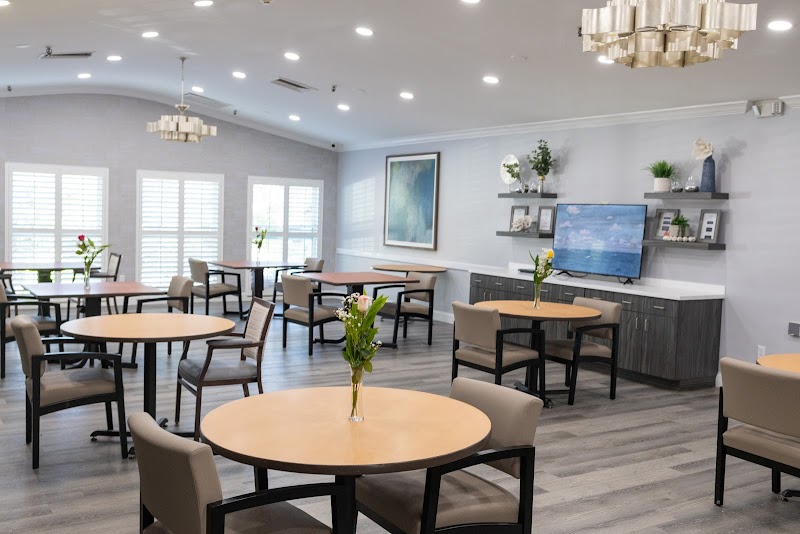
How is Athens Post Acute Llc Staffed?

CMS rates ATHENS POST ACUTE LLC's staffing level at 3 out of 5 stars, which is average compared to other nursing homes. Staff turnover is 64%, which is 18 percentage points above the Florida average of 46%. High turnover can affect care consistency as new staff learn residents' individual needs. RN turnover specifically is 75%, which is notably high. RNs provide skilled clinical oversight, so turnover in this role can affect medical care quality.

What Have Inspectors Found at Athens Post Acute Llc?

State health inspectors documented 22 deficiencies at ATHENS POST ACUTE LLC during 2020 to 2023. These included: 22 with potential for harm.
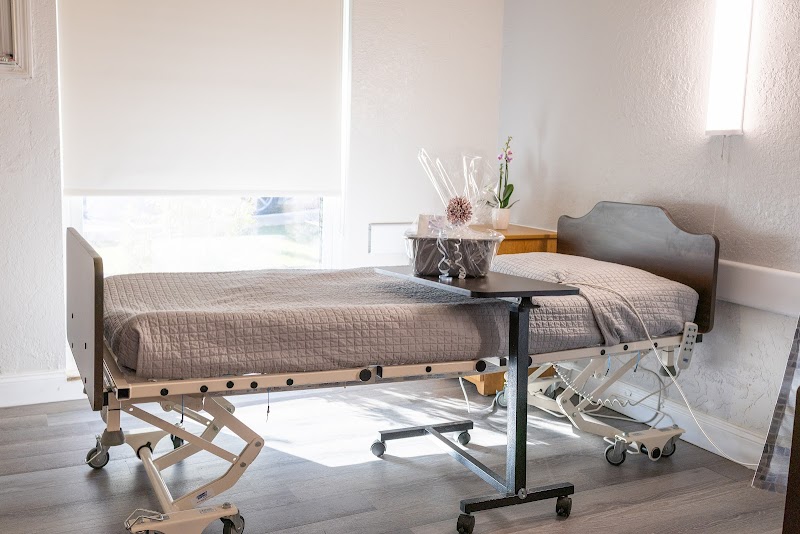
Who Owns and Operates Athens Post Acute Llc?

ATHENS POST ACUTE LLC is owned by a for-profit company. For-profit facilities operate as businesses with obligations to shareholders or private owners. The facility is operated by ELEVATION HEALTHCARE, a chain that manages multiple nursing homes. With 60 certified beds and approximately 52 residents (about 87% occupancy), it is a smaller facility located in DELAND, Florida.

How Does Athens Post Acute Llc Compare to Other Florida Nursing Homes?

Compared to the 100 nursing homes in Florida, ATHENS POST ACUTE LLC's overall rating (1 stars) is below the state average of 3.2, staff turnover (64%) is significantly higher than the state average of 46%, and health inspection rating (2 stars) is below the national benchmark.

What Should Families Ask When Visiting Athens Post Acute Llc?

Based on this facility's data, families visiting should ask: "How do you ensure continuity of care given staff turnover, and what is your staff retention strategy?" "Can I visit during a mealtime to observe dining assistance and food quality?" "How do you handle medical emergencies, and what is your hospital transfer rate?" "Can I speak with family members of current residents about their experience?" These questions are particularly relevant given the facility's high staff turnover rate.

Is Athens Post Acute Llc Safe?

Based on CMS inspection data, ATHENS POST ACUTE LLC has a clean safety record: no substantiated abuse findings (meaning no confirmed cases of resident harm), no Immediate Jeopardy citations (the most serious violation level indicating risk of serious injury or death), and is not on the Special Focus Facility watch list (a federal program monitoring the lowest-performing 1% of nursing homes). The facility has a 1-star overall rating and ranks #100 of 100 nursing homes in Florida. While no facility is perfect, families should still ask about staff-to-resident ratios and recent inspection results during their visit.

Do Nurses at Athens Post Acute Llc Stick Around?

Staff turnover at ATHENS POST ACUTE LLC is high. At 64%, the facility is 18 percentage points above the Florida average of 46%. Registered Nurse turnover is particularly concerning at 75%. RNs handle complex medical decisions and coordinate care — frequent RN changes can directly impact care quality. High turnover means new staff may not know residents' individual needs, medications, or preferences. It can also be disorienting for residents, especially those with dementia who rely on familiar faces. Families should ask: What is causing the turnover? What retention programs are in place? How do you ensure care continuity during staff transitions?

Was Athens Post Acute Llc Ever Fined?

ATHENS POST ACUTE LLC has been fined $61,744 across 10 penalty actions. This is above the Florida average of $33,696. Fines in this range indicate compliance issues significant enough for CMS to impose meaningful financial consequences. Common causes include delayed correction of deficiencies, repeat violations, or care failures affecting resident safety. Families should ask facility leadership what changes have been made since these penalties.

Is Athens Post Acute Llc on Any Federal Watch List?

ATHENS POST ACUTE LLC is not on any federal watch list. The most significant is the Special Focus Facility (SFF) program, which identifies the bottom 1% of nursing homes nationally based on persistent, serious quality problems. Not being on this list means the facility has avoided the pattern of deficiencies that triggers enhanced federal oversight. This is a positive indicator, though families should still review the facility's inspection history directly.