RIDGECREST HEALTHCARE AND REHABILITATION CENTER
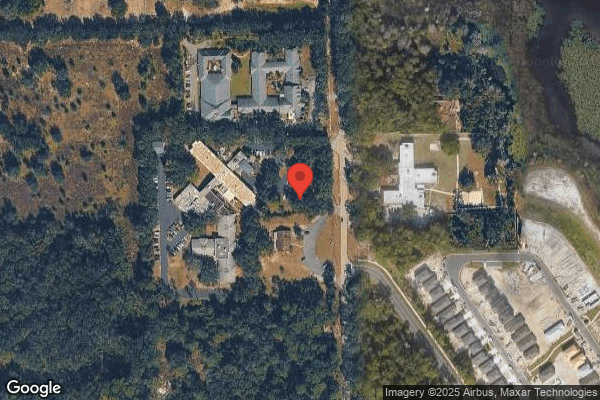
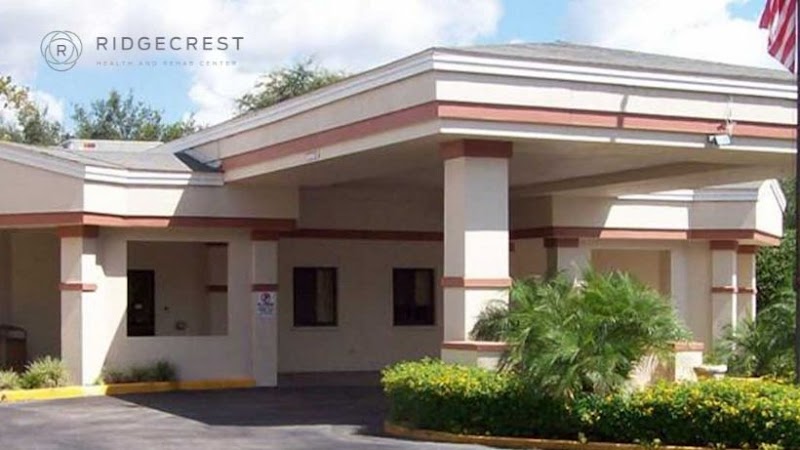
1200 NORTH STONE STREET, DELAND, FL 32720 (386) 734-4334
For profit - Limited Liability company 146 Beds GOLD FL TRUST II Data: November 2025
Trust Grade
70/100
#411 of 690 in FL
Last Inspection: February 2024

Within standard 12-15 month inspection cycle. Federal law requires annual inspections.

Overview

Ridgecrest Healthcare and Rehabilitation Center has a Trust Grade of B, indicating it is a good option for families, though not the best available. It ranks #411 out of 690 facilities in Florida, placing it in the bottom half, and #22 out of 29 in Volusia County, which means there are better local alternatives. The facility's trend is stable, showing the same number of issues in both 2024 and 2025, with a concerning staffing turnover rate of 53%, higher than the state average. While they have no fines on record, which is a positive aspect, recent inspections revealed several issues, including pests in residents' rooms and unsanitary conditions in the ice machines. Overall, while Ridgecrest has strengths in having no fines and a good quality measure rating, the pest control and food safety concerns indicate areas that need improvement.

Trust Score
B
70/100
In Florida
#411/690
Bottom 41%
Safety Record
Low Risk
No red flags
Inspections
Holding Steady
2 → 2 violations
Staff Stability
⚠ Watch
53% turnover. Above average. Higher turnover means staff may not know residents' routines.
Penalties
✓ Good
No fines on record. Clean compliance history, better than most Florida facilities.
Skilled Nurses
○ Average
Each resident gets 40 minutes of Registered Nurse (RN) attention daily — about average for Florida. RNs are the most trained staff who monitor for health changes.
Violations
○ Average
8 deficiencies on record. Average for a facility this size. Mostly minor or procedural issues.
★★★☆☆
3.0
Overall Rating
★★★☆☆
3.0
Staff Levels
★★★★☆
4.0
Care Quality
★★★☆☆
3.0
Inspection Score
Stable
2024: 2 issues
2025: 2 issues

The Good

  • 4-Star Quality Measures · Strong clinical quality outcomes
  • Full Sprinkler Coverage · Fire safety systems throughout facility
  • No fines on record

Facility shows strength in quality measures, fire safety.

The Bad

3-Star Overall Rating

Near Florida average (3.2)

Meets federal standards, typical of most facilities

Staff Turnover: 53%

Near Florida avg (46%)

Higher turnover may affect care consistency

Chain: GOLD FL TRUST II

Part of a multi-facility chain

Ask about local staffing decisions and management

The Ugly 8 deficiencies on record

Jun 2025 2 deficiencies
CONCERN (E) 📢 Someone Reported This

A family member, employee, or ombudsman was alarmed enough to file a formal complaint

Potential for Harm - no one hurt, but risky conditions existed

Deficiency F0925 (Tag F0925)

Could have caused harm · This affected multiple residents

**NOTE- TERMS IN BRACKETS HAVE BEEN EDITED TO PROTECT CONFIDENTIALITY** Based on observations, interviews, record review, and facility policy and procedure review, the facility failed to maintain an e...

Read full inspector narrative →
**NOTE- TERMS IN BRACKETS HAVE BEEN EDITED TO PROTECT CONFIDENTIALITY** Based on observations, interviews, record review, and facility policy and procedure review, the facility failed to maintain an effective pest control program to ensure the facility is free of pests for two (room [ROOM NUMBER] and #230) of four rooms sampled. The findings include: On 06/12/25 at 11:03 AM, a live roach was observed in Resident #1's room (room [ROOM NUMBER]B), near the corner of the room. (Photographic evidence obtained) On 06/12/25 at 12:13 PM, a fly was observed on Resident #5's bed (room [ROOM NUMBER]B) along with live and dead roaches observed behind the resident's oxygen concentrator located in the corner of the resident's room. (Photographic evidence obtained) On 06/12/25 at 12:17 PM, the same fly was observed, unmoved and in the same location on the resident's bed. The resident and his roommate said that they informed the facility staff of insects in the room. (Photographic evidence obtained) On 06/12/25 at 2:18 PM, eight small ants were observed on the wall adjacent to Resident #1's bed (room [ROOM NUMBER]) and under the light fixture above the resident's bed. (Photographic evidence obtained) Resident interviews conducted on 06/12/2025 from 10:31 am to 11:03 am with four alert and oriented residents (Residents #2, #3, #4 and #5) noted pests have been observed in their rooms and staff were informed about the pests and they continue to see pests in their room. Staff interviews conducted on 06/12/2025 from 11:32 am to 11:57 am with Certified Nursing Assistant (CNA) A, Licensed Practical Nurse (LPN) B, and Contracted Aramark housekeeping staff member C noted they have seen pests in resident rooms and have noted their observations in the pest sighting binders located at the nurse's stations. Review of the facility's 2024 and 2025 pest sightings log for halls 100, 200 and 300 documented 13 roach sightings in resident rooms in the 100 hall, 12 roach sightings in resident rooms in the 200 hall; and 14 roach sightings in resident rooms in the 300 hall. Further review of the pest sighting log documented roach sightings were observed in room # 230 on 08/22/24, 08/23/24, 01/13/25 and 02/05/25. Review of the Pest Control Service Agreement dated 03/09/23, documented monthly pest prevention service agreement, Scope of Work: roaches, ants, mice, rats and fire ants. Areas to be serviced: initial service to include- German roach cleanout of kitchen and 30 rooms on level 2 with (3) 2-week follow-ups, 4 x a month, regular service including. First visit [NAME], common areas, and ¼ of rooms. Second visit kitchen and ¼ rooms. Third visit: exterior of building up to 10 feet with rodent stations services, common areas spot treated for fire ants, and entryways swept for reachable spiders, and wasps and ¼ rooms. Fourth visit kitchen and ¼ rooms. Every visit to include inspection of logbook and no change callback services. Review of monthly invoices lacked documented evidence rooms identified in the pest sighting log located at the nurses were treated for pests. Review of Service Special Agreement dated 10/21/24, documented the pest control company will provide a special treatment for the pests in the kitchen: Roach Cleanout. Review of monthly invoices for 12/18/24 documented, common pest prevention for each month. Invoices were dated 1/15/25 , 2/5/25, 3/26/25, 4/2/25 and 5/7/25. Review of Pest Prevention Service Report dated 05/24/25 documented: exterior rodent bait station, and boundary inspection Point total: 13. Inspection Point Detail: perimeter. Pest Activities Totals: 0. Areas of Concern (Conditions, Avenues ;and Sources Identified as Potential Pest Activity: was blank. Review of Pest Prevention Service Report dated 05/29/25 documented the main interior was treated. General comments: inspected service applied liquid residual spot treat and gel bait to interior rooms, kitchen and common area applied. Pest Activity Totals: 0. Areas of Concern (Conditions, Avenues and Sources Identified as Potential Pest Activity: was blank. Review of Pest Prevention Service Report dated 05/16/25 documented the main interior was treated. General comments: inspected service applied liquid residual spot treat to patient rooms and gel bait in sink areas as needed treated. Pest Activity Totals: 0. Areas of Concern (Conditions, Avenues and Sources Identified as Potential Pest Activity: was blank. Review of Pest Prevention Service Report dated 05/16/25 documented the exterior perimeter was treated. Pest Activity Totals: 0. Areas of Concern (Conditions, Avenues and Sources Identified as Potential Pest Activity: was blank. Review of Pest Prevention Service Report dated 04/02/25 documented the exterior perimeter was treated. Pest Activity Totals: 0. Areas of Concern (Conditions, Avenues and Sources Identified as Potential Pest Activity: was blank. Review of Pest Prevention Service Report dated 3/28/25 documented the exterior perimeter was treated. Pest Activity Totals: 0. Areas of Concern (Conditions, Avenues and Sources Identified as Potential Pest Activity: was blank. Review of Pest Prevention Service Report dated 02/19/25 documented an interior preventative treatment. Pest Activity Totals: 0. Areas of Concern (Conditions, Avenues and Sources Identified as Potential Pest Activity: was blank. Review of Pest Prevention Service Report dated 02/05/25 documented the exterior perimeter was treated. Pest Activity Totals: 0. Areas of Concern (Conditions, Avenues and Sources Identified as Potential Pest Activity: was blank. Review of Pest Prevention Service Report dated 01/25/25 documented an interior preventative treatment. Pest Activity Totals: 0. Areas of Concern (Conditions, Avenues and Sources Identified as Potential Pest Activity: was blank. Review of the facility's policy and procedure entitled, Pest Control Program dated 3/01/2021 read: It is the policy of this facility to maintain an effective pest control program that eradicates and contains common household pests and rodents. Definition: Effective pest control program is defined as measures to eradicate and contain common household pests (e.g. bed bugs, lice, roaches, ants, mosquitos, flies, mice and rats). Guidelines: 4. Facility will utilize a variety of methods in controlling certain seasonal pests i.e., flies. These will involve indoor and outdoor methods that are deemed appropriate by the outside pest service and state and federal regulations. (Copy obtained) .
CONCERN (F) 📢 Someone Reported This

A family member, employee, or ombudsman was alarmed enough to file a formal complaint

Potential for Harm - no one hurt, but risky conditions existed

QAPI Program (Tag F0867)

Could have caused harm · This affected most or all residents

**NOTE- TERMS IN BRACKETS HAVE BEEN EDITED TO PROTECT CONFIDENTIALITY** Based on observations, interviews and record review, the facility failed to ensure actions documented in a performance improveme...

Read full inspector narrative →
**NOTE- TERMS IN BRACKETS HAVE BEEN EDITED TO PROTECT CONFIDENTIALITY** Based on observations, interviews and record review, the facility failed to ensure actions documented in a performance improvement plan (PIP) for pest control were implemented, measured for success, and tracked performance to ensure that improvements were realized and sustained, based on failure to maintain a sanitary, orderly, and comfortable interior free of pest for two (room [ROOM NUMBER] and #230) of four rooms sampled. There were 121 residents residing in the facility at the time of this survey. The findings include: On 06/12/25 at 11:03 AM, a live roach was observed in Resident #1's room (room [ROOM NUMBER]B), near the corner of the room. (Photographic evidence obtained) On 06/12/25 at 12:13 PM, a fly was observed on Resident #5's bed (room [ROOM NUMBER]B) along with live and dead roaches observed behind the resident's oxygen concentrator located in the corner of the resident's room. (Photographic evidence obtained) On 06/12/25 at 12:17 PM, the same fly was observed, unmoved and in the same location on the resident's bed. The resident and his roommate said that they informed the facility staff of insects in the room. (Photographic evidence obtained) On 06/12/25 at 2:18 PM, eight small ants were observed on the wall adjacent to Resident #1's bed (room [ROOM NUMBER]) and under the light fixture above the resident's bed. (Photographic evidence obtained) Resident interviews conducted on 06/12/2025 from 10:31 am to 11:03 am with four alert and oriented residents (Residents #2, #3, #4 and #5) noted pests have been observed in their rooms and staff were informed about the pests and they continue to see pests in their room. Staff interviews conducted on 06/12/2025 from 11:32 am to 11:57 am with Certified Nursing Assistant (CNA) A, Licensed Practical Nurse (LPN) B, and Contracted Aramark housekeeping staff member C noted they have seen pests in resident rooms and have noted their observations in the pest sighting binders located at the nurse's stations. On 06/12/25 at 4:00 PM, an interview was conducted with the Director of Maintenance. He reported that he worked at the facility for approximately one year. He stated that he had not noticed bugs in the facility, but this is Florida. He further explained that staff are supposed to write pest sightings in the binders at the nurse's stations. He said that he doesn't look in the pest sighting binders located at the nurses' stations, and that the pest control company is expected to review the pest sighting binders and treat the areas noted in the pest sighting binders. He further explained the facility and the pest control company have a comprehensive treatment plan to treat pests at the facility. Part of that plan included a recent treatment in March in which two holes were drilled into one resident's wall, and insecticide sprayed behind the wall. They began this process on the north side of the 200 hall and wanted to begin the process on one side of the facility. The process includes clearing out the entire wing and have residents out of the rooms for two hours. He stated that the process has only been done once because he has been pulled off to do other projects. On 06/12/25 at 5:15 PM, an interview was conducted with the Administrator. She said that she started employment with the facility on 08/31/23. She explained that a Performance Improvement Plan (PIP) for Pest Control, was created on 08/13/23, and is currently ongoing. She further explained that the PIP was initiated after the facility received grievances related to pest control and the facility was cited for lack of pest control. The PIP included changing pest control vendors. The pest control company comes to the facility twice a week or more after pest sightings. Treatments include spraying the outside and inside of building. The expectation is that the pest control company goes through the pest sighting logs located at the nurse's stations. Recently, the pest control company conducted an interior wall spray which requires moving the resident out of the room for three hours. Every hallway and common area of the building are sprayed. A while back, a deep spray was done overnight in the kitchen while it was closed. An internal wall spray is currently being done on the low side of the 100 hall. The pest control company is scheduled to do a wall spray on high side of hall 100. During the wall spray, two guys go into the room, drill a hole, the pest control company sprays, and maintenance closes the hole in the wall. She further explained that the facility had no had grievances related to pests since the beginning of the year. Review of the Performance Improvement Plan (PIP), dated 08/13/23, documented Objective and Goal: Pest Control - Improving knowledge on how to prevent pests, and how to report pests, and actions to be taken when pest or root causes of pest are identified. Areas noted for Improvement: -Knowledge of deficit related to prevention of pests -Knowledge of appropriate ways to report pests or root causes of pests -Knowledge of appropriate actions taken when pests are identified. Initiative: 1. Immediate interventions to ensure safety of affected residents. 2. Identification of any other residents who may be affected or at risk. 3. Interventions put in place to prevent future reoccurrences 4. Plan for future follow-up to ensure that interventions are working. Action Steps: Current Pest control company to inspect and review the facility for the following Facility assessment to identify vulnerabilities and action area Action plan and timeline to implement and added to this PIP Responsible Person(s): ED/Plant Ops. Target Date: Ongoing Status: Switched to pest control company .Unit by unit deep treatments being done beginning of 2024. 2/2024 full kitchen treatment. Action Steps: Room Audit. All rooms to receive observation audit to identify and report signs of pest . Responsible Person(s): ED/Plan Ops Target Date: Ongoing Status: Angel rounds ongoing, staff placing pest sightings of live bugs in pest books at nurses station Status: 2025 Plan Updates- Wall penetration treatment to be completed by [NAME] and Maintenance starting 05/2-25 starting with 200 hall All rooms internal deep treatments being done beginning of 2025 Outdoor treatment being done around perimeter of (blank). *Review of the facility's pest control invoices and other documents related to pest control, lacked documented evidence of the PIP related to Initiative: . 4. Plan for future follow up to ensure that interventions are working. *Review of Pest Control invoices lacked documented evidence of Action plan and timeline to implement and added to this PIP .Unit by unit deep treatments being done beginning of 2024. *Review of the Guardian Angel Checklist lacked documented evidence the Action Step titled, Room Audit. All rooms to receive observation audit to identify and report signs of pest was followed. Below is evidence of Guardian Angel Rounds Daily Checklist provided by the facility: Guardian Angel Rounds Daily Checklist Reviewed Guardian Angel Rounds for rooms: 206 207, 208 and 209, signed by the Director of Maintenance with the following dates: 01/10/25, 01/13/25, 01/20/25, 01/26/25 02/04/25, 02/12/25, 02/17/25, 02/24/25 03/04/25, 03/11/25, 03/17/25, 03/24/25, 03/31/25 04/07/25, 04/14/25, 04/21/25, 04/30/25 05/08/25, 05/12/25, 05/21/25, 05/24/25 06/04/25 Review of the PIP Action Steps: Room Audit (Guardian Angel Rounds) lacked documented evidence that all rooms received an observation audit to identify and report signs of pest. The Guardian Angel Rounds checklist contained the following information: DAILY CHECKLIST Call light within reach, check function Water pitcher filled with correct consistently, dated today Resident is clean, dry and odor free Glasses on and clean Hearing aid in Nails clean and trimmed Shaved Oral hygiene good Resident hair clean and combed No meds or creams at bedside Curtain drawn if treatment or care done, curtain stain-free No bedpans on handrail in bathroom Hygiene items labeled and separate from roommate No aerosol, chemicals, other non-approved items in room Ensure room is in good condition . check holes, painting, needs, rust (toilet, wheelchair, commode) Room and bathroom clean/unobstructed path Ensure no heaters or fans Cords are arranged to prevent trips and falls* WEEKLY RESIDENT INTERVIEWS : Does staff treat you in a kind and caring manner? Has anyone acted rude to you? Have you heard anyone spoken rudely to? Is your call light answered timely? Do you feel staff listens and responds timely? Do you get help when needed? Is the food good? Is the food at the appropriate temps? Do you have discomfort now or have you been having discomfort such as pain, heaviness, burning, or hurting with no relief? Are you offered an evening snack? Have there been any problems with a roommate or any other resident? Were they addressed? Were you encouraged by staff to bring in any personal items? Have you had any missing personal items? Did you report those missing items to staff? Resolved or still pending? Do you receive the fluids you want between meals? Can you get your money when you need it, including on weekends? Reviewed PEST PREVENTION SERVICE REPORT Service Date: 06/16/2025 Order Number: 65762426 Time In: 01:42 PM; Time Out: 02:04 PM General Comments / Instructions on 04/18/25 hall 200 rooms 201-215 all rooms where treated with liquid residual spot treat by drilling holes in wall and applying treatment between walls and between rooms the. holes being patched back up by maintenance for ongoing activity residents removed from rooms for 3 hours recommended by tech for treatment month of [DATE] week 1 treated lobby, common areas in wing 200 break rooms tv rooms and activity rooms wing 100 rooms and go backs to all areas at nurses station and common areas break rooms, activity rooms and patient rooms of wing 300 and request in book at nurses station week 3 Receiving, laundry, kitchen follow up and common areas of wing 100 and patient rooms nurses station book checked : 4 bunding of exterior 10 feet from building outside patio landscaping replacement of bait In rodent bait stations checked all nursed stations for request Pest Totals Pest Activity: 0 .
Feb 2023 3 deficiencies
CONCERN (D) 📢 Someone Reported This

A family member, employee, or ombudsman was alarmed enough to file a formal complaint

Potential for Harm - no one hurt, but risky conditions existed

Deficiency F0761 (Tag F0761)

Could have caused harm · This affected 1 resident

**NOTE- TERMS IN BRACKETS HAVE BEEN EDITED TO PROTECT CONFIDENTIALITY** Based on observations, interviews, record reviews, and facility policy and procedure review, the facility failed to ensure that ...

Read full inspector narrative →
**NOTE- TERMS IN BRACKETS HAVE BEEN EDITED TO PROTECT CONFIDENTIALITY** Based on observations, interviews, record reviews, and facility policy and procedure review, the facility failed to ensure that drugs and biologicals used in the facility were safely stored for two (Resident #4 and #1) of nine residents sampled for unsecured medications. The findings include: 1. During an interview with Resident #4 on 2/14/2023 at 9:45 AM, a large white oval pill was observed on her overbed table. (Photographic evidence obtained) Resident #4 speculated it was her muscle relaxer. She stated, The morning nurse often leaves pills in my room. A medical record review for Resident #4 indicated she was admitted to the facility on [DATE] with diagnoses of chronic obstructive pulmonary disease (COPD) with chronic exacerbation, acute respiratory failure with hypoxia and unspecified fracture of the upper end of her left humerus. A review of physician's orders for Resident #4 included an order dated 2/8/2023 for Glucophage (Metformin) 1000 milligrams twice a day at 0900 (9:00 am) and 2100 (9:00 pm) for diabetes. No orders were found stating Resident #4 could self-administer her medication. On 2/14/2023 at 2:00 PM, an interview was conducted with Employee T, Unit Manager and Licensed Practical Nurse (LPN) concerning medications left in resident rooms. She stated, residents must have a physician's order to keep medication at bedside or to self-administer their medications. On 2/14/2023 at 2:05 PM, an interview was conducted with Employee R, Registered Nurse (RN) assigned to Resident #4. Employee R was asked to review Resident #4's medications to identify the white oval pill left on the overbed table this morning. Using the photographic evidence and pharmacy issued blister packs of medicines, Employee R positively identified the white pill as Metformin (a medication used to treat diabetes). When Employee R was asked if she was supposed to stay with her residents while they took their medication. She replied, Yes, always. Employee R had had no explanation why she left the pill in Resident #4's room. A review of Resident #4's medication administration record (MAR) found her morning dose of Glucophage (Metformin) was signed off as administered by Employee R on 2/14/2023. (Photographic evidence obtained) During an interview with the Director of Nursing (DON) on 2/14/2023 at 3:10 PM, she stated, she was unsure what the policy for self-administration of medication and medication storage was. After reading the policies and reviewing Resident #4's record, she confirmed that Resident #4 did not have an order for the self-administration of her medication. The DON also acknowledged that the medication should not have been left in the resident's room.2. On 2/14/2023 at 11:40 AM, a tube of zinc oxide ointment (a medicated cream) was observed lying on top of the Resident #1's dresser in his room. The medicated cream had no label from the pharmacy indicating it was for Resident #1's use. (Photographic evidence obtained) During an interview with Employee C, LPN on 2/14/2023 at 4:00 PM, she confirmed the tube of zinc oxide was in Resident #1's room. She went in his room and picked it up off the shelf on the dresser and confirmed the medicated cream did not have a label from the pharmacy indicating it was for Resident #1's use. (Photographic evidence obtained) She stated, We always have kept this in the resident's room. Is it supposed to be in the cart? She dropped it in a plastic storage bin on the resident's dresser and left the room without taking it to the cart. (Photographic evidence obtained) A review of physician's orders for Resident #1 included an order dated 1/1/2023 for house barrier cream. Apply to buttocks/coccyx as needed for preventative. (Photographic evidence obtained) A review of the facility's Standards and Guidelines: Medication Storage implemented, reviewed, and revised on 3/1/2021 revealed: 1. Medications, drugs and biologicals shall be stored in packaging, containers or other dispensing systems in which they are received, unless otherwise necessary. 2. The nursing staff shall be responsible for maintaining medication storage and preparation areas in a clean, safe and sanitary manner . 7. Compartments (including, but not limited to, drawers, cabinets, rooms, refrigerators, carts and boxes) containing medications, drugs and biologicals shall be locked when not in use and trays or carts used to transport such items shall not be left unlocked if out of a nurse's view. (Photographic evidence obtained) .
CONCERN (E) 📢 Someone Reported This

A family member, employee, or ombudsman was alarmed enough to file a formal complaint

Potential for Harm - no one hurt, but risky conditions existed

Deficiency F0925 (Tag F0925)

Could have caused harm · This affected multiple residents

**NOTE- TERMS IN BRACKETS HAVE BEEN EDITED TO PROTECT CONFIDENTIALITY** Based on observations, interviews, record review, and facility policy and procedure review, the facility failed to maintain an e...

Read full inspector narrative →
**NOTE- TERMS IN BRACKETS HAVE BEEN EDITED TO PROTECT CONFIDENTIALITY** Based on observations, interviews, record review, and facility policy and procedure review, the facility failed to maintain an effective pest control program to ensure the facility was free of pest. Failure to maintain an environment free of pests may lead to transmission of disease and infection. The findings include: On 2/14/2023 at 11:30 AM, a live cockroach (roach) was observed in the bathroom of room [ROOM NUMBER]. (Photographic evidence obtained) On 2/14/2023 at 11:35 AM, a live roach was observed crawling on the floor in room [ROOM NUMBER] next to the A bed. (Photographic evidence obtained) During a tour of the [NAME] Unit dining room on 2/14/2023 at 11:40 AM, dead roaches and live spiders were observed in cabinets under the counter where the food and drinks are placed and prepared for service. (Photographic evidence obtained) During an interview on 2/14/2023 at 11:50 AM with Employee F, CNA working in The [NAME] Unit dining room at lunch, she was shown the dead roaches and two live spiders under the counter where the food and drinks for the residents are placed for the meal service. She stated, they see live roaches in the dining room and in the resident rooms on this unit. They are supposed to report it when they see them and put it on the Pest Sighting Log. She did not think it was her responsibility to clean up the dead roaches. During an interview on 2/14/2023 at 11:53 AM with Employee D, CNA, she stated, she sees live roaches on a regular basis. They are supposed to write it on the Pest Sighting Log when they see them, so the pest control company knows where to spray. She was not told to clean up the dead roaches. She thinks housekeeping does that. During an interview on 2/14/2023 at 11:55 AM with Employee E, CNA, she stated, she also sees live roaches on a regular basis. She was unaware of the dead roaches and live spiders in the cabinets in the dining room. She was told to write it on the Pest Sighting Log when she sees them. During an interview with Employee C, Licensed Practical Nurse (LPN) on 2/14/2023 at 12:20 PM, she confirmed she sees roaches on The [NAME] Unit. She stated that the facility has a pest control company, they come out and spray, but she still sees them. A review of the Pest Sighting Logs for the facility dated from 12/01/2022 through 1/14/2023 revealed multiple staff sightings and family reports of sightings of roaches and ants in all areas of the building. Review of the contracted pest control contract for service dated 3/31/2021 revealed it read: Covered Areas: Interior and immediate exterior perimeter. Covered Pests: Cockroaches, ants, spiders, rats, mice, stinging insects and occasional invaders. General Scope Includes: Interior inspection and treatment of dietary and common areas, preventative baiting, dusts and crack/crevice treatment in common pest entry areas and harborages. Addressing any current pest issues and responding to work orders - Patient rooms as needed. Exterior service - 3 feet up and out liquid treatment, 6 feet out granular treatment, and removal of spider webs, wasps nests and mud daubers up to 15 feet. Extreme infestations may require additional services. Additional Notes: This facility requires an initial intensive inspection/treatment for German Roaches. Service Frequency - On property 2 times per month. 4. Customer's responsibility to correct conditions conductive to pest infestations: [Contracted Company] will notify customer of the need to correct or eliminate certain identified conditions in or around the facility that are conductive to an infestation by a serviced pest. (Copy obtained) Review of the contracted pest control last receipt for service dated 2/02/2023 revealed it read: Pest Activity: None noted. Multiple conditions requiring corrective action by the facility were noted on the receipt. The areas of concern were in the kitchen, back door, and outer perimeter of the facility. The Comments section read: Interior: Today I treated the interior and exterior of the establishment. I spoke with management who told me of room with roach concerns. Treated each callback for German roaches. Found two nests in room [ROOM NUMBER] and 233. With the assistance of [staff member] performed a clean-out in both rooms with vacuum and igr. Treated interior area with roach gel and preventative measures. Noticed many openings throughout business that were documented in the photo folder. You should expect to see minimal activity moving forward. Sealing gaps and openings throughout the business will help prevent pests form making nests in the future. (Copy obtained) Review of the contracted pest control receipts for service revealed the facility was serviced on 1/19/2023, 1/05/2023, 12/15/2022, 12/08/2022, 12/06/2022, 12/01/2022. Upon each service receipt the conditions requiring action by the facility were the same and no pest activity was noted. During an observation of Resident #2's room on 2/14/2023 at 2:30 PM, a family member came to visit him. During a brief interview, the family member reported the roaches in Resident #2's room come and go. During an interview with the Maintenance Director on 2/14/2023 at 2:34 PM, he stated, he had worked at this facility for one year. He confirmed, he was aware of the live roaches in the building. He acknowledged that residents and staff have told him about the roaches and that he had seen them as well. He was not aware of the live spiders in The [NAME] Unit dining room. He explained that the contracted pest control company is looking at the logbooks on each nursing unit to see which rooms have roaches. They then spray those rooms only. He confirmed the last time the pest control company treated for roaches was 2/03/2023. He is not happy with the pest control company and wants to get a different company. He wants them to treat a whole wing each time they are here instead of just the rooms on the log. He knows the roaches run to other rooms when a room is sprayed. You won't get rid of them just spraying the rooms where they are seen. He knows the building is infested with roaches. He stated it has been that way since he started here a year ago. He talked to the company on 2/11/2023 to have them start spraying a whole wing at time. They have not done it yet. He acknowledged there is a problem with the pest control program and that it is not effective. Review of the facility's policy and procedure entitled, Pest Control Program dated 3/01/2021 read: It is the policy of this facility to maintain an effective pest control program that eradicates and contains common household pests and rodents. Definition: Effective pest control program is defined as measures to eradicate and contain common household pests (e.g. bed bugs, lice, roaches, ants, mosquitos, flies, mice and rats). Guidelines: 4. Facility will utilize a variety of methods in controlling certain seasonal pests i.e., flies. These will involve indoor and outdoor methods that are deemed appropriate by the outside pest service and state and federal regulations. (Copy obtained)
CONCERN (F) 📢 Someone Reported This

A family member, employee, or ombudsman was alarmed enough to file a formal complaint

Potential for Harm - no one hurt, but risky conditions existed

Food Safety (Tag F0812)

Could have caused harm · This affected most or all residents

**NOTE- TERMS IN BRACKETS HAVE BEEN EDITED TO PROTECT CONFIDENTIALITY** During an inspection of the ice machine in the main dining room on 2/14/2023 at 12:20 PM, the clear plastic chute of the machine...

Read full inspector narrative →
**NOTE- TERMS IN BRACKETS HAVE BEEN EDITED TO PROTECT CONFIDENTIALITY** During an inspection of the ice machine in the main dining room on 2/14/2023 at 12:20 PM, the clear plastic chute of the machine was coated with copious amounts of pink, orange, brown and black slimy biological growth. (Photographic evidence obtained) On 2/14/2023 at 12:55 PM, an inspection of the ice machine on the 300 hall was attempted, however, the maintenance assistant had disassembled the machine and was cleaning it. He confirmed he was made aware of the condition of the ice machines. When asked who was responsible for cleaning the machines on each unit and how often they were to be cleaned, he said, maybe maintenance, maybe housekeeping. He did not know. During an interview with the Maintenance Director on 2/14/2023 at 2:34 PM, he stated, he was not aware of the ice machines having biological growth in the shoots. He was not sure if the facility had a contract with any company to clean the ice machines. He stated, he thought it was the maintenance department's duty to clean them on a quarterly basis but he did not keep a log of the cleanings. He explained that he had a tool to clean the shoots and he would clean them all today. When asked if there was an ice machine cleaning/maintenance policy, he replied, No. Review of the 2022 U.S. Food and Drug Administration Food Code found it states under section 204.17: Ice Units, Separation of Drains. Liquid waste drain lines passing through ice machines and storage bins present a risk of contamination due to potential leakage of the waste lines and the possibility that contaminants will gain access to the ice through condensate migrating along the exterior of the lines. Liquid drain lines passing through the ice bin are, themselves, difficult to clean and create other areas that are difficult to clean . The potential for mold and algal growth in this area is very likely due to the high moisture environment. Molds and algae that form on the drain lines are difficult to remove and present a risk of contamination to the ice stored in the bin. Based on observations and staff interviews, the facility failed to ensure the ice machines in 3 of 3 dining rooms had clean and sanitary ice dispensers free from contamination. Failure to clean and sanitize the ice machines is important in health care settings serving nursing home residents due to the risk of serious complications from foodborne illness because of their compromised health status. Unsafe food handling practices represent a food safety hazard and a potential source of pathogen exposure for residents. Resource: 4-602.11 Equipment Food-Contact Surfaces and Utensils. (A) EQUIPMENT FOOD-CONTACT SURFACES and UTENSILS shall be cleaned: (E) Except when dry cleaning methods are used as specified under § 4-603.11, surfaces of UTENSILS and EQUIPMENT contacting FOOD that is not TIME/TEMPERATURE CONTROL FOR SAFETY FOOD shall be cleaned:(4) In EQUIPMENT such as ice bins and BEVERAGE dispensing nozzles and enclosed components of EQUIPMENT such as ice makers, cooking oil storage tanks and distribution lines, BEVERAGE and syrup dispensing lines or tubes, coffee bean grinders, and water vending EQUIPMENT: (a) At a frequency specified by the manufacturer, or (b) Absent manufacturer specifications, at a frequency necessary to preclude accumulation of soil or mold. United States Food and Drug Administration Food Code, U.S Public Health Service 2017 http://www.fda.gov/cder/approval/index.htm The findings include: During a tour of the [NAME] Unit dining room on 2/14/2023 at 11:45 AM, the ice machine dispensing shoot was observed to have a dark brown biological substance and a yellow biological substance growing inside of it. (Photographic evidence obtained) Residents on the unit were in the dining room waiting for the lunch meal to be served. Three certified nursing assistants (CNAs) were observed dispensing ice from the machine into the glasses and serving the residents the drinks. On 2/14/2023 at 11:50 AM, an interview was conducted with Employee F, CNA who was working in the [NAME] Unit dining room at lunch. After being shown the biological growth on the shoot of the ice machine, she confirmed it was a biological growth, and said, That should not be there, I was not unaware of it, Oh, that's gross! She stated, they could not give the residents ice out of the machine until it was cleaned. She stated, We can get ice from the ice machine in the kitchen and put it in a cooler until they clean it. She was not sure who was responsible for cleaning the ice machine or when it was cleaned last. During an interview on 2/14/2023 at 11:52 AM with Employee D, CNA, she looked up into the ice machine shoot and expressed disgust at the sight of the biological growth. She stated, she had no idea that it was there. She confirmed, she was not responsible for the cleaning of the ice machine and that they use it to dispense ice for the residents' drinks at meal time and for the water cups in their rooms.
Mar 2022 3 deficiencies
CONCERN (E)

Potential for Harm - no one hurt, but risky conditions existed

Respiratory Care (Tag F0695)

Could have caused harm · This affected multiple residents

**NOTE- TERMS IN BRACKETS HAVE BEEN EDITED TO PROTECT CONFIDENTIALITY** 5. On 03/07/22 at 11:00 AM, Resident #121 was observed in his room with oxygen via nasal cannula. His oxygen concentrator was se...

Read full inspector narrative →
**NOTE- TERMS IN BRACKETS HAVE BEEN EDITED TO PROTECT CONFIDENTIALITY** 5. On 03/07/22 at 11:00 AM, Resident #121 was observed in his room with oxygen via nasal cannula. His oxygen concentrator was set at 2.5 LPM. Resident #121 was asked if he was able to adjust his oxygen concentrator, he replied, I don't do anything with it. (Photographic evidence obtained) A review of Resident #121 medical record noted an admission date of 2/17/21 with diagnoses that included encephalopathy, acute respiratory failure, acute kidney failure, and chronic pain syndrome. A review of the physician's order revealed and order for oxygen at 2 liters per minute via nasal cannula (NC) to maintain O2 saturations greater than 92%. A review of the admission MDS assessment dated [DATE] revealed a BIM's score of 14, indicating cognitively intact On 03/08/22 at 10:46 AM, Resident #121 was observed in his room with oxygen via nasal cannula. His oxygen flow was set at 3 LPM. On 03/09/22 at 9:00 AM, Resident #121 was observed in his room with oxygen via nasal cannula. His oxygen flow was set at 2.5 LPM. On 03/10/22 at 4:10 PM, Resident #121 was observed in his room with oxygen via nasal cannula. His oxygen flow was set at 3 LPM. The resident was asked if he had made any adjustments to his oxygen, he replied, No, I did not. A review of care plan revealed resident had altered respiratory status. Interventions included monitory for signs and symptoms of respiratory distress and report to Medical Doctor; Oxygen settings via cannula at 2 LPM humidified. A review of two weeks of O2 saturations (from 2/24/22 thru 3/10/22) revealed no oxygen saturations were below 92%. A review of the facility's policy and procedure titled, Standards and Guidelines: Respiratory Care and Oxygen Administration (1/15/21) stated: Standard: It is the standard of this facility to provide guidelines for respiratory care and safe oxygen administration. Guideline: 1. Verify there is a physician's order for oxygen use. Review the physician's order for oxygen administration (Copy obtained). Based on observations, interviews, record reviews, and facility policy and procedure review, the facility failed to ensure that five (Residents #15, #75, #39, #94, and #121) of five residents receiving continuous oxygen therapy, received the correct number of liters of oxygen ordered by the physician, from a total sample of 37 residents. This could result in the resident not receiving appropriate care and/or clinical complications. The findings include: 1. On 03/07/22 at 1:00 PM, Resident #15 was observed lying in bed with oxygen (O2) via nasal cannula (n/c). Her oxygen concentrator was set at 3 liters per minute (LPM). A review of Resident #15's medical record revealed an admit date of 12/02/20 and re-admission date of 12/12/21. Her diagnoses included pneumonia (PNA), acute respiratory distress, chronic respiratory failure, and chronic obstructive pulmonary disease (COPD). A review of the physician's order dated 12/21/21 revealed, Oxygen at 6 LPM via n/c, may use humidification. A review of the Annual Minimum Data Set (MDS) assessment dated [DATE], revealed the resident had a Brief Interview for Mental Status (BIMS) score of 13 out of 15, indicating cognitively intact. The assessment indicated Resident #15 has shortness of breath or trouble breathing with exertion (e.g.: walking, bathing, transferring), shortness of breath or trouble breathing when sitting at rest, and shortness of breath or trouble breathing when lying flat. On 03/08/22 at 9:49 AM, Resident #15 was observed lying in bed with oxygen via nasal cannula. Her oxygen concentrator was set at 3 LPM. When the resident was asked if she ever changed the settings on her oxygen concentrator, she replied, No, I don't do that, I couldn't even reach it. (Photographic evidence obtained) On 03/08/22 at 12:29 PM, Resident #15 was observed lying in bed with oxygen via nasal cannula. Her oxygen concentrator was set at 3 LPM. When resident was asked how she was breathing, she replied, Oh, it's ok, I guess. On 03/09/22 at 9:21 AM, Resident #15 was observed lying in bed with oxygen via nasal cannula. Her oxygen concentrator was set at 4 LPM. When the resident was asked how she was breathing today, she replied, I'm ok, I guess. (Photographic evidence obtained) On 03/09/22 at 4:10 PM, Resident #15 was observed lying in bed with oxygen via nasal cannula. Her oxygen concentrator was set at 4 LPM. (Photographic evidence obtained) A review of the care plan for Resident #15, dated 12/15/21, revealed the resident had altered respiratory status with difficulty breathing r/t COPD, history of PNA, and sleep apnea. Interventions included administer medications/puffers as ordered; monitor for effectiveness/side effects; elevate head of bed as needed to facilitate breathing; and oxygen settings: 02 via NC 6 liters cont. humidified. On 03/09/22 at 4:15 PM, an interview was conducted with Employee A, LPN who was assigned to care for Resident #15. She was asked what the oxygen liter flow order was for Resident #15. After reviewing the orders, she stated, She should be set at 6 LPM. When she was asked how often she checks the oxygen concentrator to ensure the liter flow is set at the prescribed amount, she replied, Once a shift. When she was asked if Resident #15 could change her oxygen flow setting, she replied, No, she couldn't reach it. Employee A, LPN entered Resident #15's room and said, Oh, look at you, your oxygen is set on 4. Let's put you back on 6 now. 2. On 03/07/22 at 12:30 PM, Resident #75 was observed sitting up in bed with oxygen via nasal cannula. An observation of her oxygen concentrator revealed the flow rate was set at 4 LPM. A review of the medical record for Resident #75 revealed an admission date of 7/18/17 with diagnoses of CHF (congestive heart failure), COPD, morbid obesity, sleep apnea and seasonal allergies. A review of the physician's order revealed O2 at 3 LPM via n/c with humidification every shift related to COPD. On 03/08/22 at 10:41 AM, Resident #75 was observed sitting up in bed with oxygen via nasal cannula. Her concentrator was set at 4 LPM. An interview was conducted with Resident #75 concerning how much oxygen she was supposed to receive. She stated, It's supposed to be set at 3 liters. The resident was asked if she ever changes the liter flow on her oxygen concentrator. She replied, No, the nurses do that. (Photographic evidence obtained) On 03/08/22 at 12:27 PM, Resident #75 was observed sitting in her wheelchair in her room with oxygen via nasal cannula in place, her 02 concentrator was set at 4 LPM. On 03/09/22 at 4:11 PM, Resident #75 was observed sitting up in bed with oxygen nasal cannula in place, her 02 concentrator was set at 4 LPM. (Photographic evidence obtained) A review of the care plan for Resident #75, dated 2/9/21 for Resident #75 revealed the resident had altered respiratory status. Interventions included oxygen settings: 02 via n/c 3 LPM continuous humidified. On 03/09/22 at 4:20 PM, an interview was conducted with Employee A, LPN who was assigned to care for Resident #75. She was asked what the oxygen liter flow order was for Resident #75. Employee A, LPN said, She should be set at 3 LPM. When she was asked how often she checks the oxygen concentrator to ensure the liter flow is set at the prescribed amount, she replied, Once a shift. She was asked if the CNAs (certified nurses' aides) are responsible for checking the oxygen flow levels. She stated, No, the nurses are responsible for that. She was asked if Resident #75 changes her oxygen flow setting. She stated No, she wouldn't do that. She couldn't reach it, but she would ask us, she wouldn't move it. Employee A, LPN entered Resident #75s room and stated Oh, it's set on 4 LPM. I'm putting it on 3 LPM now.3. On 03/08/22 at 9:43 AM, Resident #39 was observed lying in his bed. The oxygen concentrator was running, and he was wearing his n/c. The concentrator was set at 4 LPM. He stated, he thought it should be at 2.5 LPM. (Photographic evidence obtained). A review of the medical record for Resident #39 revealed an admission date of 10/03/21 and re-admission date of 03/01/22. His diagnoses included A-Fib, pulmonary hypertension, personal history of COVID-19, chronic diastolic heart failure, end stage renal disease, dependence on renal dialysis, dependence on supplemental oxygen, personal history of malignant neoplasm of bronchus and lung, and neoplasm of left kidney. A review of the physician's order revealed, Oxygen at 2 LPM via n/c with humidification used every shift with start date: 03/02/22. (Photographic evidence obtained) A review of the MDS assessment dated [DATE] revealed the resident was assessed as receiving oxygen therapy and respiratory therapy 3 days out of the assessment period. He reported no shortness of breath, none observed. He reported shortness of breath or trouble breathing when lying flat. His Brief Interview for Mental Status (BIMS) score was 11 out of a possible 15, indicating mild cognitive impairment. A review of the care plan dated 12/31/21 revealed the resident has altered respiratory status/difficulty breathing related to acute respiratory failure with hypoxia, Congestive heart failure and end stage renal disease. On 03/09/22 at 8:51 AM, Resident #39 was observed seated in his wheelchair in the dining area on the 300 hallway. He stated he was waiting to go to his dialysis appointment. He did not have a n/c on, or an oxygen tank strapped to the back of his wheelchair. He stated he is supposed to always have oxygen but, They don't send it with me to dialysis very often. The dialysis clinic does not apply oxygen when he gets there either. He stated he does not know why. Employee F, RN was informed that Resident #39 did not have his oxygen running and was about to leave for his dialysis appointment. She stated, she was unaware of the fact that he did not have it. She immediately went and got him a tank and cannula and applied it. On 03/10/22 at 1:30 PM, during an interview and observation of Resident #39. He was lying in bed attempting to feed himself. His nasal cannula was on. The oxygen concentrator was set at 2.5 LPM. On 03/10/22 at 2:29 PM, an interview was conducted with Employee F, RN who was assigned to care for Resident #39. She was asked what the oxygen liter flow order was for Resident #39. After reviewing the oxygen order, she stated, he was supposed to receive 2 LPM. She was informed that the concentrator was set at 2.5 LPM. She stated, she was unaware of that and would change it right away. 4. On 03/07/22 at 12:00 PM, Resident #94 was observed lying in bed with oxygen via nasal cannula. The oxygen concentrator was running and set at 2 LPM. A review of the medical record for Resident #94 revealed he was admitted on [DATE]. His diagnoses included acute chronic diastolic (congestive) heart failure, COVID-19, acute kidney failure, chronic kidney disease, stage 3, Atrial-fibrillation, hypertension, dysphagia, cognitive communication deficit, and anxiety disorder. A review of the physician's orders, dated 02/17/22, revealed an order for oxygen at 2 LPM via nasal cannula every shift. On 03/09/22 at 9:20 AM, Resident #94 was observed lying in bed with his eyes closed. Upon approach he opened his eyes and greeted this surveyor. The oxygen concentrator was set at 2.5 LPM. The nasal cannula was lying on the floor in front of the oxygen concentrator. On 3/09/22 at 9:37 AM, the resident was observed lying in bed with oxygen nasal cannula applied. The concentrator was set at 2.5 LPM. On 03/10/22 at 9:45 AM, Resident #94 was observed lying in bed with his eyes closed with oxygen nasal cannula. The oxygen concentrator was set at 3 LPM. On 03/10/22 at 11:55 AM, Resident #94 was observed sitting in a wheelchair in the dining area on 300 hall. His head was down, and his eyes were closed. The nasal cannula was on his face. An oxygen tank was strapped on the back of the wheelchair. Employee H, LPN was asked to read the level of the oxygen on the tank. She stated it was at 4 LPM. She stated, The nurse practitioner was here, and she told us to crank it up a bit. His sats (blood oxygen saturation levels) were at 88 this morning. She stated, she thought his oxygen is usually set at 2.5 LPM. A review of the MDS assessment dated [DATE], revealed the resident was assessed as receiving oxygen therapy in the 14 days of the assessment period. A review of the care plan dated 02/11/22 revealed the resident has potential altered respiratory status/difficulty breathing related to acute respiratory failure related to history of left lower lobe atelectasis and modest cardiomegaly on admission. Interventions included administering medications/puffers as ordered. Encourage sustained deep breathes by using demonstration (emphasizing slow inhalations, holding end inspiration for a few seconds and passive exhalation). Using incentive spirometer (place close for convenient resident use). Oxygen setting: O2 at 2 LPM via NC with humidification. Further review of the physician's orders for Resident #94 revealed no order for oxygen at 4 LPM.
CONCERN (E)

Potential for Harm - no one hurt, but risky conditions existed

Deficiency F0728 (Tag F0728)

Could have caused harm · This affected multiple residents

Based on personnel record reviews and interviews, the facility failed to ensure appropriate certification for Personal Care Assistants (PCAs) within 4 months of the date of hire for 3 of 13 PCAs revie...

Read full inspector narrative →
Based on personnel record reviews and interviews, the facility failed to ensure appropriate certification for Personal Care Assistants (PCAs) within 4 months of the date of hire for 3 of 13 PCAs reviewed (Employees C, D, and E). The findings include: A review of the personnel records revealed that 3 PCAs had been working at the facility for over 4 months without obtaining certified nursing assistant certification: Employee C, hired as Personal Care Assistants (PCA) on 07/28/2021 Employee D, hired as Personal Care Assistants (PCA) on 09/29/2021 Employee E, hired as Personal Care Assistants (PCA) on 04/28/2021 On 03/09/2022 at 1:15 PM, an interview was conducted with the Director of Human Resources. She confirmed Employee's C, D, and E were not certified and were employed as PCAs. On 03/09/2022 at 1:20 PM, an interview was conducted with the Director of Nurses (DON) concerning the PCAs. She stated that their corporate human resources department indicated since the PCAs had attempted the exam prior to their 4 months, they were excluded from the rule. The DON explained that the employees were scheduled for their re-test later in the month. During a follow up interview with the DON on 03/10/2022 at 1:14 PM, she stated the three PCAs (Employee C, D and E) were released on 03/09/2022 from employment at the facility. .
CONCERN (F)

Potential for Harm - no one hurt, but risky conditions existed

Food Safety (Tag F0812)

Could have caused harm · This affected most or all residents

Based on observations, interviews, record reviews, and facility policy and procedure review, the facility failed to store, prepare, distribute, and serve food in accordance with professional standards...

Read full inspector narrative →
Based on observations, interviews, record reviews, and facility policy and procedure review, the facility failed to store, prepare, distribute, and serve food in accordance with professional standards for food service safety. The facility failed to ensure the dishwashing machine was operating at the required temperatures, sanitizer was at correct levels, and thermometer was in tray line refrigerator. The findings include: On 03/07/22 at 3:00 PM, Employee I, Dietary Aide, was observed running the dishwashing machine. Employee I was asked what temperature the machine should be at for washing dishes, he stated, I have no idea. On 03/07/22 at 3:05 PM, the Certified Dietary Manager (CDM) entered the kitchen and was asked about the dishwashing machine. The CDM stated, it was a low temperature machine. The CDM was asked to check the sanitizer level and dish machine temperatures at this time. The sanitizer strip was observed at 10 PPM, wash temperature read 140 F, the rinse read 150° F, and final rinse gauge was at 190 °F. During this time, the dishwashing machines manufacturer's sticker was observed and read: wash tank minimum temperature 140° F and final rinse minimum temperature of 120° F. (Photographic evidence obtained) A review of the dishwashing machine temperature log for March 2022 revealed the wash temperatures ranged from 124° F to 127° F and rinse temperatures ranged from 126° F to 128° F (Photographic evidence obtained). The CDM was observed asking kitchen staff about the temperatures of the machine, but no one answered her. She stated, she would have to go to paper products if she couldn't figure out why the temperature of machine was high. She stated, she would call a repairman. On 03/7/22 at 3:20 PM, the Regional CDM was asked to show the thermometer in the tray line refrigerator. He was unable to locate it. He went to the office and returned with a thermometer for the refrigerator. On 03/7/22 at 3:45 PM, the CDM reported that she spoke with dishwasher repairman. He told her the final rinse should not be higher than 170° F and the temperature booster had been turned on. The CDM was unable to explain why the booster had been turned on. She reported, she turned off the booster and the dishwasher's temperatures were at normal levels. During a second visit to the kitchen on 03/09/22 at 12:10 PM, the CDM was asked about the dishwashing machine. She reported the staff had been looking at the wrong temperature gauges when filling out the temperature log form. She reported that an in-service was conducted with the staff on 03/08/22. On 03/09/22 at 12:30 PM, the CDM was observed running the dish machine. The dishwashing machine cycled 9 times before the machine reached the temperature of 140° F wash and 135° F at rinse. The CDM tested the sanitizer strip which turned a light purple color indicating a low sanitization level of 10 PPM. On 03/10/22 at 11:15 AM, the administrator was made aware of the ongoing dishwashing machine issue. He stated, he would go to the kitchen and check the machine himself. On 03/10/22 at 11:40 AM, the administrator reported the dishwashing machine was running normally after warming up for 10 to 15 minutes and the sanitizer was at the correct level. A review of facility's policy and procedure titled, Ware Washing (last revised 10/2019) read: It is the center policy that all dishware and service ware will be cleaned and sanitized after each use. Action Steps: 1. The Dining Services Director ensures that the nutrition service staff is knowledgeable in proper technique for processing dirty dish ware to clean through the dish machine and proper handling of sanitized dish ware. 2. The Dining Services Director ensures that all the dish machine water temperatures are maintained in accordance with manufacturer recommendations for high temperature or low temperature machines. (Photographic evidence obtained) .
Understanding Severity Codes (click to expand)
Life-Threatening (Immediate Jeopardy)
J - Isolated K - Pattern L - Widespread
Actual Harm
G - Isolated H - Pattern I - Widespread
Potential for Harm
D - Isolated E - Pattern F - Widespread
No Harm (Minor)
A - Isolated B - Pattern C - Widespread

Questions to Ask on Your Visit

  • "Can I speak with families of current residents?"
  • "What's your RN coverage like on weekends and overnight?"

Our Honest Assessment

Strengths
  • • No major safety red flags. No abuse findings, life-threatening violations, or SFF status.
  • • No fines on record. Clean compliance history, better than most Florida facilities.
Concerns
  • • No major red flags. Standard due diligence and a personal visit recommended.
Bottom line: Mixed indicators with Trust Score of 70/100. Visit in person and ask pointed questions.

About This Facility

What is Ridgecrest Healthcare And Rehabilitation Center's CMS Rating?

CMS assigns RIDGECREST HEALTHCARE AND REHABILITATION CENTER an overall rating of 3 out of 5 stars, which is considered average nationally. Within Florida, this rating places the facility higher than 0% of the state's 100 nursing homes. This mid-range rating indicates the facility meets federal standards but may have areas for improvement.
How is Ridgecrest Healthcare And Rehabilitation Center Staffed?

CMS rates RIDGECREST HEALTHCARE AND REHABILITATION CENTER's staffing level at 3 out of 5 stars, which is average compared to other nursing homes. Staff turnover is 53%, compared to the Florida average of 46%. RN turnover specifically is 56%, which is notably high. RNs provide skilled clinical oversight, so turnover in this role can affect medical care quality.

What Have Inspectors Found at Ridgecrest Healthcare And Rehabilitation Center?

State health inspectors documented 8 deficiencies at RIDGECREST HEALTHCARE AND REHABILITATION CENTER during 2022 to 2025. These included: 8 with potential for harm.

Who Owns and Operates Ridgecrest Healthcare And Rehabilitation Center?

RIDGECREST HEALTHCARE AND REHABILITATION CENTER is owned by a for-profit company. For-profit facilities operate as businesses with obligations to shareholders or private owners. The facility is operated by GOLD FL TRUST II, a chain that manages multiple nursing homes. With 146 certified beds and approximately 129 residents (about 88% occupancy), it is a mid-sized facility located in DELAND, Florida.

How Does Ridgecrest Healthcare And Rehabilitation Center Compare to Other Florida Nursing Homes?

Compared to the 100 nursing homes in Florida, RIDGECREST HEALTHCARE AND REHABILITATION CENTER's overall rating (3 stars) is below the state average of 3.2, staff turnover (53%) is near the state average of 46%, and health inspection rating (3 stars) is at the national benchmark.

What Should Families Ask When Visiting Ridgecrest Healthcare And Rehabilitation Center?

Based on this facility's data, families visiting should ask: "Can I visit during a mealtime to observe dining assistance and food quality?" "How do you handle medical emergencies, and what is your hospital transfer rate?" "Can I speak with family members of current residents about their experience?"

Is Ridgecrest Healthcare And Rehabilitation Center Safe?

Based on CMS inspection data, RIDGECREST HEALTHCARE AND REHABILITATION CENTER has a clean safety record: no substantiated abuse findings (meaning no confirmed cases of resident harm), no Immediate Jeopardy citations (the most serious violation level indicating risk of serious injury or death), and is not on the Special Focus Facility watch list (a federal program monitoring the lowest-performing 1% of nursing homes). The facility has a 3-star overall rating and ranks #100 of 100 nursing homes in Florida. While no facility is perfect, families should still ask about staff-to-resident ratios and recent inspection results during their visit.

Do Nurses at Ridgecrest Healthcare And Rehabilitation Center Stick Around?

RIDGECREST HEALTHCARE AND REHABILITATION CENTER has a staff turnover rate of 53%, which is 7 percentage points above the Florida average of 46%. Moderate turnover is common in nursing homes, but families should still ask about staff tenure and how the facility maintains care continuity when employees leave.

Was Ridgecrest Healthcare And Rehabilitation Center Ever Fined?

RIDGECREST HEALTHCARE AND REHABILITATION CENTER has no federal fines on record. CMS issues fines when nursing homes fail to meet care standards or don't correct problems found during inspections. The absence of fines suggests the facility has either maintained compliance or corrected any issues before penalties were assessed. This is a positive indicator, though families should still review recent inspection reports for the full picture.

Is Ridgecrest Healthcare And Rehabilitation Center on Any Federal Watch List?

RIDGECREST HEALTHCARE AND REHABILITATION CENTER is not on any federal watch list. The most significant is the Special Focus Facility (SFF) program, which identifies the bottom 1% of nursing homes nationally based on persistent, serious quality problems. Not being on this list means the facility has avoided the pattern of deficiencies that triggers enhanced federal oversight. This is a positive indicator, though families should still review the facility's inspection history directly.