LIFE CARE CENTER OF ESTERO
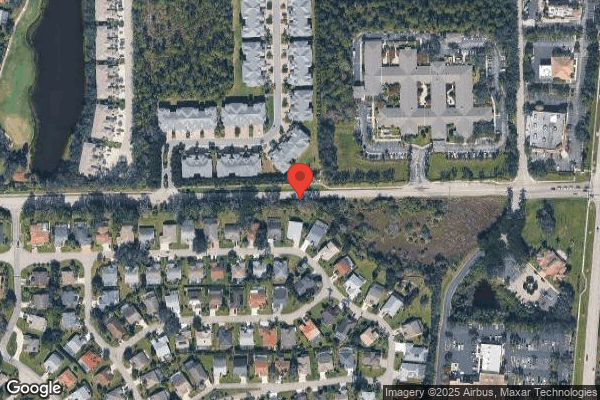

3850 WILLIAMS ROAD, ESTERO, FL 33928 (239) 495-4000
For profit - Corporation 155 Beds LIFE CARE CENTERS OF AMERICA Data: November 2025
Trust Grade
88/100
#65 of 690 in FL
Last Inspection: October 2023

Over 2 years since last inspection. Current conditions may differ from available data.

Overview

Life Care Center of Estero has received a Trust Grade of B+, indicating it is recommended and above average in quality. With a state rank of #65 out of 690 facilities in Florida, they are in the top half, and they rank #4 out of 19 in Lee County, meaning only three local options are better. The facility is improving, having reduced its issues from five in 2023 to three in 2024. Staffing is a strength with a rating of 5 out of 5 stars and only a 21% turnover rate, which is well below the state average. However, there are some concerns, including $8,034 in fines, which is average, and issues with pest control and infection control practices, as residents reported pest sightings and improper management of urinary catheters.

Trust Score
B+
88/100
In Florida
#65/690
Top 9%
Safety Record
Low Risk
No red flags
Inspections
Getting Better
5 → 3 violations
Staff Stability
✓ Good
21% annual turnover. Excellent stability, 27 points below Florida's 48% average. Staff who stay learn residents' needs.
Penalties
⚠ Watch
$8,034 in fines. Higher than 86% of Florida facilities, suggesting repeated compliance issues.
Skilled Nurses
✓ Good
Each resident gets 56 minutes of Registered Nurse (RN) attention daily — more than average for Florida. RNs are trained to catch health problems early.
Violations
⚠ Watch
13 deficiencies on record. Higher than average. Multiple issues found across inspections.
★★★★★
5.0
Overall Rating
★★★★★
5.0
Staff Levels
★★★★★
5.0
Care Quality
★★★☆☆
3.0
Inspection Score
Stable
2023: 5 issues
2024: 3 issues

The Good

  • 5-Star Staffing Rating · Excellent nurse staffing levels
  • 5-Star Quality Measures · Strong clinical quality outcomes
  • Low Staff Turnover (21%) · Staff stability means consistent care
  • Full Sprinkler Coverage · Fire safety systems throughout facility
  • No fines on record
  • Staff turnover is low (21%)

    27 points below Florida average of 48%

Facility shows strength in staffing levels, quality measures, staff retention, fire safety.

The Bad

Federal Fines: $8,034

Below median ($33,413)

Minor penalties assessed

Chain: LIFE CARE CENTERS OF AMERICA

Part of a multi-facility chain

Ask about local staffing decisions and management

The Ugly 13 deficiencies on record

Jul 2024 3 deficiencies
CONCERN (D) 📢 Someone Reported This

A family member, employee, or ombudsman was alarmed enough to file a formal complaint

Potential for Harm - no one hurt, but risky conditions existed

Transfer Requirements (Tag F0622)

Could have caused harm · This affected 1 resident

**NOTE- TERMS IN BRACKETS HAVE BEEN EDITED TO PROTECT CONFIDENTIALITY** Based on record review, resident representative and staff interviews, the facility failed to have documentation of an appropriat...

Read full inspector narrative →
**NOTE- TERMS IN BRACKETS HAVE BEEN EDITED TO PROTECT CONFIDENTIALITY** Based on record review, resident representative and staff interviews, the facility failed to have documentation of an appropriate facility initiated discharge for 1 (Resident #1) of 3 sampled residents not permitted to return to the facility after a hospital stay. The findings included: On 7/9/24, review of the facility initiated discharges revealed on 5/25/24 Resident #1 was transferred to an acute care hospital and had not returned to the facility. Review of the clinical record revealed Resident #1 was admitted to the facility on [DATE]. Diagnoses included dementia and cognitive communication deficit. On 5/25/24 at 1:29 p.m., a nursing progress note documented Resident #1 was found unconscious and transferred to a local emergency room for evaluation and treatment. Review of the hospital physician's progress note dated 5/25/24 revealed Resident #1 presented from the skilled nursing facility with an episode of syncope. The resident was unable to provide history. The physician documented the information was obtained from staff and medical records. Diagnoses listed included dementia. Resident #1 was admitted to the hospital with diagnoses including severe dehydration. The hospital Discharge summary dated [DATE] noted Resident #1 will benefit from going back to snf [skilled nursing facility]. The discharge disposition was , SNF. Review of the hospital care management progress note dated 5/27/24 at 12:19 p.m., revealed Resident #1 was unable to provide permission to contact the family and state preferences and post-acute plan of care due to Dementia. The Case Manager placed a call to Resident #1's daughter and discussed discharge order for return to Life Care Center of Estero. The daughter agreed but requested to speak with the attending physician to discuss her concerns for a safe discharge and to request cardiology to see the resident before leaving the hospital. The discharge plan was to return to Life Care Center of Estero. The patient's goals included, dementia, daughter's goals return to SNF with possible transition to LTC [Long Term Care]. Return to SNF referral sent . On 5/28/24 at 10:52 a.m., the hospital Case Manager documented receiving a call from the facility informing the case manager Resident #1, Was no longer accepted back at facility. The Case Manager documented receiving a call from the resident's daughter and her spouse, they expressed confusion over facility change in decision. The Case Manager offered to have paperwork faxed to other facilities to assist with placement. The daughter reported they were looking at Assisted Living Facilities. On 7/9/24 at 2:07 p.m., in an interview the facility's admission and Business/Development Director said the facility communicates electronically with the hospital through an online referral system once a resident is ready to be discharged . The Director of Business Development provided the communication notes from the online referral system which she said were for Resident #1. On 5/27/24 at 3:33 p.m., the hospital documented asking if the facility had a bed today. The communication note documented the resident had a discharge order. On 5/27/24 at 4:01 p.m., and on 5/28/24 at 10:32 a.m., the facility documented on the online referral system, Yes willing to accept patient. On 5/28/24 at 10:40 a.m., the facility documented on the online referral system, No, unable to accept patient. Under Reason the facility documented, Care Needs Exceed Current capacity. On 7/9/24 upon request of the facility provided a Nursing Home Transfer and Discharge Notice dated 5/25/24 noting Resident #1 was transferred to a local hospital as his needs could not be met at the facility. The Nursing Home to Hospital Transfer Form dated 5/25/24 noted the reason for transfer was loss of consciousness (syncope). The facility did not provide documentation that a Nursing Home Transfer and Discharge Notice was provided to Resident #1 or his representative on 5/28/24 when the facility did not permit Resident #1 to return to the facility upon discharge from the hospital. On 7/9/24 at 4:15 p.m., in an interview the admission and Business/Development Director said there was no additional documentation justifying the decision not to accept Resident #1 back after his hospital stay. On 7/9/24 at 4:47 p.m., in a telephone interview Resident #1's daughter said the hospital called and informed her that the facility would not accept her father back. She said no one at the facility called her to explain the decision not to take her father back. On 7/10/24, after the survey, the facility Administrator emailed a Witness Interview/Statement Form dated 7/10/24 for an incident date of 5/27/24 in which Unit Manager Registered Nurse Staff I documented, On 5/27/24 the unit received a call from [Resident #1's daughter] stating she was blaming us for her father's hospital visit as he was dehydrated. She said if we couldn't be with him at all times to ensure his hydration which we couldn't, then she wanted for him to go elsewhere. RN Staff B documented he notified the admission department. The clinical record lacked documentation of an appropriate basis for the facility initiated discharge for Resident #1, including what care needs exceeded the facility's current capacity, or the facility's attempt to meet the resident's needs.
CONCERN (D) 📢 Someone Reported This

A family member, employee, or ombudsman was alarmed enough to file a formal complaint

Potential for Harm - no one hurt, but risky conditions existed

Safe Transfer (Tag F0626)

Could have caused harm · This affected 1 resident

Based on record review, review of facility initiated discharges, resident representative and staff interviews the facility failed to allow 1 (Resident #1) of 3 sampled residents to return and resume r...

Read full inspector narrative →
Based on record review, review of facility initiated discharges, resident representative and staff interviews the facility failed to allow 1 (Resident #1) of 3 sampled residents to return and resume residence at the facility after a transfer to the hospital. The findings included: Review of the clinical record showed Resident #1 was admitted the facility on 4/19/2024. Diagnoses included dementia, and cognitive communication deficit. The 5-Day Minimum Data Set (MDS) assessment with a target date of 5/10/2024 noted Resident #1 cognition was severely impaired with a Brief Interview for Mental Status (BIMS) score of 7. Resident #1 required substantial/maximal assistance (helper does more than half the effort) for toileting hygiene, shower/bathe, and footwear. He needed partial/moderate assistance (helper does less than half the effort) for dressing. Resident #1's mobility needed partial/moderate assistance. Resident #1 was occasionally incontinent of bladder and frequently incontinent of bowel. The MDS noted the resident required setup or clean-up assistance with eating. The care plan initiated on 4/26/24 noted Resident #1 has potential for fluid deficit related fair intake. The resident had a history of diuretic use (helps the body get rid of extra fluid) and history of fluid restriction. The interventions as of 4/26/24 included to honor fluid preferences; Staff to offer fluids in-between meals, and water at bedside. Review of the nursing progress notes revealed on 5/25/2024 at 1:29 p.m., Resident #1 was found unconscious and was transferred to a local hospital, and subsequently admitted . The facility completed an MDS on 5/25/24 for a, Discharge-return anticipated. Review of the hospital emergency room physician progress note dated 5/25/24 noted Resident #1 came from Life Care Center of Estero. Resident #1 was severely dehydrated. The resident was admitted for further evaluation and treatment. Review of the hospital care management progress note dated 5/27/24 at 12:19 p.m., revealed Resident #1 was unable to provide permission to contact the family and state preferences and post-acute plan of care due to Dementia. The Case Manager placed a call to Resident #1's daughter and discussed discharge order for return to Life Care Center of Estero. The daughter agreed but requested to speak with the attending physician to discuss her concerns for a safe discharge and to request cardiology to see the resident before leaving the hospital. The discharge plan was to return to Life Care Center of Estero. On 5/28/24 at 10:52 a.m., the Case Manager documented receiving a call from the facility informing the case manager Resident #1, Was no longer accepted back at facility. The Case Manager documented receiving a call from the resident's daughter and her spouse, they expressed confusion over facility change in decision. The Case Manager offered to have paperwork faxed to other facilities to assist with placement. The daughter reported they were looking at Assisted Living Facilities. On 7/9/24 at 4:47 p.m., in a telephone interview Resident #1's daughter said the hospital called and informed her that the facility would not accept her father back. She said no one at the facility called her to explain the decision not to take her father back. She said her father remained at the hospital until 5/30/24 while she looked for a different facility. With the help of the hospital Case Manager, her father was placed in an Assisted Living Memory Care Facility where she is now paying $6000.00 per month for his care. She lives out of state, had to drive a full day to move him to the Assisted Living Facility, buy furniture, a television set, and other items required by the Assisted Living Facility. Resident #1's daughter said she called, left messages for the skilled nursing facility Administrator but no one returned her calls. On 7/9/24 at 2:07 p.m., in an interview the admission and Business/Development Director said the facility communicates electronically with the hospital through an online referral system. once a resident is ready to be discharged . The Director of Business Development provided the communication notes from the online referral system which she said were for Resident #1. On 5/27/24 at 4:01 p.m., and on 5/28/24 at 10:32 a.m., the facility documented on the online referral system, Yes willing to accept patient. On 5/28/24 at 10:40 a.m., the facility documented on the online referral system, No, unable to accept patient. Under Reason the facility documented, Care Needs Exceed Current capacity. On 7/9/2024 at 3:36 p.m., in a telephone interview Registered Nurse (RN) Staff F said Resident #1's daughter called and spoke with her about her father's return to the facility. The daughter wanted to make sure he was drinking water. She informed the daughter she could not discuss her father's care at that time as he was not an active resident. On 7/9/24 at 4:15 p.m., in an interview the admission and Business/Development Director said there was no additional documentation justifying the decision not to accept Resident #1 back after his hospital stay. On 7/10/24 the facility Administrator emailed a Witness Interview/Statement Form dated 7/10/24 for an incident date of 5/27/24 in which Unit Manager RN Staff I documented, On 5/27/24 the unit received a call from [Resident #1's daughter] stating she was blaming us for her father's hospital visit as he was dehydrated. She said if we couldn't be with him at all times to ensure his hydration which we couldn't, then she wanted for him to go elsewhere. RN Staff B documented he notified the admission department.
CONCERN (E) 📢 Someone Reported This

A family member, employee, or ombudsman was alarmed enough to file a formal complaint

Potential for Harm - no one hurt, but risky conditions existed

Deficiency F0925 (Tag F0925)

Could have caused harm · This affected multiple residents

Based on observations, review of facility's policy and procedure, review of records, residents and staff interviews, the facility failed to maintain an effective pest control program for the kitchen a...

Read full inspector narrative →
Based on observations, review of facility's policy and procedure, review of records, residents and staff interviews, the facility failed to maintain an effective pest control program for the kitchen and 7 (Residents #2, #3, #4, #7, #8, #9 and #10) of 7 sampled residents who said they observed pest in their rooms or throughout the facility. The findings included: Review of the facility's Pest Control policy reviewed and revised 6/4/24 revealed, The facility will maintain an effective pest control program that provides frequent treatment of the environment for pests so that the facility is free of pests and rodents . An effective pest control program is defined as measures to eradicate and contain common household pests (e.g., bed bugs, lice, roaches, ants, mosquitoes, flies, mice and rats). On 7/9/24 at 8:27 a.m., in an interview Resident #2 said she had a roach in her room a few weeks ago. The nurse sprayed some bug spray all over her floor. They found two big roaches dead on their back after that. On 7/9/24 at 8:40 a.m., in an interview Residents #3 and #4 said they saw bugs every day in their rooms. Resident #3 said he sees bugs along the base of the cabinet and kept a can of insect killer in his room. On 7/9/24 at 8:43 a.m., in an interview Certified Nurse Assistant (CNA) Staff E said she sees flies all the time. She sees them by the kitchen and sometimes in residents' rooms by the sink. On 7/9/24 at 8:47 a.m., in an interview Licensed Practical Nurse (LPN) Staff G said she saw flies and roaches on a weekly basis. On 7/9/24 at 8:50 a.m., during a tour of the kitchen with the Director of Food Service, several small black flying insects were observed hovering around the sink areas. A white large bucket was observed under the back sink. When the bucket was moved, several small black flying insects were seen hovering in the area. The bucket was coated with an oil substance with black specks. On 7/9/24 at 9:40 a.m., in an interview Housekeeping Assistant Staff D, said she saw roaches a lot. Staff D said she catches the live ones with her mop sometimes when she is cleaning rooms. On 7/9/24 at 10:30 a.m., during a group interview Residents #7 (Resident Council President), #2, #8, #9, and #10 said they see bugs every day. They said the kitchen doors are left open 75% of the time. The doors are connected to the dining room and they see roaches daily. On 7/9/24 at 11:05 a.m., in an interview the Maintenance Director said if staff write a work order, he will go spray for bugs. If it is excessive, he will call the bug company to come. The drains in the kitchen are to be cleaned daily and then they pour a product to remove organic debris down the drains. There are 6 drains in the kitchen. The bug company comes twice a month or as needed. On 7/9/24 at 11:45 a.m., in an interview the technician from the pest control company said he comes twice a month to treat the facility. He reviews the logbook at each nurse station and treats the areas. Sometimes staff pulls him aside and tells him other areas to treat. He said he treats the kitchen drains during each visit. He sold the Director of Food Service a product to clean the drains when organic matter is present. He said the flies are attracted to decay, dirty dishes, and other organic matter. They need to keep the drains clean to prevent the flies to nest. On 7/9/24 at 1:22 p.m., in an interview the Director of Food Service said the pest control technician told her to use the [brand name] cleaning product daily in the mop water and then pour the mop water down the drains. The staff mops three times a day with multiple pails of water. They make sure to pour mop water down each drain. On 7/9/24 at 3:45 p.m., in an interview the Director of Food Service Manager said they started roughly nine months to a year ago to treat the drains with the cleaning formula. The pest control technician trained the dietary staff were trained on how to use the [brand name] biologically enhanced cleaning formula. She said staff signed the education form but did not have documentation of the education. Review of the commercial services agreement dated 5/26/23 with the pest control company revealed under service instructions, Fly control program: Current activity: Fruit flies/house flies. Includes twice per month fly treatment of all drains in the kitchen area.
Oct 2023 5 deficiencies
CONCERN (D)

Potential for Harm - no one hurt, but risky conditions existed

Deficiency F0657 (Tag F0657)

Could have caused harm · This affected 1 resident

**NOTE- TERMS IN BRACKETS HAVE BEEN EDITED TO PROTECT CONFIDENTIALITY** Based on interview and record review, the facility failed to review and revise the comprehensive care plan for 2 (#99 and #107) ...

Read full inspector narrative →
**NOTE- TERMS IN BRACKETS HAVE BEEN EDITED TO PROTECT CONFIDENTIALITY** Based on interview and record review, the facility failed to review and revise the comprehensive care plan for 2 (#99 and #107) of 29 residents reviewed for Advance Directives. Advance Directives includes code status, whether the resident wants Cardiopulmonary Resuscitation (CPR) or does not, Do Not Resuscitate (DNR). The findings included: The facility's policy and procedure titled, Comprehensive Care Plans and Revisions with a reviewed date of [DATE] noted the facility should monitor the resident over time to help identify changes in the resident condition that may warrant an update to the person-centered plan of care. When these changes occur, the facility should review and update the plan of care to reflect the changes to care delivery. The facility's policy and procedure titled, Advance Directives and Advance Care Planning with a reviewed date of [DATE] noted the DNR order is incorporated into the resident's care plan and is periodically reviewed, at least quarterly. 1. Clinical record review for Resident #99 revealed an admission date of [DATE]. The clinical record included a physician's determination of incapacity statement dated [DATE] which noted Resident #99 no longer had the capacity to make knowing health care decisions for herself or provide consent after sufficient explanation without coercion or undue influence. The clinical record included a yellow State of Florida Do Not Resuscitate order form signed and dated by the physician on [DATE] directing the withholding or withdrawing of cardiopulmonary resuscitation from the resident in the event of cardiac or respiratory arrest. The physician's order summary report noted a Do Not Resuscitate Order dated [DATE]. Review of the Social Services assessment dated [DATE] revealed Resident #99 was a DNR. The care plan initiated on [DATE] with a revised goal of [DATE] was not updated to reflect the resident's Do Not Resuscitate status. The care plan noted the resident chose to receive CPR (Cardiopulmonary resuscitation) if her heart should stop or if she should stop breathing and remain a full code. On [DATE] at 9:45 a.m., during an interview Resident #99's daughter said she has the power of attorney and confirmed Resident #99 was a DNR. 2. Review of the clinical record for Resident #107 revealed an admission date to the facility of [DATE]. The clinical record included a physician's determination of incapacity statement dated [DATE] which noted Resident #107 no longer had the capacity to make knowing health care decisions for herself or provide consent after sufficient explanation without coercion or undue influence. Review of the Social Services assessment dated [DATE] revealed Resident #107 was a full code. Review of the physician's orders revealed an order for DNR on [DATE]. Review of the medical record revealed a State of Florida DNR order dated [DATE]. Review of the care plans last revised on [DATE] noted due to Resident #107's cognitive deficit, education was provided to her spouse, and he requested for the resident to remain full code. On [DATE] at 4:16 p.m., Resident #107's spouse said the resident was a DNR. On [DATE] at 10:28 a.m., the Social Services Director (SSD) said she was responsible to revise the care plan whenever there is a code status change. She said the care plan should reflect the wishes of the resident and/or responsible person and should match the physician's orders and the State of Florida DNR form. The SSD provided documentation of an audit completed on [DATE] which noted Resident #99 and #107's code status as DNR. The SSD verified the care plan for Residents #99 and #107 were not updated to reflect the change in code status.
CONCERN (D)

Potential for Harm - no one hurt, but risky conditions existed

Deficiency F0700 (Tag F0700)

Could have caused harm · This affected 1 resident

Based on observation, record review, staff interviews and review of facility policy, the facility failed to ensure 2 (Residents #1, and #21) of 4 sampled residents with bedrails were assessed for alte...

Read full inspector narrative →
Based on observation, record review, staff interviews and review of facility policy, the facility failed to ensure 2 (Residents #1, and #21) of 4 sampled residents with bedrails were assessed for alternative interventions prior to the use of bed rails and failed to accurately assess the continued need for the bed rails. The findings included: The facility policy, Bed Rails-Safe and Effective Use of Bed Rails, documented the facility must attempt to use appropriate alternatives prior to installing a side or bed rail . Residents will be assessed upon admission, readmission or upon initiation utilizing the Evaluation for Use of Bed Rails Assessment . If bed rails are determined to be appropriate for use with a resident a reassessment of bed rail(s) will be assessed at a minimum quarterly and potentially with a change of condition utilizing the Evaluation for Use of Bed Rails form . The facility will document alternatives to the use of bed rails and how these alternatives did not meet the resident's assessed needs prior to the utilization of bed rails . 1. Review of the clinical record revealed Resident #21 had an admission date of 12/27/21 with diagnoses including dementia, muscle weakness, cognitive communication deficit and lack of coordination. Review of the plan of care initiated 12/29/21 (revised 9/20/23) identified Resident #21 uses 1/4 bed rails to aid in mobility. The goal for the resident was bed rails will safely assist resident in repositioning and transfers. The plan of care interventions specified, Encourage resident to use bed rails to aid in repositioning and/or transfers. Provide continued patient teaching/reminders on safe use of bed rails as needed. Complete the Evaluation for use of Bed Rails, upon admission, readmission, quarterly, and change of condition. Review of the Quarterly Evaluation for Use of Bed rails dated 9/13/23, documented alternatives that were attempted since last review- practice with moving in bed. Are bed rails still appropriate for resident- coded yes. The form documented Resident #21 had weakness, pain, and fear of falling out of bed. The form specified Bed rails will assist the resident in turning side to side, moving up and down in bed, pulling self from lying to sitting, improving balance, supporting self, entering/exiting the bed more safely, and transferring more safely. On 10/17/23 at 9:40 a.m., Resident #21 was observed in bed with 1/4 bed rails in the raised position on both sides of the bed. There was a long-padded device on both sides of the inner rails. The Resident was lying on a scoop mattress (a mattress with inflatable raised sides). On 10/17/23 at 3:30 p.m., in an interview the Risk Manager said the pads placed in front of the bed rails were for resident safety. If a resident was moving their extremities, they would not get hurt. On 10/18/23 at 12:09 p.m., Certified Nursing Assistant (CNA) Staff M said Resident #21 had no use of the left arm because she could not move it. Staff M said Resident #21 required total care and was not able to turn herself in bed. Staff M said the resident was not able to grab the bed rail on cue. We turn her, she can't do it. She does not walk. On 10/18/23 at 11:40 a.m., the Director of Nursing (DON) said the process for bed rails was at admission the nurse puts the bed rails down and the bed is in low position. The nurse completing the admission asks if the resident wants the bed rails to assist them with turning and positioning. Some residents have a fear of falling. If the resident wants the bed rails, then the rails are raised. If the resident does not want the rails, then maintenance comes and removes them, or the staff just leave them down. The evaluations for the bed rails are done quarterly, on admission and if a significant change had occurred. On 10/19/23 at 9:09 a.m., in an interview CNA Staff O said Resident #21 used to move around but not now, she is total care. I got her up today, she does not use the bed rail to turn, she can't. Staff O said Resident #21 rarely speaks and she does not understand. Staff O said she had to do everything for the resident. If you told her to turn or grab the bed rail, she can't. On 10/19/23 at 9:33 a.m., Registered Nurse Unit Manager Staff I, said the nurse doing an admission was responsible to do the admission bed rail evaluation but he did not know who was responsible to complete the quarterly and annual bed rail evaluation. Staff I said Resident #21 was able to move in bed and uses the bed rail to move around in bed. On 10/19/23 at 10:11 a.m., the DON said the assigned nurse does the admission, the quarterly and annual bed rail evaluations. The nurse is to assess the resident and evaluate for use of bed rails. The DON said she was unaware Resident #21 had both a scoop mattress and bed rails. On 10/19/23 at 12:10 p.m., the DON confirmed Resident #21 was not able to use the bed rails for mobility and said they were removed from the bed. 2. Review of the clinical record for Resident #1 revealed and admission date of 6/8/21 with diagnoses including Alzheimer's disease, dementia, and muscle weakness. On 10/16/23 at 10:00 a.m., and on 10/18/23 at 11:00 a.m., Resident #1 was observed in bed with ½ bedrails up elevated on both sides of the bed. Resident #1 was not able to answer questions. The clinical record lacked documentation of appropriate alternatives attempted prior to installation of the bedrails. There was no documentation the risks and benefits of the bed rails were reviewed with the resident or representative, and informed consent obtained prior to installation of the bed rails. On 10/18/23 at approximately 11:05 a.m., the Unit Manager said Resident #1 received hospice services. Hospice provided the bed, and the mattress. She said she would look for documentation of appropriate alternatives used prior to installation of the bed rails, and the informed consent with documentation the risks and benefits were reviewed with the resident and/or representative. As of 10/19/23 the facility failed to provide documentation of appropriate alternatives used prior to the installation of the bed rails, the risks and benefits of the bed rails were reviewed with the resident or representative, and informed consent obtained prior to installation of the bed rails.
CONCERN (E)

Potential for Harm - no one hurt, but risky conditions existed

Incontinence Care (Tag F0690)

Could have caused harm · This affected multiple residents

**NOTE- TERMS IN BRACKETS HAVE BEEN EDITED TO PROTECT CONFIDENTIALITY** Based on observations, interviews, and record review, the facility failed to ensure infection control practices were followed f...

Read full inspector narrative →
**NOTE- TERMS IN BRACKETS HAVE BEEN EDITED TO PROTECT CONFIDENTIALITY** Based on observations, interviews, and record review, the facility failed to ensure infection control practices were followed for 2 (Residents #107 and #336) of 2 residents reviewed with urinary catheters. The findings included: Review of the facility's Indwelling Urinary Catheter Management Policy reviewed on 8/24/23 indicated the facility will ensure residents admitted with a urinary catheter or determined to need a urinary catheter for a medical indication, will have the following areas addressed: Ongoing care (will) adhere to professional standards of practice and infection prevention and control procedures . Do not rest the bag on the floor. 1. Review of Resident #107's clinical record revealed an admission date of 7/19/21, with diagnoses including urine retention. Review of the Annual Minimum Data Set (MDS) assessment dated [DATE] revealed use of an indwelling catheter (Catheter inserted in the bladder to drain urine). Review of the care plans revealed Resident #107 had a history of and is at risk for Urinary Tract Infections (UTIs) due to indwelling catheter: readmitted on [DATE] with sepsis/UTI; on 4/17/23 on antibiotic for 10 days; on 6/17/23 on antibiotic for 7 days; on 9/19/23 on antibiotic for 10 days for UTI. On 10/16/23 at 11:26 a.m., observed Resident #107 in her room, sitting in the wheelchair, eyes closed. The resident's urinary catheter drainage bag was hanging from the wheelchair and resting on the floor. On 10/16/23 at 2:56 p.m., Resident #107's urinary catheter drainage bag was hanging from the wheelchair and resting on the floor. On 10/18/23 at 9:09 a.m., Certified Nursing Assistant (CNA) Staff Q said the urinary catheter drainage bag should never touch the floor. Staff Q said bacteria on the floor can travel up the tubing and give the resident a urinary tract infection (UTI). On 10/18/23 at 3:55 p.m., observed catheter care for Resident #107 with CNA staff P. The Staff Developer, the person responsible for ensuring all CNAs meet criteria for skill competency, was present to hold the resident's legs. Staff P wiped the catheter tubing from an area farther away from the resident back up towards the resident's urinary meatus four times. Staff P then applied a clean incontinent brief for the resident. She did not remove her gloves or wash her hands after catheter care, before, or after applying the clean incontinent brief. Staff P fixed the resident's blanket and handled the call bell. Staff P picked up the wash basin, went to the bathroom to discard the dirty water. Staff P stored the wash basin directly on the floor under the sink. Staff P exited the bathroom, removed gloves and gown. Staff P did not sanitize or wash her hands after removing the gloves. Staff P went back to the resident's bathroom, picked up the resident's body wash, squirted the body wash into her hand, and washed her hands. On 10/18/23 at 4:20 p.m., the Staff Developer acknowledged the infection control breaches by Staff P during the observation which included, wiping the catheter tubing back up to the resident's meatus, not removing gloves and using hand sanitizer before applying the brief, placing the wash basin on the floor, and using the resident's body wash with dirty hands. On 10/19/23 at 8:45 a.m., during a telephone interview, staff P said the facility did not provide catheter care training. Review of Staff P's skills competency for indwelling urinary catheter care conducted by the Staff Developer on 8/16/23 revealed Staff P verbalized catheter care management but had no competency demonstrating urinary catheter care. There was no other documented catheter care training or competency from 8/16/23 through 10/19/23. On 10/19/23 at 9:27 a.m., the Staff Developer verified the lack of return demonstration to ensure competency in catheter care for Staff P. 2. The facility policy Indwelling Urinary Catheter (Foley) Management (revised 6/37/23) documented Based on comprehensive assessment of a resident the facility must ensure that residents receive treatment and care in accordance with professional standards of practice the comprehensive person-centered care plan and the resident's choices. Maintain unobstructed urine flow. Keep the collecting bag below the level of the bladder at all times. Do not rest the bag on the floor. On 10/16/23 at 3:17 p.m., a male staff member was observed assisting Resident #336 to her room in in a wheelchair. The bottom of the urinary catheter drainage bag was dragging on the floor. Registered Nurse (RN) Unit Manager Staff I observed the drainage bag dragging on the floor and called out to the other staff member, the bag is on the floor. The staff escorting the resident stopped, looked at the catheter drainage bag for a second and continued to push the resident in the wheelchair. On 10/16/23 at 3:46 p.m., Resident #336 was observed sitting in her wheelchair in her room. The catheter drainage bag and tubing were observed touching the floor. Photographic evidence obtained. On 10/17/23 at 8:47 a.m., Resident #336 was out of bed sitting in her wheelchair. The catheter drainage bag was on the floor. Resident #336 said she did not know why she had the catheter, they put it in when I was in the hospital. I really don't know why. Photographic evidence obtained. On 10/17/23 at 9:00 a.m., RN Staff J was observed in the hallway of the unit at the medication cart. RN Staff J was notified Resident #336's catheter drainage bag was on the floor. Staff J said ok and did not go to the room to address the concern. On 10/18/23 at 9:38 a.m., Resident #336 was observed in her room, sitting in her wheelchair. The catheter drainage bag was on the floor. RN Staff I was notified and said, I know. I told therapy when I saw it dragging the other day that it has to be off the floor. All the staff know that. I went over it with them. RN Staff I entered the resident's room with the certified nursing assistant and said, the bag needs to be off the floor, we will take care of it.
CONCERN (E)

Potential for Harm - no one hurt, but risky conditions existed

Menu Adequacy (Tag F0803)

Could have caused harm · This affected multiple residents

Based on observation, interview, and record review the facility failed to follow the menu prepared in advance for residents on oral diets. The facility policy titled Menus, Substitutions, and Alterna...

Read full inspector narrative →
Based on observation, interview, and record review the facility failed to follow the menu prepared in advance for residents on oral diets. The facility policy titled Menus, Substitutions, and Alternatives, revised on 4/25/23 stated, Menus are planned in advance and followed as written in order to meet the nutritional needs of the residents in accordance with established national guidelines. Residents with known dislikes of food and beverage items, who express a refusal of the food served or requires a different meal choice are offered a substitute of similar nutritive value . The residents are informed of the alternates at each meal per facility guidelines. The findings included: Observation of the posted menu for 10/17/23 revealed the lunch meal consisted of barbecue chicken, potato salad, and seasoned green beans. On 10/17/23 at 11:45 a.m., observation of tray line revealed the lunch meal consisted of Barbeque Pork, Coleslaw, Baked Beans, Pureed Beans, Pureed Mashed Potatoes and Pured bread. The Kitchen Manager said the mashed potatoes were the fortified food item for the lunch meal. He verified all residents received fortified mashed potatoes, even those without an order for fortified food. The dietary manager said, this is a problem, and we will begin education. On 10/17/23 at 11:52 a.m., the cook said, So many people get fortified mashed potatoes, that's why I didn't make the regular. On 10/17/23 at 12:20 p.m., the tray line ran out of Barbeque pork. The staff verified there was no additional pork in the kitchen or freezer. The 13 remaining residents on the 100 hall were served the alternate of a cold chicken salad sandwich with potato chips. On 10/18/23 at 8:46 a.m., Resident #64's responsible party said there had been no menus for a long time. There are people in the dining room that do not eat anything, no one asks them if they want an alternate or substitution. On 10/18/23 at 1:01 p.m., observation of the lunch meal in the dining room revealed nine residents were not given fruit cups as was specified on their meal ticket and the menu. Facility dietary aide Staff ZZ said he didn't bring the fruit cups out to them. They were not offered any substitution. On 10/18/23 at 3:01 p.m., The Kitchen Director stated there had been delivery issues. She said, We give the resident as much information as possible regarding substitutions. Today they already have the menu for tomorrow. Sometimes the residents are notified of changes, sometimes not. We do our best. The dietary manager verified the Everyday Available Menu is provided to residents on admission but is not posted in the facility. On 10/19/23 at 9:00 a.m., Resident #63 said, I've never seen the everyday menu, that would be very nice to have choices. On 10/19/23 at 9:02 a.m., Resident #103 said she had never seen the everyday available menu before. On 10/19/23 at 9:05 a.m., Resident #114 said she had never seen any everyday available menu.
CONCERN (E)

Potential for Harm - no one hurt, but risky conditions existed

Deficiency F0806 (Tag F0806)

Could have caused harm · This affected multiple residents

Based on observation, review of the policies and procedures, resident and staff interview, the facility failed to obtain food preferences and provide meals according to resident's choice for 4 residen...

Read full inspector narrative →
Based on observation, review of the policies and procedures, resident and staff interview, the facility failed to obtain food preferences and provide meals according to resident's choice for 4 residents, (#42, #51, #64, #111) of 4 residents who complained about not having food choices. The findings included: The facility policy titled Nutritional Assessment, revised 4/25/23 stated a representative from the Food and Nutrition Services department visits all residents upon admission and routinely thereafter. Food preferences are obtained, and a nutritional assessment to determine nutritional needs on admission. The facility policy titled, menus, substitutions, and Alternatives revised on 4/25/23 included Residents preferences are followed to the extent possible in order to promote food acceptance. On 10/17/23 at 10:03 a.m., Resident #111 said, The food has no taste and texture. We never get what we ask for ever. The chicken is always dry, and you only get a small portion. On 10/17/23 during the Resident Council Meeting, Resident #51 said, we complain and nothing is done. I ask for a salad at night, and I never get it. You never get what you ask for. On 10/17/23 at 12:00 p.m., Resident #42 said, There are problems with the food, we do not get what we have ordered. On 10/17/23 at 1:41p.m., The Registered Dietitian said Today, we ran out of the barbeque pork. The chicken salad was the alternate and they had enough to make the alternate sandwiches. So far, we have not have any complaints from people that got the chicken sandwich versus the pulled pork. 10/18/23 8:46 a.m., Resident #64's responsible party said during a telephone interview that there were no menus for a long time. Resident #64 would taste the food and not like it. No one asks them if they want an alternate or substitution. No one has met with us regarding preferences. No one has ever offered something else. She would have preferred the pulled pork, but they ran out. I don't understand how they could have run out of food. They frequently run out of desert. On 10/18/23 12:15 p.m., The Kitchen Manager said, Preference meetings have not occurred in all situations. The Kitchen Manager stated she would meet with the residents to obtain their preferences.
Dec 2021 1 deficiency
CONCERN (D)

Potential for Harm - no one hurt, but risky conditions existed

Deficiency F0761 (Tag F0761)

Could have caused harm · This affected 1 resident

Based on observation, facility policy review, staff and resident interviews, the facility failed to ensure medications were labeled, secured and inaccessible to unauthorized staff and residents for 1 ...

Read full inspector narrative →
Based on observation, facility policy review, staff and resident interviews, the facility failed to ensure medications were labeled, secured and inaccessible to unauthorized staff and residents for 1 (Resident #38) of 1 resident reviewed. The findings included: Review of facility policy 5.3 Storage and Expiration Dating of Medications, Biologicals, Syringes, and Needles revised 10/28/19 revealed, .Bedside Medication Storage: Facility should not administer/provide bedside medication or biologicals without a Physician/Prescribed order and approval by the Interdisciplinary Care Team and Facility administration. Facility should store bedside medications or biologicals in a locked compartment within the resident's room . On 12/6/21 at 11:00 a.m., observation revealed two white, unidentified medications in a medication cup on the overbed table of Resident #38. At the time of the observation, in an interview, Resident #38 said he thought the medications were Tylenol. He said the nurse left them for him to take as needed for the arthritis pain in his hip. He said he could not recall how long the pills had been there and did not know the name of the nurse who left them. *Photographic evidence obtained* On 12/6/2021 at 2:30 p.m., in an interview, Licensed Practical Nurse (LPN) Staff A who was assigned to Resident #38, said she had not given any Tylenol to Resident #38. She said the resident usually turns down taking Tylenol because it hurts his liver. LPN Staff A said she did not see the medication at his bedside and did not know how they got there. On 12/9/2021 at 10:30 a.m., in an interview, the Director of Nursing said unless there was an assessment for self-medicating there should never be any medications left at a resident's bedside. She added they have no residents in facility who self-medicate at this time.
Feb 2020 4 deficiencies
CONCERN (D)

Potential for Harm - no one hurt, but risky conditions existed

Deficiency F0578 (Tag F0578)

Could have caused harm · This affected 1 resident

**NOTE- TERMS IN BRACKETS HAVE BEEN EDITED TO PROTECT CONFIDENTIALITY** Based on record review and staff interview the facility failed to obtain Do Not Resuscitate Orders (DNRO) in accordance with the...

Read full inspector narrative →
**NOTE- TERMS IN BRACKETS HAVE BEEN EDITED TO PROTECT CONFIDENTIALITY** Based on record review and staff interview the facility failed to obtain Do Not Resuscitate Orders (DNRO) in accordance with the advance directives for 1 (Resident #101) of 2 residents reviewed for DNROs. The findings included: The facility's policy for Advance Directives with an effective date of [DATE] included An advance directive is a written document prepared by the resident as to how he/she wants medical decisions to be made should he/she lose the ability to make decisions for him or herself . The resident or resident's representative must sign an informed consent as required by state specific requirement indicating that the resident consents to a 'DNR' [Do not resuscitate] or 'no CPR' [cardiopulmonary resuscitation] or 'no resuscitation' in the event of cardiac arrest or respiratory arrest. Review of the clinical record revealed on [DATE] Resident #101 signed a form indicating she appointed (Daughter A) to be her health care surrogate in the event that she was determined to be temporarily or permanently incapacitated to provide informed consent for medical treatment and surgical and diagnostic procedures in accordance with Florida Statute 765, Healthcare Advance Directives. The form designated (Daughter B) as a successor in the event that (Daughter A) shall die, become legally disabled, resigned or refused to act. The clinical record included a physician statement dated [DATE] indicating Resident #101 was no longer able to provide informed consent for medical treatment. Further review of the clinical record revealed on [DATE] (Daughter B) signed a do not resuscitate form directing that cardiopulmonary resuscitation be withheld or withdrawn in the event of Resident #101's cardiac or respiratory arrest. The daughter indicated on the form she was Resident #101's surrogate. The clinical record lacked documentation Daughter A who was the designated health care surrogate had died, was legally disabled, resigned or refused to act. On [DATE] at 12:20 p.m., during an interview the Social Worker verified the lack of documentation. She said Daughter B had been making all healthcare decisions for Resident #101 because she lived locally. On [DATE] at 12:50 p.m., during an interview with Daughter B she said her mother used to live where Daughter A resided, but since she moved to this area, she took over making decisions for her mother. She said she didn't have any paperwork indicating her sister was not available or refused to act.
CONCERN (D)

Potential for Harm - no one hurt, but risky conditions existed

Deficiency F0688 (Tag F0688)

Could have caused harm · This affected 1 resident

Based on observation resident and staff interview the facility failed to implement necessary restorative care to prevent the decline in range of motion or mobility for 1 (Resident #28) of 3 residents ...

Read full inspector narrative →
Based on observation resident and staff interview the facility failed to implement necessary restorative care to prevent the decline in range of motion or mobility for 1 (Resident #28) of 3 residents reviewed for limited range of motion. The findings included: Review of the facility's policy and procedure for restorative nursing with an effective date of 5/16/19 revealed The facility is responsible for providing maintenance and restorative programs as indicated by the resident's comprehensive assessment to achieve and maintain the highest practicable outcome . Accurate and thorough assessment of the patient is fundamental in determining the patient's need for restorative services .Restorative Nursing Functions can be within one of the following categories: Range of Motion (Active and Passive) Review of the clinical record for Resident #28 revealed diagnoses including general muscle weakness, abnormal posture and hemiplegia (paralysis of one side of the body) following cerebral infarction (stroke) affecting left non dominant side. Review of the functional goal care plan (not dated) revealed Resident #28 had limited physical mobility related to Cerebrovascular accident (stroke). The goal was for the resident to remain free of complications related to immobility. The interventions included nursing rehabilitation and restorative program for active range of motion, transfer exercise-bed to wheelchair, sit to stand at grab bar in bathroom and bilateral lower extremity exercise. On 2/11/20 at 8:59 a.m., Resident #28 was observed in bed, alert and able to answer questions appropriately. He was not able to move his left arm or leg. He said he thought they would send someone to exercise his arm and leg but they don't. Resident #28 added They're not doing anything with my left arm. On 2/12/20 at 2:09 p.m., during an interview with the Restorative Nurse, she said that Resident #28 received restorative treatment (program that focuses on achieving and maintaining optimal physical functioning) only to his lower extremities. On 2/12/20 at 2:35 p.m., during an interview the Restorative Certified Nursing Assistant said Resident #28 participated in a restorative program three times a week for his lower extremities. She said there was no restorative program for his affected left arm, but he did exercise his right arm (non-affected arm) sometimes. On 2/12/20 at approximately 2:40 p.m., during a second interview Resident #28 said no one did any range of motion for his left arm, shoulder, or hand. The resident said the pain in his left arm was not getting any better. He said if he even tried to move his left arm the pain makes him shoot through the ceiling. He said he would like to receive therapy for his left arm to get it going again. On 2/12/20 at 3:12 p.m., during an interview the Director of Rehabilitation said Resident #28 had received occupational therapy for the left upper extremity from 5/19/19 to 9/6/19. They worked on his shoulder. On 9/6/19 they discharged him with a restorative nursing program for his upper extremities. Review of the restorative nursing communication tool dated 9/4/19 revealed the resident was discharged to the nursing restorative program with the following exercises: Bed to wheelchair, sit to stand at grab bar in B-room [bathroom] Bed mobility; roll left to right and return to lying on the bed Lying to sitting on the side of the bed Transfer moving from chair, toilet, or wheelchair The restorative program did not include any range of motion to the resident's left shoulder, elbow, wrist, or hand. On 2/12/20 at 4:12 p.m., during an interview the Occupational Therapist (OT) said Resident #28's left arm was totally flaccid (limp). The resident was experiencing left shoulder pain and they provided treatment to stabilize the joint and decrease the pain. The OT said Resident #28 would benefit from a passive range of motion program to the left arm to prevent pain, atrophy (wasting away), and adhesion (scar tissue formation). The OT said the restorative nursing program Resident #28 was discharged to was not adequate to prevent pain, atrophy, and adhesion to the left upper extremity. She said the program should have included range of motion of the left upper extremity. She said she would evaluate the resident as soon as 2/13/20 to determine the level of functioning for the resident for the left upper extremity. Review of the OT evaluation dated 2/13/20 revealed documentation in the clinical impression Resident presents with left hemiparesis [partial paralysis on one side of the body] with request for RNP [restorative nursing program] in order to maintain soft tissue length-tension relationship and joint alignment for pain prevention and decreased risk for contracture. On 2/13/20 at 2:05 p.m., the OT said based on her evaluation Resident #28 needed therapy for four weeks for his left upper extremity. She said the goal was to perform range of motion for four weeks and then discharge him again to a restorative nursing program.
CONCERN (E)

Potential for Harm - no one hurt, but risky conditions existed

Transfer Notice (Tag F0623)

Could have caused harm · This affected multiple residents

Based on record review and staff interview the facility failed to notify the state's Long-Term Care Ombudsman Council (LTCOC) of facility-initiated transfers and discharges since April 2019. The Ombud...

Read full inspector narrative →
Based on record review and staff interview the facility failed to notify the state's Long-Term Care Ombudsman Council (LTCOC) of facility-initiated transfers and discharges since April 2019. The Ombudsman was not notified of 7 (Resident #24, #380, #382, #383, #385, #76, #123) of 7 sampled facility-initiated transfer/discharges. The findings included: Review of the facility's discharge log from 2/13/19 through 2/13/20 which included 114 transfers to acute care hospitals. A sampling of facility-initiated discharges from July 2019 through January 2020 found: July 2019, Resident #24 was transferred on 7/3/19 to an acute care hospital. August 2019, Resident #380 was transferred on 8/2/19 to an acute care hospital. September 2019, Resident #382 was transferred on 9/9/19 to an acute care hospital. October 2019, Resident #383 was transferred on 10/13/19 to an acute care hospital. November 2019, Resident #385 was transferred on 11/19/19 to an acute care hospital. December 2019, Resident #76 was transferred on 12/19/19 to an acute care hospital. January 2020, Resident #123 was transferred on 1/2/20 to an acute care hospital. There was no documentation at the time of the survey the facility notified the LTCOC of the facility-initiated discharges. On 2/13/20 at 1:32 p.m., the Administrator said the list of discharges to the hospital was not going to match what the facility sent to the ombudsman's office because not all transfer to the hospital were sent to the ombudsman's office. He said if someone was in a coma, they would consider it a facility-initiated discharge. On 2/13/20 at 1:57 p.m., the Medical Record Clerk said the facility used to send a monthly list of discharges to the hospital to the office of the ombudsman, but they had stopped since 5/19.
CONCERN (E)

Potential for Harm - no one hurt, but risky conditions existed

Safe Environment (Tag F0921)

Could have caused harm · This affected multiple residents

**NOTE- TERMS IN BRACKETS HAVE BEEN EDITED TO PROTECT CONFIDENTIALITY** Based on observation, record review, and staff interview the facility failed to store and maintain resident equipment in a sanit...

Read full inspector narrative →
**NOTE- TERMS IN BRACKETS HAVE BEEN EDITED TO PROTECT CONFIDENTIALITY** Based on observation, record review, and staff interview the facility failed to store and maintain resident equipment in a sanitary manner on 1 (Estero Bay) of 3 units. The findings included: The oxygen administration/safety/storage/maintenance policy reviewed on 4/15/19 specified to Store oxygen and respiratory supplies in bag labeled with resident's name when not in use. Clean exterior of oxygen concentrators weekly with bactericidal surface cleaner. 1. On 2/11/20 at 11:00 a.m., the following observations were made: room [ROOM NUMBER]a the nebulizer's mouthpiece was resting uncovered on the resident's bedside table. room [ROOM NUMBER] b the nebulizer's mouthpiece was resting uncovered on the resident's chair. The compressor (mattress pump) in room [ROOM NUMBER]b had a thick layer of dust. The oxygen concentrator in room [ROOM NUMBER]b had a thick layer of dust. The mattress pump in room [ROOM NUMBER]a had a thick layer of dust. On 2/12/20 at 9:30 a.m., the mattress pump in room [ROOM NUMBER]b was dusty. 2. On 2/12/20 at 9:35 a.m., the same observations were made with the Assistant Director of Nursing (ADON). She verified the concentrators and the mattress pumps were dusty. She said the housekeeper was supposed to make rounds and dust them every week. 3. On 2/12/20 at 9:59 a.m., during an interview the Housekeeping Supervisor said the oxygen concentrators should be cleaned every week when the housekeeping staff changes the tubing. She said Housekeeper Staff K was responsible for the cleaning and dusting of residents' equipment this week. The Housekeeping Supervisor said the facility did not maintain an equipment cleaning log. 4. On 2/13/20 at 8:36 a.m., during an interview with Housekeeper Staff K, he said he usually cleaned the oxygen concentrators every week. He admitted this week he did not clean them all. He also said the mattress pumps were not on a weekly cleaning schedule, but he sometimes cleans them. ***Photographic evidence obtained***
Understanding Severity Codes (click to expand)
Life-Threatening (Immediate Jeopardy)
J - Isolated K - Pattern L - Widespread
Actual Harm
G - Isolated H - Pattern I - Widespread
Potential for Harm
D - Isolated E - Pattern F - Widespread
No Harm (Minor)
A - Isolated B - Pattern C - Widespread

Questions to Ask on Your Visit

  • "Can I speak with families of current residents?"
  • "What's your RN coverage like on weekends and overnight?"

Our Honest Assessment

Strengths
  • • Grade B+ (88/100). Above average facility, better than most options in Florida.
  • • No major safety red flags. No abuse findings, life-threatening violations, or SFF status.
  • • 21% annual turnover. Excellent stability, 27 points below Florida's 48% average. Staff who stay learn residents' needs.
Concerns
  • • 13 deficiencies on record. Higher than average. Multiple issues found across inspections.
Bottom line: Generally positive indicators. Standard due diligence and a personal visit recommended.

About This Facility

What is Life Of Estero's CMS Rating?

CMS assigns LIFE CARE CENTER OF ESTERO an overall rating of 5 out of 5 stars, which is considered much above average nationally. Within Florida, this rating places the facility higher than 99% of the state's 100 nursing homes. This rating reflects solid performance across the metrics CMS uses to evaluate nursing home quality.

How is Life Of Estero Staffed?

CMS rates LIFE CARE CENTER OF ESTERO's staffing level at 5 out of 5 stars, which is much above average compared to other nursing homes. Staff turnover is 21%, compared to the Florida average of 46%. This relatively stable workforce can support continuity of care.

What Have Inspectors Found at Life Of Estero?

State health inspectors documented 13 deficiencies at LIFE CARE CENTER OF ESTERO during 2020 to 2024. These included: 13 with potential for harm.
Who Owns and Operates Life Of Estero?

LIFE CARE CENTER OF ESTERO is owned by a for-profit company. For-profit facilities operate as businesses with obligations to shareholders or private owners. The facility is operated by LIFE CARE CENTERS OF AMERICA, a chain that manages multiple nursing homes. With 155 certified beds and approximately 143 residents (about 92% occupancy), it is a mid-sized facility located in ESTERO, Florida.

How Does Life Of Estero Compare to Other Florida Nursing Homes?

Compared to the 100 nursing homes in Florida, LIFE CARE CENTER OF ESTERO's overall rating (5 stars) is above the state average of 3.2, staff turnover (21%) is significantly lower than the state average of 46%, and health inspection rating (3 stars) is at the national benchmark.

What Should Families Ask When Visiting Life Of Estero?

Based on this facility's data, families visiting should ask: "Can I visit during a mealtime to observe dining assistance and food quality?" "How do you handle medical emergencies, and what is your hospital transfer rate?" "Can I speak with family members of current residents about their experience?"

Is Life Of Estero Safe?

Based on CMS inspection data, LIFE CARE CENTER OF ESTERO has a clean safety record: no substantiated abuse findings (meaning no confirmed cases of resident harm), no Immediate Jeopardy citations (the most serious violation level indicating risk of serious injury or death), and is not on the Special Focus Facility watch list (a federal program monitoring the lowest-performing 1% of nursing homes). The facility has a 5-star overall rating and ranks #1 of 100 nursing homes in Florida. While no facility is perfect, families should still ask about staff-to-resident ratios and recent inspection results during their visit.

Do Nurses at Life Of Estero Stick Around?

Staff at LIFE CARE CENTER OF ESTERO tend to stick around. With a turnover rate of 21%, the facility is 25 percentage points below the Florida average of 46%. Low turnover is a positive sign. It means caregivers have time to learn each resident's needs, medications, and personal preferences. Consistent staff also notice subtle changes in a resident's condition more quickly.

Was Life Of Estero Ever Fined?

LIFE CARE CENTER OF ESTERO has been fined $8,034 across 2 penalty actions. This is below the Florida average of $33,159. While any fine indicates a compliance issue, fines under $50,000 are relatively common and typically reflect isolated problems that were subsequently corrected. Families should ask what specific issues led to these fines and confirm they've been resolved.

Is Life Of Estero on Any Federal Watch List?

LIFE CARE CENTER OF ESTERO is not on any federal watch list. The most significant is the Special Focus Facility (SFF) program, which identifies the bottom 1% of nursing homes nationally based on persistent, serious quality problems. Not being on this list means the facility has avoided the pattern of deficiencies that triggers enhanced federal oversight. This is a positive indicator, though families should still review the facility's inspection history directly.