GREENVILLE NURSING AND REHAB CENTER
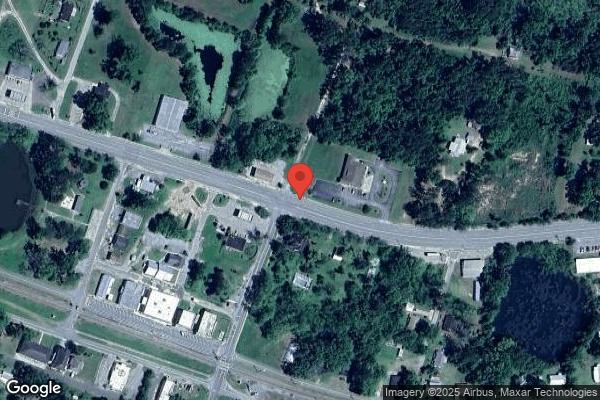
13455 W US HWY 90, GREENVILLE, FL 32331 (850) 948-4601
For profit - Limited Liability company 51 Beds ELIYAHU MIRLIS Data: November 2025 3 Immediate Jeopardy citations
Trust Grade
0/100
#636 of 690 in FL
Last Inspection: February 2025

Within standard 12-15 month inspection cycle. Federal law requires annual inspections.

Overview

Greenville Nursing and Rehab Center has received an F trust grade, indicating significant concerns and overall poor quality of care. Ranking #636 out of 690 facilities in Florida places it in the bottom half of the state, and #3 out of 3 in Madison County means there are only two local options that are better. Unfortunately, the trend is worsening, with complaints rising from 11 in 2023 to 14 in 2025. Staffing is average with a 3/5 rating and a turnover rate of 34%, which is better than the state average, but there is lower RN coverage than 89% of Florida facilities, which can impact care quality. The facility has concerning fines totaling $228,688, indicating repeated compliance issues, and recent inspections highlighted critical failures in blood glucose testing procedures that could transmit infections to residents.

Trust Score
F
0/100
In Florida
#636/690
Bottom 8%
Safety Record
High Risk
Review needed
Inspections
Getting Worse
11 → 14 violations
Staff Stability
○ Average
34% turnover. Near Florida's 48% average. Typical for the industry.
Penalties
○ Average
$228,688 in fines. Higher than 68% of Florida facilities. Some compliance issues.
Skilled Nurses
⚠ Watch
Each resident gets only 21 minutes of Registered Nurse (RN) attention daily — below average for Florida. Fewer RN minutes means fewer trained eyes watching for problems.
Violations
⚠ Watch
26 deficiencies on record. Higher than average. Multiple issues found across inspections.
★☆☆☆☆
1.0
Overall Rating
★★★☆☆
3.0
Staff Levels
★★☆☆☆
2.0
Care Quality
★☆☆☆☆
1.0
Inspection Score
Stable
2023: 11 issues
2025: 14 issues

The Good

  • Full Sprinkler Coverage · Fire safety systems throughout facility
  • No fines on record
  • Staff turnover below average (34%)

    14 points below Florida average of 48%

Facility shows strength in fire safety.

The Bad

1-Star Overall Rating

Below Florida average (3.2)

Significant quality concerns identified by CMS

Staff Turnover: 34%

12pts below Florida avg (46%)

Typical for the industry

Federal Fines: $228,688

Well above median ($33,413)

Significant penalties indicating serious issues

Chain: ELIYAHU MIRLIS

Part of a multi-facility chain

Ask about local staffing decisions and management

The Ugly 26 deficiencies on record

3 life-threatening
Jun 2025 2 deficiencies
CONCERN (F) 📢 Someone Reported This

A family member, employee, or ombudsman was alarmed enough to file a formal complaint

Potential for Harm - no one hurt, but risky conditions existed

Administration (Tag F0835)

Could have caused harm · This affected most or all residents

**NOTE- TERMS IN BRACKETS HAVE BEEN EDITED TO PROTECT CONFIDENTIALITY** Based on interview and record review, the facility failed to ensure proper administration related to use of resources to maintai...

Read full inspector narrative →
**NOTE- TERMS IN BRACKETS HAVE BEEN EDITED TO PROTECT CONFIDENTIALITY** Based on interview and record review, the facility failed to ensure proper administration related to use of resources to maintain the highest practicable physical wellbeing of each resident. The findings included: During a Life Safety Code annual survey revisit, the surveyors requested a copy of the facility's most recent Emergency Management Plan submitted to and approved by the [NAME] County Emergency Management Office. The facility's administrator provided the surveyors with a document dated 05/08/25. Upon review of this document and documentation provided previously to the surveyors by the County Emergency Management Director, the surveyors came to find this documentation was falsified. A telephone interview was conducted with the County Emergency Management Director on 06/03/25 at 4:01 PM. She confirmed this documentation was falsified as she had not received a submission of the facility's Emergency Management Plan for review. She stated, upon submission of a plan to our office, a form is given to the facility to provide as proof that a plan has been submitted and is under review. If, for whatever reason, a form is not provided at the time a book is dropped off at our office, it is emailed to the submitting facility for their records. She further stated she had changed the county form last year with a new logo so, since the document dated 05/08/25 sported the same logo as the approved plan from 2023, she believed the documentation was falsified. An interview was conducted with the facility's administrator on 06/05/25 at 2:34 PM. She stated she did not know where the falsified letter that she provided to the Life Safety surveyors came from. She stated she found the letter inside the Emergency Plan binder. She confirmed this binder was kept in her office and she was ultimately responsible for the contents of the binder but that the maintenance director also had access to this binder. She confirmed that she is responsible for submitting an Emergency Plan for approval to the County. She stated she had not contacted the County Emergency Management Director since the annual survey or the revisit to submit an Emergency Management Plan for approval. The facility's Executive Director position description states, the Executive Director is responsible for management of the facility in a manner which exemplifies the company's standard of operational excellence. You are entrusted to provide innovative, responsible healthcare with the creation and implementation of new ideas and concepts that continually improve systems and processes to achieve superior results. As Executive Director, you are delegated the administrative authority, responsibility, and accountability necessary for carrying out your assigned duties. Responsible for day-to-day clinical and administrative activities of the facility, including profit and loss responsibility and ensures compliance with all state and federal regulations. Maintain and guide the implementation of facility policies and procedures in compliance with corporate, state, federal, and other regulatory guidelines. Adhere to facility policies and procedures and participate in facility quality improvement and safety programs.
CONCERN (F) 📢 Someone Reported This

A family member, employee, or ombudsman was alarmed enough to file a formal complaint

Potential for Harm - no one hurt, but risky conditions existed

Deficiency F0895 (Tag F0895)

Could have caused harm · This affected most or all residents

Based on interview and record review, the facility failed to ensure there was an effective compliance and ethics program in place as evidenced by a falsified Emergency Management Plan approval letter....

Read full inspector narrative →
Based on interview and record review, the facility failed to ensure there was an effective compliance and ethics program in place as evidenced by a falsified Emergency Management Plan approval letter. The findings included: During a Life Safety Code annual survey revisit on 6/3/2025, the surveyors requested a copy of the facility's most recent Emergency Management Plan submitted to and approved by the County. The facility's administrator provided the surveyors with a document dated 05/08/25. Upon review of this document and documentation provided previously to the surveyors by the County Emergency Management Director, the surveyors came to find this documentation was falsified. An interview was conducted with the facility's administrator on 06/05/25 at 2:34 PM. She stated she did not know if the facility had a Compliance and Ethics program. She stated she thought they used to have a program and that when they did, a Human Resources representative was the Compliance officer. When asked to clarify, she then stated that, she as the administrator would be responsible for compliance at the building. When asked if this duty was present in her job description, she stated it was. She stated she did not know where to find information regarding compliance and ethics and she emailed multiple Human Resources representatives. After approximately two hours, she was able to produce the following information contained in her job description, the Employee Handbook, and a policy titled Ethics. Review of the facility's Executive Director position description revealed, the Executive Director is responsible for management of the facility in a manner which exemplifies the company's standard of operational excellence. You are entrusted to provide innovative, responsible healthcare with the creation and implementation of new ideas and concepts that continually improve systems and processes to achieve superior results. As Executive Director, you are delegated the administrative authority, responsibility, and accountability necessary for carrying out your assigned duties. Responsible for day-to-day clinical and administrative activities of the facility, including profit and loss responsibility and ensures compliance with all state and federal regulations. Maintain and guide the implementation of facility policies and procedures in compliance with corporate, state, federal, and other regulatory guidelines. Adhere to facility policies and procedures and participate in facility quality improvement and safety programs. The facility's policy titled Ethics (revision date 12/11/24) states, it is the policy of Vered Healthcare Group that all employees are governed by the company's policies and procedures and shall conduct company business in a manner which is at all times legal, ethical, and integral and the employee handbook provides general guidelines for employees in order to meet the highest standards of business conduct set forth in the policy statement. The Employee Handbook revealed a section titled Standards of Conduct. This section stated, the company expects all its employees to use good judgement and maintain the highest standards of professionalism at all time As a rule of thumb, conduct which is dishonest, illegal, or improper will not be tolerated and may be grounds for immediate discharge or other disciplinary action. #27-falsification of company documents or records. This list is intended to be representative of the types of activities, which may result in disciplinary action.
Feb 2025 12 deficiencies
CONCERN (D)

Potential for Harm - no one hurt, but risky conditions existed

Assessment Accuracy (Tag F0641)

Could have caused harm · This affected 1 resident

**NOTE- TERMS IN BRACKETS HAVE BEEN EDITED TO PROTECT CONFIDENTIALITY** Based on record review and interviews, the facility failed to ensure the minimum data set (MDS) assessment accurately reflected ...

Read full inspector narrative →
**NOTE- TERMS IN BRACKETS HAVE BEEN EDITED TO PROTECT CONFIDENTIALITY** Based on record review and interviews, the facility failed to ensure the minimum data set (MDS) assessment accurately reflected the resident's status for 1 of 16 sampled residents. (Resident #30) The findings include: A review of Resident #30's electronic medical record revealed Resident #30 had a medical history significant for Major Depressive Disorder, Bipolar Disorder, and Schizoaffective Disorder. A review of Resident #30's annual Minimum Data Set (MDS), dated [DATE], indicated that Resident #30 was not considered to have a history of serious mental illness. An interview was conducted with the facility's Director of Nursing (DON) and Minimum Data Set (MDS) coordinator on 02/27/25 at approximately 10:00 AM. The DON and MDS coordinator independently reviewed Resident #30's record and confirmed the MDS was coded incorrectly. They confirmed the MDS should have been coded for serious mental illness.
CONCERN (D)

Potential for Harm - no one hurt, but risky conditions existed

Deficiency F0645 (Tag F0645)

Could have caused harm · This affected 1 resident

Based on record review, staff interviews, and review of facility policies and procedures, the facility failed to ensure residents with a diagnosis of serious mental illness for received a Level II Pre...

Read full inspector narrative →
Based on record review, staff interviews, and review of facility policies and procedures, the facility failed to ensure residents with a diagnosis of serious mental illness for received a Level II Pre-admission Screening and Resident Review (PASARR) for 3 of 6 sampled residents reviewed for PASARR. (Resident #30, #1, #44) The findings included: A review of Resident #30's medical record revealed he had a medical history significant for Major Depressive Disorder, Bipolar Disorder, and Schizoaffective Disorder. The medical record failed to contain evidence that a Level II PASARR screening had been completed for Resident #30. A review of Resident #1's medical record revealed he had a medical history significant for Psychosis and Anxiety Disorder. The record failed to contain evidence that a Level II PASARR screening had been completed for Resident #1. A review of Resident #44's medical record revealed she had a medical history significant for Psychosis, Paranoid Schizophrenia, Major Depressive Disorder and Anxiety Disorder. The record failed to contain evidence that a Level II PASARR screening had been completed for Resident #44. An interview was conducted with the facility's Administrator on 2/27/25 at 10:45 AM. The Administrator independently reviewed the medical records for Residents #30, #1, and #44. She acknowledged that the identified residents did screening present in their records. A review of the facility policy, Preadmission Screening and Resident Review, dated 11/08/2021, states, The purpose of the procedure is to ensure residents with Serious Mental Illness (SMI) receive the care and services they need in the most appropriate setting. It is the responsibility of the center to assess and assure that the appropriate preadmission screenings, either Level 1 or Level II are conducted and results obtained prior to admission and placed in the appropriate section of the resident's medical record. If it is learned after admission that a PASARR Level II is indicated, it will be the responsibility of Social Services/designee to coordinate and/or inform the appropriate agency to conduct the screening and obtain the results.
CONCERN (D)

Potential for Harm - no one hurt, but risky conditions existed

Deficiency F0688 (Tag F0688)

Could have caused harm · This affected 1 resident

**NOTE- TERMS IN BRACKETS HAVE BEEN EDITED TO PROTECT CONFIDENTIALITY** Based on observations, interviews, and record review, the facility failed to maintain professional standards of practice regardi...

Read full inspector narrative →
**NOTE- TERMS IN BRACKETS HAVE BEEN EDITED TO PROTECT CONFIDENTIALITY** Based on observations, interviews, and record review, the facility failed to maintain professional standards of practice regarding therapy services for 1 of 1 resident reviewed for range of motion. (Resident #1) The findings included: During a tour of the facility conducted on 02/24/25 at 11:30 AM, Resident #1 was observed lying in his bed. Closer observation revealed Resident #1 had severe contractures of both of his hands and was not wearing any splinting device on his hands. It was later noted there was a gray fabric splint hanging on the wall of the therapy room with Resident #1's name written on it in black marker. (photographic evidence obtained) Resident #1's record showed that he was admitted to the facility on [DATE]. Resident #1 had a medical history significant for Traumatic Brain Injury, Hemiplegia and Contractures of his right wrist, right hand, hips, and legs. A review of Resident #1's Quarterly Minimum Data Set, dated [DATE] revealed Resident #1 had a Brief Interview of Mental Status score of 11, indicating he had moderate cognitive impairment. A review of Resident #1's physician orders and Care Plans revealed there were no orders or care plans written regarding splint use or restorative nursing services. Additional observations were conducted on 02/25/25 at 9:02 AM, 02/25/25 at 3:45 PM, 02/26/25 at 9:05 AM, and 02/26/25 at 2:00 PM all of Resident #1 lying in his bed with no splints present on hands. The gray fabric splint remained on the wall of the therapy room throughout the survey week. An interview was conducted with the facility's Therapy Director on 02/26/25 at 1:51 PM. The Therapy Director confirmed Resident #1 was not receiving therapy services. She stated he had been discharged from Occupational Therapy on 09/25/24 and from Physical Therapy on 12/02/24. She stated this was due to his inability to progress toward therapy goals. She stated Resident #1 had no orders for splints and that the facility had no restorative nursing program. When showed the gray splint on the wall in the therapy room, the Therapy Director stated this was an old splint that was no longer being used because she had ordered new splints for Resident #1. When asked whose responsibility it was to ensure splints were being used, the Therapy Director stated the Certified Nursing Assistants could be trained to put on and take off splints. An observation was made in Resident #1's room and the Therapy Director found two hand splints in the bottom drawer of Resident #1's dresser. She confirmed the training of placing and removing hand splints was her responsibility as an Occupational Therapist. When asked about other splint use for Resident #1, the Therapy Director stated knee splints would be Physical Therapy's responsibility. The Physical Therapist (PT) was interviewed via telephone at 2:03 PM. The PT stated they attempted to straighten Resident #1's legs and apply splints but that it was uncomfortable for Resident #1 and the PT staff did not want to cause him pain. The PT stated the staff was verbally instructed to use pillows between Resident #1's calves and knees. When asked if an order was written for the use of pillows as a splinting technique, Staff D stated no order was written, that it was only conveyed to the CNAs verbally. When asked when he last assessed Resident #1 for PT services or to verify the staff was utilizing pillows between his calves and knees to prevent further contractures, the PT stated, it's been a minute, to be honest with you but that he would follow up on 02/27/25. The Therapy Director stated she would push to get restorative services started at the facility. Review of the facility's policy titled Restorative Nursing Services, dated 08/15/23 revealed the following: The center provides restorative nursing to encourage and enable residents to be as independent as possible based on their individual conditions and goals. The Interdisciplinary Care Team identifies residents who have a restorative need, which may include active range of motion, passive range of motion, and/or splint or brace assistance. Therapy will educate and train the Certified Nursing Assistants on strategies/interventions and/or techniques as it relates to each resident's restorative program. Staff designated as Restorative Aides and/or Certified Nursing Assistants will be educated on restorative techniques.
CONCERN (D)

Potential for Harm - no one hurt, but risky conditions existed

Deficiency F0725 (Tag F0725)

Could have caused harm · This affected 1 resident

Based on record review and interview, the facility failed to ensure sufficient nurse staffing numbers on a 24-hour basis to provide nursing care to all residents. The findings included: Review of the ...

Read full inspector narrative →
Based on record review and interview, the facility failed to ensure sufficient nurse staffing numbers on a 24-hour basis to provide nursing care to all residents. The findings included: Review of the Payroll Based Journal (PBJ) staffing information provided by the facility for Quarter 1 of 2024 (October 1 through December 31) revealed that the facility failed to meet the minimum staffing requirements, causing them to trigger for excessively low weekend staffing. An interview was conducted with the facility's Administrator on 02/26/25 at 11:10 AM. The Administrator indicated she was aware that the facility had triggered for low staffing but that the previous owner was angry, so he didn't submit the information for 2 months. The Administrator did not indicate if she had attempted to provide additional information to the PBJ system when she learned that the information had not been properly submitted.
CONCERN (D)

Potential for Harm - no one hurt, but risky conditions existed

Staffing Information (Tag F0732)

Could have caused harm · This affected 1 resident

Based on observation, record review, and interview, the facility failed to maintain daily posted nurse staffing and failed to post the staffing in an area where it was easily visible to residents and ...

Read full inspector narrative →
Based on observation, record review, and interview, the facility failed to maintain daily posted nurse staffing and failed to post the staffing in an area where it was easily visible to residents and their visitors. (photographic evidence obtained) The findings included: During a tour of the facility conducted on 02/24/25 at 11:58 AM, the posted nurse staffing was observed to be located on the wall behind the nurse's station desk, not in full view of residents and visitors. Closer observation revealed the night and day shift staffing were posted, but the evening shift was blank. During a tour of the facility conducted on 02/26/25 at 10:55 AM, itwas once again noted that the posted nurse staffing was located on the wall behind the nurse's station desk, not in full view of residents and visitors. Closer observation revealed posted staffing was dated 02/25/25 and that the night and day shift staffing were posted, but the evening shift was blank. An interview was conducted at this time with Staff B, Registered Nurse. Staff B stated the staffing was posted daily by the facility's Director of Nursing (DON). An interview was conducted with the facility's DON on 02/26/25 at 11:00 AM. She stated the evening staff line was not filled in because she was going to fill it in when the staff came in for the evening shift. She stated she was unaware that the staffing was to be posted for the whole day. The DON was also asked why the staffing sheet was not posted where it was visible to all residents and visitors. The DON stated she was unaware that it was supposed to be posted for the residents and visitors to view.
CONCERN (D)

Potential for Harm - no one hurt, but risky conditions existed

Deficiency F0761 (Tag F0761)

Could have caused harm · This affected 1 resident

**NOTE- TERMS IN BRACKETS HAVE BEEN EDITED TO PROTECT CONFIDENTIALITY** Based on observations, interviews, and policy review, the facility failed to ensure medications were properly and securely store...

Read full inspector narrative →
**NOTE- TERMS IN BRACKETS HAVE BEEN EDITED TO PROTECT CONFIDENTIALITY** Based on observations, interviews, and policy review, the facility failed to ensure medications were properly and securely stored and the facility failed to ensure proper and timely disposal of expired medications. The findings included: A blood glucose observation was conducted on 02/25/25 at 11:24 AM with Staff E, a Registered Nurse (RN), for Resident #8. Upon entering Resident #8's room, Staff E left her medication cart unlocked and unattended in the hallway. Following the medication administration observation, Staff E was askedwhat her process was for locking her medication cart between administering medications to her residents. Staff E stated she would typically lock her medication cart each time she entered a resident's room. A medication administration observation was conducted on 02/25/25 at 11:42 AM with Staff E, Registered Nurse (RN), for Resident #50. Staff E prepared 11 medications to administer to Resident #50. Upon entering Resident #50's room, Staff E placed the medications on the resident's dresser and walked away to wash her hands, leaving the medications unattended. Following the medication administration observation, Staff E was asked what her process was for washing her hands when administering medications to residents. Staff E stated she would typically take the medications to the sink with her when she washed her hands. On 02/26/25 at 8:54 AM, on the way to conduct a medication administration observation, Staff F, Licensed Practical Nurse (LPN) walked into room [ROOM NUMBER] to assist a resident. In doing so, Staff F left her medication cart unlocked and unattended in the hallway (photographic evidence obtained). Then Staff G, a Certified Nursing Assistant (CNA) and Staff H, another CNA, walked past the unlocked medication cart and into room [ROOM NUMBER] to assist with the resident. Continued observation revealed the facility's Director of Nursing (DON) walk up to the unlocked medication cart and place pudding into the cooler that was located on the top of the cart. During this observation, two unidentified residents also walked past the unlocked medication cart. A medication administration observation was conducted on 02/26/25 at 9:02 AM with Staff F, LPN for Resident #50. The nurse prepared 11 medications to administer to Resident #50. Upon entering Resident #50's room, Staff F did not lock the medication cart, leaving it unlocked and unattended in the hallway. Following the medication administration observation, Staff F was asked what her process was for locking her medication cart between administering medications to her residents. Staff F stated she would typically lock her medication cart each time she entered a resident's room. A medication room observation was conducted with Staff B, RN and Staff A, RN on 02/26/25 at 1:24 PM. They stated the over the counter medications were kept in the Clean Utility Room. While in the Clean Utility Room, it was found that there were six bottles of Vitamin C 250mg tablets which were expired with a date of expiration 12/2024 (photographic evidence obtained). Staff B and Staff A stated they would tell the facility's Administrator and the pharmacist about the expired medication bottles. Review of the facility's policy titled Medication Storage, dated 12/08/23, states, The facility shall store all drugs and biologicals in a safe, secure, and orderly manner. The facility shall not use discontinued, outdated, or deteriorated drugs or biologicals. All such drugs shall be returned to the dispensing pharmacy or destroyed. Compartments (including drawers and carts) containing drugs and biologicals shall be locked when not in use.
CONCERN (D)

Potential for Harm - no one hurt, but risky conditions existed

Deficiency F0883 (Tag F0883)

Could have caused harm · This affected 1 resident

Based on record review and staff interview, the facility failed to ensure the influenza vaccination was administered to 1 of 5 residents sampled for vaccine review (Resident #48). The findings include...

Read full inspector narrative →
Based on record review and staff interview, the facility failed to ensure the influenza vaccination was administered to 1 of 5 residents sampled for vaccine review (Resident #48). The findings include: A review of Resident #48's medical record revealed that Resident #48 received education and signed his influenza vaccine consent on 12/13/2024, indicating he wished to receive the vaccination. Further review of Resident #48's medical record revealed no documentation that Resident #48 received the influenza vaccination. An interview was conducted with the Director of Nursing (DON) on 02/26/25 at approximately 2:50 PM. The DON confirmed Resident #48 had signed the consent form for influenza, but the vaccination was not administered. The DON stated the influenza vaccination would be given to Resident #48 as soon as it was received by the facility.
CONCERN (E) 📢 Someone Reported This

A family member, employee, or ombudsman was alarmed enough to file a formal complaint

Potential for Harm - no one hurt, but risky conditions existed

Safe Environment (Tag F0584)

Could have caused harm · This affected multiple residents

**NOTE- TERMS IN BRACKETS HAVE BEEN EDITED TO PROTECT CONFIDENTIALITY** General tour On 02/27/25 at 11:43 AM a tour of the facility was conducted with the Administrator. Observations of the general ar...

Read full inspector narrative →
**NOTE- TERMS IN BRACKETS HAVE BEEN EDITED TO PROTECT CONFIDENTIALITY** General tour On 02/27/25 at 11:43 AM a tour of the facility was conducted with the Administrator. Observations of the general areas of the facility revealed floors that are worn and dirty. There was a buildup of dirt/debris in all of the corners throughout the facility. There were rusty and stained plumbing fixtures in resident bathrooms, scrapes and dirt and lack of fresh painting on all walls in the halls and resident rooms and resident bathrooms. There were rusty and chipped door jams throughout the facility. At this time, the Administrator confirmed all the maintenance concerns and stated that they still have problems with the Maintenance and Housekeeping contractors and confirmed the floors were very worn and appear dirty. There was a large area approximately 3ft by 3ft at the end of the 100 hall that is only concrete, missing numerous tiles. The Administrator stated they finally had to get a professional plumber in the building to unclog the pipes to address the problems the facility had with the toilets not flushing and numerous drains stopping up. The Administrator stated the plumbers had to go under the floor at the back of the 100 hall in order to make repairs. She did not address when they planned to replace the flooring in that spot. She also confirmed there were dirty floors and the corners appear to have dirt buildup. There is also the wall in the staff breakroom where they had to break through the wall to make repairs and the hole is still open and appears to have years of dirt/dust buildup. There are multiple doors to resident rooms and bathrooms throughout the facility that are peeling and appear unclean. There are multiple door jams that are rusty and falling apart throughout the facility. The walls were all scratched and/or dirty and in need of repair and paint throughout the facility. Bathroom floor tiles throughout the facility were worn and appear dirty or broken. Based on observations andinterviews and record reviews, the facility failed to maintain a safe, clean, comfortable homelike environment. The findings include: room [ROOM NUMBER]/201 On 02/24/25 at approximately 11:49 AM an observation of a shared resident bathroom between rooms [ROOM NUMBERS] revealed a urine specimen collector was present on the floor next to the toilet. Closer observation revealed this urine specimen collector was unlabeled, unbagged, and contained a brown colored stain on the bottom and sides of the container. On 02/25/25 at approximately 11:10 AM, a follow up observation revealed the unlabeled, unbagged, and stained urine specimen collector remained on the floor next to the residents' toilet. On 02/25/25 at approximately 11:35 AM, an interview was conducted with Nurse A and CNA (Certified Nursing Assistant) I. The surveyor showed the staff the urine specimen collector on the floor of the resident's bathroom at this time. Staff A stated the urine collector should not be in the bathroom. She stated the facility had disposable urine collectors and that these were disposed after use. CNA I stated the process was to label a urine specimen collector with the resident's name and then bag and stored the urine
CONCERN (E)

Potential for Harm - no one hurt, but risky conditions existed

Accident Prevention (Tag F0689)

Could have caused harm · This affected multiple residents

**NOTE- TERMS IN BRACKETS HAVE BEEN EDITED TO PROTECT CONFIDENTIALITY** Based on observations and interviews, the facility failed to ensure two outside gates were secured in a locked fashion, failed t...

Read full inspector narrative →
**NOTE- TERMS IN BRACKETS HAVE BEEN EDITED TO PROTECT CONFIDENTIALITY** Based on observations and interviews, the facility failed to ensure two outside gates were secured in a locked fashion, failed to ensure residents did not have access to sharp instruments at bedside, and failed to ensure laundry lint was maintained properly all to ensure an environment free of potential accident hazards for all residents in the facility. The findings included: During a tour of the facility conducted on 02/25/25 at approximately 1:30 PM, it was noted that the maintenance gate outside the therapy room was unlocked and unsecured. An interview was conducted with the facility's Maintenance Director on 02/27/25 at 11:37 AM. He stated this gate was to be locked by the staff upon entering and exiting the external maintenance area. He confirmed the lock on the gate was not broken and that the staff were trained to use it. During a tour of the facility conducted on 02/27/25 at approximately 12:33 PM, the surveyors noted the gate outside the resident smoking area was unlocked and unsecured (photographic evidence obtained). An interview was conducted with the facility's Administrator on 02/27/25 at 1:30 PM. The Administrator observed the unlocked gate. The Administrator locked the gate and confirmed the lock on the gate was not broken and that the staff were trained to use it. The Administrator further stated the staff did not regularly use this gate to gain entrance into the facility from the parking area and she did not know why staff would have left the gate unlocked. During a tour of the facility conducted on 02/25/25 at 12:35 PM, the surveyor noted a pair of fingernail scissors in resident room [ROOM NUMBER] (photographic evidence obtained). Staff A, a Registered Nurse confirmed the residents were not supposed to have fingernail scissors present in their rooms. Staff immediately confiscated the scissors from the resident's room. A tour of the facility's laundry area was conducted on 02/27/25 at 11:34 AM with the facility's Maintenance Director. The Maintenance Director stated the facility's laundry was done in a separate building on the premises. Upon approaching the laundry building, two burned and rusted metal garbage cans were observed which were overflowing with bagged garbage and a large area of ash and burned residue on the ground directly next to the laundry building. The back wall of the building, next to the ash pile, was noted to be covered in a thick layer of lint (photographic evidence obtained). The Maintenance Director confirmed the facility routinely burned materials in this area, despite it being located directly next to the laundry building.
CONCERN (E)

Potential for Harm - no one hurt, but risky conditions existed

Infection Control (Tag F0880)

Could have caused harm · This affected multiple residents

Based on observations, interviews, record and policy review the facility failed to maintain infection control standards regarding glucometer cleaning, handling and storing of laundry and linens, legio...

Read full inspector narrative →
Based on observations, interviews, record and policy review the facility failed to maintain infection control standards regarding glucometer cleaning, handling and storing of laundry and linens, legionella testing, and resident's shared bathroom environments. The findings included: Blood Glucose monitoring A blood glucose observation was conducted on 02/25/25 at 11:24 AM with Staff E, a Registered Nurse, for Resident #8. Staff E stated each resident had their own glucometer that the staff kept in designated plastic containers within the medication carts. Staff E stated the nurses cleaned the glucometers before and after each glucose check. Staff E removed Resident #8's glucometer from its plastic container. She then retrieved a Clorox bleach wipe from the medication cart. She cleaned the meter with the Clorox bleach wipe and set the meter to air dry on top of the medication cart. Staff E did not don gloves or use a secondary wipe to disinfect the glucose meter during this observation. Staff E stated the meter would be left for 1-3 minutes to air dry before going into Resident #8's room to check the blood glucose level. When asked what the wet time was for the monitor, Staff E stated she did not understand the question and reiterated the monitor would be left to dry for 1-3 minutes. Following the blood glucose check and upon returning to the medication cart, Staff E retrieved a Clorox bleach wipe from the medication cart. She cleaned the meter with the Clorox bleach wipe and set the monitor to air dry on top of a tissue. Staff E did not don gloves or use a secondary wipe to disinfect the glucose meter during this observation. Staff E stated she would allow the monitor to dry for 1-3 minutes before returning it to its plastic container. Review of the manufacturer's instructions for the Assure Prism Multi Blood Glucose Monitoring System revealed the recommended contact time with a Clorox Germicidal Wipe was 1 minute. The manufacturer recommended the same steps as above for proper cleaning and disinfecting of the meter. Review of the facility's Skills Competency Assessment titled Glucometer shows that the proper steps for cleaning and disinfecting a blood glucose meter were as follows: Clean and disinfect the meter with disinfectant wipe per manufacturer recommended wet time. Follow the 2-step process for cleaning and disinfecting. Apply gloves and obtain a disinfectant wipe. With disinfectant wipe, clean the entire surface of the meter 3 times horizontally and 3 times vertically, invert the meter so the test strip is facing down and clean around the test strip port. Dispose of wipe. Obtain a new disinfectant wipe and repeat the procedure above to remove blood-borne pathogens. The surface remains wet per the wipe manufacturer's instructions. Wipe the meter dry with a paper towel after the recommended wet time. Remove gloves and perform hand hygiene. Laundry A tour of the facility's laundry area was performed on 02/27/25 at 11:34 AM with the Maintenance Director, Maintenance Assistant, and Staff J, Laundry Aid. The Maintenance Director stated he had been in his role for three or four months. The Maintenance Assistant stated he had been in his role for six to eight months. Staff J stated she had been working for the facility for many years. Photographic evidence was obtained of the following areas of concern. Upon entering the laundry building, it was noted in the secondary storage room a hole in the ceiling, approximately four to five inches in diameter with outdoor debris present/poking down into the room. When asked what he thought it was, the Maintenance Assistant stated, A rat's nest, I mean a bird's nest. In this secondary storage room, ten bags of resident clothing and personal belongings were piled on the floor along with an uncovered cart containing 21 items of clothing. When asked whose belongings these were, Staff J stated these were clothes and belongings left by residents who had been discharged from the facility or had passed away. She further stated the facility kept the belongings for 30 days for the families to collect. When asked to confirm how long the bags had been stored in this room, Staff J stated she did not know but that it had been more than 30 days. Upon entering the washing machine room, there were two washing machines there, one of which was broken. A water heater present next to the washing machine in the main room. Closer inspection revealed the water heater was unplugged. Staff J and the Maintenance Director were both unable to confirm if this water heater worked properly or for how long it had been unplugged. Staff J was able to confirm the bathroom she used to wash her hands, located next to the washing machine room, did not have hot water in the sink. The button for HOT was depressed on the washing machine and a load of laundry had recently finished. When asked if this load was washed on hot water, Staff J stated, no, I think it was a cold load. She was unable to confirm the button for hot water was pressed on the washing machine. Disposable gowns and gloves were hanging on the wall. Staff J confirmed she did not change these articles of personal protective equipment (PPE) between loads and confirmed she was not aware that she was supposed to. The floor throughout the building was noted to be a cement sub floor, not suitable for maintaining a clean environment for the laundry as it was not able to be properly cleaned. The Maintenance Director stated he swept the floor daily but that the staff walk in from outside and bring the dirt in with them. Upon entering the dryer room, there was only one dryer available. The light above the dryer was broken, leaving that corner of the room very dark and difficult to see. Wet clothing uncovered in a rolling laundry cart was observed. Staff J stated this laundry was clean and waiting to go into the dryer. Used disposable gowns and gloves were hanging on the wall. Staff J confirmed she did not change these articles of PPE between loads and confirmed she was not aware that she was supposed to. Three clean pillows were noted on top of a linen cart, uncovered. The rolling laundry carts that Staff J stated she used to move the laundry from the washing machines to the dryer and then to the folding table were made of metal. The carts had multiple areas of rust and no inner lining or top cover to protect the laundry. Staff J was unable to confirm when the carts were last cleaned. The folding table/area was noted to be discolored and had chipped laminate, causing the surface to be unable to properly clean. Legionella testing An interview was conducted with the facility's Maintenance Director and Maintenance Assistant on 02/27/25 at 12:30 PM regarding Legionella testing at the facility. The Maintenance Director stated he was not responsible for Legionella testing. The Maintenance Assistant stated he performed water flush and water temperature testing regularly. In reviewing the Legionella binder that was provided by the Maintenance Director, documentation of water flush testing and water temperature testing was reviewed. No evidence of Legionella testing from the past year was available. When asked, The Maintenance Director again stated he was not responsible for Legionella testing. The Maintenance Assistant stated he was unaware of Legionella testing that had been performed or was to be performed. He further stated he was unaware of any third-party company that may have been contracted with the facility to perform this testing, and he had not received any testing or results from anyone. Review of the facility's policy titled Legionella Risk Management Policy, stated: The purpose of this policy is to ensure that as far as possible all residents, staff, and visitors of this facility are protected from the incidence of Legionnaire's disease. The minimum standards to be met include: preparing Legionella Risk Assessments; preparation of an action plan for preventing or controlling the risk; implementation, management, monitoring, and recording of precautions to include regular inspections, microbiological monitoring, temperature checks, and flushing; appointment of a person to be managerially responsible for the water system. Weekly checks should include shower heads and ice machines. Monthly checks should include taps.
CONCERN (E)

Potential for Harm - no one hurt, but risky conditions existed

Room Equipment (Tag F0908)

Could have caused harm · This affected multiple residents

Based upon observation and interview, the facility failed to maintain the laundry room and shower room in safe operating conditions. The findings include: A tour of the facility's laundry area was per...

Read full inspector narrative →
Based upon observation and interview, the facility failed to maintain the laundry room and shower room in safe operating conditions. The findings include: A tour of the facility's laundry area was performed on 02/27/25 at 11:34 AM. Photographic evidence was obtained of the following areas of concern. The tour of the facility's laundry area was conducted with the facility's Maintenance Director, Maintenance Assistant, and Staff J, a Laundry Aid. The Maintenance Director stated the facility's laundry was done in a separate building on the premises. The Maintenance Director stated he had been in his role for three or four months. The Maintenance Assistant stated he had been in his role for six to eight months. Staff J stated she had been working for the facility for many years. Upon approaching the laundry building, a large amount of garbage and debris was noted around the outside perimeter of the building. There was two burned and rusted metal garbage cans which were overflowing with bagged garbage and a large area of ash and burned residue on the ground directly next to the laundry building. The back wall of the building, next to the ash, was noted to be covered in a thick layer of lint. Six mattresses and 2 toilets were noted sitting behind a dumpster. There was also an incontinence brief, gloves, and other debris and garbage noted on the ground around the dumpster. Thirty eight wooden pallets were present along all sides of the laundry building, along with other pieces of wood and furniture, including an overturned picnic table and a dresser in stages of decay. There were also plastic storage bins, plastic crates, metal pipes, metal bins, an office chair, a Hoyer lift, wheelchairs, walkers, and other pieces of broken equipment noted around the perimeter of the building. Also noted next to the laundry building were fourteen plastic 5-gallon containers containing the remnants of laundry chemicals. The Maintenance Director could not confirm how long the broken equipment, pallets, and garbage had been present outside the laundry building. When asked how often the garbage and pallets were collected, the Maintenance Director stated, I can call the guy, he will come and get the stuff. However, the Maintenance Director and Maintenance Assistant were unable to confirm what company the facility contracted with to collect pallets and garbage. Upon entering the laundry building, there were two maintenance/storage rooms observed. Boxes were piled up to the ceiling in both rooms along with three broken lights. In the secondary storage room, a hole in the ceiling was noted, approximately four to five inches in diameter, with outdoor debris present/poking down into the room. When asked what he thought it was, the Maintenance Assistant stated, A rat's nest, I mean a bird's nest. In this secondary storage room, there was observed ten bags of resident clothing and personal belongings piled on the floor along with an uncovered cart containing 21 items of clothing. When asked whose belongings these were, Staff J stated these were clothes and belongings left by residents who had been discharged from the facility or had passed away. She further stated the facility kept the belongings for 30 days for the families to collect. When asked to confirm how long the bags had been stored in this room, Staff J stated she did not know but that it had been more than 30 days. Upon entering the washing machine room, the surveyors noted two washing machines, one of which was broken. When asked to confirm how long this washing machine had been broken, the Maintenance Assistant stated it had been broken for at least eight months. When asked if this washing machine was being fixed, replaced, or removed, the Maintenance Director was unable to confirm the status or plan for the broken washing machine. Staff J stated she felt the laundry staff was able to keep up with the laundry demand with the remaining working washing machine. She further stated they had a second washing machine located in a room that was off to the side. Upon entering the additional room, the surveyor noted two urinals, which contained visible residue of laundry detergent, and a water pitcher. When asked what these were used for, the Maintenance Director stated, they only use this machine in an emergency. When asked again if the staff used these to place laundry chemicals in this washing machine, the Maintenance Director confirmed the staff used the urinal bottles to measure the laundry chemicals. He stated, we tell them to just measure like you would at home. A water heater was present next to the washing machine in the main room. Closer inspection revealed the water heater was unplugged. Staff J and the Maintenance Director were both unable to confirm if this water heater worked properly or for how long it had been unplugged. Staff J was able to confirm the bathroom she used to wash her hands, located next to the washing machine room, did not have hot water in the sink. The surveyors noted the button for HOT was depressed on the washing machine and that a load of laundry had recently finished. When asked if this load was washed on hot water, Staff J stated, no, I think it was a cold load. She was unable to confirm why the button for hot water was pressed on the washing machine. Three ceiling lights were noted to be broken in the washing machine room. Also, it was noted that used disposable gowns and gloves were hanging on the wall. Staff J confirmed she did not change these articles of personal protective equipment (PPE) between loads and confirmed she was not aware that she was supposed to. The floor throughout the building was noted to be a cement sub floor, not suitable for maintaining a clean environment for the laundry as it was not able to be properly cleaned. The Maintenance Director stated he swept the floor daily but that the staff walk in from outside and bring the dirt in with them. Behind the washing machines, a large buildup of lint, debris, rust, and garbage, including food bags, glasses, towels, spoons, and plumbing parts, was noted. There was also a large buildup of dirt, dust, and lint on the washing machines, fan, wiring, and water heater. The Maintenance Director was unable to confirm when these areas were last cleaned. Upon entering the dryer room, only one working dryer was observed. The light above the dryer was broken, leaving that corner of the room very dark and difficult to see. There was a bracket attached to the ceiling for a smoke detector, but no smoke detector was attached. There was wet clothing uncovered in a laundry cart. Staff J stated this laundry was clean and waiting to go into the dryer. Upon assessing the dryer drum, a large buildup of melted/burned brown and multi-colored substances was observed. The Maintenance Director was unable to confirm when the dryer drum was last cleaned. A moderate buildup of lint and debris was noted in the dryer lint area. Used disposable gowns and gloves were hanging on the wall. Staff J confirmed she did not change these articles of PPE between loads and confirmed she was not aware that she was supposed to. Three clean pillows were noted on top of a linen cart, uncovered. The rolling laundry carts that Staff J stated she used to move the laundry from the washing machines to the dryer and then to the folding table were made of metal. The carts had multiple areas of rust and no inner lining or top cover to protect the laundry. Staff J was unable to confirm when the carts were last cleaned. The folding table/area was noted to be discolored and had chipped laminate, causing the surface to be unable to properly clean. Utility room/shower room A tour of the facility's soiled utility room and shower room was conducted on 02/27/25 at 12:30 PM with Staff F, Licensed Practical Nurse. Photographic evidence was obtained of the following areas of concern. Upon entering the soiled utility room, the surveyors noted the hot water in the handwashing sink did not work. The cold water ran yellow/rusty for approximately 5 minutes before clearing. Noted under the sink, along with cleaning chemicals, were two tube feeding pumps. Staff F stated she thought these were broken but could not confirm. On the countertop, nine different pieces of equipment. Staff F stated the staff placed equipment in this room that needed to be cleaned before it went back to storage and for resident use but could not confirm how long these pieces of equipment had been in the room. Upon entering the shower room, five cardboard boxes were observedstacked on the floor. Above the boxes was a wall cabinet which was chipping and decaying. There was a large amount of rust noted within the cabinet. Next to the toilet in this room, the toilet paper holder contained a large amount of rust. The wall above the toilet paper holder had a large amount of black substance present. A shower chair was pushed against the wall of the shower room. Staff F stated this shower chair was broken and missing a piece that allowed the staff to put the back of the chair in different positions. She further stated that, because the chair was missing this piece, it was very uncomfortable for the residents who needed to use it for showering because it laid all the way back with no way for the staff to change/lock the chair into a different position so a resident could be more comfortable. She stated there were no other shower chairs in the facility for the staff to use.
CONCERN (F)

Potential for Harm - no one hurt, but risky conditions existed

Medical Records (Tag F0842)

Could have caused harm · This affected most or all residents

Based on observation, record review, and interview the facility failed to ensure resident's confidential information was stored in a secure manner. The findings included: A tour of the facility's laun...

Read full inspector narrative →
Based on observation, record review, and interview the facility failed to ensure resident's confidential information was stored in a secure manner. The findings included: A tour of the facility's laundry area was conducted on 02/27/25 at 11:34 AM with the facility's Maintenance Director and Maintenance Assistant. The Maintenance Director stated he had been in his role for three or four months. The Maintenance Assistant stated he had been in his role for six to eight months. The Maintenance Director stated the facility's laundry was done in a separate building on the premises. Upon approaching the laundry building, it was noted that two burned and rusted metal garbage cans which were overflowing with bagged garbage. Upon asking the Maintenance Director what was in the garbage bags, he stated it was confidential documents waiting to be burned. Upon closer inspection, it was noted that the plastic bags were clear, unsealed, and open to air. It was confirmed the paperwork in the plastic bags contained confidential resident protected health information (PHI). Further observation revealed numerous pieces of paper loose on the ground which also contained resident's PHI along with a garbage bag filled with discarded medication packets, which also contained resident PHI (photographic evidence obtained). The Maintenance Director could not confirm how long this confidential information had been present outside the building. An interview was conducted with the facility's Administrator on 02/27/25 at 12:20 PM. She stated the garbage bags of confidential documents had been retrieved and brought inside the facility where they would stay until they were ready to be burned. The Administrator further confirmed it was the facility's policy that all confidential documents were burned on the premises and not collected by an outside company for destruction. She indicated she had not been aware that the documents were outside at that time. When asked if she had gone to confirm if all the documents had been retrieved, including the pieces of paper that were loose on the ground, she confirmed she had not.
Nov 2023 3 deficiencies
CONCERN (D)

Potential for Harm - no one hurt, but risky conditions existed

Deficiency F0558 (Tag F0558)

Could have caused harm · This affected 1 resident

Based on observations, records review, and interviews, policy review and mattress manufacturer guidelines the facility failed to ensure to honor resident preferences for 1 out of 1 residents reviewed ...

Read full inspector narrative →
Based on observations, records review, and interviews, policy review and mattress manufacturer guidelines the facility failed to ensure to honor resident preferences for 1 out of 1 residents reviewed for preferences. (Resident #28) The findings include: On 10/30/23 at 01:19 PM, Resident #28 was observed laying on a plastic mattress without a fitted sheet. When asked if this was his preference, he stated he did not like it but did not have another choice. On 10/31/23 at 02:24 PM, Resident #28 was observed to still be laying on a plastic mattress without a fitted bottom sheet. On 10/31/23 at 02:35 PM, an interview with Staff A, a Certified Nursing Assistant (CNA), revealed that there was no fitted sheet on Resident #28's bed because that was the guidance received for everyone using air mattresses. On 10/31/23 at 02:41 PM, an interview with the Director of Nursing (DON) occurred. She was asked why Resident #28 was not using a fitted sheet. She said that she did not know, but she would not like to spend the day on a plastic mattress. On 10/31/23 at 03:07 PM, a review of the facilities Skin and Wound policies and procedures revealed that air mattresses are not to have a bottom sheet to promote air flow and promote healing. On 11/01/23 at 09:50 AM, the manufacturers guidelines for the air mattress were reviewed. Under the installation instructions, step 2 states: Cover mattress with a cotton sheet. The manual further states cover the mattress with a cotton sheet to avoid direct skin contact and im[prove the patient's comfort level. On 11/01/23 at 10:10 AM, an interview with Facility Administrator (FA) and DON occurred. Both were asked if they had read the user's manual for the mattress. They both stated they had not. The FA stated they were not going to change anything based on the manufacturer's guidelines. She was only going to follow facility policy.
CONCERN (D)

Potential for Harm - no one hurt, but risky conditions existed

Deficiency F0883 (Tag F0883)

Could have caused harm · This affected 1 resident

**NOTE- TERMS IN BRACKETS HAVE BEEN EDITED TO PROTECT CONFIDENTIALITY** Based on record review, policy review, and interview, the facility failed to provide the recommended Pneumococcal Vaccine in acc...

Read full inspector narrative →
**NOTE- TERMS IN BRACKETS HAVE BEEN EDITED TO PROTECT CONFIDENTIALITY** Based on record review, policy review, and interview, the facility failed to provide the recommended Pneumococcal Vaccine in accordance with national recommendations of the Center for Disease Control's (CDC's) Advisory Committee on Immunization Practices (ACIP) recommended adult immunization schedule for Pneumococcal Vaccines to 4 of 5 sampled residents. (Residents #9, #1, #42, #36) The findings include: On 11/1/23, a record review was conducted of the face sheet of Resident #9. Her date of birth was on 3/14/1944. Resident #9 was [AGE] years old at the time of the survey. Her original admission date was on 6/2/2010. Resident #9's most recent readmission was on 10/7/22. According to the face sheet, Resident #9 had a diagnosis of Adult failure to Thrive, Feeding Difficulties, Muscle Weakness, Frontotemporal Neurocognitive Disorder, Heart Failure, Dementia, Essential Hypertension, and Nutritional Anemia. A vaccine Consent to receive an Influenza vaccine and Pneumococcal vaccine was signed on 9/12/23. According to the immunization record Resident #9 received a flu vaccine on 10/12/23. There was no pneumococcal vaccine entered on the record. On 11/1/23, a record review was conducted of the face sheet for Resident #1. His date of birth was on 10/15/1950. Resident #1 was [AGE] years old at the time of the survey. His original admission date was on 5/19/2020. His most recent readmission was on 2/20/23. According to the face sheet, Resident #1 had a diagnosis of Type II Diabetes Mellitus, peripheral vascular disease, Essential Hypertension, and Atherosclerotic Heart Disease, Tobacco use, Dementia, and unspecified viral hepatitis C. A vaccine Consent to receive an Influenza vaccine and a pneumococcal vaccine was signed on 9/12/23. According to the immunization record, Resident #1 received a flu vaccine on 10/12/23. There was no pneumococcal vaccine entered on the record. On 11/1/23, a record review was conducted for Resident #42. His date of birth was on 12/2/1942. At the time of the survey he was [AGE] years old. His date of admission was on 3/1/23. Resident #42 has diagnosis of Coronary Artery Disease, Essential Hypertension, Hyperlipidemia, Alzheimer's, Cerebrovascular Accident with Hemiplegia and Hemiparesis, Malnutrition, and Anemia. A vaccine Consent for the Influenza vaccine and pneumococcal vaccine was signed on 9/12/23. According to the immunization record, Resident #42 received a flu vaccine on 10/12/23. There was no pneumococcal vaccine entered on the record. On 11/1/23, a record review was conducted of the face sheet for Resident #36. His date of birth was on 5/30/48. Resident #36 was [AGE] years old at the time of review. His original admission date was on 8/7/2019. His most recent readmission was on 9/26/23. According to the face sheet, Resident #36 had a diagnosis of Alzheimer's disease, Adult Failure to Thrive, Dementia, Poly Neuropathy, Cirrhosis of the liver, Essential Hypertension, and Atherosclerotic Heart Disease. A review of the vaccine consent forms for Resident #36 was conducted. A consent to receive a pneumococcal vaccine was signed on 8/7/19 and on 9/12/23. According to the immunization record, Resident #36 received a dose of pneumococcal vaccine on 11/17/19. There was no record that Resident #36 received the recommended follow up dose of pneumococcal vaccine after signing the consent on 9/12/23. On 11/2/23, a review of the pneumococcal vaccine policy dated March 2022 was conducted. The policy stated that, prior to admission, residents are assessed for eligibility to receive the pneumococcal vaccine series and, when indicated, are offered the vaccine series within 30 days of admission to the facility unless medically contraindicated or the resident has already been vaccinated. On 11/2/23 at approximately 11:00 AM, an interview was conducted with the Director of Nursing (DON). The consents and immunization records of Residents #9, #1, #42, and #36 were reviewed with the DON. She explained that the Minimum Data Set Nurse (MDS Nurse) does the vaccinations. She explained that they had planned to order the pneumococcal vaccines but have not gotten them together yet. The surveyor pointed out that the facility's Pneumococcal Vaccine Policy stated that residents would be reviewed for eligibility and receive the pneumococcal vaccine within 30 days of admission to the facility. When asked if residents #9, #1, #42, and #36 should have had their pneumococcal vaccines, the DON agreed. On 11/2/23 at approximately 12:30 PM, an interview was conducted with the Minimum Data Set Nurse (MDS) Nurse. She explained that she had planned to order the pneumococcal vaccine vaccines next week. The residents received flu vaccines in October and they wanted to wait a month before giving the pneumococcal vaccine in November. She did not provide an explanation as to why the Influenza vaccines and the pneumococcal vaccine were not given on the same day. The surveyor pointed out that the facility's Pneumococcal Vaccine Policy stated that residents would be reviewed for eligibility and receive the pneumococcal vaccine within 30 days of admission to the facility. The MDS explained that the residents would be getting their vaccines soon. The current Center for Disease Control's (CDC's) Advisory Committee on Immunization Practices (ACIP) recommended adult immunization schedule for pneumococcal vaccines was reviewed with the DON. The immunization schedule can be located at: https://www.cdc.gov/vaccines/schedules/hcp/imz/adult.html#note-pneumo
CONCERN (E)

Potential for Harm - no one hurt, but risky conditions existed

Safe Environment (Tag F0584)

Could have caused harm · This affected multiple residents

**NOTE- TERMS IN BRACKETS HAVE BEEN EDITED TO PROTECT CONFIDENTIALITY** room [ROOM NUMBER] and 104: On 10/31/23 at 02:25 PM, a brown, thick substance was observed in room [ROOM NUMBER] on the curtain ...

Read full inspector narrative →
**NOTE- TERMS IN BRACKETS HAVE BEEN EDITED TO PROTECT CONFIDENTIALITY** room [ROOM NUMBER] and 104: On 10/31/23 at 02:25 PM, a brown, thick substance was observed in room [ROOM NUMBER] on the curtain room divider, nightstand, floor mats and several areas of the floor and wall. There was also some paint chipping and cracked floor tiles. Residents did not have access to the closet area because extra chairs and bedside tables were stored right in front of it. On 11/01/23 at 01:38 PM, ceiling tiles were observed to be stained with a brown substance in room [ROOM NUMBER]. On 11/02/23 at approximately 12:20 PM, an interview was conducted with the maintenance director. He stated several ceiling tiles have water stains and he said they change them all the time. When I showed him the amount of dirt behind bed B in room [ROOM NUMBER], he said he has no idea why it's so dirty. He stated the rooms get cleaned regularly but had no idea when the last time it was deep cleaned. 100 hallway: On 10/30/23 at 11:35 through 11/02/23 at 11:50 AM, observation of the 100 hallway and rooms revealed the following: room [ROOM NUMBER] had copper-colored stains inside the toilet, brown-colored substances on two flooring tiles, grey-colored stains on the wall, and water stains on the ceiling. room [ROOM NUMBER] had paint peeling off the wall, tiles in disrepair, and the bathroom door had a sticky substance and dried dripping paint. room [ROOM NUMBER] had a ceiling plank displaced and a ceiling plank with a brown-colored substance. room [ROOM NUMBER] had scratches and brown colored stains on flooring tiles, debris on corners and trim, scratches and stains on the wall, and the television screen was dirty. room [ROOM NUMBER] had a stained floor mat, debris under the sink, dirt in the bed frame, two dirty bedside drawers, and moisture-like stains on ceiling planks. room [ROOM NUMBER] had white-colored dust under the television. room [ROOM NUMBER] had stains on the wall, paint was peeling off the wall, and flooring tiles were stained and in disrepair. The common hallway duct vent had a thick layer of dark grey dust. The floors of the 100 hallway had brown and grey colored stains throughout. On 11/02/23 at 12:10 PM, an interview was conducted with the Maintenance Director while touring the 100 hallway. He stated he was in charge of the Housekeeping and Maintainance at the facility. He stated he did not keep a work log and was writing down the issues brought out to his attention by the surveyors on a piece of paper. He stated the ceiling tiles would be replaced and the floors would be deep cleaned. He stated the rooms are deep cleaned often but he did not keep record of the dates. Rooms 207-210: On 10/30/2023 at approximately 11:10 AM, an initial tour was conducted of the shower room located near the nurses station and rooms 207 to 210. The floors and the walls of the shower room were covered with a thick build of a brown substance. The wall tiles of the shower and grout had a black slimy substance on them. There was a bag of soiled linens laying in a corner of the room. (photographic evidence obtained) The toilet in the bathroom connected to room [ROOM NUMBER] had a thick build of clay colored material around the grout at the bottom of the toilet. (photographic evidence obtained) The toilet in the bathroom connected to room [ROOM NUMBER] had a thick build of clay colored material around the grout at the bottom of the toilet, behind the toilet and in door jams and threshold of bathroom entrance. The floors in the bathroom also had a thick brown build up around baseboards and door jams. (photographic evidence obtained) On 11/2/23 at approximately 11:10 AM, a second tour of the shower room located near the nurses station and rooms 209 was conducted with the Maintenance Supervisor. During this tour, the floors and the walls of the shower room were covered with a thick build of a brown substance. The wall tiles of the shower and grout had a black slimy substance on them. The bathroom connected to room [ROOM NUMBER]. The toilet was soiled with a brown substance around the rim and on the toilet seat. The bottom of the toilet had a thick build of clay colored material around the grout at the bottom of the toilet, behind the toilet and in door jams and threshold of bathroom entrance. It was also noted that paint on the door frame had a thick brown build up and was cracked (photographic evidence obtained). The surveyor pointed out the buildup on tiles. He explained that the area would be cleaned. Based on observations, interviews, record review, and policy review, the facility failed to provide adequate housekeeping and maintenance services necessary to maintain a safe, clean, sanitary, orderly, comfortable, homelike interior thought the building in common areas as well as resident rooms. The findings include: Kitchen: On 10/31/23 at 11:14 AM, an observation of the kitchen revealed several missing ceiling tiles in the kitchen, specifically over the dishwasher, above the reach in freezer, and above the fire extinguisher and 3 compartment sink. The trim around the remaining tiles appears to have dirt/dust/rust and one tile is bowing. An interview concurrent with this observation with the Certified Dietary Manager (CDM) revealed that maintenance staff is responsible for ensuring the ceiling tiles are clean and or replaced. (Photographic evidence obtained) On 11/02/23 at 11:41 AM, an observation of the kitchen revealed the above issues were still present. On 11/02/23 at 11:57 AM, an interview was conducted with the Maintenance Director while touring the kitchen area. When asked about the missing tiles in the kitchen ceiling, he stated they are going to be working on that now. He stated the ceiling tiles in the kitchen never came to his attention prior to the survey. When asked what the process is for him to know about all the maintenance issues that need to be addressed, he stated he does audits and addresses dire need issues and big issues are brought up by him during meetings. He agreed the current process in place for housekeeping and maintenance issues is not working. He stated staff are supposed to let him know if there are things that need to be addressed, but he has not been notified of these issues prior to the surveyor pointing this out.
Apr 2023 5 deficiencies 3 IJ (3 affecting multiple)
CRITICAL (K) 📢 Someone Reported This

A family member, employee, or ombudsman was alarmed enough to file a formal complaint

Immediate Jeopardy (IJ) - the most serious Medicare violation

Deficiency F0726 (Tag F0726)

Someone could have died · This affected multiple residents

Based on observations, staff interviews, review of manufacturer's disinfection guidelines, review of sani-wipe (germicidal disposable wipes) directions, review of nursing training records and policy r...

Read full inspector narrative →
Based on observations, staff interviews, review of manufacturer's disinfection guidelines, review of sani-wipe (germicidal disposable wipes) directions, review of nursing training records and policy review, the facility failed to ensure that licensed nurses had appropriate competencies to perform fingerstick blood glucose (sugar) testing to prevent the transmission of blood borne pathogens for 8 of 12 residents who were observed during fingerstick blood glucose monitoring (Residents #2, #4, #5, #6, #8, #10, #11 & #12). The facility failed to ensure that nursing staff were educated in disinfection standards in accordance with the manufacturer's guidelines and facility policies, and competencies were assessed for 5 of 5 Licensed Practical Nurses (LPNs) observed performing fingerstick blood glucose tests (LPNs D, E, F, G and H). Previously, on 3/30/23, The Joint Commission conducted an initial inspection and identified an Immediate Threat to Health or Safety after observation of single resident-use lancet holding devices being used for multiple residents. The facility's failure to ensure that nursing staff had appropriate competencies and skills regarding disinfection of testing supplies created a likelihood of cross-contamination of bloodborne diseases. This situation resulted in a finding of Immediate Jeopardy at a scope and severity of pattern, (K). The facility's Administrator was notified of the Immediate Jeopardy on 4/13/2023 at 11:00 AM. The Immediate Jeopardy was determined to have begun on 3/30/2023. At the time of the survey exit on 4/13/2023, the Immediate Jeopardy was ongoing. Cross reference F867 and F880. The findings include: The Joint Commission inspection, facility corrective actions and staff training: On 3/30/23, The Joint Commission (TJC) identified an Immediate Threat to Health or Safety after observation of single patient-use lancet holding devices being used for multiple Residents and a Lack of Leadership oversight for lancet device use and management. TJC reported that they observed nurses cleaning only the exterior of the single patient-use lancet devices. Per TJC, the immediately implemented mitigation steps included: Removed all lancet pens (holding devices) off of carts and have replaced with single use lancet devices and All nurses were educated on the use of these new devices. On 4/10/23 at approximately 11:30 AM, an interview was conducted with the Director of Nursing (DON). She explained that pursuant to the TJC inspection of 3/30/23, the facility had initiated a mitigation plan. The facility now had glucometers and lancet holding devices for each diabetic patient along with single use lancet devices. There were extra glucometers available should one be needed. The 12 residents who regularly received fingerstick testing had been tested for bloodborne pathogens, and all nurses had been retrained. She explained that 2 of the residents had a prior history of communicable bloodborne diseases. She explained that physician orders for lab work (blood laboratory tests) had been ordered to check the 12 residents for Human Immunodeficiency Virus (HIV), Hepatitis B, Hepatitis C, and Syphilis. The lab tests were found to be non-reactive for each of the 11 residents tested. One resident refused the blood tests despite repeated attempts. The DON was asked to provide the documentation of corrective actions, mitigation steps that had been completed including staff training, applicable policies and manufacturer instructions for the cleaning and disinfecting of fingerstick equipment. On 4/10/23 at approximately 12:00 PM, the DON provided a copy of the initial training entitled Emergency Inservice dated 3/30/23. The first two bullets of the in-service included information regarding procedures for fingersticks. The training instructed nurses that lancet devices were to be used for one resident only. Every resident has their own lancet device which will be used for that resident only. If the device breaks, replacement devices are located in the DON's office. Every resident has their own glucometer as well as their own lancet device in the medication cart in a container labeled with their name on it. The training provided no guidance on cleaning or testing procedures. There was no sign-in sheet attached or a list of staff and nurses who had signed that they received the training. On 4/10/23 at approximately 1:00 PM, the DON provided a copy of the Glucometers Cleaning Protocol. The protocol recommended the use of PDI Sani-Cloth (a brand of germicidal disposable wipes, also called sani-wipes). The policy stated that glucometers would be thoroughly wiped with PDI Sani-Cloth and allowed to air dry after every use and between each patient. Nurses were directed to use a fresh PDI Sani-Cloth to wipe each time the glucometer is used. They were to wipe all surfaces on the top, bottom and sides. Then they would allow the glucometer to air dry before use on the next patient. If the glucometer becomes visibly contaminated, refer to the manufacturer's instructions for the detailed cleaning procedure. Nurses were directed to use appropriate barriers when placing the glucometer on any surface during blood glucose monitoring. The policy noted the contact time recommended by PDI Sani-Cloth is 3 minutes. (Contact time, also known as kill time or dwell time, is the amount of time the Environmental Protection Agency (EPA) registered disinfectant product needs to be present on a surface in order to be effective against the microorganism listed on its label). There was no sign-in sheet attached or list of staff and nurses who had signed that they received the training. On 4/11/23 at approximately 10:00 AM, the DON provided an in-service sign-in sheet dated 3/30/23 entitled Finger Stick Glucometer Infection Control, Cleaning Glucometers, Administering Medicines with 6 policies attached: Obtaining a Fingerstick Glucose level, dated 12/2011, Blood Sampling - Capillary (Fingersticks), dated 4/2012, Administering Medications, dated 12/2012, Infection Prevention and Control Manual -General Policies - Cleaning and Disinfecting Blood Glucose Meters, dated 2017, Exposure Determinations Policy, revised 4/2012 and The Exposure Classification of Tasks Procedures, revised 4/2012. The attached sign-in sheet contained signature lines for 14 licensed nurses, all of whom had signed indicating they had received the training. A review of the Exposure Determinations Policy and Exposure Classification of Tasks Procedures policies found that the policies referred only to employee exposures. There was no information regarding for bloodborne pathogen exposure for residents. On 4/10/23 at approximately 1:00 PM, the DON explained that the facility did not have a bloodborne pathogen exposure control plan for residents. A review of policy and procedure for Obtaining a Fingerstick Glucose Level, dated 12/2011 was conducted. Under the section for Equipment and Supplies, the policy stated, The following equipment and supplies will be necessary when performing this procedure. 3. Disinfected blood glucose meter (glucometer) with sterile lancet; or single-resident use spring-loaded device (example Penlet, [brand name of a lancet holding device]) or automatic or safety type lancet. Under the section for Steps in the Procedure, the policy instructed, Always ensure that blood glucose meters intended for reuse are cleaned and disinfected between resident uses. Single-resident use fingerstick devices (pen-like devices) should never be used for more than one resident. Clean and disinfect reusable equipment between uses according to the manufacturer's instructions and current infection control standards of practice. A review of the Blood Sampling - Capillary (Fingersticks) procedure, dated 4/2012 was conducted. Under the section for Equipment and Supplies, the policy instructed, 2. Disinfected blood glucose meter (glucometer) with sterile lancet; or single-resident use spring-loaded device (example Penlet, [brand name of a lancet holding device]) or automatic or safety type lancet. Under the section for General Guidelines, the policy instructed, Always ensure that blood glucose meters intended for reuse are cleaned and disinfected between resident uses. Single-resident use fingerstick devices (pen-like devices) should never be used for more than one resident. Under the section for Steps in the Procedure, the policy instructed, Place blood glucose monitoring device on a clean field. Following manufacturer's instructions, clean and disinfect reusable equipment, parts, and/or devices after each use. A review of the Infection Prevention and Control Manual - General Policies - Cleaning and Disinfecting Blood Glucose Meters, dated 2017, was conducted. The policy stated the following, It is the policy of this facility to clean and disinfect multi-patient use blood glucose meters. Resident to resident transmission of bloodborne pathogens is a well-known risk when using lancets. Blood glucose monitors that are shared among residents must be cleaned and disinfected between each use. Follow the manufacturer guidelines for cleaning and disinfecting of glucose meters. Specific guidelines for glucose meters may vary with manufacturer. Use of disinfectants, antiseptics and germicides are by manufacturer's instructions and Environmental Protection Agency (EPA) or Food and Drug Administration (FDA) label specifications to avoid harm to staff, residents, and visitors and to ensure effectiveness. All nursing staff is trained in the proper procedure, and safety precautions. When selecting a disinfecting cleaning product review the required contact time. Nursing is to understand and demonstrate the necessary length of time the disinfectant must be in contact with the glucometer. Each disinfectant has specific instructions. Whenever possible, blood glucose meters should be assigned to an individual person and not be shared. If blood glucose meters must be shared. The device should be cleaned and disinfected after every use per manufacturer's instructions to prevent carry over of blood and infectious agents. Onsite Observations of Fingerstick procedure on 4/10/23 and early morning 4/11/23 and corresponding staff interviews: On 4/10/23 and 4/11/23, 9 observations were made of nursing staff performing fingersticks on residents. Four (4) Licensed Practical Nurses (LPNs D, E, F, and G) were observed performing fingersticks on 8 residents (Residents #2, #4, #5, #6, #8, #10, #11 & #12). Concerns with following the infection control protocols identified in the policies and guidelines were identified in each of the 9 fingerstick observations. LPN E failed to clean or disinfect the glucometer with a sani-wipe before use and failed to place a barrier between the soiled glucometer and the medication cart surface after obtaining a fingerstick blood sample for 5 of 5 fingerstick procedures observed on 4/10/23 between 3:35 PM and 4:10 PM, Residents #6, #11, #10, #12 and #8. LPN E further did not clean the glucometer after use for Resident #6. LPN E was observed to clean the glucometers with a sani-wipe after obtaining a finger stick blood sample for Residents #11, #10, #12 and #8, but failed to ensure a wet contact time of 2 or 3 minutes, instead returned each machine immediately back into the plastic storage containers. During fingerstick observations of LPN D performing fingerstick procedures on 4/10/23 at 4:20 PM for Resident #5 and 4:56 PM for Resident #2, LPN D failed to clean the glucometers before use. After obtaining the fingerstick blood sample, LPN D cleaned the glucometer with a sani-wipe but did not ensure the fingerstick machine remained wet for 2-3 minutes before she placed each machine back into the plastic storage containers and into the medication cart for either Resident #2 or #5. On 4/11/23 at approximately 5:30 AM, LPN F failed to clean or disinfect the glucometer with a sani-wipe before use on Resident #6. On 4/11/23 at approximately 5:52 AM, LPN G failed to clean or disinfect the glucometer with a sani-wipe before use for Resident #4. Cross Reference F880 for fingerstick observations. On 4/10/23 at approximately 4:20 PM, during an interview conducted with LPN E about the process for completing fingersticks, LPN E explained that the machine should be wiped down after every use and that the glucometer was to soak for 3 minutes. She was asked if she was instructed to use a barrier between the soiled glucometer and other surfaces such the medication cart. She replied: they probably did and I forgot. On 4/10/23 at approximately 5:10 PM, an interview was conducted with LPN D. She was asked if she had received training regarding the procedure for performing fingersticks. She explained that an in-service was given a few weeks ago. On 4/10/23 at approximately 12:07 PM, an interview was conducted with Licensed Practical Nurse B (LPN B) who explained that she uses the reusable lancet pens to check the resident's fingersticks most of the time. The lancet pens were kept in a plastic box with the glucometer for each individual resident. LPN B was asked to explain the cleaning process, and she explained that after use, she cleans the glucometer with a sani-wipe for 1 minute and returns it to the box. When she was asked to describe the contact time for the germicidal wipes, LPN B did not answer. On 4/12/23 at approximately 2:00 PM, an interview about prior fingerstick trainings was conducted with LPN A who replied, They put the policies out for us to sign. On 4/12/23 at approximately 2:46 PM, during an interview, LPN H was asked to describe how she was trained regarding fingerstick procedures. LPN H explained that the training was made available for the nurses to read and sign the log after reading. Documentation of a Re-Training on 4/11/23 and Fingerstick Observations After Retraining: On 4/12/23 at approximately 10:00 AM, the DON provided copies of fingerstick re-trainings that were conducted with a nurse consultant on 4/11/23. She explained that most of the nurses had completed the training and the nurses who had not yet completed the training would receive the training soon. A review of training material entitled, Blood Sugar Testing Requirements found at the very top, Meter needs to be cleaned before and after each use with the germicidal/disinfectant wipe. The training directed nurses to use a barrier under the glucometer and supplies. After the fingerstick procedure, nurses were directed to take a fresh piece of paper towel and place it on the cart as a barrier. Then they were to take a germicidal wipe and cleanse the machine (glucometer). The procedure directed nurses not to soak the glucometer with excess fluid and store in the cart in a baggie. The training did not specify the type of wipes to be utilized, contact time, allowing the glucometer to air dry, or the use or cleansing and disinfection of reusable single patient use lancet devices. The forms had pass and fail at the bottom and a place for the trainer and the staff member to sign. The observed nursing staff did not sign the form. Two additional fingerstick observations were conducted following the re-training of 4/11/23. Observations of LPN H performing fingerstick procedures were conducted on 4/12/23 at approximately 11:07 AM for Resident #11 and the next day on 4/13/23 at approximately 10:37 AM for Resident #11. During both observations, LPN H failed to clean or disinfect the glucometer with a sani-wipe before use. On 4/13/23 immediately following the fingerstick observation at approximately 10:37 AM, LPN H was asked if she was instructed to clean the glucometer before use at the last training she attended on 4/11/23. She responded: Yes. On 4/12/23 at approximately 1:05 PM, an interview by telephone was conducted with LPN G who works night shift. LPN G was asked about competency evaluations, and replied, Honestly this is the first time we've had to do a return demonstration for training. Normally we do not do it. On 4/13/23 at 11:38 AM, an interview was conducted with the Administrator about corrective actions and nurse training. The Administrator explained that all lancet holding pens had been removed from the medication cart as of 4/12/23. Single use disposable lancets were now in use. Competencies with a return demonstrations were provided by a nurse consultant on 4/11/23. There were still 2 nurses that had not taken the training. These nurses would be trained before they could pass medications at the facility again. Weekly audit demonstrations would be completed with return demonstration to follow up as well. The Administrator was asked if she was aware of instructional techniques used to train nurses and if return demonstrations were completed for procedures such as obtaining fingersticks prior to 3/30/23. The Administrator explained that she was not aware of techniques used in nursing training sessions. On 4/13/23 at 12:00 PM, an interview was conducted with the DON. She was asked if she observed return demonstrations in fingerstick procedure training prior to 3/30/23. The DON said, I catch them between shifts. I train them at that time. Sometimes if it is a new policy I read it to them and ask if they have questions. Our new Glucometer Cleaning Policy is in our communication book. The DON was asked how she taught the nurses to clean glucometers. She explained that nurses took a test about the process before 3/20/23. The surveyor asked if the nurses completed a return demonstration after the test. The DON said: The test was the return demonstration. The DON was asked if she became aware of the limited supply of glucometers and lancet holder pens during the cart audits. She explained that she was not aware that there was a problem. The DON was asked to describe the process for cleaning the lancet holder pens and glucometers prior to 3/30/23. She said: Before we had two containers while one was cleaning. The other was in a plastic container. We would clean one and store the other. The DON provided the referenced test answers from 11 nurses date 2/23/23, prior to the TJC inspection. There was no test in the packet from LPN E. The tests were entitled, Glucometer Use Knowledge and Proficiency Test. The first question was How often should the nurse clean the glucometer? and the answer was After every use to ensure it's ready for use when needed next. Question #5 addressed a wet time of 2 minutes for routine cleaning with a sani-wipe. On 4/12/23 at approximately 3:00 PM, an interview was conducted with LPN H and LPN B. They were asked to describe the training they had been given after 3/30/23 regarding performing fingersticks, cleaning, disinfecting fingerstick equipment and infection control. Both nurses explained that the policies were put out for them to read and sign. The nurses were asked if a return demonstration was provided. LPN B stated that she has never had to do a return demonstration for fingersticks the entire time she has worked for the facility. LPN H then stated that she had training that included a return demonstration regarding handwashing in the past but she has not had to demonstrate the fingerstick procedure. Both nurses were asked about the tests regarding the fingersticks that were completed early in March. The nurses explained that they took tests before March 30th but a return demonstration was not required. Manufacturer's Guidance review: A review of the provided Manufacturer's guidelines, Assure Prism Multi Blood Glucose Monitoring System Guidelines Reference Manual, undated, revealed the meter should be cleaned prior to disinfecting. Disinfecting: wipe the entire surface of the meter 3 times horizontally and 3 times vertically to removed bloodborne pathogens. Allow exteriors to remain wet for the appropriate contact time, and then wipe the meter using a dry cloth. The directions identified 4 disinfectant brand names and directions for each. For Super Sani-Cloth Germicidal Disposable Wipes and CaviWipes, wet contact time was 2 minutes. Page 21 of the manual included a Competency Checklist. Under the section for Personnel, the manual recommended Competency to perform job responsibilities is assessed, demonstrated, and maintained. A review of the recommendations on the container of sani-wipes was conducted. Instructions noted, Surfaces are to be wiped thoroughly and allowed to remain wet for 2 minutes.
CRITICAL (K) 📢 Someone Reported This

A family member, employee, or ombudsman was alarmed enough to file a formal complaint

Immediate Jeopardy (IJ) - the most serious Medicare violation

QAPI Program (Tag F0867)

Someone could have died · This affected multiple residents

Based on observations, staff interviews, review of the Quality Assurance and Performance Improvement (QAPI) meeting notes and plans, review of policies and procedure related to blood glucose (sugar) t...

Read full inspector narrative →
Based on observations, staff interviews, review of the Quality Assurance and Performance Improvement (QAPI) meeting notes and plans, review of policies and procedure related to blood glucose (sugar) testing, review of manufacturer's disinfection guidelines, and review of corrective actions pursuant to an inspection by The Joint Commission (TJC), the facility failed to fully develop and implement corrective action plans to ensure that nursing staff performed fingerstick blood sugar tests on residents using processes that prevent the transmission of bloodborne pathogens. On 3/30/23, TJC declared an Immediate Threat to Health or Safety regarding single patient use lancet holding devices being used for multiple patients. Observations between 4/10/23 and 4/13/23 found 5 of 5 Licensed Practical Nurses (LPNs D, E, F, G and H) performing fingerstick blood sugar tests on 8 of 12 residents who required daily blood sugar testing (Residents #2, #4, #5, #6, #8, #10, #11 & #12). Despite implemented corrective actions following the TJC inspection of 3/30/23, observed blood sugar testing was not performed in accordance with infection control principles as identified in facility training, facility policies and procedures, and equipment manufacturer's guidelines. The facility QAPI failed to ensure that licensed nurses had appropriate competencies to perform fingerstick blood sugar testing to prevent the transmission of blood borne pathogens. There were 12 current residents who required daily blood sugar monitoring, two of whom had known bloodborne communicable diseases. The facility failure to ensure the proper disinfection of equipment increased the likelihood of cross-contamination and transmission of bloodborne diseases. This situation resulted in a finding of Immediate Jeopardy at a scope and severity of pattern, (K). The facility's Administrator was notified of the Immediate Jeopardy on 4/13/2023 at 11:00 AM. The Immediate Jeopardy was determined to have begun on 3/30/2023. At the time of the survey exit on 4/13/2023, the Immediate Jeopardy was ongoing. Cross Reference to F726 and F880. The findings include: On 3/30/23, The Joint Commission (TJC) identified an Immediate Threat to Health or Safety after observation of single patient-use lancet holding devices being used for multiple Residents and a Lack of Leadership oversight for lancet device use and management. TJC reported that they observed nurses cleaning only the exterior of the single patient-use lancet devices. Per TJC, the immediately implemented mitigation steps included: Removed all lancet pens (holding devices) off of carts and have replaced with single use lancet devices and All nurses were educated on the use of these new devices. On 4/10/23 at approximately 11:30 AM, an interview was conducted with the Director of Nursing (DON). She explained that pursuant to the TJC inspection of 3/30/23, the facility had initiated a mitigation plan. The facility now had glucometers and reusable single-resident lancet holding devices for each diabetic patient along with single use disposable lancet devices. There were extra glucometers available should one be needed. The 12 residents who regularly received fingerstick testing had been tested for bloodborne pathogens, and all nurses had been retrained. She explained that 2 of the residents had a prior history of communicable bloodborne diseases. She explained that physician orders for lab work (blood laboratory tests) had been ordered to check the 12 residents for Human Immunodeficiency Virus (HIV), Hepatitis B, Hepatitis C, and Syphilis. The lab tests were found to be non-reactive for each of the 11 residents tested. One resident refused the blood tests despite repeated attempts. The DON was asked to provide the documentation of corrective actions, mitigation steps that had been completed including staff training, applicable policies and manufacturer instructions for the cleaning and disinfecting of fingerstick equipment. On 4/10/23 at 1:50 PM, an interview with the Administrator was conducted. The Administrator confirmed there were 12 residents who may have been possibly exposed to bloodborne pathogens including Hepatitis C and Human Immunodeficiency Virus (HIV). Blood Medical Laboratory tests (labs) were drawn on all residents except for one who refused to allow the facility to draw labs. When asked if any of this had been reported to the Florida Department of Health (DOH), the Administrator confirmed it had not been reported. The survey team requested documentation of QAPI investigation measures to include corrective actions and training. A record review conducted on 4/10/23 of the document entitled Ad Hoc QAPI Meeting, dated 3/30/23 at 3:00 PM, which was attended by the Administrator, DON, Medical Director, Activities Director, Certified Dietary Manager, Minimum Data Set (MDS) Coordinator, Therapy Director, Maintenance Director, and LPN C. The Opportunity for Improvement on the meeting form addressed: Single use lancet devices being used on multiple residents. Data (Assess Current Situation - what were the results/trend): Lancet devices easily break. DON not informed when resident's individual device malfunctions. Analysis (Root Cause Analysis): Auditing has not previously been performed for lancet devices. Proper education/training not performed. Plan: DON/designee to audit nursing carts for individual lancet devices daily x (times) 7 days starting 3/30/23, weekly x4 (weeks) starting 4/7/23, monthly x2 starting 5/7/23. Re-education to be performed/re-enforced weekly x2 weeks then monthly x2 with return demonstrations. Back up devices stored in DON office in case of breakage. Perform labs for bloodborne pathogens on potentially exposed residents. The DON was listed as the staff responsible for doing all the tasks. On 4/12/23 at approximately 1:30 PM, an interview was conducted with the Administrator and DON in the presence of the Regional Director. The Administrator stated there was not an audit process in place prior to the incident on 3/30/23 to ensure lancet pens were replaced when malfunctioning. The DON stated that, prior to the incident, all residents had individual lancet devices; however, when they malfunctioned, the floor nurses never advised her they needed to have a replacement for the resident. She stated when TJC found the immediate threat, they only watched LPN A, and then interviewed LPN H about the device use. The Administrator stated TJC stated the scope of the sharing of lancet pens was so significant they stopped their survey. The nurses were changing the needles, but not cleaning the inside of the bottom portion of the lancet holder device after each use. In response to the surveyor's request for training related to the immediate threat identified by TJC on 3/30/23, documentation of Audit Sheets and an Emergency Inservice were provided. Audit sheets dated daily 3/30/23 through 4/7/23 were provided. There was one sheet for each day listing all nursing staff names. At the top of the form in a heading was written, Quality Standard: Every resident has own lancet device. 1. Reeducate all nursing staff on infection control with use of lancet devices 2. Monitor nursing staff for compliance with single use lancet device for every resident. 3. Staff using proper handwashing before and after glucose monitoring. 4. Observe staff utilize proper infection control procedures when using lancet devices and Below this heading was a listing of the names of each staff with 6 columns to the right for up to 6 observations, and an area for comments. The audit documentation consisted of placing a + mark next to the nurses for each of the 4 criteria, and nothing else. There were no comments. On 4/10/23 at approximately 12:00 PM, the DON provided a copy of the initial training entitled Emergency Inservice dated 3/30/23. The first two bullets of the in-service included information regarding procedures for fingersticks. The training instructed nurses that lancet devices were to be used for one resident only. Every resident has their own lancet device which will be used for that resident only. If the device breaks, replacement devices are located in the DON's office. Every resident has their own glucometer as well as their own lancet device in the medication cart in a container labeled with their name on it. The training provided no guidance on cleaning or testing procedures. There was no sign-in sheet attached or a listing of nurses who had received the training. On 4/11/23 at approximately 10:00 AM, the DON provided an in-service sign-in sheet dated 3/30/23 entitled Finger Stick Glucometer Infection Control, Cleaning Glucometers, Administering Medicines with 6 policies attached: Obtaining a Fingerstick Glucose level, dated 12/2011, Blood Sampling - Capillary (Fingersticks), dated 4/2012, Administering Medications, dated 12/2012, Infection Prevention and Control Manual -General Policies - Cleaning and Disinfecting Blood Glucose Meters, dated 2017, Exposure Determinations Policy, revised 4/2012 and The Exposure Classification of Tasks Procedures, revised 4/2012. The attached sign-in sheet contained signature lines for 14 licensed nurses, all of whom had signed indicating they had received the training. On 4/12/23 at approximately 1:30 PM, an interview was conducted with the Administrator and DON in the presence of the Regional Director. When asked about the training curriculum provided to the nurses, the DON stated there was no curriculum. The training consisted of her reading each policy to the staff and having them sign the in-service sign-in sheet, but there was no hands on demonstration or return demonstration. On 4/10/23 through 4/13/23, 11 observations were made of nursing staff performing fingersticks on residents. Five (5) Licensed Practical Nurses (LPNs D, E, F, G and H) were observed performing fingersticks on 8 different residents (Residents #2, #4, #5, #6, #8, #10, #11 & #12). Concerns with following the infection control protocols identified in the policies and guidelines were identified in each of the 11 fingerstick observations. LPN E failed to clean or disinfect the glucometer with a sani-wipe before use and failed to place a barrier between the soiled glucometer and the medication cart surface after obtaining a fingerstick blood sample for 5 of 5 fingerstick procedures observed on 4/10/23 between 3:35 PM and 4:10 PM, Residents #6, #11, #10, #12 and #8. LPN E further did not clean the glucometer after use for Resident #6. LPN E was observed to clean the glucometers with a sani-wipe after obtaining a finger stick blood sample for Residents #11, #10, #12 and #8, but failed to ensure a wet contact time of 2 or 3 minutes, instead returning each machine immediately back into the plastic storage containers. During fingerstick observations of LPN D on 4/10/23 at 4:20 PM for Resident #5 and 4:56 PM for Resident #2, LPN D failed to clean the glucometers before use. After obtaining the fingerstick blood sample, LPN D cleaned the glucometer with a sani-wipe but did not ensure the fingerstick machine remained wet for 2-3 minutes before she placed each machine back into their plastic storage containers and into the medication cart for either Resident #2 or #5. On 4/11/23 at approximately 5:30 AM, LPN F failed to clean or disinfect the glucometer with a sani-wipe before use on Resident #6. On 4/11/23 at approximately 5:52 AM, LPN G failed to clean or disinfect the glucometer with a sani-wipe before use for Resident #4. LPN H was observed performing fingerstick procedures on 4/12/23 at approximately 11:07 AM for Resident #11 and the next day on 4/13/23 at approximately 10:37 AM for Resident #11. During both observations, LPN H failed to clean or disinfect the glucometer with a sani-wipe before use. Cross Reference F880 for fingerstick observations. The Joint Commission had documented Immediately Implemented Mitigation Steps- Removed all lancet pens off of carts and have replaced with single use lancet devices on 3/30/23; however, this action was not in the facility's QAPI plan and the reusable lancet pens were observed back on the carts. On 4/12/23 at approximately 11:21 AM, an interview was conducted with the Administrator and DON about the discrepancy. The Administrator stated We have 12 lancet pens (5 on one cart and 7 on the other) and the residents each now have their own reusable lancet device. We were not planning on sharing the devices with everyone. The Administrator stated, Our QAPI plan should have been specific that we removed the previously shared devices. The Administrator stated the only concern The Joint Commission gave them was strictly about the lancet pens, nothing about not cleaning the glucometers. On 4/13/23 at 11:38 AM, a follow-up interview was conducted with the Administrator about corrective actions and nurse training. The Administrator explained that all lancet holding pens had been removed from the medication cart as of 4/12/23. Single use disposable lancets were now in use. Competencies with a return demonstrations were provided by a nurse consultant on 4/11/23. There were still 2 nurses that had not taken the training. These nurses would be trained before they could pass medications at the facility again. Weekly audit demonstrations would be completed with return demonstration to follow up as well. The Administrator was asked if she was aware of instructional techniques used to train nurses and if return demonstrations were completed for procedures such as obtaining fingersticks prior to 3/30/23. The Administrator explained that she was not aware of techniques used in nursing training sessions. On 4/13/23 at approximately 12:30 PM, an interview was conducted with the Administrator and DON. The Administrator stated the facility immediately implemented a QAPI plan on 3/30/23 to correct the deficient practice identified by The Joint Commission. When it was explained to the Administrator that surveyors observed multiple nurses not following proper Infection Control process when conducting blood glucose testing, she confirmed the QAPI plan was not sufficient. Training was provided to the nursing staff by the DON. The DON stated she never realized the facility policy required staff to use manufacturer guidelines for cleaning glucometers and admitted she did not know what the manufacturer guidelines were. The Administrator agreed that the actual root cause seems to be the DON not being knowledgeable of the facility Infection Control policies and procedures resulting in the DON providing inadequate training to floor nurses to correct the problem. Root Cause analysis was not thorough and appeared to blame the floor nurses. At this time, the DON and Administrator confirmed the plan devised to audit nurses on the medication carts did not serve to ensure nurses were following infection control practices. They agreed that the current plan in place to correct the deficient practice was insufficient. A review of the Policy Obtaining of Fingerstick Glucose Level (revised December 2011) states, . Always ensure that blood glucose meters intended for reuse are cleaned and disinfected between resident uses. Single - resident use fingerstick devices (pen like devices) should never be used by more than one resident. A review of the Infection Prevention and Control Manual - General Policies - Cleaning and Disinfecting Blood Glucose Meters, dated 2017, was conducted. The policy stated the following, It is the policy of this facility to clean and disinfect multi-patient use blood glucose meters. Resident to resident transmission of bloodborne pathogens is a well-known risk when using lancets. Blood glucose monitors that are shared among residents must be cleaned and disinfected between each use. Follow the manufacturer guidelines for cleaning and disinfecting of glucose meters. Specific guidelines for glucose meters may vary with manufacturer. Use of disinfectants, antiseptics and germicides are by manufacturer's instructions and Environmental Protection Agency (EPA) or Food and Drug Administration (FDA) label specifications to avoid harm to staff, residents, and visitors and to ensure effectiveness. All nursing staff is trained in the proper procedure, and safety precautions. When selecting a disinfecting cleaning product review the required contact time. Nursing is to understand and demonstrate the necessary length of time the disinfectant must be in contact with the glucometer. Each disinfectant has specific instructions. Whenever possible, blood glucose meters should be assigned to an individual person and not be shared. If blood glucose meters must be shared. The device should be cleaned and disinfected after every use per manufacturer's instructions to prevent carry over of blood and infectious agents. A review of policy and procedure for Obtaining a Fingerstick Glucose Level, dated 12/2011 was conducted. Under the section for Equipment and Supplies, the policy stated, The following equipment and supplies will be necessary when performing this procedure. 3. Disinfected blood glucose meter (glucometer) with sterile lancet; or single-resident use spring-loaded device (example Penlet, [brand name of a lancet holding device]) or automatic or safety type lancet. Under the section for Steps in the Procedure, the policy instructed, Always ensure that blood glucose meters intended for reuse are cleaned and disinfected between resident uses. Single-resident use fingerstick devices (pen-like devices) should never be used for more than one resident. Clean and disinfect reusable equipment between uses according to the manufacturer's instructions and current infection control standards of practice. A review of the provided Manufacturer's guidelines, Assure Prism Multi Blood Glucose Monitoring System Guidelines Reference Manual, undated, revealed the meter should be cleaned prior to disinfecting. Disinfecting: wipe the entire surface of the meter 3 times horizontally and 3 times vertically to removed bloodborne pathogens. Allow exteriors to remain wet for the appropriate contact time, and then wipe the meter using a dry cloth. The directions identified 4 disinfectant brand names and directions for each. For Super Sani-Cloth Germicidal Disposable Wipes and CaviWipes, wet contact time was 2 minutes. Page 21 of the manual included a Competency Checklist. Under the section for Personnel, the manual recommended Competency to perform job responsibilities is assessed, demonstrated, and maintained. A review of the recommendations on the container of sani-wipes was conducted. Instructions noted, Surfaces are to be wiped thoroughly and allowed to remain wet for 2 minutes.
CRITICAL (K) 📢 Someone Reported This

A family member, employee, or ombudsman was alarmed enough to file a formal complaint

Immediate Jeopardy (IJ) - the most serious Medicare violation

Infection Control (Tag F0880)

Someone could have died · This affected multiple residents

Based on observations, staff interviews, review of manufacturer's disinfection guidelines, review of sani-wipe (germicidal disposable wipes) directions, and review of facility policy and procedures, t...

Read full inspector narrative →
Based on observations, staff interviews, review of manufacturer's disinfection guidelines, review of sani-wipe (germicidal disposable wipes) directions, and review of facility policy and procedures, the facility failed to ensure that licensed nurses performed fingerstick blood glucose (sugar) tests on residents using processes that prevent the transmission of bloodborne pathogens for 8 of 12 residents who were observed during fingerstick blood glucose monitoring (Residents #2, #4, #5, #6, #8, #10, #11 & #12). The facility failed to ensure that nursing staff tasked with completing fingerstick blood glucose tests performed disinfection of blood glucose testing equipment per the manufacturer's guidelines for 5 of 5 Licensed Practical Nurses (LPNs) observed performing fingerstick blood glucose tests (LPNs D, E, F, G and H). There were 12 current residents who required daily blood glucose monitoring, two of which had known communicable diseases. Previously, on 3/30/23, The Joint Commission conducted an initial inspection and identified an Immediate Threat to Health or Safety after observation of single resident-use lancet holding devices being used for multiple residents. The facility failure to ensure the proper disinfection of equipment increased the likelihood of cross-contamination and transmission of bloodborne diseases. This situation resulted in a finding of Immediate Jeopardy at a scope and severity of pattern, (K). The facility's Administrator was notified of the Immediate Jeopardy on 4/13/2023 at 11:00 AM. The Immediate Jeopardy was determined to have begun on 3/30/2023. At the time of the survey exit on 4/13/2023, the Immediate Jeopardy was ongoing. Cross reference to F726, and F867. The findings include: The Joint Commission (TJC) inspection and facility corrective actions: On 3/30/23, The Joint Commission (TJC) identified an Immediate Threat to Health or Safety after observation of single patient-use lancet holding devices being used for multiple Residents and a Lack of Leadership oversight for lancet device use and management. TJC reported that they observed nurses cleaning only the exterior of the single patient-use lancet devices. Per TJC, the immediately implemented mitigation steps included: Removed all lancet pens (holding devices) off of carts and have replaced with single use lancet devices and All nurses were educated on the use of these new devices. On 4/12/23 at approximately 2:00 PM, an interview was conducted with LPN A. She stated that there are 2 medication carts, the 100 hall and 200 hall. LPN A explained that during the TJC survey in March, the medication cart for the 100 hall had a total of 2 glucometers and 2 lancet holding pens to use for 5 residents. She stated that one was for disinfecting while the other was in use. She explained she would clean one glucometer and lancet holding pen for 3 minutes then let it air dry then put it away. LPN A was asked if she received training on the cleaning and disinfecting of fingerstick equipment? She replied: They put the policies out for us to sign. On 4/12/23 at approximately 2:46 PM, an interview was conducted with LPN H regarding the TJC survey. LPN H explained that during the TJC survey the 200 hall cart had 3 glucometers but one was broken. There were a total of 2 lancet holder pens. There were 6 residents on the 200 hall that received fingersticks regularly. She was asked if they had the disposable lancets before 3/30/23. She explained that the facility had stocked disposable lancets in the past but, on 3/30/23, there were no disposable lancets available for use. LPN H was asked to describe how she was trained. She explained that the training was made available for the nurses to read and sign the log after reading. On 4/10/23 at approximately 11:30 AM, an interview was conducted with the Director of Nursing (DON). She explained that pursuant to the TJC inspection of 3/30/23, the facility had initiated a mitigation plan. The facility now had glucometers and lancet holding devices for each diabetic patient along with single use lancet devices. There were extra glucometers available should one be needed. The 12 residents who regularly received fingerstick testing had been tested for bloodborne pathogens, and all nurses had been retrained. She explained that 2 of the residents had a prior history of communicable bloodborne diseases. She explained that physician orders for lab work (blood laboratory tests) had been ordered to check the 12 residents for Human Immunodeficiency Virus (HIV), Hepatitis B, Hepatitis C, and Syphilis. The lab tests were found to be non-reactive for each of the 11 residents tested. One resident refused the blood tests despite repeated attempts. The DON was asked to provide the documentation of corrective actions and mitigation steps. On 4/10/23 at approximately 12:00 PM, the DON provided a copy of the initial training entitled Emergency Inservice dated 3/30/23 (the day of the TJC inspection). The first two bullets of the in-service included information regarding procedures for fingersticks. The training instructed nurses that lancet devices were to be used for one resident only. Every resident has their own lancet device which will be used for that resident only. If the device breaks, replacement devices are located in the DON's office. Every resident has their own glucometer as well as their own lancet device in the medication cart in a container labeled with their name on it. The training provided no guidance on cleaning or testing procedures. There was no sign-in sheet attached or a list of staff and nurses who had signed that they received the training. On 4/11/23 at approximately 10:00 AM, the DON provided an in-service sign-in sheet dated 3/30/23 entitled Finger Stick Glucometer Infection Control, Cleaning Glucometers, Administering Medicines with 6 policies attached: Obtaining a Fingerstick Glucose level, dated 12/2011, Blood Sampling - Capillary (Fingersticks), dated 4/2012, Administering Medications, dated 12/2012, Infection Prevention and Control Manual -General Policies - Cleaning and Disinfecting Blood Glucose Meters, dated 2017, Exposure Determinations Policy, revised 4/2012 and The Exposure Classification of Tasks Procedures, revised 4/2012. The attached sign-in sheet contained signature lines for 14 licensed nurses, all of whom had signed indicating they had received the training. On 4/10/23 at approximately 1:00 PM, the DON provided a copy of the Glucometers Cleaning Protocol. The protocol recommended the use of PDI Sani-Cloth (a brand of germicidal disposable wipes, also called sani-wipes). The policy stated that glucometers would be thoroughly wiped with PDI Sani-Cloth and allowed to air dry after every use and between each patient. Nurses were directed to use a fresh PDI Sani-Cloth to wipe each time the glucometer is used. They were to wipe all surfaces on the top, bottom and sides. Then they would allow the glucometer to air dry before use on the next patient. If the glucometer becomes visibly contaminated, refer to the manufacturer's instructions for the detailed cleaning procedure. Nurses were directed to use appropriate barriers when placing the glucometer on any surface during blood glucose monitoring. The policy noted the contact time recommended by PDI Sani-Cloth is 3 minutes. (Contact time, also known as kill time or dwell time, is the amount of time the Environmental Protection Agency (EPA) registered disinfectant product needs to be present on a surface in order to be effective against the microorganism listed on its label). There was no sign-in sheet attached or list of staff and nurses who had signed that they received the training. Observations of the fingerstick procedure: On 4/10/23 at approximately 3:30 PM, an observation was conducted as Licensed Practical Nurse (LPN) E completed a fingerstick for Resident #6. LPN E did not clean or disinfect the glucometer with a sani-wipe before use. LPN E brought the glucometer into the resident's room. After using the glucometer, LPN E returned to the medication cart, and placed the soiled glucometer directly onto the top of the medication cart. LPN E did not place a barrier between the soiled glucometer and the medication cart's surface. LPN E did not clean the glucometer after use. She immediately put the glucometer back into the resident's labeled plastic container and then placed the container into the medication cart drawer. On 4/10/23 at approximately 3:35 PM, an observation was conducted as LPN E obtained a fingerstick for Resident #11. LPN E did not clean or disinfect the glucometer with a sani-wipe before use. She took the glucometer into the resident's room, performed the fingerstick on Resident #11, then returned to the medication cart, and placed the soiled glucometer directly onto the top of the medication cart. LPN E did not place a barrier between the soiled glucometer and medication cart's surface. LPN E cleaned the glucometer with an alcohol swab then a sani-wipe, then immediately placed the machine back into the plastic storage container without ensuring 2 or 3 minutes of wet contact time (2 minutes wet contact time per manufacturer's guidance and directions on the sani-wipe product, 3 minutes contact time per facility policy). On 4/10/23 at approximately 3:45 PM, an observation was conducted as LPN E completed a fingerstick on Resident #10. LPN E did not clean or disinfect the glucometer with a sani-wipe before use. She took the glucometer into the resident's room and performed a fingerstick. After using the glucometer, LPN E did not place a barrier between the soiled glucometer and medication cart's surface. LPN E cleaned the glucometer with a sani-wipe; however, she did not wait 2 or 3 minutes as directed for the wet contact time, but instead placed the machine immediately back into the plastic storage container. On 4/10/23 at approximately 4:00 PM, an observation was conducted as LPN E completed a fingerstick on Resident #12. LPN E did not clean or disinfect the glucometer with a sani-wipe before use. She took the glucometer into the resident's room. After using the glucometer, LPN E did not place a barrier between the soiled glucometer and the medication cart's surface LPN E cleaned the glucometer with a sani-wipe; however, she did not wait 2-3 minutes as directed for the wet contact time and instead immediately placed the machine back into the plastic storage container. On 4/10/23 at approximately 4:10 PM, an observation was conducted as LPN E completed a fingerstick for Resident #8. LPN E did not clean or disinfect the glucometer with a sani-wipe before use. She took the glucometer into the resident's room. After using the glucometer, LPN E did not place a barrier between the soiled glucometer and the medication cart's surface. LPN E cleaned the glucometer with a sani-wipe and again immediately returned the glucometer back into the plastic storage container without ensuring 2-3 minutes of wet contact time. (photographic evidence obtained) On 4/10/23 at approximately 4:20 PM, during an interview conducted with LPN E about the process for completing fingersticks, LPN E explained that the machine should be wiped down after every use and that the glucometer was to soak for 3 minutes. She was asked if she was instructed to use a barrier between the soiled glucometer and other surfaces such the medication cart. She replied: they probably did and I forgot. On 4/10/23 at approximately 4:31 PM, an observation was conducted as LPN D completed a fingerstick for Resident #5. LPN D did not clean the glucometer before use. After taking the glucometer and supplies into Resident #5's room she left the room leaving an unused lancet on the bedside table within reach of Resident #5. She utilized a barrier between the soiled glucometer and surfaces. LPN D cleaned the glucometer with a sani-wipe but did not ensure the fingerstick machine remained wet for 2-3 minutes before she placed the machine back into the plastic storage container and into the medication cart. On 4/10/23 at approximately 4:56 PM, an observation was conducted as LPN D completed a fingerstick for Resident #2. LPN D did not clean the glucometer before use. She used a barrier between the glucometer and other surfaces. LPN D cleaned the glucometer with a sani-wipe after use, but did not ensure the fingerstick machine remained wet for 2-3 minutes before she placed the machine back into the plastic storage container and into the medication cart. On 4/11/23 at approximately 5:30 AM, an observation of LPN F was performed as he completed a fingerstick on Resident #6. LPN F did not clean or disinfect the glucometer with a sani-wipe before use. LPN F used a barrier between the glucometer and other surfaces. After use, LPN F wiped the glucometer with a sani-wipe and allowed the glucometer to remain wet for 2-3 minutes before returning it to the plastic storage container and then to the medication cart. On 4/11/23 at approximately 5:52 AM, an observation of LPN G was performed as she completed a fingerstick on Resident #4. LPN G did not clean or disinfect the glucometer with a sani-wipe before use. LPN G used a barrier between the glucometer and other surfaces. After use, LPN G wiped the glucometer with a sani-wipe and allowed the glucometer to remain wet for 2-3 minutes before returning it to the plastic storage container and then to the medication cart. On 4/12/23 at approximately 11:07 AM, an observation of LPN H was performed as she completed a fingerstick on Resident #11. LPN H did not clean or disinfect the glucometer with a sani-wipe before use. LPN H used a barrier between the glucometer and other surfaces. After use, LPN H wiped the glucometer with a sani-wipe and allowed the glucometer to remain wet for 2-3 minutes before returning it to the plastic storage container and then to the medication cart. On 4/13/23 at approximately 10:37 AM, an observation of LPN H was completed as she performed an fingerstick on Resident #11. LPN H did not clean or disinfect the glucometer with a sani-wipe before use. LPN H used a barrier between the glucometer and other surfaces. After use, LPN H wiped the glucometer with a sani-wipe and allowed the glucometer to remain wet for 2-3 minutes before returning it to the plastic storage container and then to the medication cart. An interview was conducted with LPN H after this observation. LPN H was asked if she was instructed to clean the glucometer before use at the last training she attended on 4/11/23. She responded: Yes. On 4/10/23 at approximately 12:07 PM, an interview was conducted with Licensed Practical Nurse B (LPN B) who explained that she uses the reusable lancet pens to check the resident's fingersticks most of the time. The lancet pens were kept in a plastic box with the glucometer for each individual resident. LPN B was asked to explain the cleaning process, and she explained that after use, she cleans the glucometer with a sani-wipe for 1 minute and returns it to the box. When she was asked to describe the contact time for the germicidal wipes, LPN B did not answer. Facility Policy and Manufacture's Guidance: A review of the Infection Prevention and Control Manual General Policy, dated 2017, was conducted. The policy stated the following, It is the policy of this facility to clean and disinfect multi-patient use blood glucose meters. Resident to resident transmission of bloodborne pathogens is a well-known risk when using lancets. Blood glucose monitors that are shared among residents must be cleaned and disinfected between each use. Follow the manufacturer guidelines for cleaning and disinfecting of glucose meters. Specific guidelines for glucose meters may vary with manufacturer. Use of disinfectants, antiseptics and germicides are by manufacturer's instructions and Environmental Protection Agency (EPA) or Food and Drug Administration (FDA) label specifications to avoid harm to staff, residents, and visitors and to ensure effectiveness. All nursing staff is trained in the proper procedure, and safety precautions. When selecting a disinfecting cleaning product review the required contact time. Nursing is to understand and demonstrate the necessary length of time the disinfectant must be in contact with the glucometer. Each disinfectant has specific instructions. Whenever possible, blood glucose meters should be assigned to an individual person and not be shared. If blood glucose meters must be shared. The device should be cleaned and disinfected after every use per manufacturer's instructions to prevent carry over of blood and infectious agents. A review of policy and procedure for Obtaining a Fingerstick Glucose Level, dated 12/2011 was conducted. Under the section for Equipment and Supplies, the policy stated, The following equipment and supplies will be necessary when performing this procedure. 3. Disinfected blood glucose meter (glucometer) with sterile lancet; or single-resident use spring-loaded device (example Penlet, [brand name of a lancet holding device]) or automatic or safety type lancet. Under the section for Steps in the Procedure, the policy instructed, Always ensure that blood glucose meters intended for reuse are cleaned and disinfected between resident uses. Single-resident use fingerstick devices (pen-like devices) should never be used for more than one resident. Clean and disinfect reusable equipment between uses according to the manufacturer's instructions and current infection control standards of practice. A review of the provided Manufacturer's guidelines, Assure Prism Multi Blood Glucose Monitoring System Guidelines Reference Manual, undated, revealed the meter should be cleaned prior to disinfecting. Disinfecting: wipe the entire surface of the meter 3 times horizontally and 3 times vertically to removed bloodborne pathogens. Allow exteriors to remain wet for the appropriate contact time, and then wipe the meter using a dry cloth. The directions identified 4 disinfectant brand names and directions for each. For Super Sani-Cloth Germicidal Disposable Wipes and CaviWipes, wet contact time was 2 minutes. A review of the recommendations on the container of sani-wipes was conducted. Instructions noted, Surfaces are to be wiped thoroughly and allowed to remain wet for 2 minutes.
CONCERN (D) 📢 Someone Reported This

A family member, employee, or ombudsman was alarmed enough to file a formal complaint

Potential for Harm - no one hurt, but risky conditions existed

Pharmacy Services (Tag F0755)

Could have caused harm · This affected 1 resident

Based on observations, staff interviews, record review and policy review, the facility failed to implement pharmaceutical policies regarding the timely identification and removal of medications for di...

Read full inspector narrative →
Based on observations, staff interviews, record review and policy review, the facility failed to implement pharmaceutical policies regarding the timely identification and removal of medications for disposition. Expired insulin was available on the medication cart for immediate use for 1 of 12 medication administration observations conducted. (Resident #10) The findings include: On 4/10/23 at approximately 3:45 PM, an observation was made as Licensed Practical Nurse E (LPN E), prepared 2 units of insulin to be administered via Insulin Aspart Flex Pen for insulin coverage after a blood glucose (sugar) fingerstick result of 189 for Resident #10. LPN E showed the surveyor the Insulin Aspart Flex Pen to verify. The surveyor noted that the expiration date on the pen was noted to be 1/31/23. The bag that the Aspart Flex Pen was in was dated as opened on 3/7/23. LPN E verified that there was no other Aspart Flex Pen in the cart for Resident #10 at the time. The surveyor stopped LPN E and pointed out the expiration date on the pen. LPN E explained that she did not notice the expiration date and immediately went to get a new dose of insulin from the facility stock. (photographic evidence obtained) A review of the Physician Order Sheet and the Medication Administration record for Resident #10 was conducted . There was an order written for Resident #10 for Insulin Aspart Flex Pen 2 units if fingerstick results of 150 to 200 were obtained. On 4/12/23 at approximately 12:00 PM, an interview was conducted with the Director of Nursing (DON). She was notified that LPN E was stopped before administering expired insulin to Resident #10. The DON explained that a cart audit had just been completed 2 weeks ago and it must have been missed. She explained that Resident #10 does not require insulin coverage often. She explained that all the nurses will receive a written coaching regarding this today. No additional documentation of written coaching about administration of expired medications was received from the DON by the end of the survey (4/13/23). A review of the Administering Medications Policy (dated 2/2012) was conducted. The policy stated, The expiration beyond use date on the medication label must be checked prior to administering. When opening a multi dose container the date opened shall be recorded on the container.
CONCERN (E) 📢 Someone Reported This

A family member, employee, or ombudsman was alarmed enough to file a formal complaint

Potential for Harm - no one hurt, but risky conditions existed

Medical Records (Tag F0842)

Could have caused harm · This affected multiple residents

Based on medical record review, staff interviews and policy review, the facility failed to maintain complete and accurate medical record documentation. The facility nursing staff failed to consistentl...

Read full inspector narrative →
Based on medical record review, staff interviews and policy review, the facility failed to maintain complete and accurate medical record documentation. The facility nursing staff failed to consistently document insulin administration on the Medication Administration Record and failed to consistently document the results of blood glucose testing for 11 of 12 sampled residents. (Residents #1, #2, #3, #5, #6, #7, #8, #9, #10, #11, and #12) The findings include: On 4/11/23, a record review was conducted for Resident #1 who had current physician orders dated 3/6/23 for fingerstick blood glucose monitoring four times per day (before meals and at bedtime), Insulin Aspart (a rapid-acting insulin to treat blood glucose spikes) via Aspart flexpen (a prefilled syringe which can be dialed to different doses) subcutaneously (beneath the skin) per sliding scale (amount based on the fingerstick test), and Insulin Glargine (a long acting insulin intended to help maintain ideal glucose levels) 15 units inject subcutaneously at bedtime daily. A review of the flow sheet used to document blood sugar results for the month of April showed the fingersticks results were not documented on 4/3/23 at 11:30 AM, 4/4/23 at 4:30 PM and 8:00 PM, 4/6/23 at 4:30 PM and 8:00 PM, 4/7/23 at 6:30 AM, 4:30 PM, and 8:00 PM, and 4/10/23 at 4:30 PM and 8:00 PM. The Medication Administration Record (MAR) showed missing dates of documented administration of routine Insulin Glargine 15 units at bedtime on 4/4/23, 4/5/23, 4/9/23, and 4/10/23. On 4/11/23, a record review for Resident #2 revealed physician orders dated 2/20/23 for fingerstick blood glucose monitoring four times daily (before meals and at bedtime) and inject Aspart flexpen insulin subcutaneously per sliding scale. A review of the flow sheet used to document blood sugar results showed no documented fingerstick results on 4/3/23 at 6:30 AM and 11:30 PM, 4/5/23 at 8:00 PM, and 4/10/23 at 8:00 PM. On 4/11/23, a record review for Resident #3 revealed physician orders dated 9/8/21 for fingerstick blood glucose monitoring once daily and inject Aspart flexpen insulin subcutaneously per sliding scale. There was also an order for Insulin Glargine inject 10 units subcutaneously at bedtime daily on 1/4/23. A review of the flow sheet used to document blood sugar results found no documented results on for the 6:30 AM entry on 4/1/23, 4/2/23, 4/3/23, 4/7/23, 4/8/23, and 4/9/23. The MAR was not documented to verify administration of insulin at bedtime at 8:00 PM on 4/5/23, 4/6/23, 4/7/23, 4/9/23, and 4/10/23. On 4/11/23, a record review for Resident #5 revealed physician orders dated 4/30/21 for fingerstick blood glucose monitoring four times daily before meals and at bedtime and inject Aspart flexpen insulin subcutaneously per sliding scale. A review of the flow sheet used to document blood sugar results found no documented results on 4/3/23 at 11:30 AM, 4/6/23 at 4:30 PM and 8:00PM, 4/7/23 at 6:30 AM, 4:30 PM, and 8:00 PM, 4/8/23 at 6:30 AM, 4/9/23 at 6:30 AM, 4:00 PM, and 8:00 PM, and 4/10/23 at 8:00 PM. On 4/11/23, a record review for Resident #6 revealed physician orders dated 2/10/23 for blood glucose monitoring four times daily (before meals and at bedtime), inject Aspart flexpen insulin subcutaneously per sliding scale, inject 23 units of Aspart flexpen three times daily (before meals) and inject Insulin Glargine 75 units subcutaneously at bedtime. A review of the flow sheet used to document blood sugar results showed no documented results on 4/3/23 at 8:00 PM, 4/5/23 at 8:00 PM, 4/6/23 at 8:00 PM, 4/7/23 at 4:30 PM and 8:00 PM, and 4/10/23 at 11:30 AM. The MAR showed no documented administration of Insulin Glargine 75 units at bedtime on 4/3/23, 4/6/23, or 4/9/23. Aspart flexpen 23 units was not documented at 6:30 AM on 4/4/23, 4/6/23, 4/10/23 or at 4:30 PM on 4/3/23, 4/4/23, 4/6/23, 4/8/23, and 4/9/23. On 4/11/23, a record review for Resident #7 revealed physician orders dated 9/7/22 for fingerstick blood glucose monitoring four times per day (before meals and at bedtime) and inject Aspart flexpen insulin subcutaneously per sliding scale. In addition, orders to inject 15 units of Aspart flexpen three times daily before meals and inject Insulin Glargine 70 units subcutaneously at bedtime. A review of the flow sheet used to document blood sugar results showed no documented results on 4/1/23 at 6:30 AM, 4/7/23 at 11:30 AM, and 4/10/23 at 11:30 AM. The MAR showed missing dates of documented administration of Insulin Glargine 70 units at bedtime on 4/3/23 and 4/9/23 and Aspart flexpen 15 units three times a day before meals at 6:30 AM on 4/4/23 and 4/6/23 and at 4:30 PM on 4/5/23, 4/7/23, 4/8/23, 4/9/23, and 4/10/23. On 4/11/23, a record review for Resident #8 revealed physician orders dated 10/14/22 for fingerstick blood glucose monitoring four times a day (before meals and at bedtime) and inject Aspart flexpen insulin subcutaneously per sliding scale. A review of the flow sheet used to document blood sugar results showed no documented results on 4/10/23 at 11:30 AM. On 4/11/23, a record review for Resident #9 revealed physician orders dated 3/1/23 for fingerstick blood glucose monitoring four times a day (before meals and at bedtime) and inject Aspart flexpen insulin subcutaneously per sliding scale. There were orders to inject 3 units of Aspart flexpen three times daily 30 minutes before meals and inject Insulin Glargine 10 units subcutaneously at bedtime. A review of the flow sheet used to document blood sugar results showed no documented results on 4/10/23 at 6:30 AM. The MAR showed no documented administration of Insulin Glargine 10 units at bedtime on 4/5/23, 4/6/23, 4/7/23, 4/8/23, 4/9/23, and 4/10/23. On 4/11/23, a record review for Resident #10 revealed physician orders dated 3/9/23 for fingerstick blood glucose monitoring four times a day (before meals and at bedtime) and inject Aspart flexpen insulin subcutaneously per sliding scale on 3/9/23. A review of the flow sheet used to document blood sugar results showed no documented results on 4/1/23 at 8:00 PM, 4/2/23 at 6:30 AM, 11:30 AM, 4:30 PM, and 8:00 PM, 4/3/23 at 6:30 AM, 4/6/23 at 4:30 PM and 8:00 PM, and 4/7/23 at 11:30 AM. On 4/11/23, a record review for Resident #11 revealed physician orders dated 9/14/22 for fingerstick blood glucose monitoring four times a day (before meals and at bedtime) and inject Novolin R flexpen insulin subcutaneously per sliding scale. A review of the flow sheet used to document blood sugar results showed no documented results on 4/6/23 at 4:30 PM and 8:00 PM and 4/7/23 at 11:30 AM. On 4/11/23, a record review for Resident #12 revealed physician orders dated 11/8/21 for fingerstick blood glucose monitoring four times a day (before meals and at bedtime) and inject Aspart flexpen insulin subcutaneously per sliding scale. Also, orders were written on 3/16/21 for 15 units of Aspart flexpen three times daily before meals and Insulin Glargine 95 units subcutaneously at bedtime. A review of the flow sheet used to document blood sugar results showed no documented results on 4/6/23 at 6:30 AM, 4:30 PM, and 8:00 PM, and 4/7/23 at 11:30 AM. The MAR showed missing dates of documented administration of insulin for Insulin Glargine 95 units at bedtime on 4/6/23, 4/8/23, and 4/9/23 and Aspart flexpen 15 units at 6:30 AM on 4/4/23 and 4/6/23; 11:30 AM on 4/5/23 and 4/7/23, and 4:30 PM every day 4/1/23- 4/10/23. On 4/11/23 at 10:15 AM, the Director of Nursing (DON) was asked where the nursing staff documented the results of fingersticks and insulin administration. The DON stated that the diabetic flow sheets are there for a back up but the MAR is where the fingerstick results will be documented. On 4/11/23 at 10:55 AM, an interview was conducted with Staff H, a Licensed Practical Nurse (LPN), who explained the flowsheets are for documenting sliding scales and she documents on the flow sheet only. Sliding scale is not documented on the MARs. On 4/11/23 at 11:02 AM during an interview with LPN A about documentation, LPN A stated, I always use the flow sheet because the MAR says see flow sheet . On 4/12/23 at approximately 11:10 AM, a follow-up interview was conducted with the DON regarding the missing insulin and fingerstick documentation. The DON stated that this was identified and addressed with nursing staff on 4/3/23 and the continuous failure to follow the policy and procedures on documenting medication administration and fingersticks will be addressed again today. The DON stated, an audit to check for missing documentation will follow daily for 7 days; then 3 times a week for 2 weeks and lastly twice a month until the problems are fixed. A review of the medication policy was conducted. The policy stated #19-The individual administering the medication must initial the resident's MAR on the appropriate line after giving each medication and before administering the next ones.
Feb 2023 3 deficiencies
CONCERN (E) 📢 Someone Reported This

A family member, employee, or ombudsman was alarmed enough to file a formal complaint

Potential for Harm - no one hurt, but risky conditions existed

Grievances (Tag F0585)

Could have caused harm · This affected multiple residents

**NOTE- TERMS IN BRACKETS HAVE BEEN EDITED TO PROTECT CONFIDENTIALITY** Based on resident interview and observations, the facility failed to investigate verbal grievances reported by the residents to ...

Read full inspector narrative →
**NOTE- TERMS IN BRACKETS HAVE BEEN EDITED TO PROTECT CONFIDENTIALITY** Based on resident interview and observations, the facility failed to investigate verbal grievances reported by the residents to the facility staff and failed to provide follow up regarding these grievances for 4 of 41 residents. (Resident #6, #7, #18, and #22) The findings include: On 02/13/2023 at 6:00 AM, a tour and observations of air temperatures were conducted in all areas of the building using the state agency provided thermometer, a [NAME] Scientific Hygro-Thermometer. The entrance temperature at that time was recorded at 67.1 degrees Fahrenheit. The temperatures read 68.0 degrees Fahrenheit for rooms 201-209 and in the hallway. The temperature was recorded in room [ROOM NUMBER] at 67.8 degrees Fahrenheit. The temperature was recorded in room [ROOM NUMBER] with the temperature being read at 67.6 degrees Fahrenheit. (Photographic evidennce attached) On 02/08/2023 at approximately 11:46 AM, an interview was conducted with Resident #7. Resident #7 stated that, It has been very cold in the building on the cold days. I feel sorry for the staff, mostly. They have to walk around in coats and jackets. A follow up interview was conducted on 02/13/2023 at approximately 10:00 AM with Resident #7. She stated she woke up this morning very cold. Resident #7 stated she has been reporting that she has been cold to the nursing staff and everyone. She stated, No one has done anything about it. On 02/08/2023 at approximately 12:00 PM, an interview was conducted with Resident #6. Resident #6 stated, It has been cold at night in here. They will bring a heater in here and set it on the floor if we get too cold. It does get cold on those cold nights. On 02/08/2023 at approximately 12:15 PM, an interview was conducted with Staff C, a Certified Nursing Assistant (CNA). She stated, I have not heard that there have been floor heaters in the resident rooms. It does get cold in here and I do wear a jacket in here if it is cold. On 02/08/2023 at approximately 12:30 PM, an interview was conducted with Staff D, a CNA. Staff D stated, I have worked here for 8 years. I have not seen any floor heaters in the building on my shift. I do keep my jacket on during the day, most days. On 02/08/2023 at approximately 12:45 PM, an interview was conducted with Resident #22. Resident #22 stated, I have been here for a little while. I can tolerate cold. But it has been cold in this room and the building. I am more worried about my roommate over there. He can't tolerate this weather like this. I look after him a lot. I think it should be warmer in here, at least for him. On 02/13/2023 at approximately 6:20 AM, an interview was conducted with Staff K, CNA. Staff K stated she has been employed at the facility since June of 2021. Staff K stated, The DON has to continually call him [the Maintenance Director] to let him know that it is cold in this building. I feel that it is too cold in here for the residents. They are thin skinned and cannot tolerate this temperature. On 02/13/2023 at approximately 6:20 AM, an interview was conducted with Staff L. She stated, I have to wear a coat or a jacket sometimes. It is cold almost every night in the building. The residents have told me that they do get cold. I have to give them extra blankets to keep warm. Two residents have reported being cold to me. I have reported it being cold in the building to the DON. On 02/13/2023 at approximately 7:45 AM, an interview was conducted with the Administrator. She revealed that she has received no complaints from any resident that they have been cold or hot. The Administrator stated, The DON may have, but I haven't. The temperature can be seen and regulated on the Regional Maintenance Director's phone. On 02/13/2023 at approximately 10:10 AM, an interview was conducted with Resident #18. Resident #18 stated, I woke up so cold this morning. No one ever does anything about it either. I just put a blanket on and cover up over my head to keep warm. On 02/13/2023 at approximately 11:45 AM, an interview was conducted with the Maintenance Director. The Maintenance Director stated he did not turn the heat on this morning. He stated he arrived at the facility at approximately 6:40 AM. He stated he checked the temperatures in the dining room area near the vent, where he states the temperature was 78 degrees. He was informed of the temperature of the building this morning upon the surveyor's arrival of 67 degrees. He stated the heat is supposed to kick on at 72 degrees and shut off at 75 degrees. On 02/13/2023 at approximately 11:50 AM, an interview was conducted with the Regional Maintenance Director (RMD). The RMD stated, The thermostat is set between 72-75 degrees. The RMD stated he did get a message from the Administrator regarding the building being too cold this morning. The RMD stated, I checked my phone, and it was reading within the limits set. He was then informed by the surveyor of the temperature of the building upon arrival to the facility. He was informed of the temperature of the building being below 71 degrees Fahrenheit. The RMD stated he does have the capability of turning the thermostat up and that he turned it up to 74 degrees this morning and that must have made it kick on. On 02/13/2023, a review of the facility grievance log revealed no written grievances logged for January. There were two grievances logged for November and December. There was one grievance listed for October. None of the written grievances listed on the logs were related to the temperature of the building or being cold. On 02/13/2023, a review of the facility policy revealed that all resident or family concerns are to be addressed in an efficient manner. Grievances can be reported by completing the grievance/concern form, filing a written complaint, or filing a verbal complaint. Grievances, whether written or verbal, should be given to the Grievance Officer, Director of Nursing, or the Administrator. All grievances should be forwarded to the Grievance Officer for investigation and follow through. The Administrator or the Grievance Officer will maintain a log and notify the Quality Assurance Committee of all grievances and corrective actions.
CONCERN (E) 📢 Someone Reported This

A family member, employee, or ombudsman was alarmed enough to file a formal complaint

Potential for Harm - no one hurt, but risky conditions existed

Accident Prevention (Tag F0689)

Could have caused harm · This affected multiple residents

Based on observation, interview, and policy review, the facility failed to provide ashtrays with a safe design in the smoking areas for 3 of the 5 ashtrays observed in the smoking area. The findings i...

Read full inspector narrative →
Based on observation, interview, and policy review, the facility failed to provide ashtrays with a safe design in the smoking areas for 3 of the 5 ashtrays observed in the smoking area. The findings include: On 2/9/23 at approximately 11:00 AM, an observation of the facility's smoking area was made. There were 5 residents outside smoking. (Residents #4, #16, #15, #25 and #40). Staff Member G, a Certified Nursing Assistant (CNA), was outside to supervise and assist the residents. Residents #40 and #15 were using 2 of the large uncovered metal cans as ashtrays. There were a total of three large metal cans present in the smoking area. Each of the cans were full of used cigarette butts. Residents #4, #16, and #25 were using the two flip top, table top safety ashtrays. Staff member G was asked if there were more of the flip top covered ash trays available. The surveyor pointed out the large cans used by Resident #15 and #40 to dispose of ashes. She stated that there were no more safety ashtrays available. (Photographic evidence of smoking area was obtained) On 2/9/23 at approximately 1:30 PM, an interview was conducted with the facility Administrator. She was shown the 3 large metal cans at the smoking area with cigarette butts in them and asked if these were facility approved ashtrays. The administrator explained that the large metal cans would be removed and replaced with safety ashtrays immediately. The facility Administrator was asked to provide a copy of the smoking policy. The policy stated that only facility approved ashtrays shall be used.
CONCERN (F) 📢 Someone Reported This

A family member, employee, or ombudsman was alarmed enough to file a formal complaint

Potential for Harm - no one hurt, but risky conditions existed

Safe Environment (Tag F0584)

Could have caused harm · This affected most or all residents

**NOTE- TERMS IN BRACKETS HAVE BEEN EDITED TO PROTECT CONFIDENTIALITY** A review of the facility maintenance logs, and the facility work orders for the months of January and February 2023, was conduct...

Read full inspector narrative →
**NOTE- TERMS IN BRACKETS HAVE BEEN EDITED TO PROTECT CONFIDENTIALITY** A review of the facility maintenance logs, and the facility work orders for the months of January and February 2023, was conducted. No notes were found regarding work on any heating units. Based on observations, resident interviews, staff interview, record review, and policy review, the facility failed to provide adequate housekeeping and maintenance services necessary to maintain a safe, clean, sanitary, orderly, comfortable, homelike interior and failed to maintain comfortable and safe temperature levels in 2 of 2 resident units (100 hall and 200 hall) when outdoor temperatures decreased. These concerns have the potential to affect all residents who reside in the facility. At the start of the survey on 2/8/23, the resident census was 41. Due to complaints of indoor temperatures routinely being uncomfortably cold in the winter time during the initial facility tour, the survey was extended to 2/13/23 due to the temperature forecast of a low of 39 degrees Fahrenheit the night before. During the survey, 10 of 10 residents interviewed, 5 of 5 overnight staff members interviewed, and 2 of 9 daytime staff members interviewed complained of the building being cold when it is cold outside. (Residents #3, 4, 6, 7, 16, 18, 22, 28, 30 and 37 and Staff C, D, J, K, L, M, and N). Temperatures in the building on 2/13/23 at about 6:00 AM ranged from 65.1 degrees to 68 degrees Fahrenheit. These concerns also have the potential to affect all residents who reside in the facility. The findings include: Safe, clean, homelike environment (Observations) On 02/08/2023 beginning at approximately 11:10 AM, a tour was conducted of the entire facility, which comprised of a 100 hallway and a 200 hallway. The following observations were made: There were loose soiled baseboards in the 100 hallway. The linen cart had clothes, pillows, and bags piled up on top of it and there was a bed along the wall with multiple items that resembled trash piled up on it. Outside the back door, at the exit to the smoking area, there was medical equipment, wheelchairs, walkers, geriatric chairs, and various other pieces of medical equipment piled up and sitting out. There was a mattress and a large piece of foam on the ground. There were used gloves, cigarette butts, and other trash items scattered around on the ground near the equipment. room [ROOM NUMBER] had a soiled floor, a soiled privacy curtain with several brown spots, three brown stained ceiling tiles, and a ceiling vent with dust build up. The bathroom between rooms [ROOM NUMBERS] had loose tiles behind the toilet. room [ROOM NUMBER] had soiled privacy curtains with brown spots. room [ROOM NUMBER] had soiled privacy curtains with brown spots and a ceiling vent with dust build up. room [ROOM NUMBER] had soiled privacy curtains with brown spots. The bathroom light fixture was partially loose from the ceiling. There is a bathtub in the resident's room that was covered over with a piece of painted plywood. The water fixtures had been taken off. There were splashes of an unknown substance all over the brick wall surrounding the resident's window and bed. The floors were dirty with rust, food, dirt, and other items. room [ROOM NUMBER] had soiled privacy curtains. The bedside table was broken, as it was missing two wheels. There were spider webs under the window air conditioning unit. The cover to the window air conditioning unit was missing and there was dust build up on the unit. The floors were soiled with dirt build up and trash was under the beds. room [ROOM NUMBER] has two beds, but only bed B was occupied during our visit. There were soiled privacy curtains with brown spots between both beds. There was a large hole in the wall above bed A. The mattress of bed A had splits in it. The light fixture over bed A was covered with rust. In room [ROOM NUMBER], there was a yellowed fly strip with dead flies attached hanging from the ceiling. The area under the sink had soil and dirt build up on the floor. There was a cardboard box with some liquid splash stains in it. On top of the box was a soiled lift sheet and a bath basin that contained various items. There were also loose base boards in the room. room [ROOM NUMBER] had a fly strip hanging from the ceiling. The room also had soiled privacy curtains with brown spots and a ceiling vent with dust build up. room [ROOM NUMBER] had a dirty ceiling vent. room [ROOM NUMBER] had an unoccupied bed in the room that contained a thick layer for brown build up on top. The privacy curtains in the room were yellowed and visibly soiled. Ceiling vents in the room contained a thick buildup of a dust like material. The adjoining bathroom had broken tiles behind the toilet. There was missing grout around the pipe from the toilet going into the wall. The soap dispenser in the room was broken and there was no soap at the sink for handwashing. On the 200 Hallway, debris and dried substances on the floor were noted throughout the hall. The floors were noted with stains, rust, food, and trash. room [ROOM NUMBER] had two brown soiled ceiling tiles. Clothing was piled on top of a wheelchair and on the resident's bed. room [ROOM NUMBER] had one brown, extensively stained ceiling tile. The light fixture in the bathroom was falling out of the ceiling and dust was noted to be all around it. room [ROOM NUMBER] had at least 7 ceiling tiles with dark gray and brown stains and the light fixture in the bathroom was missing a cover and has water-stained tiles around it. room [ROOM NUMBER] had the bathroom light fixture hanging from the ceiling. room [ROOM NUMBER] had two soiled ceiling tiles. Heavy dust was noted to be on a sprinkler head above a resident's bed. Rust was noted in a corner cabinet location. The bathroom's light fixture was missing a cover and was dirty. The privacy curtains were soiled with brown spots. room [ROOM NUMBER] had an extremely foul odor in the bathroom. A hole in the wall under a light switch was noted. One of the ceiling tiles was extensively water stained. Bubbling paint was noted on the bathroom walls. room [ROOM NUMBER] had an extremely foul odor in the bathroom. On 2/8/23 at approximately 12:00 PM, observations were made of the facility's sole shower room. The wall of the shower room had a brown sticky substance splattered on the wall. The floors of the shower were covered with a thick build up of a brown substance. The wall tiles of the shower and grout had a black slimy substance on them. (Photographic evidence obtained) Safe, clean, homelike environment (Interviews) On 2/08/2023 at approximately 11:50 AM, an interview was conducted with Staff Member G, a Certified Nursing Assistant (CNA). Staff Member G was asked how long the soiled bed had remained in room [ROOM NUMBER]. She said the soiled bed has been in the room for weeks. On 2/09/2023 at approximately 12:20 PM, during the environmental tour with the Facility Administrator (FA), Maintenance Director (MD), Housekeeping Supervisor and Regional Maintenance Director (RMD), the soiled bed in room [ROOM NUMBER] had been removed. The FA noted that the bed has been taken out of service. The Housekeeping Supervisor was asked how they track housekeeping services. The supervisor explained that she does daily audits. She was asked to provide copies of the audit forms and any policies and procedures relating to housekeeping services. She explained that they will do spot checks of the curtains in the future. She explained that each privacy curtain in the facility would be taken down and cleaned. The Housekeeping Supervisor provided copies of the Housekeeping Round Room Audit form. The last date the form had been filled in was 1/08/2023, which had been over a month. On 2/13/2023 at approximately 11:58 AM, an interview was conducted with the MD and with the RMD who participated via telephone. The MD was asked if they do environmental rounds and if they are documented. The MD explained that environmental rounds are conducted with the FA and the Housekeeping supervisor and that any findings would be located in the maintenance logs. Comfortable and safe temperatures (Interviews 2/08/2023) On 2/08/2023 at approximately 11:20 AM, an interview was conducted with Resident #28, who stated, It is cold in here. On 2/08/2023 at approximately 11:40 AM, an interview was conducted with Resident #3, who stated, It is too cold in the rooms at night. He explained that the hallways are warmer, and he often opens the door of his room to allow the warm air to enter the room. He stated that he has notified staff and they offer blankets but the temperature at night in his room continue to be cold when the outside temperature is cold. On 2/08/2023 at approximately 11:45 AM an interview was conducted with Resident #4, who stated, It gets so cold in here at night I can't sleep. They give us extra blankets but it's still cold. On 02/08/2023 at approximately 11:46 AM, an interview was conducted with Resident #7. Resident #7 stated that, It has been very cold in the building on the cold days. I feel sorry for the staff, mostly. They have to walk around in coats and jackets. A follow up interview was conducted on 02/13/2023 at approximately 10:00 AM with Resident #7. She stated she woke up this morning very cold. Resident #7 stated she has been reporting that she has been cold to the nursing staff and everyone. She stated, No one has done anything about it. On 2/08/2023 at approximately 11:48 AM, an interview was conducted with Resident #30, who was asked if it gets cold in the facility at night and he replied, Yes. On 02/08/2023 at approximately 12:00 PM, an interview was conducted with Resident #6. Resident #6 stated, It has been cold at night in here. They will bring a heater in here and set it on the floor if we get too cold. It does get cold on those cold nights. On 02/08/2023 at approximately 12:15 PM, an interview was conducted with Staff C, a CNA. She stated, I have not heard that there have been floor heaters in the resident rooms. It does get cold in here and I do wear a jacket in here if it is cold. On 02/08/2023 at approximately 12:30 PM, an interview was conducted with Staff D, a CNA. Staff D stated, I have worked here for 8 years. I have not seen any floor heaters in the building on my shift. I do keep my jacket on during the day, most days. But I am cold natured. I took my jacket off today because I am warm today. On 2/08/2023 at approximately 12:45 PM, an interview was conducted with Resident #22, who stated, It gets cold in our room at night. The heater in the window has not worked for months. I am worried about my roommate. People could get hypothermic like this. Comfortable and safe temperatures (Observations) On 2/13/2023 at approximately 6:08 AM, the survey team entered the facility to make observations of air temperatures in all areas of the building using using a [NAME] Scientific Hygro-Thermometer. The outside temperature was forecasted to be at a low of 39 degrees Fahrenheit (F). Temperatures were taken throughout the facility using a [NAME] Scientific Hygro-Thermometer and were noted as follows: At the front entrance, the temperature was 67.1 degrees F. At the Nursing Station, the temperature was 67.4 degrees F. In room [ROOM NUMBER]A, the temperature was 65.4 degrees F. In room [ROOM NUMBER]B, which is next to the window, the temperature was 65.1 degrees F. In room [ROOM NUMBER]A, the temperature was 66.5 degrees F. In room [ROOM NUMBER], the temperature was 67.0 degrees F. In room [ROOM NUMBER], the temperature was 67.8 degrees F. In room [ROOM NUMBER], the temperature was 68.0 degrees F. In room [ROOM NUMBER], the temperature was 68.0 degrees F. In room [ROOM NUMBER], the temperature was 68.0 degrees F. In room [ROOM NUMBER], the temperature was 68.0 degrees F. In room [ROOM NUMBER], the temperature was 68.0 degrees F. In room [ROOM NUMBER], the temperature was 68.0 degrees F. In room [ROOM NUMBER], the temperature was 68.0 degrees F. In room [ROOM NUMBER], the temperature was 68.0 degrees F. In room [ROOM NUMBER], the temperature was 68.0 degrees F. In room [ROOM NUMBER], the temperature was 67.6 degrees F. (Photographic evidence obtained) Comfortable and safe temperatures (Interviews 2/13/2023) On 2/13/2023 at approximately 6:10 AM, an interview was conducted with Nurse N, a Licensed Practical Nurse (LPN), who was present at the nurses station at the time the initial temperature reading was collected. She said, Yes it is always cold in here at night. She was asked if the residents complain about the cold. She replied, Yes, you see the layers I am wearing, we cover them up with blankets, but it is not enough. Staff Member M, a CNA, was also in the area at the time. She said, This is normal, the owner controls the heat remotely. On 2/13/2023 at approximately 6:12 AM, Resident #28 was observed in her bed with several blankets. She was asked if she was cold and she replied, Yes. On 2/13/2023 at approximately 6:22 AM, an interview was conducted with Resident #22, who stated, It's freezing in here. You can get hypothermia in here. He was asked if he has complained about the temperature at night. He replied, Yes. On 2/13/2023 at approximately 6:40 AM, Resident #3 was observed covered by only one blanket and one sheet. He said, I have told the nurse quite often that it is cold in here. I can feel my throat getting sore and my nose is getting plugged up. I get up and open the door to my room. It is warmer in the hallway. On 2/13/2023 at approximately 6:35 AM, an interview was conducted with Nurse J, LPN. Nurse J said, It is always cold in here. They do not turn the heat on. The administrator turns on the heat in the mornings. These residents should not have to endure this. They run central heat but do not turn it on at night. She explained that, at some point, the facility had units in the resident rooms that worked, however, these units were removed. She could not recall exactly when this occurred. She stated that the heat is now controlled remotely by administration. On 2/13/2023 at approximately 7:00 AM, an interview was conducted with Staff Member K, CNA, and Staff Member L, CNA. Staff Member K was wearing a winter jacket at the time of the interview and Staff Member L was wearing a long sweater. Staff Member L stated that she had layers on to stay warm. The CNAs were asked if it gets cold in the facility at night. Staff Member L said, It is always colder in the rooms than in the hallways. We get blankets for the residents. The surveyor asked one of them to explain how the temperature gets changed in the building. Staff Member K said, We have no control over it. They were asked if they call someone to come change the temperature when it is cold in the facility. Staff Member K said, No, it has been like this for a long time. We know that the nurses have called to complain. They were asked if they have seen anyone come to the facility to fix the temperatures at night. They both explained that they had not seen anyone come in to fix the cold temperatures. Staff Member K said, They (the facility) know about the problem, it has been going on for a long time. We don't even bother to let them know anymore. We just get blankets for the residents and open the doors to let the heat in the rooms if they want. We have tried to get the window units to work. They are supposed to be air conditioners and heaters, but they do not work. They used to work but not anymore. They have been broken for months. On 02/13/2023 at approximately 7:45 AM, an interview was conducted with the Administrator. She stated that she has received no complaints from any resident that they have been cold or hot. The Administrator stated, The DON may have, but I haven't. The temperature can be seen on the Regional Maintenance Director's phone. On 2/13/2023 at approximately 10:00 AM, an interview was conducted with the Director of Nursing (DON). She was asked if residents had complained about the cold last night. She said, No residents had complained about the cold. As far as any staff member, I have a blue thermometer that was given to me by maintenance which the nurses can use to check room temperatures with the thermometer. She was asked if temperatures were checked or logged by maintenance routinely. The DON explained that she was not sure if that was being done. She explained that she has been directed to call the Maintenance Director and then either the Maintenance Director or a maintenance staff member would come in if there are issues with air temperature. She also explained that the Regional Manager can turn the temperature up remotely. He is located in Fort [NAME], Florida. She stated that nurses are not allowed access to the thermostats. If the nurses determine that it is cold in the building, they are to call the DON and then she contacts the Maintenance Director (MD). She was asked if any staff had reported that the residents are complaining of being cold. She replied, No residents have complained; but staff have complained. The DON was asked about the last date that staff had complained. She explained that the last record she had was on Saturday, January 21st at 3:40 AM. A nurse called and the maintenance staff member came in and turned the heat on. Afterwards maintenance did come in and she called and verified that the building was warming up. The DON was asked if temperatures in the building had been addressed in any of the Quality Assurance committee meetings. She said: We talk about temperatures frequently in the meetings. The DON went on to say, I would like there to be a key in the building, so we have control of the temperature here. Maintenance says that we will freeze up the unit. She explained that the units themselves work okay but no one at the facility has access to the thermostats. She explained that they had problems with the building being cold last winter. She was asked if the current plan is comprehensive enough to address the problem of the building being cold at night. She replied, No, not at all, but we will start making logs to address the problem, so it is continuously monitored. She was asked if this has been a long-standing problem, she said, Yes it has been a long-standing problem that we have reported. The DON was asked if she was aware of state guidelines for maintaining safe and comfortable temperatures in the facility. She explained that she was aware of the guidelines and that the Maintenance Department and the Regional Maintenance Director (RMD) monitor building temperatures remotely. On 02/13/2023 at approximately 10:10 AM, an interview was conducted with Resident #18. Resident #18 stated, I woke up so cold this morning. No one ever does anything about it either. I just put a blanket on and cover up over my head to keep warm. On 2/13/2023 at approximately 11:00 AM, an interview was conducted with Resident #16 who stated, it gets very cold in the resident's rooms at night. At this time Resident #37, who was in the same area also said, It does get really cold in here. On 2/13/2023 at approximately 11:58 AM, an interview was conducted with the MD and with the RMD who participated via telephone. The RMD explained that the climate control equipment is functional but they find that staff complains often. They do not allow staff to access the thermostats because they will not agree on an acceptable temperature. They stated that in the past staff have pried open the thermostats. The RMD explained that the thermostats are Wi-Fi enabled and that he checks the temperatures remotely. If the temperature is out of threshold, they get notifications and they will go to the facility to verify temperatures and look at the equipment in person. He also explained that, in the past, there has been a few times when staff called to say it was cold; but the temperature in the facility is not really at a low temperature. Locked boxes were implemented, and the remote-controlled thermostat was put into use. The remote app checks the temperature 4 times a day. The MD said, This morning I was showing it was 69 in the building, but it was also showing that the heat was on, and I did not have to do anything. I got a reading of 78 degrees F at the vent in the kitchen this morning with the laser thermometer. The MD was asked if he could take a current reading of the air temperature using his [NAME] HVAC Direct Read Quality Thermometer. His thermometer read 72.5 degrees F while the surveyor's [NAME] Scientific Hygro-Thermometer read 72.4 degrees F. On 2/13/2023 at approximately 12:30 PM, a follow up interview was conducted with the MD. He was asked about the window unit in room [ROOM NUMBER]B. The surveyor asked to clarify if it was a heating or air conditioning unit and if the unit was functional. The MD explained that the unit was an air-conditioning and heating unit. He further explained that he had been waiting for a week or so for parts to arrive for to fix the unit.
Jun 2022 1 deficiency
CONCERN (D)

Potential for Harm - no one hurt, but risky conditions existed

Deficiency F0635 (Tag F0635)

Could have caused harm · This affected 1 resident

**NOTE- TERMS IN BRACKETS HAVE BEEN EDITED TO PROTECT CONFIDENTIALITY** Based on observation, interview and record review the facility failed to obtain physician orders for Intravenous (IV) access car...

Read full inspector narrative →
**NOTE- TERMS IN BRACKETS HAVE BEEN EDITED TO PROTECT CONFIDENTIALITY** Based on observation, interview and record review the facility failed to obtain physician orders for Intravenous (IV) access care for 1 of 1 residents sampled for IV access. (Resident #196) The findings include: On 06/21/22 at approximately 1:35 PM, an observation was made of an IV access site in the right antecubital (elbow) area of resident #196. There was no date on the dressing. At this time Nurse A, Licensed Practical Nurse, (LPN), was asked why the IV access site was not dated. She was also asked if the IV access is being cared for and flushed. Nurse A, LPN stated,I did not know that he had an IV. He just came out of the hospital. Nurse A, LPN and the surveyor reviewed the Medication Administration Records (MARS) and found no orders to flush or care for the IV site. (Photographic evidence was obtained) A review was conducted of the medical record for resident #196 which revealed the resident was admitted to the facility on [DATE]. The review failed to reveal physician orders for care of the resident's IV site. Review of the nursing notes dated 6/19/22 at 1900 (7:00 PM), the day of admission, 6/20/22 for the 11:00 to 7:00 AM shift (11-7), 6/21/22 at 10:30 AM and 6/21/22 at 12:00 PM, all failed to identify the presence of the IV access site. A review of the Nursing Evaluation Form completed on 6/19/22 at 6:45 PM, also failed to identify the IV access site in Resident #196's arm. On 6/21/22 at approximately 3:40 PM, an interview was conducted with the Director of Nursing (DON), who stated that the IV access should have been found and addressed during the admission skin assessment. She also noted the nurses who cared for the resident since admission should have noted the IV site as well. A review of the facility policy titled, admission Assessment and Follow Up: Role of the Nurse dated 12/2012 revealed the policy addressed assessment of residents upon admission and readmission to the facility. The policy states that a physical assessment should include the following systems. The skin is listed in the list of systems to be evaluated. Additionally, the nurse is directed to contact the attending physician to communicate and review the findings of the initial assessment and any other pertinent information and obtain admission orders that are based upon assessment findings.
Understanding Severity Codes (click to expand)
Life-Threatening (Immediate Jeopardy)
J - Isolated K - Pattern L - Widespread
Actual Harm
G - Isolated H - Pattern I - Widespread
Potential for Harm
D - Isolated E - Pattern F - Widespread
No Harm (Minor)
A - Isolated B - Pattern C - Widespread

Questions to Ask on Your Visit

  • "What changes have you made since the serious inspection findings?"
  • "Can I speak with families of current residents?"
  • "What's your RN coverage like on weekends and overnight?"

Our Honest Assessment

Strengths
  • • 34% turnover. Below Florida's 48% average. Good staff retention means consistent care.
Concerns
  • • Multiple safety concerns identified: 3 life-threatening violation(s), $228,688 in fines. Review inspection reports carefully.
  • • 26 deficiencies on record, including 3 critical (life-threatening) violations. These warrant careful review before choosing this facility.
  • • $228,688 in fines. Extremely high, among the most fined facilities in Florida. Major compliance failures.
  • • Grade F (0/100). Below average facility with significant concerns.
Bottom line: This facility has 3 Immediate Jeopardy findings. Serious concerns require careful evaluation.

About This Facility

What is Greenville Nursing And Rehab Center's CMS Rating?

CMS assigns GREENVILLE NURSING AND REHAB CENTER an overall rating of 1 out of 5 stars, which is considered much below average nationally. Within Florida, this rating places the facility higher than 0% of the state's 100 nursing homes. A rating at this level reflects concerns identified through health inspections, staffing assessments, or quality measures that families should carefully consider.

How is Greenville Nursing And Rehab Center Staffed?

CMS rates GREENVILLE NURSING AND REHAB CENTER's staffing level at 3 out of 5 stars, which is average compared to other nursing homes. Staff turnover is 34%, compared to the Florida average of 46%. This relatively stable workforce can support continuity of care.

What Have Inspectors Found at Greenville Nursing And Rehab Center?

State health inspectors documented 26 deficiencies at GREENVILLE NURSING AND REHAB CENTER during 2022 to 2025. These included: 3 Immediate Jeopardy (the most serious level, indicating potential for serious harm or death) and 23 with potential for harm. Immediate Jeopardy findings are rare and represent the most serious regulatory concerns. They require immediate corrective action.

Who Owns and Operates Greenville Nursing And Rehab Center?

GREENVILLE NURSING AND REHAB CENTER is owned by a for-profit company. For-profit facilities operate as businesses with obligations to shareholders or private owners. The facility is operated by ELIYAHU MIRLIS, a chain that manages multiple nursing homes. With 51 certified beds and approximately 52 residents (about 102% occupancy), it is a smaller facility located in GREENVILLE, Florida.

How Does Greenville Nursing And Rehab Center Compare to Other Florida Nursing Homes?

Compared to the 100 nursing homes in Florida, GREENVILLE NURSING AND REHAB CENTER's overall rating (1 stars) is below the state average of 3.2, staff turnover (34%) is significantly lower than the state average of 46%, and health inspection rating (1 stars) is much below the national benchmark.

What Should Families Ask When Visiting Greenville Nursing And Rehab Center?

Based on this facility's data, families visiting should ask: "What changes have been made since the serious inspection findings, and how are you preventing similar issues?" "Can I visit during a mealtime to observe dining assistance and food quality?" "How do you handle medical emergencies, and what is your hospital transfer rate?" "Can I speak with family members of current residents about their experience?" These questions are particularly relevant given the facility's Immediate Jeopardy citations.

Is Greenville Nursing And Rehab Center Safe?

Based on CMS inspection data, GREENVILLE NURSING AND REHAB CENTER has documented safety concerns. Inspectors have issued 3 Immediate Jeopardy citations (the most serious violation level indicating risk of serious injury or death). The facility has a 1-star overall rating and ranks #100 of 100 nursing homes in Florida. Families considering this facility should ask detailed questions about what corrective actions have been taken since these incidents.

Do Nurses at Greenville Nursing And Rehab Center Stick Around?

GREENVILLE NURSING AND REHAB CENTER has a staff turnover rate of 34%, which is about average for Florida nursing homes (state average: 46%). Moderate turnover is common in nursing homes, but families should still ask about staff tenure and how the facility maintains care continuity when employees leave.

Was Greenville Nursing And Rehab Center Ever Fined?

GREENVILLE NURSING AND REHAB CENTER has been fined $228,688 across 5 penalty actions. This is 6.5x the Florida average of $35,366. Fines at this level are uncommon and typically indicate a pattern of serious deficiencies, repeated violations, or failure to correct problems promptly. CMS reserves penalties of this magnitude for facilities that pose significant, documented risk to resident health or safety. Families should request specific documentation of what issues led to these fines and what systemic changes have been implemented.

Is Greenville Nursing And Rehab Center on Any Federal Watch List?

GREENVILLE NURSING AND REHAB CENTER is not on any federal watch list. The most significant is the Special Focus Facility (SFF) program, which identifies the bottom 1% of nursing homes nationally based on persistent, serious quality problems. Not being on this list means the facility has avoided the pattern of deficiencies that triggers enhanced federal oversight. This is a positive indicator, though families should still review the facility's inspection history directly.