MARTIN COAST CENTER FOR REHABILITATION AND HEALTHC
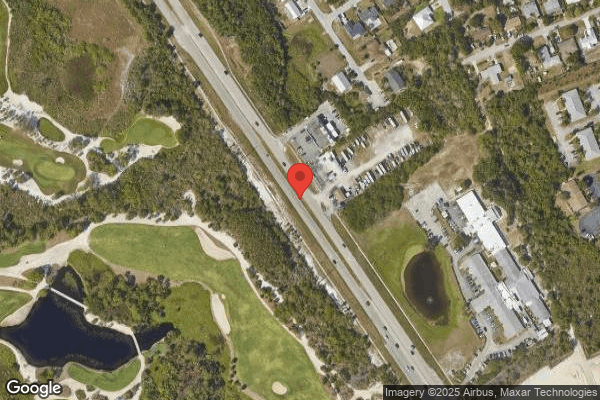
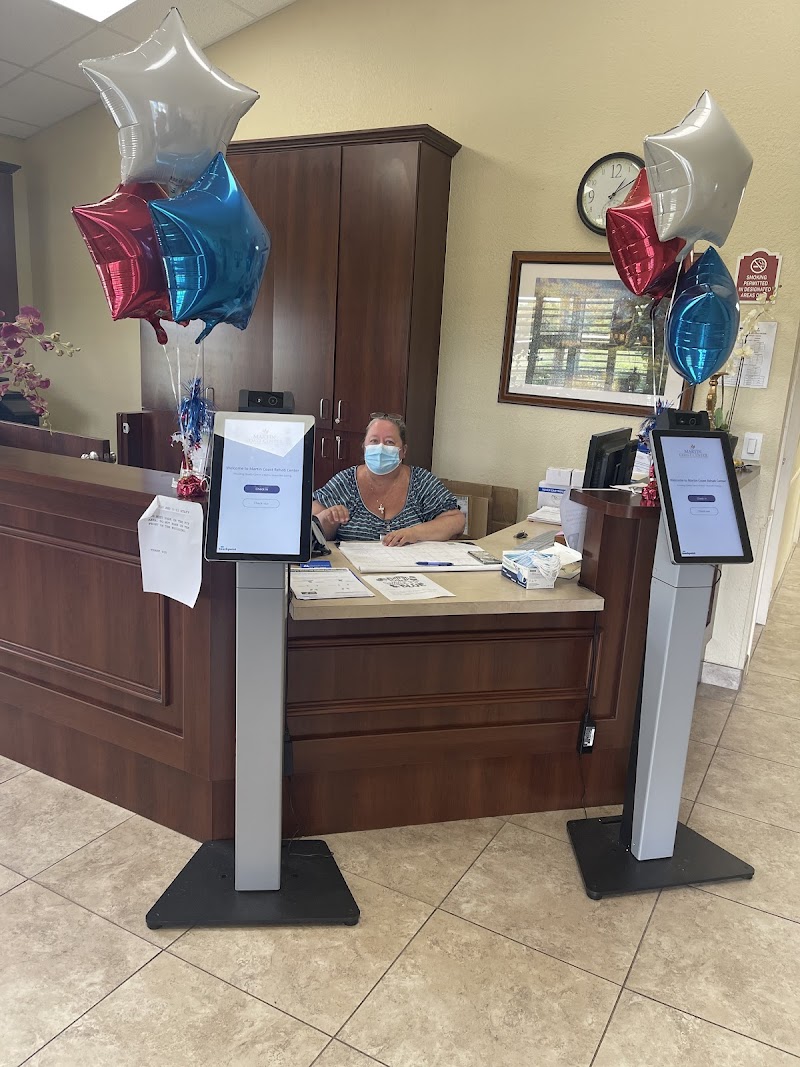
9555 SE FEDERAL HWY, HOBE SOUND, FL 33455 (772) 546-5800
For profit - Individual 120 Beds Independent Data: November 2025
Trust Grade
60/100
#381 of 690 in FL
Last Inspection: November 2024

Within standard 12-15 month inspection cycle. Federal law requires annual inspections.

Overview

Martin Coast Center for Rehabilitation and Health Care has a Trust Grade of C+, which indicates it is slightly above average but not without issues. The facility ranks #381 out of 690 in Florida, placing it in the bottom half of nursing homes statewide, and #4 out of 6 in Martin County, meaning only one local option is better. Unfortunately, the trend is worsening, with the number of reported issues increasing from 10 in 2023 to 14 in 2024. Staffing is a relative strength, rated at 4 out of 5 stars with a turnover rate of 40%, which is below the state average. However, the facility has faced concerns regarding food safety and meal preparation; for instance, the kitchen was found to be operating at inadequate temperatures for washing dishes and failed to provide varied protein options in meals, potentially affecting resident nutrition. Overall, while there are some strengths in staffing, families should be aware of the facility's recent issues and the need for improvement.

Trust Score
C+
60/100
In Florida
#381/690
Bottom 45%
Safety Record
Low Risk
No red flags
Inspections
Getting Worse
10 → 14 violations
Staff Stability
○ Average
40% turnover. Near Florida's 48% average. Typical for the industry.
Penalties
✓ Good
No fines on record. Clean compliance history, better than most Florida facilities.
Skilled Nurses
✓ Good
Each resident gets 45 minutes of Registered Nurse (RN) attention daily — more than average for Florida. RNs are trained to catch health problems early.
Violations
⚠ Watch
32 deficiencies on record. Higher than average. Multiple issues found across inspections.
★★★☆☆
3.0
Overall Rating
★★★★☆
4.0
Staff Levels
★★★★★
5.0
Care Quality
★★☆☆☆
2.0
Inspection Score
Stable
2023: 10 issues
2024: 14 issues

The Good

  • 4-Star Staffing Rating · Above-average nurse staffing levels
  • 5-Star Quality Measures · Strong clinical quality outcomes
  • Full Sprinkler Coverage · Fire safety systems throughout facility
  • No fines on record
  • Staff turnover below average (40%)

    8 points below Florida average of 48%

Facility shows strength in staffing levels, quality measures, fire safety.

The Bad

3-Star Overall Rating

Near Florida average (3.2)

Meets federal standards, typical of most facilities

Staff Turnover: 40%

Near Florida avg (46%)

Typical for the industry

The Ugly 32 deficiencies on record

Nov 2024 12 deficiencies
CONCERN (D)

Potential for Harm - no one hurt, but risky conditions existed

Resident Rights (Tag F0550)

Could have caused harm · This affected 1 resident

**NOTE- TERMS IN BRACKETS HAVE BEEN EDITED TO PROTECT CONFIDENTIALITY** Based on observation, interview, and record review, the facility failed to speak in a dignified manner during care, activities, ...

Read full inspector narrative →
**NOTE- TERMS IN BRACKETS HAVE BEEN EDITED TO PROTECT CONFIDENTIALITY** Based on observation, interview, and record review, the facility failed to speak in a dignified manner during care, activities, and meals for 4 of 4 sampled residents (Resident #36, #86, #8, and #83), reviewed for dignity The findings included: 1) Record review revealed Resident #36 was admitted to the facility 06/26/24. Review of the current Minimum Data Set (MDS) assessment dated [DATE] documented Resident #36 had a Brief Interview for Mental Status (BIMS) score of 14, on a 0 to 15 scale, indicating the resident was cognitively intact. The MDS, section D, for Mood documented she sometimes felt lonely or isolated from those around her. Review of the Care Plan dated 10/15/24, documented Resident #36 had diagnoses of Major Depressive Disorder, Anxiety Disorder, and Schizoaffective Disorder. During an interview on 11/04/24 at 12:59 PM, when asked if she was being treated with dignity and respect, Resident #36 voiced that sometimes the Certified Nursing Assistants (CNAs) spoke another language in front of her. The Resident stated, Their feelings come out through their language spoken; I feel like they are talking about me. She explained sometimes she would go out to the nurses' desk to ask for something, and staff ignored her. When asked how that made her feel, the resident stated she didn't feel like she had done anything wrong and felt disrespected. When asked if she had told anyone about these interactions with staff, she stated she hadn't told anyone because she was afraid staff would be mad at her. During a follow up interview on 11/07/24 at 10:45 AM, when asked how her care had been since the last interview, Resident #36 stated There are only certain individuals who are not treating me nice; I wish nurses would ask me how I'm feeling more often. The resident voiced desire to address concerns with staff and thanked the surveyor for helping. During an interview on 11/07/24 at 10:56 AM, when Resident #36's concerns were brought up, the Social Services Director stated she was not aware of the situation. She agreed the resident was not treated in a dignified manner and should not fear retaliation from staff. 2) Record review revealed Resident #86 was admitted to the facility on [DATE]. Review of the current Minimum Data Set (MDS) assessment dated [DATE] documented Resident #86 had a Brief Interview for Mental Status (BIMS) score of 15, on a 0 to 15 scale, indicating the resident was cognitively intact. Review of the Care Plan dated 09/24/24, documented Resident #86 diagnoses include Major Depressive Disorder, Anxiety Disorder, dependence on Renal Dialysis, abnormalities of gait and mobility, and severe protein-calorie Malnutrition. During an interview on 11/05/24 at 8:35 AM, Resident #86 was observed to be visibly upset. When asked if staff treat her with dignity and respect, the resident replied, No they don't ever really respect me or treat me with dignity. When asked to provide an example, the resident stated One time I got back from dialysis and asked for my food, the (CNA) said it was too late to eat but offered me a peanut butter and jelly sandwich but I declined the sandwich. The resident stated the (CNA)'s response was Oh well then go walk and get it yourself. The resident replied to the (CNA) You know I can't walk. The (CNA) replied, Well then I guess you can't eat. When asked how that made the resident feel, she stated she felt disrespected. When asked if she had told anyone about the situation, she stated I don't tell them because they still have to take care of me and I don't want them to be meaner to me after. During an interview on 11/05/24 at 9:06 AM, when asked if he was aware of Resident #86's concerns, the Administrator was not aware of the concerns and agreed the resident had not been treated in a dignified manner and should not fear retaliation. During a follow up interview with Resident #86 on 11/07/24 at 10:40 AM, she thanked the surveyor for helping address her concerns. The resident stated, Thank you for helping me out the other day and reporting it for me, I just didn't want to get anyone in trouble. 3) Record review revealed Resident #8 was admitted to the facility on [DATE], with readmission on [DATE], and resided on the secured memory care unit. Review of the current Minimum Data Set (MDS) assessment dated [DATE] documented the resident had a Brief Interview for Mental Status (BIMS) score of 5, on a 0 to 15 scale, indicating the resident was cognitively impaired, but exhibited clear speech. This MDS also documented Resident #8 had impaired vision secondary to glaucoma. Review of the current care plan initiated on 12/28/23 documented Resident #8 had potential impaired visual function related to glaucoma. A care plan initiated on 05/26/23 documented Resident #8 required set up assistance with the meal tray to eat. During an observation on 11/04/24 at 11:51 AM, 18 residents were in the main dining room awaiting lunch. Resident #8 was sitting at a long table with other residents, and loudly asked, Are we gonna eat? Staff responded yes and that the food was coming. The tray cart arrived at 12:22 PM, and a meal was provided to the resident sitting next to Resident #8, and she stated, I smell the food and again asked if she was going to eat. Staff did not provide food to Resident #8 until 12:38 PM, and never addressed her after her table mate received a meal. During a subsequent observation on 11/05/24 at 9:59 AM, Resident #8 was in the main dining room, which was also the activity room, and yelled out, Are we gonna eat? Staff F, Unit Manager responded, We just had breakfast about an hour and half ago and walked away. No staff asked if she was hungry and or if she wanted something to eat. 4) Review of the record revealed Resident #83 was admitted to the facility on [DATE], and currently resided on the secured memory care unit. Review of the current MDS assessment dated [DATE], documented the resident had not completed a BIMS evaluation as he was rarely understood. The most recent fall risk assessment dated [DATE] indicated the resident was at high risk for falls with a score of 23. Review of the care plan initiated on 08/22/23 documented Resident #83 exhibited a communication impairment due to Alzheimer's dementia, and staff were to gently approach the resident in an open, friendly, and relaxed manner. A care plan initiated on 08/16/24, documented the resident was at risk for falls related to muscle weakness, incontinence, poor safety awareness, and medication use. This care plan instructed staff to encourage the resident to participate in activities that promote exercise, physical activity for strengthening, and improved mobility. During an observation on 11/06/24 at 9:30 AM, Resident #83 was in the activity room and attempted to stand up from his wheelchair. Staff G, Certified Nursing Assistant (CNA) approached the resident, and spoke with him, telling him to be calm, as she was gently pushing on the resident's left shoulder. The CNA did not allow the resident to stand up from the wheelchair. At 9:34 AM Resident #83 again attempted to stand up from his wheelchair, and the same CNA did not allow the resident to stand all the way up and immediately encouraged him to sit back down. The Unit Manager went over to the resident and stated, [First name of resident], sit down on your butt please. Stay down . promise? At 9:42 AM, Resident #83 attempted to stand up again. Staff G, CNA, immediately stated, [First name of resident] sit down and gently pushed him back in the chair and stated, Sit back and relax. At 9:44 AM, Resident #83 again attempted to get up. Staff I, CNA, had just entered the common area, and went over to help Resident #83 stand for a few minutes. Resident #83 sat back down on his own, and did not try to stand back up. During an interview on 11/06/24 at 9:21 AM, Staff I, CNA stated Resident #83 could walk, and that she and Staff J, CNA, would often work together and they both allow him to walk from his bed to the bathroom, or down the hall with assistance. During an observation on 11/06/24 at 3:12 PM, Resident #83 was in his wheelchair near the nurse's station and stood up unattended. Staff H, Licensed Practical Nurse (LPN), went to him and immediately tried to get him to sit down, and the resident resisted. The resident stood for a few moments and was trying to walk. When asked if he could walk down the hall with assist, the LPN stated, Yes, but that is when he falls. After the surveyor questioned, the LPN walked with Resident #83 back to the activity room and sat back down in his wheelchair. The resident settled down and sat at the table.
CONCERN (D)

Potential for Harm - no one hurt, but risky conditions existed

Deficiency F0561 (Tag F0561)

Could have caused harm · This affected 1 resident

**NOTE- TERMS IN BRACKETS HAVE BEEN EDITED TO PROTECT CONFIDENTIALITY** Based on interviews and record reviews, the facility failed to provide showers per resident's preferences and according to the s...

Read full inspector narrative →
**NOTE- TERMS IN BRACKETS HAVE BEEN EDITED TO PROTECT CONFIDENTIALITY** Based on interviews and record reviews, the facility failed to provide showers per resident's preferences and according to the shower schedule for 1 of 2 sampled residents reviewed for choices, (Resident #309). The findings included: Record review for Resident #309 revealed that the resident was admitted to the facility on [DATE] and moved to her current room on 10/11/24. According to the resident's most recent complete assessment, a Medicare 5-Day Minimum Data Set (MDS), dated [DATE], Resident #309 had a Brief Interview for Mental Status score of 14, indicating that the resident was 'cognitively intact'. The assessment documented that Resident #309 required 'substantial/maximal assistance' for bed transferring from the bed, and 'partial/moderate assistance' for bed mobility. Resident #309's diagnoses at the time of the assessment included: Hypertension, UTI (Urinary Tract Infection) (last 30 days), DM (Diabetes Mellitus), Hyponatremia, Hyperlipidemia, Malnutrition, Anxiety disorder, Depression, Polyneuropathy, Immunodeficiency, Muscle weakness, Dysphagia, Abnormalities of gait and mobility, Need for assistance with personal care, Constipation, Adjustment disorder with mixed anxiety and depressed mood, Muscle wasting and atrophy, necrotic bilateral lower legs (heels) and that the resident was at risk for pressure development with none present upon admission. Resident #309's orders dated 11/05/24 included: Resident prefers to shower Tuesday, Thursday and Saturday 1500PM-2300PM; Bed bath PRN (as needed) - every evening shift every Tuesday, Thursday, and Saturday. Resident #309's care plan for Activities of Daily Living (ADLs), initiated on 08/19/24 and most recently revised on 08/28/24, documented, Resident has an ADL self-care performance deficit related to Diabetes Mellitus, Urinary Tract Infection, history of Deep Vein Thrombosis, Hypertension, Hyperlipidemia, history of Cerebrovascular Incident, Neuropathy, history of Anxiety, Depression, Right lower extremity Cellulitis, Muscle Spasms, muscle weakness. The goal of the care plan was documented as, Resident will improve current level of function in ADLs through the review date. Date Initiated: 08/19/2024 Revision on: 09/05/2024 Target Date: 09/12/2024 Interventions to the care plan included: o showers as scheduled Date Initiated: 08/19/2024. o BED MOBILITY: The resident requires partial/moderate assistance by 1 staff to turn and reposition in bed frequently and as necessary. Date Initiated: 08/19/2024. o TRANSFER: The resident requires substantial/maximal assistance by 1 staff to move between surfaces frequently and as necessary. Date initiated: 08/28/24. During an interview, on 11/05/24 at 9:19 AM with Resident #309 and the resident's daughter, when asked about being provided with showers, Resident #309 stated that she had not been showered since being admitted to the facility. The resident's daughter stated that the resident had only been showered on two occasions since being admitted to the facility. Record review of an ADL task worksheet for the previous 30 days, documented that Resident received showers on 5 occasions and was provided bed baths multiple times. Further review of the resident's electronic health record revealed no documentation of Resident #309 refusing ADL care and showers. During an interview, on 11/06/24 at 4:43 PM with Staff C, CNA, when asked about providing showers to Resident #309, Staff C replied, I only work 2-3 days a week on 3 PM to 11 PM shift. She never refuses, if they refuse, I would let the supervisor know and document in the POC (Plan of Care). During an interview, on 11/06/24 at 4:46 PM, with Staff D, RN (Registered Nurse) Supervisor, when asked about ensuring that residents are provided showers per preferences and according to schedule, Staff D replied, I know when I am working, the CNA gives me the paper and I sign off on them and they go to the Unit Manager (UM). During an interview, on 11/06/24 at 4:52, with Staff E, LPN (Licensed Practical Nurse) /UM, when asked about ensuring that residents are provided showers per preferences and according to schedule Staff E replied, the shower sheets reflect what is in the electronic health record. I talk to them every day (referring to Resident #309 and the resident's family member) and they have not said anything to me about showers being an issue.
CONCERN (D)

Potential for Harm - no one hurt, but risky conditions existed

Safe Environment (Tag F0584)

Could have caused harm · This affected 1 resident

**NOTE- TERMS IN BRACKETS HAVE BEEN EDITED TO PROTECT CONFIDENTIALITY** Based on observations, interviews and record reviews, the facility failed to provide housekeeping and maintenance services as a ...

Read full inspector narrative →
**NOTE- TERMS IN BRACKETS HAVE BEEN EDITED TO PROTECT CONFIDENTIALITY** Based on observations, interviews and record reviews, the facility failed to provide housekeeping and maintenance services as a means to provide a clean, safe, and home like environment on 3 of 4 units, in the Shower room and the outside patio. The findings included: During a tour of the facility, conducted on 11/04/24 from 9:00 AM to 4:00 PM, the following was observed: On the 200 unit: In room [ROOM NUMBER], the wall behind the head of the B (window) bed was damaged. In room [ROOM NUMBER], the wall to the left of the hand sink in the shared restroom was damaged and the wall to the resident's right side of the bed (A bed) was damaged. On the 300 unit: In room [ROOM NUMBER], the seat of the wheelchair for the resident in the D bed (closest to the door and on the right) was worn and there were multiple black marks on the floor. In room [ROOM NUMBER], the laminate surfaces of the over bed tables were damaged to a point where the particle board underneath was exposed. In room [ROOM NUMBER], the over bed table for the B bed was damaged to a point where the table leaned and was not sturdy. In room [ROOM NUMBER], there was a strong urine odor noted during all four days of the survey by several members of the survey team. On the 400 unit: Outside of room [ROOM NUMBER], a ceiling tile by the air conditioning vent was stained in a manner indicative of the tile being wet at some point. In room [ROOM NUMBER], the arms on both of the residents' wheelchairs were damaged to a point where the foam padding underneath was exposed and there was no remote for the television for the B bed. In room [ROOM NUMBER], the privacy curtain between the beds was stained and the wall by the closet was damaged. In room [ROOM NUMBER], the overbed tables were damaged to a point where the particle board underneath was exposed; the remote control for the television of the B bed was damaged; and there was a red light on the wall mounted air conditioning unit that indicated the filter needed to be cleaned or changed. In the shower room on the 100 unit, the baseboard and wall inside of the entrance to the room was damaged; the kick plate on the back side of the entry door was damaged; and there was a black mold like residue on the walls and in the grout of the shower stall. During the environmental tour, on 11/07/24 at 1:35 PM, the Maintenance Director and the Housekeeping/Laundry Supervisor acknowledged understanding of the concerns. The Maintenance Director stated, We are in the process of replacing the tiles. We have extra tiles, we are focusing on the tiles that need to be replaced and then we are going to overhaul room by room. The Administrator stated, we are waiting for regional to assist with the planning and the manpower to plan on re-doing the floors and the doors. The company that took over started managing the facility with a CHOW (Change of Ownership) in January 2024. We started ordering the new ones (referring to the over bed tables) and the issue that we had was that some of them were coming out of the box like that and we switched to the plastic ones. We are getting 20-30 per month and replacing the old ones. The Administrator and the Director of Maintenance were not able to provide a time frame for the repairs and replacement of the over bed tables when asked.
CONCERN (D)

Potential for Harm - no one hurt, but risky conditions existed

Deficiency F0657 (Tag F0657)

Could have caused harm · This affected 1 resident

**NOTE- TERMS IN BRACKETS HAVE BEEN EDITED TO PROTECT CONFIDENTIALITY** Based on interview and record review, the facility failed to ensure the participation of the resident in the development of the ...

Read full inspector narrative →
**NOTE- TERMS IN BRACKETS HAVE BEEN EDITED TO PROTECT CONFIDENTIALITY** Based on interview and record review, the facility failed to ensure the participation of the resident in the development of the resident's care plan and ongoing participation in resident care planning meetings for 1 of 2 sampled residents reviewed for Care Planning (Resident #34). The findings included: On 11/04/24 at 9:14 AM during the initial resident interview with Resident #34, he stated that he was very upset at being unable to leave the facility. I want to get out of here. I am here against my will. As far as I know, I am still responsible for my own health care decisions, but no one lets me make decisions about my health care. I do not have a power of attorney or a health care surrogate. I have never been invited to any care plan meetings. All decisions are made by my sister, and I don't want anything to do with her. A review of Resident #34's Minimum Data Set (MDS) assessment showed that Resident #34 was assessed to have a Brief Interview Mental Status score of 13 out of a possible 15 (mildly impaired). There was no documentation in his electronic record which showed he had an assigned power of attorney or named anyone in his family as a health care surrogate or legal representative. There was also no documentation which showed that he was mentally incapacitated to make his own health care decisions. All the care plan meetings reviewed showed that Resident #34's sister had been invited to the care plan meetings, and she had attended, but there was no evidence that Resident #34 had been invited or attended any of the meetings other than his initial meeting at the time of admission. Record review revealed on 08/20/2024 at 1:13 PM MDS / Care Plan Note: care plan meeting held with [sister] reviewed care plan no care concerns noted. 04/02/2024 14:01 MDS/Care Plan Note: care plan meeting held with sister via phone would like resident to have double portions for breakfast in am, no other care concerns noted. 03/21/2024 13:04 - Social Services Note: Writer spoke with [resident's] sister that if [resident] has to be transferred to an ALF, she is requesting a facility in Okeechobee . 01/17/2024 13:59 - Social Services Note: CP [care plan] meeting held on 1/9/24 with IDT (Interdisciplinary Team), Pt's (patient) sister [name] and Brother in Law [name] as POC [plan of care] continues as reviewed. Pt is alert and oriented, with confusion however is able to communicate his needs effectively .They are requesting LTC for Pt (patient) . 01/12/2024 10:16 - MDS/Care Plan Note: Care plan meeting held with IDT and [Sister and Brother-in-Law]. Reviewed medications, weight, diet, meal intake, ADL's, Therapy, Code status, D/C (discharge) plan. Stated she would like to get POA (power of attorney) papers completed and will meet with notary and then give POA papers to SS (social services). Stated [resident] will not be able to return home, he was a Hoarder and will not be able to return to home he was living in. Continue with current plan of care. 12/22/2023 12:30 - Social Services Note: 48 hr CP meeting held with IDT team, sister, Niece and Pt at bedside as POC continues as reviewed. Pt is alert with confusion although is able to communicate his needs. Mood is stable with no behaviors evident. Family is very supportive and are requesting LTC (Long Term Care).No DPOA (Designated Power of Attorney) or AD (Advanced Directives) are on file, therefore Pt is a Full Code. On 11/07/24 at 11:51 AM, the Social Services Director was interviewed and asked to assist in locating any documentation as to why Resident #34 was not in attendance at this care plan meeting. On 11/07/24 at approximately 1:00 PM, the Social Services Director reported that she was unable to determine why the resident was not being invited or attending his care plan meetings. She also stated that she could not locate any documentation in the resident's record that the resident was unable to make his own health care decisions. On 11/07/24 at 2:29 PM, the MDS Coordinator stated, I have only been working for 2.5 weeks. She acknowledged that she could not find any documentation that Resident #34 was provided with an invitation to his care plan meetings. She stated, The Receptionist will mail out the letters to the family members, and the Activities Department hands out the letters to the residents. On 11/07/24 at 2:42 PM, the Activities Assistant stated that all the care plan meeting letters that are to be handed out to the residents are put in her mailbox, and she passes them out. She stated that she had no documentation to show that an invitation was provided to Resident #34. On 11/07/24 at 2:44 PM Resident #34 was again asked if he was provided with a letter of invitation to his care plan meetings, he adamantly stated, I have never been invited to a care plan meeting. If they gave me something, I wouldn't be able to read it anyways; I am illiterate. On 11/07/24 at 2:59 PM, the Social Worker was interviewed about Resident #34 being illiterate. She stated, He asks for the Chronicle every morning, and he was able to read the paper that I just now provided to him. I don't know why he would claim to be illiterate On 11/07/24 at approximately 4:00 PM, the Administrator was informed of the concern regarding Resident #34 not being involved with his care plan and lack of any documentation showing resident was invited and encouraged to attend his care plan meeting. It was also discussed with the Administrator that since the resident had no documentation showing he had appointed anyone to be his POA, Health Care Surrogate or Representative, it may not be appropriate for the resident's sister and brother-in-law to be invited to participate in his care plan meetings unless he gives his consent.
CONCERN (D)

Potential for Harm - no one hurt, but risky conditions existed

ADL Care (Tag F0677)

Could have caused harm · This affected 1 resident

**NOTE- TERMS IN BRACKETS HAVE BEEN EDITED TO PROTECT CONFIDENTIALITY** Based on observation, interview, and record review, the facility failed to provide assistance with grooming, including hair wash...

Read full inspector narrative →
**NOTE- TERMS IN BRACKETS HAVE BEEN EDITED TO PROTECT CONFIDENTIALITY** Based on observation, interview, and record review, the facility failed to provide assistance with grooming, including hair washing and nail care to 3 of 5 sampled residents, who were dependent upon staff for care (Resident #28, #40, and #44). The findings included: 1) Review of the record revealed Resident #28 was admitted to the facility on [DATE] and resided in the secured memory care unit. Review of Minimum Data Set (MDS) assessment dated [DATE] lacked a Brief Interview for Mental Status (BIMS) score as the resident was rarely understood. This MDS documented the resident needed partial to substantial assistance from staff for Activities of Daily Living (ADLs). Review of a care plan initiated 03/18/23 documented Resident #28 had a communication problem and impaired ability to make self understood and another initiated on 06/07/23 that she needed the assistance of staff for all ADLs. Review of the Certified Nursing Assistant (CNA) tasks indicated the resident had only had one shower in the past month. Observations on 11/04/24 at 12:16 PM, 11/05/24 at 9:58 AM, and on 11/06/24 at 9:49 AM all revealed the resident's hair needed to be washed as it appeared flat and greasy. During an interview on 11/07/24 at 11:40 AM, when asked about showers and hair washing for Resident #28, Staff J, CNA, stated that most of the time the resident was already up out of bed when she arrived to work. When asked if that was a reason to not provide a shower, the CNA did not answer. When asked if she had provided a shower to Resident #28, or washed her hair this week, the CNA stated, I think Monday. 2) Review of the record revealed Resident #40 was admitted to the facility on [DATE] and resided in the secured memory care unit. Review of Minimum Data Set (MDS) assessment dated [DATE] lacked a Brief Interview for Mental Status (BIMS) score, as the resident was rarely understood. This MDS documented the resident needed substantial assistance from staff for showering and bathing. Review of care plans initiated on 09/18/21 documented Resident #40 was severely cognitively impaired for daily decision making and needed the assistance of one staff for all ADLs. Observations on 11/04/24 at 12:11 PM, 11/05/24 at 9:39 AM. and 11/06/24 at 9:38 AM revealed the resident's hair needed to be washed. During the first two observations the resident's hair was hanging loose and appeared flat and greasy. The resident had her hair pulled back in a ponytail on the third observation and it remained greasy looking. 3) Review of the record revealed Resident #44 was admitted to the facility on [DATE]. Review of the current MDS assessment dated [DATE] documented the resident had a BIMS score of 4, on a 0 to 15 scale, indicating severe cognitive impairment. An MDS assessment dated [DATE] documented a BIMS score of 7, and the resident indicated the provision of a bath and shower were very important. Although a care plan initiated on 04/07/24 indicated the resident refused showers and ADL at times, review of progress notes and CNA documentation lacked any documented refusal of care in the past 30 days. Observations on 11/04/24 at 11:20 AM and on 11/05/24 at 2:10 PM revealed Resident #44's hair needed to be washed as it appeared greasy. During a supplemental observation and interview on 11/07/24 at 11:48 AM, when asked if she felt as if Resident #44 was receiving proper care and services, the Power of Attorney (POA) stated, No look at that hair. It looks like it hasn't been washed in weeks. And these fingernails are way too long. [Name of Resident #44] would always keep her nails short and clean. Observation of the resident's fingernails revealed they were all very long. When asked if she had spoken to staff about her concerns, the POA stated she had just last week, to include the Social Services Director (SSD). During an interview on 11/07/24 at 11:58 AM, when asked if she was able to trim fingernails, Staff G, assigned CNA, stated she could but had not done so for Resident #44. During an observation and interview on 11/07/24 at 12:08 PM, Staff H, Licensed Practical Nurse (LPN) agreed the resident had excessively long fingernails and greasy hair. The LPN stated she was unaware the aides where not doing the ADLs and just hadn't noticed. The LPN agreed she should have noticed the needed care. On 11/07/24 at 12:18 PM, the SSD stated she did not recall any conversation with the POA of Resident #44.
CONCERN (D)

Potential for Harm - no one hurt, but risky conditions existed

Respiratory Care (Tag F0695)

Could have caused harm · This affected 1 resident

**NOTE- TERMS IN BRACKETS HAVE BEEN EDITED TO PROTECT CONFIDENTIALITY** 3) Review of the policy titled, Standards and Guidelines: SG Respiratory Care and Oxygen Administration issued 3/2020 and revise...

Read full inspector narrative →
**NOTE- TERMS IN BRACKETS HAVE BEEN EDITED TO PROTECT CONFIDENTIALITY** 3) Review of the policy titled, Standards and Guidelines: SG Respiratory Care and Oxygen Administration issued 3/2020 and revised 10/2022 documented, Guidelines: . 12. Evaluation of respiratory status and breath sounds and response to treatment should be documented in the clinical record, especially if treatment is provided as needed for an exacerbation or acute onset of a respiratory condition. Record review revealed Resident #63 was admitted to the facility 10/19/24. Review of the current Minimum Data Set (MDS) assessment dated [DATE] documented Resident #63 had a Brief Interview for Mental Status (BIMS) score of 15, on a 0 to 15 scale, indicating the resident was cognitively intact. This same MDS section I Active Diagnoses documented he had respiratory failure. Review of the Care Plan dated 10/19/2024 documented, Resident #63 has congestive heart failure and will have clear lung sounds, heart rate, and rhythm within normal limits through review date. This same care plan revealed interventions such as check breath sounds and monitor/document for labored breathing, monitor/document for the use of accessory muscles while breathing, and vital signs as ordered/PRN (as need.) During a medication administration observation on 11/06/24 at 04:20 PM, Staff L, Licensed Practical Nurse (LPN), administered a nebulizer treatment to Resident #63 without performing a pre-administration or post administration assessment. When asked how she knew if the medication was working for the Resident, Staff L states I could check his vitals and his breathing. When asked how she would do that and why she had not done that, Staff L stated she would check his pulse oxygenation, but she forgot. Staff L did not mention she would auscultate (listening with intent to examine) for lung sounds. Based on observation, record review, interview, and policy review, facility staff failed to assess lung sounds and vital signs pre and post nebulizer treatments for 3 of 3 sampled residents reviewed for nebulizer treatments (Residents #42, 95 and #63). The findings included: 1) Review of the policy titled, Respiratory Care and Oxygen Administration revised 10/2022 documented, in part, 12. Evaluation of respiratory status and breath sound and response to treatment should be documented in the clinical record. Review of the record revealed Resident #42 was ordered a nebulizer treatment, Ipratropium-Albuterol, every four hours for lung congestion. This order dated 11/05/24 specifically instructed to assess and document the resident's lung sound, pulse and respiration rates, and oxygen saturation level pre and post treatment. During an observation on 11/06/24 beginning at 4:18 PM, Staff N, Licensed Practical Nurse (LPN), obtained the nebulizer treatment for Resident #42 from the medication cart, placed the medication into the nebulizer mask, and started the treatment. The LPN checked the resident's oxygen saturation level and pulse rate, then looked at the resident for a moment and stated, No cough so breathing is clear. At 4:32 PM the LPN stated the treatment was complete and assessed the resident's oxygen saturation level and pulse rate again and left the room. The LPN confirmed she had completed the treatment. When asked if she would normally assess lung sounds with a stethoscope, the LPN stated she would. When asked why she did not do so for Resident #42, Staff N stated, If she is not coughing, she is clear. If she is coughing, I would listen. I used nursing judgement. She was clear. 2) Record review revealed Resident #95 was ordered the nebulizer treatment of Acetylcysteine Solution 10% for secretions, twice daily for three weeks, as of 10/23/24. A second nebulizer treatment initiated on 09/26/24 for Ipratropium-Albuterol was to be administered via nebulizer four times daily. Both orders specified to assess and document lung sounds, pulse and respiratory rates, and oxygen saturation levels, pre and post treatments. The second nebulizer treatment lacked any place to document the assessments. During an observation on 11/06/24 beginning at 12:44 PM, Staff K, LPN, gathered the Ipratropium Albuterol nebulizer to administer to Resident #95. The LPN put the medication into the nebulizer, hooked up the tubing to the resident's tracheostomy (an opening surgically created through the neck into the trachea to allow air to fill the lungs), and began the treatment. The LPN stood at the bedside during the entire treatment, but did not perform any type of assessment or do any vitals. During an interview on 11/07/24 at 10:23 AM, when asked the assessment process when administering a nebulizer treatment, Staff K stated she took the resident's vitals prior to the treatment. When asked if there was any other type of assessment that needed to be done, the LPN was unsure. The LPN was unaware of the need to complete additional vitals after the treatment or to assess the lung sound pre or post treatment.
CONCERN (D)

Potential for Harm - no one hurt, but risky conditions existed

Deficiency F0697 (Tag F0697)

Could have caused harm · This affected 1 resident

Based on observation, record review, and interview, the facility failed to ensure pain management for 1 of 5 sampled residents, as evidenced by the failure to administer a lidocaine patch, as per phys...

Read full inspector narrative →
Based on observation, record review, and interview, the facility failed to ensure pain management for 1 of 5 sampled residents, as evidenced by the failure to administer a lidocaine patch, as per physician order for Resident #99. The findings included: Review of the record revealed Resident #99 had an order initiated on 10/31/24 for a lidocaine 5% patch, to be applied to the lower back daily at 9 AM and removed daily at 9 PM. A medication pass observation was made for Resident #99 on 11/06/24 at 8:57 AM, with Staff K, Licensed Practical Nurse (LPN). The LPN obtained a lidocaine 5% patch from the medication cart, took a piece of paper tape and applied to the outside of the patch, and wrote the date on the piece of tape, using a thick black marker. The LPN entered the resident's room, and upon pulling up the back of the resident's shirt, a lidocaine patch with the initials of Staff K and the date of 11/04/24 was noted on the resident's lower back. The LPN confirmed that was the patch she had placed on the resident's back on Monday 11/04/24, and that she did not work on Tuesday 11/05/24. The LPN also confirmed the order was for the patch to be placed on the resident's back every morning and removed every night. Further review of the November 2024 Medication Administration Record (MAR) revealed Staff K documented the placement of the patch on Monday 11/04/24. This MAR documented another nurse removed the patch on 11/04/24 at 9 PM, while a second nurse applied and removed a patch on 11/05/24. This obviously did not happen as the patch observed on Wednesday 11/06/24 was dated Monday 11/04/24. The Director of Nursing was made aware of observation on 11/06/24 during the morning, and agreed with the concern.
CONCERN (D)

Potential for Harm - no one hurt, but risky conditions existed

Deficiency F0745 (Tag F0745)

Could have caused harm · This affected 1 resident

**NOTE- TERMS IN BRACKETS HAVE BEEN EDITED TO PROTECT CONFIDENTIALITY** Based on interviews and record review, the facility failed to ensure sufficient and appropriate social services are provided to ...

Read full inspector narrative →
**NOTE- TERMS IN BRACKETS HAVE BEEN EDITED TO PROTECT CONFIDENTIALITY** Based on interviews and record review, the facility failed to ensure sufficient and appropriate social services are provided to meet the needs of 1 of 1 sampled resident (Resident #34), related to the following: 1) Advocating for resident and assisting in the assertion of their rights within the facility; 2) Assisting resident in voicing and obtaining resolutions to grievances about discharge wishes; 3) Assisting resident with financial and legal matters (e.g., referrals to lawyers); and 4) Assisting with transitions of care services (e.g., assisting the resident with identifying community placement options and completion of the application process, arranging intake for home care services for residents returning home, assisting with transfer arrangements to other facilities. The findings included: On 11/04/24 at 9:14 AM during the initial resident interview with Resident #34, he stated that he was very upset at being unable to leave the facility. I want to get out of here. I am here against my will. As far as I know, I am still responsible for my own health care decisions, but no one lets me make decisions about my health care. I do not have a power of attorney or a health care surrogate. I have never been invited to any care plan meetings. All decisions are made by my sister, and I don't want anything to do with her . I really need some help with finding a lawyer to assist me. My sister took my house, my car and all my money out of my bank account .the only way I am getting out of here is in a body bag. Can you please help me! A review of Resident #34's Minimum Data Set (MDS) assessment showed that Resident #34 was assessed to have a Brief Interview Mental Status score of 13 out of a possible 15 (mildly impaired). There was no documentation in his electronic record which showed he had assigned power of attorney or named anyone in his family as a health care surrogate or legal representative. There was also no documentation which showed that he was mentally incapacitated to make his own health care decisions. All the care plan meetings reviewed showed that Resident #34's sister had been invited to the care plan meetings, and she had attended, but there was no evidence that Resident #34 had been invited or attended any of the meetings other than his initial meeting at the time of admission. On 08/20/2024 at 1:13 PM MDS/Care Plan Note: care plan meeting held with [sister] reviewed care plan no care concerns noted. 04/02/2024 14:01 - MDS / Care Plan Note: care plan meeting held with sister via phone would like resident to have double portions for breakfast in am, no other care concerns noted. 03/21/2024 13:04 - Social Services Note: Writer spoke with [resident's] sister that if [resident] has to be transferred to an ALF, she is requesting a facility in Okeechobee . 01/17/2024 13:59 Social Services Note: CP [care plan] meeting held on 1/9/24 with IDT (Interdisciplinary Team), Pt's (patient) sister [name] and Brother-in-Law[name] as POC (plan of care) continues as reviewed. Pt is alert and oriented, with confusion however is able to communicate his needs effectively .They are requesting LTC (Long Term Care) for Pt (patient) . 01/12/2024 10:16 - MDS/Care Plan Note: Care plan meeting held with IDT and [Sister and Brother-in-Law]. Reviewed medications, weight, diet, meal intake, ADL's, Therapy, Code status, D/C (discharge) plan. Stated she would like to get POA (power of attorney) papers completed and will meet with notary and then give POA papers to SS (social services). Stated [resident] will not be able to return home, he was a Hoarder and will not be able to return to home he was living in. Continue with current plan of care. 12/22/2023 12:30 - Social Services Note: 48 hr CP meeting held with IDT team, sister, Niece and Pt at bedside as POC continues as reviewed. Pt is alert with confusion although is able to communicate his needs. Mood is stable with no behaviors evident. Family is very supportive and are requesting LTC.No DPOA or AD are on file, therefore Pt is a Full Code. On 11/07/24 at approximately 1:00 PM, the Social Services Director reported that she was unable to determine why the resident was not being invited or attending his care plan meetings. She also stated that she could not locate any documentation in the resident's record that the resident was unable to make his own health care decisions. She also confirmed that Resident #34 had not appointed a power of attorney or health care surrogate to make health and/or financial decisions for him. The Social Services Director did not provide any information showing that she had offered the resident any assistance in resolving his numerous voiced requests to be discharged out to a less restrictive living facility. There was a note on 12/22/23 that the sister was requesting long term care, but no documentation showing legal authority for her to do so. There was no documentation that the Social Services Director had addressed Resident #34's requests to be referred to a lawyer, or that Social Services had addressed Resident #34's accusations that his family had misappropriated his house, car and money in his bank account. The Social Services Director stated that she believed the Resident's BIMS was lower than a 13 and questioned if he was able to make his own decisions. However, there was nothing found in the resident's health record, or provided by the facility, that supported that the resident was not able to make his own health care decisions. A psychotherapy note, dated 10/25/2024, documents: Resident is generally unhappy .Pt has a diagnosis of Adjustment disorder Pt wants to call his friends, but has no access to his phone, stated 'my sister took home my phone'. Pt denied any history of mental health treatment, psychiatric hospitalizations, psychosis or suicide attempts. Pt is oriented x 4 and alert. SLUMS were administered. He was able to participate in this evaluation and answer questions asked. Speech was WNL [within normal limits] and thought processes are organized. No psychosis evident during this evaluation. Memory functioning good for both recent and remote memory. Insight and judgment is fair. Mood reported to be anxious and affect congruent with mood. He was polite and cooperative throughout . Summary (narrative): 2 out of 12--Pt is calm, cooperative, confused, up in bed, well-groomed, and has good eye contact. Pt is alert and oriented x 4. Pt's speech is WNL. No psychosis noted during this session. Pt is in a pleasant mood, with an affect congruent with mood. Pt had breakfast. Pt processed his concerns with his sisters, in session today. Pt's thought processes are organized. Judgment and insight is fair. Short-term and long-term memory is good. No suicidal and homicidal ideations noted during this visit. Pt's concentration is good. Pt's anxiety is rated a 7/10 today. Provided support and guidance to patient during session. Pt was engaged and open to feedback and support offered. (sic) Psychotherapy Note dated 8/30/2024 documents: Summary (narrative): 8 out of 12-- Pt is calm, cooperative, up in bed, well-groomed, and has good eye contact. Pt is alert and oriented x 4. Pt's speech is WNL. No psychosis noted during this session. Pt is in a sad mood, with an affect congruent with mood. Pt had breakfast. Pt stated 'I feel lonely'. Pt infoms 'my sisters hasn't visited in 2 weeks'. Pt processed his memories of his past work experiences, in session today. Pt's thought processes are organized. Judgment and insight is fair. Short-term and long-term memory is good. No suicidal and homicidal ideations noted during this visit. Pt's concentration is good. Pt's anxiety is rated an 7/10 today. Provided support and guidance to patient during session. Pt was engaged and open to feedback and support offered. (sic) Psychotherapy Note dated 8/20/2024 documents: Summary (narrative): 7 out of 12-- Pt is calm, cooperative, confused, well-groomed, and has good eye contact. Pt is alert and oriented x 4. Pt's speech is WNL. No psychosis noted during this session. Pt is in a pleasant mood, with an affect congruent with mood. Pt had breakfast. Pt has a new roommate. Pt processed his rapport with his new roommate, in session today. Pt's thought processes are organized. Judgment and insight is fair. Short-term and long-term memory is good. No suicidal and homicidal ideations noted during this visit. Pt's concentration is good. Pt's anxiety is rated an 7/10 today. Provided support and guidance to patient during session. Pt was engaged and open to feedback and support offered. (sic) On 11/07/24 at approximately 4:00 PM, the Administrator was informed of the concern regarding Resident #34 not being involved with his care plan. It was also discussed with the Administrator that since the resident had no documentation showing he had appointed anyone to be his POA, Health Care Surrogate or Representative, it may not be appropriate for the resident's sister and brother-in-law to be invited to participate in his care plan meetings unless he gives his consent. Concerns regarding the lack of appropriate social services provided to Resident #34 were also discussed with the Administrator.
CONCERN (D)

Potential for Harm - no one hurt, but risky conditions existed

Infection Control (Tag F0880)

Could have caused harm · This affected 1 resident

**NOTE- TERMS IN BRACKETS HAVE BEEN EDITED TO PROTECT CONFIDENTIALITY** Based on observation, record review, interview, and policy review, the facility failed to ensure appropriate use of Personal Pro...

Read full inspector narrative →
**NOTE- TERMS IN BRACKETS HAVE BEEN EDITED TO PROTECT CONFIDENTIALITY** Based on observation, record review, interview, and policy review, the facility failed to ensure appropriate use of Personal Protective Equipment (PPE) during the use of a tracheostomy (artificial opening in the neck) and percutaneous endoscopic gastrostomy (PEG/surgical placement of a feeding tube) use for 1 of 1 sampled resident (Resident #95); and failed ensure timely contact isolation for 1 of 1 sampled resident (Resident #57). The findings included: 1) Review of the policy Enhanced Barrier Precautions revised 04/01/24 documented, in part, Enhanced Barrier Precautions (EBP) consists of the use of gowns and gloves for high-contact care activities which include but may not be limited to Device care or use: . feeding tube, tracheostomy . Review of the record revealed Resident #95 was admitted to the facility on [DATE] to received care and services, in part, related to a tracheostomy and PEG tube. A care plan initiated on 06/14/24 documented the resident required EBPs related to the tracheostomy and PEG tube. This care plan instructed staff to wear a gown and gloves for high contact resident care areas to include the use of the tracheostomy and the feeding tube. During a medication pass observation on 11/06/24 beginning at 12:44 PM, Staff K, Licensed Practical Nurse (LPN) obtained liquid Ferrous Sulfate to be administered via Resident #95's PEG tube, and Ipratropium Albuterol, a nebulizer treatment, to be administered via his tracheostomy tube. The LPN donned a mask and gloves, gave the medication through the PEG tube, and then removed her gloves and washed her hands. The LPN then proceeded to put the nebulizer medication into the medication holder of the nebulizer machine, and hooked the nebulizer to the resident's tracheostomy. The LPN had not donned another pair of gloves after hand hygiene between procedures, and failed to don a gown during either of the processes. During an interview on 11/07/24 at 10:03 AM, when asked when she would expect staff to utilize PPE with Enhanced Barrier Precautions, the Infection Control Preventionist (ICP) stated whenever staff were providing direct care. When asked if this would include during the provision of medications via a tracheostomy and or a PEG, the ICP stated yes. During an interview on 11/07/24 at 10:23 AM, when asked to explain EBP, Staff K, LPN, appropriated explained the use of gloves and gowns whenever she needed to do something with one of the tubes. When asked why she did not use gloves during the nebulizer treatment or a gown during the entire medication pass observation for Resident #95 the previous day, the LPN did not have a response. 2) Review of the policy Transmission-Based (Isolation) Precautions, implemented 02/115/24 documented, in part, 10. Contact Precautions - a. Intended to prevent transmission of pathogens that are spread by direct or indirect contact with the resident or the resident's environment. d. Donning personal protective equipment (PPE) upon room entry and discarding before exiting the room is done to contain pathogens, especially those that have been implicated in transmission through environmental contamination (e.g. VRE, C. difficile, .) . e. Residents experiencing wound drainage, fecal incontinence or diarrhea, or other discharges from the body that cannot be contained and suggest an increased potential for extensive environmental contamination and risk of transmission of a pathogen, should be placed on contact precautions even before a specific organism has been identified. Review of the record revealed Resident #57 was admitted to the facility on [DATE]. Review of the orders indicated the need for a stool sample to rule out C. difficile as of 10/02/24. The positive results were reported to the facility on [DATE], at which time contact precautions were implemented as per the order dated 10/07/24. During an interview on 11/07/24 at 9:32 AM, when asked about the implementation of contact precautions for C. difficile, the ICP stated the contact precautions should be initiated when symptoms start, and if tested positive should be kept on precautions until the resident has a formed bowel movement. The ICP agreed that since the order for the C. difficile test was given on 10/02/24, Resident #57 would have had symptoms of 3 or more loose stools within 24 hours, and the contact precautions should have been initiated as per order on that date. The ICP agreed the order was initiated on 10/07/24, five days after the initiation of symptoms.
CONCERN (D)

Potential for Harm - no one hurt, but risky conditions existed

Deficiency F0917 (Tag F0917)

Could have caused harm · This affected 1 resident

**NOTE- TERMS IN BRACKETS HAVE BEEN EDITED TO PROTECT CONFIDENTIALITY** Based on observations, interviews and record reviews, the facility failed to provide an appropriate mattress for 1 of 26 sampled...

Read full inspector narrative →
**NOTE- TERMS IN BRACKETS HAVE BEEN EDITED TO PROTECT CONFIDENTIALITY** Based on observations, interviews and record reviews, the facility failed to provide an appropriate mattress for 1 of 26 sampled residents (Resident #309). The findings included: Review of Resident #309's record revealed the resident was admitted to the facility on [DATE] and moved to her current room and bed on 10/11/24. According to the resident's most recent complete assessment, a Medicare 5-day Minimum Data Set (MDS), dated [DATE], Resident #309 had a Brief Interview for Mental Status score of 14, indicating that the resident was 'cognitively intact'. The assessment documented that Resident #309 required 'substantial/maximal assistance' for transferring and required 'partial/moderate assistance' for bed mobility. Resident #309's diagnoses at the time of the assessment included: Hypertension, UTI (Urinary Tract Infection) (last 30 days), Diabetes Mellitus, Hyponatremia, Hyperlipidemia, Malnutrition, Anxiety disorder, Depression, Polyneuropathy, Immunodeficiency, Muscle weakness, Dysphagia, Abnormalities of gait and mobility, Need for assistance with personal care, Constipation, Adjustment disorder with mixed anxiety and depressed mood, Muscle wasting and atrophy, necrotic bilateral lower legs (heels) and that the resident was at risk for pressure development with none present upon admission. During an interview, on 11/05/24 at 8:46 AM, with Resident #309 and the resident's family member, Resident #309 stated that the mattress was not comfortable and that she can feel the bars of the bed frame in the middle of the mattress. She also stated that the controls for the bed did not work. During the interview, and with permission from Resident #309, this Surveyor placed a hand on the mattress and pressed down with minimal force and was resting the hand directly on the frame of the bed. This Surveyor used the remote control that was attached to the mattress and it was observed that the bed did not move up and down when the buttons were pushed. Resident #309 stated that she had spoken with Maintenance and the Wound Care Nurse about the mattress. During an interview, on 11/05/24 01:56 PM, with the Maintenance Director and the Administrator, this Surveyor demonstrated that the resident was resting in the bed and mattress with her body in contact with the metal bed frame and that the mattress would not support the resident's weight (189 pounds) and keep her from resting on the bed frame. On 11/05/24 at 2:03 PM, the Maintenance Director confirmed that the mattress was a standard mattress. When asked about conducting audits on the mattress, the Maintenance Director was not able to provide details or documentation of any audits conducted by the facility. During an interview, on 11/05/24 at 2:05 PM, with the Wound Care Nurse, when asked about the mattress provided to Resident #309, the Wound Care Nurse replied, she never said anything to me about the mattress. During an interview, on 11/06/24 at 10:34 AM, with Staff M, Unit Clerk, when asked about ensuring residents have an appropriate mattress, Staff M replied, the unit manager receives the information from the hospital for what the resident needs - air mattress, specialty mattress - and the UM (Unit Manager) will make sure that they have it. On 11/07/24 at approximately 8:30 AM, the Administrator provided documentation in the form of an email from the mattress company that documented the mattress should support 300 pounds. During an interview, on 11/07/24 at 1:03 PM, with the Housekeeping/Laundry Supervisor, when asked about checking the mattresses prior to residents being placed or moved into a room, the Housekeeping/Laundry Supervisor replied, 'I check the mattress myself when a resident moves out and right before a resident is admitted . When asked about checking the mattress in preparation of a room change, the Housekeeping/Laundry Supervisor stated that the mattresses were not checked at the time of a room change. When asked for documentation of the rooms and mattresses being checked, the Housekeeping/Laundry Supervisor provided this Surveyor with documentation of quarterly audits that included bed functionality, receptacles, and lights. The most recent was completed on 09/20/24 with no documentation of any concerns related to Resident #309's bed.
CONCERN (E)

Potential for Harm - no one hurt, but risky conditions existed

Menu Adequacy (Tag F0803)

Could have caused harm · This affected multiple residents

Based on observations, interviews and record review, the facility failed to follow the approved menu for lunch on 11/06/24, and failed to notify the residents of the change in the menu. The findings ...

Read full inspector narrative →
Based on observations, interviews and record review, the facility failed to follow the approved menu for lunch on 11/06/24, and failed to notify the residents of the change in the menu. The findings included: 1. The approved menu for the lunch being served on 11/06/24 documented that residents were to be served 'Golden Fried Chicken'. The approved recipe for the 'Golden Fried Chicken' (no reference date) provided instructions that were documented as: Procedures: 1. For Frying: Fry at 350 degrees Fahrenheit (F) for 10-12 minutes, or until done. 2. For baking: place pieces in a single layer on a parchment paper lined sheet pan sprayed with pan release. Heat at 350 degrees F for 20-25 minutes or until done. 3. Serve 3 oz (ounces) portion. 4. CCP (Critical Control Point): [NAME] to a minimum internal temper of 165 degrees F. Notes: 3. Note: fry in batches; overcrowding the chicken will lower the oil's heat, leading to greasy chicken. 4. Note: Product is fully cooked. Do not overheat. During the follow up kitchen tour, on 11/06/24 at 11:30 AM, accompanied by the Dietary Manager and the Registered Dietitian (RD), it was noted that the chicken being plated and served to the residents was chicken wings that did not have an appearance of being 'Golden Fried Chicken', as the wings had no breading and did not have a 'Golden' color. Furthermore, the kitchen did not have the means to fry the chicken as instructed due to not having a fryolator or deep fryer for cooking. When the Dietary Manager was asked about the chicken wings not being Golden Fried Chicken, the Dietary Manager stated, the chicken was pan fried. The Dietary Manager further stated that the supplier was out of the fried chicken that would have been prepared for the meal. During an interview with Staff B, Dietary Aide, when asked about the preparing the 'Golden Fried Chicken' Staff B described the chicken as being chicken breasts that come breaded and commercially processed/cooked and that the kitchen only had to reheat to the appropriate temperature prior to hot holding and serving. 2. The approved menu that was posted on the units for the residents documented that the facility would be serving Golden Fried Chicken for lunch on 11/06/24. During the follow up kitchen tour, on 11/06/24 at 11:30 AM, accompanied by the Dietary Manager and the RD, it was observed that the facility was serving chicken wings that did not appear to be fried as there was no breading on the chicken wings and they did not have a color or appearance of being fried. During an interview with the Dietary Manager, when asked about the facility serving the chicken wings instead of the 'Golden Fried Chicken', the Dietary Manager stated that the supplier did not have the commercially processed fried chicken breasts that were supposed to be served according to the approved menu. When asked about the timing of the delivery of the chicken, the Dietary Manager stated that the delivery that did not include the chicken was on Monday (11/04/24). The Dietary Manager acknowledged that the menu displayed for the residents should have been changed and the residents should have been notified of the change. 3. The approved menu documented that the residents were to be served 4 ounces (oz) of fried chicken for the lunch meal on 11/06/24. During the Follow up kitchen tour, on 11/06/24 at 11:30 AM, accompanied by the Dietary Manager and the RD, while observing the meal being plated, Staff B was observed placing 3 bone-in chicken wings on the plates and then completing the meal with starch and vegetables. At the request of this Surveyor, Staff B placed 3 of the chicken wings that represented one serving on the facility's calibrated kitchen scale. It was noted that the chicken wings appeared to be equal parts bone (not edible) and chicken. The chicken weighed 4.5 oz. Staff B continued plating the meal and use a scoop to place a portion of mechanically altered chicken on plate. At the request of this Surveyor, Staff B placed a scoop of the mechanically altered chicken that represented one serving on the facility's calibrated kitchen scale. The portion of the mechanically altered chicken was 4.2 oz and did not contain bones in the portion. The Dietary Manager acknowledged that the residents were not being served the appropriate amount of chicken due to not having considered that the chicken being served contained bones for the regular menu, and instructed the kitchen staff to retrieve the regular meals that had already been placed in a cart so that an additional bone-in chicken wing could be added to the meals.
CONCERN (E)

Potential for Harm - no one hurt, but risky conditions existed

Food Safety (Tag F0812)

Could have caused harm · This affected multiple residents

Based on observations, interviews and record reviews, the facility failed to provide meals prepared, served and stored in a sanitary manner in accordance with standards for food safety. The findings ...

Read full inspector narrative →
Based on observations, interviews and record reviews, the facility failed to provide meals prepared, served and stored in a sanitary manner in accordance with standards for food safety. The findings included: 1. During the initial kitchen tour, on 11/04/24 at 8:43 AM, accompanied by the Dietary Manager, Staff A, Dietary Aide, was observed handling open foods and working with food equipment without wearing any kind of restraint over his beard. The Dietary Manager instructed Staff A to put on an appropriate hair restraint. 2. During the follow up kitchen tour, on 11/06/24 at 11:30 AM, accompanied by the Dietary Manager and the Registered Dietitian, the internal temperature of cut melons on fruit plates was 51 degrees Fahrenheit (F) and the internal temperature of deli sandwiches (sliced ham) was 49 degrees F. It was noted that the fruit plates and the sandwiches were kept on a speed rack that was located directly next to the hot holding area at an ambient temperature with no additional cooling mediums to ensure that the foods are maintained at a safe temperature. The Dietary Manager acknowledged that the foods were not at the appropriate temperature and instructed staff to place the speed rack in the walk in cooler until proper temperature were reached. During an interview with the Dietary Manager, when asked about the process for preparing and cooling the fruit plates and deli sandwiches, the Dietary Manager stated that the items were prepared in the morning at ambient temperature in the processing area and then the whole rack is placed in the reach in cooler, and removed from the cooler just as the staff were prepared to begin plating the lunch meal. 3. The facility's policy, titled, 'Food Brought in the Facility by Family or Visitor', with a reference date of March 2020, documented: Policy: It is the right of the residents of this facility to have food brought in by family or other visitors. The food will be handled in a way to ensure the safety of the residents. Procedure: All food items that are already prepared by the family or visitor brought in will be labeled with name and dated. a. The facility will refrigerate label and dated prepared items in the nourishment refrigerator. During a tour of the unit pantry at the 100-200 unit nurse's station, accompanied by the Dietary Manager, there was a carton of eggs in a plastic grocery bag in the reach in refrigerator. It was noted that there was no label on the bag or the carton to designate which resident the eggs were for and when the eggs were placed in the refrigerator.
Sept 2024 1 deficiency
CONCERN (D) 📢 Someone Reported This

A family member, employee, or ombudsman was alarmed enough to file a formal complaint

Potential for Harm - no one hurt, but risky conditions existed

Deficiency F0573 (Tag F0573)

Could have caused harm · This affected 1 resident

Based on record review and interview, the facility failed to develop a protocol for the release of medical records requested on behalf of the resident's legal representative, failed to verify if the r...

Read full inspector narrative →
Based on record review and interview, the facility failed to develop a protocol for the release of medical records requested on behalf of the resident's legal representative, failed to verify if the request was legitimate; and failed to release the resident's records for 1 of 2 sampled residents (Resident #1). The findings included: Record review revealed the medical record request log dated 01/2024 thru 09/2024 lacked evidence of entries related to Resident #1. Interview with the Medical Records staff conducted on 09/04/24 at 12:21 PM, revealed she recalls receiving two requests for release of medical records regarding Resident #1. The staff explained the requests were forwarded to the former owners, any record request prior to March 2024 would be handled by the previous owner, and there is no tracking mechanism to verify if the request was completed. The Director of Nursing, who was present during the interview, discussed implementing a process to ensure medical records has a protocol for handling requests that cannot be honored by them and when she sends them to the previous owners. Interview with the Nursing Home Administrator, NHA, conducted on 09/09/24 at 9:12 AM revealed further clarification of the medical records requests for Resident #1. Legal request for medical records are sent to a third-party vendor to validate the legitimacy of the request. The first request was denied. The NHA will research the outcome of the second request, that was sent via certified mail and arrived at the facility on 04/18/24. Subsequent interview with the NHA conducted on 09/09/24 at 1:19 PM revealed after further research, it looks like the medical record, staff sent the request to the wrong person and there is no evidence the request has been approved, denied or fulfilled. The NHA explained the staff is new to the position, and there is no written policy or protocol for medical records to ensure legal requests submitted on behalf of the resident's representative are honored.
Mar 2024 1 deficiency
CONCERN (D) 📢 Someone Reported This

A family member, employee, or ombudsman was alarmed enough to file a formal complaint

Potential for Harm - no one hurt, but risky conditions existed

Medical Records (Tag F0842)

Could have caused harm · This affected 1 resident

Based on record review, policy review, and interview, it was determined, the nursing staff failed to accurately document wound care treatment orders and the provision of wound care for 2 of 2 sampled ...

Read full inspector narrative →
Based on record review, policy review, and interview, it was determined, the nursing staff failed to accurately document wound care treatment orders and the provision of wound care for 2 of 2 sampled residents (Resident #1 and #4). The findings included: Review of the facility policy titled, Wound Care revised October 2010 documented, as follows: Purpose The purpose of this procedure is to provide guidelines for the care of wounds to promote healing. Preparation 1. Verify that there is a physician's order for this procedure. 2. Review the resident's care plan to assess any special needs of the resident. Documentation The following information should be recorded in the resident's medical record: 1. The type of wound care given. 2. The date and time the wound care was given. 3. The position in which the resident was placed. 4. The name and title of the individual performing the wound care. 5. Any change in the resident's condition. 6. All assessment data (i.e., wound bed color, size, drainage, etc.) obtained when inspecting the wound. 7. How the resident tolerated the procedure. 8. Any problems or complaints made by the resident related to the procedure. 1) Clinical record review conducted on 03/07/24 revealed Resident #1's physician's orders for wound care dated 02/10/24, documented Wound care TO BE COMPLETED BY FLOOR NURSE, Right posterior thigh: cleanse with normal saline, pat dry, apply calcium alginate and cover with foam border dressing on Monday, Wednesday and Friday, and as needed. Review of the administration records revealed the following: On 03/4/24, 03/01/24, 02/28/24, the record indicates the nurse signing the administration record, noted the provision of wound care was administered by another staff, either the supervisor or the night nurse. On 02/23/24 the nurse signing the administration record documented, Per Resident the wound care was done by another nurse. Interview with the Director of Nursing conducted on 03/07/24 at 1:48 PM confirmed the nursing staff is not documenting the provision of wound care accurately. The staff performing the treatment is not signing the administration record, with the type of treatment provided, dates and times. 2) Clinical record review conducted on 03/07/24 revealed Resident #4 had a wound care consult on 02/22/24. The physician documented the treatment for the wound, cleanse right buttocks with normal saline, pat dry, apply calcium alginate and cover with border dressing daily, and as needed. The physician's order for wound care was not documented on the clinical record until 02/24/24. The administration record dated 02/2024 indicated the resident did not receive the treatment on 02/22/24, 02/23/24 and 02/25/24. Interview with the Wound Care Nurse conducted on 03/07/24 at 1:36 PM verified the nurse did not document the treatment order or the provision of wound care for Resident #4. The nurse explained she did the treatment but did not write the order, it was missed, she then realized it and wrote the order on 02/24/24. The review determined the wound care nurse and floor nurses are not documenting the provision of wound care as delineated in the facility policy.
Aug 2023 9 deficiencies
CONCERN (D)

Potential for Harm - no one hurt, but risky conditions existed

Report Alleged Abuse (Tag F0609)

Could have caused harm · This affected 1 resident

**NOTE- TERMS IN BRACKETS HAVE BEEN EDITED TO PROTECT CONFIDENTIALITY** 2) During an interview on 08/21/23 at 4:25 PM, Resident #76 revealed his stuff goes missing, like his credit cards and phone cha...

Read full inspector narrative →
**NOTE- TERMS IN BRACKETS HAVE BEEN EDITED TO PROTECT CONFIDENTIALITY** 2) During an interview on 08/21/23 at 4:25 PM, Resident #76 revealed his stuff goes missing, like his credit cards and phone charger, when he goes to dialysis. The resident stated he had to cancel three of the credit cards. Resident #76 stated the Certified Nursing Assistants (CNAs) go through his stuff. The resident appeared upset and stated this happened often. During a subsequent interview on 08/22/23 at 3:05 PM, the mother of Resident #76 stated that about six months ago his clothes, shoes, and debit cards had gone missing. The mother stated that the clothing and shoes would eventually show back up, but that the debit cards had to be canceled and replaced at least three times. Resident #76 reported the cash app card and the express debit card keep coming up missing when he goes to dialysis. Resident #76 stated he reported the missing cards to the Unit Manager, Social Services Director (SSD), and Director of Nursing (DON). When asked what happened when he reported the missing cards, Resident #76 stated they tell him they will work on it and find out what happened. Review of the record revealed Resident #76 was originally admitted to the facility on [DATE]. Review of the Minimum Data Set (MDS) assessment dated [DATE] documented Resident #76 had a Brief Interview for Mental Status (BIMS) score of 15, on a 0 to 15 scale, indicating the resident was cognitively intact. Resident #76 recieved dialysis treatments on Mondays, Wednesdays, and Fridays, outside of the facility. Review of the Grievance Logs from March 2023 to present revealed the following: 05/15/23 - Missing food/snack items 06/23/23 - Missing shoes Review of the Abuse Log for 2023 lacked any entry related to missing credit/debit cards or misappropriation of property for Resident #76. During an interview on 08/23/23 at 11:41 AM, the SSD was asked about any missing items for Resident #76. The SSD stated that just yesterday the resident agreed to a lock box for his room. When asked about any credit/debit card issues, the SSD reported that months ago the resident had a credit card that he couldn't access. When asked about any missing credit cards, the SSD stated she would have to review the grievances. Review of the Grievance Log at that time lacked any description of missing credit/debit cards. Review of a grievance dated 05/15/23 documented missing clippers, club crackers, Little [NAME] buddy's, Little [NAME] donut sticks, popcorn, and missing debit cards. The resolution dated 05/30/23 was that the clippers were found. Other listed items were ordered from a local store and scheduled for delivery. This grievance documented the Social Worker assisted the resident in replacing missing debit cards. Review of a grievance dated 08/22/23 documented that debit cards, snacks, and a cell phone charger were reported missing by the resident. The resolution dated 08/22/23 was to have Activities keep his snacks in their office and the staff to be educated on using the resident's personal belongings. This grievance lacked any resolution to the missing debit cards. During an interview on 08/24/23 at 8:55 AM, with a side-by-side review of the 05/15/23 grievance, the SSD reported the missing debit cards were found in the residents pockets when they did the laundry. The SSD also stated Resident #76 went to her office and staff reordered the cards for him. The SSD agreed this information was not documented on the grievance forms. During an interview on 08/24/23 at 10:33 AM, when asked about Resident #76 and missing items to include credit/debit cards, the Administrator stated Resident #76 misplaces a lot of stuff, but the cards were found in the laundry. The Administrator denied any knowledge of an allegation of theft or that the cards were stolen. Upon review of the grievances, the Administrator agreed the reports lacked documentation that the cards had been found in the laundry. The Administrator confirmed she did not report the missing credit/debit cards to any agency or to law enforcement. Based on interview, record review, grievance review, and policy review, the facility failed to report 2 of 2 credible allegations of misappropriation of property to the State Agency and Law Enforcement, affecting 2 of 2 sampled residents (Resident #51 and #76). The findings included: Review of the policy titled, Investigating Incidents of Theft and/or Misappropriation of Resident Property revised December 2006 documented, 2. Misappropriation of resident property is defined as the deliberate misplacement, exploitation, or wrongful, temporary or permanent use of a resident's belongings or money without the resident's consent. 4. Should an alleged or suspected case of misappropriation of resident property be reported, the facility Administrator, or his/her designee, will notify the following persons or agencies within two (2) hours of such incident, as appropriate: a. State Licensing and Certification Agency; . d. Adult Protective Services as required; e. Law Enforcement Officials as required . 1) During an interview on 08/21/23 at 11:25 AM, Resident #51 reported that the head of the facility at which he resided previously, was spending his check, and had cashed his credit card. Resident #51 further stated the manager of the previous facility was spending his food stamps. Resident #51 stated he had told the Social Services Director (SSD) at this current facility. Review of the record revealed Resident #51 was admitted to the facility on [DATE]. Review of the Minimum Data Set (MDS) assessment dated [DATE] documented Resident #51 had a Brief Interview for Mental Status (BIMS) score of 9, on a 0 to 15 scale, indicating he had some cognitive impairment. Further review of this MDS revealed it was very important for Resident #51 to take care of his personal belongings or things. Review of a written grievance, completed by the SSD, dated 08/21/23 documented, the resident complained that the group home manager had his ID, debit card, and food stamp card. This grievance documented a resolution on 08/22/23 that the SSD had contacted the group home manager on 08/14/23 to return the cards, with the resident present, and that she had agreed to do so. Additional comments on this grievance documented, Call placed again on 08/21/23 to (name of group home manager) with no response. Writer educated Pt (patient) on DCF (Department of Children and Families/Adult Protective Services) referral as to date 08/22/23 cards have not been received via mail. Brother was notified with DCF referral made and not accepted. SSD recommended he report to the police or have his brother take him to pick cards up personally in which he agreed. A progress note dated 08/21/23 by the SSD documented the group home manager had been contacted the previous week to return the resident's Food Stamp Card, ID, and his check debit card. This note documented the items had not been received, and the resident was educated on reporting to DCF for financial abuse, which he agreed to do so. A progress note dated 08/22/23 by the SSD revealed the referral had been made regarding financial exploitation by the previous group home manger, and the case was not accepted. This note documented the resident was informed and the recommendation was made for the resident to have his brother take him to the group home to retrieve his ID, bank card, and food stamp card or report it to the police. During an interview on 08/23/23 at 11:46 AM, the SSD confirmed she had only reported the financial exploitation to DCF. During a subsequent interview on 08/24/23 at 9:00 AM, when asked why she called DCF, the SSD stated the group home manager had all of the resident's cards, and had promised to return them. The SSD stated they gave her five days to do so, she had not return them, and so she called the event into DCF. When asked why she did not call the police, the SSD stated because He didn't agree to it. When asked why she did not report it to the State Agency, the SSD did not have an answer, but stated, I understand. During an interview on 08/24/23 at 10:28 AM, the Administrator stated she was aware the SSD had notified DCF regarding the group home manager's failure to return the resident's items. When asked if she had called law enforcement or reported the event to the State Agency, the Administrator stated she had not done either.
CONCERN (D)

Potential for Harm - no one hurt, but risky conditions existed

Investigate Abuse (Tag F0610)

Could have caused harm · This affected 1 resident

**NOTE- TERMS IN BRACKETS HAVE BEEN EDITED TO PROTECT CONFIDENTIALITY** Based on interview, record review, grievance review, and policy review, the facility failed to investigate 1 of 2 credible alleg...

Read full inspector narrative →
**NOTE- TERMS IN BRACKETS HAVE BEEN EDITED TO PROTECT CONFIDENTIALITY** Based on interview, record review, grievance review, and policy review, the facility failed to investigate 1 of 2 credible allegations of misappropriation of property affecting 1 of 2 sampled residents (Resident #76). The findings included: Review of the policy titled, Investigating Incidents of Theft and/or Misappropriation of Resident Property revised December 2006 documented, 2. Misappropriation of resident property is defined as the deliberate misplacement, exploitation, or wrongful, temporary or permanent use of a resident's belongings or money without the resident's consent. 3. The investigation shall consist of at least the following: a. An interview with the person(s) reporting the missing items; b. An interview with any witnesses that may have knowledge of the missing items; c. An interview with the resident (as medically appropriate); . e. A review of the resident's personal inventory record to determined if the missing items were recorded on the report; f. Interviews with staff members (on all shifts) having contact with the resident during the past 48 hours; g. Interviews with the resident's roommate, family members, and visitors; . i. A search of the resident's room for the missing items. During an interview on 08/21/23 at 4:25 PM, Resident #76 revealed his stuff goes missing, like his credit cards and phone charger, when he goes to dialysis. The resident stated he had to cancel three of the credit cards. Resident #76 stated the Certified Nursing Assistants (CNAs) go through his stuff. The resident appeared upset and stated this happened often. During a subsequent interview on 08/22/23 at 3:05 PM, the mother of Resident #76 stated that about six months ago his clothes, shoes, and debit cards had gone missing. The mother stated that the clothing and shoes would eventually show back up, but that the debit cards had to be canceled and replaced at least three times. Resident #76 reported the cash app card and the express debit card keep coming up missing when he goes to dialysis. Resident #76 stated he reported the missing cards to the Unit Manager, Social Services Director (SSD), and Director of Nursing (DON). When asked what happened when he reported the missing cards, Resident #76 stated they tell him they will work on it and find out what happened. Review of the record revealed Resident #76 was originally admitted to the facility on [DATE]. Review of the Minimum Data Set (MDS) assessment dated [DATE] documented Resident #76 had a Brief Interview for Mental Status (BIMS) score of 15, on a 0 to 15 scale, indicating the resident was cognitively intact. Resident #76 went out of the facility to dialysis treatments on Mondays, Wednesdays, and Fridays. Review of the Grievance Logs from March 2023 to present revealed the following: 05/15/23 - Missing food/snack items 06/23/23 - Missing shoes Review of the Abuse Log for 2023 lacked any entry related to missing credit/debit cards or misappropriation of property for Resident #76. During an interview on 08/23/23 at 11:41 AM, the SSD was asked about any missing items for Resident #76. The SSD stated that just yesterday the resident agreed to a lock box for his room. When asked about any credit/debit card issues, the SSD reported that months ago the resident had a credit card that he couldn't access. When asked about any missing credit cards, the SSD stated she would have to review the grievances. Review of the Grievance Log at that time lacked any description of missing credit/debit cards. Review of the grievance dated 05/15/23 documented missing clippers, club crackers, Little [NAME] buddy's, Little [NAME] donut sticks, popcorn, and missing debit cards. The resolution dated 05/30/23 was that the clippers were found. Other listed items were ordered from a local store and scheduled for delivery. The Social Worker assisted the resident in replacing missing debit cards. Review of the grievance dated 08/22/23 documented that debit cards, snacks, and a cell phone charger were reported missing by the resident. The resolution dated 08/22/23 was to have Activities keep his snacks in their office and the staff to be educated on using the resident's personal belongings. The resolution for this grievance lacked any mention of the debit cards. During an interview on 08/24/23 at 8:55 AM, during a side-by-side review of the 05/15/23 grievance, the SSD reported the missing debit cards were found in the residents pockets when they did the laundry. The SSD also stated Resident #76 went to her office and staff reordered the cards for him. The SSD agreed this information was not documented on the grievance forms. When asked if the credit/debit cards, that went missing while the resident was at dialysis, was reported to any State Agency or law enforcement, the SSD stated it was not. When asked if she did any type of investigation, to include any witness statements from staff, the SSD stated she would need to check with nursing. As of the Exit Conference conducted on 08/24/23, no evidence of an investigation into the missing cards had been provided.
CONCERN (D)

Potential for Harm - no one hurt, but risky conditions existed

Deficiency F0645 (Tag F0645)

Could have caused harm · This affected 1 resident

**NOTE- TERMS IN BRACKETS HAVE BEEN EDITED TO PROTECT CONFIDENTIALITY** Based on observations, interview and record review, the facility failed to complete a Level II PASSAR (Preadmission Screening an...

Read full inspector narrative →
**NOTE- TERMS IN BRACKETS HAVE BEEN EDITED TO PROTECT CONFIDENTIALITY** Based on observations, interview and record review, the facility failed to complete a Level II PASSAR (Preadmission Screening and Resident Review) for 1 of 1 sampled residents reviewed, as required according to the information documented on the resident's Level I PASSAR Screening (Resident #54). The findings included: Resident #54 was admitted to the facility on [DATE] with diagnoses which included Dementia, Anxiety Disorder, Chronic Psychosis, and Bipolar II Disorder. A review of Resident #54's Level I PASSAR indicates in Section I that this resident had Mental Illness related to diagnoses of Anxiety Disorder, Bipolar Disorder, Depressive Disorder, and Mood Affective Disorder. In Section II of the Level I PASSAR, it is documented that Resident #54 has a secondary diagnosis of Dementia and the Primary Diagnosis is a Serious Mental Illness. According to the directions listed on the PASARR worksheet, a Level II should be completed if the individual has a primary or secondary diagnosis of Dementia, or related neurocognitive disorder, and a suspicion or diagnosis of a Serious Mental Illness, Intellectual Disability, or both. A Level II PASRR may only be terminated by the Level II PASRR evaluator in accordance with 42 CFR 483.128(m)(2)(i) or 42 CFR 483,128(m)(2)(ii). Section III of PASSR worksheet documents this is not a Provisional Admission. Section IV of PASSR worksheet documents the individual may be admitted to a Nursing Facility because there was no diagnosis or suspicion of Serious Mental Illness or Intellectual Disability indicated. Level II PASRR evaluation not required. This statement is not correct based on the previous information contained in Sections I, II, and II. This Form was completed by the Social Services Director on 10/12/22. On 08/23/23 at 9:19 AM, an interview was conducted with the Social Services Director (SSD) regarding the Level I PASSAR for Resident #54. She stated she would research to check the status of the Level II PASSAR. She thought she had initiated a Level II, but wasn't sure. On 08/23/23 at 10:21 AM, the SSD stated, I cannot find any documentation that a Level II was completed. The Level I PASRR worksheet was reviewed with the SSD, and she was shown the statement outlining the requirements for the Level II PASSAR. The SSD acknowledged that Resident #54 met the requirements for a Level II PASSAR to have been initiated.
CONCERN (D)

Potential for Harm - no one hurt, but risky conditions existed

Incontinence Care (Tag F0690)

Could have caused harm · This affected 1 resident

**NOTE- TERMS IN BRACKETS HAVE BEEN EDITED TO PROTECT CONFIDENTIALITY** Based on observation, interview, record review, and policy review, the facility failed to ensure appropriate care and services w...

Read full inspector narrative →
**NOTE- TERMS IN BRACKETS HAVE BEEN EDITED TO PROTECT CONFIDENTIALITY** Based on observation, interview, record review, and policy review, the facility failed to ensure appropriate care and services were provided for 1 of 1 sampled residents with an indwelling urinary catheter, (Resident #106) who was diagnosed with two urinary tract infections (UTIs), while residing at the facility. The findings included: Review of the policy titled, Urinary Catheter Care dated September 2014 documented, Purpose: The purpose of this procedure is to prevent catheter-associated urinary tract infections. Maintaining Unobstructed Urine Flow . 3. The urinary drainage bag must be held or positioned lower than the bladder at all times to prevent the urine in the tubing and drainage bag from flowing back into the urinary bladder. Infection Control . 2b. Be sure the catheter tubing and drainage bag are kept off the floor. Steps in the Procedure . 3. fill the wash basin one-half full of warm water. 7. Wash the resident's genitalia and perineum thoroughly with soap and water. Rinse the area well and towel dry. 8. Pour wash water down the commode. This policy continues to instruct staff to then cleanse the urinary catheter from the insertion site outward. Review of the record revealed Resident #106 was admitted to the facility on [DATE] with an urinary drainage device. The resident pulled out the drainage device on 07/20/23, and it was replaced on 07/26/23 due to difficulty in urinating. Review of the Minimum Data Set (MDS) assessment dated [DATE], documented the use of the indwelling catheter, needing the extensive assistance of one staff to care for the catheter, and no UTI in the past 30 days. Review of the orders revealed the initiation of antibiotics for Resident #106 related to UTIs on 07/27/23 and 08/21/23. During an interview on 08/21/23 at 10:48 AM, the adult son of Resident #106 explained his father had a UTI along with treatment for the UTI at the hospital. The son stated his father was admitted to the facility with an urinary catheter, it came out, and was put back, as his father was unable to urinate. The son explained the facility added an antibiotic to his father's medications as he had another UTI. During an observation of Resident #106 on 08/22/23 at 10:20 AM, it was noted that the urinary drainage bag was lying entirely on the floor, along with part of the catheter tubing (Photographic Evidence Obtained). During an observation on 08/23/23 at 9:08 AM, Staff C, Certified Nursing Assistant (CNA), obtained cold water from the bathroom faucet and filled the water basin. The water was felt by the surveyor and Resident #106 voiced it was cold. Staff C proceeded to wash the resident's face, underarms, indwelling catheter tubing from the insertion site outward, peri-area (private area), and buttock, in that order. Although the CNA did use numerous wash clothes throughout the process, the CNA used the same basin of water for the entire process. During a wound care observation on 08/23/23 at 10:22 AM, upon entering the room with the wound care physician, Resident #106's tubing for the indwelling urinary catheter was observed coming out of the bottom of the adult diaper, and then out the top of the shorts above the waist level, allowing urine to drain back into the bladder. During an interview on 08/24/23 at 9:29 AM, the Director of Nursing (DON) was shown the photograph of the urinary drainage device directly on the floor, and was informed of the surveyor's observations during personal care by Staff C, CNA, and the incorrect tubing placement noted before the wound care observation. The DON agreed with the observed concerns.
CONCERN (D)

Potential for Harm - no one hurt, but risky conditions existed

Deficiency F0692 (Tag F0692)

Could have caused harm · This affected 1 resident

**NOTE- TERMS IN BRACKETS HAVE BEEN EDITED TO PROTECT CONFIDENTIALITY** Based on observations, interviews and record review, the facility failed to reassess and implement nutritional interventions in ...

Read full inspector narrative →
**NOTE- TERMS IN BRACKETS HAVE BEEN EDITED TO PROTECT CONFIDENTIALITY** Based on observations, interviews and record review, the facility failed to reassess and implement nutritional interventions in a timely manner after a significant weight loss and continued decline for 1 of 6 sampled residents reviewed for weight loss (Resident #54). The findings included: A review of the facility's policy for Weight Assessment and Intervention (Revised September 2008) documented: Weight Assessment 3. Any weight change of 5% or more since the last weight assessment will be retaken the next day for confirmation. If the weight is verified, nursing will immediately notify the dietitian in writing. Verbal notification must be confirmed in writing. 4. The dietitian will respond within 24 hours of receipt of written notification. 5. The dietitian will review the unit weight record by the 15th of the month to follow individual weight trends over time. Negative trends will be evaluated by the treatment team whether or not the criteria for significant weight change has been met. 6. The threshold for significant unplanned an undesired weight loss will be based on the following criteria [where percentage of body weight loss = (usual weight-actual weight)/ (usual weight) X 100]: a. 1 month - 5% weight loss is significant; greater than 5% is severe. b. 3 months - 7.5% weight loss is significant; greater than 7.5% is severe. c. 6 months - 10% weight loss is significant; greater than 10% is severe. Resident #54 was admitted to the facility on [DATE] with diagnoses which included Encephalopathy, Diabetes Mellitus 2, Cardiovascular Disease, Hypertension, Hyperlipidemia, Atrial Fibrillation, Chronic Obstructive Pulmonary Disease, Gastroesophageal reflux disease, Vitamin D deficiency, Dementia, Anxiety Disorder, Chronic Psychosis, and Bipolar II Disorder. Review of Resident #54's record revealed the following: On 05/02/23, the resident weighed 178 lbs. On 06/01/23, the resident weighed 167 lbs., which was a loss of 6.18% of her weight in 1 month. This loss signifies a severe weight loss, per facility policy. On 07/05/23, the resident weighed 161 lbs., and On 08/07/12, the resident weighed 155 lbs., which was a loss of 12.92% in 3 months. This is another severe weight loss for this resident, per facility policy. The annual Minimum Data Set (MDS) Assessment completed on 06/21/23 did not document any significant weight loss. A review of Resident #54's Care Plan, completed on 06/27/23, documented, .at risk for malnutrition, receives a therapeutic diet .recent significant weight loss. Wt flux noted since admission. No other interventions noted. The dietary orders in place for Resident #54 were: 1) NCS/NAS diet Regular texture, Regular Fluid consistency, Fortified Foods with all meals (01/05/23) 2) Nutritional Treat/Snack with meals for Prevention of malnutrition 4oz, three times a day with all meals (03/20/23) 3) Health Shake with meals for Prevention of Malnutrition 4 oz three times a day with all meals (08/18/23) The first 2 orders were put into place before the severe weight loss occurred from 05/02/23 to 08/07/23. These interventions were not working because severe weight loss occurred after their institution. There were no changes to the interventions after 05/02/23 until 08/23/23. Observations of Resident #54 during lunch meal at approximately 12:30 PM each day were as follows: On 08/21/23, Resident #54 sent her lunch meal back and told them she only wanted a ham sandwich. The Health Shake was also sent back. Resident consumed her sandwich independently without assistance. On 08/23/23, Resident #54 sent her lunch meal back and requested a sandwich. Resident consumed her sandwich independently without assistance. It was unknown if her health shake was consumed during her meal. On 08/23/23 at 12:50 PM - Interview with the CNA providing assistance at lunch in Memory Care revealed: This resident (Resident #54) always sends her tray back and asks for a sandwich. She didn't drink her health shake. She said she didn't want it. Staff documented in CNA Tasks in electronic records that Resident drank 50% of health shake for lunch on 08/23/23. However record review revealed, on 08/24/23, Resident #54 sent her lunch back. She told CNA that she didn't want it. The lady sitting with her at the table said, Why do you always complain about your meal without trying it. It is really good. You never eat what is brought to you. When the resident received her sandwich, she ate it without any assistance. Resident was not seen consuming the health shake. A review of the nutrition progress notes from May 2023 - August 2023 revealed the following nutritional note on 05/19/23: Meds: Valproic acid, Carvedilol, Famotidine, Amiodarone, Furosemide (wt flux expected), sennosides, Rifaximin, Levothyroxine Sodium, Zofran, Cholecalciferol, Mirtazapine, Ferrous Sulfate, Lactulose, Clonazepam, Seroquel, Cranberry Tablet, Metamucil. Diet: No Concentrated Sweets/No Added Salt/reg/reg with fortified foods Supplements: nutritional treat with meals 4oz NKFA [no known food allergies] Chewing and Swallowing: no s/sx (signs or symptoms) noted PO (by mouth) intake: varied Feeding ability: varied Ht: 6'2 CBW: 177.8# BMI: 32.5, obese IBWR: 99-121# Adjusted BW: 135#, 61kg 1 month hx: 171.4# 3 months hx: 160.4# 6 months hx: 161# [Weight loss] Significant, Undesirable, Unplanned Reason for Weight Change: wt flux since admission per varied PO intake. Res/Family/IDT informed of wt change. On 08/23/23 a nutritional note was added after surveyor began investigating Resident #54's weight loss. The Nutritional assessment dated [DATE] documents the following: Note Text: *Sig wt loss [significant weight loss] Meds: Valproic acid, Carvedilol, Famotidine, Amiodarone, Furosemide (wt flux expected), sennosides, Rifaximin, Levothyroxine Sodium, zofran, Cholecalciferol, Mirtazapine, ferrous sulfate, lactulose, Clonazepam, Seroquel, Cranberry Tablet, Metamucil, Sennosides. Diet: No Concentrated Sweets/No Added Salt/reg/reg with fortified foods Supplements: health shake with meals NKFA [No known food allergies] Chewing and Swallowing: no s/sx noted PO intake: 50-75% most meals Feeding ability: varied, mostly limited assistance Ht: 62 CBW: 154.8# 8/7 BMI: 28.3, overwt but desirable for age 1 month hx: 161# 3 months hx: 177.8# 6 months hx: 171# Resident triggers for Significant, Undesirable, Unplanned weight loss of 12.9%, -23.0 Lbs. x 3 months. Reason for Weight Change: Dx dementia, variable PO intake. On diuretic with fluid losses anticipated Res/IDT/MD/family informed of wt change. Goals: Maintain wt and have no sig wt change at next review date; consume at least 50% of most meals and snacks; no s/sx of dehydration; able to maintain skin integrity. Interventions: Continue health shake 4 oz TID (three times daily) to promote additional kcals/pro needs with variable PO intake. Provide assistance at meals [to promote] additional PO intake. Continue therapeutic diet as ordered- consider liberalizing in future if PO intake < 50%. Honor food preferences when available. Monitor weight, labs, PO intake, GI and skin. Follow up prn [as needed] ***It must be noted that the Nutritional assessments in May and August both document weight fluctuations to be attributed to diuretic use. However, the resident was not prescribed, nor was not given, any diuretics from May 1 - August 23, 2023. On 08/24/23 at 10:30 AM, an interview was conducted with the Registered Dietitian. She stated, The Resident's weight loss had some desirable weight loss, and she was on a diuretic so there was some fluid loss anticipated. She is now getting mighty shakes with each meal. We reassess every 1 month-3 month and 6 months. If there is significant weight loss (>5%), the assessments would be done monthly. Also, if there was >5% weight loss, we would look at instituting weekly weights. Additional information was sent via from the RD (Registered Dietician) on 08/24/23 at 12:10 PM: Resident with previous edema and diuretic. Weight loss is likely related to the resident's variable PO intake. Nutrition interventions put into place are mirtazapine with appetite stimulant side effects to promote additional PO intake on 1/6/23 and house supplement BID (twice daily) on 7/13/22, increased to nutritional treat TID on 3/20/23, but adjusted to health shakes TID on 8/18/23 d/t formulary adjustments and fortified foods on 1/5/23 with meals to supplement kcal/protein needs with suboptimal PO intake. The RD was informed that the Resident was prescribed or given diuretics from May 1 - August 23, 2023 and had no diagnoses of edema. The RD response on 08/24/23 at 4:51 PM, After further review, the previous diuretic regimen was discontinued at the end of April, however, with a diagnosis of CHF (Congestive Heart Failure), weight fluctuations continue to be anticipated and are not uncommon for her. The RD added, Food preferences were discussed [Resident] during each assessment and her intake of meals and supplements continued to be monitored to supplement intake and promote weight stability, which didn't warrant any further interventions at the time. After response from the RD, it was still noted that the problem remained that there were no assessments and updated interventions documented after severe weight loss from May to June, and then from June until 08/07/23. Also, after severe weight loss from May 2023 to June 2023, no weekly weights were instituted to monitor weight loss more closely. Even after a 12.9% weight loss noted on 08/07/23, no weekly weights have been instituted.
CONCERN (D)

Potential for Harm - no one hurt, but risky conditions existed

Medical Records (Tag F0842)

Could have caused harm · This affected 1 resident

**NOTE- TERMS IN BRACKETS HAVE BEEN EDITED TO PROTECT CONFIDENTIALITY** Based on record review and interview, the facility failed to ensure a complete record for 1 of 6 sampled residents reviewed for ...

Read full inspector narrative →
**NOTE- TERMS IN BRACKETS HAVE BEEN EDITED TO PROTECT CONFIDENTIALITY** Based on record review and interview, the facility failed to ensure a complete record for 1 of 6 sampled residents reviewed for nutrition. Specifically, Resident #55 had a nurse witnessed concern with a subsequent referral to therapy, and the record lacked any documentation of the event or follow through. The findings included: During an interview on 08/21/23 at 4:08 PM, Resident #55 voiced concern about an incident from the previous week, when she had trouble when she choked on hard rice. The resident stated she walked over to the therapy room during the incident, but nobody would hit her on the back to dislodge the food. Review of the record revealed Resident #55 was admitted to the facility on [DATE]. Review of the Minimum Data Set (MDS) assessment dated [DATE] documented Resident #55 had a Brief Interview for Mental Status (BIMS) score of 15, on a 0 to 15 scale, indicating the resident was cognitively intact. Review of the orders revealed a regular diet with a regular texture and fluid consistency. Further review of the record lacked any documented evidence of the incident described by Resident #55. During an interview on 08/23/23 at 1:02 PM, when asked if she had ever worked with Resident #55, the Speech Language Pathologist (SLP) stated the resident was screened upon admission to the facility, but was not picked up on her caseload, as she recalled. When asked if she was aware of a coughing/choking incident with Resident #55 while eating rice recently, the SLP stated the resident had an isolated issue with rice last week, she waited for her (the resident) to clear it, and watched her during that time. The SLP further stated she was going to screen her again on Monday, but I saw she was scheduled to leave on Thursday. The SLP confirmed she did not do a screen or evaluation. When asked how she was made aware of the incident, the SLP stated Staff D, Licensed Practical Nurse (LPN) brought it to her attention. During an interview on 08/23/23 at 1:22 PM, when asked if she recalled a coughing or choking incident with Resident #55, Staff D, LPN, stated that last week she saw Resident #55 standing in the bathroom coughing and trying to make herself throw up. The nurse stated the resident told her it happens at home at times. The nurse stated she told the SLP about it so she could do an evaluation. When asked if she wrote a note about the incident, the nurse stated she did not, stating she wasn't choking, she was just coughing and trying to make herself throw up. Staff D confirmed she verbally told the speech therapist, and did not fill out any type of form or referral for a screening or evaluation. During an interview on 08/23/23 at 1:42 PM, when asked if he was aware of an incident of coughing or choking on rice by Resident #55 the previous week, the Director of Therapy services was unaware of the incident. When told that a nurse brought it to the attention of the SLP an incident with Resident #55 that included coughing and trying to make herself throw up, and that the SLP stated she did not follow up with an evaluation on Monday because the resident was leaving on Thursday, the Director of Therapy had no explanation, and agreed that a screening should have been completed. During an interview on 08/23/23 at 2:04 PM, the Director of Nursing (DON) agreed with the lack of documentation by Staff D, LPN.
CONCERN (E)

Potential for Harm - no one hurt, but risky conditions existed

Safe Environment (Tag F0584)

Could have caused harm · This affected multiple residents

**NOTE- TERMS IN BRACKETS HAVE BEEN EDITED TO PROTECT CONFIDENTIALITY** Based on observation, interview and record review, the facility failed to provide housekeeping and maintenance services necessar...

Read full inspector narrative →
**NOTE- TERMS IN BRACKETS HAVE BEEN EDITED TO PROTECT CONFIDENTIALITY** Based on observation, interview and record review, the facility failed to provide housekeeping and maintenance services necessary to maintain a sanitary, safe, clean, comfortable home like environment, and failed to ensure comfortable water temperatures for bed baths and showers. The findings included: 1). In room [ROOM NUMBER], the wall mounted air conditioning unit was not fully secured in the opening that created a gap around the unit, large enough to accommodate the migration of pests. The arms of the wheelchair for the resident in the B bed (window bed) were damaged to the point that the foam underneath the covering was exposed. In room [ROOM NUMBER], there was tape along the top edge of the air conditioner, and the electronic control panel was not sitting correctly on the face of the unit. There was a strong smell of urine in the room. The legs of the over bed table were rusted. In room [ROOM NUMBER], the laminated edging was missing from the over bed table for Bed A (door bed), exposing the particle board underneath. The privacy curtain was not secured in the track on the ceiling. The wall by the bathroom was scuffed and damaged and the cover to the air conditioning unit was missing, The surface of the night stand next to Bed B (window) showed significant signs of wear and the bathroom entry doors were in disrepair. The room floor appeared to be dirty and there was an accumulation of dirt and debris on the floor. In room [ROOM NUMBER], there was a hole in the wall and the room floor appeared to be dirty. In room [ROOM NUMBER], a portion of the privacy curtain was not secured to the track that was on the ceiling. The room floor appeared to be dirty and there was an accumulation of debris on the floor, the fall mats were damaged and dirty, the wall mounted air conditioning unit was not secure in the opening, exposing a gap large enough to accommodate the migration of pests. The bathroom entry doors were damaged and there was a hole in the wall behind a piece of wood that was used to cover the hole. In room [ROOM NUMBER], there was a hole in the wall along the baseboard, and the floor appeared to be dirty. In room [ROOM NUMBER], the room floor appeared to be heavily soiled, the fall mat that was stored behind the head of Bed A was dirty, the screws that held the hinge at the bottom of the bathroom door were protruding in a manner that exposed the rotten wood in the door frame and were not securing the door inside of the frame. There was what appeared to be fecal matter smeared on the toilet seat and in the bottom of the toilet bowl in the shared bathroom. In room [ROOM NUMBER], the arms of the wheelchair for Resident in bed B (window bed) were damaged to the point that the foam underneath the covering was exposed. In room [ROOM NUMBER], there was an accumulation of debris on the floor, and the floor was dirty between the beds, the bathroom floor was heavily soiled. The covering of the push bars on the emergency exit doors that led to the ALF unit of the facility was worn and the push bar on the left door was not secured in a manner that could cause skin tears and injuries to the fingers. In room [ROOM NUMBER], the wall mounted air conditioning unit was not fully secured in the opening, creating a gap around the unit that was large enough to accommodate the migration of pests. In room [ROOM NUMBER], the brackets underneath the television were rusted and the wall was damaged at the baseboard by the armoire of Bed A. There was an accumulation of dust in the vents of the air conditioning unit. During an environmental tour of the facility, on 08/24/23 11:25 AM, accompanied by the Regional Director of Environmental and Maintenance and the Housekeeping and Laundry Director, the Regional Director of Environmental and Maintenance and the Housekeeping and Laundry Director acknowledged understanding of the concerns. 2). During an observation in room [ROOM NUMBER], on 08/21/23 at 3:26 PM, it was noted that the room felt warm. During an interview with the resident in Beds A and C, both with Brief Interview for Mental Status scores of 15, indicating 'cognitively intact', the resident in the C bed stated, It has been a problem for years. they came in and cleaned it about a month ago. Maintenance would take it out of the wall, hose it down and place it back in the wall. It was effective for a little while, but only for a couple of weeks. They say that there is nothing that they can do about it. At the time of the interview and observation, the temperature in the room was 81 degrees Fahrenheit (F), taken using a state issued ambient air thermometer. During an observation of the resident's room, on 08/22/23 at 11:28 AM, the resident in C bed stated, it is the best that it has been for a while. The temperature in the room was 78 degrees F, taken using a state issued ambient air thermometer. During an observation in room [ROOM NUMBER], on 08/22/23 at approximately 2:30 PM, the temperature in the room was 81 degrees F, taken using state issued ambient air thermometer. A Maintenance Report Log at nurse's station, documented on 08/22/23 resident voiced concern, Room needs a fan AC not working. During an interview, on 08/24/23 at 10:09 AM, with the Social Services Director, when asked about the concern with the air conditioning unit in the room, the Social Services Director replied, I went in there yesterday and on Monday. I told Maintenance and the Assistant Administrator and Maintenance went in the room and the unit was turned off, so he turned it back on and said that it was okay. When asked if the residents voiced that it was 'okay' she stated that she was not aware if it was 'okay' as voiced by the residents or based on Maintenance opinion. During an interview and environmental tour, on 08/24/23 11:25 AM, accompanied by the Regional Director of Environmental and Maintenance and the Housekeeping and Laundry Director, when the concern was brought to the attention of the Regional Director of Environmental and Maintenance, he stated, I was not aware, it is a quad (referring to the room being designed to have 4 residents residing). I am going to add a mini split to the unit and that should fix the problem. The tonnage of the unit is not appropriate for that room. 4) During an interview on 08/23/23 at 1:48 PM Resident #365 stated, this morning during my bed bath Staff A, a CNA, (Certified Nursing Assistant) washed me with cold water. The resident stated, I had my bed bath at 4:30 AM because I was going out of the facility for dialysis, and I had to be at my appointment by 6:30 AM. Resident #365 stated she asked Staff A why her bed bath water was cold and Staff A replied, because that is all we have to use. On 08/23/23 at 2:03 PM the Regional Maintenance Director was interviewed concerning the water being cold at 4:30 AM. The Maintenance Director stated the hot water was turned off at 8:00 AM on 08/23/23. He stated, he turned the water off because the mixing valve was not working due to calcium buildup in the line. The hot water was turned off to complete a water flush of the lines. The Regional Maintenance Director stated, If someone had a bed bath with cold water at 4:30 AM this morning, then someone wasn't running the water long enough to get the water warm. He stated, there were no problems with the hot water at 4:30 AM. On 08/23/23 at approximately 2:35 PM the DON was made aware of Resident #365's complaint of the bed bath being completed with cold water and the interview obtained with the Regional Maintenance Director. 3) An observation of personal care for Resident #106 was made on 08/23/23 beginning at 9:08 AM with Staff C, Certified Nursing Assistant (CNA). The CNA washed her hands leaving the water running, donned gloves, and went to get the basin from the table at the resident's bedside. The surveyor felt the running water and it was cold to the touch. The CNA returned to the bathroom and filled the basin, and the surveyor again tested the water in front of the CNA, but did not say anything. The water was still cold. Upon returning to the resident's bedside, Resident #106 requested his face to be washed. As soon as thr CNA placed the washcloth onto the resident's face he stated, Oh that's cold. The CNA said something that was inaudible and continued to wash his face. Staff C continued with the care, utilizing the same basin of cold water, to include peri-care (washing the resident's private areas). During an interview after the observation, when asked how the water temperature was for his bath, Resident #106 stated it was fine. When asked why he said it was cold when his face was washed, the resident stated because I was cold. Review of the Minimum Data Set (MDS) assessment dated [DATE] revealed Resident #106 had a Brief Interview for Mental Status (BIMS) score of 9, on a 0 to 15 scale, indicating he had some cognitive impairment. The surveyor went immediately into rooms 200 through 206, and upon turning on the hot water faucets in each bathroom, there was no water. During an interview on 08/23/23 at 9:25 AM, Staff D, one of the Licensed Practical Nurses (LPNs) for the unit confirmed she knew there was no hot water in room [ROOM NUMBER], as she had washed her hands earlier that morning, but she was unaware of the lack of hot water in the other rooms. During an interview on 08/23/23 at 9:35 AM, when asked if there was any current water concerns, the Maintenance Director stated they were currently flushing out the hot water lines, so there was no hot water on the 200 unit, but he had relayed the message to management, including the Director of Nursing (DON), so that staff could provide hot showers in the common shower room on the other unit. The DON was present at the time of the interview, and when asked if she knew of the water issue on the 200 unit, the DON stated she had not been informed. The Maintenance Director stated, So there was a communication issue. The Maintenance Director explained he had identified an emergent concern with the main mixing valve of the hot water tank, that necessitated the flushing of the lines. The DON was made aware of the provision of care to Resident #106, using cold water, along with the resident's comment of Oh, that's cold, and agreed the CNA should have stopped the care.
CONCERN (F)

Potential for Harm - no one hurt, but risky conditions existed

Food Safety (Tag F0812)

Could have caused harm · This affected most or all residents

Based on observation, interview and record review, the facility failed to prepare, serve and store foods under sanitary conditions. The findings included: 1). During the initial kitchen tour, on 08/21...

Read full inspector narrative →
Based on observation, interview and record review, the facility failed to prepare, serve and store foods under sanitary conditions. The findings included: 1). During the initial kitchen tour, on 08/21/23 at 9:27 AM, accompanied by the Food Service Manager, the following were noted: a.) The instructions for the operation of the mechanical ware washing machine documented that the minimum water temperature was to be 120 degrees Fahrenheit and final Rinse solution should be tested 3 times daily using Chlorine test strips and recording results. For proper sanitation levels, readings should be between 50-100 ppm (parts per million) or as required by local and state health codes. During an observation of the mechanical ware washing machine, it was noted that the temperature of the wash cycle was 100 degrees F and the temperature of the rinse cycle was 110 degrees F, according to the temperature gauge installed on the machine and confirmed by use of the facility's metal stemmed probe style thermometer. During the same observation, the concentration of the chlorine based sanitizer was less than 50 parts per million, according to the test strips provided by the facility. The Food Service Manager acknowledged understanding of the concern that the wares that were washed and sanitized were not done properly based on the observation of the mechanical ware washing machine. b). Cleaned and sanitized equipment was noted to be wet nesting on the shelves in food preparation area. c). There was an accumulation of rust on the shelving underneath the slicer. d). There was an accumulation of food residues on the sharpening stones of the slicer. e). Milk crates that are not designed to be easily cleanable were being used for shelving cases of bottled water. At the conclusion of the initial kitchen tour, the Food Service Manager acknowledged understanding of the concerns. During an interview with the Administrator, on 08/21/23 at 10:15 AM, when the concerns were brought to her attention, she stated, [name of company] (a third party contracted for dietary oversight) was here on Friday and said that everything was fine. 2). During an observation of the unit pantry shared by the 300 and 400 units, on 08/23/23 at 3:15 PM, accompanied by the Food Service Manager, there was an accumulation of mold in the ice machine.
MINOR (B)

Minor Issue - procedural, no safety impact

Deficiency F0868 (Tag F0868)

Minor procedural issue · This affected multiple residents

Based on observation, interview, review of Quality Assessment and Assurance (QA&A) meeting sign-in sheets, and QA&A Committee Membership, the QA&A committee failed to ensure documented evidence of the...

Read full inspector narrative →
Based on observation, interview, review of Quality Assessment and Assurance (QA&A) meeting sign-in sheets, and QA&A Committee Membership, the QA&A committee failed to ensure documented evidence of the participation of 2 of 3 mandated members of the committee, were in attendance at their monthly meetings (the Medical Director and Administrator or other individual in a leadership role). The findings included: Review of the QAA Committee membership documentation revealed the QAA committee meets monthly. During an interview on 08/24/23 at 1:49 PM, the Assistant Nursing Home Administrator (NHA), who was accompanied by the NHA, was asked to locate and provide the last three QAA Committee Meeting Sign-in Sheets. Review of the 07/27/23 Meeting Sign-in Sheet lacked evidence of participation by the NHA, Assistant NHA, and the Medical Director. The NHA explained that she and the Assistant NHA were at a conference. Review of the 06/29/23 Meeting Sign-in Sheet lacked documented evidence of the NHA and the Medical Director. The NHA took the sheet and signed it as a late entry dated 08/24/23, and stated, I was there. That's my handwriting on the top of the sheet, referring to the date and the word QAPI. Review of the 05/31/23 Meeting Sign-in Sheet also lacked the signature of the Medical Director and the NHA, although the Assistant NHA was identified. The NHA again signed the sheet as a late entry. When asked how often the QA&A meetings were held, the Assistant NHA stated once monthly, usually on the forth Thursday of each month. When asked if the Medical Director attends the monthly QA&A meetings, the NHA stated he did, but agreed to the lack of documented evidence.
Aug 2023 1 deficiency
CONCERN (D) 📢 Someone Reported This

A family member, employee, or ombudsman was alarmed enough to file a formal complaint

Potential for Harm - no one hurt, but risky conditions existed

Deficiency F0569 (Tag F0569)

Could have caused harm · This affected 1 resident

**NOTE- TERMS IN BRACKETS HAVE BEEN EDITED TO PROTECT CONFIDENTIALITY** Based on record review and interview the facility failed to convey within 30 days the resident's funds and a final accounting of...

Read full inspector narrative →
**NOTE- TERMS IN BRACKETS HAVE BEEN EDITED TO PROTECT CONFIDENTIALITY** Based on record review and interview the facility failed to convey within 30 days the resident's funds and a final accounting of those funds to the residents, or in case of death, the individual or probate jurisdiction administering the resident's estate, in accordance with State law, for 2 of 3 sampled residents reviewed, that are due refunds (Resident#1 and Resident#2). The findings included: 1). Review of Resident #1's record revealed the resident was admitted to the facility on [DATE] and expired on [DATE]. Further review revealed during her stay at the facility, she was on Medicare and Medicaid, and on Hospice Medicaid at the time of her death. Review of Resident#1's accounting records from the business office revealed that she has a credit in her account in the amount of $2436.38. This is 315 days since the resident expired. 2). Review of Resident #2's record revealed the resident was initially admitted to the facility on [DATE], with a readmission on [DATE] and expired on [DATE]. Further review revealed during her stay at the facility, she was on Medicare and Medicaid, and Hospice Medicaid at the time of her death. Review of this Resident #1's accounting records from the business office revealed that she has a credit in her account receivable in the amount of $463.20. This is 195 days since the resident expired. During an initial interview on [DATE] at 11:27 AM with the Business Office Manager (BOM), she stated that she began working for the company on [DATE]. She stated that Resident #1's credit is $2,436.38, she then stated that this was not correct, and the accounting is off. She further stated that Resident #1's balance is $1,904.86 and doesn't believe this is a correct amount either. At 12:43 PM, the BOM stated after she recalculated the monies, Resident #1 now has an account credit in the amount of $992.84. Upon request, the Surveyor asked the BOM for Resident#1's monthly bills and inquired who the bills were given to. She stated Resident #1's brother received the bills but was not the Power of Attorney. She went on to state that corporate takes care of the refunds. She acknowledged that the monies owed to family or probate should have been refunded within 30 days of the residents passing away. She further stated that the current company does not have a process for submitting refunds. She stated that sends an email to corporate requesting refunds. The Surveyor asked to see if an email was sent to corporate requesting for Resident #1's refund and she stated, I looked in my emails and I don't see one for her. During an interview on [DATE] at 1:10 PM with the Director of Accounts Receivable form the corporate office, she stated that our sister company is in charge of the accounts payable and receivable, which was taken over July/August of this year. She stated that Resident #1's refund should have been issued and there was a glitch in the system. She confirmed that Resident#1 does have a brother, she does not know what occurred. It was an oversight and stated we will get on it right away. During a second interview with the BOM on [DATE] at 2:30 PM, she acknowledged that Resident #2 is owed money as well, in the amount of $463.20. She was refunded $17.00 from the Resident Trust Fund but still has a refund coming from Accounts Receivable.
Apr 2022 8 deficiencies
CONCERN (D)

Potential for Harm - no one hurt, but risky conditions existed

Deficiency F0561 (Tag F0561)

Could have caused harm · This affected 1 resident

**NOTE- TERMS IN BRACKETS HAVE BEEN EDITED TO PROTECT CONFIDENTIALITY** Based on record review and interview, the facility failed to provide showers per residents / family members preferences and care...

Read full inspector narrative →
**NOTE- TERMS IN BRACKETS HAVE BEEN EDITED TO PROTECT CONFIDENTIALITY** Based on record review and interview, the facility failed to provide showers per residents / family members preferences and care plan for 1 of 1 sampled resident reviewed for choices, Resident #18. The following included: During an interview on 04/19/22 at 9:14 AM, with Resident #18's family member and POA (Power of Attorney), she stated the resident was admitted in 2019 from an ALF (Assisted Living Facility). She said she had requested that she gets showers everyday just like her routine was prior to admission. She said the resident has only been getting showers a few times a week. I complained about her not getting enough showers and they were going to start it back up, but they never did, it is scheduled for 3 days. Review of Resident #18 records revealed the resident was admitted on [DATE] with diagnoses to include Dementia without behavioral disturbances, End Stage Renal Disease, Type II Diabetes Mellitus with proliferative diabetic retinopathy without macular edema, Convulsions, Anxiety Disorders, Heart Failure and Major Depressive Disorder. Review of the quarterly MDS (Minimum Data Set), dated 02/22/22, revealed a BIMS (Brief Interview for Mental Status) of 99 which indicates the resident was unable to complete the interview. For the resident's functional status for bathing, if documented she required extensive assist with physical help. Review of Resident #18 Care Plan for ADL (Activities of Daily Living) self-care and mobility deficits, related to impaired balance, generalized weakness, decrease strength & endurance, cognitive loss, impulsive, documented one of the interventions included to 'shower daily per daughter request before getting up for dialysis and no bed baths.' Review of the '400 Hall Shower' schedule, posted on the wall, documented which room was to get a shower on which day. The schedule showed Resident #18 was scheduled to get showers on the 7:00 AM-3:00 PM shift on Tuesday, Thursday, and Saturdays. Review of the Shower Sheets and Body Audit Form, that the aides fill out after the residents' showers, documented the following dates from 01/22-04/22, in which a shower was provided to Resident #18: 04/16/22, 04/09/22, 04/07/22, 04/05/22, 03/29/22, 03/24/22, 03/22/22, 03/19/22, 03/15/22, 03/10/22 and 02/16/22. Review of Point of Care History of Resident #18 shower's document from 01/21/22-04/20/22 revealed the following: 01/21/22-01/31/22: Resident #18 received a shower on 01/22/22 (Friday); she received a partial or complete bed bath on other days. Scheduled for 13 showers and had 1 shower for the month of January. 02/01/22-02/28/22: Resident #18 received a shower on 02/21/22 (Monday); she received a partial bed bath and complete baths on other days. Scheduled for 12 showers and had 1 shower for the month of February. 03/01/22-03/31/22: Resident #18 received a shower on 03/08/22 (Tuesday), 03/10/22 (Thursday), 03/12/22 (Saturday), 03/19/22 (Saturday), and 03/22/22 (Tuesday). She received a partial or complete bed bath on other days. Scheduled for 14 and had 6 showers for the month of March. 04/01/22-04/20/22: Resident #18 a shower on 04/02/22 (Saturday), 04/05/22 (Tuesday), 04/09/22 (Saturday), 04/12/22 (Tuesday), 04/16/22 (Saturday) and 04/19/22 (Tuesday). She received partial or complete baths on other days. Scheduled for 8 showers and had 6 showers for the month of April. During an interview on 04/20/22 at 11:55 AM with the ADON (Assistant Director of Nursing), he stated that the CNAs (Certified Nursing Assistant) fill out a shower sheets after each shower that the resident receives and then the nurse signs off on it. During an interview on 04/20/22 at 12:14 PM with Staff I, CNA, confirmed there was a shower schedule on the wall on each unit; Everyone gets a showers 3 days a week; Resident #18 is scheduled for a shower on Tuesday, Thursday, and Saturdays on the 7:00 AM-3:00 PM shift; Every time we shower the resident, we fill out a shower sheet; and she gave Resident #18 a shower yesterday but did not fill out shower sheet but documented it in the computer. During an interview on 04/20/22 at 12:46 PM with Staff L, MDS Coordinator, she pulled up Resident #18's care plan. She acknowledged that the ADL Care Plan documented that daughter requested for her mother to get a shower every day and this has been in effect since 06/14/19. During an interview on 04/21/22 at 8:07 AM with Staff J, Nurse Unit Manager, Staff J stated that Resident #18 was care planned for daily showers in 2019. The resident has had multiple room changes and the shower schedule changes for each hallway.
CONCERN (D)

Potential for Harm - no one hurt, but risky conditions existed

Comprehensive Care Plan (Tag F0656)

Could have caused harm · This affected 1 resident

**NOTE- TERMS IN BRACKETS HAVE BEEN EDITED TO PROTECT CONFIDENTIALITY** Based on observation, interview and record review, the facility failed to developed care plans for residents who was assessed wi...

Read full inspector narrative →
**NOTE- TERMS IN BRACKETS HAVE BEEN EDITED TO PROTECT CONFIDENTIALITY** Based on observation, interview and record review, the facility failed to developed care plans for residents who was assessed with high elopement risk and a resident with exit seeking behaviors for 2 of 2 sampled residents reviewed for wandering, Resident #16 and #57; and failed to ensure care and services were provided per care plans and physician orders related to chair alarms and that fall risk assessments were completed for 1 of 2 sampled residents reviewed for falls, Resident #42. The findings included: 1. Record review revealed Resident #16 was admitted to the facility on [DATE] with diagnoses that included Alzheimer's disease. Review of clinical records revealed a quarterly elopement risk assessment, dated 02/04/22, that recorded a total elopement risk score of 16.0, indicating high elopement risk. Additional record review lacked evidence of documentation by the attending nurse (Staff M) regarding the exit seeking behavior on 04/18/22. The quarterly minimum data set (MDS) assessment reference date 02/04/22 recorded a brief interview for mental status score (BIMS) score of 03 indicating resident #16 was cognitively impaired. This MDS documented moods of feeling or appearing down, depressed, or hopeless. This MDS also recorded Resident #16 did not exhibit wandering behaviors. There was no evidence of care plan in place for the elopement risk. On 04/18/22 at 8:28 AM and at 8:32 AM, Resident #16 was observed constantly crying, she was exit seeking, and wandering around the 300 unit. On 04/18/22 at 8:51 AM, Resident #16 was observed pushing at the exit door. Staff M, a Licensed Practical Nurse / LPN, tried to redirect her with resistance. On 04/18/22 at 9:24 AM, Resident #16 was observed pushing at the exit door. On 04/20/22 at 1:15 PM, Resident #16 was observed pacing and wandering at the 300 unit aimlessly, she was noted crying. On 04/21/22 at 12:34 PM, a side-by-side review of Resident #16's records was conducted with both MDS coordinators (Staff G and Staff H, both were LPNs) and the Assistant Director of Nursing (ADON) being present. All agreed there should be a care plan in place to reflect the high elopement risk. They've acknowledged there was no care plan in place. The MDS coordinators revealed they will update the care plan. 2. Clinical record review revealed Resident #57 was admitted to the facility on [DATE], with diagnoses included Psychotic Disorder. Review of the Significant change MDS assessment, reference date 03/07/22, recorded a BIMS score of 05, indicating Resident #57 was cognitively impaired. The elopement risk assessment, dated 03/04/22, recorded a total elopement risk score of 22.0 indicating a high elopement risk. Further clinical record review for Resident #57 revealed a progress note, dated 03/11/22 at 12:07 AM, that documented Resident #57 was 'alert and responsive. Up and down the hallway. Exit seeking. Trying to open back door to leave and calling the other residents to follow her. Redirected for behavior issues.' There was no evidence of care plan in place to reflect Resident #57's status of exit seeking behaviors. On 04/21/22 at 12:41 PM, an interview was held with both MDS coordinators (Staff G and H) and the ADON, a side-by-side review of Resident #57's records were conducted with them. They had agreed there was no care plan to reflect Resident #57's exit seeking behaviors and elopement risk. After the surveyor spoke to the MDS staff, they had generated a care plan on 04/21/22. 3. Review of the Policy and Procedure, titles, Fall Risk Assesment, dated as revised December 2017, did not document when a Fall Risk Assessment should be completed. Review of Resident #42's electronic records revealed the resident was admitted to the facility on [DATE], with diagnoses to include Spinal Stenosis, Lumbar Region, COPD (Chronic Obstructive Pulmonary Disease), Major Depressive Disorder, Generalized Anxiety, Psychosis, Insomnia, Speech Disturbances. Review of Resident #42's Quarterly MDS (Minimum Data Set) revealed resident has a BIMS (Brief Interview of Mental Status) of 99, which indicated the resident was unable to complete the interview and speech is rarely and never understood. She required extensive assist for bed mobility, locomotion on and off unit, dressing, eating, toilet use, and personal hygiene, and extensive assist two person for transfers. Review of the physician order, dated 08/31/21, prescribed a chair alarm every shift. Review of Resident #42's care plan documented the resident at risk for potential injury related to falls due to generalized muscle weakness, decreased endurance, dementia with severe cognitive loss, history of chronic UTI's (Urinary Tract Infection), bowel and bladder incontinence, psychiatric medication use, poor safety awareness, attempts to get up unassisted. The resident had a history of falls prior to admission. The care plan interventions for falls included a chair alarm every shift, to return to bed for rest period after breakfast and lunch, when patient is agreeable to do so, when in bed put at lowest functional position with wheels locked, non-skid footwear with transfers, ambulation, provide a safe environment, encourage rest periods, observe for potential drug related side. Further review of the electronic records revealed no 'Fall Risk Assessment' was completed since resident was admitted to facility on 08/27/21. Observations on 04/19/22 at 8:05 AM, revealed Resident #42, sitting in hallway, with no chair alarm observed on her wheelchair (w/c). On 04/19/22 at 8:45 AM, Resident #42 was sitting in her wheelchair eating breakfast in her bedroom, no chair alarm noted to wheelchair. On 04/20/22 at 2:07 PM, Resident #42 sitting in her w/c in the hallway, no chair alarm observed to w/c. During an interview with Resident #42's family member on 04/18/22 at 6:21 PM, he said when he brought my mom in at time of admission, he told the nurse that she has a history of falling, would get out of bed and fall, she needed a bed alarm, and they did not give her one and she fell. During an interview on 04/21/22 at 8:15 AM, with Staff R, LPN she stated that Resident #42 fell while she was in the hallway, she kept trying to get up and by the time I got to her she fell. During an interview on 04/21/22 at 10:18 AM with Staff K, Certified Nursing Assistant / CNA, Staff K said she put resident in the wheelchair, and puts the alarm on the chair that is on her bed and vice versa. She acknowledged that the resident did not have a chair alarm on her wheelchair today (04/21/22) and went to get one from supply room, which they had to order over a week ago. Staff K siad she did not put the resident in the wheelchair the last few days but acknowledged she did not check the wheelchair for the alarm. She said the resident is usually in the chair when she comes in at 7:00 AM. She stated she is a fall risk. During an interview on 04/21/22 at 11:00 AM with Staff J, Unit Manager, Staff J stated they looked for a Fall Risk Assessment and was unable to find any assessment. She acknowledged that they should be completed on admission and quarterly, but wasnt sure about after a fall. A 'John's Hopkins Fall Risk Assessment Tool' was then completed for Resident #42 on 04/21/22 at 11:46 AM, by Staff J, Unit Manager. Resident #42 fall risk score was 21, greater that 13 or above, indicating the resident was at high fall risk.
CONCERN (D)

Potential for Harm - no one hurt, but risky conditions existed

Incontinence Care (Tag F0690)

Could have caused harm · This affected 1 resident

**NOTE- TERMS IN BRACKETS HAVE BEEN EDITED TO PROTECT CONFIDENTIALITY** Based on observation, interview, record review and policy review, the facility failed to ensure proper care and services for 1 o...

Read full inspector narrative →
**NOTE- TERMS IN BRACKETS HAVE BEEN EDITED TO PROTECT CONFIDENTIALITY** Based on observation, interview, record review and policy review, the facility failed to ensure proper care and services for 1 of 3 sampled residents reviewed, Resident #73, who had an indwelling urinary catheter, as evidenced by staff failed to ensure proper anchoring of the catheter tubing and failed to maintain the catheter tubing off the floor to prevent urinary tract infections (UTI). Staff also failed to provide personal care as per facility policy. Resident #73 had a recent UTI. The findings included: Review of the policy, Urinary Catheter Care revised September 2014, documented, General Guidelines: . Infection Control: 2b. Be sure the catheter tubing and drainage bag are kept off the floor. Changing Catheters: . 2. ensure that the catheter remains secured with a leg strap to reduce friction and movement at the insertion site (Note: Catheter tubing should be strapped to the resident's inner thigh.) This policy further instructed the steps in the care include to first wash the resident's genitalia and perineum thoroughly with soap and water, rinse, and towel dry. Staff are then to obtain fresh water and provide care to the urinary catheter. Review of the record revealed Resident #73 was admitted to the facility on [DATE]. Resident #73 was admitted to the hospital on [DATE] and return to the facility on [DATE] with a urinary catheter related to an obstruction and inability to urinate. Review of the admission Minimum Data Set (MDS) assessment, dated 03/22/22, documented Resident #73 had a Brief Interview for Mental Status (BIMS) score of 03, indicating he was severely cognitively impaired. This same MDS documented Resident #73 had an indwelling catheter and needed the extensive assistance of one person for personal hygiene. Review of the physician orders revealed Resident #73 had a Urinary Tract Infection as the resident was provided the antibiotic Cipro from 03/24/22 through 03/29/22. During an observation on 04/18/22 at 10:59 AM, Resident #73 was noted in bed. A urinary catheter bag was noted hanging from the bed. Resident #73 showed the surveyor his thighs and there was no leg strap or anchor holding the tubing. An observation on 04/20/22 at 11:46 AM revealed Resident #73 sitting up in his wheelchair awaiting lunch. The urinary catheter bag was noted hanging from the bottom on the wheelchair with the urinary catheter tubing lying directly on the floor. A leg strap was noted on the resident's right leg, but the catheter tubing was not secured by the thigh strap. The tubing was not under or within the strap. A subsequent observation on 04/20/22 at 11:56 AM revealed Resident #73 eating lunch. The urinary catheter tubing remained directly on the floor. Photographic evidence obtained. An observation of personal care for Resident #73 was made on 04/21/22 beginning at 9:59 AM with Staff N, a Certified Nursing Assistant (CNA). The urinary catheter tubing was noted loosely under the leg strap, but not secured in any way. Staff N cleaned the urinary catheter tubing first, then proceeded to cleanse the genitalia and perineum. During care, the CNA asked Resident #73 to turn onto his left side. The urinary catheter tubing and urinary drainage bag was on the resident's right side and hanging on the right side of the bed. When the resident turned onto his side, the Foley (catheter) tubing was pulled and stretched. After the care, the CNA stated she was done and covered the resident back up. When asked the purpose of the leg strap, the CNA stated it was to hold the bag. The CNA was asked to get a nurse for observation and assistance. Staff Q, a Unit Manager, and Staff F, the Infection Control Preventionist, came into the room. The Unit Manager agreed the urinary catheter tubing was not secured and showed the CNA how to use the leg strap to secure the catheter tubing. When asked if it is ok to have the tubing on the floor, the CNA stated, Oh no, of course not. Staff N stated she had been assigned Resident #73 this week.
CONCERN (D)

Potential for Harm - no one hurt, but risky conditions existed

Pharmacy Services (Tag F0755)

Could have caused harm · This affected 1 resident

3. On 04/18/22 at 10:12 AM, during the medication storage review, on the 300 Memory Care unit, 2 residents were randomly selected for narcotic reconciliation review. 3a. This review revealed that Res...

Read full inspector narrative →
3. On 04/18/22 at 10:12 AM, during the medication storage review, on the 300 Memory Care unit, 2 residents were randomly selected for narcotic reconciliation review. 3a. This review revealed that Resident #96 had an order of Morphine 15 mg 0.5-tab (half) every 6 hours as needed for pain. Review of the April 2022 MARs lacked evidence of this order. The medication monitoring / control record documented that the Morphine was removed from the cart on 04/01/22 at 8:03 AM, 04/02/22 at 9:42, 04/03/22 at 5:55 PM, 04/04/22 at 09:44, 04/05/22 at 10 AM, and 04/06/22 at 10:20 AM. On 04/21/22 at 3:16 PM, an interview was held with the Director of Nursing (DON). The DON acknowledged the finding and confirmed this medication (Morphine 15 mg) did not exist on the April 2022 MARs. She voiced that the staff were administering the mediation using the medication monitoring / control record, although the order was not written on the MARs. 3b. Review of Resident #34's Medication Monitoring / Control Records, during the medication storage review, revealed a physician order for Lorazepam 1 mg topically (via skin) every 6 hours as needed. The April 2022 MARs were compared against the medication monitoring / control record that revealed discrepancies with documentation. Review of the medication monitoring / control record revealed Lorazepam was signed out 6 times, for the removal of the Lorazepam. Review of the April 2022 MARs revealed the nurses had signed only three times that it was administered. On 04/21/22 at 3:20 PM, an interview was held with the DON who acknowledged the findings regarding the discrepancies between the MARs and the medication monitoring / control record for Resident #34. Based on observation, record review and interview, the facility failed to ensure accurate reconciliation of controlled medications for 6 of 6 sampled residents reviewed for medication reconciliation, Residents #168, #170, #94, #171, #96, and #34. The findings included: Review of the policy, Controlled Substances, dated December 2012, documented, 4. an individual resident controlled substance record must be made for each resident who will be receiving a controlled substance. This policy further describes the needed documentation on each controlled substance record. Review of the policy, Administering Medications, dated December 2012, documented, 19. The individual administering the medication must initial the resident's MAR (Medication Administration Record) on the appropriate line after giving each medication and before administering the next ones. 1. An observation of the Split Medication Cart for the 100 and 200 halls was made on 04/19/22 at 2:20 PM with Staff O, a Licensed Practical Nurse (LPN). 1a. Review of the Medication Monitoring / Control Record received on 04/17/22 for Resident #168 revealed the physician order for Oxycodone (a controlled pain medication) 5 mg (milligrams) to be given every six hours as needed. Review of this record documented one Oxycodone was removed from the medication cart on 04/17/22 at 9:00 PM. Review of the corresponding Medication Administration Record (MAR) lacked documented evidence of the administration of the Oxycodone. This was confirmed by Staff O, the LPN. 1b. Review of the Medication Monitoring / Control Record received on 04/06/22 for Resident #170 revealed the order for Morphine (a controlled pain medication) 15 mg to be given every six hours as needed. Review of this record documented one tablet of the Morphine was removed on 04/06/22 at 6:30 AM, 04/06/22 at 11:30 AM, 04/05/22 at 5:00 PM, 04/07/22 at 10:00 AM, 04/16/22 at 8:00 AM, 04/08/22 at 8:00 AM, and 04/18/22 at 2:00 PM. Review of the corresponding MAR lacked documented evidence of the administration of these morphine tablets to the resident. An interview with Staff O, the LPN, confirmed when a nurse provided a controlled medication to a resident, they should document both on the Medication Monitoring/Control Record and the corresponding MAR. 2. An observation of the '200 hall back medication cart' was made on 04/19/22 at 3:15 PM with Staff P, an LPN. 2a. Review of the Medication Monitoring / Control Record received on 03/24/22 for Resident #94 revealed the order for Ativan (a medication for anxiety) 0.5 mg to be given every six hours as needed. Review of this record documented one Ativan was removed from the medication cart on 04/17/22 at 8:00 AM and 04/18/22 at 8:34 PM. Review of the corresponding MAR lacked documented evidence of the administration of the Ativan. This was confirmed by Staff P, the LPN. 2b. Review of the Medication Monitoring / Control Record received from the pharmacy on an unknown / not documented date, but initiated use on 04/18/22, for Resident #171 revealed the order for Ativan (a medication for anxiety) 0.5 mg to be given three times daily as needed. Review of this record documented one Ativan was removed from the medication cart on 04/18/22 at 6:00 PM. Review of the corresponding MAR lacked documented evidence of the administration of the Ativan. An interview with Staff P, the LPN, confirmed when a nurse provided a controlled medication to a resident, they should document both on the Medication Monitoring/Control Record and the corresponding MAR.
CONCERN (D)

Potential for Harm - no one hurt, but risky conditions existed

Deficiency F0885 (Tag F0885)

Could have caused harm · This affected 1 resident

Based on record review and interview, the facility failed to inform residents / representatives / families of confirmed COVID-19 cases during the most recent Covid outbreak in a timely manner, by 5 PM...

Read full inspector narrative →
Based on record review and interview, the facility failed to inform residents / representatives / families of confirmed COVID-19 cases during the most recent Covid outbreak in a timely manner, by 5 PM the next calendar day, for the outbreak on 04/14/22, that included 7 of the 112 census, Residents #14, #16, #21, #23, #57, #77, and #103. The findings included: During the infection control review, it was revealed that the facility failed to notify residents / representatives / families of a confirmed COVID-19 case for the following sampled residents: Residents #14, #16, #21, #23, #57, #77, and #103. On 04/20/22 at 10:34 AM during an interview process with the infection preventionist (IP), a registered nurse, she revealed the facility had one staff who tested positive for COVID-19 on 04/14/22. When asked, the IP for evidence of reporting / notification to the residents / representatives / families, the IP confirmed there were no notification issued within 24 hours for the most recent COVID-19 outbreak in the facility. She revealed that she understood a COVID-19 outbreak was considered if there were three cases in the same day. She voiced she did not know if one case was considered an outbreak and needed to be reported to residents / representatives / families. On 04/21/22 at 1:00 PM, an interview was held with the Assistant Director of Nursing (ADON), who revealed that he did not know that one COVID-19 case was considered an outbreak and needed to be reported to the residents / representatives and families withing 24 hours. During records review of progress notes, dated 04/18/22, for the mentioned residents (#14, #16, #21, #23, #57, #77, and #103), it was recorded that Resident family member was informed of employee covid update from March 31, 2022, through April 8, 2022. There was no evidence of reporting for the outbreak on 04/14/22.
CONCERN (E)

Potential for Harm - no one hurt, but risky conditions existed

Food Safety (Tag F0812)

Could have caused harm · This affected multiple residents

Based on observation, interview and record review, the facility failed to provide meals that were prepared, served and stored, in accordance with professional standards and in a manner to prevent the ...

Read full inspector narrative →
Based on observation, interview and record review, the facility failed to provide meals that were prepared, served and stored, in accordance with professional standards and in a manner to prevent the potential growth of pathogens that cause foodborne illness, as evidenced by observations in the kitchen and 2 unit pantries (100 and 200 units) and a food tray left in Resident #99's room for 2-2.5 hours. The findings included: 1. During the initial kitchen tour, on 04/18/22 at 7:12 AM, accompanied by the Assistant Kitchen Manager, the following were noted: a. The internal temperature of the reach-in cooler #10 was 45 degrees Fahrenheit (F). b. A stack of single use and disposable Styrofoam containers were not stored inverted in a manner to prevent physical contaminates from falling into the food contact surfaces of the containers. c. A one quart container with no handle was left inside of a bulk container of oatmeal. d. The internal temperature of a pint container of whole milk was 45*. It was noted that there were several cartons of milk that were in a bus tub with a scant amount of ice without refrigeration. The bus tub of milk cartons was removed from the line and placed in the walk-in freezer to cool. e . A glue trap that is used for pest control was positioned directly over a toaster and over and to the left of the ice machine. f. A portion of floor and wall behind the reach-in coolers were damaged, creating a significant gap at the floor and wall juncture. g. There was an accumulation of debris under the shelving in the walk-in freezer. 2. On 04/19/22 at 1:59 PM, Resident #99 was observed in bed sleeping with lunch on over bed table. During an interview with Staff D, Certified Nursing Assistant / CNA, at the time of the observation, Staff D stated that Resident #99 might want it when he wakes up. At the time of the observation, the meal had been sitting on the resident's overbed table for approximately 2 to 2.5 hours, as reported by Staff D. 3. During an observation of the unit pantries on the 100 and 200 unit, on 04/20/22 at 1:46 PM, accompanied by the Food Service Director, there was a tray of food from the lunch that was served that day, had been refused by a resident. A note, that was on the tray, implied that the meal was intended to be re-heated by staff and served to the resident. The note read that the resdient refused the meal but might want the meal later in the day. When asked how the nursing staff would be able to reheat the meal properly and to the appropriate temperature, the food Service Director stated that the nursing staff do not have thermometers that could be used to ensure that the foods that would have been reheated and could not guarantee that the meal would be reheated safely.
CONCERN (F)

Potential for Harm - no one hurt, but risky conditions existed

Menu Adequacy (Tag F0803)

Could have caused harm · This affected most or all residents

**NOTE- TERMS IN BRACKETS HAVE BEEN EDITED TO PROTECT CONFIDENTIALITY** Based on observation, interview and record review, the facility failed to provide a menu with a variety of choices of protein fo...

Read full inspector narrative →
**NOTE- TERMS IN BRACKETS HAVE BEEN EDITED TO PROTECT CONFIDENTIALITY** Based on observation, interview and record review, the facility failed to provide a menu with a variety of choices of protein for the breakfast meals, affecting Residents #74 and #168; and failed to prepare meals according to the approved recipe and the approved menu, with the potential to affect all residents that eat foods prepared in the kitchen. The census at the time of the survey was 112, with 107 residents eating foods prepared in the kitchen. The findings included: 1. A review of the menu for the week during the survey (04/18-21/22), which was Week 4 of a 4-week cycle, revealed the following: For breakfast on Sunday 04/17/22, Tuesday 04/19/22, Friday 04/22/22, the menu showed that residents would be served 'Scrambled Eggs', as the only source of protein for the meal. For breakfast on Monday 04/18/22, the menu showed that the residents would be served 'Scrambled Eggs with Cheese', as the only source of protein for the meal. For breakfast on Wednesday 04/20/22, the menu showed that the residents would be served 'Western Egg Bake' (scrambled eggs with green peppers), as the only source of protein of the meal. For breakfast on Thursday 04/21/22 and Saturday 04/23/22, the menu showed that the residents would be served 'Egg of Choice', as the only choice of protein for the meal. For dinner on Saturday 04/23/22, the menu showed that the residents would be served 'Egg Salad Sandwich', as the only source of protein for the meal. Review of the remaining 3 weeks of the 4-week menu cycle revealed the following: Week 1 - 'Scrambled Eggs', as the only source of protein for the breakfast meal on Sunday through Wednesday and Friday and Saturday; and 'Egg of Choice', as the only source of protein for the breakfast meal on Thursday. Week 2 - 'Egg of Choice', as the only source of protein for the breakfast meal on Monday and Wednesday; and 'Scrambled Eggs', as the only source of protein for the breakfast meal on Monday and Wednesday thru Saturday. Week 3 - 'Scrambled Eggs', as the only source of protein for the breakfast meal on Sunday, Tuesday, Thursday and Saturday; and 'Egg of Choice' as the only source of protein for the breakfast meal on Monday, Wednesday and Friday. 1. Resident #74 was initially admitted to the facility on [DATE] and most recently readmitted on [DATE]. According to the resident's most recent complete assessment, a Significant Change in Status Minimum Data Set (MDS), dated [DATE], Resident #73 had a Brief Interview for Mental Status (BIMS) score of 07, indicating 'severe impairment'. During an interview on 04/19/22 at 9:39 AM, when asked about the food being served by the facility, Resident #74 replied, I can't eat all of the scrambled eggs, I don't got no appetite for them. If I could get that straight and my money, I'll be alright. 2. Resident #168 was admitted to the facility for current stay on 04/01/22. According to the most recent complete assessment, an admission (MDS), dated [DATE], Resident #168 had a BIMS score of 15, indicating 'cognitively intact'. During an interview with Resident #168, on 04/18/22 at 10:03 AM, when asked about the food served in the facility, Resident #168 replied, (the) food is terrible and small portions. During a follow up interview with Resident #168, on 04/21/22 at 8:40 AM, when asked to elaborate the concerns with the food, Resident #168 replied, very bland, same breakfast, it never changes, powdered eggs and they put a couple of scoops on your plate, I requested omelets and they screw that up. Its always the same liquid or powder eggs. You get no fresh fruit. It's a very predictable menu - It's the same thing every day. During an interview, on 04/20/22 at 1:21 PM, with the Assistant Kitchen Manager, when the concern was brought to her attention, the Assistant Kitchen Manager stated that the menu was approved by Registered Dietitian (RD) from a consultant company. This surveyor requested contact information for the third party consultant company. During an interview with an RD from the third-party consultant company, on 04/21/22 at 10:30 AM, when asked about the repetition of eggs on the menu as the only source of protein being served to the residents, as documented on the 4-week menu cycle, the RD replied, with our menus, eggs are a staple on the menu We use eggs as a base item for the menu and if they want something else, it should be on the menu. Eggs are used because they are the source of protein for the morning meal. 2. The menu for the meal documented that the residents were to be served 'Teriyaki Chicken, Seasoned Broccoli, Rice'. During the follow up kitchen tour, on 04/20/22 at 11:25 AM, accompanied by the Food Service Director and the Assistant Kitchen Manager, it was noted that there was no 'Seasoned Broccoli' as the menu had documented. It was noted the Teriyaki Chicken had large pieces of broccoli mixed into the item. When Staff C, Cook, was asked about the broccoli and why it was not offered as a side, as the menu had suggested, Staff C replied, I made it about a month ago and the Administrator said that next time it should be put in the Chicken Teriyaki, instead of on the side. When asked if the change in the recipe was approved by the consultant RD, Staff C stated that he did not know. The recipe for the Teriyaki Chicken did not include Broccoli as an ingredient. During an interview, on 04/20/22 at 10:50 AM, with a Consultant RD from a third-party consultant company, when asked about the change in the recipe for the Chicken Teriyaki and the Broccoli, the RD replied all were meant to be served separately. That has been a pattern with the facility since we have been working with them. We will work on getting that changed with them. We write the menus, and the facility has the ability to reach out to us to make changes in the menu. During an interview with the Administrator, on 04/21/22 at 12:48 PM, when asked about altering the menu for the teriyaki chicken by adding the broccoli directly to the portion, the Administrator replied, when they first served it, it was not pleasing or palatable looking, it was based on the menu and he (the cook) and the Assistant Kitchen Manager, I said, 'why can't it look like this (referred to a recipe with picture found by using Google). 3. On 12/21/22 at 12:05 PM, the survey team requested a test lunch tray based on residents' response to the meal being served. The meal consisted of Shephard's Pie and 'Chuckwagon Corn'. The recipe for the Shephard's Pie, as approved by a third-party RD consultant company, documented that the recipe was to be 'Fresh whole carrots' and 'Frozen peas' as the only vegetables in the serving. The Shephard's Pie that was served to the residents and as a test tray to the survey team contained carrots, peas, green beans and corn (green beans and corn are not listed as ingredients in the recipe). The recipe for the 'chuckwagon corn' included Frozen whole kernel corn, Chopped onion, Diced red peppers, [NAME] pepper, frozen and diced. It was noted by the survey team that the 'Chuckwagon Corn' did not include onion, red pepper or green pepper. During an interview with Staff C, [NAME] and the Assistant Kitchen Manager, on 04/21/22 at 12:50 PM, when asked about the recipes for the Shephard's Pie, Staff C stated that he used a frozen '4-way blend' of vegetable to make the Shephard's Pie, that included carrots, corn, green beans and corn. When asked about the lack of red peppers, green peppers and onion in the Chuckwagon Corn, Staff C stated that he did not have red and green peppers and not enough onion to make as the recipe had dictated. When asked if the change in the recipe had been approved by an RD, Staff C stated that he did not know. The Assistant Kitchen Manager stated that the facility was working with the third-party consulting company to have the menu changed and the menus approved based on the meals that were in question, but have not been approved at the time of the interviews and observations.
MINOR (B)

Minor Issue - procedural, no safety impact

Staffing Information (Tag F0732)

Minor procedural issue · This affected multiple residents

Based on observation and interview, the facility failed to have nurse staffing information posted at the beginning of each shift for 6 of 6 days (from 04/16 through 04/21/22). The findings included: ...

Read full inspector narrative →
Based on observation and interview, the facility failed to have nurse staffing information posted at the beginning of each shift for 6 of 6 days (from 04/16 through 04/21/22). The findings included: On 04/18/22 at 7:05 AM, observed staffing hours posted at the front lobby, dated 04/15/22. On 04/20/22 at 8:30 AM, observed staffing hours posted at the front lobby, dated 04/19/22 On 04/21/22 at 8:25 AM, there was no evidence of staffing hours posted at the front lobby. On 04/21/22 at 8:26 AM, an interview was held with the receptionist. She revealed the staffing hours are usually posted by the human resources (HR) at 8 AM, when the business office is open. She revealed that HR hasn't posted the staffing hours yet. On 04/21/22 at 3:26 PM, an interview was held with the Director of Nursing (DON) and the Assistant Director of Nursing (ADON). They were made aware of the concern regarding the posting of the staffing hours. The DON voiced there was a nurse supervisor on the 11 PM-7AM shift, and moving forward, she would have the 11PM-7AM staff post the staffing hours prior to the beginning of the next shift (which started at 7:00 AM).
Understanding Severity Codes (click to expand)
Life-Threatening (Immediate Jeopardy)
J - Isolated K - Pattern L - Widespread
Actual Harm
G - Isolated H - Pattern I - Widespread
Potential for Harm
D - Isolated E - Pattern F - Widespread
No Harm (Minor)
A - Isolated B - Pattern C - Widespread

Questions to Ask on Your Visit

  • "Can I speak with families of current residents?"
  • "What's your RN coverage like on weekends and overnight?"

Our Honest Assessment

Strengths
  • • No major safety red flags. No abuse findings, life-threatening violations, or SFF status.
  • • No fines on record. Clean compliance history, better than most Florida facilities.
  • • 40% turnover. Below Florida's 48% average. Good staff retention means consistent care.
Concerns
  • • 32 deficiencies on record. Higher than average. Multiple issues found across inspections.
Bottom line: Mixed indicators with Trust Score of 60/100. Visit in person and ask pointed questions.

About This Facility

What is Martin Coast Center For Rehabilitation And Healthc's CMS Rating?

CMS assigns MARTIN COAST CENTER FOR REHABILITATION AND HEALTHC an overall rating of 3 out of 5 stars, which is considered average nationally. Within Florida, this rating places the facility higher than 0% of the state's 100 nursing homes. This mid-range rating indicates the facility meets federal standards but may have areas for improvement.
How is Martin Coast Center For Rehabilitation And Healthc Staffed?

CMS rates MARTIN COAST CENTER FOR REHABILITATION AND HEALTHC's staffing level at 4 out of 5 stars, which is above average compared to other nursing homes. Staff turnover is 40%, compared to the Florida average of 46%. This relatively stable workforce can support continuity of care.

What Have Inspectors Found at Martin Coast Center For Rehabilitation And Healthc?

State health inspectors documented 32 deficiencies at MARTIN COAST CENTER FOR REHABILITATION AND HEALTHC during 2022 to 2024. These included: 30 with potential for harm and 2 minor or isolated issues.
Who Owns and Operates Martin Coast Center For Rehabilitation And Healthc?

MARTIN COAST CENTER FOR REHABILITATION AND HEALTHC is owned by a for-profit company. For-profit facilities operate as businesses with obligations to shareholders or private owners. The facility operates independently rather than as part of a larger chain. With 120 certified beds and approximately 109 residents (about 91% occupancy), it is a mid-sized facility located in HOBE SOUND, Florida.
How Does Martin Coast Center For Rehabilitation And Healthc Compare to Other Florida Nursing Homes?

Compared to the 100 nursing homes in Florida, MARTIN COAST CENTER FOR REHABILITATION AND HEALTHC's overall rating (3 stars) is below the state average of 3.2, staff turnover (40%) is near the state average of 46%, and health inspection rating (2 stars) is below the national benchmark.

What Should Families Ask When Visiting Martin Coast Center For Rehabilitation And Healthc?

Based on this facility's data, families visiting should ask: "Can I visit during a mealtime to observe dining assistance and food quality?" "How do you handle medical emergencies, and what is your hospital transfer rate?" "Can I speak with family members of current residents about their experience?"

Is Martin Coast Center For Rehabilitation And Healthc Safe?

Based on CMS inspection data, MARTIN COAST CENTER FOR REHABILITATION AND HEALTHC has a clean safety record: no substantiated abuse findings (meaning no confirmed cases of resident harm), no Immediate Jeopardy citations (the most serious violation level indicating risk of serious injury or death), and is not on the Special Focus Facility watch list (a federal program monitoring the lowest-performing 1% of nursing homes). The facility has a 3-star overall rating and ranks #100 of 100 nursing homes in Florida. While no facility is perfect, families should still ask about staff-to-resident ratios and recent inspection results during their visit.

Do Nurses at Martin Coast Center For Rehabilitation And Healthc Stick Around?

MARTIN COAST CENTER FOR REHABILITATION AND HEALTHC has a staff turnover rate of 40%, which is about average for Florida nursing homes (state average: 46%). Moderate turnover is common in nursing homes, but families should still ask about staff tenure and how the facility maintains care continuity when employees leave.

Was Martin Coast Center For Rehabilitation And Healthc Ever Fined?

MARTIN COAST CENTER FOR REHABILITATION AND HEALTHC has no federal fines on record. CMS issues fines when nursing homes fail to meet care standards or don't correct problems found during inspections. The absence of fines suggests the facility has either maintained compliance or corrected any issues before penalties were assessed. This is a positive indicator, though families should still review recent inspection reports for the full picture.

Is Martin Coast Center For Rehabilitation And Healthc on Any Federal Watch List?

MARTIN COAST CENTER FOR REHABILITATION AND HEALTHC is not on any federal watch list. The most significant is the Special Focus Facility (SFF) program, which identifies the bottom 1% of nursing homes nationally based on persistent, serious quality problems. Not being on this list means the facility has avoided the pattern of deficiencies that triggers enhanced federal oversight. This is a positive indicator, though families should still review the facility's inspection history directly.