OASIS AT THE CONCH REPUBLIC NURSING AND REHAB
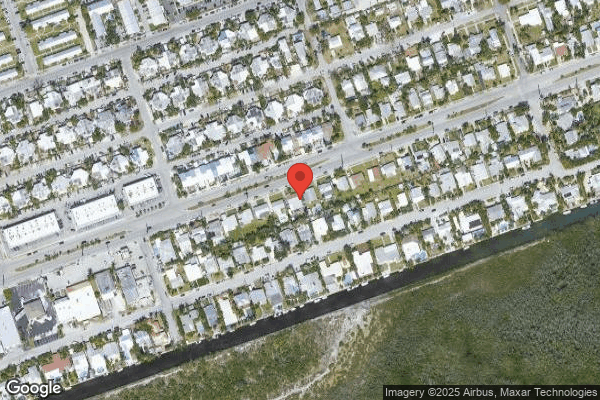
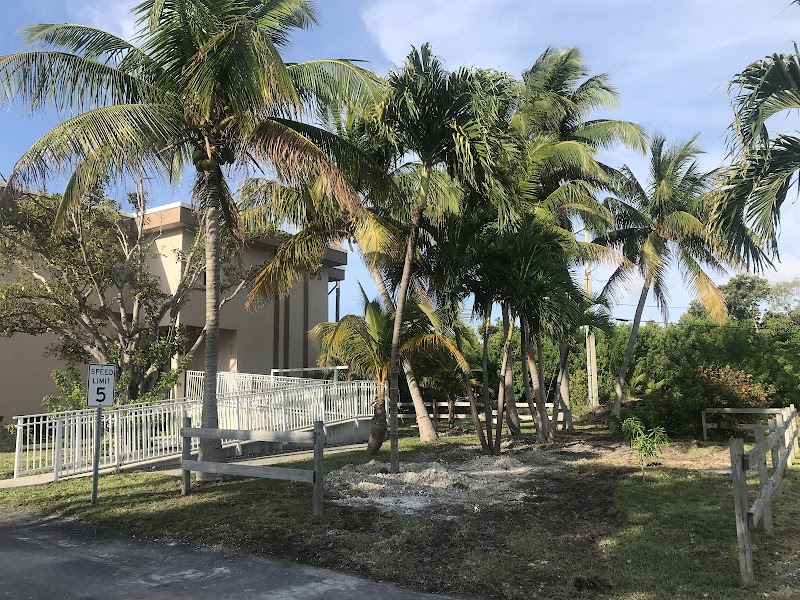
5860 W JUNIOR COLLEGE RD, KEY WEST, FL 33040 (305) 296-4888
For profit - Limited Liability company 120 Beds SIMCHA HYMAN & NAFTALI ZANZIPER Data: November 2025 4 Immediate Jeopardy citations
Trust Grade
0/100
#654 of 690 in FL
Last Inspection: June 2024

Within standard 12-15 month inspection cycle. Federal law requires annual inspections.

Overview

Oasis at the Conch Republic Nursing and Rehab has received a Trust Grade of F, indicating significant concerns about the quality of care provided. It ranks #654 out of 690 facilities in Florida, placing it in the bottom half, and #2 out of 2 in Monroe County, meaning there is only one other local option that performs better. The facility is reportedly improving, having reduced its issues from 8 in 2024 to 5 in 2025, but it still has serious problems, including $195,071 in fines, which is higher than 94% of Florida facilities. While staffing is average with a 3/5 rating and a concerning 54% turnover rate, the facility benefits from good RN coverage, being better staffed with RNs than 92% of similar facilities. However, there have been critical incidents, such as failing to provide residents with the correct food texture, leading to choking and hospitalization, and not honoring a resident's advance directives, which could result in serious psychosocial harm. Families should weigh these strengths and weaknesses carefully when considering this nursing home.

Trust Score
F
0/100
In Florida
#654/690
Bottom 6%
Safety Record
High Risk
Review needed
Inspections
Getting Better
8 → 5 violations
Staff Stability
⚠ Watch
54% turnover. Above average. Higher turnover means staff may not know residents' routines.
Penalties
⚠ Watch
$195,071 in fines. Higher than 91% of Florida facilities. Major compliance failures.
Skilled Nurses
✓ Good
Each resident gets 59 minutes of Registered Nurse (RN) attention daily — more than average for Florida. RNs are trained to catch health problems early.
Violations
⚠ Watch
32 deficiencies on record. Higher than average. Multiple issues found across inspections.
★☆☆☆☆
1.0
Overall Rating
★★★☆☆
3.0
Staff Levels
★★★☆☆
3.0
Care Quality
★☆☆☆☆
1.0
Inspection Score
Stable
2024: 8 issues
2025: 5 issues

The Good

  • Full Sprinkler Coverage · Fire safety systems throughout facility
  • No fines on record

Facility shows strength in fire safety.

The Bad

1-Star Overall Rating

Below Florida average (3.2)

Significant quality concerns identified by CMS

Staff Turnover: 54%

Near Florida avg (46%)

Higher turnover may affect care consistency

Federal Fines: $195,071

Well above median ($33,413)

Significant penalties indicating serious issues

Chain: SIMCHA HYMAN & NAFTALI ZANZIPER

Part of a multi-facility chain

Ask about local staffing decisions and management

The Ugly 32 deficiencies on record

4 life-threatening 1 actual harm
Sept 2025 1 deficiency
CONCERN (D) 📢 Someone Reported This

A family member, employee, or ombudsman was alarmed enough to file a formal complaint

Potential for Harm - no one hurt, but risky conditions existed

Accident Prevention (Tag F0689)

Could have caused harm · This affected 1 resident

Based on record review and interview, the facility failed to provide adequate supervision to prevent unsafe wandering and elopement of 1 cognitively impaired Resident for 1 (Resident #1) of 1 resident...

Read full inspector narrative →
Based on record review and interview, the facility failed to provide adequate supervision to prevent unsafe wandering and elopement of 1 cognitively impaired Resident for 1 (Resident #1) of 1 resident reviewed for elopement. The facility also failed to implement care planned elopement intervention for 1 (Resident #2) of 5 residents reviewed for elopement.The findings included:Review of the facility policy titled Elopements and Wandering Residents with a revision date of 3/16/23 indicated Elopement occurs when a resident leaves the premises or a safe area without authorization (i.e., an order for discharge or leave of absence) and/or any necessary supervision to do so. 4. Monitoring and Managing Residents at Risk for Elopement or Unsafe Wandering. C. Interventions to increase staff awareness of the resident's risk, modify the resident's behavior, or to minimize risks associated with hazards will be added to the residents care plan and communicated to appropriate staff. Ie: diversional activities, wander guard placement. E. Charge nurses and unit managers will monitor the implementation of interventions, response to interventions, and document accordingly.Review of the clinical record for Resident #1 revealed diagnoses included Alzheimer's disease.Review of the care plan for cognition initiated on 2/24/24 noted Resident #1 scored 4 on the Brief Interview for Mental Status, indicating severe cognitive impairment.On 9/16/25 at 9:37 a.m., in an interview Staff A Registered Nurse (RN) said on 9/5/25 around 9:37 p.m., she noticed Resident #1 was missing. She had given him his medications and went to the room next door to give another resident eye drops. When she exited into the hallway, she noticed the light was on in Resident #1's room. She went to check on him, but he wasn't there. She said she asked Staff B Certified Nurse Assistant who said she had seen him shortly before. They called an elopement alert and began searching inside and outside the building. They received a call from the hospital notifying them they had found Resident #1 in their parking lot and had him at the hospital. Resident #1 returned from the hospital a few hours later with no injuries. RN Staff A said she did not know how Resident #1 got out of the building. Staff A said at the time Resident #1 had not been identified as an elopement risk and wasn't wearing a wander alert bracelet. She said since the elopement a wander alert bracelet had been applied to Resident #1. A wander alert bracelet triggers an alarm when near an exit door. On 9/16/25 at 11:05 a.m., in an interview the Assistant Director of Nursing (ADON) said she investigated Resident #1's elopement. She said prior to the incident, Resident #1 had not been identified as an elopement risk. Since the incident, they had placed a wander alert bracelet on him to notify staff if he approaches the exit doors. She said after the incident all the alarms in the building worked when checked and it was her opinion that Resident #1 followed a family member out of the side door. She said another resident's son usually left around that time, and Resident #1 probably followed him out. She explained family members have a code to let themselves out the side door in the dining room. The ADON said she had just found out after the incident that another resident's son had the code because of his late hours. She said they will be looking into changing codes, but she was pretty sure it was tied to the Fire/EMS (Emergency Medical Services), so there would be a whole process involved. She said she was not sure how he got the code, and he was the only one that she knew of that comes and goes that late.On 9/16/25 at 12:04 p.m., in an interview the Director of Nursing (DON) said no family member should have the code to get in or out the door. She said it was not policy to have the code handed out and if that had been the case, they needed to change it. The DON said if a family member is visiting after hours, they should ring the doorbell to get in or get a staff member to let them out.On 9/16/25 the facility provided list of 5 residents (including Resident #2) who were identified as elopement risk and wore a wander alert bracelet. On 9/16/25 at 11:16 a.m., observation of residents with wander alert bracelets with the ADON revealed Resident #2 did not have a wander guard on. Resident #2 was unable to say where the wander alert bracelet was when asked.On 9/16/25 review of the clinical record for Resident #2 revealed no documentation verifying the wander alert bracelet was on and functioning. On 9/16/25 at 12:04 p.m., in an interview the DON said the placement and functioning of the wander alert bracelets should be checked every day. She said there was no official wander alert policy, or policy for checking it during shift change. On 9/16/25 at 12:04 p.m., in an interview the ADON said wander alert bracelets placement and functioning should be documented on the Treatment Administration Record (TAR) daily. She said she recently found out that the box to document the wander alert bracelets had somehow dropped off the TARS and they hadn't been documented on. She said she could not say how long the documentation of the wander alert bracelets had been missing from the TARS.On 9/16/25 at 2:30 p.m., in an interview the Administrator said they were working on changing the codes to the doors, and no family members should have the codes to the doors. The Assistant Administrator was present during the interview and said all residents at risk for elopement should have their wander alert bracelets on and should be monitored daily by staff.
Jun 2025 4 deficiencies
CONCERN (D) 📢 Someone Reported This

A family member, employee, or ombudsman was alarmed enough to file a formal complaint

Potential for Harm - no one hurt, but risky conditions existed

Quality of Care (Tag F0684)

Could have caused harm · This affected 1 resident

Based on record review and interview the facility failed to ensure that services provided meet professional standards of practice when physician orders were not followed for medication administration ...

Read full inspector narrative →
Based on record review and interview the facility failed to ensure that services provided meet professional standards of practice when physician orders were not followed for medication administration for 1 (Resident #9) of 3 residents reviewed. Findings include: Review of Resident #9's admission record documented an admission date of 5/6/2024 with diagnoses that include unilateral primary osteoarthritis, right hip, gastro-esophageal reflux disease without esophagitis, schizoaffective disorder, bipolar type, unspecified severe protein-calorie malnutrition, cognitive communication deficit, pressure ulcer of sacral region, stage 4, contracture, left knee, and contracture, right knee. Review of Resident 39's physician order dated 9/11/2024 read, Midodrine HCL oral tablet 5 MG (milligrams) Give 1 tablet by mouth every 6 hours as needed for BP (blood pressure) less than 110/60. Review of Resident #9's weight and vitals summary from 6/1/2025 through 6/24/2025 documented a blood pressure (B/P) of 105/57 mm/Hg (millimeters of mercury) at 11:23 am on 6/2/2025, a B/P of 106/56 at 1923 (7:23 pm), a B/P of 108/64 at 2216 (10:16 pm) on 6/3/2025, a B/P of 104/50 at 9:23 am on 6/4/2024, a B/P of 102/56 at 2052 (8:52 pm), a B/P of 106/64 at 10:55 am on 6/5/2025, a B/P of 105/70 at 1542 (3:42 pm) on 6/6/2025 a B/P of 87/46 at 10:45 am on 6/13/2025, a B//P of 100/65 at 9:13 am on 6/16/2025, a B/P of 99/61 at 2206 (10:06 pm) on 6/16/2025, a B/P of 102/64 at 11:17 am on 6/18/2025, a B/P of 103/65 at 2155 (9:55 pm) on 6/18/2025, a B/P of 106/67 at 12:09 pm on 6/19/2025, a B/P of 106/62 at 12:18 pm on 6/23/2025, a B/P of 104/60 at 2238 (10:38 pm) on 6/23/2025 and a B/P of 100/70 at 10:26 am on 6/24/2025. Review of Resident #9's medication administration record (MAR) had no administration of midodrine administered. During an interview on 6/25/2025 at 6:10 AM Staff E, Registered Nurse (RN) stated, I really don't know if she [Resident #9] has orders for midodrine. Oh, she [Resident #9] does, no I didn't see that. I should have given the medicine if her [Resident #9] pressure[blood pressure] was low. She [Resident #9] should have gotten the medicine. During an interview on 6/25/2025 at 11:45 AM Staff D, RN stated, We should follow all orders for medicine when they have parameters ordered. I did not give her [Resident #9] the midodrine. I should follow all doctor's orders. I guess I didn't see it.
CONCERN (E) 📢 Someone Reported This

A family member, employee, or ombudsman was alarmed enough to file a formal complaint

Potential for Harm - no one hurt, but risky conditions existed

Deficiency F0761 (Tag F0761)

Could have caused harm · This affected multiple residents

**NOTE- TERMS IN BRACKETS HAVE BEEN EDITED TO PROTECT CONFIDENTIALITY** Based on observation, interview and record review the facility failed to ensure all drugs and biologicals used in the facility w...

Read full inspector narrative →
**NOTE- TERMS IN BRACKETS HAVE BEEN EDITED TO PROTECT CONFIDENTIALITY** Based on observation, interview and record review the facility failed to ensure all drugs and biologicals used in the facility were stored and labeled in accordance with current professional standards, including proper refrigeration and expiration dates for three of four medication carts observed. Findings include: During an observation on [DATE] at 5:35AM through 5:50 AM there was an unlocked medication cart and unattended with a cup of medications with 2 small white medications observed in the medication cup. Staff A, Registered Nurse (RN) returned to the medication cart from a residents room at 5:50 AM. Observation of the medication cart #1 was conducted with Staff A, there were two NovoLog insulin pens that were opened with no dates opened on the insulin pen or the pharmacy bag and no expiration dates. There was one unopened insulin aspart with pharmacy instructions to refrigerate until opened. There was one unopened insulin glargine with pharmacy instructions to refrigerate until opened. There was one unopened basaglar with pharmacy instructions to refrigerate until opened. There were two opened insulin Lantus with no date opened or expiration date, one opened Humalog insulin with no date opened or expiration date There was one bottle of opened Latanoprost eye drops with no date opened or expiration date During an interview on [DATE] at 6:00 AM Staff A,RN stated, We should label all insulin and eye drops when they are opened, Insulin will expire 30 days after it is opened, I can't tell you when the eye drops expire. I should not have left the cart open, I just thought it was locked. It should always be locked. I don't know how that happened. During an observation of medication cart #2 on [DATE] at 6:10 AM with Staff B, Licensed Practical Nurse (LPN) there was one opened insulin novolog with no date opened or expiration date, one unopened insulin glargine unopened with pharmacy instructions to refrigerate until opened and one bottle of latanoprost eye drops with no date opened or expiration date. During an interview on [DATE] at 6:18 AM Staff LPN stated, All insulin and eye drops should be labeled when they are opened. All insulin should stay in the refrigerate until we need it, I don't know why it's (the insulin) in the cart, it shouldn't be. During an observation of medication cart #3 on [DATE] at 6:25 AM with Staff C, RN there was one opened novolog insulin with an expiration date of [DATE], one unopened insulin glargine with pharmacy instructions to refrigerate until opened, and one unopened humalog insulin with pharmacy instructions to refrigerate until opened. During an interview on [DATE] at 6:32 AM Staff C, RN stated, All insulin should be refrigerated until they are opened, they have opened insulin, so I don't know why they aren't in the refrigerator. All insulin is not good after 30 days, that insulin is expired and we shouldn't keep that on the cart. During an interview on [DATE] at 8:10 AM the Director of Nursing (DON) stated, I expect all nurses to have each cart locked when they are not within reach of the cart. All carts should be reviewed daily for any medications that might be expired and if we get meds (medications) from pharmacy that need to be refrigerated they should be taken to the med room and placed in the refrigerator. I expect staff to follow all pharmacy recommendations for expired meds and meds needing to be refrigerated. Review of the policy and procedure titled, Medication labeling and Storage read, Policy heading: The facility stores all medications and biologicals in locked compartments under proper temperature , humidity and light controls. Policy Interpretation and Implementation : Medication Storage: 6. Medications requiring refrigeration are stored in a refrigerator located in the medication room at the nurses station or other secured location. Medication Labeling: 2; The medication label includes, at minimum d. expiration date., when applicable. Review of the policy and procedure titled, Storage of Medications read, Policy heading: The facility stores all drugs and biologicals in a safe, secure and orderly manner. Policy Interpretation and Implementation: 1.Drugs and biologicals used in the facility are stored in locked compartments under proper temperature, light and humidity controls. Only persons authorized to prepare and administer medications have access to locked medications, 7. Medications requiring refrigeration are stored in a refrigerator located in the drug room at the nurses station or other secured locations. .
CONCERN (E) 📢 Someone Reported This

A family member, employee, or ombudsman was alarmed enough to file a formal complaint

Potential for Harm - no one hurt, but risky conditions existed

Infection Control (Tag F0880)

Could have caused harm · This affected multiple residents

Based on observation, interview, and policy and procedure review, the facility failed to maintain an infection prevention and control program designed to help prevent the transmission of communicable ...

Read full inspector narrative →
Based on observation, interview, and policy and procedure review, the facility failed to maintain an infection prevention and control program designed to help prevent the transmission of communicable diseases and infection, by failing to perform hand hygiene during medication administration for three (Residents #20, #21 and #22) of six residents observed for medication administration. Failure to follow proper infection control standards increases the risk of adverse health outcomes for facility residents. Findings include: During an observation of medication administration on 6/24/2025 at 5:15 AM Staff F, Registered Nurse (RN), was observed returning to the medication cart ,removed medication cart keys from their pocket, unlocked the medication cart, activated and typed on the computer, then Staff F, RN began to prepared medications without performing hand hygiene, removed medications from the drawers, donned gloves without performing hand hygiene and opened a drawer to remove a liquid medication. The bottle of medication had the foil protective layer in place. Staff F attempted and was unable to remove the protective foil. Staff F, RN pierced the foil with their gloved right hand. The gloved hand that pierced the bottle was observed to have liquid on it after puncturing the foil and Staff F pressed the foil along the entire rim of the liquid medication bottle. Staff F doffed gloves and entered Resident #20's room without performing hand hygiene, assisted Resident #20 in repositioning in their bed, elevated the head of the bed for Resident #20, administered their medications and exited the room ,returning to the medication cart without performing hand hygiene. During an observation of medication administration on 6/24/2025 at 5:25 AM, Staff F, RN returned to the medication cart from a residents room, removed medication cart keys from their pocket, unlocked the medication cart, activated and typed on the computer, removed medication cards and began to prepare medications for Resident #21 without performing hand hygiene. Staff F, RN entered Resident #21's room without performing hand hygiene and administered Resident #21's oral medications. Staff F, RN removed gloves from box and dropped one glove on the floor, picked up the glove and threw it in the trash can, and donned gloves without performing hand hygiene,. Staff F, RN applied a topical medication to Resident #21's skin, doffed gloves, exited the room and returned to the medication cart without performing hand hygiene. During an observation of medication administration on 6/24/2025 at 5:35 AM , Staff F, RN returned to the medication cart, removed medication cart keys from their pocket, unlocked the medication cart, activated and typed on the computer, removed medication cards and began to prepare medications for Resident #22 without performing hand hygiene. Staff F entered Resident #22's room without performing hand hygiene and administered oral medications. Staff F exited the room without performing hand hygiene and returned to the medication cart and began to prepare medications for another resident. During an interview on 6/24/2025 at 5;50 AM Staff F, RN stated, I should not have done that, I should have just not put gloves on and not used my finger to open the lactulose. I guess it might be contaminated now that I did that. I did not use the hand sanitizer or wash my hands, I guess I just got nervous being watched. I should have done that; I should have washed my hands. During an interview on 6/24/2025 at 8:50 AM the Director of Nursing (DON) stated, I would expect all staff to follow our infection control standards for handwashing when they give meds (medications). Review of the policy and procedure titled Handwashing/Hand Hygiene read, Policy statement: This facility considers hand hygiene the primary means to prevent the spread of infections. Policy Interpretation and Implementation: 2. All personnel shall follow the handwashing/hand hygiene procedures to prevent the spread of infections to other personnel, residents, and visitors. Indications for hand hygiene: 1. Hand hygiene is indicated: a. immediately before touching a resident; d. after touching a resident; e, after touching the resident's environment; g. immediately after glove removal. 5. The use of gloves does not replace hand washing/hand hygiene.
CONCERN (F) 📢 Someone Reported This

A family member, employee, or ombudsman was alarmed enough to file a formal complaint

Potential for Harm - no one hurt, but risky conditions existed

Food Safety (Tag F0812)

Could have caused harm · This affected most or all residents

Based on observation, interviews and policy review, there were concerns that the dietary department failed to ensure food safety, covering, labeling and dating of foods, food temperatures and equipmen...

Read full inspector narrative →
Based on observation, interviews and policy review, there were concerns that the dietary department failed to ensure food safety, covering, labeling and dating of foods, food temperatures and equipment failure. Findings include: A tour of the kitchen was conduct on 6/23/25 at 6:30AM with the Administrator (ADM). An observation was made in the walk-in cooler of 27 assorted glasses with no date or identifying label. There were 11 bags of what appeared to be assorted cookies in the walk-in cooler with no identifying label. An observation was made in the walk-in cooler of five 9-ounce bowls and three 4-ounce bowls of what appeared to be some type of fruit or pudding with no identifying label, date or covering. An observation was made at 6:40AM of six ¼ size food containers and 1 full size steam table pan in the steam table. An observation was made of the MC taking the food temps of the food on the steam table. The 6 ¼ steam table pans consisted of: 1. pureed sausage temp 100 degrees 2. pureed eggs temp 125 degrees 3. Cream of wheat temp 140 degrees 4. Regular scrambled eggs temp 140 degrees 5. Grits temp 150 degrees 6. Sausage Links temp 150 degrees A policy titled Food Preparation and Service dated 2022, read, Food Preparation, Cooking and Holding Time/Temperature 1. The danger zone for food temperatures is above 41 degrees, and below 135 degrees. 2. 2. Potentially hazardous foods include meats, poultry, seafood, cut melon, eggs, milk, yogurt and cottage cheese. 6. The following internal cooking temperatures/times for specific foods are reached to kill or sufficiently inactivate pathogenic microorganisms. 155 degrees eggs held for service, and mechanically tenderized meats. Hot foods are held at 135°F or higher on the steam table.
Jun 2024 6 deficiencies
CONCERN (D)

Potential for Harm - no one hurt, but risky conditions existed

Deficiency F0688 (Tag F0688)

Could have caused harm · This affected 1 resident

**NOTE- TERMS IN BRACKETS HAVE BEEN EDITED TO PROTECT CONFIDENTIALITY** Based on observation, resident and staff interviews and medical record and facility policy review the facility failed to impleme...

Read full inspector narrative →
**NOTE- TERMS IN BRACKETS HAVE BEEN EDITED TO PROTECT CONFIDENTIALITY** Based on observation, resident and staff interviews and medical record and facility policy review the facility failed to implement interventions to prevent the decline in range of motion for 1 Resident (Resident #45) of 1 resident reviewed. The findings included: The facility policy implemented 11/2020 and revised 7/27/2022 for Comprehensive Care Plans stated, It is the policy of this facility to develop and implement a comprehensive person-centered care plan for each resident, consistent with resident rights, that includes measurable objectives and timeframes to meet a resident's medical, nursing, and mental and psychosocial needs that are identified in the resident's comprehensive assessment. The comprehensive care plan will describe, at a minimum, the following: The services that are to be furnished to attain or maintain the residents highest practicable physical, mental, and psychosocial well-being; Any services that would otherwise be furnished, but are not provided due to the resident's exercise of his or her right to refuse treatment; The resident's goals for admission, desired outcomes, and preferences for future discharge. On 6/24/24 at 11:37 a.m., Resident #45 was dressed and lying in bed. Her sister was there with her. Both of her hands were observed to be severely contracted. The resident was cognitively intact but had difficulty speaking. Her sister said she used to get Physical Therapy, but she was not making any progress, so it had stopped. She said her sister did not wear any splints of any kind and hadn't for a long time. The sister found splints in Resident #45's drawer that looked new and unused. She said her feet were the same way. Review of Resident #45's medical records show she was admitted to the facility on [DATE] with diagnosis including Dementia, Hypertension, Arthritis, and Urinary Tract Infections. Her BIMS score (Brief interview for mental status) was 15 which indicates Resident #45 was cognitively intact. Physician orders written on 3/19/2024 stated Patient to wear bilateral hand orthosis at bedtime only to maintain joints integrity. Orthoses should be removed in the morning to allow for functional use of hands specifically during meals. Treatment Administration records (TAR) were reviewed from March through June. These records are used to record documentation that the Physician orders are completed. For each day since the Physician orders were written an X was listed for every day in the blank which indicates the task was not completed. The Care Plans for Resident #45 were also reviewed and there were no interventions implemented to address contracture care or use of splints. On 6/25/24 at 2:45 p.m., observed resident #45 in room dressed and lying in bed. When asked if she had ever worn splints on her hands or had ever been offered to wear splints, she shook her head no. She shook her head yes when asked if she would like to wear them to prevent further decline of range of motion in her hands. On 6/25/24 at 2:55 p.m., in an interview the Physical Therapy Director said Resident #45 had splints ordered but was not sure if she was using them. She said she did not have any access to the therapy notes because they have had a new computer program since May. She said typically when there is a new order for splints therapy will apply them the first seven days and train nursing to take over afterwards, but she was unable to verify due to not having access to therapy notes. She verified the resident was not receiving any Physical Therapy at this time. On 6/25/24 at 3:10 p.m., in an interview the Registered Nurse (RN), Minimum Data Set (MDS) coordinator said she has been the MDS coordinator since March 4th, 2024. She said she was familiar with Resident #45 and thought she had refused to wear the splints, so she removed the task from her care plan. Upon reviewing Resident #45's care plan she could not find any documentation regarding splints for the Resident #45's contractures. She said the functional portion of the MDS identified Impairment to the upper and lower extremities. She admitted Resident #45 never had a care plan developed for contractures or use of splints. She said the orders for her splint need to be implemented and I need to care plan it. On 6/25/24 at 3:30 p.m., in an interview the Assistant Administrator said she was just made aware of the splint order for Resident #45 and said the order was completely missed. She said somehow the task was not showing up for the nurse to complete. She said there will be a discussion regarding the process to improve it.
CONCERN (D)

Potential for Harm - no one hurt, but risky conditions existed

Staffing Information (Tag F0732)

Could have caused harm · This affected 1 resident

Based on observations, record review, and interview the facility failed to daily post the facility name, current date, total number and actual hours of licensed nursing staff and staff directly respon...

Read full inspector narrative →
Based on observations, record review, and interview the facility failed to daily post the facility name, current date, total number and actual hours of licensed nursing staff and staff directly responsible for resident care each shift, and the facility census from 6/14/24 to 6/24/24. The facility failed to maintain a record of the daily postings for 18 months. The findings included: On 6/24/24 at 9:12 a.m., upon entrance in the facility, the staffing hours observed posted in the entrance area of the facility was dated 6/13/24. There was one other sheet observed behind the posting dated 6/12/24. On 6/24/24 at 2:03 p.m. , the Assistant Administrator verified the hours had not been posted since 6/13/24. On 6/27/24 at 9:15 a.m. the facility staff posting was observed in the main entrance area. The daily census was not listed on the posting. On 6/27/24 at 9:30 a.m., the Assistant Administrator verified she had not included the daily census on the staffing posting dated 6/27/24. On 6/27/24 at 10:15 a.m. the Assistant Administrator stated she could not locate the documentation of the staffing hours for 6/14/24 through 6/23/24.
CONCERN (E)

Potential for Harm - no one hurt, but risky conditions existed

Safe Environment (Tag F0584)

Could have caused harm · This affected multiple residents

**NOTE- TERMS IN BRACKETS HAVE BEEN EDITED TO PROTECT CONFIDENTIALITY** Based on observation, maintenance log review, staff and resident interview, the facility failed to ensure they provided housekee...

Read full inspector narrative →
**NOTE- TERMS IN BRACKETS HAVE BEEN EDITED TO PROTECT CONFIDENTIALITY** Based on observation, maintenance log review, staff and resident interview, the facility failed to ensure they provided housekeeping and maintenance services for 11 out of 28 sampled rooms. The findings included: On 6/24/24 during a tour of the second-floor resident rooms, observed in rooms 201, 205, 210, and 219 the air conditioner (a/c) vents above the resident's bed had a dark/black colored substance around the vent and appeared rusted in some areas. In rooms 203, 205, 210, 226 and 229 the bathroom floor tiles around the toilet were discolored, chipped and not in good repair. The caulking around the toilets was noted to be a dark brown discoloration and had some pieces missing. In room [ROOM NUMBER], the bed next to the bathroom, the bed frame was noted to be rusted and not in good repair. In room [ROOM NUMBER] a towel was observed under the a/c unit under the window, the bedside table and bedside nightstand molding around the bedside table and nightstand were missing showing exposed wood. On 6/24/24 around 2:00 p.m., in an interview with Resident #78, she said since her admission to the facility in January 2024 the toilet had been leaking and the tile around the toilet had been discolored and damaged prior to her moving into the room. On 6/24/24 at 4:00 p.m., in an interview with Resident #33's wife, she confirmed the towel under the a/c unit and the missing molding around the over the bedside table and the nightstand leaving the wood exposed. She said the a/c had been leaking for a long time and the towel was there to stop the water. She also said the molding around the bedside table and nightstand had also been missing for several months and she had mentioned the missing molding to the staff a long time ago. Review of the Maintenance Service version 1.3 policy stated that the maintenance service shall be provided to all areas of the building, grounds and equipment. The Maintenance Department was responsible for maintaining the buildings, grounds, and equipment in a safe and operable manner at all times. On 6/27/24 at 11:31 a.m., a tour of rooms 201, 203, 205, 210, 214, 219, 226 and 229 was conducted with the Housekeeping Director. He confirmed the a/c vents in rooms 201, 205, 210, and 219 the a/c vents had a dark/black colored substance around the vents and some of the vents appeared rusted in some areas. He confirmed in rooms 203, 205, 210, 226 and 229 the bathroom floor tiles around the floor toilet were discolored, chipped and not in good repair. He also confirmed the caulking around the toilets was missing in some areas and the caulking which remained were a dark brown and discoloration. He confirmed the a/c unit had a blanket under the a/c and the molding around the bedside table and nightstand were missing. The Housekeeping Director said he had known about the bathroom floor tiles around the toilet being discolored, and in disrepair. He further said he was aware of the missing caulking around the toilets and the dirty and rusted a/cs in the resident's rooms. He said the reason why the damaged floor tiles had not been repaired was because the toilets were still leaking, and it would not be practical to replace the bathroom floor tiles and caulk the toilets prior to fixing the leaking toilet. The Housekeeping Director said he had documented the damaged bathroom floor tiles, the missing and discolored caulking around the toilets, the dirty and rusted a/c vents in the resident's room, the leaking a/c unit in room [ROOM NUMBER] and missing molding on some of the resident's furniture several weeks ago but does not know they had not been addressed by maintenance. On 6/27/24 at 1:10 p.m., in an interview with the Administrator (AD) and Assistant Administrator (AAD), they confirmed the facility's Maintenance Service policy stated the building maintenance shall be provided to all areas of the building, grounds, and equipment. They said when a facility staff had noted any building damage and/or a needed repair they were required to log the area of concern into the computer system, so the maintenance department could have a record of the area of concern to ensure it was addressed in a timely manner. They also said senior management staff did weekly Guardian Angel rounds where they document on the Guardian Angel Rounding Tool utilized as a preventative, pro-active approach to address concerns and grievances before they escalate to a serious issue. The AD and AAD said after they reviewed the computerize maintenance log and the Guardian Angel Rounding forms, the areas of needed repairs identified on 6/24/24 and confirmed on 6/27/24 by the Housekeeping Director were not noted on the maintenance log as required and those areas were not repaired in a timely manner to ensure the building, and equipment are maintained in a safe and operable manner.
CONCERN (E)

Potential for Harm - no one hurt, but risky conditions existed

Deficiency F0679 (Tag F0679)

Could have caused harm · This affected multiple residents

**NOTE- TERMS IN BRACKETS HAVE BEEN EDITED TO PROTECT CONFIDENTIALITY** Based on interview and record review the facility failed to provide an ongoing activities program to meet the needs of 3 (Reside...

Read full inspector narrative →
**NOTE- TERMS IN BRACKETS HAVE BEEN EDITED TO PROTECT CONFIDENTIALITY** Based on interview and record review the facility failed to provide an ongoing activities program to meet the needs of 3 (Residents #44, #20, and #16) of 3 residents reviewed for activities by failing to ensure the residents had choices and were encouraged to participate in activities. The findings included: On 6/24/24 at 11:45 a.m., Resident #16 was observed lying in bed. When asked about activities Resident #16 said there were not a lot a lot of activities. They have Bingo and play for a cookie. On 6/26/24 at 8:38 a.m., Resident #16 was observed sleeping in bed. The resident's breakfast tray was observed sitting at bedside still covered. Review of Resident #16's care plan reads, [Resident #16] is independent on staff etc. [sic] for meeting emotional, intellectual, physical, and social needs r/t (if dependent) Cognitive deficits, Immobility, Physical Limitations The resident will maintain involvement in cognitive stimulation, social activities as desired through review date All staff to converse with resident while providing care, if appropriate. Ensure that the activities the resident is attending are: Compatible with physical and mental capabilities; Compatible with known interests and preferences; Adapted as needed (such as large print, holders if resident lacks hand strength, task segmentation), Compatible with individual needs and abilities; and Age appropriate. Resident does not want a calendar posted in her room nor the daily chronicle Thank resident for attendance at activity function The resident's preferred activities are: Listening to gospel music, getting fresh air. On 6/26/24 at 11:39 a.m. Review of the activities electronic documentation showed no documented participation in activities for the last 30 days. On 6/27/24 at 10:09 a.m., in an interview the Assistant Administrator said documentation for activities would be in the electronic record under task questions for activities. On 6/27/24 at 11:04 a.m., the Assistant Administrator verified there was no documentation Resident #16 was offered or attended activities for the last 30 days. On 6/27/24 at 11:35 a.m. Resident #16 stated staff do not encourage her to participate in activities. She states she likes to go outside but she could never find a staff member to assist her to go outside. Resident #16 stated she would like to be able to go outside of the facility on trips. She stated she had suggested going to the butterfly conservative. She said the facility has a bus, but they never go anywhere. On 6/27/24 at 12:40 p.m., in an interview the Director of Activities said Resident #16 did not attend group activities. The Activities Director said she had not been documenting the resident's refusal to attend activities. The Activities director verified Resident #16 had been asking to go on outside activities. The activities Director verified the facility had a bus for transportation, but the bus had been down for a couple of weeks. The Activities Director said the bus broke down on a regular basis. She stated city transportation for residents 55 and over was free but the last time they had taken residents on an outing was at Christmas 2023. The Activity Director job description stated the Director of Activities was responsible for planning, organizing, developing, and directing the overall operation of the activities department in accordance with policies and procedures, current federal, state and local standards, guidelines and regulations to assure that an on-going activities program was designed to meet, in accordance with comprehensive assessment, the interest and the physical, mental, cultural, spiritual, emotional, psychosocial and recreational interest of each resident. Section 5 of the job description stated the Activity Director was to perform the following activity duties: record residents' activity participation daily in each resident's medical record and quarterly document the response of the resident to the activity program and revise the activity program as needed. Keep group records of participation of scheduled activities. On 6/24/24, observation of Resident #20 at 11:52 a.m. and 1:45 p.m. revealed the resident was in his room, in bed during those observations with the television on but was facing the window and unable to view the television. The resident was not observed involved in an out of room facility activity program during the day. On 6/25/24, observation of Resident #20 at 11:00 a.m., 12:35 p.m., and 3:00 p.m. revealed the resident was in his room wearing his hospital gown, in bed during those observations with the television on. Resident #20 was not observed involved in an out of room facility activity program during the day. Review of Resident #20's medical record revealed he was admitted to the facility on [DATE] with a readmission date of 10/10/23. Resident #20's activity plan of care initiated on 1/13/20 and last revised on 1/15/24 stated Resident #20 was independent for meeting emotional, intellectual, physical and social needs. The care plan goal stated Resident #20 would maintain involvement in cognitive stimulation and social activities as desired. Interventions to achieve these goals were to ensure Resident #20 was attending activities of choice compatible with his interests and preferences, introduce Resident #20 to other residents with similar background and interests, invite Resident #20 to facility scheduled activities and for the facility to provide a program of activities that was of interest and empowered the resident by encouraging and allowing choice, self-expression and responsibility. An Interest Summary form dated 1/31/24 stated Resident #20 enjoyed the newspaper, the New York Times, music, film, basketball on television, reading and poetry. The last documented activity progress note was dated 10/14/20 which said Quarterly Review, Resident #20 continued to be self-directed. He enjoyed reading the newspaper, keeping up with current events, watching television and socializing with the staff. Resident had a cell phone that he used to keep in contact with family and friends, Resident enjoyed going outside for fresh air. Resident #20 often would partake in resident shopping and continued to enjoy happy hour, snacks and ice cream. On 6/26/24 at 11:56 a.m. in an interview with the Activity Director, she said she was hired 8/10/21 and became the Activity Director in September 2021. She said as the Activity Director part of her job duties was to create a facility activity calendar each month, ensure each resident was attending an activity of their choice during the week, and document the activities each resident was attending in their medical records. She said she was responsible for completing the quarterly activity section in the Minimum Data Set (MDS) and updating each resident's plan of care, but she did not write a activity progress note in each resident's chart. The Activity Director said after reviewing Resident #20's medical record, that he had declined over the past several months and he liked to stay in his bed most of the day. She said she placed Resident #20 on a one-to-one activity program and staff would read to him at times. She said there were no restrictions on Resident #20 leaving his bedroom and if staff would put him in his recliner chair, he could be brought to the out of room activities. She confirmed the Interest Summary form dated 1/31/24 stated Resident #20 enjoyed the newspaper, the New York Times, music, film, basketball on television, reading and poetry. She also confirmed Resident #20's activity plan of care revised on 1/15/24 stated Resident #20 would maintain involvement in cognitive stimulation and social activities as desired and the facility would invite Resident #20 to facility scheduled activities of interest. She said she was unable to find documentation of the in-room activities of interest which were conducted by the activity staff and out-of-room activities which Resident #20 was invited to attend and which activities Resident #20 had attended since the revision of his activity plan of care dated 1/15/24. On 6/24/24, observation of Resident #44 from 11:00 a.m. to 12:00 p.m. and 1:55 p.m. to 2:15 p.m. revealed the resident in his wheelchair going up and down the second-floor hallway. Resident #44 was not observed involved in a facility activity program during the day. On 6/25/24, observation of Resident #44 from 9:00 a.m. to 10:50 p.m. and 2:05 p.m. to 2:55 p.m. revealed the resident in his wheelchair going up and down the second-floor hallway. Resident #44 was not observed involved in an facility activity program during the day. Review of Resident #44's medical record revealed he was admitted to the facility on [DATE] with a readmission date of 7/6/20. Resident #44's activity plan of care initiated on 10/24/19 and last revised on 3/19/20, stated Resident #44 had need for activities and social interaction. The activity care plan goal stated the resident would attend and participate in activities of choice. Interventions stated the activity staff would introduce the resident to other residents with similar backgrounds and interests and encourage interaction. Resident #44 preferred to socialize with other Spanish speaking residents and staff. The care plan stated staff would invite the resident to scheduled activities, provide a Spanish interpreter as needed, and provide Spanish TV channels for resident viewing. Resident #44 preferred to play dominoes, go outside, scheduled activities, Catholic visits, ice cream social and music activities. On 6/26/24 at 11:56 a.m. in an interview with the Activity Director, she said Resident #44 was very active but has slowed down over the past few months. She said Resident #44 was Spanish speaking only and she had to get an interpreter to talk with him. The Activity Director reviewed Resident #44's medical record and his activity plan of care was initiated on 10/24/19 and last revised on 3/19/20. She confirmed Resident #44's activity plan of care stated he had the need for activities and social interaction. The activity care plan goal stated the resident would attend and participate in activities of choice and he enjoyed playing dominoes, going outside, scheduled activities, Catholic visits, ice cream social and music activities. The Activity Director said she was unable to find documentation Resident #44 was invited to attend scheduled activities and had attended his preferred activities as noted in his activity plan of care. On 6/26/24 at 4:06 p.m., in an interview the Assistant Administrator said as part of the job duties, the Activity Director was to ensure each resident had an on-going activity program designed to meet each resident's need and their physical, mental, psychological and recreational needs. She also confirmed as part of the Activity Director job duties, she was to document in each resident's medical record their participation of scheduled activities. The Assistant Administrator said they reviewed Resident #20 and Resident #44's medical record and they were unable to find documentation Resident #20 and Resident #44 had attended scheduled facility activities and/or their preferred activities as noted in their medical records and as required to ensure they maintained and/or improved their psychosocial well-being and independence.
CONCERN (E)

Potential for Harm - no one hurt, but risky conditions existed

Deficiency F0680 (Tag F0680)

Could have caused harm · This affected multiple residents

Based on record review, and staff interviews, the facility failed to ensure the activities program was directed by a qualified professional who was a qualified therapeutic recreation specialist or an ...

Read full inspector narrative →
Based on record review, and staff interviews, the facility failed to ensure the activities program was directed by a qualified professional who was a qualified therapeutic recreation specialist or an activity professional. This had the potential to affect all current residents residing in the facility. The findings included: On 6/26/24 at 11:56 a.m., The Activity Director said she had been the facility's activity director for almost three years. She said prior to coming to the facility she was a high school teacher with a Bachelor of Science degree in chemistry, and a minor in Physics and Zoology. She said she did not have a certification as a therapeutic recreation specialist or as an activity professional by a recognized accrediting organization. She further said she did not have two years of experience in a social or recreational program within the last 5 years prior to becoming the facility's Activity Director. Review of the Activity Director's employment files revealed she was hired on 8/10/21, signed and accepted the facility's Activity Director position on 9/16/21. Review of the Activity Director job description stated under the qualifications section they were required to have a high school diploma, completion of a training course for activity directors approved by the Department of Health and Human Services. Have two years of experience in a social or recreational program within the last five years, one of which was full-time in a resident activity program in a health care setting. On 6/27/24 at 8:36 a.m., in an interview with the Administrator and Assistant Administrator, they confirmed after reviewing the current Activity Director's employee file, she did not have the required certification showing she had completed a training course for activity directors approved by the Department of Health and Human Services or two years of experience in a social or recreational program within the last five years prior to becoming the facility's Activity Director on 9/16/21.
CONCERN (F)

Potential for Harm - no one hurt, but risky conditions existed

Food Safety (Tag F0812)

Could have caused harm · This affected most or all residents

Based on observation, facility policy and procedure review, and staff interviews the facility failed to store, prepare, distribute and serve food in accordance with professional standards for food ser...

Read full inspector narrative →
Based on observation, facility policy and procedure review, and staff interviews the facility failed to store, prepare, distribute and serve food in accordance with professional standards for food service safety. The findings included: The facility's Policy titled food Preparation initiated on 2/9/2023 stated, It is the center policy that all foods are prepared in accordance with the guidelines of the FDA Food Code. The Certified Dietary Manager or [NAME] are responsible for food preparation procedures that avoid contamination by potentially harmful physical, biological, and chemical contamination; is responsible to ensure that all utensils, food contact equipment, and food contact surfaces are cleaned and sanitized after every use. On 6/24/24 at 9:15 a.m., the initial kitchen tour was conducted with cook Staff C. The floor had a large puddle of water under and around the three-compartment sink. Photographic evidence obtained. Staff C, [NAME] said she had seen it like that a few times. Dietary Aide Staff D was present during the tour said she has been employed at the facility for four years said the sink leaked all the time and she was tired of stepping through water every day. On 6/24/24 at approximately 9:20 a.m., the Maintenance Director arrived and said in an interview the ceiling tiles over the sink were leaking due to a crack in the ceiling. Photographic evidence obtained. He said it had rained the night before and that had caused the puddle of water by the Three Compartment Sink. He said had a call out to two different companies for repair estimates. He said the pipes were not leaking that the puddle of water was a new problem that he had not dealt with before. On 6/24/24 at 9:40 a.m., observed water damage to ceiling tile in main kitchen area. Photographic evidence obtained Staff C and Staff D said the water damage to the ceiling happened approximately two weeks ago when a bad storm hit the area. The kitchen tour was continued without escort. Observed storage rack to hold clean tops and bottom for plate warmers that were dirty. Photographic evidence obtained. The floors were dirty throughout the kitchen. Photographic evidence obtained The oven and stove/flat top was dirty, greasy, grimy and missing knobs. Photographic evidence obtained. Observed cluttered food prep shelves including an unlabeled container storing a white powder Photographic evidence obtained. On 6/24/24 at 10:06 a.m., the Kitchen Manager joined the tour. She said she had been the kitchen manager for a few months. She did not comment on the cleanliness of the kitchen. When shown the observed full grease trap on the stove/flat top, she opened it up and it spilled all over the floor. Photographic evidence obtained. The walk-in refrigerator and freezer were toured. There was a plastic tub of individually stored pieces of unlabeled glazed cake. On 6/26/24 at 11:30 a.m., during a follow up kitchen observation, the Administrator stated, I can't believe we dropped the ball. He said he was working on getting new floors and making the necessary repairs such as the leak in the ceiling.
Mar 2024 2 deficiencies 2 IJ
CRITICAL (J) 📢 Someone Reported This

A family member, employee, or ombudsman was alarmed enough to file a formal complaint

Immediate Jeopardy (IJ) - the most serious Medicare violation

Deficiency F0578 (Tag F0578)

Someone could have died · This affected 1 resident

**NOTE- TERMS IN BRACKETS HAVE BEEN EDITED TO PROTECT CONFIDENTIALITY** Based on record review and interview, the facility failed to implement their policy and procedure and honor the resident's docum...

Read full inspector narrative →
**NOTE- TERMS IN BRACKETS HAVE BEEN EDITED TO PROTECT CONFIDENTIALITY** Based on record review and interview, the facility failed to implement their policy and procedure and honor the resident's documented advance directives, including Do Not Resuscitate status for 1 (Resident #1) of 3 residents reviewed. On [DATE] at approximately 11:40 a.m., Resident #1 was found without a pulse or respiration. Staff did not verify Resident #1's advance directives for code status and administered cardiopulmonary resuscitation (CPR) against the resident's documented wishes to withhold CPR in the event of cardiac or respiratory arrest. Applying the reasonable person concept, the failure to honor the resident's wishes for a natural, dignified death created a likelihood for serious psychosocial harm. This failure placed other residents with established advance directives at a likelihood to be resuscitated against their wishes and resulted in the determination of Immediate Jeopardy (IJ) at a scope and severity of isolated (J) starting on [DATE]. On [DATE] at 4:49 p.m., the Administrator was notified of the determination of Immediate Jeopardy and provided the IJ templates. The findings of Immediate Jeopardy were determined to be corrected on [DATE]. The findings included: The facility's policy titled, Advanced Directives Code Status issued 1/2024 noted, It is the policy of the facility to honor Advanced Directives, Code status and Do Not Resuscitate Orders in accordance with state and federal regulations . Do Not Resuscitate (DNR) - A DNR code status would indicate that the person would not want CPR performed and would be allowed to die naturally if their heart stops beating and/or they stop breathing . Review of the clinical record for Resident #1 revealed an admission date of [DATE]. The admission Minimum Data Set (MDS) assessment with a target date of [DATE]. The MDS noted the resident's cognition was intact with a Brief Interview for Mental Status score of 15. On [DATE] the Social Worker documented in a progress note Resident #1 was [AGE] years old and said she did not think she would be, better off dead but would accept her time when it comes. The clinical record contained a yellow State of Florida Do Not Resuscitate Order form signed and dated by Resident #1 on [DATE] and signed by the physician on [DATE] directing that CPR be withheld or withdrawn. On [DATE] at 5:16 p.m., Registered Nurse (RN) Staff A documented in a progress note upon rounds at 11:40 a.m., Resident #1 was identified unresponsive, without pulse, no spontaneous respirations noted. Code blue called. The nurse went to retrieve the crash cart. CPR initiated. Emergency Medical Services were called. The resident was then noted to be a DNR and CPR was terminated. Resident #1 did not regain pulse or respirations. Review of the facility's investigation showed that on [DATE] at approximately 11:40 a.m., Resident #1 was found without pulse or respiration. RN Staff A did not verify Resident #1's advance directives for code status and administered cardiopulmonary resuscitation (CPR) against the resident's documented wishes to withhold CPR in the event of cardiac or respiratory arrest. After approximately four minutes of CPR being administered, the Director of Nursing (DON) realized Resident #1 was DNR and permission was received from Resident #1's daughter to cease CPR. Resident #1 expired. During an interview on [DATE] at 11:47 a.m., Licensed Practical Nurse (LPN) Staff B said she was upstairs and heard the code blue. When she got to the resident's room, the first thing she did was to ask if the resident was a full code or DNRO. She said she was told she was a full code. When she walked in the room she saw CPR being performed. Certified Nursing Assistant (CNA) Staff C was doing the compressions. The Weekend Supervisor was next to him and they were rotating. They had Staff B do the ambu bag (medical tool to force air into lungs) and give her the two breaths. Somebody came in and said to stop doing CPR as the resident was a DNR. During an interview on [DATE] at 1:13 p.m., LPN Staff D said she heard the code blue. She was downstairs and came up. She went to grab the crash cart, but it was gone. She went to the resident's room. The weekend supervisor was doing CPR. The CNAs were standing in the room and trying to assemble the ambu bag. After that, one CNA took over the CPR compressions, and the other nurse. LPN Staff B grabbed the ambu bag. The Weekend Supervisor left the room to make calls. CPR was still going and someone in hall said the resident was a DNR. Everything stopped. Emergency Medical Services (EMS) stopped coming off the elevator when they heard she was DNR and left back down elevator. The resident's daughter eventually came. During an interview on [DATE] at 1:58 p.m., CNA staff C said he heard the code blue. The Weekend Supervisor said the resident was a full code, then she did CPR. When she stopped she asked CNA Staff C to take over. He said he had CPR training and he took over the compressions. CNA Staff C said it was the first time he was doing CPR on anyone. He said the crash cart was there. He said he did not know how long CPR lasted but between two to five minutes. Then he heard someone say to stop doing CPR she's passed away. The Weekend Supervisor said to stop. Afterward, he heard the weekend supervisor spoke to the family. The DON asked him (Staff C) for his CPR certification and made a copy of it. He said when he checked the facility's electronic medical record, it showed the resident was a DNR. On [DATE] at 2:08 p.m., in an interview the DON said facility policy is to follow the Residents' Advanced Directive wishes. The DON explained the proper process if found unresponsive would be to go to the hall and yell code blue for assistance. At that time, all staff respond and check Electronic Health Record to confirm code status so they know what to do next. If a person is identified as DNR they do not start compressions. If the Resident was not DNR status they would start compressions. The DON confirmed RN Staff A did not follow facility's policy by failing to verify Resident #1's Advance Directives and initiated CPR against the resident's wishes. She said RN Staff A was no longer employed at the facility. During an interview on [DATE] at 2:30 p.m., CNA Staff E said she was working and Resident #1 was her patient. She said the Weekend Supervisor found Resident #1 unresponsive. When the code blue was called she went to the room. Her CPR certification had expired, she helped move everything in the room to make room for the crash cart and EMS. She said the Weekend Supervisor started CPR until the DON found the resident was a DNR, then CPR was stopped. The immediate actions implemented by the facility and verified by the survey team on [DATE] included: As of [DATE], Resident #1 no longer resides in the facility. On [DATE] an investigation was initiated that included obtaining statements from staff involved and placing staff involved on suspension by the Director of Nursing and Administrator. On [DATE], the surveyor reviewed and verified the investigation was complete. On [DATE] staff members involved were given 1:1 (one on one) education on the advance directive process by the Director of Nursing. On [DATE], the surveyors verified all nurses completed the training on [DATE]. On [DATE] five of five nurses interviewed verified receipt of the training and able to verbalize process to verify advance directives. On [DATE] a root cause analysis was conducted by the DON, Risk Manager, RNC (Registered Nurse Consultant) and NHA (Nursing Home Administrator). On [DATE], the survey reviewed and verified the root cause analysis was complete. On [DATE] current residents had their advance directives audited to ensure accuracy by the Social Services Director. No new concerns were identified. On [DATE], the Social Services Director was interviewed and explained that every Morning Meeting the IDT team discuss each new admission from the prior day and verify when they have obtained the code status. She further explained that each Monday morning she or her back-up brings the code book to Morning Meeting and all new admissions from the prior week are reviewed for code status and verified the status is in the book. On [DATE], the surveyor verified the advanced directives were accurate through record review and reviewed Morning Meeting minutes to verify Code Status is discussed. On [DATE] a timeline was completed by the Director of Nursing. On [DATE] the surveyor verified the timeline and interviewed the Director of Nurses. On [DATE] through [DATE] current licensed nurses were educated on the advanced directive process with an emphasis on ensuring FL Yellow DNR form for those who wish for CPR to be withheld completed and in electronic medical record, orders accurately reflect current resident's code status in the electronic medical record, code status binder process and accuracy of care plans reflect individualized code status wishes, abuse/neglect, and resident's rights education by the Director of Nursing. On [DATE] the surveyors verified the nurses were trained and the code status book were complete and accurate. Code status books observed on the first and the second floor at the nurse's station and on the crash carts. 15 Total licensed nurses including one contracted nurse. On [DATE] 9 out of 15 nurses completed the education, 60% of nurses. On [DATE] the surveyors verified the nurses were trained through record review. On [DATE] 6 out of 15 nurses completed the education, 40% of nurses for a total of 100% of nurses educated. On [DATE] the surveyors verified through record review the nurses, including the contracted nurse were trained. Any contracted nurses who are placed at the facility on assignment will receive the above education prior to starting their shift through an agency orientation packet. On [DATE] the surveyors interviewed the Director of nurses and reviewed the Agency Nurses training packet. Ad Hoc (unplanned) QAPI (Quality Assurance and Performance Improvement) on [DATE] completed with Medical Director, Administrator, Director of Nursing and remaining IDT members on the advance directive process including following policy and procedures in accordance with advance directives and a review of the root cause analysis. A Palm Vista Specific Code Process was developed. On [DATE] the surveyors interviewed the Director of nurses and verified the QAPI committee had reviewed all audits. On [DATE], the Registered Nurse (who did not verify the code status) was terminated and reported to the Board of Nursing. On [DATE], the surveyor verified through record review the Registered Nurse was terminated and reviewed the referral to the Board of Nursing. As part of the ongoing QAA (Quality Assessment and Assurance) process, an ad hoc QAPI was conducted on [DATE] that included the Medical Director, Administrator, Director of Nursing and remaining IDT (Interdisciplinary Team) members to review the plan viability on the advance directives process, code process, code status binder process and results of ongoing audits from [DATE] until [DATE]. No discrepancies or concerns were noted from the reviewed information and no changes to the plan were made. On [DATE] the surveyors verified through interview with the Director of nursing and verified the QAPI committee had reviewed all audits.
CRITICAL (J) 📢 Someone Reported This

A family member, employee, or ombudsman was alarmed enough to file a formal complaint

Immediate Jeopardy (IJ) - the most serious Medicare violation

Deficiency F0678 (Tag F0678)

Someone could have died · This affected 1 resident

**NOTE- TERMS IN BRACKETS HAVE BEEN EDITED TO PROTECT CONFIDENTIALITY** Based on clinical record review and staff interview, the facility failed to implement their policies and procedures by failing t...

Read full inspector narrative →
**NOTE- TERMS IN BRACKETS HAVE BEEN EDITED TO PROTECT CONFIDENTIALITY** Based on clinical record review and staff interview, the facility failed to implement their policies and procedures by failing to verify code status and administering cardiopulmonary resuscitation (CPR) to 1 (Resident #1) of 2 sampled residents found without pulse or respiration, against the resident's documented wishes and physician's order for DNR (Do not resuscitate). On [DATE] at approximately 11:40 a.m., Resident #1 was found without a pulse or respiration. Staff did not verify Resident #1's code status and administered cardiopulmonary resuscitation (CPR) against the resident's documented wishes, and the physician's orders to withhold CPR in the event of cardiac or respiratory arrest. The failure to follow the facility's CPR policies and procedures placed residents who had established advance directives at a likelihood that they would be resuscitated against their wishes and resulted in the determination of Immediate Jeopardy (IJ) at a scope and severity of isolated (J) starting on [DATE]. CPR may result in major physical trauma including broken ribs, lungs bruising, damage to the airway and internal organs, and internal bleeding. On [DATE] at 4:49 p.m., the Administrator was notified of the determination of Immediate Jeopardy and provided the IJ templates. The findings of Immediate Jeopardy were determined to be corrected on [DATE]. The findings included: The facility's policy and procedure titled, Advanced Directives Code Status issued 01/2024 noted, Do Not Resuscitate (DNR)- A DNR code status would indicate that the person would not want CPR performed and would be allowed to die naturally if their heart stops beating and/or they stop breathing . Review of the clinical record for Resident #1 revealed an admission date of [DATE]. The admission Minimum Data Set (MDS) assessment with a target date of [DATE]. The MDS noted the resident's cognition was intact with a Brief Interview for Mental Status score of 15. Review of the State of Florida Do Not Resuscitate Order form showed a patient statement signed and dated by Resident #1 on [DATE] noting to withhold or withdraw CPR based upon informed consent. On [DATE] the physician signed the form directing the withholding or withdrawing of cardiopulmonary resuscitation from Resident #1 in case of cardiac or respiratory arrest. On [DATE] at 5:16 p.m., Registered Nurse (RN) Staff A documented in a progress note upon rounds at 11:40 a.m., Resident #1 was identified unresponsive, without pulse, no spontaneous respirations noted. Code blue called. The nurse went to retrieve the crash cart. CPR initiated. Emergency Medical Services were called. The resident was then noted to be a DNR and CPR was terminated. Resident #1 did not regain pulse or respirations. Review of the facility's investigation showed that on [DATE] at approximately 11:00 a.m., Resident #1 was found without pulse or respiration. Staff A Registered Nurse (RN) did not verify Resident #1's advance directives for code status and administered cardiopulmonary resuscitation (CPR) against the resident's documented wishes to withhold CPR in the event of cardiac or respiratory arrest. After approximately four minutes of CPR being administered, the Director of Nursing (DON) discovered Resident #1 was DNR and permission was received from Resident #1's daughter to cease CPR and resident expired. During an interview on [DATE] at 11:47 a.m., Licensed Practical Nurse (LPN) Staff B said she was upstairs and heard the code blue. When she got to the resident's room, the first thing she did was to ask if the resident was a full code or DNRO. She said she was told she was a full code. When she walked in the room she saw CPR being performed. Certified Nursing Assistant (CNA) Staff C was doing the compressions. The Weekend Supervisor was next to him and they were rotating. They had Staff B do the ambu bag (medical tool to force air into lungs) and give her the two breaths. Somebody came in and said to stop doing CPR as the resident was a DNR. During an interview on [DATE] at 1:13 p.m., LPN Staff D said she heard the code blue. She was downstairs and came up. She went to grab the crash cart, but it was gone. She went to the resident's room. The weekend supervisor was doing CPR. The CNAs were standing in the room and trying to assemble the Ambu bag. After that, one CNA took over the CPR compressions, and the other nurse. LPN Staff B grabbed the Ambu bag. The Weekend Supervisor left the room to make calls. CPR was still going and someone in hall said the resident was a DNR. Everything stopped. Emergency Medical Services (EMS) stopped coming off the elevator when they heard she was DNR and left back down elevator. The resident's daughter eventually came. During an interview on [DATE] at 1:58 p.m., CNA staff C said he heard the code blue. The Weekend Supervisor said the resident was a full code, then she did CPR. When she stopped she asked him (CNA Staff C) to take over. He said he had CPR training and he took over the compressions. CNA Staff C said it was the first time he was doing CPR on anyone. He said the crash cart was there. He said he did not know how long CPR lasted but between two to five minutes. Then he heard someone say to stop doing CPR she's passed away. The Weekend Supervisor said to stop. Afterward, he heard the weekend supervisor spoke to the family. The DON asked him (Staff C) for his CPR certification and made a copy of it. He said when he checked the facility's electronic medical record, it showed the resident was a DNR. On [DATE] at 2:08 p.m., in an interview the DON said on the day of the event, she was in the dining room, heard the code blue called, and went to the room. She said Staff A (RN) was actively doing CPR. The DON said Staff A asked her to get paperwork to prepare for transfer. When she went to the nurse's station, the DON saw the DNR order on the Electronic Health Record. She said at that time Staff A had switched out compressions with another staff member and was coming up the hall. The DON said she told Staff A that Resident #1 was DNR at which time Staff A opened Resident #1's chart and saw the yellow DNR form. RN Staff A was on the phone with Resident #1's daughter who advised to stop CPR. The DON said facility policy is to follow the Residents Advanced Directive wishes. DON explained the proper process if found unresponsive would be to go to the hall and yell code blue for assistance. At that time, all staff respond and check the Electronic Health Record to confirm code status in order to determine what to do next. If a person is identified as DNR, they do not start compressions. If the Resident does not have a DNR status, they would start compressions. the DON said Staff A (RN) did not follow facility policy and was no longer employed at the facility. During an interview on [DATE] at 2:30 p.m., CNA Staff E said she was working and Resident #1 was her patient. She said the Weekend Supervisor found Resident #1 unresponsive. When the code blue was called she went to the room. Her CPR certification had expired, she helped move everything in the room to make room for the crash cart and EMS. She said the Weekend Supervisor started CPR until the DON found the resident was a DNR, then CPR was stopped. The immediate actions implemented by the facility and verified by the survey team on [DATE] included: As of [DATE], Resident #1 no longer resides in the facility. On [DATE] an investigation was initiated that included obtaining statements from staff involved and placing staff involved on suspension by the Director of Nursing and Administrator. On [DATE], the surveyors reviewed and verified the investigation was complete. On [DATE] The Director of Nursing and the Nursing Home Administrator were educated by the Regional Nurse Consultant on the procedure for performing cardio-pulmonary resuscitation and double validation process of code status. On [DATE], the surveyors verified the training of Director of Nursing and Nursing Home Administrator. On [DATE] staff members involved were given 1:1 (one on one) education on regarding providing basic life support, including CPR, related to physician's orders and the resident's advanced directives by the Director of Nursing. On [DATE], the surveyors verified the training of all nurses was completed on [DATE] and interviewed five of five nurses present. On [DATE] a root cause analysis was conducted by the DON, Risk Manager, RNC (Registered Nurse Consultant and NHA (Nursing Home Administrator). On [DATE], the surveyors reviewed and verified the root cause analysis was complete. On [DATE] the Human Resources Director completed an audit of licensed nurse's CPR certification to ensure they were up to date including staff involved. On [DATE], the surveyor verified CPR was current for all nursing staff. On [DATE] a timeline was completed by the Director of Nursing. On [DATE] the surveyor verified the timeline through record review and interview with the Director of Nursing. The surveyors also verified the audit for nurses' CPR certification. On [DATE] through [DATE] current licensed nurses were educated on providing basic life support, including CPR, related to physician's orders, code blue process, verifying code status, the resident's advance directives, abuse/neglect, and resident's rights education by the Director of Nursing. 15 Total licensed nurses including one contracted nurse received education. On [DATE] 9 out of 15 nurses completed the education, 60% of nurses. On [DATE] 6 out of 15 nurses completed the education, 40% of nurses for a total of 100% of nurses educated. On [DATE] the surveyors verified through record review the nurses were trained and the code status book were complete and accurate. One contracted licensed nurse is on staff. On [DATE] the surveyors verified the contracted nurse was trained through record review and interview with the contracted nurse. Any contracted nurses who are placed at the facility on assignment will receive the above education prior to starting their shift through an agency orientation packet. On [DATE] the surveyors verified through interview with the Director of nursing and review of the Agency Nurses training packet. On [DATE] current residents had their advance directives audited to ensure accuracy by the Social Services Director. No new concerns were identified. On [DATE], the Social Services Director was interviewed and explained that every Morning Meeting the IDT team discuss each new admission from the prior day and verify when they have obtained the code status. She further explained that each Monday morning she or her back-up brings the code book to Morning Meeting and all new admissions from the prior week are reviewed for code status and verified the status is in the book. On [DATE], the surveyor verified the advanced directives were accurate through record review and reviewed Morning Meeting minutes to verify Code Status is discussed. On [DATE] mock code drills including verification of resident code status were conducted with nursing staff by the Director of Nursing/Designee daily through [DATE] and then additional drills for a total of 10 mock code drills. Director of Nursing/Designee conducted five drills on day shift and five drills on night shift with a variety of DNR and Full Code scenarios addressed. On [DATE] six out of 15 nurses completed a mock code drill, 40% of nurses. On [DATE] seven out of 15 nurses completed a mock code drill, 47% of nurses. On [DATE] eight out of 15 nurses completed a mock code drill, 53% of nurses. On [DATE] 12 out of 15 nurses completed a mock code drill, 80% of nurses. Two licensed nurses to participate in a mock code drill prior to the next shift work. One total contracted licensed nurse is on staff. This was completed by [DATE] when they returned from leave to make 100% of licensed nurses participated in the mock code drill. On [DATE] the surveyor verified through review of the drills that all licensed nurses, including the contracted nurse participated in at least one mock drill by [DATE]. Ad Hoc (unplanned) QAPI on [DATE] completed with Medical Director, Administrator, Director of Nursing and remaining IDT (Interdisciplinary Team) members on the Advance Directives process including verifying code status prior to providing CPR related to the resident's wishes, code blue process, code status binder and a review of the root cause analysis. A Palm Vista Specific Code Process was developed. On [DATE] the surveyors verified through record review the nurses were trained, the code status book were complete and accurate and the policy covered the procedure. On [DATE] the surveyors verified the nurses were trained and the code status book were complete and accurate. Code status books observed on the first and the second floor at the nurse's station and on the crash carts. On [DATE], RN Staff A was terminated and reported to the Florida Board of Nursing. On [DATE], the surveyor verified the nurse was terminated and reviewed the referral to the Board of Nursing. As part of the ongoing QAA (Quality Assessment and Assurance) process, an ad hoc QAPI was conducted on [DATE] that included the Medical Director, Administrator, Director of Nursing and remaining IDT members to review the plan viability on the advance directives process, code process, code status binder process and results of ongoing audits including mock code drills conducted from [DATE] until [DATE]. No discrepancies or concerns were noted from the reviewed information and no changes to the plan were made. On [DATE] the surveyors interviewed the Director of nurses and verified the QAPI committee had reviewed all audits.
Oct 2023 2 deficiencies 2 IJ (2 affecting multiple)
CRITICAL (K) 📢 Someone Reported This

A family member, employee, or ombudsman was alarmed enough to file a formal complaint

Immediate Jeopardy (IJ) - the most serious Medicare violation

Free from Abuse/Neglect (Tag F0600)

Someone could have died · This affected multiple residents

Based on record review, review of the facility's policies and procedures, and staff interviews, the facility failed to protect residents from neglect when they failed to ensure residents received food...

Read full inspector narrative →
Based on record review, review of the facility's policies and procedures, and staff interviews, the facility failed to protect residents from neglect when they failed to ensure residents received food in the appropriate texture to prevent accidental choking for 2 (Residents #1, and #4) of 4 sampled residents. The facility's failure to provide the services necessary to prevent neglect placed other residents with similar conditions at a likelihood of serious illness and/or death and resulted in the determination of Immediate Jeopardy. Resident #1 had a diagnosis of Dysphagia (impaired Swallowing) and had been downgraded to a pureed diet (all food has been ground, pressed, and/or strained to a soft, smooth consistency, like a pudding) with nectar thickened liquids on 10/06/23. On 10/7/23 the resident was served a mechanical soft meal with chopped chicken, which resulted in the resident choking on the food and requiring transfer to an acute care facility, where he was diagnosed with acute aspiration pneumonia (food or liquid breathed into the lungs) and acute hypoxemic (low oxygen in the blood) respiratory failure. On 10/25/23 at 9:30 a.m., the Administrator was informed of the determination of Immediate Jeopardy and provided the IJ templates. The Immediate Jeopardy started on 10/6/23 when the facility failed to implement the pureed diet for Resident #1. The Immediate Jeopardy was removed on 10/25/23 after verification of immediate actions implemented by the facility through observation, record reviews and interviews. The scope and severity were decreased to E, no actual harm with potential for more than minimal harm that is not Immediate Jeopardy. The findings included: Cross reference F692. The facility's policy titled, Abuse, Neglect and Exploitation, no revision date stated: It is the policy of this facility to provide protections for the health, welfare, and rights of each resident by developing and implementing written policies and procedures that prohibit and prevent abuse, neglect, exploitation, and misappropriation of resident property. The policy noted neglect means failure of the facility, its employees or service providers to provide goods and services to a resident that are necessary to avoid physical harm, pain, mental anguish, or emotional distress. Review of the clinical record revealed Resident #1 had an admission date of 12/28/2019. Current diagnoses included Dysphagia (difficulty swallowing food or liquids). The physician's diet orders dated 12/30/22 were for a Dysphagia Advanced Mechanical texture (soft food that require more chewing ability), and regular, thin consistency liquids. The Quarterly Minimum Data Set (MDS) assessment with an assessment reference date of 9/29/23 noted Resident #1 experienced loss of liquids/solids from mouth when eating or drinking, coughing, or choking during meals or when swallowing medications, complained of difficulty or pain with swallowing. The nursing progress note dated 10/06/23 at 2:58 p.m., note revealed documentation, Resident had excessive coughing during lunch from eating soup. Diet was downgraded to puree from mechanical soft. Therapy referral completed and submitted. Updated diet slip submitted. MD (physician) made aware. On 10/07/23 in a progress note the Licensed Practical Nurse documented the Certified Nursing Assistant (CNA) called her to resident's room. Resident #1 was actively choking on his meal. The suction machine was needed to clear secretions and food particles from the resident's mouth. Resident #1 continued to cough after airway was cleared. The resident began to talk and said he was fine, had no complaint of pain or discomfort to the chest area. On 10/7/23 at approximately 5:30 p.m., Resident #1 had a delayed response in following commands, persistent excessive coughing, and a drop in oxygen to 88%. On 10/7/23 at 6:35 p.m., the Licensed Practical Nurse documented Resident #1 was sent to the emergency room for delayed response in following command, persistent excessive coughing spell, and a drop in oxygen status. On 10/10/23 a nursing progress note documented Resident #1 was readmitted to the facility. The diagnosis listed was, Choked and aspiration PNA (Pneumonia). On 10/11/23 the physician documented Resident was sent to the emergency room (ER), with concerns for aspiration after choking at lunchtime. Patient was examined in the ER with relevant labs run and then admitted for Aspiration Pneumonia and respiratory failure. Patient readmitted in stable condition, will complete antibiotic therapy, will have therapy availed to him to assist with regaining his baseline status before this event . Review of the facility's investigative findings included reviewing the resident's diet order which stated puree, nectar thickened liquids. Resident #1 received a Mechanical Soft Tray on 10/07/23 at lunch of chopped chicken. The Dietary Manager verified the diet order was entered correctly in the tray ticket system. The new tray tickets were not printed or filed. The Dietary Manager's assistant who was responsible to make the diet change in the system was also responsible to print and file the new tray tickets but failed to do so. On 10/6/23 at dinner and on 10/7/23 for breakfast and lunch Resident #1 continued to receive a mechanical soft diet instead of the pureed diet. On 10/23/23 at 11:45 a.m., the Registered Dietitian (RD) said she started going around at lunch to look at every mechanical/puree tray to make sure they were correct. She said today (10/23/23) was her third day auditing. She said on 10/20/23 during her audit, she found one resident (Resident #4) on a mechanical diet received a regular tray. She said the kitchen made the wrong tray, but the floor staff also delivered the wrong consistency tray to the resident. She said the facility was in the process of implementing different color tickets for the different diets. She said they will finalize the colored ticket today (10/23/23) and they will go into effect tomorrow (10/24/23). On 10/23/23 at 1:05 p.m., the Dietary Manager said an update for Resident #1's diet came through as he was leaving on Friday afternoon. He gave it to his assistant and told her it was important. He explained the normal process is to update the computer, print the new meal ticket with the new diet on it, remove the old meal ticket from the tray line folder and replace it with the new ticket. He said the assistant updated the computer system but must have gotten distracted. She didn't replace the ticket in the tray line folder. He said the change to puree didn't show on the tray line ticket and Resident #1 received a mechanical diet for dinner on 10/6/23, and for breakfast and lunch on 10/7/23. On 10/23/23 at 1:47 p.m., the Speech Therapist said, It was a Friday, the nurse came to me and said he (Resident #1) was having problems with the mechanical soft texture. We downgraded to puree and nectar thick. I agreed it was appropriate. The nurse completed the requisition form, one form came to therapy, and one went to kitchen to alert about the downgrade. Something happened in kitchen that it didn't go through. He (Resident #1) got the mechanical and that caused him to choke. On 10/23/23 at 2:11 p.m., the Assistant Dietary Manager said the Dietary Manager asked her to put the new order for Resident #1 into the system. She said she entered the new order into the computer system and must have gotten sidetracked. She didn't print the new meal ticket and did not put it into the folder for tray line. She said Resident #1's mechanical soft diet was downgraded to puree, but the mechanical soft diet ticket was still in the tray line file. She said she was supposed to take the old one out and replace it with the new one. On 10/24/23 at 1:13 p.m., the Administrator said the Assistant Dietary Manager forgot to file the ticket and as a consequence the wrong consistency was served. He said they put a Performance Improvement Plan in place and started audits of the tray line, consistency/diet, dietary and clinical computer systems to ensure diets match. They held in-services including topics on proper meals and service, trays, and proper diet. On 10/24/24 at 12:54 p.m. the RD said on 10/20/23 while auditing room trays, she found Resident #4 who was on a mechanical soft diet received a regular consistency meal tray, consisting of a Peanut Butter and Jelly (PBJ) sandwich, breaded fish, potatoes, and some sort of vegetable. She said Resident #4 had the PBJ sandwich in his hand and had broken the bread apart with his hands. She took the tray and brought him a mechanical soft diet. She brought the issue to the Administrator. She said that was when she decided to do audits each day and that it was an ongoing process. She said she found the mechanical veggies to be cut a little big and she would be re-educating what size needs to be for mechanical veggies. On 10/25/23 at 9:30 a.m., the Administrator said since the incident with Resident #1 all staff were in serviced on Abuse, Neglect and Exploitation. The Administrator said he personally gave the in-service on 10/15/23 on the topics of proper meals and service, trays, and proper diet. He said they discussed the incident with Resident #1 and nursing staff was advised to check resident's meal ticket against the meal when delivered to the resident. He verified after this in-service and auditing, somehow, a tray got through both the dietary tray line and the clinical staff, resulting in Resident #4 being served the wrong consistency diet on 10/20/23. He said room to room auditing of trays had not been in their original Performance Plan and they will continue working on improving the plan. The Administrator provided documentation on 10/24/23, the facility held an ad hoc (impromptu) meeting to discuss the 10/20/23 incident when Resident #4 received the wrong consistency diet. The root cause documented was, the wrong consistency was placed on the tray by the dietary aide and the CNA (Certified Nursing Assistant) failed to distinguish it was the wrong consistency. The facility provided documentation on 10/24/23 the facility educated the nursing, and activity staff on recognizing diet textures and liquid consistency. On 10/26/23 the Immediate Jeopardy was removed as of 10/25/23 after verification of implementation of the immediate actions which included: Beginning 10/07/23, current Licensed Nurses were educated by the Director of Clinical Services related to the components of the regulation with emphasis on ensuring residents receive the appropriate diet and initiating emergency response if indicated to include a respiratory assessment. The surveyor verified through review of the education and random staff interviews. On 10/08/23 the Performance Improvement Plan was developed and initiated based on root cause analysis. The surveyor verified through review of the Performance Improvement Plan and interview with the Administrator, The Nursing Home Administrator (NHA), Assistant NHA, and Director of Clinical Services educated by the Chief Risk Officer and Regional Nurse Consultant regarding F600, components of this regulation with emphasis on ensuring incidents are investigated, incident report is completed wit reporting to the Agency for Health Care Administration as indicated, and a system for monitoring that its employees or service providers provide goods or services to a resident that are necessary to avoid physical harm, pain, mental anguish or emotional distress. The surveyor verified through review of the education and interview with the Director of Nursing and the Administrator. The current rate of education compliance for current Licensed Nurses, Certified Nursing Assistants, and Dietary staff as of 10/20/23 was 100% completed. The surveyor verified through record review and random staff interviews. Seventeen residents have a diagnosis of Dysphagia and had the potential to be affected by the deficient practice and potentially suffer serious harm, serious injury, serious impairment, or death. The surveyor verified through record review of residents' ordered diet. On 10/8/23, a root cause analysis was conducted and revealed that the dietary assistant failed to complete the process for the diet order change. She completed the order change in the tray card system but failed to print and file the new tray ticket. The surveyor verified through review of facility's investigation and interview with the Administrator and Director of Nursing. 10/8/23, Performance Improvement Plan was developed and initiated based upon Root Cause Analysis. The surveyor verified through record review of the Performance Improvement Plan. 10/09/23, Nursing staff reeducation initiated on timely reporting of incidents and emergency responses. The surveyor verified through record review and random staff interview of Licensed Nurses and Certified Nursing Assistants. 10/11/23, Quality Assurance and Performance Improvement (QAPI) meeting conducted to review the root cause of the incident and to approve the improvement plan. In attendance were the Administrator, Medical Director, Assistant Administrator, Director of Clinical Services. The surveyor verified through record review. 10/11/23, weekly audits initiated and will continue by Registered Dietitian to verify the electronic medical record (EMR) diet order matches the tray ticket in the dietary electronic system. No discrepancies noted. The surveyor verified through review of the audits. 10/12/23 through 10/16/23, Speech Language Pathologist with assistance of Director of Rehabilitation conducted screens of current residents to ensure proper diet texture. The surveyor verified through review of the audits, and interview with the Speech Language Pathologist. 10/14/23, Director of Nursing initiated education for Licensed Nurses including Physical assessment, proper use of the suction machine, procedure guideline for performing oropharyngeal suction, procedure guideline for taking aspiration precautions and aspiration and dysphagia. Education completed 10/19/23. The surveyor verified through review of the education and random Licensed Nurses interviews, including agency nurses. 10/15/23 through 10/20/23, all department staff were educated on Abuse, Neglect, Exploitation and Reporting. The surveyor verified through record review of the education and random staff interviews. 10/16/23, a quality review was conducted by Human Resources/Business Office Manager to verify all Licensed Nurses have up to date CPR (Cardiopulmonary Resuscitation) certifications. All Licensed Nurses have a valid CPR license. The surveyor verified through review of CPR certification. On 10/17/23, a QAPI meeting was conducted with the following members: NHA, Medical Director, DON (Director of Nursing), DOR (Director of Rehab), Dietary Manager, Social Service Director, staffing Development Coordinator, Nurse Practitioner, Activity Director, Registered Dietitian, and the Speech Language Pathologists. The QAPI committee determined that a revision of the improvement plan be implemented consisting of a diet order binder and a diet order change log. The surveyor verified through review of the QAPI meeting and interview with the Administrator. 10/17/23, the Director of Nursing created Diet Binders containing residents' diet orders and are located at each nursing stating and the main dining room. Binders will be maintained by the Registered Dietitian. The surveyor verified through observation of the binders at each nursing station and the main dining room. 10/17/23, NHA conducted an audit of random trays for accuracy of food and fluid texture and consistencies. No discrepancies noted. The surveyor verified through review of the audit. 10/18/23, DON conducted an audit of 5 random trays for accuracy of food and fluid texture and consistencies. No discrepancies noted. The surveyor verified through review of the audit. 10/18/23, RD conducted an audit of five random trays for accuracy of food and fluid texture and consistencies. No discrepancies noted. The surveyor verified through review of the audit. 10/18/23, RD conducted an audit comparing the EMR physician diet order to the dietary electronic tray ticket system. No discrepancies noted. The surveyor verified through review of the audit. 10/20/23, RD conducted an audit on altered diet or liquids. One discrepancy noted. The tray ticket was correct. The food plated was an uncut peanut butter sandwich. The RD immediately removed the tray without a bite being taken. A correct tray was made and given to the resident. Re-education and disciplinary action was given to the dietary aide who prepared the tray. Re-education and disciplinary action was given to the CNA who delivered the tray. The surveyor verified through review of the audit, and interview with the RD. 10/25/23, an Ad hoc QAPI meeting was conducted with the following members: NHA, Medical Director, DON, and Assistant Administrator. The QAPI committee reviewed the audits and effectiveness for the current plan in conjunction with survey findings. The surveyor verified through review of the QAPI meeting. Newly hired staff will receive education in orientation. Education will include agency and contract staff members. The surveyor verified through interview with the Administrator and Director of Nursing. The Quality Improvement Performance Committee will continue to hold weekly and as needed meetings to review and discuss the results of the ongoing quality monitoring along with staff and resident interviews. The findings of these quality reviews/interviews to be reported to the Quality Assurance/performance Improvement Committee weekly. Quality review schedule modified based on the findings. The surveyor verified through interview with the Administrator and Director of Nursing.
CRITICAL (K) 📢 Someone Reported This

A family member, employee, or ombudsman was alarmed enough to file a formal complaint

Immediate Jeopardy (IJ) - the most serious Medicare violation

Deficiency F0692 (Tag F0692)

Someone could have died · This affected multiple residents

Based on record review, review of policies and procedures, resident and staff interviews, the facility failed to consistently ensure the therapeutic mechanically altered diet was followed for 2 (Resid...

Read full inspector narrative →
Based on record review, review of policies and procedures, resident and staff interviews, the facility failed to consistently ensure the therapeutic mechanically altered diet was followed for 2 (Residents #1 and #4) of 4 sampled residents on mechanically altered diet. Resident #1 had a diagnosis of Dysphagia (impaired swallowing). On 10/6/23 Resident #1's diet texture was downgraded to a pureed consistency with nectar thickened liquids. The facility failed to provide Resident #1 with the appropriate consistency diet for three meals. On 10/7/23 Resident #1 did not receive a pureed diet for lunch and choked on the food. Staff suctioned food particles from the resident's mouth. On 10/7/23 at approximately 5:30 p.m., Resident #1 was transported to the emergency room for delayed response in following command, persistent excessive coughing spell, and a drop in oxygen status. Resident #1 was diagnosed with acute aspiration pneumonia (food or liquid breathed into the airways) and acute hypoxemic (low oxygen in the blood) respiratory failure. The facility's failure to ensure residents receive food in the appropriate consistency placed residents with similar conditions a risk of accidental choking which could result in serious illness or death and resulted in the determination of Immediate Jeopardy. On 10/25/23 at 9:30 a.m., the Administrator was informed of the determination of Immediate Jeopardy (IJ) and provided the IJ templates. The Immediate Jeopardy started on 10/6/23 when the facility failed to implement the new diet order for Resident #1. The Immediate Jeopardy was removed on 10/25/23 after verification of immediate actions implemented by the facility through observation, record review and interviews. The scope and severity were decreased to E, no actual harm with potential for more than minimal harm that is not Immediate Jeopardy. The findings included: Cross reference F600. Review of the facility's policy titled, Therapeutic Diet Orders with a revised date of 3/2023 noted a mechanically altered diet is one in which the texture or consistency of food is altered to facilitate oral intake. Examples include soft solids, pureed food, ground meat, and thickened liquids. Dietary and nursing staff are responsible for providing therapeutic diets in the appropriate form and/or the appropriate nutritive content as prescribed. Review of the clinical record revealed Resident #1 was a long term resident at the facility since 12/2019. The Quarterly Minimum Data Set (MDS) assessment with an assessment reference date of 9/29/23 noted Resident #1 exhibited sings and symptoms of possible swallowing disorder, including complaints of difficulty or pain with swallowing, coughing, or choking during meals or when swallowing medications. Resident #1's cognitive pattern was moderately impaired with a Brief Interview for Mental Status score of 12. Review of the physician's orders revealed on 12/30/22 Resident #1's was on a Dysphagia Advanced Mechanical texture with regular, thin consistency liquids. According to the National Institute of Health, People with dysphagia have difficulty swallowing and may even experience pain while swallowing . Food pieces that are too large for swallowing may enter the throat and block the passage of air. In addition, when foods or liquids enter the airway of someone who has dysphagia, coughing or throat clearing sometimes cannot remove it. Food or liquid that stays in the airway may enter the lungs and allow harmful bacteria to grow, resulting in a lung infection called aspiration pneumonia . (https://www.nidcd.nih.gov/sites/default/files/Documents/health/voice/NIDCD-Dysphagia.pdf) The nursing progress note dated 10/06/23 at 2:58 p.m., note revealed documentation, Resident had excessive coughing during lunch from eating soup. Diet was downgraded to puree from mechanical soft. Therapy referral completed and submitted. Updated diet slip submitted. MD (physician) made aware. On 10/07/23 in a progress note the Licensed Practical Nurse documented the Certified Nursing Assistant (CNA) called her to resident's room. Resident #1 was actively choking on his meal. The suction machine was needed to clear secretions and food particles from the resident's mouth. Resident #1 continued to cough after airway was cleared. The resident began to talk and said he was fine, had no complaint of pain or discomfort to the chest area. The facility provided documentation from the International Dysphagia Diet Standardization Initiative (IDDSI) noting pureed foods do not require chewing, have a smooth texture with no lumps. Per the facility's investigation, Resident #1's lunch meal on 10/7/23 consisted of a mechanical soft diet, including chopped chicken. On 10/7/23 at approximately 5:30 p.m., Resident #1 had a delayed response in following commands, persistent excessive coughing, and a drop in oxygen to 88%. He was sent out to the emergency room and was subsequently admitted to the hospital for three days. On 10/10/23 Resident #1 returned to the facility with a diagnosis of acute aspiration pneumonia and acute hypoxemic respiratory failure. On 10/11/23 the physician documented Resident was sent to the emergency room (ER), with concerns for aspiration after choking at lunchtime. Patient was examined in the ER with relevant labs run and then admitted for Aspiration Pneumonia and respiratory failure. Patient readmitted in stable condition, will complete antibiotic therapy, will have therapy availed to him to assist with regaining his baseline status before this event . On 10/23/23 at 9:55 a.m., in an interview Resident #1 said on 10/7/23 the diet texture had just been changed and he did not really notice the diet was the wrong consistency. On 10/23/23 at 1:05 p.m., in an interview the Dietary Manager said an update for Resident #1's diet came through as he was leaving on Friday afternoon (10/6/23). He said he gave it to his assistant and told her it was important. He explained the normal process is to update the computer, then print the new meal ticket, remove, and replace the old meal ticket from the tray line folder with the new meal ticket. He said the assistant updated the computer system but must have gotten distracted and didn't print or replace the old meal ticket in the tray line folder. Resident #1 received a mechanical texture diet for dinner on 10/6/23 and for breakfast and lunch on 10/7/23. On 10/23/23 at 2:11 p.m., in an interview the Assistant Dietary Manager said on 10/6/23, the Dietary Manager asked her to put the new puree diet order for Resident #1 into the system. She entered it into the computer system, got sidetracked, did not print the new meal ticket, or replace the old meal ticket with the new diet order in the folder for tray line. The meal ticket from the previous mechanical texture diet was still in the tray line folder. On 10/24/23 at 1:13 p.m., in an interview the Administrator said the facility completed a thorough investigation and verified the Assistant Dietary Manager did not print and file the new tray ticket for the pureed diet in the tray line folder. This resulted in Resident #1 receiving the wrong consistency diet. He said they had put a Performance Improvement Plan in place and had started audits of the tray line, consistency/diet audits, auditing the dietary and clinical computer systems to ensure diets match, and had held in-services including topics on proper meals and service, trays, and proper diet. Review of the Performance Improvement Plan dated 10/8/23 showed the following action steps: Education for dietary staff on workflow of tray tickets, completed on 10/20/23. Staff education conducted with focus on facility process for serving meals and utilizing meal ticket to ensure proper diet, completed on 10/15/23. On 10/23/23 at 11:45 a.m., the Registered Dietitian said she started going around at lunch to look at every mechanical/puree tray to make sure they were correct. She said today (10/23/23) was her third day auditing. She said on 10/20/23 during her audit, she found one resident (Resident #4) on a mechanical diet received a regular tray. She said the kitchen made the wrong tray, but the floor staff also delivered the wrong consistency tray to the resident. She said the facility was in the process of implementing different color tickets for the different diets. She said they will finalize the colored ticket today (10/23/23) and they will go into effect tomorrow (10/24/23). On 10/24/24 at 12:54 p.m., in an interview the Registered Dietitian said on 10/20/23 Resident #4 received a regular diet instead of the ordered mechanical soft diet. The resident received a Peanut Butter and Jelly (PBJ) sandwich, breaded fish, potatoes, and some sort of vegetable. She said Resident #4 had the PBJ sandwich in his hand and had broken the bread apart with his hands. She said she took the tray and brought him a mechanical soft diet and brought the issue to the Administrator. The Registered Dietitian also said she found the mechanical veggies to be cut a little big and she would be re-educating what size needs to be for mechanical veggies. The facility provided a Quality Assessment and Performance Improvement (QAPI) Plan dated 10/24/23 with a problem statement indicating a resident received the wrong diet at lunch which was caught during audit. The wrong consistency diet was placed on the tray by the Dietary Aide during tray line. The Certified Nursing Assistant failed to distinguish it was the wrong consistency. On 10/24/23 the facility educated the nursing staff on the different diet consistencies and implemented a process to ensure a Licensed Nurse checked each tray coming out of the kitchen for the proper consistency diet. On 10/25/23 at 9:30 a.m., in an interview the Administrator said he personally had given the in-service on 10/15/23 on the topics of proper meals and service, trays, and proper diet. He said they had discussed the incident with Resident #1 and staff was advised to check resident ticket against the meal when delivered to the resident. He verified after this in-service and auditing, somehow, a tray got through both the dietary tray line and the clinical staff passed the incorrect tray to Resident #4 on 10/20/23. He said room to room auditing of trays had not been in their original Performance Plan and they will continue working on improving the plan. On 10/26/23 the Immediate Jeopardy was removed as of 10/25/23 after verification of implementation of the immediate actions which included: Beginning 10/7/23, current Licensed Nurses were educated by the Director of Nursing related to the components of the regulation with emphasis on ensuring residents receive the appropriate diet and initiating emergency response if indicated to include a respiratory assessment. The surveyor verified through review of the education and random Licensed Nurses interviews. On 10/8/23, the Performance Improvement Plan was developed and initiated based on root cause analysis. The surveyor verified through review of the Performance Improvement Plan, and Administrator interview. The Nursing Home Administrator (NHA), Assistant NHA, and Director of Nursing educated by the Chief Risk Officer and Regional Nurse Consultant regarding F692 and the components of the regulation with emphasis on ensuring incidents are investigated, incident report is completed with reporting to the Agency for Health Care Administration as indicated and a system for monitoring that nursing staff were competent and appropriately trained to provide the necessary care to the residents to include oversight, monitoring and auditing of training completion or competency by nursing management to prevent a resident from suffering serious harm. The surveyor verified by review of training and random nursing staff interviews, including agency Licensed Nurses. The current rate of education compliance for current Licensed Nurse staff as of 10/20/23 was 100%. The surveyor verified through review of education and random staff interviews. 10/7/23 at 8:00 p.m., the Dietary Manager verbally educated evening dietary staff on proper workflow when creating, reading, printing, and filing of resident meal tickets. They were educated on the importance of providing the proper diet meals and consistencies for the residents. New tickets were printed for the resident involved and filed in the weekend meal tickets. The surveyor verified through interview of the dietary staff. 10/8/23, the Dietary Manager educated the morning dietary staff on proper workflow when creating, reading, printing, and filing of resident meal tickets. Dietary staff were educated on the importance of providing the proper diet meals and consistencies for the residents. The surveyor verified through random interviews of dietary staff. On 10/8/23, a root cause analysis was conducted and revealed the Dietary Assistant failed to complete the process of the diet order change. She completed the order change in the tray card system but failed to print and file the new tray ticket. The surveyor verified through review of the facility's investigation and interview with the Dietary Assistant. On 10/8/23, Performance Improvement Plan was developed and initiated based upon the root cause analysis. The surveyor verified through review of the Performance Improvement Plan and interview with the Administrator. 10/9/23, Nursing staff reeducation initiated on timely reporting of incidents and emergency responses. The surveyor verified through review of the education and random interview with Licensed Nurses and Certified Nursing Assistants. 10/10/23, NHA (Nursing Home Administrator) conducted an audit of random trays for accuracy of food and fluid texture and consistencies. No discrepancies noted. The surveyor verified through review of the audits and interview with the NHA. 10/11/23, QAPI meeting conducted to review the root cause of the incident and to approve the Improvement plan. In attendance were the Administrator, the Medical Director, Assistant Administrator, Director of Nursing. The surveyor verified through review of the QAPI meeting and attendance log. 10/11/23, weekly audits initiated and will continue by Registered Dietitian to verify the electronic computer system diet order matches the tray ticket in the Dietary computer system. No discrepancies noted. The surveyor verified through review of the audits. 10/11/23, written counseling was provided to the Dietary Assistant by the Administrator and Dietary Manager. The surveyor verified through review of counseling and interview with the Dietary Assistant. 10/11/23, the DON conducted an audit of current resident's diet orders to verify the correct tray tickets were in place. No discrepancies noted. The surveyor verified through review of the audits. 10/11/23, Weekly Audits initiated and will continue by Registered Dietitian to verify electronic computer system diet order matches the tray ticket in the dietary computer system. No discrepancies noted. The surveyor verified through review of the audits. 10/11/23, Written counseling was provided to the Dietary Assistant by the Administrator and Dietary Manager. The surveyor verified through interview with the Dietary Assistant. 10/12/23 through 10/16/23, Speech Language Pathologist with assistance of Director of Rehabilitation conducted screens of current residents to ensure proper diet texture. The surveyor verified through review of the audits. 10/12/23, Weekly Audits initiated and continued by the Dietary Manager or Registered Dietician to verify tray accuracy. The surveyor verified through review of the audits. 10/13/23, Dietary Manager was educated via phone by [NAME] President of Operations regarding duties and best practices of Dietary Manager role and duties. The surveyor verified through review of the education and interview with the Dietary Manager. 10-12-2023, 10-13-2023 and 10-16-2023 [NAME] 1 was educated by the Dietary Manager on dietary computer tray card system to be able to input new diet orders and print meal tickets. A return demonstration of the process was performed. 10/18/23, [NAME] 2 was educated by the Dietary Manager on the dietary computer tray card system to be able to input new diet orders and print meal tickets. A return demonstration of the process was performed. The surveyor verified through review of the education and random interviews with dietary staff. 10/14/23, Director of Nursing initiated education for licensed Nurses including Physical assessment, Proper use of the suction machine, Procedure Guideline for Performing Oropharyngeal Suction, Procedure Guideline for Taking Aspiration Precautions and Aspiration and Dysphagia. Education completed 10/19/23. The surveyor verified through review of the education and random interviews with Licensed Nurses. 10/15/23 through 10/20/23, all Department Staff were educated on Abuse, Neglect, Exploitation and Reporting. The surveyor verified through review of the education and random staff interviews. 10/16/23, a quality review was conducted by Human Resources/Business Office Manager to verify all Licensed Nurses have up to date CPR certifications. All Licensed Nurses have a valid CPR license. The surveyor verified through review of the audits. On 10/17/23, a QAPI meeting was conducted with the following members: NHA, Medical director, DON, DOR, Dietary manager, social service director, staffing development coordinator, Nurse practitioner, activity director, registered dietician, and the speech language pathologists. The QAPI committee determined that a revision of the improvement plan be implemented consisting of a diet order binder and a diet order change log. The surveyor verified through review of the QAPI meeting and interview with the Administrator. 10/17/23, Facility Implemented a new Diet Order Change Log Sheet to track daily diet order changes. The surveyor verified through review of the Diet Order Change Log Sheet. 10/17/23, Dietary staff were educated on the Diet Order Change Log by facility Administrator and Dietary Manager. The surveyor verified through review of the education and interview with the Dietary Manager. 10/17/23, Director of Nursing created Diet Binders containing resident's diet orders and are located at each Nursing Station and the Main Dining Room. Binders will be maintained by the Registered Dietitian. The surveyor verified through observation of the binders at each nursing station, the main dining room and interview with the Registered Dietitian. On 10/17/23, NHA conducted an audit of random trays for accuracy of food and fluid texture and consistencies. No discrepancies noted. The surveyor verified through review of the audits. On 10/18/23, DON conducted an audit of 5 random trays for accuracy of food and fluid texture and consistencies. No discrepancies noted. The surveyor verified through review of the audits. On 10/18/23, RD conducted an audit comparing the electronic computer system physician order to the dietary computer tray ticket system. No discrepancies noted. The surveyor verified through review of the audits. On 10/20/23, RD conducted an audit on altered diets or liquids. One discrepancy noted. The tray ticket was correct. The food plated was an uncut peanut butter sandwich. The RD immediately removed the tray without a bite taken. A correct tray was made and given to the resident. Re-education and disciplinary action was given to the dietary aide who prepared the tray. Re-education and disciplinary action was given to the CNA who delivered the tray. The surveyor verified through review of the audits and interview with the RD. On 10/23/23, DON conducted an audit of altered diets. No discrepancies noted. The surveyor verified through review of the audits. On 10/24/23, RD conducted an audit of altered diet or fluid textures and found no discrepancies. The surveyor verified through review of the audits. On 10/24/23 and 10/25/23, RD conducted an audit verifying PCC physician orders to the IMPAC tray ticket system. No discrepancies noted. The surveyor verified through review of the audits. On 10/24/23, RD conducted a tray accuracy audit and found no discrepancies. The surveyor verified through review of the audits. On 10/24/23, an ad hoc QAPI meeting was conducted due to the wrong diet was noted on a tray during the audit conducted on 10-20-23. The root cause analysis showed that the wrong consistency was placed on the tray by the dietary aide and the CNA failed to distinguish it was the wrong consistency. In attendance were the Administrator, medical director, DON, assistant administrator, Director of Maintenance, Activity director, Dietary Manager, Housekeeping supervisor, Director of rehab, Registered dietitian, Unit manager, Licensed Practical Nurse, and Human Resources Director. Initiated a kitchen runner. Increased audit frequency to daily with varying locations and implemented that a nurse verifies the tray is accurate according to the tray ticket when the carts are delivered to the floor prior to delivery to the resident. A nurse in the dining room will verify the tray is accurate according to the tray ticket prior to delivery to the resident. Additional education for CNAs, Nurses, Activities and Dietary was conducted regarding accurately identifying diet and fluid texture types. DON educated CNAs and nurses, Assistant administrator educated Activities staff (one staff member in Italy remains uneducated and will be educated prior to beginning her next shift). Dietary staff were educated by the dietary manager. The surveyor verified through review of the QAPI meeting and interview with the Administrator, and observation of two meals. On 10/25/23, a QAPI meeting was conducted with the following members: NHA, Medical Director, DON, and Assistant Administrator. The QAPI committee reviewed the audits and effectiveness of current plan in conjunction with surveyor findings. The surveyor verified through review of the QAPI meeting. On 10/25/23, RD conducted an audit of diet texture and fluid. No discrepancies noted. The surveyor verified through review of the audit. Newly hired staff will receive education in orientation. Education will include agency and contract staff members. The surveyor verified through review of the Performance Improvement Plan and interview with the Administrator. The Quality Improvement Performance Committee will continue to hold weekly and as needed meetings to review and discuss the results of the ongoing quality monitoring along with staff and resident interviews. The findings of these quality reviews/interviews to be reported to the Quality Assurance/Performance Improvement Committee weekly. Quality Review schedule modified based on findings. The surveyor verified through review of the Performance Improvement Plan and interview with the Administrator.
Jun 2023 1 deficiency
CONCERN (D) 📢 Someone Reported This

A family member, employee, or ombudsman was alarmed enough to file a formal complaint

Potential for Harm - no one hurt, but risky conditions existed

PASARR Coordination (Tag F0644)

Could have caused harm · This affected 1 resident

**NOTE- TERMS IN BRACKETS HAVE BEEN EDITED TO PROTECT CONFIDENTIALITY** Based on record review, and staff interviews, the facility failed to ensure an accurate Level I Preadmission Screening and Resid...

Read full inspector narrative →
**NOTE- TERMS IN BRACKETS HAVE BEEN EDITED TO PROTECT CONFIDENTIALITY** Based on record review, and staff interviews, the facility failed to ensure an accurate Level I Preadmission Screening and Resident Review (PASRR) screen was accurately completed for 1 (Resident #46) of 3 residents reviewed with mental illness. This failure had the potential of preventing Resident #46 from further evaluation to determine whether the resident required special services exceeding those provided by the nursing facility. The findings included: Review of the Facility Policy Resident Assessment - Coordination with PASRR Program implemented 11/3/20 and revised 9/22/22: 1. The facility coordinates assessments with the preadmission screening and resident review program under Medicaid to ensure that individuals with a mental disorder, intellectual disability, or a related condition in accordance with the State's Medicaid rules for screening. b. PASRR Level II - a comprehensive evaluation by the appropriate stare-designated authority (cannot be completed by the facility) that determines whether the individual has Mental Disorder (MD), Intellectual Disability (ID) or related condition, determines the appropriate setting for the individual, and recommends any specialized services and or rehabilitative services the individual needs. 2. The facility will only admit individuals with a mental disorder or intellectual disability who the State mental health or intellectual disability authority has determined as appropriate for admission. 6. The Social Services Director shall be responsible for keeping track of each resident's PASARR screening status and referring to the appropriate authority. 7. Recommendations, such as specialized services, from a PASARR Level II determination and/or PASARR evaluation report will be incorporated into the resident's assessment, care planning, and transition of care. Record review showed Resident #46 was admitted to the facility on [DATE] with diagnoses including anxiety disorder, major depressive disorder, and bipolar disorder. The record review showed a PASRR Level I Screen, dated 7/1/20, completed by the hospital's Registered Nurse (RN) Case Manager who documented Resident #46 with depressive disorder only. The RN concluded Resident #46 did not need a Level II PASRR evaluation. (A Level II PASRR evaluation must be completed if the individual had a suspicion or diagnoses of an SMI [Serious Mental Illness], ID [Intellectual Disability], or both.) On 6/1/23 at 9:35 a.m., Certified Nursing Assistant (CNA) Staff A said Resident #46 was unpredictable. The CNA said when Resident #46 is in a bad mood, stay away from her. She said Resident #46 can be in a bad mood one minute and then half an hour later she is in a good mood, she is Bipolar. Review of Care Plans for Resident #46 revealed a Care Plan for Psycho-Social Well-being with interventions including Initiate referrals as needed to increase social relationships. The Care Plan was initiated by the Social Worker on 8/26/20. There were no updates. On 6/1/23 at 2:29 p.m., Social Services Director (SSD) Resident #46 sees the Psychiatrist at the facility for medication management. She said she was evaluated for psychotherapy on 7/19/22 and 10/11/22 but was not a candidate. She said she was not qualified to apply for PASRR Level II, and Resident #46 was not receiving any other services for mental disorder. On 6/1/23 at 3:51 p.m., the Assistant Nursing Home Administrator verified the PASRR Level I for Resident #46 was inaccurate since it did not include diagnoses of anxiety disorder and bipolar disorder. She said the facility failed to ensure Resident #46 was properly re-screened.
Jan 2023 8 deficiencies 1 Harm
SERIOUS (G) 📢 Someone Reported This

A family member, employee, or ombudsman was alarmed enough to file a formal complaint

Actual Harm - a resident was hurt due to facility failures

Deficiency F0697 (Tag F0697)

A resident was harmed · This affected 1 resident

**NOTE- TERMS IN BRACKETS HAVE BEEN EDITED TO PROTECT CONFIDENTIALITY** Based on interview and record review the facility failed to assess for pain and administer prescribed narcotic pain medications ...

Read full inspector narrative →
**NOTE- TERMS IN BRACKETS HAVE BEEN EDITED TO PROTECT CONFIDENTIALITY** Based on interview and record review the facility failed to assess for pain and administer prescribed narcotic pain medications for 2 residents (Resident #1 and Resident #9) of three residents surveyed for pain. The residents failed to receive their prescribed pain medications due to not having appropriate staffing to ensure two nurses with access were available to retrieve the medications from the emergency medication dispenser. The failure to administer the pain medications as ordered caused harm to the residents as demonstrated by both residents verbalizing untreated pain at a level of 10, and mental anguish demonstrated by one resident (Resident #1) weeping and crying due to pain, and one resident (Resident #9) verbalizing how frustrated she became because her pain got to a level of 10 and it was very hard to control her pain when it got that high. The findings included: 1. Resident #1 was admitted to the facility on [DATE] after having a closed reduction of a fractured right femur. On 1/9/23, Resident #1 stated that in the early morning of 1/1/23 Resident #1 had asked the Assistant Director of Nursing (ADON) if she could have her pain pill because she was in pain. Resident #1 stated the ADON told her she needed a code for the medication box and that she could not help the resident. The resident said she went to put hot water on her back to relieve some of the pain and she was told by the ADON the medication was on its way. No medication was provided on 1/1/23. Resident #1 said by the next morning she was having aching pain in her back at a 10 level when the Unit Manger came on duty and told her she would check into it. The resident said she didn't hear anything else until that afternoon while she was trying to participate in BINGO and had started crying. She said that was when the Unit Manager finally came and gave her pain medication. The facility provided a written statement by the ADON dated 1/9/23 verifying on 1/1/23 in the early morning, Resident #1 was asking for medication to treat her pain. The ADON documents the resident's pain medication had not been delivered from the pharmacy but was available on site in the Cubex with an authorization code. The ADON documented no other nurse on duty during that morning had access to the Cubex. The ADON documents, I could not retrieve the medication . No interventions to relieve the resident's pain are documented in the progress note or the Medication Administration Record for the period from 10:22 p.m. on 12/31/22 until 8:36 a.m. on 1/2/23. A written statement from the Unit Manager documents Resident #1 had approached her on 1/1/23 and informed her she had been days without pain medication. The Unit Manager documented she found out Resident #1 had run out of pain medications. The Unit Manager documented she called pharmacy to obtain a code number to access Percocet in the Cubex. There are no times documented in the Unit Manager's statement. On 1/11/23 at 12:20 p.m., the Director of Nursing (DON), who is also the risk manager, verified Resident #1 had gone without pain medication due to a lack of staff being able to access the emergency medication. The DON stated she found out about the incident Thursday of last week (1/5/23). The DON said she had a plan to ensure there would be two staff on each shift who had access to the medications. The DON stated she did not have any documentation of her plan. On 1/11/23 at 1:10 p.m., the Unit Manager said at approximately 8:00 a.m. on 1/1/23 Resident #1 came to her and told her she had been without her pain medication. The Unit Manager said Resident #1 was weepy that morning due to her pain. The Unit Manager verified it was the afternoon before she administered Resident #1's pain medication. The Unit Manager verified she had administered the medication while the resident was at BINGO and the resident was crying due to her pain. The Unit Manager said she was aware Resident #9 had not received her PRN Percocet during the time period due to staff not being able to access the medication. 2. Resident #9 was admitted to the facility on [DATE] with a Wedge Compression Vertebra of the Thoracic Vertebra and a history of falling. The resident also suffers from Chronic Obstructive Pulmonary Disease and Chronic Pain. On 1/11/23 at 11:40 a.m., Resident #9 was observed lying in bed. She had reddened skin and was observed to have swelling in her face. The resident was on oxygen via nasal cannula her respirations were observed to be high Resident #9 stated she had not received her Percocet on New Year's day. She was told by the nurse that the medication was not available. The resident stated none of the staff asked her how bad her pain was or offered any interventions for her pain. She said she finally received a pain pill the next day. Resident #9 said it was frustrating because when her pain got to the level of 10 it was very hard to get it back under control. Review of the MAR shows Resident #9 had her pain assessed one time on 1/1/23 at 5:46 a.m. Her pain level at that time was at the 10 level. A staff nurse at that time administered Oxycodone. The nurse documented the medication was effective but there is no documented pain level until 1/2/23 at 8:46 in the morning.
CONCERN (D) 📢 Someone Reported This

A family member, employee, or ombudsman was alarmed enough to file a formal complaint

Potential for Harm - no one hurt, but risky conditions existed

Report Alleged Abuse (Tag F0609)

Could have caused harm · This affected 1 resident

Based on interview and record review the facility failed to report one allegation of abuse within 24 hours alleged by one resident (Resident #1) of three allegations reviewed. The findings included: O...

Read full inspector narrative →
Based on interview and record review the facility failed to report one allegation of abuse within 24 hours alleged by one resident (Resident #1) of three allegations reviewed. The findings included: On Sunday, 1/1/23, Resident #1 reported, in a written complaint, that a staff certified nursing assistant (CNA) had left her roommate sitting in her chair next to her bed and refused to assist the resident unless she transferred herself. Resident #1 reported her roommate was left soaking wet from staff not providing incontinence care. Resident #1 reported in the complaint her roommate was not put in bed until around 6:30 a.m. the next morning. Resident #1 reported she had heard the staff member tell her roommate if she was not going to help herself, the CNA was not going to help her roommate. Resident #1 also reported she had been told there were no adult briefs available for resident incontinence. Resident #1 also reported she had been out of pain medication for two days and she was in terrible pain. On 1/9/23 at 1:55 p.m., Resident #1 verified all the allegations written in the 1/1/23 complaint. Resident #1 said a CNA, Staff E, had assisted her filling out the complaint form and had taken the form from her when she had written her allegations. Resident #1 said her daughter had removed her from the facility due to the concerns for her wellbeing. She stated the CNA who had left her roommate without care had continued to be assigned to her after she had filed the complaint until the following Wednesday when she and her daughter met with the Administrator. She said the CNA gave her attitude and would not do anything for her. She said she was afraid of the CNA and asked several other staff members if they thought the aide would harm her in any way. Resident #1 identified CNA Staff B as the aide who refused to care for her roommate. Review of the assignment sheets provided by the facility showed on 1/1/23 and 1/2/23 from 7 p.m. to 7 a.m., Staff B continued to be assigned to Resident #1 and Resident #2's room. On 1/10/23 at 10:47 p.m. Agency CNA Staff E said Resident #1 had reported her grievance to her. Staff E obtained the complaint forms for Resident #1 to complete because she felt the incidents needed to be reported. Staff E said she did review the written complaint, and she had given the complaint to her supervisor Staff F. Staff E said she knew Resident #1's roommate, and she was not able to transfer from the chair to the bed without one person assisting her. Staff E said it would be neglect to leave the resident unassisted. On 1/11/23 at 1:31 p.m. The Agency Licensed Practical Nurse Staff F said he was aware of Resident #1's complaint on 1/1/23. He said he had asked his supervisor what to do with the complaint and was told to slide the complaint under the social workers door. Staff F said he thought it would be neglect to leave a resident without any assistance all night. On 1/11/23 the facility provided an intake number from Department of Children and Families, and verified Resident #1's allegations of neglect had been reported on 1/3/23 at 4:56 p.m. This is not within the required timeframe for reporting.
CONCERN (D) 📢 Someone Reported This

A family member, employee, or ombudsman was alarmed enough to file a formal complaint

Potential for Harm - no one hurt, but risky conditions existed

Incontinence Care (Tag F0690)

Could have caused harm · This affected 1 resident

**NOTE- TERMS IN BRACKETS HAVE BEEN EDITED TO PROTECT CONFIDENTIALITY** Based on interview and record review the facility failed to provide services for incontinence for one (Resident #2) of three res...

Read full inspector narrative →
**NOTE- TERMS IN BRACKETS HAVE BEEN EDITED TO PROTECT CONFIDENTIALITY** Based on interview and record review the facility failed to provide services for incontinence for one (Resident #2) of three residents surveyed for incontinence. The failure to provide incontinence care has a potential to cause harm due to skin breakdown. The findings included: Resident #2 was admitted to the facility on [DATE] and had a history hypertension, muscle weakness and foot drop. A minimum data set assessment (MDS) dated [DATE] documents Resident #2 has a brief mental interview score of 15 out of 15 indicating high mental acuity. For Activities of Daily living (ADL) the patient is assessed to be a one person physical assist when toileting and an extensive assist of one person when transferring. Resident #2 is care planned for incontinence care with the goal of the plan being to prevent skin breakdown. One of the care plan interventions includes the resident uses adult briefs and to change as needed. Another intervention noted is to provide peri-care (cleaning around the groin and buttocks) after incontinence. On 1/1/23 Resident #1 reported to staff in the form of a grievance that Resident #2 had been left at the side of her bed all night and was soaked with urine the next morning when she was placed in bed. On 1/9/23 at 10:30 a.m., Resident #1 said she witnessed the resident being soaked in urine when put in bed the next morning by staff at around 6:30 a.m. The Resident #1 stated Certified Nursing Assistant (CNA) Staff B refused to assist Resident #2 unless she transferred herself to the bed. A review of the facility records found that on 12/30/22 the facility obtained a statement from Resident #2 stating she was left without care one night. The resident reported she had asked for help from the CNA and was told, If you cannot help yourself then I cannot help you. On 1/10/23 at 3:30 p.m., Resident #2 said she was left in her chair all night without staff assistance. The aide (Staff B) told her she needed to transfer herself into the bed. The resident said she is not able to transfer herself and she sat in her wheelchair by the bed until the next morning. The resident verified she was soaked in urine the next morning. She stated no staff member came back all night. When asked about being soaked through she stated it happens a lot. She said she is not provided the right size of adult brief and her brief leaks through. She stated she needs a 2X large and the facility places large briefs on her that do not fit. On 1/10/23 at approximately 3:45 p.m., the Administrator said he had spoken to the resident's CNA and she said Resident #2 often soaks through her brief and it was normal for her. On 1/10/23 at 4:00 p.m., observation of the facility supply room showed no adult briefs sized 2X. On 1/11/ 23 at approximately 9:00 a.m., the Assistant Administrator verified Resident #2 was sized to fit in 2XL adult briefs and pull-ups. The Assistant Administrator verified the facility did not have Resident #2's brief size.
CONCERN (D) 📢 Someone Reported This

A family member, employee, or ombudsman was alarmed enough to file a formal complaint

Potential for Harm - no one hurt, but risky conditions existed

Garbage Disposal (Tag F0814)

Could have caused harm · This affected 1 resident

**NOTE- TERMS IN BRACKETS HAVE BEEN EDITED TO PROTECT CONFIDENTIALITY** Based on observation and interview the facility failed to ensure kitchen waste was disposed of properly. The findings included:...

Read full inspector narrative →
**NOTE- TERMS IN BRACKETS HAVE BEEN EDITED TO PROTECT CONFIDENTIALITY** Based on observation and interview the facility failed to ensure kitchen waste was disposed of properly. The findings included: On 1/9/23 at 7:00 a.m. during the initial tour of the kitchen there were several cardboard boxes observed near the back door of the kitchen. After exiting the back door the outside dumpsters were observed to have a pile of white garbage bags full of waste stacked on the ground in front of a green dumpster. The lip and front of the dumpster was covered in a dark brown dried unknown sediment. There was a blue colored dumpster next to the green dumpster which had several bags of waste and cardboard boxes stacked in front of it. (photographic evidence obtained) On 1/9/23 at approximately 8:00 a.m., the Administrator verified he had observed the waste in front of the dumpsters when he arrived. The Administrator said County of [NAME] only has one waste company so he cannot change companies. He said the waste company usually comes early on Monday to collect the waste.
CONCERN (F) 📢 Someone Reported This

A family member, employee, or ombudsman was alarmed enough to file a formal complaint

Potential for Harm - no one hurt, but risky conditions existed

Deficiency F0802 (Tag F0802)

Could have caused harm · This affected most or all residents

Based on observations, interviews, and record review the facility failed to provide sufficient kitchen staff to ensure 96 residents received three meals daily from a menu approved by a dietician. Fail...

Read full inspector narrative →
Based on observations, interviews, and record review the facility failed to provide sufficient kitchen staff to ensure 96 residents received three meals daily from a menu approved by a dietician. Failure to provide approved meals has a potential to cause weight loss and lead to resident malnutrition. The findings included: On 12/28/22 Resident #4 complained he did not receive three meals on 12/27/22. The resident said he had received bread and water for breakfast. On 1/5/23 an anonymous caller called a complaint to AHCA saying there was only one staff member in the facility kitchen to serve the residents of the facility breakfast. The caller said his family member only received a bowel of cereal for breakfast. On 1/9/22 at 7:30 p.m., three staff members were observed plating hot breakfast foods on plates, placing them in the carts on trays that had been preprepared with cartons of milk and juices which had been unrefrigerated for over 30 minutes. Staff C stopped plating the food and took temperatures of the food at that time. There were several bowls of oatmeal, that had been pre-filled prior to plating, sitting in a crate on the counter. The temp of one of the bowls was observed to be 120 degrees. Staff C said the oatmeal probably cooled down while sitting on the counter. On 1/9/22 at 8:15 a.m., the administrator said the dietary manager had quit without notice at the end of December 2022. He said two kitchen staff members had not been able to work for a week due to COVID. The Administrator said he would need a minimum of three staff members to serve breakfast to the current census of 92 residents. The Administrator said the dietician was acting as the interim dietary manager until the facility could hire another manager. Review of the time sheets for dietary staff show that on 1/1/23 there were only two kitchen staff member assigned to the kitchen from 3:00 p.m. till after dinner. Four food carts were scheduled to be served to residents from 5:25 p.m. to 6:00 p.m. The dietary staff time sheets show only one staff member was working on 1/2/23 from 4:42 a.m. to 9:00 a.m. and only one staff member was working from 4:04 p.m. to 8:55 p.m. On 1/10/23 at 9:00 a.m., Staff D verified the kitchen had been short of staff. Staff D verified she was the only staff member scheduled on 1/2/22 to serve the residents breakfast. Staff D said they did not have a cook for the weekend and she had done the best she could. Staff D said the Activities Director had helped in the kitchen at times. Staff D said she served residents cereal and oatmeal and bread and bananas. On 1/10/23 at approximately 10:00 a.m., the Dietician said she had been made interim dietary manager on 1/2/23 when she came back after the holiday. The Dietician verified the kitchen was and continues to be short staffed. The Dietician verified there were currently 13 residents who had unplanned weight loss. The Dietician said the weight loss of the residents was not due to staff shortages in the kitchen. She said the weight loss for all the residents who had unplanned weight loss occurred prior to the staff shortages.
CONCERN (F) 📢 Someone Reported This

A family member, employee, or ombudsman was alarmed enough to file a formal complaint

Potential for Harm - no one hurt, but risky conditions existed

Menu Adequacy (Tag F0803)

Could have caused harm · This affected most or all residents

Based on observations interviews and record review the facility failed to ensure menus approved by a dietician were followed and substitutions of equal caloric value were substituted when foods were n...

Read full inspector narrative →
Based on observations interviews and record review the facility failed to ensure menus approved by a dietician were followed and substitutions of equal caloric value were substituted when foods were not available to be served to residents. Findings included: On 12/28/22 Resident #4 complained he did not receive three meals on 12/27/22. The resident stated he had received bread and water for breakfast. On 1/5/23 an anonymous caller said there was only one staff member in the facility kitchen to serve the residents at the facility breakfast. The caller said his family member only received a bowl of cereal for breakfast. On 1/10/23 at 9:00 a.m., Staff D verified the kitchen had been short of staff. Staff D verified she was the only staff member scheduled on 1/2/22 to serve the resident's breakfast. Staff D said they did not have a cook for the weekend, and she had done the best she could. Staff D said the Activities Director had helped at times. Staff D said she served residents cereal and oatmeal and bread and bananas. On 1/10/23 at 5:15 p.m. , observation of first-floor residents who were on isolation in their room being served on foam plates who were not being served tomato soup with their meal. On 1/10/23 5:30 p.m., Dietary [NAME] Staff D said the facility did not have foam bowls to serve the tomato soup to the residents on isolation. Staff D said the residents on isolation had not received any alternative to the tomato soup. On 1/10/23 at 5:35 p.m., the Administrator said he was not aware residents on isolation were not being served their appropriate meal. He said there were currently 29 residents on isolation due to being positive for COVID.
CONCERN (F) 📢 Someone Reported This

A family member, employee, or ombudsman was alarmed enough to file a formal complaint

Potential for Harm - no one hurt, but risky conditions existed

Deficiency F0809 (Tag F0809)

Could have caused harm · This affected most or all residents

Based on observation, interview, and record review the facility failed to ensure meals were served at regular scheduled times on a regular basis per the facility scheduled meal times. The findings in...

Read full inspector narrative →
Based on observation, interview, and record review the facility failed to ensure meals were served at regular scheduled times on a regular basis per the facility scheduled meal times. The findings included: The facility has four meal carts which are scheduled to be delivered to the residents at breakfast, lunch, and dinner. According to the facility, the schedule the time could very by 10 minutes. The initial cart at breakfast is scheduled for 7:15 a.m. The last cart is scheduled at breakfast for 7:55 a.m. The initial cart at lunch is scheduled for 12:25 p.m. The last lunch cart is scheduled to be delivered to the second floor at 1:00 p.m. On 1/11/23 at 9:40 a.m., the Resident Council President stated there was a food committee at the facility and residents did complain about the food being bad. The Resident Council President said the hot food was served cold 80% of the time. A complaint dated 12/17/22 completed by Resident #5 who complained about the arrival times of the lunch trays. The Grievance Decision form documents the grievance was confirmed by investigation. The Pertinent Findings show the trays leave the kitchen on time and the kitchen depends on staff to get the trays to the residents on time. There is no documentation as to what is causing staff not to be able to get trays to the residents on time. The grievance was that the food carts were arriving late from the kitchen. There is no plan documented as to the actions the kitchen would take to ensure food was delivered to the floors on time. The notification to the resident section of the facilities actions is left blank. Review of the Complaint Log shows the Grievance was closed as resolved. On 1/10/23 at 10:00 a.m., Resident #5 said food carts are still arriving late to the floor three to four times weekly. The resident said no staff member had spoken with him regarding the actions the facility was taking to resolve his grievance. The resident said no staff had responded to the grievance he filed with the facility, and he had recently made a complaint to the Ombudsman. On 12/20/22 Resident #6 documented a grievance. The resident documented the food was always late. The grievance was not confirmed by the ex-dietary manager. The manger documented, Lunch tray comes on time. On 1/9/22 at 7:30 a.m., staff were observed starting to plate breakfast. There were three staff members observed in the kitchen at the time. The initial meal cart had not been delivered at that time. On 1/11/22 at 1:20 p.m., the Dietician delivered the last lunch meal cart (Cart 4) to the second floor. The Dietician verified the meal cart was scheduled to be delivered at 1:00 p.m. and it had arrived late.
CONCERN (F) 📢 Someone Reported This

A family member, employee, or ombudsman was alarmed enough to file a formal complaint

Potential for Harm - no one hurt, but risky conditions existed

Food Safety (Tag F0812)

Could have caused harm · This affected most or all residents

The facility failed to ensure food was stored and prepared in a clean and sanitary environment and failed to ensure food was served at appropriate temperatures (not below the danger zone of 135 degree...

Read full inspector narrative →
The facility failed to ensure food was stored and prepared in a clean and sanitary environment and failed to ensure food was served at appropriate temperatures (not below the danger zone of 135 degrees F). The failure to ensure the appropriate storage and handling of food has a potential to cause food borne illness to all residents being served by the kitchen. The findings included: 1. On 1/9/23 at 6:54 p.m. during the initial tour of the kitchen the following was observed: The floor was observed to have a build-up of black dirt. The oven was observed with a dried crust build up and dirt on the front of the door. There was a metal container of boiled and shelled eggs which was observed to be half full of eggs which was unmarked, unlabeled, and uncovered sitting on the counter in front of the oven. There was another container of boiled and shelled eggs in a large plastic container more than half full sitting on counter which was unmarked, unlabeled, and uncovered. Dietary [NAME] Staff D was asked about the two containers of eggs, he was observed to immediately throw both containers in the garbage. The walk-in cooler had a form mounted on the wall dated January 2023 to be used to document daily the thermometer reading of the refrigerator and freezer to ensure food was being stored at appropriate temperatures. The form had no temperatures documented from 1/1/23 through 1/9/23. Approximately 15 boxes of frozen food were observed to be stacked on the floor of the walk-in freezer. There was an open package of frozen hamburger sitting on top of one of the boxes. There were several wrapped sandwiches and salads and some covered Styrofoam cups being stored in the walk-in refrigerator that were not dated or labeled. A few of the sandwiches were labeled 1/7/23. A build-up of dirt was observed on the first aid kit hanging on the kitchen wall. There was a build up of dirt on the doors near the first aid kit. There was a build-up of food particles and dirt on the counter near the microwave. There was a build-up of dirt on top of the convection oven. The hood of the stove was observed to have a build-up of brown sediment. The wells on the steam table had a dark brown build-up of a unknown sediment. (Photographic evidence obtained) On 1/9/23 at 8:20 a.m. the photos obtained on the initial tour of the kitchen were reviewed with the Administrator. The Administrator said the Dietary Manager had resigned without notice at the end of December and there had been two kitchen staff members who had not been able to come to work for over a week. 2. Review of the daily food temperature logbook showed: On 12/12/22 there was no documentation food temps were logged at dinner. On 12/13/22 there was no documentation food temps were logged at dinner. On 12/25/22 no temperatures were logged at breakfast, lunch, or dinner. On 12/27/22 no food temperatures were logged at breakfast, lunch, or dinner. On 12/28/22 no food temperatures were logged at dinner. On 12/29/22 no food temperatures were logged at breakfast, or lunch. There was no documentation any temperatures were obtained at any meal past January 1, 2023. On 1/9/23 7:30 a.m. three kitchen staff members were observed plating hot breakfast items. Staff D said the food had not been temped and stopped platting and started temping the food. A plastic container holding at least twenty covered bowls of oatmeal was observed sitting on the counter. One of the top bowls of oatmeal was temped by Staff D. The temperature of the oatmeal was noted to be 120 degrees F. Staff D said the oatmeal was cooler from sitting on the counter. No action was observed at that time by staff to heat the oatmeal prior to serving it to residents. On 1/11/23 at approximately 2:30 p.m. the Dietician stated she was aware of staff not temping food.
Dec 2022 2 deficiencies
CONCERN (E) 📢 Someone Reported This

A family member, employee, or ombudsman was alarmed enough to file a formal complaint

Potential for Harm - no one hurt, but risky conditions existed

Grievances (Tag F0585)

Could have caused harm · This affected multiple residents

Based on interview and record review the facility failed to document and address a grievance voiced by a family member for 1 (Resident #2) of 3 residents reviewed for grievance. The findings included...

Read full inspector narrative →
Based on interview and record review the facility failed to document and address a grievance voiced by a family member for 1 (Resident #2) of 3 residents reviewed for grievance. The findings included: On 11/14/22 at 10:40 a.m., Resident #2's son said his he was concerned with his father's pain management during his stay at the facility. The son said he became concerned on 8/6/22 when his wife observed two Fentanyl pain patches on his father. There was one patch on his chest dated 8/2/22 and one on his back dated 7/27/22. He said they were supposed to remove the old patch each time a new patch was applied every three days. He reported this to a staff nurse. The nurse became concerned and took a photo of the patches. The son said he observed a sign out sheet for the patches with lines drawn through the medication as though they had not been given. Resident #2's son said shortly after his father passed away on 8/9/22, he met with the Director of Nursing and the Social Worker and voiced his concerns related the discrepancies in the pain patches. Resident #2's son said there had been no response from the facility regarding the issue. Review of the grievance log failed to reveal documentation the grievance voiced by Resident #2's son was addressed. On 11/15/22 at 11:43 p.m. The Social Service Director (SSD) said she had a meeting with Resident #2's son regarding having two pain (Fentanyl) patches on at the same time. She verified the son had concerns about his father being medicated for pain appropriately. The SSD verified the son reported the incident to the nurse on duty and a photo was taken of the patch. The SSD verified she had not completed a complaint or logged the resident's son's complaint on the complaint log. She verified there had been no follow up with the resident's son after he complained regarding the issue.
CONCERN (E) 📢 Someone Reported This

A family member, employee, or ombudsman was alarmed enough to file a formal complaint

Potential for Harm - no one hurt, but risky conditions existed

Pharmacy Services (Tag F0755)

Could have caused harm · This affected multiple residents

**NOTE- TERMS IN BRACKETS HAVE BEEN EDITED TO PROTECT CONFIDENTIALITY** Based on interviews, record review, and policy review the facility failed to ensure medication administration records were in or...

Read full inspector narrative →
**NOTE- TERMS IN BRACKETS HAVE BEEN EDITED TO PROTECT CONFIDENTIALITY** Based on interviews, record review, and policy review the facility failed to ensure medication administration records were in order, to account for all controlled medications for 3 (Resident #2, #3, and #4) of 4 sampled residents. The findings included: Review of the policy Controlled Substance Administration & Accountability implemented 3/22 and revised 10/22 read, . All controlled substances obtained from a non-automated medication cart or cabinet are recorded on the designated form. In all cases, the dose noted on the usage form . must match the dose recorded on the Medication Administration Record (MAR), Controlled Drug Record, or other facility specified form and placed in the patient's medical record . Disposal of Controlled Drug Patches: a. All controlled drug patches removed from patients are disposed of in such a manner as to prevent diversion. b. After removing the patch, the used patch is folded in half so that the sticky side sticks to itself and is placed in a DEA-compliant drug disposal system so that the controlled substance is non-retrievable . c. Disposal of patches is witnessed and cosigned on the MAR [Medication Administration Record] in the blanks provided with each controlled drug patch order. d. Two signatures are required for documentation of controlled drug patch disposal. 1. Resident #2 was admitted to the facility on [DATE] with a history of malignant cancer, Metabolic Encephalopathy, and muscle weakness. The physician's orders dated 7/20/22 included Fentanyl Patch (Controlled substance) 25 micrograms, apply one patch every 72 hours for non-acute pain. Documentation provided by the facility showed a Fentanyl patch was removed from the emergency use container and applied to the resident's skin on 7/20/22. The Medication Monitoring Control Record showed 10 Fentanyl patches were delivered on 7/23/22. Resident #2's Medication Administration Record (MAR) for July 2022 showed on 7/23/22 and 7/26/22 a Fentanyl patch was administered to the resident, and one Fentanyl patch was removed from the resident's skin. There was no documentation of disposition of the Fentanyl patches removed from the resident's skin on 7/23/22 and 7/26/22. The physician's orders dated 7/8/22 included Percocet (Controlled substance) 5-325 milligrams (mg), give one tablet by mouth every six hours as needed for non-acute pain severe 7-10 pain scale. The Medication Monitoring Controlled Record showed on 7/9/22 30 Percocet tablets delivered to the facility. The declining inventory sheet (usage form) showed a total of 15 tablets of Percocet were removed from storage from 7/10/22 through 7/27/22 and 7 tablets were removed from storage from 8/1/22 through 8/6/22. Review of the July 2022, and August 2022 MAR failed to show documentation the Percocet removed from storage was administered to the resident on 7/10/22 (3 tablets), 7/13/22 (1 tablet), 7/16/22 (2 tablets), 7/18/22 (1 tablet), and 7/27/22 (1 tablet), and 8/5/22 (1 tablet at 2:00 p.m.). On 12/2/22 at approximately 2:00 p.m., the Consultant Pharmacist verified there was no documentation for the destruction of the Fentanyl patch administered on 7/23 and 7/26. The Pharmacist verified that without the accurate documentation of the destruction of the patch by two staff members, the narcotic patch would not be able to be accounted for. The Pharmacist said he was not aware staff had failed to document the administration of narcotic medications after they had signed them out on the Medication Monitoring Controlled Record. The Pharmacist verified there would be an issue if staff were removing narcotic medications from storage and failing to document they had administered the medications. 2. Resident #4 was admitted to the facility on [DATE] with diagnoses including stroke. Review of Resident #4's Quarterly Minimum Data Set (MDS) assessment dated [DATE] showed the resident said she had occasional pain that did not interrupt her sleep or interfere with her activities. The resident rated her highest pain a 4 on a 1 to 10 scale. The physician's orders included Tramadol (Controlled substance) 50 mg, 1 tablet every 6 hours as needed for non-acute pain. Review of the Medication Monitoring Control Record for Resident #4 showed a total of 15 tablets of Tramadol were removed from storage from 11/1/22 through 11/14/22. The November MAR showed no documentation the Tramadol removed from storage was administered to the resident from 11/1/22 through 11/14/22. Review of Resident #4's documented pain levels from 1/1/22 through 11/15/22 showed on 11/3/22 the resident's pain level was a 3 on a 0 (no pain) to 10 (unspeakable) scale. On 11/1/22, 11/2/22 and 11/4/22 through 11/14/22 the pain level was entered as 0. There was no documentation on the MAR or in the progress notes Resident #4 was experiencing pain requiring administration of Tramadol each time a tablet of Tramadol was removed from storage. On 11/15/22 at 1:30 p.m., Resident #4 denied experiencing severe pain or ever requesting pain medication from the nursing staff. She said she takes several pills regularly and does not know what she takes at times. 3. Review of the clinical record revealed Resident #3 was admitted to the facility on [DATE] with a fractured left femur (thigh bone). The physician's orders included Oxycodone/Acetaminophen (controlled substance) 10-325 mg one tablet by mouth every six hours as needed for non-acute pain. The medication monitoring/control record for Resident #3 for 11/2022 showed 27 tablets of Oxycodone/Acetaminophen were removed from storage from 11/8/22 through 11/15/22. Review of Resident #3's MAR for 11/22 lacked documentation the Oxycodone/Acetaminophen 10-325 removed from storage was administered to the resident on 11/9/22 (2:30 a.m., 9:00 a.m., 10:00 p.m.), 11/10/22 (5:00 a.m., 5:00 p.m., 11:00 p.m.), 11/11/22 (5:00 a.m., 11:00 a.m., 5:00 p.m., 11:00 p.m.), 11/12/22 (5:00 a.m., 11:00 a.m., 5:00 p.m.), 11/13/22 (10:00 a.m., 4:00 p.m.), 11/14/22 (12:00 a.m., 6:00 a.m., 9:30 a.m., 8:38 p.m.). On 11/16/22 at 1:30 p.m., the Assistant Administrator said the Director of Nursing (DON) was initiating an investigation into the discrepancies in Narcotic medications at the facility. On 12/6/22 at approximately 1:30 p.m., the DON said the facility had not identified an issue with staff signing out medications on The Medication Monitoring Controlled Record and failing to document the administration of the medications on the MAR. The DON said since the issue was identified they were auditing to ensure residents receive their pain medications, and auditing charts to ensure the proper documentation of narcotic medications.
Sept 2022 5 deficiencies
CONCERN (D)

Potential for Harm - no one hurt, but risky conditions existed

Incontinence Care (Tag F0690)

Could have caused harm · This affected 1 resident

Based on observations, record review and interview, the facility failed to provide appropriate care and services to prevent urinary tract infections to the extent possible for 1 (Resident #69) of 2 re...

Read full inspector narrative →
Based on observations, record review and interview, the facility failed to provide appropriate care and services to prevent urinary tract infections to the extent possible for 1 (Resident #69) of 2 residents reviewed for urinary catheter care. The findings included: The Healthcare Infection Control Practices Advisory Committee, guideline for Prevention of Catheter-Associated Urinary Tract Infection 2009 with a last update of June 6, 2019, noted the proper techniques for Urinary Catheter Maintenance included to keep the collecting bag below the level of the bladder at all times and not to rest the bag on the floor. https://www.cdc.gov/infectioncontrol/pdf/guidelines/cauti-guidelines-H.pdf Review of Resident #69's clinical record revealed a care plan dated 8/16/22 with a focus for an indwelling catheter (Catheter placed in the bladder to drain urine). On 9/12/22 at 10:24 a.m., 11:30 a.m., and 2:38 p.m., Resident #69's urinary catheter drainage bag was observed hooked to the lowest portion of the bed frame. The bottom of the urinary drainage bag was resting on the floor. On 9/13/22 at 9:47 a.m., and 9/14/22 at 8:44 a.m., the urinary catheter drainage bag remained hanging off the side of the bed with the bottom of the bag resting on the floor. On 9/14/22 at 8:47 a.m., Licensed Practical Nurse (LPN) Staff A said she did not think the catheter bag should be on the floor. On 9/14/22 at 8:55 a.m., Certified Nursing Assistant (CNA) Staff B said they were trained about catheter care and the catheter drainage bag was not supposed to touch the floor. If it had to touch the floor, there was supposed to be a barrier. The Facility's policy titled Catheter Care; last reviewed/revised September 2022 noted the policy of the facility was to ensure that residents with indwelling catheter receive appropriate catheter care. The policy did not address keeping the catheter drainage bag off the floor. On 9/14/22 at 9:27 a.m., the Director of Nursing (DON) said urinary catheter drainage bags should never touch the floor. She said the bag should be hung on the higher level of the bed frame, so it doesn't touch the floor. She said if it touched the floor, it increased the potential for infection.
CONCERN (D)

Potential for Harm - no one hurt, but risky conditions existed

Deficiency F0698 (Tag F0698)

Could have caused harm · This affected 1 resident

Based on observation, interview, and record review the facility failed to maintain documentation of ongoing coordination with the dialysis center related to assessment of resident status, including di...

Read full inspector narrative →
Based on observation, interview, and record review the facility failed to maintain documentation of ongoing coordination with the dialysis center related to assessment of resident status, including dialysis access site before, during, and after each dialysis treatment for 1 (Resident #23) of 1 sampled resident receiving outpatient dialysis treatment. The findings included: Review of the Long Term Care Outpatient Dialysis Services Coordination Agreement signed and dated by a facility and dialysis treatment representative on 6/22/21 read, . Interchange of Information. The Long Term Care Facility shall provide the interchange of information useful or necessary for the care of the ESRD (end stage renal disease) Residents . Review of the facility policy Hemodialysis implemented 3/2022 and revised on 9/14/22 read, This facility will provide necessary care and treatment, consistent with professional standards of practice, physician's orders, the comprehensive person-centered care plan, and the resident's goals and preferences, to meet the special medical, nursing, and psychosocial needs of residents receiving hemodialysis .The Nurse will monitor and document the status of the resident's access site(s) upon return from the dialysis treatment to observe for bleeding or other complications . The nurse will ensure that the dialysis access site (. shunt, or graft) is checked before and after dialysis treatments and every shift for patency by auscultating for a bruit (swooshing sound) and palpating a thrill (Vibration felt on the overlying skin). If absent, the nurse will immediately notify the attending physician, dialysis facility and/or nephrologist . Review of Resident #23's clinical record revealed an admission date of 10/2/20. The care plan initiated on 7/5/21 and revised on 3/23/22 noted the resident had a diagnosis of chronic kidney disease and received hemodialysis (treatment to filter wastes and water from the blood) three times a week at a dialysis center. The goal was to have no infection at the site or adverse side effects of dialysis. The care plan documented Resident #23 had two dialysis access sites, a dialysis port to the right side of the chest and a left arm shunt (Surgical connection between an artery and a vein). The interventions included to assess the dialysis port to the right side of the chest for signs and symptoms of infection, protect the shunt site from injury, provide dialysis communication with pre and post dialysis assessment done on dialysis days. The care plan had no intervention to assess the left arm shunt before and after treatment and every shift per facility policy. Review of the Medication Administration Record and Treatment Administration Record showed no documentation of assessment of the resident's left arm shunt for bruit and thrill. Observation on 9/13/22 at 3:25 p.m., showed Resident #23 had two dialysis access sites, an external catheter to the right side of her chest and a shunt to her left inner arm. Resident #23 said the dialysis center had been using the shunt in her left arm for dialysis treatments for a couple of months. On 9/14/22 at 3:46 p.m., Staff Nurse #1 from the Dialysis Unit said Resident #23 had had the left arm shunt in place for several months, but due to complications with the shunt they had not been able to discontinue the external catheter. Staff #1 said the resident left arm shunt site was infected this past July and received antibiotics. Staff #1 said on 9/14/22 the access site to the left arm was red and swollen. Staff #1 said the pressure dressing from the previous treatment was kept on too long, causing the irritation. She said this had been a problem in the past as well and the dialysis center spoke to the facility staff about not leaving the pressure bandage on too long. The facility provided documentation of post treatment assessments of dialysis access sites completed on six treatment days: On 7/22/22 Licensed Practical Nurse, Staff D documented on the pre-treatment assessment the Shunt/Fistula Site had no pain. There was no documentation of the bruit or the thrill. The Dialysis Staff nurse documented on the communication form after the resident's treatment the Left Arteriovenous Fistula was red, warm, and swollen blood cultures were drawn and resident #23 was given one gram of Vancomycin. On 8/15/22 There was no documented assessment of the left arm access site pre-dialysis treatment. The facility nurse documented there was no pain at the site. No bruit or thrill was noted. On 9/2/22 The facility nurse documented vital signs from 9/1/22 at 10:48 p.m., for pre-treatment vital signs. There was no documentation of a bruit or thrill before or after the treatment documented. There was no documentation of a bruit of thrill before or after the dialysis treatment on 9/9/22. On 9/12/22, the vital signs documented were from 9/7/22. The resident's weight documented was dated 9/4/22. There was no assessment of the resident's left arm access site prior to the dialysis treatment. There was no documented assessment of a bruit or thrill before the dialysis treatment on 9/14/22. On 9/14/22 at 3:30 p.m., Licensed Practical Nurse, Staff E said the pre-dialysis and post dialysis treatment assessment consisted of taking the resident's vital signs. On 9/14/22 at 4:00 p.m., Unit Manager, Staff D said the bruit and the thrill was supposed to be checked before and after the resident's dialysis treatment and the site was supposed to be assessed for redness. Staff D verified there was no documentation on the MAR or TAR the resident's access site was being assessed before and after treatments and every shift. On 9/15/22 at 11:00 a.m., the Director of Nursing verified the facility only had six post communications documented by the Dialysis unit.
CONCERN (E)

Potential for Harm - no one hurt, but risky conditions existed

Comprehensive Care Plan (Tag F0656)

Could have caused harm · This affected multiple residents

Based on observation, record review and interview, the facility failed to develop a comprehensive care plan describing services to be furnished to attain or maintain the resident's highest practicable...

Read full inspector narrative →
Based on observation, record review and interview, the facility failed to develop a comprehensive care plan describing services to be furnished to attain or maintain the resident's highest practicable physical, mental, and psychosocial well-being for 5 (Resident #291, #80, #68, #69, and #289) of 5 residents reviewed for use of bed rails. The findings included: The facility's policy titled, Proper use of Side Rails with a date reviewed/revised of September 2022 noted, . The use of side rails will be specified in the resident's plan of care. On 9/12/22 at 1:01 p.m., Resident #291's bed was observed to have side rails. On 9/12/22 at 2:05 p.m., Resident #80's bed was observed to have side rails. On 9/13/22 at 9:39 a.m., Resident #68's bed was observed to have side rails. On 9/12/22 at 10:26 a.m., Resident #69's bed was observed to have side rails. On 9/12/22 at 11:06 a.m., Resident #289's bed was observed to have side rails. Review of Resident #291, #80, #68, #69, and #289's clinical records revealed the use of side rails were not addressed in their respective care plans. On 9/15/22 at 10:58 a.m., the Social Services Director said each department was responsible for updates to the care plan for their area. On 9/15/22 at 11:14 a.m., the Director of Nursing (DON) agreed each department was responsible for updating care plans along with MDS (Minimum Data Set) coordinator. The DON reviewed the clinical records for Resident's #291, #80, #68, #69, and #289 and verified the use of side rails were not addressed in Residents #291, #80, #68, #69, and #289 respective care plans. The DON said she would have to look into why these were missed.
CONCERN (E)

Potential for Harm - no one hurt, but risky conditions existed

Deficiency F0657 (Tag F0657)

Could have caused harm · This affected multiple residents

**NOTE- TERMS IN BRACKETS HAVE BEEN EDITED TO PROTECT CONFIDENTIALITY** Based on observation, record review and interview, the facility failed to reassess the effectiveness of interventions and review...

Read full inspector narrative →
**NOTE- TERMS IN BRACKETS HAVE BEEN EDITED TO PROTECT CONFIDENTIALITY** Based on observation, record review and interview, the facility failed to reassess the effectiveness of interventions and review and revise care plans to meet resident needs for 3 (#22, #6, #23) of 21 residents reviewed. The findings included: 3. The facility's policy titled, Hemodialysis with an implementation date of March 2022 noted, . Compliance guidelines . The nurse will ensure that the dialysis access site (. Shunt or graft) is checked before and after dialysis treatments and every shift for patency by auscultating for a bruit (swooshing sound) and palpating for a thrill (Vibration felt on the overlying skin). If absent, the nurse will immediately notify the attending physician, dialysis facility and/or nephrologist. Review of the clinical record for Resident #23 showed a care plan initiated on 7/5/21 and revised on 3/23/22 noting the resident had a diagnosis of chronic kidney disease and received hemodialysis (treatment to filter wastes and water from the blood) three times a week at a dialysis center. The goal was to have no infection at the site or adverse side effects of dialysis. The care plan noted Resident #23 had two dialysis access sites, a dialysis port to the right side of the chest and a left arm shunt (Surgical connection between an artery and a vein). The interventions included to assess the dialysis port to the right side of the chest for signs and symptoms of infection, protect shunt site from injury, provide dialysis communication with pre and post dialysis assessment done on dialysis days. The Care plan showed no interventions to assess the shunt to the left arm for a bruit and thrill, indicating the shunt is functioning. for assessing the access site for signs of infection or for There was no documented revision of the care plan to include accessing the shunt for infections after the site became infected on 7/22/2022. Review of the dialysis communication tool dated 7/22/22 showed Resident #23's left Arteriovenous Fistula (dialysis access site) was warm, red, and swollen The nurse documented Resident #23 had blood cultures and was started on antibiotics because of the signs of infection. There was no documentation the care plan was updated to reflect the left arm dialysis access site infection or monitoring for signs and symptoms of infection. On 9/14/22 at 3:30 p.m., Licensed Practical Nurse, Staff E said the pre-dialysis treatment assessment consisted of taking the resident's vital signs and sending her on her way. Staff E said when the resident returned from treatments, the post treatment assessment was to take her vital signs again. On 9/14/22 at 4:00 p.m., Unit Manager, Staff D said the bruit and the thrill was supposed to be checked before and after the resident's dialysis treatment and the site was supposed to be assessed for redness. Staff D verified there was no documentation on the Medication Administration Record or the Treatment Administration Record the resident's access site to the left arm was being monitored before and after treatments. 1. On 9/12/22 at 11:02 a.m., 2:00 p.m., and 3:15 p.m., Resident #6 was observed in her bed wearing a hospital gown and not involved in an activity. Further observation noted the television (TV) was not on nor was there a radio playing music for Resident #6. On 9/15/22 review of Resident #6's medical record revealed she was admitted to the facility on [DATE]. The activity plan of care initiated on 7/29/19 and last revised on 4/5/22 stated Resident #6 had needs for daily activities of choice. The resident would maintain involvement in cognitive stimulation, and social activities as desired. The last documented activity assessment for Resident #6 was a quarterly activity assessment completed on 8/4/21 by the Activity Director. The Activity Director wrote when Resident #6 is up in her wheelchair, she would occasionally attend group activities as desired, and Resident #6 continued to enjoy socializing, reminiscing with staff and other residents, and spending time up in her wheelchair in the hallway. There was no documentation Resident #6's activity care plan had been reviewed and/or revised based on an activity quarterly assessment completed by the Activity Director or their designee to reflect her current activity of choice. 2. On 9/12/22 at 11:12 a.m. and 3:21 p.m., Resident #22 was observed in his bedroom sitting on his bed, not involved in an activity. Further observation noted the TV was not on nor was there a radio playing music for Resident #22. On 9/13/22 at 10:06 a.m., Resident #22 was observed in his bedroom sleeping and not involved in an activity. Further observation on 9/13/22 at 11:59 a.m. and 2:13 p.m., Resident #22 was observed in his bedroom sitting on his bed not involved in an activity. The TV was not on nor was there a radio playing music for Resident #22. On 9/15/22 review of Resident #22's medical record revealed he was admitted to the facility on [DATE]. The activity plan of care initiated on 10/24/19 and last revised on 3/11/22 stated Resident #22 would attend/participate in activities of choice by the next review date. The last documented activity assessment for Resident #22 was an quarterly assessment dated [DATE] completed by the Activity Director. The Activity Director wrote they interviewed Resident #22 utilizing a translator because Resident #22 is Spanish speaking only. Resident #22 enjoyed going outside for fresh air and watching people and socializing with other Spanish-speaking residents. He enjoyed playing dominoes and listening to Cuban music. There was no documentation Resident #22's activity care plan had been reviewed and/or revised based on an activity quarterly assessment completed by the Activity Director or their designee to reflect his current activity of choice. On 9/15/22 review of the facility Activities policy dated March 2022 and reviewed/revised in September 2022, noted the facility would provide an ongoing activity program to support residents in their choice of activities based on the resident comprehensive assessments, care plan, and preferences. Each resident's interests and needs would be assessed on a routine basis. On 9/15/22 review of the Activity Director's job description, in section Major Duties and Responsibilities stated the Activity Director was responsible to review and evaluate each resident response to their activity program to determine if the activity program met the needs of the resident. On 9/15/22 at 11:41 a.m., interview with Staff C, an Assistant Activity Aid said she had been working at the facility since May 2021 as an activity assistant. She said all admission, quarterly and annual assessment are completed by the Activity Director who was currently out on medical leave. Staff C said as an activity assistant she would visit the residents daily and gets to know what each resident likes to do for their activity choice. She said she did not know when the Activity Director last reviewed and/or updated each resident's activity plan of care to determine their likes and dislikes. Staff C said Resident #6 tended to stay in her room and did not get out of bed. She said Resident #22 did not speak English and she didn't know enough Spanish to communicate with Resident #22. She said when she brought Resident #22 to an activity program he would wander off. She said she did not know if the Activity Director had completed the quarterly activity plan of care updates to determine Resident #6 and #22 activity likes and dislikes. On 9/15/22 at 3:50 p.m., during an interview with the Administrator, he said the facility's Activity Director was currently out on medical leave. The Administrator confirmed the facility Activity policy dated March 2022 stated the Activity Director would provide an ongoing comprehensive assessment of each resident's interests and needs on a routine basis. He also confirmed the Activity Director's job description stated they were required to review and evaluate each resident's response to their activity program to determine if the activity program met their needs. The Administrator reviewed Resident #6 and Resident #22's medical records. The Administrator confirmed the last activity assessment documentation for Resident #6 was dated 8/4/21 and the last activity assessment for Resident #22 was dated 4/6/21. The Administrator said they were unable to find documentation Resident #6's and #22's activity care plan had been reviewed and/or revised based on an activity quarterly assessment completed by the Activity Director or their designee to reflect each resident's activity of choice.
CONCERN (E)

Potential for Harm - no one hurt, but risky conditions existed

Deficiency F0700 (Tag F0700)

Could have caused harm · This affected multiple residents

Based on observation, record review and interview, the facility failed to review the risks and benefits of bed rails with the resident or resident representative and obtain informed consent prior to i...

Read full inspector narrative →
Based on observation, record review and interview, the facility failed to review the risks and benefits of bed rails with the resident or resident representative and obtain informed consent prior to installation of bed rails for 3 (Residents #80, #68, and #289) of 5 residents reviewed for bed rails. The findings included: The facility's policy titled Proper Use of Side Rails reviewed/Revised in September 2022 noted to obtain informed consent from the resident, or the resident representative for the use of bed rails, prior to installation/use. On 9/12/22 at 2:05 p.m., Resident #80's bed was observed to have bed rails. On 9/15/22 at 10:10 a.m., Resident #80 said he liked having the bed rails, they helped him move about in bed and get out of bed. The clinical record did not include documentation of informed consent for the use of bed rails. On 9/13/22 at 9:39 a.m., Resident #68's bed was observed to have bed rails. Review of Resident #68's clinical record revealed no documentation of informed consent for the use of bed rails. On 9/12/22 at 11:06 a.m., Resident #289's bed was observed to have bed rails. On 9/15/22 at 10:00 a.m., Resident #289 said he liked having the bed rails, they help him move about. Review of Resident #289's clinical record revealed no documentation of informed consent for the use of bed rails. On 9/15/22 at 11:50 a.m., the Regional Nurse reviewed the clinical records for Residents #80, #68, and #289. He verified there were no informed consent for the use of the bed rails in the respective clinical records.
Apr 2021 1 deficiency
CONCERN (D)

Potential for Harm - no one hurt, but risky conditions existed

Deficiency F0925 (Tag F0925)

Could have caused harm · This affected 1 resident

**NOTE- TERMS IN BRACKETS HAVE BEEN EDITED TO PROTECT CONFIDENTIALITY** Based on observation, record review, resident and staff interview, the facility failed to maintain effective pest control. The f...

Read full inspector narrative →
**NOTE- TERMS IN BRACKETS HAVE BEEN EDITED TO PROTECT CONFIDENTIALITY** Based on observation, record review, resident and staff interview, the facility failed to maintain effective pest control. The failure to maintain effective pest control can lead to infection, bites, allergy exacerbation, and/or anxiety. The findings included: On 3/29/21 at 10:16 a.m. Resident #62 said she had recently been moved and the room was infested with roaches. Resident #62 said she had killed two roaches in the middle of the night. She said she complained to staff about the issue during a resident council meeting. They told her the rooms have been treated for roaches. Resident #62 said she used to work as a pest control technician, and knew her room has not been treated for roaches. At the time of the interview a dead roach was observed on the floor next to Resident #62's bed. **Photographic evidence obtained** On 3/29/21 at 10:30 a.m., a dead roach was observed on the floor in front of Resident #48's bed near the wall. **Photographic evidence obtained** Review of the Resident Council Minutes for the week of 12/28/20 showed staff conducted 1 to 1 room visits with residents. Under the term New Business the documentation read, Bugs in room-wondering about exterminator coming in (entered in pest request book). Review of the Resident Council Minutes for the week of 1/25/21 showed staff conducted 1 to 1 resident meeting at the facility. Under the term Old Business the words pest control were documented without additional information. Under the term New Business it was documented Resident #37 continued to complain of pest. The Resident Council Minutes Dated 3/10/21 showed Resident #62 attended the in-person meeting with other residents and staff. Under the heading New Business the form read, Pest control (comes every other Monday). On 3/30/21, review of the Pest Control Logbook from the first floor showed documentation on 2/18/21 of roaches everywhere in room [ROOM NUMBER]. On 2/25/21 the form read, Roaches in room [ROOM NUMBER]. On 2/28/21 and 3/9/21 the form showed roaches reported in room [ROOM NUMBER]. On 3/27/21 the form noted roaches, location Bathrooms. The logbook showed no documentation the issues listed had been addressed and resolved by the facility pest control service. Review of the Proof of Service documentation provided by the contracted pest control service dated 2/25/21 showed a commercial pest general maintenance service was completed. The form did not document rooms in the facility were treated for pest. The proof of service dated 03/01/21, showed the main kitchen and dining room were treated for pests. No room in the facility was documented as being inspected or treated. On 03/15/21 the Proof of service showed the main common area of the facility was treated for pest. There was no documentation the pest control technician was aware of the residents' complaints documented in the Pest Logbook. On 4/1/21 at 10:00 a.m., the Assistant Administrator said the Director of Maintenance was not available be interviewed regarding the pest concerns identified. The Assistant Administrator reviewed the documentation of the contracted pest control service and the Pest Control Logbook. The Assistant Administrator said the Pest Control Technician will have to review the Pest Logbook on each floor and document he reviewed them. The Assistant Administrator said the Pest Control Technician must start addressing all pest sightings by residents and staff with each service visit.
Understanding Severity Codes (click to expand)
Life-Threatening (Immediate Jeopardy)
J - Isolated K - Pattern L - Widespread
Actual Harm
G - Isolated H - Pattern I - Widespread
Potential for Harm
D - Isolated E - Pattern F - Widespread
No Harm (Minor)
A - Isolated B - Pattern C - Widespread

Questions to Ask on Your Visit

  • "What changes have you made since the serious inspection findings?"
  • "Can I speak with families of current residents?"
  • "What's your RN coverage like on weekends and overnight?"

Our Honest Assessment

Strengths
  • • Licensed and certified facility. Meets minimum state requirements.
Concerns
  • • Multiple safety concerns identified: 4 life-threatening violation(s), 1 harm violation(s), $195,071 in fines. Review inspection reports carefully.
  • • 32 deficiencies on record, including 4 critical (life-threatening) violations. These warrant careful review before choosing this facility.
  • • $195,071 in fines. Extremely high, among the most fined facilities in Florida. Major compliance failures.
  • • Grade F (0/100). Below average facility with significant concerns.
Bottom line: This facility has 4 Immediate Jeopardy findings. Serious concerns require careful evaluation.

About This Facility

What is Oasis At The Conch Republic Nursing And Rehab's CMS Rating?

CMS assigns OASIS AT THE CONCH REPUBLIC NURSING AND REHAB an overall rating of 1 out of 5 stars, which is considered much below average nationally. Within Florida, this rating places the facility higher than 0% of the state's 100 nursing homes. A rating at this level reflects concerns identified through health inspections, staffing assessments, or quality measures that families should carefully consider.

How is Oasis At The Conch Republic Nursing And Rehab Staffed?

CMS rates OASIS AT THE CONCH REPUBLIC NURSING AND REHAB's staffing level at 3 out of 5 stars, which is average compared to other nursing homes. Staff turnover is 54%, compared to the Florida average of 46%.

What Have Inspectors Found at Oasis At The Conch Republic Nursing And Rehab?

State health inspectors documented 32 deficiencies at OASIS AT THE CONCH REPUBLIC NURSING AND REHAB during 2021 to 2025. These included: 4 Immediate Jeopardy (the most serious level, indicating potential for serious harm or death), 1 that caused actual resident harm, and 27 with potential for harm. Immediate Jeopardy findings are rare and represent the most serious regulatory concerns. They require immediate corrective action.
Who Owns and Operates Oasis At The Conch Republic Nursing And Rehab?

OASIS AT THE CONCH REPUBLIC NURSING AND REHAB is owned by a for-profit company. For-profit facilities operate as businesses with obligations to shareholders or private owners. The facility is operated by SIMCHA HYMAN & NAFTALI ZANZIPER, a chain that manages multiple nursing homes. With 120 certified beds and approximately 107 residents (about 89% occupancy), it is a mid-sized facility located in KEY WEST, Florida.
How Does Oasis At The Conch Republic Nursing And Rehab Compare to Other Florida Nursing Homes?

Compared to the 100 nursing homes in Florida, OASIS AT THE CONCH REPUBLIC NURSING AND REHAB's overall rating (1 stars) is below the state average of 3.2, staff turnover (54%) is near the state average of 46%, and health inspection rating (1 stars) is much below the national benchmark.

What Should Families Ask When Visiting Oasis At The Conch Republic Nursing And Rehab?

Based on this facility's data, families visiting should ask: "What changes have been made since the serious inspection findings, and how are you preventing similar issues?" "Can I visit during a mealtime to observe dining assistance and food quality?" "How do you handle medical emergencies, and what is your hospital transfer rate?" "Can I speak with family members of current residents about their experience?" These questions are particularly relevant given the facility's Immediate Jeopardy citations.

Is Oasis At The Conch Republic Nursing And Rehab Safe?

Based on CMS inspection data, OASIS AT THE CONCH REPUBLIC NURSING AND REHAB has documented safety concerns. Inspectors have issued 4 Immediate Jeopardy citations (the most serious violation level indicating risk of serious injury or death). The facility has a 1-star overall rating and ranks #100 of 100 nursing homes in Florida. Families considering this facility should ask detailed questions about what corrective actions have been taken since these incidents.

Do Nurses at Oasis At The Conch Republic Nursing And Rehab Stick Around?

OASIS AT THE CONCH REPUBLIC NURSING AND REHAB has a staff turnover rate of 54%, which is 8 percentage points above the Florida average of 46%. Moderate turnover is common in nursing homes, but families should still ask about staff tenure and how the facility maintains care continuity when employees leave.

Was Oasis At The Conch Republic Nursing And Rehab Ever Fined?

OASIS AT THE CONCH REPUBLIC NURSING AND REHAB has been fined $195,071 across 3 penalty actions. This is 5.6x the Florida average of $35,030. Fines at this level are uncommon and typically indicate a pattern of serious deficiencies, repeated violations, or failure to correct problems promptly. CMS reserves penalties of this magnitude for facilities that pose significant, documented risk to resident health or safety. Families should request specific documentation of what issues led to these fines and what systemic changes have been implemented.

Is Oasis At The Conch Republic Nursing And Rehab on Any Federal Watch List?

OASIS AT THE CONCH REPUBLIC NURSING AND REHAB is not on any federal watch list. The most significant is the Special Focus Facility (SFF) program, which identifies the bottom 1% of nursing homes nationally based on persistent, serious quality problems. Not being on this list means the facility has avoided the pattern of deficiencies that triggers enhanced federal oversight. This is a positive indicator, though families should still review the facility's inspection history directly.