AVIATA AT KISSIMMEE GARDENS
1120 W DONEGAN AVE, KISSIMMEE, FL 34741 (407) 847-2854
For profit - Corporation 120 Beds AVIATA HEALTH GROUP Data: November 2025 2 Immediate Jeopardy citations
Trust Grade
34/100
#323 of 690 in FL
Last Inspection: April 2024

Within standard 12-15 month inspection cycle. Federal law requires annual inspections.

Overview

Aviata at Kissimmee Gardens has received a Trust Grade of F, indicating significant concerns and a poor overall rating. They rank #323 out of 690 nursing homes in Florida, placing them in the top half, and #5 out of 10 in Osceola County, meaning there are only a few better local options. The facility is showing improvement, with issues decreasing from 18 in 2023 to 12 in 2024. Staffing is a strength, with a 4 out of 5 rating and a turnover rate of 32%, which is below the state average, indicating that staff members are likely to stay longer and know the residents well. However, the facility has faced critical issues, such as a resident wandering unsupervised from the facility due to inadequate supervision and unsecured exits, which poses serious safety risks. Additionally, there were cleanliness concerns around the dumpster area, which had not been maintained properly.

Trust Score
F
34/100
In Florida
#323/690
Top 46%
Safety Record
High Risk
Review needed
Inspections
Getting Better
18 → 12 violations
Staff Stability
○ Average
32% turnover. Near Florida's 48% average. Typical for the industry.
Penalties
⚠ Watch
$13,046 in fines. Higher than 89% of Florida facilities, suggesting repeated compliance issues.
Skilled Nurses
✓ Good
Each resident gets 52 minutes of Registered Nurse (RN) attention daily — more than average for Florida. RNs are trained to catch health problems early.
Violations
⚠ Watch
30 deficiencies on record. Higher than average. Multiple issues found across inspections.
★★★☆☆
3.0
Overall Rating
★★★★☆
4.0
Staff Levels
★★★★★
5.0
Care Quality
★★☆☆☆
2.0
Inspection Score
Stable
2023: 18 issues
2024: 12 issues

The Good

  • 4-Star Staffing Rating · Above-average nurse staffing levels
  • 5-Star Quality Measures · Strong clinical quality outcomes
  • Full Sprinkler Coverage · Fire safety systems throughout facility
  • No fines on record
  • Staff turnover below average (32%)

    16 points below Florida average of 48%

Facility shows strength in staffing levels, quality measures, fire safety.

The Bad

3-Star Overall Rating

Near Florida average (3.2)

Meets federal standards, typical of most facilities

Staff Turnover: 32%

14pts below Florida avg (46%)

Typical for the industry

Federal Fines: $13,046

Below median ($33,413)

Minor penalties assessed

Chain: AVIATA HEALTH GROUP

Part of a multi-facility chain

Ask about local staffing decisions and management

The Ugly 30 deficiencies on record

2 life-threatening
Apr 2024 12 deficiencies
CONCERN (D)

Potential for Harm - no one hurt, but risky conditions existed

Resident Rights (Tag F0550)

Could have caused harm · This affected 1 resident

**NOTE- TERMS IN BRACKETS HAVE BEEN EDITED TO PROTECT CONFIDENTIALITY** Based on observation, interview, and record review, the facility failed to promote dignity in dining for 3 of 3 residents review...

Read full inspector narrative →
**NOTE- TERMS IN BRACKETS HAVE BEEN EDITED TO PROTECT CONFIDENTIALITY** Based on observation, interview, and record review, the facility failed to promote dignity in dining for 3 of 3 residents reviewed for dignity, of a total sample of 46 residents, (#77, #86, and #265). Findings: 1. Review of resident #77's medical record revealed she was admitted to the facility on [DATE] with diagnoses including Alzheimer's disease, mild protein-calorie malnutrition, and dysphagia. Review of resident #77's Minimum Data Set (MDS) annual assessment with Assessment Reference Date (ARD) of 3/18/24 revealed a Brief Interview for Mental Status (BIMS) score was not obtained because she was rarely/never understood. The MDS assessment noted resident #77 was totally dependent on staff for all activities of daily living (ADLs), including eating. Review of resident #77's care plan, initiated on 7/12/22, revealed she had an ADL self-care performance deficit related to Alzheimer's disease, generalized weakness, gait/balance problems, and incontinence. On 4/15/24 at 12:32 PM, Certified Nursing Assistant (CNA) E was observed feeding resident #77 while standing by her bed. At 12:36 PM, CNA E continued feeding resident #77 while standing. Later at 12:47 PM, CNA E stated she had 3 residents who needed eating assistance on today's assignment. She indicated she, Sometimes sits, otherwise remains standing while helping the resident, whatever is more comfortable, to her. She explained she received her training in CNA school and was oriented by another CNA when hired by the facility. She stated she never had any issues standing up to feed residents before. On 4/15/24 at 12:58 PM, and 1:11 PM, Unit Manager (UM) G was also observed feeding resident #77 while standing next to her bed. 2. Review of resident #86's medical record revealed he was admitted to the facility on [DATE] with diagnoses including stroke, aphasia (inability to speak), dysphagia (difficulty swallowing), Alzheimer's disease, dementia, and failure to thrive. Review of resident #86's MDS quarterly assessment with ARD of 3/06/24 revealed a BIMS score was not obtained because he was rarely/never understood. The MDS assessment noted resident #86 was totally dependent on staff for all ADLs, including eating. Review of resident #86's care plan, initiated on 1/09/23, revealed he had an ADL self-care performance deficit related to previous stroke, aphasia, lack of coordination, and dementia. On 4/15/24 at 12:28 PM, resident #86 was seated in bed eating lunch assisted by UM G who was standing next to him. On 4/15/24 at approximately 5:35 PM, CNA F was observed assisting resident #86 to eat while she stood next to his bed. At 5:47 PM, CNA F stated she did not have much space to place a chair next to the bed, so she stood and fed him. She confirmed she was supposed to be seated while assisting residents to eat. 3. Review of resident #265's medical record revealed she was readmitted to the facility on [DATE] with diagnoses including Parkinsonism, anxiety, and contractures of the left elbow, left wrist, and left and right hands. Review of resident #265's MDS quarterly assessment with ARD of 1/22/24 showed a BIMS score of 15 out of 15 which indicated she was cognitively intact. The MDS assessment revealed resident #265 was totally dependent on staff for ADLs, including eating. Review of resident #265's ADL self-care performance care plan initiated on 4/15/24 revealed she was totally dependent on staff for eating. On 4/15/24 at 12:25 PM, and 12:33 PM, CNA D was observed standing next to resident #265 assisting the resident to eat lunch while she sat in a recliner chair. On 4/15/24 at 1:02 PM, CNA D stated she preferred to stand while assisting residents to eat because she was busy. CNA D referred to resident #86 as a, Feeder, who ate well during the conversation about other residents who required eating assistance. She asked, How can I be seated to assist them? She indicated in Florida it was up to the CNA if they wanted to sit or not while assisting residents to eat. CNA D stated she did not recall if this was discussed during her facility orientation. On 4/16/24 at 11:14 AM, UM G stated staff usually stood up next to the residents when they assisted them to eat. She explained there were not always chairs available in the rooms. She mentioned it was important to be at eye level with residents to observe their eating, and therefore she preferred to be, Up and ready to go. She stated she was not aware of any specific requirements about assisting residents to eat. She said she guessed, It all depends. She noted she had previously seen CNAs standing while assisting residents to eat and had not had an issue with it. On 4/17/24 at 11:10 AM, the Director of Nursing stated he provided education to all new staff upon hire. He explained a Skills Competency Assessment: Eating Support form was conducted for all CNAs upon hire and annually. He reviewed the form and stated it did not specify staff should be seated versus standing because of the resident's right to dignity, only that CNAs needed to sit to be at the same level as the resident. Review of the Skills Competency Assessment: Eating Support revealed CNA D, E, and F met the competency by direct observation or return demonstration and fully met standards on 9/08/23, 1/10/24, and 11/15/23 respectively. Review of the Roadmap / New Hire Orientation: All Staff Mandatory Education/Information to be Provided form revealed UM G received education on Understanding Resident Rights on 11/07/23. Review of the policy and procedures titled Resident Rights dated 11/30/14 read, It is the policy of The Company to. Ensure that resident' rights are known to staff. The policy included ongoing resident rights training would be given to staff members.
CONCERN (D)

Potential for Harm - no one hurt, but risky conditions existed

Deficiency F0554 (Tag F0554)

Could have caused harm · This affected 1 resident

**NOTE- TERMS IN BRACKETS HAVE BEEN EDITED TO PROTECT CONFIDENTIALITY** Based on observation, interview, and record review, the facility failed to ensure an evaluation for self-administration of medic...

Read full inspector narrative →
**NOTE- TERMS IN BRACKETS HAVE BEEN EDITED TO PROTECT CONFIDENTIALITY** Based on observation, interview, and record review, the facility failed to ensure an evaluation for self-administration of medication was conducted and failed to obtain a physician's order for self-administration of medication for 1 of 10 residents reviewed for choices, of a total sample of 46 residents, (#30). Findings: Resident #30 was admitted to the facility on [DATE], with diagnoses which included poly-osteoarthritis, hypertension, adjustment disorder with mixed anxiety and depressive mood, bilateral artificial knee joint, and hyperlipidemia. Review of the resident's quarterly Minimum Data Set assessment with Assessment Reference Date of 2/05/24, revealed the resident's cognition was intact, with a Brief Interview For Mental Status score of 13 out of 15. Observations on 4/15/24 at approximately 12:04 PM, and on 4/16/24 at 5:14 PM, showed a container of Biofreeze gel on resident #30's tray table. The resident stated she used the medication on her shoulders and neck for pain approximately three to four times daily. Biofreeze (for use on the skin) is used to treat adults .to provide temporary relief of muscle or joint pain caused by strains, arthritis, bruising, or backaches (retrieved on 4/29/24 from drugs.com). On 4/16/24 at 5:16 PM, observation of the resident's tray table was conducted with Registered Nurse (RN) M. He acknowledged the Biofreeze gel on the resident's tray table, and resident #30 verbalized she used the medication on her neck, shoulders, and knees. On 4/16/24 at 5:31 PM, RN M stated residents needed a physician's order to self-administer medications, and medications were not to be kept at the resident's bedside. Resident #30's physician's orders were reviewed with RN M. He stated the resident had an order for nurses to apply Biofreeze to her bilateral knees as needed but did not have an order for the medication to be applied to her shoulders and neck. RN M confirmed a physician's order for the resident to self-administer the medication was not found. On 4/18/24 at 6:20 PM, the Director of Clinical Services stated residents needed an evaluation, and a physician's order for self-administration of medication before they were allowed to self-medicate. The facility's policy, Self-Administration of Medication at Bedside with effective date of 11/30/2014, and revision date of 8/22/2017 read, Criteria must be met to determine if a resident is both mentally and physically capable of self-administering medication and to keep accurate documentation of these actions. The procedure indicated staff should, Verify physician's order in the resident's chart for self-administration of specific medications . Complete self-administration of Medications Evaluation, and read, The MAR (Medication Administration Record) must identify meds (medications) that are self-administered .if kept at bedside, the medication must be kept in a locked drawer.
CONCERN (D)

Potential for Harm - no one hurt, but risky conditions existed

Deficiency F0657 (Tag F0657)

Could have caused harm · This affected 1 resident

**NOTE- TERMS IN BRACKETS HAVE BEEN EDITED TO PROTECT CONFIDENTIALITY** Based on observation, interview and record review, the facility failed to revise care plans to reflect accurate, appropriate, an...

Read full inspector narrative →
**NOTE- TERMS IN BRACKETS HAVE BEEN EDITED TO PROTECT CONFIDENTIALITY** Based on observation, interview and record review, the facility failed to revise care plans to reflect accurate, appropriate, and individualized interventions related to showers/bathing and eating needs for 3 of 8 residents reviewed for activities of daily living (ADLs), of a total sample of 46 residents, (#31, #77 and #86). Findings: 1. Review of resident #31's medical record revealed he was readmitted to the facility on [DATE] with diagnoses including hemiplegia and hemiparesis following cerebral infarction (stroke), type 2 diabetes and mood disorder. Review of resident #31's Minimum Data Set (MDS) quarterly assessment with Assessment Reference Date (ARD) of 2/09/24 revealed he was totally dependent on staff for showers/bathing, lower body dressing and putting on/taking off footwear. Review of resident #31's care plan, revised on 8/30/22, revealed a focus on ADL self-care performance deficit related to hemiplegia, limited mobility, difficulty walking and poor communication. The interventions incorrectly noted he was able to bathe/shower with maximum assistance from staff and required moderate to maximum assistance by staff to dress. 2. Review of resident #77's medical record revealed she was admitted to the facility on [DATE] with diagnoses including Alzheimer's disease, mild protein-calorie malnutrition, and dysphagia (difficulty swallowing). Review of resident #77's MDS annual assessment with ARD of 3/18/24 revealed she was totally dependent on staff for all activities of daily living (ADLs). Review of resident #77's MDS quarterly assessment with ARD of 12/18/23 revealed she was totally dependent on staff for all ADLs. Review of resident #77's care plan, initiated on 7/12/22, revealed a focus on ADL self-care performance deficit related to Alzheimer's disease, generalized weakness, gait/balance problems, and incontinence. The interventions incorrectly noted resident #77 was able to perform eating and personal hygiene/oral care tasks with extensive assistance from staff. 3. Review of resident #86's medical record revealed he was admitted to the facility on [DATE] with diagnoses including stroke, aphasia (inability to talk), dysphagia, Alzheimer's disease, dementia, and failure to thrive. Review of resident #86's MDS quarterly assessment with ARD of 3/06/24 revealed he was totally dependent on staff for all ADLs. Review of resident #86's care plan, initiated on 1/09/23, revealed a focus on ADL self-care performance deficit related to cerebral infarction, aphasia, lack of coordination, and dementia. The interventions incorrectly noted resident #86 was able to perform dressing and personal hygiene with extensive assistance from staff. It also noted he was able to eat with moderate assistance from staff. On 4/18/24 at 3:47 PM, the MDS Lead explained the MDS assessment captured how residents performed at the time of the assessment. She noted the functional assessment was completed in collaboration with therapy. She stated the care plan should reflect the results of the MDS assessment. On 4/18/24 at 4:03 PM, the MDS Coordinator stated she was responsible for participation of care plan meetings, completing MDS assessments and updating care plans. She explained care plan updates correlated with the findings of the MDS assessments. She indicated the care plan was reviewed and updated at least quarterly or sooner if needed. She stated updating the care plan was important to ensure staff provided care of residents' personal needs appropriately. She validated the care plan should have read dependent on the noted ADLs for residents #77, #86, and #31. Review of the facility's policy titled, Plans of Care revised on 9/25/17 read, An individualized person-centered plan of care will be established by the interdisciplinary team (IDT) with the resident and/or resident representative(s) to the extent practicable and updated in accordance with state and federal regulatory requirements. The procedure included review, update and/or revise the comprehensive plan of care based on changing goals, preferences and needs of the resident and in response to current interventions after the completion of each . MDS assessment.
CONCERN (D)

Potential for Harm - no one hurt, but risky conditions existed

Quality of Care (Tag F0684)

Could have caused harm · This affected 1 resident

**NOTE- TERMS IN BRACKETS HAVE BEEN EDITED TO PROTECT CONFIDENTIALITY** Based on observation, interview, and record review, the facility failed to identify, and obtain physician orders for treatment o...

Read full inspector narrative →
**NOTE- TERMS IN BRACKETS HAVE BEEN EDITED TO PROTECT CONFIDENTIALITY** Based on observation, interview, and record review, the facility failed to identify, and obtain physician orders for treatment of non-pressure related skin conditions for 2 of 2 residents reviewed for non-pressure related skin conditions, of a total sample of 46 residents, (#42, & #56). Findings: 1. Resident #42 was admitted to the facility on [DATE] and readmitted on [DATE]. His diagnoses included Chronic Obstructive Pulmonary Disease, dementia, peripheral vascular disease, edema, and major depressive disorder. Review of the resident's quarterly Minimum Data Set (MDS) assessment with Assessment Reference Date (ARD) of 3/11/24, revealed the resident's cognition was severely impaired, with a Brief Interview For Mental Status (BIMS) score of 00 of 15. The assessment indicated the resident was dependent on staff for toileting hygiene, chair/bed-to-chair transfers, and required substantial/maximum assistance to roll left/right, and for personal hygiene. On 4/18/24 at 10:00 AM, resident #42 was lying in bed on his back, Certified Nursing Assistant (CNA) N was at the resident's bedside. A gauze dressing was noted to the resident's lower left leg dated 4/05/24. On 4/18/24 at 10:26 AM, the [NAME] Hall/Sunflower Way Unit Manager (UM)-Licensed Practical Nurse (LPN) stated the resident did not have a pressure injury, and she was not aware of any wound/dressing to the resident's lower left leg. On 4/18/24 at 10:29 AM, observation of the dressing to the resident's left lower leg was conducted with the UM. She acknowledged the dressing to the resident's left lower leg dated 4/05/24, and stated she would have to change the dressing, to see what was under it. Review of the resident's physician orders conducted with the UM revealed no orders for treatment of a wound on the resident's left lower leg. Review of skin checks completed on 3/30/24, and 4/06/24 identified a wound to the front of the resident's left lower leg. However, there was no documentation to indicate the physician was made aware, nor any orders for wound care were obtained. The UM stated wound care/dressings required a physician's order, and verbalized she could not identify any orders for wound care/treatments for the resident's left lower leg. 2. Resident #56 was admitted to the facility on [DATE] and readmitted on [DATE]. His diagnoses included metabolic encephalopathy (brain dysfunction related to metabolism), fracture of nasal bones, diabetes type II, major depressive disorder, contracture of the right and left shoulder, atrial fibrillation, hypertension, and malignant neoplasm (cancer) of the prostate. Review of the resident's quarterly MDS with ARD of 1/15/24 revealed the resident's cognition was moderately impaired, with a BIMS score of 08 of 15. The resident required substantial/maximal assistance with personal hygiene, and partial/moderate assistance with chair to bed-to chair transfer. Observations on 4/15/24 at 1:02 PM, 4/16/24 at 9:55 AM, and 5:26 PM, and on 4/17/24 at 10:42 AM, revealed resident #56 in bed with an undated gauze dressing on his left arm extending from his elbow to his wrist. A dried, dark rust-colored stain was noted on the dressing close to the resident's elbow. On 4/17/24 at 4:56 PM, LPN C stated the dressing to the resident's left arm was, probably, from his recent fall on 4/07/24. The resident's physician's orders were reviewed with the LPN, and she could not identify a physician's order for dressings/treatment to the resident's left arm. On 4/17/24 at 5:20 PM, the Director of Clinical Services stated he did not know what was under the dressing on the resident's left arm. The Director of Clinical Services stated review of the resident's admission assessment revealed the resident had bruises and a skin tear to his right hand, and his right antecubital. He reviewed the resident's physician orders and could not identify any order for dressing/treatment to the resident's left arm. He explained staff must have a physician order for dressings/wound care. On 4/17/24 at 5:33 PM, observation of the resident's left arm dressing was conducted with the Director of Clinical Services. He acknowledged the gauze dressing to the resident's left arm was undated and had a dried, dark rust-colored-stain near the elbow. On 4/17/24 at 5:36 PM, the Registered Nurse/Wound Care Nurse, reviewed the resident's clinical records, and shared she could not identify any documentation regarding the gauze dressing/wound care to the resident's left arm, and confirmed there were no notes by the wound care Advanced Practice Registered Nurse (APRN) to address the wound/treatment to the resident's left arm. On 4/18/24 at 9:12 AM, the Director of Clinical Services (DCS) stated the gauze dressing was removed from the resident's left arm, and skin tears to the resident's forearm, knuckles, and hand were noted. He stated the observations were identified after the resident's fall on 4/07/24, but treatment orders were not obtained and in place until 4/17/24. The DCS stated that upon readmission on [DATE], a nurse provided a dressing to the resident's left arm, but an order was not obtained as required. Progress note documented by the Wound Care Nurse on 4/17/23 at 7:54 PM, read, Resident with skin tear to left hand and arm. A care plan for potential for skin impairment initiated on 5/03/21 with revision on 3/22/24 revealed that staff should, Follow facility protocols for treatment of injury.
CONCERN (D)

Potential for Harm - no one hurt, but risky conditions existed

Deficiency F0688 (Tag F0688)

Could have caused harm · This affected 1 resident

**NOTE- TERMS IN BRACKETS HAVE BEEN EDITED TO PROTECT CONFIDENTIALITY** Based on observation, interview, and record review, the facility failed to ensure Occupational Therapy (OT) recommendation for R...

Read full inspector narrative →
**NOTE- TERMS IN BRACKETS HAVE BEEN EDITED TO PROTECT CONFIDENTIALITY** Based on observation, interview, and record review, the facility failed to ensure Occupational Therapy (OT) recommendation for Restorative Nurse Program (RNP) for Range of Motion (ROM) was initiated and maintained for 1 of 1 resident reviewed for limited ROM, of a total sample of 46 residents, (#47). Findings: Resident #47 was admitted to the facility on [DATE] and readmitted on [DATE]. Her diagnoses included hemiplegia and hemiparesis following cerebrovascular disease affecting the left non-dominant side, fibromyalgia, contracture of the left hand, left elbow, and left shoulder, pseudobulbar affect, schizoaffective disorder-Bipolar type, and major depressive disorder. Review of the resident's quarterly Minimum Data Set (MDS) assessment with Assessment Reference Date of 3/15/24 revealed the resident's cognition was moderately impaired with a Brief Interview For Mental Status BIMS score of 12 out of 15. The assessment indicated the resident had impairment in functional limitation in ROM to one side of her upper and lower extremities and was dependent on staff assistance with toileting and personal hygiene. On 4/15/24 at 1:29 PM, resident #47 was lying in bed on her back. The resident's left hand was contracted, and a splint was not noted. The resident stated she did not have a splint, and she was not receiving therapy. On 4/17/24 at 10:31 AM, Restorative Certified Nursing Assistant (CNA) L stated resident #47 was not on the RNP and did not have a splint. On 4/17/24 at 11:28 AM, the Director of Rehabilitation stated the resident had contractures to her left hand and wrist, and since November 2023, the resident had not been seen by therapy. She stated the resident refused splints, and after three refusals, the splint program was stopped. The Director of Rehabilitation stated the facility's Rehabilitation company changed on 11/01/24, and resident #47 was not in therapy when the transition from one company to the other company occurred. The Director of Rehabilitation explained that when residents were discharged from therapy with a splint, the resident would be referred to the RNP. She said, if the resident refused or disliked the splint, therapy would review, and transition the resident to the RNP to continue with ROM. The Director of Rehabilitation stated the resident was not on therapy's caseload and she could not identify any documentation to indicate the resident was discharged to RNP for ROM exercises. She stated the resident's contractures had not been managed since November 2023, and acknowledged since the resident had not been on therapy caseload or the RNP, her contractures could have worsened, and a new screen would have to be done for comparison/determination. Review of the Occupational Therapy Discharge Summary with dates of service from 12/28/22 to 2/17/23 revealed resident #47 was discharged from OT and referred to RNP. Documentation for the discharge recommendations read, Restorative program for positioning and Left upper extremity ROM established and educated to Nursing and restorative staff. Prognosis to maintain CLOF (current level of function) excellent with consistent staff support, excellent with participation in RNP. On 4/17/24 at 12:00 PM, the Licensed Practical Nurse/MDS Coordinator shared that she assisted with the facility's RNP. She explained she received the communication form from therapy, coordinated data, and placed therapy's recommendation(s) as a task in the facility's electronic medical records for the Restorative CNA. A review of the resident's clinical records by the Licensed Practical Nurse/MDS Coordinator revealed no indication that resident #47 was on the RNP. On 4/18/24 at 2:36 PM, the resident's recommendation from OT was reviewed with the Director of Rehabilitation. She acknowledged the resident's discharge recommendation was for left upper extremity ROM by the RNP, and documentation indicated the task was established and education was provided to the. Nursing and restorative staff. The Rehabilitation Director stated no documentation was identified to indicate therapy recommendation for RNP was followed for the resident. The Director of Rehabilitation stated the facility did not have a policy for contracture management, but had documentation to assist with contracture management which included ROM.
CONCERN (D)

Potential for Harm - no one hurt, but risky conditions existed

Respiratory Care (Tag F0695)

Could have caused harm · This affected 1 resident

**NOTE- TERMS IN BRACKETS HAVE BEEN EDITED TO PROTECT CONFIDENTIALITY** Based on observation, interview, and record review, the facility failed to ensure oxygen therapy was administered per physician ...

Read full inspector narrative →
**NOTE- TERMS IN BRACKETS HAVE BEEN EDITED TO PROTECT CONFIDENTIALITY** Based on observation, interview, and record review, the facility failed to ensure oxygen therapy was administered per physician orders for 2 of 2 residents reviewed for oxygen therapy, of a total sample of 46 residents, (#14 and #58). Findings: 1. Resident #14 was admitted to the facility on [DATE] with diagnoses including chronic obstructive pulmonary disease (COPD), and cerebral infarction (stroke). The Minimum Data Set (MDS) modification of the quarterly assessment dated [DATE], revealed a Brief Interview for Mental Status, (BIMS) of 15 which indicated the resident was cognitively intact. The assessment also reflected resident #14 received oxygen. Observations on 4/15/24 at 3:17 PM, and 4/16/24 at 10:28 AM, revealed resident #14 wearing a nasal cannula attached to an oxygen concentrator set at 6 liters per minute (LPM) of oxygen. Review of the Order Summary Report dated 3/15/23 revealed a physician's order for oxygen at 10 LPM by nasal cannula, every shift. On 4/16/24, the order was changed to oxygen at 6 LPM by nasal cannula every shift. Review of the COPD care plan indicated an intervention dated 3/15/24 and revised on 3/18/24 which described staff should follow physician orders for oxygen settings. On 4/16/24 at 10:30 AM, Unit Manager (UM) A checked her computer and stated resident #14's oxygen concentrator should be set to 10 LPM. UM A observed resident #14's oxygen concentrator in his room, and confirmed it was set at 6 LPM, not the 10 LPM ordered by the physician. The UM adjusted the oxygen flow rate of the concentrator to 10 LPM. The UM described the protocol for ensuring oxygen was delivered as ordered was the nurse should check the concentrator flow rate at the beginning of the shift. 2. Resident #58 was admitted to the facility on [DATE] with diagnoses including Alzheimer's disease, dementia, heart failure, mood disorder, and anxiety. The MDS modification of the significant change assessment dated [DATE], revealed he was rarely or never understood, was severely, cognitively impaired, and received oxygen therapy. Observations on 4/15/24 at 2:00 PM and 4/16/24 at 10:27 AM, revealed resident #58 in his room wearing a nasal cannula connected to an oxygen concentrator set at 1.5 LPM. Review of the Order Summary Report dated 3/26/24 revealed an order for continuous oxygen at 2 LPM by nasal cannula. Review of the cardiovascular care plan indicated an intervention dated 2/09/23 and revised on 10/10/23 for oxygen settings, give oxygen as needed. The oxygen therapy care plan had an intervention dated 11/07/23, revised on 4/04/24 for staff to administer oxygen by nasal cannula per physician orders. On 4/16/24 at 10:32 AM, UM A checked her computer and stated resident #58's oxygen concentrator should be set to 2 LPM. A short time later, UM A observed resident #58's oxygen concentrator in his room, and confirmed it was set at 1.5 LPM, not the 2 LPM ordered by the physician. UM A adjusted the oxygen concentrator flow rate to 2 LPM. The UM reiterated that the nurse should check the oxygen flow rate at the beginning of the shift to ensure it was given as ordered by the physician. On 4/18/24 at 6:00 PM, the Director of Nursing stated his expectation was the nurse would follow the physician orders for oxygen settings and check the concentrator at the beginning of the shift and also with each medication administration. He explained it was important for the resident to receive the correct amount of oxygen especially for a resident with a diagnosis of COPD.
CONCERN (D)

Potential for Harm - no one hurt, but risky conditions existed

Pharmacy Services (Tag F0755)

Could have caused harm · This affected 1 resident

**NOTE- TERMS IN BRACKETS HAVE BEEN EDITED TO PROTECT CONFIDENTIALITY** 2. Review of resident #90's medical record revealed he was admitted to the facility on [DATE] with diagnoses including atheroscl...

Read full inspector narrative →
**NOTE- TERMS IN BRACKETS HAVE BEEN EDITED TO PROTECT CONFIDENTIALITY** 2. Review of resident #90's medical record revealed he was admitted to the facility on [DATE] with diagnoses including atherosclerotic heart disease, atrial fibrillation, anemia, and osteoarthritis. Review of resident #90's MDS quarterly assessment with ARD of 3/08/24 revealed a BIMS score of 12 out of 15, which indicated moderately impaired cognition. On 4/16/24 at 12:08 PM, LPN J entered resident #90's room and told him she was there to give him his medications. She indicated she was helping his assigned nurse to pass medications. She did not tell resident #90 which medications she was giving to him. When she left the room, resident #90 asked, What was that medicine for? Review of the physician orders revealed the following medications were scheduled for administration at 9:00 AM: Aspirin 81 mg, Mirtazapine 7.5 mg, Tamsulosin 0.4 milligrams (mg), Vitamin C 500 mg, Eliquis 5 mg, Furosemide 40 mg and Metoprolol 37.5 mg. A second dose for Eliquis and Furosemide were scheduled for 10:00 PM. A second dose for Metoprolol was scheduled for 9:00 PM. Review of resident #90's Medication Administration Audit Report revealed 9:00 AM medications on 4/16/24 were actually administered at 12:08 PM. The policy Administering Medications revised April 2019 read, Medications are administered within one (1) hour of their prescribed time, unless otherwise specified. Based on observation, interview, and record review the facility failed to ensure medications were administered within the designated guidelines, and per professional standard and practices, for 2 of 7 residents observed during medication administration, of a total sample of 46 residents, (#30, & #90). Findings: 1. Resident #30 was admitted to the facility on [DATE], with diagnoses which included poly-osteoarthritis, hypertension, adjustment disorder with mixed anxiety and depressive mood, bilateral artificial knee joint, and hyperlipidemia. Review of the resident's quarterly Minimum Data Set (MDS) assessment with Assessment Reference Date (ARD) of 2/05/24, revealed the resident's cognition was intact, with a Brief Interview For Mental Status (BIMS) score of 13 out of 15. On 4/17/24 at 5:10 PM, resident #30 said she received her scheduled 9:00 AM medications sometime around 10:30 AM depending on what the nurse was doing. Review of the resident's Medication Administration Audit Report for the period 4/15/24 to 4/17/24 revealed on 4/15/24 resident #30 received her scheduled 9:00 AM medications between 11:06 AM and 11:24 AM, which included Bupropion 300 milligram (mg) daily (QD) for depression, Metoprolol 25 mg QD for high blood pressure, and Tizanidine 2 mg twice daily for muscle spasms, a second dose of Tizanidine was administered at 5:58 PM. On 4/17/24, resident #30 received her scheduled 9:00 AM medications at 12:21 PM, which included Levofloxacin 750 mg QD for pneumonia. On 4/17/24 at 12:47 PM, Licensed Practical Nurse (LPN) C stated she knew it was a medication error if medications were given after a specific time and verbalized she took her time when administering medications, because she did not want to make a mistake. LPN C stated she was told by the Administration that medications should be given one hour before or one hour after the scheduled time. She explained it was not realistic to safely complete the medication administration in the allotted time. On 4/17/24 at 2:57 PM, the late medication administration observations were discussed with the Director of Clinical Services (DCS), and the Regional DCS. They acknowledged resident #30's scheduled 9:00 AM medications were given outside of the parameters.
CONCERN (D)

Potential for Harm - no one hurt, but risky conditions existed

QAPI Program (Tag F0867)

Could have caused harm · This affected 1 resident

Based on interview and record review, the facility failed to ensure the Quality Assessment & Assurance (QAA) / Quality Assurance and Performance Improvement (QAPI) committee conducted performance impr...

Read full inspector narrative →
Based on interview and record review, the facility failed to ensure the Quality Assessment & Assurance (QAA) / Quality Assurance and Performance Improvement (QAPI) committee conducted performance improvement activities to ensure prior improvement measures were sustained for self administration of medications. Findings: Review of the facility's QAPI Plan revealed the QAPI team would identify, collect and analyze data from different departments reflecting performance and establish benchmarks for each area. The form indicated the team would analyze the problem area by conducting a root cause analysis, identify solutions and develop a Performance Improvement Plan (PIP) to address the identified area. The PIP would include goals, actions responsible party, target dates and status/outcome with results reported monthly to the QAPI committee. Completed PIPs would be filed and monitored periodically to assure achievements were being sustained. Concerns with self-administration of medication was identified and cited at F554 on the previous recertification survey conducted 10/23/23 through 10/26/23. During this survey, concerns with self-administration of medications were again identified and the facility was found to be in noncompliance with F554. Insufficient auditing and oversight by the QAPI committee to prevent the citation was identified as a result of the repeat concerns regarding self-administration of medications. On 4/18/24 at 6:25 PM, the Administrator stated the facility constantly educated staff on medications at bedside and department heads conducted daily room rounds. She explained medications at bedside was a challenge because residents purchased them on outings or family members brought them in. She stated the department heads were supposed to look at bedside areas to identify medications during their rounds. She could not explain why medications were still found at bedside without resident assessments for self-administration of medications when facility improvement actions were in place. The Administrator acknowledged a change to the room rounds process should be addressed to identify issues found by the survey team.
CONCERN (D)

Potential for Harm - no one hurt, but risky conditions existed

Infection Control (Tag F0880)

Could have caused harm · This affected 1 resident

**NOTE- TERMS IN BRACKETS HAVE BEEN EDITED TO PROTECT CONFIDENTIALITY** Based on observation, interview and record review, the facility failed to provide a safe and sanitary environment while handling...

Read full inspector narrative →
**NOTE- TERMS IN BRACKETS HAVE BEEN EDITED TO PROTECT CONFIDENTIALITY** Based on observation, interview and record review, the facility failed to provide a safe and sanitary environment while handling linens to prevent cross-contamination and spread of infection and failed to follow appropriate hand hygiene and personal protective equipment (PPE) practices per infection control standards. Findings: 1. On 4/17/24 at 3:06 PM, Laundry Attendant K was stocking a linen cart with clean bed sheets, blankets, and pads on the [NAME] unit. One sheet fell on the floor, and she picked it up, flapped it, folded it and placed it back in the cart on top of clean linens. On 4/17/24 at 3:07 PM, Laundry Attendant K acknowledged she picked up the bed sheet from the floor and placed it back with the clean linens. She stated she was not supposed to pick up items from the floor and put them with clean supplies because the floor was considered dirty. On 4/17/24 at 5:30 PM, the Housekeeping/Laundry Manager stated Laundry Attendant K told her she made a mistake and placed a dirty sheet she had picked up from the floor with the clean sheets. She explained if linens fell on the floor, the employee needed to put them in a plastic bag and leave the bag in the soiled utility room. She indicated the sheet on the floor was considered contaminated and could not be placed with the clean linens. 2. On 4/18/24 at 9:44 AM, Certified Nursing Assistant (CNA) I walked out of room [ROOM NUMBER] wearing gloves and walked into room [ROOM NUMBER] with the same gloves on. She touched the mattress, linens, and a pillow. She removed the gloves, stepped outside room [ROOM NUMBER] but did not perform hand hygiene. On 4/18/24 at 9:46 AM, CNA I stated she was a new employee who had started at the facility on 3/28/24. She acknowledged she received Infection Control education during her new hire orientation. CNA I indicated she went into room [ROOM NUMBER], checked the resident in bed B then went into the bathroom to look for a missing wallet for the resident in room [ROOM NUMBER]. She stated she was not supposed to move between rooms wearing gloves. CNA I said, That is wrong, and I should not have done it, my bad. A few minutes later, she noticed another staff sanitizing his hands, and acknowledged she should have sanitized her hands when she exited the resident's room to prevent the spread of infection. On 4/18/24 at 10:34 AM, the Infection Preventionist (IP) and the Director of Nursing acknowledged picking up linen from the floor and placing them with clean linens, wearing the same gloves from room to room, and not sanitizing hands could lead to cross-contamination and the spread of germs. The IP validated staff did not follow their Infection Control Standards. Review of the Skills Competency Assessment: Hand Hygiene revealed CNA I met the competency by direct observation or return demonstration and fully met standards on 3/26/24. Review of the Infection Control Policies and Procedures revised in October 2018 read, This facility's infection control policies and practices are intended to facilitate maintaining a safe, sanitary and comfortable environment and to help prevent and manage transmission of diseases and infections. Review of the policy and procedure titled Handwashing/Hand Hygiene revised in August 2019 read, This facility considers hand hygiene the primary means to prevent the spread of infections. The policy included hand hygiene was the final step after removing and disposing of PPE.
CONCERN (D)

Potential for Harm - no one hurt, but risky conditions existed

Deficiency F0919 (Tag F0919)

Could have caused harm · This affected 1 resident

**NOTE- TERMS IN BRACKETS HAVE BEEN EDITED TO PROTECT CONFIDENTIALITY** Based on observation, interview and record review, the facility failed to ensure a resident's bathroom was adequately equipped t...

Read full inspector narrative →
**NOTE- TERMS IN BRACKETS HAVE BEEN EDITED TO PROTECT CONFIDENTIALITY** Based on observation, interview and record review, the facility failed to ensure a resident's bathroom was adequately equipped to allow residents to call for staff assistance through a communication system in 1 of 6 resident rooms reviewed for environmental status, (room [ROOM NUMBER]). Findings: On 4/15/24 at 12:12 PM and 4/16/24 at 5:16 PM, no call light system was noted in the bathroom shared by rooms #125 and #127. On 4/16/24 at 5:28 PM, resident #19 stated she used the bathroom by herself. She indicated she had been in the same room a few months and had not needed staff assistance while in the bathroom. She stated a resident in the other room who could not talk also used the same bathroom. Review of the Maintenance Work Orders binder in the [NAME] Hall Unit revealed there were 2 work orders for room [ROOM NUMBER] in March 2024. One of the work orders for room [ROOM NUMBER] was dated 3/26/24 for a broken toilet which was repaired on 4/01/24. On 4/16/24 at 5:49 PM, the Director of Maintenance explained his assistant worked on painting, repairing and renovating rooms. He indicated all department managers were assigned residents' rooms to inspect on a daily basis. He stated they used a mock survey sheet where they documented issues to be addressed and those were discussed during morning meetings. He explained the work orders on the nursing units were checked every day by himself or his assistant and addressed the same day. He stated call lights were located in each room by the bed and in the bathroom, some of them were next to the toilet and the showers. He indicated call lights were important in case someone fell so they could easily reach the call light and call for assistance. He explained the call lights next to the beds lit up outside the resident's room in a yellowish light color and red if the bathroom call light was activated so staff could differentiate when someone was in the bathroom. At 6:01 PM, a tour of the bathroom in room [ROOM NUMBER] with the Director of Maintenance was conducted. He stated a plate was covering the location where the call light would have been located. He mentioned that was, Probably like that for a long time. He stated he did not remember anyone mentioning to him there was no call light in that bathroom. On 4/16/24 at 6:06 PM, the Administrator stated all department managers inspected their assigned residents' room at a minimum of 3 times a day, and sometimes more often. She explained if they found something out of compliance they checked that room more often. She indicated the results of the inspections were documented in room round sheets and included checking call lights. She stated call lights should be within residents' reach near the toilet and their bed. She explained if a call light was non-functional, the resident received a call bell to use in the meantime. On 4/16/24 at 6:14 PM, an inspection of room [ROOM NUMBER] was conducted with the Maintenance Director and Administrator. Residents #19 and #97 confirmed they did not have call bells to use in the bathroom and the call lights they had were next to their beds. Administrator acknowledged there was no call system in the bathroom used by rooms #125 and #127. On 4/17/24 at 10:18 AM, the Assistant to the Maintenance Director recalled fixing the toilet in room [ROOM NUMBER] on 3/26/24. He explained the toilet caused a flood in the rooms and it was fixed immediately. He stated his focused was on fixing the toilet and he did not notice there was no call light system or cord in that bathroom. He indicated it was very important for the residents to have a way to call staff in case of an emergency. On 4/17/24 at 11:46 AM, the Maintenance Director stated he was unable to show evidence of call light audits. He indicated he checked the Work History Report in TELS (maintenance electronic records system) but it yielded no results. He explained some tasks were missing from his list and he had informed his Regional Director. He said regular audits of call lights were not part of his monthly inspection because it was not showing on TELS. He stated he learned of any call light issues from the mock survey observations. He indicated staff did not report it missing and his assistant did not notice it when he went to that room to fix the bathroom. Review of the policy and procedure titled Call Bell System - Inoperable reviewed on 8/22/17 read, Resident must have, at all times, a system to notify staff when assistance is needed. The call bell system is to be inspected on a regularly scheduled basis by Maintenance. If the call bell system is inoperable, in one room, one hall, or the entire unit the following procedure must be followed: Maintenance, the ED (Executive Director), and the DCS (Director of Clinical Services) must be notified immediately if any call bell or system is inoperable.
CONCERN (E)

Potential for Harm - no one hurt, but risky conditions existed

Deficiency F0725 (Tag F0725)

Could have caused harm · This affected multiple residents

Based on observation, interview, and record review, the facility failed to ensure sufficient nursing staff was available on 2 of 3 units to meet residents' needs related to timely administration of sc...

Read full inspector narrative →
Based on observation, interview, and record review, the facility failed to ensure sufficient nursing staff was available on 2 of 3 units to meet residents' needs related to timely administration of scheduled medications, (Cliffstone and Pebblestone). Findings: Observations on 4/15/24 at 10:53 AM, and at 12:43 PM, showed Registered Nurse (RN) O at her medication cart still administering 9:00 AM medications. On 4/15/24 at 6:02 PM, RN O stated she completed the scheduled 9:00 AM medications at approximately 12:00 PM to 12:30 PM. She stated medications were supposed to be given either one hour before or one hour after the scheduled medication times. On 4/16/24 at 10:07 AM, and at 10:47 AM, RN M was observed in the process of medication administration on Cliffstone unit. On 4/16/24 at 10:50 AM, RN M stated he had three additional residents who had not received their 9:00 AM medications. He explained he was delayed because he had to explain each medication to another resident. On 4/16/24 at 11:12 AM, RN M was again observed at his medication cart. He stated he had one more resident to give 9:00 AM medications to. On 4/16/24, resident #90 was observed on the Pebblestone Unit receiving his scheduled 9:00 AM medications from Licensed Practical Nurse (LPN) J over 2 hours late at 12:08 PM. On 4/17/24 at 10:38 AM, LPN C, was observed at her medication cart on the Cliffstone unit. She stated she had twelve residents left to give 9:00 AM medications to. On 4/17/24 at 12:47 PM, LPN C stated she started working at the facility two months ago and had not worked on the Cliffstone unit in over a month. She explained she was not stationed on a specific unit, and every time she worked, she was assigned to a different unit, so she tried to familiarize herself with the new residents and their medication routines. LPN C acknowledged she completed the scheduled 9:00 AM medications about 2 hours late, at approximately 12 PM. She said it was, unrealistic to safely pass medications for 30 residents in a 2-hour window, and complete other tasks that needed her attention. She acknowledged late medications were considered a medication error if they were given after the 1 hour before or after window. The LPN explained she took her time during medication administration, to ensure she did not make a mistake. She stated she had received education from Administration that medications should be given within one hour before or one hour after the scheduled time. On 4/17/24 at 2:57 PM, late medication administration observations were discussed with the Director of Clinical Services (DCS), and the Regional DCS. The Regional DCS stated the facility had an Ad Hoc QAPI (Quality Assurance and Performance Improvement) meeting on 3/19/24 after on-time completion of medication administration was identified as a concern. The DCS and Regional DCS explained the facility had an opportunity to go to liberalized medication administration times in response to the identified concerns about late administration of medications. They described this action would take some time to put into place as processes and education to staff needed to be worked out. They shared other actions put into place including audits which included observations, helping staff with technique, cleaning up medication carts, and reducing unnecessary medications with assistance from the Medical Director. These audits were reviewed in another QAPI meeting held on 3/28/24. The DCS and Regional DCS confirmed audits, and QAPI meetings did not address staffing concerns, nor did they address actions needed to address timely administration of medications in the interim, while the facility waited to transition to liberalized medication administration times.
CONCERN (E)

Potential for Harm - no one hurt, but risky conditions existed

Food Safety (Tag F0812)

Could have caused harm · This affected multiple residents

Based on observation and interview, the facility failed to ensure beverages and dishware were stored and served in a safe and sanitary manner to prevent foodborne illness. Findings: 1. On 4/15/24 at 9...

Read full inspector narrative →
Based on observation and interview, the facility failed to ensure beverages and dishware were stored and served in a safe and sanitary manner to prevent foodborne illness. Findings: 1. On 4/15/24 at 9:58 AM, during the initial observation of kitchen with the Certified Dietary Manager (CDM), it was noted plate bases were placed on the drying rack stacked together without room to allow air flow for drying. Wet trays were stacked on top of each other in a pile, not allowing air flow for drying. Additionally, wet drinking glasses were placed on a tray upside down with no room between lip of glass and tray for air flow for drying. The CDM stated a tray liner was supposed to get placed between the lip of the glasses and the tray for air flow when drying. On 4/18/24 at 1:51 PM, during a follow-up kitchen observation with the CDM, plate bases were again seen placed on drying rack stacked together without room for air flow for drying and wet drinking glasses were placed on a tray upside down with no room between lip of glass and tray for air flow for drying. Tray liners the CDM had cut during the initial kitchen observation were seen piled on a cart in the corner of the kitchen away from the working area, unused. 2. On 4/15/24 at 12:40 PM, during meal observation in the dining room, a container of thickened lemon water dated 3/01 was open on the beverage cart. The Activities Director stated he provided beverages for residents at the lunch meal and the container of thickened lemon water was not present on the beverage cart when he poured the drinks. He explained if he had seen the container with the date 3/01, he would have taken it back to the kitchen to get a fresh one. The Activities Director removed the container from the dining room. A few minutes later, the CDM, the District Manager for the contracted food service management company, and the Dietary cook, came to the dining room with the aforementioned thickened liquid beverage container. They stated the 3/01 date on the container indicated when the container was received into the facility. They explained, the beverage container provided to the dining room was opened that day but acknowledged staff failed to appropriately label the container with the opened date. On 4/18/24 at 2:05 PM, the nourishment pantry on the 300 unit was observed and found to have an opened container of thickened lemon water dated 3/10. The Executive Director (ED) was present and read the directions on the container which indicated the product was to be disposed of within 7 days after opening. The ED confirmed the date on the thickened lemon water container was well past the 7 days the product could be safely kept as directed by the label. The ED disposed of the container.
Oct 2023 4 deficiencies
CONCERN (D) 📢 Someone Reported This

A family member, employee, or ombudsman was alarmed enough to file a formal complaint

Potential for Harm - no one hurt, but risky conditions existed

Deficiency F0554 (Tag F0554)

Could have caused harm · This affected 1 resident

**NOTE- TERMS IN BRACKETS HAVE BEEN EDITED TO PROTECT CONFIDENTIALITY** Based on interview, and record review, the facility failed to ensure an evaluation for self-administration of medication was con...

Read full inspector narrative →
**NOTE- TERMS IN BRACKETS HAVE BEEN EDITED TO PROTECT CONFIDENTIALITY** Based on interview, and record review, the facility failed to ensure an evaluation for self-administration of medication was conducted for 1 of 1 resident of a total sample of 44 residents, (#151). Findings: Resident #151 was admitted to the facility on [DATE]. Her diagnoses included chronic obstructive pulmonary disease (COPD), generalized weakness, major depressive disorder, Myasthenia Gravis without acute exacerbation, nonrheumatic mitral (valve) prolapse, heart failure, and convulsions. Review of the Admission/readmission Data Collection form with effective date of 8/16/23, revealed the resident was alert, and oriented. Review of the resident's Medication Administration Record (MAR) for the period 8/17/23 to 8/21/23, revealed code entries of 2 indicating drug refused for the resident's medications including, Prednisone 20 milligram (mg) for COPD on 8/18/23, Rosuvastatin 40 mg for elevated lipids on 8/17/23, and 8/18/23, Spironolactone 12.5 mg for heart failure on 8/18/23, and 8/19/23, Trazadone 50 mg 2 tablets every evening and bedtime for depression on 8/18/23, Cellcept 500 mg two times daily, for mitral valve prolapse on 8/17/23, 8/18/23, and 8/19/23, Eliquis 5 mg every 12 hours for blood thinner, on 8/17/23, and 8/18/23, Topamax 25 mg morning and bedtime for convulsions, on 8/17/23, and 8/18/23, Toprol 50 mg every 12 hours for high blood pressure on 8/17/23, and 8/18/23. The MAR code 9 indicated other/See nurses notes was documented for medications including, Levothyroxine 75 microgram (mcg) for low thyroid on 8/18/23, and 8/19/23, Mestinon 60 mg (Pyridostigmine Bromide) every 8 hours for Myasthenia Gravis, on 8/17/23, 8/18/23, 8/19/23, and 8/20/23, Trazadone 50 mg 2 tablets every evening on 8/17/23, and Topamax 25 mg morning and bedtime, on 8/17/23, and 8/19/23. A progress note dated 8/17/23 at 2:44 PM, read resident take her own medication and at 5:40 PM resident refused and said that take her own medication. Progress note dated 8/18/23 at 5:02 AM, read Patient refused all night and morning medications . Patient indicates that she will only take the medications she has in the room. Review of the resident's physician orders/order summary from 8/16/23 to 8/25/23 revealed no physician's order for self-administration of medications. On 10/24/23 at 4:09 PM, the Director of Nursing (DON) recalled resident #151 had all her medications at her bedside and insisted to administer the medications herself. The DON stated the resident's daughter was approached, and she verbalized the resident's cognition was intact, and she could manage her own medications. The DON stated the Medical Director who was the resident's primary physician was made aware. The DON explained the Medical Director was not in agreement with the resident self administering her medication and did not give an order to self-administer her medications. The DON verbalized the resident self-administered her medications despite not having a physician's order for self- administration. Review of the resident's clinical records with the DON revealed no documentation to indicate what medications were self-administered. He stated documentation was the resident refused the facility's medications and preferred to take her own. On 10/24/23 at 5:37 PM, the Medical Director recalled nursing staff told him at admission that resident #151 refused the facility's medications and wanted to take her medications herself. He stated he reviewed and verified the resident's medications, and discussed with her that she had an extensive medication list with over ten medications. He noted the medications included some muscle relaxer, Trazadone, medications with the potential to be abused, and potential for overdose. He stated he discussed with the resident that it was a huge liability, and would potentially put her at risk. He explained to her the nursing staff was trained and knew what medications to give her. The Medical Director stated he did not place an order for self-administration of medications for the resident due to her extensive medication list, and the potential for medication overdose/abuse. He stated he had a 'bit of conflict as the resident refused to let the facility hold her medications, and it would be an impingement of the resident rights if the facility confiscated her medications. He recalled he had a conversation with resident #151, informing her that she was not allowed to take her medications without a self-administration order, and he left with the understanding the resident would allow the facility to give her the medications. He verbalized the resident was consistently saying she knew what her pills looked like and did not like her pills brought to her in a cup. He said the resident told him she would feel more comfortable, if pills were taken from package, and placed in the medication cup in front of her. The Medical Director stated his recommendation was that nursing staff prepared medications in front of the resident, to make her more comfortable/compliant in taking her medications. He acknowledged he could not say for sure if this was being done. On 10/25/23 at 11:00 AM, the DON stated he reviewed the documentation and could not be positive what medications the resident self-administered. On 10/26/23 at 1:35 PM, Registered Nurse (RN) A recalled having resident #151 in her assignment for one shift. She remembered she prepared the resident's medications but when she went to the resident's room, the resident told her she would take her own medications. RN A stated she asked the resident if she knew what medications she was taking, and the resident said she had a list of her medications and showed her the medication bottles. RN A stated she could not recall which medications resident #151 took. She conveyed the facility's protocol was to order residents' medications from the pharmacy. She explained that a physician order was required for self-administration of medications. She said she notified the physician that the resident insisted on taking her own medications and the physician said the resident was not supposed to self-administer her medications. The facility's policy Self-Administration of Medications at Bedside with effective date 11/30/2014, and revision date of 8/22/2017, read, Criteria must be met to determine if a resident is both mentally and physically capable of self-administering medication and to keep accurate documentation of these actions. The procedure steps included, Verify physician's order in the resident's chart for self-administration of specific medications under consideration. Complete Self-administration of Medication Evaluation .The MAR must identify meds that are self-administered.
CONCERN (D)

Potential for Harm - no one hurt, but risky conditions existed

Deficiency F0679 (Tag F0679)

Could have caused harm · This affected 1 resident

**NOTE- TERMS IN BRACKETS HAVE BEEN EDITED TO PROTECT CONFIDENTIALITY** Based on observation, interview, and record review, the facility failed to ensure an individualized activity program based on pr...

Read full inspector narrative →
**NOTE- TERMS IN BRACKETS HAVE BEEN EDITED TO PROTECT CONFIDENTIALITY** Based on observation, interview, and record review, the facility failed to ensure an individualized activity program based on preferences and plan of care was provided for 1 of 2 dependent residents reviewed for Activities, of a total sample of 44 residents, (#73). Findings: Resident #73 was admitted to the facility on [DATE], with her most recent readmission on [DATE]. Her diagnoses included Alzheimer's disease, generalized muscle weakness, symptoms and anxiety disorder. Review of the significant change Minimum Data Set (MDS) assessment, with Assessment Reference Date of 9/18/23, revealed the resident was rarely/never understood. The assessment noted daily and activity preferences indicated the resident liked listening to music, doing things with groups of people, and participating in favorite activities. Review of the Psychosocial Evaluation conducted on 4/01/22, revealed the resident preferred one on one, and small group activities. Her current interest included animals/pet, music, and television on Spanish channels. Documentation read, will receive 1:1 visits as tolerated. She enjoys watching Spanish TV channels, nail spa, listen to Spanish music, and hand massage. Observations on 10/23/23 at 11:24 AM, at 12:40 PM, at 3:49 PM, and on 10/25/23 at 10:15 AM, resident #73 was lying in bed on her back. She did not respond when spoken to, and no form of activities was noted. The television was not on, and no music was being played. On 10/25/23 at 10:22 AM, the Director of Activities stated that bird therapy, and room visits were provided by the Activity Department for dependent residents. He stated resident #73 did not do much but liked to listen to music. The Director of Activities stated the Activities Assistant documented on the Activity Log when room visits were made. Review of the Activity log for the period 9/15/23 to current revealed no documentation to indicate room visits or any form of activities were provided for resident #73. This was confirmed by the Director of Activities. On 10/25/23 at 10:30 AM, the Activities Assistant stated that in the morning, she went room to room, provided ice, and friendly visits to residents, and documented the interaction on the activity log. She stated she had done room visits with resident #73 but forgot to document the visits in the Activity Log. On 10/25/23 at 10:43 AM, Certified Nursing Assistant (CNA) B, stated resident #73 required total care for all her activities of daily living, and was on hospice services. CNA B stated the resident was confused, and activities were not provided for her. On 10/25/23 at 3:37 PM, the resident's Psychosocial evaluation, assessment of Section F of the resident's MDS, and interventions documented in the resident's care plan for activities was shared with the Activities Director. He stated he did not know what the resident required and had not reviewed the resident's Psychosocial evaluation or care plan. He verbalized he focused on residents admitted to the facility since he was hired. The Activities Director confirmed the resident's name was not on the activity log for 1 on 1 visits, and said he needed to work on understanding what each resident needed for their day-to-day activities. The resident's care plan noted she was dependent on staff for meeting emotional, intellectual, physical, and social needs related to cognitive deficits, and physical limitations was initiated on 4/11/22, and revised on 10/11/22. The goal noted the resident was to receive 1 on 1 visits as tolerated through the next review date. Interventions included, 1 on 1 visits as tolerated, enjoys watching Spanish TV channels, listen to Spanish music, hand massage, and needs bedside/in room visits and activities if unable to attend out of room events. The facility's policy Community Life Overview with effective date of 11/01/2021 read, Activity programs are developed and implemented to meet the individualized physical, mental, and psychosocial/emotional needs of the resident. The procedure indicated the facility should identify activities and programming of interest to the resident, and Document resident participation.
CONCERN (D)

Potential for Harm - no one hurt, but risky conditions existed

Deficiency F0694 (Tag F0694)

Could have caused harm · This affected 1 resident

**NOTE- TERMS IN BRACKETS HAVE BEEN EDITED TO PROTECT CONFIDENTIALITY** Based on observation, interview, and record review, the facility failed to ensure a Midline intravenous dressing was changed in ...

Read full inspector narrative →
**NOTE- TERMS IN BRACKETS HAVE BEEN EDITED TO PROTECT CONFIDENTIALITY** Based on observation, interview, and record review, the facility failed to ensure a Midline intravenous dressing was changed in accordance with professional standards to prevent the potential for infection for 1 of 1 resident reviewed of a total sample of 44 residents, (#152). Findings: Resident #152, an 84- year-old male was admitted to the facility on [DATE] and readmitted on [DATE]. His diagnoses included aphasia, occlusion and stenosis of unspecified cerebral artery, [NAME] fever, chronic obstructive pulmonary disease, heart failure, gastrostomy, and atrial fibrillation. Review of the Medical Certification for Medicaid Long-Term Care Services And Patient Transfer Form (3008) dated 10/16/23 revealed the resident's primary diagnosis was sepsis, and acute kidney injury. Documentation indicated the resident was alert, disoriented, could not follow simple instructions, and had a Midline that was inserted on 10/12/23. A midline . is a long, thin, flexible tube that is inserted into a large vein in the upper arm. It is used to safely administer medication into the bloodstream. (retrieved on 11/02/23 from www.uhs.nhs.uk). On 10/24/23 at 3:25 PM, resident #152 was lying in bed on his back. He was unable to answer questions. A Midline was noted to the resident's left upper arm. The midline dressing was lifting at the edges, and the dressing was dated 10/14/23. On 10/24/23 at 3:28 PM, observation of the resident's midline was conducted with the Director of Nursing (DON). He confirmed the date on the dressing was 10/14/23 and stated midline dressings should be changed every seven days, and resident #152's dressing should have been changed on 10/21/23. Review of the resident's physician orders revealed no order for dressing changes, or flushes for the resident's midline. The DON verbalized the resident was admitted to the facility from an acute care hospital on [DATE] with a midline that was inserted on 10/12/23. He stated the protocol was for the nurse to review the admitting orders with the physician, make the physician aware of the midline, and obtain an order for the midline dressing to be changed, flushed, or discontinued if not in use. The DON said the midline dressing was to be changed on admission, and then every seven days. On 10/24/23 at 3:32 PM, the resident's primary nurse, Registered Nurse (RN) C stated he observed the midline to the resident's left upper arm this morning but did not note the date on the dressing. He stated he was aware midline dressings should be changed every seven days. He reviewed the resident's clinical records and confirmed that a physician's order for the midline was not identified. The facility's policy for Midline Catheter Dressing Change with revision date of 2/2018 read, The catheter insertion site is a potential entry site for bacteria that may cause a catheter-related infection . Sterile dressing change using transparent dressings is performed upon admission. if transparent dressing is dated, clean, dry, and intact, the admission dressing change may be omitted and scheduled for 7 days from the date on the dressing label.
MINOR (C)

Minor Issue - procedural, no safety impact

Deficiency F0847 (Tag F0847)

Minor procedural issue · This affected most or all residents

**NOTE- TERMS IN BRACKETS HAVE BEEN EDITED TO PROTECT CONFIDENTIALITY** Based on interview, and record review, the facility failed to ensure binding arbitration agreements explicitly granted the resid...

Read full inspector narrative →
**NOTE- TERMS IN BRACKETS HAVE BEEN EDITED TO PROTECT CONFIDENTIALITY** Based on interview, and record review, the facility failed to ensure binding arbitration agreements explicitly granted the resident or their representative the right to rescind the contract within 30 calendar days of signing for 2 of 3 residents reviewed for arbitration agreements, (#202, #250). Findings: 1. Resident #202 was admitted to the facility on [DATE] and signed the Optional Arbitration Agreement (form revised 4/17) on 10/18/23. The agreement read, It is understood by Resident that he or she is not required to use this Facility .It is further understood that the Agreement to Arbitrate is a separate and stand-alone contract from the admission Agreement The agreement did not include option to rescind the agreement within 30 calendar days of signing. 2. Resident #250 was admitted to the facility on [DATE] and signed the Optional Arbitration Agreement (form revised 4/17) on 10/17/23 which did not include option to rescind the agreement. On 10/26/23 at 1:18 PM, the Admissions Director said she was responsible for getting the new admission paperwork signed by the resident or their representative which included the Optional Arbitration Agreement. The admission Director acknowledged she was not aware of the federal regulatory requirement of giving residents or their representative 30 days to rescind the agreement.
Apr 2023 12 deficiencies
CONCERN (D)

Potential for Harm - no one hurt, but risky conditions existed

Deficiency F0558 (Tag F0558)

Could have caused harm · This affected 1 resident

**NOTE- TERMS IN BRACKETS HAVE BEEN EDITED TO PROTECT CONFIDENTIALITY** Based on observation, interview, and record review, the facility failed to position a call light within reach of a resident who ...

Read full inspector narrative →
**NOTE- TERMS IN BRACKETS HAVE BEEN EDITED TO PROTECT CONFIDENTIALITY** Based on observation, interview, and record review, the facility failed to position a call light within reach of a resident who had decreased mobility and muscle weakness as to accommodate her ability to call for staff assistance when needed for 1 of 46 sampled residents (#38). Findings: Resident #38 was admitted to the facility on [DATE] for short-term care therapy services due to generalized muscle weakness, decreased mobility, and difficulty walking following a hospitalization for altered mental status and surgical pacemaker battery replacement. The admission diagnoses included atrial fibrillation and sick sinus syndrome. Her primary language was Spanish. On 3/16/23, two weeks after being admitted to the facility, she tested positive for the Coronavirus disease (COVID-19), and was treated in-facility until 3/26/23. At that time she was transferred to the hospital for increased shortness of breath. On 3/28/23, resident #38 was readmitted to the facility with orders for continued therapy services related to deconditioning, decreased mobility, decreased mobility, and muscle weakness. On 4/03/23 at 8:20 AM, observation of resident #38 revealed that she had a private room, and was resting in bed with her eyes closed. Her call light cord and call button were visible from the door, The call light cord was wrapped in a knot to her left side rail and extended downward to the floor. The call button on the end of the cord touched the floor out of her reach to call for assistance. At 12:45 PM, resident #38 was again noted resting in bed with her eyes closed. Her call light cord and bell continued to hang off the bed onto the floor and out of her reach. At 4:45 PM, the resident was awake, in bed, smiled when approached, and spoke, Hello in Spanish. At this time, her bed was noted to be more elevated than during the two previous observations. Her call bell continued hanging off the side of her bed extending downward to the floor with the call bell hanging about 2 inches from the floor, and still out of her reach. On 4/03/23 at 4:50 PM, Spanish speaking Registered Nurse (RN) D was located and asked to observe the position of resident #38's call bell. At this time, RN D acknowledged that the resident's call bell was out of her reach. She stated the call light should be placed within her reach by staff because the resident uses it to call for help. She verbalized the resident was weak from COVID but was able to use it to call for help and the best place to put it was on top of her abdomen for easy access. RN D said the therapist had recently been to visit in her room to provide therapy, At this time, RN D translated for the resident in Spanish. She placed the call bell on the resident's abdomen and instructed her in Spanish to press the call bell. The resident pressed the call bell which was in working order. On 4/06/23 at 3:36 PM, resident #38 was interviewed via the survey team's Spanish speaking surveyor. The resident was asked in Spanish if she wanted to have her call light button close to her for use. The resident stated in Spanish which was translated as, Yes, I want it near me so I can call for help if there's an emergency. At this time the resident, who was in bed, touched and patted her call button as she spoke. On 4/06/23 at 4:07 PM, interview with the Director of Therapy acknowledged that patient #38 was seen by therapy on 4/03/23 when the call light cord and bell was continuously noted out of the resident's reach. She verbalized that her therapy staff were expected to position a resident's call light within their reach after a room therapy visit. The 4/03/23 Physical Therapist's (PT) note read that on this day, resident #38 requested therapy in her room rather than the gym. It also indicated the PT worked with the resident to improve her sitting balance in bed and bed mobility, and that she currently required moderate assistance for both. The Therapy Director reported if resident #38 had tried to lean off the side of the bed to reach her call light cord and bell, she could have potentially fallen out of bed. Resident #38's readmission data collection dated 3/28/23 revealed that she was oriented to person, place, and time with some memory problem. Her hearing, vision, and speech were adequate. She spoke Spanish, and was able to understand and be understood. It indicated that the resident had upper body weakness and was unable to maintain trunk control or upright posture at this time. Resident #38's written care plan related to deconditioning and risk for falls which was initiated 3/03/23 read, Be sure the resident's call light is within reach and encourage the resident to use it for assistance as needed.
CONCERN (D)

Potential for Harm - no one hurt, but risky conditions existed

Abuse Prevention Policies (Tag F0607)

Could have caused harm · This affected 1 resident

**NOTE- TERMS IN BRACKETS HAVE BEEN EDITED TO PROTECT CONFIDENTIALITY** Based on observation, interview, and record review, the facility failed to report an allegation of abuse made by a resident for ...

Read full inspector narrative →
**NOTE- TERMS IN BRACKETS HAVE BEEN EDITED TO PROTECT CONFIDENTIALITY** Based on observation, interview, and record review, the facility failed to report an allegation of abuse made by a resident for 1 of 3 residents reviewed for abuse of a total sample of 46 residents, (#87). Findings: Resident #87's medical record revealed she was admitted to the facility on [DATE] with diagnoses of Parkinson's disease, type 2 diabetes, weakness, anxiety, and cognitive communication deficit. Resident #87's Minimum Data Set (MDS) quarterly assessment with Assessment Reference Date 2/10/23 revealed a Brief Interview for Mental Status score of 11 out of 15, which indicated a moderately impaired cognition. The MDS assessment noted no rejection of evaluation or care necessary to obtain goals for health and well-being. The MDS assessment showed resident #87 required limited assistance with dressing, toilet use and personal hygiene. She needed supervision for bed mobility and transfers. On 4/03/23 at 9:45 AM, resident #87 said some staff was very helpful but others were not. She stated she did not use her call light because staff could get nasty at times. She indicated there were times she wanted to walk outside her room and was held by her arm and told to return to her room. She stated staff laughed at her and she felt that was not a way to treat people. On 4/05/23 at 2:32 PM, Certified Nursing Assistance (CNA) E stated she had been assigned to care for resident #87 and the resident spoke to her mainly in Spanish. She explained she had held resident #87 by her arm to assist her return to her area and asked if she understood her. CNA E explained she communicated with resident #87 in the few Spanish words she knew. On 4/06/23 at 11:55 AM, Registered Nurse (RN) F stated resident #87 was independent, alert, and oriented. RN F explained approximately a week or two ago, in front of her daughter, resident #87 mentioned she was pulled by her arm strongly by an certified nursing assistant (CNA) but she could not say who, when or provide details of the incident. RN F stated she told resident #87 if that ever happened again to inform her immediately. RN F stated she did not document this and did not mention it to the Director of Nursing or the Social Services Director. RN F stated resident #87 could not explain if she had requested assistance or any details surrounding the event but told her she felt the person was rude. RN F stated she was familiar with reporting abuse or a grievance, but she was busy passing medications, and forgot to write it down and follow up. On 4/06/23 at 5:07 PM, the Administrator indicated she was the Abuse Coordinator. She explained she expected staff who learned about an abuse allegation to obtain a statement from the resident and informed her immediately. The Administrator stated she was not aware of any allegation of abuse made by resident #87. The Administrator conveyed staff was not expected to do an investigation or decipher if an allegation was abuse or not. She said she would rather report it and investigate it to be nothing but not for the staff to decide. Review of the policy and procedure titled Abuse, Neglect, Exploitation & Misappropriation, revised on 11/16/22, read, Employees . are charged with a continuing obligation to treat residents so they are free from abuse, neglect, mistreatment, and/or misappropriation of property. The policy revealed systems in place to prevent abuse and neglect included a grievance program and information on the grievance official. The policy read, Any employee or contracted service provider who witnesses or has knowledge of an act of abuse or an allegation of abuse, neglect . to a resident, is obligated to report such information immediately, but not later than 2 hours after the allegation is made, if the events that cause the allegation involve abuse or result in serious bodily injury, or not later than 24 hours if the events that cause the allegation do not involve abuse and do not result in serious bodily injury, to the Administrator and to other officials in accordance with State law.
CONCERN (D)

Potential for Harm - no one hurt, but risky conditions existed

Assessment Accuracy (Tag F0641)

Could have caused harm · This affected 1 resident

**NOTE- TERMS IN BRACKETS HAVE BEEN EDITED TO PROTECT CONFIDENTIALITY** Based on observation, interview, and record review, the facility failed to accurately code Minimum Data Set (MDS) assessments re...

Read full inspector narrative →
**NOTE- TERMS IN BRACKETS HAVE BEEN EDITED TO PROTECT CONFIDENTIALITY** Based on observation, interview, and record review, the facility failed to accurately code Minimum Data Set (MDS) assessments related to the presence of hearing aids and discharge location for 2 of 46 sampled residents (#90 & #96). Findings: 1. Resident #90 was admitted to the facility on [DATE]. His admitting diagnoses included atherosclerotic heart disease, chronic atrial fibrillation, presence of cardiac pacemaker, anemia, dysphagia, and osteoarthritis. The diagnoses list did not indicate a diagnosis of hearing loss or the presence of hearing aids. Resident #90's Nursing admission Data Collection, dated 12/01/22, read that the resident was alert to person and place, had adequate hearing in both left and right ears, and had hearing aides in both ears. Resident #90's admission MDS assessment with an assessment reference date (ARD) of 12/8/22 was reviewed. It revealed in Section B/ Hearing, Speech, and Vision, that the resident's ability to hear was coded as a 0, subsection B 0200/Hearing. A score of 0 indicated that his hearing was adequate without any difficulty in normal conversation, social interaction, and/or listening to TV. According to subsection B - 0300 related to the presence/absence of Hearing Aids, it was coded a 1. A score of 1 indicated that the resident had a hearing aid or other healing appliance which was used in complete the answer in subsection B - 0200. Section V of the MDS revealed that a care plan for Communication had not been triggered for the use of hearing aids. Resident #90's Quarterly MDS assessment with an ARD of 3/08/22 revealed that he had minimal difficulty hearing and continued to have a hearing aid or other hearing appliance. It read that his speech was clear, had the ability to make himself understood and had the ability to understand others. His Brief Interview for Mental Status (BIMS) score was 9, which indicated a moderate cognitive impairment. Review of the resident's care plans did not contain any care plan for communication issues and/or that mentioned hearing aides. On 4/05/23 at 3:15 PM, during an interview with resident #90 and the Social Service Director (SSD), the resident cupped his hand over his ear to hear the questions asked of him. He stated, I can't hear you. After stepping closer to the resident and asking him if he had any hearing aides, he stated, No. When asked if you wanted hearing aides, he said, Yes! He stated that he had never had any hearing aides. At this time, hearing aides were not observed on the resident or near him as he rested in bed. On 4/05/23 at 4:15 PM, interviews with the Certified Nursing Assistant E (CNA) and CNA I both said they had worked with resident #90. Each CNA stated they had never seen resident #90 wear hearing aides and/or seen any in his belongings. Review of resident #90's personal Inventory Sheet dated 12/02/22 did not reveal any hearing aides listed on the form. This was confirmed by the Medical Records Director on 4/05/23 at 4:18 PM. On 4/05/23 at 4:20 PM, during an interview with the MDS Assistant after a review of resident #90's above admission and Quarterly MDS assessments, she stated that resident #90 did not have hearing aids and that the assessments was incorrectly coded. She stated she was not previously aware of the error and had sent a correction MDS. 2. Resident #96 was admitted to the facility from the hospital on 1/17/23 for therapy services. His diagnoses included a cerebral vascular accident. A physician's order dated 1/27/23 read, D/C (discharge) home today 1/27. A SSD progress note dated 1/27/23 at 12 PM read, . patient will discharge home with all medications, patient has a strong family supportive system, family has set up therapy services via PCP (Primary Care Physician) as an outpatient. Resident #96's Discharge Plan and Instructions dated 1/27/23 revealed that he was discharged home with family the same day. The nurse's progress note dated 1/27/23 at 2 PM read, Resident discharged to home with medications. Escorted by family ., 0 (zero) c/o (complaints of) pain or discomfort. VSS (vital signs stable). Left facility by w/c (wheelchair); left by private vehicle with daughter assisting. No s/s (signs/symptoms) acute distress. D/C (discharge) papers signed by daughter and placed in chart. Review of resident #96's Discharge MDS assessment dated [DATE] revealed that under the Section A-2100/Discharge Status, the resident was discharged to an acute hospital rather than to home as evidenced in the progress notes and discharge summary above. On 4/05/23 at 5:45 PM, the SSD acknowledged that the resident was discharged to home with his family. She verbalized that his two daughters preferred to care for him home and have outpatient therapy services. She stated that he was not transferred to the hospital. On 4/05/23 at 6 PM, during a review of the above medical record findings for resident #96's with the Assistant MDS Coordinator, she verbalized that the discharge located for the resident was incorrectly coded. She said his discharge should have been coded as to home rather than to the hospital. She stated that the Lead MDS Coordinator was on leave at the time and conducts audits for accuracy of the MDS assessments but, I'm not sure exactly what type of audits she does. The Center for Medicare and Medicaid Services' (CMS) Resident Assessment Instruction (RAI) Manual Version 3.0 per Chapter 3: MDS Items (Z) indicated in Section Z0400 that any person who completes any portion of the MDS assessment, tracking form, or correction request form is required to sign the assessment certifying the accuracy of that portion of that assessment. It read in part, The importance of accurately completing and submitting the MDS cannot be over-emphasized. The MDS is the basis for the development of an individualized care plan, the Medicare Prospective Payment System, Medicaid reimbursement programs, quality monitoring activities such as the quality measure reports, the data-driven survey and certification process, the quality measures used for public reporting, and research and policy development . Legally, it is an attestation of accuracy with the primary responsibility for its accuracy with the person selecting the MDS item response. Each person completing a section or portion of a section of the MDS is required to sign the Attestation Statement.
CONCERN (D)

Potential for Harm - no one hurt, but risky conditions existed

Deficiency F0645 (Tag F0645)

Could have caused harm · This affected 1 resident

**NOTE- TERMS IN BRACKETS HAVE BEEN EDITED TO PROTECT CONFIDENTIALITY** Based on interview and record review, the facility failed to ensure the Preadmission Screening and Resident Review (PASRR) was a...

Read full inspector narrative →
**NOTE- TERMS IN BRACKETS HAVE BEEN EDITED TO PROTECT CONFIDENTIALITY** Based on interview and record review, the facility failed to ensure the Preadmission Screening and Resident Review (PASRR) was accurately completed prior to accepting new admission for 1 of 1 resident reviewed for PASRR of a total sample of 46 residents, (#26). Findings: Resident #26's medical record revealed she was admitted to the facility on [DATE] and readmitted from acute care hospital on 3/12/23 with diagnoses of bipolar, depression, anxiety, and pseudobulbar affect. The hospital history and physical report dated 3/09/23 indicated she has history of developmental delay and dementia. The facility had a care plan dated 10/14/22 which included diagnoses of schizophrenia and bipolar. The resident's PASRR forms dated and 6/29/20 and 1/16/21 were inaccurate and did not reflect that the resident had intellectual disability or diagnosis or suspicion of serious mental illness. On 4/06/23 at 12:11 PM, the admission Director verified the Social Services Director was flying out of the country and not available for interview. The admission Director verified she has Social Services experience background. She explained that the she, the admission Director, is responsible and should had reviewed the resident's history and physical from the hospital and asked that another PASRR be completed prior to nursing home placement. She said they do the PASRR to determine if nursing home placement is appropriate and send to KEPRO (Keystone Peer Review Organization). If level 2 is triggered, a person would come from KEPRO to assess if the resident would need specialized services because of the diagnosis of intellectual disability. The facility's Preadmission Screening and Resident Review (PASRR) Policy and Procedure dated 11/08/21 read, The center will assure that all Serous Mental Ill (SMI) and Intellectual Disabled (ID) residents receive appropriate pre-admission screening . The purpose is to ensure that the residents with SMI or ID receive the care and services they need in the most appropriate setting . There are no exceptions for Intellectual Disabled (ID) screenings. If it is learned after admission that PASRR Level II screening is indicated, it will be the responsibility of Social Services to coordinate and/or inform appropriate agency to conduct the screening .
CONCERN (D)

Potential for Harm - no one hurt, but risky conditions existed

Deficiency F0688 (Tag F0688)

Could have caused harm · This affected 1 resident

**NOTE- TERMS IN BRACKETS HAVE BEEN EDITED TO PROTECT CONFIDENTIALITY** 2. Resident #89's medical record revealed he was admitted on [DATE] and readmitted to the facility from an acute care hospital o...

Read full inspector narrative →
**NOTE- TERMS IN BRACKETS HAVE BEEN EDITED TO PROTECT CONFIDENTIALITY** 2. Resident #89's medical record revealed he was admitted on [DATE] and readmitted to the facility from an acute care hospital on 2/14/23. His diagnoses included muscle weakness, abnormal posture, psychotic and mood disturbance, anxiety, and type 2 diabetes. Review of the MDS admission assessment with Assessment Reference Date of 11/29/22 revealed resident #89 had a BIMS score of 5 which indicated he was severely cognitively impaired. The MDS showed resident #89 was dependent on staff for bed mobility, dressing, toilet use, and personal hygiene. The assessment noted no rejection of care necessary to obtain goals for his health and well-being. Review of the OT (Occupation Therapy) Discharge Summary signed on 12/27/22, revealed resident #89 was referred for the RNP in order to prevent decline from his current level of skill performance with partial carryover demonstrated during training, due to insight and patient's comprehension skills. The therapist included, Collaborated with team regarding patient's discharge/transition planning and treatment results communicated to interdisciplinary team. Review of the Therapy Communication to Restorative Nursing Program form, dated 12/28/22, revealed resident #89's functional status was fair when alert and could assist with Activities of Daily Living (ADLs). The recommendation from therapy to the RNP aide read, PROM/AROM (passive range of motion/active range of motion) of bilateral upper extremities (BUE) 10 x 3 in all planes to prevent contractures. Range of motion (ROM) for both arms - full rotations 10 reps (repetitions) x 3 sets 3 x a week for 4 wks (weeks). The form showed a start date of 1/06/23. Review of the physician's orders, progress notes and comprehensive care plan for resident #89 did not mention the RNP. Review of the comprehensive care plan for resident #89 with focus on ADLs was initiated on 1/06/23. It revealed two goals which included to improve and maintain his current level of function. Review of the Tasks revealed one created on 2/17/23 which read, PROM/AROM (passive ROM/active ROM) of BUE 10 x 3 in all planes to prevent contractures. No evidence was found to show the task was completed by the RNP aide. On 4/03/23 at 10:15 AM, resident #89 was observed lying in bed with right and left leg contractures pulled up to his chest. On 4/03/23 at 12:08 PM, resident #89's daughter stated her father's extremities were not contracted when he was admitted to the facility. She indicated she heard he developed contractures from not receiving therapy or not repositioned as needed. On 4/06/23 at 9:36 AM, the Physical Therapist (PT)/Clinical Operations Area Director explained when resident #89 was admitted to the facility, he was dependent for mobility and transfers and did not walk. He shared resident #89 made great progress during 4 weeks of therapy and went from dependent on bed mobility and functional transfers to supervision or contact guard assistance. He explained resident #89 went from not ambulating on admission to walking 200 feet with no assistive device at discharge from PT services on 12/26/22. He stated resident #89 did really well and his prognosis to maintain his current level of function was good with strong family support and consistent staff follow through. The PT explained contractures may take from 6 months to one year to develop, but once it developed, it progressed quickly. He stated factors that could impact the development and progression of contractures included lack of mobility, pain, and nutrition. On 4/06/23 at 10:10 AM, the Director of Rehab explained resident #89 did not make good progress with Occupational Therapy (OT) because his confusion interfered with his ability to complete tasks. She stated OT recommended RNP at the end of therapy and she provided hands on education with return demonstration to the RNP aides. She stated OT recommendations included positioning and supervision while the resident was up in a Geri-chair and correct positioning and alignment when in bed. A progress note dated 4/04/23 from resident #89's physician and medical director revealed he had end stage vascular dementia which contributed to spasticity and was unable to be splinted. The note included resident #89 was receiving hospice care to provide comfort. Photographic evidence was obtained. On 4/06/23 at 4:56 PM, the Administrator stated resident #89's physician saw him and indicated this was a normal progression for his condition. On 4/06/23 at 5:23 PM, the DON stated the MDS Coordinator was responsible for overseeing the RNP. He explained the process included therapy completed a Therapy Communication to Restorative Nursing Program form and educated the RNP aide on the program. He stated the form was then given to the MDS Coordinator, who signed it off and added to the resident's Task for the RNP aide to document the exercises. The DON reviewed resident #89's medical record and confirmed an RNP task was created on 2/17/23, 6 weeks after it was due to begin, and there was no evidence the RNP aides saw the resident. The DON stated in the absence of the restorative aide, the regular CNAs were capable of performing the exercises. Review of the policy and procedure titled Contractures, Prevention revised on 8/22/17 read, Residents with inactive extremities should have range of motion exercise done to those extremities as part of their daily care. Based on observation, interview and record review, the facility failed to implement the recommended Restorative Nurse Program (RNP) to provide splint application to prevent the potential for worsening of contractures for 1 of 3 residents reviewed for mobility/Range of Motion (ROM) (#61), and failed to provide the recommended RNP to improve or maintain resident's function for 1 of 2 residents reviewed for position and mobility of a total sample of 46 residents (#89). Findings: 1. Resident #61, a [AGE] year-old male, was admitted to the facility on [DATE]. His diagnoses included Hemiplegia and hemiparesis following cerebral infarction affecting the left non-dominant side, contracture of the left hand, left elbow, and left shoulder. A physician's order dated 9/23/22 was for Physical Therapy/Occupational Therapy ( PT/OT) to evaluate and treat as needed. Review of the resident's quarterly Minimum Data Set (MDS) assessment, with Assessment Reference Date of 1/06/23, revealed the resident's cognition was severely impaired, with a Brief Interview of Mental Status (BIMS) score of 6/15. The resident had total dependence on one to two staff assistance for bed mobility, transfer, dressing, and toilet use, and required extensive assistance with eating, and personal hygiene. He was assessed as having functional limitation in ROM on one side of his upper and lower extremities. Review of the OT Discharge Summary with certification period from 7/20/22 to 9/09/22 revealed that training and education provided, included caregiver training for orthosis management and follow up with positioning and left elbow splint fitting. Documentation indicated a restorative program was established for splint and brace, and read, Collaborated with team regarding patient's discharge/transition planning. discharged recommendations were for left elbow splint, and hand roll. On 4/05/23 at 4:09 PM, resident #61 was lying in bed on his back, his left hand was contracted, a rolled washcloth was in his hand, but a splint was not in place. Resident #61 stated he did not have a splint for his left elbow/hand. On 4/06/23 at 12:36 PM, resident #61 was sitting up in bed. His left hand was contracted, and he did not have a splint in place. The resident's son stated the resident did not have a splint for his left elbow/hand, and said he did not think therapy worked with the resident's left hand. On 4/06/23 at 12:42 PM, the Director of Rehabilitation (Rehab), and the Area Manger for Rehab stated therapy worked with resident #61 regarding his contractures during the certification period from 7/20/22 until he was discharged from OT on 9/09/22. They verbalized that while on OT caseload, the resident tolerated splinting of his left elbow and wrist for 2.5 to 3 hours, with good skin integrity and no pain. The Director of Rehab stated the resident was discharged from OT with elbow and wrist splint to the RNP with 90% caregiver follow up and training. She said the recommendation for the RNP was given to the Director of Nursing (DON), who was responsible to initiate, implement and follow up on the splint application. Review of OT documentation revealed that therapy did not follow up regarding the splint application for the resident, since he was discharged from OT to the RNP. The Director of Rehab stated she received report on 4/05/23 that the resident complained of pain to his left index finger, and therapy was in the process of re-certifying the resident, and re-introducing his splint. She verbalized that the reason for the splint was to promote functional alignment, to prevent increased contractures. On 4/06/23 at 1:25 PM, the DON stated the facility had an RNP, but it was not efficient. He stated he was not aware of an RNP for splint for resident #61, and verbalized that he had never seen the resident wearing a splint for his left elbow/hand. The DON stated that even if therapy placed the splint, he would still have to be informed, because he would have to place an order for skin integrity monitoring. He said, if an RNP was developed for splinting for the resident, a physician's order would be in place for splint application, and a task that would populate to the RNP Certified Nursing Assistant (CNA) [NAME] would also be in place. The DON confirmed that none of those measures were initiated or implemented for resident #61. On 4/06/23 at 4:18 PM, the DON stated he discussed the splint application for resident #61 with therapy, and the recommendation to RNP was not communicated to nursing or discussed in the clinical meetings. He stated that residents on established RNP would be discussed in the monthly Restorative meeting, which included the Therapy Director, but resident #61 was not placed on the RNP for splint application. On 4/06/23 at 4:26 PM, with the Area Manager for Rehab, the Director of Rehab stated she was not able to locate an RNP for splinting for resident #61. The Area Manager for Rehab stated the current Director of Rehab started at the facility on 4/03/23, and they attempted to call the previous Director of Rehab with no success. He stated that based on a review of OT discharge notes, documentation noted an RNP for left elbow splint was developed for resident #61. He verbalized that he could not tell if the RNP was implemented. The Director of Rehab, and the Area Manager of Rehab confirmed that discharged instructions documented on the OT discharge summary indicated the RNP was established for resident #61. However, review of the resident's clinical record did not reveal an order for splint application. The Director of Rehab and the Area Manager of Rehab said they could not identify any documentation to indicate the recommendation for splint application was communicated to nursing. The Area Manager of Rehab stated that if an RNP was developed for the resident, the expectation was that it would be communicated with nursing and that the program would be implemented. The policy Contractures, Prevention with effective date of 11/30/14 and revision date of 8/22/17, read, Each resident must be evaluated for need of contracture prevention procedures on admission, readmission and as needed . some residents may have braces or splints to prevent or help release contractures.
CONCERN (D)

Potential for Harm - no one hurt, but risky conditions existed

Deficiency F0694 (Tag F0694)

Could have caused harm · This affected 1 resident

Based on observation, interview, and record review, the facility failed to obtain timely dressing change orders for a newly inserted midline intravenous (IV) catheter, failed to timely change the newl...

Read full inspector narrative →
Based on observation, interview, and record review, the facility failed to obtain timely dressing change orders for a newly inserted midline intravenous (IV) catheter, failed to timely change the newly inserted midline's IV dressing, failed to obtain timely IV flush orders, and failed to administer the IV flushes in accordance with their pharmacy's IV flush protocol for 1 of 1 residents reviewed who received IV antibiotics in a total sample of 46 residents (#88). Findings: On 4/03/23 at 10:16 AM, resident #88 was observed to have a right upper arm IV line. The IV insertion site could not be visualized at this time as it was covered with a loosely rolled gauze dressing and secured by tape. The tape was soiled with dried looking blood or food type substance on it and the gauze dressing was not dated. The edges of a clear Tegaderm type dressing were noted from underneath the gauze dressing but could not be fully visualized at this time. On 4/04/23 at 4:50 PM, resident #88's right upper arm midline IV insertion site and dressing were observed with the Director of Nursing (DON). The gauze dressing and tape that covered the area was clean at this time. It covered an underlying clear transparent Tegaderm dressing dated 4/04/23. This date indicated that it had been changed earlier during the day. The DON then verbalized that he had asked the Wound Care Nurse (WCN) to change the IV dressing earlier today. A review of resident #88's physician orders revealed that on 3/31/23, a midline IV catheter was ordered to administer IV antibiotics related to the resident's surgical site hip infection. The IV antibiotics ordered on 3/31/23 were as follows: Vancomycin (HCl) IV solution 1000 milligrams (mg)/200 milliliters (ml) intravenously 1 gram once a day for 7 days, and Meropenem IV solution reconstituted 1 gram intravenously every 8 hours for 14 days. The start date was 4/01/23. Meropenem IV Solution Reconstituted 1 GM. Use 1 gm IV every 8 hours for infection for 14 days. The start date was 4/01/23. Resident #88's physician's orders revealed that the midline IV's dressing change and flush orders were not obtained until 4/03/23, two days after the midline was inserted on 4/01/23. Those orders read, Change the dressing 24 hours after insertion and weekly thereafter and PRN (as needed) . Flush the midline with 10 ml of normal saline (NS) every shift and as needed. Resident #88's nurses' notes, the March, and April 2023 Medication Administration Records (MARs), and the March and April 2023 Treatment Administration Records (TARs) did not reveal any evidence that the midline IV's dressing was changed 24 hours after insertion on 4/02/23 as ordered. These records also did not reveal any evidence that the midline IV was flushed until 4/03/23, 2 days after its insertion. According to the above midline dressing observation with the DON on 4/04/23 at 4:50 PM, the initial midline dressing was not changed until 4/04/23, 4 days after its insertion. Review of the IV (intravenous) Nurse's visit note, dated 4/01/23 at 2:30 PM revealed the IV nurse inserted a midline IV catheter into resident #88's right upper arm basilic vein. The IV nurse's progress note did not show any recommendations as to when the initial IV midline dressing needed to be changed, how often the IV midline needed to be flushed, and/or with what type/amount of IV flushes were required before and after giving the IV midline antibiotics. The visit note did not indicate whether the IV that was inserted was a non-valved or a valved IV midline catheter. On 4/04/23 at 5:40 PM, the DON acknowledged the above findings in the delay of obtaining the midline IV orders. He stated that the dressing change and flush orders should have been obtained when the midline was placed on 4/01/23. He also acknowledged that the flush orders were incomplete, that they needed to include NS flushes before and after the IV antibiotic administration, not just Q shift. He explained that he believed the nurses would have flushed the IV before and after the administration of the resident's antibiotics between 4/01/23 and 4/3/23 even though there was no documentation, because they knew to how to flush IVs when giving antibiotics even with incomplete orders to follow. He also acknowledged that the initial midline IV dressing had not been changed until 4/04/23 and would have least needed to be changed by 4/02/23. On 4/06/22 at 10:15 AM, an IV antibiotic administration observation for resident #88 was conducted. During the observation, Licensed Practical Nurse (LPN) B flushed the resident's right upper arm's midline IV line with 5 milliliters (ml) of normal saline (NS) using a 5 ml syringe prior to the start of the IV Meropenem 1 gram (gm). The midline easily flushed and the IV pump did not sound due to any type of flow issue. The NS IV flush order was then reviewed with LPN B at her medication cart. She read the order, 10 ml NS flush Q (every) shift and PRN. When asked what the 10 ml flush per shift and as needed order meant to her, she said, Well it's supposed to be given before and after the administration of the IV antibiotic. So I put in 5 ml before and 5 ml after to make 10 ml. She explained the reason for giving the NS from a 5 ml syringe rather than from a 10 ml syringe is that the pharmacy had not yet delivered any 10 ml NS syringes for the resident and had not yet restocked the two in-house IV Emergency Drug Kits (EDKs). On 4/06/23 at 10:45 AM, an interview was conducted with registered Nurse (RN) C, another one of resident #88's nurses. RN C remarked that she gave the resident an IV antibiotic on the day prior. RN C said that she administered 5 ml of NS flush before and 5 ml of NS flush after giving the antibiotic. When asked if the midline IV was supposed to also be flushed with heparin, she stated that she did not recall an order for heparin and did not think so. On 4/06/23 at 11 AM, the DON was informed that his nurses were not flushing with 10 ml pre and post resident #88's antibiotic. He stated, using only 5 ml of NS before and 5 ml NS after, even splitting up a 10 ml [NS] syringe up, was not appropriate. He stated that it needed to be 10 ml of NS before the antibiotic was given and then 10 ml of NS after the antibiotic was given. Again, the incomplete flush order was reviewed with the DON. At this time, the DON was also asked if this type of midline required the use of heparin flushes. He explained that he would need to double check with the IV nurse company and the pharmacy's IV flush protocol. On 4/06/23 at about 3 PM, the Regional Nurse Consultant (RNC) and DON acknowledged they had contacted the IV company who had inserted resident #88's midline. They verbalized that the representative from the IV company reported that heparin flushes were required along with the NS flush after the drug was given because the midline IV catheter was a non-valved IV line. The RNC and DON also acknowledged that the midline IV flush orders for resident #88 were part of a set of IV batch orders in their electronic medical record system, Point Click Care (PCC). They indicated that the PCC's current IV batch orders did not include a nursing prompt to obtain an order for heparin flushes for non-valved midlines and peripherally inserted central catheters (PICC). They acknowledged that their PCC batch orders were not in sync with the IV company and facility's pharmacy IV flush protocols. Review of the facility's pharmacy IV flush protocol for non-valved midline IV catheters read as follows: Flush with 10 ml of NS, infuse medication, then flush 10 ml NS and follow with 3 ml, 10 units/ml of heparin. The Midline Catheter Flushing and Locking policy and procedure included the following: Flushing/locking is performed to ensure and maintain catheter patency and to prevent the mixing of incompatible medications/solutions.
CONCERN (D)

Potential for Harm - no one hurt, but risky conditions existed

Respiratory Care (Tag F0695)

Could have caused harm · This affected 1 resident

**NOTE- TERMS IN BRACKETS HAVE BEEN EDITED TO PROTECT CONFIDENTIALITY** Based on observation, interview and record review, the facility failed to ensure a physician's order was obtained for oxygen the...

Read full inspector narrative →
**NOTE- TERMS IN BRACKETS HAVE BEEN EDITED TO PROTECT CONFIDENTIALITY** Based on observation, interview and record review, the facility failed to ensure a physician's order was obtained for oxygen therapy (O2) for 2 of 2 residents reviewed for respiratory care, of a total sample of 46 residents, (#24 & #297). Findings: 1. Resident #24, a [AGE] year-old male was admitted to the facility on [DATE] with diagnoses which included acute and chronic respiratory failure, chronic obstructive pulmonary disease (COPD), shortness of breath (SOB), and chronic diastolic (congestive) heart failure. The Florida Agency for Health Care Administration 5000-3008 Medical Certification for Medicaid Long-Term Care Services and Patient Transfer Form dated 2/28/23 revealed treatment devices documented for the resident was Oxygen 4% continuous. Physician's documentation dated 3/06/23 read, Per Hospital records: Patient . with past medical history of chronic hypoxic respiratory failure 2nd (secondary) to COPD require 4-6 L (liter) oxygen at home . On 4/05/23 at 11:33 AM, resident #24 was lying in his bed positioned to the right side, with his eyes closed, and O2 via nasal cannula infusing at 5 liters per minute (l/pm). On 4/05/23 at 11:45 AM, Registered Nurse (RN) C stated that documentation on her report, and on the 24-hour report sheet for nurses showed the resident was on O2. Observation of the resident's O2 flow rate was conducted with RN C. She confirmed O2 was infusing at 5 l/pm. The resident's physician's orders were reviewed with the RN, and an order for O2 therapy could not be identified. This was confirmed by RN C, who stated a physician's order was required for the administration of O2. On 4/05/23 at 11:54 AM, observation of the resident's O2 flow rate was conducted with the RN/Unit Manager (UM), who confirmed that resident #24 was receiving O2 at 5 l/pm. Review of the resident's physician's orders showed no order for O2. This was confirmed by the RN/UM, and she stated residents required a physician's order for O2 therapy. On 4/06/23 at 1:13 PM, the Director of Nursing (DON) stated a physician's order was required for O2 therapy. The observations of resident #24 were discussed with the DON. He stated the expectation was that nurses would monitor the resident's O2 levels. He stated the order was on resident #24's Medical Certification for Medicaid Long-Term Care Services and Patient Transfer Form(3008), and on admission, the nurse was responsible to review the hospital record, including the 3008 form, and if O2 therapy was noted, the nurse should obtain a physician's order, and implement the order. The DON stated that at the start of the nurses' shift, they should check the physician's orders, and ensure that O2 therapy was being administered by physician's orders. The resident's care plan for altered respiratory status/difficulty breathing related to history of COPD, SOB, and acute/on chronic respiratory failure initiated on 3/02/23 revealed an intervention was for oxygen via nasal cannula as per orders and as needed. 2. Resident #297, a [AGE] year-old male admitted to the facility on [DATE], with his most recent readmission on [DATE]. His diagnoses included encephalopathy, respiratory conditions, Alzheimer's disease, chronic systolic (congestive) heart failure, pleural effusion, and COPD with (acute) exacerbation. The Florida Agency for Health Care Administration 5000-3008 Medical Certification for Medicaid Long-Term Care Services and Patient Transfer Form (3008) dated 3/13/23, revealed the resident's, treatment devices included O2 continuous. Review of O2 saturations for the period 3/16/23 through 4/05/23 revealed the resident's O2 saturations were monitored on room air, and with O2 via nasal cannula. On 4/05/23 at 11:12 AM, and 11:37 AM, resident #297 was lying in bed on his back, with his eyes closed. O2 via nasal cannula was observed at 3 l/pm. On 4/05/23 at 11:59 AM, RN C stated resident #297 was on O2 at 2 l/pm. A review of the resident's physician orders did not reveal an order for O2. This was confirmed by RN C. Observation of the resident's O2 flow rate was conducted with RN C, who confirmed that the resident was currently receiving O2 at 3 l/pm. RN C stated she did not check the resident's physician's orders, and verbalized she should have checked to ensure the resident had an order for O2, and that it was being administered as ordered. On 4/05/23 at 12:03 PM, the RN/UM stated the expectation was for the nurse to check every shift, to ensure residents are stable, and to make sure O2 was infusing as per the physician's orders. On 4/06/23 at 1:13 PM, the DON stated a physician order was required for O2 therapy. He said nurses were to monitor the residents O2 levels, and when they come on shift, they should check physician's orders, and ensure O2 was being administered as ordered. The resident's care plan for altered respiratory status/difficulty breathing, related to pleural effusion, and respiratory failure was initiated on 3/16/23. The intervention was for O2 via nasal cannula as per physician's orders. The policy Oxygen Therapy with effective date of 11/30/2014, and revision date of 8/28/2017, read, Review physician's order . Start O2 flowrate at the prescribed liter flow.
CONCERN (D)

Potential for Harm - no one hurt, but risky conditions existed

Deficiency F0726 (Tag F0726)

Could have caused harm · This affected 1 resident

Based on observation, interview, and record review, the facility failed to ensure that a Licensed Practical Nurse (LPN) received the necessary training for the administration of intravenous (IV) thera...

Read full inspector narrative →
Based on observation, interview, and record review, the facility failed to ensure that a Licensed Practical Nurse (LPN) received the necessary training for the administration of intravenous (IV) therapy required by the Florida Board of Nursing prior to being allowed to administer IV therapy for 1 of 1 LPNs (B) reviewed, and for 1 of 1 residents reviewed with a midline IV in a total sample of 46 residents (#88). Findings: On 4/06/22 at 10:15 AM, an intravenous (IV) antibiotic administration observation was conducted with Licensed Practical Nurse (LPN) B for resident #88. Resident #88 had a right upper midline IV line placed on 3/31/23 in order to receive IV antibiotics for a right hip surgical site infection. LPN B verbalized that first she needed to get the IV antibiotic from an Emergency Drug Kit (EDK) located in another nursing unit's medication room because the pharmacy had not yet delivered the resident's IV antibiotic and flushes to her unit. LPN B then walked to the other unit and retrieved the following items from the medication room: one bottle of powdered Meropenem 1 gram (gm) for reconstitution, one 100 milliliters (ml) bag of normal saline (NS), a short IV tubing extension line, and two 5 ml barreled syringes of NS. She documented the removal of the IV EDK items onto the medication room's EDK book and then returned to her medication cart located outside the resident's room. LPN B went into resident #88's room and proceeded to mix the antibiotic with NS from the 100 ml bag. LPN B then discovered that the IV tubing obtained from the EDK was too short in length and would not reach between the IV pump and the resident's right upper arm. LPN B said, I will go to my medication room's EDK to look for a longer IV line. The longer IV tubing was obtained and at 10:30 AM, LPN B walked back to resident #88's room to administer the antibiotic. First, she flushed the resident's midline IV with one 5 ml syringe of NS, ran the IV medication through the tubing to push air from the line, attached the IV antibiotic tubing to the resident's midline IV line, connected the longer IV tubing to the reconstituted antibiotic/NS bag, and began to administer the IV antibiotic via an electric IV pump. On 4/06/23 at 10:40 AM, resident #88's IV Meropenem antibiotic and IV flush orders were reviewed with LPN B. The order for the IV antibiotic read, Meropenem IV Solution Reconstituted 1 gm. Use 1 gm IV every 8 hours for infection for 14 days. The start date was 4/01/23. The order for the IV flushes read, IVs: Flush PICC or Midline with 10 ml of normal saline every shift and as needed every shift. The start date was 4/03/23. When LPN B was asked what the 10 ml NS flush every shift and PRN meant, she said, It's supposed to be given before and after the administration of the IV antibiotic. So I put in 5 ml before and 5 ml after to make 10 ml. The midline had easily flushed during the observation and there was no beeping heard from the IV pump to indicate a line blockage problem. Immediately following this interview, the LPN's personnel and training file was requested from the Administrator/Acting Human Resources Director (HRD) for review. At this time, the Administrator stated that she was not certain if LPN B had completed the required Florida Board IV therapy education for LPNs. She explained that the facility's former HRD had recently resigned, that she was the acting HRD, that a new HRD had been at the facility only two days, and that she was currently training the new HRD. On 4/06/23 at 11 AM, the surveyor informed the DON that LPN B did not flush with 10 ml, only 5 ml of NS, before starting #88's antibiotic. He stated, Using only 5 ml of NS before and 5 ml NS after, even splitting up a 10 ml [NS] syringe up, was not appropriate. He stated that it needed to be 10 ml of NS before the antibiotic was given and then 10 ml of NS after the antibiotic was given. He verbalized that she could have used two of the 5 ml barreled syringes. The above IV flush orders were reviewed with the DON and explained that the flush order was incomplete and should reflect 10 ml before and 10 ml after administration of the antibiotic. On 4/06/23 at 11:58 AM, the facility's Regional Nurse Consultant (RNC) reported that LPN B had not received the required IV and Central Venous Catheter (CVC) education. She said that the IV education should be checked for LPNs during the hiring process, and it was missed. At 12:03 AM, the DON and Administrator also stated they were unable to find any IV education for LPN B and the LPN had told them she had not received the 26 hours or 30 hours of IV therapy administration education. On 4/06/23 at 12:20 PM and 2:38 PM, LPN B explained that she had been a nurse for 18 years, since 2003. She said her license from Puerto Rico had been approved by the State of Florida's Board of Nursing. The LPN explained that since coming to Florida, she has worked in home health agencies and in two nursing homes in the area. The LPN indicated that she started working at this facility in 2022. LPN B verbalized that no one has ever told her about the IV administration therapy course. LPN B stated if she had known about the education, she would have gotten it. LPN B said, A person came to the facility for 2-3 days and taught us how to use the IV pump. She said it was not an IV course and doesn't recall if she received a certificate. Review of LPN B's personnel and training file revealed that she was hired on 7/28/22. She had a Single-state LPN license that was issued on 5/04/17 with an expiration date of 7/31/23. It read that she did not have any disciplines on file. Her files revealed that the facility did not have documented evidence on file to indicate that LPN B had the necessary 30 hours of IV training required by the Board of Nursing for the administration of IV therapy by a Licensed Practical Nurse. There was no evidence in her files of a certificate for an IV pump training conducted at the facility. Review of Florida Administrative Code (FAC) for the Department of Health and Board of Nursing revealed that Chapter 64B9-12, Administration of Intravenous Therapy by Licensed Practical Nurses, included the following: Competency and Knowledge Requirements Necessary to Qualify the LPN to Administer IC Therapy . The Board recognizes that through appropriate education and training, a Licensed Practical Nurse is capable of performing intravenous therapy via central lines under the direction of a registered professional nurse as defined in subsection 64B9-12.02(2), FAC. Appropriate education and training requires a minimum of four (4) hours of instruction. The requisite for four hours of instruction may be included as part of the thirty (30) hours required for intravenous therapy education specified in subsection (4), of this rule .
CONCERN (D)

Potential for Harm - no one hurt, but risky conditions existed

Pharmacy Services (Tag F0755)

Could have caused harm · This affected 1 resident

Based on observation, interview, and record review, the facility failed to re-order IV Emergency Drug/Medication Kits (EDKs) for 2 of 2 nursing unit medication rooms with IV EDKs (Pebblestone & Cliffs...

Read full inspector narrative →
Based on observation, interview, and record review, the facility failed to re-order IV Emergency Drug/Medication Kits (EDKs) for 2 of 2 nursing unit medication rooms with IV EDKs (Pebblestone & Cliffstone), and failed to obtain routine intravenous (IV) medications for a resident for 1 of 1 resident reviewed with IV medications (#88) in a total sample of 46 residents. Findings: On 4/06/22 at 10:15 AM, an IV antibiotic administration observation for resident #88 was conducted with Licensed Practical Nurse (LPN) B. LPN B stated it was time for resident #88's IV antibiotic, Meropenem 1 gram (gm) to be given via her right upper arm's midline IV. The LPN verbalized that first she needed to get the IV antibiotic from an EDK located in another nursing unit's medication room (Cliffstone). She said the pharmacy had not yet delivered the resident's IV antibiotic and flushes to her unit (Pebblestone), and that her unit's IV EDK was out of the antibiotic and flushes as well. LPN B then walked to the Cliffstone unit and retrieved the following items from their medication room: one bottle of Meropenem 1 gm for reconstitution, one 100 milliliters (ml) bag of IV NS, on IV tubing extension line, and two 5 ml barreled syringes of NS flushes. She documented the removal of the IV items into the medication room's EDK book and returned to her medication cart. LPN B proceeded to reconstitute the antibiotic using part of the 100 ml bag of NS. LPN B then walked into the resident's room to administer the IV Meropenem only to discover that the IV tubing that she had obtained from the EDK was too short in length and could not reach between the IV pump and the resident's right upper arm. LPN B then said, I will go to my med room's EDK (Pebblestone) to look for a longer IV line. The longer IV line was obtained and at 10:30 AM, LPN B walked back to resident #88's room to administer the antibiotic. She then flushed the resident's IV with one 5 ml syringe of NS, connected the longer IV tubing to the reconstituted antibiotic/NS bag, ran IV medication through the tubing to push air from the line, attached the IV antibiotic tubing to the resident's midline IV line, and began to administer the IV antibiotic via an electric IV pump. On 4/06/23 at 10:40 AM, resident #88's IV Meropenem antibiotic and IV flush orders were reviewed with LPN B. The order for the IV antibiotic read, Meropenem IV Solution Reconstituted 1 gm. Use 1 gm IV every 8 hours for infection for 14 days. The start date was 4/01/23. The order for the IV flushes read, IVs: Flush PICC or Midline with 10 ml of normal saline every shift and as needed every shift. The start date was 4/03/23. When LPN B was asked what the 10 ml NS flush every shift and PRN meant, she said, It's supposed to be given before and after the administration of the IV antibiotic. So I put in 5 ml before and 5 ml after to make 10 ml. She again explained the reason for using only the 5 ml NS syringes as that there were no 10 ml NS syringes available in stock because the pharmacy had not yet delivered them for the resident or to her medication room on the Pebblestone unit. On 4/06/23 at 10:45 AM, Registered Nurse (RN) C remarked that she gave resident #88 her IV antibiotics on the day prior. RN C said at that time she noticed the EDK's supply of IV antibiotic Cefepime was out of stock on her unit (Pebblestone), so she called the pharmacy and told them. She explained when speaking to the pharmacy, she also told them that both IV EDKs were running out of the 10 ml NS syringe flushes with only four syringes left for the day and they needed more. RNC said that she administered 5 ml of NS before and 5 ml after the antibiotic yesterday. When asked if she faxed to the pharmacy her requests for the IV EDKs, and the resident's IV Meropenem and 10 ml IV flushes, she stated, No, I didn't fax, just called. On 4/07/23 at about 3 PM, the Director of Nursing (DON) explained that orders faxed or sent electronically to the facility's pharmacy come between midnight and 1 AM every day. He stated that resident medications can be ordered and reordered by the nurse inside their electronic medical records system, Point Click Care (PCC), and/or via a fax sent to the pharmacy. He explained that the EDKs were not automatically replaced daily and that the nurse must fax the pharmacy, not call the pharmacy, to receive replacement EDKs. He indicated that once a medication request is faxed to the pharmacy for an EDK, it typically is replaced the same day or next day. He stated that only 2 of 3 nursing units' medication rooms, Pebblestone and Cliffstone, have IV EDKs. Review of the pharmacy procedure, EKit Withdrawal Procedure for Nurses included the following: An emergency kit, or Ekit, is a pharmacy provided medication supply that is kept at the nursing facility for urgent use. In an effort to ensure residents receive needed medication in a timely manner Ekit(s) are available for use at your facility. Following the proper EKit withdrawal procedure promotes resident safety and supports records and billing accuracy . Non-Control [Medications] Withdrawals . use the Non-Controlled EKit Withdrawal Form to communicate withdrawal of non-controlled mediations . Fill out the EKit withdrawal communication form completely. Fax it to your pharmacy immediately along with physician order, if not already submitted. Proceed with medication administration . A facility policy and procedure was not provided by the facility related to the provision of routine and emergency drugs and biologicals to its residents.
CONCERN (E)

Potential for Harm - no one hurt, but risky conditions existed

Food Safety (Tag F0812)

Could have caused harm · This affected multiple residents

Based on observation, interview and record review, the facility failed to maintain safe and sanitary conditions for food storage in the kitchen walk in refrigerator. Findings: On 4/03/23 at 7:55 AM, a...

Read full inspector narrative →
Based on observation, interview and record review, the facility failed to maintain safe and sanitary conditions for food storage in the kitchen walk in refrigerator. Findings: On 4/03/23 at 7:55 AM, an initial tour of the kitchen was conducted with cook A. Observation in the main kitchen's walk-in refrigerator included ½ a cut red and green pepper not wrapped or dated, one 105 once (oz.) bottle of mustard dated 6/10 with scattered black spotted residue on top of the lid, a 1 gallon plastic container of mayonnaise not dated with congealed white mayonnaise on the exterior lid, cherry pie filling dated 2/06 with congealed pie filling on top of the exterior lid, ½ purple onion not wrapped or dated, a 1 quart tub of red liquid dated 3/17 not labeled with contents, 5 liters of yellow liquid not labeled with contents or dated, a 5 pounds (lb.) container of sour cream with no open date and the container label indicated best by January 2023 with brown residue noted on the top of lid, a 10 lb. bag of hot dogs opened dated of 3/17 left unwrapped and exposed to air, and ½ gallon tube of chunky white liquid dated 3/29 not labeled with contents. [NAME] A said the chunky while liquid was chicken soup and should be thrown out as well as the red liquid which was tomato soup. [NAME] A said she only washed the floors in the walk-in refrigerator last Friday and did not throw any of the old food out or ensure food was dated and labeled properly. She did not know whose responsibility it was to ensure items in the refrigerator were labeled and dated. On 4/03/23 at 8:30 AM, the Certified Dietary Manager (CDM) confirmed all the observations in the walk-in refrigerator of unwrapped, undated, unlabeled, expired and dirty stored food items as per observations just conducted with cook A. The CDM stated it is the responsibility of the cooks to clean out the walk-in refrigerator at the end of their shift. On 4/05/23 at 4:29 PM, a follow up interview was conducted with the CDM regarding improperly stored food items in the walk-in refrigerator. She said they have 2 cooks working and each cook should go through the walk-in refrigerator to ensure food is thrown out, dated and labeled properly as well as cleaning the lids off. The CDM said that although the labeling/dating and throwing out old food is not included on the cleaning schedule, it is still the responsibility of staff who is sweeping and mopping the walk-in refrigerator. Review of the facility policy and procedure Food Storage: Cold Foods, revised 4/2018, read, All Time/Temperature Control for Safety (TCS) food, frozen and refrigerated, will be appropriately stored in accordance with guideline of the FDA Food Code . All food will be wrapped or in covered containers, labeled and dated, and arranged in a manner to prevent cross contamination .
CONCERN (E)

Potential for Harm - no one hurt, but risky conditions existed

Infection Control (Tag F0880)

Could have caused harm · This affected multiple residents

Based on observation, interview and record review, the facility failed to implement appropriate infection control standard focused on nationally accepted standards for infection control, manufacturer'...

Read full inspector narrative →
Based on observation, interview and record review, the facility failed to implement appropriate infection control standard focused on nationally accepted standards for infection control, manufacturer's guidelines for disinfection of resident care equipment, and facility policy and procedure for the prevention of resident infections and communicable diseases for 14 of 14 residents requiring blood glucose testing on 1 of 3 units of a total sample of 46 residents, (#72, #36, #29, #59, #6, #12, #89, #77, #62, #61, #31, #56, #48 & #40). Findings: The Centers for Disease Control and Prevention (CDC) has become increasingly concerned about the risks for transmitting hepatitis B virus (HBV) and other infectious diseases during assisted blood glucose (blood sugar) monitoring and insulin administration . Whenever possible, blood glucose meters should not be shared. If they must be shared, the device should be cleaned and disinfected after every use, per manufacturer's instructions . An underappreciated risk of blood glucose testing is the opportunity for exposure to bloodborne viruses (HBV, hepatitis C virus, and HIV) through contaminated equipment and supplies if devices used for testing and/or insulin administration (e.g., blood glucose meters, fingerstick devices, insulin pens) are shared . Unsafe practices during assisted monitoring of blood glucose and insulin administration that have contributed to transmission of HBV or have put persons at risk for infection include: using fingerstick devices for more than one person and using a blood glucose meter for more than one person without cleaning and disinfecting it in between uses . (Retrieved from www.cdc.gov on April 14, 2023). On 4/04/23 at 6:05 AM, observation of resident #36's blood glucose testing was conducted with Registered Nurse (RN) G on the Pebblestone Unit. Resident #36 had physician's orders dated 7/14/22 to check blood glucose levels in the morning and at bedtime. RN G stated the facility used to have glucometers for all residents, but they now use the Assure Prism glucometer which was approved for multiple residents. She stated she used an alcohol wipe between each resident and when she was done checking the blood glucose for all her assigned residents who required blood glucose monitoring, she cleaned and disinfected the glucometer with the disinfectant wipes located by the nurses' station. She indicated she checked 10 residents the previous night and she was on her 6th of 8 residents she needed to check in the morning. On 4/04/23 at 6:17 AM, RN G was observed cleaning the glucometer with an alcohol wipe after testing resident #36's blood glucose. RN G then used the same glucometer with resident #31. RN G stated she was now ready to clean the glucometer because she had finished checking the blood glucose ordered for her assigned diabetic residents. RN G retrieved a Clorox Bleach germicidal wipe and cleaned the glucometer and stated she followed the manufacturer's recommendations. On 4/04/23 at 6:24 AM, RN H stated she had 4 residents, #6, #12, #61 and #77, with orders for blood glucose monitoring at bedtime and in the morning. RN H explained after she checked each resident blood glucose, she used an alcohol wipe to clean the glucometer in between residents. She stated when she finished with all her residents, she then used the Clorox Bleach wipes to clean and disinfect the glucometer. Review of the facility's resident list in the Pebblestone unit revealed 14 residents residing in the unit with diagnosis of diabetes mellitus and physicians' orders for blood glucose testing. On 4/04/23 at 12:28 PM, the Director of Nursing stated he expected the nurses to clean the glucometers with the blue top Clorox Bleach germicidal wipes before and after each resident's use following the manufacturer's recommendation. He indicated it was important to disinfect glucometers to avoid cross contamination and prevent the transmission of bloodborne pathogens. On 4/04/23 at 1:00 PM, the Regional Nurse Consultant stated the facility had used one glucometer for all residents since December 2021 and their policy was updated to reflect this change. She indicated competencies were performed for all the nurses about a year ago using the same disinfectant wipes and glucometers. Review of the Skills Competency Assessment: Glucometer form signed on 5/17/22 for RNs G and H revealed their competency was ascertained through verbalization/discussion. The form did not reflect the revised policy for multi-resident use from December 2021. The steps listed to clean the glucometer with disinfectant wipes per manufacturer's recommended wet time and return the glucometer to the resident's individual storage bag. Review of the Skills Competency Assessment: Glucometer dated 12/2021 step #14 read, Clean and disinfect the meter with disinfectant wipe per manufacturer's recommended wet time. Follows 2 step process for cleaning and disinfecting . Review of the Clorox Germicidal Wipes container the facility used revealed it was effective to remove Clostridium Difficile Spores, E. coli, HBV, HIV Type 1, Influenza A, Methicillin-Resistant Staphylococcus Aureus (MRSA), Mycobacterium Tuberculosis (TB), Norovirus, Vancomycin-Resistant Enterococcus Faecalis (VRE), and Vancomycin-resistant Staphylococcus aureus (VRSA). The wet to contact time was 2 to 3 minutes. Review of the Ark Care Technical Brief - Cleaning and Disinfecting the Assure Prism multi-Blood Glucose Monitoring System revised on 09/19, read, To minimize the risk of transmitting bloodborne pathogens, the cleaning and disinfecting procedures should be performed as recommended in the instructions below. The form included, The meter should be cleaned and disinfected after use on each patient. It indicated the Clorox Germicidal Wipes to be used and how to do it. Review of the policy and procedure Blood Glucose Monitoring & Disinfecting, revised on 12/10/2021 read, Clean and disinfect the meter with disinfecting wipes (per manufacturer's guidelines). Review of the policy titled, Infection Control, revised October 2018, revealed the intent included to help prevent and manage transmission of diseases and infections. The objectives of the infection control policies and practices included to provide guidelines for the safe cleaning and reprocessing of reusable resident-care equipment. The policy read, All personnel will be trained on our infection control policies and practices upon hire and periodically thereafter, including where and how to find and use pertinent procedures and equipment related to infection control. The depth of employee training shall be appropriate to the degree of direct resident contact and job responsibilities.
CONCERN (F)

Potential for Harm - no one hurt, but risky conditions existed

Garbage Disposal (Tag F0814)

Could have caused harm · This affected most or all residents

Based on observation and interview, the facility failed to ensure the dumpster and the immediate area was maintained in a safe, functional, and sanitary manner. Findings: On 4/03/23 at 8 AM, a tour of...

Read full inspector narrative →
Based on observation and interview, the facility failed to ensure the dumpster and the immediate area was maintained in a safe, functional, and sanitary manner. Findings: On 4/03/23 at 8 AM, a tour of the garbage storage area was conducted with the Certified Dietary Manager (CDM). Observation of the area revealed there was a box dumpster on the left and a regular dumpster on the right. The following concerns were identified around the immediate perimeter of the regular dumpster: a pill pack with 6 tablets, 2 plastic food lids, plastic spoons and fork, broken up wood pallets, broken up cardboard boxes, cigarette butts, 2 twin size mattresses, 2 wheelchairs, a clothes hanger, broken glass, a chili spice package and a surgical mask. The CDM stated the mess has not been cleaned up since the last hurricane. She informed the Maintenance Director approximately 1-2 months ago that it needed to be cleaned up. She added that it was the maintenance staff's responsibility to clean up the construction debris and kitchen staff needed to put other items in the dumpster as well. She acknowledged that dumpsters were not maintained in a sanitary fashion and could attract rodents and pests. On 4/06/23 at 11:32 AM, the Maintenance Director stated he has been the only person in the maintenance department for 3 ½ months. He added that the kitchen staff are responsible for any food related trash and ensuring the garbage is picked up around the dumpster and the maintenance staff should pick up construction debris. Review of the facility policy and procedure dated 8/2017, Dispose of Garbage and Refuse read, All garbage and refuse will be collected and disposed of in a safe and efficient manner. The Dining Services Director coordinate with the Director of Maintenance to ensure that the area surrounding the exterior dumpster area is maintained in a manner free of rubbish and other debris .
Feb 2023 2 deficiencies 2 IJ
CRITICAL (J) 📢 Someone Reported This

A family member, employee, or ombudsman was alarmed enough to file a formal complaint

Immediate Jeopardy (IJ) - the most serious Medicare violation

Free from Abuse/Neglect (Tag F0600)

Someone could have died · This affected 1 resident

**NOTE- TERMS IN BRACKETS HAVE BEEN EDITED TO PROTECT CONFIDENTIALITY** Based on interview, and record review, the facility's nursing staff neglected to address escalating exit seeking behaviors for a...

Read full inspector narrative →
**NOTE- TERMS IN BRACKETS HAVE BEEN EDITED TO PROTECT CONFIDENTIALITY** Based on interview, and record review, the facility's nursing staff neglected to address escalating exit seeking behaviors for a cognitively impaired resident, failed to provide adequate supervision, and failed to secure an exit door to prevent a vulnerable, cognitively impaired resident from exiting the facility for 1 of 3 residents reviewed for neglect, out of a total sample of 7 residents, (#2). These failures contributed to the elopement of resident #2 and placed him at risk for serious injury/harm/death. While resident #2 was out of the facility unsupervised, there was likelihood he could have fallen, been accosted by unknown persons, become lost or been hit by a car. On 1/14/23 at approximately 5:40 PM, resident #2, a physically and cognitively impaired resident, walked away from the nurses' station on the Pebble Stone Unit, through an occupied unit and exited through a fire egress door that was deactivated and unlocked near the therapy gym. The alarm was deactivated, and staff members were not alerted and unaware resident #2 had left the facility. Resident #2 crossed a 7-lane, high traffic highway and walked approximately 700 feet until he was found near a convenience store by facility staff. At the time the resident was out of the facility, the weather at 5:56 PM on 1/14/23 was 49 degrees (°) Fahrenheit (F) with winds of 14 miles per hour and the sunset occurred at 5:50 PM. (Retrieved from www.timeanddate.com on 2/18/23). Resident #2 wore a short-sleeve shirt, long pants, hospital gown and was barefoot. The facility was unaware of the resident's whereabouts until approximately 6:10 PM, when facility staff located him across the highway near a convenience store. The facility's failure to provide adequate supervision, address escalating exit seeking behaviors and failure to maintain a secure environment placed all residents who wandered at risk. These failures resulted in Immediate Jeopardy starting on 1/14/23. The Immediate Jeopardy was removed on 1/20/23. The scope and severity of the deficiency was decreased to D, no actual harm, with potential for more than minimal harm, that is not Immediate Jeopardy after verification of the facility's immediate corrective actions. Findings: Cross Reference F689 Resident #2, a [AGE] year-old male, was admitted to the facility on [DATE]. His diagnoses included dementia, fracture of left pubis, absence of left great toe, psychosis, anxiety, traumatic brain injury, type 2 diabetes, abnormal posture, difficulty walking, and abnormalities of gait and balance. The admission Minimum Data Set (MDS) with Assessment Reference Date of 1/10/23 revealed resident #2's Brief Interview for Mental Status (BIMS) was not obtained because the resident was rarely or never understood. Instead, a Staff Assessment for Mental Status was conducted, and memory problem was selected for both short and long-term memory. The MDS assessment indicated resident #2 was severely impaired on his cognitive skills for daily decision making. He did not exhibit wandering behaviors in the lookback period. He required limited assistance with transfers and walking in his room and in the corridor or unit. Resident #2 required supervision for locomotion and extensive assistance for dressing. He had unsteady balance during transitions and walking and was only able to stabilize himself with staff assistance. He used a wheelchair for mobility and had one fall with injury since admission. Review of a social services Progress Notes dated 1/11/23 revealed resident #2's room was changed to another unit which provided increased supervision. On 2/05/23 at 12:52 PM, Registered Nurse (RN) Q explained resident #2 was moved to Pebble Stone Unit on 1/11/23, because of his exit seeking behaviors. She stated he tried to open doors, setting the alarm off an exit door by the MDS staff office. She recalled the MDS Coordinator had to assist the resident from the area twice before. RN Q said she placed an electronic wandering device on resident #2 that day. She stated she did not understand why he was moved to Pebble Stone unit and felt he was moved to a less secure area as there were not as many staff on the weekend on this unit. On 2/06/23 at 3:27 PM, RN B recalled she saw resident #2 near the exit door on 1/11/23 when she was performing wound care in a resident's room. She explained the alarm went off, and staff responded and redirected him. She was unable to say what interventions were implemented after resident #2's attempts to exit the facility. She stated she was not aware of any increased supervision interventions for the resident after he tried to exit the facility. Review of resident #2's medical record revealed a care plan for elopement related to impaired safety awareness, created on 1/11/23, that read, Resident wanders aimlessly. The goal listed the resident's safety would be maintained through the review date of 2/02/23. The interventions directed staff to distract resident from wandering by offering pleasant diversions, structured activities, food, conversation, television, book and offer him coffee and a snack. Additional interventions included to place an electronic monitoring device to his right wrist, and to identify patterns of wandering. The care plan did not address any changes to the level of supervision required after resident #2 made attempts to exit the facility. The resident had a psychiatry consult on the day he was exit seeking and was moved to the Pebble Stone unit. The psychiatry note dated 1/11/23 showed, Staff reports that pt (patient) wanders throughout the facility and is at times exit seeking. The note indicated resident #2 was alert and oriented times one, confused, thought association was not intact, insight and judgment was inadequate and thought process non-linear. The note included he was not on any psychotropic medications, had a negative psychiatric history, and no medication changes were needed. Review of resident #2's medical record revealed no evidence of a Change of Condition evaluation, progress notes or an Elopement Risk Evaluation noting the changes in behavior he exhibited which resulted in a change of room from one unit to another on 1/11/23. Review of a Physical Therapy Treatment Encounter Note dated 1/13/23, 2 days after the resident was transferred to Pebble Stone unit read, During gait training, patient frequently tried to elope through emergency doors. On 1/14/23 at 8:06 PM, a Change in Condition form documented the resident had eloped from the facility. Resident #2 .opened the therapy door and went out in the parking lot. When assessed, the resident was noted to exhibit increased confusion or disorientation. The report indicated the physician was notified and no new orders were recommended. An Elopement Risk Evaluation dated 1/14/23 at 7:30 PM, revealed resident #2 was cognitively impaired, independently mobile, had poor decision-making skills, demonstrated exit seeking behaviors, was not aware of to safety needs, and had the ability to exit the facility. The assessment done post elopement inaccurately noted no history of elopement. On 2/04/23 at 5:13 PM, Registered Nurse (RN) B stated she was in a resident's room on 1/14/23 when RN A came to the room and told her resident #2 was missing. She said they quickly headed outside through the therapy door, which was unlocked and wide open. She recalled RN A thought she saw the resident walking south but soon realized there was no one walking in that direction. She said they went back inside the facility where the Manager on Duty organized the search inside the facility. She stated she then returned to her car and left the facility in search of the resident. She entered the a gas station parking lot near the facility and saw the resident walking slowly by the sidewalk close to a convenience store. She remembered he wore red pants, a shirt and a hospital gown on top because it was cold that night. She reported she parked her car and approached resident #2 and he asked if she could take him to his daughter-in-law's house. RN B stated she told the resident to get in her car and she drove back to the facility. She recalled before he left the facility, he was sitting in a chair near the Pebble Stone nurses' station because he needed supervision. She described the road the resident crossed as heavily trafficked and said it was cold and dark that evening. She said, I give thanks to God that nothing happened to him. God protected him. She explained when they returned to the facility, they placed blankets on the resident to warm him up because it was so cold that night. She recalled he was barefoot and his left toe wound was covered by dry, dark scab. She said she had applied skin prep to resident #2's surgical left great toe wound at 1:00 PM that day. She explained the wound did not require a dressing because it was not draining, but he had 2 or 3 staples left, mostly scab. She indicated his family came shortly after he was found, and she completed a written statement. She said she learned after he returned to the facility that he had previously wandered away from his family's home and been hit by a car. On 2/04/23 at 5:37 PM, RN A explained she was resident #2's assigned nurse on 1/14/23. She recalled during report on 1/12/23, she was told to be careful with him because he needed close attention. She said the resident was confused but responded to his name and recognized his family when they visited. RN A stated he always stayed near the exit doors and verbalized he wanted to leave the facility routinely. She stated all day long he was restless and did not want to stay in one place. She explained other times he was redirectable, and she gave him coffee and snacks and he was content but not that day. RN A acknowledged she did not alert the resident's assigned Certified Nursing Assistant (CNA) to observe him more frequently especially when she was in other resident rooms passing medications. She could not explain why she did not call the physician, his family or talk to his assigned CNA or other staff about his behavior. She said, With the running back and forth that day, I was more focused on getting him back to this room. She explained on the day he eloped, he headed to the door at the end of the hallway each time he walked outside his room but she was able to redirect him back to his room. She noted he would only remain in his room for 15 to 20 minutes. She explained he was a Spanish speaking resident, and she could communicate with him in Spanish. RN A stated on her last medication pass, she noticed resident #2 was very restless, so she had him sit in front of the nurses' station so she could observe him while preparing medications. She recalled she came out of a resident's room after administering medications and resident #2 was no longer sitting at the nursing station. She checked the lobby, then walked to the end of a hallway, turned left towards the therapy gym where she noticed the exit door was opened. She indicated no alarms sounded despite the door being wide open and the resident had a wander guard device. She indicated she informed RN B that resident #2 had left the facility and they proceeded to go outside to look for him. She said shortly after, she received a call from RN B informing she had found the resident. She explained once the resident was returned to the facility, he was shivering as he only wore a short sleeve shirt and was barefoot. She recalled he had a great toe amputation and they covered him with blankets, put socks on, inspected his skin and found no injuries. She said he was placed on one to one supervision. She stated he crossed an 8-lane highway and was found by the convenience store. Thank God he was not hit by a car. He did not know where he was or what he was doing. It was dangerous. On 2/06/23 at 1:38 PM, CNA K stated 1/14/23 was the first time she was assigned to resident #2 and received report at change of shift of no issues. She stated she saw him in his bed and later walking by the nurses' station, limping on one leg, not holding onto anything. She explained he sat in a chair by the nurses' station, would get up and walk back and forth to his room. She stated she did not know she had to pay close attention to him and had no knowledge the resident had tried to leave the facility. She said she did not hear any door alarms but was told the resident was missing and started searching. She noted the last time she saw resident #2 was around 5:45 PM to 5:50 PM and he was sitting by the nurses station. She stated the search lasted approximately 10-15 minutes and when she returned to the unit, she saw resident #2 was returned to the facility and he was shivering. She said she asked herself, how did he make it there? She stated that was a big street and it was very cold outside. On 2/06/23 at 2:24 PM, CNA I stated resident #2 was on her assignment during her 7:00 AM to 3:00 PM shift on 1/14/23. She stated she worked a double shift until 11:00 PM that day. She indicated she had not had resident #2 assigned to her before. She stated he walked around limping, and tried to open an exit door in the morning and was caught by a CNA in time, so the alarm did not go off. She indicated the nurse gave him medication to calm him down and it helped a little. She said he rested for a few hours and then she noticed he went with the nurse everywhere she went. She indicated she saw him sitting down in a chair across the nurses station at around 5:30 PM and not long after that, she heard the overhead page calling resident #2 to return to his room. She said he left the facility between 5:40-5:45 PM and was found around 6:05 or 6:10 PM. She mentioned everyone was thanking Jesus they found him. She recalled thinking how he could have crossed a big road with 6 lanes. She stated it was not safe for him to be out there and that was the reason they panicked when they learned he was missing. She indicated she only heard the overhead announcement, but not a door alarm. She indicated no alarm was activated and she did not know how he was able to open the door. On 2/06/23 at 9:49 AM, the Director of Maintenance indicated he tested and checked all the exit doors every morning. He stated he pushed the doors for 15 seconds to ensure all magnets were working properly and tested the wander electronic system by each door. He explained the Manager on Duty was responsible to check the doors and test the wander system on the weekends. The Director of Maintenance stated he was out of state the weekend of January 14th but he was informed by the Administrator about the elopement. He indicated on the day of the incident, every nurses station had a key to all screamer alarms. He explained the Friday before the elopement, the door the resident exited from was inspected in the morning and afternoon by his assistant, and no issues were noted. He stated the morning of the incident, the Manager on Duty checked the door, and no issues were reported. He explained there was an electronic monitoring system alarm and a red screamer alarm on the door. He stated he was not sure how resident #2 got out without activating the alarm. The Director of Maintenance stated he did not talk to any staff to understand what exactly happened and he had not participated in the investigation. He stated he was asked to check the doors multiple times and to audit the doors every day which was the same process he completed before the incident. He stated checking the doors was something that was always done and was documented daily in his maintenance electronic system which he printed daily and provided to the Administrator. He stated someone who had the red screamer key must have opened the door. He said, Someone did it on purpose. He explained a year and a half ago staff used the key to get out and return through that door for smoke breaks. He indicated they did not have cameras in the facility and had requested cameras for resident safety but the request was denied. He noted the nurses had keys to unlock the red box screamer alarms, and all the screamers used the same key. He explained for the alarm not to activate, it had to be disabled using the key and code entered on keypad, there was no other explanation. A report to show time keypad was deactivated was requested but the Director of Maintenance stated they did not have that service and could not show a time log for the door. On 2/07/23 at 10:53 AM, the Medical Director indicated he was not the attending physician for resident #2 but he was informed of resident #2's elopement by the Administrator. He said he did not receive any calls from nurses that day regarding resident #2 behavior issues but resident #2 was mentioned during a stand down meeting before that day with intervention to contact psych. He said he expected nurses to contact the physician if a resident had a change in condition or could be harm to themselves or others. He explained walking barefoot outside after a great toe amputation could pose risk for sutures to open leading to worsening of the wound and infection. He indicated traffic posed a threat of an accident and noted the facility understood the seriousness of what occurred. He stated he learned someone deactivated the alarm, but they did not find who or how exactly. He explained because they did not know how it happened, putting a tamper proof system was required so no human aspect could tamper with it. On 2/05/23 at 3:59 PM, in a telephone interview, resident #2's son stated his father was victim of a hit and run accident in November 2022. He said his father worked as a janitor for 40 years, smoked a lot, liked to be outdoors, and used to walk 2 to 4 miles around town before he was struck by a car. He explained after the accident, his father's confusion increased, and he became aggressive, and was incoherent. He indicated no one from the facility asked him anything about his dad after he was admitted . He recalled on 1/14/23 at approximately 7:00 PM, they went to the facility for a regular visit and when they arrived, no one opened the front door right away after they rang the bell. He said they were asked to wait outside and it was a crazy cold night. He stated when they were let in, they were taken to an office and informed that his father had left the facility, crossed the highway and was found by the convenience store. He explained after learning of the incident, he saw his dad and he had 2 blankets over him and shivered and shivered, non-stop. He explained someone told them his dad had a wander bracelet but he was not informed about the device placement. He stated he could not understand how his dad got out because every time they visited, someone had to unlock the door and allow them to enter. He indicated he was frustrated, afraid, nervous and could not comprehend how this had happened in a place that had locked doors. He stated his father was transferred to the hospital from the facility on January 22, 2023 to rule out a stroke but was informed by the hospital that his father had infection to the left great toe wound. He explained his father was still in the hospital at this time. On 2/07/23 at 6:20 PM, the Director of Nursing (DON) explained the elopement assessment was not completed accurately and acknowledged resident #2's history was not considered when completing the evaluation. He explained a review of the hospital records would have provided the whole story. He explained resident #2's family could had been contacted for additional information and acknowledged the facility did not conduct a welcome meeting because they had a high turnover. He recalled resident #2 was moved to a different room because of his exit seeking behavior and the decision to transfer him to the Pebble Stone Unit was made as it was a more visible area and had 2 nurses instead of one. He stated there was always people in that unit and anyone could see and redirect him. When asked about less staff working on the weekends, the DON stated they were more people around on the weekends, including visitors and church members. The DON did not explain why increased supervision was not implemented to ensure the resident did not exit the facility unsupervised. On 2/06/23 at 4:03 PM, a meeting was held to discuss resident #2's elopement with the Administrator, Director of Nursing and the Regional Director of Clinical Services (RDCS). The Administrator stated on 1/14/23 she received a call from the Manager on Duty at approximately 6:11 PM informing her they were unable to locate resident #2. She asked the Manager on Duty if they had initiated the missing resident search, meaning page overhead, and was told it was done. The Administrator stated she arrived at the facility within 12 minutes of the call and before she arrived she received a second call from the Manager on Duty that the resident had been found and had exited by the therapy door. She explained she checked the affected door and it was completely disarmed. She explained she instructed staff to perform a head count of all their residents and check on residents with electronic wandering devices. She stated she noticed the red screamer alarm was on the off position. She explained whoever opened the door had to enter a code to disarm the door and then used a key to turn the screamer alarm off. She indicated all nurses had the key for the screamer alarms but they had not identified who disarmed the alarms and unlocked the door. The Administrator noted she was the facility's Abuse Coordinator and Risk Manager. She explained neglect occurred when goods and services were withheld for a resident and could potentially cause harm. She mentioned examples of neglect included not providing the level of supervision required. She stated the facility was responsible to control residents' environment to ensure their safety. She explained neglect could be prevented by educating staff, ensuring residents' centered care plan were in place, following policies and procedures and performing checks. Review of the Clinical Nurse I (RN) job description dated September 2018 revealed the primary purpose of the position was to provide direct nursing care to the residents, and to supervise the day-to-day nursing activities performed by nursing assistants. The job function read, As Clinical Nurse I-RN, you are delegated the administrative authority, responsibility, and accountability necessary for carrying out your assigned duties. The duties and responsibilities included, Provide regular resident status updates to appropriate personnel. Maintain ongoing communications with physicians concerning resident care. Facilitate problem solving and open communications with the unit nursing staff. Review of the policy and procedure titled Abuse, Neglect, Exploitation & Misappropriation revised on 11/16/22 read, Employees of the center are charged with a continuing obligation to treat residents so they are free from abuse, neglect, mistreatment, and/or misappropriation of property. The policy defined neglect as . the failure of the center, its employees or service providers to provide good and services to a resident that are necessary to avoid physical harm, pain, mental anguish, or emotional distress. Examples include but are not limited to; . Failure to take precautionary measures to protect the health and safety of the resident. Failure to notify a resident's legal representative in the event of a significant change in the resident's physical, mental, or emotional condition that a prudent person would recognize. Failure to adequately supervise a resident known to wander from the facility without the staff knowledge. The document revealed a list of Prevention systems including, Monitoring of residents who may be at risk is the responsibility of all facility staff. Review of the Facility Assessment Tool updated on 1/09/23 read, If a resident develops a new condition while residing in the center the resident will receive a change in condition assessment by nursing team and the provider is notified. The document revealed the facility had an average of 10-15 residents with behavioral health needs. Factors of the resident population taken into account when the facility determined staffing and resources needed included history of trauma impacting care and resident preferences. Review of corrective measures implemented by the facility revealed the following, which were verified by the survey team: *On 1/14/23, RN B located resident #2 outside the facility across the street on a sidewalk and escorted back to the facility unharmed. RN A completed head-to-toe assessment and found no injuries. Physician and responsibly party were notified. *On 1/14/23, was placed on 1:1 supervision with electronic wandering device in place until discharge on [DATE]. *On 1/14/23, the facility wide head count was conducted including residents at risk for elopement and all residents were accounted for. *On 1/14/23, the Administrator rounded the facility and validated all exit doors were secure, alarms were functioning properly, and screamers were placed to on position. *On 1/14/23, the DON reviewed and updated an elopement evaluation and care plan to include 1:1 supervision. *Beginning on 1/14/23, facility staff, including contracted staff, was educated by clinical leadership and Administrator on elopement process, identifying residents at risk for elopement, process to participate in elopement drills, and process to implement appropriate safety interventions and supervision for residents identified at risk for elopement. Staff also educated on importance of maintaining door security. Education validated with post testing on elopement and elopement drill participation. New hires will receive education in orientation. Certified letters were mailed to staff unable to attend education. As of 1/26/23 a total of 103 of 108 staff, including contracted staff, received elopement education, and participated in elopement drills. *On 1/15/23, resident #2 received a psychiatric telehealth visit. Medications recommendations included Ativan 1 mg every 4 hours PRN for 14 days and Gabapentin 300 mg 3 times a day. *On 1/15/23, current facility residents' elopement evaluations were completed by the DON and staff RN on the current census of 96 with 8 residents identified as at risk for elopement. *On 1/15/23, the Divisional Nurse Consultant (DNC) completed quality review of residents at risk for elopement and validated the following: wander guard equipment in place and functional, physician orders in place for electronic wandering device and care plans reviewed with appropriate level of supervision in place. Any identified issues were addressed. *On 1/15/23, the [NAME] President of Facility Management conducted assessment of all facility doors. *On 1/15/23, the Administrator removed red screamer box door alarm keys from the nursing staff to prevent disabling of the red box alarm. *On 1/16/23, the Clinical Quality Specialist onsite and conducted secondary review of residents at risk for elopement. Facility elopement list was verified again and elopement books at front desk and on nursing units were audited for completion and accuracy. *Beginning on 1/18/23, facility nurses were educated by the DON regarding accuracy of elopement evaluations and importance of providing supervision to residents with wandering or exit seeking behaviors. Education included review of completing accurate elopement evaluation, physician notification of change in condition with emphasis on new or increased behaviors of wandering or exit seeking and the importance of implementing the appropriate level of supervision at the time of the residents change in behavior. As of 1/26/23, 23 out of 23 nurses received education from DCS. *Facility staff and contracted staff educated by SSD regarding policy and procedure for abuse and neglect. As of 1/26/23 a total of 107 of 108 staff members, including contracted staff, received education. *On 1/18/23, DON and Administrator were educated by the DNC regarding the process to review admission and readmission charts for accuracy of elopement evaluation and responsibility to provide appropriate interventions and supervision for residents with wandering and exit seeking behaviors. Section added to morning clinical meeting checklist to verify accuracy of elopement evaluation. *On 1/18/23, Ad Hoc Quality Improvement Performance Committee meeting held to review the recommendations from the Root Cause Analysis. Members in attendance included the Medical Director (via telephone), Administrator, DCS, DNC, Regional [NAME] President, SSD, MDS Director, Business Office Manager (BOM), Dietary Manager (CDM), Business Development Liaison, Director of Therapy, Staffing Coordinator, Community Life Coordinator, and Central Supply Coordinator. The committee approved the recommendations. *On 1/19/23, facility held monthly QAPI meeting. Members in attendance included the Medical Director, Administrator, DON, Business Office Manager, SSD, MDS Coordinators, admission Director, Activities Director, Director of Therapy, Staffing Coordinator, Central Supply Coordinator and Dietary Manager. The IDT reviewed the facility elopement performance plan and the Ad Hoc QAPI meeting minutes from 1/18/23. *On 1/20/23, quality review of new admissions/readmissions since 01/01/23 conducted by DON and DNC to ensure admission elopement evaluations were accurate. *On 1/20/23, the facility door upgrades and functional tests were completed by the contracted vendor. All doors have annunciation on the new installed keypad, a strobe light with alarm on each corridor to indicate if the exit door on that corridor has been breached. There is also an annunciator panel at each nurses station that indicate and sound if a door alarmed. These features along with the mag lock on each door and a secondary screamer was tested. Doors equipped with a Secure Care wandering device are A1, B, C, E. *On 1/20/23, Ad Hoc QAPI meeting held. Members in attendance included the Medical Director, Administrator (via telephone), DON, Business Office Manager, DNC, SSD, MDS Coordinators, Medical Records Coordinator, Customer Service Liaison, Activities Director, Director of Therapy, Staffing Coordinator, Central Supply Coordinator and Clinical Dietary Manager. The team reviewed the final upgrades for the facility doors. *Concierge and/or Manager on Duty to complete quality audits of residents with electronic wandering devices to check for placement and function. Any issues identified to be reported to the Administrator. *Administrator initiated education with Admissions team and Social Services team to contact resident/responsible party to determine history of wandering and/or elopement from other locations at the time of admission. *On 1/24/23, Director of Maintenance was educated by the Administrator regarding newly installed door alarm system. *DON/designee will continue weekly quality review times 3 months of residents at risk for elopement to ensure policy and procedures in place. New admissions audited by DCS/designee to ensure accurate elopement risk identification, appropriate interventions in place as required and care plan in place as necessary. *Director of Maintenance/designee will continue door and security checks to ensure a secure resident environment. Issues identified will be discussed in the monthly QAPI meeting. Interviews were conducted with 17 facility staff including 11 CNAs, 4 licensed nurses, 1 dietary aide, 1 therapist, and 1 Activities staff between 2/04/23 and 2/08/23. Interviews revealed some therapists did not receive abuse and neglect education after the elopement and not all direct care staff had participated in elopement drills. On 2/04/23 at 11:37 PM, CNA L stated she had not participated in elopement drills after inc[TRUNCATED]
CRITICAL (J) 📢 Someone Reported This

A family member, employee, or ombudsman was alarmed enough to file a formal complaint

Immediate Jeopardy (IJ) - the most serious Medicare violation

Accident Prevention (Tag F0689)

Someone could have died · This affected 1 resident

**NOTE- TERMS IN BRACKETS HAVE BEEN EDITED TO PROTECT CONFIDENTIALITY** Based on observation, interview, and record review, the facility failed to prevent a physically and cognitively impaired residen...

Read full inspector narrative →
**NOTE- TERMS IN BRACKETS HAVE BEEN EDITED TO PROTECT CONFIDENTIALITY** Based on observation, interview, and record review, the facility failed to prevent a physically and cognitively impaired resident from exiting the facility unsupervised, failed to conduct assessments to identify risk for elopement and implement appropriate interventions to mitigate elopement risk and failed to provide adequate supervision and secure environment for 1 of 3 residents reviewed for elopement, out of a total sample of 7 residents, (#2). On 1/14/23 at approximately 5:40 PM, resident #2, a physically and cognitively impaired resident, walked away from the nurses' station on the Pebble Stone Unit, through an occupied unit and exited through a fire egress door that was deactivated and unlocked near the therapy gym. The alarm was deactivated, and staff members were not alerted and unaware resident #2 had left the facility. Resident #2 crossed a 7-lane, high traffic highway and walked approximately 700 feet until he was found near a convenience store by facility staff. At the time the resident was out of the facility, the weather at 5:56 PM on 1/14/23 was 49 degrees (°) Fahrenheit (F) with winds of 14 miles per hour and the sunset occurred at 5:50 PM. (Retrieved from www.timeanddate.com on 2/18/23). Resident #2 wore a short-sleeve shirt, long pants, hospital gown and was barefoot. The facility was unaware of resident's whereabouts until approximately 6:10 PM, when facility staff located him across the highway near a convenience store. These failures contributed to the elopement of resident #2 and placed all residents who wandered at risk for serious injury/serious harm/death and resulted in Immediate Jeopardy starting on 1/14/23 and was removed 1/20/23. Findings: Cross Reference F600 Review of the medical record revealed resident #2, a [AGE] year-old male, was admitted to the facility on [DATE]. His diagnoses included dementia, fracture of left pubis, absence of left great toe, psychosis, traumatic brain injury, type 2 diabetes, abnormal posture, difficulty walking, and abnormalities of gait and balance. The Florida Agency for Health Care Administration 5000-3008 Medical Certification for Medicaid Long-Term Care Services and Patient Transfer Form dated 1/03/23 revealed resident #2 was not ambulatory and required assistance of one staff person for transfers. The document indicated the resident was alert, disoriented but could follow simple instructions. The Admission/readmission Data Collection evaluation dated 1/03/23 revealed resident #2 was oriented to person only, did not use an assistive device for mobility, had left great toe amputation, and was not at risk for elopement. Review of an admission Elopement Risk Evaluation dated 1/03/23 inaccurately noted the resident was not cognitively impaired, independently mobile, had no poor decision-making skills and did not have the ability to exit the facility. Review of an Elopement Risk Evaluation dated 1/10/23 revealed resident #2 was cognitively impaired, independently mobile and exhibited poor decision-making skills. The document indicated resident #2 had not demonstrated exit seeking behaviors, was aware of safety needs, had no history of elopement and did not have the ability to exit the facility. Based on these answers, the resident was not determined to be at risk for elopement. The document directed staff to complete form quarterly and with a significant change. The evaluation form indicated if the resident was deemed at risk, a prevention protocol should be initiated immediately and documented in the care plan. Review of a social service Progress Notes dated 1/11/23 revealed resident #2's room was changed to another unit which provided increased supervision. A psychiatry New evaluation note dated 1/11/23 revealed Staff reports that pt (patient) wanders throughout the facility and is at times exit seeking. The note indicated resident #2 was alert and oriented times one, confused, thought association was not intact, insight and judgment was inadequate and thought process non-linear. The note included he was not on any psychotropic medications, had a negative psychiatric history, and no medication changes were needed. Review of resident #2's medical record revealed no evidence of a Change of Condition evaluation, progress notes or an Elopement Risk Evaluation noting the changes in behavior he exhibited which resulted in a change of room from one unit to another on 1/11/23. A care plan for elopement related to impaired safety awareness, created on 1/11/23, read, Resident wanders aimlessly. The goal listed the resident's safety would be maintained through the review date of 2/02/23. The interventions directed staff to distract resident from wandering by offering pleasant diversions, structured activities, food, conversation, television, books and offer him coffee and a snack. Additional interventions included to place an electronic monitoring device to his right wrist, to identify patterns of wandering. The document read, Is wandering purposeful, aimless, or escapist? Is resident looking for something? The care plan directed staff to intervene as appropriate. There were no interventions noted for increased supervision. A care plan for risk for falls related to deconditioning, weakness, recent trauma, left pelvic fracture, head injury and toe amputation, was initiated on 1/05/23 and read, Actual fall with skin tear, poor communication/comprehension, unsteady gait, confusion- never asks for help, low BIMS (Brief Interview for Mental Status). An intervention dated 1/07/23 directed staff to place resident in clear/observation area near nurse station. The admission Minimum Data Set (MDS) with Assessment Reference Date of 1/10/23 revealed resident #2 BIMS was not obtained because the resident was rarely or never understood. Instead, a Staff Assessment for Mental Status was conducted, and memory problem was selected for both short and long-term memory. The MDS assessment indicated resident #2 had severely impaired cognitive skills for daily decision making, did not exhibit wandering behaviors in the lookback period, required limited assistance with transfers and walking in his room/unit, and required supervision for locomotion. The assessment noted the resident had unsteady balance and walking and was only able to stabilize himself with staff assistance. He used a wheelchair for mobility and had one fall with injury since admission. He did not receive antipsychotic, antidepressant or antianxiety medications during the 7-day lookback period. Review of resident #2's medical record revealed an incomplete Psychosocial Evaluation dated 1/10/23 at 9:10 PM. Section A. Community Life was completed but not section B. Social Services which included questions such as Have you ever been through anything life threatening or traumatic? or any social/behavioral/emotional concerns. Review of a Physical Therapy Treatment Encounter Note dated 1/13/23 read, Patient demonstrated partial carryover due to new learning abilities. During gait training, patient frequently tried to elope through emergency doors. Review of resident #2's medical record revealed a Change in Condition form dated 1/14/23 at 8:06 PM, that read, Disoriented patient opened the therapy door and went out in the parking lot. When assessed, the resident was noted to exhibit increased confusion or disorientation. The report indicated the physician was notified and no new orders were recommended. An Elopement Risk Evaluation dated 1/14/23 at 7:30 PM, revealed resident #2 was cognitively impaired, independently mobile, had poor decision-making skills, demonstrated exit seeking behaviors, was oblivious to safety needs, and had the ability to exit the facility. The assessment done post elopement inaccurately noted no history of elopement. On 2/04/23 at 5:13 PM, Registered Nurse (RN) stated she applied skin prep to resident #2's surgical left great toe wound on the day he eloped at 1:00 PM. She explained the wound did not require a dressing because it was not draining, but he had 2 or 3 staples left, mostly scab. She noted she was in another resident's room when RN A came to the room and told her resident #2 had left the facility. She said they quickly headed outside through the therapy door, the same door resident #2 had exited which unlocked and wide open. She recalled RN A thought she saw the resident walking south but soon realized there was no one walking in that direction. She said they went back inside the facility where the Manager on Duty organized the search inside the facility. She stated she then returned to her car and left the facility in search of the resident. She entered the a gas station parking lot near the facility and saw the resident walking slowly by the sidewalk close to a convenience store. She remembered he wore red pants, a shirt and a hospital gown on top because that night was a bit cold. She reported she parked her car and asked resident #2, What are you doing? She said he asked her if she could take him to his daughter-in-law's house. RN B stated she told the resident to get in her car and she drove back to the facility. She recalled before he left the facility, he was sitting in a chair near the Pebble Stone nurses' station because he needed supervision. She described the road the resident crossed as heavily trafficked and said it was cold and dark that evening. She said, I give thanks to God that nothing happened to him. God protected him; He protected all of us. She explained when they returned to the facility, they placed blankets on the resident to warm him up because it was so cold that night. She recalled he was barefoot and his left toe wound was covered by eschar. She indicated his family came shortly after he was found, and she completed a written witness statement. She said she learned after he returned to the facility that he had previously wandered away from his family's home and been hit by a car. On 2/04/23 at 5:37 PM, RN A explained she was resident #2's assigned nurse on 1/14/23 and had taken care of him two times before the incident. She recalled during report on 1/12/23, she was told to be careful with him because he needed close attention. She said the resident was confused but responded to his name and recognized his son and daughter in law when they visited. RN A stated he always stayed near the exit doors and verbalized he wanted to leave the facility routinely. She stated all day long he was restless and did not want to stay in once place. She explained other times she was assigned to his care, he was redirectable, and she gave him coffee and snacks and he was content but not that day. RN A acknowledged she did not alert the resident's assigned Certified Nursing Assistant (CNA) to observe him more frequently especially when she was in other resident rooms passing medications. She said, With the running back and forth that day, I was more focused on getting him back to this room. She explained on the day he eloped, he headed to the door at the end of the hallway each time he walked outside his room but she was able to redirect him back to his room. She explained he was a Spanish speaking resident, and she could communicate with him in Spanish. She explained when redirecting resident #2 away from the exit doors she would tell him he needed to raise his legs and rest and he complied but only stayed in his room for 15 to 20 minutes. RN A stated on her last medication pass, she noticed resident #2 was very restless, so she had him sit in front of the nurses' station so she could observe him while preparing medications. She recalled she came out of a resident's room after administering medications and resident #2 was no longer sitting at the nursing station. She checked the lobby, then walked to the end of a hallway, turned left towards the therapy gym where she noticed the exit door was opened. She indicated no alarms sounded despite the door being wide open and the resident had a wander guard device. RN A stated she walked outside, looked in the parking lot and returned back inside and found RN B in a resident's room. She indicated she informed RN B that resident #2 had left the facility and they proceeded to go outside to look for him. She explained they looked for him in the near vicinity then came back to the facility and RN B got in her car and she went in another staff person's car to search for the resident. She said shortly after, she received a call from RN B informing she had found the resident. She explained once the resident was returned to the facility, he was shivering as he only wore a short sleeve shirt and was barefoot. She recalled he had a great toe amputation and they covered him with blankets, put socks on, inspected his skin and found no injuries. She said he was placed on one to one supervision. She stated he crossed an 8-lane highway and was found by the convenience store. Thank God no one hit him. He did not know where he was or what he was doing. It was dangerous. On 2/04/23 at 8:57 PM, CNA D explained she worked on 1/14/23, the evening the resident eloped. She heard the missing resident announcement and began search of rooms, and closets. She explained after resident #2 returned, she was assigned to provide one to one supervision. She described the elopement and said, it could have been worse. On 2/04/23 at 10:26 PM, the Activities Director stated she was the Manager-on-Duty on 1/14/23. She recalled before the elopement, resident #2 participated in activities such as coffee social and listening to Hispanic music. She stated he was initially brought to activities by wheelchair but a few days after admission, he walked to activities. She recalled on 1/14/23, resident #2 participated in Bingo, from 2:30 to 4 PM, and towards the end, he stood up by himself and said he wanted to go to the bathroom and left the room. She explained at about 6:10 PM, she heard noise outside her office and thought she heard the nurse say she was worried. She said she did not see anyone outside the office and quickly walked toward the therapy gym and saw the exit door open. She explained staff were aware of his wandering because he was transferred from River Rock Unit to Pebble Stone Unit to be closer to the nurses' station. She stated he had tried to open exit doors before and had an electronic wandering device. She stated she panicked, walked down the ramp to the parking lot, looked around but did not see anyone. She then went back into the facility and had to pull the exit door to close it. She recalled she went to resident #2's room, did not find him there and did not see his assigned nurse. She said she put the pieces together, picked up the phone and paged the elopement code announcement. She remembered she called the resident's name and for him to return to room number and mentioned his room, 3 times. She explained this alerted staff he was missing. She noted even though she had not confirmed he was missing, she assumed this was the situation. She stated she called the Administrator from her cell phone after she paged the elopement code and informed she thought resident #2 had left the facility. She explained a few minutes after she spoke with the Administrator, RN B returned with resident #2. She recalled he was shivering and had a blue gown covering his shoulders. She explained resident #2's family came in a few minutes after the incident to visit him and the Administrator met with them in her office. She indicated she, along with RN A, were present when the Administrator explained what had just happened to his family. She recalled the resident's daughter in law told them he had been hit by a car before when he had wandered away from the family home. She acknowledged the elopement process was not followed on 1/14/23 even though they had elopement drills before the incident happened. On 2/05/23 at 12:12 PM, resident #2's elopement route was retraced by the state agency surveyors. Resident #2 left the nurses' station area at approximately 5:40 PM, walked through west side of the Pebble Stone Unit hallway, turned left and walked towards the therapy gym. He arrived at an exterior exit door, approximately 170 feet away from the nurses' station and exited the unalarmed and unlocked door onto a ramp which led to the parking lot. Resident #2 walked an additional 110 feet as he crossed the parking lot, and through a grassy area to reach the sidewalk next to a heavily traveled highway. He traveled along the sidewalk approximately 91 feet and crossed a busy 7-lane highway with a median road, and walked 118 feet to the other side. It is unknown if the resident crossed at the traffic lights. He walked an additional 202 feet to reach the location he was found near the convenience store and gas station at approximately 6:20 PM. Photographic evidence was obtained of the hazards outside the facility including a ditch with a steep embankment near the sidewalk, broken glass, broken benches with sharp edges, uneven pavement, and homeless peddlers. On 2/05/23 at 12:52 PM, RN Q explained she worked half a day with resident #2 on 1/11/23, the day he was transferred to the Pebblestone unit because of exit seeking behaviors. She stated he tried to open doors, setting the alarm off an exit door by the MDS office. She recalled the MDS Coordinator had to assist the resident from the area twice before. She explained she placed an electronic wandering device on resident #2 that day. She stated she did not understand why he was moved to Pebble Stone unit and felt he was moved from a safer to a more dangerous location. When asked if she brought her question to management she said, Management had already made the decision. On 2/05/23 at 3:59 PM, in a telephone interview, resident #2's son stated his father was victim of a hit and run accident in November 2022. He said his father worked as a janitor for 40 years, smoked a lot, liked to be outdoors, and used to walk 2 to 4 miles around town before he was struck by a car. He explained after the accident, his father's confusion increased, and he became aggressive, and was incoherent. He indicated no one from the facility asked him anything about his dad after he was admitted . He recalled on 1/14/23 at approximately 7:00 PM, they went to the facility for a regular visit and when they arrived, no one opened the front door right away after they rang the bell. He said they were asked to wait outside and it was a crazy cold night. He stated when they were let in, they were taken to an office and informed that his father had left the facility, crossed the highway and was found by the convenience store. He explained after learning of the incident, he saw his dad and he had 2 blankets over him and shivered and shivered, non-stop. He explained someone told them his dad had a bracelet but seemed something was wrong, and a nurse came to change it. He stated he was not informed about the electronic wandering device placement prior to that night. He explained they were told they would have to find him another place because of what he did. He stated he could not understand how his dad got out because every time they visited, someone had to unlock the door and allow them to enter. He indicated he was frustrated, afraid, nervous and could not comprehend how this had happened in a place that had locked doors. He explained after the incident the family was told his father did not qualify for the services at the facility because of what he did and was now considered a high risk individual requiring the services of a locked unit. He stated they were informed the facility was looking for a locked facility but the closest one was in [NAME], which was too far and a burden considering the heavy traffic to [NAME]. He stated his father was transferred to the hospital from the facility on January 22, 2023 to rule out a stroke but was informed by the hospital that his father had infection to the left great toe wound. He explained his father was still in the hospital at this time. On 2/06/23 at 9:49 AM, the Director of Maintenance stated his responsibilities included resident safety, repairs to the building, fire drills, and testing of exit doors. He indicated he tested and checked all the exit doors every morning. He stated he pushed the doors for 15 seconds to ensure all magnets were working properly and tested the wander electronic system by each door. He explained the Manager on Duty was responsible to check the doors and test the wander system on the weekends. The Director of Maintenance stated he was out of state the weekend of January 14th but he was informed by the Administrator about the elopement. He stated the facility had a prior elopement through the same door resident #2 exited but the alarm activated that time. He indicated on the day of the incident, every nurses station had a key to all screamers. He explained the Friday before the elopement, the door the resident exited from was inspected in the morning and afternoon by his assistant, and no issues were noted. He stated the morning of the incident, the Manager on Duty checked the door, and no issues were reported. He explained there was an electronic monitoring system alarm and a red screamer alarm on the door. He stated he was not sure how resident #2 got out without activating the alarm. The Director of Maintenance stated he did not talk to any staff to understand what exactly happened and he had not participated in the investigation. He stated he was asked to check the doors multiple times and to audit the doors every day which was the same process he completed before the incident. He stated checking the doors was something that was always done and was documented daily in his maintenance electronic system which he printed daily and provided to the Administrator. He stated someone who had the red screamer key must have opened the door. He said, Someone did it on purpose. He explained a year and a half ago staff used the key to get out and return through that door for smoke breaks. He indicated they did not have cameras in the facility and had requested cameras for resident safety but the request was denied. He noted the nurses had keys to unlock the red box screamer alarms, and all the screamers used the same key. He explained for the alarm not to activate, it had to be disabled using the key and code entered on keypad, there was no other explanation. A report to show time keypad was deactivated was requested but the Director of Maintenance stated they did not have that service and could not show a time log for the door. On 2/06/23 at 10:38 AM, the Director of Therapy stated resident #2 was confused and wandered but was redirectable during therapy. She explained he needed maximum cues to get things done but did them. She noted he was doing well and showed improvement in strengthening but not cognitively. She indicated during an Interdisciplinary Team (IDT) meeting they discussed the resident wandered but had not tried to exit. She shared the facility was supposed to have a Journey Home meeting for newly admitted residents but they did not always happen. She indicated resident #2 was ambulatory when he was admitted but his balance was off. She indicated resident #2 was absolutely not safe to be outside unsupervised. She explained resident #2 limped because of his amputated left great toe which affected his balance. She indicated he was supposed to be partial weight bearing on his left side, but he did not comply. She said, God was looking after him; his cognition was so bad he wouldn't even know a car if it came at him. He was probably roaming. She indicated he did not have shoes on at the time of the event which could have led to a fall or infection. She responded, I was pretty mad about that because I had told several CNAs to keep his shoes on. She stated they had a phone meeting with his family the Monday after he eloped to discuss his discharge plan, which was tentatively set for the following Tuesday. She stated she felt the facility was trying to get him out of there. On 2/06/23 at 1:38 PM, CNA K stated 1/14/23 was the first time she was assigned to resident #2 and received report at change of shift of no issues. She stated she saw him in his bed and later walking by the nurses' station, limping on one leg, not holding onto anything. She explained he sat in a chair by the nurses' station, would get up and walked back and forth to his room. She stated she did not know she had to pay close attention to him and had no knowledge the resident tried to leave the facility earlier that day. She recalled she assisted a resident with her dinner meal with the door closed and when she opened the door, she saw 2 nurses running down the hallway. She remembered CNA I told her resident #2 was missing. She said she did not hear any door alarms and started searching for the resident. She stated she walked outside and searched the entire parking lot with CNA T, then walked to the front of the facility but did not see the resident. She stated the last time she saw resident #2 was around 5:45 to 5:50 PM and he was sitting by the nurses station. She stated the search lasted approximately 10-15 minutes and when she returned to the unit, she saw resident #2 was returned to the facility and he was shivering. She said she asked herself, how did he make it there? She stated that was a big street and it was very cold outside. On 2/06/23 at 2:24 PM, CNA I stated resident #2 was on her assignment during her 7:00 AM to 3:00 PM shift on 1/14/23. She stated she worked a double shift until 11:00 PM that day. She indicated she had not had resident #2 assigned to her before. She stated he walked around limping, and tried to open an exit door in the morning and was caught by a CNA in time, so the alarm did not go off. She indicated the nurse gave him medication to calm him down and it helped a little. She said he rested for a few hours and then she noticed he went with the nurse everywhere she went. She indicated she saw him sitting down in a chair across the nurses station at around 5:30 PM and not long after that, she heard the overhead page calling resident #2 to return to his room. She said he left the facility between 5:40-5:45 PM and was found around 6:05 or 6:10 PM. She mentioned everyone was thanking Jesus they found him. She recalled thinking how he could have crossed a big road with 6 lanes. She stated it was not safe for him to be out there and that was the reason they panicked when they learned he was missing. She indicated she only heard the overhead announcement, but not a door alarm. She indicated no alarm was activated and she did not know how he was able to open the door. On 2/06/23 at 4:03 PM, a meeting was held to discuss resident #2's elopement with the Administrator, Director of Nursing and the Regional Director of Clinical Services (RDCS). The Administrator stated on 1/14/23 she received a call from the Manager on Duty at approximately 6:11 PM informing her they were unable to locate resident #2. She asked the Manager on Duty if they had initiated the missing resident search, meaning page overhead, and was told it was done. The Administrator stated she arrived at the facility within 12 minutes of the call and before she arrived she received a second call from the Manager on Duty that the resident had been found and had exited by the therapy door. She explained she checked the affected door and it was completely disarmed. She explained she instructed staff to perform a head count of all their residents and check on residents with electronic wandering devices. She the door had been checked that day by the Manager on Duty and the door was locked and alarms were armed. She stated she noticed the red screamer alarm was on the off position. She explained whoever opened the door had to enter a code to disarm the door and then used a key to turn the screamer alarm off. She indicated all nurses had the key for the screamer alarms. She stated she checked all exterior exit doors in the facility at that time. She stated when she returned to her office, the resident's family had arrived for their usual evening visit. She said she met with the family and informed them the resident had exited the facility unsupervised, had an electronic wandering device and was found by facility staff. She indicated she told them they would find a secure location for him and he would be placed on one to one supervision. She explained that same night, she collected statements from all staff present at the time of the elopement. She explained they initiated an investigation and reported to the appropriate authorities. She provided copy of the timeline they created based on the findings of their investigation. Discrepancies were noted between their timeline and the witness statements she collected from their staff. She stated the outcome of their investigation was substantiated because the facility door was under the facility's control. The RDCS stated resident #2's assigned nurse kept him under closer supervision and acknowledged the supervision provided by the staff did not work that evening. She stated she truly believed the supervision would have been effective if the door alarm had not been disabled. The Administrator acknowledged the potential and actual hazards resident #2 could have encountered along the path he walked such as broken glass, uneven pavement, ditch by the parking lot, busy road, and cold temperature. On 2/07/23 at 10:53 AM, the Medical Director indicated he was not the attending physician for resident #2 but he was informed of resident #2's elopement by the Administrator. He said he did not receive any calls from nurses that day regarding resident #2 behavior issues but resident #2 was mentioned during a stand down meeting before that day with intervention to contact psych. He said he expected nurses to contact the physician if a resident had a change in condition or could be harm to themselves or others. He explained walking barefoot outside after a great toe amputation could pose risk for sutures to open leading to worsening of the wound and infection. He indicated traffic posed a threat of an accident and noted the facility understood the seriousness of what occurred. He stated he learned someone deactivated the alarm, but they did not find who or how exactly. He explained because they did not know how it happened, putting a tamper proof system was required so no human aspect could tamper with it. On 2/07/23 at 6:20 PM, the Director of Nursing (DON) explained the admitting nurse did not understand how to properly compete the admission assessment. He stated he noted the initial assessment for resident #2 was completed incorrectly, and he was not assessed correctly. He explained a review of the hospital records would have provided the whole story. He explained resident #2's family could had been contacted for additional information and acknowledged the facility did not conduct a welcome meeting because they had a high turnover. He recalled resident #2 was moved to a different room because of his exit seeking behavior and the decision to transfer him to the Pebble Stone Unit was made as it was a more visible area and had 2 nurses instead of one. He stated there was always people in that unit and anyone could see and redirect him. When asked about less staff working on the weekends, the DON stated they were more people around on the weekends, including visitors and church members. On 2/08/23 at 10:20 AM, the Social Services Director stated they had initial meetings called Journey to Home attended by Department Heads to learn about newly admitted residents. She noted it took them a while to talk to resident #2's family as they were not able to reach his son. She indicated she spoke with resident #2's son and learned he wanted to take him home after therapy was completed and found out his dad liked to walk around but he never mentioned[TRUNCATED]
Understanding Severity Codes (click to expand)
Life-Threatening (Immediate Jeopardy)
J - Isolated K - Pattern L - Widespread
Actual Harm
G - Isolated H - Pattern I - Widespread
Potential for Harm
D - Isolated E - Pattern F - Widespread
No Harm (Minor)
A - Isolated B - Pattern C - Widespread

Questions to Ask on Your Visit

  • "What changes have you made since the serious inspection findings?"
  • "Can I speak with families of current residents?"
  • "What's your RN coverage like on weekends and overnight?"

Our Honest Assessment

Strengths
  • • 32% turnover. Below Florida's 48% average. Good staff retention means consistent care.
Concerns
  • • Multiple safety concerns identified: 2 life-threatening violation(s). Review inspection reports carefully.
  • • 30 deficiencies on record, including 2 critical (life-threatening) violations. These warrant careful review before choosing this facility.
  • • $13,046 in fines. Above average for Florida. Some compliance problems on record.
  • • Grade F (34/100). Below average facility with significant concerns.
Bottom line: Trust Score of 34/100 indicates significant concerns. Thoroughly evaluate alternatives.

About This Facility

What is Aviata At Kissimmee Gardens's CMS Rating?

CMS assigns AVIATA AT KISSIMMEE GARDENS an overall rating of 3 out of 5 stars, which is considered average nationally. Within Florida, this rating places the facility higher than 0% of the state's 100 nursing homes. This mid-range rating indicates the facility meets federal standards but may have areas for improvement.
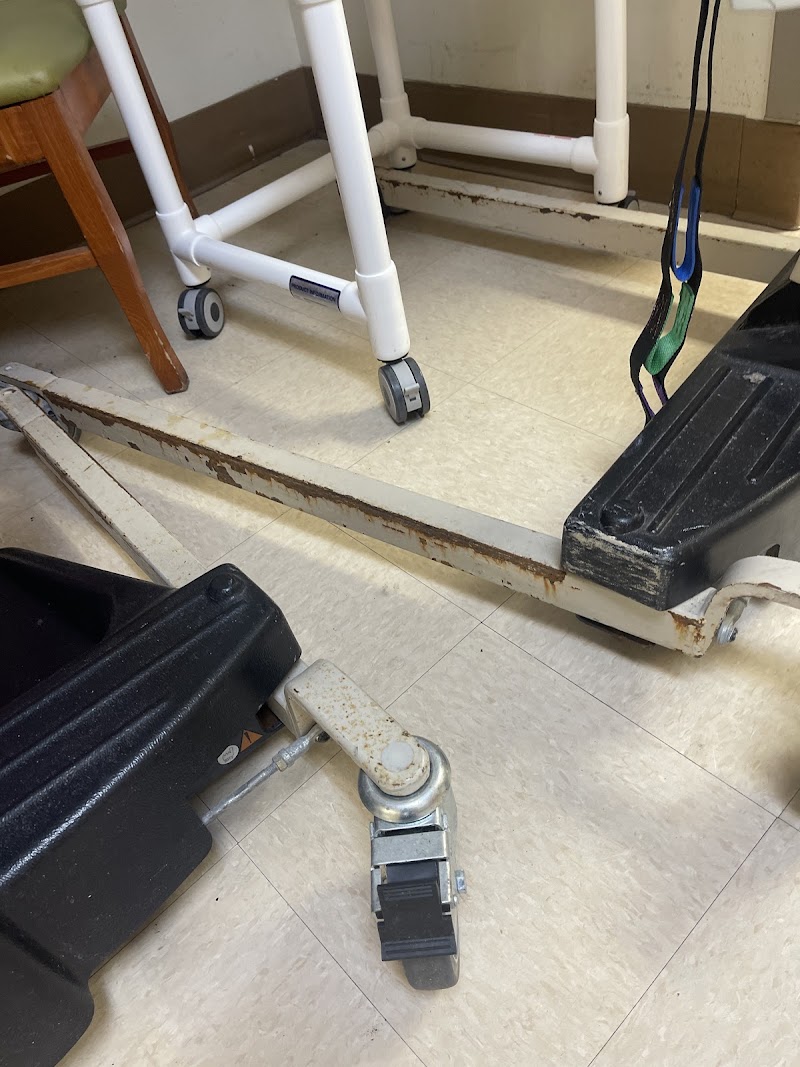
How is Aviata At Kissimmee Gardens Staffed?

CMS rates AVIATA AT KISSIMMEE GARDENS's staffing level at 4 out of 5 stars, which is above average compared to other nursing homes. Staff turnover is 32%, compared to the Florida average of 46%. This relatively stable workforce can support continuity of care.

What Have Inspectors Found at Aviata At Kissimmee Gardens?

State health inspectors documented 30 deficiencies at AVIATA AT KISSIMMEE GARDENS during 2023 to 2024. These included: 2 Immediate Jeopardy (the most serious level, indicating potential for serious harm or death), 27 with potential for harm, and 1 minor or isolated issues. Immediate Jeopardy findings are rare and represent the most serious regulatory concerns. They require immediate corrective action.

Who Owns and Operates Aviata At Kissimmee Gardens?

AVIATA AT KISSIMMEE GARDENS is owned by a for-profit company. For-profit facilities operate as businesses with obligations to shareholders or private owners. The facility is operated by AVIATA HEALTH GROUP, a chain that manages multiple nursing homes. With 120 certified beds and approximately 114 residents (about 95% occupancy), it is a mid-sized facility located in KISSIMMEE, Florida.

How Does Aviata At Kissimmee Gardens Compare to Other Florida Nursing Homes?

Compared to the 100 nursing homes in Florida, AVIATA AT KISSIMMEE GARDENS's overall rating (3 stars) is below the state average of 3.2, staff turnover (32%) is significantly lower than the state average of 46%, and health inspection rating (2 stars) is below the national benchmark.

What Should Families Ask When Visiting Aviata At Kissimmee Gardens?

Based on this facility's data, families visiting should ask: "What changes have been made since the serious inspection findings, and how are you preventing similar issues?" "Can I visit during a mealtime to observe dining assistance and food quality?" "How do you handle medical emergencies, and what is your hospital transfer rate?" "Can I speak with family members of current residents about their experience?" These questions are particularly relevant given the facility's Immediate Jeopardy citations.

Is Aviata At Kissimmee Gardens Safe?

Based on CMS inspection data, AVIATA AT KISSIMMEE GARDENS has documented safety concerns. Inspectors have issued 2 Immediate Jeopardy citations (the most serious violation level indicating risk of serious injury or death). The facility has a 3-star overall rating and ranks #100 of 100 nursing homes in Florida. Families considering this facility should ask detailed questions about what corrective actions have been taken since these incidents.

Do Nurses at Aviata At Kissimmee Gardens Stick Around?

AVIATA AT KISSIMMEE GARDENS has a staff turnover rate of 32%, which is about average for Florida nursing homes (state average: 46%). Moderate turnover is common in nursing homes, but families should still ask about staff tenure and how the facility maintains care continuity when employees leave.

Was Aviata At Kissimmee Gardens Ever Fined?

AVIATA AT KISSIMMEE GARDENS has been fined $13,046 across 2 penalty actions. This is below the Florida average of $33,209. While any fine indicates a compliance issue, fines under $50,000 are relatively common and typically reflect isolated problems that were subsequently corrected. Families should ask what specific issues led to these fines and confirm they've been resolved.

Is Aviata At Kissimmee Gardens on Any Federal Watch List?

AVIATA AT KISSIMMEE GARDENS is not on any federal watch list. The most significant is the Special Focus Facility (SFF) program, which identifies the bottom 1% of nursing homes nationally based on persistent, serious quality problems. Not being on this list means the facility has avoided the pattern of deficiencies that triggers enhanced federal oversight. This is a positive indicator, though families should still review the facility's inspection history directly.