KISSIMMEE HEALTH AND REHABILITATION CENTER
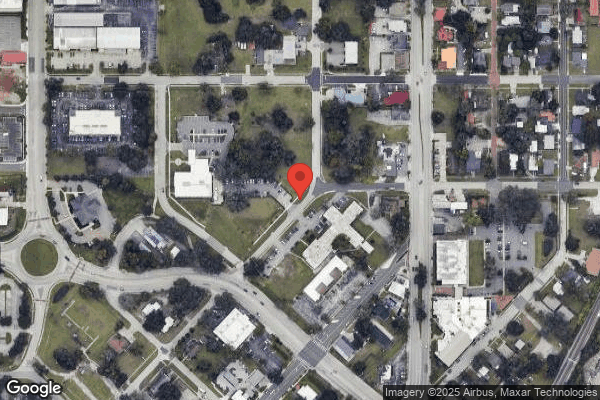
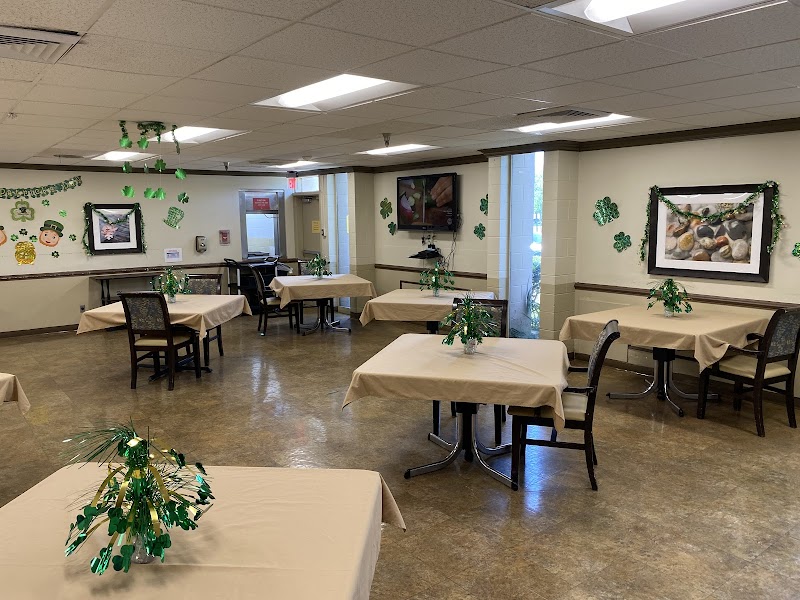
320 N MITCHELL ST, KISSIMMEE, FL 34741 (407) 847-7200
For profit - Limited Liability company 59 Beds SIMCHA HYMAN & NAFTALI ZANZIPER Data: November 2025
Trust Grade
53/100
#513 of 690 in FL
Last Inspection: May 2025

Inspected within the last 6 months. Data reflects current conditions.

Overview

Kissimmee Health and Rehabilitation Center has a Trust Grade of C, which means it is average and sits in the middle of the pack among nursing homes. It ranks #513 out of 690 facilities in Florida, placing it in the bottom half, and #7 out of 10 in Osceola County, indicating few better local options. The facility is improving, with the number of issues decreasing from 13 in 2024 to 6 in 2025. Staffing is a strength here, earning a rating of 4 out of 5 stars, with a low turnover rate of 28%, meaning the staff tends to stay long-term. However, there have been some concerns, including inadequate food safety oversight, with unlabeled and expired food found in storage, and a failure to properly display staffing information, which could affect residents' access to important details.

Trust Score
C
53/100
In Florida
#513/690
Bottom 26%
Safety Record
Low Risk
No red flags
Inspections
Getting Better
13 → 6 violations
Staff Stability
✓ Good
28% annual turnover. Excellent stability, 20 points below Florida's 48% average. Staff who stay learn residents' needs.
Penalties
✓ Good
No fines on record. Clean compliance history, better than most Florida facilities.
Skilled Nurses
✓ Good
Each resident gets 65 minutes of Registered Nurse (RN) attention daily — more than 97% of Florida nursing homes. RNs are the most trained staff who catch health problems before they become serious.
Violations
⚠ Watch
22 deficiencies on record. Higher than average. Multiple issues found across inspections.
★★☆☆☆
2.0
Overall Rating
★★★★☆
4.0
Staff Levels
★★★☆☆
3.0
Care Quality
★★☆☆☆
2.0
Inspection Score
Stable
2024: 13 issues
2025: 6 issues

The Good

  • 4-Star Staffing Rating · Above-average nurse staffing levels
  • Low Staff Turnover (28%) · Staff stability means consistent care
  • Full Sprinkler Coverage · Fire safety systems throughout facility
  • No fines on record
  • Staff turnover is low (28%)

    20 points below Florida average of 48%

Facility shows strength in staffing levels, staff retention, fire safety.

The Bad

2-Star Overall Rating

Below Florida average (3.2)

Below average - review inspection findings carefully

Chain: SIMCHA HYMAN & NAFTALI ZANZIPER

Part of a multi-facility chain

Ask about local staffing decisions and management

The Ugly 22 deficiencies on record

May 2025 6 deficiencies
CONCERN (D)

Potential for Harm - no one hurt, but risky conditions existed

Deficiency F0692 (Tag F0692)

Could have caused harm · This affected 1 resident

**NOTE- TERMS IN BRACKETS HAVE BEEN EDITED TO PROTECT CONFIDENTIALITY** 2. Resident #25 was admitted to the facility on [DATE] and readmitted on [DATE] with diagnoses that included type 2 diabetes and...

Read full inspector narrative →
**NOTE- TERMS IN BRACKETS HAVE BEEN EDITED TO PROTECT CONFIDENTIALITY** 2. Resident #25 was admitted to the facility on [DATE] and readmitted on [DATE] with diagnoses that included type 2 diabetes and need for assistance with personal care. Review of the resident record revealed a current physician order for weekly weights dated 5/09/25. Review of the RD progress note dated 5/09/25 at 7:34 PM, noted resident #25 triggered for significant weight loss over 30 days. Her weight on 5/07/25 was 109 pounds. The resident's previous weight on 4/01/25 was 119 pounds, a 10-pound weight loss or a 5% change over 30 days. The note recommended weekly weights, continue to monitor, and follow up. Review of resident #25's Weight and Vitals Summary revealed the last documented weight to be 109 pounds on 5/07/25. Review of the Nutrition care plan date 4/07/25, had an intervention to obtain weight as indicated. In a telephone interview on 5/28/25 at 6:28 PM, the RD stated she spoke to the Unit Manager (UM) two weeks ago regarding the weekly weights not being performed, and she sent an email to the DON about it. On 5/29/25 at 10:40 AM, the DON and UM stated the RD made them aware that resident #25's weights were not being performed as ordered. The DON stated the restorative CNAs usually did the weights. She stated there was no process in place regarding who would complete the weights if the restorative CNAs were not able to do them. The DON stated she took full responsibility for the weights not being performed, and explained it was due to lack of communication. The Weight Monitoring policy, implemented 11/20/20 and revised 11/30/23, indicated, weights should be monitored as per the schedule below unless otherwise ordered by the healthcare provider. The policy detailed, newly admitted residents' weight should be monitored weekly for four weeks, residents with significant weight loss should be monitored for weights weekly, and all others should be monitored monthly. The policy described that the newly recorded resident weight should be compared to the previously recorded weight. Based on observation, interview, and record review, the facility failed to implement appropriate dietary recommendations to treat significant weight loss for 2 out of 3 residents reviewed for nutrition, of a total sample of 31 residents, (#43, and #25). Findings: 1. Resident #43 was readmitted to the facility on [DATE] from an acute care hospital with diagnoses that included acute and chronic respiratory failure; partial paralysis following stroke, affecting the left dominant side; type 2 diabetes mellitus, trouble swallowing, unspecified dementia, moderate protein calorie malnutrition, colostomy status and gastrostomy (feeding tube) status. A colostomy is a temporary, or permanent surgical opening in the abdomen to drain stool from the body, (retrieved on www.hopkinsmedicine.org on 6/11/25). Review of the Minimum Data Set (MDS) admission assessment with assessment reference date (ARD) of 5/06/25 revealed resident # 43 had a Brief Interview for Mental Status (BIMS) Score of 14 out of 15 which indicated she was cognitively intact, had no behaviors nor rejection of care, ate independently and only required set up or clean up assistance during meals. A review of resident #43's Physician's Orders included a regular diet with thin consistency, 90 milliliter (ml) of House 2.0 calorie twice daily for nutritional supplement to be given with med pass (nutritional supplement), 30 ml Prostat AWC (Advanced Wound Care supplement) daily with med pass to promote wound healing. The orders indicated her gastrostomy tube was used for medication administration only. On 5/27/25 at 1:12 PM, resident #43 was in bed with her lunch tray in front of her. The assigned Certified Nursing Assistant (CNA) exited the room and stated she was going to get a grilled cheese sandwich for the resident because the resident did not like the sweet sauce on her mashed potatoes. The CNA mentioned the resident would eat on her own. About an hour later, on 5/27/25 at 2:06 PM, resident #43 was sleeping in bed, one bite of the grilled cheese sandwich was eaten from the plate on her bedside table. On 5/28/25 at 12:34 PM, resident #43 was in the dining room asleep in her wheelchair. One of the CNAs in the dining room reported the resident did not eat her lunch and she was waiting for help to put the resident back to bed. Later, on 5/28/25 at 2:05 PM, resident #43 continued to sleep in her room. A review of CNA documentation of resident #43's percentage of meal eaten for lunch on 5/27/25 was 0-25% and on 5/28/25 for breakfast, lunch, and dinner, it was 0-25%. A review of the medical record indicated the following weights for resident #43 since her re-admission to the facility on 4/29/25. On 4/30/25 resident #43 weighed 133 lbs. On 5/01/25 resident #43 weighed 133 lbs. and on 5/02/25 she weighed 132 lbs. There was no record of weights documented after 5/02/25 through 5/28/25. In a telephone interview on 5/28/25 at 6:03 PM, the Registered Dietician (RD) explained, resident #43 had multiple readmissions and came back to the facility on 4/29/25. On return from the hospital, resident #43 was placed on med pass supplements twice a day and another supplement, Prostat. The RD explained resident #43 was looked at as a new admission and was weighed every day for the first few days, then weekly for four weeks in order to more accurately assess her nutrition needs. She confirmed she was made aware the weekly weights were not performed and the last weight recorded was on 5/02/25 with no weight recorded thereafter. The RD explained the facility was aware she had asked for newly admitted residents to be weighed weekly since 5/09/25 and had spoken to the team during their last weekly meeting on 5/22/25. She said that the team was aware she was unable to complete her assessments without the weekly weights. On 5/29/25 at 1:12 PM, CNA C and CNA D said their Activities of Daily Living (ADL) tasks in their electronic documentation would indicate which residents needed to be weighed or the nurse would let them know. They explained the restorative CNAs were usually responsible for weighing residents, however they could perform the task as long as they knew it needed to be done. On 5/29/25 at 1:25 PM, Registered Nurse (RN) B explained she followed the physician's orders if there was a weight that needed to be completed. On 5/29/25 at 10:39 AM, the Director of Nursing (DON) and RN A said that restorative CNAs performed the weekly weights but they would not have know which residents needed to be weighed. They acknowledged there was a communication problem within their process for staff to know who should be weighed. The DON confirmed she was told by the RD about the missing weekly weights and acknowledged the facility did not follow the process. The DON stated it was her responsibility to follow through on the issue of the weights, and said they, dropped the ball on this one.
CONCERN (D)

Potential for Harm - no one hurt, but risky conditions existed

Medical Records (Tag F0842)

Could have caused harm · This affected 1 resident

**NOTE- TERMS IN BRACKETS HAVE BEEN EDITED TO PROTECT CONFIDENTIALITY** Based on observation, interview, and record review, the facility failed to maintain accurate documentation for medication admini...

Read full inspector narrative →
**NOTE- TERMS IN BRACKETS HAVE BEEN EDITED TO PROTECT CONFIDENTIALITY** Based on observation, interview, and record review, the facility failed to maintain accurate documentation for medication administration for 1 of 7 residents reviewed for medication administration, of a total sample of 31 residents, (#10). Findings: Resident #10 was readmitted to the facility on [DATE] with diagnoses which included chronic obstructive pulmonary disease, emphysema, Alzheimer's disease, dementia, sensorineural hearing loss and dry eye syndrome. A review of the quarterly Minimum Data Set assessment with reference date 4/04/25 revealed resident #10 had moderately impaired cognition. The assessment revealed the resident had no behaviors, nor rejection of care during the lookback period. Review of physician's orders revealed resident #10 was scheduled to receive one drop of Refresh Liquigel Ophthalmic Gel 1% (Carboxymethylcellulose Sodium (Ophthalmic)) in both eyes, four times a day for dry eyes and one drop of Latanoprost Ophthalmic Solution 0.005% in both eyes at bedtime for glaucoma. On 5/28/25 at 9:36 AM, Registered Nurse (RN) E prepared to administer resident #10 his morning medications. RN E prepared the oral medications, then began to look for the resident's prescribed eyedrops. First she took out the Latanoprost eye drops but realized it was not the one to be administered at that time. RN E searched the medication cart and determined the Refresh Liquigel was not available. She stated she would reorder the medication from the pharmacy and notify the doctor. Review of the Medication Administration Record (MAR) Audit report on 5/28/25 revealed documentation completed by RN E at 9:45 AM, the Refresh Liquigel Gel 1% was administered for the 9:00 AM dose at 9:26 AM. The audit report showed the 1:00 PM dose was administered by RN F at 12:15 PM. A nurse's progress note documented at 9:46 AM, confirmed the physician was notified the eye drops were not available at that time. On 5/28/25 at 1:11 PM, RN G and RN F were together in the hallway at the medication cart. RN G said they received resident #10's Refresh Liquigel eye drops and retrieved it from the cart. The medication was in the package, unopened and still sealed. RN G began to label the box with the resident's name. RN F was asked if the resident had received the 1:00 PM dose and she stated she had not given it yet. RN F was then asked to verify on the MAR that the medication was marked as given and the initials of the nurse were in fact hers. RN F verified that the initials were hers and when she realized she had already marked the medication as given in the medical record, she stated oh .ok, I will give the medication now. The nurse could not say why she documented the medication was administered before the package was even opened, or given. On 5/28/25 at 1:27 PM, the Director of Nursing (DON) and RN E reviewed the documentation on MAR with regards to resident #10's Refresh Liquigel eyedrops. RN E's documentation on the MAR completed at 9:45 AM, revealed the 9:00 AM dose was marked as given, which was inaccurate. RN E explained she checked it off in error, however she said that she had given the afternoon dose. RN E retracted her statement, that she had given the afternoon dose of the medication when she realized the initials on the MAR were RN F's, not her own. On 5/28/25 at 1:40 PM, the DON confirmed the documentation on the MAR was inaccurate. She said that she would have RN E strike out the 9:00 AM dose and notify the physician. The DON presented the Medication Administration Audit report which revealed the 1:00 PM dose of Refresh Liquigel eyedrops were documented as administered by RN F at 12:15 PM, before the medication had even been taken out of the package and opened. On 5/28/25 at 1:55 PM, RN F conveyed nurses should not document until after a medication was given and acknowledged she should not have documented the 1:00 PM dose of Refresh Liquigel eyedrops were administered prior to her actually giving it. The facility's Policy and Procedure on Medication Administration revised October of 2023 indicated in the Policy Explanation and Compliance Guidelines number 17, Sign MAR after [medication is] administered.
CONCERN (E)

Potential for Harm - no one hurt, but risky conditions existed

QAPI Program (Tag F0867)

Could have caused harm · This affected multiple residents

Based on interview, and record review, the facility failed to ensure the Quality Assessment & Assurance (QAA) / Quality Assurance and Performance Improvement (QAPI) committee conducted performance imp...

Read full inspector narrative →
Based on interview, and record review, the facility failed to ensure the Quality Assessment & Assurance (QAA) / Quality Assurance and Performance Improvement (QAPI) committee conducted performance improvement activities to ensure prior improvement measures were sustained. Findings: Review of the facility's QAPI Plan dated 1/18/24, revealed it was designed to be ongoing and comprehensive. The plan detailed the facility used a systematic approach to determine when in-depth analysis was needed to fully understand the problem, its causes and implications of change. The facility used a thorough and highly organized/structured approach to determine the root cause of identified problems. The plan indicated the facility would utilize a variety of tools to describe the current process used and identify any area of breakdown or weakness in the current process. The document described each Performance Improvement Project (PIP) subcommittee would provide the QAA committee with a summary report, analysis of activities, and recommendations. The facility had a deficiency cited at F812 during the previous recertification survey of 2/29/24 for food safety and sanitation. During the current survey, the facility was found to have repeated concerns with food safety and sanitation with dietary services. As a result of the repeat deficiency, it was identified there was insufficient auditing and oversight to prevent the citation. On 5/29/25 at 4:58 PM, the Nursing Home Administrator (NHA) and the Director of Nursing (DON) were made aware of the repeat deficiency F812. The NHA explained the Dietary Regional Manager completed monthly audits, but he himself did not have access to those reports and was not aware of any issues within dietary services. The NHA acknowledged there was a breakdown and said the problem was his inability to access the reports. He acknowledged the facility should have access to reports completed by the Regional Manager in order to conduct performance activities to ensure improvements and measures were conducted and sustained.
CONCERN (F)

Potential for Harm - no one hurt, but risky conditions existed

Staffing Information (Tag F0732)

Could have caused harm · This affected most or all residents

Based on observation, and interviews, the facility failed to post a complete Nurse Staffing report in a place readily accessible to residents, staff, and visitors. Findings: On 5/27/25 at 2:30 PM, th...

Read full inspector narrative →
Based on observation, and interviews, the facility failed to post a complete Nurse Staffing report in a place readily accessible to residents, staff, and visitors. Findings: On 5/27/25 at 2:30 PM, the Nurse Staffing sheet was posted on the wall in the hall leading from the lobby to the resident rooms. It was about six feet from the floor and out of view of the residents. Review of the posting revealed it did not include the facility census as required. On 5/28/25 at 2:00 PM, a facility visitor stated she was not aware of the facility staff posting on the wall. The visitor looked at it and acknowledged she could not read it because the typing was too small. On 5/29/25 at 12:14 PM, the Staffing Coordinator stated she was responsible for creating the staffing document that was posted in the lobby. She looked at the posting where it hung on the wall and acknowledged it could not be seen by anyone sitting in a wheelchair. She said there was another one posted outside her office door. When she looked at it, she agreed the words were too small for anyone in a wheelchair to read. The Staffing Coordinator acknowledged the census was not on either of the postings. She stated she was not aware the census was required on the posting.
CONCERN (F)

Potential for Harm - no one hurt, but risky conditions existed

Deficiency F0801 (Tag F0801)

Could have caused harm · This affected most or all residents

Based on observation, interview, and record review, the facility failed to ensure qualified staff had the appropriate competencies and skill sets to carry out management and oversight of the food and ...

Read full inspector narrative →
Based on observation, interview, and record review, the facility failed to ensure qualified staff had the appropriate competencies and skill sets to carry out management and oversight of the food and nutrition services as demonstrated by numerous irregularities including labeling/dating food, training to staff on food safety and preparation, and logs for the dish machine, which had the potential to affect all 53 of 53 residents residing and eating at the facility. Findings: On 5/27/25 at 9:38 AM, during the initial kitchen tour with the Certified Dietary Manager (CDM), multiple food items in the walk-in refrigerator, freezer and dry storage room had unlabeled, undated, expired, and improperly stored food items. The CDM did not provide required oversight of staff to monitor or address issues including food items left unlabeled, and undated or expired foods. The CDM did not provide to staff readily available policies and procedures for food labeling, storage and the expiration date policy. Instead, staff were directed to discard prepared foods after three days and was not aware of the actual policies of the facility. On 5/27/25 as the initial kitchen tour continued with the CDM, the dishwashing machine was observed at approximately 9:50 AM. The dishwashing machine's water temperatures were found to be lower than the required and the concentration of the chemical sanitizer was found to be higher than the appropriate level. The dishwashing machine's temperature log, for the previous months, revealed the dish machine temperatures to be out of the required range and entries for the dinner meals to be missing. The temperature log for the current month could not be located. The CDM did not provide the appropriate oversight to identify the concerns, nor to monitor or address the issues as required. Interview of a kitchen staff on 5/28/25 at 11:40 AM, revealed the cook never received instruction on how to take the dish machine temperatures at dinner meals. Other dietary staff and management were unsure which thermostat to use to record the dish machine temperatures and instructed staff to use one that recorded the temperature below the required minimum temperature. When provided with months of dish machine temperature logs which indicated the temperature did not meet regulatory requirements, management had not provided the oversight to address the inadequate temperatures and missing entries in the logs. The CDM also did not provide the oversight of the chemical sanitizer for the dish machine, review of the temperature logs contained documentation the chlorine disinfectant was at a level too concentrated to be safe for residents, instead she relied on the chemical supply company to notify her, saying she was never told any of it was an issue. Interview with staff and records revealed new staff received training online regarding food safety but documentation of direct staff education at the facility was minimal. A review of the staff training provided by the CDM revealed an in-service was completed on 7/04/24 reminding staff to fill out temperature logs. Over the next 10 months, only three additional in-services were provided, in April 2025 on the topics of slips and fall prevention, tray presentation and accuracy, and prevention of knife cuts. There were no additional in-services to address food safety, or storage for kitchen staff during that time. On 5/29/25 at 2:41 PM, the CDM stated it was the cook's responsibility to check food items for expiration and discard them which could be completed anytime during their shift, but she did not say what type of oversight she gave to kitchen staff beyond occasional verbal reminders. The CDM explained the facility's Administrator regularly asked her if staff completed the temperature logs, checked the milk carton dates, or had adequate supply of dish machine chemicals, but didn't inquire if she actually reviewed them regularly. The CDM was unable to say why the facility could not provide documentation of the dish machine temperature log for the month of May, or why she did not recognize or act on dish machine temperatures that were too low or missing entries in previous months' logs. The Dietary Manager had a current food safety certification, an associate's degree in management related to food service, and approximately 30 years' food service management experience according to her resume. She was directly employed by and provided oversight by a food service management contract company, yet numerous irregularities were noted which did not meet the Food and Drug Administration Food Code nor standards of practice for the industry.
CONCERN (F)

Potential for Harm - no one hurt, but risky conditions existed

Food Safety (Tag F0812)

Could have caused harm · This affected most or all residents

Based on observation, interview, and record review, the facility failed to label and date stored food in accordance with professional standards for food safety, failed to ensure the dish machine was o...

Read full inspector narrative →
Based on observation, interview, and record review, the facility failed to label and date stored food in accordance with professional standards for food safety, failed to ensure the dish machine was operated at proper temperatures and sanitizer was dispensed at proper concentrations, and failed to ensure nutritional supplements and residents' food brought in from family were dated and discarded when expired to prevent foodborne illness. These deficiencies had the potential to affect all the 53 residents residing and eating at the facility. Findings: 1. On 5/27/25 at 9:38 AM, during the initial kitchen tour with the Certified Dietary Manager, (CDM) multiple food items in the walk-in refrigerator were dated with a 30-day span between when they were received/opened and when they were to be discarded. For example, a large, clear bin of diced tomatoes were dated 5/25-6/25, approximately 25 cucumbers which had small, soft, dent spots in them which indicted spoilage, were dated 5/19-6/19, a plastic container of blueberries, which the CDM stated were previously frozen, were smashed and leaking juices, dated 5/16-6/16, a container of lemons were dated 5/9-6/9, a plastic container of leftover mushrooms were dated, 5/24-6/24, and a plastic container of leftover crushed pineapple were dated 5/16-6/16. The Dietary Manager stated one of the cooks had mistakenly dated these items as good for one month. She added, the previously canned pineapples and mushrooms could, usually be kept about five to seven days. The CDM explained cooks were responsible for discarding outdated items, but could not explain how items dated for use for a month, beginning from 5/09/25 and 5/16/25, had not been identified as expired and discarded. The items were still available for use by kitchen staff today, 5/27/25. During the tour, several previously opened food items were found undated, for example, a package of shredded cabbage, resealed with plastic wrap, a plastic container of ham base and a container of garlic in water, a cube of butter, and an aerosol canister of whipped cream were all undated. A vacuum-sealed package which held a large piece of raw pork was found without a date on it. The CDM stated the food items should have been dated when opened and the raw meat should have been dated when it was originally refrigerated. There was an opened container of chocolate frosting dated 8/08 without a date as to when it should be discarded. The CDM stated this frosting was fudge and therefore could be kept a 'long time. Two stacks of American cheese slices were opened and rewrapped: one with approximately 25 slices, the other 40 slices with an illegible date written in pen directly on top of the plastic wrap instead of on a sticker. TheCDM stated leftover cheese could usually be kept about a week' and indicated she could provide a more exact length of time food items could be kept by referring to the online policy. She acknowledged she did not have any of this information posted for staff to reference within the department. The CDM stated many of the staff had been here for a long time and were aware of how long food could be stored, in conflict to what was found during the tour of the refrigerator. In the walk-in freezer, a plastic bag of premade hamburgers was left opened to the air. The CDM noted the burgers had white spots and white areas on them, which were evidence of freezer burn after being exposed to the air. In the dry storage room, two unopened tubs of chocolate frosting had two dates on them, 4/10 and 10/10. The CDM stated she was not sure if the dates indicated when they were received, opened, or when they expired. She speculated the items were received on 4/10 and expired on 10/10. On 5/28/25 at 11:28 PM, AM [NAME] H stated leftovers, including canned pineapple and mushrooms, could be kept for three days, diced tomatoes for one week, and butter for one month. On 5/28/25 at 11:40 AM, PM [NAME] I stated he cooked at the facility for the past two months but worked in the food service business for over 50 years. He said a person could tell how long food could be kept using their eyes and sense of smell. [NAME] I explained, in general, perishable food could be kept for three days, chopped tomatoes could be kept for one week, and canned mushrooms and pineapple could be kept for five to seven days. He stated American cheese could be kept for about two weeks after it was opened, but should always be checked for mold first. The PM [NAME] acknowledged he received three days of training when he started at the facility by one of the cooks, but had not received any other training from the CDM including what the facility's food storage policies were. On 5/28/25, the CDM provided a part of the facility's written food labeling and dating policy. She stated she was surprised that their policy indicated prepared foods could be kept for seven days as she had thought it was three days. In addition, some items used at this facility were not listed on this policy. She explained her Regional Manager forwarded an email which indicated opened products with a longer shelf life should be discarded according the manufacture's expiration date on the container and if there were not one, it should be discarded after 30 days. The CDM reached out to food supplier and confirmed some of the information provided by the Regional Manager did not align with the food supplier's guidelines. For example, the food supply company stated their soup bases were good for six months if unopened, but after opened, should be thrown away after two weeks. The food supply company also informed her the Chocolate Frosting could be stored for 18 months if unopened but after opening, should be discarded after four weeks. This meant the opened frosting dated 8/08, should have been discarded 9/8/24, over eight months ago. The facility's policy entitled Food Storage: Cold, dated October 2019, indicated all food items would be stored in accordance with guidelines of the Food and Drug Administration (FDA) Food Code and would be labeled and dated in a manner to prevent cross contamination. The policy entitled Food Storage: Dry Goods with the same date indicated foods would be stored according to the FDA Food Code and would be date marked as appropriate. 2. On 5/27/25 during the initial kitchen tour with the CDM, in the dish room there were two thermometers attached to the dish machine; one was a digital electronic thermometer and the other was an analog dial. The thermometer which had an electronic screen indicated the temperature was set at 160 degrees Fahrenheit (F) and the probe currently read 153 degrees F. The CDM stated she really did not know how the electronic temperature gauge worked and preferred to run a separate waterproof thermometer through the dish machine to get her temperature reading. The CDM ran a waterproof thermometer through the dish machine which read 111 degrees F, nine degrees below the required minimum temperature of 120 degrees F for a low temperature dish machine. The CDM then tested the concentration of the chemical sanitizer, which indicated approximately 200 parts per million (ppm). She said the chemical test strips were from a company which had provided their dish machine chemicals and service from over a year ago so she asked to use a different chemical test strip which had been received from the current chemical supply and dish machine maintenance company. The newer strips showed the same result of 200 ppm. The CDM stated the newer company periodically checked the machine and had never informed them there was a problem with the temperatures or concentration of the sanitizer that she knew of. The CDM could not provide the dish machine temperature logs from the month of May, and could not located them anywhere. The temperature logs for April indicated the dish machine temperatures ranged from 110-115 degrees F, which did not meet the minimum temperature required of 120 F. Review of the April 2025 log revealed temperatures were only recorded for the breakfast and lunch meal service and no dish machine temperatures were recorded for the dinner meals. The CDM initially could not explain why the recorded temperatures were low but explained she thought the reason staff had not recorded the temperatures for the dinner dishes was because the form only had two spots for temperatures to be recorded each day, so staff only recorded breakfast and lunch. The dish machine temperature logs included the chemical sanitizer was at 200 ppm even though the bottom of the form indicated the level of chemical sanitizer should be between 50-100 ppm. The CDM conveyed she thought levels of 200-400 ppm were acceptable, because she recalled that was what they were at previous facilities she worked at. The Maintenance Director arrived and explained the electronic temperature gauge was set to 160 degrees F and the probe indicated that actual water temperature. He stated he took care of the electricity and hot water going to the machine, but the calibrations were done by the company that provided the chemicals. During the kitchen revisit on 5/28/25 at 11:05 AM, the CDM explained dish machine temperatures recorded by the staff were low was because the staff were using the round analog thermometer to obtain the temperatures, which she acknowledged she had instructed them to use because whenever she looked at the electronic thermometer, the screen was blank. She added, when she started working at the facility a year ago, the main dish washing staff told her the electronic thermometer didn't work. In addition, she stated the current chemical company made a visit yesterday and told her the sanitizer strips she used were meant only for the pot sink and that was why it tested at 200 ppm. The representative asked her why she didn't use the correct strips and she told him they used the only ones he had provided. He then gave her the correct package of test strips and stated he would order the correct ones for her. She stated she didn't worry about the wash temperature being lower than the required 120 degrees F on the logs because the dishes always looked clean and they were sanitized after, and the representative never told her things were not OK after he checked the machine during his visits. She added, her Regional Manager made monthly visits and checked the temperature logs, the dish machine temperatures using the analog dial thermometer, and the concentration of the chemical sanitizer, and she was never told any of it was an issue. On 5/28/25 at 11:40 AM, PM [NAME] I stated he was responsible for washing the dishes after dinner but he did not take the dish machine temperatures at dinner time. Later that day, at 4:05 PM, PM [NAME] I stated he had not been shown how to take the temperatures for the dish machine nor instructed it was his responsibility to do it at the nightly meal. He stated he would do so if someone showed him how it was to be done. On 5/28/25 at 3:45 PM, the CDM stated new staff got most of their training on the computer from the management company but she provided specific education to the staff as needed. In a telephone interveiw on 5/29/25 at 8:26 AM, the account manager for the chemical supply company stated he had this account for the past six to seven months and confirmed he came in yesterday to find the CDM used an old strip provided by a prior chemical supply company which might have been too old to record accurately. He stated the CDM used incorrect strips which had been provided for the three-compartment sink and were not for testing the dish machine. He acknowledged it was his responsibility to provide the correct strips for the account but stated the ones they used from the previous company were in a similar container and he had not looked close enough to see if they were correct or not. He added, when he came to service the account, he brought and used his own strips. He stated If the sanitizer concentration was truly at 200 ppm, which was the concentration at which the facility was getting measurements for, one would not want to serve meals from the dishes because that amount that would not be safe for resident to eat from; it would be too much. He also stated he used the analog thermometer, not the one with a digital screen and his own laser thermometer. He added, he had 70-80 accounts and therefore was not positive but thought the water temperature at this account usually measured between 110-122 and if he saw the temperature at 110, he primed the water to try to increase its temperature. He stated if he was unable to get the water to the required 120 minimum, he would let the manager know this was a concern. He was unsure if he had brought a concern for the water temperature to the manager's attention, but added he always emailed his report to the manager, usually by the end of the day he visited. In a phone interview on 5/29/25 at 8:00 AM, the Regional Manager stated she goes biweekly to this account and did monthly audits. She stated she checked the temperature logs to ensure they were completed and for what the temperatures were on the logs, but does not check the actual water temperature of the dish machine herself. When asked if she noticed the temperatures recorded on the logs were consistently between 110-115 degrees, instead of the required minimum of 120 degrees, and the concentration of chemical sanitizer was consistently at 200 ppm, she stated she has 8 facilities and cannot remember what she saw at this facility a month ago. She stated if she saw that the temperatures were out of line with the requirements, she would have made the manager aware to connect with the maintenance manager and with the chemical supply company to get it corrected and stated she was not sure whether there was an error with the instructions on the form regarding the required sanitizer concentration because she thought it should be 200 ppm. On 5/29/25 at 11:59 AM, the Regional manager stated she reviewed the dish machine temperature logs and confirmed the April log only recorded the temperatures for breakfast and lunch meals. She confirmed the temperatures recorded were not at the minimum required temperatures and the sanitizer concentration was too high for the requirements. She stated she had not noticed those items when she had checked the logs during her prior visits. She stated she was not worried about the data being out of range because the monthly reports from the company that provided the chemicals indicated there was not an issue with dish machine temperatures or sanitizer concentration. She acknowledged that a check once per month was not adequate and that temperatures needed to be taken and recorded for each meal to ensure any issue with sanitation did not arise in-between the chemical company's visits. Review of the chemical company's monthly reports revealed from 5/15/24 through 7/12/24, no visit or report was provided. On the report dated 7/12/24, no dish machine temperature nor sanitizer concentration measurements were provided. On the report dated 8/02/24, the wash and final rinse temperatures were both reported at 115 degrees F and on the report dated 10/21/24, the wash temperature of 110 F and the final rinse temperature of 114 F, which did not meet the minimum required 120 degrees F. On the report dated 11/11/24, no temperature was documented and no sanitizer concentration information was provided at all. On 5/29/25 at 5:00 PM, the Maintenance Director and dietary manager were informed of the findings from the reports from the chemical supply company and the maintenance director stated using a laser to take the temperature of the water was much less accurate than what he used as he sticks a thermometer directly into the water and makes sure it matches the electronic thermometer. He stated going forward he would ensure they all used the most accurate way and would remove the analog thermometer to decrease confusion for staff on which thermometer should be used. On 5/29/25 at 3:05 PM, the facility Administrator, stated he provided oversight to the dietary department by reminding them of things they were supposed to be doing. For example, he went into the kitchen almost daily and reminded them to make sure they were completing the temperature logs and were dating foods, but he stated he does not check the logs nor the dated foods to ensure they were done accurately. He stated audits were completed in the kitchen by the dietary management company, and the dietitian was the one that does them. A review of the Food Safety and Sanitation audits indicated the Dietary Regional Manager completed the audits monthly and the dietitian completes them every other month. The five audits provided were completed between January 28 and April 18th, 2025 with all providing an overall score between 97-100% satisfaction. The April 18th, 2025 audit completed by the regional manager, with an overall score of 98%, indicated foods that required time and temperature control for safety (TCS) were not held past their expiration date. It also stated a date marking was applied at the time of preparation to foods that require time/temperature control and were dated with a date by which the product must be consumed or discarded and the shelf life does not exceed the management company standards, including the day of preparation. The audit form also indicated chemical sanitizer solutions for dish machines were maintained at the proper concentration per their label instructions and if a violation was found, operation may need to cease until the imminent health hazard was resolved. It continued by indicating the dish machine was properly maintained and wash temperatures met the requirements. It added that dish machine logs were available and were properly completed. The dietary management company's policy entitled Ware washing, dated October 2019, indicated the Dining Services Director ensured the staff was knowledgeable for using proper ware washing techniques, dish machine water temperatures were maintained in accordance with the manufacturer recommendations, and that appropriate temperature and sanitizer concentration logs were completed as appropriate. 3. On 5/29/25 at 11:30 AM, on a tour of the nourishment room with the Unit Manager (UM), the refrigerator temperatures were recorded on the log twice per day and the freezer temperatures were not recorded at all. A package containing 11 hot dog buns were found in the refrigerator without a label as to whose it was and without a date. There were also seven containers of yogurt labeled with a resident's name; two were dated 5/04/25 without an expiration date and the other five had varying expiration dated between 4/21/25 and 5/15/25. There was a carton of whole milk for another resident which had been opened but was undated as to when it was opened or when it expired. Two opened, yet undated containers of the nutrition supplement MedPass were noted and the directions on the containers stated they were to be used within 3 days of opening. The UM stated it was the responsibility of the dietary department to record the refrigerator and freezer temperatures on the log and to check residents' food for expiration dates and discard them when expired. She added it was important to check expiration dates for residents to ensure they didn't get food poisoning from spoiled food. The UM acknowledged the nursing staff was responsible to label any food items, including when they opened the MedPass and discard it when expired. She added it was important do this so staff didn't serve spoiled items to the residents and get them sick. On 5/29/25 at 11:59 AM, the CDM stated she checked the expiration dates of resident's food items when she checked the nourishment refrigerator. She could not explain why expired and unlabeled foods had currently been found in the nourishment room refridgerator. The CDM explained possibly these items had been put in the refrigerator that morning. The Dietary Regional Manager who was present, stated the nursing department was responsible for checking resident food expiration dates and for logging daily temperatures of the nourishment refrigerator and freezer. The CDM stated she informed her staff to write the temperatures on the log if they had not been filled out by nursing when they brought snacks to the nourishment room, and could not explain why this had not been done. On 5/29/25 at 1:21 PM, the Director of Nursing (DON) and the Staff Development Coordinator stated the dietary department was responsible to take and record the daily nourishment refrigerator temperatures and to throw away resident's expired food items after three days of being in the refrigerator. They acknowledged, nursing was responsible to accept the food items from family members, ensure they were labeled with the resident name and date, and to date the MedPass nutrition supplement when it was opened. The facility's policy entitled Use and Storage of Food brought in by Family and Visitors, dated 3/20/23, indicated prepared food items brought into the facility for a resident would be thrown away by facility staff if not consumed within three days. The policy did not stipulate which facility staff was responsible for this action.
Apr 2024 1 deficiency
CONCERN (D) 📢 Someone Reported This

A family member, employee, or ombudsman was alarmed enough to file a formal complaint

Potential for Harm - no one hurt, but risky conditions existed

Grievances (Tag F0585)

Could have caused harm · This affected 1 resident

**NOTE- TERMS IN BRACKETS HAVE BEEN EDITED TO PROTECT CONFIDENTIALITY** Based on interview and record review, the facility failed to follow their grievance process related to expressed concerns for ca...

Read full inspector narrative →
**NOTE- TERMS IN BRACKETS HAVE BEEN EDITED TO PROTECT CONFIDENTIALITY** Based on interview and record review, the facility failed to follow their grievance process related to expressed concerns for care for 2 of 3 residents reviewed for grievances, of a total sample of 8 residents, (#2 and #4). Findings: 1. Resident #2 was admitted to the facility on [DATE] and readmitted on [DATE] from an acute care hospital. Her diagnoses included stroke, dementia, and urinary tract infection. Review of the quarterly Minimum Data Set (MDS) assessment with Assessment Reference Date (ARD) of 3/17/24 revealed a Brief Interview for Mental Status (BIMS) score of 8 out of 15 which indicated moderate cognitive impairment. Review of resident #2's medical record showed her son was her responsible party. On 4/29/24 at 4:28 PM, during a telephone interview, resident #2's son stated he found out his mother sustained a fall in the facility when he visited her in the hospital on 4/06/24. He explained he saw a bruise on her left leg and wanted to know the details of her fall. He mentioned his mother mentioned the fall to the hospital staff and they told him that information was not included in the report from the facility. He indicated he called the facility and spoke with the Director of Nursing (DON). He stated he requested a meeting with the Interdisciplinary Team (IDT) to address his concerns about his mother's care, but no one had called him. Review of the Grievance Log for April 2024 revealed no grievances for resident #2. On 4/30/24 at 3:37 PM, the DON recalled receiving a phone call from resident #2's son a couple of days after she was transferred to the hospital. The DON reviewed the transfer to the hospital documentation and acknowledged it did not include information that resident #2 sustained a fall. She stated the documentation listed abdominal pain as the reason for the transfer. She said the resident had complained of abdominal pain that day, but it would have been important for the hospital to know she also fell. She indicated resident #2's son asked why his mother was sent to the hospital. She stated she explained to him the pain she was having during the morning, her refusal for pain medication and then the fall. She confirmed she told resident #2's son they would set up a care plan meeting after resident #2 returned from the hospital. She acknowledged she had not called him to set up the meeting or followed up with him since the phone call over 2 weeks ago. 2. Resident #4 was readmitted to the facility on [DATE]. His diagnoses included hemiplegia (one-sided paralysis) and hemiparesis (one-sided weakness) following a stroke, convulsions, and anxiety. Review of the quarterly MDS assessment with ARD of 3/29/24 revealed resident #4 had a BIMS score of 15 which indicated he was cognitively intact. The assessment noted no rejection of care. On 4/29/24 at 11:06 AM, resident #4 stated his meal tray was periodically not included in the carts and it happened mostly for dinner. He explained the last incident happened on Saturday evening. He stated Certified Nursing Assistants (CNAs) were passing out trays to other residents, but his tray was not available. He stated the kitchen staff was, Not making up his tray on purpose. He said he knew when the tray was not included in the cart because his meal ticket would not be included with his tray. He said, It's a joke to them, they do it to be funny. He stated kitchen staff was supposed to include a ginger ale with his meals, but this was not always the case. He indicated he stopped complaining about things because nothing was done. He stated he had spoken to the Social Services Director (SSD) on more than one occasion about his concerns, but the facility did not do anything. He stated he had requested certain CNAs not be assigned to his care, but they still assigned them to him at times. He said, Abuse to an elderly person is a felony, and he required assistance from staff because he was paralyzed on his left side. He stated he called the police on Saturday because this facility did nothing to address his concerns. He mentioned the Administrator came to the facility after he called the police on Saturday but did not come to his room to speak to him. On 4/30/24 at 2:10 PM, during a telephone interview, the weekend supervisor explained her responsibilities included addressing any issues or concerns brought up by residents or families. She stated she completed grievance forms and dropped them in the SSD box. She recalled resident #5 called the cops last Saturday and complained about food portions and he was wet. She stated when staff checked resident #4, he was dry. She mentioned he did not inform staff about his concerns, just called the cops. She stated she accompanied the police officer to resident #4's room but he said he did not want to talk to her, and she left. She stated when the police officer finished talking to resident #4, the officer told her about his concerns which were food portion and being wet. She stated she tried talking to resident #4 again after the police left but he refused to talk to her. She indicated she called the Administrator while the police officer was in the facility. She stated she was not aware of any previous calls to the police by resident #4. She explained she spoke with resident #4's assigned nurse and CNA. She explained the nurse was unaware of any complaints. She indicated CNA A told her she had to go to the kitchen to get his tray because it was not included in the cart. She stated she was aware resident #4 did not want certain CNAs assigned to him so she accommodated his preference. She explained she would normally fill out a grievance form in a situation like this, but this time resident #4 did not want to speak to her, and she would have needed the interview to include it on the form. She stated this was the reason she called the Administrator. On 4/30/24 at 3:19 PM, during a telephone interview, CNA A explained she was assigned to the dining room during supper last Saturday. She stated the floor CNAs passed the trays to her residents. She mentioned the CNAs told her they did not see resident #4's tray in the cart and resident #4 had asked them, You don't see my food in the cart? She said the CNA told him she would get him a tray from the kitchen, and he repeatedly said he did not want it. She stated the CNA went to the kitchen and brought him a tray anyway, which he ate. She stated she did not know why the kitchen forgot his tray, because they have, To go slowly with him. She acknowledged he liked to get ginger ale with his meals and indicated he got mad when he did not get it, which sometimes happened. On 4/29/24 at 3:59 PM, the Administrator stated the SSD was the Grievance Officer, but was not available this week. He explained anyone could file a grievance and the forms were found at the nurses' station and the lobby. He explained they tried to resolve grievances within 72 hours. He explained grievances were discussed in the morning meeting. He stated if a resident or his/her family mentioned they felt neglected, abused, or unsafe, it was reported as required immediately and an investigation was initiated. He said he was the Abuse Coordinator. On 4/30/24 at 12:27 PM, the DON stated the weekend supervisor told her resident #4 had concerns about his food during the weekend. She indicated she went to talk to him and completed a grievance form. She explained resident #4 told her his tray was not included in the cart when staff was passing them. The Administrator stated resident #4 called the police and reported he was not getting enough food. The Administrator indicated he came to the facility last Saturday and spoke with the police. He confirmed he did not talk to resident #4 that day. The Administrator stated he talked to the weekend supervisor who confirmed resident #4 received a meal tray. When asked if resident #4 had called the police previously, both the Administrator and the DON stated he had not. The Administrator explained there were grievance forms by the nurses' station, the weekend supervisor should have completed a grievance form with resident #4's concerns. On 4/30/24 at 4:34 PM, the Unit Manager (UM) stated she was aware of at least 3 CNAs resident #4 did not want assigned to him. She said, Everybody knows which CNAs shouldn't be assigned to him, and confirmed nurses had assigned them at times. She explained last Wednesday she heard resident #4 called the police for the first time because of concerns with his meal. She stated his concerns were discussed with the psychiatrist last Friday. Later at 4:57 PM, the UM stated when she came in a few minutes before 9:00 AM last Wednesday, the police were in the facility talking to resident #4. She recalled the Administrator spoke with the police officer and later the DON and Administrator spoke with resident #4. She stated she learned on Sunday, resident #4 called the police about the same food issue. She indicated she did not write a grievance form last week because the police officer told her he had eaten his meal already and instead she contacted the physician and psychological services. On 4/30/24 at 5:46 PM, the Administrator stated he did not remember resident #4's call to the police last week. The DON indicated they were in a morning meeting when the police came in to speak with resident #4. The Administrator and DON stated they were unaware resident #4's food concerns were discussed during the care plan meeting on 4/17/24. The Administrator stated he did not speak with resident #4 last Wednesday or Saturday after the visit from the police. The Administrator stated a grievance and follow up should have been done to address resident #4's concerns. Review of the Care Plan Meeting Minutes dated 4/17/24 revealed resident #4 was in attendance. The Resident/Family Concerns section read, Some food concerns - all were addressed & noted by dietary. On 4/30/24 at 5:55 PM, the MDS Coordinator and the Dietary Manager explained the food concerns mentioned by resident #4 during the care plan meeting on 4/17/24 were related to food likes and dislikes. The Dietary Manager stated she updated his preferences the next day. The MDS Coordinator stated if a resident brought up a concern about food temperature or an actual concern they completed a grievance form. The MDS Coordinator stated resident #4's concerns, Did not seem like a grievance, to the IDT. Review of the police Event Report dated 4/27/24 at 6:42 PM, read, Subject was complaining of not getting the proper food for meals and staff taking too long to change his diapers. Head Administrator was contacted and wanted a statement from me regarding the incident for them to document. Review of the facility's policy titled Resident and Family Grievances revised on 3/08/22 read, It is the policy of this facility to support each resident's and family member's right to voice grievances without discrimination reprisal or fear of discrimination of reprisal. The policy included, The Grievance Officer is responsible for overseeing the grievance process; receiving and tracing grievances through to their conclusion; leading any necessary investigation by the facility; maintaining the confidentiality of all information associated with grievances, issuing written grievance decisions to the resident; and coordinating with state and federal agencies as necessary in light of specific allegations. The document indicated the grievance may be voiced by a verbal complaint to a staff member or the Grievance Official. The policy revealed the staff member who received the grievance was to record the nature and specifics of the grievance on the designated grievance form or assist the resident or family member to complete the form. The procedure directed staff to Take any immediate actions needed to prevent further potential violations of any resident right. It concluded with The facility will make prompt efforts to resolve grievances.
Feb 2024 12 deficiencies
CONCERN (D)

Potential for Harm - no one hurt, but risky conditions existed

Deficiency F0558 (Tag F0558)

Could have caused harm · This affected 1 resident

**NOTE- TERMS IN BRACKETS HAVE BEEN EDITED TO PROTECT CONFIDENTIALITY** Based on observation, interview, and record review, the facility failed to ensure 1 of 1 resident with physical limitations revi...

Read full inspector narrative →
**NOTE- TERMS IN BRACKETS HAVE BEEN EDITED TO PROTECT CONFIDENTIALITY** Based on observation, interview, and record review, the facility failed to ensure 1 of 1 resident with physical limitations reviewed for Environment was provided call light device access, of a total sample of 27 residents, (#5). Finding: Review of the medical record revealed resident #5, an [AGE] year old female was admitted to the facility on [DATE] with diagnoses that included end stage renal (kidney) disease, dependence on renal dialysis, congestive heart failure (heart pumping dysfunction), Chronic Obstructive Pulmonary Disease (COPD), and acquired absence of both legs above the knee. After re-hospitalization, on 2/18/24 she was readmitted back to the facility with additional diagnoses that included pleural effusion (fluid in the lung space) and acute cystitis (bladder inflammation). The Minimum Data Set (MDS) Quarterly Assessment with Assessment Reference Date (ARD) 11/19/23 noted the resident scored 13 out of 15 on the Brief Interview for Mental Status (BIMS) that indicated she was cognitively intact. The assessment showed the resident did not reject care, required maximum assistance and was dependent on staff for mobility and to complete Activities of Daily Living (ADLs). The assessment indicated she was incontinent of bladder and bowel functions, had shortness of breath or trouble breathing when lying flat, and she received high risk insulin, opioid, and antiplatelet medications during the look back period. On 2/26/24 at 10:30 AM, resident #5 was observed in her room lying in bed. The call light cord was observed to the right of the resident and hung from the wall with the activation device lying on the floor beside the bed. The resident looked distressed and yelled out, I need somebody in here. From 10:40 AM to 10:43 AM, the resident was heard yelling out for staff assistance multiple times. At 10:44 AM, the Director of Nursing (DON) was observed as she exited the resident's room. On 2/26/24 at 10:55 AM, from the nurses' station approximately 50 feet away, resident #5 was heard as she called out for staff assistance. Certified Nursing Assistant (CNA) M was observed as she walked by the resident's room. At 11:03 AM, the DON was observed as she exited the resident's room and closed the door. At 11:04 AM, the resident stated she could not find her call light and asked for repositioning assistance. She explained she wanted her room door open and stated, all night, all day, open. In a joint observation with Registered Nurse (RN) C and CNA M on 2/26/24 at 11:08 AM, resident #5 was observed in her room lying in bed. RN C and CNA M acknowledged the resident's call device was on the floor and the resident could not reach it. The RN explained that staff were expected to always check and make sure the device was within the resident's reach before they left the room. CNA M clipped the cord to the resident's bed sheet and said, she knows how to use it; she knows what it is. The resident placed the device in her right hand, squeezed it and said, call light. On 2/26/24 at 3:22 PM, the DON said staff were expected to check residents' call lights before they left the room. She recalled she had responded twice earlier the same day to resident #5 when she heard her call out for assistance. She was informed the resident's call light was on the floor, out of the resident's reach. She explained, she was not aware the call device had been left on the floor and said, I must've missed it. The Comprehensive Care Plan showed there were Focus items for altered cardiovascular status, chronic and acute pain, high-risk medication adverse effects, incontinence, end stage renal disease and dialysis complication risks, ADL self-care performance deficits related to weakness, poor balance, decreased endurance, decreased mobility (bilateral BKA) (below the knee amputation of both legs) with an intervention that read, Encourage the resident to use bell to call for assistance, high-risk for falls with an intervention that read, ensure call light is within use and encourage use .
CONCERN (D) 📢 Someone Reported This

A family member, employee, or ombudsman was alarmed enough to file a formal complaint

Potential for Harm - no one hurt, but risky conditions existed

Deficiency F0561 (Tag F0561)

Could have caused harm · This affected 1 resident

**NOTE- TERMS IN BRACKETS HAVE BEEN EDITED TO PROTECT CONFIDENTIALITY** Based on observation, interview, and record review, the facility failed to honor resident's rights to choose their preferred mor...

Read full inspector narrative →
**NOTE- TERMS IN BRACKETS HAVE BEEN EDITED TO PROTECT CONFIDENTIALITY** Based on observation, interview, and record review, the facility failed to honor resident's rights to choose their preferred morning wake-up time for 1 of 6 residents reviewed for choices out of a total sample of 27 residents, (#22). Findings: Review of the medical record revealed resident #22 was admitted to the facility on [DATE]. Her diagnosis included Alzheimer's Disease, dementia, major depressive disorder, and adjustment disorder. Resident #22's Annual Minimum Data Set (MDS) assessment with Assessment Reference Date (ARD) of 8/23/23 revealed the resident was the primary respondent for daily and activity preferences, and it was very important to her to choose her daily preferences such as her own bedtime. The resident's Quarterly MDS assessment with ARD of 11/17/23 revealed the resident scored 13 out of 15 on the Brief Interview for Mental Status (BIMS) that indicated she was cognitively intact. The assessment noted the resident was totally dependent on staff for transfers and required maximal assistance with bathing and dressing. The Documentation Survey Task Report noted that during February 2024, resident #22 was dressed and transferred with a mechanical lift before 7 am on the 11 PM-7 AM shift. The Documentation Survey Task Report also indicated that on seven occasions during February, she was dressed and transferred between 1:45 AM and 2:32 AM. Review of the facility's daily Get Up List for Breakfast, updated on 2/23/24, noted resident #22 was on the 11 PM to 7 AM Get Up List with two asterisks (**) by her name. The Get Up List read, 11-7 shift are to have residents showered/bathed and dressed ready for breakfast in the dining room. Residents with the ** are to be up in their WC (wheelchair). Residents w/o (without) the ** are to be bathed, dressed, and left in bed for 7-3 shift to get up on their shift. On 02/27/24 at 11:39 AM, resident #22 stated the staff consistently woke her up at 6 AM every day of the week, although she preferred to sleep longer and not be up that early. She stated she informed the staff of her desire to wake up at 7 AM, but they insisted that 6 AM was the designated time for her to get up and did not accommodate her wake up time preference. On 2/27/24 at 2:50 PM, Certified Nursing Assistant (CNA) B stated she worked at the facility since 2019 and worked the 7 AM-3 PM shift. CNA B confirmed staff on the 11 PM-7 AM shift always got resident #22 up in the morning. She confirmed that when she arrived on shift at 6:45 AM, the resident was always up and dressed in her wheelchair. On 2/27/24 at 3:04 PM, Registered Nurse (RN) A stated she had been working at the facility for 1 month and worked the 7 AM-3 PM shift. RN A confirmed that when she arrived at 6:45 AM, resident #22 was always up in her wheelchair and ready to be taken to breakfast. She acknowledged the resident was taken to breakfast at 7:30 AM. On 2/28/24 at 8:42 AM, resident #22 stated the staff got her up at 6 AM today. She explained she informed the staff that it was too early and she wanted to stay in bed longer. She noted the staff insisted that she had to get up. She reiterated that she preferred to be up between 7 AM to 8 AM but the staff did not allow her to choose. On 2/29/24 at 3:30 PM, the Director of Nursing (DON) stated she had worked at the facility for 2 weeks. She explained if resident #22 chose to remain in bed and not wake up at 6 am, she had the right to do so. The DON acknowledged that if residents preferred not to get up at 6 AM, staff needed to respect their wishes, recognizing the facility was their home. The Resident Rights Policy read, The resident has the right to a dignified existence, self-determination, and communication with and access to persons and services inside and outside the facility. It also read, The resident has the right to and the facility must promote and facilitate resident self-determination through support of resident choice including but not limited to the resident has a right to choose activities, schedules (including sleeping and waking times) .
CONCERN (D)

Potential for Harm - no one hurt, but risky conditions existed

Deficiency F0568 (Tag F0568)

Could have caused harm · This affected 1 resident

**NOTE- TERMS IN BRACKETS HAVE BEEN EDITED TO PROTECT CONFIDENTIALITY** Based on interview and record review, the facility failed to provide personal fund quarterly statements to 1 out of 1 resident r...

Read full inspector narrative →
**NOTE- TERMS IN BRACKETS HAVE BEEN EDITED TO PROTECT CONFIDENTIALITY** Based on interview and record review, the facility failed to provide personal fund quarterly statements to 1 out of 1 resident reviewed for personal funds out of a total sample of 27 residents, (#44). Findings: Review of the medical record revealed resident #44 was admitted to the facility on [DATE] from the hospital. His diagnosis included unspecified convulsions, hemiplegia, and hemiparesis following cerebral infarction, depression, and anxiety disorder. The most recent annual Minimum Data Set (MDS) with an assessment reference date of 12/29/23 revealed resident #44 had a Brief Interview for Mental Status (BIMS) score of 15 out of 15 that indicated the resident was cognitively intact. On 2/26/24 at 11:05 AM, resident #44 stated the facility held funds on his behalf but he had not received information regarding the balance in his account. He said he had never received financial statements from the facility. He explained he wanted to order some take out food but was uncertain about the balance in his facility held account. On 2/28/24 at 1:15 PM, the Business Office Manager (BOM) conveyed she had worked in her position for 1 year. She stated residents could choose to have their personal funds managed by the facility and quarterly statements were provided to the residents who were alert and oriented, or to their Power of Attorney (POA) if applicable. The BOM acknowledged there was not a system in place to ensure resident's quarterly statements were sent out. She checked resident #44's account and remarked, He does have a personal fund account. I was not aware he had an account. She verified the resident had not received his personal fund quarterly statements because she was not aware he had an account. Review of the facility's Resident Personal Funds Policy noted if the resident chooses to deposit personal funds with the facility, the facility must act as a fiduciary of the resident's funds and hold, safeguard, manage and account for the personal funds of the resident deposited with the facility. The individual financial record must be available to the resident through quarterly statements and upon request.
CONCERN (D)

Potential for Harm - no one hurt, but risky conditions existed

Deficiency F0578 (Tag F0578)

Could have caused harm · This affected 1 resident

**NOTE- TERMS IN BRACKETS HAVE BEEN EDITED TO PROTECT CONFIDENTIALITY** Based on interview, and record review, the facility failed to clarify code status related to a Do Not Resuscitate Order (DNRO) f...

Read full inspector narrative →
**NOTE- TERMS IN BRACKETS HAVE BEEN EDITED TO PROTECT CONFIDENTIALITY** Based on interview, and record review, the facility failed to clarify code status related to a Do Not Resuscitate Order (DNRO) for 1 of 2 residents reviewed for Advance Directives of a total sample of 27 residents, (#57) Findings: Review of resident #57's medical record revealed she was admitted to the facility on [DATE] from an acute care hospital. Her diagnoses included chronic obstructive pulmonary disease. Review of the Florida Agency for Health Care Administration 5000-3008 Medical Certification for Medicaid Long-Term Care Services and Patient Transfer Form signed by the hospital's physician on [DATE] revealed resident #57 required a surrogate for decision making. The form showed resident #57 was alert, disoriented but could follow simple instructions. Section H. Advance Directives was answered YES for DNR (Do Not Resuscitate). The form instructed the transferring facility to attach any relevant documentation. Review of hospital documentation revealed physician notes dated 2/6, 2/12, 2/13, 2/14, and [DATE] indicated resident #57 was a DNR. Review of hospital physician's note dated [DATE] revealed an end of life discussion with two of resident #57's sons. The note included resident #57 had limited capacity but does not have capacity at the time for complex goals of care discussion. The note read, At the time they are in agreement with hospice. Do want DNR/DNI. (do not intubate). A section of the form listed, Advanced Directive & Healthcare Proxy Surrogate Information: DNR/DNI. Assigned healthcare proxy is [name of resident #57's son]. Review of the Admit/Readmit Screener form with effective date of [DATE] at 5:01 PM, revealed resident #57 was alert but not oriented to person, place, time, or situation. The form did not include information regarding advanced directives. The form revealed the facility's physician was notified of the admission at 6:37 PM and resident #57's son at 6:57 PM. Review of a Narrative Note dated [DATE], entered at 10:30 PM, included patient is status full code and family was notified of patient arrival, verbal consent obtained via phone by surrogate [name of resident #57's son] also spoke about asking for appetite stimulant for patient and all other concerns addressed. Review of a Progress Note dated [DATE] read, Around 11:40 pm during round this writer noticed patient trying to get down the bed in presence of night Nurse making round as well. we assisted patient back to bed and fixed her blankets, no SOB [shortness of breath] noted at this time, patient was breathing normally. in about 4 minutes after this writer was giving report to night shift, CNA [Certified Nursing Assistant] assigned to patient called for assistance. when entering the room, patient face was still and pale, unresponsive, no breathing noted , no carotid pulse felt. this writer called code blue and initiated CPR [cardiopulmonary resuscitation] right away, while the other nurse called 911. Another Progress Note dated [DATE] read, [name of hospital] charge nurse called facility at 1 AM to notify that patient was pronounced dead exactly at 0042 (12:42 AM). Review of facility's physician orders for resident #57 showed a code status full code order was entered on [DATE] at 5:04 AM, to be effective on [DATE] at 5:02 PM. On [DATE] at 12:54 PM, during a telephone interview, resident #57' son stated he signed his mother's DNR in [DATE] at the hospital. He explained on [DATE], he received a call from the facility informing him his mother was admitted and a few hours later he received a second call letting him know she stopped breathing and was sent to the hospital. He stated the facility did not ask about Advanced Directives during the initial call. He recalled his mother told him, If I die, I want to die and that's it, not tube or nothing. He stated he agreed with following her wishes. On [DATE] at 1:25 PM, the admission Director explained she received referrals from hospitals electronically and accepted them tentatively pending review of documents and bed availability. She stated if there was something unfamiliar to her she asked the Director of Nursing (DON) because she was not a nurse. She reviewed the forms they requested from the hospital once they accepted the referral, and the DNRO was not one of them. She stated any other form came on admission and was reviewed by the nurse receiving the new resident. She shared she used a checklist to review the documents she needed against what was received from the hospital. She provided a copy of the documents to the nurses in the unit and emailed a copy to the Administrator, the DON, Medical Records, Social Services Director, Activities, Nursing Supervisor, Minimum Data Set Coordinator, and the Scheduler. She stated she received the referral for resident #57 on [DATE] at 11:40 AM. She recalled she received a call from the hospital Case Manager explaining the details of this case. She indicated she reviewed the referral paperwork, accepted the resident, and requested the forms needed. She explained before resident #57 was discharged from the hospital on [DATE], her son came to the facility and she showed him around including her room. She stated Advanced Directives was not discussed during their conversation. She stated after he left, she received a text from resident #57's son on [DATE] at 5:34 PM asking if his mom had arrived to the facility. On [DATE] at 3:07 PM, Licensed Practical Nurse (LPN) G explained upon resident #57's arrival to the facility, he reviewed the documents sent by the hospital and reviewed the AHCA 3008 form, face sheet, medication list, and discharge instructions. He indicated he called the physician to inform him the resident was in the facility. He stated he obtained vital signs and documents required on admission per facility protocol. He stated when the AHCA 3008 form showed the resident was DNR and the appropriate form was not included in the hospital paperwork, he followed up right away by calling the hospital and family. He stated he could ask the family to bring a copy if they had it and he would usually document the form was missing and the steps he took in the medical record. He recalled when he reviewed the AHCA 3008 form he noted resident #57 was a DNR in the hospital, but the DNRO form was not included. LPN G stated he contacted the hospital and spoke with the nurse who gave him the report and asked for the DNR form. He indicated he was told they did not have one. He said he contacted resident #57's family to clarify status and her son told him he was going to be in the facility the next day. LPN G did not answer when asked if he told the son the DNR form was not received from the hospital. He stated if a resident or family member wished DNR, he and another nurse could obtain a verbal consent and order from the physician. On [DATE] at 5:50 AM, LPN H stated she did not usually ask for code status during shift change report. She recalled resident #57's coded on [DATE] and they provided cardiopulmonary resuscitation (CPR). She stated she did not see the AHCA 3008 form and did not know it was marked DNR. She said, I think he (LPN G) was saying some paper did not come in the packet from the hospital. She explained without the DNRO residents were treated as full code. She stated after the resident was taken to the hospital, she informed the DON. She stated there were no subsequent questions about this event after that day. On [DATE] at 10:44 AM, during a telephone interview, the former DON stated she worked in the facility from [DATE] until a week ago. She recalled resident #57 was admitted on a Friday evening and she received a phone call at approximately midnight, from LPN H informing her resident #57 had coded and they performed CPR. She remembered asking the nurse if resident #57 was a full code, and the response was yes. She stated she did not take a good look at the documentation from the hospital. She indicated she left the facility around 4:30 PM on Friday [DATE] therefore, she did not have an opportunity to review the admission paperwork that was emailed to her. She said she did not receive a call from LPN G when the resident was admitted to inform her the AHCA 3008 showed resident #57 was a DNR and the form was not included in the packet from the hospital. She mentioned at some point during the conversation after resident #57 coded, LPN G mentioned something about the DNR form and she was under the assumption her family had mentioned DNR in the past. She stated she had not had the opportunity to look at the packet when she returned to work on Monday [DATE]. She said she reviewed the CPR documentation and progress notes in resident #57's medical record but did not look at the AHCA 3008 form. She stated the nurse should have clarified the code status with the family when obtaining consent to treat. She indicated if the family wanted DNR for resident #57, LPN G with another nurse could have witnessed the call and obtain a physician's order. She stated she could not give a good answer as to why she did not look at the hospital documents, but she knew the resident had been discharged . She indicated her focus that Monday were the residents in the center, the ones admitted , and she took LPN G's word resident #57 was a full code. She recalled she was busy orienting with the new DON and LPN G was a very good nurse, so she had no reason to doubt him. On [DATE] at 2:35 PM, the DON and Administrator explained the admission process to the facility. The DON indicated the AHCA 3008 form showed who the decision maker was and specified Advanced Directives. The Administrator stated he recalled being informed on Monday [DATE] that resident #57 became unresponsive and emergency services was called. The DON stated she started working on [DATE] and there was a folder with an investigation for the event related to resident #57. The documents provided by the DON included a Code Blue Response Worksheet dated [DATE]. She indicated she had the folder, but she was unaware of any issues, therefore no investigation was initiated. The Administrator acknowledged that an investigation had not been done. Review of the policy and procedures titled admission of a Resident revised on [DATE] read, The admission process is intended to obtain all the information possible about the resident . The policy did not include information about obtaining Advance Directives. Review of the policy and procedures titled Advanced Directives Code Status issued on 1/2024 read, It is the policy of the facility to honor Advanced Directives, Code Status and Do Not Resuscitate Orders in accordance with State and Federal regulations.
CONCERN (D)

Potential for Harm - no one hurt, but risky conditions existed

Deficiency F0582 (Tag F0582)

Could have caused harm · This affected 1 resident

**NOTE- TERMS IN BRACKETS HAVE BEEN EDITED TO PROTECT CONFIDENTIALITY** Based on interview, and record review, the facility failed to provide Advance Beneficiary Notification of Non-Coverage to 2 out ...

Read full inspector narrative →
**NOTE- TERMS IN BRACKETS HAVE BEEN EDITED TO PROTECT CONFIDENTIALITY** Based on interview, and record review, the facility failed to provide Advance Beneficiary Notification of Non-Coverage to 2 out of 3 residents reviewed for skilled nursing facility beneficiary notices out of a total of 27 sampled residents, (#7 and #48). Findings: 1. Resident #7 was admitted to the facility on [DATE] from the hospital. Her diagnosis included chronic obstructive pulmonary disease, type II diabetes, dementia, depression, and anxiety disorder. Review of resident #7's Census Line revealed the resident's Medicare Part A skilled nursing care began on 12/4/23 with the last covered day of Part A service on 1/22/24. She remained in the Long-Term Care facility with Medicaid Pending as her primary payer source effective 1/23/24. Review of the Skilled Nursing Facility (SNF) Beneficiary Protection Notification revealed resident #7 received a Notice of Medicare Non-Coverage (NOMNC) at the end of her Medicare Part A service but did not receive a Skilled Nursing Facility Advance Beneficiary Notice (SNF ABN). 2. Resident #48 was admitted to the facility on [DATE] from the hospital. His diagnosis included wedge compression fracture of the second lumbar vertebra, osteoporosis with current pathological fracture, transient ischemic attack, muscle weakness, and major depressive disorder. Review of resident #48's Census Line revealed the resident's Medicare Part A skilled nursing care began on 1/1/24 with the last covered day of Part A service on 1/7/24. He remained in the Long-Term Care facility with Medicaid Pending as his primary payer source effective 1/8/24 and patient liability as secondary payer. A Skilled Nursing Facility (SNF) Beneficiary Protection Notification Review revealed resident #48 received a Notice of Medicare Non-Coverage (NOMNC) at the end of his Medicare Part A service but did not receive a Skilled Nursing Facility Advance Beneficiary Notice (SNF ABN). On 2/29/24 at 12:12 PM, the Business Office Manager (BOM) stated resident #7 and resident #48 had skilled benefit days remaining. She explained the residents were discharged from Medicare Part A services by the facility when benefit days were not exhausted, and they continued living in the facility's Long-Term care. The BOM confirmed residents #7 and #48 were not notified through an Advance Beneficiary Notice (ABN) that their Part A services were ending. She acknowledged she was not familiar with ABNs, indicating she had neither heard of them nor received training on their usage since assuming the BOM position about a year ago. She stated the sole beneficiary notification that she had provided to residents was the Notice of Medicare Non- Coverage (NOMNC). The facility's Resident Rights Policy read, The resident has the right to be informed of his or her rights and of all rules and regulations governing resident conduct during his or her stay in the facility. It also read, The resident has the right to be informed of information regarding Medicare and Medicaid eligibility and coverage. The facility's Advance Beneficiary Notices Policy read, It is the policy of this facility to provide timely notices regarding Medicare eligibility and coverage . For Part A items and services, the facility shall use the Skilled Nursing Facility Advance Beneficiary Notice (SNF ABN), Form CMS-10055 .The Business Office Manager, or designee, is responsible for issuing notices.
CONCERN (D)

Potential for Harm - no one hurt, but risky conditions existed

Tube Feeding (Tag F0693)

Could have caused harm · This affected 1 resident

**NOTE- TERMS IN BRACKETS HAVE BEEN EDITED TO PROTECT CONFIDENTIALITY** Based on observation, interview, and record review, the facility failed to follow physician orders to prevent gastrostomy tube f...

Read full inspector narrative →
**NOTE- TERMS IN BRACKETS HAVE BEEN EDITED TO PROTECT CONFIDENTIALITY** Based on observation, interview, and record review, the facility failed to follow physician orders to prevent gastrostomy tube feeding complications and adequate hydration for 1 of 1 resident reviewed for gastric tube feeding out of a total sample of 27 residents, (#212). Findings: Review of the medical record revealed resident #212 was admitted to the facility on [DATE] from the hospital. Her diagnosis included hemiplegia and hemiparesis following cerebral infarction, dementia, obesity, dysphagia, gastrostomy status, unspecified protein-calorie malnutrition, and persistent mood disorders. Resident #212's Minimum Data Set (MDS) admission assessment with an assessment reference date of 2/18/24 revealed the resident scored 09 out of 15 on the Brief Interview for Mental Status (BIMS) that indicated she had moderately impaired cognition. The assessment also noted the resident had a feeding tube on admission that provided 51 percent or more of her total caloric intake and 501 cubic centimeters (cc) or more of her fluid intake per day. Review of resident #212's medical record revealed a care plan was initiated on 2/16/23 that indicated the resident required an enteral feeding tube to meet nutrition and hydration needs related to her disease process. A care plan initiated on 2/27/24 noted the resident required tube feeding for dysphagia and was at risk for dehydration and complications related to tube feeding. The care plan interventions included to provide tube feeding and water as ordered. Resident #212's Order Summary Report and the Medication Administration Record (MAR) revealed the continuous auto flush order of 100 milliliters (ml) of water every four hours through the percutaneous endoscopic gastrostomy (PEG) tube was discontinued on 2/16/24. A new physician order was initiated on 2/17/24, specifying that 42 ml of water per hour should be received by the resident for 20 hours, with the auto flush on at 2 PM and off at 10 AM. On 2/26/2024 at 2:38 PM, resident #212 was observed with Jevity 1.5 calorie tube feed formula infusing via pump at 50 ml an hour with 100 ml water auto flush set at every 6 hours. On 2/26/2024 at 2:40 PM, Registered Nurse (RN) A reviewed resident #212's enteral feeding order and stated the current order specified the resident was to receive auto water flushes set at 42 ml per hour for 20 hours. The nurse confirmed the resident's gastrostomy tube water flush currently infused at 100 ml every 6 hours, which did not match the physician's order. RN A acknowledged she initiated the tube feed at 2 PM and the water flush setting was incorrect. She stated the water flush should be set at 42 ml per hour for 20 hours. ON 2/26/24 at 3:30 PM, the Registered Dietician (RD) confirmed the resident's water flush order had changed from 100 ml every 4 hours to 42 ml every hour on 2/17/24. On 2/29/24 at 3:10 PM, the Director of Nursing (DON) stated RN A notified her the tube feed water flush was infused at the wrong rate. Instead of infusing at 42 ml an hour, it was set at 100 ml every 6 hours. When the error was brought to the DON's attention, she confirmed an incident report was initiated on 2/26/24, which indicated the enteral feeding pump did not match the water flush order. The DON acknowledged it was important the resident received water flushes as prescribed to prevent adverse outcomes such as dehydration, renal failure, or even death. Review of the facility's Tube Feeding Validation Checklist for RN A noted observation included flush feeding tube with prescribed amount of fluid. RN A signed and dated the in-service on 1/24/24. The facility's Care and Treatment of Feeding Tubes Policy read, It is the policy of this facility to utilize feeding tubes in accordance with current clinical standards of practice, with interventions to prevent complications to the extent possible. Feeding tubes will be utilized according to physician orders, which typically include: the kind of feeding and its caloric value, volume, duration, mechanism of administration, and frequency of flush.
CONCERN (D)

Potential for Harm - no one hurt, but risky conditions existed

Drug Regimen Review (Tag F0756)

Could have caused harm · This affected 1 resident

**NOTE- TERMS IN BRACKETS HAVE BEEN EDITED TO PROTECT CONFIDENTIALITY** 3. Resident #45 was admitted to the facility on [DATE] with diagnoses of chronic obstructive pulmonary disease, dementia, type 2...

Read full inspector narrative →
**NOTE- TERMS IN BRACKETS HAVE BEEN EDITED TO PROTECT CONFIDENTIALITY** 3. Resident #45 was admitted to the facility on [DATE] with diagnoses of chronic obstructive pulmonary disease, dementia, type 2 diabetes, and depression. Findings: Review of the monthly Medication Regimen Review revealed that a pharmacy recommendation was made on 11/08/23 to taper or discontinue Prednisone if appropriate. The physician agreed with the recommendation and signed the recommendation to discontinue Prednisone on 11/15/23. The medication was not discontinued until one month later, on 12/15/23. A pharmacy recommendation dated 12/12/23 noted to add a diagnosis for Methotrexate. The recommendation was not signed by the practitioner until 2/01/24. A pharmacy recommendation was made on 12/12/23 for Humalog insulin sliding scale to have a 14 day stop date. The practitioner agreed and signed the recommendation on 2/01/24. On 2/29/24 at 2:30 PM, the DON stated she just started to work in this facility on 2/19/24. She stated her process would be, when she receives the monthly recommendations via email from the pharmacy, she would review the recommendations first and if the recommendation requires a medication change, she would call the physician with the recommendation and place the order in the computer. All other recommendations would be placed in the physician's book and she would request that the physician complete the recommendation and return it to her. The DON said, My expectation is to have the recommendation back as soon as possible and before the next monthly recommendation. She stated the order should be put in the facilities computer system the day that it is received. The DON reviewed the above recommendations for resident #45, and acknowledged none of the three orders were acted upon timely, which is unacceptable and they should have been completed the month they were received. The facility's policy Consultant Pharmacist Reports Documentation and Communication of Consultant Pharmacist Recommendations dated May 2022 read, The consultant pharmacist works with the facility to establish a system whereby the consultant pharmacist observations and recommendations regarding resident's medication therapies are communicated to those with authority and/or responsibility to implement the recommendations, and are responded to in an appropriate and timely fashion . The timing of these recommendations should enable a response prior to the next medication regimen review. Based on interview, and record review, the facility failed to ensure the Consultant Pharmacist's recommendations were acted upon in a timely manner for 3 of 5 residents reviewed for unnecessary medications of a total sample of 27 residents, (#1, #28, #45). Findings: 1. Resident #1, a [AGE] year-old female was admitted to the facility on [DATE], with her most recent readmission on [DATE]. Her diagnoses included multiple sclerosis, diabetes type 2, schizophrenia, bipolar disorder, pseudobulbar effect, major depressive disorder, and generalized anxiety. Review of the resident's Pharmacist recommendations revealed the following: on 8/16/23 the resident had an order for Austedo IR 18 milligram (mg) daily. The recommendation was for the physician to consider changing the medication to twice daily. The rationale documented for the recommendation was, Per manufacturer, doses greater than or equal to 12 mg/day should be administered in two divided doses. The prescriber's response dated 9/01/23 indicated the prescriber agreed with the recommendation, and documentation read, Give Austedo 12 mg BID (twice daily) Austedo tablets are prescription medicines that are used to treat .movements in the face, tongue, or other body parts that cannot be controlled. (retrieved from austedo.com on 3/11/2024) Review of the resident's physician orders showed an order dated 9/08/23 for Austedo 6 mg, and directive was to give 12 mg BID. This order was entered in the resident's clinical record seven (7) days after the prescriber's response to the Pharmacist's recommendation. The Pharmacist's recommendation on 1/05/24 indicated the resident had order for Aripiprazole 7 mg daily since 1/2023, and a GDR/decreasing (Gradual Dose Reduction) to Aripiprazole 5 mg daily was recommended. The prescriber agreed with the recommendation on 2/03/24. Review of the resident's physician orders revealed an entry dated 2/09/24 for Aripiprazole 5 mg daily. The order was entered six (6) days after the prescriber's response, and approximately one month since the Pharmacist's recommendation was made. 2. Resident #28, a 75- year-old male was admitted to the facility on [DATE], with diagnoses which included cerebral infarction, diabetes type 2, chronic obstructive pulmonary disease, dementia, mood disturbance, chronic diastolic (congestive) heart failure, major depressive disorder, and hyperlipidemia. The Pharmacist recommendation dated 5/12/23 revealed the resident had physician's order for Novolin Regular sliding scale insulin, and the recommendation was to consider discontinuing the sliding scale insulin. The rationale documented was, sliding scale insulin typically results in increased resident discomfort due to blood glucose monitoring and directs that a basal- bolus strategy more closely mimics a normal physiologic response for more effective glucose control. The physician/prescriber disagreed with the recommendation on 8/03/23 and added the insulin Glargine 15 Units at bedtime. Review of the resident's physician orders revealed the insulin Glargine was not addressed until 8/18/23, 15 days after the physician's order. On 2/29/24 at 2:30 PM, the Director of Nursing (DON) explained the process for the Pharmacist recommendations included, the Consultant pharmacist sends the report/recommendations to the DON via email. The DON then distributed the recommendations to the physicians, who would agree, or disagree with the recommendation, which would be signed and dated, and returned to the DON. She stated the expectation was that physicians would respond to the recommendations as soon as possible, and they would be acted upon before the next pharmacy review. The DON said, if the physician/prescriber agreed with the recommendations, the order should be entered into the facility's electronic system on the day the physician responded to the recommendations. Resident #1's pharmacy recommendations dated 8/16/23, and 1/05/24 were reviewed with the DON. She acknowledged that response to the recommendations was not timely. Resident #28's pharmacy recommendation dated 5/12/23 was reviewed with the DON. She acknowledged the physician's response was dated 8/03/23, and the order for the insulin Glargine was not entered into the resident's clinical records until 8/18/23. The DON acknowledged that response to the pharmacist's recommendation was not timely, and stated it was not acceptable, and should have been acted upon in a timely manner.
CONCERN (D)

Potential for Harm - no one hurt, but risky conditions existed

Deficiency F0757 (Tag F0757)

Could have caused harm · This affected 1 resident

**NOTE- TERMS IN BRACKETS HAVE BEEN EDITED TO PROTECT CONFIDENTIALITY** Based on interview and record review, the facility failed to clarify an order for Voltaren gel 1%, that did not have directions ...

Read full inspector narrative →
**NOTE- TERMS IN BRACKETS HAVE BEEN EDITED TO PROTECT CONFIDENTIALITY** Based on interview and record review, the facility failed to clarify an order for Voltaren gel 1%, that did not have directions for required amount of medication to be used for 2 of 5 residents reviewed for unnecessary medications of a total sample of 27 residents, (#23, #213). Findings: 1. Resident #23 was admitted to the facility on [DATE] with diagnoses to include myocardial infarction, depression, anxiety, chronic pain, and chronic kidney disease. Review of the resident's physician orders dated 2/12/24, revealed orders for Voltaren external gel 1%, apply to bilateral knees topically two times a day for pain. On 2/14/24 an order for Voltaren external gel 1%, apply to bilateral feet typically every 8 hours as needed for pain (with no stop date) and an order on 2/15/24, for Voltaren external gel 1% (topical) apply to bilateral feet topically two times a day for pain for 7 days. The orders had no direction for the amount of gel to apply. 2. Resident #213 was admitted to the facility on [DATE] with diagnoses to include encephalopathy, dementia, type 2 diabetes, anxiety, and depression. Review of physician orders dated 2/27/24, read Voltaren external gel 1% apply to bilateral knees topically two times a day for pain. The order had no direction for the amount of gel to apply. On 2/29/24 at 2:48 PM, the Director of Nursing, (DON) stated If the physician did not write a complete order, my expectation is that the nurse will get a clarification order from the physician. The DON reviewed the order for Voltaren gel 1% for residents #23 and #213, and acknowledged the order required clarification because it had no direction as to the amount of the medication to be used. On 2/29/24 at 6:41 PM, Registered Nurse I stated, when she used Voltaren gel she would get the order from the physician and apply the gel topically. She stated she did not know the medication required direction for the amount of gel to use and did not know the medication had to be measured prior to applying it to the resident. Manufacturer's dosing recommendations included: Patients should use it 4 times a day, every day. Do not use on more than 2 body areas at the same time. After 21 days, patients should consult a physician before further use. The dosing card should always be used to measure a dose. For each upper body area (hand, wrist, or elbow) squeeze out 2.25 inches (2 grams) For each lower body area (foot, ankle, or knee) squeeze out 4.5 inches (4 grams). (retrieved from https://www.haleonhealthpartner.com/voltaren on 3/01/24). For Voltaren® 1% topical gel: Use the enclosed dosing card to measure the correct dose. The gel should be applied within the oblong area of the dosing card up to the 2 or 4 gram line (2 grams for each elbow, wrist, or hand, and 4 grams for each knee, ankle, or foot). (retrieved from www.mayoclinic.org on 3/01/24).
CONCERN (E)

Potential for Harm - no one hurt, but risky conditions existed

Deficiency F0698 (Tag F0698)

Could have caused harm · This affected multiple residents

**NOTE- TERMS IN BRACKETS HAVE BEEN EDITED TO PROTECT CONFIDENTIALITY** Based on observation, interview, and record review, the facility failed to ensure nurses monitored complication risks for 1 of 1...

Read full inspector narrative →
**NOTE- TERMS IN BRACKETS HAVE BEEN EDITED TO PROTECT CONFIDENTIALITY** Based on observation, interview, and record review, the facility failed to ensure nurses monitored complication risks for 1 of 1 resident reviewed for Dialysis, of a total sample of 27 residents, (#5). Finding: Review of the medical record revealed resident #5, an [AGE] year old female was admitted to the facility on [DATE]. Her diagnoses included end stage renal (kidney) disease, dependence on renal dialysis, chronic respiratory failure, hypoxemia (low blood oxygen), congestive heart failure (heart pumping dysfunction), cardiomyopathy (heart muscle disease), Chronic Obstructive Respiratory Disease (COPD), anemia, type 2 diabetes mellitus, malnutrition, major depressive disorder, and acquired absence of both legs above the knee. After re-hospitalization, on 2/18/24 she was readmitted back to the facility with additional diagnoses that included pleural effusion (fluid in the lung space) and acute cystitis (bladder inflammation). The Minimum Data Set (MDS) Quarterly Assessment with Assessment Reference Date (ARD) 11/19/23 noted the resident scored 13 out of 15 on the Brief Interview for Mental Status (BIMS) that indicated she was cognitively intact. The assessment showed there were no rejections of evaluation or care. The assessment noted the resident required maximum assistance and was dependent on staff for mobility and to complete Activities of Daily Living (ADLs). She had gained 5% or more unplanned weight in the last month or 10% or more in the previous month, and she received hemodialysis while a resident during the look back period. The Care Plan showed there were Focus items for altered cardiovascular status, chronic and acute pain, high-risk medication adverse effects, high-risk for falls, incontinence, ADL self-care performance deficits, end stage renal disease and dialysis complication risks with interventions that nurses monitored and assessed vital signs, port access, and weights after treatments. The Order Summary Report showed active physician orders for Consistent Carbohydrate Diet/Renal Diet puree texture with a 1000 milliliters (ml) daily fluid restriction. On 2/26/24 at 10:30 AM, resident #5 was observed in her room lying in bed. On 2/27/24 at 9:53 AM, Registered Nurse (RN) C stated the resident was out of the facility for dialysis treatment. On 2/27/24 at 3:39 PM, RN A said nurses were expected to complete a handwritten dialysis communication form every time a resident went out for dialysis treatment. She stated, all completed forms were kept at the nurses station in a binder under a tab with the resident's name. The nurse explained the forms were important to track the resident's condition and monitor for changes and complications so they could notify the physician if needed. On 2/27/24 at 3:50 PM, a review of the Dialysis Book kept at the nurse's station revealed it contained a total of six Dialysis Transfer Forms for resident #5 that dated back to April 29, 2023. The form noted three sections for nurses to complete before, at, and after dialysis treatments. The middle section was to be completed by the dialysis center, and a bottom section for facility nurses that read, Completion upon return to Center following dialysis appointment. All six of the resident's forms were missing entries from the dialysis center and facility nurses upon the resident's return. RN A checked the binder and acknowledged there were only six forms for the resident, and all six were incomplete. She said she had not yet completed the current days form. Review of the Weights and Vitals Summary Report revealed from August 2023 to February 2024, resident #5 was not weighed after dialysis treatments 78 out of 92 times. The report did not include vital signs entries. In an interview on 2/29/2024 at 2:48 PM, the Director of Nursing (DON) said nurses were expected to follow physician's orders for dialysis treatments, monitor for complications, and notify the doctor if there were concerns. She stated weights were expected to be done upon the resident's return to the facility from dialysis. She explained, she had been working at the facility for less than a week and said the previous DON was, working with dialysis for the check site bleeding. Review of the Dialysis Book revealed it contained instructions for nurses that read, 1) Verify that the middle portion of the original form has been completed by the nurse at the dialysis center. If incomplete, immediately contact the dialysis center. You may need to fax the form to them for completion. 2) Complete the bottom portion of the dialysis transfer form and file under resident's tab in dialysis book. Review of the facility's undated standards and guidelines titled Care Planning Special Needs - Dialysis read, . 3. Interventions will include, but not limited to: a. Documentation and monitoring of complications b. Pre- and post- weights c. Assessing, observing, and documenting care of access sites, as applicable . f. Vital signs .
CONCERN (E)

Potential for Harm - no one hurt, but risky conditions existed

Food Safety (Tag F0812)

Could have caused harm · This affected multiple residents

Based on observation, interview and record review, the facility failed to ensure food was stored in a safe and sanitary manner in the kitchen's walk in refrigerator and 1 of 1 nourishment room and fai...

Read full inspector narrative →
Based on observation, interview and record review, the facility failed to ensure food was stored in a safe and sanitary manner in the kitchen's walk in refrigerator and 1 of 1 nourishment room and failed to ensure 2 of 3 employees observed followed appropriate hygienic practices in food preparation areas. Findings: 1. An initial visit to the kitchen on 2/26/24 at 9:06 AM revealed a tray of refried beans and a tray of ravioli with tomato sauce in the walk-in refrigerator were covered with a plastic wrap but were not labeled or dated. The Certified Dietary Manager (CDM) stated they had to be from the weekend and acknowledged all leftovers in the refrigerator had to be properly labeled and dated. 2. On 2/29/24 at 5:56 PM, observation of a refrigerator located in the nourishment room with Certified Nursing Assistant (CNA) D revealed two Styrofoam cups with leftover shakes. One cup had a room number and 2/26 written and the other cup had 2/29 written but did not have a resident's name and room number. CNA D discarded both cups and stated they should not use food in the refrigerator after a couple of days and residents' leftovers had to be labeled with the appropriate name and room number. 3. On 2/29/24 at approximately 6:05 PM, [NAME] E was observed wearing large yellow hoop earrings and Dietary Aide F was eating from a Styrofoam cup while wrapping and labeling leftovers in the food preparation area. On 2/29/24 at 6:13 PM, [NAME] E stated she was not supposed to wear big hoop earrings when she worked. She explained the earrings could fall off in the food during preparation. On 2/29/24 at 6:15 PM, Dietary Aide F stated she was eating potato salad. She said they had already finished serving. She explained after serving food it is okay to do, not during working time when food is being served. Dietary Aide F then acknowledged she was not supposed to eat in the kitchen. On 2/29/24 at 6:17 PM, the CDM stated it was not acceptable for staff to eat while working, and staff were supposed to take a break to eat outside the kitchen. She indicated she did not notice [NAME] E wore long loop earrings today and acknowledged that was not acceptable attire for work. Review of the facility's policy Refrigerators and Freezers not dated read, This facility will ensure refrigerator and freezer maintenance, temperatures, and sanitation, and will observe food expiration guidelines. The policy included Use by dates were to be completed with expiration dates on all prepared food in refrigerators. Review of the policy Staff Attire dated October 2019 read, It is the center policy that all Dining Services employees wear approved attired for the performance of their duties. The policy included dangling jewelry was not permitted.
CONCERN (E)

Potential for Harm - no one hurt, but risky conditions existed

QAPI Program (Tag F0867)

Could have caused harm · This affected multiple residents

Based on interview, and record review, the facility failed to fully implement and monitor Performance Improvement Plans (PIPs) for identified resident care deficits. Finding: In an interview on 2/29/2...

Read full inspector narrative →
Based on interview, and record review, the facility failed to fully implement and monitor Performance Improvement Plans (PIPs) for identified resident care deficits. Finding: In an interview on 2/29/24 at 2:48 PM, the Director of Nursing (DON) said nurses were expected to monitor residents who received dialysis for complications and notify the doctor if there were concerns. She explained, she had been working at the facility for less than a week and said the previous DON was, working with dialysis for the check site bleeding. On 2/29/24 at 3:20 PM, the DON stated she had a PIP related to dialysis residents with fluid restrictions. She provided documents she referred to as a PIP with logs titled Dialysis Audit Tool with handwritten entries dated from 1/19/2024 to 2/19/2024 and a blank form titled, Dialysis Communication Tool. She explained that the former DON had developed a new form and implemented the project two months prior. On 2/27/24 at 3:50 PM, a review of the Dialysis Book kept at the nurse's station revealed it contained blank and completed forms titled, Dialysis Transfer Form updated December 2017. RN A checked the binder and explained the forms were used to monitor and track conditions of residents on dialysis. The book did not contain the new form identified by the DON as new and included in the current PIP. On 2/29/24 at 6:07 PM, the Nursing Home Administrator (NHA) said the Quality Assurance Performance Improvement (QAPI) review was delayed because he had difficulty locating PIP records. In a joint interview with the NHA and DON on 2/29/24 at 6:14 PM, the NHA explained the QAPI committee met monthly to review, discuss, and identify root causes and develop plans for improvement. He said the committee used track and trending reports from its members and resident council to identify performance deviations, audit tool development, and any needs for ongoing PIP revisions. The DON said the dialysis PIP did not include evidence that indicated nurse education was provided as outlined in the actions. She reviewed the PIP documents and acknowledged the audit forms were incomplete with several missing entries. She could not explain why the Dialysis Book had not contained the new forms indicated in the PIP and stated, it was not successful; the interim DON told me it wasn't working, and I have to continue. The NHA said in October 2023, the committee identified concerns related to a high number of resident falls after meals. The NHA recalled that there was a PIP and audit tool created and forms were presented at the last two QAPI meetings however, he was unable to locate the records. He explained, the DON planned to bring the concern to their next QAPI meeting and said, we will start over next month. The NHA explained, monitoring and tracking of PIPs in QAPI and Quality Assessment and Assurance (QAA) programs was essential to facilitate improvement with facility identified concerns for the residents and stated, you know we bring it forward to QAPI to establish a root cause and try to improve on whatever needs improvement. Review of the Quality Assurance Performance Improvement (QAPI) Plan dated 1/18/24 read, .Guiding Principle #3: The outcome of QAPI in our organization is the quality of care and the quality of life of our residents. Guiding Principle #6: Our organization makes decisions based on data . Guiding Principle #7: Our organization sets goals for performance and measures progress toward those goals. The aim is safety and high quality with all clinical interventions . The committee shall maintain meeting agendas, minutes, attendance records, and QAPI program progress reports. A scorecard/dashboard(s) for individual performance improvement projects are used to communicate progress and outcomes of individual QAPI projects. The information is compared against the benchmark set by the QAA Committee and results are listed and graphed. The QAPI Lead or Coordinator is responsible for cataloging and maintaining these reports.
CONCERN (E)

Potential for Harm - no one hurt, but risky conditions existed

Deficiency F0882 (Tag F0882)

Could have caused harm · This affected multiple residents

Based on interview, and record review, the facility failed to provide evidence of the Infection Preventionist's (IP) qualifications for 1 out of 1 staff reviewed for specialized training in infection ...

Read full inspector narrative →
Based on interview, and record review, the facility failed to provide evidence of the Infection Preventionist's (IP) qualifications for 1 out of 1 staff reviewed for specialized training in infection prevention and control. Findings: Review of the infection prevention and control module certificates provided by the Nursing Home Administrator and the Infection Preventionist (IP) indicated that only six modules were completed by the IP on September 25, 2021. There was no evidence presented to confirm completion of the Infection Prevention Training Course by the IP. On 2/29/24 at 4:17 PM, the Infection Preventionist (IP) stated she had been the IP at the facility for three years. She acknowledged she completed the CDC (Center for Disease Control) Infection Prevention and Control training course in 2021. The IP verified she was unable to provide proof of completion for the infection prevention training course and could only present evidence of having completed six modules on September 25, 2021. The facility's Infection Control Preventionist job description/job requirements read, Infection Control and Prevention Certification required. The facility's Infection Prevention and Control Program read, The designated Infection Preventionist is responsible for oversight of the program and serves as a consultant to our staff . It also read, All staff shall receive training, relevant to their specific roles and responsibilities, regarding the facility's infection prevention and control program, including policies and procedures related to their job function.
Apr 2023 3 deficiencies
CONCERN (D)

Potential for Harm - no one hurt, but risky conditions existed

Deficiency F0726 (Tag F0726)

Could have caused harm · This affected 1 resident

Based on observation, interview, and record review, the facility failed to ensure Licensed Practical Nurses (LPNs) received the required training by the Florida Board of Nursing to perform intravenous...

Read full inspector narrative →
Based on observation, interview, and record review, the facility failed to ensure Licensed Practical Nurses (LPNs) received the required training by the Florida Board of Nursing to perform intravenous (IV) therapy for 1 of 2 LPNs, LPN A, reviewed for IV education and for 1 of 2 sampled residents reviewed with IV midlines in a total sample of 27 residents (#22). Findings: On 4/16/23 at 1:20 PM, resident #22 was seen from the hallway in bed lying on a low air loss mattress with an intravenous (IV) pump positioned by his bed. A contact isolation precaution sign was posted on his door next to a bin of personal protective equipment (PPE) that hung over the top of the door. Review of resident #22's physician orders and April 2023 Medication Administration Record (MAR) noted he had an order for IV antibiotic, Merrem 1 gram to be given three times a day for 7 days for a pressure ulcer infection, from 4/11/23-4/17/23 to be given at 6 AM, 2 PM, and 9 PM each day. On 4/17/23 at 2:15 PM, LPN A/Unit Coordinator was observed outside resident #22's room. She donned PPE bin and carried three 10 milliliter (ml) barreled syringes of normal saline (NS) and a luer lock cap in her hands. LPN A explained she was going into the room to attempt to clear resident #22's midline IV that was reportedly clogged. She said she would try to flush the line and the cap may need to be changed. LPN A's personnel and training files were requested and reviewed. They revealed she was hired on 11/3/2020. There was not any documented evidence the LPN had received the required Florida Board of Nursing's IV therapy education for LPNs. She had a single-state LPN license that was issued on 1/11/2010 with an expiration date of 7/31/23. On 4/19/23 at 10:05 AM, LPN A/Unit Coordinator verbalized she was able to clear resident #22's midline IV on the afternoon prior by replacing the IV cap and flushing the line. She explained the resident's midline IV was a single lumen catheter and he was given his final IV antibiotic yesterday evening. She said she was a LPN for about 18 years. LPN A indicated she had worked at this facility for about two years and no one had ever told her about the state's IV education requirements for LPNs. She stated, I guess I should have read the professional nursing standards of care for Florida. On 4/19/23 at 12:41 PM, the Assistant Director of Nursing/Education Development Coordinator acknowledged LPN A had not received the required State of Florida IV training for LPNs. At 2:31 PM, the Director of Nursing verbalized they had missed it. Review of Florida Administrative Code for the Department of Health and Board of Nursing revealed that Chapter 64B9-12, Administration of Intravenous Therapy By Licensed Practical Nurses, included the following: Competency and Knowledge Requirements Necessary to Qualify the LPN to Administer IC Therapy . The Board recognizes that through appropriate education and training, a Licensed Practical Nurse is capable of performing intravenous therapy via central lines under the direction of a registered professional nurse as defined in subsection 64B9-12.02(2), F. A. C. Appropriate education and training requires a minimum of four (4) hours of instruction. The requisite for four hours of instruction may be included as part of the thirty (30) hours required for intravenous therapy education specified in subsection (4), of this rule.
CONCERN (D)

Potential for Harm - no one hurt, but risky conditions existed

Deficiency F0883 (Tag F0883)

Could have caused harm · This affected 1 resident

**NOTE- TERMS IN BRACKETS HAVE BEEN EDITED TO PROTECT CONFIDENTIALITY** Based on interview, and record review, the facility failed to provide proof of consent, refusal, or medical contraindication for...

Read full inspector narrative →
**NOTE- TERMS IN BRACKETS HAVE BEEN EDITED TO PROTECT CONFIDENTIALITY** Based on interview, and record review, the facility failed to provide proof of consent, refusal, or medical contraindication for pneumococcal vaccine for 1 of 5 residents reviewed for immunizations, (#26). Findings: Resident #26, an [AGE] year-old female was admitted to the facility on [DATE] with diagnoses of Alzheimer's disease, hypertension, peripheral vascular disease, and history of falls. Review of resident #26's medical record revealed no documentation of consents, refusal, or medical contraindication for pneumococcal vaccine. Interview with the Assistant Director of Nursing (ADON) on 4/19/23 at 1:56 PM, revealed she was unable to provide a record of documentation of consent/refusal/contraindication for administration of the pneumococcal vaccine for resident #26. The ADON acknowledged they could not find documentation to show if the resident had previously received the vaccination, refused it or if the vaccination was offered. The ADON said the admission nurse was responsible for obtaining consent from the resident or representative on admission and enter the order for vaccination in the electronic medical record. The ADON explained new admissions were reviewed in the morning meetings to ensure nothing was missed and resident #26, just slipped through the cracks. Review of the facility's Policy and Procedure for Pneumococcal Vaccine revised 1/31/22 read, It is our policy to offer our residents, staff, and volunteer workers immunization .Each resident will be assessed for pneumococcal immunization upon admission .Each resident will be offered a pneumococcal immunization .A pneumococcal vaccination is recommended for all adults 65 years' and older
CONCERN (E)

Potential for Harm - no one hurt, but risky conditions existed

Transfer Notice (Tag F0623)

Could have caused harm · This affected multiple residents

**NOTE- TERMS IN BRACKETS HAVE BEEN EDITED TO PROTECT CONFIDENTIALITY** 2. Resident #31 was admitted to the facility on [DATE] with diagnoses of coronary artery disease, type 2 diabetes, stroke and de...

Read full inspector narrative →
**NOTE- TERMS IN BRACKETS HAVE BEEN EDITED TO PROTECT CONFIDENTIALITY** 2. Resident #31 was admitted to the facility on [DATE] with diagnoses of coronary artery disease, type 2 diabetes, stroke and dementia. A review of the MDS assessment for significant change dated 2/05/23 noted the resident was rarely or never understood which indicated the resident had severe cognitive impairment. Review of the record also revealed the resident was sent to the hospital from [DATE]-[DATE] for abnormal labs. The record showed the resident's family and physician were notified of the transfer to the hospital but there was no indication of notification to the State Long Care Ombudsman. 3. Resident #55 was admitted to the facility on [DATE] and discharged to the hospital on 2/20/23 with diagnoses of congestive heart failure and urinary tract infection. A review of the MDS 5-day assessment dated [DATE] revealed the resident had a BIMS of 15 which indicated the resident was cognitively intact. Review of the physician orders noted an order to transfer the resident to the hospital via 911 to evaluate and treat as indicated. The record documented the family was notified but there was no indication the State Long Term Care Ombudsman was notified of the transfer. On 4/19/23 at 2:26 PM, the Director of Social Services explained she used to send the State Long Term Care Ombudsman a list of residents who were transferred to the hospital and residents that were discharged . She said, I would fax it to their office. I am not doing that currently. She reported she had not sent anything to the State Long Term Care Ombudsman regarding discharges or transfers since the pandemic and was not aware if any other facility staff notified the Ombudsman. On 4/19/23 at 2:43 PM, the Director of Nursing (DON) stated she believed the former Business Office Manager sent discharge and transfer information to the Long Term Care Ombudsman's office. She indicated the current Business Office Manager would not have any knowledge concerning where the information could be found. She did not explain who was responsible for sending the notifications to the Ombudsman's office. The policy for Transfer and Discharge(including AMA) implemented 1/22/21 and revised 1/06/23 read: Generally, the notice must be provided at least 30 prior to a facility initiated transfer. Exceptions to the 30-day requirement apply when the transfer or discharge is effected because: An immediate transfer is discharge is required by the resident's urgent medical needs; In these exceptional cases, the notice must be provided to the resident, resident's representative if appropriate and the LTC Ombudsman as soon as practicable before the transfer or discharge. The facility will maintain evidence that the notice was sent to the Ombudsman. Based on interview and record review, the facility failed to notify the State Long Term Care Ombudsman in writing when a transfer to the hospital occurred for 3 of 4 residents reviewed for hospitalizations, from a total sample of 29 residents, (#52, #31, #55). Findings: 1. Resident #52 was admitted to the facility on [DATE] and then re-admitted on [DATE] from an acute care hospital with diagnoses of traumatic subdural hemorrhage, urinary tract infection, and difficulty walking. A review of the resident's most recent Minimum Data Set (MDS) 5-day assessment, dated 2/20/23, indicated her Brief Interview for Mental Status (BIMS) score was 5/15 which indicated severe cognitive impairment. Review of resident #52's medical record revealed she was transferred to the hospital on 3/1/23 due to traumatic subdural hemorrhage without loss of consciousness post fall. The medical record did not show any evidence of the State Long Term Care Ombudsman being notified of the transfer to the hospital.
Understanding Severity Codes (click to expand)
Life-Threatening (Immediate Jeopardy)
J - Isolated K - Pattern L - Widespread
Actual Harm
G - Isolated H - Pattern I - Widespread
Potential for Harm
D - Isolated E - Pattern F - Widespread
No Harm (Minor)
A - Isolated B - Pattern C - Widespread

Questions to Ask on Your Visit

  • "Can I speak with families of current residents?"
  • "What's your RN coverage like on weekends and overnight?"

Our Honest Assessment

Strengths
  • • No major safety red flags. No abuse findings, life-threatening violations, or SFF status.
  • • No fines on record. Clean compliance history, better than most Florida facilities.
  • • 28% annual turnover. Excellent stability, 20 points below Florida's 48% average. Staff who stay learn residents' needs.
Concerns
  • • 22 deficiencies on record. Higher than average. Multiple issues found across inspections.
  • • Grade C (53/100). Below average facility with significant concerns.
Bottom line: Mixed indicators with Trust Score of 53/100. Visit in person and ask pointed questions.

About This Facility

What is Kissimmee Center's CMS Rating?

CMS assigns KISSIMMEE HEALTH AND REHABILITATION CENTER an overall rating of 2 out of 5 stars, which is considered below average nationally. Within Florida, this rating places the facility higher than 0% of the state's 100 nursing homes. A rating at this level reflects concerns identified through health inspections, staffing assessments, or quality measures that families should carefully consider.
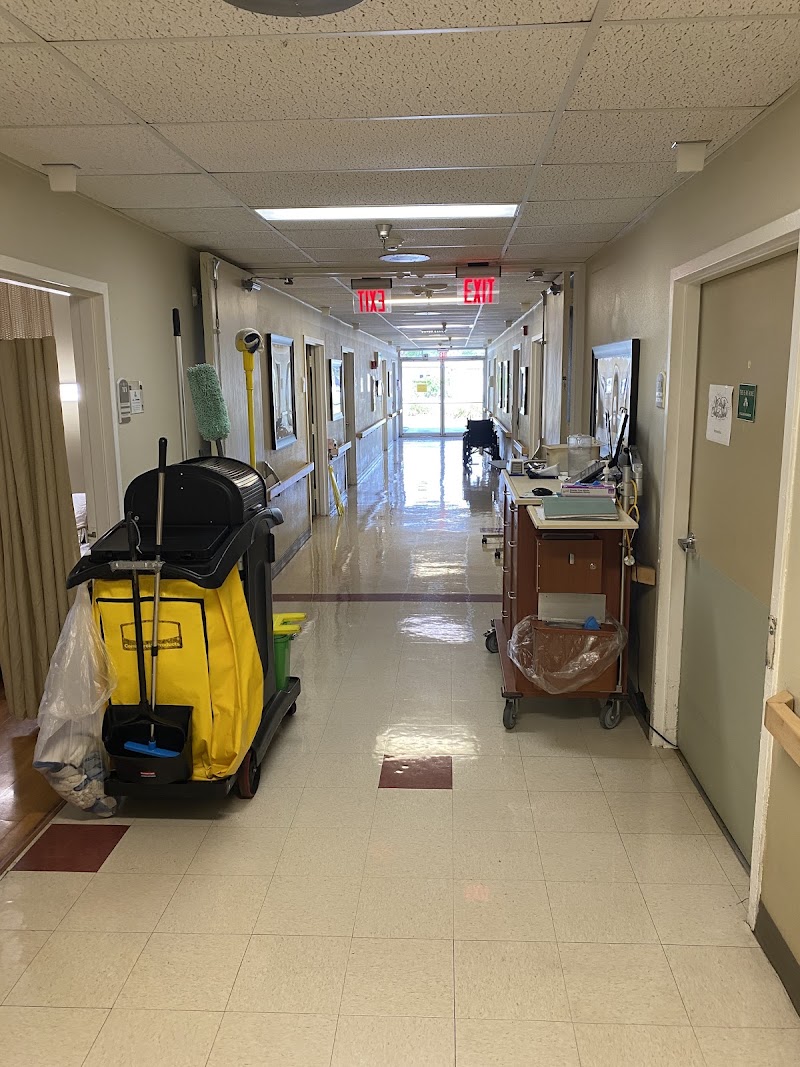
How is Kissimmee Center Staffed?

CMS rates KISSIMMEE HEALTH AND REHABILITATION CENTER's staffing level at 4 out of 5 stars, which is above average compared to other nursing homes. Staff turnover is 28%, compared to the Florida average of 46%. This relatively stable workforce can support continuity of care.

What Have Inspectors Found at Kissimmee Center?

State health inspectors documented 22 deficiencies at KISSIMMEE HEALTH AND REHABILITATION CENTER during 2023 to 2025. These included: 22 with potential for harm.
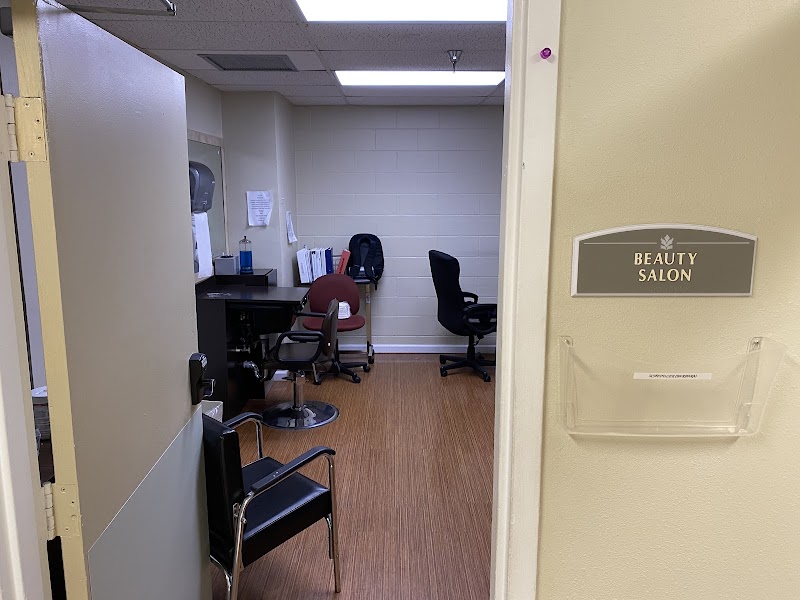
Who Owns and Operates Kissimmee Center?

KISSIMMEE HEALTH AND REHABILITATION CENTER is owned by a for-profit company. For-profit facilities operate as businesses with obligations to shareholders or private owners. The facility is operated by SIMCHA HYMAN & NAFTALI ZANZIPER, a chain that manages multiple nursing homes. With 59 certified beds and approximately 53 residents (about 90% occupancy), it is a smaller facility located in KISSIMMEE, Florida.

How Does Kissimmee Center Compare to Other Florida Nursing Homes?

Compared to the 100 nursing homes in Florida, KISSIMMEE HEALTH AND REHABILITATION CENTER's overall rating (2 stars) is below the state average of 3.2, staff turnover (28%) is significantly lower than the state average of 46%, and health inspection rating (2 stars) is below the national benchmark.

What Should Families Ask When Visiting Kissimmee Center?

Based on this facility's data, families visiting should ask: "Can I visit during a mealtime to observe dining assistance and food quality?" "How do you handle medical emergencies, and what is your hospital transfer rate?" "Can I speak with family members of current residents about their experience?"

Is Kissimmee Center Safe?

Based on CMS inspection data, KISSIMMEE HEALTH AND REHABILITATION CENTER has a clean safety record: no substantiated abuse findings (meaning no confirmed cases of resident harm), no Immediate Jeopardy citations (the most serious violation level indicating risk of serious injury or death), and is not on the Special Focus Facility watch list (a federal program monitoring the lowest-performing 1% of nursing homes). The facility has a 2-star overall rating and ranks #100 of 100 nursing homes in Florida. While no facility is perfect, families should still ask about staff-to-resident ratios and recent inspection results during their visit.

Do Nurses at Kissimmee Center Stick Around?

Staff at KISSIMMEE HEALTH AND REHABILITATION CENTER tend to stick around. With a turnover rate of 28%, the facility is 18 percentage points below the Florida average of 46%. Low turnover is a positive sign. It means caregivers have time to learn each resident's needs, medications, and personal preferences. Consistent staff also notice subtle changes in a resident's condition more quickly.

Was Kissimmee Center Ever Fined?

KISSIMMEE HEALTH AND REHABILITATION CENTER has no federal fines on record. CMS issues fines when nursing homes fail to meet care standards or don't correct problems found during inspections. The absence of fines suggests the facility has either maintained compliance or corrected any issues before penalties were assessed. This is a positive indicator, though families should still review recent inspection reports for the full picture.

Is Kissimmee Center on Any Federal Watch List?

KISSIMMEE HEALTH AND REHABILITATION CENTER is not on any federal watch list. The most significant is the Special Focus Facility (SFF) program, which identifies the bottom 1% of nursing homes nationally based on persistent, serious quality problems. Not being on this list means the facility has avoided the pattern of deficiencies that triggers enhanced federal oversight. This is a positive indicator, though families should still review the facility's inspection history directly.