THE GOOD SAMARITAN SOCIETY-KISSIMMEE VILLAGE
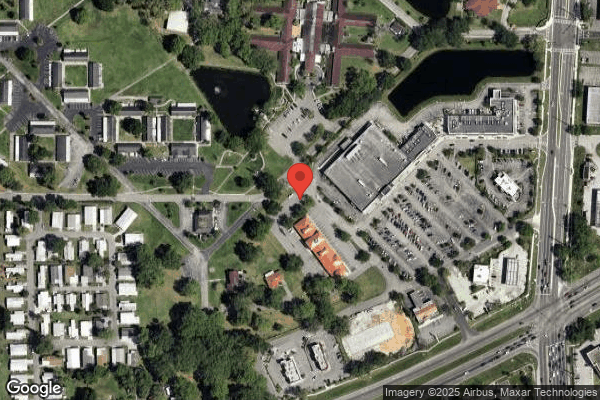
1500 SOUTHGATE DRIVE, KISSIMMEE, FL 34746 (407) 846-7201
Non profit - Corporation 161 Beds GOOD SAMARITAN SOCIETY Data: November 2025
Trust Grade
50/100
#293 of 690 in FL
Last Inspection: February 2024

Within standard 12-15 month inspection cycle. Federal law requires annual inspections.

Overview

The Good Samaritan Society-Kissimmee Village has a Trust Grade of C, which means it is considered average and is in the middle of the pack among nursing homes. It ranks #293 out of 690 facilities in Florida, placing it in the top half, and #4 out of 10 in Osceola County, indicating only three local options are better. Unfortunately, the facility's trend is worsening, with issues increasing from 3 in 2023 to 4 in 2024. Staffing is a strong point here, receiving 5 out of 5 stars with a low turnover rate of 19%, much better than the state average of 42%. However, the $276,319 in fines is concerning and indicates that the facility has faced more compliance problems than 95% of those in Florida. In terms of RN coverage, the facility has more registered nurse support than 78% of nursing homes in the state, which helps in catching potential issues early. Specific incidents include the failure to communicate effectively with a dialysis center, which led to actual harm for one resident, and not providing IV antibiotics as prescribed for another resident's infected wound, resulting in rehospitalization. Additionally, the facility neglected to change IV midline catheter dressings for multiple residents, which poses an infection risk. Overall, while there are strengths like strong staffing and RN coverage, the concerning fines and recent incidents highlight areas that families should carefully consider.

Trust Score
C
50/100
In Florida
#293/690
Top 42%
Safety Record
High Risk
Review needed
Inspections
Getting Worse
3 → 4 violations
Staff Stability
✓ Good
19% annual turnover. Excellent stability, 29 points below Florida's 48% average. Staff who stay learn residents' needs.
Penalties
✓ Good
$276,319 in fines. Lower than most Florida facilities. Relatively clean record.
Skilled Nurses
✓ Good
Each resident gets 50 minutes of Registered Nurse (RN) attention daily — more than average for Florida. RNs are trained to catch health problems early.
Violations
⚠ Watch
21 deficiencies on record. Higher than average. Multiple issues found across inspections.
★★★★☆
4.0
Overall Rating
★★★★★
5.0
Staff Levels
★★★☆☆
3.0
Care Quality
★★★☆☆
3.0
Inspection Score
Stable
2023: 3 issues
2024: 4 issues

The Good

  • 5-Star Staffing Rating · Excellent nurse staffing levels
  • Low Staff Turnover (19%) · Staff stability means consistent care
  • Full Sprinkler Coverage · Fire safety systems throughout facility
  • No fines on record
  • Staff turnover is low (19%)

    29 points below Florida average of 48%

Facility shows strength in staffing levels, staff retention, fire safety.

The Bad

Federal Fines: $276,319

Well above median ($33,413)

Significant penalties indicating serious issues

Chain: GOOD SAMARITAN SOCIETY

Part of a multi-facility chain

Ask about local staffing decisions and management

The Ugly 21 deficiencies on record

2 actual harm
Feb 2024 4 deficiencies
CONCERN (D)

Potential for Harm - no one hurt, but risky conditions existed

Investigate Abuse (Tag F0610)

Could have caused harm · This affected 1 resident

**NOTE- TERMS IN BRACKETS HAVE BEEN EDITED TO PROTECT CONFIDENTIALITY** Based on interview, and record review, the facility failed to ensure a thorough investigation was conducted and completed for mi...

Read full inspector narrative →
**NOTE- TERMS IN BRACKETS HAVE BEEN EDITED TO PROTECT CONFIDENTIALITY** Based on interview, and record review, the facility failed to ensure a thorough investigation was conducted and completed for missing narcotics for 1 of 1 resident of a total sample of 44 residents, (#76). Findings: Clinical record review revealed resident #76, a [AGE] year-old-male was admitted to the facility on [DATE]. His diagnoses included cellulitis to the right lower limb, peripheral vascular disease, chronic pain syndrome, and dorsalgia. Review of the resident's physician orders revealed an order dated [DATE] for Percocet 5-325 milligram (mg) one tablet every six hours as needed for moderate pain. The order was discontinued on [DATE], and a new order was noted for Percocet 5-325 mg one tablet every six hours Review of the facility's Reportable log revealed an entry on [DATE] for misappropriation of property, and documentation revealed twenty-four (24) tablets of Percocet 5-325 mg for resident #76 was unaccounted for. On [DATE] 4:23 PM, the incident was reviewed with the Administrator, the Director of Nursing (DON) and the Social Services Director (SSD). The SSD explained she was responsible to complete the Agency For Health Care Administration (AHCA) Nursing Homes Federal Reporting Immediate and 5-day reports, notify the Ombudsman, and law enforcement of the incident, and submit the Department of Children and Family (DCF) report. She stated the investigations for reportable incidents were done by the Interdisciplinary Team (IDT). The AHCA Report #189603 Immediate, and 5-day was submitted by the facility on [DATE], and [DATE] respectively. The DON recalled that on [DATE] at 6:45 PM, she was notified by the Clinical Care Leader of a discrepancy in narcotic count where 24 tablets of Percocet for resident #76 were unaccounted for. Actions taken by the facility included a search of the medication cart, and medication room was conducted on Station 2. The resident's Medication Administration Record (MAR) was reviewed, a pharmacy inquiry was made regarding delivery of the medication, staff present were interviewed, the Physician Assistant was notified of the missing medication, and a prescription was obtained for pain medications for the resident, which was replaced at the facility's expense. On [DATE], and on [DATE], a drug test was performed for three nurses. Four remaining medication carts were searched for a total of five of five carts. In-service was conducted with nursing staff regarding the Process of completion of the Controlled Drug Record, and medication delivery process. Clinical leaders were to check the Controlled Drug Record daily for completion. The DON stated the Pharmacy verified they delivered 30 Percocet tablets to the facility on [DATE], and 120 tablets on [DATE]. She stated that initially the resident was on the medication every 6 hours as needed, but with the frequency of use, the medication was changed to one tablet every 6 hours around the clock on [DATE]. The DON recalled the facility reviewed copies of drug receipts, and some signatures were not readable. She said the investigation revealed narcotics were not being entered properly on the Controlled Drug Record. She verbalized the facility could not identify when the resident's Percocet tablets went missing, and they could not identify who was involved. She shared the Root Cause was due to varied staff, facility nurses and Agency nurses, and a lack of oversight. An Investigation Statement dated [DATE] and documented by the SSD, revealed the resident stated he had not received his Percocet, and the SSD explained the facility had to report, and investigate the incident. No other statements could be identified, and when asked about statements from the staff, the DON said she did not see any other statements in her binder. When asked if an Ad Hoc Quality Assurance Performance Improvement (QAPI) was completed, the DON replied no, and said the Medical Director was made aware since he was the resident's physician. She stated the incident was discussed in QAPI on [DATE]. They spoke about what was identified and spoke about the education and process in place. Review of the AHCA 5-day Report, revealed documentation to indicate the facility would conduct audits weekly for four weeks, then monthly for two months. Review of the Controlled Medication Audit revealed audits were completed on [DATE], [DATE], [DATE], [DATE], [DATE], [DATE], and [DATE]. The completion instructions on the Audit form read, The DNS (Director of Nursing Service) or designee, to audit narcotic procurement and counting daily x 1 week then 2 times weekly x 2 weeks then weekly x 4. Questions/probes on the form were: Are controlled medications properly stored with double lock? Are appropriate medications counted with change of shift each day with signatures to indicate no concerns? Are all medications reviewed and signed in by the floor nurse with pharmacy courier when delivered? Narcotics that are discontinued, or expired of a discharged resident are immediately destroyed and/or returned as appropriate? A check mark should be in the yes or no column, and there was a column for any additional comments. The DON stated the audits were completed for two weeks, then the Regional Clinical Nurse directed the facility to discontinue the audits and change to probing questions. The audits did not address the accurate completion of the Controlled Drug Record. On [DATE] at 9:40 AM, the DON stated the facility could not prove the resident's medication was missing, and the facility did not have copies of invoices for medications delivered. Review of the Work with Order File provided by the facility, that was faxed from the Pharmacy on [DATE] at 5:04 PM, revealed the following: Oxycodone-Acetaminophen (Percocet): 5-325 Tab on [DATE], 30 tablets were ordered and shipped to the facility. On [DATE] 12 tablets were ordered and shipped, on [DATE] 12 tablets were ordered, and was shipped on [DATE]. On [DATE], 12 tablets were ordered and shipped, and on [DATE], 120 tablets were ordered and shipped to the facility. This revealed a total of 186 tablets of Percocet 5-325 mg was delivered to the facility between [DATE] to [DATE]. Review of the resident's MAR for the period [DATE] to [DATE] revealed a total of 82 tablets were administered to the resident, and from [DATE] until [DATE], 77 tablets were administered, a total of 159 tablets out of 186 tablets, leaving a balance of 27 tablets that were unaccounted for. The Work with Order File from the pharmacy was requested by the facility after interviews with the surveyor. The facility could not verify, and ensure an accurate inventory, and accounting of the Percocet received and administered for resident #76 prior to [DATE]. On [DATE] at 4:05 PM, the investigation was discussed with the DON, regarding missing statements from staff, and follow-up with the pharmacy. The DON said there was a lack all around and confirmed that a thorough investigation was not done. The facility's policy Abuse And Neglect-Rehab/Skilled, Therapy & Rehab reviewed and revised on [DATE], read, The investigation may include interviewing employees . Interview all involved (employee, resident and family) .Consider having each person write his or her memory of the event. If possible, get signed and dated statements from any witnesses.
CONCERN (D)

Potential for Harm - no one hurt, but risky conditions existed

Deficiency F0645 (Tag F0645)

Could have caused harm · This affected 1 resident

**NOTE- TERMS IN BRACKETS HAVE BEEN EDITED TO PROTECT CONFIDENTIALITY** Based on interview, and record review, the facility failed to ensure a Preadmission Screening and Resident Review (PASRR) was co...

Read full inspector narrative →
**NOTE- TERMS IN BRACKETS HAVE BEEN EDITED TO PROTECT CONFIDENTIALITY** Based on interview, and record review, the facility failed to ensure a Preadmission Screening and Resident Review (PASRR) was completed to evaluate the need for additional mental health resources and appropriate placement of a resident prior to admission for 1 of 1 residents reviewed for PASRRs of a total sample of 44 residents, (#29). Findings: Resident #29 was admitted to the facility on [DATE] from an Assisted Living Facility with diagnoses that included unspecified dementia, Bipolar disorder, and Major Depressive Disorder. Review of the Minimum Data Set (MDS) admission assessment dated [DATE] section A1500 (PASRR) coded O which incorrectly indicated resident #29 did not have a serious mental illness and/or an intellectual disability according to the stated level II PASRR. Review of the MDS Section I, Active Diagnosis revealed resident #29 was diagnosed with Non-Alzheimer's dementia and Manic depression/Bipolar disease. A Psychology Evaluation Note dated 3/07/23 revealed resident #29 reported recurrent, mild depressive symptoms which included trouble concentrating, fatigue, decreased self-esteem, a lack of pleasure and a loss of interest in activities she normally found pleasurable. The psychologist described resident #29 as having mild cognitive impairment with a psychiatric history of depression, anxiety and episodic mood difficulties. Review of resident #29's medical record revealed no documentation of a level I PASRR, nor a level II PASRR in her record. On 2/01/24 at 10:48 AM, the Social Service Director described a level I PASRR was used during pre-admission to assess a possible resident's mental, physical and psychological abilities to determine if a resident with psychiatric history was appropriate for the long-term care or skilled nursing setting. She explained the screening also determined if a resident needed further screening for additional specialized services for their serious mental illness or intellectual disability. The Social Service Director stated the PASRR screenings were important to help meet the residents' needs, properly develop their plan of care and ensure the resident would be the right fit for the facility. She further explained the level I PASRR was supposed to be completed before admission to the facility, and if a resident was found without screening completed, she would be tasked to complete it. On 1/31/24 at 2:36 PM, the station 1 Unit Manager (UM) stated she was not able to find a level I nor a level II PASRR in resident #29's medical records. She confirmed resident #29 had a psychiatric history and should have had a level I PASRR on admission. She was unsure if resident #2 required a level II PASRR. About an hour later at 3:28 PM, the station 1 UM confirmed the facility could not provide documentation of a level I nor a level II PASRR for resident #29. She explained that because the level I screening had not been done, the Social Service Director had just completed one which indicated resident #28 had a serious mental illness and required a level II PASRR which was to be scheduled. On 2/01/24 at 9:51 AM, the Social Service Director stated the level I PASRR was usually included in the paperwork that came from the hospital but if a resident was admitted from home or from an Assisted Living facility like resident #29, they usually would not have one performed prior to admission. She explained the previous Health Information Management (HIM) supervisor had done audits on all new admissions to check the needed paperwork, but she was not sure who, if anyone was currently responsible for that task. On 2/01/24 at 10:26 AM, the current HIM supervisor stated she was unaware of any audits of new admission documents by the previous supervisor nor of any problem with missing PASRR screenings. She explained she assumed nurses were responsible to ensure the correct paperwork was included in the admission documents and that they should notify the Social Service Director if the screening was needed. The HIM supervisor stated a facility wide audit was needed to ensure all applicable residents had a PASRR completed. On 2/01/24 at 3:18 PM, the Social Service Director stated they had not started an audit to determine how many residents were missing the PASRR, but she could see from her notebook at least five other residents who came from home were missing them. The Social Service Director stated this was a problem. Review of the job description, Health Information Management Technician, Long Term Care dated 11/13/23 revealed the employee would understand regulatory standards for accurate medical records. They would also complete admission-related functions including retrieval of previous medical records. The Pre-admission Screening and Resident Review policy dated 12/11/23 described the purpose to determine admission criteria for residents with mental illness and ensure those individuals would receive the care and services needed in the most appropriate setting. The policy defined serious mental illness to include mood, or severe anxiety disorders and others. The document indicated, All prospective residents will be screened for possible serious mental disorders or intellectual disabilities and related conditions. The policy further detailed a positive level I screen necessitated an, in-depth evaluation of the individual, known as a PASRR level II conducted by a state- designated authority prior to admission.
CONCERN (D)

Potential for Harm - no one hurt, but risky conditions existed

Pharmacy Services (Tag F0755)

Could have caused harm · This affected 1 resident

**NOTE- TERMS IN BRACKETS HAVE BEEN EDITED TO PROTECT CONFIDENTIALITY** Based on interview, and record review, the facility failed to ensure accurate record for receipt and disposition of controlled m...

Read full inspector narrative →
**NOTE- TERMS IN BRACKETS HAVE BEEN EDITED TO PROTECT CONFIDENTIALITY** Based on interview, and record review, the facility failed to ensure accurate record for receipt and disposition of controlled medications was completed to enable accurate reconciliation, and to account for missing Percocet tablets for 1 of 1 resident of a total sample of 44 residents, (#76). Findings: Clinical record review revealed resident # 76 a [AGE] year-old-male was admitted to the facility on [DATE]. His diagnoses included cellulitis to the right lower limb, peripheral vascular disease, chronic pain syndrome, and dorsalgia Review of the resident's physician orders revealed an order dated 3/09/23 for Percocet 5-325 milligram (mg) one tablet every six hours as needed for moderate pain. The order was discontinued on 9/26/23, and a new order was noted for Percocet 5-325 mg one tablet every six hours. Review of the facility's Reportable log revealed an entry on 10/20/23 for misappropriation of property, and documentation revealed twenty-four (24) tablets of Percocet 5-325 mg for resident #76 was unaccounted for. On 1/30/24 at 4:23 PM, the incident was discussed with the Administrator, the Director of Nursing (DON, and the Social Services Director (SSD). The SSD explained she was responsible to complete the Agency For Health Care Administration (AHCA) Nursing Homes Federal Reporting Immediate and 5-day reports, notify the ombudsman, and law enforcement of the incident, and submit the Department of Children and Family (DCF) report. She stated the investigations for reportable incidents was done by the Interdisciplinary Team (IDT). The DON recalled on 10/20/23 at 6:45 PM, she was notified by the Clinical Care Leader of a discrepancy in narcotic count, and that 24 Percocet tablets were missing for resident #76. The DON stated a search of the medication cart, the medication room on Station 2, and the remaining four medication carts in the facility was conducted. The resident's Medication Administration Record (MAR) was reviewed, staff on duty at the time were interviewed, and an inquiry was made to the Pharmacy regarding delivery of the medication. She stated the Physician Assistant was made aware, and a prescription was obtained for pain medication for the resident, to be replaced at the facility's expense. The DON stated the Pharmacy confirmed delivery of Percocet for the resident on 9/22/23 of 30 tablets, and on 9/26/23, of 120 tablets. She stated that initially, the resident was on Percocet every 6 hours as needed, but with the frequency of use, the medication was then changed on 9/26/23, and scheduled for every 6 hours around the clock. The DON recalled the resident's MAR reviewed for the period 9/17/23 to 9/25/23, and 9/26/23 to 10/20/23, revealed the resident received Percocet 5-325 mg every 6 hours, and the facility verified that 24 tablets of Percocet were missing. She stated no medication was available for the resident on investigation, and to address the resident's pain, the facility called the physician, and the pharmacy, and the facility assumed payment for the medication sent by pharmacy, and an authorization code was received from the pharmacy to retrieve the medication from their onsite emergency medication dispenser for immediate administration. The DON stated drug test was performed on 10/21/23, and on 10/23/23, on three nurses who worked the 7 AM to 7 PM, and 7 PM to 7 AM shifts and results were all negative. She said statements were obtained from the nurses; however, the facility could not provide documentation of the statements. The DON recalled the facility reviewed copies of drug receipt, and some signatures were not readable. She said the investigation revealed narcotics were not being entered properly on the Controlled Drug Record. The DON verbalized the facility could not identify when the resident's Percocet tablets went missing, and they could not identify who was involved. She shared the Root Cause was due to varied staff, facility nurses and Agency nurses, and a lack of oversight. She stated in-service education to address the delivery of narcotics was initiated, and staff were educated that two nurses must receive and sign the receipt for the drug and obtain a copy of the receipt. The DON said audits were started on 10/25/23 to 10/30/23, however, no documentation could be identified to indicate the Controlled Drug Record, the Controlled Medication Utilization Record were checked, and reconciled with the medication packets. She stated the Pharmacy Consultant did not review the resident's Controlled Medication Utilization Record, but she was informed by the Consultant Pharmacist, that the incident was discussed at the Pharmacy Corporate level. On 1/30/24 at 5:16 PM, Licensed Practical Nurse (LPN) A confirmed that he cared for resident #76 on 10/20/23. He recalled the resident was scheduled to receive Percocet 5-325 mg but when he checked the medication cart, there was no Percocet for the resident. LPN A stated he called the pharmacy and was told three packets of Percocet for resident #76 had been delivered to the facility. He recalled he informed the pharmacy there was no Percocet and was told the Pharmacy could not dispense any more. The LPN said the supervisor followed up with the pharmacy and was told the pharmacy could not send any more Percocet. LPN A stated the supervisor reviewed the resident's narcotic sheet, and at first thought the Percocet was missing, but it was a miscalculation of the medication, and no medication card was missing. On 1/31/24 at 9:40 AM, the DON stated that initially, the facility thought 24 tablets of Percocet were missing. She said the pharmacy had sent 120 tablets on 9/26/23. She stated the facility could not prove the medication was missing. The Controlled Medication Utilization Record for the resident was reviewed with the DON. On 9/15/23, and on 9/22/23, 12 tablets of Percocet 5-325 mg was received and administered leaving a balance of 0 on the respective Records. On 9/26/23, 120 tablets of Percocet 5-325 mg was received. Between 9/28/23 to 10/05/23, 30 tablets were administered. A Controlled Medication Utilization Record for resident #76 could not be identified for the period 9/23/23 to 9/25/23, and for the period 10/06/23 to 11/05/23. The DON stated the records could not be found, verbalizing there was an issue with missing records in the Health Information Management (HIM). Based on information reviewed on the resident's Controlled Medication Utilization Records, a total of 144 tablets of Percocet 5-325 mg was received by the facility between 9/15/23 to 9/26/23. Review of the resident's Medication Administration Record (MAR) revealed documentation to indicate the resident received Percocet 5-325 mg on 9/23/23 at 12:34 AM, at 12:45 PM, and at 6:45 PM. On 9/24/23 at 7:14 PM, and on 9/25/23 at 11:00 AM, and 11:15 PM. The resident's Controlled Medication Utilization Record for this period could not be found. As per the DON, doses were obtained from their onsite emergency medication dispenser with authorization. Review of the resident's MARs from 10/05/23 to 10/20/23 revealed 41 tablets of Percocet 5-325 mg was administered to the resident. The total amount of Percocet tablets administered to the resident based on review of Controlled Medication Utilization Records, and his MAR for the period 9/01/23 to 10/20/23 was 125. From 9/15/23, to 9/26/23, 144 tablets of Percocet was delivered to the facility, which indicated nineteen (19) tablets were unaccounted for. This was confirmed by the DON. She said the facility did not know if the medication was sent by the pharmacy, since the facility did not have any paperwork to prove the delivery. She stated the facility did not have copies of the invoices for the medications delivered. The DON stated the Controlled Drug Record was not completed accurately by the nurses when narcotics were received, so the facility could not account for medications received, or the name of the resident the medication was for. She stated the incident was discussed in the facility's Quality Assurance Performance Improvement (QAPI) meeting on 11/25/23. They spoke about what was identified, and the education and process in place. The DON stated the allegation was not substantiated, because the facility did not have any proof that the resident's Percocet tablets were missing, as there was a lack of documentation. She said they were unable to prove what was on hand, and what was missing, and said there must be paperwork somewhere, but the facility did not have it. On 1/31/24 at 10:32 AM, the Administrator stated that review of the report of medications retrieved from the onsite emergency medication dispenser revealed no medication was retrieved for the period 9/20/23 to 9/24/23. The facility was unable to explain where the medication documented on the MAR as administered to the resident on the dates mentioned was obtained. On 01/31/24 12:16 PM, Registered Nurse (RN) D, recalled it was on a Friday night in October 2023, the Administrator called her and said she had to come to the facility within twenty-four to forty-eight hours for a drug test as some narcotics were missing. RN D stated she came to facility and had the test done, and it was negative. She said she was not told which resident's narcotic was missing, only that some Percocet were missing for a resident she was assigned to. On 01/31/24 at 2:15 PM, resident #76 stated he recalled when he could not get his medication, because it was not in the medication cart, and the nurse did not know the code for the emergency dispenser. When asked if he was told why the medication was not available, the resident said it was because the nurse did not have a code. Review of the Work with Order File provided by facility, that was faxed from the Pharmacy on 1/31/24 at 5:04 PM revealed the following: Oxycodone-Acetaminophen (Percocet): 5-325 Tab that on 9/05/23 30 tablets were ordered and shipped to the facility. On 9/15/23 12 tablets were ordered and shipped, on 9/17/23 12 tablets were ordered, and was shipped on 9/18/23. On 9/22/23, 12 tablets were ordered and shipped, and on 9/26/2023, 120 tablets were ordered and shipped to the facility. This revealed a total of 186 tablets of Percocet 5-325 mg was delivered to the facility between 9/05/23 to 9/26/23. Review of the resident's MAR for the period 9/01/23 to 9/30/23 revealed a total of 82 tablets were administered to the resident, and from 10/01/23 up until 10/20/23, 77 tablets were administered, a total of 159 tablets out of 186 tablets, leaving a balance of 27 tablets that were unaccounted for. The Work with Order File from the pharmacy was requested by the facility after interviews with the surveyor, hence the facility could not verify, and ensure an accurate inventory, and accounting of the Percocet received and administered for resident #76 prior to 1/31/24. The facility's policy Medications: Controlled reviewed and revised on 6/13/2023 documented purpose was, To provide verification and reconciliation of all controlled medications Reconciliation: refers to a system of recordkeeping that ensures as accurate inventory of medications by accounting for controlled medications that have been received, dispensed, administered and/or including the process of disposition. The policy Medication: Missing/Diversion of Medications reviewed/revised on 9/18/2023 outlined the steps to be taken by the facility in the event of missing/diverted medications, and directs that an investigation should be performed, and the facility should work closely with the pharmacy staff to prove when and what amount of the medication was sent to the location.
CONCERN (D)

Potential for Harm - no one hurt, but risky conditions existed

Medication Errors (Tag F0758)

Could have caused harm · This affected 1 resident

**NOTE- TERMS IN BRACKETS HAVE BEEN EDITED TO PROTECT CONFIDENTIALITY** 2. Resident #91, [AGE] year-old female, was admitted to the facility on [DATE] with diagnosis of Alzheimer's Disease, anxiety di...

Read full inspector narrative →
**NOTE- TERMS IN BRACKETS HAVE BEEN EDITED TO PROTECT CONFIDENTIALITY** 2. Resident #91, [AGE] year-old female, was admitted to the facility on [DATE] with diagnosis of Alzheimer's Disease, anxiety disorder, major depressive disorder, and persistent mood disorder. Review of the resident's Minimum Data Set (MDS) Quarterly assessment with assessment reference date of 11/10/23 revealed resident #91 had severely impaired cognitive skills for daily decision making. She had indicators of behavior symptoms and rejection of care with no indicators of psychosis. She was dependent on staff for her Activities of Daily Living (ADLs) and received antianxiety and antidepressant medications. Review of resident #91's discontinued/completed physician orders dated 5/2/23 noted Ativan Transdermal Gel 1 milligram (mg) every four hours as needed (PRN) for anxiety with a discontinue date of 8/15/23. Further review of the medical record revealed the physician did not provide a rationale for the extended time frame for Ativan beyond the 14-day use. Review of the Medication Administration Record (MAR) reflected the resident received 10 doses of Ativan Gel PRN beyond the 14 days. Review of the Pharmacy Consultation Report dated 5/15/23 noted resident # 91 had a PRN order for Lorazepam (Ativan) 1 milligram (mg) without a stop date. It was recommended to document the intended duration of therapy, and the rationale for the extended time frame. The rationale for the recommendation indicated CMS requires that PRN orders for non-antipsychotic drugs be limited to 14 days unless the prescriber documents the diagnosed specific condition being treated, the rationale for the extended time period, and the duration for the PRN order. Review of the resident's active physician orders revealed resident #91 had an active order since 10/26/23 for Ativan Transdermal Gel 0.5 milligram (mg) every twelve hours as needed (PRN) for anxiety. Further review of the medical record revealed the physician did not provide a rationale for the extended time frame for Ativan beyond the 14-day use and did not indicate a specific duration or stop date. The resident's MAR showed he received 17 doses of Ativan Gel PRN beyond the 14 days. On 02/01/24 at 3:26 PM the DON stated that anxiolytics prescribed as needed (PRN) should receive a 14 day stop date. She stated resident # 91 had Ativan Gel prescribed as needed (PRN) on 5/2/23 with a stop date of 8/15/23. She stated it should have had a 14 day stop date and the resident should not have received the medications past the 14 days. The DON also acknowledged the resident had an active order for Ativan Gel as needed (PRN) since 10/26/23. She stated there should have been a 14 day stop date and the resident should not have received the Ativan Gel PRN past 14 days unless the provider noted a rationale and duration for the extended time frame. On 02/01/24 at 3:47 PM, the Pharmacist stated that Anxiolytics prescribed as needed (PRN) need a stop date of 14 days or a rationale with the duration of the extended time period noted. He stated the Ativan given to the resident on an as needed basis ought to have been limited to a 14-day duration. The facility's standards and guidelines dated 2/10/23 and titled, Medication: Drug Regimen Review read, PURPOSE To prevent medication errors that could cause harm to a resident or result in resident hospitalization. To identify the potential for adverse events. pharmacists and nurses play a vital role in improving health care . Based on observation, interview, and record review, the facility failed to act on PRN (as needed) psychotropic medication duration limits for 2 of 5 residents reviewed for Unnecessary Medications from a total sample of 44 residents, (#91, #98). Findings: 1. Review of the medical record revealed resident #98, a [AGE] year old male was admitted to the facility on [DATE] and re-admitted from an acute care hospital on [DATE] with diagnoses that included cerebral vascular accident (stroke), aphasia (inability to formulate speech), dementia, lack of coordination, type 2 diabetes mellitus, and unsteadiness on feet. The Minimum Data Set (MDS) quarterly assessment with Assessment Reference Date (ARD) 8/03/23 identified the resident was unable to complete a Brief Interview for Mental Status (BIMS), was rarely or never understood, noted by staff to have short-term and long-term memory problems, severely impaired cognitive decision making abilities, disorganized thinking that fluctuated and changed in severity, and he had no behaviors or rejections of care. The assessment showed the resident required assistance from staff to complete Activities of Daily Living (ADLs), mobility functions in and out of bed, and to walk; he fell two or more times, and he received high risk antipsychotic and antianxiety medications five out of seven days, and antidepressant medication for seven out of seven days during the look-back period. The Comprehensive Care Plan Focus included communication problems related to expression of thoughts, behavior symptoms, grief, risk for acute pain, ADL self-care deficits, history of falls, and risk for injuries from falls. On 1/29/24 at 11:20 AM, resident #98 was observed on the nursing unit sitting at a group table of four. He was not able to verbally communicate. On 1/30/24 at 3:01 PM, the resident was observed walking in the hallway using a walker, assisted and supervised by two facility staff. Review of the Electronic Health Record (EHR) showed from 7/11/23 to 8/15/23, PRN medication orders were implemented for Lorazepam (anti-anxiety), Benadryl (antihistamine), and Haldol (anti-psychotic) 1 Milliliter (ml) combined in a transdermal (absorbed through the skin) gel for anxiety, every four hours. The Medication Administration Record (MAR) documented nurses administered the medication 27 times, over 36 days. From 8/15/23 to 9/05/23, PRN orders were implemented for Ativan (anti-anxiety) 1 milligram (MG) transdermal gel for anxiety, every four hours. The MAR documented nurses administered the medication 9 times, over 21 days. From 9/12/23 to 10/10/23, orders were implemented for Ativan (anti-anxiety) 0.5 MG transdermal gel for anxiety, every six hours. The MAR documented nurses administered the medication 8 times, over 28 days. The August 2023 Pharmacy Consultant Report read, resident has a PRN order for an anxiolytic, without a stop date: Ativan gel . Rationale for Recommendation: CMS (Centers for Medicare and Medicaid Services) requires that PRN orders for non-antipsychotic psychotropic drugs be limited to 14 days. On 2/01/24 at 3:26 PM, the Director of Nursing (DON) explained the facility's process for ensuring PRN psychotropic medications had a 14-day duration limit included reconciliation reviews upon resident admissions, psychiatric provider assessments, nursing management tracking, and monthly Medication Regimen Review (MRR) reports. She checked resident #98's medical record, and acknowledged there were three PRN psychotropic medication orders in place from 7/11/23 to 10/10/23 that were not reviewed by nursing management while they had extended well beyond the 14-day limit. She said she had only been working at the facility for three months and stated, there should have been a 14 day stop date. In a joint telephone interview with the DON and the facility's Pharmacy Consultant on 2/1/24 at 3:47 PM, the Pharmacy Consultant stated reports were submitted to the facility every month with recommendations that included orders that showed PRN psychotropic medication orders that were missing a stop date. He explained, the use of PRN anti-anxiety and anxiolytics were high-risk, especially in the elderly and they required special monitoring for over-use because they could mask other underlying root causes.
Nov 2023 1 deficiency 1 Harm
SERIOUS (G) 📢 Someone Reported This

A family member, employee, or ombudsman was alarmed enough to file a formal complaint

Actual Harm - a resident was hurt due to facility failures

Deficiency F0698 (Tag F0698)

A resident was harmed · This affected 1 resident

**NOTE- TERMS IN BRACKETS HAVE BEEN EDITED TO PROTECT CONFIDENTIALITY** Based on interview and record review, the facility failed to maintain effective communication between nursing staff and medical ...

Read full inspector narrative →
**NOTE- TERMS IN BRACKETS HAVE BEEN EDITED TO PROTECT CONFIDENTIALITY** Based on interview and record review, the facility failed to maintain effective communication between nursing staff and medical providers, and failed to collaborate with a dialysis center to promote adequate treatment, monitoring, and continuity of care for 2 of 2 residents reviewed for dialysis care and services, out of a total sample of 5 residents, (#1 and #3). The facility's failure to respond appropriately to ongoing communication from the dialysis center and failure to coordinate care to ensure necessary services were arranged in a timely manner placed residents #1 and #3 at risk for potential complications and caused actual harm for resident #1, that was inconsistent with the goals of the resident and his representative. Findings: 1. Review of the medical record revealed resident #1, a [AGE] year-old male, was originally admitted to the facility on [DATE] and re-admitted on [DATE]. His diagnoses included end-stage renal disease with dependence on dialysis, coronary artery bypass graft or open heart surgery, type 2 diabetes, amputation of both legs above the knees, and hypertensive heart disease. According to the National Kidney Foundation, Dialysis is a type of treatment that helps your body remove extra fluid and waste products from your blood when the kidneys are not able to. By performing some of the kidney's usual duties, dialysis helps to maintain safe levels of minerals in your blood, such as potassium, sodium, calcium, and bicarbonate. The organization's website indicated it was important to complete dialysis treatments according to the prescribed schedule and inform the dialysis provider about medications and supplements taken (retrieved on [DATE] from https://www.kidney.org/atoz/content/dialysisinfo). Hyperkalemia is a medical problem in which there is too much potassium in the blood. Potassium is necessary for the proper function of nerves and muscles, including the heart, but too much potassium can be dangerous as it can cause serious heart problems. According to the National Kidney Foundation, the normal level of potassium in the blood should be between 3.5 and 5.0 milli-equivalents per liter (mEq/L). Very high potassium needs immediate medical care as people will have few or no symptoms (retrieved on [DATE] from https://www.kidney.org/atoz/content/what-hyperkalemia). Review of the Minimum Data Set (MDS) Quarterly assessment with assessment reference date of [DATE] revealed resident #1 was cognitively intact. The document showed the resident had no behavioral symptoms and did not reject evaluation or care that was necessary to achieve his goals for health and well-being. The MDS assessment revealed resident #1 required dialysis. Review of the medical record revealed resident #1 had a care plan for dialysis related to end-stage kidney disease, initiated on [DATE]. The goal was the resident would not have any signs and symptoms of complications from dialysis. The care plan interventions instructed nurses to encourage resident #1 to go for scheduled dialysis appointments on Mondays, Wednesdays, and Fridays. On [DATE] at 11:28 AM, in a telephone interview, the dialysis center's Social Worker (SW) explained resident #1 received dialysis at the center three times weekly, on Mondays, Wednesdays, and Fridays. She recalled someone from the skilled nursing facility called the dialysis center on the morning of Wednesday, [DATE], shortly before the resident's scheduled treatment time. The SW stated the facility informed them resident #1 tested positive for COVID-19 and was on the way for his dialysis treatment. The SW explained she informed the facility staff member that the dialysis center was not able to accommodate patients with COVID-19 at that time, but she would reach out to other centers that might be able to treat resident #1. The SW stated she called the facility on Thursday [DATE] in the morning to inform them she still had not found a dialysis center that could offer services for resident #1 due to his communicable disease. She stated she informed them the resident should be transferred to the hospital for dialysis. The SW recalled she contacted the facility again on Thursday afternoon to inquire about resident #1's status and whether he had been transferred to the hospital yet. The SW stated she was told the resident was still in the facility and she asked if the nurse could contact his attending physician to obtain an order for hospitalization for dialysis. The SW said, I was told that the physician would not send him to the hospital, and would continue to monitor him in the facility. I expressed my concerns and strongly advised hospitalization as he was a cardiac patient and they said they would let the physician know. The SW recalled on the morning of Friday [DATE] at about 10:00 AM, she asked the dialysis center's Clinical Coordinator to call the facility to explain the importance of sending the resident to the hospital as he had not been dialyzed since Monday. The SW emphasized the facility had been told multiple times that resident #1 needed to be treated in a hospital setting if a dialysis center was unavailable. She stated after the Clinical Coordinator spoke with the facility's Regional Director of Nursing (DON) there was no further communication that day. She stated when she arrived at work on the following Monday morning, she found out resident #1 died. The SW said, He was young and very compliant with his treatment. He would never have chosen to miss treatments. On [DATE] at 11:52 AM, in a telephone interview, the dialysis center's Clinical Coordinator recalled a telephone conversation with the facility's DON on Friday [DATE]. the Clinical Coordinator confirmed the telephone call was initiated by the dialysis center as the staff were concerned that resident #1 would miss yet another scheduled treatment. The Clinical Coordinator stated the DON began to read results from a lab report to her, but when she heard the resident's potassium level of 6.9, she interrupted immediately and warned that the level was too high. The Clinical Coordinator explained she recommended an immediate transfer to the hospital as she knew the resident had not been dialyzed for a long time and his potassium was too high. She stated in the three years resident #1 received dialysis at the center, she had never known him to have a high potassium level. The Clinical Coordinator explained dialysis removed excess potassium from the blood which was especially important for patients with cardiac diagnoses. She recalled the Regional DON stated the facility's physician did not want to send him out to the hospital as he was being monitored in-house. The Clinical Coordinator stated she told the Regional DON that if the facility physician was not a nephrologist, a doctor who specialized in treating diseases that affected the kidneys, resident #1 needed to be treated at a hospital. The Clinical Coordinator stated she was saddened but not shocked at the news of the resident's death as she was aware that was a potential outcome of missing dialysis. On [DATE] at 12:16 PM, in a telephone interview, resident #1's ex-wife explained she was his healthcare surrogate. She recalled the resident called her to let her know he tested positive for COVID-19, but he never told her he missed dialysis treatments. The ex-wife stated she would have expected the facility to notify her of the missed treatments. She said, If I had known, maybe I could have pushed more to get him to the hospital. The ex-wife stated she was informed the facility tried to give medication in place of dialysis, but the resident was ultimately transferred to the hospital on Friday, [DATE]. She recalled the following morning she received a call from the Emergency Department (ED) physician who explained the resident was put on dialysis to try and lower his potassium level. The ex-wife stated the ED physician explained at some point after dialysis, the resident had a cardiac event, his heart stopped, and he died. She stated she felt like the facility did not value her ex-husband as a human being and his death was devastating for the entire family. She confirmed he would never have wanted to miss dialysis treatments. On [DATE] at 12:35 PM, the facility's DON stated resident #1 tested positive for COVID-19 on a Tuesday and the facility notified the dialysis center. She explained the dialysis center could not accept the resident for treatment so the facility notified the attending physician and obtained an order for immediate labs on Thursday. The DON stated based on the lab results, the resident received an order for a drug to decrease the resident's potassium level. She emphasized the resident only missed one dialysis treatment prior to being transferred to the hospital. When asked if it was possible for one missed treatment to have a negative impact on the resident's health, the DON did not respond. On [DATE] at approximately 12:40 PM, the Regional DON stated the facility's administrative and clinical leadership team met after they were informed resident #1 died in the hospital. She said, I asked what the current process was for missed treatments. They did not appear to have a process in place to address missed dialysis treatments. The Regional DON explained nursing staff thought that calling the physician and getting orders was adequate and they did not escalate the issue to nursing administration. She acknowledged she was called out of clinical meeting on Friday morning to speak with the dialysis center's SW and Clinical Coordinator. The Regional DON verified they expressed concerns about resident #1's labs and recommended sending him to the hospital. She confirmed the Clinical Coordinator informed her the dialysis center had called the facility prior to Friday regarding transferring the resident to the hospital. On [DATE] at approximately 12:45 PM, the DON stated after she was made aware of the situation on Friday morning, she called resident #1's attending physician who directed her to absolutely send the resident to the hospital. The DON confirmed the facility did not utilize 911 for Emergency Medical Services (EMS); instead staff contacted a non-emergency ambulance service at about 11:00 AM and they provided an estimated time of arrival of two hours later. On [DATE] at 1:07 PM, the Station 1 Registered Nurse (RN) Unit manager (UM) recalled resident #1 tested positive for COVID-19 during facility-wide testing on Tuesday, [DATE]. She explained she notified the dialysis center on Wednesday, [DATE] at about 8:45 AM, just before the resident was to leave for his dialysis treatment, and was informed he could not receive his treatment at that location. She said, I expected them to take him that day. She did not provide a response when asked why the facility did not notify the dialysis center on Tuesday morning when the resident tested positive. The RN UM described multiple conversations with the dialysis center SW on Wednesday and Thursday, with no positive feedback on a dialysis location that could meet the needs of a patient with COVID-19. She stated at about 12:35 PM on Thursday, [DATE], she called the Physician Assistant (PA) who worked under the supervision of resident #1's attending physician. The RN UM stated the PA ordered immediate labs and instructed her to monitor the resident for changes in status. She recalled she asked the PA if the resident would be transferred out, and he wanted the labs done first. She said, I spoke to resident and evaluated him. No negative findings at that time. I explained the issues with dialysis center. He was not happy about that. I told him that if they don't find a way to dialyze him, he would have to go to the hospital. The RN UM stated the lab results showed a high potassium level and the PA ordered a daily oral medication to treat the condition, Sodium Polystyrene Sulfonate for three days, with follow up labs on Monday [DATE]. She stated the PA also discontinued resident #1's daily potassium supplement. On [DATE] at 3:39 PM and [DATE] at 9:39 AM, in telephone interviews, the dialysis center's Advance Practice Registered Nurse (APRN) recalled the SW informed her resident #1 tested positive for COVID-19 and the nursing facility did not want to send him to the hospital for dialysis. She stated she told the SW the resident must be sent to the hospital if the facility was not able to provide in-house dialysis. The APRN stated she was not surprised resident #1 had a high potassium level on Thursday afternoon as his last dialysis treatment was on Monday. When asked about the effect of a potassium supplement in that situation, she expressed surprise and stated that drug was not on the resident's medication list at the dialysis center. The APRN emphasized if she had seen it, she would have discontinued the potassium supplement. She explained the dialysis center expected the facility to provide current medication lists so dialysis providers would be aware of clinical conditions that might affect the individual's treatment plan. She confirmed that lack of communication affected effective collaboration on the plan of care. She said, I would expect collaboration with medication changes at the very least. She explained daily potassium supplements were discouraged for dialysis patients. She stated she usually did not replace this electrolyte unless the level was below 3.0, and then only with a one-time dose. The APRN explained low potassium levels were usually treated by adjusting the potassium level in the cleansing fluid used during dialysis treatments. She said, I would expect them to communicate and call before or after they add something like potassium. The APRN stated her expectation was the facility would have used EMS, not non-emergency transport, to transfer resident #1 to the hospital when his lab result showed a potassium level of 6.9. She stated treatment with Sodium Polystyrene Sulfonate was appropriate in situations where a dialysis machine was not immediately available, but dialysis should be started as soon as possible. She explained the drug would lower potassium levels temporarily, but within a few hours the levels would increase. The APRN explained resident #1 was at high risk for an acute cardiac event. On [DATE] at 12:20 PM, in a telephone interview, the dialysis center's nephrologist confirmed he completed resident #1's monthly assessment on Monday, [DATE], his last day of dialysis. The nephrologist explained it was standard for dialysis to be scheduled three times weekly as it is an intermittent treatment for patients with little or no residual kidney function. He verified resident #1 needed dialysis three times weekly. The nephrologist explained there was the potential for multiple complications if dialysis was not done, including electrolyte issues. He validated a potassium level of 6.9 was very concerning and when informed the resident was treated in the facility with Sodium Polystyrene Sulfonate, the nephrologist said, That is not appropriate to manage hyperkalemia for a dialysis patient. He would need to be dialyzed. He was not aware resident #1 received a potassium supplement and explained he should not have been receiving it; however, he acknowledged the facility and community physicians had autonomy to treat their patients. The nephrologist stated on Friday, [DATE], the day the resident was transferred to the hospital, he was on call for the hospital Emergency Department (ED) and they called me because he was there. The nephrologist explained it took time to set up a dialysis, but resident #1 was put on the machine as soon as possible, and he died later that night after the treatment was complete. The nephrologist stated it was a very unfortunate situation. On [DATE] at 2:19 PM, in a telephone interview, the PA recalled when he was informed resident #1 missed dialysis, he asked how the resident felt and was told he had no complaints. The PA stated he understood the resident would probably have his dialysis treatment on the following day, Friday [DATE]. The PA denied any conversations between him and facility staff regarding the possibility the resident would not receive dialysis the next day, and he stated he never received messages from the dialysis center regarding sending the resident to the hospital. The PA verified he ordered Sodium Polystyrene Sulfonate on the evening of Thursday [DATE], to treat resident #1's high potassium level. He explained the drug could work quickly, possibly in one day, or after one to two doses. He said, Nobody told me at any time that [dialysis] was not definitely arranged. If I would have known, I may have made a different decision on Thursday. On [DATE] at 2:54 PM, the Station 1 RN UM stated when she spoke with the PA on Thursday afternoon, she was hopeful resident #1 would be able to get his dialysis treatment on Friday morning as the dialysis center was still actively searching for a location. The RN UM did not recall telling the PA that resident #1's dialysis treatment was confirmed for Friday, [DATE]. She said, Even during the last conversation on Thursday, [the dialysis center] did not sound very sure. Review of Progress Notes revealed the Station 1 RN UM contacted the dialysis center on Thursday, [DATE] at 12:35 PM. The note indicated the dialysis center was unable to treat residents who were positive for COVID-19. A progress note dated [DATE] at 1:35 PM revealed the RN UM spoke with the dialysis center's SW and was informed they still had not found a dialysis site for resident #1. On [DATE] at 9:56 AM, the DON stated the facility was aware resident #1 needed his dialysis treatments and they proceeded step by step towards that end after he tested positive for COVID-19 with a rapid antigen test on Tuesday, [DATE]. The DON acknowledged the resident's medical record did not show any documentation of the facility's attempts to secure dialysis treatment for resident #1 in the hospital until dialysis center staff contacted the facility's Regional DON on Friday, [DATE]. She explained after a positive antigen test, the facility's process was to collect another specimen and obtain a follow up polymerase chain reaction (PCR) test from the lab for confirmation of the COVID-19 diagnosis. The DON stated the facility sent the PCR test to the lab and a negative result was reported on [DATE], after resident #1's death. On [DATE] at 10:31 AM, the facility's Staff Educator stated the facility did not provide detailed education to nurse on the care of residents who required dialysis. However, she explained each resident who went out to dialysis treatments had a binder with a communication form to guide the nursing assessment and ensure necessary monitoring was completed. The Staff Educator stated she expected nurses to check the binder prior to each dialysis appointment to verify there was a face sheet with demographic information and an updated medication list when if there was a change in physician orders. She stated on return from dialysis, the facility nurse should review the resident's form for pertinent information and/or recommendations from the dialysis center in case there are new orders. On [DATE] at 11:55 AM, the Station 1 RN UM verified the assigned nurse was to complete a communication form before a resident left for dialysis, and if the form was not returned with the resident, the nurse had to call the dialysis center to obtain the required information. She validated she would have expected nurses to provide the dialysis center with resident #1's new medication order for a potassium supplement and also a copy of the lab result that triggered the order when the change was made in September. The DON acknowledged it was important for the facility and dialysis providers to communicate regarding medications administered at both sites. She stated a current medication list should always accompany residents to dialysis treatments. Review of the Dialysis Communication/Referral (For Visits to Dialysis) form, dated [DATE], revealed the document was to be completed by the facility's licensed nurses and dialysis staff. The form included a section for staff to check if additional information such as lab results, physician orders, and medication and/or treatment administration records were attached. On [DATE] at 11:59 AM, the Health Information Management Coordinator stated she reviewed resident #1's medical record and did not find any dialysis communication forms in the facility's document storage system. On [DATE] at 4:18 PM, the dialysis center's Assistant Administrator stated to her knowledge, resident #1 had not brought communication forms to his dialysis treatments for a while. She stated the dialysis center faxed a weekly update to some skilled nursing facilities at their request. However, the Assistant Administrator said, [Name of the facility] never asked for weekly updates, and we never sent them. Review of resident #1's medical record revealed a physician order dated [DATE] for a Comprehensive Metabolic Panel (CMP) lab test. The result report dated [DATE] showed the resident's potassium level was L or low at 3.10 mEq/L. A physician order for Potassium Chloride Extended Release tablet 10 mEq once daily was obtained on [DATE]. Review of the Treatment Administration Record (TAR) showed resident #1 had a CMP ordered for chronic kidney disease on [DATE]. The lab report showed the sample was collected on [DATE] at 4:30 PM and the result indicated the resident's potassium level was CH or critically high at 6.9 mEq/L. The Order Summary Report showed physician orders dated [DATE] to discontinue the Potassium Chloride supplement and give Sodium Polystyrene Sulfonate 120 milliliters (ml) daily until [DATE], to treat resident #1's hyperkalemia. The TAR showed the facility obtained a physician order on [DATE] at 10:30 AM to transfer resident #1 to the hospital via non-emergency transportation to be dialyzed. The document indicated the resident left the facility for the hospital over five hours later, at 3:44 PM. Review of the hospital record revealed resident #1 was seen in the ED on [DATE] at 4:08 PM. Lab tests done a few minutes later at 4:21 PM revealed his potassium level remained critically high and by then had increased to 7.2 mEq/L. An electrocardiogram (EKG) was done and it showed changes associated with high potassium levels. The ED physician noted the resident was critically ill and treatments included a cardiac monitor, labs, EKG, hyperkalemia protocol, and nephrology consult for immediate dialysis. The ED physician wrote, The high probability of sudden, clinically significant deterioration in the patent's condition required the highest level of my preparedness to intervene urgently. Review of resident #1's medical record revealed a Change in Condition Evaluation dated [DATE] at 10:28 AM that showed he tested positive for COVID-19. There was no documentation of notification of the dialysis center until [DATE] at 8:44 AM when the Station 1 RN UM called to inform the dialysis center just before the resident was scheduled to leave for his scheduled treatment. The TAR indicated the PCR lab test to confirm COVID-19 status was scheduled for Wednesday, [DATE], but the specimen was not collected. A progress note dated [DATE] at 5:58 AM read, PCR testing supplies not available. Notified lab and was advised that supplies will be delivered in the morning. Specimen to be collected tomorrow. The TAR revealed the PCR lab test was rescheduled for Thursday, [DATE], but was again not collected. A progress note written by the RN UM on [DATE] at 7:55 AM read, Rescheduled due to lab not bringing specimen packet. The medical record did not show that the physician was notified the PCR test was not done, and there was no evidence the rapid antigen test was repeated to determine if resident #1 actually had COVID-19. A lab result form revealed the PCR specimen was collected on Friday, [DATE] at 4:27 AM. The result was reported to the facility on [DATE], after resident #1 died, and showed that the specimen was negative for COVID-19. Review of the facility's policy and procedure for Dialysis Services, revised on [DATE], revealed the purpose was to provide dialysis services to residents when necessary. 2. Resident #3 admitted to the facility on [DATE] and his diagnoses included atherosclerotic heart disease, congestive heart failure, lack of coordination, abnormal gait and end-stage renal disease. Review of the physicians orders noted the resident was to receive dialysis, three times a week, on Mondays, Wednesdays and Fridays. The resident was to be transported to a dialysis facility/provider approximately 5 miles from the nursing home. Review of the residents dialysis care plan, initiated [DATE], indicated that the nursing home staff was not to draw blood or take blood pressure in his upper left arm due to the location of his arterial-vascular, dialysis access. However the care plan did not specify how the resident's renal care needs would be coordinated with the dialysis center, especially the communication between the nursing home and the dialysis center in regards to medication, labs, nutrition, etc, so that the resident obtain and maintains highest practicable level of function as it pertains to the resident's chronic kidney disease. On [DATE] at 11:10 AM, resident #3's direct care nurse was near his room at a medication cart. She said the resident left for dialysis at 10 AM and would return to the facility around 4 PM. The nurse did not provide any insight how resident #3's renal care needs are coordinated between the nursing home and the dialysis center. She added, the clinical nurse might communicate with the dialysis center, but she was not sure. The direct care nurse stated that no communication forms are sent with the resident, when he goes to the dialysis center and no communication forms come back with the resident upon return to the nursing home. The direct care nurse was re-interviewed at 1:50 PM, on [DATE] and she admitted that there used to be a form in which the nursing home fills out the top section when residents leave for dialysis. The dialysis center is to fill out the middle section and the nursing home is to fill out the bottom section of the form when the resident returns to the nursing home. The nurse stated that the facility had stopped using/sending out the communication form for some time but could not explain why. On [DATE] at 2:12 PM, the care plan coordinator indicated the direct care nurses were to perform pre/post dialysis documentation but was not sure if it was being done. The care plan coordinator could not describe the process how the nursing home communicates with the dialysis center so that resident #3's renal care needs could be met.
May 2023 2 deficiencies 1 Harm
SERIOUS (G) 📢 Someone Reported This

A family member, employee, or ombudsman was alarmed enough to file a formal complaint

Actual Harm - a resident was hurt due to facility failures

Deficiency F0760 (Tag F0760)

A resident was harmed · This affected 1 resident

**NOTE- TERMS IN BRACKETS HAVE BEEN EDITED TO PROTECT CONFIDENTIALITY** Based on interview and record review, the facility failed to provide intravenous (IV) antibiotics as ordered by the Infectious D...

Read full inspector narrative →
**NOTE- TERMS IN BRACKETS HAVE BEEN EDITED TO PROTECT CONFIDENTIALITY** Based on interview and record review, the facility failed to provide intravenous (IV) antibiotics as ordered by the Infectious Disease Physician for a resident's infected unstageable right heel pressure wound that resulted in rehospitalization for 1 of 4 sampled residents reviewed for IV medications, (#1). Findings: Resident #1 was admitted to the facility on [DATE] for skilled nursing, and wound care services. Her diagnoses included an infected unstageable pressure ulcer on her right heel, chronic bilateral leg edema, diabetes, breast cancer, vascular dementia, and history of strokes. Resident #1's admission Nursing Data Collection dated 4/25/23 at 10:51 PM, noted she was admitted with a right antecubital forearm IV midline. Her admission orders included IV antibiotic, Cefepime 1 gram (gm) every 8 hours for right heel infected pressure wound to be given until 4/28/23. Review of the April 2023 Medication Administration Record (MAR) showed the resident received Cefepime as ordered from 4/25/23 to 4/28/23. A midline catheter is a small tube used to give treatments and to take blood samples. The catheter is inserted into a vein in your arm. The end of a midline, inside your body, does not go past the top of your armpit. A midline catheter can stay in place for up to 30 days. Retrieved 6/26/23 at 10:49 AM www.drugs.com/cg/midline-catheter.html Review of the Infectious Disease consultant physician notes dated 5/4/23 noted the resident went for a follow-up visit for the right heel pressure wound. The physician ordered IV Cefepime 1 gram to be continued every 8 hours for two more weeks from 5/4/23 to 5/18/23. Review of the resident's medical record revealed no physician orders documented to continue Cefepime IV for two more weeks. Review of progress notes and the MAR for May 2023 noted no transcription of IV Cefepime or any indication the IV antibiotic was given. There was no documented evidence the resident received IV Cefepime from 5/4/23 through 5/18/23 as ordered by the Infectious Disease physician for the infected right heel pressure wound. On 5/30/23 at 2:36 PM, a voicemail was left for Certified Nursing Assistant (CNA) C who accompanied resident #1 for the follow up visit with the Infectious Disease physician on 5/4/23. On 5/31/23 2:41 PM, CNA C returned the call and confirmed she accompanied resident #1 on 5/4/23 to the follow up appointment. CNA C recalled she was with the resident during her appointment when the physician assessed the wound. She explained the Infectious Disease physician wrote some documents and gave her a large envelope to take back to the facility. She said they returned to the facility between 5 PM and 6 PM. She stated she handed the visit paperwork to the resident's nurse, Licensed Practical Nurse (LPN) A. CNA C reiterated she gave the paperwork directly to the nurse, then left. Review of the medical record showed the resident went to another follow up appointment with the Infectious disease physician on 5/18/23. On 5/30/23 at 1:05 PM, CNA D recalled going with resident #1 to the hospital on 5/18/23 to see the doctor about her right heel pressure wound. She said it was another follow up visit with the Infectious Disease doctor. She explained she stayed with the resident during the assessment. She recalled she was in the room with the resident during the assessments. CNA D stated the doctor jumped back when she took the dressing off the resident's foot and made a face like it smelled really bad. She indicated the doctor told the resident the wound was more infected and she was sending the resident to the hospital to be admitted and said, you are not going back to the facility. CNA D explained the doctor was very upset with the nursing home and told the resident, I'm sorry because I was the one who sent you to that place and you aren't going back, The CNA said the doctor was asked her if there really was a wound physician at our facility and she replied, yes and he visited every week. CNA D said her sense of smell was not good but she smelled the odor from the resident's right heel when the dressing was removed which meant that it must have smelled really bad. An Infectious Disease physician's visit note dated 5/18/23 noted resident #1 went for a second follow-up visit. During this visit, the resident was transferred to the hospital from the physician's office. In emails dated 5/18/23 to the facility, the hospital's nurse and Licensed Certified Social Worker indicated the resident was readmitted to the hospital due to malodorous and worsening right foot pressure ulcer. On 5/30/23 at 9:56 AM, the facility's Social Worker, Risk Manager, Administrator and acting Director of Nursing (DON) acknowledged the facility nurse failed to review the orders the Infectious Disease physician sent from the 5/4/23 follow up visit. They acknowledged the orders to continue the IV antibiotic were not transcribed to the MAR and the resident did not receive the IV Cefepime for the additional two weeks as ordered. The Social Worker stated she had received emails and calls from the hospital's nurse and Social Worker on 5/18/23 informing them of the Infectious Disease physician's concerns about the resident's worsening right heel pressure ulcer. The Social Worker stated they were informed the right heel ulcer had a very odorous smell and looked worse. She said she was informed the resident was readmitted to the hospital for testing and IV antibiotics. She stated she immediately informed the DON at that time and an investigation was started. On 5/30/23 at 2:20 PM, telephone calls were made to the hospital's Social Worker (SW) and voicemails were left inquiring about resident #1. The hospital's SW called back on 6/2/23 at 9:47 AM and reported she had received permission from the resident to speak about her condition. She explained the resident had received more intensive IV antibiotic therapy, had multiple other tests done including Magnetic Resonance Imaging (MRI) and wound cultures. She reported the right heel wound cultures done on 5/18/23 revealed infection with two different bacteria. She noted the resident was admitted to the hospital on [DATE] and remained there as of 6/2/23. A facility policy and procedure (P/P) titled, Physician/Practitioner Orders - Rehab/Skilled was reviewed. It included the following: Purpose - To provide individualized care to each resident by obtaining appropriate, accurate and timely physician/practitioner orders. To provide a procedure that facilitates the timely and accurate processing of physician/practitioner orders. Transcribing/Processing Orders - Orders are processed and transcribed into PCC [Point Click Care electronic medical record system] - clinical - Orders immediately upon receipt of an order. All orders must be noted by the licensed nurse who has processed the order. Orders may include but not be limited to: admission orders, orders received throughout resident's stay, consultant orders . A facility policy titled, Pressure Ulcers included: A resident who has a pressure ulcer will receive the necessary treatment and services to promote healing, prevent infection and prevent new pressure ulcers from developing.
CONCERN (E) 📢 Someone Reported This

A family member, employee, or ombudsman was alarmed enough to file a formal complaint

Potential for Harm - no one hurt, but risky conditions existed

Deficiency F0694 (Tag F0694)

Could have caused harm · This affected multiple residents

**NOTE- TERMS IN BRACKETS HAVE BEEN EDITED TO PROTECT CONFIDENTIALITY** Based on observation, interview, and record review, the facility failed to obtain orders and change intravenous (IV) midline cat...

Read full inspector narrative →
**NOTE- TERMS IN BRACKETS HAVE BEEN EDITED TO PROTECT CONFIDENTIALITY** Based on observation, interview, and record review, the facility failed to obtain orders and change intravenous (IV) midline catheter dressings for 3 of 4 sampled residents reviewed with IV midline catheters, (#1, #2 & #3). Findings: 1. Resident #1 was admitted to the facility on [DATE] for skilled nursing and wound care services. Her diagnoses included infected unstageable pressure ulcer on her right heel, chronic bilateral leg edema, diabetes, breast cancer, vascular dementia, and history of strokes. According to the admission Nursing Data Collection dated 4/25/23 at 10:51 PM, the resident was admitted with a right antecubital forearm IV midline. She was ordered to receive IV antibiotics for the infected pressure ulcer. A midline catheter is a small tube used to give treatments and to take blood samples. The catheter is inserted into a vein in your arm. The end of a midline, inside your body, does not go past the top of your armpit. A midline catheter can stay in place for up to 30 days. Retrieved 6/26/23 at 10:49 AM www.drugs.com/cg/midline-catheter.html Review of resident #1's medical record noted she was readmitted to the hospital for worsening of the right heel pressure wound on 5/18/23 and was discharged from the facility. Review of the resident's April and May 2023 Medication Administration Records (MARs) and Treatment Administration Records (TARs) revealed there was no orders for the IV midline dressing to be changed. There was not any documented evidence to indicate the IV midline dressing had been changed for 23 days while the resident remained in the facility from 4/25/23 until 5/18/23 On 5/20/23 at 5:45 PM, the interim Director of Nursing (DON) acknowledged there were no orders or any documentation to show resident #1's IV midline dressing had been changed while at the facility. She did not have an explanation as to what had happened. 2. Resident #2 was admitted to the facility on [DATE]. His diagnoses included Parkinson's disease, diabetes, peripheral vascular disease, urinary tract infection (UTI), hydronephrosis, and post-surgical suprapubic urinary catheter insertion. On 5/30/23 at 12:55 PM, resident #2's upper left IV midline dressing was observed with Licensed Practical Nurse (LPN) E. The clear adhesive dressing was loose on the inner side of the arm and dried reddish brown residue was visible under the dressing. The edge of the dressing on the inner aspect of his arm was peeled up and a reddish brown discolored two inch by two inch (2 x 2) gauze dressing coved the insertion site. The date on the dressing was 5/15/23 indicating the last time the dressing was changed. LPN E stated the dressing needed to be changed. She explained the protocol was to change midline dressings at least weekly and as needed if soiled or loose. Review of resident #2's medical record with LPN E on 5/30/23 at 1:05 PM, revealed the midline IV was inserted in to his left upper arm on 5/15/23. There were no physician orders for the IV dressing to be changed. There was no documented evidence in the medical record, the MAR or the TAR to indicate the IV dressing had been changed since it was inserted 15 days ago. LPN E confirmed this finding and did not have an explanation as to why the dressing change order had not been obtained or placed on the TAR. 3. Resident #3 was admitted to the facility on [DATE] with diagnoses of late Alzheimer's disease, stroke with hemiparesis, diabetes, and history of UTIs. On 5/30/23 at 4:15 PM, the Unit Coordinator for Nursing Units 1 & 2 reported resident #3 had a midline IV for antibiotics and fluids inserted 5/25/23. At 4:40 PM, resident #3's left upper arm midline dressing was observed with a clear adhesive dressing and gauze dressing underneath. The adhesive dressing was peeled and dirty on all edges and was dated as having last been changed on 5/25/23. There was dried reddish brown residue under the dressing and on the gauze. The Unit Coordinator acknowledged the dressing needed to be changed as it was soiled and peeling off. She was not certain if the dressing had been changed since the IV's insertion. Resident #3's May 2023 TAR revealed that after insertion of the IV midline on 5/25/23, the IV dressing had not been changed. There was no order to change the dressing in 2 days as per protocol when a gauze dressing was used under the clear adhesive dressing. The only order on the TAR was for the IV midline dressing to be changed every 7 days dated 5/25/23. The Unit Coordinator acknowledged that an order needed to have been obtained to change the IV dressing 2 days after the IV insertion because of the gauze dressing underneath the clear adhesive dressing that covered the insertion site. The facility's policy and procedure titled, Intravenous Therapy included the following information related to IV site dressing changes: Dressing Change - Use either sterile transparent semipermeable or sterile gauze dressing to cover the catheter site. If the patient is diaphoretic or if the site is bleeding or oozing, use a gauze dressing until this is resolved. Change gauze dressing for both central and peripheral sites every 2 days and if they are damp, loosened or visibly soiled. Note: a gauze dressing under a transparent semipermeable dressing is considered a gauze dressing and needs to be changed at least every 2 days. For central and midline catheter sites: .Change transparent dressings every 7 days and if: Dressing is loose, soiled or compromised in any way. Site is obscured or no longer visible. Dressing appears to be saturated or overly swollen.
Nov 2022 3 deficiencies
CONCERN (D) 📢 Someone Reported This

A family member, employee, or ombudsman was alarmed enough to file a formal complaint

Potential for Harm - no one hurt, but risky conditions existed

Report Alleged Abuse (Tag F0609)

Could have caused harm · This affected 1 resident

**NOTE- TERMS IN BRACKETS HAVE BEEN EDITED TO PROTECT CONFIDENTIALITY** Based on interview, and record review, the facility failed to report an allegation of neglect made by a resident to the Agency f...

Read full inspector narrative →
**NOTE- TERMS IN BRACKETS HAVE BEEN EDITED TO PROTECT CONFIDENTIALITY** Based on interview, and record review, the facility failed to report an allegation of neglect made by a resident to the Agency for Health Care Administration (AHCA) for 1 of 2 residents reviewed for abuse of a total sample of 24 residents, (#2). Findings: Review of resident #2's medical record revealed she was admitted to the facility on [DATE] with diagnoses of neuralgia (acute, severe, intermittent pain that radiates along a nerve) and neuritis (inflammation of one or more nerves), left hip pain, anxiety, and major depressive disorder. Review of resident #2's Minimum Data Set (MDS) admission assessment with Assessment Reference Date (ARD) 9/13/22 revealed a Brief Interview for Mental Status (BIMS) score of 15 out of 15, which indicated she was cognitively intact. The MDS assessment noted no rejection of evaluation or care necessary to obtain goals for health and well-being. The MDS showed resident #2 received scheduled and PRN (as needed) medications for pain, the pain frequency was noted as almost constant, and the pain made it hard for resident #2 to sleep at night and it limited her day-to-day activities. The MDS assessment revealed resident #2's pain was rated a 10 from a 0-10 pain scale. On 11/14/22 at 3:42 PM, during a telephone interview, resident #2 stated she had to request her pain medication, Dilaudid, every 6 hours. She stated at times she asked her assigned nurse for the pain medication and the nurse would tell her she had to wait. She indicated Registered Nurse, (RN) E would tell her she had given her the medication already when she knew it was time for her dose. Resident #2 noted RN E told her, I just gave it to you. On one occasion, she mentioned to one of the nurses she could not get her pain medications and the nurse's response was for her to go out and get some fresh air. She indicated she contacted the Department of Children and Families (DCF), and an investigator visited her in the facility. She stated she worked hard with Physical Therapy (PT), but the pain prevented her from doing therapy at times. She explained she documented the time she received Dilaudid on her phone and knew when the next dose was due. Resident #2 stated there were times she had to wait a couple of hours longer because the nurses did not accurately document the times she received her pain medication. She said, I would get the pain medication at 2 AM and when I asked the next nurse 6 hours later, she would tell me, You received it at 4 AM. Review of the Grievance Log revealed two grievances from resident #2 regarding medication concerns on 9/20/22 and 10/29/22. The entry on 10/29/22 read, Visit from DCF noted resident complained that she did not receive pain medicine. The result of the investigation cited, Call was placed to doctor to adjust pain medication. On 11/16/22 at 12:18 PM, the Administrator stated the Social Services Director (SSD) was both the Grievance Officer and the Abuse Coordinator. He explained all grievances were discussed during morning meetings. He indicated any allegations of abuse, neglect, misappropriation of property or anything in a gray area that affected the resident was reported to the appropriate agencies, investigated and determined if substantiated or not. He explained during the investigation, written statements were collected from staff. He noted when DCF came to the facility, the facility provided the requested information, and interviewed the affected residents. He said he was responsible for reporting abuse in the absence of the SSD. The Administrator explained examples of neglect may include not receiving medications timely or not following the physician's orders. On 11/16/22 at 3:00 PM, the Assistant Director of Nursing (ADON) stated she received a visit from DCF on 10/29/22 from resident #2's report of not receiving pain medications as ordered. The ADON explained she provided DCF with the documents requested and explained to the investigator and later resident #2 the medication was ordered PRN. On 11/17/22 at 1:16 PM, the ADON explained when DCF came, she compared the Controlled Medication Utilization Record with the physician's order but did not compare with the Medication Administration Record (MAR). She stated nurses were expected to document medications given in the MAR. She explained she completed a grievance form and reported the DCF visit to the SSD, the Director of Nursing (DON) and the Administrator. On 11/16/22 at 3:40 PM, the SSD confirmed she was the Grievance Officer and Abuse Coordinator. She indicated she learned about the DCF visit regarding resident #2 on Monday, October 31st, 2022. She explained she received the completed grievance form, a copy of a progress notes entered by the ADON, a list of the physician's orders and medications and the DCF Investigator's business card. She explained all grievances were reviewed during their morning meeting but did not recall details about this one. She explained since this was a medication issue, she would have asked the nurses to investigate this concern. The SSD stated she followed up with resident #2 on 11/1/22 and resident #2 stated she became anxious when did not receive her pain medication, but never mentioned neglect. The SSD stated she had never filed a report with AHCA regarding medications not given, as these were addressed through the grievance process. The SSD explained resident #2 did not verbalize she had not received her medication in weeks nor mentioned a concern about her care, just her concern about pain medication, the SSD stated she felt the grievance process was adequate. The SSD indicated the issue was addressed and resolved on the same day it was brought to the facility's attention. She did not recall discussing this case or questioning if it needed to be reported with the Director of Nursing (DON) or the Administrator. When asked if she noticed a potential trend with 7 grievances related to medication administration within the past 3 months from that complaint, the SSD stated she did not look back at the previous grievances. Review of resident #2's physician orders revealed an order for Dilaudid (Hydromorphone) 2 milligrams (mg) every 6 hours (Q6H) as needed (PRN) for non-acute pain from 9/7 to 10/29/22 and Q6H for left hip pain from 10/29 to 11/7/22. Review of the Controlled Medication Utilization Record forms from September to October 2022 revealed Hydromorphone 2 mg was administered on the following days and times: 9/15 at 6:00 AM, 9/16 at 5:16 PM, 9/17 at 3:00 PM, 9/18 at 4:00 PM, 9/20 PM at 5:34 PM, 9/24 at 9:00 PM, 9/24/22 at 10:00 PM, 9/26 at 12:00 AM, 9/26 at 5:30 PM, 9/29 at 10:50 AM, 10/1 no time documented, 10/2 at 3:30 PM, 10/8 at 1:00 AM, 10/8 7:00 AM, 10/8 at 1:15 PM, 10/8 at 4:00 PM, 10/9 at 5:00 AM, 10/9 at 11:45 AM, 10/11 at 2:30 PM, 10/14 at 5:00 PM, 10/18 at 1:15 PM, 10/22 at 5:15 PM, 10/23 at 12:40 PM, 10/25 at 12:00 AM, 10/26 at 6:00 AM and 10/28 at 6:28 AM. Review of the MAR from September to October 2022 did not show Hydromorphone 2 mg was administered to resident #2 on the above listed days and times. The MAR did not match the Controlled Medication Utilization Record forms 10 times in September and 16 times in October. On 11/17/22 at 1:33 PM, Licensed Practical Nurse (LPN) D explained resident #2 often requested pain medication. LPN D reviewed the Controlled Medication Utilization Record and confirmed she removed one Hydromorphone pill on 9/24/22 at 2:00 PM and at 10:00 PM. She then reviewed resident #2's MAR for September and stated she did not see those 2 times documented. She could not explain why the medication was not documented in the MAR. She indicated documentation in the MAR was very important as it would trigger a task to verify if the medication was effective. On 11/17/22 at 2:19 PM, Registered Nurse (RN) E explained she remembered taking care of resident #2. She stated she had given PRN medications to residents and not documented in the MAR. She stated resident #2 claimed she did not get her pain medication. When asked how she verified the last time resident #2 had received the medication, RN E stated she knew because the count matched the Controlled Medication Utilization Record and she was in possession of the medication cart key. RN E said, I never went by the MAR and did not know it was something serious like in accounting, I only worried about documenting the narcotic sheet. I thought this was enough. Review of OT (Occupational Therapy) - Therapist Progress note dated 9/19/22 revealed patient manifested pain in left hip irradiating her knee affecting her safety and balance during standing self-care and home management activities. The OT note dated 9/20/22 read, Pt (patient) currently states that she is having difficulty with getting medication for pain. Nursing states Dr (physician) increased pain medication to 3 times a day. Due to pain pt only ambulating 20 feet with FWW (front wheeled walker) and CGA (contact guard assistance). The OT note dated 10/18/22 read, Pt stated not feeling well and had a bad night due to pain. Nursing aware. Review of PT Treatment Note dated 10/18 and 10/19/22 revealed resident #2 reported increased pain on her bilateral lower extremities which woke her up at night and prevented her from sleeping. On 10/19/22, the note included resident reported pain of 8 on scale of 0-10 to her lower left extremity and gait was deferred. The PT note dated 10/25/22 revealed the resident complained of lower extremity pain and tightness throughout the night and she was visibly upset. On 11/17/22 at 4:10 PM, the Performance Improvement Specialist stated she reviewed her notes from the morning meeting on 10/31/22 which showed the grievance for resident #2 was discussed. She explained the team discussion centered on the fact the issue was taken care of by the ADON. She indicated no one during the morning meeting felt this was considered neglect or a reportable event. Review of the facility Grievances, Suggestions or Concerns policy dated 11/7/22 read, If the concern or grievance is an allegation of abuse, neglect, injury of unknown origin, misappropriation of resident property or exploitation, follow the abuse and neglect procedure. Review of the facility Abuse and Neglect policy dated 3/31/22 revealed the purpose included, Ensure employees are knowledgeable regarding the reporting and investigative process of abuse and neglect allegations in the location . and Ensure a complete review of existing incidents by the investigation team to identify events such as . patterns and trends that may constitute abuse and to determine the direction of the investigation. The procedure included notification to the designated agencies in accordance with state law. It read, If there is an allegation that does not involve abuse and there is no seriously bodily injury, then it will be reported no later than 24 hours after the allegation is made.
CONCERN (D) 📢 Someone Reported This

A family member, employee, or ombudsman was alarmed enough to file a formal complaint

Potential for Harm - no one hurt, but risky conditions existed

QAPI Program (Tag F0867)

Could have caused harm · This affected 1 resident

**NOTE- TERMS IN BRACKETS HAVE BEEN EDITED TO PROTECT CONFIDENTIALITY** Based on observation, interview, and record review, the facility's Quality Assurance and Performance Improvement (QAPI) committe...

Read full inspector narrative →
**NOTE- TERMS IN BRACKETS HAVE BEEN EDITED TO PROTECT CONFIDENTIALITY** Based on observation, interview, and record review, the facility's Quality Assurance and Performance Improvement (QAPI) committee failed to identify underlying factors contributing to the high risk care concern of not reporting allegations of abuse to the Agency for Healthcare Administration (AHCA) and failed to develop or revise an existing appropriate action plan to prevent missing required reporting to appropriate agencies for 1 of 2 residents reviewed for abuse, of a total sample of 24 residents, (#2). Findings: Review of the Grievance Log revealed two grievances from resident #2 regarding medication concerns dated 9/20/22 and 10/29/22. The entry on 10/29/22 read, Visit from DCF (Department of Children and Families) stating resident complained that she was not receiving pain medicine. The result of the investigation cited, Call was placed to doctor to adjust pain medication. Review of resident #2's medical record revealed she was admitted to the facility on [DATE] with diagnoses including neuralgia (acute, severe, intermittent pain that radiates along a nerve) and neuritis (inflammation of one or more nerves), left hip pain, anxiety, and major depressive disorder. Review of resident #2's Minimum Data Set (MDS) admission assessment with Assessment Reference Date (ARD) of 9/13/22 revealed a Brief Interview for Mental Status (BIMS) score of 15, which indicated she was cognitively intact. The MDS assessment noted no rejection of evaluation or care necessary to obtain goals for health and well-being. The assessment showed resident #2 received scheduled and PRN (as needed) medication for pain, the pain frequency was noted as almost constantly, and the pain made it hard for resident #2 to sleep at night and it limited her day-to-day activities. The assessment noted resident #2's pain was rated a 10 from a 0-10 pain scale. On 11/14/22 at 3:42 PM, during a telephone interview, resident #2 stated she had to request her pain medication, Dilaudid, every 6 hours. She stated at times she asked her assigned nurse for the pain medication and the nurse would tell her she had to wait. She explained Registered Nurse (RN) E would tell her she had given her the medication already when she knew it was time for her dose. Resident #2 noted RN E told her, I just gave it to you. She indicated she contacted DCF, and an investigator visited her in the facility. She stated she was working hard with physical therapy (PT), but the pain prevented her from doing therapy at times. She explained she documented on her phone when she received Dilaudid and knew when then next dose was due. Resident #2 stated there were times she had to wait a couple of hours longer because the nurses did not accurately document the times she received her pain medication. She said, For example, I would get the pain medication at 2 AM and when I asked the next nurse 6 hours later, she would tell me, You received it at 4 AM. On 11/16/22 at 12:18 PM, the Administrator stated the Social Services Director (SSD) was both the Grievance Officer and the Abuse Coordinator. He explained all grievances were discussed during morning meetings. He indicated facility allegations of abuse, neglect, misappropriation of property or anything in a gray area that affected residents was investigated and reported to the appropriate agencies. He explained during the investigation, written statements were collected from staff. He noted when DCF came to the facility on any report, the facility provided the requested information, and interviewed the affected residents. He stated he was responsible for reporting abuse in the absence of the SSD. The Administrator explained examples of neglect included not receiving medications timely or not following the physician's orders. On 11/16/22 at 3:00 PM, the Assistant Director of Nursing (ADON) stated she received a visit from DCF on 10/29/22 as resident #2 reported she did not receive her pain medications as ordered. The ADON explained she provided DCF with the documents requested and explained to the investigator the medication was ordered PRN. On 11/17/22 at 1:16 PM, the ADON explained when DCF came, she compared the Controlled Medication Utilization Record with the physician's order but did not compare with the MAR. She stated nurses were expected to document medications given in the MAR. She explained she completed a grievance form and reported the DCF visit to the SSD, the Director of Nursing (DON) and the Administrator. On 11/16/22 at 3:40 PM, the SSD stated she was the Grievance Officer and Abuse Coordinator. She indicated she learned about the DCF visit regarding resident #2 on Monday, October 31st, 2022. She explained she received the completed grievance form, a copy of a progress notes entered by the ADON, a list of the physician's orders and medications and the DCF Investigator's business card. She explained all grievances were reviewed during their morning meeting but did not recall details about this one. She explained since this was a medication issue, she would have asked the nurses to provide the medication information requested and investigate this concern. The SSD stated she followed up with resident #2 on 11/1/22 and resident #2 only mentioned when she did not receive her pain medication, she became anxious but never mentioned she felt neglected. The SSD stated she had never filed a report regarding medications not given, as she would address it with a grievance. The SSD explained resident #2 did not verbalize not receiving medications, just concern about pain medication. The SSD stated the issue was addressed and resolved on the same day it was brought to the facility's attention. She did not recall discussing this case or questioning if it needed to be reported with the DON or the Administrator. Review of the Plan of Correction (POC) which serves as the facility's allegation of compliance with the alleged citations, approved by the QAPI committee on 4/25/22 read, The NHA (Nursing Home Administrator) or designee will review the facility grievance forms weekly and the monthly resident council minutes for any allegations of abuse, neglect or misappropriation. The POC included the Quality Improvement Specialist (aka PIS) was to review the results from the NHA review weekly for 4 weeks, then monthly for 3 months and then quarterly for 3 quarters. The results of the review were to be reported to the QA committee monthly and if any concerns were identified, it would be investigated utilizing root cause analysis methods, followed by performance improvement planning. On 11/17/22 at 4:43 PM, the Performance Improvement Specialist stated review of her notes from the morning meeting on 10/31/22 showed the grievance for resident #2 was discussed. She explained the team discussion centered on the fact the issue was taken care of. She indicated no one during the morning meeting felt this was a reportable event. She explained she was responsible for reviewing the results from the NHA reviews that were included in the POC dated 4/25/22. She indicated the items thoroughly documented and investigated triggered from incidents logged in the medical record. The Performance Improvement Specialist explained the DCF visit did not trigger an incident report for her to investigate. She acknowledged the QAPI committee did not adequately implement, monitor, and review potential allegations of abuse to prevent continued non-compliance. Review of the facility's Quality Assurance and Performance Improvement policy dated 6/22/21 read, The QAPI Committee is responsible to track and trend performance, systematically analyze and prioritize quality deficiencies, develop action plans and monitor for effectiveness and sustainability. General QAPI Committee oversight activities include: . Identify quality of care and safety concerns through the review of multiple venues including but not limited to safety event reports, grievances, feedback from staff, annual facility of program assessments and department specific initiatives. Recognize and prioritize high risk, high volume, or problem prone improvement opportunities.
CONCERN (E) 📢 Someone Reported This

A family member, employee, or ombudsman was alarmed enough to file a formal complaint

Potential for Harm - no one hurt, but risky conditions existed

Medical Records (Tag F0842)

Could have caused harm · This affected multiple residents

**NOTE- TERMS IN BRACKETS HAVE BEEN EDITED TO PROTECT CONFIDENTIALITY** Based on interview and record review, the facility failed to accurately document administered medications in the Medication Admi...

Read full inspector narrative →
**NOTE- TERMS IN BRACKETS HAVE BEEN EDITED TO PROTECT CONFIDENTIALITY** Based on interview and record review, the facility failed to accurately document administered medications in the Medication Administration Record (MAR) for 1 of 4 residents reviewed for medications, and failed to document Activities of Daily Living (ADLs) for 1 of 1 resident reviewed for nutrition and hydration out of a total sample of 24 residents, (#2 and #3). Findings: 1. Review of resident #2's medical record revealed she was admitted to the facility on [DATE] with diagnoses including neuralgia and neuritis (acute, severe, intermittent pain that radiates along a nerve) and neuritis (inflammation of one or more nerves), left hip pain, anxiety, and major depressive disorder. Review of resident #2's Minimum Data Set (MDS) admission assessment with Assessment Reference Date (ARD) of 9/13/22 revealed a Brief Interview for Mental Status (BIMS) score of 15, which indicated she was cognitively intact. The MDS assessment showed resident #2 received scheduled and PRN (as needed) medication for pain, the pain frequency was almost constant, and the pain made it hard for her to sleep at night and limited her day-to-day activities. Resident #2's pain score was 10 on a 0-10 pain scale. Review of resident #2's physician orders revealed an order for Dilaudid (Hydromorphone) 2 milligrams (mg) every 6 hours (Q6H) as needed (PRN) for non-acute pain from 9/7 to 10/29/22 and Q6H for left hip pain from 10/29/22 to 11/7/22. Review of the Controlled Medication Utilization Record forms from September to October 2022 revealed Hydromorphone 2 mg tablet was administered on the following days and times: 9/15 at 6:00 AM, 9/16 at 5:16 PM, 9/17 at 3:00 PM, 9/18 at 4:00 PM, 9/20 PM at 5:34 PM, 9/24 at 9:00 PM, 9/24/22 at 10:00 PM, 9/26 at 12:00 AM, 9/26 at 5:30 PM, 9/29 at 10:50 AM, 10/1 no time documented, 10/2 at 3:30 PM, 10/8 at 1:00 AM, 10/8 7:00 AM, 10/8 at 1:15 PM, 10/8 at 4:00 PM, 10/9 at 5:00 AM, 10/9 at 11:45 AM, 10/11 at 2:30 PM, 10/14 at 5:00 PM, 10/18 at 1:15 PM, 10/22 at 5:15 PM, 10/23 at 12:40 PM, 10/25 at 12:00 AM, 10/26 at 6:00 AM and 10/28 at 6:28 AM. Review of the MAR from September to October 2022 did not show Hydromorphone 2 mg was administered to resident #2 on the above listed days and times. The MAR did not match the Controlled Medication Utilization Record forms 10 times in September and 16 times in October. On 11/14/22 at 3:42 PM, during a telephone interview, resident #2 stated she had to request her pain medication, Dilaudid, every 6 hours. She explained RN E would tell her she had given her the medication already when she knew it was time for the second dose. Resident #2 noted RN E told her, I just gave it to you. Resident #2 stated she would have to wait a couple of hours because nurses did not accurately document the time she received her pain medication. She said, For example, I would get the medication at 2 AM and when I asked the next nurse 6 hours later, she would tell me, You received it at 4 AM. On 11/17/22 at 3:00 PM, the Assistant Director of Nursing (ADON) stated narcotics should be deducted using the Controlled Medication Utilization Record when removed from the medication cart and documented in the MAR when given to a resident. The ADON indicated she did not compare the Controlled Medication Utilization Record against the MAR. She noted their policy was for the nurses to document in the MAR when medications were given. On 11/17/22 at 1:33 PM, Licensed Practical Nurse (LPN) D explained resident #2 often requested pain medication which she administered as ordered. She indicated there was no time she removed a narcotic from the medication cart and not documented it in the MAR. LPN D stated she always documented medications given at the time she administered them. LPN D reviewed the Controlled Medication Utilization Record and confirmed she removed one Hydromorphone pill on 9/24/22 at 2:00 PM and at 10:00 PM. She then reviewed resident #2's MAR for September and stated she did not see those 2 times documented. She indicated documentation in the MAR was very important as it would trigger if medication was effective for the resident. LPN D stated a resident could claim she did not receive the medication and the documentation would show it was given. On 11/17/22 at 2:19 PM, Registered Nurse (RN) E explained she remembered taking care of resident #2. She stated she had given PRN medications to residents and not documented in the MAR. She indicated scheduled medications would change color in the computer so she would have to document something, but this did not happen with PRN medications. She stated resident #2 claimed she did not get the medication, but she knew the resident received it and she told her that. When asked how she verified the last time resident #2 had received the medication, RN E stated she knew because the count matched the Controlled Medication Utilization Record. RN E said, I never went by the MAR and did not know it was something serious like in accounting, I only worried about documenting the narcotic sheet. I thought this was enough. On 11/17/22 at 3:33 PM, during a telephone interview, the Pharmacist Consultant explained she performed audits of medication carts for all units where she chose a sample including PRN narcotics. She explained she compared the Controlled Medication Utilization Record with the MAR. She indicated the medications documented given in the Controlled Medication Utilization Record should be documented in the MAR. She explained during her audits, she found minor issues with medications not documented every once in a while. She noted she included any discrepancies found during her audits in a monthly report she sent the facility. On 11/17/22 at 4:10 PM, the Performance Improvement Specialist, ADON and Administrator explained nurses were expected to document in the MAR each time they gave narcotics to residents. They stated this was important for tracking purposes and to promptly evaluate the effectiveness of the narcotics, which did not happen for resident #2. Review of the Consultant Pharmacist Summary for July, August and September 2022 revealed isolated issues were observed for controlled substances documentation. The criteria read, Controlled substances documentation is accurate and complete; including but not limited to proof of use sheets, MAR documentation, etc. The August report indicated Wing 3 had 9 of 11 (81.8%) PRN controlled substances doses logged to eMAR. The August report also noted, Please make sure that nurses are logging PRN doses to eMAR. Review of the Medication Documentation policy dated 9/22/22 revealed purpose To document medications correctly. The procedure listed, Reason for administration if PRN drug given and resident response or effectiveness of the medication. Will automatically create eAdmin Record progress note in (name of software program). Review of the Medications: Controlled policy dated 12/7/21 revealed purpose included, To provide verification and reconciliation of all controlled medications. Review of the Medications policy dated 7/1/22 revealed purpose, To ensure accurate and accountable medication administration. 2. Review of resident #3's medical record revealed he was admitted to the facility on [DATE] with diagnoses including right hip fracture, anemia, congestive heart failure and dementia. Review of resident #3's MDS admission assessment with ARD of 8/21/22 revealed no BIMS score was obtained because he was rarely or never understood. The MDS assessment noted no rejection of evaluation or care necessary to obtain goals for health and well-being. The MDS showed resident #3 required extensive assistance for bed mobility, eating, and toileting and was totally dependent for dressing and personally hygiene. Review of the Documentation Survey Report for resident #3 which Certified Nursing Assistant (CNAs) documented ADL tasks performed during the month of September 2022 was blank for dressing, personal hygiene, amount eaten, from 9/28 to 9/30/22, 10/1 to 10/9 and 10/11 to 10/12/22. On 11/17/22 at 10:31 AM, the MDS Lead explained when they transferred residents to their sister facility, the CNA documentation of tasks was done on paper. She indicated during the transition back to the current facility, they may have misplaced the documents. She did not provide explanation of why forms could not be located, or evidence of CNA tasks performed during residents' stay at their sister facility. On 11/17/22 at 11:12 AM, CNA B stated when they were at the sister facility, she did not have a computer available to document the care she provided to her residents. She indicated she did not document when she fed residents or the amount the resident ate. CNA B stated the nurse had one computer and a laptop was located at a different side of the facility. She explained she had to go to the other side of the facility to document care provided but most times it was already taken. She noted she was unable to document any of the care she provided to her residents the entire time residents were at the sister facility, about 30 days. She indicated she did not document the care on paper forms either. On 11/17/22 at 12:29 PM, CNA C explained when they transferred residents to the sister facility, she didn't have access to a computer and sometimes she borrowed a computer from nurses to document. She stated there were times she did not document the tasks she performed with her assigned residents. On 11/17/22 at 1:16 PM, the ADON stated they took computers to the sister facility but they probably did not take enough. She indicates nurses mentioned issues with few computers and they decided one would document while the other was caring for residents. The ADON indicated staff was informed to continue documenting and performing everything as usual. On 11/17/22 at 4:10 PM, the Administrator stated he was not aware some staff had not documented care while at the sister facility. He indicated he learned today staff were having difficulty with computer access. He explained staff could have used paper forms to document the care provided to their residents.
Mar 2022 4 deficiencies
CONCERN (D)

Potential for Harm - no one hurt, but risky conditions existed

Abuse Prevention Policies (Tag F0607)

Could have caused harm · This affected 1 resident

**NOTE- TERMS IN BRACKETS HAVE BEEN EDITED TO PROTECT CONFIDENTIALITY** Based on observation, interview, and record review, the facility failed to conduct a thorough investigation after a fall with ma...

Read full inspector narrative →
**NOTE- TERMS IN BRACKETS HAVE BEEN EDITED TO PROTECT CONFIDENTIALITY** Based on observation, interview, and record review, the facility failed to conduct a thorough investigation after a fall with major injury for 1 of 1 resident reviewed for accidents of a total sample of 48 residents, (#40). Findings: Review of resident #40's medical record revealed he was originally admitted to the facility on [DATE] and readmitted from an acute care hospital on 3/18/22. Resident #40's diagnoses included left femur closed fracture, fracture of left pubis, fracture of left acetabulum, disorder of bone density and structure, dementia, Alzheimer's disease, and history of falls. Review of the Minimum Data Set (MDS) quarterly assessment dated [DATE] revealed resident #40's Brief Interview for Mental Status (BIMS) score was 6 which indicated severe cognitive impairment. The MDS showed resident #40 needed supervision to transfer between surfaces and walk in his room and extensive assistance for toilet use. Resident #40 used a wheelchair when outside of his room. Review of a progress note dated 3/3/22 noted the staff heard resident #40 fall in his room. The note indicated the resident refused to ask for assistance to the toilet and when assessed, he complained of left hip pain. The note read the nurse notified the physician who ordered a hip xray to be done urgently. The nurses notified the resident's daughter and gave Tylenol for pain. An xray with two views of the left hip was obtained on 3/3/22 and the result read, No acute bone abnormality. A follow-up study is recommended if patient's pain persists. Review of progress note dated 3/5/22 read, PCP (Primary Care Provider) contacted multiple times regarding patient's discomfort and no call back was made. Medical Director notified and order received for patient to be sent out (to hospital). Review of the Discharge Summary from the hospital dated 3/18/22 listed the final diagnoses as left hip anterior and posterior acetabular fracture, left inferior superior pubic rami fracture, fall . Review of the incident report dated 3/3/22 showed interventions initiated or revised on 3/4/22 that included reinforce use of walker/wheelchair, therapy screen and resident instructed to call for assistance and lock wheelchair. Resident #40's care plan for falls due to weakness and unsteady, revised 10/18/21 included a focus area for an actual fall which listed several dates in 2021. The goals were for the resident to be free of falls and his risk for fall reduced with implementation of the interventions included in the plan. On 3/23/22 at 4:21 PM and 4:48 PM, the Risk Manager (RM) explained after a resident suffered a fall, the nurse completed an incident report which compiled the details of the fall, the predisposing conditions, and notification to the physician and family. The RM indicated the Unit Manager conducted a fall huddle with the resident's assigned nurse and Certified Nursing Assistant (CNA) to get details of the fall. The RM explained if the fall was unwitnessed, the nurse performed an assessment and began neurological checks. The RM indicated all falls were discussed in morning meetings the next business day and interventions updated to the care plan based on the root cause analysis. The RM noted that residents who suffer from Alzheimer's Disease and were ambulatory moved quickly and a caregiver may not get to them timely to assist them. The RM explained the notes regarding resident #40's incident included the resident fall on 3/3/22 at 5 PM. The RM indicated resident #40 did not call for assistance, and the resident reported he lost his balance. The RM reported resident #40 was able to take a few steps inside his room and the resident indicated he forgot to lock the wheelchair brakes. The RM reported therapy screened the resident after the fall and encouraged him to call staff for assistance, lock his wheelchair breaks, and use the walker. She said a review of the fall was conducted on 3/4/22 and determined it was not an adverse incident. The RM conveyed they reminded staff to anticipate resident's needs and said, there is no way to prevent each fall, unfortunately. On 3/24/22 at 1:45 PM, the RM explained the resident was sent to the hospital on 3/5/22 due to wheezing and they were informed by the hospital the resident had a fracture. She explained an additional investigation was not done after learning of the resident's fracture. The RM indicated once the root cause was determined, they did not continue investigating and nothing else was done after resident #40 returned from the hospital. The RM stated the root cause analysis showed the resident refused to ask for help. She did not explain how the resident would request help when he had severe cognitive impairment. The RM noted, we could have done a more thorough investigation after we became aware the resident sustained a fracture. The RM added, I can see where we can make some improvements after learning of the fracture. Review of the facility policy and procedure titled Abuse and Neglect dated 12/28/21 read, The investigation may include interviewing employees, residents or other witnesses to the incident. Interview all involved . individually, not as a group, so that their descriptions of the incident can be compared to determine any inconsistencies. Consider having each person write his or her memory of the event. If possible. Get signed and dated statements from any witnesses.
CONCERN (E)

Potential for Harm - no one hurt, but risky conditions existed

Report Alleged Abuse (Tag F0609)

Could have caused harm · This affected multiple residents

**NOTE- TERMS IN BRACKETS HAVE BEEN EDITED TO PROTECT CONFIDENTIALITY** Based on observation, interview and record review, the facility failed to report an alleged violation of verbal abuse for 1 of 1...

Read full inspector narrative →
**NOTE- TERMS IN BRACKETS HAVE BEEN EDITED TO PROTECT CONFIDENTIALITY** Based on observation, interview and record review, the facility failed to report an alleged violation of verbal abuse for 1 of 1 resident reviewed for abuse of a total sample of 48 residents, (#19). Findings: Review of resident #19's medical record revealed he was admitted to the facility on [DATE] with diagnoses of stroke, legal blindness and pain. Review of the quarterly Minimum Data Set (MDS) assessment dated [DATE] revealed a Brief Interview for Mental Status score of 15/15 that indicated he was cognitively intact. Review of the facility brochure in the admission packet titled, We Don't Tolerate Abuse! dated 4/19, read, Verbal Abuse: Any use of oral, written, or gestured communication (including sounds) that willfully includes disparaging and/or derogatory terms to persons or their families within their hearing distance, regardless of age, ability to comprehend or disability On 3/21/22 at 11:40 AM, resident #19 was in his room, lying in bed. He was alert and oriented, talkative, and was listening to a television show. The resident said he had chronic back pain which was very severe at times and he took pain medication every 6 hours. The resident spoke about the nurses at the facility who referred to him as a drug addict, except for the nurse working today. He recalled the most recent time he was called a drug addict was last night. The only nurse he could recall was Licensed Practical Nurse (LPN) A. The resident indicated, this is abuse. The resident noted the last time he reported this allegation was 1 to 2 weeks ago and he had not been able to talk to anyone in administration regarding his concerns. On 3/21/22 at 11:54 AM, the Social Services Director (SSD)/Abuse Coordinator, the Assistant Director of Nursing (ADON), Risk Manager (RM) and Senior Director all indicated they were unaware of the verbal abuse allegation for resident #19. The SSD said she would initiate an investigation. On 3/23/22 at 2:34 PM, the SSD stated she obtained statements from resident #19 and Licensed Practical Nurse (LPN) A. A review of LPN A's phone interview statement from 3/22/22 read, she has not worked with resident since Thursday 3/17/22 .she is resident's regular nurse .since he came to facility he's been on prn [as needed] pain medications .resident asks for his medication every 6 hours and does not appear in pain .she simply reports that she has talked to resident about drug addition and that resident mentioned to her that other staff call him a drug addict The SSD and RM acknowledged the nurse should have immediately reported that staff called the resident a drug addict. The SSD did not know when LPN A became aware only that she last worked on 3/17/22 and she should have reported this to the Unit Manager, DON, Administrator, or the SSD. On 3/23/22 at 5:45 PM, during a telephone interview, LPN A denied calling resident #19 a drug addict and said he told her other staff had called him a drug addict. LPN A could not remember the date, only that he reported this to her within the past month. LPN A stated, I did not feel he meant that was verbal abuse. The LPN acknowledged she should have immediately reported to the SSD and should not have made the determination that it was not verbal abuse on her own. Review of the Clinical Psychologist progress note dated 2/14/22 read, Resident #19 indicated that he is often in pain and the staff will not give him medication to address his pain he reported that he is often classified as a drug addict On 3/24/22 at 10:18 AM, during a telephone interview, the Clinical Psychologist acknowledged she saw resident #19 at the facility on 2/14/22, 2/28/22 and 3/14/22. She said on 2/14/22, the resident told her the staff referred to him as a drug addict. She said she did not report this as she thought he was being cynical and did not link a specific staff or specify name. She stated, for the staff to say that would be appalling. Review of the facility policy and procedure for Abuse and Neglect revised 12/28/21, read, the purpose is to ensure that all identified incidents of alleged or suspected abuse/neglect, including injuries of unknown origin, are promptly reported and investigated Procedure: If an employee received an allegation of abuse, neglect .the employee will take measure to protect the resident .The employee will then report the allegation to a supervisor .Notification procedures: Alleged or suspected violations involving any mistreatment .will be reported immediately to the administrator Ensure that someone is assigned to complete the investigations and that the care plan has been updated with any new interventions put into place. The investigation team will determine whether further investigation is needed
CONCERN (E)

Potential for Harm - no one hurt, but risky conditions existed

Transfer Notice (Tag F0623)

Could have caused harm · This affected multiple residents

**NOTE- TERMS IN BRACKETS HAVE BEEN EDITED TO PROTECT CONFIDENTIALITY** Based on interview and record review, the facility failed to provide written Notification of Transfer or Discharge forms to the ...

Read full inspector narrative →
**NOTE- TERMS IN BRACKETS HAVE BEEN EDITED TO PROTECT CONFIDENTIALITY** Based on interview and record review, the facility failed to provide written Notification of Transfer or Discharge forms to the residents/representative nor the Ombudsman for 3 of 3 residents reviewed for hospitalizations out of a total sample of 48 residents, (#5, #73 and #127). Findings: 1. Resident #5 was admitted to the facility on [DATE] with diagnoses of Peripheral Vascular Disease, end stage renal disease, cirrhosis of liver, dependence on renal dialysis, and type 2 diabetes. Review of the resident's medical record revealed he was hospitalized on [DATE]. A progress note dated 2/21/22 read, Resident will be transported non-emergency to [the hospital] . because his amputation surgical wound opened up and the bone is visible and is bleeding more than usual. The medical record did not contain a Notification of Transfer form given to the resident/representative nor the Ombudsman. 2. Resident #73 was admitted to the facility on [DATE] and readmitted on [DATE] with diagnoses including Multiple Sclerosis, and benign prostatic hyperplasia with lower urinary tract symptoms. Review of resident #73's medical record revealed he was hospitalized on [DATE], 11/29/21 and 1/06/22. A progress note dated 9/04/21 indicated the resident pulled out his urinary catheter and nursing staff were unable to reinsert the catheter. The nursing staff notified the physician who gave an order to send resident #73 to the hospital. A progress noted dated 11/29/21 indicated resident #73 exhibited verbally and physically aggressive behaviors despite nursing interventions. The resident was sent to the hospital via emergency transport for evaluation and treatment. A progress note dated 1/06/22 indicated resident #73 pulled out his urinary catheter again and possibly still retained a section of the dislodged tubing. The physician gave a verbal order to send the resident to the emergency room for evaluation and treatment. The medical record did not contain Notification of Transfer or Discharge forms for the hospitalizations on 9/04/21, 11/29/21 and 1/06/22. On 3/24/22 at 2:43 PM, the Social Services Director (SSD) stated she completed the Notice of Transfer or Discharge forms for residents who were discharged to the community, but not for residents who were transferred or discharged to the hospital. She acknowledged residents who went to the hospital were also considered discharged from the facility if they did not return to the facility. The SSD was not aware of the staff responsible for completing the notice if residents were transferred to the hospital. On 3/24/22 at 2:59 PM, the 400 Wing Unit Manger stated nursing staff did not complete Notification of Transfer or Discharge forms. She clarified the SSD was responsible for completing the form and notifying the Ombudsman of the transfer or discharge. On 3/24/22 at 3:02 PM, the Licensed Practical Nurse Risk Manager verified the SSD was responsible for completion of the Notification of Transfer or Discharge forms and sending notification to the Ombudsman. On 3/24/22 at 3:18 PM, the SSD confirmed she was responsible for completing all Notice of Transfer or Discharge forms. She stated she was aware the form needed to be completed, provided to the resident or resident's representative and a copy sent to the Ombudsman. The SSD explained she had not been able to complete all Notice of Transfer or Discharge forms nor send copies to the Ombudsman in the 10 months since she assumed her position due to workload. 3. Review of resident #127's medical record revealed he was admitted to the facility on [DATE] with diagnoses that included chronic obstructive pulmonary disease, and heart failure. Review of the discharge Minimum Data Set assessment dated [DATE] showed the resident was transferred to an acute care hospital and his return was anticipated. A progress note dated 2/21/22 noted the resident was short of breath with low oxygen level. The progress note read inhaler administered, physician ordered 6 liters of oxygen via nasal canula and to transfer resident to the hospital. On 3/24/22 at 3:57 PM, the Social Services Director (SSD) indicated she was responsible for residents who were discharged to the community, not transferred to the hospital. The SSD stated she was not sure if a bed hold form was completed and given to the resident or resident's representative. The SSD explained she was responsible for sending the Agency for Healthcare Administration Nursing Home Transfer and Discharge Notice to the resident/resident's representative and the Ombudsman. The SSD reported the notification to the Ombudsman has not been done consistently. She noted she had some forms from October 2021 but nothing after that date. The SSD indicated she was aware this was a requirement and had mentioned the issue to the previous 2 administrators but not the current one. The facility's policy and procedure for Discharge And Transfer - Rehab/Skilled, Therapy & Rehab revised 12/28/21 read, Before a location transfers or discharges a resident, the location must: 1. Notify the resident and the resident's representative of the transfer or discharge and the reason for the move in writing and in a language and manner they understand. The Notification of Transfer or Discharge (GSS #233 A), or other state-required form, will serve as the written notice to be given to the resident and/or resident's representative. Note: When a resident is temporarily transferred on an emergency basis to an acute care center, this type of transfer is considered to be a facility-initiated transfer and a notice of transfer must be provided to the resident and resident representative as soon as practicable. Copies of notices for emergency transfers must also still be sent to the ombudsman, but they may be sent when practicable; 2. With a facility-initiated transfer or discharge, the location must send a copy of the GSS #233 A or other state-required form to a representative of the Office of the State Long-Term Care Ombudsman.
MINOR (C)

Minor Issue - procedural, no safety impact

Staffing Information (Tag F0732)

Minor procedural issue · This affected most or all residents

Based on observation, interview and record review, the facility failed to post the total number and actual hours worked by licensed and unlicensed nursing staff directly responsible for resident care ...

Read full inspector narrative →
Based on observation, interview and record review, the facility failed to post the total number and actual hours worked by licensed and unlicensed nursing staff directly responsible for resident care per shift. Findings: On 3/21/22 at 11:23 AM, 3/22/22 at 9:57 AM, 3/22/22 at 4:30 PM and 3/23/22 at 9:08 AM, the nurse staffing information form was posted in the front lobby next to the receptionist's desk. The form did not include the total number and actual hours worked by licensed nurses and unlicensed staff (Certified Nursing Assistants/and Personal Care Attendant) who were directly responsible for resident care per shift. On 3/23/22 at 4:26 PM, the Staffing Coordinator stated she was responsible for posting the nursing staffing information daily. She confirmed the total number and actual hours worked were not on the posted form. She explained she was not aware of the federal requirement and had never noted the total number and actual hours worked on any of the postings since she assumed her position in December 2021. On 3/23/22 at 4:45 PM, the Administrator reviewed the nursing staffing information forms for the last 30 days. He acknowledged the forms did not contain the total number and actual hours worked for that period. Review of the facility policy for Nurse Staff Daily Posting Requirements revised 1/25/22, read The location will post the following information on a daily basis: . Total number and the actual hours worked by the following categories of licensed and unlicensed staff member directly responsible for resident care per shift . Licensed and unlicensed nursing staff members includes the following: Registered nurses, Licensed practical nurses or licensed vocation nurses, Certified nursing assistants/restorative nursing assistants, Certified medication assistants.
Nov 2020 7 deficiencies
CONCERN (D)

Potential for Harm - no one hurt, but risky conditions existed

Deficiency F0561 (Tag F0561)

Could have caused harm · This affected 1 resident

**NOTE- TERMS IN BRACKETS HAVE BEEN EDITED TO PROTECT CONFIDENTIALITY** Based on observation, interview and record review, the facility failed to honor choices for bathing for 1 of 1 resident reviewed...

Read full inspector narrative →
**NOTE- TERMS IN BRACKETS HAVE BEEN EDITED TO PROTECT CONFIDENTIALITY** Based on observation, interview and record review, the facility failed to honor choices for bathing for 1 of 1 resident reviewed for choices of a total of 48 sampled residents, (#123). Findings: Resident #123 was admitted to the facility on [DATE] with diagnoses that included diabetes mellitus type II, hypothyroidism, malnutrition, and history of falls. The Minimum Data Set (MDS) admission assessment with assessment reference date (ARD)10/17/20 revealed resident #123 had clear speech, clear comprehension and was able to express her ideas and wants. She had a Brief Interview for Mental Status (BIMS) score of 15 that indicated she was cognitively intact. The MDS assessment revealed resident #123 required one person to assist with bathing due to unsteady balance. She did not reject activities of daily living (ADL) care. Her preferences for customary routine indicated it was very important for her to choose between tub baths, showers, bed baths and sponge baths. On 11/17/20 at 11:34 AM, resident #123 said that how she bathed was important. She stated she only had one shower since she arrived at the facility. She said she received bed baths but preferred daily showers in the morning. She added that she informed the nurses of her preferences when she was admitted but they only gave her bed baths. Review of the resident's care plan dated 10/12/20 noted the resident required a shower chair for bathing. The plan was not individualized or completed to note her preference for daily showers. Review of the Certified Nursing Assistant (CNA) ADL task flow reports from 10/12/20 to 11/17/20 noted the resident had one shower on 10/22/20 since her admission. The remaining days noted only bed baths. On 11/18/20 at 12:25 PM, CNA Z stated that she helped resident #123 wash up. She stated the resident never expressed that she wanted to take a shower in the morning. She acknowledged that she did not ask the resident if she wanted a shower. On 11/18/20 at 12:35 PM, the unit manager reviewed the shower assignment schedule. She said the resident was assigned for afternoon showers. She did not explain why the resident did not receive showers as per her preference. On 11/18/20 at 12:50 PM, resident #123 restated to the UM that her preference was to receive daily showers in the morning.
CONCERN (D)

Potential for Harm - no one hurt, but risky conditions existed

Assessment Accuracy (Tag F0641)

Could have caused harm · This affected 1 resident

**NOTE- TERMS IN BRACKETS HAVE BEEN EDITED TO PROTECT CONFIDENTIALITY** Based on observation, interview and record review, the facility failed to ensure that a resident who received oxygen therapy was...

Read full inspector narrative →
**NOTE- TERMS IN BRACKETS HAVE BEEN EDITED TO PROTECT CONFIDENTIALITY** Based on observation, interview and record review, the facility failed to ensure that a resident who received oxygen therapy was identified on the Minimum Data Set (MDS) Assessment for 2 of 48 sampled residents, (#40). Findings: 1. Resident #40 was admitted to the facility on [DATE] with diagnosis that included Chronic Obstructive Pulmonary Disease, Atherosclerotic Heart Disease, Sick Sinus Syndrome and generalized muscle weakness and shortness of breath. On 11/17/20 at 10:48 AM, resident #49 was observed wearing a nasal cannula with oxygen being administered at 3 liters per minute (L/min) via oxygen concentrator. Review of the November 2020 Physician's Orders noted oxygen via nasal cannula at 3 L/min dated 6/07/20. Review of the MDS Significant Change assessment dated [DATE] was signed as complete and accurate on 9/14/20, but had not assessed in the Special Treatments and Procedures Section noting the resident received oxygen therapy. On 11/19/20 at 5:02 PM, Registered Nurse MDS coordinator said that an interim MDS assistant had completed the form. I signed it, I did not review it for accuracy.
CONCERN (D)

Potential for Harm - no one hurt, but risky conditions existed

ADL Care (Tag F0677)

Could have caused harm · This affected 1 resident

**NOTE- TERMS IN BRACKETS HAVE BEEN EDITED TO PROTECT CONFIDENTIALITY** Based on observation, interview, and record review, the facility failed to provide nail care for 1 of 5 residents dependent on s...

Read full inspector narrative →
**NOTE- TERMS IN BRACKETS HAVE BEEN EDITED TO PROTECT CONFIDENTIALITY** Based on observation, interview, and record review, the facility failed to provide nail care for 1 of 5 residents dependent on staff for activities of daily living (ADL) care of a total sample of 48 residents, (#29). Findings: Resident #29 was admitted to the facility's secure unit on 11/13/19. Her diagnoses included dementia, cognitive communication deficit, psychotic disorder with delusions, anxiety, and atopic neurodermatitis. On 11/17/20 at 11:55 AM, resident #29 was observed in the secure unit's dayroom/dining area with staff and residents. She had a bloody skin tear and scab located on her cheek bone beneath her left eye. The scab was irregular and measured about 2 centimeters (cm) in length by about 1 cm in width. Her fingernails were observed to be jagged with dark colored residue underneath them. On 11/18/20 at 12:08 PM, resident #29 was observed in the secure unit's dayroom. Her fingernails remained jagged with dark residue under them. Review of the resident's quarterly Minimum Data Set (MDS) assessment dated [DATE] revealed that she required extensive assistance of 1 staff person physical assist for personal hygiene which included nail care. She required total assistance for bathing. Her Brief Interview for Mental Status score (BIMS) was 1 which indicated her cognition was severely impaired. The resident's care plan for activities of daily living dated 11/13/19-12/8/2020 revealed she required extensive to total assistance from staff for ADL care. It included one person staff assistance and additional time to complete the task for personal hygiene care. The care plan for skin integrity dated 11/13/29 -12/8/2020 noted the resident had fragile and pruritic skin. Interventions included to identify potential causative factors to prevent skin injury and eliminate/resolve where possible. On 11/19/20 at 10:50 AM, resident #29's face and nails were observed with CNA R and CNA S. CNA R stated, She scratches at her face. Both CNAs acknowledged the resident's nails needed to be clipped and cleaned. CNA S said that her nails were to be cleaned on shower days and as needed. The CNAs did not explain why the resident's fingernails were not trimmed and cleaned. Review of the secure unit's shower schedule with CNA S revealed that resident #29's shower days were listed as Mondays and Fridays on the 3 PM - 11 PM shift. On 11/19/2020 at 11 AM, Licensed Practical Nurse, (LPN) T noted resident #29 had a scratch and scab on her face. The nurse said she picked at the scab all the time. The nurse said she did not know how she got the scratch on her face, but thought it had been there quite a while. On 11/19/2020 at 11:05 AM, the facility's risk manager said the residents nails needed to be trimmed and cleaned. She could not explain if the scratch on the resident's face was caused by her long, jagged fingernails. Review of facility's Bathing policy and procedure included the following: .provide nail care with purpose to promote cleanliness and general hygiene. Review of the facility's policy and procedure for Nail Care included: .keep nails clean and trimmed to promote well-being, to observe nail condition, to prevent nail discomfort . Nail care equipment includes an emery board, file or orange stick, hand lotion, scissors or nail clippers.
CONCERN (D)

Potential for Harm - no one hurt, but risky conditions existed

Accident Prevention (Tag F0689)

Could have caused harm · This affected 1 resident

**NOTE- TERMS IN BRACKETS HAVE BEEN EDITED TO PROTECT CONFIDENTIALITY** Based on observation, interview and record review, the facility failed to ensure that 1 of 1 resident reviewed for accidents was...

Read full inspector narrative →
**NOTE- TERMS IN BRACKETS HAVE BEEN EDITED TO PROTECT CONFIDENTIALITY** Based on observation, interview and record review, the facility failed to ensure that 1 of 1 resident reviewed for accidents was provided care and services to prevent further falls with injury of a total sample of 48 residents, (#79). Findings: Resident #79 was admitted to the facility on [DATE] with diagnoses that included urinary tract infection, atherosclerotic heart disease, streptococcus pneumonia, anemia, hearing loss, late onset Alzheimer's disease and unsteadiness on feet. The admission Minimum Data Set (MDS) assessment with the reference date of 9/23/20 and signed as complete on 9/29/20 noted she had a Brief Interview of Mental Status (BIMS) score of 06 that indicated she was severely cognitively impaired. The MDS assessment revealed that the facility was unable to determine if she had any falls prior to admission and required one-person assistance to transfer due to unsteady balance. An initial care plan dated 9/17/20 identified the resident was a risk for falls related to her confusion, and gait/balance problems. The goals included the resident would not sustain any injuries. The interventions included education to resident/family about safety reminders and ensure resident wore proper footwear that was slip resistant and avoid clothing that was too loose, slippery or too long. Review of the clinical record noted on 10/31/20 at 7:17 PM, that the nurse had been called to the room by the CNA as the resident fell. Resident #79 was found laying on the floor with the right side of her face on the floor with moderate amount blood. The physician was notified, and emergency services were called. Review of the Change of Condition evaluation on 10/31/20 at 7:17 PM noted the resident sustained a skin tear on the bridge of her nose as a result of the fall. The resident refused to go to the hospital post fall. The skin tear area was cleansed, and a pressure dressing was applied. On 11/01/20 at 3:46 PM the physician was contacted regarding the fall. A nasal x-ray was ordered on 11/2 which revealed a non-displaced fracture of the nasal bone. On 11/2/20 at 12:56 PM, the interdisciplinary team met and discussed the resident's fall with injury. The team noted that neurological checks were in progress, and a referral for physical therapy and occupational therapy to screen for strength and mobility was ordered. On 11/16/20 at 3:14 PM, resident #79 was sitting in her wheelchair. She had black and blue mark under her left eye. On 11/19/20 at 10:02 AM, Licensed Practical Nurse (LPN) #AA said resident #79 was very forgetful. She stated she had to be reminded to lock the wheelchair as she liked to be independent. She said she encouraged the Certified Nursing Assistants (CNA) especially the evening CNA's to spend closer attention to the resident. On 11/19/20 at 12:13 PM, the Therapy Services Director said that he had not received a referral for Therapy screen until yesterday, 11/18/20, 16 days after the IDT meeting. He said he was not aware the resident had fractured her nose during the fall. He added that the referral for therapy screening was hand delivered from the Director of Nursing on 11/18/20. He acknowledged the resident was not screened after the incident by therapy services. He did not explain why the resident was not screened as he had been present during the interdisciplinary meeting on 11/2/20 when the fall was discussed.
CONCERN (D)

Potential for Harm - no one hurt, but risky conditions existed

Respiratory Care (Tag F0695)

Could have caused harm · This affected 1 resident

**NOTE- TERMS IN BRACKETS HAVE BEEN EDITED TO PROTECT CONFIDENTIALITY** Based on observation, interview, and record review the facility failed to obtain a physician's order for a resident who received...

Read full inspector narrative →
**NOTE- TERMS IN BRACKETS HAVE BEEN EDITED TO PROTECT CONFIDENTIALITY** Based on observation, interview, and record review the facility failed to obtain a physician's order for a resident who received oxygen (O2) therapy (#102), and did not follow physician's orders for a resident on oxygen therapy (#35) for 2 of 4 sampled residents reviewed with O2 services of a total sample of 48 residents. Findings: 1. Review of resident #102's medical record revealed she was admitted to the facility on [DATE] with diagnoses that included pneumonia, anemia, and congestive heart failure. Review of the Minimum Data Set (MDS) assessment dated [DATE] revealed the resident's Brief Interview for Mental Status (BIMS) score could not be determined because she was rarely/never understood. On 11/16/20 at 11:19 AM, resident #102 was observed sitting in wheelchair with a nasal cannula attached to a portable O2 concentrator. On 11/17/20 at 11:40 AM, resident #102 was observed sleeping in bed with O2 running at 4 liters (L) via nasal cannula (n/c). An empty plastic bag was attached to the O2 concentrator dated 11/13/20. On 11/18/20 at 4:25 PM, Licensed Practical Nurse (LPN) A acknowledged the O2 concentrator was set at 2.5 L. LPN A reviewed the resident's orders on the computer but said she could not find the order for oxygen therapy. She indicated she needed to verify further with her unit manager. LPN A said an order was required for O2 therapy. Review of resident #102's medical record revealed there was no physician's order for the use of O2. Nursing progress notes dated 10/3/20 indicated O2 at 95% on 2 L, 10/6/20 indicated O2 at 95% on 2 L, 10/8/20 indicated O2 at 97% on 2 L, and 11/4/20 indicated O2 continuous on 2 L. On 11/19/20 at 1:18 PM, LPN W indicated that resident #102 was transferred to her unit and she missed the order for O2. She confirmed an order was required and the nurses who had taken care of the resident should have noticed there was no order entered in the system. Review of the policy titled Oxygen Administration-Rehab/Skilled dated 9/21/20 read, purpose is to administer oxygen in a safe manner. It further indicated that oxygen administration is carried out only with a medical provider order. 2. Resident #35 was initially admitted on [DATE] and re-admitted on [DATE]. The resident's diagnoses included hypertension, presence of coronary angioplasty, dependence on dialysis, anemia in chronic kidney disease, arteriovenous fistula, and peripheral vascular disease. Review of the Minimum Data Set (MDS) assessment dated [DATE] revealed resident #35 was receiving oxygen (O2) therapy. Review of the current physician's orders for resident #35 noted an order for continuous O2 at 2 liters per minute (LPM) via nasal cannula (NC) for shortness of breath (SOB). A care plan dated 10/29/20 for altered cardiovascular status related to hypertension with an intervention of oxygen therapy at 2 LPM via NC was developed for resident #35. Review of the November 2020 Medication Administration Record (MAR) documented that resident #35 received continuous O2 at 2 LPM via nasal canula every shift for SOB. On 11/16/20 at 11:08 AM, resident #35 was observed sitting up in bed. The resident was alert and oriented and had oxygen at 1.5 LPM via NC. Observations of resident #35 on 11/16/2020 at 12:20 PM, 3:15 PM, 5:10 PM, on 11/17/2020 at 11:03 AM and on 11/18/2020 at 10:32 AM revealed the O2 on at 1.5 LPM via NC. On 11/18/20 at 10:43 AM, Registered Nurse (RN) M stated resident #35 was on 2 liters O2 via NC for shortness of breath per physician's order. On 11/18/20 at 11:03 AM, RN M observed the resident's oxygen setting and stated the oxygen was on at 1.5 LPM and should have been set at 2 LPM. On 11/18/20 at 11:18 AM, the Unit Manager (UM) said, we are educated yearly for oxygen. She added that the proper way to read and adjust oxygen was by bending down and looking at the settings and not by standing up. On 11/18/20 at 11:27 AM RN O, the facility clinical educator stated that facility staff were educated annually on oxygen administration and safety. She said that staff had to provide a skills demonstration which included bending, not standing to view the oxygen gauge at eye level. On 11/18/20 at 2:56 PM, the Director of Nursing, (DON) stated staff were educed on oxygen therapy at orientation. We do not do specific training on what the order is and how to give it, we expect them to know how to do that. They must give what is ordered. So, they should know how to do it. The DON added, there is a clear, glass tube that has a ball floating in it that has markings on it, you turn the dial to put it on the right liter. You cannot look at it by standing, you have to look at it bending down. Review of the policy for Oxygen Administration reviewed/ revised on 9/21/2020, read, . Purpose, to administer oxygen in a safe manner. Policy, oxygen administration is carried out only with a medical provider order. A licensed nurse or other employee trained according to state regulations in the use of oxygen will be on duty and is responsible for the proper administration of oxygen to the resident.
CONCERN (D)

Potential for Harm - no one hurt, but risky conditions existed

Infection Control (Tag F0880)

Could have caused harm · This affected 1 resident

2. During medication administration observation conducted on 11/18/20 at 11:32 AM in Unit 400, RN K was observed performing blood sugar check on resident #682. She was then observed cleaning the gluco...

Read full inspector narrative →
2. During medication administration observation conducted on 11/18/20 at 11:32 AM in Unit 400, RN K was observed performing blood sugar check on resident #682. She was then observed cleaning the glucometer after it was used. She first placed the used glucometer on top of a sheet of facial tissue. She sanitized her hands then donned a pair of clean gloves. She opened the bottom drawer of her medication cart, took out a gray top container labeled Sani-cloth then took one wipe. She then took the used glucometer and wiped it for 5 seconds. She then took another clean sheet of facial tissue, placed it on top of the old facial tissue then put the wiped glucometer on top. When asked how long the glucometer needed to be cleaned after each resident use, she replied a couple of seconds then leave it to air dry for 3 minutes. She added that if she used the other type of wipes (purple top), the glucometer must be air dried for 2 minutes. On 11/18/20 at 1:15 PM, the DON acknowledged that glucometers must be cleaned according to manufacturer's instructions. She also acknowledged that some nurses were confused about the difference between contact time and air dry time. Record review of education revealed that RN K completed skills competency checklist for glucometer cleaning between use on 09/28/2020. Review of manufacturer's instructions for sani-cloth germicidal disposable wipe indicated that contact time: allow surface to remain wet three (3) minutes, let air dry. For purple top wipe, recommendation was to allow surface to remain wet for two (2) minutes then let air dry. Based on observation, interview and record review, the facility failed to appropriately clean resident care equipment during medication administration observations for 2 of 6 residents reviewed (#10 and #682) for 2 of 5 nurses observed (RN B, & RN K) on 2 of 4 units (Units 2 and 4). Findings: 1. On 11/18/2020 at 10:03 AM, a medication pass observation was conducted with Registered Nurse (RN) B for resident #10 on nursing unit 2. RN-B placed resident #10's pills into 2 medicine cups, then prepared an insulin injection. At 10:15 AM, she proceeded into resident #10's room. When at the bedside, she placed the equipment onto resident #10's over-bed table. The nurse then removed a thermometer and O2 saturation device from her pockets and placed them onto the over-bed table. Prior to RN-A assessing resident #10's vital signs, the nurse was asked to step out of the room for a moment. RN-A confirmed that she had not cleaned the blood pressure device, thermometer, and O2 sat device between use for resident #10 and the prior resident. RN-A said that she was supposed to clean the equipment with the purple topped Sani-Cloth Germicidal Disposable Wipes located in her cart. At 10:20 AM, RN B returned to the resident's room, obtained the resident's blood sugar level, 286, with the glucometer, and administered the insulin injection. At 10:34 AM, RN B returned to her cart and cleaned the glucometer with the purple topped Sani-Cloth Germicidal Disposable Wipes. She wiped the glucometer for 5 seconds and set it on the medication cart to air dry. When asked about the cleaning time, she stated she had not cleaned the glucometer for two minutes. Review of the instructions for use on the Sani-Cloth wipes read a required two minute contact time to kill 30 microorganisms. On 11/18/2020 at 3:02 PM, the Director of Nursing (DON) acknowledged that 2 minute contact time for the purple top Sani-Cloth Germicidal Disposable Wipes was required to clean the glucometers. She said there were no residents on RN-A's assignment with bloodborne pathogens.
CONCERN (E)

Potential for Harm - no one hurt, but risky conditions existed

Food Safety (Tag F0812)

Could have caused harm · This affected multiple residents

Based on observation, interview and record review, the facility failed to maintain the cleanliness of the evaporator fans in the walk in cooler and failed to monitor the water pressure of the final ri...

Read full inspector narrative →
Based on observation, interview and record review, the facility failed to maintain the cleanliness of the evaporator fans in the walk in cooler and failed to monitor the water pressure of the final rinse of the high temperature dishwashing machine. Findings: On 11/16/20 at 9:38 AM, during a tour of the kitchen with the Certified Dietary Manager (CDM) and the Food Service Director (FSD), the evaporator fan in the walk-in cooler fan was noted to be covered in dust. On 11/16/20 at 9:45 AM, staff were washing dishes in the high temperature dishwashing machine. There was a pressure gauge present on the top right rear of the machine that was not readable. A cycle of the machine was observed and the gauge did not show a change in pressure when the dishwashing machine went through the final rinse cycle. On 11/18/20 at 11:03 AM, the pressure gauge on the dish machine was still not readable. The log for service calls to verify pressure of dish machine as well as the cleaning schedule for the evaporator fans in the walk in cooler were requested. On 11/19/20 at 11:23 AM, the CDM and the FSD did not have the logs available. Review of the monitoring log for the dish washing machine for November 2020 did not have any documentation of the water pressure. Review of the manufacturer's specification sheet noted operating temperature for wash should be 160 degrees Fahrenheit (°F), rinse temperature 180 °F and water flow pressure 15-25 pounds per square inch, (PSI). Review of Food and Drug Administration Food Code 2017 Chapter 4-501.113 Mechanical Ware washing Equipment, Sanitization Pressure. The flow pressure of the fresh hot water SANITIZING rinse in a WAREWASHING machine, as measured in the water line immediately downstream or upstream from the fresh hot water SANITIZING rinse control value, shall be within the range specified on the machine manufacturer's data plate and may not be less than 35 kilopascals (5 PSI) or more than 200 kilopascals (30 PSI).
Understanding Severity Codes (click to expand)
Life-Threatening (Immediate Jeopardy)
J - Isolated K - Pattern L - Widespread
Actual Harm
G - Isolated H - Pattern I - Widespread
Potential for Harm
D - Isolated E - Pattern F - Widespread
No Harm (Minor)
A - Isolated B - Pattern C - Widespread

Questions to Ask on Your Visit

  • "Can I speak with families of current residents?"
  • "What's your RN coverage like on weekends and overnight?"

Our Honest Assessment

Strengths
  • • 19% annual turnover. Excellent stability, 29 points below Florida's 48% average. Staff who stay learn residents' needs.
Concerns
  • • Multiple safety concerns identified: 2 harm violation(s), $276,319 in fines. Review inspection reports carefully.
  • • 21 deficiencies on record, including 2 serious (caused harm) violations. Ask about corrective actions taken.
  • • $276,319 in fines. Extremely high, among the most fined facilities in Florida. Major compliance failures.
  • • Grade C (50/100). Below average facility with significant concerns.
Bottom line: Mixed indicators with Trust Score of 50/100. Visit in person and ask pointed questions.

About This Facility

What is The Good Samaritan Society-Kissimmee Village's CMS Rating?

CMS assigns THE GOOD SAMARITAN SOCIETY-KISSIMMEE VILLAGE an overall rating of 4 out of 5 stars, which is considered above average nationally. Within Florida, this rating places the facility higher than 99% of the state's 100 nursing homes. This rating reflects solid performance across the metrics CMS uses to evaluate nursing home quality.

How is The Good Samaritan Society-Kissimmee Village Staffed?

CMS rates THE GOOD SAMARITAN SOCIETY-KISSIMMEE VILLAGE's staffing level at 5 out of 5 stars, which is much above average compared to other nursing homes. Staff turnover is 19%, compared to the Florida average of 46%. This relatively stable workforce can support continuity of care.

What Have Inspectors Found at The Good Samaritan Society-Kissimmee Village?

State health inspectors documented 21 deficiencies at THE GOOD SAMARITAN SOCIETY-KISSIMMEE VILLAGE during 2020 to 2024. These included: 2 that caused actual resident harm, 18 with potential for harm, and 1 minor or isolated issues. Deficiencies causing actual harm indicate documented cases where residents experienced negative health consequences.

Who Owns and Operates The Good Samaritan Society-Kissimmee Village?

THE GOOD SAMARITAN SOCIETY-KISSIMMEE VILLAGE is owned by a non-profit organization. Non-profit facilities reinvest revenue into operations rather than distributing to shareholders. The facility is operated by GOOD SAMARITAN SOCIETY, a chain that manages multiple nursing homes. With 161 certified beds and approximately 128 residents (about 80% occupancy), it is a mid-sized facility located in KISSIMMEE, Florida.

How Does The Good Samaritan Society-Kissimmee Village Compare to Other Florida Nursing Homes?

Compared to the 100 nursing homes in Florida, THE GOOD SAMARITAN SOCIETY-KISSIMMEE VILLAGE's overall rating (4 stars) is above the state average of 3.2, staff turnover (19%) is significantly lower than the state average of 46%, and health inspection rating (3 stars) is at the national benchmark.

What Should Families Ask When Visiting The Good Samaritan Society-Kissimmee Village?

Based on this facility's data, families visiting should ask: "Can I visit during a mealtime to observe dining assistance and food quality?" "How do you handle medical emergencies, and what is your hospital transfer rate?" "Can I speak with family members of current residents about their experience?"

Is The Good Samaritan Society-Kissimmee Village Safe?

Based on CMS inspection data, THE GOOD SAMARITAN SOCIETY-KISSIMMEE VILLAGE has a clean safety record: no substantiated abuse findings (meaning no confirmed cases of resident harm), no Immediate Jeopardy citations (the most serious violation level indicating risk of serious injury or death), and is not on the Special Focus Facility watch list (a federal program monitoring the lowest-performing 1% of nursing homes). The facility has a 4-star overall rating and ranks #1 of 100 nursing homes in Florida. While no facility is perfect, families should still ask about staff-to-resident ratios and recent inspection results during their visit.

Do Nurses at The Good Samaritan Society-Kissimmee Village Stick Around?

Staff at THE GOOD SAMARITAN SOCIETY-KISSIMMEE VILLAGE tend to stick around. With a turnover rate of 19%, the facility is 26 percentage points below the Florida average of 46%. Low turnover is a positive sign. It means caregivers have time to learn each resident's needs, medications, and personal preferences. Consistent staff also notice subtle changes in a resident's condition more quickly. Registered Nurse turnover is also low at 19%, meaning experienced RNs are available to handle complex medical needs.

Was The Good Samaritan Society-Kissimmee Village Ever Fined?

THE GOOD SAMARITAN SOCIETY-KISSIMMEE VILLAGE has been fined $276,319 across 3 penalty actions. This is 7.7x the Florida average of $35,842. Fines at this level are uncommon and typically indicate a pattern of serious deficiencies, repeated violations, or failure to correct problems promptly. CMS reserves penalties of this magnitude for facilities that pose significant, documented risk to resident health or safety. Families should request specific documentation of what issues led to these fines and what systemic changes have been implemented.

Is The Good Samaritan Society-Kissimmee Village on Any Federal Watch List?

THE GOOD SAMARITAN SOCIETY-KISSIMMEE VILLAGE is not on any federal watch list. The most significant is the Special Focus Facility (SFF) program, which identifies the bottom 1% of nursing homes nationally based on persistent, serious quality problems. Not being on this list means the facility has avoided the pattern of deficiencies that triggers enhanced federal oversight. This is a positive indicator, though families should still review the facility's inspection history directly.