LAKE CITY HEALTHCARE AND REHABILITATION CENTER

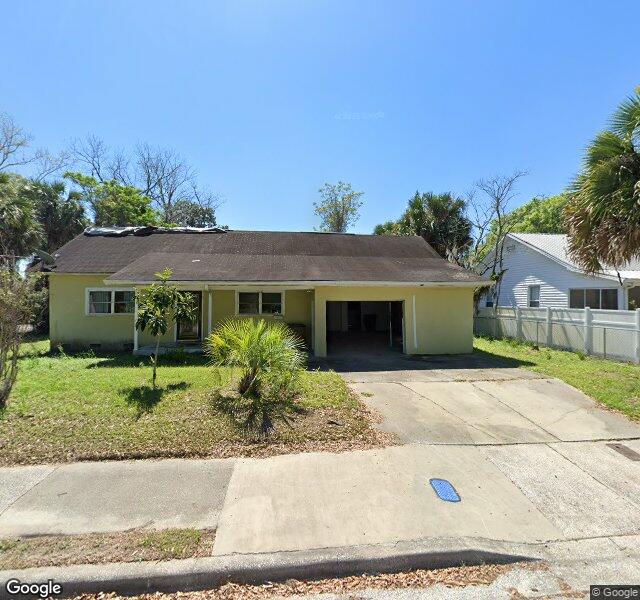
298 SW PROSPERITY PLACE, LAKE CITY, FL 32024 (386) 269-3900
For profit - Limited Liability company 113 Beds EXCELSIOR CARE GROUP Data: November 2025
Trust Grade
50/100
#368 of 690 in FL
Last Inspection: April 2025

Within standard 12-15 month inspection cycle. Federal law requires annual inspections.

Overview

Lake City Healthcare and Rehabilitation Center has received a Trust Grade of C, indicating they are average and positioned in the middle of the pack among nursing homes. They rank #368 out of 690 facilities in Florida, placing them in the bottom half, and #4 out of 4 in Columbia County, meaning only one other local option is better. Unfortunately, the facility is experiencing a worsening trend, with issues increasing from 4 in 2024 to 14 in 2025. Staffing is a concern, with a rating of 2 out of 5 stars and a high turnover rate of 70%, which is significantly above the state average. However, the center has no fines on record, which is a positive aspect, and they have more RN coverage than 84% of Florida facilities, ensuring some level of oversight in resident care. Specific incidents of concern include issues with food safety, where food was improperly stored and cleanliness was lacking in the kitchen. Additionally, there were problems with wound care, such as a resident having a dressing with dried substances that was not properly dated, suggesting potential neglect. Lastly, infection control standards were not followed for several residents, risking the spread of infections. Overall, while there are strengths like no fines and decent RN coverage, the facility's increasing issues and staffing concerns raise significant red flags for families considering this home.

Trust Score
C
50/100
In Florida
#368/690
Bottom 47%
Safety Record
Low Risk
No red flags
Inspections
Getting Worse
4 → 14 violations
Staff Stability
⚠ Watch
70% turnover. Very high, 22 points above average. Constant new faces learning your loved one's needs.
Penalties
✓ Good
No fines on record. Clean compliance history, better than most Florida facilities.
Skilled Nurses
⚠ Watch
Each resident gets only 25 minutes of Registered Nurse (RN) attention daily — below average for Florida. Fewer RN minutes means fewer trained eyes watching for problems.
Violations
⚠ Watch
28 deficiencies on record. Higher than average. Multiple issues found across inspections.
★★★☆☆
3.0
Overall Rating
★★☆☆☆
2.0
Staff Levels
★★★★★
5.0
Care Quality
★★☆☆☆
2.0
Inspection Score
Stable
2024: 4 issues
2025: 14 issues

The Good

  • 5-Star Quality Measures · Strong clinical quality outcomes
  • Full Sprinkler Coverage · Fire safety systems throughout facility
  • No fines on record

Facility shows strength in quality measures, fire safety.

The Bad

3-Star Overall Rating

Near Florida average (3.2)

Meets federal standards, typical of most facilities

Staff Turnover: 70%

24pts above Florida avg (46%)

Frequent staff changes - ask about care continuity

Chain: EXCELSIOR CARE GROUP

Part of a multi-facility chain

Ask about local staffing decisions and management

Staff turnover is very high (70%)

22 points above Florida average of 48%

The Ugly 28 deficiencies on record

Apr 2025 14 deficiencies
CONCERN (D)

Potential for Harm - no one hurt, but risky conditions existed

Assessment Accuracy (Tag F0641)

Could have caused harm · This affected 1 resident

**NOTE- TERMS IN BRACKETS HAVE BEEN EDITED TO PROTECT CONFIDENTIALITY** Based on observation, record review, and interview, the facility failed to ensure accuracy of Minimum Data Set (MDS) assessments...

Read full inspector narrative →
**NOTE- TERMS IN BRACKETS HAVE BEEN EDITED TO PROTECT CONFIDENTIALITY** Based on observation, record review, and interview, the facility failed to ensure accuracy of Minimum Data Set (MDS) assessments for 3 of 8 residents reviewed, Residents #2, #18, and #49. Findings include: 1) During an interview on 4/7/2025 at 12:20 PM, Resident #2's Son stated, [Resident #2's name] sometimes has a hard time seeing and will have a hard time doing things herself. She [Resident #2] needs help with feeding and getting dressed. Review of Resident #2's Quarterly MDS assessment dated [DATE] read, Section B- Hearing, Speech and Vision . B1000. Vision. Ability to see in adequate light (with glasses or other visual appliances). 0. Adequate . B1200. Corrective Lenses. Corrective lenses (Contacts, glasses, or magnifying glass) used in completing B1000, Vision. 0. No. Review of Resident #2 Optometry Evaluation dated 11/20/2024 showed the resident used corrective lenses. During an interview on 4/10/2025 at 11:15 AM, Staff L, Registered Nurse (RN) stated, [Resident #2's name] has glaucoma and has trouble with her vision. The staff assist her with feeding, and we try to encourage her [Resident #2] to go to the dining room, but she likes to stay in her room. During an interview on 4/10/2025 at 11:50 AM, Staff K, MDS Coordinator, stated, [Resident #2's name] MDS Section B was inaccurate and needs to be corrected. Her vision is not adequate without corrective lens. Review of the facility policy and procedure titled Nursing- Minimum Data Set (MDS) with the last review date of 1/21/2025 read, Purpose: To ensure that the center conducts initial and periodic standardized, comprehensive and reproducible assessments no less than every three months for each resident including, but not limited to, the collection of data regarding functional status, strengths, weakness and preferences using the federal and/or state required RAI [Resident Assessment Instrument].3) During an observation on 4/7/2025 at 9:30 AM, Resident #18 was edentulous. During an interview on 4/7/2025 at 9:30 AM, Resident #18 stated, I'm on mechanical soft because my dentures broke a while back and they still have not gotten me any. I hate having no teeth and not being able to eat. I've seen dental and they told me it'd be an issue because of my overbite. I don't want any surgery or anything. I just want my teeth back. Review of Resident #18's MDS assessment dated [DATE] showed no broken dentures or resident being edentulous under section L- Oral/ Dental Status. During an interview on 4/10/2025 at 12:00 PM, Staff K, MDS Coordinator, stated, It was marked incorrectly on her annual assessment. 2) During an interview on 4/7/2025 at 10:19 AM, Resident #49 stated that his gastrostomy tube was being used for his medications. Review of Resident #49's MDS assessment dated [DATE] read, Section K- Swallowing/Nutritional Status. K0100. Swallowing Disorder . Z. None of the above . K0520. Nutritional Approaches . B. Feeding tube (e.g., nasogastric or abdominal (PEG)) [No box checked to indicate the resident having feeding tube while a resident]. During an interview on 4/10/2025 at 11:50 AM, the MDS Coordinator stated that the documentation of Resident #49 not having a PEG, or any type of feeding tube was incorrect.
CONCERN (D)

Potential for Harm - no one hurt, but risky conditions existed

Deficiency F0645 (Tag F0645)

Could have caused harm · This affected 1 resident

**NOTE- TERMS IN BRACKETS HAVE BEEN EDITED TO PROTECT CONFIDENTIALITY** Based on record review and interview, the facility failed to ensure an accurate Level I Preadmission Screening and Resident Revi...

Read full inspector narrative →
**NOTE- TERMS IN BRACKETS HAVE BEEN EDITED TO PROTECT CONFIDENTIALITY** Based on record review and interview, the facility failed to ensure an accurate Level I Preadmission Screening and Resident Review (PASRR) was completed for 1 of 5 residents reviewed for unnecessary medications, Resident #61. Findings include: Review of Resident #61's admission record showed the resident was most recently admitted on [DATE] with the diagnoses including bipolar disorder (onset date of 3/10/2025), major depressive disorder, and anxiety disorder. Review of Resident #61's Level I PASRR dated 3/5/2025 showed anxiety disorder and depressive disorder listed under mental illness. No bipolar disease was listed. Review of Resident #61's hospital Discharge summary dated [DATE] read, Hospital course to date . complex past medical history including . bipolar disease. Review of Resident #61's MDS assessment dated [DATE] showed anxiety disorder, depression and bipolar disorder under Section I- Active Diagnoses. During an interview on 4/10/2025 at 8:15 AM, the Administrator stated, When a resident is admitted from the hospital, it is our responsibility to review the PASRR for accuracy and get it corrected if necessary. We did not follow our process. Review of Resident #61's visit note for psychiatric services dated 3/24/2025 read, HPI [History of Present Illness] General . admitted to the facility on 3.9.25 . She has a hx [history of] DMI [diabetic muscle infarction], COPD [chronic obstructive pulmonary disease], morbid obesity, HTN [hypertension], bipolar, MDD [major depressive disorder], anxiety, RLS [restless leg syndrome]. Review of the facility policy and procedure titled Social Services- PASRR with an effective date of 4/1/2022 and the last review date of 1/21/2025 read, Purpose: The facility shall ensure each resident in a nursing facility is screened for a mental disorder (MD) or intellectual disability (ID) prior to admission and that individuals identified with MD or ID are evaluated and receive care and services in the most integrated setting appropriate to meet their needs . Procedure: I. Preadmission Screening: 1. The External Liaison or Internal admission Staff/Designee will obtain a completed preadmission screen (PASRR Level I) on all individuals being admitted to the Skilled Nursing Facility (SNF) prior to admission.
CONCERN (D)

Potential for Harm - no one hurt, but risky conditions existed

Comprehensive Care Plan (Tag F0656)

Could have caused harm · This affected 1 resident

**NOTE- TERMS IN BRACKETS HAVE BEEN EDITED TO PROTECT CONFIDENTIALITY** Based on observation, interview, and record review, the facility failed to develop and implement a comprehensive care plan for 2...

Read full inspector narrative →
**NOTE- TERMS IN BRACKETS HAVE BEEN EDITED TO PROTECT CONFIDENTIALITY** Based on observation, interview, and record review, the facility failed to develop and implement a comprehensive care plan for 2 of 9 residents reviewed, Residents #3 and #114. Findings include: 1) Review of Resident #3's transfer/discharge report showed the resident was admitted on [DATE] with diagnoses including generalized anxiety disorder and post-traumatic stress disorder (PTSD). Review of Resident #3's physician order dated 3/5/2025 read, Behaviors- Monitor for the following: Sad affect, continuous crying, seems withdrawn, mood changes, Document: 'N' if none of the above observed. 'Y' if any of the above was observed, select chart code 'Other/See Nurses Notes' and progress note findings every shift. Review of Resident #3's visit note for psychiatric services dated 3/6/2025 read, DX [Diagnosis] . 1: Generalized anxiety disorder: Patient is stable. Staff to monitor, document, and report worsening symptoms of anxiety symptoms: excessive worry, not able to control worry, restlessness/agitation, being easily fatigued, poor concentration, irritability, muscle tension, sleep disturbance, panic attacks . 4: Post-traumatic stress disorder: Patient is stable. Continue to monitor for changes. Review of Resident #3's care plan did not show a focus for generalized anxiety or post-traumatic stress disorder. During an interview on 4/10/2025 at 11:46 AM, Staff K, Minimum Data Set (MDS) Coordinator, stated, [Resident #3's name] has a diagnosis of post-traumatic stress disorder. The PTSD or anxiety were not included in her care plan and needs to be added. 2) Review of Resident #114's physician order dated 4/1/2025 read, Dialysis on T-Th-Sa@ [Tuesdays-Thursdays-Saturdays at] 10:15 AM at [local dialysis center's name] every day shift every Tue, Thu, Sat, for dialysis. Review of Resident #114's skin evaluation dated 4/1/2025 read, A. Observations . Site: 6) Right Shoulder (front), Description: Suture noted and 2 shunts for dialysis present. Review of Resident #114's care plan showed no focus for enhanced barrier precautions. During an interview on 4/10/2025 at 9:43 AM, Staff E, Licensed Practical Nurse (LPN) Unit Manager, stated, [Resident #114's name] is a dialysis patient and has a catheter on his right chest. He [Resident #114] would need to have enhanced barrier precaution orders and also be care planned. During an interview on 4/10/2025 at 11:29 AM, the Director of Nursing stated, [Resident #114's name] should be care planned for enhance barrier precautions due to the catheter he has in place for dialysis. During an interview on 4/10/2025 at 11:51 PM, Staff K, MDS Coordinator, stated, Currently there are no orders for enhance barrier precautions for [Resident #114's name]. We also go by hospital records. We would expect to see a focus for enhanced barrier precautions as part of his [Resident #114] care plan. Enhance barrier precautions will need to be added to his care plan. Review of the facility policy and procedure titled Nursing- Care Plans- Comprehensive- Person Centered with the last review date of 1/21/2025 read, Purpose: To ensure the development and implementation of a comprehensive, person-centered care plan that includes measurable objectives and timetables to meet the resident's physical, psychosocial and functional needs. Policy . 9. Identifying problem areas and their causes, and developing interventions that are targeted and meaningful to the resident, are the endpoint of an interdisciplinary process.
CONCERN (D)

Potential for Harm - no one hurt, but risky conditions existed

Drug Regimen Review (Tag F0756)

Could have caused harm · This affected 1 resident

Based on record review and interview, the facility failed to ensure the medication regimen recommendations agreed by the physician were followed for 1 of 5 residents reviewed for unnecessary medicatio...

Read full inspector narrative →
Based on record review and interview, the facility failed to ensure the medication regimen recommendations agreed by the physician were followed for 1 of 5 residents reviewed for unnecessary medications, Resident #8. Findings include: Review of Resident #8's medication regimen review showed the consultant pharmacist's recommendation dated 2/25/2025 that read, Per clinical record resident with recent falls. A daily intake of 800-1,000 IU of Vitamin D is currently recommended in the elderly to maintain bone health and reduce the risk of falls and fractures. Please evaluate. Consider adding Vitamin D3, 1000 IU once daily, if appropriate. The physician's response was documented as, Agree; will do. Review of Resident #8's medication regimen review showed the consultant pharmacist's recommendation dated 3/26/2025 that read, Per clinical record resident with recent falls. A daily intake of 800-1,000 IU of Vitamin D is currently recommended in the elderly to maintain bone health and reduce the risk of falls and fractures. Please evaluate. Consider adding Vitamin D3, 1000 IU once daily, if appropriate. The physician's response was documented as, Agree; will do. Review of Resident #8's current physician orders showed no order for Vitamin D3. During an interview on 4/9/2025 at 2:51 PM, the Director of Nursing (DON) stated, The monthly recommendations [from the Consultant Pharmacist] are divided between the unit managers and the ADON [Assistant Director of Nursing]. The expectation is whoever gets an order from a provider should address it in the computer [electronic medical record]. During an interview on 4/10/2025 at 3:49 PM, the Nurse Practitioner 1 stated, The expectation for the medication regimen reviews is that if we fill out those papers, they [the facility staff] are supposed to update the orders. We cannot write the information in 3 or 4 different places. That is why we write the responses on the pharmacy reviews. Review of the facility policy and procedure titled Pharmacy Services - Drug Regimen Review with an effective date of 4/1/2022, and the last review date of 1/21/2025, read, Purpose: The facility shall maintain the resident's highest practicable level of physical, mental and psychosocial well-being and prevents or minimizes adverse consequences related to medication therapy to the extent possible, by providing oversight by a licensed pharmacist, attending physician, medical director, and the director of nursing. Procedure: 1. The drug regimen of each resident should be reviewed at least monthly by a licensed pharmacist and the pharmacist should report any irregularities to the attending physician, the facility's medical director and the director of nursing and these reports should be acted upon.
CONCERN (D)

Potential for Harm - no one hurt, but risky conditions existed

Deficiency F0757 (Tag F0757)

Could have caused harm · This affected 1 resident

Based on record review and interview, the facility failed to ensure residents' medication regimen was free from unnecessary drugs, for 1 of 5 residents reviewed for unnecessary medications, Resident #...

Read full inspector narrative →
Based on record review and interview, the facility failed to ensure residents' medication regimen was free from unnecessary drugs, for 1 of 5 residents reviewed for unnecessary medications, Resident #8. Findings include: Review of Resident #8's medication regimen review showed the consultant pharmacist's recommendation dated 1/9/2025 that read, Currently receiving Guaifenesin LA [long acting] tabs (Mucinex) without a stop date. Please evaluate current need. Consider add stop date, if appropriate. The physician's response was documented as, Agree; will do. DC [Discontinue]. Review of Resident #8's medication regimen review showed the consultant pharmacist's recommendation dated 3/26/2025 that read, Currently receiving Guaifenesin LA tabs (Mucinex) without a stop date. Please evaluate current need. Consider add stop date, if appropriate. The physician's response was documented as, Disagree; State Reason: PRN [as needed]. The physician signed the recommendation on 4/1/2025. Review of Resident #8's physician order dated 1/7/2025 read, Guaifenesin ER [extended release] Oral Tablet Extended Release 12 Hour 600 MG [milligram] (Guaifenesin), Give 600 mg by mouth two times a day for congestion. Order Status: Active. Review of Resident #8's Medication Administration Records (MARs) for administration of Guaifenesin showed the resident received the medication from 1/8/2025 through 1/31/2025, from 2/6/2025 through 2/28/2025, from 3/1/2025 through 3/31/2025, from 4/1/2025 through 4/9/2025 at 9:00 AM and 9:00 PM. During an interview on 4/9/2025 at 2:51 PM, the Director of Nursing (DON) stated, The monthly recommendations [from the Consultant Pharmacist] are divided between the unit managers and the ADON [Assistant Director of Nursing]. The expectation is whoever gets an order from a provider should address it in the computer [electronic medical record]. During an interview on 4/10/2025 at 3:49 PM, the Nurse Practitioner 1 stated, The expectation for the medication regimen reviews is that if we fill out those papers, they [the facility staff] are supposed to update the orders. We cannot write the information in 3 or 4 different places. That is why we write the responses on the pharmacy reviews. Review of the facility policy and procedure titled Pharmacy Services - Drug Regimen Review with an effective date of 4/1/2022, and the last review date of 1/21/2025, read, Purpose: The facility shall maintain the resident's highest practicable level of physical, mental and psychosocial well-being and prevents or minimizes adverse consequences related to medication therapy to the extent possible, by providing oversight by a licensed pharmacist, attending physician, medical director, and the director of nursing. Procedure: 1. The drug regimen of each resident should be reviewed at least monthly by a licensed pharmacist and the pharmacist should report any irregularities to the attending physician, the facility's medical director and the director of nursing and these reports should be acted upon. 2. Irregularities include, but are not limited to, any drug that meets the following criteria . b. Excessive duration, or c. Without adequate monitoring; or d. Without adequate indications for its use . 5. The attending physician shall document in the resident's medical record that the identified irregularity has been reviewed and what, if any, action has been taken to address it.
CONCERN (D)

Potential for Harm - no one hurt, but risky conditions existed

Deficiency F0761 (Tag F0761)

Could have caused harm · This affected 1 resident

Based on observation, interview, and record review, the facility failed to ensure the drugs and biologicals used in the facility were stored in accordance with currently accepted professional principl...

Read full inspector narrative →
Based on observation, interview, and record review, the facility failed to ensure the drugs and biologicals used in the facility were stored in accordance with currently accepted professional principle in 1 of 4 hallways. Findings include: 1) During an observation on 4/7/2025 at 10:11 AM, Resident #95 was lying in bed. There was one bottle of nasal saline spray on top of the nightstand. During an interview on 4/7/2025 at 10:11 AM, Resident #95 stated, I have used the spray for years. I will use the nasal spray at night if I feel clogged. During an interview on 4/7/2025 at 12:48 PM, Staff E, Licensed Practical Nurse (LPN), Unit Manager, stated, [Resident #95's name] should not have medication at bedside. We do not really have any resident that self-administers medication. If they do, we would have to evaluate the resident and care plan them. We would also have to put an order in place. 2) During an observation on 4/7/2025 at 10:56 AM, Resident #45 was lying in bed. There was one bottle of lubricant eye drops on top of the bedside table and one bottle of antifungal powder on top of the wall air conditioning unit. During an interview on 4/7/2025 at 10:56 AM, Resident #45 stated, The eye drops are mine. I use them when I need them. I will have the nurses assist with applying them, and the antifungal powder, the nurses will apply for me. 3) During an observation on 4/7/2025 at 12:45 PM, Resident #64 was lying in bed. There was one tube of Neosporin antibiotic ointment on the side of the resident's bed. During an interview on 4/7/2025 at 12:45 PM, Resident #64 stated, I forgot I had the ointment. My family brought it for me. During an interview on 4/7/2025 at 12:48 PM, Staff D, LPN, stated, [Resident #64's name] has no orders for Neosporin. I do not know what she uses it for. Normally they bring meds, and we will provide it for them and get an order. During an interview on 4/7/2025 at 2:33 PM, Staff E, LPN, Unit Manager, stated, [Resident #64's name] cannot self-administer medication. I spoke to the family and they do not know how she got the ointment. 4) During an observation on 4/8/2025 at 8:30 AM, Resident #6 was sitting up in bed. There was a medication cup containing one white circular pill. During an interview on 4/8/2025 at 8:30 AM, Resident #6 stated, I do not know what that medication is for. Can you call the nurse so she can tell us what it is? During an interview on 4/8/2025 at 8:32 AM, Staff D, LPN, stated, The medication in the medication cup is Tramadol. I thought she had taken all her medications while I was here earlier. During an interview on 4/9/2025 at 4:04 PM, the Director of Nursing (DON) stated, If a resident has a high BIMS [Brief Interview for Mental Status score] and they are cognitively intact, they would be able to self-administer and we would evaluate. We did not have any resident in the building that would self-administer medication. Medication should not be left unattended in a resident's room. Review of the facility policy and procedure titled Administering Medications with the last review date of 1/21/2025 read, General Guidelines . 25. Residents may self-administer their own medications only if the Attending Physician, in conjunction with the Interdisciplinary Care Planning Team, has determined that they have decision-making capacity to do so safety. Review of the facility policy and procedure titled Medication Storage with the last review date of 1/21/2025 read, Policy: Medications will be stored in a manner that maintains the integrity of the product and ensures the safety of the residents and is in accordance with FL Department of Health Guidelines.
CONCERN (D)

Potential for Harm - no one hurt, but risky conditions existed

Dental Services (Tag F0791)

Could have caused harm · This affected 1 resident

Based on observation, interview, and record review, the facility failed to ensure residents received dental services for 1 of 2 residents reviewed for dental services, Resident #18. Findings include: ...

Read full inspector narrative →
Based on observation, interview, and record review, the facility failed to ensure residents received dental services for 1 of 2 residents reviewed for dental services, Resident #18. Findings include: During an observation on 4/7/2025 at 9:30 AM, Resident #18 was edentulous. During an interview on 4/7/2025 at 9:30 AM, Resident #18 stated, I'm on mechanical soft because my dentures broke a while back and they still have not gotten me any. I hate having no teeth and not being able to eat. I've seen dental and they told me it'd be an issue because of my overbite. I don't want any surgery or anything. I just want my teeth back. During an interview on 4/9/2025 at 11:10 AM, Registered Dietician (RD) stated, I don't believe there is an issue with her swallowing. The only reason she's on mechanical soft is because of her having no teeth. During an interview on 4/9/2025 at 11:45 AM, Social Services Assistant (SSA) stated, I know [Staff E, Unit Manager's name] and [previous Social Services Director's name] were working on something about her dentures, but I'm not sure exactly what it was about. During an interview on 4/9/2025 at 12:00 PM, Staff E, Licensed Practical Nurse (LPN), Unit Manager, stated, The problem is with her insurance. She is required to go to her primary office at [name of the primary office] and they have to do a referral to dental at [name of the dental clinic]. That's a whole process that takes time. I have received an email from the dental clinic in December 2024 notifying the facility that in-house dental provider did not take the resident's insurance. Review of Resident #18's medical record showed a note that read, 5/30/24 11:45: dental referral sent to SS [Social Services] for replacement or repair dentures. Review of Resident #18's medical record showed notes that read, 7/1/24: Patient presents for screening. Upper and Lower edentulous. Soft tissue is healthy. Patient is eating well. Patient is not in pain. Dentures not located to evaluate. No upper denture or lower denture located. Attempts should be made to locate dentures for evaluation. Next visit: follow up on locating upper denture lower denture for evaluation. 7/25/2024: Patient presents for consult. Dentures not located. Patient interested in new set of dentures treatment. Patient is not in pain. Patient is currently able to obtain adequate nutrition. 11/14/2024: Per facility, patient is not experiencing any pain or discomfort and has no issues eating. Dentures are not clinically needed at this time. Will monitor and treat symptomatically. Review of the facility policy and procedure titled Dental Services with an effective date of 4/1/2022 and the last review date of 1/21/2025 read, Procedure . 10. If dentures are damaged or lost, residents shall be referred for dental services within 3 days. If the referral is not made within 3 days, documentation shall be provided regarding what is being done to ensure that the resident is able to eat and drink adequately while awaiting the dental services; and the reason for the delay.
CONCERN (D)

Potential for Harm - no one hurt, but risky conditions existed

Food Safety (Tag F0812)

Could have caused harm · This affected 1 resident

Based on observation, interview, and record review, the facility failed to ensure food was safely stored in the areas of the nutrition room and kitchen walk-in freezer. Findings include: During an ini...

Read full inspector narrative →
Based on observation, interview, and record review, the facility failed to ensure food was safely stored in the areas of the nutrition room and kitchen walk-in freezer. Findings include: During an initial tour of the kitchen on 4/7/2025 at 9:10 AM with the Dietary Manager, there was one plastic see through bag containing food items with no identifying label or date in the walk-in freezer. During an interview on 4/7/2025 at 9:20 AM, the Dietary Manger stated, I don't know what it is. It should have a label and be dated. Review of the facility policy and procedure titled Food Storage revised on 1/17/2019 read, Policy: Sufficient storage facilities are provided to keep foods safe, wholesome and appetizing. Food is stored in an area that is clean, dry and free from contaminants. Food is stored, prepared, and transported at appropriate temperatures and by methods designed to prevent contamination or cross contamination. Procedure . 15. Frozen Foods . d. All foods should be covered, labeled and dated. All foods will be checked to ensure that foods will be consumed by their safe use by dates or discarded. All foods should be checked so as to show no negative outcome (e.g. freezer burn, foods dried out, foods with a change of color). During an observation on 4/7/2025 at 9:35 AM, there was one bag containing wrapped crackers and bowl of covered food in the nourishment room refrigerator on Desota Hall that was not dated. During an interview on 4/7/2025 at 9:33 AM, the Dietary Manger stated, The food should have been dated. Review of the facility policy and procedure titled Guidelines for Foods Brought from the outside by Family and Visitors revised on 1/17/2019 read, Policy: Family members may bring food into Residents. Staff must be aware of and approve of food brought to a resident by family/visitors. Procedure . 6. Perishable foods must be stored in a re-sealable containers with tight fitting lids in the refrigerator. Containers will be labeled with the resident's name, the items name and the use by date. The use by date should be 5 days after food is brought in. 7. Nursing staff is responsible for discarding perishable foods on or before the use by date.
CONCERN (D)

Potential for Harm - no one hurt, but risky conditions existed

Deficiency F0825 (Tag F0825)

Could have caused harm · This affected 1 resident

Based on interview and record review, the facility failed to provide therapy evaluation and services for 1 of 3 residents reviewed for rehabilitation, Resident #27. Findings include: During an interv...

Read full inspector narrative →
Based on interview and record review, the facility failed to provide therapy evaluation and services for 1 of 3 residents reviewed for rehabilitation, Resident #27. Findings include: During an interview on 4/8/2025 at 10:40 AM, Resident #27 stated, I used to have therapy and then I was participating in the restorative program. I was walking with a walker and they were providing different trainings. It all stopped and they never came and got me again. The facility got rid of the restorative program. I would like to have therapy again. Review of Resident #27's physician order dated 9/20/2024 read, PT [Physical Therapy] to eval [evaluate] and treat as indicated . Order Status: Active. Review of Resident #27's physician order dated 9/20/2024 read, OT [Occupational Therapy] to eval and treat as indicated . Order Status: Active. Review of Resident #27's care plan initiated on 3/12/2025 showed the resident had activity of daily living self-care performance deficit related to hemiplegia and hemiparesis following cerebral infraction affecting left dominant side, with the intervention including functional maintenance program. Review of Resident #27's Physical Therapy Evaluation and Plan of Treatment dated 12/3/2024 showed the resident was on restorative nursing program and no further physical therapy interventions indicated. During an interview on 4/9/2025 at 2:29 PM, the Functional Maintenance Coordinator stated, The functional maintenance program is to monitor patients who are off of therapy. We will monitor the progress and use the strategies that were given in therapy. We mostly communicate with the certified nursing assistants for splints. [Resident #27's name] has been off therapy. Before the new company, we had restorative, but they cut that out and she [Resident #27] was no longer a candidate. They have to participate in therapy first. After therapy releases them, they become part of the functional maintenance program. If [Resident #27's name] had a problem and is not to where she is now, she would have to go to therapy. Nothing was implemented for the residents that were on restorative. In my opinion, I don't think they were evaluated. During an interview on 4/9/2025 at 2:53 PM, the Director of Nursing (DON) stated, The restorative program was discontinued, and therapy was going to evaluate them and pick them up as the program warranted. The restorative program ended in January or February 2025. I do not know the exact date. We should have something in place before it was completely dropped. During an interview on 4/9/2025 at 3:14 PM, the Rehabilitation Director stated, The restorative program was discontinued and the functional maintenance program was established. [Resident #27's name] does not have a current functional maintenance program. The goal is to do quarterly evaluations. The last one they did for [Resident #27's name] was in December [2024]. It was probably an oversight or human error. During an interview on 4/10/2025 at 3:51 PM, the DON stated, We should do quarterly assessments on residents to determine if there is a decline. I would expect the assessment to be done within a week of when it is due. During an interview on 4/10/2025 at 4:34 PM, the Rehabilitation Director stated, At least one therapy disciple should have seen [Resident #27's name] for her quarterly evaluation. Review of the facility policy and procedure titled Provide/Obtain Specialized Rehab Services with the last review date of 1/21/2025 read, Purpose: The facility shall provide or obtain services from an outside resource for specialized rehabilitative services if required by the resident's comprehensive assessment and care plan to assist them to attain, maintain or restore their highest practicable level of physical mental functional and psycho-social well-being, as well as ensure that residents with Mental Disorder (MD), Intellectual Disability (ID) or related conditions receive services as determined by their Preadmission Screening and Resident Review (PASARR).
CONCERN (D)

Potential for Harm - no one hurt, but risky conditions existed

Medical Records (Tag F0842)

Could have caused harm · This affected 1 resident

Based on observation, interview, and record review, the facility failed to maintain complete and accurate medical records for 1 of 2 residents reviewed for behaviors (Resident #3), for 2 of 8 resident...

Read full inspector narrative →
Based on observation, interview, and record review, the facility failed to maintain complete and accurate medical records for 1 of 2 residents reviewed for behaviors (Resident #3), for 2 of 8 residents reviewed for medication management (Residents #54 and #72), and for 1 of 3 residents reviewed for skin and wound care (Resident #49). Findings include: 1) Review of Resident #3's physician order dated 3/5/2025 read, Behaviors- Monitor for the following: Sad affect, continuous crying, seems withdrawn, mood changes, Document: 'N' if none of the above observed. 'Y' if any of the above was observed, select chart code 'Other/See Nurses Notes' and progress note findings every shift. Review of Resident #3's Treatment Administration Record (TAR) for April 2025 for monitoring behaviors showed staff documented X from 4/1/2025 through 4/8/2025 at 7:00 AM and 7:00 PM. Review of Resident #3's physician order dated 3/5/2025 read, Antidepressant Medication- Monitor for sedation, drowsiness, dry mouth, blurred vision, urinary retention, tachycardia, muscle tremor, agitation, headache, skin rash, photosensitivity (skin) excess weight gain, Document: 'N' if none of the above observed. 'Y' if monitored and any of the above was observed, select chart code 'Other/ See Nurses Notes' and progress note findings every shift. Review of Resident #3's TAR for April 2025 for antidepressant medication monitoring showed staff documented X from 4/1/2025 through 4/8/2025 at 7:00 AM and 7:00 PM. During an interview on 4/10/2025 at 8:54 AM, the Director of Nursing (DON) stated, When writing the order, they didn't click box for yes or no. I didn't see any behaviors in the notes for [Resident #3's name]. It was not clicked off to populate yes or no. During an interview on 4/10/2025 at 9:33 AM, Staff E, Licensed Practical Nurse (LPN), Unit Manager, stated, The staff are supposed to answer yes or no to the monitoring of behaviors in the treatment record. If they document yes, they must also write a progress note about the behaviors. 2) Review of Resident #72's physician order dated 2/19/2025 read, Metoprolol Tartrate Oral Tablet 25 MG [milligram] (Metoprolol Tartrate), Give 0.5 tablet via G-tube [gastrostomy tube] two times a day related to essential (primary) hypertension hold if SBP>110 or HR >60 [systolic blood pressure greater than 110 or heart rate greater than 60]. During an interview on 4/9/2025 at 1:08 PM, the DON stated, [Resident #72's name] order was transposed incorrectly. It should be less than a symbol. I normally like to write out the words to avoid confusion. During an interview on 4/10/2025 at 4:16 PM, the Advance Practice Registered Nurse #2 stated, [Resident #72's name] order was written incorrectly. It was a mistake. It was written greater than, but it should have been less than. 3) Review of Resident #54's Medication Administration Record (MAR) for March 2025 for the order for Humulin 70/30 Kwik-Pen Subcutaneous Suspension Pen-Injector (70-30) 100 unit/milliliter- Inject 30 units subcutaneously two times a day related to type 2 diabetes mellitus without complications revealed the medication was held on 3/4/2025 at 4:30 PM for the blood sugar documented as 97, and on 3/29/2025 at 4:30 PM for the blood sugar documented as 108. During an interview on 4/9/2025 at 3:20 PM, Staff E, LPN, Unit Manager, stated, I wonder if her sugar was low and then she didn't eat. During an interview on 4/10/2025 at 10:45 AM, Staff I, LPN, stated, It's hard to remember all the way back to March 4, but if her blood sugar was only 97, I probably didn't' feel comfortable giving it to her, since she has a tendency to drop. If I held it, I must have talked to the doctor. I just forgot to put it in my nurses' note. During an interview on 4/10/2025 at 10:55 AM, Staff J, LPN, stated, I think her blood sugar was in the low 100s, and she told me she didn't feel good and wasn't going to eat dinner, so I called the doctor and held it. I must have just forgotten to enter the nurses' notes. During an interview on 4/10/2025 at 11:30 AM, the DON stated, I would expect them to document contacting the provider and that he said it was okay to hold the injection. 4) During an observation on 4/7/2025 at 10:19 AM, Resident #49 was sitting in a chair, dressed in street clothes. The resident had one dressing on his abdomen with drainage, which was dated 4/4, and one dressing on his wrist, of dry gauze, dated 4/4. During an interview on 4/7/2025 at 10:19 AM, Resident #49 stated that his wounds were last cleaned on Friday, 4/4/2025, with their dressings changed at that time. Review of Resident #49's physician order dated 3/25/2025 read, Cleanse left wrist wound with wound cleanser, apply bacitracin and non-adherent dressing, secure with rolled gauze daily & PRN [and as needed] as needed for soiled or dislodged. Review of Resident #49's physician order dated 3/25/2025 read, Cleanse abd [abdominal] wound with wound cleanser, apply bacitracin ointment to wound bed, cover with wound veil and dry dressing daily every day shift for wound care. Review of Resident 49's TAR for April 2025 showed staff initials for cleansing abdominal and left wrist wound on 4/5/2025 and 4/6/2025. During an interview on 4/9/2025 at 10:05 AM, Staff A, LPN, stated, On Saturdays and Sundays, the nurse from the other hall works 7:00 AM to 3:00 PM and does wound care for the residents on my hall. The nurse let me know what wound care was completed, and I documented the wound care and dressing changes. I did not recall if I checked to see that [Resident #49's name] wound care had been completed on Saturday 4/5/25 or Sunday 4/6/25. During an interview on 4/9/2025 at 10:08 AM, Staff G, Registered Nurse (RN), Unit Manager, stated, If there are orders for daily wound care and/or dressing changes, it should be done daily. If a nurse did not complete wound care or treatment but documented it, it would be false documenting. Review of the facility policy and procedure titled Dressing- Dry/Clean with an effective date of 4/1/2022 and the last review date of 1/21/2025 read, Purpose: The purpose of this procedure is to provide guidelines for the application of dry/clean dressings . Documentation: The following information should be recorded in the resident's medical record, treatment sheet or designated wound form: 1. The date and time the dressing was changed. 2. Wound appearance, including wound bed, edges, presence of drainage. 3.The name and title (or initials) of the individual changing the dressing.
CONCERN (D)

Potential for Harm - no one hurt, but risky conditions existed

Deficiency F0865 (Tag F0865)

Could have caused harm · This affected 1 resident

Based on record review and interview, the facility failed to maintain an effective, data driven Quality Assurance and Performance Improvement (QAPI) program related to weight loss and obtaining weight...

Read full inspector narrative →
Based on record review and interview, the facility failed to maintain an effective, data driven Quality Assurance and Performance Improvement (QAPI) program related to weight loss and obtaining weights for 1 of 3 current performance improvement plans. Findings include: Review of Weight Loss Performance Improvement Plan initiated on 2/11/2025 read, Action Steps: Quality Review initiated for residents who have lost significant weight in a time of 5% (30 days); 7.5% (90 days), and 10% (180 days). Appropriate MD [Medical Doctor]/Representative notification RD [Registered Dietitian] Consult, Interventions in place. Residents to be reviewed weekly in risk meeting until weight loss and stable X [times] 4 weeks. Care plan in place and appropriate. Nursing staff educated on weight loss with emphasis on: Making sure the correct documentation for meal consumption. Resident preferences. Interventions in place. Make sure weighing is consistent (same lift pad and leg rest, etc.) RD consult. Care plans in place with interventions. Menus posted daily. Residents to be reviewed weekly in risk meeting until weight loss resolved and stable X 4 weeks. Monitoring: Quality review to be conducted by DON/designee with residents that had significant weight loss have adequate monitoring in place including weight loss monitoring weekly X 4 weeks, and then every 2 weeks X 2 months. During an interview on 4/10/2025 at 12:15 PM, the Director of Nursing (DON) stated, I started the weight loss PIP [Performance Improvement Plan] because restorative was ending and we were switching to Functional Maintenance Program and we didn't have a set plan for getting the weights. We want to ideally have the same people, weigh around the same dates, ensure they are making allowances for foot rest, oxygen tanks, using the same method and so on. Review of Resident #51's record revealed the resident was weighted weekly on 2/12/2025 and 2/19/2025. Resident #51 was not weighed again until 3/13/2025. Review of Resident #97's record revealed the resident was weighed weekly on 2/12/2025, 2/19/2025 and 2/25/2025 and was not weighed again until 3/13/2025. During an interview on 4/10/2025 at 12:30 PM, the DON stated, We identified [Resident #51 and Resident #97's names] as ones to monitor. When asked where the proof of weekly meetings were, the DON was unable to provide documentation. Review of the facility's Quality Assurance and Performance Improvement (QAPI) policy and procedure with the last review date of 1/21/2025 read, 3.a. Identifying issues with respect to quality assessment and assurance activities including performance improvement projects. b. Developing and implementing appropriate plans of action to correct any identified deficiencies. Reviewing and analyzing data collected as part of the QAPI program and acting on data as appropriate. d. Review of all plans of corrections.
CONCERN (D)

Potential for Harm - no one hurt, but risky conditions existed

Antibiotic Stewardship (Tag F0881)

Could have caused harm · This affected 1 resident

2) Review of Resident #30's physician order dated 4/2/2025 read, Amoxicillin-Pot Clavulanate Tablet 875-12 MG [milligram], Give 1 tablet by mouth every 12 hours for bacterial infection for 7 days. Rev...

Read full inspector narrative →
2) Review of Resident #30's physician order dated 4/2/2025 read, Amoxicillin-Pot Clavulanate Tablet 875-12 MG [milligram], Give 1 tablet by mouth every 12 hours for bacterial infection for 7 days. Review of Resident #30's physician order dated 4/9/2025 read, Amoxicillin-Pot Clavulanate Tablet 875-125 MG, Give 1 tablet by mouth every 12 hours for URI [Upper Respiratory Infection] until 4/10/2025 19:59 [7:59 PM]. Review of Resident #30's medical record did not show diagnostic testing for an Upper Respiratory Infection. During an interview on 4/10/2025 at 9:02 AM, the Director of Nursing (DON) stated, No test was ordered for [Resident #30's name]. The provider just ordered the antibiotics. We have spoken to him about not just ordering antibiotics without testing. During an interview on 4/10/2025 at 9:45 AM, Staff E, Licensed Practical Nurse (LPN), Unit Manager, stated, The facility would like to get a chest x-ray, but we have a doctor who usually comes at meal times and puts the residents on antibiotic and if the person coughs, he does not get test order and will order a z-pack. He will write orders for UTI and URIs. I would not be able to get a resident to agree to discontinue the antibiotic because the provider has already spoken to them. Review of the facility policy and procedure titled Antibiotic Stewardship Program with an effective date of 4/1/2022 and the last review date of 1/21/2025, read, Procedure . 3. Antibiotics Stewardship activities shall include but not be limited to: a. Regular review of antibiotic utilization patterns and sensitivity patterns at the committee meetings . b. Reports from the Laboratory on sensitivity and resistance patterns over time (quarter, year, past years). Based on observation, interview and record review, the facility failed to establish antibiotic stewardship program to monitor antibiotic use for 2 of 5 residents reviewed, Residents #30 and #39. Findings include: 1) Review of Resident #39's records showed a physician order dated 2/14/2025 for Hiprex 1 gram (1 tablet by mouth two times daily for prophylactic antibiotic). During an interview on 4/9/2025 at 10:30 AM, the Advanced Practice Registered Nurse 2 (APRN 2) stated, She [Resident #39's name] is so susceptible to UTI's [Urinary Tract Infections] that she seems to do better on preventative. When asked if he had ever considered an antibiotic time out, the APRN 2 stated, If it's something that's required, we can, but I haven't thought about it. During an interview on 4/9/2025 at 10:40 AM, the APRN 2 stated, I was in talking to my residents and when I saw [Resident #39's name], she just looked and sounded awful. I listened to her and her lungs were yuck sounding and she had a bad cough, so I ordered her Augmentin. When asked where the documentation for this assessment was, the APRN 2 stated, We've been transitioning and I guess they haven't transcribed my notes yet. During an interview on 4/9/2025 at 12:30 PM, the Assistant Director of Nursing (ADON) stated, We've tried to talk to the providers, but they don't always listen. The ADON was not able to provide documentation of provider discussions.
CONCERN (E)

Potential for Harm - no one hurt, but risky conditions existed

Quality of Care (Tag F0684)

Could have caused harm · This affected multiple residents

2) During an observation on 4/7/2025 at 9:50 AM, Resident #23 was sitting in her wheelchair with a dressing on her left knee. The dressing had dried dark substance, and the dressing had no date or ini...

Read full inspector narrative →
2) During an observation on 4/7/2025 at 9:50 AM, Resident #23 was sitting in her wheelchair with a dressing on her left knee. The dressing had dried dark substance, and the dressing had no date or initials. During an interview on 4/7/2025 at 9:50 AM, Resident #23 stated, I bumped my knee that is why I have this dressing. During an observation on 4/8/2025 at 4:20 PM, Resident #23 was sitting near the nursing station in her electric wheelchair. The dressing on her left knee had dried dark substance, and the dressing had no date or initials. Review of Resident #23's physician order dated 12/16/2024 read, Skin tear to Left knee: Cleanse with wound cleanse of choice pat dry apply TAO [triple-antibiotic ointment] and cover with dry dressing every day shift for TX (treatment). During an interview on 4/9/2025 at 4:30 PM, the Director of Nursing stated, Staff should date and initial all dressings. 3) Review of Resident #65's physician order dated 1/18/2025 read, Carvedilol Oral Tablet 3.125 MG [Milligram] (Carvedilol), Give 1 tablet by mouth two times a day related to essential (primary) hypertension. Review of Resident #65's Medication Administration Record (MAR) for March 2025 for administration of Carvedilol showed staff documented code 11 on 3/5/2025, 3/7/2025, 3/14/2025, 3/15/2025, 3/24/2025 and 3/28/2025 at 9:00 AM, and documented code 11 on 3/5/2025, 3/7/2025, 3/10/2025, 3/11/2025, 3/14/2025, 3/15/2025, 3/16/2025, 3/24/2025, 3/30/2025 at 5:00 PM. Code 11 stands for held per parameters. Review of Resident #65's MAR for April 2025 for administration of Carvedilol showed staff documented code 11 on 4/7/2025 at 9:00 AM and on 4/8/2025 at 5:00 PM. During an interview on 4/9/2025 at 1:10 PM, the DON stated, [Resident #65's name] Carvedilol did not have parameters in place and the nurses were holding the medication. The nurses should follow the doctors' orders when giving medication or call the provider to clarify any questions. During an interview on 4/10/2025 at 4:16 PM, the Advance Practice Registered Nurse #2 stated, Staff always call me and notify me when they will be holding a medication for [Resident #65's name]. Review of the facility policy and procedure titled Administering Medications with the last review date of 1/21/2025 read, General Guidelines: 3. Medications are administered in accordance with prescriber orders, and current standards of practice. Based on observation, interview, and record review, the facility failed to ensure residents received appropriate wound care for 2 of 4 residents reviewed for skin and wound care, Residents #23 and #49, and 1 of 8 residents reviewed for medication management, Resident #65. Findings include: 1) During an observation on 4/7/2025 at 10:19 AM, Resident #49 was sitting in a chair, dressed in street clothes. The resident had one dressing on his abdomen with drainage, which was dated 4/4, one dressing on his wrist, of dry gauze, dated 4/4, one dressing on his upper thigh with no apparent drainage, under an elastic wrap, with no date visible, and one dressing on his lower back, which could not be fully observed. During an interview on 4/7/2025 at 10:19 AM, Resident #49 stated that his wounds were last cleaned on Friday, 4/4/2025, with their dressings changed at that time. Review of Resident #49's admission Assessment, dated 3/24/2025, documented the following information in the wound/skin section: a surgical incision on the right side of the abdomen; a G-tube (gastrostomy tube) on the left side of the abdomen; and graft sites on the left wrist, front of right thigh, and front of left thigh. There was no information documented regarding a wound or a dressing on Resident #49's lower back/sacrum/coccyx. Review of Resident #49's physician order dated 3/25/2025 read, Unwrap right thigh daily and monitor graft site for any s/s [signs and symptoms] of infection. Do not remove protective dressing that is stapled in place. Place new wound veil over graft site, secure with rolled gauze and ace wrap every day shift for wound care. Review of Resident #49's physician order dated 3/25/2025 read, Apply A&D [Vitamin A and D] ointment to healed left thigh graft site daily every day shift for wound care. Review of Resident #49's physician order dated 3/25/2025 read, Cleanse left wrist wound with wound cleanser, apply bacitracin and non-adherent dressing, secure with rolled gauze daily & PRN [and as needed] as needed for soiled or dislodged. Review of Resident #49's physician order dated 3/25/2025 read, Cleanse abd [abdominal] wound with wound cleanser, apply bacitracin ointment to wound bed, cover with wound veil and dry dressing daily every day shift for wound care. Review of Resident 49's Treatment Administration Record for April 2025 showed staff initials for applying A&D ointment, cleansing abdominal and left wrist wound, unwrapping right thigh on 4/5/2025 and 4/6/2025. During an observation on 4/8/2025 at 4:10 PM, Resident #49 had a large transparent dressing on his lower back which had a date of 3/2x/25 (the 2nd digit of the day could not be clearly observed). During an interview on 4/8/2025 at 4:15 PM, Staff H, Licensed Practical Nurse (LPN), stated she was not aware of a dressing on Resident #49's sacrum/coccyx. During an interview on 4/8/2025 at 4:22 PM, the Director of Nursing (DON) stated that her expectation was that when a resident was admitted , the nurse in the facility would complete a head-to-toe assessment of each resident and document all wounds and dressings. During an interview on 4/9/2025 at 10:05 AM, Staff A, LPN, stated, On Saturdays and Sundays, the nurse from the other hall works 7:00 AM to 3:00 PM and does wound care for the residents on my hall. The nurse let me know what wound care was completed, and I documented the wound care and dressing changes. I did not recall if I checked to see that [Resident #49's name] wound care had been completed on Saturday 4/5/25 or Sunday 4/6/25. During an interview on 4/9/2025 at 10:08 AM, Staff G, Registered Nurse (RN), Unit Manager, stated, On new admissions, the expectation is that a head-to-toe skin assessment is completed, and all wounds and dressings are documented. The dressing on [Resident #49's name] lower back should either have been removed or orders should have been obtained. If there are orders for daily wound care and/or dressing changes, it should be done daily. Review of the facility policy and procedure titled Dressing- Dry/Clean with an effective date of 4/1/2022 and the last review date of 1/21/2025 read, Purpose: The purpose of this procedure is to provide guidelines for the application of dry/clean dressings. General guidelines: 1. Verify that there is a physician's order for this procedure . 3. Check the treatment record . Procedure . 11. Label tape or dressing with date, time and initials. Place on clean field . 19. Apply the ordered dressing . Label with date and initials on top of dressing.
CONCERN (E)

Potential for Harm - no one hurt, but risky conditions existed

Infection Control (Tag F0880)

Could have caused harm · This affected multiple residents

Based on observation, interview, and record review, the facility failed to ensure staff followed infection control standards for storing respiratory therapy equipment for 3 of 4 residents reviewed for...

Read full inspector narrative →
Based on observation, interview, and record review, the facility failed to ensure staff followed infection control standards for storing respiratory therapy equipment for 3 of 4 residents reviewed for respiratory services (Residents #45, #51, and #87), for 3 of 6 residents reviewed for enhanced barrier precautions (Residents #6, #93, #114), for 1 of 4 residents reviewed for skin conditions (Resident #2), for 4 of 5 residents reviewed for medication administration (Residents #61, #116, #321 and #324) to help prevent the possible spread of infection and communicable diseases. Findings include: 1) During an observation on 4/7/2025 at 10:56 AM, Resident #45 was lying in bed. There was a passive nebulizer mask and mouthpiece on top of the resident's desk across from his bed, which was not bagged (Photographic evidence obtained). Review of Resident #45's physician order dated 4/1/2025 read, Ipratropium-Albuterol Solution 0.5-2.5 (3) MG/3 ML (milligrams per 3 milliliters). Directions: 3 ml inhale orally via nebulizer every 6 hours as needed for SOB [shortness of breath] or wheezing via nebulizer. During an interview on 4/9/2025 at 4:06 PM, the Director of Nursing (DON) stated, The mouthpiece mask of a nebulizer and tubing should be bagged when not in use. 2) During an observation on 4/8/2025 at 4:47 PM, Staff C, Certified Nursing Assistant (CNA), was in Resident #93's bathroom assisting the resident with toileting. Staff C had gloves, but no gown. During an interview on 4/8/2025 at 4:51 PM, Staff C, CNA, stated, I was helping [Resident #93's name] transfer to the toilet and helped her lift her brief. Review of Resident #93's physician order dated 4/4/2025 read, Enhanced Barrier Precautions-Wounds every shift. 3) During an observation on 4/9/2025 at 11:47 AM, Staff C, CNA, was assisting Resident #6 to get dressed while in her bed. Staff C had gloves on, but did not have a gown. Review of Resident #6's physician order dated 12/7/2024 read, Enhanced Barrier Precaution in place (i.e. precautions for door handle. Stop sign, PPE [personal protective equipment] every shift. Open wound every shift for wound. During an interview on 4/9/2025 at 1:57 PM, Staff E, Licensed Practical Nurse (LPN), Unit Manager, stated, Staff are expected to wear gloves and gown when a resident is under enhanced barrier precautions and they are going to provide direct care to them. [Resident #6 and Resident #93's names] are both under enhanced barrier precautions. During an interview on 4/9/2025 at 2:00 PM, Staff C, CNA, stated, I was not aware that [Resident #93 and Resident #6's names] had wounds and were on enhanced barrier precautions. Residents that have enhance barrier precautions, you should wear a gown and gloves when providing care. I was assisting [Resident #6's name] to get dressed. I did not gown because I did not know they [Resident #6 and Resident #93] were on enhanced barrier precautions. During an interview on 4/9/2025 at 4:08 PM, the DON stated, Staff should wear a gown and gloves when going into an enhance barrier room to provide direct care to the resident. 4) During an observation 4/10/2025 at 11:04 AM, Staff L, Registered Nurse (RN), entered Resident #2's room to provide wound care. Staff L donned gloves and a gown. Staff L adjusted Resident #2's foley tubing. Staff L removed gloves, and without performing hand hygiene, donned a new pair of gloves and removed the dressing on Resident #2's left foot. Staff L removed her gloves, and without performing hand hygiene, donned a new pair of gloves. Staff L cleaned the right side of the left foot that had a wound. Without changing gloves or performing hand hygiene, Staff L cleaned another wound on the left side of the foot. Staff L removed her gloves, and without performing hand hygiene, donned new pair of gloves and applied treatment and new dressing to Resident #2's left foot. Staff L removed her gloves and gown and performed hand hygiene. During an interview on 4/10/2025 at 11:14 AM, Staff L, RN, stated, I should have done hand hygiene in between changing gloves. During an interview on 4/10/2025 at 11:31 AM, the DON stated, Staff should perform hand hygiene when removing gloves. It is two different wounds. I would expect staff to change gloves and perform hand hygiene in between wounds. Changing gloves does not substitute hand hygiene. 5) Review of Resident #114's skin evaluation dated 4/1/2025 read, A. Observations . Site: 6. Right shoulder (front) suture noted and 2 shunts for dialysis present. During an interview on 4/10/2025 at 11:29 AM, the DON confirmed that Resident #114 was not on enhanced barrier precautions and stated, [Resident #114's name] should have orders in place for enhanced barrier precautions. Review of the facility policy and procedure titled Enhanced Barrier Precautions with an effective date of 4/1/2022 and the last review date of 1/21/2025 read, Policy: It will be the policy of this facility to implement enhanced barrier precautions for preventing transmission of novel or targeted multidrug-resistant organism . Procedure . 2. Initiation of Enhanced Barrier Precautions . b. An order for enhanced barrier precautions will be obtained for residents with any of the following: i. Wounds and/or indwelling medical devices (e.g., central line, urinary catheter, feeding tube, tracheostomy/ventilator, etc.) regardless of MDRO [multidrug resistant organisms] colonization status . 4. For residents for whom EBP [Enhanced Barrier Precautions] are indicated, EBP is employed when performing the following High-Contact care activities- a. Dressing, b. Bathing, c. Transferring, d. Providing hygiene, e. Changing linens, f. Changing briefs or assisting with toileting, g. Device care or use; central line, urinary catheter, feeding tube, tracheostomy/ventilator, h. wound care: any skin opening requiring a dressing.6) During an observation on 4/7/2025 at 9:57 AM, there was a nasal cannula tubing connected to an oxygen concentrator, which was placed unbagged in the drawer of the bedside table in Resident #87's room (Photographic evidence obtained). During an observation on 4/7/2025 at 10:16 AM, there was a nasal cannula tubing connected to an oxygen concentrator laying directly on the floor unbagged in Resident #51's room (Photographic evidence obtained). During an interview on 4/8/2025 at 1:30 PM, Staff E, LPN, Unit Manager, stated, Oxygen tubing should be bagged when it is not in use. During an interview on 4/8/2025 at 12:30 PM, the DON, stated, All oxygen tubing should be bagged when not in use. Review of the facility policy and procedure titled Oxygen Administration with an effective date of 4/1/2022 and last review date of 1/21/2025, read, General Guidelines . 5. All disposable equipment labeled with the resident's name, the date it was opened or provided, and should be changed a minimum of every 7 days. 7) During an observation on 4/9/2025 at 8:57 AM, Staff A, LPN, obtained a blood pressure reading and a pulse oximetry reading from Resident #321. Staff A did not clean the blood pressure cuff or the pulse oximeter. Staff A used the same equipment on Resident #324 to obtain a pulse oximetry reading and to attempt to obtain blood pressure reading. Staff A used a second blood pressure cuff to obtain a blood pressure reading from Resident #321 at 9:25 AM. Staff A did not clean the blood pressure cuff after using it and before returning it to a drawer. During an interview on 4/9/2025 at 10:05 AM, Staff A, LPN, stated, I should have cleaned the blood pressure cuff and pulse ox [oximeter] between patients. During an observation on 4/9/2025 at 9:49 AM, Staff A, LPN, removed two tablets for Resident #61 from the blister packs directly into his hand and then placed them in the resident's medication cup. While preparing oral medications for administration for Resident #61, three pills dropped onto the top of the medication cart. Staff A placed two pills into the medicine cup for administration to the resident and discarded one pill into the drug disposal system. During an interview on 4/9/2025 at 10:05 AM, Staff A, LPN, stated that he was unaware that he needed to avoid touching medications. During an interview on 4/9/2025 at 12:50 PM, the DON stated that the expectation was for nurses to clean equipment between residents and that they should not touch medications with their hands. During an observation on 4/10/2025 at 8:45 AM, Staff A, LPN, administered three medications to Resident #116 via percutaneous endoscopic gastrostomy (PEG) tube after donning gloves. Staff A did not don a gown. Review of Resident #116's physician order 4/4/2025 read, Enhanced Barrier Precautions for g-tube, every shift. During an interview on 4/10/2025 at 8:55 AM, Staff A, LPN, stated that EBP meant he needed a barrier on the surface used during medication preparation and administration. Staff A then stated he should have worn gown while administering medications through a PEG tube. During an interview on 4/10/2025 at 11:30 AM, the DON stated, If residents are admitted with a PEG tube, catheter, intravenous line, or wound, they were placed on EBP. A nurse is expected to wear a gown and gloves while administering medication through a PEG tube. Review of the facility policy and procedure titled Administering Medications with an effective date of 4/1/2022 and the last review date of 1/21/2025, read, Purpose: To ensure that medications are administered in a safe and timely manner, and as prescribed. General Guidelines . 23. Staff follows established facility infection control procedures (e.g. handwashing, antiseptic technique, gloves, isolation precautions, etc.) for the administration of medication as applicable. Review of the facility policy and procedure titled Hand Hygiene with an effective date of 4/1/2022 and the last review date of 1/21/2025 read, Purpose: To prevent the spread of infection to other personnel, residents, and visitors. This applies to all staff working in all locations within the facility. Procedure: 1. All staff should perform hand hygiene when indicated, using proper technique consistent with accepted standards of practice. 2. Reference the table below for conditions and indications where hand hygiene is required. Note this may not be an all-inclusive list. Indication . Between resident contacts . Before applying and after removing personal protective equipment (PPE), including gloves . Before preparing or handling medications . Before and after handling clean or soiled dressings, linens, etc.
Jan 2024 4 deficiencies
CONCERN (D)

Potential for Harm - no one hurt, but risky conditions existed

ADL Care (Tag F0677)

Could have caused harm · This affected 1 resident

**NOTE- TERMS IN BRACKETS HAVE BEEN EDITED TO PROTECT CONFIDENTIALITY** Based on observation, interview, and record review, the facility failed to ensure residents who were unable to carry out activit...

Read full inspector narrative →
**NOTE- TERMS IN BRACKETS HAVE BEEN EDITED TO PROTECT CONFIDENTIALITY** Based on observation, interview, and record review, the facility failed to ensure residents who were unable to carry out activities of daily living (ADL) services received nail care for 1 of 3 residents reviewed, Resident #81. Findings include: Review of Resident #81's admission record revealed the resident was admitted on [DATE] with diagnoses including need for assistance with personal care, cognitive communication deficit, adult failure to thrive, major depressive disorder, and dementia without behavioral disturbance. Review of Resident #81's care plan, with a revision date of 12/7/2023, reads, Focus: [Resident #81's name] has potential impairment to skin integrity r/t [related to] limited mobility . Interventions . Keep fingernails short. Review of Resident #81's nail care task sheet read, Check nails every shift for length, cleanliness and sharp edges. During an observation on 1/16/2024 at 10:40 AM, Resident #81 was seated outside of his room in his wheelchair. Resident #81's fingernails on his right and left hands were long and jagged, with dark brown and black substances underneath the nails. During an interview on 1/16/2024 at 10:40 AM, Resident #81 stated, I need to have my nails cut. They are long and dirty, but I do not have anything to cut them with. During an interview on 1/16/2024 at 10:45 AM, Staff E, Certified Nursing Assistant (CNA), stated, His nails need to be cleaned and cut. I will make sure they get done later. During an observation on 1/17/2024 at 9:15 AM, Resident #81's fingernails on his right and left hands were long and jagged, with dark brown and black substances underneath the nails. During an observation on 1/18/2024 at 9:30 AM, Resident #81's fingernails on his right and left hands were long and jagged, with dark brown and black substances underneath the nails. Review of Resident #81's nail care task documentation dated 1/4/2024 thru 1/17/2024 showed no refusals for nail care, and that nail care had been completed on each shift. Review of the facility policy and procedures titled ADL Policy dated 12/4/2023 reads, Procedure . 4. A resident who is unable to carry out activities of daily living will receive the necessary services to maintain good nutrition, grooming, and personal and oral hygiene.
CONCERN (D)

Potential for Harm - no one hurt, but risky conditions existed

Deficiency F0761 (Tag F0761)

Could have caused harm · This affected 1 resident

**NOTE- TERMS IN BRACKETS HAVE BEEN EDITED TO PROTECT CONFIDENTIALITY** Based on observation, interview, and record review, the facility failed to ensure the insulin pens used in the facility were sto...

Read full inspector narrative →
**NOTE- TERMS IN BRACKETS HAVE BEEN EDITED TO PROTECT CONFIDENTIALITY** Based on observation, interview, and record review, the facility failed to ensure the insulin pens used in the facility were stored in accordance with currently accepted professional principles in 2 of 4 medication carts observed. Findings include: During an observation of Medication Cart #2 on [NAME] Hall on 1/17/2024 at 9:20 AM with Staff A, License Practical Nurse (LPN), there was one Insulin lisp 100/ml [milliliter] injectable pen for Resident #10 with an opened date of 12/4/2023. During an interview on 1/17/2024 at 9:22 AM, Staff A, LPN, stated, The insulin expired on January 1, 2024. We should probably write the expiration date on the medication. I will throw it away. During an observation of Medication Cart #1 on Magnolia Hall on 1/17/2024 at 9:24 AM with Staff B, LPN, there was one Basaglar Kwikpen 100 unit/ml insulin pen for Resident #106. The insulin pen was unopened and undated. The insulin pen was not cold to touch, and there was no condensation on the bag. The insulin pen bag had a label that reads, Refrigerate until opened. During an interview on 1/17/2024 at 9:45 AM, Staff B, LPN, stated, The pharmacy just delivered this medication. Pharmacy delivers the insulin to the nurse at the medication carts and the nurse is responsible to place the insulin in the refrigerator until it is used. Insulin is to be kept refrigerated until is needed for the patient's use. Review of the medication delivery slip for Resident #106 showed three Basaglar Kwikpen 100 unit/ml insulin pens were delivered on 1/16/2024 at 5:01 AM. During an interview on 1/17/2024 at 9:53 AM, the Assistant Director of Nursing stated, Insulin pens are delivered to the unit by the pharmacy and the nurses will place the unopened insulin syringe in the refrigerator until it is needed. The insulin expires per pharmacy regulations. We have a book on all medication carts that have the insulin brand and expiration date per pharmacist. The nurses are to look at the book to see when the insulin expires and dispose of insulin when expired. Insulin pens that are expired should be removed from the cart and thrown away. During an interview on 1/18/2024 at 1:52 PM, the Director of Nursing stated, My expectation is for all medications carts to be checked on Fridays and Mondays for expired medications and expired medications are to be removed from the medication cart and disposed of. Insulin pens are delivered to the nursing medications cart. When the insulin pen is needed for the assigned patient, it is removed from the refrigerator at that time and the open date is written on the pharmacy bag and pen. Review of the document provided by the facility, titled Injectable Diabetes Medication Expiration Dates After Opening, issued by Guardian Consulting Services, Inc. showed all insulin pens should be stored in refrigerator prior to first use, and after first use, they may be stored at room temperature. Humalog (Insulin lispro) can be stored at room temperature for 28 days. Review of the facility policy and procedures titled Medication Storage dated 12/4/2023 reads, Policy: Medications will be stored in a manner that maintains the integrity of the product, ensures the safety of the residents and is in accordance with the Department of Health guideline. Procedure . F. Expired, discontinued and/or contaminated medications will be removed from the medication storage areas and disposed of in accordance with facility policy . H. Medications requiring refrigeration will be stored in a refrigerator that is maintained between 2-8 degrees Celsius (36 to 46 degrees F).
CONCERN (D)

Potential for Harm - no one hurt, but risky conditions existed

Infection Control (Tag F0880)

Could have caused harm · This affected 1 resident

Based on observation, interview, and record review, the facility failed to ensure staff performed hand hygiene during medication administration to prevent the possible spread of infection and communic...

Read full inspector narrative →
Based on observation, interview, and record review, the facility failed to ensure staff performed hand hygiene during medication administration to prevent the possible spread of infection and communicable diseases. Findings include: During an observation on 1/17/2024 at 8:32 AM, Staff A, License Practical nurse (LPN), exited Resident #32's room after administering the resident's medication. Staff A returned to medication cart and began preparing medications for Resident #10 without performing hand hygiene. Staff A obtained Resident # 10's medications and mixed the medications in fluids and then proceeded to Resident #10's room. Staff A obtained manual vital signs (blood pressure 122/64, heart rate 67 and oxygen saturation 96%) without donning gloves or performing hand hygiene. Staff A administered oral (by mouth) medications to Resident #10. Staff A exited Resident #10's room and returned to the medication cart, unlocked the medication cart and obtained Resident #10's Insulin pen. Staff A returned to Resident #10's room, donned gloves without performing hand hygiene and administered insulin subcutaneously in the resident's right arm. Staff A exited Resident #10's room, returned to the medication cart, and began preparing medications for Resident #16 without performing hand hygiene. Staff A proceeded to provide oral medications to Resident #16 and administered Advair inhaler 1 puff. Staff A did not wear gloves or perform hand hygiene prior to administration of the medication. During an interview on 1/17/2024 at 9:30 AM, Staff A, LPN, stated, Hand hygiene should be done as needed or after every 3 or 4 patient's medications are delivered. During an interview on 1/17/2024 at 9:53 AM, the Assistant Director of Nursing stated, Hand hygiene is to be completed before and after each patient's medication administration. During an interview on 1/18/2024 at 1:52 PM, the Director of Nursing stated, Hand hygiene is expected to be done before and after medication administration. Review of facility policy and procedures titled Hand hygiene dated 12/4/2023 reads, Policy: It is the policy of the facility that handwashing/hand hygiene be regarded as the single most important means of preventing the spread of infections. All employees will wash their hands and any other skin with antimicrobial soap and, or flush mucous membranes immediately or as soon as feasibly following contact of such body areas with blood or other potential infectious materials .When . 2. If hands are not visibly dirty or soiled, use an alcohol-based rub for the following situations: a. Before direct contact with residents, b. Before donning gloves, c. Before preparing or handling medications . f. After contact with inanimate objects (equipment, bedpans, urinals, over bed tables, bed rails in the immediate vicinity of the resident), g. After the removal of gloves including between glove changes during procedures. 3. The use of gloves does not replace or eliminate the need for hand washing/ hand hygiene.
CONCERN (E)

Potential for Harm - no one hurt, but risky conditions existed

Food Safety (Tag F0812)

Could have caused harm · This affected multiple residents

Based on observation, interview, and record review, the facility failed to ensure expired or outdated food was properly discarded in the areas of the kitchen coolers or refrigerators and that all kitc...

Read full inspector narrative →
Based on observation, interview, and record review, the facility failed to ensure expired or outdated food was properly discarded in the areas of the kitchen coolers or refrigerators and that all kitchen equipment were cleaned and maintained in proper working order. Findings include: During an observation while a walk-through tour of the kitchen on 1/16/2024 at 9:15 AM with the Certified Dietary Manager (CDM), there were two full containers and one partially opened container of cottage cheese with the manufacture's expiration date of 1/8/2024 on all three containers in the walk-in cooler. Paper products including food containers, Styrofoam cups, and plastic utensils were being used on the tray line for all residents receiving a meal tray. The microwave oven had numerous dried food particles inside on the sides, top and base. The stove drawer had a large amount of buildup of black and brown food particles and debris. A tabletop mixer had food particles and debris. There was a buildup of dirt and grease on the top and running down the sides of the deep fryer. During an interview on 1/16/2024 at 9:35 AM related to paper products being used for meal service for residents, the CDM stated that the dishwashing machine, the combo oven (equipment that has a combination of steam and convection type cooking method), and the tabletop mixer were not operational and with the dishwashing machine down, paper products have been used during food service for all three meals since 1/1/2024. The CDM confirmed that two unopened and one partially opened containers of cottage cheese had an expiration date of 1/8/2024 and should have been discarded. The CDM confirmed the microwave oven had a large buildup of food particles and debris that would not have been from the most recent breakfast meal. The CDM stated that the cleaning assignments were not followed for cooking equipment. Review of the facility policy and procedures titled Dietary Department Sanitation last reviewed on 11/25/2023 reads, Policy: It is the dietary department's goal to maintain a clean, sanitary and safe environment. Responsibilities for all sanitation of the dietary environment shall be shared as designated by the dietary supervisor. Policy Interpretation and Implementation . 2. Associates must complete their respective cleaning assignments through the course of the day or as directed on the cleaning schedule.
Jul 2022 10 deficiencies
CONCERN (D)

Potential for Harm - no one hurt, but risky conditions existed

Resident Rights (Tag F0550)

Could have caused harm · This affected 1 resident

**NOTE- TERMS IN BRACKETS HAVE BEEN EDITED TO PROTECT CONFIDENTIALITY** Based on observation and record review the facility failed to ensure dignity for residents with urinary catheters for 1 (Residen...

Read full inspector narrative →
**NOTE- TERMS IN BRACKETS HAVE BEEN EDITED TO PROTECT CONFIDENTIALITY** Based on observation and record review the facility failed to ensure dignity for residents with urinary catheters for 1 (Resident #189) of 2 residents on the 300 hallway out of a total of 8 residents with urinary catheters. Findings include: During an observation on 07/24/22 at 11:40 AM Resident #189 was lying in bed. The resident had a urinary catheter drainage bag on the right side of the bed facing the door. The drainage bag was not covered with a privacy bag. Resident #189 was re-admitted to the facility on [DATE] with diagnosis that include respiratory failure, severe sepsis (body's response to an infection damages its own tissues) and C-Diff (Clostridium Difficile, a digestive illness). During an interview on 7/24/2022 at 11:50 AM Resident #189 stated I don't know why the bag is not covered. During an interview on 7/24/2022 at 12:03 PM Staff B, Licensed Practical Nurse (LPN) stated, I can see that the urinary catheter drainage bag is not covered by a privacy bag. I do not know why it is not covered. Review of the facility policy titled Dignity last reviewed April 1, 2022, reads Policy. Each resident shall be cared for in a manner that promotes and enhances quality of like, dignity, respect, and individuality. Policy Interpretation and Implementation. 12. Demeaning practices and standards of care that compromise dignity is prohibited. Staff shall promote dignity and assist residents as needed by: a. Helping the resident to keep urinary catheter bags covered.
CONCERN (D)

Potential for Harm - no one hurt, but risky conditions existed

MDS Data Transmission (Tag F0640)

Could have caused harm · This affected 1 resident

Based on record review and interview, the facility failed to ensure an assessment was completed and transmitted for the residents discharged from the facility within 14 days of discharge for 2 of 3 re...

Read full inspector narrative →
Based on record review and interview, the facility failed to ensure an assessment was completed and transmitted for the residents discharged from the facility within 14 days of discharge for 2 of 3 residents reviewed, Residents #2 and #3. Findings include: Review of Resident #3's records revealed that the resident was discharged on 3/31/2022 to the resident's home with family. Review of Minimum Data Set (MDS) did not show a discharge assessment on Resident #3. Review of Resident #2's records revealed that the resident was discharged on 3/31/2022 to the resident's home with family. Review of Minimum Data Set (MDS) did not show a discharge assessment on Resident #2. During an interview on 7/26/2022 at 12:02 PM, Staff G, Registered Nurse MDS Coordinator, stated that Resident #2 and Resident #3 had missing discharge assessments that they should have had at the end of PPS (perspective payment system), weather a return was anticipated or not anticipated to the facility. Review of the facility policy titled MDS 3.0 Completion dated April 1, 2022, reads, Policy: Resident are assessed, using a comprehensive assessment process, in order to identify care needs and to develop an interdisciplinary care plan . Policy Explanation and Compliance Guidelines . 2. Types of OBRA [Omnibus Budget Reconciliation Act] Assessments . f. Discharge Assessment- completed using the discharge date as the ARD [Assessment Reference Date]. Must be completed within 14 days of the discharge date /ARD . 7. Transmission Requirements: a. All assessments shall be transmitted to the designated CMS [Centers for Medicare and Medicaid Services] system (QIES ASAP) [Quality Improvement and Evaluation System Assessment Submission and Processing] within 14 days of completion.
CONCERN (D)

Potential for Harm - no one hurt, but risky conditions existed

Deficiency F0655 (Tag F0655)

Could have caused harm · This affected 1 resident

**NOTE- TERMS IN BRACKETS HAVE BEEN EDITED TO PROTECT CONFIDENTIALITY** Based on interview and record review, the facility failed to provide a written summary of the baseline care plan to 1 of 4 resid...

Read full inspector narrative →
**NOTE- TERMS IN BRACKETS HAVE BEEN EDITED TO PROTECT CONFIDENTIALITY** Based on interview and record review, the facility failed to provide a written summary of the baseline care plan to 1 of 4 residents reviewed for baseline care plans, Resident #339. Findings include: Review of Resident #339's clinical record revealed the resident was most recently admitted to the facility on [DATE] with diagnoses that included: displaced fracture of right tibial tuberosity, subsequent encounter for closed fracture with routine healing; morbid (severe) obesity due to excess calories; synovial cyst of popliteal space (Baker), right knee; unspecified asthma, uncomplicated; hyperlipidemia, unspecified; essential (primary) hypertension; and personal history of COVID-19. Review of the resident's Brief Interview of Mental Status (BIMS) completed on 7/26/22 revealed the resident was cognitively intact with a score of 15. Review of the resident's baseline care plan completed on 7/21/22 revealed the section labeled, A copy of this care plan and an Order Summary have been provided to me was blank. During an interview on 7/26/22 at 10:08 AM, Resident #339 stated that on the second day at the facility, so many people came to talk to her and asked her to sign documents that she doesn't know who they were or what she was signing. When asked if she received a copy of the care plan, the resident stated, No, I would have loved to have got a copy of it so I can see what's on it. During an interview on 7/26/22 at 3:00 PM, the Interim Director of Nursing stated that residents are supposed to get a copy of the baseline care plan after they sign it, but there is no system in place so prove the residents were provided a copy. Review of facility policy titled, Baseline Care Plan, Comprehensive Care Plan and Ongoing Care Plan Updates, dated 4/1/22, revealed it stated in part, The facility will provide the resident and their representative with a summary of the baseline care plan when requested that includes, but is not limited to: the initial goals of the resident; a summary of the resident's medications and dietary instructions; any services and treatments to be administered by the facility; personnel acting on behalf of the family; and any updated information based on the details of the comprehensive care plan, as necessary.
CONCERN (D)

Potential for Harm - no one hurt, but risky conditions existed

ADL Care (Tag F0677)

Could have caused harm · This affected 1 resident

**NOTE- TERMS IN BRACKETS HAVE BEEN EDITED TO PROTECT CONFIDENTIALITY** Based on observation, interview and record review, the facility failed to provide personal hygiene for resident's dependent on s...

Read full inspector narrative →
**NOTE- TERMS IN BRACKETS HAVE BEEN EDITED TO PROTECT CONFIDENTIALITY** Based on observation, interview and record review, the facility failed to provide personal hygiene for resident's dependent on staff for activities of daily living for 1 (Resident #29) of 5 residents reviewed. Findings include: Observation of Resident #29 on 07/24/22 at 11:59 AM revealed the resident had long and jagged fingernails with visible dark matter underneath the nails. Observation of Resident #29 on 7/26/22 at 8:40 AM revealed the resident had fingernails that were long and jagged. Observation of Resident #29 on 7/26/22 at 10:00 AM with Staff D, CNA (Certified Nurse Assistant) who confirmed the resident's fingernails were long and jagged. During an interview on 7/26/22 at 10:00 AM Staff D stated that Resident #29 is total care and that he received hygiene care this morning. Staff D stated [Resident #29's name] fingernails look bad, it looks like it's been a while since they have been taken care of. I'm going to do that right away. He is my resident, and I should have [provided care]. Review of Resident #29's care plan, dated 5/26/22, documented Staff to assist with activities of daily living such as bed mobility, transfers, dressing, toileting, personal hygiene and bathing according to need at the time. Review of Change of Status Minimum Data Set (MDS), completed 5/13/22, documented Resident #29 was coded as total dependence for personal hygiene. Review of the Quarterly Minimum Data Set, dated [DATE], documented Resident #29 needed extensive assistance for personal hygiene. Review of the facility policy titled Care of Fingernails/Toenail last reviewed on 1/28/22 reads Purpose. The purposes of this procedure are to clean the nail bed, to keep nails trimmed, and to prevent infections General Guidelines. 1. Nail care includes cleaning and regular trimming 4. Trimmed and smoothed nails prevent the resident from accidentally scratching and injuring his or her skin 6. Stop and report to the nurse supervisor if there is evidence of ingrown nails, infections, pain or if nails are too hard or too thick to cut with ease. Reporting. 1. Notify the supervisor: a. if resident refuses care b. any difficulties in cutting the resident's nails.
CONCERN (D)

Potential for Harm - no one hurt, but risky conditions existed

Respiratory Care (Tag F0695)

Could have caused harm · This affected 1 resident

**NOTE- TERMS IN BRACKETS HAVE BEEN EDITED TO PROTECT CONFIDENTIALITY** Based on observation, interview, and record review, the facility failed to ensure respiratory care was provided consistent with ...

Read full inspector narrative →
**NOTE- TERMS IN BRACKETS HAVE BEEN EDITED TO PROTECT CONFIDENTIALITY** Based on observation, interview, and record review, the facility failed to ensure respiratory care was provided consistent with professional standards of practice for 2 (Residents #63 and #337) of 4 residents reviewed for oxygen administration. Findings include: 1. Review of Resident #63's clinical record revealed the resident was admitted to the facility on [DATE] with diagnoses that included: chronic obstructive pulmonary disease, unspecified, and acquired absence of other specified parts of digestive tract; ileus, unspecified; major depressive disorder, recurrent, unspecified; hypokalemia; hypothyroidism, unspecified; unspecified atrial fibrillation; urinary tract infection, site not specified; muscle weakness (generalized); essential (primary) hypertension; hypoxemia; and dependence on supplemental oxygen. Review of Resident #63's physician orders dated 6/17/22 read, Oxygen at 4L [liters] via NC [nasal cannula, a small flexible tube that sits in the nose] QHS [every night at bedtime] and prn [as needed] SOB [shortness of breath.] During an observation on 7/24/22 at 10:43 AM, oxygen was being administered to Resident #63 via a nasal cannula connected to an oxygen concentrator located on the floor next to her bed. The oxygen concentrator was set at 2 liters per minute. (Photographic evidence obtained.) During an observation on 7/24/22 at 12:30 PM, oxygen was being administered to Resident #63 at 2 liters per minute via a nasal cannula. During an interview on 7/24/22 at 12:30 PM, Resident #63 stated she has been receiving oxygen since she came to the facility. The resident stated that it is sometimes hard for her to breathe. During an observation on 7/25/22 at 11:11 AM, oxygen was being administered to Resident #63 at 2 liters per minute via a nasal cannula. (Photographic evidence obtained.) During an observation on 7/26/22 at 9:05 AM, oxygen was being administered to Resident #63 at 2 liters per minute via a nasal cannula. (Photographic evidence obtained.) During an interview on 7/26/22, at 9:05 AM, Resident #63 stated the oxygen concentrator is supposed to be set at 4 liters per minute. The resident denied changing the setting herself. The resident said the physical therapist (Staff I) adjusted the oxygen concentrator to 2 liters per minute so she wouldn't get used to the higher amount. The resident stated the lower amount of oxygen was not sufficient and she gets out of breath when she exerts herself, such as when she straightens her bedding or organizes her things on her bedside table. During an interview on 7/26/22 at 11:00 AM, Staff I, Physical Therapist Assistant (PTA) stated there are times when he will do an oxygen study during treatment, during which he will use a finger pulse/oximeter to measure the resident's oxygen levels. Staff I stated if the resident's oxygen level is 95% or higher during exercise, he will speak to the resident's nurse and recommend that the amount of oxygen be lowered to try to ween the resident off the oxygen. During an interview on 7/26/22 at 11:25 AM, Staff H, RN, stated Resident #63 has been on oxygen since she was admitted . Staff H stated the oxygen concentrators are set by the nurses according to the residents' physician orders. Staff H stated they are supposed to be checked every round (usually during medication pass.) Staff H stated that Resident #63 is highly dependent on oxygen and cannot go without it. During an observation of Resident #63 on 7/26/22 at 11:40 AM, Staff H confirmed that the resident's oxygen concentrator was set at 2 liters per minute and then adjusted it to 4 liters per minute. 2. Review of Resident #337's clinical record revealed the resident was most recently admitted to the facility on [DATE] with diagnoses that included: acute and chronic respiratory failure with hypoxia; severe sepsis without septic shock; morbid (severe) obesity due to excess calories; chronic obstructive pulmonary disease, unspecified; other pneumonia, unspecified organism; candidiasis, unspecified; elevation of levels of liver transaminase levels; hyperlipidemia, unspecified; anxiety disorder, unspecified; low back pain, unspecified; body mass index (BMI) 35.0-35.9, adult; personal history of peptic ulcer disease; essential (primary) hypertension; retention of urine, unspecified; acute kidney failure, unspecified; and chronic lymphocytic leukemia of b-cell type not having achieve remission. Review of Resident #337's physician orders did not reveal an order for the administration of oxygen. During an observation on 7/24/22 at 12:40 PM, oxygen was being administered to Resident #337 via a nasal cannula connected to an oxygen concentrator located on the floor next to her bed. The oxygen concentrator was set at 3 liters per minute. (Photographic evidence obtained.) During an interview on 7/24/22 at 12:40 PM, Resident #337 stated she has been receiving oxygen since she was admitted to the facility. The resident said it is difficult for her to breathe, and she also has an oxygen concentrator that she uses at home. During an observation on 7/25/22, at 11:23 AM, oxygen was being administered to Resident #337 at 3 liters via a nasal cannula. (Photographic evidence obtained.) During an observation on 7/26/22 at 9:33 AM, oxygen was being administered to Resident #337 at 3 liters via a nasal cannula. (Photographic evidence obtained.) During an interview on 7/26/22 at 11:25 AM, Staff H, RN, stated Resident #337 has been on oxygen since she was admitted . Staff H stated the oxygen concentrators are set by the nurses according to the residents' physician orders. Staff H stated they are supposed to be checked every round (usually during medication pass.) Staff H stated that Resident #337 is highly dependent on oxygen and cannot go without it. During an observation of Resident #337 on 7/26/22 at 11:48, Staff H confirmed the resident was being administered oxygen at 3 liters per minute via a nasal cannula. During an interview on 7/26/22 at 12:55 PM, the Assistant Director of Nursing (ADON), stated the nurses assigned to the residents receiving oxygen are supposed to check their concentrators every shift to be sure they are receiving the prescribed amount. The ADON stated, My expectation is that staff monitor the oxygen concentrators to make sure they are set according to the orders. If there is not an order in place, they should contact the resident's doctor to get an order before administering the oxygen. The ADON confirmed that Resident #63's physician order was for 4 liters per minute, but it was changed today to 2-4 liters per minute. The new order goes into effect on 7/26/22 at 9:00 PM. The ADON also confirmed that that Resident #337 did not have an order for oxygen administration when she was admitted . Review of facility policy titled, Oxygen Administration, dated 4/1/22, read in part, Purpose: The purpose of this procedure is to provide guidelines for safe oxygen administration. Preparation: 1. Verify that there is a physician's order for this procedure. Review the physician's orders or facility protocol for oxygen administration. Steps in The Procedure: Adjust the oxygen delivery device so that it is comfortable for the resident and the proper flow of oxygen is being administered.
CONCERN (D)

Potential for Harm - no one hurt, but risky conditions existed

Medication Errors (Tag F0758)

Could have caused harm · This affected 1 resident

Based on record review and interview the facility failed to ensure an anti-anxiety medication prescribed on an as needed basis was not prescribed for more than 14 days, failed to ensure the physician ...

Read full inspector narrative →
Based on record review and interview the facility failed to ensure an anti-anxiety medication prescribed on an as needed basis was not prescribed for more than 14 days, failed to ensure the physician acknowledged and responded to the pharmacist's recommendations for a gradual dose reduction of an atypical antipsychotic, and failed to ensure the physician acknowledged and responded to the pharmacist's recommendation for the addition of a stop date on an as needed antianxiety medication for 1 (Resident #18) of 5 resident reviewed for unnecessary medications. Findings include: Review of Resident #18's pharmacy consultation report, dated 9/25/2021, showed the pharmacist recommended the physician consider a gradual dose reduction of the antipsychotic medication Rexulti 1 milligram daily for schizoaffective disorder to 0.5 milligrams daily. Review of Resident #18's clinical record failed to reveal documentation the physician had responded to the pharmacist's recommendation to consider a gradual dose reduction of Resident #18's prescribed antipsychotic medication Rexulti 1 milligram daily to 0.5 milligrams daily. During an interview on 7/27/2022 beginning at 8:03 AM, the Interim Director of Nursing confirmed she was unable to locate documentation the physician had responded to the pharmacist's recommendation to consider a gradual dose reduction of Resident #18's prescribed antipsychotic medication Rexulti 1 milligram daily to 0.5 milligrams daily. Review of Resident #18's physician's order records documented Resident #18 was prescribed Ativan tablet 0.5 milligrams by mouth every 6 hours as needed for pain. The order documented a start date of the medication as 5/12/2022. Review of Resident #18's pharmacy consultation report, dated 6/24/2022, showed the pharmacist recommended the physician add a stop date to Resident #18's order for Lorazepam [Ativan] 0.5 milligrams every 6 hours. The consultation report read Recommendation: Please discontinue PRN [Pro re nata] Lorazepam. If the medication cannot be discontinued at this time, current regulations require that the prescriber documents the diagnosed specific condition being treated, the rationale for the extended time period, and the duration of the PRN order. During an interview on 7/27/2022 beginning at 8:03 AM, the Interim Director of Nursing confirmed she was unable to locate documentation the physician had responded to the pharmacist's recommendation to consider discontinuing or adding a stop date to Resident #18 prescribed antianxiety medication. Review of the facility policy titled Medication Regimen Review, last reviewed 1/28/2022, showed the policy read The medication regimen will be reviewed at least monthly by a licensed pharmacist. The facility develops a system which supports irregularities acted upon in order to minimize adverse consequences which may be associated with medications 4. The pharmacist reports any irregularities in a separate written report to the attending physician, medical director, and the director of nursing. The recommendations are reviewed, and a response provided, in a timely manner, dependent upon the nature of the concern. 5. If recommendation is declined, the response includes a valid clinical rationale for rejection of the pharmacist's recommendation unless warranted by a change in the resident's condition or other circumstances.
CONCERN (D)

Potential for Harm - no one hurt, but risky conditions existed

Deficiency F0761 (Tag F0761)

Could have caused harm · This affected 1 resident

**NOTE- TERMS IN BRACKETS HAVE BEEN EDITED TO PROTECT CONFIDENTIALITY** Based on observation, interview, and record review the facility failed to remove expired medication and supplies from 2 of 2 med...

Read full inspector narrative →
**NOTE- TERMS IN BRACKETS HAVE BEEN EDITED TO PROTECT CONFIDENTIALITY** Based on observation, interview, and record review the facility failed to remove expired medication and supplies from 2 of 2 medication storage areas and dispose of expired medication in accordance with facility protocol. Findings include: During a tour of the 300-unit medication room on [DATE] at 10:35 AM with the Director of Nursing and the Infection Control Nurse/Assistant Director of Nursing (ADON) outdated over the counter (OTC) medication was observed: 2 boxes of Famotidine 10 milligram with an expiration date of 05/2022 (photographic evidence obtained). During a tour of the 200-unit medication room on [DATE] at 11:05 AM with the ADON, expired COVID 19 testing swabs was observed: 6 envelopes with an expiration date of 06/2021 (photographic evidence obtained). During an interview on [DATE] at 10:37 AM with the ADON, she stated the central supply clerk was the person who stocks the OTC medications and is expected to check the dates. During an interview on [DATE] at 11:07 AM with the ADON stated swabs are not supposed to be in the 200-unit medication room and did not know how they would have gotten out of the testing box. Review of the facility policy titled 5.0 Medication Storage dated [DATE] reads Policy. Medications will be stored in a manner that maintains the integrity of the product, ensures the safety of the residents and is in accordance with the Department of Health guidelines. Procedure F. Expired, discontinued and/or contaminated medications will be removed from the medication storage areas and disposed of in accordance with facility policy.
CONCERN (E)

Potential for Harm - no one hurt, but risky conditions existed

Deficiency F0692 (Tag F0692)

Could have caused harm · This affected multiple residents

**NOTE- TERMS IN BRACKETS HAVE BEEN EDITED TO PROTECT CONFIDENTIALITY** Based on observation, interview and record review, the facility failed to provide a therapeutic diet intervention as recommended...

Read full inspector narrative →
**NOTE- TERMS IN BRACKETS HAVE BEEN EDITED TO PROTECT CONFIDENTIALITY** Based on observation, interview and record review, the facility failed to provide a therapeutic diet intervention as recommended by the Registered Dietician for 1 (Resident #20) of 2 residents reviewed for nutrition. Findings include: Review of Resident #10's care plan, start date: 7/21/2022, revealed Resident #10 was at risk for malnutrition related to difficulty swallowing and requiring an altered diet. Resident #10's care plan documented nutritional interventions that included weight loss noted, supplement added. Review of Resident #10's weight history showed on 6/3/2022, Resident #10 weighed 139 pounds and on 7/2/2022, Resident #10 weighed 131 pounds which was a 5.76% weight loss. Review of Resident #10's Nutrition Risk Screen with Mini Nutritional Assessment, dated 4/21/2022, documented Resident #10 had diagnoses that included anemia and a recommendation that Resident #10 receive a health shake three times a day. Review of Resident #10's Nutrition Risk Screen with Mini Nutritional Assessment, dated 7/21/2022, documented the nutritional recommendation that Resident #10 receive a health shake three times a day on each meal tray. On 7/24/2022 at 12:37 PM, Resident #10 was observed during her midday meal. Resident #10 was dining in her room with her meal on her bedside table. A health shake supplement was not provided to Resident #10 with her midday meal. On 7/25/2022 at 8:20 AM, Resident #10 was observed during the morning meal. Resident #10 morning meal had been served in her room placed on her bedside table. A health shake supplement was not provided to Resident #10 with her morning meal. On 7/26/2022 at 8:45 AM, Resident #10 was observed during the morning meal. Resident #10 morning meal had been served in her room placed on her bedside table. A health shake supplement was not provided to Resident #10 with her morning meal. During an interview on 7/26/2022 at 8:49 AM, Staff D, Certified Nursing Assistant, stated she did not remember if Resident #10 received a health shake supplement with her meals. During an interview on 7/26/2022 at 8:50 AM, Staff E, Registered Nurse, reported that Resident #10 received supplements that included fortified nutritional shake with her medications and a health shake one time a day. During an interview on 7/26/2022 at 9:07 AM, Staff F, Licensed Practical Nurse/[NAME] Hall Unit Manager stated she had seen a health shake supplement served on Resident #10's supper tray and that the health shake supplement should come with her meal trays from the kitchen. Staff F added that Resident #10 will eat it [health shake supplement] when she has it but do not see it every meal. She reported that Resident #10 would ask the staff to leave the health shake supplement with her. During an interview on 7/26/2022 at 12:46 PM, the Registered Dietician stated that Resident #10's weight was stable until the beginning of this month [July 2022], that the Dietary Manager had completed the Nutrition Risk Screen with Mini Nutritional assessment dated [DATE] and the Dietary Manager had documented what the resident is supposed to be on. She added the health shake supplement would provide Resident #10 with 200 calories a serving or 600 additional calories a day.
CONCERN (E)

Potential for Harm - no one hurt, but risky conditions existed

Drug Regimen Review (Tag F0756)

Could have caused harm · This affected multiple residents

Based on record review and interview the facility failed to ensure the licensed pharmacist conducted a medication regimen review at least monthly for 2 residents (Resident #18 and #75) and failed to e...

Read full inspector narrative →
Based on record review and interview the facility failed to ensure the licensed pharmacist conducted a medication regimen review at least monthly for 2 residents (Resident #18 and #75) and failed to ensure the physician acknowledged and responded to the pharmacist's recommendations for 1 resident (Resident #67) of 5 residents reviewed for unnecessary medications. Findings include: Review of Resident #18's pharmacy consultation report records failed to reveal documentation the consultant pharmacist had reviewed Resident #18's medication regimen during October 2021. Review of Resident #75's pharmacy consultation report records failed to reveal documentation the consultant pharmacist had reviewed Resident #75's medication regimen during June 2022. Review of Resident #67's pharmacy consultation report record, dated 6/24/2022, documented the pharmacist recommended the physician consider discontinuing polyethylene glycol due to lack of use in the previous 60 days. Review of Resident #67's clinical record failed to reveal documentation the physician had responded to the pharmacist's recommendation to consider discontinuing Resident #67's polyethylene glycol medication due to lack of use in the previous 60 days. During an interview on 7/27/2022 beginning at 8:03 AM, the Interim Director of Nursing confirmed she was unable to locate the missing pharmacy consultation reports for Resident #18 and Resident #75. The Interim Director of Nursing confirmed she was unable to locate documentation the physician had responded to the pharmacist's recommendation to consider discontinuing Resident #67's polyethylene glycol medication due to lack of use in the previous 60 days. Review of the facility policy titled Medication Regimen Review, last reviewed 1/28/2022, showed the policy read The medication regimen will be reviewed at least monthly by a licensed pharmacist. The facility develops a system which supports irregularities acted upon in order to minimize adverse consequences which may be associated with medications 4. The pharmacist reports any irregularities in a separate written report to the attending physician, medical director, and the director of nursing. The recommendations are reviewed, and a response provided, in a timely manner, dependent upon the nature of the concern. 5. If recommendation is declined, the response includes a valid clinical rationale for rejection of the pharmacist's recommendation unless warranted by a change in the resident's condition or other circumstances.
CONCERN (F)

Potential for Harm - no one hurt, but risky conditions existed

Food Safety (Tag F0812)

Could have caused harm · This affected most or all residents

**NOTE- TERMS IN BRACKETS HAVE BEEN EDITED TO PROTECT CONFIDENTIALITY** Based on observation, interview, and record review the facility failed to ensure food was prepared and stored in a safe and sani...

Read full inspector narrative →
**NOTE- TERMS IN BRACKETS HAVE BEEN EDITED TO PROTECT CONFIDENTIALITY** Based on observation, interview, and record review the facility failed to ensure food was prepared and stored in a safe and sanitary manner. Findings include: An initial observation of the main kitchen was completed with Staff A, Dietary Aide, beginning at 7/24/2022 at 9:45 AM. There was an undated plastic bag of chicken and a tray of individual servings of coleslaw stored in the walk-in refrigerator and an opened bag of cookies stored on a shelf in the kitchen. There was undated cheese, lettuce and delicatessen meats stored in a salad bar. There was food debris on the interior shelf of the salad bar. There was brown and tan substances and food debris build up on the fryer and a grey substance build up on the stove top. During an interview on 7/24/2022 beginning at 9:45 AM, Staff A verified the plastic bag of chicken and individual servings of coleslaw should be dated. She verified the bag of cookies should be closed and the fryer, stove top and salad bar needed cleaning. During an interview on 7/25/2022 at 1:40 PM, the Assistant Dietary Manager confirmed that the coleslaw had been served with the fried fish entree during the dinner meal on Friday, July 22, 2022. An observation of the [NAME] Hall nourishment room was completed with Staff A on 7/24/2022 beginning at 10:18 AM. There was a white liquid substance pooled on the bottom shelf of the nourishment room refrigerator. During an interview on 7/24/2022 beginning at 10:18 AM, Staff A agreed the [NAME] Hall nourishment room should be cleaned. An observation of the [NAME] Hall nourishment room was completed with Staff A on 7/24/2022 beginning at 10:25 AM. There was an undated/unlabeled 16-ounce cup of liquid and an opened carafe of juice stored in the refrigerator. During an interview on 7/24/2022 begging at 10:25 AM, Staff A agreed the 16-ounce cup of liquid should be dated and labeled and the carafe of juice should be sealed. Review of the facility policy titled Food Storage, last reviewed 1/28/2022, read 1. Food storage areas shall be clean at all times. Review of the facility policy titled Cleaning Schedule, last reviewed 1/28/2022, read 1. It is the responsibility of the Dietary Department Head to provide and post the weekly and monthly cleaning schedules in the dietary area. 2. Each dietary personnel are responsible to know their assigned duty and carry it out during their work shift. Review of the facility policy titled General Food Preparation and Handling, last reviewed 1/28/2022, read 2. Food Storage a. Foods are received, checked, and properly stored as soon as they are delivered 4. Food Service d. Leftovers must be dated, labeled covered, cooled, and stored (within ½ hour after cooking or service) in a refrigerator 5. Equipment. a. All food service equipment should be cleaned, sanitized, dried and reassembled.
Understanding Severity Codes (click to expand)
Life-Threatening (Immediate Jeopardy)
J - Isolated K - Pattern L - Widespread
Actual Harm
G - Isolated H - Pattern I - Widespread
Potential for Harm
D - Isolated E - Pattern F - Widespread
No Harm (Minor)
A - Isolated B - Pattern C - Widespread

Questions to Ask on Your Visit

  • "Why is there high staff turnover? How do you retain staff?"
  • "Can I speak with families of current residents?"
  • "What's your RN coverage like on weekends and overnight?"

Our Honest Assessment

Strengths
  • • No major safety red flags. No abuse findings, life-threatening violations, or SFF status.
  • • No fines on record. Clean compliance history, better than most Florida facilities.
Concerns
  • • 28 deficiencies on record. Higher than average. Multiple issues found across inspections.
  • • Grade C (50/100). Below average facility with significant concerns.
  • • 70% turnover. Very high, 22 points above average. Constant new faces learning your loved one's needs.
Bottom line: Mixed indicators with Trust Score of 50/100. Visit in person and ask pointed questions.

About This Facility

What is Lake City Healthcare And Rehabilitation Center's CMS Rating?

CMS assigns LAKE CITY HEALTHCARE AND REHABILITATION CENTER an overall rating of 3 out of 5 stars, which is considered average nationally. Within Florida, this rating places the facility higher than 0% of the state's 100 nursing homes. This mid-range rating indicates the facility meets federal standards but may have areas for improvement.

How is Lake City Healthcare And Rehabilitation Center Staffed?

CMS rates LAKE CITY HEALTHCARE AND REHABILITATION CENTER's staffing level at 2 out of 5 stars, which is below average compared to other nursing homes. Staff turnover is 70%, which is 24 percentage points above the Florida average of 46%. High turnover can affect care consistency as new staff learn residents' individual needs. RN turnover specifically is 63%, which is notably high. RNs provide skilled clinical oversight, so turnover in this role can affect medical care quality.

What Have Inspectors Found at Lake City Healthcare And Rehabilitation Center?

State health inspectors documented 28 deficiencies at LAKE CITY HEALTHCARE AND REHABILITATION CENTER during 2022 to 2025. These included: 28 with potential for harm.

Who Owns and Operates Lake City Healthcare And Rehabilitation Center?

LAKE CITY HEALTHCARE AND REHABILITATION CENTER is owned by a for-profit company. For-profit facilities operate as businesses with obligations to shareholders or private owners. The facility is operated by EXCELSIOR CARE GROUP, a chain that manages multiple nursing homes. With 113 certified beds and approximately 109 residents (about 96% occupancy), it is a mid-sized facility located in LAKE CITY, Florida.

How Does Lake City Healthcare And Rehabilitation Center Compare to Other Florida Nursing Homes?

Compared to the 100 nursing homes in Florida, LAKE CITY HEALTHCARE AND REHABILITATION CENTER's overall rating (3 stars) is below the state average of 3.2, staff turnover (70%) is significantly higher than the state average of 46%, and health inspection rating (2 stars) is below the national benchmark.

What Should Families Ask When Visiting Lake City Healthcare And Rehabilitation Center?

Based on this facility's data, families visiting should ask: "How do you ensure continuity of care given staff turnover, and what is your staff retention strategy?" "Can you walk me through typical staffing levels on day, evening, and night shifts?" "Can I visit during a mealtime to observe dining assistance and food quality?" "How do you handle medical emergencies, and what is your hospital transfer rate?" These questions are particularly relevant given the facility's high staff turnover rate and the below-average staffing rating.

Is Lake City Healthcare And Rehabilitation Center Safe?

Based on CMS inspection data, LAKE CITY HEALTHCARE AND REHABILITATION CENTER has a clean safety record: no substantiated abuse findings (meaning no confirmed cases of resident harm), no Immediate Jeopardy citations (the most serious violation level indicating risk of serious injury or death), and is not on the Special Focus Facility watch list (a federal program monitoring the lowest-performing 1% of nursing homes). The facility has a 3-star overall rating and ranks #100 of 100 nursing homes in Florida. While no facility is perfect, families should still ask about staff-to-resident ratios and recent inspection results during their visit.

Do Nurses at Lake City Healthcare And Rehabilitation Center Stick Around?

Staff turnover at LAKE CITY HEALTHCARE AND REHABILITATION CENTER is high. At 70%, the facility is 24 percentage points above the Florida average of 46%. Registered Nurse turnover is particularly concerning at 63%. RNs handle complex medical decisions and coordinate care — frequent RN changes can directly impact care quality. High turnover means new staff may not know residents' individual needs, medications, or preferences. It can also be disorienting for residents, especially those with dementia who rely on familiar faces. Families should ask: What is causing the turnover? What retention programs are in place? How do you ensure care continuity during staff transitions?

Was Lake City Healthcare And Rehabilitation Center Ever Fined?

LAKE CITY HEALTHCARE AND REHABILITATION CENTER has no federal fines on record. CMS issues fines when nursing homes fail to meet care standards or don't correct problems found during inspections. The absence of fines suggests the facility has either maintained compliance or corrected any issues before penalties were assessed. This is a positive indicator, though families should still review recent inspection reports for the full picture.

Is Lake City Healthcare And Rehabilitation Center on Any Federal Watch List?

LAKE CITY HEALTHCARE AND REHABILITATION CENTER is not on any federal watch list. The most significant is the Special Focus Facility (SFF) program, which identifies the bottom 1% of nursing homes nationally based on persistent, serious quality problems. Not being on this list means the facility has avoided the pattern of deficiencies that triggers enhanced federal oversight. This is a positive indicator, though families should still review the facility's inspection history directly.