ANSLEY COVE HEALTHCARE AND REHABILITATION
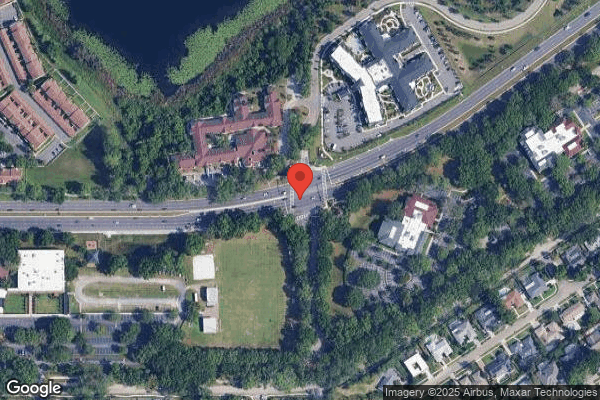
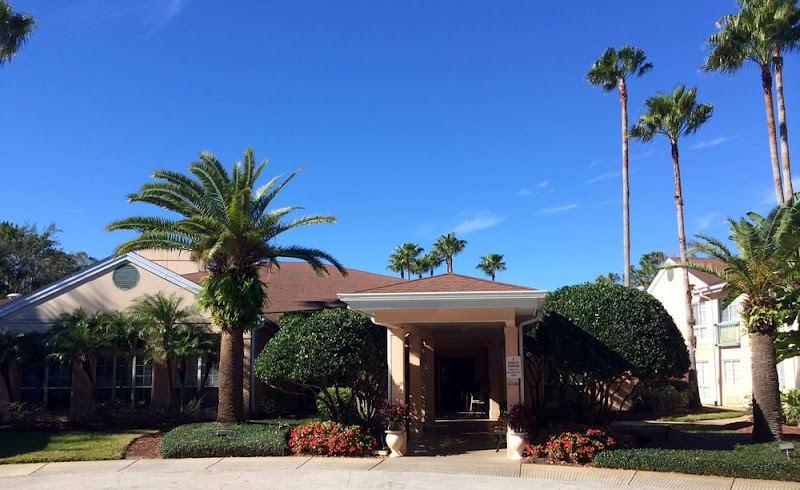
1301 W MAITLAND BLVD, MAITLAND, FL 32751 (407) 645-3990
For profit - Individual 39 Beds Independent Data: November 2025
Trust Grade
5/100
#451 of 690 in FL
Last Inspection: July 2025

Inspected within the last 6 months. Data reflects current conditions.

Overview

Ansley Cove Healthcare and Rehabilitation has received a Trust Grade of F, indicating significant concerns about the quality of care provided. They rank #451 out of 690 facilities in Florida, placing them in the bottom half, and #23 out of 37 in Orange County, meaning there are only a few local options that are better. Unfortunately, the facility is experiencing a worsening trend, with the number of reported issues increasing from 9 in 2024 to 13 in 2025. Staffing is a relative strength, with a turnover rate of 40%, which is slightly below the state average, but the overall staffing rating is only 2 out of 5 stars. However, the facility has concerning fines totaling $127,239, higher than 98% of Florida facilities, indicating serious compliance issues. In terms of specific incidents, there were serious failures in care that resulted in actual harm. For example, one resident who was at risk for falls was left unattended multiple times, leading to falls that could have been prevented. Another incident involved improper use of a mechanical lift during a transfer, resulting in a shoulder dislocation for a resident who needed special handling. While the facility has good RN coverage, more oversight is needed to ensure the safety and well-being of all residents. Overall, while there are some strengths, the serious issues highlighted suggest that families should proceed with caution when considering this facility for their loved ones.

Trust Score
F
5/100
In Florida
#451/690
Bottom 35%
Safety Record
High Risk
Review needed
Inspections
Getting Worse
9 → 13 violations
Staff Stability
○ Average
40% turnover. Near Florida's 48% average. Typical for the industry.
Penalties
○ Average
$127,239 in fines. Higher than 73% of Florida facilities. Some compliance issues.
Skilled Nurses
✓ Good
Each resident gets 60 minutes of Registered Nurse (RN) attention daily — more than 97% of Florida nursing homes. RNs are the most trained staff who catch health problems before they become serious.
Violations
⚠ Watch
30 deficiencies on record. Higher than average. Multiple issues found across inspections.
★★☆☆☆
2.0
Overall Rating
★★☆☆☆
2.0
Staff Levels
★★★★★
5.0
Care Quality
★☆☆☆☆
1.0
Inspection Score
Stable
2024: 9 issues
2025: 13 issues

The Good

  • 5-Star Quality Measures · Strong clinical quality outcomes
  • Full Sprinkler Coverage · Fire safety systems throughout facility
  • No fines on record
  • Staff turnover below average (40%)

    8 points below Florida average of 48%

Facility shows strength in quality measures, fire safety.

The Bad

2-Star Overall Rating

Below Florida average (3.2)

Below average - review inspection findings carefully

Staff Turnover: 40%

Near Florida avg (46%)

Typical for the industry

Federal Fines: $127,239

Well above median ($33,413)

Significant penalties indicating serious issues

The Ugly 30 deficiencies on record

3 actual harm
Jul 2025 6 deficiencies
CONCERN (D)

Potential for Harm - no one hurt, but risky conditions existed

Deficiency F0582 (Tag F0582)

Could have caused harm · This affected 1 resident

**NOTE- TERMS IN BRACKETS HAVE BEEN EDITED TO PROTECT CONFIDENTIALITY** Based on interview, and record review, the facility failed to provide the appropriate notices of financial liability for 2 of 3 ...

Read full inspector narrative →
**NOTE- TERMS IN BRACKETS HAVE BEEN EDITED TO PROTECT CONFIDENTIALITY** Based on interview, and record review, the facility failed to provide the appropriate notices of financial liability for 2 of 3 residents reviewed for Skilled Nursing Facility (SNF) Beneficiary Protection Notification, of a total sample of 26 residents, (#06 and #09).Findings: 1. Resident #06 was admitted to the facility on [DATE] with diagnoses including paroxysmal atrial fibrillation, hypertensive heart disease, type 2 diabetes and benign prostatic hyperplasia (enlarged prostate). Review of resident #06's financial record revealed he began a Medicare Part A skilled nursing stay on 4/23/25 with last covered day on 5/31/25. He remained in the facility and was considered private pay effective 6/01/25. A SNF Beneficiary Protection Notification review revealed resident #06 received a Notice of Medicare Non-Coverage (NOMNC) at the end of his Medicare Part A stay but did not receive a Skilled Nursing Facility Advance Beneficiary Notice of Non-Coverage (SNF ABN). 2. Resident #09 was admitted to the facility on [DATE] and readmitted on [DATE] with diagnoses including encounter for surgical aftercare following surgery on the digestive system, benign prostatic hyperplasia with lower urinary tract symptoms, paroxysmal atrial fibrillation and hypertensive heart disease with heart failure. Review of resident #09's financial record revealed he began a Medicare Part A skilled nursing stay on 5/05/25 with last covered day on 6/13/25. He had managed Medicaid as his primary payer effective 6/14/25. A SNF Beneficiary Protection Notification review revealed resident #09 received a NOMNC at the end of his Medicare Part A stay but did not receive a SNF ABN. Review of residents who discharged from a Medicare Part A stay in the last six months revealed there were seven residents who discharged from a Medicare Part A stay without using all available days and remained in the facility. On 7/17/25 at 10:15 AM, the Regional Accounts Receivable Director stated there was a change as to who was responsible for issuing the beneficiary forms around the time these forms were missed. She explained the Regional Social Services Director (SSD) issued them previously, but the responsibility was passed to the facility SSD. She stated the facility SSD was not made aware of the need to issue a SNF ABN along with the NOMNC when a resident remained in the facility. She acknowledged they should have been issued to residents #06 and #09. The facility's policy and procedure for Medicare Advance Beneficiary and Medicare Non-Coverage Notices indicated if the facility believed that Medicare would not pay for an otherwise covered skilled services, the resident or representative would be notified in writing why the service(s) may not be covered and of the resident's potential liability for payment of the non-covered service(s).
CONCERN (D)

Potential for Harm - no one hurt, but risky conditions existed

Deficiency F0778 (Tag F0778)

Could have caused harm · This affected 1 resident

Based on interview, and record review, the facility failed to make transportation arrangements for a resident to a specialty medical care appointment, for 1 of 1 residents reviewed for transportation,...

Read full inspector narrative →
Based on interview, and record review, the facility failed to make transportation arrangements for a resident to a specialty medical care appointment, for 1 of 1 residents reviewed for transportation, of a total sample of 26 residents, (#8). Findings: Review of resident #8's record revealed an admission date of 8/17/22. Her diagnoses include spinal stenosis (narrowing), opioid dependence, hereditary and idiopathic neuropathy (nerve pain), chronic pain syndrome, fusion of spine, fibromyalgia, bursitis (inflammation of fluid filled sacs) of right hip and connective tissue stenosis of neural canal of lumbar region. On 7/14/25 at 11:27 AM, the resident stated there were often issues related to her appointments and transportation. She explained she had missed some appointments before and was supposed to have a Magnetic Resonance Imaging (MRI) appointment today which was set up by her pain management physician. The resident conveyed when she talked to staff this morning about her appointment, they said they were not aware of it and so no arrangements were set up. Resident #8 expressed she was very upset because the appointment was made months in advance and required her to be sedated due to her claustrophobia. Review of resident #8's electronic medical record (EMAR) revealed a progress note dated 5/08/25 at 1:57 PM, written by the Social Services Director which indicated the resident had a scheduled appointment for intravenous (IV) sedation for MRI, and a computed tomography (CT) scan on 7/21/25 at 1:00 PM, to arrive at 11:00 AM with a staff member to be transported by the local public transportation company. Review of a note written on 5/08/25 at 1:54 PM, indicated resident #8 had an appointment scheduled for IV sedation for MRI and CT scan on 7/14/25 at 2:30 PM, to arrive at 1:00 PM with a staff member, transportation to be provided by local public transport company. On 7/16/25 at 3:08 PM, the Social Service Director confirmed she wrote the two progress notes on 5/08/25 about the resident's appointments. She stated she did not typically handle transportation and appointments, but the resident was more comfortable with her than other staff. The Social Service Director explained her process was to write information down and then pass it along to nursing staff for them to handle. She confirmed that back in May, the resident was using the local public transportation company but had since been switched to a different transportation company. The Social Service Director acknowledged she did not call the new transportation company to arrange transport for the appointment. She clarified that appointments were put into the resident's orders by nursing, but the Social Service Director could not remember who she passed the new information to at the time of the appointment. On 7/16/25 at 12:15 PM, in a joint interview with the Director of Nursing (DON) and the Unit Manager (UM), the UM said she arranged transportation for resident #8 to her appointments. She explained the resident made her own appointments and notified the facility of the time, date and location of said appointment. The UM continued that she would text the transportation company with the resident's appointment information when she was informed of the appointment. She said the facility kept a transport calendar with all resident appointments for the month. Review of transportation calendar on 7/16/25 at 3:20 PM, with the UM revealed no appointment for resident #8 on 7/14/25 for transportation to her MRI and CT. The calendar did show an appointment for 7/21/25. The UM said she added the 7/21/25 appointment to the calendar on 7/15/25 after she had contacted the pain management physician. She confirmed another appointment was added for September as a make-up appointment for the missed appointment from 7/14/25. On 7/16/25 at 3:35 PM, the DON stated that their process for resident appointments was to write an order in the resident's EMAR listing the date, time, and nature of the appointment. The DON acknowledged there was no order for the resident's appointment on 7/14/25 nor for the one on 7/21/25 until 7/15/25, after they were informed by resident #8 of the missed 7/14/25 appointment. The DON confirmed the progress note on 5/08/25 by the Social Service Director with the appointment details. She stated she was unsure how she missed that. The facility policy titled Resident Transportation revised September 2017 indicated the facility would meet the needs for residents' transportation.
CONCERN (E)

Potential for Harm - no one hurt, but risky conditions existed

Deficiency F0804 (Tag F0804)

Could have caused harm · This affected multiple residents

The facility failed to ensure food was served to residents was palatable and served at appetizing temperatures for 2 of the approximately 18 residents who received meal trays from the satellite kitche...

Read full inspector narrative →
The facility failed to ensure food was served to residents was palatable and served at appetizing temperatures for 2 of the approximately 18 residents who received meal trays from the satellite kitchen and ate in their room, of a total sample of 26 residents.Findings:During the initial screening of residents on 7/14/25 and 7/15/25, several residents stated the food often arrived at their room cold. On 7/16/25 at 12:50 PM, five prepared lunch meal trays were observed sitting in the dining area, three on a cart and two on the counter. Certified Nursing Assistant (CNA) A stated she requested the trays be prepared and provided for her but that four of the trays were for assisted diners and therefore had not yet been served to the residents.At that time the non-insulated lids covering the main plate was observed to have a hole in the middle from which the heat from the food could escape. CNA B arrived at the dining area and explained the CNAs request meals from the tray line server one at a time to ensure they were hot when delivered to residents. She confirmed on this occurrence, that procedure was not followed.On 7/16/25 at 1:05 PM, as the last tray was delivered to a resident, temperatures were taken for two of the remaining trays, then the food was tasted by the Certified Dietary Manager (CDM) for appetizing temperatures and palatability. On the pureed meal tray, the pureed Swiss steak was 116 degrees Fahrenheit (F) and tasted slightly warm but was determined by the CDM to not be at an appetizing temperature. For the second tray containing a regular diet, the peas were 106 degrees F, and the potatoes were 100 degrees F. Per the CDM both tasted cold and were deemed not to be at an appetizing temperature. The CDM stated the procedure for meal trays was they were to be requested one at a time and delivered immediately to ensure the food was served at an appetizing temperature, but in this case, that procedure was not followed. She added it was important to ensure food was served at an appetizing temperature for residents, so they have a good dining experience, and were more likely to eat the food to maintain their nutritional status.The residents who received these meals were all unable to communicate their opinion of their meal temperatures.The facility's undated policy entitled Record of Food Temperatures indicated hot foods would be held at 135 degrees F or greater and would be stirred during holding to redistribute heat throughout the food product.
CONCERN (E)

Potential for Harm - no one hurt, but risky conditions existed

Deficiency F0847 (Tag F0847)

Could have caused harm · This affected multiple residents

**NOTE- TERMS IN BRACKETS HAVE BEEN EDITED TO PROTECT CONFIDENTIALITY** Based on interview, and record review, the facility failed to ensure the binding arbitration agreement explicitly granted the re...

Read full inspector narrative →
**NOTE- TERMS IN BRACKETS HAVE BEEN EDITED TO PROTECT CONFIDENTIALITY** Based on interview, and record review, the facility failed to ensure the binding arbitration agreement explicitly granted the resident or their representative the right to rescind the agreement within 30 calendar days of signing it, failed to include that the signer was allowed to communicate with federal, state, or local officials, health department employees, and a representative Ombudsman, and failed to include evidence that the signer acknowledged they understood the agreement for 9 of 9 residents who signed binding arbitration agreements, of a total sample of 26 residents.Findings:On 7/14/25, the facility provided a sample of their Arbitration Agreement which indicated any party signing the agreement had three (3) days from execution of the agreement to cancel or rescind it, instead of 30 days, as required.On 7/18/25 at 10:30 AM, the Admissions Director stated she was responsible for meeting with the resident/resident representative post-admission to get the documents in the admission packet signed and verified the admission agreement included the arbitration agreement. She stated she reviewed the arbitration agreement with the resident/representative and that nine of the current 34 residents had signed the facility's arbitration agreement. The Admissions Director added she was aware the arbitration agreement was not accurate in regard to the provision of three days to rescind the agreement. She said she was anxious to update and correct the form with the residents. The admission Director provided a copy of a recently admitted residents' arbitration agreement for resident #41 as an example, who was admitted on [DATE] and was the responsible party for his account. Resident #41 signed the arbitration agreement which indicated he had three days from execution of the agreement to cancel or rescind it. Review of the agreement revealed it did not include that the signer was allowed to communicate with federal, state, or local officials, health department employees, and a representative Ombudsman, and did not include evidence that the signer acknowledged they understood the agreement.On 7/18/25 at 11:00 AM, the Administrator stated that even though the facility was in the process of finalizing a new facility contract with an updated arbitration agreement, they could not use it yet because they were waiting for the final inspection before legally changing the name of the facility from its previous name to the new one.
CONCERN (E)

Potential for Harm - no one hurt, but risky conditions existed

QAPI Program (Tag F0867)

Could have caused harm · This affected multiple residents

Based on interview, and record review, the facility failed to ensure the Quality Assessment & Assurance (QAA) / Quality Assurance and Performance Improvement (QAPI) committee conducted performance imp...

Read full inspector narrative →
Based on interview, and record review, the facility failed to ensure the Quality Assessment & Assurance (QAA) / Quality Assurance and Performance Improvement (QAPI) committee conducted performance improvement activities to ensure prior improvement measures were sustained. Findings: Review of the facility's current QAPI Plan revealed the purpose of the plan was to provide a means to identify and resolve present and potential negative outcomes related to resident care and services; provide structure and processes to correct identified quality and/or safety deficiencies; and to establish and implement plans to correct deficiencies and to monitor the effects of the action plans on resident outcome. The facility had a deficiency cited at F880, for concerns with infection control during the previous recertification survey conducted 9/16/24 through 9/19/24. During this survey, the facility was found to be in noncompliance with F880. As a result of the repeat deficiency, it was identified there was insufficient auditing and oversight to prevent the citation. On 7/18/2025 at 12:27 PM, the administrator stated the facility had a QAPI committee that met monthly. He explained the committee reviewed department audits as well as survey outcomes, survey window, facility star rating and Quality Measures. He stated when an issue was identified, the QAPI committee would create a performance improvement plan to address the concern and monitored progress through audits reported back to QAPI committee. Findings from the current survey were reviewed with the Administrator. He acknowledged there were repeat citations from the previous recertification survey but was unable to say where the process failure occurred. The Administrator explained he would have to look into the issue further as there was a recent change in ownership and several changes in administration staff. He acknowledged the performance improvement process should continue even with staff changes for the benefit of the residents and staff.
CONCERN (E)

Potential for Harm - no one hurt, but risky conditions existed

Infection Control (Tag F0880)

Could have caused harm · This affected multiple residents

**NOTE- TERMS IN BRACKETS HAVE BEEN EDITED TO PROTECT CONFIDENTIALITY** Based on observation, interview, and record review, the facility failed to maintain a system for tracking and monitoring infecti...

Read full inspector narrative →
**NOTE- TERMS IN BRACKETS HAVE BEEN EDITED TO PROTECT CONFIDENTIALITY** Based on observation, interview, and record review, the facility failed to maintain a system for tracking and monitoring infections for 3 out of 5 residents, (#13, #22, #35) reviewed for transmission-based precautions; and failed to identify and implement a system to prevent the spread of communicable diseases by not encouraging and providing hand hygiene for 16 of 16 residents reviewed for dining at the facility, of a total sample of 26 residents.Findings: 1. Resident #13 was admitted to the facility on [DATE] with diagnoses including dementia with mood disturbances, persistent asthma, chronic kidney disease, type 2 diabetes and muscle weakness. Review of the resident #13's physician orders revealed no orders for contact isolation. Review of her care plan initiated 3/12/25 revealed no focus for transmission-based precautions. Resident #22, resident #13’s roommate, was admitted to the facility on [DATE] with diagnoses including hemiplegia and hemiparesis following stroke affecting left non-dominant side, congestive heart failure, and cardiomegaly (enlarged heart). Review of resident #22's physician orders revealed no orders for contact isolation. Review of her care plan initiated 2/07/25 revealed no focus for transmission-based precautions. During medication administration observation on 7/16/25 at 9:21 AM, Licensed Practical Nurse (LPN) I prepared medications for resident #13. On the outside of the resident’s door, was a contact precaution sign which indicated that anyone entering the room should wear gown and gloves and perform hand hygiene. The sign did not indicate which resident (or both) was on isolation precautions. Also outside the room was a plastic container for personal protective equipment (PPE) which was empty of gowns. LPN I entered resident #13’s room without donning PPE. In the room, resident #13 was sitting up in bed with the Unit Manager (UM) at her bedside assisting her with breakfast. The UM was seated in the residents’ Geri-chair beside her bed wearing no PPE. LPN I exited the room and entered again without donning PPE. LPN I stood next to the resident’s bed and leaned over to give the resident her medication, all without gloves or a gown. 2. Resident #35 was initially admitted to the facility on [DATE] with diagnosis including dementia, chronic kidney disease, and facial weakness following stroke. Review of the medical record revealed the resident was readmitted to the facility on [DATE] following a hospitalization with a diagnosis of human Metapneumovirus. Physician orders revealed resident #35 had the antibiotic Cefuroxime Axetil 500 milligrams, twice a day for seven days for infection with a start date of 7/10/25. Per the Centers for Disease Control's Appendix A Guideline for Isolation Precautions it is recommended for infections with human metapneumovirus contact plus standard precautions including use of a mask were used for the duration of the illness, (retrieved on 8/01/25 from www.cdc.gov). On 7/16/25 at 9:26 AM, an isolation sign for droplet precautions was observed on resident #35’s door. A plastic container for PPE was nearby but had no gowns. Review of the electronic medical record (EMAR) revealed the resident did not receive the medication on 7/11/25 at 9:00 AM with an administration note which read, “resident not swallowing and holding medication in mouth.” Further review of the EMAR revealed the resident did not receive the medication on 7/12/25 at 9:00 AM with an administration note which read, “call pharmacy to stat.” Review of the EMAR revealed the resident did not receive the medication again on 7/15/25 at 9:00 AM, with an administration note that indicated, “resident not swallowing medication.” Review of the resident's physician orders revealed there were no orders for droplet isolation. Review of his care plan initiated 3/27/25 revealed no focus for transmission-based precautions or antibiotic therapy. On 7/17/25 at 9:18 AM, Certified Nursing Assistant (CNA) D was observed placing resident #35’s meal tray down on the plastic container which held PPE before entering the resident’s room. CNA D stated she needed to go find PPE since there was an isolation sign for droplet precautions on the door and the container of PPE was empty. CNA D returned and stated the Director of Nursing (DON) informed her resident #35 was not on isolation for droplet precautions and therefore PPE was not required. On 7/17/25 at 9:23 AM, CNA D reported that resident #35 was not on isolation for droplet precautions and therefore she did not need to wear PPE when delivering the resident’s meal tray. She then wondered if the assigned nurse could remove the droplet isolation sign from the resident’s door. On 7/16/25 at 9:48 AM, the DON explained both she and the UM were responsible for infection control at the facility. She stated that the UM was responsible for making sure all PPE supplies were outside the room that was on isolation precautions as well as ensure the appropriate signage was on the door. The DON acknowledged that residents #22 and #13 had no current orders for isolation contact precautions. She was unable to provide a reason why the room had a contact isolation precaution sign on the door if the residents inside did not actually have an order for contact precautions. When DON was informed of resident #35 having a droplet isolation precaution sign on his door and an empty PPE supply box outside, she stated she “didn’t think that room was on precautions,” but said she would look into it. On 7/17/25 at 9:55 AM, the DON confirmed she verified whether residents #13 and #22 had orders for isolation precautions and determined they were not supposed to be on isolation precautions. She acknowledged she did not check to see if they had the correct signage for precautions. She stated that the position of Infection Preventionist was shared between herself and the UM. The DON stated her expectation was for the UM to perform daily rounds to verify which residents were on isolation precautions and refill the PPE supplies outside rooms if needed. On 7/17/25 at 11:36 AM, the DON confirmed resident #35 did not have an order for isolation for droplet precautions nor a care plan focus for it. She stated that while reviewing the resident’s medical record she noted he was admitted to the facility with orders for an antibiotic for treatment of Human Metapneumovirus (HMPV) and he was to remain on droplet isolation precautions until the course of antibiotics was complete. The DON explained that upon admission an order for droplet isolation precautions should have been added to the resident’s EMAR, but it was not. The DON said she relied on the infection control section of their healthcare software to track infections and antibiotics, but she did not actually review the antibiotic orders to verify their accuracy or to determine if any transmission-based isolation precautions were required. The DON explained she expected the UM to monitor the orders and acknowledged infections and antibiotics had not been properly tracked. On 7/18/25 at 11:28 AM, the DON said when a resident was on any type of transmission-based isolation precautions (TBP) an order was added to the resident’s EMAR so staff could easily identify which resident was on isolation precautions. The DON reiterated that while she and the UM shared the role of Infection Preventionist, the UM was responsible for performing the daily rounds of the facility to ensure accurate signage for TBP on resident rooms and to ensure PPE containers were stocked with appropriate supplies. The DON confirmed she was also responsible for monitoring of infections, antibiotics and TBP. The DON was unable to say how incorrect signage and an empty PPE container for residents #13 and #25 was left in place if infections and TBP were monitored as part of their daily surveillance including walking past that room without correcting the issues. When asked if part of her monitoring and tracking of infections included making sure all the doses of an antibiotic were given, she replied “no”. She stated she expected nurses to put information such as missed doses of antibiotics in their 24-hour report book as well as to notify the doctor. In the case of a resident missing doses of an antibiotic, she acknowledged the physician should be notified and then typically doses were added to extend the course of the antibiotic, so the resident received the full dose. The DON stated she was unaware resident #35 had missed three doses of his antibiotic. 3. On 7/14/25, the dining room was observed from 12:00 to 12:35 PM during the lunch service. No hand hygiene was offered by staff to any of the 13 residents eating there. On 7/15/2025 at 11:50 AM, two Activities staff finished an activity with residents and announced to the residents they were going to move everyone to the dining room for lunch. Resident #10, #43, along with two additional residents were moved directly from the room with the activity into the dining room and stayed there until they ate. At 11:57 AM, resident #43 was transported to his room to add a 2nd hospital gown to cover his back and was then transported back to the dining room without washing his hands. No hand hygiene was offered to any of the 12 residents who ate lunch in the dining room for this meal. On 7/17/25 at 8:50 AM, resident #10 stated she ate breakfast in her room and ate lunch and dinner in the dining room. She added that staff did not offer her a way to clean her hands before breakfast nor was she offered a way to clean or disinfect her hands prior to the meals in the dining room. Resident #10 said it would be nice to be offered a way to clean our hands since we touch lots of things during the day. On 7/17/25 at 9:02 AM, Certified Nursing Assistant (CNA) A delivered breakfast, raised the head of the bed, and set up the tray for resident #42, but did not offer hand hygiene. The resident stated the aide assigned to provide her care today did not assist with washing her face and hands before breakfast like she preferred. At 9:04 AM, CNA A delivered breakfast to resident #10 and did not offer hand hygiene. CNA A explained she was not the assigned CNA for resident #42 today, it was CNA C. At 9:07 AM, CNA C confirmed she did not offer to wash residents #10 and #42 this morning before their meal because they were asleep when she arrived. She stated she didn't offer hand hygiene to residents prior to their meals but said it was a good idea. CNA C conveyed it was important to have residents clean their hands before meals to help prevent illness and the spread of germs. In a joint interview on 7/17/25 at 9:26 AM with the DON and the UM, they said the DON was the primary Infection Control nurse, but the UM assisted her. The DON and UM stated they were not aware staff had not offered/assisted residents to have their hands and faces washed before breakfast when they ate in their room. They acknowledged residents brought into the dining room for lunch and dinner were not offered hand hygiene prior to the meals. The DON and UM added, it was important to offer hand hygiene before meals to prevent germs as residents touched things throughout the day and was important to perform before meals. The UM acknowledged she had not provided education to staff on washing residents' hands before meals but had provided education for cleaning their own hands. The facility’s policy entitled Assistance with Meals, dated September 2013, indicated all employees who provided assistance to residents with meals would be trained and demonstrate competency in the prevention of foodborne illness, including personal hygiene practices and safe food handling. The facility job description for Infection Preventionist (IP) revised April 2012 listed the responsibilities of the position to include, develop, maintain and periodically update infection control precautions. The document indicated the IP was responsible to ensure adequate supplies of PPE were on hand and readily available to personnel who perform procedures that involved exposure to bodily fluids. The description detailed the IP was responsible to ensure all nursing service personnel follow established isolation precautions and aseptic technique to include standard/universal precautions. The facility assessment most recently updated 8/01/24 indicated, “the infection prevention program will include detection, prevention and control of infections among residents and personnel through on-going monitoring. The Infection Preventionist will be responsible for the overall daily functions of the infection prevention program to include surveillance and maintaining a line listing of infections.”
Feb 2025 6 deficiencies 2 Harm
SERIOUS (G) 📢 Someone Reported This

A family member, employee, or ombudsman was alarmed enough to file a formal complaint

Actual Harm - a resident was hurt due to facility failures

Free from Abuse/Neglect (Tag F0600)

A resident was harmed · This affected 1 resident

**NOTE- TERMS IN BRACKETS HAVE BEEN EDITED TO PROTECT CONFIDENTIALITY** Based on observation, interview, and record review, the facility neglected to provide necessary care and services to prevent fal...

Read full inspector narrative →
**NOTE- TERMS IN BRACKETS HAVE BEEN EDITED TO PROTECT CONFIDENTIALITY** Based on observation, interview, and record review, the facility neglected to provide necessary care and services to prevent falls and a fall-related injury and ensure appropriate post-fall monitoring and evaluation, for 1 of 4 residents reviewed for fall risk, of a total sample of 8 residents, (#4); and failed to maintain effective processes to educate staff and offer adequate supervision to meet the needs of all residents at risk for falls. The facility's failure to appropriately monitor residents with cognitive and/or physical impairments resulted in actual harm for resident #4, and placed all residents who required increased supervision at risk for injury. Resident #4, a physically and cognitively impaired resident, received blood thinner medication and had a history of repeated falls. On 12/22/24, the Certified Nursing Assistant (CNA) assigned to supervise residents in the fall prevention program in the activity room left the residents unattended, and resident #4 fell from her wheelchair to the floor. Ten days later, another CNA left the resident alone in the activity room and she had another unwitnessed fall from the wheelchair. Assigned nurses neither initiated neurological checks nor notified with the physician until almost 12 hours after the fall when staff discovered the resident had a bruise and a golf ball sized hematoma on her forehead. The resident suffered pain and anxiety, and required transfer to the hospital for diagnostic testing to rule out a brain bleed. Findings: Cross reference F689. Review of the medical record revealed resident #4, a [AGE] year-old female, was admitted to the facility on [DATE]. Her diagnoses included atrial fibrillation, stroke, lack of coordination, repeated falls, generalized muscle weakness, unsteadiness on her feet, right knee contracture, anxiety disorder, paranoid schizophrenia, and Alzheimer's disease. Review of the Minimum Data Set (MDS) Quarterly assessment with assessment reference date of 10/16/24 revealed resident #4 had a Brief Interview for Mental Status score of 6/15 which indicated she had severe cognitive impairment. She had fluctuating inattention which changed in severity and continuous disorganized thinking. Resident #4 had functional limitation in range of motion with impairment of one leg and used a wheelchair for mobility. She required substantial or maximal assistance for mobility and transfers and did not walk. The MDS assessment showed resident #4 received a high-risk drug, an anticoagulant or blood thinner, in the look back period. Resident #4's medical record revealed a care plan for fall risk, initiated on 2/07/23, which indicated she was unable to ambulate or transfer independently and had fall risk factors including decreased mobility, weakness, psychiatric medications, and cognitive deficits. The goal was resident #4 would not sustain a major fall-related injury by utilizing fall precautions as evidenced by observation and documentation. Interventions included participation in the fall risk program, remind to ask for help but recognize that the resident might not remember to ask, and escort to activity programs. A care plan for impaired mobility, initiated on 2/22/24, revealed resident #4 required ongoing assistance with mobility. The goal was she she would be out of bed daily in her wheelchair and transfer with assistance from one staff member. Review of a care plan for cognition, initiated on 2/22/24, revealed the resident's confusion and a language barrier affected her comprehension. Interventions included provide a safe and structured environment. On 2/14/25 at 12:24 PM, and 2:10 PM, the Director of Nursing (DON) explained the facility initiated a fall prevention program to provide enhanced or increased monitoring for residents at risk for falls. The DON stated either activities assistants or CNAs who were assigned to the floor monitored these residents in the activity room. She verified resident #4 was at high risk for falls and needed to participate in the fall prevention program. The DON reviewed resident #4's fall on 12/22/24 at 1:45 PM. She stated resident #4 was one of the residents in the fall prevention program. She explained the resident was found on the floor and the assigned CNA verified she was not in the activity room at the time. The DON said, We were doing 1-hour rotations for fall prevention and all CNAs shared the responsibility. She stepped out to give a resident a shower on instruction of a nurse. She stated the facility educated CNAs and nurses regarding endorsing the supervision task to another staff member before leaving the room. Review of an Education/In-Service Attendance Record dated 12/22/25 and titled 1 to 1 Supervision revealed the Administrator educated staff on the expectations for one-to-one supervision of residents. The program description read, When on 1:1 supervision as assigned, you cannot leave the resident(s) you are supervising unless coverage is there to relieve you. If you need to leave and no coverage, notify nurse. When on 1:1 you are responsible for that resident. Reconciliation of the attendance sheet with the facility's employee list revealed signatures for a total of 13 staff members including 4 of 11 Registered Nurses (RNs), 2 of 7 Licensed Practical Nurses (LPN) and 7 of 27 CNAs. On 2/14/25 at 10:25 AM, Activities Assistant P was seated in the activity room with four residents. She explained none of the residents required one-to-one supervision, but she watched over them while they were in the room. On 2/15/25 at 9:34 AM, Activities Assistant Q stated she was assigned to the activity room every Saturday from about 9:30 AM until lunchtime. She explained not all residents in the room were at risk for falls, and indicated only one of the six residents present was a fall risk. Although resident #4 was in the room, Activities Assistant Q pointed to another resident and when asked, denied resident #4 was the person at risk for falls. On 2/15/25 at 2:07 PM, the Administrator verified as the facility's Risk Manager, his duties included implementing interventions and processes to prevent recurrence of incidents and ensure the safety of residents. He confirmed resident #4 fell in the activity room on 12/22/24 when the assigned CNA left the residents unattended, and as a result, he initiated education on expectations for the fall prevention program to ensure the residents received the required level of supervision. The Administrator was informed only 13 of 45 nursing staff received the in-service, and no activities staff were included even though they were assigned to monitor residents in the activity room. He acknowledged the in-service did not reach an adequate number of staff and it was apparent that education did not continue after the day he initiated it. On 2/14/25 at 12:24 PM, the DON verified resident #4 had another unwitnessed fall in the activity room on 1/01/25 at 10:30 PM. She explained the resident was with a CNA who was charting in the activity room, and the CNA left her unattended to respond to a call light. The DON stated at the time the assigned nurse assessed her, the resident had no injuries, but the following day staff discovered a hematoma on her forehead. She confirmed the assigned night shift nurse did not perform neurological checks and the developing hematoma went unnoticed. According to the Agency for Healthcare Research and Quality (AHRQ), there is an increased risk of intracranial hemorrhage (bleeding in the brain) in elderly patients on anticoagulant therapy. The AHRQ indicates important clinical communications include documentation of the incident, outcome, and initial and ongoing observations, and an updated care plan in the medical record; and the medical provider should be notified at the time of the incident. Since there may be late manifestations of head injury even after 24 hours, it is necessary to perform neurological checks or neurochecks for 72 hours to evaluate and monitor residents after falls. Neurochecks include monitoring of vital signs, pupil size and reaction to light, reflexes, movement, and level of consciousness (retrieved on 2/24/25 from www.ahrq.gov/patient-safety/settings/long-term-care/resource/injuries/fallspx/man2.html). On 2/15/25 at 10:03 AM, the DON stated her expectation was nurses would adhere to accepted standards of practice and conduct post-fall neurochecks immediately after the incident, every 15 minutes for one hour, then every 30 minutes, with increasing intervals up to 72 hours, or until discontinued by the physician. Review of an Interdisciplinary Team (IDT) progress note dated 1/02/25 revealed on 1/01/25, resident #4 was agitated and attempted to get out of bed. The note indicated staff intervened for safety reasons, assisted her to her wheelchair, and brought her to the unit's common are for observation. The document revealed a while later, resident #4 was found on the floor. The assigned nurse called the Advance Practice Registered Nurse (APRN) to report the fall and then gave shift change report regarding the incident to the oncoming night shift nurse. The IDT note showed no actions taken related to closely monitoring the resident's status during the night shift, additional attempts to notify the provider, and obtaining appropriate orders. The document revealed the provider arrived at the facility the following morning to round and assessed resident #4 at that time. The physician instructed staff to send the resident to the hospital for evaluation due to her fall and head injury with the risk factor of receiving blood thinner medication. On 2/14/24 at 10:42 AM, resident #4's daughter stated her mother fell in the activity room a little over a month ago. She explained it was a scary incident as her mother was on blood thinners and hit her head when she fell. She recalled her mother's face was badly bruised for a while, but fortunately she did not suffer a brain bleed. The resident's daughter stated hospital staff emphasized that her mother needed to got to the hospital for evaluation after any falls with possible head injuries. She stated the facility informed her the CNA who was with her mother got up and left her alone in the activity room. On 2/14/25 at 3:52 PM, RN M stated resident #4 was at high risk for falls and often required increased supervision from staff to ensure her safety. She explained there were several other residents who were at high risk for falls and providing adequate supervision for them all was challenging. RN M recalled on 1/01/25, resident #4 was agitated and staff brought her to the nurses' station to monitor her. RN M stated she was occupied with another resident who needed to be transferred to the hospital and she told the three CNAs on the unit that someone needed to watch resident #4. She recalled when she finished with the other resident, she heard a moan from the activity room, and discovered resident #4 on the floor. RN M said, They weren't paying attention to me. I don't know why she was abandoned in the activity room. I felt like it was insubordination by the CNAs as several times I told them to sit with her. She explained the resident did not appear to have any injuries and she handed over her care to the oncoming night shift nurse. RN M confirmed she did not initiate neurochecks even though the fall was unwitnessed and it was unknown if the resident hit her head. She explained the resident was on her back and appeared to have slid to the floor. RN M acknowledged the resident's use of a blood thinner increased her risk for a serious brain bleed related to a head injury. She stated she called the APRN and left a message but never received a call back, and she did not attempt to notify or obtain orders from another provider. On 2/14/25 at 1:36 PM, in a telephone interview, LPN K recalled she received shift change report from RN M on 1/01/25 regarding resident #4's fall, and was told the post-fall assessment was negative and she did not seem to have hit her head. LPN K stated RN M informed her the APRN had not yet returned her call. She remembered when she arrived for her shift, all staff were arguing about who was supposed to have been supervising the resident. She stated a CNA sat with resident #4 until she started falling asleep in the wheelchair and staff then put her to bed. LPN K stated the resident slept throughout the night and she did not see her until the next morning when the day shift CNA got her out of bed and brought her out of her room. LPN K said, I looked at her and noticed discoloration to the side of her head. I said she doesn't look right. She confirmed she had not followed up with the APRN during her shift nor perform neurochecks since RN M had not initiated them. LPN K acknowledged if a resident had an unwitnessed fall, neurochecks should be done because there might be a head injury. She explained residents on blood thinners who had an unwitnessed fall should be sent to the hospital for testing. On 2/15/25 at 11:43 AM, the DON verified although resident #4 was a known fall risk, she had two unwitnessed falls over a 10-day period when CNAs left her unattended in the activity room. However, she stated she felt the resident was adequately supervised on both occasions as she did not have a care plan for one-to-one supervision. She acknowledged the first fall occurred when the assigned CNA left the group of residents in the fall prevention program and the second fall occurred after a CNA ignored a nurse's explicit instruction to remain with resident #4. The DON confirmed resident #4's physician was not informed of the second fall for almost 12 hours, and the resident remained in the facility without being appropriately monitored by nurses, but she reiterated, I would not say it was neglect. Review of the facility's policy and procedures for the Abuse Prevention Program, revised in August 2006, revealed residents had the right to be free from abuse and neglect. The policy listed components for the prevention of neglect that included staff training, identification of occurrences and patterns of potential abuse or neglect, conducting ongoing review and analyses of incidents, and implementing changes to prevent future occurrences. Review of the Facility assessment dated [DATE] revealed the facility was able to meet the needs of residents with common diseases, conditions, and physical and cognitive disabilities such as impaired cognition, anxiety disorder, behavior that required intervention, Alzheimer's disease, muscle weakness, and a history of falling. The Facility Assessment revealed staff would provide person-centered care by identifying hazards and risks and preventing abuse and neglect.
SERIOUS (G) 📢 Someone Reported This

A family member, employee, or ombudsman was alarmed enough to file a formal complaint

Actual Harm - a resident was hurt due to facility failures

Accident Prevention (Tag F0689)

A resident was harmed · This affected 1 resident

**NOTE- TERMS IN BRACKETS HAVE BEEN EDITED TO PROTECT CONFIDENTIALITY** Based on interview, and record review, the facility failed to provide adequate supervision to prevent falls and fall-related inj...

Read full inspector narrative →
**NOTE- TERMS IN BRACKETS HAVE BEEN EDITED TO PROTECT CONFIDENTIALITY** Based on interview, and record review, the facility failed to provide adequate supervision to prevent falls and fall-related injury for 1 of 4 residents reviewed for fall risk, of a total sample of 8 residents, (#4). The facility's failure to appropriately monitor residents with cognitive and/or physical impairments resulted in actual harm for resident #4, and placed all residents who required increased supervision at risk for injury. Resident #4, a physically and cognitively impaired resident, received blood thinner medication and had a history of repeated falls. On 12/22/24, the Certified Nursing Assistant (CNA) assigned to supervise residents in the fall prevention program in the activity room left the residents unattended, and resident #4 fell from her wheelchair to the floor. Ten days later, another CNA left the resident alone in the activity room and she had another unwitnessed fall from the wheelchair. Assigned nurses neither initiated neurological checks nor notified the physician until almost 12 hours after the fall when staff discovered the resident had a bruise and a golf ball sized hematoma on her forehead. The resident suffered pain and anxiety, and required transfer to the hospital for diagnostic testing to rule out a brain bleed. Findings: Cross reference F600. Review of the medical record revealed resident #4, a [AGE] year-old female, was admitted to the facility on [DATE]. Her diagnoses included atrial fibrillation, stroke, lack of coordination, repeated falls, generalized muscle weakness, unsteadiness on her feet, right knee contracture, anxiety disorder, paranoid schizophrenia, and Alzheimer's disease. Review of the Minimum Data Set (MDS) Quarterly assessment with assessment reference date of 10/16/24 revealed resident #4 had a Brief Interview for Mental Status score of 6/15 which indicated she had severe cognitive impairment. The document indicated she had fluctuating inattention which changed in severity, and continuously present disorganized thinking. The resident had functional limitation in range of motion with impairment of one leg, used a wheelchair for mobility, and required substantial or maximal assistance for self-care and mobility. The MDS assessment showed resident #4 received a high-risk drug, an anticoagulant or blood thinner, in the look back period. A Fall Risk Screen dated 9/16/24 revealed a score of 16 which indicated resident #4 was at high risk for falls. Resident #4's medical record revealed a care plan for fall risk, initiated on 2/07/23, indicated she was unable to ambulate or transfer independently and had fall risk factors including decreased mobility, weakness, psychiatric medications, and cognitive deficits. The care plan revealed she fell at least four times between July and December 2024. The document was updated on 12/18/24 to reflect a fall without injury when she attempted to go to the bathroom. A revision dated 12/23/24 revealed the resident slid from her wheelchair onto the floor and did not sustain any injuries. The goal was resident #4 would not sustain a major fall-related injury by utilizing fall precautions as evidenced by observation and documentation. Interventions included participation in the fall risk program, non-slip pad for the wheelchair seat, remind to ask for help but recognize that the resident might not remember to ask, and escort to activity programs. A care plan for impaired mobility, initiated on 2/22/24, revealed resident #4 required ongoing assistance with mobility. The goal was she she would be out of bed daily in her wheelchair and transfer with assistance from one staff member. Review of a care plan for cognition, initiated on 2/22/24, revealed the resident's confusion and a language barrier affected her comprehension. Interventions included provide a safe and structured environment. Review of an incident report dated 12/22/24 at 1:45 PM revealed resident #4 fell to the floor from her wheelchair in the activity room. The document indicated she was uninjured and staff assisted her back to the wheelchair. Review of staff statements obtained during the incident investigation revealed resident #4 was one of a group of residents in the facility's activity room. The residents were supposed to be under direct supervision of an assigned CNA, who explained she left the residents in the room to attend to another resident who needed a shower. Statements from both Registered Nurses (RNs) on schedule revealed resident #4 was found on the floor with her coloring book nearby. A Post Fall Evaluation dated 1/01/25 at 11:30 PM, revealed ten days later, resident #4 fell in the facility's activity room at 10:30 PM. The document indicated the unwitnessed fall occurred because she was unattended in activity room. RN M's documentation revealed she instructed CNAs three times to not leave the resident unattended. She wrote, Resident left unattended in activity room, while I was giving report to [Emergency Medical Services]to send another resident to the hospital due to critical abnormal labs. The document indicated a hematoma was noted on resident #4's head the following day, on 1/02/25. Review of resident #4's Physician Orders revealed on 12/02/24, her physician prescribed Warfarin Sodium 6 milligrams once daily at 5:00 PM. There was an order dated 1/02/25 to transfer her to the hospital for ecchymosis or bruising and a hematoma on her forehead after a fall. Warfarin is an anticoagulant or blood thinner drug that reduces the formation of blood clots and can cause major or fatal bleeding. The manufacturer's instructions to providers indicate the use of Warfarin for geriatric patients, particularly those with cognitive issues, requires more frequent monitoring for bleeding in any situation or with any physical condition where added risk of hemorrhage is present (retrieved on 2/19/25 from www.drugs.com/pro/warfarin.html). A hematoma is a raised, bruised area resulting from a collection of clotted blood due to an injury or trauma (retrieved on 2/19/25 from www.my.clevelandclinic.org/health/diseases/15235-bruises). Falls can cause very serious head injuries, especially if the person is taking blood thinners. Older persons who fall and hit their heads should see a physician immediately to ensure they do not have a brain injury (retrieved on 2/20/25 from www.cdc.gov/falls/data-research/facts-stats/). Review of the Resident Transfer Form dated 1/02/25 revealed resident #4's diagnoses at the time of her transfer to the hospital were fall, blood thinners, and dementia. The document showed the resident had an injury to the left side of her forehead. Resident #4's hospital record revealed a computed tomography (CT) scan of her head, done on 1/02/25, found no hemorrhage or skull fractures, but showed soft tissue swelling in the left frontal scalp. On 2/14/24 at 10:42 AM, resident #4's daughter stated her mother fell in the activity room a little over a month ago. She explained it was a scary incident as her mother was on blood thinners and hit her head when she fell. She recalled her mother's face was badly bruised for a while. The resident's daughter said, Thanks to God she didn't have a serious injury inside her head. At the hospital they told me since she was on [Warfarin], she should get checked out there after a fall. She stated the facility informed her the CNA who was with her mother got up and left her alone in the activity room. On 2/14/25 at 3:52 PM, RN M described resident #4 is a well-known fall risk who needed staff supervision, sometimes one-to-one, to ensure she did not crawl out of bed or slide out of her wheelchair. She recalled the resident was agitated on the night of 1/01/25, so she asked CNAs to keep her in a common area and monitor her closely. RN M stated while she attended to another resident in a crisis situation, she repeatedly looked towards the nurses' station where resident #4 sat in her wheelchair, and repeatedly instructed the CNAs to ensure someone stayed with her. RN M stated a little later she was in the hallway and heard a moan from the activity room. She explained she discovered the resident on the floor, parallel to her wheelchair, and there was no CNA present in the room. RN M stated she assessed resident #4 and noted no injuries, so staff returned her to the wheelchair. She stated there were no new fall prevention interventions for this resident, and residents at risk for falls were placed in the activity room with CNAs rotating through the room to watch them. She explained the facility did not always have enough staff to monitor residents who needed more supervision. On 2/15/25 at 9:14 AM, the Director of Rehabilitation (Rehab) confirmed resident #4 had cognitive issues and required close monitoring to promote her safety. She reviewed an Occupational Therapy Evaluation completed on 11/22/24 which indicated the resident was at risk for falls due to impaired safety awareness and decision-making. The Director of Rehab explained resident #4 was not able to stand and transfer without moderate assistance from one person, and if she was not inclined to cooperate, it might be necessary for two people to assist for safety reasons. The Director of Rehab said, She is impulsive and thinks she can do stuff. She stated the interdisciplinary team spoke about a reacher after the fall in January 2025 as a possible intervention to prevent falls. She explained due to the resident's poor cognition, she probably would not use a reacher effectively. She verified falls were a leading cause of injuries for the elderly, and stated some falls could be prevented if residents could be educated and followed commands. The Director of Rehab acknowledged supervision was the most important approach to keep resident #4 and other cognitively impaired residents safe. On 2/14/25 at 12:24 PM and 1:30 PM, the Director of Nursing (DON) discussed resident #4's recent falls in the activity room. She explained on 12/22/24, the resident slid from her wheelchair when she reached to pick up coloring items that fell to the floor. She stated the care plan was revised to include a a non-slip pad for her wheelchair to prevent her from sliding. However, the DON acknowledged the exact circumstances of the fall were unknown as it was unwitnessed. She verified the resident fell when the CNA assigned to ensure the safety of residents in the fall prevention program left the room. Although resident #4's fall occurred when she was not supervised, the care plan was not updated to reflect her need for supervision, and the DON maintained a non-slip pad was an appropriate intervention for that circumstance. The DON stated after the resident's fall on 1/01/25, she asked the therapy department to re-evaluate her for wheelchair positioning and a reacher device. She confirmed the resident's fall occurred after a CNA again left her alone in the activity room. The DON verified although the CNA should not have left the resident unattended, and nursing documentation revealed she needed close monitoring, the care plan was not revised to show she required increased supervision. She reiterated the interventions related to assessing the resident for proper positioning in the wheelchair and use of a reacher were appropriate Review of the facility's Falls-Clinical Protocols, revised in March 2018, revealed the physician would identify medical conditions affecting fall risk including cognitive impairment and musculoskeletal abnormalities, and note the risk for significant complications of falls such as an increased risk for bleeding in residents who took anticoagulants. The document indicated staff and the physician would attempt to identify underlying causes, develop pertinent interventions to try to prevent subsequent falls, and monitor the effectiveness of the approaches.
CONCERN (D) 📢 Someone Reported This

A family member, employee, or ombudsman was alarmed enough to file a formal complaint

Potential for Harm - no one hurt, but risky conditions existed

Notification of Changes (Tag F0580)

Could have caused harm · This affected 1 resident

**NOTE- TERMS IN BRACKETS HAVE BEEN EDITED TO PROTECT CONFIDENTIALITY** Based on interview, and record review, the facility failed to promptly notify the physician of an unwitnessed fall for a residen...

Read full inspector narrative →
**NOTE- TERMS IN BRACKETS HAVE BEEN EDITED TO PROTECT CONFIDENTIALITY** Based on interview, and record review, the facility failed to promptly notify the physician of an unwitnessed fall for a resident at high risk for bleeding, for 1 of 4 residents reviewed for fall risk, of a total sample of 8 residents, (#4). Findings: Review of the medical record revealed resident #4, a [AGE] year-old female, was admitted to the facility on [DATE]. Her diagnoses included atrial fibrillation, stroke, lack of coordination, repeated falls, generalized muscle weakness, unsteadiness on her feet, and Alzheimer's disease. Review of the Minimum Data Set (MDS) Quarterly assessment with assessment reference date of 10/16/24 revealed resident #4 had a Brief Interview for Mental Status score of 6/15 which indicated she had severe cognitive impairment. The resident had functional limitation in range of motion with impairment of one leg and used a wheelchair for mobility. The MDS assessment showed resident #4 received a high-risk drug, an anticoagulant or blood thinner, in the look back period. Review of a Post Fall Evaluation dated 1/01/25 at 11:30 PM, revealed resident #4 fell in the facility's activity room. The document indicated the attending physician was notified of the unwitnessed fall on 1/01/25, but it did not include the time the notification was made. A Physician Progress Note dated 1/02/25 at 9:45 AM, revealed resident #4's attending physician assessed her almost 12 hours after she fell. The document indicated the reasons for the visit were management of anticoagulant medication and geriatric falls. The progress note read, The most recent fall occurred hours(s) ago indoors and at the nursing home. The physician noted resident #4 had a contusion or bruise, and a hematoma to the left side of her forehead. A hematoma is a raised, bruised area resulting from a collection of clotted blood due to an injury or trauma (retrieved on 2/19/25 from www.my.clevelandclinic.org/health/diseases/15235-bruises). The physician indicated the resident would be sent to the hospital for evaluation of her head injury, secondary to a fall. Review of an Interdisciplinary Team (IDT) progress note dated 1/02/25 revealed on 1/01/25, resident #4's assigned nurse heard moans and discovered her on the floor. The IDT note indicated the assigned nurse assessed the resident, noted no injuries, and placed a call to the Advanced Practice Registered Nurse (APRN) to inform her of the accident. The document revealed the assigned nurse gave change of shift report to the oncoming nurse regarding monitoring the resident. The IDT note did not indicate the APRN responded to the call or message from the facility, nor that the assigned nurse made additional attempts to follow up and notify a provider throughout the following 8-hour shift. The document revealed the provider made routine rounds the following morning and was made aware of resident #4's injury at that time. On 2/14/25 at 3:52 PM, Registered Nurse (RN) M recalled resident #4 was agitated on the night of 1/01/25 so she asked Certified Nursing Assistants (CNAs) to keep her in a common area and monitor her closely. RN M stated a while later she was in the hallway and heard a moan from the activity room. She explained a CNA left resident #4 unattended, and she fell from the wheelchair to the floor. RN M stated the incident occurred just before the change of shift and she informed the oncoming night shift nurse the resident had fallen and had no injuries. RN M explained she placed a call to the APRN but did not receive a call back. She stated she left the facility at about 1:00 AM and as of that time, the APRN had not called back. RN M confirmed she did not make another attempt to notify the physician or APRN of the unwitnessed fall. On 2/14/25 at 1:36 PM, in a telephone interview, Licensed Practical Nurse (LPN) K confirmed RN M told her resident #4 fell during the evening shift and did not appear to have hit her head. She recalled RN M informed her the family and Director of Nursing (DON) had already been notified and she was awaiting a call back from the on-call provider. LPN K confirmed there was no call back from the physician or APRN, and she did not pursue any follow up to ensure provider notification was made. LPN K recalled the attending physician walked into the facility at about 9:15 AM the next morning to do her regular rounds at about the same time day shift staff discovered the resident's hematoma. She stated the physician immediately gave an order to send the resident to the hospital. On 2/14/25 at 12:59 PM, the DON stated her expectation was nurses would perform an assessment after a resident fell and notify the physician immediately. She explained resident #4 received a blood thinner and was therefore at high risk for bleeding in the brain if she hit her head. The DON explained the nurse stated she called the provider but never spoke to anyone and she never received a call back. The DON stated it was essential to notify the physician of a possible head injury and if after two attempts nurses were unable to contact a provider, they should contact her. The DON stated she would have contacted the provider herself or reached out to the facility's Medical Director for orders. Review of the job description for Registered Nurse, dated 10/18/11, revealed duties and responsibilities included documenting and reporting incidents and changes in health to the physician in a timely and accurate manner. Review of the job description for Licensed Practical Nurse, dated 2020, revealed major duties and responsibilities included documenting and reporting resident care problems and changes in residents' conditions to the physician and supervisor. Review of the facility's policy and guidelines for Assessing Falls and Their Causes, dated March 2018, revealed instructions to nurses to consult with the physician in providing care and diagnostic services, and notify the physician of any resident accidents or incidents and changes in condition.
CONCERN (D) 📢 Someone Reported This

A family member, employee, or ombudsman was alarmed enough to file a formal complaint

Potential for Harm - no one hurt, but risky conditions existed

Investigate Abuse (Tag F0610)

Could have caused harm · This affected 1 resident

**NOTE- TERMS IN BRACKETS HAVE BEEN EDITED TO PROTECT CONFIDENTIALITY** Based on interview, and record review, the facility failed to implement its abuse and neglect prohibition policy and procedures ...

Read full inspector narrative →
**NOTE- TERMS IN BRACKETS HAVE BEEN EDITED TO PROTECT CONFIDENTIALITY** Based on interview, and record review, the facility failed to implement its abuse and neglect prohibition policy and procedures related to conducting a thorough investigation of a fall with injury to rule out neglect, determine if reporting was necessary, and ensure the safety of 1 of 4 residents reviewed for fall risk, of a total sample of 8 residents, (#4). Findings: Review of the facility's policy and procedures for the Abuse Prevention Program, revised in August 2006, revealed residents had the right to be free from abuse and neglect. The policy listed components for the prevention of neglect that included staff training, identification of occurrences and patterns of potential abuse or neglect, protection of residents during investigations, timely and thorough investigations of all reports and allegations, reporting and filing accurate documents related to incidents, conducting ongoing review and analyses of incidents, and implementing changes to prevent future occurrences. The facility's policy and procedures for Accidents and Incidents - Investigating and Reporting, revised in July 2017, revealed the nursing supervisor would complete and submit a Report of Incident/Accident form to the Director of Nursing (DON) within 24 hours of the incident. The DON was responsible for ensuring the facility's Administrator received a copy of each incident report. The policy indicated the facility would review incident/accident reports to identify trends and analyze individual resident's vulnerabilities. Review of the medical record revealed resident #4, a [AGE] year-old female, was admitted to the facility on [DATE]. Her diagnoses included atrial fibrillation, stroke, lack of coordination, repeated falls, generalized muscle weakness, unsteadiness on her feet, and Alzheimer's disease. Review of an incident report dated 12/22/24 at 1:45 PM revealed resident #4 fell from her wheelchair in the activity room. The document indicated a Physical Therapist, a Certified Nursing Assistant (CNA), and a nurse assisted the resident from the floor and returned her to her wheelchair. The report revealed the Advanced Practice Registered Nurse (APRN) was notified of the fall, and she instructed the nurse to monitor resident #4 for changes. Review of staff statements obtained during the incident investigation revealed resident #4 was one of a group of residents in the facility's activity room. The residents were supposed to be under direct supervision of an assigned CNA, who explained she left the residents in the room to attend to another resident who needed a shower. Her statement indicated the housekeeper was in the room when she left her assigned location. The housekeeper's statement revealed she was in the activity room to clean up a mess, and did not witness resident #4's fall. Statements from both Registered Nurses (RNs) on schedule revealed resident #4 yelled and was found on the floor with her coloring book nearby. Review of an incident report dated 1/01/25 at 10:30 PM revealed resident #4 was again found on the floor next to her wheelchair, in the activity room. The document indicated she had once more been left unattended in the room, The report listed her predisposing fall risk factors including confusion, drowsiness, and impaired memory. Review of staff statements revealed resident #4's assigned CNA left her in the activity room to be monitored by another CNA who was in the room charting. As with the resident's previous fall, the CNA who was charting left her unattended in the activity room and nurses discovered the resident on the floor. The assigned CNA's statement revealed after she assisted staff to pick resident #4 up off the floor, the CNA who left the resident unattended told her she did not stay because the assigned CNA was gone for a long time. Review of a Post Fall Evaluation note, dated 1/01/25 at 11:30 PM, revealed resident #4 fell in the facility's activity room on 1/01/25 at 10:30 PM. The document indicated the fall was unwitnessed. The document read, Reason for fall: Resident unattended in activity room. CNA's at nurse's station told 3 times to not leave resident unattended.Resident left unattended in activity room, while I was giving report to [Emergency Medical Services] to send another resident to the hospital. Review of an Interdisciplinary Team (IDT) progress note dated 1/02/25 revealed on 1/01/25, resident #4 was agitated and attempted to get out of bed. The note indicated staff intervened for safety reasons, assisted her to her wheelchair, and brought her to the unit's common are for observation. The document revealed resident #4 was coloring in the activity room when she reached down to pick up a coloring pencil and fell out of her wheelchair. The assigned nurse called the APRN to report the fall and gave shift change report regarding the incident to the oncoming night shift nurse. The IDT note showed no actions taken related to closely monitoring the resident's status during the night shift, additional attempts to notify the provider, and obtaining appropriate orders. The document revealed the provider arrived at the facility the following morning to round and assessed resident #4 at that time. The physician instructed staff to send the resident to the hospital for evaluation due to her fall and head injury with the risk factor of receiving blood thinner medication. On 2/14/25 at 2:10 PM, the DON stated the facility had a fall prevention program which provided increased supervision and enhanced monitoring for residents who were at risk for falls. She explained these residents were to remain in the activity room under close supervision of either an activities assistant or CNAs assigned to the floor who took turns for rotating 1-hour shifts. The DON verified resident #4 was a high risk for falls and needed to be supervised in that program. On 2/15/25 at 11:43 AM, the DON confirmed resident #4 fell on [DATE] when she was left unattended in the activity room. She stated the root cause analysis was the resident fell when she reached for her coloring book as that is what she was told by staff. She was unable to clarify how staff could be certain the fall occurred in that way if it was unwitnessed. The DON explained she did not believe there was an element of neglect related to the fall, even though the CNA assigned to monitor all the residents in the activity room left her post. Review of the facility's investigation of resident #4's fall on 1/01/25 revealed she had another unwitnessed fall from the wheelchair in the activity room. The DON said, The root cause was she fell unassisted. She was informed that was a description of the circumstances of the fall, but did not indicate the root cause. She stated the staff 's description of the environment indicated the resident probably tried to pick up her coloring supplies from the floor. When asked if the root cause should have been that the resident was left unattended, and therefore possibly neglected due to lack of adequate supervision, the DON stated she considered that option but determined the resident did not have an active intervention for one-to-one supervision. The DON acknowledged the Post Fall Evaluation dated 1/01/25 indicated the assigned nurse determined resident #4 required close supervision and she instructed CNAs multiple times not to leave the resident unattended. The DON confirmed her investigation showed the CNAs did not follow the nurses instructions to ensure the resident's safety, the resident fell when left by unattended, the provider was not notified, and the resident was not monitored closely for bleeding, but her investigative findings did not indicate neglect. On 2/15/25 at approximately 11:50 AM, the Administrator stated as the facility's Risk Manager, he was ultimately responsible for implementing the abuse and neglect policy and procedures to determine if an incident could have involved abuse or neglect. He explained he relied on the DON to complete investigations of the clinical aspects of incidents and accidents. He verified the resident fell on [DATE], when the CNA who was assigned to supervise residents who were identified as at risk for falls, left the room. The DON interjected that the housekeeper was in the activity room cleaning after the CNA left. The Administrator and the DON confirmed the housekeeper was not responsible for supervising residents, and her statement did not indicate she was watching them at the time. The Administrator stated after IDT discussions of resident #4's falls on 12/22/24 and 1/01/25, the facility determined the care plan was followed, therefore it was not reported as potential neglect. He checked the resident's care plans and verified although the DON determined resident #4 required increased supervision in the activity room, the care plans did not reflect this care need. The Administrator acknowledged the IDT did not identify the possibility of an inappropriate or ineffective plan of care during the investigation. On 2/15/25 at 2:07 PM, the Administrator stated he reviewed the fall investigations again and confirmed he could now see that there was not enough detail in some statements and he relied heavily on the DON's investigative findings regarding resident #4's care needs and care plan interventions. He explained as Risk Manager, he should have asked hard questions to ensure the incidents did not meet reporting criteria. The Administrator verified the purpose of a thorough investigation was to identify accurate root causes of incidents and accidents to ensure the facility developed and implemented interventions and processes that prevented recurrence and kept residents safe.
CONCERN (D) 📢 Someone Reported This

A family member, employee, or ombudsman was alarmed enough to file a formal complaint

Potential for Harm - no one hurt, but risky conditions existed

ADL Care (Tag F0677)

Could have caused harm · This affected 1 resident

**NOTE- TERMS IN BRACKETS HAVE BEEN EDITED TO PROTECT CONFIDENTIALITY** Based on observation, interview, and record review, the facility failed to provide adequate assistance with activities of living...

Read full inspector narrative →
**NOTE- TERMS IN BRACKETS HAVE BEEN EDITED TO PROTECT CONFIDENTIALITY** Based on observation, interview, and record review, the facility failed to provide adequate assistance with activities of living (ADL) care related to fingernail care, oral care, and dressing for 3 of 4 residents reviewed for ADL care, of a total sample of 8 residents, (#1, #2, and #5). Findings: 1. Review of the medical record revealed resident #2, a [AGE] year-old female, was admitted to the facility on [DATE]. Her diagnoses included dementia, altered mental status, generalized muscle weakness, and lack of coordination. The Minimum Data Set (MDS) admission assessment with assessment reference date (ARD) of 1/20/25 revealed resident #2 had unclear speech, was rarely or never understood, and rarely or never understood verbal content. Her Brief Interview for Mental Status (BIMS) score was 0/15, which indicated she had severe cognitive impairment. The MDS assessment showed resident #2 did not reject evaluation or care that was necessary to achieve her goals for health and well-being, and she was dependent on staff for assistance to maintain personal hygiene. Review of the medical record revealed resident #2 had a care plan, initiated on 1/15/25, for self-care deficits related to decreased mobility and weakness, the document indicated the resident required assistance with ADLs and the goal was her ADL care needs would be met. The interventions instructed nursing staff to assist with personal hygiene needs daily and assist to the shower twice weekly. Review of nursing progress notes for January and February 2025 revealed no documentation of refusals of care or the need to re-approach resident #2 to perform daily ADL care tasks. Review of skin evaluations completed by nurses in February 2025 revealed no documentation of the condition of resident #2's fingernails. On 2/14/25 at 10:26 AM, observation of resident #2's hands revealed all fingernails were approximately one-third inch long, uneven, and had sharp edges. There was a brown substance packed tightly under some nails, and others had a thick, gray, wax-like substance. The Activities Assistant inspected the resident's fingernails and confirmed all were very dirty. She verified the thumb nails were much longer than the others, and both had a thick layer of a substance she could not identify underneath them. On 2/14/25 at 10:32 AM, Certified Nursing Assistant (CNA) O checked resident #2's fingernails and verified they were too long and very dirty. He looked closely and confirmed there was a large amount of debris wedged underneath the fingernails. CNA O stated to his knowledge, resident #2 did not refuse ADL care. He explained residents were supposed to receive nail care at least twice weekly when they had a bath or shower, and whenever necessary in between those days. 2. Review of the medical record revealed resident #5, an [AGE] year-old female, was admitted to the facility on [DATE]. Her diagnoses included Rhabdomyolysis (a breakdown of muscle tissue that causes the release of harmful substances into the bloodstream), elevated white blood cell count, moderate protein-calorie malnutrition, repeated falls, and adult failure to thrive. Review of the MDS Quarterly assessment with ARD of 12/17/24 revealed resident #5 had clear speech, made herself understood, and had no comprehension issues. Her BIMS score was 15/15 which indicated she was cognitively intact. The MDS assessment showed resident #5 displayed no behavioral symptoms and did not reject care. Resident #5 required substantial or maximal assistance from staff to perform and maintain personal hygiene. Resident #5 had a care plan, initiated on 9/12/24, for self-care deficits related to decreased mobility and weakness. The document indicated the resident required assistance with ADLs and the goal was her ADL care needs would be met. The interventions instructed nursing staff to assist with personal hygiene needs daily and assist to the shower twice weekly. Review of nursing progress notes for January and February 2025 revealed no documentation of resident #5 refusing ADL care. On 2/14/25 at 10:50 AM, resident #5's fingernails were long, dirty, and not neatly shaped. The resident stated her fingernails had not been cut or filed since she was admitted to the facility. She said, This is the longest they have ever been in my life. I don't think they do that here. When informed fingernail care was to be done by nursing staff, she explained she didn't ask as she did not want to bother anyone. CNA N interjected and informed the resident that only licensed nurses were allowed to cut residents' fingernails. 3. Review of the medical record revealed resident #1, an [AGE] year-old female, was admitted to the facility on [DATE]. Her diagnoses included metabolic encephalopathy (brain dysfunction caused by an underlying condition), Alzheimer's disease, altered mental status, dementia with behavioral disturbance, lack of coordination, and generalized muscle weakness. The MDS Quarterly assessment with ARD of 12/20/24 revealed resident #1 had unclear speech, sometimes made herself understood, and sometimes understood others. Her BIMS score was 1/15 which indicated she had severe cognitive impairment. The document showed she exhibited acute onset mental status changes including fluctuating inattention, disorganized thinking, and altered level of consciousness that varied in severity. The MDS assessment revealed resident #1 did not reject evaluation or care that was necessary to achieve her goals for health and well-being. Resident #1 had a care plan initiated on 7/10/24 for self-care deficit related to Alzheimer's dementia with cognitive deficits and behavioral disturbance, decreased mobility, and weakness, for which she required assistance with ADLs. The goal was resident #1's ADL care needs would be met. The interventions instructed nursing staff to assist with bathing and dressing as needed, assist with personal hygiene needs daily, assist with oral hygiene at least twice daily and as needed, and utilize personal clothing protectors at mealtimes. Review of nursing progress notes for January and February 2025 revealed no documentation of resident #1 refusing ADL care. On 2/14/25 at 10:29 AM, resident #1 was seated in her wheelchair in the facility's activity room. She had an unkempt appearance with messy hair and chipped dark red fingernail polish. There was evidence of smeared food and liquid on both pant legs, with the right thigh and knee area more soiled than the left. Resident #1 had very poor oral hygiene. Her upper and lower teeth had plaque and there was mucous attached to her tongue from her teeth. There was a significant amount of food particles in the resident's oral cavity, visible on the surfaces of her lower teeth, tongue, and inner lower lip. On 2/14/25 at 10:35 AM, CNA O stated he brushed resident #1's teeth two days ago, when he was assigned to care for her. He applied clean gloves, checked her mouth, and stated there was food present in her mouth, probably left over from breakfast. He confirmed her clothing was soiled with a food spill on her pants. CNA O said, She is a messy eater, but that is no excuse. He explained the assigned CNA should have taken resident #2 to the bathroom after breakfast, provided her with oral care, and changed her pants. On 2/15/25 at 12:14 PM, the Director of Nursing (DON) discussed the ADL concerns identified for residents #1, #2, and #5. She stated CNAs were responsible for completing all personal hygiene tasks for residents who could not do so for themselves. She explained licensed nurses should observe residents' ADL status in all daily interactions including when they administered medication, and also during weekly skin checks. The DON verified nurses supervised CNAs and they could direct any necessary care that was not given. She stated nail care should be done at least twice weekly with bed baths and showers, and mouth care should be performed at least twice daily. Review of the job description for Certified Nursing Assistant, dated 2/02/08, revealed he/she would provide superior quality care for residents by assisting with ADLs including personal hygiene and grooming tasks such as hair care, mouth care, nail care, and dressing. The facility's policy and procedure for Supporting Activities of Daily Living (ADL), dated March 2018, read, Residents who are unable to carry out activities of daily living independently will receive the services necessary to maintain good nutrition, grooming and personal and oral hygiene.
CONCERN (F) 📢 Someone Reported This

A family member, employee, or ombudsman was alarmed enough to file a formal complaint

Potential for Harm - no one hurt, but risky conditions existed

Deficiency F0725 (Tag F0725)

Could have caused harm · This affected most or all residents

**NOTE- TERMS IN BRACKETS HAVE BEEN EDITED TO PROTECT CONFIDENTIALITY** Based on observation, interview, and record review, the facility failed to maintain sufficient staff to provide adequate supervi...

Read full inspector narrative →
**NOTE- TERMS IN BRACKETS HAVE BEEN EDITED TO PROTECT CONFIDENTIALITY** Based on observation, interview, and record review, the facility failed to maintain sufficient staff to provide adequate supervision and meet care needs to ensure the safety and well-being, according to the plans of care, for all residents of the facility. Findings: Review of the Facility assessment dated [DATE] revealed the facility had 39 licensed beds and the average daily census over the previous three months was 32 residents. The document indicated the facility was able to meet the needs of residents with common diseases, conditions, and physical and cognitive disabilities such as impaired cognition, anxiety disorder, behavior that required intervention, Alzheimer's disease, muscle weakness, and a history of falling. At the time the Facility Assessment was completed, the census was 30 residents and approximately 50% of the residents were totally dependent on staff for assistance with dressing, transfers, toileting, and mobility. The document indicated one resident was independent for mobility and two residents were independent for toileting and transfers. All other residents required the assistance of one to two staff for transfers, toileting, and mobility, and there were no residents who were independent with all activities of daily living. The Facility Assessment revealed staff would provide support to meet care needs for mobility and prevention of falls or falls with injury by assisting with transfers and activity programming, and provide person-centered care by identifying hazards and risks. On 2/14/25 between 10:20 AM and 10:40 AM, during tour of the facility, Certified Nursing Assistants (CNAs) entered and exited residents' rooms to provide care. All staff appeared rushed as they went from room to room and did not pause to interact with residents in the hallways or common areas. Multiple call lights were observed, with an average staff response time of approximately five minutes. CNAs entered the rooms, turned off call lights, and exited almost immediately to continue their rounds. Review of the staffing board revealed the census was 33 residents and there were two nurses and three CNAs working. On 2/14/25 at 10:58 AM, the Administrator stated the facility was usually staffed with three to four CNAs on the day and evening shifts, and two to three CNAs on the night shift, depending on the census. He explained the facility has always exceeded the State minimum requirements for staffing. On 2/15/25 at 9:40 AM, during tour of the facility, as CNAs gave care to residents, they appeared hurried as they rushed from task to task and the call light response time was greater than five minutes. Call lights in two rooms were turned off by staff who immediately exited the rooms, and were quickly pressed again by residents. On 2/14/25 at 3:52 PM, Registered Nurse (RN) M explained resident #4 was at high risk for falls and staff would often need to initiate one-to-one supervision to ensure her safety. She stated there were currently several residents who were at risk for falling, and the high acuity care needs sometimes created dangerous situations. When asked if the facility maintained adequate staff, she said, Staffing is definitely a concern. I have brought it up to the DON [Director of Nursing] and Administrator. RN M explained insufficient staffing was not an isolated thing and even if four CNAs were scheduled, when one called off, as happened yesterday, there were only three CNAs left to meet the residents' needs. RN M explained nursing staff determined that in addition to residents who required increased supervision, almost two-thirds of the residents required two-person assistance for safety or care. She confirmed the facility's fall prevention program involved CNAs who had resident care assignments doing 1-hour rotations to sit in the activity room with residents at risk for falls. RN M explained staff were busy during the evening shift and there are not always enough staff to watch the residents who needed more supervision. On 2/14/25 at 4:27 PM, CNA F was seated in the activity room with eight residents. She explained she was doing her 1-hour rotation in the room until 5:00 PM. She confirmed she was currently assigned to care for 11 residents, but only one person in the activity room was on her assignment. When asked who provided care for her residents while she did rotations in the activity room, she stated other CNAs answered her residents' call lights, if they were not busy. CNA F said, But I cannot really say if they are changing anyone. If I have showers scheduled, they have to wait. To change some people that use a [mechanical lift], it takes two people to put them back to bed and into the chair again. That means it can't always be done. On 2/14/25 at 4:34 PM, CNA E confirmed all CNAs were required to take turns in the activity room to provide one-to-one care for residents at risk for falls. She explained when there were only three CNAs scheduled, it was difficult to complete all required tasks for the shift. She said, One person sitting in the room leaves only two on the floor. Everybody is busy and it's hard to take care of your people and another assignment too. If I am watching someone's assignment, I can't do showers or anything that will take a lot of time. If I do, then that leaves only one CNA on the floor. On 2/14/25 at 4:48 PM, CNA D confirmed she had to sit with residents in the activity room for one hour at a time. She explained the other CNAs on the unit answered call lights for the CNA assigned to the fall prevention program. She stated if there were only three CNAs scheduled, it was hard to give appropriate care to assigned residents. On 2/15/25 at 10:11 AM, CNA B verified she was required to do 1-hour rotations in the activity room although she was assigned to care for nine residents. She explained the facility was usually staffed with three CNAs and it was very hard to manage with that number of staff as many residents were at risk for falls. She said, You have to stop care and go sit for an hour. We have told the DON and Administrator and they know that it would be better with four. It would be better for us not to have to rotate. CNA B confirmed she was to expected to do rounds every two hours and some residents complained that they call and CNAs do not get to them timely. On 2/15/25 at 10:28 AM, Licensed Practical Nurse (LPN H) acknowledged nursing staff were supposed to closely monitor residents at risk for falls. She explained nurses tried to assist CNAs by responding to call lights during the time they were assigned to the activity room. She stated she was sure the CNAs could be overwhelmed and it did not seem like an optimal care situation. LPN H said, I have to help CNAs, but I have my job. I feel like we could absolutely improve on staffing. On 2/15/25 at 10:46 AM, CNA O hesitated when informed he was to be interviewed by State Survey Agency staff. He asked how long the interview would take as he had to return to his assigned residents to provide activities of daily living care and did not have much time. CNA O verified he took turns with other CNAs to rotate through the activity room when activities were not there. He stated the other CNAs covered his assignment during the time he was off the floor. CNA O said, It would be preferable to have an assigned CNA in that room. On 2/15/25 at 11:00 AM, CNA L, stated she was assigned to care for 11 residents including five who were totally dependent and others who were at risk for falls. She said, To be honest, I am not giving the best care possible to my residents as I can't leave the fall risks in the activity room. She explained if her assigned residents needed care, the other CNAs or nurses could respond to call lights. She confirmed the residents who did not use the call light would have to wait until she was finished with her hour-long activity room rotation. CNA L stated the facility's Administrator and DON were aware of how difficult it was for staff to do the one-to-one rotation. She stated staff informed the members of facility management that they needed additional help in the form of an extra CNA. CNA L said, We were told by the person who did scheduling that the facility has to go by numbers and it depends on the census. On 2/15/25 at 11:15 AM, CNA A stated residents who were agitated and/or at risk for fall risks posed a challenge on the days when the facility did not have enough staff. She explained CNAs sometimes resorted to putting residents in wheelchairs and taking them along as they worked or placing them beside the nurse. On 2/15/25 at 2:53 PM, CNA G stated she felt the facility was usually understaffed, especially on the 3:00 PM to 11:00 PM shift. She explained if there was a call off, there would usually only be two CNAs in the facility. She said, Imagine what that is like. Watching the people who fall and with more than 15 residents each. She added that there were many residents who required assistance from two staff as they transferred with a mechanical lift and it was almost impossible to get help if the other CNA is in the activity room. CNA G said, It is not fair. Staffing is horrible. They must be trying to save money. On 2/15/25 at 1:57 PM, CNA C explained the requirement to supervise the residents at risk for falls in the activity room took up at least two and sometimes three hours out of her 8-hour shift. She said, It absolutely gets in the way of caring for my residents. We have to take 1-hour turns and we get overloaded. We get angry because we can't do our own job. They need someone in the room. She explained CNAs were so behind on their work by the end of the shift that they could not leave on time. CNA C stated she often continued to work with patients and chart after shift change report. She verified the facility used to schedule four CNAs for days and evenings, but recently it is usually three CNAs. On 2/15/25 at 2:44 PM, CNA I stated CNAs had to do rotations in the activity room to monitor up to ten residents who were at risk for falls. She described feeling burnt out and physically exhausted when she got home due to the demands of the job. CNA I said, It is supposed to be one-to-one, but it is really one CNA to seven or more. Staff have told them it isn't good. You are like a prisoner in that room, looking out while your own residents are not getting the right care. Yes, someone might answer the call lights, but they are not doing everything else in the line of giving care. On 2/15/25 at 12:04 PM and 12:20 PM, the Administrator and DON stated they were not aware staff were overwhelmed and had concerns related to not being able to meet residents' care needs, nor that staffing ratios were a problem due to the requirement for CNAs to leave their assigned residents and sit in the activity room for one hour rotations. He explained activity department staff also assisted with supervision of residents in the fall prevention program. He was informed interviews with activities staff revealed they were not aware of which residents in the room required close supervision. The Administrator stated activities staff assisted from about 9:00 AM until lunchtime and then returned by 1:30 PM and stayed until about 3:00 PM. He stated after activities staff left the room, nurses were expected to jump in and assist call lights and sitting with residents. He acknowledged nurses had assignments of 15 to 20 residents. The Administrator confirmed staffing fluctuated with the census but acknowledged it should also reflect residents' needs. The DON confirmed a significant number of the facility's residents had dementia and exhibited the confusion, agitation, restlessness typical of sundowning behavior associated with this diagnosis. She explained the behaviors usually started in the evening at about 5:00 PM and could continue for hours. The Administrator acknowledged in light of increased behaviors on the 3:00 PM to 11:00 PM shift, the absence of activities staff after 3:00 PM was not helpful to staff caring for this population. On 2/15/25 at 12:52 PM, the facility's Staffing Coordinator stated she was responsible for determining how many nurses and CNAs were scheduled for each shift, in conjunction with the Administrator and DON. She explained she utilized the census to schedule staff according to the number of residents in the facility. As an example, the Staffing Coordinator stated for the current census of 33, she was allowed to schedule no more than three CNAs for the day and evening shifts. She explained she needed approval from administration to schedule four CNAs. The Staffing Coordinator verified CNAs and nurses had complained to her regarding the difficulties of supervising the residents in the fall prevention program while caring for their assigned residents. She confirmed she relayed staff concerns to the Administrator and DON more than once, but they reminded me of the numbers related to the census. The Staffing Coordinator stated she reported their response to staff, .that we can only have a certain amount of staff based on census. She stated she as not aware there was no maximum limit for staffing or that staffing should reflect the different levels of care and supervisions necessary to meet residents' needs. She acknowledged staff workload and patient care would be much better with four CNAs, but she was not usually able to do that unless there were at least 35 or 36 residents. The Staffing Coordinator stated she noticed that after dinnertime, some of the residents got more agitated and it took up the CNAs' time to sit with them, watch, or keep checking while they put other residents to bed and assisted with showers. The Staffing Coordinator validated CNAs were accurate when they claimed there had been a change in staffing ratios in the last few months. She explained since a recent change of ownership, the facility now placed more of an emphasis on staffing according to the census.
Jan 2025 1 deficiency
CONCERN (E) 📢 Someone Reported This

A family member, employee, or ombudsman was alarmed enough to file a formal complaint

Potential for Harm - no one hurt, but risky conditions existed

Deficiency F0576 (Tag F0576)

Could have caused harm · This affected multiple residents

**NOTE- TERMS IN BRACKETS HAVE BEEN EDITED TO PROTECT CONFIDENTIALITY** Based on interview, and record review, the facility failed to provide reasonable access to the use of a telephone and internet, ...

Read full inspector narrative →
**NOTE- TERMS IN BRACKETS HAVE BEEN EDITED TO PROTECT CONFIDENTIALITY** Based on interview, and record review, the facility failed to provide reasonable access to the use of a telephone and internet, including a place in the facility where calls could be made in private for 3 residents sampled for resident rights, of a total sample of 31 residents, (#1, #2, and #3). Findings: 1. On 1/22/25 at 6:00 PM, in a telephone interview resident #1's daughter stated her father regularly called her daily up until 12/29/24, when the phone in the resident's room stopped working. She said the internet was not working either and it upset her father not to be able to call her as he usually did. Resident #1's daughter recalled that on 1/09/25, she went to the facility to meet with the Ombudsman and the facility's Administrator to find out what was being done to remedy the situation with the phones. She explained, she eventually had to buy a tablet so her father could maintain contact with her, but said it was more difficult to understand him through the tablet calls than it had been using the resident's room phone. On 1/23/25 at 11:20 AM, resident #1 confirmed his room phone did not work since 12/29/24 and explained his family had to buy a tablet with his own internet source in order to communicate with his family. Review of the Annual Minimum Data Set (MDS) assessment dated [DATE] revealed resident #1 had no cognitive impairment. The assessment also indicated his preferences for routine and activities, which included that being able to use a phone in private was very important to him. 2. On 1/23/25 at 10:50 AM, and 11:30 AM, resident #2 stated the phone in her room hadn't worked for approximately two or three weeks. She explained she had to go to the front desk to speak with her family when they called, otherwise she had no other means to communicate with them. She stated she was frustrated she could not more easily communicate with her family, her kids, and her Aunt, and wondered when the phones at the facility would be repaired. She confirmed she had to speak with her family from the traditional corded landline phone at the front desk where there was no privacy for her conversation. Resident #2's Annual MDS assessment dated [DATE] indicated she was moderately cognitively impaired and showed it was was very important for her to be able to use a telephone in private. 3. On 1/23/25 at 11:35 AM, resident #3 stated he did not have a cell phone and instead relied on the phone in his room to make calls but it was not in working order. In a telephone conversation on 1/23/25 at 5:05 PM, resident #3's son stated he had tried to call his Dad on his room phone many times since about December 20th and had not been able to reach him. He added he had called the facility's main number three times in the past two weeks, but no one answered the calls and they were diverted to the the Administrator's voice mail. He stated he had left three voice messages, but no one had returned his calls. Resident #3's son explained he lived in Maryland and was upset he couldn't reach his dad on Christmas Day or speak with him for approximately a month. He added, the situation was frustrating because he was he was his dad's lifeline and was not able to ascertain if his Dad needed anything. Review of resident #3's Annual MDS assessment dated [DATE], indicated he had no cognitive impairment and documented that being able to use a phone in private was very important for him. On 1/23/25 at 12:44 PM, in an email conversation the local Ombudsman stated her last visit to the facility was on 1/09/25 regarding concerns that the phones in the resident's rooms were not working. She stated she was informed at that time by facility Administration that the facility's new management company was working on the issue, but was not aware the phones had not been resolved. On 1/23/25 at 3:03 PM, Certified Nursing Assistant (CNA) A stated resident #1 and #2 wanted to make phone calls recently. She explained she assisted them to make the calls at the nursing station. CNA A acknowledged she was aware residents desired to make the calls in their own room for privacy and comfort, but they could not. She confirmed the residents were able to come to the nurses' station in their wheelchairs, but had to have their conversations there using the corded phone with no privacy from anyone else in the area. On 1/23/25 at 3:13 PM, Registered Nurse (RN) B stated residents #2 and #3 along with three family members, had previously approached her about resident's phones in their rooms not working. She added the facility's management had never formally communicated with residents or staff that the phones were out of order, what was being done about it, or when they would be repaired. RN B stated, if a resident was unable to get out of bed and come to the nursing station to use the phone, she had to let them use her personal cell phone or they would not be able to utilize the phone at all. She added the facility used to have a couple of cordless phones but explained they had not worked for the past 10 months. On 1/23/25 at 3:00 PM, CNA C stated no one had asked her about making a phone call but said they could use the phone at the nurses' station. She added, it was okay if residents wanted privacy during their calls because she did not think staff around the nursing station would listen to the resident's phone conversations. Review of the facility's grievance log for January 2025 contained a grievance dated 1/13/25 from all the residents in the facility regarding the telephones not working in resident rooms. In interviews on 1/23/25 at 12:45 PM, 1:32 PM, and 4:15 PM, the Administrator confirmed the phone system for the resident rooms had not been working since early January when the phone and internet company disconnected the service due to an unpaid balance when the facility changed management companies in October. He explained this issue was added to the grievance log after the Ombudsman made a visit to the facility following resident and family complaints. The Administrator added there was no resolution date to this issue because the phone lines were still down at the facility. He stated residents could use the phone at the nurses' station or in the activity room if needed by request. The Administrator confirmed residents and their families were not formally notified of the inoperable phones or internet but explained they should be aware they could use the phone at the nurses' station by, word of mouth if they were to ask. He verified the cordless phones the facility had were not in working order and said residents could use his personal cell phone if they wanted privacy. The Administrator did not explain what residents who were bedbound or wanted privacy would do when they wished to use the phone and he was not at the facility. The facility's policy entitled Resident Use of Telephones dated May 2017 indicated designated phones were available to residents to make and receive private telephone calls. It added telephones would be in areas that offered privacy and accommodated the hearing-impaired and wheelchair bound residents.
Sept 2024 5 deficiencies
CONCERN (D)

Potential for Harm - no one hurt, but risky conditions existed

PASARR Coordination (Tag F0644)

Could have caused harm · This affected 1 resident

**NOTE- TERMS IN BRACKETS HAVE BEEN EDITED TO PROTECT CONFIDENTIALITY** 2. Review of the medical record revealed resident #14 was admitted to the facility on [DATE] and readmitted on [DATE] from the h...

Read full inspector narrative →
**NOTE- TERMS IN BRACKETS HAVE BEEN EDITED TO PROTECT CONFIDENTIALITY** 2. Review of the medical record revealed resident #14 was admitted to the facility on [DATE] and readmitted on [DATE] from the hospital. Her diagnoses included chronic pain, major depressive disorder, generalized anxiety disorder, and heart failure. Resident #14 received a new diagnosis of bipolar disorder in February of 2024. Resident # 14's Annual MDS assessment with assessment reference date of 8/30/24 revealed the resident scored 11 out of 15 on the Brief Interview for Mental Status which indicated she had moderate cognitive impairment. The assessment indicated she had feelings of depression with no hallucinations, delusions nor refusal of care. Review of resident #14's medical record showed a care plan dated 3/28/24, which indicated the resident was followed by psychiatric services. She was seen by a Licensed Clinical Social Worker and a Psychiatrist with interventions that included psychiatric medications administered as ordered and the physician to be notified for change in mood /depression or change in cognition. Resident #14 also had a Care Plan dated 3/28/24 for psychiatric medication use related to depressive disorder, anxiety and bipolar disorder. The Care Plan was updated on 9/13/24 and indicated resident #14's problem/risk was ongoing and she was seen by the Psychiatrist with interventions that included psychiatric evaluations and treatment as needed, monitor for mood/behavior and document every shift for abnormalities. Resident #14's monthly psychiatry notes dated from 2/20/24 to 8/19/24 all revealed within the treatment plan that the resident was treated with Abilify 5 milligrams (mg) for bipolar disorder, yet bipolar disorder was never included in the Level I PASARR as a new diagnosis. There were no psychiatric notes for the month of September 2024. On 9/19/24 at 3:28 PM, the DON was asked for the most recent Level I PASARR for resident #14 and she presented the Level I PASARR dated 10/26/20. She verified that anxiety and depressive disorders were listed on the PASARR and confirmed the new diagnosis of bipolar disorder was added in February of 2024. The DON confirmed the diagnosis should have been updated on a new Level I PASARR. She acknowledged she was responsible for updating PASARRs and confirmed resident #14 should have had an updated Level I PASARR with the new diagnosis of bipolar disorder listed. She stated the facility did not have a policy on PASARRs. Based on observation, interview, and record review, the facility failed to request a Preadmission Screening and Resident Review (PASARR) Level I Screen with a new mental disorder diagnosis for 2 of 3 residents reviewed for PASARR, of a total sample of 30 residents, (#24, and #14). Findings: 1. Resident #24 was admitted to the facility from an acute care hospital on [DATE] with diagnoses that included acute kidney failure, and type II diabetes. She was later diagnosed with dementia that included mood disturbances and in February of 2024 she was diagnosed with major depressive disorder that was moderate and recurrent. The Minimum Data Set (MDS) Quarterly assessment dated [DATE], revealed resident #24 was moderately impaired cognitively, non-verbal and required substantial assistance for all activities of daily living (ADLs). The assessment further revealed she was unable to focus on tasks and had disorganized thinking. Review of the medical record revealed an updated Level I PASARR screen had not been completed for resident #24 after receiving the new diagnoses. Resident #24's active physician orders revealed she was taking Trazodone at bedtime for depression and was being monitored for targeted behaviors such as restlessness, agitation, and lack of appetite. A care plan for resident #24 dated 11/29/23 noted she had ongoing behaviors such as refusals of care and medications. The care plan indicated her behaviors were complicated by the diagnosis of dementia with cognitive deficits, and a short attention span during tasks. On 09/16/24 at 3:00 PM, resident #24 was observed during an activity in the resident lounge. Her behavior was withdrawn and confused while staff attempted to interact with her. Resident #24's medical record revealed on 2/02/24 she was referred for a psychological evaluation due to symptoms related to depressive disorder. The note stated the staff described resident #24 was irritable at times and withdrawn. A recommendation was made for the resident to continue taking medications only, as psychotherapy would not have been beneficial due to resident being nonverbal. On 9/18/24 at 5:40 PM, the Director of Nursing (DON) confirmed she was responsible for submitting the PASARRs. She said resident #24 had been in the facility for 2 years and had a new diagnosis of depression. She said she was not aware a new Level I PASARR had to be submitted for resident #24.
CONCERN (D)

Potential for Harm - no one hurt, but risky conditions existed

Deficiency F0645 (Tag F0645)

Could have caused harm · This affected 1 resident

**NOTE- TERMS IN BRACKETS HAVE BEEN EDITED TO PROTECT CONFIDENTIALITY** Based on interview and record review, the facility failed to request a Preadmission Screening and Resident Review (PASARR) level...

Read full inspector narrative →
**NOTE- TERMS IN BRACKETS HAVE BEEN EDITED TO PROTECT CONFIDENTIALITY** Based on interview and record review, the facility failed to request a Preadmission Screening and Resident Review (PASARR) level I and level II evaluation for 1 of 3 residents reviewed for PASARR, of a total sample of 30 residents, (#25). Review of the medical record revealed resident #25 was admitted on [DATE] from the hospital. Her diagnoses included vascular dementia, Alzheimer's disease, major depressive disorder and generalized anxiety disorder. Resident #25's admission Minimum Data Set (MDS) with an assessment reference date of 7/31/24 revealed the resident was admitted to the facility with Alzheimer's dementia, anxiety disorder and psychotic disorder (other than schizophrenia) and she received antipsychotic and antidepressant medications. The MDS also revealed the resident had severely impaired cognitive skills for daily decision making and did not have any behaviors during the lookback period. On 9/17/24 at 11:32 AM, the Director of Nursing (DON), could not locate resident #25's Level I PASARR in the medical record. She later confirmed it was not in the social services tab nor anywhere else in the resident's chart. On 9/18/24 at 9:41 AM, the DON stated the resident came from out of state and would have had a Level I PASARR done initially. Both the DON and the Administrator confirmed they made calls to find out why the Level I PASARR was not in the chart and determined it was probably lost or misplaced, but they could not confirm if it was ever there in the first place. They both agreed resident #25 should have had a Level I PASARR filled out prior to admission and placed in her chart. On 9/19/24 at 3:28 PM, the DON acknowledged she was the one responsible for updating PASARR. She stated the facility did not have a policy on PASSARs.
CONCERN (D)

Potential for Harm - no one hurt, but risky conditions existed

Respiratory Care (Tag F0695)

Could have caused harm · This affected 1 resident

**NOTE- TERMS IN BRACKETS HAVE BEEN EDITED TO PROTECT CONFIDENTIALITY** Based on observation, interview, and record review, the facility failed to obtain physician orders before administering oxygen t...

Read full inspector narrative →
**NOTE- TERMS IN BRACKETS HAVE BEEN EDITED TO PROTECT CONFIDENTIALITY** Based on observation, interview, and record review, the facility failed to obtain physician orders before administering oxygen therapy, and failed to maintain oxygen flow rates as ordered by the physician for 2 of 3 residents reviewed for respiratory care, of a total sample of 30 residents, (#12 & #29). Findings: 1. Resident #12 was readmitted to the facility on [DATE]. Her diagnoses included chronic obstructive pulmonary disease (COPD), shortness of breath, dependence on supplemental oxygen and heart disease. Review of the admission Minimum Data Set (MDS) assessment with reference date 9/06/24, revealed resident #12 was cognitively intact, had no behaviors, nor refused care, and required the use of oxygen. Resident #12 was also visually impaired, required assistance with activities of daily living and used a wheelchair for mobility. Review of resident #12's physician orders for continuous oxygen was 1 liter (L) per minute (min) via nasal cannula. Resident #12 had a Respiratory Care Plan related to Covid-19 pandemic due to shortness of breath and a history of COPD, asthma, prior stays with oxygen and medication use. Interventions included licensed nurse to monitor oxygen saturations as ordered and to administer oxygen as ordered. On 9/16/24 at 11:46 AM, resident #12 was observed in bed with dark sunglasses on. She wore a nasal cannula connected to an oxygen concentrator with an attached humidifier. Observation of the oxygen concentrator showed it was set at 4 L of oxygen per minute and the oxygen tubing was not dated. Resident #12 stated she did not know how many liters of oxygen she needed nor the number the concentrator was set at. On 9/17/24 at 1:33 PM, resident #12 was observed in bed with her nasal cannula attached to the portable oxygen tank behind her wheelchair. She said she was waiting on the nurse to connect her oxygen back to the concentrator. The oxygen flow rate was observed at 3 L/min. A few minutes later in the hall, assigned Licensed Practical Nurse (LPN) B, stated she verified the physician orders at the beginning of her shift. LPN B was accompanied to resident #12's room where she confirmed the flow rate on the oxygen tank was set at 3 L/min. LPN B proceeded to connect the nasal cannula to the humidified oxygen concentrator now set at 3 L/min. A few minutes later outside resident #12's room, LPN B was asked to verify the physician orders in the electronic record. She stated the physician order was for 1 L /min of continuous oxygen. LPN A, the Desk Nurse on duty, also verified the most current order was for continuous oxygen via nasal cannula at 1 L/min. She explained oxygen tubing was changed and dated every Saturday. LPN B again confirmed resident #12 was not on the physician ordered flow rate of oxygen and proceeded to resident #12's room to correct it. Review of the Treatment Administration Record for September 2024 showed that although there was an order for continuous oxygen delivery, there were no orders for nurses to change the oxygen tubing for resident #12. On 9/18/24 at 10:06 AM, the Director of Nursing stated for residents on oxygen, it was the responsibility of the nurses to verify the orders and adjust the oxygen flow rates according to the physician orders at the beginning of their shift. She confirmed resident #12's nurses had not done what they were supposed to and should have validated the amount of oxygen given per the physician order. Review of the Quality of Care- Respiratory/Tracheostomy Care and Suctioning Policy with revision date January 2023 revealed the intent was each resident received the necessary respiratory care and services in accordance with professional standards of practice, the resident's care plan and the resident's choice. 2. Resident #29 was admitted to the facility on [DATE] with diagnoses that included chronic kidney disease stage 3, prostate cancer, and muscle weakness. The Quarterly MDS dated [DATE], revealed resident #29's cognition was moderately impaired, and he required substantial to moderate assistance for activities of daily living. On 9/16/24 at 11:00 AM, resident #29 was observed in bed with eyes closed. He had continuous oxygen via nasal cannula attached to an oxygen concentrator set at 2 liters per minute. Review of the medical record on 9/16/24 revealed resident #29 had no active orders for oxygen therapy. Review of a physician's note dated 9/16/24 revealed resident #29 had no changes in condition, no respiratory decline, and there were no new orders. On 9/17/24 at 5:45 PM, Registered Nurse (RN) G stated she was new to the facility and was unsure when resident #29 received an order for oxygen. She said during morning rounds she would check the oxygen orders and compare them to what the tank was set to. She was unable to find the oxygen orders in the electronic medical record. The nurse checked the paper chart and found an order for oxygen dated that day 9/17/24. The Director of Nursing (DON) came to assist RN G with finding the oxygen orders in the electronic record and confirmed a new order for continuous oxygen at 2 liters per minute via nasal cannula for shortness of breath starting on 09/17/24. She explained the resident was declining in health and the doctor had seen him that morning. Review of a physicians note in the electronic medical record revealed resident #29 was again seen by the attending physician on 9/17/24. She documented his oxygen saturation level (SpO2) was 98% on room air, he was comfortable and not in any acute distress. There were no new orders. On 9/18/24 at 1:11 PM, the Advanced Practice Registered Nurse stated she had seen resident #29 on 9/16/24 but she did not recall if he was on oxygen. She explained the resident's breathing was stable and had no changes in condition requiring oxygen therapy. It was her expectation that an order for oxygen would be obtained prior to the administration of oxygen to make sure the correct amount is being received. On 09/19/24 at 9:45 AM, the attending physician stated the resident did not have a decline in his oxygen saturation levels and could not remember the reason why he was on oxygen. She said she was aware she signed the verbal order for continuous oxygen at 2 L on 9/17/24, but stated the resident would do fine on room air and she could instead write the order for the resident to have oxygen as needed. She further stated it was her expectation for staff to obtain oxygen orders prior to the administration of oxygen to ensure residents received the correct amount. The facility provided an undated policy and procedure titled Respiratory/Tracheostomy Care and Suctioning which stated the purpose of the policy was to ensure each resident received necessary respiratory care and services in accordance with professional standards of practice, the resident's care plan, and the resident's choice.
CONCERN (D)

Potential for Harm - no one hurt, but risky conditions existed

Infection Control (Tag F0880)

Could have caused harm · This affected 1 resident

**NOTE- TERMS IN BRACKETS HAVE BEEN EDITED TO PROTECT CONFIDENTIALITY** Based on observation, interview, and record review, facility staff failed to change gloves and perform hand hygiene, before movi...

Read full inspector narrative →
**NOTE- TERMS IN BRACKETS HAVE BEEN EDITED TO PROTECT CONFIDENTIALITY** Based on observation, interview, and record review, facility staff failed to change gloves and perform hand hygiene, before moving from a contaminated-body site to a clean-body site during wound care, consistent with professional standards of practice, for 1 of 1 resident reviewed for pressure ulcers, of a total sample of 30 residents, (#25). Findings: Resident # 25 was admitted to the facility on [DATE] from the hospital. Her diagnoses included fracture of the left neck of the femur, Methicillin -resistant Staphylococcus aureus (MRSA) unspecified site, vascular dementia, Alzheimer's disease, and a pressure ulcer on right ankle. Resident #25's admission Minimum Data Set with an assessment reference date of 7/31/24 revealed the resident was admitted to the facility with an active diagnosis of an unstageable pressure ulcer of the sacral region. Other health conditions revealed her life expectancy was less than six months and received hospice care as indicated for special treatments. The medical record also revealed the presence of a pressure ulcer/injury scar, dressing, one or more unhealed pressure ulcers and skin and ulcer/injuries. Review of resident #25's medical record revealed a care plan initiated on 2/15/24 for further unavoidable pressure ulcer development due to clinical conditions. The goal was the wound would show evidence of healing and be free from infection with interventions where staff provided incontinence care as needed, treatment as ordered by physician, and weekly and as needed skin evaluations. Review of the most recent wound care note documented by the Wound Care Physician dated 9/16/24, showed the resident had wounds on her right ankle, right foot and sacrum. On 9/18/24 at 2:25 PM, wound care on resident #25 was observed with Registered Nurse (RN) C and Certified Nursing Assistant (CNA) E. After introductions and preparation for the treatment, they both washed their hands and donned clean gloves. RN C donned a mask and sanitized resident # 25's bedside table and placed a barrier drape on the table. She then assembled her supplies from the wound care treatment cart and together with CNA E, repositioned resident #25. Both RN C and CNA E then repositioned resident #25 so that RN C could provide wound care of the third site, the resident's sacrum. RN C then removed her gloves, washed her hands, donned new gloves and removed the old dressing. She then cleansed the site with gauze and normal saline. As RN C proceeded, she neither removed her dirty gloves nor washed her hands, instead, she reached into the prepared medication container with house barrier cream with the dirty gloves and applied it to resident #25's sacrum. She then applied a foam bordered dressing to the resident's sacrum with the date and her initials. Finally, RN C removed her gloves and washed her hands and proceeded to change the final dressing on the resident's right upper arm. RN C removed the used dressing from the resident's arm and she cleansed the area with normal saline but again did not remove her dirty gloves. She dipped her fingers into the same container of barrier cream previously contaminated by her dirty gloves and applied it to the resident's right upper arm then covered it with the dressing. After leaving resident #25's room, RN C acknowledged she should have discarded her used gloves, washed her hands and gotten new gloves (twice) before she applied clean treatments to the resident. She explained she should have not used the same dirty gloves to prevent the spread of infection. On 9/18/24 at 2:58 PM, the Director of Nursing stated gloves should be changed between every step in the wound care process and RN C should have changed her gloves and washed her hands before the application of barrier cream to the sacral wound and right upper arm skin tear of resident #25. A review of the facility's policy and procedure for Hand Hygiene, dated January 2023, read hand hygiene must be performed (even if gloves are used), before and after contact with the resident; after contact with objects in the resident's room; before performing aseptic task and after contact with blood, bodily fluids and or visibly contaminated surfaces.
CONCERN (F)

Potential for Harm - no one hurt, but risky conditions existed

Food Safety (Tag F0812)

Could have caused harm · This affected most or all residents

Based on observation, and interview, the facility failed to ensure dry food items in the main pantry were properly stored by keeping track of expiration dates to prevent food-borne illnesses and faile...

Read full inspector narrative →
Based on observation, and interview, the facility failed to ensure dry food items in the main pantry were properly stored by keeping track of expiration dates to prevent food-borne illnesses and failed to maintain a clean and sanitary environment in the unit refrigerator where resident's foods and bedtime snacks were kept. This noncompliance had the ability to affect 30 of 30 residents in the facility, who were able to eat. Findings: On 9/16/24 at 10:21 AM, during the tour of the kitchen pantry, a walk through the dry storage area revealed dry food packages that had been opened but had no opened date, expiration date, or discard date. These foods included an open soy sauce bottle that was dripping black colored liquid around the sides, an almost empty bag of crispy onions that was wrapped but had no date to indicate when it was opened, a half of a package of tortilla chips also wrapped but with no open date, a bag of dry mashed potato mix open with no date, three bags of tortilla wraps expired as of 8/24/24, and three large packages of taco shells, not opened but without the original packaging so the expiration date was unknown. The Food and Nutrition Manager, who oversaw the kitchen, explained he had just started working at the facility within the last three months and was still trying to organize the kitchen. He stated all kitchen staff were responsible for making sure food items were properly dated after they were opened to prevent pests and possible food-borne illness. On 9/19/24 at 2:20 PM, a tour was conducted of the resident pantry located on the unit inside the main dining room. There was a table used as a counter for serving food and under the table there were two large containers halfway full of dry cereal. Both containers were visibly dirty with a sticky brown substance on the lids. There was also an open bag of cereal wrapped in plastic wrap with no date to indicate when it was opened. The refrigerator had food items such as apple sauce, prune juice, fruit, peanut butter and jelly sandwiches, and three jugs of juice labeled cranberry, lemonade, and orange. The jug that contained the lemonade had a brown stain on the inside of the lid. On the top shelf there was a nutritional supplement bottle knocked over which had dripped all over the shelf. The stainless-steel container holding the peanut butter and jelly sandwiches was splattered with a sticky brown substance. At the bottom of the fridge there were two drawers dirty with a caked on brown substance. Kitchen Aide H was there during the tour and stated she cleaned the refrigerator once per week and as needed. She said it must have gotten dirty during the night shift and she only worked during the day. She acknowledged the refrigerator needed to be cleaned. On 9/19/24 at 3:00 PM, the Food and Nutrition Manager stated the refrigerator in the resident pantry was supposed to be cleaned once per week on Mondays. He said it was the expectation for all staff to clean the refrigerator if there were spills to maintain a clean and sanitary environment for the residents. Furthermore, he said the container of lemonade was stained because iced tea which was also kept in the refrigerator caused the white container to stain. He confirmed that any dry food items, such as dry cereals, needed to be labeled and stored in the main kitchen pantry and not under serving tables. A review of the facility's policy and procedure for Food Handling dated 01/23, revealed it was the policy of the facility to procure, store, prepare, distribute, and serve food under sanitary conditions following proper sanitation and food handling practices to prevent the outbreak of foodborne illness in accordance with State and Federal Regulations. It further stated under procedure number 11 that food should be properly labeled and expired foods should be discarded.
Jun 2024 4 deficiencies
CONCERN (D) 📢 Someone Reported This

A family member, employee, or ombudsman was alarmed enough to file a formal complaint

Potential for Harm - no one hurt, but risky conditions existed

Deficiency F0554 (Tag F0554)

Could have caused harm · This affected 1 resident

**NOTE- TERMS IN BRACKETS HAVE BEEN EDITED TO PROTECT CONFIDENTIALITY** Based on observation, interview, and record review, the facility failed to promote the right to self-administer medication for 1...

Read full inspector narrative →
**NOTE- TERMS IN BRACKETS HAVE BEEN EDITED TO PROTECT CONFIDENTIALITY** Based on observation, interview, and record review, the facility failed to promote the right to self-administer medication for 1 of 4 residents reviewed for medication administration, out of a total sample of 4 residents, (#3). Findings: Review of the medical record revealed resident #3 was admitted to the facility on [DATE] with diagnoses including chronic obstructive pulmonary disease (COPD). Review of the Minimum Data Set (MDS) admission assessment with assessment reference date of 5/29/24 revealed resident #3 had clear speech, clear comprehension, and adequate hearing and vision. The resident's Brief Interview for Mental Status score was 15 which indicated she was cognitively intact. The MDS assessment revealed she did not exhibit behavioral symptoms or reject care. Review of the medical record revealed resident #3 had a care plan for respiratory concerns related to a diagnosis of COPD and a history of pulmonary embolism, initiated on 5/23/24. The goal was the resident would maintain adequate oxygenation. The interventions included offer and administer medications as ordered. On 6/12/24 at 3:29 PM, resident #3 had a hand-held puffer-type inhaler on the tray table beside her bed. The Albuterol 90 microgram inhaler was openly displayed, and the resident confirmed it was her medication. She explained she sometimes had severe attacks due to her COPD, so she always kept the rescue inhaler nearby in case she experienced difficulty breathing. Resident #3 stated her doctor felt it was important she kept the inhaler with her. She said, I've had it with me since I've been here. Right here on the table. I need to be able to reach it. Albuterol is a drug that relaxes muscles in the airways and increases air flow to the lungs. It is used treat people with asthma or certain types of COPD (retrieved on 6/14/24 from www.drugs.com/albuterol.html). Review of the medical record revealed resident #3 had a physician order dated 5/22/24 for Albuterol 15 milligrams per 3 milliliters solution via nebulizer, every four hours as needed. There were no physician orders for an Albuterol inhaler or to authorize the resident to self-administer medications. On 6/12/24 at 3:53 PM, resident #3 was no longer in her room, but the Director of Nursing (DON) validated there was an inhaler on the tray table. She confirmed residents should not have any medications, neither over-the-counter nor prescription, at the bedside, unless they were assessed and determined to be capable of self-administration. The DON retrieved the inhaler from the table and gave it to resident #3's assigned nurse. On 6/12/24 at 4:28 PM, resident #3 returned to her room and discovered her inhaler was not on the tray table. She informed the DON, I want it back. My doctor wants me to have it. The DON told the resident it was her right to keep the inhaler, and if a nursing assessment showed she was able to self-administer the medication, the nurse would obtain the appropriate physician order for her to do so. Review of the facility's policy and procedure for Resident Rights - Self Administration of Medication Program (undated) revealed the facility would allow residents to self-administer medication if the interdisciplinary team (IDT) deemed it clinically appropriate. The document indicated once the resident was deemed safe to self- administer medication, the facility would obtain a physician order for the specific medication. The facility would determine where the medication would be stored and who would be responsible for documentation of administration. The policy revealed the resident's care plan would be updated to reflect the her ability and authorization to self-administer medication.
CONCERN (D) 📢 Someone Reported This

A family member, employee, or ombudsman was alarmed enough to file a formal complaint

Potential for Harm - no one hurt, but risky conditions existed

Deficiency F0561 (Tag F0561)

Could have caused harm · This affected 1 resident

**NOTE- TERMS IN BRACKETS HAVE BEEN EDITED TO PROTECT CONFIDENTIALITY** Based on observation, interview, and record review, the facility failed to honor the right to choose the type and frequency of b...

Read full inspector narrative →
**NOTE- TERMS IN BRACKETS HAVE BEEN EDITED TO PROTECT CONFIDENTIALITY** Based on observation, interview, and record review, the facility failed to honor the right to choose the type and frequency of baths for 1 of 4 residents reviewed for activities of daily living (ADLs), out of a total sample of 4 residents, (#3). Findings: Review of the medical record revealed resident #3 was admitted to the facility on [DATE] with diagnoses including bilateral hip fractures, arthritis of the hips and right knee, generalized muscle weakness, unsteadiness on her feet, repeated falls, syncope and collapse, and chronic obstructive pulmonary disease. The Minimum Data Set (MDS) admission assessment with assessment reference date of 5/29/24 revealed resident #3 had adequate vision and hearing, clear speech, clear comprehension, and no issues making herself understood. She had a Brief Interview for Mental Status score of 15 which indicated she was cognitively intact. The MDS assessment showed resident #3 exhibited no behavioral symptoms and did not reject evaluation or care that was necessary to achieve her goals for health and well-being. The document revealed it was very important for the resident to choose the type of bath she received, whether a tub bath, shower, or sponge bath. The document indicated the resident required supervision or touching assistance for showering or bathing. Review of the medical record revealed resident #3 had a care plan for self-care deficit related to decreased mobility and weakness requiring assistance with ADLs, initiated on 5/23/24. The goal was the resident would have her ADL care needs met daily. The interventions revealed nursing staff would assist the resident with bathing and personal hygiene, and assist to shower 2 x week per schedule. Review of the Resident Preference form completed on admission, dated 5/22/24, revealed resident #3 expressed a preference for morning showers. The Shower Schedule indicated resident #3's room/bed number was scheduled for showers on Sundays and Wednesdays on the 7:00 AM to 3:00 PM shift. The document included instructions for staff to do nail care and wash residents' hair with all showers, and report and document refusal. On 6/12/24 at 3:29 PM, when asked if she received her showers or baths according to her preferences, resident #3 said, I haven't had a shower in over a week. I've been here three weeks and I've had a total of two showers. I feel like a sweat hog. I feel like I stink. She pointed to her hair which appeared stringy and greasy. The resident explained the facility did not even leave disposable wipes in the bathroom so she could do her own personal hygiene care. On 6/12/24 at 4:28 PM, resident #3 informed the Director of Nursing (DON) she received only two showers since she was admitted to the facility three weeks ago. The DON stated the resident could get as many showers as she wanted, as often as daily if she chose. Resident #3 explained she was only offered showers on two occasions and she accepted both as staff told her those were her shower days. The resident stated she was not aware which days were assigned for her showers. On 6/12/24 at 4:35 PM, the DON verified Certified Nursing Assistants (CNAs) were to offer residents a minimum of two showers weekly according to the schedule. She explained her expectation was staff would meet residents' needs while honoring their preferences. She validated resident #3's experience was unacceptable. On 6/12/24 at 5:04 PM, the DON provided Shower Review forms that showed resident #3 had showers on Sunday 5/26/24 and Wednesday 5/29/24. She was unable to find any documentation of a shower over the last fourteen days. She explained she found a Shower Review form for today that indicated CNA B gave resident #3 a bed bath during the 7:00 AM to 3:00 PM shift. On 6/12/24 at 5:12 PM, resident #3 was informed there was documentation she received a bed bath today. She said, I know what a bed bath is. It's when they take off all your clothes and they bathe you in bed. The resident appeared surprised and stated she never had a bed bath for the entire time she was in the facility. She reiterated she was accustomed to taking regular showers when at home. On 6/13/24 at 1:18 PM, the DON validated honoring residents' choices and preferences was a priority. She explained showers and baths were important aspects of care that facilitated both physical and mental healing processes. Review of the facility's policy and procedure for Activities of Daily Living (ADLs)/Maintain Abilities (undated) revealed the facility would honor and support the principles of quality of life by providing person-centered care that honored each resident's preferences.
CONCERN (D) 📢 Someone Reported This

A family member, employee, or ombudsman was alarmed enough to file a formal complaint

Potential for Harm - no one hurt, but risky conditions existed

Deficiency F0692 (Tag F0692)

Could have caused harm · This affected 1 resident

**NOTE- TERMS IN BRACKETS HAVE BEEN EDITED TO PROTECT CONFIDENTIALITY** Based on interview and record review, the facility failed to implement interventions to ensure the optimal nutritional status fo...

Read full inspector narrative →
**NOTE- TERMS IN BRACKETS HAVE BEEN EDITED TO PROTECT CONFIDENTIALITY** Based on interview and record review, the facility failed to implement interventions to ensure the optimal nutritional status for 1 of 1 resident reviewed for assisted nutrition and hydration via tube feeding, out of a total sample of 4 residents, (#1). Findings: Review of resident #1's hospital record revealed he had a past medical history of stomach cancer. The record showed the resident received and tolerated tube feedings through a jejunostomy tube (J-tube) that was placed during his hospitalization. A jejunostomy tube or J-tube is a soft, plastic tube placed through a surgical opening in the skin of the abdomen into the midsection of the small intestine. The tube is used to deliver food and medicine for patients who cannot process food in the stomach (retrieved on 6/24/24 from www.medlineplus.gov). A Communication Form with the date of action 5/22/24 at 5:00 PM, provided facility staff with pre-admission information for resident #1. The document indicated he required equipment for tube feeding. A Medical Certification for Medicaid Long-Term Care Services and Patient Transfer Form dated 5/22/24 revealed resident #1's primary diagnosis in the hospital was syncope, and other diagnoses included stomach cancer and iron deficiency anemia. The document indicated he was alert, oriented, and followed instructions. The section of the form designated for Nutrition/Hydration showed the resident received tube feeding via J-tube and other supplements, but the document did not include instructions for a specific type or rate of tube feeding formula. Review of the medical record revealed resident #1 was admitted to the facility on [DATE] with diagnoses including dysphagia or difficulty swallowing, stomach cancer, malabsorption due to intolerance, and iron deficiency anemia. Review of the admission Nursing Evaluation, dated 5/22/24 at 6:30 PM, revealed resident #1's nutritional needs were met by a feeding tube, pureed diet, and nectar liquids. Review of an Initial Baseline Care Plan Meeting form, dated 5/23/24, revealed resident #1's nursing needs included J-tube site care with tube feeding as ordered. The document indicated he had a diet order for pureed texture foods, nectar-thick consistency for fluids, and J-tube feedings. Resident #1 had a care plan for the potential for complications related to J-tube feedings, initiated on 5/23/24. The care plan revealed the resident had stage 4 stomach cancer and the goal was he would tolerate tube feedings without complications. The interventions included administer tube feedings as ordered by the physician and monitor tolerance of J-tube feedings. A care plan for cancer, initiated on 5/23/24, revealed resident #1 had the potential for complications due to stage 4 stomach cancer. The document indicated his J-tube was placed for alternate nutrition. Review of Physician Orders for resident #1 revealed orders dated 5/22/24 for J-tube flush and check residual every shift, and a puree/nectar diet type. Review of Departmental Notes revealed a nursing progress note written by the Director of Nursing (DON) dated 5/22/24 at 10:27 PM. The note indicated the DON called the hospital to verify resident #1's diet and tube feeding orders but was unable to obtain the information. The DON contacted the Physician Assistant and noted she received an order to hold tube feed for now until evaluation from speech [therapist]. Review of resident #1's medical record revealed a handwritten order by the Speech Therapist dated 5/23/24 for pureed solids and nectar consistency liquids. A Dietary progress note dated 5/24/24 at 10:09 AM, revealed the Registered Dietitian (RD) interviewed and assessed resident #1 and noted he required tube feeding via his J-tube to meet his nutritional needs due to a diagnosis of stomach cancer. The note read, He is able to consume [oral] diet of puree, nectar hick liquids. Intake of food minimal. The RD calculated resident #1's daily estimated nutrient needs as 2200 to 2672 calories and 2600 milliliters (ml) of fluids. Her recommendation was for administration of TwoCal HN tube feeding formula at 85 ml/hour for a total volume of 1000 ml daily, 60 ml of water before and after the tube feeding, and Ensure nutritional supplement, one can twice daily, to provide an additional 500 calories and 20 grams of protein per day. Review of the resident's medical record revealed a nursing progress note dated 5/26/24 at 4:55 AM that indicated his tube feeding was infusing at 85 ml/hour. However, review of the medical record revealed the order for the tube feeding was not added to the electronic medical record (EMR) until 5/27/24, three days after it was written. On 6/12/24 at 8:45 AM, in a telephone interview, resident #1 recalled before he was discharged from the hospital, he was assured the facility would have his tube feeding formula and equipment ready for his arrival. However, the resident explained he did not receive tube feedings for three to four days after admission to the facility. He stated he was offered thickened liquids and pureed food during that period, but he was not able to consume much of the items provided. Resident #1 verbalized thorough knowledge of his daily caloric needs and stated he required 1000 ml daily of a high-calorie tube feeding formula and an additional 500 calories daily from oral nutritional supplement drinks. On 6/12/24 at 11:27 AM, the Speech Therapist stated she evaluated and treated resident #1 during his stay in the facility. She recalled she trialed different foods with the resident. She stated she assessed his ability to chew and swallow scrambled eggs and noted he still had residue left in his mouth after he swallowed. The Speech Therapist stated resident #1 also failed the test for his ability to swallow thin liquids. She explained she assessed his swallowing only, not his dietary needs. On 6/12/24 at 2:17 PM and 2:59 PM, the DON stated she contacted the RD on 5/23/24, the day after resident #1 was admitted . She verified the RD wrote recommendations on 5/24/24, and a nurse wrote the order on 5/25/24. The DON recalled she contacted the facility on 5/25/24 to instruct the nurse to obtain a tube feeding pump from the supplier. The DON validated the medical record indicated the resident's food intake was on the lower end during the days prior to obtaining the order for tube feeding. She acknowledged there was a delay in initiating resident #1's tube feeding. On 6/12/24 at 4:00 PM, the RD stated she received a voicemail from the DON late in the day on 5/23/24, possibly after working hours, regarding resident #1's tube feeding. She stated she assessed the resident the following morning, on 5/24/24, and calculated his nutritional needs based on his height, weight, and need for additional nutrients due to his cancer diagnosis. The RD confirmed resident #1 was very aware of his nutritional needs. She said, His needs were not being met in the days prior to my order as he could not consume the required calories orally. My expectation was that they would start it as soon as possible. The RD stated she visited the facility on the evening of 5/27/24, and noted no evidence of a tube feeding hanging on pole. She stated she spoke with his assigned nurse, Licensed Practical Nurse (LPN) A, who checked the electronic medical record and informed her there was no order for tube feeding. On 6/12/24 at 4:45 PM, LPN A recalled she was assigned to resident #1 on 5/27/24 during the 3:00 PM to 11:00 PM shift when the RD approached her about the resident's tube feeding. LPN A confirmed there was no order for a tube feeding in the medical record at that time, and the RD asked her to transcribe an order from her written recommendation. LPN A stated a tube feeding pump was in the resident's room and she programmed it to reflect the ordered flow rate. She stated there were two bottles of TwoCal HN formula on the resident's dresser and she recalled she saw him arrive with two containers on the day he was admitted . On 6/13/24 at 12:41 PM, in a telephone interview, a Sales Representative for the facility's medical equipment supply company stated a facility nurse called to order a tube feeding pump on 5/25/24 at 3:10 PM and the device was delivered less than two hours later, at 5:00 PM. On 6/13/24 at 1:08 PM and 1:48 PM, the DON stated her expectation was nurses would transcribe physician orders to the electronic medical record to ensure all nurses were aware of the care and services to be provided for residents. The DON did not respond when asked why the device was not ordered for three days, and she could not explain why the dietitian was not contacted prior to admission or during the work day on 5/23/24. The Administrator confirmed tube feeding pumps did not have to be ordered by a nurse. She explained Admissions staff could also order necessary medical equipment. Review of the facility's policy and procedure for Enteral Feeding (undated) read, It is the policy of the facility to provide adequate nutrition and hydration to ensure that residents attain or maintain the highest practicable physical, mental, and psychosocial well-being. The policy indicated the admitting nurse would obtain physician orders for tube feeding, and the dietitian would be notified of the orders and assess the resident's nutrition and hydration needs. The document revealed the nurse would review the dietitian's recommendations with the physician and obtain an order.
CONCERN (D) 📢 Someone Reported This

A family member, employee, or ombudsman was alarmed enough to file a formal complaint

Potential for Harm - no one hurt, but risky conditions existed

Pharmacy Services (Tag F0755)

Could have caused harm · This affected 1 resident

**NOTE- TERMS IN BRACKETS HAVE BEEN EDITED TO PROTECT CONFIDENTIALITY** Based on interview and record review, the facility failed to provide pharmaceutical services to ensure the accuracy of acquisiti...

Read full inspector narrative →
**NOTE- TERMS IN BRACKETS HAVE BEEN EDITED TO PROTECT CONFIDENTIALITY** Based on interview and record review, the facility failed to provide pharmaceutical services to ensure the accuracy of acquisition and administration of anti-seizure medication for 1 of 4 residents reviewed for medication administration, out of a total sample of 4 resident, (#1). Findings: Review of resident #1's hospital record revealed a History and Physical note, dated 5/14/24, that showed he presented to the Emergency Department with a chief complaint of a fall. The document read, Patient stated he fell 2 days ago. Patient stated he fell forward in his home after failing to take his seizure medication on time. Resident #1 was discharged from the hospital to the facility on 5/22/24 with medication orders that included Carbamazepine 200 milligrams (mg), take two tablets in the morning and two tablets at bedtime, a total of 800 mg daily. Carbamazepine is an anticonvulsant drug which works by decreasing nerve impulses that cause seizures. Patients should take Carbamazepine exactly as prescribed by your doctor (Retrieved on 6/14/24 from www.drugs.com/carbamazepine.html). Review of the facility's medical record revealed resident #1 was admitted on [DATE] with diagnoses including epilepsy, syncope and collapse, and a history of falling. Resident #1 had a care plan for the potential for injury and complications related to his seizure disorder, initiated on 5/23/24. The goal was the resident would not show signs or symptoms of seizure activity. The document included the intervention for nurses to administer medication as per orders. Review of Physician Orders for May 2024 revealed an order dated 5/22/24 for Carbamazepine 200 mg, give one tablet twice daily for epilepsy. The physician order was transcribed to the Medication Administration Record (MAR), and nurses administered one tablet twice daily during resident #1's 6-day stay in the facility. The resident received one tablet twice daily, a total of 400 mg daily, rather than the intended dose of 800 mg daily. On 6/12/24 at 8:45 AM, in a telephone interview, resident #1 stated he chose to discharge himself from the facility on 5/28/24 as he was not satisfied with the care and services. The resident stated he asked nurses about the dosage of his Carbamazepine because he started to feel bad after taking it, but they never provided him with the requested information. He said, I know something was off with my Carbamazepine dose. On 6/12/24 at 2:17 PM, the Director of Nursing (DON) confirmed there was a discrepancy between the hospital's discharge medication order for resident #1's Carbamazepine and the facility's medical record. She validated the transcription was inaccurate and the resident received the wrong dose of medication during his stay. On 6/13/24 at 1:08 PM, the DON stated the Interdisciplinary team reviewed the charts of newly admitted residents in the daily clinical meeting. She explained during the process, they compared the hospital discharge orders to the orders entered into the facility's medical record. The DON acknowledged the team missed the incorrect dosage of resident #1's Carbamazepine on the facility's MAR. Review of the facility's policy and procedure for Pharmacy Services (undated) revealed the facility would provide pharmaceutical services that included procedures to ensure the accurate acquiring, dispensing, and administration of all drugs to meet the needs of each resident.
Sept 2023 4 deficiencies
CONCERN (E)

Potential for Harm - no one hurt, but risky conditions existed

Tube Feeding (Tag F0693)

Could have caused harm · This affected multiple residents

**NOTE- TERMS IN BRACKETS HAVE BEEN EDITED TO PROTECT CONFIDENTIALITY** Based on observation, interview, and record review, the facility failed to ensure residents received prescribed enteral formula ...

Read full inspector narrative →
**NOTE- TERMS IN BRACKETS HAVE BEEN EDITED TO PROTECT CONFIDENTIALITY** Based on observation, interview, and record review, the facility failed to ensure residents received prescribed enteral formula feedings via gastrostomy tube as ordered for 1 of 25 residents, (#26). Findings: Resident #26 was admitted to the facility on [DATE] from an acute care hospital for short term rehabilitation service. The resident's diagnoses included acute respiratory failure with hypoxia, burn second degree of head, face, and neck, burn of respiratory track, difficulty swallowing, artificial openings of gastrointestinal tract, and type II diabetes. The Minimum Data Set (MDS) admission assessment with Assessment Reference Date of 8/16/2023 noted the resident scored 12 out of 15 on the Brief Interview for Mental Status (BIMS) that indicated the resident's cognition was moderately impaired. The assessment also noted the resident received nutrition and hydration via gastrostomy tube. Review of the medical record revealed the physician had discontinued the tube feeding formula, Glucerna, on 9/1/23 and ordered a new formula, Jevity 1.5 at a rate of 60 milliliters per hour (ml/hr) starting 9/1/23. On 09/26/2023 at 9:33 AM, resident #26 was observed with Glucerna 1.5 calorie tube feeding infusing via pump at 60 ml/hr with 100 ml of formula left. An observation on 09/26/2023 at 2:23 PM, revealed Glucerna 1.5 infusing via pump at 60 cc/hr with 1000 ml of formula left. On 09/26/2023 at 2:31 PM, Licensed Practical Nurse (LPN) B confirmed resident #26 received Glucerna. She reviewed the medical record and noted the order was Jevity 1.5 since 9/1/2023. LPN B verified she had administered Glucerna for resident #26. She stated she had not checked the physician orders, and had not documented the tube feed on the Medication Administration Record (MAR). Review of the MAR for September 2023 noted Glucerna 1.5 was started on 8/25/23 and discontinued on 9/1/23. There was no indication the facility nurses had updated the MAR to reflect the current physician order for Jevity 1.5. No other tube feeding orders were noted on the MAR. Nurses had not noted tube feeding on the MAR for the month of September. On 09/26/2023 at 2:57 PM, the Director of Nursing (DON) confirmed resident #26's current tube feed order in the Electronic Medical Record (EMR) was Jevity 1.5 as of 9/1/2023 and that no new orders for Glucerna were added to the EMR. The DON stated nurses had been administering Glucerna after 9/1/2023 and had not documented the feedings in the MAR since September 1, 2023. She explained nurses should have informed her there was no tube feed order for resident #26 on the MAR. On 09/27/2023 at 5:37 PM, Registered Nurse (RN) C acknowledged her progress note in the Electronic Medical Record read resident #26 had Glucerna infusing on 9/13, 9/14, 9/17, and 9/18/2023. RN C verified that Glucerna was discontinued on 9/1/2023. She stated she should have checked the physician orders and documented in the MAR. She noted if the MAR was not correct, she should contact the physician or supervisor. No tube feed orders for resident #26 was noted on the MAR since 9/1/2203. Review of the facility's Education/In-Service dated 9/6/2023 revealed education included Tube Feed (TF) orders, flushes, residual checks. LPN B and RN C signed the in-service attendance sheet. The facility's Enteral Feeding Policy/Procedure noted the Dietician will be notified of the tube feeding orders and assess nutrition/hydration needs of the resident. Based on the outcome of assessment the dietician will make recommendations for tube feeding type, rate, volume, and water flushes. The Nurse will review the Dietician's recommendations with the Physician and obtain orders. The facility's Enteral Tube Feeding via Pump Policy/Procedure noted it is the policy of the facility to provide feeding as ordered by the physician via pump to ensure adequate nutrition for residents that are unable to maintain their nutrition orally, obtain a physician order to include the type of formula, and check the Administration Record.
CONCERN (E)

Potential for Harm - no one hurt, but risky conditions existed

Food Safety (Tag F0812)

Could have caused harm · This affected multiple residents

Based on observation and interview, the facility failed to distribute and serve food under sanitary conditions. Findings: On 9/27/23 at 12:09 PM, during an observation of food service in the facility...

Read full inspector narrative →
Based on observation and interview, the facility failed to distribute and serve food under sanitary conditions. Findings: On 9/27/23 at 12:09 PM, during an observation of food service in the facility's satellite kitchen, a small metal door was observed approximately 4 feet from the steam table. The metal door had bubbled and peeling paint on its surface and rust colored areas on the hinges and frame. A black substance was noted on an the air vent over the entrance door approximately 2 feet from the steam table, on the air vent over the steam table, and on both sides of the upper frame of the pass-through window on the wall against the steam table. Dietary staff were observed preparing meals underneath the vent and handed the meals to facility staff through the pass-through to serve residents in the dining area. Food Server A confirmed all the residents on the unit were served from the satellite kitchen and staff delivered meals to resident rooms if they were not in the dining room. On 9/27/23 at 12:25 PM, the Administrator observed the metal door in the serving area and stated the facility was already aware and had a plan to address the condition of the door. She was shown the black substance on each vent and the pass-through area and acknowledged it needed to be addressed due to potential for physical contamination. Food service continued without interruption. On 9/28/23 at 12:47 PM, the Certified Dietary Manger (CDM) stated she and the Maintenance Director cleaned the black substance from the surfaces in the satellite kitchen with bleach and water. She explained the Maintenance Director painted the vents after they were cleaned. The CDM acknowledged the black substance on the vents and pass-through created an unsanitary condition in which to distribute and serve food. On 9/28/23 at 2:17 PM, the Maintenance Director stated he was not sure how long the satellite kitchen had been in its current state. He clarified the vents were cleaned whenever he saw they were not clean. The Maintenance Director stated the satellite kitchen got hot and steamy due to its size and he had sanded and painted the metal door several times previously. He acknowledged the door, door frame and hinges had rust colored areas on them. The Maintenance Director explained the metal door and frame would have to be scraped and painted in place as it was difficult to remove. He confirmed the overhead vents had been cleaned and painted but the vent shafts had not been checked for any residue.
CONCERN (E)

Potential for Harm - no one hurt, but risky conditions existed

Deficiency F0847 (Tag F0847)

Could have caused harm · This affected multiple residents

**NOTE- TERMS IN BRACKETS HAVE BEEN EDITED TO PROTECT CONFIDENTIALITY** Based on interview and record review, the facility failed to ensure that the binding arbitration agreement explicitly granted th...

Read full inspector narrative →
**NOTE- TERMS IN BRACKETS HAVE BEEN EDITED TO PROTECT CONFIDENTIALITY** Based on interview and record review, the facility failed to ensure that the binding arbitration agreement explicitly granted the resident or their representative the right to rescind the contract within 30 calendar days of signing it for 3 of 3 residents reviewed for arbitration agreements, (#35, #236 and #535). Findings: 1. Resident #35 was admitted to the facility on [DATE] and signed the Alternative Dispute Resolution agreement on 9/26/23. The agreement read page 32, Withdrawal-As it relates to this agreement (Schedule C-Alternative Dispute Resolution) only, any Party has three (3) days from execution of the Agreement to cancel or rescind any portion by timely delivering such notice in writing to the other Party . 2. Resident #236 was admitted to the facility on [DATE] and signed the same agreement on 9/22/23 which was included in the medical record. 3. Resident # 535 was admitted to the facility on [DATE] and signed the same agreement on 9/28/23 which was included in the medical record. On 9/28/23 at 3:04 PM, the Social Services Director (SSD) said she was responsible for getting the new admission paperwork signed by the resident or their representative. The SSD explained the arbitration agreement was part of the admission packet which was optional and not required. The SSD acknowledged the facility arbitration agreement only gave the resident or their representative 3 days to change their mind. The SSD acknowledged she was not aware of the federal regulation requiring the facility give the resident/representative 30 calendar days to rescind the agreement. She verbalized that residents/and or their representatives were stressed when they were admitted to the facility and 30 days would give them a better opportunity to thoroughly review the admission paperwork should they decide to change their decision.
CONCERN (E)

Potential for Harm - no one hurt, but risky conditions existed

Infection Control (Tag F0880)

Could have caused harm · This affected multiple residents

Based on record review and interview, the facility failed to have measures in place to prevent the growth of Legionella and other waterborne pathogens to ensure the health and safety of all 37 residen...

Read full inspector narrative →
Based on record review and interview, the facility failed to have measures in place to prevent the growth of Legionella and other waterborne pathogens to ensure the health and safety of all 37 residents residing in the facility. Findings: On 09/27/2023 at 2:32 PM, the Maintenance Director stated the facility did not have a Legionella Policy and Procedure and should have one. He noted it had been approximately 2 years since a Legionella test was performed and he did not have any documentation to show it was completed. On 09/28/2023 at 2:50 PM, the Nursing Home Administrator (NHA) and the Director of Nursing (DON) stated they were not sure who was responsible for ensuring measures were in place to prevent Legionella and did not know if they had a Legionella policy. On 09/28/2023 at 5:00 PM, the Administrator validated the facility did not have a Legionella policy in place.
Mar 2023 4 deficiencies 1 Harm
SERIOUS (G) 📢 Someone Reported This

A family member, employee, or ombudsman was alarmed enough to file a formal complaint

Actual Harm - a resident was hurt due to facility failures

Accident Prevention (Tag F0689)

A resident was harmed · This affected 1 resident

**NOTE- TERMS IN BRACKETS HAVE BEEN EDITED TO PROTECT CONFIDENTIALITY** Based on interview, and record review, facility staff failed to promote safety during transfers with a mechanical sit-to-stand l...

Read full inspector narrative →
**NOTE- TERMS IN BRACKETS HAVE BEEN EDITED TO PROTECT CONFIDENTIALITY** Based on interview, and record review, facility staff failed to promote safety during transfers with a mechanical sit-to-stand lift to prevent an accident with major injury for 1 of 3 residents reviewed for incident investigation, of a total sample of 8 residents, (#1). The failure to ensure a mechanical lift had functional and back up batteries prior to performing a transfer, and failure to take appropriate care based on potential hazards during a manual transfer resulted in actual harm. Resident #1 sustained a right shoulder dislocation, required transfer to a higher level of care, and suffered a decline in his functional range of motion. Findings: Review of the medical record noted resident #1 was admitted to the facility on [DATE] and readmitted on [DATE] after a hospitalization. His diagnoses included hemiplegia or paralysis affecting his right dominant side, difficulty speaking, lack of coordination, and dislocation of the shoulder joint. The Annual Minimum Data Set (MDS) assessment with assessment reference date of [DATE] revealed he had a Brief Interview for Mental Status score of 15 out of 15, which indicated his cognition was intact. The MDS assessment showed the resident had difficulty communicating some words or finishing his thoughts, but he was able to if prompted or given time. The document indicated the resident required extensive physical assistance from two persons for bed mobility, transfers, toilet use, dressing, and personal hygiene. The MDS assessment revealed resident #1 had functional limitation in range of motion of one arm. Review of resident #1's medical record revealed physician orders dated [DATE] for an X-ray of the right shoulder for a diagnosis of pain, and to send the resident to the hospital related to a dislocated right shoulder. An Accident/incident note dated [DATE] at 8:16 AM, documented by Licensed Practical Nurse (LPN) A, read, Resident complains of pain to the right shoulder related to being suspended in the sit to stand above his wheelchair. [As needed] pain medication has been given as ordered.Family and doctor have been notified and [an immediate] order for a X-ray to the right shoulder is in place. Review of the resident's radiology report revealed the date of exam was [DATE]. The document was signed by the radiologist on [DATE] at 11:59 AM and read, Humeral head impaction fracture: to his right shoulder and indicated there was a dislocation of the joint. Review of the hospital After Visit Summary dated [DATE] indicated the reason for the resident's visit was shoulder pain. The document revealed his diagnoses were anterior dislocation of the right shoulder and acute pain of the right shoulder. A nursing progress note dated [DATE] at 7:38 AM read, Monitoring resident related to dislocated Right shoulder. Resident denies pain or discomfort at this time. Review of the physician's progress note with date of encounter of [DATE] at 12:30 PM, revealed the resident had shoulder pain that had been occurring for days, had been worsening, and was aggravated by movement. The document read, There is a sling in place to the right shoulder.Shoulder dislocation.Manually manipulated back in to place in ED [Emergency Department]. Review of the facility's Risk Management Tracking Tool revealed an entry on [DATE] for resident #1 regarding an incident that occurred on [DATE]. The document indicated staff used a mechanical lift to transfer the resident out of bed and into his wheelchair, but during the transfer, the lift stopped functioning. The document revealed the resident was suspended over his wheelchair and became anxious and tried to turn around, so staff assisted him out of the lift and completed the transfer into his wheelchair by slipping his arms out of the lift's support straps. The Risk Management Tracking Tool indicated the resident later complained of right shoulder pain, so the physician was notified, and the facility obtained orders for an X-ray and pain medication. The X-ray result showed a right shoulder dislocation, and the physician gave an order to send resident #1 to the Emergency Department for further evaluation. On [DATE] at 2:00 PM, the Registered Nurse (RN) / Interim Unit Manager (UM) stated she was out of town when resident #1's incident with injury occurred on [DATE]. She recalled when she returned, she heard about an issue with the sit-to-stand mechanical lift. She recalled she was informed the lift would not go down because the battery might have died, and ultimately the transfer caused resident #1's shoulder dislocation. The RN / Interim UM stated the sit-to-stand lift had an emergency release, but she was not sure if staff attempted to use it. On [DATE] at 3:49 PM, Certified Nursing Assistant (CNA) B recalled the day she transferred resident #1 from his bed to his wheelchair with a sit-to-stand mechanical lift and the lift got stuck and would not go down. CNA B stated the resident was suspended in the sling above the wheelchair. She explained they replaced the battery but the lift still did not work and the emergency switch would not function. She said, Since the resident was suspended, we had to act fast. CNA B explained LPN A, who had been assisting her with the transfer, removed resident #1's arms from the sling and allowed him to slump down into the wheelchair. CNA B stated they did not have enough room to lower the resident slowly and gently into the wheelchair beneath him, and he complained of arm pain when the transfer was completed. On [DATE] at 4:26 PM, in a telephone interview, LPN A recalled resident #1 was on her assignment on [DATE]. She stated she was at her medication cart when CNA B informed her that the sit-to-stand lift was not working. LPN A stated after she instructed CNA B to get another battery, she left the medication cart and went into the resident's room. LPN A explained when she arrived at the room, she observed resident #1 suspended from the sit-to-stand lift. She stated she attempted to lower the resident, but neither the battery functioned nor the emergency switch worked. She recalled CNA B wanted her to release the sling straps on both sides of the resident and they positioned him in the wheelchair. LPN A stated resident #1 did not complain of pain at that time, but when he complained later on, she notified the physician and obtained an order for an X-ray. She confirmed the X-ray showed the resident had a dislocation of the right shoulder and he was sent out to the ED for further evaluation. On [DATE] at 4:50 PM, the Executive Director confirmed staff were trained on the facility's protocols for use of mechanical lifts and they were expected to always utilize two people for all mechanical lift transfers, to lower residents with the emergency button if the lift stopped working, and to ensure batteries were placed on the charger after use on the 3:00 PM to 11:00 PM shift, and remained there overnight. On [DATE] at 5:45 PM, the Maintenance Director stated the facility had a total of three mechanical lifts, two full body lifts and one sit-to-stand lift. He explained the facility leased the mechanical lifts and the leasing company serviced the equipment annually. The Maintenance Director stated he was made aware of the incident regarding the sit-to-stand lift after the fact. He stated he checked the lift and noted the problem was a dead battery. The Maintenance Director explained he placed a new battery and the sit-to-stand lift functioned. He stated the facility had four battery charging stations and when he evaluated all the batteries, he discovered one battery would not remain charged, so he took it out of service. The Maintenance Director had no documentation to verify his actions after the incident, and explained he assumed the Director of Nursing would have documented since there was no problem with the lift itself. When asked about the emergency switch, the Maintenance Director said, If the lift had a dead battery, nothing will work. He verified the facility did not replace the sit-to-stand lift as he only placed a new battery. Review of the User Manual for the sit-to-stand lift revealed documentation under the heading Warning and Caution read, Please note that a lifted patient cannot be lowered down when battery is out of power. On [DATE] at 6:15 PM, the Executive Director shared an incident report dated [DATE], prepared by Licensed Practical Nurse (LPN) A, that showed at 7:40 AM, Certified Nursing Assistant (CNA) B notified her that resident #1 was stuck in the sit-to-stand lift. The CNA reported the resident was suspended over his wheelchair because the lift's battery was dead, as were all the other replacement batteries. The incident report noted LPN A assisted in removal of the resident's arm from the support strap, complained of pain to the arm and a follow up X-ray showed he had a dislocated shoulder. The Executive Director explained findings from an interview with CNA B indicated the sit-to-stand lift's battery was not charged and she called the nurse to help her get the resident into his wheelchair. The Executive Director stated CNA B said the battery seemed to be out, the lift was stuck, and the resident was calling out to be lowered from the lift. When asked if CNA B was transferring the resident by herself when the lift stopped working, the Executive Director said, It does not show whether someone was there or not there. The facility had no other witness statements included in the documents presented by the Executive Director. There was no evidence that the resident and his roommate were interviewed after the incident, although they were both alert, oriented, and without cognitive impairment. On [DATE] at 8:42 AM, in a telephone interview, the resident's son explained his father's right side and vocal cords were paralyzed. He recalled that on [DATE], the facility called at 8:20 AM and a staff member informed him,there was a bit of accident, but Dad's fine. The son stated he was told his father would receive Tylenol for pain. He recalled his father called later and complained of pain and asked, What shall I do? The son stated the facility called again at 2:30 PM, approximately six hours after the incident, to notify him that his father was on the way to the hospital Emergency Department (ED) because an X-ray showed an issue. He said, It was not the first, second, or third time that the [sit-to-stand] lift had not worked. He stated it took the facility seven hours from the time of the incident to send his father to the hospital. The son verbalized the roommate told him his father was in the corner of his room crying and saying he was in pain. He explained resident #1 was paralyzed on his right side, so he assumed the pain must have been excruciating if he was crying. He recalled, The surgeon said it was one of the worse dislocations he had seen. On [DATE] at 10:00 AM, 10:53 AM, and 1:43 PM, the incident was discussed with the Executive Director. He described the incident as human error and a one-time event. However, he validated facility staff should follow all procedures and regulations. On [DATE] at 3:04 PM, resident #1 was seated in his motorized wheelchair in his room. In a soft voice, he described the events of [DATE]. The resident explained the nurse and the CNA got him out of bed with the sit-to-stand lift, but as the lift lowered him to the wheelchair it stopped because the battery was dead. He recalled staff tried four different batteries while he was suspended in the lift sling, but all the batteries were dead. Resident #1 recalled the nurse tried to lower him to the wheelchair, but .did it wrong. She held my left shoulder and my right arm bumped into the wheelchair, and my shoulder popped. He recalled his arm hurt and he realized his shoulder was dislocated. The resident stated his memory was vague, but he thought he waited at least three to four hours after the incident before he was sent out to the hospital. Review of the medical record showed no documentation to indicate what time the resident was transferred to the hospital on [DATE]. Review of the resident's Plan of Treatment for Rehabilitation with start of care on [DATE] and onset date of [DATE], revealed his primary diagnosis was dislocation of the right shoulder joint and pain in the right shoulder. The document read, resident referred following a recent change in status due to [right] shoulder dislocation.suffered [right] shoulder dislocation following incident at SNF [Skilled Nursing Facility]. The document indicated an X-ray done on [DATE] identified a fracture of the head of the right humerus which caused right shoulder pain and .impacting burden of care during transfers with caregivers. The facility's policy Reporting Accidents and Incidents indicated Each resident receives adequate supervision and assistance devices to prevent accidents.
CONCERN (D) 📢 Someone Reported This

A family member, employee, or ombudsman was alarmed enough to file a formal complaint

Potential for Harm - no one hurt, but risky conditions existed

Abuse Prevention Policies (Tag F0607)

Could have caused harm · This affected 1 resident

**NOTE- TERMS IN BRACKETS HAVE BEEN EDITED TO PROTECT CONFIDENTIALITY** Based on interview, and record review, the facility failed to implement its policies and procedures to rule out Neglect related ...

Read full inspector narrative →
**NOTE- TERMS IN BRACKETS HAVE BEEN EDITED TO PROTECT CONFIDENTIALITY** Based on interview, and record review, the facility failed to implement its policies and procedures to rule out Neglect related to an injury that occurred during a transfer with a mechanical sit-to-stand lift, for 1 of 3 residents reviewed for incident investigation of a total sample of 8 residents, (#1). Findings: Review of the medical record revealed resident #1 was admitted to the facility on [DATE], and readmitted on [DATE] after a hospitalization. His diagnoses included hemiplegia or paralysis of his right dominant side, difficulty speaking, lack of coordination, heart murmur, and dislocation of the shoulder joint. Review of the resident's Annual Minimum Data Set assessment with assessment reference date of 11/29/22, revealed he had a Brief Interview for Mental Status score of 15 of 15 which indicated his cognition was intact. Review of the facility's Risk Management Tracking Tool revealed an entry on 1/01/23 for resident #1 regarding an incident that occurred on 12/23/22. The document indicated staff used a mechanical lift to transfer the resident out of bed and into his wheelchair, but during the transfer, the lift stopped functioning. The document revealed the resident was suspended over his wheelchair and became anxious and tried to turn around, so staff assisted him out of the lift and completed the transfer into his wheelchair by slipping his arms out of the lift's support straps. The Risk Management Tracking Tool indicated the resident later complained of right shoulder pain, so the physician was notified, and the facility obtained orders for an X-ray and pain medication. The X-ray result showed a right shoulder dislocation, and the physician gave an order to send resident #1 to the Emergency Department for further evaluation. On 3/15/23 at 6:15 PM, the facility's Executive Director shared an incident report dated 12/23/22, prepared by Licensed Practical Nurse (LPN) A, that showed at 7:40 AM, Certified Nursing Assistant (CNA) B notified her that resident #1 was stuck in the sit-to-stand lift. The CNA reported the resident was suspended over his wheelchair because the lift's battery was dead, as were all the other replacement batteries. The incident report noted LPN A assisted in removal of the resident's arm from the support strap, and a follow up X-ray showed he had a dislocated shoulder. The Executive Director explained findings from an interview with CNA B indicated the sit-to-stand lift's battery was not charged and she called the nurse to help her get the resident into his wheelchair. The Executive Director stated CNA B said the battery seemed to be out, and the lift was stuck. When asked if CNA B was transferring the resident by herself when the lift stopped working, the Executive Director said, It does not show whether someone was there or not there. The facility had no other witness statements included in the documents presented by the Executive Director. There was no evidence the resident or his roommate were interviewed after the incident, although they were both alert, oriented, and cognitively intact. On 3/16/23 at 10:00 AM, 10:53 AM, and 1:43 PM, the incident was discussed with the Executive Director. He provided a timeline of the event on 12/23/22 and presented the facility's post-incident actions. The timeline indicated a Federal Immediate Report was submitted on 1/02/23, and a Federal Five-Day Report was submitted on 1/06/23. However, review of the report submitted, #176288, showed it did not pertain to resident #1's injury on 12/23/22. The Executive Director confirmed the report involved an allegation of Neglect made on 1/01/23 regarding another incident for the resident. He stated he was unsure if anyone was placed on suspension during the the incident investigation, and he could not identify any documentation to indicate that interviews and/or statements were obtained from the resident, his roommate, or any other staff on duty at the time of the incident. He verbalized he could only speak about the documents he had in front of him as he was not on staff at the facility when the incident occurred. The Executive Director stated there was no documentation of an Ad hoc Quality Assurance Performance Improvement (QAPI) committee meeting regarding the incident, which showed the previous Executive Director deemed it unnecessary. The Executive Director described the incident as human error and a one-time event. He validated facility staff should follow all procedures and regulations, regardless of whether an incident was a one-time situation or a recurring event. The facility's undated policy and procedure Abuse, Neglect, Exploitation, Mistreatment, Misappropriation of Property and Injury of Unknown Source Prevention (ANEMMI) revealed the facility would .develop and operationalize policies and procedures. for the protection of residents and to appropriately identify, investigate, and report Neglect. The purpose was .to assure that the facility is doing all that is within its control to prevent occurrences. The policy directed the facility to investigate different types of incidents; and. have evidence that all alleged violations are thoroughly investigated. The document indicated investigative findings would be reported as required by State law. The facility's undated policy and procedure Reporting Accidents and Incidents revealed an intent for the .facility to report Accidents and Incidents in accordance with State and Federal regulations. The policy indicated the reporting system would include a comprehensive process to allow for collection of the incident and accident occurrence [and] investigate incidents and accidents. The document revealed the facility would ensure the resident environment remains free from accident hazards, and that each resident receives adequate supervision and assistance devices to prevent accidents.
CONCERN (D) 📢 Someone Reported This

A family member, employee, or ombudsman was alarmed enough to file a formal complaint

Potential for Harm - no one hurt, but risky conditions existed

Medical Records (Tag F0842)

Could have caused harm · This affected 1 resident

**NOTE- TERMS IN BRACKETS HAVE BEEN EDITED TO PROTECT CONFIDENTIALITY** Based on interview and record review, the facility failed to ensure the medical record was complete, accurate, and accessible re...

Read full inspector narrative →
**NOTE- TERMS IN BRACKETS HAVE BEEN EDITED TO PROTECT CONFIDENTIALITY** Based on interview and record review, the facility failed to ensure the medical record was complete, accurate, and accessible related to documentation of an incident with injury for 1 of 3 residents reviewed for incident investigation, of a total sample of 8 residents, (#1). Findings: Review of the medical record revealed resident #1 was admitted to the facility on [DATE], and readmitted on [DATE] after a hospitalization. His diagnoses included hemiplegia or paralysis of his right dominant side, difficulty speaking, lack of coordination, heart murmur, and dislocation of the shoulder joint. An Accident/incident note dated 12/23/22 at 8:16 AM, documented by Licensed Practical Nurse (LPN) A, read, Resident complains of pain to the right shoulder related to being suspended in the sit-to-stand above his wheelchair. [As needed] pain medication has been given as ordered.Family and doctor have been notified and [an immediate] order for a X-ray to the right shoulder is in place. There was no additional documentation in resident #1's medical record to reflect details of the incident related to how the injury occurred, and no evidence of a thorough nursing assessment or nursing progress notes after the incident. The medical record did not adequately describe the resident's condition and injury including pain levels and X-ray results, nor note all care and services provided such as monitoring the resident's status and his eventual transfer to the hospital. Review of the facility's Risk Management Tracking Tool revealed an entry on 1/01/23 for resident #1, which described an incident that occurred on 12/23/22. The document indicated the resident was injured during a transfer with a sit-to-stand lift. The incident report showed the lift stopped working during the transfer and staff completed the transfer manually. The document revealed the resident later complained of right shoulder pain, the physician was notified and an order for an X-ray and pain medication was obtained. The X-ray result showed a right shoulder dislocation, and the physician gave an order to send the resident to the hospital Emergency Department for further evaluation. The Risk Management Tracking Tool was not deemed a part of the medical record, and the information in the document was not readily accessible to staff. On 3/16/23 at 10:00 AM, 10:53 AM, and 1:43 PM, the incident was discussed with the Executive Director. He verbalized he was not on staff at the facility when the incident occurred and acknowledged the only information he had was found in statements from the incident investigation. The Executive Director was not able to show additional documentation in the resident's medical record. Review of the job descriptions for Registered Nurse prepared 10/18/2011, and for Licensed Practical Nurse prepared 5/15/2008 revealed Duties and Responsibilities of the RN and LPN included completes, maintains, follow-ups on required documentation.Documents and reports incidents, unusual occurrences, and observations of changes in resident health or behavior timely and accurately.
CONCERN (E) 📢 Someone Reported This

A family member, employee, or ombudsman was alarmed enough to file a formal complaint

Potential for Harm - no one hurt, but risky conditions existed

Room Equipment (Tag F0908)

Could have caused harm · This affected multiple residents

Based on interview and record review, the facility failed to ensure 4 of 4 mechanical lift batteries were charged to ensure patient care equipment was readily available and in safe operating condition...

Read full inspector narrative →
Based on interview and record review, the facility failed to ensure 4 of 4 mechanical lift batteries were charged to ensure patient care equipment was readily available and in safe operating condition for all residents who required mechanical lifts for transfers. Findings: Review of the facility's Risk Management Tracking Tool revealed an entry dated 1/01/23 for resident #1, which described an incident that occurred on 12/23/22. The document indicated staff used a mechanical lift to transfer the resident out of bed, but during the transfer to his wheelchair, the lift stopped functioning. The Risk Management Tracking Tool revealed as a result of the equipment failure, resident #1 sustained a right shoulder dislocation when staff were forced to complete the transfer manually. On 3/15/23 at 3:49 PM, Certified Nursing Assistant (CNA) B recalled the day she transferred resident #1 from his bed to his wheelchair with a sit-to-stand mechanical lift and the lift got stuck and would not go down. CNA B stated the resident was suspended in the sling above the wheelchair. She explained they replaced the battery but the lift still did not work and the emergency switch would not function. She said, Since the resident was suspended, we had to act fast. CNA B explained LPN A, who had been assisting her with the transfer, removed resident #1's arms from the sling and allowed him to slump down into the wheelchair. On 3/15/23 at 4:26 PM, in a telephone interview, LPN A recalled resident#1 was on her assignment on 12/23/22. She stated she was at her medication cart when CNA B informed her the sit-to-stand lift was not working. LPN A stated after she instructed CNA B to get another battery, she left the medication cart and went into the resident's room. LPN A explained when she arrived at the room, she observed resident #1 suspended from the sit-to-stand lift. She stated she attempted to lower the resident, but neither the battery functioned nor the emergency switch worked. On 3/15/23 at 5:45 PM, the Maintenance Director stated the facility had a total of three mechanical lifts, two full body lifts and one sit-to-stand lift. He explained the facility leased the mechanical lifts and the leasing company serviced the equipment annually. The Maintenance Director stated he was made aware of the incident regarding the sit-to-stand lift after the incident. He stated he checked the lift and noted the problem was a dead battery. The Maintenance Director explained he placed a new battery and the sit-to-stand lift functioned. He stated the facility had four battery charging stations and when he evaluated all the batteries, one battery would not remain charged, so he took it out of service. The Maintenance Director had no documentation to verify his actions after the incident, and explained he assumed the Director of Nursing would have documented since there was no problem with the lift itself. When asked about the emergency switch, the Maintenance Director said, If the lift had a dead battery, nothing will work. He verified the facility did not replace the sit-to-stand lift and he only placed a new battery in the lift. Review of the User Manual for the sit-to-stand lift revealed documentation under the heading Warning and Caution read, Please note that a lifted patient cannot be lowered down when battery is out of power. On 3/16/23 at 8:42 AM, in a telephone interview, the resident's son stated that on 12/23/22, the facility called at 8:20 AM and a staff member informed him,There was a bit of accident, but Dad's fine. He stated he was told his father would receive Tylenol for pain. He recalled his father called later and complained of pain and asked, What shall I do? The son stated the facility called again at 2:30 PM to notify him that his father was on the way to the hospital Emergency Department (ED) because an X-ray showed an issue. The POA said, It was not the first, second, or third time that the [sit-to-stand] lift had not worked. On 3/16/23 at 3:04 PM, resident #1 was seated in his motorized wheelchair in his room. In a soft voice, he described the events of 12/23/22. The resident explained the nurse and the CNA got him out of bed with the sit-to-stand lift, but as the lift lowered him to the wheelchair it stopped because the battery was dead. The resident stated staff tried four different batteries while he was suspended in the lift sling, but all the batteries were dead. The facility's undated policy Space and Equipment read, The facility will maintain all mechanical, electrical, and patient care equipment in safe operating condition. The Facility Assessment Tool dated 1/10/23 and reviewed by the Quality Assurance and Performance Improvement committee on 1/24/23, indicated the facility's resources included mechanical lifts and lift slings. The document revealed the .facility also has a number of processes to ensure maintenance of equipment including routine maintenance.
Understanding Severity Codes (click to expand)
Life-Threatening (Immediate Jeopardy)
J - Isolated K - Pattern L - Widespread
Actual Harm
G - Isolated H - Pattern I - Widespread
Potential for Harm
D - Isolated E - Pattern F - Widespread
No Harm (Minor)
A - Isolated B - Pattern C - Widespread

Questions to Ask on Your Visit

  • "What safeguards are in place to prevent abuse and neglect?"
  • "Can I speak with families of current residents?"
  • "What's your RN coverage like on weekends and overnight?"

Our Honest Assessment

Strengths
  • • 40% turnover. Below Florida's 48% average. Good staff retention means consistent care.
Concerns
  • • Multiple safety concerns identified: Federal abuse finding, 3 harm violation(s), $127,239 in fines. Review inspection reports carefully.
  • • 30 deficiencies on record, including 3 serious (caused harm) violations. Ask about corrective actions taken.
  • • $127,239 in fines. Extremely high, among the most fined facilities in Florida. Major compliance failures.
  • • Grade F (5/100). Below average facility with significant concerns.
Bottom line: This facility has a substantiated abuse finding. Extreme caution advised. Explore alternatives.

About This Facility

What is Ansley Cove Healthcare And Rehabilitation's CMS Rating?

CMS assigns ANSLEY COVE HEALTHCARE AND REHABILITATION an overall rating of 2 out of 5 stars, which is considered below average nationally. Within Florida, this rating places the facility higher than 0% of the state's 100 nursing homes. A rating at this level reflects concerns identified through health inspections, staffing assessments, or quality measures that families should carefully consider.
How is Ansley Cove Healthcare And Rehabilitation Staffed?

CMS rates ANSLEY COVE HEALTHCARE AND REHABILITATION's staffing level at 2 out of 5 stars, which is below average compared to other nursing homes. Staff turnover is 40%, compared to the Florida average of 46%. This relatively stable workforce can support continuity of care.

What Have Inspectors Found at Ansley Cove Healthcare And Rehabilitation?

State health inspectors documented 30 deficiencies at ANSLEY COVE HEALTHCARE AND REHABILITATION during 2023 to 2025. These included: 3 that caused actual resident harm and 27 with potential for harm. Deficiencies causing actual harm indicate documented cases where residents experienced negative health consequences.
Who Owns and Operates Ansley Cove Healthcare And Rehabilitation?

ANSLEY COVE HEALTHCARE AND REHABILITATION is owned by a for-profit company. For-profit facilities operate as businesses with obligations to shareholders or private owners. The facility operates independently rather than as part of a larger chain. With 39 certified beds and approximately 29 residents (about 74% occupancy), it is a smaller facility located in MAITLAND, Florida.
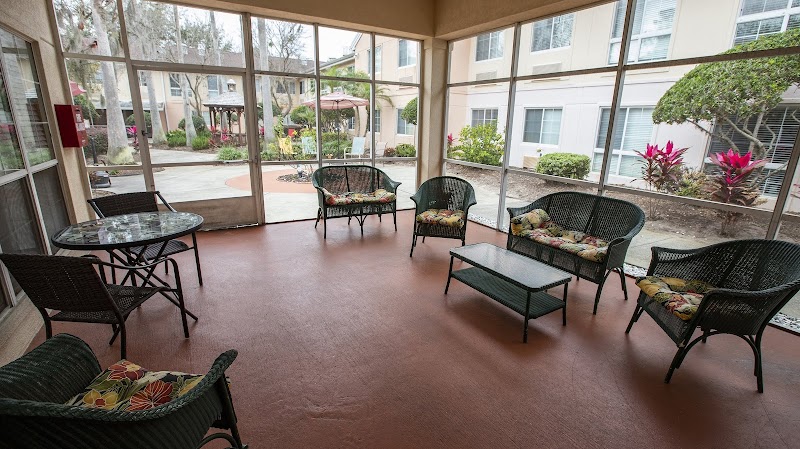
How Does Ansley Cove Healthcare And Rehabilitation Compare to Other Florida Nursing Homes?

Compared to the 100 nursing homes in Florida, ANSLEY COVE HEALTHCARE AND REHABILITATION's overall rating (2 stars) is below the state average of 3.2, staff turnover (40%) is near the state average of 46%, and health inspection rating (1 stars) is much below the national benchmark.

What Should Families Ask When Visiting Ansley Cove Healthcare And Rehabilitation?

Based on this facility's data, families visiting should ask: "What safeguards and monitoring systems are in place to protect residents from abuse or neglect?" "Can you walk me through typical staffing levels on day, evening, and night shifts?" "Can I visit during a mealtime to observe dining assistance and food quality?" "How do you handle medical emergencies, and what is your hospital transfer rate?" These questions are particularly relevant given the substantiated abuse finding on record and the below-average staffing rating.

Is Ansley Cove Healthcare And Rehabilitation Safe?

Based on CMS inspection data, ANSLEY COVE HEALTHCARE AND REHABILITATION has documented safety concerns. The facility has 1 substantiated abuse finding (meaning confirmed case of resident harm by staff or other residents). The facility has a 2-star overall rating and ranks #100 of 100 nursing homes in Florida. Families considering this facility should ask detailed questions about what corrective actions have been taken since these incidents.

Do Nurses at Ansley Cove Healthcare And Rehabilitation Stick Around?

ANSLEY COVE HEALTHCARE AND REHABILITATION has a staff turnover rate of 40%, which is about average for Florida nursing homes (state average: 46%). Moderate turnover is common in nursing homes, but families should still ask about staff tenure and how the facility maintains care continuity when employees leave.

Was Ansley Cove Healthcare And Rehabilitation Ever Fined?

ANSLEY COVE HEALTHCARE AND REHABILITATION has been fined $127,239 across 8 penalty actions. This is 3.7x the Florida average of $34,351. Fines at this level are uncommon and typically indicate a pattern of serious deficiencies, repeated violations, or failure to correct problems promptly. CMS reserves penalties of this magnitude for facilities that pose significant, documented risk to resident health or safety. Families should request specific documentation of what issues led to these fines and what systemic changes have been implemented.

Is Ansley Cove Healthcare And Rehabilitation on Any Federal Watch List?

ANSLEY COVE HEALTHCARE AND REHABILITATION is not on any federal watch list. The most significant is the Special Focus Facility (SFF) program, which identifies the bottom 1% of nursing homes nationally based on persistent, serious quality problems. Not being on this list means the facility has avoided the pattern of deficiencies that triggers enhanced federal oversight. This is a positive indicator, though families should still review the facility's inspection history directly.