CHIPOLA HEALTH AND REHABILITATION CENTER
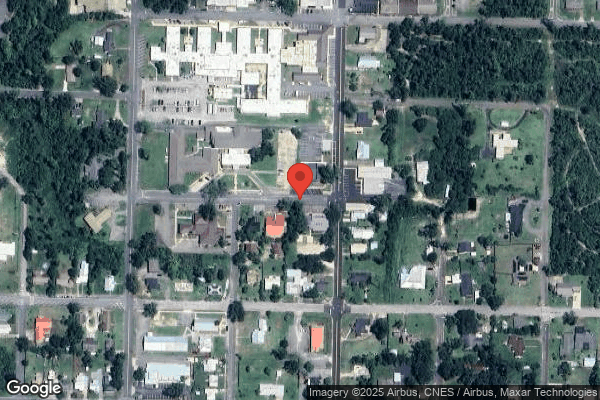

4294 3RD AVENUE, MARIANNA, FL 32446 (850) 526-3191
For profit - Limited Liability company 60 Beds CONSULATE HEALTH CARE/INDEPENDENCE LIVING CENTERS/NSPIRE HEALTHCARE/RAYDIANT HEALTH CARE Data: November 2025
Trust Grade
80/100
#192 of 690 in FL
Last Inspection: May 2025

Inspected within the last 6 months. Data reflects current conditions.

Overview

Chipola Health and Rehabilitation Center in Marianna, Florida, has a Trust Grade of B+, indicating that it is above average and recommended for potential residents. It ranks #192 out of 690 facilities in Florida, placing it in the top half of the state, and is #2 of 4 in Jackson County, meaning only one other local option is better. However, the facility is currently worsening, with issues increasing from 1 in 2024 to 8 in 2025. Staffing is rated 4 out of 5 stars, which is good, but with a turnover rate of 48%, it is average compared to the state average of 42%. Notably, the facility has not incurred any fines, which is a positive sign. On the downside, there have been several concerns reported. For instance, cleanliness issues were noted in three resident rooms, including stained privacy curtains. Additionally, the facility failed to accurately assess two residents' care needs, which could impact their treatment. There was also a concern regarding the nutritional care of a resident receiving enteral feeding, as the staff did not follow the specific hydration orders, potentially affecting the resident's health. Overall, while there are strengths, such as good staffing ratings and a lack of fines, the increasing number of issues and specific incidents are concerning.

Trust Score
B+
80/100
In Florida
#192/690
Top 27%
Safety Record
Low Risk
No red flags
Inspections
Getting Worse
1 → 8 violations
Staff Stability
⚠ Watch
48% turnover. Above average. Higher turnover means staff may not know residents' routines.
Penalties
✓ Good
No fines on record. Clean compliance history, better than most Florida facilities.
Skilled Nurses
✓ Good
Each resident gets 44 minutes of Registered Nurse (RN) attention daily — more than average for Florida. RNs are trained to catch health problems early.
Violations
○ Average
10 deficiencies on record. Average for a facility this size. Mostly minor or procedural issues.
★★★★☆
4.0
Overall Rating
★★★★☆
4.0
Staff Levels
★★★☆☆
3.0
Care Quality
★★★★☆
4.0
Inspection Score
Stable
2024: 1 issues
2025: 8 issues

The Good

  • 4-Star Staffing Rating · Above-average nurse staffing levels
  • Full Sprinkler Coverage · Fire safety systems throughout facility
  • No fines on record

Facility shows strength in staffing levels, fire safety.

The Bad

Staff Turnover: 48%

Near Florida avg (46%)

Higher turnover may affect care consistency

Chain: CONSULATE HEALTH CARE/INDEPENDENCE

Part of a multi-facility chain

Ask about local staffing decisions and management

The Ugly 10 deficiencies on record

May 2025 8 deficiencies
CONCERN (D)

Potential for Harm - no one hurt, but risky conditions existed

Safe Environment (Tag F0584)

Could have caused harm · This affected 1 resident

**NOTE- TERMS IN BRACKETS HAVE BEEN EDITED TO PROTECT CONFIDENTIALITY** Based on observations and interviews, the facility failed to provide an environment that is clean and in good condition in 3 of ...

Read full inspector narrative →
**NOTE- TERMS IN BRACKETS HAVE BEEN EDITED TO PROTECT CONFIDENTIALITY** Based on observations and interviews, the facility failed to provide an environment that is clean and in good condition in 3 of 50 occupied rooms. (Rooms 106B, 107A, 108A/B) The findings include: A tour of the 100 hall was conducted with the Environmental Services Director (EVS Director) on 5/29/25 at 12:20 PM. The following issues were observed: Resident room [ROOM NUMBER]B's privacy curtain had a reddish-brown smear with a quarter sized clump of what appeared to be reddish black crusted matter. Resident room [ROOM NUMBER]'s privacy curtains had multiple brownish red droplet stains. Resident 108A's privacy curtains had numerous grey stains with flecks of brown substance and a grey stain along the bottom portion of the curtain. Resident 108B's privacy curtain had numerous grey and reddish orange stains with dried flecks of a brown substance. (Photographic evidence obtained) An interview was conducted with the EVS director who stated that he will usually change out the curtains when soiled but was having issues getting the curtain width needed for resident privacy.
CONCERN (D)

Potential for Harm - no one hurt, but risky conditions existed

Assessment Accuracy (Tag F0641)

Could have caused harm · This affected 1 resident

**NOTE- TERMS IN BRACKETS HAVE BEEN EDITED TO PROTECT CONFIDENTIALITY** Based on interviews, records reviews, and review of the faciity's policy and porcedure, the facility failed to conduct an accura...

Read full inspector narrative →
**NOTE- TERMS IN BRACKETS HAVE BEEN EDITED TO PROTECT CONFIDENTIALITY** Based on interviews, records reviews, and review of the faciity's policy and porcedure, the facility failed to conduct an accurate assessment by not assigning the proper code to the Minimum Data Set (MDS) that corresponds to the appropriate aspect of the resident care in 2 out of 6 residents. (Resident #24 and #7) The findings include: Resident #24 On 05/28/2025 at approximately 09:10 AM, a record review was performed for Resident #24 that was admitted with a past medical history including cerebrovascular disease, Diabetes-type 2 with neuropathy, Peripheral Vascular Disease, Hypertension, Alzheimer's disease, and Gastrointestinal hemorrhage. The 4/25/25 MDS section for skin documented that the resident did not have a diabetic foot ulcer. However, the 02/06/25 MDS documented that the resident did have a diabetic foot ulcer. A review of the physician's progress note dated 05/14/25 and signed by the wound care doctor documented that the resident still had a diabetic wound of the right lateral heel. On 05/28/25 at approximately 4:52PM, an interview was conducted with Nurse E, a Registered Nurse (RN) and MDS Coordinator. She reviewed the MDS dated [DATE] and confirmed miscoding the diabetic foot ulcer as it does not reflect the resident's current condition. She acknowledged the quarterly assessment completed on 02/06/25 is the proper coding according to the resident's assessment. Resident #7 On 05/28/25 at approximately 5:00 PM, a record review was performed for Resident #7, who was admitted with a diagnosis of nontraumatic intracerebral hemorrhage. Resident #7 has a medical history of Diabetes Mellitus type 2, protein calorie malnutrition, seizures, hypertension, aphasia and requires total care, and dependence for all Activities of Daily Living. The annual MDS skin assessment dated [DATE] acknowledges that a pressure ulcer/injury was present at stage 3. However, the section about pressure ulcer/injury care was documented as a No. A record review verified that the resident is receiving pressure ulcer care as of 02/19/25. On 05/28/25 at approximately 5:30 PM, an interview was conducted with Nurse E. She reviewed the annual MDS skin assessment that noted the pressure ulcer/injury being present but the pressure ulcer/injury care documented as No. She acknowledged miscoding this section and stated that the answer should have been yes since the resident is receiving pressure ulcer care. A policy titled MDS (effective 11/30/2014 and last revised 09/25/2017) was reviewed. It states, Each person completing a section or portion of a section of the MDS signs the Attestation Statement indicating its accuracy.
CONCERN (D)

Potential for Harm - no one hurt, but risky conditions existed

Deficiency F0692 (Tag F0692)

Could have caused harm · This affected 1 resident

Based on observations, interviews, records and policy review, the facility failed to maintain acceptable parameters of nutritional status and electrolyte balance for 1 out of 2 enteral feeding residen...

Read full inspector narrative →
Based on observations, interviews, records and policy review, the facility failed to maintain acceptable parameters of nutritional status and electrolyte balance for 1 out of 2 enteral feeding residents by not following physician orders for enteral fluid hydration. (Resident #45) The findings include: On 05/28/25 at approximately 1:15 PM an observation was made with Nurse B with Resident #45 for her scheduled enteral feeding. After checking the placement of the percutaneous endoscopic gastrostomy tube (PEG tube) (a tube to provide nutrition directly into the stomach), Nurse B proceeded with 120cc of water via a syringe to the PEG tube, then administrated 1 carton of Jevity 1.5 per order and completed with another 120cc of water. An interview was conducted after the enteral feeding with Nurse B on 05/28/25 at approximately 1:45 PM. She explained that Resident #45 has an order for water flush of 240cc every 6 hours, so she combines the hydration order with the feeding schedule. Nurse B was asked to clarify the resident's enteral feeding and hydration orders. She stated that Resident #45 receives 240cc of water every 6 hours for hydration and acknowledged that she has been combining this hydration order with the enteral feeding order. The nurse demonstrated awareness of the order to flush with 60cc of water before and after each feeding order 5 times a day. However, she admitted to not following the hydration order as written and recognized that by not administering the full prescribed volume, the resident was missing 120cc of water per feeding. She verbalizes understanding that the resident is Nothing by Mouth (NPO), and therefore entirely dependent on enteral intake to meet hydration needs. Nurse B also acknowledged that hydration requirements are calculated by the Registered Dietitian (RD) and following these orders are important for maintaining the resident's hydration and overall health status. A medical record for Resident #45 was reviewed on 05/28/25 at approximately 2:30PM. On 04/29/25 orders were written as follows: Jevity1.5, 1 carton via peg tube, 5 times a day; Flush enteral tube with 240cc of water every 6 hours; Every shift flush the enteral tube with 60 cc of water before and after medications/feeding.
CONCERN (D)

Potential for Harm - no one hurt, but risky conditions existed

Pharmacy Services (Tag F0755)

Could have caused harm · This affected 1 resident

Based upon observations and record reviews, the facility failed to ensure adequate documentation of narcotic sheets on 2 out of 3 medication carts. The findings include: On 5/28/25 at 08:00 AM, while ...

Read full inspector narrative →
Based upon observations and record reviews, the facility failed to ensure adequate documentation of narcotic sheets on 2 out of 3 medication carts. The findings include: On 5/28/25 at 08:00 AM, while observing medication administration and reviewing medications, an observation was made of the narcotic signage sheet for each shift to confirm accurate count of controlled drugs. It was observed that the narcotic control sheet was not signed on 4/22/25, 4/24/25, 5/2/25, 5/13/25, and 5/15/25 on the medication cart for the 100 unit. On the 300 unit, the narcotic count sheet was lacking signatures for 4/8/25, 4/12/25, 12/27/24. 12/28/24, and 1/3/25. On 5/28/25 at 08:20 AM, an interview with Nurse B was conducted. She stated, Yes there should always be a signature of the nurse coming onto shift and going off shift stating that the narcotic count is correct on each shift. She further stated that the purpose of the count is to ensure that no drug diversion has occurred and that each resident has the correct number of medications. The facility policy for controlled substances states, In addition to the medication sheet and the schedule II narcotic sheet; the number of controlled substances on hand must be counted and verified at the end of each shift. The narcotic sign in sheet must be completed at the end of each shift every day. The outgoing nurse or her designee will count all controlled substances being stored. Both staff members signs that the count and verification have been completed.
CONCERN (D)

Potential for Harm - no one hurt, but risky conditions existed

Deficiency F0761 (Tag F0761)

Could have caused harm · This affected 1 resident

**NOTE- TERMS IN BRACKETS HAVE BEEN EDITED TO PROTECT CONFIDENTIALITY** Based on observations, interviews, and policy review, the facility failed to facilitate consideration of precautions and safe ad...

Read full inspector narrative →
**NOTE- TERMS IN BRACKETS HAVE BEEN EDITED TO PROTECT CONFIDENTIALITY** Based on observations, interviews, and policy review, the facility failed to facilitate consideration of precautions and safe administration of medication for 2 out of 6 residents as evidenced by 2 expired insulin pens present in the medication cart. The findings include: On [DATE] at approximately 08:55AM, an observation was made during medication administration and overview of the medication cart. An expired insulin pen for Basaglar 100unit/ML KWIKPEN was opened on [DATE] with a discard date of [DATE] (after 28 days) for Resident #7 and an expired insulin Novolin R 100unit/ML Flexpen opened on [DATE] with a discard date of [DATE] (after 28 days) for Resident #24 was found on the top drawer of the medication cart. (Photographic evidence obtained) On [DATE] at approximately 09:00AM, an interview was conducted with Nurse A. She confirmed the expiration dates on the Insulin Basaglar and Novolin R and explained that she has not checked her cart for a while. She proceeded by removing the expired insulins from her cart. On [DATE] at approximately 11:30AM, a record review of the Medication Administration Record (MAR) for Resident #24 was conducted. On [DATE], Novolin R 1 unit was administered at 6:30 AM, Novolin R 7 units was given at 11:30 AM, Novolin R 5 units was given at 4:30 PM, and Novolin R 5 units wasgiven at 9:00 PM per the sliding scale order. Additionally, Basaglar 100unit/ML, 6 units subcutaneously was given to Resident #7 at 9:00 PM. (Photographic evidence obtained) A policy titled Disposal/Destruction of Expired or Discontinued Medication last revised on [DATE] was reviewed. Section 4 of the policy states: Facility should place all discontinued or outdated medications in a designated, secure location which is solely for discontinued medications or marked to identify the medications are discontinued and subject to destruction.
CONCERN (D)

Potential for Harm - no one hurt, but risky conditions existed

Medical Records (Tag F0842)

Could have caused harm · This affected 1 resident

Based on interviews and medical record reviews, the facility failed to maintain a complete and accurately documented clinical record as evidenced by inaccurate and missing documentation on the Medicat...

Read full inspector narrative →
Based on interviews and medical record reviews, the facility failed to maintain a complete and accurately documented clinical record as evidenced by inaccurate and missing documentation on the Medication Administration Record (MAR) for 1 out of 6 residents. (Resident #24) The findings include: Resident #24's medical record was reviewed on 05/28/25. An order for Aminocaproic Acid oral 0.25GM/ML, give 30ml twice per day for bleeding, was received with a start date on 05/23/25. The Medication Administration Record (MAR) shows that on May 24th, 25th, 26th, 27th and 28th, 2025 at 09:00AM, Nurse F and Nurse A indicated that the medication Aminocaproic Acid was not available. Similarly, the MAR stated this medication was not available at 5:00PM on May 23rd, 24th and 25th, 2025. However, on May 26th and May 27th at 5:00 PM, Nurse H and Nurse G documented the medication as given, despite the morning staff having recorded it as unavailable. Additionally, the MAR for Resident #24 for medication Linzess oral capsule 145 MCG, give one capsule by mouth in the morning with an administration scheduled at 06:30AM, is missing the signature by staff for 05/11/2025. The MAR for Novolin R injection Solution 100unit/ML subcutaneous injection per sliding scale requires a blood glucose check for Resident #24. The documentation is missing a blood sugar result, documentation if the insulin was given, and staff signature on 05/11/25 at 06:30 AM. An interview was conducted on 05/28/25 at approximately 2:14PM with Nurse A, a Licensed Practical Nurse. She confirmed that the medication Aminocaproic Acid was currently not available and that the facility was awaiting delivery from the pharmacy. She verified that the medication was not located in the medication room, not available in the automated medication dispenser system, and not stored anywhere within the facility. She also explained that a code 9 on the MAR indicates that the medication is not available. She confirmed being the nurse on duty for 05/26/25, 05/27/25 and 05/28/25 and that the medication has not been delivered by the pharmacy. An interview was conducted with the Director of Nursing (DON) on 05/28/25 at approximately 2:36 PM. She explained the process for pharmacy delivery. When an order is received, the pharmacy receives it electronically. The contracted pharmacy is scheduled to deliver twice a day, once in the morning and once in the afternoon. She proceeded to explain that if the medication is not available, she usually gets an email that explains the delay in obtaining the medication. She was not made aware that the medication Aminocaproic Acid for Resident #24 had not been delivered. When asked why the MAR for Resident #24 for medication Aminocaproic Acid Ask was signed by Nurse G and Nurse H on 05/26/25 and 05/27/25 while the medication was unavailable, she was unable to explain how the medication could have been given, as it had not yet been delivered to the facility by the pharmacy. An interview was conducted on 05/28/25 at approximately 4:49 PM with Nurse G about the medication being signed off when it was not available on 05/26/25. She explained that it was a mistake and should have been documented as not available. A second interview was conducted with the DON on 05/29/25 at approximately 09:44 AM. She clarified that it is her expectation for the ordered medication to be delivered by pharmacy within 24 hours. She further indicated that it is her expectation for the staff to notify her if a medication is delay in delivery. She also explained that it is the expectation of the facility to have accurate documentation on the medication administration as the medications are given and any missing signatures are not acceptable. She indicated that staff receive education on PCC upon hire.
CONCERN (D)

Potential for Harm - no one hurt, but risky conditions existed

Infection Control (Tag F0880)

Could have caused harm · This affected 1 resident

Based on observations, interviews and record review, the facility failed to follow accepted infection prevention and control standards including hand hygiene, proper use of Personal Protective Equipme...

Read full inspector narrative →
Based on observations, interviews and record review, the facility failed to follow accepted infection prevention and control standards including hand hygiene, proper use of Personal Protective Equipment (PPE) and storage of oxygen tubing, to prevent the spread of infections by staff involved in direct resident care in 4 out 7 residents observed. (Resident #11, #7, #45, and #24) The findings include: Resident #11 An observation was made on 05/27/25 at approximately 10:54AM with Resident #11. There was an oxygen concentrator on the left side of her bed with oxygen tubing connected to it and the prong end of the tubing on the floor. At approximately 12:01PM, the oxygen tubing was still on the floor. At approximately 12:39PM, the oxygen tubing was stored in a plastic bag dated 05/26/25 located above the head of the bed. (Photographic evidence obtained) An interview was conducted with Nurse A at approximately 11:03 AM. She observed the resident and the oxygen tubing on the floor and explained that the resident removes her oxygen often. A second interview was conducted with Nurse A at approximately 12:43PM. She explained that she turned off the oxygen concentrator and secured the oxygen tubing in the storage bag provided. She denied changing the oxygen tubing at that time. When made aware that the oxygen tubing was observed on the floor, she responded that she believed it was placed on the side rail. Upon realizing that the tubing had made contact with the floor, she disregarded and replaced the oxygen tubing. Nurse A confirmed understanding the risk of contamination and potential infection transmission and the importance of proper handling of respiratory equipment. Resident #7 An observation was conducted on 05/27/25 at approximately 1:07PM with Resident #7, who was on Enhanced Barrier Precautions (EBP). During an observation with Staff C and Staff D, both Certified Nursing Assistants (CNA), entered the resident's room to provide incontinence care. Both staff members donned gloves upon entering; however, hand hygiene was not performed prior to resident contact. At approximately 1:19 PM, Staff D exited the room to retrieve additional supplies and re-entered the resident's room and resumed care without performing hand hygiene before contact with the resident. Hand washing was observed by Staff C and Staff D after completion of resident's care. Additionally, both staff member did not don the required Personal Protective Equipment (PPE) as required by the EBP despite the sign posted at the resident's door indicating the need for PPE and care plan for EBP. An interview was conducted on 05/27/25 at approximately 1:26 PM with Staff C and Staff D following the observation of care provided to Resident #7. Both staff members acknowledged that they did not perform hand hygiene prior to providing resident care. They stated that they are aware it is the facility policy and standard of care to wash hands before resident contact care. They verbalized understanding of the risk of Health Care Associated Infections (HAI) and the importance of hand hygiene in infection prevention among the vulnerable residents. Resident #45 On 05/28/25 at approximately 1:15 PM, an observation was made with Resident #45 for her scheduled enteral feeding. Nurse B was observed attempting to don personal protective equipment (PPE) prior to entering the resident's room. She secured the gown over her head; however, after multiple attempts to tie the gown at the waist, her arms remained exposed, indicating improper donning of PPE by failure to fully cover the required body areas for Enhanced Barrier Precautions (EBP). An interview was conducted on 05/28/25 at approximately 1:45PM with Staff B following the observation of care provided to Resident #45. She acknowledged her confusion regarding the correct procedure for donning PPE. She realized that she did not properly secure the gown sleeves, resulting in incomplete coverage of the arms. She recognized that failure to don the gown correctly compromised the effectiveness of the barrier protection and the importance of standard infection control practices. Resident #24 On 05/29/25 at approximately 09:51 AM, an observation was made with Resident #24 for his dressing change to the right heel. The procedure was performed with Nurse A with the assistance of CNA C, who supported the resident's foot. Nurse A initially performed proper hand hygiene using hand sanitizer and gowning with appropriate PPE. After removing the soiled dressing, she performed hand hygiene and applied a new pair of gloves. However, at that time, she exited the room wearing her gloves to retrieve a missing calcium alginate dressing. She touched the doorknob and upon returning, resumed the dressing change without changing her gloves or performing hand hygiene. At the completion of the wound care, both staff members performed hand hygiene. On 05/29/25 at approximately 10:04AM following the dressing change, an interview was conducted with Staff A. She admitted not following proper hand hygiene but believed it was acceptable because she only touched the corner of the dressing. She did not recognize this as a breach in infection control protocol.
CONCERN (D)

Potential for Harm - no one hurt, but risky conditions existed

Deficiency F0919 (Tag F0919)

Could have caused harm · This affected 1 resident

Based on observations, interviews and medical record review, the facility failed to provide reasonable accommodation for resident needs by ensuring that the call bell was accessible for 5 out 12 resid...

Read full inspector narrative →
Based on observations, interviews and medical record review, the facility failed to provide reasonable accommodation for resident needs by ensuring that the call bell was accessible for 5 out 12 residents observed in the 300 hallways. (Residents #7, #301, #8, #3, #23) The findings include: The following issues were noted with call lights: • An observation was made on 05/27/25 at approximately 12:58 PM for Resident #7. He was resting in bed, but his call bell was on the floor. • An observation was made on 05/27/25 at approximately 11:10 AM, 1:37 PM and 2:53 PM for Resident #301. The call bell for Resident #301 was attached to the lower right-side rail, making the call bell unreachable by the resident. • An observation was made on 05/27/25 at approximately 10:55 AM for Resident #8. She was resting in bed and her call bell was observed on the floor behind the headboard out of reach. • Upon observation of Resident #3 on 5/27/25 at 11:00 AM, the call light was observed laying on the floor under the bed where Resident #3 could not reach. • On 5/27/25 at 11:30 AM, Resident #23's call light was observed hanging between the side rail and mattress out of reach of the resident. Resident #23 is blind and when asked she could not locate her call light to call for assistance. Interviews were conducted on 05/27/25 with Staff C and D, both Certified Nursing Assistants (CNA). They confirmed these call bells were out of reach for the residents and should have been placed within easy reach of the residents.
Apr 2024 1 deficiency
CONCERN (D)

Potential for Harm - no one hurt, but risky conditions existed

Food Safety (Tag F0812)

Could have caused harm · This affected 1 resident

Based on observation, interview, and review of facility policy, the facility failed to adequately clean fixed equipment (oven, fryer, and other surfaces) and ensure these surfaces were free from build...

Read full inspector narrative →
Based on observation, interview, and review of facility policy, the facility failed to adequately clean fixed equipment (oven, fryer, and other surfaces) and ensure these surfaces were free from buildup and contamination via splashes, dust, and grease. This has the potential to affect 52 of the 56 residents who were consuming food prepared in the facility's kitchen. The findings include: On 4/15/24 at approximately 10:30 AM, during the initial kitchen tour, observations were made of a heavy thick build of multiple layers of various texture and color substances, splashes, and build up adhered to the front and sides of the stove, fryer, oven, and other fixed equipment surfaces. There was a dark color buildup, a layer of yellow splattered sticky substances, and layers of a dusty white substance on the front sides and inside doors of the oven and stove. The same layers were observed on the fryer, and surfaces of other fixed equipment in the kitchen. The Director of Dining Services (CDM) explained that the buildup was oven cleaner that had not yet been wiped off. He showed the surveyors a used stove that the facility had purchased but not yet installed. The manager explained that staff had been focusing on cleaning the used stove to get it ready for installation soon. (photographic evidence obtained) On 4/17/24 at approximately 12:50 PM, a second tour of the kitchen was conducted with Dining Services Technician B. Some of the white substances had been removed from surfaces but multiple thick layers of buildup were still on fixed surfaces of the fryer, oven, and stove. The surveyor inquired about surface cleaning procedures for fixed equipment such as stove and fryer. Dining Services Technician B explained that they were getting new equipment and they have not had time to really clean the surfaces of the stove and oven that was currently in use for quite a while. (photographic evidence obtained) A review of the employee cleaning list for 4/15/24, 4/16/24 and 4 /17/24 was conducted. Line #6 on the check off sheet listed that the cook is responsible for cleaning oven top, racks inside the oven door, oven racks, back of inside of the door and outside surfaces. These tasks were initialed as having been completed on 4/15/24 and 4/16/24. A review of the job description for Dining Services Technician was conducted. The job description directed Dining Services Technicians to maintain a clean, hazard free work area and ensure that the department is maintained in a clean and safe manner by assuring that necessary equipment and supplies are maintained. A review of the job description for director of dining services was conducted. The job description directed the Director of Dining Services to monitor dietary personnel to ensure required tasks are being performed in a manner prescribed by policy and procedure and ensure that the dietary department is maintained in a safe sanitary manner in accordance with established safety and infection control guidelines. On 4/17/24 at approximately 1:10 PM, a second interview was conducted with the CDM. The surveyor voiced concerns with the cleanliness of the surface of oven, stove, and fryer. The CDM explained that he had been focusing on getting the new equipment ready to be installed and that the surfaces of the oven, stove and fryer should have been cleaner.
Mar 2023 1 deficiency
CONCERN (D)

Potential for Harm - no one hurt, but risky conditions existed

Deficiency F0688 (Tag F0688)

Could have caused harm · This affected 1 resident

**NOTE- TERMS IN BRACKETS HAVE BEEN EDITED TO PROTECT CONFIDENTIALITY** Based on observation, record review, and staff interviews, the facility failed to provide appropriate treatment to prevent furth...

Read full inspector narrative →
**NOTE- TERMS IN BRACKETS HAVE BEEN EDITED TO PROTECT CONFIDENTIALITY** Based on observation, record review, and staff interviews, the facility failed to provide appropriate treatment to prevent further decrease in range of motion for 1 of 1 residents reviewed for limited range of motion. (Resident #49) The findings include: An observation of Resident #49 was conducted on 3/14/23 at 3:43 PM. The resident was in bed and had a splint device in place on the right upper extremity. Review of the quarterly minimum data set, with an assessment reference date of 2/9/23, revealed the resident had functional limitation in range of motion to upper and lower extremities on both sides. The Occupational Therapy Discharge summary, dated [DATE], revealed the resident had a diagnosis of hemiplegia and hemiparesis affecting the right dominant side and the resident was referred to restorative nursing program/functional maintenance program for contracture prevention in right upper extremities in order to preserve current level of function. Review of the resident's electronic medical record revealed a current plan of care dated 1/20/23, stating the resident was receiving restorative nursing program and now requires a functional maintenance program for passive range of motion to bilateral upper extremities, communication and a restorative nursing program for splinting top right elbow. The interventions included passive range of motion (PROM) to bilateral upper extremities exercising all joints and planes. Review of the task menu documentation for the last 30 days since 2/15/23 revealed the range of motion had only been completed 3 times in the 30 days. An interview was conducted with the Restorative Licensed Practical Nurse on 3/15/23 at 10:51 AM. She stated the resident was on floor maintenance for PROM of bilateral upper extremities and the assigned certified nursing assistant would complete the task daily. She then reviewed the record and confirmed the PROM had only been documented as completed 3 times in the last 30 days. An interview was conducted with Employee A (a certified nursing assistant) on 3/15/23 at 11:10 AM. Employee A stated she cared for Resident #49 most days. She could not explain why the PROM was only completed 3 days out of the last 30 days.
Understanding Severity Codes (click to expand)
Life-Threatening (Immediate Jeopardy)
J - Isolated K - Pattern L - Widespread
Actual Harm
G - Isolated H - Pattern I - Widespread
Potential for Harm
D - Isolated E - Pattern F - Widespread
No Harm (Minor)
A - Isolated B - Pattern C - Widespread

Questions to Ask on Your Visit

  • "Can I speak with families of current residents?"
  • "What's your RN coverage like on weekends and overnight?"

Our Honest Assessment

Strengths
  • • Grade B+ (80/100). Above average facility, better than most options in Florida.
  • • No major safety red flags. No abuse findings, life-threatening violations, or SFF status.
  • • No fines on record. Clean compliance history, better than most Florida facilities.
Concerns
  • • No significant concerns identified. This facility shows no red flags across CMS ratings, staff turnover, or federal penalties.
Bottom line: Generally positive indicators. Standard due diligence and a personal visit recommended.

About This Facility

What is Chipola Center's CMS Rating?

CMS assigns CHIPOLA HEALTH AND REHABILITATION CENTER an overall rating of 4 out of 5 stars, which is considered above average nationally. Within Florida, this rating places the facility higher than 99% of the state's 100 nursing homes. This rating reflects solid performance across the metrics CMS uses to evaluate nursing home quality.

How is Chipola Center Staffed?

CMS rates CHIPOLA HEALTH AND REHABILITATION CENTER's staffing level at 4 out of 5 stars, which is above average compared to other nursing homes. Staff turnover is 48%, compared to the Florida average of 46%.

What Have Inspectors Found at Chipola Center?

State health inspectors documented 10 deficiencies at CHIPOLA HEALTH AND REHABILITATION CENTER during 2023 to 2025. These included: 10 with potential for harm.

Who Owns and Operates Chipola Center?

CHIPOLA HEALTH AND REHABILITATION CENTER is owned by a for-profit company. For-profit facilities operate as businesses with obligations to shareholders or private owners. The facility is operated by CONSULATE HEALTH CARE/INDEPENDENCE LIVING CENTERS/NSPIRE HEALTHCARE/RAYDIANT HEALTH CARE, a chain that manages multiple nursing homes. With 60 certified beds and approximately 52 residents (about 87% occupancy), it is a smaller facility located in MARIANNA, Florida.

How Does Chipola Center Compare to Other Florida Nursing Homes?

Compared to the 100 nursing homes in Florida, CHIPOLA HEALTH AND REHABILITATION CENTER's overall rating (4 stars) is above the state average of 3.2, staff turnover (48%) is near the state average of 46%, and health inspection rating (4 stars) is above the national benchmark.

What Should Families Ask When Visiting Chipola Center?

Based on this facility's data, families visiting should ask: "Can I visit during a mealtime to observe dining assistance and food quality?" "How do you handle medical emergencies, and what is your hospital transfer rate?" "Can I speak with family members of current residents about their experience?"

Is Chipola Center Safe?

Based on CMS inspection data, CHIPOLA HEALTH AND REHABILITATION CENTER has a clean safety record: no substantiated abuse findings (meaning no confirmed cases of resident harm), no Immediate Jeopardy citations (the most serious violation level indicating risk of serious injury or death), and is not on the Special Focus Facility watch list (a federal program monitoring the lowest-performing 1% of nursing homes). The facility has a 4-star overall rating and ranks #1 of 100 nursing homes in Florida. While no facility is perfect, families should still ask about staff-to-resident ratios and recent inspection results during their visit.

Do Nurses at Chipola Center Stick Around?

CHIPOLA HEALTH AND REHABILITATION CENTER has a staff turnover rate of 48%, which is about average for Florida nursing homes (state average: 46%). Moderate turnover is common in nursing homes, but families should still ask about staff tenure and how the facility maintains care continuity when employees leave.

Was Chipola Center Ever Fined?

CHIPOLA HEALTH AND REHABILITATION CENTER has no federal fines on record. CMS issues fines when nursing homes fail to meet care standards or don't correct problems found during inspections. The absence of fines suggests the facility has either maintained compliance or corrected any issues before penalties were assessed. This is a positive indicator, though families should still review recent inspection reports for the full picture.

Is Chipola Center on Any Federal Watch List?

CHIPOLA HEALTH AND REHABILITATION CENTER is not on any federal watch list. The most significant is the Special Focus Facility (SFF) program, which identifies the bottom 1% of nursing homes nationally based on persistent, serious quality problems. Not being on this list means the facility has avoided the pattern of deficiencies that triggers enhanced federal oversight. This is a positive indicator, though families should still review the facility's inspection history directly.