LAFAYETTE NURSING AND REHABILITATION CENTER


512 W MAIN ST, MAYO, FL 32066 (386) 294-3300
For profit - Limited Liability company 60 Beds MAXIMUS HEALTHCARE GROUP Data: November 2025
Trust Grade
90/100
#60 of 690 in FL
Last Inspection: October 2024

Within standard 12-15 month inspection cycle. Federal law requires annual inspections.

Overview

Lafayette Nursing and Rehabilitation Center in Mayo, Florida has received an excellent Trust Grade of A, indicating a high level of care and reliability. They rank #60 out of 690 facilities in Florida, placing them in the top half, and are the only option in Lafayette County, which means they are the best choice locally. Unfortunately, the facility is experiencing a worsening trend, with the number of reported issues rising from 4 in 2023 to 6 in 2024. Staffing is a relative strength, with a 4 out of 5 star rating and a turnover rate of 40%, which is below the state average, indicating that staff tend to stay longer and build relationships with residents. However, there have been specific concerns, such as improper food storage in the kitchen and expired medications found in the medication carts, suggesting that more attention is needed in these areas to ensure residents' health and safety.

Trust Score
A
90/100
In Florida
#60/690
Top 8%
Safety Record
Low Risk
No red flags
Inspections
Getting Worse
4 → 6 violations
Staff Stability
○ Average
40% turnover. Near Florida's 48% average. Typical for the industry.
Penalties
✓ Good
No fines on record. Clean compliance history, better than most Florida facilities.
Skilled Nurses
○ Average
Each resident gets 36 minutes of Registered Nurse (RN) attention daily — about average for Florida. RNs are the most trained staff who monitor for health changes.
Violations
⚠ Watch
11 deficiencies on record. Higher than average. Multiple issues found across inspections.
★★★★★
5.0
Overall Rating
★★★★☆
4.0
Staff Levels
★★★★★
5.0
Care Quality
★★★★☆
4.0
Inspection Score
Stable
2023: 4 issues
2024: 6 issues

The Good

  • 4-Star Staffing Rating · Above-average nurse staffing levels
  • 5-Star Quality Measures · Strong clinical quality outcomes
  • Full Sprinkler Coverage · Fire safety systems throughout facility
  • No fines on record
  • Staff turnover below average (40%)

    8 points below Florida average of 48%

Facility shows strength in staffing levels, quality measures, fire safety.

The Bad

Staff Turnover: 40%

Near Florida avg (46%)

Typical for the industry

Chain: MAXIMUS HEALTHCARE GROUP

Part of a multi-facility chain

Ask about local staffing decisions and management

The Ugly 11 deficiencies on record

Oct 2024 6 deficiencies
CONCERN (D)

Potential for Harm - no one hurt, but risky conditions existed

Assessment Accuracy (Tag F0641)

Could have caused harm · This affected 1 resident

**NOTE- TERMS IN BRACKETS HAVE BEEN EDITED TO PROTECT CONFIDENTIALITY** Based on record review and interview, the facility failed to ensure the Minimum Data Set (MDS) assessment was accurate for 1 of ...

Read full inspector narrative →
**NOTE- TERMS IN BRACKETS HAVE BEEN EDITED TO PROTECT CONFIDENTIALITY** Based on record review and interview, the facility failed to ensure the Minimum Data Set (MDS) assessment was accurate for 1 of 5 residents reviewed for unnecessary medications, Resident #38. Findings include: Review of Resident #38's Medicare admission 5-day MDS dated [DATE] showed the resident was receiving anticoagulant medication under Section N- Medications. Review of Resident #38's physician orders revealed no current or previous orders for anticoagulant medication. During an interview on 10/24/2024 at 8:15 AM regarding Resident #38's MDS dated [DATE], the MDS Coordinator stated, I reviewed it and it is inaccurate. During an interview on 10/24/2024 at 8:30 AM regarding MDS accuracy, the Administrator stated, I expect them to be accurate. Review of the facility policy and procedure titled Conducting an Accurate Resident Assessment revised on 1/4/2024 showed it read, Policy Explanation and Compliance Guidelines . 3. The appropriate, qualified health professional will correctly document the resident's medical, functional, and psychosocial problems and identifies resident strengths to maintain or improve medical status, functional abilities, and psychosocial status.
CONCERN (D)

Potential for Harm - no one hurt, but risky conditions existed

Quality of Care (Tag F0684)

Could have caused harm · This affected 1 resident

**NOTE- TERMS IN BRACKETS HAVE BEEN EDITED TO PROTECT CONFIDENTIALITY** Based on observation, record review, and interview, the facility failed to ensure residents received intravenous therapy (IV) in...

Read full inspector narrative →
**NOTE- TERMS IN BRACKETS HAVE BEEN EDITED TO PROTECT CONFIDENTIALITY** Based on observation, record review, and interview, the facility failed to ensure residents received intravenous therapy (IV) in accordance with professional standards of practice for 1 of 1 resident, who was receiving intravenous medications, Resident #55. Findings include: Review of Resident #55's admission record showed the resident was most recently admitted on [DATE] with the diagnoses to include encounter for surgical aftercare following surgery on the nervous system, disruption of internal operation (surgical) wound, and infection and inflammatory reaction due to internal fixation device. Review of Resident #55's physician order dated 10/21/2024 read, Cefepime HCl Injection Solution Reconstituted 1 GM [gram], Use 1 gram intravenously one time a day for Toxic Metabolic Encephalopathy until 10/24/2024 23:59 [11:59 PM]. Review of Resident #55's care plan dated 9/20/2024 read, [Resident #55's name] is on IV medications r/t [related to] toxic metabolic encephalopathy . Interventions . Administer medications as ordered. During an observation on 10/22/2024 at 8:24 AM, Staff A, Licensed Practical Nurse (LPN), was preparing Peripherally Inserted Central Catheter (PICC) in Resident #55's upper right arm for administration of Cefepime 1 gram in 100 milliliters (ml) Normal Saline. Staff A, LPN, sanitized and flushed the PICC line with 10 ml of normal saline and initiated antibiotic infusion via pump. Staff A did not check the patency of the line by aspiration for blood return to determine patency prior to flushing or administering the medication. During an interview on 10/22/2024 at 8:30 AM, Staff A, LPN, stated, We do not have to aspirate prior to flushing or providing intravenous medication. We just have to flush with saline first. During an interview on 10/22/2024 at 12:18 PM, the Director of Nursing stated, The PICC line must be checked for patency by aspiration of blood prior to flushing with normal saline and before administering medication via the line. That's our policy and process. Review of the facility policy and procedure titled Administration of IV Fluids and Medications, Setting Up a Primary Infusion (Hydration or Medication) dated 12/29/2023 read, Purpose: To correctly and aseptically set up the primary IV bag and tubing . Procedure . 7. Attach flush syringe, aspirate for a blood return to determine patency and then flush resident's IV catheter with appropriate flush solution as ordered. Review of the facility policy and procedure titled Intravenous Therapy dated 12/29/2023 read, Procedures. Continuous Infusion . 10. Confirm patency of vascular device (peripheral IV or CVAD) as per flush protocols . Intermittent Medication Infusion . 13. Attach 10 mL syringe normal saline and confirm patency of vascular access device as per protocol.
CONCERN (D)

Potential for Harm - no one hurt, but risky conditions existed

Respiratory Care (Tag F0695)

Could have caused harm · This affected 1 resident

2) During an observation on 10/21/2024 at 10:30 AM, Resident #5 was lying in bed, receiving oxygen via nasal cannula at 2 L/M (Photographic evidence obtained). During an interview on 10/21/2024 at 10:...

Read full inspector narrative →
2) During an observation on 10/21/2024 at 10:30 AM, Resident #5 was lying in bed, receiving oxygen via nasal cannula at 2 L/M (Photographic evidence obtained). During an interview on 10/21/2024 at 10:30 AM, Resident #5 stated, I wear oxygen all the time. During an observation on 10/22/2024 at 8:39 AM, Resident #5 was lying in bed, receiving oxygen via nasal canula at 2 L/M. Review of Resident #5's physician order dated 8/1/2024 showed it read, O2 @ [at] 4 lpm [liter per minute] via N/C [nasal cannula] to keep O2 Sat above 90% as tolerated every shift for COPD/CHF [Congestive Heart Failure]. Review of Resident #5's care plan dated 9/29/2023 showed it read, Focus: [Resident #5's name] has COPD . Interventions . Administer oxygen as ordered. During an interview on 10/22/2024 at 12:20 PM, Staff A, Licensed Practical Nurse (LPN), stated the resident should be at 4 liters per minute. During an interview on 10/22/2024 at 1:05 PM, the Director of Nursing (DON) stated, The expectation is that we follow orders for oxygen, even if it is prn. 3) During an observation on 10/21/2024 at 9:45 AM, Resident #44 was lying in bed, receiving oxygen via nasal cannula at 3 L/M. During an observation on 10/22/2024 at 9:00 AM, Resident #44 was lying in bed, receiving oxygen via nasal cannula at 3 L/M. During an interview on 10/22/2024 at 9:00 AM, Resident #44 stated, I only wear it when I'm laying down. I don't usually have problems otherwise. Review of Resident #44's physician orders showed an order dated 3/25/2023 for administration of oxygen at 2 L/M via nasal cannula as needed to keep oxygen saturation above 92%. During an interview on 10/23/2024 at 10:55 AM, Staff C, Certified Nursing Assistant (CNA), stated, He [Resident #44] lets us know when he needs it and then I let the nurse know. I can't make sure it's on the correct setting, so I have the nurses do it. During an interview on 10/22/2024 at 2:00 PM, Staff B, Licensed Practical Nurse (LPN), stated, I would document if his [Resident #44's] sats were down under 92%. I would hook him up. During an interview on 10/22/2024 at 12:10 PM, the Director of Nursing (DON) stated, It is my expectation that they follow doctor's order to a tee. Only nurses should be adjusting the oxygen settings in accordance with physician orders. Review of the facility policy and procedure titled Oxygen Administration last reviewed on 12/29/2023, showed it read, Policy: Oxygen is administered to residents who need it, consistent with professional standards of practice, the comprehensive person-centered care plans, and the resident's goals and preferences . Policy Explanation and Compliance Guidelines: 1. Oxygen is administered under orders of a physician, except in the case of an emergency. Review of the facility policy and procedure titled Physician Medication/Treatment Orders last reviewed on 12/29/2023, showed it read, Policy: This facility shall use uniform guidelines for the ordering of medications and treatments by practitioners. Policy Explanation and Compliance Guidelines: 1. Medications/Treatment should be administered only upon the signed order of a person lawfully authorized to prescribe . 3. Elements of the Medication/Treatment Order . d. Dosage-strength of medication is included. Based on observation, interview, and record review, the facility failed to ensure residents received oxygen as prescribed by physician for 3 of 8 residents reviewed for oxygen therapy, Residents #5, #31, and #44. Findings include: 1) During an observation on 10/21/2024 at 9:59 AM, Resident #31 was receiving oxygen via nasal cannula at 5 L/M [liters per minute]. During an observation on 10/21/2024 at 1:58 PM, Resident #31 was receiving oxygen via nasal cannula at 5 liters per minute. During an observation on 10/22/2024 at 7:40 AM, Resident #31 was receiving oxygen via nasal cannula at 5 liters per minute. Review of Resident #31's physician order dated 4/10/2023 read, Oxygen PRN [as needed]- O2 [oxygen] at 2 L/M via nasal cannula as needed for O2 sats [saturation] < [less than] 90%. Review of Resident #31's care plan dated 3/14/20244 read, Focus: [Resident #31's name] has COPD [Chronic Obstructive Pulmonary Disease] . Interventions/Tasks . Give oxygen therapy as ordered by the physician. During an interview on 10/22/2024 at 11:20 AM, Resident #31 stated, My oxygen is supposed to be set at 2 liters. I don't know what it is. I cannot and do not adjust it myself. During an observation on 10/22/2024 at 12:18 PM with Staff B, Registered Nurse (RN), she confirmed that oxygen was delivered to Resident #31 at 5 liters per minute, and stated, The oxygen should be set and delivered per physician orders at 2 liters via nasal cannula.
CONCERN (D)

Potential for Harm - no one hurt, but risky conditions existed

Deficiency F0804 (Tag F0804)

Could have caused harm · This affected 1 resident

Based on observation, interview, and record review, the facility failed to ensure residents received food at a safe and appetizing temperature. Findings include: During an observation of the tray line...

Read full inspector narrative →
Based on observation, interview, and record review, the facility failed to ensure residents received food at a safe and appetizing temperature. Findings include: During an observation of the tray line for breakfast meal service on 10/23/2024 at 7:40 AM, after one hall's trays were prepared, sausage patty temperature was at 130 degrees Fahrenheit on the steamtable and 4-ounce strawberry yogurt was at 47.8 degrees Fahrenheit. During an interview on 10/23/2024 at 7:40 AM, the Dietary Manager confirmed the temperatures recorded and stated that the temperature for the sausage should have been above 135 degrees and the temperature of the yogurt should have been below 41 degrees. Review of the facility policy and procedure titled Food Holding and Service dated 10/1/2018 and last reviewed on 12/31/2023 showed it read, Policy: To ensure that all food served by the facility is of good quality and safe for consumption, all food will be held and served according to the state and US Food Codes and HACCP [Hazard Analysis Critical Control Point] guidelines. Procedure: 1. Serve all hot foods at a temperature of 135 F [Fahrenheit] or greater and all cold food at 41F or less. Adjust the temperature to account for the time the food will be held prior to service on the steam table and on the tray carts.
CONCERN (D)

Potential for Harm - no one hurt, but risky conditions existed

Infection Control (Tag F0880)

Could have caused harm · This affected 1 resident

Based on observation, interview, and record review, the facility failed to ensure staff sanitized resident-care equipment between resident use to prevent the possible development and transmission of c...

Read full inspector narrative →
Based on observation, interview, and record review, the facility failed to ensure staff sanitized resident-care equipment between resident use to prevent the possible development and transmission of communicable diseases and infections. Findings include: During an observation on 10/22/2024 at 8:03 AM, Staff A, Licensed Practical Nurse (LPN), obtained blood pressure for Resident #261 and returned to the medication cart and placed the blood pressure cuff on top of the medication cart without sanitizing the blood pressure cuff. At 8:04 AM, Staff A proceeded to Resident #23's room and obtained blood pressure reading from right arm and administered the medications returning to the medication cart to prepare medication for Resident #55. Staff A did not sanitize the blood pressure cuff. During an interview on 10/22/2024 at 8:30 AM, Staff A, LPN, stated, They are cloth. How are we going to clean them? I didn't wipe it off and I should have wiped it down with a sanitizer cloth after each resident use. During an observation on 10/22/2024 at 10:35 AM, Staff B, Registered Nurse (RN), obtained oxygen saturation with finger probe for Resident #31. The portable oxygen finger probe monitor was placed back into the medication cart. Staff B did not sanitize the probe. During an interview on 10/22/2024 at 10:50 AM, Staff B, RN, stated, I forgot the probe has to be cleaned before and after resident use. During an interview on 10/22/2024 at 10:59 AM, the Registered Nurse Consultant stated, Durable medical equipment needs to be cleaned between each resident use. The blood pressure cuff and machine should be cleaned between each resident use. The finger oxygen monitor must be cleaned between each resident use. During an interview on 10/22/2024 at 12:18 PM, the Director of Nursing stated, Any re-useable equipment must be cleaned with purple wipes [sanitary wipes] and then the dwell time should be followed per the container. Blood pressure cuffs and oxygen finger probes must be cleaned before and after each resident use with sanitizer. Review of the facility policy and procedure titled Cleaning and Disinfection of Resident-Care Equipment dated 1/4/2024 and last reviewed on 12/29/2023 showed it read, Policy: Resident-care equipment can be a source of indirect transmission of pathogens. Reusable resident-care equipment will be cleaned and disinfected in accordance with current CDC [Centers for Disease Control and Prevention] recommendations in order to break the chain of infection . Policy Explanation and Compliance Guidelines: 1. Resident-care equipment is categorized based on the degree of risk for infection involved in the use of the equipment . c. Non-critical items come in contact with intact skin, but not mucous membranes. These items require cleaning followed by low/intermediate-level disinfection (i.e., use of EPA [Environmental Protection Agency]-registered disinfectants) following manufacturers' instructions . 3. Staff shall follow established infection control principles for cleaning and disinfecting reusable, non-critical equipment. General guidelines include . b. Each user is responsible for routine cleaning and disinfection of multi-resident items after each use.
MINOR (C)

Minor Issue - procedural, no safety impact

Staffing Information (Tag F0732)

Minor procedural issue · This affected most or all residents

Based on observation, interview, and record review, the facility failed to ensure nurse staffing information was posted on a daily basis. Findings include: During an observation on 10/21/2024 at 9:15 ...

Read full inspector narrative →
Based on observation, interview, and record review, the facility failed to ensure nurse staffing information was posted on a daily basis. Findings include: During an observation on 10/21/2024 at 9:15 AM, Daily Nursing Staffing Form was posted in the main entry hall of the facility. The form read, Saturday. Today's Date: 10/19/2024. During an interview on 10/24/2024 at 9:10 AM, the Administrator stated, I would like the staffing sheet posted by 11:00 AM. Mondays can take a little longer because they are balancing 3 days of staffing. Review of the facility policy and procedure titled Nurse Staffing Posting Information last reviewed on 12/29/2023, showed it read, Policy: It is the policy of this facility to make nurse staffing information readily available in a readable format to residents and visitors at any given time. Policy Explanation and Compliance Guidelines: 1. The Nurse Staffing Sheet will be posted on a daily basis and will contain the following information . 2. The facility will post the Nurse Staffing Sheet daily each morning.
Jul 2023 4 deficiencies
CONCERN (D)

Potential for Harm - no one hurt, but risky conditions existed

Deficiency F0658 (Tag F0658)

Could have caused harm · This affected 1 resident

Based on observation, interview, and record review, the facility failed to ensure medications were administered according to professional standards of practice for 2 residents, Resident #31 and Reside...

Read full inspector narrative →
Based on observation, interview, and record review, the facility failed to ensure medications were administered according to professional standards of practice for 2 residents, Resident #31 and Resident #3. Findings include: During an observation on 7/10/2023 at 9:43 AM, Resident #31 was lying in her bed. There were 3 halves of medication tablets in a medication cup on the bedside table in front of Resident #31. During an observation on 7/10/2023 at 9:44 AM, Staff A, Licensed Practical Nurse (LPN), was standing outside of Resident #31's room, facing the room. Resident #31's room door was ajar. Staff A was intermittently glancing in the direction of Resident #31's room and at her computer screen. Resident #31's room door was not fully open and Staff A did not constantly maintain visual supervision of Resident #31. During an interview on 7/10/2023 at 9:44 AM, Staff A stated, I park right here and keep an eye on her. Review of Resident #31's medical records did not show the resident had been assessed as able to safely self-administer medications. During an observation on 7/10/2023 at 12:20 PM, Resident #3 was seated at a dining table in the main dining room. Staff A approached Resident #3 and put a medication cup that contained one large tablet in front of Resident #3. Staff A then turned her back to Resident #3 and walked away from Resident #3 towards the kitchen area. Review of Resident #3's medical records did not show the resident had been assessed as able to safely self-administer medications. During an interview on 7/12/2023 at 9:41 AM, the Director of Nursing stated she would expect the nurse to watch the resident take medications and not leave the medications at bedside. She added she would expect the nurse to keep their eyes on the resident at all times when administering medications to the resident. During an interview on 7/12/2023 at 12:27 PM, the Director of Nursing confirmed Resident #3 and Resident #31 had not been assessed for self-administration of medications. Review of the facility policy and procedures titled Medication Administration, last reviewed on 12/21/2022, read, Policy: Medications are administered by licensed nurses, or other staff who are legally authorized to do so in this state, as ordered by the physician and in accordance with professional standards of practice, in a manner to prevent contamination or infection . Policy Explanation and Compliance Guidelines . 15. Observe resident consumption of medication.
CONCERN (D)

Potential for Harm - no one hurt, but risky conditions existed

Deficiency F0692 (Tag F0692)

Could have caused harm · This affected 1 resident

**NOTE- TERMS IN BRACKETS HAVE BEEN EDITED TO PROTECT CONFIDENTIALITY** Based on observation, interview, and record review, the facility failed to ensure residents received dietary supplement at mealt...

Read full inspector narrative →
**NOTE- TERMS IN BRACKETS HAVE BEEN EDITED TO PROTECT CONFIDENTIALITY** Based on observation, interview, and record review, the facility failed to ensure residents received dietary supplement at mealtimes for 1 of 2 residents reviewed for nutrition, Resident #152. Findings include: Review of Resident #152's Weights and Vitals Summary showed the resident weighed 132.6 pounds on 7/3/2023, and 130.7 pounds on 7/11/2023, which was a -1.43% loss. During an interview on 7/10/2023 at 9:32 AM, Resident #152 stated, The food is bland. I do not enjoy it, always the same thing. I am vegetarian and they always give me oatmeal and grits. During an observation on 7/10/2023 at 12:10 PM, Resident #152 was eating in her room. Resident #152's meal tray contained noodles mixed with beef, mixed veggies, fries, frosted cake. No ice cream was observed with Resident #152's meal. During an interview on 7/10/2023 at 12:15 PM, Resident #152 stated, I will not eat this. I do not eat beef. Review of Resident #152's lunch meal ticket dated 7/10/2023 read, Buttered Noodles, California Vegetables, Tater Tots, Jello-Red, Water. Instructions: Vegetarian only send meat on request. During an observation on 7/11/2023 at 12:12 PM through 12:53 PM, Staff B, Certified Nursing Assistant (CNA), brought Resident #152's lunch meal tray that contained a fruit cup and cottage cheese. Resident #152 told Staff B that she would go into the kitchen to get the other items missing. Staff B returned with a plate of scallop potatoes, green beans, and dinner roll. No ice cream was delivered with the tray or during lunch time. Staff B removed the lunch tray from Resident #152's room at 12:53 PM. Resident #152 had consumed approximately 50% of the meal. During an observation on 7/12/2023 at 12:00 PM, Resident #152 was sitting on the side of her bed. Her meal tray was in front of her, containing mixed vegetables, potatoes, and a brownie. There was no ice cream on the tray. During an interview on 7/12/2023 at 12:00 PM, Resident #152 stated, My daughters will bring me lunch today. The food is terrible. They have never brought me ice cream during lunch time. I would love some ice cream. Review of Resident #152's lunch tray ticket for 7/12/2023, which was dated 7/11/2023, read, Food Likes: Chocolate ice cream, No Meat. Instructions: Vegetarian only send meat on request. Review of Resident #152's admission record showed the resident was admitted on [DATE] with diagnoses that included anxiety, displaced intertrochanteric fracture of left femur, anemia, vitamin D deficiency, and gastro-esophageal reflux disease without esophagitis. Review of Resident #152's physician order dated 7/7/2023, read, Ice cream two times a day for dietary supplement. Review of Resident #152's progress note dated 7/7/2023, read, RD [Registered Dietician] completed Rounds 7/4, PCP [Primary Care Physician] reviewed recommendations, New orders noted for Ice Cream with lunch and dinner for dietary supplement. Res. [Resident] also states her preference is vegetarian diet, diet updated in chart, Will con't [continue] to offer snacks and meals of choice daily. During an interview on 7/12/2023 at 12:38 PM, Certified Dietary Manager (CDM) stated, Monday [7/10/2023] was my first day of work. Normally supplements will come out with the meal tray. Any resident with supplements is included in the list dietary makes. I will check to see if [Resident #152's name] is on this list. During an interview on 7/12/2023 at 12:45 PM, the Registered Dietician stated, I haven't been in the facility this week. The resident was open to the idea of ice cream. During an interview on 7/12/2023 at 12:56 PM, Staff B, CNA, stated, [Resident #152's name] did not get ice cream for the past few days. We normally do not know if the resident has to get ice cream unless it is written on the meal ticket, or the resident asks for it. The nurses have not come to ask me if the resident has had ice cream during her lunch. During an interview on 7/12/2023 on 1:06 PM, the Director of Nursing stated, The supplement should come out on the meal tray. The staff are expected to follow physician orders. During an interview on 7/12/2023 at 3:03 PM, the Registered Dietician stated, The ice cream was for additional calories that were more a precautionary measure for [Resident #152's name]. I do not think it would have an effect in her weight. I spoke to CDM and he spoke to [Resident #152's name] in regards to additional protein we will be providing. I spoke to him in regards to the protein intake and I feel she was getting adequate protein. Review of the policy and procedures titled Nutritional and Dietary Supplements, last reviewed on 12/21/2022, read, Policy: It is the policy of this facility that nutritional and dietary supplements will be used to complement a resident's dietary needs in order to maintain adequate nutritional status and resident's highest practical level of well being . Policy Explanation and Compliance Guidelines . 8. Nutritional supplements are to be provided to residents within 45 minutes of either a resident's request or less depending on the facility's scheduled time for meals. 9. Supplements may be provided by dietician recommendation as allowed by physician standing order.
CONCERN (D)

Potential for Harm - no one hurt, but risky conditions existed

Medical Records (Tag F0842)

Could have caused harm · This affected 1 resident

Based on observation, record review, and interview, the facility failed to ensure resident records were accurate for 1 of 2 residents reviewed for nutrition, Resident #152. Findings include: During an...

Read full inspector narrative →
Based on observation, record review, and interview, the facility failed to ensure resident records were accurate for 1 of 2 residents reviewed for nutrition, Resident #152. Findings include: During an observation on 7/10/2023 at 12:10 PM, Resident #152 was eating in her room. Resident #152's meal tray contained noodles mixed with beef, mixed veggies, fries, frosted cake. No ice cream was observed with Resident #152's meal. Review of Resident #152's lunch meal ticket dated 7/10/2023 read, Buttered Noodles, California Vegetables, Tater Tots, Jello-Red, Water. Instructions: Vegetarian only send meat on request. During an observation on 7/11/2023 at 12:12 PM through 12:53 PM, Staff B, Certified Nursing Assistant (CNA), brought Resident #152's lunch meal tray that contained a fruit cup and cottage cheese. Resident #152 told Staff B that she would go into the kitchen to get the other items missing. Staff B returned with a plate of scallop potatoes, green beans, and dinner roll. No ice cream was delivered with the tray or during lunch time. Staff B removed the lunch tray from Resident #152's room at 12:53 PM. Resident #152 had consumed approximately 50% of the meal. During an observation on 7/12/2023 at 12:00 PM, Resident #152 was sitting on the side of her bed. Her meal tray was in front of her, containing mixed vegetables, potatoes, and a brownie. There was no ice cream on the tray. During an interview on 7/12/2023 at 12:00 PM, Resident #152 stated, They have never brought me ice cream during lunch time. I would love some ice cream. Review of Resident #152's lunch tray ticket for 7/12/2023, which was dated 7/11/2023, read, Food Likes: Chocolate ice cream, No Meat. Instructions: Vegetarian only send meat on request. Review of Resident #152's physician order dated 7/7/2023, read, Ice cream two times a day for dietary supplement. Review of Resident #152's Medication Administration Record (MAR) for July 2023 revealed staff initials on 7/10/2023 at 12:00 PM, 7/11/2023 at 12:00 PM and 7/12/2023 at 12:00 PM that documented ice cream was received by Resident #152. During an interview on 7/12/2023 on 1:06 PM, the Director of Nursing stated, The nurses should observe the resident before documenting in the MAR that the resident received the ice cream. Review of the facility policy and procedures titled Documentation in Medical Records last reviewed on 12/21/2022, read, Policy: Each resident's medical record shall contain an accurate representation of the actual experiences of the resident and include enough information to provide a picture of the resident's progress through complete, accurate, and timely documentation. Policy Explanation and Compliance Guidelines . 3. Principles of documentation include, but are not limited to: a. Documentation shall be factual, objective, and resident centered. i. False information shall not be documented.
CONCERN (E)

Potential for Harm - no one hurt, but risky conditions existed

Food Safety (Tag F0812)

Could have caused harm · This affected multiple residents

**NOTE- TERMS IN BRACKETS HAVE BEEN EDITED TO PROTECT CONFIDENTIALITY** Based on observation, interview, and record review, the facility failed to ensure foods were stored in a sanitary manner in the ...

Read full inspector narrative →
**NOTE- TERMS IN BRACKETS HAVE BEEN EDITED TO PROTECT CONFIDENTIALITY** Based on observation, interview, and record review, the facility failed to ensure foods were stored in a sanitary manner in the kitchen and in 1 of 2 nourishment rooms, Nourishment room [ROOM NUMBER] (100 Hall). Findings include: During an observation on 7/10/2023 at 9:20 AM, there were an unlabeled unidentifiable food item in a plastic bag and an undated pizza crust, lying open on the second shelf of the walk-in freezer. During an interview on 7/10/2023 at 9:20 AM, the Certified Dietary Manager (CDM) acknowledged there was no label or date on the plastic bag and/or the frozen pizza crust. During an observation on 7/10/2023 at 9:30 AM, there was ½ case of single serve bowls of cheerios with an expiration date of February 2023 on the bottom shelf of the storage room. During an interview on 7/10/2023 at 9:33 AM, the CDM acknowledged the expiration date of the ½ case of single serve bowls of cheerios. During an observation on 7/10/2023 at 9:40 AM, there were 10 single serve bowls of cereal stored in the upper cabinet of Nourishment room [ROOM NUMBER] on 100 Hall, with an expiration date of February 2023. There were three zip lock bags of unlabeled/undated snacks sitting on the counter in a basket. The resident's name was observed on the bags, but there was no date label on the bags. During an interview on 7/10/2023 at 9:40 AM, the CDM acknowledged the expiration date of the single serve bowls of cereal and stated that he did not know when the zip lock bagged items were brought into the facility, and they should have dates on them. Review of the facility policy and procedure titled Food Receiving and Storage revised in July 2014 read, Policy Interpretation and Implementation . 7. All foods stored in the refrigerator or freezer will be covered, labeled, and dated. Review of the facility policy and procedure titled Use and Storage of Food Brought in by Family or Visitors read, read, Policy Explanation and Compliance Guidelines . 2. All food items that are already prepared by the family or visitor brought in must be labeled with content and dated. a. The facility may refrigerate labeled and dated prepared items in the nourishment refrigerator. b. The prepared food must be consumed by the resident within 3 days. c. If not consumed within 3 days, food will be thrown away by facility staff.
Feb 2022 1 deficiency
CONCERN (E)

Potential for Harm - no one hurt, but risky conditions existed

Deficiency F0761 (Tag F0761)

Could have caused harm · This affected multiple residents

**NOTE- TERMS IN BRACKETS HAVE BEEN EDITED TO PROTECT CONFIDENTIALITY** Based on observation, interview, and record review the facility failed to ensure that all drugs and biologicals used in the faci...

Read full inspector narrative →
**NOTE- TERMS IN BRACKETS HAVE BEEN EDITED TO PROTECT CONFIDENTIALITY** Based on observation, interview, and record review the facility failed to ensure that all drugs and biologicals used in the facility were stored and labeled in accordance with currently accepted professional standards, included expirations dates when applicable and ensured that no expired medication were available for use in 2 out of 3 medication carts observed. Findings: An observation on [DATE] at 9:48 AM of Hallway 100's medication cart revealed the following: Xylocaine 1% 20 ML (Milliliter) multi dose vial showed no documentation of the date opened, Humulin R Insulin opened on [DATE] and expired on [DATE], Levemir Flex Pen showed no documentation of the date opened, another Xylocaine 1% 20 ML multi dose vial showed documentation that it was opened [DATE], Debrox ear drops showed no documentation of the date opened, and Neomycin-Polym eye drops showed no documentation of the date opened. Review of the narcotic drawer revealed one medication card of Tramadol 50 MG (Milligram) with (60) tablets with a remaining that expired 1/22 and one medication card of Tramadol 50 MG with a remaining count of 29 tablets that expired [DATE]. During an interview on [DATE] beginning at 10:07 AM, Staff A Licensed Practical Nurse (LPN) stated, I do not know why the Insulins are in the drawer with no opened or expired dates. I do not know why the Xylocaine is opened without the date that the Xylocaine was opened or why the one Xylocaine was opened for more than 30 days. Insulin and Xylocaine is only good for 30 days after opening. Insulin, eye drops, and the multi dose vials are all supposed to be dated. I am not sure why the ear drops, and the eye drops do not show the date they were opened. I don't know why the Tramadol in the narcotics drawer is expired. An observation on [DATE] at 10:15 AM of Hallway 200's medication cart revealed the following: Xylocaine 1% multi dose vial 20 ML showed no documentation of open date, Humulin N Insulin showed an opened date of [DATE] with expiration date of [DATE], and Basaglar Insulin showed no documentation of the date opened. During an interview on [DATE] at 10:30 AM Staff B, LPN stated, I don't know why the Xylocaine is opened with no date opened on the box or the vial. The Basaglar pen does not have a date opened. The Humulin N Insulin is past the expiration date. Insulin and multi dose vials should show the date opened. During an interview on [DATE] at 8:20 AM the Director of Nursing (DON) stated, On each nursing medication cart there is a sheet [titled Expiration Date and Expiration Dating of Common Pharmaceuticals] to show the nursing staff when things like Insulin, eye drops, and ear drops expire. Multi dose vials of medications are only good for 30 days after opening. The nursing staff are supposed to check for expiration dates. Review of the document titled Expiration Date reads, Brand: Humulin N, Vial Exp (expires): 28, Brand: Humulin R, Vial Exp: 28, Brand: Lantus, Vial Exp: 28, Brand: Levemir, Pen Exp: 42. Review of the document titled Expiration Dating of Common Pharmaceuticals reads Product: Insulin vials unrefrigerated: Expiration Guideline: 28 days either opened or unopened; or per manufacturer guidelines and Multi dose injectable vials with preservatives: Expiration Guideline: 28 days from date opened. Review of the facility policy titled Storage of Medications with a revised date of [DATE] and last reviewed on [DATE] read Policy Statement. The facility policy shall store all drugs and biologicals in a safe, secure and orderly manner. Policy Interpretation and Implementation #4. The facility shall not use discontinued, outdated, or deteriorated drugs or biologicals. All such drugs shall be returned to the dispensing pharmacy or destroyed upon discovery.
Understanding Severity Codes (click to expand)
Life-Threatening (Immediate Jeopardy)
J - Isolated K - Pattern L - Widespread
Actual Harm
G - Isolated H - Pattern I - Widespread
Potential for Harm
D - Isolated E - Pattern F - Widespread
No Harm (Minor)
A - Isolated B - Pattern C - Widespread

Questions to Ask on Your Visit

  • "Can I speak with families of current residents?"
  • "What's your RN coverage like on weekends and overnight?"

Our Honest Assessment

Strengths
  • • Grade A (90/100). Above average facility, better than most options in Florida.
  • • No major safety red flags. No abuse findings, life-threatening violations, or SFF status.
  • • No fines on record. Clean compliance history, better than most Florida facilities.
  • • 40% turnover. Below Florida's 48% average. Good staff retention means consistent care.
Concerns
  • • 11 deficiencies on record. Higher than average. Multiple issues found across inspections.
Bottom line: Generally positive indicators. Standard due diligence and a personal visit recommended.

About This Facility

What is Lafayette's CMS Rating?

CMS assigns LAFAYETTE NURSING AND REHABILITATION CENTER an overall rating of 5 out of 5 stars, which is considered much above average nationally. Within Florida, this rating places the facility higher than 99% of the state's 100 nursing homes. This rating reflects solid performance across the metrics CMS uses to evaluate nursing home quality.
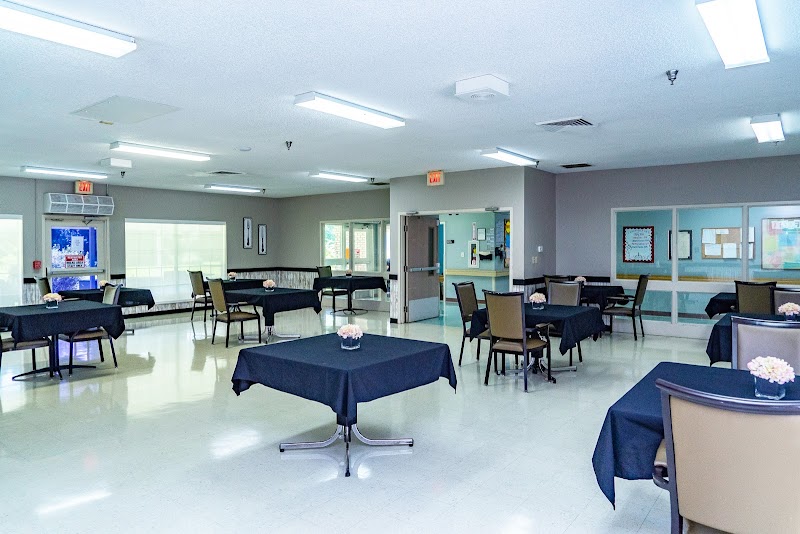
How is Lafayette Staffed?

CMS rates LAFAYETTE NURSING AND REHABILITATION CENTER's staffing level at 4 out of 5 stars, which is above average compared to other nursing homes. Staff turnover is 40%, compared to the Florida average of 46%. This relatively stable workforce can support continuity of care.

What Have Inspectors Found at Lafayette?

State health inspectors documented 11 deficiencies at LAFAYETTE NURSING AND REHABILITATION CENTER during 2022 to 2024. These included: 10 with potential for harm and 1 minor or isolated issues.
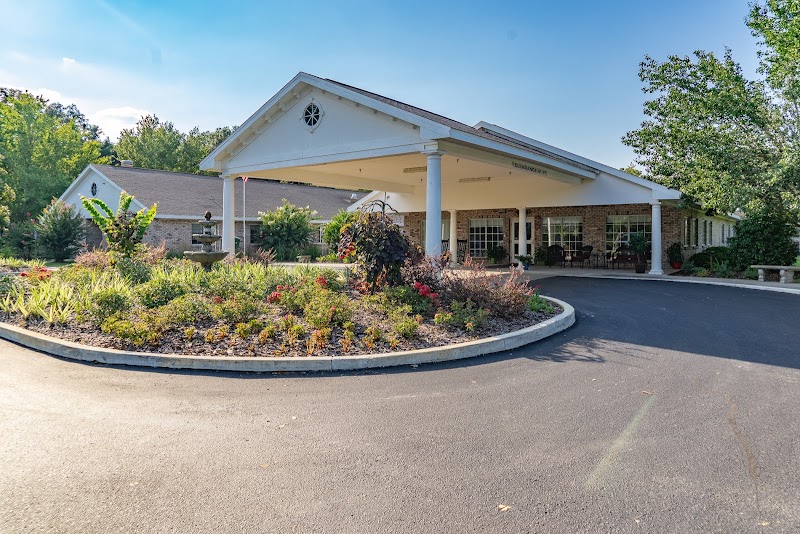
Who Owns and Operates Lafayette?

LAFAYETTE NURSING AND REHABILITATION CENTER is owned by a for-profit company. For-profit facilities operate as businesses with obligations to shareholders or private owners. The facility is operated by MAXIMUS HEALTHCARE GROUP, a chain that manages multiple nursing homes. With 60 certified beds and approximately 50 residents (about 83% occupancy), it is a smaller facility located in MAYO, Florida.

How Does Lafayette Compare to Other Florida Nursing Homes?

Compared to the 100 nursing homes in Florida, LAFAYETTE NURSING AND REHABILITATION CENTER's overall rating (5 stars) is above the state average of 3.2, staff turnover (40%) is near the state average of 46%, and health inspection rating (4 stars) is above the national benchmark.

What Should Families Ask When Visiting Lafayette?

Based on this facility's data, families visiting should ask: "Can I visit during a mealtime to observe dining assistance and food quality?" "How do you handle medical emergencies, and what is your hospital transfer rate?" "Can I speak with family members of current residents about their experience?"

Is Lafayette Safe?

Based on CMS inspection data, LAFAYETTE NURSING AND REHABILITATION CENTER has a clean safety record: no substantiated abuse findings (meaning no confirmed cases of resident harm), no Immediate Jeopardy citations (the most serious violation level indicating risk of serious injury or death), and is not on the Special Focus Facility watch list (a federal program monitoring the lowest-performing 1% of nursing homes). The facility has a 5-star overall rating and ranks #1 of 100 nursing homes in Florida. While no facility is perfect, families should still ask about staff-to-resident ratios and recent inspection results during their visit.

Do Nurses at Lafayette Stick Around?

LAFAYETTE NURSING AND REHABILITATION CENTER has a staff turnover rate of 40%, which is about average for Florida nursing homes (state average: 46%). Moderate turnover is common in nursing homes, but families should still ask about staff tenure and how the facility maintains care continuity when employees leave.

Was Lafayette Ever Fined?

LAFAYETTE NURSING AND REHABILITATION CENTER has no federal fines on record. CMS issues fines when nursing homes fail to meet care standards or don't correct problems found during inspections. The absence of fines suggests the facility has either maintained compliance or corrected any issues before penalties were assessed. This is a positive indicator, though families should still review recent inspection reports for the full picture.

Is Lafayette on Any Federal Watch List?

LAFAYETTE NURSING AND REHABILITATION CENTER is not on any federal watch list. The most significant is the Special Focus Facility (SFF) program, which identifies the bottom 1% of nursing homes nationally based on persistent, serious quality problems. Not being on this list means the facility has avoided the pattern of deficiencies that triggers enhanced federal oversight. This is a positive indicator, though families should still review the facility's inspection history directly.