BEACHSIDE CENTER FOR REHABILITATION AND NURSING


2810 SOUTH ATLANTIC AVENUE, NEW SMYRNA BEACH, FL 32169 (386) 428-6424
For profit - Limited Liability company 239 Beds VENTURA SERVICES FLORIDA Data: November 2025
Trust Grade
83/100
#7 of 690 in FL
Last Inspection: March 2024

Within standard 12-15 month inspection cycle. Federal law requires annual inspections.

Overview

Beachside Center for Rehabilitation and Nursing has a Trust Grade of B+, which means it is recommended and considered above average compared to other facilities. It ranks #7 out of 690 nursing homes in Florida, placing it in the top half, and #2 out of 29 in Volusia County, indicating only one local facility is rated higher. However, the trend is concerning as the number of issues has worsened from 1 in 2023 to 4 in 2024. Staffing is a weakness, with a rating of 2 out of 5 stars and a 68% turnover rate, significantly higher than the state average, suggesting instability in staff retention. While the facility has an average RN coverage, which is crucial for resident care, there have been specific incidents noted, such as dirty food carts that pose a risk for illness and unsecured personal documents that compromise resident privacy, alongside concerns about inappropriate use of restraints for one resident. Overall, while Beachside Center has some strengths, families should be aware of the staffing issues and recent trends that indicate areas for improvement.

Trust Score
B+
83/100
In Florida
#7/690
Top 1%
Safety Record
Low Risk
No red flags
Inspections
Getting Worse
1 → 4 violations
Staff Stability
⚠ Watch
68% turnover. Above average. Higher turnover means staff may not know residents' routines.
Penalties
✓ Good
$4,226 in fines. Lower than most Florida facilities. Relatively clean record.
Skilled Nurses
○ Average
Each resident gets 33 minutes of Registered Nurse (RN) attention daily — about average for Florida. RNs are the most trained staff who monitor for health changes.
Violations
○ Average
6 deficiencies on record. Average for a facility this size. Mostly minor or procedural issues.
★★★★★
5.0
Overall Rating
★★☆☆☆
2.0
Staff Levels
★★★★★
5.0
Care Quality
★★★★☆
4.0
Inspection Score
Stable
2023: 1 issues
2024: 4 issues

The Good

  • 5-Star Quality Measures · Strong clinical quality outcomes
  • Full Sprinkler Coverage · Fire safety systems throughout facility
  • No fines on record

Facility shows strength in quality measures, fire safety.

The Bad

Staff Turnover: 68%

22pts above Florida avg (46%)

Frequent staff changes - ask about care continuity

Federal Fines: $4,226

Below median ($33,413)

Minor penalties assessed

Chain: VENTURA SERVICES FLORIDA

Part of a multi-facility chain

Ask about local staffing decisions and management

Staff turnover is elevated (68%)

20 points above Florida average of 48%

The Ugly 6 deficiencies on record

Mar 2024 4 deficiencies
CONCERN (D) 📢 Someone Reported This

A family member, employee, or ombudsman was alarmed enough to file a formal complaint

Potential for Harm - no one hurt, but risky conditions existed

Deficiency F0604 (Tag F0604)

Could have caused harm · This affected 1 resident

**NOTE- TERMS IN BRACKETS HAVE BEEN EDITED TO PROTECT CONFIDENTIALITY** Based on interviews and record reviews, the facility failed to ensure that one (Resident #26) of 50 residents in the total sampl...

Read full inspector narrative →
**NOTE- TERMS IN BRACKETS HAVE BEEN EDITED TO PROTECT CONFIDENTIALITY** Based on interviews and record reviews, the facility failed to ensure that one (Resident #26) of 50 residents in the total sample, was free from any physical restraints imposed for purposes other than the resident's medical condition. Inappropriate use of restraints could result in injury, skin breakdown, asphyxia, and/or strangulation among other things. The findings include: On 03/25/24 at 2:25 p.m., Resident #26 was observed in bed with bruises on her chest and the left side of her face. Her bed was in low position with floor mats on both sides of the bed. She also had a scoop mattress and half siderails that were padded. She had crossed her left leg over her right leg and was resting it on the right siderail. A bandage was observed on the resident's left shin, dated 3/24/24. An attempt to speak with the resident was unsuccessful due to confusion. A review of the resident's medical record revealed she was admitted to the facility on [DATE] with a re-entry on 03/21/2024. Her diagnoses included, but were not limited to: unspecified dementia with unspecified severity and anxiety; vascular dementia, severe with anxiety; severe protein-calorie malnutrition; adult failure to thrive; generalized anxiety disorder; dependence on a wheelchair; cognitive/communication deficit with restlessness and agitation; atrial fibrillation; weakness; hypertension; pain; major depressive disorder; constipation and insomnia. Her physician's orders included the following: 01/27/2023 - Half side rails x2 may be be up for enhanced independence and mobility. Monitor behavior for anxiety. 04/03/2023 - Sertraline 50 mg (milligrams) one time a day for depression 11/22/2023 - Trazadone 150 mg, give 0.5 tablet two times a day for major depressive disorder and insomnia 08/30/2023 - Lorazepam 1 mg two times a day for anxiety 03/20/2024 - Lorazepam 0.5 mg every 8 hours as needed for anxiety 03/21/2024 - Safety equipment: padded side rails related to poor safety awareness. 03/21/2024 - Safety check to be conducted every hour related to recent fall, every hour x 7 days. A Health Status note, dated 03/20/24 and authored by Licensed Practical Nurse (LPN) A, revealed: Resident noted to have discoloration to forehead, left side of face/neck this shift. No sign of pain/grimacing. Advanced Practice Registered Nurse (APRN) made aware of facial discoloration and order received to send resident out to emergency room (ER) for evaluation. Director of Nursing (DON) made aware. A facility report, dated 03/21/24 and authored by Registered Nurse (RN) B, read: CNA (certified nursing assistant) informed writer of bruising to resident's forehead around 5:00 p.m. Resident was restless at the start of shift. Not able to determine the cause of the bruising. Physician was notified and no new orders. A review of the resident's care plan, last revised on 02/27/24, noted that the resident had an Activities of Daily Living (ADL) Self-Care Performance Deficit related to weakness, poor endurance, activity intolerance, and impaired balance. Interventions included: Two half siderails may be up for enhanced mobility. Geri chair as needed for positioning and comfort. Requires assistance x2 for turning and repositioning and transfers. The care plan also indicated that the resident had impaired cognition and decision-making skills related to a diagnosis of dementia, and had a Determination of Incapacity (DOI) on file. A review of the Annual Minimum Data Set (MDS) assessment with an assessment reference date (ARD) of 02/09/24, revealed that Resident #26 had a Brief Interview for Mental Status (BIMS) score of 00, indicating severe cognitive impairment. The assessment also noted that the resident had no falls or wounds/skin tears, and bed rails were not used. In a joint interview on 03/27/24 at 12:44 PM with the Director of Nursing (DON) and Social Services Director (SSD), they stated LPN A informed the DON of the resident's forehead bruise on 03/20/24. The DON stated LPN A said she was not able to determine the origin of the injury but it appeared to have resulted from a fall. The DON stated she instructed LPN A to contact the resident's physician and have her sent to the emergency room for an evaluation. The DON also contacted the SSD and notified her of the concern. Staff involved were asked to write witness statements and none indicated knowledge of the origin of the injury. During the investigation on 03/21/23, RN B was interviewed by a representative from the Department of Children and Families and the SSD. RN B confirmed that she draped a sheet across the resident's siderails to keep the resident in bed. She reported the resident was restless but was still able to move all of her extremities freely and the sheet was not touching her body. The SSD and DON stated the facility did not use restraints. A review of the resident's Medication Administration Record (MAR) for March 2024 revealed that there were no behaviors noted. (Copy obtained) On 03/27/24 at 2:48 PM, LPN A/Evening Supervisor, was interviewed. She stated on 03/20/24 around 5:00 p.m., RN B, who was assigned to Resident #26, contacted her and stated the resident had a bruise on her head, the Advance Practice Registered Nurse (APRN) was notified, and no new orders were given. She told RN B that she would assess the resident as soon as she had an opportunity. She was assisting with an admission at the time. At around 9:00 p.m., CNA C approached her and stated she was concerned about the bruises on Resident #26's face. CNA C also stated there was a sheet tied across the resident's siderails. LPN A said she immediately went to the resident's room and found a bed sheet tied across the resident's siderails over the resident's abdomenal area. She stated RN B had followed her to the resident's room. Both CNA C and RN B stated they were not sure who put the sheet on the siderails. LPN A and RN B took the sheet off the siderails. LPN A conducted a skin assessment, which revealed skin tears to the left elbow, left jaw line and lateral neck and bruising/discoloration to the resident's forehead, left side of her face, left neck, left chest area, and left arm. She stated as soon as she contacted the DON, the DON instructed her to complete a body audit and notify the APRN. When asked if she notified the DON that the resident was found with a sheet tied to her siderails, she said, Yes. When asked if she notified the APRN of the sheet tied to the siderails, LPN A stated she could not recall. She confirmed that she completed the transfer form and indicated that the resident had fallen. She said, I thought it was an unwitnessed fall. She was then asked if the resident was able to get herself up after the fall, and she replied, No. She added, The sheet was not touching the resident's body; therefore, I did not think the bruises could have resulted from it. In a telephone interview on 03/27/24 at 3:47 p.m., CNA C stated she had been employed by the facility since 2020. She added that the facility protocol, upon reporting on duty, was to check the schedule for the assignment. Once the assignment was identified, she was to conduct rounds with the off-going staff, then obtain resident vital signs. She confirmed that she worked on 03/20/24 on the 3-11 shift and was assigned to Resident #26. When she reported on shift, she obtained vital signs. Resident #26 was restless and no bruises or skin tears were observed. She returned to the resident's room at approximately 4:45 p.m. to provide incontinence care. When she entered the room, she found the resident with bruises on her face, the side of her neck, her chest and a skin tear on her shin. She notified her assigned nurse (RN B) that the resident had a new bruise on her face. She also called her co-worker, CNA D, to assist with ADL care. When the nurse came to the room around 5:00 pm while CNA C and CNA D were providing incontinence care, CNA C asked Resident #26 what happened. Resident #26 pointed to RN B and said, You know what happened. RN B stroked the resident's face in a calming manner and stated she would notify the supervisor. At 9:00 p.m., CNA C and CNA D went to assist Resident #26 with ADL care. At that time they found a bed sheet tied across the resident's siderails over her abdomen. They also noted bruises to the resident's chest. CNA C stated she went directly to the supervisor. The supervisor and RN B returned to the resident's room and they untied the bed sheet from the siderails. On 03/28/24 at 1:07 p.m., an interview was conducted with the Medical Director. He stated he was notified that the resident had bruises on her face. He added that after evaluating the resident, he thought the resident had a fall and someone did not report it. He added that the resident's family was in the facility and was able to speak with the resident in French, but the resident could not recall what happened. When asked if he was notified about the sheet found tied across the resident's siderails, he said, Yes, and that was not acceptable. The facility does not allow restraints. A review of the facility's policy and procedure titled Siderails and Restraints (06/04/2020), revealed: It is the intention of the facility for each resident to attain and maintain his/her highest practicable well-being in an environment that prohibits the use of restraints for discipline or convenience, and limit restraint use to circumstances in which the resident has medical symptoms that warrant the use of restraints. Restraints will not be used for staff convenience. Procedures: Upon admission, the admitting nurse will complete the evaluation. The initial assessment included: Observation of the resident's movement in bed and resident's ability to independently use partial siderails to assist with turning, positioning, moving up and down, exiting and entering the bed. Assess the resident's ability to follow directions for use of siderails. Interview of alert resident to identify their performance for use of partial siderails to assist with need for mobility. After evaluation of the resident, if it is determined that the use of the siderails or restraint is appropriate, the least restrictive restraint will be deemed appropriate for individual resident to attain or maintain his or her highest practicable physical and psychological well-being. If the resident/resident representative request, or the facility deems the use of siderails is appropriate for the resident, the admitting nurse or nurse responsible for the resident at the time the determination is made, will compete the siderail evaluation and obtain informed consent for use. Whenever restraint use is considered, the facility will explain to the resident and or legal representative how the use of the restraint would treat the resident's medical symptoms and assist the resident in attaining or maintaining his/her highest practicable level of physical or psychological well-being. The nurse responsible for the resident at the time of the determination is made for the restraint use will complete the Restraint Evaluation within the resident's electronic medical record. The facility will also explain the potential negative outcomes of restraint use which include, but are not limited to, decline in the resident's physical functioning (e.g. ability to ambulate) and muscle condition, delirium, agitation and incontinence, and obtaine a consent for device use. Before using a device for mobility or transfer, an evaluation should include a review of the resident's bed mobility and ability to transfer between positions and from bed or chair to stand and toilet. The resident will be re-evaluated for appropriate use of the least restrictive device in conjunction with the Resident Assessment Instrument. A review of the admission Packet - Restraint Section revealed that the facility believed in the resident's right to remain free from physical and chemical restraints whenever possible, therefore strived to maintain a restraint-free facility. If any type of restraint becomes necessary, it shall be used only upon a physician's order, a thorough assessment, and permission from the resident's legal designated representative. .
CONCERN (D)

Potential for Harm - no one hurt, but risky conditions existed

Respiratory Care (Tag F0695)

Could have caused harm · This affected 1 resident

Based on observations, staff interviews, record review, and facility policy review, the facility failed to ensure that residents who required respiratory care received such care consistent with profes...

Read full inspector narrative →
Based on observations, staff interviews, record review, and facility policy review, the facility failed to ensure that residents who required respiratory care received such care consistent with professional standards of practice for three (Residents #110, #146, and #150) of 25 residents who required oxygen therapy from a total sample of 50 residents. failed to ensure that physicians' orders for respiratory care were followed as prescribed, and when not followed, the reasons were recorded in the residents' medical record during that shift for three (Residents #110, #146, and #150) of 25 residents requiring oxygen therapy, from a total sample of 50 residents. The findings include: 1. On 3/25/2024 at 10:18 am, Resident #110 was observed lying in bed wearing a nasal cannula. Resident #110's oxygen concentrator was observed with a flow rate set at 2.5 L/min (liters per minute). On 3/25/2024 at 1:46 pm, another observation was made of Resident #110 lying in bed wearing a nasal cannula with the oxygen flow rate set at 2.5 L/min. (Photographic evidence obtained) On 3/28/2024 at 9:20 am, a third observation was made of Resident #110's oxygen concentrator with a flow rate set at 2.5 L/min. (Photographic evidence obtained) A review of the resident's medical record revealed active physician's orders for oxygen at 2 L/min via nasal cannula every shift, dated: 11/9/2023. A review of the resident's Quarterly Minimum Data Set (MDS) assessment, dated 2/16/2023, revealed he had a Brief Interview for Mental Status (BIMS) score of 13 out of 15 possible points, indicating intact cognition. A review of the resident's active care plan, initiated on 11/23/2023, revealed: oxygen therapy related to chronic obstructive pulmonary disease (COPD). Interventions included administering oxygen via __(specify) L/min and administering medications as ordered by the physician. Monitor/document side effects and effectiveness. The resident's Medication Administration Record (MAR) for March 2024 indicated no oxygen had been documented as administered for 3/18/2024 on the evening shift. All other oxygen was documented as having been provided at 2 L/min via nasal cannula as ordered by the physician, as opposed to 2.5 L/min as observed twice on 3/25/24 and once on 3/28/24. On 3/28/2024 at 9:31 am, Registered Nurse (RN) I stated Resident #110 would change his oxygen settings and sometimes unplug the machine. When asked how staff addressed this behavior with the resident, she stated, Staff reiterate to the resident the importance of his oxygen therapy. The nurse is responsible for providing ongoing monitoring of the resident'a oxygen therapy. Nurses are also responsible for ensuring that residents receive correct oxygen orders. Correct oxygen settings are identified in the order and the MAR. Central supply or nursing staff change residents' oxygen tubing every seven days or as needed. Correct oxygen settings are communicated from one staff person to another in report. RN I stated Resident #110 changed his own oxygen flow rate setting. He did not refuse oxygen therapy; he was not noncompliant but would forget. No documentation was noted in the resident's progress notes related to the resident changing his own oxygen setting or education provided to the resident regarding changes to oxygen settings. On 3/28/2024 at 1:27 pm, the Assistant Director of Nursing (ADON) confirmed that the correct oxygen settings were identified in the orders and MAR. 2. On 3/24/2024 at 3:10 PM, Resident #146 was observed with oxygen therapy in progress and a flow rate of 2 L/min via nasal cannula. (Photographic evidence obtained) On 3/25/2024 at 10:08 AM, the resident was observed with oxygen therapy in progress. The flow rate was set at 2 L/min via nasal cannula. (Photographic evidence obtained) A review of the resident's MDS assessment, dated 2/12/2024, revealed he had a Brief Interview for Mental Status (BIMS) score of 14/15, indicating intact cognition. There were no behaviors noted. A review of the resident's physician's orders revealed a 2/6/24 order for oxygen at 3 L/min via nasal cannula every shift. 3. On 3/24/24 at 3:57 PM, Resident #150 was observed receiving oxygen infusing at 3.5 L/min via nasal cannula. (Photographic evidence obtained) On 3/25/24 at 10:55 AM, the resident was observed receiving oxygen infusing at 2.5 L/min via nasal cannula. (Photographic evidence obtained) A review of the admission MDS assessment, dated 2/8/24, revealed a BIMS score of 15/15, indicating intact cognition. The MDS further revealed no psychosis or behaviors indicated. A review of resident's physician's orders revealed an order dated 2/1/24 for oxygen at 4 L/min via nasal cannula every shift. A review of the facility's Nursing Manual: Standards and Guidelines: SG Respiratory Care and Oxygen Administration, Section Respiratory, Issued 3/2020, pages 1-2. Standard: It is the standard of this facility for respiratory guidelines for respiratory care and safe oxygen administration. Guidelines: 1. Verify that there is a physician's order for respiratory procedures or oxygen use. Review the physician's order for oxygen administration. 4. Oxygen therapy is administered by way of oxygen mask, nasal cannula, and/or nasal catheter as is ordered by the physician or required to provide for the needs of the resident. .
CONCERN (D) 📢 Someone Reported This

A family member, employee, or ombudsman was alarmed enough to file a formal complaint

Potential for Harm - no one hurt, but risky conditions existed

Deficiency F0700 (Tag F0700)

Could have caused harm · This affected 1 resident

**NOTE- TERMS IN BRACKETS HAVE BEEN EDITED TO PROTECT CONFIDENTIALITY** Based on observations, interviews, and record review, the facility failed to 1) Use appropriate alternatives prior to installing...

Read full inspector narrative →
**NOTE- TERMS IN BRACKETS HAVE BEEN EDITED TO PROTECT CONFIDENTIALITY** Based on observations, interviews, and record review, the facility failed to 1) Use appropriate alternatives prior to installing a siderail. 2) Review the risks and benefits of siderails with the resident or resident representative and obtain informed consent prior to installation, and 3) Re-assess the resident for risk of entrapment from siderails for one (Resident #26) of a total of 50 residents sampled. The findings include: On 03/25/24 at 2:25 p.m., Resident #26 was observed in bed. Her bed was in low position with floor mats on both sides of the bed. She also had a scoop mattress and half siderails that were padded. She had crossed her left leg over her right leg and was resting it on the right siderail. An attempt to speak with the resident was unsuccessful due to confusion. In an interview with Licensed Practical Nurse (LPN) G on 03/25/24 at 2: 30 pm in Resident #26's room, LPN G stated the resident understood minimal English. She added that the resident spoke French, but at times the family stated even her French did not make sense. LPN G was asked if the resident was at risk for falls and she replied, yes. She added that the resident had climbed over the siderail and had multiple falls. On 03/26/24 at 9:44 am, Resident #26 was observed in bed, lying on her back with her eyes closed. Her bed was in low position with padded half siderails and fall mats on both sides of the bed. On 03/27/24 at 11:19 am, the resident was observed in bed, lying on her back with her eyes closed. Her bed was in low position with padded half siderails and fall mats on both sides of the bed. A review of the resident's medical record revealed that Resident #26 was admitted to the facility on [DATE] with a re-entry on 03/21/2024. Her diagnoses included dementia with anxiety; vascular dementia, severe with anxiety; severe protein-calorie malnutrition; adult failure to thrive; generalized anxiety disorder; dependence on a wheelchair; cognitive/communication deficit; restlessness and agitation, atrial fibrillation; weakness, hypertension, pain, major depressive disorder, and insomnia. Her physician's orders included the following: 01/27/2023 - Half side rails x2 may be be up for enhanced independence and mobility. Monitor behavior for anxiety. 04/03/2023 - Sertraline 50 mg (milligrams) one time a day for depression 11/22/2023 - Trazadone 150 mg, give 0.5 tablet two times a day for major depressive disorder and insomnia 08/30/2023 - Lorazepam 1 mg two times a day for anxiety 03/20/2024 - Lorazepam 0.5 mg every 8 hours as needed for anxiety 03/21/2024 - Safety equipment: padded side rails related to poor safety awareness. 03/21/2024 - Safety check to be conducted every hour related to recent fall, every hour x 7 days. A facility note dated 02/26/24 read, Further investigation on discolored area, resident was noted with anticoagulants in place and recent incidents noted of resident grabbing side rails and pulling on them , scooting self closer to them. A review of the resident's care plan, last revised on 03/21/24, revealed that the resident was at Risk for Falls related to requiring assistance with transfers and toileting, impaired balance, cognitive deficit, restlessness, and resident climbs out of bed. The resident had an Activities of daily Living (ADL) Self-Care Performance Deficit related to weakness, poor endurance, activity intolerance and impaired balance. Interventions included Two half siderails may be up for enhanced mobility. Geri chair as needed for positioning and comfort. Requires assistance x 2 for turning and repositioning and transfers. Resident has impaired cognition and decision-making skills related to a diagnosis of dementia and has a Determination of Incapacity (DOI) on file. A review of the Annual Minimum Data Set (MDS) assessment with an assessment reference date (ARD) of 02/09/24, revealed that the resident had a Brief Interview for Mental Status (BIMS) score of 00 out of a possible 15 points, indicating severe cognitive impairment. In an interview on 03/27/24 at 12:50 pm, the Director of Nursing (DON) stated siderail assessments were done on admission and as needed. Staff should obtain consent from residents' families for residents who were unable to give consent. In an interview on 03/27/24 at 1:31 pm, the Director of Rehabilitation (DOR) stated physical Therapy (PT) as well as Nursing could conduct siderail assessments and make recommendations. When asked about Resident #26's functional status, the DOR stated the resident required maximum assistance for bed mobility and transfers. He added that the resident was on caseload for PT, occupational therapy (OT) and speech therapy (ST). When asked if his department had made any siderail recommendations for this resident, he said, As far as I can recall, my department has not made any recommendation for siderails. The resident is totally dependent with bed mobility and I don't think she can use the siderails for positioning. A review of the PT evaluation notes, dated 03/20/24, revealed that the resident was totally dependent with bed mobility and transfers without attempts to initiate. (Copy obtained) A review of the available Siderail/Entrapment Screenings, dated 01/27/23 and 05/16/23 revealed that the resident was confused, safety impaired, could not retain safety precautions or state her preference about siderails. The assessment noted that the resident representative requested the siderails. (Copies obtained) There was no consent obtained for siderail use. In an interview on 03/28/24 at 12:30 pm, LPN E/Unit Manager confirmed that Resident #26 used half siderails for safety. She also confirmed that the resident could not release the siderails if needed. She stated she padded the siderails because the resident was climbing over the rails and was getting skin tears. When asked if the resident was assessed for the siderails, LPN E stated the DON and Assistant Director of Nursing (ADON) should have those assessments. On 03/28/24 at 1:07 pm, an interview was conducted with the Medical Director. When he was asked about the resident's siderails, he stated initially the siderails were used as enablers for positioning, but he was made aware that the resident had a functional decline and therefore, the siderail use should have been reassessed. He added, Siderails do not prevent falls and per the Centers for Medicare and Medicaid services (CMS), siderails have been found to cause injuries. He also stated the facility should not use siderails unless they are assessed for reasonable use. A review of the facility's policy and procedure titled Siderails and Restraint Reduction (6/4/2020) revealed that It is the intention of the facility for each resident to attain and maintain his/her highest practicable well-being in an environment that prohibits the use of restraints for discipline or convenience and limit restraint use to circumstances in which the resident has medical symptoms that warrant the use of restraints. Restraints will not be used for staff convenience. Procedures: Upon admission the admitting nurse will complete the evaluation. The initial assessment include: Observation of the resident's movement in bed and resident's ability to independently use partial siderails to assist with turning, positioning, moving up and down, exiting and entering the bed. Assess the resident's ability to follow directions for use of siderails. Interview of alert resident to identify their performance for use of partial siderails to assist with bed mobility. After evaluation of the resident, if it is determined that the use of the siderails or restraints are appropriate, the least restrictive restraint will be deemed appropriate for the individual resident to attain or maintain his or her highest practicable physical and psychological well-being. If the resident/resident representative request or the facility deems the use of siderails is appropriate for the resident, the admitting nurse or nurse responsible for the resident at the time of the determination is made will competed the siderail evaluation and obtain informed consent for use. Whenever restraint use is considered, the facility will explain to the resident and/or legal representative how the use of the restraint would treat the resident's medical symptoms and assist the resident in attaining or maintaining his/her highest practicable level of physical or psychological well-being. The nurse responsible for the resident at the time of the determination is made for the restraint use will complete the Restraint Evaluation within the resident's electronic medical record. The facility will also explain the potential negative outcomes of restraint use which include, but are not limited to declines in resident's physical functioning (e.g. ability to ambulate) and muscle condition, delirium, agitation, and incontinence, and obtain a consent for device use. Before using a device for mobility or transfer, evaluation should include a review of the resident's bed mobility and ability to transfer between positions from bed or chair to stand and toilet. The resident will be re-evaluated for appropriate use of the least restrictive device on conjunction with the Resident Assessment Instrument. .
CONCERN (E)

Potential for Harm - no one hurt, but risky conditions existed

Deficiency F0583 (Tag F0583)

Could have caused harm · This affected multiple residents

Based on observations, staff interviews, and facility policy and procedure review, the facility failed to ensure the residents' right to personal privacy and confidentiality of personal and medical re...

Read full inspector narrative →
Based on observations, staff interviews, and facility policy and procedure review, the facility failed to ensure the residents' right to personal privacy and confidentiality of personal and medical records when facility forms and documents were left unsecured on the top of three (300 hall, 600 hall, and 700 hall) out of six medication carts and taped to the top of one (600 hall) of two nursing stations' counters where passersby could see them. The findings include: On 03/25/2024 at 8:40 AM, Licensed Practical Nurse (LPN) F left a paper form with names of residents on the top of the 300 hall medication cart not secured for privacy and confidentiality. (Photographic evidence obtained) On 03/25/2024 at 8:42 AM during an interview with LPN F, she confirmed the list of names should not have been left on top of the medication cart unsecured. She turned the paper over and stated, I was only gone a few minutes. On 03/25/2024 at 11:58 AM, a green-colored paper, dated 03/25/2024, was observed taped to the countertop at the nurses' station on the 600 hall listing 27 resident names with instructions to have the residents ready for their therapy appointments. The list was not secured for privacy and confidentiality. (Photographic evidence obtained) On 03/25/2024 at 11:59 AM, a form dated 03/22/2024, was observed taped to the countertop at the nurses' station on the 600 hall listing 11 resident names, attending physicians' names for each resident, their Advance Directive status, and a handwritten note with a medication dosage for one unsampled resident. The list was not secured for privacy and confidentiality. (Photographic evidence obtained) On 03/28/2024 at 9:22 AM, LPN G's medication cart on the 600 hallway was observed. A half sheet of notebook paper with residents' names was lying on top of the cart not secured for privacy and confidentiality. (Photographic evidence obtained) On 03/28/2024 at 9:23 AM during an interview with LPN G, she confirmed that the names on the paper were current residents. She stated the paper was tucked up under a container used to store applesauce and pudding to use for medication administration. She was not sure why it was lying unsecured on the top of the cart now. She stated she had just stepped away from her cart. On 03/28/2024 at 9:45 AM, LPN H's medication cart on the 700 hallway was observed. On top of the cart, an open binder with personal health information was not secured for privacy and confidentiality. (Photographic evidence obtained) On 03/28/2024 at 9:47 AM, an interview was conducted with LPN H. She stated she realized that she had left the binder open. I just a left a couple of minutes ago. A review of the facility's policy and procedure titled HIPAA Sanctions Policy (implemented 11/27/2019), revealed: 1. The facility, as a covered entity under the Health Insurance Portability and Accountability Act of 1996 (HIPAA), will implement policies and procedures to prevent, detect, contain, and correct any HIPPA violations. 2. All employees are expected to comply with all policies and procedures regarding the protection of personal identifiable health information of our residents. 6. Examples of violations include, but are not limited to: d. the negligent mishandling of confidential information. (Copy obtained) .
Sept 2023 1 deficiency
CONCERN (F) 📢 Someone Reported This

A family member, employee, or ombudsman was alarmed enough to file a formal complaint

Potential for Harm - no one hurt, but risky conditions existed

Food Safety (Tag F0812)

Could have caused harm · This affected most or all residents

Based on observations, staff interviews, and review of facility records, the facility failed to maintain kitchen food distribution carts in a clean, safe, and sanitary manner for 3 of 5 food carts obs...

Read full inspector narrative →
Based on observations, staff interviews, and review of facility records, the facility failed to maintain kitchen food distribution carts in a clean, safe, and sanitary manner for 3 of 5 food carts observed during lunch service to resident rooms. Failure to provide food services that meet standards of professional food service safety place residents at risk for possible illness. The findings include: On 9/8/23 at 12:10 pm, a tour of the facility was conducted during the lunch hour. Dietary staff were observed delivering beverages and meal trays to resident rooms on rolling food carts. On the 200 hallway, a two-tiered plastic rolling cart used to deliver lunch trays to that hall was observed to be stained and soiled. There were drips and splatters resembling food and beverage, and dark smudges, across the side of the cart's vertical surfaces. The four plastic legs were pitted, stained, soiled and scratched. The hydration cart on the 200 hallway was observed to have trash from opened straws and exposed/uncovered cup lids on the shelves, which were stained and soiled. The bottom shelf had an unknown black substance. The top shelf of the cart was also stained and soiled around the edges. The metal cart legs were covered with a substance resembling rust. (Photographic evidence was obtained) During observations on the 600 hallway, meals were delivered on a tall (approximately 5 feet) metal cart. Drips and splatters of what resembled dried-on food and/or beverages were observed on the sides of the carts. (Photographic evidence was obtained) During an interview with the Registered Dietician (RD) at 2:25 pm on 9/8/23, she was asked to provide a kitchen Cleaning Assignment Schedule. The document read September 2023 across the top of the form. One of the tasks listed on the form was Meal Carts and another was Coffee Carts. Most of the tasks were signed off by staff but there no tasks dated past 8/30/23. The meal and coffee carts were signed off as completed but there was no date indicating the last time they were cleaned. (Photographic evidence was obtained) The RD stated she was not aware of how often the carts were to be cleaned but had seen staff wipe them down between meals. When shown the photographic evidence, she said, That's not good. They should at least wipe them before distributing the meals. On 9/8/23 at 2:35 pm, Dietary Aid (DA) A was interviewed. When asked about the lunch carts, she stated they used to have a porter who would take the coffee and food carts outside and power wash them daily. Since there was currently no porter, staff just wipe them down after meals with soapy water and a rag. The DA was shown the pictures. Upon seeing the condition of the carts, she said, Oh God, that's not good! She confirmed the carts were not clean and they needed daily and deep cleaning. .
Mar 2022 1 deficiency
CONCERN (D)

Potential for Harm - no one hurt, but risky conditions existed

Medical Records (Tag F0842)

Could have caused harm · This affected 1 resident

**NOTE- TERMS IN BRACKETS HAVE BEEN EDITED TO PROTECT CONFIDENTIALITY** Based on record reviews, observations, and interviews, the facility failed to ensure the medical records were accurately documen...

Read full inspector narrative →
**NOTE- TERMS IN BRACKETS HAVE BEEN EDITED TO PROTECT CONFIDENTIALITY** Based on record reviews, observations, and interviews, the facility failed to ensure the medical records were accurately documented in accordance with acceptable standards of practice for one (Resident #81) of two residents reviewed for respiratory care; and for one (Resident #91) of one resident reviewed for skin care, from a total of 23 residents in the sample. The findings include: 1. A record review for Resident #81 revealed an admission date of 9/11/21, with diagnoses including cancer, pneumonia, and chronic obstructive pulmonary disease (COPD)/asthma (diseases that block air flow and make it difficult to breath). A review of the quarterly minimum data set (MDS) assessment dated [DATE] revealed a brief interview for mental status (BIMS) score of 15 out of 15 points, indicating she was cognitively intact and able to independently make decisions. A review of Resident #81's physician's order dated 11/1/21 revealed BiPAP (Bilevel Positive Airway Pressure) AUTO order that read: At bedtime and as needed, ok to use home settings, every shift. A review of the care plan for Resident #81 revealed she was care planned on 2/16/22 for her diagnosis of sleep apnea, with a goal to adhere to her BiPAP physician's orders and tolerate treatment through the next review date. Interventions included BiPAP as ordered; Assure it is working correctly; Assess frequently for tolerance to treatment; and encourage to wear as ordered. Instruct resident on the benefits and risks related to treatment. If resident refuses to use the BiPAP, document the refusal, inform the physician and if needed, get a risk/benefit form signed. (Photographic evidence was obtained) During an inspection of Resident #81's room on 3/28/22 at 11:31 AM, a BiPAP machine was observed on the resident's bedside table. During a follow up inspection of Resident #81's room on 3/30/22 at 10:15 AM, the BiPAP machine was observed in the same location with two bed pillows sitting on top of the machine. An interview was conducted with Resident #81 on 3/30/22 at 1:21 PM. She stated, she was doing well. When she was asked about her use of the BiPAP machine. She said, she used the device at home, but had never used it since her admission to the facility. She no longer needed it. Resident #81 stated if she did need to use it, she was sure all she had to do was to notify the nurse; however, there was no reason for her to use it. A record review of Resident #81's electronic Medication Administration Record (eMAR) for March 2022 revealed the BiPAP device was signed off, indicating it was used, on every shift (day, evening, night) by the facility nurses for the entire month of March 2022. A Key Code at the bottom of the eMAR revealed the number 2 was to be used for any medication/treatment refused. The code had not been used all month. (Photographic evidence was obtained) During an interview with Employee B, Certified Nursing Assistant (CNA) on 3/30/22 at 1:41 PM, she confirmed that she had never seen Resident #81 use the BiPAP machine. During an interview with Employee C, Registered Nurse (RN) on 3/30/22 at 2:34 PM, she thought Resident #81 used her BiPAP, but had never seen her using it. She explained that if the resident refused to use the machine, staff would code the electronic medication or treatment administration record to indicate resident refusal. Employee C, RN reported that Resident #81 was alert and oriented. A second interview was conducted with Resident #81 on 3/31/22 at 9:50 AM. During the conversation, she again denied ever using the BiPAP while a resident of the facility. She only used it at home. Observation at this time found the BiPAP in same location on the bedside table, and the snorkel (nosepiece) had not moved since the first observation. (Photographic evidence was obtained) A review of Resident #81's nursing progress notes during the month of March 2022 revealed no refusals or explanations that the device was not used. On 3/31/22 at 10:17 AM, an interview was conducted with Employee A, Licensed Practical Nurse (LPN) regarding Resident #81. She stated that she did not know if Resident #81 used her BiPAP machine. She was asked to review the resident's March eMAR. After reviewing the eMAR, she confirmed that the nurses had signed off that the machine was being used during the day, evening, and night shift from 3/1-3/29/22. She explained that Resident #81 was alert and oriented and, to her knowledge, had never refused any medications or treatments. Employee A, LPN added that if she had refused any treatment, the nurse should enter a 2 in the corresponding signature box to indicate refusal. Employee A, LPN confirmed that Resident #81 was an accurate enough historian to self-report not using the device. An interview was conducted with Employee D, Registered Nurse/Unit Manager on 3/31/22 at 10:40 AM. She stated, she reviewed Resident #81's March eMAR for the BiPAP, and confirmed it was signed off as used on every shift. She explained that it was not her expectation that it would be signed off as being used when it was not. In addition, she expressed certainty that the device would not be used on every shift. 2. A record review for Resident #91 revealed an admission date of 12/12/18, with diagnoses including but not limited to specified interstitial pulmonary disease (disorders that cause scarring of the lung tissue), systolic congestive heart failure, hypertension, muscle weakness and heart failure. A review of the annual MDS assessment dated [DATE], assessed her as rarely/never able to make herself-understood and rarely/never able to understand others. The resident required assistance with all activities of daily living (ADLs) and was assessed with severely impaired cognitive skills for daily decision making. A review of Resident #91's physician's order dated 10/28/22 revealed orders for: Geri-sleeves to all extremities: remove for bathing and daily skin inspection. (Photographic evidence was obtained) On 3/28/22 at 10:58 AM, Resident #91 was observed in her room with a laceration approximately 2.5 inches on her right forearm which was surrounded by a large bruise. An oversized rectangle foam bandage was falling off and the wound was exposed. The left elbow had a bruise which was approximately 3 x 2 inches. There was also a bandage on Resident #91's left wrist. An interview was attempted with Resident #91 at this time; however, she was unable to explain her injuries. Both of Resident #91's arms were exposed during the observation. A review of care plan for Resident #91 revealed she was care planned on 2/16/22 for self-care performance deficit related to her requiring limited to total assistance with ADLs. The goal was to maintain her current level of function through the next review. Interventions included to encourage resident with daily clothing choices, and Geri sleeves (protective sleeves worn on the arms) on all extremities. (Photographic evidence was obtained) Additional observations of Resident #91 revealed her arms were bare, and she did not have Geri sleeves on her arms during the following dates. 3/28/22 at 12:37 PM 3/29/22 at 12:05 PM 3/29/22 at 9:17 AM 3/29/22 at 12:08 PM 3/29/22 at 4:00 PM 3/30/22 at 9:25 AM 3/30/22 at 9:50 AM 3/30/22 at 12:44 PM 3/31/22 at 10:00 AM A record review of Resident #91's electronic Treatment Administration Record (eTAR) for March 2022 revealed the sleeves were signed off as applied on the day, evening, and night shifts. Further record review revealed the eTAR was documented that Resident #91 had her sleeves on for the past four days (3/28-3/31/22). (Photographic evidence was obtained) A review of Resident #91's nursing progress notes for March 2022 revealed there were no refusals noted and no explanation that the Geri sleeves were removed by the resident. On 3/30/22 at 1:37 PM, an interview was conducted with Employee B, CNA. She reported Resident #91 seemed to bruise easily and had Geri sleeves, but when staff put them on, the resident took them right off. On 3/30/22 at 2:30 PM, an interview was conducted Employee C, RN. She reported Resident #91 had Geri sleeves which she removed. She explained that the resident kept them on if she had on long sleeves, because then, she didn't know they were on. She stated that when the resident removed her bandages it should be documented. She explained there was a code on the eTAR that would be used for removing/refusing them. She could not recall if it was a 2 or a 3, but that it was supposed to be used to indicate refusal. The CNAs applied the Geri sleeves and staff try to reapply if she removes them. She confirmed that any removal should be documented. On 03/31/22 at 10:06 AM, an interview was conducted with Employee A, LPN. She reported, Resident #91's skin was very fragile. She said, the CNAs normally applied her Geri sleeves, and the resident would remove them. Sometimes the night shift got her up and applied them, or the day shift would do it if they were not on when they came in. When Employee A, LPN was told that Resident #91 Geri sleeves had not been observed on her since 3/28/22, she reviewed the physician's order and confirmed they should be applied to all extremities, every day. During an interview with the Unit Manager on 3/31/22 at 11:45 AM, she reported that the nurse on duty had corrected the situation for Resident #91 by applying the Geri sleeves. She confirmed her expectation was that nurses documented all refusals on the eTAR or eMAR using the codes for Refused or See nurses note.
Understanding Severity Codes (click to expand)
Life-Threatening (Immediate Jeopardy)
J - Isolated K - Pattern L - Widespread
Actual Harm
G - Isolated H - Pattern I - Widespread
Potential for Harm
D - Isolated E - Pattern F - Widespread
No Harm (Minor)
A - Isolated B - Pattern C - Widespread

Questions to Ask on Your Visit

  • "Why is there high staff turnover? How do you retain staff?"
  • "Can I speak with families of current residents?"
  • "What's your RN coverage like on weekends and overnight?"

Our Honest Assessment

Strengths
  • • Grade B+ (83/100). Above average facility, better than most options in Florida.
  • • No major safety red flags. No abuse findings, life-threatening violations, or SFF status.
  • • $4,226 in fines. Lower than most Florida facilities. Relatively clean record.
Concerns
  • • 68% turnover. Above average. Higher turnover means staff may not know residents' routines.
Bottom line: Generally positive indicators. Standard due diligence and a personal visit recommended.

About This Facility

What is Beachside Center For Rehabilitation And Nursing's CMS Rating?

CMS assigns BEACHSIDE CENTER FOR REHABILITATION AND NURSING an overall rating of 5 out of 5 stars, which is considered much above average nationally. Within Florida, this rating places the facility higher than 99% of the state's 100 nursing homes. This rating reflects solid performance across the metrics CMS uses to evaluate nursing home quality.

How is Beachside Center For Rehabilitation And Nursing Staffed?

CMS rates BEACHSIDE CENTER FOR REHABILITATION AND NURSING's staffing level at 2 out of 5 stars, which is below average compared to other nursing homes. Staff turnover is 68%, which is 22 percentage points above the Florida average of 46%. High turnover can affect care consistency as new staff learn residents' individual needs. RN turnover specifically is 68%, which is notably high. RNs provide skilled clinical oversight, so turnover in this role can affect medical care quality.

What Have Inspectors Found at Beachside Center For Rehabilitation And Nursing?

State health inspectors documented 6 deficiencies at BEACHSIDE CENTER FOR REHABILITATION AND NURSING during 2022 to 2024. These included: 6 with potential for harm.
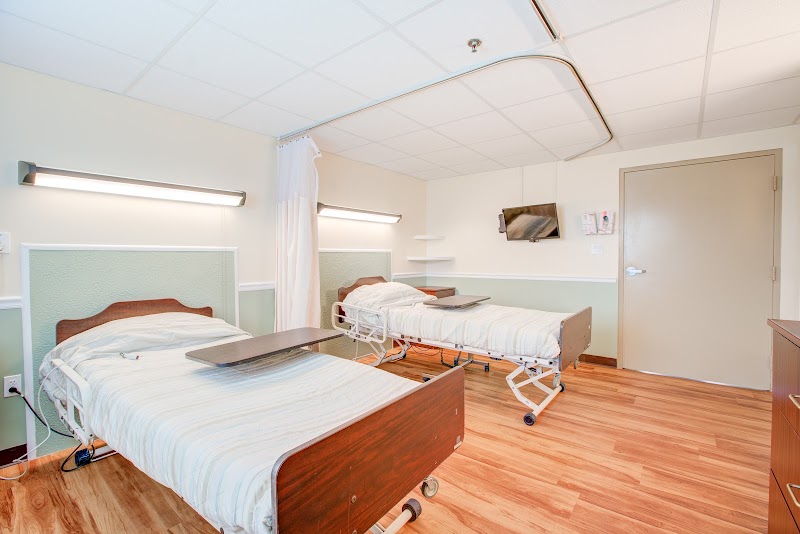
Who Owns and Operates Beachside Center For Rehabilitation And Nursing?

BEACHSIDE CENTER FOR REHABILITATION AND NURSING is owned by a for-profit company. For-profit facilities operate as businesses with obligations to shareholders or private owners. The facility is operated by VENTURA SERVICES FLORIDA, a chain that manages multiple nursing homes. With 239 certified beds and approximately 159 residents (about 67% occupancy), it is a large facility located in NEW SMYRNA BEACH, Florida.
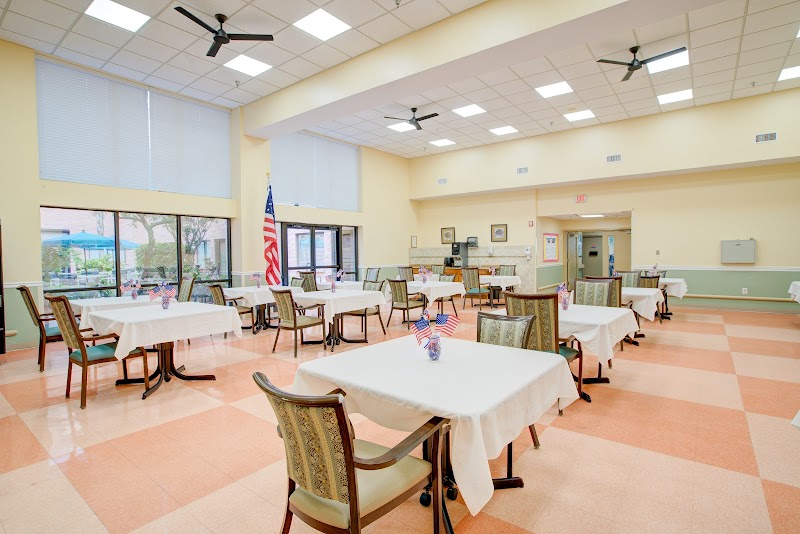
How Does Beachside Center For Rehabilitation And Nursing Compare to Other Florida Nursing Homes?

Compared to the 100 nursing homes in Florida, BEACHSIDE CENTER FOR REHABILITATION AND NURSING's overall rating (5 stars) is above the state average of 3.2, staff turnover (68%) is significantly higher than the state average of 46%, and health inspection rating (4 stars) is above the national benchmark.

What Should Families Ask When Visiting Beachside Center For Rehabilitation And Nursing?

Based on this facility's data, families visiting should ask: "How do you ensure continuity of care given staff turnover, and what is your staff retention strategy?" "Can you walk me through typical staffing levels on day, evening, and night shifts?" "Can I visit during a mealtime to observe dining assistance and food quality?" "How do you handle medical emergencies, and what is your hospital transfer rate?" These questions are particularly relevant given the facility's high staff turnover rate and the below-average staffing rating.

Is Beachside Center For Rehabilitation And Nursing Safe?

Based on CMS inspection data, BEACHSIDE CENTER FOR REHABILITATION AND NURSING has a clean safety record: no substantiated abuse findings (meaning no confirmed cases of resident harm), no Immediate Jeopardy citations (the most serious violation level indicating risk of serious injury or death), and is not on the Special Focus Facility watch list (a federal program monitoring the lowest-performing 1% of nursing homes). The facility has a 5-star overall rating and ranks #1 of 100 nursing homes in Florida. While no facility is perfect, families should still ask about staff-to-resident ratios and recent inspection results during their visit.

Do Nurses at Beachside Center For Rehabilitation And Nursing Stick Around?

Staff turnover at BEACHSIDE CENTER FOR REHABILITATION AND NURSING is high. At 68%, the facility is 22 percentage points above the Florida average of 46%. Registered Nurse turnover is particularly concerning at 68%. RNs handle complex medical decisions and coordinate care — frequent RN changes can directly impact care quality. High turnover means new staff may not know residents' individual needs, medications, or preferences. It can also be disorienting for residents, especially those with dementia who rely on familiar faces. Families should ask: What is causing the turnover? What retention programs are in place? How do you ensure care continuity during staff transitions?

Was Beachside Center For Rehabilitation And Nursing Ever Fined?

BEACHSIDE CENTER FOR REHABILITATION AND NURSING has been fined $4,226 across 1 penalty action. This is below the Florida average of $33,121. While any fine indicates a compliance issue, fines under $50,000 are relatively common and typically reflect isolated problems that were subsequently corrected. Families should ask what specific issues led to these fines and confirm they've been resolved.

Is Beachside Center For Rehabilitation And Nursing on Any Federal Watch List?

BEACHSIDE CENTER FOR REHABILITATION AND NURSING is not on any federal watch list. The most significant is the Special Focus Facility (SFF) program, which identifies the bottom 1% of nursing homes nationally based on persistent, serious quality problems. Not being on this list means the facility has avoided the pattern of deficiencies that triggers enhanced federal oversight. This is a positive indicator, though families should still review the facility's inspection history directly.