LAKE BENNET CENTER FOR REHABILITATION & HEALING
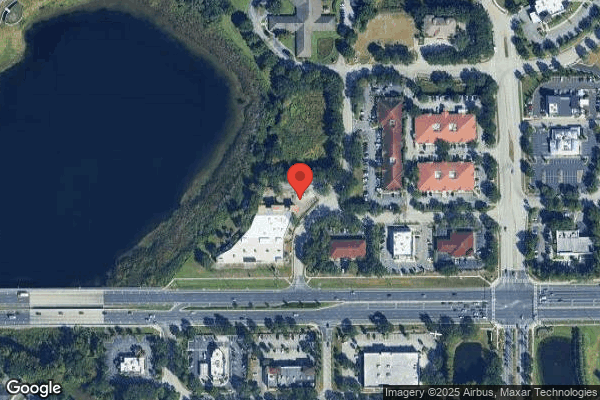
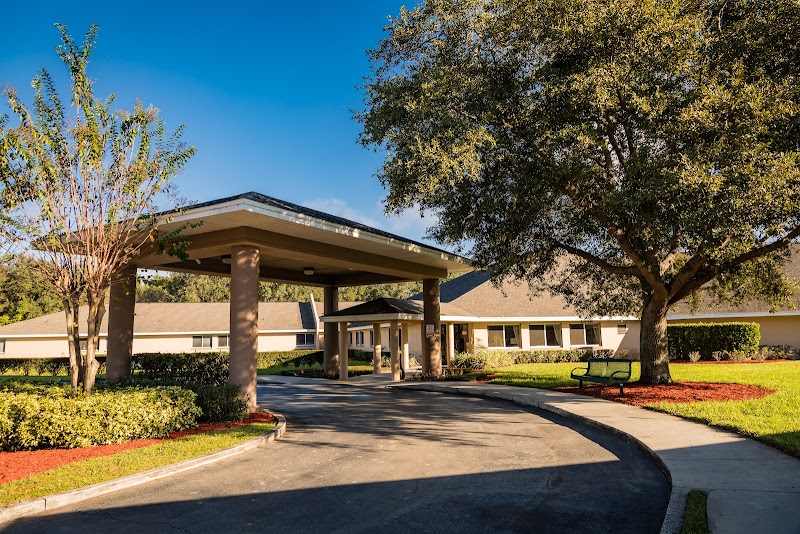
1091 KELTON AVE, OCOEE, FL 34761 (407) 523-0300
For profit - Limited Liability company 120 Beds INFINITE CARE Data: November 2025 2 Immediate Jeopardy citations
Trust Grade
6/100
#515 of 690 in FL
Last Inspection: August 2025

Inspected within the last 6 months. Data reflects current conditions.

Overview

Lake Bennet Center for Rehabilitation & Healing has received a Trust Grade of F, indicating significant concerns about the quality of care provided. Ranking #515 out of 690 facilities in Florida places it in the bottom half, and #27 out of 37 in Orange County shows there are only a handful of better local options. The facility's performance has been stable, with five issues reported in both 2023 and 2025, but it has a concerning total of $114,990 in fines, which is higher than 89% of Florida facilities. While staffing is a relative strength with a turnover rate of 24%, the RN coverage is below average compared to most facilities in the state. Specific incidents of concern include the failure to implement critical physician orders for a resident's care, leading to serious health complications, and an issue with the dishwasher not operating at the required temperature, which raises hygiene concerns. Families should weigh these strengths and weaknesses carefully when considering this facility for their loved ones.

Trust Score
F
6/100
In Florida
#515/690
Bottom 26%
Safety Record
High Risk
Review needed
Inspections
Holding Steady
5 → 5 violations
Staff Stability
✓ Good
24% annual turnover. Excellent stability, 24 points below Florida's 48% average. Staff who stay learn residents' needs.
Penalties
⚠ Watch
$114,990 in fines. Higher than 78% of Florida facilities, suggesting repeated compliance issues.
Skilled Nurses
⚠ Watch
Each resident gets only 22 minutes of Registered Nurse (RN) attention daily — below average for Florida. Fewer RN minutes means fewer trained eyes watching for problems.
Violations
⚠ Watch
16 deficiencies on record. Higher than average. Multiple issues found across inspections.
★★☆☆☆
2.0
Overall Rating
★★★☆☆
3.0
Staff Levels
★★★★★
5.0
Care Quality
★☆☆☆☆
1.0
Inspection Score
Stable
2023: 5 issues
2025: 5 issues

The Good

  • 5-Star Quality Measures · Strong clinical quality outcomes
  • Low Staff Turnover (24%) · Staff stability means consistent care
  • Full Sprinkler Coverage · Fire safety systems throughout facility
  • No fines on record
  • Staff turnover is low (24%)

    24 points below Florida average of 48%

Facility shows strength in quality measures, staff retention, fire safety.

The Bad

2-Star Overall Rating

Below Florida average (3.2)

Below average - review inspection findings carefully

Federal Fines: $114,990

Well above median ($33,413)

Significant penalties indicating serious issues

Chain: INFINITE CARE

Part of a multi-facility chain

Ask about local staffing decisions and management

The Ugly 16 deficiencies on record

2 life-threatening
Aug 2025 2 deficiencies
CONCERN (D)

Potential for Harm - no one hurt, but risky conditions existed

Pharmacy Services (Tag F0755)

Could have caused harm · This affected 1 resident

**NOTE- TERMS IN BRACKETS HAVE BEEN EDITED TO PROTECT CONFIDENTIALITY** Based on interview, and record review, the facility failed to administer blood pressure medication according to physician ordere...

Read full inspector narrative →
**NOTE- TERMS IN BRACKETS HAVE BEEN EDITED TO PROTECT CONFIDENTIALITY** Based on interview, and record review, the facility failed to administer blood pressure medication according to physician ordered parameters for 1 of 5 residents reviewed for unnecessary medications, of a total sample of 39 residents, (#63).Findings:Review of the medical record revealed resident #63 was admitted to the facility on [DATE] and readmitted on [DATE] with diagnoses including hypertension, heart valve insufficiency, and hyperlipidemia. Review of the Minimum Data Set quarterly assessment with assessment reference date of 7/29/25 revealed resident 63 had an active diagnosis of hypertension. Review of the Order Summary Report for August 2025 revealed resident #63 had a physician order dated 7/21/25 for Metoprolol Tartrate 12.5 milligrams to be given two times a day for beta-blocker. The order included parameters to hold the medication if resident #63's heart rate was less than 55 beats per minute or her Systolic Blood Pressure (SBP) was less than 120. Metoprolol is a beta-blocker medication used to treat hypertension (high blood pressure). Metoprolol affects the heart and circulation (blood flow through arteries and veins) by relaxing the blood vessels which helps to lower blood pressure and may cause very slow heartbeats (retrieved on 8/08/25 from www.drugs.com). Review of the Medication Administration Record (MAR) for July 2025 and August 2025 revealed nine nurses administered Metoprolol Tartrate to resident #63 outside of specified parameter, 10 times over a 30-day period. Documentation showed resident #63 received this medication on nine days although her SBP was less than the 120 indicated in the order parameters. The medication was administered on 7/06/25 with an SBP of 114, on 7/07/25 with an SBP of 112, on 7/08/25 with an SBP of 118, twice on 7/25/25 with an SBP of 116, on 7/27/25 with an SBP of 115, on 8/01/25 with an SBP of 112, on 8/02/25 with an SBP of 110, on 8/04/25 with an SBP of 107 and on 8/05/25 with an SBP of 118. Review of Progress Notes for July 2025 and August 2025 revealed no associated documentation for the above dates to explain why the Metoprolol was given outside of the physician ordered parameter. On 8/06/25 at 2:38 PM, Licensed Practical Nurse (LPN) C reviewed resident #63's MAR and confirmed she administered Metoprolol on 7/08/25 when it should have been held due to a low SBP. She acknowledged the medication was used to treat high blood pressure and giving it out of parameters could cause the resident's blood pressure to drop too low. On 8/06/25 at 2:46 PM, Registered Nurse (RN) B verified she gave resident #63 Metoprolol on 7/07/25 when it should have been held. She stated the parameters were set because the medication lowers blood pressure but you would not want it to drop too much. She explained she administered the medication outside the order parameters in error. On 8/07/25 at 10:38 AM, LPN D reviewed resident #63's MAR and acknowledged she administer Metoprolol outside of parameters on 7/25/25 and 8/01/25. LPN D stated it was in error. She explained Metoprolol does not always have a parameter set. But if there is one, it should be followed as prescribed. On 8/06/25 at 2:53 PM, the Director of Nursing (DON) - [NAME], RN/DON - verified medication was a blood pressure/cardiac medication. Used to lower blood pressure. Sometimes has parameters, but not always. Should follow the physician order. Expectation is nurses should follow physician orders. Medications should be given reviewed resident #63's MAR and confirmed that doses of Metoprolol were not held according to parameters. She confirmed the medication should have been held as it could further lower blood pressure. The DON explained Metoprolol sometimes has parameters set by a physician but not always. She stated nurses were expected to follow physician orders and only administer medications as prescribed. The facility's policy and procedure for Administering Medication revised April 2019 indicated medications were to be administered in accordance with prescriber orders including any required time frame. The policy included guidelines to check/verify vital signs, if necessary, for each resident prior to administering medications.
CONCERN (E)

Potential for Harm - no one hurt, but risky conditions existed

Food Safety (Tag F0812)

Could have caused harm · This affected multiple residents

Based on observation, interview, and record review, the facility failed to ensure dishes were washed at the appropriate temperature, with regard to the dish machine's data plate and manufacturer's ins...

Read full inspector narrative →
Based on observation, interview, and record review, the facility failed to ensure dishes were washed at the appropriate temperature, with regard to the dish machine's data plate and manufacturer's instructions. Findings: On 08/04/2025 at 9:57 AM, during kitchen tour observation, Dietary Aide J was observed putting a dish rack containing dishes into the dish machine while [NAME] L removed items from the dish machine area and placed them with other eating items in the kitchen. The temperature dial on the dish machine showed temperature to be 110 degrees Fahrenheit (F). On 8/04/2025 at 10:03 AM, the Certified Dietary Manager (CDM) stated the dish machine was a low temperature machine and should wash at 120 degrees F or higher. She verified the temperature gauge registered at 110 degrees F and not 120 degrees F as noted on the data plate on the machine. She stated a repairman had been there the previous Friday and machine read 120 degrees F at that time. The CDM ran a rack through the machine again and the temperature gauge did not move past 110 degrees F. Dietary Aide J stated she began washing dishes at 9:00 AM that morning. The CDM did not tell the staff to pull the dishes and did not tell them to rewash the dishes that had already gone through the machine. On 8/04/2025 at 11:25 AM, [NAME] L, Dietary Aide J and Dietary Aide K were observed on tray line. No dishes were observed in the wash area. The dish machine was not running. The temperature gauge on top of the machine showed a water temperature of 90 degrees F. The dietary staff began meal service and were observed preparing trays and placed them on a delivery cart. After four trays were placed on the racks, staff were asked where the prepared meal trays were going to be delivered. Dietary Aide J stated the meals on the cart were for restorative dining. Staff acknowledged the dishes that were removed from the dish machine earlier in the morning were now mixed in with the other dishes. On 8/04/2025 at 11:35 AM, the CDM came from the other side of the kitchen. She was unaware the previous dishes were mixed in with clean dishes and had not been pulled out of service and rewashed. The CDM instructed the staff to re-plate the meals and serve them on disposable dishware. She stated she spoke to the Maintenance Director once she was made aware of the low dish machine temperature. On 8/04/2025 at 11:35 AM, the Maintenance Director verified he spoke with the CDM earlier and checked the hot water supply. He reported one of the screens needed to be cleaned. He stated the water temperature came back up to the appropriate level once the screen was cleaned. The Food and Drug Administration 2022 Food Code notes in section 4-501.15A, that a ware washing machine and its auxiliary components should be operated in accordance with the machine's data plate and other manufacturer's instructions.
May 2025 3 deficiencies 2 IJ
CRITICAL (J) 📢 Someone Reported This

A family member, employee, or ombudsman was alarmed enough to file a formal complaint

Immediate Jeopardy (IJ) - the most serious Medicare violation

Free from Abuse/Neglect (Tag F0600)

Someone could have died · This affected 1 resident

**NOTE- TERMS IN BRACKETS HAVE BEEN EDITED TO PROTECT CONFIDENTIALITY** Based on interview, and record review, the facility neglected to ensure nurses implemented physician's orders for diagnostic tes...

Read full inspector narrative →
**NOTE- TERMS IN BRACKETS HAVE BEEN EDITED TO PROTECT CONFIDENTIALITY** Based on interview, and record review, the facility neglected to ensure nurses implemented physician's orders for diagnostic testing, failed to notify the physician of any changes of status including refusal of care, and neglected to ensure the resident received the provision of necessary care and services; additionally, the facility failed to complete a thorough investigation for possible neglect for 1 of 6 residents reviewed for neglect, of a total sample of 6 residents, (#1). On [DATE], resident #1 was admitted to the facility from the hospital. On [DATE], the resident was re-hospitalized and required mechanical ventilation (life support to breathe) in the Intensive Care Unit (ICU) due to critically low blood pressure and septic shock from a Urinary Tract Infection (UTI). Sepsis is when your body's immune system has a dangerous response to an infection. It is a medical emergency that can be caused by many different kinds of infections. The quicker you receive treatment, the better your outcome will be. Septic shock can occur when an infection in your body causes extremely low blood pressure and organ failure due to sepsis. Septic shock is life-threatening and requires immediate medical treatment. It's the most severe stage of sepsis, (retrieved on [DATE] from www.clevelandclinic.org). Resident #1 was hospitalized for more than two weeks and was discharged from the hospital to another long term care facility on [DATE] for continued recovery and therapy. On [DATE], facility licensed nurses did not implement the physician's orders for urine diagnostic testing that could have detected infection, prevented complications/ worsening of the condition, and mitigated the risk of serious injury/impairment/death. Nurses never notified the resident's physicians/providers the test was not performed as ordered. The resident's primary care providers did not recognize test results were missing; and did not request results or re-order testing. Six days later, on Wednesday, [DATE] at approximately 3:45 PM, the resident was found by his family cold, clammy, and unresponsive. Nurses assessed the resident with significantly lower blood pressure than his normal readings and contacted the Physician's Assistant (PA) who ordered STAT (without delay) laboratory testing, and Intravenous (IV) fluids. At the resident's family's insistence for emergency treatment, nurses again contacted the PA and obtained orders to transport the resident to the hospital via 911 Emergency Medical Services (EMS). The facility's failure to implement physician's orders for diagnostic testing, notify the physician, recognize diagnostic testing results were missing, and to provide necessary care and services contributed to the destabilization of resident #1's medical conditions and placed all residents at risk for neglect and serious injury/impairment/death. For two weeks, the facility was unaware resident #1's test results had not been completed until [DATE], when the resident's wife called to request them, after he was re-hospitalized . This failure resulted in Immediate Jeopardy which began on [DATE]. Findings: Cross reference F684 Review of the medical records revealed resident #1, a [AGE] year old male was admitted to the facility from an acute care hospital on [DATE] with diagnoses that included hemiplegia and hemiparesis (paralysis) following cerebral infarction (stroke), type 2 diabetes mellitus with polyneuropathy (weakness/numbness/burning), hypertension (high blood pressure), right bundle branch (heart signal) block, dysphagia (difficulty swallowing), cognitive communication deficit, hearing loss, dysarthria and anarthria (slow/slurred speech). The Minimum Data Set (MDS) Comprehensive admission Assessment with an Assessment Reference Date (ARD) of [DATE] noted during the look-back period, resident #1 scored 12 out of 15 on the Brief Interview for Mental Status that indicated he was moderately cognitively impaired. The assessment showed the resident did not have any behavioral symptoms or rejections of evaluations or care necessary for goals to achieve health and well-being, he had upper and lower extremity (arms/legs) functional Range of Motion limitations, used a wheelchair, was dependent on staff for assistance to complete Activities of Daily Living and mobility, was always incontinent of bladder and bowel functioning, and difficulty swallowing. The MDS Unplanned Discharge Assessment with an ARD of [DATE] noted during the look-back period, resident #1 did not have any behavioral symptoms or rejections of evaluations or care necessary for goals to achieve health and well-being. Resident #1 had care plans related to impaired functional abilities ([DATE], revised [DATE]); altered metabolism related to type 2 diabetes mellitus and medication use ([DATE]); risk for falls/requires staff assistance for transfers ([DATE], revised [DATE]); potential nutritional problems ([DATE]); and potential skin integrity alteration ([DATE], revised [DATE]). On [DATE], a care plan for alteration of urinary elimination as evidenced by incontinence was initiated. Interventions included for nurses to monitor and document signs and symptoms of UTI. The Comprehensive Care Plan did not detail behaviors including refusals of care/treatments, or non-compliance. A nurse's Progress Note dated [DATE] at 2:33 PM, revealed resident #1 had red-tinged urine during the previous night. A note dated [DATE] at 8:23 AM, indicated the resident rolled out of bed onto the floor and required two staff to be assisted off the floor and back to bed. The Order Summary Report for [DATE] included a physician's order dated [DATE] for Urinalysis/Urine Culture (UA/CS). The order was marked as completed on [DATE]. On [DATE] the physician ordered Tylenol 650 milligrams (MG) every six hours as needed for pain, and on [DATE] Tramadol 50 MG, an opiate pain medication, was added for pain every eight hours. On [DATE] Tylenol 650 MG was added for fever over 100.0 degrees Fahrenheit (F). A urine sample should be provided for both a urinalysis and culture test (UA/CS). Your physician might order the urinalysis initially to look for blood cells and bacteria in the urine that can indicate an infection. If it's positive your provider would order a urine culture to grow microorganisms and identify the specific bacteria or fungus causing the infection, (retrieved on [DATE] from www.clevelandclinic.org. Further review of the medical record revealed a physician's order on [DATE] to send resident #1 to the emergency room (ER) for evaluation and treatment for blood pressure of 85/50, diaphoresis (excessive sweating), and slow to respond to verbal commands per family request. On [DATE] at 10:23 AM, in a telephone interview, Licensed Practical Nurse (LPN) C explained a Certified Nursing Assistant (CNA) informed her blood tinged urine was observed in resident #1's incontinence brief, so she obtained physician orders for the UA/CS. LPN C said she entered the UA/CS orders in to the computer system on [DATE] during the 11:00 PM to 7:00 AM shift and later passed on the information to LPN D for the oncoming 7:00 AM to 3:00 PM shift. She said the normal process was that after orders were processed, a printed copy of the order was placed in a binder at the nurses' station for the specimen bag but could not recall if she had done that. Review of the Medication Administration Record (MAR) for [DATE] revealed a physician's order dated [DATE] for Urinalysis/Urine Culture was signed as completed by LPN A on [DATE] at 5:20 AM. A week later on [DATE] at 10:11 AM, LPN D documentation revealed resident #1 was administered Tylenol for a temperature of 100.2 F and at 1:43 PM, he was administered Tramadol for pain. On [DATE] at 3:11 PM, in a telephone interview, LPN A recalled on [DATE] during the 11:00 PM to 7:00 AM shift, resident #1 had an order pending completion for a UA/CS. The nurse remembered she attempted to collect a specimen in the early morning hours of [DATE] and was unable, so she re-attempted unsuccessfully later in the shift. She said she marked, refused on the MAR but did not complete a progress note nor contact the physician. She could not recall if she passed on the information to the oncoming 7:00 AM to 3:00 PM nurse. She explained in early April, she was informed by the Director of Nursing (DON) that the resident's wife had called for the UA/CS results and the facility found the test was marked in the MAR as completed but it was never done. The LPN said the facility's normal practice was for night shift to obtain labs, but it was difficult to get urine specimens overnight or in the early morning when residents were sleeping. She acknowledged she should have written a progress note to document the refusal and contacted the physician. LPN A confirmed when a resident refused a procedure she should promptly notify the DON and the physician. Review of resident #1's medical record revealed there were no nursing progress notes documented on [DATE] by LPN A regarding the physician's order for the UA/CS not being performed, nor that the physician or anyone else was notified the test was not done. On [DATE] at 10:31 AM, LPN D recalled she cared for resident #1 many times during his stay including on the 7:00 AM to 3:00 PM shift on [DATE]. The nurse explained earlier in the shift on [DATE], the resident had a fever, so she called the PA who gave her orders for routine labs and Tylenol. She said at approximately 2:00 PM, the resident complained of pain and was administered Tramadol, and approximately a half hour later when the family arrived to visit, she re-checked the resident, and he was, lethargic (fatigue/sluggishness). LPN D stated she called the PA again who gave orders for STAT labs and IV fluids, but the family did not want to wait and were adamant about the resident going to the hospital immediately. The PA was called again, and orders were given to send the resident out to the ER via 911/EMS. Review of nurse's Progress Notes completed by LPN D documented on [DATE] at 10:11 AM, resident #1 had a temperature of 100.2 F. The attending physician was notified, and orders were obtained for Tylenol 650 MG and routine orders were obtained from the PA for laboratory testing. Later at 1:45 PM, the resident complained of left hip pain and was administered the pain medication Tramadol 50 MG. A nurse's Progress Note documented by LPN D on [DATE] at 3:45 PM, noted resident #1's wife and daughter were at the facility visiting and the resident was observed as slow to respond to verbal and touch stimulation, had dilated pupils, and sweaty/clammy skin. The resident's vital signs were assessed and measured with a blood pressure of 85 systolic and 50 diastolic millimeters of mercury (mmHg), and heart rate of 90 beats per minute. The Unit Manager contacted the PA who ordered STAT laboratory tests and IV fluids. The resident's daughter requested the resident be sent to the emergency room and the PA was contacted for orders. LPN D's note dated [DATE] at 4:24 PM, documented resident #1 left the facility by stretcher at 4:25 PM, with EMS to go to the hospital. On [DATE] at 10:16 AM, the North Unit Manager (UM) recalled in [DATE], she was working when resident #1 received Tramadol in the afternoon and a short time later; LPN D informed her the resident seemed more lethargic and wasn't responding to his family who were very concerned with his change in condition. The nurse explained the PA was called and provided orders for STAT labs and IV fluids, but the family was not satisfied with that intervention and wanted him to go to the hospital immediately, so the PA was called back and approved the orders for transport to the hospital. She explained that sometime later, in early [DATE] she was informed by the DON that the resident's lab could not be found and had been signed off as completed by a nurse. She said resident #1 had at least one family member visit every day and nurses could have asked the family to assist in obtaining the urine if the resident was refusing. She said the Unit Managers were responsible for checking a binder kept at the nurse's station for collection tracking and the APRNs (Advanced Practice Registered Nurses) assisted to check for results. The Unit Manager did not explain how or why resident #1's lab result was not done. Review of a Situation Background Assessment Recommendations-SBAR progress note completed by the North UM on [DATE] at 4:53 PM, revealed, at 2 PM, nurse on unit administered Tramadol 50 MG po (by mouth) for pain x 1 dose. Resident eyes were dilated, slow to respond to verbal commands and diaphoretic at 1550 (3:50 PM). Temperature 100.2 this AM with complaints of sore throat. Throat was pink, and moist with no patchy areas noted. The North UM documented the resident 's vital signs were blood pressure of 85/50, heart rate of 90, respirations of 19, blood sugar of 159, and temporal temperature of 97.5 F. She noted resident #1 had excessive sweating on the trunk of his body. She said the PA ordered IV fluids, Normal Saline, get STAT labs for UA, C/S, a complete blood count with differential and a basic metabolic panel. The UM documented that the wife and daughter adamantly requested for him to go to hospital. In a telephone interview on [DATE] at 10:37 AM, the PA explained she regularly came to the facility to see residents and as part of her assessments, she reviewed orders, labs, medications, vital signs, imaging, etc. The PA said lab orders and results were reviewed with the UM and stated, if I couldn't find results, I will go back and look to see when it was ordered to be collected, and if more than a day or two after it was to be collected, I notify nursing to see if it was even collected. She recalled on [DATE], she received a call from the North UM that resident #1 wasn't looking good and thought he either had a UTI or sepsis, so she gave orders for STAT labs and more frequent vital sign monitoring, but a short time later was called again because the family wanted to send him to the ER, so she gave those orders. She said she expected UA/CS orders to be processed the same day and sent to the lab, and for nurses to notify the provider when a test wasn't completed. She could not recall the facility informing her resident #1's order for UA/CS from [DATE] was not ever done. The PA stated, they [residents] can become septic, and we don't know the source of the infection; we have to treat them emergently. Review of Progress Notes completed by the PA dated [DATE] and [DATE], after the physician's diagnostic testing was ordered included documentation the resident was seen at the request of staff for a follow-up visit. Both notes indicated, Patient's labs/diagnostics and care provider notes reviewed . In a telephone interview on [DATE] at 11:59 AM, resident #1's wife recalled on [DATE], the family received a voicemail from the resident who stated he wasn't feeling well. She explained she and her daughter came to the facility, they observed him and described his condition as, cold, sweaty, clammy, and non-responsive. She said her daughter was a paramedic and believed he was in distress, possibly septic shock. She said nurses called the physician who ordered labs, but the family was very concerned he needed emergent care and insisted he be sent to the ER immediately, so 911 was initiated. She said she believed her husband would have died had they not been there and insisted he go immediately. She said she later requested the UA results from the facility and learned they were never done. She recalled the experience was very stressful, her family was distraught during the crisis and thought they may lose their loved one. She said her husband required a breathing machine and ICU care at the hospital for over two weeks. Resident #1's wife said he had to go to another facility to recover with continued therapy and nursing care. The resident's wife stated, looking back, he had no energy and would fall back like a ragdoll; no wonder he had no energy; he wasn't like that before; even now, he has gone down a lot. In a joint interview with the DON and Nursing Home Administrator (NHA) on [DATE] at 1:05 PM, the DON recalled on [DATE], the facility received a call from resident #1's wife who requested the UA/CS results from during his stay at the facility. The DON said after checking the medical records, she found the test was never done and LPN A had documented on the MAR that it was completed on [DATE]. She explained the facility initiated a grievance and found through interview with LPN A she attempted to obtain a specimen twice on [DATE], and the resident refused but she did not inform the physician, nursing management, nor complete a progress note. The DON said resident #1 did not return to the facility after he was sent to the hospital on [DATE], so the facility did not further investigate the reason for re-hospitalization. On [DATE] at 11:15 AM, the DON explained she believed resident #1 was hospitalized for something infection based and stated, I do believe it was UTI for his admitting diagnosis into the hospital. The DON recalled she spoke with resident #1's daughter on approximately [DATE] and was informed the resident was not returning to the facility. The DON said the facility did not consider requesting the hospital records to see if the adverse incident may have contributed to resident #1's re-hospitalization. She explained the facility's investigation revealed when the nurse signed the order as completed it fell off the record and stated, It's the Unit Manager or designee's responsibility to follow up on ordered lab results. On [DATE] at 12:14 PM, the facility's Grievance Officer checked her records and recalled on [DATE], the NHA received a call from resident #1's wife and daughter concerning lab collection for a UA and customer service. She said an investigation was completed and the facility found LPN A documented the test was completed on [DATE] when in fact it was never done. She said the facility made the family aware of the investigation results and interventions. In a joint interview with the NHA, DON and Risk Manager, on [DATE] at 1:52 PM, the Risk Manager recalled the facility conducted an investigation that started [DATE], after resident #1's wife called for test results. She said the investigation revealed nurses had not implemented the physician's order nor notified the physician. When asked what the facility considered resident neglect to be, the Risk Manager stated, Neglect is not providing goods and services; goods and services did not occur because they did not provide the UA. The NHA, DON, and Risk Manager did not explain why the facility had not reported possible neglect to the State Agency (SA) when they realized the ordered lab was not done. On [DATE] at approximately 2:00 PM, the NHA said the facility had submitted a Facility Reported Incident regarding neglect to the SA after it was brought to their attention during the survey. On [DATE] at 10:11 AM, in a telephone interview, resident #1's attending physician recalled resident #1 after reviewing his notes. He remembered a UA/CS was ordered on [DATE] for blood in the urine. The physician said he expected his orders to be completed by nurses or to notify him if they were unable to fulfill the order so he could decide what should be done as a next step. He confirmed he was told recently as to what happened regarding resident #1 not getting the ordered urine testing and stated, undetected UTI can lead to sepsis; in this case that is what happened. In a telephone interview on [DATE] at 10:53 AM, the facility's Medical Director said he was aware of the incident concerning resident #1's hospitalization and he knew the provider was not notified the lab tests were not performed hence the missing test results. The physician explained that he expected nurses to notify providers when they were unable to collect specimens and stated, unidentified UTI can lead to sepsis. Review of resident #1's hospital records from [DATE] showed during transport to the hospital EMS personnel used a Bag-Valve Mask to manually maintain resident #1's breathing until they arrived at the ER at approximately 4:30 PM. After resident #1 arrived at the ER, life sustaining measures were immediately implemented including insertion of an endotracheal airway (breathing tube), respiratory ventilation (breathing by machine), insertion of vena cava (heart) infusion IV device, and irrigation (flushing) of the genitourinary tract (genital tract in/out of bladder) due to severe sepsis. The resident required IV medications to stabilize his blood pressure and IV antibiotics for UTI and septicemia (blood infection) and was transferred to the ICU. The ICU physician's note read, Upon my evaluation, this patient has high probability of imminent, life-threatening, or organ-threatening deterioration and I provided life/organ saving interventions as noted above. Resident #1 required continued acute care hospitalization for more than two weeks until he was discharged to another long term care facility on [DATE] for continued recovery. The resident's hospital diagnoses included: critical hypotension (low blood pressure), acute (sudden onset) toxic encephalopathy (brain dysfunction), acute hypoxemia (low blood oxygen) respiratory failure, acute tubular necrosis (severe kidney cell damage from oxygen loss), and septic shock from UTI. Bag-Valve-Mask (BVM) ventilation is a critical life-saving technique used to provide oxygen and ventilation to patients who are apneic (temporary breathing cessation) or experiencing severe ventilatory (provision of air to the lungs) failure, (retrieved on [DATE] from www.medscape.com). The facility's undated standards and guidelines titled Abuse, Neglect, Exploitation & Misappropriation noted the Risk Manager/designee conducted a thorough investigation and reported possible neglect to the State Agency as per regulatory guidelines. The document included the following definition of neglect, Neglect is the failure of the facility, it's employees or service providers to provide goods and services to a resident that are necessary to avoid physical harm, pain, mental anguish, or emotional stress. Neglect occurs when the facility is aware of or should be aware of goods and services that a resident requires, but the facility fails to provide them to the resident resulting in or may result in physical harm. The facility's undated standards and guidelines titled Nursing-Change in Resident's Condition or Status noted the physician and representative were to be promptly notified of any changes in condition or status. The procedure included nurse notifications to the attending or on-call physician when there was a refusal of treatment. The Facility assessment dated [DATE] noted the facility provided care and services for management of medical conditions including, Early Identification of Problems, and provided Person-Centered Care that included, Abuse/Neglect Prevention, and disorders of the genitourinary system.
CRITICAL (J) 📢 Someone Reported This

A family member, employee, or ombudsman was alarmed enough to file a formal complaint

Immediate Jeopardy (IJ) - the most serious Medicare violation

Quality of Care (Tag F0684)

Someone could have died · This affected 1 resident

**NOTE- TERMS IN BRACKETS HAVE BEEN EDITED TO PROTECT CONFIDENTIALITY** Based on interview, and record review, the facility failed to attain or maintain the resident's highest practicable physical wel...

Read full inspector narrative →
**NOTE- TERMS IN BRACKETS HAVE BEEN EDITED TO PROTECT CONFIDENTIALITY** Based on interview, and record review, the facility failed to attain or maintain the resident's highest practicable physical well-being by failing to ensure nurses implemented physician's orders for diagnostic testing, notified the physician, and ensured provision of necessary care and services for 1 of 6 residents reviewed for Quality of Care, of a total sample of 6 residents, (#1). The facility failed to implement a physician's order for Urinalysis with Culture and Sensitivity (UA/CS) for resident #1, failed to notify the physician that the ordered diagnostic test was not completed, and failed to follow up on the missing laboratory result. Additionally, the physician/provider did not recognize or act upon the absence of the test result. Due to these combined failures in care coordination, resident #1's Urinary Tract Infection (UTI) went undiagnosed and untreated, leading to the development of septic shock, a life-threatening condition. This failure to provide necessary care and services placed the resident and other residents in Immediate Jeopardy that began on [DATE], when the facility failed to ensure timely diagnostic testing and appropriate medical intervention. On [DATE], resident #1 was admitted to the facility from the hospital. Thirteen days later on [DATE], the facility sent the resident back to the hospital where he required mechanical ventilation (life support for breathing) in the Intensive Care Unit (ICU) for septic shock from the UTI. Sepsis is when your body's immune system has a dangerous response to an infection. It is a medical emergency that can be caused by many different kinds of infections. The quicker you receive treatment, the better your outcome will be. Septic shock can occur when an infection in your body causes extremely low blood pressure and organ failure due to sepsis. Septic shock is life-threatening and requires immediate medical treatment. It's the most severe stage of sepsis, (retrieved on [DATE] from www.clevelandclinic.org). Findings: Cross reference F600 Resident #1, a [AGE] year old male was admitted to the facility from an acute care hospital on [DATE] with diagnoses that included hemiplegia and hemiparesis (paralysis) following cerebral infarction (stroke), type 2 diabetes mellitus with polyneuropathy (weakness/numbness/burning), hypertension (high blood pressure), right bundle branch (heart signal) block, dysphagia (difficulty swallowing), cognitive communication deficit, hearing loss, dysarthria and anarthria (slow/slurred speech). The Minimum Data Set (MDS) Comprehensive admission Assessment with an Assessment Reference Date (ARD) of [DATE] noted during the look-back period, resident #1 scored 12 out of 15 on the Brief Interview for Mental Status that indicated he was moderately cognitively impaired. The assessment showed the resident did not have any behavioral symptoms or rejections of evaluations or care necessary for goals to achieve health and well-being, he had upper and lower extremity (arms/legs) functional Range of Motion limitations, used a wheelchair, was dependent on staff for assistance to complete Activities of Daily Living and mobility, was always incontinent of bladder and bowel functioning, and difficulty swallowing. The MDS Unplanned Discharge Assessment with an ARD of [DATE] noted during the look-back period, resident #1 did not have any behavioral symptoms or rejections of evaluations or care necessary for goals to achieve health and well-being. Resident #1 had care plans related to impaired functional abilities ([DATE], revised [DATE]); altered metabolism related to type 2 diabetes mellitus and medication use ([DATE]); risk for falls/requires staff assistance for transfers ([DATE], revised [DATE]); potential nutritional problems ([DATE]); and potential skin integrity alteration ([DATE], revised [DATE]). On [DATE], a care plan for alteration of urinary elimination as evidenced by incontinence was initiated. Interventions included for nurses to monitor and document signs and symptoms of UTI. The Comprehensive Care Plan did not detail behaviors including refusals of care/treatments, or non-compliance. There were no care plans for blood in urine or for an actual urinary infection. The Order Summary Report for [DATE] included a physician's order dated [DATE] for Urinalysis/Urine Culture (UA/CS). The order was marked as completed on [DATE]. On [DATE] the physician ordered Tylenol 650 milligrams (MG) every six hours as needed for pain, and on [DATE] Tramadol 50 MG, an opiate pain medication, was added for pain every eight hours. On [DATE] Tylenol 650 MG was added for fever over 100.0 degrees Fahrenheit (F). A urine sample should be provided for both a urinalysis and culture test (UA/CS). Your physician might order the urinalysis initially to look for blood cells and bacteria in the urine that can indicate an infection. If it's positive your provider would order a urine culture to grow microorganisms and identify the specific bacteria or fungus causing the infection, (retrieved on [DATE] from www.clevelandclinic.org. On [DATE] a physician order indicated staff to send resident #1 to the emergency room (ER) for evaluation and treatment for blood pressure of 85/50, diaphoresis (excessive sweating), and slow to respond to verbal commands per family request. A nurse's Progress Note dated [DATE] at 2:33 PM, revealed resident #1 had red-tinged urine during the previous night. A note dated [DATE] at 8:23 AM, indicated the resident rolled out of bed onto the floor and required two staff to be assisted off the floor and back to bed. On [DATE] at 10:23 AM, in a telephone interview, Licensed Practical Nurse (LPN) C explained she obtained and entered UA/CS orders into the computer on [DATE] during the 11:00 PM to 7:00 AM shift after a Certified Nursing Assistant (CNA) informed her blood tinged urine was observed in resident #1's incontinence brief. The nurse recalled she later passed on the information to LPN D for the oncoming 7:00 AM to 3:00 PM shift. She said the normal process was that after orders were processed, a printed copy was placed in a binder at the nurses station for the specimen bag, but she could not recall if she had done that, or if the next shift did it. Review of the Medication Administration Record (MAR) showed a physician's order dated [DATE] for Urinalysis/Urine Culture was signed as completed by Licensed Practical Nurse (LPN) A on [DATE] at 5:20 AM. On [DATE] at 10:11 AM, LPN D signed that resident #1 was administered Tylenol 650 MG for a temperature of 100.2 F and at 1:43 PM, the nurse administered Tramadol 50 MG for pain. On [DATE] at 3:11 PM in a telephone interview, LPN A recalled on [DATE] during the 11:00 PM to 7:00 AM shift, resident #1 had an order pending completion for a UA/CS. The nurse recalled she attempted to collect the urine specimen in the early morning hours of [DATE] but was unable, so she tried again, unsuccessfully, later in the shift. She said she thought she marked refused on the MAR, but confirmed she did not complete a progress note nor contact the physician, that the lab was not collected. She did not recall if she passed on the information to the oncoming 7:00 AM to 3:00 PM shift nurse. She explained in early April, she was informed by the Director of Nursing (DON) that the resident's wife had called for the results and the facility found the test was marked in the MAR as completed but it was never done. The LPN said the facility's normal practice was for night shift to obtain labs and it was difficult to get urine specimens overnight or early morning when residents were sleeping. She said she should have written a progress note and contacted the physician and stated, I learned my lesson that when I go do a procedure and they refuse, don't wait until the end of the shift; notify the DON and the doctor. Review of resident #1's medical record revealed there were no nursing Progress Notes on [DATE] completed by LPN A that documented the UA/CS physician's order was not implemented, nor that the physician was notified. On [DATE] at 3:50 PM, Registered Nurse (RN) B explained that nurses entered the order for the lab in the computer by going into the documentation program and selecting the tab for labs. They would select the test that was ordered by the physician and put in the diagnosis for the test. The nurse would notify the resident or the family if a urine sample was needed and would try to obtain the sample. The nurse would print the order, place a copy in the specimen bag and get a cup to collect the urine. This gets completed just prior to collection of the sample. She confirmed another nurse created the order for resident #1's UA/CS, but she was the one to revise it. RN B confirmed the order should not be clicked off until it was actually done and said you would make a note if it was refused or you were unable to collect it. RN B conveyed you would notify the provider so they could reorder it or decide if they wanted to do something else. She explained the Unit Managers (UM's) would check the lab book to check the labs to ensure they were collected by the nurses. RN B said it was important to collect the labs timely before symptoms worsened. On [DATE] at 10:31 AM, LPN D recalled she cared for resident #1 many times during his stay including on the 7:00 AM to 3:00 PM shift on [DATE]. The nurse explained earlier in the shift on [DATE], the resident had a fever, so she called the Physician's Assistant (PA) who gave her orders for routine labs and Tylenol. She said at approximately 2:00 PM, the resident complained of pain and was administered Tramadol, and approximately a half hour later when the family arrived to visit, she re-checked the resident, and he was, lethargic (fatigue/sluggishness). LPN D stated she called the PA again who gave orders for STAT labs and IV fluids, but the family did not want to wait and were adamant about the resident going to the hospital immediately. The PA was called again, and orders were given to send the resident out to the ER via 911/EMS. Review of nurse's Progress Notes completed by LPN D documented on [DATE] at 10:11 AM, resident #1 had a temperature of 100.2 F. The attending physician was notified, and orders were obtained for Tylenol 650 MG and routine orders were obtained from the PA for laboratory testing. Later at 1:45 PM, the resident complained of left hip pain and was administered the pain medication, Tramadol 50 MG. A Progress Note documented by LPN D later on [DATE] at 3:45 PM, noted resident #1's wife and daughter were at the facility visiting and the resident was observed as slow to respond to verbal and touch stimulation, had dilated pupils, and sweaty/clammy skin. LPN D described that the resident's vital signs were assessed as a blood pressure of 85 systolic and 50 diastolic millimeters of mercury (mmHg), and heart rate of 90 beats per minute. She documented that the UM contacted the PA who ordered STAT laboratory tests and IV fluids. LPN D's note continued, the resident's daughter requested the resident be sent to the emergency room and the PA was contacted for orders. LPN D's note dated [DATE] at 4:24 PM, documented resident #1 left the facility by stretcher at 4:25 PM, with EMS to go to the hospital. On [DATE] at 10:16 AM, the North UM recalled in [DATE], she was working when resident #1 received the pain medication, Tramadol in the afternoon and a short time later; LPN D informed her the resident seemed more lethargic and wasn't responding to his family who were very concerned with his change in condition. The nurse explained the PA was called and provided orders for STAT labs and IV fluids, but the family was not satisfied with that intervention and wanted him to go to the hospital immediately, so the PA was called back and approved the orders for transport to the hospital. The UM explained that sometime later, in early [DATE] she was informed by the DON that the resident's lab could not be found and had been signed off as completed by a nurse. She said resident #1 had at least one family member visit every day and nurses could have asked the family to assist in obtaining the urine if the resident was refusing. She said the Unit Managers were responsible for checking a binder kept at the nurse's station for collection tracking and the APRNs (Advanced Practice Registered Nurses) assisted to check for results. The UM did not explain how or why resident #1's lab result was not done. Review of a Situation Background Assessment Recommendations-SBAR progress note completed by the North UM on [DATE] at 4:53 PM, revealed, at 2 PM, nurse on unit administered Tramadol 50 MG po (by mouth) for pain x 1 dose. Resident eyes were dilated, slow to respond to verbal commands and diaphoretic at 1550 (3:50 PM). Temperature 100.2 this AM with complaints of sore throat. Throat was pink, and moist with no patchy areas noted. The North UM documented the resident 's vital signs were blood pressure of 85/50, heart rate of 90, respirations of 19, blood sugar of 159, and temporal temperature of 97.5 F. She noted resident #1 had excessive sweating on the trunk of his body. She said the PA ordered IV fluids, Normal Saline, get STAT labs for UA, C/S, a complete blood count with differential and a basic metabolic panel. The UM documented that the wife and daughter adamantly requested for him to go to hospital. In a telephone interview on [DATE] at 10:37 AM, the PA explained she regularly came to the facility to see residents and as part of her assessments, she reviewed orders, labs, medications, vital signs, imaging, etc. The PA said lab orders and results were reviewed with the UM and stated, if I couldn't find results, I will go back and look to see when it was ordered to be collected, and if more than a day or two after it was to be collected, I notify nursing to see if it was even collected. She recalled on [DATE], she received a call from the North Unit Manager that resident #1 wasn't looking good and thought he either had a UTI or sepsis, so she gave orders for STAT labs, including a UA and more frequent vital sign monitoring. Later they called back because the family wanted to send him to the ER immediately, so she gave those orders. She said she expected any UA/CS orders to be processed the same day and sent to the lab, and for nurses to notify the provider when a test wasn't completed. She could not recall the facility informing her resident #1's UA/CS from [DATE] wasn't done. The PA stated, they can become septic, and we don't know the source of the infection; we have to treat them emergently. Review of Progress Notes documented by the PA dated [DATE] and [DATE], after the physician's diagnostic testing was ordered included documentation the resident was seen at the request of staff for a follow-up visit. Both notes indicated, Patient's labs/diagnostics and care provider notes reviewed . In a telephone interview on [DATE] at 11:59 AM, resident #1's wife recalled on [DATE], the family received a voicemail from the resident who stated he wasn't feeling well. She explained she and her daughter came to the facility, they observed him and described his condition as, cold, sweaty, clammy, and non-responsive. She said her daughter was a paramedic and believed he was in distress, possibly septic shock. She said nurses called the physician who ordered labs, but the family was very concerned he needed emergent care and insisted he be sent to the ER immediately, so 911 was initiated. She said she believed her husband would have died had they not been there and insisted he go immediately. She said she later requested the UA results from the facility and learned they were never done. She recalled the experience was very stressful, her family was distraught during the crisis and thought they may lose their loved one. She said her husband required a breathing machine and ICU care at the hospital for over two weeks. Resident #1's wife said he had to go to another facility to recover with continued therapy and nursing care. She exclaimed her family suspected her husband had a UTI at that time and would ask facility nurses about their concerns, but they would say he's fine, and tell her he just needed to, sleep it off. His wife said, they never did a urinalysis, they just didn't do it. She continued, we came in and basically had to find him catatonic before they did something. The resident's wife stated, looking back, he had no energy and would fall back like a ragdoll; no wonder he had no energy; he wasn't like that before; even now, he has gone down a lot. In a joint interview with the DON and Nursing Home Administrator (NHA) on [DATE] at 1:05 PM, the DON conveyed if a lab was unable to be collected, nurses were expected to report to the oncoming nurse and notify the physician for further orders. She said the physician may say to recollect or could decide to do something else. She confirmed that the facility had a responsibility to follow up on any orders including the collection of labs such as urine. The DON recalled on [DATE], the facility received a call from resident #1's wife who requested the UA/CS results from during his stay at the facility. She explained after she checked resident #1's medical records, she found the urine test was never done but LPN A had signed the MAR that it was completed on [DATE]. The DON explained when they questioned her, LPN A stated she attempted to obtain a specimen twice on [DATE], but the resident refused. LPN A told them she did not inform the physician, nursing management, nor did she complete a progress note explaining what happened. The DON explained routine labs were collected by the 11:00 PM to 7:00 AM nurses, and any time a test was not done for any reason, nurses were expected to notify the physician. She said when the nurse signed the order as completed it fell off the record and stated, It's the Unit Manager or designee's responsibility to follow up on ordered lab results. On [DATE] at 10:11 AM, in a telephone interview, resident #1's attending physician explained he checked resident #1's medical record and recalled a UA/CS was ordered on [DATE] for blood in the urine. The physician said he expected his lab orders to be carried out and for nurses to let him know if they were unable to obtain them so he could decide what to do next. He stated, undetected UTI can lead to sepsis; in this case that is what happened. In a telephone interview on [DATE] at 10:53 AM, the facility's Medical Director said he was aware of resident #1's incident. The Medical Director related he knew the provider was not notified the urine sample was not collected and the test was never completed. The physician explained he expected nurses to notify providers when they were unable to collect specimens and stated, unidentified UTI can lead to sepsis. Review of resident #1's hospital records from [DATE] showed during transport to the hospital EMS personnel used a Bag-Valve Mask to manually maintain resident #1's breathing until they arrived at the ER at approximately 4:30 PM. After resident #1 arrived at the ER, life sustaining measures were immediately implemented including insertion of an endotracheal airway (breathing tube), respiratory ventilation (breathing by machine), insertion of vena cava (heart) infusion IV device, and irrigation (flushing) of the genitourinary tract (genital tract in/out of bladder) due to severe sepsis. The resident required IV medications to stabilize his blood pressure and IV antibiotics for UTI and septicemia (blood infection) and was transferred to the ICU. The ICU physician's note read, Upon my evaluation, this patient has high probability of imminent, life-threatening, or organ-threatening deterioration and I provided life/organ saving interventions as noted above. Resident #1 required continued acute care hospitalization for more than two weeks until he was discharged to another long term care facility on [DATE] for continued recovery. The resident's hospital diagnoses included: critical hypotension (low blood pressure), acute (sudden onset) toxic encephalopathy (brain dysfunction), acute hypoxemia (low blood oxygen) respiratory failure, acute tubular necrosis (severe kidney cell damage from oxygen loss), and septic shock from UTI. Bag-Valve-Mask (BVM) ventilation is a critical life-saving technique used to provide oxygen and ventilation to patients who are apneic (temporary breathing cessation) or experiencing severe ventilatory (provision of air to the lungs) failure, (retrieved on [DATE] from www.medscape.com). The facility's undated policy and procedure, Laboratory Tests/Diagnostic Procedures: Communicating the results, revealed the facility would track ordered labs and diagnostic procedures and promptly notify the medical provider, resident and/or the representative. The procedure section described a facility designated nurse would review lab log sheets daily to verify protocol was followed and follow up on any discrepancies noted. The facility's undated standards and guidelines titled Nursing-Change in Resident's Condition or Status noted the physician and representative were to be promptly notified of any changes in condition or status. The procedure included nurse notifications to the attending or on-call physician when there was a refusal of treatment. The Facility assessment dated [DATE] noted the facility provided care and services for management of medical conditions including, Early Identification of Problems, and provided Person-Centered Care that included, disorders of the genitourinary system.
CONCERN (D) 📢 Someone Reported This

A family member, employee, or ombudsman was alarmed enough to file a formal complaint

Potential for Harm - no one hurt, but risky conditions existed

Comprehensive Care Plan (Tag F0656)

Could have caused harm · This affected 1 resident

**NOTE- TERMS IN BRACKETS HAVE BEEN EDITED TO PROTECT CONFIDENTIALITY** Based on interview and record review, the facility failed to develop an individualized Comprehensive Care Plan to include an ind...

Read full inspector narrative →
**NOTE- TERMS IN BRACKETS HAVE BEEN EDITED TO PROTECT CONFIDENTIALITY** Based on interview and record review, the facility failed to develop an individualized Comprehensive Care Plan to include an indwelling urinary catheter for 1 of 3 residents reviewed for urinary catheters, of a total sample of 6 residents, (#3). Findings: Review of the medical record revealed resident #3, an [AGE] year old female was admitted to the facility from an acute care hospital on [DATE]. She had diagnoses that included wedge compression fracture of thoracic (mid-spine) and lumbar (lower spine) vertebrae, and Urinary Tract Infection (UTI). The Minimum Data Set (MDS) Comprehensive admission 5-day Assessment with an Assessment Reference Date (ARD) of 12/13/24 noted during the look back periods, resident #3 scored 10 out of 15 on the Brief Interview for Mental Status that indicated she was moderately cognitively impaired. The resident required staff assistance to complete Activities of Daily Living (ADLs) and the use of an indwelling urinary catheter appliance. During the 7-day look back period, the resident required high-risk antibiotic medications. The Care Area Assessment (CAA) Triggers dated 12/24/24 and the Comprehensive Care Plan Decisions dated 12/25/24 included an indwelling urinary catheter. The Order Summary Report noted resident #3 had physician's medication orders for antibiotics to treat a UTI that included: From 12/30/24 to 12/31/24, Macrobid 100 milligrams (mg) every 12 hours, and from 12/31/24 to 1/08/25, Cipro 500 mg every 12 hours. Review of the Nurses Progress Notes showed on 12/12/24, resident #1 was unable to urinate and required insertion of an indwelling urinary catheter. Review of the Care Plan Report with care plans completed 12/25/24, and revised 1/03/25 did not include a Focus, Goal, or Interventions for an indwelling urinary catheter. In an interview on 5/15/25 at 11:37 AM, the MDS Coordinator explained Comprehensive Care Plans were completed with input from the Interdisciplinary Team, and the MDS department was responsible for coordination to ensure all individualized elements were included. She checked resident #1's medical record and said the MDS CAA was triggered for inclusion of an indwelling urinary catheter in the Comprehensive Care Plan and acknowledged it was omitted. The MDS Coordinator stated, it was overlooked and not placed in the care plan. Review of the facility's standards and guidelines dated September 2024 and titled, Resident Assessment Instrument Comprehensive Care Plan Policy noted the facility used the CAA to ensure all possible resident care needs and risks identified during the MDS process were considered.
Nov 2023 5 deficiencies
CONCERN (D)

Potential for Harm - no one hurt, but risky conditions existed

Investigate Abuse (Tag F0610)

Could have caused harm · This affected 1 resident

**NOTE- TERMS IN BRACKETS HAVE BEEN EDITED TO PROTECT CONFIDENTIALITY** Based on observation and interview, the facility failed to conduct a thorough investigation for a bruise of unknown origin for 1...

Read full inspector narrative →
**NOTE- TERMS IN BRACKETS HAVE BEEN EDITED TO PROTECT CONFIDENTIALITY** Based on observation and interview, the facility failed to conduct a thorough investigation for a bruise of unknown origin for 1 of 6 residents reviewed for accidents, out of a total sample of 39 residents, (#50). Findings: Resident #50 was admitted to the facility on [DATE] with diagnoses to include Alzheimer's Disease, dementia, mixed anxiety disorders, long-term use of anticoagulants and cognitive communication deficit. Review of the Minimum Data Set (MDS) quarterly assessment with Assessment Reference Date (ARD) of 10/12/23 revealed resident #50 had a Brief Interview for Mental Status (BIMS) score of 04 which indicated she had severe cognitive impairment. Resident required assistance with activities of daily living and used a wheelchair for mobility. A weekly skin assessment dated [DATE] indicated resident #50 had a discoloration on her left wrist. Review of resident #50's electronic medical record revealed a nursing progress note dated 12/30/22 which indicated resident #50 had a discolored area to her left wrist. The area was approximately 6 centimeters by 4 centimeters with no swelling. Resident #50 was noted to be alert and oriented to self with increased confusion and agitation. The note was entered by the Risk Manager. On 11/30/23 at 2:13 PM, the Risk Manager verified she was responsible for reviewing incidents and accidents. She explained she reviewed documentation and conducted interviews to determine the cause or possible cause for any incident or accident. The Risk Manager recalled she was informed resident #50 had a bruise and went to assess. She stated she observed a discolored area to resident #50's left wrist. She explained the resident did not say what happened. The Risk Manager stated from interviews and her own observation, resident #50 had increased confusion and agitation days before due to an infection and was on antibiotic therapy. She explained resident #50 took an anticoagulant and had anemia. She stated the cause of the bruise was determined to be from resident #50 being agitated and hitting on top of her overbed table which was witnessed by other staff members and herself. The Risk Manager reviewed resident #50's Electronic Medical Record (EMR) and verified there was no documentation in the record regarding resident #50's behaviors other than her own note from the investigation. The Risk Manager acknowledged she did not have any witness statements from staff contained in her investigation. She confirmed obtaining witness statements was part of the investigation process and could not explain why she did her own documentation and did not obtain any statements from staff. On 11/30/23 at 3:00 PM, the Administrator stated she had participated in the investigation but did not document any statements. She could not recall who was interviewed and could not state why no witness statements were in the investigation. The administrator acknowledged that interviews were part of an investigation and should be documented.
CONCERN (D) 📢 Someone Reported This

A family member, employee, or ombudsman was alarmed enough to file a formal complaint

Potential for Harm - no one hurt, but risky conditions existed

Deficiency F0657 (Tag F0657)

Could have caused harm · This affected 1 resident

**NOTE- TERMS IN BRACKETS HAVE BEEN EDITED TO PROTECT CONFIDENTIALITY** Based on interview and record review, the facility failed to review and/or revise the comprehensive fall care plan to reflect ac...

Read full inspector narrative →
**NOTE- TERMS IN BRACKETS HAVE BEEN EDITED TO PROTECT CONFIDENTIALITY** Based on interview and record review, the facility failed to review and/or revise the comprehensive fall care plan to reflect accurate, appropriate, and individualized interventions related to falls for 1 of 3 residents reviewed for falls of a total sample of 39 residents (#37). Findings: Resident #37 was admitted to the facility on [DATE] with diagnoses to include dementia, depression, anxiety, and long-term use of anticoagulants (blood thinner). The Minimum Data Set (MDS) significant change assessment, with an assessment reference date of 10/27/23 revealed the resident had a Brief Interview for Mental Status Score (BIMS) of 01/15 which indicated she had severe cognitive impairment, she was dependent on staff for her daily care, and she used a wheelchair for mobility. On 11/30/23 at 10:42 AM, resident #37's falls were reviewed with the Risk Manager (RM) and revealed the following information: On 1/16/23 at 2:40 PM, resident#37 was found on the floor in her room. The resident complained of pain in ribs and hips. New orders were received for x-rays and labs. The fall was unwitnessed. On 2/11/23 at 2:20 PM, the resident was sitting in her wheelchair in the hallway and got out of the wheelchair and sat on the floor. This was witnessed by a nurse. On 2/22/23 at 12:40 AM, the resident was observed sitting on the floor in her room with the call light in one hand and roommate's phone in the other hand. The resident stated she was going to take the notebook off the table. On 3/22/23 at 6:40 AM, resident#37 was observed sitting on the floor in her room. She stated she was trying to go to the bathroom. No documentation of last time resident was toileted. Neuro checks completed x1. On 3/29/23 at 6:30 PM, resident#37 was observed sitting on the floor next to her wheelchair in the hallway. She yelled for help from the floor. The Risk Manager stated she was closely monitored through the night but could provide no documentation of the monitoring. On 6/19/23 at 6:45 PM, resident #37 was observed sitting on the floor in front of her wheelchair in her room. The resident was unable to verbalize what happened. She was observed by the Certified Nursing Assistant (CNA) at 6:30 PM with the call bell in reach. On 8/01/23 at 4:47 PM, resident #37 was observed on the floor on the 500 hallway and could not say what happened. She had an abrasion to her left forehead and right wrist. Resident #37 was sent to the emergency room because she had an abrasion to her head and she was receiving blood thinning medication (Eliquis). Radiology reports completed at the hospital were negative for injury. On 8/16/23 3:15 PM, resident was found sitting on floor in front of her room, unwitnessed incident, with a right hand skin tear, able to move extremities and family and physician notified. Interventions noted as redirect when noted to be walking, activities, but resident did not want to stay, and reorientation. The RM stated she has been educating the nurses regarding fall documentation and has been doing a lot of investigation regarding the root cause of the falls. She acknowledged the Fall Care plan did not have appropriate interventions following falls. The RM also acknowledged it was important for each care plan to reflect the unique needs of each resident. On 11/30/23 at 05:37 PM, the Director of Nursing (DON) stated that fall interventions need to be timely, patient specific, and have measurable goals. The interventions need to be meaningful to the fall to prevent it from happening again and interventions need to be appropriate for the person involved. Review of resident #37's Fall Care Plan with the DON confirmed the interventions should have been more appropriate and specific to the resident. The DON stated the facility does not necessarily do a fall evaluation after each fall, stating it is not part of the practice because the resident was already at high risk for falls. The DON said neuro checks are done after a head injury is confirmed and is circumstance based after that. Review of the comprehensive fall care plan dated 5/20/22, with a revision date of 11/15/23 did not include interventions that were specific to the falls and/or the resident. Review of the Risk Management-Fall Risk Reduction Program policy, no date, indicated the following steps should be taken after a fall . Update the residents care plan. Review of the facilities Person-Centered Care Planning document, revised 12/2016 revealed . An individualized comprehensive care plan will be person centered and must include measurable objectives and timetables that meet the resident's medical, nursing, mental, and psychosocial needs . Care plans are to be revised as changes in the resident's condition warrant or when there is a change in resident preference or choice of treatment.
CONCERN (D)

Potential for Harm - no one hurt, but risky conditions existed

Accident Prevention (Tag F0689)

Could have caused harm · This affected 1 resident

**NOTE- TERMS IN BRACKETS HAVE BEEN EDITED TO PROTECT CONFIDENTIALITY** Based on record review and interview the facility failed to provide adequate supervision and assistance to prevent avoidable fal...

Read full inspector narrative →
**NOTE- TERMS IN BRACKETS HAVE BEEN EDITED TO PROTECT CONFIDENTIALITY** Based on record review and interview the facility failed to provide adequate supervision and assistance to prevent avoidable falls for 1 of 3 residents reviewed for falls out of a total sample of 39 residents, (#83). Findings: Review of medical record revealed resident #83 was admitted to the facility on [DATE] with diagnoses to include heart failure, difficulty walking, muscle weakness, osteoarthritis of the right knee, and venous insufficiency. Review of physician note dated 12/7/22 at 9:11 PM, showed resident #83 had a history of falls. Review of the physician orders from December 2022 to November of 2023 showed an order for a silent bed alarm and resident #83 received Apixaban 2.5 mg by mouth twice a day, a medication that decreases the body's ability to clot (2023, December 9), retrieved December 1, 2023, from https://www.webmd.com/dvt/anticoagulant. Review of the admission Minimum Data Set (MDS) assessment for resident #83, with an assessment reference date (ARD) of 5/11/23, revealed a Brief Interview for Mental Status (BIMS) score of 7, indicating severe cognitive impairment, and frequently incontinent of bladder and occasionally incontinent of bowel, with a fall since admission. Review of the care plan initiated on 5/20/22 with a focus for risk for falls related to requiring assistance with transfers showed falls on 12/29/22, 1/22/23, 3/20/23, 10/15/23, and 11/26/23, with no prevention interventions of frequent monitoring, or adequate supervision noted to ensure safety. On 11/29/23 at 11:03 AM, Certified Nursing Assistant (CNA) - Q, stated resident #83 is confused at times, two persons assist is needed for transfers, is always incontinent of bladder and bowel, is a fall risk, and is shaky. On 11/29/23 at 2:00 PM, Director of Nursing (DON) stated resident #83's high risk for fall screening score on 12/1/22 was a 13. Residents with a score equal to or greater than 9 are high risk for falls. Review of facility's Incident log and nurse's notes for resident #83 revealed he had several falls and review of the falls revealed lack of documentation where facility had provided safety assistance and monitoring of supervision tasks for preventing or mitigating avoidable falls. A nurse's note dated 12/29/22 at 7:45 PM, showed resident #83 was observed sitting on the bathroom floor. He stated he fell down to the floor after using the toilet. On 11/29/23 at 3:52 PM, MDS Coordinator stated post fall care plan interventions were range of motion, head to toe check, vital signs stable, physician and family notified, and the resident was educated on using call light for assistance. A nursing note dated 11/22/23 at 10:25 PM, revealed he was observed sitting on the floor with his back against his bed, wheelchair near, and he only had on socks. Resident #83 stated he was trying to transfer from the wheelchair unassisted and slipped. On 11/29/23 at 3:52 PM, MDS Coordinator stated post fall care plan interventions were a head-to-toe body check, treatment ordered for a skin tear, and physician and family notified. A nursing note dated 3/20/23 at 3:30 PM, disclosed resident #83 was found in the bathroom on the floor after he attempted to self-transfer from the toilet to the wheelchair. On 11/29/23 at 2:55 PM, DON stated on 5/2/23 resident #83's high risk for fall score was now an 18. Review of the medical record showed this was an increase of 5 points from 12/1/22. On 11/29/23 at 3:53 PM, MDS Coordinator stated his interventions post fall were a head-to-toe body check, vital signs stable, and physician and family notified. A nursing note dated 10/15/23 at 8:15 PM, showed resident #83 was observed laying on left side, wedged between the wheelchair and the bathroom doorway. He stated he was trying to use the bathroom and lost his balance. The soiled brief was in his wheelchair and his pants were unbuttoned exposing his buttocks. Nursing staff attempted to transfer resident #83, when he complained of right hip pain, and was then transferred to the hospital. On 11/29/23 at 3:54 PM, MDS Coordinator stated resident #83 post fall care plan interventions and the care plan reflected head to toe body check, vital signs stable, range of motion was within normal limits, physician and family notified and transferred to hospital; no new orders. Nursing notes dated 11/26/23 at 4:18 PM and 6:04 PM, and 11/27/23 at 12:08 PM, consecutively, indicated that Resident #83 fell in the bathroom and was found on the floor. The resident stated he stood up, fell, and hit his head and back when he attempted to self-transfer from the wheelchair to the commode. Review of the care plan revealed he was transferred to hospital for evaluation. Interviews with the Risk Manager, clinical staff, MDS Coordinator, and DON as well as the investigation and the medical record revealed resident #83 with an increase in high risk for fall scores, an increase in severity of falls, a trend of 4 out of 5 falls occurring in the bathroom resulting in the last two falls requiring transfers to a higher level of care. The medical record showed the facility did not provide support for overseeing resident #83's safety. Further review of the medical record revealed no prevention for safety measures to provide supervision, or prevent avoidable accidents. On 11/30/23 at 12:12 PM, DON stated MDS is responsible for the oversite of care plans. She confirmed measures should minimize the severity of injury for residents that have subsequent falls. She stated the ultimate person responsible is the DON. Review of the MDS Coordinator job description signed and dated on 11/22/14 revealed the basic function is to coordinate all aspects of residents assessments and all areas of MDS Assessment and care planning. Review of the facility risk management fall reduction program policy with no date showed the facility strives to reduce the risk for resident falls while promoting and supporting resident's independence and mobility. Components of the fall risk reduction program include but are not limited to implementation of individualized interventions to minimize the risk factors for falls and injuries. Evaluating the effectiveness of the interventions in minimizing fall risk factors, providing assistance whenever the resident ambulates, providing a toileting schedule, and supervised activities when up out of bed.
CONCERN (D)

Potential for Harm - no one hurt, but risky conditions existed

Tube Feeding (Tag F0693)

Could have caused harm · This affected 1 resident

**NOTE- TERMS IN BRACKETS HAVE BEEN EDITED TO PROTECT CONFIDENTIALITY** Based on observation, interview, and record review the facility failed to provide adequate and appropriate care and services by ...

Read full inspector narrative →
**NOTE- TERMS IN BRACKETS HAVE BEEN EDITED TO PROTECT CONFIDENTIALITY** Based on observation, interview, and record review the facility failed to provide adequate and appropriate care and services by not following the physician order for a resident who received gastric tube (GT) feedings for 1 of 3 resident reviewed out of a total of 39 sample residents, (#107). Findings: Review of Resident #107's medical record revealed she was admitted to the facility on [DATE] with diagnoses to include gastrostomy, severe protein calorie malnutrition, surgical aftercare of the digestive system, and dysphagia oropharyngeal phase. The resident's admission Minimum Data Set (MDS) assessment with an Assessment Reference Date (ARD) of 9/18/23 noted the resident has a Brief Interview for Mental Status (BIMS) score of 10 which is moderately impaired. She requires dependent to maximal care of staff for activities of daily living and requires a tube feeding to meet her nutritional needs due to loss of liquids when eating, coughing, choking during meals, pain, and difficulty with swallowing. Review of the care plan dated 9/14/23 revealed a history of feeding tube placement and interventions to check for placement, monitor for pain, provide feeding and flushes as ordered by the physician. Review of the most recent Physician Orders dated 11/24/23 revealed an order for Enteral Feed every shift for Jevity 1.5 continuous at 55 milliliters per hour for 16 hours. Off at 10:00 AM, and on at 6:00 PM. With an order dated 9/14/23 for Enteral Feed every night shift, and to change enteral feeding syringe, storage container, and tubing daily. On 11/27/23 at 10:23 AM, observation revealed an enteral Jevity 1.5 calorie container dated 11/25/23 at 7:45 AM, with no label or date on the tubing, a bag of clear liquid connected to the feeding pump that also showed no date or label and the tubing for the clear bag of liquid with no date or label. It was unknown when the feeding tubing or clear bag and tubing was last changed. On 11/27/23 at 10:34 AM, Registered Nurse (RN) S was asked to come to resident #107's room. Upon surveyor pointing out Resident #107's enteral container clear bag, and tubing's, RN S validated the enteral Jevity container had not been changed since 11/25/23 at 7:45 AM, and there was no indication of when the clear bag, or tubing was last changed as none were dated or labeled. She stated that the 3-11 shift starts the feeding container, and the 11-7 shift changes the tubing every 24 hours for the feeding container, and the clear bag. While Registered Nurse S was at the bedside of resident #107 explaining the above statement, Resident #107 wrote with her pen on her tablet/notepad for RN S, last changed 2-3 days ago. While reviewing resident #107 physician orders with RN S she acknowledged that the physician orders were not followed, and nursing did not adhere to accepted professional standards of practice. On 11/28/23 at 11:53 AM, The Director of Nursing (DON) stated the physician order was written for Resident #107 tubing, water and feeding bag to be changed daily. She stated the expectation is for nurses to follow the physician orders. Review of Skilled Nursing Policy showed guidelines for safe administration of tube feeding, administration bag, and tubing must be marked with the date and changed following manufactures recommendations. Review of manufacturers recommendations for enteral feeding pumps guidelines revealed feeding sets should be changed in 24 hours. The 24 hours is based on the feeding hang time, if the set is used for up to 48 hours, the accuracy of the feeding system may be affected.
CONCERN (D)

Potential for Harm - no one hurt, but risky conditions existed

Medical Records (Tag F0842)

Could have caused harm · This affected 1 resident

**NOTE- TERMS IN BRACKETS HAVE BEEN EDITED TO PROTECT CONFIDENTIALITY** Based on interview and record review the facility failed to ensure accuracy of documentation in the electronic health record for...

Read full inspector narrative →
**NOTE- TERMS IN BRACKETS HAVE BEEN EDITED TO PROTECT CONFIDENTIALITY** Based on interview and record review the facility failed to ensure accuracy of documentation in the electronic health record for changing of the enteral tube tubing, water bag, and water bag tubing for 1 of 3 residents reviewed for documentation accuracy of tube feedings, out of a total sample of 39 residents (#107). Findings: Review of the medical record revealed Resident #107 was admitted to the facility on [DATE]. Her diagnoses included surgical aftercare digestive system, dysphagia oropharyngeal phase, attention to gastrostomy and anarthria. Further review of the medical record showed a Physician Order dated 9/14/23 for an Enteral Feed Order with every night shift to change enteral feeding syringe, storage container, and tubing daily. Review of the Medication Administration Record (MAR) dated 11/25/23 at 11:00 PM, showed documentation signature initials for Licensed Practical Nurse (LPN) T and on 11/26/23 at 11:00 PM, a documentation signature initials for LPN U as having changed Resident #107 enteral tubing, water bag, and water bag tubing. On 11/27/23 at 10:23 AM, observation revealed an enteral Jevity 1.5 calorie container dated 11/25/23 at 7:45 AM, with a bag of clear liquid connected to the feeding pump and an infusion rate of 55 milliliters per hour on the feeding pump. It was noted that neither the enteral container tubing, the bag of clear liquid, or the tubing for the bag of clear liquid was labeled or dated. Resident #107 was observed laying in her bed, with a tablet/notepad and pen on her bedside table. She is non-verbal and uses the tablet/notepad, and pen to communicate her needs in writing. On 11/27/23 at 10:34 AM, Registered Nurse (RN) S was asked to come to resident #107 room. Upon this surveyor pointing out Resident #107 enteral container bag tubing, clear bag, and the clear bag tubing were not labeled or dated. RN S confirmed the enteral container was dated for 11/25/23 at 7:45 AM, the clear bag had no label or date and neither the container bag tubing or clear bag tubing was dated or labeled. RN S stated the 11-7 shift changes the tubing for the feeding container which is connected to the clear bag, and it is to be changed every 24 hours. While Registered Nurse S was at the bedside of resident #107 explaining the above statement Resident #107 wrote with her pen on her tablet/notepad for Registered Nurse S, last changed 2-3 days ago. On 11/27/23 at 12:16 PM, The South Wing Unit Manager stated the enteral tube feeding tubing is to be changed, and labeled every 24 hours, by the 11-7 shift. She stated, no nurses should be signing that the tubing was changed, if they have not changed the tubing, water bag, or enteral feeding container. Review of the Medication Administration Record (MAR) revealed inaccuracies in the documentation for resident #107 enteral feed container, water bag, and tubing changes. On 11/28/23 at 11:53 AM, Director of Nursing (DON) stated the expectation is for nurses to document in the medical record at the time frame of what they are doing. On 11/29/23 at 11:24 AM, Licensed Practical Nurse (LPN) R stated Resident #107 is alert, oriented, and able to make her needs known. She stated she is non-verbal and uses a tablet and pen to communicate her needs. Review of the facility staffing assignment sheet revealed LPN T working 11-7 shift on 11/25/23 and LPN U working the 11-7 shift on 11/26/23 in Resident #107 section. Further review of Resident #107 MAR and the facility Medication Administration History report for Enteral Feed tubing change showed LPN T's and LPN U's signature initials for administration of changing the enteral feeding, container tubing, and clear bag tubing changes. On 11/30/23 at 12:52 PM, LPN T was interviewed by telephone, and she confirmed she worked the 11-7 shift on 11/25/23, and those would be her initials on the MAR. LPN T stated yes, she is aware tubing is supposed to be dated, and bags labeled and dated when changing enteral feeding, water bag, or tubing. She stated she believes she wrote the resident room number, last name, first initial, time the bag was hung, her shift, then her initials. It was explained that the water bag was not labeled, and neither was the water bag tubing or the enteral container tubing. On 11/30/23 at 1:39 PM, during a telephone interview LPN U stated, that she did sign that she changed the enteral tubing, water bag and water bag tubing on the 11-7 shift on 11/26/23 at 4:56 AM. She stated truthfully that she does not remember if, they were labeled or dated. She stated that she is not sure. She stated she is aware that everything should be dated, and labeled when changed. The medical record for resident #107 showed inaccuracies documented on 11/25/23 and 11/26/23 for the administration of changing the enteral feeding container tubing, the clear bag, and the clear bag tubing. Review of the facility clinical nursing documentation guidelines (no date) revealed all entries in the medical records should be accurate, dated and timed.
Feb 2022 6 deficiencies
CONCERN (D)

Potential for Harm - no one hurt, but risky conditions existed

Quality of Care (Tag F0684)

Could have caused harm · This affected 1 resident

**NOTE- TERMS IN BRACKETS HAVE BEEN EDITED TO PROTECT CONFIDENTIALITY** Based on observation, interview and record review, the facility failed to identify multiple bruises on a resident's neck/chest f...

Read full inspector narrative →
**NOTE- TERMS IN BRACKETS HAVE BEEN EDITED TO PROTECT CONFIDENTIALITY** Based on observation, interview and record review, the facility failed to identify multiple bruises on a resident's neck/chest for 1 of 3 residents reviewed for non-pressure skin conditions out of a total sample of 44 residents, (#65). Findings: Review of resident #65's medical record documented she was admitted to the facility on [DATE] with diagnoses of stroke, anemia and atrial fibrillation with long-term use of anticoagulants. Observations conducted on 02/14/22 at 2:30 PM, 02/15/22 at 5:22 PM, 02/16/22 at 9:50 AM, 1:35 PM, and 5:27 PM and on 02/17/22 at 10:12 AM, noted the resident had multiple (7) circular purple/red bruises on her right upper chest/neck area. The resident was not able to verbalize how she got the bruises but indicated she did not have any pain at the site. Review of the quarterly Minimum Data Set (MDS) assessment dated [DATE] documented she had severe cognitive impairment, required extensive assistance with Activities of Daily Living, (ADL) limited assistance with personal hygiene and was always incontinent of bowel and bladder. Review of the plan of care dated 07/09/21 noted the resident was at risk for complications related to use of anticoagulant therapy. Approaches included to monitor for abnormal bleeding and to monitor for abnormal bruising. Resident #65's physician orders included anticoagulant, Eliquis 25 mg by mouth (po) twice a day (bid) for Atrial Fibrillation and weekly skin observations every Friday on the 3:00 PM-11:00 PM shift. Review of the Weekly Skin Observation form competed by a licensed nurse on 01/14/22, 01/17/22, and 01/28/22 documented a check in the yes box for bruises and discolorations but failed to document the location of the bruises/discolorations. Review of the Certified Nursing Assistant (CNA) Skin Sheets dated 02/07/22 and 02/14/22 documented open area to the right ankle and open blister to right and left lower thigh, lateral knee, discoloration to both heels but there was no documentation of the bruises on the resident's right upper chest/neck area. Review of the Nurses Progress Notes dated 02/02/22-02/15/22 revealed no documentation of the bruises/discoloration on the resident's right upper chest/neck. On 02/17/22 at 3:54 PM, the Risk Manager stated if a resident had injuries of unknown origin, a report was completed and reviewed for Abuse/Neglect. All incidents of this nature are required to be reported to the Risk Manager within 2 hours and an investigation will be initiated which will include staff statements on all shifts. The Risk Manager confirmed the bruises on resident #65's right upper chest/neck area and stated, these bruises should have been reported to me immediately and they were not. I wish I had know about this sooner. Review of the Skin Care and Wound Management Policy, not dated. read, Policy: The overall goal of the Skin Care and Wound Management program will be to: identify residents at risk for skin impairment, provide care and services to attain or maintain intact skin, prevent complications and involve resident in self management . Procedure . c) Inspect resident skin on a regular and ongoing basis to provide documentation and prompt interventions of any changes noted . Review of the facility's Abuse, Neglect, Exploitation and Misappropriation Policy, not dated, read, Policy: It is the policy of this facility to take appropriate steps to prevent abuse (be it verbal, sexual, physical, or mental), neglect, exploitation and misappropriation and the occurrence of an injury of unknown source . are reported immediately to the Administrator, the Risk Manager, the Social Service Director, and the Director of Nursing . 7. A thorough investigation will be conducted. The Abuse Coordinator/designee will initiate procedures for conducting the investigation .
CONCERN (D)

Potential for Harm - no one hurt, but risky conditions existed

Tube Feeding (Tag F0693)

Could have caused harm · This affected 1 resident

**NOTE- TERMS IN BRACKETS HAVE BEEN EDITED TO PROTECT CONFIDENTIALITY** Based on observation, interview, and record review, the facility failed to follow physician orders for tube feedings (TF) for 1 ...

Read full inspector narrative →
**NOTE- TERMS IN BRACKETS HAVE BEEN EDITED TO PROTECT CONFIDENTIALITY** Based on observation, interview, and record review, the facility failed to follow physician orders for tube feedings (TF) for 1 of 4 residents reviewed for tube feedings of a total sample of 44 residents, (#90). Findings: Resident #90 was admitted to the facility on [DATE] with his most recent readmission on [DATE]. His diagnoses included hemiplegia and hemiparesis following nontraumatic intracerebral hemorrhage affecting right dominant side, dementia, aphasia, dysphagia emphysema, severe protein-calorie malnutrition, depression, and atrial fibrillation. Review of the resident's clinical records showed a physician's order dated 2/01/22 which read, every night shift Enteral: Closed system container- Change feeding administration set with each new bottle; label the formula container, syringe, and administration set with resident's name, date, time, and nurse's initials. The Medicare 5-day Minimum Data Set (MDS) assessment with assessment reference date of 1/02/22 indicated the resident was rarely/never understood and required extensive assistance for most ADLs including eating, and personal hygiene, and was totally dependent on staff for transfers, and bathing. Resident #90 was assessed as having a feeding tube. On 2/14/22 at 10:06 AM, and on 2/15/22 at 1:15 PM, resident #90's TF formula was in a bag hanging from the feeding pump. The bag was labeled with the name of the formula, flow rate and was dated 2/13/22. The label did not have the time the formula was hung and was not initialed. On 2/15/22 at 11:08 AM, the TF formula bag was dated 2/13/22, no time or initial was documented on the label. There was 400 milliliters (ml) of formula in the bag, and the water flush bag was also dated 2/13/22 with 300 ml remaining in the bag. The system was hanging from the feeding pump, not connected to the resident. A large syringe was in a plastic bag on the resident's over bed table and was not dated. On 2/15/22 at 1:31 PM, the North Wing UM stated resident #90 was on tube feeding daily, and the system/ TF formula/flush bag was to be changed on the 11 PM-7 AM shift and should be checked by the resident's nurse every shift. Observation of the resident's TF was conducted with the UM. She verbalized date on the bag containing the TF formula, and the water flush bag were 2/13/22. On 2/15/22 at 1:38 PM, Licensed Practical Nurse (LPN) K stated the resident was on TF at 75 ml/hours, to be off at 10 AM and on at 2 PM. LPN K stated she disconnected the TF from the resident at 10 AM, but did not check the date on the TF formula bag. She stated she assumed the system was changed as required on the 11 PM-7 AM shift. In an interview with the Director of Nursing (DON) on 2/16/22 at 9:32 AM, she stated the system should be changed on the 11 PM-7 AM shift daily. The DON verbalized that nurses were educated to change the system once the bag was completed, and were educated to label, date, time and initial the formula prior to administration. Review of the feeding tube care plan noted that the resident was at risk for altered hydration related to receiving 100% of nutrition via feeding tube. An approach read, Feeding and flush as ordered. The facility's policy Enteral Tube Feeding via Continuous Pump read, Check the enteral nutrition label against the order before administration On the formula label document initials, date and time formula was hung/administered, and initial that the label was checked against the order.
CONCERN (D)

Potential for Harm - no one hurt, but risky conditions existed

Respiratory Care (Tag F0695)

Could have caused harm · This affected 1 resident

**NOTE- TERMS IN BRACKETS HAVE BEEN EDITED TO PROTECT CONFIDENTIALITY** Based on observation, interview, and record review, the facility failed to ensure oxygen (O2) therapy was administered per the p...

Read full inspector narrative →
**NOTE- TERMS IN BRACKETS HAVE BEEN EDITED TO PROTECT CONFIDENTIALITY** Based on observation, interview, and record review, the facility failed to ensure oxygen (O2) therapy was administered per the physician's order for 1 of 3 residents (#51) and failed to obtain physician orders for O2 therapy for 1 of 3 residents reviewed for oxygen therapy, (#90) of a total sample of 44 residents. Findings: 1. Resident #51 was admitted to the facility on [DATE] with a recent readmission of 2/12/22. Her diagnoses included acute and chronic respiratory failure with hypoxia, pneumonia, acute and chronic respiratory failure with hypercapnia, chronic diastolic (Congestive) heart failure, and Coronavirus Disease 2019. The resident's physician orders dated 2/13/22 noted oxygen at 2 Liters via nasal cannula (N/C) continuously. The resident's admission Minimum Data Set (MDS) assessment with assessment reference date of 12/20/21 revealed the resident's cognition was intact with a Brief Interview For Mental Status (BIMS) score of 15/15, and indicated the resident used O2. Observations on 2/14/22 at 1:10 PM, and 2/15/22 at 10:49 AM showed resident # 51 received O2 via N/C at 3 Liter/Minute (L/M). On 2/15/22 at 5:20 PM, Licensed Practical Nurses (LPN) M stated after report from off going nurse, she performed a head-to-toe assessment of the resident, and usually checked on the resident's O2 setting. LPN M stated the resident had physician orders for O2 at 2 L/M. An observation of the resident's O2 was conducted with LPN M and she verbalized the O2 setting was on 3 L/M. The physician's orders were reviewed with LPN M, and she acknowledged the order was for 2 L/M. On 2/16/22 at 9:32 AM, the Director of Nursing (DON) stated O2 administration was by physician orders, and O2 therapy should have been administered as ordered for resident #51. The resident's care plan for Risk for ineffective tissue perfusion related to acute/chronic respiratory failure with hypoxia created on 12/20/21 and revised on 2/12/22 included, Oxygen per order. 2. Resident #90 was admitted to the facility on [DATE] with his most recent readmission on [DATE]. His diagnoses included hemiplegia and hemiparesis following nontraumatic intracerebral hemorrhage affecting right dominant side, dementia, aphasia, emphysema, depression, and atrial fibrillation. Observations on 2/14/22 at 10:06 AM, 2/15/22 at 4:46 PM showed resident # 90 received O2 via N/C at 2 L/M, and 2.5 L/M. Review of the resident's physician orders revealed no order for O2 therapy. A nursing progress note dated 2/01/22, read, .O2 sats (saturation) 89% on RA (room air), 2 L of O2 applied with improvement of O2 sats 95% . On 2/15/22 at 4:49 PM, LPN K stated the resident had an order for O2, and flow rate was probably 2 L/M. The resident's O2 settings were observed with LPN K She verbalized the O2 was infusing at 2.5 L/M. The resident's clinical records were reviewed with the LPN and showed no order for O2. LPN K stated the facility just switched to a new electronic medical record (EMR) system. A review of the prior EMR was also conducted and LPN K acknowledged she did not see an order for O2. She verbalized nurses could place O2 as a preventative measure, but needed to follow up, and obtain a physician's order for the therapy. LPN K confirmed that a physician's order could not be identified for O2 therapy for resident #90. On 2/15/22 at 4:56 PM, the North Wing UM stated resident #90 was on O2, but she was not sure of the settings. Observation of the resident's O2 settings was conducted with the UM and she verbalized the O2 was infusing via n/c at 2.5 L/M. The UM stated the resident had orders for 2 L/M, however, a review of the resident's clinical records did not show an order for O2. The UM verbalized that O2 was considered a medication and was to be administered per physician's order. On 2/16/22 at 9:32 AM, the DON stated O2 administration was by physician orders. She stated administration of O2 could be a nursing judgement in an emergency, but nurses should follow up and obtain a physician's order for continued therapy. The DON verbalized O2 order should have been in place for resident #90 and should have been administered as ordered for resident #51. She verbalized the expectation was that nurses should ensure an order was in place, if not they were to follow-up with the physician, and obtain an order. On 2/16/22 at 11:29 AM, LPN L stated it could be a nursing judgement to initiate O2 in an emergency, but nurses needed to follow up and obtain a physician's order for continued therapy. LPN L stated resident #90 should have had an order in place for O2 therapy. The facility's policy Oxygen Administration revised 1/18/2018 read, Verify that there is a physician's order for this procedure. Review the physician's orders or facility protocol for oxygen administration .start the flow of oxygen at ordered rate.
CONCERN (D)

Potential for Harm - no one hurt, but risky conditions existed

Pharmacy Services (Tag F0755)

Could have caused harm · This affected 1 resident

**NOTE- TERMS IN BRACKETS HAVE BEEN EDITED TO PROTECT CONFIDENTIALITY** Based on observation, interview and record review, the facility failed to ensure medication was not left at the bedside unattend...

Read full inspector narrative →
**NOTE- TERMS IN BRACKETS HAVE BEEN EDITED TO PROTECT CONFIDENTIALITY** Based on observation, interview and record review, the facility failed to ensure medication was not left at the bedside unattended for 1 of 17 residents on the 200 unit, out of a total sample of 44 residents, (#124). Findings: Resident #124 was admitted to the facility on [DATE] with diagnoses including gastric ulcer, diverticulosis and cognitive communication deficit. Review of the medical record revealed a Brief Interview for Mental Status assessment dated [DATE] which indicated the resident was cognitively intact with a score of 15/15. Review of the physician orders for February 2022 revealed resident #124 had an order for Carafate (Sucralfate) Tablet 1 gram (gm) to be given three times a day for stomach acid. Sucralfate is a prescription medication used to treat ulcers by sticking to the ulcer sites and protecting them from acids, enzymes and bile salts (retrieved on 2/18/22 from www.drugs.com). On 2/16/22 at 9:28 AM, resident #124 was observed sitting on the edge of her bed with her overbed table in front of her. An oval white tablet was observed in a disposable medicine cup on the overbed table. Resident #124 stated it was Tylenol and she was going to take it later. On 2/16/22 at 9:32 AM, Licensed Practical Nurse (LPN) B confirmed there was an oval white tablet in a medicine cup on resident #124's overbed table. LPN B stated the tablet was not Tylenol but could not identify the tablet. On 2/16/22 at 9:35 AM, resident #124 stated she thought the tablet was Tylenol but wasn't sure. The resident stated dietary brought the tablet to her and then stated the night nurse dropped it off. On 2/16/22 at 9:37 AM, LPN B removed the medicine cup with the oval white tablet from the resident's room and took it to the medication cart. Observation of the tablet revealed it was an oval white tablet imprinted with the letters TEVA on one side and 22/10 on the opposite side. LPN B compared the tablet to resident #124's medication cards and identified the tablet as Sucralfate 1 gram. LPN B stated she administered Sucralfate to resident #124 earlier in the morning. LPN B confirmed the nurse should ensure the resident took the medication and no medications should be left at bedside. She explained, if left unattended, another resident could ingest it, choke on it or have an adverse reaction to the medication. Review of resident #124's medical record on 2/16/22 revealed no physician order and no care plan for self-administration of medication. On 2/16/22 at 1:17 PM, the North Wing Unit Manager (UM) validated the medication observed in resident #124's room was identified as Sucralfate. She explained the process for medication administration was to administer the medications and to observe the resident took all of their medications. She said, Medications should never be left unattended at a resident's bedside. On 2/16/22 at 4:03 PM, the Director of Nursing (DON) stated the standard of practice for medication administration was for the nurse to ensure the resident took the medication prior to leaving the bedside. She clarified if medications were left at bedside, there was a risk of another resident taking the medication. The DON acknowledged the nurse should not have left the medication at the resident's bedside on the overbed table. Review of the facility's Policy and Procedure for 6.0 General Dose Preparation and Medication Administration dated 12/01/17 included procedures to observe the resident's consumption of the medication(s).
CONCERN (D)

Potential for Harm - no one hurt, but risky conditions existed

Medical Records (Tag F0842)

Could have caused harm · This affected 1 resident

**NOTE- TERMS IN BRACKETS HAVE BEEN EDITED TO PROTECT CONFIDENTIALITY** Based on interview and record review, the facility failed to ensure a physician order was obtained for advanced directive/code s...

Read full inspector narrative →
**NOTE- TERMS IN BRACKETS HAVE BEEN EDITED TO PROTECT CONFIDENTIALITY** Based on interview and record review, the facility failed to ensure a physician order was obtained for advanced directive/code status for 1 of 2 residents reviewed for advanced directives of a total sample of 44 residents, (#363). Findings: Review of resident #363's medical record documented she was admitted to the facility on [DATE] with diagnoses of thoracic fracture, and and spinal stenosis lumbar region. On 02/15/22 at 11:24 AM, a review of the resident's medical record did not reveal an order for advanced directive/Code Status. 02/15/22 at 1:33 PM, a review the Advance Directives book for the 100 hall revealed no physician order for resident #363's code status, Review of the Medical Certification For Medicaid Long-Term Care Services and Patient Transfer Form (3008) from the hospital documented the resident's wishes for full code status. Review of the Social Service note dated 02/10/22 at 3:06 PM, noted the resident wishes for full code. On 02/16/22 at 9:30 AM, the North Wing Unit Manager (UM) stated the process for new admission was to review all hospital paperwork and advanced directives. She said, we then call the resident's physician to verify the orders and then enter those orders into the electronic medical record. A copy of the resident's code status order is placed in the advanced directive book on each wing. The UM confirmed resident #363 did not have a physician's order for full code status and the advanced directive book contained no order for the resident's code status. On 02/16/22 at 10:01 AM, Licensed Practical Nurse (LPN) B explained if a resident did not have a pulse or was not breathing, she would immediately look in the electronic medical record to check for code status. She added, every resident has a copy of their code status order in the Advanced Directives book but I don't know who is responsible for putting the form in book. On 02/16/22 at 11:35 AM, the Director of Nursing (DON) explained resident #363's physician orders for advance directive/full code was not entered in the medical record until 02/16/21. The DON noted the resident was admitted to the facility on [DATE] and the admitting nurse had not obtained a physician's order for code status at admission. Not having an order for advance directive/full code could have caused a serious situation. The DON reported the admitting nurse was required to call the physician for advance directive order which was part of the admission process. She said if a resident had a medical emergency, the nurse would check the physician orders for the resident's code status. She added that all nursing units also had an advanced directive book which contained a copy of each resident's code status order. On 02/17/22 at 4:57 PM, LPN N acknowledged she had admitted resident #363 on 02/09/22. She said she made an error in entering the resident's physician orders into the electronic medical record and as a result, the code status did not show up. I recall she was a full code. I put the order into a cue but did not activate the order so it did not show up. On 02/18/22 at 9:13 AM, the Administrator and DON confirmed that a physician order for code status was required for each resident. Review of the facility's Nursing - Admitting/Readmitting a Resident Policy, not dated, read, Policy . admission orders will be obtained from the attending physician either just prior to admission or soon after admission . Procedure: The Admission/readmission Procedure is initiated upon the residents arrival to the facility. The nursing department, at minimum will complete the following: . 2. Physician orders, 3008 form . Code status/Advance Directives . 6. Obtain additional physician orders as indicated and verify the following: . Code Status/Advanced Directives. 7. Accurately and completely transcribe verified physician orders onto the physician order sheet (POS) .
CONCERN (E)

Potential for Harm - no one hurt, but risky conditions existed

Deficiency F0688 (Tag F0688)

Could have caused harm · This affected multiple residents

**NOTE- TERMS IN BRACKETS HAVE BEEN EDITED TO PROTECT CONFIDENTIALITY** Based on observation, interview and record review, the facility failed to follow plan of care for splint application for 2 of 5 ...

Read full inspector narrative →
**NOTE- TERMS IN BRACKETS HAVE BEEN EDITED TO PROTECT CONFIDENTIALITY** Based on observation, interview and record review, the facility failed to follow plan of care for splint application for 2 of 5 residents reviewed for mobility of a total sample of 44 residents, (#104, #11). Findings: 1. Resident #104 was admitted to the facility on [DATE] with diagnoses of Parkinson's disease, dementia, quadriplegia and osteoporosis. The annual Minimum Data Set (MDS) assessment with reference date 01/10/22 revealed resident #104 had moderately impaired cognition and required extensive assistance of 1 person for bed mobility, dressing, personal hygiene and bathing. She was totally dependent on 1 staff for toilet use. A physician order dated 7/20/21 read Apply resting hand splint to right hand, ON in AM and OFF in PM as tolerated. Monitor for pain, discomfort, hand hygiene, splint hygiene, nail care and skin integrity every shift. A care plan initiated on 10/02/20, and revised on 12/24/21 noted resident #104 had self-care performance deficit which required assistance with bed mobility, toileting and Activities of Daily Living (ADL) care. She also had limited range of motion (ROM) to bilateral hands (contractures) and bilateral feet (foot drop). On 02/14/22 at 12:30 PM, resident #104 was in bed, and had limited responses to simple questions. Her right hand was on top of her chest area observed to be contracted without any splint or cushion. On 02/15/22 at 5:24 PM, the resident was alert, able to answer simple questions by nodding her head upwards or sideways. Her right hand did not have any splint or any kind of support while resting on her upper chest. On 02/16/22 at 10:35 AM, the resident was resting in bed and her right hand did not have any splint. On 02/17/22 at 10:32 AM, the resident was alert, able to whisper single word responses to questions. Her right hand was placed on top of her upper chest without splint/cushion. When asked if her right hand had been contracted, she whispered yes. When asked if she ever had a splint on her right hand, she whispered yes, but long time ago. When asked if the staff had been applying splint to her right hand, she replied no. On 02/17/22 at 10:48 AM, Certified Nursing Assistant (CNA) E explained the resident required extensive assistance of 1 staff for most of her ADLs. She added the resident never refused care during her shift. She recalled she had never seen the resident with a right hand splint ever since she started working with her around August of 2021. On 02/17/22 at 11:00 AM, Registered Nurse, (RN) F said she had never been informed of the resident refusing care. RN F explained the resident could not move her arms and hands at all and acknowledged there was an order for splint to be applied to right hand and was not done. RN F said there were times the splint was there and other times it was gone. She stated it was difficult to monitor and ensure splints were being applied due to workload. She did not explain why the splint was not applied. A review of the progress notes reviewed from 02/01/22 to 02/16/22 did not show any documentation that resident #104 refused to wear the right hand splint. On 02/17/22 at 5:05 PM, the Director of Nursing (DON) explained when a resident was discharged from restorative nursing program, the restorative staff would relay the splinting plan to the nurse. The nurse then would notify the assigned CNA of the splint to be applied. She stated nurses were supposed to have a list of residents with splints. She did not explain why the splint was not applied for resident #104. 2. Resident #11 was admitted to the facility on [DATE] with diagnoses of hemiplegia and hemiparesis following cerebral infarction affecting right dominant side and Alzheimer's disease. The resident's quarterly MDS assessment with Assessment Reference Date of 10/29/21 revealed the resident's cognition was moderately impaired with a Brief Interview For Mental Status (BIMS) score of 10/15. The resident required extensive assistance of two persons for bed mobility, dressing, toilet use and personal hygiene. Section G0400 Functional Limitation in Range of Motion revealed the resident had impairment of both sides of her upper extremities. Review of the resident's physician orders revealed an order dated 7/20/21 for hand roll with finger separators or carrot to Left and Right hands on at all times as tolerated. May remove for ADL (Activities of Daily Living) care. Monitor for placement, pain/discomfort, hand hygiene, splint hygiene, nail care, and skin integrity every shift. This order was not transferred to the current electronic medical record (EMR) until 2/15/22 On 2/14/22 at 4:38 PM, resident #11 was lying on her back in bed. The third, fourth, and fifth fingers of her left hand were contracted and there was redness, and a creamy substance to her left palm. The resident's right hand/ fingers were also contracted. There were no splint devices noted to the resident's hands. No splint device was observed. On 2/16/22 at 4:09 PM, CNA H stated resident #11 wore a splint on her left hand, which was placed by Restorative CNA, or the resident's CNA. The CNA stated the splint goes on during the day and was off in the evening. Observation of the resident's hands with CNA H showed no splint in place at this time. On 2/16/22 at 4:13 PM, the resident was lying in bed on her back. Both hands/fingers were contracted, and the resident did not have any splints in place. There was no rolled washcloth, or carrot in her hands. On 2/16/22 at 4:17 PM, the resident's primary nurse Licensed Practical Nurse (LPN) G, stated resident #11 had contracture of bilateral hands, but she was not aware if the resident had splints. On 2/17/22 at 10:16 AM, resident #11 was observed in bed and her hands were covered with a blanket. The resident stated she had a splint on her right hand, but none on the left hand. On 2/17/22 at 10:19 AM, CNA I stated resident #11 required total assistance with two persons assist for ADL care. She stated the resident had contracted hands and had a splint to her right hand. Observation of the resident's hands with CNA I revealed a splint to the resident's right hand, but no splint/carrot to her left hand. This was verified by CNA I. On 2/17/22 at 10:28 AM, the Director of Rehabilitation stated resident #11 was not currently on therapy caseload. He stated she was last seen by Occupational Therapy for the certification period May-July 2021 and was discharged to Restorative Nursing Program (RNP). The Director of Rehabilitation stated the resident was provided with hand roll with finger separator for both hands. He explained that when a resident was discharged from therapy with any splint device the Restorative CNA would be trained to don/doff the device. He noted that Restorative CNA would manage the resident for 4 weeks, then train and transition care to the assigned CNAs, to continue therapy. On 2/17/22 at 1:28 PM, the DON stated resident #11 was discharged from therapy in July 2021 and was recommended to RNP for bilateral roll with finger separator application 3 times weekly for 12 weeks. She verbalized RNP transitioned to the floor staff in October 2021. The DON said the resident had contractures of bilateral hands and bilateral roll with finger separator should have been applied by the floor staff. She recalled the resident had refused splints in the past but the DON acknowledged no documentation could be identified regarding the placement or refusal of the splints. On 2/17/22 at 1:45 PM, the resident's EMR was reviewed with the South Wing Unit Manager (UM). She verified orders for hand rolls with finger separators were active in the previous EMR and were not transcribed to the new EMR until 2/15/22. Review of the clinical records revealed no documentation to address any attempt to apply the hand rolls with finger separator, or any refusal of the application by resident #11. The UM stated the resident's CNA or nurse would apply the splint, and it was the responsibility of the resident's nurse to ensure the splints were in place as ordered, along with documentation of the resident's tolerance to the device, skin assessment prior to donning and after doffing, and any refusal. The UM verbalized she could not identify any documentation in the resident's clinical records to address the hand rolls. Review of the resident's care plan self-care deficit requires assistance with bed mobility and ADL care .have limited ROM to bilateral hands edited on 11/09/21, revealed a handwritten date of 1/25/22 advising to continue with plan of care. Approaches included, hand rolls with finger separators or carrot to left and right hands all times as tolerated, Monitor for pain/discomfort, hand hygiene, splint hygiene, nail care and skin integrity every shift. Documentation indicated the task was changed from Restorative to nursing on 10/14/21. Review of the resident's clinical record revealed no documentation regarding application of the resident's hand roll with finger separator. There was no documentation regarding skin integrity, until a progress note dated 2/16/22 which read, left palm of hand and in between fingers reddened with white creamy build up in the palm of hand. Foul smelling odor noted .ARNP (Advance Registered Nurse Practitioner) new orders for Diflucan 200 mg(milligram) po (by mouth) daily x 10 days .
Understanding Severity Codes (click to expand)
Life-Threatening (Immediate Jeopardy)
J - Isolated K - Pattern L - Widespread
Actual Harm
G - Isolated H - Pattern I - Widespread
Potential for Harm
D - Isolated E - Pattern F - Widespread
No Harm (Minor)
A - Isolated B - Pattern C - Widespread

Questions to Ask on Your Visit

  • "What changes have you made since the serious inspection findings?"
  • "What safeguards are in place to prevent abuse and neglect?"
  • "Can I speak with families of current residents?"
  • "What's your RN coverage like on weekends and overnight?"

Our Honest Assessment

Strengths
  • • 24% annual turnover. Excellent stability, 24 points below Florida's 48% average. Staff who stay learn residents' needs.
Concerns
  • • Multiple safety concerns identified: Federal abuse finding, 2 life-threatening violation(s), $114,990 in fines. Review inspection reports carefully.
  • • 16 deficiencies on record, including 2 critical (life-threatening) violations. These warrant careful review before choosing this facility.
  • • $114,990 in fines. Extremely high, among the most fined facilities in Florida. Major compliance failures.
  • • Grade F (6/100). Below average facility with significant concerns.
Bottom line: This facility has a substantiated abuse finding. Extreme caution advised. Explore alternatives.

About This Facility

What is Lake Bennet Center For Rehabilitation & Healing's CMS Rating?

CMS assigns LAKE BENNET CENTER FOR REHABILITATION & HEALING an overall rating of 2 out of 5 stars, which is considered below average nationally. Within Florida, this rating places the facility higher than 0% of the state's 100 nursing homes. A rating at this level reflects concerns identified through health inspections, staffing assessments, or quality measures that families should carefully consider.
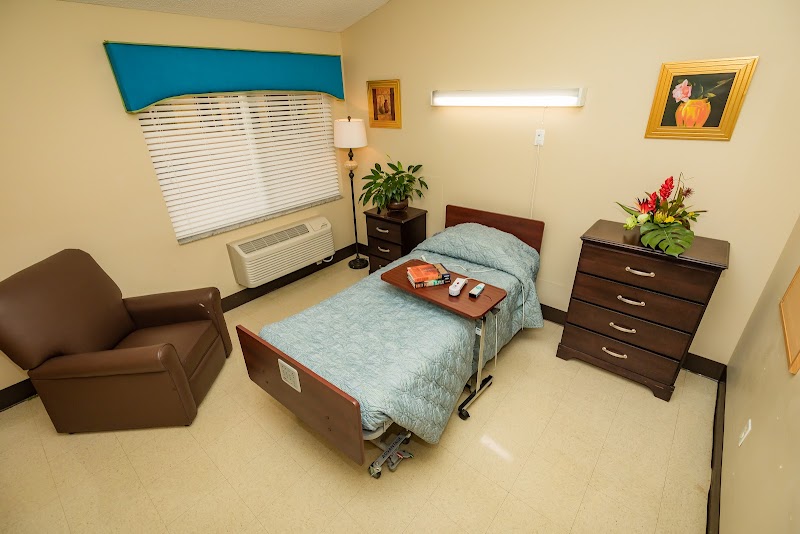
How is Lake Bennet Center For Rehabilitation & Healing Staffed?

CMS rates LAKE BENNET CENTER FOR REHABILITATION & HEALING's staffing level at 3 out of 5 stars, which is average compared to other nursing homes. Staff turnover is 24%, compared to the Florida average of 46%. This relatively stable workforce can support continuity of care.

What Have Inspectors Found at Lake Bennet Center For Rehabilitation & Healing?

State health inspectors documented 16 deficiencies at LAKE BENNET CENTER FOR REHABILITATION & HEALING during 2022 to 2025. These included: 2 Immediate Jeopardy (the most serious level, indicating potential for serious harm or death) and 14 with potential for harm. Immediate Jeopardy findings are rare and represent the most serious regulatory concerns. They require immediate corrective action.
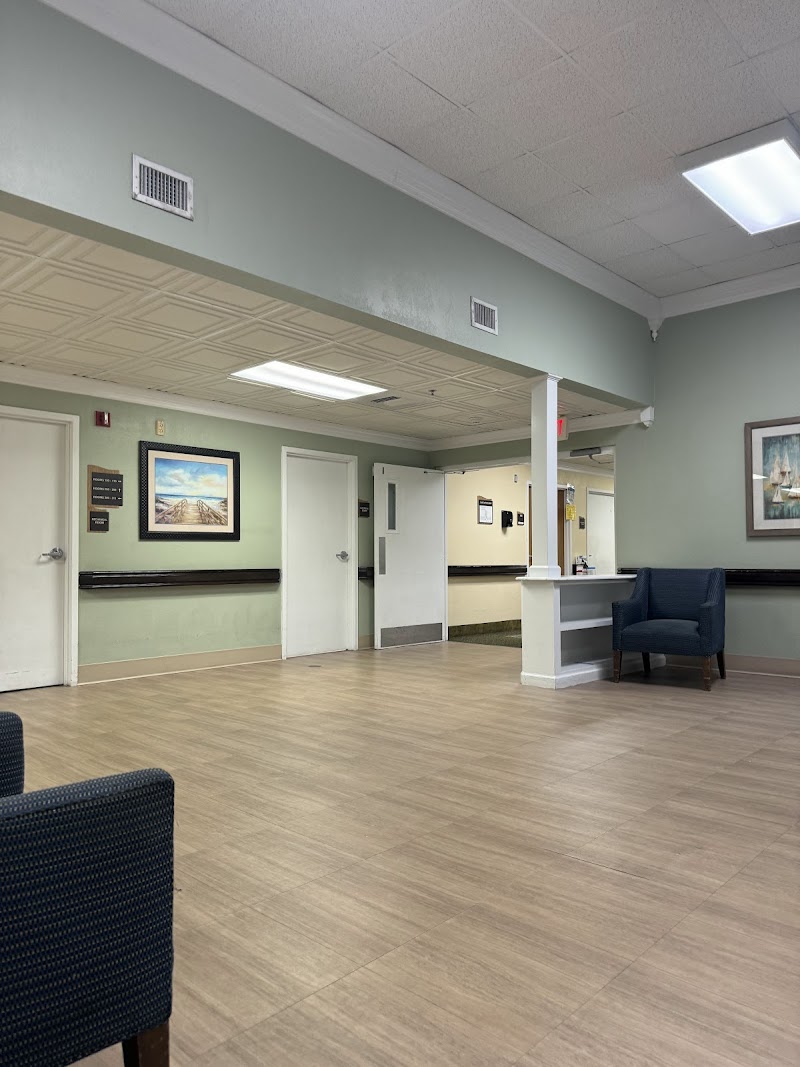
Who Owns and Operates Lake Bennet Center For Rehabilitation & Healing?

LAKE BENNET CENTER FOR REHABILITATION & HEALING is owned by a for-profit company. For-profit facilities operate as businesses with obligations to shareholders or private owners. The facility is operated by INFINITE CARE, a chain that manages multiple nursing homes. With 120 certified beds and approximately 115 residents (about 96% occupancy), it is a mid-sized facility located in OCOEE, Florida.
How Does Lake Bennet Center For Rehabilitation & Healing Compare to Other Florida Nursing Homes?

Compared to the 100 nursing homes in Florida, LAKE BENNET CENTER FOR REHABILITATION & HEALING's overall rating (2 stars) is below the state average of 3.2, staff turnover (24%) is significantly lower than the state average of 46%, and health inspection rating (1 stars) is much below the national benchmark.

What Should Families Ask When Visiting Lake Bennet Center For Rehabilitation & Healing?

Based on this facility's data, families visiting should ask: "What changes have been made since the serious inspection findings, and how are you preventing similar issues?" "What safeguards and monitoring systems are in place to protect residents from abuse or neglect?" "Can I visit during a mealtime to observe dining assistance and food quality?" "How do you handle medical emergencies, and what is your hospital transfer rate?" These questions are particularly relevant given the facility's Immediate Jeopardy citations and the substantiated abuse finding on record.

Is Lake Bennet Center For Rehabilitation & Healing Safe?

Based on CMS inspection data, LAKE BENNET CENTER FOR REHABILITATION & HEALING has documented safety concerns. The facility has 1 substantiated abuse finding (meaning confirmed case of resident harm by staff or other residents). Inspectors have issued 2 Immediate Jeopardy citations (the most serious violation level indicating risk of serious injury or death). The facility has a 2-star overall rating and ranks #100 of 100 nursing homes in Florida. Families considering this facility should ask detailed questions about what corrective actions have been taken since these incidents.

Do Nurses at Lake Bennet Center For Rehabilitation & Healing Stick Around?

Staff at LAKE BENNET CENTER FOR REHABILITATION & HEALING tend to stick around. With a turnover rate of 24%, the facility is 22 percentage points below the Florida average of 46%. Low turnover is a positive sign. It means caregivers have time to learn each resident's needs, medications, and personal preferences. Consistent staff also notice subtle changes in a resident's condition more quickly.

Was Lake Bennet Center For Rehabilitation & Healing Ever Fined?

LAKE BENNET CENTER FOR REHABILITATION & HEALING has been fined $114,990 across 1 penalty action. This is 3.4x the Florida average of $34,229. Fines at this level are uncommon and typically indicate a pattern of serious deficiencies, repeated violations, or failure to correct problems promptly. CMS reserves penalties of this magnitude for facilities that pose significant, documented risk to resident health or safety. Families should request specific documentation of what issues led to these fines and what systemic changes have been implemented.

Is Lake Bennet Center For Rehabilitation & Healing on Any Federal Watch List?

LAKE BENNET CENTER FOR REHABILITATION & HEALING is not on any federal watch list. The most significant is the Special Focus Facility (SFF) program, which identifies the bottom 1% of nursing homes nationally based on persistent, serious quality problems. Not being on this list means the facility has avoided the pattern of deficiencies that triggers enhanced federal oversight. This is a positive indicator, though families should still review the facility's inspection history directly.