CONCERN
(D)
Potential for Harm - no one hurt, but risky conditions existed
Deficiency F0554
(Tag F0554)
Could have caused harm · This affected 1 resident
**NOTE- TERMS IN BRACKETS HAVE BEEN EDITED TO PROTECT CONFIDENTIALITY** Based on observation, interview, and record review, the facility failed to ensure an evaluation for self-administration of medic...
Read full inspector narrative →
**NOTE- TERMS IN BRACKETS HAVE BEEN EDITED TO PROTECT CONFIDENTIALITY** Based on observation, interview, and record review, the facility failed to ensure an evaluation for self-administration of medication was completed, failed to obtain a physician's order for self-administration of medications, and failed to ensure medications were not stored at the resident's bedside for 1 of 3 residents reviewed for choices, of a total sample of 39 residents, (#95).
Findings:
Resident # 95 was admitted to the facility on [DATE] with diagnoses that included quadriplegia, dislocation of C3/C4 cervical vertebrae, chronic obstructive pulmonary disease, and right and left side lumbago with sciatica.
Review of the resident's admission Minimum Data Set assessment with Assessment Reference Date of 2/23/24 revealed the resident's cognition was intact with a Brief Interview For Mental Status score of 15 out of 15. The assessment noted the resident was dependent on staff assistance for his activities of daily living, and mobility needs.
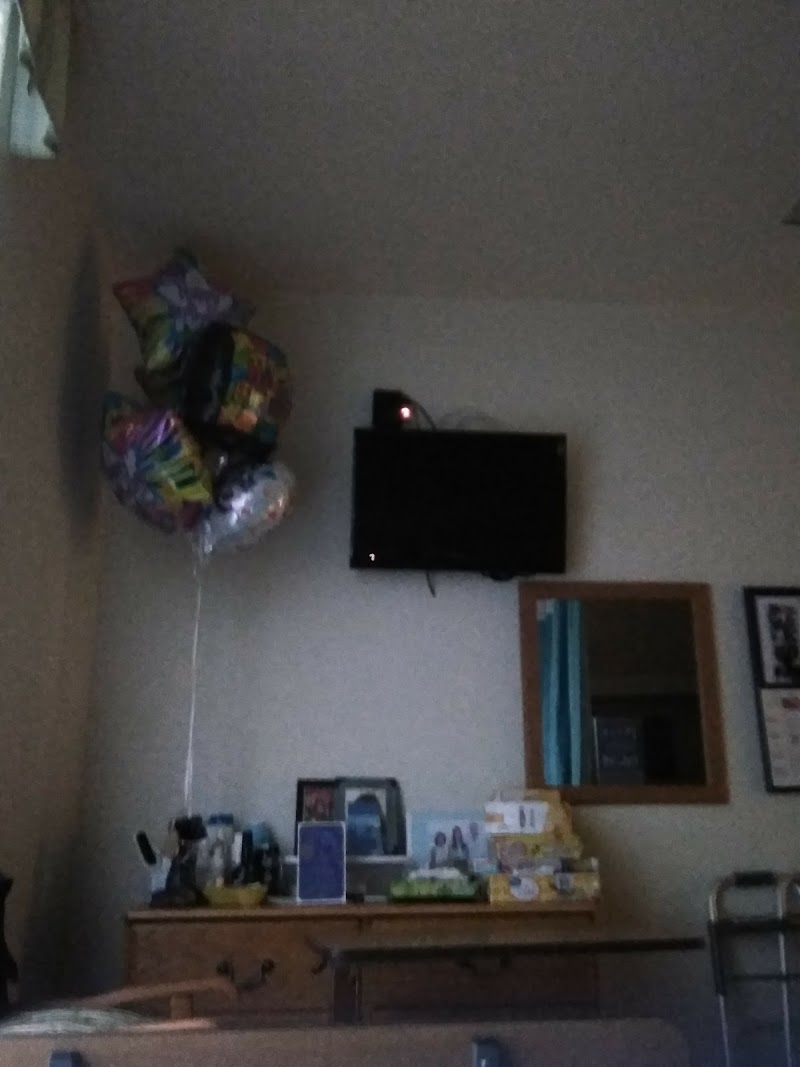
On 4/22/24 at 2:05 PM, resident # 95 was resting in bed watching television. On the resident's bedside table was a tube of Calazime skin protectant, a tube of Diclofenac sodium topical gel, a tube of Biofreeze gel, anti-itch cream, and a tube of analgesic balm. Resident #95 stated he brought all the medications with him from a previous rehabilitation facility, and when he was admitted to this facility, no one told him to send the medications home. He said the staff applied the Calazime skin protectant to his buttocks for him.
Calazime skin protectant was, Used to treat skin irritation (retrieved on 5/01/24 from drugs.com).
Diclofenac gel, used to relieve joint pain from arthritis (retrieved on 5/01/24 from webmd.com).
Biofreeze gel, used to treat minor aches and pains of the muscles/joints, such as arthritis, and backaches (retrieved on 5/01/24 from webmd.com).
Review of the resident's physician orders identified no order for self-administration of medications, nor for medications to be stored at the bedside. Clinical records showed no documentation to indicate the resident was evaluated for safe self-administration of medications.
On 4/22/24 at 4:15 PM, Licensed Practical Nurse (LPN) M acknowledged she was resident #95's assigned nurse. An observation of the resident's room was conducted with the LPN. She acknowledged the medications as listed above on the resident's bedside table, and now in addition, a vial of lubricating tears. LPN M stated the resident needed a physician's order if medications were to be stored at bedside. The resident's physician orders were reviewed with LPN M. She acknowledged there were no physician orders for self-administration of medications, nor storage of medications at bedside.
On 4/22/24 at 4:22 PM, the 100 Hall LPN/Unit Manager (UM) stated medications should not be stored at the resident's bedside, unless a physician's order was in place for the resident to keep medications there. The LPN/UM explained a lock box would be provided, the medication(s) would be labeled, placed in a plastic bag, and stored in the lock box. The LPN/UM stated the facility conducted mock survey rounds in the mornings, which included checking for medications at bedside.
On 4/22/24 at 4:27 PM, the Director of Nursing (DON) stated residents must have a physician's order for self-administration of medications, and to keep medications at bedside.
On 4/22/24 at 4:45 PM, resident # 95 said he had the medications for approximately one week. He said due to his motor vehicle accident, he had pain and spasms in his shoulders, and the medications given by the facility did not help, so he preferred to have his own.
On 4/23/24 at 9:03 AM, the DON said department heads conducted Angel rounds every morning except on the weekend, which included observation for medications at bedside. She stated on the weekends nurses would observe any medications at bedside. The DON said resident #95 did not self-administer the medications, and the resident shared with her a family member brought the medications to the facility on 4/20/24. She stated medications should not be kept at the resident's bedside due to safety issues, because the medications could be accessed and used by another resident.
A progress note documented by the DON dated 4/22/24 at 6:01 PM, read, Resident noted with medication at bedside, . Resident was informed that he would be assessed for safe medication administration, resident reminded writer that he is not able to self-administer medication due to the inability to raise his upper extremity.
A Social Service progress note dated 4/23/24 at 8:32 AM, read, On 4/22 this writer met with resident and the Director of Nursing Services in his room. The resident stated approximately 2-3 days ago, his wife brought the over-the-counter medication to the Facility. He is unable to administer the medication, so she applies it while she is here.
The policy Self-Administration of Medication at Bedside with effective date 11/30/14, and revision date 8/22/17 read, Criteria must be met to determine if a resident is both mentally and physically capable of self-administering medication .The MAR (Medication Administration Record) must identify meds (medications) that are self-administered . If kept at bedside, the medication must be kept in a locked drawer.
CONCERN
(D)
Potential for Harm - no one hurt, but risky conditions existed
PASARR Coordination
(Tag F0644)
Could have caused harm · This affected 1 resident
**NOTE- TERMS IN BRACKETS HAVE BEEN EDITED TO PROTECT CONFIDENTIALITY** Based on interview and record review, the facility failed to request a Preadmission Screening and Resident Review (PASARR) level...
Read full inspector narrative →
**NOTE- TERMS IN BRACKETS HAVE BEEN EDITED TO PROTECT CONFIDENTIALITY** Based on interview and record review, the facility failed to request a Preadmission Screening and Resident Review (PASARR) level 1 and level II evaluation after a new major mental disorder diagnosis for 1 of 5 residents reviewed for PASARR, of a total sample of 39 residents, (#60).
Findings:
Review of the medical record revealed resident #60 was admitted to the facility on [DATE] from the hospital. His diagnosis included hemiplegia and hemiparesis following cerebral infarction, major depressive disorder, and cocaine abuse. Resident # 60 received a new diagnosis of psychotic disorder with delusions on 10/03/23.
Resident # 60's Annual Minimum Data Set assessment with assessment reference date of 3/12/24 revealed the resident scored 12 out of 15 on the Brief Interview for Mental Status which indicated he had moderate cognitive impairment with no change in behavior.
Review of resident # 60's medical record revealed a Care Plan with revised interventions on 12/04/23 which included psychiatric consult as needed and monitor observed behavior. Interventions also included to offer tasks, redirection, divert attention, education, and encourage resident to participate in group activities.
The resident's psychiatry note dated 9/18/23 revealed resident # 60 had a diagnosis of major depressive disorder. Psychiatry notes dated 2/27/24 and 4/15/23 revealed the resident was diagnosed with major depressive disorder and psychotic disorder with delusions.
Resident #60's Order Summary Report and the Medication Administration Record showed the resident had a new order for Risperdal 1 milligram (mg) by mouth two times a day related to psychotic disorder with delusions due to known physiological condition dated 11/21/23.
On 4/25/24 at 10:44 AM, the Social Service Director (SSD) conveyed it was his responsibility as well as the Director of Nursing (DON) to ensure the resident's level I and level II PASARRs were completed and submitted timely. He verified resident # 60 received a new diagnosis of psychotic disorder with delusions on 10/03/23. He stated he could not find an updated PASARR level I for resident #60. The SSD acknowledged the resident should have had another PASARR level I completed due to a new major mental disorder diagnosis. He also confirmed a PASARR level II was triggered to be performed for resident #60 based on the results of the level I PASARR.
On 4/25/24 at 10:57 AM, the DON stated if a resident had a new diagnosis of mental illness, the Psychiatrist would communicate the new diagnosis to the DON. She acknowledged any changes in diagnosis would be communicated in the morning Interdisciplinary team meetings and a PASARR level I and/or a level II would be completed if indicated. She acknowledged another PASARR level I should have been completed for resident # 60 due to his newly diagnosed mental disorder. She also acknowledged a PASARR level II was triggered for resident #60.
The facility's PASARR policy read, The center will assure that all Serious Mentally Ill (SMI) and Intellectually Disabled (ID) residents receive appropriate pre-admission screenings according to Federal/State guidelines. The purpose is to ensure that the residents with SMI or are ID receive the care and services they need in the most appropriate setting .If it is learned after admission that a PASARR level II screening is indicated, it will be the responsibility of Social Services to coordinate and/or inform the appropriate agency to conduct the screening and obtain the results.
CONCERN
(D)
Potential for Harm - no one hurt, but risky conditions existed
Comprehensive Care Plan
(Tag F0656)
Could have caused harm · This affected 1 resident
**NOTE- TERMS IN BRACKETS HAVE BEEN EDITED TO PROTECT CONFIDENTIALITY** Based on observation, interview, and record review, the facility failed to develop and implement a person-centered care plan for...
Read full inspector narrative →
**NOTE- TERMS IN BRACKETS HAVE BEEN EDITED TO PROTECT CONFIDENTIALITY** Based on observation, interview, and record review, the facility failed to develop and implement a person-centered care plan for 1 of 3 residents reviewed for activities, (#11) and 1 of 1 resident reviewed for anticoagulant use, (#209), of a total sample of 39 residents.
Findings:
1. Resident #11 was admitted to the facility on [DATE] from an acute care hospital. Her diagnoses included hemiplegia (one-sided weakness) following cerebral infarction (stroke), muscle weakness, encephalopathy, chronic obstructive pulmonary disease, chronic pain, glaucoma, Alzheimer's disease, slurred speech, lack of coordination, pleural effusion, atrial fibrillation, and coronary artery disease.
Review of the electronic medical record on 4/25/24 at 1:06 PM, did not reveal any documentation evaluations or progress notes regarding activities. The current care plans in effect included limited mobility, impaired cognitive function related to Alzheimer's disease, mood problem, impaired vision related to glaucoma, risk of pressure ulcer injury, chronic pain, bowel/bladder incontinence and fall risk. There was not a comprehensive care plan noted for activities.
Review of the 5-day Minimum Data Set (MDS) assessment dated [DATE] showed her Brief Interview for Mental Status (BIMS) score was 3/15 which indicated she was severely, cognitively impaired. Preferences showed it was very important for her to listen to music, go outside for fresh air, and participate in religious services. It was somewhat important to her to listen to news and attend group activities. She needed substantial to maximal assistance from staff with her activities of daily living, bed mobility, transfers to the chair and was not able to walk.
On 4/22/24 at 10:55 AM, the resident was observed lying in bed, alert and confused. She was able to open her eyes which were noted to be cloudy, and she was not able to visualize the surveyor. She had no TV or radio/music on in her room.
Repeated observations conducted on 4/22/24 at 11:05 AM, 12:45 PM, and 4:20 PM, revealed resident #11 remained in bed all day with no radio, TV or other activity. She was restless and fidgeting throughout the day repeatedly removing her upper gown and oxygen tubing. None of the staff were noted to offer her any diversional activities or get her out bed. The assigned staff noted going in/out of her room included Licensed Practical Nurse (LPN) A and Certified Nursing Assistant (CNA) E. Activities staff was not observed going in/out of the resident's room.
On 4/23/24 at 11:47 AM, resident #24 was again observed lying in bed without any radio or TV on. She was saying, Somebody help me, I can't move, repeatedly. The resident's door was open, but no staff were noted in the halls to respond to her calling out.
On 4/23/24 at 4:35 PM, resident #11 was still lying in bed fidgeting, pulling at her hospital gown. The TV and radio were not on and no staff were observed going in/out of her room to provide activities.
On 4/24/24 at 12:10 PM, assigned CNA F said he was the usual assigned CNA on the day shift, but he was not working the last 2 days. CNA F said, he kept her TV on the action movie channel when he worked. CNA F explained the resident did not go to any activities outside of her room because she was a fall risk. The resident was noted in bed, awake, and confused, and her TV was on the action movie station. She was again noted fidgeting with her gown and oxygen. The CNA said he came in to check on her every 20 minutes to assist with putting her gown and oxygen back on.
On 4/25/24 at 11:37 AM, CNA F was providing care to resident #11 who was resting in bed with eyes closed. Her TV was again on the action movie station as it had been the day prior. The CNA indicated this was the channel the TV was on when he came in and he did not know what type of shows she preferred.
04/25/24 at 11:41 AM, the Activity Director verified resident #11 did not have a comprehensive care plan in effect for activities. She explained the resident liked to stay in her room and listen to gospel music. She said Activities staff went around with a boom box because they did not have any music available to leave at the residents' bedside.
On 4/25/24 at 11:50 AM, the Activities Assistant said she normally worked from 3:00 PM to 11:00 PM and did one to one activities with residents in their rooms. She explained she brought a radio from room to room but did not have enough radios to leave one at bedside for resident #11. The Activities Assistant said, she read to her because resident #11 slept a lot. The Activities Assistant did not know what type of reading material the resident was interested in, nor did she know what type of music she preferred.
On 4/25/24 at 11:54 AM, an interview and record review were conducted with the facility MDS LPN and Regional MDS nurse. The MDS nurses validated a comprehensive care plan for activities had not been initiated for resident #11. The nurses said the activities care plan was incorporated in the Risk for Mood Problem care plan. Review of the care plan for mood was not individualized regarding her activity preferences or goals. Per the psychosocial evaluation dated 3/26/24 she liked church on TV, preferred one to one activities in her room, liked 50-60's type music, romance movies, comedy shows, religious services, news, politics, and current events. The MDS nurse added the comprehensive care plan for activities should have been in place by 4/07/24 and as of 4/25/24 she still did not have a care plan.
2. Resident #209 was admitted to the facility from an acute care hospital on 4/03/24 with diagnoses including sepsis, respiratory failure, perforation of intestine, muscle weakness, difficulty walking, lack of coordination, anemia, end stage renal disease (ESRD), dependent on dialysis, congestive heart failure and cardiomyopathy.
Review of the admission MDS assessment dated [DATE] revealed a BIMS score of 15/15 which indicated the resident was cognitively intact. The assessment indicated resident #209 received high-risk medications including a hypnotic and an anticoagulant. Special treatments included dialysis while a resident at the facility. The medical record indicated a physician's order dated 4/09/24 for Eliquis, 2.5 milligrams twice a day for prevention of blood clots and changed on 4/17/24 to receive every 12 hours.
Comprehensive care plans in effect included Hyperkalemia (high potassium level), perforated intestines, colostomy, ESRD/hemodialysis 3 times a week, nutritional problem potential and pain. The resident's comprehensive care plans did not address a need for staff to monitor for signs or symptoms of bleeding due to the anticoagulant medication (Eliquis) use.
On 4/23/24 at 9:30 AM, resident #209 was observed in his room sitting up on the edge of his bed. He was alert and oriented x 3, able to state where he was from and the type of work that he used to do. He was noted to scratch his left ear and arm and had some bright red drops of blood down his left cheek and left forearm/elbow area. The resident said he bled easily due to the blood thinner he took.
On 4/25/24 at 3:59 PM, the MDS nurse verified resident #209 did not have a care plan for anticoagulant use or monitoring of side effects such as bleeding risk. She explained the person who did the admission MDS dated [DATE] had coded he was on an anticoagulant and should have initiated a comprehensive plan of care. She said when they discussed new residents at the morning clinical meeting, care plans could be added at that time. The MDS nurse explained a care plan for anticoagulant monitoring included the goal the resident would not experience adverse reactions from the medication such as bleeding out.
Review of the facility policies and procedures for Plans Of Care revised 9/25/2017 read, An individualized person-centered plan of care will be established by the interdisciplinary team [IDT] with the resident and/or resident representative(s) Develop a comprehensive plan of care for each resident that included measurable objectives and timetable to meet the resident's medical, nursing, mental and psychosocial needs that are identified in the comprehensive assessment within [7] days after completion of the comprehensive assessment [MDS} The individualized Person Centered plan of care may include but it not limited to the following .Services to attain or maintain the resident's highest practicable physical, mental and psychosocial wellbeing .Individualize interventions that honor the resident's preferences and promote achievement of the residents' goals
CONCERN
(D)
Potential for Harm - no one hurt, but risky conditions existed
Deficiency F0679
(Tag F0679)
Could have caused harm · This affected 1 resident
**NOTE- TERMS IN BRACKETS HAVE BEEN EDITED TO PROTECT CONFIDENTIALITY** Based on observation, interview, and record review, the facility failed to provide a resident centered activities program which ...
Read full inspector narrative →
**NOTE- TERMS IN BRACKETS HAVE BEEN EDITED TO PROTECT CONFIDENTIALITY** Based on observation, interview, and record review, the facility failed to provide a resident centered activities program which met the individual interests and needs of the resident and encouraged both independent and group interactions for 1 out 3 residents reviewed for activities, of a total sample of 39 residents, (#11).
Findings:
Resident #11 was admitted to the facility on [DATE] from an acute care hospital. Her diagnoses included hemiplegia (one sided weakness) following cerebral infarction (stroke), muscle weakness, encephalopathy, chronic obstructive pulmonary disease, chronic pain, glaucoma, Alzheimer's disease, slurred speech, lack of coordination, pleural effusion, atrial fibrillation, and coronary artery disease.
Review of the 5-day Minimum Data Set assessment dated [DATE] revealed her Brief Interview for Mental Status score was 3/15 which indicated severe cognitive impairment. The Daily Activity Preferences showed it was very important to her to listen to music, go outside for fresh air, and participate in religious services. The preferences showed it was somewhat important for her to listen to the news and attend group activities. She needed substantial to maximal assistance from the staff with her activities of daily living, bed mobility, transfers to the chair and was not able to walk.
Review of the medical record revealed no documentation of evaluations, progress notes, or care plans regarding activities for resident #11.
On 4/22/24 at 10:55 AM, the resident was observed lying in bed alert but confused. She was able to open her eyes which were noted to be cloudy, but she was not able to visualize the surveyor. She had no TV, nor a radio/music on in her room.
Repeated observations conducted on 4/22/24 at 11:05 AM, 12:45 PM, and 4:20 PM, revealed resident #11 remained in bed all day with no radio or TV on. She was restless and fidgeting throughout the day, repeatedly removing her upper gown and oxygen tubing. No staff were noted to offer any type of diversional activities or get her out bed. The assigned staff observed going in/out of her room included Licensed Practical Nurse (LPN) A and Certified Nursing Assistant (CNA) E. The activities staff were not observed going in/out of the resident's room.
On 4/23/24 at 11:47 AM, resident #24 was observed lying in bed again without any radio or TV on. She said, Somebody help me, I can't move, repeatedly. The resident's door was open, with no staff noted in the halls to respond to her calling out.
On 4/23/24 at 4:35 PM, resident #11 was still lying in bed, fidgeting, pulling at her hospital gown. The TV and radio were not on and again no staff were observed going in/out of her room to provide activities.
On 4/24/24 at 12:10 PM, assigned CNA F said he was the usual CNA to care for resident #11 on the day shift, but had been off the last 2 days. CNA F said he kept her TV set to the action movie channel while he was at work. CNA F explained the resident did not go to any activities outside of her room because she was a fall risk. The resident was noted in bed, awake, and confused and her TV was on an action movie station. She was again noted fidgeting with her gown and oxygen tubing and the CNA indicated he came in to check on her every 20 minutes to assist with putting her gown and oxygen back on.
On 4/25/24 at 11:37 AM, CNA F was providing care to resident #11 who was resting in bed with eyes closed, her TV was again on the action type movie station as it was the day prior. CNA F indicated the TV had been set to this channel when he came in today from the prior shift. The CNA could not verbalize what type of television shows the resident preferred.
04/25/24 at 11:41 AM, the Activity Director said resident #11 liked to stay in her room and listen to gospel music. The Activities Director explained activities staff went around with a boom box because they did not have any available to leave at bedside.
On 4/25/24 at 11:50 AM, the Activities Assistant said she normally worked the 3 PM to 11 PM shift and did one to one activities with residents in their rooms. She explained she brought a radio from room to room but did not have enough radios to leave at bedside for any individual resident. The Activities Assistant said she read to resident #11 because the resident slept a lot. The Activities Assistant did not know what type of reading material the resident was interested in, nor did she know what type of music she preferred.
On 4/25/24 at 11:54 AM, an interview and record review were conducted with the facility MDS LPN and Regional MDS nurse. They said per the psychosocial evaluation dated 3/26/24, resident #11 likes church on TV, preferred one to one activities in her room, liked oldies 50-60's type music, romance movies, comedy shows, religious services, news, politics, and current events. The MDS nurses both acknowledged there was not a comprehensive care plan in effect for resident #11's Activities.
Review of the facility policies and procedures for Service Activities dated 11/30/14 read, Service activities shall be offered daily, either individually or in a group setting .Participation in Service Activities shall be documented in the Activity Record by the Activity Assistant
CONCERN
(D)
Potential for Harm - no one hurt, but risky conditions existed
Tube Feeding
(Tag F0693)
Could have caused harm · This affected 1 resident
**NOTE- TERMS IN BRACKETS HAVE BEEN EDITED TO PROTECT CONFIDENTIALITY** Based on observation, interview, and record review, the facility failed to provide appropriate care and services related to foll...
Read full inspector narrative →
**NOTE- TERMS IN BRACKETS HAVE BEEN EDITED TO PROTECT CONFIDENTIALITY** Based on observation, interview, and record review, the facility failed to provide appropriate care and services related to following physician orders for 1 of 3 residents reviewed for gastric tube feeding, of a total sample of 39 residents, (#96).
Findings:
Review of the medical record revealed resident # 96 was admitted to the facility on [DATE] from the hospital. His diagnosis included dysphagia (trouble swallowing) following cerebral infarction (stroke), hemiplegia, and hemiparesis, and gastrostomy status.
Tube Feeding (enteral nutrition) uses a feeding tube to supply nutrients and fluids to your body if you can't safely chew or swallow (Retrieved on 4/29/24 from my.clevelandclinic.org).
The Medicare 5- day Minimum Data Set assessment with an assessment reference date of 4/02/24 revealed resident #96 scored 13 out of 15 on the Brief Interview for Mental Status which indicated he was cognitively intact. The assessment also indicated resident #96 had a feeding tube which provided 51 percent or more of his total caloric intake and 501 cubic centimeters (cc) or more of his fluid intake per day.
Review of resident #96's medical record revealed a care plan initiated on 2/20/24 which indicated the resident required tube feeding related to swallowing problems. Interventions included staff to monitor caloric intake.
On 4/22/24 at 12:10 PM, resident # 96 had Glucerna 1.5 calorie tube feed formula hanging next to his bed. The container was labeled with the resident's name on it and dated 4/22/24. It had 700 cc remaining.
On 4/23/24 at 12:54 PM, resident # 96 had Glucerna 1.5 calorie tube feed formula hanging next to his bed with his name on it and dated 4/23/24.
The Nutritional Risk evaluation dated 4/11/24 indicated resident #96 received his sole source of nutrition via enteral nutrition and was to receive nothing by mouth related to dysphagia. It also noted the resident was to receive Glucerna 1.2 calorie tube feed formula.
Resident # 96's Order Summary Report and the Medication Administration Record showed the enteral feed order for resident # 96 was for Glucerna 1.2 calorie at 79 milliliter (ml) every hour.
On 4/23/24 at 1:25 PM, Licensed Practical Nurse (LPN) I accessed resident # 96's enteral tube feed order in her computer and verified the current order specified the resident was to receive Glucerna 1.2 calorie infused at a rate of 79 ml every hour. The LPN confirmed the enteral feed hanging in the resident's room was Glucerna 1.5 calorie instead of Glucerna 1.2 calorie as prescribed. She acknowledged she previously wrote resident # 96's name and date, 4/23/24, on the Glucerna 1.5 calorie tube feed formula and hung it next to the resident to be administered at 7:00 PM. She stated the tube feed formula she hung was incorrect and she should have validated the tube feed formula to ensure it matched the physician's order at the start of the shift.
On 4/23/24 at 1:45 PM, the Unit Manager (UM) for the 100/300 units accessed resident # 96's enteral tube feed order in her computer and also verified the current order specified resident #96 was supposed to receive Glucerna 1.2 calorie infused at a rate of 79 ml per hour. He conveyed the nurses were expected to validate tube feed orders at the beginning of every shift to confirm the tube feed administration correctly corresponded with the physician orders.
On 4/24/24 at 2:36 PM, Registered Dietician J stated resident # 96's current tube feed order was Glucerna 1.2 calorie on 4/19/24 and was to be administered daily with no missed days. She conveyed the residents must have enteral feeding administered as prescribed, in order to meet their caloric intake goals.
On 4/25/24 at 9:56 AM, the Director of Nursing (DON) stated it was brought to her attention resident # 96 did not receive the correct enteral feed formula as prescribed. She stated he was given Glucerna 1.5 calorie instead of Glucerna 1.2 calorie as ordered. The DON conveyed the nurses were expected to check their residents who are on enteral feeds at the start of their shift and verify the enteral feeding formula matched the physician's order. She acknowledged it was important residents received the enteral feed formula as prescribed to prevent weight loss and ensure they received adequate nutrition.
The facility's Enteral Feeding - Enteral Nutrition Pump policy read, Nurses administer enteral feeding when volume control indicated and as ordered by physician.
CONCERN
(D)
Potential for Harm - no one hurt, but risky conditions existed
Deficiency F0699
(Tag F0699)
Could have caused harm · This affected 1 resident
**NOTE- TERMS IN BRACKETS HAVE BEEN EDITED TO PROTECT CONFIDENTIALITY** Based on observation, interview and record review, the facility failed to ensure residents who experienced trauma received traum...
Read full inspector narrative →
**NOTE- TERMS IN BRACKETS HAVE BEEN EDITED TO PROTECT CONFIDENTIALITY** Based on observation, interview and record review, the facility failed to ensure residents who experienced trauma received trauma-informed care for 1 of 2 residents reviewed for mood/behavior, of a total sample of 39 residents, (#84).
Findings:
Resident #84 was admitted to the facility on [DATE] with diagnoses including injured in motor-vehicle accident, fracture of sacrum, fracture of one rib, fracture of right femur and fracture of left femur. Diagnoses of anxiety disorder and major depressive disorder were added with an onset date of 10/25/23.
Review of the Minimum Data Set (MDS) quarterly assessment with assessment reference date of 1/25/24 revealed resident #84 had a Brief Interview for Mental Status score of 15 which indicated she was cognitively intact. She had impairment to both lower extremities and was dependent on staff for activities of daily living (ADLs). The document revealed resident #84 felt down/depressed/hopeless with little interest or pleasure in doing things nearly every day. She had active diagnoses of anxiety and depression and received anti-anxiety and anti-depressant medications.
Review of resident #84's Electronic Medical Record (EMR) revealed care plans for refusal of care and medications related to adjustment to nursing home; behaviors related to confabulation, unrealistic expectations, manipulation, and impatience; planned to remain in facility due to being homeless; use of anti-anxiety medication; and use of anti-depressant medication. The EMR did not contain a post trauma care plan.
The EMR contained a Psychosocial Evaluation dated 10/19/23 and revealed resident #84 lived alone prior to entry into the facility, worked previously as a certified nursing assistant and was now homeless. The evaluation indicated resident #84 considered her current situation to be traumatic and the most difficult time of her life. The evaluator noted resident #84 had no mental health diagnosis or social, behavioral, or emotional concerns.
Review of psychiatric progress notes revealed resident #84 was first seen 10/25/23. The Psychiatric Advanced Practice Registered Nurse (APRN) noted resident #84 had no past psychiatric history and had no signs of depression, anxiety, or mood instability. Her aggravating factors included ongoing medical problems, life stressors and being at the facility. The treatment plan and diagnoses were identified as adjustment disorder, major depressive disorder treated with the medication Trazodone, and generalized anxiety disorder treated with Buspirone.
On 4/24/24 at 10:39 AM, resident #84 was observed in her room with the lights off. She stated prior to being in a facility she was living alone and working as a certified nursing assistant. She recalled about 8 months ago she went to a friend's house after work. On her way home, a car cut her off. She hit her brakes, but it was raining, and her car spun out of control and hit a concrete wall. Resident #84 stated she had a breathing tube for 3 days and later woke up in the hospital with multiple fractures. She verbalized her whole life changed. She explained she now depended on others to provide care to which she was not accustomed. Resident #84 expressed no one had taken into consideration the amount of independence and privacy she had previously living alone. She had to share a space with other residents and had to allow strangers to look at and touch her in places she would not have allowed before. She recalled the first time she had to go to an outside appointment, she was worried how she would feel getting in a vehicle again. She stated she was scared of being put to sleep again and worried about getting cared for after surgery. She stated she never planned on being in a facility, so the accident and sudden loss of her independence was a traumatic and life-changing event. She recalled someone came to see her and asked her if she was depressed and she was prescribed some medications. Resident #84 clarified she never took those medications before the accident. She stated no one had talked to her about what she was going through and how the accident had affected her life. Resident #84 stated she did not want to just take medications. She explained she just wanted to talk to someone.
On 4/24/24 at 11:51 AM, the Psychiatric APRN stated he was familiar with resident #84 and saw her about once a week. He explained mainly he did medication management and did not do any counseling. The Psychiatric APRN described the resident as depressed and lacking motivation. He acknowledged she did not have a previous history of depression or anxiety.
On 4/24/24 at 11:54 AM, the Social Services Director (SSD) recalled resident #84 came to the facility in October 2023. He stated she was a private person and selective in her communication. The SSD recalled resident #84 initially wanted to discharge back to the community and later said she was homeless and had nowhere to go. He acknowledged she experienced a life changing event and could understand resident #84 having difficulty going from being completely independent to being dependent on others. The SSD stated she received psychological services as well as psychiatric visits but was not sure of the dates. He reviewed resident #84's care plan and confirmed there was no care plan to address trauma informed care and how she had been affected since her life changing event.
On 4/24/24 at 1:05 PM - [NAME], the Regional MDS Director reviewed the behavior care plans for resident #84. She acknowledged a care plan intervention which indicated resident #84's triggers were motivated by impatience and selfishness. The Regional MDS Director stated that intervention was inappropriate and should be removed from the care plan. She was unable to state how the SSD reached that conclusion. The Regional MDS Director confirmed the record did not contain a care plan to address the trauma resident #84 had experienced.
On 4/25/24 at 10:47 AM, the Director of Nursing (DON) provided the psychology progress notes. She stated the progress notes were received by email 4/24/24. Review of the progress notes revealed resident #84 was seen 10/23/23, 11/06/23, 1/04/24, 1/18/24, 2/01/24, 2/16/24 and 4/11/24. The only note that mentioned resident #84's car accident was 1/04/24. The progress notes contained insights to resident #84's self-image, adjustment difficulties, frustrations and things that helped her cope.
On 4/25/24 at 1:36 PM, the Interdisciplinary Team (IDT) consisting of the Administrator, DON, Activity Director, and SSD reviewed the psychological progress. The SSD reiterated resident #84 was a private person who was particular about who she talked to and what she shared. He explained that was the reason she was referred to psychology services. The IDT verified they had not read the progress notes previously. The team acknowledged the psychology notes contained information that would have provided additional insight into resident #84's thoughts, feelings, and preferences. The team verified these were not entered as interventions in resident #84's care plan and no trauma informed care plan was initiated to address her adjustment following the traumatic event. The Administrator acknowledged there were gaps in communication to ensure appropriate services were provided.
The facility's policy and procedure for Trauma Informed Care read, Residents will be evaluated to identify a history of trauma, triggers and cultural preferences. Resident-centered interventions are initiated based on the resident triggers and preferences to decrease the risk of re-traumatization.
CONCERN
(D)
Potential for Harm - no one hurt, but risky conditions existed
Unnecessary Medications
(Tag F0759)
Could have caused harm · This affected 1 resident
**NOTE- TERMS IN BRACKETS HAVE BEEN EDITED TO PROTECT CONFIDENTIALITY** Based on observation, interview, and record review, the facility failed to ensure the medication error rate was below 5%, by fai...
Read full inspector narrative →
**NOTE- TERMS IN BRACKETS HAVE BEEN EDITED TO PROTECT CONFIDENTIALITY** Based on observation, interview, and record review, the facility failed to ensure the medication error rate was below 5%, by failing to administer the correct dosage of medications per physician's orders for 1 of 3 residents observed for medication administration, of a total sample of 39 residents, (#88).
Findings:
Resident #88 was admitted to the facility on [DATE] with diagnoses that included chronic embolism and thrombosis of deep veins of the left lower extremity, acute respiratory failure, bipolar disorder, schizophrenia, anxiety disorder, and thiamine deficiency.
On 4/22/24 at 10:03 AM, medication administration observation for resident #88 was conducted with Licensed Practical Nurse (LPN) M. Medications administered by LPN M included Folic acid 400 micrograms (mcg), and Guaifenesin 400 milligram (mg).
Folic acid is a B vitamin. It helps the body make healthy new cells (retrieved on 5/01/24 from medlineplus.gov).
Guaifenesin is used to relieve chest congestion (retrieved on 5/01/24 from medlineplus.gov).
Review of the resident's physician orders revealed the following, Folic Acid 1 mg. During the medication administration observation on 4/22/24 at 10:03 AM, LPN M administered Folic acid 400 micrograms, equivalent to 0.4 mg. The physician order for Guaifenesin was 600 mg, but the LPN administered Guaifenesin 400 mg.
On 4/22/24 at 12:45 PM, the resident's physician orders were reviewed with LPN M. She acknowledged resident #88's orders were for Folic Acid 1 mg, and Guaifenesin 600 mg. LPN M acknowledged she gave resident #88 400 mcg of folic acid, and 400 mg of Guaifenesin. The LPN stated she would notify the physician the wrong dosage of the medications were given.
On 4/23/24 at 10:26 AM, the Director of Nursing (DON) stated she was made aware of the medication errors for resident #88. She stated the physician was notified, new orders were obtained, and the resident was being monitored for any ill effects.
The policy Administering Medications revised April 2019 read, Medications are administered in a safe and timely manner, and as prescribed .Medications are administered in accordance with prescriber orders, Medication errors are documented, reported, and reviewed by the QAPI (Quality Assurance Performance Improvement) committee to inform process changes and or the need for additional staff training.
The policy 3.0 Medication Errors-Reporting-Pharmacy Related read, All medication errors are investigated, reported, documented, and reviewed .Examples includes, but are not limited to: . A dose dispensed to a resident that is greater or lesser than the amount ordered by the physician.
CONCERN
(D)
Potential for Harm - no one hurt, but risky conditions existed
Administration
(Tag F0835)
Could have caused harm · This affected 1 resident
**NOTE- TERMS IN BRACKETS HAVE BEEN EDITED TO PROTECT CONFIDENTIALITY** Based on interview, and record review, the facility failed to effectively use its resources to ensure medications were transferr...
Read full inspector narrative →
**NOTE- TERMS IN BRACKETS HAVE BEEN EDITED TO PROTECT CONFIDENTIALITY** Based on interview, and record review, the facility failed to effectively use its resources to ensure medications were transferred accurately and completely to the facility's Electronic Medical Records (EMR), to prevent significant medication error, and to maintain the highest practicable physical, mental, and psychosocial well-being for 1 of 5 residents reviewed for unnecessary medication, of a total sample of 39 residents, (#48).
Findings:
Resident #48 was admitted to the facility on [DATE] and readmitted on [DATE]. His diagnoses included atherosclerosis of coronary artery bypass graft(s), embolism, and thrombosis of arteries of the lower extremities, right above knee amputation (AKA), left AKA, hyperlipidemia, and hypertension.
Review of the resident's outpatient office visit note dated 2/14/24 revealed the plan for the resident to continue suppressive antibiotic therapy with oral Cephalexin (Keflex), 500 milligram (mg) twice daily. The prescription dated 2/14/24 was for Keflex 500 mg capsule, take one capsule in the morning and one capsule before bedtime.
Keflex is a(n) . antibiotic used to treat infections caused by bacteria . skin infections .Use this medicine for the full prescribed length of time .Skipping doses can increase your risk of infection that is resistant to medication (retrieved on 5/02/24 from Drugs.com).
On 4/22/24 at 12:51 PM, resident #48 stated on 2/14/24 his Infectious Disease physician placed him on Keflex for an infection and was told he would be on the medication for a while. He stated he was hospitalized , and on readmission to the facility on 4/04/24, he was given the Keflex for five days, then it was stopped. He stated the Infectious Disease physician's office confirmed he should take the medication every day, for 180 days total. The physician's office confirmed the stop date for the Keflex was 8/12/24. Resident #48 said he missed five to six days of the medication when he was readmitted to the facility. He stated he wanted to know why the medication was stopped. He said no one apologized, and he felt staff tried to blame the problems on him. He expressed felt as if he was dismissed.
Review of the resident's physician's orders revealed an order dated 2/28/24 for Keflex 500 mg two times a day for infection, which was discontinued on 3/26/24. A new order dated 3/26/24 added a stop date of 8/12/24. This order was discontinued on 4/09/24. A new order for the Keflex was not placed until 4/16/24.
Review of the resident's Medication Administration Record (MAR) revealed Keflex 500 mg was administered from 2/28/24 through 3/30/24, the code 6 indicated the resident was hospitalized on [DATE]. Documentation on the MAR indicated resident #48 received Keflex 500 mg twice daily at 9:00 AM and 5:00 PM from 4/04/24 until his 9:00 AM dose on 4/09/24. The medication was not restarted until 4/16/24 for the resident's 5:00 PM dose. This revealed the resident missed fourteen doses of the medication.
On 4/24/24 at 9:43 AM, the Director of Nursing (DON) recalled the resident was hospitalized on [DATE] and readmitted to the facility on [DATE]. She said the Keflex was entered in the resident's EMR, and she was not aware it had, dropped off. She recalled the Assistant DON made her aware of the issue when she returned to work on 4/17/24. She was informed by the ADON it was taken care of when she placed the resident back on the Keflex on 4/16/24. The DON said the resident was given a dose of the Keflex on 4/09/24 in the AM, then he did not receive the medication from 4/10/24 through 4/15/24 until he received the PM dose on 4/16/24. She confirmed he missed 14 doses of his Keflex. The DON stated on her return to work on 4/17/24 an investigation was initiated for medication error for the missed doses of Keflex, the Medical Director was made aware, and in-services were done regarding medication error conducted on 4/16/24 and 4/19/24. The DON stated Registered Nurse (RN) L, and Licensed Practical Nurse (LPN) M were interviewed, and statements were obtained dated 4/16/24. No other interviews/ statements were obtained. The DON stated a system update which started on 3/29/24, and scheduled to be completed within fourteen days, was required due to the facility transitioning from 8 hours to 12 hours shifts for the nurses. She explained the change in shift required orders be updated, and she, along with the ADON, and Unit Manager (UM) entered/transferred orders to the resident's EMR, to accommodate the system update and shift change. When asked who reviewed/ revised the EMR to ensure all medications were transferred accurately and completely, The DON said she did not think anyone reviewed the EMR after the orders were transferred/updated. She said the incident was not looked at for neglect, so an Agency for Health Care Administration, Federal report was not completed. The Consultant Pharmacist was not made aware of the missed doses, and the incident was not discussed in any Ad Hoc Quality Assurance Performance Improvement (QAPI) meeting. The DON stated she called the resident's Infectious Disease physician on 4/23/24 and informed him of the missed doses. She acknowledged the physician was not made aware when the incident was first identified, and when asked why, the DON had no response.
Review of the facility's Incident Log for the period January 2024 to April 2024 revealed no entry regarding resident #48.
Review of the facility's Grievance log revealed an entry dated 4/19/24 regarding the resident's concern about the missed doses of Keflex.
On 4/24/24 at 11:20 AM, the grievance was discussed with the Social Services Director (SSD). He stated on 4/19/24 resident #48 stated upon his return from the hospital he received Keflex, but it was stopped, and he did not receive the medication again until 4/16/24 or 4/17/24. The SSD stated the facility spoke with the Medical Director on 4/22/24, and he directed the facility to have the resident's appointment with the Infectious Disease physician rescheduled as soon as possible. The SSD explained they were still investigating and could not say why the grievance was not initiated when the issue was identified on 4/16/24. The SSD stated when he spoke with the resident on 4/21/24, the resident told him he had not spoken to the DON, or the UM. He recalled he told the resident he would follow up with him, as he had to get all the information, and investigation done.
On 4/25/24 at 9:41 AM, the DON recalled when the facility was changing from 8 hours to 12 hours shifts, the analyst from the facility's Corporate office walked her through what to do in the EMR and had to send an email to the Consultant Pharmacist/Pharmacy, to inform them of the change. She said there were no reviews to ensure all medications were carried over, the Infectious Disease physician was not notified of the missed doses until 4/23/24, and the Consultant Pharmacist/Pharmacy was not made aware. The DON said the facility's last QAPI committee meeting was held in March 2024, and an Ad Hoc QAPI was not held to discuss the incident.
The job description for the DON revealed a responsibility of the DON, was to ensure, The delivery of high quality, efficient nursing care, was provided for the residents.
The policy Administering Medications revised April 2019 read, Medication errors are documented, reported, and reviewed by the QAPI committee to inform process changes and or the need for additional staff training.
CONCERN
(D)
Potential for Harm - no one hurt, but risky conditions existed
Medical Records
(Tag F0842)
Could have caused harm · This affected 1 resident
**NOTE- TERMS IN BRACKETS HAVE BEEN EDITED TO PROTECT CONFIDENTIALITY** Based on interview, and record review, the facility failed to ensure documentation in the medical record was complete and accura...
Read full inspector narrative →
**NOTE- TERMS IN BRACKETS HAVE BEEN EDITED TO PROTECT CONFIDENTIALITY** Based on interview, and record review, the facility failed to ensure documentation in the medical record was complete and accurate according to accepted professional standards and practices regarding intravenous (IV) dressing change for 1 of 2 residents reviewed for IV care, of a total sample of 39 residents, (#79).
Findings:
Resident # 79 was admitted to the facility on [DATE] and readmitted on [DATE]. His diagnoses included left above the knee amputation, dysphagia, acute respiratory failure, diabetes type II, gastrostomy, and end stage renal disease.
Review of the resident's physician orders showed an order dated 4/05/24 to change IV dressing every 72 hours, and as needed.
A progress note dated 4/11/24 revealed a midline was inserted in the resident's right upper arm.
A midline (midline catheter) is a long, thin, flexible tube that is inserted into a large vein in the upper arm. It is used to safely administer medication into the bloodstream A midline can stay in place for approximately four weeks (retrieved on 5/01/24 from uhs.nhs.uk).
Review of the resident's Treatment Administration Record (TAR) for the period 4/05/24 through 4/22/24 revealed signatures by nurses on the day shift, and the night shift which appeared to indicate resident #79's IV dressing was changed every shift.
On 4/23/24 at 9:30 AM, the resident's TAR was reviewed with Registered Nurse (RN) L, and she acknowledged the task/treatment was signed off as completed every shift. She stated documentation by nurses indicated the IV dressing was done both on the day shift, and on the night shift. RN L said the IV dressing was not changed by her.
On 4/23/24 at 9:37 AM, the 100 Unit Licensed Practical Nurse/Unit Manager (LPN/UM) stated midline dressings should be changed weekly. The resident's TAR was reviewed with the LPN/UM, and he acknowledged signatures by nurses every shift which indicated the IV dressing was changed. The LPN/UM said he could not confirm the resident's midline dressing was done every 12 hours as documented on the TAR.
On 4/23/24 at 9:42 AM, RN L verbalized when a dressing change was completed, the nurse had to date and initial the dressing to indicate the dressing was completed. The resident's TAR was reviewed with RN L, and she acknowledged her initials on 4/06/24, 4/09/24, 4/15/24, 4/17/24, and 4/21/24 which indicated the IV dressing was changed. RN L was unable to verbalize why the task was signed off by her and she re-confirmed she did not change the IV dressing. Both the 100 LPN/UM and RN L stated the IV dressing order should have been clarified.
On 4/23/24 at 10:16 AM, the Director of Nursing (DON) said initially resident #79 had a peripheral line, it was discontinued, and then a midline was inserted, but the order for IV dressing change had not been adjusted for the change to the midline. The resident's TAR was reviewed with the DON, and she acknowledged signatures by nurses indicated the IV dressing change was completed each shift, and stated she did not know what the nurses actually signed off on.
On 4/24/24 at 10:27 AM, a second interview was conducted with LPN M via telephone. She stated she signed off on her check of the gauze dressing covering the midline dressing/site daily. LPN re-confirmed her sign off on the TAR was not for a midline dressing change.
On 4/23/24 at 10:35 AM, the DON stated she was not sure when the midline dressing was last changed prior to 4/22/24 when it was identified by the surveyor. She stated the date of dressing changes could not be ascertained from the TAR, since nurses were initialing and checking off the task as being done every 12 hours.
On 4/24/24 at 10:44 AM, the Medical Director stated he expected documentation in the clinical records to be accurate.
The Facility provided a policy regarding documentation for physicians, but a policy requested for accuracy of medical records was not provided.
CONCERN
(D)
Potential for Harm - no one hurt, but risky conditions existed
Infection Control
(Tag F0880)
Could have caused harm · This affected 1 resident
**NOTE- TERMS IN BRACKETS HAVE BEEN EDITED TO PROTECT CONFIDENTIALITY** Based on observation, interview, and record review, the facility failed to ensure physician's order for contact isolation precau...
Read full inspector narrative →
**NOTE- TERMS IN BRACKETS HAVE BEEN EDITED TO PROTECT CONFIDENTIALITY** Based on observation, interview, and record review, the facility failed to ensure physician's order for contact isolation precautions were implemented for 1 of 1 resident reviewed for Transmission Based Precaution (TBP), of a total sample of 39 residents, (#63).
Findings:
Resident #63 was admitted to the facility on [DATE] with diagnoses which included encephalopathy, depression, hypertension, and generalized muscle weakness.
A physician's order dated 4/18/24, was for Contact isolation every shift for infection-Extended Spectrum Beta-Lactamase (ESBL) in the urine.
Extended Spectrum Beta-Lactamase (ESBLs) are enzymes or chemicals produced by germs like certain bacteria. These enzymes make bacterial infections harder to treat with antibiotics (retrieved on 5/03/24 from webmd.com).
On 4/22/24 at 1:34 PM, and on 4/23/24 at 11:51 AM, observations showed an Enhanced Barrier Precaution sign posted on resident #63's room door, and an overdoor container with Personal Protective Equipment (PPE) was in place. Signage for Contact Isolation Precautions was not in place.
On 4/23/24 at approximately 11:55 AM, the Assistant Director of Nursing/ Infection Preventionist (ADON/IP) stated Enhanced Barrier Precaution was placed for residents with gastrostomy tubes, intravenous access, and wounds. The ADON/IP reviewed resident #63's physician's orders and acknowledged there was an active order for Contact Isolation for ESBL in the urine. Observation of signage on the resident's door was conducted with the ADON/IP and she acknowledged the sign for Contact isolation was not in place. The ADON/IP stated she placed the order for Contact isolation on 4/18/24, and she was responsible to ensure the proper signage and required PPE was in place. She said signage for Contact isolation should have been posted on resident #63's door for staff and others to know the correct precautions to take in the room.
On 4/24/24 at 3:37 PM, the 100 Unit Licensed Practical Nurse (LPN)/Unit Manager (UM), stated resident #63 was previously on Contact isolation in March 2024, which was discontinued, and then the resident was placed on Enhanced Barrier Precaution. He said he, Could not speak, about the order dated 4/18/24 for Contact isolation.
The Center for Disease Control and Prevention signage for Contact isolation used by the facility directed that, Providers and Staff must also: Put on gloves before room entry .Put on gown before room entry.
The Enhanced Barrier Precautions signage used by the facility directed providers and staff wear gloves and gown for high-contact resident care activities such as dressing, bathing, showering, wound care. Enhanced Barrier Prevention did not require staff to put on gown, and gloves before entering the resident's room, as required for Contact isolation.
The appropriate TBP signage was not in place as ordered by the physician from 4/18/24, until identified by the surveyor on 4/22/24, and 4/23/24.
CONCERN
(E)
Potential for Harm - no one hurt, but risky conditions existed
Deficiency F0694
(Tag F0694)
Could have caused harm · This affected multiple residents
**NOTE- TERMS IN BRACKETS HAVE BEEN EDITED TO PROTECT CONFIDENTIALITY** Based on observation, interview, and record review, the facility failed to obtain physician orders, and provide intravenous (IV)...
Read full inspector narrative →
**NOTE- TERMS IN BRACKETS HAVE BEEN EDITED TO PROTECT CONFIDENTIALITY** Based on observation, interview, and record review, the facility failed to obtain physician orders, and provide intravenous (IV) care and services according to professional standards of practice to prevent the potential for infection for 2 of 2 residents reviewed for IVs, of a total sample of 39 residents, (#209, & #79).
Findings:
1. Resident #209 was admitted to the facility from an acute care hospital on 4/03/24 with diagnoses including sepsis, respiratory failure, perforation of intestine, muscle weakness, difficulty walking, lack of coordination, anemia, end stage renal disease (ESRD), dependent on dialysis, congestive heart failure and cardiomyopathy.
The Agency for Healthcare Administration Hospital Transfer Form 5000-3008 dated 4/03/24 showed resident #209 had a primary diagnosis of sepsis, and the skin assessment showed he had a dialysis catheter and Peripherally Inserted Central Catheter (PICC) line.
A PICC is a thin, flexible tube inserted into a vein in the upper arm and guided (threaded) into a large vein above the right side of the heart called the superior vena cava. It is used to give intravenous fluids, blood transfusions, chemotherapy, and other drugs (Retrieved on 5/02/24 from https://www.cancer.gov).
Review of resident #209's hospital record revealed a physician note dated 3/19/24 which read, Comments right chest HD [hemodialysis] cath [catheter], right chest tunneled PICC line 2 lumen
Review of the facility Nurse Data Collection form dated 4/03/24 revealed the nurse documented the resident had an IV line in the right chest, PICC and right chest permacath (line used for dialysis). The admission nurse verified orders with the physician but did not obtain any orders for care of the PICC line.
On 4/23/24 at 9:30 AM, resident #209 was observed alert and oriented, sitting up at the bedside. He was able to state where he was from and what type of work he did. The resident pulled back his shirt and showed he had a dialysis catheter in his right chest and adjacent to it under clear dressing (dated 4/22/24) was also an IV line. The resident said he did not know why they were keeping the IV in as they were not using it. The resident added, dressing changes were being done at the dialysis center and facility staff were not doing any care of his IV.
On 4/24/24 at 9:45 AM, the resident was observed sitting up in his wheelchair waiting to be picked up for dialysis treatment. He pulled his shirt to the side to show his dialysis catheter and PICC line both under clear dressing dated 4/22/24 on the right chest. The resident said they put the PICC line in at the hospital.
On 4/24/24 at 1:22 PM, a telephone interview was conducted with dialysis Registered Nurse (RN) D. The RN explained they changed the right chest dialysis catheter and PICC dressing because they were so close together. She confirmed the dialysis center were not doing any PICC line flushes or blood draws. She said if he needed antibiotics they would give them through the dialysis catheter. Dialysis RN D commented nursing staff at the facility had never contacted the dialysis center to discuss the care of the PICC line or the need for flushes. She shared they were not equipped to provide care for PICC lines and would not be able to remove it there.
On 4/24/24 at 2:54 PM, assigned RN C said she was not informed in report that resident #209 had a PICC line nor did she look at his dialysis catheter prior to sending him to dialysis.
On 4/24/24 at 2:58 PM, the North wing Unit Manager (UM) and the Assistant Director of Nursing (ADON) said they did not know resident #209 had a PICC line and confirmed there were no orders to assess the site, provide flushes or care such as changing the end port weekly. They said the standard of practice when not in use was a PICC line should be flushed at least daily, and port/cap changed weekly.
On 4/24/24 at 3:08 PM, the Director of Nursing (DON) explained the admission nurse should have obtained the orders for PICC line care including flushes. The DON added, any nurse who checked his dialysis access site on his right chest should have noticed the other line. The DON acknowledged resident #209 did not get any care for his PICC line for 21 days from the facility.
On 4/25/24 at 10:47 AM, the DON said she went to look at resident #209 and verified he had a double lumen PICC line next to his dialysis catheter and confirmed facility nurses should have questioned why he had it or called her to come look at it.
On 4/25/24 at 11:00 AM, a telephone interview was conducted with Licensed Practical Nurse (LPN) B who cared for the resident on the night shift 4/18/24. She said she did listen to his lungs as part of doing a skilled nursing note and did not notice that he had PICC line in his chest. She verified that a skilled nursing note included a full head to toe assessment, and she missed it and stated, Maybe I do need some education.
On 4/25/24 at 2:06 PM, a telephone interview was conducted with LPN A. She acknowledged she was aware he had a PICC line next to his dialysis catheter since his admission but could not answer why she did not put in orders for care or flushes. LPN A acknowledged she was the usual assigned day nurse explained, she did see the PICC line on his dialysis days because it was right next to his dialysis catheter. She was informed in a report by hospital staff he had refused to have the PICC removed at the hospital. She acknowledged that although the resident refused to have the PICC removed at the hospital it did not mean he should not get the needed care which included observation of the site, flushes, and dressing or cap changes.
The PICC needs to be flushed once weekly with 10 mls (milliliters) of 0.9% Sodium Chloride to maintain patency when not in use or after any infusion or bolus injection. There is no need to withdraw blood into the syringe prior to a routine flush . (Retrieved on 5/02/24 from https://www.nice.org).
2. Resident # 79 was admitted to the facility on [DATE] and readmitted on [DATE]. His diagnoses included left above knee amputation, dysphagia, acute respiratory failure, diabetes type II, gastrostomy, and ESRD.
Review of the resident's significant change in status Minimum Data Set assessment with Assessment Reference Date of 4/07/24 revealed the resident was rarely/never understood.
Review of the resident's physician orders showed on 4/05/24, IV-line change dressing every 72 hours and as needed every shift, and flush line with 5 ml of normal saline every shift and as needed.
A progress note dated 4/11/24 read, PICC line nurse inserted midline on RUA (right upper arm).
A midline (also called a midline catheter) is a long, thin, flexible tube that is inserted into a large vein in the upper arm. It is used to safely administer medication into the bloodstream A midline can stay in place for approximately four weeks (retrieved on 5/01/24 from uhs.nhs.uk).
On 4/22/24 at 2:22 PM, resident # 79 was lying on his back resting in bed. A gauze dressing was noted to the resident's right upper arm. Due to the resident's sleeve a date could not be seen.
Observation on 4/22/24 at 4:12 PM, noted the midline to the resident's right upper arm with a transparent dressing, covered with a stretchy gauze dressing. The transparent dressing to the midline, and the gauze dressing wrapped around the midline site were not dated.
On 4/23/24 at 9:30 AM, the resident's midline site was observed with his assigned nurse, RN L. The gauze dressing wrapped around the transparent midline dressing was dated 4/22/24. The resident's clinical records were reviewed with RN L who verbalized there was a physician order dated 4/05/24 for IV dressing change every 72 hours and as needed every shift. The resident's Treatment Administration Record (TAR) was reviewed with the RN and revealed nurses had signed off on the task every shift. The RN stated documentation by nurses indicated the midline dressing was done every shift, not every 72 hours as ordered.
On 4/23/24 at 9:37 AM, the 100 Unit LPN/ UM stated a midline dressing should be changed weekly. The LPN/UM stated new orders were reviewed by the UM, DON, and A DON in the morning clinical meetings to ensure orders were accurate, and protocols were followed. The resident's TAR for the period 4/05/24 through 4/22/24 was reviewed with the LPN/UM and revealed nurses signed off on the TAR every shift, indicating the physician order regarding dressing change every 72 hours was completed. The LPN/UM said he could not confirm the resident's midline dressing was changed every 12 hours as indicated and documented by nurses.
On 4/23/24 at 9:51 AM, another observation conducted with RN L noted the gauze dressing to the resident's right upper arm dated 4/22/24. The gauze dressing was removed by the RN, and the date on the transparent dressing was not legible.
On 4/23/24 at 10:16 AM, and at 10:35 AM, the DON stated midline dressings should be changed weekly and as needed. She verbalized initially that the resident had a peripheral line, and the physician's order for dressing changes was placed on 4/04/24 for the resident's peripheral line. The DON explained a midline was inserted to the resident's right upper arm on 4/11/24, and the resident's peripheral line was discontinued that same day, but the physician's order was not adjusted for the midline. She stated an order was not placed for the midline dressing change until 4/23/24. The DON said orders were reviewed in the daily clinical meeting by the Interdisciplinary team, but no one realized an order for midline dressing changes was not in place. The DON stated she was not sure when the midline dressing was last changed prior to 4/22/24 when it was identified by the surveyor. She said dressing changes could not be verified from review of the TAR, since dressing changes were being checked off as completed every twelve hours.
On 4/24/24 at 10:44 AM, the Medical Director stated midline dressing changes were to be done every seven days and as needed, and he expected the midline dressing to be changed per professional guidelines.
On 4/23/24 at 11:05 AM, the resident's assigned RN L stated she was aware the resident had a peripheral line before but was not aware he had a midline inserted instead.
A review of the care plan for midline to the right upper arm initiated on 4/12/24, revealed interventions included a dressing change every 72 hours. However, this intervention was contrary to the policy provided by the facility, and to the directives/guidelines of professional standards of care for midline dressing changes.
The policy Catheter Insertion And Care with effective dated 1/17/19 read, Change midline catheter dressing 24 hours after catheter insertion, every 5-7 days, or if it is wet, dirty, not intact, or compromised in anyway.
CONCERN
(E)
Potential for Harm - no one hurt, but risky conditions existed
Respiratory Care
(Tag F0695)
Could have caused harm · This affected multiple residents
**NOTE- TERMS IN BRACKETS HAVE BEEN EDITED TO PROTECT CONFIDENTIALITY** 2. Review of the medical record revealed resident #2 was admitted to the facility on [DATE] from the hospital. Her diagnosis inc...
Read full inspector narrative →
**NOTE- TERMS IN BRACKETS HAVE BEEN EDITED TO PROTECT CONFIDENTIALITY** 2. Review of the medical record revealed resident #2 was admitted to the facility on [DATE] from the hospital. Her diagnosis included encephalopathy, muscle weakness, heart failure, dementia, chronic obstructive pulmonary disease (COPD), and major depressive disorder.
Resident # 2's Annual Minimum Data Set (MDS) with assessment reference date of 2/10/24 revealed the resident scored 9 out of 15 on the Brief Interview for Mental Status which indicated she had moderate cognitive impairment. The MDS assessment noted the resident required partial/moderate assistance with dressing and personal hygiene care and received oxygen therapy. The MDS assessment also noted the resident did not exhibit behavior symptoms or rejection of care necessary to achieve the resident's goals for health and well-being.
Review of resident #2's medical record revealed a care plan initiated on 2/01/23 which indicated the resident received oxygen, to be administered as ordered.
Supplemental oxygen therapy helps people with COPD, COVID 19, emphysema, sleep apnea and other breathing problems get enough oxygen to function and stay well. Low blood oxygen levels (hypoxemia) can damage organs and be life-threatening (Retrieved on 4/29/24 from my.clevelandclinic.org).
On 4/22/24 at 11:59 AM, and at 1:23 PM, resident #2 was observed lying in bed with oxygen administered through a nasal cannula. The oxygen tubing was connected to an O2 concentrator set at 2 LPM.
Resident #2's Order Summary Report and Medication Administration Report showed an active physician's order for continuous oxygen at 3 LPM via nasal cannula every shift.
On 4/22/24 at 4:00 PM, review of the nurses' report sheet noted resident # 2's oxygen setting was 3 LPM.
On 4/22/24 at 4:10 PM, LPN I accessed resident # 2's oxygen order and conveyed the current order specified the resident should receive 3 LPM of continuous oxygen. She observed the resident's current oxygen setting and acknowledged it was incorrectly set to 2 LPM and instead of 3 LPM as ordered. The LPN stated it was the nurse's responsibility to set the resident's oxygen flow rate as ordered and routinely monitor the oxygen concentrator settings to ensure the flow rate aligned with the physician's order. She reiterated it was important to have the oxygen set at the correct flow rate to prevent possible respiratory distress.
On 4/22/24 at 4:20 PM, the Unit Manager (UM) on the 100/300 units accessed resident # 2's oxygen order and also confirmed the current order specified the resident was to receive 3 LPM of continuous oxygen. He acknowledged it was the nurse's responsibility to check the oxygen concentrator every shift to ensure the rate matched the physician order. He stated it was imperative the resident received the ordered amount of oxygen to prevent serious complications from occurring.
On 4/22/24 at 4:29 PM, the DON stated it was the nurse's responsibility to set the flow rate on the oxygen concentrator as ordered and verify the flow rate was set to the physician's order at the beginning of every shift. She acknowledged it was imperative that residents received the prescribed oxygen flow rate to prevent possible respiratory complications from occurring. She reiterated that nurses were expected to validate all oxygen orders and confirm the liter flow corresponded to the physician orders.
3. Review of the medical record revealed resident #310 was admitted to the facility on [DATE] from the hospital. Her diagnosis included heart failure, chronic respiratory failure with hypoxia, Alzheimer's disease, dementia, and major depressive disorder.
Review of resident # 310's admission MDS with assessment reference date of 4/07/24 revealed the resident scored 3 out of 15 on the Brief Interview for Mental Status which indicated she had severely impaired cognitive skills for daily decision making. The MDS assessment noted the resident was dependent on staff with dressing and personal hygiene care and received oxygen therapy. The assessment also noted the resident did not exhibit behavior symptoms or rejection of care necessary to achieve the resident's goals for health and well-being.
Review of resident # 310's medical record revealed a care plan was initiated on 4/11/24 which indicated the resident had oxygen therapy related to congestive heart failure. Interventions included staff to administer oxygen therapy via nasal cannula as ordered.
On 4/22/24 at 1:00 PM, resident #310 was observed lying in bed with oxygen administered through a nasal cannula attached to a portable oxygen concentrator. The concentrator's O2 flow rate was set at 1.5 LPM.
Resident # 310's Order Summary Report showed an active physician's order for continuous oxygen at 3 LPM via nasal cannula every shift.
On 4/22/24 at 4:00 PM, review of the nurse's report sheet noted resident # 310's oxygen setting at 3 LPM.
On 4/22/24 at 4:10 PM, LPN I accessed resident # 310's oxygen order in the computer and conveyed the current physician order specified the resident was to receive 3 LPM of continuous oxygen. She observed the resident's current oxygen setting and acknowledged it was incorrectly set to 1.5 liters, not 3 LPM as prescribed. The LPN stated it was the nurse's responsibility to set the resident's oxygen flow rate as prescribed and to routinely monitor oxygen settings to ensure flow rates aligned with the physician's order. She reiterated it was important to have oxygen set at the correct flow rate to prevent possible respiratory distress.
On 4/22/24 at 4:20 PM, the UM on the 100/300 units accessed resident # 310's oxygen order in the computer and confirmed the current order was for 3 LPM of continuous oxygen. He acknowledged it was the nurse's responsibility to check the oxygen concentrator every shift to ensure the rate matched the physician's order. He stated it was imperative the resident received the prescribed oxygen to prevent any serious complications from occurring.
On 4/22/24 at 4:29 PM, the DON stated it was the nurse's responsibility to set the flow rate on the oxygen concentrator as ordered and verify the flow rate was set to the prescribed order at the beginning of every shift. She acknowledged it was imperative the residents received oxygen as ordered to prevent possible respiratory complications from occurring. She reiterated nurses were expected to validate oxygen orders and confirm the liter flow coincided with the physician orders.
Review of the facility policies and procedures revised 8/23/23 for Oxygen read, Obtain physician's order .Set flow at level ordered by the physician
Based on observation, interview, and record review, the facility failed to obtain a physician order for Oxygen (O2) therapy and failed to administer O2 therapy as ordered by the physician for 3 of 3 residents reviewed for respiratory care, of a total sample of 39 residents, (#11, #2, and #310).
Findings:
1. Resident #11 was admitted to the facility on [DATE] from an acute care hospital. Her diagnoses included hemiplegia (one sided weakness) following cerebral infarction (stroke), muscle weakness, encephalopathy, chronic obstructive pulmonary disease, Alzheimer's disease, slurred speech, lack of coordination, pleural effusion, atrial fibrillation, and coronary artery disease.
The 3008-Hospital transfer form dated 3/19/24 included treatment device listed as, Oxygen 2 L (liters) prn [as needed].
On 4/22/24 at 10:55 AM, resident #11 was observed lying in bed alert and confused. It was noted she was not wearing the oxygen nasal cannula (NC). The tubing was instead laying across her chest connected to the concentrator beside her bed set at 2.5 liters per minute (LPM).
On 4/22/24 at 11:05 AM, assigned Certified Nursing Assistant (CNA) E was present at bedside and seen applying the resident's oxygen via NC which was being administered at 2.5 LPM from the concentrator at the bedside. The CNA was noted instructing resident #11 to keep her gown and oxygen tubing on.
On 4/22/24 at 12:45 PM, resident #11 was again lying in bed with her oxygen tubing off and draped across her body with concentrator still set at 2.5 LPM.
On 4/22/24 at 12:50 PM, the assigned Licensed Practical Nurse (LPN) A went into the resident's room and re-applied her oxygen NC attached to the O2 concentrator still set at 2.5 LPM.
Review of the medical record showed no physician's order for oxygen for resident #11. Further review revealed nurses documented administration of oxygen to resident #11 on the following dates without a physicians' orders; 4/21/24 oxygen via NC, 4/17/24 oxygen at 2 LPM per NC, and on 4/13/23 they documented oxygen administered via NC at 3 LPM.
On 4/22/24 at 4:20 PM, LPN A confirmed a current order for oxygen administration could not be found in resident #11's chart electronic medical record (EMR). The nurse then went into the resident's room and validated resident #11 presently received oxygen via NC at 2.5 LPM without a physician order. LPN A explained she was the usual nurse since resident #11's admission and she should have entered the oxygen orders at that time. LPN A added any of the other nurses assigned to her care could have entered the orders for oxygen as well.
On 4/23/24 at 3:30 PM, the Director of Nursing (DON) confirmed the nurse who did resident #11's admission should have obtained the orders from the 3008 form and entered them into the EMR. The DON added, all nurses assigned to resident #11's care should have seen she was on oxygen, checked the EMR for an order to see she was getting it at the physician's prescribed rate and called the physician to get an order when they found there weren't any.
CONCERN
(E)
Potential for Harm - no one hurt, but risky conditions existed
Deficiency F0757
(Tag F0757)
Could have caused harm · This affected multiple residents
**NOTE- TERMS IN BRACKETS HAVE BEEN EDITED TO PROTECT CONFIDENTIALITY** Based on observation, interview, and record review, the facility failed to provide adequate monitoring for potential side effect...
Read full inspector narrative →
**NOTE- TERMS IN BRACKETS HAVE BEEN EDITED TO PROTECT CONFIDENTIALITY** Based on observation, interview, and record review, the facility failed to provide adequate monitoring for potential side effects of anticoagulant medication such as bleeding and bruising for 1 of 1 residents reviewed for Anticoagulant medication, of a total sample of 39 residents, (#209).
Findings:
Resident #209 was admitted to the facility from acute care hospital on 4/03/24 with diagnoses including sepsis, respiratory failure, perforation of intestine, muscle weakness, difficulty walking, lack of coordination, anemia, end stage renal disease, dependent on dialysis, congestive heart failure and cardiomyopathy.
Review of the admission Minimum Data Set assessment dated [DATE] revealed Brief Interview for Mental Status score of 15/15 which indicated the resident was cognitively intact. The assessment indicated resident #209 was on high-risk medications including a hypnotic and anticoagulant. Special treatments included dialysis while a resident at the facility.
Review of resident #209's medical record revealed a physician's order dated 4/09/24 for Eliquis 2.5 milligrams (mg) twice a day for prevention of blood clots. The order was changed on 4/17/24 to every 12 hours.
Eliquis is a high alert medication used to reduce the risk of strokes or deep vein clots. Bleeding is the most common adverse effect. Ongoing close monitoring of patients who take this medicine should be provided to prevent bleeding that could lead to more serious events (retrieved on 5/08/24 from www.ncbi.nlm.nih.gov).
On 4/23/24 at 9:30 AM, resident #209 was observed in his room sitting on the edge of his bed. He was alert, oriented and able to state where he was from and the type of work that he used to do. He was noted to be scratching his left ear and arm and had some bright red drops of blood down his left cheek and left forearm/elbow area. The resident said he bled easily because he took a blood thinner.
Review of the nursing progress notes and medication administration record (MAR) from 4/09/24 to 4/25/24 at 3:41 PM, revealed no evidence nurses monitored resident #209 for side effects of the anticoagulant medication such as bleeding.
On 4/25/24 at 2:49 PM, Registered Nure (RN) C confirmed she gave resident #209 his Eliquis today. She verified there were no orders to monitor for signs and/or symptoms of bleeding related to the use of anticoagulants. RN C added the nurse who entered the orders should have added an order for monitoring of signs and symptoms of bleeding for the anticoagulant as well. RN C explained because he was on Eliquis he was at risk for bleeding, bruising, hematoma, etc.
On 4/25/24 at 4:03 PM, the Director of Nursing stated, the nurse who put in the new orders for an anticoagulant medication was supposed to put monitoring orders in the MAR to check for bleeding and bruising.
Review of the facility policies and procedures for anticoagulant therapy revised 1/11/19 read, Obtain physician's order for anticoagulant therapy and labs .Initiate anticoagulant flow sheet or electronic equivalent .Monitor the resident for signs of bleeding. Observe for hematoma development or excessive bleeding or bruising.
CONCERN
(E)
Potential for Harm - no one hurt, but risky conditions existed
Deficiency F0760
(Tag F0760)
Could have caused harm · This affected multiple residents
**NOTE- TERMS IN BRACKETS HAVE BEEN EDITED TO PROTECT CONFIDENTIALITY** Based on interview, and record review, the facility failed to provide care and services to prevent significant medication error ...
Read full inspector narrative →
**NOTE- TERMS IN BRACKETS HAVE BEEN EDITED TO PROTECT CONFIDENTIALITY** Based on interview, and record review, the facility failed to provide care and services to prevent significant medication error for oral antibiotic therapy, which led to the omission of fourteen (14) doses of the prescribed medication for 1 of 5 residents reviewed for unnecessary medications, of a total sample of 39 residents, (#48).
Findings:
Resident #48 was admitted to the facility on [DATE] and readmitted on [DATE]. His diagnoses included atherosclerosis of coronary artery bypass graft(s), embolism, and thrombosis of arteries of the lower extremities, right above knee amputation (AKA), left AKA, hyperlipidemia, and hypertension.
The resident's quarterly Minimum Data Set (MDS) assessment dated [DATE], revealed the resident's cognition was intact with a Brief Interview For Mental Status score of 15 out of 15. The assessment noted the resident received antibiotics over the look back period used to complete the assessment.
Review of the resident's outpatient office visit note dated 2/14/24 revealed a plan for the resident to continue suppressive antibiotic therapy with oral Cephalexin (Keflex), 500 milligram (mg) twice daily. The prescription dated 2/14/24 was for Keflex 500 mg capsule, take one capsule in the morning and one capsule before bedtime.
An Order Progress Note dated 3/26/24 read, The (name) health medical group infectious Disease is called to confirm the stop day of Cephalexin began on 2/14/24 until 8/12/24.
Review of the resident's hospital discharge medications list as of 4/04/24, noted the inclusion of Keflex 500 mg, one capsule in the morning and one capsule before bedtime.
The resident's history and physical readmission evaluation note dated 4/08/24 revealed the resident was readmitted to the facility status post rehospitalization for multi organ infection. The document indicated the resident was readmitted on the antibiotic Keflex.
Keflex is a(n) . antibiotic used to treat infections caused by bacteria . skin infections .Use this medicine for the full prescribed length of time .Skipping doses can increase your risk of infection that is resistant to medication (retrieved on 5/02/24 from Drugs.com).
On 4/22/24 at 12:51 PM, resident #48 stated on 2/14/24 his Infectious Disease physician placed him on Keflex for an infection and was told he would be on the medication for a while. He stated he was hospitalized , and on readmission to the facility on 4/04/24, he was given the Keflex for five days, then it was stopped. Resident #48 said he asked staff about the Keflex, and why he was not getting it. He said he was told by staff probably the hospital stopped the medication, to which he responded, no because he received the medication on readmission to the facility. Resident #48 recalled on each shift he asked for the medication but did not get it. He stated he finally called the Infectious Disease physician's office himself, turned on the speakerphone, and took the phone to the nurses' station. Resident #48 recalled the physician's office confirmed the stop date for the Keflex was 8/12/24 to the nursing staff. He said the physician's office confirmed he was supposed to be on the medication for 180 days total and should take the medication every day. He said he missed five to six days of the medication. Resident #48 stated he wanted to know why the medication was stopped. He explained no one from the facility had apologized for the mistake, and he felt staff tried to blame him for the error. Resident #48 said he felt as if he was dismissed.
Review of the resident's physician's orders revealed an order dated 2/28/24 for Keflex, 500 mg two times a day for infection, which was discontinued on 3/26/24. A new order dated 3/26/24 added a stop date of 8/12/24 and was discontinued 4/09/24. A new order for Keflex was not placed until 4/16/24.
Review of the resident's Medication Administration Record (MAR) revealed Keflex 500 mg was administered from 2/28/24 through 3/30/24, the code 6 indicated the resident was hospitalized on [DATE]. Documentation on the MAR indicated resident #48 received Keflex 500 mg twice daily at 9 AM and 5 PM from 4/04/24 until his 9 AM dose on 4/09/24. The medication was restarted on 4/16/24 for the 5 PM dose. The resident missed fourteen doses of the medication during this time.
On 4/23/24 at 3:53 PM, Registered Nurse (RN) L stated resident #48's outside provider placed him on Keflex, twice a day for the rest of his life. RN L recalled on 4/15/24 the resident told her he did not get his Keflex. She remembered she was going to give his routine medications, then she checked his physician orders, but did not see the Keflex listed. The RN recalled she asked the resident if he was off the medication, and he said no, the physician told him he would be on it for life. RN L said the next day she reported to the resident's current nurse he did not receive his Keflex. The RN said when the facility changed shift times from 8 hours to 12 hours, something happened, to the order. She explained she worked at the facility on an as needed basis, and the next time she worked with resident #48 the medication had been ordered. RN L said the Director of Nursing (DON) fixed it.
On 4/24/24 at 9:43 AM, the DON stated resident #48 went to his Infectious Disease physician and was placed on Keflex. She recalled the resident was hospitalized on [DATE] and readmitted to the facility on [DATE]. She said the Keflex was entered in the resident's electronic medical record (EMR), and she was not aware it had, dropped off. The DON explained she had not worked one day, and when she returned to work she found out the resident's Keflex was not in the resident's active medications. The DON stated the facility changed shift schedules from 8 to 12 hours and was in the process to fix the orders for the 12-hour shifts. She did not know if during the transition the medication, fell off. She recalled the Assistant Director of Nursing (ADON) made her aware of the issue when she returned to work on 4/17/24 and was informed by the ADON she took care of it and placed the resident back on Keflex on 4/16/24. The DON said the resident was given one dose of the Keflex on 4/09/24 in the morning, but he did not receive the medication from 4/10/24- through 4/15/24. She confirmed resident #48 received the evening dose of Keflex on 4/16/24 and missed 14 doses of his Keflex. The DON stated on her return on 4/17/24 she instructed staff to conduct an investigation for medication error related to the resident's missed doses, and the Medical Director was made aware. She stated she called the Infectious Disease physician, and a new appointment was scheduled for the resident. The DON acknowledged the Infectious Disease physician was not notified and made aware of the resident's missed doses until 4/23/24. The DON did not have a response when asked why the Infectious Disease physician was not notified as soon as the issue was identified.
A Progress note dated 4/23/24, documented by the DON read, Writer contacted Dr. [name] to notify him that resident missed doses of Keflex. Medical director has directed staff to request a follow-up appointment sooner than the one scheduled in August.
On 4/24/24 at 10:25 AM, in a telephone interview RN L recalled she worked on a different unit the day after resident #48 informed her of the issue with the Keflex, so she spoke to the resident's current assigned nurse to follow up.
On 4/24/24 at 10:27 AM, in a telephone interview Licensed Practical Nurse (LPN) M, recalled the resident spoke to her about his Keflex on 4/16/24, and RN L spoke to her regarding the resident's concerns regarding his missed Keflex. LPN M stated she reported it to the ADON.
On 04/24/24 at 10:44 AM, the Medical Director stated he was made aware when the resident first started on the Keflex it would be a long-term treatment and did not discontinue the medication. The Medical Director stated he had concerns regarding antimicrobial stewardship, but he collaborated with the Infectious Disease physician as needed.
On 4/24/24 at 2:48 PM, resident #48 said his appointment with the Infectious Disease physician originally scheduled for August, was now moved to 5/08/24. He again wanted to know why it happened and verbalized he could understand and recognize the medication was missed, but asked what other residents who could not understand would do. Resident #48 stated he brought the omission of the Keflex to the attention of staff the first or second day after it was missed, and nothing was done.
On 4/24/24 at 3:17 PM, the ADON stated on 4/16/24 a nurse reported to her an order was not in the system for the resident's Keflex, and there were two full individual cards of the medication in the medication cart. The ADON stated she had called the Infectious Disease physician's office and obtained an order and stop date for the Keflex and entered it into the resident's EMR. The ADON recalled she opened a medication error investigation and educated the nurses. She verbalized she did not inform the Infectious Disease physician the resident had missed doses of the Keflex.
On 4/25/23 at 1:46 PM, in a telephone interview the RN from the Infectious Disease physician's office confirmed resident #49 was started on Keflex 500 mg, twice daily on 2/14/24 for an abdominal aortic graft infection, and the end date of the order was 8/12/24. The RN stated she spoke with someone from the facility on 4/23/24, was informed of the missing doses, and the Infectious Disease physician was notified. The RN explained the resident was on the medication for chronic suppression therapy and said missing doses was not an ideal situation.
The resident's care plan for Antibiotic therapy related to infection was initiated on 2/17/24. An intervention was for staff to administer antibiotic medications as ordered by the physician.
The policy Administering Medications revised April 2019 read, Medications are administered in a safe and timely manner, and as prescribed .Medications are administered in accordance with prescriber orders, including any required time frame .Medication errors are documented, reported, and reviewed by the QAPI (Quality Assurance and Performance Improvement) committee to inform process changes and or the need for additional staff training.
The policy 3.0 Medication Errors-Reporting-Pharmacy Related, not dated read, All medication errors are investigated, reported, documented, and reviewed .Examples includes, but are not limited to: .Failure to administer an ordered dose unless client refused or not given due to contraindication.
CONCERN
(F)
Potential for Harm - no one hurt, but risky conditions existed
Food Safety
(Tag F0812)
Could have caused harm · This affected most or all residents
Based on observation and interview, the facility failed to ensure dishware were rinsed with the proper level of sanitizer in regard to the manufacturer's instructions.
Finding:
On 4/22/24 at 10:15 AM...
Read full inspector narrative →
Based on observation and interview, the facility failed to ensure dishware were rinsed with the proper level of sanitizer in regard to the manufacturer's instructions.
Finding:
On 4/22/24 at 10:15 AM, during kitchen observation, staff were observed running dishware through the dish machine. Dietary Aide G was observed removing items from the machine and placing them on racks and shelves in the kitchen. The Dietary Manager stated the dish machine was a low temperature machine which used a chemical to sanitize the dishes. He stated the chemical should be at 100 parts per million (ppm) and attempted to test the ppm level twice. The test strips did not activate. The Dietary Manager explained staff could not be sure the dishes were properly sanitized if the chemicals in the strips did not register. He left the dish area to place a call to the chemical supplier. Dietary Aide G continued to remove plates from the machine and stacked them on top of other plates in the plate warmer. The Dietary Manager did not attempt to stop her from mixing unsanitized dishware with sanitized dishware.
On 4/22/24 at 11:31 AM, kitchen staff were observed on the tray line with prepared trays on the delivery cart. Dietary [NAME] H continued to dish meals onto plates from the plate warmer. The Dietary Manager stated the chemical supplier had not arrived yet but would be there soon. He explained he was aware the kitchen needed to re-wash everything after lunch. When asked about serving food on the plates from the warmer which were not sanitized, the Dietary Manager stopped the line and retrieved disposable containers for meal service. When asked how many residents could have gotten sick if those plates went out, Dietary [NAME] H confirmed, All of them.
On 4/22/24 at 12:55 PM, the Dietary Manager started the dish machine. He ran the rack through and checked chemical ppm which registered 100 ppm. He acknowledged the health risk if residents were served on plates not sanitized properly. The Dietary Manager explained the kitchen would usually switch to disposable dishware if something happened to the dish machine. He could not explain why he did not stop the dietary staff earlier when he became aware of the issue with the dish machine sanitization.