DELANEY PARK HEALTH AND REHABILITATION CENTER
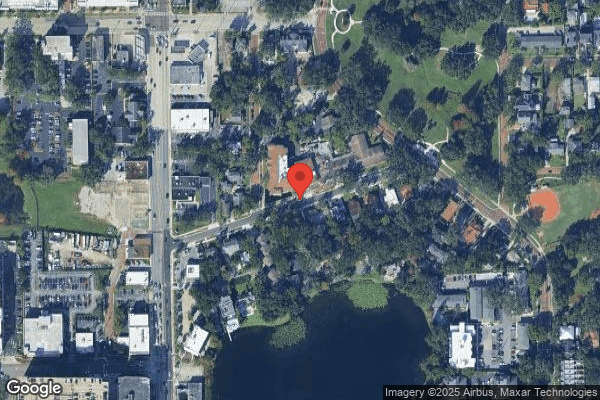

215 ANNIE STREET, ORLANDO, FL 32806 (407) 841-4371
Non profit - Other 89 Beds Independent Data: November 2025 2 Immediate Jeopardy citations
Trust Grade
26/100
#341 of 690 in FL
Last Inspection: July 2025

Inspected within the last 6 months. Data reflects current conditions.

Overview

Delaney Park Health and Rehabilitation Center has received a Trust Grade of F, indicating significant concerns about the facility's quality of care. Despite ranking #16 out of 37 nursing homes in Orange County, which is in the top half, the facility's overall position is troubling due to a worsening trend in issues, increasing from 7 to 12 in one year. Staffing is a relative strength with a turnover rate of 34%, lower than the state average, and the facility has good RN coverage, exceeding 90% of Florida facilities. However, the $57,818 in fines is concerning, as it is higher than 86% of nursing homes in the state, suggesting ongoing compliance issues. Notably, there have been critical incidents, including failures to protect a resident from neglect related to suicidal tendencies, highlighting serious concerns about the facility's ability to ensure resident safety and well-being.

Trust Score
F
26/100
In Florida
#341/690
Top 49%
Safety Record
High Risk
Review needed
Inspections
Getting Worse
7 → 12 violations
Staff Stability
○ Average
34% turnover. Near Florida's 48% average. Typical for the industry.
Penalties
○ Average
$57,818 in fines. Higher than 64% of Florida facilities. Some compliance issues.
Skilled Nurses
✓ Good
Each resident gets 60 minutes of Registered Nurse (RN) attention daily — more than 97% of Florida nursing homes. RNs are the most trained staff who catch health problems before they become serious.
Violations
⚠ Watch
23 deficiencies on record. Higher than average. Multiple issues found across inspections.
★★★☆☆
3.0
Overall Rating
★★★☆☆
3.0
Staff Levels
★★★★★
5.0
Care Quality
★★☆☆☆
2.0
Inspection Score
Stable
2024: 7 issues
2025: 12 issues

The Good

  • 5-Star Quality Measures · Strong clinical quality outcomes
  • Full Sprinkler Coverage · Fire safety systems throughout facility
  • No fines on record
  • Staff turnover below average (34%)

    14 points below Florida average of 48%

Facility shows strength in quality measures, fire safety.

The Bad

3-Star Overall Rating

Near Florida average (3.2)

Meets federal standards, typical of most facilities

Staff Turnover: 34%

12pts below Florida avg (46%)

Typical for the industry

Federal Fines: $57,818

Above median ($33,413)

Moderate penalties - review what triggered them

The Ugly 23 deficiencies on record

2 life-threatening
Jul 2025 10 deficiencies
CONCERN (D)

Potential for Harm - no one hurt, but risky conditions existed

Notification of Changes (Tag F0580)

Could have caused harm · This affected 1 resident

**NOTE- TERMS IN BRACKETS HAVE BEEN EDITED TO PROTECT CONFIDENTIALITY** Based on observation, interview, and record review the facility failed to notify the physician of a change in resident condition...

Read full inspector narrative →
**NOTE- TERMS IN BRACKETS HAVE BEEN EDITED TO PROTECT CONFIDENTIALITY** Based on observation, interview, and record review the facility failed to notify the physician of a change in resident condition to ensure prompt diagnosis and treatment for 1 of 1 resident reviewed for patient rights, out of a total sample of 34 residents, (#61).Finding:Resident #61 was admitted to the facility from an acute care hospital on 6/28/25 for short term rehabilitation. She had diagnoses that included encounter for orthopedic aftercare, displaced condyle fracture of lower end of right femur, shortness of breath, and interstitial pulmonary disease. Review of the admission Minimum Data Set (MDS) dated [DATE], revealed resident #61 had a Brief Interview for Mental Status (BIMS) score of 15 out of 15, which was cognitively intact. Resident #61's medical record revealed that on 7/06/25 a daily skilled note was entered by the nurse documenting the resident's complaint of pain and warmth to the right leg, which was her surgical leg. The nurse noted that the resident's legs were swollen, especially the right leg and it was red and warm to the touch. The nurse also completed an assessment of the surgical dressing which was dry and intact, and she administered medication for pain. There was no documentation indicating that the MD was notified. Review of previous assessments revealed that on 6/28/25 an admission baseline care plan noted no edema observed to lower extremities. A Daily skilled note on 7/03/25 noted the resident complained of pain, lower extremities were warm, generalized edema was present, and resident was experiencing a cough while lying flat. The nurse administered pain medication and made MD aware of the findings.Review of progress notes for resident #61, revealed on 7/08/25 the nurse became aware of the resident's transfer to the hospital due to positive findings of deep vein thrombosis (DVT) to the right leg. A nursing note on 7/10/25 stated the resident returned to the facility from the hospital with a new diagnosis of DVT and her anticoagulant medication dose was increased.A DVT is a blood clot in one of the deep veins of the body, often the legs. It can be a life-threatening situation if the clot breaks free and travel to the lungs causing a blockage in the artery of the lung. If you have symptoms of a DVT you should contact your physician, (retrieved on 8/03/25 from www.mayoclinic.org).On 7/14/25 at 12:29 PM, resident #61 stated she complained to the nurse on 7/06/25 about the swelling, pain, and warmth to her right lower extremity, but the nurse did nothing. She said nothing was done for the symptoms until she saw the cardiologist at an appointment on 7/08/25 and was sent to the hospital.Review of facility policy titled Notification of Resident/Patient Change in Condition, effective October 2021, revealed nurses would notify the resident/resident representative if there was a crucial/significant change in the resident condition. If the change in resident condition was not crucial or significant, the resident's physician, resident representative or legal representative would be notified at the earliest convenient time. Part of the procedure was for the nurse to document the time notification was made and the names of the person to whom they spoke. On 7/17/25 at 1:46 PM, the Director of Nursing stated that a change in condition should be documented when there was a change in the resident's status. Her expectation was for staff to follow the policy and notify the physician when the resident complained of new symptoms.
CONCERN (D)

Potential for Harm - no one hurt, but risky conditions existed

Deficiency F0605 (Tag F0605)

Could have caused harm · This affected 1 resident

**NOTE- TERMS IN BRACKETS HAVE BEEN EDITED TO PROTECT CONFIDENTIALITY** Based on observation, interview, and record review, the facility failed to ensure one of five residents reviewed for unnecessary...

Read full inspector narrative →
**NOTE- TERMS IN BRACKETS HAVE BEEN EDITED TO PROTECT CONFIDENTIALITY** Based on observation, interview, and record review, the facility failed to ensure one of five residents reviewed for unnecessary drugs did not receive an unnecessary antipsychotic medication with subsequent increase in dose and a diagnosis of schizophrenia without clear documentation to support the indication for use and diagnosis in the medical record, of a total sample of 34 residents, (#68).[NAME], [NAME] (68) Findings:Resident #68 was admitted from an acute care facility on 2/21/25 with diagnoses of hypertension, type 2 diabetes mellitus, unspecified dementia without behavioral disturbance, psychotic disturbance, mood disturbance, and anxiety.The admission Minimum Data Set assessment dated [DATE] indicated the resident had no potential indicators of psychosis and no behavioral symptoms. The same assessment found the resident did not have any psychotic disorders or schizophrenia. The resident was assessed with severe cognitive impairment. The quarterly assessment dated [DATE] also indicated the resident had no indication of psychosis, no behavioral symptoms, and no psychotic disorders or schizophrenia.Behavioral notes dated 3/11/25 documented no psychiatric history, no further need for psychologist, resident now adjusting to facility placement.On 7/09/25 the resident had new orders for an antipsychotic drug, Risperdal 0.25 milligrams (mg) with the reason listed as psychosis with paranoia/auditory hallucinations. A behavioral care plan was initiated on 7/08/25 when the resident was noted to scratch himself. The goal was will not harm self and will honor resident rights. The first intervention was to administer psychotropic medication as ordered. Other interventions were to document episodes of behavior and review to document effectiveness of medication. The care plan did not include any interventions to address the circumstances surrounding the resident scratching self nor any resident-centered interventions specific to that behavior. Risperdal is an antipsychotic medicine that works by changing the effects of chemicals in the brain. Risperdal is used to treat schizophrenia in adults and children who are at least [AGE] years old. Risperdal is also used to treat symptoms of bipolar disorder (manic depression) in adults and children who are at least [AGE] years old. Warnings: Risperdal is not approved for use in older adults with dementia-related psychosis. Risperdal is a High-risk drug with a Black Box Warning - Increased mortality in elderly patients with dementia-related psychosis, (retrieved from www.drugs.com on 7/29/25 at 5:27 PM).A review of the behavior monitoring record from 7/05/25 at 6:59 AM to 7/18.25 at 1:13 AM, indicated no behaviors were observed.On 7/17/25 at 11:00 AM, nurse D, who was familiar with the resident, revealed the resident was generally happy with a good appetite. She said she heard he expressed worries at night about law enforcement coming for him a little over a week ago, but explained he was doing much better this week.After a visit from the Mental Health Nurse Practitioner on 7/17/25, the resident received an order to increase the antipsychotic medication to Risperdal 0.5mg for schizophrenia. The review of systems documented no psychotic symptoms noted or reported. The mental status examination documented hallucinations: auditory but did not note any other specific details about the resident to possible direct non-pharmacologic intervention.On 7/18/25 at 12:00 PM, the Director of Nursing (DON) and Regional Nurse were asked in a joint interview why the antipsychotic medication was increased and why the resident was given a new diagnosis of schizophrenia for that medication when the behavior documentation record indicated that the resident has not had any behaviors. The Regional Nurse provided a written statement from the President of the Behavioral Services group who employed the Mental Health Nurse Practitioner. The statement stressed the importance of having at least 10 years of appropriate documentation for a schizophrenia diagnosis and must include conversations with staff and primary physicians. The statement continued that any increase in medication must be preceded by documentation of noticeable symptoms as the reason for the increase. Neither the DON nor the Regional Nurse provided a verbal explanation to the above question and the information provided by the facility did not answer the question. No further documentation was provided.
CONCERN (D)

Potential for Harm - no one hurt, but risky conditions existed

Deficiency F0627 (Tag F0627)

Could have caused harm · This affected 1 resident

**NOTE- TERMS IN BRACKETS HAVE BEEN EDITED TO PROTECT CONFIDENTIALITY** Based on interview, and record review, the facility failed to document/investigate residents who discharged Against Medical Advi...

Read full inspector narrative →
**NOTE- TERMS IN BRACKETS HAVE BEEN EDITED TO PROTECT CONFIDENTIALITY** Based on interview, and record review, the facility failed to document/investigate residents who discharged Against Medical Advice (AMA) to ensure the residents were not forced to leave the facility and to provide a safe discharge to the extent possible for 1 out 3 residents sampled for discharge, of a total sample of 34 residents, (#96).Findings: Resident #96 admitted to the facility on [DATE] and her diagnoses included clavicle fracture, abnormal gait, morbid obesity and malaise. Review of the resident's medical record revealed resident #96 had a daughter but the resident was responsible for herself. Review of discharge summaries for both Physical Therapy and Occupational Therapy noted the resident discharged home on 6/16/25. The resident Discharge Summary, nor the Physician's Discharge order was not in the medical record. The medical record did not provide evidence resident #96 safely discharged from the facility. On 7/17/25 at 10:53 AM, the Rehabilitation Director said the resident started therapy on 5/28/25 and the physician had ordered six weeks of therapy. The Rehabilitation Director could not explain why resident #96 did not complete her therapy. On 7/18/25 the Social Worker (SW) said she could not find the physician's order for discharge, and she could not provide the reason why the resident left the facility. The next day, on 7/19/25 at 10:48 AM, the SW said resident #96 discharged AMA on 6/16/25. She could not provide an AMA form or evidence the physician was notified of the AMA. The SW added nursing should have provided a medication list and informed the resident to follow up with her provider regardless of whether the discharge was AMA or voluntary. The SW was not able to provide any evidence the resident was provided with a medication list and instructed to contact her physician. The SW stated she was not at the facility when the resident left AMA, nor did she investigate the resident's AMA to ensure the discharge was safe to the extent possible. On 7/18/25 at 11:08 PM, the Business Office Manager (BOM) confirmed resident #96 was admitted to the facility on [DATE], under Medicare and the resident discharged AMA on 6/16/25 at approximately 7:36 PM. The BOM said Medicare may deny payment for residents that discharge AMA, and the resident would be responsible for any charges incurred during their stay at the facility. The BOM stated she was not at the facility when the resident discharged AMA and confirmed that staff should have informed resident #96 about the potential Medicare non-payment for leaving AMA. The BOM could not provide any documented evidence the resident was informed. On 7/18/25 at 3:53 PM, the Unit two Manager (UM)said the reports indicated resident #96 left the facility AMA. The Unit Manager said he did not remember who the nurse was when the resident discharged AMA. The UM indicated at a minimum the resident should had been given her medication list, and the attending physician should have been notified. The UM could not provide any documented evidence that facility staff provided a safe discharge, to the extent possible, for a resident that left the facility AMA.
CONCERN (D)

Potential for Harm - no one hurt, but risky conditions existed

Quality of Care (Tag F0684)

Could have caused harm · This affected 1 resident

**NOTE- TERMS IN BRACKETS HAVE BEEN EDITED TO PROTECT CONFIDENTIALITY** Based on observation, interview, and record review the facility failed to ensure that a resident at risk for Deep Vein Thrombosi...

Read full inspector narrative →
**NOTE- TERMS IN BRACKETS HAVE BEEN EDITED TO PROTECT CONFIDENTIALITY** Based on observation, interview, and record review the facility failed to ensure that a resident at risk for Deep Vein Thrombosis (DVT) formation was appropriately monitored and treated in accordance with professional standards of practice and the comprehensive person-centered care plan for 1 of 1 resident reviewed for edema care, of a total sample of 34 residents, (#61). Findings:Resident #61 was admitted to the facility from an acute care hospital on 6/28/25, for short term rehabilitation. She had diagnoses that included encounter for orthopedic aftercare, right leg fracture, shortness of breath, and interstitial pulmonary disease. Review of the admission Minimum Data Set (MDS) dated [DATE], revealed resident #61 had a Brief Interview for Mental Status score of 15 out of 15, which meant she was cognitively intact. The assessment indicated she had a history of hip fracture, a lower extremity impairment on one side, utilized a walker or wheelchair for mobility, and was taking anticoagulants. Resident #61's physician orders included monitoring for signs and symptoms (s/s) of bleeding and thromboembolism during each nursing shift. The s/s of thromboembolism were listed to include pain or tenderness, swelling of lower extremity, increased warmth, and unexplained shortness of breath. The order detailed if any of the s/s were present the nurse was to notify the physician. Resident #61 also had an order for an anticoagulant, Eliquis Oral Tablet 2.5 milligram (mg) twice a day for Atrial Fibrillation (A-Fib). Review of resident #61's medical record revealed a care plan was initiated on 7/8/25, for anticoagulant therapy related to A-Fib, and post-surgical care. The goal was to minimize the risk of complications, and the interventions included daily skin inspection, reporting of abnormalities to the nurse, and observation for changes to extremities. On 7/14/25 at 12:29 PM, resident #61 was observed in her room sitting in a wheelchair and was well groomed. Her husband was at the bedside. Her legs were swollen from the knee down and she said she had surgery on her right leg prior to the admission. The resident said her legs started to swell a few days after her admission to the facility and a couple days later she was hospitalized due to a blood clot in her right calf. She recalled that a few days prior to the hospitalization, she told the facility nurse she was feeling pain, and warmth on her right leg. The resident stated the nurse gave her some pain medication but nothing else was done. She continued that a few days later while at a cardiology appointment, she told the Cardiologist about her symptoms, and they performed a doppler study in the office. Resident #61 said she had a blood clot in the right leg, and she was transferred to the hospital right away. She recalled that at the hospital they diagnosed her with DVT. She recalled she was admitted to the hospital for two days and the clot was treated with intravenous anticoagulants. She said her Eliquis dose was increased upon her discharge from the hospital. Review of a nursing note dated 7/06/25, read the resident's bilateral lower extremities were swollen, especially the right one. The nurse noted resident #61's right leg was red and warm to the touch. The note indicated the resident said her leg had been normal a few days prior. The nurse documented she removed the resident's sock and assessed the area including the bandages on the knee and upper thigh, but the dressing was clean and intact. She noted that the resident complained of pain to the leg and so she administered pain medication as ordered. Review of the medical record revealed no other notes showing the nurse reported her findings to a physician or supervisor, or any other follow up. On 7/08/25, a nurse documented she called the Cardiologist's office when resident #61 did not return from her appointment and was told by the receptionist that the resident had been transferred to the hospital due to positive findings of DVT to the right leg. On 7/10/25, the resident returned from the hospital and the anticoagulant medication was increased. The Agency for Healthcare Administration (AHCA) transfer form 3008 dated 7/09/25 for resident #61, revealed she had a primary diagnosis of acute deep vein thrombosis of the right lower extremity. The accompanying history and physical (H&P) dated 7/08/25, noted resident #61 had right lower extremity swelling, pain, and erythema (redness of the skin). A DVT in the leg was the most common cause of pulmonary embolism (blood clot of artery in lung). If the clot became loose from the vein, it could travel through the bloodstream ending up in the lungs and causing a blockage that could be potentially fatal. This could happen immediately after clot formation, or it could happen later. The risk factors for DVT formation include trauma and surgery, (retrieved on 7/19/25 from www.WebMD.com)On 7/17/2025 at 11:57 AM, Registered Nurse (RN) A confirmed they often got post-surgical residents, specifically from orthopedic surgery. She explained that surgical residents needed to be monitored for bleeding, pain, infection to the site, edema, and cellulitis. The nurse conveyed if a resident complained of pain, swelling, and/or heat to the extremities, she should communicate this to the doctor. She stated that heat, swelling, and/or pain were possible signs of a DVT and an order for a doppler would often confirm the diagnosis. RN A said she had cared for resident #61 during her stay and she called the Cardiologist's office when the resident was transferred to the hospital. She was not aware that the resident had complained of pain and warmth to her right leg prior to the hospitalization. In a joint interview on 7/17/25 at 1:46 PM, the Director of Nursing (DON) and 200-unit RN Unit Manager (UM) discussed resident #61's hospitalization. They both confirmed they were not aware resident #61 had complained to the nurse on 7/06/25 about the symptoms in her right leg. They became aware of the resident having a DVT after she had been hospitalized . The DON stated the process was for the nurse to make the physician aware of any new symptoms and then wait for an order for further evaluation. She said that in her experience a DVT could usually be treated in house without the need to send the resident to a higher level of care. She said it was her expectation for staff to complete a thorough assessment when the resident reported changes and findings should be reported immediately to the attending physician for prompt treatment and to prevent further complications.
CONCERN (D)

Potential for Harm - no one hurt, but risky conditions existed

Deficiency F0688 (Tag F0688)

Could have caused harm · This affected 1 resident

**NOTE- TERMS IN BRACKETS HAVE BEEN EDITED TO PROTECT CONFIDENTIALITY** Based on observation, interview, and record review, the facility failed to provide care and services in accordance with professi...

Read full inspector narrative →
**NOTE- TERMS IN BRACKETS HAVE BEEN EDITED TO PROTECT CONFIDENTIALITY** Based on observation, interview, and record review, the facility failed to provide care and services in accordance with professional standards of practice related to limited range of motion and splinting care, for 1 of 1 resident reviewed for limited range of motion and positioning, of a total sample of 34 residents, (#90). Findings: Resident #90 was admitted to the facility on [DATE] with diagnoses that included stroke, abnormality of gait and mobility, need for assistance with personal care, cognitive communication deficit, vascular dementia, muscle wasting and atrophy, acquired absence of right leg below the knee, and hemiplegia/hemiparesis (one sided paralysis/muscle weakness) affecting the right dominant side. Revision of the Quarterly Minimum Data Set (MDS) dated [DATE] for resident #90, revealed she had a Brief Interview for Mental Status score of 10 out of 15, which indicated moderate cognition. She had no rejection of care behaviors noted and no mood changes. The assessment indicated she had upper extremity impairments bilaterally and lower extremity impairment on one side. The assessment described for her activities of daily living (ADLs), she was dependent for toileting, showering, dressing, personal hygiene, transfers, and mobility. On 7/14/25 at 2:30 PM, resident #90 was in her room sitting in a wheelchair with her eyes closed. Her right arm was bent at the elbow and her right hand was in a fist. She was holding her right hand with her left and was leaning off the wheelchair to the right. She opened her eyes briefly but did not respond when asked how she was doing. The Occupational Therapy (OT) Evaluation and Plan of Treatment report for resident #90 dated 4/28/25, revealed she was referred for OT due to a decline in all areas, prevention of further decline, ADL training, and neuromuscular education. The report also noted that resident #90 verbalized pain to the right shoulder, elbow, and wrist, which she described as discomforting and chronic. Review of resident #90's Order Summary Report dated 7/18/25, revealed a physician's order dated 10/25/24 for right elbow splint to be worn in the daytime for four to six hours per day. A further review of the Medication and Treatment Administration Record revealed staff applied the elbow splint daily. On 7/15/25 at 10:30 AM, resident #90 was in the dining room during an activity. She was not wearing the elbow splint. Resident #90 explained the staff did not put the splint on her during morning care. She was unable to recall the last time she wore the splint but said she had asked one of her aides to apply it, but they did not know where it was. Resident #90 was observed again without the elbow splint on 7/16/25, and 7/17/25. On 7/17/25 at 3:50 PM, Certified Nursing Assistant (CNA) E stated she had cared for resident #90 many times and was familiar with her care. She explained she mainly worked the 3-11 PM shift, and the resident would already have the splint on when she arrived for her shift. The CNA confirmed she had not seen the resident wearing the splint today but said she was not surprised because staff would sometimes remove the splint during lunch to give her a break. She confirmed resident #90 had no behaviors, and no rejection of care.Review of resident #90's care plan revealed she had an ADL care plan initiated 6/29/24, revised 5/18/25. The focus was on ADL selfcare performance deficit related to several diagnoses including hemiparesis affecting the right dominant side. Interventions included applying a right-hand splint as tolerated, initiated on 7/18/25 but there was no intervention for applying the right elbow splint. On 7/17/25 at 4:05 PM, the Director of Rehabilitation (DOR) confirmed resident #90 was ordered the right elbow splint in October 2024. She said it was the responsibility of the nurses and CNAs to apply the splint as ordered. On 7/18/25 at 1:00 PM, CNA B confirmed she worked the 7-3 PM shift and was assigned resident #90. She said the resident had not been wearing the elbow splint because it was lost. She said, they looked in the room and found the elbow splint in the top drawer of a tall dresser next to the resident's bed. On 7/18/25 at 1:04 PM, assigned Licensed Practical Nurse (LPN) C reviewed the resident's active orders and saw she the order for a splint for her right elbow starting October of 2024. She said she did not remember seeing the resident with the splint that morning and could not recall the last time she saw her wearing it. LPN C said CNAs were mainly responsible for applying splints, but the nurse would verify that it was done. She stated she had not received any education on how to apply the splint for resident #90 and therapy was responsible for providing training to staff on splints.On 7/18/25 at 1:16 PM, the 100-unit Unit Manager (UM) explained when a resident had an order for a splint, therapy would come down to the floor and provide training to staff on how to apply it, but she was unsure if therapy had come to train staff for resident #90's elbow splint. She said that not knowing how to apply the splint was not a reason for not following physician orders and staff needed to ensure they asked for training. The UM said she could not recall the last time she saw resident #90 with the elbow splint. On 7/18/25 at 1:24 PM, the DOR confirmed training had been provided for the staff of the 100-unit. She said they used a Splinting Program Form after education had been provided noting the resident's name, room number, instructions for use, precautions, start date, picture of splint, and signatures for Therapist, CNAs, UM, and DON. The form she provided was missing all the signatures required to prove training had been provided. She also produced a form used by therapy to request the splint order. This form showed that on 10/24/24 resident #90 was ordered a left elbow splint by OT to prevent worsening of left elbow and contracture with the attending physician's signature. On 7/18/25 at 2:00 PM, the Director of Nursing (DON) acknowledged resident #90 had not worn the left elbow splint on 7/14/25, 7/15/25, 7/16/25, 7/17/25, and 7/18/25 and that staff were unsure of when it had been worn last. The DON was made aware staff had explained they were not sure where the splint was so that is why it had not been applied, but the resident's assigned CNA found it on 7/17/25 in the resident's room inside a drawer. The DON acknowledged resident #90's assigned nurse confirmed she had not been supervising the CNAs to ensure the orders for splinting were being followed nor had she received training on applying the splint. The DON stated her expectation was for staff to ensure orders were being followed to prevent residents from further decline. She said staff needed to let a supervisor know when splints were lost or when training was needed.
CONCERN (D)

Potential for Harm - no one hurt, but risky conditions existed

Medical Records (Tag F0842)

Could have caused harm · This affected 1 resident

**NOTE- TERMS IN BRACKETS HAVE BEEN EDITED TO PROTECT CONFIDENTIALITY** Based on interview, and record review, the facility failed to maintain medical records that were accurately documented in accord...

Read full inspector narrative →
**NOTE- TERMS IN BRACKETS HAVE BEEN EDITED TO PROTECT CONFIDENTIALITY** Based on interview, and record review, the facility failed to maintain medical records that were accurately documented in accordance with professional standards of practice for 1 of 1 resident reviewed for splint care and limited range of motion, of a total of 34 residents, (#90).Findings:Resident #90 was admitted to the facility on [DATE] with diagnoses that included stroke, abnormality of gait and mobility, need for assistance with personal care, cognitive communication deficit, vascular dementia, muscle wasting and atrophy, acquired absence of right leg below the knee, and hemiplegia/hemiparesis (one sided paralysis/weakness) affecting the right dominant side. Revision of the Quarterly Minimum Data Set (MDS) dated [DATE] for resident #90, revealed she had a Brief Interview for Mental Status score of 10 out of 15, which indicated moderate cognition. She had no rejection of care behaviors noted and no mood changes. The assessment indicated the resident had upper extremity impairments bilaterally and lower extremity impairment on one side. She was dependent for toileting, showering, dressing, personal hygiene, transfers, and mobility but was able to eat independently. On 7/14/25 at 2:30 PM, resident #90 was in her room, sitting in a wheelchair with her eyes closed. She had her right arm bent at the elbow and her right hand was in a fist. She was holding her right hand with her left and was leaning off the wheelchair to the right. She opened her eyes briefly but did not respond when asked how she was doing. Review of resident #90's Order Summary Report dated 7/18/25, revealed she had an order dated 10/25/24 for a right elbow splint to be worn in the daytime for four to six hours per day. On 7/15/25 at 10:30 AM, resident #90 was in the dining room during an activity. She was not wearing the elbow splint. Resident #90 explained the staff did not put the splint on her during morning care. She was unable to recall the last time she wore the splint, but she said she had asked one of her aids to put it on, but they did not know where it was. Resident #90 was observed without the elbow splint again on 7/16/25, 7/17/25, and 7/18/25. Review of the Medication Administration Record for resident #90, revealed the nurse had documented that the splint had been applied to resident on 7/14/25, 7/15/25, 7/16/25, 7/17/25, and 7/18/25.On 7/18/25 at 1:04 PM, Licensed Practical Nurse (LPN) C reviewed resident #90's orders and confirmed the physician's order for a right elbow splint. She was not sure if the resident was wearing the splint today or when the last time she had seen her with the splint. The conversation was moved to the dining room where resident #90 was involved in an activity and LPN C confirmed the resident was not wearing the splint. LPN C explained it was the CNA's responsibility to ensure the splint was applied and they should inform the nurse if there were any issues or the resident refused. She confirmed she had not received any communication from the CNA about the resident refusing to wear the splint. The Medication Administration Record for July 2025 was reviewed and LPN C confirmed she had documented the resident was wearing the splint both on 7/15/25 and today. She said she did not communicate with the CNA or actually verify if the resident was wearing the splint prior to documenting on it. During the month of July, there were five other occasions when LPN C documented the splint was applied but she was unable to recall if she had actually seen the resident wearing the splint. The nurse confirmed the documentation was inaccurate and said it was important to ensure orders were being followed prior to documenting. On 7/18/25 at 1:16 PM, the 100- Unit Manager confirmed CNAs were responsible for applying splints and the nurses were to ensure the resident was wearing the splint as ordered. It was her expectation to provide accurate documentation on all resident charts. The DON was interviewed a short time later at 2:00 PM and agreed the expectation was for staff to follow orders and ensure documentation was accurate.
CONCERN (D)

Potential for Harm - no one hurt, but risky conditions existed

Deficiency F0865 (Tag F0865)

Could have caused harm · This affected 1 resident

Based on observation, interview, and record review, the facility's Quality Assurance and Performance Improvement (QAPI) committee failed to identify an area of systemic non-compliance with the Infecti...

Read full inspector narrative →
Based on observation, interview, and record review, the facility's Quality Assurance and Performance Improvement (QAPI) committee failed to identify an area of systemic non-compliance with the Infection Prevention & Control Program identified by the survey team.Findings: Review of the facility's survey history revealed repeat deficiency concerns for infection prevention and control over the past year. The survey history revealed the facility had a deficiency in infection prevention and control during the 6/05/24 annual survey and again during the current annual survey.On 7/18/25 at 3:14 PM, a joint interview was conducted with the facility's Administrator and Director of Nursing (DON) to discuss the facility's QAPI program. The facility could not show documented evidence they had a Process Improvement Plan (PIP) or current audits in effect for infection prevention and control. The Administrator acknowledged the facility completed a plan of correction for infection prevention based on last year's annual survey results but closed out monitoring of it in January of 2025.Review of the facility policy for Quality Assessment, Assurance, and Compliance (QAA&C) effective January 2025 read, The facility will form a QAA&C Committee, designed to review and analyze facility-based evidence data, develop and implement process improvement plans, monitor effectiveness of plans, and ensure resources are allocated to ensure improvements. It is the responsibility of the QAA&C Committee to consider data presented by the members and process improvement team(s) then direct the team(s) to continue, change, or conclude the assignment. The QAA&C will assign improvement tasks to Committee(s), Quality Assurance Performance Improvement (QAPI)/ Process Improvement Plan (PIP) Teams, or individuals.
CONCERN (E)

Potential for Harm - no one hurt, but risky conditions existed

Safe Environment (Tag F0584)

Could have caused harm · This affected multiple residents

Based on observation, and interview, the facility failed to maintain a homelike environment in 30 resident rooms on one of two floors, (100 wing) by failing to maintain ceiling vent covers with a clea...

Read full inspector narrative →
Based on observation, and interview, the facility failed to maintain a homelike environment in 30 resident rooms on one of two floors, (100 wing) by failing to maintain ceiling vent covers with a clean and sanitary surface.Findings:Observations of resident rooms on the first floor on 7/14/25 at 2:10 PM, revealed ceiling vent covers with a variance in color over the entire surface area from black to white. The surface also had rust-colored substance around the edges. (photographic evidence obtained)In an interview with the resident representative for resident # 85, she stated she has asked staff to address the unsanitary appearance of the vents because they did not look clean and appeared as if they have a mold-like substance or accumulation of debris on the surface.On 7/15/25 at 10:30 AM, the Maintenance Director stated all the vent covers were the same on the first floor and showed signs of wear and tear from years of use. He stated the vents had been painted black, but the white color and rust color was still visible. Later that same day at 11:07 AM, the Maintenance Director was observed just outside the door at the end of the hallway as he scraped the rust-colored substance from the surface and edges of a vent. On 7/18/25 at 12:40 AM, the Maintenance Director stated he thought a family member may have recently complained about the condition of the vent covers. He acknowledged the black color could be interpreted by some as mold, but he said it was not mold. He stated the vents were old, so scraping off the rust and repainting them was how the maintenance staff was able to keep them in use versus replacing them. The floor plan indicated the first floor had 30 resident rooms.
CONCERN (E)

Potential for Harm - no one hurt, but risky conditions existed

Infection Control (Tag F0880)

Could have caused harm · This affected multiple residents

**NOTE- TERMS IN BRACKETS HAVE BEEN EDITED TO PROTECT CONFIDENTIALITY** Based on observation, interview, and record review, the facility failed to ensure infection control policies and procedures were...

Read full inspector narrative →
**NOTE- TERMS IN BRACKETS HAVE BEEN EDITED TO PROTECT CONFIDENTIALITY** Based on observation, interview, and record review, the facility failed to ensure infection control policies and procedures were followed to implement the infection prevention and control plan by failing to initiate enhanced barrier precautions for 24 residents on one of two floors (100 unit), failed to ensure transmission-based isolation was the least restrictive for one of two residents reviewed for transmission-based precautions, (#30); failed to document process surveillance, including identification of pertinent process surveillance from the infection control risk assessment, and failed to follow transmission-based precautions to help prevent the spread of infection on one of two wings, (100 wing) for 2 of 2 residents reviewed for transmission-based precautions (#82, and #30), of a total sample of 34 residents.Findings: 1. On 7/14/25 at 1:00 PM, observations on the second floor (200 wing) revealed approximately 12 residents on enhanced barrier precautions. Personal protective equipment (PPE) was readily available in a caddy on the door and a sign for enhanced barrier precautions was located prominently on the outside of the door. On 7/14/25 at 2:30 PM, observations on the first floor of the facility (100 unit) revealed no evidence of implementation of enhanced barrier precautions (EBP). None of the resident rooms had PPE readily available on the door and no enhanced barrier signs or other enhanced barrier precaution indicators were present. Review of the resident matrix provided by the facility indicated 14 residents on the 100 unit with one or more of the following: pressure ulcers, tube feeding, indwelling catheters, or tracheostomies. Review of the Policy and Procedure titled “Barrier Precautions” effective April 2024, included EBP. The Policy listed EBP as an infection control intervention designed to reduce transmission or multi drug-resistant organisms (MDROs) that employed targeted gown and glove use during high-contact resident care activities. EBP were used in conjunction with Standard Precautions and expanded the use of PPE to donning of gown and gloves during high-contact resident care activities that provided opportunities for transfer of Multi Drug Resistant Organisms (MDROs) to staff hands and clothing. EBP was indicated for residents with any of the following: Infection or colonization with a Centers for Disease Control and Prevention (CDC) targeted MDRO when contact precautions did not otherwise apply or, wounds and/or indwelling medical devices even if the resident was not known to be infected or colonized with a MDRO. The procedure listed the following: Staff will be routinely trained in infection control practices to include when to use Standard Precautions, Contact Precautions, Enhanced Barrier Precautions, and Droplet Precautions. A grid was provided (appendix A) for staff reference which outlined the differences between Contact Precautions and Enhanced Barrier Precautions. The Director of Nursing/Designee will track resident infections and ensure staff was notified of resident-specific precautions. Signage was used, as appropriate. Review of Appendix A revealed a portion of the verbiage from the guidance for EBP from Appendix PP Guidance to Surveyors for Long-Term Care Facilities was missing related to implementation of contact versus EBP regarding language for secretions or excretions that were unable to be contained. The policy and procedure did not contain any other details regarding the implementation and use of EBP as listed in the regulatory guidance or from the nationally recognized and accepted standards (Center for Disease Control and Prevention). On 7/16/25 at 8:30 AM, the 100 wing Unit Manager stated EBP were used for residents who have tracheostomies. She confirmed resident #85 had a tracheostomy and confirmed PPE was not readily available for use with EBP. On 7/14/25 at 3:40 PM, the Director of Nursing (DON) said the Infection Preventionist (IP) position had been vacant for over three weeks. She stated she was acting as the IP in the interim. On 7/16/25 at 4:00 PM, the DON explained the facility was in the process of implementing EBP on the first floor as to why enhanced barrier precautions were not implemented on the 100 wing. She did not have a reply for whether she was aware of the regulatory guidance that became effective more than a year ago on April 1, 2024. The DON stated she was not aware of the missing language in appendix A of the EBP procedure. On 7/17/25 at 11:30 AM, the Administrator and the DON confirmed the lists provided to the survey team for residents on transmission-based precautions and enhanced barrier precautions was inaccurate. The DON provided a new list of residents now on EBP on 7/18/25, and 24 residents were listed on the first floor. The reasons listed were as follows: Foley (urinary catheter), wound, gastrostomy tube (tube to stomach), tracheostomy (breathing tube in throat), other tube. Two residents were listed with onset for the indication for EBP in 2024 and the others ranged from 1/13/25 to 7/18/25. 2. Resident #30 was admitted from an acute care facility on 2/05/25. He had diagnoses of cerebral palsy with a history of head injury, aspiration pneumonia, sepsis, tracheostomy and gastrostomy tube. Progress notes dated 2/05/25 indicated the hospital called to notify the facility the resident was colonized with the MDRO (Candida auris). The progress note indicated the resident was moved to a private room and placed on contact isolation at that time. Colonized refers to the presence of micro-organisms on the surface of or in the tissue of a wound without the signs and symptoms of infection (fever, redness, purulent exudates) or without detectable immune response, cellular damage, or clinical expression, (retrieved on 8/03/25 from the Centers for Medicare and Medicaid Services State Operations Manual Appendix PP Guidance to Surveyors for Long Term Care Facilities). Policy and Procedure for the Infection Prevention and Control Program effective October 2021 and approved by the Administrator, Medical Director, and DON in January 2025 revealed one of the goals was to identify and correct problems relating to infection control and prevention practices. A major activity listed included implementation of infection control and prevention measures. The policy indicated the prevention of the spread of infections was accomplished by use of Standard Precautions, organism specific precautions, and other barriers… The Policy and Procedure titled “Barrier Precautions” effective April 2024 revealed EBP was indicated for residents with infection or colonization with a Centers for Disease Control and Prevention (CDC) targeted MDRO when contact precautions did not otherwise apply. The current CDC list of targeted MDROs included Candida auris. On 7/14/25 at 3:30 PM, an observation of resident #30’s room showed a receptable hanging on his door that contained PPE (gowns, gloves, and masks) and a sign that indicated the resident required contact precautions. The door to the room was open (photographic evidence obtained) and the resident was observed inside the room. On 7/14/25 at 3:20 PM, Licensed Practical Nurse (LPN) D was observed inside the resident’s room near the bed, and she was not wearing any PPE. LPN D stated the resident has C. auris and staff only needed to wear PPE in the room if they touched the resident or items in the room. She said she did not know about enhanced barrier precautions and did not know who the current infection preventionist was after the previous one left. On 7/15/25 at 11:37 AM, the Unit Manager (UM) confirmed resident #30 was on contact precautions for C. auris. She stated the resident was not receiving treatment for an infection and she did not know how long he had been isolated in his room. The care plan for fungal infection, C. auris was initiated on 2/06/25 and revised on 5/22/25. One of the goals of the plan was the resident’s infection will resolve without complications by the next review date. Contact precautions were listed as an intervention. The Minimum Data Set assessment with a review date of 2/12/25 and 5/08/25 indicated the resident was not on isolation. A physician’s order for Contact isolation for C. auris was dated 4/09/25. The end date for the isolation was listed as “indefinite.” Using the least restrictive isolation was not included in the care plan. On 7/17/25, the DON was asked for the line listing of infections from February 2025 to July 2025. Resident #30 was not listed as having an active infection. The DON was asked to explain why the resident was on isolation for colonization of an organism and without any indication for a need for contact isolation for the past five months. She confirmed the resident did not have an active infection or any other reason to require contact precautions. The DON stated she would need to ask the Department of Health to ascertain if the resident could have been on enhanced barrier precautions that would allow him to leave his room during that time. 3. On 7/16/24 at 3:30 PM, the DON was asked to provide evidence of process surveillance of infection control practices. The Policy and Procedure for the Infection Prevention and Control Program effective October 2021 and approved by the Administrator, Medical Director, and DON in January 2025 included a section for duties and responsibilities. The policy indicated the objectives of the Infection Control committee included: “Implement isolation precaution protocols when control of an infectious or communicable disease” and “Implement policies and procedures for the surveillance and monitoring of infection control practices.” The procedure included: “review isolation precaution techniques and procedures and help ensure that personnel, residents, and visitors follow established procedures/precautions” and maintain “Process surveillance of the workplace to ensure that required work practices are observed and that protective clothing and equipment are provided and properly used.” At that time the DON could not provide documentation of any process surveillance. On 7/17/25 at 11:30 AM, the Administrator stated he conducted the Infection Control risk assessment in January of 2025. The assessment included several areas for process surveillance events including: staff non-compliance with hand hygiene, staff non-compliance with EBP, staff non-compliance with TBP. The part of the assessment that identified the risk score for those measures was not documented. When the Administrator and DON were asked what data or observations were used to complete the risk assessment, they did not reply. The administrator stated enhanced barrier precautions including surveillance of donning/doffing/hand washing is on the agenda for the monthly infection control meeting but when asked for any routine documentation of EBP or Transmission Based Precautions (TBP) surveillance, none was provided. The DON stated TBP and EBP topics were on the annual education calendar in February and confirmed she did not have documentation of any routine process surveillance. Evidence of any documentation of routine process surveillance was requested again and was not provided at the time of exit. 4. Review of the Resident Matrix provided by the facility on 7/14/25 revealed no residents were on transmission-based precautions. On 7/14/25 at 3:30 PM, resident #30’s room had a receptable hanging on his door that contained PPE and a sign that indicated the resident required contact precautions. The sign provided instructions including but not limited to, everyone must: clean their hands, including before entering and when leaving the room. Providers and Staff must also put on gloves before entry, put on gown before room entry. The door to the room was open (photographic evidence obtained) and the resident was observed inside the room. On 7/14/25 at 3:20 PM, Licensed Practical Nurse (LPN) D confirmed the resident was on contact precautions for C. auris after she was observed inside the resident’s room near the bed, not wearing gloves or a gown. She explained staff only needed to wear a gown and gloves in the room if they touched the resident or items in the room. On 7/16/25 at 3:30 PM, the DON acknowledged the interview and observation with LPN D on 7/14/25. The DON stated contact precautions required all who entered to wear gown and gloves and confirmed the door should remain closed. 5. Resident #82 was admitted to the facility from acute care hospital on [DATE] with diagnosis that included encephalopathy (brain disorder), sepsis, enterocolitis due to clostridium difficile (C.diff), need for assistance with personal care, immunodeficiency (deficient immune system), and dementia. Review of the Agency for Healthcare Administration hospital transfer form 3008 dated 7/10/25, revealed resident #82 required a surrogate for decision making and had a primary diagnosis of sepsis and urinary tract infection. He was on contact precautions for C.diff and was being treated with antibiotics. Resident #82 was incontinent of bowel and bladder. According to the Mayo Clinic C.diff was a bacterium that caused an infection of the colon, the longest part of the large intestine. Symptoms could range from diarrhea to life-threatening damage to the colon, (retrieved on 7/18/25 at www.Mayoclinic.org). On 7/14/25 at 12:59 PM, on the hallway of the 100-unit, resident #82’s door was closed and there was Personal Protective Equipment (PPE) hanging from the door. The PPE included gloves, masks, and gowns, however there was no signage at the door that listed the type of isolation precautions resident #82 was on or an alert to speak to the nurse prior to entering. An article on the CDC website explained that C.diff could live on people’s skin and people who touch an infected person’s skin could pick up the germs on their hands. If those people did not perform hand hygiene, they could spread the germs to other people and things they touched. Furthermore, staff caring for patients in a healthcare setting should use certain precautions like wearing gowns and gloves to prevent the spread of C.diff to themselves and other residents, (retrieved on 7/28/25 at www.cdc.gov). On 7/14/25 at 1:00 PM, The 100-unit UM confirmed resident #82 had been admitted on [DATE] and was on TBP for C. diff. She acknowledged there was no sign on the door that described the isolation precautions, but said she was on her way to put the sign up. She was unable to provide a reason why the sign had not been added to the door upon the resident’s admission. The UM did not say how anyone entering resident #82's room would know to take precautions such as wearing a gown, or gloves since there was no sign in place. On 7/18/25 at 1:00 PM, Certified Nursing Assistant (CNA) E said she was aware resident #82 was on TBP but she was not sure for what. She said the sign at the door was important because it let staff know what PPE was required before entering the room to provide care to the resident. According to the Minesota Department of Health, TBP door signage should be part of the infection control guidelines for long term care facilities. Signage was an important communication tool to alert staff and other visitors to take additional precautions when entering a room and the sign should remain in place until terminal disinfection of the room occurred, (retrieved on 7/28/25 at www.health.state.mn.us/). On 7/14/25 at 4:45 PM, a contact precaution sign had still not been placed on resident #82’s door prior to the survey team’s exit for the day. On 7/17/25 at 3:27 PM, the DON stated that she was the interim IP because the previous one left and they were in the process of hiring. She said she was responsible for ensuring TBP was being followed by staff members and visitors. She explained when a resident was admitted on TBP the Admissions Coordinator would be made aware by the hospital, and she would then share that information with the DON and the IP who at the time of resident #82’s admission was the DON. The DON conveyed that the IP/DON would communicate the resident’s status to the staff, and the UM and all staff were responsible for ensuring the room was ready for the resident’s arrival, including adding the appropriate signage to the door. She recalled that on 7/10/25 she was at the facility when resident #82 was admitted but said she was not feeling well which was why she missed the signage on the door. She stated that the 100-unit UM should have ensured the sign was at the door as soon as she was made aware it was missing. The DON said her expectation was for all staff to work as a team and not wait for the IP or UM to ensure TBP was being followed.
CONCERN (F)

Potential for Harm - no one hurt, but risky conditions existed

Deficiency F0882 (Tag F0882)

Could have caused harm · This affected most or all residents

Based on interview, and record review, facility failed to ensure the facility had an Infection Preventionist responsible for the facility's Infection Prevention and Control Program (IPCP) with qualifi...

Read full inspector narrative →
Based on interview, and record review, facility failed to ensure the facility had an Infection Preventionist responsible for the facility's Infection Prevention and Control Program (IPCP) with qualifications and current specialized training to ensure implementation, monitoring and managing the IPCP.Findings:On 7/14/25 at 3:40 PM, the Director of Nursing (DON) stated the Assistant Director of Nursing (ADON) was responsible for overseeing the IPCP. She said the position had been vacant for 3 weeks and she was designated by the Administrator as the Infection Preventionist required to work at least part-time in addition to working full-time as the DON.Review of the Job Description for the ADON included the summary of position as responsible for assisting with developing, organizing, evaluating, and administering of the patient care programs and services of the center; provides staff development education, training, and completes nursing competencies; oversees the IPCP and the Antibiotic Stewardship Program. Essential duties and responsibilities included must maintain Infection Preventionist Certification.On 7/16/25 at 3:30 PM, the DON was asked for her qualifications as the Infection Preventionist. She indicated she had professional training in nursing and had maintained her license as a Registered Nurse. The DON was asked for her current qualifications as an IP and evidence of certification as required in the facility job description for the IP. She provided a paper that indicated she participated in an educational activity over 4.5 years ago on 11/24/20 titled Nursing Home Infection Preventionist Training Course. She confirmed she had not worked as an Infection Preventionist since completing that educational activity. A certificate of continuing education for 2.5 education units was dated 2/17/23 for Universal Infection Prevention and Control. The DON confirmed she was not certified in Infection Prevention and control from the Certification Board of Infection Control and Epidemiology (CIBC). She did not provide any other evidence of any other qualifications or specialized training beyond the educational activity prior to assuming the role.
May 2025 2 deficiencies
CONCERN (D) 📢 Someone Reported This

A family member, employee, or ombudsman was alarmed enough to file a formal complaint

Potential for Harm - no one hurt, but risky conditions existed

Respiratory Care (Tag F0695)

Could have caused harm · This affected 1 resident

Based on observation, interview, and record review, the facility failed to follow the physician's order for oxygen (O2) for 1 of 8 residents reviewed for O2 use, of a total sample of 12 residents, (#2...

Read full inspector narrative →
Based on observation, interview, and record review, the facility failed to follow the physician's order for oxygen (O2) for 1 of 8 residents reviewed for O2 use, of a total sample of 12 residents, (#2). Findings: Review of resident #2's medical record revealed she was readmitted from an acute care hospital on 5/06/25. Her diagnoses included respiratory failure with hypoxia (low levels of O2 in body tissues), shortness of breath, heart failure, chronic obstructive pulmonary disease (COPD) and dementia. Review of resident #2's quarterly Minimum Data Set (MDS) assessment with Assessment Reference Date of 4/07/25 revealed her Brief Interview for Mental Status score was 4 out of 15, which indicated severely impaired cognition. The MDS assessment showed resident #2 was short of breath (SOB) or had trouble breathing when lying flat and she used O2. Review of the Florida Agency for Health Care Administration 5000-3008 Medical Certification for Medicaid Long-Term Care Services and Patient Transfer Form dated 5/06/25 revealed resident #2 was admitted to the hospital due to sepsis (life-threatening systemic response to an infection). The form noted she used continuous O2 at 2 liters per minute (LPM) via a nasal canula (NC). Review of resident #2's medical record revealed a physician's order dated 5/06/21 for O2 at 2 LPM via NC for SOB/COPD. Review of resident #2's comprehensive care plan revealed an altered respiratory status related to pulmonary disease and dependence on supplemental oxygen revised on 5/08/25. An intervention directed nurses to give O2 therapy as ordered by the physician. On 5/08/25 at 4:39 PM, during a tour of rooms with oxygen concentrators conducted with the Central Supply Coordinator, resident #2 was observed in bed, and the O2 concentrator was set at 3 LPM. On 5/08/25 at 4:59 PM, Registered Nurse (RN) A inspected the O2 concentrator for resident #2 and validated it was set at 3 LPM. RN A reviewed the physician's orders and said, It looks like the O2 order is for 2 LPM. She mentioned she verified the concentrator's setting whenever she took the resident's vital signs, but said she had not taken them yet. She indicated it was important to follow the physician's orders. On 5/09/25 at 1:00 PM, the Director of Nursing (DON) indicated she expected nurses to verify the O2 order in the medical record and the concentrator to ensure the rate was accurate. She mentioned nurses were supposed to follow physician's orders. A review of the facility's Oxygen Therapy policy and procedure dated November 2023 read, Oxygen is provided to residents based on physician's orders to supplement oxygen as needed per disease process.
CONCERN (E) 📢 Someone Reported This

A family member, employee, or ombudsman was alarmed enough to file a formal complaint

Potential for Harm - no one hurt, but risky conditions existed

Room Equipment (Tag F0908)

Could have caused harm · This affected multiple residents

**NOTE- TERMS IN BRACKETS HAVE BEEN EDITED TO PROTECT CONFIDENTIALITY** Based on observation, interview, and record review, the facility failed to ensure oxygen concentrators were maintained in safe, ...

Read full inspector narrative →
**NOTE- TERMS IN BRACKETS HAVE BEEN EDITED TO PROTECT CONFIDENTIALITY** Based on observation, interview, and record review, the facility failed to ensure oxygen concentrators were maintained in safe, functional condition for 5 of 8 sampled residents who were oxygen-dependent, of a total sample of 12 residents, (#2, #8, #9, #10, and #11). The facility also failed to ensure that failed or potentially compromised concentrator units were promptly removed from use to avoid placing residents at risk of receiving inadequate oxygen support. Findings: On 5/08/25 at 11:30 AM, resident #2's son reported his mother used oxygen continuously. He identified an oxygen concentrator in her room that displayed a yellow light, and a sticker labeled, FAILED. He stated the equipment should have been working properly and expressed concern that families were left to identify malfunctioning equipment. On 5/08/25 at 1:36 PM, during a telephone interview, resident #1's spouse reported when the resident returned to the facility from a hospital stay in March 2025, the transport company driver informed her the oxygen concentrator was beeping and displaying a yellow light. Resident #1's spouse stated she reported the malfunction at that time to staff. She indicated she returned the next day and observed the same unit continued to beep intermittently. She stated after multiple reports, she was later informed the unit had been replaced. On 5/08/25 at 4:18 PM, the Central Supply Coordinator stated the facility had approximately twenty oxygen concentrators. She explained the oxygen concentrators were inspected and serviced monthly by an outside provider. She indicated when she was told an oxygen concentrator was not working, the Maintenance Director would inspect it and called the outside provider if needed. She validated resident #2's oxygen concentrator had a yellow light, and stated it was replaced that morning. She explained the oxygen concentrator was placed in the central supply room with a note that indicated it needed to be repaired. During a tour of rooms with oxygen concentrators conducted with the Central Supply Coordinator on 5/08/25 at 4:30 PM, she validated 4 of 14 units seen on the tour displayed yellow indicator lights; for residents #8, #9, #10, and #11. One unit had a sticker labeled, FAILED. The Central Supply Coordinator was unable to explain the meaning of the yellow light and stated she did not know who placed the sticker or when it was applied. She stated even if the green light was not illuminated, it did not necessarily mean oxygen was not being delivered. On 5/09/25 at 9:20 AM, the Nursing Home Administrator (NHA) reported that yellow lights could appear for several reasons, including poor placement. He stated nursing staff checked concentrators weekly, and maintenance responded to issues. He confirmed the vendor performed annual inspections. He provided evidence of the most recent inspection dated 9/23/2024 which showed 8 out of 15 concentrators failed and required repair or replacement. A purchase requisition dated 10/04/2024 documented the purchase of 5 new concentrators. The NHA was unable to confirm which units had been replaced or whether failed units remained in use. On 5/09/25 at 10:16 AM, during a telephone interview, the oxygen concentrator services' Account Manager explained a yellow light indicated caution and could signal a failure in oxygen purity. He described if the unit did not reach the required purity within 15 minutes, it was considered to have failed and should be removed from service. He emphasized failed units could not be relied on to meet residents' prescribed oxygen needs and should not remain in use. Review of the undated [NAME] 2 Series User Manual revealed features which included Oxygen Purity Indicator Lights/Fault and Power Indicator Lights. The manual indicated, the SensO2 feature monitors the purity of oxygen generated by the oxygen concentrator. If purity falls below factory preset standards, indicator lights on the control panel will illuminate. The Oxygen Purity indicator included a caution visual image and yellow light that illuminated and a telephone image, which instructed the user to call the supplier. A review of the Physical Environment policy and procedure dated August 2024 indicated, All essential mechanical, electrical, and resident care equipment is maintained in safe operating condition through the facility's Preventative Maintenance Program.
Jun 2024 7 deficiencies
CONCERN (D)

Potential for Harm - no one hurt, but risky conditions existed

Deficiency F0554 (Tag F0554)

Could have caused harm · This affected 1 resident

**NOTE- TERMS IN BRACKETS HAVE BEEN EDITED TO PROTECT CONFIDENTIALITY** Based on observation, interview, and record review, the facility failed to conduct a medication self-administration assessment t...

Read full inspector narrative →
**NOTE- TERMS IN BRACKETS HAVE BEEN EDITED TO PROTECT CONFIDENTIALITY** Based on observation, interview, and record review, the facility failed to conduct a medication self-administration assessment to ensure safety for 1 of 1 resident reviewed for self-administration of medication, of a total sample of 39 residents, (#74). Findings: Resident # 74 was admitted to the facility on [DATE] and readmitted on [DATE], with diagnoses including sequelae of cerebral infarction (stroke), anemia, heart failure, diabetes, and constipation. Review of the Minimum Data Set admission assessment with an assessment reference date of 4/29/24 revealed resident #74 had a Brief Interview for Mental Status score of 15 out of 15, which indicated she was cognitively intact. On 6/02/24 at 12:10 PM, resident #74 was observed lying in bed with her spouse sat in a chair at the bedside. A box of refresh eye drops, and a hydrocortisone 1% cream tube were noted on the resident's nightstand. Resident #74's spouse stated he put drops in his wife's eyes when she requested it. He said he applied the hydrocortisone cream to his wife's rectum due to her hemorrhoids. On 6/02/24 at 1:10 PM, the resident's bedside table was again observed with License Practical Nurse (LPN) E, the assigned nurse. She acknowledged the box of refresh eye drops and tube of hydrocortisone on the resident's nightstand. Resident #74's spouse said he brought the refresh eye drops and hydrocortisone from the previous facility to ensure she had it when needed. A review of the resident's physician orders were conducted with LPN E, which revealed no orders for the refresh eye drops or hydrocortisone found on the resident's nightstand. LPN E explained for someone to self-administer medications, they must have a physician order and a self-administration evaluation completed. LPN E stated there was no orders for the refresh eye drops or hydrocortisone cream and a self-administration evaluation had not been completed for resident #74. On 6/05/24 at 3:59 PM, the Director of Nursing (DON) stated if a resident was to self-administer medications, they had to have a physician's order. The facility would provide the resident with a lock box to store the medication safely. A self-administration evaluation would be completed, and a care plan for self-administration of medication would be initiated for the resident. The DON acknowledged those protocols were not in place for resident #74. Review of the facility's policy and procedure for Medication Administration Self-Administration by Resident, dated 10/07, revealed residents who wanted to self -administer their medications were permitted to do so with a prescriber's order and if the nursing care center's interdisciplinary team had determined that the practice would be safe.
CONCERN (D)

Potential for Harm - no one hurt, but risky conditions existed

MDS Data Transmission (Tag F0640)

Could have caused harm · This affected 1 resident

**NOTE- TERMS IN BRACKETS HAVE BEEN EDITED TO PROTECT CONFIDENTIALITY** Based on interview and record review, the facility failed to complete a discharge Minimum Data Set (MDS) Assessment for 1 of 2 r...

Read full inspector narrative →
**NOTE- TERMS IN BRACKETS HAVE BEEN EDITED TO PROTECT CONFIDENTIALITY** Based on interview and record review, the facility failed to complete a discharge Minimum Data Set (MDS) Assessment for 1 of 2 residents reviewed for resident assessments, of a total sample of 39 residents, (#69). Findings: Review of resident #69's medical record revealed she was admitted to the facility on [DATE]. Review of a Progress Note dated 1/19/24 revealed resident #69 was discharged home with her daughter and husband. Review of the MDS tab in the medical record did not show a Discharge Assessment was initiated or completed. On 6/05/24 at 3:09 PM, the Clinical Reimbursement Director reviewed resident #69's medical record and said Oh, we are missing a discharge. She explained she, .Normally ran a report at least weekly, but had not run it consistently. She mentioned resident #69's discharge assessment was 124 days overdue and concluded, It was just missed. Chapter 2 of the MDS 3.0 RAI (Resident Assessment Instrument) Manual revealed a Discharge assessment was required for all discharges. The RAI Manual indicated a Discharge Assessment, Must be completed when the resident is discharged from the facility and the resident is not expected to return to the facility within 30 days. Must be completed (item Z0500B) within 14 days after the discharge date (A2000 + 14 calendar days). Must be submitted within 14 days after the MDS completion date (Z0500B + 14 calendar days).
CONCERN (D)

Potential for Harm - no one hurt, but risky conditions existed

Assessment Accuracy (Tag F0641)

Could have caused harm · This affected 1 resident

**NOTE- TERMS IN BRACKETS HAVE BEEN EDITED TO PROTECT CONFIDENTIALITY** 2. Review of resident #36's medical record revealed she was admitted to the facility on [DATE] with diagnoses including rheumato...

Read full inspector narrative →
**NOTE- TERMS IN BRACKETS HAVE BEEN EDITED TO PROTECT CONFIDENTIALITY** 2. Review of resident #36's medical record revealed she was admitted to the facility on [DATE] with diagnoses including rheumatoid arthritis, type 2 diabetes, and dysphagia. Review of the Admission/readmit: Data Collection and Baseline Care Plan dated 8/03/24 revealed resident #36 had full upper and lower dentures. The form listed glasses and dental appliance were used. Review of a care plan for nutritional problems revised on 3/14/24 revealed resident #36 was, Having difficulty chewing d/t (due to) ill-fitting dentures. Review of Social Services Progress Notes dated 5/13/24 read, Resident last seen by Optometry on 03/21/2024 and reports glasses working well. On 6/02/24 at 12:26 PM, resident #36 stated she saw the Optometrist about a month ago and was waiting to get her new glasses. She indicated she could not see well without them. She mentioned she was seen by the dentist, received her upper dentures, but was waiting for the lower ones. She explained impressions were taken. She shared they were aware of her problems with her gums, that she could not chew certain meats and vegetables because she did not have her lower dentures. On 6/04/24 at 1:25 PM, Certified Nursing Assisting (CNA) I confirmed resident #36 wore dentures, which she cleaned every day. She stated resident #36 did not wear glasses, all the time. On 6/05/24 at 11:26 AM, the Social Service Director (SSD) stated resident #36 was on the list to be seen by the dentist on 6/19/24. She explained resident #36 had mentioned she had her lower dentures but had not used them because they were uncomfortable. She shared resident #36 was seen by the Optometrist on 3/21/24 and expressed no concerns at that time. She indicated resident #36 wore regular eyeglasses but now, wanted bifocals. The SSD stated resident #36 was seen monthly by the hygienist and was last seen by the dentist on 11/14/23. The SSD said she had not seen the dietician's care plan dated 8/09/23 which mentioned resident #36 was, having difficulty chewing d/t ill-fitting dentures. Review of a Dental Services Patient Progress Report dated 11/14/23 read, . Adjusted lower dentures to patient comfort, but still hurts right jaw when she wears both dentures. Patient interested in new set of dentures. Review of the Patient Progress Report from hygienist dated 3/27/24 and 4/17/24 read, Full upper and lower dentures with moderate soft deposits . Placed upper denture back in patient's mouth. Appears to fit secure. Placed lower denture back in container with a denture cleansing tablet. A note dated 5/22/24 read, Full upper and lower dentures with light soft deposits . Placed lower denture back in patient's mouth. Placed upper denture back in container with a denture cleansing tablet. Review of resident #36's quarterly MDS assessment with ARD of 5/09/24 revealed she had a Brief Interview for Mental Status score of 14 out of 15 which indicated intact cognition. The assessment noted no rejection of care necessary to obtain goals for her health and well-being. Review of Section B - Hearing, Speech and Vision of the MDS assessment indicated resident #36 had adequate vision and did not use corrective lenses. Review of Section L - Oral/Dental Status of the assessment showed no issues with Broken or loosely fitting full or partial denture and . discomfort or difficulty with chewing. Review of both of resident #36's quarterly MDS assessments with ARDs of 11/11/23 and 2/09/24, revealed she had adequate vision and did not use corrective lenses. Review of the dental section showed no dental issues. Review of resident #36's admission MDS assessment with ARD of 8/10/23 revealed she had adequate vision and did not use corrective lenses. Review of Section L - Oral/Dental Status of the admission assessment showed a list of dental issues to choose from if applicable which included, A. Broken or loosely fitting full or partial denture (chipped, cracked, uncleanable, or loose), B. No natural teeth or tooth fragment(s) (edentulous). The answer selected was, none of the above were present. On 6/05/24 at 2:53 PM, the Clinical Reimbursement Director explained completion of the assessment included a visit to the resident, also she talked to CNAs, nurses, and families as needed. She indicated she also referred to the admission Data Collection Assessment and the hospital paperwork to complete the MDS assessment. The Clinical Reimbursement Director verified the medical record and confirmed the documentation showed resident #36 used glasses and upper and lower dentures. She validated the MDS assessments were not coded accurately. She mentioned she used the Resident Assessment Instrument (RAI) Manual as her guide. She stated the person who completed and signed off the assessment was attesting to the accuracy of the assessment. Review of the facility policy and procedure titled Resident Assessment Instrument: MDS Section Completion by Discipline dated October 2023 read, The Interdisciplinary Team members participated in the Resident Assessment Instrument to assess each Resident's individual needs and strengths through an approach that assesses problems or conditions and collaboration on appropriate interventions to achieve a Resident's highest level of functioning possible and maintain their sense of individuality. Review of Section B of the MDS 3.0 RAI Manual listed steps for assessments which included asking family, caregivers and/or direct care, asking the resident about their visual abilities and testing the accuracy of the findings. Review of Section L of the MDS 3.0 RAI Manual revealed the intent was to record any dental problems present in the 7-day look-back period. The item rationale read, Poor oral health has a negative impact on quality of life, overall health, nutritional status. Based on observation, interview, and record review, the facility failed to ensure Minimum Data Set (MDS) assessment was accurate for functional ability in regards to eating, vision and dental for 2 of 5 residents reviewed, of a total sample of 39 residents, (#20, and #36). Findings: 1. Resident #20's most recent admission to the facility was on 11/04/23. His diagnoses included muscle wasting, intracerebral hemorrhage, encephalopathy, dysphagia (difficulty swallowing), need for personal assistance with personal care, Parkinson's disease, and protein calorie malnutrition. Review of the resident's quarterly MDS assessment with Assessment Reference Date (ARD) of 5/04/23 revealed Section GG 0130 A for eating was coded 6 which indicated the resident was able to use suitable utensils to bring food/liquids to his mouth and swallow food/liquids placed before the resident. The prior quarterly MDS assessment with ARD date of 2/04/24 revealed Section GG 0130 was coded 1 which meant he was dependent on a helper with eating. On 6/02/24 at 12:00 PM, resident #20 was observed sitting up in a wheelchair in his room alert and oriented to person, place, and time. He was able to state where he was born and raised although his speech was garbled, and he was difficult to understand. He said he had difficulty chewing hard food or big chunks of food. Review of the Registered Dietician's (RD) note dated 4/09/24 revealed the resident was dependent on staff for his meals and liquids. Review of the Occupation Therapy (OT) discharge summary note dated 4/15/25, revealed his prior level as well as current level was maximal assistance to feed himself. Observation conducted of the lunch meal on 6/02/24 at 1:20 PM, and 6/03/24 at 1:33 PM, revealed assigned Certified Nursing Assistant (CNA) B at bedside feeding resident #20 his lunch meal. She was noted to have cut up his peanut butter and jelly sandwich and fed it to him with a fork to his mouth. She said he was not able to hold the sandwich himself. On 6/04/24 at 9:15 AM, CNA B said the resident consumed 75% of his breakfast meal with her assistance because he could not eat by himself at all. On 6/04/24 at 5:11 PM, the RD said the staff must feed resident #20 and he liked to take a drink between each bite of food. She explained because resident #20 was very particular and liked to eat pudding with the spoon upside down, she had been re-enforcing feeding techniques with the CNAs. Review of the CNA documentation in the 7 day look back period prior to 5/04/24 showed the resident needed moderated/partial assistance to totally dependent on the staff with eating ability. On 6/05/24 at 10:18 AM, the MDS Director verified the MDS with ARD date of 5/04/24 was an inaccurate assessment regarding the resident's ability to eat. She reviewed the OT Discharge summary dated [DATE] and said at that time he required supervision or touching by staff when he ate. On 6/05/24 at 10:20 AM the MDS Registered Nurse (RN) said she completed the MDS assessment dated [DATE]. She said she assessed resident #20 as independent with eating because he used to eat in the dining room. The RN reviewed the CNA documentation going back 7 days prior to the assessment and said he should have been assessed as needing partial/moderate assistance with eating and not independent. The Long-Term Care Facility Resident Assessment Instrument 3.0 User's Manual Version 1.18.11 dated October 2023 Section GG: Functional Abilities and Goals read, Intent: This section included items about functional abilities and goals .Functional status is assessed based on the need for assistance when performing self-care .GG 0130: Self-Care (cont.) Steps for Assessment 1. Assess the resident's self-care performance based on direct observation, incorporating resident self-reports and reports from qualified clinicians, care staff, or family documented in the resident's medical record during the assessment period Coding Instructions. When coding the resident's usual performance .Code 06, Independent: if the resident completes the activity by themselves with no assistance from a helper . When reviewing the medical record, interviewing staff, and observing the resident, be familiar with the definition for each activity (e.g., eating, oral hygiene). For example, when assessing Eating (item GG 0130 A), determine the type and amount of assistance required to bring food and/or liquid to the mouth and swallow food and/or liquid once the meal is placed before the resident .
CONCERN (D)

Potential for Harm - no one hurt, but risky conditions existed

Deficiency F0694 (Tag F0694)

Could have caused harm · This affected 1 resident

**NOTE- TERMS IN BRACKETS HAVE BEEN EDITED TO PROTECT CONFIDENTIALITY** Based on observation, interview, and record review, the facility failed to provide intravenous (IV) care and services according ...

Read full inspector narrative →
**NOTE- TERMS IN BRACKETS HAVE BEEN EDITED TO PROTECT CONFIDENTIALITY** Based on observation, interview, and record review, the facility failed to provide intravenous (IV) care and services according to standards of practice and plan of care for 1 of 2 residents reviewed for IV care, out of a total sample of 39 residents, (#55). Findings: Review of resident #55's medical record revealed she was readmitted to the facility on [DATE] with diagnoses including osteomyelitis of the left ankle and foot, type 2 diabetes and pneumonia. Review of the Admission/readmit: Data Collection and Baseline Care Plan dated 5/07/24 revealed resident #55 had IV access on the left arm. Review of resident #55's admission Minimum Data Set (MDS) assessment with Assessment Reference Date of 5/19/24 revealed she had a Brief Interview for Mental Status score of 7 out of 15 which indicated her cognition was severely impaired. The assessment noted no rejection of care necessary to obtain goals for her health and well-being. The MDS assessment indicated resident #55 had an IV access and was receiving IV medications. Review of resident #55's Physician Orders revealed she was receiving Ceftazidime 1 gram (IV antibiotic) daily for left foot infection until 6/10/24. She had additional orders in effect dated 5/08/24 for nurses to document the IV site appearance, flush normal saline every shift (3 times per day) and change the IV dressing every 7 days and as needed (PRN) when soiled and/or dislodged. Resident #55's care plan for IV medications initiated on 5/09/24 included interventions to, Check dressing at site daily. Change per facility policy/MD (medical doctor) orders. On 6/02/24 at approximately 1:30 PM and 5:15 PM, resident #55 was observed in bed. She had a transparent dressing on her left upper arm midline IV site dated 5/24/24. A midline catheter is a small, thin tube that is inserted into a vein in the upper arm or at the bend in the elbow. Its tip ends at or near the armpit (axillary) area. A midline catheter is a type of IV access. A midline catheter may be used to: . give medicines . Provide IV access for treatment that lasts 1-4 weeks (retrieved from www.elsevier.com on 6/14/24). Review of resident #55's Medication Administration Record (MAR) revealed nursing staff documented flushing the IV line and inspecting appearance every shift, day, evening and night from 6/01/24 to 6/03/24. The MAR showed the IV dressing was last changed on 5/29/24. On 6/03/24 at 4:27 PM, Registered Nurse (RN) H explained resident #55 had a diabetic ulcer on her left foot and was getting an IV antibiotic for a wound infection. She stated the antibiotic was recently changed because it was not effective. She indicated when she assessed the IV site, she ensured there were no signs or symptoms of infection. She stated the midline dressing must be kept intact and should be changed every 7 days. She explained she used sterile techniques to change the midline dressing, wrote the date and her initials on the dressing then documented it in the medical record. She reviewed resident #55's MAR and confirmed she documented the IV dressing was changed on 5/15/24 and 5/29/24. At 4:40 PM, RN H and surveyor visited resident #55 and inspected her IV dressing. RN H said the date on the dressing read 5/24/24. When outside the room, RN H stated the dressing should have been changed on 5/31/24. She recalled she changed when it was not due because the dressing was not intact and had ,some blood. She stated she did not realize she did not document the dressing change on 5/24/24. She could not provide an answer when asked why she documented she changed the IV dressing on 5/29/24 when she did not. She indicated she was supposed to look at the dressing and note the date. She explained that was important to prevent complications from her infection as resident #55 was immunocompromised and diabetic. On 6/04/24 at 9:01 AM, RN F stated resident #55 had a midline on her left upper arm. She indicated she flushed the line with normal saline during her shift as ordered. She mentioned she assessed the IV dressing noting it was clean and dry and had to be changed every 7 days. At 9:36 AM, RN F and surveyor inspected resident #55's IV dressing. RN H looked at the site twice and stated the dressing date was 5/24/24. She acknowledged the dressing should have been changed on 5/31/24. She acknowledged she was assigned to resident #55 and flushed her IV line on 5/31, 6/1, 6/2, and 6/3 and reflected she should have noticed the dressing needed to be changed. On 6/04/24 at 9:39 AM, the Director of Nursing (DON) stated the expectation was that nurses checked the IV site and changed the dressing every 7 days or PRN. She mentioned this was important to keep the area free of pathogens, prevent infection or reinfection. At 9:44 AM, the DON went into resident #55's room and confirmed the date on the IV dressing read 5/24/24. She indicated the nurses should have changed the IV dressing timely and RN H should have changed it yesterday as soon as she inspected it with the surveyor. Review of the facility's Dressing Change for Vascular Access Devices policy and procedures dated 8/16 revealed a purpose, to prevent local and systemic infection related to IV catheter. The policy read, Central venous access device and midline dressing changes will be done at established intervals . Transparent semi-permeable membrane dressings are changed every 7 days and PRN.
CONCERN (D)

Potential for Harm - no one hurt, but risky conditions existed

Infection Control (Tag F0880)

Could have caused harm · This affected 1 resident

**NOTE- TERMS IN BRACKETS HAVE BEEN EDITED TO PROTECT CONFIDENTIALITY** Based on observation, interview, and record review, the facility failed to implement Transmission Based precautions to prevent t...

Read full inspector narrative →
**NOTE- TERMS IN BRACKETS HAVE BEEN EDITED TO PROTECT CONFIDENTIALITY** Based on observation, interview, and record review, the facility failed to implement Transmission Based precautions to prevent the spread of infection for 1 of 1 resident reviewed for isolation precautions, (#192), of a total sample of 39 residents. Findings: Review of resident #192's medical record revealed she was admitted to the facility on [DATE]. Her diagnoses included resistance to Vancomycin, acute renal failure, and Escherichia coli. The resident's Medical Certification for Medical Long Term Care Services and Patient Transfer form dated 5/12/24 listed infection control issues of Vancomycin-resistant enterococci (VRE) in the urine and Extended-spectrum beta-lactamase (ESBL) of the blood and contact Isolation Precautions. Vancomycin-resistant enterococci is a type of bacteria that is resistant to Vancomycin, a powerful antibiotic, (retrieved from www.webmd.com on 6/14/24). Extended-spectrum beta-lactamases (ESBL) are enzymes or chemicals produced by germs like certain bacteria. These enzymes make bacterial infections harder to treat with antibiotics, (retrieved from www.webmd.com on 6/14/24). Resident #192's Admission/readmission Data Collection and baseline care plan dated 5/31/24 revealed a care plan for an actual wound with an intervention of contact precautions. Resident's #192 order summary contained a physician's order for contact precautions for a bacterial infection with a start date of 6/04/24. Contact precautions were used for patients with known or suspected infections that can be transmitted through contact. For those patients, standard precautions such as hand hygiene and personal protective equipment (PPE), etc. are needed, with the addition of limited transport and movement of patients, use of disposable patient care equipment, and thorough cleaning and disinfection strategies, (retrieved from www.ncbi.nlm.nih.gov on 6/14/24). On 06/03/24 at 11:22 AM, resident #192's room door was closed with signage that read, Contact Isolation, and a PPE caddy was also hanging from the door, filled with supplies of gloves, masks, and gowns. Upon entering resident #192's room, she stated, I was in isolation in the hospital for the urine infection I had. I told the nurse that I was in isolation in the hospital when I arrived here on Friday. Today is when they decided to wear gowns and masks. On 6/03/24 at 12:12 PM, Registered Nurse (RN) F, the primary nurse, stated the resident was on contact isolation because of bacteremia. The bacteremia diagnosis was present upon admission, and RN F confirmed resident #192 should have been placed on contact isolation upon her admission to the facility but had not been placed on it until that day. On 6/04/24 at 10:28 AM, RN G, stated the resident came with a package of medical records from the hospital. The documents and medication list were reviewed, then the doctor was contacted to confirm the implementation of orders. RN G explained any nurse could implement the PPE for transmission precautions. She said all PPE was available on the unit. On 6/04/24 at 2:44 PM, the Director of Nursing (DON) stated that the clinical team met to discuss each unit's admissions. A checklist was used to review the chart to ensure all orders were implemented. The checklist was not part of the medical record. She stated her expectation of the nurses was to follow orders and contact isolation should be implemented at the time the resident arrived. She also stated that PPE, signage, and all necessary equipment was available on each unit.
CONCERN (E)

Potential for Harm - no one hurt, but risky conditions existed

Respiratory Care (Tag F0695)

Could have caused harm · This affected multiple residents

Based on observation, interview and record review, the facility had a pattern of failing to follow physician prescribed respiratory therapy orders for 1 of 2 residents reviewed for respiratory care, o...

Read full inspector narrative →
Based on observation, interview and record review, the facility had a pattern of failing to follow physician prescribed respiratory therapy orders for 1 of 2 residents reviewed for respiratory care, of a total sample of 49 residents, (#10). Findings: On 6/03/24 at 11:55 AM, resident #10's oxygen was set at 3 liters per minute (LPM) but review of the physician's orders showed the order for oxygen (O2) at 5 LPM dated 10/11/22. On 6/03/24 at 10:56 AM, the assigned Registered Nurse (RN) C, checked the order for resident #10's oxygen and confirmed it was for 5 LPM. There was also an order for O2 tubing to be changed weekly and labeled with the date. RN C went to resident #10's room and checked the resident's oxygen concentrator noting it was set for 3 LPM and the O2 tubing was not dated. She stated she had completed medication pass for this resident this morning and was supposed to check the oxygen order at that time, but confirmed she did not do so. When RN C started to change the oxygen level to 5 LPM, as per the order, the resident got very upset and started crying. The resident stated she worked hard over the last 2 years to wean herself off the oxygen to get it down to 3 LPM and did not want it to go back up to 5 LPM. Resident #10 explained nurses would adjust the oxygen level to 3 LPM as requested by the resident herself, and thought the physician was aware of this. She confirmed this had gone on for about a year, and denied ever touching the oxygen concentrator setting herself. RN C stated she was assigned to this resident 5 days/week on the day shift and confirmed what resident #10 said. RN C tested the resident's O2 saturation level which was 97%. RN C agreed the nursing staff from each shift were supposed to be checking the resident's oxygen order, but were not, or had not noticed the order was different from the actual O2 setting on the machine. She stated the nursing staff was checking the resident's 02 saturation level regularly and it had been fine. Review of the resident's Electronic Treatment Administration for the prior 6 month period showed the order for oxygen at 5 LPM was verified and documented as administered by nurses 3 shifts a day during this time. RN C notified the resident's physician and received an updated order for O2 at 3 LPM. In an interview on 06/04/24 at 11:10 AM, the Director of Nursing stated nursing was required to follow doctors' orders regarding monitoring oxygen settings, and this varied with each resident. She continued, the order for this resident was to check oxygen settings at every shift and stated she had been made aware nursing staff had charted resident #10 received 5 LPM of oxygen since October 2022.
CONCERN (E)

Potential for Harm - no one hurt, but risky conditions existed

Food Safety (Tag F0812)

Could have caused harm · This affected multiple residents

Based on observation and interview, the facility failed to store food in the freezer and walk-in refrigerator in accordance with food safety standards to prevent foodborne illness. Findings: On 6/02/...

Read full inspector narrative →
Based on observation and interview, the facility failed to store food in the freezer and walk-in refrigerator in accordance with food safety standards to prevent foodborne illness. Findings: On 6/02/24 at 10:00 AM, during the initial kitchen inspection with [NAME] D, the door into the walk-in refrigerator was found to be left open. The walk-in refrigerator temperature was 48 degrees Fahrenheit (F) on the thermometer inside. [NAME] D verified the temperature of the walk-in refrigerator and used her thermometer to measure the temperature of a carton of Mighty Shake stored inside. The temperature of the Mighty Shake was 47 degrees F. [NAME] D acknowledged the temperature was outside the acceptable range and threw away the 9 Mighty Shakes. A few minutes later, in the freezer, an unlabeled, undated, and unsealed bag of 24 sausage patties was observed. The sausage patties were stuck, frozen together and covered with ice crystals. There was also an unlabeled, undated, and unsealed bag of vegetarian burger patties. The approximately 6-8 patties on top, were frozen together in an oval-shaped mound and were also covered with ice crystals. [NAME] D confirmed the unlabeled, undated, unsealed bags of food. [NAME] D stated facility policy included that all food items should be sealed, labeled and dated once opened. She threw away both bags of food items. On 6/03/24 at 3:22 PM, the Certified Dietary Manager stated facility policy was all food items should be covered or sealed, labeled and dated when opened. She also explained the refrigerator door was very heavy and she reminded the staff regularly to ensure it was kept closed.
May 2023 2 deficiencies
CONCERN (D)

Potential for Harm - no one hurt, but risky conditions existed

Menu Adequacy (Tag F0803)

Could have caused harm · This affected 1 resident

Based on observation, record review, and interview, the facility failed to follow the menu for pureed foods and pureed portion sizes. Findings: Review of the facility's menu revealed the lunch meal fo...

Read full inspector narrative →
Based on observation, record review, and interview, the facility failed to follow the menu for pureed foods and pureed portion sizes. Findings: Review of the facility's menu revealed the lunch meal for 5/22/23 consisted of Curry Chicken, Steamed Carrots, Pearled Rice, Dinner Roll, Pudding Parfait, Coffee or Tea and Beverage of Choice. On 5/22/23 at 12:02 PM, the lunch tray line was observed. The food holding temperatures were taken and staff began to plate meals. The therapeutic menu noted residents on pureed diet would receive approximately 1 ounce portion of pureed bread. Observation of the steam table and trayline noted there was no pureed bread. The cook said she did not make pureed bread but gave no explanation why the pureed bread was not prepared. Dietary Aide A stated they had already sent out the pureed meals. At 12:20 PM, the morning cook and the evening cook determined that a #10 scoop was used to plate the pureed curry chicken. The menu noted that a #8 scoop should have been used for the curry chicken. The #10 scoop was smaller indicating the kitchen staff gave less curry chicken to the residents on pureed diets. The facility staff could not explain why the facility's menu was not followed. Review of the Facility's Diet Census revealed there were 10 residents on pureed diet.
CONCERN (E)

Potential for Harm - no one hurt, but risky conditions existed

Food Safety (Tag F0812)

Could have caused harm · This affected multiple residents

Based on observation, record review, and interview, the facility failed to ensure food packages were re-sealed to prevent contamination and ensure supplements were discarded timely to prevent foodborn...

Read full inspector narrative →
Based on observation, record review, and interview, the facility failed to ensure food packages were re-sealed to prevent contamination and ensure supplements were discarded timely to prevent foodborne illnesses. Findings 1. On 5/22/23 at approximately 10:23 AM, the initial kitchen inspection was conducted. A large bag of corn flakes, less than half full was noted in the Dry Storage room. The bag had been previously opened and the staff used a sliver of plastic wrap as a make-shift twist tie in attempt to re-seal the bag. A previously opened bag of egg noodles and 2 bags of elbow macaroni were re-secured in a similar fashion, with a sliver of plastic wrap. The Registered Dietitian stated this was not the proper way to store/re-seal the bags. The facility's policy and procedure for food storage noted, Dry goods may be placed in plastic bags and sealed or placed in plastic containers. There was a large rectangular plastic container on the bottom shelf in the Dry Storage room that was used for bulk storage of corn starch. This container was covered with a a green lid and corn starch powder was observed on top of the lid. A plastic scoop used to retrieve the corn starch was noted in a large plastic bag. The plastic bag had corn starch powder sticking to the inside of the bag, obscuring the plastic scoop. The plastic scoop was pulled out of the bag and the scoop had caked-on corn starch powder sticking to the scoop. The facility's cook stated she did not use any corn starch today to prepare meals. When asked for the cleaning schedule and/or how often scoops used for bulk items, were cleaned and sanitized, the Certified Dietary Manager (CDM) did not provide an answer. 2. On 5/22/23 at 12:54 PM, the refrigerator in the second floor pantry had 2 cartons of fortified liquid nutritional supplement that had been opened and dated 5/10/23 and 5/11/23, respectively. The second floor Unit Manager explained that nurses provided supplements to the residents in accordance with their physicians' orders. She stated the dates on the cartons indicated the dates the cartons were opened. The Unit Manager was not sure when the opened cartons of supplements needed to be thrown out. She checked the facility's policy and explained the supplements should have been thrown out 3 days after they were opened.
Mar 2023 2 deficiencies 2 IJ
CRITICAL (J) 📢 Someone Reported This

A family member, employee, or ombudsman was alarmed enough to file a formal complaint

Immediate Jeopardy (IJ) - the most serious Medicare violation

Free from Abuse/Neglect (Tag F0600)

Someone could have died · This affected 1 resident

**NOTE- TERMS IN BRACKETS HAVE BEEN EDITED TO PROTECT CONFIDENTIALITY** Based on interview, and record review, the facility failed to protect a resident's right to be free from neglect by not obtainin...

Read full inspector narrative →
**NOTE- TERMS IN BRACKETS HAVE BEEN EDITED TO PROTECT CONFIDENTIALITY** Based on interview, and record review, the facility failed to protect a resident's right to be free from neglect by not obtaining his history of actual attempts to end his life and neglected to provide appropriate care and services for behavioral needs for 1 of 3 residents reviewed for neglect, out of a total sample of 11 residents, (#1). Resident #1, a [AGE] year-old male, with physical and cognitive impairment was admitted to the facility on [DATE]. The facility failed to obtain the resident's history of suicide attempts from his family and on [DATE], resident #1 threatened to end his life. The facility implemented one-to-one (1:1) supervision and consulted the psychologist and psychiatrist. The 1:1 supervision was discontinued the following day and despite the psychologist's recommendation to remove all ligature risks from the resident's room, the facility did not implement this recommendation. On [DATE] at approximately 3:10 PM, resident #1, ended his life with a shower hose positioned around his neck. He was found in his bathroom by his wife, who was also a resident in the nursing home. The resident's wife then alerted the nurses near his room. The facility's failure to obtain the resident's history of suicide attempts and failure to follow the psychologist's recommendation placed all residents who suffered from mental illness and had history of suicidal ideations at risk. These failures resulted in Immediate Jeopardy starting on [DATE]. The Immediate Jeopardy was removed on [DATE]. The scope and severity of the deficiency was decreased to D, no actual harm, with potential for more than minimal harm, that is not Immediate Jeopardy after verification of the facility's immediate corrective actions. Findings: Cross Reference F740 Resident #1's diagnoses included dementia, severe and recurrent major depressive disorder with psychotic symptoms, schizoaffective disorder, bipolar type, anxiety, and history of suicidal behavior. Review of resident #1's admission Minimum Data Set (MDS) with Assessment Reference Date [DATE] revealed he had a Brief Interview for Mental Status score of 3 out of 15 which indicated his cognition was severely impaired. The MDS assessment showed resident #1 required limited assistance from staff for bed mobility, transfers, dressing, toilet use, and personal hygiene. He used a wheelchair for mobility. The assessment noted no rejection of care necessary to obtain goals for his health and well-being. The assessment revealed a Mood Interview was conducted and no symptoms were identified. The Admission/readmission Data Collection evaluation dated [DATE] revealed resident #1 was alert and oriented to person and place. It was noted resident #1's daughter was present and provided information for the assessment. The form showed resident #1 did not have a Preadmission Screening and Resident Review (PASARR) level II or a provisional PASARR completed. Review of a Psychosocial History and Assessment form completed by the Social Services Director (SSD), dated [DATE], revealed resident #1 had family support and noted the name and contact information for the resident's daughter. The assessment indicated resident #1's daughter and his 2 sons were involved in his life. It was noted the resident's wife resided in the facility. Mental Health issues listed Psychiatric Diagnosis of schizoaffective disorder, anxiety and depression treated with psychotropic medications. His cognitive skills/daily decision making was described as moderately impaired with no change in mood, behavior, or cognitive status in the last 6 months. A referral to a Mental Health Service Provider was selected. Review of resident #1's care plan revealed a focus for psychosocial well-being related to schizoaffective disorder, depression, anxiety, insomnia, and history of suicidal behaviors created on [DATE]. The interventions listed Learn to recognize/help the resident to identify the resident's stressors which may be early warning signs of problem behavior. Intervene and remove stressors where possible. Review of a Progress Notes dated [DATE] read, admission review of plan of care with IDT (Interdisciplinary team). [daughter's name] invited, not in attendance, left voicemail. Plan of care remains appropriate with no significant changes noted. Review of a Progress Notes dated [DATE] revealed resident #1 was having severe anxiety and stated he wanted to be with his wife, but his daughter did not allow it. The note indicated the resident was crying and the nurse tried to talk to him and took him for a walk. The nurse noted resident #1's daughter mentioned he tried to kill himself before, and she was afraid he might try that again. The note read, He stated and I quote He wants to die. As for now resident sitting in my view, and daughter is here. Review of a second Progress Note dated [DATE] revealed resident #1's assigned nurse notified her supervisor about resident #1's statement and behavior. Resident #1 was placed on 1 to 1 supervision. The physician, Director of Nursing (DON) and resident #1's daughter were notified. The psychologist was notified and indicated he would evaluate resident #1 the following day. Review of resident #1's care plan revealed a new focus for behavior problem related to suicidal ideation which was created on [DATE]. Interventions included, Observe for behavior episodes and attempt to determine underlying cause. Consider location, time of day, persons involved, and situations. Document behaviors and potential causes. Review of a Progress Notes dated [DATE] revealed resident #1 was found by his assigned night nurse sitting on the side of his bed crying. When asked what was wrong, the resident stated he fell. A Progress Note dated [DATE] read, resident was observed in a crouched position with a handheld shower head hose positioned around his neck, and he did not have a pulse. The note indicated 911 Emergency Personnel and Law Enforcement responded and pronounced the resident dead. On [DATE] at 10:45 AM, Certified Nursing Assistant (CNA) D explained she was assigned to resident #1 from 7 on the day he died. She stated she was not aware of any previous suicide attempts by resident #1. On [DATE] at 12:07 PM, the first floor Unit Manager (UM) said resident #1 was not sleeping well at night a couple of days before he died. She explained resident #1 had expressed he wanted to hurt himself last month and was seen by the psychologist. She said he was placed on 1:1 supervision which was later lifted when he no longer expressed any suicidal thoughts. She indicated the psychologist told the nursing staff to remove any cables, belts, or any large bands from his room which they did. She could not recall the items that were removed and there was no documentation in the medical record of which items were removed from the resident's room. On [DATE] at 1:38 PM, resident #1's daughter stated her father had psych problems since he was young. She said, He has always attempted against his life. She indicated that when her father lived at her home, he attempted to hang himself with a belt and another time he ingested bleach. She explained he was admitted to local psychiatric hospitals following the attempts where he was stabilized and discharged . She indicated prior to this facility, he lived in 3 or 4 different nursing homes. She recalled a few years ago, she received a call from the nursing home informing her he was found with a belt around his neck. She indicated he was sent to the hospital, stabilized, and returned to that nursing home where he was kept in a separate area with someone always sitting with him. She said she had attended care plan meetings but was not asked about his previous suicide attempts. She recounted during a visit last month, her father told her he was going to take his life and take his wife with him. She stated this was the first time he had mentioned anything about hurting someone else. She said he had never mentioned killing her mother before. She stated she was worried and informed the assigned nurse about her father's remarks. She noted he was evaluated by the psychologist at that time resulting in adjustment of his medications. On [DATE] at 11:15 AM, the Social Services Director (SSD) explained her responsibilities included monitoring psychosocial wellbeing of the residents, performing assessments, participating in care conferences and clinical meetings, reviewing PASARR for all admissions and initiating psych consults. She stated resident #1 was referred to psych at admission as he had diagnoses of depression and suicidal ideation. She recalled she became aware of resident #1's comments about ending his life on [DATE], and she followed up when she returned to work a few days later. She stated psych had evaluated the resident prior to this incident. She indicated she visited resident #1 to check on his wellbeing while he was on 1:1 supervision. She recalled she asked him how he was doing, and he did not have any recollection of wanting to end his life and she did not notice any signs of psychological distress. She confirmed the resident was not seen by the psychiatrist until [DATE], one week before he died. She stated the psychiatrist wrote that no psychotic symptoms were noted or reported. She acknowledged the resident's daughter visited daily but could not recall talking to her about his past behavioral history. The SSD said she created a new behavior care plan on [DATE] and validated it did not address removal of ligature risks from the resident's room, did not include suicidal ideation, behaviors he demonstrated nor the 1:1 supervision intervention. The SSD indicated knowing the manner he had attempted to end his life before this happened would have been helpful. On [DATE] at 12:32 PM, the DON explained he was notified on [DATE] by the weekend supervisor that resident #1 verbalized he wanted to kill himself. He indicated he instructed the supervisor to place resident #1 on 1:1 supervision and to notify the physician and psych services. He indicated resident #1 was evaluated by the psychologist on [DATE] and the psychiatrist saw him on [DATE]. He acknowledged that an IDT meeting was not held after the resident made remarks to end his life. He confirmed he did not talk to resident #1's daughter about any previous suicide attempts. I did not ask and she did not share. The DON stated after resident #1's death, he learned the resident had attempted to end his life in 2021 and his grandson found him with a belt around his neck. He said, his grandson basically saved his life. The DON stated he was not aware how to recognize behaviors which could trigger an event like this or how quickly it could escalate. He stated if he had known about the resident's previous attempts to end his life, they may have been able to help the resident more effectively. On [DATE] at 2:13 PM, during a telephone interview, the resident's Psychiatrist stated she had knowledge of resident #1 suicidal ideation because the psychologist had mentioned it in his note. She indicated she did not see his daughter during her visits, and she did not know the details of his previous attempts against his life. On [DATE] at 12:46 PM, Licensed Practical Nurse (LPN) B said she was assigned to resident #1 on the 3 PM to 11 PM shift on [DATE]. She explained the resident walked to the bathroom on his own, but he used a wheelchair for mobility. She recalled resident #1's family visited almost every day, and took him and his wife to the dining room, sat with them, or took them out to their home for a few hours. She said she was not aware of his history of suicide attempts and no one ever mentioned about his talk of ending his life. She remembered she had asked why resident #1 and his wife did not share the same room and was told his family had requested them to be separate because his wife tried to get him up. She said she was not aware of any interventions on the resident's care plan about suicidal behaviors and noted she seldom checked the care plans. On [DATE] at 11:57 AM, resident #1' assigned nurse on [DATE], Registered Nurse (RN) A stated she had taken care of resident #1 before, including the previous week. She explained she was not aware of the resident's prior verbalization or attempts to end his life. She noted that he always wanted to have the privacy curtains closed and wanted to stay by himself all the time. She did not recall reviewing any interventions about safety or suicide watch on his care plan. On [DATE] at 5:25 PM, the Administrator stated they were working on their investigation and had not determined their root cause that led to this event. He mentioned during their Ad Hoc Quality Assurance & Performance Improvement (QAPI) meeting on [DATE], they identified problem areas such as Operational and Clinical meeting process not followed as per their policy and lack of documentation of what was discussed, and any follow up with the IDT. On [DATE] at 10:01 AM, resident #1's Attending Physician stated the resident and his wife were always together, sitting in the hallway by the nurses' station. She explained she was not aware of his previous attempts to end his life. She said they were all in shock when they learned of the resident's death last week. She stated if she had known he had attempted suicide before, she would have discussed this with his family to learn more about his past behaviors, and inquired if he had a psychologist previously and requested access to those records. On [DATE] at 1:47 PM, the Medical Director explained resident #1 had diagnoses of dementia, history of anxiety and depression but review of his medical records did not reveal previous attempts of suicide. He indicated he was not aware of the clinical team talking to the family to get additional details. He stated he attended the Ad Hoc QAPI meeting and discussed the need to open lines of communication among all team members, IDT, and the subspecialties to the medical team. He mentioned they needed to discuss the rationale of care with subspecialty providers for a better understanding. On [DATE] at 3:58 PM, in a telephone interview, the Psychologist explained he communicated with resident #1 in Spanish. He indicated resident #1 was referred to their services for symptoms of depression and wanting to leave. He recalled he asked nursing staff if resident #1 used oxygen and they discussed items to remove from his room such as call light cord, any cables, belts or long sleeves shirts. He explained this was discussed in general terms because he did not have specific details of resident #1's prior suicidal attempts. Review of the policy and procedure titled Abuse Prevention Program revised on [DATE] defined neglect as, The failure of the facility, its employees or service providers to provide good and services to a resident that are necessary to avoid physical harm, pain, mental anguish, or emotional distress. The document revealed the Administrator, DON and/or designated individual were ultimately responsible for the following: Implementation, Ongoing monitoring, Investigation, Reporting and tracking and Trending. Review of the Facility Assessment updated on [DATE] revealed the facility could care for residents with psychiatric diagnosis. The document listed 44 residents with psychiatric disorders, and 37 with major depressive disorder. The facility received the services of Physician Specialists such as Psychiatrist(s) and Psychologist(s). Review of corrective measures implemented by the facility revealed the following, which were verified by the survey team: 1. Facility conducted a house-wide audit of PASARRs. Level II was completed and submitted for any residents identified as needing one. 2. A PHQ-9 (depression test) questionnaire was completed on all residents with a major depression diagnosis. All assessments were reviewed with facility psychologist and recommendations carried by facility staff. 3. A staff questionnaire was completed to identify residents that have voiced suicidal statements such as self-harm or change in mood 4. Facility IDT conducted a house-wide review of resident diagnosis list for suicidal ideations - no residents identified upon completion of the audit. 5. All facility staff educated on: a. Suicide Prevention Policy, b. Ideation Identification and interventions to put into place if identified, c. Environmental safety related to suicide prevention, d. Abuse-Neglect-Exploitation as it relates to supervision and inspection of the environment which could lead to self-harm. 6. Facility IDT members including the Administrator, DON, UMs, Staff Development Coordinator, Activities, SSD, MDS, Dietary manager, Director of Rehab, and Mental Health Provider were educated on the following: a. IDT Documentation related to suicidal ideation, b. Documentation related to enhanced monitoring of a resident, c. What should be included in the documentation if a resident is on a 1:1, d. Review of admissions and readmissions during the Clinical Morning Meeting including a comprehensive review of the residents H&P to identify any suicidal ideation or attempts, e. IDT documentation post discussion of a resident that was placed on a 1:1 f. IDT responsibilities related to an individualized care plan, g. IDT responsibilities related to the removal of a 1:1, h. IDT review of PASARR for completion and accuracy. 7. Facility conducted a 30 day look back review of all Mental Health Practitioner recommendations to ensure recommendations were put into place. 8. Ad-Hoc QAPI meeting held on [DATE] to review event and investigation. An additional Ad Hoc QAPI meeting was held on [DATE]. Interviews with 15 facility staff including 6 CNAs, 6 licensed nurses, 1 housekeeping staff, 1 therapist, and 1 Activities staff between [DATE] and [DATE] revealed all received the abuse and neglect and suicide prevention education. The sample was expanded to include 2 additional residents who were at risk for neglect. Observations, interviews, and record review conducted during survey revealed no concerns related to staff communication and implementation of care plan interventions for residents #3 and #5.
CRITICAL (J) 📢 Someone Reported This

A family member, employee, or ombudsman was alarmed enough to file a formal complaint

Immediate Jeopardy (IJ) - the most serious Medicare violation

Deficiency F0740 (Tag F0740)

Someone could have died · This affected 1 resident

**NOTE- TERMS IN BRACKETS HAVE BEEN EDITED TO PROTECT CONFIDENTIALITY** Based on interview and record review, the facility failed to prevent a vulnerable, cognitively, and mentally impaired resident, ...

Read full inspector narrative →
**NOTE- TERMS IN BRACKETS HAVE BEEN EDITED TO PROTECT CONFIDENTIALITY** Based on interview and record review, the facility failed to prevent a vulnerable, cognitively, and mentally impaired resident, from ending his life and failed to implement the psychologist's recommendations and failed to do a Level II Preadmission Screening and Resident Review (PASARR) assessment for 1 of 3 residents reviewed for behavioral health services, out of a total sample of 11 residents, (#1). Resident #1, a [AGE] year-old male, with physical and cognitive impairment was admitted to the facility on [DATE]. The facility failed to obtain the resident's history of suicide attempts from his family and on [DATE], resident #1 threatened to end his life. The facility implemented one-to-one (1:1) supervision and consulted the psychologist and psychiatrist. The 1:1 supervision was discontinued the following day and despite the psychologist's recommendation to remove all ligature risks from the resident's room, the facility did not implement this recommendation. On [DATE] at approximately 3:10 PM, resident #1, ended his life with a shower hose positioned around his neck. He was found in his bathroom by his wife, who was also a resident in the nursing home. The resident's wife then alerted the nurses near his room. These failures contributed to the death by suicide of resident #1 and placed all residents who suffered from mental illnesses with history of suicidal ideations at risk for serious harm/death and resulted in Immediate Jeopardy starting on [DATE] and was removed on [DATE]. Findings: Cross Reference F600 Resident #1's diagnoses included dementia, severe and recurrent major depressive disorder with psychotic symptoms, schizoaffective disorder, bipolar type, anxiety, and history of suicidal behavior. Review of resident #1's admission Minimum Data Set Version 1.17.1 (MDS) with Assessment Reference Date [DATE] revealed he had a Brief Interview for Mental Status score of 3 out of 15 which indicated his cognition was severely impaired. The MDS assessment showed resident #1 required limited assistance from staff for bed mobility, transfers, dressing, toilet use, and personal hygiene. He used a wheelchair for mobility. The assessment noted no rejection of care necessary to obtain goals for his health and well-being. The assessment revealed a Mood Interview was conducted and no symptoms were identified. Review of resident #1's medical record revealed a State of Florida Agency for Health Care Administration Preadmission Screening and Resident Review (PASARR) form, dated [DATE]. Section I. A, Mental Illness (MI) or suspected MI, (check all that apply), was left blank. Section IV: PASARR Screen Completion showed No diagnosis or suspicion of Serious Mental Illness or Intellectual Disability indicated. Level II PASARR evaluation not required was checked. His medical record did not show that a new Level I PASARR was completed. Guidance included in Appendix PP of the State Operations Manual read, The resident's Level II PASARR identifies the specialized services required by the resident (retrieved on [DATE] from www.cms.gov). Review of resident #1's Psychology Evaluation note dated [DATE] revealed the resident was referred for evaluation and treatment for the stabilization of depressed mood and included past medical history of dementia, depression and anxiety. The evaluation noted the resident lived at the facility with his wife and staff reported the resident appeared depressed. According to the medical file, the patient has a history of depression and what appeared to be suicidal ideation. The psychologist listed the history information was obtained from the patient, chart review and nursing staff. It included The patient reports no history of trauma. Past Suicide Attempt: Yes, according to his medical file. The Mental Status Examination revealed resident #1 was calm, cooperative, well groomed, had good eye contact, was oriented to person, place and time, was anxious with flat and appropriate affect and had adequate fund of knowledge. The note revealed resident #1 refused to participate in the SLUMS (The St. Louis University Mental Status) test. The summary of session included resident #1 was doing well and denied symptoms of depression or suicidal ideation. The treatment plan was individual psychotherapy 2 times a month to address depression and anxiety. Review of a Psychiatric Evaluation dated [DATE] revealed resident #1 had history of suicide attempt according to his medical record. Resident #1 exhibited depressed mood and excessive worry but no psychotic symptoms, no suicidality or agitation. The treatment plan was to monitor for changes in mood or behaviors and continue medications as prescribed. Review of Progress Notes dated [DATE] revealed resident #1 experienced severe anxiety and stated he wanted to be with his wife, but his daughter said no. The note mentioned the nurse talked to resident #1 and took him for a walk, but nothing worked. Resident #1 was crying. The nurse wrote, per daughter he tried to kill himself before, she's afraid he might try that again. He stated and I quote He wants to die. Review of a second Progress Note dated [DATE] revealed resident #1's assigned nurse notified the supervisor about resident #1's statement and behavior. Resident #1 was placed on one-on-one (1:1) supervision. The physician, Director of Nursing (DON) and resident #1's daughter were notified. The psychologist was notified and indicated he would evaluate resident #1 the following day. Review of a PHQ (Patient Health Questionnaire)-9 form dated [DATE] showed a score of 15 which indicated he had moderately severe depression. Answer to question 9a. Thoughts that you would be better off dead, or of hurting yourself in some way was answered Yes and the symptom frequency was 2-6 days. The PHQ-9 is a brief, 9-item scale that includes only the depression-related items from the PHQ. The PHQ-9 has been validated for use in primary care settings and can be used to make a tentative diagnosis of depression and to monitor depression severity and response to treatment in the past 2 weeks. (Retrieved from www.[NAME].nih.gov on [DATE]). On [DATE] at 11:15 AM, the Social Services Director (SSD) stated resident #1 was referred to psych at admission, because his diagnoses included depression and suicidal ideation and he took psych medications. The SSD reviewed the PASARR Level 1 form completed [DATE] and acknowledged a new PASARR was needed after resident #1 verbalized suicidal ideation on [DATE]. She said the PASARR was not reviewed and she was not sure if he needed a Level II. She indicated she did not recall resident #1's PASARR mentioned or reviewed during their clinical meetings. She acknowledged she did not ask the resident's daughter specifically about his previous mental health history or previous suicide attempts. Review of a Psychotherapy Note dated [DATE] read, Suicidal Ideation: Denied. Staff reports statements. Has a history of needing increased supervision. The summary of session read, Patient was seen in his room. He was alert and oriented. Staff reported he had been making statements regarding wanting to die. Patient denied suicidal ideation. He states that he often says that when he is upset. Discussed with nursing staff, recommended that they search his room to remove things that he can use to harm himself. Recommended removing lines and cables and pants and shirts that he can use to self harm. Recommend limiting and supervising visits with his wife, who is in another room at the facility because nursing staff reports that he gets into arguments with her. Added him to the list of patients the psychiatrist will see tomorrow and reminded the nurse to have the psychiatrist see him. The note included resident #1 was to be followed by a new provider as this was the last session with the current provider. On [DATE] at 12:32 PM, the DON said he did not recall reviewing resident #1's PASARR form and was not aware a Level II PASARR was needed. He acknowledged facility staff would have reviewed the PASARR form they received at admission and said a new one was not completed after the resident made comments of wanting to end his life. The DON stated on [DATE] he was notified resident #1 wanted to kill himself. He stated he instructed the nurse to place the resident on 1:1 supervision and to notify both his physician and psych. He explained on Monday [DATE], the psychologist assessed the resident. He explained the psychologist recommended to discontinue one to one supervision, limit his wife's visits as much as possible the next few days, and remove items that could cause harm in any way. He stated the items mentioned included pens, belts, and scissors. The DON explained the list of items the psychologist mentioned verbally that could cause harm to resident #1 were not documented but he recalled it from his conversation with the psychologist. The DON stated he searched resident #1's room with his daughter's consent and checked he had no possession of any of those items. He stated at that point he went by the items mentioned by the psychologist but did not deem the call light cord or the handheld shower hose harmful. He stated he spoke with the resident's daughter about items not to bring her dad. The DON validated there was no documentation of resident #1's searches or items removed from his room. Review of a Progress Note dated [DATE] entered by the DON noted the psychologist came to the facility to evaluate the resident due to recent change in mental condition and verbalized suicidal ideation. The note indicated the resident stated he should not have said that and conveyed he would never cause any harm to himself or his wife. Psychologist recommended to discontinue 1:1, limit wife visit as much as possible, during the next few days and also to keep item that can cause any harm away. Staff continue with frequents rounds, daughter at bedside aware of recent evaluation and agreed with new recommendations. Resident currently resting in bed and participating in daily activities as usual. Review of antipsychotic Evaluation (Amended) dated [DATE] noted the resident was seen as nursing staff reported the wife said he was thinking of killing himself and killing his wife. The psychiatrist noted he discussed the resident with the DON who reported the resident's daughter said he had made these kind of statements in the past. His wife is also a resident in the facility in a different room due to family request she is very anxious and can appear to feed his anxiety. He has a history of depression and anxiety and advanced dementia with insomnia. The evaluation indicated the resident currently denied suicidally and had no plan. He has no history of suicidally. Patient has been screened for depression and is currently being treated. History of suicide attempt answered, Yes, according to his medical file. The treatment plan included increase of Zoloft to 100 mg daily for depression, monitor for changes in mood or behaviors and follow up in 4-6 weeks or sooner if needed. An addendum to the note read, History of present illness corrected to state resident has history of suicidal statements but has no history of attempts. Review of a Psychiatric Progress Note dated [DATE] described resident #1 as calm and cooperative with no adverse effects noted from medications. The note read, He has history of suicide ideation. He has a history of becoming agitated at times. His depression is treated with Zoloft and Trazadone. Mood appears to be slightly improved since recent increase of Zoloft. There were no changes to medications and the treatment plan was to monitor for changes in mood or behaviors and follow up in 4-6 weeks or sooner if needed. A Progress Note dated [DATE] read, resident was observed in a crouched position with a handheld shower head hose positioned around his neck, and he did not have a pulse. [Resident's last name] was last observed approximately 20- 30 minutes prior to this while he was resting in bed for an afternoon nap, and remained in his usual demeanor as apparently happy, interacting with staff, with no changes or concerns. On [DATE] at 12:07 PM , the first floor Unit Manager (UM) explained some time after 3:00 PM on [DATE], she was at the nurses station when she heard screaming and saw RN A coming out of resident #1's room. She stated resident #1 was found kneeling by the shower tub, facing the bathtub. She explained she asked LPN B to hold his body while she unwrapped the handheld shower cord which was wrapped 2 times around his neck. She stated they moved his body from the bathroom and placed him face up on the floor to assess him. She explained she left the room to call 911 while LPN B and a CNA stayed with resident #1. She indicated the Paramedics and police responded, and resident #1 was a Do Not Resuscitate (DNR). On [DATE] at 11:57 AM, Registered Nurse (RN) A stated she was about to unlock the medication cart to start her shift on [DATE] when she heard someone crying behind her. She recalled she turned around and saw resident #1's wife sitting in her wheelchair by his door, crying and talking in Spanish. RN A said she kept repeating resident #1's name and pointing inside his room. She said she thought he needed help and entered resident #1's room. She noticed his wheelchair was by the bathroom and when she entered, she saw him hanging from the shower hose. She remembered the shower hose was tightly wrapped around his neck twice, and his legs were bent. She noted his head drooped down, and his feet touched the shower floor. She stated she was in shock, and her immediate reaction was to scream. She recalled resident #1's wife was still at the door crying. On [DATE] at 12:46 PM, Licensed Practical Nurse (LPN) B explained she was near RN A when they they heard resident #1's wife repeating his name, trying to get their attention. She said they asked the wife what was wrong and she replied, shower, shower. She recalled both she and RN A ran inside resident #1's room and noticed his bed was empty. They entered the bathroom and saw resident #1 inside the bathtub, looking down with his knees bent. She said he had the shower hose wrapped around his neck twice. She stated when RN A saw him, she screamed, and ran out of the bathroom. She indicated she started touching him and calling his name and tried to untwist the hose while he was still in the shower tub with the help of a CNA who came in. She stated they removed the hose and brought him out of the bathroom to lay him down. She said he had no pulse and they learned he had a Do Not Resuscitate order. LPN B stated she learned about the resident's history of attempts to end his life after he died but if she had known this before, maybe I would have paid closer attention to him. On [DATE] at 1:38 PM, resident #1's daughter stated she visited her parents the day before her dad died and noticed he was not talking as much as before, but she did not notice any unusual statements or behaviors. The daughter wept as she explained she received a call from the facility on [DATE] informing her father was on the floor with no pulse. She recalled when she arrived at the parking lot, she saw police activity and hoped everything was okay with her dad. She thought maybe the police were called because of the way they found him. She said there were 2 police officers by her dad's room and when she asked to go inside, she was told no because they were investigating. She said, It was then I felt he must had done something, something to himself. On [DATE] at 2:13 PM, in a telephone interview, the Psychiatrist explained residents actively expressing a desire to die would be transferred to a psychiatric facility for evaluation under a [NAME] Act. She stated other interventions that could be implemented included one to one supervision, 15-minute checks, or removing objects that could be used to self harm such as silverware. She stated the DON informed her last Tuesday that they learned about resident #1's past suicide attempts. She stated, If you are not fully informed, it is really challenging. This is a very important factor. She said, 'I think this was a failure on getting the knowledge of the extensiveness of his suicidally. They all would have a red alert going on. How could you not? Every time something like this happen is a learning experience. They always say the best predictor of future behavior is past behavior. On [DATE] at 1:47 PM, the Medical Director explained the facility cared for residents with behaviors and psychiatric illnesses and they had psychology and psychiatric services available as needs dictated. He stated resident #1 had diagnoses of dementia, history of anxiety and depression but review of his medical records did not reveal previous attempts to end his life. He explained when evaluating a resident who had verbalized suicidal ideations, he would ask if they had a plan and based on the response, it was escalated. He indicated after [DATE], there was no repeated mention by resident #1 of any thoughts of hurting himself. The answer was always I am feeling fine, I would not do anything like that. The Medical Director stated medications were working and felt the resident was medically stable. On [DATE] at 3:58 PM, in a telephone interview, the Psychologist recalled his visit to resident #1 on [DATE]. He explained resident #1 told him he did not have any issues and he made that comment of harming himself because he was upset. The Psychologist stated he spoke to his daughter, and she mentioned he had a very long history of similar behavior. He stated he told the nursing staff of items to remove from resident #1's room but he could not remember the specific items. He explained if he had known details of his previous suicidal attempts, his approach would have been the same, removing potential harmful things from his room and have him reassessed by the psychiatrist. Review of the policy and procedure titled Behavior Management Program Overview dated [DATE] read, The facility Behavior Management Program is provided by the interdisciplinary team and recognizes that behaviors exhibited by residents require appropriate identification, data collection, intervention, management, and evaluation to assist the resident in obtaining their highest practicable level of functioning. The interdisciplinary team works in partnership with the resident/resident representative to establish effective interventions and goals. Review of the policy and procedure titled PASARR Requirements Level I & Level II dated February 2021 read, Determine if a serious mental illness . exists while reviewing the PASARR form completed by the Acute Care Facility.(Trigger for Level II Completion). Review of corrective measures implemented by the facility revealed the following, which were verified by the survey team: 1. Facility conducted a house-wide audit of PASARRs. Level II was completed and submitted for any residents identified as needing one. 2. A PHQ-9 (depression test) questionnaire was completed on all residents with a major depression diagnosis. All assessments were reviewed with facility psychologist and recommendations carried by facility staff. 3. A staff questionnaire was completed to identify residents that have voiced suicidal statements such as self-harm or change in mood 4. Facility IDT conducted a house-wide review of resident diagnosis list for suicidal ideations - no residents identified upon completion of the audit. 5. All facility staff educated on: a. Suicide Prevention Policy, b. Ideation Identification and interventions to put into place if identified, c. Environmental safety related to suicide prevention, d. Abuse-Neglect-Exploitation as it relates to supervision and inspection of the environment which could lead to self-harm. 6. Facility IDT members including the Administrator, DON, UMs, Staff Development Coordinator, Activities, SSD, MDS, Dietary manager, Director of Rehab, and Mental Health Provider were educated on the following: a. IDT Documentation related to suicidal ideation, b. Documentation related to enhanced monitoring of a resident, c. What should be included in the documentation if a resident is on a 1:1, d. Review of admissions and readmissions during the Clinical Morning Meeting including a comprehensive review of the residents H&P to identify any suicidal ideation or attempts, e. IDT documentation post discussion of a resident that was placed on a 1:1 f. IDT responsibilities related to an individualized care plan, g. IDT responsibilities related to the removal of a 1:1, h. IDT review of PASARR for completion and accuracy. 7. Facility conducted a 30 day look back review of all Mental Health Practitioner recommendations to ensure recommendations were put into place. 8. Ad-Hoc QAPI meeting held on [DATE] to review event and investigation. An additional Ad Hoc QAPI meeting was held on [DATE]. Interviews with 15 facility staff including 6 CNAs, 6 licensed nurses, 1 housekeeping staff, 1 therapist, and 1 Activities staff between [DATE] and [DATE] revealed all received the abuse and neglect and suicide prevention education. The sample was expanded to include 2 additional residents who were at risk for neglect. Observations, interviews, and record review conducted during survey revealed no concerns related to staff communication and implementation of care plan interventions for residents #3 and #5.
Understanding Severity Codes (click to expand)
Life-Threatening (Immediate Jeopardy)
J - Isolated K - Pattern L - Widespread
Actual Harm
G - Isolated H - Pattern I - Widespread
Potential for Harm
D - Isolated E - Pattern F - Widespread
No Harm (Minor)
A - Isolated B - Pattern C - Widespread

Questions to Ask on Your Visit

  • "What changes have you made since the serious inspection findings?"
  • "Can I speak with families of current residents?"
  • "What's your RN coverage like on weekends and overnight?"

Our Honest Assessment

Strengths
  • • 34% turnover. Below Florida's 48% average. Good staff retention means consistent care.
Concerns
  • • Multiple safety concerns identified: 2 life-threatening violation(s), $57,818 in fines. Review inspection reports carefully.
  • • 23 deficiencies on record, including 2 critical (life-threatening) violations. These warrant careful review before choosing this facility.
  • • $57,818 in fines. Extremely high, among the most fined facilities in Florida. Major compliance failures.
  • • Grade F (26/100). Below average facility with significant concerns.
Bottom line: Trust Score of 26/100 indicates significant concerns. Thoroughly evaluate alternatives.

About This Facility

What is Delaney Park Center's CMS Rating?

CMS assigns DELANEY PARK HEALTH AND REHABILITATION CENTER an overall rating of 3 out of 5 stars, which is considered average nationally. Within Florida, this rating places the facility higher than 0% of the state's 100 nursing homes. This mid-range rating indicates the facility meets federal standards but may have areas for improvement.
How is Delaney Park Center Staffed?

CMS rates DELANEY PARK HEALTH AND REHABILITATION CENTER's staffing level at 3 out of 5 stars, which is average compared to other nursing homes. Staff turnover is 34%, compared to the Florida average of 46%. This relatively stable workforce can support continuity of care.

What Have Inspectors Found at Delaney Park Center?

State health inspectors documented 23 deficiencies at DELANEY PARK HEALTH AND REHABILITATION CENTER during 2023 to 2025. These included: 2 Immediate Jeopardy (the most serious level, indicating potential for serious harm or death) and 21 with potential for harm. Immediate Jeopardy findings are rare and represent the most serious regulatory concerns. They require immediate corrective action.
Who Owns and Operates Delaney Park Center?

DELANEY PARK HEALTH AND REHABILITATION CENTER is owned by a non-profit organization. Non-profit facilities reinvest revenue into operations rather than distributing to shareholders. The facility operates independently rather than as part of a larger chain. With 89 certified beds and approximately 83 residents (about 93% occupancy), it is a smaller facility located in ORLANDO, Florida.
How Does Delaney Park Center Compare to Other Florida Nursing Homes?

Compared to the 100 nursing homes in Florida, DELANEY PARK HEALTH AND REHABILITATION CENTER's overall rating (3 stars) is below the state average of 3.2, staff turnover (34%) is significantly lower than the state average of 46%, and health inspection rating (2 stars) is below the national benchmark.

What Should Families Ask When Visiting Delaney Park Center?

Based on this facility's data, families visiting should ask: "What changes have been made since the serious inspection findings, and how are you preventing similar issues?" "Can I visit during a mealtime to observe dining assistance and food quality?" "How do you handle medical emergencies, and what is your hospital transfer rate?" "Can I speak with family members of current residents about their experience?" These questions are particularly relevant given the facility's Immediate Jeopardy citations.

Is Delaney Park Center Safe?

Based on CMS inspection data, DELANEY PARK HEALTH AND REHABILITATION CENTER has documented safety concerns. Inspectors have issued 2 Immediate Jeopardy citations (the most serious violation level indicating risk of serious injury or death). The facility has a 3-star overall rating and ranks #100 of 100 nursing homes in Florida. Families considering this facility should ask detailed questions about what corrective actions have been taken since these incidents.

Do Nurses at Delaney Park Center Stick Around?

DELANEY PARK HEALTH AND REHABILITATION CENTER has a staff turnover rate of 34%, which is about average for Florida nursing homes (state average: 46%). Moderate turnover is common in nursing homes, but families should still ask about staff tenure and how the facility maintains care continuity when employees leave.

Was Delaney Park Center Ever Fined?

DELANEY PARK HEALTH AND REHABILITATION CENTER has been fined $57,818 across 1 penalty action. This is above the Florida average of $33,657. Fines in this range indicate compliance issues significant enough for CMS to impose meaningful financial consequences. Common causes include delayed correction of deficiencies, repeat violations, or care failures affecting resident safety. Families should ask facility leadership what changes have been made since these penalties.

Is Delaney Park Center on Any Federal Watch List?

DELANEY PARK HEALTH AND REHABILITATION CENTER is not on any federal watch list. The most significant is the Special Focus Facility (SFF) program, which identifies the bottom 1% of nursing homes nationally based on persistent, serious quality problems. Not being on this list means the facility has avoided the pattern of deficiencies that triggers enhanced federal oversight. This is a positive indicator, though families should still review the facility's inspection history directly.