PALM GARDEN OF ORLANDO


654 N ECONLOCKHATCHEE TRAIL, ORLANDO, FL 32825 (407) 273-6158
For profit - Limited Liability company 132 Beds PALM GARDEN HEALTH AND REHABILITATION Data: November 2025 1 Immediate Jeopardy citation
Trust Grade
48/100
#251 of 690 in FL
Last Inspection: November 2024

Within standard 12-15 month inspection cycle. Federal law requires annual inspections.

Overview

Palm Garden of Orlando has received a Trust Grade of D, which indicates that it is below average and has some significant concerns to address. It ranks #251 out of 690 facilities in Florida, placing it in the top half, and #9 out of 37 in Orange County, meaning there are only a few better local options. Unfortunately, the trend is worsening, with the number of issues increasing from 4 in 2023 to 7 in 2024. Staffing is rated average, with a turnover rate of 47%, which is similar to the state average, while RN coverage is also average, suggesting there is room for improvement in care. The facility has incurred fines totaling $73,226, which is concerning and higher than 84% of Florida facilities, indicating potential compliance issues. Specific incidents include a critical failure where a resident with severe cognitive impairment was able to exit the facility unsupervised, putting them at risk for serious harm. Additionally, there was a serious issue with inadequate communication regarding a resident's care that resulted in actual harm after a fall. While the facility has strengths, such as a high score in quality measures, these significant weaknesses, especially regarding safety and communication, should be carefully considered by families.

Trust Score
D
48/100
In Florida
#251/690
Top 36%
Safety Record
High Risk
Review needed
Inspections
Getting Worse
4 → 7 violations
Staff Stability
⚠ Watch
47% turnover. Above average. Higher turnover means staff may not know residents' routines.
Penalties
✓ Good
$73,226 in fines. Lower than most Florida facilities. Relatively clean record.
Skilled Nurses
○ Average
Each resident gets 37 minutes of Registered Nurse (RN) attention daily — about average for Florida. RNs are the most trained staff who monitor for health changes.
Violations
⚠ Watch
17 deficiencies on record. Higher than average. Multiple issues found across inspections.
★★★★☆
4.0
Overall Rating
★★★☆☆
3.0
Staff Levels
★★★★★
5.0
Care Quality
★★★☆☆
3.0
Inspection Score
Stable
2023: 4 issues
2024: 7 issues

The Good

  • 5-Star Quality Measures · Strong clinical quality outcomes
  • Full Sprinkler Coverage · Fire safety systems throughout facility
  • No fines on record

Facility shows strength in quality measures, fire safety.

The Bad

Staff Turnover: 47%

Near Florida avg (46%)

Higher turnover may affect care consistency

Federal Fines: $73,226

Well above median ($33,413)

Moderate penalties - review what triggered them

Chain: PALM GARDEN HEALTH AND REHABILITATI

Part of a multi-facility chain

Ask about local staffing decisions and management

The Ugly 17 deficiencies on record

1 life-threatening 1 actual harm
Nov 2024 3 deficiencies
CONCERN (D)

Potential for Harm - no one hurt, but risky conditions existed

PASARR Coordination (Tag F0644)

Could have caused harm · This affected 1 resident

**NOTE- TERMS IN BRACKETS HAVE BEEN EDITED TO PROTECT CONFIDENTIALITY** Based on interview, and record review, the facility failed to refer a resident with a newly evident mental disorder for Level II...

Read full inspector narrative →
**NOTE- TERMS IN BRACKETS HAVE BEEN EDITED TO PROTECT CONFIDENTIALITY** Based on interview, and record review, the facility failed to refer a resident with a newly evident mental disorder for Level II Preadmission Screening and Resident Review (PASARR) evaluation and determination for 1 of 3 residents reviewed for PASARR, of a total sample of 45 residents, (#72). Findings: Resident # 72's medical record revealed she was admitted to the facility on [DATE] with diagnoses including Parkinson's and diabetes mellitus, bipolar disorder, depression, schizoaffective disorder, and anxiety. The MDS Significant Change assessment with reference date 8/27/24 revealed resident #72 had severe cognitive impairment. The document indicated her active diagnoses included anxiety disorder, depression (other than bipolar), and schizophrenia. Resident #72's medical record revealed diagnoses of anxiety disorder and bipolar disorder with an onset date of 3/31/24 and schizoaffective disorder with an onset date of 7/23/24. The record contained a Level I PASARR screening form dated 3/11/23 which indicated resident #72 had an Mental Illness (MI) or suspected MI. The record did not contain a Level ll PASARR screening form. On 11/07/24 at 1:04 PM, the Social Services Director (SSD) stated that a new admission from the hospital should have a Level I PASARR screening completed by the hospital before admission. She noted the clinical team reviews the PASARRs upon admission. She said the Director of Nursing completed a new PASARR if it was inaccurate or if the resident received an MI diagnosis after admission. On 11/07/24 at 1:35 PM, the Assistant Director of Nursing (ADON) stated that the PASARR was reviewed and updated by the Director of Nursing (DON). The ADON acknowledged resident #72's level I PASARR was inaccurate and needed updating. The facility's policy and procedure for Pre-admission Screening for Serious Mental Illness (SMI) and Intellectually Disabled (ID) Individuals (PASRR), revised July 2021, read, If it is learned after admission that a Serious Mental Illness (SMI) or Intellectually Disabled (ID) Level II screening is indicated, it will be the responsibility of Social Services to coordinate and/or inform the appropriate agency to conduct the screening and obtain the results.
CONCERN (D)

Potential for Harm - no one hurt, but risky conditions existed

QAPI Program (Tag F0867)

Could have caused harm · This affected 1 resident

Based on interview, and record review, the facility failed to ensure the Quality Assessment & Assurance (QAA) /Quality Assurance and Performance Improvement (QAPI) committee conducted performance impr...

Read full inspector narrative →
Based on interview, and record review, the facility failed to ensure the Quality Assessment & Assurance (QAA) /Quality Assurance and Performance Improvement (QAPI) committee conducted performance improvement activities to ensure prior improvement measures were sustained for accuracy of Preadmission Screening and Resident Review (PASARR). Findings: Review of the policy and procedure, dated 2/20/18, revealed the center must take action aimed at performance improvement and after implementing those actions, measure its success, and track performance to ensure that improvements were realized and sustained. The facility had a deficiency cited at F644 for concerns with PASARR screening inaccuracies and standard of care during the previous recertification survey conducted 2/13/23 through 2/16/23. During this survey, similar concerns were identified leading to determination of noncompliance at F644 due to insufficient auditing and oversight which resulted in a repeat deficiency. On 11/7/24 at 2:22 PM, the Administrator stated the facility had a monthly QAPI committee meeting. He noted that the QAPI committee reviewed cited deficiencies. He said that the QAPI committee addressed concerns as they were identified. The Administrator stated the QAPI committee would create a performance improvement plan to address the problem and bring it back into compliance. The Administrator reviewed the current survey concerns. He acknowledged the repeated citation from the previous recertification survey and stated the process had failed.
CONCERN (E)

Potential for Harm - no one hurt, but risky conditions existed

Deficiency F0847 (Tag F0847)

Could have caused harm · This affected multiple residents

Based on interview, and record review, the facility failed to ensure the binding arbitration agreement explicitly granted the resident or their representative the right to rescind the agreement within...

Read full inspector narrative →
Based on interview, and record review, the facility failed to ensure the binding arbitration agreement explicitly granted the resident or their representative the right to rescind the agreement within 30 calendar days of signing it for 76 of 76 residents who signed the arbitration agreement during the time of the survey. Findings: Review of the log provided by the facility at the time of survey revealed 76 of the current 125 residents signed the facility's arbitration agreement. On 11/07/24 at 12:35 PM, the Director of Guest Services stated she was responsible for meeting with the resident/resident representative post-admission to get the admission packet signed. She verified the admission agreement included the arbitration agreement. She stated she reviewed the arbitration agreement with the resident/representative, explained what arbitration meant and answered any questions asked. The Director of Guest Services explained the arbitration agreement was voluntary, but she was not aware of how long the resident/resident representative had to rescind the agreement if they changed their mind about signing. Review of the facility's undated, Voluntary Binding Arbitration Agreement revealed the document was voluntary and was not a requirement for admission. The document explained what an arbitration was and indicated the document could be rescinded within 30 days of the resident's date of admission to the facility, not within 30 days of signing the agreement. On 11/07/24 at 1:35 PM, the Administrator confirmed the admission agreement which included the arbitration agreement was generally signed after residents were admitted to the facility. He reviewed the rescind clause in the arbitration agreement. The Administrator acknowledged the wording of the agreement did not explicitly grant the resident/resident representative 30 days from the date of signing to rescind the agreement. He agreed the resident/resident representative would not have 30 days to rescind the agreement if it were signed after admission which would not meet the requirement of 30 days from the date of signature.
Sept 2024 3 deficiencies 1 Harm
SERIOUS (G) 📢 Someone Reported This

A family member, employee, or ombudsman was alarmed enough to file a formal complaint

Actual Harm - a resident was hurt due to facility failures

Quality of Care (Tag F0684)

A resident was harmed · This affected 1 resident

**NOTE- TERMS IN BRACKETS HAVE BEEN EDITED TO PROTECT CONFIDENTIALITY** Based on interview and record review, the facility failed to ensure effective communication and collaboration between members of...

Read full inspector narrative →
**NOTE- TERMS IN BRACKETS HAVE BEEN EDITED TO PROTECT CONFIDENTIALITY** Based on interview and record review, the facility failed to ensure effective communication and collaboration between members of the interdisciplinary team and hospice to provide the necessary care and services to attain the highest practicable well-being before and after a fall for 1 of 5 residents reviewed for falls, of a total sample of 9 residents, (#1). The facility's failure to follow the physician's orders and treat pain and discomfort after a change in condition resulted in actual harm. Findings: Cross reference F725 and F849 Review of resident #1's medical record revealed she was originally admitted to the facility on [DATE] and re-admitted on [DATE] from an acute short-term hospital. Her diagnoses included heart failure, type 2 diabetes, neuropathy, anxiety, and anemia. Review of the Minimum Data Set (MDS) quarterly assessment with Assessment Reference Date of 8/02/24 revealed resident#1's Brief Interview for Mental Status score was 11 out of 15 which indicated moderate cognitive impairment. The MDS assessment noted no behaviors or rejection of evaluation or care necessary to obtain goals for health and well-being. The assessment showed her hearing was highly impaired and she needed set up or supervision assistance from staff for activities of daily living (ADLs). She was occasionally incontinent of bladder and was always continent of bowel. Review of the medical record revealed resident #1 had a care plan for potential for pain revised on 11/26/23. The goal read, Resident will state/demonstrate [relief] or reduction in pain intensity after receiving interventions . The interventions directed nurses to administer and monitor for effectiveness and for possible side effects of pain medication. Resident #1 also had a care plan for hospice, revised on 8/30/24, which directed nurses to collaborate with hospice regarding care, medicate for pain/discomfort as indicated within the physician orders and notify hospice, the physician, and family with changes as needed. The goal noted pain would be relieved with the aid of medications and she would be supported to promote her comfort. Review of resident #1's physician's orders revealed an order for 3 liters per minute of Oxygen via nasal cannula as needed (PRN) dated 8/28/24, the anti-anxiety medication Ativan 0.5 milligrams (mg) every 6 hours (Q6H) as needed for agitation dated 9/05/24 and entered at 1:27 PM. An order for Norco 5-325 mg 4 times a day around the clock for pain management dated 9/06/24 entered at 12:34 PM. She had an additional physician order for Tylenol 325 mg 2 tablets every 8 hours PRN for moderate pain (0-3). Another order entered at 11:19 AM on 9/06/24 read, 2 view X-ray to nose s/p (status post) fall. STAT (immediately or right away). Review of a progress note effective 9/05/24 at 4:17 PM, with late entry on 9/06/24 at 12:21 AM, read, Resident was confused and agitated. Requested a onetime removal of controlled substances medication to administer Ativan 0.5 mg. Resident requested to call family and inform of her status. Called daughter and updated on event. Daughter stated she would visit her on 9/06/24. Another progress note dated 9/06/24 at 1:30 AM, revealed resident #1 was, very anxious and crying, trying to get off bed, and stating she wants to go home to her daughter. The note detailed resident #1 was assisted to her wheelchair and a Spanish speaking nurse advised her it was night time and her daughter would visit her in the morning. The nurse documented that Ativan 0.5 mg was administered at this time along with pain medication, and one-to-one monitoring was initiated. Review of a progress note dated 9/06/24, effective 5:00 AM, late entry at 8:04 AM revealed that previously administered medication for anxiety and pain were ineffective. The nurse documented resident #1 continued to be agitated and cried on and off. She indicated assigned CNA (Certified Nursing Assistant) A who was assigned to watch another resident on the 100 unit at that time was asked to take resident #1 to the 100 unit to watch her while the nurse passed medications on the 300 unit. She detailed the CNA was attending to the other resident on the 100 unit when resident #1 got up from her wheelchair and fell, sustaining a skin tear to her nose. The note described resident #1's wound was cleansed, and a dry dressing was applied. Her son and the hospice nurse were also made aware. The hospice indicated they would send a nurse to assess the resident and follow up on anxiety and pain medication frequency. Review of an eInteract SBAR (Situation, Background, Appearance, Review and Notify) Communication Form dated 9/06/24 revealed resident #1 had a fall and sustained a skin tear. The Pain Evaluation section showed resident had worsening of chronic pain, and the intensity was scored a 4 out of 10, with 10 being the worst pain. The Neurological Evaluation section was not assessed and answered, Not clinically applicable to the changes in condition being reported. The summary described the events of the fall, the CNA assigned to the resident was watching another resident at the time. The form indicated when the CNA turned to assist the other resident, resident #1 fell from the wheelchair, was observed lying on her left side with a skin tear to her nose which with bleeding. The summary continued that resident #1 was very agitated the whole night and anxiety and pain medications were given at 1:30 AM without any effectiveness, crying and agitated continued, and she tried to get of her wheelchair. The form showed communication to the Primary Care Clinician occurred at 6:42 AM and the recommendations were for the hospice nurse to be sent to evaluate and follow up on anxiety and pain medication frequency. The fall was reported to resident #1's family at 6:33 AM. Review of the hospice Pre-Admit Evaluation form dated 8/29/24 revealed Goals of Care, Avoid hospitalizations that will cause suffering for mom. Keep her in her familiar surroundings and as comfortable as possible. The evaluation showed resident #1 was, Currently more disoriented and trying to take off clothing . Intermittent confusion, Intermittent agitation. Review of the hospice RN (Registered Nurse)-Initial Comprehensive Assessment note dated 8/30/24 revealed resident #1 suffered from chronic lower back pain and Tylenol 500 mg was given twice a day to manage that pain. The assessment showed the Care Plan Outcome was to manage pain. It listed interventions including to staff to assess pain, anticipate needs, administer medications as prescribed, and call hospice with any changes or concerns. The psychosocial section read, Hospitalization = yes and Hospitalization Preference = yes, discussion occurred. The note included how to contact the hospice provider and was discussed with the facility nurse. Review of a Focus Visit from the hospice nurse note dated 9/05/24 revealed a pain score of 5. The note read, Pain medication was ordered Norco 5/325 mg and restarted Gabapentin. Patient started on Ativan for agitation PRN Q6 (every 6 hours). The note included, Education for staff & PCG (patient caregiver) on care communicated with FN (facility nurse) also. The note included report was given to the facility nurse. Review of the hospice Interdisciplinary Plan of Care Revision/Physician Orders dated 9/05/24 read, Start Gabapentin 100 mg take 2 capsules TID (three times a day) for nerve pain. Ativan 0.5 mg Q6H (every 6 hours) PRN for agitation. Norco 5/325 mg was not included in the order. On 9/24/24 at 12:17 PM, during a telephone interview, resident #1's son stated the day his mother fell he had to beg the facility to send her to the hospital after her fall. He stated his mother was not supposed to be out of bed and needed oxygen. Resident #1's son stated his mother told him that the night before she fell, staff had her in the wheelchair in the hallway since 11:30 PM. He recounted his mother told him staff took her to the 100 hall, when she felt dizzy and asked to be taken back to her room, but her request was ignored. Resident #1's son shared that his mother had been diagnosed with heart failure earlier in the year, so she needed oxygen and had become weaker. He mentioned she no longer had the energy to get in the wheelchair by herself and depended more and more on staff to assist her. He recalled when he and his sister got to the facility on 9/06/24 they found their mother still sitting in a wheelchair with a bandage on her nose. He stated after the fall, she was not immediately taken back to her room and had not been wearing the oxygen. He described her body had, bruises all over, and he learned at the hospital she had sustained hematomas (bruises) on her face, two fractures on her nose and one fracture on her spine. Resident #1's son indicated her death certificate included blunt force trauma to her face and head. He felt if she needed more attention, Why did they not call hospice? They were probably busy or short staffed. He stated after the fall he was told the facility was waiting for an X-ray to be done. He explained, At the end, she suffered a lot. The hospital could not perform surgery, and she was in a lot of pain. He stated he called the hospice and was told the facility could have sent his mother to the hospital after the fall. He stated he felt the facility failed to provide basic standard care to his mother. He said, This did not have to happen, it was negligence. Why did she fall? Why did they not call her family? They would have come to the facility. On 9/25/24 at 11:33 AM, during a telephone interview, resident #1's daughter stated she came on 8/26/24 from out of state to spend time with her mom who had been a resident of the facility for many years. She went to the facility every day starting on 8/27/24. She noted due to her heart failure her mother needed oxygen, became weaker, and spent more time in bed. She mentioned resident #1 was pretty frail because of her age but was not in a state of dying. She recalled when she left the faciity on 9/05/24 at approximately 4:30 PM, her mother was in bed taking a nap. She shared the hospice nurse had visited earlier that day, and her mother was, a little restless and uncomfortable. The hospice nurse mentioned a medication would be given to help her relax, especially to sleep at night. She stated when the nurse called her later that evening, she asked if her mother had received the medication to help her relax but was told it had not arrived. She stated she did not hear from the facility again until the morning after her mother had fallen. She recalled when she arrived at the facility and saw her mom, she never expected to see what she saw, her mother was, sitting in a wheelchair by the nurses station, slumped down, and in pain, with a little blanket over her, a little band aid over the nose, with no oxygen, and the nurse working on the computer. She stated she was very shocked and asked the nurse, why her mother was still sitting in the wheelchair and not in her bed? She explained at this point resident #1 was taken to her room. She stated the nurse, and another staff member transferred her mom to her bed and then placed the nasal cannula with oxygen on over her bloody nose. She mentioned the facility called the hospice nurse, but no one did anything else. She recalled she saw, blood on the dressing and her face was all bruised. Resident #1's daughter stated her mom complained of pain, was whining and crying like it hurt. She stated at that moment her mother could not explain anything because she was in so much pain, so she asked the nurse if she had received pain medication. The nurse told her they had not given her mother anything for her pain. She stated, then the nurse gave her some Tylenol, but she noticed it did not work for her. She said, She (her mother) was still whining, complaining it still hurt, groaning, not wanting to be touched, you could see the pain in her body and her face. She stated she asked the nurse why she was not sent to the hospital and the answer was they needed to call the hospice nurse first. She stated when the hospice nurse evaluated her mom, She said that was a broken nose for sure. She stated she asked again if her mother was going to be sent to the hospital and was told no because they had ordered an X-ray. She mentioned she agreed to the X-ray but told the nurse her mother needed to be evaluated at the hospital. She indicated she waited for the X-ray to happen, but it never did. She shared resident #1 did not get any pain medication after the morning dose of Tylenol. She stated that her mother continued to sleeping on and off but would awaken with, a lot of whining and crying in pain. She recounted that her brother had left the facility for a little while and when he returned later around 4:00 PM he was surprised nothing had been done and their mom was still in a lot of pain. She stated at that time he asked several staff to explain what was going on and insisted she be sent to the hospital. She said, He had to insist a lot because they were not even cooperating to speak with him. She recalled when paramedics came, they asked staff why it took so long after the fall to be called because they could see there was damage. She explained once in the hospital, It was very traumatic to hear the news. She recounted the neurosurgeon told them her mother had two fractures on her nose, one fracture on the bone of her nose and another one on the sternum of her nose, a concussion on her forehead, two hematomas on the forehead, and a fracture of her spine. She explained the neurosurgeon told them the treatment plan would have been surgery but at her age, they could not do anything for her. She said staff at the hospital explained to her, This injury hurt her more than they could do, so they could not help her. On 9/24/24 at 6:09 AM, assigned CNA A explained she learned during change of shift report at 11:00 PM resident #1 had been confused. She recalled resident #1 refused to stay in bed, and Licensed Practical Nurse (LPN) C wanted to prevent a fall so she placed resident #1 in the wheelchair. She stated they had a busy night and resident #1 refused to stay in bed or the wheelchair. She recalled resident #1 tried to get up from the chair, but she could not transfer by herself. CNA A explained LPN C asked her to stay with resident #1 while she passed medications. She recounted she was doing one-to-one supervision with another resident on the 100 unit while she also took care of other residents and kept an eye on resident #1 who was in the wheelchair because there were not enough staff to watch her in her room. She indicated that even though the wheelchair was locked and would not move, she could not reach resident #1 at the wheelchair in time. CNA A conveyed when resident #1 attempted to get up and walk on her own, she fell face forward and hit her head. CNA A stated, I did my best, it's not my fault. She then stated resident #1 was left in her wheelchair because, If she was in bed they would need to keep watching her there. On 9/24/24 at 1:41 PM, during a telephone interview, LPN C confirmed she was assigned to resident #1 when she fell. She stated she had taken care of resident #1 before, knew she was weak, and all ADL care was performed in bed. She explained when she started her shift that night resident #1 was trying to get out of bed and CNA A called her. She indicated she was told during report resident #1 received Ativan earlier because she was, very anxious, trying to get out of bed. She stated LPN B had told her she pulled Ativan from the emergency kit, and she called to ask resident #1's daughter to come to the facility and help calm her down but she responded she would come in the next day. LPN C stated she put resident #1 in her wheelchair and kept it next to her all night. She recalled during the shift resident #1 kept talking in Spanish but there were no Spanish speaking staff on the unit, so she took resident #1 to the 200-unit and asked a Spanish speaking nurse to talk to her. LPN C indicated the nurse told her resident #1 was not making sense so she requested another Ativan from the emergency kit. She recalled in the morning, when it was time for her medication pass, resident #1's CNA was doing a one- to-one with another resident on the 100-unit, so she asked her to take resident #1 with her which she did. She explained one of the nurses from the 100-unit called her later and told her resident #1 fell. She stated she went to the 100-unit and saw resident #1 on the floor, lying on her left side, and there was blood. She indicated she assessed resident #1 and noted a small tear on her nose, and she applied pressure to it. She stated she assessed for pain but resident #1 kept on, crying, crying, and crying. She indicated resident #1 was speaking in Spanish, but I could not understand what she said, she was in pain because of the fall, and she had blood everywhere. She stated it took three staff to move her and sit her back up in the wheelchair. She stated CNA A explained to her she had resident #1 by the door of the room she was assigned one-to-one supervision with, when she saw resident #1 get out of her chair and fall but she could not reach her in time because she was not close enough to her. LPN C stated, There was nobody there to sit with the resident after she fell so she had remained next to me in the wheelchair. She stated she called hospice to report the fall and was told they would come in to follow up. She stated she did not get an order to send resident #1 to the hospital because she only saw bleeding on her nose and the bleeding stopped. She could not recall if she gave resident #1 any pain medication after the fall. When asked why she did not call hospice or the physician before resident #1 fell to report her change in condition, LPN C stated the nurse before her, had already done a change in condition and had called hospice and everybody. Being the night shift, I was waiting for the morning to report the resident's behavior. She stated LPN B wrote a progress note and mentioned during shift change report she had contacted everybody, and resident #1's family was coming in the morning. She explained resident #1 cried on and off, fidgeting throughout the night and she had never seen her behave that way before. She indicated when resident #1's family came in, they took her back to her room. In another telephone interview on 9/25/24 at 4:03 PM, LPN C stated she did not recall if resident #1 complained of pain, but said she was crying on and off. She recalled she had given her Tylenol and Ativan earlier at 1:30 AM. She stated resident #1 was fidgety in the chair and crying on and off. She said after the fall, It was not time to give Tylenol again, so I did not give her Tylenol. On 9/25/24 at 9:58 AM, CNA E stated she worked the 7 AM to 3 PM shift on 9/06/24. She recalled resident #1 was in her wheelchair in the dining area of the 300-unit and a CNA from the 11 PM to 7 AM shift was sitting next to her. She indicated she went to them to greet the resident and noticed she had a bandage on her nose. She remembered asking the CNA what happened and was told resident #1 was very anxious during the night, got up and fell. CNA E detailed resident #1's facial expression showed pain, and she was uncomfortable because she kept placing her hands on her head. She stated she asked resident #1 in Spanish if she was in pain but resident #1 would only touch her face and head and moved it side to side. On 9/25/24 at 1:48 PM, CNA F stated she worked a double shift on 9/05/24, from 7 AM to 11 PM and was assigned to resident #1. She noticed resident #1 was really confused and started getting agitated that day. She recalled resident #1's daughter visited, and both tied to calm resident #1 and made her comfortable in the bed. She stated later at night resident #1 tried to get out of bed, she saw her legs out of bed, and she said something in Spanish, she seemed anxious. She recalled before the daughter left the facility, she had mentioned resident #1 had a new order in case resident was anxious and she informed the nurse. She stated the nurse had a CNA sit in the room with resident #1 and she was in bed, sleeping, when she left for the night. She recalled when she returned to work at 7 AM on 9/06/24, she saw resident #1 sitting in the wheelchair with the 11 PM to 7 AM CNA in the dining area. She stated resident #1's face was bloody, and LPN D was trying to apply ice to her nose. She indicated resident #1 had a dressing or tissue on her nose, resident #1 was holding her nose, and she could see blood. She stated resident #1 was complaining of pain. CNA F said, You could hear her say, ay, ay, just ay, ay but she was not crying. She stated throughout the day she checked on the resident and she heard resident #1 say, ay, ay and make noises. She stated she knew resident #1 was in pain. On 9/25/24 at 2:43 PM, during a telephone interview, LPN B stated she worked the 3 PM to 11 PM shift on 9/05/24 and was told by resident #1's daughter she had requested, something for the anxiety because her mother was getting anxious at night. She explained later that night, resident #1 became agitated, confused, and tried to get out of bed so she implemented a staff one-to-one intervention. She stated she called the pharmacy to expedite her medication request because resident #1 was agitated, but did not document at the time she administered the medication, because so much was going on. She stated during shift change report at 11 PM, she told the oncoming nurse resident #1's next dose of Ativan should be at around 1:00 AM and to have it ready to go due to resident #1's behaviors. She clarified that the time documented in the Medication Administration Record (MAR) was not when the medication was given because, It was so hectic. LPN B recalled she called the family per resident #1's request and spoke with her daughter. She explained she did not call hospice or the physician because she did not think it was needed. She recalled resident #1 eventually fell asleep and was still sleeping when she gave report to the oncoming nurse at 11:00 PM. She indicated she returned to work the next day at 3:00 PM on 9/06/24 and resident #1's daughter was at her bedside and shared what happened that day. She recalled resident #1 had bruising to her face, on the bridge of the nose, one of her fingers was swollen and it appeared it might have been broken. She stated resident #1's family said they were waiting on an X-ray, but LPN D had not gotten report yet. LPN B shared that the previous shift was late with resident #1's medications and she did not get the medication cart keys until approximately 4:30 PM to 5 PM. LPN B stated she found out the X-ray was not done yet and asked LPN D why resident #1 was not sent to the hospital earlier but did not get a response. She indicated she asked about the X-ray and LPN D's response was she had not seen the X-ray people yet. LPN B recalled she had the same concerns as resident #1's son, who was visibly upset. She mentioned she was baffled as to why resident #1 had not been sent to the hospital. She stated the son spoke with the Director of Nursing (DON) and the decision to send resident #1 to the hospital was made. She recalled she obtained resident #1's vital signs and noted her blood pressure was a little bit elevated. She stated resident #1 had expressed pain and, you could visibly see it; you could see she was in pain which would explain why her blood pressure was elevated. She said, The family could see that as well. I would have sent the resident to the hospital. I would be upset as well. They did not want to wait anymore for the X-ray. Review of a pharmacy report for the automated dispensing machine showed Ativan 0.5 mg was removed twice for resident #1 on 9/05/24 at 9:00 PM and again on 9/06/24 at 1:21 AM. On 9/25/24 at 3:33 PM, during a telephone interview, LPN D stated when she started her shift at 7:00 AM on 9/06/24, she noticed resident #1 was in a wheelchair in the dining area with a CNA next to her, Not herself, lethargic, just sitting there, had a bloody nose, swelling on her face. She indicated she asked what happened and inquired Are we sending her to the hospital? She stated LPN C told her she called hospice and was told not to send her to the hospital because they were coming to see her. She stated she gave resident #1 an ice pack to hold to her nose to get the swelling down. LPN D stated she did not remember if she had been given pain medication, but recalled resident #1 was in pain and gave her some Tylenol after report. She explained she was expected to perform neurological checks, currently at the half hour mark. She stated after a fall neurological checks were done every 15 minutes for one hour, every 30 minutes for two hours, every hour for four hours and every eight hours. She said she could not keep up with the needed checks due to the care needed for other residents including passing medications. She recalled the hospice nurse went over medication changes and was there for at least a couple of hours but did not send resident #1 out to the hospital. She mentioned she was going by the plan of care from hospice. She explained there was miscommunication with the DON regarding the X-ray order. She mentioned she thought the DON told her she had to enter the X-ray order in the medical record. She stated when she saw the order was already in the medical record, she thought it was taken care of. She mentioned the DON had sent her a text instructing her to call the portable diagnostic services and order the X-ray, but did not see the message until later, so it was never completed. LPN D explained she was, Just busy, trying to do everything I had to and it was not until she sat down between 3:30-4:00 PM that she realized the X-ray was never done. She indicated resident #1's son was upset and went straight to speak with the DON and requested his mother be sent to the hospital. Review of a progress note dated 9/06/24 entered at 5:46 PM, by the DON, effective 10:42 AM, revealed she spoke with resident #1's daughter who was upset the resident was out of bed and fell earlier that morning. The DON explained the reason resident #1 was up in the wheelchair was because, She was very anxious/agitated, and attempted to get out of bed. The note mentioned the DON, advised daughter that we cannot restrain a resident in a bed or chair so a fall is possible and that she may attempt to get out of bed again . Daughter asked how to prevent resident from falling and again writer advised we could not prevent her as we are not able to be right next to the resident 24/7. Writer suggested to the daughter about looking into getting a private companion to stay with resident in hopes of preventing a future fall . The daughter expressed concerns about the bruising to resident's nose and writer advised writer would obtain an order for x ray to rule out any injury. Review of the Medication Administration Record (MAR) for September 2024 revealed resident #1 received Ativan 0.5 mg on 9/05/24 at 11:58 PM. Tylenol 325 mg 2-tabs was given on 9/05/24 at 5:44 AM, for a pain level of 5 and on 9/06/24 at 1:28 AM for a pain level of 7. Norco 5-325 was not given, and the first dose was scheduled for 6:00 PM on 9/06/24. Resident #1 received 2 doses of Gabapentin on 9/06/24 at 3:49 AM and at 11:17 AM. A Lidoderm patch was administered on 9/06/24 at 8:04 AM. There was no evidence in the MAR that Tylenol or other PRN pain medication or Ativan for anxiety were administered after resident #1's fall. Review of resident #1's Weight and Vitals Summary report showed the Pain Level Summary for 9/06/24 as follows: 1:28 AM - level 7/10 1:58 AM - level 7/10 3:50 AM - level 7/10 7:04 AM - level 4/10 8:04 AM - level 8/10 (PAINAD) The Pain Assessment in Advanced Dementia (PAINAD) Scale . provide a clinically relevant and easy to use pain assessment tool for individuals with advanced dementia. The tool covers five behavioral categories: breathing, negative vocalization, facial expression, body language, and consolability . The PAINAD was developed as a shorter, easier observation tool for assessing pain in nonverbal elders. (Retrieved from www.geriatricpain.org on 10/02/24). Review of a Focus Visit note by the hospice nurse dated 9/06/24 showed the visit started at 8:30 AM and ended at 11:00 AM. It revealed communication with the facility nurse, resident #1's son and daughter. It read, Patient is imminent (s/s consistent with a prognosis of 5 days or less). It showed resident #1 had a decreased response to verbal stimuli and decreased response to visual stimuli. The note documented pain was continuous, level 5 per caregiver, staff, and hospice staff, effect mobility, sleep, eating/appetite, and social activities. The vital signs were blood pressure 64/99, heart rate 100, and respirations 26. Multiple areas with ecchymosis. The note included instruction to assess patient for pain - any movement pt cries out. Norco 5/325 mg ordered Q6 around the clock, restart Gabapentin 200 mg TID. Assess patient for SOB (shortness of breath) - respirations 26, O2 at 3.5 L NC, O2 sat 98%. Assess patient for status post fall - 1 ½ cm (centimeters) cut to nose - 0 bleeding. Left ring finger knuckle bruised, and left shin multiple bruising. Review of the hospice Interdisciplinary Plan of Care Revision/Physician Orders dated 9/06/24 revealed these interventions: discontinue Tylenol 1000 mg BID (twice a day), a new order for Norco 5/325 mg (may crush) Q6 hours around the clock. Review of Focus Visit note dated 9/06/24 by the hospice Chaplain revealed the visit started at 11:30 AM and ended at 12:45 PM. The note included Imminent: pain, respiratory distress, agitation uncontrolled, caregiver distress. The note mentioned resident #1 was unresponsive and not-verbal with uncontrolled restlessness, Facility staff not giving meds timely. The note indicated that the patient had a face down fall last night and both son and daughter were distressed. Review of the Psychosocial/Spiritual Updated Comprehensive assessment dated [DATE] by the Hospice Social Worker (SW) revealed the visit started at 12:30 PM and ended at 2:30 PM. The SW assessed resident #1's pain using the PANAID scale with a severity score of 6, rating negative vocalization, facial expression and body language at level 2 for each. The SW noted the care plan outcome was to manage pain with a goal of 1. The note indicated Norco, Gabapentin relieved the pain. The note read, Any movement pt [patient] shakes her head and states stop stop. The Psychosocial section included, Emotional Affects Behavioral Manifestations: agitated and Expression/Indications of Distress: emotional tired. The Interventions Performed section included, SW provided empathetic support and comfort touch. SW observed pt laying [sic] in bed and yelling in Spanish don't touch. SW observed pt daughter at bedside. The Response to Care section read, Pt laid [sic] in bed in agony of pain. Pt didn't want to be touched. Pt attempted to get comfortable. Pt left face around eye is bruised. Pt right leg is bruised. On 9/24/24 at 2:44 PM, the DON explained they reviewed the video footage and determined there was no way the fall could have been prevented. She indicated resident #1 tried to reach something on the floor and fell. The DON stated Tylenol was administered at 1:28 AM on 9/06/24 and Ativan was administered on 9/05/24 at 11:58 PM. She agreed that based on the documentation in the MAR, Ativan could have been given at 6:00 AM[TRUNCATED]
CONCERN (D) 📢 Someone Reported This

A family member, employee, or ombudsman was alarmed enough to file a formal complaint

Potential for Harm - no one hurt, but risky conditions existed

Deficiency F0725 (Tag F0725)

Could have caused harm · This affected 1 resident

**NOTE- TERMS IN BRACKETS HAVE BEEN EDITED TO PROTECT CONFIDENTIALITY** Based on interview and record review, the facility failed to maintain sufficient nursing staff to provide the necessary care and...

Read full inspector narrative →
**NOTE- TERMS IN BRACKETS HAVE BEEN EDITED TO PROTECT CONFIDENTIALITY** Based on interview and record review, the facility failed to maintain sufficient nursing staff to provide the necessary care and services for 1 of 5 residents reviewed for falls, of a total sample of 9 residents, (#1). Findings: Cross Reference F684 Review of resident #1's medical record revealed she was originally admitted to the facility on [DATE] and re-admitted on [DATE] from an acute short-term hospital. Her diagnoses included heart failure, type 2 diabetes, neuropathy, anxiety, and anemia. Review of the Minimum Data Set (MDS) quarterly assessment with Assessment Reference Date of 8/02/24 revealed resident #1's Brief Interview for Mental Status score was 11 out of 15 which indicated moderate cognitive impairment. The MDS assessment noted no behaviors or rejection of evaluation or care necessary to obtain goals for health and well-being. The assessment showed her hearing was highly impaired and she needed set up or supervision assistance from staff for activities of daily living (ADLs). Review of a progress note dated 9/06/24 at 1:30 AM, revealed resident #1 was, very anxious and crying, trying to get off bed. The note indicated resident #1 told staff she wanted to go home to her daughter and was assisted to a wheelchair. The document detailed a Spanish speaking nurse told the resident it was night time and her daughter would visit her in the morning. The note revealed the anti-anxiety medication Ativan 0.5 mg was administered at that time along with pain medication, and one to one supervision was initiated at that time. Review of a progress note dated 9/06/24, effective 5:00 AM, (late entry at 8:04 AM), read, Medication for anxiety and pain administered were ineffective, [resident] continues to be agitated and crying on and off. The nurse documented she needed to pass medications on the 300 unit, so she asked resident #1's assigned Certified Nursing Assistant (CNA) A to take resident #1 with her to the 100 unit to watch her and another resident that the CNA was already assigned one-to-one with. The note detailed that while the CNA watched both residents, resident #1 got out of her wheelchair and fell sustaining a skin tear to her nose. Review of a progress note dated 9/06/24 effective 10:42 AM, late entry at 5:46 PM, by the Director of Nursing (DON), revealed she spoke with resident #1's daughter who was upset the resident was out of bed and fell earlier that morning. The DON's note explained the reason resident #1 was up in the wheelchair was because, She was very anxious/agitated and continued to attempt to get out of bed. The note detailed that resident #1's daughter asked how they would prevent her mother from falling and the DON noted she advised her the facility could not prevent resident #1 from falling as staff were not able to be right next to her all the time. The DON's note indicated she suggested to the daughter to look into paying a private companion to stay with her mother to prevent a possible future fall. On 9/24/24 at 12:17 PM, during a telephone interview, resident #1's son stated his mother had reported to him when she used the call light at night, staff did not come to help her. He explained she was getting weaker and depended on staff for her ADLs. He indicated he signed up with hospice services in order to get more help for his mom. He stated he had understood she was not supposed to be out of bed due to her condition. Resident #1's son recalled when he arrived at the facility after his mother's fall, she was not in her room but was still sitting in the wheelchair until he requested she be taken back to bed. He recounted, the facility seemed short staffed but did not understand why staff did not call the family or hospice if they needed more help with his mom. He said, This did not have to happen. Why did she fall? Why did they not call us? We would have come to the facility. On 9/25/24 at 11:33 AM, during a telephone interview, resident #1's daughter shared the hospice nurse had visited her mother on 9/05/24 and noticed her mother was, a little restless and uncomfortable. She recalled the hospice nurse mentioned that staff could give her mother a medication to help her mother relax, especially to sleep at night. She indicated the facility nurse called her later that evening, between 10:00 and 10:30 PM, and said resident #1 asked her to call because she was missing her. She stated she asked the nurse if she had received the medication to help her relax and the nurse told her it had not arrived yet. She indicated she told the nurse to call her if her mother asked for her again and she could come to the facility, but she did not hear from them again until the morning after her mother fell. She recalled when she arrived at the facility, she saw her mother in a wheelchair by the nurses station, she was, slumped down, and in pain, with a little blanket over her and a little band aid over the nose, with no oxygen, and the nurse working on the computer. She stated she was very shocked and asked the nurse, why her mother was still sitting in the wheelchair by the nurse's station instead of in bed in her room. On 9/24/24 at 6:09 AM, CNA A validated she was assigned to resident #1 when she fell. She explained she learned during change of shift report that resident #1 had been confused and refused to stay in bed. Licensed Practical Nurse (LPN) C wanted to prevent a fall so she had resident #1 up out of bed and put into her wheelchair. She stated it was a busy night and resident #1 refused to stay in bed or the wheelchair. She stated LPN C asked her to supervise resident #1 while she passed medications. She explained she was already doing a one-to-one supervision with a resident in the 100 unit as well of taking care of the other residents on her assignment. She was asked to also supervise resident #1 who was in the wheelchair instead of her bed because, There was no one else who could stay with [resident #1] that night, to watch her. CNA A added, The 100 unit was short, and too many people were fall risks. There were too many people on the 100 unit refusing to stay in bed or chair, they needed staff to watch them, that is why no one else could take care of [resident #1]. She indicated that even though the wheelchair was locked, she could not get to resident #1 in time, and she fell face forward and hit her head. She stated after the fall, resident #1 was left in the wheelchair because they did not have any staff who could watch her when she was in bed. On 9/24/24 at 1:41 PM, in a telephone interview, resident #1's assigned LPN C explained she put resident #1 in her wheelchair that night so she could keep her next to her while she worked. LPN C stated, There was nobody there to sit with the resident after she fell so she had to remain next to me in the wheelchair. On 9/25/24 at 2:43 PM, during a telephone interview, LPN B stated she worked the 3 PM to 11 PM shift on 9/05/24. She indicated resident #1 became agitated, confused, and tried to get out of bed so she implemented a one-to-one supervision intervention. She explained she tried to get medication ordered by the physician for anxiety, but it was not available. She stated she called the pharmacy to expedite her request because resident #1 was agitated, but confirmed she did not document the time she actually administered the medication accurately, because so much was going on. On 9/25/24 at 3:33 PM, in a telephone interview, LPN D stated she was assigned to resident #1 on 9/06/24 from 7 AM to 3 PM. She indicated she was expected to perform neurological checks after the fall because resident #1 had hit her head. She explained neuro checks were to be performed every 15 minutes for one hour, every 30 minutes for two hours, every hour for four hours and then every eight hours. LPN D explained not all of the neurological checks were completed, I tried to keep up with her. I can honestly tell you I could not be there every hour on the hour because of other [medications] and things I had to do. I was giving some [medications], returning to see her, then went out to give other [medications]. LPN D said she was, Just busy, trying to do everything I had to, and it was not until she sat down between 3:30-4:00 PM that she realized the X-ray had not ever been done. Review of the Neurological Evaluation 72-hour Monitoring sheet dated 9/06/24 revealed only 10 of the 16 required neurological assessments were performed after resident #1's fall until she was sent to the hospital. Review of resident #1's physician's orders revealed an order for 2 view X-ray to nose s/p (status post) fall. STAT (immediately or right away) entered at 11:19 AM on 9/06/24. On 9/24/24 at 4:30 PM, during review of the video footage from the incident, the DON stated the one-to-one intervention obviously did not work. She indicated resident #1 was in the wheelchair starting around 1:30 AM. She described one-to-one supervision meant a staff member stayed with a resident to watch them and could not explain why CNA A was expected to perform one-to-one supervision with two different residents that morning. She mentioned she had not been contacted regarding the change in resident #1's condition and indicated her expectation was nurses notified her, the Risk Manager or the Unit Manager for any changes in condition. On 9/25/24 at 8:55 AM, the DON explained she entered the order for the X-ray and sent a message to the nurse to call it in. She indicated she later learned LPN D did not call to place the X-ray order. The DON stated when she asked the nurse why the order was not followed up on, the nurse could not give her a reason. Review of the Facility Assessment reviewed by the Quality Assurance and Performance Improvement Committee on 8/08/24 read, Residents' needs are constantly evaluated to ensure we have the appropriate personnel, equipment and clinical resources to provide care. At any moment, if a resident should develop a condition, disease or requires a treatment that is no part of the services we are able to provide, the resident will be transferred to the appropriate level of care. The document indicated staffing needs were evaluated at the beginning of each shift and, adjusted as needed to meet the care needs and acuity of the resident population.
CONCERN (D) 📢 Someone Reported This

A family member, employee, or ombudsman was alarmed enough to file a formal complaint

Potential for Harm - no one hurt, but risky conditions existed

Deficiency F0849 (Tag F0849)

Could have caused harm · This affected 1 resident

**NOTE- TERMS IN BRACKETS HAVE BEEN EDITED TO PROTECT CONFIDENTIALITY** Based on interview and record review, the facility failed to communicate with the hospice provider when a change in condition wa...

Read full inspector narrative →
**NOTE- TERMS IN BRACKETS HAVE BEEN EDITED TO PROTECT CONFIDENTIALITY** Based on interview and record review, the facility failed to communicate with the hospice provider when a change in condition was identified to provide the necessary care and services for 1 of 2 residents reviewed for hospice services, of a total sample of 9 residents, (#1). Findings: Cross Reference F684 Review of resident #1's medical record revealed she was originally admitted to the facility on [DATE] and re-admitted on [DATE] from an acute short-term hospital. Her diagnoses included heart failure, type 2 diabetes, neuropathy, anxiety, and anemia. Review of the Minimum Data Set (MDS) quarterly assessment with Assessment Reference Date of 8/02/24 revealed no behaviors or rejection of evaluation or care necessary to obtain goals for health and well-being. The assessment showed her hearing was highly impaired and she needed set up or supervision assistance from staff for activities of daily living (ADLs). She was occasionally incontinent of bladder and was always continent of bowel. Review of the medical record revealed resident #1 had a care plan for hospice revised on 8/30/24. It directed nurses to collaborate with hospice regarding care, medicate for pain and discomfort as indicated within the physician orders and notify hospice, the physician, and family with changes as needed. Review of a Hospice RN (Registered Nurse)-Initial Comprehensive Assessment note dated 8/30/24 revealed direction for nurses to anticipate needs, administer medications as prescribed and to call hospice with any changes or concerns. The note showed the hospice nurse discussed how to contact hospice with the facility nurse. Review of the Hospice Nursing - Updated Comprehensive Assessment note dated 9/02/24 revealed an order to discontinue oxygen (O2) at 2 liters per minute (LPM) and start O2 at 4 LPM via nasal cannula (NC) around the clock. Review of resident #1's physician's orders revealed an order for O2 via NC @ 4 LPM PRN (as needed) dated 9/02/24. Review of a progress note entered on 9/06/24 at 12:21 AM, effective 9/05/24 at 4:17 PM read, Resident was confused and agitated. Requested a onetime removal of controlled substances medication to administer Ativan 0.5 milligrams (mg). Resident requested to call family and inform of her status. Called daughter and updated on event. Daughter stated she would visit her on 9/6/24. Review of a progress note dated 9/06/24 at 1:30 AM, revealed resident #1 was, very anxious and crying, trying to get off bed, stating she wants to go home to her daughter. The note detailed she was assisted to a wheelchair and a Spanish speaking nurse spoke with the resident and advised her it was night time and her daughter would visit her in the morning. The nurse documented that Ativan 0.5 mg was administered at this time along with pain medication. The nurse implemented one-to-one monitoring at that time. Review of eInteract SBAR (Situation, Background, Appearance, Review and Notify) Communication Form dated 9/06/24 revealed resident #1 had a fall and sustained a skin tear. The summary read, Rt. (resident) was up all night very agitated and crying on and off, one-to-one monitoring was initiated, CNA (Certified Nursing Assistant) assigned to Rt. was watching another Rt. who was 1:1 when she turned and assisted the other Rt. and Rt. fell from chair, The SBAR indicated resident #1 was very agitated the whole night and anxiety and pain medications that were given were not effective. The document revealed resident #1 continued crying and being agitated, trying to get of the wheelchair. The form showed communication to the Primary Care Clinician occurred at 6:42 AM, after the fall. On 9/24/24 at 12:17 PM, in a telephone interview, resident #1's son stated he learned his mother needed more attention the night she fell. He recalled when he arrived at the facility after her fall, he found her still sitting in her wheelchair at the nurse's station and without the oxygen she needed. He queried why the facility staff did not call hospice for help. He explained he had signed his mother up for hospice to provide additional resources to care for her. In telephone interviews on 9/24/24 at 1:41 PM, and on 9/25/24 at 4:03 PM, resident #1's assigned Licensed Practical Nurse (LPN) C confirmed recounted resident #1 was with her all night and took her everywhere she went. She stated resident #1 was fidgety in the chair and cried on and off. She explained she decided to wait until morning to call hospice and report resident #1's behavior since it was night shift and thought the previous nurse had called them. Review of the medical record revealed no documentation that hospice was contacted regarding resident #1's change in condition on 9/05/24. On 9/25/24 at 2:43 PM, in a telephone interview, LPN B stated she worked the evening shift on 9/05/24 and was told by resident #1's daughter she had requested, something for the anxiety because her mother was getting anxious at night. She recounted she found this request odd because she had never seen resident #1 with behavior like that before. She indicated later that night, resident #1 became agitated, confused, and tried to get out of bed repeatedly, so she implemented a one-to-one supervision intervention. LPN B explained she had to contact the pharmacy three times that night to get authorization to remove Ativan and had to ask the pharmacy to expedite the request because resident #1 was agitated. She recalled she administered the anti-anxiety medication as prescribed but documented the incorrect time. She stated she never called hospice or the physician to report resident #1's change in condition because, I did not think it was needed. On 9/26/24 at 9:34 AM, during a telephone interview, the Hospice Manager G stated the hospice received a message from the telecare services on 9/06/24 at 6:43 AM that resident #1 had a witnessed fall with a skin tear on the nose. The message indicated resident #1 had a light nosebleed and had been up all night restless. The Hospice Manager explained the message indicated the facility nurse was told a hospice nurse would be sent and would call them with an estimated time of arrival. She indicated there were no other calls from the facility regarding resident #1 during that night. She explained facility nurses could have called to report resident #1's restlessness, and hospice could have checked the medications and suggest other interventions at any time. In a telephone interview on 9/26/24 at 10:14 AM, Hospice RN J explained he saw resident #1 on 9/05/24 and learned she had complained of pain and was getting anxious. He stated he obtained an order for the anti-anxiety medication Ativan as needed and Gabapentin for pain. He stated he expected the facility to inform hospice of any changes or concerns with their shared residents. He explained if a medication was not effective, the provider would consider other options to alleviate the symptoms. On 9/24/24 at 4:30 PM, the Director of Nursing (DON) acknowledged the one-to-one intervention implemented by the nurse, obviously did not work. She indicated resident #1 had been sitting in her wheelchair since 1:30 AM in order for nursing staff to watch her. She mentioned she had not been contacted regarding the change in resident #1's condition and confirmed the nurse should have notified her, the Risk Manager or the Unit Manager for guidance. On 9/25/24 at 1:16 PM, the DON explained when hospice nurses received physician orders, they documented in their notes and left a copy of those orders with facility nurses. She indicated the facility nurses were expected to enter and execute those orders in the electronic medical records accurately. She explained nurses were expected to contact the physician, herself, as well as the hospice and document any changes in condition in the medical record. Review of the Nursing - Change in a Resident's Condition or Status policy and procedure dated October 2014 read, The facility shall promptly notify the resident, his or her Attending Physician, and representative of changes in the resident's medical/mental condition and/or status . Review of [Hospice Agency Name] Agreement for Nursing Facility, Inpatient and Inpatient Respite Services Dated 12/20/17, read, In the provision of care to Hospice Patients the Facility shall be responsible for: Providing Services as contained in the Hospice Plan of Care. Communicating to designated [Hospice Agency Name] personnel any changes in the Hospice Patient's condition, including the Hospice Patient's reaction to treatment and recommendations for appropriate modifications to the Hospice Patient's Hospice Plan of Care.
Jul 2024 1 deficiency 1 IJ
CRITICAL (J) 📢 Someone Reported This

A family member, employee, or ombudsman was alarmed enough to file a formal complaint

Immediate Jeopardy (IJ) - the most serious Medicare violation

Accident Prevention (Tag F0689)

Someone could have died · This affected 1 resident

**NOTE- TERMS IN BRACKETS HAVE BEEN EDITED TO PROTECT CONFIDENTIALITY** Based on observation, interview, and record review, the facility failed to implement appropriate interventions to mitigate elope...

Read full inspector narrative →
**NOTE- TERMS IN BRACKETS HAVE BEEN EDITED TO PROTECT CONFIDENTIALITY** Based on observation, interview, and record review, the facility failed to implement appropriate interventions to mitigate elopement risk and failed to provide adequate supervision to maintain a secure environment to ensure vulnerable residents did not exit the facility without supervision for 1 of 9 residents reviewed for elopement, out of a total sample of 9 residents, (#1). These failures contributed to the elopement of resident #1 and placed him at risk for serious injury/impairment/death. While resident #1 was out of the facility unsupervised, there was reasonable likelihood he could have fallen, become lost, been accosted/harmed by a stranger or been hit by a car. On 7/12/24 at approximately 8:40 PM, the facility failed to prevent a resident with severe cognitive impairment from exiting the facility unsupervised. The facility was unaware of resident #1's whereabouts until a neighbor in the adjacent community called the facility at 9:18 PM and informed Licensed Practical Nurse (LPN) B he had resident #1 in his vehicle. The facility failed to recognize and implement appropriate interventions/increased supervision for resident #1 after 3 incidents in the same evening of escalating exit seeking behaviors/agitation. Registered Nurse (RN) A allowed resident #1 to go out onto the porch alone, unsupervised creating opportunity for him to elope from the facility porch without staff knowledge. There was a total of 9 residents who were identified as at risk for elopement. The facility's failure to implement appropriate interventions and to provide adequate supervision resulted in Immediate Jeopardy. The Immediate Jeopardy began on 7/12/24 and was removed on 7/15/24. The scope and severity of the deficiency was decreased to a D, no actual harm with potential for more than minimal harm that is not Immediate Jeopardy. Findings: Resident #1 was a [AGE] year-old man, admitted to the facility on [DATE]. His diagnoses included emphysema, chronic obstructive pulmonary disease, alcohol dependence, type 2 diabetes, essential hypertension, aphasia and unspecified dementia. Review of the Minimum Data Set quarterly assessment with assessment reference date of 4/11/24 revealed resident #1 had a Brief Interview for Mental Status score of 0 which indicated he had severe cognitive impairment. He had unclear speech and rarely made himself understood. The document indicated resident #1 required supervision for mobility and did not use any mobility devices. The assessment did not indicate resident #1 wandered or exhibited other behaviors during the look-back period, but used a wander/elopement alarm daily. Review of physician orders revealed resident #1 began use of the wander/elopement alarm on 7/16/22, a few weeks after he arrived to the facility. Review of the medical record revealed elopement risk evaluations dated 8/13/23, 1/08/24, 4/10/24, 6/26/24, and 7/08/24. Each of the evaluations indicated resident #1 was at risk for elopement. Review of the medical record revealed a progress note dated 3/18/24 which indicated resident #1 was exit seeking on the evening shift; a progress note dated 5/31/24 which indicated he was exhibiting aggressive behaviors and trying to open exit doors on the evening shift; another progress note dated 6/21/24 which indicated he was exit seeking and exhibiting aggressive behaviors on the evening shift; and an additional progress note dated 7/04/24 which indicated he was wandering, exit seeking and very aggressive toward staff. Review of the psychiatric progress notes revealed resident #1 was seen 1/24/24, 2/21/24, 3/20/24, 4/17/24, 5/01/24, 5/15/24 and 6/12/24. Each progress note indicated resident #1 had moderate to severe cognitive impairment with poor insight and poor judgement. On 6/16/24, resident #1 was seen by psychiatric services due to, recent worsening behaviors. The progress note indicated staff reported resident #1 was extremely restless, exit-seeking, difficult to redirect and had increased agitation. A care plan for wandering behavior and at risk for elopement was initiated 7/16/22. No revisions to the care plan interventions were made following resident #1's increased exit seeking behavior. On 7/22/24 at 3:18 PM, Certified Nursing Assistant (CNA) B confirmed she was assigned to resident #1 on the night of the elopement. She explained she worked a double that day and was assigned to him on both shifts. CNA B stated she worked with him often and was familiar with the resident. She described resident #1 as aggressive at times and wandered around the building constantly. She recalled resident #1 was wandering the hallway the night of 7/12/24 and she attempted to redirect him to the unit dining room or into the hallway by the nurse's station where everyone could see him. CNA B stated she last saw resident #1 around 8:30 PM, in a chair across from the nurse's station. She explained she went to provide care to another resident when she came out of the room around 9:00 PM, RN A asked her where resident #1 was. She informed RN A resident #1 sometimes went to the 200 unit. CNA B stated she went to the 200 unit but did not see him. She explained everyone was looking for him when one of the nurses received a phone call telling her resident #1 was found outside the building. On 7/24/24 at 3:57 PM, CNA D stated he was working on the 300 unit the night resident #1 eloped. He recalled resident #1 wandering back and forth between units. CNA D stated between 8:00-8:30 PM, resident #1 tried to open the exit door to the courtyard which set off the alarm. CNA D explained he redirected resident #1 back to the 100 unit. He recalled resident #1 attempted to come to the 300 unit again but one of the nurses closed the door between the units. CNA D stated he did not see resident #1 anymore that night. On 7/22/24 at 3:34 PM, RN A confirmed she was assigned to resident #1 on 7/12/24, the night he eloped. She stated resident #1 was very confused and sometimes aggressive with the staff. She recalled he wandered all the time, every day and would go close to the exit doors. She stated the wander/elopement alarm would beep and staff would redirect him away from the doors. RN A recalled resident #1 was in the day room when she came to work at 3:00 PM. She explained he became restless and began to walk up and down the hallways after dinner, going to each unit. RN A recalled he set off the wander/elopement alarm on the 200 unit and was redirected back to the 100-unit. She recalled staff were trying to redirect him but his behaviors increased. RN A stated she last saw resident #1 at approximately 8:40 PM, when he went to the exit door again and tried to open it. She explained she tried to redirect him but he was very aggressive, turned towards her and then went onto the screened in porch. RN A stated resident #1 had gone out to the screened patio before, calmed down and came back in without incident. She explained she just let him go outside since he was so aggressive and went to give medication to two other residents. RN A remembered she came back to check on resident #1 at about 9:00 PM, and did not see him on the porch. She recalled she did not see him in the hallway and went to his room and did not see him there. She asked CNA B if she knew where he was but she did not know either. RN A stated someone from the community called while they were looking for him at the facility and informed them the resident was located in a nearby community. She explained she had no idea how he got out. She stated resident #1's behavior was not unusual for him so she did not think to put him on increased supervision. She then clarified she had never seen him actually push on the doors before and acknowledged this behavior was new to her. RN A was unable to answer whether or not increased supervision could have prevented resident #1 from eloping from the facility without their knowledge. In a phone interview on 7/22/24 at 5:00 PM, LPN C confirmed she worked 7/12/24, the night of the elopement. LPN C explained resident #1's behavior seemed to worsen in the evenings when he would wander the facility and exhibited exit seeking behavior. She recalled it was a hectic night and alarms could be heard a couple of times from resident #1 getting too close to a door. LPN C stated she last saw resident #1 when he was redirected from the 300-unit after he pushed on an exit door. She recalled resident #1 was agitated as he came to her medication cart, cursed at her and shook her cart before he walked away toward the nurse's station. She stated she continued to pass her medications. LPN C recalled she was at the nurse's station when the phone rang and a man from the community said he had gotten the facility's number off resident #1's identification band. He identified the resident who he said was stumbling and abruptly got into his vehicle when he drove up alongside him. The man informed her he had already placed a call to emergency services (911). LPN C stated she then informed the nurse assigned to resident #1 and the Director of Clinical Services. LPN C recalled law enforcement brought resident #1 back to the facility about 20 minutes later. On 7/23/24 at 1:06 PM, the civilian who located resident #1 stated he saw the resident standing in the middle of the road inside the neighborhood community as he was leaving his home. He recalled a female passerby was walking her dog and was talking to the resident. The civilian stated he could tell something was wrong, so he drove his truck up beside resident #1 and rolled down his window to ask if he needed help. He explained resident #1 then opened the passenger side door and without invitation, got into his vehicle, ripped off the ID band from his arm, tossed it on the floor and proceeded to take off his shirt. The civilian asked resident #1 if he had family in the area and offered to take him home. He recalled resident #1 then became aggressive so he stopped the vehicle and went around to the passenger side and opened the door. He stated resident #1 then became physically aggressive and attempted to hit him. The civilian stated a nearby neighbor came over and tried to calm resident #1 down and distracted him while the civilian retrieved the ID band and called the facility to inform them of resident #1's whereabouts. He explained he had already called the police. He recalled the officer arrived and it took some coaxing to get resident #1 into the police vehicle. The civilian stated the officer told him he was familiar with resident #1 and had dealt with him before. The officer left with resident #1 to return him to the facility. The civilian expressed he was thankful nothing had happened to the resident. He pointed out the woods next to the neighborhood and stated they were very wide, went back for miles and could be dangerous. In a phone interview on 7/23/24 at 2:52 PM, resident #1's daughter stated she had only recently become involved in her dad's care. She explained her brother had been the care provider, but was unable to do so currently. She explained when resident #1 lived with her brother, he was prone to leaving the yard and wandering off, down the road. She stated the police would pick him up and bring him back. Resident #1's daughter did not have all the details as she became disconnected from her father years ago. She confirmed she was notified of the elopement the same night and agreed he should go to a locked unit. On 7/23/24 at 11:10 AM, the Executive Director and Director of Clinical Services reviewed their investigation and findings. The Director of Clinical Services stated resident #1 had been on the screen porch before without any concerns. The Executive Director explained the lattice panels had been placed around the patio over the screen for added security. They explained Resident #1 pulled the lattice back and pushed through the screen within minutes of being on the patio. The Director of Clinical Services confirmed resident #1 had exhibited some exit-seeking behaviors previously. In reviewing resident #1's behavior on 7/12/24, it was identified he had several escalating incidents that night. The investigation showed he set off a wandering/elopement alarm on the 200 unit, attempted to open an exit door on the 300 unit, became aggressive with a nurse and attempted to open an exit door on the 100 unit prior to exiting the screened patio on the 100 unit. The Executive Director and Director of Clinical Services acknowledged staff should have identified resident #1's escalating exit-seeking behavior and intervened by placing him on increased supervision, and/or calling the physician. The Executive Director acknowledged if resident #1 had been adequately supervised by staff, it was unlikely he would have been able to elope from the facility without staff knowledge. Review of the policy and procedure Elopement Risk updated 10/18/23 revealed if a resident was identified as an elopement risk based on the evaluation, a care plan would be developed to reduce elopement risk. Center staff would provide supervision and engage the resident as needed to minimize wandering or exit seeking behavior according to the plan of care. On 7/24/24, resident #1's probable elopement route was retraced using video snapshots and the location resident #1 was ultimately located. Resident #1 pulled lattice from around the screened porch, pushed out a screen and exited the enclosed area by climbing through the open area in the screen. He then walked approximately 30 feet to the sidewalk. Resident #1 turned left and walked approximately 807 feet along the facility sidewalk from the east side of the building to the north side of building until he reached the sidewalk running alongside a 4-lane highly trafficked road with a median. Resident #1 turned left and continued down the sidewalk alongside this road to the adjacent neighborhood, approximately 0.2 miles from the facility parking lot. Along the sidewalk was a water drainage ditch filled with running water with steep sides approximately 3 feet high with a concrete drain. A densely wooded area just behind the drainage ditch stretched between the facility and the neighboring community. Approximately halfway between the facility and the neighboring community, the sidewalk veered around an open metal railing in front of a creek area with vegetation hiding water which ran through the wooded area. Upon entering the neighboring community, resident #1 encountered a female passerby walking her dog and a male civilian who lived in the community came over to assist her. The male civilian stated when he pulled up in his vehicle alongside resident #1 and the female passerby, he rolled the window down to ask if they needed help. Resident #1 immediately opened the front passenger door and got into the truck with him (a stranger). Resident #1 then removed his identification (ID) band, threw it on the ground and took off his shirt. The male civilian asked resident #1 if he lived in the area and offered to take him home. Resident #1 then became physically and verbally aggressive with him. The male civilian called emergency services (911) and then called the facility after retrieving the discarded ID band. The police returned resident #1 to the facility at approximately 9:40 PM. Historical weather data revealed on the evening resident #1 eloped, 7/12/24, the temperature at 8:53 PM was 84 degrees Fahrenheit and mostly cloudy. Sunset occurred at 8:26 PM, (retrieved on 7/28/24 from www.wunderground.com). Review of corrective measures to remove Immediate Jeopardy implemented by the facility revealed the following, which were verified by the survey team: *On 7/12/24 at 9:00 PM, resident #1 was discovered to be missing and the facility implemented its elopement policy and procedures. *On 7/12/24 at 9:40 PM, resident #1 returned to the facility with local law enforcement. He was assessed on return to the facility and was noted to have an abrasion to his right shin and a lightly discolored area on his right foot. A head count was conducted to verify the safety of all residents. The required notifications were made to the physician and family. Resident #1 was placed on 1:1 supervision. *On 7/12/24 from 9:45-11:15 PM, the Executive Director checked all doors and alarms to ensure they were working properly. The area where resident #1 exited was identified and secured. *On 7/12/24, resident #1 was re-evaluated for elopement risk and the plan of care was updated to reflect 1:1 supervision. *From 7/12/24 to 7/13/24, education on elopement policy and procedure provided to staff by nursing administration with 100% completion achieved on 7/13/24 at 8:00 PM. *On 7/13/24, notebooks at each nurse's station and reception desk for residents at risk for elopement were reviewed and updated by nursing administration. *On 7/14/24, the facility re-evaluated all residents' elopement risk and there were no newly identified concerns. A quality review audit of the 8 residents who were at risk for elopement revealed no concerns related to their electronic wandering devices, care plans and physicians' orders. The elopement binders were reviewed to ensure identified residents at risk were in the books. *On 7/15/24, the facility held an ad hoc Quality Assurance and Performance Improvement (QAPI) meeting and conducted a Root Cause Analysis and reviewed recommendations to develop a plan for correction to include education, drills and audits. The ad hoc QAPI committee including the Medical Director approved the recommendations. *From 7/12/24 to 7/15/24, the facility conducted 5 elopement drills that covered all three shifts. *Interviews were conducted from 7/24/24 to 7/25/24 with 22 staff members (10 CNAs representing two shifts, 3 RNs, 4 LPNs, 1 Unit Manager, 1 Unit Secretary, 1 RN Educator, 2 Housekeepers). Staff interviews revealed they were knowledgeable of the elopement policy and procedures and supervision of residents at risk for elopement. The resident sample was expanded during the survey to include 6 additional residents who were at risk for elopement. Observations, interviews, and record reviews conducted revealed no concerns related to supervision and care plan interventions for residents #4, #5, #6, #7, #8 and #9.
Feb 2023 4 deficiencies
CONCERN (D)

Potential for Harm - no one hurt, but risky conditions existed

Deficiency F0578 (Tag F0578)

Could have caused harm · This affected 1 resident

**NOTE- TERMS IN BRACKETS HAVE BEEN EDITED TO PROTECT CONFIDENTIALITY** Based on interview and record review, the facility failed to ensure the required Florida Do Not Resuscitate Order (FL DNRO) form...

Read full inspector narrative →
**NOTE- TERMS IN BRACKETS HAVE BEEN EDITED TO PROTECT CONFIDENTIALITY** Based on interview and record review, the facility failed to ensure the required Florida Do Not Resuscitate Order (FL DNRO) form was obtained and maintained in the resident's clinical record for 1 of 1 resident reviewed for Advance Directives of a total sample of # residents (#422). Findings: Clinical record review revealed that resident #422 was admitted to the facility on [DATE], and readmitted on [DATE] with diagnoses including encephalopathy, diabetes type II, and dementia. A physician order dated 11/28/22 for resident #422 was Do Not Resuscitate (DNR). Record review did not contain a yellow goldenrod colored FL DNRO form in the resident's electronic medical record. Review of the Red Book/DNR status paper backup-system binder, kept at the nurses' station on the 200 Unit did not contain a FL DNRO form included for resident #422. A copy of the physician's order dated 11/28/22 was inserted where the FL DNRO form should have been. Documentation in the binder instructed staff to go to the electronic medical record first to verify the resident's code status and indicated that the red book was a backup system and should only be the source during a power outage or electronic medical record (EMR) failure. However, the yellow goldenrod colored FL DNRO form was not in the resident's EMR. On 2/14/23 at 4:24 PM, Licensed Practical Nurse (LPN) C stated that on admission, nurses communicate with the resident/responsible party regarding their code status, and document the decision in the clinical record. LPN C explained that if DNR was selected, it had to be verified by another nurse, and the paperwork would be completed by the Social Services Director (SSD) who would ensure all the required signatures were obtained. The Red Book/DNR binder was reviewed with the LPN who confirmed a FL DNRO form was missing, and that only the physician's order for DNR was included in the binder. LPN C stated the SSD, and the Medical Records personnel were responsible to ensure the Red Book/DNR binder was current. On 2/14/23 at 4:37 PM, the Assistant Director of Clinical Services/Unit Manager (ADCS/UM) for the 200 Unit stated two nurses were required to verify code status if DNR was selected. She said the SSD assists with completing the process by getting the FL DNRO form with all the required signatures, and that should be completed within 24-48 hours of determination of the DNR status. The ADCS/UM stated resident #422 was admitted to the facility on [DATE] and was not able to make her own decisions. In discussion with the resident's son on 11/28/22, DNR status was chosen, and the FL DNRO form should have been completed at that time or within 24-48 hours. The ADCS/UM reviewed the resident's EMR, and the Red Book/DNR backup system binder. A FL DNRO form was not found by the ADCS/UM. The ADCS/UM stated the FL DNRO form was needed for communication and explained that if the resident needed to be transferred from the facility to the hospital, Emergency Medical Services (EMS) would not accept or honor the facility's physician order; the FL DNRO form was required. On 2/14/23 at 4:52 PM, the SSD stated the FL DNRO form was required for any transfer of the resident. She stated the physician's order for DNR was for nurses in the facility, but if the resident needed to be transferred to the hospital, the FL DNRO form was required. She verbalized that when the facility received a physician's order for DNR, the FL DNRO form should be in place within 24-48 hours. The SSD stated she was responsible to have the FL DNRO form completed. On 2/14/23 at 5:17 PM, the SSD provided an envelope stamped with date of 2/06/23 sent to the resident's son with a copy of the FL DNRO form to be signed. She explained the form was signed and returned today 2/14/23 and would be faxed to the physician for his signature. The SSD confirmed the process should have been addressed when the physician order was obtained on 11/28/22. 2/15/23 at 2:35 PM, the Director of Clinical Services (DCS) and the Regional Consultant Nurse stated the facility identified the missing DNR for resident #422, and a Performance Improvement Project (PIP) was initiated on 2/10/23. The DCS stated she developed the PIP, and it was discussed with everyone who had a part in it which included the SSD and SS Assistant. When asked the process to develop the PIP, the DCS stated the usually the Inter Disciplinary Team (IDT) would discuss the concern, develop a plan, the plan would be bought to the Quality Assurance and Performance Improvement (QAPI) committee, and a PIP would be initiated. She stated the PIP for the DNR had not gone through the process and had not been discussed with the IDT. On 2/15/23 at 3:09 PM, the Regional Director of Clinical Services stated the DCS informed her on 2/10/23 regarding not having a DNRO for resident #422. She recalled she told the DCS to develop a plan. She stated the PIP was not initiated yet as it had not been reviewed by the QAPI committee or the IDT. The facility's policy Advanced Directives & Code Status, with effective date of September 2019 and revision date of 9/2022 read, The State of Florida DNR form . will be used to communicate a resident's DNR code status wishes to 911/Emergency Medical Services (EMS) should the resident be found unresponsive. The policy QAPI-Nursing, Social Services, Risk Management Palm Healthcare Management 2021 read, QAPI identifies opportunities for improvement, addresses gaps in systems, and involves performance improvement plans with monitoring of interventions.
CONCERN (D)

Potential for Harm - no one hurt, but risky conditions existed

Deficiency F0604 (Tag F0604)

Could have caused harm · This affected 1 resident

**NOTE- TERMS IN BRACKETS HAVE BEEN EDITED TO PROTECT CONFIDENTIALITY** Based on observation, interview, and record review the facility failed to provide ongoing monitoring and re-evaluation of physic...

Read full inspector narrative →
**NOTE- TERMS IN BRACKETS HAVE BEEN EDITED TO PROTECT CONFIDENTIALITY** Based on observation, interview, and record review the facility failed to provide ongoing monitoring and re-evaluation of physical restraints for 1 of 1 resident reviewed for physical restraints from a total sample of 42 residents. (#48) Findings: Resident #48's medical record revealed the resident was admitted to the facility on [DATE] with diagnoses of Huntington's disease, psychosis, dementia, anxiety, dysphagia, dysarthria, anarthria, and osteoporosis. The Minimum Data Set (MDS) Quarterly assessment with Assessment Reference Date (ARD) of 11/21/2022 noted that staff assessments indicated the resident was cognitively impaired, required dependent to extensive staff assistance for activities of daily living (ADLs), noted that no falls occurred since the prior assessment, and no restraints or alarms were used during the look back period. On 2/13/2023 at 2:23 PM, resident #48 was observed in a reclining position physically restrained by thickly padded black inner thigh/leg belts with extension straps wrapped around a chair. The straps were secured together and fastened with a buckle behind the chair. The resident was restrained at the inner thighs and secured to the chair at the pelvis. The device placement and set up prevented the resident from rising or accessing her body, and she could not remove it. The medical record did not contain any orders for the use of physical restraints. The care plan interventions included, Broda chair with leg strap, padded leg and footwell cushion related to positioning for Huntington's disease, 6/19/22, revised 9/06/22, and Broda chair for positioning, revised 2/13/23. On 2/14/2023 at 9:49 AM, resident #48 was observed in a reclining position and restrained by black padded inner thigh/leg straps with extensions wrapped around a chair. The straps were secured together and fastened with a buckle behind the chair. The resident was unable to rise or remove the straps as her pelvis was immobilized by being secured to the chair. On 2/14/2023 at 4:36 PM, resident #48 was observed among other residents in the 100-unit resident lounge in the same position observed on 2/14/2023 at 9:49 AM with the same restraint device applied in the same manner. On 2/14/2023 at 5:05 PM, Certified Nursing Assistant (CNA) A said resident #48 required the leg/thigh restraints to keep her from falling out of the chair. The CNA explained the resident, wears them all the time. On 2/14/2023 at 5:08 PM, the 100 Unit Manager (UM) stated resident #48 was a fall risk and required the restraint device to secure her to the chair. The UM recalled the thigh straps and a lap waist belt had been applied by staff regularly for at least 6 months. On 2/15/2023 at 9:09 AM, Licensed Practical Nurse (LPN) B demonstrated how staff applied the restraint by 3 straps that included one strap threaded between the resident's legs with thick padding for each inner thigh/leg. The LPN showed the surveyor how the strap extensions wrapped through and around the chair coming together and how they were secured together with a buckle behind the chair. LPN B explained the device was not used for positioning and the resident was not able to remove it. She said the restraint was needed to keep the resident safe from falling, like a seat belt. Review of the medical record revealed therapy referrals were made after falls without injury on 12/15/2021, 1/10/2022, 1/24/2022, 2/26/2022, 3/04/2022, 4/16/2022, 5/10/22, and 5/25/2022. The therapy screen completed on 5/19/2022 noted the resident was evaluated by Occupational Therapy (OT) on 5/20/2022 with recommendations for, a lap belt/support specifically designed for Huntington's disease patients (residents) that will provide the least restrictive and most appropriate and safe support to address severe choric movements, rendering her at risk for frequent falls. Staff educated. No further interventions recommended. Subsequent therapy screens were completed on 8/12/2022, 10/29/2022, 12/13/2022, and 1/28/2023 that noted the resident did not have a decline in functioning. The Certified Nursing Assistant (CNA) [NAME] resident care information read, Maintenance Nursing - Have pt sit in her Broda chair during the day, dated 8/23/2022 and, Broda chair with leg strap, padded leg and footwell cushion r/t positioning for Huntington's Disease, dated 9/06/2022. On 2/15/2023 at 10:59 AM, the Director of Rehabilitation stated resident #48's condition had worsened since admission, and she had multiple falls. She said the resident's plan of care included use of a Broda chair, lap belt, and a chair package with a foot box, and abdomen and leg straps. She explained the chair package was a one-piece device with thick padding for skin protection that attached to the back of the chair, and was used to keep the resident, down in the chair. The medical record revealed the facility did not attempt less restrictive interventions, complete ongoing re-evaluation and monitoring, or plan for minimal time for use of a lap belt or thigh/leg straps. On 2/15/2023 at 4:31 PM, the Director of Clinical Services stated the facility was restraint free and did not have policies and procedures for restraint use. On 2/16/2023 at 2:36 PM, the Licensed Practical Nurse (LPN) MDS Coordinator said modifications were completed to the MDS assessments for ARD 11/21/2022 quarterly, ARD 8/21/2022 annual, and ARD 5/23/2022 quarterly to indicate trunk and limb restraints in a chair were used daily for resident #48 during the look back periods.
CONCERN (D)

Potential for Harm - no one hurt, but risky conditions existed

PASARR Coordination (Tag F0644)

Could have caused harm · This affected 1 resident

**NOTE- TERMS IN BRACKETS HAVE BEEN EDITED TO PROTECT CONFIDENTIALITY** Based on interview and record review, the facility failed to refer residents with a newly evident mental disorder for Level II P...

Read full inspector narrative →
**NOTE- TERMS IN BRACKETS HAVE BEEN EDITED TO PROTECT CONFIDENTIALITY** Based on interview and record review, the facility failed to refer residents with a newly evident mental disorder for Level II Preadmission Screening and Resident Review (PASRR) evaluation and determination for 2 of 3 residents reviewed for PASRR, out of a total sample of 42 residents (#62 & #103). Findings: 1. Resident #62's medical record revealed the resident was admitted to the facility on [DATE] with diagnoses including type 2 diabetes, unspecified psychosis, hypertension, and chronic kidney disease. The Minimum Data Set (MDS) Quarterly assessment with assessment reference date (ARD) of 11/10/22 revealed resident #62 had a Brief Interview for Mental Status (BIMS) score of 15, which indicated he was cognitively intact. The document indicated his active diagnoses included depression (other than bipolar) and psychotic disorder (other than schizophrenia). Resident #62's electronic medical record (EMR) revealed diagnoses of major depressive disorder with an onset date of 7/13/21, adjustment disorder with depressed mood with an onset date of 2/21/22 and other psychotic disorder not due to a substance or known physiological condition, with an onset date of 12/16/22. The record contained a Level I PASRR screening form dated 5/20/21 which did not indicate resident #62 had a mental illness (MI) or suspected MI. The record did not contain a Level II PASRR screening form. 2. Resident #103's medical record revealed she was admitted to the facility on [DATE] with diagnoses including adult failure to thrive and cognitive communication deficit. The MDS Significant Change assessment with ARD of 12/01/22 revealed resident #103 had a BIMS score of 00, which indicated she had severe cognitive impairment. The document indicated her active diagnoses included anxiety disorder, depression (other than bipolar) and psychotic disorder (other than schizophrenia). Resident #103's EMR revealed diagnoses of anxiety disorder, major depressive disorder, and unspecified psychosis. The record indicated each diagnosis had an onset date of 5/26/22 and was present upon admission. The record contained a Level I PASRR screening form dated 4/29/22 which did not indicate resident #103 had an MI or suspected MI. The record did not contain a Level II PASRR screening form. On 2/15/23 at 2:23 PM, the Social Services Director (SSD) stated a new admission from the hospital should have a Level I PASRR Screening completed by the hospital prior to admission. She explained the clinical team and SSD review the PASRR upon admission. If the screening form is identified as inaccurate, the SSD and Director of Nursing complete a new Level I PASRR. She acknowledged a new PASRR would need to be completed if a resident received an MI diagnosis after admission. The facility's policy and procedure for Pre-admission Screening for Serious Mental Illness (SMI) and Intellectually Disabled (ID) Individuals (PASRR), revised July 2021, read, If it is learned after admission that a Serious Mental Illness (SMI) or Intellectually Disabled (ID) Level II screening is indicated, it will be the responsibility of Social Services to coordinate and/or inform the appropriate agency to conduct the screening and obtain the results.
CONCERN (D)

Potential for Harm - no one hurt, but risky conditions existed

Deficiency F0645 (Tag F0645)

Could have caused harm · This affected 1 resident

Based on interview and record review, the facility failed to request a Preadmission Screening and Resident Review (PASRR) level 2 evaluation for 1 of 3 residents reviewed for PASARR from a total sampl...

Read full inspector narrative →
Based on interview and record review, the facility failed to request a Preadmission Screening and Resident Review (PASRR) level 2 evaluation for 1 of 3 residents reviewed for PASARR from a total sample of 42 residents (#48). Findings: Resident #48 was admitted to the facility 8/13/2021 with diagnoses of Huntington's Disease, psychosis, dementia, anxiety, dysphagia, dysarthria, anarthria, and osteoporosis. Review of the medical record revealed the resident's Level 1 PASRR completed 5/31/2018 showed the resident met criteria that required a Level II PASRR evaluation was completed, and there was not a Level II evaluation completed. On 2/15/2023 at 1:55 PM, the Director of Nursing (DON) said the Interdisciplinary Team (IDT) reviews the PASRR screen for accuracy, and the DON is responsible for the follow up process. On 2/16/2023 at 11:55 AM, the Social Services Director acknowledged a Level 2 PASRR should have been done, and, on 2/16/2023 at 2:51 PM, the Social Services Director stated no Level 2 PASRR was requested or completed, and she initiated the request on 2/16/2023. The facility's Risk Management/Social Service policy and procedure manual for PASRR, revised July 2021, read, Procedure: 3. There are no exceptions for Intellectually Disabled (ID) screenings. 4. If it is learned after admission that a Serious Mental Illness (SMI) or Intellectually Disabled (ID) Level II screening is indicated; it will be the responsibility of Social Services to coordinate and/or inform the appropriate agency to conduct the screening and obtain the results.
Dec 2022 1 deficiency
CONCERN (E) 📢 Someone Reported This

A family member, employee, or ombudsman was alarmed enough to file a formal complaint

Potential for Harm - no one hurt, but risky conditions existed

Report Alleged Abuse (Tag F0609)

Could have caused harm · This affected multiple residents

**NOTE- TERMS IN BRACKETS HAVE BEEN EDITED TO PROTECT CONFIDENTIALITY** Based on interview, and record review, the facility failed to report alleged violations timely for 2 of 2 residents reviewed for...

Read full inspector narrative →
**NOTE- TERMS IN BRACKETS HAVE BEEN EDITED TO PROTECT CONFIDENTIALITY** Based on interview, and record review, the facility failed to report alleged violations timely for 2 of 2 residents reviewed for injuries of unknown origin of a total sample of 4 residents, (#2, #1). Findings: 1. Review of resident #2's medical record revealed he was admitted to the facility on [DATE] from an acute care hospital with diagnoses of stroke, hemiplegia, spondylosis, seizures, cognitive communication deficit and pneumonia. Review of the admission Minimum Data Set (MDS) assessment dated [DATE] revealed a Brief Interview for Mental Status (BIMS) score of 11/15 that indicated he was moderately cognitively impaired. Review of the resident's medical record revealed a SBAR (situation, background, assessment, and recommendation) form dated 11/13/22 that read, found with bruise 8/10 cm [centimeters] oval to left lat [lateral] back . Review of a corresponding nursing progress note dated 11/16/22 was crossed out and read, Nurse was called to the room by CNA [Certified Nursing Assistant] that was providing peri-care to the resident and this nurse observed resident with a bruise 10 inches x 9 inches on the left low back. Resident Description: I don't know but if you touch it hurts. Review of the facility's log for Nursing Homes Federal Reporting documentation showed an immediate report was not made to the state agency until 11/16/22. Per regulation, injuries of unknown origin were to be reported immediately, but not later than 2 hours after the allegation is made. On 12/27/22 at 11:20 AM, the Director of Clinical Services (DCS) said the Director of Quality Assurance (DQA) who did the investigation and was responsible for reporting incidents to the state agency no longer worked at the facility. The DCS had now assumed the Abuse Coordinator role. The DCS added that the prior DCS who was now the Assistant DCS (ADCS) completed the investigation. On 12/27/22 at 11:47 PM, the ADCS stated, an investigation was done because the resident did not know how he got the bruise. On 12/27/22 at 1:05 PM, the Regional Nurse acknowledged there was a delay in reporting injury of unknown origin per requirement. On 12/27/22 at 1:09 PM, the DCS said, the reason the documentation in the medical record was crossed out on 11/16/22 was because it was duplicated from documentation dated 11/13/22. The Certified Nursing Assistant (CNA) reported to Licensed Practical Nurse (LPN) A that she saw bruise while doing his care. The DCS reflected that she did not know why LPN A did not report the injury of unknown origin and acknowledged there was 3-day delay in reporting the incident to the state agency. On 12/27/22 at 1:34 PM, LPN A said she identified new yellowish blue bruise on resident #2's left mid back on 11/13/22 which was approximately the size of 4 inch by 4-inch gauze. She said she reported the incident to the prior DCS who is now the ADCS as she was aware an injury of unknown origin had to be reported immediately. She said she assumed the ADCS would have proceeded with the investigation of the injury. On 12/27/22 at 1:49 PM, the DCS read and verified the facility Abuse, Neglect, Exploitation and Misappropriation policy dated October 2014 did not address investigations for injuries of unknown origin. On 12/27/22 at 1:54 PM, the ADCS verified she used to be the DCS and was involved in the investigation for resident #2's injury of unknown origin. She explained there was a delay in reporting because she did not become aware of the injury until she reviewed the incident log on 11/16/22. The ADCS stated, if the nurse had notified me on 11/13/22 I would have immediately started the investigation. 2. Resident #1 was re-admitted to the facility from an acute care hospital on 7/9/18 with diagnoses of vascular dementia, stroke, and age-related osteoporosis. Review of the quarterly MDS assessment dated [DATE] revealed a BIMS score of 9/15 that indicated she had moderate cognitive impairment. Review of the nursing documentation dated 11/5/22 noted it was crossed out and indicated the resident had new discoloration observed by the CNA while giving shower and reported to the nurse; right thigh and lower back, resident in pain, primary care provider notified and ordered x-ray. An x-ray dated 11/6/22 of the chest showed right lateral fracture of the 9th rib. The facility did not initiate an investigation and report injury of unknown origin to the state agency until 2 days later, on 11/7/22. On 12/27/22 at 2:12 PM, the DCS said the investigation was done by the prior DQA (Director of Quality Assurance) who no longer worked at the facility. The DCS reviewed the medical records and facility investigation and verified the CNA noted discoloration under the resident's right side on 11/5/22 and reported to the nurse. The DCS stated, the notes dated 11/5/22 were crossed out in resident #1's medical record because an incident should not be in the record. On 12/27/22 at 2:57 PM, LPN C verified she was assigned to resident #1 on 11/5/22 and was informed by the CNA of the new discoloration on the resident's right side near the ribs. The resident was confused and could not tell us what had happened. She notified the family, physician, DCS, and Unit Manager. She explained an x-ray was ordered later during the day as the resident experienced pain. The LPN conveyed the investigation regarding the injury of unknown origin then would be taken over by management who would investigate as potential abuse.
Mar 2021 5 deficiencies
CONCERN (D)

Potential for Harm - no one hurt, but risky conditions existed

Safe Environment (Tag F0584)

Could have caused harm · This affected 1 resident

**NOTE- TERMS IN BRACKETS HAVE BEEN EDITED TO PROTECT CONFIDENTIALITY** Based on observation, interview, and record review, the facility failed to provide maintenance services to repair broken floor t...

Read full inspector narrative →
**NOTE- TERMS IN BRACKETS HAVE BEEN EDITED TO PROTECT CONFIDENTIALITY** Based on observation, interview, and record review, the facility failed to provide maintenance services to repair broken floor tiles and replace missing doorway transition strips for three resident bathrooms (rooms 201, 203, 206) on 1 of 2 nursing units (200 Unit), and failed to provide maintenance services to wheelchairs for 3 of 45 sampled residents, (#469, #10, and #32) on 1 of 2 nursing units (200 Unit). Findings: On 03/22/21 at 9:50 AM, observation of the bathroom in room [ROOM NUMBER] revealed 5 broken ceramic floor tiles located along the doorway's entrance. The tiles were two inches by two inches in size. There was transition strip located on the floor at the doorway's threshold. There were uneven patches of hard dried glue located along the edge of the threshold where a transition strip had previously been. On 03/22/21 at 10:30 AM, observation of the bathroom in room [ROOM NUMBER] revealed one broken two inch by two inch ceramic floor tile at the bathroom entrance and three cracked tiles on the bathroom floor. There was no transition strip on the floor at the doorway's threshold. On 03/22/21 at 11:00 AM, observation of the bathroom in room [ROOM NUMBER] revealed one broken tile at the entrance. The transition strip was missing. On 3/22/21 at 11:15 AM, observation of resident #469's wheelchair revealed a white pillow case folded over the wheelchair's right armrest. A white washcloth was folded over the left armrest. The vinyl upholstery covering to both armrests revealed was torn. The resident pointed to the armrests and said in broken English, rough. The resident did not have any arm skin tears observed during the survey. On 3/22/21 at 10 AM, resident #10 sat in his wheelchair at the doorway of his room. The handle on the wheelchair's right brake was covered with a rubber sleeve. The left wheel brake handle did not have a rubber sleeve and the handle was metal. The vinyl to the left armrest was torn. The resident said the left brake handle still worked, but was missing the rubber cover. The resident did not have any skin tears on his arms. On 3/22/21 at 10:10 AM, resident #32 was resting in bed. His wheelchair was located by the bed had multiple one-half inch tears on the edges of the left armrest upholstery. The resident did not have any arm skin tears observed during the survey. Review of the facility's electronic maintenance system log dated January to March 2021 did not show the above bathroom floor maintenance concerns nor the 3 residents' wheelchair disrepairs. On 3/25/21 from 11:40 AM to 12:05 PM, observations of the above resident bathrooms and wheelchair concerns were conducted with the Maintenance Director. The Maintenance Director acknowledged the above 3 bathroom broken tiles, missing transition floor strips, and the 3 resident wheelchairs in need of repair. He acknowledged he had not been notified of the concerns by staff. He said the process to report maintenance repair requests was for staff to enter the concern into the electronic maintenance program. He acknowledged the concerns were not in the log. A Policy and Procedure regarding facility maintenance and resident equipment was requested from the Administrator and Maintenance Director. On 3/2521 a 4:25 PM, the Administrator stated the facility did not have a written policy that addressed facility maintenance and/or resident equipment maintenance.
CONCERN (D)

Potential for Harm - no one hurt, but risky conditions existed

ADL Care (Tag F0677)

Could have caused harm · This affected 1 resident

**NOTE- TERMS IN BRACKETS HAVE BEEN EDITED TO PROTECT CONFIDENTIALITY** Based on observation, interview and record review, the facility failed to provide shaving and nail care for 2 of 3 sampled resid...

Read full inspector narrative →
**NOTE- TERMS IN BRACKETS HAVE BEEN EDITED TO PROTECT CONFIDENTIALITY** Based on observation, interview and record review, the facility failed to provide shaving and nail care for 2 of 3 sampled residents who required staff assistance with personal hygiene and grooming, of a total sample of 45 residents, (#80 and #27). Findings: 1. Resident #80 was admitted to the facility on [DATE] from an acute care hospital with a primary diagnoses of intellectual disabilities, need for assistance with personal care, generalized muscle weakness, muscle wasting and atrophy, and cognitive communication deficit. The resident's quarterly Minimum Data Set (MDS) assessment dated [DATE] revealed the resident had long and short term memory problems. The MDS indicated the resident required extensive assistance from one person for personal hygiene, required physical help from one person with bathing, and the resident's behavior showed he did not reject care. Review of resident #80's care plan dated 11/18/2020 and revised on 03/24/2021 revealed a plan for activities of daily living (ADL,) self-care and /or mobility deficits. It noted the resident required limited to extensive assistance with hygiene and bathing. The care plan also included a focus on impaired communication with interventions that included staff to anticipate and meet needs. On 03/22/2021 at 11:00 AM, the resident in bed. He was able to answer yes and no questions by verbalization and gestures. The resident was unshaven with growth of hair approximately one half inch on his face. His nails were long with a dark substance under the nails on his right hand. The resident affirmed he wanted his face shaved and his hands and nails cleaned. On 03/23/2021 at 12:40 PM, the resident was in bed, awake and alert. His nose was dirty and he had white flakes on his scalp. His face was unshaven and his nails remained long, with sharp edges and a dark residue under the nails. The resident again confirmed he had not been bathed or shaved. He indicated he wanted his face shaved and nails cleaned. On 03/23/2021 at 1:15 PM, Certified Nursing Assistant (CNA) B acknowledged the resident's nails were long and dirty and his facial hair was long. She stated that residents were supposed to be bathed everyday and that included nail cleaning and shaving. She stated she usually asked residents if they wanted to be shaved and have their nails trimmed and cleaned during bathing. Review of the CNA daily assignment dated 03/22/2021 revealed the resident's shower days were Tuesday and Friday on the 3-11 shift. A review of the resident's CNA task flowsheet for March 2021 revealed that showers were given to the resident on 03/02/2021, 03/05/2021, 03/09/2021, 03/12/2021, 03/16/2021, and 03/23/2021. He was provided baths on 03/07/2021, 03/09/2021, 03/20/2021, and 03/21/2021. A review of the ADL flowsheet dated from 03/11/2021- 03/24/2021 revealed the resident was totally dependent on staff for personal hygiene needs and bathing. A review of bathing and personal hygiene self performance and support provided on the ADL flowsheet revealed no refusals documented. Per the form personal hygiene needs included shaving and washing/drying of hands. 2. Resident #27 was admitted from an acute care hospital on [DATE] with diagnoses of Coronavirus Disease 2019 (Covid 19), legal blindness, hemiplegia and hemiparesis following cerebral infarction affecting the left non-dominant side. Review of the resident's Medicare 5 day MDS assessment dated [DATE] revealed he had a Brief Interview for Mental Status score of 7 which indicated his cognition was severely impaired. The assessment indicated the resident needed extensive assistance of one staff person for personal hygiene and bathing. On 03/22/2021 at 11:10 AM, the resident was lying in bed wearing a shirt and pants listening to music. He was alert and oriented to person, place and time. He stated he was blind from a previous stroke. His face was unshaven, with hair approximately one third inch long. His nails were dirty with a dark substance under them. The resident said he frequently scratched his skin, making it bleed and got under his nails. The resident stated he had a bed bath earlier in the day, but no one offered to clean his nails or shave his face. He said he wanted his face shaved and his nails cleaned. On 03/23/2021 at 12:45 PM, the resident was sitting up in bed eating from his lunch tray with dirty nails. The resident was still unshaved, the stubble on his face was approximately one-third of an inch long. He again stated he would like to be shaved. He said no one had cleaned his nails, but he had been bathed that morning. He stated that he was able to wash his hands but he was unable to clean under his nails as he couldn't see. On 03/23/2021 at 1:15 PM, CNA B entered the resident's room to pick up his lunch tray. She acknowledged the resident had dirty nails and she noted that he had blood and skin under his nails from frequently scratching himself. The CNA stated the resident was to be bathed everyday which included nail cleaning, and shaving. She said the residents were shaved if they needed it and acknowledged the resident needed to be shaved. She verbalized the resident was bathed earlier today but she had not asked him if he wanted to be shaved or cleaned his nails. She verified the resident ate his lunch with dirty nails. The ADL Flowsheet showed the resident was scheduled for showers on Mondays and Thursdays during the 7-3 shift. Bed baths were documented as given on 02/25/2021, 03/01/2021, 03/04/2021, 03/08/2021, and 03/22/2021. He had sponge bath on 03/18/2021. The resident had a shower on 03/11/2021 and 03/15/2021. The flowsheet indicated he was totally dependent on staff for bathing, and limited to totally dependent on staff for personal hygiene ADL's. Review of the care plan dated 01/2/2021, revealed the resident had an ADL Self- Care and/or mobility deficit. It read he needed help ranging from supervision to extensive assistance with hygiene and bathing. On 03/24/2021 at 4:35 PM, the Director of Nursing (DON) stated the expectation was that, the CNA's do ADL care, bathing, showers, teeth brushing, nail cleaning, and shaving. She said that resident's nails and hands need to be cleaned every day, before meals and also as needed. She added, If they are dirty they should be cleaned immediately. She stated that, ADL care is done every shift, on the AM shift the nails need to be cut or cleaned and they should be checked. Shaving is part of the ADL care. Shaving should be done during AM care. She noted that even if the resident was confused, the CNA needed to ask them if they wanted to be shaved. She stated they are supposed to attempt/ask if the resident wants a shave, and not wait for the resident to ask for a shave. Review of the CNA job description dated September 2019 revealed that CNA's are to provide assistance with care as directed including baths and AM and PM care. Review of the facility's policy, Bathing, Grooming and Dressing dated April 2017 revealed the purpose of these procedures are to promote cleanliness and comfort, and to observe the condition of the resident's skin. The equipment listed included razor (electric or disposable), nail clippers, nail file, emery board and orange stick. The procedures listed in bathing, grooming and dressing section include a step by step guide for shaving with a disposable or electric razor and nail care.
CONCERN (D)

Potential for Harm - no one hurt, but risky conditions existed

Infection Control (Tag F0880)

Could have caused harm · This affected 1 resident

Based on observation, interview, and record review the facility failed to implement a system for infection prevention and control to conduct required screenings upon entrance for symptoms of Coronavir...

Read full inspector narrative →
Based on observation, interview, and record review the facility failed to implement a system for infection prevention and control to conduct required screenings upon entrance for symptoms of Coronavirus Disease 2019 (COVID 19), risk factors for transmitting the disease and recent exposure to the virus, prior to permitting vendors to enter the facility for 1 of 1 vendors observed entering the facility. Findings: During a tour of the facility's kitchen on 03/22/21, at approximately 8:06 AM, a food vendor driver came into the kitchen, walked by the food preparation area to the other side of the kitchen by the reach-in cooler. He located the Certified Dietary Manager (CDM) to obtain signature for delivered items. The food vendor driver wore a cloth mask which had been pulled down under his chin and did not cover his nose and mouth. He stated he had not completed a screening questionnaire nor had his temperature checked as he entered the facility through the back kitchen door. He said no one was there to screen him. He said he did not perform hand hygiene as, he could not find a sink. The CDM acknowledged the food vendor driver had not been screened before entering the kitchen. The CDM said all vendors were to go to the front of the facility to be screened then they could come to the back to make deliveries. On 03/22/21 at 8:08 AM, the food vendor said, this was my first time to this location. He stated he delivered food items to other facilities and only had to drop off at the door and not go inside the facility. He verbalized that he had knocked at the back door but no one answered so he just came in. He acknowledged there was a sign at the back door directing vendors to check in at the front desk but he did not explain why he did not follow this direction. On 03/25/21 at 3:32 PM the Director of Nursing said she spoke to the vendors and there was a screening process before anyone could come into the facility. We tell them they have to show the facility one negative Polymerase Chain Reaction (PCR) test to be able to enter the building. She noted, kitchen vendors are not allowed to come into the building. We have the same process for every vendor. She said the process for kitchen vendors was to drop off the deliveries at the back door and kitchen staff would bring the deliveries in. She added that it was not acceptable for the food vendor to come into the kitchen. She acknowledged that for vendors to come into the facility they needed to have a COVID 19 test first. She said perhaps the food vendor provided the test to Human Resources. She stated due to recent COVID-19 outbreak of a staff member on Monday, March 22, 2021, the facility was limiting visitation to only compassionate caregivers. On 03/25/21 at 3:49 PM, the Human Resources Manager said they did not do COVID-19 test for vendors who only made deliveries. She stated that all vendors were required to come to the front entrance to be screened first. Screening questions included if vendors had traveled out of the country in the past 14 days, if they had any signs and symptoms such as fever, chills, nausea, vomiting, loss of taste or smell, if vendor had tested positive in past 14 days and if they had contact with anyone positive for COVID-19 in past 14 days. The vendors would then drive to the back and drop off the deliveries. She added they previously did screening near the back of the kitchen but they no longer did that. She noted all vendors should be directed to go to the front to get screened. Review of the Center for Disease Control, Interim Infection Prevention, and Control Recommendations for Healthcare Personnel During the COVID-19 Pandemic, Updated February 23, 2021 read, Screen and Triage Everyone Entering a Healthcare Facility for Signs and Symptoms of COVID-19 .symptom screening remains an important strategy to identify those who could have COVID-19 so appropriate precautions can be implemented . Post visual alerts at the entrance and in strategic places.
CONCERN (E)

Potential for Harm - no one hurt, but risky conditions existed

Deficiency F0694 (Tag F0694)

Could have caused harm · This affected multiple residents

**NOTE- TERMS IN BRACKETS HAVE BEEN EDITED TO PROTECT CONFIDENTIALITY** Based on observation, interview and record review, the facility failed to provide dressing changes for a midline intravenous (IV...

Read full inspector narrative →
**NOTE- TERMS IN BRACKETS HAVE BEEN EDITED TO PROTECT CONFIDENTIALITY** Based on observation, interview and record review, the facility failed to provide dressing changes for a midline intravenous (IV) catheter according to current professional standards of practice for 2 of 3 residents with midline IV's, of a total sample of 45 residents, (#416 and #415). Findings: 1. Resident #416 was admitted to the facility from an acute care hospital on [DATE] with diagnoses including urinary tract infection (UTI). She had a Midline IV catheter inserted on 03/10/2021 in the left arm for administration of IV antibiotics. She received Ertapenem (IV antibiotic) daily for UTI thru 03/20/2021. A midline catheter is put into a vein by the bend in your elbow or your upper arm .The midline tube ends in a vein below your armpit .midline catheter may allow you to receive long-term intravenous (IV) medicine or treatments . (www.drugs.com). On 03/22/2021 at 12:50 PM, resident #416 was sitting up in bed wearing a hospital gown. An IV pole with an empty bag of Ertapenem and used IV tubing were hanging from the pole. The resident stated she was at the facility for treatment with IV antibiotics for a UTI. She said she was concerned with the way her IV site dressing looked. She had a transparent dressing on her left upper arm midline IV site with no date on it. The dressing was lifting up from the skin, with tape curled up and hanging down from the bottom. The gauze under the clear dressing was soiled with dark brown substance. The resident stated that no one had changed the dressing on her IV, but they had replaced the tape on the dressing. On 03/22/2021 at 1:35 PM, Registered Nurse (RN) A acknowledged the resident's IV dressing was loose with tape hanging from the dressing, not dated, and the soiled gauze. She noted the dressing needed to be changed. On 03/22/2021 at 1:45 PM, RN A stated that resident #416's medical record showed there were no orders in place for dressing changes to the midline IV nor was there evidence of any previous dressing changes made to the IV site. RN A stated that dressings on midline IV's need to be changed 24 hours after insertion because the gauze collects blood and it could cause infection. After that dressings should be changed every 7 days and also as needed. RN A said there were batch orders for the nurses to enter for IV care but the orders were not added to the resident's medical record and dressings were never changed. The Admission/Medicare Five day minimum data set (MDS) dated [DATE] showed resident #416 had a brief interview mental status (BIMS) score of 14, which indicated she was cognitively intact and she had a UTI in the last 30 days. A review of the Order Summary Report dated 03/22/2021 revealed no orders for IV dressing changes. An order dated 03/10/2021 read, Observe site every shift .Observe site before and after medication administration and during dressing changes every shift. The resident's care plan was initiated on 03/10/2021 with a focus on the potential for complications related to midline placement for antibiotics (ABT) completion. Interventions included, change dressing to IV site per orders/facility policy and monitor IV site for signs and symptoms of infection such as pain, swelling, redness and drainage. On 03/25/2021 at 12:20 PM, the Director of Nursing (DON) stated the expectation was for nurses to follow the dressing change protocol which was for midline dressings to be changed 24 hours after insertion, then at least weekly, and as needed using a clear dressing. She said the dressing needed to be changed within the first 24 hours to prevent infection. She added the expectation was for the nurse to place the orders for dressing changes when a resident had the midline placed or if they were admitted to the facility with it. The DON noted there were no orders for midline dressing changes ever placed for resident #416. She stated the midline IV site should not have gauze under the clear dressing past the first 24 hours after it was inserted and if there was gauze under the clear dressing it meant it was not changed. She said that the gauze would also prevent the nurse to visualize the site to observe for infection or other problems. 2. Resident #415 was admitted to the facility from an acute care hospital on [DATE] with diagnoses including Methicillin Resistant Staphylococcus Aureus (MRSA) infection, and cutaneous abscess of the right lower limb. He received Vancomycin (IV antibiotic) daily for MRSA right leg wound through 03/23/2021. On 3/22/2021 at 11:30 AM, resident #415 was awake and alert, lying in bed watching television. He had a midline IV to his left upper arm with gauze visible under the clear dressing. The IV dressing was not dated, timed or initialed. On 03/22/2021 at 1:25 PM, RN A acknowledged the resident had a midline IV to his left arm with gauze visible under the clear dressing which was not dated. On 03/22/2021 at 1:45 PM, RN A stated the resident's IV dressing should have been changed initially on Saturday, 03/20/2021, 24 hours after insertion but it was not done. She said there was a note from the IV company's insertion document dated 03/19/2021 to change the dressing in 24 hours. She noted there there was a physician order dated 03/18/2021 to change the dressing on admission, 24 hours after insertion, if applicable and as needed, but it was not done. Review of the medical record revealed physician orders dated 03/18/2021 that read: Change the dressing on admission, 24 hours after insertion if applicable. Observe the site every shift with intermittent therapy or when not in use. Observe the site before and after medication administration and during dressing changes. Observe site every 2 hours during continuous therapy. Review of the resident's Medication Administration Record (MAR) and nursing progress noted from 03/18/2021 to 03/22/2021 revealed no documentation that any dressing change was made to the midline IV site. Resident #415's care plan initiated on 03/19/2021 revealed a focus on the potential for complications related to midline placement for antibiotics (ABT) completion. The interventions included, change dressing to IV site per orders/facility policy and monitor IV site for signs and symptoms of infection such as pain, swelling, redness and drainage. The facility's Midline Catheter Dressing Change policy dated 01/15/2004, revised 07/01/2012 included the following: The catheter insertion site is a potential entry site for bacteria that may cause a catheter-related infection .Sterile dressing change using transparent dressing is performed 24 hours post insertion or upon admission to facility .at least weekly .if the integrity of the dressing has been compromised. Further it read, When a transparent dressing is applied over a sterile gauze dressing it is considered a gauze dressing and is changed, every 24 hours post insertion, upon admission, every two days, and if the integrity of the dressing has been compromised (wet, loose or soiled).
CONCERN (E)

Potential for Harm - no one hurt, but risky conditions existed

Food Safety (Tag F0812)

Could have caused harm · This affected multiple residents

Based on observation, interview and record review the facility failed to discard expired food in the kitchen and in 2 of 3 nourishment rooms, (100 Hall, 200 Hall) and failed to wear a beard restraint ...

Read full inspector narrative →
Based on observation, interview and record review the facility failed to discard expired food in the kitchen and in 2 of 3 nourishment rooms, (100 Hall, 200 Hall) and failed to wear a beard restraint during the food handling process. Findings: 1. On 03/22/2021 at 7:26 AM, a tour of the kitchen was conducted with the Certified Dietary Manager (CDM). The walk-in refrigerator had two pints of lactose free milk with an expiration date of 3/20/2021. There were ten pints of lactose free milk by the tray line with the same outdated expiration date. The CDM did not provide an explanation as to why the expired milk was still in the walk-in refrigerator and noted the lactose free milk by the trayline was going to be used for today's breakfast. Review of the United States Food and Drug Administration (FDA) Food Code 2017 documented, Manufacturer's use-by dates is not the intent of this provision to give a product an extended shelf life beyond that intended by the manufacturer. Manufacturers assign a date to products for various reasons, and spoilage may or may not occur before pathogen growth renders the product unsafe . the manufacturer's use-by date is its recommendation for using the product while its quality is at its best. Although it is a guide for quality, it could be based on food safety reasons. It is recommended that food establishments consider the manufacturer ' s information as good guidance to follow to maintain the quality (taste, smell, and appearance) and salability of the product. If the product becomes inferior quality-wise due to time in storage, it is possible that safety concerns are not far behind. Review of the United States Food and Drug Administration (FDA) Food Code 2017 documented, 3-201.13 Fluid Milk and Milk Products. Milk, . is susceptible to contamination with a variety of microbial pathogens such as Shiga toxin-producing Escherichia coli, Salmonella, and Listeria monocytogenes, and provides a rich medium for their growth . Dairy products are normally perishable and must be received under proper refrigeration conditions. 2. On 03/24/21 at 9:33 AM, an observation of the 200 Hall nourishment room with Certified Nursing Assistant (CNA) L was conducted. On the second row of the refrigerator door was a Styrofoam cup with lid and straw containing clear liquid. There was no date or name on the Styrofoam cup. The top shelf of the refrigerator had a white plastic bag tied up with a plastic container of food. There was no name and no date on the bag nor on the plastic container. CNA L said, I do not know if I'm supposed to throw away food or not, I don't know the facility's policy. She stated she had worked at the facility for eleven years. The facility's policy for labeling, dating and discarding food was taped to the outside of the freezer door in the 200 Hall nourishment room. CNA L said, I didn't know that was there. 3. On 03/24/21 at 9:42 AM, an observation of the 100 Hall nourishment room with Registered Nurse, (RN) M was conducted. The freezer had 1 box of frozen dinner of alfredo pasta with chicken and broccoli, one bag of frozen vegetables and one quart-sized frozen ice tea not labeled with name or date. RN M said, food should have a name and date on it. The facility's policy for labeling, dating and discarding food was taped to the outside of the freezer door in the 100 Hall nourishment room. RN M stated the night shift was responsible to check the nourishment rooms and discard any expired and unlabelled food items. On 03/24/21 at 6:00 PM, the CDM stated the kitchen staff checked the nourishment rooms on Monday, Wednesday and Friday and the CNA checked on the 11 PM-7 AM shift. Review of the Resident Personal Food policy read, . 2. Labeled and dated perishable items may be stored under refrigeration in the nursing units consistent with standards of food storage. Review of the posted sign on the nourishment room refrigerator door read, Everything must be labeled with their name, room number and date . 11-7 Certified nursing assistant (CNA) will check for labeling and dating . Anything found in the refrigerator over 72 hours (3 days) or no date/ label will be discarded. No exception . 4. On 03/24/21 at 5:51 PM, [NAME] O was observed plating food on the trayline for the evening meal. [NAME] O had a full beard and was not wearing a beard net. He wore a blue surgical mask and his beard was sticking out on both sides of his mask. He said, yes it is the policy of the facility to wear hair coverings, which included facial hair while in the kitchen. He said, I'm wearing a mask, I just thought it was covering it all. The CDM verified it was the policy of the facility to wear hair coverings in the kitchen and that a blue surgical mask was not an acceptable alternative to the hair coverings. Review of the facility's Culinary Services Hair Restraint policy read, . Facial, or other exposed long body hair (i.e. arm hair) must be covered when in food preparation areas or while preparing food or around exposed food contact surfaces.
Understanding Severity Codes (click to expand)
Life-Threatening (Immediate Jeopardy)
J - Isolated K - Pattern L - Widespread
Actual Harm
G - Isolated H - Pattern I - Widespread
Potential for Harm
D - Isolated E - Pattern F - Widespread
No Harm (Minor)
A - Isolated B - Pattern C - Widespread

Questions to Ask on Your Visit

  • "What changes have you made since the serious inspection findings?"
  • "Can I speak with families of current residents?"
  • "What's your RN coverage like on weekends and overnight?"

Our Honest Assessment

Strengths
  • • Licensed and certified facility. Meets minimum state requirements.
Concerns
  • • Multiple safety concerns identified: 1 life-threatening violation(s), 1 harm violation(s), $73,226 in fines. Review inspection reports carefully.
  • • 17 deficiencies on record, including 1 critical (life-threatening) violation. These warrant careful review before choosing this facility.
  • • $73,226 in fines. Extremely high, among the most fined facilities in Florida. Major compliance failures.
  • • Grade D (48/100). Below average facility with significant concerns.
Bottom line: Trust Score of 48/100 indicates significant concerns. Thoroughly evaluate alternatives.

About This Facility

What is Palm Garden Of Orlando's CMS Rating?

CMS assigns PALM GARDEN OF ORLANDO an overall rating of 4 out of 5 stars, which is considered above average nationally. Within Florida, this rating places the facility higher than 99% of the state's 100 nursing homes. This rating reflects solid performance across the metrics CMS uses to evaluate nursing home quality.
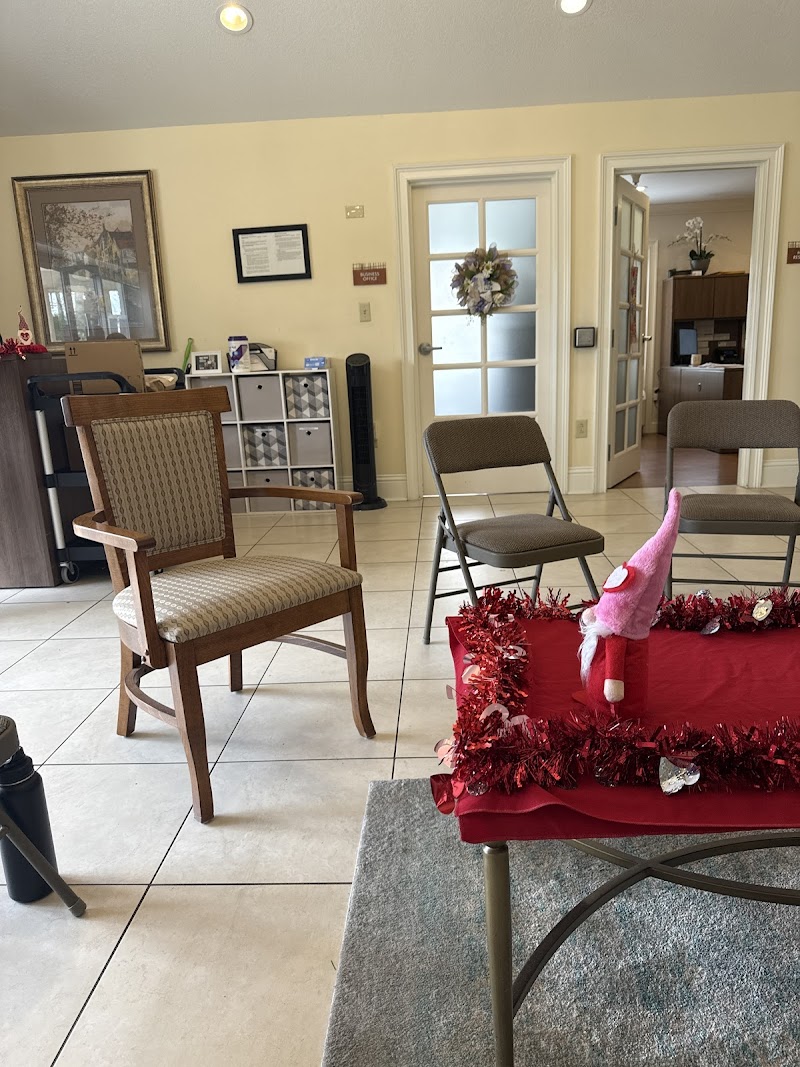
How is Palm Garden Of Orlando Staffed?

CMS rates PALM GARDEN OF ORLANDO's staffing level at 3 out of 5 stars, which is average compared to other nursing homes. Staff turnover is 47%, compared to the Florida average of 46%.

What Have Inspectors Found at Palm Garden Of Orlando?

State health inspectors documented 17 deficiencies at PALM GARDEN OF ORLANDO during 2021 to 2024. These included: 1 Immediate Jeopardy (the most serious level, indicating potential for serious harm or death), 1 that caused actual resident harm, and 15 with potential for harm. Immediate Jeopardy findings are rare and represent the most serious regulatory concerns. They require immediate corrective action.
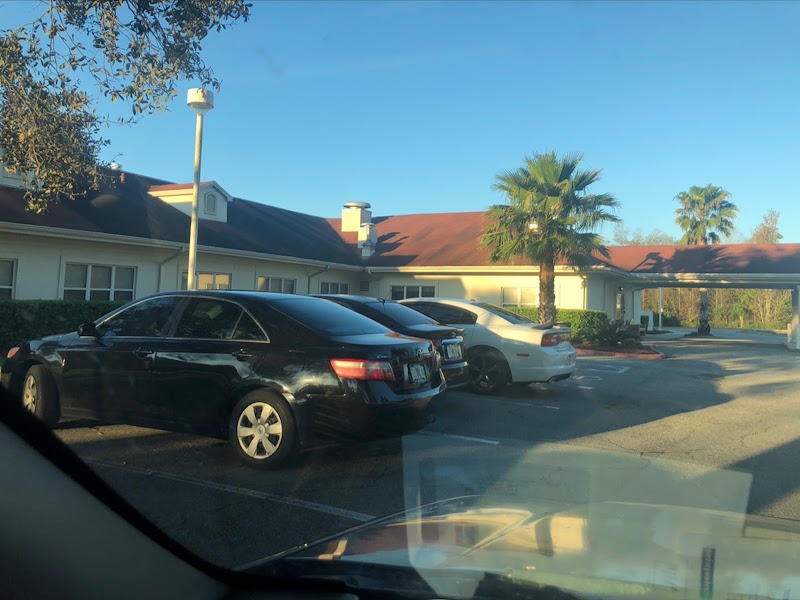
Who Owns and Operates Palm Garden Of Orlando?

PALM GARDEN OF ORLANDO is owned by a for-profit company. For-profit facilities operate as businesses with obligations to shareholders or private owners. The facility is operated by PALM GARDEN HEALTH AND REHABILITATION, a chain that manages multiple nursing homes. With 132 certified beds and approximately 126 residents (about 95% occupancy), it is a mid-sized facility located in ORLANDO, Florida.
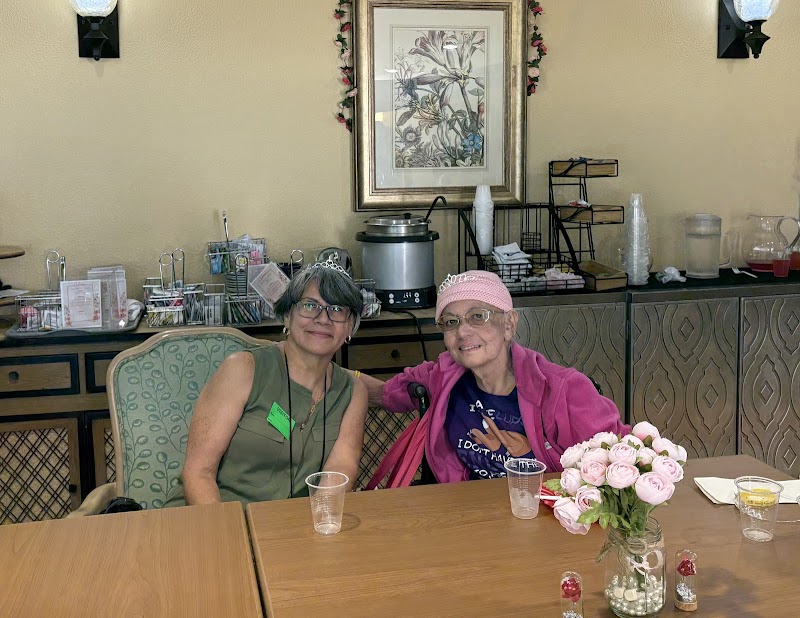
How Does Palm Garden Of Orlando Compare to Other Florida Nursing Homes?

Compared to the 100 nursing homes in Florida, PALM GARDEN OF ORLANDO's overall rating (4 stars) is above the state average of 3.2, staff turnover (47%) is near the state average of 46%, and health inspection rating (3 stars) is at the national benchmark.

What Should Families Ask When Visiting Palm Garden Of Orlando?

Based on this facility's data, families visiting should ask: "What changes have been made since the serious inspection findings, and how are you preventing similar issues?" "Can I visit during a mealtime to observe dining assistance and food quality?" "How do you handle medical emergencies, and what is your hospital transfer rate?" "Can I speak with family members of current residents about their experience?" These questions are particularly relevant given the facility's Immediate Jeopardy citations.

Is Palm Garden Of Orlando Safe?

Based on CMS inspection data, PALM GARDEN OF ORLANDO has documented safety concerns. Inspectors have issued 1 Immediate Jeopardy citation (the most serious violation level indicating risk of serious injury or death). The facility has a 4-star overall rating and ranks #1 of 100 nursing homes in Florida. Families considering this facility should ask detailed questions about what corrective actions have been taken since these incidents.

Do Nurses at Palm Garden Of Orlando Stick Around?

PALM GARDEN OF ORLANDO has a staff turnover rate of 47%, which is about average for Florida nursing homes (state average: 46%). Moderate turnover is common in nursing homes, but families should still ask about staff tenure and how the facility maintains care continuity when employees leave.

Was Palm Garden Of Orlando Ever Fined?

PALM GARDEN OF ORLANDO has been fined $73,226 across 2 penalty actions. This is above the Florida average of $33,811. Fines in this range indicate compliance issues significant enough for CMS to impose meaningful financial consequences. Common causes include delayed correction of deficiencies, repeat violations, or care failures affecting resident safety. Families should ask facility leadership what changes have been made since these penalties.

Is Palm Garden Of Orlando on Any Federal Watch List?

PALM GARDEN OF ORLANDO is not on any federal watch list. The most significant is the Special Focus Facility (SFF) program, which identifies the bottom 1% of nursing homes nationally based on persistent, serious quality problems. Not being on this list means the facility has avoided the pattern of deficiencies that triggers enhanced federal oversight. This is a positive indicator, though families should still review the facility's inspection history directly.