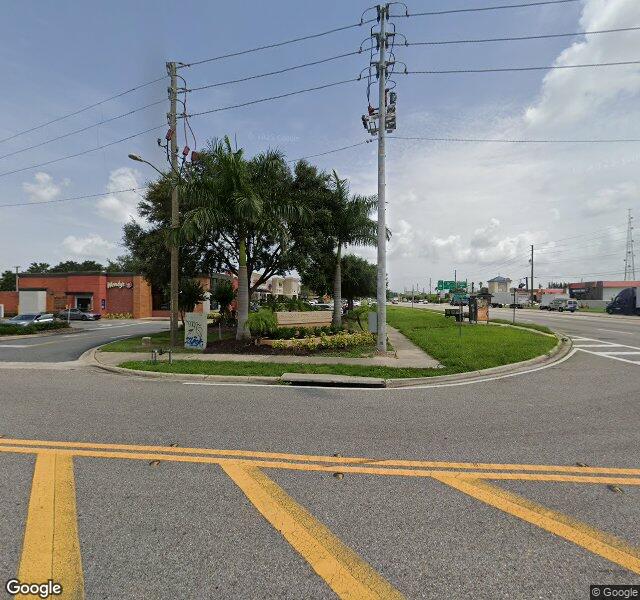
REHABILITATION CENTER OF ORLANDO

9311 S ORANGE BLOSSOM TRL, ORLANDO, FL 32837 (407) 858-0455
For profit - Corporation 120 Beds BEDROCK CARE Data: November 2025 1 Immediate Jeopardy citation
Trust Grade
8/100
#667 of 690 in FL
Last Inspection: July 2025

Inspected within the last 6 months. Data reflects current conditions.

Overview

The Rehabilitation Center of Orlando has received a Trust Grade of F, indicating significant concerns about its operations and care quality. Ranking #667 out of 690 facilities in Florida places it in the bottom half, and #36 out of 37 in Orange County suggests that only one other local option is better. While the facility is improving, with issues decreasing from 21 in 2024 to 7 in 2025, it still has serious deficiencies, including a critical incident where a resident was able to exit the facility unsupervised, putting them at risk of harm. Staffing is a strength here, with a rating of 4 out of 5 stars and a turnover rate of 40%, which is better than the state average, indicating that staff are likely experienced and familiar with residents' needs. However, the facility has faced $117,410 in fines, a concerning amount that suggests ongoing compliance issues.

Trust Score
F
8/100
In Florida
#667/690
Bottom 4%
Safety Record
High Risk
Review needed
Inspections
Getting Better
21 → 7 violations
Staff Stability
○ Average
40% turnover. Near Florida's 48% average. Typical for the industry.
Penalties
✓ Good
$117,410 in fines. Lower than most Florida facilities. Relatively clean record.
Skilled Nurses
✓ Good
Each resident gets 56 minutes of Registered Nurse (RN) attention daily — more than average for Florida. RNs are trained to catch health problems early.
Violations
⚠ Watch
37 deficiencies on record. Higher than average. Multiple issues found across inspections.
★☆☆☆☆
1.0
Overall Rating
★★★★☆
4.0
Staff Levels
★★★☆☆
3.0
Care Quality
★☆☆☆☆
1.0
Inspection Score
Stable
2024: 21 issues
2025: 7 issues

The Good

  • 4-Star Staffing Rating · Above-average nurse staffing levels
  • Full Sprinkler Coverage · Fire safety systems throughout facility
  • No fines on record
  • Staff turnover below average (40%)

    8 points below Florida average of 48%

Facility shows strength in staffing levels, fire safety.

The Bad

1-Star Overall Rating

Below Florida average (3.2)

Significant quality concerns identified by CMS

Staff Turnover: 40%

Near Florida avg (46%)

Typical for the industry

Federal Fines: $117,410

Well above median ($33,413)

Significant penalties indicating serious issues

Chain: BEDROCK CARE

Part of a multi-facility chain

Ask about local staffing decisions and management

The Ugly 37 deficiencies on record

1 life-threatening 1 actual harm
Jul 2025 7 deficiencies
CONCERN (D)

Potential for Harm - no one hurt, but risky conditions existed

Resident Rights (Tag F0550)

Could have caused harm · This affected 1 resident

**NOTE- TERMS IN BRACKETS HAVE BEEN EDITED TO PROTECT CONFIDENTIALITY** Based on observation, and interview, the facility failed to ensure residents were treated with dignity by standing while assisti...

Read full inspector narrative →
**NOTE- TERMS IN BRACKETS HAVE BEEN EDITED TO PROTECT CONFIDENTIALITY** Based on observation, and interview, the facility failed to ensure residents were treated with dignity by standing while assisting them to eat for 1 out of the 5 residents observed for dining assistance, of a total sample of 38 residents, (#34).Findings:Resident #34 was admitted the facility on 7/10/17 for Parkinson's disease, diabetes mellitus type II, seizures, depression, anxiety, and psychotic disorder. Resident #34's care plan indicated he had a deficit in activities of daily living (ADL's) and required maximum to total assistance for eating meals related to risk for nutritional decline and history of weight loss with a low Body Mass index. The most recent quarterly Minimum Data Set (MDS) assessment dated [DATE], revealed resident #34's Brief Interview for Mental Status score was 6/15, which indicated severe cognitive impairment.On 7/23/25 at 12:13 PM, Certified Nursing Assistant (CNA) F was observed standing in the main dining room as she assisted resident #34 with lunch. At 12:19 PM, CNA F explained she had stood while assisting the resident with his meal in case she needed to move and do something else during the meal. She added she sat while assisting residents with their meals in their rooms but did not sit down in the dining room. CNA F acknowledged she was supposed to sit when she assisted residents with meals. A short time later at 12:22 PM, the Business Office Manager stated she monitored the dining room to ensure residents were taken care of and staff were doing what they were supposed to. She confirmed CNA F was standing while assisting resident #34 with his lunch and said she saw her do the same at breakfast as well. On 7/24/25 at 3:00 PM, the facility's Administrator stated staff were expected to sit while assisting residents with their meals as doing so communicated to the residents, they and their meal, was important and was not to be rushed; and it was a matter of dignity for the residents. The Administrator stated the facility did not have a policy on staff sitting while assisting with meals but said it would fall under resident's rights to be treated with dignity.
CONCERN (D)

Potential for Harm - no one hurt, but risky conditions existed

Investigate Abuse (Tag F0610)

Could have caused harm · This affected 1 resident

**NOTE- TERMS IN BRACKETS HAVE BEEN EDITED TO PROTECT CONFIDENTIALITY** Based on interview, and record review, the facility failed to conduct a thorough investigation for an injury of unknown origin f...

Read full inspector narrative →
**NOTE- TERMS IN BRACKETS HAVE BEEN EDITED TO PROTECT CONFIDENTIALITY** Based on interview, and record review, the facility failed to conduct a thorough investigation for an injury of unknown origin for one of one resident reviewed for falls, of a total sample of 38 residents, (#3).Findings:Resident #3 was admitted to the facility on [DATE] for atrial fibrillation, dementia, muscle wasting and atrophy, disorders of bone density and structure, and repeated falls added on 6/02/25. She had an order for an anticoagulant medication due to her atrial fibrillation. On her most recent quarterly Minimum Data Set (MDS) assessment dated [DATE], her Brief Interview for Mental Status score was determined to be 14 of 15, which indicated an intact cognitive status.Resident #3 had a care plan with a focus area dated 6/03/25 which described the resident had a fall. The care plan intervention was to determine and address causative factors of the fall, which did not happen.On 7/22/25 at 10:02 AM, resident #3 said about two months ago an aide was pushing her too fast in the wheelchair and she fell forward onto a concrete patio. She added she had told the staff member to slow down, but she fell and spent a couple days in the hospital after the fall.A progress note dated 5/28/25 by the night Nursing Supervisor indicated at approximately 7:04 PM, he was notified by a nurse that resident #3 was on the floor face down in the smoking area. He documented when he entered the area, he saw the patient on her back with a large blood-filled bruise on her right forehead. The note indicated the resident was unable to verbalize any sentences, and she was groaning. The Supervisor described a 911 call was made, and the resident's physician was notified of the emergency transfer. The Emergency Medical Services (EMS) team arrived at approximately 7:10 PM, she was transferred to the hospital on a stretcher, and the facility's Director of Nursing (DON) was notified. The medical record showed the resident was readmitted on [DATE] at approximately 2:41 PM.A progress note dated 6/03/25 from the Interdisciplinary team (IDT) noted the fall incident was discussed and resident #3 was unable to describe what occurred as her baseline mentation was altered and at the time, she was only able to moan. The plan was for IDT to evaluate the wheelchair position and to have the resident continue with Occupational Therapy (OT) and her plan of care. A progress note dated 6/03/25 by the Nursing Supervisor indicated the resident was seen by a wound doctor and an ointment was ordered for her right frontal forehead. A skilled nursing note written dated 6/03/25 at 2:41 PM, by the Advanced Practice Registered Nurse (APRN) indicated the resident was oriented to person and place and that monitoring for fall and safety precautions were to continue along with strengthening and gait training. On 7/22/25 at approximately 4:00 PM, a request was made to the Regional Nurse to review a copy of the facility's investigation of the incident/fall from 5/28/25. Two days later, on the morning of 7/24/25 at approximately 9:30 AM, the Regional Nurse was again asked for a copy of the investigation for review, which was provided a few hours later by the DON. Review of the investigation report included three staff interviews, of which none actually witnessed the incident/fall. The facility was asked to provide interviews or witness accounts from anyone who actually witnessed the incident, but the DON later reported the facility did not have any additional documentation for that. On 7/24/25 at approximately 2:30 PM, Certified Nursing Assistant (CNA) K stated she could not remember who the other CNA was who she helped and as the conversation progressed, she stated there was not another CNA there. CNA K stated once all of the residents were in the outdoor smoking area, she went back into the facility to the smoking box which was located just inside the glass door. CNA K said she gathered cigarettes to bring to residents when she heard a commotion outside and turned around and saw the resident lying on the ground.Review of CNA K's witness statement indicated she was in the smoking area helping another CNA monitor the smokers at the time of the incident. Her statement indicated she did not witness the incident because she was helping someone else when the resident fell on the ground.In a joint interview on 7/24/25 at approximately 4:30 PM, with the Regional Nurse, Administrator, and Director of Nursing (DON), the facility's investigation into the event of 5/28/25 was reviewed. The DON stated the facility went by the information CNA K gave in her statement and acknowledged they did not follow up with other staff working at the time to determine if what she said was accurate. They confirmed that although CNA K said there was another CNA present at the time of the incident, they never attempted to find out who the staff was and get a statement from the staff member; nor did they interview any of the residents present outside in the smoking area as part of their investigation. They did not explain why they did not interview the resident herself after she returned from the hospital to get her version of what happened. The Regional Nurse, Administrator and DON were informed that resident #3 reported facility staff were pushing her too fast in a wheelchair when the incident occurred and acknowledged a more thorough investigation was needed. They acknowledged additional staff should have been interviewed to determine which staff were actually present during the incident in attempt to clarify the circumstances of the incident. The facility's policy entitled Abuse, Neglect, Exploitation, Misappropriation, Mistreatment, Injury of Unknown Source and Investigations dated 4/01/22 indicated investigations into an injury of an unknown source would be conducted within seven days. The policy indicated the facility environment, staff, visitors and other residents would be monitored to minimize and prevent any potential injuries. The policy specified the facility would conduct an internal investigation including, but not limited to staff, residents, and family/resident representative interviews.The facility's policy entitled Falls and Fall Risk Managing dated 4/01/22, reiterated the facility would monitor environmental factors that could contribute to falls and that after a fall, they would identify interventions to reduce the risk of the fall occurring again.
CONCERN (E)

Potential for Harm - no one hurt, but risky conditions existed

Safe Environment (Tag F0584)

Could have caused harm · This affected multiple residents

Based on observation, and interview, the facility failed to provide residents a homelike dining environment for meals eaten in two of two dining rooms.Findings: On 7/21/25 at 12:10 PM, 13 residents we...

Read full inspector narrative →
Based on observation, and interview, the facility failed to provide residents a homelike dining environment for meals eaten in two of two dining rooms.Findings: On 7/21/25 at 12:10 PM, 13 residents were observed in the main dining room eating their meal with the dishes still on their trays. Tablecloths were on the tables, but they had no centerpieces as decoration. On 7/23/25 at 8:10 AM, four residents in the west wing dining room were seated in chairs throughout the room. There were six meals left on meal trays on the tables, all of the tables were otherwise bare, without tablecloths or centerpieces. Certified Nursing Assistant (CNA) N assisted one resident with their meal and explained the breakfast trays which arrived about 10 minutes earlier were being held there for residents who got up later. The main meal plates were covered by an insulated lid which sat over the ceramic plate, but there was nothing under the ceramic plates to help keep the food warm. On 7/23/25 at 12:13 PM, approximately 26 residents were observed eating in the main dining room. Nine residents were observed eating their lunch meals with the dishes remaining on their trays. Other residents in the dining room were observed to have their dishes removed from their trays and placed on the tables. At 12:22 PM, the Business Office Manager stated she was monitored the dining room to ensure residents were taken care of and staff were doing what they were supposed to. She stated she was unsure why the nine residents, who ate at the two long tables in the dining room still had the dishes on their trays while other residents seated elsewhere in the dining room had their dishes set directly on the tablecloth for dining. On 7/24/25 at 12:20 PM, three residents in the west wing dining room were observed as they ate their meals from dishes on their trays. CNA N explained the facility never had tablecloths or removed the dishes from the trays in this dining room. The [NAME] Wing Unit Manager acknowledged it was important to make the resident's environment as home-like as possible because the facility was their home. On 7/24/25 at 3:00 PM, the Administrator acknowledged from her first day at the facility she had noticed residents ate from trays and the room was not decorated or homelike. She explained they searched the facility for some table centerpieces but discovered previous decorations had been discarded. The Administrator added that a homelike environment was a resident right, and their goal was to provide it; even though the facility had no specific policy to address this.
CONCERN (E)

Potential for Harm - no one hurt, but risky conditions existed

Unnecessary Medications (Tag F0759)

Could have caused harm · This affected multiple residents

**NOTE- TERMS IN BRACKETS HAVE BEEN EDITED TO PROTECT CONFIDENTIALITY** Based on observation, interview, and record review, the facility failed to ensure medications were administered according to phy...

Read full inspector narrative →
**NOTE- TERMS IN BRACKETS HAVE BEEN EDITED TO PROTECT CONFIDENTIALITY** Based on observation, interview, and record review, the facility failed to ensure medications were administered according to physician orders to prevent medication errors for 1 of 4 residents observed during the medication administration task, of a total sample of 38 residents, (#45). There were 3 errors in 28 opportunities for a medication error rate of 10.71%.Findings:Review of the medical record revealed resident #45 was admitted to the facility on [DATE] with diagnoses including hypertension, Chronic Obstructive Pulmonary Disease (COPD), schizophrenia, psychotic disorder with delusions, type 2 diabetes, chronic pulmonary edema, and chronic viral hepatitis C.On 7/22/25 at 9:04 AM, Registered Nurse (RN) A checked resident #45's blood pressure with an electronic wrist cuff and showed the reading of 124/81. She checked the electronic medical record and explained she would not administer the resident's scheduled 7:00 AM to 11:00 AM Losartan Potassium and Sotalol HCl due to parameters given by the physician. When preparing resident's Furosemide 40 milligrams (mg), RN A dropped the pill into the medication cart drawer. RN A stated the Furosemide medication card for that resident had no more pills and did not attempt to retrieve the medication from another source or call the physician. Review of the Medication Review Report revealed resident #45 had a physician order dated 3/30/25 for Sotalol HCl 80 mg oral tablet by mouth two times a day for hypertension. The order included a parameter to hold the drug if the resident's systolic blood pressure was less than 110 millimeters of mercury (mm Hg) and/or diastolic blood pressure less than 60 mmHg. The resident also had an order dated 5/17/25 for Losartan Potassium 50 mg oral tablet by mouth daily for hypertension. This order included a parameter to hold the drug if the resident's systolic blood pressure was less than 110 millimeters of mercury (mm Hg). Review of Medication Review Report revealed an order dated 6/12/25 for Furosemide 40 mg to give 0.5 tablets by mouth one time a day for edema.The American Heart Association indicates blood pressure is recorded as two numbers, the first or upper number, the systolic blood pressure (SBP), measures how much pressure blood exerts against artery walls when the heart contracts. The diastolic blood pressure is the second number, which measures the pressure your blood is pushing against your artery walls while the heart muscle rests between beats, (retrieved on 7/30/25 from www.heart.org).Review of resident #45's care plan revealed a focus of a risk for cardiovascular distress related to diagnosis of hypertension initiated 3/06/25. In addition, the resident had a care plan for diuretic therapy related to edema which was initiated 6/13/25 with an intervention to administer diuretic medications as ordered by physician and monitor for side effects and effectiveness each shift.On 7/22/25 at 10:28 AM, RN A was interviewed with the assistance of the Director of Nursing (DON) for translation for RN A as needed. RN A acknowledged she omitted the Losartan and Sotalol for resident #45 and replied she held the medications due to the parameters. The DON translated that these medications should not have been held due to SBP being higher than 110 and DBP higher than 60, RN A replied okay but did not supply an explanation as to why she decided to hold it. As translated by the DON, RN A stated the resident only had one 40 mg Furosemide tablet left in his card and confirmed when she went to administer the medication the tablet fell into the medication cart drawer. RN A was unable to explain why she did not check the backup medication supply or call the physician or pharmacy for further instructions. The DON explained the procedure for missing medication was to check the backup medication supply first, then call the pharmacy and notify the physician. In addition, she said nurses were expected to inform the resident and/or representative if applicable. Facility policy revised 2/21/23 titled Administering Medications states that the purpose of the policy is to ensure that medications are administered in a safe and timely manner and as prescribed. Medications are to be administered in accordance with prescribed order and current standards of practice.
CONCERN (E)

Potential for Harm - no one hurt, but risky conditions existed

Food Safety (Tag F0812)

Could have caused harm · This affected multiple residents

Based on observation, and interview, the facility failed to ensure the snack/nourishment refrigerators on the nursing units had food items labeled and dated with open and use by dates and failed to en...

Read full inspector narrative →
Based on observation, and interview, the facility failed to ensure the snack/nourishment refrigerators on the nursing units had food items labeled and dated with open and use by dates and failed to ensure outdated foods were discarded to prevent the potential for foodborne illness, on two of two nursing units of the facility. This had the potential to affect all 110 residents at the facility.Findings:On 7/24/25 at 2:00 PM, on a tour of the west wing nourishment room, the west wing Unit Manager (UM) verified three large cartons of thickened juice were undated as to when they had been previously opened. In addition to the juice the refrigerator contained a package of unlabeled and undated cheese, previously opened bologna, three undated containers of peaches, one container of applesauce, two undated containers of unidentified leftover resident food and a package of undated salami. The UM stated nursing staff were responsible for labeling and dating the resident's food items when received and labeling food items when opened. She said it was the dietary department's responsibility to monitor the resident leftovers and discard them when expired or outdated.On 7/24/25 at 2:30 PM, in the east wing nourishment room the Certified Dietary Manager (CDM) verified the refrigerator contained undated cartons of thickened water and Med Pass nutritional supplement. In addition, numerous food items were expired, and/or unlabeled/undated; a sandwich was dated 7/02/25 (22 days prior); an unlabeled and undated loaf of bread; an undated bag of a resident's food items; an unlabeled bag of food items, was expired, dated 7/02/25; a plastic container of leftover chicken was dated 6/23/25 (32 days prior), a plastic container of rice and beans and a container of a casserole were labeled for a resident and dated 6/26/25, (28 days prior); and leftover pizza was dated 7/19/25 (6 days prior). The Assistant Director of Nursing verified the food items and confirmed it was nursing staff's responsibility to label and date the items when opened and the dietary department's responsibility to dispose of outdated food items.The facility's policy entitled Foods Brought by Family/Visitors dated March 2022, indicated food items held for residents were to be labeled with the resident's name, food item, and the use by date. The policy added, nursing staff would discard perishable foods on or before the use by date.
CONCERN (E)

Potential for Harm - no one hurt, but risky conditions existed

Garbage Disposal (Tag F0814)

Could have caused harm · This affected multiple residents

Based on observation, and interview, the facility failed to dispose of garbage properly by keeping dumpster lids closed and the area surrounding the dumpster free of debris which had the potential to ...

Read full inspector narrative →
Based on observation, and interview, the facility failed to dispose of garbage properly by keeping dumpster lids closed and the area surrounding the dumpster free of debris which had the potential to affect all 112 residents residing at the facility.Findings:On 7/21/25 at 10:30 AM, rubbish was observed scattered on the ground around the three dumpsters in the dumpster area. The Certified Dietary Manager (CDM) stated the housekeeping department was responsible for keeping the dumpster area clean.On 7/22/25 at 5:00 PM, Housekeeper C was observed throwing garbage in the facility's garbage dumpster without shutting the lid. He stated he was aware he needed to shut the lid but just didn't do it. He stated it was important to keep the lids closed to keep pests/animals out of the dumpster.On 7/23/25 at 10:50 AM, [NAME] B and Dietary Aide D were observed throwing garbage in the dumpster but did not close the lid when finished. They stated the lid was already opened before they threw their trash in it. They acknowledged they were supposed to close the lid to the bin after using it. [NAME] B and Dietary Aide D stated they knew it was important to keep the lids closed on the garbage bins, so animals did not get in.On 7/23/25 at 2:10 PM, Laundry Aide E was observed throwing trash into the garbage dumpster and did not close the lid when finished. He stated he was aware he was supposed to close the lid after putting trash in it but just didn't do so this time. He stated it was important to keep the lid closed because it has a lot of bacteria. Two other staff members, including the CDM were present at the time of this conversation and assisted with translating in Spanish, so Laundry Aide E was sure to understand the issue. He then went and shut the lid on the dumpster.On 7/23/25 at 2:43 PM, Laundry Aide E was observed throwing trash in the dumpster and leave the lid open. A few minutes later, the Environmental Services Regional Manager was informed of the concerns with the dumpster and said there was no excuse for not closing the lid to the dumpster. He added, it was a safety issue and important to keep the dumpster area free of debris and the lids on the dumpsters closed to prevent pests from getting in.The facility's policy entitled Dispose of Garbage and Refuse dated August 2017, indicated all garbage would be disposed of in a safe and efficient manner. The policy directed the CDM and Director of Maintenance to coordinate and ensure the area surrounding the exterior dumpster was maintained in a manner free of debris and other rubbish.
CONCERN (E)

Potential for Harm - no one hurt, but risky conditions existed

QAPI Program (Tag F0867)

Could have caused harm · This affected multiple residents

Based on interview, and record review, the facility failed to ensure the Quality Assessment & Assurance (QAA) / Quality Assurance and Performance Improvement (QAPI) committee conducted performance imp...

Read full inspector narrative →
Based on interview, and record review, the facility failed to ensure the Quality Assessment & Assurance (QAA) / Quality Assurance and Performance Improvement (QAPI) committee conducted performance improvement activities to ensure prior improvement measures were sustained. Review of the facility's QAPI Policy and Procedure dated 4/01/22 revealed, The facility will take actions aimed at performance improvement. It will measure the success of these actions and track performance to ensure that improvements are realized and sustained. The facility had deficiencies cited at F759 for medication error rate over five percent, and F867 for QAPI during the previous recertification survey conducted 1/07/24 through 1/11/24. During this survey, the facility was again found to be in noncompliance with F759, and F867. As a result of the repeat deficiencies, it was identified there was insufficient auditing and oversight to prevent the citation. On 7/24/2025 at 4:48 PM, the Administrator stated the facility had a QAPI committee that met monthly. She explained the committee reviewed department audits which addressed departmental concerns such as grievances, infection control, falls, weight loss, etc. The Administrator said a Performance Improvement Plan (PIP) would be put into place for areas of concern identified. The PIP would include the problem identified, goals and approaches which could include audits, medical record reviews, interviews and education. Findings from the current survey were reviewed with the Administrator. She verified she was employed at the facility during the previous survey but not as the Administrator. She explained she left to pursue her career and returned as the Administrator of the facility two days ago. She confirmed she was aware of the citations from the previous recertification survey and acknowledged there were repeat citations. The Administrator stated she only returned a few days ago and was unable to say where the process failure occurred. She explained there was a recent change in ownership as well as administrative changes. The Administrator expressed focus could have been lost due to those changes in staff. She acknowledged the performance improvement process should continue even with staff changes for the benefit of the residents and staff.
Aug 2024 3 deficiencies
CONCERN (D) 📢 Someone Reported This

A family member, employee, or ombudsman was alarmed enough to file a formal complaint

Potential for Harm - no one hurt, but risky conditions existed

Report Alleged Abuse (Tag F0609)

Could have caused harm · This affected 1 resident

**NOTE- TERMS IN BRACKETS HAVE BEEN EDITED TO PROTECT CONFIDENTIALITY** Based on interview and record review, the facility failed to report an allegation of verbal abuse to State agencies as required ...

Read full inspector narrative →
**NOTE- TERMS IN BRACKETS HAVE BEEN EDITED TO PROTECT CONFIDENTIALITY** Based on interview and record review, the facility failed to report an allegation of verbal abuse to State agencies as required for 1 of 2 residents reviewed for abuse, of a total sample of 8 residents, (#1). Findings: Review of the medical record revealed resident #1 was readmitted to the facility on [DATE] with diagnoses including encephalopathy (brain dysfunction), paraplegia (paralysis of lower body) and dementia. Her medical record showed her daughter was her Power of Attorney (POA) and responsible party. Resident #1 was discharged from the facility on 6/30/24. Review of the Minimum Data Set (MDS) Annual assessment with assessment reference date of 5/27/24 revealed resident #1 had unclear speech but sometimes understood and responded adequately to simple, direct communication only. The assessment showed a Brief Interview for Mental Status (BIMS) was not conducted because she was rarely or never understood. The MDS assessment showed resident #1 had no behavioral symptoms and did not reject evaluation or care necessary to achieve her goals for health and well-being. Resident #1 was totally dependent on staff for all activities of daily living. The assessment revealed her preferred language was Creole and she needed an interpreter to communicate with a doctor or health care staff. Review of the care plan with a focus area of little community life involvement revised on 11/05/23 revealed resident #1 was French Creole speaking and needed a translator. Another focus revised on 1/19/23 was communication problem related to dementia and language barrier, Creole speaking. Review of the Monthly Grievance Log from February to August 2024 showed resident #1's POA had filed 7 grievances. The June log included a grievance/concern dated 6/10/24 for customer service/nursing care which was assigned to the Unit Manager on 6/11/24 and the resolution noted education of customer service to Certified Nursing Assistants (CNAs). The Grievance Report on 6/10/24 read, [resident #1's daughter name] called today 6/10/24 stating she came in yesterday, Sunday 6/09/24. Her mother told her that either on Friday or Saturday a CNA was yelling and cursing at her mother in Creole. The CNA was calling her a witch and said that is why your body is like that. The mother was very upset and crying, she didn't even want to eat. [Resident #1's name] even told her to stop talking on her behalf because people are now being mean. Review of the facility abuse log since did not show any entries for resident #1 over the past 3 months, including June 2024. On 8/07/24 at 2:46 PM, the Social Services Director stated she was the Grievance Officer. She shared the grievance process included reviewing the new grievances, assigning the grievance to the appropriate department and ensuring they were resolved within five days. Later on 8/08/24 at 4:40 PM, the SSD reviewed resident #1's grievance dated 6/10/24. The Social Services Director read the grievance out loud as requested by the surveyor. When she finished reading the statement, she stated resident #1's BIMS was zero, which indicated her cognition was severely impaired. She indicated the grievance form was completed by her assistant, but she was also in the office when the call came in. The Social Services Director stated she mentioned the grievance the next morning in their daily meetings with the Administrator and other management, but she did not discuss the concerns thoroughly. She explained the only thing discussed during those meetings was a new grievance was received for resident #1 and which was given to the Unit Manager for follow up. When asked, the Social Services Director stated she did not know who the abuse coordinator was. She did not consider this grievance an abuse allegation because it was not that a CNA hit her. The SSD re-read the grievance and acknowledged it described verbal abuse, but said this was one sided, because her mom doesn't talk. She added, In that instance, who are we to believe? It is all one sided because her mom doesn't talk. On 8/07/24 at 4:53 PM, the Administrator joined the interview with the Social Services Director and indicated he was the abuse coordinator. He stated he was, a little confused when he read the grievance dated 6/10/24. The Social Services Director interjected and said resident #1 did not talk. The Social Services Director told the Administrator the grievance was about the daughter saying what allegedly resident #1 told her. The Administrator read the grievance out loud. He stated he did not recall if he learned about this grievance before. He explained abuse could be physical or verbal. He added, Sounds like that could be a verbal abuse allegation that we would investigate. He explained they would have tried to identify the CNA and suspend her/him and filed an immediate report for verbal abuse. He indicated the investigation would include interviewing some of the surrounding residents in the CNA assignment or in the same area and concluded submitting a 5-day report with their findings. He stated they took all abuse allegations seriously and reported within the required time frames. Later on 8/08/24 at 5:39 PM, the Administrator stated the Assistant Director of Nursing (ADON) had investigated it quickly and found out there was no Creole speaking staff assigned, to resident #1 on the dates noted. He mentioned the best course of action was to do a customer inservice with staff. When asked for the copy of the staff assignments for that weekend and results of the quick investigation he said the ADON did not keep copies or documentation of what she reviewed. Review of the facility's policy and procedure titled Abuse: Florida, dated 4/01/22, revealed reports of abuse were promptly and thoroughly investigated. The document included abuse allegations were to be reported per Federal and State Law, immediately but not later than two hours after the allegation was made if it resulted in serious body injury or not later than 24 hours if no serious body injury occurred. The document indicated the facility was required to comply with external reporting requirements including the State Agency and law enforcement. Review of the facility's policy and procedure titled Grievance Program, dated 4/01/22, revealed concerns related to alleged abuse would be handled according to state and federal guidelines.
CONCERN (E) 📢 Someone Reported This

A family member, employee, or ombudsman was alarmed enough to file a formal complaint

Potential for Harm - no one hurt, but risky conditions existed

Deficiency F0565 (Tag F0565)

Could have caused harm · This affected multiple residents

Based on interview, and record review, the facility failed to act promptly upon Resident Council group concerns with appropriate responses and rationale for facility decisions. Findings: On 8/07/24 at...

Read full inspector narrative →
Based on interview, and record review, the facility failed to act promptly upon Resident Council group concerns with appropriate responses and rationale for facility decisions. Findings: On 8/07/24 at 3:18 PM, the Resident Council President stated there were issues brought up in resident council meetings for many months that were still unresolved. The first issue was a long response time to call lights by staff. He stated staff often told the residents; they would be right back but then forgot to return. He added staff would say, That's not my section, when asked to answer a call light or pass meal trays when the assigned Certified Nursing Assistant (CNA) was busy. The Resident Council President explained there were other ongoing issues such as late meals, cold food due to the plate warmer being broken for months, and residents not being able to get ice. He explained the Resident Council had concerns about language barrier issues with staff, and smoking issues. The Resident Council President stated the group was concerned the Activities Director had at times invited staff to the resident council meetings without the knowledge or invitation of the group and the group meeting location was not private enough. The Resident Council President explained there were told by the facility Administration that their concerns were being worked on but no details, progress updates, or results were provided. He stated he often wondered why the Resident Council group met at all, because residents felt like they were ignored. On 8/07/24 at 3:00 PM, the Activities Director stated she helped run the Resident Council and the Food Committee meetings. She acknowledged sometimes she invited other facility staff to attend the Resident Council meetings. On 8/07/24 at 4:30 PM, Resident Council meeting minutes dated January 2024 to July 2024 which included many unresolved issues. The 2/06/24 meeting minutes indicated the old business regarding medication pass issues were, In process and still being worked on. Regarding the issue of call lights, the action plan on these minutes stated call lights should be answered within 5 minutes, the head nurses would monitor call lights, and all department heads could answer a call light and assist that resident. In addition, new concerns about ice were raised. Call light response times concerns were brought up repeatedly at meetings on 3/05/24, 4/02/24, 5/07/24, 6/04/24 and 7/02/24. The feedback given was the resolution was, In progress. Late meals delivery was brought up as an issue at meetings on 4/02/24, 5/07/24, 6/04/24 and 7/02/24 and an issue of room checks not being conducted during night shifts was brought up on 5/07/24, 6/04/24, and 7/02/24. These items were still unresolved with their resolution noted in the meeting minutes also, In progress. On 8/08/24 at 2:15 PM, the Certified Dietary Manager (CDM) stated they were still having difficulty with late delivery of meals. He confirmed the plate warmer had been broken for about a month. He stated the Director of Maintenance was ordering a part for it. The CDM stated the ice machine was not broken but it did not produce a sufficient amount of ice. He said the repair company stated the ice machine was working as it should. The CDM was not aware residents had complained about not having enough ice. On 8/08/24 at 6:00 PM, the Administrator stated the facility investigated and addressed grievances from residents as they arose. The Administrator stated a grievance regarding call light response time had an action plan to audit the response times. Three audits were completed in February and March 2024 and the Administrator stated call light response times were not deemed to be an issue any longer after this. The Administrator acknowledged the call light complaints brought up at the Resident Council meetings from February 2024 through July 2024. He also acknowledged the action plan which indicated the correction was In progress. The Administrator explained call light issues would never be corrected. He stated he probably should pay more attention to issues brought up by the Resident Council. The facilities Resident's Rights policy dated April 1, 2022 states resident groups have the right to meet in a private space with other staff and visitors only attending only at the group's invitation. It also states the facility must consider the views and recommendations of the group and act promptly on the grievances and recommendations of the group. It states the facility must be able to demonstrate its response and the rationale for it. It was not evident this policy is being followed effectively.
CONCERN (E) 📢 Someone Reported This

A family member, employee, or ombudsman was alarmed enough to file a formal complaint

Potential for Harm - no one hurt, but risky conditions existed

QAPI Program (Tag F0867)

Could have caused harm · This affected multiple residents

Based on interview and record review, the facility failed to ensure implementation of policies to the extent of including thorough monitoring of previously identified areas of concern and adequately t...

Read full inspector narrative →
Based on interview and record review, the facility failed to ensure implementation of policies to the extent of including thorough monitoring of previously identified areas of concern and adequately tracking performance to ensure prior improvement measures were realized and sustained. Findings: Cross reference F565 and F609 Review of the facility's survey history revealed deficiencies related to Resident Council's grievances and recommendations to improve residents' care had not been considered or acted upon and an allegation of abuse was not reported were identified during the current survey ending on 8/08/24. The facility had deficiencies at F565 and F609 for similar concerns with Resident Council and reporting of abuse allegations from the last Recertification survey dated 1/11/24. Review of the Plan of Correction (POC) which serves as the facility's allegation of compliance with the citations, approved by the Quality Assurance and Performance Improvement (QAPI) committee on 2/15/24 included education to the Interdisciplinary team for understanding of the QAPI process. The POC mentioned implementation of appropriate plans of action to prevent repeat deficiencies. The POC mentioned identifying areas for continuous quality monitoring using tools to conduct quality reviews which would be reviewed in QAPI for identification of areas that could potentially affect resident outcomes. On 8/08/24 at 9:33 AM, the Administrator stated he was responsible for overseeing all areas in the facility. He explained his main function was to manage the different departments and ensure compliance. He shared his passion was for residents to be treated fairly and received the best quality of life they could get. The Administrator stated when he took the position in January, he met with the Resident Council and had a crowd of about 30 residents. He stated he informed them he would walk around the first few weeks, to see what resident saw and address those issues, which he did. He stated they were currently working on quality measures, and he stated he was surprised about the survey findings.
Jan 2024 18 deficiencies
CONCERN (D)

Potential for Harm - no one hurt, but risky conditions existed

Deficiency F0583 (Tag F0583)

Could have caused harm · This affected 1 resident

**NOTE- TERMS IN BRACKETS HAVE BEEN EDITED TO PROTECT CONFIDENTIALITY** Based on interview and record review, the facility failed to ensure residents' right to privacy during intimate encounters for 2...

Read full inspector narrative →
**NOTE- TERMS IN BRACKETS HAVE BEEN EDITED TO PROTECT CONFIDENTIALITY** Based on interview and record review, the facility failed to ensure residents' right to privacy during intimate encounters for 2 of 2 residents reviewed for privacy, out of a total sample of 57 residents, (#48 and #35). Findings: 1. Resident #48 was admitted to the facility on [DATE] with diagnoses including multiple sclerosis, paraplegia, , major depressive disorder and generalized anxiety. Review of the Minimum Data Set (MDS) quarterly assessment with assessment reference date of 11/15/23 revealed resident #48 had a Brief Interview for Mental Status score of 15 out of 15 which indicated he was cognitively intact. The document indicated he was able to make himself understood and understood others and did not exhibit any aggressive behaviors. On 1/08/24 at 12:35 PM, resident #48 stated he had a girlfriend who was another resident at the facility. He explained they had been dating for about a year but began getting physical about a month ago and had intimate encounters in his room. Resident #48 stated his roommate did not like it, but they do not have a private place to meet. Resident #48 stated the Social Services Director (SSD) was aware of their relationship but had not offered them a private place to be together. He noted he would like a private place as he did not want to upset his roommate. Review of resident #48's medical record revealed no progress notes related to his relationship and wish for privacy and no care plan to address his wish for privacy. 2. Resident #35 was admitted to the facility on [DATE] with diagnoses including encephalopathy, acute respiratory failure, hypertension, chronic congestive heart failure and mood disorder. Review of the Minimum Data Set (MDS) quarterly assessment with assessment reference date of 10/06/23 revealed resident #35 had a BIMS score of 12 which indicated she had moderate cognitive impairment. The document indicated she was able to make herself understood and understood others and did not exhibit any behaviors. Review of resident #35's medical record revealed a competency determination completed by two physicians. The document indicated the resident had capacity to make her own decisions. On 1/10/24 at 11:42 AM, resident #35 verified she was in a relationship with resident #48. She confirmed they had been dating for about a year but only became physical recently. Resident #35 explained she did not feel like they had privacy and wanted to have a private place to meet. Review of resident #35's medical record revealed no progress notes related to her relationship and wish for privacy and no care plan to address her wish for privacy. On 1/09/24 at 11:59 AM, the SSD verified resident #48 and resident #35 were in a relationship and were physically intimate with each other in resident #48's room. She acknowledged resident #48's roommate was not happy with their actions in the room and had complained about it last month. The SSD stated she reported the situation to the Administrator and Director of Nursing to determine if resident #48 and resident #35 had capacity to consent to a physical relationship. She recalled she offered resident #48's roommate a room change but he declined. The SSD reviewed the medical record for resident #48 and his roommate. She acknowledged there was no documentation regarding resident #48's relationship or the offer of a room change. The SSD stated she spoke to resident #48 but had not interviewed resident #35 regarding the relationship. She acknowledged the facility had not offered a private place for resident #48 and resident #35 to be alone during their intimate encounters. The SSD was unable to provide a solution to the lack of privacy for resident #48 and resident #35.
CONCERN (D) 📢 Someone Reported This

A family member, employee, or ombudsman was alarmed enough to file a formal complaint

Potential for Harm - no one hurt, but risky conditions existed

Grievances (Tag F0585)

Could have caused harm · This affected 1 resident

**NOTE- TERMS IN BRACKETS HAVE BEEN EDITED TO PROTECT CONFIDENTIALITY** 2. Resident #34 was admitted to the facility on [DATE] with diagnoses including paraplegia, dependence on renal dialysis, end st...

Read full inspector narrative →
**NOTE- TERMS IN BRACKETS HAVE BEEN EDITED TO PROTECT CONFIDENTIALITY** 2. Resident #34 was admitted to the facility on [DATE] with diagnoses including paraplegia, dependence on renal dialysis, end stage renal disease, type 2 diabetes, seizures and major depressive disorder. Review of the MDS quarterly assessment with assessment reference date of 11/22/23 revealed resident #34 had a Brief Interview for Mental Status score of 15 which indicated he was cognitively intact. He had clear speech and was able to make himself understood and understood others. The document indicated resident #34 did not exhibit any behaviors. On 1/07/24 at 1:19 PM, resident #34 stated he was unhappy with his roommate situation. He explained a female resident and his roommate engaged in sexual conduct while he was in the room. Resident #34 stated he felt very uncomfortable with this situation and had reported it to the Social Services Director, but nothing had been done. Review of the facility's Grievance Log revealed no grievance regarding resident #34's concern with his roommate. On 1/09/24 at 11:48 AM, the SSD verified she was responsible for grievances. She stated anyone could fill out a grievance form, turn it in to Social Services and she provided them to the appropriate department for resolution. She explained that a staff member could complete a grievance form and she often completed them for residents who came to her with a concern. The SSD stated the grievances were recorded on a log and attempts were made to resolve the grievance within 48-72 hours. The SSD confirmed resident #34 had spoken with her in December 2023 regarding his roommate's activities. She could not remember the exact date but stated she reported it to the Administrator and DON right away. The SSD explained resident #34 was offered a room change and declined. She reviewed the medical record for resident #34 and acknowledged there was no documentation regarding his concern or the offer of a room change. The SSD verified she did not complete a grievance form regarding resident #34's concern. She explained she was not sure why she did not complete a form. The SSD stated she did not think about documenting it on a grievance form. She acknowledged that a grievance form should have been completed. The SSD was unable to state what the solution to the grievance was and stated she would have to discuss it with their corporate office. Review of the facility's policy and procedure for Grievances Program dated 4/01/22, revealed that a grievance was defined as any concern that could not be resolved to the satisfaction of the person making the objection at the bedside or within four or less hours. The document indicated when there was a grievance, it would be documented on paper form, routed to the Grievance Officer, discussed with appropriate individuals, investigated accordingly and the person filing the concern or grievance would be informed of the findings of the investigation and the actions that would be taken to correct the problem and documented on the appropriate concern form. Based on observation, interview, and record review, the facility failed to provide documented evidence that grievances were resolved promptly, and residents/family members were apprised of progress toward a resolution of grievances for 2 of 2 residents reviewed for grievances out of a total sample of 57 residents, (#54, 34). Findings: 1. Resident #54 was admitted to the facility on [DATE] with diagnoses including Friedreich Ataxia, cardiomyopathy, dependence in wheelchair, lack of coordination and muscle weakness. Friedreich ataxia (FA) is a rare inherited disease that causes progressive damage to your nervous system and movement problems (retrieved on 1/12/24 from https://www.ninds.nih.gov/health). Review of the Minimum Data Set (MDS) Quarterly assessment dated [DATE] revealed resident #54's Brief Interview for Mental Status (BIMS) score was 15 of 15 which indicated he was cognitively intact. The MDS assessment showed the resident was moderately dependent on staff for his activities of daily living (ADL) such as bathing and was wheelchair dependent. He had a comprehensive care plan in effect for ADL Self Care Performance Deficit related to [NAME] Ataxia, weakness, and bilateral foot drop. On 1/8/24 at 12:45 PM, resident #54 was observed sitting in an electric wheelchair. He was alert and oriented to person, place, and situation. The resident stated that approximately 2 months ago, Certified Nursing Assistant (CNA) A refused to give him a shower on his shower day and told him, I don't give a f---. Resident #54 noted he did not think it was abuse at the time and said he filed a grievance. He indicated he had not seen CNA A since the incident. Review of the facility grievance and abuse logs did not show any entries for resident #54 in the past 3 months. On 1/10/24 at 9:48 AM, the East Wing Unit Manager said she was not aware of any incidents or grievances involving resident #54 and CNA A using curse words with him. On 1/10/24 at 10:02 AM, the Social Services Director (SSD) verified she was the Grievance Officer and was not aware of any grievances for resident #54 or concerns with CNA A not giving him a shower and cursing. The SSD added, if she had been informed about this, she would have initiated an investigation and spoken to the resident and CNA and then obtained statements if indicated. On 1/10/24 at 2:40 PM, during a follow up interview, the SSD explained resident #54 wanted a shower but CNA A was busy with another resident. He tried asking about his shower later and the CNA was on break. He waited in the hallway for her to come back from break and told her was going to file a grievance against her and the CNA told him she did not give a f---. He said he reported the incident to the Weekend Supervisor who assisted him to complete a grievance form. The SSD indicated that along with completing a grievance form, the Weekend Supervisor should have reported the incident to her and the Director of Nursing. She stated the resident thought the issue was taken care of as he did not see CNA A again. She said the CNA was from an agency and the facility did not notify the agency until it was brought to their attention by the surveyor. On 1/10/24 at 3:01 PM, the Weekend Supervisor said it was 3 weeks ago when he filled out the grievance form for resident #54 and had the resident sign it. He noted the incident occurred on Sunday on the 3 PM-11 PM shift. He explained resident #54 complained to him that he did not get a shower or assisted back to bed. He stated he documented in the form that when the resident told the CNA he was filing a grievance, she stated, does it look like I give a f---. He recalled he left the grievance in the Director of Nursing's (DON) office and did not hear anything else about it. He assumed the SSD would have followed up and processed the grievance. On 1/10/24 at 3:17 PM, the DON said she had not received any grievance from the Weekend Supervisor regarding resident #54 and had been on vacation 3 weeks ago. The DON said the Assistant Director of Nursing (ADON) had not mentioned any grievances involving resident #54 and CNA A. The DON explained the process when a grievance was filed, was to obtain statements from the resident and inform the Grievance Officer/SSD. The DON noted in this case, the CNA's agency would be notified and they would not have the CNA return to work in the facility. On 1/10/24 at 4:42 PM, the ADON verified she covered for the DON while she was on leave but did not go into her office. The ADON explained the Weekend Supervisor should have informed her immediately about resident #54's grievance to ensure timely follow up with his concerns. She would have proceeded to obtain statements from CNA A, resident #54 and any other staff or residents. The ADON added that she would have communicated with the SSD/Grievance officer to determine if this was perhaps an abuse allegation.
CONCERN (D)

Potential for Harm - no one hurt, but risky conditions existed

Report Alleged Abuse (Tag F0609)

Could have caused harm · This affected 1 resident

**NOTE- TERMS IN BRACKETS HAVE BEEN EDITED TO PROTECT CONFIDENTIALITY** Based on interview and record review, the facility failed to report an allegation of staff-to-resident abuse to State agencies w...

Read full inspector narrative →
**NOTE- TERMS IN BRACKETS HAVE BEEN EDITED TO PROTECT CONFIDENTIALITY** Based on interview and record review, the facility failed to report an allegation of staff-to-resident abuse to State agencies within the required 2-hour timeframe, and failed to report the incident to law enforcement for 1 of 4 residents reviewed for abuse, out of a total sample of 57 residents, (#13). Findings: Review of the medical record revealed resident #13 was admitted to the facility on [DATE] with diagnoses including pain in her lower back and bilateral lower legs, blood clots in bilateral legs, opioid dependence, morbid obesity, muscle spasms, depression, and insomnia. The Minimum Data Set (MDS) Quarterly assessment with assessment reference date of 12/05/23 revealed resident #13 had clear speech, was able to express ideas and wants, and had no comprehension issues. The resident's Brief Interview for Mental Status score was 15 which indicated she was cognitively intact. The MDS assessment showed resident #13 had no behavioral symptoms and did not reject evaluation or care necessary to achieve her goals for health and well-being. Resident #13 required substantial or maximal assistance for toileting hygiene and lower body dressing, and partial to moderate assistance for bathing. On 1/07/24 at 11:08 AM, resident #13 described an incident which occurred on Friday 1/05/24, when her assigned Certified Nursing Assistant (CNA) was very rough and unkind to her during personal hygiene care. The resident explained she had sensitive skin and she asked the CNA to be gentler as she washed her. Resident #13 stated the CNA became belligerent at being corrected. She said, The more I talked, the louder she got, and it kept escalating. The resident stated the CNA refused to complete washing her, and told her to do it herself. Resident #13 stated the CNA pressed her thumbs into her inner knees and she had to throw my legs up to get the CNA's hands away. Resident #13 stated two floor nurses came to her room to speak to her about the incident, but nobody from the facility's administration such as the Director of Nursing (DON), the Social Services Director (SSD), the Administrator, nor the police had interviewed her about the incident yet. The resident stated she notified her daughter immediately after the incident and it was not until after her daughter arrived at the facility to express her dissatisfaction with the facility's lack of action that the CNA was sent home. Review of resident #13's medical record revealed a nursing note dated 1/05/24 at 5:04 PM that read, [Patient] stated that she was mishandled by the staff that was taking care of her, she was very rude and rough. The note indicated the nurse switched the CNA to another resident care assignment and notified the supervisor. On 1/07/24 at 12:35 PM, the SSD confirmed she was the facility's designated Abuse Coordinator and her responsibilities included assisting the Risk Manager, the Administrator, with investigations of alleged abuse and neglect. She stated if an incident occurred after-hours or on the weekend, the nurse would ensure the safety of residents and then notify DON and Administrator who would involve her by way of a conference call. The SSD explained it was important for staff to report alleged abuse immediately because the facility needed to initiate an investigation to determine if necessary reports had to be filed within two hours. The SSD stated staff notified the DON first and then they called her. The SSD said, I directed them to remove the CNA from the assignment and suspend her. I told them to gather witness statements to get the details and they sent them to me. She stated she reported her initial findings from her telephone conversations with staff to the Administrator, and he filed the required report to the State Survey Agency. The SSD acknowledged she had not yet interviewed the resident as she wrote a detailed statement. On 1/07/24 at 12:54 PM, the SSD provided a copy of the facility's Immediate Report, filed with the State Agency's federal reporting system, regarding resident #13's allegation of staff-to-resident abuse. The document indicated the incident occurred on 1/05/23 at 7:30 PM, which conflicted with nursing documentation of the event at approximately 5:00 PM. The Immediate Report showed the DON reported the incident to the Administrator and SSD on 1/05/24 at 8:30 PM and the facility's response was to suspend the CNA pending investigation and notify the county sheriff's office. When asked to provide a case number as proof of notification of law enforcement, the SSD stated she did not have confirmation. The SSD explained she asked the nurse to call the police, and the resident and/or her daughter also stated they would call. The SSD acknowledged she did not follow up and was not sure if law enforcement was ever notified. She verified the facility, not the alleged victim, was responsible for notifying law enforcement of abuse allegations in the facility. Review of the alleged perpetrators time card indicated the CNA clocked out on 1/05/24 at 8:24 PM, over three hours after the incident was documented in resident #13's medical record. On 1/07/24 at 2:01 PM, a Deputy Sheriff stood at resident #13's bedside. She explained she was dispatched to the facility in response to an allegation of abuse and would provide the information she obtained from the resident to detectives. Review of the facility's policy and procedure for Abuse, revised on 10/24/22, revealed if the events that caused an allegation involved abuse, the violation would be reported immediately, and not later than two hours after the allegation was made. The document indicated the facility was required to comply with external reporting requirements including the State Agency and law enforcement.
CONCERN (D) 📢 Someone Reported This

A family member, employee, or ombudsman was alarmed enough to file a formal complaint

Potential for Harm - no one hurt, but risky conditions existed

Deficiency F0657 (Tag F0657)

Could have caused harm · This affected 1 resident

**NOTE- TERMS IN BRACKETS HAVE BEEN EDITED TO PROTECT CONFIDENTIALITY** Based on interview and record review, the facility failed to conduct care plan meetings as scheduled, and failed to ensure the m...

Read full inspector narrative →
**NOTE- TERMS IN BRACKETS HAVE BEEN EDITED TO PROTECT CONFIDENTIALITY** Based on interview and record review, the facility failed to conduct care plan meetings as scheduled, and failed to ensure the meetings were attended by the appropriate interdisciplinary team (IDT) members required to thoroughly review and/or revise the goals and care needs for 1 of 4 residents reviewed for care planning, out of a total sample of 57 residents, (#25). Findings: Review of the medical record revealed resident #25 was admitted to the facility on [DATE], and re-admitted on [DATE], with diagnoses including generalized epilepsy, difficulty swallowing, depressive disorder, anxiety, depression, comprehension/communication disorder, and insomnia. The resident's demographic sheet indicated her father was the emergency contact, responsible party and healthcare proxy. The Minimum Data Set (MDS) Quarterly assessment with assessment reference date of 11/14/23 revealed resident #25 had a Brief Interview for Mental Status score of 5, which indicated she had severe cognitive impairment. The document showed the resident participated in the assessment and the process of setting goals. Review of the resident's medical record revealed comprehensive care plans with focus areas including the use of anti-anxiety, anti-depressant, and sleep aid medications, behavioral issues, impaired cognitive function, activities of daily living self-care deficit, and generalized pain related to epilepsy and migraines. On 1/09/24 at 10:03 AM, resident #25's father expressed frustration regarding his daughter's last scheduled care plan meeting on 11/30/23, as none of the IDT members attended. He explained he was angry the only staff member present was the person who arranged the meeting. Resident #25's father said, She was as upset as I was that nobody showed up. He recalled the meeting was rescheduled and held the following week, on 12/07/23, with only three staff present, the MDS Coordinator who organized the meeting, the Assistant Director of Nursing (ADON), and one other person. Resident #25's father stated he expected all members of the IDT to attend care plan meetings, including representatives from the Dietary and Activities departments. On 1/09/24 at 10:20 AM, the ADON recalled she participated in resident #25's care plan meeting on 12/07/23. She stated the meeting was held in the resident's room and in addition to herself, the Rehab Director, the MDS Coordinator, and someone else were present. Resident #25's father informed her that he was certain there was a total of three staff present, not four. The ADON acknowledged there were no IDT members from the Dietary and Activities departments in the resident's room. She verified it was important for all members of the IDT to be present at care plan meetings in order to properly address all aspects of a resident's care. A care plan meeting invitation letter sent from the facility to resident #25 and her father read, .the care we give is a team effort between ourselves, the resident and family/responsible party. Our collaborative efforts enable us to better meet the needs of our residents. With this goal in mind, you are cordially invited to participate in a care plan meeting on Thursday November 30, 2023. Review of the Care Conference Record forms for the period May to December 2023 revealed dates of care plan meetings with attendees' signatures. The document showed none of the six meetings scheduled during the 7-month period were attended by all required and/or requested members of the IDT. The quarterly care conference on 5/25/23 at 1:00 PM was attended by the resident's father, the MDS Coordinator, and the Social Services Director (SSD), and a meeting on 7/13/23 at 3:00 PM, was attended by the MDS Coordinator, the SSD, the Rehab Director, and the resident's father. A care conference scheduled for 8/24/23 at 1:00 PM, was attended only by the MDS Coordinator and resident #25's father and had to be rescheduled for 8/29/23. The form showed on 11/30/23 at 1:00 PM a quarterly meeting was again attended only by the MDS Coordinator and resident #25's father. The document read, Wants IDT. Rescheduled to 12/7/23 @1pm. The care conference record indicated the meeting held on 12/07/23 at 1:00 PM was attended by the resident's father and three members of the IDT: the ADON, the MDS Coordinator, and the Rehab Director. On 1/10/24 at 1:28 PM, the MDS Coordinator stated the SSD was not able to attend resident #25's rescheduled care planning meeting on 12/07/23 as she had a previously scheduled appointment. The MDS Coordinator acknowledged no IDT members from the Dietary or Activities departments and no Certified Nursing Assistants (CNAs) participated in any of the care planning meetings from May to December 2023. She explained care conferences were an important opportunity to communicate approaches to care and determine whether revisions were necessary, based on a resident's identified needs. The MDS Coordinator stated care plan meetings provided the opportunity for residents or their representatives to ask questions and share concerns with the IDT. She confirmed when she entered resident #25's room on 11/30/23 for the scheduled meeting, the only person there was the resident's father, who was not pleased that nobody else showed up. On 1/10/24 at approximately 1:35 PM, the MDS Director acknowledged the complaint made by resident #25's father regarding the care planning meeting on 11/30/23 was valid. She confirmed it was not the first time that situation happened. The MDS Director said, Things happen and staff get pulled away. She did not offer an explanation regarding all IDT members being pulled away at the same time or any arrangements in place for designees to attend care planning meetings if necessary. On 1/10/24 at 2:26 PM, the Administrator stated he felt the concerns related to adequate IDT participation in resident #25's care conferences were not significant. He explained the attendance sheets showed that if no IDT members showed up for meetings, they were rescheduled. When informed that care plan meetings were held without all required personnel, the Administrator stated he felt there were enough staff present to answer the father's questions. Review of the facility's policy and procedure for Care Plan Meeting, dated 10/24/22, revealed the facility would ensure residents, families, and/or representatives understood the comprehensive care planning process which included care planning meetings. The document indicated IDT members would include, but not be limited to, a nurse, a CNA when possible, the SSD, representatives of the Therapy, Activities, and Dietary departments, and other IDT members as appropriate. The policy revealed all IDT members were expected to participate in discussions regarding the resident, and review of the effectiveness of interventions for each discipline. The document indicated any IDT member who was absent was expected to submit the status of the resident's goals and interventions and any new concerns that needed to be discussed, prior to the care planning meeting.
CONCERN (D) 📢 Someone Reported This

A family member, employee, or ombudsman was alarmed enough to file a formal complaint

Potential for Harm - no one hurt, but risky conditions existed

Pressure Ulcer Prevention (Tag F0686)

Could have caused harm · This affected 1 resident

**NOTE- TERMS IN BRACKETS HAVE BEEN EDITED TO PROTECT CONFIDENTIALITY** Based on observation, interview, and record review, the facility failed to perform physician-ordered wound treatments according ...

Read full inspector narrative →
**NOTE- TERMS IN BRACKETS HAVE BEEN EDITED TO PROTECT CONFIDENTIALITY** Based on observation, interview, and record review, the facility failed to perform physician-ordered wound treatments according to professional standards of practice to promote wound healing for 1 of 7 residents reviewed for pressure ulcers, out of a total sample of 57 residents, (#44). Findings: Review of the medical record revealed resident #44 was admitted to the facility on [DATE] and re-admitted on [DATE] with diagnoses including encephalopathy (brain dysfunction), paraplegia, dementia, comprehension/communication disorder, stroke, contractures of all extremities, and pressure ulcers of the left hip and sacrum. The National Pressure Injury Advisory Panel defines a pressure ulcer or pressure injury as localized damage to the skin and underlying soft tissue usually over a bony prominence.The injury can present as intact skin or an open ulcer and may be painful (retrieved on 1/14/24 from www.npiap.com). The Minimum Data Set (MDS) Quarterly assessment with assessment reference date of 11/28/23 revealed resident #44 had severely impaired cognitive skills for daily decision making. The document showed the resident exhibited no behavioral symptoms and did not reject evaluation or care that was necessary to achieve her goals for health and well-being. The MDS assessment indicated resident #44 had two unhealed, facility-acquired, stage 4 pressure injuries. The document described a stage 4 wound as full thickness tissue loss with exposed bone, tendon or muscle. that might also have some necrotic or dead tissue. The resident received skin and ulcer treatments including pressure injury care, ointments, and medications. Review of resident #44's medical record revealed a care plan was initiated on 8/03/23 for impaired skin integrity related to a pressure ulcer on her sacrum, an infection wound on her right hip, and a pressure ulcer on her left hip that had a wound vacuum in place. The care plan goal was the resident's wounds would exhibit signs and symptoms of healing with continued treatment. The interventions included obtain and provide treatment as ordered by the physician. Review of the Order Listing Report revealed resident #44 had a physician order dated 12/22/23 for wound treatment to her sacrum. The order instructed nurses to cleanse the area with a wound cleanser, pat dry, apply collagen powder to the wound bed, then apply an absorbent fiber dressing, and cover with a gauze island border dressing. The physician order indicated the resident's dressing should be changed twice daily and as needed. Review of a Wound Evaluation progress note dated 1/09/24 revealed the wound specialist physician assessed resident #44's wounds. The right hip wound, caused by an infection, measured 0.2 centimeters (cm) x 0.2 cm x 0.2 cm and the wound's progress was deemed to be at goal. Resident #44's sacral pressure wound measured 1.6 cm x 1.6 cm x 0.2 cm and had a moderate amount of serosanguinous drainage. The wound specialist physician noted the objective for the sacral wound was to manage the drainage and control the wound infection. On 1/07/24 at 2:36 PM, the facility's Wound Nurse explained resident #44's sacral pressure wound had been declining and the wound specialist physician ordered a wound culture that showed the resident had a Methicillin-resistant Staphylococcus aureus (MRSA) infection. MRSA is caused by a type of bacteria that is resistant to many of the antibiotics used to treat ordinary infections (retrieved on 1/14/24 from www.mayoclinic.org/diseases-conditions/mrsa/symptoms-causes/syc-20375336). The Wound Nurse explained floor nurses were usually responsible for treatments but since she was scheduled to work this weekend, she would perform wound care and dressing changes for the more complex wounds today. The Wound Nurse stood at the treatment cart outside resident #44's room and prepared the treatment supplies for the resident's right hip and sacral wounds. She opened two packages and initialed and dated the dressings with a distinct, bright green-colored ink. On 1/07/24 at 2:46 PM, during observation of wound care, the Wound Nurse applied the dressings to resident #44's sacral and right hip wounds. On 1/08/24 at 11:12 AM, the Wound Nurse confirmed she planned to do resident #44's wound treatments again today. During joint observation of the initials and dates on the resident's soiled sacral and right hip dressings, the Wound Nurse validated both dressings were the same ones she applied yesterday. She confirmed she applied the dressings on 1/07/24 at about 3:00 PM although they were scheduled for 7:00 AM. She verified the dressings were applied eight hours after the scheduled time, but felt it was acceptable as the treatments were done during the day shift. She did not respond when asked if it would be beneficial to the resident to have the next shift's nurse apply a new dressing at 7:00 PM as scheduled, a few hours after she performed wound care. The Wound Nurse verified the night shift nurse had not changed the dressings and she acknowledged the resident's dressings should be changed as ordered to promote wound healing. On 1/09/24 at 4:17 PM, the Clinical Executive stated her expectation was nurses would provide wound care and treatments as ordered. Review of the facility's policy and procedure for Wound Prevention, dated 12/04/23, revealed the purpose of the program included assisting the facility in the care and services related to the treatment of pressure and non-pressure related wounds.
CONCERN (D)

Potential for Harm - no one hurt, but risky conditions existed

Respiratory Care (Tag F0695)

Could have caused harm · This affected 1 resident

**NOTE- TERMS IN BRACKETS HAVE BEEN EDITED TO PROTECT CONFIDENTIALITY** Based on observation, interview and record review, the facility failed to provide oxygen therapy per physician orders for 2 of 2...

Read full inspector narrative →
**NOTE- TERMS IN BRACKETS HAVE BEEN EDITED TO PROTECT CONFIDENTIALITY** Based on observation, interview and record review, the facility failed to provide oxygen therapy per physician orders for 2 of 2 residents reviewed for oxygen therapy of a total sample of 57 residents, (#28, and #57). Findings: 1. Resident #28 was admitted to the facility on [DATE] with diagnoses of Parkinson's Disease, hypertension, Type 2 Diabetes Mellitus, and shortness of breath. Resident #28's Quarterly Minimum Data Set assessment dated [DATE] revealed she was cognitively intact, required substantial assistance to roll in bed and did not get out of bed to walk nor use a wheelchair or scooter for mobility. The assessment also indicated resident #28 used oxygen. Resident #28 had a care plan for risk of respiratory distress related to shortness of breath and use of continuous oxygen dated 6/12/23. The goal was for resident #28 to maintain an optimal breathing pattern and to remain free of respiratory distress. The care plan interventions included administration of oxygen as ordered by the physician. Review of the Order Summary Report revealed resident #28 had a physician order for continuous oxygen delivered at 3 liters per minute (LPM) by a nasal cannula (NC) every shift for monitoring dated 6/09/23. On 1/07/24 at 12:15 PM resident #28 was awake and alert in her bed watching TV. She had on a NC attached to an oxygen concentrator that was set to 1.5 LPM. Resident #28 stated she was unsure how much oxygen she was supposed to receive. At approximately 1:50 PM, resident #28 was again observed in bed in her room with the NC attached to the oxygen concentrator set at 1.5 LPM. On 1/08/24 at 11:15 AM, resident #28 was observed in bed watching TV. She was wearing the NC attached to the oxygen concentrator which was set at 1.5 LPM. On 1/09/24 at 9:24 AM, resident #28 was in her room with a breakfast tray in front of her. She did not have the NC on, instead it was on the floor under her bed still attached to the oxygen concentrator that was set at 1.5 LPM. A few minutes later resident #28's assigned Registered Nurse (RN) D stated she thought resident #28 had orders for oxygen at 2 LPM. RN D confirmed that resident #28's oxygen concentrator was set at 1.5 LPM and that the NC was on the floor instead of in place as ordered. The nurse then bent down to pick up the NC off the floor under resident #28's bed and started to place the dirty NC back on resident #28's face. RN D was asked if she was going to put the NC that had been on the floor back on the resident without changing it. RN D stopped and said, Oh yeah, I should get her a new one, I am sorry. RN D then went to her medication cart and started to check the orders for resident #28. She was asked to check resident #28's pulse oximeter reading before she put a new NC on her since RN D did not know how long the resident had not been wearing her oxygen. RN D searched her cart for a pulse oximeter to measure resident #28's oxygen level but found the equipment she had did not work. She then went to the other nurse on the unit to borrow one from her. RN D returned a few minutes later to the nurse's station without the pulse oximeter and spoke with the Assistant Director of Nursing (ADON). RN D was reminded that she still had not replaced resident #28's NC and she went to retrieve a new one from the supply room. When she returned she said she did not have a working pulse oximeter on the unit, so the ADON went to the other unit to find one and she returned to resident #28's room to replace the NC. At 11:06 AM on 1/09/24, resident #28 was again sitting in bed, alert and oriented, wearing the NC attached to the oxygen concentrator. The concentrator was now set at 2 LPM instead of 3 LPM as ordered by the physician. RN D was in the hallway and returned to resident #28's room. She was asked about the flow of the oxygen per the physician's order. RN D confirmed she had set the oxygen at 2 LPM, but stated she didn't realize she had only adjusted the oxygen to 2 LPM instead of the ordered 3 LPM. RN D explained that she was supposed to follow the physician's order and not decide herself what to set a patient's oxygen flow rate. On 1/10/24 at 4:59 PM, the Director of Nursing stated her expectation was the assigned nurse check the resident's oxygen saturation and the physician orders depending on if it is as needed or continuous flow when the nurse did their rounds. The Regional Nurse explained it was best practice for the nurse to look at both the resident using the oxygen and the oxygen concentrator when they did rounds at the beginning of their shift in order to ensure physician orders were followed and that residents' oxygen needs were being met. 2. Review of the medical record revealed resident #57 was admitted to the facility on [DATE] and re-admitted from the hospital on [DATE]. His diagnoses included traumatic brain injury, pneumonia, acute and chronic respiratory failure with low oxygen levels, bronchial disease, collapse of the lung(s) and heart failure. The resident's Minimum Data Set (MDS) admission assessment with assessment reference date of 11/23/23 revealed resident #57 did not speak, was rarely or never able to make himself understood or understand others. The resident had severely impaired cognitive skills for daily decision making, showed no behavioral symptoms, and did not reject evaluation or care that was necessary to achieve the his goals for health and well-being. He was totally dependent on staff for self-care and mobility. The MDS assessment indicated resident #57 received oxygen therapy. A nursing note dated 11/17/23 revealed resident #57 was re-admitted to the facility from the hospital on oxygen at 2 liters per minute (L/min) via nasal cannula. Review of the medical record revealed resident #57 had a physician order dated 11/17/23 for continuous supplemental oxygen at 2 L/min via nasal cannula. Physician orders dated 11/18/23 indicated nurses were to change the resident's oxygen tubing and nasal cannula weekly every Friday during the night shift, and as needed for hygiene. Resident #57 had a care plan initiated on 11/20/23 for risk for respiratory distress related to acute on chronic respiratory failure due to mucus plugging, collapsed lung, pneumonia, and need for oxygen therapy. The goal was the resident would maintain optimal breathing pattern and remain free of signs and symptoms of respiratory distress. The care plan indicated resident #57 required oxygen therapy and the interventions instructed licensed nurses to administer oxygen as ordered, observe oxygen precautions, and monitor oxygen levels and lung sounds as ordered. Observations of resident #57 on 1/07/24 at 11:48 AM, 1/07/24 at 2:24 PM, and 1/08/24 at 11:19 AM revealed he did not have oxygen infusing via nasal cannula. There was no oxygen concentrator machine in the resident's room. On 1/08/24 at 12:27 PM, Licensed Practical Nursing (LPN) H confirmed she was assigned to care for resident #57. She explained she was a newly-hired nurse and was and not sure if the resident had a physician order for oxygen therapy, or why he would need oxygen as his oxygen saturation level was 97% this morning. LPN H was prompted to check the electronic medical record and noted there was a designated section to document oxygen use for the resident. Due to a language barrier, the nurse was unable to comprehend and respond to questions regarding her process for verification of resident's care needs from the medical record, change of shift report, or during rounds to ensure oxygen was administered as ordered. On 1/08/24 at 12:32 PM, LPN H checked resident #57's oxygen saturation level and stated it was 93%. She stated it was low and explained the resident needed oxygen. LPN H looked around the resident's room and validated there was no oxygen concentrator machine. For most people, a normal oxygen saturation level is between 95% and 100% (retrieved on 1/16/24 from www.my.clevelandclinic.org/health/diagnostics/22447-blood-oxygen-level). On 1/08/24 at 12:34 PM, the [NAME] Wing Unit Manager (UM) reviewed resident #57's medical record and confirmed there was a physician order for oxygen and associated diagnoses related to oxygen use. The UM was not aware the resident did not have an oxygen concentrator in his room. On 1/08/24 at 12:38 PM, the Assistant Director of Nursing (ADON) was informed resident #57 had a physician order for continuous oxygen therapy but there was no concentrator in his room. She explained there was an issue with family dynamics and the resident's mother probably did not want him to use oxygen. The ADON confirmed nurses were expected to follow physician orders or notify the physician of any situation that might require an order to be revised. She explained she thought resident #57 probably needed oxygen mainly at night, .and the nurses could possibly be grabbing a concentrator from outside the room. to administer oxygen at night. Review of the facility's policy and procedure for Oxygen Administration, dated 4/01/22, revealed nurses were to verify that a physician order was in place for oxygen administration and administer oxygen at the ordered flow rate via an appropriate device.
CONCERN (D) 📢 Someone Reported This

A family member, employee, or ombudsman was alarmed enough to file a formal complaint

Potential for Harm - no one hurt, but risky conditions existed

Unnecessary Medications (Tag F0759)

Could have caused harm · This affected 1 resident

**NOTE- TERMS IN BRACKETS HAVE BEEN EDITED TO PROTECT CONFIDENTIALITY** Based on observation, interview, and record review, the facility failed to prevent medication administration error rate of 5% or...

Read full inspector narrative →
**NOTE- TERMS IN BRACKETS HAVE BEEN EDITED TO PROTECT CONFIDENTIALITY** Based on observation, interview, and record review, the facility failed to prevent medication administration error rate of 5% or greater for 1 of 4 residents sampled for medication administration, (#35). There were 2 medication errors in 26 opportunities for a medication error rate of 7.69%. Findings: Resident #35's medical record revealed she was admitted to the facility on [DATE] from an acute care hospital. Her diagnoses included stroke, myocardial infarction, hypertension, congestive heart failure, mood disorder, anxiety, depression, and pseudobulbar affect. Pseudobulbar affect (PBA) is a condition that's characterized by episodes of sudden uncontrollable and inappropriate laughing or crying (retrieved on 1/12/24 from https://www.mayoclinic.org). On 1/8/24 at 9:25 AM, Registered Nurse (RN) B prepared to administer resident #35's 11 scheduled morning medications and placed a total of 10 ½ pills into a small plastic cup which included Aspirin 81 milligram (mg) enteric coated tablet and did not include Dextromethorphan Quinidine 20-10 mg capsule. RN A then approached resident #35 with cup of 10 ½ pills and administered the medication to resident by mouth. A record review post medication administration for resident #35 revealed an order dated 10/20/23 that read, Aspirin tablet chewable 81 mg by mouth one time a day for myocardial infarction. The nurse omitted medication for order dated 2/23/23 that read, Dextromethorphan-Quinidine capsule 20-10 mg give 1 capsule by mouth every 12 hours for PBA related to pseudobulbar affect. On 1/8/24 at 10:52 AM, a follow up interview was conducted with RN B. The Assistant Director of Nursing (ADON) facilitated interview with RN B who had difficulty with English as Spanish was her first language. RN B proceeded to pull out medication card for resident #35 from the medication cart for Nuedexta 20-10 mg give 1 capsule by mouth every 12 hours. RN B said she did not give Nuedexta because she read Dextromethorphan-Quinidine in the computer and did not realize it was the same drug as Nuedexta. RN B admitted that she signed off giving the 9 AM dose although she did not administer the medication. RN B said she gave enteric coated Aspirin because she did not have chewable form in her medication cart. Dextromethorphan/quinidine, sold under the brand name Nuedexta, is a fixed-dose combination medication for the treatment of pseudobulbar affect. (retrieved on 1/12/24 from https://en.wikipedia.org). The ADON stated, prior to giving the medications RN B should have stopped and went to the medication storage room to find the chewable form of aspirin. Review of the facility's policy and procedure for Medication Administration published 12/4/23 read, Meditations shall be administered in safe and timely manner, and as prescribed Medications must be administered in accordance with orders The individual administering the medications must check the label to verify the right medication
CONCERN (D) 📢 Someone Reported This

A family member, employee, or ombudsman was alarmed enough to file a formal complaint

Potential for Harm - no one hurt, but risky conditions existed

Infection Control (Tag F0880)

Could have caused harm · This affected 1 resident

**NOTE- TERMS IN BRACKETS HAVE BEEN EDITED TO PROTECT CONFIDENTIALITY** Based on observation, interview, and record review, the facility failed to follow accepted standards of practice to prevent cros...

Read full inspector narrative →
**NOTE- TERMS IN BRACKETS HAVE BEEN EDITED TO PROTECT CONFIDENTIALITY** Based on observation, interview, and record review, the facility failed to follow accepted standards of practice to prevent cross-contamination during wound care for 1 of 2 residents observed during wound care, (#44) to control and prevent infections for 2 out of a total sample of 57 residents. Findings: Review of the medical record revealed resident #44 was admitted to the facility on [DATE] and re-admitted on [DATE] with diagnoses including encephalopathy (brain dysfunction), paraplegia, dementia, comprehension/communication disorder, stroke, contractures of all extremities, and pressure ulcers of the left hip and sacrum. The National Pressure Injury Advisory Panel defines a pressure ulcer or pressure injury as localized damage to the skin and underlying soft tissue usually over a bony prominence.The injury can present as intact skin or an open ulcer and may be painful (retrieved on 1/14/24 from www.npiap.com). The Minimum Data Set (MDS) Quarterly assessment with assessment reference date of 11/28/23 revealed resident #44 had severely impaired cognitive skills for daily decision making. The document showed the resident exhibited no behavioral symptoms and did not reject evaluation or care that was necessary to achieve her goals for health and well-being. The MDS assessment indicated resident #44 had two unhealed, facility-acquired, stage 4 pressure injuries. The document described a stage 4 wound as full thickness tissue loss with exposed bone, tendon or muscle. that might also have some necrotic or dead tissue. The resident received skin and ulcer treatments including pressure injury care, ointments, and medications. Review of resident #44's medical record revealed a care plan initiated on 8/03/23 for impaired skin integrity related to a pressure ulcer on her sacrum, an infection wound on her right hip, and a pressure ulcer on her left hip that had a wound vacuum in place. The care plan goal was the resident's wounds would exhibit signs and symptoms of healing with continued treatment. The interventions included obtain and provide treatment as ordered by the physician. The resident had a care plan for an active wound infection of Methicillin-resistant Staphylococcus aureus (MRSA). MRSA is caused by a type of bacteria that is resistant to many of the antibiotics used to treat ordinary infections (retrieved on 1/14/24 from www.mayoclinic.org/diseases-conditions/mrsa/symptoms-causes/syc-20375336). The care plan indicated the resident received antibiotics to treat the infection and was on contact isolation precautions as the infection represented an increased risk for contact transmission of the organism. Review of the Order Listing Report revealed resident #44 had physician orders dated 12/22/23 for wound treatments to her sacrum and right hip. The orders instructed nurses to cleanse the areas with wound cleanser, pat dry, apply collagen powder to the wound beds, then apply absorbent fiber dressings and cover with gauze island border dressings. On 1/07/24 at 2:36 PM, the facility's Wound Nurse stated resident #44's sacral pressure wound had been declining and the wound specialist physician ordered a wound culture that showed the resident had a MRSA infection. She stated the resident currently received antibiotic injections and all staff who worked with her were required to wear disposable gloves and gowns to prevent the transmission of MRSA. She explained resident #44's right hip wound was not a pressure injury as it started as a skin infection. On 1/07/24 at 2:46 PM, prior to observation of resident #44's wound care, the Wound Nurse placed all treatment supplies and gloves on a styrofoam tray and took them to the resident's room. She placed two paper towels on the tray table and set the styrofoam tray on top of them. The Wound Nurse donned clean gloves and then realized she did not have a trash can nearby. She asked the Certified Nursing Assistant (CNA) who stood on the other side of the bed to give her the trash can, then she walked to the foot of the bed to retrieve it. The Wound Nurse held the trash can with both gloved hands and placed it under the tray table. She removed her gloves, dropped them in the trash can and retrieved a clean pair of gloves from the styrofoam tray. She donned the clean gloves without performing hand hygiene and reached towards the treatment supplies on the tray table. The Wound Nurse was prompted to remove her gloves and perform hand hygiene before donning clean gloves to start wound care. After washing her hands and donning clean gloves, the Wound Nurse removed the soiled dressing with a moderate amount of drainage from resident #44's sacrum, dropped it in the trash can, and with the soiled gloves, she touched items on the the styrofoam tray as she selected a gauze pad and a tube of wound cleanser. Next, the Wound Care Nurse wiped the resident's infected sacral wound, dropped the gauze pad in the trash can, and removed her soiled gloves. She applied another pair of clean gloves, without performing hand hygiene, and completed the dressing as ordered. The Wound Nurse removed the gloves, washed her hands and returned to the tray table with treatment supplies. She donned clean gloves, removed the soiled dressing from resident #44's right hip wound, and disposed of the soiled dressing and gloves in the trash can. She then donned clean gloves, again without performing hand hygiene, and cleansed the wound. She disposed of the gauze pad and gloves in the trash can and retrieved another pair of gloves. She failed to wash her hands or use hand sanitizer, and donned the gloves to continue wound care and apply the dressing as ordered. The Wound Nurse stated she was not sure if hand hygiene was required after removing soiled gloves and before donning clean gloves. She was not familiar with the facility's policy and procedures related to changing gloves after removing a soiled dressing to avoid cross-contamination of treatment supplies and other wounds. The Wound Nurse explained she kept hand sanitizer in the treatment cart and usually brought it into rooms to do wound care and treatments. However, she stated resident #44 was on contact isolation for an infection and she did not want to take any items into the room and return them to the treatment cart. On 1/10/24 at 5:16 PM, the Director of Nursing stated the Wound Nurse received specialized training in wound care and the Assistant Director of Nursing (ADON) confirmed she had verified the Wound Nurse's competencies. They acknowledged appropriate performance of hand hygiene during wound care was essential for infection prevention and they expected nurses to follow the facility's policy and professional standards for wound care. The ADON confirmed the Wound Nurse could have obtained a designated container of hand sanitizer and left it in resident #44's room. Review of the facility's policy and procedure for Clean Dressing Change, dated 4/01/23, revealed the table used for treatment supplies should be cleaned with a germicidal wipe prior to establishing a clean field and a trash can should be placed within reach. The document indicated next, the nurse would remove gloves, perform hand hygiene, set up supplies on the barrier, perform hand hygiene again, and apply clean gloves. The procedure instructed nurses to remove the soiled dressing , place it in the trash can, remove gloves, and perform hand hygiene, and don clean gloves. After cleansing the wound and patting the area dry, gloves should be removed, followed by hand hygiene and placement of clean gloves to complete the dressing change.
CONCERN (E) 📢 Someone Reported This

A family member, employee, or ombudsman was alarmed enough to file a formal complaint

Potential for Harm - no one hurt, but risky conditions existed

Deficiency F0565 (Tag F0565)

Could have caused harm · This affected multiple residents

Based on group interview and record review, the facility failed to ensure group grievances were acted upon promptly and provide a response and/or possible solution to group concerns for 6 months revie...

Read full inspector narrative →
Based on group interview and record review, the facility failed to ensure group grievances were acted upon promptly and provide a response and/or possible solution to group concerns for 6 months reviewed. Findings: During the Resident Council meeting held on 01/08/24 at 2:04 PM, members of Resident Council confirmed they met monthly. The members in attendance stated they were frustrated and upset about grievances that had not been resolved regarding dietary, staffing, and staff speaking other languages. All residents in attendance agreed they had the same concerns and their grievances had not been addressed. The residents stated the eggs served to them were uncooked and were not real eggs; eggs were cold, liquid and runny; portion size was small; the meals did not match the meal ticket; hot food was served cold; and food trays did not close properly for food to stay hot. They noted it took 10 to 15 minutes after the food carts arrived on the unit for the staff to pass out the meal trays. They explained there was no team work with the staff. If Certified Nursing Assistants (CNAs) were busy, there was no other staff to distribute the meal trays and the trays remained in the cart until the CNA was ready to pass them out. They discussed that at times there was no protein with their meal, only starch accompanied by more starch and carbohydrates. The Resident Council President stated the dietary manager attended the meetings sometimes and discussed he was working on the issues but there had been no changes. The Resident Council members discussed issues with staffing and noted there was a high turnover of staff and reported there was not enough time for the CNAs to care for all their assigned residents. They explained on several occasions they had to wait more than three hours for their call lights to be answered and call light response times were worse during nights and weekends. Sometimes they had to telephone the front desk from their cellular phones or room phones to have the front desk page the CNA to their rooms. The residents stated when CNAs were not available, they requested help from licensed nurses but some of the nurses were not willing to help saying it was not their responsibility. They stated some nurses were not able to understand them as they did not speak much English. They explained they had to use gestures and their basic knowledge of Spanish to explain what they needed. Residents indicated they spoke to Social Services, the Administrator and the Assistant Director of Nursing about this issue but there had not been any resolution. Some residents recalled they received the wrong medication due to the nurses not being able to speak English and nothing was done to correct the error. Resident Council members discussed lack of activities and reported the facility did not offer variety of activities. They said they spoke to the Activities Director who made them aware there was no budget for supplies. Some residents stated they did their own activities such as card games and bingo. Review of Resident Council minutes from May 2023 to December 2023 revealed several repeat grievances concerning staffing, dietary, call lights, and activities.
CONCERN (E)

Potential for Harm - no one hurt, but risky conditions existed

Transfer Notice (Tag F0623)

Could have caused harm · This affected multiple residents

**NOTE- TERMS IN BRACKETS HAVE BEEN EDITED TO PROTECT CONFIDENTIALITY** 5. Resident #33 was admitted to the facility on [DATE] with diagnoses including chronic obstructive pulmonary disease, chronic r...

Read full inspector narrative →
**NOTE- TERMS IN BRACKETS HAVE BEEN EDITED TO PROTECT CONFIDENTIALITY** 5. Resident #33 was admitted to the facility on [DATE] with diagnoses including chronic obstructive pulmonary disease, chronic respiratory failure, type 2 diabetes, emphysema, chronic pulmonary edema and atrial fibrillation. Review of resident #33's medical record revealed he was hospitalized on [DATE] due to rectal bleeding and again on 9/17/23 due to pain in left side. The medical record did not contain Notification of Transfer or Discharge forms for the hospitalizations on 6/06/23 and 9/17/23. 6. Resident #98 was admitted to the facility on [DATE] with diagnoses including sepsis, cholecystitis, occlusion and stenosis of right carotid artery, chronic respiratory failure, type 2 diabetes and brain compression status post craniotomy Review of resident #98's medical record revealed she was hospitalized on [DATE] after being found unresponsive. The medical record did not contain Notification of Transfer or Discharge forms for the hospitalization. On 1/10/24 at 9:55 AM, the Social Services Director (SSD) stated she completed the Notice of Transfer or Discharge forms for residents who discharged to the community, but not for residents who transferred to the hospital. She explained she was not aware the forms needed to be completed for residents who went to a higher level of care. She stated she had not completed any since she was hired in May 2023 nor had she notified the Ombudsman of those transfers. The SSD was unable to identify who completed the Notice of Transfer or Discharge forms for residents who were transferred to the hospital. On 1/11/24 at 1:40 PM, the Nursing Home Administrator explained he did not realize facility initiated transfers required the form to be completed and provided to the resident or resident representative. On 1/11/24 at 2:22 PM, the Social Services Director verified she had not completed Nursing Home Transfer and Discharge Notice forms which included notification to the Ombudsman since she started working at the facility on May 29, 2023. She stated she was unable to locate the Notice of Transfer and Discharge Forms for any resident transferred to the hospital since May 2023. The facility's policy and procedure for Resident Transfer and Discharge dated April 1, 2022 read, Before the Facility transfers or discharges a resident, the Facility shall, in a written notice: Notify the resident and the resident's representative(s) of the transfer or discharge and the reasons for the move in writing and in a language and manner they understand. The Facility must send a [NAME] of the notice to a representative of the Office of the State Long-Term Care Ombudsman. Based on interview, and record review, the facility failed to provide written Notification of Transfer or Discharge forms to the residents or their representative, and the Ombudsman for 6 of 6 residents reviewed for hospitalizations of a total sample of 57 residents, (#6, #83, #567, #33, #98 and #46). Findings: 1. Resident #6 was admitted to the facility on [DATE] with diagnoses that included seizures, impulse disorders, anxiety disorder, mood disorder. A nurse's progress note dated 5/18/23 indicated resident #6 was aggressive with other residents by the smoking door. The nurse described resident #6 as having to be restrained and law enforcement was called for assistance. Further review of the medical record revealed the Psychiatric Advanced Practice Registered Nurse (APRN) signed a form for involuntary inpatient placement after she assessed resident #6 to be a risk to others in the facility and required transfer to a higher level of care. Review of resident #6's medical record revealed no written Notification of Transfer or Discharge form for the hospitalization, nor documentation of notification to the state Ombudsman. 2. Resident #83 was admitted to the facility on [DATE] with diagnoses that included disturbed brain function, anxiety disorder, mood disorder due to unknown psychological condition, stroke and Lyme disease. Review of resident #83's medical record revealed a nurse's note dated 5/10/23 that noted due to psychosis and agitation, the physician recommended the resident be transferred to a behavioral health hospital due to dangers posed to himself and others. A form for involuntary inpatient placement was signed by the Psychiatric APRN to transfer resident #83 to a higher level of care due to his aggressive behaviors that were unable to be stabilized at the facility. Review of resident #83's medical record revealed no written Notification of Transfer or Discharge form for the hospitalization, nor documentation of notification to the state Ombudsman. 3. Resident #567 was admitted to the facility on [DATE] with diagnoses that included dementia with behavioral disturbance, traumatic brain injury, seizures, and psychotic disorder with delusions. On 5/13/23 a social service department note detailed resident #567 physically attacked a staff member, punching them multiple times in the face and head. Review of the medical record revealed a form for involuntary inpatient placement was signed by the Psychiatric APRN to transfer resident #567 to a higher level of care due to uncontrolled impulses, mania, delusions and psychosis that made him a threat to the safety of himself and others. The medical record did not contain a written Notification of Transfer or Discharge form for the hospitalization, nor documentation of notification to the state ombudsman. 4. Resident #46 was admitted to the facility on [DATE] and readmitted on [DATE] from an acute care hospital. His diagnoses included fractured femur, orthopedic aftercare, and anemia. Review of resident #46's medical record revealed a nursing progress note dated 12/13/23 that noted he was hospitalized for a change of condition, Pain [uncontrolled] and the primary provider instructed to send to the hospital. The facility Transfer to Hospital form dated 12/13/23 indicated unplanned transfer due to recent fall on 12/8/23. Review of the hospital record dated 12/13/23 revealed his principal problem was fractured femur due to fall 5 days ago at SNF (Skilled Nurse Facility). The medical record did not contain Nursing Home Transfer and Discharge Notice form for this hospitalization. On 1/11/24 at 1:40 PM, the facility Nursing Home Administrator stated he was not aware who was responsible for completing the Nursing Home Transfer and Discharge Notice form and notification to the Ombudsman when a resident was transferred to the hospital.
CONCERN (E)

Potential for Harm - no one hurt, but risky conditions existed

Deficiency F0688 (Tag F0688)

Could have caused harm · This affected multiple residents

**NOTE- TERMS IN BRACKETS HAVE BEEN EDITED TO PROTECT CONFIDENTIALITY** Based on observation, interview, and record review, the facility failed to provide appropriate care and services for splinting t...

Read full inspector narrative →
**NOTE- TERMS IN BRACKETS HAVE BEEN EDITED TO PROTECT CONFIDENTIALITY** Based on observation, interview, and record review, the facility failed to provide appropriate care and services for splinting to prevent worsening of contractures for 1 of 1 residents reviewed for limited range of motion, out of a total sample of 57 residents, (#44). Findings: Review of the medical record revealed resident #44 was admitted to the facility on [DATE] and re-admitted on [DATE] with diagnoses including encephalopathy (brain dysfunction), paraplegia, stroke, and contractures of all extremities. A contracture is limited movement of a join caused by shortening or contracting of muscles in the arms or legs due to inactivity or inability to move. Contractures are prevented and treated by regular movement and range of motion or stretching exercises, and use of splints to maintain a contracture in a stretched position (retrieved on 1/17/24 from www.drugs.com/cg/contracture-ambulatory-care.html). The Minimum Data Set (MDS) Quarterly assessment with assessment reference date of 11/28/23 revealed resident #44 had severely impaired cognitive skills for daily decision making. The document showed the resident exhibited no behavioral symptoms and did not reject evaluation or care that was necessary to achieve her goals for health and well-being. The MDS assessment revealed the resident had contractures and was totally dependent on staff for self-care and mobility. Review of Section O, Special treatments, Procedures, and Programs, showed resident #44 did not receive any Restorative Nursing Program (RNP) services including range of motion exercises or assistance with splints in the 7-day lookback period. Review of the medical record revealed resident #44 had a care plan initiated on 7/29/20 for activities of daily living self-care performance deficit related to limited mobility and limited range of motion. The goal was the resident would maintain her current level of function. An intervention dated 4/20/23 revealed RNP staff were to perform passive range of motion (PROM) exercises for the resident's shoulders, wrists, and fingers as tolerated, and apply left and right hand and elbow splints for four to six hours as tolerated. Review of an Occupational Therapy Discharge summary dated 10/1023 revealed resident #44 was on Occupational Therapy caseload from 9/01/23 to 10/08/23. She was discharged and referred to the RNP when she achieved her maximum potential. The document indicated therapy staff instructed RNP staff on conducting skin checks and the schedule for application of the resident's splints .in order to preserve current level of function. The discharge summary indicated resident #44's prognosis was excellent with participation in the RNP for bilateral hand and elbow splints. Review of Restorative Nursing Program Instructions dated 10/09/23 revealed resident #44's RNP goal was PROM to her bilateral upper extremities with splint applications, three times weekly. The program activities included instructions to perform PROM on all joints to the resident's end range, three sets of ten, with a 3-second hold for each, in preparation for splinting. The documents indicated bilateral resting hand splints and bilateral elbow splints were to be worn for four to six hours as tolerated, and skin checks performed pre and post splinting. The RNP instruction form was signed on 10/10/23 by Restorative Aide F to verify she received training on the RNP requirements for resident #44. On 1/07/24 at 2:52 PM, resident #44's elbows, wrists, and fingers were tightly contracted and held close to her chest. She did not have splints applied, and her long fingernails with sharp edges were pressed into both palms. The Wound Nurse and Restorative Aide F confirmed the resident's fingernails were too long. They explained the resident's daughter usually cut her fingernails but both staff acknowledged facility staff were responsible for contacting the family if the task was not done or to request permission to provide the necessary care. The Wound Nurse and Restorative Aide F validated resident #44's fingernails needed to be cut to prevent injury to her palms and fingers due to her contractures. Restorative Aide F verified skin and fingernail checks should be performed before and after splint application. On 1/07/24 at 3:07 PM, Restorative Aide F showed two hand splints and two elbow splints on the top shelf of resident #44's closet. When asked why the resident did not have the splints applied to her arms, Restorative Aide F explained she had not been able to perform RNP duties for any residents today as she was reassigned at the start of the shift to monitor residents in the the facility's smoking area. She stated resident #44's name had not been on her list of residents who needed splints for a while and only got back on the RNP assignment last week. Restorative Aide F said, I did not do her yesterday as I did not know she was on caseload. I just saw it today. Truthfully, when I had her, I did her as often as I could. My goal was three times a week. She stated the purpose of RNP services was for residents to maintain their abilities. She explained regular splint application was important for residents with contractures as it prevented increased stiffness. On 1/08/24 at 11:12 AM, resident #44 had her splints in place. However, due to contractures of her fingers, the right middle fingernail pressed into the top of her right index finger. The Wound Nurse confirmed the resident's fingernails still had not been cut or filed. On 1/09/24 at 11:21 AM and 1/10/24 at 5:41 PM, the Director of Rehab confirmed resident #44 had significant upper extremity contractures and was seen by Occupational Therapy for management of her contractures related to range of motion and splinting of her elbows and hands. The Director of Rehab said, It is absolutely important for her to wear her splints.We give [RNP] instructions as we want to maintain what we accomplished. She explained the use of splints prevented further contractures, increased range of motion, prevented skin breakdown, and was essential for any resident who had contractures. On 1/10/24 at 5:24 PM, during review of the Documentation Survey Reports, the Assistant Director of Nursing stated resident #44 had her splints applied on six days in October 2023, five days in November 2023, one day in December 2023, and one day in January 2024. The Director of Nursing (DON) confirmed she was the facility's Restorative Nurse and was responsible for the RNP. She stated she met with therapy staff and Restorative Aides once monthly, but she was not aware resident #44's splints had not been applied three times weekly according to therapy recommendations. When asked if she reviewed the flow sheets completed by Restorative Aides, the DON said, Honestly I don't check it. On 1/11/24 at 12:39 PM, Occupational Therapist G stated resident #44 had therapy recommendations for PROM and splinting three times weekly. She explained on Monday 1/08/24, she was informed that RNP staff had not applied the splints as required for three months and she was asked to evaluate the resident's current status. Occupational Therapist G stated her assessment showed resident #44 was no longer able to tolerate her splints for the 4-hour period she achieved on discharge from Occupational Therapy caseload in October 2023. She explained therapists would work with resident #44 until she attained her maximum potential and then she would be referred to the RNP again. The facility's policy and procedures for Specialized Rehabilitative and Restorative Services, dated 4/01/22, revealed the facility would provide restorative services to include range of motion and application of splints and braces as indicated by assessment of the interdisciplinary team.
CONCERN (E) 📢 Someone Reported This

A family member, employee, or ombudsman was alarmed enough to file a formal complaint

Potential for Harm - no one hurt, but risky conditions existed

Deficiency F0725 (Tag F0725)

Could have caused harm · This affected multiple residents

**NOTE- TERMS IN BRACKETS HAVE BEEN EDITED TO PROTECT CONFIDENTIALITY** 2. On 01/07/2024 at 2:35 PM, RN C stated she was responsible for 34 residents on the [NAME] Wing. She had been assigned to a max...

Read full inspector narrative →
**NOTE- TERMS IN BRACKETS HAVE BEEN EDITED TO PROTECT CONFIDENTIALITY** 2. On 01/07/2024 at 2:35 PM, RN C stated she was responsible for 34 residents on the [NAME] Wing. She had been assigned to a maximum of 35 residents. She acknowledged that her workload was heavy and it was difficult to manage the resident's 9:00 AM medication pass. She noted majority of the 34 residents had their medications scheduled at 9:00 AM, and some residents did not receive their medications on time. On 01/09/2024 at 10:40 AM, RN D stated her workload was difficult, managing 34 residents on the [NAME] Wing. The highest number of residents assigned to her was 38. RN D confirmed the morning medication passes were very challenging due to the number of residents scheduled to receive 9:00 AM medications. She acknowledged she did not complete her 9:00 AM medication pass timely and some residents received their medications late. On 01/10/2024 at 9:34 AM, the Director of Nursing (DON) stated the nurses on the [NAME] Wing Long Term Care (LTC) Unit had a maximum of 35 residents on their assignment. The nurses on the East Wing were assigned a maximum of 25 residents. She explained the level of staffing required for each unit was based on census, acuity, and resident's needs. She noted workload concerns brought to her attention were discussed with the Assistant Director of Nursing (ADON) and the Administrator. The DON acknowledged she received a grievance from a resident's family member via email on 12/15/23 that indicated resident # 25 received her medications late. On 12/18/23, the DON witnessed the administration of medications to residents and reviewed the Medication Administration Records (MAR). She stated they identified the residents on the [NAME] Wing received their medications a couple of hours late. She stated she was aware of the excessive number of residents scheduled to receive their medications simultaneously. The DON expressed concern for the nurses' workload and recognized there was a need for additional staff. The DON said she discussed her findings with the Administrator, and the Administrator agreed with the need for additional staff. The DON explained while in the process of recruiting new nurses to ensure residents' needs were met, they had only two nurses managing the unit's workload. The DON confirmed the facility had a new medication cart since December 2023, however, there was a lack of facility staff to utilize the new medication cart to support the nursing team. The DON acknowledged that she and the Administrator jointly decided against hiring agency staff in the interim of hiring new nurses because of the cost. On 01/10/24 at 1:28 PM, LPN E stated he had 31 residents on his assignment on the [NAME] Wing. He articulated it was very difficult to manage the morning medication pass as almost all his 31 residents had their morning medications scheduled at 9:00 AM. He confirmed that some of the residents did not receive their 9:00 AM medications until 12:00 pm which coincided with their afternoon medications. He noted that despite voiced concerns about the unmanageable workload and its impact on the timely administration of resident medications, management had not provided any feedback, and no action had been taken to address the issue. Review of the Facility Assessment Tool updated on 10/18/23, revealed a factor that the facility must take into account is the acuity of the resident case mix that needs, preferences, and routines in order to help each resident attain or maintain the highest practicable physical, mental and psychosocial well-being. The facility assesses the needs for all residents on an individual level and assigns direct care staff accordingly. Review of the Nursing Home Administrator's job description revealed the administrator implements operational and financial objectives of Management and allocates resources in an efficient and economical manner to attain or maintain the highest practicable physical, mental and psycho-social well-being of each resident. Review of the Director of Nursing's (DON) job description revealed the DON develops staffing plans that assure sufficient numbers of qualified, competent nursing staff to meet direct care needs, conducts assessments as required, develops plans of care, evaluates residents' responses to interventions and documents effectively in compliance with state and federal requirements. Recommends numbers and types of nursing personnel necessary to provide care and to maintain compliance with facility mission and with regulations. Hires and retains qualified competent nursing staff to provide nursing and nursing related services to attain or maintain highest practicable physical, mental and psycho-social well-being of each resident. Based on observation, interview, and record review, the facility failed to provide sufficient licensed nurses on the 7:00 AM to 7:00 PM shift to meet the needs and achieve the goals according to the plans of care for residents on 2 of 2 units, (West and East Wings). Findings: 1. On 1/07/24 at 11:43 AM, Licensed Practical Nurse (LPN) E stood at his medication cart in the hallway outside room [ROOM NUMBER]. The computer screen displayed medication administration tasks in red and LPN E explained the red color indicated the residents' medications were late. He confirmed most of the medications were scheduled for 9:00 AM and should have been given by 10:00 AM at the latest. He stated he was scheduled to work from 7:00 AM to 7:00 PM but came in late for his shift this morning. LPN E explained he was scheduled to work from 7:00 AM to 7:00 PM yesterday, but ended up working until almost 1:00 AM as no nurse showed up to take his assignment. He stated the facility was eventually able to find a nurse from a staffing agency to relieve him, but he was tired after yesterday's unplanned 18-hour shift, so he came in late. On 1/07/24 at 12:00 PM, Registered Nurse (RN) C exited a resident's room and walked towards her medication cart in the hallway. She confirmed she was still administering scheduled 9:00 AM medications. RN C explained she got a late start due to a staffing issue this morning. She stated she was originally assigned to the other medication cart on the unit but her assignment was changed to allow LPN E to return to the assignment he had yesterday. On 1/08/24 at 11:24 AM, RN H stated she just completed administration of her assigned residents' scheduled 9:00 AM medications. She explained she had been on staff for three days so her medication administration process was very slow. RN H acknowledged she had not asked the Unit Manager (UM) or a supervisor for assistance, and she did not notify the physician(s) that medications were administered outside the required timeframe. On 1/09/24 at 10:41 AM, LPN I stood at her medication cart near room [ROOM NUMBER]. She stated she worked for a nurse staffing agency and was unfamiliar with her assigned residents because she had not worked at this facility for about a year. She confirmed she was still administering residents' scheduled 9:00 AM medications. LPN I checked her computer and counted 14 residents' names displayed in red on the screen. She acknowledged their medications still had to be administered. LPN I said, I'm late as there are a lot of residents. On 1/09/24 at 10:47 AM, the [NAME] Wing UM stated she was not aware a significant number of residents' medications were administered outside the acceptable range of one hour before or one hour after the scheduled time. She acknowledged sometimes nurses might be delayed when they had to locate residents who were not in their rooms, for example, those who required close supervision in the unit's common area. She said, That takes more time. When asked if she ever assisted with medication administration in the mornings, the [NAME] Wing UM stated she did not. She explained she assisted nurses with paperwork or notification of the physician if there was an incident such as a fall. She stated the unit's census was 65 residents and there were two licensed nurses assigned to the care for them. The [NAME] Wing UM confirmed each nurse was therefore tasked to medicate 32 to 33 residents within a 2-hour window. She acknowledged it was not possible due to the number of residents and the quantity of medications, and another nurse would be helpful. The [NAME] Wing UM denied knowledge of any current plans in place to solve the problem. On 1/10/24 at 11:50 AM, LPN E stood at his medication cart and confirmed he was still administering scheduled 9:00 AM medications. He said, Only two left, so will finish by 12:00 PM. This assignment is heavy, especially for morning med pass. Lots of pills. Definitely needs three nurses to complete med pass on time. On 1/09/24 at 1:30 PM, during review of the facility's Grievance Log with the Social Service Director (SSD), she discussed a grievance related to late administration of medications. She stated a resident's family member reported on 1/07/24 that scheduled 9:00 PM medications were not given until 12:00 AM. The SSD verified the issue occurred on the [NAME] Wing and said, We are aware that side is a little heavy.
CONCERN (E) 📢 Someone Reported This

A family member, employee, or ombudsman was alarmed enough to file a formal complaint

Potential for Harm - no one hurt, but risky conditions existed

Pharmacy Services (Tag F0755)

Could have caused harm · This affected multiple residents

**NOTE- TERMS IN BRACKETS HAVE BEEN EDITED TO PROTECT CONFIDENTIALITY** Based on observation, interview, and record review, the facility failed to provide pharmaceutical services to ensure timely medi...

Read full inspector narrative →
**NOTE- TERMS IN BRACKETS HAVE BEEN EDITED TO PROTECT CONFIDENTIALITY** Based on observation, interview, and record review, the facility failed to provide pharmaceutical services to ensure timely medication administration in accordance with accepted standards of practice for 1 of 5 residents reviewed for unnecessary medications, (#25); and failed to acquire medications within an appropriate timeframe for 1 of 19 residents with new admission status, (#218), out of a total sample of 57 residents. Findings: 1. Review of the medical record revealed resident #25 was admitted to the facility on [DATE] with diagnoses including epilepsy, major depressive disorder, anxiety disorder, communication/comprehension disorder, tremors, migraine headaches, and insomnia. The Minimum Data Set (MDS) Quarterly assessment with assessment reference date of 11/14/23 revealed resident #25 had a Brief Interview for Mental Status score of 5 which indicated she had severe cognitive impairment. The MDS assessment showed the resident had no behavioral symptoms and did not reject evaluation or care that was necessary to achieve her goals for health and well-being. Resident #25 received scheduled pain medication for frequent pain in the 5-day lookback period. The resident received anti-anxiety, anti-depressant, hypnotic or sleep aids, and opioid or narcotic medication. Review of the resident's medical record revealed comprehensive care plans with focus areas including use of anti-anxiety, anti-depressant, and sleep aid medications, behavioral issues, impaired cognitive function, and generalized pain related to epilepsy and migraines. Review of the Order Summary Report revealed resident #25's physician orders included Amitriptyline 10 milligrams (mg) at bedtime for salivary secretions, scheduled for 9:00 PM; Escitalopram Oxalate 10 mg, two tablets once daily for chronic major depression, scheduled for 9:00 AM; Zolpidem Tartrate 10 mg at bedtime for insomnia, scheduled for 9:00 PM; Pramipexole Dihydrochloride 1 mg, two tablets twice daily for tremors, scheduled for 9:00 AM and 5:00 PM; Methocarbamol 500 mg twice daily for neck spasms, scheduled for 9:00 AM and 9:00 PM; Quetiapine Fumarate 25 mg twice daily chronic major depression, scheduled for 9:00 AM and 5:00 PM; Tramadol 50 mg every eight hours Monday through Saturday for pain, scheduled for 6:00 AM, 2:00 PM, and 10:00 PM; Tramadol 50 mg twice daily on Sunday, scheduled for 6:00 AM and 10:00 PM; Diazepam 2.5 mg four times daily for anxiety, scheduled for 9:00 AM, 1:00 PM, 5:00 PM, and 9:00 PM. On 1/09/24 at 10:03 AM, resident #25's father explained he was his daughter's healthcare surrogate and responsible party. He expressed concerns related to nurses, particularly agency nurses on the weekends, who repeatedly administered her scheduled medications at the wrong times. The resident's father explained he was worried about the possibility of overmedication and dangerous side effects and/or decreased effectiveness when her medications were administered at the wrong intervals. He explained although his daughter did not communicate verbally, she was able to text and inform him when her medications were actually received. The resident's father stated she frequently had to stay up after 11:00 PM at night to wait for her 9:00 PM medications which included a sleeping pill. On 1/09/24 at 1:30 PM, the Social Services Director confirmed resident #25's father often made grievances regarding agency nurses who were assigned to care for his daughter. She confirmed he submitted grievances regarding late medication administration, drugs that were administered twice in error, and 9:00 PM medications not given until almost 12:00 AM. On 1/10/24 at 9:34 AM, the Director of Nursing confirmed she was aware of the concerns expressed by resident #25's father since December 2023. She stated she observed nurses during the medication administration task in December, and validated his concerns as medications were being given two hours after the scheduled time. Review of the Medication Administration Audit Report from 12/01/23 to 1/08/23 revealed the scheduled and actual times for resident #25's medication administration. The report showed: On 12/01/23, she received all scheduled 9:00 PM medications at 11:21 PM. She received her scheduled 10:00 PM dose of Tramadol 50 mg at 11:22 PM. On 12/02/23, she received all scheduled 9:00 PM medications at 11:02 PM. On 12/04/23, she received her scheduled 9:00 AM dose of Diazepam 2.5 mg at 10:54 AM and the scheduled 1:00 PM dose at 3:18 PM. She received the scheduled 2:00 PM dose of Tramadol 50 mg at 3:18 PM, and all scheduled 9:00 PM medications at 10:22 PM. On 12/05/23, she received the scheduled 1:00 PM dose of Diazepam 2.5 mg and the scheduled 2:00 PM dose of Tramadol 50 mg at 3:30 PM. On 12/06/23, she received the scheduled 1:00 PM dose of Diazepam 2.5 mg at 2:26 PM. On 12/07/23, she received the scheduled 1:00 PM dose of Diazepam 2.5 mg at 2:21 PM. All scheduled 9:00 PM medications and the scheduled 10:00 PM Tramadol 50 mg were administered at 11:43 PM. On 12/08/23, she received the scheduled 9:00 PM medications at 11:01 PM. On 12/09/23, she received the scheduled 9:00 AM dose of Diazepam 2.5 mg at 10:50 AM, and the scheduled 1:00 PM dose at 12:45 PM, less than two hours apart. On 12/11/23, she received the scheduled 1:00 PM dose of Diazepam 2.5 mg and the scheduled 2:00 PM dose of Tramadol 50 mg at 4:07 PM. On 12/15/23, she received all scheduled 9:00 PM medications and the scheduled 10:00 PM dose of Tramadol 50 mg at 11:31 PM. On 12/16/23, she received the scheduled 1:00 PM dose of Diazepam 2.5 mg at 4:05 PM and the scheduled 2:00 PM dose of Tramadol 50 mg at 4:07 PM. On 12/17/23, she received the scheduled 1:00 PM dose of Diazepam 2.5 mg at 2:44 PM and the scheduled 2:00 PM dose of Tramadol 50 mg was given at 4:10 PM. The report showed the scheduled 5:00 PM dose of Diazepam 2.5 mg was given at 6:49 PM, and all scheduled 9:00 PM medications were administered at 11:31 PM. She received the scheduled 10:00 PM dose of Tramadol 50 mg at 11:31 PM. On 12/20/23, she received all scheduled 9:00 PM medications at 10:36 PM. On 12/21/23, she received all scheduled 9:00 AM medications including the dose of Diazepam 2.5 mg at 11:34 AM. She received the scheduled 1:00 PM dose of Diazepam 2.5 mg at 2:40 PM, three hours later. On 12/22/23, she received the scheduled 9:00 AM dose of Diazepam 2.5 mg at 10:31 AM and the scheduled 1:00 PM dose at 3:54 PM. She received all scheduled 9:00 PM medications at 10:33 PM. On 12/23/23, she received all scheduled 9:00 AM medications including the dose of Diazepam 2.5 mg at 1:54 PM. The nursing documentation indicated she received the scheduled 1:00 PM dose of Diazepam 2.5 mg at 1:52 PM, at the same time as the morning dose. She received all scheduled 9:00 PM medications at 11:02 PM. On 12/26/23, she received all scheduled 9:00 AM medications including Diazepam 2.5 mg, the scheduled 1:00 PM dose Diazepam 2.5 mg, and the 2:00 PM dose of Tramadol 50 mg at 9:50 AM. The resident received all scheduled 9:00 PM medications at 10:50 PM. On 12/28/23, she received the scheduled 1:00 PM dose of Diazepam 2.5 mg at 2:50 PM. On 12/29/23, she received the scheduled 9:00 AM dose of Diazepam 2.5 mg at 5:16 PM and the scheduled 1:00 PM dose a few minutes later at 5:19 PM. All scheduled 9:00 PM medications including Diazepam 2.5 mg and Zolpidem Tartrate 10 mg, and the Tramadol 50 mg scheduled for 10:00 PM were given at 11:51 PM. On 12/30/23, she received all scheduled 9:00 AM medications including the dose of Diazepam 2.5 mg at 10:53 AM. The scheduled 1:00 PM dose of Diazepam 2.5 mg was given at 2:31 PM, less than four hours later. All scheduled 9:00 PM medications were given at 10:49 PM. On 1/03/24, she received all scheduled 9:00 AM medications including Diazepam 2.5 mg at 10:51 AM. She received the scheduled 1:00 PM of Diazepam 2.5 mg and scheduled 2:00 PM Tramadol 50 mg at 4:47 PM. On 1/04/24, she received all scheduled 9:00 AM medications including Diazepam 2.5 mg at 10:10 AM. The 1:00 PM dose of Diazepam 2.5 mg was given at 7:49 PM, and all scheduled 9:00 PM medications were given at 11:22 PM. She received the scheduled 10:00 PM Tramadol 50 mg at 11:22 PM. On 1/05/24, she received all scheduled 9:00 PM medications at 11:07 PM. On 1/06/24, she received the scheduled 1:00 PM dose of Diazepam 2.5 mg at 3:17 PM, and all scheduled 9:00 PM medications were administered at 10:45 PM. On 1/07/24, she received the scheduled 5:00 PM dose of Diazepam 2.5 mg at 6:31 PM, and the scheduled 9:00 PM dose at 8:35 PM, two hours apart. On 1/08/24, she received the scheduled 10:00 PM dose of Tramadol at 11:36 PM. Review of the facility's policy and procedures for Medication Administration Times (undated) revealed the following medication guidelines were based on accepted standards of practice. The document read, Medication administration pass may begin sixty (60) minutes before the scheduled times of administration but may not exceed sixty (60) minutes after the scheduled time of administration. 2. Review of the medical record revealed resident #218 was admitted to the facility on [DATE] with diagnoses include stroke, left side paralysis and weakness, heart disease, heart failure, type 2 diabetes, sleep apnea, insomnia, and weakness. The resident was discharged to the hospital on 7/01/23. The admission Nursing Data Collection form dated 7/01/23 revealed resident #218 was admitted on [DATE] at 1:00 PM. The document indicated the physician was notified of the resident's admission on [DATE] at 3:30 PM, two and a half hours after the resident's arrival. The assessment showed the resident was alert and oriented to person, place, time, and situation. He was totally dependent on staff for transfers and bed mobility, was unable to ambulate, and used a wheelchair for mobility. Review of the Order Summary Report revealed resident #218's physician orders included Atorvastatin 80 mg at bedtime for high cholesterol, Melatonin 3 mg at bedtime for insomnia, Ropinirole 0.25 mg at bedtime for restless leg syndrome, Acetaminophen 1000 mg every 8 hours for any level pain or temperature greater than 100.4 degrees, Insulin Glargine 46 units once daily for diabetes, Clopidogrel Bisulfate 75 mg once daily for coronary artery disease, Pregabalin 150 mg at bedtime and Pregabalin 125 mg twice daily for neuropathic or nerve pain, Carvedilol 12.5 mg twice daily for high blood pressure, and Insulin Lispro 16 units before breakfast, 17 units before lunch, and 10 units before supper as ordered. Review of the Medication Administration Report (MAR) for June 2023 revealed resident #218 did not receive any of his scheduled evening medications on 6/30/23. The document showed he was not given Acetaminophen for pain as needed. The physician's orders for Insulin Lispro 10 units before supper and Pregabalin 150 mg at bedtime were not transcribed to the MAR on 6/30/23. The MAR for July 2023 showed the resident did not receive Pregabalin 125 mg or Acetaminophen 1000 mg medication on 7/01/23. A Nursing Progress Note dated 7/01/23 at 8:33 AM read, Resident called 911 so he can go to [name of hospital] to get pain meds, was waiting for pain med to be delivered to facility, but resident said that he was having pain to the legs, Resident returned shortly after, in bed at this time asleep, will notify pain management for order for pain med since resident does not have pain med on order. Review of Orders - Administration Notes dated 7/01/23 at 12:18 PM, 12:25 PM and 12:26 PM revealed nursing documentation that read, Waiting for supply from pharmacy. Review of the pharmacy Packing Slip dated 7/01/23 revealed a nurse's signature to verify receipt of some of resident #218's medications. The document did not indicate a time of delivery. The pharmacy documentation did not show delivery of the resident's Pregabalin tablets for his neuropathic pain. Review of the medical record revealed no additional nursing notes to show the date, time, and circumstances related to resident #218's subsequent transfer to the hospital and discharge from the facility. On 1/09/24 at 4:05 PM and 1/11/24 at 3:34 PM, the Clinical Executive stated after resident #218 was discharged from the facility, his family made an allegation of neglect related to his medications not being available for 48 hours after admission, which necessitated his transfer to the hospital. The Clinical Executive stated the facility's investigation showed the resident complained of pain and while nurses waited for the pharmacy to deliver his pain medications, the resident called 911 and went to the hospital. During review of the pharmacy delivery slip, she acknowledged the Pregabalin for neuropathic pain was not delivered. The Clinical Executive stated the process of acquiring medications for residents admitted on the evening shift was for pharmacy to deliver medications during the night shift to ensure morning medications were available. She stated her expectation was for nurses to access ordered drugs from the facility's emergency medication kits in the medication rooms and/or call the physician to obtain an order for an available, appropriate medication until any pharmacy issues could be sorted out. She validated the facility was responsible for acquiring and administering medications to meet resident #218's needs. During review of the medical record, the Clinical Executive verified the resident was actually admitted on the day shift, not the evening shift, and there would have been adequate time to arrange for his medications before evening and bedtime doses were due. She acknowledged the medication list was not entered into the computer system until 5:30 PM, approximately four hours after the resident was admitted . She said, The nurses should put in meds as soon as possible. It is not acceptable that the resident arrived at 1:30 PM and staff took four hours to enter the meds. Review of the facility's policy and procedure for Medication Administration Times (undated) revealed medication would be administered within 60 minutes before or after the dosing schedules and medications ordered before meals were to be given approximately 30 minutes before meal time. The facility's policy and procedure for Providing Pharmacy Services (undated) revealed the pharmacy would ensure the facility's staff had access to medications 24 hours daily. The document indicated the facility could prevent a delay in medication therapy by requesting that the physician order a substitute medication stocked in the emergency kit. If drug substitution was not possible, the nurse should ask if it could be initiated the next morning and document the conversation. The policy revealed if a drug was considered essential and could not be substituted or delayed, the nurse should contact the pharmacy's emergency number.
CONCERN (E) 📢 Someone Reported This

A family member, employee, or ombudsman was alarmed enough to file a formal complaint

Potential for Harm - no one hurt, but risky conditions existed

Menu Adequacy (Tag F0803)

Could have caused harm · This affected multiple residents

**NOTE- TERMS IN BRACKETS HAVE BEEN EDITED TO PROTECT CONFIDENTIALITY** 3. Resident #53 was admitted to the facility on [DATE] with diagnoses that included Cerebral Palsy, Type II Diabetes Mellitus, m...

Read full inspector narrative →
**NOTE- TERMS IN BRACKETS HAVE BEEN EDITED TO PROTECT CONFIDENTIALITY** 3. Resident #53 was admitted to the facility on [DATE] with diagnoses that included Cerebral Palsy, Type II Diabetes Mellitus, morbid obesity and hyperlipidemia. Review of the Annual Minimum Data Set assessment dated [DATE] revealed resident #53 had adequate hearing, clear speech and could understand and be understood. She was cognitively intact, required set up assistance for eating and had a therapeutic diet per the assessment. Resident #3 also had care plans for risk for nutritional complications and unstable blood sugar related to her medical history. Interventions included dietary restrictions, following the nutritional plan, and for the facility to provide and serve the diet as ordered. A Nutrition Risk screen with Mini Nutritional assessment dated [DATE], revealed resident #53 had a regular texture, carbohydrate-controlled diet with no food allergies and a good appetite. The assessment indicated resident #53 desired to have small portion of starch-based foods and a large portion of vegetables for better control of her blood sugar. In an interview on 1/07/24 at 12:30 PM, resident #53 stated she has diabetes and would like to have better control of her blood sugar levels but her meals often had too many carbohydrate type foods like rice, potatoes and bread instead of her preferred vegetables. She stated she was not happy as the facility often served her food she wasn't supposed to eat and said she was worried about her blood sugar levels being too high. Resident #53 explained she was not expecting gourmand foods but would like to have some fresh food sometimes, not just fruits and vegetables from a can. On 1/07/24 at 12:52 PM, resident #53's lunch tray was on her bedside table. Her meal consisted of a hamburger patty, canned or frozen carrots and stuffing. Resident #53's lunch ticket listed a salad and dressing as part of the menu for that day's lunch, but she did not receive the salad and she stated she had not had any fresh fruits or vegetable for some time. On 1/08/24 at 12:45 PM, resident #53 was in her room with her lunch tray on her bedside table. Her lunch ticket described a salad and dressing as part of her meal, but it was not present on her tray. A few minutes later at 1:03 PM, the Registered Dietitian (RD) confirmed resident #53 was supposed to receive salad and dressing as part of her lunch per her meal ticket but did not receive it. The RD said the menu for resident #53 was not correct if the kitchen was not providing the foods as listed on her ticket. She said someone should notify the residents if an item had to be changed because it was not available, and that the calorie count for the resident was based on the items listed on the menu. On 1/10/24 at 10:39 AM, the RD said she followed up with the manager of the kitchen about resident #53's missing salad but was unable to give a reason why resident #53 had not received it as per the menu. She said she explained to the kitchen manager that if a resident was not going to receive an item as described on the menu, he must communicate it to the residents. Based on observation, record review, and interview, the facility failed to ensure the menus/recipes were being followed and failed to demonstrate that a reasonable effort was made to ensure the menu/food met the needs of the residents. The facility also failed to ensure residents received foods based on the menus and meal tray tickets for 1 of 3 sampled residents, #53, in a total sample of 57 residents. Findings: 1. On 1/8/24 at 2:04 PM, a meeting was held with the resident council group. They conveyed their displeasure with the menus and foods they were served. They expressed concerns that some of the meals were not palatable and food portions were small. One resident stated he was to receive double portions according to his meal tray ticket, but at times he did not receive double portions when the meal tray arrived at his room. The residents all agreed the food items they received did not match the meal tray ticket which identified their nutritional needs and food preferences. Several of the residents reported a few times, all they received was starches but no protein foods. The residents discussed the lack of fresh fruits and vegetables and said they received only canned fruits and/or frozen vegetables. Some residents stated they received a salad which consisted of only lettuce. They noted there was an always available menu of sandwiches and hamburgers in case they did not like the main entree but that sandwiches and hamburgers were not always available. The residents reported both the Administrator and Certified Dietary Manager had attended resident council meetings but had not made a reasonable effort to address their food concerns or make changes to the menu. 2. Review of the lunch menu for 1/10/24 revealed the main entree consisted of Classic Meatloaf, Cheesy Mashed Potatoes, Harvard Beats and Cinnamon Baked Apples. On 1/10/24 at 11:49 AM, the lunch tray line was observed. The Cinnamon Baked apples were observed already portioned out, on a rack that had been pulled out of the walk-in refrigerator. On 1/10/24 at 12:40 PM, a test tray of the foods noted above was sampled. The Meatloaf was bland and the Cinnamon Baked Apples were cold. At 1:35 PM, the recipes for the Meatloaf and the Cinnamon Baked Apples were requested from the cook, Registered Dietician (RD) and the Regional dietary Director. The recipe for the Meatloaf noted for a 100 servings 5 raw onions and 5 green peppers would be required along with oil, eggs, black pepper, ground beef and breadcrumbs. If 150 servings were made then 7.5 Onions & [NAME] peppers would be required. The staff did not provide how many servings of Meatloaf were made. The cook stated she brought out onions and 3 green peppers and the CDM prepared the meatloaf. The cook added, I'm just defending myself. The recipe for the Cinnamon Baked Apples consisted of sliced apples, brown sugar, water, salt ground cinnamon and ground nutmeg. The apples were to baked at 350 degrees Fahrenheit for 30 minutes until the apples were tender. The recipe noted to Serve warm. Neither the RD or the Regional Dietary Director explained why the Baked Cinnamon Apples were served cold. On 1/11/24 at 12:10 PM, yesterdays lunch was discussed with the CDM and the Regional Dietary Director. The CDM explained there were onions in the meatloaf but admitted not having enough green peppers as required by the recipe. He stated he was aware the Baked Cinnamon Apples were served cold and not warm as per the recipe. He said in the past the kitchen staff had a difficult time trying to keep them warm without burning. He noted they were not able to put the Cinnamon Baked Apples on the steam table due to lack of space. The CDM and Regional Dietary Director could not explain why no one had spoken up about the infeasibility of this dessert during menu review.
CONCERN (E) 📢 Someone Reported This

A family member, employee, or ombudsman was alarmed enough to file a formal complaint

Potential for Harm - no one hurt, but risky conditions existed

Deficiency F0804 (Tag F0804)

Could have caused harm · This affected multiple residents

Based on observation, record review, and group interview, the facility failed to ensure meals were palatable, attractive, and served at an appetizing temperature. Findings: Cross reference: F803 Durin...

Read full inspector narrative →
Based on observation, record review, and group interview, the facility failed to ensure meals were palatable, attractive, and served at an appetizing temperature. Findings: Cross reference: F803 During the group interview conducted 01/08/24 at 2:04 PM, 16 interviewable residents complained the food was not served hot, was not palatable, and was not nutritious. The residents stated the eggs served to them were uncooked and were not real eggs; eggs were cold, portion size was small; the meals did not match the meal ticket; hot food was served cold; there was no fresh fruits or vegetables, only frozen or canned. Review of the lunch menu for 1/10/24 revealed the main entree consisted of Classic Meatloaf, Cheesy Mashed Potatoes, Harvard Beets and Cinnamon Baked Apples. On 1/10/2024 at 12:00 PM, a lunch test tray was requested. At 12:35 PM, the last food tray was served to a resident. At 12:40 PM, the food tray was sampled. Meat loaf registered 118 degrees Fahrenheit and had no taste and did not appear to contain onions or green peppers. Mashed potatoes registered 138 degrees Fahrenheit and were unappealing, bland with no flavor. Beets registered 120 degrees Fahrenheit and were served cold and were either from frozen or canned. Lemonade was not cold. Cinnamon baked apples were served cold. On 1/10/24 at 1:35 PM, the recipes for both meatloaf and baked apples were reviewed. Based on the recipe for meatloaf, the meatloaf ingredients included green peppers and onions. The meat loaf provided lacked green peppers and onions. Based on the cinnamon baked apple recipe, the apples needed to be baked and served warm. On 01/11/24 at 12:10 PM, the CDM explained there were onions in the meatloaf but he did not have enough green peppers as required by the recipe. He acknowledged the baked apples were served cold but were supposed to be served warm. The CDM stated he attended Resident group meetings and was aware of the food concerns but he did not provide any specific changes to improve food palatability.
CONCERN (E)

Potential for Harm - no one hurt, but risky conditions existed

Medical Records (Tag F0842)

Could have caused harm · This affected multiple residents

**NOTE- TERMS IN BRACKETS HAVE BEEN EDITED TO PROTECT CONFIDENTIALITY** 3. Resident #28 was admitted to the facility on [DATE] with diagnoses that included Parkinson's Disease, Type 2 Diabetes Mellitu...

Read full inspector narrative →
**NOTE- TERMS IN BRACKETS HAVE BEEN EDITED TO PROTECT CONFIDENTIALITY** 3. Resident #28 was admitted to the facility on [DATE] with diagnoses that included Parkinson's Disease, Type 2 Diabetes Mellitus, high blood pressure and shortness of breath. Review of the Order Summary Report revealed a physician's order for oxygen delivered by a nasal cannula (NC) at 3 liters per minute (LPM), continuously every shift dated 6/09/23. On 1/07/24 at 12:15 PM, resident #28 was observed in bed wearing a NC connected to an oxygen concentrator set at 1.5 LPM. Resident #28 was alert and oriented to person, place and situation, but she was not sure what her oxygen flow rate was supposed to be. On 1/07/24 at 2:45 PM, the resident was in bed with a NC connected to the oxygen concentrator set at 1.5 LPM. On 1/08/24 at 11:14 AM, resident #28 was sitting in bed and had NC connected to the oxygen concentrator that was set at 1/5 LPM. On 1/09/24 at 9:28 AM, resident #28 was in bed, and her NC was on the floor under her bed. It was still connected to the oxygen concentrator set at 1.5 LPM. At 9:45 AM, Registered Nurse (RN) D confirmed resident #28 was not wearing her NC and the oxygen concentrator was set at 1.5 LPM. RN D was not sure what rate resident #28's oxygen was ordered by the physician. RN D stated she was supposed to check the oxygen concentrator setting but said she had not done it. RN D checked the electronic physician orders and noted resident #28's oxygen was ordered to be flowing at 3 LPM not 1.5. Review of the Medication Administration Record for January 2024 revealed nurses documented resident #28's oxygen was set at 3 LPM via NC on all 3 shifts on 1/07/24 and 1/08/24 contrary to the observations of the actual setting of 1.5 LPM . On 1/10/24 at 4:59 PM, the Regional Nurse stated her expectation was nurses accurately document what was done, and not document what had not actually been done. She confirmed best practice for nurses was to verify oxygen delivery and settings during rounds and document their findings accurately. Based on observation, interview, and record review, the facility failed to maintain medical records that accurately documented completion of physician-ordered wound treatments for 1 of 7 residents reviewed for pressure ulcers, (#44); oxygen administration for 2 of 2 residents reviewed for respiratory care, (#57 & #28); and provision of activities of daily living (ADL) care for 1 of 7 residents reviewed for ADLs, (#40), for 4 out of a total sample of 57 residents. Findings: 1. Review of the medical record revealed resident #44 was admitted to the facility on [DATE] and re-admitted on [DATE] with diagnoses including encephalopathy (brain dysfunction), paraplegia, dementia, comprehension/communication disorder, stroke, contractures of all extremities, and pressure ulcers of the left hip and sacrum. Review of the Order Listing Report revealed resident #44 had physician orders dated 12/22/23 for wound treatments to her sacrum and right hip. The orders instructed nurses to cleanse the areas with wound cleanser, pat dry, apply collagen powder to the wound beds, then apply absorbent fiber dressings and cover with gauze island border dressings. On 1/07/24 at 2:46 PM, during observation of wound care, the Wound Nurse completed wound care and applied dressings to resident #44's sacral and right hip wounds as ordered. She initialed and dated both dressings with a distinct, bright green-colored ink. On 1/08/24 at 11:12 AM, the Wound Nurse confirmed resident #44's wounds still had the same dressings she applied the day before. She confirmed she applied the dressings on 1/07/24 at about 3:00 PM although they were scheduled for 7:00 AM. The Wound Nurse verified the night shift nurse had not changed the dressings as ordered. Review of the Treatment Administration Record (TAR) for January 2024 revealed on 1/07/24, the Wound Nurse initialed the document as Jhnn to show she completed resident #44's sacral and right hip wound treatments at 7:00 AM rather than the actual time the tasks were completed, at 3:00 PM. The TAR showed the initials jls on 1/07/24 at 7:00 PM to indicate both wounds had dressing changes done on the night shift in conflict which did not support investigative findings. On 1/10/24 at 5:00 PM, the Regional Clinical Executive stated her expectation was nursing documentation would accurately reflect nursing actions and resident status. The Assistant Director of Nursing verified it was not acceptable for nurses to document any task that was not completed. 2. Review of the medical record revealed resident #57 was admitted to the facility on [DATE] and re-admitted from the hospital on [DATE]. His diagnoses included traumatic brain injury, pneumonia, acute and chronic respiratory failure with low oxygen levels, bronchial disease, collapse of the lung(s) and heart failure. Review of the medical record revealed resident #57 had a physician order dated 11/17/23 for continuous supplemental oxygen at 2 liters per minute (L/min) via nasal cannula. Physician orders dated 11/18/23 indicated nurses were to change the resident's oxygen tubing and nasal cannula weekly every Friday during the night shift, and as needed for hygiene. Observations of resident #57 on 1/07/24 at 11:48 AM, 1/07/24 at 2:24 PM, and 1/08/24 at 11:19 AM, revealed he did not have oxygen infusing via nasal cannula. There was no oxygen concentrator machine in the resident's room. On 1/08/24 at 12:32 PM, resident #57's assigned nurse, Licensed Practical Nursing (LPN) H, confirmed the resident did not have oxygen applied and there was no oxygen concentrator machine in his room. Review of the TARs from November 2023 to January 2024 revealed the the physician order for continuous oxygen at 2 L/min was never transcribed to the document, but an order for oxygen use for shortness of breath, every shift, was noted. The TAR was initialed on 1/07/24 day shift by JeGi and 1/07/24 night shift by Fs10 to verify resident #57's use of oxygen although he did not have oxygen during that time. There were no associated nursing notes related to clarification of the physician order regarding oxygen settings. The TARs showed nurses' initials to confirm the resident's oxygen tubing and nasal cannula were replaced every Friday night. Review of the facility's policy and procedure for Charting and Documentation, dated 4/01/22 read, All services provided to the resident, or any changes in the resident's medical or mental condition, shall be documented in the resident's medical record. The policy revealed documentation of procedures and treatments should include care-specific details such as the date and time the procedure or treatment was completed, the resident's tolerance of the treatment, assessment findings, and any refusals. 4. Resident #40 admitted to the facility on [DATE] and his diagnoses included Cerebral Infarction, Gastric Ulcer, Gout, Major depressive disorder and history of Alcohol Dependency. Review of the Minimum Data Set (MDS) assessment dated [DATE] noted the resident required substantial/maximum assistance with bathing. During interviews on 1/8/24 at 11:55 AM, on 1/9/24 at 10:29 AM, and 1/10/24 at 10:12 AM, resident #40 stated he did not have a shower. On 1/9/24 at 11:02 PM, the shower scheduled was noted in a binder near the nurses station. The shower schedule showed resident #40 was to have showers on Tuesdays, Thursdays and Saturdays on the 7AM to 3 PM shift. On 1/9/24 at 11:08 PM, showers were discussed with the resident's direct care Certified Nursing Assistant, (CNA) K. She stated resident #40 had not asked her to give him a shower. On 1/9/24 at 4:04 PM, the East Wing Unit Manager confirmed resident #40's shower days were on Tuesdays, Thursdays and Saturdays on the 7 AM to 3 PM shift. She stated the resident should had been showered today on the 7 AM to 3 PM shift. She explained when the CNAs gave a shower, they were to document the shower on the shower sheet. She said she could not find a shower sheet for resident #40. She reviewed the [NAME] in the computer and said CNA K had documented the resident was given a shower. On 1/10/24 at 10:29 AM, the East Wing Unit Manager said she spoke to CNA K who told her resident #40 had refused a shower yesterday, and decided to have a bed bath. The Unit manager noted CNA K should have documented the resident's shower refusal and should not have documented she gave the resident a shower.
CONCERN (F)

Potential for Harm - no one hurt, but risky conditions existed

QAPI Program (Tag F0867)

Could have caused harm · This affected most or all residents

Based on interview and record review, the facility failed to ensure the Quality Assurance and Performance Improvement (QAPI) program developed and implemented timely and appropriate plans of action to...

Read full inspector narrative →
Based on interview and record review, the facility failed to ensure the Quality Assurance and Performance Improvement (QAPI) program developed and implemented timely and appropriate plans of action to prevent repeat deficient practices related to respiratory care, pressure ulcer care, nurse staffing postings and kitchen sanitation. Findings: Cross reference F686, F695, F732 and F812 Review of the facility's survey history revealed repeat deficiencies related to the delivery of oxygen per physician orders, provision of preventive care for pressure ulcers, retaining and posting of daily nurse staffing sheets and the cleanliness and sanitation of the kitchen during the current survey ending 1/11/24. Past deficiencies revealed systemic concerns with comparable findings on the previous recertification survey of 5/31/22 for pressure ulcer care and prevention, posting and retaining of daily nurse staffing forms, and following physician orders for oxygen delivery. As well as a repeat deficiency for sanitation of food surfaces in the kitchen from a recent complaint survey on 12/14/23. Review of the Quality Assurance and Performance Improvement (QAPI) Policy and Procedure with most recent revision date of April 2022 revealed the purpose and guidelines for implementation, To provide continuous evaluation of (company name) systems with the objectives of keeping systems functioning satisfactorily; preventing deviation from care processes; discerning issues and concerns; providing points of accountability for ensuring quality of care and quality of life; allowing the Facility to deal with quality deficiencies in a confidential manner; and correcting inappropriate care processes. The document further described QAPI as a multi-level management process that must be ongoing and facility wide. The procedure section detailed the facility's QAPI would take action aimed at performance improvement and would prioritize problem prone areas. The document further described the facility would measure the success of the improvements and track the performance to ensure they were realized and sustained. On 1/11/24 at 4:11 PM, a meeting was held to discuss the facility's QAPI program with the Executive Director of Clinical Services, the Administrator, the Social Service Director and the Director of Nursing. The Executive Director of Clinical Services stated their new company took over the facility in May of 2023 and started a new QAPI agenda in November 2023. She described how their QAPI looked at previous action plans, reports by department heads, mock survey results and review of regulatory compliance in order to determine what areas they would focus on. The Administrator stated QAPI went over a lot of things and gave him a recap of those things to which he gave his input. He stated he was unaware of what concerns or citations the facility had on the last survey. The group was asked how they ensured the work of the QAPI program was effective to prevent repeat deficiencies? The Administrator then stated they were very aware of past survey history and what was received. He explained the committee knew there were previous concerns with pressure wounds but was not able to provide an explanation of what the committee did to ensure previous concerns were not a continued problem. The Administrator and the Executive Director of Clinical Services acknowledged the facility was unaware of the concerns brought to their attention over the course of the current survey which included repeat deficiencies. They were unable to give an explanation as to how the facility QAPI ensured any problems identified and addressed by the committee were realized and sustained.
MINOR (C)

Minor Issue - procedural, no safety impact

Staffing Information (Tag F0732)

Minor procedural issue · This affected most or all residents

Based on interview, and record review, the facility failed to retain daily nurse staffing data for 9 out of 27 weekends out of 18 months reviewed for staffing. Findings: On 01/09/2024 at 1:34 PM, the ...

Read full inspector narrative →
Based on interview, and record review, the facility failed to retain daily nurse staffing data for 9 out of 27 weekends out of 18 months reviewed for staffing. Findings: On 01/09/2024 at 1:34 PM, the Scheduling Director stated she had worked in her position for one month. It was her responsibility to record staffing information for each shift on the weekdays and retain the daily nurse staffing forms for 18 months. She acknowledged she was unable to locate and provide the daily nurse staffing forms for July 1, 2, 8, 9, 22, 23, 29, 30 and September 30 of 2023. On 01/10/2024 at 9:34 AM, the Director of Nursing (DON) stated she had worked at the facility for 8 months. She explained it was Weekend Supervisor's responsibility to complete the daily nurse staffing forms on the weekends. She explained that once posted, these forms were given to the Scheduling Director, who kept them on file for 18 months. She was unable to explain the missing weekend staffing forms. Review of the facility's Policy and Guidelines, Posting Direct Care Staffing Numbers, dated 4/6/2022 revealed staffing information for each shift will be kept for a minimum of eighteen (18) months or as required by state law (whichever is greater).
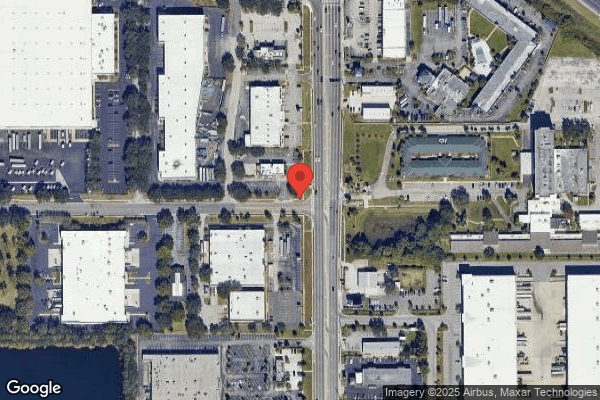
Dec 2023 1 deficiency
CONCERN (F) 📢 Someone Reported This

A family member, employee, or ombudsman was alarmed enough to file a formal complaint

Potential for Harm - no one hurt, but risky conditions existed

Food Safety (Tag F0812)

Could have caused harm · This affected most or all residents

Based on observation, interview, and review of facility documentation, the facility failed to ensure that surfaces of cooking equipment were kept free of accumulation of food residue as defined by fac...

Read full inspector narrative →
Based on observation, interview, and review of facility documentation, the facility failed to ensure that surfaces of cooking equipment were kept free of accumulation of food residue as defined by facility policy concerning the cleaning of the oven. Findings: A tour of the kitchen was performed on 12/13/23 at 11:25 AM. Observation in the kitchen revealed the interior of the convection oven was covered with excessive amount of grease residue on interior walls, doors (with glass for viewing) and racks. During an interview, the Dietary Manager indicated the oven interior was cleaned once per week. He stated he did not have any logs which documented such cleanings. During a follow-up interview on 12/14/23 at approximately 10:45 AM, the Dietary Manager stated the weekly cleanings utilized grease stripping agent. He explained the oven interior surface was sprayed and allowed to sit and soak, then wiped down until fully cleaned. A review of the facility's policy on kitchen cleaning schedule read, Ovens will be cleaned as needed and according to the cleaning schedule (at least once every two weeks). During an interview with the [NAME] on 12/14/23 at approximately 10:30 AM, she stated that she or a dietary staff cleaned the oven once a week. She did not explain the excessive residue of grease in the oven or when the oven was last cleaned. On 12/14/23 at approximately 12:15 PM, the Administrator confirmed the findings. Photographic evidence was obtained. Food Code: 4-601.11 Equipment, Food-Contact Surfaces, Nonfood-Contact Surfaces, and Utensils. (A) EQUIPMENT FOOD-CONTACT SURFACES and UTENSILS shall be clean to sight and touch. (B) The FOOD-CONTACT SURFACES of cooking EQUIPMENT and pans shall be kept free of encrusted grease deposits and other soil accumulations. (C) Nonfood-CONTACT SURFACES of EQUIPMENT shall be kept free of an accumulation of dust, dirt, FOOD residue, and other debris.
Nov 2023 1 deficiency 1 IJ
CRITICAL (J) 📢 Someone Reported This

A family member, employee, or ombudsman was alarmed enough to file a formal complaint

Immediate Jeopardy (IJ) - the most serious Medicare violation

Accident Prevention (Tag F0689)

Someone could have died · This affected 1 resident

**NOTE- TERMS IN BRACKETS HAVE BEEN EDITED TO PROTECT CONFIDENTIALITY** Based on observation, interview, and record review, the facility failed to implement appropriate interventions to mitigate elope...

Read full inspector narrative →
**NOTE- TERMS IN BRACKETS HAVE BEEN EDITED TO PROTECT CONFIDENTIALITY** Based on observation, interview, and record review, the facility failed to implement appropriate interventions to mitigate elopement risk and failed to provide adequate supervision to maintain a secure environment to ensure vulnerable residents did not exit the facility without supervision for 1 of 7 residents reviewed for elopement out of a total sample of 9 residents, (#1). These failures contributed to the elopement of resident #1 and placed her at risk for serious injury/impairment/death. While resident #1 was out of the facility unsupervised, there was likelihood she could have fallen, become lost, been accosted/harmed by a stranger or been hit by a car. On 10/15/23 at 4:25 AM, the facility failed to prevent a moderate cognitively impaired resident from exiting the facility unsupervised. Resident #1 exited the facility through the front door by holding the emergency push bar for 15 seconds which activated the door alarm but the red screamer alarm did not sound. Certified Nursing Assistant (CNA) B disengaged the door alarm at 4:37 AM without initiating a search and did not alert other staff of the alarm. Resident #1 walked approximately 707 feet to the sidewalk adjacent to a 6-lane, moderately trafficked road. She proceeded down the side walk and walked approximately 2.2 miles in the dark, crossing two major intersections and a drainage ditch. The resident crossed the 6-lane road and was found by law enforcement in front of a closed fast-food restaurant. The facility was unaware of resident #1's whereabouts until she was located at approximately 6:15 AM in front of the fast-food restaurant. The facility failed to ensure resident #1 was adequately supervised, failed to initiate appropriate interventions for a door alarm and failed to monitor the front lobby door to ensure vulnerable residents did not exit the facility without supervision. The weather at 5:01 AM on 10/15/23 was 71 degrees Fahrenheit (F) and sunrise occurred at 7:26 AM. (Retrieved from www.timeanddate.com on 11/08/23). There were a total of 9 residents who were identified at risk for elopement at the time of the survey. The facility's failure to implement appropriate interventions and to provide adequate supervision resulted in Immediate Jeopardy. The Immediate Jeopardy began on 10/15/23 and was removed on 10/18/23. The scope and severity of the deficiency was decreased to D, no actual harm with potential for more than minimal harm that is not Immediate Jeopardy. Findings: Resident #1 was a [AGE] year-old, admitted to the facility on [DATE] and readmitted [DATE]. Her diagnoses included metabolic encephalopathy, presence of cardiac pacemaker, atrial fibrillation, psychosis, major depressive disorder and cognitive communication deficit. Review of the hospital records revealed resident #1 was hospitalized on [DATE] for chest pain. A psychiatric assessment conducted at the hospital indicated resident #1 did not have the capacity to participate in the informed consent process for medical decisions. Review of the Minimum Data Set (MDS) admission assessment with Assessment Reference Date (ARD) of 8/17/23 revealed resident #1 had a Brief Interview for Mental Status (BIMS) score of 8 out of 15 which indicated moderate cognitive impairment. The document showed she required supervision and assistance of one staff member for mobility and did not use any mobility devices. The assessment noted resident #1 did not wander and did not use a wander/elopement alarm. Review of the medical record revealed an Elopement Risk Evaluation dated 8/13/23 that indicated resident #1 was alert and oriented, happy with placement and did not have a history of elopement attempts. Review of resident #1's care plan for impaired cognitive function or impaired thought processes related to encephalopathy initiated 8/16/23 included interventions to cue, reorient and supervise as needed. A falls risk care plan initiated 8/14/23 included interventions to keep room well lit, provide verbal reminders not to transfer or ambulate without assistance and to provide assistance as appropriate to meet resident's needs. A progress note dated 9/01/23 read, Resident was exit seeking and removed her [electronic wandering device]. Review of the medical record revealed no evidence of a change in condition evaluation, an Elopement Risk Evaluation, a wandering/at risk for elopement care plan or any further progress notes to address the change in behavior. Review of nursing progress notes revealed resident #1 was transferred to the hospital on 9/06/23 due to complaints of chest pain. She was readmitted to the facility on [DATE]. Review of the hospital record from resident #1's admission on [DATE] revealed a psychiatric assessment dated [DATE] which read, Patient is expressing a choice over where she wants to live, but her decision-making seems impaired in regards to understanding this decision, appreciation of the risks and benefits of the decision and rationale for her choice. Treatment team also reports patient may have been wandering the streets alone in the middle of the night when she lived independently in New York. Another psychiatric assessment conducted 9/10/23 indicated the resident informed the provider, They wanted to put a bracelet on my leg and I was not allowing that. Resident was noted to be restless, fidgety, mildly agitated, uncooperative and confused with poor attention span and easily distracted. Throughout the hospital stay, resident #1 stated several times she did not want to return to the rehabilitation center. She wanted to go home to New York. An Elopement Risk Evaluation dated 9/13/23 indicated resident #1 was fully ambulatory and wandered aimlessly. The elopement assessment score was 14 which indicated she was an elopement risk. The document indicated safety measures implemented included a wander bracelet/roam alert. Review of the medical record revealed no order for use of a wander/elopement alarm, a wandering/at risk for elopement care plan or any further progress notes to address resident #1's wandering behavior. The medical record did not contain any evidence the wander bracelet was ever implemented. Review of the MDS 5-Day Medicare assessment with ARD of 9/17/23 revealed resident #1 had a BIMS score of 9 out of 15 which indicated she had moderate cognitive impairment. The document indicated she now required limited assistance of one staff member for mobility and used a walker. The document indicated resident #1 did not wander but did not indicate if she used a wander/elopement alarm. A nursing progress note dated 10/15/23 read, the Director of Nursing (DON) was notified resident #1 left the building unsupervised at approximately 5:30 AM on 10/15/23. Resident was agitated and aggressive after she returned to the facility. Her physician ordered her to be sent to the hospital for evaluation due to altered mental status. On 11/06/23 at 10:08 AM, during a telephone interview, Licensed Practical Nurse (LPN) D verified resident #1 eloped from the facility on 10/15/23. She said she was assigned to resident #1 on 10/15/23 and the resident was confused and wandered around the unit. LPN D recalled seeing resident #1 in the front lobby between 10:00-11:00 PM and instructed the resident to go back to her room and she did. LPN D recalled she went to the resident's room around midnight and did her vital signs. She remembered seeing resident #1 in bed at about 3:00 AM. She explained that when she went to the resident's room to administer medications at 5:30 AM, the resident was not there. LPN D stated she began looking for her and asked staff if anyone had seen her. She reported a staff member told her to look in the front lobby. LPN D reported when she got to the front lobby, she noted the front door had a blinking light which indicated someone had gone out the front door. She recalled there were no alarms sounding at the time. She verified the door also had a red screamer alarm box which was not making any noise. LPN D stated she alerted everyone and a search began as well as notification to the DON. She explained she had only worked with the resident for about a month and was sure she did not wear an electronic wandering device. She could not recall exactly where the resident was located but remembered it was down the street away from the facility. LPN D stated when resident #1 returned to the facility, she was very agitated and tried to get out again. On 11/05/23 at 11:29 AM, the Maintenance Assistant verified the facility had security cameras and captured some of the events of 10/15/23 when resident #1 left the building. He explained the camera in the front lobby detected motion and recorded, but stopped recording when there was no motion. He stated the front door had an electronic alarm system which would automatically lock if a resident with an electronic wandering device came near. He did not know if resident #1 had a wander device. The Maintenance Assistant showed the surveillance video dated 10/15/23 that showed resident #1 entered the front lobby at 3:30 AM. The resident then sat on the sofa just outside of the camera range. At 3:37 AM, CNA B entered the front lobby and proceeded to the doorway that led to the back maintenance hallway. She returned back into the font lobby at 3:40 AM and proceeded back down the hallway to the left into the facility. At 3:52 AM, resident #1 stood up and proceeded down the hallway into the facility while pushing her wheelchair. At 3:57 AM, the resident entered the front lobby and sat on the sofa just out of sight of the camera. At 3:59 AM, CNA B again entered the lobby from the hallway carrying a food tray and entered the door to the maintenance hallway. She returned at 4:01 AM and spoke to resident #1 which could not be heard due to the camera not having audio. At 4:24 AM, resident #1 stood up and walked toward the front exit door without her wheelchair. She approached the door and attempted to enter a code on the keypad. At 4:25 AM, she pushed on the release bar to open the door. The camera skipped to 4:26 AM when a pharmacy delivery person entered through the front door. At 4:37 AM, CNA B disengaged the door alarm at 4:37 AM without initiating a search. At 5:57 AM, facility staff were seen looking in the office and out the front door for resident #1. At 6:31 AM, Registered Nurse (RN) C exited the back door of the maintenance hallway that led to the back parking lot. At 6:55 AM, RN C returned through the back door with the resident and Director of Nursing. The Maintenance Assistant explained the resident had pushed on the exit door's release bar for 15 seconds which then released the door as it was a fire exit door. He explained a breach alarm would have sounded and the door would remain unsecured until a code was entered to reset the door. On 11/06/23 at 1:48 PM, [NAME] A verified she worked on 10/15/23. She recalled as she drove to work, she saw a woman standing close to the street. [NAME] A explained the woman was on the same side of the street facing oncoming traffic and was very close to the traffic. She stated she moved over into the far-left lane because she was afraid she would hit the woman if she walked into the street. [NAME] A recalled she arrived at work a few minutes after 5:30 AM and began to prepare breakfast. She stated she was approached by a staff member who said a resident was missing. [NAME] A told the person she saw a woman down the street but did not know if she was the missing resident. [NAME] A confirmed she traveled that way regularly for work. She stated it was fortunate the resident was found as it was not safe to walk around on the street after dark. She remarked, There are a lot of crazy people on the street. On 11/05/23 at 11:17 AM, Receptionist E stated she was not working at the time resident #1 eloped from the facility. She verified there was a red screamer alarm on the front door and recalled that alarm being installed several months ago. Receptionist E explained the front door also had an electronic alarm system that would lock the door if a resident with an electronic wandering device approached. She stated the evening receptionist was responsible for engaging the red screamer alarm at night at the end of the shift. On 11/06/23 at 5:37 PM, Receptionist F acknowledged she worked evenings and weekends. She stated she was responsible for watching who came in and went out of the facility. She explained she had to make sure everyone signed in and out including residents. Receptionist F validated the front door had an electronic alarm system that would sound if a resident wearing an electronic wandering device got close to the door. She explained the door locked and would not open. She stated the alarm could be silenced once the resident moved away from the door. Receptionist F reported her shift ended at 9:00 PM. She stated her normal routine was to announce the lobby would close at 9:00 PM to alert visitors. She stated at 9:00 PM, it was her responsibility to engage the red screamer alarm, pull down the metal door that closed the reception desk off from the lobby, and forward incoming telephone calls. Receptionist F insisted she had a set routine and was certain she turned on the red screamer alarm before she left. On 11/06/23 at 11:56 AM, the Social Services Director (SSD) stated she spoke with resident #1's son and was told the resident lived alone in New York. She was hospitalized in New York and told she would be placed in a nursing home. The son said he brought her to live at his home but she became aggressive with him. The SSD recalled resident #1 told her son she wanted to go back to New York. The SSD acknowledged she was aware of resident's hospitalization on 9/06/23. She explained she advised the admission department not to re-admit resident #1 because she did not want to be here. The SSD reviewed the psychiatric evaluation done in the hospital on 9/07/23 and noted she had not seen that evaluation before. She acknowledged resident #1 should have been listed as an elopement risk and interventions implemented. The SSD could not say if staff discussed resident #1 being an elopement risk in daily morning meeting or in clinical meetings. The SSD recalled she received a call from the DON the morning resident #1 got out of the building. She said she spoke with the resident after she returned to the facility and the resident told her she just wanted to get out and left through the front door. The SSD explained the police were with resident #1 by the time the facility staff got there. She obtained a report number from the police but had not requested a copy of the report. On 11/06/23 at 4:04 PM, the Rehabilitation Director stated resident #1 was on caseload from 9/13/23 through 10/12/23. The Director reported resident #1 was able to ambulate with moderate assistance meaning she either needed an assistive device or just needed more time to ambulate. She stated resident #1 was cognitively impaired and disoriented to situation. She recalled she was fixated on going back to New York. On 11/07/23 at 10:23 AM, the MDS Coordinator verified a care plan for wandering and at risk for elopement was not initiated until 10/15/23, the date resident #1 eloped. She reviewed the care plan history and acknowledged no care plan was in place prior to that date. The MDS Coordinator reviewed psychiatric note dated 9/07/23 from the hospital and Elopement Risk Evaluation completed by the facility on 9/13/23 which indicated resident was an elopement risk. The MDS Coordinator did not explain why a care plan was not developed at the time resident #1 was identified as a wandering/elopement risk. She clarified the Unit Manager usually reviewed the assessments and evaluations completed by the nurses and added, This one got missed, unfortunately. In a telephone interview on 11/03/23 at 2:14 PM, resident #1's son stated he brought his mother to live with him this past summer. He conveyed she lived independently in New York but one morning, she left her home in South Manhattan and was found in South Bronx at 2:30 AM. He recalled he was contacted by the police and told he either had to come get her or she would be placed in a nursing home in New York. Resident #1's son stated she was always trying to leave to go back to New York. He recalled a time when she got into a car with strangers and asked them to take her to the bus stop. He stated she would get in the car with anyone. He explained he lost his job because he had to stay home with his mom to take care of her and be sure she did not leave and get lost. He reported she had only been with him for 3 weeks when he realized he could not care for her and started a search to to place her in a facility. He confirmed he was contacted about his mother leaving the facility on 10/15/23. He recounted the facility told him she snuck behind a visitor and went out the door when they buzzed the visitor out. He recalled he was told she got down the road less than a mile away. He expressed he did not know how she made it that far down the street. He stated she was constantly falling and had fallen twice while living with him as she was unsteady on her feet. He verbalized she would not be safe outside by herself. He stated the facility should have known about her wandering as it was in all the hospital paperwork. He reported she was transferred to the hospital after she eloped from the facility. He explained she kept trying to get out of the hospital and they had to restrain her. He stated she was sent to a nursing home that had a secure unit. He said he was in agreement and felt it was safer for her to be in a secured unit. On 11/07/23 at 4:56 PM, the Regional Director of Clinical Services stated the facility identified several areas of opportunity for improvement during their investigation. She noted the nurse who documented resident #1's exit seeking behavior failed to complete a change in condition assessment and an elopement risk evaluation, did not notify the physician of a change in behavior and did not initiate any interventions to keep the resident safe. She explained the the nurse who completed the Elopement Risk Evaluation on 9/13/23 failed to implement elopement risk interventions, did not notify the physician or management team and did not document any actions after she identified elopement risk. She noted the Interdisciplinary Team (IDT) failed to review hospital documentation, progress notes and the medical record for newly admitted or re-admitted residents which resulted in failure to implement appropriate care plan and interventions. The Regional Director of Clinical Services stated the facility also determined that staff failed to respond appropriately to the door alarm. She explained they observed on the video that CNA B turned off the door alarm on 10/15/23 at 4:37 AM, without checking if a resident got out and did not alert any staff to the alarm. She explained the Quality Assessment and Performance Improvement committee determined the Root Cause of the elopement were failures to properly assess and identify resident #1 as an elopement risk, and failure to implement appropriate interventions for the risk and failure to follow elopement protocols. Review of the policy and procedure Elopement revised 10/24/22 revealed a purpose to assure the safety and security of all residents. The document directed staff to assess the resident status upon admission and quarterly thereafter to determine if the resident should be considered at risk for elopement. Prevention protocols should be followed and documented on the care plan for any resident identified as at risk for elopement. The document identified several multi-faceted interventions for resident at risk which included identifying information being placed in the elopement binder, increased supervision and implement and/or update care plan for the resident. On 10/15/23 at 5:30 AM, resident #1's probable elopement route was re-traced. She exited the facility's front lobby door and turned right, walked through the parking lot, and left the property. Resident #1 walked approximately 707 feet to the sidewalk adjacent to a 6-lane, moderately trafficked road. She turned left and proceeded down the side walk approximately 2 miles crossing two major intersections and a drainage ditch. The resident crossed the 6-lane road where she was stopped by law enforcement in front of a closed fast-food restaurant. Observation of the probable route revealed a dense commercial area with restaurants, offices, gas stations and stores. The 6-lane road had two major intersections where the 6-lane road converged with another 6-lane road with additional turn lanes on each side. Historical weather data revealed on the morning resident #1 eloped, 10/15/23, the temperature at 5:01 AM was 71 degrees Fahrenheit (F) and mostly cloudy. Sunrise occurred at 7:26 AM (retrieved on 11/08/23 from www.timeanddate.com). Review of the Facility Assessment Tool revealed the facility accepted and could care for residents with psychiatric and mood disorders including psychosis, impaired cognition, depression, anxiety, and behaviors that needed intervention. The document indicated the facility provided person-centered care including identification of hazards and risks for residents. Review of corrective measures to remove Immediate Jeopardy implemented by the facility revealed the following, which were verified by the survey team: *On 10/15/23 at 5:30 AM, resident #1 was discovered missing and the facility implemented its elopement policy and procedures. *On 10/15/23 at 6:55 AM, resident #1 returned to the facility with facility staff. She was assessed on return to the facility and had no injuries. A head count was conducted to verify the safety of all residents. The required notifications were made to the physician and family. Resident #1 was placed on 1:1 supervision. *On 10/15/23, resident #1 was re-evaluated for elopement risk and a comprehensive care plan was initiated due to her increased risk. *On 10/15/23, the facility re-evaluated all residents' elopement risk and there were no newly identified concerns. A quality review audit of the 9 residents who were at risk for elopement revealed no concerns related to their electronic wandering devices, care plans and physicians' orders. The elopement binders were reviewed to ensure identified residents at risk were in the books. *On 10/15/2023, Plant Operations checked all doors and alarms center wide for proper functioning. A new red screamer alarm (keyed alarm) was installed on the double doors between the west wing and the front lobby. All red screamer alarms were labeled with on and off positions identified facility wide. *On 10/15/2023, the facility initiated 24-hour front door coverage to monitor the front lobby exit door. *On 10/15/23, the facility held an ad hoc QAPI meeting and conducted a Root Cause Analysis and reviewed recommendations to develop a plan for correction to include education, post-tests, drills and audits. The ad hoc QAPI committee including the Medical Director (via telephone) approved the recommendations. *On 10/17/2023, the facility reviewed hospital medical records and resident/family interviews for all new admissions in the last 30 days to ensure identification of potential elopement risks. *On 10/18/23, the facility held an ad hoc QAPI meeting to evaluate the plan put into place on 10/15/2023. Education, actions taken and audits were reviewed. The ad hoc QAPI committee including the Medical Director approved the current plan and recommendations for continued education and audits. *From 10/15/23 to 10/18/23, licensed nurses were re-educated on accuracy of elopement risk evaluations and providing appropriate supervision for residents with wandering or exit seeking behaviors. Education included completion of accurate elopement evaluations, supervisor notification of change in condition with emphasis on new or increased behaviors of wandering or exit seeking. As of 10/18/2023, 22 out of 31 nurses received education, a total of 71%. *From 10/15/23 to 10/18/23, staff were educated on Abuse/Neglect; Missing Residents Policy and Procedures; Elopement and Missing Persons; Response to Door Alarms; and Elopement Post Test were completed. Elopement Drills were conducted on all 3 shifts. As of 10/18/2023, a total of 129 of 138 staff members received elopement education and participated in the elopement drills, a total of 93%. *From 10/15/23 to 10/18/23, the facility completed 9 elopement drills to cover all 3 shifts with satisfactory staff response documented on elopement drill worksheets. *Interviews were conducted from 11/05/23 to 11/08/23 with 22 staff members (8 CNAs representing all shifts, 2 receptionists, 2 RNs, 4 Licensed Practical Nurses, 2 therapists, 2 environmental services, 1 activity staff and 1 dietary staff). Staff interviews revealed they were knowledgeable of the elopement policy and procedures and supervision of residents at risk for elopement. The resident sample was expanded during the survey to include 4 additional residents. Observations, interviews, and record reviews conducted revealed no concerns related to elopement risk evaluations and care plans for residents #3, #13, #14, and #15.
Nov 2022 3 deficiencies
CONCERN (D) 📢 Someone Reported This

A family member, employee, or ombudsman was alarmed enough to file a formal complaint

Potential for Harm - no one hurt, but risky conditions existed

Comprehensive Care Plan (Tag F0656)

Could have caused harm · This affected 1 resident

**NOTE- TERMS IN BRACKETS HAVE BEEN EDITED TO PROTECT CONFIDENTIALITY** Based on observation, interview, and record review, the facility failed to implement the plan of care and provide enteral feedin...

Read full inspector narrative →
**NOTE- TERMS IN BRACKETS HAVE BEEN EDITED TO PROTECT CONFIDENTIALITY** Based on observation, interview, and record review, the facility failed to implement the plan of care and provide enteral feeding formula as ordered by the physician for 1 of 3 residents reviewed for enteral feedings via gastric tube (G-tube) out of a total sample of 7 residents, (#4). Findings: Resident #4 was initially admitted to the facility on [DATE] with diagnoses of nutritional deficiency, traumatic brain damage, protein calorie malnutrition, and gastric tube. Review of the Minimum Data Set (MDS) annual assessment dated [DATE] revealed short and long term memory loss, total dependence of 2 persons with activities of daily living (ADL's) and feeding tube for nutritional status. Review of the tube feeding care plan revealed a focus for nutritional complications related to G-tube as only means of nutrition and hydration with interventions to provide tube feedings and water flushes as ordered and Registered Dietitian to evaluate and make diet change recommendations as needed. Review of physician orders dated 8/28/22 showed Vital 1.5 via G tube at 60 cubic centimeters (cc)/hour for 22 hours, on at 12:00 PM off at 10:00 AM twice a day. On 11/22/22 at 1:24 PM, the Director of Nursing (DON) stated resident #4's family member visited on 11/8/22 and noticed the tube feeding bottle read, Vital 1.0 which was different from the previous Vital 1.5. She explained the nurse received a verbal order from the Advanced Registered Nurse Practitioner (ARNP) for Vital 1.0 but did not transcribe the order to the medical record or document in a progress note. The DON stated the nurse was responsible to ensure any new order was entered into their Electronic Medical Record (EMR). She stated each order should have a progress note. On 11/22/22 at 1:27 PM, Registered Dietitian Technician stated resident #4's father approached her and that is how she discovered the wrong feeding was being given. I know it was the wrong feeding, it was the Vital 1.0 instead of Vital 1.5. She said, the staff did not inform me, they let me know after it was done. She indicated she was told on 11/8/22 at 3:23 PM, it was a different formula, not the lower dosage. She noted she assumed the facility ran out of the Vital feeding formula. She said she found out later that week that it was Vital 1.0. It is assumed that people would not downgrade a tube feeding formula without letting anyone know. On 11/22/22 at 2:07 PM, the Assistant Director of Nursing (ADON) explained on 11/8/22 she worked as the Unit Manager (UM). She said the facility ran out of Vital 1.5 and she was going to talk to the Registered Dietician for recommendations. She noted the facility had Vital 1.0 and she was aware it contained less calories than Vital 1.5. She said, I took the verbal order to change the feedings to Vital 1.0 from the ARNP and forgot to write the order in the resident's chart. I forgot to write the verbal order. That was my mistake. The ADON acknowledged neither the physician nor the Registered Dietician were contacted before she administered Vital 1.0 feedings. She stated the facility process was to write the order in the EMR and document a progress note. Review of the resident's medical record did not show any evidence the ARNP or physician were contacted to obtain an order for Vital 1.0 feeding. Review of the facility's Policies and Procedures for Physician Orders read, The center will ensure the Physician orders are appropriately and timely documented in the medical record. Under ROUTINE ORDERS: the policy noted, A Nurse may accept a telephone order from the physician, Physician Assistant (PA) or Nurse Practitioner (ARNP) (As permitted by state law). The order will be repeated back to the physician, PA or ARNP for his/her verbal confirmation. The order is transcribed to all appropriate areas of the electronic health record (eMAR/eTAR).
CONCERN (D) 📢 Someone Reported This

A family member, employee, or ombudsman was alarmed enough to file a formal complaint

Potential for Harm - no one hurt, but risky conditions existed

Tube Feeding (Tag F0693)

Could have caused harm · This affected 1 resident

**NOTE- TERMS IN BRACKETS HAVE BEEN EDITED TO PROTECT CONFIDENTIALITY** Based on interview, and record review, the facility failed to ensure physician ordered tube feeding formula was available for 1 ...

Read full inspector narrative →
**NOTE- TERMS IN BRACKETS HAVE BEEN EDITED TO PROTECT CONFIDENTIALITY** Based on interview, and record review, the facility failed to ensure physician ordered tube feeding formula was available for 1 of 3 residents receiving gastric tube feedings out of a total sample of 7 residents, (#4). Findings: Resident #4 was initially admitted to the facility on [DATE] with diagnoses of dysphagia, gastrostomy, protein calorie malnutrition, tracheostomy, and nutritional deficiency. Review of the resident's Minimum Data Set (MDS) annual assessment dated [DATE] revealed short and long term memory loss, total dependence of 2 persons with activities of daily living (ADL's) and feeding tube for nutritional status. Review of resident #4's tube feeding care plan revealed a focus for nutritional complications related to G-tube as only means of nutrition and hydration with interventions to provide tube feedings and water flushes as ordered and Registered Dietitian to evaluate and make diet change recommendations as needed. Review of the resident's physician orders dated 8/28/22 showed Vital 1.5 via G tube at 60 cubic centimeters (cc)/hour for 22 hours, on at 12:00 PM off at 10:00 AM twice a day. On 11/21 22 at 8:30 AM, the Central Supply staff said last month, the facility ordered Vital 1.5 for resident #4 and the supply company sent Vital 1.0. She stated she phoned the company to inform them they sent the wrong feeding formula but could not recall the date of the telephone call. She stated the Registered Dietician explained it was not the same formula as it contained less calories than Vital 1.5. She stated this formula was not available in regular stores or pharmacies and the Administrator was aware. She provided copies of shipment pack receipts dated 11/7/22 with scheduled ship date 11/8/22 for Vital 1.5 calorie 1000 milliliter bottles feeding formula. On 11/22/22 at 12:42 PM, a review of a grievance dated 11/8/22 from resident #4's family representative noted concern the resident did not receive the correct tube feeding formula. The Social Services Director stated the resident was to receive Vital 1.5 but the facility was out of that particular formula. On 11/22/22 at 1:24 PM, the Director of Nursing (DON) stated they should always have the correct feeding formula available in the facility. She stated resident #4's family visited on 11/8/22 and noticed the different tube feeding bottle and it was Vital 1.0. She explained the nurse hung Vital 1.0 as Vital 1.5 was not available. She stated Vital 1.5 was made available that same day but she was unsure of the time. On 11/22/22 at 2:07 PM, the Assistant Director of Nursing (ADON) stated, I was the Unit Manager on 11/8/22 and we ran out of Vital 1.5 feeding formula. She explained the last bottle of Vital 1.5 was infusing 11/7/22 into 11/8/22 and the formula was only unavailable for a few hours. She said resident #4's family member came to visit early from 7:30 AM to 8:00 AM. She indicated the family member, brought it to my attention, and that is when we noticed we were out of Vital 1.5 tube feeding formula. On 11/22/22 at 3:39 PM, Licensed Practical Nurse (LPN) A stated she was assigned to resident #4 on the morning of 11/8/22. She explained a full bottle of Vital 1.0 was infusing when she arrived in the morning. She was unaware how long the facility was out of Vital 1.5.
CONCERN (E) 📢 Someone Reported This

A family member, employee, or ombudsman was alarmed enough to file a formal complaint

Potential for Harm - no one hurt, but risky conditions existed

Safe Environment (Tag F0921)

Could have caused harm · This affected multiple residents

**NOTE- TERMS IN BRACKETS HAVE BEEN EDITED TO PROTECT CONFIDENTIALITY** `Based on observation, interview, and record review, the facility failed to provide necessary maintenance services to promote sa...

Read full inspector narrative →
**NOTE- TERMS IN BRACKETS HAVE BEEN EDITED TO PROTECT CONFIDENTIALITY** `Based on observation, interview, and record review, the facility failed to provide necessary maintenance services to promote safe, orderly, and comfortable homelike environment for residents in 5 resident bathrooms on East Wing and 3 resident bathrooms on [NAME] Wing out of a total of 13 sampled rooms, (East Wing rooms 54, 58, 59, 63, 67 and [NAME] Wing rooms 4, 9, 11). Findings: On 11/21/22 at 6:45 AM, review of the maintenance logbook on East Wing revealed clogged toilet in room [ROOM NUMBER] dated 10/12/22, and clogged toilet in room [ROOM NUMBER] dated 10/18/22. An entry dated 11/13/22 noted toilet not flushing in room [ROOM NUMBER]. Entries of bathrooms being clogged in rooms [ROOM NUMBER] with no dates but written on lines between 10/20/22 and 10/26/22. There was no documentation by Maintenance to identify if any of the concerns had been addressed or signatures for work completed. On 11/21/22 at 10:25 AM, the Maintenance Director stated the facility process was for staff to report any repair issues in the maintenance log book located on each wing. He said he checked the log book daily. He noted he was sometimes informed verbally of clogged toilets and he addressed those issues. He explained he checked the maintenance log books few times per week to ensure work completed was signed. He noted it was his responsibility to ensure repairs or work was completed and added clogged toilets were addressed quickly. He indicated if plumbing was a major issue, then he would get a plumber involved. On 11/21/22 at 10:30 AM, the [NAME] Wing maintenance log book was reviewed with the Maintenance Director. An entry showed toilet in room [ROOM NUMBER] not flushing which was repaired and signed and dated 11/7/22 by the Maintenance Assistant. An entry undated noted toilet in room [ROOM NUMBER] was clogged. It showed the toilet was checked on 9/12/22 by the Maintenance Assistant. The toilet in room [ROOM NUMBER] was observed with the Maintenance Director that noted the flush did not work and the handle very loose. The Maintenance Director removed the toilet lid and stated the chain was off again and sat at the bottom of the compartment. It is not properly attached inside the toilet. After the chain was refastened, the Maintenance Director had to press the handle down continually to flush. He stated have to hold the handle all the way down until it flushes. Observation of toilet in room [ROOM NUMBER] noted water continuously swirled and the handle had to be held down for more than 1 minute for the toilet to partially flush. On 11/21/22 at 10:44 AM, review of the East Wing maintenance log book with the Maintenance Director now showed all repairs in rooms 54, 58, 59, 63, 67 were completed and signed by Maintenance Assistant with dates that ranged from 10/5/22 to 11/21/22 but were blank this morning at 6:45 AM. On 11/21/22 at 10:55 AM, observation of bathroom in room [ROOM NUMBER] revealed the entire toilet covered in plastic bag. The Maintenance Director stated this one was out of service. The Maintenance Assistant was in the hallway and spoke to the Maintenance Director. The Maintenance Director stated the Assistant placed a bag over the toilet as it kept getting clogged. He did not explain why the Maintenance Assistant had just noted the toilet was fixed in the log book and dated it 10/22/22. On 11/21/22 at 10:57 AM, the toilet in room [ROOM NUMBER] showed it took more than one minute of pressing handle to flush the toilet. The water rose to the rim of the bowl before it receded. The toilet repairs in the logbook now showed it was completed and signed with date 10/18/22. On 11/21/22 at 11:00 AM, observation of toilet in room [ROOM NUMBER] noted it would not flush. The water to the toilet was shut off and when the Maintenance Director turned the water on, the toilet still would not flush. He stated they would have to work further on this one. He could not explain how the log book now showed the toilet repairs were completed 10/22/22 when it was blank this morning at 6:45 AM. On 11/21/22 at 11:03 AM, the toilet in room [ROOM NUMBER] was checked with the Maintenance Director. The toilet handle had to be held down continually for greater than 1 minute for the toilet to flush. The repair in the log book now showed it was signed as completed on 11/13/22. On 11/21/22 at 11:05 AM, toilet check of room [ROOM NUMBER] showed toilet very slow to flush. The handle had to be held down for more than two minutes before it flushed. Observation also revealed water continually running in the bathroom sink. Resident #8 said they come to fix it a couple of times but it still runs continuously, it does not shut off. The Maintenance Director said, I will have to replace that. Review of the log book now noted repairs were completed 10/22/22. On 11/21/22 at 11:07 AM, the Administrator stated they had not identified these issues in their Quality Assurance Performance Plan and did not have a Performance Improvement Plan. We are going from room to room for the entire building. He stated he believed the flushing issue was related to the water pressure in the building and noted it was the same for staff bathrooms. When asked if the Maintenance Assistant had completed signing the log book today, he replied, Yes, he did. The Administrator acknowledged the Maintenance Assistant signed the maintenance log books today with previous dates. On 11/21/22 at 11:08 AM, the Maintenance Director explained clogged toilets were a constant issue and noted it could be related to the building's water pressure. On 11/21/22 at 11:09 AM, the Administrator translated for the Maintenance Assistant who spoke Spanish and validated they had continuous issues with toilets not flushing properly. He confirmed he signed and backdated work done in the maintenance log books today. Facility Maintenance Policy and Procedures with effective date 11/30/14 showed The facility's physical plant and equipment will be maintained through a program of preventive maintenance and prompt action to identify areas/items in need of repair.
Mar 2022 4 deficiencies 1 Harm
SERIOUS (G)

Actual Harm - a resident was hurt due to facility failures

Pressure Ulcer Prevention (Tag F0686)

A resident was harmed · This affected 1 resident

**NOTE- TERMS IN BRACKETS HAVE BEEN EDITED TO PROTECT CONFIDENTIALITY** 2. Resident #22 was admitted to the facility on [DATE] and readmitted on [DATE] with diagnoses including type 2 diabetes, system...

Read full inspector narrative →
**NOTE- TERMS IN BRACKETS HAVE BEEN EDITED TO PROTECT CONFIDENTIALITY** 2. Resident #22 was admitted to the facility on [DATE] and readmitted on [DATE] with diagnoses including type 2 diabetes, systemic lupus erythematosus, phlebitis and thrombophlebitis of superficial vessels of the right leg. Systemic lupus erythematosus is an autoimmune disease in which the immune system attacks its own tissues, causing widespread inflammation and tissue damage in the affected organs. It can affect the joints, skin, brain, lungs, kidneys, and blood vessels (retrieved on 4/01/22 from www.cdc.gov). Thrombophlebitis is an inflammatory process that causes a blood clot to form and block one or more veins, usually in the legs. The affected vein might be near the surface of the skin or deep within a muscle (retrieved on 4/01/22 from www.mayoclinic.com). Review of the MDS admission assessment with ARD of 3/18/22 revealed resident #22 had a Brief Interview for Mental Status (BIMS) score of 9 which indicated she had moderate cognitive impairment. She required extensive to total assistance with Activities of Daily Living (ADLs). The document revealed the resident did not exhibit any behavioral symptoms including rejection of care. The assessment indicated resident #22 was at risk for developing pressure ulcers and pressure injuries and had skin conditions including pressure ulcers and pressure injuries presenting as deep tissue injury. A care plan for actual impairment of skin integrity as evidenced by pressure wound to sacrum, deep tissue injury right big toe, deep tissue injury left and right heel, pressure ulcer left ischium and excoriation to right buttocks was initiated on 3/14/22. Interventions included follow facility protocols for treatment of injury and staff to ensure bilateral boots to lower extremities are on at all times, may remove for ADL care. Review of resident #22's medical record revealed a physician order dated 3/16/22 for bilateral boots to lower extremities applied every shift. Review of the Treatment Administration Record (TAR) for March 2022 revealed nursing documentation of resident #22's bilateral boots applied as ordered. Review of Pressure Ulcer Wound Rounds form dated 3/28/22 revealed resident #22 had a suspected deep tissue injury on her right heel that measured 1.8 cm long, 2.0 cm wide and 0.1 cm deep. A Pressure Ulcer Wound Rounds form dated 3/28/22 revealed resident also had a suspected deep tissue injury on her left heel 0.5 cm long, 1.0 cm wide and 0.1 cm deep. On 3/28/22 at 5:12 PM, 3/29/22 at 11:01 AM and 3/30/22 at 5:01 PM, resident #22 was observed in bed without boots on her feet. She was also observed in her wheelchair on 3/28/22 at 3:55 PM, 3/29/22 at 2:40 PM and 3/30/22 at 12:29 PM without boots to both feet. On 3/31/22 at 10:06 AM, CNA F verified she was assigned to resident #22. She stated she was familiar with the resident and worked with her last week. CNA F stated she did not know if resident #22 had bilateral boots. She explained she had not seen any boots previously. CNA F searched resident #22's room but did not locate any boots. On 3/31/22 at 10:33 AM, LPN G confirmed she was the nurse assigned to resident #22. She said she saw the resident with bilateral boots last week but did not remember seeing them this week. LPN G reviewed the physician orders and noted resident #22 had an order for bilateral boots. She observed the resident and acknowledged she was not wearing any boots. LPN G searched the room but did not find the boots. She identified resident #22 was at risk for skin breakdown and needed the boots to protect her heels, promote healing and prevent further breakdown. On 3/31/22 at 1:45 PM, the DON reported resident #22 had pressure ulcers on both heels. She confirmed the resident should have bilateral boots in place to promote healing and prevent further breakdown. 3. Resident #55 was admitted to the facility on [DATE] with diagnoses including type 2 diabetes, dementia and peripheral vascular disease. Review of the MDS Significant Change in Status assessment with ARD of 3/12/22 revealed resident #55 had a BIMS score of 0 which indicated she had severe cognitive impairment. She required extensive to total assistance with ADLs. The document revealed the resident did not exhibit any behavioral symptoms including rejection of care. The assessment indicated resident #55 was at risk for developing pressure ulcers and pressure injuries but did not have any at the time of the assessment. A care plan for actual impairment of skin integrity revised 3/24/22, indicated resident #55 had a pressure ulcer to her right heel. Interventions included Podus boot to right foot for offloading. Review of resident #55's medical record revealed a physician order dated 3/19/22 for Podus boot on right foot for offloading. Review of the TAR and MAR for March 2022 revealed no documentation to validate resident #55's podus boot was applied as ordered. Review of Pressure Ulcer Wound Rounds form dated 3/28/22 revealed resident #55 had a Stage 3 pressure ulcer on her right heel that measured 3.0 cm long, 3.0 cm wide and 0.1 cm deep. On 3/28/22 at 10:27 AM, resident #55 was observed in her reclining chair without a Podus boot on her right foot. On 3/29/22 at 12:00 PM, 3/29/22 at 2:59 PM, 3/30/22 at 9:41 AM and 3/30/22 at 5:01 PM, the resident was observed in bed without a Podus boot on her right foot. On 3/31/22 at 10:11 AM, CNA F verified she was assigned to resident #55. She stated she did not know if the resident had a boot and had not seen her with one. CNA F lifted the covers and acknowledged resident #55 was not wearing a Podus boot. She searched the resident's room but did not find the boot. On 3/31/22 at 10:24 AM, LPN G observed resident #55's right foot and verified she had a pressure ulcer on her right heel. She acknowledged the resident did not have a Podus boot on her right foot. LPN G reviewed resident #55's physician orders and verified resident #55 had an active order for a Podus boot to right foot. LPN G stated she had never seen resident #55 with a boot. On 3/31/22 at 1:45 PM, the DON stated resident #55 was at risk for skin breakdown and had a pressure ulcer on her right heel. She acknowledged resident #55 did not have a Podus boot. She explained the reason for the Podus boot was to prevent the pressure area from getting worse. Based on observation, interview and record review, the facility failed to provide care and services to prevent the development of a pressure ulcer and shear injury (#10), and failed to ensure application of pressure reducing devices to prevent further skin breakdown (#22 & #55) for 3 of 7 residents reviewed for pressure ulcers of a total sample of 44 residents. The facility's failure to implement preventative interventions consistent with resident #10's risk for skin breakdown, and failure to identify areas of skin injury according to accepted standards of practice resulted in actual harm, development of a stage 3 pressure ulcer to the right ear. Findings: 1. Resident #10 was admitted to the facility on [DATE] with diagnoses of heart disease, enlarged heart, hardening of the blood vessels in the brain, muscle weakness and chronic pain. Review of the Minimum Data Set (MDS) Quarterly assessment with Assessment Reference Date (ARD) of 3/09/22 revealed resident #10 had severe hearing impairment and did not speak. The MDS assessment indicated she had both short- and long-term memory problems and severely impaired cognitive skills. The resident was incontinent of bladder and bowel, required oxygen therapy and needed extensive assistance from two staff for bed mobility and transfers. The MDS assessment also indicated resident #10 was at risk for pressure ulcers and had one unhealed, stage 4 pressure ulcer. The document listed current skin and pressure ulcer treatments such as a pressure reducing device for the bed, but it did not include a turning/repositioning program. According to the National Pressure Injury Advisory Panel (NPIAP), a pressure ulcer is a localized injury to the skin and/or underlying tissue usually over a bony prominence as a result of pressure, or pressure in combination with shear and/or friction. The injury can present as intact skin or an open ulcer and may be painful. The NPIAP defines a stage 3 pressure injury is a full-thickness loss of skin that may have rolled wound edges with fat and slough visible in the wound (retrieved on 3/31/22 from www.npiap.com). Slough is dead tissue, often wet, that needs to be removed from a wound for healing to take place (retrieved from www.woundsource.com on 4/5/22). A skin injury caused by shear or friction occurs when skin is dragged across a coarse surface. Shear is defined as a mechanical force that acts internally on the skin tissue in a direction parallel to the body's surface. These forces can cause older adults to be vulnerable to deeper pressure injuries to their skin (retrieved on 4/04/22 from www.dermatoljournal.com). Resident #10 had care plans for potential impairment to skin integrity related to fragile skin and for a pressure ulcer to her sacrum. The goal was the resident would be free from injury. The care plan interventions directed staff to monitor, document, and report any changes in skin status as needed. The document listed an additional intervention to teach the resident the importance of changing positions for prevention of pressure ulcers and encourage her to make small frequent position changes. However, due to resident #10's cognitive impairment, memory problems and need for extensive assistance for movement, the interventions were not appropriate for the resident. The care plan directed staff to follow facility policies and protocols for the prevention and treatment of skin breakdown. Other approaches included staff to identify and document potential causative factors and eliminate and resolve them where possible. The care plan did not include an intervention related to frequently turning and repositioning resident #10 while she was in bed Review of the medical record revealed a physician order dated 12/02/21 for nurses to perform weekly skin sweeps every evening shift on Tuesdays. The order specified the nurse was to complete a head to toe skin sweep under the assessment tab. On 3/28/22 at 11:03 AM, resident #10 was in bed turned to her left side, and faced the door. She had a nasal cannula, dated 2/25/22, that was connected to an oxygen concentrator. Resident #10's head rested on a pillow and she had a small black scabbed area noted on the cartilage of her right, outer ear. Her hair was pulled back and she had clumps of yellowish, dried crusty substance in her hair above the right ear and also at the crease of her right ear where the tubing of the nasal cannula rested. On 3/28/22 at 12:45 PM, resident #10 remained on her left side facing the door and still wore the nasal cannula dated 2/25/22. Her face was unwashed and there was mucous that drained from her nostrils and accumulated under the nasal cannula. The nasal cannula tubing fit tightly around her neck and there were purple-colored marks on her neck, under the tubing, coming up towards her right ear. On 3/28/22 at 2:05 PM, resident #10's position was unchanged. She still lay on her left side with her head on a pillow, facing the door. The yellow crusty substance remained clumped in her hair above the right ear and the same nasal cannula,dated 2/25/22 was in place. On 3/28/22 at 3:46 PM, during an observation of resident #10 with the East Wing Unit Manager (UM), the resident was in bed and still lay on her left side. The East Wing UM acknowledged the date on the resident's nasal cannula tubing showed it had not been changed for over a month. She explained nurses were expected to change the nasal cannula tubing once weekly on Fridays. She validated there was crusted, yellowish drainage in resident #10's hair above her right ear. The East Wing UM observed the dark colored wound to the resident's outer ear and confirmed she had no previous knowledge of the area of breakdown. She carefully pulled down resident #10's right ear and removed the nasal cannula which was lying in the crease of her upper ear. A wound about the size of a small raisin where the nasal cannula had been resting was identified. The wound was open and draining, with redness noted to the surrounding tissue. The East Wing UM rolled resident #10 to her right side and removed the nasal cannula tubing from behind her left ear and found the skin underneath reddened and moist. She reported she was not aware of the wounds to resident #10's right ear. She explained the resident's last skin assessment would have been performed the past Tuesday, 3/22/22. The East Wing UM explained the wound behind the resident's right ear was at the minimum a stage 3 wound and the wound to the outside of her right ear was unstageable. On 3/28/22 at 4:10 PM, the East Wing UM stated she was unable to find any documentation of skin assessments for resident #10 for the past 10 weeks, since 1/18/22. She confirmed the assigned floor nurses were supposed to perform skin sweeps weekly on the 3 PM to 11 PM shift on Tuesdays as ordered by the physician. On 3/28/22 at 4:20 PM, the Wound Care Registered Nurse (RN) assessed resident #10's wounds. She validated there were purplish marks around the resident's neck, and two wounds to her right ear. On 3/28/22 at 4:26 PM, Certified Nursing Assistant (CNA) C stated she had just completed care for resident #10. She confirmed she washed the crusty substance from the resident's hair. CNA C said checking the resident's skin was part of daily hygiene care and she was aware any skin issues should be reported to the nurse. On 3/28/22 at 5:30 PM, the Wound Care RN described taking resident #10's nasal cannula off to assess the wound to the back of her right ear. She stated she assessed the wound to the back of the right ear as a stage 3 pressure ulcer as it was open and the tissue in the wound was yellow and draining. She noted the wound to the outer ear was an unstageable pressure ulcer as it was blackened. The Wound Care RN recalled she assisted the Wound Doctor that morning during care to the resident's sacral pressure wound. She remembered the resident was turned to her left side. She added that CNAs should turn and reposition the resident to prevent worsening of the existing wound and development of new wounds. The Wound Care RN acknowledged the wounds to resident #10's ear could have been there since the past weekend. On 3/28/22 at approximately 5:35 PM, the Assistant Director of Nursing (ADON) stated CNAs were supposed to wash residents and observe for any skin issues. He explained the expectation was for CNAs to immediately report any changes in a resident's skin condition. He stated the CNAs were to let the nurse know even if the resident's skin was just pink. He indicated that treatments put into place at an early stage could prevent further damage to the skin. The ADON explained CNAs should turn the resident every two hours to prevent skin breakdown because her skin was so fragile and she was at high risk for skin breakdown. He validated the wounds to resident #10's ear should have been identified as part of her hygiene care when the CNA washed her face, including her ears. He explained the floor nurse was supposed to do a whole-body assessment during the skin sweep and confirmed that no skin sweeps were done in the past 10 weeks, since 1/18/22. He validated there was a breakdown in preventative treatment for resident #10 as the wounds were not identified. The ADON stated if the CNAs had washed resident #10's face, they should have seen the wounds to her ear and notified the nurse. The ADON agreed the wound was possibly there since Saturday. Review of the document Pressure Ulcer Wound Rounds dated 3/28/22 at 4:30 PM, revealed an unstageable, pressure type wound 0.2 centimeters (cm) by 0.3 cm by 0.1 cm to resident #10's right ear that was not present on admission. The wound bed was described as 100% dead tissue with no drainage. Review of the document Pressure Ulcer Wound Rounds dated 3/28/22 at 4:31 PM, revealed a stage 3, pressure type wound measuring 0.5 cm by 0.6 cm by 0.2 cm to the back of resident #10's right ear that was not present on admission. The wound bed was described as yellow slough with redness in the area around the wound. Review of the Medication Administration Record revealed nurses charted they performed the Weekly skin sweep that directed them to complete the head to toe skin sweep under assessment tab consistently every week of January, February and March of 2022. However, review of the medical record revealed the Weekly Skin Integrity Review was actually documented by nurses only 5 times over the 6 months prior to March 2022. The last skin sweep assessment for resident #10, completed on January 18, 2022, indicated her skin was intact on that date. Review of the CNA care plan or Bedside [NAME] Report for resident #10 dated 3/31/22, revealed directions for a weekly skin inspection requiring an observation of redness, open areas, scratches, cuts or bruises and to report to nurse and changes. The [NAME] report detailed that resident #10 required total assistance from 2 staff for turning and repositioning for bed mobility as necessary, but it did include the required frequency for the task to meet the needs of resident #10 who was at high risk for skin breakdown. Review of the CNA task documentation report revealed no documentation of bed mobility performed on the day shift on 3/26/22, the night shifts on 3/27/22 and 3/28/22 and for the entire day of 3/29/22. On 3/29/22 at 10:15 AM, Licensed Practical Nurse (LPN) B stated she worked with resident #10 on the Friday 3/25/22 evening shift and Monday 3/28/22 day shift. LPN B stated CNAs were to provide care and wash the resident including behind the ears while the nasal cannula was moved. She confirmed the CNA did not notify her of any skin changes, and she was not aware of the wounds to resident #10's right ear. LPN B stated checking the resident's skin was part of the nurse's assessment during her shift. She stated she did not look at resident #10's nasal cannula during the day shift on Monday. She recalled she was too busy and did not look behind resident #10's ears during the shift although it was normally part of her assessment. She explained wounds from a medical device like a nasal cannula might be prevented if kept from resting on the skin by placing a cushion or gauze. She said another intervention to prevent pressure ulcers was frequent repositioning and as the nurse she was responsible to ensure CNAs turned and repositioned residents frequently. LPN B recalled resident #10 was turned toward the door during the day shift on Monday. On 3/29/22 at 12:38 PM, LPN E stated she was familiar with resident #10 as she was assigned to her on the day and evening shifts on Sunday 3/27/22. She explained resident #10 was at risk for skin breakdown and should be repositioned every two hours. She stated she did not check resident #10's skin nor was she informed by the CNA of any skin impairments for resident #10 during either shift. On 3/29/22 at 1:05 PM, CNA A stated she cared for resident #10 on Monday 3/28/22 on the 7AM to 3 PM shift. CNA A explained bed baths included washing the resident's face, body and hair and stated resident #10 needed total care from her. She said she gave resident #10 a bed bath, and combed her hair, but did not wash behind her ears or under her nose where the nasal cannula rested. She explained she thought she was not supposed to touch the nasal cannula, so she did not wash the areas where the cannula rested. CNA A did not explain how she gave the resident a bed bath but did not notice the wound to her outer right ear, the red marks on her neck, the dried drainage in her hair and her injured right ear. CNA A acknowledged resident #10 should be turned every two hours and stated she had turned her. She could not explain how resident #10 was turned every two hours if she was observed on her left side facing the door for 5 hours from approximately 11:00 AM until 4:00 PM during her shift on 3/28/22. She recalled resident #10 had a favorite side and possibly moved herself. However, CNA A then verified resident #10 was unable to move her upper body including her torso, shoulders and head on her own to change positions. CNA A confirmed resident #10's upper body was turned to her left side, towards the door during those hours. On 3/30/22 at 12:07 PM, the Hospice nurse and LPN B were at resident #10's bedside and acknowledged the resident was not able to turn herself. The Hospice nurse noted she performed a complete assessment and resident #10 was barely able to move. On 3/29/22 at 2:05 PM and 2:19 PM, the Director of Nursing (DON) stated the standard of care was for residents to be turned every two hours or more if needed. She identified resident #10 was at high risk for skin breakdown because she was bed bound. The DON verbalized CNAs were supposed to wash behind the ears and under the nose when they provided care to residents. She acknowledged CNA A's statement regarding not washing or looking behind resident #10's nasal cannula. The DON confirmed she assessed resident #10's wounds as unstageable and explained that she always considered anything above the neck as unstageable. The DON stated that turning and repositioning was an area of improvement for the facility. She acknowledged the issue of skin sweeps not being performed per physician orders was not identified until Monday 3/28/22, when it was brought to their attention. On 3/30/22 at 11:34 AM, the Executive Director and DON stated a possible reason the resident was turned to her left side towards the door for approximately 5 hours, from 11:00 AM until 4:00 PM on 3/28/22, was the wound doctor asked for her to be offloaded for the debridement he performed in the morning to the pressure wound to her sacrum. Review of the Order Summary Report dated 3/28/22 at 4:04 PM, revealed no orders for nurses to leave resident #10 on her left side after her procedure that morning. On 3/31/22 at 10:55 AM, the wound physician confirmed he asked the nurse to offload resident #10 due to the debridement procedure he performed. However, he said, I did not give an order for her not be moved or to lay on one side. He stated he expected resident #10 to be turned every two hours as a standard of practice. He explained the ear is different from other parts of the body and could break down quickly because it had very little fatty tissue. The wound physician explained he felt the wound to resident #10's right outer ear was caused by shearing forces when her body was moved without lifting her head. He stated the wound to the back of her right ear was a stage 3 pressure wound. The wound physician said, The nurses should be evaluating them head to toe and looking at them everywhere, behind the ears included. He noted if a nasal cannula was in the same position for a while it needed to be offloaded from the skin to prevent breakdown. The wound physician explained, if you didn't look under something like a nasal cannula you could miss a problem. He elaborated that for most residents, the skin assessment should be done at a minimum weekly, but resident #10's skin should be checked at a minimum daily due to her poor nutrition and high risk for skin breakdown. On 3/30/22 at 1:00 PM, during a telephone interview, the Medical Director stated he assessed resident #10 via video. He stated resident #10 was at high risk for skin breakdown and explained interventions like turning and repositioning were important for prevention. He confirmed the wounds to her ear and stated the nasal canula rubbing around her skin could cause skin breakdown. He explained the nasal cannula around her neck, rubbing the skin likely caused the purplish marks to her neck. He noted the wounds to resident #10's ear would not typically appear on their own and were likely caused from the nasal cannula. The Medical Director stated he expected nurses to do skin assessments at least weekly. Review of the undated document Job Description- Clinical Nurse I, revealed the purpose of the position was to provide direct nursing care to the residents, and to supervise the day-to-day nursing activities performed by the nursing assistants. The document described duties and responsibilities which included the nurse conduct and document a thorough assessment of each resident's medical status throughout their course of treatment, and complete required documentation in an accurate and timely manner. Specific requirements of the Clinical Nurse I included demonstration of knowledge and skills necessary to provide care appropriate to the age-related needs of the residents served. Review of the Job Description - Wound Care Nurse dated 1/15/16, revealed duties and responsibilities included assistance in implementation and monitoring of compliance with policies, procedures and standards of practice consistent with corporate and external regulatory guidelines, monitoring of accurate and effective documentation, assistance with implementing an individualized treatment plan for each assigned resident. Review of the Policies and Procedures, Clinical Guideline Skin & Wound with effective date 4/01/17 revealed an overview, To provide a system for identifying skin at risk, implementing individual interventions including evaluating and monitoring as indicated to promote skin health, healing and decrease worsening of/prevention of pressure injury. Procedures included licensed nurse to complete skin evaluations weekly and document in the medical record, CNA to complete skin observations and report changes to licensed nurse, and to develop individualized goals and interventions and document on the care plan and CNA [NAME].
CONCERN (D)

Potential for Harm - no one hurt, but risky conditions existed

Respiratory Care (Tag F0695)

Could have caused harm · This affected 1 resident

**NOTE- TERMS IN BRACKETS HAVE BEEN EDITED TO PROTECT CONFIDENTIALITY** Based on observation, interview and record review, the facility failed to provide appropriate care and services for oxygen thera...

Read full inspector narrative →
**NOTE- TERMS IN BRACKETS HAVE BEEN EDITED TO PROTECT CONFIDENTIALITY** Based on observation, interview and record review, the facility failed to provide appropriate care and services for oxygen therapy for 1 of 3 residents reviewed for respiratory care, of a total sample of 44 residents, (#10). Findings: Resident #10 was admitted to the facility on [DATE] with diagnoses of heart disease, enlarged heart, hardening of the blood vessels in the brain, muscle weakness and chronic pain. Review of the Minimum Data Set (MDS) Quarterly assessment with Assessment Reference date 3/9/22 revealed resident #10 had severe hearing impairment and no speech. The MDS assessment indicated resident #10's cognition was severely impaired and had memory problems. The assessment showed she had a life expectancy of less than 6 months and required supplemental oxygen. The document revealed resident #10 required extensive assistance from staff for most of her care needs and she received Hospice care at the facility. A care plan initiated on 2/17/22 for risk for respiratory failure and requirement of oxygen therapy revealed a goal for the resident to have no signs or symptoms of poor oxygen absorption. The interventions included direction to provide oxygen as ordered by the physician. Review of the Order Summary Report dated 3/28/22 revealed a physician's order dated 2/16/22 for oxygen at 2 liters per minute (LPM) via nasal cannula every shift. An additional physician's order dated 2/16/22 directed staff to change tubing, mask or nasal cannula weekly and sooner if needed for hygiene on every night shift every Friday. On 3/28/22 at 11:03 AM, at 12:43 PM, and at 3:46 PM, resident #10 was lying in bed wearing a nasal cannula attached to an oxygen concentrator next to her bed set at 3 LPM. A piece of medical tape attached to the yellow tinged, nasal cannula tubing was dated 2/25/22. On 3/28/22 at approximately 4:00 PM and 4:10 PM, the East Wing Unit Manager (UM) confirmed resident #10's oxygen concentrator was set at 3 LPM. The UM acknowledged the resident's nasal cannula was dated over a month ago, on 2/25/22. She stated the nasal cannula was supposed to be changed by the nurse weekly on Fridays. The East Wing UM explained the nurse should have checked the oxygen concentrator and the nasal cannula during her shift. She indicated resident #10 was unable to change the oxygen concentrator setting herself. She said if the assigned nurse had checked the concentrator during her shift she should have adjusted it to the correct setting of 2 LPM as ordered by the physician. On 3/29/22 at 10:15 AM, Licensed Practical Nurse (LPN) B said resident #10 received Hospice care and was on oxygen therapy for comfort. She explained resident #10's oxygen level would drop without the supplemental oxygen. LPN B noted she was supposed to check the respiratory status of the resident which included checking the oxygen concentrator and nasal cannula during her shift. She acknowledged the resident's physician order was for oxygen therapy at 2 LPM. She was unsure of the facility's policy and procedure of how often the nasal cannula tubing was supposed to be changed. LPN B stated she did not check the oxygen concentrator setting or the nasal cannula during her previous shift on Monday 3/28/22 from 7AM to 3 PM. She stated if she had known the nasal cannula was last changed on 2/25/22 as the date on the tubing indicated, she would have changed it because she was sure, crusty stuff would be built up on it and it would not be sanitary. On 3/29/22 at 2:05 PM, the Director of Nursing (DON) stated that oxygen was a medication and nurses should follow the physician's orders. Review of the undated document, Job Description, Clinical Nurse I revealed duties and responsibilities of the nurse included to conduct and document a thorough assessment of each resident during their stay and assist in the implementation of the individualized treatment plan for each assigned resident. The Policy Oxygen Therapy revised on 8/28/17 directed the nurse to review the physician's order, assess the resident, and label tubing with date and time.
CONCERN (D)

Potential for Harm - no one hurt, but risky conditions existed

Staffing Information (Tag F0732)

Could have caused harm · This affected 1 resident

Based on observation, and interview, the facility failed to post the daily nurse staffing for licensed and unlicensed nursing staff directly responsible for nursing care per shift. Findings: On 3/28/...

Read full inspector narrative →
Based on observation, and interview, the facility failed to post the daily nurse staffing for licensed and unlicensed nursing staff directly responsible for nursing care per shift. Findings: On 3/28/22 at 9:10 AM, the nurse staffing information form dated 3/18/22 was posted in the front lobby by the receptionist's window. On 3/28/22 at 5:50 PM, the nurse staffing information form was observed posted with the date 3/18/22 in the front lobby in the same place by the receptionist's window. On 3/29/22 at 9:30 AM, the nurse staffing information form posted in the front lobby next to the receptionist's window was still dated 3/18/22. On 3/29/22 at 1:04 PM, the nurse staffing information form dated 3/18/22 was removed, and no nurse staffing information form was posted. On 3/29/22 at 1:20 PM, the Staffing Coordinator stated she was responsible for completing the daily nurse staffing information form. She stated she removed the form earlier today to make corrections. She explained she was responsible to take down the old posting and put up the new one each day. The Staffing Coordinator acknowledged the nurse staffing form that was posted in the lobby earlier that day was dated 3/18/22. She explained she was new to her position and had forgotten to post the form since 3/18/22, and the correct form had not been posted since that day. When asked to provide a copy of the forms the Staffing Coordinator stated she had handed them over to Human Resources to review and did not provide the copies requested. On 3/31/22 at 12:10 PM, the Staffing Coordinator stated the daily nurse staffing form was posted for review in a public area because it allowed anyone who visited the facility to see how many nurses were staffed which indicated if there was enough staff to properly care for the residents in the facility.
CONCERN (D)

Potential for Harm - no one hurt, but risky conditions existed

Deficiency F0773 (Tag F0773)

Could have caused harm · This affected 1 resident

**NOTE- TERMS IN BRACKETS HAVE BEEN EDITED TO PROTECT CONFIDENTIALITY** Based on interview and record review, the facility failed to follow the physician laboratory orders for 1 of 5 residents reviewe...

Read full inspector narrative →
**NOTE- TERMS IN BRACKETS HAVE BEEN EDITED TO PROTECT CONFIDENTIALITY** Based on interview and record review, the facility failed to follow the physician laboratory orders for 1 of 5 residents reviewed for unnecessary medications of 44 sampled residents, (#147). Findings: Resident #147 was admitted to the facility on [DATE] with diagnoses of dementia, repeated falls, urinary tract infection, delusional disorder, hypokalemia (low potassium level), protein calorie malnutrition and chronic kidney disease. A medical record review revealed a physician order dated 3/19/22 for baseline labs to be done which included a CBC (complete blood count) and CMP (comprehensive metabolic panel). The facility nurse initialed the lab work was completed on 3/20/22 per the Medication Administration Record. Review of the paper and electronic medical records revealed no laboratory results. There was no documentation in the progress notes to indicate if specimen collection was not obtained by laboratory staff or resident refused lab work. A copy of the lab results was requested from the Unit Manager (UM) of the [NAME] Wing on 3/31/22 at 11:14 AM. He stated he could not locate any lab results and verified there was no documentation in the medical record of resident refusal. The UM added, they have had issues with the lab staff just leaving when resident refuses and not informing the nurse. The UM verified the physician was not notified the labs were not obtained for over 10 days after the order was written. Review of the facility policies and procedures for Laboratory, Diagnostic and X-ray revised on 6/21/21 read, Obtain a physician's order for laboratory work .Complete the required requisition form(s). Schedule laboratory work .Results of laboratory work .electronically uploaded to the resident EMR [electronic medical record] .the center to notify the ordering practitioner and resident/resident representative of results .
Understanding Severity Codes (click to expand)
Life-Threatening (Immediate Jeopardy)
J - Isolated K - Pattern L - Widespread
Actual Harm
G - Isolated H - Pattern I - Widespread
Potential for Harm
D - Isolated E - Pattern F - Widespread
No Harm (Minor)
A - Isolated B - Pattern C - Widespread

Questions to Ask on Your Visit

  • "What changes have you made since the serious inspection findings?"
  • "Can I speak with families of current residents?"
  • "What's your RN coverage like on weekends and overnight?"

Our Honest Assessment

Strengths
  • • 40% turnover. Below Florida's 48% average. Good staff retention means consistent care.
Concerns
  • • Multiple safety concerns identified: 1 life-threatening violation(s), 1 harm violation(s), $117,410 in fines, Payment denial on record. Review inspection reports carefully.
  • • 37 deficiencies on record, including 1 critical (life-threatening) violation. These warrant careful review before choosing this facility.
  • • $117,410 in fines. Extremely high, among the most fined facilities in Florida. Major compliance failures.
  • • Grade F (8/100). Below average facility with significant concerns.
Bottom line: Trust Score of 8/100 indicates significant concerns. Thoroughly evaluate alternatives.

About This Facility

What is Rehabilitation Center Of Orlando's CMS Rating?

CMS assigns REHABILITATION CENTER OF ORLANDO an overall rating of 1 out of 5 stars, which is considered much below average nationally. Within Florida, this rating places the facility higher than 0% of the state's 100 nursing homes. A rating at this level reflects concerns identified through health inspections, staffing assessments, or quality measures that families should carefully consider.

How is Rehabilitation Center Of Orlando Staffed?

CMS rates REHABILITATION CENTER OF ORLANDO's staffing level at 4 out of 5 stars, which is above average compared to other nursing homes. Staff turnover is 40%, compared to the Florida average of 46%. This relatively stable workforce can support continuity of care.

What Have Inspectors Found at Rehabilitation Center Of Orlando?

State health inspectors documented 37 deficiencies at REHABILITATION CENTER OF ORLANDO during 2022 to 2025. These included: 1 Immediate Jeopardy (the most serious level, indicating potential for serious harm or death), 1 that caused actual resident harm, 34 with potential for harm, and 1 minor or isolated issues. Immediate Jeopardy findings are rare and represent the most serious regulatory concerns. They require immediate corrective action.

Who Owns and Operates Rehabilitation Center Of Orlando?

REHABILITATION CENTER OF ORLANDO is owned by a for-profit company. For-profit facilities operate as businesses with obligations to shareholders or private owners. The facility is operated by BEDROCK CARE, a chain that manages multiple nursing homes. With 120 certified beds and approximately 108 residents (about 90% occupancy), it is a mid-sized facility located in ORLANDO, Florida.

How Does Rehabilitation Center Of Orlando Compare to Other Florida Nursing Homes?

Compared to the 100 nursing homes in Florida, REHABILITATION CENTER OF ORLANDO's overall rating (1 stars) is below the state average of 3.2, staff turnover (40%) is near the state average of 46%, and health inspection rating (1 stars) is much below the national benchmark.

What Should Families Ask When Visiting Rehabilitation Center Of Orlando?

Based on this facility's data, families visiting should ask: "What changes have been made since the serious inspection findings, and how are you preventing similar issues?" "Can I visit during a mealtime to observe dining assistance and food quality?" "How do you handle medical emergencies, and what is your hospital transfer rate?" "Can I speak with family members of current residents about their experience?" These questions are particularly relevant given the facility's Immediate Jeopardy citations.

Is Rehabilitation Center Of Orlando Safe?

Based on CMS inspection data, REHABILITATION CENTER OF ORLANDO has documented safety concerns. Inspectors have issued 1 Immediate Jeopardy citation (the most serious violation level indicating risk of serious injury or death). The facility has a 1-star overall rating and ranks #100 of 100 nursing homes in Florida. Families considering this facility should ask detailed questions about what corrective actions have been taken since these incidents.

Do Nurses at Rehabilitation Center Of Orlando Stick Around?

REHABILITATION CENTER OF ORLANDO has a staff turnover rate of 40%, which is about average for Florida nursing homes (state average: 46%). Moderate turnover is common in nursing homes, but families should still ask about staff tenure and how the facility maintains care continuity when employees leave.

Was Rehabilitation Center Of Orlando Ever Fined?

REHABILITATION CENTER OF ORLANDO has been fined $117,410 across 16 penalty actions. This is 3.4x the Florida average of $34,253. Fines at this level are uncommon and typically indicate a pattern of serious deficiencies, repeated violations, or failure to correct problems promptly. CMS reserves penalties of this magnitude for facilities that pose significant, documented risk to resident health or safety. Families should request specific documentation of what issues led to these fines and what systemic changes have been implemented.

Is Rehabilitation Center Of Orlando on Any Federal Watch List?

REHABILITATION CENTER OF ORLANDO is not on any federal watch list. The most significant is the Special Focus Facility (SFF) program, which identifies the bottom 1% of nursing homes nationally based on persistent, serious quality problems. Not being on this list means the facility has avoided the pattern of deficiencies that triggers enhanced federal oversight. This is a positive indicator, though families should still review the facility's inspection history directly.