SOLARIS HEALTHCARE WINDERMERE
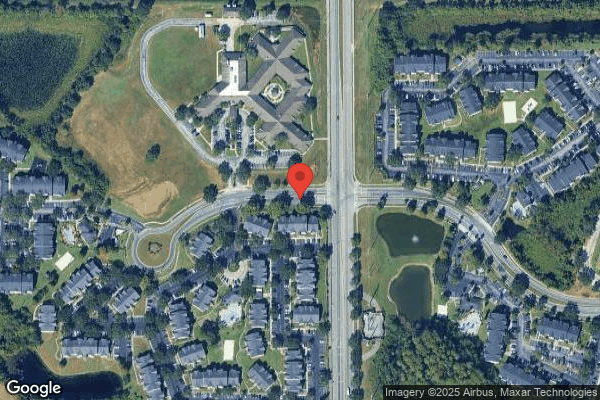
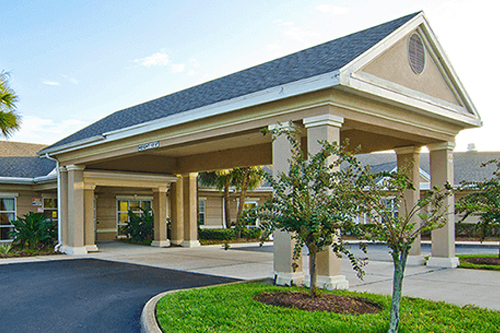
4875 CASON COVE DRIVE, ORLANDO, FL 32811 (407) 420-2090
Non profit - Other 120 Beds SOLARIS HEALTHCARE Data: November 2025
Trust Grade
88/100
#114 of 690 in FL
Last Inspection: July 2024

Within standard 12-15 month inspection cycle. Federal law requires annual inspections.

Overview

Solaris Healthcare Windermere has a Trust Grade of B+, indicating it is above average and recommended for families considering options for care. It ranks #114 out of 690 nursing homes in Florida, placing it comfortably in the top half of facilities, and #4 out of 37 in Orange County, meaning there are only three better choices nearby. The facility is improving, having reduced the number of issues from 2 in 2023 to 1 in 2024. Staffing is a strong point, with a rating of 4 out of 5 stars and a turnover rate of only 30%, well below the state average, which suggests that staff are experienced and familiar with the residents. There have been no fines reported, which is a positive sign of compliance. However, there are some concerns. An incident involved a resident who required assistance for transfers but was not adequately supervised, which posed a risk for falls. Additionally, the facility failed to follow personalized care plans for two residents, leading to potential declines in their mobility. Lastly, there was a finding related to medication management, where proper physician orders were not obtained for safe self-administration, indicating lapses in following protocols. Overall, while Solaris Healthcare Windermere has notable strengths, families should weigh these issues carefully when making their decision.

Trust Score
B+
88/100
In Florida
#114/690
Top 16%
Safety Record
Moderate
Needs review
Inspections
Getting Better
2 → 1 violations
Staff Stability
✓ Good
30% annual turnover. Excellent stability, 18 points below Florida's 48% average. Staff who stay learn residents' needs.
Penalties
✓ Good
No fines on record. Clean compliance history, better than most Florida facilities.
Skilled Nurses
○ Average
Each resident gets 36 minutes of Registered Nurse (RN) attention daily — about average for Florida. RNs are the most trained staff who monitor for health changes.
Violations
○ Average
6 deficiencies on record. Average for a facility this size. Mostly minor or procedural issues.
★★★★★
5.0
Overall Rating
★★★★☆
4.0
Staff Levels
★★★★★
5.0
Care Quality
★★★★★
5.0
Inspection Score
Stable
2023: 2 issues
2024: 1 issues

The Good

  • 4-Star Staffing Rating · Above-average nurse staffing levels
  • 5-Star Quality Measures · Strong clinical quality outcomes
  • Low Staff Turnover (30%) · Staff stability means consistent care
  • Full Sprinkler Coverage · Fire safety systems throughout facility
  • No fines on record
  • Staff turnover is low (30%)

    18 points below Florida average of 48%

Facility shows strength in staffing levels, quality measures, staff retention, fire safety.

The Bad

Chain: SOLARIS HEALTHCARE

Part of a multi-facility chain

Ask about local staffing decisions and management

The Ugly 6 deficiencies on record

1 actual harm
Jul 2024 1 deficiency
CONCERN (D)

Potential for Harm - no one hurt, but risky conditions existed

Deficiency F0554 (Tag F0554)

Could have caused harm · This affected 1 resident

**NOTE- TERMS IN BRACKETS HAVE BEEN EDITED TO PROTECT CONFIDENTIALITY** Based on observation, interview, and record review, the facility failed to ensure physician orders were obtained for safe self-a...

Read full inspector narrative →
**NOTE- TERMS IN BRACKETS HAVE BEEN EDITED TO PROTECT CONFIDENTIALITY** Based on observation, interview, and record review, the facility failed to ensure physician orders were obtained for safe self-administration of medications for 2 of 4 residents reviewed for choices, of a total sample of 47 residents, (#46, and #81). Findings: 1. Resident #46, a [AGE] year-old female was admitted to the facility on [DATE] with diagnoses including epilepsy, depression, and adjustment disorder with anxiety. Review of the resident's quarterly Minimum Data Set (MDS) assessment with Assessment Reference date (ARD) of 4/23/24 revealed the resident's cognition was intact with a Brief Interview of Mental Status (BIMS) score of 14/15. The assessment noted the resident was independent, and only needed supervision or touching assistance from staff for her activities of daily living (ADL), and mobility needs. On 7/08/24 at 11:58 AM, and on 7/09/24 at 9:29 AM, resident #46 was sitting on the side of her bed. Noted on her tray table was a plastic bag with a pharmacy label that contained a tube of Hydrocortisone cream 2.5 %. Resident #46 said she applied the cream herself twice daily, and she needed a refill as the current tube would be completed soon. Review of the medical record revealed a physician's order dated 5/15/24 for Hydrocortisone 2.5 %. The order directed one application could be given twice daily as needed, to be applied to the affected areas of the body for itching. Hydrocortisone cream is used to treat a variety of skin conditions (such as . eczema, dermatitis, .rash). Hydrocortisone reduces the swelling, itching, and redness that can occur (retrieved on 7/12/24 from webmd.com). On 7/09/24 at 10:41 AM, observation of the Hydrocortisone cream on the resident's tray table was conducted with the Director of Nursing (DON) and Licensed Practical Nurse (LPN) B, the resident's primary nurse. They acknowledged the findings, and the resident reiterated that she applied the cream herself twice daily. On 7/09/24 at 10:45 AM, a review of the resident's physician's orders was conducted with the DON which revealed the order for Hydrocortisone cream twice daily as needed. The DON verbalized there were no directives or order for self-administration of the medication. On 7/09/24 at 10:46 AM, LPN B stated in order for residents to self-administer medications, they were supposed to have a physician's order for self-administration. She explained the resident had to demonstrate the ability to perform the task, then the medication would be placed in a locked drawer in the resident's room. She said, the resident would then administer the medication in the presence of the nurse. LPN B acknowledged resident #45 did not have a physician's order for self-administration of the Hydrocortisone cream. On 7/09/24 at 11:17 AM, the DON stated a medication self-administration evaluation was completed for resident #46 in May 2024, however, a physician's order was not obtained for self-administration of the Hydrocortisone cream. A review of the resident's Medication Administration Summary for the period 5/14/24 through 7/09/24 revealed no documentation by nurses to indicate the Hydrocortisone cream was ever administered, either by staff or the resident. This was in conflict with resident #46's verbalizations she had applied the cream twice a day. This finding was acknowledged by the Unit Manager, and LPN B. 2. Resident #81, an [AGE] year-old female was admitted to the facility on [DATE], with her most recent readmission on [DATE]. Her diagnoses included Parkinson's disease, respiratory failure, chronic pulmonary edema, dementia, fibromyalgia, stage 4 pressure ulcer, and osteoarthritis. Review of the resident's discharge- return anticipated MDS assessment with ARD of 5/26/24, revealed the resident's cognitive skills for daily decision making was moderately impaired, and she required substantial/maximal assistance from staff for some ADLs, and mobility needs. Review of the medical record revealed a physician's order dated 5/31/24 was for acetaminophen (Tylenol) 325 milligrams (mg) three times daily, as needed for mild pain. On 7/08/24 at 12:08 PM, resident # 81 was sitting up in bed. The resident's family member stated he had fast acting Tylenol locked in a drawer, and he had permission to give the Tylenol to the resident as needed. On 7/09/24 at 10:19 AM, LPN A stated for a resident to self-administer medications, the resident would be assessed for competency to give the medication, a physician's order had to be obtained, and a care plan would be developed for self-administration of medication. LPN A stated if a family member was allowed to administer medication to the resident, the family member would have to inform the nurse when the medication was given. The LPN reviewed the resident's physician orders and acknowledged there was an order for Tylenol three times daily, as needed and verbalized there was no documentation to indicate the family/resident could self-administer the medication. She stated she was not aware the family had administered Tylenol to the resident. On 7/09/24 at 10:30 AM, an observation was conducted in the resident's room with the DON, and LPN A. The resident's family member was in the room, and stated the DON gave him permission to give the resident the Tylenol as needed and shared the Tylenol was in the bedside table drawer. After the observation and interview with resident #81's family member, the DON stated when the resident was first admitted , orders were in place for the family to self-administer the resident's medications. The resident's physician's orders were reviewed by the DON, and she stated the Tylenol order currently in place, was for staff to administer the medication. She acknowledged a physician's order for family administration of the medication was not present. The facility's admission handbook revealed documentation pertaining to the facility's policies regarding self-administration of medication and medication storage at bedside. The document directed that, A physician's order is required for all medications being administered or self-administered .includes over-the-counter medications and patches, lotions/creams, inhalers, eye drops, etc.
Mar 2023 2 deficiencies
CONCERN (D)

Potential for Harm - no one hurt, but risky conditions existed

Assessment Accuracy (Tag F0641)

Could have caused harm · This affected 1 resident

**NOTE- TERMS IN BRACKETS HAVE BEEN EDITED TO PROTECT CONFIDENTIALITY** Based on interview, and record review, the facility failed to accurately reflect the resident's life expectancy and hospice serv...

Read full inspector narrative →
**NOTE- TERMS IN BRACKETS HAVE BEEN EDITED TO PROTECT CONFIDENTIALITY** Based on interview, and record review, the facility failed to accurately reflect the resident's life expectancy and hospice services on the Minimum Data Set (MDS) Assessment for 1 of 41 sampled residents, (#62). Findings: Resident #62 was admitted to the facility on [DATE] with diagnoses that included chronic kidney disease and heart failure. The facility had a care plan in effect for Hospice since 11/2/21. The physician certified most recently from 12/27/22 to 2/24/23 and 2/23/23 to 4/25/23 that resident #62 had life expectancy of 6 months or less if the disease takes its natural course. Review of the most recent quarterly MDS assessment dated [DATE] section J-Prognosis reflected that she did not have life expectancy of less than 6 months and section O-Special Treatments, Procedures, and Programs indicated the Hospice was not checked to indicate she received services. On 3/22/23 at 4:21 PM, the MDS Coordinator acknowledged that sections J and O of the MDS quarterly assessment dated [DATE] were not accurate. Review of the Resident Assessment Instrument version 3.0 Manual instructions for completing Section J 1400: Prognosis should be marked Yes if the medical record includes physician documentation that resident is terminally ill or the resident is receiving hospice services. The instructions pertaining to Section O 100K: Hospice Care read, Code residents identified as being in a hospice program for terminally ill persons .
CONCERN (E)

Potential for Harm - no one hurt, but risky conditions existed

Deficiency F0688 (Tag F0688)

Could have caused harm · This affected multiple residents

**NOTE- TERMS IN BRACKETS HAVE BEEN EDITED TO PROTECT CONFIDENTIALITY** Based on observation, interview, and record review, the facility failed to follow the individualized plan of care to maintain an...

Read full inspector narrative →
**NOTE- TERMS IN BRACKETS HAVE BEEN EDITED TO PROTECT CONFIDENTIALITY** Based on observation, interview, and record review, the facility failed to follow the individualized plan of care to maintain and prevent decline in range of motion (ROM) for 2 of 3 residents reviewed for limited ROM from a total sample of 41 residents, (#1, #49) Findings: 1. Review of resident #1's medical record revealed the resident was admitted [DATE] and readmitted to the facility from the hospital on 1/03/2023 with diagnoses of right hand contracture, functional quadriplegia, paraplegia, Parkinson's disease, osteomyelitis, and dementia. The Minimum Data Set (MDS) significant change assessment with Assessment Reference Date (ARD) 1/07/2023 noted the resident's cognition was intact with a Brief Interview for Mental Status (BIMS) score of 15 out of 15. The assessment showed the resident did not have any behaviors or reject care. The assessment indicated the resident was dependent on staff for activities of daily living (ADL), had functional limitations for ROM in his arms and legs on both sides of his body, and on 1/04/2023 the resident began treatment and services for Occupational Therapy (OT). On 3/20/2023 at 12:57 PM, resident #1 was observed with his eyes closed lying in bed. Both arms were placed across his chest. Both wrists were bent inward and the fingers on both hands were very close to his forearms. Review of resident #1's care plan dated 4/04/2016 to 3/23/2023 read, at risk for continued decline in functional mobility . , noted impaired ROM to bilateral upper and lower ext (extremities). The care plan included Interventions to provide ROM to maintain joint mobility, and splint treatment for contractures. Review of the Occupational Therapy Discharge Summary completed by Occupational Therapist C showed the resident was discharged from OT services on 2/01/2023. The note indicated the resident was to continue an established ROM program through trained nursing services for passive range of motion to both upper extremities to prevent further contractures, pain and maintain ROM. On 3/22/2023 at 11:58 AM, Restorative Certified Nursing Assistant (CNA) A said she was responsible for providing restorative nursing services to residents for ROM. She explained individualized treatment plans were created by therapy services and she kept a copy of each resident's plan in a binder with paper monthly logs to document dates she provided care. She stated the logs were scanned to the medical record at the end of each month. She recalled resident #1 had contractures and had required a splint that was recently discontinued by therapy services. She could not recall if the resident received ROM care and services. Review of the electronic medical record showed a scanned form titled, Referral to Restorative - Occupational Therapy signed by Occupational Therapist C on 2/01/2023 and Restorative CNA A on 2/07/2023. The form outlined resident #1's individualized plan of care that included education for passive ROM provided to both upper extremities for 15 repetitions, 3 to 5 times per week so the resident will, maintain ROM to continue to assist with ADL's, prevent pain, further contractures, and increased perceived quality of life. The electronic medical record did not include scanned monthly logs to show if restorative therapy was provided for resident #1. On 3/23/2023 at 2:32 PM, the facility could not provide any monthly log forms for resident #1. 2. Review of resident #49's medical record revealed the resident was admitted to the facility on [DATE] and had diagnoses of hemiplegia and hemiparesis following stroke affecting left non-dominant side, osteoarthritis, vascular dementia, and anxiety. The MDS quarterly assessment with ARD 2/10/2023 noted the resident had moderate cognitive impairment with a BIMS score of 8 out of 15. The assessment showed the resident did not have behavioral symptoms or reject care, was dependent on staff for ADL, and had functional limitations for ROM in his arms and legs on one side of his body. The assessment indicated resident #49 did not receive therapy, ROM, or splint/brace assistance during the look back period. On 3/22/2023 at 9:54 AM, resident #49 was observed awake while lying in bed. A splint was observed sitting on the resident's overbed table. Review of resident #49's care plan dated 9/19/2017 to 3/23/2023 read, noted with self care deficit r/t (related to) CVA (stroke) with left side weakness; at risk for further decline in functional mobility . The care plan included Interventions, hand splint during waking hours . Review of the Occupational Therapy Discharge Summary completed by Occupational Therapist C showed the resident was discharged from OT services on 1/27/2023. The note indicated the resident was to continue an established restorative program through trained nursing services for ROM, left hand splint and brace so the resident will, continue to benefit. Review of the Physical Therapy Discharge Summary completed by Physical Therapist D showed the resident was discharged from Physical Therapy services on 1/09/2023, and was to continue a bedside exercise program through trained nursing services for ROM. The note read resident #49 had, made substantial functional gains in response to skilled interventions. Review of the electronic medical record showed Referral to Restorative - Occupational Therapy form signed by Occupational Therapist C on 1/27/2023 and Restorative CNA A on 1/31/2023. The form outlined resident #49's individualized plan of care included education for Active ROM for right upper extremity and passive ROM for left upper extremity provided to both for 2 sets of 15 repetitions, and a splint/brace program for a left hand splint so the resident will, maintain ROM to continue to assist and participate from desired ADLs, and increase perceived quality of life. Review of the Restorative Therapy binder provided by CNA A contained a document with resident #49's name titled, Restorative Nursing Program Record dated 3/01/2023 to 3/22/2023. The form was signed by Restorative CNA for dates, 3/2/2023, 3/6/2023, 3/13/2023, 3/14/2023, 3/17/2023, 3/21/2023, and 3/22/2023 noting under a column titled minutes, 30/12 was provided. Review of the electronic medical record did not include any other scanned monthly log forms to document individualized ROM or splint/brace services were provided to resident #49. On 3/22/2023 at 11:46 AM, the [NAME] Unit Manager said nurses did not oversee the restorative therapy program. She explained a restorative CNA received the tasks from therapy and nursing did not document if those services were provided. On 3/23/23 at 10:46 AM, the Director of Nursing (DON) said nursing provided general ROM during ADL assistance for all residents with no individualized directions or plan of care. On 3/23/23 at 10:47 AM, the MDS Coordinator stated the MDS assessments reviewed for residents #1 and #49 were coded correctly, and there was no documentation to show restorative services for ROM or splint/brace were provided. On 3/23/2023 at 2:32 PM, the DON said there were no other restorative program monthly logs of services provided for residents aside from the March 2023 logs contained in Restorative CNA A's binder. On 3/23/2023 at 11:25 AM, the Therapy Director said therapy services established restorative programs for ROM that were individualized to the resident's needs to establish a baseline, maintain functioning, and prevent decline. He stated the expectation was that the treatment plan continued per the recommendations, and explained the risk of decline and decompensation was high if a resident did not receive the services. The facility's policy and procedure titled, Restorative Nursing Services, read, 3. Restorative goals and objectives are individualized and resident-centered and are outlined in the resident's plan of care. The Facility's Assessment read, Part 2. Services and Care We Offer Based on our Residents' Needs . Activities of daily living . supporting resident independence in doing as much of these activities by himself/herself., and Therapy. management of braces, splints.
May 2021 3 deficiencies 1 Harm
SERIOUS (G)

Actual Harm - a resident was hurt due to facility failures

Accident Prevention (Tag F0689)

A resident was harmed · This affected 1 resident

**NOTE- TERMS IN BRACKETS HAVE BEEN EDITED TO PROTECT CONFIDENTIALITY** Based on observation, interview and record review, the facility failed to provide adequate supervision and a safe environment to...

Read full inspector narrative →
**NOTE- TERMS IN BRACKETS HAVE BEEN EDITED TO PROTECT CONFIDENTIALITY** Based on observation, interview and record review, the facility failed to provide adequate supervision and a safe environment to prevent accidents for 1 of 6 residents reviewed for falls with injuries out of 49 sampled residents, (#7). Findings: Resident #7 was admitted to the facility on [DATE], with diagnoses that included history of falls, right hip fracture, dementia and adjustment disorder with anxiety. Review of the admission Minimum Data Set (MDS) assessment dated [DATE], indicated resident #7 had a Brief Interview for Mental Status (BIMS) score of 7 which indicated severe cognitive impairment. He required extensive assistance from two staff for bed mobility, transfers, locomotion on and off the unit and toilet use. Resident #7 was assessed to have unsteady balance and was only able to stabilize with staff assistance for transfers. Resident #7 used an assistive device, a walker, for ambulation. A Significant Change in Status MDS assessment dated [DATE], was completed after resident #7 sustained a fall on 4/20/21, resulting in a left humerus fracture. At that time, the resident was assessed to have a BIMS score of 5 decreased from 7 on the previous assessment. Resident #7 now required more assistance from staff and was totally dependent on two staff for transfers and toileting. Review of the Fall Care Plan dated 2/4/21, revealed resident #7 had been assessed to be a fall risk related to history of falls, impaired cognition, poor safety awareness, unsteady balance, incontinence and required extensive assistance with care. Intervention dated 2/4/21, included remind the resident to call for assistance by using the call bell and cue for safety awareness even though the care plan indicated he had impaired cognition and poor safety awareness. The Care Plan directed staff to assist with mobility, transfers and locomotion but did not specify number of staff required to assist. Review of resident #7's Resident Profile under Falls, the instruction sheet for Certified Nursing Assistants (CNAs) to provide care indicated staff were to keep call light in reach and encourage resident to call for assistance. On 5/10/21 at 10:37 AM, resident #7 was observed lying in his bed with a sling around his left shoulder and arm. He stated he fell and hurt his shoulder, but was unable to recall when, where or how the accident happened. During an interview and review of Incident Reports and Investigations on 5/13/21 at 8:30 AM, the Risk Manager (RM) stated resident #7 had 5 falls in the facility on 2/5/21, 2/11/21, 4/11/21, 4/19/21 and 4/20/21. The facility's investigation revealed on 2/5/21 at 10:36 AM, CNA F transferred resident #7 from bed to wheelchair as a 1-person transfer. The resident started to fall, and the CNA F lowered the resident to the floor. CNA F then left the resident to get help to make the transfer from the floor to the bed. The resident was assessed by Licensed Practical Nurse (LPN I), transferred back to bed with help from rehab staff. The resident later complained of back pain and the physician ordered a mobile x-ray of the pelvis/lumbar spine. The result was no acute fractures or dislocation. Review of the care plan and the facility's investigation report revealed no new interventions were developed and implemented to prevent resident #7 from falling during transfers. The report did not provide a detailed account of the last time the resident had been observed by staff or how often the resident was monitored for safety due to his risk for falls. Review of the Progress Note dated 2/9/21, at 8:40 PM, indicated resident (#7) had a history of recent falls in the facility and was assessed to be confused at times. The note revealed the resident was re-educated to not ambulate without assistance from staff. Six days later, on 2/11/21 at 9:30 PM, LPN G found resident #7 on the floor next to his bed. The resident was assessed by LPN G and transferred back to bed with help from 3 CNAs. He complained of right leg pain and a mobile x-ray of the right leg was ordered and reviewed by the physician, who ordered a follow-up with the orthopedic surgeon The Fall intervention added after the fall was continue to make frequent room rounds. The intervention did not include the required frequency of room round to prevent subsequent falls. The report showed the last time the resident had been observed by staff was at 7:30 PM, two hours prior to fall. Review of the Progress Note dated 2/12/21 at 4:02 PM, the day after the second fall indicated resident #7 was to be reminded to use call light for assistance. The intervention was not appropriate due to the resident's cognitive status and was ineffective in preventing his falls on 2/5/21 and 2/11/21. On 4/11/21 at 11:45 PM, the investigation report showed resident #7 suffered a third fall. LPN H found resident #7 on the floor next to his bed. When asked what happened, the resident stated he did not know. The resident was assessed to have no injuries and transferred back to bed. No documentation was available regarding staff who transferred the resident back to bed. The care plan was updated to include labs to rule out an infection and provide a high low bed. The incident report showed a new intervention to reconfigure the room but there was no indication this was done. Eight days later, on 4/19/21, at 7:00 PM, LPN J was called to the room by resident #7's roommate's visitor. LPN J observed the resident leaning on the bed with his feet resting against the wall. LPN J lowered the resident to the floor, assessed him to have no injuries and assisted him back to bed. The new fall care plan intervention noted in the investigation report was a scoop mattress for his bed which was not transcribe to the care plan that day. The report did not provide a detailed account of the last time the resident had been observed by staff. Less than twenty-four hours later, on 4/20/21 at 3:00 PM, LPN I was called to resident #7's room by his roommate. The resident was on the floor lying on his back and stated he was trying to go to the bathroom. LPN I assessed the resident, who had a bulge to his left shoulder and was not able to lift his left arm. The resident was transferred back to bed by 4 staff members. The physician was called and ordered the resident be sent to the hospital. The care plan was updated on 4/20/21, to include a scoop mattress and restated the existing intervention of frequent room checks. The intervention did not include the required frequency of room rounds to prevent subsequent falls. Review of a Progress Note dated 4/24/21 at 6:28 PM read the resident returned to the facility with a diagnosis of left humerus fracture. Surgery had not been performed related to the arm being too swollen. A sling was in place along with an order to follow up with the orthopedic surgeon. Review of the care plans revealed no new fall prevention interventions were developed on readmission. On 5/13/21 at 8:30 AM, the RM was asked how the facility staff would know how often to observe resident #7 as related to the term frequent checks. The RM was unable to be specific as a definite time frame had not been determined by the Interdisciplinary Team. The Risk Manager also stated she failed to get witness statements from all staff involved in resident #7's falls regarding frequency of safety checks by staff. The Risk Manager was unable to explain how staff would have been able to determine how often the resident needed to be observed. She said, staff need to check on the resident when they pass water, deliver meal trays and answer call lights. The Risk Manager was unable to explain how a resident (#7) with severely impaired cognition was going to remember to use his call light for assistance before getting out of bed unassisted. On 5/13/21 at 10:27 AM, LPN H said she was assigned to resident #7 on the night of his third fall but she did not remember when she last observed the resident before finding him on the floor. She said, We are supposed to check on the resident every two hours and as needed. She did not explain what as needed meant. On 5/13/21 at 10:39 AM, LPN J stated she was assigned to the resident on the evening of the fourth fall and did not remember the last time the resident had been observed before the fall. On 5/13/21 at 11:45 AM, Registered Nurse (RN) O stated she understood there needed to be a predetermined time frame for staff to do the safety checks to ensure safety of resident #7. She was not able to define frequent room checks and unable to state how staff would know how often to check on the resident. On 5/13/21 at 11:50 AM, LPN P stated the definition of frequent was not explicit enough to determine how often staff were required to check on resident #7. Review of the facility's policy Safety and Supervision of Residents reviewed 1/7/20, read Our facility strives to make the environment as free from accident hazards as possible. Resident safety, supervision and assistance are provided as facility-wide priorities. The document indicated staff would be trained and in serviced to prevent avoidable hazards. The policy read, Resident supervision is a core component of the systems approach to safety. The type and frequency of resident supervision is determined by the individual resident's assessed needs and identified hazards in the environment. The type and frequency of resident supervision may vary among residents and over time for the same resident.
CONCERN (D)

Potential for Harm - no one hurt, but risky conditions existed

Deficiency F0694 (Tag F0694)

Could have caused harm · This affected 1 resident

**NOTE- TERMS IN BRACKETS HAVE BEEN EDITED TO PROTECT CONFIDENTIALITY** Based on observation, interview, and record review, the facility failed to provide intravenous (IV) care and services according ...

Read full inspector narrative →
**NOTE- TERMS IN BRACKETS HAVE BEEN EDITED TO PROTECT CONFIDENTIALITY** Based on observation, interview, and record review, the facility failed to provide intravenous (IV) care and services according to standards of practice and plan of care for 1 of 1 residents reviewed for IV care of a total sample of 49 residents, (#42). Findings: Resident #42 was re-admitted to the facility on [DATE] from an acute care hospital with diagnoses of Alzheimers disease, stroke, obstructive reflux uropathy, functional quadriplegia, stroke, and history of Methicillin Resistant Staphylococcus Aureus infection. He had a Midline IV line in the right arm for administration of IV antibiotics. He received Cefepime (IV antibiotic) daily through 5/9/21. He had additional orders in effect dated 4/7/21 for nurses to document the IV site appearance every shift (days and nights) and order dated 4/8/21 to flush IV every shift (days and nights). A midline catheter is put into a vein by the bend in the elbow or the upper arm .midline catheter may allow you to receive long-term intravenous (IV) medicine or treatments .(www.drugs.com). On 5/10/21 at 1 PM, resident #42 was sitting in a wheelchair in his room. He had a transparent dressing on his right upper arm midline IV site dated 4/30/21. The transparent dressing had dime sized brown substance around the site, under the dressing. The resident was not able to be interviewed and his daughter was present at the bedside. She said the resident had been in/out of the hospital due to pneumonia and urinary tract infections. A review of the Medication Administration Record (MAR) revealed documenting that resident refused right arm midline dressing change that was due on on 5/6/21. The nurses documented IV flushes and observations of the IV site and administered IV antibiotic on the day and night shifts. There was no documentation of any further attempts to change the outdated and soiled IV dressing. Resident #42's care plan initiated on 4/29/21 noted at risk of developing complication related to midline right upper extremity with goal the resident will not develop signs and symptoms of complications related to IV line. Interventions included to change IV site dressing as ordered and observe IV site every shift as needed for signs and symptoms of complications such as warmth, redness, edema, drainage or pain. On 5/10/21 at 1:25 PM, Licensed Practical Nurse (LPN) B was in resident #42's room and observed his right upper arm midline dressing dated 4/30/21 with brown substance under the dressing. She said she flushed the IV today but did not look at the dressing. She stated the standard of practice was to change IV dressings every week or more often if soiled. On 5/11/21 at 3:38 PM, the Director of Nursing (DON) said that although the resident refused IV dressing change on 5/6/21, the nurses should have attempted to change the dressing again when they administered antibiotics and flushes. On 5/13/21 at 8:45, LPN C stated she worked nights and was assigned to resident #42 from 5/7 to 5/9/21. She said she had flushed the IV, checked the site and administered the antibiotics. LPN C said she did not change the dressing as it was not assigned to her. She acknowledged the standard of practice was to change dressings every 7 days to reduce chances of complications and infection. According to the facility policy and procedure for Midline Catheter Dressing Change revised 8/15/2008, The catheter insertion site is a potential entry site for bacteria that may cause a catheter related infection Licensed nurses caring for residents receiving infusion therapies are expected to follow infection control and safety compliance procedures Dressing changes using transparent dressings are preformed At least weekly Assessment of venous access site is performed before and after administration of intermittent infusions. At least once every shift when in use
CONCERN (D)

Potential for Harm - no one hurt, but risky conditions existed

Respiratory Care (Tag F0695)

Could have caused harm · This affected 1 resident

**NOTE- TERMS IN BRACKETS HAVE BEEN EDITED TO PROTECT CONFIDENTIALITY** Based on observation, interview and record review, the facility failed to ensure respiratory therapy was provided as per physici...

Read full inspector narrative →
**NOTE- TERMS IN BRACKETS HAVE BEEN EDITED TO PROTECT CONFIDENTIALITY** Based on observation, interview and record review, the facility failed to ensure respiratory therapy was provided as per physician orders for 2 of 4 residents of a total sample of 49 residents, (#209, #210). Findings: 1. Review of resident #209's medical record revealed she was admitted to the facility on [DATE] with diagnoses that included respiratory failure, dependence on supplemental oxygen and history of Corona Virus Disease 2019 (Covid 19). On 5/10/21 at 9:30 AM, resident #209 was observed in her room sitting up in wheelchair. She was alert and oriented to person, place, and time. She received oxygen via nasal cannula attached to a portable oxygen concentrator set at 2.5 liters per minute (LPM). Review of the medical record revealed orders on the Agency for Health Care Adminstration (AHCA) Form 5000-3008 from the hospital dated 5/6/21, for oxygen rate of 2 LPM via NC (nasal cannula). A care plan initiated on 5/6/21 for risk of complications related to history of respiratory failure included interventions to provide oxygen as ordered. On 5/10/21 at 4:10 PM, the resident's assigned Licensed Practical Nurse (LPN) A checked the orders and said, resident #209 was ordered oxygen at 2 LPM. LPN C then went into the resident #209's room and checked the flow rate setting on the oxygen concentrator. He looked at the setting at eye level. The surveyor read 2.5 and LPN A read 2.25 LPM. He then adjusted the setting to 2 LPM and said this was the first time today he had looked at the resident's setting on the concentrator. He added that he worked 7 AM to 7 PM and was having a busy day. LPN C acknowledged the resident was admitted to the facility on [DATE] and did not receive oxygen as ordered by the physician. He explained that although the orders were on the AHCA 5000-3008 form, the oxygen orders had not been entered into the EMR (Electronic Medical Record) yet. On 5/11/21 at 3:38 PM, the Director of Nursing (DON) said the oxygen orders should have been entered in the EMR at admission. 2. Review of resident 210's medical record revealed he was admitted to the facility on [DATE] with diagnoses that included pneumonia and sepsis. The resident's care plan initiated on 5/7/21 noted at risk for respiratory complications and included interventions to give oxygen as ordered with goal the resident will not develop signs and symptoms of respiratory complications. On 5/10/21 at 10:45 AM, resident #210 was in his room. He was alert and oriented to person and place. The resident received oxygen via concentrator. The flow rate was set at 1.5 LPM. On 5/10/21 at 4:05 PM, LPN A said he was assigned to resident #210's care on the 7 AM to 7 PM shift. LPN A checked the EMR and said the resident was to have continuous oxygen at 2 LPM. LPN A then went into resident #210's room and checked the setting on the oxygen concentrator. He said it was set at 1.5 LPM. LPN A said he had not checked the oxygen setting until now and acknowledged the resident was not getting oxygen as ordered by the physician. Review of the policy titled, Oxygen Administration read, The purpose of this procedure is to provide guidelines for safe oxygen administration. Preparation: Verify that there is a physician's order for this procedure. Review the physician's orders or facility protocol for oxygen administration Turn on the oxygen. Unless otherwise ordered, start the flow of oxygen at ordered rate Observe the resident upon setup and periodically thereafter to be sure oxygen is being tolerated
Understanding Severity Codes (click to expand)
Life-Threatening (Immediate Jeopardy)
J - Isolated K - Pattern L - Widespread
Actual Harm
G - Isolated H - Pattern I - Widespread
Potential for Harm
D - Isolated E - Pattern F - Widespread
No Harm (Minor)
A - Isolated B - Pattern C - Widespread

Questions to Ask on Your Visit

  • "Can I speak with families of current residents?"
  • "What's your RN coverage like on weekends and overnight?"

Our Honest Assessment

Strengths
  • • Grade B+ (88/100). Above average facility, better than most options in Florida.
  • • No fines on record. Clean compliance history, better than most Florida facilities.
  • • 30% annual turnover. Excellent stability, 18 points below Florida's 48% average. Staff who stay learn residents' needs.
Concerns
  • • 6 deficiencies on record, including 1 serious (caused harm) violation. Ask about corrective actions taken.
Bottom line: Generally positive indicators. Standard due diligence and a personal visit recommended.

About This Facility

What is Solaris Healthcare Windermere's CMS Rating?

CMS assigns SOLARIS HEALTHCARE WINDERMERE an overall rating of 5 out of 5 stars, which is considered much above average nationally. Within Florida, this rating places the facility higher than 99% of the state's 100 nursing homes. This rating reflects solid performance across the metrics CMS uses to evaluate nursing home quality.
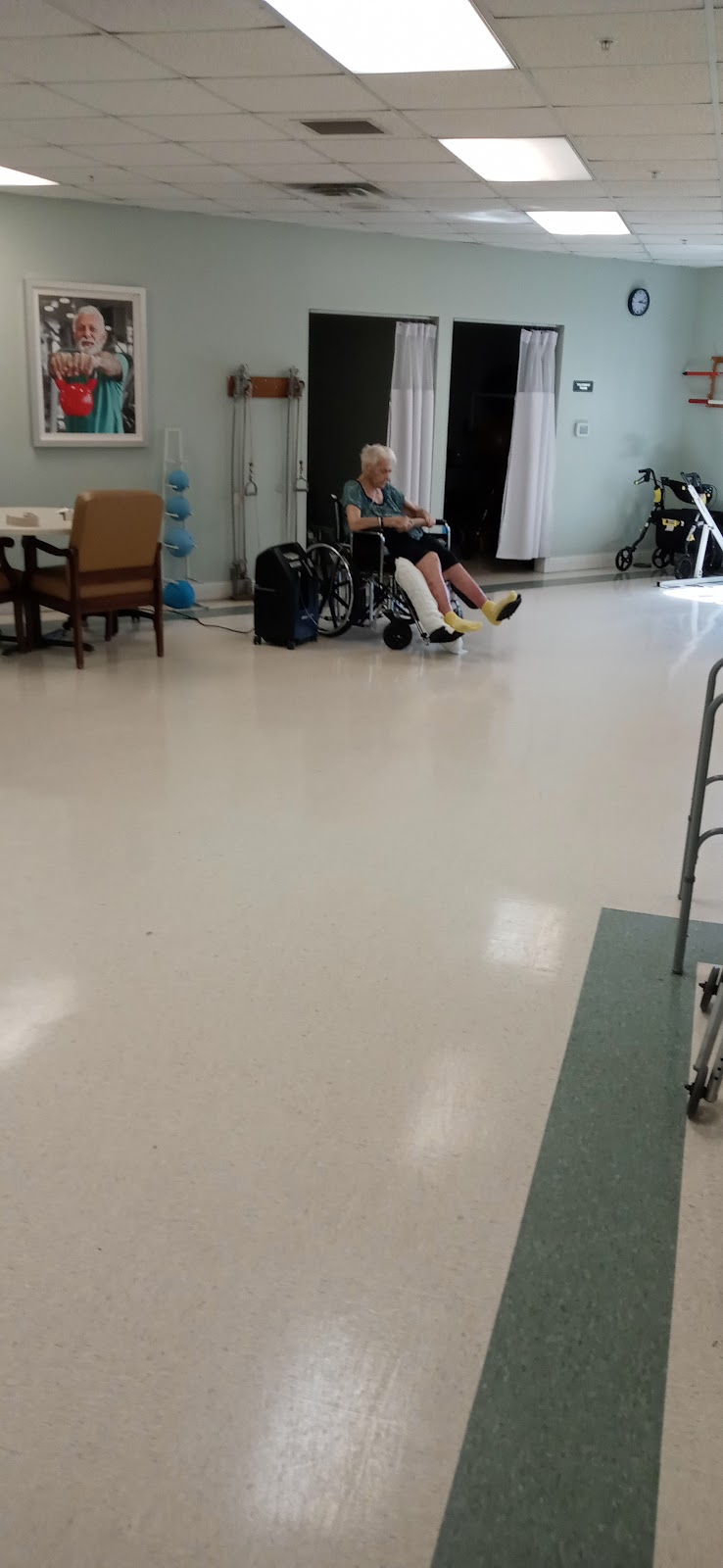
How is Solaris Healthcare Windermere Staffed?

CMS rates SOLARIS HEALTHCARE WINDERMERE's staffing level at 4 out of 5 stars, which is above average compared to other nursing homes. Staff turnover is 30%, compared to the Florida average of 46%. This relatively stable workforce can support continuity of care.

What Have Inspectors Found at Solaris Healthcare Windermere?

State health inspectors documented 6 deficiencies at SOLARIS HEALTHCARE WINDERMERE during 2021 to 2024. These included: 1 that caused actual resident harm and 5 with potential for harm. Deficiencies causing actual harm indicate documented cases where residents experienced negative health consequences.
Who Owns and Operates Solaris Healthcare Windermere?

SOLARIS HEALTHCARE WINDERMERE is owned by a non-profit organization. Non-profit facilities reinvest revenue into operations rather than distributing to shareholders. The facility is operated by SOLARIS HEALTHCARE, a chain that manages multiple nursing homes. With 120 certified beds and approximately 114 residents (about 95% occupancy), it is a mid-sized facility located in ORLANDO, Florida.
How Does Solaris Healthcare Windermere Compare to Other Florida Nursing Homes?

Compared to the 100 nursing homes in Florida, SOLARIS HEALTHCARE WINDERMERE's overall rating (5 stars) is above the state average of 3.2, staff turnover (30%) is significantly lower than the state average of 46%, and health inspection rating (5 stars) is much above the national benchmark.

What Should Families Ask When Visiting Solaris Healthcare Windermere?

Based on this facility's data, families visiting should ask: "Can I visit during a mealtime to observe dining assistance and food quality?" "How do you handle medical emergencies, and what is your hospital transfer rate?" "Can I speak with family members of current residents about their experience?"

Is Solaris Healthcare Windermere Safe?

Based on CMS inspection data, SOLARIS HEALTHCARE WINDERMERE has a clean safety record: no substantiated abuse findings (meaning no confirmed cases of resident harm), no Immediate Jeopardy citations (the most serious violation level indicating risk of serious injury or death), and is not on the Special Focus Facility watch list (a federal program monitoring the lowest-performing 1% of nursing homes). The facility has a 5-star overall rating and ranks #1 of 100 nursing homes in Florida. While no facility is perfect, families should still ask about staff-to-resident ratios and recent inspection results during their visit.

Do Nurses at Solaris Healthcare Windermere Stick Around?

Staff at SOLARIS HEALTHCARE WINDERMERE tend to stick around. With a turnover rate of 30%, the facility is 16 percentage points below the Florida average of 46%. Low turnover is a positive sign. It means caregivers have time to learn each resident's needs, medications, and personal preferences. Consistent staff also notice subtle changes in a resident's condition more quickly.

Was Solaris Healthcare Windermere Ever Fined?

SOLARIS HEALTHCARE WINDERMERE has no federal fines on record. CMS issues fines when nursing homes fail to meet care standards or don't correct problems found during inspections. The absence of fines suggests the facility has either maintained compliance or corrected any issues before penalties were assessed. This is a positive indicator, though families should still review recent inspection reports for the full picture.

Is Solaris Healthcare Windermere on Any Federal Watch List?

SOLARIS HEALTHCARE WINDERMERE is not on any federal watch list. The most significant is the Special Focus Facility (SFF) program, which identifies the bottom 1% of nursing homes nationally based on persistent, serious quality problems. Not being on this list means the facility has avoided the pattern of deficiencies that triggers enhanced federal oversight. This is a positive indicator, though families should still review the facility's inspection history directly.