SOUTH ORANGE HEALTH AND REHABILITATION CENTER
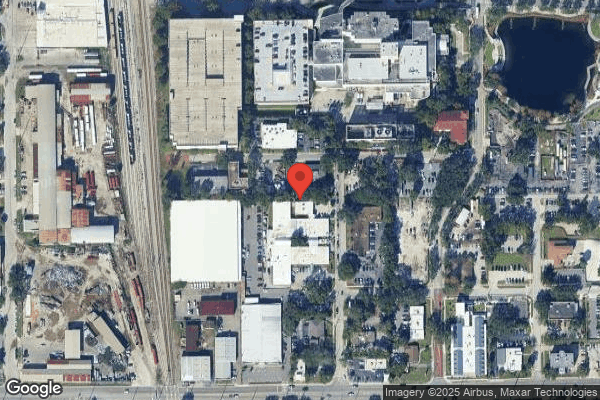
1730 LUCERNE TERRACE, ORLANDO, FL 32806 (407) 423-1612
For profit - Limited Liability company 115 Beds ROBERT SCHOENFELD Data: November 2025
Trust Grade
63/100
#426 of 690 in FL
Last Inspection: February 2025

Within standard 12-15 month inspection cycle. Federal law requires annual inspections.

Overview

South Orange Health and Rehabilitation Center has a Trust Grade of C+, indicating it is slightly above average but still has room for improvement. It ranks #426 out of 690 facilities in Florida, placing it in the bottom half, and #21 out of 37 in Orange County, meaning there are better local options available. The facility is showing improvement, with issues decreasing from six in 2024 to four in 2025. Staffing is a strength, rated at 4 out of 5 stars with a turnover rate of 38%, which is below the state average, indicating staff stability. However, the center has concerning RN coverage, with less than 19% of facilities providing more RN support, which is critical for monitoring residents effectively. Specific incidents raised during inspections included a failure to administer IV antibiotics properly for one resident, which was essential for their treatment, and a lack of timely medication administration for eight residents, raising concerns about medication management. While the facility has some strengths, such as improved staffing and a decrease in issues, these incidents highlight areas needing significant attention for resident safety and care quality.

Trust Score
C+
63/100
In Florida
#426/690
Bottom 39%
Safety Record
Low Risk
No red flags
Inspections
Getting Better
6 → 4 violations
Staff Stability
○ Average
38% turnover. Near Florida's 48% average. Typical for the industry.
Penalties
✓ Good
$14,442 in fines. Lower than most Florida facilities. Relatively clean record.
Skilled Nurses
○ Average
Each resident gets 34 minutes of Registered Nurse (RN) attention daily — about average for Florida. RNs are the most trained staff who monitor for health changes.
Violations
⚠ Watch
15 deficiencies on record. Higher than average. Multiple issues found across inspections.
★★★☆☆
3.0
Overall Rating
★★★★☆
4.0
Staff Levels
★★★★☆
4.0
Care Quality
★★★☆☆
3.0
Inspection Score
Stable
2024: 6 issues
2025: 4 issues

The Good

  • 4-Star Staffing Rating · Above-average nurse staffing levels
  • 4-Star Quality Measures · Strong clinical quality outcomes
  • Full Sprinkler Coverage · Fire safety systems throughout facility
  • No fines on record
  • Staff turnover below average (38%)

    10 points below Florida average of 48%

Facility shows strength in staffing levels, quality measures, fire safety.

The Bad

3-Star Overall Rating

Near Florida average (3.2)

Meets federal standards, typical of most facilities

Staff Turnover: 38%

Near Florida avg (46%)

Typical for the industry

Federal Fines: $14,442

Below median ($33,413)

Minor penalties assessed

Chain: ROBERT SCHOENFELD

Part of a multi-facility chain

Ask about local staffing decisions and management

The Ugly 15 deficiencies on record

Feb 2025 4 deficiencies
CONCERN (D)

Potential for Harm - no one hurt, but risky conditions existed

Deficiency F0655 (Tag F0655)

Could have caused harm · This affected 1 resident

**NOTE- TERMS IN BRACKETS HAVE BEEN EDITED TO PROTECT CONFIDENTIALITY** Based on interview and record review, the facility failed to provide a written copy/summary of the initial care plan to the resi...

Read full inspector narrative →
**NOTE- TERMS IN BRACKETS HAVE BEEN EDITED TO PROTECT CONFIDENTIALITY** Based on interview and record review, the facility failed to provide a written copy/summary of the initial care plan to the resident/representative for 2 of 4 residents reviewed for care plans, of a total sample of 40 residents, (#2, #97). Findings 1. Resident #2, was admitted to the facility on [DATE] and readmitted on [DATE]. His diagnoses included chronic respiratory failure, pleural effusion, diabetes type II, difficulty walking, malignant neoplasm of nasal cavity, and repeated falls. Review of the resident's Quarterly Minimum Data Set (MDS) assessment dated [DATE], revealed the resident's cognition was intact with a Brief Interview for Mental Status (BIMS) score of 14 of 15. On 2/10/25 at 10:18 AM, and on 2/12/25 at 9:37 AM, resident #2 stated he had not been to a care plan meeting and was not sure if his son or granddaughter received any invitation to a care plan meeting. The resident said he did not get a copy or summary of his initial care plan. Review of the resident's clinical records revealed no document pertaining to the resident's care plan meeting, or any documentation to indicate a summary/copy of the resident's initial care plan was provided to the resident/representative. On 2/12/25 at 1:33 PM, and at 2:23 PM, the Registered Nurse (RN) MDS Coordinator stated invitations for care plan meetings were done either via mail, or hand delivered to residents and/or their representative, and a copy of the invitation would be included in the residents' Electronic Medical Record (EMR). She stated resident #2 was admitted to the facility in November 2024, and since November 7, 2024, the facility had not had care plan meetings for residents due to lack of staff. She explained care plan meetings were held on Admission, then quarterly. The RN/MDS Coordinator said at the admission care plan meeting, a copy of the resident's initial care plan, and medication list would be given to the resident/representative. The RN/MDS Coordinator said a summary/copy of the initial care plan could also be mailed or reviewed/discussed over the phone if the resident's representative was unable to attend the care plan meeting. She explained that when the resident was readmitted to the facility on [DATE], he should have had a care plan meeting, but the meeting was not held, and the last scheduled care plan meeting held by the facility, was on 11/07/24. The RN/MDS Coordinator said she spoke with the Medical Records personnel, reviewed documents in the file cabinet, the MDS file cabinet, and the resident's EMR, and could not identify any documentation to indicate a summary /copy of the resident's initial care plan was provided to the resident and/or his representative. 2. Resident #97, was admitted to the facility on [DATE], and readmitted on [DATE]. Her diagnoses included encephalopathy, diabetes type II, trigeminal neuralgia, bradycardia, anxiety disorder, and heart failure. Review of the resident's Medicare-5-day Minimum Data Set (MDS) assessment dated [DATE] revealed the resident's cognition was moderately impaired with a BIMS score of 11 of 15. On 2/10/25 at 11:50 AM, the resident's son stated he was not invited to the resident's care plan meeting, and he did not receive a written summary/copy of the resident's initial care plan. On 2/12/25 at 1:51 PM, the RN/MDS Coordinator stated the last care plan meeting completed by the facility was on 11/07/24, so the resident would not have had a care plan meeting. Review of the resident's clinical records revealed no document pertaining to any care plan meeting, or documentation to indicate a copy/summary of the resident's initial care plan was provided to the resident/representative. On 2/12/25 at 2:23 PM, the RN/MDS Coordinator stated documentation to indicate a summary of the resident's initial care plan was provided to the resident/representative could not be identified. On 2/12/25 at 4:30 PM, the Administrator stated that on 11/08/24 the facility went down in personnel to one person in the MDS office. She stated that at that time, the facility's focus was on completing and submitting the MDS assessments timely. She verbalized that due to this focus, and lack of MDS personnel some care plan meetings were not completed. The Administrator said the new RN/MDS Coordinator completed her onboarding, and since the facility now had adequate staffing in MDS, a Performance Improvement Project (PIP) was initiated on 2/05/25 to get current on the care plan meetings, and to ensure all current residents received a care plan meeting at least every quarter and prn (as needed). She explained the team reviewed and identified the facility did not have a policy regarding care plan meetings, so the Governing Board developed a policy, which was completed and dated 2/07/25. The Administrator said the facility resumed care plan meetings on 2/11/25. However, the PIP did not address the provision of a copy/summary of the resident's initial care plan to be provided to the resident/representative. The facility's policy titled, Baseline Care Plan implemented on 11/03/2020, and reviewed/revised on 9/18/2023, read, A written summary of the baseline care plan shall be provided to the resident and representative in a language that the resident/representative can understand.
CONCERN (D)

Potential for Harm - no one hurt, but risky conditions existed

Tube Feeding (Tag F0693)

Could have caused harm · This affected 1 resident

**NOTE- TERMS IN BRACKETS HAVE BEEN EDITED TO PROTECT CONFIDENTIALITY** 3. Review of resident #42's medical record revealed resident #42 was admitted to the facility on [DATE] with diagnoses to includ...

Read full inspector narrative →
**NOTE- TERMS IN BRACKETS HAVE BEEN EDITED TO PROTECT CONFIDENTIALITY** 3. Review of resident #42's medical record revealed resident #42 was admitted to the facility on [DATE] with diagnoses to include cerebral infarction (stroke), dementia, and anxiety. The quarterly MDS assessment dated [DATE] revealed resident #42 had severe cognitive impairment, was dependent on all activities of daily living care and had a feeding tube. The Care Plan dated 8/02/23 read, resident #42 required enteral feeding tube to meet nutrition and hydration needs. Interventions included, provide tube feeding as ordered. The Order Summary Report revealed the following physician orders: Osmolite 1.5 at 95 ml/hr for 20 hours dated 1/16/25, Osmolite 1.5 at 110 ml/hr. for 15 hours until 2/11/25, Osmolite 1.5 at 95 ml/hr. for 20 hours dated 2/11/24. On 2/10/25 at 11:00 AM, resident #42 was observed lying in bed with his eyes closed. Next to his bed was a feeding pump with Osmolite 1.5 feeding attached to the pump. The feeding was not attached to the resident and the feeding pump was off. On 2/10/25 at 4:22 PM, resident #42 was observed in bed with his tube feeding infusing at 56 ml/hr. Record review revealed the feeding should be 95 cc/hr. An interview with his nurse, LPN D confirmed the pump for the tube feeding infused at 56 ml/hr. She reviewed the order in the electronic record and acknowledged the tube feeding should have been set to infuse at 95 ml/hr. She replied she did not start the tube feeding, and added, it was started by the day shift nurse. The LPN explained that when she started her shift, she saw each of her residents to ensure they were okay. She then began her medication administration and verified the settings on the pumps. Review of the resident's MAR revealed the order for Osmolite 1.5 at 95 ml/hr. x 20 hours was signed off as given by LPN B. Review of the facility policy, Care and Treatment of Feeding Tubes read Ensuring that the administration of enteral nutrition is consistent with and follows the practitioner's orders. Periodic evaluation of the amount of feeding being administered for consistency with practitioner's orders. On 2/13/25 at 3:29 PM, the Director of Nursing stated her expectation was for the nurse to check the order for tube feedings and verify the rate. She noted there were times the nutritionist changed the rate. Based on observation, interview and record review, the facility failed to ensure enteral feeding was infused according to physician's orders for 3 of 8 residents reviewed for tube feedings from a total sample of 40 residents, (#42, #73, #84) Findings: 1. Review of resident #84's medical record revealed an admission date of 11/4/24. Her diagnoses included gastrostomy malfunction, unspecified protein-calorie malfunction, and unspecified dementia. Her quarterly Minimum Data Set assessment dated [DATE] indicated her cognitive skills for daily decision making were severely impaired and she rarely/never made decisions. Review of resident #84's medical record contained a physician's order dated 10/18/24 to receive Jevity 1.5 (nutrition) at a rate of 65 milliliters per hour (ml/hr) for 20 hours until 1300 ml infused and to receive free water at the rate of 20 ml/hr for 20 hours until 400 ml infused via tube feed. On 2/11/25 at 4:52 PM, resident #84's assigned nurse Licensed Practical Nurse (LPN) D verified that resident #84 should receive 20 hours of nutrition provided through her feeding tube in a 24 hour period. She verified the Jevity 1.5 bottles contained approximately 1000 ml of nutrition. She said the time off being provided nutrition was 10:00 AM to 2:00 PM each day. She verified the feeding pump was not on nor was the feeding tubing connected to resident #84, nor had it been providing nutrition nor free water since her shift began at approximately 3:00 PM and it was unknown if it had been off since 10:00 AM. She could not provide any explanation nor documentation in the resident's medical record of how the nursing staff ensured the physician ordered daily nutrition and water had been provided. On 2/11/25 at 5:00 PM, the North Unit Manager verified Jevity 1.5 bottles contained approximately 1000 ml of nutrition. LPN D requested support from the North Unit Manager to understand how much nutrition and free water had been infused over the past 20 to 24 hours for resident #84. The North Unit Manager then requested the Regional Nurse's support to understand how much nutrition and water had been provided over the past 20 or 24 hours. Both verified they were not sure how much nutrition and water had been infused for resident #84 over the past 20 to 24 hours. They could not provide any explanation nor documentation in the resident's medical record of how the nursing staff ensured the physician ordered daily nutrition and water had been provided. They both verified resident #84 was overdue in being provided nutrition through her feeding tube since the 4 hour off time was 10:00 AM to 2:00 PM. Review of resident #84's medication administration record (MAR) from 1/1/25 to 2/11/25 revealed the facility time code at 9:00 AM Jevity 1.5 at a rate of 65 ml/hr for 20 hours until 1300 ml was infused and free water at the rate of 20 ml/hr for 20 hours until 400 ml infused was signed by a nurse. There was no MAR entry when another bottle of Jevity 1.5 began its administration to complete the physician's order of administering 300 ml of nutrition within a 20 hour time period. Review of resident #84's medical record revealed a physician's order dated 2/11/25 at 5:19 PM for Jevity 1.5 to be provided via the resident's feeding tube at 5:00 PM at the rate of 65 ml/hr for 20 hours until a total volume of 1300 ml had been infused and free water 20 ml/hr for 20 hours until a total volume of 400 ml had been infused. On 2/12/25 at 9:13 AM, the North Unit Manager assigned as resident #84's nurse verified that resident #84's feeding pump was running and connected to resident #84's feeding tube and the flush rate was set at 20 ml every 0 hours. She said that someone on the night shift had not set the pump correctly and according to the physician's orders it should have been providing free water at a rate of 20 ml per hour. 2. Review of resident #73's record revealed an admission date of 12/10/2024. His diagnoses included cerebral palsy, unspecified, unspecified severe protein-calorie malnutrition, muscle weakness generalized, quadriplegia unspecified, and unspecified convulsions. His quarterly Minimum Data Set assessment dated [DATE] indicated his cognitive skills for daily decision making were severely impaired and that he rarely/never made decisions. Review of resident #73's medical record contained a physician's order dated 2/4/2024 to administer Jevity 1.5 (nutrition) at a rate of 85 ml/hr for 14 hours until 1200 ml was infused and to receive free water at the rate of 20 ml/hr for 14 hours by feeding tube. On 2/11/25 at 5:20 PM, LPN C said she did not know how to tell how much nutrition and free water had been provided to resident #73 through his feeding tube in the past 24 hours. She could not provide any explanation or documentation in the resident's medical record of how the nursing staff ensured the physician ordered daily nutrition and water had been provided. On 2/11/2025 at 5:28 PM, Registered Nurse (RN) A supervisor could not provide any explanation or documentation in the resident #73's medical record of how the nursing staff ensured the physician ordered daily nutrition and water had been provided through his feeding tube. Review of resident #73's MAR for 2/5/25 to 2/11/25 revealed time code at 5:00 PM Jevity 1.5 at a rate of 85 ml/hr for 14 hours until 1200 ml was infused and free water at the rate of 20 ml/hr for 14 hours infused was signed by a nurse. There was no MAR entry when another bottle of Jevity 1.5 began its administration to complete the physician's order of administering another 200 ml of nutrition within a 14 hour time period.
CONCERN (D)

Potential for Harm - no one hurt, but risky conditions existed

Medical Records (Tag F0842)

Could have caused harm · This affected 1 resident

**NOTE- TERMS IN BRACKETS HAVE BEEN EDITED TO PROTECT CONFIDENTIALITY** Based on observation, interview and record review, the facility failed to accurately document medications for 1 of 7 resident re...

Read full inspector narrative →
**NOTE- TERMS IN BRACKETS HAVE BEEN EDITED TO PROTECT CONFIDENTIALITY** Based on observation, interview and record review, the facility failed to accurately document medications for 1 of 7 resident reviewed, out of a total sample of 40 residents, (#222). Findings: Resident #222 was admitted to the facility on [DATE] with diagnoses of nondisplaced fracture of the 7th cervical vertebra, hypertension, hypokalemia, atrial fibrillation, syncope, type 2 diabetes, and bradycardia. Review of the resident hospital records from 2/2/25 revealed the resident was admitted after sustaining a fall. The record showed the resident had Cervical 7 compression fracture. Surgical intervention was not recommended, and a cervical collar was ordered. On 2/13/24 at 12:27 PM, licensed practical nurse (LPN) A prepared resident #222's scheduled medications. She removed 1 tablet of Potassium Chloride extended release (ER) 20 milliequivalents (mEq), 1 table of Hydralazine 100 milligrams (mg), and 1 tablet of Methocarbamol 500 mg. When LPN A finished preparing the resident's medication, she proceeded to administer the medications to the resident who was in her room. Review of Resident #222's Medication Administration Record (MAR) for February 2025 revealed physician orders for the following medications, Potassium Chloride ER 20 mEq three times a day every Thu, Fri for hypokalemia for 2 Days with a start date of 2/12/25, Hydralazine 100 mg three times a day for high blood pressure with a start date of 2/7/25, Methocarbamol 500 mg four times a day for muscle spasms start date 2/7/25 Review of resident #222's MAR showed on 2/13/25 at 1:00 PM, Potassium Chloride ER 20 mEq was noted to be administered by the Unit Manager of North Wing. On 2/13/25 at 1:00 PM, Hydralazine HCl 100 mg was noted to be administered by the Unit Manager of North Wing. On 2/13/25 at 1:00 PM, Methocarbamol 500 mg was noted to be administered by the Unit Manager of North Wing. On 2/13/25 at 12:50 PM, the Unit Manager of North Wing revealed she was aware that LPN A had documented her medication administration under her name. The UM stated that LPN A was new and did not have her own login information yet. Interview on 2/13/25 at 3:14 PM with the Director of Nursing (DON) revealed that LPN A was still on orientation and that UM of North Wing was her preceptor. She stated that in the morning, the North Wing UM was more hands on with LPN A and that as the day went on the UM allowed LPN A to work on the medication cart alone. The DON stated there were no guidelines or policies for preceptors and that allowing an orientee to work alone was preceptor judgement. She stated that 2/13/25 was LPN A's third day of orientation and the first day out of the classroom. On the third day of orientation, management provided orientees with their logins for the computers. She explained they 'got busy' today and had not had time to obtain LPN A's login access. The DON stated that because the Unit Manager was precepting, it was okay for LPN A to document under the UM's name. The facility had no policy on precepting, orientation or accuracy of documentation.
CONCERN (E)

Potential for Harm - no one hurt, but risky conditions existed

Deficiency F0694 (Tag F0694)

Could have caused harm · This affected multiple residents

**NOTE- TERMS IN BRACKETS HAVE BEEN EDITED TO PROTECT CONFIDENTIALITY** Based on observation, interview, and record review the facility failed to administer intravenous (IV) antibiotic and maintain an...

Read full inspector narrative →
**NOTE- TERMS IN BRACKETS HAVE BEEN EDITED TO PROTECT CONFIDENTIALITY** Based on observation, interview, and record review the facility failed to administer intravenous (IV) antibiotic and maintain an intravenous access site according to professional standards for 1 of 1 resident sampled for IVs, of a total sample of 40 residents, (#91). Findings: Review of resident #91's medical record revealed he was admitted to the facility on [DATE] with diagnoses of chronic osteomyelitis left ankle and foot, other specified noninfective gastroenteritis and colitis, generalized abdominal pain, pressure ulcer of left heel, unspecified stage. Review of resident #91's medical record revealed a physician's order dated 1/15/2025 for the antibiotic, Linezolid by intravenous 600 milligrams (mg) per 300 milliters (ml) over 120 minutes at a rate of 150 milliliters per hour (ml/hr) every 12 hours for chronic osteomyelitis for 34 days. On 2/10/2025 at 9:49 AM, resident #91 was seated in his wheelchair with his left upper arm intravenous catheter connected via tubing to a intravenous bag labeled, Linezolid 600 mg/300 ml. There was no flow device used to regulate the rate of the intravenous antibiotic being infused. On 2/10/2025 at 9:55 AM, resident #91's assigned nurse Licensed Practical Nurse, (LPN) B verified there was no device in use to regulate the flow of resident #91's intravenous infusion of Linezolid. She stated she was not sure how to calculate the infusion rate of the medication she was administering. She verified the physician ordered rate was 150 ml/hr. She confirmed resident #91 had a peripherally inserted central catheter (PICC) line in his left arm. She said resident #91 had expressed a desire to attend physical therapy so she increased the infusion rate to what she considered a faster rate to accommodate his wish to go to therapy. She acknowledged it was not appropriate to not know the rate of infusion nor change the rate of infusion based on resident preference rather than a physician's order. Review of the facility's Intravenous Therapy policy dated 8/2/22 revealed in the compliance guidelines section that when an infusion pump is not used, a mechanical flow device will be used. Review of resident #91's medical record revealed physician's orders dated 1/10/25 to measure arm circumference 3 inches above PICC insertion site with dressing change and as needed and measure the external central line catheter length with each dressing change and as needed. Both tasks were timed to be completed on the day shift every Friday. A physician's order dated 1/17/2025 noted to change PICC line dressing every week with transparent dressing and change the needless access device on the day shift every Friday. On 2/10/25 at 10:08 AM, LPN B verified the transparent dressing that covered resident #91 PICC line was dated 1/20/25. She said the evening nursing shift was responsible for changing the PICC line dressing. On 2/10/25 at 3:07 PM, LPN B acknowledged it was her signature initials on resident #91's medication administration record on 2/7/25 that indicated she had changed the PICC line transparent dressing and the needless access device. She verified the order to change the PICC line site dressing every week with transparent dressing and change the needleless access device were scheduled to be done on the day shift, when she had worked. She said she documented in error and she had not changed the PICC line dressing nor changed the needless access device on 2/7/25. She said she was afraid to do the PICC line dressing change. She said she had changed resident #91's PICC line's needleless access device since resident #91's admission but had not documented every time she did it nor did she do it with each dressing change. She confirmed she had never measured resident #91's arm circumference above his PICC line nor measured the external part of PICC line. She explained she had never done those tasks. She reviewed the medication administration records for January 2025 and February 2025 and confirmed that on 1/17/2025, 1/24/2025, 1/31/2025, and 2/7/2025 she was assigned to do those tasks. She noted there were blanks on the medication administration record that indicated the PICC line dressing changes were not done. She verbalized the tasks of measuring resident #91's arm circumference above the PICC line and measuring the external portion of the PICC line were important to verify and ensure resident #91 was not having any complications from the line such as inflammation of the vein, a blood clot, or an inappropriate change in placement.
Dec 2024 2 deficiencies
CONCERN (D) 📢 Someone Reported This

A family member, employee, or ombudsman was alarmed enough to file a formal complaint

Potential for Harm - no one hurt, but risky conditions existed

Medical Records (Tag F0842)

Could have caused harm · This affected 1 resident

**NOTE- TERMS IN BRACKETS HAVE BEEN EDITED TO PROTECT CONFIDENTIALITY** Based on interview, and record review, the facility failed to ensure documentation was complete and accurate for 1 of 5 resident...

Read full inspector narrative →
**NOTE- TERMS IN BRACKETS HAVE BEEN EDITED TO PROTECT CONFIDENTIALITY** Based on interview, and record review, the facility failed to ensure documentation was complete and accurate for 1 of 5 residents reviewed, of a total sample of 13 residents, (#5). Findings: Resident #5, a [AGE] year-old male was admitted to the facility on [DATE]. Review of the census showed the resident was discharged on 11/06/24. Clinical record review revealed no progress note, change in condition documentation, no physician's order, or transfer documentation to indicate the resident's condition, reason for the discharge, or any care and services provided for the resident. An Orders Administration Note dated 11/06/24 at 7:04 PM, read hospitalized but did not give any further explanation. On 12/11/24 at 3:00 PM, the Director of Nursing (DON) stated if a resident was transferred to the hospital or discharged from the facility, the protocol was that staff should obtain a physician's order for transfer/discharge, document a change in condition, a transfer out note, and nurses were supposed to document a progress note. The resident's clinical records were reviewed with the DON, she acknowledged that documentation to indicate if the resident had a change in condition, reason for transfer, or a physician order for transfer could not be identified. She stated she could not recall why the resident was hospitalized . On 12/11/24 at 3:16 PM, Licensed Practical Nurse (LPN) C, stated she recalled resident #5, but did not recall sending him out to the hospital. The LPN stated she did not recall if she received report from the off going nurse regarding why the resident was sent out. She stated she did not see the resident on 11/06/24 but had to document a reason for not giving his medications, and entered the code on the Medication Administration Record, that triggered the Orders Administration Note dated 11/06/24 indicating the resident was hospitalized . LPN C stated that if she had to send a resident out to the hospital, she would document a note regarding the reason for the transfer, and add documentation addressing the resident's change in condition with the resident's Provider. She stated that usually a physician's order was needed for the resident to be sent out of the facility. On 12/11/24 at 3:52 PM, the DON stated she spoke with the Advanced Practice Registered Nurse (APRN), and was told the resident was sent to the hospital from a physician's office. The DON acknowledged that a note to indicate that the resident was out of the facility for an appointment, and that he was transferred to the hospital from the physician's office should have been documented. The facility's policy Documentation in Medical Record implemented 11/2020, and revised 11/2021 read, Each resident's medical record shall contain an accurate representation of the actual experiences of the resident and include enough information to provide a picture of the resident's progress through complete, accurate, and timely documentation.
CONCERN (E) 📢 Someone Reported This

A family member, employee, or ombudsman was alarmed enough to file a formal complaint

Potential for Harm - no one hurt, but risky conditions existed

Pharmacy Services (Tag F0755)

Could have caused harm · This affected multiple residents

Based on observation, interview, and record review, the facility failed to ensure scheduled medications were administered as per physician's orders and according to accepted professional standards of ...

Read full inspector narrative →
Based on observation, interview, and record review, the facility failed to ensure scheduled medications were administered as per physician's orders and according to accepted professional standards of practice for 8 of 8 residents reviewed for medication administration, of a total sample of 13 residents, (#6, #7, #8, #9, #10, #11, #12, and #13). Findings: On 12/10/24 at 10:01 AM, Registered Nurse (RN) A was at her medication cart preparing medications. The RN stated she still had morning medications to give and had just started giving medications on the short hallway. On 12/10/24 at 10:23 AM, RN A was observed still at her medication cart preparing medications. On 12/10/24 at 10:49 AM, RN A stated she was now giving her last resident their scheduled 9:00 AM medications. The RN said she was the Unit Manager and was working on a medication cart because they had a call out. She acknowledged that she was behind with the medications. On 12/11/24 at 10:28 AM, Licensed Practical Nurse (LPN) B was at her medication cart preparing medications, and stated she had to give 9:00 AM medications to five more residents. LPN B verbalized that she had one hour before and one hour after the scheduled time to give medications. On 12/11/24 at 11:03 AM, the Director of Nursing (DON) stated the protocol for medication administration, was that staff had a window of one hour before, and one hour after a medication's scheduled time in which to administer the medication. The DON stated if the medication was to be given at 9:00 AM, after 10:00 AM would be considered late. She said if nurses needed assistance, assistance would be provided. She verbalized that the facility had staggered medication times, so all medications were not scheduled for 9:00 AM. On 12/11/24 at 11:46 AM, LPN B stated staff had a medication administration window of one hour before and one hour after the scheduled time to give medications. The LPN stated that during medication administration time she often had to stop for various interruptions. She explained that if medications were going to be administered late, the nurse should notify the provider. LPN B said she prioritized the residents with high blood pressure, and the residents who received blood glucose monitoring, and gave those medications first, then concentrated on the other residents. She verbalized that she had completed administration of her 9:00 AM scheduled medications at approximately 10:50 AM. Review of the Medication Administration Audit Reports for the day shift on 12/10/24, and on 12/11/24 revealed the following: Resident #6 received his scheduled 9:00 AM medications late on 12/11/24 at 10:53 AM including Baclofen 5 milligram (mg) every (Q) morning and night (HS) for muscle spasms, and Lamictal 200 mg Q AM, and HS for seizures. Resident #7 received his scheduled 9:00 AM medications late on 12/10/24 at 10:50 AM, and on 12/11/24 at 11:00 AM including, Oxcarbazepine 150 mg twice per day (BID) for mood disorder, Glimepiride 4 mg daily (QD) for diabetes, Lisinopril 20 mg QD for high blood pressure, and Lisinopril-Hydrochlorothiazide 20-25 mg in the AM for high blood pressure. Resident #8 received her scheduled 9:00 AM medications late on 12/10/24 between 12:51 PM and 12:53 PM including, Trazadone 100 mg three times daily (TID) for depression/mood disorder, Lithium carbonate 150 mg in the morning for bipolar disorder, Anastrozole 1 mg QD for breast cancer, Tamsulosin 0.4 mg for urinary tract infection, Losartan Potassium 50 mg QD, and Amlodipine 5 mg QD for high blood pressure, and Divalproex sodium 500 mg QAM and HS for seizure. The resident's scheduled 1:00 PM Trazadone was administered at 12:52 PM, the same time as her scheduled 9:00 AM dosage. Resident #9 received her scheduled 9:00 AM medications late on 12/10/24 at 12:54 PM, including, Carvedilol 12.5 mg BID, and Losartan Potassium 25 mg- 2 tabs Q AM and HS for high blood pressure, Clopidogrel 75 mg QD for blood clot prevention, Gabapentin 100 mg TID for nerve pain, Escitalopram 15 mg QD for mood disorder, Isosorbide Mononitrate 5 mg BID for angina, and Furosemide 40 mg, give 0.5 tablet QD for fluid overload. Her scheduled 1:00 PM Gabapentin 100 mg was administered at 12:54 PM, the same time as her scheduled 9:00 AM dosage. On 12/11/24 at 1:08 PM, resident #9 stated that her 9:00 AM medications were not given on time. She said when the nurses got to her it was approximately 10:00 AM-10:30 AM. The resident stated she was on blood pressure medications, medication for her heart and stated she thought she was on a blood thinner, and that medications were late most of the time. Resident #9 said it would be nice to have her medications on time. Resident #10 received her scheduled 9:00 AM medications late on 12/10/24 at 11:08 AM, and on 12/11/24 at 10:14 AM including, Baclofen 10 mg BID for torticolis (twisted neck), Losartan Potassium 50 mg Q AM for high blood pressure, and Eliquis 5 mg BID for atrial fibrillation. Resident #11 received his scheduled 9:00 AM medications late on 12/10/24 at 11:04 AM, and on 12/11/24 at 10:30 AM including, Gabapentin 100 mg BID for neuropathy, Hydralazine 50 mg BID for high blood pressure, Trazadone ointment 50 mg TID for mood disorder, Sertraline 25 mg QD for depression, and Quetiapine Fumarate 25 mg- give 12.5 mg in the AM for psychosis. His scheduled 1:00 PM Trazadone dose was administered at 1:25 PM, 2 hours and 21 minutes after his 9:00 AM dosage. Resident #12 received her scheduled 9:00 AM medications late on 12/10/24 at 11:02 AM including, Pregabalin 50 mg QAM and Q HS for nerve pain, Lidocaine pain relief 4% patch Q 12 hours on at 9:00 AM off at 9:00 PM for shoulder pain, Levetiracetam 1000 mg Q AM and HS for seizure, and Sertraline 25 mg QD for mood disorder. Resident #13 received his scheduled 9:00 AM medications late on 12/10/24 at 11:01 AM including, Amlodipine 10 mg QD for high blood pressure, Eliquis 5 mg BID for blood clot prevention, and Methocarbamol 500 mg BID for muscle spasms. On 12/11/24 at 1:15 PM, resident #13 said he was not sure what time he actually received his scheduled 9:00 AM medications. On 12/11/24 at 3:30 PM, the DON stated the residents' providers should be notified if medications were administered late. She stated the Advanced Practice Registered Nurse (APRN) was in the facility at the time and had been made aware. However, no documentation of the communication was identified. This was acknowledged by the DON. The Medication Administration Audit Reports for the identified residents were reviewed with the DON. She acknowledged that medications were administered outside of the parameters of one hour before, and/or one hour after the medications' scheduled time. She verbalized that some nurses did not document in real time, and that would also be a violation, and not within professional guidelines. The policy Medication Administration implemented 11/2020, and reviewed/revised 10/2023 read, Medications are administered by licensed nurses, . as ordered by the physician and in accordance with professional standards of practice .Administer within 60 minutes prior to or after scheduled time unless otherwise ordered by the physician.
Nov 2024 4 deficiencies
CONCERN (D) 📢 Someone Reported This

A family member, employee, or ombudsman was alarmed enough to file a formal complaint

Potential for Harm - no one hurt, but risky conditions existed

Deficiency F0554 (Tag F0554)

Could have caused harm · This affected 1 resident

**NOTE- TERMS IN BRACKETS HAVE BEEN EDITED TO PROTECT CONFIDENTIALITY** Based on observation, interview, and record review, the facility failed failed to ensure a resident was assessed to self-adminis...

Read full inspector narrative →
**NOTE- TERMS IN BRACKETS HAVE BEEN EDITED TO PROTECT CONFIDENTIALITY** Based on observation, interview, and record review, the facility failed failed to ensure a resident was assessed to self-administer medication safely for 1 of 1 residents reviewed for self-administration of medications, of a total sample of 14 residents, (#4). Findings: Resident #4 was admitted to the facility on [DATE] with diagnoses including hemiplegia and hemiparesis following a stroke affecting the left non-dominant side, and contractures of his left and right knees. Review of the Minimum Data Set quarterly assessment with Assessment Reference Date of 8/30/24 revealed resident #4 had a Brief Interview for Mental Status score of 15 out of 15 which indicated he was cognitively intact. Review of resident #4's Admit/Readmit Screener evaluation dated 6/02/24 revealed he was his own responsible party. Review of the care plan revealed a focus for, At risk for decrease ability to perform ADLS (Activities of Daily Living) . revised on 9/25/24. One of the interventions instructed nurses to, monitor medications, especially new/changed/discontinued, for side effects and resident's response contributing to cognitive loss/dementia, including all medications, drug interactions, adverse drug reactions drug toxicity, or errors. On 11/07/24 at 10:34 AM, a pill was seen on resident #4's bedside table next to him. He stated it was vitamin C he, neglected to take it this morning and explained he had his, own vitamins. He pointed to 4 bottles of vitamins in a basket on the nightstand table next to his bed. He stated he had Vitamin C, Kelp, Ginkgo Biloba, and something else he could not recall. He stated his nurse was aware he had vitamins with him. On 11/07/24 at 10:44 AM, Licensed Practical Nurse (LPN) G stated resident #4 was alert and oriented, not confused, and was able to express his needs. LPN G indicated the resident was not able to self-administer his own medications. She explained when she passed his medications, she waited for him to take them before leaving his room. She explained upon admission, residents signed a form accepting that the facility nurses would provide all their medications. She indicated if she saw any medications at the bedside, she would remove them from the resident's room. She stated she gave resident #4's medications except a Lidocaine patch this morning because he was going to take a shower. At 11:01 AM, LPN G and the surveyor entered resident #4's room and she validated there was a pill on the bedside table and 4 bottles of vitamins in a basket on the nightstand next to his bed. LPN G explained to resident #4 she needed to remove the bottles and discard the pill on the bedside table since she did not know what it was. She told him she would discuss the vitamins with the physician and if ordered, she would administer those with his other prescribed medications. She told him she was taking the bottles of Gingko Biloba, Calcium, Vitamin C, and Kelp, along with the pill found at the bedside table. Resident #4 stated he was frustrated, and did not want to be treated like a baby. Upon exiting resident #4's room, LPN G stated she was not aware he had the bottles with him. She read the labels on the bottles: Vitamin C 1000 milligrams (mg); Calcium 600 mg + Vitamin D3; Ginkgo Biloba- no strength, 2 capsules equivalent to 500 mg; [NAME] 1000 mg. She discarded the unidentified pill. She indicated vitamins could interact with prescribed medications and must be ordered by the physician. She said, It is dangerous, not a good thing for the resident to take vitamins/minerals without the physician's knowledge. She validated he had not been assessed to self-administer the supplements by himself and they were not included in his active medications. On 11/07/24 at 11:26 AM, the Director of Nursing (DON) stated self-administration of medication was done according to the cognition of the resident. She stated residents could self- administer medications, but it was not encouraged. She validated the Interdisciplinary team would assess a resident to determine if they could self-administer medications and they would need a physician's order. The DON could not explain why there were 4 bottles of Vitamins/Minerals and a pill lying on resident #4's bedside table without the facility's knowledge. On 11/07/24 at 4:07 PM, Certified Nursing Assistant (CNA) H indicated he saw the bottles of vitamin in resident #4's room before today and assumed he had permission to have them. He recalled resident #4 was transferred to this assignment about 3 weeks ago and he came with those bottles. He stated he did not ask the resident or the nurse about the vitamins he saw. He mentioned he should not have assumed and should have told the nurse. On 11/09/24 at 12:08 PM, the North Wing Unit Manager (UM) stated she never noticed the vitamins/minerals in resident #4's room. She explained he ordered a lot of stuff online and the Activities staff assisted him to open the packages because he had contractures on his left arm. She indicated they did their best to check what he ordered. The UM explained they were supposed to discuss resident #4's preference with the provider and ensure the vitamins/minerals were ordered. She explained the medication self-administration process included residents signing a document included in the admission packet and the care plan would reflect this after the provider approved it. On 11/08/24 at 2:22 PM, the Administrator stated resident #4 was not supposed to have bottles of vitamins/minerals in his room. She indicated the physician, and/or the nurse did not know he had them. She explained the staff was aware residents should not have medications including vitamins/minerals in their possession and should tell the nurse if they saw any at bedside. Review of the Resident Self-Administration of Medications policy and procedure dated 11/2020 indicated a resident would only self-administer medications after the facility's Interdisciplinary team had determined which medications could be self-administered safely. The policy continued that, The results of the Interdisciplinary team assessment are recorded on the Self-administration of Medication Evaluation, which was located in the resident's medical record. The policy described that all nurses and aides were required to report to the charge nurse on duty any medication(s) found at the bedside not authorized for bedside storage and the care plan must reflect the resident self-administered medications and have safe storage arrangements.
CONCERN (D) 📢 Someone Reported This

A family member, employee, or ombudsman was alarmed enough to file a formal complaint

Potential for Harm - no one hurt, but risky conditions existed

Free from Abuse/Neglect (Tag F0600)

Could have caused harm · This affected 1 resident

**NOTE- TERMS IN BRACKETS HAVE BEEN EDITED TO PROTECT CONFIDENTIALITY** Based on interview, and record review, the facility neglected to provide the appropriate care and services after a fall with inj...

Read full inspector narrative →
**NOTE- TERMS IN BRACKETS HAVE BEEN EDITED TO PROTECT CONFIDENTIALITY** Based on interview, and record review, the facility neglected to provide the appropriate care and services after a fall with injury for 1 of 2 residents reviewed for neglect, of a total sample of 14 residents, (#12). Findings: Resident #12, an [AGE] year-old female was admitted to the facility on [DATE]. Her diagnoses included wedge compression fracture of the lumbar vertebra, repeated falls, generalized weakness, functional quadriplegia, and dementia. Review of the resident's clinical records revealed a physician's order dated 10/17/24 for the resident to be sent out to the hospital for further evaluation and treatment on 9/03/24 after a fall. Review of the resident's MDS assessment dated [DATE] revealed resident #12 was rarely/never understood and had short- and long-term memory problem. The assessment noted the resident was dependent on the assistance of staff for toileting hygiene, to roll left and right, transfer from sitting to lying, and for chair/bed-to chair transfer. A progress note documented by Licensed Practical Nurse (LPN) B dated 9/03/24 read, Was notified by CNA (Certified Nursing Assistant) that resident was on the floor, upon entering the room observed resident has redness to the right side of her eye and chin area. Upon assessment vital signs were taken. Assisted resident back to bed, notified [Advance Practice Registered Nurse (APRN)] order to send resident out for further evaluation. On 11/06/24 at 9:50 AM, the South Wing Unit Manager (UM) stated she was out of the facility on the date of the incident with resident #12. She recalled she received a phone call regarding the incident but could not recall the details. The UM stated the resident had a minor injury, an investigation was initiated by the Administrator, and the resident's assigned CNA was suspended. On 11/08/24 at 11:47 AM, the Administrator stated the incident with resident #12 was on 9/03/24, and she was notified by the Director of Nursing (DON) on 9/04/24, after a clinical review revealed a resident went out to the hospital after a fall. She stated that investigation, `identified that resident #12 had a fall out of bed on 9/03/24 at 8:30 PM as per interview with the resident's assigned CNA but was not reported to the resident's assigned nurse until 10:15 PM. The Administrator verbalized that resident#12's assigned CNA reported that he heard noise coming from resident #12's room, and the resident's roommate was asking for help. She explained that the resident's assigned CNA, CNA D verbalized that he physically picked resident #12 up off the floor and placed her in bed. The fall code, Code Star was not initiated, and the CNA did not inform the resident's assigned nurse and left the resident's room. Approximately one hour and forty-five minutes later CNA D asked CNA E to accompany him into the room to check on the resident, who had sustained a laceration over her right eyebrow. CNA E asked what happened to the resident and was told by CNA D that he picked the resident up off the floor and placed her in bed. The Administrator said CNA E reported her observation to the resident's assigned nurse LPN B, who evaluated the resident, contacted the provider, and resident #12 was sent to the hospital for further evaluation. The Administrator stated that based on the investigation, the facility classified the incident as neglect, and on 9/04/24, CNA D was placed on administrative suspension and was terminated on 9/12/24. However, as of 11/08/24, the facility had not reported the CNA to the Board of Health. On 11/09/24 at 7:59 AM, in a telephone interview LPN B stated she worked on the 3:00 PM to 11:00 PM shift, and recalled she was resident #12's primary nurse on 9/03/24. LPN B recalled the resident fell from her bed, the assigned CNA did not report the fall to her but picked the resident up off the floor and returned her to her bed. She stated another CNA informed her, she could not recall if it was at the change of shift, when the oncoming CNA was doing her walk around report, that she noticed the bruise to the resident's face, and reported the findings to her. LPN B stated she went into the resident's room, observed the resident, and noted a bruise to the right of the resident's face. She documented the findings, notified the physician, and received an order to send the resident out to the Emergency Department( ED) for further evaluation. LPN B recalled she spoke to CNA D, who said the resident rolled out of bed. She recalled she asked CNA D why he did not report the resident's fall to her, and the CNA said he was afraid to tell her, he did not want her to get mad. The statement documented by LPN B dated 9/03/24 read, was notified by CNA that resident had fallen . observation noticed resident right side her face was red. Complete assessment was done notified APRN and proper management. Sent resident to hospital for evaluation. On 11/09/24 at 8:12 AM, in a telephone interview, CNA E, stated she recalled that on 9/03/24, she worked a double shift, from 3:00 PM to 7:00 AM. She recalled she was doing rounds at approximately 7:00 PM-8:00 PM, when resident #12's assigned CNA asked her for help to reposition the resident. CNA E stated she noticed a bruise on the resident's face, and she asked CNA D what happened, and he said he did not know. The CNA said she went to get the nurse and asked her if she was aware of the bruise on the resident's face, the nurse said no, she had given the resident medication earlier, and there was no bruise. CNA E said she asked LPN B to come and observe the resident, and the nurse asked CNA D what happened. CNA E recalled she left the resident's room, and when LPN B came out of the resident's room she heard her saying why didn't you report it. CNA E stated resident #12 would be included in her assignment on the 11:00 PM-7:00 AM shift, and she wanted to be sure that the nurse was aware of her observation. CNA E's statement dated 9/03/24 revealed that while doing rounds after 8:00 PM assigned CNA asked for assistance to pull up the resident in bed. noticed bruises on one side of her face, asked assigned CNA what happened was told he don't know. So, I reported to the nurse. A telephone interview was conducted with CNA D on 11/09/24 at 11:17 AM, with translation provided by Spanish speaking Surveyor. The CNA stated he worked at the facility for approximately nine months and was resident #12's assigned CNA on 9/03/24. He recalled that at approximately 8:30 PM, he had completed a shower for another resident, and when he went to place the dirty linen in the soiled utility room, he heard the resident's roommate calling for help because she wanted to be changed. He recalled resident #12 was on the floor, and he saw redness around the left side of the resident's face. CNA D, said he did not recall if a mechanical lift was required for transfer of the resident, but he was able to transfer her, and he lifted her up off the floor back into bed. He said he did not follow the Code Star procedure, and after about twenty-five to thirty minutes, he asked another CNA if the marks the resident had were old. He recalled CNA E told the nurse, and the nurse and CNA E checked the resident. He said the nurse asked him what happened, and he told her the resident had fallen, and he had picked her up. The nurse told him he needed to report that fall immediately, and he was supposed to let the nurse know before picking the resident up. He was suspended and later terminated. CNA D's statement dated 9/03/24 read, when I walked in because the next bed calling. I found (resident #12) on the floor on the right side of the bed . was left face down . face sideways, with a blow to the mouth. The statement did not document any actions taken by CNA D after resident #12 was found on the floor. Review of the ED Provider Note dated 9/03/24 revealed the resident was in the ED for 3 hours, and read, Patient sustained an unwitnessed ground level fall at her nursing home tonight .trauma to her right orbital. A care plan for Activities of Daily Living self-care performance deficit created on 8/23/24 with revision on 9/05/24, had interventions which included that the resident required total assistance by two staff with bed mobility, and with transfers using a mechanical lift. The facility's Fall Program instructions on what to do when a fall occurs included, that the Nurse on duty should call a Code Falling Star, assess/evaluate the resident for pain, signs of injury, bleeding, changes in level of cognition, and if no injury was suspected, the resident should be assisted, back to bed or wheelchair via minimum of a 2 person assist or [mechanical] lift.
CONCERN (D) 📢 Someone Reported This

A family member, employee, or ombudsman was alarmed enough to file a formal complaint

Potential for Harm - no one hurt, but risky conditions existed

Investigate Abuse (Tag F0610)

Could have caused harm · This affected 1 resident

**NOTE- TERMS IN BRACKETS HAVE BEEN EDITED TO PROTECT CONFIDENTIALITY** Based on interview, and record review, the facility failed to conduct a thorough investigation pertaining to a fall with fractur...

Read full inspector narrative →
**NOTE- TERMS IN BRACKETS HAVE BEEN EDITED TO PROTECT CONFIDENTIALITY** Based on interview, and record review, the facility failed to conduct a thorough investigation pertaining to a fall with fracture for 1 of 7 residents reviewed for falls, of a total sample of 14 residents, (#2). Findings: Resident #2, a [AGE] year-old female was admitted to the facility on [DATE]. Her diagnoses included traumatic subdural hemorrhage, altered mental status, cognitive communication deficit, schizophrenia, history of falling, and difficulty walking. Review of the resident's admission Minimum Data Set (MDS) assessment dated [DATE], revealed the resident's cognition was severely impaired, with a Brief Interview For Mental Status score of 06 out of 15. The assessment noted the resident required substantial/maximal assistance of staff for personal hygiene, and chair/bed-to chair transfer. Physician orders dated 9/20/24 was for stat (immediate) x-ray 2 Views of the left hip and left leg. Physician order on 9/24/24 was for stat anterior-posterior lateral 4 views x-ray of the resident's bilateral hips, and 2 views x-ray of the lumbar spine, due to history of fall. Another order on 9/24/24 was to send the resident out to the hospital for CT (Computed tomography) scan due to conflicting X-ray results A progress note documented by Registered Nurse (RN) A dated 9/20/24 at 11:48 PM, read, Nurse call to room by staff @ 1600 hr (4:00 PM). Observed resident sitting on floor. Head to toe assessment completed, no visible injury noted at this time . Resident complaint of L (left) hip, L leg, and L wrist pain, Tylenol administered . Resident assisted to wheelchair. Resident stated, 'I was walking from my Table (bed) to my wheelchair when I fell.' [Advanced Practice Registered Nurse [(APRN)] notified, Labs ordered: X ray 2 views L femur, . lt wrist . Neuro check started. Review of the results of the X-ray on 9/20/24 of the Left femur/tibula /fibula, and left wrist showed no fracture, and no acute bone abnormality. Progress note documented by the South Wing Unit Manager dated 9/24/24 at 11:55 AM, read, Reported by staff that resident was complaining of pain during therapy. Resident states, it's pain all down here from my thigh to leg . Resident assisted back to bed and given Tylenol for relief. APRN made aware and agrees with STAT hip and thoracic spine x-ray for further evaluation. Review of the X- ray results on 9/24/24 of the resident's bilateral hips showed a fracture of the femoral neck without significant displacement or angulation, and read, this demonstrates interval change since prior exam. There is osteoporosis and degenerative joint disease . studies compared 9/20/2024. On 11/08/24 at 10:17 AM, the incident was reviewed with the Administrator and the Director of Nursing. The Administrator acknowledged that she was the facility's Risk Manager, and said on 9/20/24, resident #2's family visited and left the resident in her room, and at 4:31 PM, the resident was found on the floor in her room, and on assessment, she complained of pain to her left hip and left wrist. She stated the physician was notified, and staff received physician order for left hip and left wrist x-ray, and neuro checks. The Administrator verbalized that the x-ray results on 9/20/24 showed no acute bone abnormality, and no fracture, and follow up was recommended if the resident's pain persisted. She stated a second set of x-rays were done of the resident's bilateral hip, and left spine on 9/24/24 after the resident complained of pain in therapy. The result showed osteoporosis, mild degenerative disease of the left hip, and a fracture of the femoral neck without significant displacement or angulation, and resident #2 was sent out to the hospital for further imaging. The Administrator stated the resident's family called back a day or so later and said the resident had a fracture. The Administrator stated an investigation of the resident's fall was done, the resident's assigned nurse RN A, and the assigned Certified Nursing Assistant (CNA) were interviewed. She stated resident #2 was not interviewed due to her cognition, and telephone call with the resident's family confirmed that he left her in her room then left the facility after his visit. She stated the facility determined that the root cause of the fall, was that the fall was caused by her family leaving the resident in her room. The Administrator stated she did not recall if the facility's camera footage for 9/20/24 was reviewed to identify the time the resident was placed in her room, and the time the family left the facility. She acknowledged that an immediate or five-day State Agency Nursing Home Federal Report was not completed or submitted regarding the fall with fracture, Elder Affairs and/or Law Enforcement were not notified, because their Root Cause Analysis was that the family took the resident into her room without staff knowledge. On 11/08/24 at 3:25 PM, RN A acknowledged that on 9/20/24, she was resident #2's primary nurse. The RN recalled that on the day of the incident she came in to work at 3:00 PM, and it was reported to her that the resident was outside in the courtyard with her family. She stated that while standing at her medication cart in the hallway, she observed the resident's family member pushing the resident in her wheelchair into her room. The RN stated the family member left, and approximately forty-five minutes later a CNA told her the resident was on the floor. RN A could not recall which CNA reported the incident to her, and when she went into the resident's room, she saw resident #2 sitting on the floor between the bed and the closet. The RN recalled she assessed the resident, and she did not complain of pain at that time, but thirty minutes later, she started to complain of pain, the physician was notified, and imaging was done of the left hip and wrist. The results indicated there was no fracture. She recalled she asked all the staff present who transferred the resident to her bed, and they all denied putting her to bed. The RN said she was not aware the resident had a fracture. On 11/09/24 at 10:19 AM, the Administrator stated she called the resident's family on 9/23/24, and the family member confirmed he placed resident #2 in bed. However, she did not recall asking the family member what time he placed the resident in bed. The Administrator stated she believed that there was always room for improvement, in regards to the facility's investigation. She acknowledged that although the facility investigation concluded the root cause of resident #2's fall with fracture was the family took the resident to her room without staff knowledge, it was ultimately staff responsibility to be aware of where the resident was. She said staff should know where a resident was at all times to ensure they were safe. The Administrator stated, an investigation was done, and staff did not know the resident was in her room. The Administrator said staff on duty reported they did not place the resident in bed, and staff should have been aware of where the resident was at all times. On 11/09/24 at 11:52 AM, the Administrator provided the facility's Visitor Log, which revealed the resident's family member signed in on 9/20/24 at 2:10 PM, and signed out at 4:00 PM. The facility's policy Fall Prevention Program implemented 11/01/20, and reviewed/revised 10/18/22 read, Each resident will be assessed for fall risk and will receive care and services in accordance with their individualized level of risk to minimize the likelihood of falls. The facility's policy Abuse, Neglect and Exploitation, implemented 11/03/20 and reviewed/revised 7/2023 instructed that in investigating different types of alleged violations, the facility should be, Identifying and interviewing all involved persons, including the alleged victim .witnesses, and others who might have knowledge of the allegations .Providing complete and thorough documentation of the investigation.
CONCERN (D) 📢 Someone Reported This

A family member, employee, or ombudsman was alarmed enough to file a formal complaint

Potential for Harm - no one hurt, but risky conditions existed

Accident Prevention (Tag F0689)

Could have caused harm · This affected 1 resident

**NOTE- TERMS IN BRACKETS HAVE BEEN EDITED TO PROTECT CONFIDENTIALITY** Based on interview, and record review, the facility failed to provide adequate supervision to prevent a fall with fracture for 1...

Read full inspector narrative →
**NOTE- TERMS IN BRACKETS HAVE BEEN EDITED TO PROTECT CONFIDENTIALITY** Based on interview, and record review, the facility failed to provide adequate supervision to prevent a fall with fracture for 1 of 7 residents reviewed for falls, of a total sample of 14 residents, (#2). Findings: Resident #2, a [AGE] year-old female was admitted to the facility on [DATE]. Her diagnoses included traumatic subdural hemorrhage, altered mental status, cognitive communication deficit, schizophrenia, history of falling, and difficulty walking. Review of the resident's admission Minimum Data Set (MDS) assessment dated [DATE], revealed the resident's cognition was severely impaired, with a Brief Interview For Mental Status score of 06 out of 15. The assessment noted the resident required substantial/maximal assistance of staff for personal hygiene, and chair/bed-to chair transfers. Section J of the assessment revealed resident #2 had a fall in the last two to six months prior to admission and a fall without injury and a fall with non major injury since admission. Review of the Morse Fall Scale assessments conducted for the resident revealed the resident was assessed as being at moderate risk for falling on 8/06/24 with a score of 40, and was at high risk for falling on 8/11/24, and on 9/20/24 with a score of 75. The Morse Fall Scoring revealed that a score of 45 and higher indicated the resident was at high risk for falling, and a score of 25-45 indicated the resident was at moderate risk for falling. Review of the facility's incident log for the period July 2024 to current revealed the resident had an unwitnessed fall on 8/02/24 at 2:55 PM, the resident was observed in a sitting position near the foot of her bed. The resident said she was trying to walk. Intervention implemented, was to place bed in low position. On 8/11/24 at 9:30 AM, the resident was observed on the floor between the beds in a seated position. The resident stated she was trying to go brush her teeth. Intervention implemented was for frequent checks, and an intervention for bilateral bolsters to the bed was added on 8/12/24. A progress note documented by Registered Nurse (RN) A dated 9/20/24 at 11:48 PM read, Nurse call to room by staff @ 1600 hr (4:00 PM). Observed resident sitting on floor. Head to toe assessment completed, no visible injury noted at this time . Resident complaint of L (left) hip, L leg, and L wrist pain, Tylenol administered . Resident assisted to wheelchair. Resident stated, 'I was walking from my Table (bed) to my wheelchair when I fell.' [Advanced Practice Registered Nurse (APRN)] notified, Labs ordered: X-ray 2 views L femur, . lt wrist . Neuro check started. Review of the results of the X-ray on 9/20/24 of the left femur/tibula /fibula, and left wrist showed no fracture, and no acute bone abnormality. A progress note documented by the South Wing Unit Manager dated 9/24/24 at 11:55 AM, read, Reported by staff that resident was complaining of pain during therapy. Resident states 'it's pain all down here from my thigh to leg' . Resident assisted back to bed and given Tylenol for relief. ARNP made aware and agrees with STAT hip and thoracic spine x-ray for further evaluation. Review of the X- ray results on 9/24/24 of the resident's bilateral hips showed a fracture of the femoral neck without significant displacement or angulation, and read, this demonstrates interval change since prior exam. There is osteoporosis and degenerative joint disease .studies compared 9/20/2024. On 11/08/24 at 9:13 AM, the South Wing Unit Manager (UM) recalled resident #2 was fairly new to the unit, was admitted from the hospital to the facility for a fall at a previous facility and was assessed as being at risk for falls. She recalled that during the resident's stay in the facility, she had some falls, and with the last fall, the resident was sent back to the hospital. She shared that the resident's family member was attempting to transfer her from bed to restroom, and she spoke with the family regarding transferring the resident without asking staff for assistance. On 11/08/24 at 10:30 AM, the falls were discussed with the Administrator and Director of Nursing (DON). The Administrator stated family was told by staff not to leave the resident in her room by herself since she was impulsive, and believed she could walk without assistance. She stated that when the resident was admitted to the facility, she was bedfast, but with therapy she was again able to walk, but needed assistance. When asked how often frequent checks were done, the Administrator stated that frequent checks were typically every two hours. On 11/08/24 at 3:25 PM, RN A acknowledged that on 9/20/24, she was resident #2's primary nurse. The RN recalled that on the day of the incident she came in to work at 3:00 PM, and it was reported to her that the resident was outside in the courtyard with her family. She stated that while standing at her medication cart in the hallway, she observed the resident's family member pushing the resident in her wheelchair into her room. The RN stated the family member left, and approximately forty-five minutes later a CNA told her that the resident was on the floor. RN A could not recall which CNA reported the incident to her, and explained when she went into the resident's room, resident #2 was sitting on the floor between the bed and the closet. The RN recalled she assessed the resident, and although she did not complain of pain at that time, thirty minutes later she started to complain of pain, the physician was notified, imaging done of the left hip and wrist, but there was no fracture. She recalled she asked all the staff present, who transferred the resident to her bed, and all denied putting her into bed. She verbalized that the resident had a history of attempting to get up out of bed and had to be told to stay in bed. RN A stated that if she had a resident who was at risk for falls frequent checks would need to bed done on the resident. On 11/09/24 at 10:02 AM, Licensed Practical Nurse (LPN) B recalled previously caring for the resident #2, who was confused, required total assistance from staff for transfers, and was at risk for falls. LPN B stated the resident's family would transfer the resident themselves, and had been told several times that the facility utilized mechanical lifts for transfers of the residents. The LPN stated resident #2 was a resident that staff needed to know where the she was at all times, as the resident was confused and would try to get out of bed, thinking she had to go to work, or clean her closet. The LPN said staff had to frequently repeat instructions to the resident, she said the resident did not need one-on-one supervision, but needed, lots of redirection and reassurance. On 11/09/24 at 1:50 PM, in a telephone interview, CNA F stated she worked on the 3:00 PM to 11:00 PM shift. She recalled that on 9/20/24 she came to work at 3:00 PM, and during report from the off going CNA, resident #2 was in the dining room, roaming around in her chair. The CNA stated she went on her break between 6:30 PM to 7:00 PM, and when she came back from her break, she heard that the resident had fallen. However, records showed the resident was found on the floor at 4:31 PM, and CNA F stated she had not transferred resident #2 to her bed and could not say who placed the resident back in her bed. The CNA could not say if the resident was observed by staff between the time the resident was taken to her room by the family member, and the time when the resident was found on the floor. She stated she heard the nurses saying that the resident's family member placed her in bed. CNA F verbalized that when family visited the resident, when they were leaving they would always put the resident in her bed, without telling staff, and without staff assistance. The resident's care plan for at risk for falls and fall related injury related to history of falls, impaired mobility, medication usage, and weakness was initiated on 7/31/24, with revision on 9/23/24. Interventions included, Educate/remind resident to request assistance prior to ambulation, an added intervention on 9/23/24 was, Educate family to leave patient in the common area after visiting, call staff to assist resident for safe transfer. The facility's policy Fall Prevention Program implemented 11/01/20 and reviewed/revised 10/18/22 directed that for High-Risk Protocols, the facility should Provide additional interventions as directed by the resident's assessment, including but not limited to .Increased frequency of rounds Family/caregiver or resident education.
Jun 2023 3 deficiencies
CONCERN (D)

Potential for Harm - no one hurt, but risky conditions existed

Report Alleged Abuse (Tag F0609)

Could have caused harm · This affected 1 resident

**NOTE- TERMS IN BRACKETS HAVE BEEN EDITED TO PROTECT CONFIDENTIALITY** Based on interview, and record review, the facility failed to report an alleged violation of verbal abuse for 1 of 2 residents r...

Read full inspector narrative →
**NOTE- TERMS IN BRACKETS HAVE BEEN EDITED TO PROTECT CONFIDENTIALITY** Based on interview, and record review, the facility failed to report an alleged violation of verbal abuse for 1 of 2 residents reviewed for abuse of a total sample of 37 residents, (#77). Findings: Resident #77 was admitted to the facility on [DATE] with admitting diagnoses of hereditary and idiopathic neuropathy, insomnia, major depressive disorder, and generalized anxiety disorder. Review of the Minimum Data Set (MDS) admission assessment with assessment reference date (ARD) of 12/27/22 revealed resident #77 had a Brief Interview for Mental Status (BIMS) score of 15 which indicated he was cognitively intact. A care plan for behavioral symptoms related to hollering out at others, easily agitated, involved himself in others' care, easily frustrated and did not follow facility guidelines was initiated 4/08/22. Interventions included to observe behaviors and document and report to physician of changes in behavior and/or if interventions were ineffective. Review of resident #77's progress notes for the month of June revealed no documentation regarding behaviors or incidents with staff or other residents. On 6/26/23 at 2:39 PM, resident #77's roommate stated about 2 weeks ago, one of the Certified Nursing Assistants (CNAs) assisting with a transfer was verbally abusive to resident #77. He recalled she said something derogatory about his mother. He stated he reported the incident to the 200 South Unit Manager (UM) and she stated she would take care of it. Review of the Grievance Log, Abuse Report Log and progress notes for resident #77 and his roommate did not show any documentation regarding the incident. On 6/28/23 at 11:32 AM, the 200 South UM stated she was aware of an issue involving a lift pad but could not recall the exact details. Upon entering the resident's room, resident #77 recalled the event. He stated there were several CNAs assisting his roommate with a transfer. Resident #77 said his roommate was asking them to use another lift pad and resident #77 was trying to tell them where it was in the room. He stated that was when CNA K told him to shut up and mind his own business and made a derogatory remark about his mother. The 200 South UM stated she did not know anything about the CNA telling resident #77 to shut up and the comment about his mother. Resident #77 and his roommate informed the 200 South UM the event was reported to Licensed Practical Nurse (LPN) N and the Admissions Director. On 6/28/23 at 12:15 PM, LPN N recalled an incident with a lift pad involving resident #77's roommate. She stated she spoke with the roommate that day and he told her the staff member was rude. She was unable to recall exactly what was said. LPN N stated she reported the incident and allegation to the 200 South UM and the Social Services Director (SSD). LPN N recalled she accompanied the SSD to the resident's room who spoke to him about the incident. LPN N clarified the SSD, 200 South UM and Admissions Director were in the room at the time. On 6/28/23 at 12:20 PM, the SSD recalled the roommate told her a staff member was rude to resident #77. She reviewed the grievance log and verified there was no grievance regarding this incident. On 6/28/23 at 4:06 PM, the Administrator reported resident #77 had a care plan in the old electronic medical record (EMR) system that noted resident #77 had a behavior of embellishing stories. The Administrator did not say if that negated an investigation into an allegation of verbal abuse. The Administrator explained the roommate stated CNA K said something about resident #77's mother. She acknowledged CNA K told resident #77 to mind his own business. The Administrator stated it was an appropriate remark for CNA K to make as resident #77 was not listening to what the staff were trying to tell him. On 6/29/23 at 10:29 AM, the SSD reported she interviewed resident #77 on 6/18/23 and he reported CNA K told him to go (curse word) your mama. She explained their investigation also noted the CNA told the resident to mind his own business. The SSD said there was no justification for a staff member to make a remark like that to a resident. On 6/29/23 at 3:28 PM, in a meeting with the Administrator, Director of Nursing (DON) and Regional Nurse Consultant (RNC), the Administrator reported an investigation into the allegation was initiated 6/28/23. She stated they were able to determine resident #77 and his roommate were assigned to CNA L on the date of the incident. CNA L needed help getting the roommate up for an appointment and asked 3 other CNAs to assist which included CNA K. The staff were having trouble with the transfer and resident #77 started yelling at them to use the blue pad in the resident's drawer. The Administrator stated that according to their investigation, resident #77 continued to yell and cursed at the staff. The investigation showed that CNA K did tell resident #77 to mind his own business and said, your mama but denied using a curse word. The Administrator stated CNA K's remarks were not the level of communication she would expect a staff member to have with a resident and acknowledged it was inappropriate. The Administrator stated her expectation for any employee who heard a resident make an allegation was to report it immediately. She acknowledged the staff member did not report the incident and confirmed she was not aware of the incident until brought to her attention by state surveyors.
CONCERN (D)

Potential for Harm - no one hurt, but risky conditions existed

MDS Data Transmission (Tag F0640)

Could have caused harm · This affected 1 resident

**NOTE- TERMS IN BRACKETS HAVE BEEN EDITED TO PROTECT CONFIDENTIALITY** Based on interview and record review the facility failed to ensure a Discharge Return Not Anticipated Minimum Data Set (MDS) ass...

Read full inspector narrative →
**NOTE- TERMS IN BRACKETS HAVE BEEN EDITED TO PROTECT CONFIDENTIALITY** Based on interview and record review the facility failed to ensure a Discharge Return Not Anticipated Minimum Data Set (MDS) assessment was completed within 14 days and submitted to the Centers for Medicare and Medicaid Services (CMS) after a resident was discharged from the facility for 1 of 1 resident identified for Resident Assessment review of a total sample of 37 residents, (#54). Findings: Review of resident #54's medical record revealed she was admitted to the facility on [DATE] with diagnoses of Cellulitis of left orbit with sudden visual loss, Chronic Kidney Disease, Heart Failure, and Diabetes Mellitus. Review of the resident's medical record revealed an Entry MDS assessment dated [DATE] and an admission MDS assessment dated [DATE]. The record contained no other MDS assessments. Review of a Nursing Progress Note dated 03/06/23 at 9:49 AM showed the resident was discharged to home via ambulance on 03/06/23. On 06/28/23 at 12:50 PM, an interview was conducted with MDS Coordinator A and MDS Coordinator B. They both confirmed that resident #54 had been discharged to home and required a Discharge Return Not Anticipated MDS. MDS A said, Resident #54's Discharge Return Not Anticipated MDS had not been completed within the required timeframe. Review of the Facility's CMS Resident Assessment Instrument (RAI) Manual, dated October 2019, read, . 09. Discharge Assessment - Return Not Anticipated . Must be completed when a resident is discharged from the facility and the resident is not expected to return to the facility within 30 days. Must be completed . within 14 days after the discharge date .
CONCERN (E)

Potential for Harm - no one hurt, but risky conditions existed

Drug Regimen Review (Tag F0756)

Could have caused harm · This affected multiple residents

**NOTE- TERMS IN BRACKETS HAVE BEEN EDITED TO PROTECT CONFIDENTIALITY** Based on observation, interview, and record review the facility failed to implement a system to monitor and reconcile Pharmacy R...

Read full inspector narrative →
**NOTE- TERMS IN BRACKETS HAVE BEEN EDITED TO PROTECT CONFIDENTIALITY** Based on observation, interview, and record review the facility failed to implement a system to monitor and reconcile Pharmacy Recommendations to ensure all residents were being reviewed monthly for 3 of 5 residents (#37, #46, #22) and failed to implement a pharmacy recommendation for 1 of 5 residents reviewed (#16) reviewed for Unnecessary Medication Regimen Review, of a total sample of 37 residents. Findings: 1. Resident #37 was admitted to the facility on [DATE] with diagnoses including chronic respiratory failure with hypoxia, type 2 diabetes mellitus with diabetic neuropathy, hyperlipidemia, unspecified dementia and depression. Review of resident #37's electronic medical record revealed he received Temazepam 7.5 milligrams (mg) daily for insomnia, Novolog insulin 100 unit/milliliter injected per sliding scale before meals and at bedtime for diabetes, Levemir insulin 20 units injected subcutaneously two times a day for Diabetes, Duloxetine 30 mg two times a day for depression and Atorvastatin 40 mg at bedtime for hyperlipidemia. Review of the pharmacy recommendations for the months of January 2023 through June 2023 revealed no documentation of pharmacy review conducted in January 2023, February 2023 and March 2023. 2. Resident #46 was admitted to the facility on [DATE] with diagnoses to include traumatic brain injury and bipolar disorder. Review of the resident's quarterly Minimum Data Set (MDS) assessment with Assessment Reference Date of 5/25/23 revealed resident #22 received the following medications daily for the seven day look back period, antipsychotics, antianxiety, hypnotic, and opioids. Review of the pharmacy recommendations for the months of April, May and June reflected no information for the month of May. 3. Resident #22 was readmitted to the facility on [DATE] with diagnoses to include anxiety disorder and depression. Review of the resident's quarterly Minimum Data Set (MDS) assessment with Assessment Reference Date of 2/24/23 revealed resident #46 received the following medications daily for the seven day look back period, antidepressant, antianxiety, and opioids. Review of the pharmacy recommendations for the months of January 2023-June 2023 reflected no information for the months of January, February, and March. 4. Review of resident #16's medical record noted she was admitted to the facility on [DATE] and readmitted on [DATE] with diagnoses of Chronic Obstructive Pulmonary Disease (COPD). Review of resident #16's physician orders revealed Symbicort Inhalation Aerosol 160-4.5 micrograms/actuation 2 puffs inhale orally two times a day for COPD. Review of the 05/22/23 Consultant Pharmacist Medication Regimen Review recommended to To rinse mouth and expectorate after use. Rinsing after corticosteroids inhalers reduces oral candidiasis as per manufacturer's guidelines. Review of resident #16 Medication Administration Record (MAR) for May 2023 and June 2023 revealed the instructions to rinse mouth after the use of corticosteroids inhalers to prevent oral candidiasis was not included. On 6/29/23 at 3:30 PM, The Director of Nursing stated she was not able to get the information for the residents who were reviewed from the pharmacy and acknowledged the recommendation for resident #16 was not implemented. She said, I am very upset but this is a learning experience for me. Review of the Facility's Consultant Pharmacist Reports Policy, dated May 2022, read, The consultant pharmacist performs a comprehensive review of each resident's medication regimen and clinical record at least monthly. The medication regimen review MMR) includes evaluation the resident's response to medication therapy to determine that the resident maintains the highest practicable level of functioning and preventing or minimizing adverse consequences related to medication therapy . The MMR also involves reporting of findings with recommendations for improvement. All findings are reported to the Director of Nursing and the attending physician, the medical director and the administrator. Procedures . G. Recommendations are acted upon and documented by the facility staff and/or the prescriber . 3). The Director of Nursing or designated licensed nurse address and document recommendations that do not require a physician intervention, e.g., monitor blood pressure.
Aug 2021 2 deficiencies
CONCERN (D)

Potential for Harm - no one hurt, but risky conditions existed

Pharmacy Services (Tag F0755)

Could have caused harm · This affected 1 resident

**NOTE- TERMS IN BRACKETS HAVE BEEN EDITED TO PROTECT CONFIDENTIALITY** Based on observation, interview and record review, the facility failed to ensure medications were ordered timely upon admission....

Read full inspector narrative →
**NOTE- TERMS IN BRACKETS HAVE BEEN EDITED TO PROTECT CONFIDENTIALITY** Based on observation, interview and record review, the facility failed to ensure medications were ordered timely upon admission. The facility also failed to get physician authorization for giving medication outside of the prescribed time for 1 of 5 residents reviewed for unnecessary medications out of a total sample of 49 residents (resident #156). Findings: Resident #156 was a [AGE] year-old woman admitted to the facility on [DATE] at 12 PM. Her diagnoses included metabolic encephalopathy, insomnia, delusional disorder, dementia, anxiety disorder and psychosis. A review of the physician admission orders included a written prescription for antianxiety medication, Alprazolam 1 milligram tablet at bedtime. Review of the Medication Administration Record (MAR) from 8/06/21 to 8/09/21 documented that Alprazolam was scheduled to be given at 9 PM. A review of the MAR noted on 8/06/21 at 10:23 PM, Alprazolam was not administered as the drug was not available. On 8/07/21 at 9:53 PM, a note on the MAR showed the medication was not given as not delivered from pharmacy. On 8/08/21 at 9:51 PM and 8/09/21 at 10:29 PM, the MAR showed Alprazolam was not given as it was not available. A review of the MAR showed Alprazolam was given on 8/10/21 at 3:51 AM. On 8/11/21 at 1 PM, resident #156 was lying in her bed. She was awake and alert. She said she wanted to go home. She said she was at the nursing home because of a urinary tract infection but was feeling better. On 8/11/21 at 4:14 PM, Registered Nurse (RN) A said that resident #156 was very difficult to awaken yesterday. She acknowledged there was not a written progress note from the nurse that gave the Alprazolam outside the scheduled hour on 8/10/21 at 4 AM. RN A acknowledged the resident may have been difficult to arouse as she received the medication at close to 4:00 AM. She said she had informed the Director of Nursing (DON) and the physician about the resident being very sleepy. She added the resident was seen by the physician and was awake and alert today. On 8/11/21 at 4:28 PM, RN B said he worked the 3-11 PM shift on 8/08/21. He did not give a reason why resident #156 did not receive her 9 PM dose of Alprazolam on 8/08/21. He did not explain why he did not order the medication from pharmacy on 8/08/21 when he identified and documented the Alprazolam was not available at 9:51 PM. He said the medication arrived on his shift after midnight on 8/10/21. He said he gave the medication to the resident at 3:51 AM as she was crying. He acknowledged it was outside the prescribed time and he did not notify the physician before giving it. On 8/11/21 at 5:10 PM, the 3-11 PM Licensed Practical Nurse (C) said she worked the 3 to 11 PM shift on 8/06/21 and 8/09/21. LPN C acknowledged she did not administer Alprazolam to resident #156. I was aware the medication was available in the emergency drug kit. I had to send the prescription to pharmacy to use it. It was late and I did not send it to the pharmacy on 8/06/21. I was off on 8/07/21 and 8/08/21. The nurse on duty should have followed up with the pharmacy. I did not remember if she had a written prescription. On 08/11/21 at 5:16 PM, the Director of Nursing said she spoke with RN B. She acknowledged he did not call the doctor when the medication was not given at the designated time. She said he gave the resident the medication as she was very agitated. On 8/11/21 at 5:23 PM, during a phone interview, the pharmacy technician said the written prescription for resident #156's Alprazolam dated 8/06/21 was sent to the pharmacy on 8/09/21 and dispensed on midnight run. The technician said it was signed as delivered to the facility on 8/10/21 at 2:20 AM.
CONCERN (E)

Potential for Harm - no one hurt, but risky conditions existed

Garbage Disposal (Tag F0814)

Could have caused harm · This affected multiple residents

Based on observation, record review and interview, the facility failed to maintain the dumpster area in a sanitary manner and ensure the dumpster lids remained closed, to prevent the harborage and fee...

Read full inspector narrative →
Based on observation, record review and interview, the facility failed to maintain the dumpster area in a sanitary manner and ensure the dumpster lids remained closed, to prevent the harborage and feeding of pests. Finding: On Sunday, 8/8/21 at 9:20 AM, the facility's dumpster was over filled with clear garbage bags and the lids to the dumpster were pushed all the way back. The clear garbage bags were filled with milk/food cartons, personal protection equipment and other facility refuse. On the ground in front and back of the dumpster were 2 face shields and clear garbage bags filled with refuse as well as other debris. On 8/8/21 at 9:27 AM, the Assistant Maintenance Staff stated the dumpster does not get emptied on Sundays. He did not explain why the dumpster lids were not closed and stated he had never seen the dumpster this full. He acknowledged there were garbage bags on the ground, on the lids of the dumpster, as well as other debris on the ground. On 8/11/21 at 11:44 AM, the Maintenance Director said the dumpster was emptied by a disposal company everyday except Sundays. He stated the disposal company did not empty the dumpster on Saturday and he provided an email conversation with the disposal company. Review of the emails revealed the disposal company made no actual claim the garbage pick up was missed, only that the facility had called that garbage pick up was skipped. The Maintenance Director stated that neither he nor his assistant worked this past Saturday but there was one floor technician on the weekend. He explained the floor technicians removed the garbage from the facility and put it into the dumpster. He added the Nurses and Certified Nursing Assistants did not bring trash out to the dumpster. The only other staff that brought trash to the dumpster were dietary staff. He stated that floor technicians were aware to call him if there were any facility issues but he did not receive any phone calls that the dumpster was over filled. He stated he only learned the dumpster was over filled and the dumpster lids were left open, when he came to the facility.
Understanding Severity Codes (click to expand)
Life-Threatening (Immediate Jeopardy)
J - Isolated K - Pattern L - Widespread
Actual Harm
G - Isolated H - Pattern I - Widespread
Potential for Harm
D - Isolated E - Pattern F - Widespread
No Harm (Minor)
A - Isolated B - Pattern C - Widespread

Questions to Ask on Your Visit

  • "Can I speak with families of current residents?"
  • "What's your RN coverage like on weekends and overnight?"

Our Honest Assessment

Strengths
  • • No major safety red flags. No abuse findings, life-threatening violations, or SFF status.
  • • 38% turnover. Below Florida's 48% average. Good staff retention means consistent care.
Concerns
  • • 15 deficiencies on record. Higher than average. Multiple issues found across inspections.
  • • $14,442 in fines. Above average for Florida. Some compliance problems on record.
Bottom line: Mixed indicators with Trust Score of 63/100. Visit in person and ask pointed questions.

About This Facility

What is South Orange Center's CMS Rating?

CMS assigns SOUTH ORANGE HEALTH AND REHABILITATION CENTER an overall rating of 3 out of 5 stars, which is considered average nationally. Within Florida, this rating places the facility higher than 0% of the state's 100 nursing homes. This mid-range rating indicates the facility meets federal standards but may have areas for improvement.
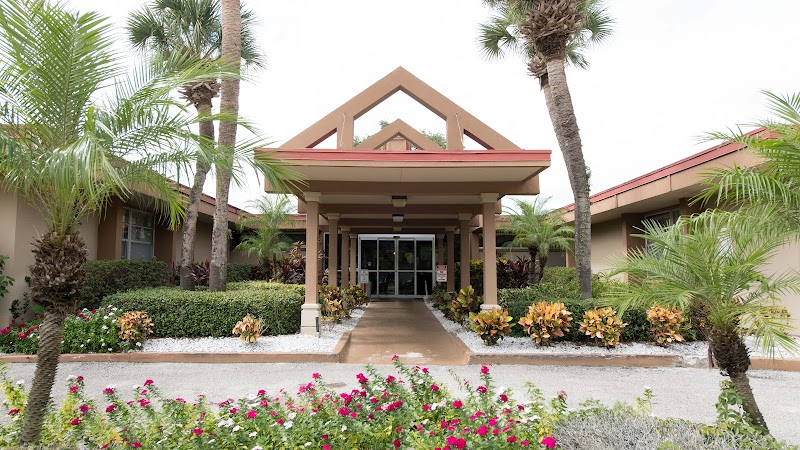
How is South Orange Center Staffed?

CMS rates SOUTH ORANGE HEALTH AND REHABILITATION CENTER's staffing level at 4 out of 5 stars, which is above average compared to other nursing homes. Staff turnover is 38%, compared to the Florida average of 46%. This relatively stable workforce can support continuity of care.

What Have Inspectors Found at South Orange Center?

State health inspectors documented 15 deficiencies at SOUTH ORANGE HEALTH AND REHABILITATION CENTER during 2021 to 2025. These included: 15 with potential for harm.
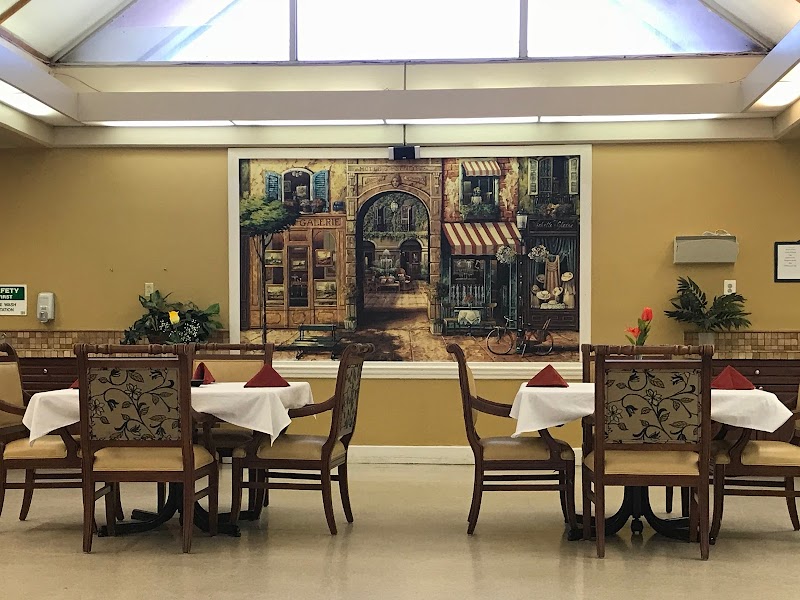
Who Owns and Operates South Orange Center?

SOUTH ORANGE HEALTH AND REHABILITATION CENTER is owned by a for-profit company. For-profit facilities operate as businesses with obligations to shareholders or private owners. The facility is operated by ROBERT SCHOENFELD, a chain that manages multiple nursing homes. With 115 certified beds and approximately 105 residents (about 91% occupancy), it is a mid-sized facility located in ORLANDO, Florida.
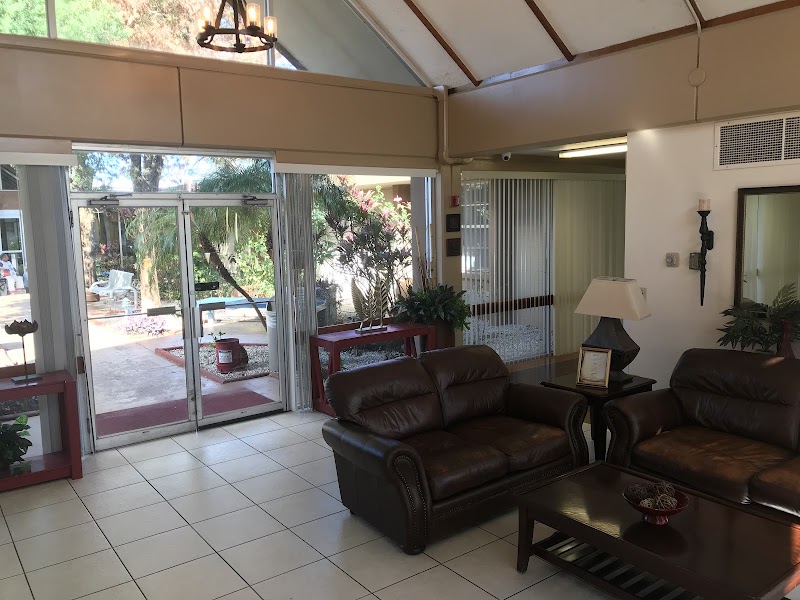
How Does South Orange Center Compare to Other Florida Nursing Homes?

Compared to the 100 nursing homes in Florida, SOUTH ORANGE HEALTH AND REHABILITATION CENTER's overall rating (3 stars) is below the state average of 3.2, staff turnover (38%) is near the state average of 46%, and health inspection rating (3 stars) is at the national benchmark.

What Should Families Ask When Visiting South Orange Center?

Based on this facility's data, families visiting should ask: "Can I visit during a mealtime to observe dining assistance and food quality?" "How do you handle medical emergencies, and what is your hospital transfer rate?" "Can I speak with family members of current residents about their experience?"

Is South Orange Center Safe?

Based on CMS inspection data, SOUTH ORANGE HEALTH AND REHABILITATION CENTER has a clean safety record: no substantiated abuse findings (meaning no confirmed cases of resident harm), no Immediate Jeopardy citations (the most serious violation level indicating risk of serious injury or death), and is not on the Special Focus Facility watch list (a federal program monitoring the lowest-performing 1% of nursing homes). The facility has a 3-star overall rating and ranks #100 of 100 nursing homes in Florida. While no facility is perfect, families should still ask about staff-to-resident ratios and recent inspection results during their visit.

Do Nurses at South Orange Center Stick Around?

SOUTH ORANGE HEALTH AND REHABILITATION CENTER has a staff turnover rate of 38%, which is about average for Florida nursing homes (state average: 46%). Moderate turnover is common in nursing homes, but families should still ask about staff tenure and how the facility maintains care continuity when employees leave.

Was South Orange Center Ever Fined?

SOUTH ORANGE HEALTH AND REHABILITATION CENTER has been fined $14,442 across 2 penalty actions. This is below the Florida average of $33,223. While any fine indicates a compliance issue, fines under $50,000 are relatively common and typically reflect isolated problems that were subsequently corrected. Families should ask what specific issues led to these fines and confirm they've been resolved.

Is South Orange Center on Any Federal Watch List?

SOUTH ORANGE HEALTH AND REHABILITATION CENTER is not on any federal watch list. The most significant is the Special Focus Facility (SFF) program, which identifies the bottom 1% of nursing homes nationally based on persistent, serious quality problems. Not being on this list means the facility has avoided the pattern of deficiencies that triggers enhanced federal oversight. This is a positive indicator, though families should still review the facility's inspection history directly.