
BRIDGEVIEW CENTER

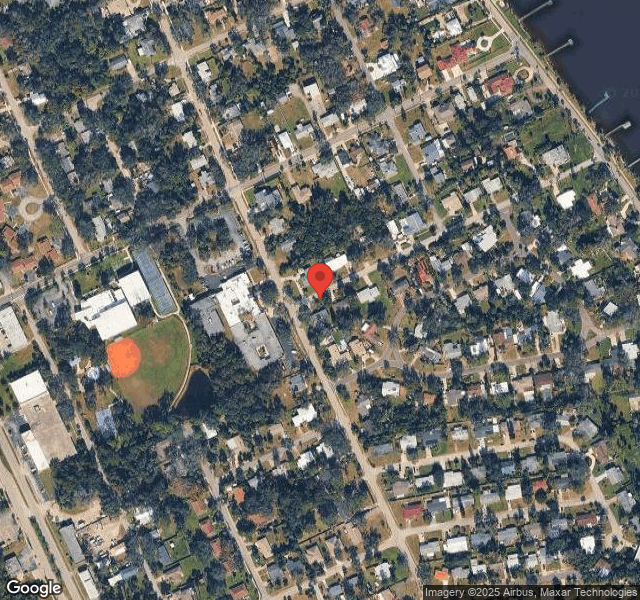
350 S RIDGEWOOD AVENUE, ORMOND BEACH, FL 32174 (386) 677-4545
For profit - Limited Liability company 139 Beds ASTON HEALTH Data: November 2025
Trust Grade
75/100
#185 of 690 in FL
Last Inspection: December 2024

Within standard 12-15 month inspection cycle. Federal law requires annual inspections.

Overview

Bridgeview Center in Ormond Beach, Florida, has a Trust Grade of B, which means it is a good choice among nursing homes, indicating solid care but not without room for improvement. It ranks #185 out of 690 facilities in Florida, placing it in the top half, and #12 out of 29 in Volusia County, suggesting there are only a few better local options. The facility is showing improvement, with a decrease in health inspection issues from three in 2024 to one in 2025. Staffing is a concern, with a rating of 3 out of 5 and a high turnover rate of 60%, which is above the Florida average of 42%. Notably, there have been no fines reported, which is a positive sign, and the facility has average RN coverage, meaning residents receive regular nursing oversight. However, there are some weaknesses, including failures to ensure safety during smoking for residents with oxygen tanks and lapses in infection control practices during the COVID-19 pandemic. Additionally, issues with maintaining resident privacy curtains raise concerns about cleanliness and comfort. Overall, while there are strengths in quality measures and a lack of fines, families should be aware of the staffing challenges and specific safety incidents when considering this facility.

Trust Score
B
75/100
In Florida
#185/690
Top 26%
Safety Record
Low Risk
No red flags
Inspections
Getting Better
3 → 1 violations
Staff Stability
⚠ Watch
60% turnover. Above average. Higher turnover means staff may not know residents' routines.
Penalties
✓ Good
No fines on record. Clean compliance history, better than most Florida facilities.
Skilled Nurses
⚠ Watch
Each resident gets only 29 minutes of Registered Nurse (RN) attention daily — below average for Florida. Fewer RN minutes means fewer trained eyes watching for problems.
Violations
○ Average
9 deficiencies on record. Average for a facility this size. Mostly minor or procedural issues.
★★★★☆
4.0
Overall Rating
★★★☆☆
3.0
Staff Levels
★★★★☆
4.0
Care Quality
★★★★☆
4.0
Inspection Score
Stable
2024: 3 issues
2025: 1 issues

The Good

  • 4-Star Quality Measures · Strong clinical quality outcomes
  • Full Sprinkler Coverage · Fire safety systems throughout facility
  • No fines on record

Facility shows strength in quality measures, fire safety.

The Bad

Staff Turnover: 60%

14pts above Florida avg (46%)

Frequent staff changes - ask about care continuity

Chain: ASTON HEALTH

Part of a multi-facility chain

Ask about local staffing decisions and management

Staff turnover is elevated (60%)

12 points above Florida average of 48%

The Ugly 9 deficiencies on record

Sept 2025 1 deficiency
CONCERN (E) 📢 Someone Reported This

A family member, employee, or ombudsman was alarmed enough to file a formal complaint

Potential for Harm - no one hurt, but risky conditions existed

Accident Prevention (Tag F0689)

Could have caused harm · This affected multiple residents

**NOTE- TERMS IN BRACKETS HAVE BEEN EDITED TO PROTECT CONFIDENTIALITY** Based on observations, interviews, record review, and facility policy review, the facility failed to ensure that the residents e...

Read full inspector narrative →
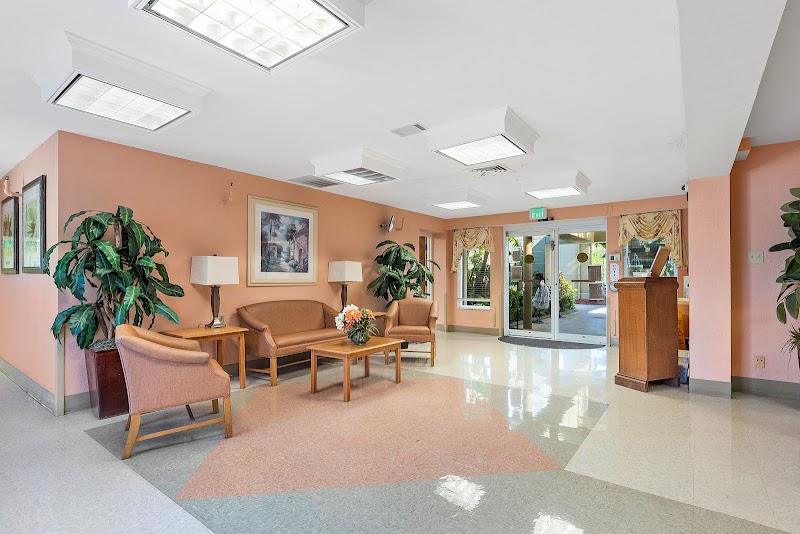
**NOTE- TERMS IN BRACKETS HAVE BEEN EDITED TO PROTECT CONFIDENTIALITY** Based on observations, interviews, record review, and facility policy review, the facility failed to ensure that the residents environment remained as free of accident hazards as is possible by failing to 1) assess Resident #7 for smoking safety and 2) failing to supervise Resident #8 during smoking, from a sample of three residents reviewed for smoking, from a total sample of 7 residents who smoked.The findings include:1. On 8/4/25 at 3:45 pm, Resident #7 was observed smoking in the lobby. He was on oxygen via nasal canula, and his portable oxygen tank was at the back of his wheelchair. The receptionist was observed turning off the oxygen tank and removing the canula from the resident's nose. She then wheeled the resident to the designated smoking area near the lobby but left the oxygen tank at the back of his wheelchair.A clinical record review for Resident #7 indicated he was admitted to the facility on [DATE]. His diagnoses included Chronic Obstructive Pulmonary Disease (COPD), dementia, unspecified severity, with other behavioral disturbance, major depressive disorder, and recurrent, moderate.A review of the admission Minimum Date Set (MDS) with an assessment reference date (ARD) of 5/29/25 for Resident #7 indicated that he had a Brief Interview for Mental Status (BIMS) score of 08 out of 15, indicating moderate cognitive impairment. He exhibited physical and verbal behavioral symptoms directed to other. He also had other behavioral symptoms not directed to others.In an Interview on 8/4/25 at 3:50 pm, the Director of Nursing (DON) stated that that the facility was a smoking facility. She stated residents were allowed to smoke any time if they were deemed safe to smoke. She explained that residents were assessed for safe smoking on admission and quarterly. She was then directed to Resident #7 at the smoking area. She said, Oh my he is not supposed to have the oxygen tank, and he knows better. She walked to the resident and retrieved the oxygen tank. There were two other residents at the smoking area. The DON stated Resident #7 had another incident and was educated on safe smoking. He was notified to leave his wheelchair with oxygen at the lobby and walk to the smoking area. She was asked for a copy of the resident's smoking assessment.On 8/4/25 at 4:00 pm, the Regional Nurse consultant (RNC) provided the copy of Resident #7's assessment. He said, I'll be honest, there was a mistake the assessment indicates that the resident was not a smoker. He added that the facility would conduct a full house audit for smoking and initiate a performance improvement plan (PIP) on smoking. Review of the physician orders for Resident #7 dated 5/23/25 revealed the following:Respiratory-Oxygen: Encourage and assist resident to use oxygen at 2 Liters via nasal canula (NC) continuously for COPD.Respiratory-Oxygen Tubing Change: Change oxygen tubing/mask/bag weekly and as needed (PRN).Trazodone HCl Oral Tablet 100 milligrams (MG). Give one tablet by mouth at bedtime or Depression, Insomnia.Risperidone Tablet 0.5 MG- Give 1 tablet by mouth at bedtime for dementia, agitation.Risperidone Tablet 1 MG- Give 1 tablet by mouth in the morning for agitation, dementia.Duloxetine HCl Capsule Delayed Release Particles 30 MG- Give 1 capsule by mouth two times a day for depression.Lorazepam Tablet 0.5 MG- Give 1 mg by mouth three times a day for anxiety.A review of the care plan for Resident #7 initiated on 5/29/25 noted that the resident is at risk and/or have actual impaired cognitive function/impaired thought processes related to BIMS less than or equal 12 and diagnosis of dementia. The resident is at risk for altered respiratory status/difficulty breathing related COPD-Interventions included to Administer OXYGEN as ordered. Monitor O2 saturations as ordered/PRN. Change tubing per MD order and PRN. Notify MD as indicated. Resident #7 was not care planned for smoking. (Copy obtained) A review of the smoking assessment for Resident #7 dated 5/23/25 indicated that the resident did not smoke. (Copy obtained)Review of the interdisciplinary care plan meeting sheet dated 5/26/25 indicated that Resident #7 was educated on not taking oxygen outside to the smoking area due to risk of injury. Resident agreed to leave wheelchair and oxygen in the building. (Copy obtained) A smoking contract/policy was signed by the resident on the same day.2. A clinical record review for Resident #8 indicated he was admitted to the facility on [DATE] with re-entry on 5/10/25. His diagnoses included Sequelae of Cerebral Infarction, Moderate Protein-Calorie Malnutrition, gastrostomy status, iliotibial band syndrome, low back pain, critical illness myopathy, Vascular Dementia, Mild, With Anxiety, Unspecified Convulsions, Nontraumatic Subdural Hemorrhage, Unspecified and muscle weakness.Review of the physician orders for Resident #8 dated 5/10/25 revealed the following:Risperidone 1 mg by mouth two times a day for paranoia.Levetiracetam (Keppra) 100mg/ml. Give 5 ml via PEG tube every morning and at bedtime for seizure control.Valproic acid oral solution. Give 1000mg via G- tube at bedtime and 250 mg in the morning for mood disorder/ agitation.Review of the care plan for Resident #8 initiated on 11/25/24 indicated that the resident was at risk for complications related to chronic tobacco use. Nicotine dependence Encourage/remind resident to maintain smoking materials, including lighters, matches, etc. at the designated facility location. Offer and encourage the resident to utilize a smoking apron. Resident refused to utilize a smoking apron. Resident has a history of exhibiting the following behaviors: non- complaint with smoking apron, throwing things around including metal ashtray and calling residents by racial slurs. Revised care plan dated 3/15/25 indicated that the resident has a potential for activities of Daily Living ( ADL) self-care deficit related to ADL needs and participation vary, fatigue, chronic medical condition, dementia, impaired balance, history of cardiovascular accident (CVA).The Quarterly MDS with an ARD of 5/28/25 revealed that the resident had a BIMS score of 09 out of 15, indicating moderate cognitive impairment. Review of the smoking assessment for Resident #8 dated 5/10/25 section B (Mental and physical factors) noted that the resident had cognitive impairment and had dexterity/mobility limitations, therefore smoking supervision was required (Copy obtained).During an interview on 8/05/25 at 10:30 am, Resident #8 was observed in the hallway. He confirmed that he smoked unsupervised. He acknowledged that he had cigarettes in his pocket. However, he declined to answer if he had a lighter with him and self-propelled himself away.During a follow up interview on 08/05/25 at 11:16 am with the DON, she stated that residents are assessed on admission and quarterly. She said, All smoker are supposed to be safe smokers and do not require supervision. She mentioned that there were no designated smoking times, and smokers are supposed to give their smoking paraphernalia to the nurse after the smoking session. When asked how the nurses tracked the resident smoking paraphernalia's, she stated that the residents were educated to hand the over to the nurse after they were done smoking. She added that some residents were buying the smoking paraphrenias when they go out on LOA. She confirmed that there was no system in place to ensure that the residents do not possess them. She said, It's hard to track them since we cannot search them when they go out, it's their right, but we can revoke the smoking privilege if they don't follow the policy.On 8/5/25 at 1:05 pm, Certified Nursing Assistant (CNA) A was observed at the designated smoking area. She stated that she was asked to monitor residents as they smoke today. She mentioned that she had been in the facility for almost a year and residents were not supervised during smoking until today. She confirmed that Residents #7 and #8 were smoking cigarettes. She stated that she was not asked to take the smoking paraphernalia.A review of the facility's smoking policy tilted Smoking/vaping contract acknowledgement: updated on 1/27/2025 revealed the following:PURPOSE: To provide residents with the privilege of smoking/vaping and/or use of electronic smoking devices while maintaining their safety and the safety of others. Facility Policies:Resident smoking, vaping and/or use of electronic smoking devices is permitted only in the designated smoking area. All other areas of facility property are smoke free.2. All residents who smoke/vape and/or use electronic smoking devices will be assessed upon admission or at the start at such activity and as their cognitive and/or physical status mandates.3. Residents who require supervision will only use tobacco products and/or nicotine with supervision at the appointed smoking times (this includes electronic cigarettes). Residents who use tobacco products and/or nicotine with an electronic smoking/vaping device will have a care plan. 4. If determined the resident is unsafe when smoking and/or vaping, they will have supervision during such activity.5. Residents are to only smoke/vape the products that are purchased specifically for them. There is no borrowing or sharing of tobacco/nicotine products between Residents or Staff. If a Resident does not have tobacco products/nicotine they cannot smoke/vape.6. Tobacco products will be dispensed one at a time per resident request, with a limit of two cigarettes per supervised smoking break. Electronic smoking/vaping devices will be dispensed with prefilled cartridge.7. Absolutely no tobacco paraphernalia and/or tobacco products are to be kept in resident rooms. Electronic cigarettes, vaping devices including prefilled cartridges, nicotine, batteries, and/or charging elements for such devices are not permitted in a resident's room.8. If at any time, a resident is found with tobacco, nicotine and/or smoking/vaping materials (including lighters, matches, electronic cigarettes, prefilled cartridges, etc.) in his/her room or is found smoking, vaping, and or using an electronic smoking device (i.e. e-cig) in the room or inside the facility, such articles will be removed, smoking/vaping privileges will be revoked, and could result in Resident discharge from the facility. 9. If at any time this policy/contract is violated, smoking/vaping and/or tobacco/nicotine usage privileges will be revoked.10.Tobacco/Nicotine and smoking/vaping privileges may be revoked or limited at any time at the discretion of the facility administration.11. No resident may smoke/vape and/or use an electronic smoking device while on oxygen. 12. Smoking/Vaping paraphernalia for all residents will be secured by staff and labeled with individual resident names. 13. E-Cigarettes/Electronic Smoking Devices/Vaping Devices are considered the same as cigarettes and are subject to the same policies. 14. Any resident witnessed using/obtaining/storing illegal smoking/vaping materials and/or paraphernalia on facility property is subject to a 30-day discharge notice. Local Law Enforcement will be notified. PROCEDURE: A licensed nurse will evaluate residents who smoke, vape, or use electronic smoking devices upon admission or at the start of such activity and as cognitive or physical status changes warrant 2. Residents who smoke, vape, use electronic smoking devices are only permitted to do such activity in the designated smoking area. Residents will periodically be reviewed to reassess their ability to smoke/vape or use tobacco/nicotine safely.Residents will be offered and encouraged to use smoking aprons. I, ---------------------have reviewed and agree to the above smoking/vaping policy and procedure contract and further agree to abide by these guidelines in order to continue smoking/vaping privileges. I further acknowledge that my room or personal belongings may be searched for by facility staff at any time if I am suspected of violating any aspect of this smoking agreement.
Dec 2024 1 deficiency
CONCERN (D)

Potential for Harm - no one hurt, but risky conditions existed

Deficiency F0645 (Tag F0645)

Could have caused harm · This affected 1 resident

**NOTE- TERMS IN BRACKETS HAVE BEEN EDITED TO PROTECT CONFIDENTIALITY** Based on record review and staff interviews, the facility failed to ensure the completion of a Preadmission Screening and Reside...

Read full inspector narrative →
**NOTE- TERMS IN BRACKETS HAVE BEEN EDITED TO PROTECT CONFIDENTIALITY** Based on record review and staff interviews, the facility failed to ensure the completion of a Preadmission Screening and Resident Review (PASRR) for one (Resident #9) of two residents selected for PASRR review, from a total survey sample of 23 residents. The findings include: A review of Resident #9's medical record revealed that he was admitted to the facility on [DATE]. No PASRR was found for the resident's 1/17/2023 admission. Further review of the resident's record revealed that he was admitted with diagnoses including, but not limited to, dementia in other diseases classified elsewhere, unspecified severity, with other behavioral disturbance; major depressive disorder; schizoaffective disorder, bipolar type; brief psychotic disorder, and other specified persistent mood disorders. On 12/04/24 at 1:30 PM, the Director of Nursing (DON) was asked to provide Resident #9's admission PASRR. She provided a PASRR dated 2016. On 12/05/24 at 9:00 AM, the DON was asked if a more recent PASRR had been completed. She stated the facility had no PASRR for Resident #9 other than the one already provided and dated 2016. She was asked for the facility's policy for PASRR screening. No policy was received during the survey. On 12/05/24 at 11:56 AM, an interview was conducted with the Minimum Data Set (MDS) Coordinator and the DON. The MDS Coordinator was asked what she looked for when a PASRR had been completed by the transferring facility prior to the new resident's admission. She stated she did not check the PASRR for accuracy but when she had questions, she called the review organization for assistance. When asked about the facility's policy for PASRRs, she stated the facility did not have a policy for PASRRs. The DON was asked about the facility's policy for PASRRs. She also stated the facility had no policy for PASRRs. She stated, This one is on me. We did not do the screening. .
Aug 2024 1 deficiency
CONCERN (E) 📢 Someone Reported This

A family member, employee, or ombudsman was alarmed enough to file a formal complaint

Potential for Harm - no one hurt, but risky conditions existed

Infection Control (Tag F0880)

Could have caused harm · This affected multiple residents

**NOTE- TERMS IN BRACKETS HAVE BEEN EDITED TO PROTECT CONFIDENTIALITY** Based on observations, interviews, record review, and facility policy and procedure review, the facility's failed to maintain an...

Read full inspector narrative →
**NOTE- TERMS IN BRACKETS HAVE BEEN EDITED TO PROTECT CONFIDENTIALITY** Based on observations, interviews, record review, and facility policy and procedure review, the facility's failed to maintain an infection prevention and control program to help prevent the development and transmission of communicable diseases and infections. The facility failed to follow isolation guidelines for COVID 19 for five (Residents #1, #2, #3, #4, and #5) of seven residents who were positive for COVID 19, from a total sample of 9 residents. Failure to follow proper infection control standards increases the risk of adverse health outcomes for facility residents, staff, and other facility occupants. The findings include: On 7/29/24 at 10:00 am, Licensed Practical Nurse (LPN) A was observed passing medication to Resident #1. A sign on the door noted Resident #1 was on droplet precaution. LPN A was observed wearing a surgical mask below her chin and had no gown or gloves. She was standing at the door interacting with Resident #1 who was sitting in his chair near the door less than one foot from LPN A. When LPN A, realized she was being watched, she pulled up her mask to cover her nose and mouth. During an interview on 7/29/24 at 10:10 am with LPN A, she was asked why Resident #1 was on isolation. She stated that she was not sure and had to look it up. After reviewing Resident #1's physician orders, she stated that the resident had tested positive for Covid on 7/20/24. When asked what personal protective equipment (PPE) she was supposed to use. She said, N95 respirator mask, face shield, gloves and gown. When LPN A was asked if the facility had enough PPE, she said, Yes. She went on to confirm that she should have been wearing a N95 when interacting with Resident #1, who was less than 5 feet away from her. On 7/29/24 at 10:20 am, Resident #2 was observed in room [ROOM NUMBER] sitting on Resident #3's bed. A sign on the door for room [ROOM NUMBER] indicated that Resident #3 was on Droplet precaution. On 7/29/24 at 10:25 am, an interview was conducted with Personal Care Attendant (PCA) B. She was asked if Resident #2 belonged to room [ROOM NUMBER]. She said no and entered room [ROOM NUMBER] to assist Resident #2 out of the room. PCA B was wearing a KN95 mask and did not don gloves or gown. She stated that Resident #2 was in room [ROOM NUMBER] and she was not on isolation (PCA B did not perform hand hygiene after exciting isolation room [ROOM NUMBER]). She was again asked if Resident #3 had a roommate, she said, Yes, Resident #4 is his roommate and is in activities. On 7/29/24 at 10:30 am, PCA A was observed entering room [ROOM NUMBER] A. She was wearing a KN95 mask and did not don gloves or gown. There was a sign on the door indicating that residents were on Droplet precaution. The PPE bag that was hanging on the door had no PPE. PCA A assisted Resident #5 to put on his pants. After dressing the resident, she walked outside the resident room holding Resident #5's hand and directed him to the activities room. Resident #5 was not encouraged to wear a mask. PCA A did not perform had hygiene. Before entering the activities room, she was stopped and asked what precautions Resident #5 was on. She said, I don't know, he is not my resident. She continued to enter the activities room where 15 other residents were seated having activities. In an interview on 7/29/24 at 10:34 am with LPN C, she confirmed that Resident #5 was on droplet precaution. She added that the resident tested positive for Covid on 7/22/24 and should be off of isolation on August 1. When asked if the resident was allowed to leave his room without a mask. She said, Resident are allowed to go anywhere they want we can't restrict them; he does not have any symptoms. She then asked the activities staff to offer a mask to Resident #5. During a follow-up interview on 7/29/24 at 10:45 am with PCA B, she stated that she was hired in May 2024. When asked if she had received any training on infection control and abuse/neglect she said, No. She added that she received video training upon hire. When asked how she identified what type of isolation and appropriate PPE to use, she said, Honestly I don't know. During an interview on 7/29/24 at 12:25 pm with the Assistant Director of Nursing (ADON)/Infection Control Preventionist, she stated that since the facility was in outbreak mode, all staff are supposed to wear surgical masks when in the resident areas and stay home if sick. Residents who are positive for COVID 19 should be encouraged to stay in their rooms or wear mask when they get out of their room. Staff are supposed to follow the standard precaution and isolation precautions. When asked how she ensured that staff implemented the infection control protocol, she said that she conducts random spot checks and hand hygiene observations. When asked how staff are supposed to differentiate isolation precautions, she said that isolation posters were color coded, and each poster included the appropriate PPE to wear. When asked how families and visitors are notified of an outbreak. She said, We are supposed to have an outbreak sign upon entrance, but I noted it was not there when you guys walked in. The ADON confirmed that staff are supposed to perform hand hygiene, don appropriate PPE before entering isolation rooms except when entering rooms on Enhanced barrier precaution (EBP). She stated that COVID 19 isolation requires an N95 mask, Face shield, gown and gloves. When asked how COVID 19 residents in semi-private rooms were isolated. She said, Normally we will get the negative resident out of the room, but residents who are positive for COVID 19 without symptoms can be placed in the same room, it's a case-by-case situation. When asked about Resident #3, she confirmed that resident was on isolation for COVID 19, and his roommate (Resident #4) was not on isolation. When asked why the two residents were not separated. She stated that there was no available bed. The ADON also confirmed that Resident #5 had no roommate. She could not explain why Residents #3 and #5 were not placed in the same room. A review of the facility' policy and procedure titled, Infection Control - Infection Prevention and Control Program - Revised 6/2023 revealed the following: Standard - An infection prevention and control program (IPCP) are established and maintained to provide a safe, sanitary and conformable environment and to help prevent development and transmission of communicable diseases and infections. Guideline- The infection prevention and control program is developed to address the facility-specific infection control needs and requirements identified in the facility assessment and the infection control risk assessment. The program is based on accepted national infection prevention and control standards in accordance with local, state and federal regulations and guidelines. Procedure: Elements (Page 2) 2. The elements of the infection prevention and control program consists of coordination/oversight/policies/procedures, surveillance, data analysis, antibiotics stewardship, outbreak management, prevention of infection, and employee health and safety. Outbreak management (Page 4) 1. Outbreak management is a process that consists of: a. determining the presence of an outbreak; b. managing the affected residents; c. preventing the spread to other residents; d. documenting information about the outbreak; e. reporting the information to appropriate public health authorities; f. educating staff and the public; g. monitoring the recurrences; h. reviewing the care after the outbreak has subsided; and i. recommending new or revised policies to handle similar events in the future. Important facets of infection prevention include: a. identifying possible infections or potential complications of existing infections; b. instituting measures to avoid complications or dissemination; c. educating staff and ensuring that they adhere to proper techniques and procedures; d. communicating the importance of standard precautions and cough etiquette to visitors and family members; e. enhancing screening for possible significant pathogen; f. immunizing residents and staff to try to prevent illness; g. implementing appropriate isolation precautions when necessary; and h. following established general and disease-specific guideline such as those of the centers for Disease Control (CDC) A review of the facility's policy titled, Infection Control: Transmission Based Precautions - Revised 02/2024 revealed the following: Guideline: All staff receive training on transmission-based precautions upon hire and at least annually. Procedure: 3. Droplet precautions- a. intended to prevent transmission of pathogens spread through close respiratory or mucous membrane contact with respiratory secretions (i.e. respiratory droplets that are generated by a resident who is coughing, sneezing or talking). b. Make decisions regarding private room on case-by-case basis after considering infection risk to other residents in the room and available alternatives. c. Healthcare personnel wear surgical masks for close contact with infectious resident. d. Residents on Droplet precautions who must be transported outside of their room should wear a surgical mask if tolerated and follow respiratory hygiene/cough etiquette. .
Jan 2024 1 deficiency
CONCERN (D) 📢 Someone Reported This

A family member, employee, or ombudsman was alarmed enough to file a formal complaint

Potential for Harm - no one hurt, but risky conditions existed

Deficiency F0657 (Tag F0657)

Could have caused harm · This affected 1 resident

**NOTE- TERMS IN BRACKETS HAVE BEEN EDITED TO PROTECT CONFIDENTIALITY** Based on medical record review, interview, and facility policy review, the facility failed to ensure the resident care plan for ...

Read full inspector narrative →
**NOTE- TERMS IN BRACKETS HAVE BEEN EDITED TO PROTECT CONFIDENTIALITY** Based on medical record review, interview, and facility policy review, the facility failed to ensure the resident care plan for one (Resident #1) of three residents reviewed for falls, was revised to reflect new interventions for risk of injury due to recent falls. Failing to revise care plans places the residents at risk of not receiving appropriate care. The findings include: A review of Resident #1's medical record revealed she was admitted to the facility on [DATE] with a re-entry on 12/5/23 with diagnoses of muscle wasting, unsteadiness on feet, unspecified dementia, and Parkinson's disease. Further review of Resident #1's medical record revealed she had falls in the facility on 11/8/23, 11/19/23, 12/4/23, and 1/9/24. A review of Resident #1's care plan initiated on 8/30/22 revealed she was at risk for falls with a goal to minimize risk for injury related to falls with interventions in place. However, interventions were noted to remain the same, and no documentation was found to support the facility had revised the resident's care plan, for effectiveness, following her falls on 11/8/23, 11/19/23, 12/4/23, and 1/9/24. (Photographic evidence obtained) On 1/18/24 at 2:22 PM, an interview was conducted with the MDS Coordinator, in the presence of the administrator. She was asked if Resident #1's care plan should have been updated or reviewed after the residents multiple falls in the facility due to her at risk for falls. The MDS Coordinator confirmed that although interventions were in place and the resident was appropriately assessed following each fall, the care plan did not reflect this. A review of the facility's policy titled, Care Plans, Development Baseline and Comprehensive issued on 11/2001, (revised on 5/2023) revealed: Comprehensive Care Plan 13. Assessments of residents are ongoing and care plans are revised as information about the residents' conditions change. (Photographic evidence obtained) A review of the facility's polity titled, Falls and Falls Risk, Managing issued in 2001, (revised on 3/2018) revealed: Resident-Centered Approaches to Managing Falls and Fall Risk 5. If falling recurs despite initial interventions, staff will implement additional or different interventions, or indicate why the current approach remains relevant. (Photographic evidence obtained) .
Aug 2023 1 deficiency
CONCERN (E) 📢 Someone Reported This

A family member, employee, or ombudsman was alarmed enough to file a formal complaint

Potential for Harm - no one hurt, but risky conditions existed

Safe Environment (Tag F0921)

Could have caused harm · This affected multiple residents

**NOTE- TERMS IN BRACKETS HAVE BEEN EDITED TO PROTECT CONFIDENTIALITY** Based on observations, interviews, and facility policy review, the facility failed to ensure eight (132, 126, 124, 125, 216, 212...

Read full inspector narrative →
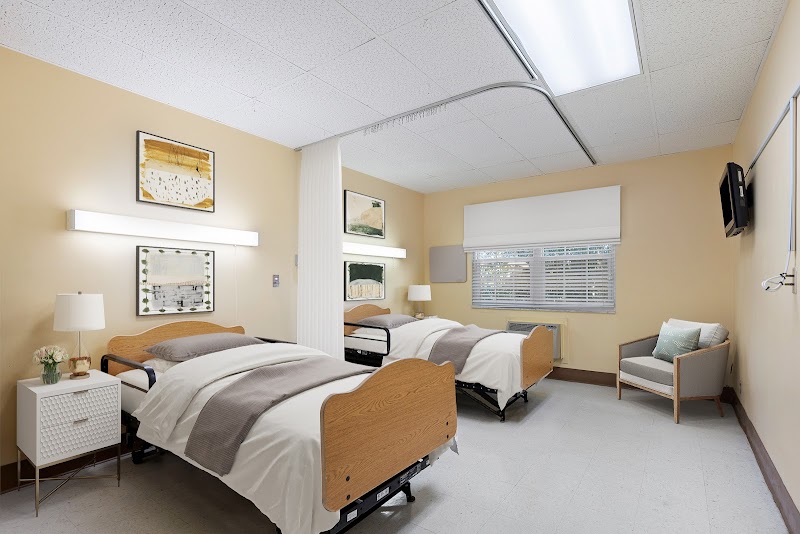
**NOTE- TERMS IN BRACKETS HAVE BEEN EDITED TO PROTECT CONFIDENTIALITY** Based on observations, interviews, and facility policy review, the facility failed to ensure eight (132, 126, 124, 125, 216, 212, 214, and 115) of thirteen resident bedroom privacy curtains observed were maintained to ensure a safe, functional, sanitary, and comfortable environment for residents. The findings include: 1. A visit to room [ROOM NUMBER] on 08/08/2023 at 10:28 AM, found the privacy curtain in the bedroom area to have multiple reddish-brown splatters on it. (Photographic evidence obtained) 2. A visit to room [ROOM NUMBER] on 08/08/2023 at 10:39 AM, found the privacy curtain in the bedroom area to have multiple reddish-brown splatters on it. (Photographic evidence obtained) 3. A visit to room [ROOM NUMBER] on 08/08/2023 at 10:44 AM, found the privacy curtain in the bedroom area to have multiple reddish-brown splatters on it. (Photographic evidence obtained) 4. A visit to room [ROOM NUMBER] on 08/08/2023 at 10:48 AM, found the privacy curtain in the bedroom area to have multiple reddish-brown splatters on it. (Photographic evidence obtained) 5. A visit to room [ROOM NUMBER] on 08/08/2023 at 11:06 AM, found the privacy curtain in the bedroom area to have multiple reddish-brown splatters on it. (Photographic evidence obtained) During the observation, Resident #2 was interviewed and stated she couldn't remember the last time the privacy curtain was cleaned or replaced. 6. A visit to room [ROOM NUMBER] on 08/08/2023 at 11:18 AM, found the privacy curtain in the bedroom area to have multiple reddish-brown splatters on it. (Photographic evidence obtained) 7. A visit to room [ROOM NUMBER] on 08/08/2023 at 11:22 AM, found the privacy curtain in the bedroom area to have multiple reddish-brown splatters on it. (Photographic evidence obtained) 8. A visit to room [ROOM NUMBER] on 08/08/2023 at 11:35 AM, found the privacy curtain in the bedroom area to have multiple reddish-brown splatters on it. (Photographic evidence obtained) During an interview with the Director of Environmental Services on 08/08/23 at 12:17 PM, he confirmed the privacy curtains listed above were stained. He explained that housekeeping was required to notify the floor technicians and maintenance when they came across a soiled or dirty privacy curtain. A work order should then be entered into the facility's work order system. The technicians and maintenance should clean and/or replace the privacy curtain upon notification of a soiled privacy curtain. His expectation was that work orders to replace a privacy curtain should be completed by the end of the business day. A review of the facility's policy titled: General Housekeeping, with effective date of 07/28/23 read, It is the policy of this facility to provide a clean, safe, orderly, comfortable and attractive home-like environment both indoors and outdoors. (Photographic evidence obtained) .
Jan 2023 2 deficiencies
CONCERN (D)

Potential for Harm - no one hurt, but risky conditions existed

Deficiency F0582 (Tag F0582)

Could have caused harm · This affected 1 resident

Based on record review and an interview with the Social Worker, the facility failed to keep complete records of Notice of Medicare Non-coverage (NOMNC) and Advance Beneficiary Notice of Non-coverage (...

Read full inspector narrative →
Based on record review and an interview with the Social Worker, the facility failed to keep complete records of Notice of Medicare Non-coverage (NOMNC) and Advance Beneficiary Notice of Non-coverage (ABN) for two (Residents #30 and #40) of six sampled residents, discharged within the last six months, from a Medicare A-covered stay with benefit days remaining. The findings include: A review of six residents' records with remaining Medicare Part A days, revealed that two residents (#30 and #40) had missing signatures on both the NOMNC and ABN forms. (Copies obtained) The signature areas had no information or date on either form. The two residents' ABN forms did not have an Options box selected, a signature, or a date of contact on them. On the NOMNC forms for the two residents, the signature area and date areas were blank. This form had an additional information (optional) area filled out, but did not indicate whether the residents had declined, planned to appeal, or were not available to sign the forms. A receipt for certified mail was given, but there was no verification with signature or verification of forms sent with receipt. An interview was conducted with Social Services Director on 1/12/23 at 11:54 AM. She stated she went to the resident and let them know about their remaining days if they were their own responsible party. She would call the family about the benefits ending, and mail the forms if the resident was not their own responsible party. She stated she sent the form via Certified mail. when asked how she obtained the signatures for the forms, she produced a receipt for certified mail, but here was no verification with signature or verification of forms sent with receipt. She reported she either mailed them or verified by telephone. She reported she usually got a phone call from the representative/family to verify the forms were mailed. She stated if the representative did not send the form back, she didn't have a signature. She replied that she had done it this way for 10 years. A review of the form instructions for the Notice of Medicare Non-Coverage (NOMNC) CMS-10123 and Medicare Claims Processing Manual Chapter 30 - Financial Liability Protections (update 1/21/2022) was conducted. The Regulatory instructions for ABN Signature and Date were as follows: The beneficiary or their authorized representative must sign the signature box to acknowledge that they read and understood the notice. The Skilled Nursing Facility (SNF) may fill in the date if the beneficiary needs help. This date should reflect the date that the SNF gave the notice to the beneficiary in person, or when appropriate, the date contact was made with the beneficiary's authorized representative by phone. If an authorized representative signs for the beneficiary, write (rep) or (representative) next to the signature. If the authorized representative's signature is not clearly legible, the authorized representative's name must be printed. If the beneficiary refuses to choose an option and/or refuses to sign the SNF ABN when required, the SNF should annotate the original copy of the SNF ABN indicating the refusal to sign and may list a witness to the refusal. The SNF should consider not furnishing the care. The regulatory instructions for NOMNC Signature and Date stated a Medicare provider or health plan (Medicare Advantage plans and cost plans , collectively referred to as plans) must deliver a completed copy of the Notice of Medicare Non-Coverage (NOMNC) to beneficiaries/enrollees receiving covered skilled nursing, home health (including psychiatric home health), comprehensive outpatient rehabilitation facility, and hospice services. The NOMNC must be delivered at least two calendar days before Medicare covered services end or the second to last day of service if care is not being provided daily. Note: The two-day advance requirement is not a 48 hour requirement. The provider must ensure that the beneficiary or representative signs and dates the NOMNC to demonstrate that the beneficiary or representative received the notice and understands that the termination decision can be disputed. Use of assistive devices may be used to obtain a signature. .
CONCERN (D)

Potential for Harm - no one hurt, but risky conditions existed

Deficiency F0919 (Tag F0919)

Could have caused harm · This affected 1 resident

Based on observations, interviews, and record review, the facility failed to ensure one (Resident #231) of 39 sampled residents had access to the call light while in bed. The findings include: An obse...

Read full inspector narrative →
Based on observations, interviews, and record review, the facility failed to ensure one (Resident #231) of 39 sampled residents had access to the call light while in bed. The findings include: An observation was made of Resident #231 on 1/9/23 at 1:05 PM. She was in a double room in the bed nearest to the window and she had no roommate. No call light was seen near or next to the resident. She was asked where her call light was, but she was not able to locate it. During this time the call light was observed pinned to her privacy curtain. (Photographic evidence obtained) A second observation of resident #231's room on 1/9/23 at 2:20 PM. The call light was still hanging from the privacy curtain near the wall and out of the resident's reach. At this time Certified Nursing Assistant N was interviewed and reported that she had clipped the call light on the curtain 5 to 10 minutes ago. When asked where the call light should be in relation to resident, she stated, within reach of resident. On 1/11/23 at 12:25 PM, Resident #231's call light was observed on the floor out of reach of the resident. (Photographic evidence obtained) It was also observed that a red-colored drink had spilled in the resident's bed next to resident. On 1/11/23 at 2:10 PM, Resident #231's call light was seen hanging from the privacy curtain. (Photographic evidence obtained) The resident was asked how she got help without the use of her call light. She stated, I yell for it. She further stated if the call light was within reach, she would use it. An interview was conducted with Personal Care Assistant (PCA) P on 1/11/23 at 2:12 PM. She was asked how residents summoned for help when they were in their rooms. She reported, They use call light. She stated the call light should be next to the resident at bedside, next to their pillow. She confirmed that she did have Resident #231 on her assignment today, and the resident doesn't ask for help much. At this time PCA P was asked to enter Resident #231's room and check the call light. She confirmed that the call light was not within reach of the resident and reported, I don't know why its hanging from the privacy curtain. Housekeeping must have come in and moved it. PCA P confirmed that the resident did know how to use her call light and had used it in the past. PCA P was observed moving the call light within reach of the resident. A medical record review was conducted and revealed an admission date of 1/6/23. The resident's diagnoses included wedge compression fracture of unspecified lumber vertebra, unspecified encounter for fracture with routine healing; malignant neoplasm, bronchitis, anxiety disorder, unspecified fracture of sacrum, mild protein calorie malnutrition, and depression. A review of the facility's policy titled Answering the Call Light (Undated) was reviewed. The policy noted the purpose of this procedure was to ensure timely response to the resident's requests and needs. The policy's General Guidelines read, When the resident is in bed or confined to a chair, be sure the call light is within easy reach of the resident. .
May 2021 2 deficiencies
CONCERN (D)

Potential for Harm - no one hurt, but risky conditions existed

Quality of Care (Tag F0684)

Could have caused harm · This affected 1 resident

**NOTE- TERMS IN BRACKETS HAVE BEEN EDITED TO PROTECT CONFIDENTIALITY** Based on record review, observation, and interview, the facility failed to ensure residents received treatment and care in accor...

Read full inspector narrative →
**NOTE- TERMS IN BRACKETS HAVE BEEN EDITED TO PROTECT CONFIDENTIALITY** Based on record review, observation, and interview, the facility failed to ensure residents received treatment and care in accordance with professional standards of practice, the comprehensive person-centered care plan, and the residents' choices related to skin care for one of 43 residents. (Resident #28) The findings include: Record review for Resident #28 revealed he was admitted to the facility on [DATE] with his most recent readmission on [DATE]. A review of the care plan, revised on 5/20/2021, revealed the following: Focus: Resident is at risk for alteration in skin integrity related to hygiene issues, incontinence, dementia, diabetes, dandruff on scalp, boil on abdomen. Goal: Will receive appropriate services and treatments to minimize potential skin breakdown, and will implement interventions to minimize the risk of skin impairment through next review, and facial rash will continue to improve within two weeks. Interventions: apply moisture, observe skin with ADLs (activities of daily living) and report abnormalities. Report localized skin problems (dryness, redness, pustules, inflammation, etc). Triamcinolone cream .5% (can be used to treat topical inflammatory skin lesions), apply to face topically, daily, every evening shift for facial rash. Weekly skin check by licensed nurse. On 05/26/2021 at 11:28 AM, Resident #28 was observed sitting in the open lounge area in the center of the facility. Multiple staff members were also present in the area. Other aides and a nurse were observed passing by the resident, and some stopped to greet the resident. During this observation, small scaly white flakes were observed on the resident's shoulders, collar and the chest area of his dark blue shirt. The scaly white flakes were also observed on areas of the resident's forehead, eyebrows and in his hair. The resident also had multiple dry, white skin spots on his right hand and forehead. The resident acknowledged that he had dry skin, and advised that he used to have a cream for his skin, but he hadn't received it in some time. On 05/27/2021 at 8:31 AM, an observation was made of Resident #28 seated in the lounge area with multiple areas on his shirt covered with scaly, white flakes. Various staff members were in the area at the time of the observation. On 05/27/2021 at 10:25 AM, Resident #28 was observed in the facility lounge watching television. There were noticeable scaly, white flakes on his chest, collar and the sleeves of his shirt. There were also visible scaly white flakes on his forehead and eyebrows. During an interview with Employee H, Licensed Practical Nurse (LPN), on 5/27/2021 at 3:34 PM, she acknowledged that she was familiar with Resident #28. She confirmed he had a rash and dry skin. He was ordered Triamcinolone cream, but that was discontinued some time in February 2021. She stated the skin assessments were not assigned, and the skin check orders were not being completed as they should be. She acknowledged the presence of the scaly white flakes in the resident's hair and on his face. She stated the certified nursing assistants (CNAs) were responsible for providing ADL care and the nurses were responsible for providing treatments. On 05/28/2021 at 9:47 AM, Resident #28 was observed seated in the lounge area in the center of the facility. White, scaly flakes were on the resident's dark blue shirt. During an interview with Employee F, Registered Nurse (RN), on 5/28/2021 at 12:36 PM, she stated she was familiar with Resident #28 and was responsible for completing and reviewing the Minimum Data Set (MDS) assessments, including the section for skin assessments. She reviewed the treatment records and a licensed nurse completed the skin assessment weekly. A CNA was expected to evaluate the resident's skin while providing care, and the nurses were responsible for looking for dry skin, boils etc. when they did the skin checks. Employee F stated there were currently no orders for skin treatments for Resident #28, although the care plan was revised on 5/20/21 and indicated the use of Triamcinolone cream. She stated there had been an order in the past, but she could not provide any information as to why it was discontinued. Review of the Skin Sheet for Resident #28, dated 05/27/2021, documented no concerns. Employee F was asked if she had observed the condition of the resident's skin and the scaly white flakes. She responded yes, stating the nurse who completed the skin check should have documented the observation of dry skin and the scaly white flakes on the resident's shirt. She stated if the nurse had indicated the skin issues, orders could have been put in for treatments. On 05/28/2021 at 12:59 PM, Employee J, RN/Unit Manager, stated she was familiar with Resident #28. She acknowledged that she observed the resident covered in scaly white flakes. She stated he had received a shower and the CNAs should have been applying lotion to the resident after his showers. She confirmed that the care plan was revised on 05/20/2021. She stated that the cream was discontinued and was not re-started, but that it should have been. She confirmed that the Care Plan could not have been followed if the cream was not present. She stated that it should have been updated and/or the cream should have been re-ordered. During an interview with Employee K, RN, on 5/28/2021 at 3:28 PM, she stated she was familiar with Resident #28, and acknowledged that she completed the skin check dated 5/27/2021. She stated the process for performing a skin check was new, and she was not very familiar with it. She confirmed that she had observed dry skin and scaly white flakes on the resident' skin, and stated she gave him some over-the-counter lotion for the dryness. She acknowledged that she could have documented her observations on the skin sheet. A review of the physician's orders revealed a new order for Triamcinolone Acetonide 0.5%, one application topically twice a day (day and evening shift), effective 05/28/2021 at 3:00 PM. .
CONCERN (D)

Potential for Harm - no one hurt, but risky conditions existed

Deficiency F0694 (Tag F0694)

Could have caused harm · This affected 1 resident

**NOTE- TERMS IN BRACKETS HAVE BEEN EDITED TO PROTECT CONFIDENTIALITY** Based on record review, observations and staff interviews, the facility failed to follow physician orders for the administration...

Read full inspector narrative →
**NOTE- TERMS IN BRACKETS HAVE BEEN EDITED TO PROTECT CONFIDENTIALITY** Based on record review, observations and staff interviews, the facility failed to follow physician orders for the administration of intravenous therapy (IV) for 1 of 1 residents sampled for IV administration from a total sample of 43. (Resident #2) The findings include: A record review for Resident #2 revealed a [AGE] year-old female admitted on [DATE] with diagnoses including a fractured right femur and a urinary tract infection (UTI). The admission nursing note revealed she had a peripherally inserted central catheter (PICC line) to the mid-right arm for administration of intravenous (IV) antibiotics. A review of a 5/10/2021 physician's order revealed: Ceftriaxone (antibiotic) 2 grams IV every 24 hours via the PICC line, infuse over 30 minutes; Vancomycin (antibiotic) 1 gram every 12 hours IV, infuse over 60 minutes; flush PICC line with normal saline 0.9% solution 10 ml (milliliters) IV every shift. Also change the PICC line dressing every 5-7 days. A review of the May 2021 Medication Administration Record (MAR) revealed there was no PICC line dressing change documented until 5/21/2021. Further review of the MAR found that the PICC line dressing change order, dated 5/10/2021, had not been entered into the the record until 5/21/21. There were no further entries for the PICC line dressing change. An observation was made of the PICC line dressing for Resident #2 with Employee I, Licensed Practical Nurse (LPN), on 5/28/21 at 12:45 p.m. When the nurse was asked who was responsible for changing the PICC line dressing, she said a Registered Nurse (RN). She was asked when it was last changed, and she did not know. She said the dressing should be dated when changed. When asked how often did the nurses observe the PICC line site, she said every time you hang an IV medication. She was asked if there was a date on the dressing, but she did not see a date. When asked if the dressing was clean and intact, she said it wasn't dirty, but had loosened and needed to be secured. Also observed was IV Vancomycin, 1 gm at 250 ml hanging on IV pole. The tubing was running through an IV pump. The pump was set at 250 cc/hr. Observation of the IV bag containing the antibiotic Vancomycin was found to have solution remaining in the bag and the pump was still running. An interview was conducted with Employee I on 5/28/21 at 1:20 pm. Regarding the time she hung the Vancomycin for Resident #2, she said it was scheduled for 8:00 am, but not hung until 10:00 am due to a lab drawn this morning and the need to call the pharmacy to get authorization to hang. She said the Vancomycin trough had been running high and had to be held for 2 days. She received the ok from the pharmacy and hung the bag at 10 am. When asked how long it usually takes for Vancomycin to infuse, she said if the pump is working right, about an hour. She was asked if there was a reason why it had not completed infusing, and she said the pump kept occluding and had to keep resetting. She also said she used the gravity flow the other day and it too was very slow. An interview was conducted with Employee H, LPN, on 5/28/21 at 1:30pm. When asked how often the PICC line dressings were changed, she said weekly but only the RN can change. Regarding the duration for the IV antibiotics for Resident #2 to infuse from the time hung, she said it should only take about 30 minutes, but it often takes several hours when the tubing becomes occluded and the pump needs to be reset. She said perhaps the PICC line itself may need to be changed. When asked if the physician had been notified, she said she would call today. On 5/28/21 at 1:50 pm, the Director of Nursing was asked where the nurses document the PICC line dressing changes. She would need to review the record as they had a change in their computer system and some information did not come over. When she reviewed the records, she confirmed the original order for PICC line dressing changes on 5/10/21, did not appear on the MAR or Treatment record (TAR). She said the order was entered on 5/21/21 and the RN documented PICC line dressing change occurred. She confirmed that no dressing changes had been performed prior to 5/21/21 or after. When asked if she was aware of a problem with the IV pumps infusing slowly and delaying optimal effect of antibiotics, she said the pharmacy supplies the pumps and they are outdated. The pharmacy has purchased new pumps; however, the new pumps are not yet available to the facility.
Understanding Severity Codes (click to expand)
Life-Threatening (Immediate Jeopardy)
J - Isolated K - Pattern L - Widespread
Actual Harm
G - Isolated H - Pattern I - Widespread
Potential for Harm
D - Isolated E - Pattern F - Widespread
No Harm (Minor)
A - Isolated B - Pattern C - Widespread

Questions to Ask on Your Visit

  • "Why is there high staff turnover? How do you retain staff?"
  • "Can I speak with families of current residents?"
  • "What's your RN coverage like on weekends and overnight?"

Our Honest Assessment

Strengths
  • • No major safety red flags. No abuse findings, life-threatening violations, or SFF status.
  • • No fines on record. Clean compliance history, better than most Florida facilities.
Concerns
  • • 60% turnover. Above average. Higher turnover means staff may not know residents' routines.
Bottom line: Generally positive indicators. Standard due diligence and a personal visit recommended.

About This Facility

What is Bridgeview Center's CMS Rating?

CMS assigns BRIDGEVIEW CENTER an overall rating of 4 out of 5 stars, which is considered above average nationally. Within Florida, this rating places the facility higher than 99% of the state's 100 nursing homes. This rating reflects solid performance across the metrics CMS uses to evaluate nursing home quality.

How is Bridgeview Center Staffed?

CMS rates BRIDGEVIEW CENTER's staffing level at 3 out of 5 stars, which is average compared to other nursing homes. Staff turnover is 60%, which is 14 percentage points above the Florida average of 46%. High turnover can affect care consistency as new staff learn residents' individual needs. RN turnover specifically is 57%, which is notably high. RNs provide skilled clinical oversight, so turnover in this role can affect medical care quality.

What Have Inspectors Found at Bridgeview Center?

State health inspectors documented 9 deficiencies at BRIDGEVIEW CENTER during 2021 to 2025. These included: 9 with potential for harm.

Who Owns and Operates Bridgeview Center?

BRIDGEVIEW CENTER is owned by a for-profit company. For-profit facilities operate as businesses with obligations to shareholders or private owners. The facility is operated by ASTON HEALTH, a chain that manages multiple nursing homes. With 139 certified beds and approximately 112 residents (about 81% occupancy), it is a mid-sized facility located in ORMOND BEACH, Florida.

How Does Bridgeview Center Compare to Other Florida Nursing Homes?

Compared to the 100 nursing homes in Florida, BRIDGEVIEW CENTER's overall rating (4 stars) is above the state average of 3.2, staff turnover (60%) is significantly higher than the state average of 46%, and health inspection rating (4 stars) is above the national benchmark.

What Should Families Ask When Visiting Bridgeview Center?

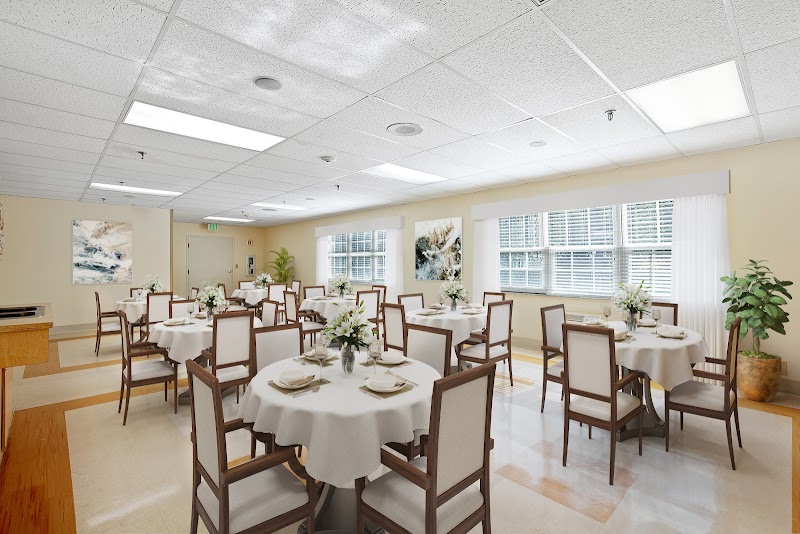
Based on this facility's data, families visiting should ask: "How do you ensure continuity of care given staff turnover, and what is your staff retention strategy?" "Can I visit during a mealtime to observe dining assistance and food quality?" "How do you handle medical emergencies, and what is your hospital transfer rate?" "Can I speak with family members of current residents about their experience?" These questions are particularly relevant given the facility's high staff turnover rate.

Is Bridgeview Center Safe?

Based on CMS inspection data, BRIDGEVIEW CENTER has a clean safety record: no substantiated abuse findings (meaning no confirmed cases of resident harm), no Immediate Jeopardy citations (the most serious violation level indicating risk of serious injury or death), and is not on the Special Focus Facility watch list (a federal program monitoring the lowest-performing 1% of nursing homes). The facility has a 4-star overall rating and ranks #1 of 100 nursing homes in Florida. While no facility is perfect, families should still ask about staff-to-resident ratios and recent inspection results during their visit.

Do Nurses at Bridgeview Center Stick Around?

Staff turnover at BRIDGEVIEW CENTER is high. At 60%, the facility is 14 percentage points above the Florida average of 46%. Registered Nurse turnover is particularly concerning at 57%. RNs handle complex medical decisions and coordinate care — frequent RN changes can directly impact care quality. High turnover means new staff may not know residents' individual needs, medications, or preferences. It can also be disorienting for residents, especially those with dementia who rely on familiar faces. Families should ask: What is causing the turnover? What retention programs are in place? How do you ensure care continuity during staff transitions?

Was Bridgeview Center Ever Fined?

BRIDGEVIEW CENTER has no federal fines on record. CMS issues fines when nursing homes fail to meet care standards or don't correct problems found during inspections. The absence of fines suggests the facility has either maintained compliance or corrected any issues before penalties were assessed. This is a positive indicator, though families should still review recent inspection reports for the full picture.

Is Bridgeview Center on Any Federal Watch List?

BRIDGEVIEW CENTER is not on any federal watch list. The most significant is the Special Focus Facility (SFF) program, which identifies the bottom 1% of nursing homes nationally based on persistent, serious quality problems. Not being on this list means the facility has avoided the pattern of deficiencies that triggers enhanced federal oversight. This is a positive indicator, though families should still review the facility's inspection history directly.