
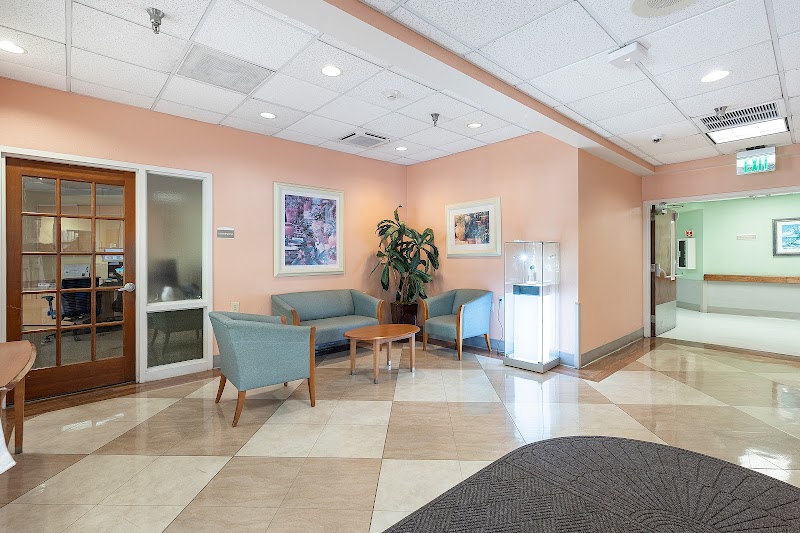

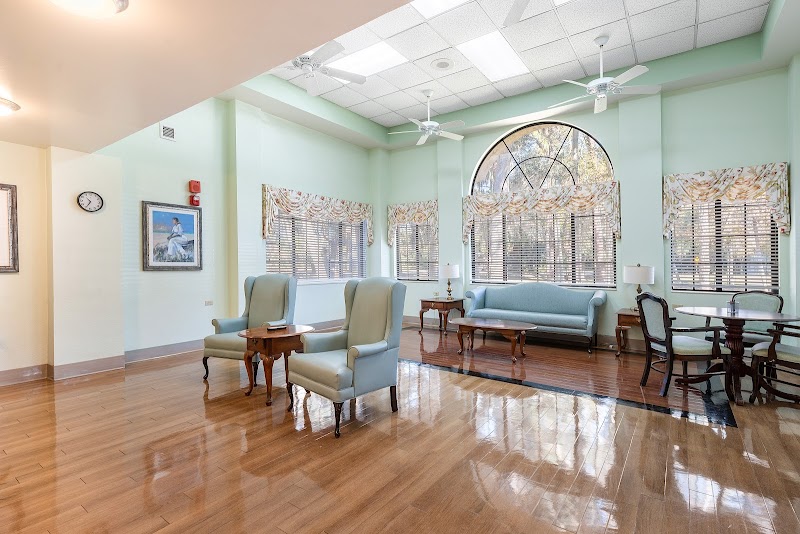

COQUINA CENTER

170 N CENTER STREET, ORMOND BEACH, FL 32174 (386) 672-7113
For profit - Limited Liability company 120 Beds ASTON HEALTH Data: November 2025
Trust Grade
85/100
#20 of 690 in FL
Last Inspection: May 2024

Within standard 12-15 month inspection cycle. Federal law requires annual inspections.

Overview

Coquina Center in Ormond Beach, Florida, has a Trust Grade of B+, which indicates it is above average and recommended for families seeking care. It ranks #20 out of 690 nursing homes in Florida, placing it in the top half of facilities, and #5 out of 29 in Volusia County, meaning only a few local options are better. The facility is improving, having reduced its number of issues from 1 in 2023 to none in 2024. While staffing received a 3/5 rating, the turnover rate of 68% is concerning, higher than the state average, but the lack of fines is a positive sign. However, recent inspections revealed some weaknesses, including missed medication administration for two residents and failure to properly care for a resident's PICC line, which could lead to serious health risks. Overall, Coquina Center has strengths in its overall care quality but needs to address specific procedural issues to enhance resident safety.

Trust Score
B+
85/100
In Florida
#20/690
Top 2%
Safety Record
Low Risk
No red flags
Inspections
Getting Better
1 → 0 violations
Staff Stability
⚠ Watch
68% turnover. Above average. Higher turnover means staff may not know residents' routines.
Penalties
✓ Good
No fines on record. Clean compliance history, better than most Florida facilities.
Skilled Nurses
○ Average
Each resident gets 40 minutes of Registered Nurse (RN) attention daily — about average for Florida. RNs are the most trained staff who monitor for health changes.
Violations
○ Average
6 deficiencies on record. Average for a facility this size. Mostly minor or procedural issues.
★★★★★
5.0
Overall Rating
★★★☆☆
3.0
Staff Levels
★★★★★
5.0
Care Quality
★★★★★
5.0
Inspection Score
Stable
2023: 1 issues
2024: 0 issues

The Good

  • 5-Star Quality Measures · Strong clinical quality outcomes
  • Full Sprinkler Coverage · Fire safety systems throughout facility
  • No fines on record

Facility shows strength in quality measures, fire safety.

The Bad

Staff Turnover: 68%

22pts above Florida avg (46%)

Frequent staff changes - ask about care continuity

Chain: ASTON HEALTH

Part of a multi-facility chain

Ask about local staffing decisions and management

Staff turnover is elevated (68%)

20 points above Florida average of 48%

The Ugly 6 deficiencies on record

Jun 2023 1 deficiency
CONCERN (D) 📢 Someone Reported This

A family member, employee, or ombudsman was alarmed enough to file a formal complaint

Potential for Harm - no one hurt, but risky conditions existed

Quality of Care (Tag F0684)

Could have caused harm · This affected 1 resident

Based on observations, interviews, record review, and a review of the facility's policy and procedure, the facility failed to ensure residents received treatment and care in accordance with profession...

Read full inspector narrative →
Based on observations, interviews, record review, and a review of the facility's policy and procedure, the facility failed to ensure residents received treatment and care in accordance with professional standards of practice, by failing to administer scheduled medications within the required timeframes per the ordered times and the facility's policy, allowing for administration one hour before to one hour after the scheduled time for two (Residents #4 and #1) of eight sampled residents. Failure to administer medications timely could result in changes to therapeutic drug levels, ineffective pain management, development of antibiotic resistance, unregulated blood pressures, unregulated blood sugar levels and more. The findings include: On 6/13/23 at 10:31 a.m., Licensed Practical Nurse (LPN) A was observed during morning medication administration. She was preparing medication for Resident #4. An observation of the resident's electronic Medication Administration Record (MAR), revealed that the text color was red. When LPN A was asked what the red type indicated, she replied, The MAR is set up to show red if the medication is an hour past the administration time. When she was asked if there was a process for obtaining help when medication administration was running late, she replied that she was not sure. On 6/13/23 at 10:47 AM, an interview was conducted with LPN B, who was in the process of dispensing medications for Resident #1. The electronic MAR text was red. When she was asked what the significance of the red text was, she replied, It means we are outside the one-hour window. With thirty residents and not knowing them, it's impossible to get all the meds out on time. When she was asked if anyone was available to help ensure the medications were administered timely, she replied that she did not know. She stated she did a quick review of the residents' medications to determine which medications/residents were a priority. She administered those medications and then finished medication administration for the rest of her assigned residents. On 6/13/23 at 12:25 PM, an interview was conducted with Registered Nurse (RN) C, former Director of Nursing (DON) for this facility, now at a sister facility, but brought in to assist with this survey. RN C confirmed that the medication administration window was one hour before to one hour after the scheduled administration time. If the medication was not administered within this window of time, the resident's physician was to be notified to change the dispensing time if not contraindicated. When he was asked if there was a protocol for nurses to ask for help with medication administration when they were falling behind, he replied that they should be letting someone know so we can try to find them help. When he was asked how often medications were not given at the scheduled time, he replied that he was not sure. On 6/13/23 at 12:50 PM, an interview was conducted with the Regional Nurse Consultant (RNC). When she was ssked if agency staff were oriented about who or how to ask for assistance with medication administration, she replied, They should be asking for help. I'm more likely to use an agency nurse who asks for help than one who does not and gets behind. When she was asked if she was aware of how often medications were administered late, she replied no. A review of the Medication Administration Audit Report for Residents #1 and #3 from June 3-13, 2023, revealed that Resident #1 received his medications beyond the one-hour past scheduled administration time for 106 of 239 opportunities (44% of the time during that period). Resident #3 received his medications beyond the one-hour past scheduled administration time for 23 of 136 opportunities (17% of the time during that period). A review of the facility's current Performance Improvement Projects (PIPs) revealed that the facility had not identified late medication administration issues. A review of the facility's policy for Administering Medications (revised April 2020) revealed on page. 1, Item #4 - Medication administration times are determined by resident need and benefit, not staff convenience. Factors that are considered include: a. Enhancing optimal therapeutic effect of the medication; b. Preventing potential medication or food interactions; and c. Honoring resident choices and preferences, consistent with his or her care plan. Item #6 -Medications are administered within one hour of their prescribed time, unless otherwise specified (for example, before and after meal orders). .
May 2022 3 deficiencies
CONCERN (D)

Potential for Harm - no one hurt, but risky conditions existed

Quality of Care (Tag F0684)

Could have caused harm · This affected 1 resident

**NOTE- TERMS IN BRACKETS HAVE BEEN EDITED TO PROTECT CONFIDENTIALITY** Based on observations, interviews, and record reviews, the facilty failed to provide treatment and care in accordance with profe...

Read full inspector narrative →
**NOTE- TERMS IN BRACKETS HAVE BEEN EDITED TO PROTECT CONFIDENTIALITY** Based on observations, interviews, and record reviews, the facilty failed to provide treatment and care in accordance with professional standards of practice for one (Resident #48) of 39 residents sampled. Resident #48 received no flushes to her Peripherally Inserted Central Catheter (PICC) line. The findings include: A review of Resident #48's medical record revealed she was admitted on [DATE] with a readmission on [DATE]. The resident was transferred to a hospital on 5/18/22 to have a PICC line removed. The PICC line was present on the 3/1/22 readmission. Resident #48 was admitted with diagnoses including encephalopathy, pressure ulcer - stage IV to sacrum, severe sepsis, aphasia, and major depressive disorder. A 5/16/22 observation of Resident #48 at 1:59 PM, revealed a left subclavian central line (SCL) with a transparent dressing covering the insertion site. The date on the dressing was illegible. On 5/17/22 at 3:48 PM, the left SCL had a transparent dressing covering the insertion site. The site was clean, dry, and intact. The insertion site was dark pink, and the dressing was dated 5/17/22. A review of the admission Minimum Data Set (MDS) assessment, dated 3/5/22, revealed under Section O - Special Treatments, Procedures, and Programs - Item H: Intravenous (IV) medications yes. A review of the resident's active Care Plan, revealed a focus area for the administration of IV antibiotics for the treatment of a sacral wound infection and impaired skin integrity for the care and maintenence of an IV site. Interventions included: IV dressing, observe dressing every shift change and record observations; labs as ordered; monitor signs and symptoms of infection at the site - drainage, inflammation, swelling, redness, warmth; monitor signs and symptoms of leaking at the IV site, edema at the insertion site; monitor site for signs and symptoms of swelling, redness, pain, and increased temperature. A review of the resident's orders revealed: 3/1/22, Aztreonam Solution 1 gram, IV every 8 hours related to severe sepsis until 3/14/22. The March 2022 MAR revealed the last dose was given on 3/13/22 at 2:00 PM. 3/1/22 Vancomycin solution 1 gram IV every 18 hours related to severe sepsis until 3/14/22. 3/7/22 Vancomycin solution 750 milligrams in 150 ml (milliliter) normal saline every 12 hours related to severe sepsis until 3/14/22. 3/1/22 Change IV dressing weekly and as needed when soiled. No orders for normal saline flushes or documentation of flushes were found in the resident's medical record. A review of assessments and progress notes revealed: On 3/1/22 at 2:52 PM, Patient transferred into facility via stretcher at 1405 (2:05 PM). Patient alert. Non-verbal. Skin warm and dry. Tunneled PICC line to left upper chest. One 3/1/22 Admission/readmission Nursing packet-Sec. IV Infection Risk Evaluation, Item 2a. Appliances - tunneled PICC left chest. Sec. XIV Baseline Care Plans, Item 7 - Special treatments/procedures, subsection d. IV medication was not marked in the affirmative. 3/4/22 Summary of Skilled Services - Currently on IV antibiotics for sepsis. On 5/18/22 at 10:05 AM, an interview was conducted with the Interim Director of Nursing (IDON). When asked how long a PICC line could be in place, she stated she was not aware of a time line, but if it was prophylactic, it could be in place for months. When asked whether the line needed to be flushed, she replied, If the physician orders flushes. When asked if a physician's order was needed to remove a PICC line, she replied yes. On 5/18/22 at 3:15 PM, an interview was conducted with Registered Nurse (RN)/Unit Manager F. When asked how PICC lines were to be cared for at the facility, she stated the dressing was changed at least weekly and the line was flushed before and after medication administration. When asked if a PICC line that was not in use still needed to be flushed, she stated, Yes, otherwise it will clot off. On 5/19/22 at 10:40 AM, an interview was conducted with the Medical Director. He stated he had been made aware that Resident #48 needed to go to the hospital to have a PICC line removed. When asked how these types of lines were handled, he stated, When a resident comes in, the nurses are to inform the physician of the line. Then the physician will reach out the hospital to find out why the line is in place and determine a potential removal date.' When asked if this type of line should be flushed when not in use, he stated, Absolutely, they must be flushed to prevent the lines from clotting off. A review of the facility's policy on Peripherally Inserted Central Catheters (PICCs) with a revision date of 5/18/2020, stated on page 3, item #13, PICC lines are to be flushed with 3 milliliters (ml) of normal saline every 12 hours when not in use or as ordered by the provider. Item #14, PICC lines are to be flushed with 3 ml of normal saline before and after the administration of Intravenous (IV) medication solutions. .
CONCERN (D)

Potential for Harm - no one hurt, but risky conditions existed

Deficiency F0688 (Tag F0688)

Could have caused harm · This affected 1 resident

**NOTE- TERMS IN BRACKETS HAVE BEEN EDITED TO PROTECT CONFIDENTIALITY** Based on observations, interviews, and record reviews, the facility failed to 1) Ensure that a resident with limited range of mo...

Read full inspector narrative →
**NOTE- TERMS IN BRACKETS HAVE BEEN EDITED TO PROTECT CONFIDENTIALITY** Based on observations, interviews, and record reviews, the facility failed to 1) Ensure that a resident with limited range of motion received appropriate treatment and services to increase range of motion and/or to prevent further decrease in range of motion, and 2) Ensure residents received appropriate services, equipment, and assistance to maintain or improve mobility with maximum practicable independence for one (Resident #107) of 39 residents sampled. The findings include: On 5/16/2022 at 1:00 p.m., Resident #107 was observed with a left hand contracture. During an interview with the resident at this time he stated he denied having a splint for his left hand, but stated he thought he needed one and had mentioned this to the staff without success. A medical record review revealed that Resident #107 was admitted into the facility on 8/22/2021. His last readmission was on 9/14/2021. His diagnoses included hemiplegia and hemiparesis following cerebral infarction affecting the left non-dominant side; congestive heart failure; major depressive disorder; cerebral palsy; anxiety disorder and benign prostatic hyperplasia. The last three Minimum Data Set (MDS) assessments were reviewed. Per the admission assessment dated [DATE], the resident had a Brief Interview for Mental Status (BIMS) score of 15 out of a possible 15 points, indicating intact cognition. He required supervision with eating and extensive assistance with all other Activities of Daily Living (ADLs). He was noted with limited range of motion to the upper and lower extremity on one side. Per the Quarterly assessment dated [DATE], the BIMS score for Resident #107 was again 15. The resident was noted with limited range of motion to the upper and lower extremity on one side. Per the last Quarterly assessment dated [DATE], the BIMS score for Resident #107 was incomplete and not based on an interview with the resident. He was noted with limited range of motion to the upper and lower extremity on one side. The most recent Care Plan with a review date of 3/24/2022, failed to address the left hand contracture. There were no focus areas, goals or interventions listed. A review of a quarterly Rehab Referral/Screening performed on 3/31/2022, revealed the resident was screened by a therapist. There were no recommendations during this review. A review of a quarterly Rehab Referral/Screening performed on 12/20/2021, revealed the resident was screened by a therapist. The recommendations during the screening were documented as: Mobility including transfers and ambulation; recent change - patiently currently on hospice services; resident is appropriate for physical therapy evaluation, sliding board transfers. There were no additional screenings/recommendations found to address the resident's request for a splint or splinting needs related to the resident's left hand contracture. During an interview on 5/18/2022 at 1:50 p.m. with the Rehab Director, she stated all residents in the facility were screened by rehab quarterly. Resident #107 had been on caseload twice per his request. Once for a scooter assessment and then for physical therapy to work on transfers. She stated during the survey she had gone to see the resident regarding his desire for a splint and concluded that he could definitely benefit from having one. When asked why the resident was never assessed for a splint prior to the survey she stated: I'm not sure how it was missed. I can't explain. I will do the evaluation and reach out to Hospice. During an interview on 518/2022 at 1:55 p.m. with the Director of Nursing (DON), she advised that all residents were assessed by nursing upon admission. She stated if a resident had a contracture, it would be the responsibility of the nursing department to refer the resident to therapy for an evaluation. During an interview on 5/18/2022 at 4:45 p.m. MDS Coordinator A, she stated the initial assessments were done upon admission. The facility scheduled the quarterly and annual assessments monthly. She stated the care plan review was opened and setup at the same time an assessment was scheduled. No one audited or reviewed the assessments for accuracy. The person completing the section is signing off that it's accurate. She stated the nursing assessment flowed into the MDS. When asked, MDS Coordinator A stated she was familiar with Resident #107. A record review was conducted with her. Upon review of the MDS assessments dated 9/21/2021, 12/22/2021 and 3/24/2022, she acknowledged that the BIMS score was not assessed appropriately on the 3/24/2022 MDS. She stated if a resident was accurately assessed for contractures/limited range of motion in the MDS, that concern would have been added to the resident's care plan. .
CONCERN (D)

Potential for Harm - no one hurt, but risky conditions existed

Deficiency F0849 (Tag F0849)

Could have caused harm · This affected 1 resident

Based on record reviews and interviews, the facility failed to 1) Maintain a hospice plan of care and documentation of care in the resident record, 2) Designate a member of the facility's interdiscipl...

Read full inspector narrative →
Based on record reviews and interviews, the facility failed to 1) Maintain a hospice plan of care and documentation of care in the resident record, 2) Designate a member of the facility's interdisciplinary team to coordinate care, and 3) Coordinate Hospice care for one (Resident #111) of five residents reviewed for hospice services/coordination of care, from a total sample of 39 residents. The findings include: A review of Resident #111's medical record revealed an admission date of 5/28/19 with diagnoses including non-infective gastroenteritis and colitis, dysphagia, hemiplegia and hemiparesis on left side, dementia, delusional disorders, major depressive disorder with mixed anxiety, and depressed mood. The resident had an active Do Not Rescusitate order. A review of the Quarterly MDS assessment, dated 3/24/22, revealed she was receiving Hospice services. A review of Resident #111's physician's orders revealed a Do Not Resuscitate order dated 1/28/22. On 1/22/22, a Hospice consult was ordered. On 2/1/22, Hospice Medicaid began. A 5/17/22 review of the active Care Plan, revealed a focus area for End Stage of Life (initiated on 10/1/20). The resident was not documented as receiving Hospice services; palliative care was in place. No update had been made to the care plan at the initiation of Hospice services on 2/1/22. A review of the Quarterly MDS assessment, dated 3/24/22, revealed the resident was receiving Hospice services. On 5/18/22 at 11:00 AM, five Hospice charts were reviewed. Four of the five charts had documentation from the Hospice provider with fax dates of 5/17/22. Resident #111 did not have any documents from the Hospice provider in her chart on this date. On 5/18/22 at 11:20 AM, assistance was requested with obtaining Hospice notes for Resident #111. The Administrator stated the Hospice provider had not been sending their notes to the facility. She stated she would reach out to the provider to have the notes sent to the facility. When asked if that meant staff had no opportunity for coordination of care, she replied yes. On 5/18/22 at 11:30 AM, an interview was conducted with Health Information Coordinator (HIC) C. She was asked who followed up with the Hospice provider to ensure records were being sent to the facility. She stated, No one really, but we will now do follow up to make sure the facility receives the notes. On 5/18/22 at 1:20 PM, an interview was conducted with the IDON. She stated the facility became aware of the documentation issue with the Hospice provider after having been prompted by the survey team. She further stated the facility initiated a facility assessment to identify issues to be addressed. When aked who the Hospice coordinator was, the IDON stated she thought it was the Social Worker. Then she stated she was mistaken, it was MDS Coordinator A. On 5/18/22 at 4:45 PM, an interview was conducted with RN/MDS Coordinator A. When asked if she was the designated Hospice coordinator, she stated, I guess I have a new title. When asked how the Hospice care plans were incorporated into the facility care plans, she stated the Hospice provider sent the care plans to the facility and they were given to the MDS coordinator to incorporate into the care plan. Then they were given to the HIC who either scanned them into the electronic medical record or put the hard copies in the residents' charts. .
Oct 2020 2 deficiencies
CONCERN (D)

Potential for Harm - no one hurt, but risky conditions existed

Incontinence Care (Tag F0690)

Could have caused harm · This affected 1 resident

**NOTE- TERMS IN BRACKETS HAVE BEEN EDITED TO PROTECT CONFIDENTIALITY** Based on record review and staff interview, the facility failed to provide urinary catheter changes as ordered for one (Resident...

Read full inspector narrative →
**NOTE- TERMS IN BRACKETS HAVE BEEN EDITED TO PROTECT CONFIDENTIALITY** Based on record review and staff interview, the facility failed to provide urinary catheter changes as ordered for one (Resident #46) of one resident sampled for the use of a urinary catheter, from a total sample of 26 residents. The findings include: A record review for Resident #46 revealed an [AGE] year-old female admitted on [DATE] with diagnoses including chronic embolism and thrombosis, neuromuscular dysfunction of bladder, overactive bladder, heart failure and rheumatoid arthritis. She was alert and oriented with forgetfulness. A review of the initial nursing assessment, dated 3/6/20, found that she had a urinary catheter in place due to neuromuscular bladder dysfunction. She used a leg bag for urine collection during the day and a bedside drainage bag at night. The admission orders included: Change catheter monthly or as needed for leaking or blockage. Irrigate with 30 ml (milliliters) saline as needed for leaking or blockage, change tubing and drainage bag monthly and as needed. Check catheter every shift for pain and signs of infection, and clean catheter with soap and water every shift. A review of the Treatment Administration Records (TARs) from admission [DATE]) to the present (October 2020), found that the order to change the catheter had never been entered onto the TARs. A review of the physician's orders revealed the order to change the catheter monthly was ongoing, no changes had been made. An interview was conducted with the Unit Manager on 10/22/20 at 11:40 a.m. She was asked how often the Foley catheter was changed for Resident #46. She replied that the order instructed the nursing staff to change the catheter monthly and as needed. She was asked where catheter changes were documented, and she said they should be documented on the TARs. She was asked to review the treatment records and indicate where the catheter changes were documented. After a review of the TARs, she confirmed that the order had not been recorded on the TARs. When asked for the date the order for catheter changes was first obtained, she replied on admission, 3/6/20. She was asked why the order was never transcribed to the TAR, and she said she did not know but it should have been. She was asked how the nurses would know that Resident #46 required a catheter change monthly if it was not documented on the TAR. She replied that it was in the physician's orders, however the nurses would need to specifically look for the orderfurther stated the catheter drainage bag and tubing were changed monthly and she assumed the nurses were changing the catheter at the same time, but there was no documentation to support that. She was asked how the facility ensured that all new orders were implemented and entered onto the medication records and treatment sheets. She stated all new orders are reviewed every morning at the morning meeting with Unit Manager and Director of Nursing (DON). She was asked how she would know when the catheter had last been changed, and she said she would have to check the progress notes. When she was asked when the catheter was last changed, she replied it was changed on 10/9/20, prior to obtaining a urine sample for culture and sensitivity. It was also changed on 9/18 and 8/18/20. There were no catheter changes documented prior to August. She was asked what size catheter was ordered, and she she said 16 French, however the order did not specify the balloon size. She stated she was not aware until today that there was no balloon size specified, and she called to clarify the balloon size today (10/22/20) and updated the orders. During an interview with the DON on 10/21/20 at 2:35 p.m., she was asked where the nurses documented Foley catheter changes. She stated the documentation was in the nursing progress notes and the TARs. When she was asked to review the TAR's for June 2020 through October 2020 to see when the catheter was changed and documented, she confirmed that the order was not on the TAR for nursing to document the catheter change had been performed. She was asked to locate the documentation in the nursing progress notes. She reviewed the record and provided a copy of the nursing progress notes for catheter changes on 10/9, 9/18, and 8/18/20. When asked if there was documentation of catheter changes for April through July, she said she would review record. During an interview with DON on 10/22/20 at 9:25 a.m., she was asked if she had been able to locate the catheter documentation for April through July. She said the only documentation she could find for that period of time was a nursing note dated 5/20/20. The note indicated Resident #46 complained of pain from the catheter. The catheter was removed and re-inserted. On 10/9/20, Resident #46 complained of a burning sensation. The physician was notified and a urine culture was ordered. Prior to the results being obtained, the resident was ordered Macrobid 100 mg (milligrams) twice a day on 10/10/20. On 10/12/20, the medication was discontinued and she was started on Cipro 500 mg daily for seven days for urinary tract infection. On 10/13/20, Cipro was discontinued and Ceftin 500 mg twice daily was prescribed. A review of the care plan regarding use of a urinary catheter included instructions to change the urinary catheter every month and as needed for leaking. .
CONCERN (D)

Potential for Harm - no one hurt, but risky conditions existed

Deficiency F0757 (Tag F0757)

Could have caused harm · This affected 1 resident

Based on interview and record review, the facility failed to administer physician-ordered medication according to parameters set for a hypotensive medication for one (Resident #56) of five residents w...

Read full inspector narrative →
Based on interview and record review, the facility failed to administer physician-ordered medication according to parameters set for a hypotensive medication for one (Resident #56) of five residents whose medications were reviewed, from a total of 26 residents in the sample. The findings include: A record review for Resident #56 found her most recent admission to the facility was on 6/1/2020 with diagnoses including chronic obstructive pulmonary disease, unspecified osteoarthritis, unspecified dementia, hypothyroidism, essential hypertension, unspecified mood disorder, unspecified dementia with behavioral disturbances, dysphagia, COVID-19 , hyperlipidemia, major depressive disorder, abnormal aortic aneurysm, and gastroesophageal reflux disease. A review of the October 2020 physician's orders for Resident #56 found an 8/26/2020 order for Midodrine HCL (hydrochloride) (used for blood pressure support) Tablet 5 milligrams (mg), give 1 tablet by mouth every eight (8) hours for hypotension. Give for a Systolic blood pressure of less than 110 and/or a Diastolic blood pressure of less than 70. A review of the October 2020 medication administration record (MAR) for Resident #56 revealed that on 10/4/2020 during the 7:00 AM to 3:00 PM shift, Resident #56's blood pressure (BP) was 108/70. During the same shift on 10/11/2020 Resident #56's BP was 114/72, on 10/13/2020 it was 116/78, on 10/16/2020 it was 117/76, on 10/17/2020 it was 135/86 and on 10/18/2020 it was 113/71. Further review of the MAR for October 2020 found the Midodrine HCL 5 mg was administered during the 7:00 AM -3:00 PM shift on 10/4/2020, 10/11/2020, 10/13/2020, 10/16/2020, 10/17/2020 , 10/18/2020 . A review of Resident #56's BP during the 3:00 PM to 11:00 PM shift found that on 10/9/2020, the resident's BP was 130/77, on 10/11/2020 it was 114/72, on 10/16/2020 it was 122/72, and on 10/19/2020 it was 120/84. Further review of the MAR for this shift revealed the Midodrine HCI 5 mg was administered during the 3:00 PM to 11:00 PM shift on 10/9/2020, 10/11/2020, 10/16/2020, and 10/19/2020. A review of Resident #56's BP during the 11:00 PM to 7:00 AM shift found on 10/4/2020 the resident's BP was 124/70, on 10/12/2020 it was 146/81, and on 10/19/2020 it was141/72. Further review of the MAR for this shift revealed the Midodrine HCI 5 mg was administered during the 11:00 PM to 7:00 AM shift on 10/4/2020, 10/12/2020, and 10/19/2020. On 10/20/2020 at 2:44 PM the Director of Nursing (DON) was asked to review the administration of Resident #56's Midodrine and the parameters. During an interview with the DON on 10/21/2020 at 11:49 AM, the DON stated she had reviewed the parameters for the Midodrine. She stated she did see the medication was given outside the parameters and the nurses misinterpreted the orders. .
Understanding Severity Codes (click to expand)
Life-Threatening (Immediate Jeopardy)
J - Isolated K - Pattern L - Widespread
Actual Harm
G - Isolated H - Pattern I - Widespread
Potential for Harm
D - Isolated E - Pattern F - Widespread
No Harm (Minor)
A - Isolated B - Pattern C - Widespread

Questions to Ask on Your Visit

  • "Why is there high staff turnover? How do you retain staff?"
  • "Can I speak with families of current residents?"
  • "What's your RN coverage like on weekends and overnight?"

Our Honest Assessment

Strengths
  • • Grade B+ (85/100). Above average facility, better than most options in Florida.
  • • No major safety red flags. No abuse findings, life-threatening violations, or SFF status.
  • • No fines on record. Clean compliance history, better than most Florida facilities.
Concerns
  • • 68% turnover. Above average. Higher turnover means staff may not know residents' routines.
Bottom line: Generally positive indicators. Standard due diligence and a personal visit recommended.

About This Facility

What is Coquina Center's CMS Rating?

CMS assigns COQUINA CENTER an overall rating of 5 out of 5 stars, which is considered much above average nationally. Within Florida, this rating places the facility higher than 99% of the state's 100 nursing homes. This rating reflects solid performance across the metrics CMS uses to evaluate nursing home quality.

How is Coquina Center Staffed?

CMS rates COQUINA CENTER's staffing level at 3 out of 5 stars, which is average compared to other nursing homes. Staff turnover is 68%, which is 22 percentage points above the Florida average of 46%. High turnover can affect care consistency as new staff learn residents' individual needs. RN turnover specifically is 71%, which is notably high. RNs provide skilled clinical oversight, so turnover in this role can affect medical care quality.

What Have Inspectors Found at Coquina Center?

State health inspectors documented 6 deficiencies at COQUINA CENTER during 2020 to 2023. These included: 6 with potential for harm.

Who Owns and Operates Coquina Center?

COQUINA CENTER is owned by a for-profit company. For-profit facilities operate as businesses with obligations to shareholders or private owners. The facility is operated by ASTON HEALTH, a chain that manages multiple nursing homes. With 120 certified beds and approximately 110 residents (about 92% occupancy), it is a mid-sized facility located in ORMOND BEACH, Florida.

How Does Coquina Center Compare to Other Florida Nursing Homes?

Compared to the 100 nursing homes in Florida, COQUINA CENTER's overall rating (5 stars) is above the state average of 3.2, staff turnover (68%) is significantly higher than the state average of 46%, and health inspection rating (5 stars) is much above the national benchmark.

What Should Families Ask When Visiting Coquina Center?

Based on this facility's data, families visiting should ask: "How do you ensure continuity of care given staff turnover, and what is your staff retention strategy?" "Can I visit during a mealtime to observe dining assistance and food quality?" "How do you handle medical emergencies, and what is your hospital transfer rate?" "Can I speak with family members of current residents about their experience?" These questions are particularly relevant given the facility's high staff turnover rate.

Is Coquina Center Safe?

Based on CMS inspection data, COQUINA CENTER has a clean safety record: no substantiated abuse findings (meaning no confirmed cases of resident harm), no Immediate Jeopardy citations (the most serious violation level indicating risk of serious injury or death), and is not on the Special Focus Facility watch list (a federal program monitoring the lowest-performing 1% of nursing homes). The facility has a 5-star overall rating and ranks #1 of 100 nursing homes in Florida. While no facility is perfect, families should still ask about staff-to-resident ratios and recent inspection results during their visit.

Do Nurses at Coquina Center Stick Around?

Staff turnover at COQUINA CENTER is high. At 68%, the facility is 22 percentage points above the Florida average of 46%. Registered Nurse turnover is particularly concerning at 71%. RNs handle complex medical decisions and coordinate care — frequent RN changes can directly impact care quality. High turnover means new staff may not know residents' individual needs, medications, or preferences. It can also be disorienting for residents, especially those with dementia who rely on familiar faces. Families should ask: What is causing the turnover? What retention programs are in place? How do you ensure care continuity during staff transitions?

Was Coquina Center Ever Fined?

COQUINA CENTER has no federal fines on record. CMS issues fines when nursing homes fail to meet care standards or don't correct problems found during inspections. The absence of fines suggests the facility has either maintained compliance or corrected any issues before penalties were assessed. This is a positive indicator, though families should still review recent inspection reports for the full picture.

Is Coquina Center on Any Federal Watch List?

COQUINA CENTER is not on any federal watch list. The most significant is the Special Focus Facility (SFF) program, which identifies the bottom 1% of nursing homes nationally based on persistent, serious quality problems. Not being on this list means the facility has avoided the pattern of deficiencies that triggers enhanced federal oversight. This is a positive indicator, though families should still review the facility's inspection history directly.