ANCHOR CARE & REHABILITATION CENTER
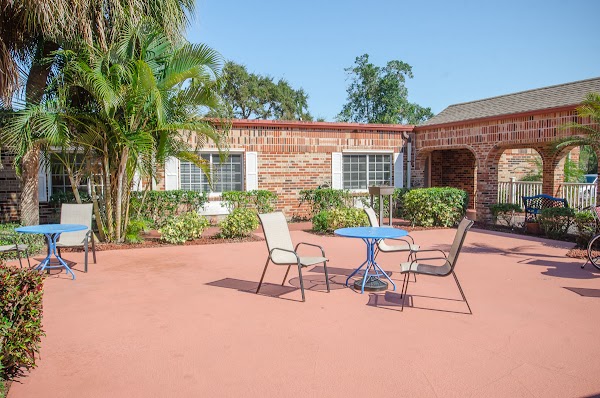
1515 PORT MALABAR BLVD NE, PALM BAY, FL 32905 (321) 723-1235
For profit - Limited Liability company 120 Beds SIMCHA HYMAN & NAFTALI ZANZIPER Data: November 2025 2 Immediate Jeopardy citations
Trust Grade
49/100
#157 of 690 in FL
Last Inspection: June 2025

Inspected within the last 6 months. Data reflects current conditions.

Overview

Anchor Care & Rehabilitation Center has a Trust Grade of D, indicating below-average performance with some significant concerns. They rank #157 out of 690 facilities in Florida, placing them in the top half, and #2 out of 21 in Brevard County, meaning only one local option is rated higher. However, the facility is experiencing a worsening trend, with issues increasing from 2 in 2024 to 4 in 2025. Staffing is rated average, with a turnover of 40%, which is slightly better than the state average. Unfortunately, there were concerning incidents, including a resident with dementia leaving the facility unsupervised for over an hour, creating a significant safety risk, and a failure to provide hand hygiene to residents before meals, which could lead to infection spread. Overall, while there are strengths in their rankings and staffing stability, the safety incidents and declining trend raise important red flags for families considering this home.

Trust Score
D
49/100
In Florida
#157/690
Top 22%
Safety Record
High Risk
Review needed
Inspections
Getting Worse
2 → 4 violations
Staff Stability
○ Average
40% turnover. Near Florida's 48% average. Typical for the industry.
Penalties
✓ Good
$14,852 in fines. Lower than most Florida facilities. Relatively clean record.
Skilled Nurses
⚠ Watch
Each resident gets only 27 minutes of Registered Nurse (RN) attention daily — below average for Florida. Fewer RN minutes means fewer trained eyes watching for problems.
Violations
⚠ Watch
17 deficiencies on record. Higher than average. Multiple issues found across inspections.
★★★★☆
4.0
Overall Rating
★★★☆☆
3.0
Staff Levels
★★★☆☆
3.0
Care Quality
★★★★☆
4.0
Inspection Score
Stable
2024: 2 issues
2025: 4 issues

The Good

  • Full Sprinkler Coverage · Fire safety systems throughout facility
  • No fines on record
  • Staff turnover below average (40%)

    8 points below Florida average of 48%

Facility shows strength in fire safety.

The Bad

Staff Turnover: 40%

Near Florida avg (46%)

Typical for the industry

Federal Fines: $14,852

Below median ($33,413)

Minor penalties assessed

Chain: SIMCHA HYMAN & NAFTALI ZANZIPER

Part of a multi-facility chain

Ask about local staffing decisions and management

The Ugly 17 deficiencies on record

2 life-threatening
Jun 2025 4 deficiencies
CONCERN (D)

Potential for Harm - no one hurt, but risky conditions existed

Deficiency F0554 (Tag F0554)

Could have caused harm · This affected 1 resident

**NOTE- TERMS IN BRACKETS HAVE BEEN EDITED TO PROTECT CONFIDENTIALITY** Based on observation, interview, and record review, the facility failed to conduct medication self-administration assessment to ...

Read full inspector narrative →
**NOTE- TERMS IN BRACKETS HAVE BEEN EDITED TO PROTECT CONFIDENTIALITY** Based on observation, interview, and record review, the facility failed to conduct medication self-administration assessment to ensure safety for 1 of 1 resident reviewed for self-administration of medications, of a total sample of 45 residents, (#62). Findings: Resident #62 was initially admitted to the facility on [DATE] and readmitted on [DATE] with diagnoses which included chronic obstructive pulmonary disease, essential hypertension, anemia, major depressive disorder, anxiety disorder, and sepsis. Review of the Minimum Data Set quarterly assessment with assessment reference date of 5/02/25 revealed resident # 62 was cognitively intact. A review of resident #62's medical record revealed no physician's orders for eyedrops, no assessments for self-administration of medications nor did it contain a care plan which reflected self-administration and storage arrangements. On 6/11/25 at 9:40 AM, resident # 62 was observed in her room seated in a wheelchair with a bedside table in front of her. On the bedside table there was a small green bottle of Refresh eyedrops and the resident stated it was her own eyedrops which she administered by herself in the morning and at night. The resident continued to explain that staff were aware she self administered the bottle of eyedrops and that she had the bottle with her since admission. A few minutes later at 9:45 AM, assigned nurse Licensed Practical Nurse ((LPN) G looked at resident #62's physician orders and confirmed there was no order for eyedrops nor was there an order to self-administer medications. LPN G immediately went into resident #62's room, confirmed the bottle of eyedrops on the table and educated the resident on self-administration of medications. The resident explained to the nurse that her son had brought the eyedrops and continued to explain how she administered it to herself, one drop in morning and one at night in both eyes, ever since I got here. LPN G examined the bottle, verified the expiration date, and explained to the resident that she would need a doctor's order and an assessment completed in order for her to self-administer her own eyedrops. On 6/11/25 at 9:51 AM, the Assistant Director of Nursing (ADON) and the Unit Manager (UM) for the Sea Breeze unit explained that residents were not allowed to have medications at the bedside unless they had a doctor's order and an assessment for self-administration. On 6/11/25 at 9:53 AM, the Director of Nursing (DON) confirmed eyedrops should not have been left unsecured for the resident to take by herself and acknowledged the resident was not previously assessed for self-administration of medications. The DON stated the unsecured eyedrops would be taken care of immediately, and that a physician's order to assess the resident for self administration of medications was needed. The facility's policy on Resident self-Administration of Medication implemented on November 2020 indicated, It is the policy of this facility to support each resident's right to self-administer medication. A resident may only self-administer medications after the facility's interdisciplinary team has determined which medications may be self-administered safely. The policy described, the resident had the right to be assessed for self-administration of medications, directed nurses and aides to report to the charge nurse any medications found at the bedside, and ensure the care plan reflected resident self-administration and storage arrangements for the medications.
CONCERN (D)

Potential for Harm - no one hurt, but risky conditions existed

Quality of Care (Tag F0684)

Could have caused harm · This affected 1 resident

**NOTE- TERMS IN BRACKETS HAVE BEEN EDITED TO PROTECT CONFIDENTIALITY** Based on observation, interview, and record review, the facility failed to provide treatment and care in accordance with profess...

Read full inspector narrative →
**NOTE- TERMS IN BRACKETS HAVE BEEN EDITED TO PROTECT CONFIDENTIALITY** Based on observation, interview, and record review, the facility failed to provide treatment and care in accordance with professional standards of practice, the comprehensive person-centered care plan, and residents' choices for two of two residents reviewed for call bells, of a total sample of 45 residents, (#80 and #259). Findings: 1. Resident #80 was admitted to the facility on [DATE] for hypertension, depression, insomnia, emphysema, and a urinary tract infection. According to the discharge Minimum Data Set (MDS) dated [DATE] for a short-term hospital stay, it indicated the resident was able to make his own decisions regarding tasks of daily life and was able to communicate in a logical and coherent manner. Resident #80's care plan indicated he was at high risk for falls, and his use of his call light was to be encouraged for standing, transferring and ambulation. There was a care plan which included resident was at risk for skin breakdown due to incontinence with an intervention to check for incontinence after meals. The care plan also stated this resident had an active urinary tract infection and was taking antibiotics for it with date initiated 6/02/25. On 6/09/25 at 1:03 PM, after the lunch meal, resident #80 stated he had frequent bowel movements because he took potassium, which he couldn't help. He explained he felt the staff got upset with him due to the frequent need for assistance, but he couldn't help it. Resident #80 stated staff turned off the call light and said they would tell someone to help him, but it sometimes took up to an hour and a half to get the needed help. He added he asked staff to leave the call light on, but they turned it off anyway. The resident had the call light on at that time and stated he was currently waiting for his brief to be changed. On 6/09/25 at 1:08 PM, Licensed Practical Nurse (LPN) A came into the resident's room, turned the call light off and asked the resident what he needed. He told her he needed his brief to be changed. She stated she would get someone to help him. LPN A then left the room and returned shortly after carrying a gait belt. She stated she found out the gait belt needed to be used to transfer the resident, and then assisted him onto his bed. On 6/09/25 at 1:45 PM, resident #80 again requested staff assistance, this time to put his socks back on. He explained he was still waiting for someone to change his brief and was tired of waiting. Resident #80 conveyed he wanted to get back into his wheelchair and would wait until later to be changed. On 6/09/25 at 1:46 PM, LPN A explained she had told resident #80's Certified Nursing Assistant (CNA) to change him, but acknowledged she never provided that care. LPN A apologized to resident #80 and prepared to change him herself. She acknowledged resident #80 had waited over 45 minutes since he first turned on his call light for the requested service. On 6/09/25 at 1:48 PM, CNA B stated she had just returned from her break. She stated no one had informed her resident #80 needed to be changed, and after she finished care for another resident, she went on break. At 1:49 PM CNA C also stated no one told her resident #80 needed to be changed. A few minutes later at 1:52 PM, LPN A explained she had told CNA C that resident #80 needed to be changed but CNA C replied he was not her resident. LPN A added, she should have just changed the resident herself. On 6/11/25 at 4:18 PM, LPN A stated the expectation was for CNA's to provide assistance to any resident as long as they were not in the middle of caring for another resident. The nurse said she thought CNA C should never have said it was not her resident when asked to provide care. She acknowledged she should have provided re-education to CNA C at that time. LPN A added, when a CNA went on break, they told their hall partner and the nurse assigned to the unit they were going, but did not recall whether CNA B had informed her she was leaving for break. On 6/11/25 at 4:27 PM, the 200's Unit Manager (UM) stated call lights were for all staff to answer and if anyone saw a call light on and asked a resident what they needed, if they could take care of it themselves, they should. She explained if they could not take care of the issue themselves, staff were supposed to turn the light off, timely find someone else to help the resident, and if needed, assist as a 2nd person. The UM added, after a person turned off the call light, even if someone else acknowledged they would take care of the request, it was the responsibility of the person who answered the call light to follow up and make sure the task got done. The 200's UM stated most resident's needs could be provided by any nursing staff and added, if a CNA stated it was not their resident to provide care to, she would tell them that the residents were all of our residents. 2. Resident #259 was admitted to the facility on [DATE] for diabetes mellitus, urinary tract infection, hypertension, anemia, acute kidney failure and muscle weakness. Her admission MDS dated [DATE] indicated the resident had clear speech, could be understood, and was able to understand others. It specified the resident had good cognitive function. On 6/09/25 at 4:30 PM, resident #259 stated when staff responded to the call light, they would turn it off and tell her they would let someone else know her request. She explained the wait time to get the actual service could range between 20 minutes to 2.5 hours. Resident #259 added, the previous evening she put on her call light on three times to request pain medication and the aide told her she would let the nurse know each time. She said she got tired of waiting, so she got out of bed and went to the nurse's station herself to get it. She stated when her nurse, LPN F, saw her, she told her she should have used her call light if she needed something. Resident #259 said the nurse told her since she had refused a different medication earlier, she thought the resident didn't want any medication, instead of coming to find out what she needed. On 6/11/25 at 4:33 PM, in a phone interview, LPN F stated she recalled resident #259 came to the nurse's station for pain medication almost at the end of her shift, on 6/09/25. LPN F could not remember whether a CNA told her that resident #259 had called to request pain medication, and explained it was a busy night. On 6/12/25 at 3:16 PM, the Director of Nursing stated it was not appropriate for a staff member to respond, 'that is not my resident', to a request, and was a pet peeve of hers. She added, it was her expectation that staff who turned off a call light be sure the resident received the care they had requested. The facility's policy entitled Call Lights: Accessibility and Timely Response, dated 7/19/22, indicated all staff were responsible for answering call lights when they saw them on. The policy continued, if that staff member was unable to provide the requested service, they should then notify the person who was able.
CONCERN (D)

Potential for Harm - no one hurt, but risky conditions existed

Room Equipment (Tag F0908)

Could have caused harm · This affected 1 resident

**NOTE- TERMS IN BRACKETS HAVE BEEN EDITED TO PROTECT CONFIDENTIALITY** Based on observation, interview, and record review, the facility failed to maintain the kitchen freezer (essential equipment), i...

Read full inspector narrative →
**NOTE- TERMS IN BRACKETS HAVE BEEN EDITED TO PROTECT CONFIDENTIALITY** Based on observation, interview, and record review, the facility failed to maintain the kitchen freezer (essential equipment), in safe operating condition. This had the potential to affect all 106 residents who ate meals at the facility. Findings: On 6/09/25 at 10:00 AM, during the kitchen tour with the Dietary Manager, it was noted in the walk-in freezer that ice [NAME] had built up on the evaporator and water was dripping onto the boxes stored below it. The Dietary Manager relocated approximately six boxes of food whose tops were covered in ice from the leak to a different shelf. She confirmed she needed to get with the maintenance department to have them come check out and repair the freezer. On 6/10/25 at 11:30 AM, the Director of Maintenance and Regional Manager of Maintenance stated they were not previously aware there was ice buildup and a leak from the evaporator in the freezer. They confirmed none of the kitchen staff had informed them of the issue, but said they would check it out. On 6/10/25 at 4:30 PM, the Director of Maintenance and the Regional Manager of Maintenance stated they had found a crack in the condenser, which they caulked, and would have an outside company come in to assess. On 6/11/25 at 11:00 AM, the Dietary Manager stated she had informed the Director of Maintenance of the leak on 6/09/25 and showed a message sent to him on the facility's manager chat at 10:28 AM that morning, and his response to the request. On 6/11/25 at 2:23 PM, the Regional Manager for Maintenance stated there had been a small crack in the outside wall of the freezer. The freezer's condenser hung from the wall and its weight pulled the sheet of metal away, which allowed hot air to get to the evaporator inside the freezer. The Regional Manager said this caused the water to drip. The Regional Manager stated he could not say why the Director of Maintenance said he had not been informed of the equipment issue before 6/10/25. The Dietary Manager stated maintenance issues were typically handled more quickly when put into the group chat. On 6/12/25 at 2:38 PM, the Director of Maintenance explained he now recalled he had been informed on the morning of 6/09/25 of the freezer issues, and thought it was caused by staff leaving the door opened. He acknowledged he did not personally check out the freezer when he was informed of the problem. He explained he must have forgotten about this request. On 6/12/25 at approximately 3:30 PM, the Administrator stated he and the Director of Maintenance were unable to locate a policy regarding expectations for equipment repair, even after they called other affiliated facilities. The Job Description for the Plant Operations Director, dated April 2020, indicated responsibilities of the position included to maintain the building's equipment in good working order and keep it free of hazards. The policy described this position was responsible to respond to work order requests and to establish policies and procedures of the maintenance department.
CONCERN (E)

Potential for Harm - no one hurt, but risky conditions existed

Infection Control (Tag F0880)

Could have caused harm · This affected multiple residents

Based on observation, interview, and record review, the facility failed to provide a system for preventing and controlling infections and communicable diseases for residents by not offering hand hygie...

Read full inspector narrative →
Based on observation, interview, and record review, the facility failed to provide a system for preventing and controlling infections and communicable diseases for residents by not offering hand hygiene to residents who ate in the dining rooms. This affected approximately 25 residents in the main dining room at lunch and 10 at dinner meals and approximately 10 residents in the small restorative dining room at the lunch meal each day. Findings: On 6/09/25 at 11:12 AM, 20 residents were located in the main dining room in preparation for lunch. Staff was observed as they put napkins on the tables for residents, but no hand hygiene was offered to residents before the meal. On 6/10/25 at 10:53 AM, 20 residents were again seated in the main dining room in preparation for lunch. Staff was seen placing linen tablecloths on the tables. At 11:07 AM, one staff member passed out napkins while another began the meal service by serving soup and another staff served beverages. By 11:13 AM, 25 residents total in the dining room had no hand hygiene offered prior to the meal. On 6/11/25 at 3:55 PM, in the main dining room, nine residents watched television while staff placed tablecloths on the tables. Some residents remained in the dining room after participating in the afternoon music activity. At 4:05 PM, staff served soup and drinks to the residents. No hand hygiene was offered to residents. On 6/12/25 at 11:30 AM, in the small restorative dining room, nine residents ate lunch, five were being assisted by staff. At 11:39 AM, Certified Nursing Assistant (CNA) J acknowledged there was no way to know if the residents completed hand hygiene before meals, and hand hygiene had not been offered in the dining room before the meal service. She confirmed it was important for everyone to sanitize their hands before meals to not spread germs. CNA J added residents touched items and then often touched their food when eating, which could spread germs. On 06/12/25 at 12:13 PM, CNA K she had never offered hand hygiene to the residents in the main dining room or in the small restorative dining room. She acknowledged it was important for residents to clean their hands before they ate, in order to not spread germs. On 6/12/25 at 1:51 PM, CNA I assisted a resident with their meal in the small restorative dining room and acknowledged she did not ensure the resident was provided with hand hygiene before she assisted him. She stated she knew residents who needed assistance with meals needed to be provided hand hygiene prior to assisting them from her CNA education. CNA I acknowledged she never considered why hand hygiene was not provided to residents before meals at this facility. On 6/12/25 at 2:25 PM, the Infection Control Nurse stated she trained staff on hand hygiene practices and policies, and staff should make sure residents' hands got washed before they brought residents to the dining room for meals. She acknowledged the facility should offer the residents hand sanitizer or wipes in the dining room as there was no way of knowing if they all washed their hands or if they touched things after they washed them. She stated hand hygiene was important to prevent infection, so germs weren't spread. On 6/12/25 at 3:16 PM, the Director of Nursing stated she expected staff to offer to wash residents' hands before and after meals to decrease the spread of infection and so illness was not spread to others. The facility's policy entitled Hand Hygiene, dated 5/21/22, specified staff should wash their hands with soap and water prior to and after eating, but did not specify when staff should offer hand hygiene to residents.
Aug 2024 2 deficiencies 2 IJ
CRITICAL (J) 📢 Someone Reported This

A family member, employee, or ombudsman was alarmed enough to file a formal complaint

Immediate Jeopardy (IJ) - the most serious Medicare violation

Free from Abuse/Neglect (Tag F0600)

Someone could have died · This affected 1 resident

**NOTE- TERMS IN BRACKETS HAVE BEEN EDITED TO PROTECT CONFIDENTIALITY** Based on observation, interview, and record review, the facility failed to protect the resident's right to be free from neglect ...

Read full inspector narrative →
**NOTE- TERMS IN BRACKETS HAVE BEEN EDITED TO PROTECT CONFIDENTIALITY** Based on observation, interview, and record review, the facility failed to protect the resident's right to be free from neglect by their failure to ensure staff maintained a secure environment and implemented measures to mitigate the risk to prevent elopement for 1 of 1 resident reviewed for elopement, of a total sample of 5 residents, (#1). On 7/31/24 at approximately 7:48 PM, resident #1 left the facility unsupervised without the knowledge of staff. The resident walked along a busy roadway with a speed limit of 40 miles per hour and accepted a ride with strangers to get to her home. The facility staff were not aware of resident #1's whereabouts for approximately one hour and twenty minutes. Due to her cognitive deficits, and diagnosis of dementia, the elopement placed her at risk of falling, being severely injured, abducted, or hit by a motor vehicle. The facility's failure to provide adequate supervision and a secure environment contributed to resident #1's elopement and threatened all residents who were at risk for elopement. This failure resulted in Immediate Jeopardy which started on 7/31/24 and was removed on 8/02/24. The noncompliance at F600 and F689 was determined to be past noncompliance. Findings: Cross Reference F689 Resident #1, an [AGE] year-old female directly admitted from home to the facility on 7/31/24 at approximately 1:00 PM. Her diagnoses included dementia, unspecified severity/other behavioral disturbance, diabetes mellitus type II, generalized anxiety disorder, major depressive disorder, and chronic systolic (congestive) heart failure. Review of the Summary notes of the resident's visit on 6/26/24 with her community Primary Care Physician, revealed the resident had, dementia with behavioral disturbances and the document read, She has some agitation she is forgetting words and she started to wander around. Review of the Admit/Readmit Screener with effective date of 7/31/24 at 1 PM, revealed resident #1 arrived at the facility ambulatory from home, with admitting diagnosis of dementia, and anxiety. The document indicated the resident was oriented to person, place, time and situation, walked frequently, and had no limitation with mobility. The Elopement Risk assessment in conflict with the Summary notes from resident #1's provider on 6/26/24, indicated the resident was ambulatory, with no risk factors selected, and the selection, Not at risk for elopement was checked. On 8/28/24 at 12:08 PM, in an interview with resident #1 with translation provided by Receptionist F, the resident said she wanted to go back home to see her granddaughter. She stated she got anxious, so she got up and left the facility. Resident #1 explained a visitor was going out of the facility, so she followed the visitor out. She said she went out of the facility, turned right, walked up the street for about five to ten minutes then a couple gave her a ride to her home. On 8/28/24 at 4:06 PM, the incident was reviewed with the Administrator, the Director of Nursing (DON), and the Regional Nurse Consultant (RNC). The Administrator gave a timeline of the incident based on the facility's investigation. He said resident #1 was a direct admit to the facility on 7/31/24 at 1:00 PM, bought from home accompanied by her granddaughter, and son- in law. He stated that at 7:45 PM, the Licensed Practical Nurse (LPN)/ Evening Supervisor was alerted by a resident that people were in the lobby waiting to be let out. At 7: 48 PM, the Evening Supervisor entered the lobby, and observed another resident's wife, and resident #1 standing in the lobby. After asking if the visitor was there to visit her husband, the evening Supervisor entered the door code, and both the visitor, and resident #1 exited the facility. The Administrator stated the facility had cameras in the lobby and courtyards, and in review of the camera footage, resident #1 was observed on camera to exit the facility and turn to the right until she was out of range of the camera. The investigation revealed that at 8:40 PM, LPN E noticed the resident was not in her room, and when she did not locate the resident, she notified the Evening Supervisor, who called the elopement code, and a search was initiated. The Administrator recalled he was notified by the Evening Supervisor at 8:55 PM, and at approximately 9:07 PM the resident returned to the facility accompanied by her granddaughter and son-in law. The DON stated that prior to the elopement, the facility's visitor process was that visitors would sign in and get a yellow visitor's badge to be worn while in the facility. She said resident #1 did not have a visitor's badge on, and the Supervisor assumed the two women were together. The facility stated their Root Cause Analysis (RCA) showed they failed to confirm that resident #1 was not a visitor and failed to adhere to the facility's visitation process. On 8/28/24 at 5:11 PM, the LPN/Evening Supervisor recalled that on 7/31/24 the facility had three admissions. She stated she was entering admission orders in the Electronic Medical Record (EMR), and a resident was yelling out that people were at the door that needed to leave. The Supervisor stated she went to the door, and two older women were standing there, both holding belongings in their arms. She said she was familiar with one of the women and assumed resident #1 who she did not know was assisting her to take stuff to her car. She recalled she punched in the door code and walked with them out of the facility while conversing with the familiar person. When asked if the women had visitor badges on, the Supervisor said she could not recall, stating she had seen the familiar visitor several times before, accompanied by different persons. On 8/29/24 at 1:35 PM, resident #1's granddaughter stated she was at home when the resident was dropped off, but did not see the persons who gave her a ride. The granddaughter recalled she was told by the facility that her grandmother was talking to another resident's family member and exited the building. The granddaughter said she was not happy, and when she returned her grandmother to the facility, she asked, You have cameras how could you let a resident out who has dementia? She stated the facility said they were going to become more vigilant with ensuring that visitors signed in and out of the visitor log, and give badges to all visitors, to differentiate between visitors and residents. The facility policy, Elopements and Wandering Residents implemented 11/2020, and reviewed/revised 3/16/2023, read, The facility is equipped with door locks/alarms to help avoid elopements. Review of the corrective actions implemented by the facility revealed the following which were verified by the surveyor: *On 7/31/24 at approximately 9:07 PM, resident # 1 returned to the facility from home accompanied by her granddaughter. Resident #1 was placed on one-on-one supervision and re-evaluated for elopement risk. Nurse evaluation of the resident was completed with no signs of injury or distress. *On 7/31/24 education was initiated related to elopement standards and guidelines, Abuse and Neglect, and visitor process to ensure residents are identified to prevent elopement. Post-tests were completed to validate competency. The Key Points on Visitors included, Visitors entering the building are required to sign in on the visitor log form. Visitors are also required to wear a visitor badge. Visitors exiting the building are required to sign out on the visitor log form. Visitors are also required to return the visitor badge. If staff is unable to verify the identity of the visitor, they are directed not to let the person exit the facility until another staff member is able to identify the visitor(s). *From 7/31/24 to 8/06/24, facility employees were provided education by the Leadership Team. 152 total facility employees (Nursing, Dietary, Laundry, Housekeeping, Therapy, Administrative staff, Maintenance Department employees) received the above mentioned education as follows: * On 8/01/24, 112 out of 152 staff members completed the education. * On 8/02/24, 26 out of 152 staff members completed the education. * On 8/03/24, 13 out of 152 staff members completed the education. * On 8/06/24, 1 out of 152 staff members completed the education. *Newly hired staff to receive the above education during orientation and prior to working an assignment. *On 8/01/24, Elopement Risk Binders were reviewed to ensure they contained photos and demographic information of residents evaluated to be at risk for elopement. *On 8/01/24, an Ad Hoc QAPI (Quality Assurance Performance Improvement) meeting was completed with the Medical Director, Administrator, Director of Nursing and additional IDT (Interdisciplinary Team) members related to Elopement. The Performance Improvement Plan was accepted by the committee. Root Cause Analysis completed. *On 8/02/24, the Front lobby receptionist hours were extended from 6:00 PM to 9:00 PM. *On 8/02/24, as part of the ongoing QAA (Quality Assessment and Assurance) process, an ad hoc QAPI was conducted that included the Medical Director, Administrator, Director of Nursing and additional IDT members to review the plan viability on elopement. No additional recommendations were made at that time. *Additional QAPI meetings were held on 8/06/24, 8/13/24, and 8/16/24, to review PIP (Performance Improvement Plan) progress related to the elopement. No concerns were identified during ongoing quality reviews. *Ongoing Quality Reviews were completed by the DON/designee to review visitor process with staff weekly x 4 weeks, then once every 2 weeks, then monthly to ensure staff were able to verbalize the visitor process. 100 reviews were completed during Week 1 (8/04/24), 110 reviews were completed during Week 2 (8/11/24) with 100% compliance. * Administrator/designee to review 10 residents in LOA (Leave of Absence) book weekly x 4 weeks, then once every 2 weeks, then monthly to ensure LOA process is followed. Reviews were completed on 8/06/24 and 8/13/24 with 100% compliance. Review of the in-service attendance sheets revealed staff signatures to reflect participation in education on Elopement Process, Visitor Process, and Abuse/Neglect Education. Review of audits revealed Visitor process/Leave of Absence Process were reviewed with staff weekly x 4 weeks, then 1 x every 2 weeks, then monthly. Results were reported to QAPI: 8/2/24, 8/05/24, 8/06/24, 8/07/24, 8/08/24, 8/09/24,8/10/24, 8/11/24,8/12/24, 8/13/24, 8/14/24, 8/15/24, 8/16/24, 8/17/24, 8/18/24, 8/21/24, 8/23/24, 8/25/24, and 8/27/24. On 8/28/24 through 8/30/24 interviews were conducted with 5 Registered Nurses, 7 Licensed Practical Nurses, 13 Certified Nursing Assistants, 1 Rehabilitation staff, 2 Receptionists, and 1 Housekeeping staff. All verbalized understanding of the education provided.
CRITICAL (J) 📢 Someone Reported This

A family member, employee, or ombudsman was alarmed enough to file a formal complaint

Immediate Jeopardy (IJ) - the most serious Medicare violation

Accident Prevention (Tag F0689)

Someone could have died · This affected 1 resident

**NOTE- TERMS IN BRACKETS HAVE BEEN EDITED TO PROTECT CONFIDENTIALITY** Based on interview, and record review, the facility failed to ensure the admission process was thoroughly completed by accuratel...

Read full inspector narrative →
**NOTE- TERMS IN BRACKETS HAVE BEEN EDITED TO PROTECT CONFIDENTIALITY** Based on interview, and record review, the facility failed to ensure the admission process was thoroughly completed by accurately evaluating and providing needed supervision to prevent elopement for 1 of 5 residents at risk for elopement, of a total sample of 5 residents, (#1). On 7/31/24 at approximately 7:48 PM, resident #1 left the facility unsupervised without the knowledge of staff. The resident walked along a busy roadway with a speed limit of 40 miles per hour and accepted a ride with strangers to get to her home. The facility staff were not aware of resident #1's whereabouts for approximately one hour and twenty minutes. Due to her cognitive deficits, and diagnosis of dementia, the elopement placed her at risk of falling, being severely injured, abducted, or hit by a motor vehicle. The driving distance from the facility to resident #1's home was 2.7 to 3.0 miles away from the facility depending on the route taken, (retrieved on 9/16/24 from www.googlemaps.com). The temperature in Palm Bay on 7/31/24 at 7:53 PM, was 85 degrees Fahrenheit (F), and at 8:53 PM it was 84 F, (retrieved on 9/10/24 from www.wunderground.com). The facility's failure to provide adequate supervision and a secure environment contributed to resident #1's elopement and threatened all residents who were at risk for elopement. This failure resulted in Immediate Jeopardy which started on 7/31/24 and was removed on 8/02/24. The noncompliance at F600 and F689 was determined to be past noncompliance. Findings: Cross reference F600 Resident #1, an [AGE] year-old female directly admitted from home to the facility on 7/31/24 at approximately 1:00 PM. Her diagnoses included dementia, unspecified severity/other behavioral disturbance, diabetes mellitus type II, generalized anxiety disorder, major depressive disorder, and chronic systolic (congestive) heart failure. Review of the Medical Certification For Medicaid Long-Term Care Services And Patient Transfer Form (3008) dated 3/11/24 revealed the resident's primary diagnoses were dementia, anxiety, and depression. The document revealed the resident ambulated independently, and was alert, oriented, and followed instructions. Review of the Summary notes of the resident's visit on 6/26/24 to her community Primary Care Physician, revealed the resident had dementia with behavioral disturbances and the document read, She has some agitation she is forgetting words and she started to wander around. Review of the Admit/Readmit Screener with effective date of 7/31/24 at 1 PM, revealed resident #1 arrived at the facility ambulatory from home, with an admitting diagnosis of dementia, and anxiety. The document indicated the resident was oriented to person, place, time and situation, walked frequently, and had no limitation with mobility. The Elopement Risk assessment indicated the resident was ambulatory, but contrary to the information in the Primary Care Physician's Summary notes of 6/26/24, none of the elopement risk factors were selected, and Not at risk for elopement was checked. On 8/28/24 at 12:08 PM, an interview was conducted with resident #1 with translation provided by Receptionist F. The resident was sitting on the side of her bed finishing her lunch. When asked what happened when she left the faciity on 7/31/24, the resident said she wanted to go back to see her granddaughter. She explained she got anxious so she got up and left the facility. Resident #1 explained a visitor was going out of the facility, and she followed the visitor out. She said she went out of the facility, turned right, walked up the street for about five to ten minutes until a couple gave her a ride. She stated she gave the Latino couple who picked her up from the side of the road her address, and confirmed she did not know the couple previously. She recalled the incident happened in the evening, and said it was, not that dark, but it was hot, and she was sweating. The Interview Statement from resident #1 dated 8/01/24 conducted by the Director of Nursing (DON), revealed the resident said she ate dinner, went to the bathroom, and then wanted to go home. The resident stated she used her walker and started to walk down the street, a young couple picked her up, and she gave them her address. The resident could not recall where the couple picked her up, and she reported that when she got home, she sat for a little bit, then her granddaughter brought her back to the facility. On 8/28/24 at 1:14 PM, Certified Nursing Assistant (CNA) B confirmed she was resident #1's assigned CNA on 7/31/24. CNA B recalled when she came on for the 2:00 PM to 10:00 PM shift, the off going CNA reported she had a new resident. The CNA recalled she went into the resident's room and introduced herself to the resident. She stated she tried to talk with the resident, but communication was hard, she served her dinner, checked on her sporadically, and walked with her to the bathroom. CNA B recalled when she returned to the unit from her lunch break, resident #1 and her roommate who also spoke Spanish were having some disagreement regarding whether to close or open the room door. The CNA verbalized she went to give another resident a bath, and heard the code for elopement paged for the room resident #1 was in. She recalled she went into the room, and noted resident #1's bed was made up as if it was never laid on, and everything was gone. CNA B stated staff were given specific areas to search, and she left in her car along with another CNA to conduct a search. She verbalized that when she came back to the facility, she saw the resident walking through the facility's parking lot, with some keys in her hand. CNA B said when she asked the resident where she went, the resident started laughing, and she took her inside. The CNA recalled the resident's son and granddaughter were in the building, and they explained the resident caught a ride home with strangers. On 8/28/24 at 4:06 PM, the incident was reviewed with the Administrator, the DON, and the Regional Nurse Consultant (RNC). The Administrator gave a timeline of the incident based on the facility's investigation. He said resident #1 was a direct admit to the facility on 7/31/24 at 1:00 PM, brought from home accompanied by her granddaughter, and son-in law. The Administrator said reports from the family were they had no concerns regarding wandering, or elopement risk, and the family described the resident as, low maintenance, not needing much care, was independent in activities of daily living, and they were looking for Long-term Care placement. At 1:30 PM, CNA C introduced herself to the resident, and no concerns were voiced. At 1:45 PM, the admission evaluation was completed with assistance from the family members present. During the 2:00 PM shift to shift rounding by CNAs, the resident was observed sitting on her bed. The resident had dinner at approximately 5:00 PM, and Registered Nurse (RN) A was in the room administering medications to the resident's roommate. At 6:00 PM, RN A observed the resident sitting on her bed, she was calm, and no concerns were identified. Walking rounds were completed by off going and on-coming nurses at 7:00 PM, and the resident was again observed in her room at that time. At 7:30 PM, Licensed Practical Nurse (LPN) E introduced herself to the resident who was ambulating around her room. At 7:45 PM, the LPN/ Evening Supervisor was alerted by a resident that people were in the lobby waiting to be let out. At 7: 48 PM, the Evening Supervisor entered the lobby, and observed another resident's wife, and a woman (resident #1) standing in the lobby. After asking if the visitor was there to visit her husband, the evening Supervisor entered the door code, and both the visitor, and the woman (resident #1) exited the facility. The Administrator stated the facility had cameras in the lobby and courtyards, and in review of the camera footage, resident #1 was observed on camera to exit the facility and turn to the right until she was out of range of the camera. At 8:40 PM, LPN E noticed the resident was not in her room, and when asked, the roommate said she had left the room. LPN E did not locate the resident, and she notified the Evening Supervisor, who called the elopement code, and a search was initiated. The Administrator recalled he was notified by the Evening Supervisor at 8:55 PM, and at approximately 9:07 PM, the resident returned to the facility accompanied by her granddaughter and son-in law. The Administrator stated he arrived in the facility shortly after the resident returned with her family. He shared that in an interview with the resident's family members, they reported having a general telephone conversation with the resident at approximately 5:00 PM, and there was no mention of her wanting to leave the facility. He recalled the resident's granddaughter said she went into the living room, and the resident was sitting on the couch watching television. When she asked the resident what she was doing there, the resident said she wanted to come home, and a nice Spanish couple bought her home. The granddaughter did not see who dropped the resident off but verified the time resident #1 arrived home via a ring doorbell camera was 8:30 PM. On 8/28/24 at 5:11 PM, the LPN /Evening Supervisor recalled that on 7/31/24 the facility had three admissions. She stated she was entering admission orders in the Electronic Medical Record (EMR), and a resident was yelling out that people were at the front door and needed to leave. The Supervisor stated she went to the door, and two older women were standing there, both holding belongings in their arms. She said she was familiar with one of the women and assumed the other woman (resident #1) was assisting her to take stuff to her car. She recalled she entered the door code and walked with them out of the facility while conversing with the familiar person. When asked if the women had visitor badges on, the Supervisor said she could not recall, but stated she had seen the familiar visitor several times before, accompanied by different people. The Evening Supervisor could not recall how long after the women exited the facility that resident #1's assigned nurse came and said they could not find resident #1. She called a code silver for elopement and initiated a search. The Evening Supervisor said when they could not locate the resident after the second search, she called the Administrator to notify him of what was going on. She recalled the resident's family then came to the facility and said the resident had come home, and she had a set of keys to the house, so she opened the door and let herself in. On 8/28/24 at 5:46 PM, in a telephone interview RN A confirmed she worked on the 7:00 AM to 7:00 PM shift and was resident #1's assigned nurse on 7/31/24. She verified she completed the admission process for resident #1. RN A recalled the resident was awake and alert, and the resident's family members helped the resident to understand the admission paperwork she signed. The RN recalled the family said the resident was, low maintenance and would settle into the facility well. She said she, did not dig any deeper, as she did not think there would be any elopement risk when the family indicated the resident was, low maintenance. RN A stated she did not actually ask the family about any prior elopement risk/ wandering by the resident and recalled when she returned to work the following day, she was made aware of the resident's elopement. The RN said she heard after the elopement, that information in the resident's history and physical indicated she had a previous, wandering situation. She said she should have asked more probing questions when she was told the resident was low maintenance. She verbalized the resident responded appropriately, and so she thought she was okay. On 8/29/24 at 1:35 PM, in a telephone interview with resident #1's granddaughter, she recalled she was at home when the resident was dropped off, but did not see the persons who gave her a ride. She recalled she was told by the facility her grandmother was talking to another resident's family member, exited the building, and started walking down the road, when a random person picked her up and took her home. She stated her neighbor has a door camera, and gave her a copy of the footage, and she did not recognize/know any of the persons in the car. The granddaughter said she was not happy about the elopement, and when she returned the resident to the facility, she said to them, You have cameras, how could you let a resident who has dementia out? She stated the Administrator said they reviewed the camera footage, which showed her grandmother had all her stuff with her, and a nurse put in the code to the door and let her out. The granddaughter said she felt, Bad, scared, and was stressed out. She verbalized she was scared for her grandmother's health. Resident #1's granddaughter stated that before her admission to the facility, the resident had wandered away from home multiple times, had walked in the main road, and neighbors and others that knew her would call and let her know she had wandered out of the house again. She explained she lived about seven to eight minutes away from the facility, and shared when resident #1 came home that night, she was, sweaty, frantic, and was, under the impression that the granddaughter had left her at the facility to get checked out by the doctor, then return home. The granddaughter said the resident got frustrated, and said no one came in to see her, so she left the facility. She stated the resident had issues with balance, had vertigo, and dizziness, and had previously fallen a number of times. She said it was dark at the time the resident came home, and she was thankful her grandmother arrived home safely. On 8/30/24 at 7:50 AM, in a telephone interview LPN E recalled she worked on 7/31/24 on the 7:00 PM to 7:00 AM shift and was resident # 1's assigned nurse. She stated she received shift report from the resident's off going nurse RN A, who reported the resident was, a bit confused. LPN E stated they did the narcotic count, did a walk around to put faces to names, and she introduced herself to resident #1. The LPN stated the resident seemed put together and she noted no agitation, or behaviors. She recalled she went to do medication administration on the opposite hall, which took approximately twenty to thirty minutes. She recalled when she started medication administration on the hall the resident was on, she went in to give the resident's roommate her medications, and did not see resident #1, her bed was made, and she did not see a purse/bag. LPN E said she started looking around, she looked in the hallways since resident #1 could ambulate, and when she did not locate the resident, she notified the Evening Supervisor, and the code green for elopement was called. LPN E stated the Evening Supervisor assigned staff to search different areas, and approximately one hour after the search was started, the resident came back to the facility with her family. The LPN said that during the time she observed the resident, she did not notice any signs/symptoms of agitation/exit seeking behaviors. She stated the resident spoke English as well as Spanish, and had instructed the resident to call if she needed anything. She explained that an elopement risk assessment would be done by the admitting nurse. The resident's baseline care plan with admission date of 7/31/24, signed by the resident, and RN A dated 7/31/24 did not select at risk for elopement/exit seeking as a, Potential Concern. An Elopement Risk Evaluation dated 7/31/24 at 11:29 PM, after the incident, revealed a score of 1.0 indicating the resident was now assessed as At Risk for Elopement. Review of a Brief Interview for Mental Status assessment dated [DATE] revealed the resident's cognition was severely impaired with a score of 06 out of 15. Although there was no baseline care plan for elopement risk, a care plan for risk for elopement related to history of wandering, unauthorized leave of absence, newly admitted to nursing facility, accustomed to living at home, independently ambulatory with assisted device, impaired safety awareness was initiated on 8/01/24 after the incident, with revision on 8/07/24. Interventions included, observe resident for, tailgating when visitors are in the building. The facility's policy, Elopements and Wandering Residents implemented on 11/2020 and reviewed/revised on 3/16/2023 read, The facility shall establish and utilize a systematic approach to monitoring and managing residents at risk for elopement or unsafe wandering, including identification and assessment of risk . Residents will be assessed for risk of elopement and unsafe wandering upon admission. The policy admission of a Resident implemented on 11/03/20, and revised on 11/16/23 read, The admission process is intended to obtain all the information possible about the resident, for the development of comprehensive plans of care .Upon admission, the designated facility staff will obtain information and perform assessments as per their respective departments and as per facility protocol. Review of the corrective actions implemented by the facility revealed the following which were verified by the surveyor: *On 7/31/24 at approximately 9:07 PM, resident #1 was returned to the facility from home, accompanied by her granddaughter. *Resident #1 was placed on one-on-one supervision and re-evaluated for elopement risk. Nurse evaluation of the resident was completed with no signs of injury or distress. *On 7/31/24, education was initiated related to elopement standards and guidelines, Abuse and Neglect. Post-tests were completed to validate competency. *From 7/31/24 to 8/03/24, licensed nurses were educated on elopement standards and guidelines to include how to accurately conduct an elopement risk evaluation and implementation of appropriate immediate interventions to prevent the risk for elopement. * On 8/01/24, 22 out of 33 licensed nurses completed the education. * On 8/02/24, 5 out of 33 licensed nurses completed the education. *On 8/03/24, 6 out of 33 licensed nurses completed the education. * As of 8/03/24, 100 % of licensed nurses completed the education. *Newly hired licensed nurses will receive education on elopement standards and guidelines to include how to accurately conduct an elopement risk evaluation and implementation of appropriate immediate interventions to prevent the risk for elopement during orientation and prior to working on an assignment. *On 8/01/24, current residents were re-evaluated for elopement risk to ensure assessments were current and accurate. No additional residents were newly identified at risk for elopement. Care plans for current residents at Risk for Elopement were reviewed to validate appropriate interventions were in place related to Elopement Risk. *On 8/01/24, Elopement Risk Binders were reviewed to ensure they contained photos and demographic information of residents evaluated to be at risk for elopement. *On 8/01/24, the facility created and implemented a Community admission Worksheet to include review for behaviors and history of wandering/elopement risk. Visual meet and great to occur with perspective admissions from the community. The Administrator educated admission team on the new process. *From 8/01/24 to 8/07/24, Elopement drills were conducted on every shift. Drills continued weekly. As of 8/16/24, 25 Elopement drills had been conducted. * On 8/01/24, an Ad Hoc QAPI (Quality Assurance Performance Improvement) meeting was completed with the Medical Director, Administrator, Director of Nursing and additional IDT (Interdisciplinary Team) members related to Elopement. The Performance Improvement Plan (PIP) was accepted by the committee. Root Cause Analysis (RCA) completed. *On 8/02/24, an ad hoc QAPI was conducted that included the Medical Director, Administrator, Director of Nursing and additional IDT members to review the plan viability on elopement. No additional recommendations were made at that time. *On 8/02/24, an additional review was completed by the IDT on current residents at risk for elopement. Hourly safety checks were initiated for residents at risk for elopement. Care plans were reviewed/updated. *Additional QAPI meetings were held on 8/06/24, 8/13/24, and 8/16/24, to review the PIP progress related to the elopement. No concerns were identified during the ongoing quality reviews. *Ongoing Quality Reviews: DON/designee to review new admissions/re-admissions and residents with significant change in condition for Elopement Risk Status twice weekly x 4 weeks, then weekly x 1 month, then monthly to ensure elopement risk evaluation is current and accurate for residents identified at risk, the resident's care plan reflects the risk with appropriate/person-centered interventions. Reviews were completed on 8/06/24, 8/09/24, 8/13/24, and 8/16/24 with 100% compliance. Review of the in-service attendance sheets revealed staff signatures to reflect participation in education on Evaluating Resident for Elopement Risk, safety checks, and Abuse and Neglect. Review of the audit titled, Resident Elopement Risk, revealed a Quality Indicator was to identify if the elopement risk evaluation was current and accurate for residents reviewed. Audits were conducted and reviewed and modified by the facility's QAPI committee based on findings. On 8/28/24 through 8/30/24, interviews were conducted with 5 Registered Nurses, 7 Licensed Practical Nurses, 13 Certified Nursing Assistants, 1 Rehabilitation staff, 2 Receptionist, and 1 Housekeeping staff. All verbalized understanding of the education provided.
Jun 2023 1 deficiency
CONCERN (D) 📢 Someone Reported This

A family member, employee, or ombudsman was alarmed enough to file a formal complaint

Potential for Harm - no one hurt, but risky conditions existed

Pressure Ulcer Prevention (Tag F0686)

Could have caused harm · This affected 1 resident

**NOTE- TERMS IN BRACKETS HAVE BEEN EDITED TO PROTECT CONFIDENTIALITY** Based on interview and record review, the facility failed to provide care and services to promote healing of pressure ulcers for...

Read full inspector narrative →
**NOTE- TERMS IN BRACKETS HAVE BEEN EDITED TO PROTECT CONFIDENTIALITY** Based on interview and record review, the facility failed to provide care and services to promote healing of pressure ulcers for 2 of 4 residents reviewed for pressure ulcers of a total sample of 13 residents, (#1 and #5). Findings: 1. Review of resident #1's medical record revealed he was readmitted to the facility on [DATE] with diagnoses including osteomyelitis of the left ankle and foot, Methicillin Resistant Staphylococcus Aureus (MRSA), type 2 diabetes, and stroke. MRSA is an infection caused by a type of staph bacteria that becomes resistant to many of the antibiotics used to treat ordinary staph infections. (Retrieved from www.mayoclinic.org on 6/30/23). Review of resident #1's quarterly Minimum Data Set (MDS) assessment dated [DATE] revealed a Brief Interview for Mental Status (BIMS) score of 15 which indicated intact cognition. The assessment showed resident #1 had a Stage 3 pressure ulcer. A stage 3 pressure injury is a full-thickness loss of skin, in which adipose (fat) is visible in the ulcer. Slough and/or eschar may be visible. (Retrieved on 6/30/23 from www.npuap.org). Review of resident #1's medical record revealed a care plan for actual skin breakdown related to a Stage 3 pressure ulcer on the left ankle initiated on 3/21/23. Interventions included performing Wound care as ordered, see current treatment record and physician's orders; monitor effectiveness of / response to treatment as ordered. Review of resident #1's physician orders revealed the following wound care orders: *From 3/28/23 to 4/11/23 Left ankle - Cleanse site with NS (normal saline), pat dry apply collagen powder to wound bed followed by honey fiber and cover with border foam dressing. Every day shift. *From 4/12/23 to 4/24/23 Left ankle - Cleanse with NS, pat dry apply Medi honey to wound bed followed by collagen powder and calcium alginate then cover with border foam dressing daily every day shift. *From 4/25/23 to 5/23/23 Left ankle - Cleanse with NS, pat dry apply Medi honey to wound bed followed calcium alginate then cover with border foam dressing daily every day shift. Review of a SBAR (Situation-Background-Assessment-Recommendation) Communication Form dated 5/16/23 revealed resident #1 had a change in condition related to ESBL (Extended-spectrum beta-lactamases) infection to the left ankle wound. Review of a Hospital Transfer Form revealed resident #1 was transferred to an acute hospital on 5/16/23. ESBLs are enzymes or chemicals produced by germs like certain bacteria. These enzymes make bacterial infections harder to treat with antibiotics. (Retrieved from www.webmd.com on 6/30/23). Review of the Treatment Administration Record (TAR) for April 2023 showed wound care to the left ankle was not performed on 4/5, 4/10, 4/11, 4/21, 4/24, 4/26, 4/27 and 4/29. The TAR for May 2023 showed wound care not performed on 5/9, 5/10, and 5/11. There was no documentation in resident #1's medical record explaining why wound care was not performed on those 11 days. Review of resident #1's Weekly Pressure Wound Evaluation form dated 5/08/23 described the wound on the left ankle as worsening. 2. Review of resident #5's medical record revealed he was admitted to the facility on [DATE] with diagnoses including osteomyelitis of the right ankle and foot, quadriplegia, and failure to thrive. Review of resident #5's quarterly MDS assessment dated [DATE] revealed a BIMS score of 13 which indicated intact cognition. The assessment showed resident #5 had one Stage 2 and one Stage 3 pressure ulcers. A stage 2 pressure injury is a partial-thickness loss of skin with exposed dermis. Adipose (fat) is not visible and deeper tissues are not visible. Granulation tissue, slough and eschar are not present. (Retrieved on 6/30/23 from www.npuap.org). Review of resident #5's medical record revealed a care plan for actual skin breakdown related to one Stage 3 pressure ulcer of the right heel and one Stage 2 pressure ulcer of the coccyx revised on 6/07/23. Interventions included to perform Wound care as ordered, see current treatment record and physician's orders; monitor effectiveness of / response to treatment as ordered. Review of resident #1's physician orders revealed the following wound care orders: *Coccyx - Cleanse with wound cleanser, pat dry apply zinc oxide paste and leave open to air every day shift dated 5/23/23. *Right heel - Cleanse with wound cleanser, pat dry apply honey fiber to wound bed secure with border foam daily every day shift dated 6/08/23. Review of the TAR for June 2023 showed wound care was not performed on the right heel on 6/14 and on the coccyx on 6/8, 6/9 and 6/14. There was no documentation in resident #5's medical record explaining why wound care was not performed those days. On 6/19/23 at 5:00 PM, Licensed Practical Nurse (LPN) A stated she was the wound care nurse and she performed wound care for residents with all wounds except skin tears. She indicated her responsibilities included rounding with the wound care physician weekly, identifying newly admitted residents with wounds, and entering and implementing new wound care orders. Later at 6:52 PM, LPN A explained she misunderstood whose responsibility was to document the wound care performed. She stated there were days she did not document the wound care she performed as she thought it would be done by the nurse assigned to the resident. On 6/19/23 at 6:49 PM, the Director of Nursing (DON) stated she was made aware wound care was not always documented when a nurse brought it to her attention during a Standards of Care meeting a few weeks ago. She explained the nurse asked if she was supposed to sign off for wound care performed by the wound care nurse. The DON indicated she educated LPN A and the nurses whoever performed the wound care signed it as done on the TAR. There was no evidence of the education provided. The DON acknowledged there was no evidence in residents #1 and #5's medical records showing the wound care was performed or residents refused the treatments on the above noted days. She stated nurses were expected to document the wound care performed and follow the physician's orders. The facility's Wound Treatment Management policy and procedure revised on 11/23/22 read, To promote wound healing of various types of wounds, it is the policy of this facility to provide evidence-based treatments in accordance with current standards of practice and physician orders. The form revealed guidelines for the nurses to follow which included, The facility will follow specific physician orders for providing wound care. Treatments will be documented on the Treatment Administration Record or in the electronic health record. The facility assessment dated [DATE] read, Staff are trained on policies and procedures, consistent with their roles.
Mar 2022 10 deficiencies
CONCERN (D)

Potential for Harm - no one hurt, but risky conditions existed

Deficiency F0561 (Tag F0561)

Could have caused harm · This affected 1 resident

**NOTE- TERMS IN BRACKETS HAVE BEEN EDITED TO PROTECT CONFIDENTIALITY** Based on interview, and record review, the facility failed to provide showers as per resident's preferences and as per shower sc...

Read full inspector narrative →
**NOTE- TERMS IN BRACKETS HAVE BEEN EDITED TO PROTECT CONFIDENTIALITY** Based on interview, and record review, the facility failed to provide showers as per resident's preferences and as per shower schedule for 2 of 8 residents reviewed for choices, out of a total sample of 51 residents, (#84 #34). Findings: 1. Review of resident #84's medical record revealed she was admitted to the facility on [DATE] with diagnoses including Cerebral Vascular Accident (CVA), Epilepsy, Diabetes Mellitus, Metabolic Encephalopathy, Acute Respiratory Failure and Morbid Obesity. Review of the Minimum Data Set (MDS) assessment dated [DATE] revealed she was cognitively intact, required extensive assistance with Activities of Daily Living (ADL) and total assistance with bathing. Review of the plan of care documented resident #84 was at risk for decreased ability to perform ADL's with bathing, grooming, personal hygiene and transfers related to CVA and interventions to transfer resident using mechanical lift with 2 staff members. On 03/07/22 at 1:46 PM, resident #84 stated, I would like to have a shower but they told me I can't take a shower because I can't stand up. On 03/09/22 at 11:25 AM, an interview was conducted with resident #84 and the Director of Nursing. Resident #84 stated that she had never had a shower because the staff told her she could not walk so she could not have a shower. I have only been having bed baths. I would like to get out of bed and have a shower. Review of the 200 Unit Shower Schedule revealed the resident was given showers on Thursday and Friday on the evening shift. On 03/09/22 at 11:13 AM, the 200 Unit Manager (UM) explained when a resident received a shower, the Certified Nursing Assistant (CNA) completed a shower sheet for the nurse to review and sign. She noted the shower sheets were kept in a book. The 200 UM checked the book and stated there were no shower sheets for resident #84. On 03/09/22 at 11:28 AM, the Regional Nurse Consultant stated the resident's bathing preferences were included in the CNA's [NAME]. Review of resident #84's CNA [NAME] revealed Bathing section ADL - (Prefers: SPECIFY) was not completed. Review of the computerized CNA documentation for bathing from 02/12/22 to 03/09/22 revealed showers were not provided and the resident had not refused any showers. Review of the Facility's Resident Bathing Policy, not dated, read, Policy: Guidelines: 1. Residents will be provided showers as per request or as per facility schedule protocols and based upon resident safety. 2. Partial baths may be given between regular shower schedules as per facility policy. 2. Resident #34 was admitted to the facility on [DATE] with diagnoses that included encephalopathy, bipolar disorder, generalized anxiety disorder, dementia without behavioral disturbance, and acute respiratory failure with hypoxia. The admission Minimum Data Set (MDS) assessment with Assessment Reference Date of 12/21/21 revealed the resident's cognition was moderately impaired with a Brief Interview For Mental Status (BIMS) score of 09/15. The assessment revealed it was somewhat important for the resident to choose between a tub bath, shower, bed bath, or sponge bath, and the resident required extensive assistance for all her Activities of Daily Living (ADL) and had total dependence on staff for bathing. On 3/07/22 at 10:48 AM, resident #34 stated she liked to take showers and could not recall when she last had a shower. On 3/09/22 at 12:09 PM, the Director of Nursing (DON) stated showers were scheduled and listed in the shower book located at the nurses' station on each unit. She stated Certified Nursing Assistant (CNA) documented in the resident(s) electronic medical record (EMR) in the plan of care (POC). A Review of the POC Response History for Task ADL-Bathing from 2/08-3/09/22, showed the resident received showers on 2/11/22, and 2/19/22 which was confirmed by the DON. The resident did not receive her shower on her scheduled shower days on 2/08/22, 2/15/22, 2/22/22, 2/25/22, 3/01/22, 3/04/22, and 3/08/22. On 3/09/22 at 4:23 PM, resident #34 stated she had still not received a shower and again verbalized she could not recall the last time she received a shower. The resident stated she did not refuse her showers, and said she was always ready for a shower. When asked her preference, the resident stated she did not know she could have a preference, as she was never asked. On 3/10/22 at 9:58 AM, the A Wing Unit Manager (UM) stated if a resident refused showers, CNAs would document the refusal in the EMR/POC and on the shower sheet completed for each resident on the resident's shower day. Clinical record review revealed shower sheets could not be identified for resident #34, which was confirmed by the UM. Review of the POC Response History for Task ADL-Bathing was conducted with the UM. She verbalized showers were documented on 2/11/22, and on 2/19/22, and there was no documentation to indicate the resident refused her shower on her scheduled shower days. The UM stated showers should be provided as scheduled, unless refused by the resident. On 3/10/22 at 4:15 PM, Licensed Practical Nurse (LPN) J stated she worked on the 7 PM-7 AM shift and had never heard of the resident refusing showers. On 3/10/22 at 4:32 PM, CNA F stated she worked on the 2 PM-10 PM shift, and resident #34 was on her assignment. CNA F stated the resident was scheduled for showers in the afternoon, and she was not sure if she worked with the resident on her scheduled shower days. CNA F stated when she provided a shower, she would document on the shower sheet at the nurses' station. She verbalized the resident never refused care, and if she had refused, the refusal would be documented, and the resident's nurse made aware. CNA F could not say why the resident did not receive showers on her scheduled shower days. An intervention on the resident care plan At risk for decreased ability to perform ADLs in bathing, grooming, personal hygiene related to encephalopathy, initiated on 1/12/22, with revision on 3/08/22 read, Arrange resident/patient environment as much as possible to facilitate ADL performance.
CONCERN (D)

Potential for Harm - no one hurt, but risky conditions existed

Grievances (Tag F0585)

Could have caused harm · This affected 1 resident

**NOTE- TERMS IN BRACKETS HAVE BEEN EDITED TO PROTECT CONFIDENTIALITY** Based on record review and interview, the facility failed to ensure prompt investigation and timely resolution of concerns for 1...

Read full inspector narrative →
**NOTE- TERMS IN BRACKETS HAVE BEEN EDITED TO PROTECT CONFIDENTIALITY** Based on record review and interview, the facility failed to ensure prompt investigation and timely resolution of concerns for 1 of 1 resident reviewed for grievances, out of a total sample of 51 residents, (#1). Findings: Resident #1 was admitted to the facility on [DATE] and re-admitted on [DATE]. Her diagnoses included stroke, type 2 diabetes, speech and language deficit, muscle weakness and adult failure to thrive. On 3/10/22 at 11:15 AM, resident #1 stated during her stay in the facility, a suitcase which contained her birth certificate, passport and resident alien identification card had been lost when she was moved to another room. She explained the facility replaced the suitcase in December 2021, over a year after it was lost. She stated none of the contents of the suitcase were replaced. Resident #1 stated facility staff made several excuses. She said, They say they are waiting for corporate and waiting for the State. I don't know who corporate is. The resident stated she completed a grievance form in 2020 with assistance from the previous Social Services Director (SSD). She recalled the missing items listed included a resident alien identification card, a passport, her birth certificate, and a gift card. Resident #1 explained the total cost for replacing these items was approximately $700. She said, I grieved for weeks. I don't know how they threw away everything. I couldn't sleep. The resident confirmed she spoke to the facility's Administrator, SSD and the Key [NAME] Unit Manager (UM) regarding the missing items. On 3/09/21 at 1:35 PM, the SSD stated her responsibilities included providing support for residents and addressing their grievances or concerns. She described the facility's grievance process as very quick since resolution was usually achieved within 72 hours. She confirmed resident #1 had a room change in 2020 and reported her suitcase and its contents as missing soon after. The SSD stated the facility replaced the suitcase on 12/31/21. The SSD said, During COVID (Coronavirus Disease) outbreak, the facility threw out personal belongings, birth certificates, passport and the previous Social Service Director was reaching out to [the resident's country of birth]. She confirmed the original grievance form was submitted in 2020 and it included the missing passport and birth certificate. The SSD explained a passport could not be replaced without two forms of identification, and the resident could not get the required types of identification without a birth certificate. The SSD said, It's a circle. She acknowledged the facility's grievance log did not list the concern as closed or resolved. In addition, she explained the facility no longer had a copy of the original grievance documentation from 2020. The SSD stated a recent care plan meeting held in February 2022 was attended by resident #1 and her son. She validated the concerns related to the lost passport and birth certificate were discussed and the resident again requested assistance with replacing the valuable documents. The SSD stated she told resident #1 and her son she would assist them, but acknowledged she had no documentation of re-opening a grievance nor any follow up actions she accomplished in the four weeks that had passed since the care plan meeting. She said, I should have done a grievance then. The SSD confirmed she was aware of the long outstanding issue from 2020 through previous conversations with the Administrator. The SSD was asked to provide copies of social service notes and communications with outside entities regarding replacement of the resident's birth certificate and passport but was unable to do so. On 3/09/22 at 3:30 PM, the Director of Nursing (DON) stated the facility's Administrator was ultimately responsible for oversight of the grievance process. She explained the concerns were usually handled by the appropriate department and closed when resolved. She confirmed if a grievance was not resolved within the required period, the facility was required to explore additional options and utilize other resources to ensure satisfactory resolution. On 3/09/22 at 6:18 PM, the Administrator stated she did not have any record of resident #1's grievance that was submitted in 2020. She stated the resident spoke to her about a missing suitcase which was replaced. The Administrator recalled the previous SSD worked on other missing items for this resident but repeated that she did not have any written records to show details. On 3/10/22 at 11:07 AM, the Key [NAME] UM confirmed resident #1's suitcase with her passport and birth certificate were misplaced about one year ago. She said, I am sure Social Services was working on it. I am not aware of any resolution. On 3/10/22 at 11:42 AM, the Administrator stated the facility attempted to achieve resolution of all grievances within three to five days if possible. She explained the facility's SSD was the Grievance Officer, and she was responsible for making sure all grievances had appropriate follow-up and were designated as completed when resolved. The Administrator confirmed the previous SSD was aware of the resident's missing birth certificate and passport, but the facility could not find any documentation related to how the original grievance was addressed. A review of the Resident and Family Grievances policy dated 2021 noted, d. The Grievance Official will take steps to resolve the grievance, and record information about the grievance and those actions, on the grievance form. e. The Grievance Official, or designee, will keep the resident appropriately apprised of progress towards resolution of the grievances. 11. Evidence demonstrating the results of all grievances will be maintained for a period of no less than 3 years from the issuance of the grievance decision. 12. The facility will make prompt efforts to resolve grievances.
CONCERN (D)

Potential for Harm - no one hurt, but risky conditions existed

Comprehensive Assessments (Tag F0636)

Could have caused harm · This affected 1 resident

**NOTE- TERMS IN BRACKETS HAVE BEEN EDITED TO PROTECT CONFIDENTIALITY** Based on interview and record review, the facility failed to complete Minimum Data Set (MDS) Assessments within the required tim...

Read full inspector narrative →
**NOTE- TERMS IN BRACKETS HAVE BEEN EDITED TO PROTECT CONFIDENTIALITY** Based on interview and record review, the facility failed to complete Minimum Data Set (MDS) Assessments within the required timeframe for 2 of 8 residents reviewed for MDS Assessments, of a total sample of 51 residents (#52 and #78). Findings: 1. Resident #52 was admitted to the facility on [DATE] and readmitted on [DATE] with diagnoses to include quadriplegia, pressure ulcer on right and left buttocks. On 2/17/22 the resident was transferred from the facility to the hospital and returned to the facility on 2/21/22. Review of the MDS Discharge Return Anticipated assessment dated [DATE] and Entry assessment dated [DATE], revealed both assessments were marked still in progress. On 3/11/22 at 1:33 PM, MDS Coordinator D stated the MDS assessments should be completed within 14 days. She confirmed the Discharge Return Anticipated dated 2/17/22 should have been completed by 3/03/22 and the Entry assessment dated [DATE] should have been completed by 3/07/22. She said she had other job duties and did not always have time to complete the assessments. On 3/11/22 at 1:58 PM, the Director of Nursing (DON) explained the facility was aware assessments were late and they were trying to allocate more hours to the part time MDS position. 2. Resident #78 was admitted on [DATE] and readmitted on [DATE]. Clinical record review, revealed the MDS assessments, Discharge Return Anticipated with Assessment Reference Date (ARD) of 2/15/22 and the Entry MDS with ARD of 2/23/22 was listed as in progress. On 3/11/22 at 1:33 PM, MDS Coordinator D stated they had 14 days from the ARD to complete assessments. A review of resident #78' s MDS assessments were conducted with the MDS Coordinator. She acknowledged the Discharge Return Anticipated with ARD 2/15/22, and the Entry MDS with ARD 2/23/22 were all in progress. MDS Coordinator D explained the MDS with ARD 2/15/22 should have been completed by 3/01/22, and the one with ARD of 2/23/22 should have been completed by 3/02/22. MDS Coordinator D reported she took over managed care and must send updates to the managed care companies. She verbalized she was in meetings half of the days, and MDS Coordinator E was only at the facility two days per week. MDS Coordinator D indicated there were days she did not get to touch MDS assessments due to other duties. The facility's policy Assessment Frequency/Timeliness read, An entry tracking record will be completed within 7 days of the reentry event.
CONCERN (D)

Potential for Harm - no one hurt, but risky conditions existed

Assessment Accuracy (Tag F0641)

Could have caused harm · This affected 1 resident

**NOTE- TERMS IN BRACKETS HAVE BEEN EDITED TO PROTECT CONFIDENTIALITY** Based on interview and record review, the facility failed to ensure a Minimum Data Set (MDS) assessments accurately reflected he...

Read full inspector narrative →
**NOTE- TERMS IN BRACKETS HAVE BEEN EDITED TO PROTECT CONFIDENTIALITY** Based on interview and record review, the facility failed to ensure a Minimum Data Set (MDS) assessments accurately reflected health conditions for 2 of 6 residents of a total sample of 51 residents, (#69, #55). Findings: Resident #69 was admitted to the facility on [DATE] with diagnoses that included cerebral atherosclerosis and dementia. The physician orders revealed an order to admit to Hospice dated 10/15/21. Review of the quarterly Minimum Data Set (MDS) assessment dated [DATE] section O-Special Treatments, Procedures, and Programs reflected the Hospice section response was NO. Resident #55 was admitted to the facility on [DATE] and readmitted on [DATE] with diagnoses of heart disease, and hypertension. Review of the physician orders revealed an order for diuretic medication, Chlorthalidone daily to treat blood pressure and fluid retention. Review of the Medication Administration Record (MAR) revealed the resident received Chlorthalidone daily since 4/07/21. Review of the 5-day MDS assessment dated [DATE] section N-Medications indicated the resident did not receive a diuretic medication in the past 7 days. On 3/11/22 at 11:15 AM, MDS Coordinator E stated when completing a resident's MDS assessment, she interviewed the resident, interviewed the nursing staff and reviewed the residents' medical records. She reviewed residents #55 and #69's assessments and acknowledged resident #69 should have been coded for hospice services and resident #55's assessments should have noted the resident received a diuretic medication. She did not explain how the information was missed.
CONCERN (D)

Potential for Harm - no one hurt, but risky conditions existed

Deficiency F0688 (Tag F0688)

Could have caused harm · This affected 1 resident

**NOTE- TERMS IN BRACKETS HAVE BEEN EDITED TO PROTECT CONFIDENTIALITY** Based on observation, interview, and record review, the facility failed to obtain a physician order for a positioning device rec...

Read full inspector narrative →
**NOTE- TERMS IN BRACKETS HAVE BEEN EDITED TO PROTECT CONFIDENTIALITY** Based on observation, interview, and record review, the facility failed to obtain a physician order for a positioning device recommended by Occupational Therapy, and failed to provide care and services for appropriate placement of the device, to prevent further decrease in range of motion for 1 of 1 resident reviewed for positioning and mobility out of a total sample of 51 residents, (#53). Findings: Resident #53 was admitted from the hospital on 8/15/19 with diagnoses including dementia, stroke with right side paralysis and weakness, muscle weakness, abnormal posture, and pain and stiffness in her right shoulder, elbow, and hand. Review of the Minimum Data Set Medicare End of Part A Stay assessment, with assessment reference date of 1/15/22 revealed resident #53 was totally dependent on two persons for assistance with activities of daily living. Section O of the MDS assessment showed the resident received neither Restorative Nursing Program (RNP) nor active and passive range of motion care and services. The documentation indicated she did not require splints or braces. Review of the resident's medical record revealed a physician's order dated 2/10/22 for application of a right hand splint every morning, to be worn for up to 8 hours a day, as tolerated. The order indicated staff could remove the right hand splint for routine skin checks, hygiene, and exercise. Review of Occupational Therapy (OT) Discharge Summary dated 11/11/21 showed a restorative program was established for resident #53, and staff were trained on a Restorative Splint and Brace Program. The document read, Patient to wear palm guard as tolerated/apply rolled washcloth when patient removes the palm guard usually 2-3 hours. Functional Maintenance Program not indicated at this time. A care plan initiated on 4/24/20 and revised on 12/29/21, indicated a focus area related to use of a right hand splint. On 3/07/22 at 11:27 AM, resident #53 was in bed. She was unable to open her tightly contracted right hand and did not have a splinting device or rolled washcloth in place. Additional observations on 3/07/22 at 2:27 PM, 3/08/22 at 11:02 AM and 5:12 PM , and on 3/09/22 at 10:17 AM, revealed the resident still lacked a splinting device or rolled washcloth in her contracted right hand. On 3/09/22 at 10:59 AM, Certified Nursing Assistant (CNA) B stated resident #53 never moved her right hand independently, and it always remained closed. CNA B stated she had been about to place a rolled towel in the resident's palm, but a therapist instructed her not to do it as Restorative CNA A would be applying a splint that had been ordered. During review of the electronic CNA care plan or [NAME], CNA B confirmed there was an instruction regarding placement of a splint to resident #53's right hand. She validated there was no splint in the resident's room and stated she would have applied it if it were available. On 3/09/22 at 11:54 AM, the Key [NAME] Unit Manager (UM) stated the RNP staff usually apply and remove residents' splints according to recommendation made by the Therapy department. On 3/09/22 at 12:53 PM, the Rehab Director stated resident #53 was on OT caseload from 10/13/21 to 11/11/21. He reviewed the treating OT staff's documentation and explained on discharge from this service, the OT recommended a palm guard with rolled wash cloth for resident #53's right hand to prevent contracture. The Rehab Director confirmed a palm guard device was not the same as a splint, as noted in the resident's physician order and CNA [NAME]. He stated the Therapy department kept palm guards in stock, and could easily have replaced this device if informed by nursing staff that it was missing. The Rehab Director stated the Therapy department developed the RNP interventions and the Director of Nursing (DON) and UMs were responsible for implementation of the RNP. On 3/09/22 at 1:12 PM, the Key [NAME] UM reviewed the list of residents on the unit who were included in the RNP. She validated resident #53 was not included on the list. She stated she obtained RNP recommendations in a written format and sometimes also verbally from the treating therapists, and nurses were responsible for entering orders into the electronic medical record as indicated. On 3/09/22 at 1:31 PM, the OT stated resident #53 was discharged from OT services with a palm guard. She explained the typical discharge process involved providing written RNP instructions to the Rehab Director who would review and sign them off and then follow up with the appropriate UM. On 3/09/22 at 2:14 PM, Restorative CNA A stated Therapy department staff regularly trained Restorative and direct care CNAs on required interventions including splint application. She confirmed resident #53 was to wear a palm guard but she was not listed on the restorative program census for this service. Restorative CNA A said, I think that is where there was the miscommunication. She explained direct care nursing staff would therefore be responsible for application of the palm guard during care, which is a Functional Maintenance Program (FMP). Restorative CNA A explained the resident was seen by RNP staff only for obtaining weekly weight. She explained when a resident was discharged from therapy services, RNP CNAs sign the paperwork with recommendation and then either the DON or UM enter the order into the computer so RNP staff can implement the interventions and complete required documentation. On 3/09/22 at 3:30 PM, the DON stated after residents were discharged from skilled therapy services, the UMs received RNP or FMP recommendations to be implemented by either restorative or assigned nursing staff on the units. She explained the clinical management team reviewed these recommendations and associated orders in daily morning meetings and residents who required RNP or FMP services would be identified at that time. The DON confirmed the Rehab Director was responsible for providing appropriate documentation to the UMs who were expected to follow up and enter orders into the computer system. She stated gentle placement of a rolled towel in the palm of a resident's contracted hand was a basic skill taught to CNAs in school, and should be included on the [NAME] if recommended by therapy staff.
CONCERN (D)

Potential for Harm - no one hurt, but risky conditions existed

Deficiency F0694 (Tag F0694)

Could have caused harm · This affected 1 resident

**NOTE- TERMS IN BRACKETS HAVE BEEN EDITED TO PROTECT CONFIDENTIALITY** Based on observation, interview, and record review, the facility failed to ensure a Peripherally Inserted Central Catheter (PICC...

Read full inspector narrative →
**NOTE- TERMS IN BRACKETS HAVE BEEN EDITED TO PROTECT CONFIDENTIALITY** Based on observation, interview, and record review, the facility failed to ensure a Peripherally Inserted Central Catheter (PICC) line dressing was changed as per professional standards of practice for 1 of 1 resident reviewed for infection of a total sample of 51 residents, (#149). Findings: Resident #149 was admitted to the facility on [DATE] with diagnoses of osteomyelitis of vertebra, lumbar region, sepsis, hemoptysis, chronic pain syndrome, acute and subacute endocarditis, Methicillin Resistant Staphylococcus Aureus (MRSA), and chronic hepatitis. Physician's order dated 2/25/22 read, change PICC line dressing q (every) week and PRN (as needed). A PICC line is a thin, flexible tube that is inserted into a vein in the upper arm and guided (threaded) into a large vein above the right side of the heart .It is used to give intravenous fluids, blood transfusion .and other drugs. (retrieved from www.cancer.gov Definition of PICC 3/21/22) On 3/07/22 at 4:36 PM, and on 3/08/22 at 4:20 PM, observations showed resident #149 with a PICC line to his right upper arm, with dressing dated 2/27. The resident stated the PICC line was inserted in the hospital, and he received intravenous (IV) antibiotic Vancomycin at 9AM, and 9 PM. On 3/08/22 at 4:26 PM, the A Wing Unit Manager (UM) stated PICC line dressing was monitored every shift and changed weekly and PRN. The resident's PICC line dressing was observed with the UM and she confirmed the date on the dressing was 2/27/22. Review of the resident's Medication Administration Record (MAR) and the Treatment Administration Record (TAR) revealed a signature to indicate the PICC line dressing was changed on 2/25/22, and on 3/04/22. However, the date observed on the PICC line dressing was 2/27/21 which was acknowledged by the UM. On 03/08/22 at 4:35 PM, the Director of Nursing (DON) was made aware of discrepancies with the date on the PICC line dressing, and the dates documented on the MAR/TAR regarding dressing changes. On 03/08/22 at 4:40 PM, Registered Nurse (RN) G stated she did not remember if she changed the PICC line dressing on 3/04/22 as indicated by her signature. RN G said she probably clicked on the dressing change order indicating it was done and did not change the dressing, because something happened and she had to leave. The RN stated and demonstrated a yes/no selection on the TAR for the resident's PICC line dressing change. She verbalized she would select yes, before providing the treatment, and when the treatment was provided, she would then save the response. RN G said she could have been pulled away, or the resident refused his dressing change. When asked the protocol if the resident refused the treatment, the RN stated the refusal would be documented. Review of the resident's progress notes with the RN regarding refusal of dressing /treatment could not be identified. RN D reported she usually dated dressings when completed. On 3/08/22 at 5:00 PM, the DON stated the MAR/TAR should not be signed off until the task was completed. The facility's policy PICC/Midline/CVAD Dressing Change copyright 2021 read, It is the policy of this facility to change peripherally inserted central catheter (PICC), midline or central venous access device (CVAD) dressing, weekly or if soiled, in a manner to decrease potential; for infection and/or cross-contamination. Physician's orders will specify type of dressing and frequency of changes.
CONCERN (D)

Potential for Harm - no one hurt, but risky conditions existed

Respiratory Care (Tag F0695)

Could have caused harm · This affected 1 resident

**NOTE- TERMS IN BRACKETS HAVE BEEN EDITED TO PROTECT CONFIDENTIALITY** Based on observation, interview and record review, the facility failed to ensure Oxygen (O2) therapy was administered as per phy...

Read full inspector narrative →
**NOTE- TERMS IN BRACKETS HAVE BEEN EDITED TO PROTECT CONFIDENTIALITY** Based on observation, interview and record review, the facility failed to ensure Oxygen (O2) therapy was administered as per physician's order for 1 of 5 residents reviewed for O2 therapy of a total sample of 51 residents, (#143). Findings: Resident #143 was admitted on [DATE] with diagnoses of encephalopathy, sepsis, atherosclerotic heart disease, dementia without behavioral disturbance, acidosis, and anemia. Physician's order on 3/02/22 read, Oxygen at 3 liters/minute (L/M) via nasal cannula (NC) as needed for shortness of breath/for saturations below 92%. On 3/07/22 at 12:07 PM, and 2:39 PM, and on 3/08/22 at 11:37 AM, showed resident #143 lying in bed with his eyes closed. The oxygen concentrator was infusing at 2 L/M. On 3/08/22 at 11:41 AM, Licensed Practical Nurse (LPN) K stated the resident was on oxygen at 2 L/M. The resident's physician's order was reviewed with LPN K and she verbalized the order was for oxygen at 3 L/M. The resident's O2 settings were observed with LPN K and she acknowledged the O2 setting was at 2 L/M. LPN K explained oxygen was considered a medication that was administered by physician's order. She recalled she did not check the resident's O2 setting at the beginning of her shift. She reported the expectation was oxygen settings should be checked daily to ensure the residents received oxygen at the ordered rate. On 3/08/22 at 11:48 AM, the A Wing Unit Manager (UM) said O2 was considered a medication, and staff must have physician's orders for administration. She stated O2 settings were to be checked every shift, to ensure the O2 was on the correct L/M. On 3/09/22 at 10:26 AM, the Director of Nursing (DON) stated O2 was a medication, administered by physician's order, and part of the duty of nurses was to ensure O2 was at the correct flow, and administered as ordered. The facility's policy, Oxygen Administration copyright 2021 read, Oxygen is administered under orders of a physician.
CONCERN (D)

Potential for Harm - no one hurt, but risky conditions existed

Pharmacy Services (Tag F0755)

Could have caused harm · This affected 1 resident

**NOTE- TERMS IN BRACKETS HAVE BEEN EDITED TO PROTECT CONFIDENTIALITY** Based on observation, interview and record review, the facility failed to ensure medications were administered within profession...

Read full inspector narrative →
**NOTE- TERMS IN BRACKETS HAVE BEEN EDITED TO PROTECT CONFIDENTIALITY** Based on observation, interview and record review, the facility failed to ensure medications were administered within professional guidelines/parameters for 1 of 5 residents reviewed for unnecessary medication (#145) and failed to ensure intravenous antibiotics were administered as per physician order for 2 residents, (#149, #193) of a total sample of 51 residents. Findings: 1. Review of resident #193's medical record documented he was admitted to the facility on [DATE] with diagnoses including Pneumonia, Arteriosclerotic Heart Disease (ASHD), Esophageal Perforation, with Intraabdominal infection, Elevated [NAME] Blood Cell Count and Abscess of the Stomach. Review of the Medical Certification For Medicaid Long-Term Care Services and Patient Transfer Form (3008) dated 03/03/22 documented the resident ambulated independently, was able to transfer self and was partial weight-bearing. Review of resident #193's plan of care dated 03/07/22 for resident has an active PNA (Pneumonia) infection with intervention to administer medications as ordered. On 03/09/22 at approximately 6 PM, a medication administration observation was conducted with resident #193. Registered Nurse (RN) T stated resident #193 was due for his Ertapenem Sodium Solution 1 Gram (GM) intravenous (IV) every evening over 30 minutes. She was unable to find the medication in the medication cart so she went to the medication room. She returned with 6 bags of 100 milliliters (ml) of Meropenem 1 GM. The 6 bags were labeled with resident #193's name and Meropenem 1 GM over 30 minutes until 03/11/22, dated 03/09/22 to be refilled 03/10/22. RN T said, The Pharmacy sent the wrong medication. She then asked the facility's Nurse Practitioner (NP) if the Meropenem and Ertapenem were the same medication. The NP responded, No they are different medications. At 6:19 PM, an empty IV bag labeled Meropenem 1 GM/100 ml normal saline was observed hanging on an IV pole in resident #193's room. RN T notified the 200 Unit Manager (UM) and at 6:24 PM the 200 UM stated, The pharmacy sent the wrong medication. At 6:49 PM, the 200 UM verbalized there were 2 more IV bags of Meropenem in the medication room and Ertapenem is in the medication dispensing machine located in the medication room. On 03/09/22 at 6:55 PM, the Director of Nursing (DON) provided 4 more IV bags of Meropenem 1 GM. On 03/09/22 at 6:59 PM, the Regional Nurse Consultant (RNC) stated the pharmacy had not delivered any Ertapenem to the facility and Ertapenem may have been removed from the medication dispensing machine. At 7:10 PM the RNC stated, Ertapenem had not been removed from the medication dispensing machine. Review of the Pharmacy Delivery Tracking Form for resident #193 dated 03/03/22-03/09/22 revealed Meropenem 1 GM/100ml normal saline had been delivered on 03/05/22 at 8 AM (9 bags), 03/07/22 at 7:43 PM (6 bags) and on 03/09/22 at 6:13 PM (6 bags). No Ertapenem had been been delivered to the facility. On 03/09/22 at 7:11 PM, 6 bags of IV Meropenem 1 GM were observed in the 200 Unit medication room. On 03/09/22 at 7:30 PM, during a telephone interview, the Pharmacist in Charge explained that Ertapenem was originally ordered from the hospital and the order for Ertapenem was transcribed to the pharmacy. He said the pharmacy did a Therapeutic Exchange from Ertapenem to Meropenem. The Pharmacist verbalized the therapeutic exchange information was included on the first Meropenem IV medication labels but was not included on the second Meropenem IV medication labels. He did not explain why the second order of Meropenem IV labels did not contain the information for the therapeutic exchange from Ertapenem to Meropenem. The Pharmacist explained the two medications were in the same classification of antibiotic medications and resident #193 should have received the Meropenem 1 GM IV every 8 hours. On 03/10/22 at 9:34 AM, the DON and RNC stated, Resident #193 had missed 6 doses of his IV Meropenem. Review of resident #193's physician's orders revealed the following orders: Ertapenem Sodium Solution Reconstituted 1 gram (GM) intravenously (IV) every 24 hours for intraabdominal infection with start date of 03/05/22 until 03/11/22. Meropenem 1 GM/100 milliliters (ml) Normal Saline 1 GM IV three times a day for intraabdominal infection/Gastrointestinal abscess/esophageal prolification with start date of 03/5/22 until 03/05/22. A second order dated 03/09/22 for Ertapenem Sodium Solution Reconstituted 1 GM IV in the evening DO NOT SUBSTITUTE relate to Pneumonia until 03/12/22 with start date of 03/07/22 A second order dated 03/05/22 for Meropenem 1 GM/100ml normal saline IV three times a day for intraabdominal infection/gastrointestinal abscess/esophageal prolification until 03/05/22. A third order dated 03/09/22 for Meropenem Solution Reconstituted 1 GM IV every 8 hours for intraabdominal infection related to elevated [NAME] Blood Cell count (WBC) until 03/12/22 Review of the resident's Medication Administration Record (MAR) documented Ertapenem 1 GM IV every 24 ours with start date of 03/05/22 and discontinue date of 03/04/22. No medication was administered. Meropenem 1 GM/100ml normal saline IV three time a day until 03/05/22 with start date of 03/05/22 was administered on 03/05/22 at 6 AM, 2 PM and 10 PM. On 03/06/22 no IV medication had been administered (3 doses omitted). Ertapenam 1 GM IV in the evening for DO NOT Substitute until 03/12/22 at 11:59 PM. The medication was administered on 03/07/22 at 7 PM, 03/08/22 at 7 PM and on 03/09/22 at 7 PM. The nurses signed they had administered Ertapenam when Ertapenem had never been delivered to the facility and no Ertapenem had been removed from the medication dispensing machine. A total of 6 doses of Meropenem were omitted. A total of 9 doses of Meropenem were omitted 03/06/22-03/09/22. On 03/11/22 at 1:10 PM, the NP stated she did complete an order to not exchange the Ertapenem on 03/07/22. She said she had discussed this with resident #193's physician and he wanted the Ertapenem administered once a day. The NP then recalled she had reviewed resident #193 Medication Administration Record (MAR) on 03/07/22 and she was aware that resident #193 had not received any of his ordered IV antibiotic on 03/06/22. She said she reordered the antibiotic again on 03/07/22. The NP did not indicate if she had notified the facility of the omission of resident #193's IV antibiotic medication. On 03/11/22 at 1:45 PM, a review of resident #193's MAR was conducted with the Administrator, RNC and DON. The Administrator, RNC and DON identified that resident #193 had missed a total of 9 doses of ordered IV Meropenem. The Administrator, RNC and DON verbalized the NP had not made them aware of the omission error for resident #193 Meropenem on 03/06/22. 2. Resident #149 was admitted to the facility on [DATE] with diagnoses of osteomyelitis of vertebra, lumbar region, sepsis, hemoptysis, chronic pain syndrome, acute and subacute endocarditis, Methicillin Resistant Staphylococcus Aureus (MRSA), and chronic hepatitis. Review of the resident's physician orders revealed the following: 3/02/22 Vancomycin 1.0 gram (gm) every (Q) 8 hours related to osteomyelitis of vertebra, end date 3/03/21. 3/03/21 Vancomycin 1.25 gm two times a day, end date 3/07/21. On 3/07/22 at 4:36 PM, resident #149 stated he received intravenous (IV) antibiotic Vancomycin at 9AM, and 9 PM daily, and had not received his 9 AM dose yet. The resident said he was told there was some mix-up with the pharmacy. On 03/08/22 at 4:20 PM, resident #149 verbalized he was previously on Vancomycin 1 gm, but was now getting Vancomycin 1 gm, and was told the facility was having some problem with the pharmacy regarding the dose. Progress note dated 3/07/22 at 5:15 PM read, Call placed to pharmacy at 0745 regarding dosage of Vancomycin available. Per pharmacy medication to be delivered on later run. Per APRN (Advance Practice Registered Nurse) 0900 1.25 gm dose discontinued. New order received for 1700 (5 PM) dose of Vancomycin 1 gm IV . Review of the Delivery Tracking obtained from the pharmacy for the resident's Vancomycin for the period 2/24/22 to 3/09/22 revealed the following: Twelve doses of Vancomycin 1 GM was delivered to the facility on 2/25/22 at 7:11 AM. Nine doses of Vancomycin 1 GM was delivered on 3/02/22 at 11:32 AM, and on 3/02/22 at 5:27 PM three doses of Vancomycin 1 GM was delivered to the facility. On 3/03/21 at 6:22 AM four doses of Vancomycin 1.25 GM was delivered to the facility. Four additional doses of Vancomycin 1.25 GM was delivered to the facility on 3/07/22 at 7:43 PM. Vancomycin 1.25 GM was not available for the resident's 9 AM dose on 3/07/22. The Medication Administration Record (MAR) was compared with the Delivery Tracking and revealed the four doses of Vancomycin 1.25 gm should have been administered on 3/03/22 at 9 PM, 3/04/22 9 AM and 9 PM, and the final dose should have been administered on 3/05/22 at 9 AM. Documentation on the MAR indicated Vancomycin 1.25 gm was administered on 3/03/22 at 9 PM, 3/04/22 at 9 AM and 9 PM, 3/05/22 at 9 AM, and 9 PM, 3/06/22 at 9 AM and 9 PM. However, only four doses of the Vancomycin 1.25 was delivered by the pharmacy. Another delivery of Vancomycin 1.25 mg was not delivered until 3/07/22 at 7:43 PM. This was confirmed by the Director of Nursing (DON). 03/09/22 at 10:17 AM, the DON stated she spoke with some of the nurses who administered the Vancomycin on 3/05/22 at 9 PM, and on 3/06/22 at 9 AM and 9 PM, and the nurses verbalized to her they administered the correct dose. The DON confirmed the pharmacy delivered four doses of Vancomycin 1.25 G on 3/03/22 and could not say where the doses that were administered on 3/05/22 at 9 PM, and 3/06/22 at 9 AM and 9 PM came from. The DON stated protocol if medication was not available, the nurse should call the pharmacy, check the emergency kit, and if not available, notify the physician for adjustment of the order. On 03/09/22 10:38 AM, Registered Nurse (RN) H stated she worked on the 7 AM-3 PM shift on 3/05/22, and 3/06/22, and resident #145 was on 1.25 gm of Vancomycin IV. RN H stated two bags of Vancomycin 1.25 gm were in the refrigerator on Saturday 3/05/22. She said she checked the dosage prior to administration both days and administered Vancomycin 1.25 gm at 9 AM on both days She stated, I cannot speak for the 9 PM dose. On 03/09/22 at 3:49 PM, the DON stated she reviewed the Delivery tracking of the medication from the pharmacy and four doses of Vancomycin 1.25 gm were delivered on 3/03/22 at 6:22 AM. She reviewed the physician's order sheet (POS), which showed Vancomycin 1.25 gm was ordered for 3/03/22 starting at 9 PM. The MAR showed Vancomycin 1.25 gm was administered on 3/03/22 at 9 PM, 3/04/22 at 9 AM, and 9 PM, and the fourth dose was administered on 3/05/22 at 9 AM. She verbalized she spoke to the nurses, and they told her they gave Vancomycin 1.25 gm. She said there was a lot of Vancomycin 1 gm available in the medication room, and most likely 1 gm was administered instead of 1.25 gm, since the next delivery of Vancomycin 1.25 gm was on 3/07/22 at 7:45 PM. The DON stated she could not confirm what dose of Vancomycin was administer on 3/05/22 at 9 PM, and on 3/6/22 at 9 AM, and 9 PM. On 3/09/22 at 4:09 PM, the Regional Nurse Consultant (RNC) reported the DON obtained a statement from RN H who worked on 3/05/22, and 3/06/22 and documented administration of the 9 AM doses on those days. The RNC stated the DON was working on getting statements from the other nurses who signed off on the MAR. She said, it appears dosages of Vancomycin 1 gm was available, but none of the 1.25 gm, and the DON would be reporting a medication discrepancy. In a telephone interview on 3/10/22 at 10:20 AM, Licensed Practical Nurse (LPN) J verbalized she worked 7 PM-7 AM on 3/05/22, and 3/06/22. LPN J stated she distinctly remembered getting Vancomycin 1.25 gm from the refrigerator, two bags were available, and she administered 1.25 gm to the resident on both days. She verbalized she checked her order against the medication, and had it sit out for a while because it was cold. She stated she called the pharmacy and placed an order for the 1.25 gm dosage and reported to LPN K that the resident's dose was not available. She stated LPN K said some was in the medication room, and she told LPN K that it was the wrong dose. When informed that only four doses of Vancomycin 1.25 gm was delivered from the pharmacy, LPN J stated she could not speak for other nurses regarding the dosage that was administered. The facility's policy Medication Administration copyright 2021 read, Review MAR to identify medication to be administered. Compare medication source .with MAR to verify resident name, medication name, form, dose, route, and time . 3. Resident #145 was admitted to the facility on [DATE] with diagnoses including, acute osteomyelitis right ankle, rheumatoid arthritis, atrial fibrillation, hypertension, diabetes type II, and bacteremia. On 3/07/22 at 11:26 AM, resident #145 stated he had not received his regular morning medications yet and added his medications were late a number of times. The resident verbalized his medications were nearly two and a half hours late. He explained he had rheumatoid arthritis, and if he did not get his medication, Lyrica on time, it caused pain and spasms. On 3/07/22 at 12:24 PM, Licensed Practical Nurse (LPN) K was observed standing at the resident's room pulling medications from her medication cart. On 3/07/22 at 2:13 PM, LPN K stated resident #145 received his 9 AM medications at noon. She said the protocol for medications administered late was to inform management, and to make the physician aware. LPN K stated she called the physician but did not document the communication. Review of the Medication Admin Audit Report for the day shift on 3/07/22 revealed the following: Resident #145 received his scheduled 9 AM medications between 12:21 PM and 12:33 PM including Lyrica 150 milligram (mg) ordered two times daily for chronic pain, Amlodipine 10 mg, and Carvedilol 12.5 mg ordered daily for high blood pressure, Prednisone 10 mg ordered daily for inflammation, Eliquis 5 mg ordered two times daily for clot prevention, Bumex 1 mg ordered two times daily for edema, and Buspirone 30 mg ordered two times daily for anxiety. His scheduled 2 PM antibiotic Cefazolin 2 gram ordered every 8 hours for osteomyelitis was administered at 4:16 PM. On 3/10/22 at 11:14 AM, the A Wing Unit Manager (UM) explained staff had one hour before and one hour after the scheduled time to administer medications. The resident's Medication Admin Audit Report was reviewed with the UM. She acknowledged the resident's 9 AM medications were administered outside of the parameters on 3/07/22. The resident's clinical records were also reviewed with the UM. She noted there was no documentation to indicate the physician was made aware of the resident's medications being administered late. On 3/10/22 at 11:27 AM, LPN K stated she was behind on medications on 3/07/22, just as I am today and resident #145 received his medications late. The Medication Admin Audit Report for the resident was reviewed with LPN K. She confirmed she gave the resident's medications outside of parameter of one hour before and one hour after the scheduled time. On 3/10/22 at 11:35 AM, the Director of Nursing (DON) stated nurses had a window of one hour before and one hour after scheduled time to administer medications. She said she expected staff would administer medications timely. The DON said if the nurse was late, she should make management and the physician aware. The Medication Admin Audit Report was reviewed with the DON. She indicated medications were administered outside of parameter on the day shift on 3/07/22. The facility's policy Medication Administration copyright 2021 read Medications are administered by licensed nurses .as ordered by the physician and in accordance with professional standards of practice.
CONCERN (D)

Potential for Harm - no one hurt, but risky conditions existed

Dental Services (Tag F0791)

Could have caused harm · This affected 1 resident

**NOTE- TERMS IN BRACKETS HAVE BEEN EDITED TO PROTECT CONFIDENTIALITY** Based on observation, interview and record review, the facility failed to obtain dental services for 1 of 2 residents reviewed f...

Read full inspector narrative →
**NOTE- TERMS IN BRACKETS HAVE BEEN EDITED TO PROTECT CONFIDENTIALITY** Based on observation, interview and record review, the facility failed to obtain dental services for 1 of 2 residents reviewed for dental services out of a total sample of 51 residents, (#84). Findings: Review of resident #84's medical record documented she was admitted to the facility on [DATE] with diagnoses including Metabolic Encephalopathy, Epilepsy, Seizures, Cerebral Vascular Accident (CVA) and Acute Respiratory Failure. Review of the Annual Minimum Data Set (MDS) assessment dated [DATE] documented she had no cognitive issues, was on a mechanically altered/therapeutic diet and had obvious or likely cavity or broken teeth. Review of resident #84's plan of care noted resident had a dental or oral problem related to broken teeth dated 02/28/22. The goal included the resident to be free of infection, pain or bleeding in the oral cavity through review date of 06/03/22. The intervention included dental referral as needed. On 03/07/22 at 1:32 PM, resident #84 stated she had been missing her front bottom teeth and she told them that she had a tooth that was cracked and it needed to be fixed. They never offered me dental services. Review of the admission Assessment Oral Evaluation dated 12/09/21 documented resident was edentulous (no natural teeth) and no dentures. On 01/20/22 and on 02/08/22 the Oral Evaluations documented no missing teeth and no dentures. On 03/11/22 at 3:43 PM, the Director of Nursing (DON) stated she had reviewed the three Oral Evaluations and she could not explain the documentation. The DON explained, If you are edentulous it means you have no teeth. The DON then noted she was not sure which documentation for resident #84's oral status was correct. On 03/09/22 at 11:55 AM, the Social Service Director (SSD) said she was responsible for the facility's dental program for residents with dental issues. She noted the process was to refer residents with dental issues to the contracted dental office. She said the dental office had a Medicaid funded program for residents with dental issues. The SSD explained she sends the resident's enrollment form and face sheet to the dental office and the resident is placed on a list to be seen by the dentist. The SSD confirmed resident #84 was on Medicaid, had a care plan for dental issues related to broken teeth, and was on a mechanically altered diet. The SSD checked the list and said the resident was not on the list to be seen by the dentist. Review of the dental list for March 2022 revealed resident #84 had not been placed on the list to be seen by the dentist. On 03/09/22 at 3:56 PM, the SSD explained resident #84 needed to be seen by and I am not sure why she was not put on the list when she was assessed with dental concerns. On 03/09/22 at 4:13 PM, the DON stated the admission care plan dated 2/28/22 documented the resident had dental issues related to broken teeth. She added, The dental process stopped and the facility did not obtain dental services for resident #84's needs. Review of the Facility's Dental Services Policy, not dated, read, Policy: It is the policy of this facility to assist residents in obtaining routine (to the extent covered under the State plan) and emergency dental care. Definitions: Routine dental services means an annual inspection of the oral cavity for signs of disease . dental cleaning, fillings . Emergency dental services includes services needed to treat . broken or otherwise damaged teeth . that required immediate attention by a dentist . Policy Explanation and Compliance Guidelines: 1. The dental needs of each resident are identified through the physical assessment and MDS assessment process, and are addressed in each resident's plan of care . 2. Residents and/or resident representatives, during the admission process, are notified of dental services available under the State plan . a. The facility will assist residents who are eligible and wish to participate to apply for reimbursement for dental services . 3. The Social Services Director maintains contact information for providers of dental services that are available to facility residents at nominal cost.
CONCERN (E)

Potential for Harm - no one hurt, but risky conditions existed

Room Equipment (Tag F0908)

Could have caused harm · This affected multiple residents

**NOTE- TERMS IN BRACKETS HAVE BEEN EDITED TO PROTECT CONFIDENTIALITY** Based on observation, interview and record review, the facility failed to ensure the facility's oxygen concentrator external fil...

Read full inspector narrative →
**NOTE- TERMS IN BRACKETS HAVE BEEN EDITED TO PROTECT CONFIDENTIALITY** Based on observation, interview and record review, the facility failed to ensure the facility's oxygen concentrator external filters were clean and in safe operating condition for 3 of 6 residents reviewed for respiratory care out of a total sample of 51 residents, (#37, #84, #197). Findings: Review of resident #37's medical record documented he was admitted to the facility on [DATE] with diagnoses including Chronic Obstructive Pulmonary Disease (COPD) and Acute and Chronic Respiratory Failure Review of the physician's orders revealed oxygen at 4 liters (L) per minute via nasal cannula. Review of the 5 day Minimum Data Set (MDS) assessment dated [DATE] documented resident received oxygen therapy. Review of resident #37's plan of care for at risk for cardiovascular complications dated 07/20/20 with intervention to administer oxygen as ordered. Observations conducted on 03/07/22 at 2:43 PM, 03/08/22 at 10:37 AM and on 03/09/22 at 10:21 AM revealed the oxygen concentrator's external filter was covered with gray dust. Review of resident #84's medical record noted she was admitted to the facility on [DATE] with diagnoses including Pneumonia and Acute Respiratory Failure with Hypoxia. Review of the physician's orders revealed oxygen at 2 L per minute via nasal cannula. Review of the admission MDS assessment dated [DATE] documented resident received oxygen therapy. Review of the resident's plan of care for at risk for cardiovascular complications dated 01/24/22 with intervention to administer oxygen per physician order. Observations conducted on 03/07/22 at 1:44 PM, 03/08/22 at 10:32 AM, and 03/09/22 at 10:31 AM revealed the oxygen concentrator's external filter was covered with gray dust. Review of resident #197's medical record revealed he was admitted to the facility on [DATE] with diagnoses including Pneumonia, Chronic Obstructive Pulmonary Disease and Malignant Neoplasm of Bronchus or Lung. Review of the physician's orders documented oxygen at 3 L per minute via nasal cannula. Review of the admission MDS assessment dated [DATE] documented he received oxygen therapy. Review of resident #197's plan of care for at risk for cardiovascular complications dated 03/01/22 noted intervention to administer oxygen as ordered. Observations conducted on 03/07/22 at 11 AM, 03/08/22 at 11:09 AM, 03/09/22 at 9:45 and 11:02 AM revealed the oxygen concentrator's external filter covered with gray dust. On 03/09/22 at 11:02 AM, the Director of Nursing (DON) stated residents #37's, #84's and #197's oxygen concentrator external filters were soiled with gray dust and needed to be cleaned. She explained she was unsure who was responsible to clean the external filters. It may be maintenance staff or the central supply person. The DON explained the purpose of the external filters was to remove dust and particles from the room air entering the concentrator. The concentrator then delivers clean oxygen to the resident at the liter flow ordered by the physician. She then indicated if the external filter was soiled it would not function properly. 03/09/22 at 11:48 AM, the Central Supply employee stated he was not responsible for cleaning the oxygen concentrator filters. 03/09/22 at 12:40 PM, the Maintenance Director stated he had never been responsible for cleaning the external filters on the oxygen concentrators. Review of the Facility's Oxygen Administration Policy, not dated, read, Policy: Oxygen is administered to residents who need it, consistent with professional standards of practice, the comprehensive person-centered care plans, and the resident's goals and preferences . 5 . Other infection control measures include: a. Follow manufacturer recommendations for the frequency of cleaning equipment filters . Review of the .Oxygen Concentrator Instruction Guide, not dated, read, . (page 8) Air Filter, The air filter should be inspected periodically and cleaned as needed by the user or care giver. Replace if torn or damaged. To clean, these steps should be followed: The frequency of inspection and cleaning of filter may be dependent upon environmental conditions like dust and lint. 1. Remove the air filter located on the back of the unit. 2. Wash in a solution of warm water and dishwashing detergent. 3. Rinse thoroughly with warm tap water and towel dry. The filter should be completely dry before reinstalling .
Understanding Severity Codes (click to expand)
Life-Threatening (Immediate Jeopardy)
J - Isolated K - Pattern L - Widespread
Actual Harm
G - Isolated H - Pattern I - Widespread
Potential for Harm
D - Isolated E - Pattern F - Widespread
No Harm (Minor)
A - Isolated B - Pattern C - Widespread

Questions to Ask on Your Visit

  • "What changes have you made since the serious inspection findings?"
  • "Can I speak with families of current residents?"
  • "What's your RN coverage like on weekends and overnight?"

Our Honest Assessment

Strengths
  • • 40% turnover. Below Florida's 48% average. Good staff retention means consistent care.
Concerns
  • • Multiple safety concerns identified: 2 life-threatening violation(s). Review inspection reports carefully.
  • • 17 deficiencies on record, including 2 critical (life-threatening) violations. These warrant careful review before choosing this facility.
  • • $14,852 in fines. Above average for Florida. Some compliance problems on record.
  • • Grade D (49/100). Below average facility with significant concerns.
Bottom line: Trust Score of 49/100 indicates significant concerns. Thoroughly evaluate alternatives.

About This Facility

What is Anchor Care & Rehabilitation Center's CMS Rating?

CMS assigns ANCHOR CARE & REHABILITATION CENTER an overall rating of 4 out of 5 stars, which is considered above average nationally. Within Florida, this rating places the facility higher than 99% of the state's 100 nursing homes. This rating reflects solid performance across the metrics CMS uses to evaluate nursing home quality.
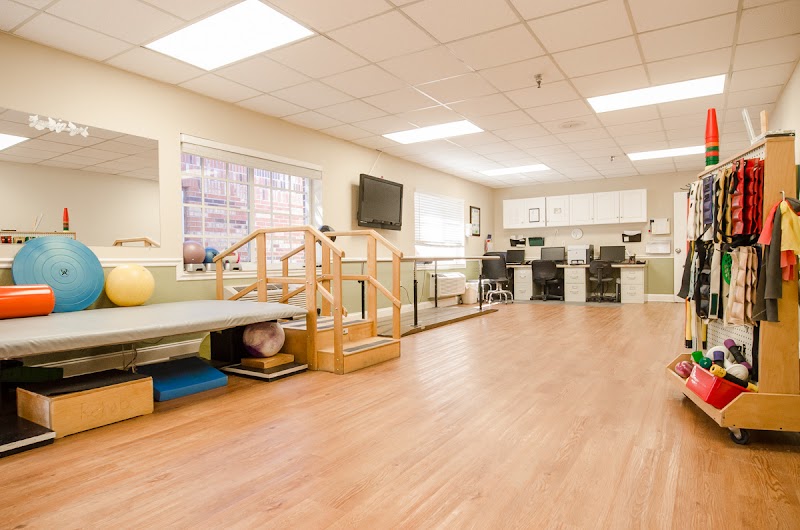
How is Anchor Care & Rehabilitation Center Staffed?

CMS rates ANCHOR CARE & REHABILITATION CENTER's staffing level at 3 out of 5 stars, which is average compared to other nursing homes. Staff turnover is 40%, compared to the Florida average of 46%. This relatively stable workforce can support continuity of care.

What Have Inspectors Found at Anchor Care & Rehabilitation Center?

State health inspectors documented 17 deficiencies at ANCHOR CARE & REHABILITATION CENTER during 2022 to 2025. These included: 2 Immediate Jeopardy (the most serious level, indicating potential for serious harm or death) and 15 with potential for harm. Immediate Jeopardy findings are rare and represent the most serious regulatory concerns. They require immediate corrective action.
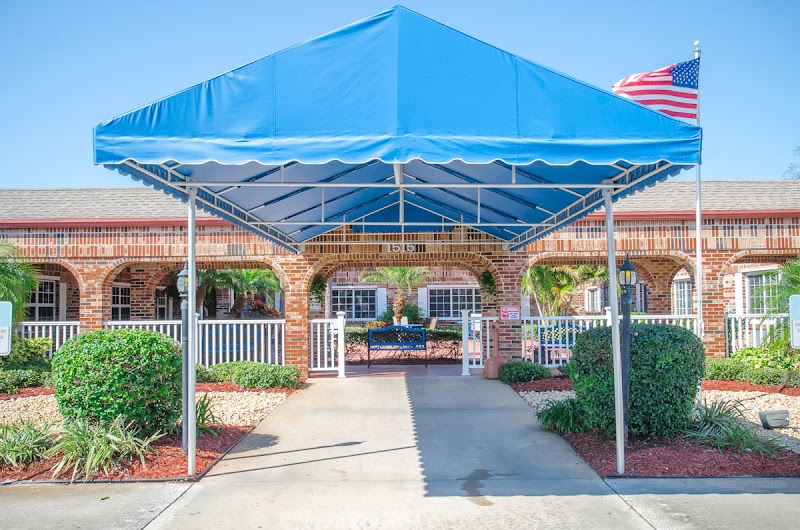
Who Owns and Operates Anchor Care & Rehabilitation Center?

ANCHOR CARE & REHABILITATION CENTER is owned by a for-profit company. For-profit facilities operate as businesses with obligations to shareholders or private owners. The facility is operated by SIMCHA HYMAN & NAFTALI ZANZIPER, a chain that manages multiple nursing homes. With 120 certified beds and approximately 110 residents (about 92% occupancy), it is a mid-sized facility located in PALM BAY, Florida.
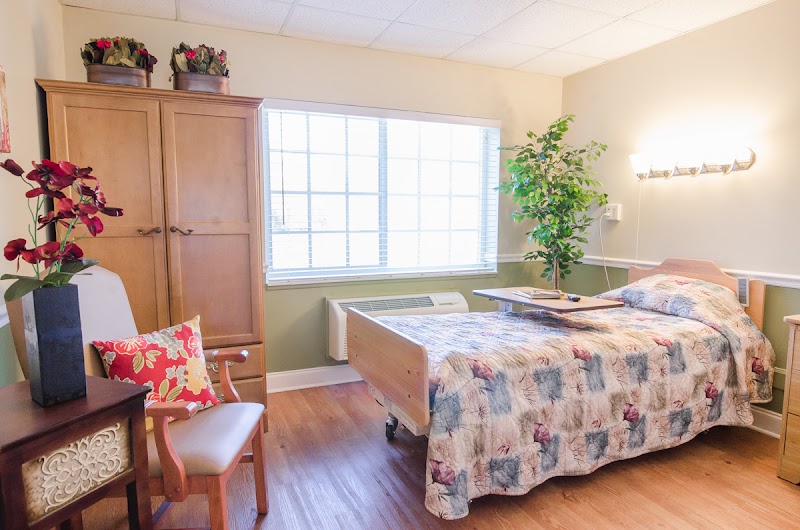
How Does Anchor Care & Rehabilitation Center Compare to Other Florida Nursing Homes?

Compared to the 100 nursing homes in Florida, ANCHOR CARE & REHABILITATION CENTER's overall rating (4 stars) is above the state average of 3.2, staff turnover (40%) is near the state average of 46%, and health inspection rating (4 stars) is above the national benchmark.

What Should Families Ask When Visiting Anchor Care & Rehabilitation Center?

Based on this facility's data, families visiting should ask: "What changes have been made since the serious inspection findings, and how are you preventing similar issues?" "Can I visit during a mealtime to observe dining assistance and food quality?" "How do you handle medical emergencies, and what is your hospital transfer rate?" "Can I speak with family members of current residents about their experience?" These questions are particularly relevant given the facility's Immediate Jeopardy citations.

Is Anchor Care & Rehabilitation Center Safe?

Based on CMS inspection data, ANCHOR CARE & REHABILITATION CENTER has documented safety concerns. Inspectors have issued 2 Immediate Jeopardy citations (the most serious violation level indicating risk of serious injury or death). The facility has a 4-star overall rating and ranks #1 of 100 nursing homes in Florida. Families considering this facility should ask detailed questions about what corrective actions have been taken since these incidents.

Do Nurses at Anchor Care & Rehabilitation Center Stick Around?

ANCHOR CARE & REHABILITATION CENTER has a staff turnover rate of 40%, which is about average for Florida nursing homes (state average: 46%). Moderate turnover is common in nursing homes, but families should still ask about staff tenure and how the facility maintains care continuity when employees leave.

Was Anchor Care & Rehabilitation Center Ever Fined?

ANCHOR CARE & REHABILITATION CENTER has been fined $14,852 across 2 penalty actions. This is below the Florida average of $33,227. While any fine indicates a compliance issue, fines under $50,000 are relatively common and typically reflect isolated problems that were subsequently corrected. Families should ask what specific issues led to these fines and confirm they've been resolved.

Is Anchor Care & Rehabilitation Center on Any Federal Watch List?

ANCHOR CARE & REHABILITATION CENTER is not on any federal watch list. The most significant is the Special Focus Facility (SFF) program, which identifies the bottom 1% of nursing homes nationally based on persistent, serious quality problems. Not being on this list means the facility has avoided the pattern of deficiencies that triggers enhanced federal oversight. This is a positive indicator, though families should still review the facility's inspection history directly.