AVIATA AT GRAND OAKS
3001 PALM COAST PARKWAY SE, PALM COAST, FL 32137 (386) 446-6060
For profit - Corporation 120 Beds AVIATA HEALTH GROUP Data: November 2025 2 Immediate Jeopardy citations
Trust Grade
39/100
#320 of 690 in FL
Last Inspection: May 2025

Inspected within the last 6 months. Data reflects current conditions.

Overview

Aviata at Grand Oaks has received a Trust Grade of F, which indicates significant concerns about its quality of care. Ranking #320 out of 690 facilities in Florida places it in the top half, while being #2 out of 2 in Flagler County suggests there is only one local option that is better. The facility is showing an improving trend, having reduced its issues from 7 in 2024 to just 2 in 2025. Staffing is a weakness, with a rating of 2 out of 5 stars and turnover at 44%, which is average but indicates some instability. Additionally, $15,646 in fines is typical for the state, yet there are serious concerns about RN coverage, which is less than 94% of other facilities, meaning residents may miss essential care. Specific incidents raise red flags, including a critical failure to provide CPR to a resident who had requested resuscitation, which ultimately led to their death. Another concern involved the facility not having a proper water management program to prevent Legionella, putting residents with weakened immune systems at risk. While there are strengths, such as a quality measure rating of 5 out of 5, families should carefully consider these serious weaknesses when researching this nursing home.

Trust Score
F
39/100
In Florida
#320/690
Top 46%
Safety Record
High Risk
Review needed
Inspections
Getting Better
7 → 2 violations
Staff Stability
○ Average
44% turnover. Near Florida's 48% average. Typical for the industry.
Penalties
⚠ Watch
$15,646 in fines. Higher than 76% of Florida facilities, suggesting repeated compliance issues.
Skilled Nurses
⚠ Watch
Each resident gets only 21 minutes of Registered Nurse (RN) attention daily — below average for Florida. Fewer RN minutes means fewer trained eyes watching for problems.
Violations
⚠ Watch
20 deficiencies on record. Higher than average. Multiple issues found across inspections.
★★★☆☆
3.0
Overall Rating
★★☆☆☆
2.0
Staff Levels
★★★★★
5.0
Care Quality
★★☆☆☆
2.0
Inspection Score
Stable
2024: 7 issues
2025: 2 issues

The Good

  • 5-Star Quality Measures · Strong clinical quality outcomes
  • Full Sprinkler Coverage · Fire safety systems throughout facility
  • No fines on record
  • Staff turnover below average (44%)

    4 points below Florida average of 48%

Facility shows strength in quality measures, fire safety.

The Bad

3-Star Overall Rating

Near Florida average (3.2)

Meets federal standards, typical of most facilities

Staff Turnover: 44%

Near Florida avg (46%)

Typical for the industry

Federal Fines: $15,646

Below median ($33,413)

Minor penalties assessed

Chain: AVIATA HEALTH GROUP

Part of a multi-facility chain

Ask about local staffing decisions and management

The Ugly 20 deficiencies on record

2 life-threatening
May 2025 2 deficiencies
CONCERN (E)

Potential for Harm - no one hurt, but risky conditions existed

Deficiency F0645 (Tag F0645)

Could have caused harm · This affected multiple residents

**NOTE- TERMS IN BRACKETS HAVE BEEN EDITED TO PROTECT CONFIDENTIALITY** Based on record review, interviews, and a review of facility policies and procedures, the facility failed to ensure that residen...

Read full inspector narrative →
**NOTE- TERMS IN BRACKETS HAVE BEEN EDITED TO PROTECT CONFIDENTIALITY** Based on record review, interviews, and a review of facility policies and procedures, the facility failed to ensure that residents with mental disorders were appropriately assessed on admission or as needed to determine the need for specialized services for four (Residents #21, #32, #89, and #42) of five residents reviewed for Preadmission Screening and Resident Review (PASRR). The findings include: 1. A review of the medical record revealed that Resident #21 was admitted to the facility on [DATE] with diagnoses including bipolar disorder and depression. A review of the quarterly minimum data set (MDS) assessment, with an assessment reference date (ARD) of 2/1/25, revealed that active psychiatric disorders were noted as depression and bipolar disorder. A review of the Level I PASRR dated 3/1/22, revealed that Section #1 was not completed to indicate the resident's diagnoses. (Copy obtained) 2. A review of the medical record revealed that Resident #32 was admitted to the facility on [DATE] with diagnoses including anxiety disorder, major depressive disorder, schizophrenia and dementia. A review of the quarterly MDS with an ARD of 4/11/25 revealed that the resident's active psychiatric disorders were noted as anxiety disorder, major depressive disorder, schizophrenia and dementia. A review of the resident's Level I PASRR, dated 8/6/15, revealed that it did not include the resident's diagnoses of schizophrenia, depressive disorder, or anxiety disorder. (Copy obtained) 3. A review of the medical record revealed that Resident #89 was admitted to the facility on [DATE] with diagnoses including schizophrenia and depression. A review of the resident's Level I PASRR, dated 3/13/25, revealed that it did not include the resident's diagnosis of schizophrenia. An interview was conducted on 5/6/25 at 10:43 a.m. with the social services director who stated PASRRs were reviewed upon admission to ensure availability and accuracy. She further stated they were discussed during the clinical meetings held each morning to ensure that the resident had a PASRR that was accurate based on the resident's diagnoses. She stated they made sure it was uploaded into the resident's electronic chart, and that if there was a change or additional information was obtained, then they determined whether or not a Level II PASRR was required. 3. A review of the medical record revealed that Resident #42 was admitted to the facility on [DATE] with diagnoses including, but not limited to, major depressive disorder, persistent mood disorder, anxiety disorder, psychosis and dementia. A review of the resident's active physician's orders revealed the following orders: Depakote 125 milligrams (mg), give 2 capsules two times a day (BID) for mood disorder (3/28/25). Trazadone 50 mg, give half a tablet for major depressive disorder (4/14/25). Alprazolam 0.25 mg for anxiety (4/25/25). A review of the resident's Level I PASRR, dated 2/5/24, revealed that Section I had the following diagnoses checked off: Depression and anxiety. Under Section II #3 b. Concentration, persistence and pace: The individual has serious difficulty in sustaining focused attention for a long enough period to permit the completion of tasks commonly found in work settings or in work-like structured activities occurring in school or home settings, manifests difficulties in concentration, inability to complete simple tasks within an established time period, makes frequent errors, or requires assistance in the completion of these tasks was marked Yes. Section IV of the PASRR screen completion indicated that the resident was admitted to the facility with serious mental illness. During a 5/7/25 interview with the Care Liaison at 3:54 p.m., he stated he had been employed by the facility for a year and half. He stated he reviewed the PASRRs upon residents' admissions to ensure that they did not trigger for a PASRR Level 2 and to ensure that all PASRRs were completed. If there were concerns with PASRRs, he notified the clinical team. He stated when a resident experienced a change while at the facility, the clinical team reviewed the PASRR and updated it accordingly. During a 5/7/25 interview with the Director of Nursing (DON) at 4:13 p.m., she stated PASRRs were reviewed the next business day following a resident's admission during the clinical meeting and as needed if a resident had a change in diagnoses or behaviors that might trigger a Level II PASRR. When asked if there was a protocol/process in place to review (and revise asneeded) current residents' PASRRs for accuracy, she replied that when she started working at the facility, the corporate team and the social worker reviewed the PASRRs for all residents in the facility. She was then asked to provide the PASRRs for the residents identified with concerns. On 5/8/25 at 10:17 a.m., the regional director of social services stated during her audit, she identified concerns with the PASRRs and was working out a process to review all PASRRs. She confirmed that the PASRRs for Residents #21,#32, #89 and #42 were inaccurate. A review of the facility's policy and procedure titled Preadmission Screening and Resident Review (PASRR) Document Name: SS-402 Revision Date: 11/08/2021 Original Date: 11/08/2021, revealed: Policy: The Center will assure that all Serious Mentally III (SMI) and Intellectually Disabled (ID) residents receive appropriate pre-admission screenings according to Federal/State guidelines. The purpose is to ensure that the residents with SMI or are ID receive the care and services they need in the most appropriate setting. Procedure: 1. It is the responsibility of the center to assess and assure that the appropriate preadmission screenings, either Level I or Level II, are conducted and results obtained prior to admission and placed in the appropriate section of the resident's medical record. 2. If an individual is declared exempt from a PASRR screening, the Center should make sure that appropriate documentation is on the chart upon admission. Individuals who are exempted from this assessment include: a. Those who are admitted after a release from an acute care hospital for a period not to exceed 30 days as part of a medically prescribed period of recovery. b. Those who are certified by a physician as to be terminally ill with a 6-month prognosis, and are not a danger to self or others. c.Those who are comatose, ventilator dependent, functions at significantly disabling Parkinson's Disease, Huntington's Disease, Amyotrophic Lateral Sclerosis, CHF or COPD. d.Those with a diagnosis of dementia or its related disorders with detailed documentation supporting this diagnosis. 3. There are no exceptions for Intellectually Disabled (ID) screenings. 4. If it is learned after admission that a PASRR Level II screening is indicated, it will be the responsibility of Social Services to coordinate and/or inform the appropriate agency to conduct the screening and obtain the results. 5. Results of the screening evaluation will be placed in the appropriate section of the individual's medical records and any recommendations for services will be followed. 6. Recommendations will be incorporated in the individual resident's plan of care and approaches/interventions developed to meet the identified needs of the individual. 7. Social Services will be responsible for coordinating significant change updates of these screenings, conducted by the appropriate agency. These results, along with the results from the previous years will be kept in the appropriate sections of the resident's records. .
CONCERN (F)

Potential for Harm - no one hurt, but risky conditions existed

Infection Control (Tag F0880)

Could have caused harm · This affected most or all residents

Based on interviews, record review, and a review of the facility's policies and procedures, the facility failed to implement a comprehensive water management program for the purpose of reducing the ri...

Read full inspector narrative →
Based on interviews, record review, and a review of the facility's policies and procedures, the facility failed to implement a comprehensive water management program for the purpose of reducing the risk of growth and spread of Legionella and other opportunistic pathogens in the facility's water system for its current census of 103 residents. Residents of nursing homes who may suffer from a weakened immune system, chronic lung disease, or other underlying medical conditions such as immunosuppression, are at risk for Legionnaires' Disease (type of pneumonia) if exposed to Legionella bacteria. Facilities must be able to demonstrate their measures to minimize the risk of Legionella and other opportunistic pathogens in building water systems such as by having a documented water management program that must be based on nationally accepted standards. The program must include an assessment to identify where Legionella and other opportunistic waterborne pathogens could grow and spread; measures to prevent the growth of opportunistic waterborne pathogens (control measures), and how to monitor them. The findings include: An interview was conducted on 5/07/25 at 2:39 p.m. with the Assistant Director of Nursing/Infection Preventionist (ADON/IP) who stated she had been in this position for ten (10) months. She further stated Maintenance was responsible for the facility's water management program. She provided a policy on Legionella along with education that was provided to the nursing department staff. An interview was conducted on 5/8/25 at 1:20 p.m. with Employee A, Regional Plant Operations. He stated the Legionella policy that the ADON/IP provided was only for the clinical side. He stated the Water Management policy was what was needed for the facility's Infection Control (IC). He was asked about the facility's measures to prevent the growth of Legionella and other opportunistic waterborne pathogens in the facility's water system, as well as a way to monitor the measures they had in place and established ways to intervene when control limits were not met. He stated there were no logs or measures. He stated they would test if there was a suspected concern. He then contacted Employee B by telephone (speaker), who he identified as the facility's Infection Control Plant Supervisor. Employee B immediately stated there was no requirement for the facility to test water temperatures. He stated there was nothing in the American Society of Heating and Air-Conditioning Engineers (ASHRAE) nationally accepted standards that stated it had to be done. He was asked for evidence that the facility was doing/monitoring what was outlined in their policy and procedure titled Water Management Program Document Name: S-314 effective 9/18/2018, Revision Date: 2/23/2020. He was asked how the facility monitored the measures they had in place and established ways to intervene when control limits were not met. Employee B confirmed there were no tests. He again stated this was not an ASHRAE requirement. Employee A also confirmed that there was no evidence of control measures i.e., visible inspections, disinfectants, temperature controls, etc. A review of the facility's policy and procedure titled Water Management Program Document Name: S-314 effective 9/18/2018, Revision Date: 2/23/2020, revealed the following: Procedures included: B.) Assess potential problems before they endanger the domestic water supply system through a preventive maintenance process (TELS). TELS preventive maintenance program consists of the following items designed to maintain the domestic water system: 1. Daily temperature checks for hot water in the resident care areas, kitchen, and laundry areas. 2. Routine preventive maintenance of all mixing values used to provide proper hot water temperature used within the facility. 3. Routine operational checks for all water circulation pumps used to provide water throughout the facility. 4. Routine preventive maintenance for cleaning of A/C drain lines and condensation pans to ensure they remain clean. 5. Routine maintenance on all roof drains including any pitch pans. 6. Routine maintenance on all facility installed drinking fountains. Fountains are to be disinfected daily by housekeeping services. 7. Routine maintenance of domestic in-line water filters, water softener systems, including ice machine filters. 8. Routine maintenance of any decorative water fountain, including proper chlorination of the water supply. 9. Routine maintenance of all wells supplying domestic water to a facility. 10. Routine maintenance of any facility that utilizes a cooling tower to generate HVAC within a facility. D.) Establish water safety control limits (ex. temperature and disinfectant levels) and where control limits should be applied. Develop responses and ways to intervene when measurements are outside the established limits. The following NSPIRE policies or protocols apply: a. Safety and Facilities Management Hot Water Temperature Policy b. Dietary Policy for disinfection of three-compartment sinks c. Housekeeping disinfection policy for water fountains d. Housekeeping policies for disinfecting shower rooms, including tubs and showers e. Testing of decorative water fountains for water chlorine levels as required f. Notifying management whenever any of the control limits fall outside the parameters of safe operating conditions. .
Jun 2024 2 deficiencies 2 IJ
CRITICAL (J) 📢 Someone Reported This

A family member, employee, or ombudsman was alarmed enough to file a formal complaint

Immediate Jeopardy (IJ) - the most serious Medicare violation

Deficiency F0578 (Tag F0578)

Someone could have died · This affected 1 resident

**NOTE- TERMS IN BRACKETS HAVE BEEN EDITED TO PROTECT CONFIDENTIALITY** Based on a review of resident records, facility reports, staff interviews, and the facility's policies and procedures titled Adv...

Read full inspector narrative →
**NOTE- TERMS IN BRACKETS HAVE BEEN EDITED TO PROTECT CONFIDENTIALITY** Based on a review of resident records, facility reports, staff interviews, and the facility's policies and procedures titled Advance Directives and Florida Cardiopulmonary Resuscitation (CPR), the facility failed to act in accordance with the resident's Advance Directives and his Full Code status (the desire to be resuscitated in the event of cardiac/respiratory arrest) after finding him unresponsive with no respirations. This affected one (Resident #1) of three residents reviewed for Advance Directives. The facility's failure to honor Resident #1's Advance Directives deprived him of potentially lifesaving measures. Resident #1 was not revived and expired in the facility. Immediate Jeopardy (IJ) at a scope of J (isolated) was identified at 1:34 p.m. on [DATE]. On [DATE], at 7:35 a.m., Immediate Jeopardy began. On [DATE], at 5:30 p.m., the Interim Administrator/Associate Regional [NAME] President of Operations (ARVPO) was notified of the IJ determination, IJ templates were provided, and Immediate Jeopardy was removed, effective [DATE]. The facility remained out of compliance, and after verification of the removal of immediate jeopardy, the scope and severity were reduced to D, no actual harm, with a potential for no more than minimal harm, due to the facility's nursing staff failing to provide cardiopulmonary resuscitation (CPR) to a resident with a CPR order. The findings include: Cross Reference F678 A closed record review for Resident #1 found he was admitted to the facility from an acute care hospital on [DATE] for short-term skilled care, with an expected discharge home with his spouse. He had diagnoses including acute systolic congestive heart failure (the left ventricle cannot contract normally), chronic respiratory failure with hypercapnia (the body has too much carbon dioxide in the blood and cannot rid itself of the excess), acute pulmonary edema (fluid buildup in the lungs making it difficult to breathe), chronic obstructive pulmonary disease (COPD, lung disease causing restricted airflow and breathing problems), and atherosclerotic heart disease of the native coronary artery without angina pectoris (a buildup of plaque on the inner walls of the heart arteries, causing narrowing and blocking blood flow, without chest pain). A review of the Death in Facility Minimum Data Set (MDS) assessment with a reference date of [DATE], revealed that Resident #1 expired on [DATE]. A review of the resident's medical record revealed physician's orders dated [DATE] for Full Code Status and a plan to discharge home. (Photographic evidence obtained) A review of the medical record's nursing progress notes revealed the following: On [DATE] at 10:04 a.m., Registered Nurse (RN) A/Weekend Supervisor (in training) charted that at approximately 7:35 a.m., a code (Code Blue - used to announce a resident is unresponsive) and 911 were called for Resident #1. RN A immediately responded and assessed the resident to be pulseless, apneic (involuntarily and temporarily stopped breathing), unresponsive, and cool to the touch. It was noted that CPR was performed for approximately 15 minutes. Code called by this RN. Calls placed to ADON (Assistant Director of Nursing) and DON (Director of Nursing). EMS (Emergency Medical Services) entered the building at approximately 8:15 a.m . at 8:20 a.m. as deceased (sentence incomplete). Call placed to wife. (Photographic evidence obtained) On [DATE] at 5:15 p.m., Licensed Practical Nurse (LPN) B noted that the CNA (Certified Nursing Assistant A) for Resident #1 entered his room and found the resident unresponsive. CNA A advised LPN B, who immediately checked the chart for a Do Not Resuscitate (DNR) status while the nurse on the 200 hall, LPN A, called the Code Blue and 911. The resident did not have a DNRO (do not resuscitate order). CPR was started and continued for five rounds, for approximately 15 minutes until 7:50 a.m. Patient's body was stiff and rigid. Cold to touch. Registered Nurse (RN) on duty notified the ADON and Administrator. Re-started CPR at 7:54 AM. EMS re-called; patient pronounced deceased 8:20 a.m. (Photographic evidence obtained) A review of a facility report generated by the Nursing Home Administrator (NHA) on [DATE] at 6:48 p.m. alleging neglect, declared that on [DATE] at approximately 7:35 a.m., Resident #1 was observed by CNA A to be unresponsive. CNA A notified LPN B, who immediately retrieved Resident #1's medical record and discovered the resident was a Full Code. LPN A verified the Full Code status, paged Code Blue on the overhead speaker and notified 911. LPN B went to the room and RN A arrived with the crash cart. RN A assessed the resident as cool to the touch, pulseless, and apneic. His digits were blue. CPR was immediately initiated and performed for approximately five rounds/15 minutes. RN A then stopped CPR to notify the NHA of the incident but was instructed to continue CPR. The CPR was stopped for approximately 3-4 minutes, then resumed. EMS (emergency medical services) arrived at the facility and placed leads on the resident, who was found to be without a pulse. EMS pronounced the resident deceased at 8:20 a.m. An update to the report on [DATE] at 9:56 p.m. revealed that from [DATE] to [DATE] between the hours of 11:00 p.m. and 6:00 a.m., CNA B stated Resident #1 was seen at 11:00 p.m., then called for assistance at 12:30 a.m. and again at 3:00 a.m. At 6:00 a.m., the resident was noted to be sleeping in his bed. On [DATE] at 5:00 a.m., LPN F stated I was in there often throughout the night. He kept taking his CPAP off. His O2 (oxygen) sat (saturation) was 92-96%, but he kept taking it off, and I kept redirecting him. At 5:00 a.m., I gave him meds (medications) and he was fine. He wasn't wearing the mask, but he was awake. (Photographic evidence obtained) As part of the facility's investigation, written statements from licensed staff on duty the morning of [DATE] were obtained. A review of the statements revealed the following: CNA A noted that she started passing drinks at 7:30 a.m. in room [ROOM NUMBER]. When she got to [Resident #1's] room, she tapped his foot, called his name and shook his arm, but got no response. She told LPN B he was not responding. By the time she got back to the room, RN A entered. CNA A waited outside until ordered by RN A to start post-mortem (after death) care. RN A noted that Resident #1 was pulseless, apneic, unresponsive, and cool to touch. CPR was performed for approximately 15 minutes. RN A called the code, and the ADON and DON were called immediately. EMS entered the building at approximately 8:15 a.m. and pronounced the patient deceased at 8:20 a.m. In a second written statement by RN A, also on [DATE], she added that Resident #1 was apneic, pulseless, cool to the touch, and with blue lips, fingers, toes and ears. CPR was performed per protocol and despite the RN's assessment, for approximately 15 minutes. Resident #1's oxygen was running but the nasal cannula was not on his face. RN A pronounced the resident deceased secondary to no life response. She turned EMS away the first time they arrived, as she was unaware that she was not permitted per facility protocol to pronounce a resident deceased . She dispatched EMS again, and they returned at 8:15 a.m. EMS assessed the resident as deceased and pronounced his death at 8:20 a.m. In a second written statement on this day by RN A, she added that she conducted CPR for 15 minutes, then pronounced the resident's death. LPN B wrote that CNA A advised her that Resident #1 was unresponsive. LPN B checked the chart while LPN A called 911. The resident did not have a Do Not Resuscitate Order (DNRO). CPR was started for five rounds for approximately 15 minutes until 7:50 a.m. The resident's body was stiff and cold to the touch. RN A notified the ADON and NHA. CPR was restarted at 7:54 a.m. EMS was called and pronounced the resident's death at 8:20 a.m. LPN A wrote that while passing medication on the 200 hall, the 500 hall nurse told her a CNA advised that the Resident #1 was expired. She immediately ran to check the chart for the resident's code status, then called 911. While on the phone with 911, the nurse supervisor (RN A) came and told her she had it handled. LPN D wrote that when she responded to the hall for the Code Blue call, the RN supervisor told her she was not needed. LPN C noted that she heard the overhead page and ran to check the resident's chart, but they were already checking. Then the nurse supervisor stated they had it handled. The NHA noted that she called the county's Emergency Medical Services to request reports. She was advised that they were dispatched at 7:50 a.m. for CPR in progress but were made aware that the resident had rigor and the nurse had called it, so they left. They were called back 15 minutes later as CPR had been resumed, since they (the nurse) were unable to pronounce the resident's death. When EMS arrived, they placed two leads on the resident and pronounced him deceased at 8:20 a.m. LPN E wrote that she heard the Code Blue announced and walked toward 500 East. Her partner nurse was coming back and said, they don't need us. She then noticed the 911 truck and went to see what happened. The RN supervisor (RN A) was walking out of the room and told East Wing staff to cancel 911, he is already cold. (Photographic evidence of all statements obtained) On [DATE], additional statements from follow-up interviews were noted by the ADON and revealed the following: RN A explained that her new employee orientation Friday ([DATE]) was fast because the facility needed her. She got no training, just a stack of papers to sign, and then was sent with LPN A to shadow her on the medication cart. On Sunday ([DATE]), she heard the Code Blue called and responded, finding Resident #1 lifeless. She sent responding nurses away because there was nothing to code. No one wanted to take charge, and everyone was looking at her for what to do. She did the best she knew how to do. RN A said she had pronounced bodies 100 times. After turning EMS away, the other nurses told her she shouldn't have done that. RN A asked why not, pointing out the fact that the resident was expired. RN A left the room and texted the NHA, DON and ADON. When they arrived, everyone started taking statements. LPN B told RN A the NHA said they had to lie and say they did CPR, or they could lose their licenses. CPR was never done, not once. RN A said, I wouldn't do that to a dead body; you wouldn't want that done to your loved one. LPN B admitted everything she said in her previous statement was true but added that she was told by the NHA to say they did CPR, or she would lose her license. LPN B admitted they never performed CPR, as the resident had been dead for a long time. RN A pronounced his death and said it would be defiling a body to do CPR. LPN B wrote that EMS said the resident had to have been dead for two to three hours. RN A pronounced his death at around 7:48 a.m. LPN D explained that she was the 400 hall nurse and responded to the Code Blue overhead page. She went to the resident's room and RN A reported the patient died, nothing could be done, and LPN D wasn't needed. LPN D asked, Don't we have to do CPR? RN A advised, He's been dead for a while and there's nothing we can do. I pronounced him. LPN D returned to her unit. CNA C stated she heard the Code Blue and responded. There were five CNAs outside of the resident's door and two nurses were in the room; one was the RN supervisor (RN A). CNA C asked, Are we doing anything? No one responded. The RN supervisor came out of the room and said there was nothing they could do; he'd been gone too long. (Photographic evidence of all statements obtained) On [DATE], the Regional [NAME] President of Operations (RVPO) generated a follow-up facility report that included an analysis of the event and detailed the findings of the facility's investigation. In the summary of interviews conducted, the newly identified discrepancies from the original witness statements were noted. They were summarized as follows: LPN B now stated that on [DATE] at 7:30 a.m., after responding to the resident's room, the RN on duty was in the room and said the resident was expired, had been dead, and there was nothing to code. LPN B told the RN the resident was a full code. The RN said, There is nothing to code.; that (performing CPR) would be defiling a body. The RN directed the CNAs to start post-mortem care and stated she would notify everyone and had it handled. RN A heard a Code Blue called and ran to the resident's room. The resident's oxygen tubing was on the floor with the oxygen concentrator running. The resident was lying supine (on his back) with no pulse, no respirations, no response, stiff, cold to touch, lips, ears, fingers and feet were all blue. RN A applied a stethoscope for apical pulse; none was noted for one minute and still no respirations. RN A stayed in the room until EMS arrived for the first code. She stopped them to report the resident was deceased . Nurses were responding to the room, but RN A sent them away because there was nothing to code. CPR was never done, not once. (Photographic evidence of both statements obtained) The report's conclusion was that as a result of the investigation which had been conducted by the Regional Nurse Consultant (RNC), the allegation of neglect was substantiated. (Photographic evidence obtained) A review of the facility's policy and procedure for Advanced Directives (document SS-124, effective [DATE] and revised [DATE]) revealed: Policy: The center will abide by state and federal laws regarding Advance Directives. The center will honor all properly executed Advance Directives that have been provided by the resident and/or resident representative. Process: 1. Upon admission, Social Service Director or Business Development Coordinator/designee will: a) Communicate to resident and/or resident representative his or her right to make choices concerning health care and treatments, including life sustaining treatments. 4. Upon completion of the Advanced Directives Discussion Document, Social Services or nurse will notify the Physician of the resident ' s wishes and procure a state approved Do Not Resuscitate Order, if necessary. Notification will be documented in the medical record. 5. Advanced Directives will be reviewed: - Quarterly - Hospice Admission - Additional times as needed or requested by the resident/resident representative. Reviews are designed to: · Identify and clarify the content and intent of the existing care instructions, and whether the resident wishes to change or continue these instructions. · Identify situations where health care decision-making is needed. · Review the resident ' s condition, mental capacity to make health care decisions, and existing choices and continue or modify approaches. · Any changes to Advanced Directives will require a new Advanced Directives Discussion Document to be completed and placed in the medical record. The previous document to be filed in the thinned record. (Photographic evidence obtained) The facility's policy and procedure titled Florida Cardiopulmonary Resuscitation (CPR) (document N-301 effective [DATE], revised [DATE]) revealed: Policy: Cardiopulmonary Resuscitation (CPR) will be provided to all residents who are identified to be in cardiac arrest unless such resident has a fully executed Florida Do Not Resuscitate (DNR) order. Procedure: 1. In the event of cardiac arrest, immediately call for assistance. 4. In the absence of a fully executed Florida Do Not Resuscitate order (DH1896), the facility will immediately begin CPR. 5. Center staff will continue performing CPR until Emergency Medical Technicians assume responsibility for CPR, or it may be discontinued if: - The resident responds. (Photographic evidence obtained) An interview was conducted with the Director of Nursing (DON) on [DATE] at 3:05 p.m. She advised that she was not present the day of the event but said RN A was supposed to be in orientation. She chose to take herself off orientation and help out on the floor. Company policy when finding a resident unresponsive is to check the code status, call Code Blue, and perform CPR (if full code) until EMS arrives, even if there are apparent signs of death. EMS will put the leads on and make that call. Nurses are not allowed to pronounce residents' deaths. An interview with CNA A on [DATE] at 7:10 a.m., revealed that on [DATE], she was assigned to rooms 504 to 509 and began her shift with passing drinks. At approximately 7:30 a.m., upon arriving at room [ROOM NUMBER], she greeted Resident #1, but there was no response. He appeared to be sleeping, but when she lifted his hand it just dropped, and he felt cold. She alerted CNA D, who confirmed Resident #1 appeared deceased , and together they notified LPN B. When CNA A, CNA D, and LPN B arrived back at Resident #1's room, RN A was already there. LPN B announced that the resident was a full code, however RN A refused to perform CPR and ordered CNA A and CNA D to start post-mortem care. EMS was seen outside the door but was leaving without entering the room. While providing post-mortem care, RN A announced, CPR should've been performed and EMS allowed in. She then stood over Resident #1 and performed pretend CPR with hand movements over his body. EMS returned and were informed by the nursing staff that CPR was performed for three minutes, however, CPR was never performed. Later, CNA A reported she was approached by LPN B, who stated they needed to keep their stories straight, and say CPR was performed for three minutes. The NHA was interviewed on [DATE] at 11:25 a.m. She recalled being asleep that Sunday morning when RN A called her to report finding Resident #1 deceased . The NHA asked if the resident was a full code. When told, yes, she instructed RN A go start CPR now. When she arrived at the facility, she approached LPN B, the resident's assigned nurse, and asked what happened. LPN B did not respond. LPN B then said RN A stopped it. The NHA asked, What do you mean? This is your patient, right? LPN B then said the resident was deceased ; that she ran in and started CPR, then RN A called it and called the NHA. RN A went back into the room and re-started CPR. The NHA thought to herself, Ok, well at least CPR was done. The NHA started writing her facility report while the ADON interviewed staff, including LPN B and RN A. Those statements were all she had to write in the first report. Corporate then asked for the statements to be amended to include Resident #1 being cold, blue and rigorous when found. The following Monday ([DATE]), the ADON came to her and said the timeline wasn't adding up; that her gut was telling her the nurses were not telling the truth about starting CPR. The Regional Nurse Consultant (RNC) came in the next day and took over the investigation. The NHA never spoke with anyone else after that. On Wednesday, the RNC told her CPR was not, in fact, started. The NHA responded, What the f*** are you talking about? The RNC explained the CNA came forward and admitted LPN B had called them all together and told them they needed to have a plan and come up with a statement before the NHA and the ADON got to the facility. Then, LPN B and RN A stood over the body and pretended to perform CPR. LPN B then blamed the NHA for saying they had to come up with the false statement. That did not happen! The NHA explained that she thought, after reminding LPN B that Resident #1 was her resident and her responsibility, LPN B may have panicked and told this whole story about starting CPR. CNA A was the only one who told the truth about LPN B saying, We've got to come up with a statement, make up a story. I worked hard for that license. The RNC was interviewed on [DATE] at 12:00 p.m. After reiterating the findings in the facility reports as above, he stated the only thing they knew for sure was that CPR was not started. He called it a series of unfortunate events. The Medical Director (MD) was interviewed on [DATE] at 2:10 p.m. He said the NHA advised him of the situation on the day of the event. There was now a question about whether the CPR was performed. Resident #1 was diagnosed with COPD and CHF. His chances of recovery were minimal, but he was a full code. CPR should have been initiated. The nurse acted on her own. The MD stated a nurse like this could damage a building for years. It was a mistake by this nurse that affected the whole building. He said, This is a setback. It is so sad. On [DATE] at 2:13 p.m., an interview with CNA D revealed that on [DATE], she was approached by CNA A regarding Resident #1. She went with CNA A to room [ROOM NUMBER] where she agreed that Resident #1 appeared deceased , and she notified LPN B. Upon returning to the room, RN A was already there, turning staff away telling them that he was gone already and she was calling it. LPN A, LPN C, LPN E and RN A began arguing back and forth because the resident was a full code. No one initiated CPR. RN A initiated not real CPR while LPN A, LPN B, LPN C and LPN E stood watching at the door. CNA D again stated, CPR was never initiated for [Resident #1]. When the Administrator arrived, she was pressuring CNA D for a statement while the ADON tried to come up with a story to cover things up. LPN C was interviewed on [DATE] at 3:09 p.m. She stated when she responded to the Code Blue call for Resident #1, the supervisor lady (RN A) was in the room with her phone in hand. Lots of people were at the door. The supervisor (RN A) said, Don't worry about it, we got it. An interview conducted on [DATE] at approximately 3:15 p.m. with CNA C revealed that on [DATE], she responded to a Code Blue call for room [ROOM NUMBER]. Upon arrival, she observed multiple nurses and CNAs in the room, but nothing was being done. CNA C asked if anyone was going to do anything because the resident was a full code, but she was informed by RN A that there was nothing they could do. EMS showed up but got turned away by RN A before seeing Resident #1. LPN G was interviewed on [DATE] at 3:25 p.m. She stated the facility protocol when finding anyone unresponsive was to first check the resident's chart to see if a DNRO was in place. Two nurses must verify the code status for anyone discovered with cardiac/respiratory arrest. If the resident was a full code, staff were to start chest compressions. Someone grabbed the crash cart and called 911. Even in the presence of obvious signs of death, CPR was to be initiated. CPR could never be stopped until medics or a doctor arrived. She was not, as a nurse, permitted to pronounce anyone's death. RN B/Unit Manager was interviewed on [DATE] at 3:32 p.m. The facility policy if a resident codes is to get help. Two nurses check the chart and if a full code, someone calls 911, and someone gets the crash cart. Don't stop CPR until paramedics get there and take over or pronounce. You are absolutely not allowed to pronounce a resident death as a nurse. Even with obvious signs of death, if the resident is a full code, CPR is started. During the survey, the facility volunteered its Quality Assurance Performance Improvement (QAPI) plan and Performance Improvement Plan (PIP) developed in response to the incident. The plan was reviewed with the RVPO, ARVPO, DON and RNC on [DATE] at 4:30 p.m. The DON explained that the QAPI committee met monthly and included the Medical Director and all department heads. Departmental surveillance and data were used to identify trends that might need improvement plans. Floor staff, resident grievances and resident council meetings were also used to identify concerns. Once identified, concerns were delegated to appropriate departments and a performance improvement plan (PIP) was developed. Depending on the issue, the situation was monitored until compliance was achieved, preferably total compliance. The RNC contributed, explaining that following the incident, an Ad Hoc QAPI meeting was conducted on [DATE] and the PIP was developed. The data was gathered, and a root cause analysis was determined. Initially, the root cause analysis focused on a lack of orientation training for RN A, the new supervisor. This was the primary focus. RN A was oriented on Friday and was supposed to be orienting that Sunday but ran off on her own. That is where they felt maybe they could have done something differently. In response, all resident code statuses were checked and found to be accurate. The initiation of the Code Blue response the day of the incident was also deemed correct. But then, the false information presented and forced a revisit. Another Ad Hoc QAPI meeting was conducted on [DATE] with the discovery of false information. False documentation was also identified. A separate plan was developed to focus on ethics and compliance; how to now address unethical behavior and staff response. Being the only RN in the building on the day of the event, staff felt it would be insubordination to reject her directives. They were re-educated on that. Staff were trained on Advance Directives (AD), and they made sure all licensed staff were aware of what that meant, as well as the situations during which Advance Directives should be honored. Staff were trained in the facility's CPR policy, including when to start CPR. An audit of CPR certifications for nurses was performed and now all nurses were American Heart Association (AHA) certified. Abuse and neglect training was provided building wide. Scheduled deviations were covered too, since RN A had effectively removed herself from facility orientation. The ARVPO added the focus was currently on policing themselves and resulted in another root cause analysis and evaluation of processes. The second QAPI was conducted about the corporate compliance program with a focus on staff notification (of non-compliance) and filing concerns without fear of retaliation. It also included what to do if someone asked a staff member to do something unethical. Code blue drills were still being conducted with all licensed staff participating. Staff had been retrained, or received the information packet, on Code Blue response and drills. There was a QAPI meeting scheduled for tomorrow ([DATE]), and the PIP would be re-evaluated. Weekly Advance Directive audits were being conducted, and the facility would continue reviewing nurses' CPR status and licensure. This was all added to the orientation process. Classroom training for new nurses would be audited to ensure completion. CPR tests were provided to validate the nurses' understanding of policies with 100% of nurses passing. On [DATE] at 1:03 p.m., LPN B was interviewed and explained that on the day of the event, RN A was training with her. The CNA came and told her that Resident #1 was deceased and stiff. One nurse called the Code Blue, and someone called EMS. LPN B went to the room after RN A ran in. The resident was in full 100% rigor, stiff as a board, and had been dead for a while. RN A decided there was nothing they could do. Nothing would have brought him back; they would have broken all the bones in his body (had they initiated CPR). It was too late. LPN B admitted they did not perform CPR. She told RN A that facility protocol was to provide CPR. RN A called the NHA who instructed her to call medics and get back in the room and perform CPR. It had been 30 minutes since they had discovered the body at this point. The NHA was more concerned about what was going to happen to the facility and wanted RN A to lie. When the NHA arrived at the facility that day, she told LPN B, You know, this could affect your license. She threatened LPN B that she would lose her nursing license. The NHA insinuated that they had to lie and was asking pointed questions such as, This happened, right? LPN B said she felt cornered and threatened, as though she had no choice but to do what the NHA wanted her to do. Then the NHA would not let LPN B leave until she went over her documentation to make sure it included everything the NHA wanted it to include. She stated again that no one ever started CPR. The resident was in full rigor. When EMS came back, they said he had been dead for at least three hours. LPN B told the truth when she talked to the RNC. She stated, Was it wrong for me to document what I did? Yes, it was. LPN B concluded, saying she was afraid not to follow the NHA's instructions. The ADON was interviewed on [DATE] at 2:25 p.m. She recalled being in bed the morning of the event and receiving a message from RN A. RN A reported finding Resident #1 and pronouncing his death. The ADON and NHA arrived at the facility around 9:00 a.m. and interviewed LPN B. LPN B was initially vague about what happened, then the NHA said, This is your resident, he was your responsibility, you need to explain what happened. LPN B then said after CNA A found Resident #1 deceased , RN A went to the room. LPN B went for the chart and LPN A paged the Code Blue. LPN B said they then performed the required five rounds/15 minutes of CPR on Resident #1. The ADON had never heard of this required 5 rounds of CPR, but LPN B repeated this several times. LPN B said due to obvious signs of death, RN A pronounced the resident. RN A called the NHA and was advised to resume CPR, so she returned to the room. They reportedly resumed compressions until paramedics arrived. The ADON and NHA interviewed RN A, who told the same story about the required five rounds/15 minutes of CPR before pronouncing Resident #1's death. After going home that evening and thinking about the timelines more closely, the ADON realized they did not line up. The CNA's testimony did not line up with 15 rounds of CPR being performed and the time the phone call came from RN A that she had pronounced the resident's death. There was no way five rounds could have been performed. On Monday ([DATE]), the ADON reported this to the NHA, and they called corporate and reported their suspicion that CPR had not been performed. The RNC arrived on Tuesday to take over the investigation. Upon speaking with the CNA, she admitted CPR was not performed. Instead, the nurses stood over the body arguing. LPN B and RN A eventually admitted this too in subsequent interviews. RN A was interviewed on [DATE] at 3:45 p.m. She said this was the first time she had experienced anything like this. Her background was in hospitals, home health and acute care settings, and she had been a nurse for 29 years. RN A said she was hired as a nursing supervisor and oriented with LPN A on a medication cart on Friday ([DATE]). They had 20 residents and she had never experienced that. A lot of the residents required a lot of care but did not get it because there were not enough staff. She felt unsafe right away. The second day she came in there were not enough nurses. She and an LPN had 60 residents and they were on the medication cart. She was given no administrative orientation. She did not know anyone's name, role, or facility guidelines. RN A did what she did in the hospital or would have done at home that day. She did what she was trained to do. She was the highest licensed position[TRUNCATED]
CRITICAL (J) 📢 Someone Reported This

A family member, employee, or ombudsman was alarmed enough to file a formal complaint

Immediate Jeopardy (IJ) - the most serious Medicare violation

Deficiency F0678 (Tag F0678)

Someone could have died · This affected 1 resident

**NOTE- TERMS IN BRACKETS HAVE BEEN EDITED TO PROTECT CONFIDENTIALITY** Based on a review of resident records, facility reports, staff interviews, and the facility's policy and procedure titled Florid...

Read full inspector narrative →
**NOTE- TERMS IN BRACKETS HAVE BEEN EDITED TO PROTECT CONFIDENTIALITY** Based on a review of resident records, facility reports, staff interviews, and the facility's policy and procedure titled Florida Cardiopulmonary Resuscitation (CPR), the facility failed to provide CPR for one resident who was a Full Code status (the desire to be resuscitated in the event of cardiac/respiratory arrest) after finding him unresponsive with no respirations. This affected one (Resident #1) of three residents reviewed for Advance Directives. The facility's failure to provide CPR according to Resident #1's Advance Directives deprived him of potentially lifesaving measures. Resident #1 was not revived and expired in the facility. Immediate Jeopardy (IJ) at a scope of J (isolated) was identified at 1:34 p.m. on [DATE]. On [DATE], at 7:35 a.m., Immediate Jeopardy began. On [DATE], at 5:30 p.m., the Interim Administrator/Associate Regional [NAME] President of Operations (ARVPO) was notified of the IJ determination, IJ templates were provided, and Immediate Jeopardy was removed, effective [DATE]. The facility remained out of compliance, and after verification of the removal of immediate jeopardy, the scope and severity were reduced to D, no actual harm, with a potential for no more than minimal harm, due to the facility's nursing staff failing to provide cardiopulmonary resuscitation (CPR) to a resident with a CPR order. The findings include: Cross Reference F578 A closed record review for Resident #1 found he was admitted to the facility from an acute care hospital on [DATE] for short-term skilled care, with an expected discharge home with his spouse. He had diagnoses including acute systolic congestive heart failure (the left ventricle cannot contract normally), chronic respiratory failure with hypercapnia (the body has too much carbon dioxide in the blood and cannot rid itself of the excess), acute pulmonary edema (fluid buildup in the lungs making it difficult to breathe), chronic obstructive pulmonary disease (COPD, lung disease causing restricted airflow and breathing problems), and atherosclerotic heart disease of the native coronary artery without angina pectoris (a buildup of plaque on the inner walls of the heart arteries, causing narrowing and blocking blood flow, without chest pain). A review of the Death in Facility Minimum Data Set (MDS) assessment with a reference date of [DATE], revealed that Resident #1 expired on [DATE]. A review of the resident's medical record revealed physician's orders dated [DATE] for Full Code Status and a plan to discharge home. (Photographic evidence obtained) A review of the medical record's nursing progress notes revealed the following: On [DATE] at 10:04 a.m., Registered Nurse (RN) A/Weekend Supervisor (in training) charted that at approximately 7:35 a.m., a code (Code Blue - used to announce a resident is unresponsive) and 911 were called for Resident #1. RN A immediately responded and assessed the resident to be pulseless, apneic (involuntarily and temporarily stopped breathing), unresponsive, and cool to the touch. It was noted that CPR was performed for approximately 15 minutes. Code called by this RN. Calls placed to ADON (Assistant Director of Nursing) and DON (Director of Nursing). EMS (Emergency Medical Services) entered the building at approximately 8:15 a.m . at 8:20 a.m. as deceased (sentence incomplete). Call placed to wife. (Photographic evidence obtained) On [DATE] at 5:15 p.m., Licensed Practical Nurse (LPN) B noted that the CNA (Certified Nursing Assistant A) for Resident #1 entered his room and found the resident unresponsive. CNA A advised LPN B, who immediately checked the chart for a Do Not Resuscitate (DNR) status while the nurse on the 200 hall, LPN A, called the Code Blue and 911. The resident did not have a DNRO (do not resuscitate order). CPR was started and continued for five rounds, for approximately 15 minutes until 7:50 a.m. Patient's body was stiff and rigid. Cold to touch. Registered Nurse (RN) on duty notified the ADON and Administrator. Re-started CPR at 7:54 AM. EMS re-called; patient pronounced deceased 8:20 a.m. (Photographic evidence obtained) A review of a facility report generated by the Nursing Home Administrator (NHA) on [DATE] at 6:48 p.m. alleging neglect, declared that on [DATE] at approximately 7:35 a.m., Resident #1 was observed by CNA A to be unresponsive. CNA A notified LPN B, who immediately retrieved Resident #1's medical record and discovered the resident was a Full Code. LPN A verified the Full Code status, paged Code Blue on the overhead speaker and notified 911. LPN B went to the room and RN A arrived with the crash cart. RN A assessed the resident as cool to the touch, pulseless, and apneic. His digits were blue. CPR was immediately initiated and performed for approximately five rounds/15 minutes. RN A then stopped CPR to notify the NHA of the incident but was instructed to continue CPR. The CPR was stopped for approximately 3-4 minutes, then resumed. EMS (emergency medical services) arrived at the facility and placed leads on the resident, who was found to be without a pulse. EMS pronounced the resident deceased at 8:20 a.m. An update to the report on [DATE] at 9:56 p.m. revealed that from [DATE] to [DATE] between the hours of 11:00 p.m. and 6:00 a.m., CNA B stated Resident #1 was seen at 11:00 p.m., then called for assistance at 12:30 a.m. and again at 3:00 a.m. At 6:00 a.m., the resident was noted to be sleeping in his bed. On [DATE] at 5:00 a.m., LPN F stated I was in there often throughout the night. He kept taking his CPAP off. His O2 (oxygen) sat (saturation) was 92-96%, but he kept taking it off, and I kept redirecting him. At 5:00 a.m., I gave him meds (medications) and he was fine. He wasn't wearing the mask, but he was awake. (Photographic evidence obtained) As part of the facility's investigation, written statements from licensed staff on duty the morning of [DATE] were obtained. A review of the statements revealed the following: CNA A noted that she started passing drinks at 7:30 a.m. in room [ROOM NUMBER]. When she got to [Resident #1's] room, she tapped his foot, called his name and shook his arm, but got no response. She told LPN B he was not responding. By the time she got back to the room, RN A entered. CNA A waited outside until ordered by RN A to start post-mortem (after death) care. RN A noted that Resident #1 was pulseless, apneic, unresponsive, and cool to touch. CPR was performed for approximately 15 minutes. RN A called the code, and the ADON and DON were called immediately. EMS entered the building at approximately 8:15 a.m. and pronounced the patient deceased at 8:20 a.m. In a second written statement by RN A, also on [DATE], she added that Resident #1 was apneic, pulseless, cool to the touch, and with blue lips, fingers, toes and ears. CPR was performed per protocol and despite the RN's assessment, for approximately 15 minutes. Resident #1's oxygen was running but the nasal cannula was not on his face. RN A pronounced the resident deceased secondary to no life response. She turned EMS away the first time they arrived, as she was unaware that she was not permitted per facility protocol to pronounce a resident deceased . She dispatched EMS again, and they returned at 8:15 a.m. EMS assessed the resident as deceased and pronounced his death at 8:20 a.m. In a second written statement on this day by RN A, she added that she conducted CPR for 15 minutes, then pronounced the resident's death. LPN B wrote that CNA A advised her that Resident #1 was unresponsive. LPN B checked the chart while LPN A called 911. The resident did not have a Do Not Resuscitate Order (DNRO). CPR was started for five rounds for approximately 15 minutes until 7:50 a.m. The resident's body was stiff and cold to the touch. RN A notified the ADON and NHA. CPR was restarted at 7:54 a.m. EMS was called and pronounced the resident's death at 8:20 a.m. LPN A wrote that while passing medication on the 200 hall, the 500 hall nurse told her a CNA advised that Resident #1 was expired. She immediately ran to check the chart for the resident's code status, then called 911. While on the phone with 911, the nurse supervisor (RN A) came and told her she had it handled. LPN D wrote that when she responded to the hall for the Code Blue call, the RN supervisor told her she was not needed. LPN C noted that she heard the overhead page and ran to check the resident's chart, but they were already checking. Then the nurse supervisor stated they had it handled. The NHA noted that she called the county's Emergency Medical Services to request reports. She was advised that they were dispatched at 7:50 a.m. for CPR in progress but were made aware that the resident had rigor and the nurse had called it, so they left. They were called back 15 minutes later as CPR had been resumed, since they (the nurse) were unable to pronounce the resident's death. When EMS arrived, they placed two leads on the resident and pronounced him deceased at 8:20 a.m. LPN E wrote that she heard the Code Blue announced and walked toward 500 East. Her partner nurse was coming back and said, they don't need us. She then noticed the 911 truck and went to see what happened. The RN supervisor (RN A) was walking out of the room and told East Wing staff to cancel 911, he is already cold. (Photographic evidence of all statements obtained) On [DATE], additional statements from follow-up interviews were noted by the ADON and revealed the following: RN A explained that her new employee orientation Friday ([DATE]) was fast because the facility needed her. She got no training, just a stack of papers to sign, and then was sent with LPN A to shadow her on the medication cart. On Sunday ([DATE]), she heard the Code Blue called and responded, finding Resident #1 lifeless. She sent responding nurses away because there was nothing to code. No one wanted to take charge, and everyone was looking at her for what to do. She did the best she knew how to do. RN A said she had pronounced bodies 100 times. After turning EMS away, the other nurses told her she shouldn't have done that. RN A asked why not, pointing out the fact that the resident was expired. RN A left the room and texted the NHA, DON and ADON. When they arrived, everyone started taking statements. LPN B told RN A the NHA said they had to lie and say they did CPR, or they could lose their licenses. CPR was never done, not once. RN A said, I wouldn't do that to a dead body; you wouldn't want that done to your loved one. LPN B admitted everything she said in her previous statement was true but added that she was told by the NHA to say they did CPR, or she would lose her license. LPN B admitted they never performed CPR, as the resident had been dead for a long time. RN A pronounced his death and said it would be defiling a body to do CPR. LPN B wrote that EMS said the resident had to have been dead for two to three hours. RN A pronounced his death at around 7:48 a.m. LPN D explained that she was the 400 hall nurse and responded to the Code Blue overhead page. She went to the resident's room and RN A reported the patient died, nothing could be done, and LPN D wasn't needed. LPN D asked, Don't we have to do CPR? RN A advised, He's been dead for a while and there's nothing we can do. I pronounced him. LPN D returned to her unit. CNA C stated she heard the Code Blue and responded. There were five CNAs outside of the resident's door and two nurses were in the room; one was the RN supervisor (RN A). CNA C asked, Are we doing anything? No one responded. The RN supervisor came out of the room and said there was nothing they could do; he'd been gone too long. (Photographic evidence of all statements obtained) On [DATE], the Regional [NAME] President of Operations (RVPO) generated a follow-up facility report that included an analysis of the event and detailed the findings of the facility's investigation. In the summary of interviews conducted, the newly identified discrepancies from the original witness statements were noted. They were summarized as follows: LPN B now stated that on [DATE] at 7:30 a.m., after responding to the resident's room, the RN on duty was in the room and said the resident was expired, had been dead, and there was nothing to code. LPN B told the RN the resident was a full code. The RN said, There is nothing to code.; that (performing CPR) would be defiling a body. The RN directed the CNAs to start post-mortem care and stated she would notify everyone and had it handled. RN A heard a Code Blue called and ran to the resident's room. The resident's oxygen tubing was on the floor with the oxygen concentrator running. The resident was lying supine (on his back) with no pulse, no respirations, no response, stiff, cold to touch, lips, ears, fingers and feet were all blue. RN A applied a stethoscope for apical pulse; none was noted for one minute and still no respirations. RN A stayed in the room until EMS arrived for the first code. She stopped them to report the resident was deceased . Nurses were responding to the room, but RN A sent them away because there was nothing to code. CPR was never done, not once. (Photographic evidence of both statements obtained) The report's conclusion was that as a result of the investigation which had been conducted by the Regional Nurse Consultant (RNC), the allegation of neglect was substantiated. (Photographic evidence obtained) The facility's policy and procedure titled Florida Cardiopulmonary Resuscitation (CPR) (document N-301 effective [DATE], revised [DATE]) revealed: Policy: Cardiopulmonary Resuscitation (CPR) will be provided to all residents who are identified to be in cardiac arrest unless such resident has a fully executed Florida Do Not Resuscitate (DNR) order. Procedure: 1. In the event of cardiac arrest, immediately call for assistance. 2. Two licensed nurses are to verify: - Resident identification - Fully executed Florida Do Not Resuscitate order (DH1896), located in the advanced directive section of the medical record. 3. Use the paging system and call Code Blue to Room Number or location of the event three times. 4. In the absence of a fully executed Florida Do Not Resuscitate order (DH1896) the facility will immediately begin CPR. 5. Center staff will continue performing CPR until Emergency Medical Technicians assume responsibility for CPR, or it may be discontinued if: - The resident responds. (Photographic evidence obtained) An interview was conducted with the Director of Nursing (DON) on [DATE] at 3:05 p.m. She advised that she was not present the day of the event but said RN A was supposed to be in orientation. She chose to take herself off orientation and help out on the floor. Company policy when finding a resident unresponsive is to check the code status, call Code Blue, and perform CPR (if full code) until EMS arrives, even if there are apparent signs of death. EMS will put the leads on and make that call. Nurses are not allowed to pronounce residents' deaths. An interview with CNA A on [DATE] at 7:10 a.m., revealed that on [DATE], she was assigned to rooms 504 to 509 and began her shift with passing drinks. At approximately 7:30 a.m., upon arriving at room [ROOM NUMBER], she greeted Resident #1, but there was no response. He appeared to be sleeping, but when she lifted his hand it just dropped, and he felt cold. She alerted CNA D, who confirmed Resident #1 appeared deceased , and together they notified LPN B. When CNA A, CNA D, and LPN B arrived back at Resident #1's room, RN A was already there. LPN B announced that the resident was a full code, however RN A refused to perform CPR and ordered CNA A and CNA D to start post-mortem care. EMS was seen outside the door but was leaving without entering the room. While providing post-mortem care, RN A announced, CPR should've been performed and EMS allowed in. She then stood over Resident #1 and performed pretend CPR with hand movements over his body. EMS returned and were informed by the nursing staff that CPR was performed for three minutes, however, CPR was never performed. Later, CNA A reported she was approached by LPN B, who stated they needed to keep their stories straight, and say CPR was performed for three minutes. The NHA was interviewed on [DATE] at 11:25 a.m. She recalled being asleep that Sunday morning when RN A called her to report finding Resident #1 deceased . The NHA asked if the resident was a full code. When told, yes, she instructed RN A go start CPR now. When she arrived at the facility, she approached LPN B, the resident's assigned nurse, and asked what happened. LPN B did not respond. LPN B then said RN A stopped it. The NHA asked, What do you mean? This is your patient, right? LPN B then said the resident was deceased ; that she ran in and started CPR, then RN A called it and called the NHA. RN A went back into the room and re-started CPR. The NHA thought to herself, Ok, well at least CPR was done. The NHA started writing her facility report while the ADON interviewed staff, including LPN B and RN A. Those statements were all she had to write in the first report. Corporate then asked for the statements to be amended to include Resident #1 being cold, blue and rigorous when found. The following Monday ([DATE]), the ADON came to her and said the timeline wasn't adding up; that her gut was telling her the nurses were not telling the truth about starting CPR. The Regional Nurse Consultant (RNC) came in the next day and took over the investigation. The NHA never spoke with anyone else after that. On Wednesday, the RNC told her CPR was not, in fact, started. The NHA responded, What the f*** are you talking about? The RNC explained the CNA came forward and admitted LPN B had called them all together and told them they needed to have a plan and come up with a statement before the NHA and the ADON got to the facility. Then, LPN B and RN A stood over the body and pretended to perform CPR. LPN B then blamed the NHA for saying they had to come up with the false statement. That did not happen! The NHA explained that she thought, after reminding LPN B that Resident #1 was her resident and her responsibility, LPN B may have panicked and told this whole story about starting CPR. CNA A was the only one who told the truth about LPN B saying, We've got to come up with a statement, make up a story. I worked hard for that license. The RNC was interviewed on [DATE] at 12:00 p.m. After reiterating the findings in the facility reports as above, he stated the only thing they knew for sure was that CPR was not started. He called it a series of unfortunate events. The Medical Director (MD) was interviewed on [DATE] at 2:10 p.m. He said the NHA advised him of the situation on the day of the event. There was now a question about whether the CPR was performed. Resident #1 was diagnosed with COPD and CHF. His chances of recovery were minimal, but he was a full code. CPR should have been initiated. The nurse acted on her own. The MD stated a nurse like this could damage a building for years. It was a mistake by this nurse that affected the whole building. He said, This is a setback. It is so sad. On [DATE] at 2:13 p.m., an interview with CNA D revealed that on [DATE], she was approached by CNA A regarding Resident #1. She went with CNA A to room [ROOM NUMBER] where she agreed that Resident #1 appeared deceased , and she notified LPN B. Upon returning to the room, RN A was already there, turning staff away telling them that he was gone already and she was calling it. LPN A, LPN C, LPN E and RN A began arguing back and forth because the resident was a full code. No one initiated CPR. RN A initiated not real CPR while LPN A, LPN B, LPN C and LPN E stood watching at the door. CNA D again stated, CPR was never initiated for [Resident #1]. When the Administrator arrived, she was pressuring CNA D for a statement while the ADON tried to come up with a story to cover things up. LPN C was interviewed on [DATE] at 3:09 p.m. She stated when she responded to the Code Blue call for Resident #1, the supervisor lady (RN A) was in the room with her phone in hand. Lots of people were at the door. The supervisor (RN A) said, Don't worry about it, we got it. An interview conducted on [DATE] at approximately 3:15 p.m. with CNA C revealed that on [DATE], she responded to a Code Blue call for room [ROOM NUMBER]. Upon arrival, she observed multiple nurses and CNAs in the room, but nothing was being done. CNA C asked if anyone was going to do anything because the resident was a full code, but she was informed by RN A that there was nothing they could do. EMS showed up but got turned away by RN A before seeing Resident #1. LPN G was interviewed on [DATE] at 3:25 p.m. She stated the facility protocol when finding anyone unresponsive was to first check the resident's chart to see if a DNRO was in place. Two nurses must verify the code status for anyone discovered with cardiac/respiratory arrest. If the resident was a full code, staff were to start chest compressions. Someone grabbed the crash cart and called 911. Even in the presence of obvious signs of death, CPR was to be initiated. CPR could never be stopped until medics or a doctor arrived. She was not, as a nurse, permitted to pronounce anyone's death. RN B/Unit Manager was interviewed on [DATE] at 3:32 p.m. The facility policy if a resident codes is to get help. Two nurses check the chart and if a full code, someone calls 911, and someone gets the crash cart. Don't stop CPR until paramedics get there and take over or pronounce. You are absolutely not allowed to pronounce a resident death as a nurse. Even with obvious signs of death, if the resident is a full code, CPR is started. During the survey, the facility volunteered its Quality Assurance Performance Improvement (QAPI) plan and Performance Improvement Plan (PIP) developed in response to the incident. The plan was reviewed with the RVPO, ARVPO, DON and RNC on [DATE] at 4:30 p.m. The DON explained that the QAPI committee met monthly and included the Medical Director and all department heads. Departmental surveillance and data were used to identify trends that might need improvement plans. Floor staff, resident grievances and resident council meetings were also used to identify concerns. Once identified, concerns were delegated to appropriate departments and a performance improvement plan (PIP) was developed. Depending on the issue, the situation was monitored until compliance was achieved, preferably total compliance. The RNC contributed, explaining that following the incident, an Ad Hoc QAPI meeting was conducted on [DATE] and the PIP was developed. The data was gathered, and a root cause analysis was determined. Initially, the root cause analysis focused on a lack of orientation training for RN A, the new supervisor. This was the primary focus. RN A was oriented on Friday and was supposed to be orienting that Sunday but ran off on her own. That is where they felt maybe they could have done something differently. In response, all resident code statuses were checked and found to be accurate. The initiation of the Code Blue response the day of the incident was also deemed correct. But then, the false information presented and forced a revisit. Another Ad Hoc QAPI meeting was conducted on [DATE] with the discovery of false information. False documentation was also identified. A separate plan was developed to focus on ethics and compliance; how to now address unethical behavior and staff response. Being the only RN in the building on the day of the event, staff felt it would be insubordination to reject her directives. They were re-educated on that. Staff were trained on Advance Directives (AD), and they made sure all licensed staff were aware of what that meant, as well as the situations during which Advance Directives should be honored. Staff were trained in the facility's CPR policy, including when to start CPR. An audit of CPR certifications for nurses was performed and now all nurses were American Heart Association (AHA) certified. Abuse and neglect training was provided building wide. Scheduled deviations were covered too, since RN A had effectively removed herself from facility orientation. The ARVPO added the focus was currently on policing themselves and resulted in another root cause analysis and evaluation of processes. The second QAPI was conducted about the corporate compliance program with a focus on staff notification (of non-compliance) and filing concerns without fear of retaliation. It also included what to do if someone asked a staff member to do something unethical. Code blue drills were still being conducted with all licensed staff participating. Staff had been retrained, or received the information packet, on Code Blue response and drills. There was a QAPI meeting scheduled for tomorrow ([DATE]), and the PIP would be re-evaluated. Weekly Advance Directive audits were being conducted, and the facility would continue reviewing nurses' CPR status and licensure. This was all added to the orientation process. Classroom training for new nurses would be audited to ensure completion. CPR tests were provided to validate the nurses' understanding of policies with 100% of nurses passing. On [DATE] at 1:03 p.m., LPN B was interviewed and explained that on the day of the event, RN A was training with her. The CNA came and told her that Resident #1 was deceased and stiff. One nurse called the Code Blue, and someone called EMS. LPN B went to the room after RN A ran in. The resident was in full 100% rigor, stiff as a board, and had been dead for a while. RN A decided there was nothing they could do. Nothing would have brought him back; they would have broken all the bones in his body (had they initiated CPR). It was too late. LPN B admitted they did not perform CPR. She told RN A that facility protocol was to provide CPR. RN A called the NHA who instructed her to call medics and get back in the room and perform CPR. It had been 30 minutes since they had discovered the body at this point. The NHA was more concerned about what was going to happen to the facility and wanted RN A to lie. When the NHA arrived at the facility that day, she told LPN B, You know, this could affect your license. She threatened LPN B that she would lose her nursing license. The NHA insinuated that they had to lie and was asking pointed questions such as, This happened, right? LPN B said she felt cornered and threatened, as though she had no choice but to do what the NHA wanted her to do. Then the NHA would not let LPN B leave until she went over her documentation to make sure it included everything the NHA wanted it to include. She stated again that no one ever started CPR. The resident was in full rigor. When EMS came back, they said he had been dead for at least three hours. LPN B told the truth when she talked to the RNC. She stated, Was it wrong for me to document what I did? Yes, it was. LPN B concluded, saying she was afraid not to follow the NHA's instructions. The ADON was interviewed on [DATE] at 2:25 p.m. She recalled being in bed the morning of the event and receiving a message from RN A. RN A reported finding Resident #1 and pronouncing his death. The ADON and NHA arrived at the facility around 9:00 a.m. and interviewed LPN B. LPN B was initially vague about what happened, then the NHA said, This is your resident, he was your responsibility, you need to explain what happened. LPN B then said after CNA A found Resident #1 deceased , RN A went to the room. LPN B went for the chart and LPN A paged the Code Blue. LPN B said they then performed the required five rounds/15 minutes of CPR on Resident #1. The ADON had never heard of this required 5 rounds of CPR, but LPN B repeated this several times. LPN B said due to obvious signs of death, RN A pronounced the resident. RN A called the NHA and was advised to resume CPR, so she returned to the room. They reportedly resumed compressions until paramedics arrived. The ADON and NHA interviewed RN A, who told the same story about the required five rounds/15 minutes of CPR before pronouncing Resident #1's death. After going home that evening and thinking about the timelines more closely, the ADON realized they did not line up. The CNA's testimony did not line up with 15 rounds of CPR being performed and the time the phone call came from RN A that she had pronounced the resident's death. There was no way five rounds could have been performed. On Monday ([DATE]), the ADON reported this to the NHA, and they called corporate and reported their suspicion that CPR had not been performed. The RNC arrived on Tuesday to take over the investigation. Upon speaking with the CNA, she admitted CPR was not performed. Instead, the nurses stood over the body arguing. LPN B and RN A eventually admitted this too in subsequent interviews. RN A was interviewed on [DATE] at 3:45 p.m. She said this was the first time she had experienced anything like this. Her background was in hospitals, home health and acute care settings, and she had been a nurse for 29 years. RN A said she was hired as a nursing supervisor and oriented with LPN A on a medication cart on Friday ([DATE]). They had 20 residents and she had never experienced that. A lot of the residents required a lot of care but did not get it because there were not enough staff. She felt unsafe right away. The second day she came in there were not enough nurses. She and an LPN had 60 residents and they were on the medication cart. She was given no administrative orientation. She did not know anyone's name, role, or facility guidelines. RN A did what she did in the hospital or would have done at home that day. She did what she was trained to do. She was the highest licensed position in the building but was expected to act in a supervisory role even though she was in orientation. When she entered Resident #1's room, he was supine with his oxygen tubing on the floor and the concentrator running. His bipap/cpap machine was on the bedside table. It was off and the mask was on the table. His hands, fingertips, lips, face and feet were blue, and the body was cold, rigid, and firm to the touch. RN A said she had pronounced hundreds of people. A lot! People responded to the Code Blue call for Resident #1, but no one helped. A second Code Blue was called elsewhere shortly after finding Resident #1, so she shifted her attention to that. She felt that to be appropriate, as Resident #1 was deceased . She did not know at the time that they were supposed to do pretend CPR. It was chaos. This resident died on the night shift. She did not know if the facility was trying to cover that up. She told LPN B that she was not going to perform CPR on a dead body. RN A confirmed that she sent EMS away. Earlier that morning she had called the NHA, DON and ADON but no one told her what to do. The NHA told her she had to say she performed CPR even though she had not. The NHA also instructed her to document that CPR was performed per Corporate, but they knew the truth as they had her text message (saying she had pronounced Resident #1's death). When RN A told the NHA that this was not what had happened, she was told this was all corporate knew had happened; so that was what we knew happened. RN A was told the facility would be in trouble, could be shut down, and she could lose her license, so this was the story; this was what had to be done. The NHA instructed her to write it in a simple statem[TRUNCATED]
Feb 2024 5 deficiencies
CONCERN (D)

Potential for Harm - no one hurt, but risky conditions existed

Safe Environment (Tag F0584)

Could have caused harm · This affected 1 resident

Based on observations, staff interviews, and a review of the facility's Maintenance policy and procedure, the facility failed to ensure maintenance was provided to maintain a safe, clean, and comforta...

Read full inspector narrative →
Based on observations, staff interviews, and a review of the facility's Maintenance policy and procedure, the facility failed to ensure maintenance was provided to maintain a safe, clean, and comfortable environment for two (Rooms #502 and #508) of 70 rooms in the facility. The air conditioners' electrical covers were broken, and parts of the covers were missing and had become detached from the units in these two rooms. The findings include: A facility tour was conducted on 2/6/24 at 11:00 a.m., and two air conditioning units were observed in need of repair in rooms #502 and #508. The electrical covers for the air conditioners were broken with parts of the covers missing and detached from the units. The units were observed daily on 2/7/24 and 2/8/24. (Photographic evidence obtained) A tour and interview were conducted with the Maintenance Director on 2/8/24 at 12:07 p.m. He reported being unaware of the concerns with the two air conditioning units in rooms #502 and #508. He confirmed that the electrical covers were not attached securely, parts were missing and parts of the covers were broken. The Maintenance Director stated he was the only one working and another individual was expected to be hired. He stated the staff went into TELS (electronic building management platform) and reported maintenance issues or told him about concerns verbally. An interview was conducted with the Registered Nurse (RN)/Unit Manager at 12:31 p.m. on 2/8/24. She stated staff could access the TELS system on the computer to report any maintenance concerns or they could speak with Maintenance about the problems. The RN/Unit Manager stated Maintenance completed the repairs the same day. Pests, broken equipment, non-working lights, stopped up toilets, leaking sinks, anything that needed repair could be reported. An interview was conducted with Certified Nursing Assistant (CNA) H on 2/8/24 at 4:35 p.m. She reported having been employed by the facility for three months, and if there were concerns with facility maintenance, she would report it to the nurse and tell the Maintenance Director. An interview was conducted with CNA I on 2/8/24 at 4:40 p.m. She stated maintenance concerns were reported in the electronic TELS system. Staff logged in and entered their concern in the system. You could also make Maintenance aware of concerns verbally. A review of the Policy and Procedure for Maintenance (effective 11/30/2014 with no revision date) revealed that the facility's physical plant and equipment would be maintained through a program of preventive maintenance and prompt action to identify area/items in need of repair. All employees would report physical plant areas or equipment in need of repair or service to their supervisor. All items needing maintenance assistance would be reported to Maintenance. .
CONCERN (D)

Potential for Harm - no one hurt, but risky conditions existed

Deficiency F0638 (Tag F0638)

Could have caused harm · This affected 1 resident

Based on record reviews and staff interviews, the facility failed to assess a resident using the quarterly review instrument specified by the State and approved by CMS (Centers for Medicare and Medica...

Read full inspector narrative →
Based on record reviews and staff interviews, the facility failed to assess a resident using the quarterly review instrument specified by the State and approved by CMS (Centers for Medicare and Medicaid Services) not less frequently than once every three months for three (Residents #11, #68, and #226) of three residents reviewed, from 34 residents in the total sample. Failure to complete resident minimum data set (MDS) assessments could result in a failure to provide needed care, contributing to residents' inability to maintain their highest practicable physical, mental, and psychosocial well-being. The findings include: A review of the medical record for Resident #11 revealed that the required quarterly assessment, due by 12/10/2023, was not documented as having been completed. A review of the medical record for Resident #68 revealed that the required quarterly assessment, due by 12/7/2023, was not documented as having been completed. A review of the medical record for Resident #226 revealed that the required quarterly assessment, due by 12/10/2023, was not documented as having been completed. During an interview with the Regional Director on 02/08/2024 at 10:43 AM, she confirmed that the required quarterly assessments for Residents #11, #68, and #226 were not completed by the facility. .
CONCERN (D)

Potential for Harm - no one hurt, but risky conditions existed

Respiratory Care (Tag F0695)

Could have caused harm · This affected 1 resident

Based on observations, record review, interviews, and a review of the facility's Oxygen Therapy policy and procedure, the facility failed to ensure oxygen was administered at the physician-ordered flo...

Read full inspector narrative →
Based on observations, record review, interviews, and a review of the facility's Oxygen Therapy policy and procedure, the facility failed to ensure oxygen was administered at the physician-ordered flow rate for one (Resident #54) of one resident reviewed for oxygen therapy from a total of 34 residents in the sample. The findings include: An observation and interview was conducted with Resident #54 in her room on 2/5/24 at 11:00 a.m. She reported that her oxygen flow rate was set at 2 liters per minute via nasal cannula. The oxygen flow rate was observed to be set at 2.5 liters per minute. A review of the resident's medical record revealed a re-entry to the facility on 1/5/24 with diagnoses that included acute and chronic respiratory failure, emphysema, congestive heart failure and atrial fibrillation. The resident's active physician's orders were reviewed which noted: Respiratory: oxygen at 2 liters via nasal cannula continuous. The care plan was reviewed, which was updated on 1/25/24. Resident has oxygen therapy related to respiratory illness and receives oxygen via nasal prongs at 2 liters per minute. An observation was made in the resident's room on 2/6/24 at 11:55 a.m. The oxygen flow rate on the oxygen concentrator was set at 2.5 liters per minute. An observation was conducted in the resident's room on 2/7/24 at 8:55 a.m. The oxygen flow rate was set at 2.5 liters per minute. An observation was conducted in the resident's room on 2/7/24 at 4:34 p.m. The oxygen flow rate was set at 2.5 liters per minute. An interview was conducted with Registered Nurse (RN) A at 4:35 p.m. on 2/7/24. She was asked what Resident #54's oxygen flow rate should be per the physician's order, and she replied 2 liters per minute. She was accompanied to the resident's room to observe the oxygen concentrator and flow rate setting. She confirmed that the oxygen was not set at 2 liters per minute as ordered. A review of the policy and procedure for Oxygen Therapy (revised 8/28/17), noted under procedure to review the physician's order and start the oxygen flow rate at the prescribed liter for the administration device. .
CONCERN (D)

Potential for Harm - no one hurt, but risky conditions existed

Infection Control (Tag F0880)

Could have caused harm · This affected 1 resident

**NOTE- TERMS IN BRACKETS HAVE BEEN EDITED TO PROTECT CONFIDENTIALITY** Based on observations, resident and staff interviews, medical record review, and a review of facility policies and procedures, t...

Read full inspector narrative →
**NOTE- TERMS IN BRACKETS HAVE BEEN EDITED TO PROTECT CONFIDENTIALITY** Based on observations, resident and staff interviews, medical record review, and a review of facility policies and procedures, the facility failed to maintain and implement its infection control program to prevent the development and transmission of communicable diseases and infections, when three employees (Employees C, E, and F) were observed failing to use personal protective equipment (PPE) in transmission base precaution (TBP)/isolation rooms. Supplies for hand hygiene were not provided in the soiled utility room, PPE was not readily available and convenient to the staff for use in TBP rooms, and employees failed to perform hand hygiene when leaving a TBP room. Failure to follow infection control protocols and procedures could leave vulnerable nursing home residents at risk of contracting infections that could be detrimental to their health. The findings include: On 02/05/2024 at 10:25 AM, Certified Nursing Assistant (CNA) C was observed donning PPE appropriately. He then entered room [ROOM NUMBER] to deliver a cup of tea to Resident #171who was under TBP. He donned a gown, an N95 respirator mask, a face shield and disposable gloves. After putting the cup on the tray table, he came out of the room and proceeded to doff the PPE. He stepped into the hallway to doff the PPE. When asked if there was a trash can in the resident's room, he stated Yes, but it did not have a garbage bag in it. He called out to the CNA in the room across the hall to have her bring him a trash bag. After she did, he took the bag and put his PPE in it with his bare hands. He then took the trash can inside the resident's room and put all of the trash (several PPE gowns, gloves, etc.) into the bag. He then put a new trash bag in the can and placed the can back in the room. He tied up the trash bag and set it on the floor. At that point, a CNA came to the room with Resident #171's meal tray and asked CNA C if he could deliver the tray to the resident. He took the tray and went back into the room without donning PPE. He put the tray down on the tray table and spoke to the resident briefly, then walked back out of the room. He then picked up the trash bag on the floor in the hallway and walked down to the soiled utility room approximately 60 feet from the resident's room. He open the door with his bare hand and walked in. He disposed of the bag of trash (including used PPE items) and proceeded to walk out of the soiled utility room. When asked if he washed his hands with soap and water in the soiled utility room, he stated he did not because there were no paper towels in the dispenser. The soiled utility room was then observed and no paper towels were available at the handwashing sink. CNA C stated he was not supposed to wash his hands in the resident's restroom prior to leaving the TBP room. He then walked away back to his assigned area. He did not perform hand hygiene. During an interview with Registered Nurse (RN)/Unit Manager (UM) D on 02/05/2024 at 11:17 AM, she stated Resident #171 was due to be taken off of TBP on 02/08/2024. She confirmed that Resident #171 was on isolation precautions. During an interview with Resident #171 on 02/05/2024 at 3:46 PM, she stated the staff tested her yesterday (Sunday 02/04/2024) to determine whether she still needed to be on isolation precautions. She was not sure if the staff were wearing appropriate PPE when they entered her room. She confirmed that they were not using her restroom to wash their hands prior to leaving her room. On 02/07/2024 at 11:55 AM, CNA E was observed donning PPE appropriately, then entering TBP room [ROOM NUMBER] with a meal tray for Resident #171. When she exited the room, she did not wash her hands with soap and water in the restroom. She came out and used hand sanitizer she had in her pocket. She then went across the hall and donned new PPE appropriately and took the meal tray into TBP room [ROOM NUMBER]. After she left room [ROOM NUMBER], she did not wash her hands in the restroom with soap and water or use hand sanitizer. She walked down the hallway to her next task. On 02/07/2024 at 12:29 PM, CNA F was observed coming out of room [ROOM NUMBER], the TBP room for Resident #171. She was not wearing PPE. The storage bin in the hallway outside the room did not have any PPE gowns in the drawer. During an interview with CNA F on 02/07/2024 at 12:38 PM, she confirmed that she did not wear PPE in TBP room [ROOM NUMBER]. She stated she was supposed to wear the PPE when she went into an isolation room. She was supposed to wear the appropriate PPE that was on the signage posted on the outside of the door to the room. She did not know why there was no PPE in the bin outside of the door. She did not know who was responsible for refilling it. She did not go to obtain more PPE to refill the bin. During an interview with CNA J on 02/07/2024 at 1:11 PM, he stated there should be caution signs on the door if the room was a TBP room. The staff member entering the room should have all PPE on before he/she entered the room. He stated he thought the blue gowns were reusable and could be hung up inside the resident's room to be worn again. Staff were trained to use the resident's restroom to wash their hands prior to leaving the room. They were supposed to wash their hands using soap and water. If there were soiled linens to drop off, he delivered them to the soiled utility room and washed his hands again prior to leaving the soiled utility room. He stated it was not acceptable to use hand sanitizer only. During an interview with CNA G on 02/07/2024 at 2:00 PM, she stated they (CNAs) had been trained to wash their hands with soap and water after they left an isolation room. Hand sanitizer gel alone was not acceptable. During an interview with CNA E on 02/07/2024 at 2:08 PM, she had just exited TBP room [ROOM NUMBER]. She had been providing direct incontinence care for Resident #178. She stated she was supposed to wash her hands with soap and water before exiting an isolation room. Hand sanitizer gel was not enough. During an interview with the Director of Nursing (DON) on 02/08/2024 at 2:55 PM, she stated it was not acceptable for the staff to walk through the hall to the soiled utility room after leaving a TBP room before performing hand hygiene. During an interview with the Administrator on 02/08/2024 at 3:00 PM, she stated staff should wash their hands prior to leaving an isolation room. They were to use the facilities in the resident's bathroom. Walking from the isolation room to the soiled utility room to wash their hands was not acceptable. Hand sanitizer alone was not acceptable. She confirmed that all required PPE should be donned prior to entering an isolation room. She was unaware that the PPE bins were empty and needed refilling. A review of Resident #171's physician's order, dated 02/02/2024, confirmed that she should be on isolation. (Copy obtained) A review of Resident #178's physician's order, dated 02/06/2024, confirmed that he should be on isolation. (Copy obtained) A review of the facility's policy and procedure titled Handwashing/Hand Hygiene (revised 08/2019), revealed: 1. All personnel shall be trained and regularly in-serviced on the importance of hand hygiene in preventing the transmission of healthcare-associated infections. 2. All personnel shall follow the handwashing/hand hygiene procedures to help prevent the spread of infections to other personnel, residents and visitors. 3. Hand hygiene products and supplies (sinks, soaps, towels, alcohol-base hand rub, etc.) shall be readily accessible and convenient for staff use to encourage compliance with hand hygiene policies. 6. Wash hands with soap (antimicrobial or non-antimicrobial) and water for the following situations: a. When hands are visibly soiled and b. after contact with a resident with infectious diarrhea including, but not limited to infections caused by norovirus, salmonella, shigella and C. Difficile. 7. Use an alcohol-based hand rub containing at least 62% alcohol; or, alternatively, soap (antimicrobial or non-antimicrobial) and water for the following situations: b. before and after direct contact with residents; before donning sterile gloves; after contact with a resident's intact skin; after contact with blood or bodily fluids; after handling used dressings, contaminated equipment, etc.; after removing gloves; before and after entering isolation precautions settings; before and after assisting a resident with meals. 8. Hand hygiene is the final step after removing and disposing of personal protective equipment. 9. The use of gloves does not replace hand washing/hand hygiene. Integration of glove use along with routine hand hygiene is recognized as the best practice for preventing healthcare-associated infections. 10. Single-use disposable gloves should be used: c. when in contact with a resident or the equipment or environment of a resident who is on contact precautions. Equipment and Supplies: 1. The following equipment and supplies are necessary for hand hygiene: b. running water, c. soap, d. paper towels, g. sterile gloves. (Copy obtained) A review of the facility's policy and procedure titled Isolation - Initiating Transmission-Based Precautions (revised 08/2019), revealed: 3. When Transmission-Based Precautions are implemented, the Infection Preventionist (or designee): e. Ensures that protective equipment (i.e. gloves, gowns, masks, etc.) is maintained outside the resident's room so that anyone entering the room can apply the appropriate equipment. G. Ensures that an appropriate linen/barrel/hamper and waste container, with appropriate liner, are placed in or near the resident's room (Copy obtained). .
CONCERN (E)

Potential for Harm - no one hurt, but risky conditions existed

Deficiency F0924 (Tag F0924)

Could have caused harm · This affected multiple residents

**NOTE- TERMS IN BRACKETS HAVE BEEN EDITED TO PROTECT CONFIDENTIALITY** Based on observations, staff interviews, and facility policy and procedure review, the facility failed to equip corridors with f...

Read full inspector narrative →
**NOTE- TERMS IN BRACKETS HAVE BEEN EDITED TO PROTECT CONFIDENTIALITY** Based on observations, staff interviews, and facility policy and procedure review, the facility failed to equip corridors with firmly secured and intact handrails. The facility staff failed to report/service the handrails outside of resident rooms #205 and #511, handrails next to the clean utility linen closet located on the 200 hallways, and handrails located around the 400 hallways' nursing station. Handrails in these locations were observed with jagged ends and sharp edges, posing a risk of injury to residents, staff and other building occupants. Daily facility rounds are important to ensure handrails are firmly secured and in good condition to prevent resident injury. The findings include: On 02/05/2024 at 1:10 PM, an observation was made of the handrails located outside of rooms #205 and #511, which were missing end caps. (Photographic evidence obtained) An interview was conducted with Certified Nursing Assistant (CNA) J on 02/07/2024 at 1:05 PM. He stated residents usually reported maintenance requests to the first staff member they saw. Any staff member could report maintenance requests either verbally to someone in the maintenance department or electronically in the TELS system (electronic building management platform). A tour and an interview were conducted with the Maintenance Director on 02/08/2024 at 12:07 PM. During the tour, three handrail end caps were observed missing on the 200 hallways, two handrail end caps were observed missing around the nursing station on the 400 hallways, and one handrail end cap was missing outside of room [ROOM NUMBER]. The Maintenance Director confirmed the end caps were missing and stated he was not aware of this issue. He stated maintenance requests were reported in the TELS system and that it was his to-do list daily. There was a new maintenance department assistant expected to start at the facility soon. The Maintenance Director stated again that he took care of all requests received the same day. Staff reported maintenance requests to him in person or he received maintenance requests from TELS. An interview was conducted with Registered Nurse (RN)/Unit Manager (UM) D on 02/08/2024 at 12:31 PM. She stated, There is a system called TELS. You log in and report the issue or concern. You can also report to him (Maintenance Director) verbally. The Maintenance Director repairs things the same day. CNAs and nurses report verbally or in TELS. Maintenance requests reported included pest sightings, broken equipment, non-working lights, stopped-up toilets, or anything that needed repair. An interview was conducted with the Administrator on 02/08/2024 at 12:45 PM. She stated there was no capital improvement plan but she had been replacing equipment and items as needed. On 02/08/2024 at 4:08 PM, another observation was made of missing end caps on handrails located outside of rooms #205 and #511. Missing end caps were also observed on the handrails next to the clean utility linen closet located on the 200 hallways and around the 400 hallways' nursing station. (Photographic evidence obtained) A review of the facility's policy and procedure titled Maintenance (effective 11/30/2014), revealed: The facility's physical plant and equipment will be maintained through a program of preventive maintenance and prompt action to identify areas/items in need of repair. Procedure: The Director of Environmental Services will follow all policies regarding routine periodic maintenance. The Director of Environmental Services will perform daily rounds of the building to ensure the plant is free of hazards and in proper physical condition. All employees will report physical plant areas or equipment in need of repair or service to their supervisor . (Copy obtained) .
Mar 2022 11 deficiencies
CONCERN (D)

Potential for Harm - no one hurt, but risky conditions existed

Resident Rights (Tag F0550)

Could have caused harm · This affected 1 resident

Based on observations, interviews, and facility policy review, the facility failed to treat one (Resident #1) of 46 sampled residents with respect and dignity in a manner and in an environment that pr...

Read full inspector narrative →
Based on observations, interviews, and facility policy review, the facility failed to treat one (Resident #1) of 46 sampled residents with respect and dignity in a manner and in an environment that promoted maintenance or enhancement of his or her quality of life, by failing to ensure the resident's urinary drainage bag was covered for privacy. The findings include: On 2/27/22 at 12:20 p.m., Resident #1 was observed awake and lying in bed. A urinary catheter bag was observed on the right side of her bed facing the door. The catheter bag was not covered with a privacy/dignity bag and urine was visible in the bag from the hallway. On 2/27/22 at 2:07 p.m., Resident #1 was observed in her room from the hallway. Her door was open and her urinary catheter bag was hanging from the right side of her bed. It was not covered with a privacy/dignity bag. On 2/28/22 at 9:15 a.m., Resident #1 was observed lying in bed. Her urinary catheter bag was not covered with a privacy/dignity bag. Urine was visible in the bag. On 3/1/22 at 8:22 a.m., Resident #1 was observed lying in bed. Her door was open and her urinary catheter bag was visible from the hallway. It was not covered with a privacy/dignity bag and urine was visible in the bag. Observations of Resident #1 were made on 3/1/22 at 11:38 a.m. and 3:09 p.m. Her urinary catheter bag was not covered with a privacy/dignity bag and urine was visible in the bag. On 3/2/22 at 8:21 a.m., Resident #1 was observed in bed from her doorway. Her urinary catheter bag was not covered with a privacy/dignity bag and urine was visible in the bag. On 3/2/22 at 11:15 a.m., an observation of Resident #1 was made from the hallway. Her door was open and her urinary catheter bag was not covered with a privacy/dignity bag. Urine was visible in the bag. On 3/2/22 at 11:50 a.m. Certified Nursing Assistant (CNA) H, who had been assigned to Resident #1 for three of five days of the survey, was interviewed. When she was asked about privacy/dignity bags for urinary catheter drainage bags, she stated she did not know whether the facility had any, but sometimes she would use a pillowcase. On 3/2/22 at 11:56 a.m., the Director of Nursing (DON) and the Regional Nurse were interviewed regarding expectations of the clinical staff for urinary catheter care and care of urinary drainage bags. They stated a privacy/dignity bag should be in place if the resident was out of their room. A review of the facility's policy and procedure for Catheterization (initiated 11/30/2014 and last revised on 9/19/2017), revealed: Foley bag (urinary catheter drainage bag) to be covered by a privacy bag to preserve dignity of resident. .
CONCERN (D)

Potential for Harm - no one hurt, but risky conditions existed

Deficiency F0645 (Tag F0645)

Could have caused harm · This affected 1 resident

**NOTE- TERMS IN BRACKETS HAVE BEEN EDITED TO PROTECT CONFIDENTIALITY** Based on a review of resident records and interviews with staff, the facility failed to obtain a Level 2 Preadmission Screening ...

Read full inspector narrative →
**NOTE- TERMS IN BRACKETS HAVE BEEN EDITED TO PROTECT CONFIDENTIALITY** Based on a review of resident records and interviews with staff, the facility failed to obtain a Level 2 Preadmission Screening and Resident Review (PASARR) in order to determine appropriateness of placement in a nursing facility and to provide the most appropriate setting and support for one (Resident #34) of five residents identified with serious mental disorders requiring a Level 2 screen, from a total of 45 residents in the sample. The findings include: 1. A medical record review for Resident #34 found she was admitted to the facility on [DATE], with a re-entry date of 2/16/22. Her diagnoses included anxiety, paranoid schizophrenia, major depressive disorder and mild intellectual disability. Resident #34 had a Level I PASRR dated 11/18/21. The screening tool indicated under section I.A. Mental Illness (MI) or Suspected MI, that Resident #34 had diagnoses of bipolar and depressive disorders. Section II. question 2.a. was marked Yes, indicating Resident #34 experienced functioning limitations in major life activities that would otherwise be appropriate for the individual's developmental stage. The form instructed that the completion of a Level II PASARR screening was required prior to admission to the nursing facility if any box in section I.A or 1.B (MI or Suspected MI) was checked, and there was a Yes checked in Section II.1, II.2 or II.3, unless the individual met the definition of a provisional admission or a hospital discharge exemption. Section III, PASARR Screen Provisional Determination noted Resident #34 did have a hospital discharge exemption. The instructions stated that should the resident be admitted under the 3-day exemption, and the stay in the nursing facility (NF) was anticipated to exceed 30 days, the NF must notify the Level I screener on the 25th day of the resident's stay, and the Level II evaluation must be completed no later than the 40th day after admission. The discharge exemption statement was signed by the attending physician on 11/18/21. Further review of the clinical record found no Level II screening was completed within 40 days of the residents admission, as required. An interview was conducted with the Director of Admissions on 3/3/22 at 10:10 a.m. She reported that new admission PASARRs were received from the hospital and Social Services would obtain a Level II if needed. A Level II had to be completed within 30 days after admission. She reviewed Resident #34's PASARR and stated a Level II was needed. I will go look in her closed chart to see if there is a Level II. The Social Services Director is not in the building. Kepro was called via telephone on 3/3/22 at 11:12 a.m., and a staff member was asked to review 5 PASARRs for a Level II. The employee at Kepro reviewed the 5 PASARRs and reported that Resident #34 indicated a need for a Level II from the latest date of the PASARR, which was 11/18/21. An interview was conducted with the Admissions Director on 3/3/22 at 11:21 a.m. She confirmed that a Level II PASARR was indicated but was not done. .
CONCERN (D)

Potential for Harm - no one hurt, but risky conditions existed

ADL Care (Tag F0677)

Could have caused harm · This affected 1 resident

Based on observations and interviews, the facility failed to provide personal grooming for one (Resident #30) of a sample of 46 residents. Resident #30 was dependent on staff for care, and his fingern...

Read full inspector narrative →
Based on observations and interviews, the facility failed to provide personal grooming for one (Resident #30) of a sample of 46 residents. Resident #30 was dependent on staff for care, and his fingernails were long with a thick black substance underneath, which could have resulted in scratches and a potential infection. The findings include: Resident #30 was observed in his room on 2/28/2022 at 9:15 a.m. He was lying in bed with an indwelling urinary catheter, which was hanging on the bed rail covered by a privacy bag. He pulled his covers down and his fingernails were approximately an inch long with a thick black substance underneath them. The resident was observed in his room lying in bed on 3/1/2022 at 8:58 a.m. His nails are still long and unclean. He acknowledged that they were long and stated he would allow staff to cut them. The resident was observed in his room lying in bed on 3/2/2022 at 9:00 a.m. He reported that no one had cut his fingernails or cleaned them. They were still long and filled with a black substance underneath. A medical record review was conducted, which noted an admission date of 6/10/2021. Resident #30's diagnoses included pulmonary fibrosis, functional quadriplegia, malignant neoplasm of the prostate, and alcohol abuse. A Minimum Data Set (MDS) assessment, dated 12/16/2021, noted that Resident #30 required extensive assistance from staff with personal hygiene and grooming. The resident's comprehensive care plan was reviewed. It had been updated on 12/23/2021. Resident #30 had a focus area of Activities of Daily Living (ADL)/Self-Care Performance Deficit related to impaired mobility and weakness. One of the care plan interventions was to check nail length and trim and clean on bath day as necessary. An interview was conducted with Certified Nursing Assistant (CNA) GG on 3/3/2022 at 1:15 p.m. He reported that residents' nails are cut by CNAs on bath/shower days. He stated he floated to different areas of the facility and did not work with Resident #30 on a consistent basis. Today he was relieving a staff member (for lunch) who was doing one-to-one supervision with a another resident. CNA GG was asked to come to Resident #30's room when the staff member he was covering for returned. An interview was conducted with CNA GG at 2:40 p.m. on 3/3/2022. He reported that Resident #30's nails were cut by another CNA, but the black substance underneath them was hard and grown into the skin and was unable to be removed. The resident's hand would have to be soaked to loosen and remove the black substance. .
CONCERN (D)

Potential for Harm - no one hurt, but risky conditions existed

Quality of Care (Tag F0684)

Could have caused harm · This affected 1 resident

Based on record review, observation and interviews, the facility failed to ensure provision of care and treatment in accordance with professional standards of practice for one (Resident #256) of 46 re...

Read full inspector narrative →
Based on record review, observation and interviews, the facility failed to ensure provision of care and treatment in accordance with professional standards of practice for one (Resident #256) of 46 residents reviewed, by failing to obtain orders for the care and monitoring of a peripherally inserted central catheter (PICC) line. Resident #256 was admitted from the hospital with a PICC line for antibiotic therapy to treat a urinary tract infection (UTI). The facility was administering intravenous (IV) antibiotics and flushing the PICC line without a physician's order. There was no physician's order for PICC line dressing changes, and no dressing change occurred for 11 days, despite the facility's policy for catheter site dressing regimens. The findings include: A review of Resident #256's medical record revealed he was admitted to the facility from an acute care hospital on 2/18/2022 with an admitting diagnosis of urinary tract infection (UTI). He was receiving antibiotics that required intravenous access. No physician's orders were found in the resident's record for assessment, monitoring, flushing, or dressing changes related to the intravenous (IV) access. A review of the resident's February 2022 electronic medication administration and treatment administration records (eMAR and eTAR) revealed no orders to change or monitor the IV dressing or to flush the IV line. On 2/27/2022 at 4:00 p.m., Resident #256 was observed in bed. A PICC line was observed in his right upper arm. The dressing was dated 2/18/2022. On 2/28/2022 at 8:35 a.m., Resident #256 was observed in bed. A PICC line was observed in his right upper arm. The dressing was dated 2/18/2022. On 2/28/2022 at 1:00 p.m., during an interview with Resident #256, he was asked if his PICC line dressing, located on his right upper arm, had been changed since he arrived at the facility. He stated no. He was asked if he recalled what day he was admitted to the facility. He replied, Yes, it's been ten days. He was asked if he recalled what day the PICC line was placed in his right upper arm. He replied, The same day I came to this facility, ten days ago. They put it in at the hospital before I came here. On 3/1/2022 at 2:10 p.m., during an interview with Registered Nurse (RN) A, he was asked if he was caring for Resident #256 today. He replied yes. He was asked if he was the nurse who hung the resident's 2:00 p.m. IV antibiotic, and he replied yes. He was asked how often PICC line dressings were changed, and he stated, Every two to three days, so every 48 to 72 hours. RN A was observed taking down the resident's IV antibiotic upon completion at 2:20 p.m. He was observed flushing the IV with 10 cc (cubic centimeters) of normal saline. The nurse was asked for the date on the IV dressing. He lifted the resident's sleeve and stated, Oh, the date on the dressing is February 18th. On 3/1/2022 at 2:25 p.m. during an interview with LPN L, she was asked how often midline IV dressings should be changed. She stated, once a week. On 3/1/2022 at 2:45 p.m., an interview was conducted with the Regional Corporate Coordinator. She was asked how often midline IV dressings should be changed. She stated, I can go pull the policy for you, but it should have been changed on admission to our facility, every seven days from that date, and as needed. On 3/3/2022 at 4:05 p.m., during an interview with LPN/Unit Manager N, she stated, Anyone can put the orders in. She was asked whether this resident's orders for the care and monitoring of the PICC line, the PICC line dressing changes and the IV flushes should be on the eMAR/aTAR. She stated, Yes, they should be. She was asked if there was a system check in place to ensure orders were put in the eMAR/eTAR. She stated, If a resident is admitted in the evening, the DON (Director of Nursing) and I review the orders the next day. When asked why there were no orders for the care and monitoring of the PICC line, she stated, Human error. It's my job to update the orders and I got behind. A review of the facility's policy titled Guideline for Preventing Intravenous Catheter-Related Infections (revised April 2014) section Catheter Site Dressing Regimens revealed: 1. Change initial dressing after catheter placement within 24 hours. 8. Replace transparent dressings on tunneled or implanted CVCs (central venous catheters) every 5-7 days unless the dressing is loose or soiled. According to MedlinePlus at https://medlineplus.gov (accessed on 3/25/22 at 2:50 p.m.), A peripherally inserted central catheter (PICC) is a long, thin tube that goes into your body through a vein in your upper arm. The end of this catheter goes into a large vein near your heart. The PICC carries nutrients and medicines into your body. A dressing is a special bandage that blocks germs and keeps your catheter site dry and clean. You should change the dressing about once a week. You need to change it sooner if it becomes loose or gets wet or dirty. .
CONCERN (D)

Potential for Harm - no one hurt, but risky conditions existed

Deficiency F0688 (Tag F0688)

Could have caused harm · This affected 1 resident

**NOTE- TERMS IN BRACKETS HAVE BEEN EDITED TO PROTECT CONFIDENTIALITY** Based on interviews and record review, the facility failed to ensure that residents with limited range of motion received the ap...

Read full inspector narrative →
**NOTE- TERMS IN BRACKETS HAVE BEEN EDITED TO PROTECT CONFIDENTIALITY** Based on interviews and record review, the facility failed to ensure that residents with limited range of motion received the appropriate treatment and services to increase range of motion and/or prevent further decrease in range of motion for one (Resident #89) resident reviewed, out of 14 residents with contractures, from a total of 46 residents in the sample. Specifically, the facility failed to apply and remove Resident #89's left wrist splint as ordered, which could result in the worsening of her contracture. The findings include: An interview was conducted with Resident #89 and her family representative on 2/28/2022 at 1:00 p.m. During the interview, the family representative stated the resident had a splint that she was supposed to wear on her left wrist at night. The family representative stated she came to visit and put the splint on Resident #89 every night around 6:00 p.m., because the staff either did not know how to put it on, or they just did not put it on. A review of Resident #89's medical record revealed an admission date of 10/30/2021. Her primary diagnosis was documented as hemiplegia/hemiparesis following a nontraumatic intracerebral hemorrhage (bleeding in the brain - stroke) affecting her left, non-dominant side. A review of the resident's Minimum Data Set (MDS) assessment, dated 11/5/2021, revealed that she did not ambulate (walk), and she required extensive assistance or was totally dependent with activities of daily living (ADLs). A functional limitation in range of motion (ROM) to both the upper and lower extremities on her left side was noted. The resident's brief interview for mental status (BIMS) score was documented as 15 out of a possible 15 points, indicating intact cognition. During the MDS look-back period, occupational therapy was documented as having been provided for 85 minutes, and physical therapy was provided for 160 minutes, however no restorative nursing (including splint or brace assistance) was documented as having been provided. A review of the 5-day MDS assessment dated [DATE], revealed documented therapy minutes as follows during the look-back period: Physical therapy totaled 155 minutes Occupation therapy totaled 165 minutes Restorative nursing, including splint or brace assistance was not provided A review of the quarterly MDS assessment dated [DATE], revealed documented therapy minutes as follows during the look-back period: Physical therapy was not provided Occupation therapy totaled 105 minutes Restorative nursing, including splint or brace assistance was not provided The resident's BIMS score was documented as 10 out of a possible 15 points, indicating moderate cognitive impairment. According to the therapy department's Notification of Discharge, the resident was discharged from physical therapy and occupational therapy services to the LTC (long-term care) Restorative/ Functional Management Program (FMP). The last date of treatment in therapy was noted as 1/29/2022, and the therapy communication to the Restorative Nursing Program was also dated 1/29/2022. It recommended to Continue gentle range of motion for Left Upper Extremity (LUE) and donning Left (L) hand/wrist orthotic (splint) 4-5 hours at night. A review of the February 2022 Medication Administration Record (MAR), and the Treatment Administration Record (TAR), revealed no documentation indicating the application or removal of the resident's Left Upper Extremity splint as per the above-mentioned therapy discharge paperwork and recommendations. The resident's active comprehensive care plan was reviewed. She was not care planned for therapy services, restorative nursing services, or for the use of a wrist splint. The resident's certified nursing assistant (CNA) task list was reviewed, but the application/removal of a left wrist splint was not documented. During an interview with the resident's Unit Manager (UM) on 3/3/2022 at 1:10 p.m., the UM reviewed the resident's medical file and the restorative order. The therapy recommendation for the splint was communicated to nursing via the therapy discharge form, but it was not transcribed to the MAR or TAR. An interview with the Occupational Therapist (OT) was conducted on 3/3/2022 at 1:33 p.m. During the interview, the OT stated, The FMP (Functional Maintenance Program) is communicated to nursing either before or at the time of discharge from therapy. It is given to the nurses. It is then communicated, and staff is trained. The FMP is posted in the resident's room, preferably on the inside of the closet door for the resident's privacy. If it isn't in the closet, there is a copy at the nurses' station. The Unit Manager is responsible for ensuring the staff is trained according to the FMP. The Director of Nursing (DON) also receives a copy of the FMP. During an observation of the resident's room at 1:50 p.m. on 3/3/2022, the FMP was not posted on the inside of the closet door or in any location within the room. The Unit Manager was interviewed at 1:53 p.m. on 3/3/2022. During the interview, the UM was asked about the process for communication between Therapy and the Nursing Restorative Program. The UM could not verbalize the process, stating she did not know, because she had not received a restorative communication since she began working in the facility. An interview with Certified Nursing Assistants (CNAs) BB, Z, and Y, at 2:50 p.m. on 3/3/2022, revealed that they were not aware of a Functional Maintenance Program or a Restorative Therapy Program. They are not aware of any residents who required functional maintenance, splinting, or restorative care. An interview was conducted with the Regional Director of Clinical Services (RDCS) at 3:30 p.m. on 3/3/2022. During the interview, the RDCS stated, The FMP is communicated to the floor staff. Therapy communicates the FMP to the CNAs directly. Therapy ensures the CNA staff is trained. If there is a restorative program, the restorative aide will train the CNAs. All staff CNAs are trained on restorative. Staff CC is the 3:00 p.m. to 11:00 p.m. therapy aide. An interview was conducted with CNA CC at 4:15 p.m. on 3/3/2022. During the interview, CNA CC stated she was not aware of a Functional Maintenance Program (FMP) or a Nursing Restorative Program. She further stated she was a CNA and the therapy coordinator. CNA CC confirmed that she did not do any splinting, restorative care, or care pertaining to functional maintenance for the residents. .
CONCERN (D)

Potential for Harm - no one hurt, but risky conditions existed

Respiratory Care (Tag F0695)

Could have caused harm · This affected 1 resident

Based on observations, interviews, and record reviews, the facility failed to ensure that a resident who required respiratory care, was provided such care, consistent with professional standards of pr...

Read full inspector narrative →
Based on observations, interviews, and record reviews, the facility failed to ensure that a resident who required respiratory care, was provided such care, consistent with professional standards of practice, for two (Residents #354 and #53) of six residents receiving respiratory treatment, from a total of 46 residents in the sample, by failing to administer oxygen at the flow rate ordered by the physician. The findings include: 1. An interview was conducted with Resident #354 at 11:53 a.m. on 3/2/2022. During the interview, the oxygen concentrator was observed with a flow rate set at 3 liters per minute (LPM). When asked about the flow rate currently set on her concentrator, the resident stated she liked it set at 3 LPM. She used oxygen at 3 LPM at home and she could breathe better. She stated she couldn't breathe with the flow rate set at 2 LPM. When asked if the staff adjusted her oxygen, the resident replied, No, it has always been set at 3 liters. A review of the resident's medical record revealed an admission date of 2/11/2022 and pertinent diagnoses including chronic obstructive pulmonary disease COPD), heart failure, and pneumonia due to Coronavirus 2019. The resident's transfer form from the hospital (CMS form 3008, dated 2/9/2022), showed that the resident was admitted from the hospital to the facility with an order for oxygen at a flow rate of 2 LPM. The physician's 2/11/2022 oxygen order read, Respiratory: 2 Liters Oxygen-Continuous. A review of the resident's comprehensive care plan revealed a focus area for Oxygen Therapy related to Congestive Heart Failure, Pneumonia, and Obesity. The care plan documented the following: Oxygen settings: O2 (oxygen) via Nasal Prongs @ (at) 2L (2 liters) continuously). An interview was conducted with Licensed Practical Nurse AA (LPN) Agency) on 3/2/22 at 2:00 p.m. During the interview, LPN AA was asked how often and when she reviewed the oxygen levels on her residents' oxygen concentrators. She stated she checked the concentrators once every shift. When asked about the time frame, she said she checked them whenever she gets a chance. LPN AA visited Resident #354's room and verified the oxygen concentrator was set at 3 LPM. She then went to the computer on the medication cart and verified the physician's orders in the electronic medical chart. The physician's orders oxygen was to be administered at 2 LPM. LPN AA then reviewed the resident's transfer form (CMS form 3008) and verified the admission order for oxygen at 2 LPM. 2. A record review for Resident #53 revealed an admission date of 1/12/2022 with diagnoses including pulmonary fibrosis, shortness of breath (SOB), acute and chronic respiratory failure, COPD, emphysema, and pneumothorax. A review of the five-day Minimum Data Set (MDS) assessment, dated 1/18/2022, revealed a Brief Interview for Mental Status score of 12 out of a possible 15 points, indicating mild to moderate cognitive impairment. The resident was noted with SOB (shortness of breath) with exertion when sitting, when lying flat, and he received treatments that included oxygen. Resident #53's physician's orders were reviewed and included an order for oxygen at 2 LPM via nasal cannula, continuously every shift (starting on 2/20/2022). The physician's orders also instructed clinical staff to Check pulse oximetry every day shift for monitoring, change tubing and mask and/or nasal cannula weekly and as needed. A review of the resident's hospital transfer form (CMS form 3008), dated 1/12/2022, revealed oxygen at 2% continuous. (Copy obtained) A review of the resident's active Care Plan, dated 1/13/2022, revealed a focus area for Oxygen Therapy with interventions including: Monitor for signs and symptoms of respiratory distress and report to doctor as needed. Oxygen settings via nasal prongs at 2 Liters as needed. An observation of the resident's oxygen flow rate was made on 2/27/2022 at 1:52 p.m. The flow rate was set at 4 LPM. The resident stated it should be set at 3 LPM. On 3/1/2022 at 2:51 p.m., the resident's oxygen flow rate was set at 3 LPM. (Photographic evidence obtained) On 3/2/2022 at 4:32 p.m., the oxygen flow rate was set at 3 LPM, and on 3/3/2022 at 2:35 p.m., the flow rate was set at 3 LPM. An interview was conducted with Registered Nurse (RN) A on 3/3/2022 at 10:30 a.m. RN A stated he changed nasal cannulas at least once a week and he usually put a date on the tubing or tape at that time. He further stated the date was also written on the tubing bag. RN A reported that he checked oxygen flow rates and blood oxygen saturation levels every shift, usually about every four hours, but at least once per shift. He was asked what setting Resident #53's oxygen should be set on and he stated, I believe the resident's oxygen should be on 2 to 3 Liters; I think it's 2 Liters. An interview was conducted with the Director of Nursing (DON) on 3/3/2022 at 10:35 a.m. She was asked when staff were expected check oxygen flow rates. She stated, Periodically throughout the shift, but at least once a shift. An interview with LPN O was conducted on 3/3/2022 at 2:32 p.m. He confirmed by checking the electronic medical record, that Resident #53's oxygen order was for 2 LPM. LPN O was asked to check Resident #53's oxygen concentrator and flow rate. Upon entering the resident's room at 2:34 p.m., the resident's oxygen flow rate was set at 3 LPM. At 2:36 p.m., when LPN O entered the room and was asked to check the flow rate, he stated the rate was 2.5 LPM. He adjusted the flow rate down to 2 LPM. A review of the facility's Oxygen policy (revised on 8/28/2017), revealed, Start oxygen flow rate at the prescribed liter flow for administration device. (Copy obtained) .
CONCERN (D)

Potential for Harm - no one hurt, but risky conditions existed

Deficiency F0697 (Tag F0697)

Could have caused harm · This affected 1 resident

**NOTE- TERMS IN BRACKETS HAVE BEEN EDITED TO PROTECT CONFIDENTIALITY** Based on observations, interviews, medical record review, and facility policy review, the facility failed to ensure that pain ma...

Read full inspector narrative →
**NOTE- TERMS IN BRACKETS HAVE BEEN EDITED TO PROTECT CONFIDENTIALITY** Based on observations, interviews, medical record review, and facility policy review, the facility failed to ensure that pain management was provided to residents who required such services, consistent with professional standards of practice and the comprehensive person-centered care plan, for one (Resident #41) sampled from a total sample of 46 residents. The findings include: On 2/27/2022 at 3:40 p.m., Resident #41 was observed lying in bed awake. His right knee was swollen with a lidoderm patch covering it. Resident #41 stated, I used to get pain pills but they took them away. I don't know why, but my knee is very painful. I need a knee replacement eventually, but for now, I don't know why they only use this patch and not any pain pills. Resident #41 was asked if he had explained his pain to the clinical staff and asked for pain medicine. He stated, Yes, I've asked and they say I don't have any (pills). They never ask me about my pain, no one questions me about my pain. Resident #41 was asked to rate his pain right now on a scale of zero to 10 with zero meaning no pain at all and 10 meaning the worst possible pain. He stated, It's about an 8, it usually is. On 2/28/2022 at 8:35 a.m., Resident #41 was observed lying in bed. He was asked how his pain was today. He pulled back his sheets to reveal his right knee, which was swollen, and stated, Oh it hurts. It still hurts. He was asked how he would rate his pain on a scale of 0-10. He stated, I'd say it's at a 6 right now. He was asked if he had any pain medications today other than the lidoderm patch. He stated, No, I told you, they took my pills away. On 2/28/2022 at 8:45 a.m. in an interview with the nurse caring for Resident #41 (Licensed Practical Nurse (LPN) B), he was asked if the resident had any pain medications ordered. He stated, No, he has a lidoderm patch (topical anesthetic) for his knee. I'll be removing that soon. On 3/1/2022 at 12:20 p.m., Resident #41 was observed in his room, sitting up in his wheelchair. His right knee was swollen with a lidoderm patch in place. Resident #41 was asked how his pain level was today. He stated, It hurts. It's about a 6 right now. On 3/1/2022 at 2:30 p.m. in an interview with Registered Nurse (RN) A, he was asked if he was caring for Resident #41 today. He stated yes. He was asked if he assessed the resident's pain. He stated, Yes, I do. He has pain with his right knee. I know they recently discontinued his narcotic pain medication. I'm not sure why they did, but he does get Mobic (nonsteroidal anti-inflammatory drug) in the evening that is scheduled, and he has a lidoderm patch. I think he also has a follow-up coming up with his orthopedic doctor about his steroid injection he had in his knee a few weeks ago. On 3/2/2022 at 12:40 p.m. in an interview with the Advanced Practice Registered Nurse (APRN), she was asked if Resident #41 was under her care. She stated yes. She was asked if she could explain why his narcotic as needed pain medication had been discontinued. She looked in his chart and stated, It wasn't discontinued, [the doctor] saw him on February 16th and wrote an order for 60 tablets, which would take him through March 18th. She was asked if that meant the resident should still be receiving Norco 5/325 mg (milligrams), one tablet by mouth every twelve hours as needed for pain. She replied yes. On 3/2/2022 at 12:45 p.m. in an interview with the Director of Nursing (DON), she was asked if she knew why Resident #41's Norco 3/325 mg order was no longer in effect. Upon reviewing his record, she stated, It looks like it was re-ordered, but I don't know if the doctor sent in the hard script. That medication needs a hard copy sent in. I'll go check with his Nurse Practitioner right now and see what's going on with it. A review of Resident #41's medical record revealed he was admitted to the facility on [DATE] with diagnoses including muscle weakness, difficulty walking, osteoarthitis, and pain in the right knee. A review of his current/active physician's orders revealed the following: 2/25/2022: Lidoderm patch 5%: apply one patch to right knee at bedtime for right knee pain. Apply one patch topically, on every pm (evening), off every am (morning). 1/24/2022: Norco 3-325 mg: give one tablet by mouth every 12 hours as needed for moderate pain for 30 days. 1/4/2022: Mobic 15 mg: give one tablet by mouth daily related to right knee pain. 12/3/2021: NWB RLE (non weight bearing right lower extremity) 12/1/2021: Ortho (orthopedic) consult: right knee edema, history: septic joint 10/18/2021: PT clarification: Pt (patient) to be seen 5 times a week for 12 weeks. 10/16/2021: PT eval and treat as indicated 10/16/2021: OT eval and treat as indicated A review of the Minimum Data Set (MDS) assessment, dated 12/29/2021, revealed a pain assessment showing the resident was coded as receiving scheduled pain medication as well as as needed (PRN) pain medication and non-medicinal pain interventions. The assessment further showed a pain assessment interview was conducted with the resident in which the resident answered yes to Have you had any pain or hurting in the past 5 days? His stated frequency was frequently. The assessment asked the resident to rate his pain on a scale of 0-10, to which he replied 6. A review of the person-centered care plan for showed a focus area of Right Knee Pain noted on 12/2/2021. Goal: The resident will have minimal interruption in normal activities due to pain through the review date (target date: 4/4/22) Interventions: Administer analgesics as per orders. Respond immediately to any complaint of pain. A review of the February 2022 electronic medication administration record (eMAR) revealed an order started on 1/24/2022 for Norco Tablet 5/325 mg: give one tablet by mouth every 12 hours as needed for moderate pain for 30 days. The record showed the resident received this medication 15 times during the month of February 2022 for pain levels ranging from 3 to 8 on a scale of 0-10. The eMAR was observed to have had this order end on 2/23/2022. A review of the Every Shift Pain Assessment for February 2022, showed a pain level of 5 on 2/26/2022 on the day shift. Further review revealed a pain level of 5 recorded at 5:00 p.m. on both 2/26/2022 and 2/27/2022. A review of a progress note with an encounter date of 2/16/2022, written by the attending physician, revealed, Patient is seen for management and evaluation of pain. Nurse is requesting refill of Norco 5/325 mg every 12 hours PRN (as needed) for moderate pain. Further review of this documented encounter revealed a review of E-FORCSE (e-forcse is reviewed in order to determine the risk factor and also to verify the date of the last refill of the narcotic/controlled medication in question.) The encounter showed an e-forcse score of 220, last refill 2/3/2022, 7 days, prescribe refill as requested. A review of the facility's policy titled Pain Management Guideline (effective 11/30/2014, revised 8/28/2017) revealed: The center strives to improve resident comfort and minimize pain in order to help a resident attain or maintain his or her highest practicable level of well being. The policy purpose stated: To ensure residents receive the treatment and care in accordance with professional standards of practice, the comprehensive care plan, and the resident's choices related to pain management. .
CONCERN (D)

Potential for Harm - no one hurt, but risky conditions existed

Deficiency F0761 (Tag F0761)

Could have caused harm · This affected 1 resident

Based on observation, interviews, medical record review, and facility policy review, the facility failed to store all drugs and biologicals in locked compartments for two (Residents #39 and #94) resid...

Read full inspector narrative →
Based on observation, interviews, medical record review, and facility policy review, the facility failed to store all drugs and biologicals in locked compartments for two (Residents #39 and #94) residents reviewed from a total sample of 46 residents. A facility is required to secure all medications in a locked storage area and to limit access to authorized personnel consistent with state and federal requirements and professional standards of practice. The findings include: On 2/27/2022 at 3:40 p.m., Resident #39 was observed in her room, sitting up in her wheelchair. A bottle of Artificial Tears (expiration date 10/2022) and a bottle of Clear Eyes eye drops (expiration date 1/2024) were observed on her bedside table. She was asked if they were her eyedrops. She stated, Yes, they are mine. I use them in the morning. On 2/27/2022 at 3:55 p.m., Resident#94 was observed lying in his bed. A bottle of Systane eye drops (expiration date 2/2022) was observed on top of his bedside table. The resident was unable to articulate if he was aware that the eye drops were on his bedside table, or why, when asked. On 2/28/2022 at 10:45 a.m., Artificial Tears and Clear Eyes eye drops were observed on the bedside table of Resident #39. On 2/28/2022 at 11:00 a.m., Systane eye drops were observed on the bedside table of Resident #94. On 3/1/2022 at 9:20 a.m., Artificial Tears and Clear Eyes eye drops were observed on the bedside table of Resident #39. On 3/1/2022 at 9:30 a.m., Systane eye drops were observed on the bedside table of Resident #94. On 3/2/2022 at 9:45 a.m., Resident #39 was observed in her room, dressed for the day and sitting up in her wheelchair. Clear Eyes eye drops were observed on her bedside table. Resident #39 was asked if those were her eyedrops. She stated, Yes, these are the ones I use. She was asked if the nurse put them in her eyes for her or if she instilled them herself. She stated, Sometimes me, sometimes the nurse. She was asked if the nurse provided the vial of Clear Eyes for her. She stated, No, I buy these in case they run out, so I know I'll have them. She was asked if staff were aware that she had her own supply in her room. She stated, Well yes, they're right here on my table, and they'll put them in my eyes for me sometimes. On 3/2/2022 at 10:00 a.m. in an interview with Registered Nurse (RN) E, she was asked if Resident #39 had an order for eye drops. She stated yes and brought the resident's name up on the medication adminstration page of her medication cart computer. She stated, She [Resident #39] has the order for for Refresh Tears, here. She was asked if she had administered the Refresh Tears this morning. She stated, Yes, I did. She was asked to pull the eye drops from her medication cart. She stated, I don't have them in my cart. She [Resident #39] has her own in her room. She was asked if she administered the resident's eye drops with a vial that was in the resident's room. She stated yes. She was asked if she left the vial in the resident's room. She stated yes. She was asked if the resident had an order to store medications in her room. RN E stated, I don't know. She was asked if it was okay to leave eye drops in the resident's room if she did not have an order to keep them in her room. She stated, Yes, it's ok. On 3/2/2022 at 11:15 a.m. in an interview with RN E, she was asked if Resident #94 had an order for eye drops. She looked up his orders and stated, Yes, he has the artificial tears as needed and he has the Systane ordered three times a day. She was asked if she had instilled his eye drops this morning. She stated, No, I went in his room and he said no. He said he didn't want them now, and he'd tell me when he wanted them. She was asked if his eye drops were in her medication cart. She stated, No, they are in his room on his side table. She was asked which eye drops were in his room. She stated, This one, the Systane (pointing at order on medication cart laptop). She was asked if he had an order to keep medications in his room. She stated, I don't know, proceeded to look up his physician's orders and then replied, No, he doesn't. She was asked if it was okay to leave his eye drops in his room without an order to keep his medications in his room. She stated Yes. A review of Resident #94's medical record revealed no physician's order for self-administration of any medications. Further review showed the Systane eye drops signed off as having been administered by nursing on 3/1/2022 at 9:00 a.m., 1:00 p.m., and 5:00 p.m., and on 3/2/2022 at 9:00 a.m. and 1:00 p.m. A review of Resident #39's medical record revealed no physician's order for self-administration of any medications. Further review showed the Refresh Tears solution signed off as having been administered by nursing on 3/1/2022 at 9:00 a.m. and 5:00 p.m., and on 3/2/2022 at 9:00 a.m. and 5:00 p.m. A review of the facility's policy and procedure titled Administering Medications (revised April 2019) revealed: Policy Interpretation and Implementation #27: Resident may self-administer their own medications only if the attending physician, in conjunction with the Interdisciplinary Care Planning Team, has determined that they have the decision-making capacity to do so safely. A review of the facility's policy and procedure titled Self Administering of Medications at Bedside (effective 11/30/2014, revised 8/22/2017) revealed: Policy: The resident may request to keep medications at bedside for self-administration in accordance with resident rights. Criteria must be met to determine if a resident is both mentally and physically capable of self-administering medication and to keep accurate documentation of these actions. Procedure: The MAR (medication administration record) must identify meds (medications) that are self-administered and the medication nurse will need to follow-up with the resident as to documentation and storage of the medication during each med pass. If kept at bedside, medication must be kept in a locked drawer. .
CONCERN (D)

Potential for Harm - no one hurt, but risky conditions existed

Garbage Disposal (Tag F0814)

Could have caused harm · This affected 1 resident

Based on observations, interviews and facility policy review, the facility failed to dispose of garbage and refuse properly. The findings include: An observation of the dumpster was made on 3/2/2022 ...

Read full inspector narrative →
Based on observations, interviews and facility policy review, the facility failed to dispose of garbage and refuse properly. The findings include: An observation of the dumpster was made on 3/2/2022 at 3:30 p.m. The dumpster was behind a locked gate. It was observed with strips of cloth plugging the corner where a dumpster drain plug should be. The cloth strips were soiled and covered with insects. (Photographic evidence obtained) Outside of the dumpster, there were several pieces of trash, including a plastic cup, a chip bag, a large, clear plastic bag, an old tray cart, and plastic shelving. (Photographic evidence obtained) The Certified Dietary Manager (CDM) was interviewed at the time of the observation and reported that she had swept last Friday. She was asked why there was a cloth plug in the dumpster and she stated she did not know. She further stated she did not know why it was the dietary department's responsibility to maintain the dumpster area. She addressed a maintenance staff member about the condition of the dumpster/dumpster area during the walk back to the facility's kitchen. A review of the facility's policy titled Environment (HCSG Policy 028 - effective 9/2017), revealed: * All trash will be properly disposed of in external receptacles (dumpsters) and the surrounding area will be free of debris. .
CONCERN (E)

Potential for Harm - no one hurt, but risky conditions existed

Safe Environment (Tag F0584)

Could have caused harm · This affected multiple residents

**NOTE- TERMS IN BRACKETS HAVE BEEN EDITED TO PROTECT CONFIDENTIALITY** Based on observations during four of four days, record reviews, and interviews, the facility failed to provide a safe, clean, co...

Read full inspector narrative →
**NOTE- TERMS IN BRACKETS HAVE BEEN EDITED TO PROTECT CONFIDENTIALITY** Based on observations during four of four days, record reviews, and interviews, the facility failed to provide a safe, clean, comfortable, and homelike environment for eleven (Residents #14, #65, #57, #100, #30, #1, #7, #27, #32, #45, and #252) of 46 residents in the sample. Specifically, the facility failed to maintain housekeeping and maintenance services in resident rooms and common areas. The findings include: On 2/27/22 at 12:20 p.m., Resident #1's bathroom was observed with a soap dispenser bag lying on the toilet tank. Grab bars were discolored, the floor was soiled, and the air conditioning vent was covered in grey debris. (Photographic evidence obtained) On 2/27/22 at 12:24 p.m., Resident #7's bathroom was observed with a toilet that was soiled above the water line. (Photographic evidence obtained) On 2/27/22 at 12:40 p.m., Resident #100's bathroom was observed with a vent covered in grey, thickened debris. The drain cover under the sink was broken. Grab bars had a rusted appearance, and the sink faucet was encrusted with calcification (buildup of calcium/minerals from hard water). (Photographic evidence obtained) On 2/27/22 at 12:50 p.m., Resident #14's bathroom was observed with a vent covered in grey, thickened debris. The drain cover under the sink was broken. Grab bars had a rusted appearance, and the sink faucet was encrusted with calcification. On 2/27/22 at 1:00 p.m., Resident #65's bathroom was observed with a calcium-encrusted faucet on the sink and brown rust on the grab bars. The ceiling vent was covered in grey, thickened debris. (Photographic evidence obtained) On 2/27/22 at 2:00 p.m., Resident #57's room was observed. The air conditioner was covered with a thick, dark brown substance all over the outside of the casing and inside the vents. The resident reported the air conditioner had not been cleaned in a year. (Photographic evidence obtained) On 2/27/22 at 3:16 p.m., Resident #30's bathroom was observed. A toilet plunger was lying on the floor with a handle covered in brown debris. Pest droppings and dead pests were observed behind the toilet. (Photographic evidence obtained) On 2/28/22 at 9:15 a.m., Resident #1's bathroom was observed. The soap dispenser bag remained on the toilet tank, the floor remained stained and discolored, and the seal around the base of the toilet was soiled. (Photographic evidence obtained) On 2/28/22 at 9:15 a.m., Resident #27's bathroom was observed. The floors were covered with a black substance, brown splatter was observed on the wall behind the toilet, and clean linen, stacked on the toilet tank, was touching the splattered substance. The sink faucet was calcium-encrusted, the grab bars were rusted, and the air conditioning vent was covered with grey, thickened debris. (Photographic evidence obtained) On 2/28/22 at 9:30 a.m., Resident #100's bathroom was observed to be unchanged since the 2/27 observation at 12:40 p.m. (Photographic evidence obtained) On 2/28/22 at 9:30am in Resident #14's bathroom was observed to be unchanged since the 2/27 observation at 12:50 p.m. On 2/28/22 at 9:45 a.m., Resident #65's bathroom was observed to be unchanged since the 2/27 observation at 1:00 p.m. (Photographic evidence obtained) On 2/28/22 at 12:28 p.m., Resident #30's bathroom was observed. Pest droppings and dead pests remained behind the toilet and the floor was soiled. (Photographic evidence obtained) On 3/2/22 at 9:20 a.m., Resident #57's air conditioner was rechecked after having conducted multiple observations on 2/28/22, and 3/1/22. The air condiitoner had not been cleaned and remained with a brown substance coating the surface of the casing and vents. Housekeeper EE was mopping the floor in the resident's room. When she was asked who was responsible for cleaning the air conditioning unit, she stated maintenance cleans them. She confirmed that the casing on the air conditioning unit was covered with a dark, soiled substance, and she started wiping it with her white cloth and spray. After she sprayed the air conditioner and wiped an area, the white cloth became black. She reported the vents were soiled and needed to be cleaned. On 3/3/22 at 2:00 p.m., the 800 hallway was observed. Hand sanitizer dispensers had dripped sanitizer down the walls onto the grab bars and the floor. Significant buildup was observed. Ceiling grates had a black substance on them. On 3/3/22 at 2:05 p.m., Resident #32's room was observed with patches in the wall. The resident stated it had been that way for the last six months. (Photographic evidence obtained) On 3/3/22 at 2:15 p.m., Resident #45's bathroom was observed with a calcium-encrusted sink faucet and rusted grab bars. The ceiling vent was covered in grey, thickened debris, and the walls and floor were soiled. (Photographic evidence obtained) On 3/3/22 at 2:15 p.m., Resident #252's bathroom was observed with a calcium-encrusted sink faucet and a rusted toilet paper holder and grab bars. The ceiling vent was covered in grey, thickened debris, and the walls and floor were soiled. (Photographic evidence obtained) On 3/3/22 at 2:30 p.m., the 500 hallway was observed. Hand sanitizer dispensers had dripped sanitizer down the walls onto the grab bars and the floor. Significant buildup was observed. On 3/3/22 at 3:00 p.m., the 400 hallway was observed. Hand sanitizer dispensers had dripped sanitizer down the walls onto the grab bars and the floor. Significant buildup was observed. On 3/3/22 at 3:15 p.m., the 700 hallway shower room was observed with a kickplate falling off the door. The Environmental Services Director (ESD) was interviewed on 3/3/22 at 10:30 a.m. He was asked about the cleaning of the air conditioners and he stated maintenance replaced the filters, and housekeeping was responsible for cleaning the casing and outside covering. If the covering was really bad, it could be replaced. The ESD walked into room [ROOM NUMBER] and observed the air conditioning unit. He confirmed it was soiled even after housekeeping had cleaned it. He stated it needed cleaning and spoke with the resident in the room about taking the cover off at 2:00 p.m. and trying to clean it. The resident was agreeable. The ESD stated, If it is not cleanable, we will replace the cover. The Housekeeping Manager was interviewed on 3/3/22 at 1:40 p.m. She stated she had worked in the facility for four years. She was the person responsible for stripping and waxing the floors, her Tech was mainly responsible for emptying trash and cleaning baseboards, and housekeeping staff were responsible for light cleaning. They were not permitted to use bleach or harsher chemicals to deep clean. The approved chemicals were Virex (one-step disinfectant/deodorizer cleaner concentrate) and [NAME] (nonhazardous wash solvent that removes wax, grease, oil and silicone). He stated all facility hallways were being cleaned and disinfected according to facility practices. They cleaned the outside of the ceiling vents and the outside casing of the air conditioning units with a duster. Things like caulking around the toilets, descaling the faucets, grab bars and inside air conditioning vents and equipment were addressed by Maintenance/Environmental Services. The Housekeeping Manager stated it was the Maintenance Manager's responsibility to discover problems with the air conditioning units in resident rooms. According to the Housekeeping Manager, the maintenance department did not rely on housekeeping to inform them. The Activities Director was interviewed on 3/3/22 at 1:45 p.m. She stated she had worked in the facility since October 2021. She further stated the activities room and refrigerator did not get the attention from housekeeping as often as she would like. She did her best to clean up herself. The activities room floors were sticky and soiled. The refrigerator had a brown substance all over the exterior, and the ceiling vents were covered with grey, thickened debris. Two vents had a black substance in the center of them. Housekeeper U was interviewed on 3/3/22 at 2:45 p.m. She stated she had worked in the facility for two years. She usually did the basics, which included bathroom sanitation, floor sweeping with an adjuster tool, and dusting over the bed tables. The window blinds and air conditioning covers were cleaned once weekly. She was also responsible for changing out soiled privacy curtains. The ESD was interviewed on 3/3/22 at 3:20 p.m. during a tour of the facility. He stated he had been working there for one month and had one technician working under him. He further stated he was doing his best and acknowledged that the building (including resident rooms) had many issues that needed repair. The ESD toured the 500 and 800 hallways including resident rooms. He stated he would replace hallway ceiling grates throughout the facility, as well as bathroom faucets and grab bars. He had plans to replace all hand sanitizer stations in the facility, so the product did not drip on the floor, walls and handrails. He stated it was the housekeeping staff's responsibility to notify him when air conditioning units needed repair and filter cleaning. The units were cleaned monthly. The job descriptions for Environmental Director I and II and Environmental Technician were reviewed. The job descriptions revealed that the Director of Environmental Services Is delegated the administrative authority, responsibility and accountability necessary for carrying out assigned duties. Responsibilities included upkeep of the facility, building, building systems and grounds. A review of Environmental Technician job description revealed the job duties included Replace burned out light bulbs to include exit lights, over head lights . and to perform cleaning duties wherever necessary. Service heating and cooling units/systems . (Copies obtained) A review of the facility's policy for Maintenance Service (Revised December 2009) revealed: The Maintenance Department is responsible for maintaining the buildings, grounds, and equipment in a safe and operable manner at all times. Functions of maintenance personnel include, but are not limited to: b. Maintaining the building in good repair and free of hazards. d. Maintaining the heat/cooling system, plumbing fixtures, wiring, etc., in good working order. f. Establishing priorities in providing repair service. i. Providing routinely scheduled maintenance service to all areas. The Maintenance Director is responsible for maintaining the following records/reports: b. Work order requests c. Maintenance schedules A review of the facility's 5 & 7 Steps of Cleaning revealed the following: * 7 Step (Resident Bathroom) 3. Dust mop floor. Corn broom tough to reach areas i.e. corners, edges and behind the commode. 5. Clean sink and plumbing. Work high to low. Sink should be cleaned with Virex solution. 6. Clean commode and/or urinal areas. use toilet bowl cleaner and [NAME] mop to properly sanitize area. 7. Wet mop floor. .
CONCERN (F)

Potential for Harm - no one hurt, but risky conditions existed

Food Safety (Tag F0812)

Could have caused harm · This affected most or all residents

Based on observations, interviews, and facility policy review, the facility failed to store, prepare, distribute, and serve food in accordance with professional standards for food service safety, by f...

Read full inspector narrative →
Based on observations, interviews, and facility policy review, the facility failed to store, prepare, distribute, and serve food in accordance with professional standards for food service safety, by failing to 1) Ensure wet nesting did not occur, 2) Maintain safe food temperatures, 3) Label and date food items in the [NAME] Wing nourishment room refrigerator/freezer, 4) Dispose of outdated and unlabeled/undated foods items properly, 5) Maintain thermometers in the East and [NAME] Wing nourishment room freezers, 6) Ensure hot water was available in the kitchen handwashing sinks, and 7) Ensure the kitchen trashcan pedal, which opened the trashcan lid, was functional. These failures had the potential to negatively impact all residents who received food from the facility kitchen and nourishment rooms. The findings include: An observation of the kitchen was made on 2/27/2022 at 3:25 p.m. Neither of the two hand washing stations had hot water. The trash can foot pedal was not working at the hand washing station nearest to the kitchen entrance. At 3:45 p.m., a dietary aide was observed putting ice in a bin filled with milk and drinks for dinner service with a dinner start time of 4:45 p.m. The dinner start time was confirmed by the cook. On 3/1/2022 at 11:41 a.m., an observation was made of the kitchen. The Certified Dietary Manager (CDM) was on the tray line with two other employees who were observed wearing face masks under their noses. Wet nesting of plastic domes was observed. The CDM was asked about them and reported, They don't have enough time to dry because its too humid in kitchen. At 11: 45 p.m., two different thermometers in the walk-in refrigerator were observed; one at 40 °F and one at 45 °F. At the time of the observation, [NAME] Q was asked to check the temperature of a random milk carton. The temperature was 43 °F. Due to the high temperature reading, [NAME] Q was asked to pull another milk carton to check for temperature. It was also higher than the 40°F maximum. The District Dietary Manager (DDM), who was present at the time, reported having just received a milk delivery and stated that was the reason for the high temperature of the milk cartons. A copy of the milk delivery slip with a time stamp was requested, but it was never received. On 3/1/2022 at 12:17 p.m., an observation was made of the beverage cart on the 500 Hall. A metal container of milk cartons was observed. The DDM was asked to bring a thermometer to the floor to check the milk cartons for temperature. The temperature of one of the milk cartons was 45 °F. The DDM was asked what temperature the milk should be. He stated, I don't know, 45 °F? He was asked to pull another milk carton from the metal container. The temperature was 40 °F. The ice in the metal milk container was nearly completely melted at the time of food delivery. The DDM took the container of milk back to the kitchen and stated he would get new milk. At 12:20 p.m., the CDM was asked to come to the floor. She was asked to test the temperature of the milk cartons on a different beverage cart on other side of the 500 Hall. The temperature of the milk in that cart was 43 °F. The CDM was asked what temperature the milk should be. She stated, less than 40 degrees, but no more than 40 °F when served. She stated, We didn't put enough ice in the beverage bath. When she was asked about the milk on other halls, the CDM stated, We will pull them. Kitchen staff puts drinks out early and the ice melts. The 500 Hall is the last hall served. The beverage carts for the other halls had already been distributed and beverages on them had been pulled for use by this time. On 3/2/2022 at 3:10 p.m., another observation was made of the two kitchen hand sinks. Neither had hot water and the pedal on the trash can was still not working. Another observation was made of wet nesting of plastic serving platters. (Photographic evidence obtained) [NAME] Q entered the kitchen two times without a mask during this time. The CDM was interviewed at 3:15 p.m. on 3/2/2022 and was asked about the lack of hot water at the hand washing sinks. She stated, Yes, there should be hot water. She stated she had spoken with Maintenance but didn't know why there was no hot water. On 3/3/2022 at 4:00 p.m., the Maintenance Director was interviewed and reported the hand-washing sinks had been without hot water for at least two months. He stated he expected a needed replacement in a couple of days and the sinks were expected to be repaired soon. On 3/3/2022 at 9:56 a.m., an observation of the [NAME] Wing nourishment room was made. There was no thermometer in the freezer. Although there was no thermometer, a temperature had been logged for both the refrigerator and freezer areas. The date on refrigerator/freezer temperature log was observed as being incomplete and unclear. The log appeared to be for February 2022. The March 2022 log appeared to be missing. The freezer was observed with several food items in it. One item was apple slices with a use by date of 12/2021. (Photographic evidence obtained) Other food items were observed in bags with names on them, but not all of the bags were dated. (Photographic evidence obtained) The refrigerator contained a box of what appeared to be fried chicken with no date or name on it. Additionally, a bag of fast food items with no name or room number was observed in the freezer, as was a container of yogurt with an expiration date of 2/27/2022. The freezer also contained an undated, green plastic bag with what appeared to be takeout food inside, and an unsealed plastic bag containing cheese was observed with a hand-written date of 1/25/2022. An interview was conducted with Registered Nurse (RN) A on 3/3/2022 at 10:30 a.m. He reported that the night nurses (7:00 p.m. through 7:00 a.m. shift) checked the refrigerator/freezer temperatures in the nourishment rooms. He reported that they also checked the food items and after two days threw them away. An interview with the Director of Nursing (DON) was conducted on 3/3/2022 10:35 a.m. She reported that the night nurses were responsible for the nourishment rooms, disposing of expired foods, and ensuring the refrigerator/freezer temperatures were accurate. The Unit Manager was expected to follow up. The DON was asked for the thermometer for the East Wing nourishment room at this time. She stated she didn't see one and would get one. Certified Nursing Assistant (CNA) Z was interviewed on 3/3/2022 at 10:49 a.m. She reported that as far as she knew, the CNAs had no nourishment room duties. An interview with Licensed Practical Nurse (LPN)/Unit Manager N, was conducted on 3/3/2022 at 11:08 a.m. She reported that both night shift nurses should be checking the temperatures in nourishment room refrigerator as it was a group effort. The food in the refrigerator should be discarded within three days. When asked if there should be two thermometers, one in the refrigerator and another in the freezer, LPN N replied, yes, there should be. The facility policy titled Safe Handling for Foods from Visitors (HCSG Policy 031, effective 9/2017) stated, Refrigerator/freezers for storage of foods brought in by visitors will be properly maintained and: * Equipped with thermometers * Have temperature monitored daily for refrigeration of less than or equal to 41 degrees Fahrenheit and freezer of less than or equal to 10 degrees Fahrenheit * Daily monitoring for refrigerated storage duration and discard any food items that have been stored for 7 or more days When food items are intended for later consumption, the responsible facility staff member will: * Ensure that foods are in a sealed container to prevent cross contamination * Label foods with the resident name and the current date .
Understanding Severity Codes (click to expand)
Life-Threatening (Immediate Jeopardy)
J - Isolated K - Pattern L - Widespread
Actual Harm
G - Isolated H - Pattern I - Widespread
Potential for Harm
D - Isolated E - Pattern F - Widespread
No Harm (Minor)
A - Isolated B - Pattern C - Widespread

Questions to Ask on Your Visit

  • "What changes have you made since the serious inspection findings?"
  • "Can I speak with families of current residents?"
  • "What's your RN coverage like on weekends and overnight?"

Our Honest Assessment

Strengths
  • • 44% turnover. Below Florida's 48% average. Good staff retention means consistent care.
Concerns
  • • Multiple safety concerns identified: 2 life-threatening violation(s). Review inspection reports carefully.
  • • 20 deficiencies on record, including 2 critical (life-threatening) violations. These warrant careful review before choosing this facility.
  • • $15,646 in fines. Above average for Florida. Some compliance problems on record.
  • • Grade F (39/100). Below average facility with significant concerns.
Bottom line: Trust Score of 39/100 indicates significant concerns. Thoroughly evaluate alternatives.

About This Facility

What is Aviata At Grand Oaks's CMS Rating?

CMS assigns AVIATA AT GRAND OAKS an overall rating of 3 out of 5 stars, which is considered average nationally. Within Florida, this rating places the facility higher than 0% of the state's 100 nursing homes. This mid-range rating indicates the facility meets federal standards but may have areas for improvement.
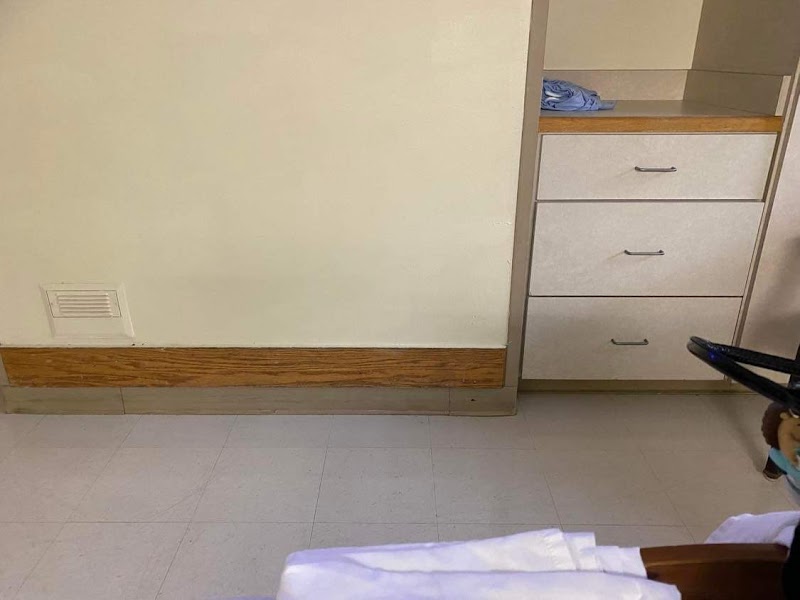
How is Aviata At Grand Oaks Staffed?

CMS rates AVIATA AT GRAND OAKS's staffing level at 2 out of 5 stars, which is below average compared to other nursing homes. Staff turnover is 44%, compared to the Florida average of 46%. This relatively stable workforce can support continuity of care. RN turnover specifically is 75%, which is notably high. RNs provide skilled clinical oversight, so turnover in this role can affect medical care quality.

What Have Inspectors Found at Aviata At Grand Oaks?

State health inspectors documented 20 deficiencies at AVIATA AT GRAND OAKS during 2022 to 2025. These included: 2 Immediate Jeopardy (the most serious level, indicating potential for serious harm or death) and 18 with potential for harm. Immediate Jeopardy findings are rare and represent the most serious regulatory concerns. They require immediate corrective action.
Who Owns and Operates Aviata At Grand Oaks?

AVIATA AT GRAND OAKS is owned by a for-profit company. For-profit facilities operate as businesses with obligations to shareholders or private owners. The facility is operated by AVIATA HEALTH GROUP, a chain that manages multiple nursing homes. With 120 certified beds and approximately 104 residents (about 87% occupancy), it is a mid-sized facility located in PALM COAST, Florida.
How Does Aviata At Grand Oaks Compare to Other Florida Nursing Homes?

Compared to the 100 nursing homes in Florida, AVIATA AT GRAND OAKS's overall rating (3 stars) is below the state average of 3.2, staff turnover (44%) is near the state average of 46%, and health inspection rating (2 stars) is below the national benchmark.

What Should Families Ask When Visiting Aviata At Grand Oaks?

Based on this facility's data, families visiting should ask: "What changes have been made since the serious inspection findings, and how are you preventing similar issues?" "Can you walk me through typical staffing levels on day, evening, and night shifts?" "Can I visit during a mealtime to observe dining assistance and food quality?" "How do you handle medical emergencies, and what is your hospital transfer rate?" These questions are particularly relevant given the facility's Immediate Jeopardy citations and the below-average staffing rating.

Is Aviata At Grand Oaks Safe?

Based on CMS inspection data, AVIATA AT GRAND OAKS has documented safety concerns. Inspectors have issued 2 Immediate Jeopardy citations (the most serious violation level indicating risk of serious injury or death). The facility has a 3-star overall rating and ranks #100 of 100 nursing homes in Florida. Families considering this facility should ask detailed questions about what corrective actions have been taken since these incidents.

Do Nurses at Aviata At Grand Oaks Stick Around?

AVIATA AT GRAND OAKS has a staff turnover rate of 44%, which is about average for Florida nursing homes (state average: 46%). Moderate turnover is common in nursing homes, but families should still ask about staff tenure and how the facility maintains care continuity when employees leave.

Was Aviata At Grand Oaks Ever Fined?

AVIATA AT GRAND OAKS has been fined $15,646 across 2 penalty actions. This is below the Florida average of $33,235. While any fine indicates a compliance issue, fines under $50,000 are relatively common and typically reflect isolated problems that were subsequently corrected. Families should ask what specific issues led to these fines and confirm they've been resolved.

Is Aviata At Grand Oaks on Any Federal Watch List?

AVIATA AT GRAND OAKS is not on any federal watch list. The most significant is the Special Focus Facility (SFF) program, which identifies the bottom 1% of nursing homes nationally based on persistent, serious quality problems. Not being on this list means the facility has avoided the pattern of deficiencies that triggers enhanced federal oversight. This is a positive indicator, though families should still review the facility's inspection history directly.