AVIATA AT UNIVERSITY HILLS
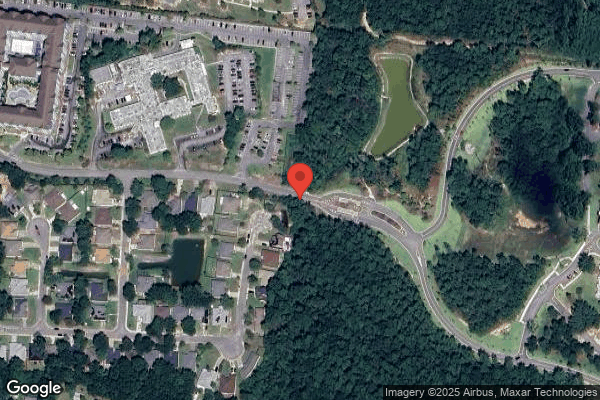
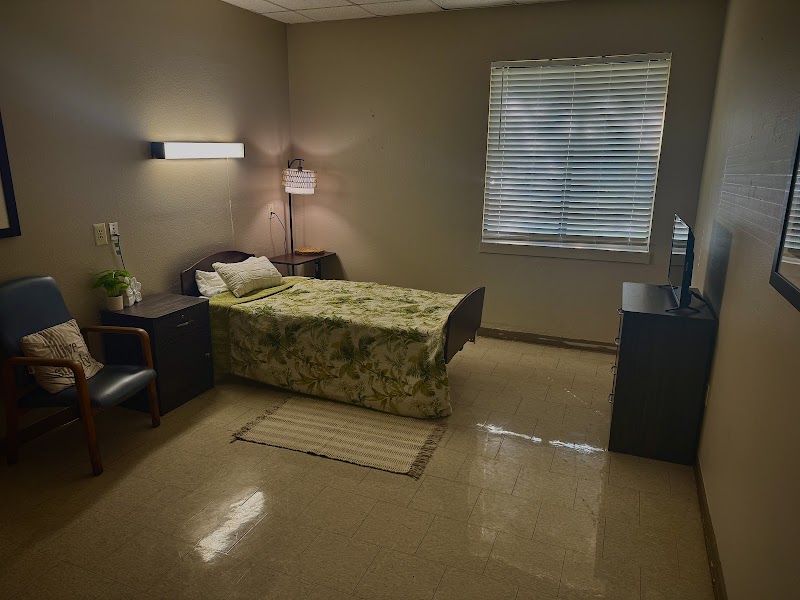
10040 HILLVIEW ROAD, PENSACOLA, FL 32514 (850) 474-0570
For profit - Corporation 120 Beds Independent Data: November 2025 3 Immediate Jeopardy citations
Trust Grade
0/100
#472 of 690 in FL
Last Inspection: September 2024

Within standard 12-15 month inspection cycle. Federal law requires annual inspections.

Overview

Aviata at University Hills in Pensacola, Florida, has received a Trust Grade of F, indicating significant concerns about its operations and care quality. Ranking #472 out of 690 facilities in Florida places it in the bottom half, and it is ranked #14 out of 15 in Escambia County, meaning there are only a few local options that are better. The facility's situation is worsening, with issues increasing from 6 in 2023 to 7 in 2024. Staffing is a notable weakness, rated at 2 out of 5 stars, with a high turnover rate of 69%, significantly above the state average, indicating instability among caregivers. Additionally, the facility has been fined $71,752, which is higher than 85% of Florida facilities, raising concerns about compliance with health and safety regulations. Specific incidents have highlighted serious deficiencies, including a failure to implement a care plan for a resident at risk of elopement, which led to that resident leaving the facility unnoticed, creating a serious safety risk. There were also failures in adequately supervising vulnerable residents, allowing one to exit the building without staff awareness. While the facility shows a decent quality measure rating of 4 out of 5 stars, the critical safety and oversight issues present a concerning picture for families considering this home for their loved ones.

Trust Score
F
0/100
In Florida
#472/690
Bottom 32%
Safety Record
High Risk
Review needed
Inspections
Getting Worse
6 → 7 violations
Staff Stability
⚠ Watch
69% turnover. Above average. Higher turnover means staff may not know residents' routines.
Penalties
✓ Good
$71,752 in fines. Lower than most Florida facilities. Relatively clean record.
Skilled Nurses
⚠ Watch
Each resident gets only 27 minutes of Registered Nurse (RN) attention daily — below average for Florida. Fewer RN minutes means fewer trained eyes watching for problems.
Violations
⚠ Watch
18 deficiencies on record. Higher than average. Multiple issues found across inspections.
★★☆☆☆
2.0
Overall Rating
★★☆☆☆
2.0
Staff Levels
★★★★☆
4.0
Care Quality
★★☆☆☆
2.0
Inspection Score
Stable
2023: 6 issues
2024: 7 issues

The Good

  • 4-Star Quality Measures · Strong clinical quality outcomes
  • Full Sprinkler Coverage · Fire safety systems throughout facility
  • No fines on record

Facility shows strength in quality measures, fire safety.

The Bad

2-Star Overall Rating

Below Florida average (3.2)

Below average - review inspection findings carefully

Staff Turnover: 69%

23pts above Florida avg (46%)

Frequent staff changes - ask about care continuity

Federal Fines: $71,752

Well above median ($33,413)

Moderate penalties - review what triggered them

Staff turnover is elevated (69%)

21 points above Florida average of 48%

The Ugly 18 deficiencies on record

3 life-threatening 1 actual harm
Sept 2024 7 deficiencies
CONCERN (D)

Potential for Harm - no one hurt, but risky conditions existed

Comprehensive Care Plan (Tag F0656)

Could have caused harm · This affected 1 resident

**NOTE- TERMS IN BRACKETS HAVE BEEN EDITED TO PROTECT CONFIDENTIALITY** Based upon interviews, observations, and record reviews the facility failed to implement the care plan to meet the nursing and p...

Read full inspector narrative →
**NOTE- TERMS IN BRACKETS HAVE BEEN EDITED TO PROTECT CONFIDENTIALITY** Based upon interviews, observations, and record reviews the facility failed to implement the care plan to meet the nursing and physical needs to maintain the highest functional well-beingfor 1 of 22 residents reviewed for care plans. (Resident #95) The findings include: On 09/16/24 at approximately 01:30 PM Resident #95 was observed attempting to feed herself with her family present. Despite repeated attempts, she was unsuccessful using silverware and used her hands to feed herself, dropping much of the food in the process. On 09/17/24 at 12:36 PM, the resident was observed laying in bed with a bedside tray table positioned next to the bed with a lunch tray positioned on it with tray positioned at chin level. Resident #95 was observed having difficulty feeding herself. Resident #95's milk was not opened and Resident #95 was observed unsuccessfully attempting to open it. Resident #95 was observed with food debris down the front of her clothing and on her chin where she attempted to feed herself. On 09/18/24 at approximately 08:45 AM, Resident #95 was observed sitting up in bed with breakfast tray sitting on bedside table. Resident #95 had a towel placed on her chest area for protection but food debris was observed on the front side of her shirt. A staff member entered room to pick up meal trays. I asked the staff member who identified herself as a CNA but did not give her name if the resident required any assistance with eating her breakfast this morning. The staff member responded no, she feeds herself and left the room carrying the breakfast tray to the dietary cart. Resident #95's brother was interviewed on 9/16/24 concerning this issue. He stated, They don't always come in here and check on her. They keep her curtain pulled and can't see her if she is having trouble swallowing or starts to choke on her food. He stated he had spoke to the Administrator about this and he was assured it would be addressed, but he cannot see that it has been corrected for the past three weeks. The grievance log showed a grievance was written on 09/04/24 regarding Resident #95 not being assisted with meals. The grievance submitted on 9/4/24 indicated that the facility would initiate therapy to screen resident for speech therapy. The Director of Nursing (DON) would review the care plan and update as needed. Staff would be educated on the resident's status for eating meals. Resident #95's physician order states that she has a dietary order for a regular, no added salt diet with Dysphagia Advanced texture, Regular with Thin Liquids consistency, Chopped Meats and fortified foods and Milk with meals. A physician's order dated 4/8/24 stated the resident was to be up in her wheelchair for all meals. An order dated 9/5/24 also states that Resident #95 is to be assisted for meals and to cue resident and assist with feeding with every meal. The record review states that Resident #95 is care planned for the potential nutritional problems related to hemiparesis / hemiplegia hindering her ability to feed herself. This care plan was initiated on 4/15/23. Current interventions include monitor and document any signs of dysphagia, pocketing, choking, coughing, drooling, or holding food in her mouth. Resident will be provided a divided plate and adaptive equipment / utensil with each meal. On 6/19/2024, a care plan was initiated for Resident #95, who is at high risk for aspiration related to swallowing assessment results. Current interventions include: all staff is to be informed of residents dietary and safety needs. Resident is to alternate small bites of food and small sips of fluid, use a teaspoon for eating, do not use straws. Staff is to check mouth after meal for pocketed food and debris. Resident #95's Minimum Data Set (MDS) assessment on 3/27/24 states the resident requires set up and clean up assistance for eating, oral hygiene, partial to moderate assistance for toileting, shower/ bathing, dressing, and personal hygiene, and transfers. The MDS assessment on 5/20/24 reveals she needs partial / moderate assistance required for eating, oral hygiene, dressing, and transfers. dependent assistance for toileting and bathing. A MDS assessment dated [DATE] stated the resident did not have a swallowing disorder or an issue with loss of liquids from mouth when eating or drinking or an issue with holding food in mouth/cheek. On 9/17/24 at approximately 02:00 PM, during an interview with CNA staff N, she stated she cares for Resident #95 consistently and is familiar with Resident #95's care needs. When asked about where the resident eats her meals, CNA N responds Mostly in her room, she will refuse to get up out of bed. When asked how much assistance the resident needs with eating meals, CNA N responds she doesn't need to be assisted with meals. When asked if the resident requires any special equipment to eat or requires to be queued to eat her meals or feed herself, CNA N responds that the resident doesn't have any special adaptive equipment and does not need to be queued to eat her meals. CNA N stated the resident usually eats about 40-50% of her meals. CNA N stated the only time she refused to eat was when she was on a puree diet. When CNA N was asked if Resident #95 has lost any weight, she responded, I don't see any difference in her weight. The DON was interviewed on 09/17/24 at approximately 04:15 PM about Resident #95. She was asked why the resident does not have any weights documented for the months of June, July, and August 2024. The DON stated that she did not know but did state that the resident will refuse to be weighed at times. The DON also acknowledged, per physician orders, that a CNA or any staff member had to be present for all mealtimes. That clinical staff is to stay with resident while Resident #95 is eating to assist as needed and cue resident to eat her meals. On 9/18/24 at approximately 11:58 AM, an interview was conducted with the DON and Administrator regarding the grievance initiated for Resident #95 on 09/04/24.The Administrator and DON agreed that the resident was care planned and has a physician order to be assisted with meals. When asked why, on three separate observations, Resident #95 was feeding herself and no staff member present during mealtimes, the DON responded that there should be a staff member present during meals. They agreed that she uses a divided plate and built up utensils so the food won't slide off the plate. When asked why she had not been using specialized equipment during the observations, the Administrator stated that she did not know but she will follow up with dietary regarding the adaptive equipment as it is their responsibility to insure that the correct plate and adaptive equipment is sent on the meal trays.
CONCERN (D)

Potential for Harm - no one hurt, but risky conditions existed

Deficiency F0688 (Tag F0688)

Could have caused harm · This affected 1 resident

Based on observations, interviews, and review of the electronic medical records (EMR), the facility failed to provide necessary range of motion services for 1 of 4 residents sampled for range of motio...

Read full inspector narrative →
Based on observations, interviews, and review of the electronic medical records (EMR), the facility failed to provide necessary range of motion services for 1 of 4 residents sampled for range of motion. (Resident #68) The findings include: A review of Resident #68's medical record revealed an order dated 4/03/2024 stating Resident up to wheelchair every meal, every shift. Further review of the EMR revealed that staff had signed off on Resident #68 being up in her wheelchair for meals on 9/16/2024, 9/17/2024 (evening and night shift), 9/18/2024 and 9/19/2024 (day shift). However, on four separate observations on 09/16/24 at approximately 11:56 AM and 03:10 PM and on 09/17/2024 at approximately 08:35 AM and 03:59 PM, Resident #68 was observed to be in her bed. On 09/17/24 at approximately 12:45 PM, Resident #68 was observed semi-reclined in bed, leaning to the right side. The lunch tray was delivered by Staff Member P, a certified nursing assistant (CNA), who proceeded to reposition the resident and began to feed resident #68 her lunch. An interview was conducted with Staff Member P, who indicated that fluids were offered with meals and medications but that the resident is unable to request or drink on her own. When asked if the resident is put in her wheelchair, CNA P responded No, she can't sit in that because she is too stiff, we can't put her legs up. She slides forward, she's too stiff. On 09/17/2024, a telephone interview was conducted with Resident #68's daughter, who stated that the resident has never been observed to be out of bed on her visits. She stated that her visits occur primarily on weekends or after work. On 09/18/24 at approximately 09:35 AM, an interview was conducted with Staff Member O, Registered Nurse (RN), who indicated Resident #68 is fully dependent for care. She acknowledged that the resident has not been getting out of bed for every meal and that this has been something that has needed to be updated.
CONCERN (D)

Potential for Harm - no one hurt, but risky conditions existed

Deficiency F0698 (Tag F0698)

Could have caused harm · This affected 1 resident

Based on staff interviews, record review, and the facilities' policy and procedures, the facility failed to maintain ongoing communication and collaboration with the dialysis center regarding dialysis...

Read full inspector narrative →
Based on staff interviews, record review, and the facilities' policy and procedures, the facility failed to maintain ongoing communication and collaboration with the dialysis center regarding dialysis care and services for 1 of 1 residents reviewed for dialysis care. (Resident #43) The findings include: A review of Resident #43's dialysis communication binder on 9/19/2024 revealed the last dialysis communication form was completed on 8/9/2024, even though Resident #43 had been receiving dialysis care from an outside facility every Monday, Wednesday, and Friday. On 09/18/24 at approximately 11:47 AM, the director of nursing (DON) indicated the residents have their own dialysis binders that are used to communicate with the dialysis center which should be kept at the nurses' station. The unit managers check the dialysis binders weekly to ensure the dialysis communication sheets are being completed. A concurrent interview with Staff C, unit manager, confirmed she did not follow up on these. On 09/18/24 at approximately 02:23 PM, during a follow-up interview with the DON, she stated that the expectation is that the 11:00 pm-7:00 am shift nurse was to initiate the communication sheet and place it in the dialysis communication binder that is sent with the resident to the dialysis center. The dialysis center is then asked to communicate a summary of the residents' dialysis treatment. The facility nurse receiving the resident then reviews and acknowledges the communication from dialysis to ensure continuum of care. If the dialysis center does not complete their portion, it is the facilities responsibility to fax it to or contact the dialysis center by phone and get the communication of care. The DON acknowledged the last communication between the facility and the dialysis center was on 8/9/24. A review of the facilities policy and procedure named Coordination of hemodialysis services, N-1359 effective 11/30/2014, revised 07/02/2019 (page 1 of 1) states residents requiring an outside ESRD facility will have services coordinated by the facility. There will be communication between the facility and the ESRD facility regarding the resident. the facility will establish a dialysis agreement/arrangement if there are any residents requiring dialysis services. the agreement shall include how the residents care is managed. 1) the dialysis communication form will be initiated by the facility for any resident going to an ESRD center for hemodialysis. 2) Nursing will collect and complete the information regarding the resident to send to the ESRD center. 3)The ESRD facility is to review the dialysis communication form and either: a) complete the communication form and return with the resident OR b) provide treatment information to the facility. 4) upon the residents return to the facility, nursing will review the dialysis communication for and information completed by the dialysis center OR the information sent by the dialysis center; communicate with the residents physician and other ancillary department as needed, implement interventions as appropriate. 5) Nursing will complete the post dialysis information on the dialysis communication form and file the completed form in the residents clinical record.
CONCERN (D)

Potential for Harm - no one hurt, but risky conditions existed

Pharmacy Services (Tag F0755)

Could have caused harm · This affected 1 resident

**NOTE- TERMS IN BRACKETS HAVE BEEN EDITED TO PROTECT CONFIDENTIALITY** Based upon record review and interviews, the facility failed to provide scheduled medications for 1 of 20 residents reviewed for...

Read full inspector narrative →
**NOTE- TERMS IN BRACKETS HAVE BEEN EDITED TO PROTECT CONFIDENTIALITY** Based upon record review and interviews, the facility failed to provide scheduled medications for 1 of 20 residents reviewed for medication administration. (Resident #43) The findings include: A review of the medication administration record (MAR) for September 2024 revealed Resident #43 has not been receiving the following medications at 9:00 AM and 1:00 PM on Mondays, Wednesdays, and Fridays, as he is out of the facility at dialysis during those times, resulting in multiple missed doses: 1. Prostat (a protein supplement to aide in wound healing) 2. Vit D-Cholecalciferol Oral Capsule 50 MCG (2000 UT) Give 1 capsule by mouth one time a day for supplement 3. Ciclopirox External Solution 8 % (Ciclopirox) Apply to fingernails topically one time a day (to treat fungal infection of the nail bed) 4. Clopidogrel Bisulfate Oral Tablet 75 MG (Clopidogrel Bisulfate) Give 1 tablet by mouth one time a day (an antiplatelet drug to prevent blood clots) 5. Clotrimazole Mouth/Throat Troche 10 MG (Clotrimazole) Give 1 lozenge by mouth one time a day for mouth (a medication to treat fungal infections) 6. Metoprolol Succinate ER Oral Tablet Extended Release 24 Hour 25 MG Give 0.5 tablet by mouth one time a day (a medication used to treat heart failure) 7. [NAME]-Vite Oral Tablet Give 1 tablet by mouth one time a day (a multivitamin for dialysis patients) 8. Apixaban Oral Tablet 5 MG (Apixaban) Give 1 tablet by mouth two times a day (a medication used for patients with atrial fibrillation to reduce the risk of stroke and blood clots) 9. Calcium Carbonate Oral Tablet Chewable 500 MG (Calcium Carbonate (Antacid) 10. Nepro 8oz. two times a day (a protein supplement for patient with End Stage Renal Disease (ESRD)) 11. Midodrine HCl Oral Tablet 5 MG Give 2 tablet by mouth three times a day (a medication used to treat low blood pressure) 12. Gabapentin Oral Capsule 100 MG Give 1 capsule by mouth three times a day (a medication used to treat pain) On 09/18/24 at approximately 10:08 AM, Staff I, a licensed practical nurse (LPN), stated anything that is on the MAR to give at 9:00 AM, I put LOA (Leave of Absence) because [Resident #43] is out of the building at dialysis. A review of the medical record revealed Resident #43 has a diagnosis of END STAGE RENAL DISEASE DEPENDENT ON RENAL DIALYSIS, ABNORMAL WEIGHT LOSS, AND PROTEIN-CALORIE MALNUTRITION. Resident #43 has a physician's order for Hemodialysis: Monday, Wednesday, and Friday starting at 7:30 AM. Resident #43 has a care plan for hemodialysis related to renal failure. The quarterly minimum data set (MDS), dated [DATE], reveals Resident #43 receives dialysis. On 09/18/24 at approximately 12:16 PM, an interview was conducted with the family nurse practioner (FNP-C) for Resident #43. He indicated the expectation is that the resident going to dialysis would be getting their medications before they leave the facility. He stated he has not been notified by the facility and was not aware until now that the resident has not been receiving all the medications that are scheduled at 9:00 AM. He stated that the resident should be getting these medications. The expectation is that the facility nurse would notify him if a medication is not able to be given for any reason. On 09/19/24 at approximately 11:48 AM, the DON, she indicates that she was not aware the resident was not receiving 9:00 AM scheduled medications 3 times per week on dialysis days. She stated the expectation is that the resident would have been receiving these medication before they leave for dialysis.
CONCERN (D)

Potential for Harm - no one hurt, but risky conditions existed

Deficiency F0761 (Tag F0761)

Could have caused harm · This affected 1 resident

Based on observations, staff interviews, review of the electronic medical record (EMR), and review of the facility policies and procedures, the facility failed to provide safe and secure storage of me...

Read full inspector narrative →
Based on observations, staff interviews, review of the electronic medical record (EMR), and review of the facility policies and procedures, the facility failed to provide safe and secure storage of medications for 1 of 1 residents. (Resident #108) The findings include: On 9/16/24 at approximately 11:45 am, Resident #108 was observed with a Spiriva inhaler (a medication used to prevent wheezing and shortness of breath) positioned at bed side. Resident #108 indicated that the inhaler at bedside was empty; however, another inhaler was visibly stored in a nearby open drawer. On 9/17/24 at approximately 10:00 am, during an interview with Resident #108, he stated the Spiriva inhaler still remains in his drawer. A follow up observation at 2:35 pm verified the Spiriva inhaler was still in an open nightstand drawer. On 9/18/24 at approximately 11:30 am, during an interview with Staff C, a licensed practical nurse (LPN), she stated that the inhaler should not be there. LPN C indicated that she was unaware the Spiriva inhaler was in the resident's possession. On 9/18/24 at approximately 12:00 pm, the Assistant Director of Nursing (ADON) acknowledged Resident #108 does not have a physician's order to store or self-administer medications. A review of the medication administration record (MAR) reveals that Spiriva was administered as ordered. A review of the EMR for Resident #108 reveals no order for self-administration of medication. The care plan initiated on 6/27/24 does not include self-administration of medication. A review of the facilities Policy and Procedure: Medication and medication supply storage and disposal, Effective date: 11/30/2014 states, central storage of medications is required for prescription, prescribed over the counter medications and cam (complementary and alternative medicine). will kept in a locked area, in their original labeled container and may not be remove more than 2 hours prior to the schedule administration. Med will be kept in a medication cart that locks and keys are only accessible to the licensed personnel distributing medications.
CONCERN (D)

Potential for Harm - no one hurt, but risky conditions existed

Deficiency F0919 (Tag F0919)

Could have caused harm · This affected 1 resident

**NOTE- TERMS IN BRACKETS HAVE BEEN EDITED TO PROTECT CONFIDENTIALITY** Based on observations and interviews, the facility failed to ensure the Resident Call lights were functional to allow residents ...

Read full inspector narrative →
**NOTE- TERMS IN BRACKETS HAVE BEEN EDITED TO PROTECT CONFIDENTIALITY** Based on observations and interviews, the facility failed to ensure the Resident Call lights were functional to allow residents to call for staff assistance for 1 of 32 rooms observed. (rooms [ROOM NUMBERS]) The findings include: room [ROOM NUMBER]: An observation of room [ROOM NUMBER] was conducted on 9/16/24 at 1:31 PM. The resident call system in the bathroom was not functional. A follow up observation of room [ROOM NUMBER] was conducted on 9/18/24 at 8:41 AM and the call system in the bathroom was still not functional. Employee L (Certified Nursing Assistant) confirmed the call system was not functioning. She stated the resident occupying the room toileted independently. Review of the facility policy for Communication Systems, Maintenance Inspection Testing and Safety (effective 11/30/14) revealed, .communication systems and components will be properly maintained to function reliably and ensure operator safety. In the event of systems or component failure the system operators will notify maintenance personnel. If maintenance is unable to resolve the problem the approved contractor will be notified.
CONCERN (E)

Potential for Harm - no one hurt, but risky conditions existed

Safe Environment (Tag F0584)

Could have caused harm · This affected multiple residents

**NOTE- TERMS IN BRACKETS HAVE BEEN EDITED TO PROTECT CONFIDENTIALITY** room [ROOM NUMBER] During an observation of room [ROOM NUMBER] on 09/16/24 at 11:13 AM, there was noted a black colored film in ...

Read full inspector narrative →
**NOTE- TERMS IN BRACKETS HAVE BEEN EDITED TO PROTECT CONFIDENTIALITY** room [ROOM NUMBER] During an observation of room [ROOM NUMBER] on 09/16/24 at 11:13 AM, there was noted a black colored film in the ceiling area. The bathroom towel rack and glove box holder were observed to have raised flaky and rusted areas across the bar. The ceiling tiles were noted with a dark grey dust on them. There were broken blinds in the room window with a privacy curtain tacked across the window. The dresser sitting by the B bed has the bottom drawer missing. The safety floor mat was observed to be dirty and torn. (photographic evidence obtained) room [ROOM NUMBER] During an observation of room [ROOM NUMBER] on 09/16/24 at 11:20 PM, dark green and blackish circular spots were noted on the ceiling tiles of the doorway. Brownish color areas observed beind the entry door. (photographic evidence obtained) Unit One During an observation of the unit one hallway on 9/16/23 at approximately 11:00 AM, there was observed multiple areas in the ceiling tiles with greenish and black colored spots. (photographic evidence obtained) Review of the facility policy for Maintenance (effective 11/30/14) revealed the facility's physical plant and equipment will be maintained through a program of preventitive maintenance and prompt action to identify areas/items in need of repair. During a tour of the 100 hallway on 9/17/24 at approximately 12:30 PM, the following issues were observed: room [ROOM NUMBER]'s mini blinds on the window were broken and twisted, not allowing for total privacy from the outside. room [ROOM NUMBER]'s mini blinds were broken with paper taped to the glass to cover the area not covered by the blinds. room [ROOM NUMBER] had 2 large gashes in the drywall on the wall nearest the bathroom door. On 09/18/24 at approximately 4:26 PM, during a tour with the Regional Maintenance Director and the Executive Director (ED), the ED acknowledged the environmental deficiencies in rooms 129, 131 and 123. room [ROOM NUMBER] On 09/17/24 at 4:17 PM, an observation of the privacy curtain in room [ROOM NUMBER] revealed several dark brownish/[NAME] spots on the curtain. Interview with the two residents living in this room revealed the curtain has always been stained like this since they each arrived in this room. On 09/18/24 at 9:11 AM and 12:29 PM, follow up observations of the privacy curtain in room [ROOM NUMBER] revealed it to be the same stained/soiled curtain. (photographic evidence obtained) Based on observations, staff interview, and policy review, the facility failed to provide housekeeping and maintenance services neccessary to maintain a sanitary and orderly interior for 11 of 32 sampled rooms and 2 common areas observed. (Rooms 106, 110, 123, 129, 131, 208, 226, 227, 228, 232, 234, the unit one hallway, and the locked unit day room) The findings include: During a tour of the locked memory care unit with the Administrator and Employee B (Regional Maintenance Director) on 9/18/24 at 3:58 PM, the following was observed: room [ROOM NUMBER]B had blinds in disrepair. room [ROOM NUMBER] had a dark stain on the bathroom floor and an unlabeled wash basin on the back of the toilet. room [ROOM NUMBER] had two fire dampers bulging from the ceiling tile near the door. room [ROOM NUMBER] had one door that was missing from the armoire. room [ROOM NUMBER] had no curtains or blinds on the window and had a partially patched hole in the wall. The locked unit day room had a cove base missing from the wall near the exit door. Photographic evidence was obtained of all of the above. During the tour, the Administrator stated the former Maintenance Director was supposed to audit the blinds last week and she was not sure if this happened. She stated the brown stain in room [ROOM NUMBER] looked like rust and the basin should be labeled and stored in the resident's cabinet. She was not sure why the cove base was removed in the day room of the locked unit or why the door was missing from the armoire in room [ROOM NUMBER]. The Administrator confirmed the wall was not fully repaired in room [ROOM NUMBER].
Jun 2023 3 deficiencies
CONCERN (D)

Potential for Harm - no one hurt, but risky conditions existed

Deficiency F0645 (Tag F0645)

Could have caused harm · This affected 1 resident

**NOTE- TERMS IN BRACKETS HAVE BEEN EDITED TO PROTECT CONFIDENTIALITY** Resident # 37 A review of Resident #37's electronic medical record revealed that the resident was admitted with a Level I PASAR...

Read full inspector narrative →
**NOTE- TERMS IN BRACKETS HAVE BEEN EDITED TO PROTECT CONFIDENTIALITY** Resident # 37 A review of Resident #37's electronic medical record revealed that the resident was admitted with a Level I PASARR dated 3/19/21. There was no level II PASARR noted in the residents record, even though she had documented diagnoses of Post Traumatic Stress Disorder, Major Depressive Disorder, and Anxiety Disorder. On 6/15/23 at approximately 1:05 PM, an interview was conducted with the Social Worker. She stated that Nursing does the level II PASARR submissions. On 6/15/23 at approximately 1:25 PM, an interview was conducted with the Director of Nursing (DON), who stated that she is reponsible for submitting for Level II PASARRs. She agreed that a Level II review should have been submitted for Resident #37. The DON further stated that they will be conducting an audit for all residents for Level II submissions. Based on interview and record review, the facility failed to obtain a Level II screening for 3 of 6 residents reviewed for Preadmission Screening and Resident Review (PASARR). (Residents #25, #37, and #96) The findings include: Resident #96 A review of the PASARR form for Resident #96 (admitted on [DATE]) noted an identified diagnosis of Anxiety Disorder and a diagnosis of dementia. Per the PASARR form, the combination of a Serious Mental Disorder (SMI) diagnosis and Dementia or neurocognitive disorder would trigger the requirement for a Level II review. A review of the admission Diagnosis in the medical record noted a diagnosis of Major Depressive Disorder and Unspecified Dementia, Unspecified Severity with Psychotic Disturbance. A review of the Care Plan for Resident #96 noted that the resident was care planned for antipsychotic therapy for diagnosis of dementia with psychotic features, auditory and visual hallucinations, and antidepressant usage. A review of the physician's progress note dated 6/13/2023 noted a medical history of dementia and depression with a hospital admission related to auditory and visual hallucinations. Past medical histories noted diagnoses of Unspecified dementia of unspecified severity with psychotic disturbance and Major Depressive Disorder. Medications prescribed included Sertraline HCL and Donepezil, both psychotropic medications. A review of the admission Minimum Data Set (MDS) dated [DATE] noted that section A1500 did not acknowledge a Serious Mental Illness and Section A1550 did not acknowledge the submission of a Level II PASARR screening. A review of the complete medical record could not locate a Level II PASARR for resident #96. On 06/15/23 at approximately 11:54 AM, the Director of Nursing (DON) was asked what the PASARR process is for completion and validation. She stated they all residents should come with a PASARR prior to admission. In some cases, the facility will get them done. The DON was advised that a Level II PASARR could not be located on Resident #96 even though the her PASARR form triggered for a Level II. The DON acknowledged that a Level II PASARR was not done. Resident #25 A review of the record for Resident #25 noted that he was admitted on [DATE]. The initial PASARR dated 9/22/2017 noted no SMI Diagnosis or Intellectual Disability (ID) A record review of diagnosis for Resident #25 noted a diagnosis of Dementia with onset of 6/8/2019, Bipolar Disorder wit onset of 2/5/2020, Major Depressive Disorder with onset of 9/22/2017 A review of the Minimum Data Set (MDS) dated [DATE], Section A1500 and 1510 indicated no SMI or ID or Level II PASARR was necessary. A review of Section I noted no Mental Illness diagnosis. A review of the Annual MDS dated [DATE] and the Significant Change MDS dated [DATE] noted Section A1500 and 1510 with no SMI. A review of Section I for both MDS noted active diagnosis of Non-Alzheimer's Dementia and Psychiatric /Mood Disorders of Anxiety Disorder, Depression, Bipolar Disorder, and Psychotic Disorder (other than schizophrenia). A review of the Psychiatric Progress Note dated 6/8/2023 referenced a stable psychiatric history of bipolar disorder and anxiety. Current psychiatric medications listed included Fluoxetine 10 mg by mouth daily. A review of the Nurse Practitioners noted dated 6/8/2023 referenced a history of bipolar disorder, dementia, Major Depressive Disorder, and Anxiety. A review of the care plans noted that Resident #25 was care planned for dementia, mood disorder, antidepressant medications, and diagnoses of bipolar disorder, mood disorder and anxiety disorder. On 06/15/23 at approximately 11:54 AM, the Director of Nursing was asked what the PASARR process is for completion and validation. She was asked what they do if there is a change in diagnosis that may trigger a necessary Level II. She stated that she wasn't sure of the process for that. The DON was informed where Resident #25 had a diagnosis change that would have warranted an updated. She acknowledged this was an oversight.
CONCERN (D)

Potential for Harm - no one hurt, but risky conditions existed

Comprehensive Care Plan (Tag F0656)

Could have caused harm · This affected 1 resident

Based on observations, record reviews, and interviews, the facility failed to implement the care plan for behavior monitoring for psychotropic medications for 1 of 5 residents sampled for unnecessary ...

Read full inspector narrative →
Based on observations, record reviews, and interviews, the facility failed to implement the care plan for behavior monitoring for psychotropic medications for 1 of 5 residents sampled for unnecessary medication review. (Resident #86) The findings include: A record review was conducted of Resident #86's medical record, which revealed an order for Clonazepam 0.5mg (a medication used to treat anxiety). Further review of the medical record revealed a care plan dated 4/23/23 for monitoring of behavioral symptoms and side effects related to anti-anxiety medication. Review of the Medication Administration Record (MAR) revealed no monitoring for behaviors. On 6/13/23 at approximately 3:26 PM, an interview was conducted with Nurse D, a Registered Nurse (RN), concerning behavior monitoring for resident #86. Nurse D stated that the behavior monitoring is normally located on the MAR, but confirmed there was no behavior monitoring for Resident #86. On 6/13/23 at approximately 3:28 PM, an interview was conducted with the Director of Nursing (DON) concerning behavior monitoring for residents on psychotropic medications. The DON stated that the behavior monitoring is located on the MAR and confirmed that there was no behavior monitoring for Resident #86.
CONCERN (D)

Potential for Harm - no one hurt, but risky conditions existed

Menu Adequacy (Tag F0803)

Could have caused harm · This affected 1 resident

Based on observations, record reviews, and interviews, the facility failed to provide dietary services to meet the needs for 1 of 1 resident selected for food services. (Resident #22) The findings in...

Read full inspector narrative →
Based on observations, record reviews, and interviews, the facility failed to provide dietary services to meet the needs for 1 of 1 resident selected for food services. (Resident #22) The findings include: On 6/12/23 at approximately 8:30 AM, an observation was conducted of Resident #22's breakfast tray, which revealed one slice of French toast, 2 slices of bacon, a bowl of grits, 4 oz of apple juice, and a carton of milk. However, the accompanying dietary slip revealed the resident's diet to be regular, no added salt, with large portions. A further review of the dietary slip indicated the resident should have received 3 slices of French toast, 2 sausage patties, 6 oz of hot cereal, 4 oz of orange juice, and 8 oz of milk. On 6/14/23 at approximately 12:47 PM, an observation was made of Resident #22's lunch tray which revealed a ham sandwich, 1 scoop of potato salad, 1 plate of lettuce and tomato, and a glass of tea. A review of Resident #22's dietary slip indicated the resident should have received 1.5 ham sandwiches, 2/3 cup of potato salad, lettuce and tomato plate, and 1.5 cups of Caesar salad. (Photographic evidence obtained). A review of Resident #22's medical record confirmed his diet order for Regular diet with No Added Salt diet, regular texture, thin liquids consistency, with large portions dated 1/23/23. On 6/14/23 at approximately 2:15 PM, an interview was conducted with the Certified Dietary Manager (CDM) concerning the breakfast and lunch trays for Resident #22. When shown the photographs of Resident #22's breakfast and lunch trays, the CDM verified that the trays and the dietary tickets did not match. The CDM stated that Resident #22 should have received 3 slices of French toast for breakfast and should have received 1.5 ham sandwiches and a Caesar salad at lunch. The CDM went on to state that they should be following the diet order. On 6/14/23 at approximately 2:31 PM, an interview was conducted with the Director of Nursing (DON), concerning verification of the dietary tickets for the residents. The DON stated that it was her expectation that that the nursing staff should check the tray on the carts to verify that it is correct, if it is not correct, they should return the tray to the kitchen to be corrected. The DON further stated that the resident should never see that the tray was not correct. The DON verified the breakfast and lunch trays for Resident #22 did not match the dietary tickets.
Apr 2023 3 deficiencies 3 IJ
CRITICAL (J) 📢 Someone Reported This

A family member, employee, or ombudsman was alarmed enough to file a formal complaint

Immediate Jeopardy (IJ) - the most serious Medicare violation

Comprehensive Care Plan (Tag F0656)

Someone could have died · This affected 1 resident

**NOTE- TERMS IN BRACKETS HAVE BEEN EDITED TO PROTECT CONFIDENTIALITY** Based on observation, interviews, clinical record review and policy review, the facility failed to develop and implement a compr...

Read full inspector narrative →
**NOTE- TERMS IN BRACKETS HAVE BEEN EDITED TO PROTECT CONFIDENTIALITY** Based on observation, interviews, clinical record review and policy review, the facility failed to develop and implement a comprehensive person-centered care plan for 1 of 7 residents reviewed for elopement risk. (Resident #1) On 3/2/23, an elopement risk evaluation form identified Resident #1, a cognitively impaired vulnerable resident, as at risk for elopement, however, no care plan for elopement risk was initiated. Resident #1 subsequently eloped from the facility on 3/11/23 unbeknownst to staff, placing the resident at risk for serious injury, harm, or death. The situation resulted in a finding of Immediate Jeopardy at a scope and severity of J, isolated. The facility's Administrator and the Director of Nursing were notified of the findings of Immediate Jeopardy on 4/5/23 at 4:35 PM. Immediate Jeopardy was removed on 4/6/23 at 5:00 PM and the the scope and severity of the Immediate Jeopardy deficiencies was reduced from a J level to an D level. Cross reference F689 and F867 The findings include: A record review was conducted of Resident #1, which revealed the resident was originally admitted to the facility on [DATE] with diagnoses of Dementia, Psychosis, need for assistance with personal care, Type 2 Diabetes, Difficulty in walking, and muscle weakness. On 3/2/23, an elopement risk evaluation form was completed by Staff member L, a Licensed Practical Nurse (LPN). This form identified an elopement risk score of 3.0, which indicated that the resident was at risk for elopement. Further review of the elopement risk evaluation form revealed the following directions: Complete quarterly and with significant change. If the resident is deemed at risk, a prevention protocol should be initiated immediately and documented in the care plan. The following questions were included on the form: 1. Is the resident cognitively impaired? 2. Is the resident independently mobile (ambulatory or wheelchair)? 3. Does the resident have poor decision-making skills? 4. Has the resident demonstrated exit seeking behaviors? 5. Does the resident wander oblivious to safety needs? 6. Does the resident have a history of elopement? 7. Does the resident have the ability to exit the facility? 8. Based on potential risk factors above, resident is determined to be AT RISK for elopement LPN L marked Yes to questions 1 through 8. The forms states Yes, to questions 4,5 or 6 automatically place the resident AT RISK The form further stated, If it is determined that the resident has eloped, implement care plan immediately to ensure resident's safety. Report all residents AT RISK to the Director of Clinical Services and on the 24-hour report. Review of Resident #1's care plan revealed he had the potential to be aggressive in his behavior as evidenced by aggressively moving in his wheelchair throughout the hallways. Other issues include poor impulse control, plundering his roommates' personal items, eating his roommate's food, and going into others' rooms. No care plan was initiated for his elopement risk, and no interventions were put in to place to ensure the Resident #1's safety. Further review of the record revealed that Resident #1 was discharged to the hospital on 3/2/23, with a return to the facility on 3/5/23. The elopement risk evaluation was not completed for the re-admission for 3/5/23, which resulted in a care plan not being updated for elopement risk and interventions were not put in place to ensure the resident's safety. A review of the facility's investigation revealed that Resident #1 was last seen at approximately 3:30 PM in the hallway by Staff Member B, a Certified Nursing Assistant (CNA). At approximately 4:00 PM Staff Member A, a Licensed Practical Nurse (LPN), observed Staff Member D, another CNA, standing at the therapy door exit shutting off the door alarm. LPN A clocked out for the day and exited through the therapy door. LPN A reported that, when she reached the canopy area outside the building, she noticed Resident #1 propelling himself in his manual wheelchair backwards up the East driveway exit hill. LPN A called out to Resident #1, who then rolled down the hill to LPN A. The staff member returned Resident #1 to the facility nurses' station and reported the resident being found in the parking lot to LPN M and the weekend supervisor. On 4/3/23 at approximately 3:30 PM, an interview was conducted with the Director of Clinical Services (DCS) and Staff Member K, a Care Plan Coordinator. When asked why the care plan for Resident #1 was not updated on 3/2/23, Care Plan Coordinator K responded the only reason she could think of was that she did not get to his care plan by the time the resident went out to the hospital on 3/2/23. The DCS stated that when residents are gone from the facility for over 24 hours, they are considered a re-admission upon return, with new assessments completed, including an elopement risk evaluation. The DCS stated that Resident #1 should have had an elopement risk evaluation completed upon re-admission on [DATE] and could not explain why it was not completed. The DCS further stated that, if it had been completed, it would have triggered the Minimum Data Set (MDS) and care plan to be updated and the resident would have been placed in the elopement risk binders that are kept on each nurses station and the receptionist's desk at the front entrance to alert staff regarding residents who are considered elopement risks. When asked if the care plan for Resident #1 would have changed upon re-admission, Care Plan Coordinator K stated it would not have changed much unless there was a significant change in condition. Care Plan Coordinator K confirmed that the elopement risk evaluation on 3/2/23 with a score of 3.0, when the previous elopement risk evaluation dated 8/13/21 was score was a 0 (which is not considered a risk for elopement), should have triggered the care plan to have been updated. Both the DCS and Care Plan Coordinator K confirmed that Resident #1's care plan was not updated for elopement risk until 3/12/23, which is the day after the resident had exited the building into the parking lot. A review was conducted of the Policy and Procedure titled N-1031, Subject: Elopement/Wandering Risk Guidelines (effective date of 9/21/2016 last revised 8/01/2020), which stated, Overview: To evaluate and identify patient/residents that are at risk for elopement and develop individualized interventions. Process: Patient/Residents to be evaluated on admission, re-admission, 7 days post admission, quarterly, with a significant change in condition, and elopement event using the risk tool. If a patient/resident is identified as being at risk complete an Elopement Risk Alert and obtain a photograph. Initiate individualized interventions based on Patient/Residents' at risk. Document individualized interventions in the patient/resident Care Plan and [NAME]. Review of the Policies and Procedures document name N-1015, Subject: Plans of Care (effective date 11/30/2014 last revised 9/25/2017) revealed, Policy: An individualized person-centered plan of care will be established by the interdisciplinary team (IDT) with the resident and/or resident representative(s) to the extent practicable and updated in accordance with state and federal regulatory requirements. Plan of care is to be maintained as part of the final medical record. Procedure: Develop a comprehensive plan of care for each resident that includes measurable objectives and timetables to meet the resident's medical, nursing, mental, and psychosocial needs that are identified in the comprehensive assessment. Develop and implement an individualized Person-Centered baseline plan of care within 48 hours of admission. Review, update and/or revise the comprehensive plan of care based on changing goals, preferences and needs of the resident and in response to current interventions after the completion of each OBRA (Omnibus Reconciliation Act) MDS assessment (except discharge assessments), and as needed. The interdisciplinary team shall ensure the plan of care addresses any resident needs and that the plan is oriented toward attaining or maintaining the highest practicable physical, mental, and psychosocial well-being. Under Note: The resident plan of care encompasses many documents that are part of the resident's clinical record including, but not limited to, structured care plan documents, MARS (Medication Administration Records), TARS (Treatment Administration Records), physician orders, flow records, and/or legal documents that would drive the plan of care for the individual resident. The Immediate Jeopardy was removed onsite on 04/06/2023 after receipt of an acceptable removal plan and verification of corrective actions. On 04/06/2023 at approximately 5:03 PM, the removal plan was verified after staff interviews to determine knowledge of elopement policy, education on the importance of completing the elopement risk evaluation on admissions and re-admissions, physician notification of change in condition with emphasis on new or increased behaviors of wandering or exit seeking and the importance of developing a care plan and implementing interventions to include the appropriate level of supervision at the time of the residents change in behavior. Interviews were conducted with 20 staff members representing all 3 shifts. All responded with confirmation of training and were able to verbalize when assessments are to be completed as well as the updating of the care plan with implementation of appropriate interventions. The training sign-in sheet was verified, along with the documentation of training covered. On 3/11/23, Resident #1's elopement evaluation and care plan were reviewed and updated. The Director of Clinical Services, Assistant Director of Clinical Services, MDS/care plan coordinators and Executive Director were educated by the Regional Director of Clinical Services on 4/04/2023 regarding the process to review admission and readmission charts for accuracy of elopement evaluations and responsibility to provide appropriate interventions and supervision for residents with wandering and exit seeking behaviors through the care planning process. On 4/6/2023, review of the education was verified, the sign-in sheet for training and the documentation of training covered were also verified. On 4/6/23, an interview with the MDS RN coordinator verified the education training. Immediately post event on 3/11/23, the facility reviewed 100% of resident records to verify current elopement assessments and care plans developed as indicated. The removal plan documented this was updated on 4/5/23 with a review of current residents admitted or readmitted since 3/11/23 to ensure an elopement risk assessment was completed and appropriate care plan interventions were in place for those at risk for elopement. Six residents were identified as not having an assessment. The survey team verified that elopement assessments were completed. The facility added a new section to the morning clinical meeting checklist to verify completion and accuracy of elopement evaluation and the development of a care plan with implementation of appropriate interventions, verified on 4/6/2023.
CRITICAL (J) 📢 Someone Reported This

A family member, employee, or ombudsman was alarmed enough to file a formal complaint

Immediate Jeopardy (IJ) - the most serious Medicare violation

Accident Prevention (Tag F0689)

Someone could have died · This affected 1 resident

**NOTE- TERMS IN BRACKETS HAVE BEEN EDITED TO PROTECT CONFIDENTIALITY** Based on observation, staff interviews, resident interview, responsible party interview, clinical record review and policy revie...

Read full inspector narrative →
**NOTE- TERMS IN BRACKETS HAVE BEEN EDITED TO PROTECT CONFIDENTIALITY** Based on observation, staff interviews, resident interview, responsible party interview, clinical record review and policy review, the facility failed to provide adequate supervision of a vulnerable resident and identify the resident as an elopement risk due to exit seeking and wandering behaviors for 1 of 7 residents sampled for accidents and supervision. (Resident #1) On 3/11/23, Resident #1, a cognitively impaired vulnerable resident, was able to exit the facility unbeknownst to staff. A facility staff member responded to a door alarm, looked out the window instead of exiting the facility and checking the surrounding grounds, shut the alarm off when no residents were observed, and returned to work. Resident #1 was able to propel himself in his wheelchair approximately 245 feet from the exit door. The resident was found by another staff member who had clocked out at approximately 4:00 PM for the day and noted the resident propelling himself backward in his wheelchair up the east exit, which is approximately at a 45 degree slope and only 32 feet from a major 2-lane highway, and 528 feet downhill to a major 4-lane highway intersection. This failure allowed the resident, who had a documented diagnosis of dementia to exit the facility into the parking lot, placing the resident at risk for serious injury, harm, abduction, or death. The situation resulted in a finding of Immediate Jeopardy at a scope and severity of J, isolated. The facility's Administrator and the Director of Nursing were notified of the findings of Immediate Jeopardy on 4/5/23 at 4:35 PM. Immediate Jeopardy was removed on 4/6/23 at 5:00 PM and the scope and severity of the Immediate Jeopardy deficiencies was reduced from a J level to a D level. Cross reference F656 and F867 The findings include: A record review was conducted of Resident #1, which revealed the resident was originally admitted to the facility on [DATE] with diagnoses of Dementia, Psychosis, need for assistance with personal care, Type 2 Diabetes, Difficulty in walking, and muscle weakness. On 3/2/23, an elopement risk evaluation form was completed by Staff member L, a Licensed Practical Nurse (LPN). This form identified an elopement risk score of 3.0, which indicates that the resident was at risk for elopement. Further review of the elopement risk evaluation form revealed the following directions: Complete quarterly and with significant change. If the resident is deemed at risk, a prevention protocol should be initiated immediately and documented in the care plan. The following questions were included on the form: 1. Is the resident cognitively impaired? 2. Is the resident independently mobile (ambulatory or wheelchair)? 3. Does the resident have poor decision-making skills? 4. Has the resident demonstrated exit seeking behaviors? 5. Does the resident wander oblivious to safety needs? 6. Does the resident have a history of elopement? 7. Does the resident have the ability to exit the facility? 8. Based on potential risk factors above, resident is determined to be AT RISK for elopement Staff L marked Yes to questions 1 through 8. The forms stated Yes, to questions 4,5 or 6 automatically place the resident AT RISK The form further stated, If it is determined that the resident has eloped, implement care plan immediately to ensure resident's safety. Report all residents AT RISK to the Director of Clinical Services and on the 24-hour report. A review of Resident #1's care plan revealed he had the potential to be aggressive in his behavior as evidenced by aggressively moving in his wheelchair throughout the hallways. His care plan also identified poor impulse control, stealing his roommates' personal items, eating his roommate's food, and going into others' rooms uninvited. No care plan was initiated for elopement risk, and no interventions were put in to place to ensure the residents' safety. A further review of the clinical record revealed that Resident #1 was discharged to the hospital on 3/2/23, with a return to the facility on 3/5/23. The elopement risk evaluation was not completed for the re-admission for 3/5/23, which resulted in a care plan not being updated for elopement risk and interventions were not put in place to ensure the resident's safety. A review of the resident's most recent annual Minimum Data Set (MDS) assessment dated [DATE] revealed the resident was severely impaired for daily decision making (worsened from moderately impaired on both the 2/24/23 discharge assessment and the 12/9/22 quarterly MDS Assessment). His balance was not steady, and he required extensive assistance with dressing, toilet use and personal hygiene. His prior MDS on 2/22/23 revealed he was independent with toilet use and required limited assistance with dressing. The MDS identified the diagnosis of non-Alzheimer's dementia and psychotic disorder. An interview with Resident #1 on 4/3/23 at 11:15 AM found Resident #1 up and dressed and sitting in a wheelchair on the memory care (Serenity) unit. Resident #1 stated that he wanted to go home. In an interview on 4/5/23 at 9:35 AM, Resident #1's Responsible Party stated that Resident #1 is an outside person and he likes to be outside more than inside. A review of the facility's investigation revealed that Resident #1 was last seen on 3/11/23 at approximately 3:30 PM in the hallway by Staff Member B, a Certified Nursing Assistant (CNA). At approximately 4:00 PM, Staff Member A, a Licensed Practical Nurse (LPN) observed Staff Member D, another CNA, standing at the therapy door exit shutting off the door alarm. LPN A clocked out for the day and exited through the same therapy door. LPN A reported that when she reached the outside canopy area, she noticed Resident #1 propelling himself in his manual wheelchair backwards up the driveway exit hill. LPN A called out to Resident #1, who then rolled down the hill to LPN A. The staff member returned Resident #1 to the facility nurses' station and reported to Staff Member M, an LPN and weekend supervisor, of the resident being found in the parking lot. CNA D was suspended pending investigation on 3/11/23, and later terminated by the facility on 3/20/23. On 4/3/23 at approximately 2:53 PM, a telephone interview was conducted with former CNA D who stated that she went down to the private hall with another CNA to give the shift report. CNA D stated that she heard the alarm but assumed that someone else would answer it, but when she returned back toward the nurses station, the alarm was still going off. CNA D further stated that she went to the therapy door exit, looked out the window but did not see anything, so she turned the alarm off and returned to work. CNA D stated she did not exit the facility and check the surrounding grounds, and denied having any training on elopement prior to 3/11/23. She stated that, if she did have training during her orientation, she did not remember doing so, until the Administrator re-educated her on elopement procedure after the incident. On 4/3/23 at approximately 3:30 PM, an interview was conducted with the Director of Clinical Services (DCS) and Staff Member K, a Care Plan Coordinator. When asked why the care plan for Resident #1 was not updated on 3/2/23, Care Plan Coordinator K responded the only reason she could think of was that she did not get to his care plan by the time the resident went out to the hospital on 3/2/23. The DCS stated that when residents are gone from the facility for over 24 hours, they are considered a re-admission upon return, with new assessments completed, including an elopement risk evaluation. The DCS stated that Resident #1 should have had an elopement risk evaluation completed upon re-admission on [DATE] and could not explain why it was not completed. The DCS further stated that, if it had been completed, it would have triggered the MDS and care plan to be updated and the resident would have been placed in the elopement risk binders that are kept on each nurses station and the receptionist's desk at the front entrance to alert staff regarding residents who are considered elopement risks. When asked if the care plan for Resident #1 would have changed upon re-admission, Care Plan Coordinator K stated it would not have changed much unless there was a significant change in condition. Care Plan Coordinator K confirmed that the elopement risk evaluation on 3/2/23 with a score of 3.0, when the previous elopement risk evaluation dated 8/13/21 was score was a 0 (which is not considered a risk for elopement), should have triggered the care plan to have been updated. Both the DCS and Care Plan Coordinator K confirmed that Resident #1's care plan was not updated for elopement risk until 3/12/23, which is the day after the resident had exited the building into the parking lot. On 4/4/23 at approximately 8:40 AM, an observation was made with the Maintenance Director and the Administrator in the parking lot for station 1, where LPN A located the resident after he exited. The Maintenance Director measured with tape-measure the distance from the area the resident was located to the Therapy Exit door, which measured approximately 245 feet. On 4/4/23 at approximately 9:58 AM, an interview was conducted with LPN A who stated that right after shift change she stayed over to complete her charting on nurses' station 2. She remembered hearing a faint beeping noise while completing her charting. LPN A stated she went to clock out for the day and noticed CNA D at the therapy door exit inputting the code to shut the alarm off. LPN A stated at this point she was not aware that a resident had exited the facility. LPN A stated she clocked out for the day at approximately 4:00 PM and exited out of the facility through the Therapy Exit door after inputting the code. When she reached the canopy area while walking to her car, she looked up and noticed Resident #1 propelling himself backwards up the hill of the east parking lot exit. She stated she called out to him by name and he lifted his feet up and let go of the wheels with his hands and proceeded to roll back toward her down the driveway hill. LPN A further stated that she took off running toward the resident and caught him at the base of the hill right where the first cars were parked to slow him down. LPN A went on to state that she returned the resident into the facility through the laundry room exit door and notified the Weekend Nurse Supervisor. LPN A identified the exact area where she found Resident #1 in the parking lot, and an observation was made in the presence of LPN A and the Administrator that the resident was located approximately 32 feet via measuring tape from a busy 2-lane highway with a speed limit of 30 miles per hour. LPN A further stated that Resident #1 would wander around the facility in his wheelchair and would try and go out to the courtyard to smoke even when the door was locked, but she had not observed him trying to exit the facility. On 4/4/23 at approximately 5:30 PM, an interview was conducted with the DCS. The DCS stated that Resident #1 would not have been able to sustain himself outside of the facility without supervision. The DCS also stated that they were unable to locate the last elopement drill conducted prior to the event, stating that it was the previous Assistant Director of Clinical Services' responsibility, and they have had some difficulties locating her documents since she quit without notice. On 4/5/23 at approximately 9:00 AM, a follow-up interview was conducted with the DCS. She stated that they were able to elopement find training conducted in an all staff meeting on 11/30/22 that included the policy and procedure but were still unable to locate any documentation of any drills conducted prior to the 3/11/23 incident. A review was conducted of the Policy and Procedure titled N-1031, Subject: Elopement/Wandering Risk Guidelines (effective date of 9/21/2016 last revised 8/01/2020), which stated, Overview: To evaluate and identify patient/residents that are at risk for elopement and develop individualized interventions. Process: Patient/Residents to be evaluated on admission, re-admission, 7 days post admission, quarterly, with a significant change in condition, and elopement event using the risk tool. If a patient/resident is identified as being at risk complete an Elopement Risk Alert and obtain a photograph. Initiate individualized interventions based on Patient/Residents' at risk. Document individualized interventions in the patient/resident Care Plan and [NAME]. Review of the Policies and Procedures document name N-1015, Subject: Plans of Care (effective date 11/30/2014 last revised 9/25/2017) revealed, Policy: An individualized person-centered plan of care will be established by the interdisciplinary team (IDT) with the resident and/or resident representative(s) to the extent practicable and updated in accordance with state and federal regulatory requirements. Plan of care is to be maintained as part of the final medical record. Procedure: Develop a comprehensive plan of care for each resident that includes measurable objectives and timetables to meet the resident's medical, nursing, mental, and psychosocial needs that are identified in the comprehensive assessment. Develop and implement an individualized Person-Centered baseline plan of care within 48 hours of admission. Review, update and/or revise the comprehensive plan of care based on changing goals, preferences and needs of the resident and in response to current interventions after the completion of each OBRA [Omnibus Reconciliation Act] MDS assessment (except discharge assessments), and as needed. The interdisciplinary team shall ensure the plan of care addresses any resident needs and that the plan is oriented toward attaining or maintaining the highest practicable physical, mental, and psychosocial well-being. Under Note: The resident plan of care encompasses many documents that are part of the resident's clinical record including, but not limited to, structured care plan documents, MARS (Medication Administration Records), TARS (Treatment Administration Records), physician orders, flow records, and/or legal documents that would drive the plan of care for the individual resident. The Immediate Jeopardy was removed onsite on 04/06/2023 after receipt of an acceptable removal plan and verification of corrective actions. On 04/06/2023 at approximately 5:03 PM, the removal plan was verified after staff interviews to determine knowledge of elopement policy, education on the importance of completing the elopement risk evaluation on admissions and re-admissions, physician notification of change in condition with emphasis on new or increased behaviors of wandering or exit seeking and the importance of developing a care plan and implementing interventions to include the appropriate level of supervision at the time of the residents change in behavior. Interviews were conducted with 20 staff members representing all 3 shifts. All responded with confirmation of training and were able to verbalize when assessments are to be completed as well as the updating of the care plan with implementation of appropriate interventions. The training sign-in sheet was verified, along with the documentation of training covered. The removal plan indicated resident #1 was placed on 1:1 observation on the day of occurrence, 3/11/23. Resident #1 was subsequently moved to the memory care secure unit, and the observation level was reduced to every 15 minute safety checks. The survey team verified that the 15 minute checks were being conducted through observation, review of logs and interviews with staff on the Serenity Unit. The Director of Clinical Services, Assistant Director of Clinical Services, MDS/care plan coordinators and Executive Director were educated by the Regional Director of Clinical Services on 4/04/2023 regarding the process to review admission and readmission charts for accuracy of elopement evaluations and responsibility to provide appropriate interventions and supervision for residents with wandering and exit seeking behaviors through the care planning process. On 4/6/2023, review of the education was verified, the sign-in sheet for training and the documentation of training covered were also verified. On 4/6/23, an interview with the MDS RN coordinator verified the education training. The facility added a new section to the morning clinical meeting checklist to verify completion and accuracy of elopement evaluation and the development of a care plan with implementation of appropriate interventions, verified on 4/6/2023. The survey team verified that all exit doors were secure and safety features and alarms functioning properly as documented in the removal plan. Immediately post event on 3/11/23, the facility reviewed 100% of resident records to verify current elopement assessments. The removal plan documented this was updated on 4/5/23 with a review of current residents admitted or readmitted since 3/11/23 to ensure an elopement risk assessment was completed and appropriate care plan interventions were in place for those at risk for elopement. Six residents were identified as not having an assessment. The survey team verified that elopement assessments were completed. The removal plan documented that by 4/6/23, 97 out of 136 employees had participated in an elopement drill post event. Elopement drills will continue every shift weekly until 100% of all staff have participated with 9 unplanned drills conducted as of 4/6/23. The survey team verified elopement drills via staff interview and documentation.
CRITICAL (J) 📢 Someone Reported This

A family member, employee, or ombudsman was alarmed enough to file a formal complaint

Immediate Jeopardy (IJ) - the most serious Medicare violation

QAPI Program (Tag F0867)

Someone could have died · This affected 1 resident

Based on staff interviews, clinical record review, review of the quality assurance performance improvement plan, and policy review, the facility failed to implement their corrective action plan for mo...

Read full inspector narrative →
Based on staff interviews, clinical record review, review of the quality assurance performance improvement plan, and policy review, the facility failed to implement their corrective action plan for monitoring of new admissions and re-admissions for elopement risk assessments for 6 of 20 residents reviewed. (Residents #6, 9, 12, 14, 19, and 20). On 3/11/23, Resident #1, a cognitively impaired vulnerable resident, was able to exit the facility unbeknownst to staff. The facility developed an implemented an immediate corrective action plan which included reviewing 100% of new admissions to ensure a complete and accurate elopement assessment and interventions initiated as indicated. On 4/3/23, the survey team identified 6 residents admitted after 3/11/23 whom had not had an elopement risk assessment completed since admission. This situation resulted in a finding of Immediate Jeopardy at a scope and severity of J, isolated. The facility's Administrator and the Director of Nursing were notified of the findings of Immediate Jeopardy on 4/5/23 at 4:35 PM. Immediate Jeopardy was removed on 4/6/23 at 5:00 PM and the scope and severity of the Immediate Jeopardy deficiencies was reduced from a J level to an D level. Cross reference F689 and F656 The findings include: A review was conducted of the facility Quality Assurance Performance Improvement (QAPI) plan which revealed under Plan: Director of Clinical Services (DCS) that the agency will conduct Quality Monitoring of newly admitted residents exhibiting exit seeking behaviors daily in clinical meetings weekly for 4 weeks. A review of the Risk Management Quality Improvement Data Collection Form revealed that the DCS failed to ensure that all readmitted residents received an updated elopement risk assessment upon re-admission. The Risk Management/Quality Improvement Data Collection Form, dated 3/28/23, revealed that Residents #6, 9, 12, 14, 19, and 20 had all been discharged and readmitted to the facility but none of them received a new elopement risk evaluation upon re-admission. On 4/4/23, an interview was conducted with the DCS at approximately 1:00 PM. The DCS stated she ran a report from Point Click Care (the facility's Electronic Medical Records software application) and was able to generate a list of residents that triggered as elopement risk and that is what she used for the weekly monitoring of all the current residents at risk for elopement. The daily monitoring is for new or re-admissions that have been gone for over 24 hours. The surveyor asked the DCS, If the assessment for elopement risk was not completed on return, then how do you know if the resident had a change in condition and are now at risk for elopement? The DCS replied, I cannot know for sure unless it was redone. A review was conducted of the document titled Policies and Procedures document subject: Quality Assurance Performance Improvement Program (QAPI) Document name: PI-215, (Effective date 11/30/2014, last revised 10/24/2022). The policy states The center and organization has a comprehensive, data-driven Quality Assurance Performance Improvement Program that focuses on indicators of the outcomes of care and quality of life. Procedure: 1. The center's QAPI program is an on-going comprehensive review of care and services provided to residents. Including but not limited to a. Medical Care, b. Clinical care, j. Admissions, l. Medical Records. 2. Important functional areas may include but are not limited to b. admission process, c. Resident assessment, d. Quality of care, e. Quality of Life, f. Potential Adverse Events. 3. Review of activities may include but not limited to: b. Incident/accident reports, d. Interdisciplinary care planning, f. Environment of care/safety, i. Staff orientation, in-service and competence. Under Leadership: The Center Executive Director is accountable for the overall implementation and functioning of the QAPI program. This includes but is not limited to: a.) implementation, d.) Ensures performance indicators, resident and staff input and other information is used to prioritize problems and opportunities. e.) Ensures corrective actions are implemented to address identified problems in systems. f.) Evaluates the effectiveness of actions. g.) Establishes expectations for safety, quality, rights and choice and respect. Under Data Collection Systems and Monitoring: The center will collect and monitor data from different departments reflecting its performance. 8. The center will identify data sources and timeframe for collection. Data sources may include but are not limited to: a.) Direct observation tools. b.) Audit tools g.) Quality measures. 9. The center will develop a schedule for routine data collection. Under Performance indicators: The center will establish performance indicators for data collected. 10. The center will utilize performance indicator to establish goals, identify opportunities for improvement, and evaluate progress towards goals. Under Identifying Quality Deficiencies and Corrective Action: The center will monitor department performance systems to identify issues or adverse events. 15. If a quality deficiency is identified, the committee will oversee the development of corrective action(s). 16. The center may choose the method of corrective action i.e., Plan, Do, Study, Act or Performance Improvement Project. The Immediate Jeopardy was removed onsite on 04/06/2023 after receipt of an acceptable removal plan and verification of corrective actions. On 04/06/2023 at approximately 5:03 PM, the removal plan was verified after staff interviews to determine knowledge of elopement policy, education on the importance of completing the elopement risk evaluation on admissions and re-admissions, physician notification of change in condition with emphasis on new or increased behaviors of wandering or exit seeking and the importance of developing a care plan and implementing interventions to include the appropriate level of supervision at the time of the residents change in behavior. Interviews were conducted with 20 staff members representing all 3 shifts. All responded with confirmation of training and were able to verbalize when assessments are to be completed as well as the updating of the care plan with implementation of appropriate interventions. The training sign-in sheet was verified, along with the documentation of training covered. The Director of Clinical Services, Assistant Director of Clinical Services, MDS/care plan coordinators and Executive Director were educated by Regional Director of Clinical Services on 4/04/2023 regarding the process to review admission and readmission charts for accuracy of elopement evaluations and responsibility to provide appropriate interventions and supervision for residents with wandering and exit seeking behaviors through the care planning process. On 4/6/2023, review of the education was verified. On 4/6/23, an interview with the MDS Registered Nurse coordinator verified the education training. The facility added a new section to the morning clinical meeting checklist to verify completion and accuracy of elopement evaluation and the development of a care plan with implementation of appropriate interventions, verified on 4/6/2023. On 4/6/23, staff re-education was verified via 20 staff interviews conducted and review of education sign in sheet that staff nurses were educated on 4/4/23 regarding the accuracy of elopement evaluations and the importance of providing appropriate supervision for residents with wandering or exit seeking behaviors. It was verified via interviews and review of the in-service dated 4/6/23 that QAPI committee training provided by the ED was conducted on 4/6/23. Inservice training for the ED and DCS on QAPI policy and procedures was verified via record review 4/6/23. Immediately post event on 3/11/23, the facility reviewed 100% of resident records to verify current elopement assessments and care plans developed as indicated. The removal plan documented this was updated on 4/5/23 with a review of current residents admitted or readmitted since 3/11/23 to ensure an elopement risk assessment was completed and appropriate care plan interventions were in place for those at risk for elopement. Six residents were identified as not having an assessment. The survey team verified that elopement assessments were completed.
Dec 2022 4 deficiencies 1 Harm
SERIOUS (G) 📢 Someone Reported This

A family member, employee, or ombudsman was alarmed enough to file a formal complaint

Actual Harm - a resident was hurt due to facility failures

Deficiency F0760 (Tag F0760)

A resident was harmed · This affected 1 resident

**NOTE- TERMS IN BRACKETS HAVE BEEN EDITED TO PROTECT CONFIDENTIALITY** Based on interviews and record reviews the facility failed to ensure residents were free from significant medication errors for ...

Read full inspector narrative →
**NOTE- TERMS IN BRACKETS HAVE BEEN EDITED TO PROTECT CONFIDENTIALITY** Based on interviews and record reviews the facility failed to ensure residents were free from significant medication errors for 2 of 3 residents sampled (resident #1 and # 2). Resident #1's blood sugar was not monitored per order which resulted in the resident becoming unresponsive and being transferred to the hospital with a blood sugar of 1711. Resident #2's INR (international normalized ratio) was not monitored daily as ordered which resulted in his blood clotting factor being below therapeutic range of 2-3. The findings include: Resident #1 On 12/21/22 a record review was conducted of resident # 1, which revealed that resident #1 had a history of being a brittle (severe) diabetic. A review of the Electronic Record revealed an order written by the Nurse Practitioner on 11/21/22 for blood sugar checks before meals and at bedtime. A review of the Electronic Medication Administration Record (EMAR) for the month of November failed to reveal the order or that the facility was checking the resident's blood sugar. Review of the nurse progress note dated 11/23/22 at 15:06 (3:06 PM) the resident was sent to the emergency room after being found unresponsive with an elevated blood sugar of 482. A review of the hospital record revealed a physician progress note dated 11/24/22 at 16:57 (4:57 PM) indicating that the resident was admitted with a blood sugar of 1711 (normal blood sugar range of 80-130) and a diagnosis of diabetic Ketoacidosis (is a serious complication of diabetes that can be life threatening and develops when your body does not have enough insulin to allow blood sugar into your cells for use as energy). On 12/21/22 at approximately 2:00 PM, an interview was conducted with the Director of Nursing (DON) who stated that he became aware of resident #1 being transferred to the hospital on [DATE], and upon investigating the incident noted that the order for blood sugars was not entered into the Electronic Records correctly and the Nurse Practitioner was counseled on entering orders correctly. The DON went on to state that since that time they are pulling all the orders from the Electronic Records every weekday morning from the previous day/and or weekend, including new admissions and make sure they are entered into the EMR correctly. The DON stated that since the cyber attack we have been on paper charting and we have been pulling the charts and double checking the handwritten orders for accuracy, including the new admissions. Resident #2: A review of resident #2 medical record was conducted, which revealed that resident #2 was admitted to the facility on [DATE] with a diagnosis of Osteomyelitis, (an infection in the bone). A review of the admitting orders revealed that the resident was admitted with an order for Warfarin 5mg (milligrams) one tablet by mouth daily (a medication used to prevent blood clots), and to monitor INR (a lab test to check the blood clotting factor) daily and adjust accordingly for goal INR of 2-3. A review of the resident's Medication Administration Record (MAR) for the month of December failed to reveal the INR order. On 12/21/22 at approximately 6:00 PM, an interview was conducted with the DON, who stated that he could not find an order for resident #2's INR in the lab book. He went on to state that the Nurse Practitioner had been notified and the lab would be drawn tonight (12/21/22) as a stat (done right away) lab, and an order for daily INR labs was placed. The DON went on to state that he was not sure how that order was missed. On 12/22/22 at approximately 9:00 AM, a follow up interview was conducted with the DON who stated that upon further investigation they found an INR lab result for resident #2 dated 12/16/22 with the result of 1.3, however no other labs were found, and the lab that was drawn last night the result was 1.0 (therapeutic range is 2-3). A review of article titled International Normalized Ratio (INR) written by Sufan Shikdar; Rishik Vasisht; Priyanka T. [NAME]. Last updated May 8, 2022. Located at https://www.ncbi.nlm.nih.gov/books/NBK507707/ Revealed under Indications: INR monitoring is most commonly required for the patients who are on warfarin, a vitamin K antagonist. The dose of warfarin is adapted based on INR scores so that it remains in the therapeutic range to prevent thrombosis from subtherapeutic INR or hemorrhagic complications from supratherapeutic INR. The anticoagulant effect of warfarin indicated by an INR in the target range also guides us when to discontinue heparin.
CONCERN (D) 📢 Someone Reported This

A family member, employee, or ombudsman was alarmed enough to file a formal complaint

Potential for Harm - no one hurt, but risky conditions existed

Safe Environment (Tag F0584)

Could have caused harm · This affected 1 resident

Based on observations and interviews the facility failed to maintain a safe and homelike environment for 1 of 3 areas observed (the kitchen). The findings include: On 12/20/22 an observation was made...

Read full inspector narrative →
Based on observations and interviews the facility failed to maintain a safe and homelike environment for 1 of 3 areas observed (the kitchen). The findings include: On 12/20/22 an observation was made of the facility kitchen area which revealed the ceiling with peeling paint above the tray service line, and through out the kitchen. (Photographic evidence obtained). On 12/20/22 at approximately 12:29 PM, an interview was conducted with the Administrator who stated no, the paint peeling on the ceiling above the tray line is not safe. The Administrator went on to state that the Maintenance Director was terminated in November, and that they have hired a replacement, the Maintenance Directors from two of the facility's other buildings have been filling in until the new director starts.
CONCERN (D) 📢 Someone Reported This

A family member, employee, or ombudsman was alarmed enough to file a formal complaint

Potential for Harm - no one hurt, but risky conditions existed

Food Safety (Tag F0812)

Could have caused harm · This affected 1 resident

Based on observations, interviews and facility policy review the facility failed to provide food preparation in a safe manner for 1 of 2 meal preparations observed (dinner meal). The findings include...

Read full inspector narrative →
Based on observations, interviews and facility policy review the facility failed to provide food preparation in a safe manner for 1 of 2 meal preparations observed (dinner meal). The findings include: On 12/20/22 an observation was made of staff member E, a dietary aide, standing at a food preparation table putting on gloves, staff member E was noted to have false acrylic nails that were painted. On 12/20/22 at approximately 1:37 PM, an interview was conducted with staff member E, who confirmed that her nails were acrylic and went on to state that she had them done for the holidays but that she knows she is not to have polish or nails on in the kitchen. On 12/20/22 at approximately 2:30 PM an interview was conducted with the Dietary District Manger who stated that employee E, was sent home for the day and informed that she could not have acrylic or painted nails in the kitchen. The Dietary District Manager went on to state that the kitchen staff would be re-in-serviced on the policy for nails. On 12/20/22 a review was conducted on the policy Titled Staff Attire last revised 9/2017, which revealed under Procedures: 6. Fingernails will be kept clean and neat. Nail polish and/or acrylic nails are not permitted.
CONCERN (D) 📢 Someone Reported This

A family member, employee, or ombudsman was alarmed enough to file a formal complaint

Potential for Harm - no one hurt, but risky conditions existed

QAPI Program (Tag F0867)

Could have caused harm · This affected 1 resident

Based on observations, interviews, quality assurance performance improvement plan review, and policy review the facility failed to implement their corrective action plan for monitoring of the kitchen ...

Read full inspector narrative →
Based on observations, interviews, quality assurance performance improvement plan review, and policy review the facility failed to implement their corrective action plan for monitoring of the kitchen for a safe/clean/homelike environment for 1 of 1 Corrective Actions Plans reviewed. The findings include: A review was conducted of the facility's corrective action plan concerning the environment of the kitchen, which stated that the facility repaired/painted the kitchen ceiling and that dietary staff were in-serviced on the components of the regulation with emphasis on maintaining the kitchen in a safe/homelike environment. The plan further stated that the Executive Director and Dietary Manager would conduct rounds in the kitchen 3 times weekly for 4 weeks, then 2 times weekly for 4 weeks, then monthly thereafter to ensure the kitchen is maintained in a safe/homelike manner. The plan goes on to state, The findings of these rounds will be reported to the QA/PI (Quality Assurance / Performance Improvement) committee monthly until compliance has been met, the completion date for this plan was 1/26/23. A review was conducted of the Quality Assurance (QA) audit tool revealed that the dates of 1/30/23, 2/01/23, and 2/03/23 were signed off by the Administrator, Director of Nursing (DON), and the Kitchen Manger, however the questionnaire portion of the tool was not filled out for all three days of the rounds. On 2/6/23 at approximately 10:20 AM, an observation was made of the kitchen area which revealed the ceiling with peeling paint noted above the food preparation table located in front of the stove, and an area located next to the kitchen office. Further observation revealed that there was a black biomaterial substance noted on the ceiling tile next to the kitchen office, and water stain area noted around the sprinkler system tile. (Photographic evidence obtained.) On 2/6/23 at approximately 9:45 AM, an interview was conducted with the Administrator. The Administrator confirmed the area above the food preparation table and beside the kitchen office had peeling paint. The Administrator also confirmed that the ceiling tile beside the kitchen office had black biomaterial substance. The Administrator stated that they did remove the peeling paint and re-painted the ceiling metal structure and they had been conducting the rounds of the kitchen but had not noticed these areas. On 2/6/23 at approximately 11:15 AM, a follow up interview was conducted with the Administrator who stated that she did the walking rounds on 1/30/23, but was on vacation for 2/01/23 and 2/03/23. She stated that on those days the DON and Dietary Manager conducted the rounds. The Administrator stated that she did not notice these areas on the 30th, that she was paying attention to the areas above the tray line and the stove. The Administrator went on to state that she was not sure why they had not filled out the QA form, and stated that had she filled in the questionnaire the others may have followed suit. She stated that if it was not documented it was not done. On 2/7/23 at approximately 3:40PM an interview was conducted with the Director of Nursing (DON) who stated that she did the rounds in the kitchen on February 1st and 3rd paying attention to the area above the tray line, stated that she did not fill out the questionnaire on the QA tool, just signed to the side that they were completed. The DON went on to state that she should have completed the questionnaire. On 2/7/23 a review was conducted of the document titled Policies and Procedures document subject: Quality Assurance Performance Improvement Program (QAPI) Document name: PI-215, Effective date: 11/30/2014, last revised 10/24/2022. Under Policy: The center and organization has a comprehensive, data-driven Quality Assurance Performance Improvement Program that focuses on indicators of the outcomes of care and quality of life. Under Procedure: 1. The center's QAPI program is on-going comprehensive review of care and services provided to residents. Including but not limited to: i.) Environmental Services 2. Important functional areas may include but are not limited to: i.) Plant technology and safety management. 3. Review of activities may include but not limited to: f.) Environment of care/safety. Under Leadership: The Center Executive Director is accountable for the overall implementation and functioning of the QAPI program. This includes but is not limited to: a.) implementation, d.) Ensures performance indicators, resident and staff input and other information is used to prioritize problems and opportunities. e.) Ensures corrective actions are implemented to address identified problems in systems. f.) Evaluates the effectiveness of actions. g.) Establishes expectations for safety, quality, rights and choice and respect. Under Data Collection Systems and Monitoring: The center will collect and monitor data from different departments reflecting its performance. 8. The center will identify data sources and timeframe for collection. Data sources may include but are not limited to: a.) Direct observation tools. b.) Audit tools g.) Quality measures. 9. The center will develop a schedule for routine data collection. Under Performance indicators: The center will establish performance indicators for data collected. 10. The center will utilize performance indicator to establish goals, identify opportunities for improvement, and evaluate progress towards goals. Under Identifying Quality Deficiencies and Corrective Action: The center will monitor department performance systems to identify issues or adverse events. 15. If a quality deficiency is identified, the committee will oversee the development of corrective action(s). 16. The center may choose the method of corrective action i.e., Plan, Do, Study, Act or Performance Improvement Project.
Feb 2022 1 deficiency
CONCERN (D)

Potential for Harm - no one hurt, but risky conditions existed

Comprehensive Care Plan (Tag F0656)

Could have caused harm · This affected 1 resident

Based on record reviews and interviews, the facility failed to implement a plan of care for 1 of 5 residents sampled for unnecessary medication review (#79). The findings include: On 2/2/22 a record r...

Read full inspector narrative →
Based on record reviews and interviews, the facility failed to implement a plan of care for 1 of 5 residents sampled for unnecessary medication review (#79). The findings include: On 2/2/22 a record review was conducted for resident #79. The resident's care plans included interventions to monitor for side effects and effectiveness of medications. A review of the Medications Administration Record (MAR) and the Treatment Administration Record (TAR) was conducted and revealed there was no documentation of monitoring for medication side effects or effectiveness. On 2/01/22 at approximately 12:18 PM, an interview was conducted with the Director of Nursing who stated there should be behavior monitoring under the MAR or the TAR for psychotropic. The DON further stated that there should be orders for monitoring for side effects and that the admission nurse was the one who puts the orders in. The DON verbally acknowledged that there was no order for monitoring for side effects as outlined in the plan of care and stated the admissions nurse was relatively new and did not know all the order sets.
Understanding Severity Codes (click to expand)
Life-Threatening (Immediate Jeopardy)
J - Isolated K - Pattern L - Widespread
Actual Harm
G - Isolated H - Pattern I - Widespread
Potential for Harm
D - Isolated E - Pattern F - Widespread
No Harm (Minor)
A - Isolated B - Pattern C - Widespread

Questions to Ask on Your Visit

  • "What changes have you made since the serious inspection findings?"
  • "Why is there high staff turnover? How do you retain staff?"
  • "Can I speak with families of current residents?"
  • "What's your RN coverage like on weekends and overnight?"

Our Honest Assessment

Strengths
  • • Licensed and certified facility. Meets minimum state requirements.
Concerns
  • • Multiple safety concerns identified: 3 life-threatening violation(s), 1 harm violation(s), $71,752 in fines. Review inspection reports carefully.
  • • 18 deficiencies on record, including 3 critical (life-threatening) violations. These warrant careful review before choosing this facility.
  • • $71,752 in fines. Extremely high, among the most fined facilities in Florida. Major compliance failures.
  • • Grade F (0/100). Below average facility with significant concerns.
Bottom line: This facility has 3 Immediate Jeopardy findings. Serious concerns require careful evaluation.

About This Facility

What is Aviata At University Hills's CMS Rating?

CMS assigns AVIATA AT UNIVERSITY HILLS an overall rating of 2 out of 5 stars, which is considered below average nationally. Within Florida, this rating places the facility higher than 0% of the state's 100 nursing homes. A rating at this level reflects concerns identified through health inspections, staffing assessments, or quality measures that families should carefully consider.

How is Aviata At University Hills Staffed?

CMS rates AVIATA AT UNIVERSITY HILLS's staffing level at 2 out of 5 stars, which is below average compared to other nursing homes. Staff turnover is 69%, which is 23 percentage points above the Florida average of 46%. High turnover can affect care consistency as new staff learn residents' individual needs. RN turnover specifically is 64%, which is notably high. RNs provide skilled clinical oversight, so turnover in this role can affect medical care quality.

What Have Inspectors Found at Aviata At University Hills?

State health inspectors documented 18 deficiencies at AVIATA AT UNIVERSITY HILLS during 2022 to 2024. These included: 3 Immediate Jeopardy (the most serious level, indicating potential for serious harm or death), 1 that caused actual resident harm, and 14 with potential for harm. Immediate Jeopardy findings are rare and represent the most serious regulatory concerns. They require immediate corrective action.

Who Owns and Operates Aviata At University Hills?

AVIATA AT UNIVERSITY HILLS is owned by a for-profit company. For-profit facilities operate as businesses with obligations to shareholders or private owners. The facility operates independently rather than as part of a larger chain. With 120 certified beds and approximately 112 residents (about 93% occupancy), it is a mid-sized facility located in PENSACOLA, Florida.

How Does Aviata At University Hills Compare to Other Florida Nursing Homes?

Compared to the 100 nursing homes in Florida, AVIATA AT UNIVERSITY HILLS's overall rating (2 stars) is below the state average of 3.2, staff turnover (69%) is significantly higher than the state average of 46%, and health inspection rating (2 stars) is below the national benchmark.

What Should Families Ask When Visiting Aviata At University Hills?

Based on this facility's data, families visiting should ask: "What changes have been made since the serious inspection findings, and how are you preventing similar issues?" "How do you ensure continuity of care given staff turnover, and what is your staff retention strategy?" "Can you walk me through typical staffing levels on day, evening, and night shifts?" "Can I visit during a mealtime to observe dining assistance and food quality?" These questions are particularly relevant given the facility's Immediate Jeopardy citations, the facility's high staff turnover rate, and the below-average staffing rating.

Is Aviata At University Hills Safe?

Based on CMS inspection data, AVIATA AT UNIVERSITY HILLS has documented safety concerns. Inspectors have issued 3 Immediate Jeopardy citations (the most serious violation level indicating risk of serious injury or death). The facility has a 2-star overall rating and ranks #100 of 100 nursing homes in Florida. Families considering this facility should ask detailed questions about what corrective actions have been taken since these incidents.

Do Nurses at Aviata At University Hills Stick Around?

Staff turnover at AVIATA AT UNIVERSITY HILLS is high. At 69%, the facility is 23 percentage points above the Florida average of 46%. Registered Nurse turnover is particularly concerning at 64%. RNs handle complex medical decisions and coordinate care — frequent RN changes can directly impact care quality. High turnover means new staff may not know residents' individual needs, medications, or preferences. It can also be disorienting for residents, especially those with dementia who rely on familiar faces. Families should ask: What is causing the turnover? What retention programs are in place? How do you ensure care continuity during staff transitions?

Was Aviata At University Hills Ever Fined?

AVIATA AT UNIVERSITY HILLS has been fined $71,752 across 10 penalty actions. This is above the Florida average of $33,796. Fines in this range indicate compliance issues significant enough for CMS to impose meaningful financial consequences. Common causes include delayed correction of deficiencies, repeat violations, or care failures affecting resident safety. Families should ask facility leadership what changes have been made since these penalties.

Is Aviata At University Hills on Any Federal Watch List?

AVIATA AT UNIVERSITY HILLS is not on any federal watch list. The most significant is the Special Focus Facility (SFF) program, which identifies the bottom 1% of nursing homes nationally based on persistent, serious quality problems. Not being on this list means the facility has avoided the pattern of deficiencies that triggers enhanced federal oversight. This is a positive indicator, though families should still review the facility's inspection history directly.