CORAL BAY AT PENSACOLA, LLC
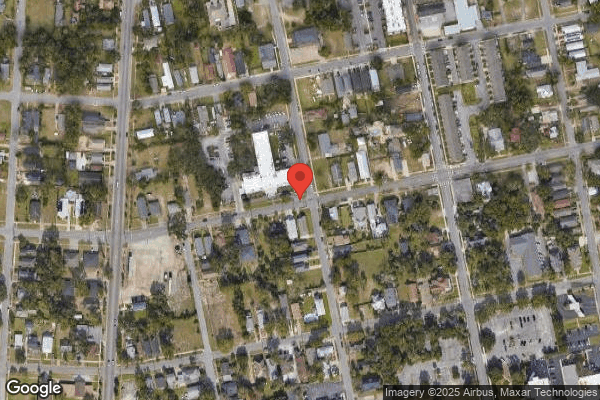
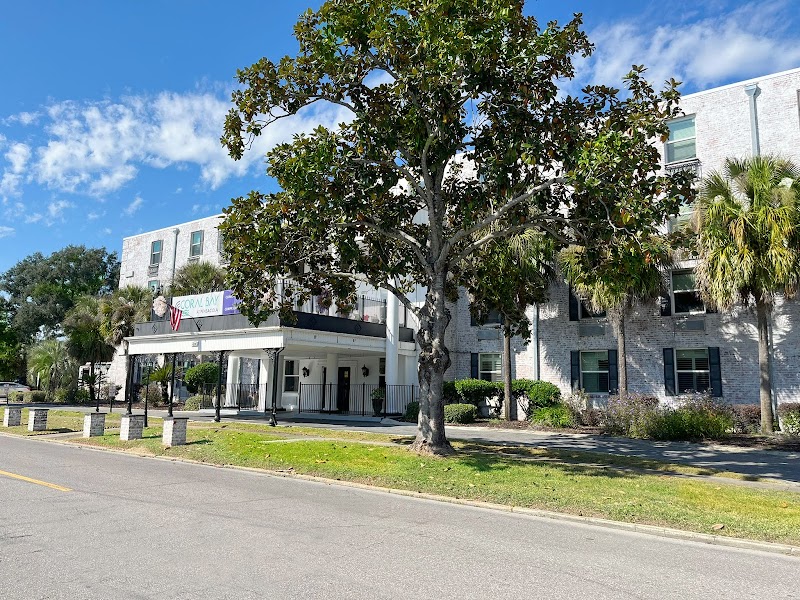
600 W GREGORY ST, PENSACOLA, FL 32502 (850) 437-3131
For profit - Partnership 210 Beds Independent Data: November 2025
Trust Grade
75/100
#200 of 690 in FL
Last Inspection: September 2024

Within standard 12-15 month inspection cycle. Federal law requires annual inspections.

Overview

Coral Bay at Pensacola has a Trust Grade of B, which means it is a good choice, falling in the solid range for nursing homes. It ranks #200 out of 690 facilities in Florida, placing it in the top half, but is #10 out of 15 in Escambia County, indicating that there are better options nearby. The facility is improving, with issues decreasing from 6 in 2024 to just 1 in 2025, and it has no fines on record, which is positive. Staffing is rated at 4 out of 5 stars, but it has a turnover rate of 45%, which is average for the state, meaning staff may change frequently. However, some concerns include a lack of readily available linen supplies for residents and reports of live roaches in the facility, which highlight areas needing improvement despite the overall good ratings.

Trust Score
B
75/100
In Florida
#200/690
Top 28%
Safety Record
Low Risk
No red flags
Inspections
Getting Better
6 → 1 violations
Staff Stability
⚠ Watch
45% turnover. Above average. Higher turnover means staff may not know residents' routines.
Penalties
✓ Good
No fines on record. Clean compliance history, better than most Florida facilities.
Skilled Nurses
○ Average
Each resident gets 30 minutes of Registered Nurse (RN) attention daily — about average for Florida. RNs are the most trained staff who monitor for health changes.
Violations
⚠ Watch
14 deficiencies on record. Higher than average. Multiple issues found across inspections.
★★★★☆
4.0
Overall Rating
★★★★☆
4.0
Staff Levels
★★★☆☆
3.0
Care Quality
★★★★☆
4.0
Inspection Score
Stable
2024: 6 issues
2025: 1 issues

The Good

  • 4-Star Staffing Rating · Above-average nurse staffing levels
  • Full Sprinkler Coverage · Fire safety systems throughout facility
  • No fines on record

Facility shows strength in staffing levels, fire safety.

The Bad

Staff Turnover: 45%

Near Florida avg (46%)

Higher turnover may affect care consistency

The Ugly 14 deficiencies on record

Jun 2025 1 deficiency
CONCERN (D) 📢 Someone Reported This

A family member, employee, or ombudsman was alarmed enough to file a formal complaint

Potential for Harm - no one hurt, but risky conditions existed

Comprehensive Care Plan (Tag F0656)

Could have caused harm · This affected 1 resident

Based on observations, interviews, and record review, the facility failed to maintain a complete and comprehensive care plan for 1 of 4 residents sampled. (Resident #1) The findings include: Per rec...

Read full inspector narrative →
Based on observations, interviews, and record review, the facility failed to maintain a complete and comprehensive care plan for 1 of 4 residents sampled. (Resident #1) The findings include: Per record review, on 5/27/25 at approximately 5:45 AM, staff responded to yells for help from the fourth-floor dining room and noted that Resident #1 was hitting Nurse A. The resident was separated from the nurse and assisted to his room to calm down by Nurse B. Resident #1 was seen by the Psychiatric Advance Practice Registered Nurse (APRN) following incident with orders to continue monitoring. Per the record, the staff implemented 15 minute checks on Resident #1 for the next 48 hours. A review of Resident #1 electronic medical record revealed that he had a care plan for physical aggression evidenced by striking out, hitting, kicking, throwing things, spitting at staff, refusing showers, and refusing care. The care plan was dated 7/14/22 with a revision on 5/27/25. No new interventions were noted on 5/27/25 and there was no care plan update noted for enhanced rounding of every 15-minute checks. Review of the physician orders for resident #1 revealed no order for enhanced rounding of 15-minute checks. On 6/10/25 at approximately 12:36 PM, an interview was conducted with the Director of Nursing (DON), who indicated that enhanced rounding and 1 on 1 supervisions are not put into the system as orders but stated it is started as a care plan for the residents as an intervention. The DON further stated that the care plan update for enhanced rounding for Resident #1 was missed. The DON indicated that, when they have morning meetings, they discuss any issues and, if interventions need to be implemented, they place them on the alert boards on the nurses carts to notify them of any changes and update the care plans. At approximately 2:00 PM an interview was conducted with the Social worker who indicated that he had reviewed the care plan for Resident #1 and updated the behavior. The Social Worker further indicated that it was his understanding the nursing staff updated any interventions for nursing for the enhanced rounding. At approximately 2:30 PM, an interview was conducted with the Minimum Data Set (MDS)/Care Plan Nurse, who indicated that the updates on care plans are normally a team effort that the MDS corrdinators and social workers share. The MDS/care plan nurse confirmed that the enhanced rounding every 15-minute checks was not included on the residents care plan.
Sept 2024 6 deficiencies
CONCERN (D)

Potential for Harm - no one hurt, but risky conditions existed

Deficiency F0554 (Tag F0554)

Could have caused harm · This affected 1 resident

Based on observation, staff interview, record review, and policy review, the facility failed to ensure the interdisciplinary team (IDT) assessed and determined if a resident was capable of self-admini...

Read full inspector narrative →
Based on observation, staff interview, record review, and policy review, the facility failed to ensure the interdisciplinary team (IDT) assessed and determined if a resident was capable of self-administration of medications prior to allowing 1 of 37 sampled residents to self-administer medications. (Resident #171) The findings include: An observation of Resident #171 was conducted on 9/10/24 at 2:39 PM. Resident #171 nodded yes when asked if he was completing his own tracheostomy care. He then pointed to a tube of mupirocin ointment that was not secured and was laying on the sink. (Photographic evidence was obtained) An interview was conducted with Employee H (registered nurse) on 9/10/24 at 2:35 PM. She stated Resident #171 performed his own tracheostomy care. A review of Resident #171's record revealed no assessment to determine if the resident was capable of self-administering his own medications and treatments. A review of the progress notes for September 2024 revealed that on 9/10/24, 9/9/24, 9/5/24, 9/4/24, 9/2/24, and 9/1/24, the resident declined tracheostomy care from staff and provided his own tracheostomy care. An interview was conducted with the Director of Nursing (DON) on 9/10/24 at 3:30 PM. She stated the facility has a process to assess the resident before allowing them to self-administer medications. She stated this resident refused to allow the nursing staff to perform the tracheostomy care. The DON stated she would have the nursing staff complete an assessment for him to self-administer the medication and treatment. A review of the facility policy Self-Administration of Medications (revised February 2021) revealed, .residents have the right to self-administer medications if the interdisciplinary team has determined that it is clinically appropriate and safe for the resident to do so. As part of the evaluation comprehensive assessment, the IDT assesses each resident's cognitive abilities to determine whether self-administering medications is safe and clinically appropriate for the resident. If it is deemed safe and appropriate for a resident to self-administer medications, this is documented in the medical record and the care plan.
CONCERN (D)

Potential for Harm - no one hurt, but risky conditions existed

ADL Care (Tag F0677)

Could have caused harm · This affected 1 resident

Based on observation, record review, staff interview, and policy review, the facility failed to provide nail care to dependent residents for 1 of 10 residents sampled for activities of daily living (A...

Read full inspector narrative →
Based on observation, record review, staff interview, and policy review, the facility failed to provide nail care to dependent residents for 1 of 10 residents sampled for activities of daily living (ADL). (Resident #12) The findings include: An observation of Resident #12's fingernails on her right hand was conducted with the Director of Nursing (DON) on 9/11/24 at 9:42 AM. The DON observed and measured the nail length of the 5th digit on the resident's right hand and stated the nail measured 1.5 cm past the nail bed. The DON stated this was not an acceptable nail length due to the status of the resident's right hand. A further interview was conducted with the DON on 9/12/24 at 9:42 AM. The DON clarified the resident's right hand was contracted. The 4th digit's nail on the resident's right hand was almost as long as the 5th digit's nail, but the DON was unable to measure the 4th digit due to the hand being contracted. A review of Resident #12's record revealed a quarterly minimum data set with an assessment reference date of 5/29/24. indicating the resident had a functional limitation in range of motion on one side in the upper extremity and required supervision or touching assistance for personal hygiene. A review of the resident's current care plan dated 9/9/24 stated that the resident was dependent on staff for toilet hygiene, showers, footwear, personal hygiene, sit to lying, sitting on side of bed, and transfers. The record revealed no documented refusal of nail care or documentation that nail care was performed. A review of the facility policy Care of Fingernails/Toenails (revised February 2018) revealed, .the purposes of this procedure are to clean the nail bed, to keep nails trimmed, and prevent infections. Nail care includes daily cleaning and regular trimming. The date and time that nail care was given, the name and title of the individual who administered the nail care, and if the resident refused the treatment, the reason why and the intervention taken should be recorded in the record.
CONCERN (D) 📢 Someone Reported This

A family member, employee, or ombudsman was alarmed enough to file a formal complaint

Potential for Harm - no one hurt, but risky conditions existed

Quality of Care (Tag F0684)

Could have caused harm · This affected 1 resident

Based on observations, staff interviews, record review, and facility policy review, the facility failed to provide treatment and care in accordance with professional standards and facility policy for ...

Read full inspector narrative →
Based on observations, staff interviews, record review, and facility policy review, the facility failed to provide treatment and care in accordance with professional standards and facility policy for 1 of 1 resident sampled for non-pressure related skin conditions. (Resident #123) The findings include: An observation of Resident #123 was conducted on 09/09/2024 at approximately 12:15 PM. The resident was observed to have an undated dressing located on his left lower arm. Another observation of Resident #123 was conducted on 09/10/2024 at approximately 2:40 PM, which revealed that the resident continued to have an undated dressing located on his left lower arm. On 09/11/2024, at approximately 5:14 PM, another observation was made in the presence of Employee B (licensed practical nurse), who confirmed there was an undated dressing located on the lower arm of Resident #123. Employee B indicated that the wound care nurse completes the dressings to Resident #123 during the week. On 09/11/2024 at approximately 5:30 PM, an observation of Resident #123's left lower arm was conducted in the presence of Employee A, the facility's wound care nurse. Employee A verified that the dressing to the left lower arm was not dated. She further confirmed that she had removed the dressing today and received orders from the wound care provider pertaining to the skin tear to left wrist today during wound care rounds. Employee A indicated that the wound was new to her this week and confirmed that there was no order for the dressing or documentation of the skin tear in Resident #123's electronic medical record (EMR). A review of Resident #123's EMR, conducted on 09/11/2024, revealed that there was no order for wound care to the left lower arm and no documentation of a skin tear noted to the left wrist/lower arm of the resident. On 09/11/2024 at approximately 5:45 PM, an interview was conducted with the Director of Nursing (DON) concerning the skin tear to Resident #123's left lower arm. The DON confirmed that there was no documented order in the EMR for the left lower arm/wrist area for Resident #123. The DON further indicated that it is her expectation that the nurse notifies the provider of any new skin issues and obtain an order for treatment, which should be placed in the EMR, and the resident's representative should also be notified. The facility policy titled SKIN TEARS-ABRASIONS AND MINOR BREAKS, CARE OF LEVEL II states, PURPOSE: The purpose of this procedure is to guide the prevention and treatment of abrasions, skin tears, and minor breaks in the skin. PREPARATION: 1. Obtain a physician's order as needed. Document physician notification in medical record. 2. Review the resident's care plan, current orders, and diagnoses to determine resident needs. 3. Check the treatment record. 4. Generate Non-Pressure form and complete. 5. Assemble the equipment and supplies as needed.
CONCERN (D)

Potential for Harm - no one hurt, but risky conditions existed

Deficiency F0757 (Tag F0757)

Could have caused harm · This affected 1 resident

Based on record review, staff interview, and policy review, the facility failed to appropriately monitor physician ordered magnesium levels for 1 of 5 sampled residents reviewed for unnecessary medica...

Read full inspector narrative →
Based on record review, staff interview, and policy review, the facility failed to appropriately monitor physician ordered magnesium levels for 1 of 5 sampled residents reviewed for unnecessary medications. (Resident #78) The findings include: A review of Resident #78's record revealed the resident received Magnesium Oxide 400 mg by mouth four times a day since 9/15/23. A review of the current physician orders revealed an order for a magnesium level every 6 months with other routine labs dated 7/6/23. A review of the record revealed no Magnesium level monitoring or documented refusal of the Magnesium level since the order date of 7/6/23. An interview was conducted with the Director of Nursing (DON) on 9/11/24 at 3:19 PM. She stated she was not able to locate the Magnesium level. The DON confirmed the Magnesium level was not completed and the record revealed no documented attempts or refusals. The facility policy, Lab and Diagnostic Test Results-Clinical Protocol (revised November 2018) states, .the physician will identify and order diagnostic and lab testing based on the resident's diagnostic and monitoring needs. The staff will process test requisitions and arrange for tests. The laboratory, diagnostic radiology provider, or other testing source will report test results to the facility.
CONCERN (D)

Potential for Harm - no one hurt, but risky conditions existed

Garbage Disposal (Tag F0814)

Could have caused harm · This affected 1 resident

Based on observations, staff interviews, and policy review, the facility failed to dispose of garbage and refuse properly during the initial and follow-up tour of the facility's kitchen and garbage co...

Read full inspector narrative →
Based on observations, staff interviews, and policy review, the facility failed to dispose of garbage and refuse properly during the initial and follow-up tour of the facility's kitchen and garbage collection bins located outside the facility. The findings include: On 09/09/2024 at approximately 11:20 AM, a tour of the kitchen and facility garbage bins outside the facility was performed with the Dietary Manager. During the tour, trash was located around the garbage compactor and the cardboard box trash bin was on the ground. The cardboard box trash bin was noted to have a hole in the bin located in the forklift port in which cardboard boxes could be identified. The Dietary Manager indicated that she would notify the Maintenance Manager of the hole in the bin and have the bin replaced. The Dietary Manager further indicated that she was not sure why there was trash on the ground behind the garbage compactor bin but would have the area cleaned up. On 09/11/2024 at approximately 04:59 PM, a follow-up observation was conducted of the facility's outside garbage bins area with the Administrator. The Administrator confirmed that there was a hole located on the right side of the cardboard box bin and you could see the boxes through the hole. The Administrator further confirmed that there was trash scattered on the ground surrounding the trash bins and that it was her expectation that the bins be sealed to contain the trash, and no trash is to be on the ground around the trash bins. (Photographic evidence obtained). The facility policy titled Dispose of Garbage and Refuse, dated October 2019, states, Policy Statement It is the center policy all garbage and refuse will collected and disposed in a safe and efficient manner. Action Steps 1. The Dining Services Director coordinates with the Director of Maintenance to insure that the area surrounding the exterior dumpster area is maintained in a manner free of rubbish or other debris. 2. The Dining Services Director will ensure proper practice for handling garbage and refuse including: Appropriate lined containers are available with the food service area, Appropriate lids are provided for all containers, Garbage and refuse is removed from the kitchen area routinely during the day and at the end of the work day, All staff observe proper hand washing practice after handling garbage or refuse. 3. The Dining Services Director will be responsible for appropriate re-cycling practices are in place as outlined by the local authorities.
CONCERN (D)

Potential for Harm - no one hurt, but risky conditions existed

Infection Control (Tag F0880)

Could have caused harm · This affected 1 resident

Based on observations, staff interviews, review of the electronic medical record (EMR), and the facilities policy on Isolation-Initiating Transmission Based Precautions (TBP), the facility failed to i...

Read full inspector narrative →
Based on observations, staff interviews, review of the electronic medical record (EMR), and the facilities policy on Isolation-Initiating Transmission Based Precautions (TBP), the facility failed to implement TBP for Resident #8, diagnosed with extended-spectrum ß-lactamase (ESBL) urinary tract infection (UTI). The findings include: On 09/10/24 at approximately 04:20 PM, the room of Resident #8 was observed without TBP signage or any isolation set up including personal protective equipment (PPE). (photographic evidence obtained) On 09/11/24 at approximately 10:22 AM, during an interview with Staff K, the unit manager, it was confirmed that any resident with ESBL UTI should be on contact precautions, including TBP signage and isolation set up by the door. The unit manager confirmed that there was no TBP signage or isolation set up on the door of Resident #8 but agreed that there should be one. On 09/11/24 at approximately 10:30 AM, Staff F, the infection preventionist (IP), confirmed in the EMR that the provider placed the order for antibiotics on 9/6/2024 for ESBL UTI. The IP indicated that Resident #8 should have had a contact isolation order and TBP isolation set up when the antibiotic was ordered on 9/6/2024. The IP indicated that any nurse can place a resident on TBP. On 09/11/24 at approximately 11:25 AM, Staff K stated she is not aware of any process to monitor for new infections when the IP is not on site. There is a house supervisor on the weekend that would have access to the isolation set up. On 09/11/24 at approximately 11:44 AM, the Director of Nursing (DON) stated that, on the weekends, the house supervisor reviews orders for residents that are being readmitted to the facility from the hospital. If a resident needs to be on TBP, they would initiate this. A review of the EMR revealed that Resident #8 has a diagnosis of PERSONAL HISTORY OF URINARY (TRACT) INFECTIONS. A review of the physician orders for Resident #8 revealed an order placed on 9/6/2024 for Augmentin Oral Tablet 500-125 MG (Amoxicillin & Pot Clavulanate) Give 1 tablet by mouth every 12 hours for UTI RESISTANCE DUE TO (ESBL) EXTENDED SPECTRUM B-LACTAMASE for 7 days. A review of the providers progress note for Resident #8 dated 9/9/2024 stated, Patient reports still having burning with urination - urinalysis on 9/4/2024 was positive for UTI, antibiotics started - end date 09/13/2024. A review of the facility policy named Isolation-Initiating Transmission Based Precautions revised August 2019, states Transmission-based precautions are initiated when a resident develops signs and symptoms of a transmissible infection; arrives for admission with symptoms of infection; or has a laboratory confirmed infection; and is at risk of transmitting the infection to other residents. (photographic evidence obtained)
Oct 2023 1 deficiency
CONCERN (E) 📢 Someone Reported This

A family member, employee, or ombudsman was alarmed enough to file a formal complaint

Potential for Harm - no one hurt, but risky conditions existed

Deficiency F0907 (Tag F0907)

Could have caused harm · This affected multiple residents

Based on observation and interview, the facility failed to ensure linen supplies were readily available for resident care on 3 of the 4 patient floors. The findings include: During the facility tour o...

Read full inspector narrative →
Based on observation and interview, the facility failed to ensure linen supplies were readily available for resident care on 3 of the 4 patient floors. The findings include: During the facility tour on 10/26/2023 at approximately 12:06 PM, observation of the clean linen cart of the 1st floor noted only three gowns and one sheet. Staff A, a Certified Nursing Assistant (CNA), was asked if linen frequently runs out. Staff A confirmed that the linen does run out and stated they eventually bring another cart. A tour of the second floor clean linen cart on 10/26/2023 at approximately 12:12 PM noted an empty linen cart except for 3 sheets and what appeared to be a pillowcase. Staff C, another CNA, confirmed that the carts are typically empty by mid-morning and that makes it difficult to complete care in a timely manner. When asked if they restock, she stated that, at some point in the morning/afternoon another cart comes up, but if they must perform immediate incontinent care, they are having to go search for supplies which takes time. A tour of the third floor clean linen cart on 10/26/2023 at approximately 12:45 PM noted an empty linen cart except for approximately 4 sheets, 2 gowns, and a couple of pillowcases. Staff D, another CNA, stated that they must use facility owned washcloths to provide care if someone has an incontinence episode. She stated that, if someone one had an incontinence episode, that they have to go look for linen which can delay care. When asked if the patients have to wait, Staff D stated sometimes they do. In an interview on 10/26/2023 at approximately 1:15 PM, Staff F, a housekeeper, stated that she had heard there were no linens upstairs. She stated the second carts were sent upstairs so they should have linens now. Staff F was advised that the concern is that 3 of the 4 floors had almost no linen by lunch time and if a patient needed care, they didn't have supplies. She stated they deliver two carts during the day shift: one in the morning and one mid-day. One cart is delivered to each floor on the evening shift and night shift picks up a cart when they come in to start their shift. Staff F stated she is concerned that staff are throwing linens away because they are soiled, because they aren't sending these linens down to get cleaned. She stated that the staff does not send the morning laundry down the laundry chute until the end of the shift. It would be better if they sent it throughout the day so they could wash it. The housekeeper stated that she believes that CNA's are throwing laundry away or they are hoarding it. Staff F showed pictures of the laundry stash that they have found on the floors. When asked what would be a reason for hoarding linen, Staff F confirmed probably because they run out, but also possibly because they throw it away. The Director of Housekeeping stated that he has another order for linens coming next week and that they are constantly ordering. During the tour, it was observed that two washing machines were currently washing what appeared to be towels. It was also observed that the carts labeled for evening shift were not yet loaded with linens. On 10/26/2023 at approximately 3:45 PM, Staff I, another CNA, was asked whether they had enough linens for incontinence care. Staff I stated that there isn't enough linen and they are often out. She stated, When we need it, it isn't there. Staff I stated there was more when they used wipes. Staff I stated the facility used to have disposable wipes to clean up bowel movements, but they now have to use washcloths and towels and they just don't think the towels will get clean in the wash. When asked if they had seen dirty towel/washcloth come back with stains, Staff I could not recall. In an interview with the Administrator on 10/26/2023 at approximately 4:15 PM, the Administrator was advised that there wasn't linen available on the carts on 3 of the 4 floors when this surveyor was touring. She stated they have been buying more linen. Staff have been educated on not throwing away linens as they need to order more then. She stated staff have received an in-service on this. She stated the staff used to use wipes, but the new corporation is not buying wipes and is only using cloth washcloths and towels. Staff would rather use wipes, and are throwing linen away. The Administrator was advised that the linen concern is that it isn't readily available during the surveyor's observation when a patient may need an immediate clean up and that 3 of 4 floors had no linens for use by mid-day.
May 2023 2 deficiencies
CONCERN (D)

Potential for Harm - no one hurt, but risky conditions existed

Infection Control (Tag F0880)

Could have caused harm · This affected 1 resident

Based on observation, record review, staff interview, and policy review, the facility failed to maintain infection prevention measures intended to help prevent transmission of disease and infections f...

Read full inspector narrative →
Based on observation, record review, staff interview, and policy review, the facility failed to maintain infection prevention measures intended to help prevent transmission of disease and infections for 1 of 1 residents on isolation precautions. (Resident #146) The findings include: On 5/23/23 at 2:11 PM, an observation was made of Staff A, a Certified Nurse Assistant (CNA), inside Resident #146's room under contact/enhanced barrier precautions. CNA A was observed providing incontinence care donning only gloves as personal protective equipment (PPE). On 5/23/23 at 5:11 PM, an observation was made of Staff B, a Registered Nurse (RN), and Staff C, a Licensed Practical Nurse (LPN), entering Resident #146's room. Staff B, RN, and Staff C, LPN, were observed touching Resident #146's pump used for intravenous antibiotics. Staff B, RN, and Staff C, LPN, were not observed washing their hands or donning any PPE. On 5/23/23, a review of medical records for Resident #146 was conducted and revealed a physician order for contact isolation from 5/22/23 through 5/29/23. Further review of the record revealed a positive laboratory test result dated 5/14/23 for Pseudomonas Aeruginosa (a bacteria that can cause infection in the blood, lungs and other parts of the body, and can spread in healthcare settings from one person to another through contaminated hands, equipment, or surfaces). The lab result stated Pseudomonas Aeruginosa is a multi-drug resistant organism: contact precautions indicated. On 5/22/23 at 8:35 AM, a progress note written by Staff D, another RN, stated all staff and residents were notified of barrier precautions due to MDRO (Multidrug-resistant organisms). A notice of contact precautions and required PPE use was posted on Resident #146's entrance. On 5/23/23 at 2:39 PM, an interview was conducted with Staff A, CNA. The surveyor asked if she was aware that this was a contact isolation room and she replied that she was not aware. Staff A further stated she was not aware she needed to use a gown to provide incontinence care and stated she had provided bowel care 3 times that day because Resident #146 had diarrhea. On 5/23/23 at 5:20 PM, an interview was conducted with Staff C, LPN. During the interview, it was revealed Staff C, LPN, was not aware Resident #146 was under precautions and stated if she would have known she would have wore a gown and gloves and performed hand washing before and after donning PPE. A review was conducted of facility's Categories of Transmission-Based Precautions policy, last revised October 2018, stated, Staff and visitors will wear gloves gloves (clean, non-sterile) when entering the room. Staff and visitors will wear a disposable gown upon entering the room and remove before leaving the room and avoid touching potentially contaminated surfaces with clothing after gown is removed. A review was conducted of the Guidelines for Prevention and Control of Infection Due to Antibiotic Resistant Organisms by the Florida Department of Health, Division of Disease Control and Health Protection Bureau of Epidemiology, updated December 2020. The guidelines revealed steps to prevent the spread of MDRO's include wearing gloves and a gown when treating patients. The guidelines furthe stated, During contact precautions, health care workers should wear a gown and gloves while in the patient's room, remove the gown and gloves before leaving the room, and perform hand hygiene when entering and leaving the room. During enhanced barrier precautions, health care workers should use personal protective equipment including a gown and gloves during resident care activities including changing briefs or assisting with toileting. A review was conducted of Guidelines for Isolation Precautions: Preventing Transmission of Infectious Agents in Healthcare Setting published by the Centers for Disease Control and Prevention (CDC), last updated May 2022. On page 130, the guidelines listed Pseudomonas Aeruginosa as an infectious agent that is readily transmissible, have a proclivity toward causing outbreaks, may be associated with a severe outcome, and are difficult to treat.
CONCERN (D)

Potential for Harm - no one hurt, but risky conditions existed

Deficiency F0919 (Tag F0919)

Could have caused harm · This affected 1 resident

**NOTE- TERMS IN BRACKETS HAVE BEEN EDITED TO PROTECT CONFIDENTIALITY** Based on observation, staff interviews, record review, and policy review, the facility failed to maintain a functional restroom ...

Read full inspector narrative →
**NOTE- TERMS IN BRACKETS HAVE BEEN EDITED TO PROTECT CONFIDENTIALITY** Based on observation, staff interviews, record review, and policy review, the facility failed to maintain a functional restroom emergency call system for resident use in 1 of 33 sampled resident rooms. (room [ROOM NUMBER]) The findings include: Observations of the restroom emergency call system for room [ROOM NUMBER] were conducted on 5/23/23 at 12:40 PM and 5/24/23 at 3:17 PM. The call system did not function when the cord was pulled. During the observation on 5/24/23 at 3:17 PM, Employee E (Maintenance Assistant) attempted to initiate the call system. He stated the system did not have the proper cord and the system was not functional. Further interview was conducted with Employee E on 5/24/23 at 3:09 PM. Employee E stated they check random call lights in the facility twice a month and rely on nursing staff to let them know if a call light is not functional. Employee E was not able to produce documentation of when the call light for room [ROOM NUMBER] was last checked. Review of the facility policy for Answering the Call Light (revised March 2021) revealed the purpose of the procedure was to ensure timely responses to the resident's requests and needs. Number 4 stated, Be sure the call light is plugged in and functioning at all times.
Nov 2022 1 deficiency
CONCERN (E) 📢 Someone Reported This

A family member, employee, or ombudsman was alarmed enough to file a formal complaint

Potential for Harm - no one hurt, but risky conditions existed

Safe Environment (Tag F0584)

Could have caused harm · This affected multiple residents

**NOTE- TERMS IN BRACKETS HAVE BEEN EDITED TO PROTECT CONFIDENTIALITY** Based on observations, interviews, and review of facility pest control invoices, the facility failed to maintain a safe, clean, ...

Read full inspector narrative →
**NOTE- TERMS IN BRACKETS HAVE BEEN EDITED TO PROTECT CONFIDENTIALITY** Based on observations, interviews, and review of facility pest control invoices, the facility failed to maintain a safe, clean, pest free environment, as evidenced by live roaches observed in rooms [ROOM NUMBERS] and interviews with 5 of 5 residents who had recently seen roaches in their rooms. (Resident #2, #3, #4, #5, #6 ). The findings include: On 11/15/22 at approximately 10:52 AM, a facility tour was conducted. A live roach was observed when the oxygen machine was moved in room [ROOM NUMBER] B bed 2. The roach quickly scurried. On 11/15/22 at approximately 10:56 AM, an interview was conducted with Resident #2 who resides on the 3rd floor. Resident #2 stated, I am always seeing roaches in my room. I tell them all the time. They do not do enough to fix the problem. They get no better. I just saw roaches a few minutes ago. An interview was conducted with Resident #3 who resides in the same bedroom. She was asked if she had also seen roaches. The resident explained that roaches have been a constant problem at the facility. On 11/15/22 at approximately 11:35 AM, an interview was conducted with Resident #4 who resides in the 4th floor. Resident #4 was asked if he has observed roaches in his room. The resident explained that he has seen quite a few roaches in his room and in other areas of the facility. On 11/15/22 at approximately 12:15 PM, a live roach was observed scurrying under the tube feeding pole in room [ROOM NUMBER] (the 2nd floor). (photographic evidence obtained) On 11/15/22 at approximately 2:00 PM, an interview was conducted with Resident #5 and #6 who reside in the 2nd floor. Both residents reported that they have seen roaches in their room in the past several days. On 11/15/22 at approximately 3:20 PM, an interview was conducted with the Maintenance Supervisor. He was notified that live roaches were observed and there were several resident complaints and observations of roaches in the rooms. He was asked to provide logs and invoices of pest control treatments. The Maintenance Supervisor explained that the facility had changed pest control companies the end of October. He provided a pest treatment invoice from 10/24/22. The Supervisor was asked if any additional treatments have been provided in the last 3 weeks. He explained the facility has not been treated since 10/24/22. He also explained that the pest control company can be called out any time to do a treatment. The Maintenance Supervisor said,The facility will be professionally treated once a month until the problem is taken care of. We go through and use stuff but it is not strong enough. He was asked if a problem with roaches still existed in the facility. He said: We are starting to quell it. Since the new company came out and did the treatment we are making progress. I am not going to tell you it is gone though. On 11/15/22 at approximately 4:30 PM, an interview was conducted with the Facility Administrator (FA). The FA was notified that residents had complained about roaches and live roaches were observed on two different floors during the survey. She was asked if she was aware of the resident complaints about roaches in the facility. The administrator replied: Yes, we have had a problem with roaches. It is getting better. We changed companies.
Mar 2022 3 deficiencies
CONCERN (D)

Potential for Harm - no one hurt, but risky conditions existed

ADL Care (Tag F0677)

Could have caused harm · This affected 1 resident

Based on observations, staff interview and record review, the facility failed to provide adequate services to maintain good personal hygiene for 1 of 7 sampled residents reviewed for activities of dai...

Read full inspector narrative →
Based on observations, staff interview and record review, the facility failed to provide adequate services to maintain good personal hygiene for 1 of 7 sampled residents reviewed for activities of daily living. (resident #73) The findings include: Observations of resident #73 were conducted on 3/1/22 at 3:00 PM, 3/2/22 at 9:34 AM, and 3/2/22 at 4:23 PM. The resident was observed to have facial hair around her mouth approximately 0.5 centimeters (cm) long and her finger nails on her right hand were observed to be about 1 cm long with a dark substance under some of her nails. Review of the facility's 2nd floor shower sheet revealed resident #73 was scheduled for bathing every Monday, Wednesday, and Friday on the 7 AM to 3 PM, (7-3) shift. The current care plan regarding self-care deficit with dressing grooming, bathing initiated on 3/1/2019 stated the resident does not participate in activities of daily living and requires assistance with personal care tasks and mobility skills. Interventions include staff provide total assistance with dressing, grooming, and bathing and anticipate resident's needs with activities of daily living. On 3/02/22 at approximately 4:23 PM, an interview was conducted with employee A, Assistant Director of Nursing (ADON). During which she observed resident #73 and stated her facial hair should have been removed during bathing yesterday and her nails should be short and clean and they were not. She stated these tasks should be completed during bathing. On 3/03/22 at approximately 3:53 PM, a follow up interview was conducted with employee A, ADON. Employee A stated the resident was scheduled for bathing every Monday, Wednesday, and Friday on the 7 -3 shift. She stated the resident should have been bathed on 2/28/22 and she was unable to find any documentation indicating the resident was bathed.
CONCERN (D)

Potential for Harm - no one hurt, but risky conditions existed

Respiratory Care (Tag F0695)

Could have caused harm · This affected 1 resident

Based on observations, interview, record review, and policy review the facility failed to administer oxygen only with a physician order in accordance with the facility policy for 1 of 2 residents samp...

Read full inspector narrative →
Based on observations, interview, record review, and policy review the facility failed to administer oxygen only with a physician order in accordance with the facility policy for 1 of 2 residents sampled for respiratory care (resident #155). The findings include: Observations of resident #155 were conducted on 3/1/22 at 2:43 PM, 3/2/22 at 9:25 AM, 1:11 PM, 4:12 PM, and 3/3/22 at 1:11 PM. The resident was in bed and receiving oxygen at 3 liters per minute via nasal cannula during all of the observations. Review of the resident's electronic medical record revealed a current physician order dated 1/13/22 for oxygen at 2 liters per minute via nasal cannula as needed for shortness of breath and oxygen saturation below 92% on room air. An interview was conducted with employee B, Registered Nurse on 3/2/22 at 4:12 PM. Employee B observed resident #155 and confirmed he was receiving oxygen at 3 liters per minute. She then reviewed the record and verified the physician order indicated the resident should be receiving oxygen at 2 liters per minute. Review of the facility policy for Oxygen Administration level III (@MED-PASS, Inc. (Revised October 2010) reveals oxygen therapy is administered to the resident only upon the written order of a licensed physician.
CONCERN (F)

Potential for Harm - no one hurt, but risky conditions existed

Deficiency F0563 (Tag F0563)

Could have caused harm · This affected most or all residents

On 3/1/22 at approximately 11:52 AM, an interview was conducted with the sister of resident #169. The sister stated that this current visit (3/1/22) had to be scheduled in advance. On 3/02/22 at appr...

Read full inspector narrative →
On 3/1/22 at approximately 11:52 AM, an interview was conducted with the sister of resident #169. The sister stated that this current visit (3/1/22) had to be scheduled in advance. On 3/02/22 at approximately 1:48 PM, an interview was conducted with employee I, a ward clerk, who stated visitors must schedule visits because of COVID-19. Employee I, ward clerk, screens visitors, then alerts nursing staff visitors are waiting. Employee I, ward clerk, stated visitors are instructed to call a specific extension number to schedule visits. Employee I offered that the facility's referral coordinator manages the visitation process. On 3/02/22 at approximately 1:56 PM, an interview was conducted with employee J, referral coordinator, who confirmed the facility had been scheduling resident visits. When asked to describe the process, employee J, referral coordinator, stated visitors leave a request on voicemail line. Employee J, logs the request based on the date and time and a copy of daily visit log is left with front desk. Employee J, stated that visits are limited to 1 hour per 2 residents due to space limitation and are limited to the first-floor dining room only. Surveyor Identification Number 41185 On 03/03/2022 at approximately 8:00 AM, an interview was conducted with staff E, the Infection Control Nurse (ICN)/Registered Nurse (RN). She said, we made the decision to stop open visitation due to our large Covid-19 outbreak in January 2022. We were in communication with the local department of health. On 03/03/2022 at approximately 9:40 AM, an interview was conducted with the Director of Nursing (DON). She said, we had a large Covid-19 outbreak at the beginning of the year, I communicated with the department of health (DOH) and the facility made the decision to stop open visitation, until 14 days clear of positive Covid-19 test results. The DON added, the last positive result was on 02/22/2022. A review of the policy Visitation, Infection Control During COVID-19 last revised in April 2012, states under item #3, The Administrator, in conjunction with the Medical Director and Infection Preventionist, has the authority to restrict or ban facility visitation during outbreaks, whether these originate in the facility or in the community. Based on record review, interviews and policy review, the facility failed to honor resident rights to receive visitors at the time of their choosing, potentially affecting all 183 residents in the facility at the time of the survey. The findings include: An interview was conducted with resident # 155's sister on 3/2/22 at approximately 1:30 PM. She stated she must call the facility to schedule an appointment for visitation with her brother.
Understanding Severity Codes (click to expand)
Life-Threatening (Immediate Jeopardy)
J - Isolated K - Pattern L - Widespread
Actual Harm
G - Isolated H - Pattern I - Widespread
Potential for Harm
D - Isolated E - Pattern F - Widespread
No Harm (Minor)
A - Isolated B - Pattern C - Widespread

Questions to Ask on Your Visit

  • "Can I speak with families of current residents?"
  • "What's your RN coverage like on weekends and overnight?"

Our Honest Assessment

Strengths
  • • No major safety red flags. No abuse findings, life-threatening violations, or SFF status.
  • • No fines on record. Clean compliance history, better than most Florida facilities.
Concerns
  • • 14 deficiencies on record. Higher than average. Multiple issues found across inspections.
Bottom line: Generally positive indicators. Standard due diligence and a personal visit recommended.

About This Facility

What is Coral Bay At Pensacola, Llc's CMS Rating?

CMS assigns CORAL BAY AT PENSACOLA, LLC an overall rating of 4 out of 5 stars, which is considered above average nationally. Within Florida, this rating places the facility higher than 99% of the state's 100 nursing homes. This rating reflects solid performance across the metrics CMS uses to evaluate nursing home quality.
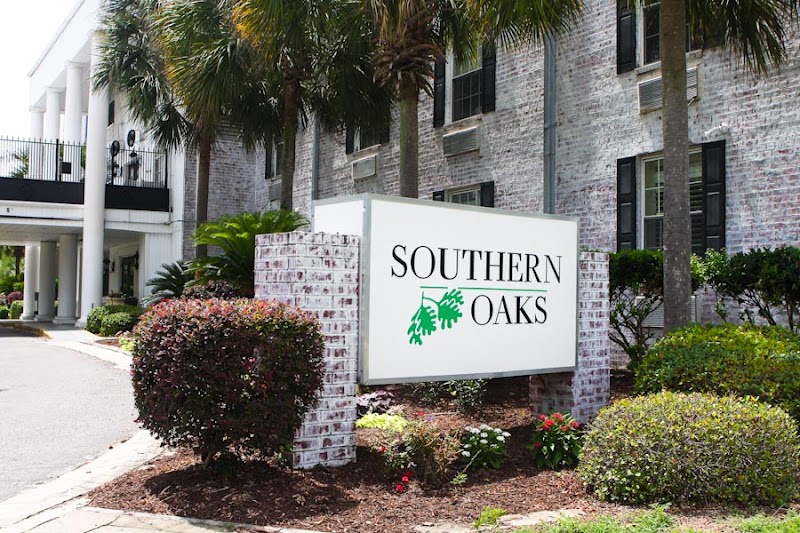
How is Coral Bay At Pensacola, Llc Staffed?

CMS rates CORAL BAY AT PENSACOLA, LLC's staffing level at 4 out of 5 stars, which is above average compared to other nursing homes. Staff turnover is 45%, compared to the Florida average of 46%. This relatively stable workforce can support continuity of care.

What Have Inspectors Found at Coral Bay At Pensacola, Llc?

State health inspectors documented 14 deficiencies at CORAL BAY AT PENSACOLA, LLC during 2022 to 2025. These included: 14 with potential for harm.

Who Owns and Operates Coral Bay At Pensacola, Llc?

CORAL BAY AT PENSACOLA, LLC is owned by a for-profit company. For-profit facilities operate as businesses with obligations to shareholders or private owners. The facility operates independently rather than as part of a larger chain. With 210 certified beds and approximately 196 residents (about 93% occupancy), it is a large facility located in PENSACOLA, Florida.
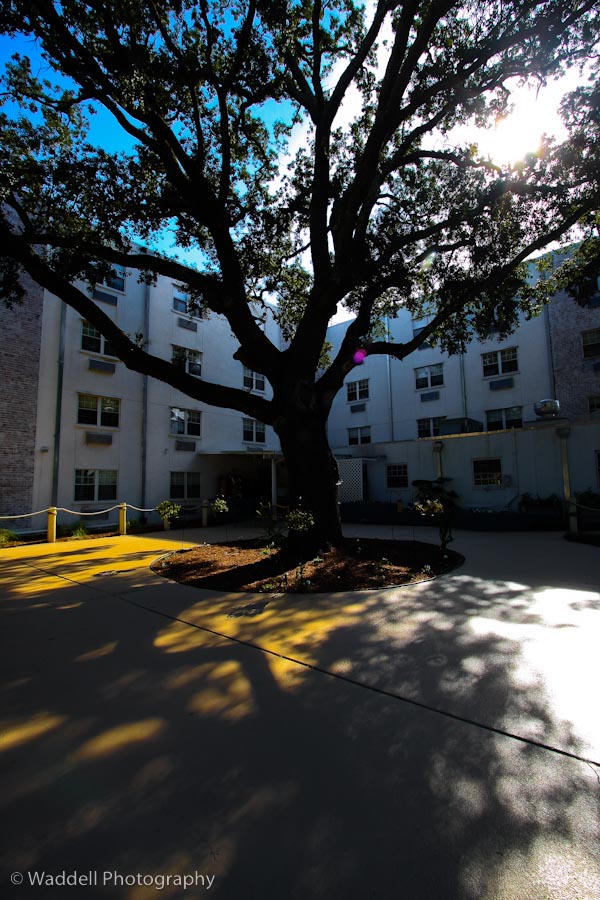
How Does Coral Bay At Pensacola, Llc Compare to Other Florida Nursing Homes?

Compared to the 100 nursing homes in Florida, CORAL BAY AT PENSACOLA, LLC's overall rating (4 stars) is above the state average of 3.2, staff turnover (45%) is near the state average of 46%, and health inspection rating (4 stars) is above the national benchmark.

What Should Families Ask When Visiting Coral Bay At Pensacola, Llc?

Based on this facility's data, families visiting should ask: "Can I visit during a mealtime to observe dining assistance and food quality?" "How do you handle medical emergencies, and what is your hospital transfer rate?" "Can I speak with family members of current residents about their experience?"

Is Coral Bay At Pensacola, Llc Safe?

Based on CMS inspection data, CORAL BAY AT PENSACOLA, LLC has a clean safety record: no substantiated abuse findings (meaning no confirmed cases of resident harm), no Immediate Jeopardy citations (the most serious violation level indicating risk of serious injury or death), and is not on the Special Focus Facility watch list (a federal program monitoring the lowest-performing 1% of nursing homes). The facility has a 4-star overall rating and ranks #1 of 100 nursing homes in Florida. While no facility is perfect, families should still ask about staff-to-resident ratios and recent inspection results during their visit.

Do Nurses at Coral Bay At Pensacola, Llc Stick Around?

CORAL BAY AT PENSACOLA, LLC has a staff turnover rate of 45%, which is about average for Florida nursing homes (state average: 46%). Moderate turnover is common in nursing homes, but families should still ask about staff tenure and how the facility maintains care continuity when employees leave.

Was Coral Bay At Pensacola, Llc Ever Fined?

CORAL BAY AT PENSACOLA, LLC has no federal fines on record. CMS issues fines when nursing homes fail to meet care standards or don't correct problems found during inspections. The absence of fines suggests the facility has either maintained compliance or corrected any issues before penalties were assessed. This is a positive indicator, though families should still review recent inspection reports for the full picture.

Is Coral Bay At Pensacola, Llc on Any Federal Watch List?

CORAL BAY AT PENSACOLA, LLC is not on any federal watch list. The most significant is the Special Focus Facility (SFF) program, which identifies the bottom 1% of nursing homes nationally based on persistent, serious quality problems. Not being on this list means the facility has avoided the pattern of deficiencies that triggers enhanced federal oversight. This is a positive indicator, though families should still review the facility's inspection history directly.