HAVENS AT PENSACOLA, THE
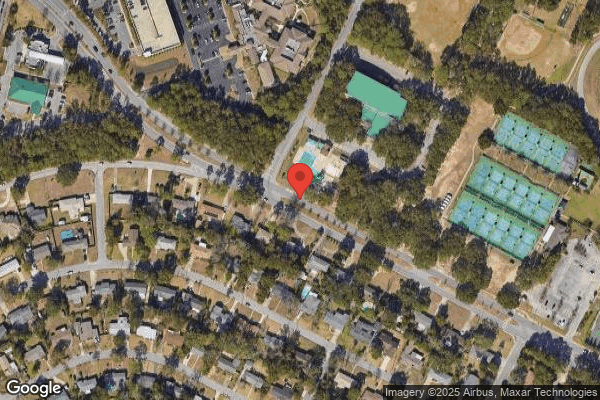
1900 SUMMIT BOULEVARD, PENSACOLA, FL 32503 (850) 746-0700
For profit - Limited Liability company 120 Beds Independent Data: November 2025
Trust Grade
85/100
#47 of 690 in FL
Last Inspection: March 2025

Within standard 12-15 month inspection cycle. Federal law requires annual inspections.

Overview

Havens at Pensacola has a Trust Grade of B+, indicating it is above average and recommended for families seeking care. It ranks #47 out of 690 nursing homes in Florida, placing it in the top half of facilities in the state, and #3 out of 15 in Escambia County, meaning only two local options are better. The facility is improving, with the number of reported issues decreasing from 4 in 2023 to just 1 in 2025. Staffing is a concern, with a 55% turnover rate, which is higher than the Florida average, though the facility has a solid RN coverage. There were no fines, which is positive, but specific incidents raised red flags, such as failure to document consent for immunizations for multiple residents and not properly recording one resident's advanced directives, which could lead to serious misunderstandings about their medical wishes. Overall, while there are strong areas, families should be aware of these weaknesses when considering this facility.

Trust Score
B+
85/100
In Florida
#47/690
Top 6%
Safety Record
Low Risk
No red flags
Inspections
Getting Better
4 → 1 violations
Staff Stability
⚠ Watch
55% turnover. Above average. Higher turnover means staff may not know residents' routines.
Penalties
✓ Good
No fines on record. Clean compliance history, better than most Florida facilities.
Skilled Nurses
✓ Good
Each resident gets 48 minutes of Registered Nurse (RN) attention daily — more than average for Florida. RNs are trained to catch health problems early.
Violations
✓ Good
Only 5 deficiencies on record. Cleaner than most facilities. Minor issues only.
★★★★★
5.0
Overall Rating
★★★★☆
4.0
Staff Levels
★★★★☆
4.0
Care Quality
★★★★★
5.0
Inspection Score
Stable
2023: 4 issues
2025: 1 issues

The Good

  • 4-Star Staffing Rating · Above-average nurse staffing levels
  • 4-Star Quality Measures · Strong clinical quality outcomes
  • Full Sprinkler Coverage · Fire safety systems throughout facility
  • No fines on record

Facility shows strength in staffing levels, quality measures, fire safety.

The Bad

Staff Turnover: 55%

Near Florida avg (46%)

Frequent staff changes - ask about care continuity

Staff turnover is elevated (55%)

7 points above Florida average of 48%

The Ugly 5 deficiencies on record

Mar 2025 1 deficiency
CONCERN (D)

Potential for Harm - no one hurt, but risky conditions existed

Deficiency F0883 (Tag F0883)

Could have caused harm · This affected 1 resident

Based on review of the electronic medical record (EMR) and staff interviews, the facility failed to maintain complete and accurate documentation of the consent and administration for immunizations for...

Read full inspector narrative →
Based on review of the electronic medical record (EMR) and staff interviews, the facility failed to maintain complete and accurate documentation of the consent and administration for immunizations for 4 out of 5 residents sampled. (Resident #32, #46, #100, #261) The findings include: On 3/5/25 at approximately 11:00 AM, a review of vaccination consents and administration forms in the EMR was conducted with the Infection Control Nurse (ICN). The record revealed the consent form for Resident #58 did not have a completion date of the administration, nor did it have the vaccine lot number and expiration date. Resident #46 did not have a vaccine lot number or expiration date recorded. For Residents #100 and #261, the consent form did not have date the consent was offered and declined by the residents recorded. On 3/5/25 at approximately 12:05 PM, an interview was conducted with the ICN concerning why the dates, vaccine lot numbers and expiration dates where not recorded on the consent forms. The ICN indicated she was not certain why the information was not recorded on the consent form and agreed that it should have been documented. 03/06/25 at approximately 1:52 PM, an interview was conducted with Director of Nursing (DON). She stated that obtaining vaccine consent or refusal was a part of the facilities admission process, the forms would be uploaded to the EMR showing this was done on admission. On 03/05/25 review of the facilities vaccine policy titled Influenza Vaccine last revised March 2022 was conducted. Which revealed under section 5 For each resident who receives the vaccines, the date of vaccination, lot number, expiration date, person administering, and the site of vaccination are documented in the resident's medical record.
Dec 2023 4 deficiencies
CONCERN (D)

Potential for Harm - no one hurt, but risky conditions existed

Deficiency F0578 (Tag F0578)

Could have caused harm · This affected 1 resident

**NOTE- TERMS IN BRACKETS HAVE BEEN EDITED TO PROTECT CONFIDENTIALITY** Based upon record review, resident interview and staff interview, the facility failed to ensure that a resident's preferred adva...

Read full inspector narrative →
**NOTE- TERMS IN BRACKETS HAVE BEEN EDITED TO PROTECT CONFIDENTIALITY** Based upon record review, resident interview and staff interview, the facility failed to ensure that a resident's preferred advanced directives were documented for 1 of 2 residents reviewed for advanced directives. (Resident #22) The findings include: On [DATE], a record review was conducted for Resident #22. The resident's electronic record contained an order for a Full Code dated [DATE]. However, the resident had a Living Will dated [DATE] which indicated the resident did not want Cardiopulmonary Resuscitation (CPR). On [DATE] at approximately 1:22 PM, an interview was conducted with Resident #22. The resident was asked if they she wanted CPR should she need it. The resident stated she did not want CPR and the facility was made aware that they are to let her go peacefully as per her living will. On [DATE] at approximately 1:33 PM. an interview was conducted with Staff J, a social services case manager. When asked to review the resident's orders and the resident's living will, the staff member verbally agreed the resident had an order to be a full code and the residents's living will documented the residents wish to not have CPR. On [DATE] at approximately 10:57 AM, an interview was conducted with staff K, a long term care social worker. When asked how she ensures the residents advanced directives are up to date, the staff member stated she goes over the advanced directive quarterly, annually, and when there are significant changes. The advanced directives are reviewed with the resident and family members during the care plan meetings. The staff member reviewed the residents orders and living will and verbally agreed there was a conflict in the information.
CONCERN (D)

Potential for Harm - no one hurt, but risky conditions existed

Comprehensive Care Plan (Tag F0656)

Could have caused harm · This affected 1 resident

**NOTE- TERMS IN BRACKETS HAVE BEEN EDITED TO PROTECT CONFIDENTIALITY** Resident # 21 On 12/11/23 at 1:22 PM, Resident # 21 was observed with cloudy urine in their urinary catheter. On 12/13/23 at 9:0...

Read full inspector narrative →
**NOTE- TERMS IN BRACKETS HAVE BEEN EDITED TO PROTECT CONFIDENTIALITY** Resident # 21 On 12/11/23 at 1:22 PM, Resident # 21 was observed with cloudy urine in their urinary catheter. On 12/13/23 at 9:07 AM, an observation of Resident #21 revealed there was not a visible urinary catheter. On 12/13/23 at 1:24 PM, Resident #21 had a urinary catheter securely in place below the bladder which had yellow clear urine. On 12/11/23, a review of Resident # 21's electronic medical record (EMR) revealed no active orders for a urinary catheter. The current comprehensive plan of care revealed no goals and interventions for a urinary catheter. A review of the Medication Administration Record (MAR) and Treatment Administration Record (TAR) revealed no urinary catheter care and services were documented during December 2023. An order summary review revealed Resident # 21 had a physician order to insert a foley (urinary) catheter one time only for wound healing for one day dated 10/2/23. There were no other orders for urinary catheters after this date. The most recent Minimum Data Set (MDS) dated [DATE] indicated Resident # 21 had an indwelling catheter. On 12/13/23 at 10:10 AM, an interview was conducted with the Assistant Director of Nursing (ADON). She stated Resident # 21 pulled out her urinary catheter the previous night. On 12/14/23 at 11:38 AM, an interview was conducted with the Director of Nursing (DON). The DON reviewed Resident # 21's EMR and confirmed there was not an active order for a urinary catheter. She further stated it could be a verbal order written on Resident # 21's chart. The DON reviewed Resident # 21's paper chart and there was no orders for urinary catheters present. On 12/14/23, a follow-up review of Resident# 21's EMR revealed a new order that read replace foley (urinary) catheter dated 12/13/23 at 11:46 AM. A verbal written order was later provided by the DON that read replace foley catheter for urinary retention dated 12/13/23 at 10:37 AM. On 12/15/23 at 11:22 AM, an interview was conducted with Staff L, a Minimum Data Set (MDS) coordinator. Staff L stated she had corrected the care plan today by adding urinary catheter goal and interventions. She further stated Resident #21 was previously care planed for urinary catheter with a revision date of 9/18/23 but had been discontinued because Resident # 21 did not have an active order for a urinary catheter. A review of the facility policy titled Care Plans, Comprehensive Person-Centered was conducted, revised December 2016 was reviewed. This policy stated, The comprehensive, person-centered care plan will describe the services that are to be furnished to attain or maintain the resident's highest practicable physical, mental, and psychosocial well-being and The comprehensive, person-centered care plans are revised as information about the residents and the resident's conditions change. Based on observation, record review, policy review and interviews, the facility failed to develop a comprehensive care plan for 2 of 4 residents sampled. (Residents #22 and #21) The findings include: Resident #22 On 12/12/23 a record review was conducted for Resident #22. The resident had Advanced Directives which included a code status of full code (a full code indicates the resident is to receive cardiopulmonary resuscitation in the event of cardiac and or respiratory arrest). A review of the plan of care was conducted as part of the record review. The plan of care did not address the residents Advanced Directives or code status. On 12/14/23 at approximately 1:38 PM, an interview with Staff L, a minimum data set (MDS) coordinator for long term care, was performed. Staff L stated she ensures resident's care plans are comprehensive and up to date by communicating with the interdisciplinary team for significant changes and in morning meetings. Staff L stated the facility never included advanced directives in the care plans to her knowledge. On 12/14/23 at approximately 1:42 PM, an interview with staff M, an MDS coordinator, revealed that the facility does not have advanced directives in the care plan library in the electronic record program. The MDS staff was not aware of this until it was brought to their attention on 12/13/23. A review of the policy Advanced Directives 2001 states, .the director of nursing services or designee will notify the attending physician of advanced directives so that appropriate orders can be documented in the residents medical record and plan of care .
CONCERN (D)

Potential for Harm - no one hurt, but risky conditions existed

Deficiency F0919 (Tag F0919)

Could have caused harm · This affected 1 resident

Based on observation, interview, and review of records the facility failed to maintain a method of communication for residents to call a staff member from the bedside and bathrooms in 1 of 4 resident ...

Read full inspector narrative →
Based on observation, interview, and review of records the facility failed to maintain a method of communication for residents to call a staff member from the bedside and bathrooms in 1 of 4 resident care units at the facility. The findings include: On 12/11/23 at approximately 1:18 PM during the initial tour of the facility, an interview was conducted with Resident #67. Resident #67 was asked to describe care and services at the facility. She immediately reported that she has no way to call for assistance when she needed help. The resident explained that the call button at her bedside had not been working for some time. She reported that she previously had a bell; but the push bell has been missing for some time. She has been looking for the bell has not been able to locate it. The surveyor attempted to activate the call bell that was attached to Resident #67's bed, but it did not work. The surveyor proceeded to test call bells in each of the other rooms and bathrooms in the memory care area. None of the call buttons worked. On 12/11/23 at approximately 1:23 PM, Staff Member A, a Certified Nursing Assistant (CNA) was notified that the call buttons were not working in the resident rooms. She explained that the call systems in the building were in the process of being repaired. She mentioned that repairs were being done unit by unit but that they had not gotten to the memory care unit yet. Staff Member A asked Resident #67 if a replacement push bell was in her drawer. Resident #67 explained that she has been looking all over her room and had not located the push bell anywhere in the room. On 12/11/23 at approximately 1:33 PM Staff B, a Licensed Practical Nurse (LPN) came into the room with a handful of push bells. She provided a bell for Resident #67 to use. Nurse B placed push bells at the bedside in each room in memory care. She explained that she does not know why the residents do not have push bells to replace call bells while the call system is not working. On 12/14/23 at approximately 11:47 AM an interview was conducted with the Building Facility Manager regarding the call system not functioning on the memory care unit. He explained that repairs on the call system had been ongoing in the upstairs units. When the repairmen disconnected the system upstairs, both the upstairs and downstairs call systems were controlled by the same control box. The Building Facility Manager explained that he does not think the repair men working on the system realized that they also disconnected the call system downstairs. He explained that the call system has been worked on for the past few weeks. He was asked whose responsibility it was to ensure the residents have a means to call for help. He explained that the CNA's, Nurses, and Maintenance staff work together to pass out bells when the system is down. A copy of the invoice for repairs was requested for review. The Building facility Manager provided an email stating that the project had been initiated on 11/2/23 and should be completed by 1/5/24. On 12/14/23 at approximately 2:00 PM an interview was conducted with the Director of Nursing (DON) regarding the call system. She explained that they have been working on the call system for quite some time. She explained that a census was taken and rooms were checked to ensure safety after it was brought to their attention that the call system was not working. The DON was asked to explain what was being done to ensure that the residents are able to call for help while repairs are in progress. She said that they are frequently monitoring the residents to ensure resident safety. The DON did not provide specific information regarding who is responsible for checking the residents. She did not provide information about how frequently the residents were being checked. The surveyor requested information regarding the date that monitoring was initiated, frequency of monitoring to ensure residents have access to call bell, and any documentation of the monitoring, and any staff training regarding checking the call system for functioning. The DON explained that she would get the Facility Administrator (FA) to provide this information. On 12/14/23 at approximately 2:30 PM an interview was conducted with the DON and the FA. The FA was asked to explain what was being done to ensure that residents at the facility have continuous access to call for help. The FA explained that the call system is being fixed and the process takes time. She explained that frequent checks and frequent rounding is being completed to ensure access to call for help. The surveyor asked who is responsible for checking on the call system. The FA explained that CNA's, nurses, therapy staff, hospitality staff, and housekeeping staff participate in randomly checking to ensure that the call system is working. The surveyor asked if there are specific times staff are checking to ensure the system is intact. The FA was asked to further explain the process for monitoring to ensure the call system is always functional while repairs are being completed. The FA was asked to provide documentation that the frequent checks were occurring, documentation of staff training regarding a specific process for checking the call system during repairs. On 12/14/23 a review of the Daily Clinical Meeting Agendas provided by the DON was conducted. The Daily Clinical Meeting Agenda from 9/21/23 was signed by 8 staff members The minutes stated that the new call system was approved and was discussed. The Daily Clinical Meeting Agenda from 10/10/23 signed by 8 staff members stated that there was discussion regarding call light updates. The Daily Clinical Meeting Agenda from 11/22/23 signed by 7 staff members stated that there was discussion regarding call bell system updates. The Clinical Meeting agendas did not provide specific information regarding the process frequent checks during call system repairs. During the survey, the facility did not provide specific information regarding any processes for checking the integrity of the call system. Documentation of call system monitoring was not provided. The training provided by the facility did not provide staff with specific information regarding maintenance of a functional call system while the system was being repaired.
CONCERN (E)

Potential for Harm - no one hurt, but risky conditions existed

Staffing Information (Tag F0732)

Could have caused harm · This affected multiple residents

On 12/11/23 at approximately 11:40 AM, an initial tour was conducted of the 300 Hall. The 300 Hall and unit area were observed for a daily staffing posting site. The daily staffing posting was found b...

Read full inspector narrative →
On 12/11/23 at approximately 11:40 AM, an initial tour was conducted of the 300 Hall. The 300 Hall and unit area were observed for a daily staffing posting site. The daily staffing posting was found behind the nurses' station and within the nourishment area posted on a bulletin board. The staffing sheet was hanging from a bulletin board within a transparent page protector sleeve. The location of the staffing sheet was not visible to residents or visitors. The daily staffing sheet listed the names of nurses and Certified Nursing Assistants (CNAs) working in all 4 units and the total facility census. The staffing sheet did not list the census in each unit or the room numbers assigned to listed staff. On 12/11/23 at approximately 11:53 AM, an interview was conducted with Staff S, a Unit Assistant, regarding posting of staff each day. Staff S indicated the staffing is posted on the bulletin board at the beginning of each week. Staff S was asked if the staffing is posted any other place on the unit for residents and visitors to view. Staff S indicated she does not know of any other place the staffing would be posted. On 12/11/23 at approximately 1:44 PM, an observation was made of the 400 Hall to locate the posted staffing for the current day. The 400 Hall Unit did not have any visible staff postings. The staffing post was located on a bulletin board behind the nurses' station adjacent to the nourishment area. The staffing sheet was located within a transparent sleeve page protector. The sheet listed the names of Nurses and CNAs working in all 4 units and the total facility census. The staffing sheet did not list the census in each unit or the room numbers assigned to listed staff. On 12/12/23 at approximately 3:32 PM, an interview was conducted with the Director of Nursing (DON) regarding how facility posts staffing in each unit for residents and visitors to view. The DON indicated the staffing list is located at the nurses' station and visitors can always ask who is providing care to residents. The DON indicated she was not aware the staffing had to be posted for residents and visitors to view. Based on observations and interviews, the facility failed to post the required staffing data in a prominent place readily accessible to residents and visitors. The findings include: On 12/11/23 at 11:00 AM, an initial tour of the 100 Hall was conducted. There was no visible daily staffing observed throughout the unit. There was a daily staffing sheet inside the nourishment room that had the name of nurses and Certified Nurse Assistants (CNAs) working in each of the 4 units and the facility total census. The sheet did not contain the census per unit nor the rooms assigned to staff. On 12/11/23 at 11:10 AM, an interview was conducted with Staff D, a Licensed Practical Nurse (LPN), that was working in the 100 Hall. She indicated that the facility used to have large boards at the nurse station that were visible to residents and family members but they were taken down months ago. Staff D stated she was unsure of the reason for the boards being taken down and verified that the only daily staffing information was the sheet inside the nourishment room that was available for staff only. On 12/12/23 at 12:30 PM, an interview was conducted with Staff E, another LPN. She stated the facility did not keep the daily staffing listed visible for residents and families because family members were harassing staff. She further stated that visitors would be calling staff by their names and trying to find them while staff were busy. On 12/12/23 at 5:04 PM, an interview was conducted with the Director of Nursing (DON). She was asked the reason the facility did not have visible daily staff assignments. She stated the facility was following company's protocols. She further stated she thought there was a daily staffing sheet on the bulletin board located at the entrance of each unit. On 12/13/23 at 9:32 AM, an interview was conducted with the Assistant Director of Nursing (ADON). She stated the facility posted the daily staffing on the bulletin board located at the entrance of each unit. Surveyor verified with Assistant Director of Nursing ADON that the form (8x12 inches sheet) neither included the unit's census nor the room assignments. Staff G, ADON replied that this was how it was done at the facility. On 12/13/23 at 10:00 AM, an interview was conducted with Staff E, LPN. She confirmed Administration placed the daily staffing sheet on the bulletin board after the surveyors brought it to their attention. She further stated that the facility should still place the big boards back, so staffing can be visible to residents and families, because some residents were not able to read the flyer on the bulletin board.
Understanding Severity Codes (click to expand)
Life-Threatening (Immediate Jeopardy)
J - Isolated K - Pattern L - Widespread
Actual Harm
G - Isolated H - Pattern I - Widespread
Potential for Harm
D - Isolated E - Pattern F - Widespread
No Harm (Minor)
A - Isolated B - Pattern C - Widespread

Questions to Ask on Your Visit

  • "Why is there high staff turnover? How do you retain staff?"
  • "Can I speak with families of current residents?"
  • "What's your RN coverage like on weekends and overnight?"

Our Honest Assessment

Strengths
  • • Grade B+ (85/100). Above average facility, better than most options in Florida.
  • • No major safety red flags. No abuse findings, life-threatening violations, or SFF status.
  • • No fines on record. Clean compliance history, better than most Florida facilities.
  • • Only 5 deficiencies on record. Cleaner than most facilities. Minor issues only.
Concerns
  • • 55% turnover. Above average. Higher turnover means staff may not know residents' routines.
Bottom line: Generally positive indicators. Standard due diligence and a personal visit recommended.

About This Facility

What is Havens At Pensacola, The's CMS Rating?

CMS assigns HAVENS AT PENSACOLA, THE an overall rating of 5 out of 5 stars, which is considered much above average nationally. Within Florida, this rating places the facility higher than 99% of the state's 100 nursing homes. This rating reflects solid performance across the metrics CMS uses to evaluate nursing home quality.

How is Havens At Pensacola, The Staffed?

CMS rates HAVENS AT PENSACOLA, THE's staffing level at 4 out of 5 stars, which is above average compared to other nursing homes. Staff turnover is 55%, which is 9 percentage points above the Florida average of 46%. High turnover can affect care consistency as new staff learn residents' individual needs. RN turnover specifically is 71%, which is notably high. RNs provide skilled clinical oversight, so turnover in this role can affect medical care quality.

What Have Inspectors Found at Havens At Pensacola, The?

State health inspectors documented 5 deficiencies at HAVENS AT PENSACOLA, THE during 2023 to 2025. These included: 5 with potential for harm.

Who Owns and Operates Havens At Pensacola, The?

HAVENS AT PENSACOLA, THE is owned by a for-profit company. For-profit facilities operate as businesses with obligations to shareholders or private owners. The facility operates independently rather than as part of a larger chain. With 120 certified beds and approximately 107 residents (about 89% occupancy), it is a mid-sized facility located in PENSACOLA, Florida.

How Does Havens At Pensacola, The Compare to Other Florida Nursing Homes?

Compared to the 100 nursing homes in Florida, HAVENS AT PENSACOLA, THE's overall rating (5 stars) is above the state average of 3.2, staff turnover (55%) is near the state average of 46%, and health inspection rating (5 stars) is much above the national benchmark.

What Should Families Ask When Visiting Havens At Pensacola, The?

Based on this facility's data, families visiting should ask: "How do you ensure continuity of care given staff turnover, and what is your staff retention strategy?" "Can I visit during a mealtime to observe dining assistance and food quality?" "How do you handle medical emergencies, and what is your hospital transfer rate?" "Can I speak with family members of current residents about their experience?" These questions are particularly relevant given the facility's high staff turnover rate.

Is Havens At Pensacola, The Safe?

Based on CMS inspection data, HAVENS AT PENSACOLA, THE has a clean safety record: no substantiated abuse findings (meaning no confirmed cases of resident harm), no Immediate Jeopardy citations (the most serious violation level indicating risk of serious injury or death), and is not on the Special Focus Facility watch list (a federal program monitoring the lowest-performing 1% of nursing homes). The facility has a 5-star overall rating and ranks #1 of 100 nursing homes in Florida. While no facility is perfect, families should still ask about staff-to-resident ratios and recent inspection results during their visit.

Do Nurses at Havens At Pensacola, The Stick Around?

Staff turnover at HAVENS AT PENSACOLA, THE is high. At 55%, the facility is 9 percentage points above the Florida average of 46%. Registered Nurse turnover is particularly concerning at 71%. RNs handle complex medical decisions and coordinate care — frequent RN changes can directly impact care quality. High turnover means new staff may not know residents' individual needs, medications, or preferences. It can also be disorienting for residents, especially those with dementia who rely on familiar faces. Families should ask: What is causing the turnover? What retention programs are in place? How do you ensure care continuity during staff transitions?

Was Havens At Pensacola, The Ever Fined?

HAVENS AT PENSACOLA, THE has no federal fines on record. CMS issues fines when nursing homes fail to meet care standards or don't correct problems found during inspections. The absence of fines suggests the facility has either maintained compliance or corrected any issues before penalties were assessed. This is a positive indicator, though families should still review recent inspection reports for the full picture.

Is Havens At Pensacola, The on Any Federal Watch List?

HAVENS AT PENSACOLA, THE is not on any federal watch list. The most significant is the Special Focus Facility (SFF) program, which identifies the bottom 1% of nursing homes nationally based on persistent, serious quality problems. Not being on this list means the facility has avoided the pattern of deficiencies that triggers enhanced federal oversight. This is a positive indicator, though families should still review the facility's inspection history directly.