LIFE CARE CENTER OF PENSACOLA
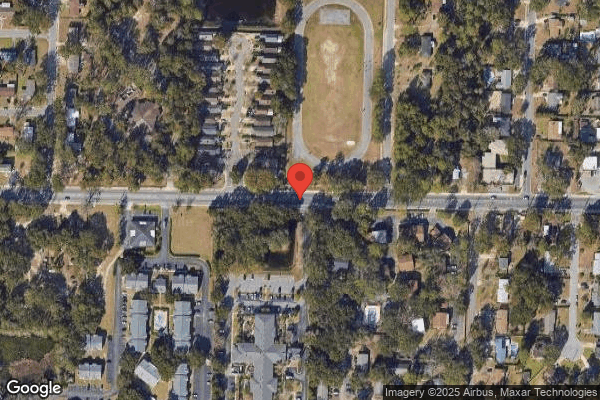

3291 EAST OLIVE RD, PENSACOLA, FL 32514 (850) 494-2527
For profit - Limited Liability company 120 Beds LIFE CARE CENTERS OF AMERICA Data: November 2025
Trust Grade
90/100
#70 of 690 in FL
Last Inspection: September 2025

Inspected within the last 6 months. Data reflects current conditions.

Overview

Life Care Center of Pensacola has received an impressive Trust Grade of A, indicating it is an excellent choice for families seeking care for their loved ones. Ranking #70 out of 690 facilities in Florida places it in the top half, while its #4 position out of 15 in Escambia County means only three local options are better. The facility's trend is stable, with the number of issues remaining the same over the past two years. Staffing is rated 4/5, which is good, although the turnover rate of 48% is average compared to the state average of 42%. Notably, there have been no fines reported, which is a positive sign. However, there have been some concerns related to infection control practices, including instances where staff did not follow proper precautions when caring for residents requiring isolation. Overall, while the facility has significant strengths, families should be aware of these weaknesses regarding infection control.

Trust Score
A
90/100
In Florida
#70/690
Top 10%
Safety Record
Low Risk
No red flags
Inspections
Holding Steady
1 → 1 violations
Staff Stability
⚠ Watch
48% turnover. Above average. Higher turnover means staff may not know residents' routines.
Penalties
✓ Good
No fines on record. Clean compliance history, better than most Florida facilities.
Skilled Nurses
✓ Good
Each resident gets 49 minutes of Registered Nurse (RN) attention daily — more than average for Florida. RNs are trained to catch health problems early.
Violations
✓ Good
Only 3 deficiencies on record. Cleaner than most facilities. Minor issues only.
★★★★★
5.0
Overall Rating
★★★★☆
4.0
Staff Levels
★★★★★
5.0
Care Quality
★★★★★
5.0
Inspection Score
Stable
2024: 1 issues
2025: 1 issues

The Good

  • 4-Star Staffing Rating · Above-average nurse staffing levels
  • 5-Star Quality Measures · Strong clinical quality outcomes
  • Full Sprinkler Coverage · Fire safety systems throughout facility
  • No fines on record

Facility shows strength in staffing levels, quality measures, fire safety.

The Bad

Staff Turnover: 48%

Near Florida avg (46%)

Higher turnover may affect care consistency

Chain: LIFE CARE CENTERS OF AMERICA

Part of a multi-facility chain

Ask about local staffing decisions and management

The Ugly 3 deficiencies on record

Sept 2025 1 deficiency
CONCERN (D)

Potential for Harm - no one hurt, but risky conditions existed

Infection Control (Tag F0880)

Could have caused harm · This affected 1 resident

Based on observations, interviews, and record reviews, the facility failed to implement Enhanced Barrier Precautions (EBP) as an infection control intervention designed to reduce transmission of organ...

Read full inspector narrative →
Based on observations, interviews, and record reviews, the facility failed to implement Enhanced Barrier Precautions (EBP) as an infection control intervention designed to reduce transmission of organisms that employs targeted gown and glove use during high contact resident care activities for 1 of 1 residents observed for transmission based precautions. (Resident #131)The findings include: Observations performed on 09/07/25 at approximately 12:58 PM and 4:25 PM and 9/08/25 at 8:19 AM discovered that there was no EBP signage posted and no Personnel Protective Equipment (PPE) access outside of the room for Resident #131. (Photographic Evidence Obtained). On 09/07/25 at approximately 12:58 PM, an interview was conducted with Resident #131. She explained that she has been newly admitted to the facility status post colostomy and requires wound care to her surgical scar. On 09/08/25 at approximately 8:19 AM, an additional interview was conducted with Resident #131. She explained that the staff do not wear additional gowns or protective equipment during wound care. On 09/09/25 at approximately 11:25 AM, an interview was conducted with the Director of Nursing (DON) and the Infection Preventionist. They explained that Resident #131 was admitted with a small dehiscence to her surgical scar on 09/02/25. They further indicated that EBP was initiated in her care plan on 09/05/25, however they forgot to place the signage that includes instructions for use of specific PPE to be used and make PPE readily available near the entrance of the room for Resident #131. They acknowledged that between 09/05/25 and 09/08/25, EBP were not followed during high-contact resident care activities, providing opportunities for transfer of organisms.The physician's orders initiated on 09/03/25 for Resident #131 include cleanse area of dehiscence to proximal end of midline abdominal with wash, loosely pack wound with calcium alginate, cover with small foam dressing.The Care Plan initiated on 09/05/25 for Resident #131 has a focus for break in skin integrity with open area to proximal end of surgical wound, including a goal to minimize risk for symptoms of infection with an intervention that includes Enhanced Barrier Precautions. The weekly Wound Care progress note dated 09/09/25 reveals proximal end of midline abdominal surgical scar dehiscence present on admission. The Treatment Administration Record (TAR) for September 2005 reveals wound care to the proximal end of midline abdominal surgical scar dehiscence was provided on 09/03/25, 09/06/25 and 09/08/25.A facility policy titled Enhanced Barrier Precautions (EBP) (reviewed 07/03/25 and revised 08/19/25) states, EBP refers to an infection control intervention designed to reduce transmission of multidrug-resistant organisms that employs targeted gown and glove use during high contact resident care activities. Policy for use of EBP as an additional Multidrug-Resistant Organism (MDRO) mitigation strategy for residents that meet the following criteria, during high contact resident care activities. EBP are indicated for residents with the following wounds even if the resident is not known to be infected or colonized with a MDRO Wounds generally include chronic wounds that include, but are not limited to pressure ulcers, diabetic foot ulcers, unhealed surgical wounds, wound care, skin opening requiring a dressing. EBP should be used for any residents who meet the above criteria, wherever they reside in the facility. The facility may choose to post signage on the door or wall outside of the resident room indicating the resident is on EBP. The facility should ensure PPE and alcohol-based hand rub are readily accessible to associates.A review of the Center for Disease Control and Prevention website at: https://www.cdc.gov/long-term-care-facilities/hcp/prevent-mdro/PPE.html#cdc_generic_section_2-enhanced-barrier-precautions-in-nursing-homes-video-posters-pocket-guide, titled Implementation of Personal Protective Equipment (PPE) Use in Nursing Homes to Prevent Spread of Multidrug-resistant Organisms (MRDO), dated 04/02/2024 was reviewed. It reveals that: when implementing Contact Precautions or Enhanced Barrier Precautions, it is critical to ensure that staff awareness of the facility's expectations about hand hygiene and gown/gloves use, initial and refresher training, and access to appropriate supplies. To accomplish this, post clear signage on the door or wall outside of the resident room indicating the type of Precautions and indications for high contact resident care activities the use of gown and gloves; make PPE available immediately outside of the resident's door.
Oct 2024 1 deficiency
CONCERN (D) 📢 Someone Reported This

A family member, employee, or ombudsman was alarmed enough to file a formal complaint

Potential for Harm - no one hurt, but risky conditions existed

Infection Control (Tag F0880)

Could have caused harm · This affected 1 resident

**NOTE- TERMS IN BRACKETS HAVE BEEN EDITED TO PROTECT CONFIDENTIALITY** Based on observation, interview, and policy review, the facility failed to ensure measures to prevent the spread of infection we...

Read full inspector narrative →
**NOTE- TERMS IN BRACKETS HAVE BEEN EDITED TO PROTECT CONFIDENTIALITY** Based on observation, interview, and policy review, the facility failed to ensure measures to prevent the spread of infection were followed for 1 of 3 residents observed on contact isolation precautions. (Resident #1) The findings include: During an initial facility tour between 10:37 am and 11:40am on 10/01/2024, an observation was made of Staff G, a Housekeeper, through the open door of room [ROOM NUMBER] mopping the floor. Housekeeping Staff G was wearing gloves while mopping, but no other personal protective equipment (PPE) was observed. A sign outside the door of room [ROOM NUMBER] indicated contact isolation precautions were in place and indicated that all staff were to wear a gown and gloves upon entering room and another sign on the door indicated staff are to wash hands with soap and water after completing care in this room. A plastic bin containing gowns was observed outside the door. The door for room [ROOM NUMBER], which was adjacent to room [ROOM NUMBER], also had a contact isolation precautions sign and handwashing with soap and water sign present. Additional observations revealed similar signage for contact precautions a little way down the hall for room [ROOM NUMBER]. Upon exiting the room, Staff G was interviewed and asked about the contact isolation sign, which was visible and pointed out during the interview. Staff G stated as long as the door of the room is open, he does not need to wear a gown. He repeated this statement when asked for clarification. During the interview, it was noted housekeeping staff G spoke with an accent and may not be a native English speaker. The signs on the doors were observed to be printed only in English. In an interview with the Infection Preventionist on 10/01/2024 at 10:47 am, she indicated that the resident in room [ROOM NUMBER] was diagnosed with Clostridioides Difficile (C. diff) in August and the residents in rooms [ROOM NUMBERS] were diagnosed in the past week and received confirmative positive results on 09/30/2024 and 10/01/2024 and placed on contact isolation precautions. During an interview on 10/02/2023 at 10:47AM with the Director of Environmental Services and the Infection Preventionist, they discussed the training of housekeeping staff and acknowledged that Staff G is not a native English speaker but does speak English. Both acknowledged that signs are provided in English and they try to provide training that is color-coded for transmission-based precautions because there are staff who are native speakers of languages other than English and may have difficulty reading English. A review of the facility policy for transmission-based precautions included a policy titled Transmission-based Precautions and Isolation Procedures from chapter 4: Standard Precautions, transmission-based precautions: A guide to infection prevention and control. Issued 01/30/2019; reviewed 06/03/2024; revised 09/24/2024. Under the heading categories of transmission-based precautions paragraph 2. Contact Precautions included the language: contact precautions .require the use of appropriate PPE, including a gown and gloves before or upon entering (i.e., before making contact with the resident or resident's environment) the room or cubicle. Prior to leaving the resident's room or cubicle, the PPE is removed, and hand hygiene is performed. Refer to the Contact Precautions Policy for additional information. The Contact Precautions policy issued 02/15/2021, revised 08/22/2022; reviewed 06/03/2024 contained a paragraph with the heading environmental measures which specified environmental service workers should don gown and gloves before room entry to clean and disinfect the patient's room. For patients with organisms that are resistant to traditional cleaning methods (e.g. C. difficile, norovirus), bleach may be used as an adjunct to cleaning or as a final wipe down of the frequently touched surfaces.
Mar 2023 1 deficiency
CONCERN (D)

Potential for Harm - no one hurt, but risky conditions existed

Infection Control (Tag F0880)

Could have caused harm · This affected 1 resident

Based on observation, record review, staff interview, and policy review, the facility failed to ensure staff follow appropriate isolation precautions during the provision of resident care for 1 of 3 s...

Read full inspector narrative →
Based on observation, record review, staff interview, and policy review, the facility failed to ensure staff follow appropriate isolation precautions during the provision of resident care for 1 of 3 sampled residents on transmission-based precautions. (Resident #13) The findings include: An observation of resident #13 was conducted on 3/27/23 at 3:29 PM. The resident was sitting in her wheelchair in her room and employee A, Certified Nursing Assistant (CNA) was observed taking the resident's blood pressure using a rolling vital sign machine. Employee A, CNA was not wearing a gown or gloves while taking resident #13's blood pressure. Contact precautions signage was observed on resident #13's door stating everyone must: clean their hands, including before entering and when leaving the room. Providers and staff must also: put on gloves before room entry, discard gloves before room exit, put on gown before room entry, discard gown before room exit, do not wear the same gown and gloves for the care of more than one person, use dedicated or disposable equipment. Clean and disinfect reusable equipment before use on another person. (Photographic evidence obtained.) When Employee A finished taking resident #13's blood pressure, she exited the resident's room and then entered resident #53's room. She donned a pair of gloves and then began taking resident #53's blood pressure with the same rolling vital sign machine. Employee A did not wash her hands before leaving resident #53's room and did not disinfect the rolling vital sign equipment between uses on resident #13 and #53. Review of resident #13's electronic record revealed a current physician order dated 3/23/23 for contact isolation every shift for C-diff (clostridium difficile). An interview was conducted with the Director of Nurses (DON) on 3/3/23 at 9:07 AM. She stated staff should sanitize the vital sign machine between each resident regardless of if they are on isolation or not. Staff are to sanitize their hands upon entering a C-diff isolation room and if they are providing care they should also wear appropriate personal protective equipment (PPE) to include gown and gloves. Review of the facility policy for Clostridium Difficile (revised 6/7/22) revealed C. difficile is a spore-forming gram-positive anaerobic bacillus that was first isolated from stools of neonates in 1935 and identified as the most commonly identified causative agent of antibiotic associated diarrhea and pseudomembranous colitis in 1977. This pathogen is a major cause of healthcare associated diarrhea and has been responsible for many large outbreaks in healthcare settings that were extremely difficult to control. Alcohol-based hand rubs do not kill spore-forming organisms therefore hand washing must be done with soap and water. Mitigation of Spread: Place patient on Standard plus contact precautions if they have symptoms consistent with C-diff. Clean and disinfect equipment after use and before use by another resident. Review of the policy for Transmission-based Precautions and Isolation Procedures (reviewed 6/6/22) revealed the facility will implement and utilize transmission based precautions to ensure the mitigation of infection spread and to ensure standards of infection prevention and control are followed. Contact Precautions are intended to prevent transmission of infections that are spread by direct or indirect contact with the resident or environment, and require the use of appropriate PPE, including a gown and gloves upon entering the room or cubicle. Prior to leaving the resident's room or cubicle, the PPE is removed, and hand hygiene is performed.
Understanding Severity Codes (click to expand)
Life-Threatening (Immediate Jeopardy)
J - Isolated K - Pattern L - Widespread
Actual Harm
G - Isolated H - Pattern I - Widespread
Potential for Harm
D - Isolated E - Pattern F - Widespread
No Harm (Minor)
A - Isolated B - Pattern C - Widespread

Questions to Ask on Your Visit

  • "Can I speak with families of current residents?"
  • "What's your RN coverage like on weekends and overnight?"

Our Honest Assessment

Strengths
  • • Grade A (90/100). Above average facility, better than most options in Florida.
  • • No major safety red flags. No abuse findings, life-threatening violations, or SFF status.
  • • No fines on record. Clean compliance history, better than most Florida facilities.
  • • Only 3 deficiencies on record. Cleaner than most facilities. Minor issues only.
Concerns
  • • No significant concerns identified. This facility shows no red flags across CMS ratings, staff turnover, or federal penalties.
Bottom line: Generally positive indicators. Standard due diligence and a personal visit recommended.

About This Facility

What is Life Of Pensacola's CMS Rating?

CMS assigns LIFE CARE CENTER OF PENSACOLA an overall rating of 5 out of 5 stars, which is considered much above average nationally. Within Florida, this rating places the facility higher than 99% of the state's 100 nursing homes. This rating reflects solid performance across the metrics CMS uses to evaluate nursing home quality.

How is Life Of Pensacola Staffed?

CMS rates LIFE CARE CENTER OF PENSACOLA's staffing level at 4 out of 5 stars, which is above average compared to other nursing homes. Staff turnover is 48%, compared to the Florida average of 46%.

What Have Inspectors Found at Life Of Pensacola?

State health inspectors documented 3 deficiencies at LIFE CARE CENTER OF PENSACOLA during 2023 to 2025. These included: 3 with potential for harm.
Who Owns and Operates Life Of Pensacola?

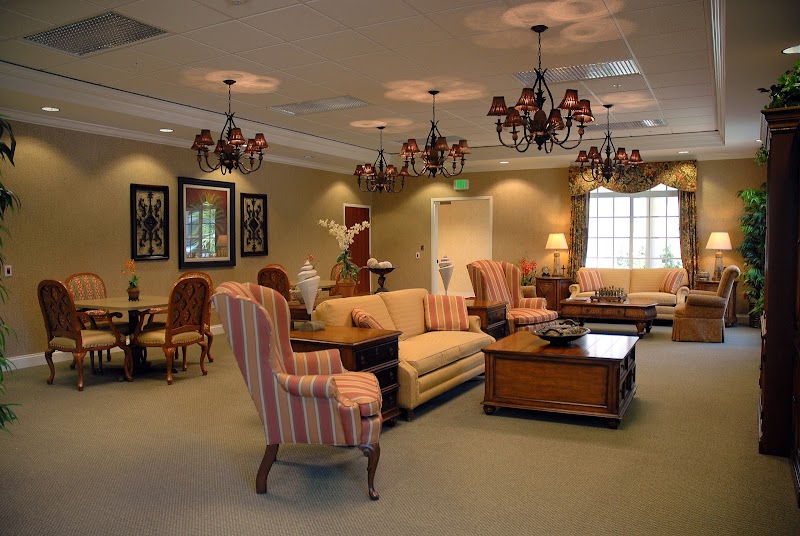
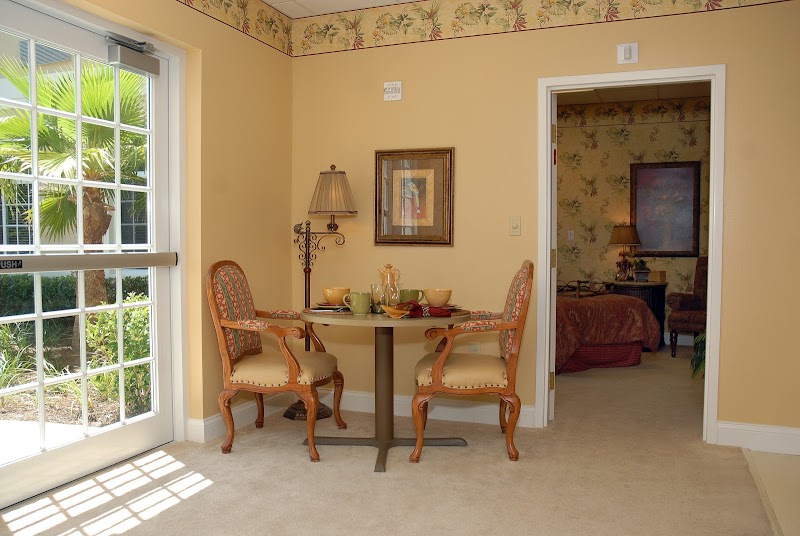
LIFE CARE CENTER OF PENSACOLA is owned by a for-profit company. For-profit facilities operate as businesses with obligations to shareholders or private owners. The facility is operated by LIFE CARE CENTERS OF AMERICA, a chain that manages multiple nursing homes. With 120 certified beds and approximately 112 residents (about 93% occupancy), it is a mid-sized facility located in PENSACOLA, Florida.
How Does Life Of Pensacola Compare to Other Florida Nursing Homes?

Compared to the 100 nursing homes in Florida, LIFE CARE CENTER OF PENSACOLA's overall rating (5 stars) is above the state average of 3.2, staff turnover (48%) is near the state average of 46%, and health inspection rating (5 stars) is much above the national benchmark.

What Should Families Ask When Visiting Life Of Pensacola?

Based on this facility's data, families visiting should ask: "Can I visit during a mealtime to observe dining assistance and food quality?" "How do you handle medical emergencies, and what is your hospital transfer rate?" "Can I speak with family members of current residents about their experience?"

Is Life Of Pensacola Safe?

Based on CMS inspection data, LIFE CARE CENTER OF PENSACOLA has a clean safety record: no substantiated abuse findings (meaning no confirmed cases of resident harm), no Immediate Jeopardy citations (the most serious violation level indicating risk of serious injury or death), and is not on the Special Focus Facility watch list (a federal program monitoring the lowest-performing 1% of nursing homes). The facility has a 5-star overall rating and ranks #1 of 100 nursing homes in Florida. While no facility is perfect, families should still ask about staff-to-resident ratios and recent inspection results during their visit.

Do Nurses at Life Of Pensacola Stick Around?

LIFE CARE CENTER OF PENSACOLA has a staff turnover rate of 48%, which is about average for Florida nursing homes (state average: 46%). Moderate turnover is common in nursing homes, but families should still ask about staff tenure and how the facility maintains care continuity when employees leave.

Was Life Of Pensacola Ever Fined?

LIFE CARE CENTER OF PENSACOLA has no federal fines on record. CMS issues fines when nursing homes fail to meet care standards or don't correct problems found during inspections. The absence of fines suggests the facility has either maintained compliance or corrected any issues before penalties were assessed. This is a positive indicator, though families should still review recent inspection reports for the full picture.

Is Life Of Pensacola on Any Federal Watch List?

LIFE CARE CENTER OF PENSACOLA is not on any federal watch list. The most significant is the Special Focus Facility (SFF) program, which identifies the bottom 1% of nursing homes nationally based on persistent, serious quality problems. Not being on this list means the facility has avoided the pattern of deficiencies that triggers enhanced federal oversight. This is a positive indicator, though families should still review the facility's inspection history directly.