OLIVE BRANCH HEALTH AND REHABILITATION CENTER
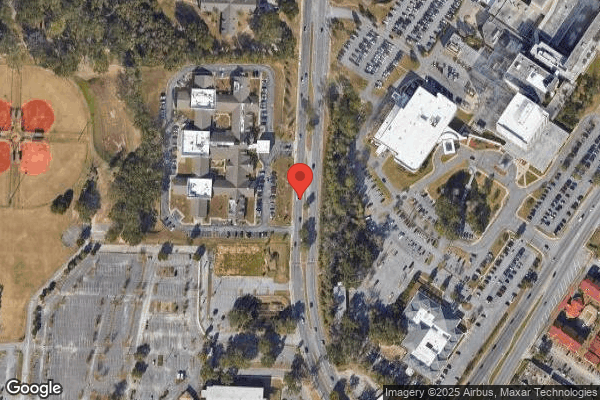
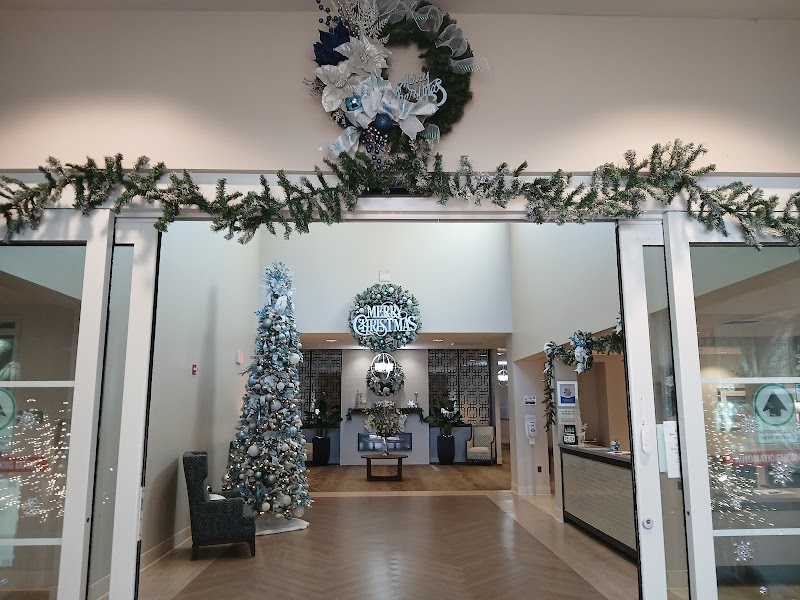
8325 UNIVERSITY PARKWAY, PENSACOLA, FL 32514 (850) 898-8000
For profit - Limited Liability company 90 Beds Independent Data: November 2025
Trust Grade
80/100
#245 of 690 in FL
Last Inspection: April 2025

Within standard 12-15 month inspection cycle. Federal law requires annual inspections.

Overview

Olive Branch Health and Rehabilitation Center has a Trust Grade of B+, which indicates it is recommended and above average in quality. It ranks #245 out of 690 facilities in Florida, placing it in the top half, but it is #11 out of 15 in Escambia County, meaning only a few local options are better. Unfortunately, the facility's trend is worsening, with issues increasing from 1 in 2023 to 3 in 2025. Staffing is a relative strength, rated at 4 out of 5 stars with a turnover of 43%, which is about average for Florida. There have been no fines reported, which is a positive sign, but concerns include lapses in communication with dialysis facilities for residents and unsafe medication practices observed during inspections. Overall, while the facility has strengths in staffing and no fines, families should be aware of the troubling increase in issues and specific safety concerns.

Trust Score
B+
80/100
In Florida
#245/690
Top 35%
Safety Record
Low Risk
No red flags
Inspections
Getting Worse
1 → 3 violations
Staff Stability
○ Average
43% turnover. Near Florida's 48% average. Typical for the industry.
Penalties
✓ Good
No fines on record. Clean compliance history, better than most Florida facilities.
Skilled Nurses
✓ Good
Each resident gets 61 minutes of Registered Nurse (RN) attention daily — more than 97% of Florida nursing homes. RNs are the most trained staff who catch health problems before they become serious.
Violations
○ Average
10 deficiencies on record. Average for a facility this size. Mostly minor or procedural issues.
★★★★☆
4.0
Overall Rating
★★★★☆
4.0
Staff Levels
★★★☆☆
3.0
Care Quality
★★★★☆
4.0
Inspection Score
Stable
2023: 1 issues
2025: 3 issues

The Good

  • 4-Star Staffing Rating · Above-average nurse staffing levels
  • Full Sprinkler Coverage · Fire safety systems throughout facility
  • No fines on record
  • Staff turnover below average (43%)

    5 points below Florida average of 48%

Facility shows strength in staffing levels, fire safety.

The Bad

Staff Turnover: 43%

Near Florida avg (46%)

Typical for the industry

The Ugly 10 deficiencies on record

Apr 2025 3 deficiencies
CONCERN (D)

Potential for Harm - no one hurt, but risky conditions existed

Staffing Information (Tag F0732)

Could have caused harm · This affected 1 resident

Based on observations and interviews, the facility failed to maintain posting of the daily staffing requirements at the beginning of the shift in a prominent place visible to residents and visitors fo...

Read full inspector narrative →
Based on observations and interviews, the facility failed to maintain posting of the daily staffing requirements at the beginning of the shift in a prominent place visible to residents and visitors for 2 of 4 days observed. The findings include: Upon tour of the facility on 4/6/25 and 4/7/25, there was no daily posting of the staff names in a prominent place for visitors and residents. On 4/7/25 at approximately 9:15 AM, an interview was conducted with the Staffing Coordinator, who indicated that she prints the staffing data to post daily on the counter behind the receptionist desk in the front lobby. The Staffing Coordinator further indicated that she lays it face up on the counter. When asked if the placement of the staffing posting is visible to residents and visitors, the staffing coordinator confirmed that placement would not be visible. She also stated that they used to keep it in a stand but they had stopped doing that for an unknown reason, but going forward it will be placed in the stand at the desk and will also place them at the nursing stations. On 4/7/25 at approximately 9:30 AM, an interview was conducted with the Administrator, who indicated that it was his expectation that the daily staffing requirement be placed in a stand up at the receptionist desk so that it would be visible to residents and visitors.
CONCERN (D)

Potential for Harm - no one hurt, but risky conditions existed

Infection Control (Tag F0880)

Could have caused harm · This affected 1 resident

Based on observation, interviews, and policy review, the facility failed to ensure safe injection practices of intravenous medications by swabbing the rubber septum of the vial prior to accessing the ...

Read full inspector narrative →
Based on observation, interviews, and policy review, the facility failed to ensure safe injection practices of intravenous medications by swabbing the rubber septum of the vial prior to accessing the medication for 1 of 12 residents sampled for medication administration. (Resident #71) The findings include: During a medication administration observation on 04/06/2025 at 1:03 pm, Staff A, a Registered Nurse (RN), administered Ertapenem (an antibiotic), 1 gram in 100 milliliters of normal saline, to Resident #71. The Ertapenam was contained in a glass vial with a rubber septum covered by a plastic cap. Staff A performed hand hygiene and popped the plastic cap off the vial using her bare hand. She then attached the vial to the 100 milliliter bag of normal saline without swabbing the rubber septum of the vial first. Staff A then administered the medication to Resident #71. In an interview afterwards, she acknowledged did not swab the top of the medication vial with alcohol before mixing with the bag of normal saline. In an interview on 4/06/25 at 3:16 PM, the Director of Nursing said the facility does not use multi-dose vials. During this interview, she was unable to recall if there was a policy which specifically included swabbing the rubber septum of the vial of medication with alcohol prior to accessing the medication and administering the medication. Review of the facility policy titled Parenterals/Intravenous Solutions dated October 2019 did not include language about wiping the rubber septum of a vial with alcohol swab prior to piercing the septum. The Centers for Disease Control and Prevention (CDC) Injection Safety Checklist dated February 7, 2024 and accessed on 04/06/2025 at 3:43PM included in the checklist The rubber septum on a medication vial is disinfected with alcohol prior to piercing.
CONCERN (D)

Potential for Harm - no one hurt, but risky conditions existed

Deficiency F0920 (Tag F0920)

Could have caused harm · This affected 1 resident

Based on observation, resident interviews, and staff interview, the facility failed to provide a dining room to dine in for 1 out of 4 days observed. The findings include: A tour of the facility's d...

Read full inspector narrative →
Based on observation, resident interviews, and staff interview, the facility failed to provide a dining room to dine in for 1 out of 4 days observed. The findings include: A tour of the facility's dining area was conducted on Sunday, 4/06/25 at approximately 10:40AM. During this tour, the dining area was observed clean with dim lighting, and the tables were not set up to accommodate residents for lunch. An interview was conducted on 4/6/25 at approximately 12:15 PM, with the Certified Dietary Manager (CDM) concerning the fact that no one was eating in the dining room on Sunday during lunch. She stated that they were waiting for the facility to increase staffing for the weekend and that a plan is in the works. On 04/08/25 at approximately 11:25 AM, an interview was performed with Resident # 227 who was sitting at a dining room table reviewing the lunch menu to place an order. The resident stated, I have more options available here in the dining room then I do in my room. On Tuesday 04/08/25 at approximately 11:45AM, the dining area with was being used by about 15 residents throughout the dining area. Several dietary staff were tending to the resident's needs. On 04/09/25 at 11:00 AM, Dietician Tech C stated, I have been here since June 2022 and the dining room has not been open on the weekends as long as I have worked here. An interview was conducted on 4/09/25 at approximately 2:45PM, with the Administrator. The Administrator stated that the dining room was closed on the weekends due to short staffing, which was a result of the Center of Disease Control (CDC) COVID guidelines. However, it was shown that the CDC changed the guidelines 3 months ago. The Administrator stated that there was a meeting a couple of weeks ago to discuss the reopening of the dining room in two months. This would allow time to hire more staff, for the new food vendor to be in place, and new menus to be created.
Jul 2023 1 deficiency
CONCERN (D) 📢 Someone Reported This

A family member, employee, or ombudsman was alarmed enough to file a formal complaint

Potential for Harm - no one hurt, but risky conditions existed

Infection Control (Tag F0880)

Could have caused harm · This affected 1 resident

Based on observations, interviews, and review of facility policy, the facility failed to maintain proper infection control for 1 of 3 residents sampled for COVID-19 isolation. (Resident #8) The findin...

Read full inspector narrative →
Based on observations, interviews, and review of facility policy, the facility failed to maintain proper infection control for 1 of 3 residents sampled for COVID-19 isolation. (Resident #8) The findings include: A review of the electronic medical record for Resident #8 revealed an admission date of 7/3/23. Documentation revealed a diagnosis of COVID-19 dated 7/17/23. Further review revealed that the resident had orders for droplet isolation for 10 days, beginning on 7/17/23 and expiring on 7/27/23. On 7/24/23 at approximately 10:27 AM, an observation was made of Staff Member B, a housekeeper, exiting Resident #8's room. The only personal protection equipment (PPE) she was observed wearing was shoe protectors and a surgical mask. On the door of the room, a sign was posted for droplet precautions isolation, and an isolation cart noted outside the door of Resident #8's room. An interview was conducted with Staff B at this time. Staff B was asked if she donned a N95 mask while inside the room, she responded, no. Staff B stated that she was wearing a gown, shoe covers, eye wear and gloves, but that she did not see any N95 masks on the isolation cart so she did not put one on, just the surgical mask. When asked if it was the facility policy to wear a N95 mask while inside a COVID-19 isolation room, Staff B responded that it was. An isolation cart directly across the hall from Resident #8's room with a box of N95 masks located on the top of the cart was noted. When Staff B was asked why she did not use a N95 mask from the cart across the hall, she responded she did not think about that. On 7/24/23 at approximately 11:00 AM, an interview was conducted with the Director of Nursing (DON) concerning wearing the proper PPE for droplet isolation, the DON responded that it was her expectation for all staff to wear a N95 mask while in the droplet isolation room. A review of Policy titled Covid-19 Mitigation (May 2023), revealed, 1. Recommended routine infection prevention and control (IPC) practices for COVID-19. Under the section, Personal Protective Equipment (PPE), it states, HCP (health care personal) who enter the room of a patient with suspected or confirmed SARS-CoV-2 infection should adhere to Standard Precautions and use a NIOSH Approved particulate respirator with N95 filters or higher, gown, gloves, and eye protection (i.e., goggles or a face shield that covers the front and sides of the face).
Aug 2022 6 deficiencies
CONCERN (D)

Potential for Harm - no one hurt, but risky conditions existed

Deficiency F0645 (Tag F0645)

Could have caused harm · This affected 1 resident

**NOTE- TERMS IN BRACKETS HAVE BEEN EDITED TO PROTECT CONFIDENTIALITY** Based on observation, interview, record review, and policy review the facility failed to review the Preadmission Screening and R...

Read full inspector narrative →
**NOTE- TERMS IN BRACKETS HAVE BEEN EDITED TO PROTECT CONFIDENTIALITY** Based on observation, interview, record review, and policy review the facility failed to review the Preadmission Screening and Resident Review (PASARR) for accuracy and update the form for 1 of 1 resident sampled for PASARR. (Resident #50). The findings include: On 8/22/22 at approximately 3:30 PM, an observation was made of Resident #50. She was noted to have limited cognitive, hearing, and verbal communication capabilities. A review of the admission record for Resident #50 revealed that she was admitted to the facility on [DATE] and had been diagnosed with an intellectual disability, developmental disorder of speech and language, a disorder of psychological development, anxiety disorder, and a mood disorder. The preadmission history completed at the hospital revealed that the resident had been residing at a group home for individuals with intellectual disabilities. A review of the PASARR form dated 5/26/22 was conducted. The form had a check in the box that indicated no diagnosis or suspicion of Serious Mental Illness or Intellectual Disability and Level II PASARR was not required. Page 2 of the form had a check indicating that the resident had anxiety disorder. There is no check indicating any sort of intellectual disability. There was not a check in any box related to functional criteria. Additionally, there was no indication that the resident was currently receiving services for an intellectual disability. Section II of the PASARR form did not have any information indicating that Resident #50 had an intellectual disability. On 8/24/22 at approximately 2:10 PM, an interview was conducted with Staff Member V, Social Services. She was asked to explain the facility's process for reviewing PASARRs for accuracy. She explained that she does not do the PASARR'S that the Minimum Data Set (MDS) Department reviews them. If a PASARR does require a Level II, then she sets up the needed services. At this time, an interview was also conducted with Staff Member W, the Social Services Director, who explained that although she is new to her position, she believes that the MDS or admissions office reviews the PASARRs for accuracy. She reviewed Resident #50's PASARR and stated that it appeared to be incorrect based on Resident #50's reported history. On 8/24/22 at approximately 2:20 PM, a group interview was conducted with Nurse X, MDS Nurse, and the Director of the MDS Department. They explained that Staff Members S, Director of Community Relations, and Staff Member T, Admissions Coordinator, review the forms upon admission. After admission the PASARRs are reviewed by the social worker. The social services department notifies the MDS office when revisions are necessary. They explained that the MDS office only looks at the PASARRs when social services tells them to revise them. When a revision is necessary, the MDS office goes into the portal and completes the necessary revisions. Both staff members agreed that Resident #50's PASARR form was not accurate. On 8/24/22 at approximately 2:35 PM, a group interview was conducted with the Director of Community Relations and the Admissions Coordinator. They explained that the central admissions office gets the PASARRs when the hospital sends them, and that the MDS office should be checking them for accuracy. On 8/24/22 at approximately 3:00 PM, Nurse X, MDS Nurse, provided an amended PASARR form for Resident #50 with corrections indicating that the resident had an intellectual disability. 8/25/22 at approximately 9:00 AM, an interview was conducted with the Director of Central Admissions who confirmed that social services was responsible for reviewing the PASARR forms for accuracy. A review of the facility's Preadmission Screening (PASSAR/PASSR) policy was conducted. The policy states that a Level II PASSR must be completed if the individual has a primary or secondary diagnosis of dementia or related neurocognitive disorder, or a suspicion or diagnosis of serious mental illness, intellectual disability, or both.
CONCERN (D)

Potential for Harm - no one hurt, but risky conditions existed

Deficiency F0692 (Tag F0692)

Could have caused harm · This affected 1 resident

Based on record review, policy review and interview, the facility failed to obtain and document weekly weights as ordered by the physician for 1 of 2 residents reviewed for nutrition. (Resident #44) T...

Read full inspector narrative →
Based on record review, policy review and interview, the facility failed to obtain and document weekly weights as ordered by the physician for 1 of 2 residents reviewed for nutrition. (Resident #44) The findings include: Review of Resident #44's medical record revealed a physician order dated 8/4/22. The order stated, monitor weekly weights on Tuesdays prior to dialysis; every night shift on Mondays for weight loss. Weigh prior to dialysis, with a start date of 8/8/22. Review of the documented weights in the electronic medical record, (EMR), under the weights/vitals section was conducted on 8/23/22 which revealed the last weight documented was on 8/3/22. The documented weight was 85 pounds. There were no further weights documented. A review of the MAR (Medication Administration Record) revealed a check mark and staff initials on the scheduled days for weight, but no weights were documented. On 8/23/22 at approximately 1:40 PM an interview was conducted with Staff B, LPN, (Licensed Practical Nurse), who stated she does not know much about the nursing unit and was not sure when Resident #44 should be weighed. Staff B confirmed the weights should be in the EMR, and confirmed there was no weight book, or weights anywhere other than the EMR. On 8/23/22 at approximately 1:59 PM an interview was conducted with Staff F, LPN, supervisor, who stated the nurses should be documenting the weights in the EMR. Staff F, LPN stated Resident #44 has weights completed when she is at dialysis, so the nurses would document those weights in the medical record. Staff F, LPN then stated the facility is having a difficult time getting the dialysis communication forms back from the dialysis centers and stated the communication forms or dialysis treatment records are filed in the resident's chart. Reviewed Resident #44 chart with Staff F. A dialysis communication form was found for 8/4/22 and for 8/13/22. There were no other communication forms in the record. Staff F, LPN stated she has to call the dialysis units to get the records. On 8/24/22 at approximately 9:39 AM an interview was conducted with the Registered Dietician who stated she recommended weekly weights for Resident #44, due the weight loss the resident sustained while in the hospital. The RD stated she has good communication with the dialysis center, and stated she calls the dialysis unit in order to obtain weights on Resident #44. On 8/24/22 at approximately 11:56 AM an interview was conducted with the DON, (Director of Nursing) who revealed if there is an order for weekly weights, she expects the resident to be weighed weekly, and the weight should be entered in the EMR. On 8/25/22 at approximately 9:29 AM a joint interview was conducted with the Administrator and the DON. The DON confirmed the facility is having a difficult time getting treatment documents from the dialysis units and stated sometimes they do not get the documents back for days to weeks. The Administrator stated the Registered Dietician was out the previous week, so they did not get weights from the dialysis unit. A review of the policy, Nutrition Protocol, no date, was conducted. The policy stated, all weights will be entered in the Electronic Medical Record on the MAR (Medication Administration Record) for daily/weekly weights or weight vital section in the EMR for admission/monthly weights. A review of the policy, hemodialysis, dated 1/2020 under section #10 revealed, The facility will utilize weights as provided by the Dialysis Center to establish weights to be maintained in the resident's clinical record, unless otherwise indicated by physician's order or other clinical indication necessitating more frequent weights.
CONCERN (D)

Potential for Harm - no one hurt, but risky conditions existed

Respiratory Care (Tag F0695)

Could have caused harm · This affected 1 resident

Based on observation, staff interview, record review and policy review, the facility failed to provide appropriate respiratory care by failing to change oxygen tubing at least weekly, failing to store...

Read full inspector narrative →
Based on observation, staff interview, record review and policy review, the facility failed to provide appropriate respiratory care by failing to change oxygen tubing at least weekly, failing to store respiratory equipment utilized for aerosol treatments in a clean container between uses, and failing to clean the filter on the oxygen concentrator for 1 of 2 sampled residents. (Resident #228) The findings include: On 8/22/22 at approximately 11:45 AM, Resident #228 was observed, she was receiving oxygen via nasal cannula at 3 liters per minute by way of an oxygen concentrator. The filter on the back of the concentrator was covered with a thick layer of a dusty substance. (Photographic evidence obtained). The nasal cannula did not have a date and there was no storage bag for the oxygen tubing at the bedside. Resident #228 also had a nebulizer machine at her bedside. The nebulizer tubing and the attached aerosol mouthpiece were stored in the top drawer of the bedside table uncovered. The nebulizer tubing was not dated, and no storage bag was available for the nebulizer mouthpiece or the tubing. On 8/24/22 at approximately 4:35 PM, an interview was conducted with Nurse K, Licensed Practical Nurse (LPN), who explained that normally oxygen and nebulizer tubing is changed weekly by central supply staff. She stated that the tubing should be stored in a bag and marked with the date the tubing was changed. She further stated that central supply staff also check and clean the filters on the oxygen concentrators. On 8/25/22 at approximately 10:00 AM, an interview was conducted with the facility's interim Director of Nursing (DON). She explained that central supply staff change the oxygen tubing once a week. A storage bag should be labeled, and the tubing should be stored in the bag. The DON agreed that the filter should have been cleaned and there should have been storage bags available for storage and to identify when the tubing had been changed. A review of the facility's Cleaning and Servicing Nebulizer procedure dated February 2016 was conducted. The procedure states that nebulizer mouthpiece should be rinsed with water and allowed to air dry on a paper towel and stored in an approved container between uses. The policy also states that tubing should be replaced weekly. A review of the BIPAP/CPAP (bilevel positive airway pressure/continuous positive airway pressure) Devices/Non-Invasive Ventilation Devices procedure dated February 2016 was conducted. The procedure stated that washable filters should be cleaned once a week, more often if necessary. Tubing should be stored in an approved container between uses.
CONCERN (D)

Potential for Harm - no one hurt, but risky conditions existed

Deficiency F0697 (Tag F0697)

Could have caused harm · This affected 1 resident

Based on observation, interview, record review and policy review, the facility failed to appropriately manage post-surgical pain for 1 of 1 resident sampled for pain management. (Resident #235) The fi...

Read full inspector narrative →
Based on observation, interview, record review and policy review, the facility failed to appropriately manage post-surgical pain for 1 of 1 resident sampled for pain management. (Resident #235) The findings include: On 8/24/22 at approximately 8:40 AM, an observation of Resident #235, during which he was grimacing in pain, restless, and tightly guarding his lower abdomen. He had difficulty moving up in the bed when Nurse H, Licensed Practical Nurse (LPN) tried to assist him up in the bed to take his medication. He complained of pain 10 on a 1-10 pain rating scale. Resident #235 said that the last dose of pain medication was given was about 1:00 AM, earlier that morning. He explained that he asked for pain mediation at about 4:00 AM and the nurse told him that he was out of the pain medication, and he has not had any medication since. At this time Nurse H, LPN explained that Resident #235 had run out of Oxycodone on night shift. The Controlled Medication Utilization Record showed that the last dose of Oxycodone 10 milligrams (MG) with Acetaminophen 325 MG had been signed out for Resident #235 on 8/24/22 at 1:14 AM, there were no more Oxycodone 10 MG with Acetaminophen 325 MG tablets in stock to be taken after that dose was given. Nurse H, LPN went to the nurse communication book and retrieved an unsigned prescription for Oxycodone 10 MG with Acetaminophen 325 MG tablet 1 tablet by mouth every 4 hours as needed. She explained that the new prescription had not yet been signed by a medical practitioner. At approximately 8:54 AM, Nurse H, LPN telephoned the medical provider and obtained an order to administer Acetaminophen 325 MG 2 tablets by mouth. She gave Resident #235 Acetaminophen (a non-narcotic pain reliever used to treat minor aches and pains) 325 MG 2 tablets by mouth. She explained to him that it would take a little time to obtain authorization from the medical provider and pharmacy before she could get the Oxycodone 10 MG with Acetaminophen 325 MG, but she would bring it as soon as the process was complete. The surveyor asked Resident #235 if he could rate what his pain was earlier when he asked for pain medication at approximately 4:00 AM. The resident stated that his pain level was about an 8 on the 1-10 scale at that time. Nurse H, LPN forwarded the unsigned prescription to the medical provider for signature. She completed the Pharmacy Request for Removal of Schedule II to IV Medication from the emergency supply and faxed it to the pharmacy. At 9:23 AM, the pharmacy approved the faxed request. Resident #235 was given Oxycodone 10 MG with Acetaminophen 325 MG 1 tablet by mouth for pain at approximately 9:30 AM. A review the resident's Medication Administration Record (MAR) for 8/2022 revealed that Nurse R, LPN had administered a dose of Oxycodone 10 MG with Acetaminophen 325 MG 1 tablet at 1:12 AM on 8/24/22. The resident's reported pain level was documented to be a 10 on a 1-10 scale at the time of administration. That dose of pain medication was documented to be effective on the Medication Administration Record (MAR). There was no additional documentation of medication or pain measures noted in the MAR until 9:30 AM on 8/24/22. A review of the physician orders was conducted for resident #235. He had an order to receive Oxycodone 10 MG with Acetaminophen 325 MG 1 tablet by mouth every 4 hours as needed for moderate to severe pain. The care plan for Resident #235 stated that he was at risk for experiencing pain related to co-morbidities and recent surgery. The goal for Resident #235 was that he would verbalize relief from pain or show no signs or symptoms of pain as evidenced by facial expression or other non-verbal signs of pain. The listed action steps included that nurses should observe and document type, location, severity, and pattern of pain/discomfort and notify medical doctor (MD) or nurse practitioner (NP) of change. On 8/25/22 at approximately 10:15 AM, an interview was conducted with the Interim Director of Nursing. She was notified that Resident #235 did not receive pain medication after requesting pain medication on 8/24/22 at approximately 4:00 AM. The resident reported that he was told by Nurse R, LPN that he was out of medication. He did not receive pain medication until approximately 5.5 hours later, and approximately 8 hours after his last dose. The DON explained that the nurse should have called the medical provider and pharmacy to get authorization to administer pain medication to the resident and that the information should have been documented in the resident's record. A review of the facility's Pain Management Policy dated 3/2020 was conducted. The policy stated that if the resident's pain is not controlled by the current treatment regimen the practitioner should be notified. The policy also stated that patient's pain should be reassessed regularly. The Administration of Drugs policy updated 10/2019 stated that if a drug is withheld the physician should be notified.
CONCERN (D)

Potential for Harm - no one hurt, but risky conditions existed

Drug Regimen Review (Tag F0756)

Could have caused harm · This affected 1 resident

Based on record review and interview, the facility failed to ensure the consultant pharmacist's recommendations were acknowledged with action to be taken to address the recommendation for 1 of 5 resid...

Read full inspector narrative →
Based on record review and interview, the facility failed to ensure the consultant pharmacist's recommendations were acknowledged with action to be taken to address the recommendation for 1 of 5 residents reviewed for drug regimen. (Resident #35) The findings include: A review of Resident #35 record revealed a diagnosis of end stage renal disease with dependence on hemodialysis. A review of Resident #35 medication orders was conducted. The facility provided ordered medication Sevelamer and Cinacalcet, both are phosphate binders and Megestrol for appetite stimulation. A review of the consultant pharmacy recommendation dated 8/19/22 was conducted. The recommendation was related to Sevelamer and Cinacalcet, the recommendation was to monitor labs every six months. The recommendation was signed by the Advanced Practice Register Nurse, (APRN), however, the APRN did not acknowledge whether to accept or decline the recommendation. A review of the recommendation dated 7/28/22 was conducted. The recommendation was related to Megestrol with a notation the medication has minimal effect on weight and is associated with adverse consequences. The recommendation was signed by the Advanced Practice Register Nurse, (APRN), however, the APRN did not acknowledge whether to accept or decline the recommendation. An interview was conducted with the Director of Nurses (DON) on 8/25/22 at 9:29 AM, who confirmed the two pharmacy consultant recommendation were not acknowledged with a decline or accept recommendations.
CONCERN (E)

Potential for Harm - no one hurt, but risky conditions existed

Deficiency F0698 (Tag F0698)

Could have caused harm · This affected multiple residents

**NOTE- TERMS IN BRACKETS HAVE BEEN EDITED TO PROTECT CONFIDENTIALITY** Based on observations, record review and interview the facility failed to establish/maintain ongoing communication and collabora...

Read full inspector narrative →
**NOTE- TERMS IN BRACKETS HAVE BEEN EDITED TO PROTECT CONFIDENTIALITY** Based on observations, record review and interview the facility failed to establish/maintain ongoing communication and collaboration with the dialysis facility, for 2 of 2 residents reviewed for dialysis services. (Residents #35 and #131). The findings include: Resident #35 A review of Resident #35 medical record was conducted which revealed an order for hemodialysis on Monday, Wednesday and Friday at 9:30 AM. Review of the admission Minimum Data Set, (MDS), dated [DATE] revealed Resident #35 received dialysis services. A review was conducted of Resident #35 paper chart, which failed to reveal dialysis communication forms, or dialysis treatment run sheets. An interview was conducted with Staff F, LPN, Supervisor on 8/23/22 at approximately 1:59 PM who stated the facility does not get the dialysis communication form back from the dialysis unit and stated she must call the dialysis facility to get the records faxed. Staff F, LPN stated the nurses should fill out the top of the dialysis communication form and send it to dialysis with the resident, then when the resident returns, the nurse should complete the bottom for the post treatment assessment, but further stated they are not getting the forms back. Staff F, LPN stated the nurses should take the vital signs and should assess the access site when the resident returns. A follow-up interview was conducted with Staff F, LPN, Supervisor on 8/24/22 at approximately 1:07 PM, who reviewed Resident #35 record and confirmed there were no dialysis communication form or dialysis treatment run sheets, and again stated the facility is having an ongoing problem receiving the communication from the dialysis center. A review of the outpatient dialysis services coordination agreement between the facility and dialysis unit, effective 6/1/18 was conducted. The agreement revealed under the subtitle, Mutual Obligations, both parties shall ensure that there is documented evidence of collaboration of care and communication between the Long-Term Care and End Stage Renal Dialysis Unit. An interview was conducted with the DON and the Administrator on 8/25/22 at approximately 9:29 AM. The DON confirmed the facility has a difficult time receiving dialysis communication forms and confirmed the facility must call the dialysis unit in order to get the dialysis treatment run sheets. The DON stated unless there is someone at the dialysis center, they have a relationship with, they don't get the forms. The administrator was asked if management has intervened in resolving the communication concerns, and the administrator responded, what can we do, the residents need dialysis. The administrator stated the Registered Dietician can get weights because she has a relationship with the Registered Dietician. A telephone interview was conducted on 8/26/22 at approximately 10:05 AM with the Administrator of the dialysis center Resident #35 attends for treatment, who stated she has not seen any facility communication forms from the facility in a long while and further stated they are not allowed to complete the form. The administrator stated they can fax the dialysis treatment run sheet, but she has not had any requests for the documents. The administrator stated the dietician calls for weights, but she has not received any other calls.Resident #131 On 4/23/22 a record review was conducted for Resident #131. The resident receives hemodialysis treatments in the community on Mondays, Wednesdays and Fridays. The plan of care listed the intervention of communication between dialysis and facility to ensure the continuity of care. Returns with Dialysis Transfer Form when returning to the facility. The record review showed there were only two Dialysis Transforms. One for 8/1/22 and one for 8/19/22. On 8/24/22 at approximately 10:10 AM, an interview was conducted with Staff G, Registered Nurse and Assistant Director of Nursing, who stated there is an ongoing problem with dialyses not returning the forms. They have communicated with dialysis center to request the forms and are told they do not have to do that. A review of the policy Hemodialysis dated 1/2020 revealed the facility and the Dialysis Center should maintain regular communication and should a change in condition occur before or during the dialysis treatment, the sending facility should communicate the changes in needs to the receiving facility.
Understanding Severity Codes (click to expand)
Life-Threatening (Immediate Jeopardy)
J - Isolated K - Pattern L - Widespread
Actual Harm
G - Isolated H - Pattern I - Widespread
Potential for Harm
D - Isolated E - Pattern F - Widespread
No Harm (Minor)
A - Isolated B - Pattern C - Widespread

Questions to Ask on Your Visit

  • "Can I speak with families of current residents?"
  • "What's your RN coverage like on weekends and overnight?"

Our Honest Assessment

Strengths
  • • Grade B+ (80/100). Above average facility, better than most options in Florida.
  • • No major safety red flags. No abuse findings, life-threatening violations, or SFF status.
  • • No fines on record. Clean compliance history, better than most Florida facilities.
  • • 43% turnover. Below Florida's 48% average. Good staff retention means consistent care.
Concerns
  • • No significant concerns identified. This facility shows no red flags across CMS ratings, staff turnover, or federal penalties.
Bottom line: Generally positive indicators. Standard due diligence and a personal visit recommended.

About This Facility

What is Olive Branch Center's CMS Rating?

CMS assigns OLIVE BRANCH HEALTH AND REHABILITATION CENTER an overall rating of 4 out of 5 stars, which is considered above average nationally. Within Florida, this rating places the facility higher than 99% of the state's 100 nursing homes. This rating reflects solid performance across the metrics CMS uses to evaluate nursing home quality.

How is Olive Branch Center Staffed?

CMS rates OLIVE BRANCH HEALTH AND REHABILITATION CENTER's staffing level at 4 out of 5 stars, which is above average compared to other nursing homes. Staff turnover is 43%, compared to the Florida average of 46%. This relatively stable workforce can support continuity of care.

What Have Inspectors Found at Olive Branch Center?

State health inspectors documented 10 deficiencies at OLIVE BRANCH HEALTH AND REHABILITATION CENTER during 2022 to 2025. These included: 10 with potential for harm.

Who Owns and Operates Olive Branch Center?

OLIVE BRANCH HEALTH AND REHABILITATION CENTER is owned by a for-profit company. For-profit facilities operate as businesses with obligations to shareholders or private owners. The facility operates independently rather than as part of a larger chain. With 90 certified beds and approximately 82 residents (about 91% occupancy), it is a smaller facility located in PENSACOLA, Florida.
How Does Olive Branch Center Compare to Other Florida Nursing Homes?

Compared to the 100 nursing homes in Florida, OLIVE BRANCH HEALTH AND REHABILITATION CENTER's overall rating (4 stars) is above the state average of 3.2, staff turnover (43%) is near the state average of 46%, and health inspection rating (4 stars) is above the national benchmark.

What Should Families Ask When Visiting Olive Branch Center?

Based on this facility's data, families visiting should ask: "Can I visit during a mealtime to observe dining assistance and food quality?" "How do you handle medical emergencies, and what is your hospital transfer rate?" "Can I speak with family members of current residents about their experience?"

Is Olive Branch Center Safe?

Based on CMS inspection data, OLIVE BRANCH HEALTH AND REHABILITATION CENTER has a clean safety record: no substantiated abuse findings (meaning no confirmed cases of resident harm), no Immediate Jeopardy citations (the most serious violation level indicating risk of serious injury or death), and is not on the Special Focus Facility watch list (a federal program monitoring the lowest-performing 1% of nursing homes). The facility has a 4-star overall rating and ranks #1 of 100 nursing homes in Florida. While no facility is perfect, families should still ask about staff-to-resident ratios and recent inspection results during their visit.

Do Nurses at Olive Branch Center Stick Around?

OLIVE BRANCH HEALTH AND REHABILITATION CENTER has a staff turnover rate of 43%, which is about average for Florida nursing homes (state average: 46%). Moderate turnover is common in nursing homes, but families should still ask about staff tenure and how the facility maintains care continuity when employees leave.

Was Olive Branch Center Ever Fined?

OLIVE BRANCH HEALTH AND REHABILITATION CENTER has no federal fines on record. CMS issues fines when nursing homes fail to meet care standards or don't correct problems found during inspections. The absence of fines suggests the facility has either maintained compliance or corrected any issues before penalties were assessed. This is a positive indicator, though families should still review recent inspection reports for the full picture.

Is Olive Branch Center on Any Federal Watch List?

OLIVE BRANCH HEALTH AND REHABILITATION CENTER is not on any federal watch list. The most significant is the Special Focus Facility (SFF) program, which identifies the bottom 1% of nursing homes nationally based on persistent, serious quality problems. Not being on this list means the facility has avoided the pattern of deficiencies that triggers enhanced federal oversight. This is a positive indicator, though families should still review the facility's inspection history directly.