ROSEWOOD HEALTHCARE AND REHABILITATION CENTER
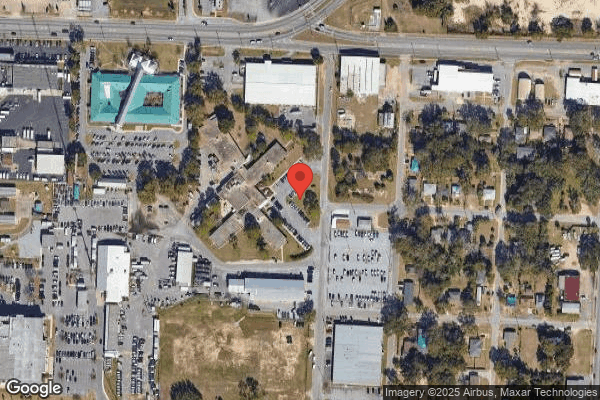
3107 NORTH H STREET, PENSACOLA, FL 32501 (850) 430-0500
For profit - Limited Liability company 155 Beds BENJAMIN LANDA Data: November 2025
Trust Grade
80/100
#268 of 690 in FL
Last Inspection: August 2024

Within standard 12-15 month inspection cycle. Federal law requires annual inspections.

Overview

Rosewood Healthcare and Rehabilitation Center in Pensacola, Florida, has received a Trust Grade of B+, indicating it is above average and recommended for families considering long-term care options. It ranks #268 out of 690 facilities in Florida, placing it in the top half, but only #12 out of 15 in Escambia County, meaning there are a few local alternatives that may be better. The facility's trend is concerning, as the number of reported issues has increased from 2 to 4 in the past year. Staffing is a relative strength with a rating of 4 out of 5 stars and a turnover rate of 37%, which is lower than the state average, suggesting that staff are familiar with the residents. There have been no fines reported, which is a positive sign, but it is important to note that there were several concerning incidents, such as a resident not being evaluated for self-administration of their inhaler and another resident being denied necessary oxygen therapy despite their need for it. Overall, while there are strengths in staffing and compliance history, families should be aware of the rising trend in issues and specific incidents that could impact resident care.

Trust Score
B+
80/100
In Florida
#268/690
Top 38%
Safety Record
Low Risk
No red flags
Inspections
Getting Worse
2 → 4 violations
Staff Stability
○ Average
37% turnover. Near Florida's 48% average. Typical for the industry.
Penalties
✓ Good
No fines on record. Clean compliance history, better than most Florida facilities.
Skilled Nurses
○ Average
Each resident gets 35 minutes of Registered Nurse (RN) attention daily — about average for Florida. RNs are the most trained staff who monitor for health changes.
Violations
○ Average
9 deficiencies on record. Average for a facility this size. Mostly minor or procedural issues.
★★★★☆
4.0
Overall Rating
★★★★☆
4.0
Staff Levels
☆☆☆☆☆
0.0
Care Quality
★★★★☆
4.0
Inspection Score
Stable
2023: 2 issues
2024: 4 issues

The Good

  • 4-Star Staffing Rating · Above-average nurse staffing levels
  • Full Sprinkler Coverage · Fire safety systems throughout facility
  • No fines on record
  • Staff turnover below average (37%)

    11 points below Florida average of 48%

Facility shows strength in staffing levels, fire safety.

The Bad

Staff Turnover: 37%

Near Florida avg (46%)

Typical for the industry

Chain: BENJAMIN LANDA

Part of a multi-facility chain

Ask about local staffing decisions and management

The Ugly 9 deficiencies on record

Aug 2024 4 deficiencies
CONCERN (D)

Potential for Harm - no one hurt, but risky conditions existed

Deficiency F0554 (Tag F0554)

Could have caused harm · This affected 1 resident

Based on observations, resident record review, interviews, and facility policy review, the facility failed to evaluate a resident for self-administration of medications for 1 of 1 resident sampled. (R...

Read full inspector narrative →
Based on observations, resident record review, interviews, and facility policy review, the facility failed to evaluate a resident for self-administration of medications for 1 of 1 resident sampled. (Resident #103) The findings include: On 8/19/24 at 12:49 PM, Resident #103 was observed with an inhaler at bedside. She stated she had an inhaler at bedside so she could use it when she needed it. Resident #103 stated it was just albuterol and she had it for a long time. The inhaler's label read Albuterol Sulfate. This inhaler was again observed on the bedside table on 8/20/24 at 5:07 PM. (Photographic evidence was obtained) A review of Resident #103's medical record was conducted. A physician's orders stated, Albuterol Sulfate HFA Inhalation Aerosol Solution 108 (90 Base) MCG/ACT (Albuterol Sulfate), 2 puff inhale orally every 6 hours as needed for shortness of breath and was dated 4/19/24. The Medication Administration Record (MAR) for July and August 2024 revealed Albuterol Sulfate was scheduled as needed but was not documented. The resident's care plan did not include goals or intervention related to self-administration of medications. On 08/20/24 at 6:09 PM, an interview was conducted with Director of Nursing (DON). The DON reviewed Resident #103's records and stated the resident had never expressed she wanted to self administer the inhaler. The DON stated the facility did not have any residents that self-administered medications. A review of facility policy Self-administration of medication was conducted. The policy stated, A resident may not be permitted to administer or retain any medication on his/her room unless so ordered, in writing, by the attending physician and approved by the Interdisciplinary Care Plan Team. Should the resident's attending physician permit the resident to administer his/her medications (S) the following conditions will apply: the physician's orders must be given prior to self-administration; storage of medications in the resident's room must be such that it will prevent access by other residents.
CONCERN (D)

Potential for Harm - no one hurt, but risky conditions existed

PASARR Coordination (Tag F0644)

Could have caused harm · This affected 1 resident

Based upon record review, observations, and interviews the facility failed to submit a level II screening for 1 out of 3 residents reviewed with a significant change in mental health and newly evident...

Read full inspector narrative →
Based upon record review, observations, and interviews the facility failed to submit a level II screening for 1 out of 3 residents reviewed with a significant change in mental health and newly evident diagnosis of a serious mental disorder. (Resident #107) The findings include: On 8/20/24, a record review of Resident #107's level I PASARR was completed. The PASARR was dated 10/28/22 and had no indication of mental health or suspected mental health or intellectual disability indicated. However, review of the resident's medical record indicated added diagnoses of Disorganized Schizophrenia on 04/18/2023, major depressive disorder on 1/16/23, and Vascular Dementia severe, with other behavioral disturbances on 04/20/23. (Photographic evidence obtained) Upon interview and review of the medical health history with the Director of Nursing (DON) on 8/20/24 at approximately 05:04 PM, the DON stated myself and the Assistant Director of Nursing review and complete the PASARRs on all new residents and submit new ones as needed or as indicated. When asked about a level II PASARR for Resident #107, she stated she would have to review the health history and review medical records from the hospital and the records from the facility where Resident #107 resided prior to the current admission. During a follow up interview with the DON on 08/21/24 at approximately 10:00 am, the DON stated, There was no documentation of any mental health issues prior to her being admitted to our facility that I could find. We did not apply for a level II screening when the new diagnosis was added in April 2023. However, we did submit a Level II screen today.
CONCERN (D)

Potential for Harm - no one hurt, but risky conditions existed

Comprehensive Care Plan (Tag F0656)

Could have caused harm · This affected 1 resident

Based on staff interviews and electronic medical record (EMR) review, the facility failed to develop a comprehensive person-centered care plan for antibiotic use for 1 of 2 residents sampled for care ...

Read full inspector narrative →
Based on staff interviews and electronic medical record (EMR) review, the facility failed to develop a comprehensive person-centered care plan for antibiotic use for 1 of 2 residents sampled for care planning. (Resident #111) The findings include: A review of the physician's orders reveals an order placed on 12/16/2023 for Minocycline HCl Oral Capsule 100 MG - Give 1 capsule by mouth one time a day for infection (a broad-spectrum antibiotic used to treat infections). A review of the comprehensive care plan initiated on 09/12/2022 and last updated on 08/09/2024 does not include antibiotic use. (photographic evidence obtained) A review of the annual minimum data set (MDS) (a standardized assessment tool that measures health status in nursing home residents), dated 05/24/2024, indicated no infections but did indicate yes for Antibiotic use. On 08/21/2024 at approximately 11:21 AM during an interview with Staff G, Registered Nurse (RN) and MDS coordinator, she reviewed the EMR and confirms there is no care plan in place for Resident #111 for antibiotic use. She indicated that there should be a care plan for antibiotic use.
CONCERN (D)

Potential for Harm - no one hurt, but risky conditions existed

ADL Care (Tag F0677)

Could have caused harm · This affected 1 resident

**NOTE- TERMS IN BRACKETS HAVE BEEN EDITED TO PROTECT CONFIDENTIALITY** Based on observations, interviews, and record review, the facility failed to ensure activities of daily living (ADL) for bathing...

Read full inspector narrative →
**NOTE- TERMS IN BRACKETS HAVE BEEN EDITED TO PROTECT CONFIDENTIALITY** Based on observations, interviews, and record review, the facility failed to ensure activities of daily living (ADL) for bathing and grooming were provided to 1 of 6 residents sampled for ADL care. (Resident #42) The findings include: During an observation and interview on 08/19/2024 at 11:50AM, Resident #42 said his scalp is really dry because he doesn't get his hair washed and would like to receive a shower in the shower room. Resident #42 said he has only had one shower where he was taken to the shower room since he's been admitted to the facility, and he needs someone to take him because he can't use his legs. He added, most of the time they only provide a bed bath, and his hair doesn't get washed. Resident #42 has amputation of left hand and forearm, nails on right hand are noted to be dirty and long, extending past the tip of the finger with the middle finger noted to be very thick and discolored, long, and curved in toward the tip of the finger. The resident was noted to have an odor of urine. A review of Resident #42's medical record showed he was admitted to the facility on [DATE] and had diagnoses of anoxic brain damage, adult failure to thrive, major depressive disorder, anesthesia and parasthesia of skin (lack of sensation), diabetes mellitus, type 2, osteoarthritis, and acquired absence of left upper limb. The record showed Resident #42 weighed 130 pounds and had a brief interview for mental status (BIMS) score of 12 (a score of 8-12 indicates moderately impaired cognition). On 08/20/2024, a review of bathing documentation revealed Resident #42 was scheduled to receive a shower on Mondays, Wednesdays, and Fridays, but there was no documentation of any bed bath or shower occurring between 08/12/2024 and 08/20/2024. The most recent documented shower for the resident was dated 07/31/2024 and the most recent bed bath documented was dated 08/11/2024. There was no documentation of refusal of care, no care plan related to behaviors of refusing care, and no documentation of attempts to bathe resident or offer showers on days when there was no shower documented. During an observation on 08/20/2024 at 2:10pm, Resident #42 was in his wheelchair in the hallway, wearing a red ballcap with his hair sticking out on the sides beneath the cap and appeared unwashed, there was a faint odor of urine detected. On 08/21/2024 at 9:23 am, in an interview, Certified Nursing Assistant (CNA) A, who was standing in Resident #42's room, said she has only had this assignment for two days and hasn't bathed Resident #42, but believes he is on the 3:00 pm - 11:00 pm shower schedule. She said Resident #42 mentioned to her that he would like a shower, and she usually provides care like wiping the resident down in between when they ask and she motioned to her underarm area. Resident #42 was observed at 10:05am on 08/21/2024 returning from the smoking area wearing a blue ball cap and still had an odor of urine. Later in the day, at 12:29PM, Resident #42 was observed sitting in his wheelchair in his room and said he was waiting for lunch. The observation revealed Resident #42 had a substance that appeared to be dried, flaked off skin in his ear and a flaky particle that also appeared to be dried skin in the hair sticking out under his ball cap. There was an odor of urine and cigarette smoke. During an observation of Resident #42 at 4:04 PM on 08/21/2024, he was in his bed with his shirt off, and appeared not to have had a shower. In an interview immediately following this observation, CNA D described and demonstrated the method for documenting a shower or bed bath using the electronic documentation system. During the interview, she said she had showered Resident #42 before and takes him to the shower room. On 08/22/2024 at 8:34AM, Resident #42 was observed in bed, alert and oriented, with shirt off, hair appeared freshly washed and combed, no odors noted. The resident was noted to have dirt and/or debris under his fingernails on his right hand, which remained long and untrimmed, with the middle fingernail was still thick and discolored, extending past the tip of finger and curling back toward the tip of his middle finger. Resident #42 was asked if he was offered nail care during his bath, and he replied no and added he would like them trimmed, especially the middle finger which is very long. Resident #42 said he had a shower last night and it is only the second time he has received a shower since being in the facility. On 08/22/2024 at 8:39AM, Registered Nurse (RN) B explained in an interview the expectation for ADL care is that CNA reports to the nurse when done and the nurse assigned to the hall would note if anything needed to be followed up on such as not completing the care. RN B observed Resident #42's nails and agreed the nails needed to be cleaned and trimmed. She also agreed that the middle fingernail which was very thick and discolored should be assessed by a nurse prior to trimming. In a follow up interview with RN B, she said she confirmed that a registered nurse can trim that nail, and she will have the nurse assigned trim the nail today. On 08/22/2024 at 9:04 AM, during an interview, CNA E showed where the ADL care supplies are kept, and the implements used for nail care. CNA E said that he offers nail care during the bath and that should be completed. On 08/22/24 at 11:22 AM, the staff development coordinator, RN C, was asked during an interview to describe what she teaches as far as bathing and nail care. RN C said that the expectation is residents are provided a shower in the shower room unless specifically refusing or stating a preference for a bed bath and the expectation taught for bathing includes ensuring nails are clean. On 08/22/24 11:40 AM, during an interview, the Director of Nursing (DON) said Resident #42 is care planned for fabricating stories and will say that he did not get showers but then he refuses. The DON was told that Resident #42 was consistent about his desire for a shower throughout the week since Monday, 08/19/2024, and specifically that his hair doesn't get washed, which was consistent with observations of the resident having flakes of skin in his hair, appearing un-showered, and having an odor of urine about him. The DON said he only gets showers on Monday, Wednesday and Fridays and he often refuses. She said that she was the one who went in today to trim his middle fingernail, which was very thick. She agreed the nail was long and had not been trimmed. The DON was shown that no documentation in the record was found which demonstrated a nurse had been notified and the resident refused the care to his nail or other refusals of care or bathing. She left and said she would look for documentation in the record of these behaviors to provide. At 12:07 PM, the DON came back and provided one page of documentation with a late entry written by RN B that Resident #42 was offered a shower earlier in the shift, stated that he would prefer it after dinner and his smoke break. Resident refused x 2 when asked at the requested time. Will reattempt tomorrow. The note was entered on 08/21/2024 at 15:39PM as a late entry for 08/20/2024. No other documentation of refusals of care or behavior of fabricating stories were provided for Resident #42. On 08/22/2024 at 12:27 PM, in a follow up interview with Resident #42 about whether he refused care of a shower, he said he thinks he did ask to have the shower after he smokes, but he wouldn't refuse a shower unless it was time to go smoke. Review of policies provided for bathing and nail care included under the heading Key Procedural Points for Shower/Tub Bath - Dependent Resident: 2. Insofar as practical, encourage the resident to participate in the bath care. 6. Trim the resident's toenails or fingernails unless otherwise instructed by the staff/Charge Nurse. Key Procedural Points of the section titled Fingernails/Toenails, Care of included: 1. Nails can be cleaned during bath care.
May 2023 2 deficiencies
CONCERN (D)

Potential for Harm - no one hurt, but risky conditions existed

Assessment Accuracy (Tag F0641)

Could have caused harm · This affected 1 resident

**NOTE- TERMS IN BRACKETS HAVE BEEN EDITED TO PROTECT CONFIDENTIALITY** Based on observation, interview and record review, the facility failed to provide accurate Minimum Data Set (MDS) Resident Asses...

Read full inspector narrative →
**NOTE- TERMS IN BRACKETS HAVE BEEN EDITED TO PROTECT CONFIDENTIALITY** Based on observation, interview and record review, the facility failed to provide accurate Minimum Data Set (MDS) Resident Assessments on 3 of 5 residents sampled. (Residents #21, #64, and #71) The findings include: Resident #21 A record review for Resident #21 was completed on 5/10/2023 at approximately 2:30 PM. This review noted an admission diagnosis of Schizophrenia dated 1/27/2023 and Anxiety Disorder dated 1/30/2023. A record review of the admission Annual MDS Assessment for Resident #21, dated 2/3/2023, noted no documentation in Section A1500 that acknowledged a Level II Preadmission Screening and Resident Review (PASARR) was completed for the diagnosis of Schizophrenia. Section A1510 of the MDS did not list the mental health conditions. A record review noted a positive Level II Screen for Resident #21 that was dated 2/8/2023 and a consent from Resident #21 for a Level II evaluation. A record review noted the Level II determination for Resident #21 was received on 2/17/2023. An interview was performed on 05/11/23 at approximately 11:42 AM with Staff A, a MDS Registered Nurse (MDS-RN) and Staff B, another MDS-RN. They agreed that the MDS had not been updated to reflect that a Level II MDS screening was submitted for the resident. They said his Level II assessment was done after admission and the MDS had already been submitted and they had not yet updated the change in MDS. Resident #64 A record review for Resident #64 was completed on 5/10/2023 at approximately 3:30 PM. The record noted a secondary admission diagnosis of Paranoid Schizophrenia and Antisocial Personality Disorder dated 5/17/2021 and an added diagnosis of Unspecified dementia - unspecified severity with agitation added on 10/18/2022 and Major Depressive Disorder added on 11/28/2022. A record review of the Annual MDS Assessment for Resident #64 dated 5/25/2023 noted no documentation in Section A1500 that acknowledged a Level II PASARR screening was completed for the mental illness diagnoses. Section A1510 did not list the mental illness conditions. A record review for Resident #64 noted an updated PASARR was completed on 11/21/2022 which noted mental illness diagnoses of depressive disorder, schizophrenia, and antisocial personality disorder. A Level II PASARR screen was triggered and completed on 11/21/2022. The MDS assessment was not updated to reflect PASARR Level II update and diagnoses. In an interview on 05/11/23 at approximately 11:42 AM, Staff A, MDS-RN, and Staff B, MDS-RN, agreed that the MDS had not been updated once the PASARR was updated to reflect that the Level II PASARR review was submitted on Resident #64. Resident #71 A record review for Resident #71 noted a 5-Day MDS dated [DATE]. Section K0510 of the MDS was checked yes indicating that the resident had a feeding tube. In an interview with Resident #71 on 5/7/2023 at approximately 2:55 PM, Resident #71 stated he hasn't been hungry lately, but he has never had any sort of feeding tube. A record review of the Nutrition Risk Screen with Mini Nutritional Assessment for Resident #71 dated 4/18/2023 noted under Section B, Nutritional Orders and Intake that the resident does not have an enteral tube of any type. A review of dietary notes for Resident #71, dated 2/13/2023, noted a diet of regular/thin with 50-75% oral intake documented. A review of dietary notes dated 4/21/2023 documented his diet as Regular/No added salt/thin with 50% oral intake. Neither dietary note made any mention of any type of feeding tube. On 5/11/2023 at approximately 10:50 AM, the registered dietitian confirmed during an interview that Resident #71 had never had a feeding tube. In an interview on 05/11/23 at approximately 11:42 AM, Staff A, MDS-RN and Staff B, MDS-RN stated that the MDS that reflected the resident had a feeding tube was in error. The dietary manager had accidentally checked that Resident #71 had a feeding tube when he had actually been receiving intravenous fluids.
CONCERN (D)

Potential for Harm - no one hurt, but risky conditions existed

Comprehensive Care Plan (Tag F0656)

Could have caused harm · This affected 1 resident

Based on observation, interview and record review, the facility failed to follow provider orders and document measurable objectives in the care plan for monitoring of behaviors and medications side ef...

Read full inspector narrative →
Based on observation, interview and record review, the facility failed to follow provider orders and document measurable objectives in the care plan for monitoring of behaviors and medications side effects for 2 of 2 residents sampled. (Resident #51 and #64) The findings include: Resident #51 A review of provider orders for Resident #51 noted orders dated 6/1/2022 for monitoring of behaviors and side effects observations. A review of the care plan for Resident #51 noted the resident was care planned for mood problem related to bipolar diagnosis with interventions to include Administer medications as ordered. Monitor/Document for side effects and effectiveness. Monitor/record/report to MD prn mood patterns signs and symptoms of depression, anxiety, sad mood as per facility behavior monitoring protocols. Observe for signs and symptoms of mania or hypomania racing thoughts or euphoria; increased irritability, frequent mood changes; pressured speech; flight of ideas; marked change in need for sleep; agitation or hyperactivity. A review of the Medication Administration Record for Resident #51 April 1-30, 2023 noted 32 of 90 shifts where documentation of behaviors and side effects of medication was missed. A review of the Medication Administration Record for Resident #51 for May 1-9, 2023 noted 7 of 27 shifts where documentation of behaviors and side effects of medications was missed. Resident #64 A review of provider orders for Resident #64 noted orders on 5/19/2021 for monitoring of behaviors and side effects observations. A review of the care plan for Resident #64 noted the resident was care planned for mood problem related to depression, anxiety, insomnia and schizophrenia with interventions to include Administer medications as ordered. Monitor/record/report to MD acute episode feeling or sadness; loss of pleasure and interest in activities; feeling of worthlessness or guilt; change in appetite/eating habits; change in sleep patterns; diminished ability to concentrate; change in psychomotor skills. Resident #64 was care planned for ineffectiveness of medication or untoward side effect/adverse reaction or psychotropic use. With interventions to observe resident for signs and symptoms of constipation, orthostatic hypotension, urinary retention, motor restlessness, involuntary movement, confusion, blurred vision, or dry mouth. A review of the Medication Administration Record for Resident #64 for April 1-30, 2023 noted 32 of 90 shifts where documentation of behaviors and side effects of medication was missed. A review of the Medication Administration Record for Resident #64 for May 1-9, 2023 noted 7 of 27 shifts where documentation of behaviors and side effects of medications was missed. In an interview on 05/11/23 at approximately 09:46 AM, the Assistant Director of Nursing (ADON) was asked how behavior and medication side effect monitoring is documented. She stated it is on the Medication Administration Record (MAR), but sometimes you have to go look for it. She stated it doesn't automatically trigger to complete it. The ADON was advised that there were multiple gaps in the documentation of behavior and medication side effect monitoring for April 2023 and May 2023 for Resident #51 and Resident #64. She stated it should be documented ever shift and the staff may not know how to get it to trigger for them, it isn't that automatic. A review of the policy titled Care Plan - Comprehensive dated November 2019 states that A Comprehensive Care Plan that includes measurable objectives and timetables to meet the resident's medical, nursing, mental and psychological needs shall be developed for each resident.
Dec 2021 3 deficiencies
CONCERN (D)

Potential for Harm - no one hurt, but risky conditions existed

Safe Environment (Tag F0584)

Could have caused harm · This affected 1 resident

Based on observations and interviews the facility failed to maintain a safe, clean, comfortable and homelike environment for 1 of 1 (#118) resident sampled for tube feeding. The finding include : On ...

Read full inspector narrative →
Based on observations and interviews the facility failed to maintain a safe, clean, comfortable and homelike environment for 1 of 1 (#118) resident sampled for tube feeding. The finding include : On 12/06/21 at 12:04 PM, an observation was made of resident #118's tube feeding pump. The pump was observed to have a tan colored dried substance on its surface. On 12/07/21 at 1:58 PM, a second observation was made of resident #118's tube feeding pump, with the dried tan colored substance still on the surface of the pump. On 12/08/21 at 9:03 AM, a third observation was made of resident #118's tube feeding pump, with the dried tan colored substance still on the surface of the pump. (Photographic evidence obtained) On 12/08/21 at approximately 9:30 AM, an interview was conducted with the Administrator, who stated it was housekeeping's responsibility to clean the equipment at bedside. The Administrator accompanied this surveyor to resident #118's room and verbally confirmed that the pump was dirty and should have been cleaned. On 12/08/21 at 10:08 AM, an interview was conducted with the Head of Housekeeping who stated there was no set schedule for cleaning of the tube feeding pumps, and All I can say is that we will do better. On 12/08/21 at approximately 10:15 AM, a request for the facilities policy on the cleaning of bedside equipment from the Cooperate Nurse who stated the housekeeping policy does not address the cleaning of tube feeding pumps directly.
CONCERN (D)

Potential for Harm - no one hurt, but risky conditions existed

PASARR Coordination (Tag F0644)

Could have caused harm · This affected 1 resident

**NOTE- TERMS IN BRACKETS HAVE BEEN EDITED TO PROTECT CONFIDENTIALITY** Based on record review, staff interview, and policy review the facility failed to refer a resident with a diagnosis of a serious...

Read full inspector narrative →
**NOTE- TERMS IN BRACKETS HAVE BEEN EDITED TO PROTECT CONFIDENTIALITY** Based on record review, staff interview, and policy review the facility failed to refer a resident with a diagnosis of a serious mental disorder for a PASARR (pre-admission screening and resident review) level II resident review for 1 of 1 sampled residents reviewed for PASARR. (resident number 38) The findings include: Review of resident number 38's medical record revealed the resident was admitted to the facility on [DATE]. Review of the most recent psychiatric evaluation dated 11/16/21 revealed a primary diagnosis of schizoaffective disorder, bipolar type was added to the resident on 7/16/19. The record failed to contain evidence of a level II PASARR resident review. An interview was conducted with employee B (Regional Nurse Consultant) on 12/8/21 at 12:03 PM. He stated there was no level II PASARR for resident 38 and the facility was submitting one. Review of the facility policy Preadmission Screening (PASSAR/PASSR) (March 2020) revealed it was the policy of the center to follow the Federal and State regulations with regards to pre-screening residents with a mental disorder and individuals with intellectual disability for individuals requiring more than 30 days at the center. A level II PASSR must be completed if the individual has a primary or secondary diagnosis of dementia or related neurocognitive disorder, or a suspicion or diagnosis of serious mental illness, intellectual disability, or both. A PASSR level II may only be terminated by a PASSR Level II Evaluator.
CONCERN (E)

Potential for Harm - no one hurt, but risky conditions existed

Respiratory Care (Tag F0695)

Could have caused harm · This affected multiple residents

**NOTE- TERMS IN BRACKETS HAVE BEEN EDITED TO PROTECT CONFIDENTIALITY** Resident #69 On 12/06/21 at 1:20 PM an observation of resident #69 was made wearing oxygen via nasal cannula at 3 liters per min...

Read full inspector narrative →
**NOTE- TERMS IN BRACKETS HAVE BEEN EDITED TO PROTECT CONFIDENTIALITY** Resident #69 On 12/06/21 at 1:20 PM an observation of resident #69 was made wearing oxygen via nasal cannula at 3 liters per minute. On 12/7/21 at 3:14 PM and interview was conducted with resident #69 concerning the use of oxygen. Resident 69 stated, I have been using oxygen for a long time mostly at night and sometimes during the day if I take a long nap. Resident #69 went on to say that the facility tried to take the oxygen away not too long ago, but I asked for it back because I can not sleep well without it. On 12/08/21 at 10:42 AM Resident #69 was observed resting in bed with the head of the bed elevated wearing oxygen via nasal cannula at 3 liters per minute. Resident 69 was questioned if she ever adjusted the level of the oxygen, resident 69 replied, No, they told me not to touch it. On 12/07/21 a review of resident #69 physician orders revealed oxygen therapy had been discontinued on 10/04/29, and there was no current order for oxygen therapy. On 12/08/21 at 10:44 AM an interview was conducted with Nurse C a Licensed Practical Nurse, (LPN). When questioned how many liters should resident #69 be on, Nurse C responded, She is on 2 liters I believe, let me double check. Nurse C looked on the electronic medication record and the electronic physician orders, and stated, I cannot find an order for the oxygen. When asked if resident #69 should be receiving oxygen without a physician order, Nurse C responded No, not without a physician order. Review of facility policy titled, Oxygen Safety, Respiratory Care Nursing Services Procedures page 9 of 24, dated April 2021, revealed: Under subtitle Oxygen Administration section 1. Oxygen therapy is administered to the resident only upon the written order of a licensed physician. Resident #63 On 12/07/2021 at approximately 3:02 PM, an observation of resident #63 revealed that the resident was receiving oxygen via nasal cannula (a lightweight tube which on one end splits into two prongs which are placed in the nostrils) at a rate of 3 Liters per minute. Review of resident #63's medical records was conducted. Review of oxygen saturation documentation in November and December indicated that the resident received oxygen on multiple dates. Further review revealed that the resident received oxygen without an order until 12/08/2021 at approximately 11:56 AM. On 12/08/2021 at approximately 10:57 AM, an interview was conducted with the DON. The interview revealed that resident #63 was receiving oxygen via nasal cannula without a physician's order. Resident #15 On 12/07/2021 at approximately 4:47 PM, an observation of resident #15 revealed that the resident was receiving oxygen via nasal cannula at a rate of 2 Liters per minute. Review of resident #15's medical records was conducted. Review of oxygen saturation documentation in November and December indicated that the resident received oxygen on multiple dates. Further review revealed that the resident received oxygen without an order until 12/08/2021 at approximately 11:56 AM. On 12/08/2021 at approximately 10:53 AM, an interview was conducted with the Director of Nursing (DON). The interview revealed that resident #15 was receiving oxygen via nasal cannula without a physician's order. Based on observations, staff interviews, resident interview, record review, and policy review the facility failed to administer oxygen only with a physician order in accordance with the facility policy for 3 of 5 residents sampled for respiratory care (residents #15, #63, and #69) and failed to administer the physician ordered amount of oxygen for 1 of 5 sampled residents reviewed for respiratory care. (resident #109) The findings include: Resident #109 Observations of resident number 109 were conducted on 12/7/21 at 8:56 AM, 1:26 PM, 4:02 PM, and on 12/8/21 at 8:13 AM and 10:06 AM. During the observations the resident was in his room and had oxygen at 2 liters per minute via nasal cannula and concentrator in place. Review of resident 109's medical record revealed the resident was admitted to the facility on [DATE] and a current physician order dated 6/10/21 to decrease oxygen (02) to 1.5 liters keep 02 saturation above 88% every shift. The most recent quarterly minimum data set with an assessment reference date of 11/3/21 revealed resident 109 had a BIMS (brief interview for mental status) score of 15, indicating he was cognitively intact. An interview was conducted with employee A (licensed practical nurse) on 12/8/21 at 10:06 AM. Employee A observed resident 109 and confirmed his oxygen was on 2 liters per minute. Employee A reviewed the resident's medical record and confirmed the order for oxygen was 1.5 liters per minute. During the observation of resident 109 on 12/8/21 at 10:06 AM, the resident stated he does not adjust the oxygen himself as he could not see the numbers on the concentrator. Resident 109 stated the oxygen had been set on 2 liters since he came to the facility. Review of the facility policy for Oxygen Safety (April 2021) reveals oxygen therapy is administered to the resident only upon the written order of a licensed physician.
Understanding Severity Codes (click to expand)
Life-Threatening (Immediate Jeopardy)
J - Isolated K - Pattern L - Widespread
Actual Harm
G - Isolated H - Pattern I - Widespread
Potential for Harm
D - Isolated E - Pattern F - Widespread
No Harm (Minor)
A - Isolated B - Pattern C - Widespread

Questions to Ask on Your Visit

  • "Can I speak with families of current residents?"
  • "What's your RN coverage like on weekends and overnight?"

Our Honest Assessment

Strengths
  • • Grade B+ (80/100). Above average facility, better than most options in Florida.
  • • No major safety red flags. No abuse findings, life-threatening violations, or SFF status.
  • • No fines on record. Clean compliance history, better than most Florida facilities.
  • • 37% turnover. Below Florida's 48% average. Good staff retention means consistent care.
Concerns
  • • No significant concerns identified. This facility shows no red flags across CMS ratings, staff turnover, or federal penalties.
Bottom line: Generally positive indicators. Standard due diligence and a personal visit recommended.

About This Facility

What is Rosewood Healthcare And Rehabilitation Center's CMS Rating?

CMS assigns ROSEWOOD HEALTHCARE AND REHABILITATION CENTER an overall rating of 4 out of 5 stars, which is considered above average nationally. Within Florida, this rating places the facility higher than 99% of the state's 100 nursing homes. This rating reflects solid performance across the metrics CMS uses to evaluate nursing home quality.

How is Rosewood Healthcare And Rehabilitation Center Staffed?

CMS rates ROSEWOOD HEALTHCARE AND REHABILITATION CENTER's staffing level at 4 out of 5 stars, which is above average compared to other nursing homes. Staff turnover is 37%, compared to the Florida average of 46%. This relatively stable workforce can support continuity of care.

What Have Inspectors Found at Rosewood Healthcare And Rehabilitation Center?

State health inspectors documented 9 deficiencies at ROSEWOOD HEALTHCARE AND REHABILITATION CENTER during 2021 to 2024. These included: 9 with potential for harm.

Who Owns and Operates Rosewood Healthcare And Rehabilitation Center?

ROSEWOOD HEALTHCARE AND REHABILITATION CENTER is owned by a for-profit company. For-profit facilities operate as businesses with obligations to shareholders or private owners. The facility is operated by BENJAMIN LANDA, a chain that manages multiple nursing homes. With 155 certified beds and approximately 142 residents (about 92% occupancy), it is a mid-sized facility located in PENSACOLA, Florida.

How Does Rosewood Healthcare And Rehabilitation Center Compare to Other Florida Nursing Homes?

Compared to the 100 nursing homes in Florida, ROSEWOOD HEALTHCARE AND REHABILITATION CENTER's overall rating (4 stars) is above the state average of 3.2, staff turnover (37%) is near the state average of 46%, and health inspection rating (4 stars) is above the national benchmark.

What Should Families Ask When Visiting Rosewood Healthcare And Rehabilitation Center?

Based on this facility's data, families visiting should ask: "Can I visit during a mealtime to observe dining assistance and food quality?" "How do you handle medical emergencies, and what is your hospital transfer rate?" "Can I speak with family members of current residents about their experience?"

Is Rosewood Healthcare And Rehabilitation Center Safe?

Based on CMS inspection data, ROSEWOOD HEALTHCARE AND REHABILITATION CENTER has a clean safety record: no substantiated abuse findings (meaning no confirmed cases of resident harm), no Immediate Jeopardy citations (the most serious violation level indicating risk of serious injury or death), and is not on the Special Focus Facility watch list (a federal program monitoring the lowest-performing 1% of nursing homes). The facility has a 4-star overall rating and ranks #1 of 100 nursing homes in Florida. While no facility is perfect, families should still ask about staff-to-resident ratios and recent inspection results during their visit.

Do Nurses at Rosewood Healthcare And Rehabilitation Center Stick Around?

ROSEWOOD HEALTHCARE AND REHABILITATION CENTER has a staff turnover rate of 37%, which is about average for Florida nursing homes (state average: 46%). Moderate turnover is common in nursing homes, but families should still ask about staff tenure and how the facility maintains care continuity when employees leave.

Was Rosewood Healthcare And Rehabilitation Center Ever Fined?

ROSEWOOD HEALTHCARE AND REHABILITATION CENTER has no federal fines on record. CMS issues fines when nursing homes fail to meet care standards or don't correct problems found during inspections. The absence of fines suggests the facility has either maintained compliance or corrected any issues before penalties were assessed. This is a positive indicator, though families should still review recent inspection reports for the full picture.

Is Rosewood Healthcare And Rehabilitation Center on Any Federal Watch List?

ROSEWOOD HEALTHCARE AND REHABILITATION CENTER is not on any federal watch list. The most significant is the Special Focus Facility (SFF) program, which identifies the bottom 1% of nursing homes nationally based on persistent, serious quality problems. Not being on this list means the facility has avoided the pattern of deficiencies that triggers enhanced federal oversight. This is a positive indicator, though families should still review the facility's inspection history directly.