SOLARIS HEALTHCARE PENSACOLA
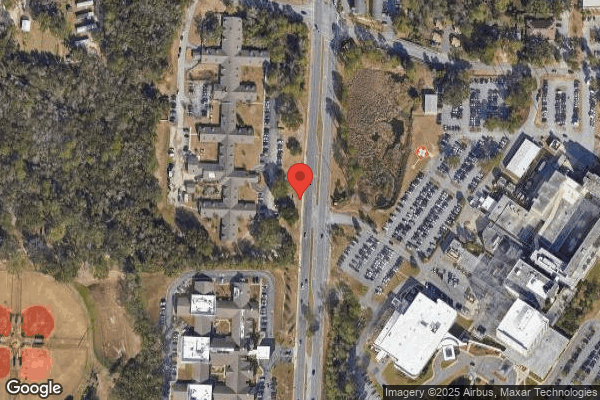
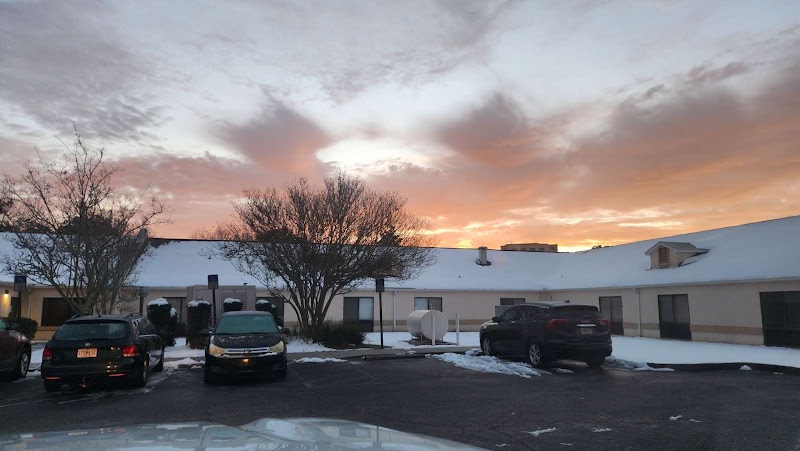
8475 UNIVERSITY PARKWAY, PENSACOLA, FL 32514 (850) 474-1252
For profit - Individual 180 Beds SOLARIS HEALTHCARE Data: November 2025 1 Immediate Jeopardy citation
Trust Grade
56/100
#423 of 690 in FL
Last Inspection: June 2025

Inspected within the last 6 months. Data reflects current conditions.

Overview

Solaris Healthcare Pensacola has a Trust Grade of C, which means it is average and sits in the middle of the pack among nursing homes. It ranks #423 out of 690 facilities in Florida, placing it in the bottom half, and #13 out of 15 in Escambia County, indicating there are only two better local options. The facility is improving, having reduced its number of issues from four in 2024 to zero in 2025. Staffing is rated average with a turnover rate of 49%, which is close to the state average, suggesting staff stability is a potential concern. However, the facility has faced significant issues, including a critical incident where a cognitively impaired resident was allowed to leave unescorted with a visitor unknown to them, raising serious safety concerns. Overall, while there are some strengths, families should be aware of these weaknesses when considering care options.

Trust Score
C
56/100
In Florida
#423/690
Bottom 39%
Safety Record
High Risk
Review needed
Inspections
Getting Better
4 → 0 violations
Staff Stability
⚠ Watch
49% turnover. Above average. Higher turnover means staff may not know residents' routines.
Penalties
✓ Good
$9,318 in fines. Lower than most Florida facilities. Relatively clean record.
Skilled Nurses
✓ Good
Each resident gets 42 minutes of Registered Nurse (RN) attention daily — more than average for Florida. RNs are trained to catch health problems early.
Violations
○ Average
9 deficiencies on record. Average for a facility this size. Mostly minor or procedural issues.
★★★☆☆
3.0
Overall Rating
★★★☆☆
3.0
Staff Levels
★★★★☆
4.0
Care Quality
★★★☆☆
3.0
Inspection Score
Stable
2024: 4 issues
2025: 0 issues

The Good

  • 4-Star Quality Measures · Strong clinical quality outcomes
  • Full Sprinkler Coverage · Fire safety systems throughout facility
  • No fines on record

Facility shows strength in quality measures, fire safety.

The Bad

3-Star Overall Rating

Near Florida average (3.2)

Meets federal standards, typical of most facilities

Staff Turnover: 49%

Near Florida avg (46%)

Higher turnover may affect care consistency

Federal Fines: $9,318

Below median ($33,413)

Minor penalties assessed

Chain: SOLARIS HEALTHCARE

Part of a multi-facility chain

Ask about local staffing decisions and management

The Ugly 9 deficiencies on record

1 life-threatening
Mar 2024 4 deficiencies
CONCERN (D)

Potential for Harm - no one hurt, but risky conditions existed

Deficiency F0554 (Tag F0554)

Could have caused harm · This affected 1 resident

Based on observation, interviews and record review, the facility failed to ensure the interdisciplinary team assessed and determined a resident was capable of self-administration of medications prior ...

Read full inspector narrative →
Based on observation, interviews and record review, the facility failed to ensure the interdisciplinary team assessed and determined a resident was capable of self-administration of medications prior to allowing 1 of 28 sampled residents to self-administer medications. (Resident #80) The findings include: On 3/18/24 at approximately 1:08 PM, an observation of Resident #80 was conducted. A 30-milliliter medicine cup containing three pills, a small drinking cup containing a cloudy liquid with a plastic spoon, and a 30-milliliter cup containing a clear salve were observed on the over the bed table. The resident indicated she fell asleep and forgot to take her pills and confirmed the nurse left the medications for her to self-administer. The resident also indicated the nurse leaves the medications on occasion if the resident is not ready to take the medications or if the resident is sleeping. On 3/18/24 at approximately 1:15 PM, an interview was conducted with Staff B, a Licensed Practical Nurse (LPN). The LPN indicated she did not know where the medications came from. She indicated she administered and watched the resident take her medications this morning and could not recall a specific time. The LPN indicated she thought perhaps the overnight shift left the medications. She indicated she did not notice the medications this morning on the resident's over the bed table. The LPN is not sure if Resident #80 has been evaluated to self-administer her medications. She confirmed the facility does not allow nurses to leave medications unlocked at the bedside. On 3/18/24, a review of the resident's electronic medical record did not reveal a physician order for the resident to self-administer her medications. A review of the resident's medication administration record for 3/17/24 revealed no medications were administered during the overnight shift. A review of the admission minimum data set with an assessment date of 9/12/23 reveals the resident has a BIMS (brief interview of mental status) of 15 indicating she is cognitively intact. There was no documentation to verify if self-administration of medications had been reviewed and/or approved. On 3/19/24 at approximately 10:12 AM, an interview was conducted with the Director of Nursing (DON) regarding nurses leaving medications at the bedside for residents to self-administer. The DON was shown the photo of the medications left on the over the bed table. The DON indicated, per facility policy, the nurse should have watched the resident take the medications and should have applied any topical medications as ordered.
CONCERN (D)

Potential for Harm - no one hurt, but risky conditions existed

Comprehensive Care Plan (Tag F0656)

Could have caused harm · This affected 1 resident

Based on observations, record reviews, and interviews, the facility failed to develop an accurate care plan for 1 of 1 residents sampled for dental concerns. (Resident #100) The findings include: On 3...

Read full inspector narrative →
Based on observations, record reviews, and interviews, the facility failed to develop an accurate care plan for 1 of 1 residents sampled for dental concerns. (Resident #100) The findings include: On 3/18/24 at approximately 12:00 PM, Resident #100 was observed during the initial tour. The resident was observed to have no natural teeth and no dentures. A subsequent record review was conducted for Resident #100. The plan of care did not address the resident's dental status. A review of the resident's annual Minimum Data Set (MDS) assessment from 5/14/23 addressed the resident's dental status but did not document the resident was edentulous (no teeth). On 3/20/24, at approximately 10:57 AM, an interview was conducted with Staff G, a registered nurse and MDS coordinator. Staff G reviewed the MDS from 5/14/23 and agreed the dental status was not done correctly. Staff G stated the quarterly assessments do not address dental issues, only the annual assessment. Staff G stated she started in the position in July 2023 and would not have noticed the MDS was incorrect until the next annual assessment due in May 2024. The staff member stated because the MDS was incorrect, it did not trigger the dental issues for the plan of care.
CONCERN (D)

Potential for Harm - no one hurt, but risky conditions existed

Respiratory Care (Tag F0695)

Could have caused harm · This affected 1 resident

Based on observation, record review and interview the facility failed to provide a respiratory care and services for 1 of 1 resident sampled. (Resident #104) The findings include: On 03/19/24 at appro...

Read full inspector narrative →
Based on observation, record review and interview the facility failed to provide a respiratory care and services for 1 of 1 resident sampled. (Resident #104) The findings include: On 03/19/24 at approximately 01:39 PM, it was observed that Resident #104 did not have a date on her oxygen tubing (Photographic evidence obtained). When asked, the resident stated that it had never been changed since admission to the facility in mid-January. On 03/19/24 at approximately 01:51 PM, an interview with the respiratory therapist was conducted. When asked how often oxygen tubing should be changed, he stated it should be done twice a week and it should be dated every time. When asked when the last time the tubing had been changed for Resident #104, he stated that resident was not on his list, and he had never had the oxygen tubing changed. On 03/19/24 at approximately 01:55 PM, Staff E, a Registered Nurse (RN), came in Resident #104's room. When asked about changing out the oxygen tubing, she stated I had no idea they (the oxygen tubing) needed to be changed. When the resident goes to therapy. I wipe it down with alcohol. On 03/19/24 at approximately 01:59 PM, the Director of Nursing (DON) was interviewed. When asked how respiratory therapy gets a list of residents on oxygen, she stated, Respiratory Therapy gets a list from central supplies once a concentrator is issued. Respiratory Therapy then has to change tubing and filters regularly. When asked about Resident #104 not receiving new tubing, the DON stated, Our supply person changed over in the last couple of month that was probably the issue.
CONCERN (D)

Potential for Harm - no one hurt, but risky conditions existed

Deficiency F0806 (Tag F0806)

Could have caused harm · This affected 1 resident

**NOTE- TERMS IN BRACKETS HAVE BEEN EDITED TO PROTECT CONFIDENTIALITY** Based on observation, record review, staff interview, and policy review, the facility failed to honor a resident's request for a...

Read full inspector narrative →
**NOTE- TERMS IN BRACKETS HAVE BEEN EDITED TO PROTECT CONFIDENTIALITY** Based on observation, record review, staff interview, and policy review, the facility failed to honor a resident's request for a different meal choice for 1 of 2 sampled residents reviewed for food. (Resident #88) The findings include: An observation of Resident #88 was conducted on 3/19/24 at 12:41 PM. The resident was served the lunch tray, tasted the food consisting of beef tips with noodles and gravy and broccoli, and stated he did not like it. The resident initiated the call light and Employee A, a Certified Nursing Assistant, answered the call light. The resident requested a hot dog and chips to replace his lunch meal. An interview was conducted with Resident #88 on 3/19/24 at 1:11 PM. He stated Employee A came back and offered him a sandwich, stating the kitchen would not make him a hot dog. He stated he did not want a sandwich. Observation of his lunch tray revealed he ate 2 ice creams for lunch. An interview was conducted with Employee A on 3/19/24 at 1:15 PM. She stated she asked the kitchen staff for a hot dog for Resident #88 and the kitchen staff told her they did not have any at that time, but he could have a hot dog for dinner. They offered a sandwich instead. An observation of the kitchen on 3/19/24 at 1:45 PM revealed hot dogs were available in the freezer. A further interview was conducted with Resident #88 on 3/19/24 at 2:53 PM. He stated he has had difficulty obtaining alternate food from the kitchen many times. He stated, you can even order an alternate ahead of time and you still will not receive the alternate. A review of Resident #88's electronic medical record revealed a nutritional assessment dated [DATE], indicating the resident was underweight with a weight gain regimen and goal weight of 155 pounds. The current weight was 113 pounds. A review of the quarterly minimum data set from 12/22/23 revealed the resident had a brief interview of mental status (BIMS) score of 15, indicating he was cognitively intact. The care plan for nutrition status, dated 1/19/21, indicated the resident was underweight with a history of significant weight loss. The resident desired weight gain, with a goal weight of 155-160 pounds. The interventions included offering meal substitute as needed. An interview was conducted with Employee C, a dietary technician, on 3/19/24 at 2:07 PM. She stated the resident was at risk for nutritional issues and weight loss. She stated that if he does not eat a meal, the staff should offer him something else. She stated they have an always available menu, but the staff have to let the kitchen know by 10:30 AM what the resident would like for lunch. She stated the kitchen staff could have made the resident a hot dog after the tray line was completed. A review of the facility policy Exercise of Rights (4.15 reviewed January 2023) revealed, Residents have freedom of choice, as much as possible, about how they wish to live their everyday lives and receive care, subject to our facility's rules and regulations affecting resident conduct and those regulations governing protection of resident health and safety.
Jan 2023 5 deficiencies 1 IJ
CRITICAL (J) 📢 Someone Reported This

A family member, employee, or ombudsman was alarmed enough to file a formal complaint

Immediate Jeopardy (IJ) - the most serious Medicare violation

Accident Prevention (Tag F0689)

Someone could have died · This affected 1 resident

**NOTE- TERMS IN BRACKETS HAVE BEEN EDITED TO PROTECT CONFIDENTIALITY** Based on record review, staff interviews, and policy review, the facility failed to provide adequate supervision of a vulnerable...

Read full inspector narrative →
**NOTE- TERMS IN BRACKETS HAVE BEEN EDITED TO PROTECT CONFIDENTIALITY** Based on record review, staff interviews, and policy review, the facility failed to provide adequate supervision of a vulnerable resident identified to be at risk for elopement due to exit seeking, by allowing the resident to exit the facility unescorted by staff, and subsequently leave the facility grounds with a visitor unknown to the resident. This affected Resident #90 who was 1 of 2 sampled residents reviewed for accidents and supervision. The facility staff failed to intervene or report to nursing staff when the visitor reported to the receptionist that he was going to escort the resident across the street to the emergency room per the resident's request on 1/1/23 at approximately 5:50 PM. Facility nursing staff did not become aware the resident was not in the facility until approximately 7:45 PM on 1/1/23 when the resident's son called the facility to inform them she was at the emergency room receiving treatment for shoulder pain. This failure allowed the resident who had a documented diagnosis of dementia and moderate cognitive impairment to leave the facility premises with a visitor unknown to the resident, placing the resident at risk for serious injury, harm, abduction, elopement, or death. The situation resulted in a finding of Immediate Jeopardy. The facility's Administrator and the Director of Nursing were notified of the findings of Immediate Jeopardy on 1/13/23 at approximately 11:44 AM. The Immediate Jeopardy was ongoing as of the survey exit on 1/13/23. The findings include: Review of resident #90's electronic medical record revealed the resident was admitted to the facility on [DATE] and had a current diagnosis of dementia. The admission MDS (Minimum Data Set) with an assessment reference date of 11/15/22 indicated the resident had a BIMS (Brief Interview for Mental Status) score of 8, indicating moderate cognitive impairment. An elopement risk observation, documented on 11/30/22, indicated the resident was at risk for elopement with a score of 3, and proceed with safety interventions. The record revealed a current plan of care dated 12/10/22 stating the resident was at risk for elopement due to noted exit seeking and she exhibited fluctuations in level of cognition and understanding. The care plan goal included the resident's risk for elopement will be minimized through the next review date with a target date of 3/10/23. The care plan interventions dated 12/10/22 included inform staff and the resident's visitors about risk for elopement and exit seeking, monitor for verbalizations of wanting to leave, picture in elopement book, redirect and provide support when wandering or requesting to exit the facility, and report observations and concerns to physician/nurse practitioner as needed. A psychiatric progress note dated 12/28/22 revealed resident #90 had a history of dementia and presented as pleasantly confused. Progress notes reviewed over the previous 30 days noted intermittent confusion, wandering, restlessness, and placing herself on the floor. Resident limitations listed cognitively impaired and hearing impaired, alert to person and partial to date. The resident progress notes dated December 1, 2022 through January 1, 2023 revealed 14 documented observations of the resident wandering in the facility and being redirected by staff on 12/1/22, 12/2/22, 12/3/22, 12/4/22, 12/5/22, 12/10/22, 12/11/22,12/12/22, 12/22/22, 12/24/22, 12/30/22, and 1/1/23. The resident progress notes dated 1/1/23 recorded as a late entry on 1/11/23 indicated the facility was notified by the resident's son that she had left the facility and gone to the emergency room. The resident did not sign out of the facility upon leaving the facility and did not have a staff member escort her. She returned to the facility with her sons via personal vehicle. The resident was placed on one-to-one supervision due to risk for elopement. Review of the facility investigation revealed on 1/1/23 at approximately 5:45 PM employee B (former receptionist) observed resident #90 to enter the front lobby, exit the facility, and sit on a bench outside the front of the facility. She then observed the resident speaking with a visitor of another resident. The visitor then walked into the facility and stated the resident had asked to be assisted to the hospital across the street to get assistance for her arm. He stated he was going to walk her across the street, and they left the facility property on 1/1/23 at approximately 5:50 PM. The registered nurse house supervisor reported he was notified by the resident's son on 1/1/23 at approximately 7:45 PM that she had left the facility and gone to the emergency room. Review of the facility investigation and staff statements of the event revealed prior to the event the resident had asked a staff member to go home while she was ambulating the halls on 1/1/23, and the resident was observed going to the doors looking for a way to get outside on 1/1/23. An interview was conducted with the Director of Nursing (DON) on 1/12/23 at 2:43 PM. She stated the visitor was at the facility to visit another resident. She called that resident's sister, and she did not have any contact information for the visitor. A telephone interview was conducted with employee B (former receptionist) on 1/12/23 at 3:16 PM. Employee B stated resident #90's picture was not in the elopement book at the time of the event on 1/1/23 and refused to answer further questions regarding the event. A telephone interview was conducted with the resident's son on 1/12/23 at 3:25 PM. He stated the resident was in the hospital, had just had surgery, and was being placed on hospice for terminal care. An interview was conducted with the DON on 1/13/23 at 9:56 AM. The DON stated the resident tailgated with a group of visitors out the front lobby door when the receptionist unlocked the front lobby door for the visitors to exit. The DON clarified the resident exited both sets of doors at the lobby, the door that enters the lobby and the door that exits the building. The resident exited via the front door with the group of visitors and the receptionist had to unlock both doors for the resident and group to exit, then the resident sat on the bench outside the front door. Further interview was conducted with the DON on 1/13/23 at 10:04 AM. The DON stated the facility determined the root cause of the event was staff did not follow process and should have redirected the resident back into the facility. The facility had no evidence to support the resident knew the visitor that escorted her to the emergency room (ER). The visitor came in and asked the receptionist if he could take resident #90 across the street to the ER and the receptionist said yes. She stated the resident's photo was in the elopement book at the time of the event and the receptionist acknowledged she was aware of the resident's picture being in the elopement book. The DON stated the only policy the facility had that covers the resident sign out procedure is the transfer or discharge policy stating they would provide verbal or written notice of intent to leave and there is not a specific policy of who can sign the resident out of the facility. Review of the facility policy Transfer and Discharge (effective date 11/1/18) revealed therapeutic leave is a type of Resident-initiated transfer. A Resident-initiated transfer or discharge is one in which the Resident has provided written or verbal notice of their intent to leave the facility, which is documented in the Resident's record. A Resident's expression of a general desire to return home or to the community or elopement of a Resident who is cognitively impaired will not be taken as a notice of intent to leave. Review of the facility policy for Resident Elopement Risk Management Guidelines (revised 1/12/2020) revealed the facility will strive to provide a safe environment for residents and implement measures to identify residents at risk for elopement, as well as preventative measures to minimize elopement occurrences. The policy defines elopement as: An elopement occurs when a resident leaves the premises or a safe area without authorization and/or any necessary supervision to do so. Page 2 number 6 of the policy indicates when a a resident is observed to be wandering to an unsafe situation or exiting the facility, the nearest staff should intervene or summon help if unable to safely manage the event. If wandering behavior escalates, safety checks should be implemented, and the resident should be evaluated for possible cause and new interventions implemented as needed.
CONCERN (D) 📢 Someone Reported This

A family member, employee, or ombudsman was alarmed enough to file a formal complaint

Potential for Harm - no one hurt, but risky conditions existed

Comprehensive Care Plan (Tag F0656)

Could have caused harm · This affected 1 resident

**NOTE- TERMS IN BRACKETS HAVE BEEN EDITED TO PROTECT CONFIDENTIALITY** Based on record review, staff interviews, and policy review, the facility failed to implement the plan of care for 1 of 2 reside...

Read full inspector narrative →
**NOTE- TERMS IN BRACKETS HAVE BEEN EDITED TO PROTECT CONFIDENTIALITY** Based on record review, staff interviews, and policy review, the facility failed to implement the plan of care for 1 of 2 residents reviewed for accidents and supervision. (Resident #90) The findings include: Review of resident #90's electronic medical record revealed the resident was admitted to the facility on [DATE] and had a current diagnosis of dementia. The care plan goal included the resident's risk for elopement will be minimized through the next review date with a target date of 3/10/23. The care plan interventions dated 12/10/22 included inform staff and the resident's visitors about risk for elopement and exit seeking, monitor for verbalizations of wanting to leave, picture in elopement book, redirect and provide support when wandering or requesting to exit the facility, and report observations and concerns to physician/nurse practitioner as needed. The admission MDS (Minimum Data Set) with an assessment reference date of 11/15/22 indicated the resident had a BIMS (Brief Interview of Mental Status) score of 8, indicating moderate cognitive impairment. The record revealed a current plan of care dated 12/10/22 stating the resident was at risk for elopement due to noted exit seeking and she exhibited fluctuations in level of cognition and understanding. An elopement risk observation, documented on 11/30/22, indicated the resident was at risk for elopement with a score of 3, and proceed with safety interventions. Further review of the record revealed that on 1/1/23, the resident was allowed to exit the facility and leave the facility grounds with a visitor unknown to the resident. Review of the facility investigation revealed the nursing staff were not aware the resident had left the facility for approximately 1 hour and 55 minutes. (Cross reference F689) An interview was conducted with the Director of Nursing (DON) on 1/13/23 at 9:56 AM. The DON stated that resident #90 exited both sets of doors at the lobby, the door that enters the lobby and the door that exits the building. The resident exited via the front door with the group of visitors and the receptionist had to unlock both doors for the resident and group to exit, then the resident sat on the bench outside the front door. Further interview was conducted with the DON on 1/13/23 at 10:04 AM. The DON stated the facility determined the root cause of the event was staff did not follow process and should have redirected the resident back into the facility. The visitor came in and asked the receptionist if he could take resident #90 across the street to the ER (emergency room) and the receptionist said yes. The DON stated the resident's photo was in the elopement book at the time of the event and the DON indicated that the receptionist acknowledged she was aware of the resident's picture being in the elopement book. A telephone interview was conducted with employee B (former receptionist) on 1/12/23 at 3:16 PM. Employee B stated resident #90's picture was not in the elopement book at the time of the event on 1/1/23 and refused to answer further questions regarding the event. The facility was not able to provide any documentation or evidence to support the facility implemented the plan of care for resident #90, who was identified at risk for elopement. The facility did not educate the visitor regarding the resident's exit seeking, did not redirect and intervene when the resident exited the facility, and did not report the verbalization of the resident wanting to go home prior to the resident exiting the facility. Review of the facility policy for Comprehensive Care Plans (revised 1/7/2020) revealed an individual comprehensive care plan that includes measurable objectives and timetables to meet the resident's medical, nursing, mental, and psychological needs is developed for each resident. Each resident's comprehensive care plan is designed to incorporate identified problem areas and risk factors associated with identified problems, build on the resident's strengths, reflect the resident's expressed wishes regarding care and treatment goals, reflect treatment goals, timetables, and objectives in measurable outcomes, identify professional services that are responsible for each element of care, aid in preventing or reducing declines in the resident's functional status and/or functional levels, enhance the optimal functioning of the resident by focusing on a rehabilitative program, and reflect currently recognized standards of practice for problem areas and conditions.
CONCERN (D) 📢 Someone Reported This

A family member, employee, or ombudsman was alarmed enough to file a formal complaint

Potential for Harm - no one hurt, but risky conditions existed

Infection Control (Tag F0880)

Could have caused harm · This affected 1 resident

Based on observation, staff interviews, record review, and policy review, the facility failed to ensure staff followed appropriate isolation precautions during the provision of housekeeping services f...

Read full inspector narrative →
Based on observation, staff interviews, record review, and policy review, the facility failed to ensure staff followed appropriate isolation precautions during the provision of housekeeping services for 1 of 1 sampled residents on transmission-based precautions. (Resident # 209) The findings include: An observation of resident #209 was conducted on 1/10/23 at approximately 9:30 AM. The resident was in his room and there was a sign beside the door stating special enteric precautions (related to the intestines) in addition to standard precautions. The sign indicated visitors and staff should cleanse hands upon entering with sanitizer or soap and water and cleanse out of the room using only soap and water. Gown and gloves are required prior to entering the room. (Photographic evidence obtained.) Employee A (housekeeper) was observed in the room at this time, mopping the floor with only gloves on and no gown. She then exited the room and placed the used mop on her housekeeping cart. She then walked to another room across the hall and entered the room. She began dusting with the same gloves on she used to mop in resident # 209's room and did not wash her hands. An interview was conducted with employee A on 1/10/23 at 9:37 AM. She stated the gloves she had on to clean the room across the hall from resident #209's room were the same gloves she had on to clean resident #209's room. She stated she should have changed her gloves. Employee A stated she was told if she was not having contact with the resident in the special enteric precautions room, she did not have to wear a gown. She confirmed she did not wear a gown. Review of resident #209's medical record revealed a current physician order dated 1/6/23 for contact isolation until 2/5/23 for C-diff (Clostridioides difficile). According to the Centers for Disease Control and Prevention website accessed on 1/17/23 at 2:37 PM, C. diff (also known as Clostridioides difficile or C. difficile) is a multi-drug resistant germ (bacterium) that causes diarrhea and colitis (an inflammation of the colon) and it is contagious. An interview was conducted with the Director of Nursing (DON) on 1/12/23 at 9:51 AM. The DON stated staff should don a gown and gloves to enter an enteric precautions room and should not clean another room with the same gloves. The DON verified resident # 209 was on contact isolation for C-diff. Review of the undated facility policy for Enteric Contact Precautions revealed examples of infections requiring Enteric Contact Precautions include but are not limited to bacterial diarrhea associated with Clostridium Difficile. In addition to Standard Precautions, implement Contact Precautions for residents known or suspected to be infected with microorganisms that can be transmitted by direct contact with the resident or indirect contact with environmental surfaces or resident-care items in the resident's environment. The decision on whether precautions are necessary will be evaluated on a case-by-case basis. In addition to wearing gloves as outlined under Standard Precautions, wear gloves (clean, non-sterile) when entering the room. Remove gloves before leaving the room and perform hand hygiene. After removing gloves and washing hands, do not touch potentially contaminated environmental surfaces or items in the resident's room. Wear a disposable gown upon entering the isolation room or cubicle. After removing the gown, do not allow clothing to contact potentially contaminated environmental surfaces or items in the resident's room.
CONCERN (E) 📢 Someone Reported This

A family member, employee, or ombudsman was alarmed enough to file a formal complaint

Potential for Harm - no one hurt, but risky conditions existed

Administration (Tag F0835)

Could have caused harm · This affected multiple residents

Based on record review, staff interviews, and Administrator job description review, the facility failed to utilize its resources effectively to develop and implement policies to ensure resident safety...

Read full inspector narrative →
Based on record review, staff interviews, and Administrator job description review, the facility failed to utilize its resources effectively to develop and implement policies to ensure resident safety is maintained when residents leave the facility with other individuals and to ensure the appropriate staff are aware of the resident's departure from the facility. This has the potential to affect all residents in the facility who exit the facility for leave of absence. (Cross reference F689). The findings include: On 1/1/23, a cognitively impaired resident, identified at risk for elopement (resident #90), was allowed to exit the facility and leave the facility grounds with a visitor unknown to the resident. Review of the facility investigation revealed the nursing staff were not aware the resident had left the facility for approximately 1 hour and 55 minutes. An interview was conducted with the Director of Nursing (DON) on 1/12/23 at 2:43 PM. She stated the visitor was at the facility to visit another resident. She called that resident's sister, and she did not have any contact information for the visitor. A follow-up interview was conducted with the DON on 1/13/23 at 10:04 AM, who stated that the visitor came in and asked the receptionist if he could take resident # 90 across the street to the emergency room and the receptionist said yes. She stated the resident's photograph was in the elopement book at the time of the event and the receptionist acknowledged she was aware of the resident's picture being in the elopement book. The DON stated the only policy the facility had that covers the resident sign out procedure is the transfer or discharge policy stating they would provide verbal or written notice of intent to leave and there is not a specific policy of whom can sign the resident out of the facility. An interview was conducted with the Administrator on 1/13/23 at 10:12 AM. He stated he works with the DON in every aspect and trusts the DON with everything to keep the residents safe and ensure the staff are properly educated. He assisted to ensure the facility staff were educated, post tests were completed, and staff understood the risk and how they have to keep the residents safe and healthy. During the survey, the facility was not able to provide evidence of a process to educate visitors to ensure only authorized persons are allowed to escort a cognitively impaired resident from the facility or a policy regarding the process for signing a resident out of the facility and ensuring the appropriate staff are aware of the resident's departure from the facility. Review of the Administrator job description (dated 3/2018) revealed the purpose of the position is to manage all business-related activity to achieve the facility's vision and supporting strategies and assures that the company image as an ethical and high quality provider of health services is developed and maintained. Duties and responsibilities include: intervenes as appropriate in potentially threatening situations and follows-up with staff after crisis has been resolved; manages safety according to facility procedures/guidelines; ensures that potential safety/health hazards are eliminated or controlled through regular reviews of work activities, materials, and facilities; provides employees with training and instructions on safe work practices in all aspects of their employment; ensures that potential safety/health hazards are eliminated or controlled through regular reviews of work activities, materials, and facilities; provides employees with unsurpassed training and instructions on safe work practices with every aspect of their employment; and ensures that employees are adequately oriented and trained to perform their duties.
CONCERN (E) 📢 Someone Reported This

A family member, employee, or ombudsman was alarmed enough to file a formal complaint

Potential for Harm - no one hurt, but risky conditions existed

QAPI Program (Tag F0867)

Could have caused harm · This affected multiple residents

Based on record review, staff interviews, quality assurance performance improvement plan review, and policy review, the facility failed to develop and implement appropriate plans of action to correct ...

Read full inspector narrative →
Based on record review, staff interviews, quality assurance performance improvement plan review, and policy review, the facility failed to develop and implement appropriate plans of action to correct identified quality deficiencies related to supervision of residents with cognitive impairment, a process to ensure resident safety when leaving the facility with visitors and educating staff and visitors of such process for 1 of 2 residents sampled for accidents and supervision. (Resident # 90) Cross reference F689 The findings include: On 1/1/23, a cognitively impaired resident, identified at risk for elopement (resident # 90) was allowed to exit the facility and leave the facility grounds with a visitor unknown to the resident. Review of the facility investigation revealed the nursing staff were not aware the resident had left the facility for approximately 1 hour and 55 minutes. Review of the facility Performance Improvement Plan Worksheet dated 1/1/23 indicated the event to be investigated: Resident #90 left facility property without staff escort. The resident went to the hospital with a visitor escort, staff was not notified of resident leaving the property and the resident did not sign out LOA (Leave of Absence). Resident independently ambulatory with cognitive deficits, worked as nurse prior to retirement, voiced an intent and request to go to the hospital for medication and sling for her arm. Upon investigation, it was determined the resident tailgated someone exiting the facility. She was observed by the staff in the front lobby to walk out the front doors and sit under the entrance awning. The resident was observed by staff members to speak with a visitor and the resident requested this visitor walk her to the hospital. The visitor notified the staff members of this request, and the resident was assisted to the hospital by the visitor. Root cause analysis- the staff members voiced being aware of the elopement book at the front desk and voiced understanding of the elopement process. For unknown reason neither staff member intervened and did not notify other staff of resident leaving the facility. Design and implement changes: All exit doors were observed, and appropriate signage was observed to be in place. All elopement observations were reviewed, and all were observed to be up to date and appropriate. Elopement books were reviewed, and all observed to be up to date with appropriate pictures and information available. Care plans have all been reviewed and observed to be appropriate. Resident placed on on to one (staff supervision). Observation of awareness of staff and others when exiting to ensure not followed by resident. Both staff members who observed the resident exit the facility have been suspended with termination pending due to failure to follow established facility protocols. Adult protective services notification completed via online reporting portal. Immediate Federal report completed. Measurements: Decrease risk of resident's ability to exit building without assistance through the following interventions- elopement observation completed on all residents, elopement drills completed on each shift for one week then weekly for one week, door alarms checked daily for appropriate function by maintenance/nursing on weekends-start date 1/2/23, all door codes were changed to exit doors in the facility completed 1/2/23, Administrator or designee to audit door checks at least weekly for 4 weeks start date 1/1/23, staff observations related to elopement prevention completed daily to monitor staff comprehension and compliance start date 1/1/23. The facility action plan failed to identify the need for education to staff and visitors regarding whom may escort a cognitively impaired resident from the facility, ensuring adequate supervision for resident's voicing a request to leave the facility, and policies to address the process of resident's signing out of the facility. An interview was conducted with the Director of Nursing (DON) on 1/12/23 at 2:43 PM. She stated the visitor was at the facility to visit another resident. She called that resident's sister, and she did not have any contact information for the visitor. A follow-up interview was conducted with the DON on 1/13/23 at 9:56 AM. The DON stated the resident tailgated with a group of visitors out the front lobby door when the receptionist unlocked the front lobby door for the visitors to exit. The DON clarified the resident exited both sets of doors at the lobby, the door that enters the lobby and the door that exits the building, with a group of visitors and the receptionist had to unlock both doors for the resident and group to exit, then the resident sat on the bench outside the front door. Further interview was conducted with the DON on 1/13/23 at 10:04 AM. The DON stated the facility determined the root cause of the event was staff did not follow process and should have redirected the resident back into the facility. The facility had no evidence to support the resident knew the visitor that escorted her to the emergency room (ER). The visitor came in and asked the receptionist if he could take resident # 90 across the street to the ER and the receptionist said yes. She stated the resident's photo was in the elopement book at the time of the event and the receptionist acknowledged she was aware of the resident's picture being in the elopement book. The DON stated the only policy the facility had that covers the resident sign out procedure is the transfer or discharge policy stating they would provide verbal or written notice of intent to leave and there is not a specific policy of who can sign the resident out of the facility. Review of the undated facility policy for Quality Assurance and Performance Improvement (QAPI) Program revealed it is the policy of the facility to develop, implement, and maintain an effective, comprehensive, data driven QAPI program that focuses on indicators of the outcomes of care and quality of life for our residents. The QAPI program is ongoing, comprehensive, and addresses the full range of care and services provided by the facility. Established and implemented written policies and procedures include processes for feedback, data collection systems, and monitoring, including adverse event monitoring. The procedure includes maintain documentation and demonstrate evidence of its ongoing QAPI program that meets the requirements of 483.75 Code of Federal Regulations. This may include but is not limited to systems and reports demonstrating systematic identification, reporting, investigation, analysis, and prevention of adverse events; and documentation demonstrating the development, implementation, and evaluation of corrective actions or performance improvement activities.
Understanding Severity Codes (click to expand)
Life-Threatening (Immediate Jeopardy)
J - Isolated K - Pattern L - Widespread
Actual Harm
G - Isolated H - Pattern I - Widespread
Potential for Harm
D - Isolated E - Pattern F - Widespread
No Harm (Minor)
A - Isolated B - Pattern C - Widespread

Questions to Ask on Your Visit

  • "What changes have you made since the serious inspection findings?"
  • "Can I speak with families of current residents?"
  • "What's your RN coverage like on weekends and overnight?"

Our Honest Assessment

Strengths
  • • Licensed and certified facility. Meets minimum state requirements.
Concerns
  • • Multiple safety concerns identified: 1 life-threatening violation(s). Review inspection reports carefully.
  • • 9 deficiencies on record, including 1 critical (life-threatening) violation. These warrant careful review before choosing this facility.
  • • Grade C (56/100). Below average facility with significant concerns.
Bottom line: Mixed indicators with Trust Score of 56/100. Visit in person and ask pointed questions.

About This Facility

What is Solaris Healthcare Pensacola's CMS Rating?

CMS assigns SOLARIS HEALTHCARE PENSACOLA an overall rating of 3 out of 5 stars, which is considered average nationally. Within Florida, this rating places the facility higher than 0% of the state's 100 nursing homes. This mid-range rating indicates the facility meets federal standards but may have areas for improvement.
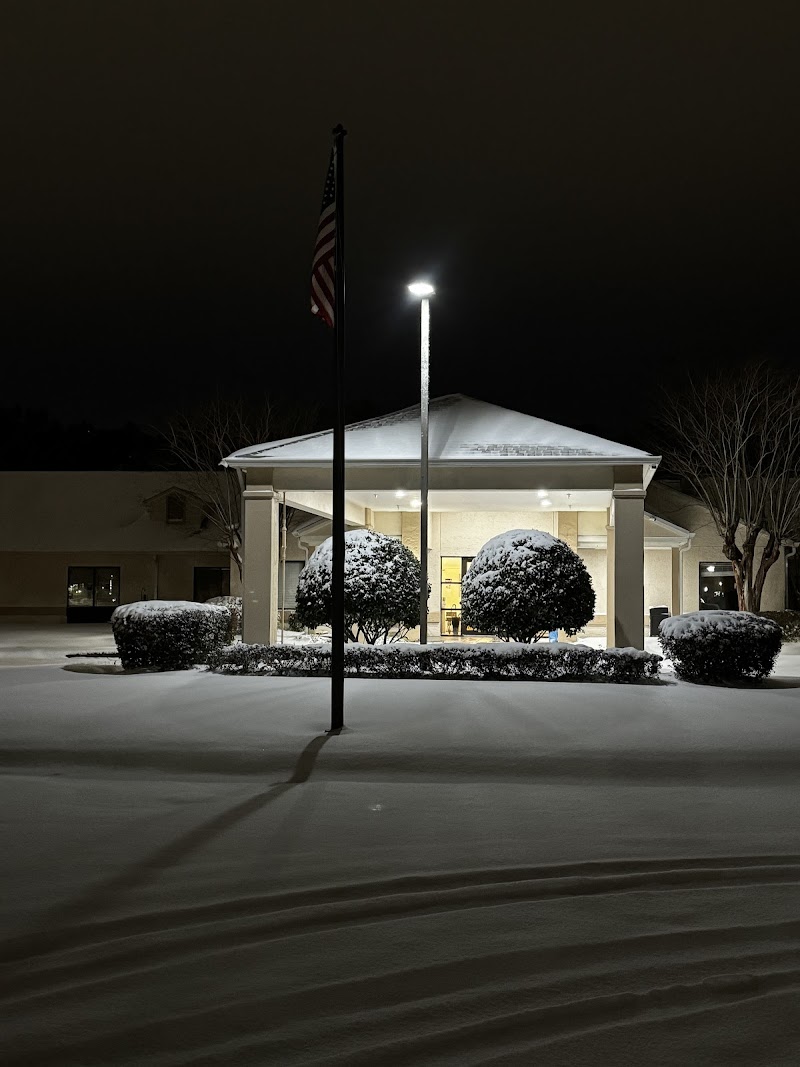
How is Solaris Healthcare Pensacola Staffed?

CMS rates SOLARIS HEALTHCARE PENSACOLA's staffing level at 3 out of 5 stars, which is average compared to other nursing homes. Staff turnover is 49%, compared to the Florida average of 46%.

What Have Inspectors Found at Solaris Healthcare Pensacola?

State health inspectors documented 9 deficiencies at SOLARIS HEALTHCARE PENSACOLA during 2023 to 2024. These included: 1 Immediate Jeopardy (the most serious level, indicating potential for serious harm or death) and 8 with potential for harm. Immediate Jeopardy findings are rare and represent the most serious regulatory concerns. They require immediate corrective action.
Who Owns and Operates Solaris Healthcare Pensacola?

SOLARIS HEALTHCARE PENSACOLA is owned by a for-profit company. For-profit facilities operate as businesses with obligations to shareholders or private owners. The facility is operated by SOLARIS HEALTHCARE, a chain that manages multiple nursing homes. With 180 certified beds and approximately 166 residents (about 92% occupancy), it is a mid-sized facility located in PENSACOLA, Florida.
How Does Solaris Healthcare Pensacola Compare to Other Florida Nursing Homes?

Compared to the 100 nursing homes in Florida, SOLARIS HEALTHCARE PENSACOLA's overall rating (3 stars) is below the state average of 3.2, staff turnover (49%) is near the state average of 46%, and health inspection rating (3 stars) is at the national benchmark.

What Should Families Ask When Visiting Solaris Healthcare Pensacola?

Based on this facility's data, families visiting should ask: "What changes have been made since the serious inspection findings, and how are you preventing similar issues?" "Can I visit during a mealtime to observe dining assistance and food quality?" "How do you handle medical emergencies, and what is your hospital transfer rate?" "Can I speak with family members of current residents about their experience?" These questions are particularly relevant given the facility's Immediate Jeopardy citations.

Is Solaris Healthcare Pensacola Safe?

Based on CMS inspection data, SOLARIS HEALTHCARE PENSACOLA has documented safety concerns. Inspectors have issued 1 Immediate Jeopardy citation (the most serious violation level indicating risk of serious injury or death). The facility has a 3-star overall rating and ranks #100 of 100 nursing homes in Florida. Families considering this facility should ask detailed questions about what corrective actions have been taken since these incidents.

Do Nurses at Solaris Healthcare Pensacola Stick Around?

SOLARIS HEALTHCARE PENSACOLA has a staff turnover rate of 49%, which is about average for Florida nursing homes (state average: 46%). Moderate turnover is common in nursing homes, but families should still ask about staff tenure and how the facility maintains care continuity when employees leave.

Was Solaris Healthcare Pensacola Ever Fined?

SOLARIS HEALTHCARE PENSACOLA has been fined $9,318 across 1 penalty action. This is below the Florida average of $33,172. While any fine indicates a compliance issue, fines under $50,000 are relatively common and typically reflect isolated problems that were subsequently corrected. Families should ask what specific issues led to these fines and confirm they've been resolved.

Is Solaris Healthcare Pensacola on Any Federal Watch List?

SOLARIS HEALTHCARE PENSACOLA is not on any federal watch list. The most significant is the Special Focus Facility (SFF) program, which identifies the bottom 1% of nursing homes nationally based on persistent, serious quality problems. Not being on this list means the facility has avoided the pattern of deficiencies that triggers enhanced federal oversight. This is a positive indicator, though families should still review the facility's inspection history directly.