RIVERCHASE HEALTH AND REHABILITATION CENTER
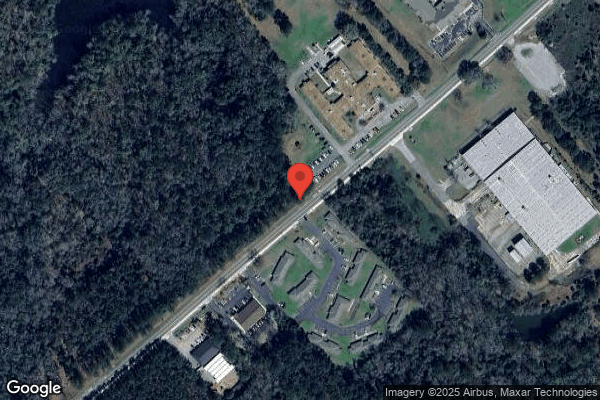
1017 STRONG RD, QUINCY, FL 32351 (850) 875-3711
For profit - Individual 120 Beds SIMCHA HYMAN & NAFTALI ZANZIPER Data: November 2025
Trust Grade
80/100
#100 of 690 in FL
Last Inspection: January 2025

Within standard 12-15 month inspection cycle. Federal law requires annual inspections.

Overview

RiverChase Health and Rehabilitation Center in Quincy, Florida, has a Trust Grade of B+, indicating it is above average and recommended for families considering care options. It ranks #100 out of 690 facilities in Florida, placing it in the top half, and is the only nursing home in Gadsden County. The facility is improving overall, reducing issues from two in 2023 to one in 2025. Staffing received a 3-star rating, which is average, but the turnover rate is concerning at 53%, higher than the state average of 42%. While there have been no fines, the facility has less RN coverage than 89% of others in the state, which could impact the quality of care. However, there have been some serious incidents noted during inspections. For example, one resident suffered a vaginal laceration after a fall in the shower, indicating a failure to use appropriate assistive devices. Additionally, there was a failure to follow physician orders for a resident, which resulted in a hospitalization for a urinary tract infection. These findings highlight both the strengths and weaknesses of the facility, making it essential for families to weigh these factors carefully.

Trust Score
B+
80/100
In Florida
#100/690
Top 14%
Safety Record
Moderate
Needs review
Inspections
Getting Better
2 → 1 violations
Staff Stability
⚠ Watch
53% turnover. Above average. Higher turnover means staff may not know residents' routines.
Penalties
✓ Good
No fines on record. Clean compliance history, better than most Florida facilities.
Skilled Nurses
⚠ Watch
Each resident gets only 24 minutes of Registered Nurse (RN) attention daily — below average for Florida. Fewer RN minutes means fewer trained eyes watching for problems.
Violations
○ Average
7 deficiencies on record. Average for a facility this size. Mostly minor or procedural issues.
★★★★★
5.0
Overall Rating
★★★☆☆
3.0
Staff Levels
★★★☆☆
3.0
Care Quality
★★★★★
5.0
Inspection Score
Stable
2023: 2 issues
2025: 1 issues

The Good

  • Full Sprinkler Coverage · Fire safety systems throughout facility
  • No fines on record

Facility shows strength in fire safety.

The Bad

Staff Turnover: 53%

Near Florida avg (46%)

Higher turnover may affect care consistency

Chain: SIMCHA HYMAN & NAFTALI ZANZIPER

Part of a multi-facility chain

Ask about local staffing decisions and management

The Ugly 7 deficiencies on record

2 actual harm
Feb 2025 1 deficiency
CONCERN (D) 📢 Someone Reported This

A family member, employee, or ombudsman was alarmed enough to file a formal complaint

Potential for Harm - no one hurt, but risky conditions existed

Incontinence Care (Tag F0690)

Could have caused harm · This affected 1 resident

**NOTE- TERMS IN BRACKETS HAVE BEEN EDITED TO PROTECT CONFIDENTIALITY** Based upon record reviews and interviews, the facility failed to follow physician orders to obtain urinalysis, adequately assess...

Read full inspector narrative →
**NOTE- TERMS IN BRACKETS HAVE BEEN EDITED TO PROTECT CONFIDENTIALITY** Based upon record reviews and interviews, the facility failed to follow physician orders to obtain urinalysis, adequately assess a resident for change in condition, and to prevent worsening of a urinary tract infection (UTI) that resulted in hospitalization. (Resident #1) The findings include: Resident #1 was admitted to the facility on [DATE] with a diagnosis of displaced posterior fracture of the first cervical vertebra. Skilled nursing assessments dated 1/9/25 thru 1/14/25 shows Resident #1 required setup assistance with meals, assistance with transfers, continent of bowel and bladder function, and alert and oriented. The skilled nursing assessment dated [DATE] thru 1/23/25 revealed the resident required dependent assistance with meals and eating and was incontinent of bowel and bladder. A review of Resident #1's care plan revealed she was care planned for self-care deficit, initiated on 1/13/25. Further review reveals resident A care plan was initiated on 1/23/25 for risk of complications related to incontinent episodes of bladder function. (photographic evidence). A review of physician orders dated 1/9/25 reveals labs were to be obtained including a urinalysis and Occult stool. Labs were obtained on 1/14/25. Upon reviewing the lab results provided by the facility, it was discovered that no urinalysis or occult stool lab was obtained. (photographic evidence obtained) An interview with Staff E, a Certified Nursing Assistant (CNA), on 2/12/25 at 2:15 pm revealed that she took care of Resident #1 during her stay at the facility, She stated that she saw a rapid decline as she was here, requiring more help to get up and eventually not wanting to get up at all. She stated she told the nurse about her concerns. Staff E stated she believed that Resident #1 went to the hospital on her discharge date due to her decline. An interview with Staff F, a Licensed Practical Nurse (LPN), on 2/12/25 at 3:30 pm revealed that after about 2-3 weeks being at the facility, she noticed a decline in functioning. I reported my concerns to the supervisor and let the family know about her decline. She stated she was not present when Resident #1 was discharged . An interview with the Nurse Practioner (NP) on 2/12/25 at 4:00 pm via telephone revealed. The NP recalled Resident #1 but states no one ever contacted him about any special concerns. He stated the facility orders routine urinalysis labs every week. He did not recall Resident #1 being treated for a UTI while at the facility. When asked about the lab result from the hospital, the NP stated, Urosepsis is a bad UTI with circulatory collapse. That's why we request that labs are done weekly so we can stay ahead of it and treat before it gets at that stage of a resident having to be hospitalized . Her urinary tract infection had to be brewing for several days and then she had an altered mental status, which can happen overnight in some cases. If we had gotten the Urinalysis done on admission we may have caught the infection early.
Dec 2023 1 deficiency
CONCERN (D) 📢 Someone Reported This

A family member, employee, or ombudsman was alarmed enough to file a formal complaint

Potential for Harm - no one hurt, but risky conditions existed

Safe Environment (Tag F0584)

Could have caused harm · This affected 1 resident

**NOTE- TERMS IN BRACKETS HAVE BEEN EDITED TO PROTECT CONFIDENTIALITY** Based on observations, resident interviews, and staff interviews, the facility failed to provide a safe, clean and orderly envir...

Read full inspector narrative →
**NOTE- TERMS IN BRACKETS HAVE BEEN EDITED TO PROTECT CONFIDENTIALITY** Based on observations, resident interviews, and staff interviews, the facility failed to provide a safe, clean and orderly environment for 8 of 22 rooms sampled. (Rooms 111, 114, 118, 201, 203, 205, 213 and 223) The findings include: On 12/27/23 at 11:05 AM, an observation of room [ROOM NUMBER]-2 revealed a fall mat with several rips and exposed padding. room [ROOM NUMBER]-2 was occupied by Resident #3 at the time of the survey. (Photographic evidence was obtained.) On 12/27/23 at 11:08 AM, an observation of room [ROOM NUMBER] -2 was conducted. The room was occupied by Resident #6 at the time of the survey. The trim on the wall by the head of the bed was detached from wall and fallen. Per resident interview, the trim had been detached for over 2 weeks. (Photographic evidence was obtained.) On 12/27/23 at 11:10 AM, an observation of room [ROOM NUMBER]-1 revealed a fall mat with several rips and exposed padding. room [ROOM NUMBER]-1 was occupied by Resident #4. (Photographic evidence was obtained.) On 12/27/23 at 11:18 AM, an observation of room [ROOM NUMBER] was conducted. room [ROOM NUMBER] was occupied by Resident #5 at the time of the survey. The air conditioner (AC) unit by the window had a blanket underneath. Per Resident #5, the blanket had been there since she was admitted weeks ago. The room also had exposed telephone wires and the overbed table was missing the outer border and had exposed particle board. (Photographic evidence was obtained.) On 12/27/23 at 11:19 AM, an observation of room [ROOM NUMBER] revealed a blanket underneath the AC unit. (Photographic evidence was obtained.) On 12/27/23 at 11:21 AM, an observation of room [ROOM NUMBER] revealed a blanket underneath the AC unit. (Photographic evidence was obtained.) On 12/27/23 at 11:27 AM, an observation of occupied room [ROOM NUMBER] was conducted. There were exposed wires underneath the AC unit. (Photographic evidence was obtained.) On 12/27/23 at 11:31 AM an observation of occupied room [ROOM NUMBER] revealed a blanket underneath the AC unit. (Photographic evidence was obtained.) On 12/27/23 at 2:03 PM, a tour was conducted with the Director of Nursing (DON) and the Maintenance Assistant. They verbally acknowledged all the above issues and stated they would remedy these issues immediately. On 12/27/23 at 4:05 PM, the DON provided the survey team invoices reflecting new orders for overbed tables and fall mats. These invoices stated orders were placed on 12/27/23 at 3:22 PM. The DON stated overbed tables and fall mats in disrepair would not be able to be replaced until the new ordered items arrived.
Sept 2023 1 deficiency
CONCERN (D)

Potential for Harm - no one hurt, but risky conditions existed

Deficiency F0760 (Tag F0760)

Could have caused harm · This affected 1 resident

Based on observation, interviews, record reviews, and policy reviews, the facility failed to ensure that residents are free of any significant medication errors. 2 of 6 sampled nurses at the facility ...

Read full inspector narrative →
Based on observation, interviews, record reviews, and policy reviews, the facility failed to ensure that residents are free of any significant medication errors. 2 of 6 sampled nurses at the facility failed to obtain and administer the proper medication. (Staff G and H) The findings include: On 09/25/23 at approximately 12:30 PM, an interview was conducted with Resident #418. She explained that she was concerned because she had not received her Lovenox injection since last Friday. She explained that she notified the nurses, and she was told that the pharmacy had not sent the medication yet. On 09/26/23 at 2:43 PM, a review of the Medication Administration Record (MAR) was conducted for Resident #418 and revealed that current orders included Eliquis Oral Tablet 2.5 MG (Apixaban) 2.5 mg by mouth two times a day (an anticoagulant medication to treat deep vein thrombosis (DVT)) with a start date of 09/26/2023. Amongst the discontinued orders was Lovenox Injection Solution (a similar anticoagulant medicine used to treat DVT) Prefilled Syringe 100 MG/ML (Enoxaparin Sodium) Inject 1 application subcutaneously every 12 hours with a start date of 09/08/2023 and a discontinue date of 09/26/2023. On 9/26/23 at approximately 02:55 PM, a review of the progress notes was conducted for resident #418. There was a note dated 09/24/2023 that explained the nurse had placed a call to the pharmacy in reference to not receiving the Lovenox order. The pharmacy stated that the Lovenox was on back order with their supplier and they will send it soon as the medication is available. On 09/27/23 at approximately 09:31 AM, an interview was conducted with Nurse M, a Licensed Practical Nurse (LPN) and unit manager for the south unit. She was asked for clarification regarding if Resident #418 had been receiving her Lovenox injection. She indicated that the Lovenox has been on back order and she has not been getting it. She was asked for clarification on the MAR as it showed the Lovenox being administered as ordered twice a day since Friday and she suggested they must have had some left over and would follow up on it. On 09/27/2023 at approximately 10:30 AM, Nurse M provided copies of the packing slip from the facility's pharmacy that revealed a total number of 26 Lovenox injections had been ordered since 09/08/2023 through 09/18/2023. On 09/28/23 at approximately 09:41 AM, an interview was conducted with Nurse I, another LPN, She explained that, on Monday 09/25/2023, the evening dose of Lovenox was not in the cart so she went to pull it out of the Pyxis station, but it indicated the medication was not available. She went back to the floor and forgot to go back and fix her documentation from where she had already checked off that she administered it. She explained that she had already documented that she had administered the Lovenox and documented the site opposite from the last nurse's documentation. She reports calling the Advanced Practice Registered Nurse (APRN), but when he didn't answer the phone, she hung up without leaving a message. At approximately 09:59 AM, an interview was conducted with Nurse F, another LPN. She explained that when she worked on Friday 09/22/2023 on the 7:00 AM-7:00 PM shift that she administered the Lovenox to Resident #418 and that there were 2 or 3 doses left in the cart. At approximately 10:10 AM, an interview was conducted with Nurse H, another LPN. She explained that, on Monday 09/25/2023 during day shift, she didn't give the Lovenox medication because it wasn't available to give, but that she had already documented administering the Lovenox to Resident #418 prior to retrieving the medication. She reports faxing a written request over to the pharmacy to reorder it and notifying the resident that it was out and waiting for the pharmacy to bring it. She explained that she did not notify the doctor or anyone else at that time and that she forgot to go back and change her documentation. At approximately 10:25 AM, an interview was conducted with Nurse E, another LPN. She explained that she worked on the cart for Resident #418 on Friday 09/22/23, Saturday 09/23/23, Sunday 09/24/23 and Tuesday 09/26/23. She reports giving the resident her Lovenox injection on Thursday and noticed that it was running low, so she reordered it. On Saturday she reports there were three doses before she gave the prescribed morning dose and then there were 2 doses left after. She then administered the Lovenox on Sunday 09/24/2023 around 9:00 AM and noted there were no doses left in the cart. She called the pharmacy, and was told it was on back order, and they would send it as soon as it came in. She notified the APRN that the Lovenox was out and he verbalized to place the Lovenox on hold until it arrives from the pharmacy and resume it when it comes in. She reports calling the unit manager and notifying her of the medication Lovenox being out and speaking with Resident #418 to let her know it was on back order. She explained that when the APRN was in the facility on Tuesday 09/26/2023 that she advised him that Resident #418 was still out of Lovenox. At approximately 10:40 AM an interview was conducted with Nurse G, another LPN. She explained that on Saturday 09/23/23 during the night shift she administered the Lovenox injection to Resident #418 and there were two doses prior to her administering it. At approximately 11:03 AM an interview was conducted with Nurse M, the unit manager of the south wing. She explained that she received a call from Nurse E on Sunday 09/23/2023 stating that she talked to the APRN and called the pharmacy to notify of Resident #418 being out of Lovenox. The unit manager then spoke with the APRN on Tuesday 09/26/2023 when he came into the facility and told him that Resident #418 needed something because they still hadn't received the lovenox from the pharmacy. She explained that the APRN gave the order to discontinue the Lovenox and start on Eliquis. At approximately 11:22 AM, a telephone interview was conducted with the APRN. He explained that he received a call from Nurse E on Sunday 09/23/2023 regarding the Lovenox being out and that he gave her orders to hold the Lovenox until it came in. On Tuesday 09/26/2023, he reports that the unit manager notified him when he came into the facility that the Lovenox had still not come in, so he gave the order to discontinue it and start Resident #418 on Eliquis twice a day. A review of the facility policy for medication administration dated 11/2020 was conducted. The policy directed nurses to: #10. Review MAR to identify medication to be administered. 11. Compare medication source (bubble pack, vial, etc.) with MAR to verify resident name, medication name, form, dose, route, and time. c. If other than PO route, administer in accordance with facility policy for the relevant route of administration (i.e., injection, eye, ear, rectal, etc.). 17. Sign MAR after administered. For those medications requiring vital signs, record the vital signs onto the MAR. 20. Correct any discrepancies and report to nurse manager.
May 2022 4 deficiencies 2 Harm
SERIOUS (G)

Actual Harm - a resident was hurt due to facility failures

Accident Prevention (Tag F0689)

A resident was harmed · This affected 1 resident

Based on record reviews and staff interviews, the facility failed to ensure residents were free from accidents or injury by failing to ensure staff utilize appropriate assistive devices during showers...

Read full inspector narrative →
Based on record reviews and staff interviews, the facility failed to ensure residents were free from accidents or injury by failing to ensure staff utilize appropriate assistive devices during showers for 1 of 5 residents reviewed for accidents. This failure resulted in emergent care and injury to Resident #55. The findings include: Review of Resident #55's record revealed a nurse progress note dated 1/19/22 at 4:11 PM, indicating the resident had bleeding and was being sent to the hospital for evaluation and treatment, per the primary care provider instructions. The hospital record dated 1/19/22 at 5:03 PM, stated the resident presented with a vaginal laceration after a slip and fall on a shower chair. The resident sustained a laceration to the left side vaginal labia majora measuring 1.5 cm, requiring 3 sutures, and a superficial laceration to the external labia majora measuring 4 cm. Review of the facility investigation of the incident revealed a statement from Employee I, Certified Nursing Assistant (CNA) dated 1/19/22, which reported that Employee H, an agency CNA, came to her after she had showered Resident #55 and asked for help to get her out of the shower chair. When Employee I entered the room, she found Resident #55 stuck in the shower chair seat. Employee I and two other staff assisted to release Resident #55 from the shower chair. One of the resident's legs had slipped and was lodged between the opening in the middle of the chair and the arm rest on the side of the chair. They were able to get the resident out of the chair. The Director of Nursing (DON) provided an additional investigation document, which stated on 1/19/22, Employee H, CNA, placed Resident #55 in a shower chair and performed a shower. After the shower, Employee H noticed the resident was stuck in the seat of the shower chair. Employee H requested the assistance of Employee I to remove the resident from the chair. Once the resident was removed from the chair, the staff noted she was bleeding. The staff alerted the nurse. The resident was transferred to the hospital for evaluation. The facility was unable to provide any other evidence of an investigation for the incident. Further review of the medical record for Resident #55 revealed a care plan dated 3/25/22, stating resident observed with vaginal laceration during transfer with bath. The care plan interventions included administer antibiotic as ordered, administer pain medications as indicated, keep vaginal area clean and leave sutures in place, sutures are dissolvable, monitor vaginal area every day for signs of infection and follow up with physician as indicated. The record did not describe the incident causing the vaginal laceration. The care plan nor the task menu items described the proper assistive device staff should use to safely shower the resident. The resident's weight was 171 pounds on 1/1/22. The resident's medical diagnoses included multiple sclerosis and flaccid (limp) hemiplegia (partial paralysis) affecting the left non-dominant side. An interview was conducted with the DON on 5/24/22 at 4:23 PM. She stated the agency staff did not know the shower bed would have been a better assistive device to use for showering Resident #55. The resident's care plan nor the task menu listed the shower bed was to be used. A telephone interview was conducted with Employee H, CNA, on 5/26/22 at 9:57 AM. Employee H stated, according to a verbal report from staff, the resident was permitted to use a shower chair. She reported that on 1/19/22, herself and another staff transferred Resident #55 to the shower chair. She showered the resident. She took the resident back to her room in the shower chair. She stated the resident moved in the shower chair which caused her groin area to get stuck under the seat of the shower chair. The resident was stuck in the chair. She obtained assistance from other staff to remove the resident from the chair. The resident verbalized she was in pain. She stated she did not see anything wrong with the shower chair. She was not aware of any written information to inform staff of the proper assistive device (shower chair or shower bed) to use when showering residents. An interview was conducted with Employee I, CNA, on 5/26/22 at 10:22 AM. She confirmed she assisted Employee H to get Resident #55 out of the shower chair on 1/19/22. She stated the resident's buttocks was stuck in the chair and her leg was stuck between the plastic in the middle of the chair. The resident is like spaghetti and does not have much control of her extremities. She stated she would not use the shower chair for Resident #55; she would use the shower bed. An interview was conducted with the Director of Rehabilitation on 5/26/22 at 11:32 AM. She stated Resident #55 was last seen by therapy in November 2021 for wheelchair positioning. The resident has multiple sclerosis with fixed positions, leaning to her side, and poor trunk control. She stated the facility has never requested a therapy evaluation to determine the safest device to shower the resident. An interview was conducted with Employee J, CNA, on 5/26/22 at 11:46 AM. She stated she provides care to Resident #55. The resident has limp upper and lower extremities. She stated the shower bed is safer to use for the resident because her body is limp, and she would lean over in the chair. She reviewed the resident's electronic record and confirmed the record did not indicate what device to use during resident showers. An interview was conducted with Employee K, CNA, on 5/26/22 at 12:07 PM. Employee K stated she cares for Resident #55. She stated the resident does not have good control of her limbs and body, and she leans. She uses the shower bed to shower Resident #55. She stated neither the care plan nor the task menu instruct which device to use during a shower. Agency staff ask other staff which device to use for showers. A policy regarding accident prevention was requested on 5/26/22 at approximately 1:00 PM. At the time of survey exit on 5/26/22 at approximately 3:30 PM, the policy had not been provided.
SERIOUS (G)

Actual Harm - a resident was hurt due to facility failures

QAPI Program (Tag F0867)

A resident was harmed · This affected 1 resident

Based on record review, staff interviews and policy review, the facility failed to thoroughly investigate an accident resulting in injury and failed to develop and implement appropriate action plans t...

Read full inspector narrative →
Based on record review, staff interviews and policy review, the facility failed to thoroughly investigate an accident resulting in injury and failed to develop and implement appropriate action plans to address the cause of the accident for 1 of 5 residents sampled for accidents. (Resident #55) The findings include: Review of Resident #55's record revealed a progress note dated 1/19/22 at 4:11 PM, indicating the resident had bleeding and was being sent to the hospital for evaluation and treatment, per the primary care provider instructions. The record revealed a care plan last reviewed 3/25/22 stating resident observed with vaginal laceration during transfer with bath. The care plan interventions stated administer antibiotic as ordered, administer pain medications as indicated, keep vaginal area clean and leave sutures in place, sutures are dissolvable, monitor vaginal area every day for signs of infection, and follow up with physician as indicated. The hospital record dated 1/19/22 5:03 PM, stated the resident presented with a vaginal laceration after a slip and fall on a shower chair. The resident sustained a laceration to the left side vaginal labia majora measuring 1.5 cm, requiring 3 sutures, and a superficial laceration to the external labia majora measuring 4 cm. The record did not describe the incident causing the vaginal laceration. Neither the care plan nor the task menu items described the proper assistive device staff should use to safely shower the resident. The resident's weight was 171 pounds on 1/1/22. The resident's medical diagnoses included multiple sclerosis and flaccid (limp) hemiplegia (partial paralysis) affecting the left non-dominant side. Review of the facility's internal investigation of the incident revealed a statement from Employee I, Certified Nursing Assistant (CNA) dated 1/19/22 who reported that Employee H, an agency CNA, came to her after showering Resident #55 and asked for help getting her out of the shower chair. When Employee I, CNA, entered the room, she found Resident #55 stuck in the shower chair seat. Employee I and two other staff assisted to release Resident #55 from the shower chair. One of the resident's legs had slipped and was lodged between the opening in the middle of the chair and the arm rest on the side of the chair. They were able to get the resident out of the chair. The Director of Nursing (DON) provided an additional investigation document which stated that on 1/19/22, Employee H, CNA, placed Resident #55 in a shower chair and performed a shower. After the shower, Employee H noticed the resident was stuck in the seat of the shower chair. Employee H requested the assistance of Employee I to remove the resident from the chair. Once the resident was removed from the chair, the staff noted she was bleeding. The staff alerted the nurse. The resident was transferred to the hospital for evaluation. The facility was unable to provide any other evidence of an investigation for the incident. An interview was conducted with the Administrator on 5/24/22 at 4:19 PM. He stated the shower chair used for Resident #55 broke and she fell inside the chair. He stated he purchased a new chair and removed the old chair from service. When asked why the facility did not document a thorough investigation of the incident on 1/19/22 involving Resident #55, he stated he was on vacation when the incident occurred. A follow-up interview was conducted with the Administrator on 5/25/22 at 9:45 AM. He then stated the shower chair used on 1/19/22 for Resident #55 was not broken or in disrepair. An interview was conducted with the DON on 5/24/22 at 4:23 PM. She stated the agency staff did not know the shower bed would have been a better assistive device to use for showering Resident #55. Neither tthe resident's care plan nor the task menu indicated the shower bed was to be used. A follow-up interview was conducted with the DON on 5/26/22 at 2:41 PM. She confirmed that if Resident #55 had been showered in the shower bed, the incident would not have occurred. A telephone interview was conducted with Employee H, CNA, on 5/26/22 at 9:57 AM. Employee H stated, according to a verbal report from staff, the resident was permitted to use a shower chair. She reported that on 1/19/22, herself and another staff transferred Resident #55 to the shower chair. She showered the resident. She took the resident back to her room in the shower chair. She stated the resident moved in the shower chair which caused her groin area to get stuck under the seat of the shower chair. The resident was stuck in the chair. She obtained assistance from other staff to remove the resident from the chair. The resident verbalized she was in pain. She stated she did not see anything wrong with the shower chair. She was not aware of any written information to instruct staff on the proper assistive device (shower chair or shower bed) to use when showering residents. An interview was conducted with Employee I, CNA, on 5/26/22 at 10:22 AM. She confirmed she assisted Employee H to get resident #55 out of the shower chair on 1/19/22. She stated the resident's buttocks was stuck in the chair and her leg was stuck between the plastic in the middle of the chair. The resident is like spaghetti and does not have much control of her extremities. She stated she would not use shower chair for Resident #55; she would use the shower bed. An interview was conducted with the Director of Rehabilitation on 5/26/22 at 11:32 AM. She stated Resident #55 was last seen by therapy in November 2021 for wheelchair positioning. The resident has multiple sclerosis with fixed positions, leaning to her side, and poor trunk control. She stated the facility has never requested a therapy evaluation to determine the safest device to shower the resident. An interview was conducted with Employee J, CNA, on 5/26/22 at 11:46 AM. She stated she provides care to Resident #55. The resident has limp upper and lower extremities. She stated the shower bed is safer to use for the resident because her body is limp, and she would lean over in the chair. She reviewed the resident's electronic record and confirmed the record did not indicate what device to use during resident showers. An interview was conducted with Employee K, CNA, on 5/26/22 at 12:07 PM. Employee K stated she cares for Resident #55. She stated the resident does not have good control of her limbs and body, and she leans. She uses the shower bed to shower Resident #55. She stated neither the care plan nor the task menu indicate which device to use during a shower. Agency staff ask other staff which device to use for showers. A follow-up interview was conducted with the Administrator on 5/26/22 at 12:59 PM. He stated he needs to do a better job of ensuring agency staff know the residents. He should have documented more of the investigation interviews. He confirmed the facility still employs agency certified nursing assistants who provide baths/showers to residents in the facility. He did not know if there was information to inform staff about how to safely shower residents, but stated it should be listed on the tasks or care plan. He confirmed that relying on staff to inform agency staff how to shower residents is not a good process to ensure resident safety. On 5/26/22 at 2:32 PM, the Administrator stated the facility did not develop a quality assurance performance improvement plan related to the incident involving Resident #55. Review of the facility's undated policy regarding incidents and accidents revealed it is the policy of this facility for staff to utilize Electronic Risk Management to report, investigate, and review any accidents or incidents that occur or allegedly occur, on facility property and may involve or allegedly involve a resident. Accident refers to any unexpected or unintentional incident, which results or may result in injury or illness to a resident. The purpose of incident reporting can include: assuring that appropriate and immediate interventions are implemented and corrective actions are taken to prevent recurrences and improve the management of resident care, ascertain causative/contributing factors as part of the Quality Assurance Performance Improvement (QAPI) to avoid further occurrences, alert risk management and/or administration of occurrences that could result in claims or further reporting requirements.
CONCERN (D)

Potential for Harm - no one hurt, but risky conditions existed

Deficiency F0661 (Tag F0661)

Could have caused harm · This affected 1 resident

Based on record review, policy review and interview, the facility failed to create a discharge summary for 1 of 1 resident sampled for discharge. (Resident #103) The findings include: A closed record ...

Read full inspector narrative →
Based on record review, policy review and interview, the facility failed to create a discharge summary for 1 of 1 resident sampled for discharge. (Resident #103) The findings include: A closed record review for Resident #103 revealed the resident was discharged home as planned on 3/22/22. Further review revealed no documentation of a discharge summary. A review of the facility's undated policy and procedure, Discharge Summary and Care Plans, revealed the policy did not address completing a discharge summary for the resident record. On 5/24/22 at approximately 11:48 AM, an interview was conducted with the Director of Nursing (DON) who stated therapy had written a summary of the care but was still working on it. The DON confirmed there is no completed discharge summary at this time.
CONCERN (D)

Potential for Harm - no one hurt, but risky conditions existed

Infection Control (Tag F0880)

Could have caused harm · This affected 1 resident

**NOTE- TERMS IN BRACKETS HAVE BEEN EDITED TO PROTECT CONFIDENTIALITY** Based on observations, staff interviews, record review and policy review, the facility failed to ensure that proper Personal Pro...

Read full inspector narrative →
**NOTE- TERMS IN BRACKETS HAVE BEEN EDITED TO PROTECT CONFIDENTIALITY** Based on observations, staff interviews, record review and policy review, the facility failed to ensure that proper Personal Protective Equipment (PPE) was worn for a resident on contact isolation precautions (#253); failed to ensure staff performed glucose blood monitoring in a manner to prevent cross-contamination for 2 of 2 observations (#57, #102), and failed to ensure that handwashing was performed during medication administration (#86). The findings include: PERSONAL PROTECTIVE EQUIPMENT On 5/24/22 at approximately 11:45 AM, an observation was made of a metal isolation PPE hanger on the door to Resident #253's room. The PPE observed in the hanger included gowns, gloves, hair, and shoe coverings. Upon entry into the resident's room, an observation was made of Resident #253 sitting in his wheelchair and Staff A, Certified Nursing Assistant (CNA), standing at the bedside pulling the bed sheets up. The bed sheets were observed coming into physical contact with Staff A's clothing. Staff A, CNA, was then observed pulling up the side rail of the bed, which was also coming into physical contact with Staff A's clothing. Staff A, CNA, did not have gloves or a gown on at the time of the observation. On 5/24/22 at approximately 11:55 AM, an interview was conducted with Staff A, CNA, who stated she was told a gown was not necessary because Resident #253's infection was contained. Staff A, CNA, was unable to recall who said the infection was contained. Staff A, CNA, stated she wore gloves when providing care, and confirmed she did not wear a gown for patient care and did not have PPE on to make up the bed. A review of Resident #253's medical record revealed the resident was on contact isolation precautions for Vancomycin resistant enterococcus (VRE) bacteria in the urine. A review of Resident #253 admission Minimum Data Set (MDS) dated [DATE] revealed under Section G that the resident requires extensive assistance with dressing and toilet use, and under Section H that the resident is frequently incontinent of urine. On 5/26/22 at approximately 10:00 AM, an interview was conducted with Staff B, Infection Preventionist, who stated if a resident has a VRE infection in the urine, and has a urinary catheter, the infection is considered contained. She further stated that if a resident is incontinent of urine, then the infection is considered not contained. Staff B confirmed the staff should wear a gown and gloves when providing direct care to Resident #253. Staff B further confirmed a gown and gloves should be worn when changing the sheets or making the bed for Resident #253. Review of the facility's undated policy, Isolation Precautions, revealed contact precautions are measures that are intended to prevent transmission of infectious agents, including epidemiologically important microorganisms, which are spread by direct or indirect contact with the resident or the resident's environment. The category of transmission-based precautions will determine the type of personal protective equipment (PPE) to be used. Under the recommendations for PPE for contact isolation the policy revealed: gloves should be worn when touching the patient's intact skin or surfaces and article in close proximity to the patient (e.g. medical equipment, bed rails). [NAME] gloves upon entry into the room or cubicle. Gowns are to be worn whenever anticipating that clothing will have direct contact with the patient or potentially contaminated environmental surfaces or equipment in close proximity to the patient. [NAME] gown upon entry into the room or cubicle. GLUCOSE MONITORING and HAND WASHING On 5/25/22 at approximately 11:34 AM, an observation was made of Staff G, Licensed Practical Nurse (LPN), performing blood glucose monitoring for Resident #57. Further observation revealed Staff G entering Resident #57's room and placing the glucometer on Resident #57's bed. Staff G donned gloves and performed the procedure, then placed the glucometer back on the bed. Staff G, LPN, then picked up the glucometer from the resident's bed and carried it to the medication cart and placed the glucometer on top of the medication cart without placing a barrier on the medication cart. Staff G, LPN, then removed her gloves. Staff G, LPN, then pulled an insulin pen that was in a plastic bag from a drawer in the medication cart and placed it on the top of the medication cart. The plastic bag was touching the glucometer. Staff G, LPN, then placed a glove on her right hand, picked up the glucometer and pulled the used strip from the glucometer, then placed the glucometer in the top right drawer of the medication cart. Staff G, LPN, then prepared the insulin pen for Resident #86, and administered the insulin. Staff G, LPN, did not sanitize her hands after handling the dirty glucometer and picking up the insulin pen for Resident #86. After Staff G, LPN, administered the insulin to Resident #86, she retrieved the dirty glucometer and cleaned it with an alcohol prep pad and an alcohol wipe, and returned it to the top right drawer of the medication cart. An interview was conducted with Staff G at approximately 11:45 AM, who confirmed placing the glucometer on the bed without a barrier and then placing the glucometer on the medication cart without a barrier which could possibly lead to cross-contamination. On 5/25/22 at approximately 4:33 PM, an observation was made of Staff N, LPN, performing blood glucose monitoring for Resident #102. Further observation revealed Staff L place the glucometer and a bottle of test strips on the overbed table in Resident #102's room. Staff N, LPN, then picked up the glucometer and the test strips and placed a paper towel barrier under the items. Staff N, LPN, performed the procedure, then picked up the glucometer and the bottle of strips with the paper towel wrapped around the items, then placed them on top of the medication cart without using a clean barrier. Staff N, LPN, cleaned the glucometer with Clorox wipes and then placed the glucometer on the dirty paper towel. Staff N, LPN, stated she lets the glucometer dry naturally because there is a second glucometer in the medication cart. On 5/26/22 at approximately 10:00 AM, an interview was conducted with Staff B, Infection Preventionist, who stated the nurses should have a clean area set up in the resident room to place the glucometer, alcohol swabs, lancet and strip, and confirmed the nurses should not take the bottle of strips into the room. Staff B confirmed the nurses should place a barrier on the cart and stated the dirty glucometer should not be placed directly on the cart. Staff B stated the nurses should clean the glucometer with the bactericidal wipes that are on the cart. Staff B could not remember the name of the wipes and stated the glucometer should be allowed to dry. Staff B confirmed each cart has two glucometers. Review of the facility's undated policy, Glucometer Disinfection, revealed the purpose of the procedure is to provide guidelines for the disinfection of capillary-blood sampling devices to prevent transmission of blood borne diseases to residents and employees. The policy revealed the glucometers should be disinfected with a wipe pre-saturated with disinfectant that is effective against HIV, Hepatitis C and Hepatitis B virus.
Understanding Severity Codes (click to expand)
Life-Threatening (Immediate Jeopardy)
J - Isolated K - Pattern L - Widespread
Actual Harm
G - Isolated H - Pattern I - Widespread
Potential for Harm
D - Isolated E - Pattern F - Widespread
No Harm (Minor)
A - Isolated B - Pattern C - Widespread

Questions to Ask on Your Visit

  • "Can I speak with families of current residents?"
  • "What's your RN coverage like on weekends and overnight?"

Our Honest Assessment

Strengths
  • • Grade B+ (80/100). Above average facility, better than most options in Florida.
  • • No fines on record. Clean compliance history, better than most Florida facilities.
Concerns
  • • 7 deficiencies on record, including 2 serious (caused harm) violations. Ask about corrective actions taken.
Bottom line: Generally positive indicators. Standard due diligence and a personal visit recommended.

About This Facility

What is Riverchase Center's CMS Rating?

CMS assigns RIVERCHASE HEALTH AND REHABILITATION CENTER an overall rating of 5 out of 5 stars, which is considered much above average nationally. Within Florida, this rating places the facility higher than 99% of the state's 100 nursing homes. This rating reflects solid performance across the metrics CMS uses to evaluate nursing home quality.

How is Riverchase Center Staffed?

CMS rates RIVERCHASE HEALTH AND REHABILITATION CENTER's staffing level at 3 out of 5 stars, which is average compared to other nursing homes. Staff turnover is 53%, compared to the Florida average of 46%.

What Have Inspectors Found at Riverchase Center?

State health inspectors documented 7 deficiencies at RIVERCHASE HEALTH AND REHABILITATION CENTER during 2022 to 2025. These included: 2 that caused actual resident harm and 5 with potential for harm. Deficiencies causing actual harm indicate documented cases where residents experienced negative health consequences.

Who Owns and Operates Riverchase Center?

RIVERCHASE HEALTH AND REHABILITATION CENTER is owned by a for-profit company. For-profit facilities operate as businesses with obligations to shareholders or private owners. The facility is operated by SIMCHA HYMAN & NAFTALI ZANZIPER, a chain that manages multiple nursing homes. With 120 certified beds and approximately 110 residents (about 92% occupancy), it is a mid-sized facility located in QUINCY, Florida.

How Does Riverchase Center Compare to Other Florida Nursing Homes?

Compared to the 100 nursing homes in Florida, RIVERCHASE HEALTH AND REHABILITATION CENTER's overall rating (5 stars) is above the state average of 3.2, staff turnover (53%) is near the state average of 46%, and health inspection rating (5 stars) is much above the national benchmark.

What Should Families Ask When Visiting Riverchase Center?

Based on this facility's data, families visiting should ask: "Can I visit during a mealtime to observe dining assistance and food quality?" "How do you handle medical emergencies, and what is your hospital transfer rate?" "Can I speak with family members of current residents about their experience?"

Is Riverchase Center Safe?

Based on CMS inspection data, RIVERCHASE HEALTH AND REHABILITATION CENTER has a clean safety record: no substantiated abuse findings (meaning no confirmed cases of resident harm), no Immediate Jeopardy citations (the most serious violation level indicating risk of serious injury or death), and is not on the Special Focus Facility watch list (a federal program monitoring the lowest-performing 1% of nursing homes). The facility has a 5-star overall rating and ranks #1 of 100 nursing homes in Florida. While no facility is perfect, families should still ask about staff-to-resident ratios and recent inspection results during their visit.

Do Nurses at Riverchase Center Stick Around?

RIVERCHASE HEALTH AND REHABILITATION CENTER has a staff turnover rate of 53%, which is 7 percentage points above the Florida average of 46%. Moderate turnover is common in nursing homes, but families should still ask about staff tenure and how the facility maintains care continuity when employees leave.

Was Riverchase Center Ever Fined?

RIVERCHASE HEALTH AND REHABILITATION CENTER has no federal fines on record. CMS issues fines when nursing homes fail to meet care standards or don't correct problems found during inspections. The absence of fines suggests the facility has either maintained compliance or corrected any issues before penalties were assessed. This is a positive indicator, though families should still review recent inspection reports for the full picture.

Is Riverchase Center on Any Federal Watch List?

RIVERCHASE HEALTH AND REHABILITATION CENTER is not on any federal watch list. The most significant is the Special Focus Facility (SFF) program, which identifies the bottom 1% of nursing homes nationally based on persistent, serious quality problems. Not being on this list means the facility has avoided the pattern of deficiencies that triggers enhanced federal oversight. This is a positive indicator, though families should still review the facility's inspection history directly.