CLYDE E LASSEN STATE VETERANS NURSING HOME
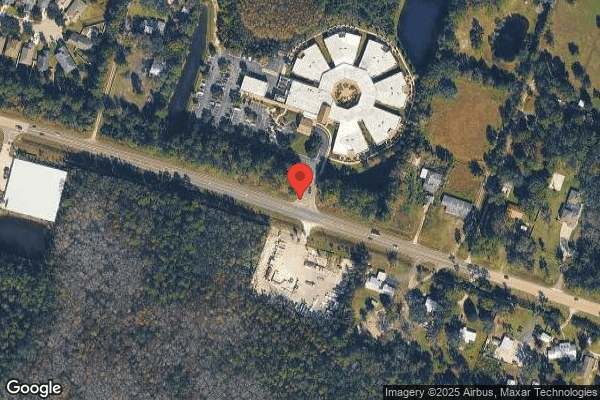
4650 STATE RD 16, SAINT AUGUSTINE, FL 32092 (904) 940-2193
Government - State 120 Beds FLORIDA DEPARTMENT OF VETERANS' AFFAIRS Data: November 2025
Trust Grade
75/100
#195 of 690 in FL
Last Inspection: September 2023

Over 2 years since last inspection. Current conditions may differ from available data.

Overview

Clyde E Lassen State Veterans Nursing Home in Saint Augustine, Florida has a Trust Grade of B, indicating it is a good facility that is a solid choice for residents. It ranks #195 out of 690 nursing homes in Florida, placing it in the top half, and #5 out of 8 in St. Johns County, meaning there are only a few local options considered better. The facility is improving, having reduced its issues from four in 2021 to none in 2023. Staffing is a concern with a turnover rate of 58%, which is significantly higher than the state average of 42%, though the nursing home maintains an average level of RN coverage. Notably, there have been no fines reported, which is a positive sign. However, there are some weaknesses, such as incidents where call lights were nonfunctional, meaning residents could not summon help when needed, and a lack of support for resident choices regarding meals, which could affect their overall satisfaction and autonomy. Overall, while there are strengths in health inspections and no fines, families should consider the staffing turnover and past incidents when researching this home.

Trust Score
B
75/100
In Florida
#195/690
Top 28%
Safety Record
Low Risk
No red flags
Inspections
Getting Better
4 → 0 violations
Staff Stability
⚠ Watch
58% turnover. Above average. Higher turnover means staff may not know residents' routines.
Penalties
✓ Good
No fines on record. Clean compliance history, better than most Florida facilities.
Skilled Nurses
✓ Good
Each resident gets 49 minutes of Registered Nurse (RN) attention daily — more than average for Florida. RNs are trained to catch health problems early.
Violations
○ Average
9 deficiencies on record. Average for a facility this size. Mostly minor or procedural issues.
★★★★☆
4.0
Overall Rating
★★★★☆
4.0
Staff Levels
★☆☆☆☆
1.0
Care Quality
★★★★★
5.0
Inspection Score
Stable
2021: 4 issues
2023: 0 issues

The Good

  • 4-Star Staffing Rating · Above-average nurse staffing levels
  • Full Sprinkler Coverage · Fire safety systems throughout facility
  • No fines on record

Facility shows strength in staffing levels, fire safety.

The Bad

Staff Turnover: 58%

12pts above Florida avg (46%)

Frequent staff changes - ask about care continuity

Chain: FLORIDA DEPARTMENT OF VETERANS' AFF

Part of a multi-facility chain

Ask about local staffing decisions and management

Staff turnover is elevated (58%)

10 points above Florida average of 48%

The Ugly 9 deficiencies on record

Nov 2021 4 deficiencies
CONCERN (D)

Potential for Harm - no one hurt, but risky conditions existed

Deficiency F0561 (Tag F0561)

Could have caused harm · This affected 1 resident

**NOTE- TERMS IN BRACKETS HAVE BEEN EDITED TO PROTECT CONFIDENTIALITY** Based on observations, staff and resident interviews, and record reviews, the facility failed to promote and facilitate resident...

Read full inspector narrative →
**NOTE- TERMS IN BRACKETS HAVE BEEN EDITED TO PROTECT CONFIDENTIALITY** Based on observations, staff and resident interviews, and record reviews, the facility failed to promote and facilitate resident self-determination through support of resident choice, by not allowing the resident to make choices about aspects of his/her life in the facility that were significant to the resident for one (Resident #21) out of a total sample of 24 residents. The findings include: A tour of House 5, including the lunch meal observation, was on conducted at 12:00 p.m. on 11/1/2021. Resident #21 was observed rejecting his lunch tray. Certified Nursing Assistant (CNA) H delivered the facility-provided meal the to resident. When the resident saw what was offered, he declined the meal. CNA H set the food to the side and stated, I guess you are not eating today. and left the room. CNA H was interviewed at the time of the observation, but stated he didn;t know much about Resident #21 because he didn't normally work in House 5. The resident was also interviewed at the time of the observation, and during the interview, the resident stated he did not want a pureed meal, he wanted food. Licensed Practical Nurse (LPN) G entered the room at 12:16 p.m. and asked the resident what he would like to eat. The resident stated he wanted a quarter-[NAME] with cheese. LPN G explained that she couldn't get him a quarter-[NAME] with cheese, but she would request a cheeseburger. She told the resident the cheeseburger would be pureed. During an interview with LPN G on 11/1/2021 at 12:19 p.m., she stated the resident was on hospice. The family signed a waiver for comfort foods/regular texture but the resident choked on it. When asked about whether a mechanical-soft textured diet had been considered, LPN G stated she was unsure why the resident was not prescribed a mechanical soft diet. LPN G was interviewed again on 11/3/2021 at 2:00 p.m. During the interview she stated she spoke with the Dietician and Certified Dietary Manager (CDM) on 11/2/2021. She said all agreed to upgrade the resident's diet from a pureed consistency to mechanical soft. She stated the resident ate his lunch meal today without resistance and drank a Dr. Pepper instead of the thickened liquid he always spit out. A follow-up observation/interview was conducted with Resident #21 on 11/3/2021 at 2:15 p.m. When he was asked about his lunch meal, he replied It was good. An interview with the CDM was conducted on 11/4/2021 at 10:15 a.m. The CDM stated the resident was still on a regular diet with a pureed texture. When asked about the resident having received a mechanical soft meal for lunch on 11/3/2021, the CDM was not aware of the meal having been provided to the resident. The CDM acknowledged that the resident was able to receive comfort foods and could get items he requested. The CDM stated the kitchen staff sent out a pureed meal based on the meal ticket, unless hospice staff came in and requested a mechanical soft meal. The lunch meal was observed on 11/4/2021 at 12:22 p.m. Resident #21 was served a tray of pureed soup, carrots, ham, mashed potatoes, and bread. The resident requested mechanical soft meat (ground ham). The nurse provided the resident with mechanical soft meat per the resident's request. A review of the resident's record revealed that a Refusal of Medication or Treatment form for the pureed diet and honey-thickened liquids was signed by the resident's spouse/legal representative on 9/29/2021 at 3:55 p.m. and the resident's physician on 9/30/2021. The only dietary order available for review was dated 9/3/2021. The order communicated a diet change to a pureed texture and honey-thickened liquids. There was no updated diet order reflecting the resident's signed refusal of the 9/3/2021 diet order on 9/29/2021. .
CONCERN (D)

Potential for Harm - no one hurt, but risky conditions existed

Deficiency F0676 (Tag F0676)

Could have caused harm · This affected 1 resident

Based on record review and interviews, the facility failed to provide appropriate treatment and services to maintain or improve a resident's ability to carry out activities of daily living for one (Re...

Read full inspector narrative →
Based on record review and interviews, the facility failed to provide appropriate treatment and services to maintain or improve a resident's ability to carry out activities of daily living for one (Resident #32) of 24 residents sampled. The findings include: A medical record review was conducted for Resident #32, revealing an admission date of 3/20/2018, and diagnoses including dementia with lewy bodies, carcinoid tumors, acute cystitis with hematuria, idiopathic hypotension, osteoporosis without current pathological fracture, dementia without behaviors, cognitive/communicative deficit and major depressive disorder. A Minimum Data Set (MDS) assessment was completed on 9/2/2021 due to a significant change (decline) in status. The resident's Brief Interview for Mental Status (BIMS) score was 00 out of a possible 15 points, indicating severe cognitive impairment. His activities of daily living needs ranged from limited assistance of one person to extensive assistance of one person. His assistive devices were listed as a walker and a wheelchair. A review of the resident's current orders revealed he was on a Restorative Nursing program, and was to be seen one to three times a week for 60 days, starting on 9/23/2021 and ending on 11/21/2021. An interview with Certified Nursing Assistant (CNA) I was conducted on 11/04/2021 at 9:37 a.m. CNA I was asked if Resident #32 received restorative therapy. He stated, Occasionally they will walk him [Resident #32] to therapy or take him for a walk in the hall. CNA I was asked about the resident's recent decline in function, and he reported he had a decline two or three months ago. An interview was attempted with CNA J, Restorative CNA, on 11/4/2021 at 3:00 p.m. After stating she needed to check her restorative therapy book, she never returned to finish the interview. An interview with the Director of Nursing (DON) was conducted on 11/4/2021 at 4:00 p.m. She stated she could only find one time (on 10/8/2021) where restorative nursing was provided for Resident #32. On that day, the resident refused to participate. No other documentation was found indicating restorative nursing had been provided as ordered. (Copy obtained) A review of Resident #32's Restorative Program form, revealed the goal for Resident #32 was that he maintain the ability to perform safe, functional mobility. The plan included the following: May use 2 pounds /Thera-ban active range of motion 15 reps times two sets Nu-step times 15 minutes Ambulation (stand-by assist) times 1 utilizing front-wheeled walker for a distance of 100 to 150 feet. This order was for 1 to 3 times a week. .
CONCERN (D)

Potential for Harm - no one hurt, but risky conditions existed

Tube Feeding (Tag F0693)

Could have caused harm · This affected 1 resident

**NOTE- TERMS IN BRACKETS HAVE BEEN EDITED TO PROTECT CONFIDENTIALITY** Based on record review, observations and staff interviews, the facility failed to provide appropriate treatment and services to ...

Read full inspector narrative →
**NOTE- TERMS IN BRACKETS HAVE BEEN EDITED TO PROTECT CONFIDENTIALITY** Based on record review, observations and staff interviews, the facility failed to provide appropriate treatment and services to prevent potential complications of enteral feeding, by failing to adhere to physician's orders for the administration of water flushes through the feeding tube for one (Resident #70) of three residents sampled for enteral feedings from a total sample of 24 residents. The findings include: A record review for Resident #70 revealed an [AGE] year-old male admitted on [DATE]. His diagnoses included cerebral vascular accident, dysphagia, and depression. He required total assistance with all activities of daily living and tube feeding for nutrition and hydration. He was unable to take any nutrition by mouth. A review of Resident #70's physician's orders included Jevity 1.5 tube feeding at 75 ml/hour (milliliters per hour) and 200 ml of water for flush every four hours via a feeding pump. During an 11:50 a.m. observation on 11/1/21, the Jevity 1.5 feeding and bag of water for flush were not running. The Jevity feeding and water bag were dated 11/1/2021 and were hung at 5:00 a.m. The feeding pump was turned off and the tubing was disconnected from Resident #70. There was approximately 700 ml in the water bag. Further review of the physician's orders revealed the Jevity 1.5 was to run from 5:00 p.m. until 9:00 a.m. The water flushes were to continue throughout the day every four hours. On 11/2/2021 at 9:50 a.m., Resident #70's Jevity 1.5 was observed hanging and was dated it was hung on 11/2/2021 at 5:00 a.m. to run at 75 cc/hr (cubic centimeters per hour). The water bag was dated 11/1/2021 at 5:00 a.m. and there was approximately 700 cc left in the bag. The water bag was dated from the previous day and contained the same amount of water. An interview was conducted with Licensed Practical Nurse (LPN) C on 11/2/2021 at 9:55 a.m. She was asked what time she turned off the tube feeding and water and disconnected the tubing from Resident #70. She stated at 9:00 a.m. She was asked how she knew when the water flush was due. She replied that there was an alert in the MAR (medication administration record). She went to the resident's record in the computer and pointed out the water flush. She said he received a 200 cc water flush every four hours. The water infused from the bag for each flush except for the 2:00 p.m. flush, which was done manually since he was off the pump from 9:00 a.m. through 5:00 p.m. The record indicated the water flush had not been signed off as having been provided. At 10:05 a.m., Resident #70 was given personal care, dressed and assisted into his wheelchair and taken to an activity. The nurse was not observed going into the room, connecting the water flush or administering the scheduled 10:00 a.m. flush. Certified Nursing Assistant (CNA) A was asked on 11/2/2021 at 10:40 a.m. whether LPN C had come into the room to administer the water flush while she was providing resident care. She stated no. An observation was made on 11/3/2021 at 9:42 a.m. of the Jevity tube feeding and water bag for Resident #70. The Jevity container was dated 11/3/2021 at 7:00 a.m. and was hung by the night nurse. The water bag was not dated nor did it identify the time it was hung. The water bag was filled above the fill line. The hours for the water flush were 6:00 a.m., 10:00 a.m., 2:00 p.m., 6:00 p.m., 10:00 p.m., and 2:00 a.m. It could not be determined whether the 6:00 a.m. water flush had been administered. Resident #70 was observed at 10:00 a.m. He was in bed, his feeding tube was not connected, and the pump was off for the 10:00 a.m. flush. An observation at 10:30 a.m., found the water flush bag was not connected to the tube feeding site and the pump was not running. Resident #70 was provided personal care, dressed and placed in his wheelchair between 10 :00 a.m. and 10:30 a.m. An interview was conducted with LPN C on 11/3/2021 at 10:45 a.m. She was asked if the feeding pump had the capability of providing the amount of feeding and water that was dispensed in the 24 hours. She demonstrated on the pump how the rate was set, however, she was unable to find the amount that had run in the 24 hours for feeding and water. She was asked how she knew how much water and tube feeding the resident received over 24 hours, and she replied that she did not know how to get that information from the pump. She was asked if Resident #70 received the 10:00 a.m. water flush via the pump, and she said no the pump was off at 9:00 a.m. When asked how the resident received his 10:00 a.m. water flush, she said she gave him the flush manually. She was asked where she documented the flush was manual and not by pump. She said she documented on the MAR. Upon review of the MAR, the order for the 10:00 a.m. water flush indicated the water flush was given via pump. Only the 2:00 p.m. water flush was to be administered manually via syringe. LPN C stated she would change the order to include a manual flush at 10:00 a.m. An observation on 11/4/2021 at 8:30 a.m., found the pump was running at 75 cc of Jevity 1.5. The container of tube feeding was hung at 7:00 am and 96 cc had been infused. The water bag was not dated and was full. The water bag was not running. During an interview with the Director of Nursing (DON) on 11/4/2021 at 10:30 a.m., she was asked for the tube feeding policy including documentation and instructions regarding the tube feeding pump (Kangaroo pump). She was asked if the pumps could be programmed to automatically dispense a water flush at designated times. She said, Yes, both feeding and water are programmed. When asked whether a pump could indicate the amount of feeding and water provided for 24 hours, she said yes, she was made aware by one of the nurses yesterday that she did not know how to obtain the the amounts infused via the pump. The DON stated she had an in-service with all of the nurses last evening regarding pump function. She was asked where the nurses documented the amount of water and feeding consumed in 24 hours, and she replied that the amount was not recorded, as the nurses documented on the MAR when feedings and water were administered. .
CONCERN (E)

Potential for Harm - no one hurt, but risky conditions existed

Deficiency F0919 (Tag F0919)

Could have caused harm · This affected multiple residents

**NOTE- TERMS IN BRACKETS HAVE BEEN EDITED TO PROTECT CONFIDENTIALITY** Based on observations and staff interviews, the facility failed to ensure a fully functioning resident call light system in one ...

Read full inspector narrative →
**NOTE- TERMS IN BRACKETS HAVE BEEN EDITED TO PROTECT CONFIDENTIALITY** Based on observations and staff interviews, the facility failed to ensure a fully functioning resident call light system in one (House 3) of six resident care units in the facility. This failure potentially affected 15 of 78 residents residing in the facility. The findings include: On November 1, 2021 at 11:07 a.m., the bedside call light in room [ROOM NUMBER] (House 3) was triggered. No sound emitted in the room, hallway or on the unit. A second bedside call light was then triggered in room [ROOM NUMBER] as well as the bathroom call light. No sound emitted on the unit. In an interview with Certified Nursing Assistant (CNA) D at 11:12 a.m. on November 1, 2021, he was asked if the call light had a volume alert such as dinging or chiming. He stated, Yes, it usually does. I don't know why it's not making any sound now. We tried turning up the volume just now, but there's still no volume. He stated he would call maintenance to check it. He was asked if he was aware how long the system was not sounding. He stated, Most of the residents over here don't use the call lights, so I'm really not sure. The light is coming on outside the door, and I can see on the handset at the nurse's desk that you triggered the call light, but I don't know why there's no noise. On November 1, 2021 at 1:53 p.m., call lights in House 3 remained without volume for staff to be alerted by sound for a call light. CNA A stated maintenance came to the unit and checked the call light system and told them it was working. She further stated she told maintenance there was no volume, only the lights above the door and at the nursing station illuminated. She stated he told her to turn the volume up. She stated she told him it was all the way up. She stated he left the unit and she wasn't sure if he was coming back. Throughout the day on November 1, 2021, call lights in other Houses/Units were noted to be both sounding and illuminating when triggered. On November 1, 2021 at 3:43 p.m., an observation was made in House 3 of room [ROOM NUMBER]'s bathroom call light and bed call light. They were still not sounding when triggered. At the time of the observation, Licensed Practical Nurse (LPN) F stated maintenance had come to the House/Unit today and did something to check the call lights. She stated she did hear call lights working when maintenance was working on the issue. She stated she was not sure whether they were finished or coming back. She was advised that the call lights for room [ROOM NUMBER] were still not sounding (both bathroom and bedside call light). On November 1, 2021 at 3:53 p.m., during an interview with the Administrator, he was asked if he was aware that the call lights in House/Unit 3 were not sounding when triggered, but only illuminating above the door and at the nursing station. He stated he was not aware and said the system was checked about a month ago. He stated he would go there now and check with maintenance to see whether they had checked and fixed the issue. On November 1, 2021 at 4:10 p.m., an observation in House/Unit 3 was made of the Maintenance Director testing call lights. He stated they were now working. The Administrator was also on the unit and stated they replaced the handset box unit at the nursing station that controlled the volume. room [ROOM NUMBER]'s bathroom call light was triggered and it illuminated outside the room door, but the sound had a lag of 40 seconds. The Maintenance Director then triggered room [ROOM NUMBER]'s bedside call light and there was a lag of 20 seconds for sound. The Administrator stated they were submitting a PR (requisition) right now to have the system completely checked. He was asked what staff would do in the meantime to ensure residents were able to summon staff. He stated he considered using bells for them to ring at the bedside, but due to the low cognition of the residents on this unit, he decided to instruct staff to increase rounding of all residents on the unit. On November 2, 2021 at 9:50 a.m., an outside company was observed in House/Unit 3 working on the call light system. On November 2, 2021 at 4:00 p.m., in an interview with the Administrator, he stated, The call light system is now fully functioning and there is no lag time when activated. It has volume and lights are both working. On November 3, 2021 at 9:06 a.m., the call light system in House/Unit 3 was tested by triggering room [ROOM NUMBER]'s bathroom and bedside call lights. Each call light lit up outside room when activated and sounded immediately in the at nurse's station, which was audible in the hallway and common areas on the unit. On November 3, 2021 at 3:30 p.m., in an interview with the Administrator, he was asked how often the call light system was tested and whether audits were done to ensure proper function on both illumination and sound. He stated, That's a maintenance issue. I don't have an answer to that. On November 3, 2021 at 4:00 p.m. in an interview with the Maintenance Director, he was asked if he conducted call light testing and whether call light audits were done to ensure proper function on both illumination and sound. He stated Nursing will put in an order to maintenance if there is an issue with a call light not working. He was asked if there was a monitoring system in place for the entire facility to identify issues prior to finding out from nursing staff that there was a breakdown. He stated, That's what I've been working on with the company who services our call light system. I submitted a PM (preventative maintenance) order to them. We've been talking about it since March 2021, and I'm waiting on a quote for a scope of work, which would put a system in place where they'd come out quarterly and test the whole system. Us going in and testing each call light in the building manually wouldn't be effective, but they could diagnose the whole system at certain intervals, like quarterly. The system is new from March 2021, so it's still under warranty until March 2022, and that's why I've been talking to them about about putting the preventative system in place. He was asked if he had a written work order that he could provide. He stated No, it's mainly just been talking back and forth, and figuring it out. He was asked if all the call lights were currently in working order for both illumination and sound with no lag time. He stated, Yes, it looks like what happened in House/Unit 3 was someone must have dropped the desk unit for the call light system that dings at the nurses desk and damaged the speaker. It wasn't reported, so we didn't know. We replaced that unit so now it works, and the lag was because we first replaced it with the main unit, and that caused the unit to relay all the call lights in the building, causing a lag for 20 to 50 seconds as it searched for the correct house to send the ding sound to. But we replaced that with a regular unit, so now it's in real time with no lag. He was asked again if the facility had a system to audit all resident call lights on a regular basis in order to monitor for possible issues. He stated, No, like I said, it just wouldn't be effective for us to go and test every call light. .
Dec 2019 5 deficiencies
CONCERN (D)

Potential for Harm - no one hurt, but risky conditions existed

Deficiency F0582 (Tag F0582)

Could have caused harm · This affected 1 resident

Based on record review and staff interviews, the facility failed to provide written notice for a change in services covered by Medicare for one (Resident #130) of three residents reviewed for benefici...

Read full inspector narrative →
Based on record review and staff interviews, the facility failed to provide written notice for a change in services covered by Medicare for one (Resident #130) of three residents reviewed for beneficiary protection notification from a total of 28 residents in the sample. The findings include: A review of the Beneficiary Protection Notification Review form for Resident #130 revealed skilled services, Part A, were started on 8/8/19. The last covered date was documeted as 9/5/19. An interview was conducted with the administator on 12/3/19 at 11:15 am. When asked whether a Notice of Non-Coverage was issued for Resident #130, she replied no. An interview was conducted with the Social Worker on 12/4/19 at 9:40 am. When asked whether Resident #130 had been issued a Notice of Medicare Non-Coverage, she replied, no, she was not made aware of the issue until today. She was asked who was responsible for notifying residents and resident representatives. She stated that the therapy department communicated when a discharge from services would occur. She said she was responsible for issuing the notice of non-coverage. .
CONCERN (D)

Potential for Harm - no one hurt, but risky conditions existed

Comprehensive Care Plan (Tag F0656)

Could have caused harm · This affected 1 resident

**NOTE- TERMS IN BRACKETS HAVE BEEN EDITED TO PROTECT CONFIDENTIALITY** Based on record reviews and interviews, the facility failed to develop and implement a comprehensive person-centered care plan f...

Read full inspector narrative →
**NOTE- TERMS IN BRACKETS HAVE BEEN EDITED TO PROTECT CONFIDENTIALITY** Based on record reviews and interviews, the facility failed to develop and implement a comprehensive person-centered care plan for one (Resident #40) of three residents reviewed for falls, from a total 28 residents in the sample. The findings include: A record review was conducted for Resident #40, revealing a [AGE] year-old male admitted to the facility on [DATE], with diagnoses including Alzheimer's disease, edema, delusional disorders, anemia, hypertension and repeated falls. Further review of the record revealed he had fallen twice on 12/2/19. Both falls were reviewed and it was noted that both falls occurred on the resident's way to the bathroom by himself. A review of his care plans revealed the following: Problem Start Date: 12/03/2014 Category: Falls Risk for falls related to: history of falls, history of weakness, and coordination deficits. Edited 11/22/2019 Goal: long-term goal target date: 01/09/2010 Risk for falls will be minimized through interventions in place thru next review date Edited: 10/10/2019 Approach: PT RNP (physical therapy restorative nursing program) 5 times a week for 60 days Created 11/22/19 Current level of function - Set up for bed mobility, transfers, ambulation, mobility. Created: 4/30/19 Shower bench for all showers. Created 3/6/19 Head end enablers on bed. Created 10/10/19 Gripper socks at all times, document noncompliance. Created 10/31/19 May keep bed room door closed as desires. Created 5/1/18 Monitor for safety and whereabouts - assist as needed. Upon further review of his care plan it was revealed that the facility failed to enter and/or document any approaches for his two falls on 12/2/19. On 12/5/19 at 2:05 PM, and interview was conducted with Employee G, Licensed Practical Nurse (LPN), regarding the fall care plan and [NAME] (care card with resident information) for Resident #40. She stated that the MDS (minimum data set) assessment nurse was responsible for updating residents' care plans. The floor nurse and/or unit manager would update the [NAME]. She stated the resident was placed on one to one supervision. (This information was not on the care plan or the [NAME].) She said she observed him walking back from the dining area today, he was much better and the one to one supervision would probably be discontinued tomorrow. When asked how other staff members caring for Resident #40 would be able to identify him as a fall risk and had two recent falls, she stated those individuals would receive the information during report at change of shift. She reviewed the [NAME] and confirmed that it did not indicate the resident was at risk for falls. The space indicating the resident was a fall risk was not checked off on the card. She attributed the most recent falls to a slight infection, the beginning of pneumonia, but added that the infection was clearing up, so he would not have any additional falls. When asked whether they had considered a toileting plan since he had fallen twice going to the bathroom unassisted, she confirmed that had not occurred yet, but it could be considered. On 12/5/19 at 2:14 PM, an interview was conducted with Employee E, Registered Nurse (RN), regarding the care plan for Resident #40 and his two falls on 12/2/19. She stated his care plan had not been updated because no official orders had been written. She went on to say that updating a care plan relied upon a doctor's order being written, then that information is added to the care plan if applicable. She further stated that she as the MDS nurse reviewed a resident's [NAME] approximately every 90 days, and she was not responsible for updating them. The unit manager and floor nurse were responsible for updating the [NAME]. On 12/5/19 at 2:30 PM, an interview was conducted with Employee F, RN/Nurse Supervisor, regarding the care plan for Resident #40 and his two recent falls. She stated that any resident with falls was discussed each morning. She stated for Resident #40 they used nursing judgement to keep him on one to one supervision each shift and this was reassessed daily. She was unsure of when the one to one status would be discontinued. She was unable to state what, if any, interventions would be in place after the one to one status ended, in order to ensure that all oncoming staff were aware that this resident was at increased risk for falls. She said she believed his two recent falls were due to an acute illness. She had not considered implementing a toileting program and was unsure of whether anyone else had considered this. She states there is no system in place to alert staff that patient had a recent fall. .
CONCERN (D)

Potential for Harm - no one hurt, but risky conditions existed

Deficiency F0688 (Tag F0688)

Could have caused harm · This affected 1 resident

**NOTE- TERMS IN BRACKETS HAVE BEEN EDITED TO PROTECT CONFIDENTIALITY** Based on interviews and record reviews, the facility failed to provide the physician-ordered restorative nursing program for one...

Read full inspector narrative →
**NOTE- TERMS IN BRACKETS HAVE BEEN EDITED TO PROTECT CONFIDENTIALITY** Based on interviews and record reviews, the facility failed to provide the physician-ordered restorative nursing program for one (Resident #71) of one resident reviewed for restorative services, from a total of 28 residents in the sample. The findings include: A record review was conducted for Resident #71, which revealed a [AGE] year-old male admitted to the facility on [DATE], with diagnoses including quadriplegia, cognitive impairment, muscle spasms, contracture of the right hand and muscle weakness. The resident had a diagnosis of quadriplegia, however, he was able to ambulate with an extended walker. An interview was conducted with Resident #71 on 12/2/19 at 10:33 AM, regarding the care and services he was provided by the facility. He stated the care was okay, but he was supposed to walk with restorative five times a week and they only walked with him twice a week. Further review of the clinical record revealed an order for Resident #71 to ambulate with restorative nursing five times a week, starting on 9/11/19. The order did not have a time limit or a discontinue date. There was no documentation in the record indicating that restorative services were being provided. An interview was conducted with the Interim Director of Nursing (IDON) and Employee A, Restorative Aide, regarding Resident #71's restorative program. The IDON stated that they had just identified while reviewing the requested paperwork that the resident had not been receiving his restorative services as ordered. Employee A stated she walked with the resident when she was on duty, but if she was off or was pulled from her restorative duties to work a floor assignment, there was no way another restorative aide would know what to do for the resident. When she was told the resident claimed he was only being walked twice a week, she confirmed that was an accurate statement. She stated that due to the time restrictions and whether a restorative aide was pulled from their duties in order to work a floor assignment, they were unable to complete residents' restorative plans as ordered. The IDON stated that the facility would have to review their system, as it was not currently working. He had not realized there was a problem until the records were requested. .
CONCERN (D)

Potential for Harm - no one hurt, but risky conditions existed

Unnecessary Medications (Tag F0759)

Could have caused harm · This affected 1 resident

Based on observations, record reviews and interviews, the facility failed to maintain a medication error rate of less than 5%. The facility had 25 medication opportunities and two medication errors, r...

Read full inspector narrative →
Based on observations, record reviews and interviews, the facility failed to maintain a medication error rate of less than 5%. The facility had 25 medication opportunities and two medication errors, resulting in an error rate of 8%. There were thirteen residents reviewed during medication administration, and two residents were affected. (Residents #56 and #6). The findings include: A medication administration observation was conducted with Employee B, Licensed Practical Nurse (LPN), for Resident #56. He had an order for calcium with Vitamin D3 600 mg (milligrams) per 500 units. The medication was not available in the medication cart. An interview was immediately conducted with Employee B, and she confirmed that the medication was not available. A medication administration observation was conducted with Employee C, Licensed Practical Nurse (LPN), for Resident #6. He had an order for Sinemet (Parkinson's disease medication) 25/100 mg, one and a half tablets three times a day. Employee C administered his medication, however, she only administered one tablet and not the one and a half tablets ordered. On 12/4/19 at 12:51 PM, an interview was conducted with Employee C, LPN, regarding the Sinemet order for Resident #6. She reviewed the electronic medical record and confirmed that the order was for one and a half tablets. She looked in the cart and confirmed that he had half tablets packaged from the pharmacy and she had given the wrong dosage. .
CONCERN (D)

Potential for Harm - no one hurt, but risky conditions existed

Infection Control (Tag F0880)

Could have caused harm · This affected 1 resident

Based on observations and interviews, the facility failed to maintain infection control prevention practices, and provide a safe, sanitary and comfortable environment to help prevent the development a...

Read full inspector narrative →
Based on observations and interviews, the facility failed to maintain infection control prevention practices, and provide a safe, sanitary and comfortable environment to help prevent the development and transmission of communicable diseases and infections for four (Residents #42, #93, #27 and #48) of a total of 28 residents in the sample. The findings include: 1. During dining observations on 12/04/19 at 12:22 PM, Employee D, Certified Nursing Assistant (CNA), was observed using her bare hands to cut Resident #42's hot dog in half. On 12/5/19 at 12:42 PM, an interview was conducted with Employee D regarding the handling of Resident #42's hotdog during the lunch observation on 12/4/19. She stated she should not have touched it with her bare hands, and the facility had to in-service them again regarding not touching residents' food. She was asked about handwashing and she confirmed that the staff should wash their hands between residents. 2. A medication administration observation was conducted on 12/4/19 at 4:31 PM with Employee J, Registered Nurse (RN), for Resident #93. Employee J performed blood glucose testing for the resident and returned to her cart wearing the same gloves she had worn to obtain the blood sample. She donned gloves, obtained the resident's blood glucose reading and returned to the cart with all of her supplies, while wearing the same gloves. She then removed two bleach wipes and cleansed the glucometer. She then placed it in the top drawer of the medication cart with all of the other glucometers. Next, she removed the gloves and continued on to the next resident without washing/santizing her hands. On 12/4/19 at 4:38 PM, an interview was conducted with Employee J regarding the break in infection control related to not changing her gloves or washing/sanitizing her hands. She confirmed that she failed to remove the gloves, and stated she would remove the glucometer from the medication cart and clean it again. When asked about washing and/or sanitizing her hands between residents, she confirmed that she should have been washing her hands between each resident. 3. An observation of Resident #27 on 12/02/19 at 12:41 PM, found him in his room with Employee H, Certified Nursing Assistant (CNA). Employee H stated she had just finished providing incontinence care, and was observed holding a clear plastic bag containing an adult undergarment. She was wearing gloves. Employee H disposed of the bag and its contents in the trash, then without removing her gloves, touched the controls on the device at the foot of the bed to adjust the setting on his air mattress. Wearing the same gloves, she then adjusted the head of Resident #27's bed to approximately 30 degrees. An interview with Employee H at this time confirmed she had neglected to remove the soiled gloves and wash her hands following the provision of incontinence care, and prior to touching surfaces in Resident #27's room. 4. Resident #48's room was observed on 12/03/19 at 9:45 AM. A nebulizer was observed on the small dresser. The face mask of the device was not encased in a bag or covered to protect dust or debris from entering the mask, and neither the mask nor the tubing was dated. Resident #48's room was observed again on 12/04/19 at 9:40 AM. The nebulizer mask was not covered, and there was no date on the mask or the tubing. An interview was conducted with Employee I, Agency Nurse, on 12/05/19 at 3:54 PM. She stated that after each use, the nebulizer mask should be cleaned and bagged. It should not be stored un-bagged at any time. An interview was conducted with the facility's Infection Preventionist on 12/05/19 at 4:26 PM. When told of the observations with Employee H's gloving practice, he confirmed the aide should have removed her gloves and washed her hands following incontinence care and prior to touching any surfaces. He stated nebulizer masks should be bagged as soon as possible following use. A review of the facility's policy and procedure titled Scheduled Change of Respiratory Equipment (revised 10/1/12), found instructions for the Hand Held Nebulizer mouthpiece: 1. Date and time. 2. After each use, rinse with hot tap water. Dry with clean paper towel. Store in paper bag. 3. After last treatment of the day: Rinse as above. Wash with warm soapy water rinse, dry, and store as above. .
Understanding Severity Codes (click to expand)
Life-Threatening (Immediate Jeopardy)
J - Isolated K - Pattern L - Widespread
Actual Harm
G - Isolated H - Pattern I - Widespread
Potential for Harm
D - Isolated E - Pattern F - Widespread
No Harm (Minor)
A - Isolated B - Pattern C - Widespread

Questions to Ask on Your Visit

  • "Why is there high staff turnover? How do you retain staff?"
  • "Can I speak with families of current residents?"
  • "What's your RN coverage like on weekends and overnight?"

Our Honest Assessment

Strengths
  • • No major safety red flags. No abuse findings, life-threatening violations, or SFF status.
  • • No fines on record. Clean compliance history, better than most Florida facilities.
Concerns
  • • 58% turnover. Above average. Higher turnover means staff may not know residents' routines.
Bottom line: Generally positive indicators. Standard due diligence and a personal visit recommended.

About This Facility

What is Clyde E Lassen State Veterans's CMS Rating?

CMS assigns CLYDE E LASSEN STATE VETERANS NURSING HOME an overall rating of 4 out of 5 stars, which is considered above average nationally. Within Florida, this rating places the facility higher than 99% of the state's 100 nursing homes. This rating reflects solid performance across the metrics CMS uses to evaluate nursing home quality.

How is Clyde E Lassen State Veterans Staffed?

CMS rates CLYDE E LASSEN STATE VETERANS NURSING HOME's staffing level at 4 out of 5 stars, which is above average compared to other nursing homes. Staff turnover is 58%, which is 12 percentage points above the Florida average of 46%. High turnover can affect care consistency as new staff learn residents' individual needs.

What Have Inspectors Found at Clyde E Lassen State Veterans?

State health inspectors documented 9 deficiencies at CLYDE E LASSEN STATE VETERANS NURSING HOME during 2019 to 2021. These included: 9 with potential for harm.

Who Owns and Operates Clyde E Lassen State Veterans?

CLYDE E LASSEN STATE VETERANS NURSING HOME is owned by a government entity. Government-operated facilities are typically run by state, county, or municipal agencies. The facility is operated by FLORIDA DEPARTMENT OF VETERANS' AFFAIRS, a chain that manages multiple nursing homes. With 120 certified beds and approximately 113 residents (about 94% occupancy), it is a mid-sized facility located in SAINT AUGUSTINE, Florida.

How Does Clyde E Lassen State Veterans Compare to Other Florida Nursing Homes?

Compared to the 100 nursing homes in Florida, CLYDE E LASSEN STATE VETERANS NURSING HOME's overall rating (4 stars) is above the state average of 3.2, staff turnover (58%) is significantly higher than the state average of 46%, and health inspection rating (5 stars) is much above the national benchmark.

What Should Families Ask When Visiting Clyde E Lassen State Veterans?

Based on this facility's data, families visiting should ask: "How do you ensure continuity of care given staff turnover, and what is your staff retention strategy?" "Can I visit during a mealtime to observe dining assistance and food quality?" "How do you handle medical emergencies, and what is your hospital transfer rate?" "Can I speak with family members of current residents about their experience?" These questions are particularly relevant given the facility's high staff turnover rate.

Is Clyde E Lassen State Veterans Safe?

Based on CMS inspection data, CLYDE E LASSEN STATE VETERANS NURSING HOME has a clean safety record: no substantiated abuse findings (meaning no confirmed cases of resident harm), no Immediate Jeopardy citations (the most serious violation level indicating risk of serious injury or death), and is not on the Special Focus Facility watch list (a federal program monitoring the lowest-performing 1% of nursing homes). The facility has a 4-star overall rating and ranks #1 of 100 nursing homes in Florida. While no facility is perfect, families should still ask about staff-to-resident ratios and recent inspection results during their visit.

Do Nurses at Clyde E Lassen State Veterans Stick Around?

Staff turnover at CLYDE E LASSEN STATE VETERANS NURSING HOME is high. At 58%, the facility is 12 percentage points above the Florida average of 46%. High turnover means new staff may not know residents' individual needs, medications, or preferences. It can also be disorienting for residents, especially those with dementia who rely on familiar faces. Families should ask: What is causing the turnover? What retention programs are in place? How do you ensure care continuity during staff transitions?

Was Clyde E Lassen State Veterans Ever Fined?

CLYDE E LASSEN STATE VETERANS NURSING HOME has no federal fines on record. CMS issues fines when nursing homes fail to meet care standards or don't correct problems found during inspections. The absence of fines suggests the facility has either maintained compliance or corrected any issues before penalties were assessed. This is a positive indicator, though families should still review recent inspection reports for the full picture.

Is Clyde E Lassen State Veterans on Any Federal Watch List?

CLYDE E LASSEN STATE VETERANS NURSING HOME is not on any federal watch list. The most significant is the Special Focus Facility (SFF) program, which identifies the bottom 1% of nursing homes nationally based on persistent, serious quality problems. Not being on this list means the facility has avoided the pattern of deficiencies that triggers enhanced federal oversight. This is a positive indicator, though families should still review the facility's inspection history directly.