PONCE THERAPY CARE CENTER AND REHAB, THE


1999 OLD MOULTRIE ROAD, SAINT AUGUSTINE, FL 32086 (904) 824-3311
For profit - Limited Liability company 120 Beds GOLD FL TRUST II Data: November 2025
Trust Grade
70/100
#259 of 690 in FL
Last Inspection: October 2023

Over 2 years since last inspection. Current conditions may differ from available data.

Overview

Ponce Therapy Care Center and Rehab in Saint Augustine, Florida, has a Trust Grade of B, indicating it is a good choice among nursing homes. It ranks #259 out of 690 facilities in Florida, placing it in the top half overall, and #6 out of 8 in St. Johns County, meaning only two local options are better. However, the facility is showing a worsening trend, with the number of issues increasing from 4 in 2022 to 6 in 2023. Staffing is concerning, rated at 1 out of 5 stars with a high turnover rate of 67%, which is above the state average. On a positive note, the facility has no recorded fines, suggesting it has maintained compliance, and it provides average RN coverage, which is important for catching potential issues. Specific incidents of concern include a resident not receiving proper housekeeping services, another resident lacking proper grooming, and a third resident not receiving appropriate wound care. While the facility has strong quality measures and no fines, the staffing challenges and recent increase in deficiencies are important factors for families to consider.

Trust Score
B
70/100
In Florida
#259/690
Top 37%
Safety Record
Low Risk
No red flags
Inspections
Getting Worse
4 → 6 violations
Staff Stability
⚠ Watch
67% turnover. Above average. Higher turnover means staff may not know residents' routines.
Penalties
✓ Good
No fines on record. Clean compliance history, better than most Florida facilities.
Skilled Nurses
○ Average
Each resident gets 30 minutes of Registered Nurse (RN) attention daily — about average for Florida. RNs are the most trained staff who monitor for health changes.
Violations
⚠ Watch
13 deficiencies on record. Higher than average. Multiple issues found across inspections.
★★★★☆
4.0
Overall Rating
★☆☆☆☆
1.0
Staff Levels
★★★★★
5.0
Care Quality
★★★★☆
4.0
Inspection Score
Stable
2022: 4 issues
2023: 6 issues

The Good

  • 5-Star Quality Measures · Strong clinical quality outcomes
  • Full Sprinkler Coverage · Fire safety systems throughout facility
  • No fines on record

Facility shows strength in quality measures, fire safety.

The Bad

Staff Turnover: 67%

21pts above Florida avg (46%)

Frequent staff changes - ask about care continuity

Chain: GOLD FL TRUST II

Part of a multi-facility chain

Ask about local staffing decisions and management

Staff turnover is elevated (67%)

19 points above Florida average of 48%

The Ugly 13 deficiencies on record

Oct 2023 5 deficiencies
CONCERN (D)

Potential for Harm - no one hurt, but risky conditions existed

Safe Environment (Tag F0584)

Could have caused harm · This affected 1 resident

**NOTE- TERMS IN BRACKETS HAVE BEEN EDITED TO PROTECT CONFIDENTIALITY** Based on observations, interviews, and record review, the facility failed to ensure that one (Resident #85) of a total sample of...

Read full inspector narrative →
**NOTE- TERMS IN BRACKETS HAVE BEEN EDITED TO PROTECT CONFIDENTIALITY** Based on observations, interviews, and record review, the facility failed to ensure that one (Resident #85) of a total sample of 34 residents, received housekeeping services to maintain a sanitary interior in their room. The findings include: A review of the medical record revealed that Resident #85 was initially admitted to the facility on [DATE], and was re-admitted on [DATE]. His diagnoses included the following: Encounter for other orthopedic aftercare, fracture of unspecified part of neck of left femur, subsequent encounter for closed fracture with routine healing, unspecified fracture of the lower end of left radius, subsequent encounter for closed fracture with routine healing, and diabetes mellitus with unspecified diabetic retinopathy. A review of the admission minimum data set (MDS) assessment, dated 7/26/23, revealed that a brief interview for mental status (BIMS) was not conducted because the resident was rarely/never understood. The facility staff documented Resident #85's cognitive status as moderately impaired. On 10/23/23 at 10:45 AM, Resident #85's room was observed. The floor adjacent to the resident's bed, an approximate three by three-feet-wide area, was covered with splatters of a red and orange substance on the floor near the upper left hand corner of the resident's bed. Multiple splatters of the red and orange substance were on the baseboard near the upper left side of the resident's bed, and multiple splatters of the red and orange substance were on the upper left side of the resident's bed rail. (Photographic evidence obtained) The resident explained that the splatters were a result of his vomiting the night before. On 10/23/23 at 2:25 PM, a second observation was made of the splatters of red and orange substance on the floor near the upper left hand corner of the resident's bed, multiple splatters of the red and orange substance on the baseboard near the upper left of the resident's bed, and multiple splatters of the red and orange substance on the upper left side of the resident's bed rail. There had been no change since the previous observation on 10/23/23 at 10:45 AM. (Photographic evidence obtained). On 10/24/23 at 10:12 AM, an observation of the resident's room revealed that the areas splattered with the red and orange substance had been partially cleaned. On 10/26/23 at 10:30 AM, Certified Nursing Assistant (CNA) E reported that she was assigned to care for Resident #85. She stated she did not notice the splatters of a red and orange substance on the resident's floor. On 10/26/23 at 11:00 AM, Registered Nurse (RN) F explained that she did not observe the red and orange splatters on the resident's floor. If she were to observe a mess in a resident's room, she would not walk past it, but clean it up. On 10/26/23 at 11:08 AM, Licensed Practical Nurse (LPN) G reported that she did not observe splatters of a red and orange substance while in the resident's room performing bedside blood glucose monitoring. On 10/26/23 at 11:21 AM, Housekeeper I reported that she was assigned to Resident #85's room. She explained that she did not see splatters of the red and orange substance on the floor or bedrail in the resident's room. On 10/26/23 at 11:30 AM, CNA H reported that she was familiar with Resident #85 and said she noticed what appeared to be soup splattered in the resident's room on 10/23/23. She reported it to housekeeping that day. She said the resident did not complain of an upset stomach. The resident often put food on the bedroom floor with the intent to feed his cats and dogs, which were not in the facility. She also explained the resident had soup and a sandwich the night before (10/22/23), and housekeeping thought the spill on the floor was tomato soup. On 10/26/23 at 12:42 PM, the Director of Housekeeping and Laundry was interviewed and reported resident rooms and bathrooms had a regular daily clean, which included wiping down hard surfaces, sweeping and mopping to disinfect the floor. Bathroom supplies, such as hand soap and paper towels were replenished. Rooms were deep cleaned once a month or more frequently if needed. If a CNA or nurse saw a mess in a resident's room, they were expected to contact Housekeeping and request housekeeping services. If Housekeeping Services observed a mess on the floor, they were expected to clean it up. Housekeeping began cleaning resident rooms at 8:00 AM and finished at 3:00 PM. From 3:00 PM to 8:00 PM, someone from Housekeeping was available to do as needed cleaning. A review of the facility's Daily Resident/Patient Room Cleaning process noted required items to conduct cleaning services and a procedure. The room cleaning tasks should be performed in the following order: Straighten up the resident's room, dust all flat surfaces with a cloth and disinfectant, clean the air vent covers, and spot clean all necessary areas; dust mop the floor and sweep all trash and debris to the door and pick it up wit the dustpan . wet mop the room using disinfectant . .
CONCERN (D)

Potential for Harm - no one hurt, but risky conditions existed

ADL Care (Tag F0677)

Could have caused harm · This affected 1 resident

**NOTE- TERMS IN BRACKETS HAVE BEEN EDITED TO PROTECT CONFIDENTIALITY** Based on observations, interviews, and record review, the facility failed to ensure that one (Resident #52) of four residents re...

Read full inspector narrative →
**NOTE- TERMS IN BRACKETS HAVE BEEN EDITED TO PROTECT CONFIDENTIALITY** Based on observations, interviews, and record review, the facility failed to ensure that one (Resident #52) of four residents reviewed for inability to carry out Activities of Daily Living (ADLs), from a total sample of 34 residents, received proper grooming. The findings include: A review of Resident #52's medical record revealed that he was initially admitted to the facility on [DATE] and was re-admitted on [DATE]. His diagnoses included the following: orthopedic aftercare, fracture of unspecified part of neck of left femur, subsequent encounter for closed fracture with routine healing, unspecified fracture of the lower end of left radius, subsequent encounter for closed fracture with routine healing, and diabetes mellitus with unspecified diabetic retinopathy. A review of the quarterly minimum data set (MDS) assessment, dated 8/2/23, revealed a brief interview for mental status (BIMS) score of 10 out of 15 possible points, indicating moderate cognitive impairment. On 10/23/23 at 10:45 AM, Resident #52 was observed with facial hair on his chin, cheeks, and upper lip, which measured approximately one and three quarter inches long. The resident explained that the long facial hair bothered him, and he had requested that the staff trim his facial hair several months ago but no one responded. He also stated he disliked the long hair on his upper lip, which came into contact with his mouth while he spoke and ate. On 10/24/23 at 10:24 AM, Resident #52 was observed with five of ten fingernails extending approximately one half inch beyond his fingertips. (Photographic evidence obtained) Many of the long fingernails were jagged. The resident explained that he did not like his fingernails so long, and had asked facility staff multiple times to trim his nails. The resident also said he touched his face often and was fearful he would scratch his eye with such long, jagged nails. On 10/26/23 at 10:30 AM, Certified Nursing Assistant (CNA) E, assigned to provide care to the resident, reported that she was familiar with the resident and his activities of daily living needs. She explained that she did not notice the resident's long facial hair or long fingernails. She said she could not recall the resident asking to have his facial hair or nails trimmed. On 10/26/23 at 11:00 AM, Registered Nurse (RN) F, assigned to Resident #52's hallway, reported that she was familiar with the resident and his activities of daily living needs. She explained that routine care of residents should include daily observations of resident appearance and grooming needs. When a resident's nails were excessively long and had grown past the top of the fingers, they should be trimmed because long nails could potentially cause a resident to scratch themself. The process to trim nails was to clean the nail, soak the nail and either file down or clip the nail tip to shorten the length. She stated that when a resident's facial hair was long, or grew over the lip, the facial hair should be trimmed. She explained that shaving facial hair should be part of the daily routine while providing residents with activities of daily living care. On 10/26/23 at 11:08 AM, Licensed Practical Nurse (LPN) G reported that she was assigned to care for Resident #52. She explained that when she encountered the resident, the resident did not request her to shorten his nails or facial hair. LPN G expressed that she performed blood glucose monitoring for the resident and did not notice the length of his nails while checking his blood glucose level. She explained that she used to work as a certified nursing assistant and was well familiar with providing activities of daily living and grooming care. On 10/26/23 at 11:25 AM, LPN D reported that she worked at the facility on an as needed basis and provided the names of staff assigned to care for the resident. On 10/26/23 at 11:30 AM, CNA H explained that she was assigned to provide care to Resident #52 during the day shift and was familiar with the care the resident required. She expressed that she did not notice the resident had excessively long fingernails. She reported that the resident did not request that his nails or facial hair be trimmed. If she noticed the resident's nails or facial hair was long, she would have trimmed the facial hair and nails. A review of the resident's medical record revealed no documented evidence that the resident refused care or assistance in activities of daily living. A review of the facility's Standards and Guidelines: Activity Care and Assistance Manual - Nursing (Implemented on 01/15/21 and Reviewed/Revised on 1/15/21), documented Personal Hygiene: How resident maintains personal hygiene, including combing hair, brushing teeth, shaving . .
CONCERN (D)

Potential for Harm - no one hurt, but risky conditions existed

Quality of Care (Tag F0684)

Could have caused harm · This affected 1 resident

Based on observations, staff, resident and family interviews, record review, and facility policy review, the facility failed to ensure that one (Resident #36) of two residents reviewed for skin condit...

Read full inspector narrative →
Based on observations, staff, resident and family interviews, record review, and facility policy review, the facility failed to ensure that one (Resident #36) of two residents reviewed for skin conditions, from a total of 34 residents sampled, received wound treatment and care in accordance with professional standards of practice and the comprehensive person-centered care plan. The findings include: On 10/23/23 at 12:30 pm, Resident #36 was observed sitting up in a wheelchair in his room, next to his bed, dressed in day clothes. Both of his lower extremities were observed with a dressing on each leg. The dressings were dated as follows: 10/18/23 on the right lower leg, and 10/22/23 on the left lower leg. Observation of the left lower leg dressing revealed reddened skin with a small black area at the furthest end visible outside of the dressing area. The dressing had a small amount of drainage visible on the top and bottom of the dressing. The dressing on the right lower leg was dated 10/18 and had a second (undated) dressing on top of it with one spot of drainage noted on the right side of the second dressing. The resident was asked how often his leg dressings were changed, and he replied that he wasn't sure. On 10/24/23 at 3:15 pm, Resident #36 was observed lying in bed. His wife was visiting at bedside. She was asked if she knew how often wound care was provided to the resident's legs. She stated, I think it's every other day. Dressings were still dated 10/18/23 on the right lower leg and 10/22/23 on the left lower leg. The left lower leg dressing observation revealed reddened skin with a black area at furthest end visible outside of the dressing area. The dressing had drainage visible on the top and bottom of the dressing. The dressing on the right lower leg, dated 10/18, was observed with a second (undated) dressing on top of it with one spot of drainage noted on the right side of second dressing. (Photographic evidence obtained) On 10/24/23 at 3:25 pm, Licensed Practical Nurse (LPN) A/Wound Care Nurse was observed in the 100 hallway at a treatment cart. She was asked if she was the wound care nurse. She stated yes. She was asked if she had any other wound treatments or assessments on this hallway to complete. She stated just one at the end of the hallway. She and the wound care physician were observed entering the room at the end of the hallway. They were not observed entering Resident #36's room. On 10/25/23 at 6:55 am, Resident #36 was observed lying in bed. He was asked if his leg dressings had been changed. He stated I don't think so. Look and see. Observation of both lower extremities revealed a dressing on the right lower leg dated 10/18, and a left lower leg dressing dated 10/22. The left lower leg dressing observation revealed reddened skin with a black area at the furthest end visible outside of the dressing area. The dressing had drainage visible on the top and bottom of the dressing. The right lower leg dressing had a second (undated) dressing on top of the dressing dated 10/18, with one spot of drainage noted on the right side of second dressing. (Photographic evidence obtained) A review of Resident #36's medical record revealed a physician's order dated 10/9/2023, which read: Cleanse denuded area on right lower extremity with normal saline, pay dry. Apply Xeroform, cover with border gauze every day shift, every 3 days for wound care. The medical record review did not reveal a wound care order for the resident's left lower extremity. Further review of the record revealed an electronic treatment administration record (eTAR), which showed that the treatment for the right lower leg had been signed off by nursing as though care had been provided as ordered on October 10, 13, 19, and 22 (2023). A review of the person-centered care plan for Resident #36 revealed: Focus (7/10/23) The resident has potential/actual impairment to skin integrity related to history cellulitis. Goal: The resident will be free from injury through the review date. The resident will maintain or develop clean and intact skin by the review date. Interventions: Administer treatments as ordered and monitor for effectiveness. Monitor/document location, size, and treatment of skin injury. Record abnormalities. In an interview with LPN A/Wound Care Nurse on 10/26/23 at 10:50 am, she was asked about Resident #36's lower extremity wounds. She stated, Yes, he bumped his right lower leg. It was about a month ago. His wife came and told me, and I observed a skin tear and the area was denuded. His left lower leg, when I went in to see him yesterday I saw someone had placed a dressing, but no one had told me about it, so I wasn't aware. It looks like a skin tear area. He has a history of Peripheral Vascular Disease (PVD) and edema, and he does get skin tears easily. He also has a history of vascular wounds, but those are all completely healed at this time. She was asked what the treatments for each lower leg wound were. She stated, Both wounds are cleansed with normal saline and Xeroform is applied and then covered with a border gauze. She was asked how often the dressings were changed. She stated, Every three days. She was asked who changed the dressings. She stated, I do if it falls on a weekday. If it falls on the weekend, the floor nurse assigned to the resident changes the dressings. She was asked why the dressing for the right lower extremity hadn't been changed from 10/18/23 until 10/25/23. She stated, I don't know. I think it was due to be changed on the weekend. The nurse must not have changed it. I changed it yesterday. She was asked if she knew why the treatment was signed off as having been completed on 10/22/23. She stated, No, I don't know why it was signed off if it wasn't completed. She was asked to confirm that the dressing on the resident's right lower extremity had not been changed as ordered for seven days. She stated, That's correct. She was asked to clarify whether the left lower extremity had any wound care due when she discovered the dressing on that area yesterday. She stated, No, he didn't have any wound care due for his left lower leg. I found the dressing dated 10/22 yesterday and no one had told me anything about it. I called the doctor and got an order. A review of the facility's policy titled Wound Care (revised 1/15/21) revealed: Standard: It will be the standard of this facility to provide assessment and identification of residents at risk of developing pressure injuries, other wounds, and the treatment of skin impairment. Guidelines: 6. Wound care procedures and treatments should be performed according to physicians' orders. .
CONCERN (D)

Potential for Harm - no one hurt, but risky conditions existed

Accident Prevention (Tag F0689)

Could have caused harm · This affected 1 resident

**NOTE- TERMS IN BRACKETS HAVE BEEN EDITED TO PROTECT CONFIDENTIALITY** Based on observations, interviews and record review, the facility failed to ensure that the resident environment remained as fre...

Read full inspector narrative →
**NOTE- TERMS IN BRACKETS HAVE BEEN EDITED TO PROTECT CONFIDENTIALITY** Based on observations, interviews and record review, the facility failed to ensure that the resident environment remained as free of accident hazards as was possible for one (Resident #1) of 34 residents sampled. Resident #1's room was observed over a period of three days with several razors left lying on the resident's sink. This practice could result in injury to this resident or any other resident who entered this room and had access to the razors. The findings include: On 10/23/23 at 11:11 am, three disposable razors were observed in the bathroom belonging to Resident #1. The razors were positioned behind the water faucet on the sink. Two of the razors were covered by a clear plastic cap. The third was uncovered and appeared to have been used. (Photographic evidence obtained) A second observation of the razors was made on 10/24/23 at 3:46 pm. The razors remained in the same location in the resident's bathroom positioned behind the water faucet. A third observation of the razors was made on 10/25/23 at 10:17 am. The razors remained in the same location. The resident was present in the room outside of the bathroom. He was asked about the use of the razors. He stated the aides used the razors to shave him when he got his showers. He did not know who provided the razors or how long they had been there. A review of the medical record revealed that Resident #1 was admitted to the facility on [DATE]. His diagnoses included cerebral palsy, chronic obstructive pulmonary disease (COPD), hypertension, anxiety disorder, and major depressive disorder. A review of the quarterly minimum data set (MDS) assessment, dated 8/25/23, revealed that Resident #1 had a brief interview for mental status (BIMS) score of 14 out of 15 possible points, indicating intact cognition. He required extensive assistance with bed mobility, transfers, dressing, toilet use and personal hygiene. He required supervision with locomotion on and off the unit and for eating. During an interview conducted on 10/25/2023 at 10:22 am with Licensed Practical Nurse (LPN) D, she stated sharps were not permitted in resident rooms. She stated they were stored in the nurses' bin. It was the responsibility of all staff to monitor the residents' rooms. She stated they did rounds daily and checked the residents' rooms. On 10/25/2023 at 10:39 am, a tour was conducted of Resident #1's room with LPN D. Three disposable razors remained positioned behind the water faucet on the sink in the resident's bathroom. Upon observing the razors, LPN D gathered all of the razors in her hand. She removed them from the resident's bathroom and exited the resident's room. She confirmed that the razors should not have been left in the resident's bathroom. During an interview conducted on 10/25/23 at 3:25 pm with the Assistant Director of Nursing (ADON), she stated there was a list of items not permitted in resident rooms. She stated the residents had to sign it and it was uploaded in the electronic medical system. She stated residents were discouraged from bringing the disposable razors, adding that they were provided by the facility. She stated the were kept in a box in the shower room, not in the residents' rooms. She stated the facility staff conducted rounds to check resident rooms for prohibited items i.e., razors. She stated the Guardian Angels and Department Heads went around and checked the resident rooms and their belongings, adding that they had to ask the residents first, but they check for anything that they might sneak in. She stated the rounds were conducted Monday through Friday during the morning shift, however, if they were unable to do it before the clinical meeting, they did it after the meeting. She stated a second round was performed during the afternoon. This was done because some of the residents' families would sneak things in. She stated the razors found in the bathroom of Resident #1 were brought in by a family member the previous day. She was advised that the razors had been present in the resident's bathroom for three days. She stated she had not been made aware of that information. She confirmed that the razors should not have remained in the resident's bathroom. A review of the facility's Items Not Allowed in the Residents' Rooms list revealed the following: Under Federal Law, these items are prohibited in residents' rooms and may present a hazard to the health of the residents. Included in the list of items not allowed were knives and shart objects. These items are prohibited in residents' rooms for the safety of your loved ones and our other residents. If management finds these items in a resident's room, they will be removed. You may retrieve these items when you discharge. .
CONCERN (D)

Potential for Harm - no one hurt, but risky conditions existed

Respiratory Care (Tag F0695)

Could have caused harm · This affected 1 resident

Based on observations, staff, resident and family interviews, medical record review, and facility policy review, the facility failed to ensure that one (Resident #36) of two residents reviewed who req...

Read full inspector narrative →
Based on observations, staff, resident and family interviews, medical record review, and facility policy review, the facility failed to ensure that one (Resident #36) of two residents reviewed who required respiratory care, from a total of 34 residents sampled, was provided such care, consistent with professional standards of practice and the comprehensive person-centered care plan. The findings include: On 10/23/23 at 12:30 pm, Resident #36 was observed sitting up in a wheelchair in his room, next to his bed, dressed in day clothes. He was receiving oxygen via a nasal cannula. The oxygen concentrator was set at 1 liter per minute (LPM). The resident requested to go back to bed. Two certified nursing assistants (CNAs) assisted the resident back to bed via a mechanical lift. One CNA was observed removing the resident's nasal cannula in order to complete the transfer. When she was finished, she asked the resident if he would like to have his oxygen back on. She stated, Do you want your oxygen back on? It's as needed, so it's up to you. The resident stated yes. The concentrator was set at 1 LPM after the CNA left the room. On 10/24/23 at 10:45 am, Resident #36 was observed lying in bed, awake. His nasal cannula was in place on his face. The oxygen concentrator was set at 1 LPM. (Photographic evidence obtained) On 10/24/23 at 3:15 pm, Resident #36 was observed lying in bed. His spouse was visiting. His oxygen flow rate was set at 1 LPM on the concentrator. (Photographic evidence obtained) His spouse was asked if she knew at what rate the resident's oxygen should be set. She stated, The last I knew, it was 2 LPM. I'm not sure. On 10/25/23 at 6:55 am, Resident #36 was observed lying in bed, awake. His oxygen cannula was observed on his bedside table. (Photographic evidence obtained) The oxygen concentrator was set at 1 LPM. (Photographic evidence obtained) He was asked why his nasal cannula was not on his face. He stated, I don't know, it's around here somewhere. On 10/25/23 at 10:25 am, Resident #36 was observed lying in bed, awake and watching TV. His oxygen concentrator was set at 4 LPM. The nasal cannula was in the resident's bed. On 10/25/23 at 10:27 am, Licensed Practical Nurse (LPN) B was asked if he was caring for Resident #36 today. He stated yes. He was asked what the resident's oxygen flow rate should be set at. He stated, I was told at report that it's 3 LPM. I haven't checked it yet today. He was asked what time he started his shift today. He stated 7:00 am. He was asked to observe the resident's oxygen flow rate. Upon entering the resident's room, he stated, It's up above 4 LPM. He was asked if the order was for continuous oxygen or oxygen as needed. He stated, I'm not sure. I need to go check the order. He returned and stated, I just checked. His order is continuous. He was asked if he had observed this morning that the resident was not using his oxygen. He stated, No, I'm just getting to this room. On 10/25/23 at 1:30 pm, Certified Nursing Assistant (CNA) C was asked if she was caring for Resident #36 today. She stated, No, but I have cared for him on other days and I do assist his assigned aide with him. She was asked what her role as a CNA was regarding his oxygen. She stated, Well the nurse monitors it. If I see he doesn't have it on, I'll let the nurse know. I will let the nurse know if anyone has their oxygen off, but as the CNA, I don't put it back on. She was asked if she was aware of what setting the residents' oxygen should be set on. She stated, No, not generally. I usually know my own residents' settings just from caring for them and knowing them, but I don't know the settings for all the residents on the floor. On 10/25/23 at 1:35 pm, Resident #36 was observed lying in bed with the head of the bed elevated and eating lunch. His wife was sitting next to him. He was observed not wearing his oxygen. He was asked why his oxygen was off. He stated, I take it off when I'm eating. His wife stated he did remove it while he was eating. He was asked if he was able to put it back on when he was finished eating. He stated, Sometimes I can. He was asked if staff assisted him with putting it back on. He stated, Sometimes they do, sometimes they don't. A review of Resident #36's medical record, revealed a physician's order dated 7/3/23, which stated: Oxygen at 3 liters/minute via nasal cannula with humidification. Further medical record review revealed a person-centered care plan which revealed: Focus (7/10/2023) The resident has altered respiratory status/difficulty breathing related to chronic obstructive pulmonary disease (COPD). Goals: The resident will have no complications related to shortness of breath through the review date. The resident will have no signs/symptoms of poor oxygen absorption through the review date. Interventions: Oxygen settings: Oxygen per MD orders. A review of the facility's policy titled Respiratory Care and Oxygen Administration (revised 1/15/21) revealed: Standard: It is the standard of this facility to provide guidelines for respiratory care and safe oxygen administration. Guidelines: 1. Verify there is a physician's order for oxygen use. Review the physician's order for oxygen administration. 2. Review the resident's care plan to assess for any special needs of the resident. .
Jun 2023 1 deficiency
CONCERN (D) 📢 Someone Reported This

A family member, employee, or ombudsman was alarmed enough to file a formal complaint

Potential for Harm - no one hurt, but risky conditions existed

Incontinence Care (Tag F0690)

Could have caused harm · This affected 1 resident

**NOTE- TERMS IN BRACKETS HAVE BEEN EDITED TO PROTECT CONFIDENTIALITY** Based on interviews and record review, the facility failed to ensure that a resident who was continent of bladder and bowel on a...

Read full inspector narrative →
**NOTE- TERMS IN BRACKETS HAVE BEEN EDITED TO PROTECT CONFIDENTIALITY** Based on interviews and record review, the facility failed to ensure that a resident who was continent of bladder and bowel on admission received services and assistance to maintain continence unless his or her clinical condition was or became such that continence was not possible to maintain, and that a resident who was incontinent, received appropriate treatment and services to restore continence to the extent possible, for two (Residents #5 and #6) of six residents sampled. Specifically, these residents were placed in briefs and were not offered other means of toileting. Failure to maintain continence or attempt to improve incontinence, when possible, could lead to functional loss and impaired dignity. The findings include: During an interview with Director of Rehabilitation (DOR) B on 6/12/2023 at 4:42 p.m., she stated Occupational Therapy assessed residents upon admission, while the Certified Nursing Assistants (CNAs) assessed the residents' toileting functioning levels. Therapists promoted dignity and the resident trying to use the bathroom. They did not encourage the use of incontinence pads. The goal was to get the residents to use the toilet, however, if it was not safe for the staff, then therapy would encourage a bedside commode or bedpan for the resident's use. Therapy worked with residents to find the most dignified way for them to use the bathroom. On 6/13/2023 at 12:42 p.m., Resident #5 was observed in his room with his personal Case Manager. The resident stated he was aware of his rights in the facility. When asked about toileting, he stated he could go to the bathroom on his own. If he had an accident in his brief, staff would come in and help him get cleaned up. He confirmed that he was wearing a brief at the time of the interview and stated he preferred to use the toilet or the urinal. No urinal was observed in the resident's room or bathroom. He stated he could walk to the bathroom with the use of his walker. A walker was observed within his reach. An interview was also conducted with the resident's Case Manager who was in the resident's room at the time. She stated she had concerns that the facility was causing Resident #5 to become incontinent by forcing him to wear incontinence briefs. She stated upon admission, he was fully continent and his episodes of incontinence had begun to increase. In the past, she had spoken with DOR B regarding Resident #5 having a urinal in his room to promote and maintain urinary continence; however, someone kept removing it. She addressed this again on 6/12/2023 with DOR B who provided the resident with another urinal at that time; however, when the Case Manager arrived on the morning of 6/13/2023, the urinal had been removed from the resident's room again. A record review revealed that Resident #5 was admitted into the facility on 4/8/2023. His diagnoses included unspecified fracture of left femur - subsequent encounter for closed fracture with routine healing; unspecified dementia; atrial fibrillation; fecal impaction and peripheral vascular disease. A review of the admission Minimum Data Set (MDS) assessment, dated 4/15/2023, revealed that Resident #5's Brief Interview for Mental Status (BIMS) score was 15/15, indicating intact cognition. He was totally dependent on staff for transfers and locomotion on and off the nursing unit. He required extensive assistance with personal hygiene, toilet use, dressing and bed mobility, with supervision required for eating. At the time of the assessment, he was documented as occasionally incontinent of bladder and frequently incontinent of bowel. A review of Resident #5's Care Plan, revealed focus areas including Falls and ADL (Activities of Daily Living) Self-Care Performance Deficit. Toileting and/or incontinence was not among the focus areas addressed in the resident's Care Plan. On 6/13/2023 at 1:11 p.m., Resident #6 was observed sitting in her room. She stated she was in the facility for short-term rehabilitation. When asked about toileting, she stated she was continent. The facility required her to wear incontinent briefs because they didn't want her to put any pressure on her foot. She didn't want to wear the brief and preferred to use the bedside commode. She was asked if she had been offered a bedpan for use. She stated no. She stated she was agreeable to using a bedpan. The facility staff had not offered any alternate toileting means; she had been wearing the incontinence briefs since her admission. A record review revealed that Resident #6 was admitted to the facility on [DATE]. Her diagnoses included effusion right knee; cerebral infarction; acute kidney failure; atrial fibrillation and a need for assistance with personal care. At the time of the survey the resident's MDS assessment had not been completed. A review of the Baseline Care Plan, initiated on 6/10/2023, revealed the following: FOCUS: Resident has urinary incontinence GOAL: Resident will not develop complications associated with urinary incontinence. INTERVENTIONS/TASKS: Resident has or is at risk for urinary incontinence. Check every 2-3 hours and/or as required for incontinence. Provide incontinence care as needed. If the resident has some control, check with resident every 2-3 hours for need to toilet. Encourage to ask for assistance in advance of need and not wait until need to urinate is urgent. During an interview with DOR B on 6/13/2023 at 2:23 p.m., she stated there was never a reason a resident should not be permitted to use the bathroom. She added that the resident's safety would be taken into consideration. Regarding Resident #5, she stated he was currently receiving therapy. He was starting to progress with moderate assistance and recently started walking a distance of 35 feet. She confirmed she had been speaking with his Case Manager regarding his progress and toileting concerns. She denied knowledge of reasons that would prohibit Resident #5 from having a urinal or being assisted to the bathroom. She stated the nursing department provided residents with urinals and they were stored in the central supply room. Regarding Resident #6, DOR B stated she was a readmission. The resident required total assistance from staff at this time with use of a mechanical lift. She stated the use of the incontinence brief was a recommendation based on safety; however, alternatives should be offered. She added the recommendation was always to offer an alternative to voiding on the sheets or in a brief. The bedpan was an option for use. There was nothing preventing the resident from using the bedpan. She should not be forced to wear a brief. During an interview with Registered Nurse (RN) A on 6/13/2023 at 2:40 p.m., she stated she was familiar with Resident #5. She referred to him as incontinent; however, she was unsure if he was able to alert staff when he had to use the bathroom. She stated on 6/12/2023 she spoke with his Case Manager about him using the urinal. The facility was addressing that request. She confirmed that nursing did provide the urinals. When advised about the urinal being removed from Resident #5's room, she stated she was not aware that it had been removed again. She stated she would speak with the CNAs about it. She was somewhat familiar with Resident #6. If Resident #6 activated her call light and asked to use the bathroom, she should have been permitted to use the bedpan. A review of the facility's policy for Standards and Guidelines Perineal/Incontinence Care Manual: Nursing Date Implemented: 3/1/2021: Dated 3/1/2021 revealed: Guidelines: #5 The facility must ensure that a resident who is continent of bladder and bowel on admission receives services and assistance to maintain continence unless his or her clinical condition is or becomes such that continence is not possible to maintain. .
Jan 2022 4 deficiencies
CONCERN (D)

Potential for Harm - no one hurt, but risky conditions existed

Respiratory Care (Tag F0695)

Could have caused harm · This affected 1 resident

**NOTE- TERMS IN BRACKETS HAVE BEEN EDITED TO PROTECT CONFIDENTIALITY** Based on staff and resident interviews, observations and record review, the facility failed to ensure a resident requiring respi...

Read full inspector narrative →
**NOTE- TERMS IN BRACKETS HAVE BEEN EDITED TO PROTECT CONFIDENTIALITY** Based on staff and resident interviews, observations and record review, the facility failed to ensure a resident requiring respiratory care, received such care in accordance with professional standards of practice, by failing to 1) Properly monitor and report to the physician the non-usage of the bilevel positive airway pressure (BIPAP) device, and 2) Maintain an operable BIPAP device to carry out physician's orders for evening and night BIPAP usage for one (Resident #38) of one resident reviewed, from a total of 38 residents in the sample. The findings include: During an interview conducted on 01/03/22 at 12:22 PM, Resident #38 stated, My BIPAP machine was inoperable for several months, and I haven't had an appointment with the pulmonologist. It's been about a year since I've used the BIPAP machine. During an interview on 01/04/22 at 12:00 PM, Licensed Practical Nurse (LPN) G/Unit Manager, stated, I'm very familiar with [Resident #38] and the BIPAP machine. It doesn't work. [Resident #38] has had four machines this year. I don't know how or why her machines keep breaking, but she finds a way to have a broken machine. On 01/05/22 at 11:55 AM, Resident #38's BIPAP device was checked to see whether it was operable, but the device did not come on. Resident #38 stated, It may be unplugged because it doesn't work. The device was observed to be unplugged. It was plugged into the receptacle, and it remained inoperable. During a 01/05/22 interview with LPN F at 2:46 PM, she stated, The CNAs (certified nursing assistants) lay eyes on it (BIPAP device) first. I check BIPAP usage when I do med (medication) passes. I'm familiar with [Resident #38]. She has a lot of medical concerns. She goes to the doctor every week for multiple issues. She's not on oxygen, and I'm not sure if she is still on her BIPAP or not. Mostly everyone that I've seen on BIPAP machines is independent. They take them off themselves or put them back on. If a shift nurse told me that they (residents) had one (BIPAP), then I would check the machine to see if it's working. I don't know if she (Resident #38) is using it or not. She doesn't use it on my shift. I don't know if she has had multiple machines. No one has complained to me about issues with the BIPAP machine. I know that most of the time if there are issues with equipment, we go to the Unit Manager and ask her if she knows anything about it. The Unit Manager would pursue repair options. Once we have checked the BIPAP for use or if it's working, we sign off on the Medication Administration Record (MAR)/Treatment Administration Record (TAR). During a 01/06/22 interview with Certified Nursing Assistant (CNA) C at 10:54 AM, he stated, I've worked the 100 hall before when I first started here. I know [Resident 38]. I don't ever remember her saying that her BIPAP machine was not working. In that situation, when a BIPAP is not working, I would report it to my nurse, and I guess the nurse will go with her procedures. I have worked night shifts before, and I have seen [Resident #38] with her BIPAP on before, but that was a long time ago. During a 01/06/22 interview with CNA H at 1:46 PM, she stated, I'm familiar with [Resident #38], but I haven't worked with her in a while. She hasn't told me her BIPAP wasn't working. It's been a while, but I haven't seen her with her BIPAP on. If a machine is not working, I go tell the nurse. If a resident tells me a machine is not working, I'll go and look and then go tell the nurse. When asked whether she had been provided any training about what to do if she found a device that was not operating properly, she replied, No, I haven't had any training on what to do if machines are not working. During a 01/06/22 interview with LPN G/Unit Manager at 2:02 PM, she stated, The BIPAP is inspected on a daily/weekly basis. The CNAs and the resident will inform you if there is something wrong. I would go to the Central Supply person to have something ordered. In regard to [Resident #38], I've asked several times for the replacement of the BIPAP. According to the Central Supply person, the supply company would not send another machine until the resident saw a pulmonologist. I don't know if the former Central Supply person made notes as to the request. I did the chain of command. (I was informed by a CNA that the BIPAP wasn't working. I informed my Unit Manager and I let Central Supply know.) This happened in 2021 but I am unsure when this took place. A new machine was received yesterday (01/05/2022) evening in operable condition. It was ordered by the Regional Nurse. A review of the resident's medical record revealed diagnoses including congestive heart failure (CHF), chronic obstructive pulmonary disease (COPD), and obstructive sleep apnea. A review of the physician's orders revealed a 02/02/2021 order for a follow-up appointment to be made with the pulmonologist and a 01/05/2020 order for BIPAP per programmed settings (every evening and night shift). No documented evidence was found since 02/02/2021 to indicate that an appointment was made with or that the resident was seen by a pulmonologist. No documented evidence was found since 02/02/2921 to indicate that the resident's physician was made aware that the resident's BIPAP was not working, and she was therefore, not utilizing the device as per physician's orders. A review of the resident's care plan, initiated on 11/12/2021, revealed a focus area for Altered Respiratory Status/Difficulty Breathing related to COPD, CHF, and sleep apnea with BIPAP as ordered. Elevate head of bed as needed (PRN) to facilitate breathing, encourage sustained deep breathing, monitor/document changes in orientation, increased restlessness, anxiety, and air hunger. Monitor for signs and symptoms of respiratory distress and report to physician. Monitor/document/report abnormal breathing patterns. Oxygen as ordered, Respiratory Treatment, Equipment Cleaning and Functioning. A review of the Treatment Administration Record (TAR) revealed that the BIPAP usage monitoring was being performed every day from 10/01/2021 to 01/04/2022 despite conflicting interviews with Resident #38 and staff members as noted above. (Photographic evidence obtained) A review of the facility's Environmental Equipment Care Policy (Implemented on 01/15/2021) revealed: - Paragraphs (8) Mechanical, electrical, and patient care equipment shall be maintained in safe operating condition (9) Equipment or other maintenance related needs should be communicated with the Supervisor, Maintenance Director or Executive Director. Communication may be done verbally if the appropriate personnel are present and able to remedy the concern. A communication system and/or maintenance tracking log can be utilized to communicate maintenance or repair needs for off shift or other desired needs. According to British Journal of Anaesthesia (M. [NAME], U. Freo, A. S. BaHammam, D. Dellweg, F. [NAME], R. Cosentini, P. Feltracco, A. Vianello, C. [NAME], A. Esquinas, Complications of non-invasive ventilation techniques: a comprehensive qualitative review of randomized trials, BJA: British Journal of Anaesthesia, Volume 110, Issue 6, June 2013, Pages 896-914, https://doi.org/10.1093/bja/aet070) the utilization of a BIPap Non-Invasive Ventilator can greatly reduce the overall distress for patients, practical complications, and mortality with proper settings and diligent monitoring. .
CONCERN (D)

Potential for Harm - no one hurt, but risky conditions existed

Deficiency F0697 (Tag F0697)

Could have caused harm · This affected 1 resident

**NOTE- TERMS IN BRACKETS HAVE BEEN EDITED TO PROTECT CONFIDENTIALITY** Based on observations, interviews, and record review, the facility failed to treat a resident's pain to the extent possible, by ...

Read full inspector narrative →
**NOTE- TERMS IN BRACKETS HAVE BEEN EDITED TO PROTECT CONFIDENTIALITY** Based on observations, interviews, and record review, the facility failed to treat a resident's pain to the extent possible, by failing to identify and treat pain that persisted beyond the resident's current pain regimen for one (Resident #85) of three residents reviewed for pain management from a total of 38 sampled residents. The findings include: A review of Resident #85's medical record revealed an admission date of 5/19/2021. His primary medical diagnosis was cerebral infarction. Secondary diagnoses included liver disease and unspecified pain. A Minimum Data Set (MDS) assessment dated [DATE], revealed a Brief Interview for Mental Status (BIMS) score of 14 out of a possible 15 points, indicating intact cognition. Resident #85 required extensive assistance from staff for activities of daily living. On 1/4/2022 at 8:39 a.m., an interview was conducted with Resident #85. He stated his left knee had been hurting really bad for about three days. He stated he had chronic pain, but this pain started during a transfer in which his left knee was twisted. He stated he had received tramadol (narcotic pain medication for moderate to severe pain) but that it was not working. A review of Resident #85's comprehensive care plan revealed a focus area for Actual Pain that was related to diabetic neuropathy and impaired mobility. The first intervention directed staff to anticipate the resident's needs for pain relief and respond immediately to any complaint of pain. The second intervention directed staff to evaluate the effectiveness of pain interventions and to review for compliance, symptom alleviation, dosing schedules, resident satisfaction with results, and impacts on functional ability and cognition. The third intervention directed staff to monitor and document the probable cause of each pain episode and remove or limit causes where possible. The seventh intervention directed staff to notify the physician if interventions were unsuccessful or if the current complaint was a significant change from the resident's past experience of pain. (Photographic Evidence Obtained) On 01/05/2022 at 1:35 p.m., a second interview was conducted with Resident #85. He rated his current pain as an 8 on a 0-10 verbal scale, with zero equaling no pain and 10 equaling the most severe pain. He described the pain as sharp, stabbing, and constant. He stated he didn't feel like doing much of anything because of the pain. Resident #85 was asked what the facility was doing to treat his pain. He stated he was receiving pain medication, but that it did not work at all and his knee had been hurting constantly since the incident. On 01/05/2022 at 3:16 p.m., an interview was conducted with Licensed Practical Nurse (LPN) B. She confirmed that she was assigned to Resident #85. She stated she had just come on shift and she was not aware of any pain concerns related to Resident #85's left knee. The nurse confirmed that she had not received any information about Resident #85's pain during the change-of-shift report. The nurse then explained that Resident #85 did not often verbally complain of pain, but He uses the call light a lot and asks for repositioning all the time. Sometimes I think that is his way of complaining of pain. The nurse added that the resident did receive tramadol every eight hours, but that she did not think it was effective. A review of Resident #85's physician's orders revealed an order dated 8/30/2021 for tramadol 50 milligrams (mg) to be given orally three times daily for moderate to severe pain. A second order was noted for acetaminophen two tablets to be given orally every four hours as needed for pain or fever. The order did not include a dosage. A review of the medication administration records (MARs) for November 2021 through January 2022 revealed documentation of administration of the tramadol but no documentation of its efficacy. (Photographic Evidence Obtained) Continued review of the physician's orders revealed an order dated 11/18/2021 for a consultation with neurology for neuropathic pain and twitching. (Photographic Evidence Obtained) Further review of the medical record revealed no documentation that the consultation had been scheduled or that the resident had attended it. On 01/06/2022 at 1:07 p.m., an interview was conducted with the Nurse Practitioner. She confirmed that she was familiar with Resident #85. She stated she was very familiar with the resident's complaints of pain. She added that the resident was receiving tramadol every eight hours, but that the pain seems unrelieved. The Nurse Practitioner stated she had requested the resident be evaluated by neurology for neuropathic pain and twitching because she wasn't sure what was causing the pain. When asked about the original order for a neurology consult on 11/18/2021, the Nurse Practitioner stated she had asked the facility why the appointment had not been scheduled but never could get a definite answer. She added that she reordered the consultation on 01/05/2022. When asked whether the resident had been considered for evaluation by a pain management physician, the Nurse Practitioner stated she thought that would be a good idea, because she was unable to determine the cause of the resident's pain and the resident had not been seen by a pain management physician that she was aware of. On 01/06/2022 at 1:45 p.m., an interview was conducted with Certified Nursing Assistant (CNA) D. She stated she had worked in the facility since August 2021 and was employed by a staffing agency. She confirmed that she was assigned to Resident #85 and was familiar with his care. When asked whether the resident ever complained of pain, she stated, He complains of pain to his abdomen area a lot. When asked whether the resident ever complained of knee pain, the CNA stated, sometimes he does. The CNA added that she had reported the resident's complaints of pain to the nurses several times. On 01/06/2022 at 1:52 p.m., an interview was conducted with the Unit Manager. He confirmed that he was familiar with Resident #85. He identified the resident as having a lot of concerns and requiring a lot of attention. The Unit Manager confirmed that the resident had chronic pain concerns. When asked to describe the facility's interventions to manage the resident's chronic pain, he stated, On different days he complains of different types of pain all over his body. I know he gets tramadol every eight hours. When asked how the pain management interventions were monitored for effectiveness, the Unit Manager stated, Well, we go back in and check to see if it worked. If it didn't work, we call the nurse practitioner. I know the nurse practitioner just ordered a neurology consult to see if we can figure out where the pain is coming from. When asked whether he was aware that an order for a neurology consult had already been ordered for that same purpose in November 2021, the Unit Manager reviewed Resident #85's physician's orders and stated, To be honest, this is the first time I am seeing the order. I will call the office and schedule an appointment. On 01/06/2022 at 5:55 p.m., an interview was conducted with the Director of Nursing (DON). He stated he was not very familiar with Resident #85, as he had just started working at the facility a few weeks ago. The DON stated he had not reviewed Resident #85's pain regimen prior to the survey. Regarding the monitoring of pain medication effectiveness, the DON explained that nurses would be expected to monitor the efficacy of the medication and document the findings. He stated for as-needed (PRN) medications, the electronic record system prompted the nurses to enter the effectiveness after a specific time frame, but he was unsure of whether the system had the same function for medications scheduled to be given routinely. Regarding Resident #85's neurology appointment, the DON explained that Someone outside of the facility schedules the appointments. He stated, It doesn't work that good. The facility's Pain Management policy, titled Pain Screening and Management directed staff to monitor residents receiving ongoing pain management interventions and to document those findings to include observation of intensity and location of pain, frequency of as-needed analgesic use, effectiveness of pain medications, and potential need for review by the physician for potential medication regimen review. The policy also directed staff to consider the resident's goals and preferences when developing the pain management regimen. (Photographic Evidence Obtained) .
CONCERN (D)

Potential for Harm - no one hurt, but risky conditions existed

Menu Adequacy (Tag F0803)

Could have caused harm · This affected 1 resident

**NOTE- TERMS IN BRACKETS HAVE BEEN EDITED TO PROTECT CONFIDENTIALITY** Based on observations, record review, and staff and resident interviews, the facility failed to meet the needs of residents in a...

Read full inspector narrative →
**NOTE- TERMS IN BRACKETS HAVE BEEN EDITED TO PROTECT CONFIDENTIALITY** Based on observations, record review, and staff and resident interviews, the facility failed to meet the needs of residents in accordance with established national guidelines for five (Residents #83, #79, #2, #139, and #145) from a total of 38 sampled residents. Specifically, the facility failed to ensure that with reasonable efforts, the residents' allergies, food preferences, and therapeutic diets were honored/followed. The findings include: A review of the Resident Council Minutes dated 10/21/2021, documented that residents had a new concern with the dietary department. Residents stated the kitchen was out of items often or they weren't getting items on their trays. This concern was noted to have been submitted to the dietary department for resolution. A review of the Resident Council Minutes dated 11/18/2021, documented that residents had a new concern with the dietary department. Residents stated, The meat (pork, beef, and occasionally chicken) is tough and hard to cut with a knife. This concern was noted to have been submitted to the dietary department for resolution. There was no documentation indicating a resolution to the dietary concern from 10/21/2021. 1. A review of Resident #83's medical record revealed that she was admitted on [DATE] with diagnoses including cerebral infarction, type 2 diabetes mellitus, recurrent depressive disorder, anxiety disorder, hypertension, gastrointestinal reflux disease, protein malnutrition, dysphasia, dementia with behavioral disturbances, and anemia. A review of quarterly Minimum Data Set (MDS) assessment dated [DATE], revealed Resident #83 had a Brief Interview for Mental Status (BIMS) score of 12 out of a possible 15 points, indicating moderate cognitive impairment. She was documented with a consistent carbohydrate diet of a mechanical soft texture and a regular liquid consistency, as well as medications including Levemir (insulin) and Metformin (antidiabetic medication) for diabetes. Resident #83's care plan included a food allergy to strawberries, a need for a specialized diet to address glucose levels due to type 2 diabetes mellitus (low concentrated sweets/mechanical soft/thin liquids). During an interview with Resident #83 on 01/03/2022 at 12:40 PM, she reported she had a food allergy to strawberries but had been given strawberry jelly at breakfast several times and strawberry short cake on her food tray. 2. During an interview with Resident #79 on 01/03/2022 at 2:22 PM, she complained that her breakfast was always wrong. She confirmed she had an allergy to egg yolk and pineapple, but received fruit cocktail with pineapple mixed on her food tray. She further stated she was allergic to the runny yolk of the egg but could have scrambled eggs, and had explained that to the kitchen staff. She stated she had only seen the choice menu twice in order to circle the items she wanted at mealtimes. During an interview with Certified Nursing Assistant (CNA) M on 01/06/2022 at 9:49 AM, she was asked whether she was familiar with Resident #79. She confirmed that she was familiar with this resident. She is a picky eater. CNA M stated the resident's egg allergy was on her food ticket, but she wanted scrambled eggs. She mostly drinks her own protein shakes. CNA M was asked to explain the process for how resident menu items were selected. She stated the menu came out on Sunday for the coming week, and the everyday menu came out during the 3-11 shift each day for the following day and was kept at the nurse's desk. Menus were also available hanging on the wall outside of the dining room. CNA M stated she was not sure if the everyday menus were provided to all residents or only to certain residents who requested them. She confirmed that it was the CNA's responsibility to provide the everyday menus to all residents. When asked to explain when and how the everyday menus were submitted to kitchen, CNA M stated any staff member could take the menu back to the kitchen. Once the resident selected and circled the items they wanted, the staff member could return the slip to the kitchen. All meal tickets should be returned before the kitchen closed. During an interview with Resident #79 on 01/06/2022 at 10:14 AM, she was asked which food items she was eating for breakfast most of the time. She replied, My own Premier Protein (protein drink). When asked whether she had spoken with the physician or registered dietitian (RD) regarding her egg preference, she stated she had spoken with them 4-5 times. I received a hard boiled egg today. I can have scrambled eggs or an omelet. I told them I'm allergic to egg yolks only when they are runny. Why not give me egg whites? When asked whether she had completed the everyday menu for today, Resident #79 replied that she had not received an everyday menu this week. During an interview with Licensed Practical Nurse (LPN) F on 01/06/2022 at 10:24 AM, she was asked whether she was familiar with Resident #79. LPN F stated she was and explained that the resident was alert, oriented and vocal. She fractured her left hip, had surgery and is here for rehab. She is progressing well. LPN F stated the resident had weight loss surgery a few years ago and had select items she would eat. She picks what she wants. When asked to explain the process for how the resident menu items were selected, LPN F stated, Sometimes [Resident #79] will request a sandwich in the morning, or if she doesn't want what is on her food tray, she will ask for something else. There is a meal ticket that comes on the tray for the residents to select their next meal, or the CNA will take the meal ticket to the resident for them to circle the items they want. I've seen it both ways. We have changed kitchen staff and it depends on who is working in the kitchen. LPN F stated most of the time, the everyday menus were provided only when a resident asked for them. A menu was provided for them to circle food items, then the staff member would take the menu right back to the kitchen. Menus should be returned before the kitchen closed. One copy of the everyday menu was observed on the desk at the nurse's station. LPN F was unsure of whether menus had been provided to residents for the next meal service. On 01/06/2022 at 11:51 AM, the Activities Director (AD) stated the facility's Food Committee met during the same time as Resident Council, every third Thursday at 10:30 AM. When asked who participated in the meeting, the AD replied, The DON (Director of Nursing), Regional Nurse, and the Kitchen Manager or Cook. On 01/06/2022 at 12:22 PM, a review of Resident #79's meal ticket revealed known food allergies to pineapple, egg, and citrus fruit. There was no choice meal ticket completed for the resident. On 01/06/2022 at 12:25 PM, a review of the Resident Council Minutes sign-in sheets and meeting notes revealed that the Regional Kitchen Staff was present during the September and December 2021 meetings. The October and November 2021 minutes identified concerns that the kitchen was often out of items or residents weren't getting items on their trays. (Photographic Evidence Obtained) A review of Resident #79's hospital Facesheet and discharge instructions, dated [DATE] at 5:48 PM before her facility admission, revealed allergies to egg yolk and pineapple. During an interview with CNA J (Agency) on 01/06/2022 at 5:00 PM, she stated she had worked in this facility since October 2021, usually on the 3-11 shift. When asked whether she asked residents what they wanted on the menu, she replied No, I don't ask residents about their meals. I think the 7-3 shift does. When asked if she worked with any diabetic residents receiving special diabetic diets, she replied that there were no residents on the unit that were receiving diabetic diets. I check with the nurse to see if there are any diet concerns. I don't ask about diets. I expect it to be what they wanted. I serve whatever is on the tray. If the resident asks for a certain item when dinner arrives and they want a change, the CNAs will go to the kitchen and get what is requested. CNA J confirmed resident allergies were listed on the meal tickets. During an interview with Certified Dietary Manager (CDM) K on 01/06/2022 at 5:02 PM, she stated she was a full-time next level staff member and had been here at the facility 3-4 days per week since October 2021. When asked to describe the process for determining what residents wanted on the menu, she stated that upon admission, residents were interviewed by the RD or CDM. Residents and/or family members were provided menus to complete. A review of the facility's Diet Requisition Form revealed diet ordered nutrient content choices. CDM K stated it was up to the physician and RD regarding what diet to provide. Menus were updated as needed. Snacks were stocked in the pantry. We follow a CCHO (consistent carbohydrate diet for diabetes) diet. We don't carry sugar-free snacks. When asked how the facility would respond if a resident requested sugar-free Jell-O, CDM K stated, I would have to provide it. It would have to be up to the physician and RD. I can't change diets. When asked if a resident had requested a diet they had previously received, how their choice was honored, CDM K replied, I can honor preferences. I would turn it over to the RD and do a follow-up call to the physician. I can replace food items; whole milk to skim, sugar to sugar free. CDM K stated the choice menus went out with the dinner meal during the 3-11 shift. Sometimes the menus came back on the food tray, and some were placed in the dietary box on the door. CDM K stated she interacted with residents daily, and no concerns from Resident #79 had been brought to her attention. She confirmed she had no meeting with the resident regarding her meal requests. (Photographic Evidence Obtained) 3. A review of the medical record revealed that Resident #2 was admitted on [DATE] with diagnoses including unspecified calorie malnutrition, diabetes type 2, vitamin deficiency, and acute kidney failure. A review of the Physician's Order Sheets for December 2021 and January 2022 revealed current physician's orders for insulin and blood glucose monitoring. Resident #2 was documented as receiving a regular, NAS (no added salt) diet and double all entrees. Resident #2 was interviewed on 01/03/2022 at 9:45 AM regarding his dietary needs and choices. He said the meat, especially the pork chops, were too tough to eat. He also stated he was not being provided a diabetic meal as requested. Resident #2 was interviewed again on 01/03/2022 at 1:30 PM. He said he had just completed his lunch. He stated it was good but was not a diabetic diet. He had asked for a diabetic meal but stated the RD told him diabetic diets were not available. He was aware of the always available food choices, but stated they were mostly sandwiches. He said he liked the BLT (bacon, lettuce, tomato), but it was too much bread. The breakfast meal was powdered eggs. He said he loses weight when he is here. Resident #2 was interviewed on 01/04/2022 at 1:00 PM. He said he had ham, potatoes, two cups of pudding and apple pie. He was unaware that he did not have a physician's order for a diabetic meal. Resident #2 was observed on 01/05/2022 at 11:00 AM requesting a diabetic meal for lunch. The nurse stated she would make note of his request. A record review on 01/06/2022 at 12:25 PM, revealed the resident's meal ticket for 01/06/2022. He was not offered a diabetic diet as requested. Resident #2 was interviewed on 01/06/2022 at 2:35 PM with his spouse. The spouse said her husband had informed her that he was not getting a diabetic diet, but he should be. During an interview with CNA J on 01/06/2022 at 5:00 PM, she said the staff on the 7:00 a.m. to 3:00 p.m. shift managed the residents' meal choice tickets each day. She said she worked on the 3:00 p.m. to 11:00 p.m. shift. She discusses with the nurse each day whether there have been any resident care or dietary changes. She was unaware of any residents on her shift that had a diagnosis of diabetes. She said there were no sugar-free snacks, and she would normally not suggest any snack items. The residents would usually come up with the choice themselves, often a grilled cheese sandwich. She said Resident #2 often received food from family, and she was unaware of his need for a diabetic diet. She said he had not asked her for diabetic diet. An interview was conducted with CDM K on 01/06/2022 at 5:15 PM. She said the residents were given the diet that was established by the registered dietitian (RD) and physician. She was not able to adjust a resident's diet. They offered a carbohydrate diet for some residents, but did not have sugar-free or low-sugar menu items to offer. She said she did not always receive all of the menu choice forms each day. The menu choice forms were sent out with the dinner meal for the next day's options. She said the 3:00 p.m. to 11:00 p.m. shift was responsible for this. She said the facility had options that should be offered to the residents, but they did not have sugar-free snacks. She said there might be a need to do additional education with the CNAs so that when they offered the food choices to the residents each day, they were sure they knew what to offer. She said this would be especially true of any items the resident may want that were not on the food lists. She said she was aware that Resident #139 was a vegetarian. The facility had soy patties or other alternate protein choices. She said mashed potatoes did get offered a lot, but if the CNAs were not offering other vegetarian options, they probably just needed more education. She said that not all daily meal choice forms were turned back in to the dietary department each day. An interview with the Director of Nursing (DON) was conducted on 01/06/2022 at 5:45 PM. He said a restricted sugar and carbohydrate (RSC) diet was available to residents with diabetes. The diet did not include no sugar items, but some foods such as unsweetened tea were available. The DON said he was not aware of any concerns with Resident #2 or his diet choices. 4. An interview was conducted with Resident #139 on 01/04/2022 at 10:05 AM. She stated she was a vegetarian. She said that since her admission to the facility on [DATE], she had not spoken to anyone from the kitchen or the registered dietitian (RD) regarding her meal choices. She said she received mashed potatoes all the time with an additional rotating selection of carrots, peas, and green beans. She said it was over and over again. If she asked for something else to eat, they would give her a peanut butter sandwich. Sometimes they would offer her another item, but it she had requested on many occasions to receive something other than mashed potatoes. She said she did not eat meat, but she would like other options such as pasta or salad. She said no one had helped her resolve this problem. A record review revealed a 12/17/2021 physician's order for a vegetarian/vegan only, regular diet. An interview was conducted with LPN G on 01/06/2022 at 3:45 PM. She said the CNAs asked the residents what choices they wanted from the menu the day before that meal was scheduled. She said the CNAs did not necessarily know, or were able to easily tell, how the menus met dietary restrictions, preferences, or the needs of the residents. She said none of the residents were on restricted or therapeutic diabetic diets. Instead, as an example, she said residents on diabetic diets would receive snacks that were high in protein, not necessarily low in sugar. An interview was conducted with CNA A on 01/06/2022 at 4:08 PM. She said the CNAs on the 3:00 p.m. to 11:00 p.m. shift took a full meal choice list to each of the residents on their unit. She said the staff member would then circle the residents' food choices for the next day. An interview was conducted with CNA J on 01/06/2022 at 4:48 PM. She said she did not ask residents about their meal choices. She said she believed the CNAs on the 7:00 a.m. to 3:00 p.m. shift asked the residents. She said she would always check with the nurse on duty to see whether there were any dietary concerns, or possible changes in full status. She said she did not ask about diets. She did review what was on the resident's meal tray, but she said she expected what the resident was being served was what they wanted from their choice selection. She said she and the dietary department both reviewed for any allergy concerns. An interview was conducted with CDM K on 01/06/2022 at 5:40 PM. She said the residents were given the diet that was established by the registered dietitian (RD) and physician. She said she was not able to adjust a resident's diet. She said they had options that should be offered to the residents. She said they did not have sugar-free snacks. She said there might be a need to do additional education with the CNAs so that when they offered the food choices to the residents each day, they are sure they knew what to offer. She said this would be especially true of any items the resident may want that were not on the food lists. She said she was aware that Resident #139 was a vegetarian. The facility had soy patties and other alternate protein choices. She said mashed potatoes did get offered a lot, but if the CNAs were not offering other vegetarian options, they probably just needed more education. She said that not all daily meal choice forms were turned back into the dietary department each day. 5. Resident #145 was observed in bed on 01/03/2022 at 12:36 PM. The resident verbalized concerns with nutrition he was provided being of poor quality. Upon review of the weekly menu, Resident #145 stated, What you see is what you get. When he was asked about food alternatives, he said alternatives were not readily available. The resident was not aware of the always available menu which was posted in the hallways. The resident was not able to ambulate and required total care. Further, the resident stated the kitchen/cafeteria usually closed early, and it was not possible to get a cup of coffee at 9:00 p.m. or at 9:00 a.m. The resident was interviewed on 01/04/2022 at 9:31 AM. He stated the morning's meal was same, same. An interview was conducted with CNA M on 01/05/2022 at 11:09 AM. She was unable to explain the process of ensuring each resident received the appropriate and preferred meal items. Her response was that she did not know what process was used to inform the residents of food choices because she was only agency staff. An interview was conducted with LPN G on 01/05/2022 at 11:12 AM. She displayed a menu slip that the night nurses and CNAs were handed each evening. The evening staff were then responsible for delivering the menu slips to each resident for completion. This menu slip would be filled out to identify which food items the resident wished to receive the following day. Staff were to assist residents who needed help completing the form. .
CONCERN (D)

Potential for Harm - no one hurt, but risky conditions existed

Medical Records (Tag F0842)

Could have caused harm · This affected 1 resident

Based on record review and staff interviews, the facility failed to maintain accurately documented resident medical records by failing to accurately document the use of a bilevel positive airway press...

Read full inspector narrative →
Based on record review and staff interviews, the facility failed to maintain accurately documented resident medical records by failing to accurately document the use of a bilevel positive airway pressure (BIPAP) device during the evening and night shifts for one (Resident #38) of one resident reviewed, from a total of 38 sampled residents. Specifically, the nursing staff executed 137 Treatment Administration Record (TAR) entries indicating use of a BIPAP device when the resident's BIPAP device was inoperable. The findings include: During an interview conducted on 01/03/22 at 12:22 PM, Resident #38 stated, My BIPAP machine was inoperable for several months, and I haven't had an appointment with the pulmonologist. It's been about a year since I've used the BIPAP machine. During an interview on 01/04/22 at 12:00 PM, Licensed Practical Nurse (LPN) G/Unit Manager, stated, I'm very familiar with [Resident #38] and the BIPAP machine. It doesn't work. [Resident #38] has had four machines this year. I don't know how or why her machines keep breaking, but she finds a way to have a broken machine. On 01/05/22 at 11:55 AM, Resident #38's BIPAP device was checked to see whether it was operable, but the device did not come on. Resident #38 stated, It may be unplugged because it doesn't work. The device was observed to be unplugged. It was plugged into the receptacle, and it remained inoperable. A review of the Treatment Administration Records (TARs) for October, November and December 2021, revealed the nursing staff signed off the forms as having observed Resident #38 utilizing a BIPAP device when the device was inoperable: 12/31, 12/28, 12/27, 12/26, , 12/25, 12/24, 12/22, 12/21, 12/11, 12/10, 12/09, 12/08, 12/07, 12/05, 12/04, 12/03, 12/01, 11/27, 11/26, 11/22 (device unavailable), 11/21, 11/19, 11/16, 11/13, 11/12, 11/11, 11/10, 11/06, 11/05, 11/04, 11/03, 11/02, 10/29, 10/28, 10/27, 10/23, 10/22, 10/21, 10/20, 10/19, 10/16, 10/14, 10/09, 10/08, 10/07, 10/06, 10/04, and 10/02. On 01/06/2022 at 11:36 AM, progress notes in Resident #38's record were reviewed and were documented as follows: Effective date 01/05/2022 at 4:28 PM, authored by Licensed Practical Nurse (LPN)/Unit Manager G, Spoke to the Advanced Practice Registered Nurse (APRN) this shift in regards to the resident's BIPAP, and got an order to place on hold until she is seen by pulmonology. No adverse effects noted from the nonuse of the machine. will continue to monitor. Effective date 01/05/2022 at 5:30 PM, authored by LPN/Unit Manager G, Orders obtained for new BIPAP. Settings are 15/7. Provider and resident aware. Appointment with pulmonology will remain in place. Effective date 01/05/2022 at 10:43 PM, authored by LPN/Unit Manager G, BIPAP on and working properly. Resident noted to be resting in bed with eyes closed. During a 01/06/22 interview with LPN G/Unit Manager at 2:02 PM, she stated, The BIPAP is inspected on a daily/weekly basis. The CNAs and the resident will inform you if there is something wrong. I would go to the Central Supply person to have something ordered. In regard to [Resident #38], I've asked several times for the replacement of the BIPAP. According to the Central Supply person, the supply company would not send another machine until the resident saw a pulmonologist. I don't know if the former Central Supply person made notes as to the request. I did the chain of command. (I was informed by a CNA that the BIPAP wasn't working. I informed my Unit Manager and I let Central Supply know.) This happened in 2021 but I am unsure when this took place. A new machine was received yesterday (01/05/2022) evening in operable condition. It was ordered by the Regional Nurse. .
Jan 2020 3 deficiencies
CONCERN (D)

Potential for Harm - no one hurt, but risky conditions existed

Comprehensive Care Plan (Tag F0656)

Could have caused harm · This affected 1 resident

**NOTE- TERMS IN BRACKETS HAVE BEEN EDITED TO PROTECT CONFIDENTIALITY** Based on resident and staff interviews, observations and clinical record review, the facility failed to develop a care plan for ...

Read full inspector narrative →
**NOTE- TERMS IN BRACKETS HAVE BEEN EDITED TO PROTECT CONFIDENTIALITY** Based on resident and staff interviews, observations and clinical record review, the facility failed to develop a care plan for the treatment of edema related to the diagnosis of chronic obstructive pulmonary disease (COPD) for one (Resident (#3) of seven residents with physician's orders for the use of compression stockings. Failure to develop an individualized comprehensive care plan may result in physician-ordered specialized treatment not being administered for the benefit of the resident. The findings include: During a 01/14/2020 interview with Resident #3 at 10:10 a.m., she stated she had swelling in her feet. Her bare feet were observed with swelling. She was wearing slippers and her feet were not elevated. She stated, I can't find any socks, usually. They have a hard time keeping socks in here. She stated she did not usually wear socks unless it was cold outside, and because it was unseasonably warm today, she did not have socks on. She stated she had not worn compression stockings for a long time. On 01/15/2020 at 10:20 a.m., Resident #3 was observed lying in bed with her eyes closed. She had no compression stockings on her feet. On 01/15/2020 at 12:34 p.m., Resident #3 was observed in a chair in her room. She was wearing slippers but had no compression stockings on her feet. Her feet were not elevated. She stated she still had no compression stockings for her feet. On 01/16/2020 at 10:23 a.m., Resident #3 was observed lying in bed. She had her eyes closed. She was dressed in shorts and a t-shirt. Her feet were bare, with no compression stockings observed. A review of the face sheet in the resident's clinical record revealed she was admitted on [DATE] and then readmitted on [DATE]. The comprehensive minimum data set (MDS) assessment, dated 12/20/2019, revealed the resident was assessed as having a brief interview of mental status (BIMS) score of 14 out of a possible 15, indicating she was cognitively intact. She was diagnosed with COPD and heart disease. A review of the physician's orders revealed an order that read, TED (thromboembolism-deterrent or compression stockings) hose on in AM, off at HS (bedtime) in the morning for edema and remove per schedule. The resident's diagnoses included COPD with acute exacerbation, hypoxemia, paroxysmal atrial fibrillation, muscle weakness, shortness of breath, a need for assistance with personal care, difficulty walking, cognitive communication deficit, obstructive hypertrophic cardiomyopathy, myocardial infarction, diabetes mellitus type II and heart disease. A review of Resident #3's care plans, dated 09/26/2019, revealed no care plan had been developed to address edema and the use of compression stockings as ordered by her physician. During an interview with Employee A, Unit Manager (UM), on 01/16/2020 at 10:24 a.m., she was asked whether Resident #3 was to have compression stockings on. She went into the resident's room and observed the resident, who was lying in bed with her eyes closed. Her feet were bare. The UM stated she would have to look at the physician's orders. She looked up the resident's orders and stated the order for compression stockings had been active since August 2019. She further stated it might be that the resident was refusing to wear them. She went back to the resident's room and began looking in the resident's nightstand to see if she had compression stockings. The resident woke up, the UM explained what she was doing. She asked the resident whether she had compression stockings and if so, where they were. The resident stated she did not have any and had not had any for a long time. The resident stated she was willing to wear them at night and if she was going to stay in her room and not go out to an activity. During an interview with Employee B, Director of Utilization Review, on 01/16/2020 at 01:16 p.m., she reviewed Resident #3's care plan on the electronic clinical record. She confirmed that there was no care plan addressing the resident's condition of edema in her lower extremities. She stated the facility should have developed a care plan for edema based on her diagnosis of COPD and heart disease. She confirmed that the use of compression stockings was an intervention for edema. During an interview with the Director of Nursing (DON) on 01/16/2020 at 01:39 p.m., she stated she had been informed by the UM that the staff were not applying the compression stockings to Resident #3. She further stated the Certified Nursing Assistants (CNAs) or the nurses could apply the compression stockings, but the nurse was to verify that it had been done. She acknowledged that Resident #3 had a current order in place for the application of compression stockings, and they should be applied as a treatment for edema. She stated she was unaware there was no care plan for Resident #3 for the treatment of edema related to her diagnosis of COPD. .
CONCERN (D)

Potential for Harm - no one hurt, but risky conditions existed

Quality of Care (Tag F0684)

Could have caused harm · This affected 1 resident

**NOTE- TERMS IN BRACKETS HAVE BEEN EDITED TO PROTECT CONFIDENTIALITY** Based on resident and staff interviews, clinical record reviews and facility policy and procedure review, the facility failed to...

Read full inspector narrative →
**NOTE- TERMS IN BRACKETS HAVE BEEN EDITED TO PROTECT CONFIDENTIALITY** Based on resident and staff interviews, clinical record reviews and facility policy and procedure review, the facility failed to provide treatment and care in accordance with professional standards of practice by failing to follow physicians' orders for three (Residents #26, #41 and #77) of six residents sampled for medication review, who were not administered their medications in a timely manner. The findings include: 1. Resident #26 was observed on 01/13/2020 at 10:39 lying in bed with a neck roll cushion under her head. She was wearing a nasal cannula with oxygen running. She stated she thought she had a pill caught in her throat. No water was observed in her room. The nurse was alerted and took water in to the resident. The nurse later stated Resident #26 did not get up out of bed unless she had an appointment. Resident #26 was transported to the hospital on [DATE] with acute respiratory failure. A review of Resident #26's face sheet revealed she was admitted on [DATE] and then readmitted on [DATE]. Her diagnoses included respiratory failure with hypercapnia, encephalopathy, need for assistance with personal care, morbid obesity, muscle weakness, anemia, neuromuscular dysfunction of the bladder, hypertensive heart disease with heart failure, presence of a cardiac pacemaker, edema, hypothyroidism, type II diabetes mellitus with hyperglycemia, hyperlipidemia, hyperuricemia without signs of inflammatory arthritis and tophaceous disease, major depressive disorder, dysthymic disorder, anxiety disorder, polyneuropathy, chronic pain, gout, non-st elevation (NSTEMI myocardial infarction, venous insufficiency (chronic) (peripheral), bronchitis, diaphragmatic hernia without obstruction, fibromyalgia, dyspnea, long-tern drug therapy and pneumonia. Review of the physician's orders revealed the resident was ordered: Xanax tablet 0.25 milligrams (mg). Give 1 tablet by mouth two times a day related to anxiety disorder. The medication was scheduled at 9:00 AM and 9:00 PM. A review of the medication administration record (MAR) for January 2020 revealed the resident was administered Xanax on: 01/01/2020 at 13:12 hours (1:12 PM). 01/02/2020 at 10:27 AM 01/03/2020 at 8:09 AM. Due on 01/02/2020 at 21:00 hours (9:00 PM). 01/04/2020 at 6:25 AM. Due on 01/03/2020 at 21:00 hours (9:00 PM). 01/08/2020 at 11:01 AM 01/09/2020 at 11:26 AM 01/10/2020 at 12:04 PM. 01/13/2020 at 10:13 AM 01/14/2020 at 11:18 AM Furosemide tablet 20 mg. Give 3 tablets by mouth two times a day related to heart failure. Scheduled at 9:00 AM and 9:00 PM. A review of the MAR for January 2020 revealed the resident was administered Furosemide on: 01/01/2020 at 13:14 hours (1:14 PM). 01/04/2020 at 6:24 AM. Due on 01/03/2020 at 17:00 hours (5:00 PM). 01/04/2020 at 10:43 AM. 01/08/2020 at 10:58 AM. 01/09/2020 at 11:45 AM 01/09/2020 at 23:45 hours (11:45 PM). 01/10/2020 at 12:01 PM. 01/13/2020 at 10:15 AM 01/14/2020 at 11:19 AM Potassium Chloride ER tablet extended release 10 meq. Give 2 tablets by mouth on time a day related to heart failure. Scheduled at 9:00 AM. A review of the MAR for January 2020 revealed the resident was administered Potassium Chloride on: 01/01/2020 at 13:15 hours (1:15 PM). 01/02/2020 at 10:30 AM. 01/08/2020 at 10:59 AM. 01/09/2020 at 11:46 AM 01/10/2020 at 12:02 PM. 01/13/2020 at 10:16 AM 01/14/2020 at 11:20 AM Flovent Diskus Aerosol Powder Breath Activated 100 micrograms (mcg)/blist (inhalant). 1 puff inhale orally one time a day related to respiratory failure. Scheduled at 9:00 AM. A review of the MAR for January 2020 revealed the resident was administered Flovent Diskus Aerosol Powder Breath Activated inhalant on: 01/01/2020 at 13:14 hours (1:14 PM). 01/02/2020 10:28 AM. 01/08/2020 at 10:58 AM. 01/09/2020 at 11:45 AM 01/10/2020 at 12:01 PM. 01/13/2020 at 10:11 AM 01/14/2020 at 11:19 AM Dexamethasone tablet 1 mg. Give 1 tablet by mouth one time a day related to bronchitis. Scheduled at 9:00 AM A review of the MAR for January 2020 revealed the resident was administered Dexamethasone on: 01/01/2020 at 13:13 hours (1:13 PM) 01/02/2020 at 10:28 AM. 01/08/2020 at 10:58 AM. 01/09/2020 at 11:44 AM 01/10/2020 at 12:00 PM. 01/13/2020 at 10:15 AM 01/14/2020 at 11:19 AM Duloxetine HCI capsule delayed release particles 60 mg. Give 1 capsule by mouth two times a day related to major depressive disorder. Scheduled at 9:00 AM and 5:00 PM. A review of the MAR for January 2020 revealed the resident was administered Losartan on: 01/02/2020 at 10:29 AM. 01/03/2020 at 8:08 AM. Due on 01/02/2020 at 17:00 hours (5:00 PM). 01/04/2020 at 6:23 AM. Due on 01/03/2020 at 17:00 hours (5:00 PM). 01/08/2020 at 10:58 AM. 01/09/2020 at 11:45 AM 01/10/2020 at 12:00 PM. 01/13/2020 at 10:15 AM 01/14/2020 at 11:19 AM Losartan Potassium tablet 50 mg. Give 1 tablet by mouth one time a day related to hypertensive heart disease with heart failure. Scheduled at 9:00 AM. A review of the MAR for January 2020 revealed the resident was administered Losartan on: 01/01/2020 at 13:14 hours (1:14 PM). 01/02/2020 at 10:29 AM. 01/03/2020 at 10:32 AM. 01/08/2020 at 10:58 AM. 01/09/2020 at 11:45 AM 01/10/2020 at 12:01 PM. 01/13/2020 at 10:16 AM 01/14/2020 at 11:19 AM Novolin R Solution 100 unit/ milliliter (ml). Inject 4 units subcutaneously before meals related to diabetes mellitus. Scheduled at 11:30 AM and 16:30 hours (4:30 PM). A review of the MAR for January 2020 revealed the resident was administered Novolin R insulin on: 01/01/2020 at 13:24 hours (1:24PM). 01/01/2020 at 17:50 hours (5:50 PM) 01/03/2020 at 8:08 AM. Due on 01/02/2020 at 16:30 hours (4:30 PM). 01/04/2020 at 6:23 AM. Due on 01/03/2020 at 16:30 hours (4:30 PM). 01/06/2020 at 12:46 PM. 01/08/2020 at 17:41 hours (5:41 PM). 01/09/2020 at 23:44 hours (11:44 PM). 01/10/2020 at 17:57 hours (5:57 PM). 01/13/2020 at 14:01 hours (2:01 PM). Novolin R Solution 100 unit/ml. Inject as per sliding scale. Scheduled at 11:30 AM, 16:30 hours (4:30 PM). A review of the MAR for January 2020 revealed the resident was administered Novolin R insulin on: 01/01/2020 at 13:24 hours (1:24PM). 01/01/2020 at 17:50 hours (5:50 PM) 01/03/2020 at 8:08 AM. Due on 01/02/2020 at 16:30 hours (4:30 PM). 01/04/2020 at 6:23 AM. Due on 01/03/2020 at 16:30 hours (4:30 PM). 01/06/2020 at 12:45 PM 01/08/2020 at 17:37 hours (5:41 PM). 01/09/2020 at 23:44 hours (11:44 PM). 01/10/2020 at 17:57 hours (5:57 PM). 01/13/2020 at 14:01 hours (2:01 PM). Levemir Solution 100 unit/ml. Inject 25 units subcutaneously every 12 hours related to type II diabetes mellitus. Scheduled at 6:00 AM and 6:00 PM A review of the MAR for January 2020 revealed the resident was administered Levemir insulin on: 01/03/2020 at 8:08 AM. Due on 01/02/2020 at 18:00 hours (6:00 PM). 01/04/2020 at 6:24 AM. Due on 01/03/2020 at 18:00 hours (6:00 PM). 01/09/2020 at 23:50 hours (11:50 PM). Diltiazem HCI tablet 30 mg. Give 30 mg by mouth every 8 hours related to heart failure. Scheduled at 6:00 AM, 14:00 hours (2:00 PM) and 20:00 hours (10:00 PM). A review of the MAR for January 2020 revealed the resident was administered Diltiazem HCI on: 01/03/2020 at 15:13 hours (3:15 PM). 01/07/2020 at 15:04 hours (3:04 PM). 01/03/2020 at 8:09 AM. Due on 01/02/2020 at 22:00 hours (10:00 PM). 01/04/2020 at 6:25 AM. Due on 01/03/2020 at 22:00 hours (10:00 PM). Lyrica capsule 100 mg. Give 1 capsule by mouth every 8 hours related to polyneuropathy. Scheduled at 6:00 AM, 14:00 hours (2:00 PM) and 22:00 hours (10:00 PM). A review of the MAR for January 2020 revealed the resident was administered Lyrica on: 01/03/2020 at 15:13 hours (3:13 PM). 01/03/2020 at 8:09 AM. Due on 01/02/2020 at 22:00 hours (10:00 PM). 01/04/2020 at 6:25 AM. Due on 01/03/2020 at 22:00 hours (10:00 PM). 01/07/2020 at 15:04 hours (3:04 PM). 01/09/2020 at 23:24 hours (11:24 PM). Augmentin tablet 875-125 mg. Give 1 tablet by mouth two times a day related to pneumonia. Scheduled at 9:00 AM and 21:00 hours (9:00 PM). A review of the MAR for January 2020 revealed the resident was administered Augmentin on: 01/04/2020 at 10:40 AM. 01/04/2020 at 6:25 AM. Due on 01/03/2020 at 21:00 hours (9:00 PM). 01/08/2020 at 10:57 AM. 01/09/2020 at 11:44 AM 01/10/2020 at 12:00 PM. 01/13/2020 at 10:14 AM Amoxicillin tablet 500 mg. Give 1 tablet by mouth two times a day for cough for 7 days. Scheduled at 9:00 AM and 21:00 hours (9:00 PM). A review of the MAR for January 2020 revealed the resident was administered Amoxicillin on: 01/08/2020 at 10:57 AM. 01/09/2020 at 11:44 AM 01/10/2020 at 12:00 PM. 01/13/2020 at 10:14 AM Atorvastatin Calcium tablet 40 mg. Give 1 tablet by mouth at bedtime related to hyperlipidemia. Scheduled at 21:00 hours (9:00 PM). A review of the MAR for January 2020 revealed the resident was administered Atorvastatin on: 01/03/2020 at 8:09 AM. Due on 01/02/2020 at 21:00 hours (9:00 PM). 01/04/2020 at 6:25 AM. Due on 01/03/2020 at 21:00 hours (9:00 PM). 01/09/2020 at 23:24 hours (11:24 PM). 2. Resident #41 was observed on 01/13/2020 walking very slowly using her walker in her room. She was morbidly obese and was struggling to breathe. She had no nasal cannula on during the observation. There was an oxygen tank attached to the walker. During an interview with Resident #41 on 01/14/20 at 1:34 PM, she stated there were times when she had not received her medications and often received them late. She had mentioned it to several staff members, but the situation did not seem to get better. A review of the face sheet in the clinical record revealed Resident #41 was admitted on [DATE] and readmitted on [DATE]. Her diagnoses included congestive heart failure, pneumonia, acute pulmonary edema, chronic obstructive pulmonary disease (COPD), osteoporosis, polyneuropathy, chronic kidney disease, type II diabetes mellitus, hypertensive retinopathy, bilateral, asthma, morbid obesity, major depressive disorder, weakness, need for assistance with personal care, diarrhea, edema, hypertension, pruritus, insomnia, muscle spasms, gout, lymphedema, gastro-esophageal reflux disease (GERD), anemia, anxiety, obstructive sleep apnea, hypoxemia and peripheral vascular disease (PVD). A review of the physician's orders revealed the resident was ordered: Hydralazine HCI tablet 25 mg. Give three tablets by mouth three times a day for hypertension. Scheduled at 9:00AM and 13:00 hours (1:00 PM). A review of the MAR for January 2020 revealed the resident was administered Hydralazine on: 01/02/2020 at 10:09 AM. 01/02/2020 at 14:54 hours (2:54 PM). 01/03/2020 at 8:03 AM. Due 01/02/2020 at 21:00 hours (9:00 PM). 01/04/2020 at 6:10 AM. Due on 01/03/2020 at 21:00 hours 9:00 PM). 01/04/2020 at 15:02 hours (3:02 PM). 01/06/2020 at 10:30 AM. 01/07/2020 at 14:34 hours (2:34 PM). 01/09/2020 at 14:49 hours (2:49 PM). 01/14/2020 at 10:42 AM. 01/14/2020 at 14:05 hours (2:05PM). 01/16/2020 at 14:11 hours (2:11PM). Aspirin EC tablet delayed release 81 mg. Give 1 tablet by mouth one time a day related to heart disease. Scheduled at 9:00 AM. A review of the MAR for January 2020 revealed the resident was administered Aspirin on: 01/02/2020 at 10:09 AM. 01/14/2020 at 10:42 AM. Furosemide tablet 20 mg. Give 1 tablet by mouth two times a day related to edema. Scheduled at 9:00 AM. A review of the MAR for January 2020 revealed the resident was administered Furosemide on: 01/02/2020 at 10:09 AM. 01/06/2020 at 10:30 AM. Ferrous Sulfate tablet 325 mg. Give 1 tablet by mouth two times a day related to iron deficiency. Scheduled at 9:00 AM. A review of the MAR for January 2020 revealed the resident was administered Ferrous Sulfate on: 01/02/2020 at 10:09 AM. 01/06/2020 at 10:30 AM. 01/14/2020 at 10:42 AM. Lisinopril tablet 10 mg. Give 1 tablet two times a day related to hypertension. Scheduled at 9:00 AM. A review of the MAR for January 2020 revealed the resident was administered Lisinopril on: 01/02/2020 at 10:09 AM. 01/06/2020 at 10:30 AM. 01/14/2020 at 10:42 AM. Metolazone tablet 2.5mg. Give 1 tablet by mouth one time a day related to edema. Scheduled at 9:00 AM. A review of the MAR for January 2020 revealed the resident was administered Metolazone on: 01/02/2020 at 10:09 AM. 01/06/2020 at 10:30 AM. 01/13/2020 at 11:07 AM. 01/14/2020 at 10:42 AM. Oxybutynin Chloride ER tablet extended release 24-hour 5 mg. Give 1 tablet by mouth one time a day related to overactive bladder. Scheduled at 9:00 AM. A review of the MAR for January 2020 revealed the resident was administered Oxybutynin Chloride on: 01/02/2020 at 10:09 AM. 01/06/2020 at 10:30 AM. 01/14/2020 at 10:42 AM. Buspirone HCI tablet 10 mg. Give 1 tablet by mouth one time a day related to anxiety disorder. Scheduled at 9:00 AM. A review of the MAR for January 2020 revealed the resident was administered Buspirone on: 01/02/2020 at 10:09 AM. 01/06/2020 at 10:30 AM. 01/14/2020 at 10:42 AM. Isosorbide Dinitrate tablet 20 mg. Give 1 tablet by mouth two times a day related to hypertension. Scheduled at 9:00 AM. A review of the MAR for January 2020 revealed the resident was administered Isosorbide on: 01/02/2020 at 10:09 AM. 01/06/2020 at 10:30 AM. 01/14/2020 at 10:42 AM. Escitalopram Oxalate tablet. 10 mg. Give 1 tablet by mouth one time a day related to major depressive disorder. Scheduled at 9:00 AM. A review of the MAR for January 2020 revealed the resident was administered Escitalopram on: 01/02/2020 at 10:09 AM. 01/06/2020 at 10:30 AM. 01/14/2020 at 10:42 AM. Levemir Solution 100 unit/ml. Inject 32 units subcutaneously two times a day related to type II diabetes mellitus. Scheduled at 6:00 AM and 18:00 hours (6:00 PM). A review of the MAR for January 2020 revealed the resident was administered Levemir insulin on: 01/01/2020 at 19:12 hours (7:12 PM) 01/03/2020 at 8:03 AM. Due 01/02/2020 at 18:00 hours (6:00 PM). 01/04/2020 at 6:09 AM. Due on 01/03/2020 at 18:00 hours (6:00 PM). 01/04/2020 at 6:09 AM. Due on 01/03/2020 at 18:00 hours (6:00 PM). 01/04/2020 at 19:06 hours (7:06 PM). 01/09/2020 at 21:20 hours (9:20 PM). 01/10/2020 at 21:35 hours (9:35 PM). 01/14/2020 at 19:54 hours (7:54PM). Novolog Solution 100 unit/ milliliter (ml). Inject 13 units subcutaneously with meals related to type II diabetes mellitus. Scheduled at 8:00 AM, 12:00 PM and 17:00 hours (5:00 PM) A review of the MAR for January 2020 revealed the resident was administered Novolog insulin on: 01/12/2020 at 9:43 AM. 01/12/2020 at 13:06 hours (1:06 PM). 01/14/2020 at 19:54 hours (7:54PM). Hydrocodone-Acetaminophen tablet. 5-325 mg. Give 1 tablet by mouth every 6 hours for moderate pain. Scheduled at 12:00 AM, 6:00 AM, 12:00 PM and 18:00 hours (6:00 PM), A review of the MAR for January 2020 revealed the resident was administered Hydrocodone-Acetaminophen on: 01/01/2020 at 19:12 hours (7:12 PM) 01/03/2020 at 8:03 AM. Due 01/02/2020 at 18:00 hours (6:00 PM). 01/04/2020 at 6:09 AM. Due on 01/03/2020 at 18:00 hours (6:00 PM). 01/04/2020 at 6:09 AM. Due on 01/03/2020 at 18:00 hours (6:00 PM). 01/04/2020 at 19:06 hours (7:06 PM). 01/09/2020 at 21:20 hours (9:20 PM). 01/10/2020 at 21:34 hours (9:34 PM). 01/10/2020 at 01:16 hours (1:16 AM). 01/14/2020 at 19:56 hours (7:56 PM). Allopurinol tablet 100 mg. Give 2 tablets by mouth at bedtime related to gout. Scheduled at 21:00 hours (9:00 PM). A review of the MAR for January 2020 revealed the resident was administered Allopurinol on: 01/03/2020 at 8:03 AM. Due 01/02/2020 at 21:00 hours (9:00 PM). 01/04/2020 at 6:10 AM. Due on 01/03/2020 at 21:00 hours (9:00 PM). Atorvastatin Calcium tablet 80 mg. Give 1 tablet by mouth at bedtime related to hyperlipidemia. Scheduled at 21:00 hours (9:00 PM). A review of the MAR for January 2020 revealed the resident was administered Atorvastatin on: 01/04/2020 at 6:10 AM. Due on 01/03/2020 at 21:00 hours (9:00 PM). Latanoprost Solution 0.005%. Instill 1 drop in both eyes at bedtime related to glaucoma. Scheduled at 21:00 hours (9:00 PM). A review of the MAR for January 2020 revealed the resident was administered Latanoprost on: 01/03/2020 at 8:03 AM. Due 01/02/2020 at 21:00 hours (9:00 PM). 01/04/2020 at 6:10 AM. Due on 01/03/2020 at 21:00 hours 9:00 PM). 01/04/2020 at 6:10 AM. Due on 01/03/2020 at 21:00 hours (9:00 PM). Symbicort Aerosol 160-4.5 mcg/act. 2 puff inhale orally two times a day related to chronic obstructive pulmonary disease. Scheduled at 9:00 AM and 9:00 PM. A review of the MAR for January 2020 revealed the resident was administered Symbicort on: 01/06/2020 at 10:30 AM. 01/14/2020 at 10:42 AM. 01/14/2020 at 19:55 hours (7:55 PM). 3. Resident #77 was observed and interviewed on 01/13/2020 at 11:38 AM. He was seated in his motorized wheelchair. He stated his medications were scheduled for 4:00 PM and 8:00 PM. Sometimes they bring them all at once. Sometimes he did not receive them at all. Sometimes they were very late. His pre-operation eye drops were not given on time unless he asked for them. Review of the resident's face sheet revealed he was admitted on [DATE] and most recently readmitted on [DATE]. He was diagnosed with cerebral palsy, abnormal posture, chronic obstructive pulmonary disease, hypertension, type two diabetes mellitus, gout, anxiety, GERD, anemia, other lack of coordination, hyperlipidemia, age-related nuclear cataract, bilateral, hypertensive retinopathy, bilateral, muscle weakness, major depressive disorder, dysthymic disorder, dry eye syndrome, allergic rhinitis, bronchitis, dysphagia, seborrheic dermatitis and pruritus. A review of the physician's orders revealed the resident was ordered: Artificial Tears Solution 04%. Instill 1 drop in both eyes four times a day related to dry-eye syndrome. Scheduled at 13:00 hours (1:00 PM), 1700 hours (5:00 PM) and 21:00 hours (9:00 PM). A review of the MAR for January 2020 revealed the resident was administered Artificial Tears Solution on: 01/01/2020 at 14:30 hours (2:30 PM). 01/04/2020 at 6:02 AM. Due on 01/03/2020 at 21:00 hours (9:00 PM). 01/06/2020 at 14:11 hours (2:11 PM). 01/07/2020 at 15:27 hours (3:27 PM). 01/10/2020 at 19:20 hours (7:20 PM). 01/11/2020 at 00:44 hours (12:44 AM). 01/16/2020 at 14:09 hours (2:09 PM). 01/16/2020 at 1:28 AM. Due on 01/15/2020 at 21:00 hours (9:00 PM) Tobramycin Ointment 0.3%. Instill 1 application in both eyes at bedtime for infection related to dry eye syndrome. A review of the MAR for January 2020 revealed the resident was administered Tobramycin Ointment on: 01/04/2020 at 6:02 AM. Due on 01/03/2020 at 21:00 hours (9:00 PM). 01/11/2020 at 00:44 hours (12:44 AM). 01/16/2020 at 1:29 AM. Due on 01/15/2020 at 21:00 hours (9:00 PM) Bacitracin-Polymyxin B Ointment. Apply to both eyelids topically at bedtime for irritation. A review of the MAR for January 2020 revealed the resident was administered Bacitracin-Polymyxin B Ointment on: 01/04/2020 at 6:02 AM. Due on 01/03/2020 at 21:00 hours (9:00 PM). 01/11/2020 at 00:44 hours (12:44 AM). 01/16/2020 at 1:28 AM. Due on 01/15/2020 at 21:00 hours (9:00 PM) Baclofen tablet 10 mg. Give 1 tablet by mouth two times a day for muscle spasms. Scheduled at 9:00 AM and 21:00 hours (9:00 PM). A review of the MAR for January 2020 revealed the resident was administered Baclofen on: 01/04/2020 at 6:02 AM. Due on 01/03/2020 at 21:00 hours (9:00 PM). 01/06/2020 at 11:58 AM. 01/11/2020 at 00:44 hours (12:44 AM). 01/16/2020 at 1:29 AM. Due on 01/15/2020 at 21:00 hours (9:00 PM) Allopurinol tablet 100 mg. Give 1 tablets by mouth at bedtime related to gout. Scheduled at 21:00 hours (9:00 PM). A review of the MAR for January 2020 revealed the resident was administered Allopurinol on: 01/04/2020 at 6:02 AM. Due on 01/03/2020 at 21:00 hours (9:00 PM). 01/11/2020 at 00:44 hours (12:44 AM). 01/16/2020 at 1:28 AM. Due on 01/15/2020 at 21:00 hours (9:00 PM) Pravastatin Sodium tablet 10 mg. Give 1 tablet by mouth at bedtime for hyperlipidemia. Scheduled at 21:00 hours (9:00 PM). A review of the MAR for January 2020 revealed the resident was administered Pravastatin Sodium on: 01/04/2020 at 6:02 AM. Due on 01/03/2020 at 21:00 hours (9:00 PM). 01/11/2020 at 00:44 hours (12:44 AM). Doxycycline Hyclate capsule 50 mg. Give 1 capsule by mouth one time a day for pre operation for cataract surgery. Scheduled at 9:00 AM. A review of the MAR for January 2020 revealed the resident was administered Doxycycline Hyclate on: 01/06/2020 at 11:58 AM. 01/13/2020 at 12:27 PM Claritin tablet 10 mg. Give 1 tablet by mouth one time a day related to allergic rhinitis. Scheduled at 9:00 AM. A review of the MAR for January 2020 revealed the resident was administered Claritin on: 01/06/2020 at 11:58 AM. Folic Acid tablet 1 mg. Give 1 tablet by mouth one time a day related to anemia. Scheduled at 9:00 AM. A review of the MAR for January 2020 revealed the resident was administered Folic Acid on: 01/06/2020 at 11:58 AM. Zetia tablet 10 mg. Give 1 tablet by mouth one time a day related to hyperlipidemia. Scheduled at 9:00 AM. A review of the MAR for January 2020 revealed the resident was administered Zetia on: 01/06/2020 at 11:58 AM. Besivance Suspension 0.6%. Instill 1 drop in right eye three times a day for pre-operation (pre-op). Start 2 days prior to surgery, surgery date 01/06/2020. Scheduled at 9:00 AM A review of the MAR for January 2020 revealed the resident was administered Besivance on: 01/06/2020 at 11:58 AM. 01/06/2020 at 14:11 hours (2:11 PM). BromSite Solution 0.075%. Instill 1 drop in right eye two times a day for pre-op. Start 2 days prior to surgery until 07/08/2020. Start 2 days prior to surgery. Surgery date 01/06/2020. Scheduled at 9:00 AM. A review of the MAR for January 2020 revealed the resident was administered BromSite Solution on: 01/06/2020 at 11:58 AM 01/13/2020 at 11:12 AM 01/11/2020 at 00:44 hours (12:44 AM). 01/16/2020 at 1:29 AM. Due on 01/15/2020 at 21:00 hours (9:00 PM) Atropine Sulfate Solution 1%. Instill 1 drop in right eye three times a day for pre-op 3 days prior to surgery. Surgery date 1/06/2020. Scheduled at 13:00 hours (1:00 PM) A review of the MAR for January 2020 revealed the resident was administered Atropine Sulfate Solution on: 01/06/2020 at 11:58 AM. 01/06/2020 at 14:11 hours (2:11 PM). 01/07/2020 at 15:28 hours (3:28 PM). Durezol Emulsion 0.05%. Instill drop in right eye three times a day for pre-op. Surgery date 01/06/2020. Scheduled at 9:00 AM, 13:00 hours (1:00 PM) and 2100 hours (9:00 PM). A review of the MAR for January 2020 revealed the resident was administered Durezol Emulsion on: 01/06/2020 at 11:58 AM. 01/06/2020 at 14:11 hours (2:11 PM). 01/07/2020 at 15:27 hours (3:27 PM). 01/10/2020 at 19:21 hours (7:21 PM). 01/11/2020 at 00:44 hours (12:44 AM). 01/16/2020 at 1:29 AM. Due on 01/15/2020 at 21:00 hours (9:00 PM) Lasix tablet 20 mg. Give 1 tablet by mouth one time a day related to hypertension. Scheduled at 9:00 AM. A review of the MAR for January 2020 revealed the resident was administered Lasix on: 01/06/2020 at 11:58 AM. Potassium tablet 20 meq. Give 1 table by mouth one time a day related to hypertension. A review of the MAR for January 2020 revealed the resident was administered Potassium on: 01/06/2020 at 11:59 AM. Timolol Maleate Solution 0.5%. Instill 1 drop in left eye one time a day for post-operation (post-op) cataract surgery. Scheduled at 9:00 AM A review of the MAR for January 2020 revealed the resident was administered Timolol Maleate Solution on: 01/06/2020 at 11:59 AM. Lisinopril tablet 20 mg. Give 1 tablet by mouth two times a day related to hypertension. Scheduled at 9:00 AM. A review of the MAR for January 2020 revealed the resident was administered Lisinopril on: 01/06/2020 at 11:59 AM. 01/10/2020 at 19:21 hours (7:21 PM). Besifloxacin HCI Suspension 0.6%. Instill 1 drop in right eye every 4 hours for post-op surgery. Scheduled at 2:00 AM, 6:00 AM, 10:00 AM, 2:00 PM, 6:00 PM 10:00 PM. A review of the MAR for January 2020 revealed the resident was administered Besifloxacin HCI on: 01/07/2020 at 11:10 AM. 01/07/2020 at 5:25 AM. 01/07/2020 at 15:28 hours (3:28 PM). 01/10/2020 at 19:20 hours (7:20 PM). Pravastatin Sodium tablet 10 mg. Give 1 tablet by mouth at bedtime for hyperlipidemia. Scheduled at 21:00 hours (9:00 PM). A review of the MAR for January 2020 revealed the resident was administered Pravastatin Sodium on: 01/16/2020 at 1:29 AM. Due on 01/15/2020 at 21:00 hours (9:00 PM) During an interview with Employee C, Licensed Practical Nurse (LPN), on 01/16/20 at 2:35 PM, she demonstrated the way the electronic MAR displayed the time stamps for medication administration and stated the expectation for nursing was to give the medication at either one hour before the scheduled time or within one hour after the scheduled time. The electronic MAR time stamped the medication administration and the staff could not alter it. She brought up Resident #41's medications and reviewed them. She explained that some of them had been given outside of the parameters. She stated that nursing was to document a reason for late medication administration. She looked at the screen at a medication that was given outside the parameters and stated if the nurse had made a note it would show a small box with a PN in it to indicate a progress note had been made to justify the late administration. No notes were documented for any of the late administration times. An interview was conducted with the unit manager on 01/16/2020 at 2:51 PM regarding the gaps in the MAR for resident medication administration on 01/03/2020 and 01/04/2020. She stated she had researched the issue and could not find any reason the medication was not given timely. No documentation was completed on those dates. During a second interview with the DON on 01/16/2020 at 3:39 PM, she stated the medications should be administered either one hour before the scheduled time or within one hour after the scheduled time. She stated she had not been auditing for medication administration times. She confirmed that the nurses had not documented a reason for administering medication outside the parameters. A review of the facility's policy and procedure entitled SG Medication Administration #12.07.09.032 (revised last on 11/01/2016) revealed: Standard: It will be the standard of this facility to administer medications in a timely manner and as prescribe by the physician. 3. Medications should be administered in a timely manner and in accordance with the physician's orders. 7. Medications should be administered within one (1) hour before or after their prescribed time. 8. After successfully identifying the resident to receive medication administration, the individual administering the medication should ensure that the right medication, right dosage, right time and right method of administration are verified. 12. Should a drug be withheld, refused, or given other than at the scheduled time, the individual administering the medication must initial and circle the MAR space provided for that particular drug or note the medication as not given in the electronic health record (EHR). .
CONCERN (D)

Potential for Harm - no one hurt, but risky conditions existed

Infection Control (Tag F0880)

Could have caused harm · This affected 1 resident

Based on observations, staff interviews and record reviews, the facility failed to maintain appropriate infection control practices related to contact precautions for two of six residents on contact p...

Read full inspector narrative →
Based on observations, staff interviews and record reviews, the facility failed to maintain appropriate infection control practices related to contact precautions for two of six residents on contact precautions from a sample of 36 residents. (Residents #304 and #55) The findings include: An observation of Resident #304's room on 01/15/2020 at 12:52 p.m., revealed the resident was on contact-based precautions. Employee D, Certified Nursing Assistant (CNA), was observed entering the room at this time with a meal tray in her hands. She was not wearing personal protective equipment (PPE). She proceeded to shift items on the resident's bedside table before putting his food tray on the bedside table. As Employee D was leaving the room, she was asked about wearing PPE when entering an isolation room. She replied, No, we only wear PPE if we're going to stay in there. I was only putting a tray down. Employee D left Resident #304's room and was observed speaking with Employee A, unit manager, in the doorway of another resident's room. Employee #D was not observed washing her hands. She was overheard asking the unit manager whether she should wear PPE when she entered an isolation room to deliver a meal tray. The unit manager replied that she was only to don PPE if she was going to stay in the resident's room, not if she was simply delivering a meal tray. On 1/13/20 at 11:30 a.m., the advanced registered nurse practitioner (ARNP) was observed in Resident #55's room. A sign on the resident's door instructed staff/visitors/residents to See nurse before entering. PPE (gowns/gloves) was available in a hanging bag on the door. The ARNP was not wearing PPE. As she was leaving, she used hand sanitizer and then proceeded to see other residents A record review revealed Resident #55 was on isolation precautions for ESBL (Extended Spectrum Beta-Lactamase) in the urine. According to the Public Health Agency at www.publichealth.hscni.net/sites/default/files/ESBL_Leaflet_04_16.pdf, Anyone can get an ESBL producing bacteria. Patients in hospital/care homes with open wounds, urinary catheters, drainage tubes and those who are ill are at a higher risk of getting an ESBL bacteria. Anyone who has had contact with a patient/client that already has an ESBL producing bacteria is also at higher risk. ESBL bacteria can be spread from person to person on contaminated hands of both patients and healthcare workers. Care staff should wear a disposable plastic apron and disposable gloves, and it is important they wash their hands when these are removed. During an interview with the Infection Control Nurse on 1/15/20 at 2:16 p.m., she was asked when PPE was to be worn with residents on isolation precautions. She stated, All staff should wear PPE upon entering isolation rooms. CNAs are supposed to check with the nurse to know if any additional PPE over standard precautions should be used. During an interview with the Director of Nursing (DON) on 1/15/20 at 3:31 p.m., she was asked what staff should do prior to entering an isolation room. She replied, Wear PPE, a gown and gloves at least. A review of the facility's tracking forms for infections during October 2019 revealed nine urinary tract infections (UTIs) A review of the tracking forms for November 2019 revealed 28 UTIs. A review of the tracking forms for December 2019 revealed 13 UTIs. During an interview with the infection control nurse on 1/15/20 at 2:16 p.m., she stated she realized from the facility's high number of infections, that there had been some breaches in staff's infection control practices, so she initiated education for the staff. She produced documentation verifying that staff were last educated on PPE and transmission-based precautions on 1/7/2020. A review of the facility's Standards and Guidelines for Transmission-Based Precautions (Policy number 21.08.002 issued 3/2018), revealed on page 3: Contact precautions are intended to prevent transmission of infectious agents that can be transmitted by direct contact i.e. hand or skin to skin or indirect contact touching with environmental surfaces Health Care personnel caring for residents on contact precautions should wear a gown and gloves for all interactions that may involve contact with the resident or potentially contaminated areas in the resident environment. Donning PPE before room entry and discarding before exiting the resident's room is done to contain pathogens. .
Understanding Severity Codes (click to expand)
Life-Threatening (Immediate Jeopardy)
J - Isolated K - Pattern L - Widespread
Actual Harm
G - Isolated H - Pattern I - Widespread
Potential for Harm
D - Isolated E - Pattern F - Widespread
No Harm (Minor)
A - Isolated B - Pattern C - Widespread

Questions to Ask on Your Visit

  • "Why is there high staff turnover? How do you retain staff?"
  • "Can I speak with families of current residents?"
  • "What's your RN coverage like on weekends and overnight?"

Our Honest Assessment

Strengths
  • • No major safety red flags. No abuse findings, life-threatening violations, or SFF status.
  • • No fines on record. Clean compliance history, better than most Florida facilities.
Concerns
  • • 13 deficiencies on record. Higher than average. Multiple issues found across inspections.
  • • 67% turnover. Above average. Higher turnover means staff may not know residents' routines.
Bottom line: Mixed indicators with Trust Score of 70/100. Visit in person and ask pointed questions.

About This Facility

What is Ponce Therapy And Rehab, The's CMS Rating?

CMS assigns PONCE THERAPY CARE CENTER AND REHAB, THE an overall rating of 4 out of 5 stars, which is considered above average nationally. Within Florida, this rating places the facility higher than 99% of the state's 100 nursing homes. This rating reflects solid performance across the metrics CMS uses to evaluate nursing home quality.

How is Ponce Therapy And Rehab, The Staffed?

CMS rates PONCE THERAPY CARE CENTER AND REHAB, THE's staffing level at 1 out of 5 stars, which is much below average compared to other nursing homes. Staff turnover is 67%, which is 21 percentage points above the Florida average of 46%. High turnover can affect care consistency as new staff learn residents' individual needs. RN turnover specifically is 78%, which is notably high. RNs provide skilled clinical oversight, so turnover in this role can affect medical care quality.

What Have Inspectors Found at Ponce Therapy And Rehab, The?

State health inspectors documented 13 deficiencies at PONCE THERAPY CARE CENTER AND REHAB, THE during 2020 to 2023. These included: 13 with potential for harm.

Who Owns and Operates Ponce Therapy And Rehab, The?

PONCE THERAPY CARE CENTER AND REHAB, THE is owned by a for-profit company. For-profit facilities operate as businesses with obligations to shareholders or private owners. The facility is operated by GOLD FL TRUST II, a chain that manages multiple nursing homes. With 120 certified beds and approximately 115 residents (about 96% occupancy), it is a mid-sized facility located in SAINT AUGUSTINE, Florida.
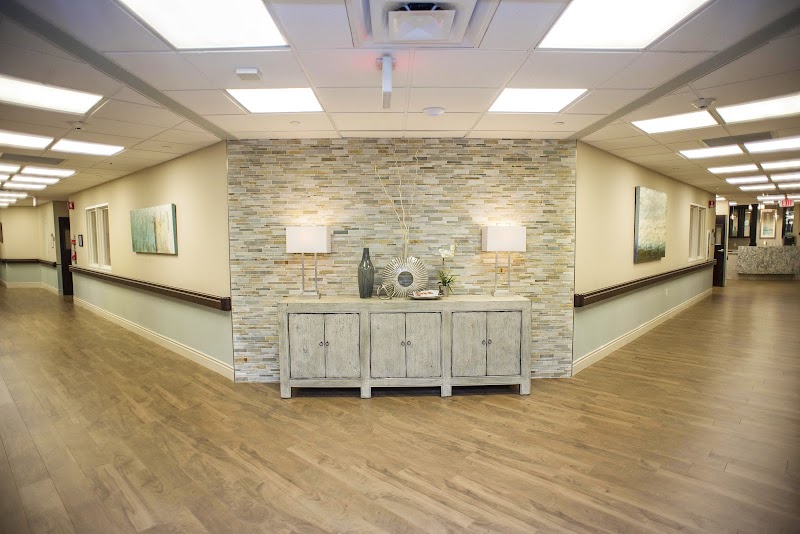
How Does Ponce Therapy And Rehab, The Compare to Other Florida Nursing Homes?

Compared to the 100 nursing homes in Florida, PONCE THERAPY CARE CENTER AND REHAB, THE's overall rating (4 stars) is above the state average of 3.2, staff turnover (67%) is significantly higher than the state average of 46%, and health inspection rating (4 stars) is above the national benchmark.

What Should Families Ask When Visiting Ponce Therapy And Rehab, The?

Based on this facility's data, families visiting should ask: "How do you ensure continuity of care given staff turnover, and what is your staff retention strategy?" "Can you walk me through typical staffing levels on day, evening, and night shifts?" "Can I visit during a mealtime to observe dining assistance and food quality?" "How do you handle medical emergencies, and what is your hospital transfer rate?" These questions are particularly relevant given the facility's high staff turnover rate and the below-average staffing rating.

Is Ponce Therapy And Rehab, The Safe?

Based on CMS inspection data, PONCE THERAPY CARE CENTER AND REHAB, THE has a clean safety record: no substantiated abuse findings (meaning no confirmed cases of resident harm), no Immediate Jeopardy citations (the most serious violation level indicating risk of serious injury or death), and is not on the Special Focus Facility watch list (a federal program monitoring the lowest-performing 1% of nursing homes). The facility has a 4-star overall rating and ranks #1 of 100 nursing homes in Florida. While no facility is perfect, families should still ask about staff-to-resident ratios and recent inspection results during their visit.

Do Nurses at Ponce Therapy And Rehab, The Stick Around?

Staff turnover at PONCE THERAPY CARE CENTER AND REHAB, THE is high. At 67%, the facility is 21 percentage points above the Florida average of 46%. Registered Nurse turnover is particularly concerning at 78%. RNs handle complex medical decisions and coordinate care — frequent RN changes can directly impact care quality. High turnover means new staff may not know residents' individual needs, medications, or preferences. It can also be disorienting for residents, especially those with dementia who rely on familiar faces. Families should ask: What is causing the turnover? What retention programs are in place? How do you ensure care continuity during staff transitions?

Was Ponce Therapy And Rehab, The Ever Fined?

PONCE THERAPY CARE CENTER AND REHAB, THE has no federal fines on record. CMS issues fines when nursing homes fail to meet care standards or don't correct problems found during inspections. The absence of fines suggests the facility has either maintained compliance or corrected any issues before penalties were assessed. This is a positive indicator, though families should still review recent inspection reports for the full picture.

Is Ponce Therapy And Rehab, The on Any Federal Watch List?

PONCE THERAPY CARE CENTER AND REHAB, THE is not on any federal watch list. The most significant is the Special Focus Facility (SFF) program, which identifies the bottom 1% of nursing homes nationally based on persistent, serious quality problems. Not being on this list means the facility has avoided the pattern of deficiencies that triggers enhanced federal oversight. This is a positive indicator, though families should still review the facility's inspection history directly.