ST AUGUSTINE HEALTH AND REHABILITATION CENTER
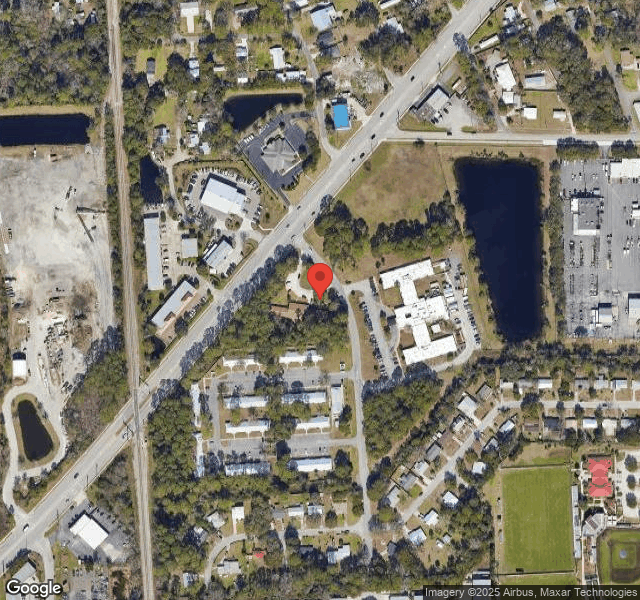
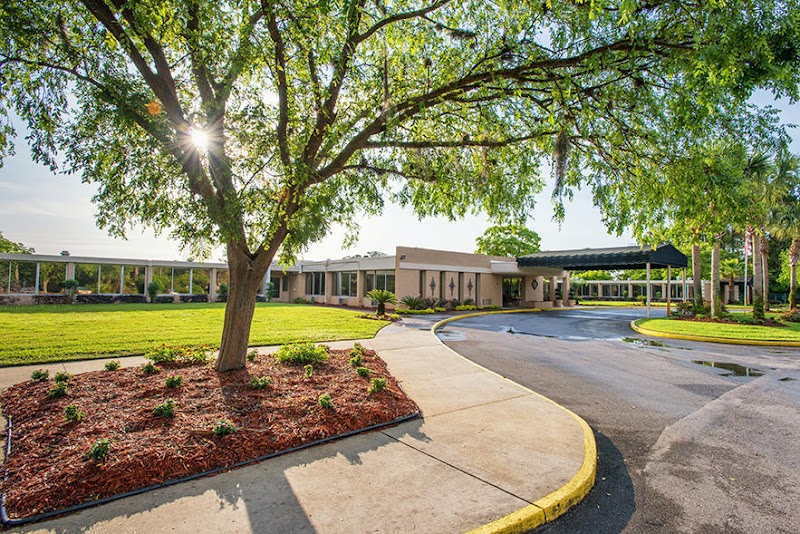
51 SUNRISE BLVD, SAINT AUGUSTINE, FL 32084 (904) 824-4479
For profit - Limited Liability company 120 Beds NHS MANAGEMENT Data: November 2025
Trust Grade
65/100
#427 of 690 in FL
Last Inspection: September 2024

Within standard 12-15 month inspection cycle. Federal law requires annual inspections.

Overview

St. Augustine Health and Rehabilitation Center has a Trust Grade of C+, indicating it is decent and slightly above average compared to other facilities. It ranks #427 out of 690 in Florida, placing it in the bottom half, and #7 of 8 in St. Johns County, meaning only one local facility is rated higher. Unfortunately, the facility's trend is worsening, with reported issues increasing from 4 in 2022 to 7 in 2024. Staffing is a relative strength, earning a rating of 4 out of 5 stars and having a turnover rate of 34%, which is below the state average. While there have been no fines reported, some concerning incidents include unsafe kitchen equipment that posed a fire risk and expired medications being administered to residents. Overall, the facility has strengths in staffing but faces significant challenges in health and safety practices.

Trust Score
C+
65/100
In Florida
#427/690
Bottom 39%
Safety Record
Low Risk
No red flags
Inspections
Getting Worse
4 → 7 violations
Staff Stability
○ Average
34% turnover. Near Florida's 48% average. Typical for the industry.
Penalties
✓ Good
No fines on record. Clean compliance history, better than most Florida facilities.
Skilled Nurses
○ Average
Each resident gets 31 minutes of Registered Nurse (RN) attention daily — about average for Florida. RNs are the most trained staff who monitor for health changes.
Violations
⚠ Watch
14 deficiencies on record. Higher than average. Multiple issues found across inspections.
★★★☆☆
3.0
Overall Rating
★★★★☆
4.0
Staff Levels
★★★☆☆
3.0
Care Quality
★★★☆☆
3.0
Inspection Score
Stable
2022: 4 issues
2024: 7 issues

The Good

  • 4-Star Staffing Rating · Above-average nurse staffing levels
  • Full Sprinkler Coverage · Fire safety systems throughout facility
  • No fines on record
  • Staff turnover below average (34%)

    14 points below Florida average of 48%

Facility shows strength in staffing levels, fire safety.

The Bad

3-Star Overall Rating

Near Florida average (3.2)

Meets federal standards, typical of most facilities

Staff Turnover: 34%

12pts below Florida avg (46%)

Typical for the industry

Chain: NHS MANAGEMENT

Part of a multi-facility chain

Ask about local staffing decisions and management

The Ugly 14 deficiencies on record

Sept 2024 7 deficiencies
CONCERN (D)

Potential for Harm - no one hurt, but risky conditions existed

Safe Environment (Tag F0584)

Could have caused harm · This affected 1 resident

**NOTE- TERMS IN BRACKETS HAVE BEEN EDITED TO PROTECT CONFIDENTIALITY** Based on observations and interviews, the facility failed to provide its residents with a safe, clean, comfortable, and homelike...

Read full inspector narrative →
**NOTE- TERMS IN BRACKETS HAVE BEEN EDITED TO PROTECT CONFIDENTIALITY** Based on observations and interviews, the facility failed to provide its residents with a safe, clean, comfortable, and homelike environment, directly affecting residents in five (Rooms 118, 121, 124, 126, and 132) of 66 resident rooms. Failure to maintain a safe, clean comfortable environment could result in accidents, the spread of infection, and a negative impact to residents' psychosocial well-being. The findings include: During an initial tour of the facility on 9/9/2024 from 9:30 AM through 12:00 PM, the following environmental concerns in resident areas were observed: Heavily stained privacy curtains and window curtains, holes in window curtains, uncomfortable temperatures, and bug carcasses in the following resident rooms: Rooms 121, 118, 124, 126, and 132. (Photographic evidence obtained for all) During an interview on 9/9/2024 at 11:36 AM with Resident #9, she stated the air conditioning (AC) in her room had been broken for about a month. She further stated she and her roommate had both notified staff of their concerns regarding the AC unit. The roommate interjected during the interview stating she had night sweats and one of the facility's certified nursing assistants (CNAs) had provided her with a personal fan. A small blue fan was observed on the resident's overbed table. The roommate's face was light red in color with small beads of perspiration noted during the interview. Her hair was limp and damp. Resident #9 stated a CNA told her she would also bring her a fan. She stated she also perspired badly during the night. She further stated the CNA had not brought her the fan as of this date. The AC window unit displayed a temperature of 61 degrees Fahrenheit (F); however, the air could not be felt throughout the residents' room. While looking at the AC unit, the window curtains were observed with holes permitting the sun to come through. They were also heavily stained. A black hair clip was holding the curtains together. The residents' privacy curtains were also heavily stained. (Photographic evidence obtained for all) During an interview on 9/9/2024 at 12:54 PM with Resident #82, she stated she had resided in the facility for two years. The resident's bathroom light was flickering. The resident stated she had asked Maintenance to repair it. She further stated they had changed the bulb several times; however, the problem persisted. She said the flickering light bothered her. During an interview on 9/9/2027 at 2:46 PM with Resident #27, he stated he had concerns about pests. He saw them in his room alongside the window and in the bathroom. A dead roach was observed in resident's bath tub, and the resident's room had an overall unkempt appearance. The bedside table was soiled, the floors were dingy, and no personal items were observed. During an interview on 9/10/2024 at 11:22 AM with Resident #20, he stated his toilet had been broken for two days. He further stated he had an order for a laxative and had to go down the hall to use another restroom. The resident's toilet tank cover had been removed from the back of the toilet and was placed across the toilet bowl. Dirty water was observed in the toilet bowl. (Photographic evidence obtained) During another tour of the facility on 9/10/2024 at 11:57 AM, a personal refrigerator was observed in a room occupied by Residents #3 and #59. Both residents were non-verbal. The floor in front of the refrigerator was heavily stained. Upon opening the refrigerator, a live roach was observed crawling on the bottom shelf. At 12:01 PM, Resident #82 again stated she had informed Maintenance that the [electrical] ballast was broken and it wasn't the lightbulb. She stated she also sent the receptionist a text asking her to notify Maintenance about the flickering bathroom light. An interview was conducted with the Housekeeping Supervisor on 9/12/2024 at 11:30 AM. She stated the housekeeping department was responsible for cleaning the privacy curtains and the maintenance department was responsible for the window curtains. She stated the privacy curtains were taken down to be cleaned monthly and as needed. We take down the privacy curtains. She stated the housekeepers were responsible for reporting soiled linens. Every room was cleaned every day. A tour of the facility was conducted with the Housekeeping Supervisor and the Director of Maintenance at this time. The rooms where the environmental concerns were observed were toured. The Housekeeping Supervisor stated the housekeepers were responsible for catching that. She further stated the torn curtains were caused by the handles used to open the windows. They would all be replaced eventually. During this tour, in room [ROOM NUMBER], where a roach had previously been observed crawling in the resident's refrigerator, a roach was now observed crawling on the floor near the refrigerator. The Housekeeping Supervisor stepped on the roach. A second roach was observed crawling on the side of the resident's refridgerator. It was killed. The Housekeeping Supervisor and Director of Maintenance were directed to the small, empty roach eggs that were between the refrigerator and the wall. The Housekeeping Supervisor said she would notify the Administrator of the observation. An interview was conducted with the Director of Maintenance on 9/12/2024 at 12:13 PM. He acknowledged the flickering light in Resident #82's bathroom. He stated he had changed the bulb a couple of times. He observed the light was still flickering on the day of this interview. He stated he believed the [electrical] ballast needed to be replaced again. During an interview with the DON on 9/12/2024 at 11:15 AM, she confirmed that the facility had no established policies and procedures to address the environmental concerns identified during the survey.
CONCERN (D)

Potential for Harm - no one hurt, but risky conditions existed

Deficiency F0688 (Tag F0688)

Could have caused harm · This affected 1 resident

**NOTE- TERMS IN BRACKETS HAVE BEEN EDITED TO PROTECT CONFIDENTIALITY** Based on observations, interviews, and record reviews, the facility failed to ensure that two residents (#29 and #55) with limit...

Read full inspector narrative →
**NOTE- TERMS IN BRACKETS HAVE BEEN EDITED TO PROTECT CONFIDENTIALITY** Based on observations, interviews, and record reviews, the facility failed to ensure that two residents (#29 and #55) with limited range of motion (ROM) received appropriate treatment and services to increase range of motion and/or to prevent further decrease in range of motion. There were three residents reviewed for limited range of motion in a total survey sample of 35 residents. The findings include: 1. During the initial tour on 09/09/24 at 10:00 AM, Resident #29 was observed in her room seated in her wheelchair. She had left-sided weakness. Her left foot was dorsiflexed (upward bending and contracting) and crossed over her right foot. When she was asked if she had any concerns, she used a communication board with alphabet letters on her bedside table and spelled out, It she would like the mess cleaned up. She pointed across the room next to her TV. A splint was located under a heap of belongings there. When asked if she used the splint, she shook her head no. (Photographic evidence obtained) She was asked if anyone assisted her with range of motion and again, she shook her head no. During another observation on 09/09/24 at 11:00 AM, Resident #29 was in her room leaning forward with her head on the bedside table. She did not have a splint on her hand or foot. On 09/11/24 at 12:47 PM, Resident #29 was observed in her room having lunch. The heap of clothing, including the splint, had been removed. The resident did not have a splint on either of her upper or lower extremities. A review of the medical record revealed that Resident #29 was admitted to the facility on [DATE] with diagnoses including hemiplegia - left non-dominant side, cerebral infarction, chronic pain, carpal tunnel syndrome, aphasia, and tarsal tunnel syndrome. A review of the physician's orders, dated 8/23/24, revealed that the resident was an overnight get up with directions provided to wash, dress and get the resident up. Hydrocodone- Acetaminophen 7.5 - 325 milligrams (mg) every 6 hours for chronic pain was ordered on 8/1/24. Diclofenac sodium gel 1%, apply 2 grams topically to left deltoid, was ordered two times a day on 7/16/23. Another order dated 8/5/24, indicated that the resident required a sit-to-stand mechanical lift for transfers. There were no orders for a functional maintenance program or range of motion management. (Copies obtained) A review of the resident's care plan, revised on 9/4/24, revealed that the resident required staff assistance with all activities of daily living (ADLs) related to impaired mobility ( L) hemiplegia, non-ambulatory. The care plan also noted that the resident had a potential for contractures related to impaired mobility, hemiplegia, and muscle spasms. Interventions included following the current functional maintenance program (FMP) if one had been done. A review of the quarterly Minimum Data Set (MDS) assessment with an assessment reference date of 6/6/24, revealed that the resident had a brief interview for mental status (BIMS) score of 15 out of 15 possible points, indicating intact cognition. She was documented as not receiving any kind of therapy including restorative therapy. A review of the physical therapy (PT) Discharge summary, dated [DATE], revealed discharge recommendations for Resident #29 to be discharged to FMP for transfers, and to a certified nursing assistance maintenance program for ankle/foot orthosis (AFO) and sit-to-stand use. ( Copy obtained) 2. On 09/09/24 at 1:55 PM, Resident #55 was observed in bed. She had pillows under her knees. She stated she was getting therapy but ran out of time about two weeks ago. She added that she was notified she would be getting bed exercises at least two to three times a week, but she had not seen anyone yet. A review of the medical record revealed that Resident #55 was admitted to the facility on [DATE] with diagnoses including Parkinson's disease, long-term use of anticoagulants, contractures at the right knee, left knee, right ankle, and left ankle, pain in left hip, osteoporosis, fracture of unspecified part of neck of left femur, subsequent encounter for closed fracture with routine healing, and periprosthetic left hip joint subsequent encounter. A review of the physician's order dated 2/19/24, revealed that Hydrocodone-Acetaminophen 7.5 - 325 milligrams (mg) every 6 hours for chronic pain was ordered. On 8/8/24, Xtampza extended release (Oxycodone myristate) 13.5 mg every 12 hours for pain was ordered. There were also orders for a FMP. (Copies obtained) A review of the quarterly Minimum Data Set (MDS) assessment with an assessment reference date of 8/6/24, revealed that the resident had a brief interview for mental status (BIMS) score of 14 out of 15 points, indicating intact cognition. The resident was documented as having received three days of physical therapy totalling 90 minutes during the 7-day look-back period. No restorative nursing or any other therapy was documented. A review of the physical therapy (PT) Discharge summary, dated [DATE], revealed recommendations for the resident to be discharged to a restorative nursing program for active range of motion (AROM) to both lower extremities (BLE) as well as a splint and brace program. The summary also indicated that the splint and brace program was established for bilateral (both knees) knee extension orthotic for three hours per day for three to five days per week. The goal was to decrease further contractures of the ankle/knees. ( Copy obtained) In an interview on 09/12/24 at 1:22 PM, Certified Nursing Assistant (CNA)/Restorative Aide I stated when a resident was added to the program, the unit manager notifed them. She added that the therapy department also provided a referral with what the restorative aide should be working on and provided education as needed. When asked about Resident #55, CNA I stated the resident was on a FMP for transfers and training the resident on sit-to-stand mechanical lift use; however, the resident was refusing and her legs were buckling so the program was discontinued. When asked about the ankle/foot orthosis (AFO), CNA I stated the resident got up early in the morning and the CNAs assigned to her were responsible for putting on the AFO. She was then asked if Resident #55 was on a FMP program. She replied, As far a I know, she is still in the program for ROM. When asked how often the resident was receiving the exercises, CNA I reviewed the FMP weekly schedule and stated,Mondays, Thursdays and Saturdays. (Copy of schedule obtained) When asked if the sessions were documented, she said the restorative aide should document in the electronic charting system after every session. During an interview on 09/12/24 at 11:23 PM with Licensed Practical Nurse (LPN)/Unit Manager J, she was asked how she was informed of residents' progress on the FMP. She stated the restorative aides should document. She mentioned that when residents had more than a week of refusals, the interdisciplinary team reviewed the reasons for refusal and provided education to the resident. If the resident continued to refuse, the program was discontinued and the therapy department was notified. She was asked to review the FMP for Residents #29 and #55. She confirmed that she could find no documentation verifying that either resident was on the FMP. On 09/12/24 at 3:14 PM, the Director of Rehabilitation (DOR) was asked to explain the discharge recommendations on the PT discharge summaries for Residents #29 and #55. She stated Resident #29 required AFO and the task should be completed by a CNA. She stated the resident was on FMP for transfers and sit-to-stand. She continued to explain that Resident #55 was on a FMP for range of motion. When asked if she had been notified of any refusals, she replied no. She added that normally, if the resident refused the program, nursing should discontinue the program and assess the resident if PT screening was warranted. In a 09/12/24 interview at 3:44 PM, the Director of Nursing (DON) stated Resident #29 was not on a FMP due to refusal, and Resident #55 was on a FMP for ROM. When asked for the documentation for both residents including the documentation of refusals, the DON confirmed there was no documentation and stated she would initiate training right away. A review of the facility's policy and procure titled Restorative Services (Effective October 1, 2010), revealed that the policy's purpose was to ensure that residents received necessary rehabilitative services as determined by comprehensive reviews and care plans, to prevent avoidable physical and mental deterioration, and to assist them in obtaining or maintaining their highest practicable level of functional and psychosocial well-being. The policy further indicated that a comprehensive review should be completed on admission, quarterly, with any MDS (minimum data set assessment) and with a significant change in the residents condition. A comprehensive review included interviews with staff, residents, and family/significant others, along with reviewing and communicating with other members of the interdisciplinary team. Quarterly, significant change and MDS assessment, and restorative reviews should include: A review of the physician orders A review of the FMP to ensure it was still meeting the resident's needs and if not, obtain a physician's order for a therapy evaluation. A review of the the FMP's daily documentation, and Review and update the plan of care as needed. .
CONCERN (D)

Potential for Harm - no one hurt, but risky conditions existed

Deficiency F0813 (Tag F0813)

Could have caused harm · This affected 1 resident

**NOTE- TERMS IN BRACKETS HAVE BEEN EDITED TO PROTECT CONFIDENTIALITY** Based on observations and interviews, the facility failed to develop and implement a policy regarding use and storage of foods b...

Read full inspector narrative →
**NOTE- TERMS IN BRACKETS HAVE BEEN EDITED TO PROTECT CONFIDENTIALITY** Based on observations and interviews, the facility failed to develop and implement a policy regarding use and storage of foods brought to residents by family and other visitors to ensure safe and sanitary storage, handling, and consumption. This failure directly impacted residents in four (Rooms 108, 120, 121, and 126) of 66 resident rooms with the potential to impact every resident with a personal refrigerator. The findings include: During an initial tour of the facility on 9/9/2024 from 9:30 AM through 12:00 PM, resident areas/rooms were observed: Multiple residents had personal refrigerators in their rooms. There were no temperature logs and expired food was located in the following rooms: Rooms 108, 120, 121, and 126. (Photographic evidence obtained for all) On 9/10/2024 at 11:57 AM, a personal refrigerator was observed in a room occupied by Residents #3 and #59. Both residents were non-verbal. Upon opening the refrigerator, a live roach was observed crawling on the bottom shelf. An interview was conducted on 9/11/2024 at 2:10 PM with Licensed Practical Nurse (LPN) J. She stated the overnight nurses were responsible for checking the residents' refrigerators. She further stated there were temperature log books kept at the nursing station. A tour of the North Wing was conducted with LPN J. The refrigerators in rooms 108, 120, 121, and 126 were observed. LPN J confirmed that there were expired food items in the refrigerators. When asked about the missing thermometers (rooms [ROOM NUMBERS]), she stated she was not sure why they were missing. She was shown the opened, unlabeled and expired items. She stated family members also brought food in without staff knowing. She was asked who should have been monitoring. She again stated it was the responsibility of the overnight nurses. She was asked to read the temperature in the refridgerator in room [ROOM NUMBER]. She stated it read 47 degrees F. She was asked what it should read. She stated she didn't know and she would have to check. She was shown the expired food items. She removed those items and discarded them. She was shown several open and undated/unlabeled items in the refrigerators in rooms [ROOM NUMBERS]. She stated these residents bought food items themselves. Again, she was asked who was responsible for making sure opened items were dated and labeled. She stated it was the responsibility of the overnight nurses. She was asked to provide the temperature logs for the residents' refrigerators. She retrieved a binder labeled N. Wing Temp Log. She stated this wasn't the correct information. At 2:22 PM, she left to find what she said she believed was the correct information. She returned stating she didn't find it. She retrieved another binder from the shelf labeled N. Wing Temp Log. Again, she said this was not the correct information. She stated the information was not current. Both binders were reviewed. The first binder contained information from 2022. The second binder contained information for February 2024. LPN J stated she wasn't able to locate anything more current, and she would have to consult with nursing. On 9/11/2024 at 3:53 PM, the Director of Nursing (DON) was asked to provide a list of residents who had personal refrigerators in their rooms. She stated there was no list. An interview was conducted with the DON on 9/12/2024 at 11:15 AM. She stated the facility did not have a policy for personal resident refrigerators. She stated the upkeep of the refrigerators was generally the responsibility of the nightshift staff. She added that the housekeepers would go in and do any deep cleaning required. She confirmed that LPN J was unable to locate any current temperature logs. She stated it wasn't something the facility had a structure or policy on and confirmed there were no recent logs. She stated they had discussed the concerns and determined there was some room for improvement.
CONCERN (D)

Potential for Harm - no one hurt, but risky conditions existed

Infection Control (Tag F0880)

Could have caused harm · This affected 1 resident

Based on observations, record reviews, and staff interviews, the facility failed to maintain an infection prevention and control program designed to help prevent the transmission of communicable disea...

Read full inspector narrative →
Based on observations, record reviews, and staff interviews, the facility failed to maintain an infection prevention and control program designed to help prevent the transmission of communicable diseases and infections, by failing to perform appropriate hand hygiene during medication administration for two (Residents #13 and #33) of eight residents observed for medication administration from a total survey sample of 35 residents. The findings include: During another observation of medication administration on 9/11/24 at 1:10 PM, LPN H was observed preparing medication for Resident #13 at the nurses' station. LPN H reviewed the physician's orders and obtained two tablets of Buspirone 10 mg (milligrams), Clonazepam 0.5 mg, and Oxycodone-Acetaminophen 10-325 mg. She did not perform hand hygiene before popping medications into a medication cup. She then handed the medication cup with the medication to Resident #13 who was seated on his Rollator walker at the nurses' station. After the resident took the medication, LPN H discarded the cup in the trash but did not perform hand hygiene. She then pushed the medication cart to Resident #33. She reviewed the physician's orders and obtained acetaminophen (Tylenol) 325 mg for pain. She did not perform hand hygiene before popping two tablets into a medication cup and handing the medication to the resident. In an interview in 9/11/24 at 1:30 PM, LPN H was asked about hand hygiene during medication administration. She said, I knew I was forgetting something. A review of the facility's policy and procedure titled General Dose Preparation and Medication Administration (Revised 4/30/24), revealed that prior to preparing or administering medications, authorized and competent facility staff should follow infection control policy. Appropriate hand hygiene should be performed before and after direct resident contact. .
CONCERN (E)

Potential for Harm - no one hurt, but risky conditions existed

Deficiency F0761 (Tag F0761)

Could have caused harm · This affected multiple residents

Based on observation, interview, and record review, the facility failed to 1) Label drugs and biologicals in accordance with currently accepted professional principles, and 2) Ensure medications were ...

Read full inspector narrative →
Based on observation, interview, and record review, the facility failed to 1) Label drugs and biologicals in accordance with currently accepted professional principles, and 2) Ensure medications were not used past the expiration date for four (Residents #45, #3, #8, and #90) of 35 residents in the total survey sample. Failure to ensure medications are labeled appropriately and are not expired, pose a risk to resident health due to potentially reduced efficacy and contamination. The findings include: During medication administration observation on 09/10/24 at 10:40 AM, Licensed Professional Nurse (LPN) G was observed preparing a Novolog (insulin) FlexPen (a multi-dose injection pen designed to be used multiple times by the same receiver) for Resident #45. She read the label, placed a new needle on top of the FlexPen, primed the needle, set the correct ordered dose to be administered, and provided it for inspection. Reading the label revealed an opened date of 7/19/24 and an expired date of 8/16/24. When LPN G was asked to look at the expired date, she acknowledged that the FlexPen was past the expiration. She then asked if it was still okay to give. All insulin stored in LPN G's medication cart was reviewed and revealed the following: Two additional single-user, multi-dose prescriptions of insulin were past their expired date for Residents #3 and #8 (expired on 8/27/24 and 8/14/24 respectively). One insulin for Resident #90 had no opened or expired date. (Photographic evidence obtained) A review of the physician's order dated 8/6/23 for Resident #45 revealed Novolog (insulin aspart) per sliding scale before meals. A review of the August and September 2024 medication administration records (MARs) for Resident #45 indicated that the medication was administered daily beyond 8/16/24. A review of the physician's order dated 3/10/24 for Resident #3, revealed Levemir 100 units/milliliters, inject 12 units at bedtime. A review of the August and September 2024 MARs for Resident #3 revealed that the medication was administered daily beyond 8/27/24. A review of the physician's orders for Resident #8 revealed no current orders for Novolog or any other type of insulin. In a 09/11/24 interview with the Director of Nursing (DON) and the Nurse Manager for the unit LPN G was currently working on (LPN J) at 3:08 PM, they confirmed that Resident #8 did not have current orders for Novolog or any other type of insulin, but that he did back in July of 2024. They stated the current procedure for ensuring the removal of discontinued and/or expired medications in the medication carts was to have the nurse in charge of the medication cart at the time the medication is discontinued remove that medication from the cart. Nurses should be looking at the expiration dates and removing medications when they expired. Additionally, the nurse managers checked the medication carts weekly, on the weekend, for medications that had been discontinued and/or expired and removed them from the carts. A review of the facility's policy and procedure titled Storage and Expiration Dating of Medication and Biologicals (revised 08/01/24), revealed the following: General storage procedures: 10. The facility should ensure that medication and biologicals that :1) have an expired dated on the label ;2) have been retained longer than recommended by manufacture or supplier guideline; or 3) have been contaminated or deteriorated , are stored separate from other medications until destroyed or returned to the pharmacy or supplier. 11. Once any medication or biological package is opened, facility should follow manufacturer/supplier guideline with respect to expiration dates for opened medication. Facility staff should record the date opened on the primary medication container ( i.e vial, bottle, inhaler) when the medication has a shortened expiration date once opened or opened 11.1 Facility staff may record the calculated expiration date based on date on the primary medication container. 11.2 mediations with the manufacturer's expiration date expressed in month and year will expire on the last day of the month. 11.3 If a multi-dose vial of the injectable medication has been opened or accessed ( e.g., needle punctured) the vial should be dated and discarded within 28 days unless the manufacturer specifies a different ( shorter or longer) date for that opened vial. .
CONCERN (E)

Potential for Harm - no one hurt, but risky conditions existed

Food Safety (Tag F0812)

Could have caused harm · This affected multiple residents

Based on kitchen food service observations, staff interviews, and facility policy and procedure review, the facility failed to follow proper sanitation and food handling practices to prevent the outbr...

Read full inspector narrative →
Based on kitchen food service observations, staff interviews, and facility policy and procedure review, the facility failed to follow proper sanitation and food handling practices to prevent the outbreak of foodborne illness with the potential to affect all residents who consumed foods from the facility's kitchen, by failing to seal and date mark open food products in the walk-in refrigerator, and discard food products on or before the expiration date. Food handling and sanitation is important in health care settings serving nursing home residents. Unsafe food handling practices represent a potential source of pathogen exposure. The findings include: A tour of the kitchen was conducted on 09/09/24 at 10:14 AM. During the tour, no date markings were observed on one open box of tomatoes, one bin of potatoes, or one open bag of onions in the walk-in refrigerator. The dry storage room had one open bag of wrapped potato chips with no date marking and nine thickened lemon-flavored water containers with expiration dates of 09/02/24. On 09/09/24 at 11:36 AM, the Certified Dietary Manager (CDM) was notified that nine expired thickened lemon-flavored water containers were sitting on the shelf in the dry storage room. (Photographic evidence obtained) On 09/10/24 at 10:00 AM, nine expired thickened lemon-flavored water containers were observed still sitting on the shelf in the dry storage room. A follow-up tour of the kitchen was conducted on 09/11/24 at 11:05 AM. No date marking was observed on one open bag of onions or one open box of tomatoes in the walk-in refrigerator. The dry storage room had one thickened lemon-flavored water container with an expiration date of 09/02/24 sitting on the shelf. During the same tour, three expired thickened lemon-flavored water containers and one bottle of grape juice with no date marking were observed and discarded from the south unit nourishment room refrigerator. (Photographic evidence obtained) An interview was conducted on 09/12/24 at 1:40 PM with Dietary Aide/Cook A who reported that second shift dietary aides were responsible for stocking the dry storage room. The CDM and the cooks stocked the refrigerator and freezer. When asked to explain the facility's policy regarding date marking food products, Dietary Aide/Cook A stated any food received had to be labeled and dated. When food was opened, used, and placed back in the refrigerator or freezer, the food was placed in a safe container or saran wrapped, labeled with the date made or opened, and discarded after three days. The CDM was notified of any expired food that needed to be discarded. An interview was conducted on 09/12/24 at 1:45 PM with [NAME] B who reported that dietary aides were responsible for stocking the dry storage room. The morning shift dietary aides were responsible for stocking the refrigerator and freezer. When asked to explain the facility's policy regarding date marking food products, [NAME] B stated food products were labeled with the date delivered. Opened food was dated with the date opened or used. Expired food was discarded. Opened refrigerated food was discarded after three days. An interview was conducted with the CDM on 09/12/24 at 1:53 PM. She reported that evening staff were responsible for stocking the dry storage room. When asked to explain the facility's policy regarding date marking food products, the CDM confirmed all open food was dated and discarded after three days. When a food item was opened, used, and placed back in the refrigerator or freezer, the food item was wrapped, labeled with the date opened, and discarded after three days. A review of the facility's policy and procedure titled Food Receipt and Storage (dated August 23, 2017), revealed the Purpose: Foods should be received and stored properly to prevent foodborne illness . e. New items should be placed on the back of shelves with labels in view, with older items pulled to the front of the shelves for use. The First In First Out (FIFO) system should be used to rotate stock routinely. k. Open food items should be covered, labeled, and dated; open dry goods should be kept in tightly sealed containers. (Copy obtained) Reference: FDA Food Code 2022. https://www.fda.gov/media/164194/download (Accessed on 09/17/2024) Annex 5. Conducting Risk-Based Inspections Annex 5 - C. Intervention Strategies for Achieving Long-term Compliance. 4. Establish First-In-First-Out (FIFO) Procedures. Page 31. https://www.fda.gov/media/164194/download (Accessed on 11/13/2023): Product rotation is important for both quality and safety reasons. First-In-First Out (FIFO) means that the first batch of product prepared and placed in storage should be the first one sold or used. Date marking foods as required by the Food Code facilitates the use of a FIFO procedure in refrigerated, ready-to-eat, TCS foods. The FIFO concept limits the potential for pathogen growth, encourages product rotation, and documents compliance with time/temperature requirements. .
CONCERN (F)

Potential for Harm - no one hurt, but risky conditions existed

Room Equipment (Tag F0908)

Could have caused harm · This affected most or all residents

Based on kitchen food service observations, staff interviews, and facility policy and procedure review, the facility failed to ensure essential kitchen equipment was in safe operating condition, by fa...

Read full inspector narrative →
Based on kitchen food service observations, staff interviews, and facility policy and procedure review, the facility failed to ensure essential kitchen equipment was in safe operating condition, by failing to maintain the inspection of the kitchen exhaust system to prevent excessive grease build-up. This could potentially endanger staff, residents and any other building occupants due to the risk for fire. The findings include: A kitchen tour was conducted on 09/11/24 at 11:05 AM. The kitchen hood located above the cook area had an inspection date that was expired. The documented date of inspection should have occurred between 5/2024 and 8/2024. (Photographic evidence obtained) In an interview with the Certified Dietary Manager (CDM) on 09/12/24 at 1:53 PM, she reported that the exhaust hood was inspected every three months, and the Maintenance Department was responsible for contacting the vendor. During an interview with the Director of Maintenance on 09/12/24 at 2:23 PM, he stated he did not notice that the inspection was expired. The vendor came automatically every three months and he was not aware that they had not been to the facility to complete the inspection. On 09/12/24 at 3:36 PM, the CDM reported that broken equipment was reported to the Maintenance Department. She was not aware that the exhaust hood inspection was due; usually the vendor came automatically. A review of the facility's policy and procedure titled Safety Principles (dated August 10, 2018) revealed: Purpose: To prevent injury to food service employees through exposure to heat, cold, chemicals and other workplace hazards. (Copy Obtained) .
Oct 2022 4 deficiencies
CONCERN (D)

Potential for Harm - no one hurt, but risky conditions existed

Deficiency F0582 (Tag F0582)

Could have caused harm · This affected 1 resident

Based on record review and an interview with the Business Office Manager, the facility failed to ensure each resident was informed before, or at the time of admission, and periodically during the resi...

Read full inspector narrative →
Based on record review and an interview with the Business Office Manager, the facility failed to ensure each resident was informed before, or at the time of admission, and periodically during the resident's stay, of services available in the facility and of charges for those services, including any charges for services not covered under Medicare/Medicaid or by the facility's per diem rate for two (Resident #42 and Resident #22) of three residents sampled for review of Beneficiary Protection Notifications, from a total sample of 40 residents. The findings include: A review of Resident #42's medical record revealed an admission date of 5/26/2022. His last covered day for Medicare Part A services was 7/19/2022. The resident was discharged from Medicare A and remained in the facility. A review of Resident #22's medical record revealed an admission dated of 7/25/2022. Her last covered day of Medicare Part A services was 8/17/2022. The resident was discharged from Medicare A and remained in the facility. A record review of Beneficiary Protection Notifications for three randomly selected residents, including Residents #42 and #22, who were discharged from a Medicare A covered stay with benefit days remaining in the past 6 months revealed the facility failed to issue Skilled Nursing Facility Advance Beneficiary Notices of Noncoverage (SNF ABN) when required. During an interview with the Business Office Manager (BOM) on 10/13/2022 at 11:37 a.m., she acknowledged that the notifications were not given to Residents #42 or #22. She stated she was new and was told not to give the SNF ABN forms to residents who were flipping to Medicaid. When asked who told her that, she stated she generally spoke with Social Services staff or the Minimum Data Set (MDS) nurse about these things. She further stated there was no documentation about when they spoke with the residents regarding possible liability, and she again stated the facility didn't use the SNF ABN forms. When asked about the break in coverage between Medicare A ending and Medicaid beginning, she stated residents could be liable for that charge. When asked how they would have been informed of that, she stated again that she was told not to use the SNF ABN and that there was no additional documentation. She stated the facility pre-screened residents and pretty much knew which residents would be eligible for Medicaid, but again there was no documentation or communication about possible charges due to a coverage lapse. .
CONCERN (D)

Potential for Harm - no one hurt, but risky conditions existed

Assessment Accuracy (Tag F0641)

Could have caused harm · This affected 1 resident

Based on observations, interviews, and record reviews, the facility failed to ensure assessments accurately reflected residents' status for two (Resident #82 and Resident #93) of 40 residents sampled....

Read full inspector narrative →
Based on observations, interviews, and record reviews, the facility failed to ensure assessments accurately reflected residents' status for two (Resident #82 and Resident #93) of 40 residents sampled. Failure to accurately assess residents' care needs and medical status could result in a failure to provide needed care and services, resulting in complications and/or functional decline. The findings include: On 10/10/2022 at 2:45 p.m., Resident #82 was observed in his room lying in bed under the covers. He was greeted and he responded with garbled speech. At this time it was determined that the resident was not interviewable. Upon leaving Resident #82's room, Resident #93 was observed being escorted back to her room on a shower bed by two staff members. She was greeted and asked if she would agree to an interview once she returned to her room and got settled. She responded with grunts and giggles, reaching her hand out to make contact, and continuing to grunt, giggle, and motion for the surveyor's hand. At this time it was determined that the resident was not interviewable. During an interview with the Social Services Director (SSD) on 10/13/2022 at 11:38 a.m, she stated she had been employed with the facility since 3/7/2022. She added that she was responsible for completing section C of the Minimum Data Set (MDS) assessment. She stated she conducted the Brief Interview for Mental Status (BIMS) assessment for residents. She explained the process of how she completed the assessment, and stated she went in to see the resident and made an introduction. She asked the resident if they could hear/see her and if she could speak with them. She then asked the resident to repeat the three words and told them to remember the words. She asked the resident to repeat the three words. She stated at times she would give them cues to help them remember the words. She stated she then documented how many words they repeated on the first attempt, then she moved on to the day, year, month, week, then went back to the three words they were previously asked to repeat. She stated the cues were given if the resident couldn't repeat the three words. She was asked how the BIMS score was assessed for nonverbal residents. She stated staff who had worked with and/or were familiar with the resident did the assessment. She stated some of the nonverbal residents could nod, point or make a noise/sound in order to answer assessment questions. She stated the assessment was performed the same way for residents who were cognitively impaired, adding that what they could answer was used to determine their BIMS score. She stated there were times in an assessment that a dash (-) was documented in the answer section, indicating the resident's response was nonsensical or the resident failed to give an answer/response. She stated at times she referred to the MDS staff if she was unsure about an assessment, and there were times when multiple staff members would complete an assessment. When asked how Resident #82 was assessed, she stated he spoke very softly, very minimally, and does more pointing than verbal communication. He has a hard time talking, so I write the 12 months out and he points to the right month; I write the years out and he points to the correct year. She was asked if she could demonstrate this and she agreed. At 12:08 p.m., she went to the resident's room. She re-introduced herself, asked the resident if she could ask him a few questions, and then began the BIMS assessment. The resident responded to all questions asked with moaning and grunting. There were no intelligible words spoken, the resident did not make a pointing motion to communicate, nor did he nod or shake his head in response. The SSD stated she understood the resident's responses. The surveyor advised the SSD that she could not determine what the resident was saying. The SSD continued the assessment. When asked the current month, the resident grunted. The noise he made sounded nothing like a word. The surveyor observed that after each answer the SSD would reply yes, then say the correct answer indicating that the resident got it right. When asked to repeat bed, the resident did not answer. The SSD said to him, It's a piece of furniture. Then the resident pointed to the dresser. The SSD replied, Dresser? No, that's not correct. It was bed. You got that one wrong. The SSD thanked the resident for his time and exited the resident's room. The interview with the SSD continued upon leaving the resident's room. She was shown the previous MDS assessment where the resident was assessed with a BIMS score of 99 (Four or more items were coded 0 because the individual chose not to answer or gave a nonsensical response.) She stated she understood the resident and maybe the previous SSDs could not. She stated the resident would grunt out words or whisper them softly, but she was able to understand him. During an interview with MDS Coordinator C on 10/3/2022 at 2:03 p.m., he was asked if there was a review for accuracy of the MDS assessments. He stated no. He further stated the MDS Coordinators reviewed each section of the assessment to ensure each section was complete however, they did not go back to determine whether the assessments were accurate. During an interview with MDS Coordinator D on 10/13/2022 at 2:31 p.m., she was asked if the MDS assessments were reviewed for accuracy. She stated she reviewed the assessments, but didn't question anything and assumed the MDS was correct unless there is something major. She stated she knew the residents and could usually determine if something was accurate. She confirmed that she knew Residents #82 and #93. She stated both of the residents were rarely understood and added that she could not determine whether the employee conducting the assessment documented accurately, as she was not in the room when the assessment was done. She was shown and asked about the variance in the BIMS score for both Residents #82 and #93. She stated she could not determine whether the assessment was accurate. She stated she didn't recall having any questions about the assessments, adding that ultimately the MDS Coordinators reviewed the assessments to ensure that they were complete but not necessarily accurate. She stated the MDS Coordinators just have to trust that each section was being completed correctly. During an interview with Licensed Practical Nurse (LPN) E on 10/13/2022 at 3:07 p.m., she stated she had been employed by the facility for seven years, six of which she worked as a Certified Nursing Assistant (CNA). She further stated she was familiar with Residents #82 and #93, and had worked with them extensively as a CNA. She stated neither resident could communicate verbally. She stated both residents were limited to yes or no answers, adding that both residents could also nod or shake their heads when asked yes or no questions. During an interview with CNA F on 10/13/2022 at 3:24 p.m., she stated she had been employed by the facility for approximately six months. She further stated she was familiar with and had worked with both Resident #82 and #93. Both residents required total assistance with their Activities of Daily Living (ADL's), and both residents could say some words, but were rarely understood. She stated the words are grumbled and that she called the nurse when she didn't understand. A review of the 1/26/2022 annual MDS assessment for Resident #82 revealed the resident rarely/never understood, and the BIMS score was not assessed due to the resident being rarely/never understood. A review of the 6/29/2022 quarterly MDS assessment for Resident #82 revealed unclear speech (slurred or mumbled words), sometimes understands, responds adequately to simple, direct communication only, usually understands, misses some part/intent of message but comprehends most conversation and scored a 13/15 on the BIMS assessment, indicating intact cognition. A review of the 9/14/2022 quarterly MDS assessment for Resident #82 revealed adequate hearing, unclear speech (slurred or mumbled words), sometimes understands, responds adequately to simple, direct communication only, usually understands, misses some part/intent of message but comprehends most conversation, and scored a 12/15 on the BIMS assessment, indicating minimally impaired to intact cognition. A review of the most recent Care Plan for Resident #82 included a Focus on: Impaired communication related to aphasia with a Goal to continue to make needs known and Interventions including: Ask simple yes/no questions and give resident time to answer/respond and ask family for alternate means of communication A review of the 4/20/2022 quarterly MDS assessment revealed that Resident #93 had adequate hearing, unclear speech (slurred or mumbled words), sometimes understands, responds adequately to simple, direct communication only, usually understands, misses some part/intent of message but comprehends most conversation, and scored a 3/15 on the BIMS assessment, indicating severe cognitive impairment. A review of the 7/6/2022 quarterly MDS assessment revealed Resident #93 had adequate hearing, unclear speech (slurred or mumbled words), sometimes understands, responds adequately to simple, direct communication only, usually understands, misses some part/intent of message but comprehends most conversation, and scored a 3/15 on the BIMS assessment, indicating severed cognitive impairment. A review of the 9/21/2022 quarterly MDS assessment revealed Resident #93 had adequate hearing, unclear speech (slurred or mumbled words), sometimes understands, responds adequately to simple, direct communication only, usually understands, misses some part/intent of message but comprehends most conversation, and scored a 10/15 on the BIMS assessment, indicating moderately impaired cognition. A review of the most recent Care Plan for Resident #93 included a Focus on: Impaired communication related to aphasia secondary to cerebrovascular accident (CVA) and Traumatic Brain Injury (TBI), uses non-verbal cues with a Goal to continue to make needs known and Interventions including: Ask simple yes/no questions and give resident time to answer or respond, ask family about alternative communication methods, use short simple sentences repeat, rephrase and adjust tones as needed. .
CONCERN (D)

Potential for Harm - no one hurt, but risky conditions existed

Deficiency F0645 (Tag F0645)

Could have caused harm · This affected 1 resident

Based on observations, interviews, and record review, the facility failed to ensure each resident was screened for a mental disorder (MD) or intellectual disability (ID) prior to admission, and that i...

Read full inspector narrative →
Based on observations, interviews, and record review, the facility failed to ensure each resident was screened for a mental disorder (MD) or intellectual disability (ID) prior to admission, and that individuals identified with MD or ID were evaluated and received care and services in the most integrated setting appropriate to their needs for one (Resident #67) of 40 sampled residents. The findings include: A review of Resident #67's medical record on 10/10/22 at 2:36 p.m. and on 10/11/22 at 2:00 p.m. revealed no Pre-admission Screening and Resident Review Process (PASARR) present. On 10/11/22 at 2:50 p.m., the Director of Nursing (DON) stated, I could not find the PASARR. We are going to do a new one now. A record review was conducted for Resident #67 noting an admission date of 8/18/22. His diagnoses included pathological fracture, humerus, subs for fixture for routine heal; malignant neoplasm of unspecific part of unspecific bronchus or lung; type II diabetes mellitus, heart disease, bipolar disorder, major depressive disorder, and anxiety disorder. Resident #67 had physician's orders that included Xanax for anxiety every 8 hours, started on 9/29/22; Hydroxyzine HCL (hydrochloride) 25 mg (milligrams) every 8 hours as needed for 14 days, starting on 10/7/22; Trazodone, once daily for depression, started on 9/2/22, and Duloxetine HCL two times a day for diabetic peripheral neuropathy. A review of the Minimum Data Set (MDS) assessment, dated 8/24/22, revealed that the resident entered from hospice and had a Brief Interview for Mental status (BIMS) score of 13 out of a possible 15 points, indicating intact cognition. He was expected to remain in the facility. An interview was conducted with the Admissions Coordinator at 11:25 a.m. on 10/13/22. She reported that part of the admission process was to acquire the 3008 transfer form, the PASARR, a face sheet, and the History and Physical upon admission. She reiterated that the PASARR should be received on the day the resident was admitted . She was asked whether a resident could be admitted without a PASARR, and she replied, I don't know. I would say no. An interview was conducted with Social Services Director (SSD) on 10/13/22 at 12:00 p.m. She stated her job was to make sure the PASARRs were in the residents' records. She stated the Director of Nursing (DON) would do the PASARR if facility did not get it on admission. She further stated she thought the PASARR was to be received on the day of admission. A review of the facility's policy titled Pre-admission Screening for Mental Retardation and Mental Illness (Effective July 15, 2009), revealed under Process Level I Determinations must be signed and dated by a Registered Nurse (RN) at the admitting nursing facility on or before the date of admission. The nursing facility is responsible for ensuring that a Level I screening is completed, submitted and has a Level I Determination and/or a Level II if indicated, on or before nursing home admission and regardless of payment source. The original documents for the Level I and/or Level II determinations will be retained in the medical chart behind the Social Services tab. .
CONCERN (D)

Potential for Harm - no one hurt, but risky conditions existed

Food Safety (Tag F0812)

Could have caused harm · This affected 1 resident

Based on observations, staff interviews, and facility record review, the facility failed to follow proper sanitation and food handling practices to prevent the outbreak of foodborne illness with the p...

Read full inspector narrative →
Based on observations, staff interviews, and facility record review, the facility failed to follow proper sanitation and food handling practices to prevent the outbreak of foodborne illness with the potential to affect all residents who consumed foods from the facility's kitchen. The facility failed to ensure that the dietary staff was trained and knowledgeable about the proper procedures for food storage and proper sanitation practices in the kitchen. Specific instruction on food handling and sanitation is important in health care settings serving nursing home residents. Unsafe food handling practices represent a potential source of pathogen exposure. The findings include: An initial tour of the kitchen was conducted with Dietary Manager (DM) G on 10/10/2022 at 10:25 a.m. During the tour, the bread cart in the dry storage pantry had three open bundles of bread that were not dated/labeled. The fryer was covered with grease buildup and food debris. The floor underneath the fryer had soiled grease and a buildup of food debris covering the drainage area. During an interview at the time of the observations, DM G stated, The cook or person working in the area is responsible for cleaning the fryer. A weekly cleaning schedule dated 10/8/2022 thru 10/9/2022 was obtained on 10/10/22, indicating the fryer and floor had been cleaned. The same observations previously mentioned were made again on 10/12/2022 at 11:10 a.m. and on 10/13/2022 at 3:30 p.m. (Photographic evidence obtained) Interviews were conducted with [NAME] I on 10/13/22 at 3:40 p.m. [NAME] I stated the policy for food storage, including leftovers was to wrap and date food items. She stated each staff member was designated to complete a cleaning task. Dietary Aides 1 and 2 were responsible for cleaning the floor. When asked who monitored the cleaning schedule for the kitchen and food service equipment, [NAME] I stated, the Dietary Manager. The Dietary Manager (DM), who was also present, stated the policy for food storage, including leftovers was to date the food item and discard it after three days. She stated, The weekly cleaning schedule is posted every Friday, and each position is assigned a cleaning task. The evening aides clean the floor daily and the DM walks through and checks the kitchen daily to ensure tasks are complete. A second copy of the weekly cleaning schedule, with a date that appeared to be marked through to read 10/8/2022 thru 10/14/2022 was obtained on 10/13/22 at 4:00 p.m. A review of the facility's policy and procedure entitled Sanitation Principles (dated 2/1/2022), revealed: Food service areas should be maintained in a clean and sanitary manner. The current USDA Food Code should be utilized as guidelines for the Department. a. Kitchens and dining areas should be kept clean, free from litter and rubbish, and protected from rodents, roaches, flies, and other insects. (Copy obtained) A review of the facility's policy and procedure entitled Safety Principles (dated 8/15/2009) revealed: To prevent injury to food service employees through exposure to heat, cold, chemicals and other workplace hazards. 10. Be sure ovens and stoves are free from grease at all times. Grease is a fire hazard. According to the United States Food and Drug Administration Food Code 2017. 3. Public Health and Consumer Expectations. Clean environment. Page 10. https://www.fda.gov (Accessed 0n 10/18/2022): It is a shared responsibility of the food industry and the government to ensure that food provided to the consumer is safe and does not become a vehicle in a disease outbreak or in the transmission of communicable disease. This shared responsibility extends to ensuring that consumer expectations are met, and that food is unadulterated, prepared in a clean environment, and honestly presented. According to the United States Food and Drug Administration Food Code 2017. 4.602.12. Cooking and Baking Equipment. Page 568. https://www.fda.gov (Accessed 0n 10/18/2022): Food-contact surfaces of cooking equipment must be cleaned to prevent encrustations that may impede heat transfer necessary to adequately cook food. Encrusted equipment may also serve as an insect attractant when not in use. Because of the nature of the equipment, it may not be necessary to clean cooking equipment as frequently as the equipment specified in § 4-602.11. .
Mar 2021 3 deficiencies
CONCERN (D)

Potential for Harm - no one hurt, but risky conditions existed

ADL Care (Tag F0677)

Could have caused harm · This affected 1 resident

**NOTE- TERMS IN BRACKETS HAVE BEEN EDITED TO PROTECT CONFIDENTIALITY** Based on observations, interviews and record reviews, the facility failed to ensure that residents who were unable to carry out ...

Read full inspector narrative →
**NOTE- TERMS IN BRACKETS HAVE BEEN EDITED TO PROTECT CONFIDENTIALITY** Based on observations, interviews and record reviews, the facility failed to ensure that residents who were unable to carry out activities of daily living received the necessary services to maintain good nutrition, grooming, and personal hygiene for two resident (Residents #22 and #1) of three residents sampled for review of Activities of Daily Living (ADL) from a total of 38 residents in the sample. The findings include: 1. During a tour of the facility on 3/8/21 at 2:17 p.m., Resident #22 was observed lying in bed with dried saliva observed between her lips as she tried to speak. Her hair was unkempt with dandruff visible over her loosely plaited cornrows. Attempts were made to interview the resident on 3/8/21 at 2:25 p.m. The resident only nodded yes or shook her head no to simple questions. When asked whether the staff were cleaning her, she shook her head no. In a phone interview on 3/9/21 at 2:41 p.m., the resident's mother stated she had concerns about her daughter's care. She stated when she visited her daughter about two weeks ago, her hair and teeth were not clean. She added that the facility was supposed withdraw money from her daughter's personal funds account for hair care and other ADLs as needed, but her monthly statement revealed that no funds had been removed. The resident's mother also stated she had raised these concerns during a care plan meeting. She said before the COVID-19 pandemic, she would visit her daughter and help her with mouth care and she would provide drinks, but she was not sure now whether staff were paying attention to her daughter. She couldn;t verify whether they were, because she was unable to visit frequently. A review of the clinical record indicated that Resident #22 was admitted to the facility on [DATE]. Her diagnoses included intracranial injury, encounter with gastrostomy, moderated protein calorie malnutrition, vitamin deficiency, major depressive disorder, transient paralysis, chronic pain due to trauma, dry mouth and generalized anxiety. A review of the Quarterly Minimum Data Set (MDS) assessment, dated 1/13/21, revealed the resident had a Brief Interview for Mental Status (BIMS) score of 5 out of a possible 15 points, indicating severe cognitive impairment. Resident #22 was also assessed to be totally dependent on staff for bed mobility, transfers, toileting and eating. Her current ADL care plan revealed the following interventions: Resident is unable to make choices at this time related to severe cognitive impairment, observe for inability to perform care, make bathing process pleasant by ensuring non-hurried atmosphere, give assistance as needed, assist with hair, assist with brushing teeth/oral care, bath per schedule. A review of the shower schedule revealed that the resident's shower days were Tuesdays, Thursdays and Saturdays. On 3/10/21 at 1:50 p.m., Employee A, Certified Nursing Assistant (CNA), stated residents were provided with showers/bed baths per the schedule and as needed (PRN). She further stated showers were documented in the electronic medical record software whe showers were provided or refused. If showers were refused, the nurses were notified. A review of the CNA task documentation revealed that Resident #22 had not received a shower or bed bath from 2/11/21 through 3/10/21. During an interview with Employee I, Registered Nurse (RN)/Unit Manager, on 3/11/21 at 10:30 a.m., she stated residents should receive showers/bed baths on their scheduled days and PRN. When asked whether she had conducted audits of the showers provided, she replied no. In an interview on 3/11/21 at 4:15 p.m. with the Director of nursing (DON), she was asked about the facility's provision of salon services. She stated during the pandemic salon services were not offered. Residents were receiving in-room services. She also stated residents were to receive hair care during their scheduled shower days. When asked if Resident #22 received hair care services, she confirmed that there was no documentation available to verify that she had. A review of the policy and procedure titled, Maintaining ADL skills NM.I.30, effective November 10, 2014, revealed: Purpose The facility provides the necessary care and services to attain or maintain the highest practicable physical, mental, and psychological well-being of the resident, in accordance with the comprehensive assessment and plan of care. 2. An observation of Resident #1, conducted on 3/8/21 at 11:12 a.m., found his fingernails on both hands unfiled and with jagged edges. Several nails were long, especially on the left hand, which was observed to be contracted (permanently shortened muscles or joints). The pointer finger on his right hand had a build-up of an unidentified dark substance under the nail. When asked if staff assisted him with nail care to his satisfaction, he looked at his nails but did not answer. In an interview with Employee E, Certified Nursing Assistant (CNA), on 3/10/21 at 9:34 a.m., she stated Resident #1 was alert and orientated and able to communicate using a communication board and finger spelling. He could assist with some activities of daily living (ADLs) using his good hand, the right. He needed assistance with handwashing. CNAs completed his nail care, and this was usually performed as needed and at shower time. An interview was conducted with Employee F, Registered Nurse (RN), on 3/10/21 at 9:59 a.m. She stated Resident #1 partially assisted with ADLs, depending on what you did with him. He had use of his right hand and could assist with handwashing. He didn't really let staff do his nails and he was care planned for that. He might allow it on a good day. Resident #1 was interviewed on 3/11/21 at 11:36 a.m. His fingernails were observed in the same condition during th einterview as they were during the 3/8/21 observation at 11:12 a.m. When asked if he was provided nail care by the aides, he did not respond. When asked if he had refused nail care, he shook his head no. When asked if he wanted his nails cleaned and trimmed, he nodded yes. Employee G, CNA, was interviewed on 3/11/21 at 11:38 a.m. He stated only nurses and someone from the outside did resident nail care. He said Resident #1 did not refuse care. In a second interview on 3/11/21 at 4:32 p.m., Employee G was asked to observe Resident #1's nails. He looked at the resident's nails, which remained in the originally observed state, and only said someone from the outside was supposed to do the residents' nails. In an interview with the Wound Care Nurse on 3/11/21 at 5:55 p.m., she stated CNAs could trim resident's fingernails, but only if the residents were not diabetic. A record review for Resident #1 found a Quarterly Minimum Data Set (MDS) assessment with an assessment reference date of 3/3/21. On this assessment, the resident was assessed with no speech and the ability to sometimes make himself understood. He usually understood others. Resident #1 was assessed with long- and short-term memory problems and moderately impaired cognitive skills for daily decision making. He was dependent on staff for personal hygiene and bathing. Active diagnoses included cerebrovascular attack (CVA, or stroke), hemiplegia or hemiparesis (paralysis or muscle loss and weakness on one side of the body), seizure disorder, anxiety, psychotic disorder and schizophrenia. Resident #1 was care planned for behaviors including refusal of oral care. The care plan did not address any refusal of nail care. He was also care planned for total care with ADLs, however, interventions did not address nail care or when it should be performed. A review of nursing progress notes found nothing reflected about the provision or refusal of nail care. .
CONCERN (E)

Potential for Harm - no one hurt, but risky conditions existed

Deficiency F0565 (Tag F0565)

Could have caused harm · This affected multiple residents

Based on observation, interview and record review, the facility failed to provide residents with private space to participate in resident groups and to ensure that staff, visitors or other guests atte...

Read full inspector narrative →
Based on observation, interview and record review, the facility failed to provide residents with private space to participate in resident groups and to ensure that staff, visitors or other guests attended resident group or family group meetings only with the respective group's invitation. This involved 10 residents participating in Resident Council on 3/10/2021 (Residents #78, #105, #66, #89, #359, #81, #12, #69, #18 and #59) out of 110 residents residing in the facility at the time of the investigation. The findings include: On 3/9/2021, the Activities Director and Resident Council President scheduled a resident council meeting. The meeting was held on 3/10/2021 at 10:30 a.m. in the facility's dining room. The Activities Director advised all facility staff present in the area where the meeting was to be held to leave, as this was to be a resident-only meeting. The Activities Director provided a copy of the Resident Council Meeting minutes for December 2020, January 2021 and February 2021. The Activities Director placed a sign on the outside of the door which read: Ssshhh RESIDENT COUNCIL MEETING IN SESSION Please do not disturb! There were 10 residents in attendance, including the President and [NAME] President of the Resident Council. When asked, the residents present in the meeting stated they normally met in the facility's dining room. During the meeting multiple staff were observed entering and exiting the area of the meeting causing the meeting to be paused. The residents in attendance stated that they preferred to meet without staff present, however, staff still came in and out of their meetings without regard to the sign placed on the door. The residents stated that this was a violation of their privacy, and they had made reports to facility staff. The residents voiced concerns with staff obtaining information discussed during their meetings and reporting it to other facility staff possibly resulting in retaliation. A review of the meeting minutes provided by the Activities Director revealed no concerns from the Resident Council during the meetings. When asked about this, the Resident Council President stated that the minutes were not accurate and these were not the minutes that she had taken during the meetings provided. During an interview on 3/10/2021 at 12:14 p.m. with the Administrator and Activities Director, they were advised of the concerns raised during the Resident Council meeting held on 3/10/2021 at 10:30 a.m., and of the concern with the inaccuracy of the meeting minutes provided. They could not explain why staff would continuously come in and out of the meeting, but agreed that this should not have been happening. They acknowledged previous concerns from the council regarding fear of reprisal. The Activities Director stated that the minutes she provided were not taken by the Resident Council President. She provided the survey team with the actual minutes taken by the Resident Council President. A record review revealed inconsistencies between the meeting minutes taken by the Resident Council President and the minutes provided by the Activities Director for meetings held in January 2021 and February 2021. During the meeting held on January 27, 2021, the council documented concerns with being treated with respect and dignity from the staff. This information was not included in the meeting minutes for the same date provided by the Activities Director. During an interview on 3/10/2021 at 1:26 p.m. with the Administrator, she was provided the documentation revealing the discrepancies in the Resident Council Meeting minutes. She stated she was not aware of the concerns raised. When asked how the residents' concerns were reported to her, she stated the Activities Director would obtain the minutes and communicate them to her. During an interview on 3/10/2021 at 2:29 p.m. with the Activities Director in the presence of the Administrator, she was asked why there were separate copies of the meeting minutes and to explain the inconsistencies between the two. She stated she re-wrote the minutes sometimes when the president's writing was not legible. She did not address the inconsistencies of the information, and neither did the Administrator. The Administrator stated again that she was not aware of this issue. .
CONCERN (F)

Potential for Harm - no one hurt, but risky conditions existed

Food Safety (Tag F0812)

Could have caused harm · This affected most or all residents

Based on observations and staff interviews, the facility failed to store dishware, covered or inverted, in a location where it was not exposed to splash, dust and other contamination. The facility fai...

Read full inspector narrative →
Based on observations and staff interviews, the facility failed to store dishware, covered or inverted, in a location where it was not exposed to splash, dust and other contamination. The facility failed to maintain two of the three microwaves used for residents, in a safe and sanitary manner. This deficient practice potentially affected all residents in the facility who took their meals from the facility's kitchen and/or obtained any food/beverage items from the North or South Unit nourishment rooms. The findings include: An initial tour of the kitchen was conducted on 3/8/2021 at 9:55 a.m. with the Dietary Manager (DM). During the tour, a plate dispenser was observed with no cover and plates were stored face-up. A second tour of the kitchen and interview with the DM was conducted on 3/11/2021 at 3:40 p.m. The plate dispenser was full of plates and they were not inverted or covered. Food splatter was observed on the rim of the plate dispenser next to the plates. (Photographic evidence obtained) The Dietary Manager acknowledged the potential for splatters and contamination of the eating surface of the plates at the time of the observation. An initial tour of the North Unit Nourishment Room was conducted on 3/10/2021 at 9:44 a.m. with a second visit on 3/11/2021 at 11:20 a.m. The microwave was observed heavily soiled with dark food splatter on the top inside surface, sides and corners during both visits. A tour of the South Unit Nourishment Room was conducted on 3/11/2021 at 12:25 p.m. The microwave was observed with a brown substance resembling coffee splatter on the top inside surface and sides. The counter appeared to have water damage and dark areas behind the sink and along the backsplash that resembled biological growth. (Photographic evidence obtained) An interview was conducted with the Dietary Manager on 3/11/2021 at 3:40 p.m. During the interview, she stated the equipment in the nourishment rooms was to be cleaned daily. A follow-up tour of the North and South Unit nourishment rooms was conducted with the Dietary Manager at the time of this interview. She observed both nourishment rooms and stated she would have them cleaned right away. .
Understanding Severity Codes (click to expand)
Life-Threatening (Immediate Jeopardy)
J - Isolated K - Pattern L - Widespread
Actual Harm
G - Isolated H - Pattern I - Widespread
Potential for Harm
D - Isolated E - Pattern F - Widespread
No Harm (Minor)
A - Isolated B - Pattern C - Widespread

Questions to Ask on Your Visit

  • "Can I speak with families of current residents?"
  • "What's your RN coverage like on weekends and overnight?"

Our Honest Assessment

Strengths
  • • No major safety red flags. No abuse findings, life-threatening violations, or SFF status.
  • • No fines on record. Clean compliance history, better than most Florida facilities.
  • • 34% turnover. Below Florida's 48% average. Good staff retention means consistent care.
Concerns
  • • 14 deficiencies on record. Higher than average. Multiple issues found across inspections.
Bottom line: Mixed indicators with Trust Score of 65/100. Visit in person and ask pointed questions.

About This Facility

What is St Augustine Center's CMS Rating?

CMS assigns ST AUGUSTINE HEALTH AND REHABILITATION CENTER an overall rating of 3 out of 5 stars, which is considered average nationally. Within Florida, this rating places the facility higher than 0% of the state's 100 nursing homes. This mid-range rating indicates the facility meets federal standards but may have areas for improvement.
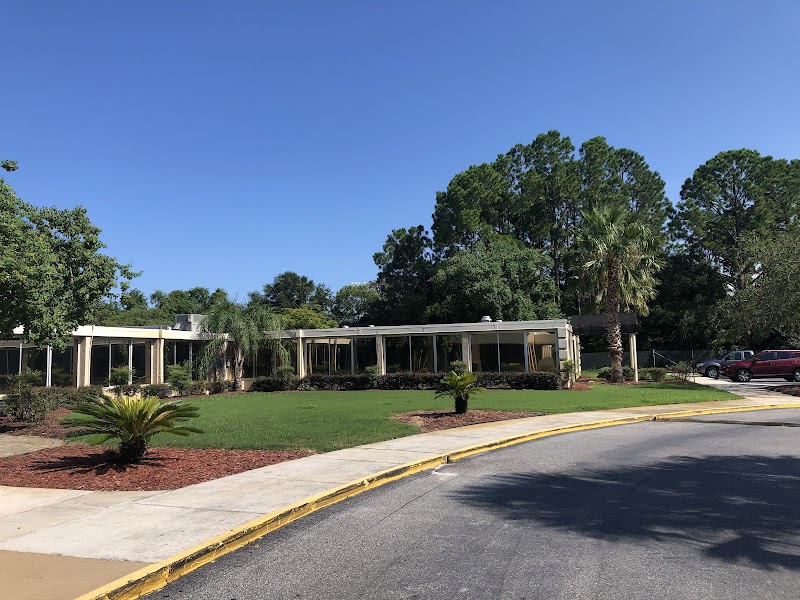
How is St Augustine Center Staffed?

CMS rates ST AUGUSTINE HEALTH AND REHABILITATION CENTER's staffing level at 4 out of 5 stars, which is above average compared to other nursing homes. Staff turnover is 34%, compared to the Florida average of 46%. This relatively stable workforce can support continuity of care.

What Have Inspectors Found at St Augustine Center?

State health inspectors documented 14 deficiencies at ST AUGUSTINE HEALTH AND REHABILITATION CENTER during 2021 to 2024. These included: 14 with potential for harm.
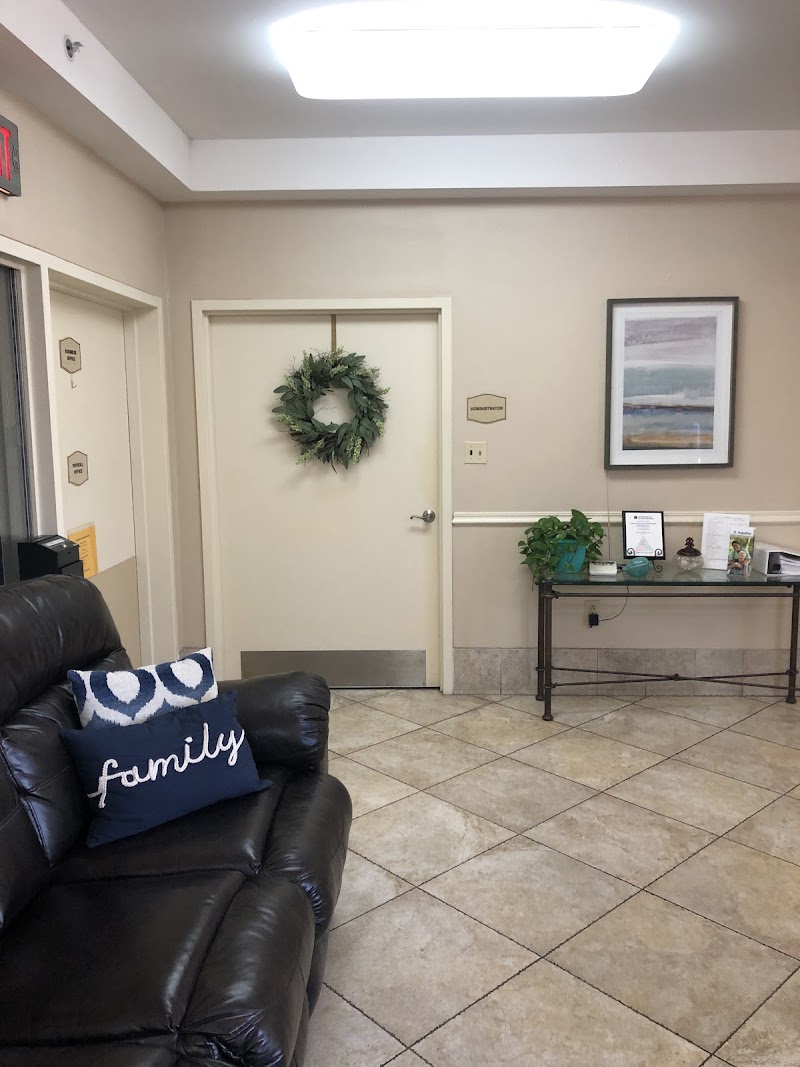
Who Owns and Operates St Augustine Center?

ST AUGUSTINE HEALTH AND REHABILITATION CENTER is owned by a for-profit company. For-profit facilities operate as businesses with obligations to shareholders or private owners. The facility is operated by NHS MANAGEMENT, a chain that manages multiple nursing homes. With 120 certified beds and approximately 115 residents (about 96% occupancy), it is a mid-sized facility located in SAINT AUGUSTINE, Florida.
How Does St Augustine Center Compare to Other Florida Nursing Homes?

Compared to the 100 nursing homes in Florida, ST AUGUSTINE HEALTH AND REHABILITATION CENTER's overall rating (3 stars) is below the state average of 3.2, staff turnover (34%) is significantly lower than the state average of 46%, and health inspection rating (3 stars) is at the national benchmark.

What Should Families Ask When Visiting St Augustine Center?

Based on this facility's data, families visiting should ask: "Can I visit during a mealtime to observe dining assistance and food quality?" "How do you handle medical emergencies, and what is your hospital transfer rate?" "Can I speak with family members of current residents about their experience?"

Is St Augustine Center Safe?

Based on CMS inspection data, ST AUGUSTINE HEALTH AND REHABILITATION CENTER has a clean safety record: no substantiated abuse findings (meaning no confirmed cases of resident harm), no Immediate Jeopardy citations (the most serious violation level indicating risk of serious injury or death), and is not on the Special Focus Facility watch list (a federal program monitoring the lowest-performing 1% of nursing homes). The facility has a 3-star overall rating and ranks #100 of 100 nursing homes in Florida. While no facility is perfect, families should still ask about staff-to-resident ratios and recent inspection results during their visit.

Do Nurses at St Augustine Center Stick Around?

ST AUGUSTINE HEALTH AND REHABILITATION CENTER has a staff turnover rate of 34%, which is about average for Florida nursing homes (state average: 46%). Moderate turnover is common in nursing homes, but families should still ask about staff tenure and how the facility maintains care continuity when employees leave.

Was St Augustine Center Ever Fined?

ST AUGUSTINE HEALTH AND REHABILITATION CENTER has no federal fines on record. CMS issues fines when nursing homes fail to meet care standards or don't correct problems found during inspections. The absence of fines suggests the facility has either maintained compliance or corrected any issues before penalties were assessed. This is a positive indicator, though families should still review recent inspection reports for the full picture.

Is St Augustine Center on Any Federal Watch List?

ST AUGUSTINE HEALTH AND REHABILITATION CENTER is not on any federal watch list. The most significant is the Special Focus Facility (SFF) program, which identifies the bottom 1% of nursing homes nationally based on persistent, serious quality problems. Not being on this list means the facility has avoided the pattern of deficiencies that triggers enhanced federal oversight. This is a positive indicator, though families should still review the facility's inspection history directly.