SOLARIS HEALTHCARE OSCEOLA
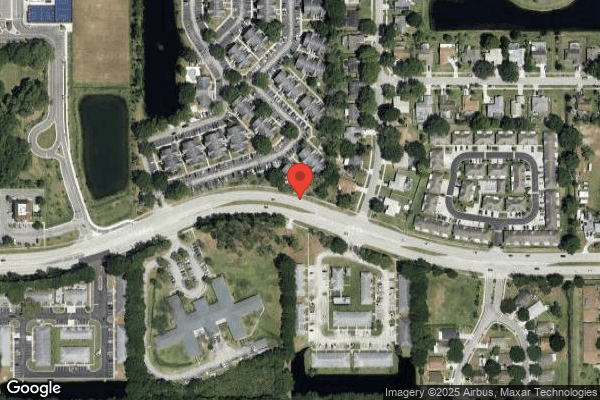
4201 W NEW NOLTE ROAD, SAINT CLOUD, FL 34772 (407) 957-3341
For profit - Limited Liability company 120 Beds SOLARIS HEALTHCARE Data: November 2025 1 Immediate Jeopardy citation
Trust Grade
66/100
#281 of 690 in FL
Last Inspection: November 2024

Within standard 12-15 month inspection cycle. Federal law requires annual inspections.

Overview

Solaris Healthcare Osceola has a Trust Grade of C+, indicating it is decent and slightly above average compared to other facilities. It ranks #281 out of 690 in Florida, placing it in the top half of nursing homes statewide, and #2 out of 10 in Osceola County, meaning only one other local option is rated higher. The facility is improving, with issues decreasing from four in 2021 to just one in 2024. Staffing is another strength, with a 4 out of 5-star rating and a turnover rate of 36%, which is lower than the state average, suggesting that staff are experienced and familiar with residents. However, the facility has incurred $19,036 in fines, which is concerning and indicates some compliance issues, and they have faced critical incidents, such as a resident sustaining a serious injury due to improper transfer methods and failures in wound care management for other residents.

Trust Score
C+
66/100
In Florida
#281/690
Top 40%
Safety Record
High Risk
Review needed
Inspections
Getting Better
4 → 1 violations
Staff Stability
○ Average
36% turnover. Near Florida's 48% average. Typical for the industry.
Penalties
○ Average
$19,036 in fines. Higher than 60% of Florida facilities. Some compliance issues.
Skilled Nurses
✓ Good
Each resident gets 42 minutes of Registered Nurse (RN) attention daily — more than average for Florida. RNs are trained to catch health problems early.
Violations
✓ Good
Only 5 deficiencies on record. Cleaner than most facilities. Minor issues only.
★★★★☆
4.0
Overall Rating
★★★★☆
4.0
Staff Levels
★★★★☆
4.0
Care Quality
★★★★☆
4.0
Inspection Score
Stable
2021: 4 issues
2024: 1 issues

The Good

  • 4-Star Staffing Rating · Above-average nurse staffing levels
  • 4-Star Quality Measures · Strong clinical quality outcomes
  • Full Sprinkler Coverage · Fire safety systems throughout facility
  • No fines on record
  • Staff turnover below average (36%)

    12 points below Florida average of 48%

Facility shows strength in staffing levels, quality measures, fire safety.

The Bad

Staff Turnover: 36%

10pts below Florida avg (46%)

Typical for the industry

Federal Fines: $19,036

Below median ($33,413)

Minor penalties assessed

Chain: SOLARIS HEALTHCARE

Part of a multi-facility chain

Ask about local staffing decisions and management

The Ugly 5 deficiencies on record

1 life-threatening
Oct 2024 1 deficiency 1 IJ
CRITICAL (J) 📢 Someone Reported This

A family member, employee, or ombudsman was alarmed enough to file a formal complaint

Immediate Jeopardy (IJ) - the most serious Medicare violation

Accident Prevention (Tag F0689)

Someone could have died · This affected 1 resident

**NOTE- TERMS IN BRACKETS HAVE BEEN EDITED TO PROTECT CONFIDENTIALITY** Based on interview, and record review, the facility failed to prevent an avoidable accident with major injury for a physically i...

Read full inspector narrative →
**NOTE- TERMS IN BRACKETS HAVE BEEN EDITED TO PROTECT CONFIDENTIALITY** Based on interview, and record review, the facility failed to prevent an avoidable accident with major injury for a physically impaired resident by failing to ensure the care plan was followed for transfers with mechanical lifts for 1 of 4 residents sampled for accidents, (#1). These failures contributed to a staff member disregarding a resident's prescribed transfer method and resulted in the resident sustaining a left knee fibular head fracture. On 10/11/24 at approximately 11:45 AM, Certified Nursing Assistant (CNA A) was in resident #1's room to get her up for a shower. Resident #1 requested to use her personal four-wheel walker for the transfer from bed to wheelchair instead of the mechanical lift. CNA A brought the walker over to the bedside and resident #1 attempted to use the walker and CNA A's assistance to stand. Shortly after standing, resident #1 complained of weakness to her legs and started to go down to the floor. CNA A was beside her and assisted her as much as she could, down to the floor. CNA A called for help and two staff members came to the room to assist. At 12:35 PM, the resident was assessed by the nurse, and she complained of leg and knee pain, and an order was obtained for the resident to be sent to the hospital. Resident #1's family was notified, and she was transported via Emergency Services (EMS) to the hospital. At 6:30 PM, the facility was notified by the hospital that resident #1 had suffered a fibular head fracture to the left knee. The facility's failure to provide supervision and oversight for staff members during transfers to ensure residents who were physically impaired and dependent for transfers were being transferred safely, appropriately, and per their individual care plans, placed all physically impaired residents requiring total assistance and mechanical lifts at risk for serious harm or serious injury. This failure resulted in Immediate Jeopardy starting on 10/11/24 and was removed on 10/15/24. Findings: Resident #1, a [AGE] year old female, was re-admitted to the facility on [DATE] from an acute care hospital. She had diagnoses that included congestive heart failure, oxygen dependence, severe morbid obesity, difficulty walking, generalized muscle weakness, and a history of traumatic fracture. A day after her admission on [DATE], resident #1 weighed 353.2 pounds by mechanical lift. Review of resident #1's reentry Minimum Data Set assessment with Assessment Reference Date of 10/02/24 revealed the resident's cognition was intact with a Brief Interview for Mental Status score of 15/15. The assessment indicated she was dependent, meaning she required the assistance of 2 or more staff members with mechanical lift, for bed mobility, sit to stand, transfers from bed to chair/chair to bed, and toilet transfers. The assessment further indicated that resident #1 did not attempt to walk 10 feet due to medical conditions or safety concerns. The medical record for resident #1 revealed she received Physical Therapy (PT) from 9/28/24 to 10/02/24. The PT discharge note dated 10/03/24 indicated the therapist documented that resident #1 would require a mechanical lift if she wanted to get out of bed due to her dependent status. The therapist documentation included that on 10/02/24 transfer out of bed to chair and ambulation were not attempted due to medical conditions or safety concerns. The therapist concluded that the resident was no longer appropriate for therapy at that time due to her medical status and resident being dependent for mobility. The note indicated the resident status and recommendations were communicated to the facility staff. Review of resident #1's PT progress notes dated 10/07/24 therapy performed a quarterly PT screen and found no changes in the resident status of non-ambulatory, and the screen recommended the use of a mechanical lift for transfers. Resident #1 had a care plan for Activities of Daily Living (ADLs) initiated on 7/02/24. The care plan interventions included a three person assist with transfers using the mechanical lift for safety initiated on 8/10/24. This intervention was a shared task for CNAs, nursing, and therapy staff. Other interventions for ADLs and mobility included a two person assist with bathing and toilet transfers using a mechanical lift. A change in condition progress note dated 10/11/24 revealed resident #1 had sustained a fall when she stood and lost her balance. The note detailed resident #1 slid onto the floor causing injury to her left knee and was sent to the emergency room for further evaluation. A nursing note entered later on the same day further detailed the incident reporting that CNA A was assigned to resident #1 and was assisting her to stand so that she could transfer into the wheelchair. The resident had verbalized to the CNA that she was able to stand and transfer into chair without the mechanical lift. The note indicated the resident twisted her left knee when she fell and was sent to the emergency room related to increased pain to the knee. The Hospital Emergency Report dated 10/11/24 at 3:00 PM, revealed Computerized Tomography (CT) scan of resident #1's left knee without contrast showed she sustained a non-displaced fracture of the fibula. The fibula helps stabilize and support your leg, body, ankle and leg muscles. It runs parallel to the tibia, the larger bone that forms the shin and attaches to the ankle and knee. A fibular head fracture is a break in the fibula bone near the knee, (retrieved on 11/08/24 from www.healthline.com). The facility provided a timeline of the incident as it was reported to the facility's Risk Manager. On 10/11/24 at 11:45 AM, CNA A was in resident #1's room to assist her in the shower area. The resident requested to use her personal four-wheel walker for the transfer from bed to wheelchair. CNA A brought the walker over to the bedside and the resident attempted to stand with CNA A's assistance and use of the walker. Her legs became weak and CNA A lowered resident to the floor. At 12:35 PM, a nurse assessed the resident and contacted the physician who gave the order for the resident to be sent to the emergency room for evaluation due to resident complaint of knee/leg pain. The family was notified and were with her at the facility after the fall. The facility contacted the hospital at 6:30 PM, and it was revealed that a CT scan confirmed the resident had suffered a fibular fracture. On 10/30/24 at 11:04 AM, resident #1 was lying in bed talking to a visitor. She recalled that on the day she fell CNA A came to the room to get her out of bed for a shower and asked her how she was feeling. The resident explained she told the CNA that she was feeling strong and didn't want to use the mechanical lift. Resident #1 explained staff did not always use the mechanical lift because sometimes she had felt strong enough to use her walker. She recalled that on that day, CNA A was by herself in the room and no other staff members were present to assist with her transfer. She explained the CNA unlocked the bed to push it against the wall to allow for more room, then she attempted to stand up with the help of the walker and CNA A. She recalled when she stood up, she felt her legs were like stone, so she tried to sit back down, but the bed was not locked, and it moved away from her causing her to fall. In the process of falling, she twisted her left leg and hurt her knee. She said she was sent to the hospital and told that she had a fracture. She explained she received an order for pain medication and was told she would need to follow up with the doctor in two days. On 10/30/24 at 4:33 PM, a phone interview was conducted with CNA A. She said she worked the 7:00 AM to 3:00 PM shift on 10/11/24 and was assigned resident #1. It was resident #1's shower day so she went to ask the resident if she would like to shower, and the resident said yes. She recalled she told the resident she would be back in a little while to get her up. She explained she entered the room again after about an hour to get resident #1 up from the bed and noticed the resident had her four-wheel walker nearby, so she asked the resident if she was feeling strong enough to transfer without the mechanical lift. Resident #1 told her she was feeling well that day and agreed with CNA A to use her four-wheel walker and not the mechanical lift because she did not like using it. CNA A conveyed she then assisted the resident to sit up at the side of the bed and placed the walker in front of her as well as the wheelchair. Resident #1 stood up by holding on to the walker and CNA A assisted by standing next to her supporting her arm. Once resident #1 stood up she complained her knees were feeling heavy, and she could not keep standing. CNA A said she immediately moved behind the resident and assisted her to the floor as she fell sideways, twisting her left leg in the process. CNA A said she saw another CNA pass by the hallway and she screamed for help. She continued the resident was assessed and sent to the hospital because of pain to her left leg. She explained she knew resident #1 very well and had an understanding with her that if she was feeling strong, she would not use the mechanical lift. She said normally she would check the [NAME], which was in the resident's medical record and detailed the tasks assigned to the resident based on their care plan, but she only did that if the resident was new to her assignment. She acknowledged she knew resident#1 required two to three person staff assist with a mechanical lift because this was the way she had been transferred since her most recent admission to the facility. CNA A explained on the day of the incident she was surprised to see the walker in the room which led her to believe there had been a change in the resident's transfer status. She said that even after seeing the walker in the room, she did not confirm the transfer status in the [NAME] but took the resident's word she was strong enough to transfer herself without the mechanical lift. She admitted that she had transferred the resident without assistance of the mechanical lift in the past because the resident disliked using it. CNA A said that looking back now she should have checked the [NAME] and should have asked other staff for assistance with the transfer because it was her job to keep the resident safe. On 10/31/24 at 9:30 AM, the Director of Nursing (DON) and Administrator were interviewed jointly regarding resident #1's transfer status. They both agreed and acknowledged it was a therapy recommendation to have three people assist during transfers because the resident was severely, morbidly obese and totally dependent on staff for transfers. They explained the third person was an extra safety measure. The DON said that during morning Interdisciplinary Team (IDT) meetings they had previously discussed resident #1 and why it would be beneficial to have a third person during transfers. The third staff member would be in the room for support while the two others would be manning the mechanical lift. The Administrator stated that CNA A was aware of resident #1's transfer status and verified that in her statement. He said CNA A chose to honor the resident's wishes of not using the mechanical lift and failed to inform her immediate supervisor of the resident's refusal to use the mechanical lift as she was care planned for. Later at 10:30 AM, the DON said her expectation was for CNAs to check the [NAME] at the beginning of their shifts. The DON explained she understood that staff got into a routine with their assigned residents, but confirmed they still needed to check the [NAME] prior to caring for the residents at the beginning of their shifts because their status could change anytime. They explained the therapy department evaluated the residents' mobility and transfer status which was then communicated to the Care Plan coordinator and nursing staff. The care plan interventions were reflected in the [NAME] for the CNAs to see. They stated that CNAs received mechanical lift training upon hire and then quarterly from the staff developer and risk managers. On 10/31/24 at 11:00 AM, a joint interview was conducted with the Director of Rehabilitation and the Physical Therapist that evaluated resident #1. The Physical Therapist said she had been working with resident #1 since she was re-admitted to the facility on [DATE]. She explained the resident's medical status constantly changed and she was frequently in and out of the hospital. This required frequent PT evaluations to determine her mobility and transfer status. They said resident #1 often refused PT and would refuse to get out of bed, which prevented them from evaluating her ability to transfer from the bed to the wheelchair. The times she did agree to receive PT, it would require two therapists to assist her with the use of a therapy provided walker, but she had severe difficulty ambulating. They said she was discharged from PT on 10/02/24 with the recommendation that a mechanical lift be used for transfers because the resident was non-compliant. They confirmed therapy felt she was not safe to transfer without the lift. She further added that the therapy department only made the recommendation for use of the mechanical lift, but the facility assigned how many people assisted based on the facility's policies and procedures. The Director of Rehabilitation confirmed the policy was to have two people assist with mechanical lift transfers. She further explained that once an evaluation had been made by the therapy department, they provided a communication sheet with their recommendations to the Care Plan Coordinator for the care plan to be created. She said that they communicated with the Unit Managers and CNAs. She explained regarding the four-wheel walker in the resident's room on the day of the incident, they were aware the resident had it but it was not used by therapists during therapy sessions. They confirmed therapy was not responsible for checking if the walker was adequate for use by the resident and there was no facility policy requiring the walker be evaluated since it was personal property. They both agreed that resident #1 was able to make her needs known and was aware she needed the mechanical lift for transfers due to her declining physical health. Review of CNA A's Skills Competency Assessment for Mechanical Lifts revealed that on 7/20/24 the assessment was completed as part of the annual required competencies. The assessment indicated CNA A was found to be competent to perform the task per the Risk Manager who was the evaluator. A review of the CNA's job description document dated March 2023, was signed as completed. The document revealed CNAs were responsible for observing safety needs of residents as indicated in their care plans and to follow established safety policies and procedures. Furthermore, they were to assist with lifting, positioning, and transporting residents into and out of bed, chairs, bathtubs, wheelchairs, and lifts per specific resident safety needs. The facility's policy on positioning and moving residents titled, Safe Lifting and Movement of Residents with review date of 1/25/23, read, Nursing staff, in conjunction with the rehabilitation staff, shall assess individual residents' need for transfer assistance on an ongoing basis. Staff will document resident transferring and lifting needs in the care plan. The facility also had a second policy entitled, Lifting Machine, Using a Portable, with revision date 1/25/23. This policy directed staff to review the resident's care plan to assess for any special needs of the resident and required two trained staff members when using the mechanical lift. Review of the Facility Assessment Tool updated 8/05/24 revealed that the services and care offered was based on resident needs which included mobility and fall/fall with injury prevention. The assessment further revealed that the facility would provide person-centered care and would identify any hazards and risks to the resident. The immediate actions to remove the Immediate Jeopardy by the facility were reviewed and revealed the following which was verified by the survey team: *On 10/11/24 at 12:50 PM, resident #1 was transferred to the hospital. *On 10/11/24 at 6:30 PM, the facility was made aware that resident #1 sustained a left fibular fracture. *On 10/11/24 CNA A was removed from her assignment, interviewed about the incident, and then suspended pending investigation. At 7:00 PM, law enforcement was notified and at 8:00 PM, they reported the incident to Department of Children and Families. *On 10/11/24 all staff were in-serviced on following care plans for transfers, how to access information on the [NAME], and following appropriate transfer status for each resident. All 85 CNAs were either trained in-person or via Onshift messaging by 10/13/24 and all 48 nurses were trained by 10/15/24. Observations of mechanical lift transfers were completed with CNA groups to ensure transfers were completed correctly. *On 10/12/24 the facility reviewed all residents who required a mechanical lift for transfers, those who were interviewable, were questioned to determine if the care plan was being followed. *On 10/12/24 all staff involved were interviewed and witness statements were taken. A review of CNA A's personnel file was completed to ensure there was education and competencies related to transfers and mechanical lifts present. Competencies had been completed in July 2023 and July 2024. *On 10/14/24 a Quality Assurance and Performance Improvement meeting was held to discuss the event and adequate follow up. The Medical Director, Administrator, DON, Risk Manager, and other department heads attended the meeting. *On 10/15/24 CNA A was terminated and reported to the Board of Nursing due to her not following resident #1's care plan for transfers and admitting she was aware the resident required a mechanical lift, and three person assist but chose to not follow the care plan. On 10/31/24 from 10:37 AM to 11:45 AM interviews were conducted with five CNAs, one Licensed Practical Nurse (LPN), and one Registered Nurse regarding transfers, locating resident transfer status, and education received after the incident. Two of the seven staff members were able to identify where they could find the resident's transfer status. The other five staff members stated that they would ask another staff member about the resident's transfer status, or they would ask the resident. An interview was conducted with the facility's Staffing Developer and Risk Manager on 10/31/24 at 12:08 PM. They stated that they had recently provided education and training for all staff to ensure all nursing staff knew where to find the resident's transfer status. They educated staff on the facility policy of having two staff members assist during transfers with mechanical lift. They explained that CNAs were told that they needed to report a resident's refusal to use the mechanical lift to their immediate supervisor and explain to the resident that they must follow the care plan to keep the. In addition, other education provided included demonstration of how to safely use the mechanical lift, how to check the [NAME] at the beginning of their shift, and how to update the CNA shift report sheet that indicated the care needs, including transfer status, of their assigned residents. The Staffing Developer was made aware by the survey team that only two staff members out of seven were able to identify where they must look for the resident's transfer status. Following the interview, at around 3:20 PM, six CNAs and one LPN from the 3:00 PM-11:00 PM shift were interviewed and there were no issues with their answers. Review of the in-service attendance sheets validated mechanical lift education accompanied by competencies and post-test were completed on the topics of safe transferring with mechanical lifts, checking the [NAME] for transfer status, and following the facility's policies on transfers. As of 10/31/24 about 94% of staff had received the education. The resident sample was expanded to include four additional residents who were identified as requiring a mechanical lift for transfers. Observations, interviews, and record reviews revealed no concerns with their care plans or staff assistance during transfers.
Apr 2021 4 deficiencies
CONCERN (D)

Potential for Harm - no one hurt, but risky conditions existed

Quality of Care (Tag F0684)

Could have caused harm · This affected 1 resident

**NOTE- TERMS IN BRACKETS HAVE BEEN EDITED TO PROTECT CONFIDENTIALITY** Based on observation, interview and record review, the facility failed to obtain physician orders and provide appropriate treatm...

Read full inspector narrative →
**NOTE- TERMS IN BRACKETS HAVE BEEN EDITED TO PROTECT CONFIDENTIALITY** Based on observation, interview and record review, the facility failed to obtain physician orders and provide appropriate treatment and care for two lacerations in accordance with professional standards of practice for 1 of 1 resident reviewed for non-pressure skin conditions, of a total sample of 51 residents, (#28). Findings: Resident #28 was admitted to the facility on [DATE]. Her diagnoses included heart failure, chronic kidney disease, dementia, and long term use of anti-coagulants. Review of resident #28's Quarterly Minimum Data Set assessment with an assessment reference date of 2/12/21 revealed a Brief Interview for Mental Status score of 4, indicating severe cognitive impairment. The assessment indicated there were no skin impairments. On 4/19/21 at 10:17 AM, resident #28 was seated in a recliner in her room. Her lower legs were discolored and she had two dressings on her right lower leg which were not dated or initialed. On 4/20/21 at 11:37 AM, and again on 4/21/21 at 10:59 AM resident #28 was seated in a recliner in her room. The same dressings were in place to her right lower leg. They were not dated or initialed. On 4/21/21 at 11:40 AM, Certified Nursing Assistant (CNA) E stated she regularly cared for resident #28. She said resident #28 had periods of confusion and scratched her skin often. CNA E recalled on the previous Saturday, five days before, resident #28 had scratched her legs and the lacerations were bleeding. She stated a nurse then put dressings on resident #28's right lower leg. On 4/21/21 at 1:18 PM, Licensed Practical Nurse (LPN) F acknowledged resident #28 had dressings on her right lower leg. She recalled during shift change report, the off-going night nurse told her of an injury/scratch to resident #28's right leg. LPN F was not sure if an incident report was made and could not recall which day the injury happened. LPN F explained, after change of shift report, a CNA informed her there were no dressings on resident #28's lacerations. The CNA also informed her the resident continued to scratch the area. LPN F stated she cleaned the lacerations with normal saline, and applied a dry dressing to them. She validated there should be an order for a treatment or dressing. LPN F stated she again cleaned the lacerations to resident #28's right lower leg and re-applied a dressing to them on 04/19/21. On 4/21/21 at 1:25 PM, resident #28's right leg lacerations were observed with LPN F. She said the physician should have been notified of resident #28's lacerations and a treatment order obtained. LPN F stated the dressings should be dated so staff would know how long they had been there. On 4/21/21 at 1:34 PM, resident #28's right lower leg was observed with the North Wing Unit Manager (UM). The UM measured the lacerations at 0.5 centimeters (cm) x 0.2 cm on the right outer calf and 3.0 cm x 0.5 cm to the right shin. The right outer calf wound was partially scabbed. The wound to the right shin was not healed, and had a visible wound bed. The peri-wound area was red and the wound started bleeding during observation. The UM stated his expectation was that nurses would notify the physician of any skin injury, obtain an order, document the incident in a progress note and complete an incident report if indicated. He noted there were no standing orders for wound treatments, and said, there should absolutely be an order for a dressing. Review of the medical record revealed physician orders dated 12/12/19 to check resident #28's skin every week on Tuesday on 11:00 PM to 7:00 AM shift. The Physician Order report dated 3/18/21 to 4/22/21 revealed no active treatment orders for resident #28's right leg wounds until they were brought to the facility's attention on 4/21/21. A physician's wound treatment order was discontinued on 4/11/21 for a resolved right lower leg skin tear. Review of the nursing progress notes revealed no documentation of new skin injuries, lacerations or treatments for resident #28 between 4/11/21 and 4/21/21. Review of the Observation Detail List Report revealed the Monthly Nursing Summary dated 4/11/21 showed no skin impairments. The Weekly Skin assessment dated [DATE] showed no skin impairments. No further skin impairments were documented from 4/11/21 to 4/21/21. Review of the medical record revealed resident #28 had a care plan dated 6/5/19 for skin integrity. Interventions directed nurses to see the current physician's orders and Treatment Administration Record for treatments and to conduct weekly skin checks. Review of the facility's incident reports for April 2021 revealed no documentation of skin impairment or scratches for resident #28 between 4/11/21 and 4/21/21. On 04/21/21 at 2:01 PM, the Wound Nurse stated any new skin issues or incidents should be reported to the UM. She said nurses should initiate an incident report, notify the physician and the family, even for a scratch. The Wound Nurse said, There is no such thing as not having an order for a dressing. On 04/22/21 at 12:40 PM, resident #28's hospice physician stated she was never notified by the facility that resident #28 had lacerations to her right lower leg. The hospice physician said, I will have to look at it.
CONCERN (D)

Potential for Harm - no one hurt, but risky conditions existed

Deficiency F0694 (Tag F0694)

Could have caused harm · This affected 1 resident

**NOTE- TERMS IN BRACKETS HAVE BEEN EDITED TO PROTECT CONFIDENTIALITY** Based on observation, interview and record review, the facility failed to provide dressing changes for a Peripherally Inserted C...

Read full inspector narrative →
**NOTE- TERMS IN BRACKETS HAVE BEEN EDITED TO PROTECT CONFIDENTIALITY** Based on observation, interview and record review, the facility failed to provide dressing changes for a Peripherally Inserted Central Catheter (PICC) according to current professional standards of practice for 1 of 4 residents with intravenous (IV) access sites, of a total sample of 51 residents, (#44). Findings: Resident #44 was admitted to the facility on [DATE] from an acute care hospital with a diagnosis of wound infection and sepsis. Sepsis is a body's extreme response to an infection. It is a life-threatening medical emergency which without timely treatment can rapidly lead to tissue damage, organ failure and death. (retrieved 4/23/21 from www.cdc.gov). Review of the medical record revealed a physician's order dated 2/16/21 for insertion of a PICC line for administration of IV antibiotics. Physician's orders dated 2/23/21 included PICC line dressing change as needed, ensure dressing is dated and initialed, once daily on Monday at 8:00 AM. An additional physician's order dated 2/23/21 directed nurses to observe the PICC line dressing every shift, ensure the dressing was dated, initialed, adherent and intact. A peripherally inserted central catheter .is a long, thin tube that's inserted through a vein in your arm and passed through to the larger veins near your heart . It's generally used to give medications . A PICC line requires careful care and monitoring for complications, including infection and blood clots .(retrieved 4/26/21 from www.mayoclinic.org) On 4/19/21 at 10:00 AM, resident #44 stated she currently received IV antibiotics for a severe wound infection. Resident #44 had a PICC line in her left upper arm with a clear dressing dated 4/08/21. The dressing was loose on the bottom edge near the PICC line insertion point. Resident #44 stated she thought the dressing needed to be changed. A review of the Treatment Administration Record (TAR) dated 4/01/21 to 4/22/21 revealed that nurses documented every shift that the PICC site dressing was observed as ordered. The PICC dressing change scheduled every week on Mondays was initialed by nurses to verify it was completed as ordered on 4/05/21, 4/12/21, and 4/19/21. There was no documentation on the TAR of a dressing change on 4/08/21. Review of progress notes by the Advance Practice Registered Nurse dated 4/09/21, 4/12/21, and 4/16/21 revealed PICC line care was included in resident #44's plan of care. Review of the admission Minimum Data Set with assessment reference date of 2/23/21 revealed resident #44 had a Brief Interview for Mental Status score of 14 indicating she was cognitively intact. The assessment showed she was receiving IV medications. Resident #44 had a care plan dated 2/17/21 for risk of developing complications to the IV line. The care plan goal was for resident #44 not to develop signs or symptoms of complications related to the IV. Interventions directed nurses to change the IV dressing as ordered and as needed if loose or soiled, and to observe the IV site every shift. On 04/19/21 at 10:25 AM, the North Wing Unit Manager (UM) stated that IV dressings were ordered to be changed once a week. He stated that IV sites should be checked every shift, and the dressing changed as needed. On 4/19/21 at 10:32 AM, resident #44's PICC line dressing was observed with the North Wing UM. He validated the dressing was dated 11 days ago on 4/08/21. Resident #44 informed the UM that the dressing had not been changed in a while and she had asked the nurse to tape it down last night because the dressing was loose. The North Wing UM confirmed the dressing edge was rolled back leaving the insertion site partially exposed. He stated the IV dressing should be changed weekly and remain intact to prevent infection at the IV site. On 4/21/21 at 1:08 PM, Licensed Practical Nurse (LPN) F stated she checked resident #44's IV every shift. She said, I'm not IV certified. I looked at it but did not notice the date on it. LPN F explained she usually asked a nurse who was IV certified to perform care for her assigned residents with IV's. She did not recall who she asked to do resident #44's dressing change, and said she did not remember if she actually followed up. LPN F acknowledged she signed the TAR to indicate the dressing was changed. She said, I don't do anything with it. I was educated not to sign off on it since I am not IV certified. She stated she saw a piece of tape was placed to secure the loose edge of the dressing, but never reported it. On 4/22/21 at 12:17 PM, the North Wing UM confirmed LPN F documented the PICC line dressing change was performed on 4/05/21, 4/12/21, and 4/19/21, although she was not certified to care for the IV. He could not explain why she did what she did, and said the document is not accurate. He said the expectation was that a non-IV certified nurse should find someone who is certified to perform and document any IV care. He further clarified that all dressings should be initialed and accurately dated. He acknowledged resident #44's IV dressing dated 4/08/21 was not initialed. Review of the facility's policy and procedure, Midline Dressing Changes revised April 2016, read, The purpose of this procedure is to prevent catheter-related infections associated with contaminated, loosened or soiled catheter site dressings. Guidelines included, change dressing every five to seven days or if wet, dirty, not intact or compromised in any way. The policy noted the dressing should be labeled with initials, date and time, to report any signs or symptoms and intervene as necessary.
CONCERN (D)

Potential for Harm - no one hurt, but risky conditions existed

Respiratory Care (Tag F0695)

Could have caused harm · This affected 1 resident

**NOTE- TERMS IN BRACKETS HAVE BEEN EDITED TO PROTECT CONFIDENTIALITY** Based on observation, interview and record review, the facility failed to ensure a physician's order was obtained for oxygen the...

Read full inspector narrative →
**NOTE- TERMS IN BRACKETS HAVE BEEN EDITED TO PROTECT CONFIDENTIALITY** Based on observation, interview and record review, the facility failed to ensure a physician's order was obtained for oxygen therapy for 1 of 1 resident reviewed for respiratory care of a total sample of 51 residents, (#164). Findings: Resident #164 was admitted to the facility on [DATE]. Her diagnoses included acute embolism and thrombosis of right lower extremity, chronic obstructive pulmonary disease (COPD), and chronic respiratory failure. The Medical Certification For Medicaid Long-Term Services And Patient Transfer Form( AHCA Form 3008) revealed the resident was discharged from the hospital on 4/16/21 with Treatment Devices listed as, Oxygen 4% PRN (as needed). The resident's Observation Report dated 4/16/21 read, Respiratory equipment uses: Oxygen while at rest .Oxygen is delivered: Per nasal cannula. Nursing progress note dated 4/16/21 read, no c/o (complaint of ) pain/discomfort upon arrival via stretcher .O2 (oxygen) at 4 (Liters) NC (Nasal cannula). A review of the resident's progress note documented by the Advance Practiced Registered Nurse dated 4/19/2, revealed the resident had a history of COPD, chronic respiratory failure, and was on home oxygen. The APRN's plan included, oxygen via nasal cannula. Review of the resident's physician orders revealed no orders for O2 therapy. On 04/19/21 at 11:17 AM, resident #164 had O2 via NC at 4 liters per minute (LPM). On 04/21/21 at 1:31 PM, the Licensed Practical Nurse (LPN)/ Infection Preventionist (IP) stated she was working on a medication cart, and resident #164 was on her assignment. The LPN/IP stated resident #164 received O2 but was not sure of the LPM. The resident's physician orders were reviewed with LPN/IP. An order for O2 could not be found. On 04/21/21 at 1:49 PM, observation conducted with LPN/IP showed resident #164 received O2 via NC at 3 LPM. The LPN/IP stated she would double check the resident's physician orders. She verbalized that O2 should only be administered by physician orders. She acknowledged that an order for O2 for resident #164 could not be identified. On 04/21/21 at 2:08 PM, the North Wing Unit Manager (UM) stated O2 could be placed in an emergent situation, if a resident was having respiratory distress, but a physician order had to be obtained for continued O2 therapy. The UM reviewed the resident's physician's orders, and verbalized that an order for O2 was not identified until the order was placed by LPN/IP during her interview with the surveyor. On 04/21/21 at 2:28 PM, the Interim Director of Nursing (DON) stated that O2 administration was by physician's orders. She noted that resident #164 had O2 on the 3008 transfer form and O2 should have been placed on the facility's physician's orders. On 04/22/21 at 12:55 PM, the LPN/IP indicated the resident's admitting nurse should have placed the order for O2 in the resident's clinical record. She added that nurses who cared for the resident should have ensured an order was in place for the resident's O2 therapy. On 04/22/21 at 12:57 PM, the North Wing UM said nurses should follow up to ensure orders for treatment were in place. He stated the Interdisciplinary Team reviewed the resident's physician orders and noted the oxygen orders fell through the cracks. The facility's policy Oxygen Administration revised 2/10/2019 read, Verify that there is a physician's order for this procedure. Review the physician's orders or facility protocol for oxygen administration.
CONCERN (D)

Potential for Harm - no one hurt, but risky conditions existed

Deficiency F0761 (Tag F0761)

Could have caused harm · This affected 1 resident

Based on observation, interview, and record review, the facility failed to store medications in appropriate and properly labeled containers on 1 of 2 medication carts of a total of 4 medication carts,...

Read full inspector narrative →
Based on observation, interview, and record review, the facility failed to store medications in appropriate and properly labeled containers on 1 of 2 medication carts of a total of 4 medication carts, (South Wing 200 hall). Findings: On 4/19/21 at 8:27 AM, Licensed Practical Nurse (LPN) G prepared to administer medications on the South Wing. LPN G did not have the medication Acidophilus in her medication cart and asked LPN A, who stood at a nearby medication cart if she had any. LPN A pulled a transparent plastic cup out of the drawer from the 200 hall medication cart and shook a pill out of the plastic cup into the medication cup held by LPN G. Acidophilus is a probiotic supplement commonly used to promote the growth of good bacteria in the body (retrieved on 4/26/21 from www.Mayoclinic.org). On 4/19/21 at 8:29 AM, LPN A showed the container from which she had provided the Acidophilus capsule to LPN G. The clear plastic cup contained 5 capsules and read, probiotic, handwritten in black marker. LPN A acknowledged she poured a capsule from the clear plastic cup into the medication cup held by LPN G. LPN A said there was no bottle of Acidophilus in the 200 hall medication cart. She noted it was not good practice to store and administer any medication that was not in its original container as nurses could not be sure what the medication was. On 4/19/21 at 8:33 AM, the Risk Manager (RM) was informed Acidophilus capsules were stored in an uncovered clear plastic cup on the 200 hall medication cart. LPN A handed the plastic cup with the Acidophilus capsules to the RM. The RM said, No, the nurse should not give medications out of a cup. She said medications should only be stored and dispensed from their original containers. On 4/19/21 at 8:36 AM, LPN G said nurses should not administer medications stored in a clear plastic cup. She acknowledged she should not have taken the Acidophilus capsule that was dispensed from a cup by LPN A. LPN G could not explain why she did. On 4/19/21 at 12:45 PM, the Director of Nursing stated nurses should not have used medications that were stored in a plastic cup. She said medications were only to be dispensed from original containers. On 4/20/21 at 1:33 PM, the South Wing Unit Manager (UM) verbalized that capsules kept in a uncovered plastic cup were not properly stored. She explained that nurses could not be certain of what the medication was, and the medication could become contaminated if uncovered. The South Wing UM said, Medication stored in a cup shouldn't happen. Review of the policy and procedure Medication Storage in the Facility revised 2018, read, Medications and biologicals are stored safely, securely, and properly, following manufacturer's recommendations or those of the supplier. The provider pharmacy dispenses medications in containers that meet regulatory requirements, including standards set forth by the United States Pharmacopoeia (USP). The document revealed medications were to be kept in those containers and nurses may not transfer medications from one container to another.
Understanding Severity Codes (click to expand)
Life-Threatening (Immediate Jeopardy)
J - Isolated K - Pattern L - Widespread
Actual Harm
G - Isolated H - Pattern I - Widespread
Potential for Harm
D - Isolated E - Pattern F - Widespread
No Harm (Minor)
A - Isolated B - Pattern C - Widespread

Questions to Ask on Your Visit

  • "What changes have you made since the serious inspection findings?"
  • "Can I speak with families of current residents?"
  • "What's your RN coverage like on weekends and overnight?"

Our Honest Assessment

Strengths
  • • 36% turnover. Below Florida's 48% average. Good staff retention means consistent care.
Concerns
  • • Multiple safety concerns identified: 1 life-threatening violation(s). Review inspection reports carefully.
  • • 5 deficiencies on record, including 1 critical (life-threatening) violation. These warrant careful review before choosing this facility.
  • • $19,036 in fines. Above average for Florida. Some compliance problems on record.
Bottom line: Mixed indicators with Trust Score of 66/100. Visit in person and ask pointed questions.

About This Facility

What is Solaris Healthcare Osceola's CMS Rating?

CMS assigns SOLARIS HEALTHCARE OSCEOLA an overall rating of 4 out of 5 stars, which is considered above average nationally. Within Florida, this rating places the facility higher than 99% of the state's 100 nursing homes. This rating reflects solid performance across the metrics CMS uses to evaluate nursing home quality.

How is Solaris Healthcare Osceola Staffed?

CMS rates SOLARIS HEALTHCARE OSCEOLA's staffing level at 4 out of 5 stars, which is above average compared to other nursing homes. Staff turnover is 36%, compared to the Florida average of 46%. This relatively stable workforce can support continuity of care.

What Have Inspectors Found at Solaris Healthcare Osceola?

State health inspectors documented 5 deficiencies at SOLARIS HEALTHCARE OSCEOLA during 2021 to 2024. These included: 1 Immediate Jeopardy (the most serious level, indicating potential for serious harm or death) and 4 with potential for harm. Immediate Jeopardy findings are rare and represent the most serious regulatory concerns. They require immediate corrective action.

Who Owns and Operates Solaris Healthcare Osceola?

SOLARIS HEALTHCARE OSCEOLA is owned by a for-profit company. For-profit facilities operate as businesses with obligations to shareholders or private owners. The facility is operated by SOLARIS HEALTHCARE, a chain that manages multiple nursing homes. With 120 certified beds and approximately 111 residents (about 92% occupancy), it is a mid-sized facility located in SAINT CLOUD, Florida.

How Does Solaris Healthcare Osceola Compare to Other Florida Nursing Homes?

Compared to the 100 nursing homes in Florida, SOLARIS HEALTHCARE OSCEOLA's overall rating (4 stars) is above the state average of 3.2, staff turnover (36%) is significantly lower than the state average of 46%, and health inspection rating (4 stars) is above the national benchmark.

What Should Families Ask When Visiting Solaris Healthcare Osceola?

Based on this facility's data, families visiting should ask: "What changes have been made since the serious inspection findings, and how are you preventing similar issues?" "Can I visit during a mealtime to observe dining assistance and food quality?" "How do you handle medical emergencies, and what is your hospital transfer rate?" "Can I speak with family members of current residents about their experience?" These questions are particularly relevant given the facility's Immediate Jeopardy citations.

Is Solaris Healthcare Osceola Safe?

Based on CMS inspection data, SOLARIS HEALTHCARE OSCEOLA has documented safety concerns. Inspectors have issued 1 Immediate Jeopardy citation (the most serious violation level indicating risk of serious injury or death). The facility has a 4-star overall rating and ranks #1 of 100 nursing homes in Florida. Families considering this facility should ask detailed questions about what corrective actions have been taken since these incidents.

Do Nurses at Solaris Healthcare Osceola Stick Around?

SOLARIS HEALTHCARE OSCEOLA has a staff turnover rate of 36%, which is about average for Florida nursing homes (state average: 46%). Moderate turnover is common in nursing homes, but families should still ask about staff tenure and how the facility maintains care continuity when employees leave.

Was Solaris Healthcare Osceola Ever Fined?

SOLARIS HEALTHCARE OSCEOLA has been fined $19,036 across 2 penalty actions. This is below the Florida average of $33,269. While any fine indicates a compliance issue, fines under $50,000 are relatively common and typically reflect isolated problems that were subsequently corrected. Families should ask what specific issues led to these fines and confirm they've been resolved.

Is Solaris Healthcare Osceola on Any Federal Watch List?

SOLARIS HEALTHCARE OSCEOLA is not on any federal watch list. The most significant is the Special Focus Facility (SFF) program, which identifies the bottom 1% of nursing homes nationally based on persistent, serious quality problems. Not being on this list means the facility has avoided the pattern of deficiencies that triggers enhanced federal oversight. This is a positive indicator, though families should still review the facility's inspection history directly.