RIVERWOOD HEALTHCARE & REHABILITATION CENTER

808 S COLLEY RD, STARKE, FL 32091 (904) 964-6220
For profit - Limited Liability company 120 Beds THE SHERMAN FAMILY Data: November 2025 3 Immediate Jeopardy citations
Trust Grade
27/100
#412 of 690 in FL
Last Inspection: August 2025

Inspected within the last 6 months. Data reflects current conditions.

Overview

Riverwood Healthcare & Rehabilitation Center has received a Trust Grade of F, indicating significant concerns about care quality and overall management. With a state rank of #412 out of 690 facilities in Florida and #2 out of 2 in Bradford County, they are in the bottom half of options available. The facility's situation is worsening, as the number of health issues reported increased from 5 to 8 over the past year. Staffing is a concern, with a low rating of 2 out of 5 stars and a high turnover rate of 54%, compared to the state average of 42%. Additionally, recent critical incidents included the tragic death of a resident due to inadequate supervision in extreme heat, highlighting serious risks in care practices. While they do have strong quality measures, these significant weaknesses raise serious questions for families considering this home for their loved ones.

Trust Score
F
27/100
In Florida
#412/690
Bottom 41%
Safety Record
High Risk
Review needed
Inspections
Getting Worse
5 → 8 violations
Staff Stability
⚠ Watch
54% turnover. Above average. Higher turnover means staff may not know residents' routines.
Penalties
✓ Good
$20,286 in fines. Lower than most Florida facilities. Relatively clean record.
Skilled Nurses
⚠ Watch
Each resident gets only 23 minutes of Registered Nurse (RN) attention daily — below average for Florida. Fewer RN minutes means fewer trained eyes watching for problems.
Violations
⚠ Watch
19 deficiencies on record. Higher than average. Multiple issues found across inspections.
★★★☆☆
3.0
Overall Rating
★★☆☆☆
2.0
Staff Levels
★★★★★
5.0
Care Quality
★★☆☆☆
2.0
Inspection Score
Stable
2024: 5 issues
2025: 8 issues

The Good

  • 5-Star Quality Measures · Strong clinical quality outcomes
  • Full Sprinkler Coverage · Fire safety systems throughout facility
  • No fines on record

Facility shows strength in quality measures, fire safety.

The Bad

3-Star Overall Rating

Near Florida average (3.2)

Meets federal standards, typical of most facilities

Staff Turnover: 54%

Near Florida avg (46%)

Higher turnover may affect care consistency

Federal Fines: $20,286

Below median ($33,413)

Minor penalties assessed

Chain: THE SHERMAN FAMILY

Part of a multi-facility chain

Ask about local staffing decisions and management

The Ugly 19 deficiencies on record

3 life-threatening
Aug 2025 8 deficiencies
CONCERN (D)

Potential for Harm - no one hurt, but risky conditions existed

Staffing Information (Tag F0732)

Could have caused harm · This affected 1 resident

Based on observation and interview, the facility failed to ensure the nurse staffing data was posted on a daily basis. Findings include:During an observation on 8/25/2025 at approximately 9:00 AM, the...

Read full inspector narrative →
Based on observation and interview, the facility failed to ensure the nurse staffing data was posted on a daily basis. Findings include:During an observation on 8/25/2025 at approximately 9:00 AM, the Daily Nursing Staffing Form, was dated August 22, 2025. (photographic evidence)During an interview on 8/28/2025 at approximately 8:45 AM, the DON (Director of Nursing) stated that the Staffing Coordinator was responsible for posting the daily staffing report. On the weekend, it was the Weekend Receptionist's responsibility to post the staffing report. Her expectation was that the staffing report would be posted 1st thing in the morning.During an interview on 8/28/2025 at 8:50 AM, the Staffing Coordinator stated that on Fridays she put the staffing reports up for Friday, and places the Saturday and Sunday reports behind it. The Weekend Receptionist switches them out each day. She puts the staffing report up daily before day shift starts at 6:45 [AM]. She confirmed that the correct staffing report was not posted at 9:00 AM on Monday.
CONCERN (D)

Potential for Harm - no one hurt, but risky conditions existed

Food Safety (Tag F0812)

Could have caused harm · This affected 1 resident

**NOTE- TERMS IN BRACKETS HAVE BEEN EDITED TO PROTECT CONFIDENTIALITY** Based on observations, interviews, and record review the facility failed to ensure food products were stored and maintained in a...

Read full inspector narrative →
**NOTE- TERMS IN BRACKETS HAVE BEEN EDITED TO PROTECT CONFIDENTIALITY** Based on observations, interviews, and record review the facility failed to ensure food products were stored and maintained in a safe and sanitary manner in 2 of 2 nourishment rooms. Findings include:During an observation of nourishment room [ROOM NUMBER] on 8/25/2025 at 9:32 AM, there were 5 chocolate milks with an expiration date of 8/21/2025 in the bottom drawer of the refrigerator. There was a Tupperware container and a bag of sandwiches that were undated and unlabeled.During an interview on 8/25/2025 at 9:32 am, the Certified Dietary Manager in training stated that she was unaware of who is responsible to ensure all food is dated and labeled in the nourishment rooms.During an observation of nourishment room [ROOM NUMBER] on 8/25/2025 at 9:40 AM, there was a 20 ounce cup half full of liquid that was unlabeled and undated and there were two fortified nutritional shakes that were undated.During an interview on 8/28/2025 at 2:42 PM, the Administrator stated, Nursing staff should be responsible for dating/labeling food items in the refrigerators/freezers in the nourishment rooms for residents and visitors. The kitchen is responsible for dating the shakes. During an interview on 8/28/2025 at 2:34 PM, the Regional Food Service Manager stated, t we [dietary] are responsible for cleaning the refrigerators/freezers in the nourishment rooms daily and the facility is responsible for dating and labeling food items.Review of the policy titled Food: Safe Handling for Food from Visitors, last review 8/1/2025, read, Policy Statement: Residents will be assisted in properly storing and safely consuming food brought into the facility for residents by visitors. 4. When food items are intended for later consumption, the responsible facility staff member will: ensure that the food is stored separate or easily distinguishable from the facility, ensure that food are in a sealed container to prevent cross contamination, label foods with the resident name and current date.
CONCERN (D)

Potential for Harm - no one hurt, but risky conditions existed

Medical Records (Tag F0842)

Could have caused harm · This affected 1 resident

**NOTE- TERMS IN BRACKETS HAVE BEEN EDITED TO PROTECT CONFIDENTIALITY** Based on observation, interview and record review the facility failed to accurately and completely document resident information...

Read full inspector narrative →
**NOTE- TERMS IN BRACKETS HAVE BEEN EDITED TO PROTECT CONFIDENTIALITY** Based on observation, interview and record review the facility failed to accurately and completely document resident information in the medical record for 1 (Resident #122) of 3 closed records reviewed.Findings include:Review of the admission record for Resident #122 documented an admission date of [DATE] with diagnosis that included essential (primary) hypertension, iron deficiency anemia unspecified, pain unspecified, other specified depressive episodes, heart failure unspecified, constipation unspecified, unspecified dementia unspecified severity without behavioral disturbance psychotic disturbance mood disturbance and anxiety, schizoaffective disorder bipolar type, anemia in other chronic diseases classified elsewhere, deficiency of other specified b group vitamins, other specified disorders of bone density and structure unspecified site, personal history of covid-19, tachycardia unspecified, tremor unspecified, and anxiety disorder unspecified. Review of Resident #122's nursing progress notes on [DATE] showed there was no documentation of resuscitation efforts, no progress notes, and no documentation of Resident #122's death in the facility.Review of Resident #122's form titled, SNF (skilled nursing facility)/NF(nursing facility) to Hospital Transfer Form dated [DATE] at 07:47 (7:47 AM) read, Report called into [NAME] County EMS (Emergency Medical Services).During an interview on [DATE] at 11:14 AM, Staff Q, Registered Nurse (RN) stated, I had a page code to the front in room [ROOM NUMBER]. When I got there, they were already doing CPR (cardiopulmonary resuscitation) and ambuing (commonly refers to meaning using an ambu bag to provide air to a person who is not breathing) at the time. We continued until EMS arrived, they take over once they get here. He was pronounced dead by EMS while he was here. There are code documentation sheets that document what happens. The form was completed and I gave it to the DON (Director of Nursing). He (Resident #122) was not transferred to the hospital.During an interview on [DATE] at 11:17 AM, Staff R, RN stated, I had responded to the code and assisted [Nurses name] with compressions (performing CPR). EMS arrived and pronounced the resident. We should have a detailed note in the chart about what happened. He (Resident #122) was not transferred to the hospital he was pronounced here. EMS left and we do the rest.During an interview on [DATE] at 11:50 AM, the Director of Nursing (DON) stated we do not have any code sheet documentation. We checked medical records, there isn't one we can find. There should be a note in his record that he was coded and expired after EMS came.Review of the policy and procedure titled, Charting and Documentation last approval date of [DATE] read, Policy: It is the policy of this facility that services provided to the resident, or any changes in the resident's medical or mental condition, shall be documented in the resident's clinical record as is needed. Procedure:1. Observations, medications administered, services performed, etc., should be documented in the resident's clinical record. 2. Incidents, accidents, or changes in the resident's condition should be recorded in the clinical record. 3. Entries into the clinical record should be made by the appropriate staff members. Staff providing care and services to the resident may contribute to the overall documentation in the clinical record in accordance with state and federal laws.
CONCERN (D)

Potential for Harm - no one hurt, but risky conditions existed

Deficiency F0919 (Tag F0919)

Could have caused harm · This affected 1 resident

Based on observation, interview, and record review, the facility failed to ensure the call device was within reach for 1 (Resident #6) out of 8 residents evaluated for call device accessibility. Durin...

Read full inspector narrative →
Based on observation, interview, and record review, the facility failed to ensure the call device was within reach for 1 (Resident #6) out of 8 residents evaluated for call device accessibility. During an observation on 08/25/2025 at 10:14 am Resident #6 was observed laying on his back, on a pad in bed, wearing nothing except a brief.The call device was hanging on the wall on the side of the resident's feet, not in reach.During an observation on 08/25/2025 at 10:26 AM Resident #6 was observed laying in the same position, on his back in bed, wearing nothing but a brief, with no call device in reach. No blankets on the bed. The overbed table containing the breakfast tray was in the same position, over the bed in the area of the resident's lap.During an observation on 08/25/2025 at 11:00 AM Resident #6 was laying in bed on his back, wearing only a brief. There was a fitted sheet and a pad on the bed, with no blankets. The breakfast tray was removed, and the over bed tablet was on the side of the bed. The call device was hanging on the wall on the left side of the resident's feet, not in reach. During an observation on 08/26/2025 at 9:04 AM Resident #6 was observed laying on his back in bed, dressed in a gown, with a blanket on. The resident appeared well-groomed, and his beard contained a white flaky substance. The call device was hanging on the wall by his feet, not in reach. During an observation on 08/27/2025 at 8:22 AM Resident #6 was observed laying flat in bed on his back, dressed in a gown, with a blanket on. The call device was on the floor at the foot of the bed. During an observation on 08/27/2025 at 8:37 AM, Resident #6 was observed sitting up in bed eating breakfast consisting of hash browns, oatmeal, and biscuits with gravy. There was a clear plastic cup containing a yellow liquid. The call device was on the floor at the foot of the bed. During an interview on 08/28/2025 at 2:48 AM, The Director of Nursing confirmed that Resident #6 should have had his call device within reach. I expect the staff to place the call devices in reach of the residents at all times. Review of Resident #6 care plan dated 6/19/2025 read, Focus: ADL [activities of daily living] CARE PLAN: The resident has an ADL/self-care performance deficit r/t ADL needs and participation may vary, cognitive impairment. Interventions:.Encourage to use call bell for ADL assist. Review of policy and procedure titled, Call Lights, reviewed 1/17/2025 read, Policy: It will be the policy of this facility to respond to the resident's requests and needs via notification with the call light system.4. When the resident is in bed or confined to a chair, the call light should be within easy reach of the resident.
CONCERN (E)

Potential for Harm - no one hurt, but risky conditions existed

Quality of Care (Tag F0684)

Could have caused harm · This affected multiple residents

Based on observation, interview and record review the facility failed to provide midline catheter dressings changes according to professional standards of practice when the facility failed to change m...

Read full inspector narrative →
Based on observation, interview and record review the facility failed to provide midline catheter dressings changes according to professional standards of practice when the facility failed to change midline dressings according to physician orders and standards for 3 (Resident #104, #28 and #114) of 3 resident reviewed with midline catheters. Findings include:1. During an observation on 8/25/25 at 1:38 PM, Resident #104 was observed sitting in a wheelchair at their bedside with a left single lumen PICC (peripherally inserted central catheter) line. The semipermeable transparent dressing was pulling up at all the edges, there was old, dried blood at the insertion site and dressing date of 8/16/25.During an observation on 8/26/25 at 7:09 AM, Resident #104 was observed in bed with a left single lumen PICC line. The semipermeable transparent dressing was pulling up at all the edges, there was old, dried blood at the insertion site and dressing date of 8/16/25.Review of Resident #104's admission record documented diagnosis that includes chronic systolic (congestive) heart failure, chronic obstructive pulmonary disease, unspecified, emphysema, unspecified, chronic kidney disease stage 3 unspecified, hyperlipidemia, unspecified, chronic pain syndrome, major depressive disorder, recurrent, moderate, gastro-esophageal reflux disease without esophagitis, unspecified osteoarthritis, unspecified site, acute embolism and thrombosis of unspecified deep veins of unspecified lower extremity, peripheral vascular disease, unspecified, essential (primary) hypertension, alcohol use, unspecified with unspecified alcohol-induced disorder, and paroxysmal atrial fibrillation.Review of Resident #104's form titled, Medical Certification for Medicaid Long Term Care Services and Patient Transfer Form, (3008), dated 8/14/25 read, V. Treatment devices: IV (intravenous)/PICC/Port-a-cath access date inserted 8/14/25.Review of Resident #104's physician orders from admission through 8/26/25 showed there were no orders for PICC line care, PICC line flushes or dressing changes.Review of Resident #104's discharge instructions from [Name of Hospital] dated 8/14/25 at 1340 (1:40 PM) read, New medications (1). These are new medications to start taking at home. 1. piperacillin-tazobactam-dextrs [Zosyn in dextrose (iso-osm ((International Organization for Standardization-Osmolality)))] 3.375 g (grams) intravenous every 8 hours . Review of Resident #104's physician orders from admission documented no orders for piperacillin-tazobactam-dextrs [Zosyn in dextrose (iso-osm) 3.375 grams intravenous every 8 hours.Review of Resident #104's physician progress note dated 8/15/25 read, Date of Service: 8/15/25, Visit Type: admission H&P (history and physical) MD (Medical Doctor). Past Medical History: MDRO (multiple drug resistant organisms) resistance, Positive E. coli (Escherichia coli) ESBL (extended-spectrum beta-lactamase) urine cx (culture) 6/3/2024. MRSA (methicillin-resistant staphylococcus aureus) (+) Nares (nostrils) 8/4/24. Assessment. Acute UTI (Urinary Tract Infection): Hospital discharge reviewed; continue Zosyn until completion via LUE (left upper extremity) PICC. Appears stable and generally asymptomatic. Will reassess UA (urinalysis) after completion of abx (antibiotics) to ensure resolution. Review of Resident #104's physician progress note dated 8/18/25 read, Past Medical History: MDRO (multiple drug-resistant organisms) resistance Positive E. coli ESBL urine cx (culture) 6/3/2024. MRSA (+) Nares 8/4/24. Diagnosis, Assessment and Plan: Assessment: Acute UTI: Patient has completed Zosyn as directed at hospital discharge. PICC line in place in LUE (left upper extremity).During an interview on 8/26/25 at 7:10 AM, Resident #104 stated, Am I going to get anything in this (the PICC line). They haven't used it since I got here. I have not gotten any antibiotics, they don't know what to give me.During an interview on 8/26/25 at 7:11 AM, Staff M, Licensed Practical Nurse (LPN) stated that (the PICC line dressing) was done on 8/16 and it has blood under it and it is rolling up. It should have been changed.During an interview on 8/26/25 at 7:39 AM, the Director of Nursing (DON) verified that the date on the dressing was 8/16/25 and there was blood under the dressing and the dressing should have been changed.During an interview on 8/26/25 at t1:32 AM, the DON stated, I believe that the medication (Zosyn) was not on the discharge medication reconciliation list and we reached out to the doctor and they didn't think she needed it. The DON verified that the discharge medication reconciliation did contain Zosyn and all other medications were checked except the Zosyn.During an interview on 8/26/25 at 2:31 PM, the DON stated, I spoke to the provider, it wasn't the doctor but the nurse practitioner, [Nurse Practitioners name], he was aware the medication wasn't given and said not to order it and he ordered a u/a (urinalysis) and labs to be done. Ultimately, it should have been ordered. I don't know why it wasn't.During an interview on 8/27/25 at 10:01 AM, the Advanced Practice Registered Nurse (APRN) stated, I did find that she [Resident #104] had not received the medication and due to the length of time since she had been administered it (the antibiotic), I decided to do a u/a as she was not symptomatic. That was on the 20th or 21st, it just came back and is negative. They should have ordered the medication. I don't know why there were no orders for the care of the midline dressing, they are batched orders and should have been done on the day she was admitted . The site itself had no signs of infection, but there should have been dressing changes and flushes. There should have been orders for flushes to maintain the line, it may have developed a clot.During an interview on 8/28/25 at 12:20 PM, the Medical Director stated, I was not aware that she [Resident #104] did not get her medication as ordered. We do have this medication available. I understand that [Name of APRN] was made aware and chose not to administer it and obtain labs and a urine c & s (culture and sensitivity), luckily it came back negative. There should be PICC/midline care provided, there should be flushes and dressing changes provided. They should have provided the orders and care for the lines.On 8/28/25 at 1:00 PM a request of the DON was made for any policy and procedures related to medication reconciliation. None were provided. The DON stated, We don't have any related to medication reconciliation. We should review the discharge summary and medication list and request those orders from the doctor. 2. During an observation on 8/25/25 at 1:40 PM, Resident #28 was observed sitting in bed with a right upper arm midline catheter with gauze under the semi-permeable transparent dressing. The gauze had a large circular brown colored area on the gauze. The dressing was dated 8/18/25.During an observation on 8/26/25 at 7:16 AM, Resident #28 was observed sitting in wheelchair, with a right upper arm midline catheter with a dressing date of 8/18/25 with gauze under the semi-permeable dressing. The gauze had a large circular brown colored area on the gauze.Review of Resident #28's admission record documented diagnosis that include aftercare following joint replacement surgery, presence of right artificial knee joint, disruption or dehiscence of closure of other unspecified internal operation surgical wound, subsequent encounter, and infection and inflammation reaction due to internal fixation device of other sites subsequent encounter.Review of Resident #28's physician order dated 8/11/25 read, Change dressing post PICC (peripherally inserted central line) insertion and routinely one time a day every 7 day(s).Review of Resident #28's medication administration record for August 2025 documented a dressing change as completed on 8/18/25.During an interview on 8/25/25 at 2:01 PM, Staff O, LPN stated, I don't know if the dressing should be changed, its dated 8/18/25. So, it's still in date. I don't know if having that gauze under it makes any difference.During an interview on 8/26/25 at 7:45 AM, the DON stated, If there is gauze under the dressing, it should have been changed before now. During an interview on 8/27/25 at 10:08 AM, the APRN stated, I would expect all nursing staff to know the policies related to the care of the line and follow all the proper protocols. There is always a risk of infection if staff are not able to assess the insertion site.During an interview on 8/27/25 at 12:13 PM, the Infection Preventionist stated, I do weekly audits for PICC/midlines to see if they are necessary and if the dressing dates are accurate. For [Resident #28's name] I did audit his dressing, and I was not aware that if there was gauze under the dressing it should be changed, so I didn't know that. Staff would not be able to assess the site when it is covered with gauze. The dressing should have been changed.3. During an observation on 8/25/25 at 9:11 AM, Resident #114 was observed in bed with head of bed elevated and on oxygen at 4 liters via nasal cannula. There was a left upper arm single lumen midline catheter with 2 different dates, one 8/11/25 and one 8/18/25 on the dressing. There was a large amount of old dried blood under the semi-permeable transparent dressing, and the dressing was lifting on all edges, exposing the insertion site.During an observation on 8/26/25 at 7:07 AM, Resident #114 was observed in bed with left single lumen PICC/midline line with 2 different dates, one 8/11/25 and one 8/18/25 on the dressing. There was a large amount of old dried blood under the semi-permeable transparent dressing, and the dressing was lifting on all edges, exposing the insertion site.During an interview on 8/26/25 at 7:07 AM, Resident #114 stated, I had a blood and lung infection and needed antibiotics. They have not changed my dressing since I got here. It has looked like that since I was in the hospital. I haven't had any antibiotics since I got here. They sent me out to the hospital and now I'm going to get them.Review of Resident #114's admission record documented an admission date of 8/22/25 with diagnosis that include hemiplegia and hemiparesis following other cerebrovascular disease affecting left non-dominant side, chronic obstructive pulmonary disease with acute exacerbation, type II diabetes mellitus without complications, essential primary hypertension, acute respiratory failure, unspecified whether with hypoxia or hypercapnia, ischemic cardiomyopathy, and unspecified atrial fibrillation,Review of Resident #114's patient discharge instruction from [Name of hospital] dated 8/22/25 at 14:48 (2:28 PM) read, Reason for visit: Acute and chronic respiratory failure, Atrial fibrillation, transient: Bacteremia; Sepsis. Medications: Printed Prescriptions: non-formulary medication Penicillin G (PCN G) 24 million units IV daily as continuous infusion through 8/31/2025.Review of Resident #114's physician order dated 8/22/25 reads, Maintain midline.Review of Resident #114's physician order dated 8/23/25 read, Change transparent dressing. Measure catheter length one time a day every 7 day(s). Observe for signs and symptoms of infection, infiltration and /or extravasation.Review of Resident #114's medication administration record documented a dressing change on 8/23/25 at 0900 (9:00 AM).During an interview on 8/26/25 at 7:20 AM, Staff M, LPN acknowledged there was blood under the transparent dressing and the dressing was compromised and lifting up, and stated that the dressing should have been changed.During an interview on 8/26/25 at 7:25 AM, the DON acknowledged that the dressing was with old blood and should be changed. It should have been changed yesterday.During an interview on 8/27/25 at 10:07 AM, the APRN stated, They (the hospital) should never have sent her here, we do not do continuous IV antibiotic administration and every 4 hours labs. The hospital shouldn't have sent her here. I found out and sent her to the ED (emergency department) to get evaluated. She needed to have the antibiotics. I can't tell you why this wasn't addressed before Monday. She should have been continued on the antibiotic and when I knew I sent her out. There was no harm. She does need the antibiotic, I guess there could be adverse things that happen from not getting the antibiotic. I guess she could become antibiotic resistant or have worsened symptoms, but she didn't and hasn't. She just shouldn't have been allowed to come; the hospital should have known that and not sent her.During an interview on 8/27/25 at 10:56 AM, the DON stated, I called the doctor over the weekend, and she said to clarify the order. Admissions reached out to the hospital over the weekend, and we couldn't get an answer. I don't know why it took so long.During an interview on 8/27/25 at 12:13 PM, the Infection Preventionist stated, [Resident #114's name] came on Friday with orders to have a continuous IV antibiotic. We can't do that, so admissions reached out to the hospital for clarification. She never got clarification so [Name of APRN] sent her out to the hospital because she needed the antibiotic. We should change any dressing which is compromised or has blood under the dressing, I'm not sure why it wasn't changed. During an interview on 8/27/25 at 12:47 PM, Staff N, LPN stated, She [Resident #114] was admitted with orders for continuous IV antibiotics and we don't do that, so then when [Name of the DON] and admissions called or tried to call the hospital to get clarification on the medication. It was not ordered because we were waiting for the hospital to clarify. Once [Name of APRN] came in he told us to send her back because we needed to begin treating her. She is getting her antibiotics now.During an interview on 8/28/25 at 12:20 PM, the Medical Director stated, I was aware that she was received with orders for PCN infusion early Saturday morning and I think that [Name of DON] told the admissions coordinator to reach out to the hospital and get clarification on what could be administered. I reviewed the labs and ID (infection disease) notes. She had one positive culture and 2 negative cultures. I felt it was safe to wait for clarification but by Monday we decided we would not wait any additional time and sent her back for the answer. No, this was not harming her, she had no additional fever, tachycardia, no other indicators of sepsis or septic shock. I would expect staff to change midline catheter dressings as ordered.Review of the policy and procedure titled, PICC IV (intravenous) line last approval date of 8/1/25 read, Policy: It will be the policy of this facility to adhere to IV/PICC line administration guidelines set forth by infection control, state and federal regulations. Licensed nurses shall provide care according to state and federal laws. Guidelines: Dressing Changes: 1. Sterile dressing change using transparent dressing is performed: 24 hours post-insertion or upon admission if not dated upon admission, at least weekly, and if the integrity of the dressing has been compromised (wet, loose or soiled).
CONCERN (E) 📢 Someone Reported This

A family member, employee, or ombudsman was alarmed enough to file a formal complaint

Potential for Harm - no one hurt, but risky conditions existed

Deficiency F0697 (Tag F0697)

Could have caused harm · This affected multiple residents

**NOTE- TERMS IN BRACKETS HAVE BEEN EDITED TO PROTECT CONFIDENTIALITY** Based on interview, observation, and record review, the facility failed to ensure that adequate pain management was provided for...

Read full inspector narrative →
**NOTE- TERMS IN BRACKETS HAVE BEEN EDITED TO PROTECT CONFIDENTIALITY** Based on interview, observation, and record review, the facility failed to ensure that adequate pain management was provided for 3 (Resident #43, Resident #86 and Resident #85) of 5 residents reviewed that were prescribed opioid pain medications. Findings include: 1. During an interview on 08/27/2025 at 11:10 AM, Resident #43 stated, I don't remember the exact date, but when I was waiting on my pain medicine last month, pharmacy didn't bring it for a long time, and I started going through withdrawals. I was sweating and nauseous. I had a lot of anxiety. I did go to the hospital the next day for chest pains, but I don't think it was related. I was told the chest pain was due to my muscle. Review of Resident #43’s admission record documented a admission date of 4/22/2025 with medical diagnoses that included spinal stenosis, cervical region, diabetes mellitus due to underlying condition with diabetic neuropathy, unspecified fracture of right lower leg, central pain syndrome, and muscle spasm of back. Review of Resident #43’s physician order dated 7/17/2025 read, OxyCODONE HCl (hydrochloride) Tablet 5 MG (milligram) Controlled Drug Give 1 tablet by mouth every 4 hours for Non acute pain. Review of Resident #43’s care plan dated 4/23/2025 read, Focus: The resident is on opioid medication therapy. Interventions: Administer ANALGESIC medications as ordered by physician. Monitor/document side effects and effectiveness Q-SHIFT [every shift]. Ask physician to review medication if side effects persist. Assess pain type, location, and characteristics before and after administration and document results. Encourage adequate fluid intake. Implement non-pharmacological interventions as required. Monitor bowel habits and implement bowel regimen as ordered. Monitor for increased risk for falls. Review of Resident #43’s MAR (medication administration record) for the month of July 2025, documented by Staff F, LPN (licensed practical nurse), showed oxycodone 5 mg (milligram) tablet scheduled for 7/22/25 at 0000 (midnight), 7/22/25 at 0400 [4:00 am], 7/27/2025 at 2000 [8:00 PM], 7/28/2025 at 0000 [midnight], and 7/28/25 at 0400 [4:00 AM] was coded as 9 = other/see nurses notes.” Review of #43’s eMAR (electronic medication administration record) general note, authored by Staff F, LPN dated 7/22/2025 at 2:06 AM, read, OxyCODONE HCl Tablet 5 MG Give 1 tablet by mouth every 4 hours for Non acute pain. waiting on pharmacy. Review of #43’s eMAR general note, authored by Staff F, LPN dated 7/22/2025 at 5:02 AM, 7/27/2025 at 21:13 (9:13 PM), 7/28/2025 at 00:19 (12:19 AM), 7/28/2025 at 5:06 AM read, OxyCODONE HCl Tablet 5 MG Give 1 tablet by mouth every 4 hours for Non acute pain. Review of Resident #43’s MAR for the month of July 2025, documented by Staff G, LPN, showed oxycodone 5 mg tablet scheduled for 7/27/25 at 1600 [4:00 PM] was coded as 9 = other/see nurses note.” Review of Resident #43’s eMAR general note, authored by Staff G, LPN, dated 7/27/2025 at 17:18 (5:18 PM) read, OxyCODONE HCl Tablet 5 MG Give 1 tablet by mouth every 4 hours for Non acute pain. Review of Resident #43’s MAR for the month of July 2025, documented by Staff A, LPN, showed oxycodone 5 mg tablet scheduled for 7/28/2025 at 0800 [8:00 AM] and 7/28/2025 at 1200 [12:00 PM] was coded as 9 = other/see nurses note.” Review of Resident #43’s eMAR general note, authored by Staff A, LPN, dated 7/28/2025 at 10:38 AM and 7/28/2025 at 13:13 [1:13 PM], read, OxyCODONE HCl Tablet 5 MG Give 1 tablet by mouth every 4 hours for Non acute pain Review of Resident #43’s MAR for the month of July 2025, documented by Staff B, LPN, showed oxycodone 5 mg tablet scheduled for 7/28/2025 at 2000 [8:00 PM] and 7/29/25 at 0000 [midnight] was coded as 9 = other/see nurses.” Review of Resident #43’s eMAR general note authored by Staff B, LPN dated 7/28/2025 at 21:42 [9:42 PM] and 7/29/2025 at 00:18 [12:18 AM] read, OxyCODONE HCl Tablet 5 MG Give 1 tablet by mouth every 4 hours for Non acute pain unable to retrieve from edk [emergency drug kit], no other staff in building all agency. Review of Resident #43’s MAR for the month of July 2025 showed oxycodone 5 mg tablet scheduled for 7/29/2025 at 0400 [4:00 AM] had nothing documented on MAR for that time. Review of Resident #43’s MAR for the month of August 2025, documented by Staff H, LPN, showed oxycodone 5 mg tablet scheduled for 8/2/2025 at 0400 [4:00 AM], was coded as 7 = sleeping.” Review of Resident #43’s MAR for the month of August 2025, documented by Staff C, LPN, showed oxycodone 5 mg tablet that was scheduled for 8/3/25 at 0000 [midnight] was coded as 7 = sleeping.” Review of Resident #43’s MAR for the month of August 2025, documented by Staff J, LPN, showed oxycodone 5 mg tablet scheduled for 8/4/2025 at 0000 [midnight] was coded as 7 = sleeping.” Review of Resident #43’s MAR for the month of August 2025, documented by Staff K, LPN, showed oxycodone 5 mg tablet that was scheduled for 8/10/2025, at 0800 [8:00 AM], was coded as 9 =“other/see nurses.” Review of Resident #43’s MAR for the month of August 2025, documented by Staff K, LPN, showed oxycodone 5 mg tablet that was scheduled for 8/10/2025 at 1600 [4:00 PM], was coded as 7 = sleeping.” Review of Resident #43’s MAR for the month of August 2025, documented by Staff L, LPN, showed oxycodone 5 mg tablet that was scheduled for 8/17/2025 at 0800 [8:00 AM], was coded as 7 = sleeping.” During an interview on 08/27/2025 at 11:15 AM, Director of Nursing (DON) stated, There needs to be two nurses to pull a narcotic from the EDK [emergency drug kit]. Agency nurses do not usually have access to the EDK. If there were no other Riverwood staff in the building, the nurse should have called the on-call nurse. The on-call nurse can help them access the EDK. We have one phone number, and they always call the same number. Another option is that the medication also could have been ordered STAT (Latin for immediately) from the pharmacy. During an interview on 08/27/2025 at 1:36 PM, Staff A, LPN stated, I documented a 9 on [Resident #43's name] MAR because it was probably a time when his pain medication had run out and the script [prescription] hadn't been signed or faxed over. If the script isn't signed, we can't pull it out of the [name of electronic medication dispenser] because the pharmacy will not accept it without a signature. How the process works is we print out the script for the doctor to sign, it gets put into a book, and when the doctor comes in during the week, he signs them. The nurses are supposed to print the script when it is running low, and they are supposed to put it in the doctor's binder. Running out of medications happens a lot with agency nurses, they either don't know how to do the refills process, or they just don't want to. If one of my residents runs out of pain medication, and I can't get it, I usually call the doctor or give another PRN [as needed] pain medication if they have one ordered. I am not sure why I didn't document a note when [Resident #43's name] ran out of pain medication. I probably thought I wrote it and accidentally didn't save it, or I may have overlooked it because I was on the phone with the doctor. I did call the doctor and faxed over the script. They brought his pain medication on the next pharmacy run. I should have documented that I called the doctor. During an interview on 08/27/2025 at 1:51 PM, Staff B, LPN stated, “On the night of July 28th and July 29th [2025], I was the only nurse who could get into the EDK [emergency drug kit], and it takes two nurses with access to be able to pull narcotics. The only other staff working that night were agency nurses. I had authorization from the pharmacy for [Resident #43’s name] oxycodone, but there were no other staff that could get into the EDK. The facility does not have anyone on call for anything like that. I didn't call anyone, because there was no one to call. They knew I was the only staff in the building. I did not call the doctor; he couldn't have done anything. The medication didn't get refilled in time. The doctor has to do a new prescription. The prior nurse had called the pharmacy; the meds came the next day. I called the pharmacy when I couldn't get it out of the EDK. I told them I couldn't get it out, and they told me they couldn't help me. During an interview on 08/27/2025 at 2:33 PM, the Pharmacy Order Entry Technician stated “Stat deliveries are available to Riverwood, depending on what the medication is. Oxycodone and other common pain medications are available in the [name of automated medication dispensing machine]. If the nurse couldn’t access it or if it was absolutely necessary, we would stat it out. We have a minimum of a four hour turnaround for STAT runs, because we have to find a driver. We do three runs, one midday, which cuts off at 11:30 AM, an overnight run at 11:30 PM, and a sweep run that cuts off at 4:00 AM. Cut offs to get orders in for deliveries are 10:30 AM and 10:30 PM. If a nurse called and told us that they couldn't get oxycodone out for a patient, I don't know why the nurse would be told that we can't help. We would be able to send a stat run to the facility, although of course there is an additional cost to the facility. During an observation on 08/27/2025 at 2:44 PM, the DON logged into the automated medication dispensing machine, and showed the surveyor the emergency medications that are always available, which included oxycodone 5 mg tablets. During an interview on 8/28/2025 at 11:03 AM Staff C, LPN stated “I don’t normally hold scheduled meds when a resident is sleeping. I held [Resident #43’s name] oxycodone on August third [8/3/2025] because he didn’t have any in the card and there were no other staff in the facility to help me get it out of the [name of automated medication dispensing machine] and I don’t have access. For [Resident #85’s name], he didn’t have the Oxycodone available last night, it arrived on dayshift after I left. I don’t know what’s in the [name of automated medication dispensing machine], and last night we had the same staff, so we wouldn’t be able to get into the [name of automated medication dispensing machine] anyway. The supervisors should have been aware, the dayshift nurse told me the pain med wasn’t available during the day. I did not receive any education when I started working at Riverwood. If I had an issue, I would just call the DON. I did not call the DON when I couldn’t access the [name of automated medication dispensing machine], because one of her staff members called her and told her about it last night. The DON told me she would give me access to the [name of automated medication dispensing machine] going forward, even though I am agency.” During an interview on 08/28/2025 at 1:49 PM, Staff G, LPN stated, “I may have held [Resident #43’s name] oxycodone because he was running low on the medication and asked me to save the dose for later. The process when a patient is running low is to call pharmacy to see if a new prescription is needed. If a new one is needed, I call the doctor to get the prescription. If I can get the prescription from the doctor, I call pharmacy and get a verification code from the pharmacist. It takes two nurses to be able to pull meds from the [name of automated medication dispensing machine] if it is a narcotic. There have been some situations where I am the only nurse working in the facility that has access to the [name of automated medication dispensing machine]. When that happens, I call the pharmacy and see if they can send the medication stat. That is really the only option because there has to be two nurses, we can’t override it. To find out what medications are available in the [name of automated medication dispensing machine], I have to call the pharmacy and ask.” During an interview on 08/28/2025 at 12:28 PM, Dr. [NAME] stated Withdrawals could cause harm if a patient has been out of their narcotic pain medication for a long period of time, but it would take at least two days. I've been with [Resident #43's name] for a long period of time. He has chronic nausea .usually the nurses call me if [Resident #43's name] is out of pain medication or has missed a dose. Review of automated medication dispensing machine inventory log of medications to be available at all times, showed that oxycodone 5 mg tablets were stocked in the automated medication dispenser. Review of Medication Monitoring Control Record for oxycodone 5 mg tablet dated 7/22/2025 showed the last time oxycodone was signed out for Resident #43 was 7/27/25 at 4:00 PM, remaining oxycodone tablets were 0. Review of Medication Monitoring Control Record showed that the next time oxycodone 5 mg tablets were delivered from pharmacy for Resident #43 was on 7/29/2025. Review of staff education titled Pain Management Protocols read, Scripts should be printed and ready for the physician to sign before the card is empty, typically 7 days remaining….If a pain medication is unable to be retrieved through the [name of automated medication dispensing machine] or via stat delivery from the pharmacy, you must notify the physician and nurse manager or DON for review. 2. During an interview on 8/27/2025 at 3:06 PM, Resident #86 stated, My pain level is an 8 right now. When I ask for it, they bring me pain medicine. It helps some. They have brought it every time I asked, but I have to ask for it. Review of Resident #86’s admission record documented an admission date of 8/05/2022 with medical diagnoses including chronic pain syndrome, pain in left leg, pain in right leg, pain in left knee, pain in right knee, pain unspecified, restless legs syndrome, essential (primary) hypertension, and hyperlipidemia. Review of Resident #86’s physician order dated 11/15/2024 read, Percocet Oral Tablet 10-325 MG (Oxycodone with Acetaminophen milligram) Controlled Drug Give 1 tablet enterally every 6 hours for Chronic Pain Management. Please hold for lethargy. Review of Resident #86’s medication administration record (MAR) for June 2025, documented by Staff A, Licensed Practical Nurse (LPN), showed Percocet 10-325 mg tablet scheduled for 6/30/2025 at 1800 [6:00 PM] was coded as 9 = other/see nurses note.” Review of Resident #86”s electronic medication administration record (eMAR) progress note, authored by Staff A, LPN, dated 6/30/2025 at 17:27 [5:27 PM] read, Percocet Oral Tablet 10-325 MG Give 1 tablet enterally every 6 hours for Chronic Pain Management, please hold for lethargy. Pharmacy has not arrived with medication. Review of Resident #86’s MAR for July 2025, documented by Staff E, LPN, showed Percocet 10-325 mg tablet scheduled for 7/1/2025 at 0000 [midnight] was coded as 9 = other/see nurses note.” Review of Resident #86’s eMAR progress note, authored by Staff E, LPN, dated 7/1/2025 at 01:37 AM read, Percocet Oral Tablet 10-325 MG Give 1 tablet enterally every 6 hours for chronic pain management, please hold for lethargy. D/C [discontinue]. Review of Resident #86’s MAR for July 2025, documented by Staff E, LPN, showed Percocet 10-325 mg tablet scheduled for 7/1/2025 at 0600 [6:00 AM], 7/25/2025 at 0600 [6:00 AM] ,was coded as “9 = other/see nurses note.” Review of Resident #86’s eMAR progress note, authored by Staff E, LPN, dated 7/1/2025 at 05:19 [5:19 AM] read, Percocet Oral Tablet 10-325 MG Give 1 tablet enterally every 6 hours for chronic pain management. please hold for lethargy. Review of Resident #86’s eMAR progress note, authored by Staff E, LPN, dated 7/25/2025 at 19:13 [7:13 PM] read, Percocet Oral Tablet 10-325 MG Give 1 tablet enterally every 6 hours for chronic pain management, please hold for lethargy, resident with family. Review of Resident #86’s MAR for August 2025, documented by Staff D, LPN, showed Percocet 10-325 mg tablet scheduled for 8/5/2025 at 1200 [12:00 PM], 8/5/2025 at 1800 [6:00 PM] was coded as “5 = hold/see nurses note.” Review of Resident #86’s eMAR progress note, authored by Staff D, dated 8/5/2025 at 13:20 [1:20 PM], 8/5/2025 at 17:52 [5:52 PM read, Percocet Oral Tablet 10-325 MG Give 1 tablet enterally every 6 hours for chronic pain management. please hold for lethargy. Review of Resident #86’s MAR for August 2025 showed the documentation for Percocet 10-325 mg tablet scheduled for 8/5/2025 at 0600 [6:00 AM] and 8/7/2025 at 1800 [6:00 PM] blank. Review of Resident #86’s progress notes documented no nursing notes to explain why the resident did not receive scheduled Percocet 10-325 mg tablet on 8/5/25 at 0600 [6:00 AM] and 8/7/2025 at 1800 [6:00 PM]. During an interview on 8/28/2025 at 10:15 AM, Staff E, LPN, stated, “I held [Resident #86’s name] Percocet in July because she refused it. She said it made her sleepy. Usually, I would write a note for that, so I am not sure why there wasn’t a note. Agency nurses don’t have access to the [name of automated medication dispensing machine], and they have mostly agency nurses in the building. You have to have two staff there to pull out narcotics with an authorization code. It has happened before where there weren’t two staff available to be able to pull medications out of the [name of automated medication dispensing machine]. If that happens we tell the supervisor, and they get it. There is an on-call number for supervisors, I have it in my phone. I have been working for them for a while, so I don’t remember how I originally got the phone number. I did receive an education packet when I first started, and I remember signing for it.” During an interview on 8/28/2025 at 9:40 AM, Staff D, LPN, stated, “I remember [Resident #86's name], I held her Percocet on August 5th [8/5/2025] because she didn’t want it at the time, she wanted Tylenol instead. I don’t see that I put a note in. I probably was busy and forgot to document it. Normally I would put a note in. We are supposed to put a note in when a resident is refusing, or the medication is held. Review of policy and procedure titled, Pain Screening and Management reviewed 1/17/2025 read, Policy: It will be the policy of this facility to screen residents and attempt to provide effective pain and comfort management. Procedure: 3. Attempt to obtain physician's orders for pain management, if needed. 4. Administer pain medications according to physician's orders and resident request for PRN [as needed] medications. 3. During an interview on 8/28/2025 at 12:10 PM, Resident #85 stated that he had been told something about the facility being out of his pain medication, and that was why he had missed several doses. He has pain all the time and it had been worse over the past couple of days. Review of Resident #85's admission record documented an admission date of 12/06/2021 with medical diagnoses including nontraumatic compartment syndrome of abdomen (a painful condition that causes an increase in pressure inside a muscle which restricts blood flow), quadriplegia, C5-C7 (cervical spine 5 through cervical spine 7) incomplete (a medical condition which causes severe loss of function of the arms and legs), and chronic pain syndrome. Review of Resident #85’s care plan documented a focus that read, “The resident is on opioid (prescription pain medications) medication therapy r/t (related to) chronic pain with a goal that moderate to severe pain will be reduced to tolerable level. Interventions included administer analgesic (medications that relieve pain) medications as ordered by physician and monitor/document side effects and effectiveness Q-SHIFT (every shift). Review of Resident #85's consultation note read, “Pain Management 11-22-24, HPI (History of presenting illness): [Resident #85’s name] is a [AGE] year old male who was admitted to this facility in 2021 following acute care hospitalization for central cord syndrome. He was hit by a scooter while riding his bike and sustained multiple traumatic injuries to the head and neck. Hospital records reviewed….Plan of care: Plan of care discussed with the nursing team. Pain regimen as follows: Opioid or Narcotic Therapy - Oxycodone HCl (Hydrochloride) Oral Tablet 10 MG (milligram) Scheduled dose: 4 tablets/day = 40 mg/day; PRN (Latin for pro re nata meaning when necessary) dose: Up to 2 additional doses/day = 20 mg/day; Total maximum: 60 mg/day MME (morphine milligram equivalents)/day: 60 mg oxycodone × 1.5 (conversion factor) = 90 MME/day.” Review of Resident #85’s physician order dated 6/4/2025 read, “oxycodone HCl Oral Tablet 10 MG (milligrams) (Oxycodone HCl) Give 10 mg by mouth every 6 hours for chronic non-acute pain.” Review of Resident #85's Medication Administration Record (MAR) for June 2025 scheduled doses for oxycodone HCl Oral Tablet 10 MG (milligrams) (Oxycodone HCl) Give 10 mg by mouth every 6 hours for chronic non-acute pain on 6/17/25 at 12:00 AM, and 6/27/25 at 12:00 PM were not documented as administered. Review of Resident #85’s progress notes for 6/17/2025 through 6/26/25 showed no documented notes regarding pain, pain medications, physician or pharmacy contact. Review of Resident #85's MAR for July 2025 schedule dose for oxycodone HCl Oral Tablet 10 MG (milligrams) (Oxycodone HCl) Give 10 mg by mouth every 6 hours for chronic non-acute pain on 7/26/25 at 12:00 AM was not documented as administered. Review of Resident #85’s progress notes for 7/26/25 showed no documented notes regarding pain, pain medications, physician or pharmacy contact. Review of Resident #85's MAR for August 2025 scheduled doses on 8/12/25 at 12:00 AM, 8/12/25 at 6:00 PM, 8/21/25 at 6:00 PM, 8/26/25 at 6:00 AM, 8/26/25 at 12:00 PM, 8/26/25 at 6:00 PM, 8/27/25 at 12:00 AM, and 8/27/25 at 6:00 AM were not documented as administered. Review of Resident #85’s progress note dated 8/26/2025 at 06:29 (6:29 AM) read, “e-Mar (electronic MAR) - General Note from e-Record Note Text: oxyCODONE HCl Oral Tablet 10 MG: Give 10 mg by mouth every 6 hours for Chronic non-acute pain awaiting pharmacy Review of Resident #85’s progress note dated 8/27/2025 at 00:54 (12:54 AM) read, “ e-Mar - General Note from e-Record Note Text: oxyCODONE HCl Oral Tablet 10 MG: Give 10 mg by mouth every 6 hours for Chronic non-acute pain awaiting pharmacy delivery. Review of Resident #85’s progress notes dated 8/12/25 and 8/21/25 showed no notes regarding Oxycodone, pharmacy delays, or physician contact for pain medications. Review of the Medication Monitoring/Control Record form showed no record of available Oxycodone 10MG Tablets specifically for Resident #85 between the dates of 8/25/25 at 11:22 PM and 8/27/25 at 12:00 PM. During an interview on 8/27/2025 at 11:42 AM, the DON (Director of Nursing) stated that her expectation was that nurses administered medications as ordered, and if they were unable to administer the medication, they were to contact the physician and their supervisor or her. During an interview on 8/28/2025 at 10:42 AM, Staff D, LPN (Licensed Practical Nurse), stated that she held Resident #85's Oxycodone and marked 7 on the MAR on 8/21/25 at 6:00 PM because he appeared drowsy or lethargic, but she must have forgotten to document a note. During an interview on 8/28/2025 at 12:38 PM, Physician #1 stated that she did not recall being contacted earlier in the week regarding Resident #85's Oxycodone medication. If the facility had run out of the resident's prescribed Oxycodone, she thought they would obtain the necessary doses from their emergency supply until the pharmacy could refill the prescription. It was not her practice to hold a medication if the facility had run out of it. During an interview on 8/28/2025 at 1:37 PM, Staff O, LPN, stated that he was not sure whether he gave Resident #85's Oxycodone 10mg at 6:00 AM on 8/26/25. He wasn't sure why he would have documented a 9 in the EMR (electronic medical record). He had worked in the facility for a couple of months. He had not been provided any orientation or education to the facility… He didn't believe the facility had a (name of the automated medication dispensing machine), and if they did, he did not have access to it. During an interview on 8/28/2025 at 3:25 PM, Staff P, LPN, stated that she had worked in the facility one time. She did not recall Resident #85, or whether she had administered a dose of Oxycodone at 12:00 PM on 6/27/25. She had never had access to the (name of the automated medication dispensing machine) and did not receive any education or orientation from the facility. She was not provided with any information regarding an on-call nurse or a phone number for the DON (Director of Nursing). During an interview on 8/28/2025 at 3:42 PM, Staff Q, LPN, stated that she remembered Resident #85 and she believed that when she checked a 7 on 7/26/25 at midnight on his MAR, it was because he was sleeping, and she did not administer his scheduled dose of Oxycodone 10mg. She had not written a note or taken any other actions. There had been times when medications for her residents were not available. During an interview on 8/29/2025 at 12:46 PM, Staff R, LPN, stated that she remembered Resident #85 by name but did not recall taking care of him or any details regarding medication administration from 6/17/25. If she charted a 7 for his scheduled Oxycodone at midnight, she believed it would have been because he was sleeping, and she assumed that was sufficient documentation. She did not contact the doctor or take any other action steps. During an interview on 08/29/2025 at 2:10 PM, the Regulatory Compliance Consultant stated that they needed to ensure their residents received the care they needed, especially when it came to pain management.
CONCERN (E) 📢 Someone Reported This

A family member, employee, or ombudsman was alarmed enough to file a formal complaint

Potential for Harm - no one hurt, but risky conditions existed

Deficiency F0726 (Tag F0726)

Could have caused harm · This affected multiple residents

Based on observations, interviews, and record reviews, the facility failed to ensure that sufficient nursing staff with the appropriate competencies and skills sets to provide nursing and related serv...

Read full inspector narrative →
Based on observations, interviews, and record reviews, the facility failed to ensure that sufficient nursing staff with the appropriate competencies and skills sets to provide nursing and related services to assure resident safety and attain or maintain the highest practicable physical, mental, and psychosocial well-being of each resident, including those employed through nurse staffing agencies, as identified through resident assessments and described in the plan of care. Findings include:1. During an interview on 8/28/2025 at 12:10 PM, Resident #85 stated that he had been told something about the facility being out of his pain medication, and that was why he had missed several doses. He has pain all the time and it had been worse over the past couple of days.Review of Resident #85's admission record documented an admission date of 12/06/2021 with medical diagnoses including nontraumatic compartment syndrome of abdomen (a painful condition that causes an increase in pressure inside a muscle which restricts blood flow), quadriplegia, C5-C7 (cervical spine 5 through cervical spine 7) incomplete (a medical condition which causes severe loss of function of the arms and legs), and chronic pain syndrome.Review of Resident #85's physician order dated 6/4/2025 read, oxycodone HCl Oral Tablet 10 MG (milligrams) (Oxycodone HCl) Give 10 mg by mouth every 6 hours for chronic non-acute pain. Review of Resident #85's Medication Administration Record (MAR) for June 2025 scheduled doses for oxycodone HCl Oral Tablet 10 MG (milligrams) (Oxycodone HCl) Give 10 mg by mouth every 6 hours for chronic non-acute pain on 6/17/25 at 12:00 AM, and 6/27/25 at 12:00 PM were not documented as administered.Review of Resident #85's progress notes for 6/17/2025 through 6/26/25 showed no documented notes regarding pain, pain medications, physician or pharmacy contact.Review of Resident #85's MAR for July 2025 schedule dose for oxycodone HCl Oral Tablet 10 MG (milligrams) (Oxycodone HCl) Give 10 mg by mouth every 6 hours for chronic non-acute pain on 7/26/25 at 12:00 AM was not documented as administered.Review of Resident #85's progress notes for 7/26/25 showed no documented notes regarding pain, pain medications, physician or pharmacy contact.Review of Resident #85's MAR for August 2025 scheduled doses on 8/12/25 at 12:00 AM, 8/12/25 at 6:00 PM, 8/21/25 at 6:00 PM, 8/26/25 at 6:00 AM, 8/26/25 at 12:00 PM, 8/26/25 at 6:00 PM, 8/27/25 at 12:00 AM, and 8/27/25 at 6:00 AM were not documented as administered.Review of Resident #85's progress note dated 8/26/2025 at 06:29 (6:29 AM) read, e-Mar (electronic MAR) - General Note from e-Record Note Text: oxyCODONE HCl Oral Tablet 10 MG: Give 10 mg by mouth every 6 hours for Chronic non-acute pain awaiting pharmacyReview of Resident #85's progress note dated 8/27/2025 at 00:54 (12:54 AM) read, e-Mar - General Note from e-Record Note Text: oxyCODONE HCl Oral Tablet 10 MG: Give 10 mg by mouth every 6 hours for Chronic non-acute pain awaiting pharmacy delivery.Review of Resident #85's progress notes dated 8/12/25 and 8/21/25 showed no notes regarding Oxycodone, pharmacy delays, or physician contact for pain medications.2. During an interview on 08/27/2025 at 11:10 AM, Resident #43 stated, I don't remember the exact date, but when I was waiting on my pain medicine last month, pharmacy didn't bring it for a long time, and I started going through withdrawals. I was sweating and nauseous. I had a lot of anxiety. I did go to the hospital the next day for chest pains, but I don't think it was related. I was told the chest pain was due to my muscle.Review of Resident #43's admission record documented an admission date of 4/22/2025 with medical diagnoses that included spinal stenosis, cervical region, diabetes mellitus due to underlying condition with diabetic neuropathy, unspecified fracture of right lower leg, central pain syndrome, and muscle spasm of back.Review of Resident #43's physician order dated 7/17/2025 read, OxyCODONE HCl (hydrochloride) Tablet 5 MG (milligram) Controlled Drug Give 1 tablet by mouth every 4 hours for Non acute pain.Review of Resident #43's MAR (medication administration record) for the month of July 2025, documented by Staff F, LPN (licensed practical nurse), showed oxycodone 5 mg (milligram) tablet scheduled for 7/22/25 at 0000 (midnight), 7/22/25 at 0400 [4:00 am], 7/27/2025 at 2000 [8:00 PM], 7/28/2025 at 0000 [midnight], and 7/28/25 at 0400 [4:00 AM] was coded as 9 = other/see nurses notes.Review of #43's eMAR (electronic medication administration record) general note, authored by Staff F, LPN dated 7/22/2025 at 2:06 AM, read, OxyCODONE HCl Tablet 5 MG Give 1 tablet by mouth every 4 hours for Non acute pain. waiting on pharmacy.Review of #43's eMAR general note, authored by Staff F, LPN dated 7/22/2025 at 5:02 AM, 7/27/2025 at 21:13 (9:13 PM), 7/28/2025 at 00:19 (12:19 AM), 7/28/2025 at 5:06 AM read, OxyCODONE HCl Tablet 5 MG Give 1 tablet by mouth every 4 hours for Non acute pain.Review of Resident #43's MAR for the month of July 2025, documented by Staff G, LPN, showed oxycodone 5 mg tablet scheduled for 7/27/25 at 1600 [4:00 PM] was coded as 9 = other/see nurses note.Review of Resident #43's eMAR general note, authored by Staff G, LPN, dated 7/27/2025 at 17:18 (5:18 PM) read, OxyCODONE HCl Tablet 5 MG Give 1 tablet by mouth every 4 hours for Non acute pain.Review of Resident #43's MAR for the month of July 2025, documented by Staff A, LPN, showed oxycodone 5 mg tablet scheduled for 7/28/2025 at 0800 [8:00 AM] and 7/28/2025 at 1200 [12:00 PM] was coded as 9 = other/see nurses note.Review of Resident #43's eMAR general note, authored by Staff A, LPN, dated 7/28/2025 at 10:38 AM and 7/28/2025 at 13:13 [1:13 PM], read, OxyCODONE HCl Tablet 5 MG Give 1 tablet by mouth every 4 hours for Non acute painReview of Resident #43's MAR for the month of July 2025, documented by Staff B, LPN, showed oxycodone 5 mg tablet scheduled for 7/28/2025 at 2000 [8:00 PM] and 7/29/25 at 0000 [midnight] was coded as 9 = other/see nurses.Review of Resident #43's eMAR general note authored by Staff B, LPN dated 7/28/2025 at 21:42 [9:42 PM] and 7/29/2025 at 00:18 [12:18 AM] read, OxyCODONE HCl Tablet 5 MG Give 1 tablet by mouth every 4 hours for Non acute pain unable to retrieve from edk [emergency drug kit], no other staff in building all agency.Review of Resident #43's MAR for the month of July 2025 showed oxycodone 5 mg tablet scheduled for 7/29/2025 at 0400 [4:00 AM] had nothing documented on MAR for that time.Review of Resident #43's MAR for the month of August 2025, documented by Staff H, LPN, showed oxycodone 5 mg tablet scheduled for 8/2/2025 at 0400 [4:00 AM], was coded as 7 = sleeping.Review of Resident #43's MAR for the month of August 2025, documented by Staff C, LPN, showed oxycodone 5 mg tablet that was scheduled for 8/3/25 at 0000 [midnight] was coded as 7 = sleeping.Review of Resident #43's MAR for the month of August 2025, documented by Staff J, LPN, showed oxycodone 5 mg tablet scheduled for 8/4/2025 at 0000 [midnight] was coded as 7 = sleeping.Review of Resident #43's MAR for the month of August 2025, documented by Staff K, LPN, showed oxycodone 5 mg tablet that was scheduled for 8/10/2025, at 0800 [8:00 AM], was coded as 9 = other/see nurses.Review of Resident #43's MAR for the month of August 2025, documented by Staff K, LPN, showed oxycodone 5 mg tablet that was scheduled for 8/10/2025 at 1600 [4:00 PM], was coded as 7 = sleeping.Review of Resident #43's MAR for the month of August 2025, documented by Staff L, LPN, showed oxycodone 5 mg tablet that was scheduled for 8/17/2025 at 0800 [8:00 AM], was coded as 7 = sleeping.3. During an interview on 8/27/2025 at 3:06 PM, Resident #86 stated, My pain level is an 8 right now. When I ask for it, they bring me pain medicine. It helps some. They have brought it every time I asked, but I have to ask for it.Review of Resident #86's admission record documented an admission date of 8/05/2022 with medical diagnoses including chronic pain syndrome, pain in left leg, pain in right leg, pain in left knee, pain in right knee, pain unspecified, restless legs syndrome, essential (primary) hypertension, and hyperlipidemia.Review of Resident #86's physician order dated 11/15/2024 read, Percocet Oral Tablet 10-325 MG (Oxycodone with Acetaminophen milligram) Controlled Drug Give 1 tablet enterally every 6 hours for Chronic Pain Management. Please hold for lethargy.Review of Resident #86's medication administration record (MAR) for June 2025, documented by Staff A, Licensed Practical Nurse (LPN), showed Percocet 10-325 mg tablet scheduled for 6/30/2025 at 1800 [6:00 PM] was coded as 9 = other/see nurses note.Review of Resident #86s electronic medication administration record (eMAR) progress note, authored by Staff A, LPN, dated 6/30/2025 at 17:27 [5:27 PM] read, Percocet Oral Tablet 10-325 MG Give 1 tablet enterally every 6 hours for Chronic Pain Management, please hold for lethargy. Pharmacy has not arrived with medication.Review of Resident #86's MAR for July 2025, documented by Staff E, LPN, showed Percocet 10-325 mg tablet scheduled for 7/1/2025 at 0000 [midnight] was coded as 9 = other/see nurses note.Review of Resident #86's eMAR progress note, authored by Staff E, LPN, dated 7/1/2025 at 01:37 AM read, Percocet Oral Tablet 10-325 MG Give 1 tablet enterally every 6 hours for chronic pain management, please hold for lethargy. D/C [discontinue].Review of Resident #86's MAR for July 2025, documented by Staff E, LPN, showed Percocet 10-325 mg tablet scheduled for 7/1/2025 at 0600 [6:00 AM], 7/25/2025 at 0600 [6:00 AM] ,was coded as 9 = other/see nurses note.Review of Resident #86 eMAR progress note dated 7/1/2025 at 01:37 read, [1:37 AM] Percocet Oral Tablet 10-325 MG Give 1 tablet enterally every 6 hours for Chronic Pain Management Please hold for lethargy D/C [discontinue] documented by Staff E, LPN.Review of Resident #86 MAR for July 2025 showed the Percocet 10-325 mg tablet that was scheduled for 7/1/2025 at 0600 [6:00 AM] was coded as 9 other/see nurses note by Staff E, LPN.Review of Resident #86's eMAR progress note, authored by Staff E, LPN, dated 7/1/2025 at 05:19 [5:19 AM] read, Percocet Oral Tablet 10-325 MG Give 1 tablet enterally every 6 hours for chronic pain management. please hold for lethargy.Review of Resident #86's eMAR progress note, authored by Staff E, LPN, dated 7/25/2025 at 19:13 [7:13 PM] read, Percocet Oral Tablet 10-325 MG Give 1 tablet enterally every 6 hours for chronic pain management, please hold for lethargy, resident with family.Review of Resident #86's MAR for August 2025, documented by Staff D, LPN, showed Percocet 10-325 mg tablet scheduled for 8/5/2025 at 1200 [12:00 PM], 8/5/2025 at 1800 [6:00 PM] was coded as 5 = hold/see nurses note.Review of Resident #86's eMAR progress note, authored by Staff D, dated 8/5/2025 at 13:20 [1:20 PM], 8/5/2025 at 17:52 [5:52 PM read, Percocet Oral Tablet 10-325 MG Give 1 tablet enterally every 6 hours for chronic pain management. please hold for lethargy.Review of Resident #86's MAR for August 2025 showed the documentation for Percocet 10-325 mg tablet scheduled for 8/5/2025 at 0600 [6:00 AM] and 8/7/2025 at 1800 [6:00 PM] blank.Review of Resident #86's progress notes documented no nursing notes to explain why the resident did not receive scheduled Percocet 10-325 mg tablet on 8/5/25 at 0600 [6:00 AM] and 8/7/2025 at 1800 [6:00 PM]. During an interview on 08/27/2025 beginning at 11:15 AM, Director of Nursing (DON) stated, There needs to be two nurses to pull a narcotic from the EDK [emergency drug kit]. Agency nurses do not usually have access to the EDK. She was unaware of what was covered in their agreement with the staffing agency regarding the skill set of contract staff. She was pretty sure there were competencies they had to complete. For the agency staff that worked with them a lot, they would include them in their in-service training. She was not sure how they ensured the work assigned to contract staff was within their skill set. She was unsure whether ongoing training was provided for all staff, (permanent, temporary/contracted, etc.). During an interview on 08/27/2025 at 12:29 PM, the ADON (Assistant Director of Nursing) stated, I have not given [name of automated medication dispensing machine] access to any of the nurses. I just was given permission to give [name of medication dispensing machine] access. I cannot confirm or deny any restrictions for agency nurse access. A lot of the time, we see 'med not available' on night shift [as the reason a medication was not given].During an interview on 08/27/2025 at 1:36 PM, Staff A, LPN stated, I documented a 9 on [Resident #43's name] MAR because it was probably a time when his pain medication had run out and the script [prescription] hadn't been signed or faxed over. If the script isn't signed, we can't pull it out of the [name of electronic medication dispenser] because the pharmacy will not accept it without a signature. Running out of medications happens a lot with agency nurses, they either don't know how to do the refills process, or they just don't want to.During an interview on 08/27/2025 at 1:51 PM, Staff B, LPN stated, On the night of July 28th and July 29th [2025], I was the only nurse who could get into the EDK [emergency drug kit], and it takes two nurses with access to be able to pull narcotics. The only other staff working that night were agency nurses. I had authorization from the pharmacy for [Resident #43's name] oxycodone, but there were no other staff that could get into the EDK. The facility does not have anyone on call for anything like that. I didn't call anyone, because there was no one to call. They knew I was the only staff in the building. I did not call the doctor; he couldn't have done anything. The medication didn't get refilled in time. The doctor has to do a new prescription. The prior nurse had called the pharmacy; the meds came the next day. I called the pharmacy when I couldn't get it out of the EDK. I told them I couldn't get it out, and they told me they couldn't help me. During an interview on 8/27/2025 at 2:02 PM, the staffing coordinator stated that staffing levels are determined by census. When asked about call ins and unanticipated staffing shortages she stated, I send messages out to staff or call agency staff. I don't deal with the competencies. The agency staff is educated by the agency. No one in particular is responsible for confirming their competencies.During an interview on 8/28/2025 at 11:03 AM Staff C, LPN stated I don't normally hold scheduled meds when a resident is sleeping. I held [Resident #43's name] oxycodone on August third [8/3/2025] because he didn't have any in the card and there were no other staff in the facility to help me get it out of the [name of automated medication dispensing machine] and I don't have access. For [Resident #85's name], he didn't have the Oxycodone available last night, it arrived on dayshift after I left. I don't know what's in the [name of automated medication dispensing machine], and last night we had the same staff, so we wouldn't be able to get into the [name of automated medication dispensing machine] anyway. The supervisors should have been aware, the dayshift nurse told me the pain med wasn't available during the day. I did not receive any education when I started working at [the facility's name].During an interview on 8/28/2025 at 1:37 PM, Staff O, LPN, stated that he had not been provided with any orientation or education to the facility, only the information posted through his agency. He worked for [Nurse Staffing Agency's Name], and said, Let me check now what is posted. It says to clock in at the beginning of the shift, take a 30-minute break, and clock out at the end of the shift. He didn't believe the facility had a [name of automated medication dispensing machine], and if they did, he did not have access to it.During an interview on 8/28/2025 at 1:49 PM Staff G, LPN stated, I may have held [Resident #43's name] oxycodone because he was running low on the medication and asked me to save the dose for later. It takes two nurses to be able to pull meds from the [name of automated medication dispensing machine] if it is a narcotic. There have been some situations where I am the only nurse working in the facility that has access to the [name of automated medication dispensing machine]. When that happens, I call the pharmacy and see if they can send the medication stat. That is really the only option because there has to be two nurses, we can't override it. To find out what medications are available in the [name of automated medication dispensing machine], I have to call the pharmacy and ask.During an interview on 8/28/2025 at 3:25 PM, Staff P, LPN, stated that she had worked in the facility one time. She had never had access to the [name of the automated medication dispensing machine] and did not receive any education or orientation from the facility. She was not provided with any information regarding an on-call nurse or a phone number for the DON. During an interview on 08/29/2025 at approximately 11:30 AM, the Regional Regulatory Compliance Consultant stated that they had not heard back from the Customer Service Representative from [Nurse Staffing Agency's Name], and they were not able to provide any confirmation that the agency staff members had received any orientation or education regarding the facility.During an interview on 8/29/2025 at 12:46 PM, Staff R, LPN, stated that she believed she was in the position of the Night Shift Supervisor on 6/17/25. To the best of her knowledge, the agency nurses really were not oriented or educated to the processes in the facility. She had been under the impression that the agency nurses were not provided with access to the [automated medication dispensing machine]. There were times when there was only 1 regular staff nurse on, and the others were all agency nurses.Review of the packet titled, Education Packet, provided to agency staff, both nurses and CNAs, included a cover page that read, I, acknowledge and understand that I am required to read and refer to the following handouts: Preventing/Minimizing injury during resident transfers; Gait/Transfer belts; Accident prevention and body mechanics; Resident's Rights; The club policy prohibiting abuse, neglect, and misappropriation; Alzheimer's disease and related dementias; 12 Steps to prevent antimicrobial resistance among LTC residents; Blood and body fluids exposure policy; Work practices policy; Hand washing/hand hygiene policy; Exposure reporting and investigating policy; Standard precautions policy; Employee's notice of reportable conditions; Time and attendance policy; Risk Management; HIV/AIDS - Page 1 of 45 There was no page 2. Each of the above listed policies were in the packet, all running together as one continuous document. There was no attestation page included in the packet. During an interview on 8/29/25 at 9:08 AM, the DON stated that she was not able to provide any attestation statements from the agency nurses working in the facility to demonstrate receipt and understanding of the education packet provided to them by the facility. The documents provided by the DON representing the process for booking staff from the [Nurse Staffing Agency's name] agency were reviewed. Included were a document titled, Workplace Rules Quiz (Pre-booking Quizzes) FAQs [frequently asked questions] that read, This feature is available to all Long Term Care facilities and Schools, as well as select other facilities. What is this? When professionals book a shift at your workplace for the first time they'll be required to read the rules and expectations that your workplace has shared in the Workplace Rules Quiz section. The rules you enter will be used to automatically generate a customized quiz for your workplace. Professionals must then pass the quiz before they are eligible to book a shift at your workplace. A document titled, Workplace Quiz, contained 5 questions, with multiple choice options for responses. It read, 1. Where should you report a fall incident? 2. Where is the timeclock located? 3. What must employees review on their first shift? 4. Who should be contacted for a change of condition or medication access issues? 5. Where is parking located for the building?There were no similar quizzes provided for the other 2 agencies utilized by the facility for staffing. During an observation on 08/29/2025 at 11:40 AM there was a binder at the nurses' station for the 100, 200, and 300 halls; it was titled, Agency Education. It contained the packet titled, Education Packet. It did not contain any telephone numbers or any information regarding the processes for accessing the automated medication dispensing system, contacting the Pharmacy to obtain access, or contacting the on-call manager or the DON. There were some guidelines for certain situations, such as 'Change in Condition,' and 'Resident Transfer' in the front of the Narcotic Medication binder. There was a sheet that listed telephone numbers for some support services or vendors, such as radiology. There was a section that listed telephone numbers for administrative staff, such as the Administrator and the Director of Nursing, but they were not current. The names and telephone numbers were from previous personnel, not any of the current management team members.
CONCERN (E)

Potential for Harm - no one hurt, but risky conditions existed

Infection Control (Tag F0880)

Could have caused harm · This affected multiple residents

Based on observation, interview, and record review and policy and procedure review, the facility failed to ensure staff used appropriate Personal Protective Equipment (PPE) and performed hand hygiene ...

Read full inspector narrative →
Based on observation, interview, and record review and policy and procedure review, the facility failed to ensure staff used appropriate Personal Protective Equipment (PPE) and performed hand hygiene upon entering and exiting residents rooms while providing care to residents on enhanced barrier precautions, failed to perform hand hygiene when administering medications in 7 of 11 observations of medication administration, when obtaining vital signs and when caring for respiratory care equipment to prevent the possible spread of infection and communicable diseases.Findings include: 1.During an observation on 8/25/2025 at 1:40 PM, Resident #28 was observed sitting in bed with a right upper arm midline catheter with gauze under transparent dressing dated 8/18/2025. There was a completed Intravenous (IV) bag of antibiotics attached to the midline. There was enhanced barrier precaution signage on the doorway and available PPE (personal protective equipment) in the hallway. Staff O, Licensed Practical Nurse (LPN) entered the residents room to flush the midline catheter. Staff O did not don a gown, without performing hand hygiene Staff O, donned gloves and administered 10 milliliters of normal saline flush and did not clean the hub of the needleless connector. After removing the IV tubing, the hub of the needless connector fell onto the bed linens and residents arm. Staff O, LPN, removed gloves and returned to medication cart without performing hand hygiene and began to prepare medications for another resident. Review of Resident #28’s admission record documented diagnosis that include aftercare following joint replacement surgery, presence of right artificial knee joint, disruption or dehiscence of closure of other unspecified internal operation surgical wound, subsequent encounter, and infection and inflammation reaction due to internal fixation device of other sites subsequent encounter. Review of Resident #28's comprehensive care plan documented a focus: “Resident is at risk for infection and enhanced barrier precautions (EBP) are indicated due to: Indwelling medical devices with interventions that included employ enhanced barrier precautions when performing high contact resident care (dressing, bathing, transferring in room/shower/therapy, personal hygiene assistance, changing linens, changing briefs, toileting, device care, wound care, therapy services). During an interview on 8/25/2025 at 2:01 PM, Staff O), LPN, stated, “I did not wash my hands before I put on the gloves. He [Resident #28] is on enhanced barrier precautions because of his line. I thought I didn't need to put on a gown. I guess I should have done that.” 2. During an observation on 8/27/2025 ending at 7:09 AM, Staff S, Certified Nursing Assistant (CNA) performed incontinence care on Resident #10 without gown, signage for enhanced barrier precautions was on the door and PPE (personal protective equipment) supplies were in hallway. Staff S, CNA entered the room with supplies, donned gloves without performing hand hygiene, provided care, removed gloves and exited room without performing hand hygiene. During an interview on 8/27/2025 at 7:15 AM ,Staff S, CAN, stated, “I should have put a gown on, I thought I did use hand sanitizer.” 3. During an observation on 8/27/2025 at 7:12 AM, Staff T, CNA, entered Resident #10’s room, obtained vital signs without performing hand hygiene and without putting on a gown. Staff T, CAN, left the residents room at 7:14 AM and went to med cart without performing hand hygiene. Staff T, CAN, returned to Resident #10’s room without performing hand hygiene and rechecked blood pressure and exited the residents room without performing hand hygiene and went to another residents room to obtain a blood pressure. On 8/27/2025 at 7:20 AM, Staff T, CAN, entered Resident #16’s room without performing hand hygiene and obtained blood pressure on Resident #16. Staff T assisted resident to reposition and took residents blood pressure, exited the room without performing hand hygiene. On 8/27/2025 at 7:25 AM, Staff T, CNA, entered Resident #63’s room without performing hand hygiene and obtained a blood pressure on the resident and exited the room without performing hand hygiene. On 8/27/2025 at 7:27 AM, Staff T, CNA, entered Resident #23’s room without performing hand hygiene, obtained residents blood pressure and exited the room without performing hand hygiene. During an interview on 8/27/2025 at 8:10 AM, Staff T, CNA, stated, “I didn't realize that I didn't use hand sanitizer, I should have.” 4. During an observation of medication administration on 8/28/2025 at 5:05 AM, Staff U, LPN, wheeled medication cart down hallway, retrieved keys from their pocket, unlocked the medication cart, activated and typed on the computer and prepared medication without performing hand hygiene, entered Resident #38’s room without performing hand hygiene, touched bed controls, administered medication and exited the room returning to the medication without performing hand hygiene. 5. During an observation of medication administration on 8/28/2025 at 5:13 AM Staff U, LPN, returned to medication cart, retrieved keys from their pocket, unlocked the medication, activated and typed on the computer, and prepared medications without performing hand hygiene. Staff U, LPN, entered Resident #113’s room without performing hand hygiene, removed a bipap (bilevel positive airway pressure) mask from the resident, adjusted the bed control to a higher position and administered the oral medications without performing hand hygiene, donned gloves without performing hand hygiene, prepared the nebulized medications and adjusted the face mask on Resident #113, doffed gloves and exited the room returning to the medication cart without performing hand hygiene and began preparing medications for another resident. 6. During an observation of medication administration on 8/28/2025 at 5:16 AM, Staff U, LPN, removed keys from pocket, unlocked the medication cart, activated and typed on computer keyboard, prepared medications for Resident #85, unlocked narcotic drawer with keys, signed narcotic out on the sheet without performing hand hygiene. Staff U, LPN, entered Resident #85’s room without performing hand hygiene, touched a specialty cup that was positioned on the floor with a long straw that resident used, administered the medication and exited the room without performing hand hygiene and went to the medication cart and began to prepare medications for another resident. During an interview on 8/28/2025 at 7:15 AM, Staff U, LPN, stated, “I should have used hand sanitizer more.” 7. During an observation of medication administration on 8/28/2025 at 5:25 AM, Staff W, LPN, donned gloves without performing hand hygiene and obtained Resident #14’s blood pressure, doffed gloves without performing hand hygiene and returned to the medication cart, removed keys from their pocket, unlocked the medication cart, activated and typed on the computer keyboard and prepared medications. Staff donned gloves without performing hand hygiene, did not don gown, entered Resident #14’s room and administered gastrostomy tube medications after verifying placement. Staff W, LPN removed gloves without performing hand hygiene and returned to the medication cart to administer another residents medications. 8. During an observation of medication administration on 8/28/2025 at 5:43 AM, Staff W, LPN, removed keys from their uniform pocket and unlocked the medication cart, activated the computer and typed on the keyboard without performing hand hygiene. Staff W, LPN, prepared medications and entered Resident #115’s room without performing hand hygiene, administered the medication and exited the room without performing hand hygiene returning to the medication cart and began preparing medications for another resident. 9. During an observation of medication administration on 8/28/2025 at 5:51 AM, Staff W, LPN, returned to the medication cart without performing hand hygiene, removed keys from their uniform pocket and unlocked the medication cart, activated the computer and typed on the keyboard without performing hand hygiene. Staff W, LPN donned gloves, and prepared medications, entered Resident #103’s room with gloves, removed gloves, donned new gloves without performing hand hygiene, administered oral medications and doffed gloves, donned new gloves without performing hand hygiene, obtained blood sample for blood sugar, doffed gloves and returned to medication without performing hand hygiene. Staff W, LPN, removed keys from their uniform pocket, unlocked the medication cart, activated and typed on keyboard of computer, and attempted to find insulin but was unable to locate in medication cart. Staff W locked the medication cart went to and unlocked medication room, unlocked the medication refrigerator, obtained Resident #103’s insulin returned to the medication cart, prepared the insulin, donned gloves without performing hand hygiene. Staff W, LPN, entered Resident #103’s room, administered the insulin in the left arm, doffed gloves, and returned to the medication cart without performing hand hygiene and began to prepare medications for another resident. 10. During an observation of medication administration on 8/28/2025 at 6:00 AM, Staff P, LPN, donned gloves without performing hand hygiene, assembled supplies entered the Resident #114’s room without donning gown, removed intravenous tubing from the midline catheter, cleansed the needleless connector with alcohol and provided a 10 milliliter (ML) flush. Staff P, LPN, doffed gloves without performing hand hygiene and returned to the cart and began to prepare medications for another resident. During an interview on 8/28/2025 at 6:10 AM Staff P, LPN stated, “I don't think I would have changed anything that I did during this observation. Well, I put on gloves, and I did the flush. I don't think that I need to put on a gown. I don't think she is on enhanced barrier precautions (EBP). I don't know what the rules for the EBP are. I don't think that I'm supposed to use a gown. I should have used hand sanitizer, I don't know why I didn't. Review of the policy and procedure titled “ Enhanced Barrier Precautions” last revision date of 8/1/2025, read, “Policy: It will be the policy of this facility to implement enhanced barrier precautions for preventing transmission of novel or target multidrug-resistant organisms (MDRO). Procedure: 2. Initiation of Enhanced Barrier Precautions - b. An order for enhanced barrier precautions will be obtained for residents with any of the following: ii. Indwelling medical devices (e.g. central line, urinary catheter, feeding tube, tracheostomy/ ventilator,. etc.) regardless of MDRO status colonization status. 4. For residents for whom EBP are indicated, EBP is employed when performing the high-contact resident care activities: g. Device care or use: central lines…” Review of Policy and Procedure titled, “ Hand hygiene” last revision date of 8/1/2025 read, “Policy: This facility considers hand hygiene the primary means to prevent the spread of infections. Procedure: 2. All personnel shall follow the handwashing/hand hygiene procedures to prevent the spread of infections to other personnel, residents, and visitors. 5. Use an alcohol-based hand rub containing at least 62 % alcohol; or alternatively, soap (antimicrobial or non antimicrobial) and water for the following situations. B. Before and after direct contact with residents. C. Before preparing or handling medications: e. Before and after handling an invasive device (e.g. urinary catheters, IV access sites); After contact with residents intact skin; l. After contact with objects (medical equipment) in the immediate vicinity of the resident; m. After removing gloves. 6. Hand hygiene is the final step after removing and disposing of personal protective equipment. 7. The use of gloves does not replace handwashing/hand hygiene. Integration of glove use along with routine hand hygiene is recognized as the best practice for preventing healthcare-associated infections.” 11. During an observation of Resident #38’s room on 8/25/25 at 8:30 AM, the oxygen concentrator next to his bed had the water humidification bottle sitting on the floor connected to concentrator. (photographic evidence obtained) During an interview on 8/26/25 on 8:53 AM, the Infection Preventionist stated that the water humidification bottle should not be on the floor. 12. During an observation on 8/27/2025 at 8:27 AM, Staff M, CNA, took a breakfast tray into Resident #26’s room, asked if she was ready to eat and proceeded to close the door. She did not perform hand hygiene before entering the room or before assisting Resident #26 with her breakfast. During an observation on 8/27/2025 at approximately 8:40 AM, Staff M, CNA, picked up Resident #26's breakfast tray, returned it to the food cart, removed another resident's tray, without performing hand hygiene, and carried the tray into Resident #94’s room. During an interview on 8/27/2025 at 8:45 AM, Staff M, CNA, stated that she knew she was supposed to wear gloves all the time and sanitize [her hands] before and after performing patient care.
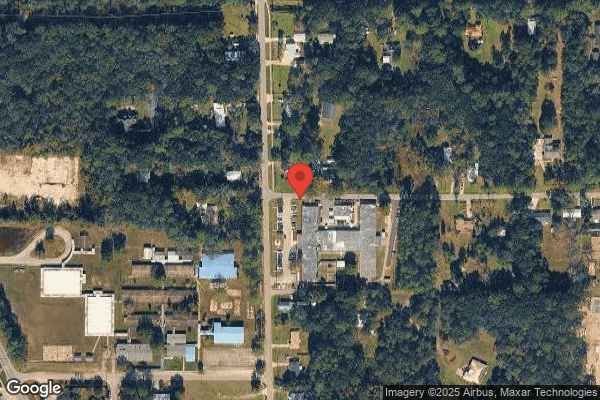
Jun 2024 5 deficiencies
CONCERN (D)

Potential for Harm - no one hurt, but risky conditions existed

Assessment Accuracy (Tag F0641)

Could have caused harm · This affected 1 resident

**NOTE- TERMS IN BRACKETS HAVE BEEN EDITED TO PROTECT CONFIDENTIALITY** Based on record review and interview, the facility failed to ensure assessments accurately reflected the resident's status for 1...

Read full inspector narrative →
**NOTE- TERMS IN BRACKETS HAVE BEEN EDITED TO PROTECT CONFIDENTIALITY** Based on record review and interview, the facility failed to ensure assessments accurately reflected the resident's status for 1 of 5 residents reviewed for discharge, Resident #102. Findings include: Review of Resident #102's admission record showed the resident was admitted to the facility on [DATE] with diagnoses including type II diabetes mellitus, hypertension, osteoarthritis, depression, and anxiety disorder. Review of Resident #102's Discharge summary dated [DATE] showed the discharge date of 5/9/2024 and discharge to assisted living facility. Review of Resident #102's progress note dated 5/9/2024 at 11:00 AM, showed it read, Resident discharged with transport. Resident discharged to [Name of an assisted living facility]. Resident left with no signs of distress. Resident left with all belongings. Resident left with no question comments or concerns per resident. Attempted to call [Name of an assisted living facility] to give report twice. Review of Resident #102's Minimum Data Set (MDS) Discharge Return Not Anticipated assessment dated [DATE] showed the resident was discharged to short-term general hospital. During an interview on 6/11/2024 at 2:41 PM, the MDS Coordinator verified that Resident #102 was inaccurately documented as being discharged to the hospital in the MDS assessment dated [DATE] due to him discharging to an assisted living facility. When a policy on completion of MDS discharge assessments was requested, she stated, We do not have a policy. We follow the RAI [Resident Assessment Instrument].
CONCERN (D)

Potential for Harm - no one hurt, but risky conditions existed

Deficiency F0761 (Tag F0761)

Could have caused harm · This affected 1 resident

3. During an observation on 6/10/2024 at 10:53 AM, Resident #69 was sitting in bed with small plastic cup containing 4 pills on his bedside table. During an interview on 6/10/2024 at 10:54 AM, Residen...

Read full inspector narrative →
3. During an observation on 6/10/2024 at 10:53 AM, Resident #69 was sitting in bed with small plastic cup containing 4 pills on his bedside table. During an interview on 6/10/2024 at 10:54 AM, Resident #69 stated, These are mine to take in an hour. During an interview on 6/10/2024 at 10:30 AM, Staff G, Licensed Practical Nurse (LPN) stated that she had given Resident #69 his meds in the cup. Review of Resident #69's active physician orders as of 6/13/2024 did not reveal a doctor's order for self-administration of medications. Based on observation, interview, and record review, the facility failed to ensure medications were secured in 3 of 5 hallways. Findings include: 1. During an observation on 6/10/2024 at 10:45 AM, Resident #72 had Dorzolamide HCl Solution at his bed side (Photographic evidence obtained). During an interview on 10/6/2024 at 10:45 AM, Resident #72 stated, Those are my eye medications and I use them. During an interview on 6/10/2024 at approximately 11:05 AM, Staff A, Registered Nurse (RN), stated, He [Resident #72] has a doctor's order to keep his medication in his room. I know that he can self-administer his eye drops. Staff A was not able to find an order for Resident #72 to self-administer his eye drops. Staff A stated, There is no order, then he should not have the medication at bedside. During an observation on 6/10/2024 at 12:30 PM, Resident #72 had Dorzolamide HCl Solution at his bedside. During an interview on 6/13/2024 at 7:35 AM, the Director of Nursing (DON) stated, My expectation is for nurses not to leave medications at bedside. My preference is for nurses not to leave medication at all. Review of Resident #72's physician orders did not reveal any order that resident was allowed to self-administer medications. Review of Resident #72's medication list showed Dorzolamide HCI Solution 2% (Instill 1 drop in both eyes two times a day related to absolute glaucoma), and Latanoprost Solution 0.005% (Instill 1 drop in both eyes two times a day related to absolute glaucoma). Review of the facility policy and procedure titled Standards and Guidelines: Medication Storage with the last revision date of 2/21/2023 read, Guidelines . 2. The nursing staff shall be responsible for maintaining medication storage and preparation area in a clean, safe and sanitary manner. 2. During an observation on 6/10/2024 at 10:55 AM, there was a medication cup containing seven pills on Resident #10's overbed table. During an interview on 6/10/2024 at 10:55 AM, Resident #10 stated, I have a pretty good idea of what they [medications] are. I haven't taken them because I don't like taking medicine on an empty stomach. I really don't like taking all of these pills at one time, there are 7 pills here. During an interview on 6/10/2024 at 11:33 AM, Staff F, RN, stated, I was getting his blood pressure and having problems with his wound vac [Vacuum], and I left them. Review of Resident #10's physician orders revealed no order for Resident #10 to self-administer medications. During an interview on 6/13/2024 at 10:50 AM, the DON stated, The nurse would observe the resident taking his meds [regarding expectations for residents with orders to self-administer their oral medications].
CONCERN (D)

Potential for Harm - no one hurt, but risky conditions existed

Food Safety (Tag F0812)

Could have caused harm · This affected 1 resident

Based on observation, interview, and record review, the facility failed to ensure food was stored, labeled, or discarded in the areas of the dietary department's walk-in cooler and the stock/storage r...

Read full inspector narrative →
Based on observation, interview, and record review, the facility failed to ensure food was stored, labeled, or discarded in the areas of the dietary department's walk-in cooler and the stock/storage room. Findings include: During an observation while conducting an initial tour of the kitchen on 6/10/2024 at 9:10 AM with the Dietary Manager (DM), there were one sheet pan with a total of 93 bowls labeled Lemon Gelatin with a use by date of 6/8 in the walk-in cooler, one tray with 70 glasses of iced tea with no type of identifying label or date, one clear container of vegetables with no identifying label, and one large clear container of soup with no identifying label. During an interview on 6/10/2024 at 9:30 AM, the DM confirmed the presence of the outdated gelatin and iced tea and stated that outdated foods should have been discarded. The DM identified the unlabeled containers as one containing peas and carrots and the other containing vegetable soup. The DM stated that the containers should be labeled and dated. During an observation while conducted the follow-up tour of the kitchen on 6/11/2024 at 6:30 AM with the DM, there were on package of hotdog buns with 3 buns remaining in the bag with no open date, one package of hamburger buns with 2 remaining buns with no open date, and an opened bag of sliced bread with 8 remaining slices with no open date. There was one partial container of oil, and one partial container of instant mashed potatoes with no open or use by date in the stock storage room. During an interview on 6/11/2024 at 6:35 AM, the DM stated that the opened bread items should have an opened or use by date and all products should be labeled and dated for storage, or an open date placed on bulk products that have been opened for use. Review of the facility policy and procedure titled Receiving dated October 2019 read, Action Steps . 4. The Dining Services Director or designee ensures that all non-perishable foods and supplies are stored appropriately . 6. All food items will be appropriately labeled and dated either through manufacturer packaging or self notation. Review of the facility policy and procedure titled Food Storage: Cold dated 10/19/2019 read, Action Steps . 6. The Dining Services department is to insure that food/drink items are discarded prior to the expiration date of the item or acceptable time frames for opened and dated items.
CONCERN (D)

Potential for Harm - no one hurt, but risky conditions existed

Medical Records (Tag F0842)

Could have caused harm · This affected 1 resident

**NOTE- TERMS IN BRACKETS HAVE BEEN EDITED TO PROTECT CONFIDENTIALITY** Based on interviews and record reviews, the facility failed to ensure accurate and complete medical records were maintained for ...

Read full inspector narrative →
**NOTE- TERMS IN BRACKETS HAVE BEEN EDITED TO PROTECT CONFIDENTIALITY** Based on interviews and record reviews, the facility failed to ensure accurate and complete medical records were maintained for 1 (Resident #43) of 5 residents reviewed for discharge. Findings include: Review of Resident #43's admission record documented the resident was readmitted on [DATE] with diagnoses including Schizophrenia. Review of Resident #43's progress note authored by the attending physician dated 5/6/2024, documented, History of Present Illness: Patient is a [AGE] year old female with hx [history] of schizophrenia, hyperlipidemia, hypothyroid, chronic back pain, COPD [chronic obstructive pulmonary disease], and colostomy. She was admitted [DATE] for long term care. She is being evaluated due to decline. She was found eating her own feces and unable to sit in her wheelchair. She is responsive to tactile stimuli, would not tolerate IV [intravenous] rehydration. Recommending her to go to hospital for eval [evaluation]. Review of Resident #43's medical record on 6/11/2024 at 2:00 PM revealed there was no documentation related to discharge to the hospital on 5/6/2024 to include transfer form, physician order, change in condition and notification to responsible party. During an interview on 6/11/2024 at 2:20 PM, Staff I, RN, stated, I don't see anything [regarding the transfer in the electronic medical record for Resident #43 from 5/6/2024]. Let me ask [the Director of Nursing (DON)'s name]. During an interview on 6/11/2024 at 4:15 PM, the DON stated, We are working on that [locating transfer/discharge paperwork for Resident #43 from 5/6/2024]. Review of Resident #43's progress notes on 6/12/2024 at 10:50 AM, read, Health Status Note. Late Entry. Upon starting shift CNA [Certified Nursing Assistant] noted that resident was having a change of condition related to acute decline (eating her feces and poor trunk control in wheelchair). [Resident #43's attending physician's name] was in facility and gave a verbal order to send out to the hospital. I began filling out and printing [NAME] [Agency for Health Care Administration] and Ems [Emergency Medical Service] packets along with transfer forms, face sheet, and medication list. I attempted to contact family and left a voicemail. Unit manager and DON were notified. EMS arrived and I ADT'd [ACHA Discharge Transfer [process]] out of the system at 2022 [8:22 PM]. The progress note was signed by Staff H, LPN, on 6/12/2024 at 8:07 AM. During an interview on 6/12/2024 at 1:25 PM, the Regional DON stated, We called the nurse when we discovered the transfer form was not in the computer. He was adamant that he completed it and the EMS and AHCA paperwork. They make 2 packets, 1 for EMS and 1 for the hospital. When I looked in PCC [Point Click Care - electronic medical record system], I can see on the user report that he did the transfer form. You can see he pulled orders, labs, progress notes, and he ADT'd her out of the computer. We have no idea what happened to the form. We can see that it was started, and no one can delete the form. We put in a ticket [work order] to PCC to find out what happened to the form. We know that he completed the form because we have the unit managers check after every discharge or transfer to make sure everything was done. [Staff I, RN's name] would have checked on that the next day. During an interview on 6/13/2024 at 8:05 AM, Staff H, LPN, stated, I [would] create an order for the transfer in PCC. I specify whether it's a telephone or verbal order, print the face sheet, the meds [medications], labs [laboratory results] if done in the last week or two, any imaging, and DNR [Do Not Resuscitate] orders. I [would] fill out the EMS and AHCA packet, two copies, one for the hospital and one for EMS. I [would] get a nurse to assist me if necessary. I might have forgot to place the orders [for Resident #43's transfer to the hospital]. I know I did all the other steps. Right at change of shift, about 7:05 [PM], the CNA came and told me that there had been a change in her [Resident #43's] condition. It was easy to notify the doctor, because [Resident #43's attending physician's name] was in the building. I got an order around 7:15 [PM]. I started doing all the steps, it took about 45 minutes. EMS got here around 8:15 [PM], and I ADT'd her out of the computer around 8:22 [PM]. She was sent to UF [University of Florida Hospital], in Gainesville. During an interview on 6/13/2024 at 8:35 AM, Staff I, RN, stated, I make sure there is an order and the EMS and AHCA packet. EMS won't take them without the packet. On the 7th [of May], I cannot guarantee I checked for the transfer form. During an interview on 6/13/2024 at 11:00 AM, the Regional DON, stated, I couldn't find it [an order for transferring Resident #43]. I am sure the transfer form was done, because you can see he [Staff H, LPN] started one on the user report. Review of the facility policy and procedure titled, Standards and Guidelines: Transfer and Discharge last reviewed on 11/17/23, read, Standard: It is the standard of this facility to provide appropriate transfer and discharge services, documentation that will be included in the medical record, and who is responsible for making the documentation. The facility will allow for sufficient preparation and orientation by informing the resident where he or she is going to take steps to minimize anxiety . Unplanned Discharges/Emergency Transfer to Hospital: 1. When a change in condition or required transfer to the hospital or higher level of care is determined the facility should obtain appropriate transfer orders from the physician. 2. Documentation of the change of condition or required transfer should be reflected in the medical record . 4. Notification of the resident's representative should be denoted in the medical record as is appropriate per resident's capacity and choice, if applicable . 7. Details regarding the transfer from the facility should be documented in the clinical record.
CONCERN (D)

Potential for Harm - no one hurt, but risky conditions existed

Infection Control (Tag F0880)

Could have caused harm · This affected 1 resident

Based on observation, interview, and record review, the facility failed to ensure staff performed hand hygiene during medication administration and failed to ensure the residents' reusable medical equ...

Read full inspector narrative →
Based on observation, interview, and record review, the facility failed to ensure staff performed hand hygiene during medication administration and failed to ensure the residents' reusable medical equipment was properly stored to prevent the possible spread of infection. Findings include: 1. During an observation on 6/12/2024 at 8:00 AM, Staff D, Licensed Practical Nurse (LPN), began preparing Resident #60's medications without performing hand hygiene. Staff D entered the resident's room, did not perform hand hygiene and administered the medications. Staff D, LPN, exited the room, did not perform hand hygiene, returned to the medication cart and began preparing medications for another resident. During an observation on 6/12/2024 at 8:10 AM, Staff D, LPN, did not perform hand hygiene and began preparing Resident #20's medications for administration. Staff D entered Resident #20's room, did not perform hand hygiene, and administered the medications. Staff D exited the resident's room and did not perform hand hygiene. During an interview on 6/12/2024 at 8:20 AM Staff D, LPN, stated, I just forgot. I didn't realize I had to do it [perform hand hygiene] all of those times though. During an interview on 6/12/2024 at 8:40 AM, the Director of Nursing (DON) stated, They use hand sanitizer before they enter the room, when they exit the room, and they should use gloves when they are pulling up medications. Review of the facility policy and procedure titled Standards and Guidelines: Standard Precautions with the last revision date of 1/15/2021 read, Standard . Hand hygiene continues to be the primary means of preventing the transmission of infection. Review of the facility policy and procedure titled Standards and Guidelines: Medication Administration with the last revision date of 1/1/2021 read, Guidelines . 10. Established facility infection procedures (e.g. handwashing, antiseptic technique, gloves, isolation, precautions, etc.) must be followed during the administration of medications. 2. During an observation of Resident #10's room on 6/10/2024 at 10:55 AM, there was a nebulizer on the bedside table. The nebulizer was plugged into the wall with tubing and a face mask attached. The mask was not covered in a bag, and the tubing was not dated. During an observation of Resident #10's room on 6/10/2024 at 1:24 PM, there was a nebulizer on the bedside table with tubing and a mask attached. The mask was uncovered, and the tubing was not dated. During an interview on 6/10/2024 at 1:24 PM, Resident #10 stated, [Staff H, LPN's name] got that [the observed nebulizer] for me because I had a cough, but I've pretty much gotten over it. He said to keep it and use it when I needed it. During an observation of Resident #10's room on 6/11/2024 at 11:28 AM, there was a nebulizer on the bedside table with attached tubing and face mask. The mask was not in a bag and the tubing was not dated. During an observation of Resident #10's room on 6/11/2024 at 3:50 PM, there was a nebulizer on the bedside table. The face mask was located on the floor, not in a bag or covered. During an observation of Resident #10's room on 6/13/2024 at 9:45 AM, there was a nebulizer on the bedside table with the tubing and mask attached. The tubing was not dated, and the mask was uncovered (Photographic evidence obtained). During an interview on 6/13/2024 at 10:50 AM, the DON stated, Tubing needs to be changed weekly and as needed, and it should be dated. The face mask should be in a bag when not in use.
Jul 2023 4 deficiencies 3 IJ
CRITICAL (J) 📢 Someone Reported This

A family member, employee, or ombudsman was alarmed enough to file a formal complaint

Immediate Jeopardy (IJ) - the most serious Medicare violation

Free from Abuse/Neglect (Tag F0600)

Someone could have died · This affected 1 resident

**NOTE- TERMS IN BRACKETS HAVE BEEN EDITED TO PROTECT CONFIDENTIALITY** Based on staff interviews, resident record review, hospital record review, and review of the facility's policies and procedures,...

Read full inspector narrative →
**NOTE- TERMS IN BRACKETS HAVE BEEN EDITED TO PROTECT CONFIDENTIALITY** Based on staff interviews, resident record review, hospital record review, and review of the facility's policies and procedures, the facility failed to ensure residents were free from medical neglect when the facility staff failed to provide adequate supervision when Resident #1 was left outside, inadequately supervised on the facility patio during weather conditions with outside temperatures of 93 degrees Fahrenheit for 3 hours and 31 minutes. The facility's failure to provide supervision for Resident #1 resulted in Resident #1 being found by another resident and brought inside the facility. Resident #1 was found unresponsive, CPR (Cardiac Pulmonary Resuscitation) was initiated, and the resident was transported to the hospital. Resident #1 suffered from cardiac arrest, hyperthermia, 2nd degree burns and had a body temperature of 108.5 Fahrenheit. Resident #1 did not survive. Hyperthermia is defined as dangerously overheated body, usually in response to prolonged, hot, humid weather. Hyperthermia occurs when the body's heat-regulating mechanisms don't work effectively. Older age, certain illnesses, and medications increase the risk of developing hyperthermia. A temperature of 40 °C (104 °F) or higher is life-threatening. Confusion, nausea or vomiting, and rapid breathing are some symptoms. The very young and elderly: Seniors (over 65) and children (especially those under the age of 4) are often more at increased risk of heat-related illness, as they typically tend to be less aware of temperature changes and their bodies generally don't regulate as well. Findings include: Review of the admission record for Resident #1 documented diagnoses to include cerebral infarction due to embolism of unspecified cerebral artery (stroke), type 2 diabetes mellitus with hyperglycemia, chronic obstructive pulmonary disease, hemiplegia (muscle weakness or partial paralysis on one side of the body) and hemiparesis following cerebral infarction affecting right non-dominant side, essential (primary) hypertension (high blood pressure), hypothyroidism, polyneuropathy (nerve damage), atherosclerotic heart disease of native coronary artery without angina pectoris (heart disease), presence of cardiac pacemaker, osteoarthritis, presence of artificial hip joint unilateral, unspecified dementia, acquired absence of right leg above knee, and other seizures. Review of the nursing progress note for Resident #1 dated [DATE] at 6:30 PM authored by Staff C, Licensed Practical Nurse (LPN), read, Pt [Patient] was assisted OOB [out of bed] at 1530 [3:30 PM] into W/C [wheelchair]. Once in W/C pt self propelled himself into courtyard outside of the dining room where he sat with other residents. At 17:50 (5:50 PM), CNA [Certified Nursing Assistant] alerted nursing staff that pt was in the dining room and did not look well. Nursing staff immediately went to pt and he was found with no heart rate, no respirations. Staff immediately lowered pt to the floor and RN [Registered Nurse] and other nursing staff on duty started CPR. I called 911. Paramedics arrived and took over CPR. Pt left via stretcher with paramedics and emts [Sic. Emergency Medical Technicians] at 18:20 [6:20 PM]. I notified pt's daughter [Resident #1's Daughter's name]. I notified pt's friend [Resident #1's Friend's name] as well. Provider notified. Review of the nursing progress note for Resident #1 dated [DATE] at 4:21 PM authored by Staff C, LPN, read, Late entry for [DATE] @ [at] 1830 (6:30 PM]; Resident was assisted out of bed at approximately 1400 [2:00 PM]. Review of Code Blue Form for Resident #1 dated [DATE] at 6:30 PM read, A. Chain of Events: Date/Time of Respiratory/Cardiac Arrest: [DATE] 17:50 [5:50 PM] . 2a. Code Blue Called: [DATE] 17:51 [5:51 PM], 2b. Code Status Verified: [DATE] 17:51 [5:51 PM], 2c. 911 Called: [DATE] 17:51 [5:51 PM], 2d. CPR Initiated: [DATE] 17:53 [5:53 PM], 2e. EMS [Emergency Medical Service] arrival: 0000 [Sic.], 3. Resident Transferred To: HCA [Hospital Corporation of America] [NAME]. Review of the facility's video footage on [DATE] at 1:00 PM with the Administrator and Regional Nurse Consultant showed on [DATE] at 2:19:43 PM, Resident #1 entered the patio in shorts and sleeveless shirt in his wheelchair with shoe on his left foot and sat in the sunshine. Staff A, CNA, was present on the patio during smoking time when the resident went outside. On [DATE] at 2:27:07 PM, Staff A, CNA, left the outside patio and returned to the building with the smoking cart. On [DATE] at 2:31:05 PM, Staff A, CNA, entered the patio and handed a drink to a resident. Staff A had no interaction with Resident #1 and left the patio again at 2:31:35 PM. On [DATE] at 2:32 PM, Resident #1 wheeled himself under the covered gazebo with 2-3 other residents and sat in the shaded area. On [DATE] at 2:48:28 PM, an unknown staff member entered the area and exited within 20 seconds. There was no interaction with any resident on the video. On [DATE], Resident #1 remains on the patio until 3:40 PM under the shaded gazebo. On [DATE] at 3:40:25 PM, Resident #1 moved out to the sunny area nearer to the automatic doorway entrance to the facility. On [DATE] at 4:08:31 PM, Staff A entered the smoking area with the smoking cart, handed cigarettes to the residents who were smokers. Staff A did not interact with Resident #1. On [DATE] at 4:40 PM, Staff A left the smoking area with cart and did not interact with Resident #1. On [DATE] between 4:40 PM and 5:50 PM, there were no facility staff present in the smoking area. On [DATE] at 5:49:14 PM, a resident entered the patio, walked past Resident #1, immediately returned to Resident #1, and began to wheel Resident #1 inside the door of the facility. On [DATE] at 5:50 PM, Resident #1 was wheeled completely into the facility and out of the video view. Review of the local hospital's Emergency Provider Report for Resident #1 dated [DATE] at 7:16 PM read, HPI [History of Present Illness]-Cardiac Arrest . Presentation: Chief Complaint: Cardiac arrest, Found dwn [down], Found unresponsive. Measures Prior to Arrival: Patient found unresponsive in cardiac arrest by another resident of the nursing home, patient was on asystole for unknown period of time. Down Time Prior to EMS: Unknown. Total Time Arrest to Arrival: Unknown. Arrest Circumstances: Unwitnessed arrest, Asystole in field, Asystole in ED, Ongoing CPR on arrival, No resp (response) to EMS interven [intervention]. Context: Resuscitation. Initial rhythm asystole, Orotracheal inubation [Sic. intubation], Epinephrine IV [Intravenously] x 3, bicarbonate 1 amp [ampule]. Reason for ED Visit: cardiac arrest. Hx [History] Obtained From: EMS. Onset Occurred: Sudden. Symptom Duration: Since onset, Brief, Constant. Progression since Onset: Unchanged, Constant. Context of Onset: Exposure, Environmental, Hyperthermia. Location: Back, Chest R [Right], Chest L [Left]. Quality. Unable to verbalize . Focused PE [Physical Examination]: General/Const [Constitutional]: Arrived to emergency room via EMS ground [NAME] County from the nursing home, CPR in progress, patient was oral intubated and bagging by a paramedic, cardiac monitor show systole on arrival. No pulse was palpable, the patient temperature rectal was 108.5 [degree Fahrenheit]. MS Head: Head: Atraumatic, Normocephalic. Eyes: Pupil dilated bilateral no reactive to light stimuli and fixed. Resp [Respiratory]/Chest: Oral intubation. Cardiovascular: Cardiovascular Asystole. Skin: Skin Back blisters on the superior aspect of his back most likely secondary to 2 degree [Sic.] burns, the skin was easy peel with the fingers. Also, on his lateral neck. Neurologic: Neurologic No reflex . Free Text MDM [Medical Decision Making] Notes: [AGE] years old male came to the emergency department via EMS ground [NAME] County part of the information was obtained from the paramedics and nursing home history. According to the paramedics the patient was outside for unknown period of time. Patient was found by another resident and push inside at that time. The patient was already on cardiac arrest. Nobody knows for how long the patient was down. Nursing home personnel started CPR and called EMS. They started CPR around 17:50 [5:50 PM] and transfer the patient to the ER where we stop the CPR and pronounced the patient at 18:31 [6:31 PM] after more than 41 minutes of asystole. The patient never had a palpable pulse during the 41 minutes of CPR. We noticed during the resuscitation that the patient was very hot and we checked a rectal temperature that was 108.5, and we also noted that the patient had blisters and some evidence of skin damage secondary to the heat over the superior back area. The Coroner 's Office was notify [Sic.] about the findings on this patient. MDM-Complexity: Differential Diagnosis: Cardiac arrest, electrolyte abnormality, hypertension, hyperthermia, respiratory arrest, cardiac arrhythmia, PE [Pulmonary Embolism]. Patient Discharge & Departure. Vital Signs/ Condition. Vital Signs: First Documented: Temp [Temperature] Result: 42.5 [degree Celsius, equal to 108.5 Fahrenheit], Date: 07/19, Time 1830 [6:30 PM] . Condition: deceased . Clinical Impression: Primary Impression: Cardiac arrest. Secondary Impression: Hyperthermia. Time of Impression: 1831 [6:31 PM]. Disposition Decision. Time: 1831, Date: [DATE], deceased : Yes. During an interview on [DATE] at 9:15 AM, the Administrator stated, We have 2 areas, which residents can go outside. Although he [Resident #1] was not a smoker, he would go out to the smokers' side and socialize. We did review the video from that day and developed a timeline of the events that day. Staff were assigned to that area, but they did not really have the responsibility to monitor everyone in the area. Staff are assigned to the smoking times; they weren't responsible to make sure residents came inside at any given time. There is always a water cooler available for drinks out there, a covered area and fans out in that area. It was not unusual for him to nap frequently, and he was observed wheeling himself out of the covered area to the sun and fell asleep and the staff did not wake him. No one took the initiative to ask or wake him up because it was common for him to take naps. The staff were concerned with resident rights and didn't think about telling residents to come in. The high temperature that day was 93 and the resident was out in the area from almost 2 to almost 6 PM when another resident found him unresponsive. We should have evaluated any environmental concerns before this occurred. During a telephone interview on [DATE] at 11:00 AM, Staff F, LPN, stated, I did respond to the code. I was at the nurse's station when another resident came up to me and said, I don't think he's breathing. I began walking towards the resident and into the dining room and saw [Resident #1's name] and didn't find a pulse. We wheeled him to the hallway and immediately someone started CPR after he was on the floor. He was very warm when I checked his pulse. I did not see anything except his right arm was red and maybe I think had an abrasion. We are supposed to check on all residents and round in the patios every hour to make sure the residents don't need anything. During an interview on [DATE] at 12:00 PM, Staff A, CNA, stated, I'm not assigned to residents, and I deal with smoking breaks until about 4:30 PM. [Resident #1's name] was not a smoker, but was outside frequently to talk to the other residents. I am supposed to hand out and light cigarettes and make sure they are awake, and safe while smoking, that they don't bring any cigarettes or lighters in with them. [Resident #1's name] was usually talking with other residents when he went out there. He would fall asleep sometimes. I wouldn't necessarily wake someone up. Before I leave to go back inside, I will ask if everyone is okay or do they need anything. He had a drink with him. He always had a drink with him. He appeared to be asleep the last time I went by him. I did not wake him up. It was very hot that day in the mid-nineties. He was sitting in the sun. I really just didn't think about it. I didn't see anything unusual. I didn't really know how long he was out there for I am only out there for a half hour with the smokers. I didn't know he had never gone inside that day. During an interview on [DATE] at 12:20 PM, Staff D, RN, stated, I was working on 200 hall and was getting ready to give meds when I heard my name and that they needed help in the dining room. When I got to the dining room, he [Resident #1] was unresponsive. I confirmed he didn't have a pulse and initiated CPR, while another nurse called 911. I did CPR until the paramedics arrived. He was very warm to touch. I really didn't notice anything else. I can't tell you if he was sunburned. I have worked with him in the past. He would get up later in the day, get a Starbucks coffee, spent time watching TV and went outside to socialize. He would take cat naps in his chair. There was no system really in place to make sure that when residents are outside they go inside frequently. We should have been offering residents drinks and water when they go outside. Most of us are aware that the elderly can dehydrate more quickly. There was not a system of anyone responsible to round on the residents when they were on the patio. But we all should make sure our residents have been evaluated at least every 2 hours if not more. There are assigned smoking times and that's the only time that staff are assigned to see the residents. During a telephone interview on [DATE] at 1:20 PM, Staff B, CNA, stated, He [Resident #1] was a quiet resident. I understood what he was saying. He was easy to work with. That day, he was okay. It was a busy day. He had been sleepy that morning and wanted to get up later in the morning. I got him up in his chair, and he went about on his way. He liked being outside and so I noticed he was outside and, in his chair. Hours later, there was a Code Blue and they were doing CPR. We are supposed to check on patients as frequently as we can. He really liked being outside. I went out every 2 hours and checked on him. He was fine. I think the last time I checked him was around 4 o'clock. During an interview on [DATE] at 8:25 AM, the Director of Nursing (DON) stated, All smoking is supervised smoking, and we have staff go monitor the area during smoking times. The area is not staffed outside of designated smoking times. The activities CNA [Staff A] should have been offering residents drinks, the assigned CNA [Staff B] should have rounded on him even if he was outside. He was alert and oriented. We just didn't think that this would happen. His routine was to go in and out. But we did not have constant supervision and we should have. We just didn't think about something like this happening. During an interview on [DATE] at 8:40 AM, the Medical Director stated, I have been the Medical Director here for the last 5-6 years. I think we should have assessed any weather readiness and should have recognized the implications of heat for the elderly with multiple disease states and medications that have adverse effects related to heat. Reminders should have been done with staff related to the high temperatures we have been having. Any elderly resident with lung disease, vascular disorders, diabetes should be monitored and assessed for dehydration. We absolutely should have evaluated our facility and done an assessment to determine what we should do in extreme weather. During a telephone interview on [DATE] at 2:00 PM, Staff C, LPN, stated, I was his nurse that day, when about 6 o'clock, one of the CNAs ran to get nurses and said that [Resident #1's name] had no respirations or heart rate. I ran to the dining room. We moved him to the hall and got him out of the chair onto the floor and [Staff D's name] started CPR. We should be seeing our residents every 2 hours, at least every 2 hours. Normally he liked to be outside. He was behaving normally that day. He normally was a late riser, but he was a little later than normal. I did not round on him, and I can't really say how long he was outside for. He was warm to touch when I brought him inside. I don't remember if he had a sunburn. Everything happened so fast once we realized he didn't have a pulse. During an interview on [DATE] at 8:05 AM, the Administrator stated, I was unaware of any weather advisories that were issued for that day. It is normal for temperatures to be in the low to mid 90's in July. We did not have a process in place to notify staff of safety procedures for heat prior to this event. During an interview on [DATE] at 8:30 AM, the DON stated, I was not aware of the predicted high temperatures or any weather advisories. None came over my telephone. Prior to this, we would notify staff of severe weather such as thunderstorms, if severe heat advisories were issued, tornados, upcoming hurricanes. But we did not have a system in place for notifying of daily temperatures. During an interview on [DATE] at 1:45 PM, Staff A, CNA, stated, I was not aware of the temperatures forecasted for that day. We did not have any daily announcement of temperatures. We did not have any real policy that we needed to ask residents to drink or get them water before this happened. Review of the policy and procedure titled Standard and Guidelines: SG Accidents and Supervision with implementation and revision dates of [DATE] read, Standard: The resident environment will remain as free of accident hazards as is possible. Each resident will receive adequate supervision and assistive devices to prevent accidents. This includes: 1. Identifying hazard(s) and risk(s). 2. Evaluating and analyzing hazard(s) and risk(s). 3. Implementing interventions to reduce hazard(s) and risk(s). 4. Monitoring for effectiveness and modifying interventions when necessary. Definitions: Accident refers to any unexpected or unintentional incident, which result in injury or illness to a resident. Environment refers to any environment or area in the facility that is frequented by or accessible to residents, including (but not limited to) the residents' rooms, bathrooms, hallways, dining areas, lobby, outdoor patios, therapy areas, and activity areas . Risk refers to any external factor, facility characteristic (e.g. staffing or physical environment) or characteristic of an individual resident that influences the likelihood of an accident. Supervision/Adequate Supervision refers to intervention and means of mitigating risk of an accident. Guidelines: The facility shall establish and utilize a systematic approach to address resident risk and environmental hazards to minimize the likelihood of accidents. 1. Identification of Hazards and Risks- the process through which the facility becomes aware of potential hazards in the resident environment and the risk of a resident having an avoidable accident. a. The facility shall make a reasonable effort to identify the hazards and risk factors for each resident. b. Various sources provide information about hazards and risks in the resident environment. c. These sources may include, but are not limited to: i. quality assessment and assurance (QAA) activities, ii. environmental rounds, iii. MDS/CAA [Minimum Data Set/ Care Area Assessment] data, iv. medical history, v. physical exam, vi. facility assessment, vii. individual observation. 2. Evaluation and Analysis- the process of examining data to identify specific hazards and risks and to develop targeted interventions to reduce the potential for accidents. Interdisciplinary involvement is a critical component of this process. a. Both the facility-centered and resident-directed approaches include evaluating hazard and accident risk data, which includes prior accidents/incidents, analyzing potential causes for each hazard and accident risk, and identifying or developing interventions based on the severity of the hazards and immediacy of risk. 3. Implementation of Interventions- using specific interventions to try to reduce a resident's risks from hazards in the environment. The process includes: a. Communicating the interventions to all relative staff, b. Providing training as needed, c. Documenting interventions (e.g. plans of action developed by the Quality Assurance Committee or care plans for the individual resident), d. Ensuring that the interventions are put into action, e. Facility-based interventions may include but are not limited to: i. educating staff, ii. repairing the device/equipment, iii. developing or revising policies and procedures. F. Resident-directed approaches may include: i. implementing specific interventions as part of the care plan, ii. supervising staff and residents, etc., iii. facility records document the implementation of these interventions . 5. Supervision- Supervision is an intervention and a means of mitigating accident risk. The facility will provide adequate supervision to prevent accidents. Adequacy of supervision: a. Defined by type and frequency, b. Based on the individual resident's assessed needs and identified hazards in the resident environment. Review of the policy and procedures titled Standards and Guidelines: ANE [Abuse, Neglect, Exploitation] and Investigations with an implementation date of [DATE] and last revision date of [DATE] read, Standards: It will be the standard of this facility honor residents' rights and to address with employees the seven (7) components regarding mistreatment, abuse, neglect, sexual misconduct, injuries of unknown source, involuntary seclusion, corporal punishment, misappropriation of resident property or funds or use of physical or chemical restraint not required to treat the resident's symptoms in accordance with Federal law. It will be the standard of this facility to ensure that all alleged violations of Federal or State laws, which involve mistreatment, neglect, abuse (verbal, mental, physical or sexual), injuries of undetermined source, involuntary seclusion, corporal punishment, misappropriation of resident property or funds or use or [Sic.] physical or chemical restraint not in accordance with regulation to treat resident's symptoms be reported immediately to the administrator/DNS [Director of Nursing Services]/designee. Appropriate agencies will be notified in accordance with existing laws. Definitions . Neglect is the failure of the facility, its employees or service providers to provide goods and services to a resident that are necessary to avoid physical harm, pain, mental anguish, or emotional distress. The Immediate Jeopardy was removed on site on [DATE], after the receipt of an acceptable immediate jeopardy removal plan. The survey team verified the facility's action for removal of immediacy to prevent the likelihood of harm and/or death as evidenced by the following: On [DATE], the facility conducted a facility-wide audit of all residents to identify possible injury or harm from heat related concerns with skin and dehydration assessments. On [DATE], the facility conducted an Ad Hoc [When necessary or needed] QAPI [Quality Assurance and Performance Improvement] meeting to discuss and review the allegation of neglect, and inadequate supervision and conducted a root cause analysis. On [DATE], the Administrator completed an inspection of the patio and courtyard areas to ensure that adequate shaded areas, hydration stations and fans are available and the residents were adequately supervised while on the patio. On [DATE], the Chief Clinical Officer (COO) provided education and training to the Administrator, the DON, and the IDT [Interdisciplinary Team]/management team related to supervision of staff and residents, prevention of neglect, and systemic changes to be implemented. On [DATE], the facility completed a quality lookback audit for all residents who were transferred to hospital or who expired in the facility for the previous 45 days. On [DATE], the facility initiated posting of signage of expected temperatures and weather conditions at the exit doors of the patio, front exit door and on the activities calendars. On [DATE], overhead announcements were initiated three times daily for weather conditions including expected high temperatures. On [DATE] and [DATE], the facility provided training on neglect, accidents, adequate supervision, hyperthermia, dehydration, and heat-related illnesses for 82 out of 83 nursing and activities staff. The survey team observed the posted signage, heard the overhead weather announcement twice daily, reviewed the facility-wide audit of residents, root cause analysis, and staff and administrative staff training records, and interviewed 21 CNAs, 8 LPNs, 2 RNS, and Activities Director for the knowledge to prevent future reoccurrence.
CRITICAL (J) 📢 Someone Reported This

A family member, employee, or ombudsman was alarmed enough to file a formal complaint

Immediate Jeopardy (IJ) - the most serious Medicare violation

Accident Prevention (Tag F0689)

Someone could have died · This affected 1 resident

**NOTE- TERMS IN BRACKETS HAVE BEEN EDITED TO PROTECT CONFIDENTIALITY** Based on staff interviews, resident record review, hospital record review, and review of the facility's policies and procedures,...

Read full inspector narrative →
**NOTE- TERMS IN BRACKETS HAVE BEEN EDITED TO PROTECT CONFIDENTIALITY** Based on staff interviews, resident record review, hospital record review, and review of the facility's policies and procedures, the facility failed to ensure residents were provided adequate supervision when Resident #1 was left outside, inadequately supervised on the facility patio during weather conditions with outside temperatures of 93 degrees Fahrenheit for 3 hours and 31 minutes. The facility's failure to provide supervision for Resident #1 resulted in Resident #1 being found by another resident and brought inside the facility. Resident #1 was found unresponsive, CPR (Cardiac Pulmonary Resuscitation) was initiated, and the resident was transported to the hospital. Resident #1 suffered from cardiac arrest, hyperthermia, 2nd degree burns and had a body temperature of 108.5 Fahrenheit. Resident #1 did not survive. Hyperthermia is defined as dangerously overheated body, usually in response to prolonged, hot, humid weather. Hyperthermia occurs when the body's heat-regulating mechanisms don't work effectively. Older age, certain illnesses, and medications increase the risk of developing hyperthermia. A temperature of 40 °C (104 °F) or higher is life-threatening. Confusion, nausea or vomiting, and rapid breathing are some symptoms. The very young and elderly: Seniors (over 65) and children (especially those under the age of 4) are often more at increased risk of heat-related illness, as they typically tend to be less aware of temperature changes and their bodies generally don't regulate as well. Findings include: Review of the admission record for Resident #1 documented diagnoses to include cerebral infarction due to embolism of unspecified cerebral artery (stroke), type 2 diabetes mellitus with hyperglycemia, chronic obstructive pulmonary disease, hemiplegia (muscle weakness or partial paralysis on one side of the body) and hemiparesis following cerebral infarction affecting right non-dominant side, essential (primary) hypertension (high blood pressure), hypothyroidism, polyneuropathy (nerve damage), atherosclerotic heart disease of native coronary artery without angina pectoris (heart disease), presence of cardiac pacemaker, osteoarthritis, presence of artificial hip joint unilateral, unspecified dementia, acquired absence of right leg above knee, and other seizures. Review of the nursing progress note for Resident #1 dated [DATE] at 6:30 PM authored by Staff C, Licensed Practical Nurse (LPN), read, Pt [Patient] was assisted OOB [out of bed] at 1530 [3:30 PM] into W/C [wheelchair]. Once in W/C pt self propelled himself into courtyard outside of the dining room where he sat with other residents. At 17:50 (5:50 PM), CNA [Certified Nursing Assistant] alerted nursing staff that pt was in the dining room and did not look well. Nursing staff immediately went to pt and he was found with no heart rate, no respirations. Staff immediately lowered pt to the floor and RN [Registered Nurse] and other nursing staff on duty started CPR. I called 911. Paramedics arrived and took over CPR. Pt left via stretcher with paramedics and emts [Sic. Emergency Medical Technicians] at 18:20 [6:20 PM]. I notified pt's daughter [Resident #1's Daughter's name]. I notified pt's friend [Resident #1's Friend's name] as well. Provider notified. Review of the nursing progress note for Resident #1 dated [DATE] at 4:21 PM authored by Staff C, LPN, read, Late entry for [DATE] @ [at] 1830 (6:30 PM]; Resident was assisted out of bed at approximately 1400 [2:00 PM]. Review of Code Blue Form for Resident #1 dated [DATE] at 6:30 PM read, A. Chain of Events: Date/Time of Respiratory/Cardiac Arrest: [DATE] 17:50 [5:50 PM] . 2a. Code Blue Called: [DATE] 17:51 [5:51 PM], 2b. Code Status Verified: [DATE] 17:51 [5:51 PM], 2c. 911 Called: [DATE] 17:51 [5:51 PM], 2d. CPR Initiated: [DATE] 17:53 [5:53 PM], 2e. EMS [Emergency Medical Service] arrival: 0000 [Sic.], 3. Resident Transferred To: HCA [Hospital Corporation of America] [NAME]. Review of the facility's video footage on [DATE] at 1:00 PM with the Administrator and Regional Nurse Consultant showed on [DATE] at 2:19:43 PM, Resident #1 entered the patio in shorts and sleeveless shirt in his wheelchair with shoe on his left foot and sat in the sunshine. Staff A, CNA, was present on the patio during smoking time when the resident went outside. On [DATE] at 2:27:07 PM, Staff A, CNA, left the outside patio and returned to the building with the smoking cart. On [DATE] at 2:31:05 PM, Staff A, CNA, entered the patio and handed a drink to a resident. Staff A had no interaction with Resident #1 and left the patio again at 2:31:35 PM. On [DATE] at 2:32 PM, Resident #1 wheeled himself under the covered gazebo with 2-3 other residents and sat in the shaded area. On [DATE] at 2:48:28 PM, an unknown staff member entered the area and exited within 20 seconds. There was no interaction with any resident on the video. On [DATE], Resident #1 remains on the patio until 3:40 PM under the shaded gazebo. On [DATE] at 3:40:25 PM, Resident #1 moved out to the sunny area nearer to the automatic doorway entrance to the facility. On [DATE] at 4:08:31 PM, Staff A entered the smoking area with the smoking cart, handed cigarettes to the residents who were smokers. Staff A did not interact with Resident #1. On [DATE] at 4:40 PM, Staff A left the smoking area with cart and did not interact with Resident #1. On [DATE] between 4:40 PM and 5:50 PM, there were no facility staff present in the smoking area. On [DATE] at 5:49:14 PM, a resident entered the patio, walked past Resident #1, immediately returned to Resident #1, and began to wheel Resident #1 inside the door of the facility. On [DATE] at 5:50 PM, Resident #1 was wheeled completely into the facility and out of the video view. Review of the local hospital's Emergency Provider Report for Resident #1 dated [DATE] at 7:16 PM read, HPI [History of Present Illness]-Cardiac Arrest . Presentation: Chief Complaint: Cardiac arrest, Found dwn [down], Found unresponsive. Measures Prior to Arrival: Patient found unresponsive in cardiac arrest by another resident of the nursing home, patient was on asystole for unknown period of time. Down Time Prior to EMS: Unknown. Total Time Arrest to Arrival: Unknown. Arrest Circumstances: Unwitnessed arrest, Asystole in field, Asystole in ED, Ongoing CPR on arrival, No resp (response) to EMS interven [intervention]. Context: Resuscitation. Initial rhythm asystole, Orotracheal inubation [Sic. intubation], Epinephrine IV [Intravenously] x 3, bicarbonate 1 amp [ampule]. Reason for ED Visit: cardiac arrest. Hx [History] Obtained From: EMS. Onset Occurred: Sudden. Symptom Duration: Since onset, Brief, Constant. Progression since Onset: Unchanged, Constant. Context of Onset: Exposure, Environmental, Hyperthermia. Location: Back, Chest R [Right], Chest L [Left]. Quality. Unable to verbalize . Focused PE [Physical Examination]: General/Const [Constitutional]: Arrived to emergency room via EMS ground [NAME] County from the nursing home, CPR in progress, patient was oral intubated and bagging by a paramedic, cardiac monitor show systole on arrival. No pulse was palpable, the patient temperature rectal was 108.5 [degree Fahrenheit]. MS Head: Head: Atraumatic, Normocephalic. Eyes: Pupil dilated bilateral no reactive to light stimuli and fixed. Resp [Respiratory]/Chest: Oral intubation. Cardiovascular: Cardiovascular Asystole. Skin: Skin Back blisters on the superior aspect of his back most likely secondary to 2 degree [Sic.] burns, the skin was easy peel with the fingers. Also, on his lateral neck. Neurologic: Neurologic No reflex . Free Text MDM [Medical Decision Making] Notes: [AGE] years old male came to the emergency department via EMS ground [NAME] County part of the information was obtained from the paramedics and nursing home history. According to the paramedics the patient was outside for unknown period of time. Patient was found by another resident and push inside at that time. The patient was already on cardiac arrest. Nobody knows for how long the patient was down. Nursing home personnel started CPR and called EMS. They started CPR around 17:50 [5:50 PM] and transfer the patient to the ER where we stop the CPR and pronounced the patient at 18:31 [6:31 PM] after more than 41 minutes of asystole. The patient never had a palpable pulse during the 41 minutes of CPR. We noticed during the resuscitation that the patient was very hot and we checked a rectal temperature that was 108.5, and we also noted that the patient had blisters and some evidence of skin damage secondary to the heat over the superior back area. The Coroner 's Office was notify [Sic.] about the findings on this patient. MDM-Complexity: Differential Diagnosis: Cardiac arrest, electrolyte abnormality, hypertension, hyperthermia, respiratory arrest, cardiac arrhythmia, PE [Pulmonary Embolism]. Patient Discharge & Departure. Vital Signs/ Condition. Vital Signs: First Documented: Temp [Temperature] Result: 42.5 [degree Celsius, equal to 108.5 Fahrenheit], Date: 07/19, Time 1830 [6:30 PM] . Condition: deceased . Clinical Impression: Primary Impression: Cardiac arrest. Secondary Impression: Hyperthermia. Time of Impression: 1831 [6:31 PM]. Disposition Decision. Time: 1831, Date: [DATE], deceased : Yes. During an interview on [DATE] at 9:15 AM, the Administrator stated, We have 2 areas, which residents can go outside. Although he [Resident #1] was not a smoker, he would go out to the smokers' side and socialize. We did review the video from that day and developed a timeline of the events that day. Staff were assigned to that area, but they did not really have the responsibility to monitor everyone in the area. Staff are assigned to the smoking times; they weren't responsible to make sure residents came inside at any given time. There is always a water cooler available for drinks out there, a covered area and fans out in that area. It was not unusual for him to nap frequently, and he was observed wheeling himself out of the covered area to the sun and fell asleep and the staff did not wake him. No one took the initiative to ask or wake him up because it was common for him to take naps. The staff were concerned with resident rights and didn't think about telling residents to come in. The high temperature that day was 93 and the resident was out in the area from almost 2 to almost 6 PM when another resident found him unresponsive. We should have evaluated any environmental concerns before this occurred. During a telephone interview on [DATE] at 11:00 AM, Staff F, LPN, stated, I did respond to the code. I was at the nurse's station when another resident came up to me and said, I don't think he's breathing. I began walking towards the resident and into the dining room and saw [Resident #1's name] and didn't find a pulse. We wheeled him to the hallway and immediately someone started CPR after he was on the floor. He was very warm when I checked his pulse. I did not see anything except his right arm was red and maybe I think had an abrasion. We are supposed to check on all residents and round in the patios every hour to make sure the residents don't need anything. During an interview on [DATE] at 12:00 PM, Staff A, CNA, stated, I'm not assigned to residents, and I deal with smoking breaks until about 4:30 PM. [Resident #1's name] was not a smoker, but was outside frequently to talk to the other residents. I am supposed to hand out and light cigarettes and make sure they are awake, and safe while smoking, that they don't bring any cigarettes or lighters in with them. [Resident #1's name] was usually talking with other residents when he went out there. He would fall asleep sometimes. I wouldn't necessarily wake someone up. Before I leave to go back inside, I will ask if everyone is okay or do they need anything. He had a drink with him. He always had a drink with him. He appeared to be asleep the last time I went by him. I did not wake him up. It was very hot that day in the mid-nineties. He was sitting in the sun. I really just didn't think about it. I didn't see anything unusual. I didn't really know how long he was out there for I am only out there for a half hour with the smokers. I didn't know he had never gone inside that day. During an interview on [DATE] at 12:20 PM, Staff D, RN, stated, I was working on 200 hall and was getting ready to give meds when I heard my name and that they needed help in the dining room. When I got to the dining room, he [Resident #1] was unresponsive. I confirmed he didn't have a pulse and initiated CPR, while another nurse called 911. I did CPR until the paramedics arrived. He was very warm to touch. I really didn't notice anything else. I can't tell you if he was sunburned. I have worked with him in the past. He would get up later in the day, get a Starbucks coffee, spent time watching TV and went outside to socialize. He would take cat naps in his chair. There was no system really in place to make sure that when residents are outside they go inside frequently. We should have been offering residents drinks and water when they go outside. Most of us are aware that the elderly can dehydrate more quickly. There was not a system of anyone responsible to round on the residents when they were on the patio. But we all should make sure our residents have been evaluated at least every 2 hours if not more. There are assigned smoking times and that's the only time that staff are assigned to see the residents. During a telephone interview on [DATE] at 1:20 PM, Staff B, CNA, stated, He [Resident #1] was a quiet resident. I understood what he was saying. He was easy to work with. That day, he was okay. It was a busy day. He had been sleepy that morning and wanted to get up later in the morning. I got him up in his chair, and he went about on his way. He liked being outside and so I noticed he was outside and, in his chair. Hours later, there was a Code Blue and they were doing CPR. We are supposed to check on patients as frequently as we can. He really liked being outside. I went out every 2 hours and checked on him. He was fine. I think the last time I checked him was around 4 o'clock. During an interview on [DATE] at 8:25 AM, the Director of Nursing (DON) stated, All smoking is supervised smoking, and we have staff go monitor the area during smoking times. The area is not staffed outside of designated smoking times. The activities CNA [Staff A] should have been offering residents drinks, the assigned CNA [Staff B] should have rounded on him even if he was outside. He was alert and oriented. We just didn't think that this would happen. His routine was to go in and out. But we did not have constant supervision and we should have. We just didn't think about something like this happening. During an interview on [DATE] at 8:40 AM, the Medical Director stated, I have been the Medical Director here for the last 5-6 years. I think we should have assessed any weather readiness and should have recognized the implications of heat for the elderly with multiple disease states and medications that have adverse effects related to heat. Reminders should have been done with staff related to the high temperatures we have been having. Any elderly resident with lung disease, vascular disorders, diabetes should be monitored and assessed for dehydration. We absolutely should have evaluated our facility and done an assessment to determine what we should do in extreme weather. During a telephone interview on [DATE] at 2:00 PM, Staff C, LPN, stated, I was his nurse that day, when about 6 o'clock, one of the CNAs ran to get nurses and said that [Resident #1's name] had no respirations or heart rate. I ran to the dining room. We moved him to the hall and got him out of the chair onto the floor and [Staff D's name] started CPR. We should be seeing our residents every 2 hours, at least every 2 hours. Normally he liked to be outside. He was behaving normally that day. He normally was a late riser, but he was a little later than normal. I did not round on him, and I can't really say how long he was outside for. He was warm to touch when I brought him inside. I don't remember if he had a sunburn. Everything happened so fast once we realized he didn't have a pulse. During an interview on [DATE] at 8:05 AM, the Administrator stated, I was unaware of any weather advisories that were issued for that day. It is normal for temperatures to be in the low to mid 90's in July. We did not have a process in place to notify staff of safety procedures for heat prior to this event. During an interview on [DATE] at 8:30 AM, the DON stated, I was not aware of the predicted high temperatures or any weather advisories. None came over my telephone. Prior to this, we would notify staff of severe weather such as thunderstorms, if severe heat advisories were issued, tornados, upcoming hurricanes. But we did not have a system in place for notifying of daily temperatures. During an interview on [DATE] at 1:45 PM, Staff A, CNA, stated, I was not aware of the temperatures forecasted for that day. We did not have any daily announcement of temperatures. We did not have any real policy that we needed to ask residents to drink or get them water before this happened. Review of the policy and procedure titled Standard and Guidelines: SG Accidents and Supervision with implementation and revision dates of [DATE] read, Standard: The resident environment will remain as free of accident hazards as is possible. Each resident will receive adequate supervision and assistive devices to prevent accidents. This includes: 1. Identifying hazard(s) and risk(s). 2. Evaluating and analyzing hazard(s) and risk(s). 3. Implementing interventions to reduce hazard(s) and risk(s). 4. Monitoring for effectiveness and modifying interventions when necessary. Definitions: Accident refers to any unexpected or unintentional incident, which result in injury or illness to a resident. Environment refers to any environment or area in the facility that is frequented by or accessible to residents, including (but not limited to) the residents' rooms, bathrooms, hallways, dining areas, lobby, outdoor patios, therapy areas, and activity areas . Risk refers to any external factor, facility characteristic (e.g. staffing or physical environment) or characteristic of an individual resident that influences the likelihood of an accident. Supervision/Adequate Supervision refers to intervention and means of mitigating risk of an accident. Guidelines: The facility shall establish and utilize a systematic approach to address resident risk and environmental hazards to minimize the likelihood of accidents. 1. Identification of Hazards and Risks- the process through which the facility becomes aware of potential hazards in the resident environment and the risk of a resident having an avoidable accident. a. The facility shall make a reasonable effort to identify the hazards and risk factors for each resident. b. Various sources provide information about hazards and risks in the resident environment. c. These sources may include, but are not limited to: i. quality assessment and assurance (QAA) activities, ii. environmental rounds, iii. MDS/CAA [Minimum Data Set/ Care Area Assessment] data, iv. medical history, v. physical exam, vi. facility assessment, vii. individual observation. 2. Evaluation and Analysis- the process of examining data to identify specific hazards and risks and to develop targeted interventions to reduce the potential for accidents. Interdisciplinary involvement is a critical component of this process. a. Both the facility-centered and resident-directed approaches include evaluating hazard and accident risk data, which includes prior accidents/incidents, analyzing potential causes for each hazard and accident risk, and identifying or developing interventions based on the severity of the hazards and immediacy of risk. 3. Implementation of Interventions- using specific interventions to try to reduce a resident's risks from hazards in the environment. The process includes: a. Communicating the interventions to all relative staff, b. Providing training as needed, c. Documenting interventions (e.g. plans of action developed by the Quality Assurance Committee or care plans for the individual resident), d. Ensuring that the interventions are put into action, e. Facility-based interventions may include but are not limited to: i. educating staff, ii. repairing the device/equipment, iii. developing or revising policies and procedures. F. Resident-directed approaches may include: i. implementing specific interventions as part of the care plan, ii. supervising staff and residents, etc., iii. facility records document the implementation of these interventions . 5. Supervision- Supervision is an intervention and a means of mitigating accident risk. The facility will provide adequate supervision to prevent accidents. Adequacy of supervision: a. Defined by type and frequency, b. Based on the individual resident's assessed needs and identified hazards in the resident environment. The Immediate Jeopardy was removed on site on [DATE], after the receipt of an acceptable immediate jeopardy removal plan. The survey team verified the facility's action for removal of immediacy to prevent the likelihood of harm and/or death as evidenced by the following: On [DATE], the facility conducted a facility-wide audit of all residents to identify possible injury or harm from heat related concerns with skin and dehydration assessments. On [DATE], the facility conducted an Ad Hoc [When necessary or needed] QAPI [Quality Assurance and Performance Improvement] meeting to discuss and review the allegation of neglect, and inadequate supervision and conducted a root cause analysis. On [DATE], the Administrator completed an inspection of the patio and courtyard areas to ensure that adequate shaded areas, hydration stations and fans are available and the residents were adequately supervised while on the patio. On [DATE], the Chief Clinical Officer (COO) provided education and training to the Administrator, the DON, and the IDT [Interdisciplinary Team]/management team related to supervision of staff and residents, prevention of neglect, and systemic changes to be implemented. On [DATE], the facility completed a quality lookback audit for all residents who were transferred to hospital or who expired in the facility for the previous 45 days. On [DATE], the facility initiated posting of signage of expected temperatures and weather conditions at the exit doors of the patio, front exit door and on the activities calendars. On [DATE], overhead announcements were initiated three times daily for weather conditions including expected high temperatures. On [DATE] and [DATE], the facility provided training on neglect, accidents, adequate supervision, hyperthermia, dehydration, and heat-related illnesses for 82 out of 83 nursing and activities staff. The survey team observed the posted signage, heard the overhead weather announcement twice daily, reviewed the facility-wide audit of residents, root cause analysis, and staff and administrative staff training records, and interviewed 21 CNAs, 8 LPNs, 2 RNS, and Activities Director for the knowledge to prevent future reoccurrence.
CRITICAL (J) 📢 Someone Reported This

A family member, employee, or ombudsman was alarmed enough to file a formal complaint

Immediate Jeopardy (IJ) - the most serious Medicare violation

Administration (Tag F0835)

Someone could have died · This affected 1 resident

**NOTE- TERMS IN BRACKETS HAVE BEEN EDITED TO PROTECT CONFIDENTIALITY** Based on staff interviews, resident record review, hospital record review, and review of the facility's policies and procedures,...

Read full inspector narrative →
**NOTE- TERMS IN BRACKETS HAVE BEEN EDITED TO PROTECT CONFIDENTIALITY** Based on staff interviews, resident record review, hospital record review, and review of the facility's policies and procedures, the facility administration failed to use its resources effectively and efficiently to attain and maintain the highest practicable wellbeing of each resident by failing to ensure residents were provided adequate supervision when Resident #1 was left outside, inadequately supervised on the facility patio during weather conditions with outside temperatures of 93 degrees Fahrenheit for 3 hours and 31 minutes. The facility's failure to implement systemic interventions to protect residents from extreme weather conditions resulted in Resident #1 being found by another resident and brought inside the facility. Resident #1 was found unresponsive, CPR (Cardiac Pulmonary Resuscitation) was initiated, and the resident was transported to the hospital. Resident #1 suffered from cardiac arrest, hyperthermia, 2nd degree burns and had a body temperature of 108.5 Fahrenheit. Resident #1 did not survive. Findings include: Review of the job description for the Administrator signed on [DATE] reads, Purpose of Your Job Position: The primary purpose of your position is to direct the day-to-day functions of the Facility in accordance with current federal, state and local standards guidelines, and regulations that govern nursing facilities to assure that the highest degree of quality care can be provided to our residents at all times . Duties and Responsibilities. Administrative Functions: Plan, develop, organize, implement, evaluate, and direct the Facility's programs and activities in accordance with guidelines issued by the Governing Body. Develop and maintain written policies and procedures and professional standards of practice that govern the operation of the Facility . Assume the administrative authority, responsibility, and accountability of directing the activities and programs of the Facility. Committee Functions . Assist the Quality Assurance and Assessment Committee in developing and implementing appropriate plans of action to correct identified quality deficiencies . Safety and Sanitation: Ensure that all Facility personnel, residents, visitors, etc., follow established safety regulations to include fire protection and prevention, smoking regulations, infection control, etc . Review accident and incident reports (e.g. falls, injuries of an unknown source, abuse, etc.) Monitor to determine the effectiveness of the Facility's risk management program. Review of the job description for the Director of Nursing signed on [DATE] reads, Purpose of Your Job Position: The primary purpose of your job position is to plan, organize, develop, and direct the overall operation of our Nursing Service Department in accordance with current federal, state, and local standards, guidelines, and regulations that govern our Facility and as may be directed by the Administrator to ensure that the highest degree of quality care is maintained at all times . Duties and Responsibilities. Administrative Functions: Plan, develop, organize, implement, evaluate, and direct the nursing service department, as well as its programs and activities, in accordance with current rules, regulations, and guidelines that govern the nursing care facilities. Develop, maintain, and periodically update written policies and procedures that govern the day-to-day functions of the nursing service department . Develop methods for coordination of nursing services with other resident services to ensure the continuity of residents' total regime of care. Develop, implement, and maintain an ongoing quality assurance program for the nursing service department . Assist in developing and implementing appropriate plans of action to correct identified deficiencies . Committee Functions: Serve on, participate in, and attend various committees of the Facility as appointed by the administrator. Evaluate and implement recommendations from established committees as they may pertain to nursing services . Nursing Care Functions . Provide the Administrator with information relative to the nursing needs of the resident and the nursing service department's ability to meet those needs . Ensure that direct nursing care be provided by LPNs [Licensed Practical Nurses], CNAs [Certified Nursing Assistants], and or a nurse's aide trainee qualified to perform the procedure. Review nurses' notes to ensure that they are informative and descriptive of the nursing care being provided, that they reflect the resident's response to the care, and that such care is provided in accordance with the resident's wishes. Ensure that residents who are unable to call for help are checked frequently . Safety and Sanitation: Assist in developing safety standards for the nursing service department. Ensure that the department 's policy and procedure manuals identify safety precautions and equipment to use when performing tasks that could result in bodily injury . Monitor nursing service personnel to ensure that they are following established safety regulations in the use of equipment and supplies. Review of the job description for the Risk Manager signed on [DATE] reads, Standard: The standard of this facility is to designate the Executive Director [the Administrator] as the Risk Manager who will enforce both Federal and State Guidelines regarding Quality Assurance and Risk Management Program. Guidelines . 13. Develop appropriate measures to minimize the risk of adverse events to residents, including but not limited to, education and training in risk management and risk prevention for all non-physician personnel. Review of the job description for the Abuse Coordinator signed on [DATE] reads, Standards: The standard of this facility is to designate the Director of Nursing Services as the Abuse Coordinator who will enforce both Federal and State Guidelines regarding Abuse, Neglect, and Exploitation to also include, Suspicion of a crime, sexual and involuntary seclusion. Guidelines . 7. The Abuse Coordinator will develop appropriate measures to minimize the risk of abuse, neglect and exploitation by ensuring education and training in identifying, preventing, and reporting abuse, neglect and exploitation to all facility staff. Review of the admission record for Resident #1 documented diagnoses to include cerebral infarction due to embolism of unspecified cerebral artery (stroke), type 2 diabetes mellitus with hyperglycemia, chronic obstructive pulmonary disease, hemiplegia (muscle weakness or partial paralysis on one side of the body) and hemiparesis following cerebral infarction affecting right non-dominant side, essential (primary) hypertension (high blood pressure), hypothyroidism, polyneuropathy (nerve damage), atherosclerotic heart disease of native coronary artery without angina pectoris (heart disease), presence of cardiac pacemaker, osteoarthritis, presence of artificial hip joint unilateral, unspecified dementia, acquired absence of right leg above knee, and other seizures. Review of the nursing progress note for Resident #1 dated [DATE] at 6:30 PM authored by Staff C, LPN, read, Pt [Patient] was assisted OOB [out of bed] at 1530 [3:30 PM] into W/C [wheelchair]. Once in W/C pt self propelled himself into courtyard outside of the dining room where he sat with other residents. At 17:50 (5:50 PM), CNA alerted nursing staff that pt was in the dining room and did not look well. Nursing staff immediately went to pt and he was found with no heart rate, no respirations. Staff immediately lowered pt to the floor and RN [Registered Nurse] and other nursing staff on duty started CPR. I called 911. Paramedics arrived and took over CPR. Pt left via stretcher with paramedics and emts [Sic. Emergency Medical Technicians] at 18:20 [6:20 PM]. I notified pt's daughter [Resident #1's Daughter's name]. I notified pt's friend [Resident #1's Friend's name] as well. Provider notified. Review of the nursing progress note for Resident #1 dated [DATE] at 4:21 PM authored by Staff C, LPN, read, Late entry for [DATE] @ [at] 1830 (6:30 PM]; Resident was assisted out of bed at approximately 1400 [2:00 PM]. Review of Code Blue Form for Resident #1 dated [DATE] at 6:30 PM read, A. Chain of Events: Date/Time of Respiratory/Cardiac Arrest: [DATE] 17:50 [5:50 PM] . 2a. Code Blue Called: [DATE] 17:51 [5:51 PM], 2b. Code Status Verified: [DATE] 17:51 [5:51 PM], 2c. 911 Called: [DATE] 17:51 [5:51 PM], 2d. CPR Initiated: [DATE] 17:53 [5:53 PM], 2e. EMS [Emergency Medical Service] arrival: 0000 [Sic.], 3. Resident Transferred To: HCA [Hospital Corporation of America] [NAME]. Review of the facility's video footage on [DATE] at 1:00 PM with the Administrator and Regional Nurse Consultant showed on [DATE] at 2:19:43 PM, Resident #1 entered the patio in shorts and sleeveless shirt in his wheelchair with shoe on his left foot and sat in the sunshine. Staff A, CNA, was present on the patio during smoking time when the resident went outside. On [DATE] at 2:27:07 PM, Staff A, CNA, left the outside patio and returned to the building with the smoking cart. On [DATE] at 2:31:05 PM, Staff A, CNA, entered the patio and handed a drink to a resident. Staff A had no interaction with Resident #1 and left the patio again at 2:31:35 PM. On [DATE] at 2:32 PM, Resident #1 wheeled himself under the covered gazebo with 2-3 other residents and sat in the shaded area. On [DATE] at 2:48:28 PM, an unknown staff member entered the area and exited within 20 seconds. There was no interaction with any resident on the video. On [DATE], Resident #1 remains on the patio until 3:40 PM under the shaded gazebo. On [DATE] at 3:40:25 PM, Resident #1 moved out to the sunny area nearer to the automatic doorway entrance to the facility. On [DATE] at 4:08:31 PM, Staff A entered the smoking area with the smoking cart, handed cigarettes to the residents who were smokers. Staff A did not interact with Resident #1. On [DATE] at 4:40 PM, Staff A left the smoking area with cart and did not interact with Resident #1. On [DATE] between 4:40 PM and 5:50 PM, there were no facility staff present in the smoking area. On [DATE] at 5:49:14 PM, a resident entered the patio, walked past Resident #1, immediately returned to Resident #1, and began to wheel Resident #1 inside the door of the facility. On [DATE] at 5:50 PM, Resident #1 was wheeled completely into the facility and out of the video view. Review of the local hospital's Emergency Provider Report for Resident #1 dated [DATE] at 7:16 PM read, HPI [History of Present Illness]-Cardiac Arrest . Presentation: Chief Complaint: Cardiac arrest, Found dwn [down], Found unresponsive. Measures Prior to Arrival: Patient found unresponsive in cardiac arrest by another resident of the nursing home, patient was on asystole for unknown period of time. Down Time Prior to EMS: Unknown. Total Time Arrest to Arrival: Unknown. Arrest Circumstances: Unwitnessed arrest, Asystole in field, Asystole in ED, Ongoing CPR on arrival, No resp (response) to EMS interven [intervention]. Context: Resuscitation. Initial rhythm asystole, Orotracheal inubation [Sic. intubation], Epinephrine IV [Intravenously] x 3, bicarbonate 1 amp [ampule]. Reason for ED Visit: cardiac arrest. Hx [History] Obtained From: EMS. Onset Occurred: Sudden. Symptom Duration: Since onset, Brief, Constant. Progression since Onset: Unchanged, Constant. Context of Onset: Exposure, Environmental, Hyperthermia. Location: Back, Chest R [Right], Chest L [Left]. Quality. Unable to verbalize . Focused PE [Physical Examination]: General/Const [Constitutional]: Arrived to emergency room via EMS ground [NAME] County from the nursing home, CPR in progress, patient was oral intubated and bagging by a paramedic, cardiac monitor show systole on arrival. No pulse was palpable, the patient temperature rectal was 108.5 [degree Fahrenheit]. MS Head: Head: Atraumatic, Normocephalic. Eyes: Pupil dilated bilateral no reactive to light stimuli and fixed. Resp [Respiratory]/Chest: Oral intubation. Cardiovascular: Cardiovascular Asystole. Skin: Skin Back blisters on the superior aspect of his back most likely secondary to 2 degree [Sic.] burns, the skin was easy peel with the fingers. Also, on his lateral neck. Neurologic: Neurologic No reflex . Free Text MDM [Medical Decision Making] Notes: [AGE] years old male came to the emergency department via EMS ground [NAME] County part of the information was obtained from the paramedics and nursing home history. According to the paramedics the patient was outside for unknown period of time. Patient was found by another resident and push inside at that time. The patient was already on cardiac arrest. Nobody knows for how long the patient was down. Nursing home personnel started CPR and called EMS. They started CPR around 17:50 [5:50 PM] and transfer the patient to the ER where we stop the CPR and pronounced the patient at 18:31 [6:31 PM] after more than 41 minutes of asystole. The patient never had a palpable pulse during the 41 minutes of CPR. We noticed during the resuscitation that the patient was very hot and we checked a rectal temperature that was 108.5, and we also noted that the patient had blisters and some evidence of skin damage secondary to the heat over the superior back area. The Coroner 's Office was notify [Sic.] about the findings on this patient. MDM-Complexity: Differential Diagnosis: Cardiac arrest, electrolyte abnormality, hypertension, hyperthermia, respiratory arrest, cardiac arrhythmia, PE [Pulmonary Embolism]. Patient Discharge & Departure. Vital Signs/ Condition. Vital Signs: First Documented: Temp [Temperature] Result: 42.5 [degree Celsius, equal to 108.5 Fahrenheit], Date: 07/19, Time 1830 [6:30 PM] . Condition: deceased . Clinical Impression: Primary Impression: Cardiac arrest. Secondary Impression: Hyperthermia. Time of Impression: 1831 [6:31 PM]. Disposition Decision. Time: 1831, Date: [DATE], deceased : Yes. During an interview on [DATE] at 9:15 AM, the Administrator stated, We have 2 areas, which residents can go outside. Although he [Resident #1] was not a smoker, he would go out to the smokers' side and socialize. We did review the video from that day and developed a timeline of the events that day. Staff were assigned to that area, but they did not really have the responsibility to monitor everyone in the area. Staff are assigned to the smoking times; they weren't responsible to make sure residents came inside at any given time. There is always a water cooler available for drinks out there, a covered area and fans out in that area. It was not unusual for him to nap frequently, and he was observed wheeling himself out of the covered area to the sun and fell asleep and the staff did not wake him. No one took the initiative to ask or wake him up because it was common for him to take naps. The staff were concerned with resident rights and didn't think about telling residents to come in. The high temperature that day was 93 and the resident was out in the area from almost 2 to almost 6 PM when another resident found him unresponsive. We should have evaluated any environmental concerns before this occurred. During a telephone interview on [DATE] at 11:00 AM, Staff F, LPN, stated, I did respond to the code. I was at the nurse's station when another resident came up to me and said, I don't think he's breathing. I began walking towards the resident and into the dining room and saw [Resident #1's name] and didn't find a pulse. We wheeled him to the hallway and immediately someone started CPR after he was on the floor. He was very warm when I checked his pulse. I did not see anything except his right arm was red and maybe I think had an abrasion. We are supposed to check on all residents and round in the patios every hour to make sure the residents don't need anything. During an interview on [DATE] at 12:00 PM, Staff A, CNA, stated, I'm not assigned to residents, and I deal with smoking breaks until about 4:30 PM. [Resident #1's name] was not a smoker, but was outside frequently to talk to the other residents. I am supposed to hand out and light cigarettes and make sure they are awake, and safe while smoking, that they don't bring any cigarettes or lighters in with them. [Resident #1's name] was usually talking with other residents when he went out there. He would fall asleep sometimes. I wouldn't necessarily wake someone up. Before I leave to go back inside, I will ask if everyone is okay or do they need anything. He had a drink with him. He always had a drink with him. He appeared to be asleep the last time I went by him. I did not wake him up. It was very hot that day in the mid-nineties. He was sitting in the sun. I really just didn't think about it. I didn't see anything unusual. I didn't really know how long he was out there for I am only out there for a half hour with the smokers. I didn't know he had never gone inside that day. During an interview on [DATE] at 12:20 PM, Staff D, RN, stated, I was working on 200 hall and was getting ready to give meds when I heard my name and that they needed help in the dining room. When I got to the dining room, he [Resident #1] was unresponsive. I confirmed he didn't have a pulse and initiated CPR, while another nurse called 911. I did CPR until the paramedics arrived. He was very warm to touch. I really didn't notice anything else. I can't tell you if he was sunburned. I have worked with him in the past. He would get up later in the day, get a Starbucks coffee, spent time watching TV and went outside to socialize. He would take cat naps in his chair. There was no system really in place to make sure that when residents are outside they go inside frequently. We should have been offering residents drinks and water when they go outside. Most of us are aware that the elderly can dehydrate more quickly. There was not a system of anyone responsible to round on the residents when they were on the patio. But we all should make sure our residents have been evaluated at least every 2 hours if not more. There are assigned smoking times and that's the only time that staff are assigned to see the residents. During a telephone interview on [DATE] at 1:20 PM, Staff B, CNA, stated, He [Resident #1] was a quiet resident. I understood what he was saying. He was easy to work with. That day, he was okay. It was a busy day. He had been sleepy that morning and wanted to get up later in the morning. I got him up in his chair, and he went about on his way. He liked being outside and so I noticed he was outside and, in his chair. Hours later, there was a Code Blue and they were doing CPR. We are supposed to check on patients as frequently as we can. He really liked being outside. I went out every 2 hours and checked on him. He was fine. I think the last time I checked him was around 4 o'clock. During an interview on [DATE] at 8:25 AM, the Director of Nursing (DON) stated, All smoking is supervised smoking, and we have staff go monitor the area during smoking times. The area is not staffed outside of designated smoking times. The activities CNA [Staff A] should have been offering residents drinks, the assigned CNA [Staff B] should have rounded on him even if he was outside. He was alert and oriented. We just didn't think that this would happen. His routine was to go in and out. But we did not have constant supervision and we should have. We just didn't think about something like this happening. During an interview on [DATE] at 8:40 AM, the Medical Director stated, I have been the Medical Director here for the last 5-6 years. I think we should have assessed any weather readiness and should have recognized the implications of heat for the elderly with multiple disease states and medications that have adverse effects related to heat. Reminders should have been done with staff related to the high temperatures we have been having. Any elderly resident with lung disease, vascular disorders, diabetes should be monitored and assessed for dehydration. We absolutely should have evaluated our facility and done an assessment to determine what we should do in extreme weather. During a telephone interview on [DATE] at 2:00 PM, Staff C, LPN, stated, I was his nurse that day, when about 6 o'clock, one of the CNAs ran to get nurses and said that [Resident #1's name] had no respirations or heart rate. I ran to the dining room. We moved him to the hall and got him out of the chair onto the floor and [Staff D's name] started CPR. We should be seeing our residents every 2 hours, at least every 2 hours. Normally he liked to be outside. He was behaving normally that day. He normally was a late riser, but he was a little later than normal. I did not round on him, and I can't really say how long he was outside for. He was warm to touch when I brought him inside. I don't remember if he had a sunburn. Everything happened so fast once we realized he didn't have a pulse. During an interview on [DATE] at 8:05 AM, the Administrator stated, I was unaware of any weather advisories that were issued for that day. It is normal for temperatures to be in the low to mid 90's in July. We did not have a process in place to notify staff of safety procedures for heat prior to this event. During an interview on [DATE] at 8:30 AM, the DON stated, I was not aware of the predicted high temperatures or any weather advisories. None came over my telephone. Prior to this, we would notify staff of severe weather such as thunderstorms, if severe heat advisories were issued, tornados, upcoming hurricanes. But we did not have a system in place for notifying of daily temperatures. During an interview on [DATE] at 1:45 PM, Staff A, CNA, stated, I was not aware of the temperatures forecasted for that day. We did not have any daily announcement of temperatures. We did not have any real policy that we needed to ask residents to drink or get them water before this happened. Review of the policy and procedure titled Standard and Guidelines: SG Accidents and Supervision with implementation and revision dates of [DATE] read, Standard: The resident environment will remain as free of accident hazards as is possible. Each resident will receive adequate supervision and assistive devices to prevent accidents. This includes: 1. Identifying hazard(s) and risk(s). 2. Evaluating and analyzing hazard(s) and risk(s). 3. Implementing interventions to reduce hazard(s) and risk(s). 4. Monitoring for effectiveness and modifying interventions when necessary. Definitions: Accident refers to any unexpected or unintentional incident, which result in injury or illness to a resident. Environment refers to any environment or area in the facility that is frequented by or accessible to residents, including (but not limited to) the residents' rooms, bathrooms, hallways, dining areas, lobby, outdoor patios, therapy areas, and activity areas . Risk refers to any external factor, facility characteristic (e.g. staffing or physical environment) or characteristic of an individual resident that influences the likelihood of an accident. Supervision/Adequate Supervision refers to intervention and means of mitigating risk of an accident. Guidelines: The facility shall establish and utilize a systematic approach to address resident risk and environmental hazards to minimize the likelihood of accidents. 1. Identification of Hazards and Risks- the process through which the facility becomes aware of potential hazards in the resident environment and the risk of a resident having an avoidable accident. a. The facility shall make a reasonable effort to identify the hazards and risk factors for each resident. b. Various sources provide information about hazards and risks in the resident environment. c. These sources may include, but are not limited to: i. quality assessment and assurance (QAA) activities, ii. environmental rounds, iii. MDS/CAA [Minimum Data Set/ Care Area Assessment] data, iv. medical history, v. physical exam, vi. facility assessment, vii. individual observation. 2. Evaluation and Analysis- the process of examining data to identify specific hazards and risks and to develop targeted interventions to reduce the potential for accidents. Interdisciplinary involvement is a critical component of this process. a. Both the facility-centered and resident-directed approaches include evaluating hazard and accident risk data, which includes prior accidents/incidents, analyzing potential causes for each hazard and accident risk, and identifying or developing interventions based on the severity of the hazards and immediacy of risk. 3. Implementation of Interventions- using specific interventions to try to reduce a resident's risks from hazards in the environment. The process includes: a. Communicating the interventions to all relative staff, b. Providing training as needed, c. Documenting interventions (e.g. plans of action developed by the Quality Assurance Committee or care plans for the individual resident), d. Ensuring that the interventions are put into action, e. Facility-based interventions may include but are not limited to: i. educating staff, ii. repairing the device/equipment, iii. developing or revising policies and procedures. F. Resident-directed approaches may include: i. implementing specific interventions as part of the care plan, ii. supervising staff and residents, etc., iii. facility records document the implementation of these interventions . 5. Supervision- Supervision is an intervention and a means of mitigating accident risk. The facility will provide adequate supervision to prevent accidents. Adequacy of supervision: a. Defined by type and frequency, b. Based on the individual resident's assessed needs and identified hazards in the resident environment. Review of the policy and procedures titled Standards and Guidelines: ANE [Abuse, Neglect, Exploitation] and Investigations with an implementation date of [DATE] and last revision date of [DATE] read, Standards: It will be the standard of this facility honor residents' rights and to address with employees the seven (7) components regarding mistreatment, abuse, neglect, sexual misconduct, injuries of unknown source, involuntary seclusion, corporal punishment, misappropriation of resident property or funds or use of physical or chemical restraint not required to treat the resident's symptoms in accordance with Federal law. It will be the standard of this facility to ensure that all alleged violations of Federal or State laws, which involve mistreatment, neglect, abuse (verbal, mental, physical or sexual), injuries of undetermined source, involuntary seclusion, corporal punishment, misappropriation of resident property or funds or use or [Sic.] physical or chemical restraint not in accordance with regulation to treat resident's symptoms be reported immediately to the administrator/DNS [Director of Nursing Services]/designee. Appropriate agencies will be notified in accordance with existing laws. Definitions . Neglect is the failure of the facility, its employees or service providers to provide goods and services to a resident that are necessary to avoid physical harm, pain, mental anguish, or emotional distress. The Immediate Jeopardy was removed on site on [DATE], after the receipt of an acceptable immediate jeopardy removal plan. The survey team verified the facility's action for removal of immediacy to prevent the likelihood of harm and/or death as evidenced by the following: On [DATE], the facility conducted a facility-wide audit of all residents to identify possible injury or harm from heat related concerns with skin and dehydration assessments. On [DATE], the facility conducted an Ad Hoc [When necessary or needed] QAPI [Quality Assurance and Performance Improvement] meeting to discuss and review the allegation of neglect, and inadequate supervision and conducted a root cause analysis. On [DATE], the Administrator completed an inspection of the patio and courtyard areas to ensure that adequate shaded areas, hydration stations and fans are available and the residents were adequately supervised while on the patio. On [DATE], the Chief Clinical Officer (COO) provided education and training to the Administrator, the DON, and the IDT [Interdisciplinary Team]/management team related to supervision of staff and residents, prevention of neglect, and systemic changes to be implemented. On [DATE], the facility completed a quality lookback audit for all residents who were transferred to hospital or who expired in the facility for the previous 45 days. On [DATE], the facility initiated posting of signage of expected temperatures and weather conditions at the exit doors of the patio, front exit door and on the activities calendars. On [DATE], overhead announcements were initiated three times daily for weather conditions including expected high temperatures. On [DATE] and [DATE], the facility provided training on neglect, accidents, adequate supervision, hyperthermia, dehydration, and heat-related illnesses for 82 out of 83 nursing and activities staff. The survey team observed the posted signage, heard the overhead weather announcement twice daily, reviewed the facility-wide audit of residents, root cause analysis, and staff and administrative staff training records, and interviewed 21 CNAs, 8 LPNs, 2 RNS, and Activities Director for the knowledge to prevent future reoccurrence.
CONCERN (D) 📢 Someone Reported This

A family member, employee, or ombudsman was alarmed enough to file a formal complaint

Potential for Harm - no one hurt, but risky conditions existed

Medical Records (Tag F0842)

Could have caused harm · This affected 1 resident

**NOTE- TERMS IN BRACKETS HAVE BEEN EDITED TO PROTECT CONFIDENTIALITY** Based on record review and interview, the facility failed to ensure resident records were accurate for 1 of 3 residents reviewed...

Read full inspector narrative →
**NOTE- TERMS IN BRACKETS HAVE BEEN EDITED TO PROTECT CONFIDENTIALITY** Based on record review and interview, the facility failed to ensure resident records were accurate for 1 of 3 residents reviewed, Resident #1. Finding include: Review of Resident #1's Medication Administration Record for [DATE] showed Staff C, Licensed Practical Nurse (LPN), documented Code 2 (Refused) for Elder tonic on [DATE] at 4:12 PM. Review of the facility's video footage on [DATE] at 1:00 PM with the Administrator and Regional Nurse Consultant showed on [DATE] at 2:19 PM, Resident #1 entered the patio and remained in the patio until 5:49 PM, when a resident entered the patio, walked past him, immediately returned to him, and began to wheel him inside the door of the facility. Staff C, LPN was not observed in the smoking area on the video review. Review of Code Blue Form for Resident #1 dated [DATE] at 6:30 PM read, A. Chain of Events: Date/Time of Respiratory/Cardiac Arrest: [DATE] 17:50 [5:50 PM] . 2a. Code Blue Called: [DATE] 17:51 [5:51 PM], 2b. Code Status Verified: [DATE] 17:51 [5:51 PM], 2c. 911 Called: [DATE] 17:51 [5:51 PM], 2d. CPR Initiated: [DATE] 17:53 [5:53 PM], 2e. EMS [Emergency Medical Service] arrival: 0000 [Sic.], 3. Resident Transferred To: HCA [Hospital Corporation of America] [NAME]. During an interview on [DATE] at 8:25 AM, the Director of Nursing (DON) stated, Nurses are monitoring resident whereabouts and delivering medications. I know from my own experience that many medications don't taste pleasant like lactulose, Eldertonic, and proteins. They may not want the medications. I don't know why she [Staff C, LPN] had documented that the resident refused the medication if she did not offer it to him. I don't know what time she asked him, and he refused. The nurse should have followed the 5 rights of medication administration. It is the standard to ask and to document accurately. During a telephone interview on [DATE] at 2:00 PM, Staff C, LPN, stated, I was his [Resident #1] nurse that day, when about 6 o'clock, one of the CNAs ran to get nurses and said that [Resident #1's name] had no respirations or heart rate. I ran to the dining room. We moved him to the hall and got him out of the chair onto the floor and [Staff D's name] started CPR. He normally was a late riser, but he was a little later than normal. I did not see him at 4:12 when I documented that he refused medication. I should not have documented that. In the morning, he had told me that he didn't want me bringing that (Elder tonic) to him, but I should have asked him, and it was not accurate documentation. I should not have documented that. I did not round on him.
Feb 2023 2 deficiencies
CONCERN (D)

Potential for Harm - no one hurt, but risky conditions existed

Infection Control (Tag F0880)

Could have caused harm · This affected 1 resident

Based on observation, interview, and record review, the facility failed to ensure staff followed the accepted infection control practice standards during administration of intravenous (IV) medication ...

Read full inspector narrative →
Based on observation, interview, and record review, the facility failed to ensure staff followed the accepted infection control practice standards during administration of intravenous (IV) medication to prevent the possible development and transmission of communicable diseases and infections. Findings include: During an observation on 1/31/2023 at 9:01 AM, Staff C, Licensed Practical Nurse (LPN), proceeded to administer Vancomycin HCl (Hydrochloride) in NaCl (Sodium Chloride) Intravenous Solution 1-0.9% gram/250 milliliter to Resident #46. Staff C cleaned the needleless connector and flushed the PICC (Peripherally Inserted Central Catheter) line with normal saline and placed the needleless connector back down on the resident's arm. Staff C removed the medication tubing and spiked the medication bag. Staff C primed the tubing and connected the tubing to the needleless connector without cleaning the needleless connector. The line had air occlusion. Staff C removed the tubing from the PICC line allowing needleless connector to come in contact with the resident and bed. Staff C primed the line once again and connected the medication tubing to the needleless connector without cleaning the connector. During an interview on 1/31/2023 at 9:12 AM, Staff C, LPN, stated that she should have sanitized the needleless connector after it came in contact with the resident before connecting the tubing to the connector. During an interview on 2/1/2023 at 2:35 PM, the Director of Nursing stated, If needleless connector comes in contact with a soiled area, it should be cleaned again. Review of the facility policy and procedure tilted, Standards and Guidelines: PICC IV Line approved on 1/20/2023 reads, Standards: It will be the standard of this facility to adhere to IV/PICC/ line administration guidelines as set forth by infection control, state and federal regulations. Licensed nurses shall provide care according to state and federal law.
CONCERN (E)

Potential for Harm - no one hurt, but risky conditions existed

Deficiency F0761 (Tag F0761)

Could have caused harm · This affected multiple residents

Based on observation, interview, and record review, the facility failed to ensure the drugs and biologicals used in the facility were stored and labeled in accordance with currently accepted professio...

Read full inspector narrative →
Based on observation, interview, and record review, the facility failed to ensure the drugs and biologicals used in the facility were stored and labeled in accordance with currently accepted professional principles in 2 of 4 medication carts. Findings include: During an observation of 400 Hall Medication Cart on 1/30/2023 at 9:39 AM with Staff A, License Practical Nurse (LPN), there were one opened Refresh Liquigel Lubricant Eye Gel with no opened date, one opened bottle of Dorzolamide HCl Solution 2% not in the original packing with no opened date, one opened bottle of Brimonidine Tartrate Ophthalmic Solution 0.2% with no opened date, and one opened bottle 0of Artificial Tears eye drops with no opened date and no resident identifier. During an interview on 1/30/2022 at 9:41 AM, Staff A, LPN, stated, Medication should be labeled with opened date and expiration date. Over the counter mediation should also be labeled with resident name. During an observation of 500 Hall Medication Cart on 1/30/2023 at 9:45 AM with Staff B, Registered Nurse (RN), there were one opened Novolog insulin pen with no opened or expiration date, one bottle of Dorzolamide HCI Ophthalmic Solution 2% with no opened date, one bottle of Latanoprost Solution 0.005% with no opened date, and one bottle of Ketorolac 0.5% Ophthalmic Solution with an opened date of 11/22/2022. During an interview on 1/30/2023 at 9:48 AM, Staff B, RN, stated, Medication should be dated with opened date and expiration date. I float. I do not have my own cart. If I would, medication would have dates. During an interview on 1/31/2023 at 12:41 PM, the Director of Nursing stated, My expectations are for medication to be dated and labeled. Review of the facility policy and procedure titled Medication Storage Information reads, Best Practice Guidelines . Date opened: All flushes, multi-dose vials, irrigation solution and IV fluids must be marked with date opened or first used . Pharmacy Labels: All prescription medications must have a pharmacy label attached. If the item is very small, the label may be affixed to a plastic bag or vial.
Understanding Severity Codes (click to expand)
Life-Threatening (Immediate Jeopardy)
J - Isolated K - Pattern L - Widespread
Actual Harm
G - Isolated H - Pattern I - Widespread
Potential for Harm
D - Isolated E - Pattern F - Widespread
No Harm (Minor)
A - Isolated B - Pattern C - Widespread

Questions to Ask on Your Visit

  • "What changes have you made since the serious inspection findings?"
  • "Can I speak with families of current residents?"
  • "What's your RN coverage like on weekends and overnight?"

Our Honest Assessment

Strengths
  • • Licensed and certified facility. Meets minimum state requirements.
Concerns
  • • Multiple safety concerns identified: 3 life-threatening violation(s). Review inspection reports carefully.
  • • 19 deficiencies on record, including 3 critical (life-threatening) violations. These warrant careful review before choosing this facility.
  • • $20,286 in fines. Higher than 94% of Florida facilities, suggesting repeated compliance issues.
  • • Grade F (27/100). Below average facility with significant concerns.
Bottom line: This facility has 3 Immediate Jeopardy findings. Serious concerns require careful evaluation.

About This Facility

What is Riverwood Healthcare & Rehabilitation Center's CMS Rating?

CMS assigns RIVERWOOD HEALTHCARE & REHABILITATION CENTER an overall rating of 3 out of 5 stars, which is considered average nationally. Within Florida, this rating places the facility higher than 0% of the state's 100 nursing homes. This mid-range rating indicates the facility meets federal standards but may have areas for improvement.

How is Riverwood Healthcare & Rehabilitation Center Staffed?

CMS rates RIVERWOOD HEALTHCARE & REHABILITATION CENTER's staffing level at 2 out of 5 stars, which is below average compared to other nursing homes. Staff turnover is 54%, compared to the Florida average of 46%. RN turnover specifically is 64%, which is notably high. RNs provide skilled clinical oversight, so turnover in this role can affect medical care quality.

What Have Inspectors Found at Riverwood Healthcare & Rehabilitation Center?

State health inspectors documented 19 deficiencies at RIVERWOOD HEALTHCARE & REHABILITATION CENTER during 2023 to 2025. These included: 3 Immediate Jeopardy (the most serious level, indicating potential for serious harm or death) and 16 with potential for harm. Immediate Jeopardy findings are rare and represent the most serious regulatory concerns. They require immediate corrective action.

Who Owns and Operates Riverwood Healthcare & Rehabilitation Center?

RIVERWOOD HEALTHCARE & REHABILITATION CENTER is owned by a for-profit company. For-profit facilities operate as businesses with obligations to shareholders or private owners. The facility is operated by THE SHERMAN FAMILY, a chain that manages multiple nursing homes. With 120 certified beds and approximately 114 residents (about 95% occupancy), it is a mid-sized facility located in STARKE, Florida.

How Does Riverwood Healthcare & Rehabilitation Center Compare to Other Florida Nursing Homes?

Compared to the 100 nursing homes in Florida, RIVERWOOD HEALTHCARE & REHABILITATION CENTER's overall rating (3 stars) is below the state average of 3.2, staff turnover (54%) is near the state average of 46%, and health inspection rating (2 stars) is below the national benchmark.

What Should Families Ask When Visiting Riverwood Healthcare & Rehabilitation Center?

Based on this facility's data, families visiting should ask: "What changes have been made since the serious inspection findings, and how are you preventing similar issues?" "Can you walk me through typical staffing levels on day, evening, and night shifts?" "Can I visit during a mealtime to observe dining assistance and food quality?" "How do you handle medical emergencies, and what is your hospital transfer rate?" These questions are particularly relevant given the facility's Immediate Jeopardy citations and the below-average staffing rating.

Is Riverwood Healthcare & Rehabilitation Center Safe?

Based on CMS inspection data, RIVERWOOD HEALTHCARE & REHABILITATION CENTER has documented safety concerns. Inspectors have issued 3 Immediate Jeopardy citations (the most serious violation level indicating risk of serious injury or death). The facility has a 3-star overall rating and ranks #100 of 100 nursing homes in Florida. Families considering this facility should ask detailed questions about what corrective actions have been taken since these incidents.

Do Nurses at Riverwood Healthcare & Rehabilitation Center Stick Around?

RIVERWOOD HEALTHCARE & REHABILITATION CENTER has a staff turnover rate of 54%, which is 8 percentage points above the Florida average of 46%. Moderate turnover is common in nursing homes, but families should still ask about staff tenure and how the facility maintains care continuity when employees leave.

Was Riverwood Healthcare & Rehabilitation Center Ever Fined?

RIVERWOOD HEALTHCARE & REHABILITATION CENTER has been fined $20,286 across 2 penalty actions. This is below the Florida average of $33,282. While any fine indicates a compliance issue, fines under $50,000 are relatively common and typically reflect isolated problems that were subsequently corrected. Families should ask what specific issues led to these fines and confirm they've been resolved.

Is Riverwood Healthcare & Rehabilitation Center on Any Federal Watch List?

RIVERWOOD HEALTHCARE & REHABILITATION CENTER is not on any federal watch list. The most significant is the Special Focus Facility (SFF) program, which identifies the bottom 1% of nursing homes nationally based on persistent, serious quality problems. Not being on this list means the facility has avoided the pattern of deficiencies that triggers enhanced federal oversight. This is a positive indicator, though families should still review the facility's inspection history directly.