SEABRANCH HEALTH AND REHABILITATION CENTER

4801 SE COVE RD, STUART, FL 34997 (772) 286-9440
For profit - Corporation 120 Beds SIMCHA HYMAN & NAFTALI ZANZIPER Data: November 2025
Trust Grade
60/100
#417 of 690 in FL
Last Inspection: August 2024

Within standard 12-15 month inspection cycle. Federal law requires annual inspections.

Overview

Seabranch Health and Rehabilitation Center has a Trust Grade of C+, indicating it is decent and slightly above average among nursing facilities. It ranks #417 out of 690 in Florida, placing it in the bottom half of all facilities in the state, and #5 out of 6 in Martin County, suggesting there is only one local option that is better. The facility is improving, with issues decreasing from 13 in 2023 to 5 in 2024. Staffing is a strength, rated 4 out of 5 stars with a turnover rate of 31%, which is lower than the state average, meaning staff tend to stay longer and are familiar with the residents. However, there have been concerns, such as food safety issues where milk was not stored at the correct temperature, and a resident reported inadequate monitoring, leading to incidents where residents were left unattended and at risk for harm.

Trust Score
C+
60/100
In Florida
#417/690
Bottom 40%
Safety Record
Low Risk
No red flags
Inspections
Getting Better
13 → 5 violations
Staff Stability
○ Average
31% turnover. Near Florida's 48% average. Typical for the industry.
Penalties
✓ Good
No fines on record. Clean compliance history, better than most Florida facilities.
Skilled Nurses
○ Average
Each resident gets 39 minutes of Registered Nurse (RN) attention daily — about average for Florida. RNs are the most trained staff who monitor for health changes.
Violations
⚠ Watch
26 deficiencies on record. Higher than average. Multiple issues found across inspections.
★★★☆☆
3.0
Overall Rating
★★★★☆
4.0
Staff Levels
★★☆☆☆
2.0
Care Quality
★★★☆☆
3.0
Inspection Score
Stable
2023: 13 issues
2024: 5 issues

The Good

  • 4-Star Staffing Rating · Above-average nurse staffing levels
  • Full Sprinkler Coverage · Fire safety systems throughout facility
  • No fines on record
  • Staff turnover below average (31%)

    17 points below Florida average of 48%

Facility shows strength in staffing levels, fire safety.

The Bad

3-Star Overall Rating

Near Florida average (3.2)

Meets federal standards, typical of most facilities

Staff Turnover: 31%

15pts below Florida avg (46%)

Typical for the industry

Chain: SIMCHA HYMAN & NAFTALI ZANZIPER

Part of a multi-facility chain

Ask about local staffing decisions and management

The Ugly 26 deficiencies on record

Aug 2024 5 deficiencies
CONCERN (D)

Potential for Harm - no one hurt, but risky conditions existed

Grievances (Tag F0585)

Could have caused harm · This affected 1 resident

**NOTE- TERMS IN BRACKETS HAVE BEEN EDITED TO PROTECT CONFIDENTIALITY** Based on policy review, interview and record review, the facility failed to respond to a verbal grievance regarding delivery of ...

Read full inspector narrative →
**NOTE- TERMS IN BRACKETS HAVE BEEN EDITED TO PROTECT CONFIDENTIALITY** Based on policy review, interview and record review, the facility failed to respond to a verbal grievance regarding delivery of food for 1 of 1 voiced grievance, affecting Resident #49. The findings included: Review of the Policy, titled, Resident and Family Grievances, dated 03/2023, indicated, in part, it is the facility policy to support each resident's and family members right to voice grievances without discrimination, reprisal or fear of discrimination or reprisal. Prompt efforts to resolve include facility acknowledgment of a complaint/grievance and actively working toward resolution of that complaint/grievance. A resident or family member may voice grievances with respect to care and treatment which has been furnished as well as that which has not been furnished, the behavior of staff and other residents, and other concerns regarding their LTC facility stay. Grievances may be voiced in the following forums: verbal complaint to a staff member or grievance official. Written complaint to a staff member or grievance official. Written complaint to an outside party. Verbal complaint during resident or family council meetings. Via the company toll free customer service line. The staff member receiving the grievance will record the nature and specifies of the grievance on the designated grievance form or assist the resident or family member to complete the form. Take immediate actions needed to prevent further potential violations of any resident right. Forward the grievance form to the grievance official as soon as practicable. The grievance official will take steps to resolve the grievances, and record information about the grievance, and those actions, on the grievance form. Record review revealed Resident #49 was admitted to the facility on [DATE] and readmitted on [DATE] with diagnoses included Cancer and Depression. Resident #49 resides in the 100 halls at the [NAME] wing. Review of the annual Minimum Data Set (MDS) assessment, reference date 07/14/24, recorded a Brief Interview for Mental Status (BIMS) score of 15, indicating Resident #49 was cognitively intact. This MDS recorded no mood or behavior concern. The care plan had a revision date of 07/25/24 with revision still in progress. This care plan revealed Resident #49 was at risk for malnutrition related to cervix cancer. On 08/19/24 at 10:46 AM, an interview was conducted with Resident #49, who stated that she has been complaining about people spitting in her food to the staff, her food was always sent on the 300-food cart/hall, and when she received her food, she found spit in it. She stated she has asked the facility many times why they were letting her food go to the 300-food cart (at the East wing). She further stated, if she was a Caucasian person complaining, the facility would have fixed the problem immediately. She added one time she received her tray, and her eggs looked like somebody started eating it. On 08/22/24 at 8:35 AM, a subsequent interview was held with Resident #49, who reiterated again people keep spitting in her food, she had asked the facility to stop sending her tray to the 300 cart and stated if she was a Caucasian person this would have been straighten out. On 08/22/24 at 8:37 AM, an interview was held with the attending nurse, Staff C, and he stated you know what it is with her tray, not all the trays can fit in the 100 food cart, so several trays goes to the 300 carts including Resident #49's tray, some of the residents don't mind it, but she doesn't like it, she has told the facility about it three times. On 08/22/24 at 12:51 PM, an interview was held with Staff H, Social Service Director and Staff I, Social Service Assistance, regarding grievances relating to Resident #49's food/tray concerns. They revealed the only grievance they had for Resident #49 was regarding her previous roommate and TV being too noisy in February 2024. They denied having grievances relating to food/tray concern. When the surveyor inquired about the concern with people spitting in Resident #49's food, Staff H and Staff I voiced they had no knowledge about those concerns. On 08/22/24 at 1:09 PM, an interview was held with Staff J, Food Service Manager (FSM), and the Registered Dietician (RD). Staff J confirmed Resident #49's tray goes to the 300-hall food cart (at the East wing). Staff J stated, Resident #49 has been complaining to her that people spit in her food. During the interview, the surveyor informed Staff J, Resident #49 thought people were spiting in her food because the tray goes to the 300 halls, and she doesn't want that. Staff J then revealed that Resident #49's tray goes on the last food cart at the 300-hall. Staff J stated, that's not a problem; she can send the tray on the 2nd food cart at the 100 halls. Staff J revealed she did not start a grievance process for Resident #49.
CONCERN (D)

Potential for Harm - no one hurt, but risky conditions existed

Deficiency F0676 (Tag F0676)

Could have caused harm · This affected 1 resident

**NOTE- TERMS IN BRACKETS HAVE BEEN EDITED TO PROTECT CONFIDENTIALITY** Based on policy review, interview, and record review, the facility failed to ensure restorative services were provided for 1 of ...

Read full inspector narrative →
**NOTE- TERMS IN BRACKETS HAVE BEEN EDITED TO PROTECT CONFIDENTIALITY** Based on policy review, interview, and record review, the facility failed to ensure restorative services were provided for 1 of 1 sampled resident, Resident #92. The findings included: Review of the policy, titled, Restorative Nursing Programs, implemented on 11/03/20, documented, in part, Policy Explanation and Compliance Guidelines: . 10. A resident's Restorative Nursing Plan will include: . c. Frequency of activities d. Duration of activities . 12. Restorative aides will implement the plan for a designated length of time, performing the activities, and documenting in the electronic medical record and/or on a Restorative Documentation Form. Review of record revealed Resident #92 was admitted to the facility 04/21/24. Review of the current Minimum Data Set (MDS) assessment dated [DATE] documented Resident #92 had a Brief Interview for Mental Status (BIMS) score of 15, on a 0 to 15 scale, indicating the resident was cognitively intact. This same MDS also documented the resident did not receive any restorative therapy services during the 7-day look back period. Review of the Therapy Referral to Restorative Nursing Program (RNP) or Functional Maintenance Program (FMP) Form dated 05/13/24, included the service of Active Range of Motion (AROM) with the frequency of services to be once a day. Review of the current order dated 05/13/24 specified the RNP was to provide AROM services. This order lacked any frequency and or duration. During an interview on 08/19/24 at 10:41 AM, when asked if he was able to walk, Resident #92 stated he was unable to and had only walked a few times while in the facility; he has not received physical therapy and feels weak. Review of Restorative Aide documentation in the electronic medical record revealed services for AROM were not provided to Resident #92 for 30 days during a 30 day look back period. During an interview on 08/22/24 at 12:13 PM, when asked how often restorative services were being provided and where it was documented, Staff E, Restorative Certified Nursing Assistant (R-CNA) stated, I have not been doing it because I am being pulled to other areas including working the floor, working the dining room, and going to doctor appointments. Staff D, Licensed Practical Nurse (LPN), covering for the Director of the RNP, stated she had only seen the resident once last week and he refused. Staff D was not able to locate documentation of the resident's refusal of services. An interview was conducted on 08/22/24 at 1:15 PM with the Staffing Coordinator. The Staffing Coordinator, when asked how often they pulled Staff E to other areas of the facility, stated it had not been often nor within the last month that Staff E was pulled to other areas. The Staffing Coordinator stated, this only happens if there were needs urgent for the residents.
CONCERN (D)

Potential for Harm - no one hurt, but risky conditions existed

Incontinence Care (Tag F0690)

Could have caused harm · This affected 1 resident

**NOTE- TERMS IN BRACKETS HAVE BEEN EDITED TO PROTECT CONFIDENTIALITY** Based on policy review, observation, interview and record review, the facility failed to ensure proper care and services during ...

Read full inspector narrative →
**NOTE- TERMS IN BRACKETS HAVE BEEN EDITED TO PROTECT CONFIDENTIALITY** Based on policy review, observation, interview and record review, the facility failed to ensure proper care and services during bathing, peri and catheter care, for 1 of 2 sampled residents with Urinary Tract Infection (UTI), affecting Resident #55. The findings included: Review of the policy, titled, Hand Hygiene, dated 05/21/22, indicated staff will perform hand hygiene procedures to prevent the spread of infection to other personnel, residents and visitors. This applied to staff working in all locations within the facility. Hand hygiene technique when using soap and water: wet hand with water. Avoid using hot water to prevent drying of skin. Apply to hands the amount of soap recommended by the manufacturer. Rub hands together vigorously for at least 20 seconds, covering all surfaces of the hands and fingers. Rinse hands with water. Dry thoroughly with single-use towel. Use clean towel to turn off faucet. Record review revealed Resident #55 was admitted to the facility on [DATE] and readmitted on [DATE] with diagnoses that included Neurogenic bladder. The Minimum Data Set (MDS) assessment, reference date 06/15/24, recorded a Brief Interview for Mental Status score of 07, which indicated Resident #55 was moderately cognitively impaired. This MDS revealed no mood or behavior concern. Review of physician orders, dated 08/12/24, revealed an order for urinalysis, culture, and sensitivity. It revealed the results were reported on 08/14/24, and was positive for UTI. Another physician order, dated 08/15/24, revealed an order for Ceftriaxone Inject 1 gram intramuscularly one time a day for 5 days for UTI. Review of physician progress note dated 08/14/2024 written at 5:26 PM documented Resident #55 was positive for UTI. On 08/19/24 at 10:08 AM, an observation was conducted on Resident #55. The resident was observed lying in bed, listening to a religious program in her native language. The catheter bag was observed to be directly on the floor with yellow urine in it. When asked her how the bag was on the floor, the resident (in her native language) said, when the staff had emptied the catheter bag this morning, they must have placed it to the floor. The resident denied placing the bag to the floor. On 08/22/24 at 9:24 AM, during the observation of the bed bath, peri and catheter care process, which was rendered by Staff B, Certified Nursing Assistance (CNA), revealed that after Staff B washed Resident #55's body, she did not remove her soiled gloves. Subsequently, she applied new gloves on top of the gloves she had on (she had doubled the gloves on each hand), and began to provide peri care and catheter care. At 9:27 AM, Staff B removed her gloves applied new gloves without hand hygiene in between gloves changes. At 9:33 AM, Staff B removed her gloves then washed her hands quickly (for about 6 seconds), she then opened the drawers, picked up a comb that was on the floor then applied new gloves without further hand hygiene. At 9:36 AM, Staff B went to the bathroom and put more water in the basin. She then applied another set of gloves on top of the gloves she already had on, (doubled the gloves on each hand) and continued the care. At 9:39 AM, Staff B removed one set of the gloves from the doubled gloves and continued the care, drying Resident #55 buttocks. On 08/22/24 at 10:31 AM, an interview was held with the Infection Control Preventionist (ICP). She was made aware of the findings observed during bathing, and peri care and catheter care. She was made aware of the manner in which the care was provided. The ICP agreed with findings.
CONCERN (D)

Potential for Harm - no one hurt, but risky conditions existed

Respiratory Care (Tag F0695)

Could have caused harm · This affected 1 resident

**NOTE- TERMS IN BRACKETS HAVE BEEN EDITED TO PROTECT CONFIDENTIALITY** Based on policy review, record review, observation, and interview, the facility failed to ensure respiratory services for oxygen...

Read full inspector narrative →
**NOTE- TERMS IN BRACKETS HAVE BEEN EDITED TO PROTECT CONFIDENTIALITY** Based on policy review, record review, observation, and interview, the facility failed to ensure respiratory services for oxygen use and maintenance was completed for 1 of 1 sampled resident, Resident #28. The findings included: Review of the policy, titled, Oxygen Administration, reviewed and revised on 05/04/22, documented, in part, Policy Explanation and Compliance Guidelines: 1. Oxygen is administered under orders of a physician . 5. Staff shall perform hand hygiene and don gloves when administering oxygen or when in contact with oxygen equipment. Other infection control measures include: . b. Change oxygen tubing and mask/cannula weekly and as needed if it becomes soiled or contaminated. c. Change humidifier bottle when empty, every 72 hours or per facility policy, or as recommended by the manufacturer. Review of the record revealed Resident #28 was admitted to the facility on [DATE]. Review of the active orders revealed as of 08/19/24, staff were to change the oxygen tubing, with new label and date, weekly during the night shift on Thursdays. Another order, dated 08/19/24, documented staff were to change the humidification bottle as needed. A third order, dated 08/20/24, revealed Resident #28 was to receive: Oxygen at 2 liters/min (minute) via [specify delivery system] Nasal Cannula, Face Mask, Trach Collar. Humidification: Yes, every shift for Shortness of Breath. Review of the discontinued and completed orders revealed Resident #28 had been on oxygen previously as well, although the previous orders were discontinued as of 08/12/24. An observation on 08/19/24 at 3:24 PM, revealed Resident #28 in bed with the Oxygen running at 2.5 liters/minute via a nasal cannula. The oxygen tubing was dated 08/11/24. There was a partially used, with an opened connector, bottle of sterile water dated 07/26/24 inside of a plastic bag hanging on the concentrator, but not hooked up to the oxygen concentrator. The sterile water was used for humidity. Photographic Evidence Obtained. Additional observations on 08/20/24 at 10:52 AM and 08/21/24 at 10:08 AM revealed the resident with the Oxygen running at 2 liters/minute, utilizing the same tubing and lack of humidity. Photographic Evidence Obtained. During an interview on 08/22/24 at 11:18 AM, when asked how often the oxygen tubing was changed, Staff F, Registered Nurse (RN), stated most of the time it's changed about every three days or so because the residents drop the tubing on the floor and then it would be dirty. When asked how often the tubing is changed if not dropped on the floor or contaminated, the RN stated she thought the protocol was every five days. When asked who was responsible for the routine changing of the oxygen tubing, Staff F stated, Most of the time it's on the morning shift. During the continued interview, when asked about the Oxygen use for Resident #28, Staff F, RN, stated the Hospice provider was in that morning and said it was OK to use the Oxygen as needed, and that it was not humidified. The RN explained that she gave the resident a break from the oxygen use this morning as she was pulling it off and the resident's oxygen saturation was fine without the oxygen. Upon entering the room, Resident #28 was wearing the Oxygen with the tubing that was still dated 08/11/24 and the sterile water dated 07/26/24 was now being used as humidity. Photographic Evidence Obtained. During an interview and side-by-side review of the record and photographs, the Director of Nursing (DON) explained the Oxygen had been discontinued previously and agreed the tubing should have been changed. The DON stated the Oxygen order was incorrect and needed to be written clearly as to the provision being either continuous or PRN (as needed). When shown the Oxygen Administration policy, the DON agreed to the contradictory instructions regarding the humidity, and was unsure when it was to be changed as per the policy, but thought their process was to change it when empty.
CONCERN (D)

Potential for Harm - no one hurt, but risky conditions existed

Infection Control (Tag F0880)

Could have caused harm · This affected 1 resident

**NOTE- TERMS IN BRACKETS HAVE BEEN EDITED TO PROTECT CONFIDENTIALITY** 2. On 08/19/24 at 11:29 AM, Staff A, Certified Nursing Assistant / CNA, was in the process of passing trays to the residents on ...

Read full inspector narrative →
**NOTE- TERMS IN BRACKETS HAVE BEEN EDITED TO PROTECT CONFIDENTIALITY** 2. On 08/19/24 at 11:29 AM, Staff A, Certified Nursing Assistant / CNA, was in the process of passing trays to the residents on the 100 unit (West wing). At 11:34 AM, Staff A went into a droplet precaution room (COVID+) without gown, or gloves, with regular surgical mask. Subsequently, Staff A came out of the droplet precaution room and continued to go to other residents' rooms to pass trays without changing her mask. On 09/22/24 at 12:16 PM, an interview was held with the ICP, who was made aware of the observed infection control concern. 3. Record review revealed Resident #55 was admitted to the facility on [DATE] and readmitted on [DATE] with diagnoses included: Neurogenic Bladder. The Minimum Data Set (MDS) assessment, reference date 06/15/24, recorded a Brief Interview for Mental Status score of 07, which indicated Resident #55 was moderately cognitively impaired. This MDS revealed no mood or behavior concern. The record revealed there was a physician order dated 08/08/24 for catheter size 16 FR and 10CC. Another physician order dated 08/08/24 ordered for Enhanced Barrier Precautions. Review of care plan dated 06/25/24 recorded Resident #55 has a Foley catheter due to Neurogenic Bladder. Interventions included: Enhanced barrier precautions in place. On 08/22/24 at 9:08 AM, during observation of bed bath, peri/and catheter care, rendered by Staff B, Certified Nursing Assistant (CNA), she provided direct care to Resident #55 without wearing a gown. At 9:42 AM, an inquiry was made regarding the Enhance Barrier Precaution (EBP) sign, that was above Resident #55's bed, Staff B said Resident #55 was on precaution. She stated one have to wash their hands when working with her, and wear gloves. Subsequently, Staff B began to read the sign and realized she needed to wear a gown. She further stated, she should have known better, because they've always had to wear a gown during care for her. On 08/22/24 at 10:31 AM, an interview was conducted with the Infection Control Preventionist (ICP) who was made aware of the observed infection control findings relating to lack of proper PPE use during direct care of Resident #55. Based on policy review, record review, observation, and interview, the facility failed to maintain an infection control program to help prevent the spread of communicable diseases and infections for 1 of 2 sampled residents currently on droplet precautions for the Sars-CoV-2, the virus that causes COVID-19 (Resident #309), and for 1 of 3 sampled residents on Enhanced Barrier Precautions (EBP) (Resident #55). The findings included: Review of the policy, titled, COVID-19 Standards and Guidelines, issued 01/15/24, documented, in part, PPE (Personal Protective Equipment)/Hand Hygiene: COVID UNIT - If the facility has an active COVID Unit, then facility staff and visitors on the unit should wear full PPE including N95 mask and eye wear. Residents are encouraged to wear N95 source control. Transmission Based Precautions will be implemented and signage instructing the appropriate use of PPEs will be posted outside the resident's door. Review of the current CDC (Centers for Disease Control and Prevention) Interim Infection Prevention and Control Recommendations for Healthcare Personnel During the Coronavirus Disease 2019 (COVID-19) Pandemic documented, The recommendations in this guidance continue to apply after the expiration of the federal COVID-19 Public Health Emergency. Personal Protective Equipment [PPE]: HCP (healthcare personnel) who enter the room of a patient with suspected or confirmed SARS-CoV-2 infection should adhere to Standard Precautions and use a NIOSH Approved particulate respirator with N95 filters or higher, gown, gloves, and eye protection. Review of the policy, titled, Enhanced Barrier Precautions, issued 04/01/24, documented, in part, Implementation of Enhanced Barrier Precautions: . b. PPE (Personal Protective Equipment) for enhanced barrier precautions is only necessary when performing high-contact care activities and may not need to be donned prior to entering the resident's room . 3. High-contact resident care activities include: . g. Device care or use: central lines, urinary catheters . 1. Review of the record revealed Resident #309 was admitted to the facility on [DATE]. Review of the active order dated 08/14/24 documented Resident #309 was to be isolated with Droplet Precautions due to COVID-19. On 08/21/24 at 5:31 PM, Staff G, Physical Therapy Assistant (PTA), was observed standing outside of Resident #309's room, donning PPE to enter the room. Staff G was wearing a general use surgical mask, donned a gown, gloves, and a face shield, and enter the room. A Droplet Precaution sign was noted on the door (Photographic Evidence Obtained). The PTA remained in the room until 5:45 PM. Upon leaving the room, the PTA kept the same general use surgical mask on, that he had used while in the resident's room. Staff G went back to the therapy area at the end of that hall. On 08/21/24 at approximately 6:10 PM, the Administrator, Director of Nursing (DON) and Assistant Director of Nursing (ADON) were noted in the [NAME] Unit hallway, where Resident #309 resided. The managerial staff confirmed Resident #309 was on Droplet Precautions for COVID-19 and that an N95 mask was to be worn while in the room and disposed of upon exiting the room. The managers noted the empty box of N95 masks on top of the PPE storage bin outside of the room. The mangers were made aware of the surveyor's observation of Staff G, as noted above. The managers were also made aware their sign for the isolation did not indicate which type of mask was to be used (as per their policy). On 08/22/24 at 11:10 AM, the Infection Control Preventionist (ICP) was informed of the observation of Staff G, from the previous evening. The ICP stated she had heard, and that Staff G had been reeducated. The ICP agreed the N95 mask should have been used while in the room of Resident #309. On 08/22/24 at 11:50 AM, Staff G, PTA,, came to the surveyor and stated he was sorry he did not wear the N95. When asked what he did after taking care of Resident #309 last evening, the PTA stated he went back to the office for a minute and then went to provide therapy to other residents. When asked if he changed his mask after leaving the COVID positive room, he stated probably not.
Jun 2023 11 deficiencies
CONCERN (D)

Potential for Harm - no one hurt, but risky conditions existed

Deficiency F0565 (Tag F0565)

Could have caused harm · This affected 1 resident

**NOTE- TERMS IN BRACKETS HAVE BEEN EDITED TO PROTECT CONFIDENTIALITY** Based on interview, review of Resident Council meeting minutes, and policy review, the facility failed to respond appropriately ...

Read full inspector narrative →
**NOTE- TERMS IN BRACKETS HAVE BEEN EDITED TO PROTECT CONFIDENTIALITY** Based on interview, review of Resident Council meeting minutes, and policy review, the facility failed to respond appropriately to voiced requests of 12 residents, who attended the 05/25/23 Resident Council meeting, for a new Resident Council President, including voiced complaints by 3 of 3 sampled residents (Resident #24, #48, and #401). The findings included: Review of the policy, titled, Resident Council Meetings revised 1/2023 documented, in part, Policy Explanation and Compliance Guidelines: 1. The Resident Council is a formal resident group with a President who is appointed by other residents. c. The residents may request for a new vote for President. 6. The group may appoint a resident to take notes / maintain meeting minutes, or may elect that the Activity director / designated liaison to take notes / maintain minutes. Meeting minutes may include, but are not limited to: . c. Issues discussed. 7. The facility shall act upon concerns and recommendations of the Council, make attempts to accommodate recommendations to the extent practicable, and communicate its decisions to the Council. Review of the Resident Council Handbook, published by the Florida Ombudsman Program, and created August 2018 documented, in part, Elections: Elections of officers/representatives shall be held every (period of time). The elections will be conducted using written ballots listing nominations for each office. Nominations will be made at the meeting prior to the election. Review of the record revealed Resident #24 was admitted to the facility on [DATE]. Review of the current Minimum Data Set (MDS) assessment dated [DATE] documented a Brief Interview for Mental Status (BIMS) score of 15, on a 0 to 15 scale, indicating Resident #24 was alert and oriented. Further review of this MDS revealed it was very important for Resident #24 to be involved in group activities. Review of the record revealed Resident #24 was admitted to the facility on [DATE]. Review of the current MDS dated [DATE] documented Resident #24 had a BIMS score of 15, and that group activities were very important. Review of the record revealed Resident #401 was admitted to the facility on [DATE]. Review of the current MDS dated [DATE] documented Resident #401 had a BIMS score of 15, and that group activities were very important. During an interview on 06/20/23 at 9:19 AM, Resident #24 stated that last week, her roommate and Resident Council President, Resident #48, returned to their room stating, Mr. so and so is our new president. Resident #24 passionately described how they tried to have an election without informing all of the residents, including herself and Resident #48, and how the facility was unaware of and did not follow the resident council handbook. Resident #24 stated she researched and found a nursing home resident council handbook online, published by the Florida Ombudsman Program. Resident #24 described how the handbook described there should be nominations at a meeting with elections at a subsequent meeting. Resident #24 stated after she brought the handbook to the attention of the Director of Nursing (DON), a copy was provided to the Resident Council, and she was told they would have an election following those guidelines. During this same interview with Resident #24, her roommate and Resident Council President, Resident #48 was in the room. Resident #48 stated she was told she could not run for president again. Resident #48 stated she agreed with everything her roommate had just reported. During a subsequent interview on 06/22/23 at 9:54 AM, Resident #48 stated she had spoken with the East Unit Manager and the Activity Director about her concerns with the Resident Council election process. Resident #48 stated she had not been informed of the election, she just happened to go into the Activity room and saw residents voting. During an interview on 06/20/23 at 10:29 AM, Resident #401 stated, (Name of Activity Director) told me I was president. I don't remember any voting going on. During an interview on 06/22/23 at 5:16 PM, when asked what was going on with the Resident Council and a possible election, the East Unit Manager stated she had heard from the Activity Director that the residents wanted a new president. The East Unit Manager stated she was unsure of the process, but heard something about voting. The East Unit Manager stated she was unaware of specifics, but there was some sort of meeting or gathering and Resident #48, the Resident Council President, became very upset. The East Unit Manager stated other residents became upset as well. During an interview on 06/22/23 at 5:56 PM, when asked what happened when the residents became upset about a Resident Council President election last week, the Director Of Nursing (DON) stated they were walking out of their morning meeting, when a resident came up to her and said she needed to go to the Activity Room, because a group of residents were upset. The DON stated she went out to the group, and Resident #48, Resident Council President, informed her they were going to have voting and she had not been informed. The DON sated the residents had ballots that were provided by Activity Director. The DON stated she told the group that everyone should have been informed and that they would have an election the right way. When asked if she spoke with the Activity Director about the lack of informing Resident #48 about an upcoming election, the DON stated she did, and that the Activity Director told her Resident #48 was informed. The DON stated they Googled and found a Resident Council Handbook (referring to the one from the Ombudsman Program), and provided it to the Resident Council President and [NAME] President. During an interview on 06/22/23 at 6:09 PM, when asked the process for electing a new Resident Council President and what happened recently, the Activity Director stated the residents told her they wanted a new president, and she told them, I have nothing to do with the president and elections. The Activity Director stated she did speak with the previous administrator who told her the residents had to do it, and she kept telling the residents she couldn't touch it or be part of it. When asked if she made the ballots for the residents, as described by the DON, the Activity Director stated she had as she thought that was what she should do. When asked if she informed all of the residents about the election, the Activity Director stated she did during the May 2023 Resident Council meeting, as there was a discussion that some of the residents wanted a new election. The Activity Director explained she asked high functioning residents in the facility if they wanted to be on the ballot, and then made up the ballot for the residents to fill out. When asked if she asked the current Resident Council President if she wanted to run again, the Activity Director stated she had not. When asked why she did not ask Resident #48, the Activity Director stated, It didn't cross my mind. The Activity Director was asked for the May 2023 Resident Council meeting minutes. Review of the Resident Council meeting minutes dated 05/25/23 at 2 PM lacked any documented discussion of the resident's discussion of wanting a new Resident Council president or wanting a new election.
CONCERN (D)

Potential for Harm - no one hurt, but risky conditions existed

Safe Environment (Tag F0584)

Could have caused harm · This affected 1 resident

5. On 06/20/23 at 11:31 AM, Resident #68 stated, his roommate has been throwing urine all over the floor in his room, and the room has been having strong urine odor. He stated, I need that taken care ...

Read full inspector narrative →
5. On 06/20/23 at 11:31 AM, Resident #68 stated, his roommate has been throwing urine all over the floor in his room, and the room has been having strong urine odor. He stated, I need that taken care of. He revealed he has complained about it to the staff, and they have not done anything about it. During tour in the resident's room, the room did have strong urine odor. Based on observation and interview, the facility failed to ensure a clean and sanitary environment for 5 of 39 sampled residents, as evidenced by Residents #4, #19, #27, and #91 had dirty wheelchairs and the facility system for cleaning of wheelchairs was not effective and Resident #68 had voiced complaints of continued spilt urine from his roommate. The facility also failed to repair the laundry room floor. The findings included: 1. Review of the Wheelchair Cleaning Calendar for April, May, and June 2023 revealed the wheelchair for Resident #4 was scheduled for cleaning on 05/16/23, the wheelchair for Resident #19 was scheduled for cleaning on 04/04/23 and 05/18/23, and the wheelchair for Resident #27 was scheduled for cleaning on 04/04/23 and 05/28/23. An observation on 06/19/23 at 3:51 PM revealed the wheelchair for Resident #4 was dirty with debris and food particles noted on the foot padding, the wheal spokes were dust laden, and the seat was stained. Resident #4 was currently in bed and the wheelchair was against the wall. Photographic Evidence Obtained. During the survey, Resident #4 remained in bed 4 of the 5 days, as per her wishes, making the wheelchair available for cleaning. Interviews on 06/22/23 at 4:39 PM with Staff H, Minimum Data Set (MDS) Coordinator and on 06/23/23 at 12:58 PM with Staff I, Licensed Practical Nurse (LPN) revealed Resident #4 prefers to be in bed and only gets up occasionally. 2. An observation on 06/19/23 at 9:38 AM revealed Resident #19 in the East Day Room. The wheelchair was noted to be dirty with debris all over the wheel spokes and framing. Photographic Evidence Obtained. 3. An observation on 06/19/23 at 10:11 AM revealed the wheelchair wheels and framing for Resident #27 was dirty and the covering over the wheelchair seat pad was ripped and torn. Photographic Evidence Obtained. During an interview on 06/23/23 at 10:59 AM, the Director of Housekeeping was asked about the wheelchair cleaning schedule. The Director of Housekeeping stated the cleaning is completed by the housekeeping staff. The Director stated it was very difficult to do because more often than not the residents are up in their wheelchairs. When told Resident #4 had not been up all week until today, the Director did not have a response. The Director explained they start at 7 AM, they may have five on the schedule for the day, but it was often difficult to get more than one cleaned from the schedule because they were being used. During this interview, Resident #91 was noted sitting in the hallway, and food particles were noted on all the wheel spokes. The Director of Housekeeping agreed that wheelchair needed to be cleaned as well. 4. An observation of the laundry room on 06/23/23 at 11:05 AM revealed the tile floor was visibly stained and multiple tiles were missing and or worn. Photographic Evidence Obtained. During this observation Staff L, Laundry Aide, explained that was the only environmental issue noted last year, and was commented on by the survey team. During an interview on 06/23/23 at 11:28 AM, the Maintenance Director agreed with the observation, and revealed he had just returned from an extended leave, but it was on his list of things to do.
CONCERN (D)

Potential for Harm - no one hurt, but risky conditions existed

Grievances (Tag F0585)

Could have caused harm · This affected 1 resident

**NOTE- TERMS IN BRACKETS HAVE BEEN EDITED TO PROTECT CONFIDENTIALITY** Based on policy, interview, and record review, the facility failed to ensure a grievance was filed and followed through for 2 of...

Read full inspector narrative →
**NOTE- TERMS IN BRACKETS HAVE BEEN EDITED TO PROTECT CONFIDENTIALITY** Based on policy, interview, and record review, the facility failed to ensure a grievance was filed and followed through for 2 of 2 sampled residents who voiced concerns regarding care and missing items, Resident #52 and #58. The findings included: Review of the policy titled, resident and family grievances date implemented 11/2020, date reviewed / revised 03/08/22 by clinical services indicated, in part, the policy of this facility is 'to support each resident's and family member's right to voice grievances without discrimination, reprisal or fear of discrimination or reprisal. Definitions included prompt efforts to resolve include facility acknowledgement of a complaint / grievance and actively working toward resolution of that complaint / grievance. The policy explanation and compliance guidelines: 1. the social services director or designee will serve as the designated grievance official for the facility. 2. The grievance official is responsible for overseeing the grievance process; receiving and tracking grievances through to their conclusion; leading any necessary investigations by the facility; maintaining the confidentiality of all information associated with grievances, issuing written grievance decisions to the resident; and coordinator with state and federal agencies as necessary in light of specific allegations. 8. Grievances may be voiced in the following forums: a) verbal complaint to a staff member or grievance official. b) Written complaint to a staff member or grievance official. c) written complaint to an outside party. d) verbal complaint during resident or family council meetings. e) via company toll free customer service line (if applicable). 10 procedure b) the staff member receiving the grievance will record the nature and specifics of the grievance on the designated grievance form or assist the resident or family member to complete the form. c) forward the grievance form to the grievance official as soon as practicable) b) the grievance official will take steps to resolve the grievance, and record information about the grievance, and those actions, on the grievance form. e) the grievance official, or designee, will keep the resident appropriately apprised of progress towards resolution of the grievances. 12. The facility will make prompt efforts to resolve grievances.' 1. Record review revealed Resident #58 was initially admitted to the facility on [DATE], with a re-admission on [DATE], and diagnoses that included Quadriplegia (paralysis that affects all a person 's limbs and body from neck down), and Depression. The quarterly MDS, reference date 04/14/23, revealed BIMS score of 15 indicated Resident #58 was cognitively intact. This MDS recorded no mood and behavior concern. It was revealed Resident #58 required total dependence assistance with care. On 06/19/23 at 2:35 PM, an interview was held with Resident #58. He stated, the facility had lost his scarves called (Shemaghs), was missing 10 of them which was more than $20 a piece. He explained, the facility had a scabies outbreak, they took his shemaghs to the laundry, they did not have his name on them, he never got them back. He stated several times that the facility never replaced them. He stated that 'recently the facility confiscated his camera and SD cards, they never returned them to him, nobody knows anything about them.' He stated he was missing his personal slider sheet, and his personal Hoyer pad. He further explained an agency nurse dumped pills on him while administering his medications as the nurse had too many pills in the medicine cup. The nurse was working a double (double shift), she tried to give him morning and afternoon pills together, then gave him his 'evening pills and 11 PM pills' together, and was given his sleeping pills at 6 PM. This incident happened in May 2023; he filed a grievance about it, and he has not heard of a resolution or anything about it. On 06/23/23 at 1:48 PM another interview was held with Resident #58 who stated, the facility doesn't always file grievances for him, he sometimes relies on the staff to write his grievance for him as he is incapable to due to contractures of his hands. Review of grievances lacked evidence of the mentioned concerns (missing personal property and medications). On 06/23/23 at 1:37 PM, an interview was conducted with the Social Service Director (who has been working at the facility since June 19, 2023) and her Assistant, and they confirmed there were not any grievances filed regarding missing items for Resident #58. At 1:58 PM, another interview was held with the Social Service Director and her Assistant. The surveyor had shown them a copy of an email that Resident #58 had sent to the MDS coordinator on October 19, 2022, at 6:21 PM. The email read, '[MDS coordinator name], the items that are missing / confiscated while the resident was here at the facility; One is the receipts for my shemaghs, confiscated camera with memory card, and lost timer. The timer I used for my repositioning during time was in my wheelchair cannot be replaced since the manufacture was brought out & are no longer manufactured. The 2nd is what it cost to replace the items that were purchased through (an online store). How do I proceed in the reimbursement for all items? Replacement cost plus taxes: $351.00 cost of merchandise loss plus $22.86 tax, plus $56.00, [NAME] mechanical indivisible clock timer for a total of $429.86 cents.' During the interview process, the Social Service Assistant voiced he had no knowledge regarding these grievances, and there was no investigation initiated. Review of receipts provided for Resident #58 revealed that on January 17, 2018, the resident ordered an Arabic scarf 100% shemagh for the grand total of $25.99; On February 25, 2018, the resident had ordered [NAME] medical invisible clock vibrating timer for the grand total of $56.00; On September 21, 2018, the resident ordered an Arabic scarf 100% shemagh for the grand total of $10.99; On December 22, 2018, the resident ordered Arabic scarf 100% shemagh for the grand total of $27.99; and On March 21, 2021, the resident ordered TETHYS wireless camera 1080p indoor [work with [NAME]] for the grand total of $43.38. When the Social Service Assistant was asked for the investigation regarding these missing items, he did not provide any. At 3:20 PM, the Social Service Assistant voiced that he spoken to the MDS coordinator, who revealed she only had emails up to 6 months from December 2022 to present June 2023. She did not have any emails before December 2022, and she did was not able to find the email sent by Resident #58 in October 19, 2022. 2. Record review revealed Resident #52 was initially admitted to the facility on [DATE] with diagnosis that included Thyroid Disorder. Review of the annual Minimum Data Set (MDS) assessment, reference date 04/28/23, revealed Resident #52 had Brief Interview for Mental Status (BIMS) score of 15, indicating Resident #52 was cognitively intact. Further review of Resident #52's record revealed a psychiatrist note for date of service of 04/12/23. The note was uploaded in the computer system, under miscellaneous, with an uploaded date of 04/18/23. The psychiatrist note indicated: the reason for Referral / Chief complaint was for Psychosis, Insomnia (difficulty sleeping), and Dementia. It was revealed Resident #52 'had past medical history of adjustment disorder with anxiety. She was being seen due to hitting staff and resisting care. She (Resident #52) described her mood as agitated. She states she has trouble falling asleep a couple of nights per week. She states her depressed mood is related to her care.' Another psychiatrist note was reviewed for date of service of 05/10/23, for Referral / Chief complaint: Depression. Resident #52 had past medical history of bipolar disorder and dementia. She was being seen due to depression and at the request of her son. During the visit, she has a sad affect. She admitted to feeling down because she does not want to have to stay here (at the facility). She continued to feel unmotivated. A review of the grievance log dated April 2023, May 2023, and June 2023, lacked evidence of Resident #52's name regarding care concern. On 06/23/23 at 1:00 PM, an interview was conducted with the social service director and her assistance; with an inquiry made regarding if a grievance was filed for Resident #52. During the interview, the social service assistant (who had been working at the facility since February 2023) revealed there wasn't any grievance filed for Resident #52. During this time, a side-by-side review of Resident #52's records was conducted with the social service director and her assistance, with review of the psychiatric note dated 04/12/23. The social service assistant voiced, 'in this situation he would have gone in to do a psychosocial assessment on Resident #52 and filed a grievance for her.' He voiced he had no knowledge that Resident #52 had voiced concern about her care to the psychiatrist. The surveyor explained the psychiatric note was uploaded under miscellaneous since April 18, 2023.
CONCERN (D)

Potential for Harm - no one hurt, but risky conditions existed

Comprehensive Care Plan (Tag F0656)

Could have caused harm · This affected 1 resident

**NOTE- TERMS IN BRACKETS HAVE BEEN EDITED TO PROTECT CONFIDENTIALITY** 2. Record review revealed Resident #72, initially admitted to the facility on [DATE] with re-admission on [DATE], with a diagnos...

Read full inspector narrative →
**NOTE- TERMS IN BRACKETS HAVE BEEN EDITED TO PROTECT CONFIDENTIALITY** 2. Record review revealed Resident #72, initially admitted to the facility on [DATE] with re-admission on [DATE], with a diagnosis that included anemia. The quarterly Minimum Data Set (MDS), reference date 05/08/23, recorded a Brief Interview for Mental Status (BIMS) score of 15, indicating Resident #72 was cognitively intact. Review of the physician order dated 03/26/23 for Rivaroxaban Oral Tablet 2.5 MG (anticoagulant) documented to give 1 tablet by mouth in the evening for coronary artery disease (CAD). There was no comprehensive care plan initiated since Resident #72 started this medication in March 2023 to June 2023. On 06/23/23 at 10:19 AM, a side-by-side review of Resident #72's records were conducted with Staff H, Registered Nurse / MDS Coordinator, in search of care plan for the anticoagulant medication usage. Staff H confirmed there was no related care plan. After the surveyor brought the finding to Staff H's attention, she said she would initiate a care plan. Based on observation, interview, and record review, the facility failed to develop comprehensive care plans for 2 of 39 sampled residents, related to smoking for Resident #82 and related to anticoagulant use for Resident #72. The findings included: 1. Review of the record revealed Resident #82 was admitted to the facility on [DATE] with pertinent diagnoses that included a stroke affecting her right side, Dysphagia (difficulty with speech), and nicotine dependence. A progress note by the Assistant Director of Nursing (ADON) dated 03/20/23 revealed Resident #82 was found by staff smoking in her room. The resident was educated on the smoking times and a schedule was posted in her room. At that time, as per the note, Resident #82 agreed to follow the smoking schedule and policy. This note further documented, Will continue plan of care. An observation on 06/20/23 at 1:29 PM revealed Resident #82 smoking outside with a group of other residents, accompanied by the Activity Director. Additional observation throughout the survey period (06/19-23/23) revealed Resident #82 safely smoking outside, was able to independently wheel herself from her room to the smoking area, and had the posted smoking times in her room. Review of the current care plans lacked any care plan related to Resident #82 being a smoker. During an interview on 06/22/23 at 4:42 PM, when asked about a care plan related to Resident #82 smoking, Staff H, Regisitered Nurse / Minimum Data Set Coordinator, stated she added one today. When asked what prompted her to do so, Staff H explained she was the guardian angel for Resident #82, and during a room search today, she found an empty box of cigarettes in the resident's room.
CONCERN (D)

Potential for Harm - no one hurt, but risky conditions existed

Deficiency F0676 (Tag F0676)

Could have caused harm · This affected 1 resident

**NOTE- TERMS IN BRACKETS HAVE BEEN EDITED TO PROTECT CONFIDENTIALITY** 3. Resident #15 was admitted to the facility on [DATE] with a BIMS of 14, indicating intact cognition. Resident #15 had diagnose...

Read full inspector narrative →
**NOTE- TERMS IN BRACKETS HAVE BEEN EDITED TO PROTECT CONFIDENTIALITY** 3. Resident #15 was admitted to the facility on [DATE] with a BIMS of 14, indicating intact cognition. Resident #15 had diagnoses that included Cancer, Anemia, Atrial Fibrillation, Coronary Artery Disease, Hypertension, End Stage Renal Disease, Neurogenic Bladder and Hypothyroidism. The admission MDS indicted Resident #14 required extensive assistance with her all her activities of daily living, except for eating, which required supervision (oversight, encouragement and/or cueing). Resident #15 was under Hospice services. On 06/19/23 at 9:35 AM, Resident #15 was observed having difficulty drinking from a regular glass with a straw. The straw kept moving away from her mouth, and she was getting frustrated with trying to get the straw to drink. Resident #15 had trouble feeding herself with regular utensils. She stated she couldn't feed herself the oatmeal that was served to her. She managed just a few bites before it got cold, so she left it uneaten. The resident continued to struggle with getting straw in her mouth to drink her milk. During the observation, her roommate finally got up and came over to help her by holding the cup and straw to her mouth. On 06/20/23 at 9:25 AM, Resident #15 was observed in bed with her head angled to the right side. She stated the stiffness in her neck was getting worse. She couldn't move it, and it was difficult for her to eat. She stated she had not received any assistance with her meals yesterday or this morning for breakfast. She also stated that she is now having ear pain. On 06/21/23 09:46 AM, Resident #15 was observed lying in bed on her back. She stated, My neck is a little better today. The Hospice nurse came in and told me that I may have had a mini stroke. The nurse gave me more pain meds. Resident #15 stated, If it wasn't for my roommate, I wouldn't get any help with my meal or get my hair brushed or get help with brushing my teeth. The roommate, Resident #95, confirmed these statements made by Resident #15. On 06/21/23 at 10:07 AM, Resident #15's CNA (Staff E) stated, I served the resident her breakfast, but she didn't want to be washed up yet. I checked her and she didn't need changed. I don't have her every day; this is the first time this week. She gets a shower when she wants one, and sometimes, she is out of bed. I open the food containers for her, but she can eat by herself; she just eats slowly. This CNA made no mention of Resident #15 having difficulty with drinking from her cup or eating her food. The Nutrition assessment dated [DATE] documented: Note: .Res reported appetite is low r/t [related to] not being able to see food on tray r/t not being sit upright. Res independent at meals .encourage PO [oral] intake at meals, cut up meats at meals r/t resident request, offer house shake BID [twice a day] r/t poor PO intake at mealtimes. Monitor and evaluate PRN [as needed]. A review of Resident #15's care plans dated 05/18/23 documented: Dietary: Resident is at risk for Malnutrition. Interventions included: Honor food preferences within meal plan; monitor and report to Dietitian/MD any changes in nutritional status (ability to feed self .) as indicated; monitor po intake of meals/fluids; provide adaptive equipment as needed; set up trays/supervise/cue/assist as needed with meals and allow adequate time to consume food/fluids provided. At risk for fluid deficits: Monitor daily and notify MD of changes to mucous membranes and skin turgor. On 06/21/23 at 1:00 PM, the Consultant Dietitian was interviewed. After reviewing Resident 15's notes, the dietitian stated that she remembered the resident and at the time of evaluation, Resident #15 could feed herself but needed a longer time to complete her meal. Resident #15 had gained 4 pounds since admission. It was then brought to the Dietitian's attention at this time that the resident was having issues drinking her milk without assistance, and the resident had stated she needed help with her meal. The Dietitian acknowledged that she was not aware of any changes to the resident's ability to drink or feed herself, and that the expectations are that the care staff are to notify her if there is a change regarding resident's eating ability. On 06/21/23 at 1:44 PM, the Consultant Dietitian stated that she interviewed Resident #15, and Resident #15 confirmed she was having trouble drinking her milk because she couldn't see where the straw was, but the resident denied needing help with her meal to the Dietitian. The Dietitian recommended a handled sippy cup to the resident, and the resident was agreeable with this change. The Dietitian was also going to recommend OT (occupational therapy) to evaluate the resident. The Dietitian recommended the resident to eat in the day room with other residents and the resident stated she did not want to get out of bed because it is too painful. Based on observation, interview, and record review, the facility failed to provide care and services to ensure 3 of 6 sampled residents' ability to feed themselves did not diminish. Supervision and cueing during meals were not consistently provided to Residents #4 and #63. Staff failed to identify and change eating equipment to allow Resident #15 to continue to drink fluids independently. The findings included: 1. Review of the record revealed Resident #4 was admitted to the facility on [DATE] and was moved to her current room on 01/28/23. Review of the current Minimum Data Set (MDS) assessment dated [DATE] revealed a Brief Interview for Mental Status (BIMS) score of 00, indicating the resident did not respond correctly to part of the interview and did not finish the interview. This same MDS documented Resident #4 needed supervision for eating, defined as oversight, encouragement, or cueing. During a observation on 06/19/23 at 8:46 AM, Resident #4 was sitting up in bed with the breakfast tray in front of her. The fork and knife remained in the clear plastic protective covering and the spoon was on the breakfast plate. The scrambled eggs were partially eaten, and the oatmeal was untouched. A partially eaten bagel was lying on the resident's stomach and she was using her fingers reaching for the diced fruit. Photographic Evidence Obtained. An observation of the lunch meal for Resident #4 on 06/19/23 at 12:34 PM revealed the meal was set up and included a citrus gelatin for dessert but the spoon remained in the plastic protective covering. The gelatin remained untouched. On 06/21/23 at 12:02 PM, Staff J and Staff K, Certified Nursing Assistants (CNAs), repositioned Resident #4 for lunch and provided a tray with set up, then left the room. At 12:08 PM, the resident had only drunk her glass of juice. Photographic Evidence Obtained. The surveyor remained across the hallway within view of the resident. As of 12:33 PM, no staff had entered the room and the lunch tray remained untouched except for the drink. Resident #4 had her hand on an empty coffee cup and would gently tap it on her table. At 12:49 PM, Staff I, Licensed Practical Nurse (LPN), went into the room and addressed the resident, took the resident's fork and moved the cut-up chicken around and stated, You don't like the chicken? Resident #4 stated, No. The LPN asked, Do you want something else and Resident #4 stated, No. After Staff I left the room, Resident #4 ate a few bites. The LPN returned to her medication cart and informed the surveyor that the resident did not like the chicken. The LPN then stated, Maybe she would like a PB&J (peanut butter and jelly sandwich). Staff I returned to Resident #4, asked her if she would like a PB&J, the surveyor did not hear an answer although the LPN stated she declined the offer. At no time did Staff I encourage Resident #4 to eat. At 12:53 PM, Staff J, CNA, entered the room and stated, (Name of resident) are you finished? and the resident stated, Yes. The CNA did not encourage the resident to eat and then took the tray. The lunch plate was untouched and only a bite or two of pudding was consumed. Further observation of the coffee cup revealed it was from a previous meal as the bottom of the cup contained a now solid substance (appeared to be old coffee). Photographic Evidence Obtained. Staff J, CNA stated, She loves her coffee. A progress note written by the East Unit Manager, dated 05/11/23, documented a Care Plan Meeting was held with a discussion regarding the percentage of meals consumed. This note further documented that nursing staff were to continue to try and motivate Resident #4 daily during ADLs (Activities of Daily Living). Review of the current care plan created 06/03/21 by the Registered Dietician documented Resident #4 was at risk for malnutrition related to numerous comorbidities and varied oral intake at meals. The care plan goal included consuming at least 50% of all meals daily, with staff reinforcement of the importance of maintaining the diet ordered and encouragement to comply. During an interview on 06/23/23 at 12:58 PM, Staff I, LPN, stated Resident #4 did not need assistance once her tray was set up. When asked if the resident needed encouragement, Staff I stated she did need encouragement at times. 2. Review of the record revealed Resident #63 was admitted to the facility on [DATE]. The resident's diagnoses included protein calorie malnutrition, head injury, dementia without behaviors, and mood disorders. Review of the current MDS assessment dated [DATE] documented the resident had a BIMS score of 9, on a scale of 0 to 15, indicating moderate cognitive impairment. This MDS documented the resident could eat independently with set up help only. During an observation on 06/19/23 at 12:35 PM, Resident #63 was in bed with her lunch tray in front of her. The thick slice of ham was not cut up. When asked if she wanted it cut up, the resident stated 'no'. At 12:50 PM, the food on the lunch tray had not been touched and Resident #63 had her eyes closed. When asked if she wanted to eat, Resident #63 stated, Yea, wanna eat while food is hot. Continued observation until 1:01 PM lacked any staff assistance and no further consumption of food. An observation on 06/20/23 at 2:11 PM revealed the lunch tray for Resident #63 that would have been delivered between 12:00 PM and 12:30 PM was still in front of the resident and was essentially untouched. The four-ounce nutritional shake was also untouched. Photographic Evidence Obtained. On 06/21/23 at 8:32 AM, Resident #63 was observed in bed, with a breakfast tray on the over the bed table and was not eating. The oatmeal and orange juice remain covered from the kitchen. At 9:06 AM, Resident #63 was holding a fork with food on it, over the plate, but was not bringing it to her mouth. At 9:14 AM, the resident had put the fork down and no additional food had been consumed. Continued observations until 9:58 AM revealed Staff K, CNA was in and out of the room several times with no verbal encouragement or cueing, nor assistance with the meal provided. At this point the door was closed and at 10:06 AM, Resident #63 was taken to the East Day Room. Observation of the breakfast tray revealed the oatmeal and orange juice were still covered and untouched. Two bites of an English muffin had been taken. The jelly and butter were untouched and in the original containers. During an observation on 06/21/23 at 12:35 PM, Resident #63 was wheeled into the East Day Room, where multiple residents were eating. Staff K, CNA, took the resident part-way into the room, did not see an easy open spot to sit the resident at any of the tables, and told Resident #63 she would take her back to her room. The lunch tray was provided and set up. Continued observations until 1:20 PM lacked any staff cueing or assistance, and the resident had only consumed the four ounces of the nutritional shake. When asked what she was eating, Resident #63 replied, Chicken. I haven't' eaten that much of it yet. As of 1:27 PM, no additional food or drink had been consumed, nor had any staff cued or assisted. Review of a Nutritional Risk Screen completed by the Registered Dietician on 05/11/23 documented the intake of Resident #63 continues to be insufficient to needs. Additional supplements were added with the instructions for staff to encourage high protein foods. Review of a progress note dated 05/16/23 by the East Unit Manager revealed a care plan meeting was held, and the resident's weight and food consumption were discussed. This note documented that staff would continue to encourage Resident #63 to participate with ADLs, and to continue with the plan of care. Review of the current care plan created 01/20/21 and revised 05/19/23, and the supplemental CNA [NAME] documented staff were to set up trays / supervise / cue / assist as needed with meals. This [NAME] also documented, When setting up meal tray, uncover plate, assist with opening containers, pouring liquids, cutting up food, etc. as needed or as desired. On 01/06/23, Resident #63 weighed 140.8 lbs (pounds). On 06/01/23, the resident weighed 128.8 pounds which is an 8.52 % loss over a six-month period. During an interview on 06/23/23 at 12:03 PM, Staff P, Restorative Licensed Practical Nurse (LPN), explained there was no current restorative dining program, but that she had assisted Resident #63 with eating. Staff P volunteered that she had put the fork in the resident's hand and that she ate with encouragement. When asked specifically what Resident #63 could do regarding meals, Staff P stated, She can feed herself, but you need to open everything for her, and cut up everything. During an interview on 06/23/23 at 12:58 PM, Staff I, LPN, was discussing residents on her assignment who need assistance with meals and volunteered that Resident #63 won't let staff feed her, but with encouragement she will eat. The LPN stated staff needed to go her room several times during a meal to encourage her. Staff I stated the resident does better with that verbal cueing and slight assistance. When told of the observations of at least two meals without any staff entering the room, the LPN had no comment.
CONCERN (D)

Potential for Harm - no one hurt, but risky conditions existed

ADL Care (Tag F0677)

Could have caused harm · This affected 1 resident

**NOTE- TERMS IN BRACKETS HAVE BEEN EDITED TO PROTECT CONFIDENTIALITY** 2. Record review revealed Resident #56 was admitted on [DATE]. Review of the Quarterly MDS review revealed he had a BIMS of 0 sc...

Read full inspector narrative →
**NOTE- TERMS IN BRACKETS HAVE BEEN EDITED TO PROTECT CONFIDENTIALITY** 2. Record review revealed Resident #56 was admitted on [DATE]. Review of the Quarterly MDS review revealed he had a BIMS of 0 score of 15, indicating sever cognitive impairment. Resident #56 had a diagnosis to include Hemiplegia / Hemiparesis with a contracture of his right hand. Resident #56 required limited assistance with his grooming needs. Resident #56 was totally dependent upon staff for the trimming of his fingernails when needed. On 06/19/23 at 10:00 AM, Resident #56 was observed sitting in his wheelchair in his room with a hand splint on his right hand. The fingernails on his right hand extended well past the end of his fingertips. The nails did not appear to have caused any skin issues on the resident's right hand at this time. On 06/23/23 at 9:43 AM, Resident #56 was sitting in wheelchair in his room. His splint had not yet been applied to his right hand. Resident #56 stated that his nails had been cut on his left hand, but not on his right hand. Observation confirmed that the nails on Resident #56's right hand were still very long, but skin on the palm of the right hand was still intact. On 06/23/23 at 9:45 AM, Staff D (Registered Nurse / RN) stated, We have a nail technician come in to do the resident's nails when we notice that the nails are long. She was informed that Resident #56's nails were long and needed to be trimmed. Staff D stated she would notify the technician so he could have a trim the next time she came into the facility. On 06/23/23 at 9:50 AM, Staff D approached this surveyor to informed that Resident #56's CNA stated that she could trim the resident's nails and would be trimming them now. The CNA claimed that she had asked Resident #56 about trimming his nails before, but he refused, but now the resident was willing to let her trim them. Based on observation, interview, and record review, staff failed to assist and provide care and services for 2 of 6 sampled residents reviewed for Activities of Daily Living (ADLs). Staff failed to assist Resident #63 to the bathroom on 06/21/23 in a timely manner. Staff failed to trim the fingernails of Resident #56's contracted right hand. The findings included: 1. Review of the record revealed Resident #63 was admitted to the facility on [DATE]. Review of the current Minimum Data Set (MDS) assessment dated [DATE] documented Resident #63 had a Brief Interview for Mental Status (BIMS) score of 9, on a 0 to 15 scale, indicating the resident had moderate cognitive impairment. Further review of this MDS documented the resident needed the extensive assist of one person for toilet use. Review of a progress note written by Staff R, Restorative LPN, on 02/07/23 documented Resident #63 is requiring more physical assistance of two persons to stand, and orders were received to transfer using a [NAME] Lift with two staff assistance. The subsequent order was written and was active at the time of the survey. Review of the current CNA [NAME] also documented the use of the [NAME] Lift by two persons for Resident #63. Further review of the CNA [NAME] for Resident #63 documented, Offer assist with toileting upon arising, after breakfast, before lunch, after lunch, before dinner, after dinner and at bedtime to anticipate toileting needs. On 06/21/23 at 11:48 AM, Resident #63 was sitting near the East Day Room, and requested to go to the bathroom. This request was heard by the Activity Assistant, who wheeled the resident to her room, and told Staff I, Licensed Practical Nurse (LPN), as they passed by the medication cart. Staff I stated, We will tell (name of Staff K), Certified Nursing Assistant (CNA), to assist. The Activity Assistant wheeled Resident #63 into her room, stayed with her for a few minutes, and then left the room. At 11:56 AM, Resident #63 told the surveyor 'I need to go to the bathroom'. At 12:01 PM, Resident #63 wheeled herself into the bathroom. No staff were present. At 12:07 PM, Resident #63 was still in her wheelchair, facing the toilet, and stated, I can't figure this out, pointing to the toilet. On 06/21/23 at 12:13 PM, Resident #63 pulled the emergency call bell in the bathroom. Staff N, CNA, answered the light and Resident #63 stated, I need help. At 12:15 PM, Staff K, CNA, brought the lunch tray to Resident #63 and closed the door. The surveyor immediately knocked on the door, and asked permission to enter which was granted. Resident #63 was still in her wheelchair and was now out of the bathroom and sitting next to her bed. Staff K, CNA, was in the process of pushing the resident's lunch in front of her on the over the bed table. Continued observation by the surveyor from 11:48 AM through 12:16 PM lacked any observation of two staff in the resident's room at the same time. At 12:16 PM, after surveyor questioning the resident's request to use the bathroom. Staff N, CNA stated they would take Resident #63 to the large bathroom to use the [NAME]-Lift for transfer to the toilet. During an interview on 06/21/23 at 2:52 PM, Staff K, CNA, stated she was not told around lunch time that Resident #63 needed to go to the bathroom, but found out while in the room of Resident #63 just prior to the lunch delivery. Staff K stated she and Staff J, CNA, assisted Resident #63 to the bathroom in her room prior to lunch, but the resident did not void (urinate). Staff K stated the resident cannot be transferred to the toilet in her room with two persons, because the resident's bathroom is not large enough to accommodate the [NAME] Lift, so they would need to go to the large shower room bathroom to use the lift. During an interview on 06/22/23 at 1:33 PM, Staff J, CNA, was asked if she recalled assisting Resident #63 with Staff K, CNA, prior to or around lunch time, the day before. Staff J confirmed Resident #63 was asking to go to the bathroom while sitting near the East Day Room on 06/21/23. Staff J stated she and Staff K took Resident #63 to the bathroom in her room, but the resident stated she did not have to go. Staff J stated that Staff K told Resident #63 that it was ok, and that she could go in her brief and they could clean her up later, as it was lunch time. During an interview on 06/23/23 at 10:05 AM, Staff N, the CNA who had answered the emergency call light for Resident #63 on 06/21/23, confirmed she was assisting with the East unit meal trays when she heard the emergency light. Staff N stated Resident #63 was in the bathroom and wanted to use the toilet. Staff N, who is a CNA but currently works Central Supply, stated she did not know that she couldn't stand up. Staff N stated she tried to get Resident #63 out of her wheelchair but could not. Staff N explained that Staff K then came into the room and told her that she and Staff J had just put her on the toilet in her room, but she didn't go. Staff N stated Staff K proceeded to give Resident #63 her lunch when the surveyor knocked on the door and came into the room.
CONCERN (D)

Potential for Harm - no one hurt, but risky conditions existed

Drug Regimen Review (Tag F0756)

Could have caused harm · This affected 1 resident

**NOTE- TERMS IN BRACKETS HAVE BEEN EDITED TO PROTECT CONFIDENTIALITY** Based on record review and interview, the facility failed to ensure follow-up with pharmacy recommendations for 1 of 5 sampled r...

Read full inspector narrative →
**NOTE- TERMS IN BRACKETS HAVE BEEN EDITED TO PROTECT CONFIDENTIALITY** Based on record review and interview, the facility failed to ensure follow-up with pharmacy recommendations for 1 of 5 sampled residents, Resident #72. The findings included: Record review revealed Resident #72 was initially admitted to the facility on [DATE] with a re-admission on [DATE] with a diagnosis that included: Anemia. The quarterly Minimum Data Set (MDS), reference date 05/08/23, recorded a Brief Interview for Mental Status (BIMS) score of 15, indicating Resident #72 was cognitively intact. Review of physician order dated 04/21/23 documented for Citalopram Hydrobromide Oral Tablet 20 MG give 1 tablet by mouth one time a day related to Major Depressive Disorder. Another physician order dated 06/02/23 documented for Aripiprazole Oral Tablet 10 MG give 1 tablet by mouth at bedtime related to Schizophrenia. The pharmacist conducted Resident #72's medication review in March 2023, and the pharmacist recommended to add behavior monitoring for the use of Citalopram (antidepressant), and aripiprazole (antipsychotic). It was revealed there was no behavior monitoring added in Resident #72's record for the months of April, May, and June 2023. On 06/23/23 at 9:43 AM, a review of the April, May, June 2023 medication and treatment administration records (MARs and TARs) was conducted with Staff H and M who were MDS coordinators. They confirmed there was no evidence of behavior monitoring added for the psychotropic medications. During this time, the East wing unit manager also reviewed the records, and confirmed there was no evidence of current behavior monitoring. On 06/23/23 at 9:50 AM, a request was made of the Director Of Nursing (DON) of the follow up regarding pharmacy recommendation made in March 2023. The DON voiced she was going to look for it. At 10:23 AM, she returned with the pharmacist who confirmed the recommendation was made in Mach 2023, regarding Citalopram and Aripiprazole. The DON voiced, at that time, the recommendation was made, and the facility followed up and added the behavior monitoring March 2023. The DON revealed the resident had gone out to the hospital on March 15 and returned March 25, and the facility failed to add the behavior monitoring after his returned to the facility, for the aforementioned medications.
CONCERN (D)

Potential for Harm - no one hurt, but risky conditions existed

Deficiency F0761 (Tag F0761)

Could have caused harm · This affected 1 resident

**NOTE- TERMS IN BRACKETS HAVE BEEN EDITED TO PROTECT CONFIDENTIALITY** Based on observation, interview, record review and policy review, the facility failed to properly store medications, for 1 of 25...

Read full inspector narrative →
**NOTE- TERMS IN BRACKETS HAVE BEEN EDITED TO PROTECT CONFIDENTIALITY** Based on observation, interview, record review and policy review, the facility failed to properly store medications, for 1 of 25 sampled residents during a medication pass observation, Resident #5. The findings included: The facility policy, titled, Medication Administration and revised 05/24/23 documented, in part: 13) Remove medication from source, taking care not to touch medications with bare hands. 14) Administer medication as ordered in accordance with manufacturer specifications. 15) Observe resident consumption of medication. Resident #5 was admitted to the facility on [DATE] with diagnosis to include: Acute Chronic Congestive Heart Failure, Chronic Obstructive Pulmonary Disease (COPD), Pulmonary Hypertension, Difficulty in walking, Muscle weakness, and Peripheral Vascular Disease. The resident has a BIMS (Brief Interview for Mental Status) score of 15, indicating the resident is cognitively intact. On 06/20/23 at 4:07 PM, a medication administration observation for Resident #80 was conducted with Staff F, Licensed Practical Nurse, (LPN). When Staff F was exiting the room, the roommate of Resident #80, (Resident #5), held up a medication cup which contained 2 pills and ask Staff F, what are these pills? Resident #5 stated the day nurse left these this afternoon and I don't want to take them unless I know the name of the pills and why I need to take them. Staff F looked at the pills and went to the medication cart to identify the medications. Staff F identified the medications as Gabapentin 600mg which is to be administered 3 times a day at 6:00 AM, 2:00 PM and 5:00 PM for Neuropathy. The second pill from the medicine cup was identified as Diltiazem 30 mg to be given at 9:00 AM, 1:00 PM and 5:00 PM for Hypertension. The Medication Administration Record (MAR) was reviewed, and it revealed the medication Gabapentin 600 mg was documented as given at 2:00 PM and the Diltiazem 30 mg was documented as given at 1:00 PM by Staff G, an LPN. On 06/20/23 at approximately 4:35 PM, the Administrator and the Regional Nurse Consultant were interviewed concerning the medications which were left at the bedside. They stated they were already aware about medications being left at the bedside. On 06/23/23 at 12:01 PM, Staff G was interviewed. She was asked about the administration of the medications to Resident # 5 on 06/20/23. She stated the facility called her at home to ask her about the medications. She stated she administered the afternoon medications to Resident #5 on 06/20/23 and she watched Resident #5 take them. On 06/23/23 at 12:15 PM, Resident #5 was interviewed. She stated the pills she had in her medication cup the other evening were from day shift of the day she saved them in the cup. She stated I didn't recognize them, and this is the reason I ask the afternoon shift nurse why I was taking them.
CONCERN (E)

Potential for Harm - no one hurt, but risky conditions existed

Deficiency F0725 (Tag F0725)

Could have caused harm · This affected multiple residents

**NOTE- TERMS IN BRACKETS HAVE BEEN EDITED TO PROTECT CONFIDENTIALITY** 4. On 06/19/23 at 8:29 AM, an interview was held with Resident #85, who had a Brief Interview for Mental Status (BIMS) score of ...

Read full inspector narrative →
**NOTE- TERMS IN BRACKETS HAVE BEEN EDITED TO PROTECT CONFIDENTIALITY** 4. On 06/19/23 at 8:29 AM, an interview was held with Resident #85, who had a Brief Interview for Mental Status (BIMS) score of 15, indicated he was cognitively intact, per review of the quarterly Minimum Data Set (MDS) assessment, reference date 05/05/23. This MDS further revealed Resident #85 required limited assistance by one person with the following activity of daily living care, that included: bed mobility, transfer, dressing, toilet use and personal hygiene. Resident #85 revealed he had safety and staffing concern. He explained, the facility did not monitor the residents, there was not enough staff to monitor the residents. He had observed residents roamed freely in the hallway. Last week a man defecated all over the floor in the hallway, there was nobody around to help him. He has witnessed a resident scratched by another resident; and there was nobody around to help. Resident #85 further explained, last month he was coughing a lot; it took 4 days before getting anybody to do anything about it. Every nurse that came in, he reported the cough to them, he would say he had something in his lungs, they said we'll have to get you a chest x ray, then that's where it stops, they never told the doctor or nurse practitioner. After 4 days, he finally had called his sister to intervene on his behalf. He continued to complain about the lack of staffing, stating Staff takes 40 minutes to answer call light, so if you're having a heart attack, you're dead. 5. On 06/19/23 at 9:00 AM, an interview was held with Resident #52, who had BIMS score of 15, indicated she was cognitively intact per review of the annual MDS assessment, dated 04/28/23. This MDS further revealed Resident #52 required extensive assistance by 2+ person with the following activity of daily living care that included: bed mobility, transfer, and dressing. She required limited assistance by one person with toilet use and personal hygiene. Resident #52 revealed staffing concern and stated, I shouldn't tell you anything, then, they'll take it out on me. The resident explained, sometimes, the facility has changed her Certified Nursing Assistant (CNA) in the middle of the shifts, without providing advance notice, that has caused confusion to her. Sometimes, when she was expecting the CNA who had started with her at the beginning of the shift, then different one comes to her room. Resident #52 continued to state the facility has been providing medications late, sometimes the facility provided the entire medications for the whole day all at the same time. She continued to state, the facility was understaffed because some of the staff quits, the staff doesn't answer the call light timely, it can take up to 30 minutes before they answer the call light. 6. On 06/19/23 at 9:23 AM, an interview was held with Resident #50, who had a BIMS score of 15, indicating he was cognitively intact, per review of the quarterly MDS assessment, reference date 04/20/23. This MDS further revealed Resident #50 required extensive assistance by one person with the following activity of daily living care that included: bed mobility, locomotion on and off unit, dressing, toilet use and personal hygiene. Resident #50 revealed the staff takes up 1 to 2 hours to answer call light. he stated, I want them to take care of me and they don't. Resident #50 is currently sharing room with his father, Resident #50 voiced the staff don't always help his father get out of bed, and it's even worse getting him in the bed. Resident #50 further complained there was not enough staff, staff does not check on the residents often. 7. On 06/19/23 at 1:57 PM an interview was held with Resident #16, who had a BIMS score of 14, indicating she was cognitively intact, per review of the quarterly MDS assessment, reference date 03/29/23. This MDS further revealed Resident #16 required extensive assistance by 2+ person with the following activity of daily living care that included: bed mobility, transfer, and dressing. She required extensive assistance by one person with locomotion on and off unit, toilet use and personal hygiene. Resident #16 complained regarding' lack of staffing, and voiced the staff took a long time to answer the call light after she had pressed it, and she had waited half an hour for the staff to answer the call lights sometimes.' 8. On 06/19/23 at 2:35 PM, an interview was held with Resident #58, who had a BIMS score of 15, indicating he was cognitively intact, per review of the quarterly MDS assessment, reference date 04/14/23. This MDS further revealed Resident #58 was totally dependent on staff for assistance by 2+ person with the following activity of daily living care included: bed mobility, transfer, dressing, and toilet use. He was totally dependent on staff for assistance by one person with eating and personal hygiene. Resident #58 complained of staffing concern. He revealed an agency nurse dumped pills on him as the nurse had too many pills in the medicine cup. The nurse was working a double, she tried to give him his morning and afternoon pills together, then gave him his evening pills and 11 PM pills together, he had his sleeping pills at 6 PM. On 06/23/23 at 2:27 PM, a grievance was filed on 05/04/22 regarding the call light not being within his reach. This grievance revealed Resident #58 used his [NAME] to call the front desk for a nurse, and reported the CNA told him he could not have a shower because there was not enough staff. 9. A resident council interview was held on 06/21/23 at 10:00 AM in the Director Of Nursing's (DON's) office. Residents #48, #90, #80 #20 and #95 were present. The participants were asked about wait times when they use their call buttons. (a). Resident #90, had BIMS score of 15 indicating she was cognitively intact, per review of the quarterly MDS assessment, reference date 04/12/23. This MDS further revealed Resident #90 required limited assistance by one person with the following activity of daily living care that included: bed mobility, dressing, toilet use and personal hygiene. She required extensive assistance by 2+ person with transfer. Resident #90 stated there was not enough staff. She always waited 15-20 minutes for anyone to answer. She stated, she called for assistance and called out for help, and no one came. Resident #90 further stated she gets her morning medications at 11:45 AM and she's supposed to get them at 8:00 AM. She stated, I need my medications on time due to my neurological condition. (b) Resident #80 had BIMS score of 15 that indicated she was cognitively intact, per review of the quarterly MDS assessment, reference date 04/13/23. This MDS further revealed Resident #80 required limited assistance by one person with the following activity of daily living care included: bed mobility, and dressing. Required supervision by staff with transfer, walk in room and corridor. Resident #80 stated she has waits for an hour and 15 minutes for the CNAs to answer her call light. She stated, she has waited for 2 hours for her medications to arrive. (c) Resident #95 had BIMS score of 15 that indicated she was cognitively intact, per review of the significant change MDS assessment, reference date 04/06/23. This MDS further revealed Resident #95 required extensive assistance by one person with the following activity of daily living care included: bed mobility, dressing and toilet use, required supervision by staff with walk in room and corridor, locomotion on and off unit, eating and required extensive by 2 + person with transfer. On 06/19/23 at 9:35 AM, Resident #95 revealed there was not enough CNAs. She waits a long time when the call light is activated. These confirmed issues were also stated by her roommate. Resident #95 stated her roommate always needs help because she is unable to do anything for herself, she has called for help, and it takes anywhere from 20 minutes to 2 hours. Residents #48, #90, #80, #20 and #95 all stated the facility is short staffed. They do not get help in a timely manner. 10. On 06/19/23 at 08:21 AM, an interview was held with Resident #353, regarding staff. He stated the staff walk up and down the hall and they just don't come in (into the room). 11. On 06/19/23 at 9:40 AM, Resident #34 had a BIMS score of 15 that indicated he was cognitively intact per review of the quarterly MDS assessment, reference date 05/26/23. This MDS further revealed Resident #34 required extensive assistance by 2+ person with the following activity of daily living care that included: bed mobility, dressing and toilet use; required supervision by staff with walk in room and corridor, locomotion on and off unit, eating; required extensive by 2 + person with bed mobility, transfer, and dressing; required extensive by one person with toilet use and personal hygiene and required supervision by one person with locomotion on/off unit and eating. Resident #34 stated this place is understaffed. When you call for help, it can be an hour to an hour and a half wait. 12. On 06/19/23 at 09:42 AM, Resident #359 revealed staff says they will be right back, and they come back in an hour, this issue is mostly at dinner time. Resident #359 stated it is 'not their fault they don't have enough people.' Based on observation, interview, and record review, the facility failed to ensure sufficient and competent staffing to ensure care and services as evidenced by the failure to assist 1 of 6 sampled residents reviewed for Activities of Daily Living, with toileting in a timely manner (Resident #63); failure to ensure assistance with meals for 3 of 6 sampled residents (Residents #4, #15, and #63); failure to open the main dining room for 16 of 35 meals for meal services (all meals over the weekends and breakfast and dinner during the week); and as per voiced concerns from 17 of 39 sampled residents (Residents #4, #63, #15, #63, #85, #48, #58, #16, #50, #52, #90, #80, #20, #95, #359, #353, and #34). The findings included: 1. Resident #63 requested assistance to use the bathroom on 06/21/23 at 11:48 AM and was not provided the needed assistance of two persons to transfer to the toilet until after 12:16 PM, when she was taken to the shower room toilet where staff could utilize a [NAME] Lift. Resident #63 voiced her request three different times during the half hour timeframe. (Please refer to F677 for complete details). 2. Residents #4, #63, and #15 were all assessed as either needed supervision, cueing, or set up with meals. Observations during the survey revealed a lack of supervision and cueing for Residents #4 and #63 during meals on 06/19/23, 06/20/23, and 06/21/23. Staff also failed to identify and report a need for additional adaptive equipment to maintain the independent eating ability of Resident #15. (Please refer to F676 for complete details). 3. During initial interviews on 06/20/23, both Residents #48 and Resident #401 mentioned separately they enjoyed eating in the main dining room. They both explained since the pandemic, the main dining room had only been reopened for the lunch meal, and only Monday through Friday. Observations during the survey week lacked any meal service during the breakfast or dinner times. During an interview on 06/23/23 at 5:32 PM, when asked why the dining room was not open on weekends or for breakfast and dinner during the week, the Kitchen Manager explained she was contracted with the facility starting in February of 2023. The Kitchen Manager stated it was closed during the pandemic and was open only for lunch meals Monday through Friday. The Kitchen Manager volunteered that she was told it was because they did not have enough staff out on the floor, and she further stated she did not have enough staff in the kitchen to accommodate an open dining room for all meals. The Kitchen Manager stated the residents wanted the dining room open, and it would be good for the community as well.
CONCERN (E)

Potential for Harm - no one hurt, but risky conditions existed

Menu Adequacy (Tag F0803)

Could have caused harm · This affected multiple residents

**NOTE- TERMS IN BRACKETS HAVE BEEN EDITED TO PROTECT CONFIDENTIALITY** Based on observations, interviews and record reviews, the facility failed to make a reasonable effort to accommodate residents' ...

Read full inspector narrative →
**NOTE- TERMS IN BRACKETS HAVE BEEN EDITED TO PROTECT CONFIDENTIALITY** Based on observations, interviews and record reviews, the facility failed to make a reasonable effort to accommodate residents' preferences; failed to ensure all residents are made aware of menu items and alternative choices; failed to ensure residents received all food and drink items listed on their meal tickets; failed to provide food that is appetizing to residents; and failed to provide food at an appropriate temperature when served in resident rooms, for 23 of 103 residents in the facility with food concerns, Residents #1, #4, #15, #18, #19, #20, #22, #27, #39, #40, #42, #45, #48, #50, #63, #69, #72, #80, #90, #95, #353, #359, and #401. This has the potential to affect all residents who eat meals in the facility. The findings included: 1. On 06/20/23 at 12:00 PM, an interview was held with Resident #1. Review of the quarterly Minimum Data Set (MDS) assessment dated [DATE], who had a Brief Interview for Mental Status (BIMS) score of 12, indicating moderate cognitive impairment. Resident #1 voiced, The chef burns the bacon; they serve me burnt bacon. I don't think the chef knows how to cook. 2. Review of the quarterly MDS assessment dated [DATE] for Resident #4 revealed the resident had a BIMS score of 00, indicating severe cognitive impairment. On 06/19/23 during breakfast observation, Resident #4 was seen having no whole milk and no hot coffee or tea served to her during her breakfast meal. The resident was eating with her fingers, spilling food; and had a partially eaten bagel half on her chest. On 06/19/23 during lunch observation, Resident #4 was also not provided hot coffee or tea with her meal at this time. 3. Resident #15, had a BIMS score of 14, indicating cognition was intact, pre review of the quarterly MDS assessment dated [DATE]. On 06/19/23 at 9:35 AM, the resident stated, I am supposed to get milk at every meal, but I usually don't get it. I would also like fresh fruit or bananas, but we very rarely get these. On 06/21/23 at 9:46 AM, Resident #15 stated, Today, I didn't get my oatmeal. My roommate (Resident #95) didn't get her oatmeal, either. the resident's roommate (Resident #95) confirmed that neither of them got their oatmeal on their breakfast tray this morning. On 06/21/23 at 10:07 AM, Staff E (CNA) stated, I opened the food containers for her, but she can eat by herself; she just eats slowly. I checked the meal ticket when I gave the resident her meal. The CNA had no answer as to why she did not notice that Resident #15 was missing her oatmeal this morning. She stated, I thought she and her roommate both had their oatmeal. 4. On 06/19/23 during breakfast, Resident #18, who is severely cognitively impaired, did not receive hot coffee or tea as indicated on the meal ticket. On 06/20/23 at 8:45 AM, Resident #18 was observed in the dining room with the breakfast tray in front her, a staff member came, sat next to her, and assisted her with feeding. Resident #18 did not receive coffee, tea, or oatmeal as indicated on her meal ticket. 5. On 06/19/23, during breakfast and lunch observations, Resident #19 was not offered, nor did she receive, coffee with her breakfast or lunch meal. The resident stated that she would have liked to have had coffee. Resident #19 had a BIMS score of 3, per review of the quarterly MDS assessment dated [DATE]. Photographic Evidence Obtained. 6. On 06/20/23 at 9:10 AM, Resident #22, who had BIMS score of 15 (cognition intact) per review of the quarterly MDS assessment dated [DATE], stated, I told the kitchen that I don't like oatmeal, but they gave it to me this morning anyways, The food not good. I never get a menu to know what is being served or what my other choices are. 7. On 06/19/23 at 9:57 AM, Resident #27, who had a BIMS of 15 (cognition intact) per review of the quarterly MDS assessment dated [DATE], stated he didn't get his milk, corn flakes or bacon. Photographic Evidence Obtained. The resident stated, Lunch and dinner is not good. I usually only like and eat breakfast. I occasionally get a hamburger or hot dog. 8. On 06/19/23 during the breakfast meal, an observation was made of Resident #39, who is severely cognitively impaired. Resident #39 did not receive any coffee or tea or a puree fruit cup, as indicated on her meal ticket. On 06/20/23 at 8:48 AM, Resident #39 was observed in the dining room being assisted by Staff C, a CNA. Resident #39 did not receive coffee or tea, or her puree fruit cup, as indicated in the meal ticket. 9. On 06/19/23 at 10:23 AM, Resident #40, who had BIMS score of 15 (cognition intact) per review of the quarterly MDS assessment dated [DATE], stated, We hardly ever get any fresh fruits or vegetables, only canned stuff. We have asked for it, but I think that it is something they just don't do because we don't get it. Now, we did get some watermelon the other day, but was the first fresh fruit we had gotten. 10. On 06/21/23 at 3:39 PM, Resident #42, who had a BIMS score of 15 (cognition intact) per review of the quarterly MDS assessment dated [DATE], stated the residents no longer get their juice in an individual container. She stated they now pour it into big pitchers and serve it in glasses. She worried about the infection issue with many hands touching the drink. Resident #42 also stated they used to get individual packets for their ketchup, but now they get it in a little container that is transferred from a bigger container. Today, she stated that the ketchup they received had not even been ketchup, but it was tomato sauce. The resident stated they used to get shredded cheese on their salads, and now it's just a big clump of cheese. She said she doesn't get a magic cup anymore; instead, they just mix protein powder into a pudding. Resident #42 stated she talked to the Kitchen Manager, and the Manager told her if she didn't like it to call the [food distributor] and the Corporation [facility owners]. Resident #42 stated, We don't get evening snacks 2 of the 7 days a week. They are never delivered to the floor from the kitchen, so the staff doesn't have anything to give us. 11. On 06/19/23 during the breakfast meal, an observation was made of Resident #45, who had a BIMS score of 6 (indicating severe cognitive impairment) per review of the quarterly MDS assessment dated [DATE]. At this time, it was observed that Resident #45 did not receive what was indicated on his meal ticket that included nectar orange juice, nectar whole milk, nectar hot coffee or tea, a fruit cup, or an assorted imperial shake. On 06/20/23 at 8:29 AM, Resident #45 was observed consuming his breakfast. Staff A, CNA / restorative was assisting with feeding. It was observed that Resident #45 did not receive oatmeal, whole milk, hot tea, or hot coffee on his tray, as indicated on the meal ticket. Staff A was asked if Resident #45 received his oatmeal. Staff A stated, No, I didn't see any oatmeal. When asked why he didn't receive oatmeal, Staff A replied, I don't know. Staff A then asked Resident #45, Would you like some oatmeal? Resident #45 stated, I certainly would like some. I like oatmeal. On 06/20/23 at 8:31 AM, Staff A was observed to request that Staff B, who was standing by Resident #45's room, go to the kitchen to obtain some oatmeal for Resident #45. Staff B returned at 8:33 AM and said, There is no more [oatmeal]. Staff A then informed Resident #45 there was no more oatmeal. 12. On 06/19/23 at 9:23 AM, an interview was conducted with Resident #50, who had a BIMS score of 15 (cognition intact) per review of the quarterly MDS assessment dated [DATE]. Resident #50 was observed to be upset, and he stated, I couldn't eat any breakfast this morning, it was garbage, it was supposed to be a breakfast sandwich. When I saw the meal ticket that indicated breakfast sandwich, I was happy. I said, 'Oh, that's good!' When I uncovered the plate, it was two pieces of bagel, cream cheese, and scrambled eggs, that was the whole breakfast. How can you make a sandwich out of that? there was no meat! Resident #50 continued to state, They think they can get away with it because they think they don't have to feed us right. Resident #50 revealed he was diabetic. He was observed to have refused to eat the breakfast meal. Resident #50 continued to state, They refused to give us fried eggs; they kept saying they don't have any, they only give us scrambled eggs. Resident #50 voiced he was going to keep the food until he can show it to the dietitian, and he wanted some answers. During the interview process, an observation was made of Resident #50's tray. The resident had scrambled eggs, plain bagel, cream cheese, fruit cup, oatmeal, and orange juice. The meal ticket indicated Resident #50 was supposed to receive: orange juice, breakfast sandwich, oatmeal, whole milk, hot coffee or tea and fruit cup. There was no breakfast sandwich observed on the tray / plate. 13. On 06/20/23 at 8:47 AM, Resident #63, who had a BIMS score of 4 (indicating severe cognitive impairment) per review of the annual MDS assessment dated [DATE], was observed during breakfast. No coffee was provided to resident at this time. Resident #63 stated that she likes coffee. On 06/20/23 at 9:06 AM, no oatmeal or coffee was observed to be provided to Resident #63 during this breakfast meal. 14. On 06/20/23 at 8:49 AM, Resident #69's breakfast tray was delivered to the resident. Earlier, the resident had verbalized that she was excited about getting her coffee. Resident #69 has a BIMS of 3 indicating severe cognitive impairment) per review of her most current quarterly MDS assessment. On 06/20/23 at 9:03 AM, Resident #69 had still not received any coffee. At the end of the breakfast observation, no coffee had been served to this resident. 15. On 06/20/23 at 8:17 AM, an interview was held with Resident #72, who had a BIMS score of 15 (cognition intact) per review of the quarterly MDS assessment dated [DATE]. Resident #72 stated, The food is not presentable. One time I received a piece of dry hamburger with a piece of cheese on it, no ketchup, no condiments, was provided. He further revealed, Another time, I was given black eye peas with a small piece of pork and a bun, the bun was placed next to the black eye peas. The juice from the black eye peas wet the bun, and by the time I ate it, it was wet and mushy. Review of grievances filed by Resident #72 related to food concerns were as follows: On 10/29/22, Resident #72 documented, I never can get to eat what I want. I am always told that they are out of things. I have to supply my own drinks and sometimes my own food. Other patients can witness to these facts. On 04/11/22, Resident #72 documented, Served last in dining room and received the wrong meal. On 04/15/22, Resident #72 documented, Kitchen staff are not paying attention to details. On 04/16/22, Resident #72 documented, Kitchen failed to complete food order as an entire dish. Half was brought and the other half was brought up later, 20 minutes later. The color was different from each side of order causing me to go without. Each grievance was addressed by the dietary department at the time the grievance was filed, but not always to the satisfaction of Resident #72, per review of supporting documents. 16. On 06/19/23 at 9:35 AM, Resident #95, who had BIMS score of 15 (cognition intact) per review of a significant change MDS assessment dated [DATE], stated, My roommate (Resident #15) and I are supposed to get milk with each meal, and we usually don't get it. Today, I didn't get my milk, but my roommate did. Yesterday, I got milk, and she didn't. On 06/21/23 at 9:46 AM, Resident #95 stated, Today, I didn't get my oatmeal or yogurt. My meal ticket says I was to get it, but it didn't come with my meal. Photographic Evidence Obtained of meal ticket. Resident #95 stated, My roommate (Resident #15) didn't get her oatmeal, either. Also, I didn't get any silverware with my breakfast, but luckily, I have some personal silverware I keep in my drawer that I was able to use. 17. On 06/19/23 at 8:18 AM, Resident #353, who was admitted [DATE], stated, The food could not be worse! 18. On 06/20/23 at 12:01 PM, Resident #359, who was admitted on [DATE], was observed to have no milk, hot coffee or tea included on her lunch tray, even though her meal ticket stated she was to receive them. Resident #359 stated, They [kitchen staff] never give me salt with my meal. Resident #359 is on a regular diet. 19. On 06/20/23 at 10:12 AM, Resident #401, who had a BIMS score of 15 (cognition intact) per review of a significant change MDS assessment dated [DATE], stated. The breakfast is cold to medium warm every meal when served in my room. The beverage cart comes early to floor, and by the time it is served, the coffee is cold. On 06/21/23, the coffee cart was observed to arrive at the hall at 11:15 AM, but it was not served until 12:15-12:30 PM. 20. A resident council interview was held on 06/21/23 at 10:00 AM in the Director Of Nursing's (DON) office. Residents #48, #90, #80 #20 and #95 were present, all of which were cognitively intact. Residents #48, #90, #80, and #20 stated they do not always get a snack in the evening. They stated snacks are sometimes not available because the staff states that none were delivered to the floor by the kitchen. Resident #80 stated the food is bad 60-70% of the time. She stated, Two days ago, for breakfast she had a frozen waffle, and the sausage was grey in color. They do not get a menu. She stated she just walks into the kitchen to tell them what she wants because it is too difficult to get anyone to talk to them about alternatives. She stated one day on the weekend they only had 2 people show up in the kitchen. She stated, this week she asked for egg salad as an alternative for lunch; but they didn't get it for her until dinner. She stated her sandwich had maybe a teaspoon of egg salad and 1 pickle; and then, the next day for breakfast they sent her an egg salad sandwich. Resident #80 stated she is on a mechanical soft diet until today. She stated, Sometimes, when I get my oatmeal, it's cold, but I will have them nuke it for me. Resident #48 stated, Breakfast is always cold. I am the last person to get served. They don't have enough people to pass trays. I had crunchy grits the other morning for breakfast. She also stated the help is always changing in the kitchen. Resident #95 stated she is from a family where most of her uncles and her dad owned restaurants. She stated, They [kitchen staff] are doing this [food] incorrectly. They can do better with the food. Resident #90 stated, They could really use some fresh fruit and vegetables. Resident #48, #80, 20 and #95 all agreed they could use fresh fruit. They all stated, The dietician is from a corporation, and they are not allowed to order fresh fruit. Resident #20 stated, It would be nice to have a menu to fill out for the week. She is unaware of what is on the menu. Resident #20 stated she doesn't see very well. The residents all agreed they would like a paper menu to view. Resident #48, #95 and #90 stated, If you need to request something for lunch, then you have to call before 11:00 AM. When we call, we must wait on the phone and sometimes no one answers the phone. These residents stated that they would go to the kitchen in person, and still, no one answers. Resident #95 stated, I just keep pounding in the door real hard and yell.' 06/21/23 at 12:42 PM, the Regional Director of Operations for the Dietary Department stated, after becoming aware of the concerns with residents not having a menu available, stated, We will make copies of the menus and make sure the residents get a weekly menu and alternatives available and do an in-service with staff. On 06/21/23 at 12:53 PM, the Consultant Dietitian stated, The menus are posted near the dining room. In the past we used to provide menus when it was a selective menu, but now we post the daily menu in the hallway outside dining room. We also let residents know the available alternatives at times of admission and at other times when needed. The Dietitian acknowledged that not all residents can get to the dining room to view the posted menus, and she does not expect most of the residents to remember what is on the always available menu. On 06/22/23 at 9:30 AM, an Interview was conducted with the Dietary Manager, who has been in this position since February of 2023. She stated, Kitchen staff read the ticket and place food items on the tray, and another staff will double check to make sure all the items are on the tray. If I am able, I will be the one checking the items. The Dietary Manager was notified at this time that there were several interviews with and observations of residents with food concerns such as not receiving all the food items listed on their meal ticket. The Dietary Manager had no response as to why the food items would be missing. The Dietary Manager stated that any food grievances would come to her directly from the residents or through the Resident Council.
CONCERN (E)

Potential for Harm - no one hurt, but risky conditions existed

Food Safety (Tag F0812)

Could have caused harm · This affected multiple residents

Based on observation and staff interviews, the facility failed to ensure the sanitizing solution in the rinse cycle of facility dishwashing and the sanitizing solution in the kitchen's sanitizing buck...

Read full inspector narrative →
Based on observation and staff interviews, the facility failed to ensure the sanitizing solution in the rinse cycle of facility dishwashing and the sanitizing solution in the kitchen's sanitizing buckets were at levels in accordance with manufacturer's recommendations, and that dishes were not stacked while wet which prevented them from air-drying effectively and allowed for bacteria growth. This has the potential to affect all residents who eat meals in the facility. The census at the time of the survey was103. The findings included: On 06/22/23 at 9:00 AM, during a kitchen tour with the Dietary Manager, it was observed that the Low Temp dishwashing machine was registering the final rinse temperature at 120 degrees Fahrenheit (F), which is appropriate for a low temperature dishwashing machine. The final rinse sanitizing solution was reading between 25 and just below 50 ppm. The recommended sanitizing solution was to be 50 ppm. The dishwashing staff pointed out that the pump had stopped working for the sanitizing liquid and proceeded to prime the machine, which caused the liquid to begin to move through the lines. The Regional Manager over Dietary stated that they had just had someone out the previous day to look at the machine, and he would notify them to come back to check on it. The dishwasher stated he would watch the machine and re-prime if needed to maintain the proper solution. The solution in the sanitizing buckets used to clean food preparation surfaces and equipment were found to be between 300-400 ppm, which exceeded the recommended solution of 200 ppm. During the kitchen tour, plastic glasses were observed stacked together 3 to 5 glasses high, which were still wet. This stacking locks in the moisture, not allowing the glasses to air dry, thoroughly, and allowing for bacteria growth. 06/22/23 at 9:15 AM, the Dietary Manager was informed of the concerns related to kitchen sanitation. On 06/23/23 at approximately 1:30 PM, the Regional Corporate Consultant informed the surveyor that the dishwasher had been checked 3 times, and each time, the rinse sanitizing solution had registered appropriately at 50 ppm.
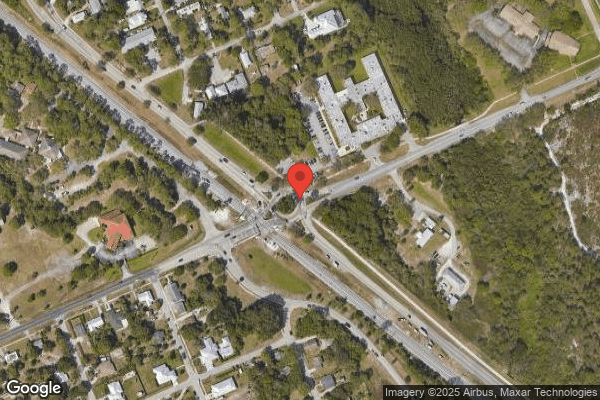
May 2023 2 deficiencies
CONCERN (D) 📢 Someone Reported This

A family member, employee, or ombudsman was alarmed enough to file a formal complaint

Potential for Harm - no one hurt, but risky conditions existed

Accident Prevention (Tag F0689)

Could have caused harm · This affected 1 resident

**NOTE- TERMS IN BRACKETS HAVE BEEN EDITED TO PROTECT CONFIDENTIALITY** Based on record review, interview, and policy review, the facility failed to ensure residents identified for wandering were appr...

Read full inspector narrative →
**NOTE- TERMS IN BRACKETS HAVE BEEN EDITED TO PROTECT CONFIDENTIALITY** Based on record review, interview, and policy review, the facility failed to ensure residents identified for wandering were appropriately supervised, affecting 1 of 1 sampled resident reviewed for wandering (Resident #2); and failed to ensure 1:1 supervision was completed as ordered for 1 of 1 sampled resident, (Resident #2). The findings included: A review of the policy, titled, Elopements and Wandering Residents, stated, in part: This facility ensures that residents who exhibit wandering behavior and/or are at risk for elopement receive adequate supervision to prevent accidents and receive care in accordance with their person-centered plan of care addressing the unique factors contributing to wandering or elopement risks. Compliance guidelines include in part: Alarms are not a replacement for necessary supervision. Staff are to be vigilant in responding to alarms in a timely manner. Adequate supervision will be provided to help prevent accidents or elopement. Record review for Resident #2 revealed the resident was admitted on [DATE] with diagnoses to include Cerebral Infarction due to Embolism, Degeneration of Nervous System due to alcohol, Abnormality of Gait, general weakness, Dysphagia, Cognitive Communication Deficit, Spinal Stenosis, unspecified Psychosis, Ataxia, and Aphagia. Further review of Resident #2's record revealed on 01/13/23 at approximately 4:00 PM, the resident was noted to be attempting to exit the building by Staff A, a Licensed Practical Nurse (LPN), setting off the door alarm. The resident was assisted away from the door and became combative towards staff. The resident was placed at the nurse's station by Staff A for closer supervision. On 01/13/23 at approximately 4:30 PM, the east door alarm was sounding. Staff A looked out of the east door and did not see anyone outside. Staff A continued to look around the area and saw Resident #2 propelling towards the front door outside. Staff A along with a co-worker assisted the resident back inside the building. Staff A notified the resident's nurse, and the resident was placed on 1:1 supervision. There was no investigation provided for this event. Photographs of the outside area where the resident was located were obtained. Between the east door (where the resident exited the building) and the front entry of the building (where Staff C located the resident) is approximately 120 feet. From the east door to the main road (Cove Road) directly in front of the east door is approximately 40 feet. It was noted on the west side of the building, they are conducting high speed testing for the new high-speed train that will be going through this area. The tracks are on the immediate west side of Dixie Avenue which borders the west side of the property. A subsequent review of Resident #2's record revealed on 05/06/23 at approximately 3:45 PM Staff C, a registered nurse (RN), was approached by another resident of the facility that he saw Resident #2 go through the east door and was outside. Staff C stated there were various sounds at the nurse's station such as steady beeping and a louder sound which could have been the door alarm. Staff C looked towards the door where the resident was pointing and saw Resident #2 sitting outside. Staff C asked Staff D, a Certified Nursing Assistant (CNA) to come with her to help get the resident back inside the building. Per Staff C cand Staff D, no additional staff went out to the resident to assist in getting him back into the building. Staff C stated the resident was sitting on the curb calmly looking towards the road. When asked, the resident stated he did not fall, and the resident required stand-by assist to get up and back to his wheelchair. The resident was assessed for injuries, blood sugar and vital signs were checked. No irregularities noted. The resident was placed on 1:1 with a CNA and neurological checks were in place for 72 hours. The resident was re-educated on leaving the facility unattended. Review of the Minimum Data Set (MDS) assessment for Resident #2 revealed in the quarterly assessment completed on 03/15/23 that the resident had a Brief Interview for Mental Status (BIMS) of 04, suggesting severe cognitive impairment. On 05/22/23 at approximately 2:00 PM, the east door alarm was tested by the survey team with the administrator. The bar on the door must be pushed for 15 seconds, which did alarm. After 15 seconds, when the door opens, a second, much louder, alarm alerts staff that the door is open. The alarm requires a key and a code to be silenced. An interview was conducted via telephone on 05/22/23 at 1:00 PM with Staff D. Staff D stated on 05/06/23, she was at the nurse's station looking over her assignment when Resident #2 went out of the building through the east door by the kitchen. Staff D stated when she saw him, he was outside sitting down. Staff C had asked her to go outside with her to help bring the resident back inside the building. The two of them helped the resident back into the building. There was no other staff outside. An interview was conducted via telephone on 05/22/23 at 5:50 PM with Staff C. Her written statement with the above information was verified. An interview with the Dietary Manager on 05/23/23 at approximately 10:30 AM revealed on 05/06/23 while she was in the kitchen, she heard the door alarm go off. She went to the kitchen door, that is near the east door of the facility and saw the resident sitting on the curb (Photo Evidence submitted) approximately 15-20 feet in front of the east door. The Dietary Manager further stated by the time she was able to get outside, there were 2 staff members assisting him to try to get him back to his wheelchair, which was sitting outside of the door. Review of Resident #2's care plans revealed in part that on 05/06/23 the resident was to be placed on 1:1 supervision. Documentation for this supervision was not located for 05/06/23 through 05/15/23. An interview on 05/23/23 at 10:10 AM with Staff E, CNA, revealed that the CNAs' document all 1:1 supervision on a paper that is left in the resident's room. This form was observed in the resident's room at this time. The documentation for all 1:1 observation for this resident was requested but was not received prior to exit.
CONCERN (E) 📢 Someone Reported This

A family member, employee, or ombudsman was alarmed enough to file a formal complaint

Potential for Harm - no one hurt, but risky conditions existed

Social Worker (Tag F0850)

Could have caused harm · This affected multiple residents

Based on interview and documentation review, the facility failed to ensure a Social Service Director (SSD) was employed by the 120-bed facility. This has the potential to affect all residents in the f...

Read full inspector narrative →
Based on interview and documentation review, the facility failed to ensure a Social Service Director (SSD) was employed by the 120-bed facility. This has the potential to affect all residents in the facility. The findings included: During the entrance conference with the Administrator and Director of Nursing (DON) on 05/22/23 at 9:05 AM, it was revealed that the facility does not currently have an SSD. The administrator stated they have a social services assistant (SSA) but have not had an SSD for 8 months. In a follow up interview on 05/22/23 at approximately 11:30 AM, the administrator stated the SSA does not have any type of degree in social services and that they have interviewed 4 candidates, but they did not pan out. The administrator provided documentation of advertising printed today, 05/22/23, for an SSD. The job activity associated with the posting stated the job was posted 13 days ago. No other advertising was made available during the survey. An interview conducted on 05/22/23 at 2:25 PM with the SSA revealed he has worked for this facility since 02/23 and there has been no director during the time he has been there. His job includes care plan meetings, discharge planning, grievance revies, and referral for residents for dental, optometry, and podiatry services. The SSA stated he does get assistance from co-workers, so he is not too overwhelmed.
Mar 2022 8 deficiencies
CONCERN (D)

Potential for Harm - no one hurt, but risky conditions existed

Deficiency F0561 (Tag F0561)

Could have caused harm · This affected 1 resident

**NOTE- TERMS IN BRACKETS HAVE BEEN EDITED TO PROTECT CONFIDENTIALITY** Based on interview and record review, the facility failed to provide showers as per resident request and schedule for 1 of 3 sam...

Read full inspector narrative →
**NOTE- TERMS IN BRACKETS HAVE BEEN EDITED TO PROTECT CONFIDENTIALITY** Based on interview and record review, the facility failed to provide showers as per resident request and schedule for 1 of 3 sampled residents, Resident #152. The findings included: Review of the record revealed Resident #152 was admitted to the facility on [DATE]. Review of the admission Minimum Data Set (MDS) assessment documented Resident #152 had a Brief Interview for Mental Status (BIMS) score of 15, on a 0 to 15 scale, indicating he was cognitively intact. Review of the preferences section of this MDS documented it was very important for the resident to choose between a tub bath, shower, bed bath or sponge bath. This MDS also documented Resident #152 needed the extensive assistance of one person for bathing. Review of the current care plan initiated on 02/11/21, documented Resident #152 is at risk for decreased ability to perform activities in daily living, to include bathing, related to his recent hospitalization. During an interview on 02/28/22 at 9:34 AM, Resident #152 explained he had been in the facility about two weeks for the provision of therapy services. When asked if he was assisted with bathing and or showering, Resident #152 stated getting a shower was a problem at times. Resident #152 explained his usual routine at home was to shower daily, but would be happy to get just a couple of showers a week at the facility. Resident #152 stated he received his first shower on a Wednesday, after being at the facility for a week, then again on Thursday and the following Thursday. Resident #152 explained the facility staff told him he should get two showers a week and then stated, I'm begging to get one a week. During an interview on 03/03/22 at 10:07 AM, Staff E, a Certified Nursing Assistant (CNA), was asked the process for resident showers at the facility. Staff E-CNA explained there is a shower schedule, but if a resident requests a shower on a different day, she would provide that shower upon request. The CNA confirmed the showers are documented in the electronic medical record (EMR), in Point of Care (POC). When asked the shower schedule for Resident #152, the CNA provided the schedule that documented his shower days as Monday and Thursday on the 3 PM to 11 PM shift. Staff E-CNA explained Resident #152 always asks for a shower and so they don't follow the shower schedule for this resident. When asked if she could recall how many showers she provided for Resident #152, the CNA stated she thought she had given him a total of three. The CNA recalled that he did refuse a shower the past Friday and wanted one on Monday (02/28/22), so she gave him one. Staff E-CNA was told Resident #152 had complained about not getting a shower and that he felt as if he had to beg for one. The CNA stated Resident #152 had told her on Monday that he had asked for a shower over the weekend and was told by the agency CNA that agency aides don't give showers over the weekend. Staff E-CNA stated she told him she was sorry and provided the shower on Monday. During an interview on 03/03/22 at 10:26 AM, the [NAME] Unit Manager was informed of the shower concerns voiced by Resident #152. The [NAME] Unit Manager confirmed they don't have any residents scheduled for showers on Sunday, but a resident could have a shower whenever they requested one. Review of the Tasks section of the electronic medical record (EMR) in POC, which is where the Certified Nursing Assistants document the completion of their work for each resident, documented the following for Resident #152: On Thursday 02/10/22, there was no documented shower or refusal, but it was documented as not applicable at 10:59 PM. On Monday 02/14/22, there was no documented shower or refusal. This was a scheduled shower day. On Thursday 02/17/22, a shower was provided, one week after admission. On Friday 02/18/22, a shower was provided. On Saturday 02/19/22, a shower was provided. On Monday 02/20/22, there was no documented shower or refusal. This was a scheduled shower day. On Wednesday 02/23/22, a shower was provided. On Thursday 02/24/22, Resident #152 refused shower. On 02/25/21, 02/26/22 and 02/27/22, there was no shower provided. Resident #152 had asked for a shower over the weekend and was told no. On Monday 02/28/22, a shower was provided. All of the showers were provided by Staff E, a CNA, except the one on 02/23/22.
CONCERN (D)

Potential for Harm - no one hurt, but risky conditions existed

Deficiency F0565 (Tag F0565)

Could have caused harm · This affected 1 resident

Based on observation, interview and record review, the facility failed to respond to a make prompt efforts to resolved grievances submitted by residents and the Resident Council for 6 of 6 residents, ...

Read full inspector narrative →
Based on observation, interview and record review, the facility failed to respond to a make prompt efforts to resolved grievances submitted by residents and the Resident Council for 6 of 6 residents, including sampled Residents #44, #62, #23 and #31, of a total census of 103 residents at the time of survey. The findings included: During a review of Resident Council Meeting Minutes, with permission from the Resident Council President, on 03/01/22 at 9:46 AM, the meeting minutes documented the following concerns: * 09/15/21: Food sometimes late, sometimes breakfast is not as hot as preferred. * 11/117/21: Food sometimes cold. Food sometimes not served on time. Some food undercooked. * 12/15/21: New Company - Next Level. * 01/19/22: - Coffee sometimes cold; - Several residents request that Bingo be moved to 3:00. * 02/09/22: sometimes food is colder than they would like. A Project Improvement Plan (PIP) that was done in response to the concerns documented on 02/09/22, documented: Problem Area Identified: 1). Based on resident Council report/finding, an opportunity exists to improve dietary services by * Ensuring meals are served withing required temperature * Having consistent dining/lunch (except during covid outbreak) Actions: 1. Random audit of meal temp prior to delivery and interviewing residents. 2. Additional staff to assist with trays/meal pass as needed 3. dietary staff will be in-serviced on mportance of mealtime. Dining services to continue as scheduled. Comments: * 02/17/22 Resident interviewed, voice improvement on mealtime and taste. * 02/25/28 dining room observation conducted; meals served timely. Residents on [NAME] Hall voiced satisfaction on food temperature. It was noted that all of the residents that voiced the concerns during the Resident Council Meeting, according the documentation of meeting minutes, resided on the East Wing unit. On 03/01/22 at 11:15 AM, a group of residents were observed on an outside patio and an interview was conducted with the group. The group included: Resident #44, who is the Resident Council President, with a BIMS score of 14, Resident #62, with a BIMS score of 12, Resident #41, with a BIMS score of 09, and Resident #23, with a BIMS score of 15. When the residents were asked how long the timing of the food services had been a problem, Resident #44 replied, 5-6 months. Resident #44 stated that the timing of the food has interfered with Activities, they will either start the activity later or not do them at all. Resident #44 further stated, They get upset when you complaint about the food not being hot. (Resident would not elaborate on the comment). At the conclusion of the interview with the residents on the patio, Resident #44 requested a follow up interview with her and her roommate, Resident #31, the next day (03/02/22). During an interview with Residents #44 and Resident #31, Resident #31 with a BIMS score of 15, on 03/02/22 at 10:22 AM, after reviewing the Resident Council Meeting Minutes, both residents stated that the minutes were not accurate and missing concerns that were brought up by the residents. Resident #44 stated, The food is still being improperly cooked and is cold and they keep giving us a time line for the food to be served, and when they don't make the timeline, they give us some kind of excuse that it will 'take a little longer'. Resident #31 stated, Our dinners come anywhere between 5:30 and 6:45 PM. The (Resident Council) meetings would last an hour to an hour and a half and they would always talk about bad food. Resident #31 and Resident #44 both reside on the unit where they would be among the last residents served in the facility. According to the 'Tray Delivery Time', residents should be receiving dinner at 6:00 PM. Resident #31 and Resident #44 stated that the meal delivery times were still an issue and the grievance had not been resolved. During an interview, on 03/02/22 at 3:49 PM, with the Social Services Director when asked about the process for resolving a grievance, the Social Services Director replied, A grievance is given to the dietary Manager and the DM (Dietary Manager) should be taking care of that concerns or grievance, Resident Council has been handled through Activities. I have never participated in it. When a grievance is resolved, the Dietary Manager would tell me that it is resolved, I would go back and ask the person filing the grievance or the family member enough to know that it is resolved. During an interview with the Administrator (NHA), on 03/02/22 at 4:08 PM, when asked about it, the NHA stated, From the time I have been here, we have had 2 CDMs (certified dietary managers) and there is a crisis in staffing. The concerns that they voiced to me was about the food temperature, we did a PIP and I and the managers went back and interviewed them and the residents would say 'it's getting better', 'it was good today'. Either they (dietary staff) don't show up or they don't call. Sometimes I have my Restorative CNA and two other CNAs go in the kitchen and assist. They reported that they are offering bonuses. The CDM that we had, we offered staff bonuses to pick up shifts in the kitchen. The CDM walked out without notice, can call another facility to get more staff. They are contracted for management and employees. I started in August, , the Next Level took over in October and we had our own kitchen staff and we had a full kitchen staff.
CONCERN (D)

Potential for Harm - no one hurt, but risky conditions existed

Quality of Care (Tag F0684)

Could have caused harm · This affected 1 resident

Based on record review and interviews, the facility failed to ensure weekly physician-ordered insulin was administered on 3 occasions for 1 of 6 sampled residents, Resident #90, reviewed for medicatio...

Read full inspector narrative →
Based on record review and interviews, the facility failed to ensure weekly physician-ordered insulin was administered on 3 occasions for 1 of 6 sampled residents, Resident #90, reviewed for medications. The findings included: During an interview on 03/1/22 at 8:22 AM, Resident #90 stated he takes Trulicity, an insulin injectable pen once a week and did not receive it for two weeks in a row. He stated when he asked no one knew why. I went to the social worker, and she looked into it for me, and I received it last Tuesday 02/22/22. Record review on 03/02/22 revealed Resident #90 had diagnoses to include: Type II Diabetes with Hypoglycemia, Gas Gangrene, Osteomyelitis, non-pressure Chronic Ulcer of Left Foot, Bacteremia, COVID-19, Chronic Kidney Disease, Idiopathic Peripheral Autonomic Neuropathy, Charcot's Joint, Hypertension and Sepsis. The physician orders included: *On 01/21/22: The initial order of Dulaglutide Solution Pen Injector (Trulicity) 0.75 mg/ml to inject 0.75 mg Subcutaneous (SQ ) one time a day every Friday 9:00 AM for Diabetes Mellitus with a start date of 01/21/22 9:00 AM and discontinue on 01/22/22 at 8:43 PM. *On 01/28/22: Give Dulaglutide Solution Pen Injector 1.5 mg/ml to inject 1.5mg subcutaneously (SQ) one time a day every Friday 9:00 AM for Hgb A1C 7.8 with a start date on 01/28/22 and discontinue on 02/11/22 at 6:30 PM. *On 02/12/22, there was an order for Dulaglutide Solution Pen Injector 1.5 mg/ml to inject 1.5mg SQ one time a day every Friday, Saturday for Hgb A1C 7.8 with a start date of 02/12/22 and discontinued on 02/14/22. *On 02/18/22, a new order read Dulaglutide Solution Pen Injector 1.5 mg/ml to inject 1.5mg SQ one time a day every Friday for Hgb A1C 7.8 at 9:00 AM, start date 02/18/22 and discontinue 02/22/22. *On 02/22/22, the next order read Dulaglutide Solution Pen Injector 1.5 mg/ml to inject 1.5mg SQ in the evening every Tuesday for Hgb A1C 7.8 with a start date of 02/22/22. Review of MAR (Medication Administration Record) for January, February and March 2022 revealed Resident #90 did not get his Trulicity on 02/11/22, 02/12/22 or 02/18/22; and the next dose the resident received was on 02/22/22. The MAR documented on 02/11/22, a code of 'nine (9)' that was placed in the box that the nurse documented medication was given, along with the nurses' signature. At the end of each, it documented what each code meant, which stood for 'other/see progress note'. There was a code 'nine (9)' documented on 02/12/22. The MAR documented a code of 'two (2)' which indicated the 'drug was refused'. Review of the Progress Notes for 02/11/22, 02/12/22 and 02/18/22 revealed there were no progress notes for the code of 9 or 2 that had been documented on the MAR. During an interview on 03/03/22 at 10:01 AM with the Director of Nursing (DON), the DON stated that if the nurse makes a note, it can be put in the progress notes; If it's a 'two' that's for refusal and a box pops up and will tell you to put a note in; they can put a note in to support why medication was not given; the nurse would alert the doctor if they missed an important medication; and it is standard practice to reach out to the physician. The DON acknowledged that there were no progress notes on the days that the nurses documented a 'nine' or 'two' in the MAR. During an interview on 03/03/22 at 10:24 AM, with the Regional Nurse Consultant, she stated that the nurse would click on a box in the MAR and put a 'nine' and that should go to progress notes. She acknowledged she did not see any notes from the nurse on the reason for the code. During an interview on 03/03/22 at 1:18 PM with Staff J, Licensed practical Nurse (LPN), Staff J-LPN stated, 'I work PRN (as needed) at the facility, I am an agency nurse. A nine means nurses progress note, when you put a nine in the box it brings up a box to type in.' He was asked about the code of 'nine' that he put in the MAR for Resident #90 on 02/11/22. He stated I don't recall why I put the 'nine' but most likely the medication wasn't available. If the medication is not available, we contact pharmacy by phone and tell them. During a secondary interview on 03/03/22 at 2:30 PM with the Resident #90, he was asked if he refused his Trulicity. The resident stated, he had never refused the Trulicity but acknowledged he has refused his sliding dose insulin in the morning because his sugars will get to low when he is in the hyperbaric chamber every day; his blood glucose has to be around 130 to go in the hyperbaric chamber; If his sugars are too low, and the nurse wants to give him insulin and I can't go in the hyperbaric chamber.' He stated he gets his Trulicity at night, not in the morning, because he is not in the facility in the mornings. During an interview on 03/03/22 at 4:00 PM with the Assistant Director of Nursing (ADON), she acknowledged the resident did not get the medication. The initial order for Trulicity was put in on 01/28/22 to be given on Friday at 09:00 AM. On 02/12/22 Staff F, Supervisor, updated the order to be given on a Saturday 02/12/22. It was not given on the 02/12/22. Staff F-Supervisor stated, 'In a report on Monday, I was told that he did not have his Trulicity. I spoke to the doctor and to put an order back in for Friday evenings because he is usually gone in the morning. ' During an interview on 03/03/22 at 4:18 PM, with Pharmacy Tech (Technician), she stated the Trulicity order was entered on 01/19/22, sent same day to be given on 01/21/22, but on 01/22/22, the dose increased; The orders on 02/11/22 was entered for Friday & Saturday by the facility and the Pharmacist needed to get clarification for the order, it is usually given one time a week; We called and faxed the facility and did not get a response until 02/13/22 at 12:18 AM; We only send the facility one pen at a time, it's a one-time use; the Trulicity medication pen went out at that same morning around 3:00 AM-4:00 AM on 02/13/22 and they would have received it that morning on 02/13/22; another order was put in 02/14/22 for the corrected dose; on 03/02/22, it was re-entered for Tuesday; and they would have needed to re-order it if the resident had taken dose on time.
CONCERN (D)

Potential for Harm - no one hurt, but risky conditions existed

Incontinence Care (Tag F0690)

Could have caused harm · This affected 1 resident

**NOTE- TERMS IN BRACKETS HAVE BEEN EDITED TO PROTECT CONFIDENTIALITY** 2. Review of the Policy, titled, perineal care, dated 2021, indicated it is the practice of this facility to provide perineal ca...

Read full inspector narrative →
**NOTE- TERMS IN BRACKETS HAVE BEEN EDITED TO PROTECT CONFIDENTIALITY** 2. Review of the Policy, titled, perineal care, dated 2021, indicated it is the practice of this facility to provide perineal care to all incontinent residents during routine bath and as needed in order to promote cleanliness and comfort, prevent infection to the extent possible, and to prevent and assess for skin breakdown. Perineal care refers to the care of the external genitalia and the anal area. The policy documented, under section 12 for males, subsection d. Gently retract the foreskin if applicable. E. Hold the shaft of the penis with one hand and with the other, begin cleansing tip of penis at urethral meatus using a circular motion and working outward. F. Replace foreskin, if applicable. G. Cleanse the shaft of the penis, using downward strokes toward the scrotum. On 03/02/22 at 9:30 AM, peri care observation was conducted on Resident #49. The care was rendered by Staff C, a certified nursing assistance (CNA). The care was provided as follow: Staff C-CNA began by obtaining 2 basins, put soap and warm water in one basin, and placed only warm water in the other. Staff C-CNA then began washing Resident #49's scrotum, then his bilateral groin area and buttocks. Staff C-CNA did not attempt to retract the foreskin to clean the tip at urethral meatus, the gland, or the shaft of the penis. At 9:40 AM, Staff C-CNA stated, he was done with the peri care. The surveyor waited in the room and continued making observation. Staff C-CNA had thrown away the water from the basins and put them away. An inquiry was made regarding the lack of care of Resident #49's penis. The surveyor explained the importance to provide proper perineal care to prevent urinary tract infection (UTI). Staff C-CNA acknowledged the inappropriate perineal care. Staff C-CNA went outside the room to obtain more washcloths and obtained water in the basins. Staff C-CNA gently retracted the foreskin of Resident #49's penis. It was noted to be unclean with a copious amount of white substances on the gland of the penis. Record review revealed Resident #49 was admitted to the facility on [DATE], with diagnoses that included: Neurogenic bladder (a problem in which a person lacks bladder control due to a brain, spinal cord, or nerve condition). The Quarterly minimum data set (MDS) assessment, reference date 12/19/21, indicated cognition status with a brief interview for mental status (BIMS) score of 13, indicating Resident #49 was moderately cognitively intact. This MDS also evidenced Resident #49 required Limited one-person physical assistance with activity of daily living (ADLS) care, that included Personal hygiene. The MDS further evidenced Resident #49 was frequently incontinent of bladder (a loss of frequent bladder control). Additional clinical record review showed a physician order, dated 02/21/22, for a urinalysis and culture and sensitivity urine test which was completed on 02/22/22 with a positive result for UTI (A urinalysis, culture and sensitivity are a method to grow and identify bacteria that may be in urine). Another physician order, dated 02/25/22, was for an antibiotic of Ciprofloxacin HCl Tablet 500 MG give 1 tablet by mouth two times a day for UTI for 7 Days. Subsequent review of clinical record revealed a care plan, dated 02/28/22, that indicated Resident #49 was frequently incontinent of Bowel and Bladder related to: Benign prostatic Hyperplasia (BPH) and was at risk for UTI's and on 02/25/22 Resident #49 had UTI with antibiotic use. The record further evidenced a Physician progress note, dated 02/25/22 at 2:43 PM, that revealed Resident #49's urinalysis and Culture was positive with greater than (>) 100,000 CFU/ML PSEUDOMONAS AERUGINOSA (a type of bacteria that typically causes infections in people), and had ordered Cipro 500 mg by mouth twice a day for 7 days. On 03/02/22 at 3:24 PM, an interview was held with the Director Of Nursing (DON). When asked what the expectation for peri care of a male was, the DON explained, the expectation was to clean the genitals, to clean the penis, if the foreskin can retract, the staff needed to pull the foreskin back and clean the shaft of the penis. At this time, the DON was made aware of the poor perineal care. Based on observation, interview, record review, policy review and job description review, the facility failed to ensure proper care and services for 2 of 3 sampled residents, as evidenced by Resident #66 lacked nursing documentation related to the placement of an indwelling urinary catheter, an accurate documented re-admission assessment, orders for the indwelling catheter upon re-admission to the facility and documented evidence of the provision of catheter care; and failed to provide appropriate peri-care (personal care) for Resident #49. The findings included: 1. During an observation on 03/01/22 at 10:43 AM, Resident #66 was in bed. An indwelling urinary catheter was noted to bedside drainage. When asked about the indwelling urinary catheter, Resident #66 was unsure why and when it was placed. Resident #66 explained he somehow ended up in the ICU (intensive care unit) with sepsis (an infection in the bloodstream with spread throughout the body). During an interview on 03/01/22 at 11:08 AM, the [NAME] Unit Manager explained Resident #66 was admitted to the facility a few months ago, went out to the hospital recently with stroke like symptoms, and had just returned to the facility after having been in the ICU with sepsis. Review of the record revealed Resident #66 was admitted to the facility on [DATE], was sent out to the hospital on [DATE], and re-admitted to the facility on [DATE]. Review of the most current Minimum Data Set (MDS) assessment dated [DATE] documented Resident #66 had a Brief Interview for Mental Status (BIMS) score of 15, on a 0 to 15 scale, indicating the resident was cognitively intact. Review of the re-admission baseline care plan completed on 02/25/22 and the re-admission skilled nursing assessment dated [DATE], both lacked documentation of an indwelling urinary catheter for Resident #66. Review of the current orders for Resident #66 lacked any orders related to an indwelling urinary catheter. Review of the discontinued orders documented the initiation of a Foley (an indwelling urinary catheter) on 02/10/22. This order was discontinued on 02/14/22, upon hospitalization of over 24 hours. Review of the nursing progress notes on or about 02/10/22 lacked any documentation related to the ordered Foley catheter. During an interview on 03/02/22 at 10:09 AM, the [NAME] Unit Manager agreed there was no nursing note related to the reason for Foley catheter on 02/10/22, or any documented communication with the physician. The [NAME] Unit Manager also agreed there were no current orders for the indwelling urinary catheter. The [NAME] Unit Manager stated the resident was admitted on Friday afternoon. The [NAME] Unit Manager explained the admission nurse should have put into the computer (EMR) the orders related to the urinary catheter. The Unit Manager further explained they utilized a check list to follow for newly admitted residents. The Unit Manager checked the front of paper chart and noted that only the front of the checklist was completed, and the instructions related to the urinary catheter were on the back. The Unit Manger explained there would usually be a second check by the weekend supervisor. The Unit Manager stated they did not have a weekend supervisor this past weekend. The Unit Manager finally explained she would usually check the record for the new admissions on Monday, but she was off this Monday. During an interview on 03/02/22 at 12:35 PM, the Staffing Coordinator was asked how the weekend supervisors are staffed. The Staffing coordinator stated she currently has on Registered Nurse (RN) to cover every other weekend. When asked about this past weekend, the Staffing Coordinator stated she did have a weekend supervisor for Saturday afternoon and the Director of Nursing (DON) came in for part of Sunday. During an interview on 03/02/22 at 12:39 PM, the DON was asked the responsibilities of the weekend supervisors related to the new admissions. The DON stated he expects the supervisors to do the admissions for at least the medications and orders, review the new admissions, and if there is something that needs to be followed up on, the supervisor should let Manager on Duty or DON know. The DON stated there were no messages this past weekend. The DON stated he spoke with the evening Supervisor related to the admission for Resident #66, and stated it was a total breakdown (in procedure). During an interview on 03/02/22 at 5:10 PM, Staff F, the Registered Nurse(RN)/Evening Supervisor, stated she did the whole admission for Resident #66. Staff F-RN/Supervisor stated she did not use the admission checklist. She stated there is no policy that the check list has to be done. Staff F-RN/Supervisor stated she had 3 or 4 admissions that evening, and the checklist is just another piece of paper to complete. Staff F-RN/Supervisor stated she checked the Foley catheter for Resident #66 and did the assessment. Staff F-RN/Supervisor stated she would have hoped that someone following her would have caught the omission. Review of the signed job description, titled, Charge Nurse, signed by Staff F-RN/Supervisor on 11/03/20, documented her essential duties and responsibilities included to admit, transfer, and discharge residents, as requires; and to complete and file required forms/charts upon resident's admission, transfer, and/or discharge, among other duties.
CONCERN (D)

Potential for Harm - no one hurt, but risky conditions existed

Deficiency F0730 (Tag F0730)

Could have caused harm · This affected 1 resident

Based on interview, personnel file review and policy review, the facility failed to ensure annual evaluations for 3 of 3 sampled Certified Nursing Assistants (Staff G, H, and I). The findings included...

Read full inspector narrative →
Based on interview, personnel file review and policy review, the facility failed to ensure annual evaluations for 3 of 3 sampled Certified Nursing Assistants (Staff G, H, and I). The findings included: Review of the policy Required Training, Certification and Continuing Education of Nurse Aides, dated 2021, documented, 6. In-service training will be provided by qualified personnel and will be based on the needs of the residents in the facility and any areas of weakness as determined in the nurse aide's performance reviews and facility assessment. On 03/03/22 at 2:18 PM, the Assistant Business Office Manager (BOM) / Human Resources (HR) Director explained they had changed ownership and all staff was re-hired as of 11/03/20. When asked about the completion of evaluations for the staff, the HR Director stated that none have been completed since the new ownership. The HR Director stated she was unsure as to why they have not been completed, and stated she believes it would be the responsibility of the nursing managers to complete the evaluations. The HR Director stated she recalled seeing an email several months ago from the new ownership, that the evaluations needed to be completed. A side-by-side review of the personnel files for Staff G, a Certified Nursing Assistant (CNA) who was originally hired on 08/18/20; Staff H, a CNA who was originally hired on 06/01/20; and Staff I, a CNA who was originally hired on 05/16/16, all lacked any annual evaluation. During an interview on 03/03/22 at 3:46 PM, the Director of Nursing (DON) was asked the process for annual evaluations for the CNAs. The DON stated, We need to do them as of the new ownership and that he would be delegating the task out to the Unit Managers or other supervisory nursing staff who work with each CNA. When asked why the annual evaluations had not been completed, the DON stated, There is no reason.
CONCERN (E)

Potential for Harm - no one hurt, but risky conditions existed

Deficiency F0802 (Tag F0802)

Could have caused harm · This affected multiple residents

**NOTE- TERMS IN BRACKETS HAVE BEEN EDITED TO PROTECT CONFIDENTIALITY** Based on observations interview and record review, the facility failed have sufficient kitchen support personnel, with the appro...

Read full inspector narrative →
**NOTE- TERMS IN BRACKETS HAVE BEEN EDITED TO PROTECT CONFIDENTIALITY** Based on observations interview and record review, the facility failed have sufficient kitchen support personnel, with the appropriate skills to carry out the functions of the food and nutrition services. The findings included: The Facility Assessment Tool, most recently updated on 02/01/22 and reviewed by QAPI (Quality Assurance and Performance Improvement) on 02/11/22, in the section titled 'Staffing plan', documented that the facility needed 2 'Dietitian or other clinically qualified nutrition professionals' to serve as the director of food and nutrition services, and that the facility needed 2 cooks per day. During an interview, as part of the initial kitchen tour, when the CDM/MIT (Certified Dietary Manager / Manager In Training) was asked about the meals being sent to the units more than an hour after they should have been taken to the unit. The CDM/MIT replied, when I came in this morning, I was the only one here. I had two people call out and I tried to call my supervisor since last night. I was texting and calling him since 10:00 last night. When asked about staffing in the kitchen, the CDM/MIT replied, the last Manager left due to only having 4 employees and not having enough. I just worked 7 doubles, because we don't have enough staff. According to the 'Tray Delivery Time', the Breakfast meals served to the East Wing, which included the dining room on the East Unit, should have left the kitchen and been taken to the unit at 9:00 AM. During the initial kitchen tour, on 02/28/22 at 8:55 AM, staff were observed preparing and plating breakfast for the residents to eat in their rooms and in the dining rooms on the East and [NAME] Unit. On 02/28/22 at 9:11 AM, Resident #21 was observed lying in bed, resident is verbal, alert, and oriented. Resident #21 complained she was very hungry and stated that she did not have breakfast yet. The food cart arrived on the 200 unit at 9:24 AM. During an interview on 02/28/22 at 9:16 AM, Resident # 79, with a Brief Interview for Mental Status (BIMS) score of 05, stated I am looking forward to breakfast, I am hungry. He added, he hadn't had breakfast yet. The food cart came on the floor at 9:24 AM. On 02/28/22 at 9:37 AM, Resident #36's tray was noted on the resident's over bed table untouched, the resident, with a BIMS score of 08, stated, I am starving, I hadn't had anything to eat, and I am hungry, would you feed me. At that time, her roommate was noted to be eating. The Resident kept saying please give me something to eat, and I'll be grateful, I'll be good, I'll be quiet. During interview, the resident stated, usually her tray is a little bit late. As of 9:45 AM, no staff has come to assist the resident with feeding. On 02/28/22 at 10:40 AM, an interview was held with the Resident #16, with a BIMS score of 15, indicating cognition was intact. She stated, the facility is very short staffed in the kitchen, we don't go to the dining room on the weekends because the facility doesn't have enough help. Every day the trays are late on the floor. It was noted that the last of the breakfast meals that were to be served on the East Wing unit residents' rooms and the dining room on that unit, did not leave the kitchen to be taken to the unit until 10:10 AM. According to the 'Tray Delivery Time' that was posted on the door at the entrance to the dining room, lunch was to be served in the Main Dining room at 11:30 AM with the last cart delivered to the East Wing, which included the dining room on the East Unit, at 1:30 PM. During observation of lunch in the Main Dining Room, on 02/28/22, beginning at 12:00 PM, it was noted that many of the residents were lined up to enter the dining room at approximately 11:30 AM. It was not until 1:46 PM that the first meal was served to the residents in the Dining Room. During an interview with Resident #44, on 02/28/22 at 1:27 PM with a Brief Interview for Mental Status (BIMS) score of 15, indicating intact cognition, when asked how often the meals were served late, Resident #44 replied, Since COVID, we didn't use the dining room. After COVID and after they opened the dining room back up, they just don't have the help. The interview was conducted in the Main Dining Room where residents were still waiting to be served lunch. During an interview with Resident #86, with a BIMS score of 15, indicting intact cognition, on 02/28/22 at 1:31 PM, when asked about the lunch being late, Resident #86 replied, We're used to it. They have been shorthanded in the kitchen for a while. The interview was conducted in the Main Dining Room where residents were still waiting to be served lunch. On 02/28/22 at 1:33 PM, a meal cart left the kitchen with lunches for the residents to eat in their rooms and in the dining room on the [NAME] Unit, according to the staff handling the cart. This was the third and final cart to be delivered to the [NAME] Wing Unit and the [NAME] Wing unit dining room. On 02/28/22 at 1:41 PM, 6 residents were observed sitting in the East Wing Unit Dining room. There were no residents on the East Wing Unit that had been served lunch and no carts of food brought to the unit. On 02/28/22 at 1:46 PM, the first meals were served to residents in the Main Dining Room. On 02/28/22 at 1:57 PM, the last meal was served to a resident in the Main Dining Room. On 02/28/22 at 1:58 PM, a second meal cart was brought from the kitchen to the East Wing Unit. At the time of the observation, there was a third cart that had not been brought to the unit, which included the Dining Room on the East Wing unit. During a follow up interview, on 03/03/22a t 11:40 AM, with the CDM and the RD/LD (registered dietician/licensed dietician) stated, I started in December (2020). When I got here there were complaints that the dining room was being served late. They used to do the dining room after the tray line was done for the residents in their rooms. The only thing that I could do is change and serve the dining room at 11:30 AM; I let the Administrator know and that was it; At 11:50 AM, they would be lining up to get into the dining room and we would start passing drinks. Right now I have a temp [temporary staff] that is full time and there is another full time person we are waiting for her background screening. During an interview with the Administrator, on 03/02/22 at 4:08 PM, when asked about staffing shortages in the kitchen, the Administrator replied, From the time I have been here, we have had 2 CDMs and there is a crisis in staffing. The concerns that they voice to me was about the food temperature, we did a PIP (Performance Improvement Plan) and I went back and interviewed them and the Managers did and they would say 'it's getting better' / 'it was good today'. Either they don't show up or they don't call. Sometimes I have my Restorative CNA and two other CNAs go in the kitchen and assist. They reported that they are offering bonuses; The CDM that we had, we offered staff bonuses to pick up shifts in the kitchen. The CDM walked out without notice, [name] can call another facility to get more staff. They are contracted for management and employees. When I started in August, Next Level took over in October, and we had our own kitchen staff, and we had a full kitchen staff. A Project Improvement Plan (PIP) that was done in response to the concerns documented on 02/09/22, documented: Problem Area Identified: 1). Based on resident Council report/finding, an opportunity exists to improve dietary services by * Ensuring meals are served withing required temperature * Having consistent dining/lunch (except during covid outbreak Actions: 1. Random audit of meal temp prior to delivery and interviewing residents. 2. Additional staff to assist with trays/meal pass as needed 3. dietary staff will be in-serviced on importance of mealtime. Dining services to continue as scheduled Comments: * 02/17/22 Resident interviewed, voice improvement on mealtime and taste. * 02/25/28 dining room observation conducted; meals served timely. Residents on [NAME] Hall voiced satisfaction on food temperature. It was noted that all of the residents that voiced the concerns during the Resident Council Meeting, according to the documentation of meeting minutes, resided on the East Wing unit.
CONCERN (F)

Potential for Harm - no one hurt, but risky conditions existed

Food Safety (Tag F0812)

Could have caused harm · This affected most or all residents

Based on observation, interview and record review, the facility failed to prepare, store and serve food in accordance with professional standards and in a manner to prevent the potential growth of pat...

Read full inspector narrative →
Based on observation, interview and record review, the facility failed to prepare, store and serve food in accordance with professional standards and in a manner to prevent the potential growth of pathogens that cause foodborne illness. The findings included: 1. During the initial tour of the kitchen, on 02/28/22 at 8:55 AM, accompanied by the Manager In Training (MIT), and a Manager from a sister facilitiy, the following were noted: a. Cleaned and sanitized kettles were not stored in a manner to prevent physical contamination in the form of debris and airborne pollutants. b. The internal temperature of half pint containers of whole milk and 2 % reduced fat milk was 68 degrees Fahrenheit (F). It was noted that the containers of milk were kept in a milk crate with no cooling medium (e.g. ice) and no means for the products to maintain temperature of 41 degrees F or lower. The containers of milk were removed from the service area and replaced with containers of same product that were maintained at the appropriate temperature. c. Adaptive plates that were kept on a shelf over the steam table were not stored in a manner to prevent physical contamination in the form of debris and airborne pollutants. d. Staff A, Line Cook, was observed removing a skillet from the range top, wearing single use gloves. Staff A-Cook proceeded to a covered trash barrel and removed the lid from the barrel with his gloved hand and then emptied the skillet into the barrel. Staff A -Cook then proceeded back to the range and was observed taking an in-shell egg from a 1/4 hotel pan and then cracked the egg into the skillet with same gloved hands that were in direct contact with the lid of the waste barrel and lid. Staff A-Cook was instructed to remove his gloves and perform hand hygiene, prior to donning new single use gloves. Staff A-Cook and the MIT acknowledged that Staff A-Cook should have removed the single use gloves and performed hand hygiene after handling the refuse container and lid. e. A staff member's personal cellular phone was kept on top of a prep table where trays were being prepared for the breakfast meal. f. The temperature of a 16 quart pot of chicken that was in the walk in cooler being cooled from the previous day's was 54 degrees F. Staff confirmed that the soup was from the previous day and that the soup would have been served to residents as requested. It was noted that the pot was full almost to the top and covered with plastic film. g. The internal temperature of beef that was in the walk in cooler being cooled from the previous day was 72 degrees F. Staff confirmed that the soup was cooling from the previous day. It was noted that beef was in a 1/3 sized 6-inch-deep hotel pan and was covered with plastic film. h. The concentration of the quaternary ammonia, used for sanitizing food contact surfaces, kept in red buckets (2 buckets) in the food preparation area was more than 400 parts per million (PPM). The buckets of sanitizer were dumped into the three-compartment sink and refilled. The concentration of the sanitizer was again more than 400 PPM. Staff added room temperature water to the buckets and the concentration was tested again and were at the appropriate 200 PPM. 2. During the follow up tour of he kitchen, on 03/02/22 at 11:49 AM, accompanied by the Regional Chef, the CDM/MIT and the Dietary Manager from a sister facility and the Regional Chef, Staff B-Cook, was observed plating food from the steam table to the plates being served to the residents. During the observation, it was noted that when portioning mechanical soft pork loin using a scoop, Staff B scooped out the mechanical soft pork and the scoops were not completely full. Staff B-Cook was asked to place a portion of the pork on a calibrated kitchen scale. The portion of the mechanical soft pork weighed 2.5 ounces. According to the menu, residents were to receive 3 full ounces of the pork. Staff B-Cook added more pork to the 4 plates that he had already prepared. The Regional Chef and the MIT agreed that the pork was not at the weight that it should have been according to the approved menu.
MINOR (B)

Minor Issue - procedural, no safety impact

Staffing Information (Tag F0732)

Minor procedural issue · This affected multiple residents

Based on observation and interview, the facility failed to ensure nurse staffing information was posted prior to the beginning of each shift for 3 of 6 days reviewed, (02/26/22, 02/27/22 and 02/28/22)...

Read full inspector narrative →
Based on observation and interview, the facility failed to ensure nurse staffing information was posted prior to the beginning of each shift for 3 of 6 days reviewed, (02/26/22, 02/27/22 and 02/28/22). The findings included: On Monday 02/28/22 at 8:30 AM, upon entrance to the facility by the survey team, the nurse staffing information was noted to be posted in hallway at entering past the double doors leading from the lobby. The staff posting documented a date of Friday 02/25/22, which meant they were missing the Nurse Staff information for 02/26/22, 02/27/22 & 02/28/22. Photographic evidence obtained. During an interview on 03/02/22 at 9:00 AM with Central Supply Coordinator, the coordinator stated she is responsible to do staffing census, and to do the staffing census for all three shifts around 4:30 PM, the night before. The coordinator stated she talks to Human Resources to confirm the census the next day and if it changes then she updates the census around 8:30 AM. She stated she is responsible for posting the weekend census which she does on Friday afternoon. When asked about the postings missing for this past weekend, she stated the weekend sheets are behind the weekly sheets when posted but acknowledged that they did not move them to show the current day. She stated the shifts begin at 7:00 AM-3:30 PM, 3:00 PM-11:30 PM, and 11:00 PM-7:30 AM.
Understanding Severity Codes (click to expand)
Life-Threatening (Immediate Jeopardy)
J - Isolated K - Pattern L - Widespread
Actual Harm
G - Isolated H - Pattern I - Widespread
Potential for Harm
D - Isolated E - Pattern F - Widespread
No Harm (Minor)
A - Isolated B - Pattern C - Widespread

Questions to Ask on Your Visit

  • "Can I speak with families of current residents?"
  • "What's your RN coverage like on weekends and overnight?"

Our Honest Assessment

Strengths
  • • No major safety red flags. No abuse findings, life-threatening violations, or SFF status.
  • • No fines on record. Clean compliance history, better than most Florida facilities.
  • • 31% turnover. Below Florida's 48% average. Good staff retention means consistent care.
Concerns
  • • 26 deficiencies on record. Higher than average. Multiple issues found across inspections.
Bottom line: Mixed indicators with Trust Score of 60/100. Visit in person and ask pointed questions.

About This Facility

What is Seabranch Center's CMS Rating?

CMS assigns SEABRANCH HEALTH AND REHABILITATION CENTER an overall rating of 3 out of 5 stars, which is considered average nationally. Within Florida, this rating places the facility higher than 0% of the state's 100 nursing homes. This mid-range rating indicates the facility meets federal standards but may have areas for improvement.

How is Seabranch Center Staffed?

CMS rates SEABRANCH HEALTH AND REHABILITATION CENTER's staffing level at 4 out of 5 stars, which is above average compared to other nursing homes. Staff turnover is 31%, compared to the Florida average of 46%. This relatively stable workforce can support continuity of care.

What Have Inspectors Found at Seabranch Center?

State health inspectors documented 26 deficiencies at SEABRANCH HEALTH AND REHABILITATION CENTER during 2022 to 2024. These included: 25 with potential for harm and 1 minor or isolated issues.

Who Owns and Operates Seabranch Center?

SEABRANCH HEALTH AND REHABILITATION CENTER is owned by a for-profit company. For-profit facilities operate as businesses with obligations to shareholders or private owners. The facility is operated by SIMCHA HYMAN & NAFTALI ZANZIPER, a chain that manages multiple nursing homes. With 120 certified beds and approximately 109 residents (about 91% occupancy), it is a mid-sized facility located in STUART, Florida.

How Does Seabranch Center Compare to Other Florida Nursing Homes?

Compared to the 100 nursing homes in Florida, SEABRANCH HEALTH AND REHABILITATION CENTER's overall rating (3 stars) is below the state average of 3.2, staff turnover (31%) is significantly lower than the state average of 46%, and health inspection rating (3 stars) is at the national benchmark.

What Should Families Ask When Visiting Seabranch Center?

Based on this facility's data, families visiting should ask: "Can I visit during a mealtime to observe dining assistance and food quality?" "How do you handle medical emergencies, and what is your hospital transfer rate?" "Can I speak with family members of current residents about their experience?"

Is Seabranch Center Safe?

Based on CMS inspection data, SEABRANCH HEALTH AND REHABILITATION CENTER has a clean safety record: no substantiated abuse findings (meaning no confirmed cases of resident harm), no Immediate Jeopardy citations (the most serious violation level indicating risk of serious injury or death), and is not on the Special Focus Facility watch list (a federal program monitoring the lowest-performing 1% of nursing homes). The facility has a 3-star overall rating and ranks #100 of 100 nursing homes in Florida. While no facility is perfect, families should still ask about staff-to-resident ratios and recent inspection results during their visit.

Do Nurses at Seabranch Center Stick Around?

SEABRANCH HEALTH AND REHABILITATION CENTER has a staff turnover rate of 31%, which is about average for Florida nursing homes (state average: 46%). Moderate turnover is common in nursing homes, but families should still ask about staff tenure and how the facility maintains care continuity when employees leave.

Was Seabranch Center Ever Fined?

SEABRANCH HEALTH AND REHABILITATION CENTER has no federal fines on record. CMS issues fines when nursing homes fail to meet care standards or don't correct problems found during inspections. The absence of fines suggests the facility has either maintained compliance or corrected any issues before penalties were assessed. This is a positive indicator, though families should still review recent inspection reports for the full picture.

Is Seabranch Center on Any Federal Watch List?

SEABRANCH HEALTH AND REHABILITATION CENTER is not on any federal watch list. The most significant is the Special Focus Facility (SFF) program, which identifies the bottom 1% of nursing homes nationally based on persistent, serious quality problems. Not being on this list means the facility has avoided the pattern of deficiencies that triggers enhanced federal oversight. This is a positive indicator, though families should still review the facility's inspection history directly.