SOLARIS HEALTHCARE PARKWAY
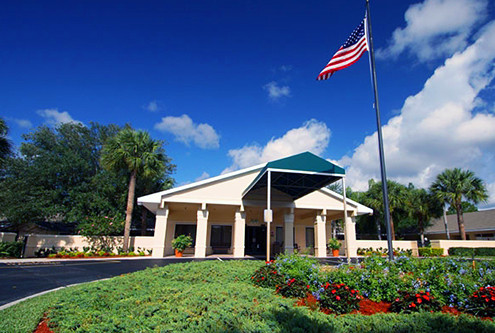
800 SE CENTRAL PKWY, STUART, FL 34994 (772) 287-9912
Non profit - Corporation 117 Beds SOLARIS HEALTHCARE Data: November 2025 1 Immediate Jeopardy citation
Trust Grade
54/100
#422 of 690 in FL
Last Inspection: June 2024

Within standard 12-15 month inspection cycle. Federal law requires annual inspections.

Overview

Solaris Healthcare Parkway has a Trust Grade of C, indicating that it is average and falls in the middle of the pack among nursing homes. It ranks #422 out of 690 facilities in Florida, placing it in the bottom half, and #6 out of 6 in Martin County, meaning only one local option is better. The facility is worsening, with issues increasing from 5 in 2023 to 6 in 2024. Staffing is a relative strength, receiving a rating of 4 out of 5 stars, with a turnover rate of 26%, which is well below the state average of 42%. However, there are concerning incidents, such as a resident with dementia who eloped from the facility and was not adequately supervised, and multiple residents who did not receive timely incontinent care and repositioning due to insufficient staffing on the Memory Care Unit. Overall, while there are strengths in staffing, the facility needs to address significant safety and care concerns.

Trust Score
C
54/100
In Florida
#422/690
Bottom 39%
Safety Record
High Risk
Review needed
Inspections
Getting Worse
5 → 6 violations
Staff Stability
✓ Good
26% annual turnover. Excellent stability, 22 points below Florida's 48% average. Staff who stay learn residents' needs.
Penalties
○ Average
$9,318 in fines. Higher than 54% of Florida facilities. Some compliance issues.
Skilled Nurses
○ Average
Each resident gets 34 minutes of Registered Nurse (RN) attention daily — about average for Florida. RNs are the most trained staff who monitor for health changes.
Violations
⚠ Watch
15 deficiencies on record. Higher than average. Multiple issues found across inspections.
★★★☆☆
3.0
Overall Rating
★★★★☆
4.0
Staff Levels
★★★☆☆
3.0
Care Quality
★★★☆☆
3.0
Inspection Score
Stable
2023: 5 issues
2024: 6 issues

The Good

  • 4-Star Staffing Rating · Above-average nurse staffing levels
  • Low Staff Turnover (26%) · Staff stability means consistent care
  • Full Sprinkler Coverage · Fire safety systems throughout facility
  • No fines on record
  • Staff turnover is low (26%)

    22 points below Florida average of 48%

Facility shows strength in staffing levels, staff retention, fire safety.

The Bad

3-Star Overall Rating

Near Florida average (3.2)

Meets federal standards, typical of most facilities

Federal Fines: $9,318

Below median ($33,413)

Minor penalties assessed

Chain: SOLARIS HEALTHCARE

Part of a multi-facility chain

Ask about local staffing decisions and management

The Ugly 15 deficiencies on record

1 life-threatening
Jun 2024 5 deficiencies
CONCERN (D)

Potential for Harm - no one hurt, but risky conditions existed

Deficiency F0558 (Tag F0558)

Could have caused harm · This affected 1 resident

**NOTE- TERMS IN BRACKETS HAVE BEEN EDITED TO PROTECT CONFIDENTIALITY** Based on observation, interview, and record review, the facility failed to ensure accessibility of the call bell for 1 of 1 samp...

Read full inspector narrative →
**NOTE- TERMS IN BRACKETS HAVE BEEN EDITED TO PROTECT CONFIDENTIALITY** Based on observation, interview, and record review, the facility failed to ensure accessibility of the call bell for 1 of 1 sampled resident, Resident #99, observed needing assistance and unable to call staff. The findings included: Review of the record revealed Resident #99 was admitted to the facility on [DATE]. Review of the Quarterly Minimum Data Set (MDS) assessment dated [DATE] documented the resident had a Brief Interview for Mental Status (BIMS) score of 8, on a 0 to 15 scale, indicating moderate cognitive impairment. This same MDS documented the resident usually understands and is usually understood and required partial to total assistance from staff for activities of daily living (ADLs). Review of the current resident care plans dated 06/06/24 for Visual impairment, Cognitive Loss/Dementia, ADLs, and Pain, all included the approach: call light within reach. During an observation and interview on 06/03/24 at 12:00 PM, Resident #99 was observed sitting in his wheelchair close to the footboard area of the bed with his meal tray in front of him. When asked why he wasn't eating his food, Resident #99 said he didn't like the entrée that was served. When asked if he was aware whether other food options were available, he replied he was not aware that food options were available. When asked if he may want to use the call bell to request another food option, the resident answered, I don't know where it is. At this time, the call bell was clipped to the upper corner of the bed close to the headboard and the red button was dangling down approximately 2-3 inches from the corner of the bed. Photographic Evidence Obtained. When asked if he could move himself in the wheelchair towards that location, the resident said he doesn't really move around the room in his wheelchair. When placed in front of the resident, Resident #99 pressed the call button. A nurse entered the room and Resident #99 requested a grilled cheese sandwich for lunch. An observation on 06/04/24 at 10:17 AM revealed Resident #99 in bed with the call bell cord clipped to the upper corner of the bed. The call bell was located on the bedding next to the right side of the resident's ribcage. An interview with Resident #99 revealed he did not know where the call bell button was. When told the location of the call bell button and prompted to try and reach it, Resident #99 was unable to navigate his hand to touch the call bell. On 06/05/24 at 9:30 AM, Resident #99 was observed in bed. The call bell cord was clipped to the left top corner of bed. When asked if he could reach the call bell, the Resident answered No. Resident #99 was observed trying to drink juice and having difficulty drawing fluid up through the straw. The resident removed the straw from the cup and looked at it. The straw did not have a hole on the bottom where the juice should flow through. The straw appeared squeezed closed on the bottom. The surveyor placed the call bell button within sight of resident. Resident #99 pressed the button, and a nurse entered the room. She saw the problem with the straw and brought the resident a new straw. The resident drank the juice effectively with the new straw. Resident #99 demonstrated understanding of the usefulness of pressing the call button for assistance, and he demonstrated the ability to press the call bell button. On 06/06/24 at 12:17 PM, Staff D, 100-200 Unit Manager, was iinformed of the three observations made of Resident #99's difficulties accessing and using the call bell button. Staff D acknowledged the finding and stated they would need to devise a plan to provide access to the call bell.
CONCERN (D)

Potential for Harm - no one hurt, but risky conditions existed

Incontinence Care (Tag F0690)

Could have caused harm · This affected 1 resident

**NOTE- TERMS IN BRACKETS HAVE BEEN EDITED TO PROTECT CONFIDENTIALITY** Based on observation, record review, interview, and policy review, the facility failed to ensure the anchoring of indwelling uri...

Read full inspector narrative →
**NOTE- TERMS IN BRACKETS HAVE BEEN EDITED TO PROTECT CONFIDENTIALITY** Based on observation, record review, interview, and policy review, the facility failed to ensure the anchoring of indwelling urinary catheter tubing for 2 of 3 sampled residents, one of whom had a history of urinary tract infections (UTIs), Residents #34 and #204. The findings included: Review of the policy, titled, Catheter Care, Urinary, revised 01/25/23, documented, in part, Purpose: The purpose of this procedure is to prevent catheter-associated urinary tract infections. Changing Catheters . 2. Ensure that the catheter remains secured to reduce friction and movement at the insertion site. (Note: Catheter tubing should be secured to the resident's inner thigh.) 1. Review of the record revealed Resident #34 was admitted to the facility on [DATE], with readmission on [DATE]. Record review revealed a diagnosis of urinary retention with the placement of an indwelling urinary catheter. The physician order dated 05/29/24 documented to secure the indwelling urinary catheter with a leg strap. The current order dated 05/01/24 documented the use of an indwelling catheter for Resident #34. One of the care plan approaches included utilizing a catheter holder to prevent pulling. An observation was made on 06/05/24 at 9:42 AM with Staff A, Certified Nursing Assistant (CNA). Resident #34 was lying in bed, and the indwelling urinary catheter was noted taunt, coming out of the bottom of the adult brief. There was no type of anchoring device for the catheter tubing. Staff A provided personal care, not mentioning the lack of the anchoring device. During an interview on 06/05/24 at 2:58 PM, when asked if she knew about the missing anchor, Staff D, 100-200 Unit Manager, stated she had not been informed. A subsequent observation at this time, with Staff D and the Assistant Director of Nursing (ADON) revealed Resident #34 still did not have any anchoring device for the indwelling urinary catheter tubing. The tubing was again pulled tautly coming from the bottom of the adult brief. 2. Review of the record revealed Resident #204 was admitted to the facility on [DATE]. admission diagnoses included retention of urine and urinary tract infection (UTI). Review of the admission Minimum Data Set (MDS) assessment dated [DATE] documented Resident #204 had a Brief Interview for Mental Status (BIMS) score of 12, on a 0 to 15 scaled, indicating the resident had minimal cognitive impairment. This MDS also documented the resident had an indwelling urinary catheter with a diagnosis of Obstructive Uropathy (inability to urinate because of an obstruction). Review of a current order, dated 05/21/24, documented the indwelling urinary catheter was to be secured with a leg strap. The current care plan dated 05/21/24 documented the resident had a recent UTI and included utilizing a catheter holder to prevent pulling. An observation on 06/03/24 at 2:39 PM revealed Resident #204 lying in bed. A urinary catheter leg bag was noted with no type of anchoring or securing device. The tube was noted towards the back of his leg. During an observation on 06/05/24 at 8:33 AM, Resident #204 was sitting up in his wheelchair. The urinary catheter leg bag was noted. When asked if he had any type of catheter strap or anchor, the resident pulled up the leg of his pants and there was no anchor. During a subsequent observation with the ADON on 06/05/24 at 3:03 PM, a thigh strap was noted to secure the urinary catheter tubing. Resident #204 stated staff had just put it on.
CONCERN (D)

Potential for Harm - no one hurt, but risky conditions existed

Deficiency F0726 (Tag F0726)

Could have caused harm · This affected 1 resident

Based on observation, record review, interview, and policy review, the facility failed to ensure competent nurse staff for 2 of 7 sampled residents observed during the medication administration observ...

Read full inspector narrative →
Based on observation, record review, interview, and policy review, the facility failed to ensure competent nurse staff for 2 of 7 sampled residents observed during the medication administration observation. Staff C, Licensed Practical Nurse (LPN), failed to follow the facility's process related to the administration and documentation of insulin for Resident #49; and Staff B, Licensed Practical Nurse failed to use proper technique during a nasal spray administration for Resident #74. The findings included: 1. A medication administration observation for Resident #49 was made with Staff C, LPN, on 06/04/24 beginning at 4:59 PM. Staff C prepared oral medications that were due at that time, along with an insulin pen stating the resident had 7 units due at that time and headed for the resident's room. At the entrance to the room, the surveyor stopped the LPN from entering the room, and asked the LPN the type of insulin she had for Resident #49. At this time the LPN stated Novolin R (regular insulin), showing the label to the surveyor. The LPN obtained the blood sugar level for Resident #49, then dialed 7 units of insulin on the pen and showed it to the surveyor. The LPN administered the insulin into the resident's left arm. Review of the Medication Administration Record (MAR) for Resident #49 revealed the order dated 12/19/23 for the 7 units of Novolin R insulin, to be administered via the FlexPen. Staff C had signed off the administration of the 7 units of Novolin R, and further documented she had verified the dose before the administration but entering the initials of another person. During an interview on 06/04/24 at 5:51 PM, when asked the process for the administration of insulin to a resident, specifically asking about the insulin dosage, Staff C described the process of checking the resident's blood sugar level and administering the insulin. The LPN did not describe the second nurse verification step. When asked about the 2nd Nurse Verify Before documentation on the MAR, the LPN confirmed their process was to have a second nurse verify the dose, further stating, Because you are a nurse I verified with you. When asked whose initials she documented on the MAR, the LPN stated they were the initials of the other nurse working that shift. When asked why she documented the other nurse's initials, when she did not verify the dose with any other facility nurse, the LPN again stated she verified the dose with the surveyor, but wrote the initials of the other nurse, as they always verify for each other. When asked again if she verified the 7 units with the other nurse whose initials were documented in the MAR, the LPN stated she did not, but again stated she had verified with the surveyor. On 06/05/24 at 2:54 PM, the Director of Nursing (DON) was informed of the insulin administration by Staff C for Resident #49. The DON confirmed they did have a second nurse verify process for insulin administration, and agreed Staff C should not have verified with a non-employee, nor should she have put the initials of the other staff in the MAR when she did not verify with that second staff. The DON was asked to provide their written process for the second nurse verify of insulin. The DON later stated they did not have the second nurse verification as a written process, but again stated it was part of the facility protocols. 2. Review of the policy, titled, Nasal Administration, revised January 2018, documented, in part, Procedure: . H. Use finger of other hand to close the nostril that is not receiving medication by gently pressing the side of the nostril. This policy then described the administration of the nasal spray followed by illustrations of how to occlude the opposite nasal cavity. A medication administration observation was made for Resident #74 on 06/04/24 at 4:38 PM. Staff B, LPN, obtained medications for the resident to include a Deep Sea nasal spray of 0.65% saline solution. The LPN administered two sprays into each nasal cavity but failed to occlude the opposite nasal cavity during the administration. Upon request of the policy on 06/05/24 in the afternoon, the Risk Manager was made aware of the medication administration observation for Resident #74.
CONCERN (D)

Potential for Harm - no one hurt, but risky conditions existed

Drug Regimen Review (Tag F0756)

Could have caused harm · This affected 1 resident

**NOTE- TERMS IN BRACKETS HAVE BEEN EDITED TO PROTECT CONFIDENTIALITY** Based on record review, interview, and policy review, the facility failed to implement pharmacy recommendations approved by the ...

Read full inspector narrative →
**NOTE- TERMS IN BRACKETS HAVE BEEN EDITED TO PROTECT CONFIDENTIALITY** Based on record review, interview, and policy review, the facility failed to implement pharmacy recommendations approved by the physician for 1 of 5 sampled residents, Resident #38. The findings included: Review of the policy, titled, Medication Regimen Review, revised January 2018, documented, in part, Procedure: . G. Recommendations are acted upon and documented by the facility staff and/or the prescriber. Review of the record revealed Resident #38 was admitted to the facility on [DATE]. Review of the current orders revealed the order initiated on 05/31/23 for the anti-reflux medication, Protonix 40 milligrams (mg), ordered daily for Anemia. Review of the monthly pharmacy reviews revealed on 12/17/23 the pharmacist identified Resident #38 had been on the anti-reflux medication Protonix 40 mg daily for more than 12 weeks, and recommended the medication be discontinued. This recommendation also documented the need for appropriate documentation supporting an underlying chronic disease if continued. On 01/03/24, the physician agreed but documented to decrease the Protonix to 20 mg daily. Review of the subsequent monthly reviews for January 2024 through May 2024 lacked any recommendations related to the Protonix. Review of the current order (05/31/23) and the Medication Administration Record (MAR) documented the resident was still being administered Protonix 40 mg for a diagnosis of Anemia. During a side-by-side record review and interview on 06/06/24 at 11:34 AM, Staff D, the 100-200 Unit Manager, was asked the process for the monthly pharmacy reviews. The Unit Manager explained the pharmacist does the monthly reviews and provided them to the Director of Nursing, who then prints them out and provides them to each Unit Manager. The Unit Managers then speak with the physician either in person or via call, reviews the recommendations, and then the physician will sign them upon his next visit if applicable. The Unit Manager then is responsible for entering the new orders into the electronic medical records. The Unit Manager was shown the recommendation for Resident #38 regarding the Protonix and was unsure as to how or why it was not decreased as per the physician's signature and request.
CONCERN (D)

Potential for Harm - no one hurt, but risky conditions existed

Deficiency F0805 (Tag F0805)

Could have caused harm · This affected 1 resident

Based on observation and policy review, the facility failed to prepare pureed food with the correct texture. This had the potential to affect 16 of 165 current residents who had a physician ordered pu...

Read full inspector narrative →
Based on observation and policy review, the facility failed to prepare pureed food with the correct texture. This had the potential to affect 16 of 165 current residents who had a physician ordered pureed diet. The findings included: Review of the facility's written description of the pureed diet, reprinted from the Manual of Medical Nutrition Therapy 2022, documented, The pureed diet is designed to provide soft, smooth foods that minimize the amount of chewing required and are easy to swallow. Any regular or therapeutic diet may be pureed. The pureed diet is indicated for individuals with chewing or swallowing problems. On 06/05/24 at 11:50 AM, observations in the kitchen revealed the pureed diet Italian Parmesan Breaded Pork and the pureed Parslied Noodles did not look smooth. At this time, a sample of the pureed food prepared for the lunch meal was requested. Upon tasting the food, the pureed pork had chopped up strings in it and the pureed pasta had lumps. At this time, when asked about the process for ensuring the correct texture of the pureed foods, the Director of Food Services (DFS) stated she usually tastes it but did not do so that day. The DFS was asked to taste the pureed foods. The DFS did not collaborate with the findings of stringy pork or lumpy pasta, but stated she would puree those foods again. An observation of the pureed foods served in the main dining room on 06/05/24 at approximately 1:00 PM revealed a smoother texture.
Jan 2024 1 deficiency
CONCERN (D) 📢 Someone Reported This

A family member, employee, or ombudsman was alarmed enough to file a formal complaint

Potential for Harm - no one hurt, but risky conditions existed

Incontinence Care (Tag F0690)

Could have caused harm · This affected 1 resident

**NOTE- TERMS IN BRACKETS HAVE BEEN EDITED TO PROTECT CONFIDENTIALITY** Based on policy review, observation, interview and record review, the facility failed to ensure proper perineal care to resident...

Read full inspector narrative →
**NOTE- TERMS IN BRACKETS HAVE BEEN EDITED TO PROTECT CONFIDENTIALITY** Based on policy review, observation, interview and record review, the facility failed to ensure proper perineal care to residents with a history of and current Urinary Tract Infection (UTI) for 1 of 3 sampled residents observed during perineal care, Resident #3. The finding included: The policy titled perineal care, dated 11/01/2018, documented, in part: the purposes of this procedure are to provide cleanliness and comfort to the resident, to prevent infections and skin irritations, and to observe the resident's skin condition .; the following equipment and supplies will be necessary when performing this procedure: wash basin, towels, washcloth, soap (or other authorized cleansing agent) .; and steps in the procedure: #9 for a female resident: a) wet washcloth and apply soap or skin cleansing agent. Review of the in-house UTI [Urinary Tract Infection] list, dated from October 2023 to present (January 29, 2024), evidenced there were 25 cases of facility acquired UTIs during this time. Review of record for education / in-services, dated August 2023, revealed education / in-services was provided regarding pericare / Foley catheter care. Record review for Resident #3 revealed the resident was admitted to the facility on [DATE], with diagnoses that included: Septicemia (blood poisoning by bacteria), and Urinary Tract Infection (UTI) in the last 30 days. The admission Minimum Data Set (MDS) assessment, reference date, 01/04/24, indicated a Brief Interview for Mental Status (BIMS) score of 12, indicating Resident #3 was moderately cognitively impaired. This MDS recorded no mood/behavior issue; the functional abilities and goals for toilet hygiene as dependent for admission performance; and shower / bathing was self-substantial assistance for admission performance. Additional record review revealed a urinalysis dated 01/26/24 was positive for UTI. Review of the Physician orders revealed an order dated 01/28/24 for Bactrim DS (Sulfamethoxazole-Trimethoprim) 800-160 mg 1 tablet by mouth twice a day for UTI. Review of care plan, dated 01/29/24, recorded, that Resident #3 had urinary incontinence (loss of bladder control), Cystitis (inflammation of the bladder), and UTI. This care plan recorded Resident #3 had received Macrobid (antibiotic) from 01/16/24 through 01/20/24 and Bactrim DS (antibiotic) was ordered from 01/28/24 through 02/01/24 for a UTI. Review of progress note dated 01/28/24 written at 10:10 PM documented Resident #3 started the antibiotic for UTI. On 01/29/24 at 11:51 AM, an interview was held with the Staff Developer who voiced that the facility conducted a peri care Inservice in August 2023, and they're planning a skills fair for the last week of [DATE]. The skill fair will include providing peri care, and the facility has a male and female mannequin for the skill fair. On 01/29/24 at 12:06 PM, peri care observation was conducted with Staff A and Staff B, Certified Nursing Assistants (CNA). Both CNAs were observed with gloves on in the bathroom. Staff A collected warm water in a basin for the peri care. Subsequently, both CNAs proceeded to go towards Resident #3's bed. Staff A placed the basin on the bedside table. Staff A also placed several small washcloths and a big towel directly on the bedside table without a barrier. Staff A proceeded to draw the curtain and closed it for privacy. Staff A removed the pillow and linens from the bed, obtained a clean sheet to cover Resident #3's upper body, and moved the bedside table closer to the bed. After completing these tasks, and with the same gloves, Staff A obtained a small washcloth from the bedside table, wet it in the water that had no soap, and she proceeded to provide the peri care. On 01/29/24 at 12:14 PM after the peri-care, an interview was held with Resident #3. When asked how she had contracted the UTI (bladder infection), the resident said she didn't know. She then voiced that she gets UTIs all the time and has been getting UTI's once or twice a year. On 01/29/24 at 12:41 PM, another interview was held with the Staff Developer and the Director of Nursing (DON) regarding the peri care observation. The surveyor notified them of the findings, and both acknowledged the findings.
May 2023 2 deficiencies
CONCERN (E) 📢 Someone Reported This

A family member, employee, or ombudsman was alarmed enough to file a formal complaint

Potential for Harm - no one hurt, but risky conditions existed

ADL Care (Tag F0677)

Could have caused harm · This affected multiple residents

**NOTE- TERMS IN BRACKETS HAVE BEEN EDITED TO PROTECT CONFIDENTIALITY** Based on observation, staff interview and clinical record review, the facility staff failed to provide timely care and services ...

Read full inspector narrative →
**NOTE- TERMS IN BRACKETS HAVE BEEN EDITED TO PROTECT CONFIDENTIALITY** Based on observation, staff interview and clinical record review, the facility staff failed to provide timely care and services for 8 of 11 sampled residents who are dependent upon the staff to provide incontinent care and/or position changes, Residents #2, #3, #4, #6, #7, #8, #9 and #11. The Memory Unit had a census of 25 residents. The facility census was 162. The findings included: Observations on the Locked Memory Care Unit on 05/15/23 beginning at 11:50 AM to 3:00 PM, revealed that multiple dependent residents remained in the dining room and were not provide the necessary services for incontinent care and repositioning. The unit had a census of 25 residents and was staffed with 1 licensed nurse, 2 certified nursing assistants for patient care and 1 activity aide for activities and assistance with dining and snacks. Upon entry onto the unit, there were 12 residents in the dining room along with the activity aide of which 8 residents remained in the dining room the entire time of the surveyor's observations. These residents were later identified as Resident #3, Resident #4, Resident #6, Resident #7, Resident #8, Resident #9, and Resident #11. Resident #2 came into the dining room at approximately 12:15 PM and remained in the dining room. a. Review of the clinical record for Resident # 7 revealed that the resident was admitted to the facility on [DATE] with diagnoses that included Hypertensive Heart Disease with Heart Failure and Unspecified Dementia, unspecified severity with other behavior disturbances. The resident had a recent hospitalization and additional diagnoses that included Transient Cerebral Ischemic Attack (TIA) and Cognitive Communication Deficit. The 05/09/23 Change in Condition Minimum Data Set Assessment (MDS) noted the resident as extensive assist of two staff for Bed mobility and transfers, uses a wheelchair for mobility; and total assistance of two staff for toilet use and extensive assistance of one staff for personal hygiene. The resident had an indwelling catheter and is always incontinent of bowels. The facility identified a problem on the 01/12/23 for Plan of Care of Activities of Daily Living Functional Status / Rehabilitation Potential related to decreased mobility, secondary to diagnosis of weakness, gait / mobility Abnormality, Osteoporosis, Hypothyroidism, Dementia, history of TIA, history of Cardiac Arrest as evidenced by extensive assist with bed mobility / total / limited with wheelchair / transfers / non-ambulation. Approaches included Hoyer Lift with 2 assist for transfers (added 05/15/23); 1/2 siderails to increase bed mobility, encourage resident to ask for assistance as needed, and observe for signs of overtiring. Another problem was identified on 01/12/23 for Bowel elimination, alteration in secondary to occasional constipation, Gastroesophageal Reflux Disease, history of Pancreatitis, Dementia, Weakness, Gait / Mobility Abnormality as evidence by total incontinent of bowels. Approaches included: Allow time for resident to toilet; cleanse skin well and provide incontinence care after each incontinent episode; observe for verbal / non-verbal signs that resident may need to use the bathroom; and Provide incontinence pads/briefs as needed. Resident #7 was observed to be sitting in a high back wheel chair at a table in the dining room on the locked memory care unit on 05/15/23 at 11:50 AM. The resident was observed to have bluish red bruises under his left eye and bruise, and a small egg size bump on his left forehead above the left eye. The resident ate his lunch and after lunch attempted to move his chair from the table. The Certified Nursing Assistant (CNA), Staff A, convinced the resident to remain in the dining room. The resident informed the aide that he wanted to go to the bathroom. Staff A was the only staff who was left in the dining room with the 13 residents remaining in the dining room. The aide later informed the nurse at 1:05 PM that the resident had to go to the bathroom. At 1:18 PM, the resident again informed Staff A, he needed to go to the bathroom. The staff informed the resident, two of us have to take you to the bathroom and 1 staff has to remain in here. The resident then started expressing his desire to go home and attempting to stand up in his wheelchair multiple times and the aide had to remind him to sit down. At 1:26 PM, Staff A again approached the nurse, I hate to be a pest, again informing the nurse she needed to take the resident to the bathroom. The nurse responded, she had to pass meds. Staff A finally took the resident out of the dining room to take him to his room at 1:40 PM. The other CNA, Staff B, assisted Staff A, with transferring the resident to the bed and put the resident on a bed pan to go to the bathroom. The staff stated they put the resident on the bed pan because they got an order last week. Staff A stated, we weren't trained to use the lift to transfer the resident to the bathroom, so we have to use the Hoyer lift to transfer him to the bed. The resident had to wait over 40 minutes to get assistance to go to the bathroom after expressing his desire to go to the bathroom. Resident #7 also has a history of multiple falls that included: 4 falls so far in May 2023 (05/12/23, 05/09/23, 05/06/23 and 05/04/23); 3 falls in April (04/25/23, 04/20/23 and 04/18/23); and 3 falls in March (03/10/23, 03/08/23 and 03/07/23). b. Review of the clinical record for Resident #6 revealed the resident was admitted to the facility on [DATE] with diagnoses that included convulsions, Cognitive Communication deficit, and Unspecified Dementia. The 02/22/23 MDS Assessment documented the resident required extensive assistance of one staff for bed mobility, transfers, eating, toilet use and personal hygiene. The resident was always incontinent of urine and bowels. The facility identified a problem as Urinary Incontinence, on the care plans that included: Approaches - to Check and change every 2 hours and as needed; Keep perineal and rectal area clean and dry, observe for verbal / non-verbal signs that resident may need to use the bathroom; provide toileting assistance with toileting as needed; and provide incontinence pads / briefs as needed. The Point of Care Summary for Resident #6 documented the resident was incontinent daily. Observation was conducted on 05/15/23 at 11:50 AM in the dining room on the Locked Memory Care Unit that revealed Resident #6 was already sitting in her reclining wheelchair at one of the dining room tables. When her meal came, the resident was fed by the Activity Aide. After lunch, the resident remained at the table and seated in her reclining wheelchair at the table. The resident was not checked and changed every 2 hours or as needed as planned in the plan of care. c. Review of the clinical record for Resident #2 revealed the resident was admitted to the facility on [DATE] with diagnoses that included Alzheimer's Disease, Cognitive communication deficit, and Dementia with other behavioral disturbance, restlessness and agitation. The 03/29/23 MDS Assessment documented the resident required limited assistance of one person for bed mobility, dressing, toilet use and personal hygiene. The resident was independent with support of one person for transfers and locomotion off the unit, independent with set-up help only for walk in room and corridor, and eating. The resident was occasionally incontinent of urine and bowels. The facility identified a problem on 01/18/22 care plans that included Urinary Incontinence related to bladder / bowel elimination, alteration secondary to Chronic Pain, Weakness, Gait/Mobility Abnormality, Alzheimer's Disease, Dementia, as evidence by occasional incontinent of bladder/bowels. Approaches included allow time for resident to toilet, observed for decreased in urinary output, maintenance toileting upon rising, after meals, bedtime and as needed; observe for verbal / non-verbal signs that the resident may need to use the bathroom; provide assistance with toileting and locating bathroom as needed; and provide incontinence pads/briefs as needed. A problem identified for ADL Functional Status / Rehabilitation Potential was identified on 02/11/22 with approaches that included assist resident in safe transfer technique as needed for transfer from bed to chair, encourage to ask for assistance a needed, observe for signs of overtiring, observe for unsafe actions and intervene, and provide mobility assistance as needed. The resident was observed to be escorted into the dining room on 05/15/23 by Staff A at 12:15 PM. The resident was seated at one of the dining room tables. The resident got up without assistance at 12:30 PM and was walking toward the door to leave and had approached Resident #11 and said something to him. Staff A then encouraged the resident to sit down. The resident sat in the chair next to Resident #11 and she remained seated in this chair until the surveyor left the unit at 3:00 PM. The resident was not toileted after lunch as her care plan notes. The Point of Care report failed to provide documentation on Resident # 2 continence status on days on 05/10/23, 05/12/23, and on 05/15/23. d. Review of the clinical record for Resident #8 revealed the resident was admitted to the facility on [DATE] with diagnoses that included Alzheimer's Disease, Dysphagia, and Cognitive Communication Deficit. The 02/10/23 MDS Assessment documented the resident was extensive assistance of one staff for bed mobility, transfer, toilet use and personal hygiene. The resident is always incontinent for urine and frequently incontinent of bowels. The facility identified a problem of Urinary Incontinence related to Bladder / Bowel Incontinence elimination, alteration secondary to Chronic Pain, Hypertension, Dementia, Alzheimer's Disease, and Bipolar Disease, as evidenced by total incontinence of bladder / frequently incontinent of bowels. Approaches included Check and change every 2 hours and as needed; Keep perineal and rectal area clean and dry, observe for verbal / non-verbal signs that resident may need to use the bathroom; provide toileting assistance with toileting as needed; and provide incontinence pads/briefs as needed. The Point of Care Summary for Resident #8 from 05/10/23 to 05/16/23 documented the resident was incontinent of urine and bowels daily. An observation was conducted on 05/15/23 at 11:50 AM in the dining room on the Locked Memory Care Unit revealed Resident #8 was wheeled in by the staff at 12:06 PM and was placed at one of the dining tables. When her meal came, the resident was initially fed by the speech and language therapist. After lunch, the resident remained at the table, and the resident continued to move the table, while another dependent resident, Resident #6 was at the table. The staff moved the resident to another area in the dining room, but the resident continued to grab that table and move it. The resident was brought in a wheelchair to the dining room at 12:06 PM and continued to be in the dining room when the surveyor left the unit at 3:00 PM. The resident was not check and changed every 2 hours as noted on her plan of care. e. Review of the clinical record for Resident #9 revealed the resident was admitted to the facility on [DATE] with diagnoses that included Parkinson's Disease, Other Abnormalities of gait and mobility, Cognitive communication deficit, and Unspecified Dementia. The 02/02/23 MDS documented the resident required limited assistance of one staff for bed mobility and transfers, locomotion via wheelchair, extensive assistance of one staff for toilet use and personal hygiene. The resident was occasionally incontinent of urine and bowels. The Point of Care Report for Resident #9 for 05/11/23 through 05/16/23, revealed the Day staff failed to document the resident's continence during their shift, for every day except one, when the staff noted on 05/14/23 the resident was incontinent of urine and bowel. The evening staff noted the resident was incontinent of urine every evening on 05/11/23 through 05/15/23. The resident was also noted as incontinent of urine on night shifts on 05/11/23 through 05/13/23 and 05/15/23. There is no documentation for 05/14/23 regarding the resident's continence on nights and the staff noted the resident was incontinent of bowels on night shifts for 05/11, 05/13/23 and 05/15/23. The facility identified a problem on the care plans on 02/26/23 of Urinary Incontinence related to bladder / bowel elimination, alteration secondary to Parkinson's Disease, Dementia, BPH (Benign Prostatic Hyperplasia), as evidenced by frequently incontinent of bladder / bowels. Approaches included maintenance toileting upon rising, after meals, bedtime and as needed; observe for verbal / non-verbal signs that the resident may need to use the bathroom; provide assistance with toileting as needed; and provide incontinence pads/briefs as needed. Resident #9 was noted to be sitting in his wheelchair at a table in the dining room on 05/15/23 at 11:50 AM. The resident was bent forward in the wheelchair. The resident remained in this spot and remained in the dining room when the surveyor left the unit at 3:00 PM (3 hours and 10 minutes later). The resident was not toileted after lunch or checked for an incontinent episode or provided care. Review of the Point of Care Report failed to provide documentation regarding the resident's continence on 05/15/23 on the day shift. f. Review of the clinical record for Resident #3 revealed the resident was admitted to the facility on [DATE] with diagnoses that included Hemiplegia and Hemiparesis following nontraumatic intracranial hemorrhage affecting left non-dominant side, Dementia, Alzheimer's Disease, Dysarthria following nontraumatic intracranial hemorrhage, and neuromuscular dysfunction of bladder. A 04/27/23 MDS documented that the resident is extensive assistance of two staff for bed mobility, transfer, toileting and personal hygiene. The resident is occasionally incontinent of urine and bowels. The facility identified a problem on the care plans for Urinary Incontinence on 05/07/21 with approaches that included maintenance toileting upon rising, after meals bedtime and as needed, observe for verbal / nonverbal signs that resident may need to use the bathroom, provide assistance with toileting as needed and provide incontinence pads / briefs as needed. A problem of ADL (Activities of Daily Living) Functional Status/Rehabilitation Status with approaches that included anticipate needs as much as possible, observe for signs of overtiring, predictable routine as much as possible, assist with personal hygiene as needed. The Point of Care Report documented the resident was incontinent of urine daily on each shift except the day shift. Staff failed to document regarding the resident's continence status on 05/10/23, 05/12/23 and 05/15/23. The resident was also documented as incontinent of bowels daily except twice when the staff noted the resident did not have a bowel movement. An observation of the resident was conducted on 05/15/23 beginning at 11:50 AM to 3:00 PM revealed the resident was seated at a table in the dining room and remained in the dining room in the same place. The resident was not provided the necessary care and services for incontinence and positioning. The resident was not toileted after lunch and noted in her plan of care. Resident #3 is one of three residents on the unit who were being transferred via Hoyer Lift. g. Review of the clinical record for Resident #4 revealed the resident was admitted to the facility on [DATE] with diagnoses that included Alzheimer's Disease, Cognitive Communication Deficit, Dementia, Psychotic Disturbance, mood disturbance and anxiety. The 03/26/23 MDS documented the resident required extensive assistance of one staff for bed mobility, transfer, toilet use and personal hygiene. The resident was always incontinent of urine and bowels. The facility identified a problem as Urinary Incontinence on 10/07/22. Approaches included Check and change every 2 hours and as needed; Keep perineal and rectal area clean and dry, observe for verbal / non-verbal signs that resident may need to use the bathroom; provide assistance with toileting as needed; and provide incontinence pads/briefs as needed. The Point of Care Summary for Resident #4 documented the resident was incontinent of urine and bowels daily on each shift. An observation was conducted on 05/15/23 at 11:50 AM in the dining room revealed that Resident #4 was wheeled into the dining room at approximately 11:55 AM. The resident fed herself her lunch meal and remained in the dining room in the mid-afternoon. An interview was conducted on 05/15/23 at approximately 2:15 PM with the Certified Nursing Assistant, Staff A. The aide confirmed she brought Resident #4 into the dining room and she had checked and changed the resident after 11:00 AM but is not sure of the time. She further confirmed the resident had to be toileted but she had not toileted the resident since she did it at around 11 AM this morning. h. Review of the clinical record for Resident #11 revealed the resident was admitted to the facility on [DATE] with diagnoses that included Type 2 Diabetes Mellitus with diabetic peripheral angiopathy, left Below the Knee Amputation, Cognitive communication deficit and Dementia. The 04/21/23 MDS Assessment documented the resident required extensive assistance of one staff for bed mobility, transfer, toilet use and personal hygiene, and limited assistance of one staff for locomotion on and off the unit via wheelchair. The resident had an indwelling catheter and is frequently incontinent of bowel. The facility identified a problem on the care plans for bowel incontinence on 01/28/21. Approaches included Maintenance toileting upon rising, after meals and bedtime and as needed, allow time for resident to toilet, observe for verbal / nonverbal signs that resident may need to use the bathroom, and provide assistance with toileting and locating bathroom as needed. An observation of the resident was conducted on 05/15/23 beginning at 11:50 AM to 3:00 PM revealed the resident was seated at a table in the dining room. The resident was served his lunch tray and was eating his lunch when at 12:04 PM, the Registered Nurse entered the dining room and removed the resident from the room to give the resident his medication. The nurse returned the resident to the dining room at 12:05 PM. The resident then finished eating his lunch. After eating his lunch, the resident remained in the dining room, initially wheeling himself around in the dining room, then the nurse placed him against the wall in the dining room. The resident remained there until his family came to visit and took him on the patio at 2:45 PM. The resident was not toileted after lunch as outlined on the plan of care. Review of the Point of Summary Report documentation for Resident #11 from 05/10/23 to 05/16/23 revealed the day shift did not consistently document the continence status of the resident. Staff had documented twice during the 6-day period on 05/11/23 (no bowel movement) and 05/14/23 (incontinent). An interview was conducted with Staff A on 05/15/23 at 2:50 PM. Staff A was assigned 13 of 25 residents on the unit. The surveyor reviewed with her the care and services needed for her residents. She had two of three residents who required a lift for transfers; most of her residents required assistance with toileting and/or to be checked and changed. She stated the care needs of the residents on this unit required 3 to 4 aides because of what they need and the confusion of the residents.
CONCERN (E) 📢 Someone Reported This

A family member, employee, or ombudsman was alarmed enough to file a formal complaint

Potential for Harm - no one hurt, but risky conditions existed

Deficiency F0725 (Tag F0725)

Could have caused harm · This affected multiple residents

**NOTE- TERMS IN BRACKETS HAVE BEEN EDITED TO PROTECT CONFIDENTIALITY** Based on observation, staff interview and review of clinical and administrative records, the facility failed to provide sufficie...

Read full inspector narrative →
**NOTE- TERMS IN BRACKETS HAVE BEEN EDITED TO PROTECT CONFIDENTIALITY** Based on observation, staff interview and review of clinical and administrative records, the facility failed to provide sufficient nursing staff for 1 of 3 nursing units (locked memory care, 100 hall) to ensure that dependent residents on this unit received the necessary care and services in a timely manner that promotes each resident's rights, physical and mental and psychological well-being. The Memory unit had a census of 25 residents at the time of the survey. The facility census was 162. The findings included: Observations on the Locked Memory Care Unit on 05/15/23 beginning at 11:50 AM to 3:00 PM, revealed that multiple dependent residents remained in the dining room and were not provided the necessary services for incontinent care and repositioning. The unit had a census of 25 residents and was staffed with 1 licensed nurse, 2 certified nursing assistants for patient care and 1 activity aide for activities and assistance with dining and snacks. Upon entry onto the unit, there were 12 residents in the dining room along with the activity aide of which 7 of those residents remained in the dining room the entire time (11:50 AM to 3:00 PM). These residents were later identified as Resident #3, Resident #4, Resident #5, Resident #7, Resident #8, Resident #9, and Resident #11. Resident #2 came into the dining room at approximately 12:15 PM and remained in the dining room as well. a. Resident #7 had an indwelling catheter but is always incontinent for bowels. The resident also required a mechanical lift with two staff for transfers. After lunch, the resident requested to use the bathroom,. There was not sufficient staff on the unit, and the resident had to wait over 40 minutes to receive the needed intervention to provide the resident the opportunity to honor his toileting request. Resident #7 became restless, speaking loudly and continued to attempt to get up in his wheelchair, while the lone staff in the dining room, Staff A, continually attempted to redirect him, while waiting to get another staff to assist her to transfer the resident. It was also noted that Resident #7 also has a history of multiple falls that included: 4 falls so far in May 2023 (05/12/23, 05/09/23, 05/06/23 and 05/04/23); 3 falls in April (04/25/23, 04/20/23 and 04/18/23); and 3 falls in March (03/10/23, 03/08/23 and 03/07/23). The resident was observed to have bluish red bruises under his left eye and bruise, and a small egg size bump on his left forehead above the left eye, from his most recent fall. b. Resident #6 required extensive assistance of one staff for bed mobility, transfers, eating, toilet use and personal hygiene and was always incontinent of urine and bowels. Observation revealed the resident was already sitting in her reclining wheelchair at one of the dining room tables at 11:50 AM on 05/15/23. When the resident's meal came, the resident was fed by the Activity Aide. After lunch, the resident remained at the table and remained seated in her reclining wheelchair at the table and was not checked and changed every 2 hours or as needed or was provided any changes in her positioning. c. Resident #2 required limited assistance of one person for bed mobility, dressing, toilet use and personal hygiene. The resident was independent with support of one person for transfers and locomotion off the unit, independent with set-up help only for walk in room and corridor, and eating. The resident was occasionally incontinent of urine and bowels. The resident's plan of care had the resident on maintenance toileting to toilet after meals. The resident was observed to be escorted into the dining room on 05/15/23 by Staff A at 12:15 PM. The resident was seated at one of the dining room tables. The resident got up without assistance at 12:30 PM and was walking toward the door to leave and approached Resident #11 and said something to him. Staff A then encouraged the resident to sit down. The resident sat in the chair next to Resident #11 and she remained seated in this chair until the surveyor left the unit at 3:00 PM. The resident was not toileted after lunch as her care plan notes. d. Resident #8 required extensive assistance of one staff for bed mobility, transfer, toilet use and personal hygiene and is always incontinent for urine and frequently incontinent of bowels. The Point of Care Summary for Resident #8 from 05/10/23 to 05/16/23 documented the resident was incontinent of urine and bowels daily. The resident was wheeled into the dining room by staff at 12:06 PM and was placed at one of the dining tables. When her meal came, the resident was initially fed by the speech and language therapist. After lunch, the resident remained at the table, but continued to move the table, while another dependent resident, Resident #6 was at the table. The staff moved the resident to another area in the dining room, but the resident continued to grab the table and move it. The resident remained in the dining room and was not checked and changed every 2 hours for incontince. e. Resident #9 required limited assistance of one staff for bed mobility and transfers, locomotion via wheelchair, extensive assistance of one staff for toilet use and personal hygiene and is noted to be occasionally incontinent of urine and bowels. The Point of Care Report for Resident #9 for 05/11/23 through 05/16/23 revealed the day-shift staff failed to document the resident's continence during their shift, every day except one, when the staff noted on 05/14/23 the resident was incontinent of urine and bowel. The evening staff noted the resident was incontinent of urine every evening on 05/11/23 through 05/15/23 and the resident was noted as incontinent of urine on nights on 05/11/23 through 05/13/23 and 5/15/23 on nights. There is no documentation on 05/14/23 regarding the resident's continence on nights and the staff noted that the resident is incontinent of bowels on nights on 05/11/23, 05/13/23 and 05/15/23. The resident plan of care included maintenance toileting upon rising, after meals, bedtime and as needed; observe for verbalv/ non-verbal signs the resident may need to use the bathroom; provide assistance with toileting as needed; provide incontinence pads/briefs as needed. The resident was observed to be sitting in his wheelchair at a table in the dining room on 05/15/23 at 11:50 AM. The resident was bent forward in the wheelchair. The resident remained in this spot and remained in the dining room when the surveyor left the unit at 3:00 PM (3 hours and 10 minutes later). The resident was not toileted after lunch or checked for an incontinent episode or provided care. Review of the Point of Care Report failed to provide documentation regarding the resident's continence on 05/15/23 on days. f. Resident #3 required extensive assistance of two staff for bed mobility, transfer, toileting and personal hygiene and is occasionally incontinent of urine and bowels. The Point of Care Report documented the resident was incontinent of urine daily on each shift except the day-shift staff which failed to document regarding the resident's continence status on 05/10/23, 05/12/23, and 05/15/23. The resident was also documented as incontinent of bowels daily except twice when the staff noted the resident did not have a bowel movement. The resident was seated at a table in the dining room and the resident remained in the dining room in the same place [NAME] 11:50 AM to 3:00 PM. The resident was not provided the necessary care and services for incontinence and positioning. The resident was not toileted after lunch. Resident #3 was one of three residents on the unit who were to be transferred via Hoyer Lift, requiring two staff for transferring. g. Resident #4 required extensive assistance of one staff for bed mobility, transfer, toilet use and personal hygiene and was always incontinent of urine and bowels. The Point of Care Summary confirmed the resident was incontinent of urine and bowels daily on each shift. The resident was wheeled into the dining room on 05/15/23 at approximately 11:50 AM and remained in the dining room after lunch and was not checked and changed every 2 hours for incontinence. An interview was conducted on 05/15/23 at approximately 2:15 PM with the Certified Nursing Assistant, Staff A. The aide confirmed she had brought Resident #4 into the dining room, and she had checked and changed the resident after 11:00 AM but is not sure of the time. She further confirmed the resident has to be toileted but she had not toileted the resident since she did at 11:00 AM-ish this morning. h. Resident #11 had an indwelling catheter, is frequently incontinent of bowel and required extensive assistance of one staff for bed mobility, transfer, toilet use and personal hygiene, limited assistance of one staff for locomotion on and off the unit via wheelchair. The resident required maintenance toileting upon rising, after meals and bedtime and as needed. Observation on 05/15/23 revealed the resident was seated at a table in the dining room and was served his lunch tray and was eating his lunch when at 12:04 PM, the Registered Nurse entered the dining room and removed the resident from the room to give the resident medication. The nurse returned the resident at 12:05 PM. The resident then finished eating his lunch. After eating his lunch, the resident remained in the dining room, initially wheeling himself around in the dining room, then the nurse placed him against the wall in the dining room. The resident remained there until his family came to visit and took him to the patio at 2:55 PM. The resident was not toileted after lunch as outlined on the plan of care. Review of the Point of Summary Report documentation for Resident #11 from 05/10/23 to 05/16/23 revealed the day shift did not consistently document the continence status of the resident. Staff had documented twice during the 6-day period on 05/11/23 (no bowel movement) and 05/14/23 (incontinent). Please refer to F677 for additional details regarding the above residents. The surveyor requested the continent status of all the residents on the 100-hall. Further review of the status of the residents on the 100 revealed that 2 of the 25 residents on the unit are continent of bowel and bladder. The remaining 23 residents ranged from 'occasional to always incontinent' of urine and/or bowels, 2 residents had an indwelling Foley catheter but were 'frequently to always' incontinent of bowels. An interview was conducted on 05/16/23 at 9:20 AM with the Scheduler, who reported that on the Day shifts (7AM-3PM) and evening shifts (3PM-11PM), they try to staff (have working) 3 aides; 2 aides on night shifts (11PM-7AM), 1 activity aide who works 9:00 AM to 5:00 PM, and 1 nurse on each shift. The schudler stated that on occasion they have had only 2 staff when one of the staff is out and one of the usual staff is out secondary to injury at this time. Review of the staffing for the Locked Memory Care Unit (100 unit) since May 1- May 15, 2023 revealed on 7AM-3PM shifts, the facility had 2 Certified Nursing Assistant (CNAs) assigned for patient care for 9 of the 14 days (05/01, 05/02, 05/05, 05/06, 05/07, 05/08, 05/10, 05/12, 05/14/23). Review of the facility's incident log for May (05/01-05/14/23) revealed the facility experienced 27 falls throughout the facility with 8 (29.62 %) of those falls occurring on the Memory Care Unit that had occurred on 05/03, 05/04, 05/05, 05/06, 05/08 and 05/09. It was noted that 4 of 8 falls (50%) occurred with Resident #7 and 1 of 8 falls occurred with Resident #6.
Mar 2023 3 deficiencies 1 IJ
CRITICAL (J)

Immediate Jeopardy (IJ) - the most serious Medicare violation

Accident Prevention (Tag F0689)

Someone could have died · This affected 1 resident

**NOTE- TERMS IN BRACKETS HAVE BEEN EDITED TO PROTECT CONFIDENTIALITY** Based on observation, interview and record review, the facility failed to ensure a secure environment to prevent an elopement fo...

Read full inspector narrative →
**NOTE- TERMS IN BRACKETS HAVE BEEN EDITED TO PROTECT CONFIDENTIALITY** Based on observation, interview and record review, the facility failed to ensure a secure environment to prevent an elopement for a resident with dementia and documented wandering and exit-seeking behavior, for 1 of 3 sampled residents reviewed for elopement, Resident #134. The resident eloped from the facility on 03/07/23 between 2:20 PM and 2:30 PM and was returned to the facility by a 'passerby' after being located in the community near the facility at 2:30 PM. It was unknown by facility staff and management precisely where Resident #134 was located. Upon being returned to the facility, Resident #134 was placed in the Memory Care Unit (secured unit). Upon assessment after being returned to the facility, Resident #134 was not harmed and showed no signs of distress. The facility's failure to adequately supervise and provide a secure environment for Resident #134, who was identified as an elopement risk, resulted in the finding of Immediate Jeopardy, past noncompliance on 03/07/23. The Immediate Jeopardy was determined to be corrected on 03/17/23, prior to the survey based on survey verification of compliance with the facility's corrective plan. The findings included: The facility's policy, titled, Missing Resident Code Purple Elopement Policy and Procedure, updated 02/11/19, documented, in part: Policy: All residents will be assessed for elopement risk in order to maintain his/her safety. (To be done upon admission/readmission and as deemed necessary, i.e. behavior changes.) Addendum to Missing Resident Policy and Procedure: The definition of elopement will be defined for the purpose of this Policy and Procedure as follows; Any absence that is not previously authorized by or communicated to the Solaris Healthcare Parkway staff, and results in a resident leaving the premises or a safe area of the center without necessary supervision and puts the resident at risk for harm or injury. Or any absence by a resident living int the center's Memory Care Unit without authorization and/or necessary supervision that puts the resident at risk for harm or injury. The facility's policy for Doors, documented: Ensure that automatic or self-closing devices are properly installed and functioning. Monitor doors with magnetic locks or delayed egress locks to ensure that: Doors release appropriately at preset time delay and upon activation of the fire alarm system. No more than one delayed egress locked door is in the path of travel. Doors with magnetic locking devices unlock upon activation of the fire alarm system. Doors do not reactivate if the fire alarm system is placed in silent mode. The doors should not relock without the system being reset. Systems are returned to working order after performance of maintenance. The department is contacted to obtain any required approval before changes are made to the system. Resident #134 was admitted to the facility on [DATE]. Review of the quarterly Minimum Data Set (MDS), dated [DATE], revealed Resident #134 had a Brief Interview for Mental Status score of 07, indicating severe cognitive impairment. The assessment documented that the resident did not exhibit wandering behaviors during the 7-day look back period and required limited assistance and one person physical assist for Activities of Daily Living, including bed mobility, transfer, walk in room, walk in corridor, locomotion on and off of unit, and toilet use. The assessment documented that the resident was 'occasionally incontinent' of urine and 'frequently incontinent' of bowel. The assessment documented that Resident #134 ambulated via the use of a wheelchair. Resident #134's diagnoses at the time of this assessment included: Hypertension, Neurogenic Bladder, Urinary Tract Infection (UTI) (within the last 30 days), Hyponatremia, Hyperlipidemia, Alzheimer's disease, Malnutrition, Anxiety disorder, Depression, Dementia, Hypo-osmolality, Chronic pain, Nonrheumatic mitral prolapse, Chronic gastric ulcer, disorders of bone density, repeated falls, Retention of urine, restlessness, and agitation. An Elopement Risk Assessment was completed on 10/13/22 for Resident #134. The Assessment documented that Resident #134 was independently ambulatory, verbally expressed 'desire to leave center or go home', cognitively impaired with poor decision-making skills, had indications of dementia or a diagnosis of dementia, and short-term stay changed to long term care. The assessment documented that Resident #134 was not an elopement risk. An Elopement Risk Assessment was completed on 01/04/23 for Resident #134. The Assessment documented that Resident #134 exhibited wandering or exit seeking behavior in the last 90 days, was independently ambulatory, exhibited new behavior that would cause concern related to wandering exit seeking or safety, verbally expressed 'desire to leave center or go home', was cognitively impaired with poor decision making skills, had visual and auditory deficits, had indications of dementia or a diagnosis of dementia. The Assessment documented, the patient is a risk for elopement. Proceed with appropriate safety intervention and Resident had UA C&S [urinalysis / culture and sensitivity] done due to new behaviors and was diagnosed and treated for UTI. Behaviors stopped with treatment. Family in daily to visit and is aware of behaviors and the cessation of behaviors with treatment for UTI. Resident #134 successfully exited the facility, without staff knowledge, on 03/07/23 between approximately 2:20 PM and 2:30 PM. The resident was returned to the facility at 2:30 PM. Prior Elopement Risk Assessments concluded Resident #134 was not at risk for elopement and resided on the 200-hallway, approximately in the middle of the unit between the nurses' station and the emergency exit door at the end of this unit. Prior to the elopement, Resident #134 did not have a care plan for wandering and/or elopement risk and resided on the 200 Unit, which was not a secured unit, and supposedly exited through the emergency exit that was not secured, at the end of the unit. During the survey process of 03/20-24/2023, it was determined that Resident #134 was not interviewable as evidenced by not being able to provide appropriate answers regarding the event/incident. A Nursing Home Adverse Incident Report, submitted to the Agency on 03/21/23, documented the following: Resident is an 83 y/o [year old] long term resident admitted on 12.23.21. On 03.07.23 at approximately 2:05-2:15 pm, resident was observed by [name] Administrator and [name] EVS [Environmental Services Director], sitting across from North Wing 200-Hall nursing station [where she resides] with another female resident - both holding a recent copy of the weekly menu selections. At approximately 2:30 pm, Administrator had returned to front lobby office and was alerted that resident had been observed and redirected back to facility by a passerby familiar with Solaris Campus. Administrator immediately went to front entrance and saw that resident was sitting in the vehicle backseat of the visitor, still holding her weekly menu. Resident was smiling, and appeared to be in no distress, nor discontent. No injuries were noted and no c/o pain. Administrator [NHA] accompanied resident back into the center and DON [Director of Nursing] then escorted her to the MCU [Memory Care Unit] for safety. She joined the activity being conducted. Elopement Assessment was completed and resulted in a score of four (4) at risk for elopement. Decision was made by Nursing leadership in conjunction with Administrator to transfer resident to Secured Memory Care Unit for environmental safety; discussion was had with resident's daughter [name] and informed consent obtained. Attending physician [Name] was notified at approx. [approximately] 3:00pm and new orders for lab testing were received. [The] 200-Hall charge nurse, [Name] LPN [Licensed Practical Nurse], conducted a manual census verification (head count) to confirm all residents were accounted for. A Center-wide audit was conducted to ensure all emergency exit doors remained secured and properly alarmed. QAPI [Quality Assurance and Performance Improvement] AD HOC Meeting was called and attended by NHA, DON, Risk Mngr. [Manager], and Medical Director (by phone). Medical Director review and initiated event investigation. Resident's Hallway Emergency Exit door magnetic locking mechanism was unlocked and dis-alarmed, where resident likely exited independently from the center without notification. Plant Operations Director [Name] had temporarily unlocked the 200-Hall Exit door, (adjacent to HVAC installation project, on 100-Hall/Memory Care Unit) on 03.07.23 in order to increase accessibility of outdoor equipment and supplies for contractor, with minimal disruption to facility residents. Plant Ops. Director had not considered potential of resident exiting the wing through the emergency exit door. Resident ambulates ad lib on the hallway, independently. On the Event Details Note, dated 03/07/23 at 2:30 PM, the DON documented, Resident was observed walking outside the center and was quickly returned and redirected back to the Center's North Wing. Resident has no injury, and no distress noted. Elopement Assessment was conducted by Charge Nurse and resulted in a score of 4 at risk for elopement. Resident was transferred to Memory Care Secured Unit. On 03/22/23 at 8:20 AM, Resident #134 was observed being taken to the shower room by staff, it was noted that Resident #134 was ambulating without the use of assistive devices (e.g. wheelchair, walker). It was noted that resident walked slowly, in small shuffling steps. On 03/22/23 at 8:22 AM, during an interview with the ADON (Assistant Director of Nursing), when asked about Resident #134 ambulation, the ADON stated the resident was ambulatory without the use of assistive devices. During interviews with the nursing staff and the Administrator on 03/23-24/23, they reported that there were no video cameras on the unit that they were aware of. During an interview, on 03/22/23 at 9:16 AM, with Staff B, LPN, when asked about Resident #134's behavior, Staff B replied, She would walk up and down the hall, she would ambulate herself. I am not sure if she was exit seeking. Sometimes she would go to the door to the dining room and sit there. The family comes and takes her out in the mornings. The daughter would come every day about 9:00 or so with the resident's husband and they would be outside for a while and sit for a while and come back. She would spend about 2 hours with her outside on the porch [between the 100-200 Dining room and the lobby / reception area at the main entrance to the facility]. On 03/22/23 at 9:50 AM, the alarm was heard sounding at the Emergency Exit at the end of the 200 unit. When asked about the alarm, Staff C, Plant Operations Assistant, stated, I was making sure the alarm on the door was set and not off. The alarm indicates that the door has been opened. I am going through all of the hallways and checking all of the exit doors. Every day in the morning and before I leave at night, I leave at 5:30 [PM], I usually do it at 5:15-ish [PM]. During an interview, on 03/22/23 at 9:52 AM, with Staff D, LPN (Nurse on day of 03/07/23 and previous day), when asked about Resident #134's behaviors, Staff D replied, she does walk back and forth in the hallways and would walk all the way up to the dining room - it is always closed. She usually does it after lunch and we have her sit with us, and sometimes she would go back to her room. One of her daughters comes almost every day after lunch. She wasn't exit-seeking, just wandering. I have never seen her at the end of the unit and have not seen her touch that door. When asked about the door that Resident #134 exited through, Staff D, stated that the resident exited through the emergency exit at the end of the 200 unit. When asked where Resident #134 was going, Staff D replied, I was helping a nurse on the 100 hallway and by the time that I finished that, somebody was returning [the resident] after she got out the door. They told me that she was found on the street in front of the facility (Central Parkway). Not positive which side of the road. When asked about Resident #134 being ambulatory, Staff D replied, She had a wheelchair for a little bit when she came in. Since then, she has been independently ambulatory without assistive devices. When asked of Resident #134's cognition, Staff D stated, alert (to person and place) with confusion. On 03/22/23 at 10:02 AM, Resident #134 was observed by this surveyor being escorted from the memory care unit by her daughter to the patio with her husband. It was noted that Resident #134 was walking without the use of assistive devices and was taking small shuffling steps. During an interview, on 03/22/23 at 10:10 AM, with Staff E, CNA (Certified Nursing Assistant), who was the CNA on the day of the elopement and previous day, when asked about the incident, Staff E replied, That day she was with the menu and was sitting by the nurse's station. I walked to the TV room to get help with putting a resident in bed, when I came back, I was told that she went out. She walks back and forth on the unit, but never tried to get out or approached the door to my knowledge. During an interview, on 03/22/23 at 10:20 AM, with Resident #134's husband and daughter, when asked about the elopement, Resident #134's daughter replied, They left the door unlocked as they were doing some work and she was found on Central Parkway. Somebody drove by and said that she looked lost and asked if she knew where she was going and brought her back. They called me at home and told me that. They immediately called me and told me about it. I didn't see any construction on the 200 hall. During an interview, on 03/22/23 at 10:38 AM with the Director of Nursing (DON) when asked about the incident and where and when the resident was found, the DON replied, there was a passerby that was a caregiver that brought her back, the Administrator was involved in that part of it. I put her in the Secured Memory Care unit. She scored a 04 on the Elopement risk. Her daughter did not want her to go to the memory care unit. We explained that it was the safest place for her, and she was not happy with that decision. They were doing work on the air conditioning unit on the 100 unit and the door was unlocked for the workers to go in and out, at which time we did not know. She was found on Central Parkway. When Resident #134 first came in, she was wandering and was very confused and on the Memory Care Unit. The daughter was very against it. She wasn't trying to exit seek and didn't go near the door. If they are not exit seeking, we will move them out of the unit. She would never even go out of the double doors without the daughters being here. If we would have known that the door was open, we would have put a fire watch at the door. The Plant Operations Director is new to the position and didn't realize that was not the Memory Care unit. We checked all of the doors and did a head count. One hundred percent (100%) of the facility in-serviced on elopement, door codes, reporting, abuse a focused meeting was scheduled and that was our first one. My ADON and myself went and re-did all of the elopement assessments again to make sure that they were correct - 147 patients were re-evaluated. We QAPI it and we double checked all of the assessments and they were all accurate. We did elopement drills on a Sunday with the Risk Manager and on Friday evening prior to that. The RM (Risk Manager) is checking all of the doors every morning as well as Maintenance doing it and keeping a log. I checked in with the daughter. We did some lab work on her and was found with no infections. During an interview, on 03/22/23 at 10:53 AM, when asked how Resident #134 was found and returned to the facility, the Administrator replied, She was observed by someone driving towards SE Central Parkway, I had just seen her and noticed her, and I had sent a text to [Name] the Plant Operations Director about the shower room and then heard somebody yelling at the receptionist. What happened was a transport company had driven up to pick up a resident for an appointment and said that 'I think I may have seen one of your residents and the transport company yelling to the receptionist. She was right out here (referring to the main entrance of the facility).' When she was first admitted , she was admitted as short term on 12/24/21, was unsafe wandering and they did an elopement assessment and scored high, and we moved her to the memory care unit for about a month until we did another assessment and she did not display the same wandering behaviors. She was doing very well. We did another assessment after the elopement and she scored a 4, which was high, she had a UTI, we will continue to reassess her and if she doesn't show exit seeking, then we will try to transfer her to a less restrictive environment. [Name] (the passerby) asked her where she was going and she said, 'to find her husband' and told her 'I'll take you there and brought her to the facility. During further interview, when asked where the resident was found by the passerby, the Administrator stated that she was unable to confirm where the resident was found, as she did not get details from the passerby, and did not have contact information for that person. During an interview, on 03/22/23 at 1:02 PM with the Plant Operations Director, when asked about the door not being secured, the Plant Operations Director replied, The actual work started about 2 weeks ago. The portable unit was bought for hurricane reasons, we bought 3 or 4 of them about 5 years ago. They were coming in and out for the attic, the insulation, and the tools, this was one of the days where I had one guy. I told the nurse that they were going to be coming in and out and that the door was not armed - (Staff D) She said 'okay', she might have said I'll keep a look out or something, but it wasn't much more than that. When asked about how long the door was unsecured, the Plant Operations Director replied, they got here around 1 PM and started bringing in their stuff. It was open until about 3:00 or so, and I left at 4:30 PM. The facility's actions to remove the Immediate Jeopardy and correction action plan prior to the survey included: 1. Resident #134 was assessed for elopement risk and moved to the secure Memory Care Unit. 2. All emergency exits were checked and found to be secured. 3. Staff D/LPN, Staff E/CNA, the Plant Operations Director and the contractor were in-serviced regarding securing the emergency exits. 4. Elopement risk assessments were completed for all resident not residing on the secured Memory Care Unit on 03/10/23. 5. An Ad Hoc QAPI meetings held on 03/07/23, 03/09/23, and 03/17/23. Interviews during the survey with NHA, DON and President of Solaris revealed management realized the focus of the event as per the RCA should be on environmental and door safety along with education. Initiation of twice daily door checks continued, and education began. They also realized doing daily elopement drills on all shifts was not effective due to disruption to resident care needs and routine, and again as this was not the root cause. This was again discussed and documented at the AD HOC/QAPI meeting of 03/09/23. 6. Emergency exit doors (13) checked daily for function by Plant Operations and Risk Management 7. 100% of staff provided in-service completed as of 03/12/23. 8. Elopement Drills conducted 03/10/23, 03/12/23 and 03/23/23 and are scheduled through August 2023. The survey team verified the corrective actions were implement and completed as evidenced by: 1. AD Hoc QAPI meeting minutes were reviewed for meetings conducted on: a. 03/07/23 b. 03/09/23 c. 03/17/23 d. 03/23/23 2. The facility provided documentation of audits of the emergency doors, twice daily from 03/07/23 and are ongoing. 3. On 03/23/23 at 7:30 AM, this surveyor toured the facility with the Risk Manager and found all 13 doors were secured and functioning properly. 4. Random staff interviews were conducted on 03/22/23 with 4 CNAs and 1 LPN who confirmed in-service training. Surveyors' interviews conducted on 03/22 through 3/24/23 with at least one staff from each department, including nursing, therapy, social services, activities, housekeeping, laundry, maintenance, and dietary; and on each shift were conducted to confirm education. 5. Documented in-services trainings were completed for staff, between 03/08/23 to 03/12/23, included: - 76 of 76 CNAs - 27 of 29 Therapy staff (2 staff were per diem and have not worked since the elopement) - 21 of 21 LPNs - 13 of 13 RNs - 13 of 13 Housekeeping staff - 4 of 4 Laundry staff - 16 of 16 Dietary staff - 3 of 3 Medical Records staff - 10 of 10 Administrative staff - 3 of 3 Activities staff - 6 of 6 Social Services staff - 8 of 8 Nursing Administrative staff - 1 of 1 contracted Beautician - 1 of 1 ARNP (Advanced Registered Nurse Practitioner) 6. Documentation of Elopement Drills was provided for drills conducted on: - 03/10/23 - for the 11:00PM to 7:00 AM staff - 03/12/23 - for the 7:00 AM to 3:00 PM staff and 3:00 PM to 11:00 PM staff - 03/23/23 - for the 3:00 PM to 11:00 pm staff and the 11:00 PM to 7:00 AM staff - Drills are scheduled every 2 weeks through the month of August 2023. No residents were observed wandering or displaying exit-seeking behaviors outside of the secured Memory Care Unit for the duration of the survey - 03/20/23 to 03/24/23. Immediate Jeopardy was determined to be past noncompliance and corrected on 03/17/23, prior to the survey.
CONCERN (D)

Potential for Harm - no one hurt, but risky conditions existed

Grievances (Tag F0585)

Could have caused harm · This affected 1 resident

**NOTE- TERMS IN BRACKETS HAVE BEEN EDITED TO PROTECT CONFIDENTIALITY** Based on interview, record review, and policy review, the facility failed to act on the voiced grievance for 1 of 3 sampled resi...

Read full inspector narrative →
**NOTE- TERMS IN BRACKETS HAVE BEEN EDITED TO PROTECT CONFIDENTIALITY** Based on interview, record review, and policy review, the facility failed to act on the voiced grievance for 1 of 3 sampled residents who utilize the sit-to-stand transfer device. Resident #49 voiced her concerns to Staff J, Certified Nursing Assistant (CNA), who failed to act upon the voiced grievance. The findings included: Review of the policy, titled, Grievance Policy (undated) documented, in part, All persons are encouraged to make requests, share concerns, and file grievances regarding care and/or services without fear of retribution or negative treatment. Customer Service/Grievance forms are available throughout the facility at the nursing stations and upon request. A concern or grievance may be given orally or in writing. The facility had the capacity to hold 177 residents, located on three different units, North, South, and East. The East unit where Resident #49 resided encompassed the 500, 600, and 700 halls. At the time of the survey there were 57 residents on that unit, and 6 utilized the sit-to-stand transfer device. The East unit's 600 and 700 halls were typically the short-term skilled residents, so the resident turn over and needs varied. Review of the record revealed Resident #49 was admitted to the facility on [DATE] and moved to her current room on 01/01/22. Review of the current Minimum Data Set (MDS) assessment dated [DATE] documented the resident had a Brief Interview for Mental Status (BIMS) score of 15, on a 0 to 15 scale, indicating the resident was cognitively intact. This same MDS documented the resident needed the extensive assistance of two persons for transferring and toileting. Review of the current care plan initiated on 02/10/21, and revised on 02/06/23, documented Resident #49 had decreased mobility and needed extensive assistance for transfers. This care plan documented the use of the sit-to-stand as needed to assist with transfers as of 08/31/22. During an interview on 03/20/23 at 11:26 AM, Resident #49 stated for the past year she had been complaining that there were not enough sit-to-stand transfers devices. The resident explained there was only one device per unit. Resident #49 stated that when she needed to go to the bathroom to have a bowel movement, it could take anywhere from 30 to 90 minutes for the staff to get the sit-to-stand, and sometimes it was then too late, and she had an accident. When asked how often it took too long and she had an accident, Resident #49 stated at least half the times. Resident #49 stated, It's one of the things that makes my life miserable. Review of the grievance logs from August 2022 through March 2023 lacked any grievance from Resident #49. During an interview on 03/24/23 at 1:39 PM, Staff J, Certified Nursing Assistant (CNA), explained she had been at the facility for about 10 months, and the 500 hall where Resident #49 resided was her usual assignment. When asked about Resident #49's usual routine for getting out of bed and toileting needs, Staff J explained the resident would get up about 10:30 AM every day and would use the bathroom at that time. The CNA explained she was incontinent of urine, but could tell when she needed to have a bowel movement. When ask how Resident #49 was transferred from the bed to the chair, Staff J stated via the sit-to-stand, with two person assistance. When asked how many sit-to-stands were on the unit, the CNA stated there was just one, and that most of the residents wanted to get up in the morning after breakfast, so the sit-to-stand was in high demand at that time. When asked if Resident #49 had ever voiced a concern with a delay in getting her up related to the lack of sit-to-stands, the CNA stated, Oh yes, because then she gets upset and we get upset because we can't help her timely. When asked if Resident #49 had ever had an accident while awaiting the transfer device, the CNA confirmed she had. When asked how often there was a delay in getting Resident #49 out of bed and into the bathroom, Staff J stated about half the time. When asked if she had told her nurse or management of the issue, the CNA stated she had not and was unsure it would do any good. During an interview on 03/24/23 at 3:23 PM, the Director of Nursing (DON) confirmed she was unaware of the voiced grievance from Resident #49, and confirmed the CNA should have told the nurse or someone of the delay in services related to the lack of transfer devices.
CONCERN (D)

Potential for Harm - no one hurt, but risky conditions existed

Comprehensive Care Plan (Tag F0656)

Could have caused harm · This affected 1 resident

**NOTE- TERMS IN BRACKETS HAVE BEEN EDITED TO PROTECT CONFIDENTIALITY** Based on observation, interview and record review, the facility failed to initiate a care plan for newly identified behaviors fo...

Read full inspector narrative →
**NOTE- TERMS IN BRACKETS HAVE BEEN EDITED TO PROTECT CONFIDENTIALITY** Based on observation, interview and record review, the facility failed to initiate a care plan for newly identified behaviors for 1 of 26 sampled residents, whose care plans were reviewed, Resident #134. The findings included: The facility's policy, titled, Care Plans - Comprehensive, most recently revised on 01/25/23, documented, in part, the following: Policy Statement - An individualized comprehensive care plan that includes measurable objectives and timetables to meet the residents' medical, nursing, mental and psychological needs is developed for each resident. Policy Interpretation and Implementation 1. Our facility's Care Planning/Interdisciplinary Team, in coordination with the resident, his/her family or representative (sponsor), develops and maintains a comprehensive car plan for each resident that identifies the highest level of functioning the resident may be expected to attain. 2. The comprehensive care plan is based on a thorough assessment that included, but is not limited to, the MDS. 3. Each resident's comprehensive care plan is designed to: a. Incorporate identified concerns. b. Incorporate risk factors associated with identified problems. e. Reflect treatment goals, timetables and objectives in measurable outcomes. g. Aid in preventing or reducing declines in the resident's functional status and/or functional levels. 4. Areas of concern that are triggered during the resident assessment are evaluated using specific assessment tools (including Care Area Assessments) before interventions are added to the care plan. 8. Assessments of residents are ongoing and care plans are revised as information about the resident and the resident's condition change. The facility's policy, titled, Resident /elopement Risk Management Guidelines - SF, documented, in the section, titled, Resident Guidelines, the following: 2. A care plan will be developed, as appropriate, for all residents identified as at risk for elopement. 5. If wandering behavior is identified for any current resident who previously has not exhibited this behavior, change of condition documentation should be charted in the resident's medical record and a care plan implemented. Resident #134 was admitted to the facility on [DATE]. Review of the quarterly Minimum Data Set (MDS), dated [DATE], documented Resident #134 had a Brief Interview for Mental Status score of 07, indicating severe cognitive impairment. The assessment documented the resident did not exhibit wandering behaviors during the 7-day look back period and required limited assistance and one-person physical assist for Activities of Daily Living (ADLs). The assessment documented the resident was occasionally incontinent of urine and frequently incontinent of bowel. Resident #134's diagnoses at the time of the assessment included: Neurogenic bladder, Urinary Tract Infection (UTI) within the last 30 days, Alzheimer's disease, Anxiety disorder, Depression, Dementia, Repeated falls, restlessness, and agitation. An Elopement Risk Assessment was completed on 10/13/22 for Resident #134. The Assessment documented that Resident #134 was independent in ambulation, verbally expressed desire to leave enter or go home, cognitively impaired with poor decision-making skills, had indications of dementia or a diagnosis of dementia, and was short-term stay changed to long term care. The assessment documented that Resident #134 was not an elopement risk. An Elopement Risk Assessment was completed on 01/04/23 for Resident #134. The Assessment documented Resident #134 exhibited wandering or exit seeking behavior in the last 90 days, was independently ambulatory, exhibited new behavior that would cause concern related to wandering exit seeking or safety, verbally expressed desire to leave center or go home, was cognitively impaired with poor decision making skills, had visual and auditory deficits, and had indications of dementia or a diagnosis of dementia. The Assessment of 01/04/23 also documented, the patient is a risk for elopement. Proceed with appropriate safety intervention' and 'Resident had U/A C&S [Urinalysis Culture & Sensitivity] done due to new behaviors and was diagnosed and treated for UTI. Behaviors stopped with treatment. Family in daily to visit and is aware of behaviors and the cessation of behaviors with treatment for UTI. Resident #134 successfully exited the facility, without staff knowledge, on 03/07/23, via an unlocked emergency door at the end of the hallway where she resided. A progress note, dated 01/17/23 at 10:19 AM, documented, Resident with UTI symptoms 12/21/22. Culture done and resident was treated for UTI with no further complaints. See progress notes, 12/21/22 - 12/28/22. A Progress Note, dated 01/27/23 at 3:26 PM, documented, Resident alert with confusion. Requires occasional reminders for safety. Walks through the hallway looking for an exit on occasions especially in the afternoons. Redirection at times inefficient. Continues on antibiotic therapy for left lower extremity wound. Medication tolerated well. Afebrile, fluids encouraged. Staff continues to monitor for safety. A progress note, dated 01/20/23 at 10:46 PM, documented, Started ABT [antibiotic] for wound, no adverse reactions noted. Review or Resident #134's Medicine Administration Record (MAR) revealed that Resident #134 was being treated with antibiotics for a wound as of 01/20/23 and was not treated for UTI in the month of January 2023. Record review of the care plans revealed: There was no care plan initiated for the identified wandering behavior on 01/04/23, or prior to the resident exiting the facility on 03/07/23. Review of the care plan for Urinary Incontinence dated 01/18/22 did not list signs or symptoms of UTIs to observe for. The care plan for Cognitive Loss/Dementia, date 01/12/22 and revised 03/20/20, with an intervention Observed for unsafe actions and intervene as needed, had no actions or behaviors listed to observe for. The care plan for Falls, dated 01/12/22, with one intervention being Check Freq, observing for any signs of unsafe behavior - it did not list what unsafe behaviors to observe for. During an interview, on 03/23/23 at 1:48 PM with Staff D, Licensed Practical Nurse (LPN), when asked about the progress note on 01/04/23 regarding UA, Staff D replied, The behavior (referring to Resident #134's wandering behaviors) was not normal. She is compliant and her routine is that the Certified Nursing Assistant (CNA) will come in and the resident will have her clothes picked out for after she is showered. She is pleasant, she does not refuse showers and care. When asked about the progress from on 01/28/23, regarding Resident #134 still exit seeking, Staff D replied, She was on antibiotics for a wound. That (the UTI) was 3 weeks later and should have been resolved. She did not have a UTI on 01/05 and did not have orders for antibiotics. When asked about documentation of behaviors, Staff D replied, I document whatever her behaviors are in my notes. If there are no behaviors, I document no behaviors. During an interview, on 03/24/23 at 1:33 PM with Staff H, MDS (Minimum Data Set) Coordinator, the MDS Coordinator confirmed that she would be responsible for initiating / implementing care plan when new behaviors are identified and upon assessment. When asked why a care plan was not implemented prior to Resident #134 eloping from the facility on 03/07/23, the MDS Coordinator replied, our department was not aware of the behavior and her being at risk. They never notified us. If they did, we would have done the paperwork. When asked how she would be notified of new behaviors, the MDS Coordinator replied, They would have to let us know. We get morning reports from the nurses that write anything pertinent on that sheet, including falls, or changes in condition. The others go and do their assessment, it is up to the staff to let us know.
Dec 2021 4 deficiencies
CONCERN (D)

Potential for Harm - no one hurt, but risky conditions existed

Accident Prevention (Tag F0689)

Could have caused harm · This affected 1 resident

Based on observation, record review and interview, the facility failed to follow their policy related to smoking materials for 1 of 1 sampled resident, Resident #7, reviewed for smoking. The findings ...

Read full inspector narrative →
Based on observation, record review and interview, the facility failed to follow their policy related to smoking materials for 1 of 1 sampled resident, Resident #7, reviewed for smoking. The findings included: During an interview on 12/07/21 at 8:09 AM, with Resident #7, the resident stated she smokes and keeps her own cigarettes and lighter in her purse and locked drawer. Resident #7 then showed the surveyor her cigarettes and her lighter in her purse and gave the key to the surveyor to open drawer to see the cigarettes in her drawer. There were three packs of cigarettes observed in drawer. Review of the electronic medical records revealed Resident #7 included diagnoses to include Hemiplegia and Hemiparesis following other nontraumatic intracranial hemorrhage affecting left non-dominant side (Primary), Heart failure, Hypertensive, Heart Disease with Heart Failure and convulsions. A review of the quarterly Minimum Data Set (MDS) assessment, dated 11/29/21 documented Resident #7 had a Brief Interview Mental Status (BIMS) of 15, indicating intact cognition, and documented she uses tobacco products. A Smoke Risk Assessment completed on 11/29/21 documented she was a safe smoker and to follow the policy. A review of her care plan, dated 12/06/21, revealed the resident was 'at risk for injury secondary to smoking, incident of singeing of her hair with a cigarette. Staff to check resident room or belongings at any time for smoking materials that may indicate unsafe smoking practices and endanger other residents'. Interventions in the care plan included to encourage / offer to keep smoking materials at nursing station for safety, resident re-educated on dangers of smoking indoors will continue to observe for any further behaviors. During an interview on 12/08/21 at 11:53 AM with Staff I-CNA (certified nursing assistant), she stated the resident is alert but some days can be confused; keeps her cigarettes in her purse or in her locked drawer next to her bed; and keeps the lighter in her purse. During an interview on 12/08/21 at 12:00 PM with Staff J-RN (registered nurse), she stated 'Resident #7 was extensive assist for all ADLs (aactivities of daily living. She was assessed for smoking, and we make sure she can light the cigarette appropriately. She likes to hide her cigarettes and we tell her we have to keep them at the nurse's station, but she refuses, if she refuses to give them to us she keeps them. She keeps her cigarettes and lighter in a bag or purse. The policy says to keep the cigarettes and lighter at the nurse's station.' A review of the Smoking policy, dated 09/22/14, under #5, documented cigarettes and lighters will be kept at the nurse's stations and will be given to the resident by the charge nurse when he/she goes out to the designated area. Cigarettes and lighters will be collected by the charge nurse when he/she returns.
CONCERN (D)

Potential for Harm - no one hurt, but risky conditions existed

Pharmacy Services (Tag F0755)

Could have caused harm · This affected 1 resident

Based on observation, interview and records review, the facility failed to conduct accurate reconciliation between the controlled medication utilization record and the medication administration record...

Read full inspector narrative →
Based on observation, interview and records review, the facility failed to conduct accurate reconciliation between the controlled medication utilization record and the medication administration records (MARs) for 3 of 14 sampled residents reviewed, Residents #54, #30, and #58. The findings included: 1a. On 12/06/21 at 1:52 PM, a review of Medication Storage and Labeling, commenced at the 200 halls. The medication cart B was audited, and two residents were randomly selected for narc review. It was revealed that Resident #54 was on Tramadol 50 mg every 6 hours as needed for pain. The November 2021 MARs (medication administration record) were compared against the November 2021 controlled medication utilization record. This record showed on November 21, 2021, that Tramadol was signed out twice for removal, but the MAR was signed out once on November 21, 2021. 1b. Resident #30 was documented as being on Tramadol 50 mg every 6 hours as needed for pain. The November 2021 MARs were compared against the November 2021 controlled medication utilization record. The November 2021 controlled medication utilization record was signed on November 4, 2021, but the MAR was not signed for November 4, 2021 that tramadol was administered. 2.a On 12/06/21 at 2:16 PM, the 200 hall medication cart A was audited. Two random residents were selected for narcotic review. It was revealed Resident #58 was on Tramadol 50 mg every 6 hours as needed for pain. The November 2021 MARs were compared against the November 2021 controlled medication utilization record. The November 2021 controlled medication utilization record was signed out on November 21,2021 twice but was signed only once in the MARs for November 21, 2021. The Tramadol was signed out on November 24 in the controlled medication utilization record, but was not signed out in the November 24, 2021, MARs. On 12/09/21 at 2:18 PM, side by side record reviews of Residents # 54, # 30 and # 58's records and interview was held with Staff H, licensed practical nurse / Unit Manager / supervisor, and she agreed with the findings. She voiced she will be conducting inservice with the nurses.
CONCERN (E)

Potential for Harm - no one hurt, but risky conditions existed

Resident Rights (Tag F0550)

Could have caused harm · This affected multiple residents

**NOTE- TERMS IN BRACKETS HAVE BEEN EDITED TO PROTECT CONFIDENTIALITY** Based on interview, record review and facility policy, the facility failed to treat 5 of 6 sampled residents, to include a rando...

Read full inspector narrative →
**NOTE- TERMS IN BRACKETS HAVE BEEN EDITED TO PROTECT CONFIDENTIALITY** Based on interview, record review and facility policy, the facility failed to treat 5 of 6 sampled residents, to include a randomly sampled resident who requested to remain anonymous, in a dignified manner, when calling for assistance with personal care (Resident #409, #97, #408, #76 and 1 random). The findings included: Review of the policy Healthcare Abuse, Neglect, Exploitation and Misappropriation of Property, Protection and Response dated 02/12/18 documented, The Health Center Administrator is responsible for assuring that Patients' Rights of personal privacy, confidentiality and dignity will be respected for all aspects of care . 1. During an interview on 12/06/21 at 10:45 AM, a resident who requested to remain anonymous, stated she does not like it here because it takes too long to answer the call light. The resident stated if you need help with the restroom the staff gets annoyed, and you feel like a burden. 2. During an interview on 12/06/21 at 2:18 PM, Resident #409 explained that about one and a half weeks ago she was struggling to put on her nightgown, with her right arm in a cast, and rang for help. Resident #409 further explained she requested help when the Certified Nursing Assistant (CNA) came into the room. The residents stated the CNA responded, You have a left hand and walked out of the room without assisting her. Resident #409 stated she was upset and reported the incident to a nurse. She also stated the staff had been rude to her roommate (Resident #408) about needing to go to the restroom. Review of the record revealed Resident #409 was admitted to the facility on [DATE] with the diagnoses including right radial fracture, weakness, and need for assistance with personal care. Review of the Minimum Data Set (MDS) assessment dated [DATE] documented Resident #409 had a Brief Interview for Mental Status (BIMS) score of 15, on a 0 to 15 scale, indicating the resident was cognitively intact. This MDS also documented Resident #409 required extensive assistance for dressing. 3a.During an interview on 12/06/21 at 4:12 PM, Resident #97 stated some of the CNA's are very rude and let her roommate (Resident #76) lie in urine for hours. The resident explained that once when she said something about the long wait, the CNA tossed the blanket over her roommate's head after providing care. Resident #97 stated she reported it to administration about a month and a half ago and requested that particular CNA be removed from their care. Resident #97 further explained that last week, when her roommate called for help, a CNA came into the room, shut off the call light and left the room without addressing the resident. After three hours of knowing her roommate (Resident #76) was lying in urine, Resident #97 went down the hall to get help and found the staff in the family room sleeping. Review of the record revealed Resident #97 was admitted to the facility on [DATE]. Review of the MDS assessment dated [DATE] documented Resident #97 had a BIMS of 15, on a 0 to 15 scale, which indicated she was cognitively intact. 3b. During an interview on 12/09/21 at 8:18 AM, Resident #76 stated that the CNA's have been rude to her several times, and it makes her upset. The resident explained that on one occasion she was wet (with urine) and needed to be changed, when a CNA came in, turned off her call light and left without cleaning her. Resident #76 stated she waited for 3 hours until her roommate got up and went to find help. The resident stated a CNA then came in and cleaned her but was angry. Resident #76 stated when the CNA was finished, she tossed the blanket over her face. The residents reported the incident to administration and requested not to have that CNA care for them anymore. During this interview Resident #76 described a second incident as follows. Resident #76 used the call light as she needed to be cleaned. The CNA told her, If you do it again you will just have to lie in it. The resident said she replied she cannot help not being able to control her urine. Resident #76 stated on another occasion she was in the restroom, used the call bell for help, and after 45 minutes her roommate went to get help. Resident #76 stated her son complained to administration about the incident. Review of the record revealed Resident #76 was admitted to the facility on [DATE] with the diagnoses including history of urinary tract infection, need for assistance with personal care. Review of the MDS assessment dated [DATE] documented Resident #76 had a BIMS score of 12, on a 0 to 15 scale, which indicated mildly impaired cognition. This MDS also documented the resident required extensive to total assistance for care with toileting and bathing. 4. During an interview on 12/09/21 at 7:49 AM, Resident #408 stated sometimes the CNAs on evenings or nights can be short or rude because she has to use the restroom. She went on to say that her daughter had reported it. During an interview on 12/09/21 at 11:00 AM, Resident #408's daughter stated there was an incident a few weeks ago when her mother had to use the restroom and the staff was not nice to her. She stated her mother's roommate told her about it, so she reported it to administration. Review of the record revealed Resident #408 was admitted to the facility on [DATE] with diagnoses including urinary tract infection, weakness, need for assistance with personal care, syndrome of inappropriate secretion of antidiuretic hormone (SIADH a condition where the body retains water instead of excreting it normally in urine which was being treated with diuretics which increases the need to use the restroom). Review of the MDS assessment dated [DATE] documented a BIMS score of 14, on a 0 to 15 scale, which indicated the resident was cognitively intact. This MDS also documented the resident required extensive assistance for toileting.
CONCERN (E)

Potential for Harm - no one hurt, but risky conditions existed

Deficiency F0657 (Tag F0657)

Could have caused harm · This affected multiple residents

**NOTE- TERMS IN BRACKETS HAVE BEEN EDITED TO PROTECT CONFIDENTIALITY** 14. Record review for Resident #113 revealed the care plan review was completed on 11/15/21. There was no evidence of CNA partic...

Read full inspector narrative →
**NOTE- TERMS IN BRACKETS HAVE BEEN EDITED TO PROTECT CONFIDENTIALITY** 14. Record review for Resident #113 revealed the care plan review was completed on 11/15/21. There was no evidence of CNA participation in this review. On 12/09/21 at 10:43 AM, a side by side review of Resident #113's records and interview was held with three RNs/MDS coordinators (Staff A, B and G). When asked who participated in the care planning process and who attended the care conference, the MDS coordinators indicated the personnel who participated in this care plan review included: Activity, Dietary, Social Worker, MDS, and Restorative LPN (licensed practical nurse). 15. Record review for Resident #27 revealed the quarterly comprehensive assessment was completed on 09/08/21, there was no records for evidence of care conference for care plan review in accordance with this quarterly comprehensive assessment. On 12/09/21 at 10:49 AM a side by side review of Resident #27's records and interview was held with three RNs/MDS coordinators (staff A, B, and G) the MDS coordinators have agreed there was no records of care conference for for September 2021 for resident #27. 16. Record review for Resident #127 revealed the care plan review was completed on 11/12/21. There was no evidence of CNA participation in this review. On 12/09/21 at 10:54 AM, a side by side review of Resident #127's records and interview was held with three RNs/MDS coordinators (Staff A, B and G). When asked who participated in the care planning process and who attended the care conference, the MDS coordinators indicated the personnel who participated in this care plan review included: Activity, Social Worker, MDS, Dietary and Restorative LPN. 17. Record review for Resident #47 revealed the care plan review was completed on 10/06/21. There was no evidence of CNA participation in this review. On 12/09/21 at 10:57 AM, a side by side review of Resident #47's records and interview was held with three RNs/MDS coordinators (Staff A, B and G). When asked who participated in the care planning process and who attended the care conference, the MDS coordinators indicated the personnel who participated in this care plan review included: Activity, Social Worker, MDS, Dietary, and Restorative LPN. 18. Record review for Resident #46 revealed the care plan review was completed on 09/28/21. There was no evidence of Dietary personnel participation in this review. On 12/09/21 at 11:00 AM, a side by side review of Resident #46's records and interview was held with three RNs/MDS coordinators (Staff A, B and G). When asked who participated in the care planning process and who attended the care conference, the MDS coordinators indicated the attendees included: activity, CNA, MDS, and the restorative LPN. 19. Record review for Resident #86 revealed the quarterly comprehensive assessment was completed on 10/21/21. There were no records for evidence of a care conference for care plan review in accordance with this quarterly comprehensive assessment. On 12/09/21 at 2:00 PM a side by side review of Resident #86's records and interview was held with two RNs/MDS coordinators (Staff A and G). The MDS coordinators agreed there was no records of care conference for the evidence of care plan review for October 2021 for Resident #86. A care plan review was held on 07/29/21 but there was no evidence of CNA participation in this review. Staff A and G-MDS coordinators revealed personnel who participated in this care plan review included: Activity, Social Worker, MDS, Dietary, and the Restorative LPN. Based on interview and record review, the facility failed to ensure residents' involvement in the care planning process, document Interdisciplinary Team (IDT) participation in the care planning process, and review and revision by the IDT with each assessment (done via care planning meetings) for 19 of 37 sampled residents, Residents #47, #54, #153, #46, #136, #113, #134, #81, #67, #160, #86, #3, #30, #85, #96, #137, #119, #27, and #127. The findings included: 1. Record review revealed Resident #81 was admitted to the facility on [DATE]. Further review revealed the most current quarterly Minimum Data Set (MDS) assessment was completed on 10/14/21. The record lacked any evidence of any care plan meeting since that assessment. The last documented care plan conference was held on 07/22/21 and lacked any documented participation from the direct care Certified Nursing Assistant. During an interview on 12/08/21 at 2:30 PM, Staff B-MDS Coordinator, confirmed that they have no documented evidence of Certified Nursing Assistant (CNA) participation in the care planning process, and they usually speak to the CNA about each resident, but they don't document the information. She also said that if the resident's electronic record does not have any entry under the care plan tab, they did not have a care plan conference. 2. Record review revealed Resident #137 was admitted to the facility on [DATE]. Further review revealed the most current Quality Minimum Data set (MDS) was completed on 11/10/21. The record lacked any documented participation from a direct care staff, Certified Nursing Assistant. 3. Record review revealed Resident #119 was admitted to the facility on [DATE]. Further review revealed the most current Quality Minimum Data set (MDS) was completed on 11/02/21. The record lacked any documented participation from a direct care staff, Certified Nursing Assistant. 4. Record review revealed Resident #3 was admitted to the facility on [DATE]. Further review revealed the most current Quality Minimum Data set (MDS) was completed on 11/23/21. The record lacked any documented participation from a direct care staff, Certified Nursing Assistant. 5. Record review revealed Resident #160 was admitted to the facility on [DATE]. Further review revealed the most current Quality Minimum Data set (MDS) was completed on 10/24/21. The record lacked any documented participation from a direct care staff, Certified Nursing Assistant. 6. Record review revealed Resident #30 was admitted to the facility on [DATE]. Further review revealed the most current quarterly Minimum Data Set (MDS) assessment was completed on 09/15/21. The record lacked any evidence of any care plan meeting since that assessment. The last documented care plan meeting was on 06/24/21 and lacked any documented participation from the direct care Certified Nursing Assistant (CNA). During an interview on 12/08/21 at 11:38 AM, Staff A and Staff B, MDS coordinators, confirmed they have no documented evidence of CNA participation in the care planning process. The MDS coordinators stated they usually speak with a CNA about each resident but don't document it anywhere. The MDS coordinators also confirmed the way in which they document IDT participation in the care planning process with each assessment is via a Care Conference. The MDS staff identified the Care Conference tab in the electronic medical record under Care Planning, and stated if there was no entry in the record in the Care Conference tab, they did not have a care plan meeting. 7. [NAME] review revealed Resident #54 was admitted to the facility on [DATE]. Further review revealed the most current MDS assessment was completed on 09/26/21. Review of the Care Conference tab in the electronic medical record lacked any care plan meetings. 8. Record review revealed Resident #67 was admitted to the facility on [DATE]. Further review revealed the most current MDS assessment was completed on 10/12/21. The record lacked any evidence of any care plan meeting since that assessment. Review of the record revealed the last care plan meeting was 04/19/21, indicating the lack of a care plan meeting with the 07/13/21 assessment as well. 9. Record review revealed Resident #85's most current MDS assessment was on 10/22/21 for a significant change. The record lacked any care conference/IDT care plan meeting for this significant change. Review of the quarterly care plan meeting, dated 10/13/21, lacked documented CNA participation. 10. Record review revealed Resident #96 was admitted to the facility on [DATE] and readmitted on [DATE]. Further review revealed the admission MDS was completed on 10/22/21. The record lacked evidence of any care plan meeting. 11. Record review revealed Resident #134's most current quarterly MDS assessment was dated 11/09/21. Further review revealed the last documented care plan meeting was 05/19/21 and lacked any documented CNA participation. The facility failed to have a care plan meeting since that date. 12. Record review revealed the last two quarterly MDS assessments were dated 08/11/21 and 11/10/21. The record revealed the most current IDT care plan meeting was conducted on 05/19/21 and lacked documented CNA participation. The facility failed to have a care plan meeting since that date. 13. Record review revealed Resident #153 was admitted to the facility on [DATE] with a documented care plan meeting on 08/30/21, but no CNA participation. The most current quarterly MDS assessment was dated 11/18/21 and the record lacked any care plan meeting.
Understanding Severity Codes (click to expand)
Life-Threatening (Immediate Jeopardy)
J - Isolated K - Pattern L - Widespread
Actual Harm
G - Isolated H - Pattern I - Widespread
Potential for Harm
D - Isolated E - Pattern F - Widespread
No Harm (Minor)
A - Isolated B - Pattern C - Widespread

Questions to Ask on Your Visit

  • "What changes have you made since the serious inspection findings?"
  • "Can I speak with families of current residents?"
  • "What's your RN coverage like on weekends and overnight?"

Our Honest Assessment

Strengths
  • • 26% annual turnover. Excellent stability, 22 points below Florida's 48% average. Staff who stay learn residents' needs.
Concerns
  • • Multiple safety concerns identified: 1 life-threatening violation(s). Review inspection reports carefully.
  • • 15 deficiencies on record, including 1 critical (life-threatening) violation. These warrant careful review before choosing this facility.
  • • Grade C (54/100). Below average facility with significant concerns.
Bottom line: Mixed indicators with Trust Score of 54/100. Visit in person and ask pointed questions.

About This Facility

What is Solaris Healthcare Parkway's CMS Rating?

CMS assigns SOLARIS HEALTHCARE PARKWAY an overall rating of 3 out of 5 stars, which is considered average nationally. Within Florida, this rating places the facility higher than 0% of the state's 100 nursing homes. This mid-range rating indicates the facility meets federal standards but may have areas for improvement.

How is Solaris Healthcare Parkway Staffed?

CMS rates SOLARIS HEALTHCARE PARKWAY's staffing level at 4 out of 5 stars, which is above average compared to other nursing homes. Staff turnover is 26%, compared to the Florida average of 46%. This relatively stable workforce can support continuity of care.

What Have Inspectors Found at Solaris Healthcare Parkway?

State health inspectors documented 15 deficiencies at SOLARIS HEALTHCARE PARKWAY during 2021 to 2024. These included: 1 Immediate Jeopardy (the most serious level, indicating potential for serious harm or death) and 14 with potential for harm. Immediate Jeopardy findings are rare and represent the most serious regulatory concerns. They require immediate corrective action.

Who Owns and Operates Solaris Healthcare Parkway?

SOLARIS HEALTHCARE PARKWAY is owned by a non-profit organization. Non-profit facilities reinvest revenue into operations rather than distributing to shareholders. The facility is operated by SOLARIS HEALTHCARE, a chain that manages multiple nursing homes. With 117 certified beds and approximately 172 residents (about 147% occupancy), it is a mid-sized facility located in STUART, Florida.

How Does Solaris Healthcare Parkway Compare to Other Florida Nursing Homes?

Compared to the 100 nursing homes in Florida, SOLARIS HEALTHCARE PARKWAY's overall rating (3 stars) is below the state average of 3.2, staff turnover (26%) is significantly lower than the state average of 46%, and health inspection rating (3 stars) is at the national benchmark.

What Should Families Ask When Visiting Solaris Healthcare Parkway?

Based on this facility's data, families visiting should ask: "What changes have been made since the serious inspection findings, and how are you preventing similar issues?" "Can I visit during a mealtime to observe dining assistance and food quality?" "How do you handle medical emergencies, and what is your hospital transfer rate?" "Can I speak with family members of current residents about their experience?" These questions are particularly relevant given the facility's Immediate Jeopardy citations.

Is Solaris Healthcare Parkway Safe?

Based on CMS inspection data, SOLARIS HEALTHCARE PARKWAY has documented safety concerns. Inspectors have issued 1 Immediate Jeopardy citation (the most serious violation level indicating risk of serious injury or death). The facility has a 3-star overall rating and ranks #100 of 100 nursing homes in Florida. Families considering this facility should ask detailed questions about what corrective actions have been taken since these incidents.

Do Nurses at Solaris Healthcare Parkway Stick Around?

Staff at SOLARIS HEALTHCARE PARKWAY tend to stick around. With a turnover rate of 26%, the facility is 20 percentage points below the Florida average of 46%. Low turnover is a positive sign. It means caregivers have time to learn each resident's needs, medications, and personal preferences. Consistent staff also notice subtle changes in a resident's condition more quickly. Registered Nurse turnover is also low at 19%, meaning experienced RNs are available to handle complex medical needs.

Was Solaris Healthcare Parkway Ever Fined?

SOLARIS HEALTHCARE PARKWAY has been fined $9,318 across 1 penalty action. This is below the Florida average of $33,172. While any fine indicates a compliance issue, fines under $50,000 are relatively common and typically reflect isolated problems that were subsequently corrected. Families should ask what specific issues led to these fines and confirm they've been resolved.

Is Solaris Healthcare Parkway on Any Federal Watch List?

SOLARIS HEALTHCARE PARKWAY is not on any federal watch list. The most significant is the Special Focus Facility (SFF) program, which identifies the bottom 1% of nursing homes nationally based on persistent, serious quality problems. Not being on this list means the facility has avoided the pattern of deficiencies that triggers enhanced federal oversight. This is a positive indicator, though families should still review the facility's inspection history directly.