TAMARAC REHABILITATION AND HEALTH CENTER
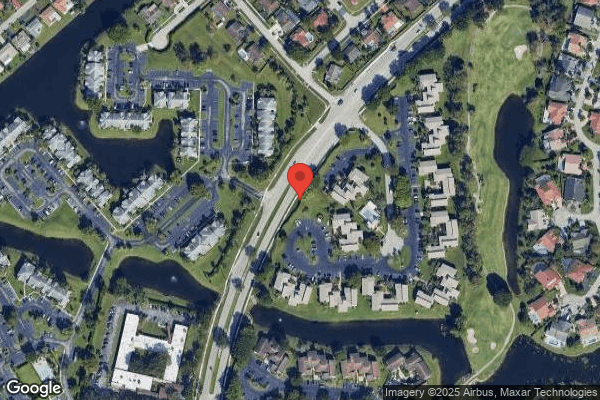

7901 NW 88TH AVENUE, TAMARAC, FL 33321 (954) 722-9330
For profit - Corporation 120 Beds Independent Data: November 2025
Trust Grade
93/100
#126 of 690 in FL
Last Inspection: May 2024

Within standard 12-15 month inspection cycle. Federal law requires annual inspections.

Overview

Tamarac Rehabilitation and Health Center has received a Trust Grade of A, indicating it is excellent and highly recommended, which suggests a strong reputation among nursing homes. It ranks #126 out of 690 in Florida, placing it in the top half of facilities statewide, and #10 out of 33 in Broward County, meaning only nine local options are better. The facility's trend is stable, with one issue reported in both 2024 and 2025, indicating consistent performance over time. Staffing is a relative strength, with a 4 out of 5 star rating and a turnover rate of 27%, which is notably lower than the state average. On the downside, there have been some concerns, such as inadequate housekeeping in ten resident rooms and failure to provide showers as requested for some residents. Additionally, there was an incident where a resident's blood glucose test was not performed according to physician orders, highlighting areas for improvement. Overall, while there are strengths in staffing and overall care quality, families should be aware of these specific concerns when considering this facility.

Trust Score
A
93/100
In Florida
#126/690
Top 18%
Safety Record
Low Risk
No red flags
Inspections
Holding Steady
1 → 1 violations
Staff Stability
✓ Good
27% annual turnover. Excellent stability, 21 points below Florida's 48% average. Staff who stay learn residents' needs.
Penalties
✓ Good
No fines on record. Clean compliance history, better than most Florida facilities.
Skilled Nurses
✓ Good
Each resident gets 44 minutes of Registered Nurse (RN) attention daily — more than average for Florida. RNs are trained to catch health problems early.
Violations
○ Average
7 deficiencies on record. Average for a facility this size. Mostly minor or procedural issues.
★★★★★
5.0
Overall Rating
★★★★☆
4.0
Staff Levels
★★★★★
5.0
Care Quality
★★★★★
5.0
Inspection Score
Stable
2024: 1 issues
2025: 1 issues

The Good

  • 4-Star Staffing Rating · Above-average nurse staffing levels
  • 5-Star Quality Measures · Strong clinical quality outcomes
  • Low Staff Turnover (27%) · Staff stability means consistent care
  • Full Sprinkler Coverage · Fire safety systems throughout facility
  • No fines on record
  • Staff turnover is low (27%)

    21 points below Florida average of 48%

Facility shows strength in staffing levels, quality measures, staff retention, fire safety.

The Bad

No Significant Concerns Identified

This facility shows no red flags. Among Florida's 100 nursing homes, only 1% achieve this.

The Ugly 7 deficiencies on record

Sept 2025 1 deficiency
CONCERN (D) 📢 Someone Reported This

A family member, employee, or ombudsman was alarmed enough to file a formal complaint

Potential for Harm - no one hurt, but risky conditions existed

Safe Environment (Tag F0584)

Could have caused harm · This affected 1 resident

**NOTE- TERMS IN BRACKETS HAVE BEEN EDITED TO PROTECT CONFIDENTIALITY** Based on observation and interview, the facility failed to provide housekeeping and maintenance services necessary to maintain a...

Read full inspector narrative →
**NOTE- TERMS IN BRACKETS HAVE BEEN EDITED TO PROTECT CONFIDENTIALITY** Based on observation and interview, the facility failed to provide housekeeping and maintenance services necessary to maintain a sanitary, orderly, and comfortable interior for 10 of 60 rooms (room [ROOM NUMBER]-B, #102-B, 105-B, #110, #116, #120, #206, #210, #212, and #214). The findings included:The findings included: 1. On 09/15/25 at 10:25 AM, observation revealed a telephone on top of the nightstand of an occupied resident room [ROOM NUMBER]-B with accumulation of residue on the dialing pad and the handset. 2. On 09/15/25 at 10:40 AM, observation revealed a telephone on top of the nightstand of an occupied resident room [ROOM NUMBER]-B with accumulation of residue on the dialing pad and a loose Air Conditioning cover. 3. On 09/15/25 at 10:42 AM, observation revealed a telephone on top of the nightstand of an occupied resident room [ROOM NUMBER]-B with accumulation of residue on the handset. 4. On 09/15/25 at 11:26 AM, observation revealed a resident's bathroom between room [ROOM NUMBER] and room [ROOM NUMBER] with a missing emergency cord/string for the residents to pull and call for help. The bathroom was used by 3 of 4 residents in room [ROOM NUMBER] and #112. 5. On 09/15/25 at 11:26 AM, observation revealed resident's room [ROOM NUMBER]'s bathroom bedside commode with a rusted part near the toilet seat. 6. On 09/15/25 at 10:56 AM, observation revealed residents' room [ROOM NUMBER] with a loose Air Conditioning cover. On 09/16/25 at 2:41 PM, a tour to the East wing with the Director of Maintenance (DOM) was conducted. The DOM stated they replaced room [ROOM NUMBER] bedside commode after the surveyor tour and that he did not know about the missing emergency call light cord. The DOM stated the Air Conditioning (AC) covers are removable and they clip on top but not on the bottom. A side-by-side observation of room [ROOM NUMBER]'s AC cover was conducted with the DOM who stated the cover left top clip was broken and he would replace it. On 09/16/25 at 4:49 PM, a joint interview was conducted with the Housekeeping Supervisor, the Administrator and the DOM. The Housekeeping supervisor and the DOM stated the staff are supposed to clean the resident's phone every day. 7. On 09/15/25 at 5:08 PM, an observation revealed residents' room [ROOM NUMBER] had black and white residue on the slats of the vents and inside the vents of wall mounted air conditioner (AC) units. Photographic Evidence Obtained. 8. On 09/15/25 at 4:18 PM, an observation revealed residents' room [ROOM NUMBER] had black and white residue on the slats of the vents and inside the vents of wall mounted air conditioner (AC) units. Photographic Evidence Obtained. 9. On 09/15/25 at 3:50 PM, an observation revealed residents' room [ROOM NUMBER] had black and white residue on the slats of the vents and inside the vents of wall mounted air conditioner (AC) units. Photographic Evidence Obtained. 10. On 09/15/25 at 4:03 PM, an observation revealed residents' room [ROOM NUMBER] had black and white residue on the slats of the vents and inside the vents of wall mounted air conditioner (AC) units. Photographic Evidence Obtained.
Mar 2023 2 deficiencies
CONCERN (D)

Potential for Harm - no one hurt, but risky conditions existed

Deficiency F0561 (Tag F0561)

Could have caused harm · This affected 1 resident

**NOTE- TERMS IN BRACKETS HAVE BEEN EDITED TO PROTECT CONFIDENTIALITY** Based on observations, interviews, and record review, the facility failed to provide showers per resident preferences for 2 of 2...

Read full inspector narrative →
**NOTE- TERMS IN BRACKETS HAVE BEEN EDITED TO PROTECT CONFIDENTIALITY** Based on observations, interviews, and record review, the facility failed to provide showers per resident preferences for 2 of 2 sampled residents reviewed for showers (Resident #62 and 80). The findings included: Review of the facility policy, titled, Resident Showers, dated 04/22, revealed the following compliance guideline - Residents will be provided showers as per request or as per facility schedule protocols and based upon resident safety. 1. Resident #62 was admitted to the facility on [DATE]. Resident #62 had a medical history significant for a right femur fracture, high blood pressure, asthma, Parkinson's disease, prostate cancer, falls, depression, and dementia. An admission Minimum Data Set (MDS), dated [DATE], documented Resident #62 had a Brief Interview of Mental Status (BIMS) score of 12, which indicates he had mild mental impairment. This MDS documented Resident #62 required extensive assistance of one staff member for personal hygiene (i.e., showering); and documented Resident #62 told the staff it was very important for him to choose between a tub bath, shower, bed bath, or sponge bath. Review of Resident #62's care plans, physician orders, and progress notes revealed there was no documentation for why Resident #62 had not received regular showers since his admission. During the initial tour of the facility and initial interview conducted on 02/27/23 at 9:35 AM, Resident #62 stated he had not received a shower since he had been at the facility. A review was conducted of the Certified Nursing Assistant (CNA) Task for Bathing for a 30-day look back period. It was documented on this task that Resident #62 received a shower on 02/10/23. This indicated Resident #62 had only received one shower in 21 days. A second interview was conducted with Resident #62 on 03/01/23 at 1:00 PM, who stated he had not received a shower since the initial discussion on 02/27/23. When asked if he remembered the staff asking on admission what his shower preferences were, he said he was pretty out of it when he was admitted and did not remember the staff asking about his shower preferences. He said since his admission to the facility, he had received one shower. 2. Resident #80 was admitted to the facility on [DATE]. Resident #80 had a medical history significant for a leg fracture, high blood pressure, heart failure, kidney failure, and diabetes. An admission Minimum Data Set (MDS) was done on 02/18/23. This MDS documented Resident #80 had a Brief Interview of Mental Status (BIMS) score of 15, which indicated he was cognitively intact. This MDS documented Resident #80 required extensive assistance of one staff member for personal hygiene (i.e., showering); and that Resident #80 told the staff it was somewhat important for him to choose between a tub bath, shower, bed bath, or sponge bath. During the initial tour of the facility and initial interview conducted on 02/27/23 at 9:35 AM, Resident #80 stated he had not received a shower since he had been at the facility. Review of Resident #80's Care Plans, Physician Orders, and Progress Notes revealed there was no documentation for why Resident #80 had not received showers since his admission. A review was conducted of the Certified Nursing Assistant (CNA) Task for Bathing for a 30-day look back period. It was documented on this task that Resident #80 received a shower on 02/17/23 and 02/22/23. This indicated Resident #80 had only received two showers in 19 days. A second interview was conducted with Resident #80 on 03/01/23 at 1:00 PM, who stated he had not received a shower since the initial discussion on 02/27/23. When asked if he remembered the staff asking on admission what his shower preferences were, he said he was awake and oriented when he was admitted and did not remember the staff asking about his shower preferences. Resident #80 stated again that, since his admission to the facility, he had not received any showers. When told the staff had documented two showers, he stated he did not receive any showers. An interview was conducted with Staff A, CNA on 03/01/23 at 1:10 PM. When asked how the CNAs know which days each resident is supposed to receive a shower, Staff A showed the surveyor a Staffing Binder and stated the shower schedules are kept in there. She showed the surveyor a page which indicated each of the resident rooms and what days and times each resident is to receive a shower. Further review of this paper revealed Resident #80 was supposed to receive a shower on Wednesdays and Saturdays on the 7:00 AM to 3:00 PM shift. An interview was conducted with the facility's Assistant Director of Nursing (ADON) on 03/02/23 at 9:28 AM. When asked how the CNAs know when each resident is supposed to be showered, she stated it is pre-populated on the daily assignment sheets that are given to each CNA at the start of the shift. When asked if this means a resident receives a bed bath on the assigned day, she stated no, the residents receive a shower on the assigned days, not a bed bath.
CONCERN (D)

Potential for Harm - no one hurt, but risky conditions existed

Quality of Care (Tag F0684)

Could have caused harm · This affected 1 resident

**NOTE- TERMS IN BRACKETS HAVE BEEN EDITED TO PROTECT CONFIDENTIALITY** Based on observations, interviews and record review, the facility failed to ensure the physician's orders were followed as order...

Read full inspector narrative →
**NOTE- TERMS IN BRACKETS HAVE BEEN EDITED TO PROTECT CONFIDENTIALITY** Based on observations, interviews and record review, the facility failed to ensure the physician's orders were followed as ordered for 1 of 10 sampled residents (Resident #16) during medication administration observation review as evidenced by performing Resident #16's blood glucose test and administering insulin after a meal instead of before meal as per physician order. The findings included: Review of the facility's policy, titled, Blood Glucose Monitoring implemented on 04/22 documented, The facility will perform blood glucose monitoring as per physician's order . Review of Resident #16's clinical record documented an initial admission to the facility on [DATE] and a readmission on [DATE]. The resident diagnoses included Acute Kidney Failure, Heart Failure, Anorexia and Type 2 Diabetes Mellitus. Review of Resident #16's Minimum Data Set (MDS) quarterly assessment, dated 12/31/22, documented a Brief Interview of the Mental Status (BIMS) score of 8, indicating the resident had severe cognition impairment. The assessment documented under Functional Status that the resident needed extensive assistance from the nursing staff to complete her activities of daily living. Review of Resident #16's care plan, initiated on 01/23/19 with a revision date on 01/16/23, titled, Resident has Diabetes Mellitus, documented, 'Resident has Potential for signs and symptoms of hypoglycemia (low blood sugar level) /hyperglycemia (high blood sugar level). The care plan interventions included: Accu-checks (blood glucose testing) as ordered initiated on 01/23/19 .Administer medication as per order initiated on 01/23/19 .'. Review of Resident #16's physician order, dated 08/22/22, documented, Humalog KwikPen 100 unit/ML Solution pen-injector. Inject subcutaneously before meals and at bedtime related to Type 2 Diabetes Mellitus .Inject as per sliding scale: if 201- 250 = 3 units; 251- 300 = 6 units; 301- 350 = 9 units; 351- 400 = 12 units, greater than 400 give 12 units and call MD. On 02/28/23 at 12:38 PM, observation revealed Resident #16 complained of pain and asked for a pain pill while Staff B, Licensed Practical, was in the resident's room administering Resident #16's roommate's medication. Observation revealed Resident #16 had her lunch tray on the table in front of her and stated she was done with lunch. Further observation revealed the resident ate two cups of yogurt and ate a small amount of mashed potatoes and a piece small of meat. Staff B, LPN stated she would check to see if the resident had an order for pain medication. Staff B proceeded to review Resident #16's electronic medication administration record. During the review, Staff B stated the resident was due for Insulin at 11:30 AM and added that she could give it one hour before or one hour after a meal. Staff B stated she was only 10 minutes behind the scheduled time. On 02/28/23 at 12:42 PM, observation revealed Staff B, LPN performed Resident #16's blood sugar/glucose testing. Staff B stated the resident blood sugar/glucose test results was 229 [mg/Dl] and needed 3 units of Insulin. At 12:43 PM, observation revealed Staff B administered 3 units of Humalog Pen Insulin to Resident #16 and two (2) Tylenol 325 milligrams for pain. On 02/28/23 at 2:10 PM, an interview was conducted with the facility's Consultant Pharmacist (CP). The CP was apprised Resident #16 had her 11:30 AM blood glucose test done and insulin administration during lunch time rather than before meals as per physician order. A side-by-side review of Resident #16's physician order, dated 08/22/22, for Humalog Insulin Pen with sliding scale coverage was conducted with the CP. The CP stated the blood glucose test should have been done before meals as ordered. On 02/28/23 3:20 PM, an interview was conducted with Staff B, LPN who stated that she got report that Resident #16 had BG (blood glucose) checks/test to be done. Staff B stated it was her second time coming to the facility and forgot that the resident needed a blood sugar test at 11:30 AM. On 03/01/23 at 9:16 AM, an interview was conducted with Staff C, LPN who acknowledged that Resident #16, blood sugar/glucose checks should have been done and the insulin administration before meals as per physician order. Staff C acknowledged Staff B did not follow physician's orders. On 03/02/23 at 11:21 AM, an interview was conducted with the facility's Director of Nursing (DON). The DON was apprised of Staff B not following physician orders for Resident #16's blood sugar/glucose testing. The DON stated Staff B did not do it intentionally and that it was an isolated incident. The DON was apprised that Staff B noticed that Resident #16 was due for a blood sugar check when she logged in into the resident's electronic medication administration record to check for pain medication as requested by the resident. On 03/02/23 at 12:20 PM, an interview was conducted with Staff D, LPN who stated residents' blood glucose testing are to be done before meals as per physician orders.
Nov 2021 4 deficiencies
CONCERN (D)

Potential for Harm - no one hurt, but risky conditions existed

Resident Rights (Tag F0550)

Could have caused harm · This affected 1 resident

**NOTE- TERMS IN BRACKETS HAVE BEEN EDITED TO PROTECT CONFIDENTIALITY** Based on observation, interview and record review, the facility failed to provide dignity during dining for 1 of 8 residents rev...

Read full inspector narrative →
**NOTE- TERMS IN BRACKETS HAVE BEEN EDITED TO PROTECT CONFIDENTIALITY** Based on observation, interview and record review, the facility failed to provide dignity during dining for 1 of 8 residents reviewed for dignity, Resident #57. Findings included: The facility's policy titled Promoting/Maintaining Resident dignity during Mealtimes, implemented 11/2017, documented, It is the practice of this facility to treat each resident with respect and dignity and care for each resident in a manner and in an environment that maintains or enhances his or her quality of life, recognizing each resident's individuality and protecting the rights of each resident. Under the heading titled Policy Explanation and Compliance Guidelines the policy documented: 1. All staff members involved in providing feeding assistance to residents promote and maintain resident dignity during mealtimes 5. All staff will be seated, if possible, while feeding a resident. Resident #57 was admitted on [DATE] and most recently readmitted on [DATE]. According to the resident's most recent complete assessment, a Significant Change Minimum Data Set (MDS), dated [DATE], Resident #57 had a Brief Interview for Mental Status (BIMS) score of 10, indicating that the resident's cognition was 'moderately impaired'. The MDS documented that the resident required 'Limited assistance' and 'one person physical assist' for eating and that the resident had 'impairment on one side' of upper extremity. Resident #57's diagnoses at the time of the assessment included: Hypertension; GERD; Diabetes Mellitus; Arthritis; Non-Alzheimer's Dementia; Parkinson's Disease; Psychotic disorder; Cerebrovascular Disease; and Altered Mental Status. Resident #57's care plan, initiated on 01/13/21 and most recently revised on 11/05/21, documented, Resident requires assistance with all ALD's task performance R/T hx (related to history of ) hospitalization, weakness, abnormalities of gait and mobility. HTN, glaucoma, hx of insomnia, dementia, Osteoarthritis, s/o falls, esophageal reflux, CVA, Parkinson's , hx Anemia, hx functional decline, diabetes, psychosis, adjustment disorder with depressed mood. The goal of the care plan was documented as, Resident will be dressed, clean, dry, odor free and well groomed daily through the next review date with a target date of 01/01/22. Interventions to the care plan were documented as: * Assist resident with eating as needed. Monitor and documented % taken at each meal time. Encourage completion of meals. * Assist with all ADL tasks as needed. * Encourage resident to participate as much as tolerated. On 11/07/21 at 12:20 PM Staff A, CNA was observed standing over resident to the resident's left side of bed while feeding Resident #57. It was noted that there was a chair in the room next to the resident's left side of the head of bed and directly behind Staff A, that was not being used for any purpose during the observation. On 11/07/21 at 12:26 PM, Staff A was observed sitting in the chair at resident's left side of bed while feeding Resident #57. On 11/07/21 at 12:34 PM, Staff A was observed standing over Resident #57 while feeding and providing fluid, with the room chair directly behind Staff A. On 11/09/21 at 8:26 AM, Resident #57 was observed in bed with the head of bed elevated, drinking coffee with breakfast on over bed table in front of the resident, with no staff in room to provide assistance or cueing. Resident #57 was noted to have food particles on outer clothing and blanket. During an interview on 11/09/21 at 8:45 AM with the Rehab Manager, when asked for clarification of the MDS that documented that Resident #57 required 'limited assistance' and 'one person physical assist', the Rehab Manager replied that the need for 'limited assistance' and 'one person physical assist' was based on behaviors and that sometimes the resident would do very well with feeding himself. On 11/09/21 at 12:35 PM, Staff B, CNA, was observed standing to resident's right side of bed and feeding the resident lunch from the over bed table that was positioned on the same side of the bed, while standing over the resident. It was noted that the room chair was on the resident's left side of bed and was not being used for any other purpose. During an interview, on 11/09/21 at 12:50 PM, with Staff B, when asked about the facility's policy for feeding a resident, Staff B replied, We take the tray to them and we set them up and we feed them. The ones that can't eat, we feed them. We set up the tray, we put the tray across the table so that we are able to feed them. We sit. He is the way he is, we put the tray across and he said that he didn't want to eat, he ate everything. He loves his food. Resident #57 was not interviewable.
CONCERN (D)

Potential for Harm - no one hurt, but risky conditions existed

ADL Care (Tag F0677)

Could have caused harm · This affected 1 resident

**NOTE- TERMS IN BRACKETS HAVE BEEN EDITED TO PROTECT CONFIDENTIALITY** Based on observations, interviews, and record review, the facility failed to provide fingernail care for 1 of 1 resident reviewe...

Read full inspector narrative →
**NOTE- TERMS IN BRACKETS HAVE BEEN EDITED TO PROTECT CONFIDENTIALITY** Based on observations, interviews, and record review, the facility failed to provide fingernail care for 1 of 1 resident reviewed for Activities of Daily Living (Resident #1). The findings included: Review of the facility's policy titled, Nail Care, dated October 2019, documented the following: Routine cleaning and inspection of nails will be provided during activities of daily living (ADL) care on an ongoing basis. Review of the Duties & Responsibilities section of the Certified Nursing Aide Job Description documented the following: Gives hygienic care: bathing, assisting with cleaning teeth, back rubs, providing water to wash hands and face, nail care, combing hair. Review of the record showed that Resident #1 was readmitted to the facility on [DATE] with the following diagnoses: Cerebral Infarction, Altered Mental Status, Rheumatoid Arthritis. Review of Section C of the Minimum Data Set (MDS) dated [DATE] documented that Resident #1 had a Brief Interview for Mental Status score of 15, which indicated that she was cognitively intact. Review of Section G of the MDS dated [DATE] documented that Resident #1 required extensive assistance with one-person physical assist for personal hygiene. Review of the Care Plan dated 09/28/21 documented that Resident #1 had an ADL self-care performance deficit. Interventions were to check nail length and trim and clean on bath day and as necessary. Review of the Certified Nursing Assistant (CNA) Tasks for Nail Care dated 11/07/21 - 11/08/21 documented that nail care was done daily. During an observation conducted on 11/07/21 at 12:16 PM, Resident#1's fingernails were past her fingertips. Closer observation showed Resident #1's fingernails had a noticeable black discoloration under her nails. Resident #1 stated, They haven't cut my nails since I've been here. I don't like them long. When asked if she would like them trimmed, she said Yes. During an interview conducted on 11/08/21 at 3:20 PM, Resident #1 stated no one came in to do her nails. She further stated, They're the same as yesterday. It was noted that Resident #1's fingernails were still past her fingertips and still had a noticeable black discoloration underneath. During an interview conducted on 11/09/21 at 9:14 AM, Staff C, CNA, stated that CNAs were responsible for cleaning and cutting residents' fingernails. When asked how often fingernails were cleaned and cut, she stated, Whenever we see that they're long or dirty when we're doing care. According to her, nail care was documented under CNA Tasks for Nail Care. She stated that if it was marked yes, that would mean that the nails were cleaned. When asked about Resident #1, she stated, I know Staff D, Registered Nurse, was cutting nails last week. During an interview conducted on 11/09/21 at 9:17 AM, Staff D stated that CNAs are normally responsible for cutting and cleaning residents' fingernails, and that it was part of their tasks. She stated she does trim residents' fingernails sometimes, and when she does she informs the CNA. She further stated that if a resident refused nail care, she would document it in the progress notes. When asked about Resident #1, she stated, I think I cut her nails 2 weeks ago. During an observation conducted on 11/09/21 at 9:24 AM, accompanied by Staff C, Resident #1's fingernails were still past her fingertips and still had a noticeable black discoloration underneath. Staff C stated, They didn't look like that on Saturday. She further stated Resident #1's fingernails might be dirty because she might get food under them when she eats. She then acknowledged Resident #1's nails were long, dirty, and said that she would clean and cut her nails.
CONCERN (D)

Potential for Harm - no one hurt, but risky conditions existed

Deficiency F0688 (Tag F0688)

Could have caused harm · This affected 1 resident

**NOTE- TERMS IN BRACKETS HAVE BEEN EDITED TO PROTECT CONFIDENTIALITY** Based on observation, interview and record review, the facility failed to provide services to prevent further decrease in range ...

Read full inspector narrative →
**NOTE- TERMS IN BRACKETS HAVE BEEN EDITED TO PROTECT CONFIDENTIALITY** Based on observation, interview and record review, the facility failed to provide services to prevent further decrease in range of motion for 1 of 1 resident reviewed for limited range of motion, Resident #33. The findings included: The facility's policy titled, Prevention of Decline in Rang of Motion, implemented 11/2014, documented:, Section 3, Appropriate Care Planning b. The facility will provide treatment and care in accordance with professional standards of practice. This includes, but Is not limited to: ii. Appropriate equipment e. A nurse with responsibility for the resident will monitor for consistent implementation of the care plan interventions. Refusals of care or problems associated with range of motion exercises will be documented in the medical record. Section 4 Preventive Care b. Staff will be educated on basic, restorative nursing care that does not require the use of a qualified therapist or licensed nurse oversight. This training may include but is not limited to: iv. Assisting residents in adjustment to their disabilities and use of any assistive devices. Resident #33 was admitted on [DATE]. According to Resident #33's most recent complete assessment, a Quarterly Minimum Data Set (MDS), dated [DATE], Resident #33 had a Brief Interview for Mental Status score of 13, indicating 'cognitively intact'. The MDS documented that the resident was dependent upon staff for Activities of Daily Living (ADLs). The assessment documented that the resident used an indwelling catheter and was 'frequently incontinent' of bowel'. Resident #33's diagnoses at the time of the assessment included: Anemia; Heart Failure; Hypertension; Obstructive Uropathy; Diabetes Mellitus; Non-Alzheimer's Dementia; Seizure disorder; Anxiety disorder; Depression; Dependence on renal dialysis; Hemiplegia following cerebral infarction affecting left dominant side. Resident #33's orders included: Left hand roll on at all times remove for hygiene only every shift related to Hemiplegia and hemiparesis following cerebral infarction affecting left dominant side - 10/12/21. Review of Resident #33's electronic and paper-based health record revealed no documentation of Resident #33 being noncompliant with the use of a splint/device to the left hand. During an interview with Resident #33, on 11/07/21 at 1:21 PM it was noted that the resident's left hand was contracted with a device on the left lower arm at the wrist. The resident stated, it's not supposed to be like that, it's supposed to be under my fingers. On 11/08/21 at approximately 12:15 PM, Resident #33 was observed in bed with the splint around the resident's left lower arm/wrist. On 11/09/21 at 8:38 AM, Resident #33 was observed in bed with breakfast on over bed table, eating independently. It was noted that the resident's splint was around the left lower arm/wrist. During an interview, on 11/09/21 at 8:38 AM, with the Rehab Manager, when asked about Resident #33's splint to the left hand, the Rehab Manager replied, they (CNAs) take it off during any kind of AM care and should be taken off at night. She had another splint that she refused so we discharged that. It is supposed to be around her hand and under her fingers to keep her fingernails from digging in. She (Resident #33) fidgets a lot and moves the splint there. On 11/09/21 at 10:50 AM, Resident #33 was observed in bed and was asked if the staff had placed the splint properly, Resident #33 replied, they were supposed to come back after I finished eating and he never came back. Resident #33 held up the left hand and the brace was at the resident's left lower arm/wrist. When the resident was asked of the ability to move and place the splint independently, Resident #33 stated she was not able to. During a follow up interview, on 11/09/21 at 10:57 AM, with the Rehab Manager, the Rehab Manager stated, the CNAs and whoever is in the room should recognize the splint and replace it as needed. The ADON helped place it on Sunday, she (Resident #33) gets agitated and fidgets with it. During an interview, on 11/10/21 at 10:36 AM, with Staff B, CNA, when asked about maintaining Resident #33's splint device, Staff B replied, we are supposed to get a new one and put it on her hand. We get her a new one so that she has a clean one. She moves around in bed a lot and sometimes it gets moved around and out of place. During an interview, on 11/10/21 at 11:35 AM, with Staff C, LPN, when asked about the facility's policy for maintaining a resident's range of motion and devices, Staff C replied, Just as far as making sure that the CNAs provide care to that hand and clean inside of it, they are supposed to do that every shift. They are supposed to check every 3 hours and clean underneath if it (splint, device) needs to be, shifts are 8 hours. If it is fine when they check, they can leave it off for thirty minutes and go back to put it back on after they have cleaned it and the hand.
CONCERN (D)

Potential for Harm - no one hurt, but risky conditions existed

Deficiency F0692 (Tag F0692)

Could have caused harm · This affected 1 resident

**NOTE- TERMS IN BRACKETS HAVE BEEN EDITED TO PROTECT CONFIDENTIALITY** 3.Review of the record showed that Resident #330 was admitted to the facility on [DATE] with the following diagnoses: Atheroscle...

Read full inspector narrative →
**NOTE- TERMS IN BRACKETS HAVE BEEN EDITED TO PROTECT CONFIDENTIALITY** 3.Review of the record showed that Resident #330 was admitted to the facility on [DATE] with the following diagnoses: Atherosclerotic Hearth Disease, Chronic Obstructive Pulmonary Disease, Essential Hypertension, Hyperlipidemia, Hypothyroidism Review of the Physician's Orders showed that Resident #330 had an order with a start date of 11/06/21 for daily weights for 3 days. Review of the Care Plan dated 11/05/21 documented that Resident #330 has potential for weight loss, skin breakdown and alteration in nutrition/hydration status. Goals were to meet Nutrition and hydration needs as evidenced by no significant weight loss, labs maintained within acceptable range and no skin breakdown by next review date. Review of the weights for Resident #330 showed that there were no weights for 11/06/21, 11/07/21, and 11/08/21. Review of all progress notes dated 11/06/21 - 11/08/21 showed there was no documentation showing Resident #330 refused daily weights. Review of the Medication Administration Record (MAR)dated November 2021, for Resident#330 showed there was no documentation for daily weights on 11/06/21 - 11/07/21. During an interview on 11/10/21 at 9:02 AM, Staff E, Registered Dietician, was asked about the daily weights for Resident #330. Upon further review of the chart, she confirmed that there was no documentation for daily weights on 11/06/21, and 11/07/21 for Resident #330. This showed that the physician's order for daily weights for three days were not followed. Based on observations, interviews, and record review, the facility failed to obtain daily weights as per Physician's Orders for 3 of 7 residents reviewed for nutrition (Resident #280, Resident #283, Resident #330). The findings included: Review of the facility's policy titled, Weight Assessment/Evaluation and Intervention, dated August 2018, documented the following: The nursing staff will obtain weights on the newly admitted resident for 3 days, beginning the morning after admission, and weekly for 4 weeks. Weight will be recorded in the individual's medical record/electronic medical record. 1. Review of the record showed that Resident #280 was re-admitted to the facility on [DATE] with the following diagnoses: Protein-Calorie Malnutrition, Underweight, Stage 3 Chronic Kidney Disease, and Hypertension. Review of the Physician's Orders showed that Resident #280 had an order with a start date of 11/06/21 for daily weights for 3 days on every day shift. Review of the weights for Resident #280 showed that there were no weights documented on 11/06/21 or 11/07/21. Review of all progress notes dated 11/06/21 - 11/07/21 for Resident #280 showed that there were no notes regarding refusal of daily weights. Review of the Medication Administration Record (MAR) for November 2021 for Resident #280 showed that there was no documentation regarding daily weights for 11/06/21 - 11/07/21. Review of the Care Plan dated 11/06/21 documented that Resident #280 had the potential for further weight loss, skin breakdown, and further alteration in nutrition/hydration status. During an observation conducted on 11/07/21 at 10:45 AM, Resident #280 was observed laying in her bed. Resident #280 appeared thin with sunken cheeks and hollow orbital regions. When asked if she had lost any weight, she stated, I would imagine so. I don't eat very much. During an observation conducted on 11/08/21 at 8:38 AM, Resident #280's breakfast tray contained a muffin, sausage links, a cup of coffee, a cup of orange juice, and a container of Raisin Bran cereal. It was noted that Resident #280 had only taken a few small bites of her muffin, showing that she had consumed less than 25% of her meal. When asked if she was still hungry, Resident #280 stated that she was done with her breakfast. During an observation conducted on 11/09/21 at 8:22 AM, Resident #280 was observed in her bed with her breakfast meal untouched on her overbed table. When asked about her meal, Resident #280 stated that she did not want to eat breakfast. During an interview conducted on 11/10/21 at 9:02 AM, Staff E, Registered Dietitian, stated that upon admission, weights were taken daily for 3 days, weekly until stable, and then monthly thereafter. According to her, nursing was responsible for taking weights. She further stated that the nurse assigned to the resident was responsible for taking their daily admission weights. When asked, Staff E stated that weights were documented in PointClickCare (electronic charting system) and that nurses were responsible for entering the daily admission weights into PointClickCare. She further stated that nursing would know if a resident required daily weights because it would be placed as an order and would appear in their MAR. According to her, residents with a low body mass index, abnormal albumin, poor intake, elevated blood urea nitrogen, and skin alterations were at high nutritional risk. When asked about Resident #280, Staff E reviewed her chart and confirmed that there was no documentation showing that she refused to be weighed on 11/06/21 or 11/07/21. Upon further review of Resident #280's chart, Staff E confirmed that there was no documentation for daily weights on 11/06/21 or 11/07/21. This showed that the Physician's Order for daily weights for three days was not followed. 2. Review of the record showed that Resident #283 was re-admitted to the facility on [DATE] with the following diagnoses: Heart Failure, Unstageable Pressure Ulcer of Sacral Region, Type 2 Diabetes Mellitus, Atherosclerotic Heart Disease, and Dementia. Review of the Physician's Orders showed that Resident #283 had an order with a start date of 11/05/21 for daily weights for 3 days on every day shift. Review of the weights for Resident #283 showed that there were no weights documented on 11/05/21, 11/06/21, or 11/07/21. Review of all progress notes dated 11/05/21 - 11/07/21 for Resident #283 showed that there were no notes regarding refusal of daily weights. Review of the MAR for November 2021 for Resident #283 showed that there was no documentation regarding daily weights for 11/05/21 - 11/07/21. Review of the Baseline Care Plan dated 11/04/21 documented that Resident #283 was at risk for dehydration and potential for weight loss. During an observation conducted on 11/07/21 at 10:14 AM, Resident #283 was observed sleeping in his bed. Resident #283 appeared thin with sunken cheeks and hollow orbital regions. During an interview conducted on 11/10/21 at 9:02 AM, Staff E reviewed Resident #283's chart and confirmed that there was no documentation showing that he refused to be weighed on 11/05/21, 11/06/21, or 11/07/21. Upon further review of Resident #283's chart, Staff E confirmed that there was no documentation for daily weights on 11/05/21, 11/06/21, or 1/07/21. This showed that the Physician's Order for daily weights for three days was not followed.
Understanding Severity Codes (click to expand)
Life-Threatening (Immediate Jeopardy)
J - Isolated K - Pattern L - Widespread
Actual Harm
G - Isolated H - Pattern I - Widespread
Potential for Harm
D - Isolated E - Pattern F - Widespread
No Harm (Minor)
A - Isolated B - Pattern C - Widespread

Questions to Ask on Your Visit

  • "Can I speak with families of current residents?"
  • "What's your RN coverage like on weekends and overnight?"

Our Honest Assessment

Strengths
  • • Grade A (93/100). Above average facility, better than most options in Florida.
  • • No major safety red flags. No abuse findings, life-threatening violations, or SFF status.
  • • No fines on record. Clean compliance history, better than most Florida facilities.
  • • 27% annual turnover. Excellent stability, 21 points below Florida's 48% average. Staff who stay learn residents' needs.
Concerns
  • • No significant concerns identified. This facility shows no red flags across CMS ratings, staff turnover, or federal penalties.
Bottom line: Generally positive indicators. Standard due diligence and a personal visit recommended.

About This Facility

What is Tamarac Rehabilitation And's CMS Rating?

CMS assigns TAMARAC REHABILITATION AND HEALTH CENTER an overall rating of 5 out of 5 stars, which is considered much above average nationally. Within Florida, this rating places the facility higher than 99% of the state's 100 nursing homes. This rating reflects solid performance across the metrics CMS uses to evaluate nursing home quality.

How is Tamarac Rehabilitation And Staffed?

CMS rates TAMARAC REHABILITATION AND HEALTH CENTER's staffing level at 4 out of 5 stars, which is above average compared to other nursing homes. Staff turnover is 27%, compared to the Florida average of 46%. This relatively stable workforce can support continuity of care.

What Have Inspectors Found at Tamarac Rehabilitation And?

State health inspectors documented 7 deficiencies at TAMARAC REHABILITATION AND HEALTH CENTER during 2021 to 2025. These included: 7 with potential for harm.

Who Owns and Operates Tamarac Rehabilitation And?

TAMARAC REHABILITATION AND HEALTH CENTER is owned by a for-profit company. For-profit facilities operate as businesses with obligations to shareholders or private owners. The facility operates independently rather than as part of a larger chain. With 120 certified beds and approximately 99 residents (about 82% occupancy), it is a mid-sized facility located in TAMARAC, Florida.

How Does Tamarac Rehabilitation And Compare to Other Florida Nursing Homes?

Compared to the 100 nursing homes in Florida, TAMARAC REHABILITATION AND HEALTH CENTER's overall rating (5 stars) is above the state average of 3.2, staff turnover (27%) is significantly lower than the state average of 46%, and health inspection rating (5 stars) is much above the national benchmark.

What Should Families Ask When Visiting Tamarac Rehabilitation And?

Based on this facility's data, families visiting should ask: "Can I visit during a mealtime to observe dining assistance and food quality?" "How do you handle medical emergencies, and what is your hospital transfer rate?" "Can I speak with family members of current residents about their experience?"

Is Tamarac Rehabilitation And Safe?

Based on CMS inspection data, TAMARAC REHABILITATION AND HEALTH CENTER has a clean safety record: no substantiated abuse findings (meaning no confirmed cases of resident harm), no Immediate Jeopardy citations (the most serious violation level indicating risk of serious injury or death), and is not on the Special Focus Facility watch list (a federal program monitoring the lowest-performing 1% of nursing homes). The facility has a 5-star overall rating and ranks #1 of 100 nursing homes in Florida. While no facility is perfect, families should still ask about staff-to-resident ratios and recent inspection results during their visit.

Do Nurses at Tamarac Rehabilitation And Stick Around?

Staff at TAMARAC REHABILITATION AND HEALTH CENTER tend to stick around. With a turnover rate of 27%, the facility is 18 percentage points below the Florida average of 46%. Low turnover is a positive sign. It means caregivers have time to learn each resident's needs, medications, and personal preferences. Consistent staff also notice subtle changes in a resident's condition more quickly.

Was Tamarac Rehabilitation And Ever Fined?

TAMARAC REHABILITATION AND HEALTH CENTER has no federal fines on record. CMS issues fines when nursing homes fail to meet care standards or don't correct problems found during inspections. The absence of fines suggests the facility has either maintained compliance or corrected any issues before penalties were assessed. This is a positive indicator, though families should still review recent inspection reports for the full picture.

Is Tamarac Rehabilitation And on Any Federal Watch List?

TAMARAC REHABILITATION AND HEALTH CENTER is not on any federal watch list. The most significant is the Special Focus Facility (SFF) program, which identifies the bottom 1% of nursing homes nationally based on persistent, serious quality problems. Not being on this list means the facility has avoided the pattern of deficiencies that triggers enhanced federal oversight. This is a positive indicator, though families should still review the facility's inspection history directly.