AYERS HEALTH AND REHABILITATION CENTER
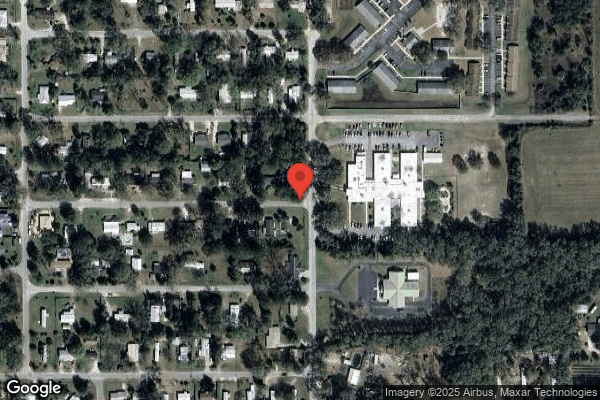
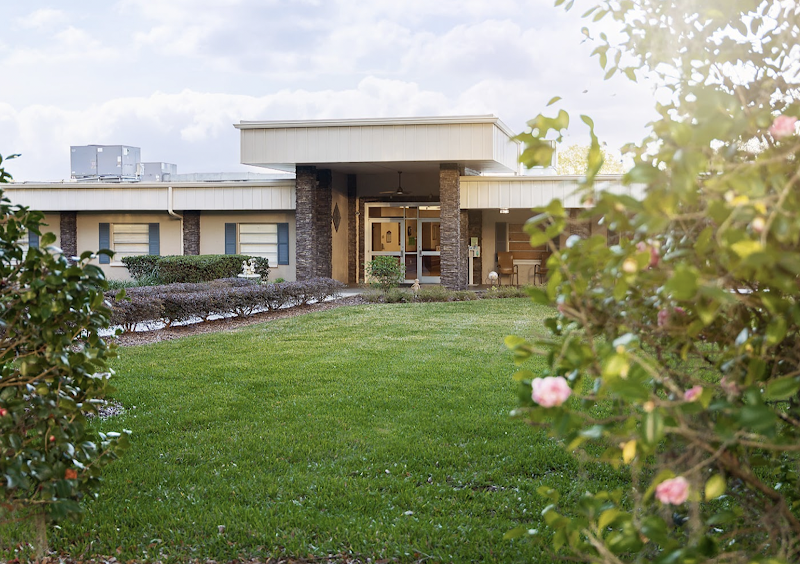
606 NE 7TH ST, TRENTON, FL 32693 (352) 463-7101
Non profit - Corporation 120 Beds HEALTH SERVICES MANAGEMENT Data: November 2025 1 Immediate Jeopardy citation
Trust Grade
56/100
#329 of 690 in FL
Last Inspection: March 2025

Within standard 12-15 month inspection cycle. Federal law requires annual inspections.

Overview

Ayers Health and Rehabilitation Center has a Trust Grade of C, indicating it is average compared to other facilities. It ranks #329 out of 690 in Florida, placing it in the top half of all nursing homes in the state, but it is the second best option in Gilchrist County, suggesting limited choices for families. Unfortunately, the facility's performance is worsening, with issues increasing from 3 in 2023 to 5 in 2025. Staffing is a strength, receiving a 4 out of 5 rating, but the staff turnover rate is 50%, which is around the state average. However, the facility has faced significant concerns, including a critical incident where a resident ingested a hazardous wound cleanser that was left unsecured, leading to serious health risks. Additionally, there were instances of staff failing to perform proper hand hygiene during medication administration, which raises infection control concerns. Overall, while there are some strengths in staffing, families should be aware of the recent troubling incidents and the worsening trend in care quality.

Trust Score
C
56/100
In Florida
#329/690
Top 47%
Safety Record
High Risk
Review needed
Inspections
Getting Worse
3 → 5 violations
Staff Stability
⚠ Watch
50% turnover. Above average. Higher turnover means staff may not know residents' routines.
Penalties
✓ Good
$24,850 in fines. Lower than most Florida facilities. Relatively clean record.
Skilled Nurses
✓ Good
Each resident gets 46 minutes of Registered Nurse (RN) attention daily — more than average for Florida. RNs are trained to catch health problems early.
Violations
○ Average
10 deficiencies on record. Average for a facility this size. Mostly minor or procedural issues.
★★★☆☆
3.0
Overall Rating
★★★★☆
4.0
Staff Levels
★★★★★
5.0
Care Quality
★★☆☆☆
2.0
Inspection Score
Stable
2023: 3 issues
2025: 5 issues

The Good

  • 4-Star Staffing Rating · Above-average nurse staffing levels
  • 5-Star Quality Measures · Strong clinical quality outcomes
  • Full Sprinkler Coverage · Fire safety systems throughout facility
  • No fines on record

Facility shows strength in staffing levels, quality measures, fire safety.

The Bad

3-Star Overall Rating

Near Florida average (3.2)

Meets federal standards, typical of most facilities

Staff Turnover: 50%

Near Florida avg (46%)

Higher turnover may affect care consistency

Federal Fines: $24,850

Below median ($33,413)

Minor penalties assessed

Chain: HEALTH SERVICES MANAGEMENT

Part of a multi-facility chain

Ask about local staffing decisions and management

The Ugly 10 deficiencies on record

1 life-threatening
Aug 2025 1 deficiency 1 IJ
CRITICAL (J) 📢 Someone Reported This

A family member, employee, or ombudsman was alarmed enough to file a formal complaint

Immediate Jeopardy (IJ) - the most serious Medicare violation

Accident Prevention (Tag F0689)

Someone could have died · This affected 1 resident

**NOTE- TERMS IN BRACKETS HAVE BEEN EDITED TO PROTECT CONFIDENTIALITY** Based on interview and record review, the facility failed to ensure residents were free from accidents and hazards by failing to...

Read full inspector narrative →
**NOTE- TERMS IN BRACKETS HAVE BEEN EDITED TO PROTECT CONFIDENTIALITY** Based on interview and record review, the facility failed to ensure residents were free from accidents and hazards by failing to ensure wound cleanser containing chemicals were secure when not in use for 1 (Resident #1) of 5 residents with wound care needs.On August 3 and 4, 2025, [Brand Name] Wound Care Cleanser was observed unattended in Resident #1's room at different times by three staff members. The wound cleanser was not removed. Resident #1 consumed the wound cleanser, complained of burning to his mouth and stomach resulting in Resident #1 being transferred to a higher level of care.The facility failed to ensure residents were free from accidents and hazards by failing to ensure wound cleanser containing chemicals were secure when not in use led to the determination of Immediate Jeopardy at a scope and severity of isolated, (J). The facility's actions placed Resident #1, who had a diagnosis of dementia, at a likelihood of serious harm, such as gastrointestinal irritation, nausea, vomiting, or diarrhea. The Administrator in Training was provided the Immediate Jeopardy Template on August 12, 2025 at 4:09 PM. The Immediate Jeopardy began on August 4, 2025 and was removed on site on August 6, 2025.Findings include: During an interview on August 11, 2025 at 9:00 AM, the Director of Nursing (DON) stated, I was notified on 8/5, [August 5, 2025] that a resident [Resident #1] had potentially ingested wound cleanser by the night shift nurse. He [Resident #1] reported to the nurse he had drank some [wound cleanser] and his mouth was burning. He did not say why only stated he knew it was wound cleanser, and he drinks whatever is in front of him. He is still in the hospital as far as I am aware. He went to [Name of Hospital]. He was a short-term patient. I have not heard any updates. His wife came in Friday and got his belongings. We don't typically leave wound cleanser in the room. A newer Licensed Practical Nurse (LPN) took the wound cleanser in the room. The MD [Medical Doctor] and poison control informed the nurse to send him out for eval [evaluation] due to the ingredients and due to his throat burning. Poison control compared it to potential laundry soap. He [Resident #1] came in Friday afternoon and this happened on Monday. He was in an isolation room.During an interview on August 11, 2025 at 2:40 PM, Staff E, Certified Nursing Assistant (CNA) stated, I worked the four hour shift that day, 7:00 pm to 11:00 pm. I notified the nurse [Staff C, Licensed Practical Nurse] that the wound cleanser was in the room because I was assisting the resident to the bathroom and it fell off the bedside table. When asked why she did not remove it from the room she stated, I was not sure why she [the nurse] did not remove it, maybe because I thought the nurse was not through with it or had left it for later. I really don't know why I did not remove it.During an interview via telephone on August 11, 2025 at 2:42 PM, Resident #1's physician stated, It was life-threatening and could have been worse. The staff called the poison control and due to the ingredients poison control recommended he be sent to the hospital and that is what the facility did.During a telephone interview on August 11, 2025 at 2:44 PM, Staff A, CNA, stated, The resident [Resident #1] was in the isolation room, and I had just come back from break and went to check on him and he was lying in bed, and he stated his mouth was burning and he held up the bottle and read it to me: ‘wound cleanser' and that he had been ‘drinking wound cleanser.' I took the wound cleanser from him and notified the nurse who then called someone, not sure who, if it was the doctor or poison control. EMS [Emergency Management Services] arrived 20 to 30 minutes later. During an interview on August 11, 2025 at 3:18 PM, Staff D, CNA, stated, I saw the wound cleanser in the room that day [August 4, 2025]. When asked why she did not remove it from the room she stated, We as CNAs are not allowed to touch it, only nurses. I notified his nurse, Staff C, LPN, who stated she would take care of it.During an interview on August 12, 2025 at 11:54 AM, Staff E, CNA, stated, I had come on [August 4, 2025 at] 7pm - 11PM to work and it was sometime around 8PM - 8:30 PM when his [Resident #1] bed alarm started going off. I walked into his room, and he was walking to the bathroom, and he didn't seem very stable. His bedside table was in the path to the bathroom. I stepped around it to get to him and the wound cleanser fell to the ground. After, I got him back in bed. I put the wound cleanser back on the table because I didn't think anything about it because CNAs do not do wound care. I know that I should have just taken it out of the room. I was not told in report that he tried to drink urine or anything else of the sort. He didn't show any signs like that when I was taking care of him. He was trying to urinate in the sink. I only worked four hours that night and had no additional encounters with him.During an interview on August 12, 2025 at 12:14 PM, Staff C, LPN, stated The day before he drank the wound cleanser, I was his nurse. The CNA [Staff D] came to me and told me he was trying to drink his urine. I went to the room and went to move the urinal out of the way. The wife was at bedside and said no don't do that he needs it there. I called the doctor and told him that he was trying to drink his urine. The doctor told me he has a history of that it is in the records from the hospital and to increase his Trazadone. The care plan was updated by [Director of Nursing's Name]. The care plan was not updated by me; it was done by her [Director of Nursing]. The reason they care planned it was because he tried to drink the urine and that they were told by the wife to leave the urinal there and not to move it even if he drinks it. The care plan was to leave the urinal at bedside. His wife said he wanted it right there and that is why we care planned it. I was aware before he drank the wound cleanser that no medications or biologicals including wound cleanser were allowed at the bedside, but I didn't if think about wound cleanser, I know now.During an interview on August 12, 2025 at 2:05 PM, the Assistant Director of Nursing stated, We provide training on hire that no medications or biologicals can be left at bedside unsecured.During an interview on August 12, 2025 at 2:08 PM, the Director of Nursing stated, We educate quarterly and during orientation that medications, treatments, and biologicals cannot be left at bedside unattended. All staff had been educated prior to this incident, and we are reeducating now.Review of Resident #1's electronic clinical records showed Resident #1 was admitted to the facility on [DATE] with diagnoses that included: other viral pneumonia; orthostatic hypotension (low blood pressure that happens when standing up from sitting or lying down); chronic obstructive pulmonary disease (a group of lung diseases that block airflow and make it difficult to breath); hypertensive heart failure and chronic kidney disease (heart failure that develops as a consequence of high blood pressure and long standing disease of the kidneys leading to renal failure); chronic systolic congestive heart failure (occurs when the heart's main pumping chamber, the left ventricle, weakens and can't contract forcefully enough to pump sufficient blood throughout the body); chronic kidney disease; anemia (a condition in which the blood doesn't have enough healthy red blood cells and hemoglobin a protein found in red blood cells, to carry oxygen through the body) in chronic kidney disease; atherosclerotic heart disease (the buildup of fats, cholesterol, and other substances in and on the artery walls); chronic atrial fibrillation (an irregular, often rapid heart rate that commonly causes poor blood flow); unspecified dementia, moderate, without behavioral disturbance, psychotic disturbance, mood disturbance and anxiety; hyperlipidemia (a condition where there are elevated levels of fats in the blood); hypothyroidism (a condition in which the thyroid gland doesn't produce enough thyroid hormone); insomnia (a common sleep disorder characterized by difficulty falling asleep); unspecified glaucoma (a group of eye conditions that can cause blindness); and presence of cardiac pacemaker (a small battery powered electronic device implanted in the chest to help regulate a slow heartbeat).Review of Resident #1's interim care plan, initiated 8/3/2025, documented Resident #1 had impaired visual function, limited physical mobility or was at risk for mobility decline, was resistive to care and refused treatments, would consume liquids that are not considered drinkable, was prescribed antianxiety, diuretic, hypnotic and antidepressant medications, and was at risk of suffering from pain.Review of the facility investigation file, incident date August 4, 2025, revealed Resident #1 was admitted to the facility on [DATE]. At approximately 9:00 PM on August 4, 2025 was found to be ingesting wound cleanser in his room by Staff A, CNA. It was unknown where Resident #1 acquired the wound cleanser. The total amount consumed was unknown, however, the bottle was 8 ounces total. Resident #1 knew the bottle contained wound cleanser based on the statements Resident #1 made to Staff A, CNA including Oh this is wound cleanser, it burns. As a precaution, Resident #1's physician was contacted. Resident #1's physician advised to monitor Resident #1. Staff B, Registered Nurse, reached out poison control. Resident #1 was taken to the hospital for treatment.Review of Resident #1's electronic clinical records revealed a change of condition evaluation, dated August 5, 2025 at 22:26 [10:26 PM], that documented Resident #1 was noted to have consumed an 8 ounce bottle of wound cleanser and concluded confusion lead to unknowingly consuming wound cleanser. The change of condition evaluation documented Resident #1's abdominal/gastrointestinal symptoms of abdominal pain and oral cavity mouth burning. The change of condition evaluation documented Resident #1 continued moaning stating his mouth was burning and his stomach was burning, and Resident #1 was noted to have excessive secretions, for example, spit coming from his mouth.Review of Resident #1's electronic clinical records revealed a transfer form, dated August 4, 2025, that documented Resident #1 was transferred to the hospital following ingestion of wound cleanser.Review of Resident #1's hospital records, dated August 4, 2025, revealed Resident #1's visit diagnosis as ingestion of substance, undetermined intent, initial encounter (primary). The hospital report documented When asked why he drank this patient states, I do not know, I do not know anything. The hospital report documented Resident #1 was placed under [NAME] Act and will require admission for observation and acute kidney injury. Assessment and Plan: Acute chemical ingestion (dermal wound cleanser) posing a threat to bodily function in the near term without treatment. Hx [History] of dementia. Discussed with poison control, no further guidance. Continue to monitor for GI [gastrointestinal] upset/mouth irritation.Review of the [Brand Name] Material Safety Data Sheet for the wound cleanser read, Section 2 Hazard Identification. Overview. A personal care product that is safe for use by consumers under all normal and intended circumstances. Health Effects: Contact with the eyes may cause minor irritation, redness or stinging. Contact with skin should not be irritating when used as intended. It is not expected to be irritating to the respiratory system through inhalation. An accidental ingestion of this product may cause gastrointestinal irritation, nausea, vomiting or diarrhea. Section 4. First Aid Measures. Ingestion: The accidental ingestion of the product may necessitate medical attention. In the case of ingestion, dilute with fluids and do not induce vomiting. In the event of an extreme case of ingestion consult a physician or local poison control center.The Immediate Jeopardy (IJ) was removed onsite as of August 6, 2025 after the receipt of an acceptable IJ removal plan. The facility has completed the following steps to remove the immediate jeopardy. On August 5, 2025 the facility held a Quality Assurance and Performance Improvement (QAPI) meeting and completed a root cause analysis (RCA) related to the unsecured chemical (wound cleanser) in Resident #1's room. The RCA yielded that an unidentified staff member failed to follow the facility policy and left the unsecured wound cleanser in Resident #1's room accessible to Resident #1. On August 5, 2025 immediate education was overseen by the Director of Nursing and completed with 143 of 145 staff members regarding proper storage and/or removal of unsafe substances from Resident's rooms. On August 5, 2025 immediate education was overseen by the Director of Nursing and completed with 31 nursing staff (12 Registered Nurses and 14 Licensed Practical Nurses) regarding proper use and storage of treatment cleansers or any other items deemed harmful or hazardous. On August 5, 2025 education overseen by the Director of Nursing was completed with nursing staff to include room rounds with shift change report to ensure resident safety related to wound cleanser and or biologicals unattended or in reach of residents.On August 13, 2025, a review of facility audits documented an initial audit overseen by the Director of Nursing of all residents' rooms for unsecured hazardous and potentially hazardous products was completed on August 5, 2025.On August 13, 2025, a review of facility audits completed by Unit Managers through August 6, 2025 documented Unit Managers were auditing each room daily to verify there were no biologicals found in the residents' rooms.On August 13, 2025, a review of facility training records documented a total of 31 nursing staff members (including 12 Registered Nurses and 14 Licensed Practical Nurses) were forwarded electronic training overseen by the Director of Nursing on August 5, 2025 related to the standard of not leaving any type of medication or treatment at residents' bedsides unsupervised.During staff interviews conducted August 11, 2025 through August 13, 2025, 1 Minimum Data Set Registered Nurse, 7 Registered Nurses, 14 Certified Nursing Assistants, 1 Assistant Director of Nursing, 4 Licensed Practical Nurses, 1 Maintenance Director, 1 Social Worker, 1 Housekeeping Director and 2 dietary aides all verified receiving education and verbalized understanding of the importance of securing potentially hazardous substances and not leaving potentially hazardous substances in residents' rooms or leaving the potentially hazardous substances accessible to residents.
Mar 2025 4 deficiencies
CONCERN (D)

Potential for Harm - no one hurt, but risky conditions existed

Assessment Accuracy (Tag F0641)

Could have caused harm · This affected 1 resident

Based on record review and interview, the facility failed to ensure the minimum data set (MDS) was completed accurately for 1 of 3 residents, Resident #104 reviewed for hospitalization. Findings inclu...

Read full inspector narrative →
Based on record review and interview, the facility failed to ensure the minimum data set (MDS) was completed accurately for 1 of 3 residents, Resident #104 reviewed for hospitalization. Findings include: Review of Resident #104's medical record revealed a form titled Release of Responsibility on Leave of Absence which documented the resident signed herself out on a leave of absence on 2/2/25 at 12:35 PM. Review of Resident #104's MDS (Minimum Data Set) Resident Assessment and Care Screening Nursing Home discharge date d 2/11/25 read, Section A - Identification Information A2105, Discharge Status Enter Code 04. 04. Short-Term General Hospital. Review of the Skilled Note dated 2/2/25 at 5:37 pm for Resident #104 read, Comments/Narrative Section . Resident left with family at 12:30 to retrieve clothes from home and has yet to come back. She took all belongings with her when she left. Resident advised to be back to facility by 11 pm and verbalized positive understanding. I called and informed resident's daughter, [Daughter's name], that resident was signing out of facility, and she verbalized positive understanding. Review of the Action Summary report read, [Resident #104's name] Discharge Status: discharged to home or self care. Eff [Effective] Date 2/2/2025. Time: 12:00 PM. During an interview on 3/4/25 at 1:15 PM, the Minimum Data Set (MDS) Coordinator verified the information documented on the MDS Resident Assessment and Care Screening Nursing Home discharge date d 02/11/2025 was inaccurate.
CONCERN (D)

Potential for Harm - no one hurt, but risky conditions existed

Comprehensive Care Plan (Tag F0656)

Could have caused harm · This affected 1 resident

**NOTE- TERMS IN BRACKETS HAVE BEEN EDITED TO PROTECT CONFIDENTIALITY** Based on record review and interview, the facility failed to develop for implementation a comprehensive care plan to meet the ne...

Read full inspector narrative →
**NOTE- TERMS IN BRACKETS HAVE BEEN EDITED TO PROTECT CONFIDENTIALITY** Based on record review and interview, the facility failed to develop for implementation a comprehensive care plan to meet the needs for respiratory care services for 2 of 7 residents, Residents #50 and #33, reviewed for respiratory care services. Findings include: 1) During an observation on 3/3/25 at 9:40 AM there was a continuous positive airway pressure (CPAP) machine on Resident #50's bedside table, there was tubing and a mask attached. There were two 1-gallon bottles of sterile water observed on the floor next to Resident #50's bed. (Photographic evidence obtained). During an observation on 3/4/25 at 3:15 PM there was a CPAP machine on the bedside table in Resident #50's room. The face mask was attached to the tubing on the machine. (Photographic evidence obtained). During an interview on 3/4/25 at 3:40 PM, Resident #50 stated, I wear that [CPAP machine] every night. The staff do not help me with it. I believe they knew about it when I brought it in. Review of Resident #50's medical record documented the resident was admitted into the facility on [DATE] with medical diagnosis to include obstructive sleep apnea (a sleep disorder characterized by recurrent episodes of complete or partial blockage of the upper airway during sleep, leading to interrupted breathing), Type 2 diabetes mellitus with other specified complication; essential (primary) hypertension. Review of Resident #50's physician orders did not contain an order for the CPAP machine or respiratory therapy services. Review of Resident #50's MDS [Minimum Data Set] admission Evaluation, dated 2/7/25 read, Section I: Additional active ICD diagnosis 2: G47.33 Obstructive Sleep Apnea (Adult). Section O: C1. Oxygen Therapy - No. Review of Resident #50's care plan, dated 2/12/25, did not contain a focus pertaining to Resident #50's diagnosis of obstructive sleep apnea, and nightly use of a CPAP machine. 2) During an observation on 03/04/2025 at 12:28 PM of Resident #33 it showed she was sitting in bed eating lunch with oxygen being administered at 3 liters per minute via nasal cannula. Review of the physician order dated 12/17/2024 for Resident #33 read, Administer oxygen at 3 Liters per minute (humidified) via nasal cannula continuously. Review of Resident #33 care plan dated 02/19/2025 did not contain a focus pertaining to the resident's respiratory care need for continuous oxygen. During an interview conducted on 03/06/2025 at 10:05 AM the Director of Nursing (DON) stated, My expectations would be that residents with respiratory needs would have that included on their comprehensive care plan. The DON reviewed Resident #50 and Resident #33's comprehensive care plans and verified the care plans did not contain a focus related to Resident #50 and Resident #33's respiratory needs. Review of the policy and procedure titled Comprehensive Care Plans, last reviewed on 2/19/25, read, Policy: It is the policy of this facility to develop and implement a comprehensive person-centered plan for each resident, consistent with resident rights, that includes measurable objectives and timeframes to meet a resident's medical, nursing, and mental and psychosocial needs and ALL services that are identified in the resident's comprehensive assessment and meet professional standards of quality . Policy Explanation and Compliance Guidelines: . 3. The comprehensive care plan will describe, at minimum, the following: a. The services that are to be furnished to attain or maintain the resident's highest practicable physical, mental, and psychosocial well-being.
CONCERN (D)

Potential for Harm - no one hurt, but risky conditions existed

Respiratory Care (Tag F0695)

Could have caused harm · This affected 1 resident

Based on observation, interview, and record review, the facility failed to ensure oxygen was administered as ordered by the physician for 1 of 7 residents, Resident #89 Findings include: Review of Res...

Read full inspector narrative →
Based on observation, interview, and record review, the facility failed to ensure oxygen was administered as ordered by the physician for 1 of 7 residents, Resident #89 Findings include: Review of Resident #89's admission record dated 3/1/24 documented diagnoses that included other disorders of lung, gastrointestinal hemorrhage, unspecified systolic (congestive) heart failure unspecified atrial fibrillation, and dependence on supplemental oxygen. Review of Resident #89's physician orders dated 5/17/24 read, Observation: oxygen therapy observe for signs and symptoms of cyanosis, hypoxia, and oxygen toxicity: oxygen: administer oxygen at 2L/min. [2 liters per minute] During an observation on 03/03/25 at 10:56 AM Resident #89 was observed resting in bed with oxygen being administered at 4 liters per minute via nasal cannula. The oxygen concentrator was at the head of the bed on the resident's right side, outside of the reach of the resident. During an observation on 03/03/25 at 1:30 PM Resident #89 was observed resting in bed with oxygen being administered at 4 liters per minute. The oxygen concentrator was at the head of the bed on the resident's right side, outside of the reach of the resident. During an observation of Resident #89 on 3/4/25 at 10:15 AM with Staff B, Certified Nursing Assistant (CNA). Staff B verified the oxygen was being administered at 4 liters per minute. During an interview on 3/5/25 at 10:12 AM Resident #89 stated, I do not know how to change the levels [oxygen]. During an interview on 3/4/25 at 10:16 AM Staff C, Registered Nurse (RN) stated, That is not correct [the oxygen administration]. It should not be on 4 liters it is ordered for 2 liters. [Resident 89's name] does not change the levels. The oxygen level should be checked at the beginning of every shift, I just have not checked it yet. Review of Resident #89's medical record progress notes for the period of 2/19/25 through 3/5/25, did not provide for documentation for the need to increase the resident's oxygen or a change in the resident's respiratory status. Review of Resident #89's care plan dated 3/4/24 read, [Resident #89's name] receives oxygen therapy, oxygen settings : O2 [oxygen] at 2L via nasal cannula. Interventions: Administer oxygen as ordered. Review of the policy and procedure titled, Oxygen Administration with an implementation date of 12/2024 read, Policy: Oxygen is administered to residents who need it, consistent with professional standards of practice 1. Oxygen is administered under order of a physician, except in the case of an emergency.
CONCERN (D)

Potential for Harm - no one hurt, but risky conditions existed

Deficiency F0710 (Tag F0710)

Could have caused harm · This affected 1 resident

**NOTE- TERMS IN BRACKETS HAVE BEEN EDITED TO PROTECT CONFIDENTIALITY** Based on interview, observation, and record review the facility failed to enusre physician supervision of medical care for 1 of ...

Read full inspector narrative →
**NOTE- TERMS IN BRACKETS HAVE BEEN EDITED TO PROTECT CONFIDENTIALITY** Based on interview, observation, and record review the facility failed to enusre physician supervision of medical care for 1 of 7 residents, Resident #50, reviewed for respiratory care. Findings include: During an observation on 3/3/25 at 9:40 AM there was a continuous positive airway pressure (CPAP) machine on Resident #50's bedside table, there was tubing and a mask attached. There were two 1-gallon bottles of sterile water observed on the floor next to Resident #50's bed. (Photographic evidence obtained). During an observation on 3/4/25 at 3:15 PM there was a CPAP machine on the bedside table in Resident #50's room. The face mask was attached to the tubing on the machine. (Photographic evidence obtained). During an interview on 3/4/25 at 3:40 PM, Resident #50 stated, I wear that [CPAP machine] every night. The staff do not help me with it. I believe they knew about it when I brought it in. Review of Resident #50's physician orders did not contain an order for the CPAP machine or respiratory therapy services. Review of Resident #50's medical record documented the resident was admitted into the facility on [DATE] with medical diagnosis to include obstructive sleep apnea (a sleep disorder characterized by recurrent episodes of complete or partial blockage of the upper airway during sleep, leading to interrupted breathing), Type 2 diabetes mellitus with other specified complication; essential (primary) hypertension. During an interview on 3/4/25 at 1:45 PM, Staff D, Registered Nurse (RN) stated, We don't currently have any residents on CPAP. I would confirm the order before putting it on. If a resident came in with a CPAP machine, we need to confirm the order with the physician. [Resident #50's name] is super independent. I don't see an order [for the CPAP machine]. During an interview on 3/4/25 at 1:48 PM, Staff E, Licensed Practical Nurse (LPN) - Unit Manager, stated, I don't remember being told she [Resident #50] had one [a CPAP machine]. She does not have an order [for a CPA machine]. She is diagnosed with sleep apnea. We will call the doctor to confirm he wants it and get an order. During an interview on 3/4/25 at 1:52 PM, the DON stated, For residents on CPAP, Respiratory follows them and we have orders. The nurse ensures they [residents] are wearing them or refusing. Review of Resident #50's MDS [Minimum Data Set] admission Evaluation, dated 2/7/25 read, Section I: Additional active ICD diagnosis 2: G47.33 Obstructive Sleep Apnea (Adult). Section O: C1. Oxygen Therapy - No. Review of the policy and procedure titled Oxygen Administration, implemented on 12/24, and last reviewed on 2/19/25, read Policy: Oxygen is administered to residents who need it, consistent with professional standards of practice, the comprehensive person-centered care plans, and the resident's goals and preferences . Policy Explanation and Compliance Guidelines: 1. Oxygen is administered under orders of a physician . Types of delivery systems include: . d. CPAP Mask - This mask is part of a system that allows a resident to receive continuous positive airway pressure (CPAP), with or without an artificial airway. The system is comprised of a mask, tubing, and a machine that generates a constant flow of air pressure. Machines have different settings.
Nov 2023 3 deficiencies
CONCERN (D)

Potential for Harm - no one hurt, but risky conditions existed

Assessment Accuracy (Tag F0641)

Could have caused harm · This affected 1 resident

Based on record review and interview the facility failed to ensure the minimum data set (MDS) was completed accurately for 1 of 3 residents, Resident #104, reviewed for discharge. Findings include: ...

Read full inspector narrative →
Based on record review and interview the facility failed to ensure the minimum data set (MDS) was completed accurately for 1 of 3 residents, Resident #104, reviewed for discharge. Findings include: Review of Resident #104's care plan, with an initiation date of 9/29/2023, read, Resident wished to be discharged to the community. Resident #104's care plan included discharge planning interventions that included discharge teaching with resident, family; caregivers, engage resident, family and caregivers in discharge planning; establish a pre-discharge plan with the resident/family/caregivers; review with resident discharge goals and discuss appropriate interventions to achieve goals. Review of Resident #104's progress note, dated 10/12/2023, revealed Resident #104 was planning to discharge home this afternoon. Review of Resident #4's MDS Summary Discharge Return Not Anticipated, dated 10/12/2023, read, Section A. Identification Information F. Entry/discharge reporting 10. Discharge - return not anticipated and G. Type of Discharge 2. Unplanned. During an interview on 11/8/2023 at 12:05 PM, the Administrator confirmed Resident #104's Discharge Return Not Anticipated MDS had been coded incorrectly. Resident #104's Discharge Return Not Anticipated MDS should have been coded as a planned discharge.
CONCERN (D)

Potential for Harm - no one hurt, but risky conditions existed

Comprehensive Care Plan (Tag F0656)

Could have caused harm · This affected 1 resident

Based on record review and interview the facility failed to develop and implement a comprehensive care plan to meet the needs for urinary tract infections for 1 of 3 residents, Resident #80. Findings...

Read full inspector narrative →
Based on record review and interview the facility failed to develop and implement a comprehensive care plan to meet the needs for urinary tract infections for 1 of 3 residents, Resident #80. Findings include: Review of the medical record for Resident #80 documents diagnoses that include history of uterine prolapse, diverticulosis of large intestine, acute post hemorrhagic anemia, iron deficiency anemia, essential primary hypertension, gastroesophageal reflux disease, and history of venous thrombosis and embolism. During an interview on 11/06/23 at 1:44 PM Resident #80 stated, I have had several UTI's [urinary tract infections]. I just finished antibiotics for one. Review of the laboratory results document dated 10/23/2023 a urine culture result of greater than 100,000 CFU (colony forming units) with a final result of Escherichia Coli. Dated 8/23/202 a urine culture of greater than 100,000 CFU with a final result of Escherichia Coli. Dated 7/4/2023 a urine culture result of greater than 100,000 CFU with a final result of Escherichia Coli and dated 6/19/2023 a urine culture result of greater than 100,000 CFU with a final result of Escherichia Coli. Review of Resident #80's care plan did not contain a plan of care for urinary tract infections with measurable objectives, interventions, and timetables to meet the resident's needs. During an interview conducted on 11/8/2023 at 9:50 AM Staff A, Certified Nursing Assistant (CNA) stated, Oh she goes to the bathroom on her own and really doesn't need our help much. During an interview conducted on 11/8/2023 at 10:45 AM the Director of Nursing (DON) stated, I do see that she has had multiple UTI's. I do not see any training or education to the resident, or that the resident has been assessed for proper cleaning after using the bathroom. I do not see any care plan related to frequent UTI's or that she was at risk for UTI's. We should have a care plan related to her recurrent UTI's due to her history of uterine prolapse. Review of the policy and procedure titled, Care Plans, Comprehensive Person-Centered with a last approval date of 4/26/2023 read, Policy Statement: A comprehensive person centered care plan that includes measurable objectives and timetables to meet the residents physical psychosocial and functional needs is developed and implemented for each resident. Policy Interpretation. Implementation: 1. The interdisciplinary team (IDT) in conjunction with the resident and his/her family of legal representative develops and implements a comprehensive, person centered care plan for each resident. 9. Care Plan interventions are chosen only after data gathering, proper sequencing of events, careful consideration of the relationship between the resident's problem areas and their causes and relevant clinical decision making. 11. Assessments of residents are ongoing and care plans are revised as information about the residents and the resident's conditions change.
CONCERN (D)

Potential for Harm - no one hurt, but risky conditions existed

Incontinence Care (Tag F0690)

Could have caused harm · This affected 1 resident

Based on observation, interview, and record review the facility failed to ensure the necessary care and services to maintain urine flow into a catheter bag was provided and failed to ensure proper inf...

Read full inspector narrative →
Based on observation, interview, and record review the facility failed to ensure the necessary care and services to maintain urine flow into a catheter bag was provided and failed to ensure proper infection control techniques for 1 of 2 residents, Resident #87, reviewed for urinary catheter care. Findings include: Review of the admission record for Resident #87 documents diagnoses that include unspecified dementia without behavioral disturbances, essential hypertension, anemia, unspecified protein calorie malnutrition, hyperlipidemia, gastroesophageal reflux disease, obstructive sleep apnea, major depressive disorder, age related osteoporosis, and neurogenic bladder. During an observation conducted on 11/06/23 at 9:16 AM Resident #87 was resting in bed. A urinary catheter bag, without a privacy shield, was visible from the doorway on the left side of the bed. The urinary catheter tubing had loops in the tubing and was touching the floor. The loop of the urinary catheter tubing touching the floor had amber colored urine collected in the tubing that was unable to empty into the urinary catheter drainage bag. During an observation conducted on 11/08/23 at 7:38 AM Resident #87 was resting in bed. A urinary catheter bag was observed outside of the privacy bag. Loops were observed in the catheter tubing and the tip of the port, used to open the system for emptying the urinary catheter drainage bag, was resting on the floor. On the floor were a few drops of yellow urine near the port that was resting on the floor. There was yellow urine that had collected in the tubing that was not able to empty into the urinary catheter drainage bag. Review of the physician orders dated 7/12/2023 read, Suprapubic catheter: Catheter care Q [every] shift and PRN [as needed] every shift for catheter care. Empty drainage bag and provide pericare. Position catheter bag and tubing below the level of the bladder, check tubing is free of kinks and securement device is in place. During an interview conducted on 11/8/2023 at 9:30 AM Staff A, Certified Nursing Assistant stated, All urinary catheter bags should have a privacy shield on and not have loops on the floor. There is urine in the tubing that cannot drain into the bag. During an interview conducted on 11/8/2023 at 9:37 AM Staff B, Licensed Practical Nurse stated, The catheter bag should be in the privacy bag. The patient keeps her bed low that it's hard to have the tubing not loop, the tip of the catheter bag should not be on the floor. During an interview conducted on 11/8/2023 at 11:30 AM the Director of Nursing stated, I expect all staff to maintain any catheters correctly and have them in a privacy shield and they should not touch the floor or have loops in the tubing to promote proper drainage. Review of the policy and procedure titled, Suprapubic Catheter Care, with the last approval date of 4/26/2023 read, General Guidelines: Purpose: The purpose of this procedure is to prevent skin irritation around the stoma and to prevent infection of the resident's urinary tract. 4. The urinary drainage bag must be held or positioned lower than the bladder at all times to prevent urine in the tubing and drainage bag from flowing back into the urinary bladder. 5. Check the bag frequently to be sure the tubing is free of kinks.
May 2022 2 deficiencies
CONCERN (D)

Potential for Harm - no one hurt, but risky conditions existed

QAPI Program (Tag F0867)

Could have caused harm · This affected 1 resident

Based on observation, record review, and interview, the facility failed to implement appropriate plans of action to correct identified quality deficiencies regarding hand hygiene standards of practice...

Read full inspector narrative →
Based on observation, record review, and interview, the facility failed to implement appropriate plans of action to correct identified quality deficiencies regarding hand hygiene standards of practice during medication administration. Findings include: During an observation of medication administration on 5/11/2022 at 7:45 AM, Staff A, Licensed Practical Nurse (LPN), did not perform hand hygiene, poured medications for Resident #14, entered the resident's room, did not perform hand hygiene, and handed the medication cup to the resident. Resident # 14 took the medication cup to her mouth, took the medications, and handed the medication cup back to the Staff A. Staff A disposed of the medication cup, did not perform hand hygiene, exited Resident #14's room, walked down the hallway, entered the room containing the Pyxis machine, removed a medication, put the medication into a medication cup, returned to Resident #14's room, did not perform hand hygiene, and handed the medication cup to the resident. Resident #14 took the medication, and gave the medication cup to Staff A. Staff A disposed of the medication cup, did not perform hand hygiene, exited the room, and returned to the medication cart. Staff A did not perform hand hygiene, opened the computer, and began preparing medications for the next resident. During an observation of medication administration on 5/11/2022 at 8:00 AM, Staff B, LPN, did not perform hand hygiene prior to preparing Resident #23's medications. Staff B knocked on the resident's door, entered the resident's room, did not perform hand hygiene, handed the medication cup to the resident. The resident took the cup to his mouth, took the medications, and handed the medication cup back to Staff B. Staff B disposed of the medication cup, did not perform hand hygiene, returned to the medication cart, and began preparing medications for the next resident. During an interview on 5/12/2022 at 10:04 AM, the Administrator stated the facility's Director of Nursing identified a concern regarding hand hygiene and initiated a performance improvement project in September of 2021. A request was made to review the performance improvement plan and all related documentation to verify the implementation of the performance improvement. No performance improvement plan was provided. Review of the Hand Hygiene and Contact Precautions Observations dated 3/4/2022 and 4/19/2022 documented two nurses with no staff identification were observed for hand hygiene during medication administration. No additional documentation was provided. Review of the policy and procedure titled, 2021 Quality Assurance & Performance Improvement (QAPI) Plan, dated 11/21/2017 and reviewed on 7/20/2021 read, The QAPI Steering Committee analyzes performance to identify and follow up on opportunities for improvement (OFI). Ayers Health and Rehabilitation Center continually identifies OFI .Aspects of care occurring most frequently or affecting large numbers of residents.
CONCERN (E)

Potential for Harm - no one hurt, but risky conditions existed

Infection Control (Tag F0880)

Could have caused harm · This affected multiple residents

Based on observation, interview, and record review, the facility failed to maintain an infection prevention and control program to help prevent the possible development and transmission of communicabl...

Read full inspector narrative →
Based on observation, interview, and record review, the facility failed to maintain an infection prevention and control program to help prevent the possible development and transmission of communicable diseases and infections during direct contact with the residents for medication administration for 2 of 3 nurses observed during medication administration. Findings include: During an observation of medication administration on 5/11/2022 at 7:45 AM, Staff A, Licensed Practical Nurse (LPN), did not perform hand hygiene, poured medications for Resident #14, entered the resident's room, did not perform hand hygiene, and handed the medication cup to the resident. Resident # 14 took the medication cup to her mouth, took the medications, and handed the medication cup back to the Staff A. Staff A disposed of the medication cup, did not perform hand hygiene, exited Resident #14's room, walked down the hallway, entered the room containing the Pyxis machine, removed a medication, put the medication into a medication cup, returned to Resident #14's room, did not perform hand hygiene, and handed the medication cup to the resident. Resident #14 took the medication, and gave the medication cup to Staff A. Staff A disposed of the medication cup, did not perform hand hygiene, exited the room, and returned to the medication cart. Staff A did not perform hand hygiene, opened the computer, and began preparing medications for the next resident. During an observation of medication administration on 5/11/2022 at 8:00 AM, Staff B, LPN, did not perform hand hygiene prior to preparing Resident #23's medications. Staff B knocked on the resident's door, entered the resident's room, did not perform hand hygiene, handed the medication cup to the resident. The resident took the cup to his mouth, took the medications, and handed the medication cup back to Staff B. Staff B disposed of the medication cup, did not perform hand hygiene, returned to the medication cart, and began preparing medications for the next resident. During an interview on 5/11/2022 at 8:20 AM, the Director of Nursing (DON) stated it was her expectation that the staff would wash or sanitize their hands prior to preparing or handling a resident's medications. During an interview on 5/11/2022 at 9:00 AM, Staff A, LPN, stated, It is policy to wash or sanitize hands prior to preparing medications and when exiting a resident's room. During an interview on 5/11/2022 at 9:15 AM, Staff B, LPN, stated, It is policy to wash or sanitize our hands before preparing the resident's medications and when entering and exiting a resident's room. Review of the policy and procedure titled, Administering Medications last reviewed on 7/20/2021 read, Policy Interpretation and Implementation . 25. Staff follows established facility infection control procedures (e.g., handwashing, antiseptic technique, gloves, isolation precautions, etc.) for the administration of medications, as applicable. Review of the policy and procedure titled, Handwashing/Hand Hygiene last reviewed on 7/20/2021 read, Policy Interpretation and Implementation . 7. Use an alcohol-based hand rub containing 62% alcohol, or alternatively, soap (antimicrobial or non-antimicrobial) and water for the following situations . c. Before preparing or handling medications.
Understanding Severity Codes (click to expand)
Life-Threatening (Immediate Jeopardy)
J - Isolated K - Pattern L - Widespread
Actual Harm
G - Isolated H - Pattern I - Widespread
Potential for Harm
D - Isolated E - Pattern F - Widespread
No Harm (Minor)
A - Isolated B - Pattern C - Widespread

Questions to Ask on Your Visit

  • "What changes have you made since the serious inspection findings?"
  • "Can I speak with families of current residents?"
  • "What's your RN coverage like on weekends and overnight?"

Our Honest Assessment

Strengths
  • • Licensed and certified facility. Meets minimum state requirements.
Concerns
  • • Multiple safety concerns identified: 1 life-threatening violation(s). Review inspection reports carefully.
  • • 10 deficiencies on record, including 1 critical (life-threatening) violation. These warrant careful review before choosing this facility.
  • • $24,850 in fines. Higher than 94% of Florida facilities, suggesting repeated compliance issues.
  • • Grade C (56/100). Below average facility with significant concerns.
Bottom line: Mixed indicators with Trust Score of 56/100. Visit in person and ask pointed questions.

About This Facility

What is Ayers Center's CMS Rating?

CMS assigns AYERS HEALTH AND REHABILITATION CENTER an overall rating of 3 out of 5 stars, which is considered average nationally. Within Florida, this rating places the facility higher than 0% of the state's 100 nursing homes. This mid-range rating indicates the facility meets federal standards but may have areas for improvement.
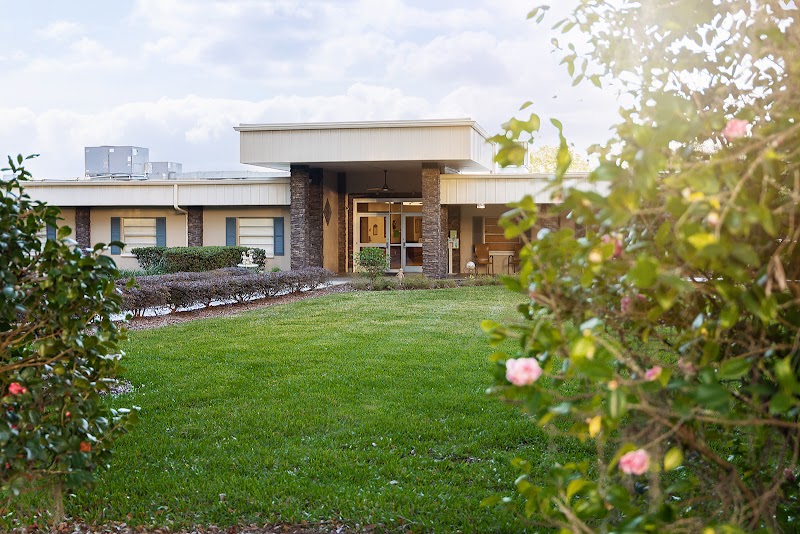
How is Ayers Center Staffed?

CMS rates AYERS HEALTH AND REHABILITATION CENTER's staffing level at 4 out of 5 stars, which is above average compared to other nursing homes. Staff turnover is 50%, compared to the Florida average of 46%.

What Have Inspectors Found at Ayers Center?

State health inspectors documented 10 deficiencies at AYERS HEALTH AND REHABILITATION CENTER during 2022 to 2025. These included: 1 Immediate Jeopardy (the most serious level, indicating potential for serious harm or death) and 9 with potential for harm. Immediate Jeopardy findings are rare and represent the most serious regulatory concerns. They require immediate corrective action.

Who Owns and Operates Ayers Center?

AYERS HEALTH AND REHABILITATION CENTER is owned by a non-profit organization. Non-profit facilities reinvest revenue into operations rather than distributing to shareholders. The facility is operated by HEALTH SERVICES MANAGEMENT, a chain that manages multiple nursing homes. With 120 certified beds and approximately 103 residents (about 86% occupancy), it is a mid-sized facility located in TRENTON, Florida.
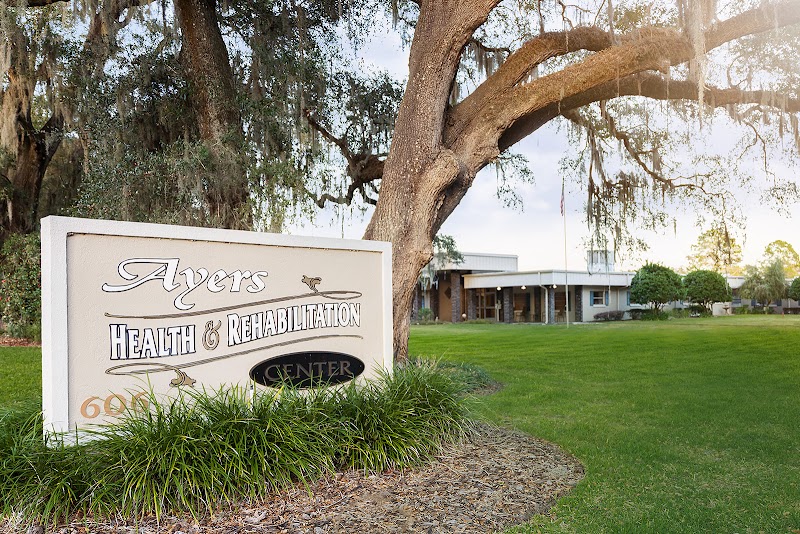
How Does Ayers Center Compare to Other Florida Nursing Homes?

Compared to the 100 nursing homes in Florida, AYERS HEALTH AND REHABILITATION CENTER's overall rating (3 stars) is below the state average of 3.2, staff turnover (50%) is near the state average of 46%, and health inspection rating (2 stars) is below the national benchmark.

What Should Families Ask When Visiting Ayers Center?

Based on this facility's data, families visiting should ask: "What changes have been made since the serious inspection findings, and how are you preventing similar issues?" "Can I visit during a mealtime to observe dining assistance and food quality?" "How do you handle medical emergencies, and what is your hospital transfer rate?" "Can I speak with family members of current residents about their experience?" These questions are particularly relevant given the facility's Immediate Jeopardy citations.

Is Ayers Center Safe?

Based on CMS inspection data, AYERS HEALTH AND REHABILITATION CENTER has documented safety concerns. Inspectors have issued 1 Immediate Jeopardy citation (the most serious violation level indicating risk of serious injury or death). The facility has a 3-star overall rating and ranks #100 of 100 nursing homes in Florida. Families considering this facility should ask detailed questions about what corrective actions have been taken since these incidents.

Do Nurses at Ayers Center Stick Around?

AYERS HEALTH AND REHABILITATION CENTER has a staff turnover rate of 50%, which is about average for Florida nursing homes (state average: 46%). Moderate turnover is common in nursing homes, but families should still ask about staff tenure and how the facility maintains care continuity when employees leave.

Was Ayers Center Ever Fined?

AYERS HEALTH AND REHABILITATION CENTER has been fined $24,850 across 1 penalty action. This is below the Florida average of $33,327. While any fine indicates a compliance issue, fines under $50,000 are relatively common and typically reflect isolated problems that were subsequently corrected. Families should ask what specific issues led to these fines and confirm they've been resolved.

Is Ayers Center on Any Federal Watch List?

AYERS HEALTH AND REHABILITATION CENTER is not on any federal watch list. The most significant is the Special Focus Facility (SFF) program, which identifies the bottom 1% of nursing homes nationally based on persistent, serious quality problems. Not being on this list means the facility has avoided the pattern of deficiencies that triggers enhanced federal oversight. This is a positive indicator, though families should still review the facility's inspection history directly.