VIVO HEALTHCARE WAUCHULA
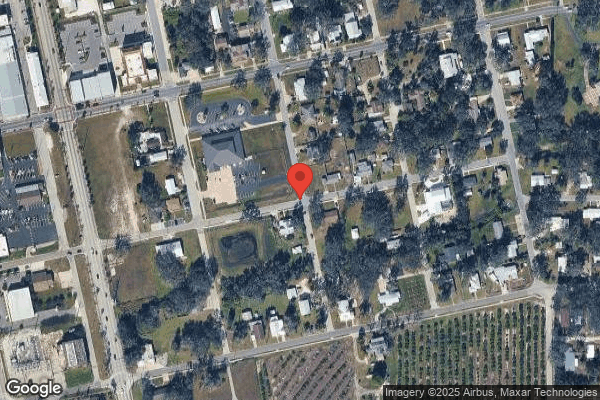
401 ORANGE PLACE, WAUCHULA, FL 33873 (863) 773-3231
For profit - Corporation 79 Beds VIVO HEALTHCARE Data: November 2025
Trust Grade
50/100
#583 of 690 in FL
Last Inspection: June 2024

Within standard 12-15 month inspection cycle. Federal law requires annual inspections.

Overview

Vivo Healthcare Wauchula has a Trust Grade of C, which means it is average and sits in the middle of the pack among nursing homes. It ranks #583 out of 690 facilities in Florida, placing it in the bottom half, but it is the only option in Hardee County. The facility is worsening, with the number of issues reported increasing from 5 in 2022 to 12 in 2024. Staffing is a relative strength, earning 3 out of 5 stars with a turnover rate of 36%, which is better than the state average. However, there are concerns regarding RN coverage, as it is less than 84% of Florida facilities, which could affect the quality of care. Specific incidents noted by inspectors include a resident with severe cognitive impairment being provided sandwiches without proper insulation during dialysis, raising concerns about food safety during treatment. Additionally, there were issues in the kitchen, such as a hole in the ceiling and improperly stored food, which could pose health risks. Although there have been no fines, the increasing number of deficiencies and low RN coverage are significant weaknesses that families should consider when researching this facility.

Trust Score
C
50/100
In Florida
#583/690
Bottom 16%
Safety Record
Low Risk
No red flags
Inspections
Getting Worse
5 → 12 violations
Staff Stability
○ Average
36% turnover. Near Florida's 48% average. Typical for the industry.
Penalties
✓ Good
No fines on record. Clean compliance history, better than most Florida facilities.
Skilled Nurses
⚠ Watch
Each resident gets only 27 minutes of Registered Nurse (RN) attention daily — below average for Florida. Fewer RN minutes means fewer trained eyes watching for problems.
Violations
⚠ Watch
23 deficiencies on record. Higher than average. Multiple issues found across inspections.
★★☆☆☆
2.0
Overall Rating
★★★☆☆
3.0
Staff Levels
★★★☆☆
3.0
Care Quality
★★☆☆☆
2.0
Inspection Score
Stable
2022: 5 issues
2024: 12 issues

The Good

  • Full Sprinkler Coverage · Fire safety systems throughout facility
  • No fines on record
  • Staff turnover below average (36%)

    12 points below Florida average of 48%

Facility shows strength in fire safety.

The Bad

2-Star Overall Rating

Below Florida average (3.2)

Below average - review inspection findings carefully

Staff Turnover: 36%

Near Florida avg (46%)

Typical for the industry

Chain: VIVO HEALTHCARE

Part of a multi-facility chain

Ask about local staffing decisions and management

The Ugly 23 deficiencies on record

Jun 2024 12 deficiencies
CONCERN (D) 📢 Someone Reported This

A family member, employee, or ombudsman was alarmed enough to file a formal complaint

Potential for Harm - no one hurt, but risky conditions existed

Resident Rights (Tag F0550)

Could have caused harm · This affected 1 resident

**NOTE- TERMS IN BRACKETS HAVE BEEN EDITED TO PROTECT CONFIDENTIALITY** Based on observations, interviews and record review, the facility failed to ensure residents were treated in a dignified manner ...

Read full inspector narrative →
**NOTE- TERMS IN BRACKETS HAVE BEEN EDITED TO PROTECT CONFIDENTIALITY** Based on observations, interviews and record review, the facility failed to ensure residents were treated in a dignified manner when entering the resident's room and during medication administration for 2 of 5 residents observed for medication pass administration (Residents #38 and #165). The findings included: Review of the facility's policy titled, Promoting/Maintaining Resident Dignity dated 09/01/23 included in part the following: It is the practice of this facility to protect and promote resident rights and treat each resident with respect and dignity as well as care for each resident in a manner and in an environment, that maintains or enhances resident's quality of life by recognizing each resident's individuality. Compliance Guidelines: 1. All staff members are involved in providing care to residents to promote and maintain dignity and respect resident rights. 12. Maintain resident privacy. Review of the facility's policy titled, Medication Administration with a revised date of 09/01/23 included in part the following: Policy Explanation and Compliance Guidelines: 5. Knock or announce presence. 7. Provide privacy. 1.) Record review for Resident #38 revealed the resident was originally admitted to the facility on [DATE] with a most recent readmission on [DATE] with diagnoses that included: Urinary Tract Infection, Cognitive Communication Deficit, Major Depressive Disorder, Anxiety Disorder. Review of the Minimum Data Set (MDS) for Resident #38 dated 04/05/24 revealed in Section C, a Brief Interview of Mental Status (BIMS) score of 6, indicating severe cognitive impairment. During med pass observation conducted on 06/25/24 at 9:20 AM with Staff C Licensed Practical Nurse (LPN) for Resident #38, Staff C, LPN entered room without knocking and did not close door or pull privacy curtain for administration of medications to resident lying in bed. 2.) Record review for Resident #165 revealed the resident was admitted to the facility on [DATE] with diagnoses that included: Muscle Wasting and Atrophy and Type 2 Diabetes Mellitus with Hyperglycemia. Review of the MDS for Resident #165 dated 06/18/24 revealed in Section C a BIMS score of 9, indicating moderate cognitive impairment. Review of the physician's orders for Resident #165 revealed an order dated 06/20/24 for Humalog Injection Solution (Insulin Lispro), Inject intramuscularly before meals and at bedtime for DM (Diabetes Mellitus). Inject as per sliding scale: if 0 - 200 = 0 units If BS is below 70 notify MD.; 201 - 250 = 2 units; 251 - 300 = 4 units; 301 - 350 = 6 units; 351 - 400 = 8 units; 401 - 450 = 12 units If bs (Blood Sugar) is above 450 notify MD (Medical Doctor). During an observation on 06/25/24 at 10:40 AM of blood glucose (blood sugar) monitoring for Resident #165 performed by Staff C, LPN, the LPN entered the resident's room without knocking. The LPN checked the resident's blood glucose which was 313. The LPN then administered Humalog insulin (coverage) subcutaneous (6 units) into the resident's abdomen while resident was sitting in wheelchair facing the door to the room with the door open, no privacy curtain pulled and residents/staff/visitor walking by in the hall. During an interview conducted on 06/25/24 at 10:50 AM with Staff C, LPN who stated she worked for the facility for a year. When asked about entering resident's rooms should she knock, she said no, the residents all know who she is and that she is going to be giving them their medications. When asked if she should provide privacy for the residents during medication administration, she said she should have closed the door or pulled the privacy curtain.
CONCERN (D) 📢 Someone Reported This

A family member, employee, or ombudsman was alarmed enough to file a formal complaint

Potential for Harm - no one hurt, but risky conditions existed

Accident Prevention (Tag F0689)

Could have caused harm · This affected 1 resident

**NOTE- TERMS IN BRACKETS HAVE BEEN EDITED TO PROTECT CONFIDENTIALITY** Based on observations, interviews and record review, the facility failed to assess the safety of smoking for 1 of 1 resident rev...

Read full inspector narrative →
**NOTE- TERMS IN BRACKETS HAVE BEEN EDITED TO PROTECT CONFIDENTIALITY** Based on observations, interviews and record review, the facility failed to assess the safety of smoking for 1 of 1 resident reviewed for smoking (Resident #37). The findings included: A review of the facility's policy titled, Resident Smoking, dated 09/01/23, revealed the following: The facility provides a safer and healthier environment for residents, visitors, and employees, including safety as related to smoking. Safety protections apply to smoking and non-smoking residents. Residents who smoke will be further evaluated using the Resident Smoking Safety Screen to determine whether supervision is required for smoking or if the resident is safe to smoke at all. In an interview conducted on 06/24/24 at 11:00 AM, Resident #37 stated that he smokes about 1-3 cigarettes a day. The facility has its own smoking schedule, and smoking is in the back patio near the dining room. When asked about the smoking supplies, Resident #37 reported that they were located in the nurse's station in a locked box. A record review showed Resident #37 was admitted on [DATE] with diagnoses of major depressive disorder, hyperlipidemia, and hypertension. The Quarterly Minimum Data Set (MDS) dated [DATE] revealed Resident #37 with a Brief Interview of Mental Status Score (BIMS) score of 15, which indicates he is cognitively intact. A review of the quarterly nursing evaluation dated 03/15/24, under section F1, revealed that Resident #37 was smoking. The Care plan initiated on 03/12/24 revealed the following: Resident #37 smokes cigarettes and will safely use tobacco products in designated areas through the following review. Smoking assessment on admission, quarterly and as indicated. In an interview conducted on 06/25/24 at 1:30 PM, Resident #37 stated that he smokes every day and has been smoking for the last few months in the facility. In an interview conducted on 06/25/24 at 1:39 PM with Staff D, Certified Nursing Assistant (CNA), reported that Resident #37 smokes every day and that he has been smoking for months in the facility. A review of the Smoking Safety Screen showed that a safety smoking screen was completed for the first time on 06/24/24 for Resident #37. In an interview conducted by Staff E, a Licensed Practical Nurse (LPN) she stated they do a smoking assessment on admission and will then complete a quarterly evaluation as well. The smoking assessment is titled, Smoking Safety Screen and is located under the assessment tab in the electronic system. Staff E further said that the admission and readmission nursing evaluation will determine whether the resident smokes. When asked if a Smoking Safety Screen was completed on Resident #37 before 06/24/24, she said no. A review of the admission/readmission nursing evaluation dated 04/25/22, under section F1, revealed that Resident #37 was not smoking. In an interview conducted on 06/27/24 at 10:30 AM with the Administrator, she was told of the findings.
CONCERN (D) 📢 Someone Reported This

A family member, employee, or ombudsman was alarmed enough to file a formal complaint

Potential for Harm - no one hurt, but risky conditions existed

Incontinence Care (Tag F0690)

Could have caused harm · This affected 1 resident

**NOTE- TERMS IN BRACKETS HAVE BEEN EDITED TO PROTECT CONFIDENTIALITY** Based on observation, interviews, and record review, the facility failed to obtain orders for catheter care for a resident admit...

Read full inspector narrative →
**NOTE- TERMS IN BRACKETS HAVE BEEN EDITED TO PROTECT CONFIDENTIALITY** Based on observation, interviews, and record review, the facility failed to obtain orders for catheter care for a resident admitted with an indwelling Foley catheter for 1 of 1 resident sampled for urinary catheter (Resident #31). The findings included: Record review for Resident #31 revealed the resident was admitted to facility on 02/04/22 with the most recent readmission on [DATE] that included diagnoses of Urinary Tract Infection and Neuromuscular Dysfunction of Bladder. Review of the Minimum Data Set for Resident #31 dated 04/22/24 revealed in Section C Brief Interview of Mental Status (BIMS) score of 15, which indicated a cognitive response. Review of the Admission/readmission Nursing Evaluation for Resident #31 dated 06/21/24 documented under Section K Urinary: Does the resident have a catheter? Was answered yes. Catheter type/size? Was answered 16Fr. Reason for catheter - Neuromuscular dysfunction of the bladder. Review of Medication Administration Record (MAR) for Resident #31 from 06/21/24 to 06/24/24 for catheter care documented no catheter care was performed on 06/21/24, 06/22/24, and 06/23/24. Review of the Certified Nursing Task for Foley Care Every Shift for Resident #31 from 06/21/24 to 06/23/24 revealed no documentation of foley care provided. Review of the Physician's Orders for Resident #31 from 06/21/24 to 06/23/24 revealed no orders for foley catheter care. Review of the Care Plan for Resident #31 dated 03/04/23 with a focus on Urinary catheter r/t (related to) Neurogenic bladder. The goals were for the resident to show no s/sx (signs/symptoms) of Urinary infection and for the resident to be/remain free from catheter-related trauma through review date. The interventions included: Change catheter as needed. Monitor/document for pain/discomfort due to catheter. Monitor/record/report to MD for signs and symptoms UTI. Provide catheter care to prevent UTI. Provide privacy bag to drainage bag at all times. Secure foley catheter to thigh with securement device as tolerated. On 06/24/24 at 10:20 AM, an observation was made of Resident #31 sitting up in bed with the foley catheter drainage bag covered with privacy covering hanging from bed. During an interview conducted on 06/24/24 at 10:24 AM with Resident #31 she said she just got back from hospital, she had a bladder and blood infection. She said she was pouring blood for about 2 weeks and there were big white things in the tubing. She said she is better now and has no cramping and is receiving antibiotics. During an interview conducted on 06/25/24 at 2:00 PM with Staff H, Certified Nursing Assistant (CNA) who was asked about documenting foley catheter care, she said it would be documented in Point of Care (Tasks) for foley care. During an interview conducted on 06/26/24 at 2:30 PM with Staff A, Licensed Practical Nurse (LPN), who was asked if a resident has a foley catheter do they need an order for the catheter and/or care? The LPN stated yes. When asked about Resident #31, she acknowledged the resident did not have any order for a foley catheter or care from 06/21/24 to 06/23/24, she said all of the orders for foley catheter for Resident #31 were written on 06/24/24. During an interview conducted on 6/26/24 at 11:30 AM with the Director of Nursing (DON) who was asked about when a resident is admitted or readmitted to the facility with a foley catheter, do they need an order for catheter care, she said yes. When asked what the expectation is for putting in the order, the DON said it should be immediately. When asked who would put the order in, she said the admitting nurse.
CONCERN (D) 📢 Someone Reported This

A family member, employee, or ombudsman was alarmed enough to file a formal complaint

Potential for Harm - no one hurt, but risky conditions existed

Deficiency F0692 (Tag F0692)

Could have caused harm · This affected 1 resident

**NOTE- TERMS IN BRACKETS HAVE BEEN EDITED TO PROTECT CONFIDENTIALITY** Based on observations, interviews, and record reviews, the facility failed to monitor nutritional status in a timely manner for ...

Read full inspector narrative →
**NOTE- TERMS IN BRACKETS HAVE BEEN EDITED TO PROTECT CONFIDENTIALITY** Based on observations, interviews, and record reviews, the facility failed to monitor nutritional status in a timely manner for one of one residents reviewed for Dialysis (Resident #22). The findings included: The facility's policy titled, Nutritional Management, dated 09/1/2023 revealed the following: A systematic approach is used to optimize each resident's nutritional status: Identifying and assessing each resident's nutritional status and risk factors. Evaluating/analyzing the assessment information. Developing and consistently implementing pertinent approaches. Monitoring the effectiveness of interventions and revising them as necessary. A record review revealed Resident #22 was readmitted on [DATE] with diagnoses of End-Stage Renal Failure, Type 2 Diabetes, and dependency on Dialysis. The Quarterly Minimum Data Set, dated [DATE] showed that Resident #22 had a Brief Interview of Mental Status (BIMS) score of 03, which indicated the resident was severely cognitively impaired. The Physician orders revealed an order dated 02/21/24 for Dialysis every Mondays, Wednesdays and Fridays. Fluid restrictions 600 milliliters for Breakfast, Lunch and Dinner which was dated 03/28/24. Regular texture, thin consistency, double protein Portion for breakfast. Magic cup/ frozen nutritional treat 3 times a day dated 03/26/24. The Admission/readmission Nutritional assessment dated [DATE] showed the following: Resident #22 is on Dialysis and has an unspecific protein-calorie malnutrition history. He consumes on average over 76% of his meals and receives frozen nutritional treats 3 times a day. It further showed to continue monitoring nutritional parameters and follow up as needed. The care plan, which was revised on 03/21/24, showed the following: Resident #22 is at risk for malnutrition secondary to a history of significant weight loss with Dialysis. Contact renal Dietitian, to assess labs, obtain updates, and modify nutritional intervention as appropriate. It further revealed to provide nutritional interventions as appropriate. Further review of the care plan did not address the fluid restrictions as ordered above. A review of the nutritional progress notes did not show a note addressing the order for fluid restrictions (dated 03/28/24) until 05/23/24, which was seven weeks later. An interview conducted on 06/24/24 at 1:40 PM with the Dietary Manager who stated that they had hired a Registered Dietitian to cover this facility remotely. The remote facility's Dietitian has yet to come into the facility physically to see the residents. The Dietary Manager said that for high nutritional-risk residents, the Director of Nursing would review the data and contact the newly hired dietitian. She further said that it is the Director of Nursing responsibility to contact the facility's Dietitian. In a phone interview on 05/24/24 at 2:20 PM, the facility's newly hired Dietitian stated he started working about 1.5 weeks ago. He said that high nutritional-risk residents are the ones who are on Dialysis, on nutritional support, have significant weight loss and pressure ulcers. The high nutritional-risk residents should be followed monthly with progress notes, and the residents on Dialysis will contact the dialysis Dietitian to discuss the residents and review labs. According to the facility's Dietitian, an admission assessment is completed on admission and is titled, Nutritional Risk Evaluation and should be done quarterly. The Nutritional Risk Evaluation looks at anthropometric data (measurements of the human body), labs, calculations for nutritional needs, evaluation, and any nutritional recommendations. When asked if he had done any quarterly assessments on any residents, he said no and that he had only been working for less than a month. Further review of the facility's electronic system did not reveal that Resident #22 had completed a quarterly nutritional risk evaluation. In an interview conducted on 06/27/24 at 9:30 AM, the Minimum Data Set Coordinator stated the facility's Dietitian will complete the nutritional care plans, but since the facility is between Dietitians, she has been trying to catch up on the dietary portions of the care plans. She said yes when asked if she completed the nutrition care plan for high-risk residents. When asked who updated the care plan on Resident #22, she stated the Dietary Manager, which was in March of 2024. In an interview conducted on 06/27/24 at 11:00 AM with the facility's Administrator she was informed of the findings.
CONCERN (D) 📢 Someone Reported This

A family member, employee, or ombudsman was alarmed enough to file a formal complaint

Potential for Harm - no one hurt, but risky conditions existed

Tube Feeding (Tag F0693)

Could have caused harm · This affected 1 resident

**NOTE- TERMS IN BRACKETS HAVE BEEN EDITED TO PROTECT CONFIDENTIALITY** Based on observations, interviews, and record review, the facility failed to follow tube feeding as per the Physician ' s orders...

Read full inspector narrative →
**NOTE- TERMS IN BRACKETS HAVE BEEN EDITED TO PROTECT CONFIDENTIALITY** Based on observations, interviews, and record review, the facility failed to follow tube feeding as per the Physician ' s orders for 1 of 1 resident review for tube feeding (Resident #21). The findings included: Resident #21 was admitted on [DATE] with a diagnosis of traumatic brain injury and gastroesophageal reflux disease. A review of the Physician ' s orders revealed an order for tube feeding Jevity 1.5 (tube feeding formula) starting at 10:00 AM to run for 50 milliliters (ml) an hour for 20 hours and to turn the tube feeding off at 6:00 AM. In an observation conducted on 06/24/24 at 10:05 AM, Resident #21 was noted in bed with the tube feeding running at 50 ml an hour. The tube feeding bag was noted to have Jevity 1.5 (tube feeding formulary), which started on 06/24/24 at 10:00 AM and was at the 1000 ml level in a 1000 ml capacity bottle. In an observation conducted on 06/24/24 at 2:05 PM (about four hours later), Resident #21 was noted with the tube feeding running at 50 ml an hour. The same tube feeding bottle was observed earlier, which started on 06/24/24 at 10:00 AM and was now at the 900 ml level out of a 1000 ml capacity bottle. This showed that only 100 ml of tube feeding formulary was given in four hours. In an observation conducted on 06/25/24 at 9:00 AM, Resident #21 was noted in bed with the tube feeding off. In an observation conducted on 06/25/24 at 12:30 PM, Resident #21 was in her chair with the tube feeding running at 50 ml an hour. The tube feeding bag was noted at the 1000 ml mark out of a 1000 ml capacity bottle. In this observation, Staff C, Licensed Practical Nurse, said she started the tube feeding bottle at 10:00 AM this morning and that Resident #21 is tolerating her tube feeding well. In an observation conducted on 06/25/24 at 2:45 PM, Resident #21 was in the room with the tube feeding bottle Jevity 1.5 running at 50 ml an hour, which was started on 06/25/24 at 10:00 AM. The tube feeding was noted at the 950 ml level out of a 1000 ml capacity bottle. This showed that only 50 ml was administered in about 4.5 hours. In an observation conducted on 06/26/24 at 12:05 PM, the Resident was noted in bed, with the tube feeding Jevity 1.5 that started on 06/26/24 at 10:00 AM. The bottle was noted at the 1000 ml mark out of a 1000 ml capacity bottle. In an interview conducted on 06/27/24 at 10:55 AM, Staff C, Licensed Practical Nurse, stated she was about to hang a new tube feeding bottle for Resident #21. She further said that Resident #21 is tolerating her tube feeding well. The Quarterly Minimum Data Set, dated [DATE] revealed that Resident #21 was severely cognitively impaired. The Nutrition Risk Evaluation dated 03/06/24 revealed Resident #21 tolerated the tube feeding very well and relies on tube feeding to meet 100% of nutritional needs. The care plan dated 06/10/24 showed monitoring/documentation of any residuals. Provide tube feedings as ordered and flushes as ordered. In an interview conducted on 06/27/24 at 11:00 AM with the Administrator, she was informed of the findings.
CONCERN (D) 📢 Someone Reported This

A family member, employee, or ombudsman was alarmed enough to file a formal complaint

Potential for Harm - no one hurt, but risky conditions existed

Respiratory Care (Tag F0695)

Could have caused harm · This affected 1 resident

**NOTE- TERMS IN BRACKETS HAVE BEEN EDITED TO PROTECT CONFIDENTIALITY** Based on observations, interviews, and record review, the facility failed to provide tracheostomy care in accordance with profes...

Read full inspector narrative →
**NOTE- TERMS IN BRACKETS HAVE BEEN EDITED TO PROTECT CONFIDENTIALITY** Based on observations, interviews, and record review, the facility failed to provide tracheostomy care in accordance with professional standards of practice and failed to implement appropriate interventions for tracheostomy care for 1 of 1 resident sampled for respiratory care (Resident #21). The findings included: Review of the facility's policy titled, Tracheostomy Care dated 09/01/23 included in part the following: The facility will ensure that residents who need respiratory care, including tracheostomy care and tracheal suctioning, is provided such care consistent with professional standards of practice, the comprehensive person-centered care plan and resident goals and preferences. Compliance Guidelines: 2. The facility will provide necessary respiratory care and services, such as oxygen therapy, treatments, mechanical ventilation, tracheostomy care and/or suctioning. 3. Tracheostomy care will be provided according to the physician's orders, comprehensive assessment and individualized care plan such as monitoring for resident specific risks for possible complications, psychosocial needs as well as suctioning as appropriate. 4. Based upon the resident assessment, attending physician's orders, and professional standards of practice, the facility in collaboration with the resident/resident's representative will develop a care plan that includes appropriate interventions for respiratory care. Review of the Tracheostomy care: An evidence-based guide located at: https://www.myamericannurse.com/tracheostomy-care-an-evidence-based-guide-to-suctioning-and-dressing-changes/ included in part the following: Under the Section When to suction Suctioning is done only for patients who can't clear their own airways. Its timing should be tailored to each patient rather than performed on a set schedule. Start with a complete assessment. Findings that suggest the need for suctioning include increased work of breathing, changes in respiratory rate, decreased oxygen saturation, copious secretions, wheezing, and the patient's unsuccessful attempts to clear secretions. According to one researcher, fine crackles in the lung bases indicate excessive fluid in the lungs, and wheezing patients should be assessed for a history of asthma and allergies. Record review for Resident #21 revealed the resident was originally admitted to the facility on [DATE] and most recently readmitted to the facility on [DATE] with diagnoses that included: Personal History of Traumatic Brain Injury, Aphasia, and Encounter for Attention to Tracheostomy. Review of the Minimum Data Set for Resident #21 dated 06/10/24 documented in Section C a Brief Interview of Mental Status was not completed due to the resident is rarely/never understood. Review of the Physician's Orders for Resident #21 revealed an order dated 04/26/20 for Tracheostomy care provided, change disposable inner cannula (Shiley size 4) every day shift. Review of the Physician's Orders for Resident #21 revealed an order dated 04/27/24 Tracheostomy care provided every day and evening shift related to Encounter for Attention to Tracheostomy. Review of the Care Plan for Resident #21 dated 09/16/18 with a focus on the resident has a tracheostomy r/t (related to) injury Nontraumatic brain injury Congestion. The goals were for the resident to have clear and equal breath sounds bilaterally, no s/sx (signs/symptoms) of infection, and to have no abnormal drainage around trach site through the review date. The interventions were to: Ensure that trach ties are secured at all times, Monitor/document for restlessness, agitation, confusion, increased heart rate (Tachycardia), and bradycardia. Monitor/document level of consciousness, mental status, and lethargy PRN. Monitor/document respiratory rate, depth and quality. Check and document every shift/as ordered. Provide good oral care daily and PRN (As needed). Reassure resident to decrease anxiety. Suction as necessary. Tube Out Procedures: Keep extra trach tube and obturator at bedside. If tube is coughed out, open stoma with hemostat. If tube cannot be reinserted, monitor/document for signs of respiratory distress. If able to breathe spontaneously, elevate HOB 45 degrees and stay with resident. Obtain medical help Immediately. There were no interventions for providing tracheostomy care. On 06/25/24 at 2:00 PM, an observation was made of tracheostomy care provided to Resident #21 by Staff C Licensed Practical Nurse (LPN). The LPN gathered supplies, applied gown and clean non-sterile gloves (Staff C, LPN did not wear any eye protection). The LPN then proceeded to touch the resident as well as several objects in the room before removing her gloves, and applied clean non-sterile gloves, she then opened the tracheostomy kit, did not unfold or use the sterile field located in the kit, opened the saline, removed the sterile gloves, performed hand hygiene (HH), applied sterile gloves with poor technique (touching the open end of the glove with sterile gloved hand touching her wrist as she placed the glove on the other hand, she then used both hands with sterile gloves to adjust the towel on the resident's chest, pushed the resident's hair behind her neck, with her left hand she removed the old inner canula and disposed of it, during this time the resident was making a gurgling type of sound while coughing and had copious secretions coming out of the tracheostomy spilling over and onto the LPNs gloved hand holding the tracheostomy. The LPN then removed her gloves, performed HH, applied clean non-sterile gloves, and replaced the inner canula. Staff C, LPN then placed gauze under the trach ties, around the trach, then replaced the trach ties, removed her gloves, performed HH. The LPN did not listen to breath sounds, obtain oxygen saturation, or provide suctioning any time prior to, during or after the tracheostomy care. During an interview conducted on 06/25/24 at 2:23 PM with Staff C, LPN who stated she has worked at the facility for 1 year. The LPN stated she made a mistake; she should have washed her hands before applying the PPE (Personal Protective Equipment) and she should have used a mask during the procedure. When asked if suctioning should be provided prior to or after or in conjunction with tracheostomy care, she said no, not for this resident, she does that all of the time (coughing up secretions) and if you suction her, she will just produce more secretions. When asked if replacing the inner canula is a sterile procedure, she said no. During an interview conducted on 06/26/24 at 12:00 PM with Staff F, Licensed Practical Nurse (LPN) who was asked about tracheostomy care for a resident, he said he would suction the resident as necessary, there should be extra supplies at the bedside such as suctioning, inner cannulas, and an Ambu bag. When asked if it is considered a sterile procedure to change the inner canula, he said yes, it is a sterile procedure, and you should wear sterile gloves. During an interview conducted on 06/26/24 at 12:45 PM with Staff, G LPN, Unit Manager of east wing she stated she has worked at the facility as a Unit Manager for 8 months. When asked about tracheostomy care for residents, she said it should be performed at least twice a day. When asked if staff should perform hand hygiene before putting on gloves and after removing them, she said yes. When asked if replacing an inner canula for a resident is a sterile procedure, she said yes, it is considered a sterile procedure. When asked about the care plan for tracheostomy for Resident #21, she acknowledged the care plan interventions should include tracheostomy care, but it did not.
CONCERN (D) 📢 Someone Reported This

A family member, employee, or ombudsman was alarmed enough to file a formal complaint

Potential for Harm - no one hurt, but risky conditions existed

Drug Regimen Review (Tag F0756)

Could have caused harm · This affected 1 resident

**NOTE- TERMS IN BRACKETS HAVE BEEN EDITED TO PROTECT CONFIDENTIALITY** Based on interview and record review, the facility attending physician failed to document on irregularities identified with reco...

Read full inspector narrative →
**NOTE- TERMS IN BRACKETS HAVE BEEN EDITED TO PROTECT CONFIDENTIALITY** Based on interview and record review, the facility attending physician failed to document on irregularities identified with recommendations by the consulting pharmacist for 1 of 5 residents sampled for Unnecessary Medications (Resident #2). The findings included: Review of the facility's policy titled, Medication Regimen Review dated 08/07/22 included in part the following: The drug regimen of each resident is reviewed at least once a month by a licensed pharmacist and includes a review of the resident's medical chart. Policy Explanation and Compliance Guidelines: 6. d) Facility staff shall act upon all recommendations according to procedures for addressing medication regimen review irregularities. Record review for Resident #2 revealed the resident was admitted to facility 01/10/23, the resident went out of the facility on 03/10/24 and was readmitted to the facility on [DATE] with diagnoses that included: Fracture of Unspecified Part of Neck of Right Femur, Major Depressive Disorder, and Generalized Anxiety Disorder. Review of the Minimum Data Set for Resident #2 dated 05/06/24 revealed in Section C a Brief Interview of Mental Status score of 15 indicating the resident is cognitively intact. Review of the Pharmacy Medication Regimen Review for Resident #2 dated 03/21/24 documented: Currently receiving digoxin. Daily pulse recommended with use. Please consider ordering, if appropriate. The Physician/Prescriber Response was not addressed. There was an indication on the form that documented was out to hospital with no signature or date. Review of the Pharmacy Medication Regimen Review for Resident #2 dated 03/21/24 documented: Currently receiving Cholestyramine for diarrhea without stop date. Please evaluate continued need. Consider adding stop date, if appropriate. The Physician/Prescriber Response was not addressed. There was an indication on the form that documented was out to hospital with no signature or date. Review of the Pharmacy Medication Regimen Review for Resident #2 dated 03/21/24 documented: Currently receiving Tramadol which has a potential for dizziness and drowsiness, increasing the risk of falls. Per clinical record, with recent falls. Please evaluate possible causal relationship. Consider trial discontinue Tramadol and start alternate therapy (i.e.: Ibuprofen or Acetaminophen), if necessary. The Physician/Prescriber Response was not addressed. There was an indication on the form that documented was out to hospital with no signature or date. Review of the Pharmacy Medication Regimen Review for Resident #2 dated 03/21/24 documented: Per clinical record resident with recent falls. Recommend to check 25-hydroxyvitamin D levels in those with advanced age and recent falls. Please consider ordering and if necessary, initiating Vit D3 50,000 IU once weekly for 6 weeks then monthly thereafter. The Physician/Prescriber Response was not addressed. There was an indication on the form that documented was out to hospital with no signature or date. During an interview conducted on 06/26/24 at 9:51 AM with the Director of Nursing (DON) who was asked if the consultant pharmacist reviews the medication regiment every month for every resident, she said yes. When asked about medication review recommendation for Resident #2 for the month of March, the DON said the resident was out to the hospital. When asked when the resident went out to the hospital and returned to the facility, she acknowledged the resident was out from 3/10/24 and returned on 3/19/24. When asked why the recommendations were not addressed, she said it must have been missed.
CONCERN (D) 📢 Someone Reported This

A family member, employee, or ombudsman was alarmed enough to file a formal complaint

Potential for Harm - no one hurt, but risky conditions existed

Deficiency F0805 (Tag F0805)

Could have caused harm · This affected 1 resident

**NOTE- TERMS IN BRACKETS HAVE BEEN EDITED TO PROTECT CONFIDENTIALITY** Based on observation, interview, and record review it was determined that the facility failed to prepare food in a form designed...

Read full inspector narrative →
**NOTE- TERMS IN BRACKETS HAVE BEEN EDITED TO PROTECT CONFIDENTIALITY** Based on observation, interview, and record review it was determined that the facility failed to prepare food in a form designed to meet the individual needs of 5 (Residents #23, #24, #26, #36, and #41) of 5 sampled residents with physician ordered pureed diet. The findings included: *Review of the facility's policy for Pureed Food Preparation noted a Date Implemented of 09/01/23 and Reviewed by Clinical Services. Further review of the Policy Explanation and Compliance Guidelines noted: (2) Pureed foods should be prepared in such a manner to prevent lumps or chunks. The goal is a smooth, soft, homogenous consistency similar to soft mashed potatoes. (3) If the food item requires chewing, it will be excluded from the pureed diet. References: Center for Medicare & Medicaid Services, State Operation Manual (SOM), Appendix PP Guidance to Surveyors for Long Term care Facilities (November 2017 Revision) 1) During the observation of the lunch meal in the main kitchen on 06/24/24 at 11:15 AM, and accompanied with the facility's Certified Dietary Manager (CDM), pureed foods located in the serving steam table were observed by the surveyor. The observation noted that the Pureed Chicken Tenders, Pureed Baked Macaroni & Cheese, and Pureed Mixed Vegetables all were noted to be lumpy and visible pieces of foods in all 3 pureed foods. At the request of the surveyor the pureed foods were taste tested by the surveyor and the CDM. The test tasting was confirmed by the surveyor and the CDM that all 3 pureed foods were not pureed to a smooth consistency and pieces of foods could be tasted. It was discussed with the CDM that pureed food should be pureed to a smooth pudding like consistency and no food lumps be present. It was stated that the lunch cook (Staff D ) was not preparing foods to a proper pureed consistency and not testing the pureed foods prior to serving. Staff D stated no training of preparation of Pureed foods for residents with physician ordered pureed diet with diagnoses of Dysphagia. The surveyor requested that the lunch pureed foods be sent back to be pureed to the proper consistency prior to be served for the 06/24/24 lunch meal. 2) During the observation of the lunch meal in the main kitchen on 06/25/24 at 11:15 AM, and accompanied with the facility's Certified Dietary Manager (CDM), pureed foods located in the serving steam table were observed by the surveyor. The observation noted that the Pureed Kielbasa and Pureed Cabbage, were noted to be lumpy and visible pieces of foods in the 2 pureed foods. At the request of the surveyor the pureed foods were taste tested by the surveyor and the CDM. The test tasting was confirmed by the surveyor and the CDM that the 2 pureed foods were not pureed to a smooth consistency and pieces of foods could be tasted. It was discussed with the CDM that pureed food should be pureed to a smooth pudding like consistency and no food lumps be present. It was stated that the lunch cook (Staff E) was not preparing foods to a proper pureed consistency and not testing the pureed foods prior to serving. Staff E stated no training of preparation of Purred foods for resident's with physician ordered pureed diet with diagnoses of Dysphagia. The surveyor requested that the lunch pureed foods be sent back to be pureed to the proper consistency prior to be served for the 06/25/24 lunch meal. 3) During the review of the facility's Diet Census for 06/24/24, it was noted that there were currently 5 facility residents with physician ordered Pureed Diet, with diagnoses that included Dysphagia. The 5 residents included Sample Residents #23, #24, #26, #36, and #41. Review of the sampled resident's clinical records on 06/24-25/24 noted the following: Resident #23: Date of admission: [DATE] Diagnoses: Dysphagia, Protein-Calorie Malnutrition Current Physician Order: Pureed Diet (06/20/24) Resident #24 Date Of admission: [DATE] Diagnoses: Protein-Calorie Malnutrition, Failure To Thrive, and Dysphagia Current Physician Order: Pureed Diet with Nectar Thick Liquids (06/18/24) Resident #26: Date Of admission: [DATE] Re-admission Diagnoses: Dysphagia Current Physician Orders: Pureed Diet with Nectar Thick Liquids (06/08/22) Resident #36 Date Of admission: [DATE] Diagnoses: Dysphagia, Protein-Calorie Malnutrition Current Physician Orders: Pureed Diet (06/24/24) Resident #41 Date Of admission: [DATE] Diagnoses: Dysphagia Current Physician Orders: Pureed Diet with Fortified Foods (07/07/23)
CONCERN (D) 📢 Someone Reported This

A family member, employee, or ombudsman was alarmed enough to file a formal complaint

Potential for Harm - no one hurt, but risky conditions existed

Deficiency F0808 (Tag F0808)

Could have caused harm · This affected 1 resident

**NOTE- TERMS IN BRACKETS HAVE BEEN EDITED TO PROTECT CONFIDENTIALITY** 2) A record review revealed Resident #22 was readmitted on [DATE] with diagnoses of End-Stage Renal Failure, Type 2 Diabetes, an...

Read full inspector narrative →
**NOTE- TERMS IN BRACKETS HAVE BEEN EDITED TO PROTECT CONFIDENTIALITY** 2) A record review revealed Resident #22 was readmitted on [DATE] with diagnoses of End-Stage Renal Failure, Type 2 Diabetes, and dependency on dialysis. The Quarterly Minimum Data Set, dated [DATE] showed that Resident #22 had a Brief Interview of Mental Status (BIMS) score of 03, which indicated the resident was severely cognitively impaired. The Physician's orders revealed an order for fluid restriction of 960 milliliters (ml) per day: Dietary to provide 200 ml for Breakfast, Lunch, and Dinner. Nursing administers 120 ml every shift for hydration and medication, dated 03/28/24. In an observation conducted on 06/24/24 at 10:10 AM, Resident #22 was in bed. The side table was noted with three bottles of 16 ounces each of sodas and 16 ounces of water in a Styrofoam cup provided by the facility. This showed that the fluids supplied by the facility were 480 ml for Breakfast and not 200 ml as per Physicians' orders. In an observation conducted on 06/25/24 at 11:50 AM, Resident #22 was in bed. The side table was noted with three bottles of 16-ounce sodas each and 16-ounce water in a Styrofoam cup provided by the facility. A progress note dated 06/24/24 revealed Resident #22 to have a soda bottle in the room; the Resident stated that the family brought it in and was educated on fluid restriction. The Resident said, I want my Pepsi. A review of the care plan dated 06/18/24 showed a care plan for nutrition and dialysis that needed to document Resident #22's fluid restrictions. Further review did not show any interventions regarding fluid restrictions, nor was any education provided to the family on fluid restrictions prior to 06/24/24. In an interview conducted on 06/26/24 at 12:05 PM with Staff B, the Certified Nursing Assistant (CNA) stated that she attends staff meetings with the nurses and is told about any residents who are on fluid restrictions. She further said that she would go into residents' rooms to make sure that they were the correct residents on fluid restriction and that the appropriate fluids were provided. Based on observation, interview, and record review, it was determined that the facility failed to follow physician ordered fluid restriction diet for 2 ( Residents #214, and #22) of 2 sampled residents. The findings included: *Review of facility's policy for Fluid Restriction on 06/24/24 noted the following: Policy : It is the policy of the facility to ensure that fluid restrictions will be followed in accordance with physician's orders. Policy Explanation: Fluid restrictions are basically the restriction of fluid intake. This may be due to underlying medical conditions that may cause fluid build-up such as Congestive Heart Failure (CHF), or End Stage Renal Disease (ESRD), in addition to electrolyte disorders such as hyponatremia. Fluid restriction can vary according to the resident's condition and the physician judgement. Compliance Guidelines: (1) The nurse will obtain and verify the physician's order for the fluid restriction and an order written to include the breakdown of the amount of fluid per 24 hours to be distributed between the food and nutrition department and the nursing department. (2) The fluid restriction distribution will take into consideration the amount of fluid to be given at meal times, snacks, and medication passes. (3) Water will not be provided at the bedisde unless calculated into the daily total fluid restriction . 1) During the review of the clinical record of Resident # 214 on 06/24/24, it was noted a current physician's order dated 06/21/24 for a 1500 cc Fluid Restriction per day. The order further documented dietary to receive 750 cc per day and nursing to receive 750 cc per day. Routine observation conducted on 06/24/24 at 1 PM noted a 16 ounce Styrofoam container on the resident's bedside table that was full of water. The resident stated that she has been drinking from the Styrofoam cup and had no knowledge of the physician ordered fluid restriction. Interview with the Director of Nursing and Certified Dietary Manager following the observation were noted to state that fluids are not allowed at the bedside of Resident #214. Routine observations of the lunch meal on 06/25/24 at 12:30 PM noted the meal tray delivered to the room of Resident #214. Review of the meal ticket documented a Mechanical Soft diet and 1500 cc Fluid Restriction . Further review of the ticket noted no documentation of how much fluid was to be served for the lunch meal . During the observation of the lunch meal in the main dining room on 06/26/24 at 12 :15 PM, it was noted that Resident #214 was present for the meal . Further observation noted that the resident's meal ticket that was located on the dining room table documented a Mechanical Soft - Fluid Restriction of 360 cc for the lunch meal and documented 4 ounces (120 cc)of Lemonade and 8 ounces (240 cc) - Milk to be served. Further observation noted that the resident received the 120 cc of Lemonade and 240 cc of Milk, however the resident received an additional 8 ounces (240 cc) of Coffee with the meal. The surveyor requested the Certified Dietary Manager (CDM) and Charge Nurse who was in the dining room to observe the resident's beverages that were served. Both the CDM and the Charge Nurse confirmed the surveyors findings that the fluid restriction for the meal was not followed and the resident received an additional 240 cc of fluid with the meal. It was also noted that the dietary department sent the correct amount of fluids on the tray, however nursing staff who pass beverages prior to the main meal were not aware of the fluid restriction and served the resident an additional 240 cc of coffee. It was further discussed that nursing staff working in the dining room for meal service be in-serviced on any resident with a physician's order for fluid restriction. Interview with the Certified Dietary Manager during the observation of the 06/26/24 meal noted she was unaware that the specific fluids and amounts for each meal that add up to 360 cc per meal. Interview with Director of Nursing during the 06/26/24 observation noted to state that she was not aware the meal tickets failed to document the amount of fluids to be served with all meal.
CONCERN (D) 📢 Someone Reported This

A family member, employee, or ombudsman was alarmed enough to file a formal complaint

Potential for Harm - no one hurt, but risky conditions existed

Medical Records (Tag F0842)

Could have caused harm · This affected 1 resident

**NOTE- TERMS IN BRACKETS HAVE BEEN EDITED TO PROTECT CONFIDENTIALITY** Based on interviews and record review, the facility failed to accurately document code status for 1 of 29 sampled residents (Res...

Read full inspector narrative →
**NOTE- TERMS IN BRACKETS HAVE BEEN EDITED TO PROTECT CONFIDENTIALITY** Based on interviews and record review, the facility failed to accurately document code status for 1 of 29 sampled residents (Resident #50). The findings included: Record review for Resident #50 revealed the resident was admitted to the facility on [DATE] with a readmission on [DATE] with diagnoses that included the following: Hemiplegia and Hemiparesis Following Cerebral Infarction Affecting Right Dominant Side, Generalized Anxiety Disorder, Major Depressive Disorder, and Aphasia Following Cerebral Infarction. Review of the Minimum Data Set for Resident #50 dated 04/22/24 documented in Section C, a Brief Interview of Mental status score of 0, indicating severe cognitive impairment. Review of the Physician's Orders for Resident #50 revealed an order dated 6/21/24 for Code Status: Full Code Review of the Social Services Progress note for Resident #50 dated 09/10/23 documented the following: Confirmed with Proxy that resident is a DNRO code status. Review of the Care Plan for Resident #50 dated 08/10/23 with a focus on Advance Directives-I am a DNR Code Status- Do Not Resuscitate in the event of no heartbeat and no respirations. The goal was for Advance directive will be followed per MD orders. The interventions included: If code status changes update medical record. Provide comfort measures as indicated when end of life is eminent. Provide resident and family privacy as needed. Review code status quarterly to ensure preferences are honored. Review of the Care Plan Progress Note for Resident #50 dated 08/16/23 documented the following: Care plan meeting held at this time with IDT members. Resident #50's Brother requested to called for care plans but did not answer. He requested a copy of care plans. Review of current plan of care. Resident adjusting well to recent admission to facility. Will continue to follow current plan of care and adjust as needed. Copy of care plans provided for brother. Review of the Care Plan Progress Note for Resident #50 dated 01/31/24 documented the following: Care plan meeting held today with IDT and friend. Review of current plan of care. Resident stable at this time. Will continue to follow current plan of care adjust as needed. During an interview conducted on 06/24/24 at 2:08 PM with Staff A, Licensed Practical Nurse (LPN) who stated she has worked at the facility for 1.5 years. When asked how she identifies what the code status is for a resident, she stated she would check in the Electronic Medical Record (EMR) at the top of the dashboard and the code status is located there. When asked if the code status is blank, what would she do, she said she would check the order and look in miscellaneous for any documentation for code status, such as a DNR (Do Not Resuscitate) form. When asked about Resident #50, she looked for the code status in the EMR in the dashboard, and acknowledged it was blank. Staff A, LPN then checked the orders for the resident and acknowledged the resident had an order for full code. Staff A, LPN then checked in miscellaneous for the resident and located a DNR form. Staff A, LPN said she will call the family and the physician to address immediately. During an interview conducted on 06/25/24 at 1:00 PM with the Social Service Director (SSD) who was asked about advanced directives specifically code status he said when a resident comes in, the nurse will talk to resident or family to discuss code status. The SSD will confirm with resident/family what the code status is. The SSD said he is responsible to make sure code status was in orders correctly and care plan implemented and updated as needed. The resident went out to hospital on [DATE] and returned on 6/21/24 and upon return the nurse must have put him in as a full code status unbeknownst to him. Had he known this he would have called the family to confirm they still wanted the resident to be a do not resuscitate. The SSD said the incident of making the resident a full code was done without his knowledge and he would have addressed the code status with the family as they were adamant about the resident being a do not resuscitate given his health issues.
CONCERN (D) 📢 Someone Reported This

A family member, employee, or ombudsman was alarmed enough to file a formal complaint

Potential for Harm - no one hurt, but risky conditions existed

Infection Control (Tag F0880)

Could have caused harm · This affected 1 resident

**NOTE- TERMS IN BRACKETS HAVE BEEN EDITED TO PROTECT CONFIDENTIALITY** Based on observations, interviews, and record review, the facility failed to practice hand hygiene while donning and doffing glo...

Read full inspector narrative →
**NOTE- TERMS IN BRACKETS HAVE BEEN EDITED TO PROTECT CONFIDENTIALITY** Based on observations, interviews, and record review, the facility failed to practice hand hygiene while donning and doffing gloves during med administration observation for 2 of 5 residents reviewed for medication pass (Residents #165 and #38), and during tracheostomy care for 1 out of 1 resident reviewed for respiratory care (Resident #38). The findings included: Review of the facility's policy titled, Hand Hygiene dated 09/01/23 included in part the following: All staff will perform hand hygiene procedures to prevent the spread of infection to other personnel, residents, and visitors. This applies to all staff working in all locations within the facility. Policy Explanation and Compliance Guidelines: 1. Staff will perform hand hygiene when indicated, using proper technique consistent with accepted standards of practice. 2. Hand hygiene is indicated and will be performed under the conditions listed in, but not limited to, the attached hand hygiene table. 6. Additional considerations: a. The use of gloves does not replace hand hygiene. If your task requires gloves, perform hand hygiene prior to donning (applying) gloves, and immediately after removing gloves. Hand Hygiene Table After handling contaminated objects Before performing invasive procedures Before applying and after removing personal protective equipment (PPE), including gloves. Before and after handling medications. Before performing resident care procedures After handling items potentially contaminated with blood, body fluids, secretions, or excretions. Review of the facility's policy titled, Medication Administration with a revised date of 09/01/23 included in part the following: Policy Explanation and Compliance Guidelines: 4. Wash hands or ABR (Alcohol Based Rub) prior to administering medication per facility protocol and product. 1.) Record review for Resident #21 revealed the resident was originally admitted to the facility on [DATE] and most recently readmitted to the facility on [DATE] with diagnoses that included: Personal History of Traumatic Brain Injury, Aphasia, and Encounter for Attention to Tracheostomy. Review of the Minimum Data Set (MDS) for Resident #21 dated 06/10/24 documented in Section C a Brief Interview of Mental Status (BIMS) was not completed due to the resident is rarely/never understood. Review of the Physician's Orders for Resident #21 revealed an order dated 04/27/24 Tracheostomy care provided every day and evening shift. On 06/25/24 at 2:00 PM, an observation was made of tracheostomy care provided to Resident #21 by Staff C, Licensed Practical Nurse (LPN). Staff C, LPN gathered supplies, applied gown and clean non-sterile gloves without performing hand hygiene (HH). Staff C, LPN removed her gloves, did not perform HH, applied clean non-sterile gloves, with her left hand she removed the old inner canula and disposed of it, during this time the resident was making a gurgling type of sound while coughing and had copious secretions coming out of the tracheostomy. Staff C, LPN applied clean non-sterile gloves and replaced the inner canula. Staff C, LPN then placed gauze under the trach ties, around the trach, then replaced the trach ties, removed her gloves, performed HH. This indicated Staff C, LPN did not perform HH before initially starting the procedure and applying gloves, nor did she perform HH between glove changes. During an interview conducted on 06/25/24 at 2:23 PM with Staff C, LPN who stated she has worked at the facility for 1 year. Staff C, LPN stated she made a mistake; she should have washed her hands before applying the PPE (Personal Protective Equipment). 2.) Record review for Resident #38 revealed the resident was originally admitted to the facility on [DATE] with a readmission on [DATE] with diagnoses that included: Urinary Tract Infection, Cognitive Communication Deficit, Major Depressive Disorder, and Anxiety Disorder. During a Medication Pass observation conducted on 06/25/24 at 9:20 AM with Staff C Licensed Practical Nurse (LPN) for Resident #38, Staff C LPN did not perform hand hygiene before or after handling medications, nor did she perform hand hygiene before applying gloves or after removing gloves. 3.) Record review for Resident #165 revealed the resident was admitted to the facility on [DATE] with diagnoses included: Muscle Wasting and Atrophy and Type 2 Diabetes Mellitus (DM) with Hyperglycemia. Review of the MDS for Resident #165 dated 06/18/24 revealed in Section C, a BIMS score of 9, indicating moderate cognitive impairment. Review of the Physician's orders for Resident #165 revealed an order dated 06/20/24 for Humalog Injection Solution (Insulin Lispro) Inject intramuscularly before meals and at bedtime for DM Inject as per sliding scale: if 0 - 200 = 0 units If BS is below 70 notify MD.; 201 - 250 = 2 units; 251 - 300 = 4 units; 301 - 350 = 6 units; 351 - 400 = 8 units; 401 - 450 = 12 units If bs is above 450 notify MD. During a Medication Pass observation conducted on 06/25/24 at 10:40 AM with Staff C, LPN who was administering insulin to Resident #165, the LPN applied gloves without using hand hygiene and administered Humalog insulin (coverage) subcutaneous into the resident's abdomen. Staff C, LPN then removed her gloves and did not perform hand hygiene. During an interview conducted on 06/25/24 at 10:50 AM with Staff C, LPN she stated she worked for the facility for a year. When asked if she should perform hand hygiene before and after handling medication she said yes. When asked if she should perform hand hygiene before applying and after removing gloves, she said yes, she was nervous and forgot.
CONCERN (F) 📢 Someone Reported This

A family member, employee, or ombudsman was alarmed enough to file a formal complaint

Potential for Harm - no one hurt, but risky conditions existed

Food Safety (Tag F0812)

Could have caused harm · This affected most or all residents

**NOTE- TERMS IN BRACKETS HAVE BEEN EDITED TO PROTECT CONFIDENTIALITY** 4) A record review revealed Resident #22 was readmitted on [DATE] with diagnoses of End-Stage Renal Failure, Type 2 Diabetes, an...

Read full inspector narrative →
**NOTE- TERMS IN BRACKETS HAVE BEEN EDITED TO PROTECT CONFIDENTIALITY** 4) A record review revealed Resident #22 was readmitted on [DATE] with diagnoses of End-Stage Renal Failure, Type 2 Diabetes, and dependency on dialysis. The Quarterly Minimum Data Set, dated [DATE] showed that Resident #22 had a Brief Interview of Mental Status (BIMS) score of 03, which indicated the resident was severely cognitively impaired. A review of the Physician's order revealed an order for dialysis at 11:30 AM pick-up and return time at 4:00 PM, dated 02/21/24. In an observation conducted on 06/24/24 at 12:01 PM, Resident #22 was noted in bed with two ham and cheese sandwiches wrapped in saran wrap with no ice packs or insulated lunch bag at the side table. In this observation, Staff A, Licensed Practical Nurse, stated that Resident #22 was offered his lunch tray and refused. Staff A further said that the two ham and cheese sandwiches were provided to Resident #22 for his snack during his dialysis treatments and that he was on his way to dialysis. Continued observation showed transportation services placing Resident #22 on a stretcher, and the two ham and cheese sandwiches were placed on top of Resident #22's medical chart underneath Resident #22's head (photographic evidence obtained). In an interview conducted on 06/24/24 at 12:10 PM with Staff B, Certified Nursing Assistant stated that Resident #22 did not want his lunch tray and that he likes the ham and cheese sandwiches when he goes to dialysis. Based on observation and interview, it was determined that the facility failed to store, prepare, distribute and serve food, in accordance with professional standards for food service safety. The findings included: 1) During the initial kitchen/food service observation tour conducted on 06/24/24 at 9 AM and accompanied with the facility's Certified Dietary Manager (CDM), the following were noted: a) The entire surface of the storeroom floor (10' X 20') was noted to be in disrepair with large areas of the concrete broken, rust, and peeling paint. It was discussed with the CDM that there were areas of standing water in pockets of the missing concrete surface which house bacteria that staff transfer into the main kitchen area. Also peeling paint is also transferred in the kitchen area. b) The exterior door and entry area to the walk-in refrigerator was noted to be rust laden and build-up of a black mold type matter. It was discussed with the CDM that the entry door and door area are not cleaned properly on a regular basis. c) Observation of the entry door of the walk-in refrigerator noted that the gaskets was covered in a black mold type matter and the door gasket had a large tear (approx 2'). It was noted that the unit was not operational during tour however it was discussed that the gaskets be placed prior to restart to ensure that the unit is cooling properly. d) Observation of the Reach-in Refrigerator #1 noted that the door gasket was covered in a black mold type matter and that the gasket had a large tear (1.5'). It was discussed with the CDM that the gasket requires replacement and needs to be properly cleaned on a regular basis. The CDM stated that she has requested a gasket replacement for months. e) Observation of the Reach-in Refrigerator #1 noted that a case of fresh eggs ( 15 dozen) was being stored directly over individual cartons of milk (48 individual). It was discussed with the CDM that there was potential of food contamination if raw eggs spilled onto the cartons of milk. f) Observation of the Reach-in #1 refrigerator noted left over containers of food dated: Beef Stroganoff (06/21), cooked rice (06/21). The CDM stated that left-over foods are to be discard after 48 hours and further stated that the left-over foods should have been discarded. g) Observation of the wood cutting board (5') that was attached to the steam table noted that the exterior was in disrepair and covered in a black mold type matter. It was discussed that the cutting board was too heavily worn to properly cleaned and should be replaced. h) Observation of the food preparation skillet pans (5) and commercial sheet pans were covered with a black carbon build-up. It was discussed with the CDM that use of the pans could result in food contamination during preparation and should be replaced. i) Numerous commercial dish racks (6) were noted to be heavily worn and had a build-up of black mold type matter. It was discussed with the CDM that the dish racks be replaced. j) Observation of the 3-compartment sink noted that a heavily soiled cleaning rag was placed over the water faucet. It was discussed that cleaning rags must be stored in a sanitizing solution when not in use. A chemical test of the cleaning rag bucket noted that there was no measurable chemical sanitizer in the solution to meet the regulatory requirement (Quaternary ). k) Observation of the bench mounted commercial can opener noted that the entire opening stem and cutting blade was covered in a black mold type matter. It was discussed with the CDM to replace the unit. l) Observation of the juice dispensing machine noted that the whole exterior including the top had large areas of dried juice matter. It was discussed with the CDM that the dispenser is not being properly cleaned on a regular basis. m) Observation of the commercial ice machine noted that water was continuously draining from the machine onto the floor area. It was noted that 3 large blankets were on the floor to soak up the water. It was discussed with the CDM that the wet blankets cannot remain on the floor and that the machine must be repaired. Photographic evidence obtained for Example #1 : a-m. 2) During a second observation tour of the kitchen on 06/25/24 at 11:15 AM, and accompanied with the CDM, the following were noted: n) Numerous flying insects (4) were noted to be located in the food preparation and serving area. The surveyor requested that the facility's pest control company be called for treatment on 06/25/24. o) Observation of the lunch meal noted hot foods located on the serving steam table. At the request of the surveyor the temperatures of the hot and cold foods were taken by the CDM with the use of the facility's calibrated digital food thermometer. The temperatures of the foods were noted to not be in regulatory compliance of 41 degrees F or below (cold foods) or 135 degrees F or higher(hot foods). The temperatures were recorded as follows: * Kielbasa & Noodles = 118 degrees F (surveyor requested reheating) * Pureed Buttered Noodles = 125 degrees F (surveyor requested reheating * Watermelon = 71 degrees F * Pureed Watermelon = 71 degrees F 3) During a third kitchen/food service observation conducted on 06/26/24 at 11:30 AM and accompanied with the Certified Dietary Manager (CDM), the following was noted: p) Staff were noted to be handling clean silverware by the eating stem resulting in contaminated silverware being placed of resident food trays. It was discussed with the CDM that silverware is not being properly washed to make sure clean silverware is stored with the handle up to ensure that it is being handled in a sanitary manner.
Nov 2022 5 deficiencies
CONCERN (D) 📢 Someone Reported This

A family member, employee, or ombudsman was alarmed enough to file a formal complaint

Potential for Harm - no one hurt, but risky conditions existed

Comprehensive Care Plan (Tag F0656)

Could have caused harm · This affected 1 resident

**NOTE- TERMS IN BRACKETS HAVE BEEN EDITED TO PROTECT CONFIDENTIALITY** Based on observation, interview, and record review, the facility failed to ensure a resident centered care plan was developed an...

Read full inspector narrative →
**NOTE- TERMS IN BRACKETS HAVE BEEN EDITED TO PROTECT CONFIDENTIALITY** Based on observation, interview, and record review, the facility failed to ensure a resident centered care plan was developed and implemented related to two anti-depressant medications, for one resident (#55) of five residents sampled for unnecessary medications. Findings included: On 11/08/2022 at 3:39 p.m., Resident #55 was observed to be sleeping in bed with the television on. A second observation was conducted on 11/08/2022 at 4:44 p.m. of Resident #55 lying in bed watching television, smiling at the television screen, and dressed appropriately for the time of day. A medical record review for Resident #55 indicated she was originally admitted on [DATE] and re-admitted on [DATE] with multiple diagnoses including: End Stage Renal Disease (ESRD), renal dialysis, major depressive disorder, and insomnia. A review of the quarterly Minimum Data Set (MDS) dated [DATE], identified in Section C, Resident #55 had a Brief Interview for Mental Status (BIMS) score was 10, indicating moderate cognitive impairment. A review of Physician Orders revealed Resident #55 had the following orders in place: -Prozac capsule (Fluoxetine HCL) 20 Milligrams (MG) One capsule taken orally in the morning for diagnosis of Major Depressive Disorder. -Trazadone HCL Tablet 50 MG One tablet taken orally at bedtime for Major Depressive Disorder. A review of Resident #55's Care Plan, dated 10/08/2022, did not include a focus area for the prescribed anti-depressant medications; goals for use of the medications; or interventions for use of the medications to be followed by facility staff. On 11/08/2022 at 4:30 p.m. an interview was conducted with the Staff A, Registered Nurse (RN)/Minimum Data Set (MDS) Coordinator. Staff A confirmed Resident #55 did not have an updated care plan focus area, goals, and appropriate interventions for the anti-depressant medications. Staff A, (RN)/MDS Coordinator stated I see the resident (#55) had a new order (for Prozac) on October 20, 2022, and the other medication (Trazadone) to be started on October 21, 2022. She stated, The care plan was revised on October 28, 2022, and should have been caught by me or someone else on the interdisciplinary team, and the care-plan updated, (for both medications). A review of the facility policy titled Care Plan Revisions Upon Status Change, with revision and implementation date 09/7/2022, Page 01 of 01 reads under Policy The purpose of this procedure is to provide a consistent process for reviewing and revising the care plan for those residents experiencing a status change. Policy Explanation and Compliance Guidelines: 1. The comprehensive care plan will be reviewed, and revised as necessary, when a resident experiences a status change. 2. Procedure for reviewing a revising the care plan when a resident experiences a status change: a. Upon identification of a change in status, the nurse will notify the MDS Coordinator, the physician, and the resident's representative if applicable. b. The MDS Coordinator and the Interdisciplinary Team will discuss the resident condition and collaborate on intervention options. c. The team meeting discussion will be documented in the nursing progress notes. d. The care plan will be updated with the new or modified interventions. e. Staff involved in the care of the resident will report resident response to a new or modified interventions. f. Care plans will be modified as needed by the MDS Coordinator or other designated staff member. g. The Unit Manager or other designated staff member will communicate care plan interventions to all staff involved in the resident's care.
CONCERN (D) 📢 Someone Reported This

A family member, employee, or ombudsman was alarmed enough to file a formal complaint

Potential for Harm - no one hurt, but risky conditions existed

Quality of Care (Tag F0684)

Could have caused harm · This affected 1 resident

**NOTE- TERMS IN BRACKETS HAVE BEEN EDITED TO PROTECT CONFIDENTIALITY** Based on observations, interviews, and record reviews, the facility failed to 1)provide care and services in accordance with phy...

Read full inspector narrative →
**NOTE- TERMS IN BRACKETS HAVE BEEN EDITED TO PROTECT CONFIDENTIALITY** Based on observations, interviews, and record reviews, the facility failed to 1)provide care and services in accordance with physician's orders and the plan of care for one resident (#271) of three residents sampled for nutrition services and, 2) failed to document an alteration in skin integrity for one resident (#32) of one resident sampled for skin impairments. Findings included: 1) A review of Resident #271's medical record revealed Resident #271 was admitted to the facility on [DATE] with diagnoses of cerebral infarction, encounter for attention to gastrostomy, and sepsis. A review of Resident #271's physician's orders revealed a dietary order, dated 10/20/2022, for a Nothing by Mouth (NPO) diet. A review of Resident #271's care plan revealed a problem, dated 10/21/2022, that Resident #271 was NPO and relied on tube feedings to meet 100% of estimated nutritional needs. A review of Resident #271's Progress Notes revealed a note, dated 10/25/2022 at 5:35 PM, documented by Staff G, Registered Nurse (RN) that read: Resident #271's Resident Representative (RR) observed Resident #271 eating a grilled cheese sandwich in his room and asked Staff G, RN if Resident #271's diet order had changed from NPO. Staff G, RN informed the RR that Resident #271's diet order had not changed and that the resident was still NPO. Staff G, RN then removed the food and a beverage cup from Resident #271's room. A telephone interview was attempted on 11/8/2022 at 9:24 AM with Staff G, RN. The telephone call was not answered and a voicemail message was left, but Staff G, RN did not return the call. A telephone interview was conducted on 11/8/2022 at 9:28 AM with Staff B, Certified Nursing Assistant (CNA). Staff B, CNA stated she was Resident #271's CNA on 10/25/2022 and it was the first time she had worked with the resident. Around 4:30 PM, while delivering dinner trays to the floor, Staff B, CNA went into Resident #271's room and noticed he did not have a dinner tray in his room. Staff B, CNA observed a beverage cup and a container of pudding in Resident #271's room and assumed Resident #271 had an order for a regular diet. Staff B, CNA stated she did not see any signage in Resident #271's room indicating the resident had dietary restrictions but she did not confirm Resident #271's diet order before going to the kitchen to retrieve a meal tray. Staff B, CNA went to the kitchen and told a cook Resident #271 was not served a dinner tray. The cook, who Staff B, CNA was not able to name, informed her Resident #271 had an order for a regular diet and provided her with a grilled cheese sandwich to serve the resident. Staff B, CNA then served the grilled cheese sandwich to Resident #271 and the resident consumed half of the sandwich. Later, Resident #271's RR then asked Staff B, CNA for a spoon for the pudding in the resident's room, which was provided by Staff B, CNA. Staff B, CNA stated the resident's diet order was not correctly entered so, to the best of her knowledge and the fact that Resident #271 had a beverage cup and pudding at the bedside, the resident was ordered a regular diet. Staff B, CNA also stated the facility did not have a system in place for CNA's to verify resident diets at that time. A telephone interview was conducted on 11/8/2022 at 12:09 PM with Resident #271's RR. The RR stated on 10/25/2022, she arrived at the facility during dinner meal service and noticed Resident #271 had two halves of a grilled cheese sandwich on a tray at his bedside and Resident #271 had consumed one sandwich before her arrival. Resident #271 also had a container of pudding on the meal tray and the RR activated the call light to speak with the nurse on duty. After approximately 45 minutes, the nurse responded to the room and was not aware of Resident #271's order of NPO. The RR was not able to state if Resident #271 had received regular food or beverages before 10/25/2022. An interview was conducted on 11/8/2022 at 2:48 PM with the facility's Nursing Home Administrator, Staff C, Regional Director of Clinical Services (RDCS) and Staff D, RDCS. The NHA stated on 10/25/2022, Staff B, CNA provided a meal tray to Resident #271 that had a grilled cheese sandwich and a container of pudding on it. Staff B, CNA did not realize Resident #271 had an order for NPO and provided the tray because she saw the resident did not have any food during dinner service. Staff C, RDCS stated Staff B, CNA did not verify Resident #271's diet order and should have checked the resident's plan of care before serving them food. Resident #271's RR was present at the time and asked Staff G, RN if the resident's diet order had changed. Staff G, RN informed the RR Resident #271's diet order was NPO and removed the food and beverages from the resident's room. Staff C, RDCS stated Staff B, CNA received the grilled cheese from Staff F, Cook, who also did not verify Resident #271's diet order before providing the food. A telephone interview was conducted on 11/9/2022 with Staff F, Cook. Staff F, [NAME] stated on 10/25/2022, Staff B, CNA approached him in the facility kitchen and stated Resident #271 was missing a dinner tray. Staff F, [NAME] asked what the diet order was for Resident #271 and Staff B, CNA did not know. Staff B, CNA then requested some grilled cheese sandwiches for Resident #271, which Staff F, [NAME] provided. Staff F, [NAME] stated the facility did not have a process for kitchen staff to check diet orders at the time of the incident and he was not aware that Resident #271 had a diet order for NPO. A review of the facility policy titled Therapeutic Diet Orders, revised on 10/29/2022 revealed under the section titled Policy, the facility provides all residents with food in the appropriate form and/or the appropriate nutritive content as prescribed by a physician, and/or assessed by the interdisciplinary team to support the resident's treatment/plan of care, in accordance with his/her goals and preferences. The policy also stated under the section titled Policy Explanation and Compliance Guidelines dietary and nursing staff are responsible for providing therapeutic diets in the appropriate form and/or the appropriate nutritive content as prescribed. 2) On 11/07/22 at 1:24 p.m., Resident #32 was observed in his room sitting in the wheelchair next to his bed. He did not speak and pointed to his ear during an attempt to interview him. Resident #32 had dry scabbed areas on both hands. On 11/14/22 at 11:22 a.m., the resident was observed sitting in the wheelchair next to his bed watching TV. Resident #32 again did not say anything in an attempt to interview him. Dry scrabbed areas were observed on both hands. A review of the admission Record revealed Resident #32 was initially admitted into the facility on [DATE] with a primary diagnosis of cerebral infarction. Section C: Cognitive Patterns of the annual Minimum Data Set (MDS), dated [DATE], indicated Resident #32 had a Brief Interview for Mental Status (BIMS) score of 12 out of 15, indicating the resident was cognitively intact. Section M: Skin Conditions revealed the resident did not have any ulcers, wounds, or skin problems. A review of the Order Summary Report for September 2022 to November 2022 revealed the following order related to wounds on the hand: Monitor wound appearance on right palm of hand for signs and symptoms of infection. Notify doctor for redness, warmth, pain, edema, drainage, or odor every shift. There was no order in place for the wound on the left hand. A review of the Skin Head to Toe Weekly Skin Checks from September 2022 to November 2022 revealed Resident #32 only had an abrasion on the right palm. There was no indication on the skin checks that he had an abrasion on the left palm. A review of the monthly Skin & Wound Evaluation dated 09/19/22 indicated the resident had an in house acquired abrasion on the right palm. There was no documentation related to the abrasion on the left palm. A review of the Care Plan related to diabetes initiated on 09/12/19 revealed interventions, that included but were not limited to, check all of body for breaks in skin and treat promptly as ordered by the doctor. On 11/15/22 at 10:00 a.m., the Director of Nursing (DON) stated she did not find any documentation related to the wound on the left hand. She stated it was a dry scabbed area, but it was not open. She stated the wound care doctor saw him yesterday and put in new orders for the wound after the concern was brought to her attention. The DON stated she would expect to see documentation on the skin checks related to the area on the left hand and he should have had orders in place for treatment. The Skin & Wound Evaluation dated 11/14/22 completed by the wound care doctor indicated the resident had an in house acquired abrasion on the left dorsum. The area of the wound was 0.4 cm, length was 1.1 cm, and the width was 0.7 cm. The wound bed was eschar and 100% of the wound filled. The surrounding tissue was dry/flaky. The notes section indicated the wound was assessed by the wound care doctor for callus like area to left hand over healed surgical site. The doctor assessed and diagnosed as abrasion. Order received for skin prep daily The policy provided by the facility Skin Evaluations revised 08/22/22 revealed the following: It is our policy to perform a full body skin evaluation as part of our systematic approach to pressure injury prevention and management. This policy includes the following procedural guidelines in performing the full body skin assessment. 7. Documentation of skin assessment a. Include date and time of the assessment, your name, and position title. b. Document observation (e.g., skin conditions, how the resident tolerated the procedure, etc.). c. Document type of wound. d. Describe wound (measurement, color, type of tissue in wound bed, drainage, odor, pain). e. Document if resident refused assessment and why. f. Document other information as indicated or appropriate.
CONCERN (D)

Potential for Harm - no one hurt, but risky conditions existed

Medication Errors (Tag F0758)

Could have caused harm · This affected 1 resident

**NOTE- TERMS IN BRACKETS HAVE BEEN EDITED TO PROTECT CONFIDENTIALITY** Based on record review and interviews, the facility failed to monitor behaviors and side effects for psychotropic medications fo...

Read full inspector narrative →
**NOTE- TERMS IN BRACKETS HAVE BEEN EDITED TO PROTECT CONFIDENTIALITY** Based on record review and interviews, the facility failed to monitor behaviors and side effects for psychotropic medications for one resident (#63) out of five residents sampled for unnecessary medications. Findings included: A review of the admission Record for Resident #63 revealed he was initially admitted into the facility on [DATE] with diagnoses that included major depressive disorders and unspecified dementia. Section C: Cognitive Patterns of the quarterly Minimum Data Set (MDS) dated [DATE] revealed Resident #63 was rarely/never understood. Section N: Medications of the MDS indicated he received antipsychotics and antidepressants for seven days. A review of the Order Summary Report with active orders as of 09/01/22 to 11/01/22 revealed the following orders: Donepezil HCL Tablet 10 milligrams (MG)- Give 1 tablet by mouth at bedtime related to down syndrome, unspecified dementia without behavioral disturbance Mirtazapine Tablet 7.5 MG- Give 1 tablet by mouth at bedtime related to major depressive disorder Olanzapine Tablet 5 MG- Give 1 tablet by mouth two times a day for mood disturbance related to unspecified dementia without behavioral disturbance There was no order in place related to behavior monitoring or side effect monitoring for psychotropic medications. A review of the Medication Administration Record for 09/01/22 to 11/01/22 revealed no documentation related to behavior monitoring or side effect monitoring for psychotropic medications. A review of the Care Plan focus area related to psychotropic medications, indicated the following interventions: Monitor/document for side effects and effectiveness; Monitor/document/report as needed any adverse reactions of psychotropic medications; Monitor/record occurrence of target behavior symptoms; and Monitor for side effects and effectiveness On 11/14/22 at 10:21 a.m., the Director of Nursing (DON) stated Resident #63 did not have an order in place for side effect and behavior monitoring related to psychotropic medications. She stated both orders were discontinued due to a medication change. She stated Resident #63 was taken off Risperidone on 06/26/22 and a new psychotropic medication was added on 10/05/22, and the order for side effect and behavior monitoring was not added. She stated the nurses should be monitoring side effects and behaviors every shift for residents who are prescribed psychotropic medications.
CONCERN (E)

Potential for Harm - no one hurt, but risky conditions existed

Food Safety (Tag F0812)

Could have caused harm · This affected multiple residents

Based on observations, record reviews, and interviews, the facility failed 1) to maintain the ceiling in a safe and sanitary manner in one of one kitchen observed and, 2) failed to store food in accor...

Read full inspector narrative →
Based on observations, record reviews, and interviews, the facility failed 1) to maintain the ceiling in a safe and sanitary manner in one of one kitchen observed and, 2) failed to store food in accordance with professional standards, related to storing opened food without a date, in the kitchen and in one of two nourishment refrigerators. Findings included: An initial tour of the kitchen was conducted with the Certified Dietary Manager (CDM) on 11/07/22 at 10:30 a.m. A hole was observed in the ceiling near the dish washing area with exposed wires. The CDM stated that's where they removed the ceiling fan from. An opened bag of grits was observed next to the stove without an opened date. This was confirmed by the CDM, and she immediately labeled the opened bag of grits. The refrigerator in the nourishment room on the east wing was observed to contained an opened gallon of ice cream undated and an opened bag of chicken nuggets without an opened date. The CDM immediately discarded the items. She reported the nursing staff were responsible for labeling and dating foods in the nourishment refrigerators. The policy provided by the facility Nourishment Refrigerator/Freezer Storage with a revised date of 10/29/22 revealed the following: Policy Explanation and Compliance Guidelines: 2. All items should be dated with date of storage. 4. Follow manufacturer's guidelines for unopened times in their original packaging using Use-By date. 6. Food from outside sources for residents must be labeled with the resident's name, date item placed and a Use-By date. Monitor for freshness.
CONCERN (E) 📢 Someone Reported This

A family member, employee, or ombudsman was alarmed enough to file a formal complaint

Potential for Harm - no one hurt, but risky conditions existed

QAPI Program (Tag F0867)

Could have caused harm · This affected multiple residents

**NOTE- TERMS IN BRACKETS HAVE BEEN EDITED TO PROTECT CONFIDENTIALITY** 3) A review of Resident #4's medical record revealed Resident #4 was admitted to the facility on [DATE] with diagnoses of dement...

Read full inspector narrative →
**NOTE- TERMS IN BRACKETS HAVE BEEN EDITED TO PROTECT CONFIDENTIALITY** 3) A review of Resident #4's medical record revealed Resident #4 was admitted to the facility on [DATE] with diagnoses of dementia, anxiety disorder, and major depressive disorder. Resident #4's medical record also revealed a diagnosis of impulse disorder added on 9/26/2022 and a diagnosis of unspecified mood disorder added on 10/20/2022. A review of Resident #4's Quarterly Minimum Data Set (MDS) assessment, with an Assessment Reference Date (ARD) of 12/6/2022 revealed, under Section I - Active Diagnoses, Resident #4 had diagnoses of Non-Alzheimer's dementia, anxiety disorder, depression, unspecified mood disorder, and impulse disorder. A review of Resident #4's PASARR assessment, dated 8/25/2022 revealed, under the section titled A. MI (Mental Illness) or suspected MI (check all that apply), the checkboxes for the selections Anxiety Disorder, Depressive Disorder, and Other (specify), were not checked. A review of Resident #12's medical record revealed Resident #12 was admitted to the facility on [DATE] with a diagnosis of cerebral infarction. Resident #12's medical record also revealed a diagnosis of dementia added on 6/7/2019 and a diagnosis of major depressive disorder added on 6/18/2020. A review of Resident #12's Quarterly MDS assessment, with an ARD of 1/4/2023 revealed, under Section I - Active Diagnoses, Resident #12 had diagnoses of Non-Alzheimer's dementia and depression. A review of Resident #12's PASARR assessment, dated 5/24/2020 revealed, under the section titled A. MI (Mental Illness) or suspected MI (check all that apply), the checkboxes for the selection Depressive Disorder was not checked. An interview was conducted on 2/2/2023 at 10:27 AM with the facility's Director of Nursing (DON). The DON stated the facility's MDS Coordinator revised PASARR assessments to ensure residents PASARR assessments had the appropriate diagnoses on them. An interview was conducted on 2/2/2023 at 10:46 AM with the facility's MDS Coordinator. The MDS Coordinator stated an audit was conducted to ensure residents with diagnoses of schizophrenia and schizoaffective disorder had their PASARR assessments revised due to them possibly requiring a level II screening. Other MI or suspected MI on the PASARR assessments were not identified and the PASARR assessments were not updated to include them. The MDS Coordinator was not able to state why Resident #4 and Resident #12's PASARR assessments were not revised. An interview was conducted on 2/2/2023 at 11:12 AM with the facilities Social Services Director (SSD). The SSD stated he was tasked with identifying any new diagnoses in the facility residents that may be considered for a level II PASARR screening and was not tasked with ensuring the accuracy of the PASARR assessments. A review of the facility policy titled Resident Assessment - Coordination with PASARR Program, last revised on 1/6/2023, revealed under the section titled Policy, The facility coordinates assessments with preadmission screening and resident review program under Medicaid to ensure that individuals with a mental disorder, intellectual disability, or a related condition receives care and services in the most integrated setting appropriate to their needs. The policy also revealed under the section titled Policy Explanation and Compliance Guidelines, any resident who exhibits a newly evident or possible serious mental disorder, intellectual disability, or a related condition will be referred promptly to the state mental health or intellectual disability authority for a level II review. Examples include: - A resident who exhibits behavioral, psychiatric, or mood related symptoms suggesting the presence of a mental disorder. - A resident whose intellectual disability or related condition was not previously identified and evaluated through PASARR. A review of Resident #19's medical record revealed Resident #19 was admitted to the facility on [DATE] with diagnoses of cerebral infarction, abnormalities of gait and mobility, dementia, and fall from one level to another. A review of Resident #19's physician's orders revealed an order, dated 6/22/2022, for a floor mat to the resident's bedside with a bedside commode on top of the mat, verify every shift. An observation was conducted 2/1/2023 at 1:47 PM in Resident #19's room. Resident #19 was observed resting in bed with a floor mat on the right side of the bed. A bedside commode was not observed on Resident #19's floor mat or anywhere in the resident's room. An observation was conducted 2/2/2023 at 9:47 AM in Resident #19's room. Resident #19 was observed resting in bed with a floor mat on the right side of the bed. A bedside commode was not observed on Resident #19's floor mat or anywhere in the resident's room. During the observation, Staff M, Certified Nursing Assistant (CNA) entered Resident #19's room. Staff M, CNA stated Resident #19 no longer used a bedside commode and had not used one for a long time because the resident required a mechanical lift for her transfers. An interview was conducted on 2/2/2023 at 9:55 AM with Staff O, Licensed Practical Nurse (LPN). Staff O, LPN observed Resident #19's order for a floor mat with a bedside commode on top of it and stated it was signed off as completed by the nurse every shift to verify the presence of the mat and the bedside commode. Staff O, LPN also stated if they did not observe the bedside commode on the mat in the resident's room, the order should not be signed off as completed. Staff O, LPN stated she did not receive education related to documentation in the medical record and she had only been working in the facility for a couple of weeks. A review of Resident #19's Medication Administration Record (MAR) revealed an order, dated 6/22/2022, for a floor mat to the resident's bedside with a bedside commode on top of the mat, verify every shift The order was signed off as verified on 2/1/2023 for the 7 AM to 3 PM, 3 PM to 11 PM, and 11 PM to 7 AM shifts and on 2/2/2023 for the 7 AM to 3 PM shift. An interview was conducted on 2/2/2023 at 10:27 AM with the facility's Director of Nursing (DON). The DON stated Resident #19 no longer used a bedside commode and had not used a bedside commode for several months due to a decline in the resident's abilities. The DON addressed Resident #19 had a physician's order for a bedside commode and verified the order was being marked as completed by the nursing staff. The DON stated the order should have been revised once the resident was no longer using the bedside commode and nursing staff should not be signing off on the MAR if they did not actually verify the bedside commode was in place. The DON was not able to state how new employees were being educated related to the accuracy and documentation in the medical record. A review of the facility policy titled Documentation in Medical Record, last revised 12/1/2022 revealed under the section titled Policy, each resident's medical record shall contain an accurate representation of the actual experiences of the resident and include enough information to provide a picture of the resident's progress through complete, accurate, and timely documentation. An interview was conducted on 2/2/2023 with the facility's Nursing Home Administrator (NHA) and Regional Director of Clinical Services (RDCS). The RDCS stated the facility did not review resident PASARR assessments for accuracy when they developed their plan of corrections for the previously cited F644 and the NHA stated they were only looking at residents who had diagnoses of schizophrenia or schizzoaffective disorder. The NHA also stated staff members should not be signing off on a treatment in the medical record they are not performing and an order should be discontinued if it is no longer needed. Based on observations, interviews, record reviews, and the Plan of Correction (POC) review, the facility failed to ensure it had a functioning Quality Assurance (QA) Committee. The facility was actively involved in the effective creation, implementation, and monitoring of the POC for deficient practice identified during a recertification survey conducted on 11/15/2022, and a comparative survey conducted on 12/15/2022. The facility was cited during the recertification survey for F656, and F684. The facility was cited during the comparative survey for F644, F656, F658, F842, and F880. On 2/02/2022 a revisit survey was conducted and the facility was recited at F644, F656, F658, F684, F842, and F880. The facility had developed a Plan of Correction with a completion date by 01/15/2023. The facility had not comprehensively implemented the Plan of Correction for the identified quality deficiencies. Findings Included: 1) A review of the medical record revealed Resident #2 was admitted to the facility on [DATE] with diagnoses, including but not limited to, cerebral infarction, muscle weakness, abnormalities of gait and mobility, dementia, vitamin D deficiency, protein calorie malnutrition, and lack of coordination. On 6/04/2022 Resident #2 was hospitalized after a fall at the facility and diagnosed with a right femur fracture, and cognitive communication deficit. On 11/03/2022 Resident #2 was sent to the hospital for swelling and edema to the right lower leg and was diagnosed with a right tibial fracture. The resident did not return to the facility. A review of the Order Summary Report revealed orders dated 6/09/2022 as: Activity: Up as tolerated unless otherwise specified, and May use assistive devices (pillow/wedge cushion/positioner) for positioning. Device in use direction. A review of the Minimum Data Set (MDS) quarterly assessment completed on 9/15/2022, revealed Resident #2 had a Brief Interview of Mental Status (BIMS) score of 03, indicating severe cognitive impairment. A review of Section G: Functional Status indicated Resident #2 required extensive assistance (resident involved in activity, staff provide weight-bearing support), by two+ persons for physical assistance during transfers. Resident #2 was assessed to require total dependence with the support of two+ persons for physical assistance during bathing. A review of the Comprehensive Care Plan revealed a focus area as follows: Resident #2 has an ADL (activates of daily living) self-care performance deficit related to weakness (Initiated on 6/27/2022). Goal: Resident #2 will maintain current level of function through the review date. Interventions/Tasks: the resident requires total assistance by 2 via mechanical total lift staff to transfer between surfaces. A review of the October 2022 nursing task documentation for Resident #2 indicated the following: ADL (Activities of Daily Living) bathing Monday and Thursday 7-3 shift documented as 4,2 (Total Dependence, One-person physical assist) six times, 3,2 (Physical help in part of bathing activity, One-person physical assist) one time, 0,2 (Independent, One-person physical assist) one time, and RR (resident refused) one time. ADL Transferring for day shift documented as 4,3 (Total Dependence, Two-person physical assist) 24 times, 3,2 (Extensive assist, One-person physical assist) four times, and 2,2 (Limited assistance, One-person physical assist) one time. A review of the November 2022 nursing task documentation for Resident #2 indicated the following: ADL bathing Monday and Thursday 7-3 shift revealed no documentation for the task on 11/3/2022. ADL Transferring for day shift documented as 2,2 (Limited assistance, One-person physical assist) on 11/1/2022, and 4,2 (Total Dependence, One person physical assist) on 11/2/2023. No documentation for the task was noted for 11/3/2023. A review of the progress notes revealed the following documentation: 11/2/22 2300: PT [Physical Therapist] notified nurse that right leg appears shorter than left leg and that right foot is externally rotated. PT educated that pillow was propped on right side of right foot and should be positioned that way. Pillow in place. No signs of distress noted. Scheduled pain med's administered. S/P [status post] 1 hour pain pill in effect. Call light within reach. Res [Resident] is able to make needs known. Will continue to monitor. This was a Late entry note created on 11/5/2022 at 1:50:19 A review of a SBAR (situation, background, assessment, response) Communication Form dated 11/03/2022 revealed the following documentation: Pain evaluation: resident has new pain to right lower leg in the front. Resident showing non-verbal signs of pain described; Repeated troubled calling out loud moaning or groaning, Crying, Sad/frightened/frown, Tense, Distressed pacing, Fidgeting, Distracted or reassured by voice or touch. Transfer to ER [Emergency Room] for further evaluation. On 2/1/22 at 4:36 p.m. an interview was conducted with the Nursing Home Administrator (NHA) and the Director of Nursing (DON). The NHA stated she was notified by the DON of Resident #2 being diagnosed with a right tibial fracture on 11/3/2022. She stated the nurse caring for the resident had reported to the DON the resident went to the hospital for edema and redness to the right lower extremity. The NHA stated the first sign of edema and redness noticed by the nursing staff occurred on 11/3/23 when the resident complained of pain. The DON stated there was no indication of a problem with the right leg for Resident #2 prior to 11/3/23. The NHA stated the nurse was notified by an aide about pain and swelling to the right lower leg after the morning shower at 8:30 a.m. on 11/3/23. The DON stated the nurse gave the resident some pain medication at the time and did not notice any problems with the leg that seemed urgent. The DON stated later in the day, the nurse noticed a discoloration to the lower leg, and the leg was warm to the touch, so the nurse immediately notified the doctor and sent the resident out to the hospital around 1:00 p.m. on 11/3/23. The NHA stated she was not sure of what had caused the injury but she believed the fracture was pathological and any sudden movements could have caused a break due to the resident's condition. The NHA stated the resident had gone to meals during the day of the incident and had no complaints of pain during that time. The NHA stated the resident had all of her normal activities that day. The DON stated Resident #2 was a Hoyer lift for all transfers at the time of the incident. The DON stated the resident always had some pain every day so it was not unusual for her to complain of pain and the resident was getting a routine medication for pain. The DON stated the resident was in pain when she went out and confirmed the type of pain described was not like every day pain Resident #2 usually had. The NHA stated they did competencies related to proper use of the Hoyer lift, abuse, and neglect training, and how to assure staff are following the care plan and Kardex related to transfers and lifts. The NHA stated she never felt there was any abuse/neglect or a fall associated with the injury. She stated she felt it was the Resident's condition that was the root cause of the injury. On 2/2/23 at 11:25 a.m. an interview was conducted with the MDS Coordinator. She stated she recalled the incident with Resident #2 on 11/3/23. She stated she was asked by Staff N, Registered Nurse (RN) to take a look at Resident #2's leg due to some swelling. She stated when she went into the room she observed the resident's right lower leg to be swollen, warm to touch, and red with a purplish-blue color starting to appear. She stated she thought the resident could possibly have a blood clot and she told the nurse to call the doctor to inform him. She stated Staff N, RN and Staff Q, RN were caring for the resident at the time. On 2/2/23 at 12:25 p.m. a telephone interview was conducted with Staff R, CNA (Certified Nursing Assistant). Staff R confirmed she was providing care for Resident #2 on 11/3/23 on the day shift (7am to 3pm). She stated she had taken care of the resident a few times a week on a regular basis. She stated Resident #2 required total care and required the use of a Hoyer lift for all transfers. She stated Resident #2 previously had a brace on her right leg, but therapy said it was fine to have it off and she did not wear it anymore. She stated after breakfast on 11/3/23 she gave Resident #2 a shower. Staff R, CNA stated a Hoyer pad was under the resident in her wheelchair so she put the resident into the shower chair and undressed her and gave her a shower. She stated she noticed her right leg was swollen and the resident was complaining of pain in her leg during the shower. She stated when she finished the shower she dressed Resident #2 and put her back in the wheelchair. She stated she was the only one using the Hoyer lift to transfer the resident because she could not find anyone to help her, so I did it by myself. She stated she was the only staff member in the shower room with Resident #2 during the shower. She stated she notified the nurse because the leg looked extra swollen and the resident was complaining of a lot of pain. She stated she had another aide help get the resident back in bed and she elevated the leg and sent the nurse in to see the resident. She stated the leg was pinkish/purple and very swollen and Resident #2 was in pain. She stated Resident #2 was yelling in pain. She stated the pain Resident #2 was exhibiting was much more than usual. She stated the resident did go to breakfast and lunch during the day. She stated Resident #2 had never complained of that intense of pain before. Staff R stated she had given a statement to the DON and NHA. On 2/2/23 at 12:45 p.m. a telephone interview was conducted with Staff Q, RN. Staff Q stated he was familiar with Resident #2. He stated the resident was located in the area he was assigned and he had a lot of contact with the resident. Staff Q, RN stated Resident #2 had dementia and a very involved family. He stated the family wanted the resident to participate in activities and be out of the bed as much as possible especially or meals. The RN stated Resident #2 required extensive to total assistance for all ADL's. He stated the resident required a Hoyer lift for transfers. The nurse stated the aides did most of the transfers and they would close the doors during the transfers. Staff Q, RN stated he was caring for Resident #2 on 11/3/23 when the incident occurred. He stated early in the morning the resident was taken to the shower by an aide. He stated after the shower Resident #2 was laid down and he was informed the resident was complaining of pain to her right lower leg. Staff Q stated he assessed the resident and noted some swelling with some discoloration to the leg. He stated he provided pain medication and notified the doctor about the swelling and the resident was transferred to the hospital for evaluation. He stated he was notified by the hospital the resident had a fracture and he notified the DON, the doctor, and the family. Staff Q stated he was not notified of any fall or accident by anyone. On 2/2/23 at 1:00 p.m. a telephone interview was conducted with Staff S, CNA. Staff S verified she was the aide caring for Resident #2 on the night shift of 11/3/23 (11p to 7a). She stated she did not recall any complaints from Resident #2 during the night about pain in her leg. She stated she provided care and did not notice any swelling in her right leg while performing incontinence care. On 2/2/23 at 1:30 p.m. a telephone interview was conducted with Staff T, Physical Therapist (PT). Staff T stated he saw Resident #2 on the afternoon of 11/2/23 for therapy. He stated the resident was having discomfort in her right leg so she did not want to get out of bed. He stated he noticed the right leg was in external rotation with a pillow underneath. He stated he repositioned the leg and informed the nurse on how to position the leg in the future. He stated the resident had normal swelling due to the previous fracture and he did not notice any other problems with the leg. On 2/2/23 at 1:45 p.m. a telephone interview was conducted with the Primary Care Physician (PCP). The PCP stated the resident had dementia and she had a previous fracture to the right femur. The PCP stated there was a question about how the new fracture occurred and he thought it was probably associated with her bone density condition. He stated he could not recall what was said related to the 11/22 fracture. He stated he was notified but he did not have a recollection of what happened. He stated he knew there was new education and training done at the facility after the incident. A review of the policy titled Comprehensive Care Plans, implemented 9/7/22, indicated the following: Policy: It is the policy of this facility to develop and implement a comprehensive person-centered care plan for each resident, consistent with resident rights, that includes measurable objectives and timeframe's to meet a resident's medical, nursing, and mental and psychosocial needs that are identified in the resident's comprehensive assessment. Policy Explanation and Compliance Guidelines: .3. The comprehensive care plan will describe, at a minimum, the following: a. The services that are to be furnished to attain or maintain the resident's highest practicable physical, mental, and psychosocial well-being. .8. Qualified staff responsible for carrying out interventions specified in the car plan will be notified of their roles and responsibilities for carrying out the interventions, initially and when changes are made. A review of the policy titled Accidents and Supervision, implemented 9/7/22, indicated the following: Policy: The resident environment will remain as free of accident hazards as is possible. Each resident will receive adequate supervision and assistive devices to prevent accidents. This includes: 1. Identifying hazards and risks 2. Evaluating and analyzing hazards and risks 3. Implementing interventions to reduce hazards and risks 4. Monitoring for effectiveness and modifying interventions when necessary. Policy Explanations and Compliance Guidelines: The facility shall establish and utilize a systemic approach to address resident risk and environmental hazards to minimize the likelihood of accidents. .3. Implementation of interventions-using specific interventions to try to reduce a resident's risks from hazards in the environment. The process includes: a. Communicating the interventions to all relevant staff b. Assigning responsibility c. Providing training as needed d. Documenting interventions e. Ensuring the interventions are put into action .i. Resident-directed approaches may include: i. Implementing specific interventions as part of the plan of care ii. Supervising staff and residents, etc. iii. Facility records document the implementation of these interventions A review of the policy titled Safe Resident Handling/Transfers, implemented 10/3/22, indicated the following: Policy: It is the policy of this facility to ensure that residents are handled and transferred safely to prevent or minimize risks for injury and provide and promote a safe, secure, and comfortable experience for the resident while keeping the employees safe in accordance with current standards and guidelines. .Compliance Guidelines: 1. The interdisciplinary team or designee will evaluate and assess each resident's individual mobility needs, taking into account other factors as well, such as weight and cognitive status. .3. Mechanical lifting equipment or other approved transferring aids will be used based on the resident's needs to prevent manual lifting excepts in medical emergencies. .10. Two staff members must be utilized when transferring residents with a mechanical lift. 11. Staff will be educated on the use of safe handling/transfer practices to include use of mechanical lift devices upon hire, annually, and as the need arises or changes in equipment occur. 12. The staff must demonstrate competency in the use of mechanical lifts prior to use and annually with documentation of that competency placed in their education file. 13. Staff members are expected to maintain compliance with safe handling/transfer practices. Failure to maintain compliance may lead to disciplinary action up to and including termination of employment. 14. Resident lifting and transferring will be performed according to the resident's individual plan of care. On 1/31/2023 at 9:00 a.m. surveyors entered the facility to conduct a revisit survey. A sign was visible at the front entrance which stated mask use was required in the facility due to community transmission rate being high. Surgical masks were available at the front desk to don prior to entrance into the care areas. During the entrance conference it was determined there were two active cases of COVID-19 in the facility. A facility tour was conducted on 1/31/2023 starting at 10:25 a.m. All hallways, common areas, resident room areas, and nursing areas were toured. There were a large number of rooms noted to be on Enhanced Barrier Precautions with caddy's on the doors and Personal Protective Equipment (PPE) supplies available. The signage indicated what PPE needed to be worn upon entry into the room. room [ROOM NUMBER] was noted to be on Droplet Precautions and the door was closed. A caddy and PPE supplies were hanging on the door. room [ROOM NUMBER] was noted to be on Contact Precautions and a caddy with signage and PPE was on the door. A list of rooms on isolation and the reason for isolation was requested from the facility. At 10:45 a.m. Resident #9 was observed seated in a wheelchair in the hallway directly across from the nursing station. A Foley catheter tubing was observed coming out of his shorts and the catheter tubing was hanging on the ground wrapped around the wheel of the wheelchair. The catheter tubing was not secured to his leg. The tubing was visible with urine noted and the catheter tube itself was visible coming out of his shorts. The catheter bag was visible with urine and was touching the floor. Several staff members and residents were present in the area and the Foley could be seen by anyone in the area. The resident was able to state his name but could not answer any other questions when asked. An interview was conducted with Staff A, Licensed Practical Nurse (LPN), at the time of the observation. Staff A, LPN was observed to be at the nurse's station and wearing a surgical mask with her nose exposed. The nurse stated the resident should not have the tubing and bag touching the floor and the catheter should be secured to the leg so that it could not be dislocated if pulled easily. The nurse stated she would take care of the situation. Staff B, Certified Nurse Aide (CNA), came over to assist the resident back to his room to correct the situation. Staff B, CNA was observed standing behind the resident wheelchair with her surgical mask exposing her nose. She stated the resident should have a privacy bag with tubing secured and not able to touch the ground when he is out of bed in the wheelchair. She stated she was taking the resident to his room to fix the situation. At 10:55 a.m. Resident #7 was observed seated in a wheelchair in the hallway directly across from the nursing station. A Foley bag and tubing were observed hanging under his wheelchair and touching the ground. Staff B, CNA stated both residents were going to be taken back to the room to fix the Foley catheters by putting them into a privacy bag and making sure the catheters could not touch the ground. At 10:59 a.m. an interview was conducted with Staff C, CNA, in the hallway. Staff C, CNA was observed to be wearing a surgical mask with her nose exposed. The aide stated she had infection control training and COVID exposure training and stated this was done recently for all the staff since November of 2022. A review of the medical record indicated Resident #9 was admitted to the facility with diagnoses, including but not limited to, metabolic encephalopathy, convulsions, Parkinson's, dementia, and Cerebral Vascular Accident (CVA). A review of the order summary for Resident #9 indicated the following active orders for February 2023: Anchor Foley catheter to prevent excessive tension and facilitate flow of urine every shift; Change Foley catheter bag as needed or with signs/symptoms of infection, after urine specimen obtained; Foley Catheter care with soap and water every shift and as needed; Foley catheter size 16 FR 10 milliliter balloon; May change Foley catheter every 28 days and as needed for leakage or blockage; Privacy bag for drainage bag at all times while in bed, while walking, or in wheelchair every shift. A review of the Minimum Data Set (MDS) for Resident #9, dated 1/31/23, revealed the resident had a Brief Interview of Mental Status (BIMS) score of 03, indicating severe cognitive impairment. A review of the Comprehensive Care Plan for Resident #9, dated 1/25/2023, revealed the following: Focus Area: Urinary Catheterization Care Plan Goal: The resident will be/remain free from catheter-related trauma through review date. Interventions included: Provide catheter care to prevent UTI (urinary tract infection); Provide privacy bag to drainage bag at all times. A review of the medical record indicated Resident #7 was admitted to the facility with diagnosis, including but not limited to, obstructive and reflux uropathy, colostomy, abdominal distension, and toxic megacolon. A review of the order summary for Resident #7 indicated the following active orders for February 2023: Anchor Foley catheter to prevent excessive tension and facilitate flow of urine every shift; Change Foley catheter bag as needed for leakage; Change Foley catheter bag every night shift every 14 days for urinary retention; Foley Catheter care with soap and water every shift and as needed; Monitor and secure catheter to prevent pulling, position catheter below bladder, cover with dignity bag, position away from view if urine visible in bag every shift; Privacy bag for drainage bag at all times while in bed, while walking, or in wheelchair every shift. A review of the Minimum Data Set (MDS) for Resident #7, dated 12/19/22, revealed the resident had a Brief Interview of Mental Status (BIMS) score of 00, indicating the resident was rarely or never understood and a score could not be obtained. A review of the Comprehensive Care Plan for Resident #7, dated 5/31/218 and revised on 10/30/2022, revealed the following: Focus Area: Urinary Catheterization Care Plan; Urinary catheter related to Neurogenic bladder Goal: The resident will show no signs and symptoms of urinary infection through review date. Interventions included: Provide catheter care to prevent UTI (urinary tract infection); Provide privacy bag to drainage bag at all times. An interview was conducted on 2/1/23 at 10:41 a.m. with Staff K, LPN Infection Control Nurse (ICN). Staff K stated she had been in the ICN role since November 2022 and had taken the Infection Control training courses to assume the role. Staff K indicated she was responsible for all of the infection control training for the staff in the facility. The ICN stated in-service education had been completed for all staff related to the use of masks during high transmission rates in December 2022. Staff K stated Infection Control is part of the Quality Assurance and Performance Improvement (QAPI) process currently and a meeting is held monthly to review progress. She stated audits for the proper use of masks had been completed and the audits are still continuing once a week. The ICN indicated the only time she had seen staff not wearing masks properly was when they were coming out of the break room. Staff K stated, I guess I'm not surprised to see that some of the staff have not had their masks on properly but they were all trained. A review of the policy titled Catheter Care, implemented 9/7/2022, indicated the following: Policy:
Mar 2021 6 deficiencies
CONCERN (D)

Potential for Harm - no one hurt, but risky conditions existed

Deficiency F0582 (Tag F0582)

Could have caused harm · This affected 1 resident

**NOTE- TERMS IN BRACKETS HAVE BEEN EDITED TO PROTECT CONFIDENTIALITY** Based on record reviews and interviews the facility failed to ensure that it provided accurate written beneficiary notifications...

Read full inspector narrative →
**NOTE- TERMS IN BRACKETS HAVE BEEN EDITED TO PROTECT CONFIDENTIALITY** Based on record reviews and interviews the facility failed to ensure that it provided accurate written beneficiary notifications to residents that were being discharged from Medicare Skilled Services for two (#10 and #13) of three residents reviewed for Beneficiary Protection Notices. Findings included: 1. Record review revealed Resident #10 was recently re-admitted to the facility on [DATE]. The resident's admission Record identified Resident #10 was his own responsible party. The facility delivered a Notice of Medicare Non-Coverage, CMS form 10123-NOMNC, to the resident which indicated his coverage for Skilled Nursing/Therapy would end on 1/12/2021. The resident also received a Skilled Nursing Facility Advance Beneficiary Notice of Non-coverage (SNFABN), CMS form 10055, which indicated that beginning on 1/13/2021 the resident may have to pay out of pocket for care if there was not other insurance that may cover these costs. The notice identified the reason Medicare may not pay was because the resident had demonstrated medical status improvement and did not require skilled nursing services at that time and that the daily estimated cost of the services was $202.13. The SNFABN instructed the resident to read this notice to make an informed decision about your care and to choose an option below about whether to get the care listed above. The notice listed three options for Resident #10 to choose from: - Option 1: want the care listed, to bill Medicare, and understand that if Medicare doesn't pay, the resident was responsible for paying and could appeal to Medicare. - Option 2: want the care listed but do not bill Medicare. The resident would be responsible for payment and an appeal to Medicare could not occur as Medicare was not billed. - Option 3: does not want the care listed, would not be responsible for paying and could not appeal to Medicare. A review of Resident #10's SNFABN did not identify the resident's choice from the three options and the form was not signed by the resident. On 3/26/21 at 10:14 a.m., Resident #10 reviewed the SNFABN and NOMNC forms. He stated that he could not honestly remember if the facility discussed the options with him. He stated the facility did have a conversation regarding therapy services ending. 2. Record review for Resident #13 revealed a readmission date of 11/6/2020. The admission Record indicated that the resident's child was the Care Conference person and Power of Attorney, and that the resident was the responsible party. The facility provided the resident with a Notice of Medicare Non-Coverage (NOMNC) on 11/4/20. The NOMNC did not identify the date that the resident's Medicare A services would end. The facility did not provide a Skilled Nursing Facility Advance Beneficiary Notice of Non-coverage (SNFABN) which would identify the option chosen by the resident. On 3/26/21 at 7:53 a.m., the Minimum Data Set (MDS) Coordinator identified that she had been responsible for completing the NOMNC forms since February 2021. She stated the previous Director Of Communications (DOC) had been doing them but was no longer with the company. She reviewed the NOMNC for Resident #13 and stated that the service end date should have been added and that a SNFABN should have been completed. The MDS Coordinator confirmed that the SNFABN was not included with the NOMNC and that she did not have a copy of it in the resident record. Follow-up interview on 3/26/21 at 8:15 a.m. with the MDS Coordinator confirmed that the SNFABN should have been completed for the resident and signed by the resident. She stated that if residents remain in the facility after receiving a Beneficiary Notice that the resident would receive both an Advance Beneficiary Notice of Non-coverage and a Notice of Medicare Non-Coverage.
CONCERN (D)

Potential for Harm - no one hurt, but risky conditions existed

Unnecessary Medications (Tag F0759)

Could have caused harm · This affected 1 resident

Based on observations, interviews, and record review, the facility failed to ensure that the medication error rate was less than 5.00%. Twenty-nine medication administration opportunities were observe...

Read full inspector narrative →
Based on observations, interviews, and record review, the facility failed to ensure that the medication error rate was less than 5.00%. Twenty-nine medication administration opportunities were observed, and five errors were identified for four (#47, #40, #61, and #20) of six residents observed. These errors constituted a 17.24% medication error rate. Findings included: 1. On 3/24/21 at 10:19 a.m., an observation was made with Staff Member H, Licensed Practical Nurse (LPN) of medication administration to Resident #47. The staff member obtained a blood glucose level of 210 from the resident. She returned to the medication cart and removed a Novolog Flexpen that was prescribed to Resident #47. The LPN attached a safety needle to the Flexpen and rotated the dose selector to 2, indicating that 2 units of insulin would be administered. The staff member injected the two units of Novolog insulin into the resident. At 10:27 a.m. on 3/24/21, Staff H was asked if she primed Flexpens, she stated, you mean to see if they work, no. The staff member confirmed she did not prime the Flexpen prior to the administration of Resident #47's insulin. The policy titled, Insulin Administration, dated 2001 and revised September 2014, indicated the purpose was To provide guidelines for the safe administration of insulin to residents with diabetes. The preparation portion of the policy identified that nursing staff would have access to specific instructions (from the manufacturer if appropriate) on all forms of insulin delivery system(s) prior to their use. According to the manufacturer's informational package insert, located at https://www.novomedlink.com/content/dam/novonordisk/novomedlink/resources/generaldocuments/NovoLog%20FlexPen%20IFU%20PDF_LOCKED.pdf, instructed users to give an airshot before each injection. The information indicated that before injection small amounts of air may collect in the cartridge during normal use. Users are directed to turn the doses selector to 2 units, hold Flexpen with needle pointing up, tap the cartridge gently with your finger a few times to make any air bubbles collect at the top to the cartridge, and to while keeping the needle upwards press the push button all the way in. A drop of insulin should appear at the needle tip, if not the needle should be changed and repeat the procedure no more than 6 times. If after six attempts a drop of insulin is not seen the insert instruct users to not use the Flexpen and to call the manufacturer. The information indicated this process should be done to prevent infecting air and to ensure proper dosing. 2. On 3/24/21 at 12:05 p.m., an observation was conducted with Staff Member H, LPN, of Resident #40's medication administration. The staff member dispensed the following medications: - Bethanecol 50 milligram (mg) tablet - Gabapentin 300 mg capsule. The staff member crushed the Bethanecol tablet and opened the Gabapentin capsule, each medication was placed in an individual medication cup. The staff member assembled 2 additional medication cups that 5 milliliters (mL) of water was placed and the syringe bottle of 300 mL was filled with water. Staff H checked placement of Resident #40's percutaneous endoscopic gastrostomy (PEG) and assured there was no stomach residual. The staff member flushed the tube with 5 mL's of water, administered the dry contents of the Gabapentin capsule, flushed the tube again with 5 mL's of water then poured the crushed Bethanecol (dry) into the PEG, then flushed the tube with the 300 mL of water. Immediately following the observation of the administration of the undiluted medications into Resident #40's PEG tube, Staff Member H was asked if she normally put medications into the PEG dry (undiluted). She stated that normally she does dilute the medications. The physician orders for Resident #40 included nursing staff to flush with 60 mL of water before and after feeding, flush g-tube with 300 mL of water every four hours for hydration, flush g-tube with 30 cc (cubic centimeter) of water before and after medications, and flush with 5 cc of water before and after each separate medication. The policy, Administering Medications through an Enteral Tube, dated 2001 and revised November 2018, indicated the purpose was to provide guidelines for the safe administration of medications through an enteral tube. The general guidelines instructed staff to follow the medication administration guidelines in the policy entitled Administering Medications that included - Use warm, purified water for diluting medications and for flushing. The policy identified that necessary supplies included Purified warm water for diluting medications, The procedure indicated the following: - 9. Dilute medication: --a. Remove plunger from syringe. Add medications and appropriate amount of water to dilute. --b. Dilute crushed (powdered) medication with at least 30 milliliters (mL) purified water (or prescribed amount). --c. Dilute liquid medication with 30 mL or more (depending on viscosity) purified water. 12. Administer mediation by gravity flow. --a. Pour diluted medication into the barrel of the syringe while holding the tubing slightly above the level of insertion. --b. Open the clamp and deliver medication slowly. --c. Begin flush before the tubing drains completely. A review of the article, Preventing Errors when Administering Drugs Via an Enteral Feeding Tube, by the Institute for Safe Medication Practices (ISMP) on May 6, 2010 indicated that errors for administering medications via an Enteral Feeding Tube are related to this route of administration happen more often than reported or recognized. These errors are often the result of administering medications that are incompatible with administration via a tube, preparing the medications improperly, and/or administering a drug using improper administration techniques, which can lead to an occluded feeding tube, reduced drug effect, or drug toxicity. These potential adverse outcomes can lead to patient harm or even death. The information indicated that oral medications must be prepared for enteral administration by crushing and diluting tablets and opening capsules so the contents can also be diluted. The Safe Practice Recommendations indicated that the tube should be flushed with at least 15 mL of purified water before and after administering each medication and at least 15 mL of purified water to ensure medications are administered and clear the tube. This information may be located at https://www.ismp.org/resources/preventing-errors-when-administering-drugs-enteral-feeding-tube#:~:text=The%20feeding%20should%20be%20stopped,non%2Dluer%20tip)%20syringe. 3. On 3/25/21 at 9:08 a.m., an observation of medication administration with Staff Member G, LPN, was conducted with Resident #61. Staff G, LPN, was observed administering the following medications: - Aspirin chewable 81 mg - Vitamin D tab - Iron tablet 325 mg - Senna Plus 50-8.6 mg tablet - Furosemide 40 mg tablet - Potassium Cl 20 milliequivalent (meq) tablet - Spirolactone 25 mg tablet - Tramadol 50 mg tablet A review of the Physician's orders for Resident #61 revealed the following medication order related to the observed administered medications: - Senna (Sennosides) 8.6 mg tablet - Give one tablet by mouth one time a day for constipation. 4. On 3/25/21 at 9:23 a.m., an observation of medication administration with Staff Member G, LPN, was conducted with Resident #20. Staff G, LPN, was observed administering the following mediations: - Coenyzme Q10 tablet - Superlysine tablet - Gabapentin 600 mg tablet - Furosemide 20 mg tablet - Amlodipine 10 mg tablet - Venlafaxine 150 mg ER tablet - Losartan Potassium 25 mg tab - Metoprolol ER 50 mg tab - Multivitamin with mineral tablet - Senna Plus 8.6-50 mg tablet - Vitamin D tablet - Preservision softgel - Cetirizine 10 mg tablet A review of the Physician's orders for Resident #20 revealed the following medication order related to the observed administered medications: - Senna (Sennosides) 8.6 mg tablet - Give one tablet by mouth one time a day for constipation. A review of webmd.com (https://www.webmd.com/vitamins/ai/ingredientmono-652/senna) described Senna as a herb that is an FDA-approved laxative that contains sennosides. A review of webmd.com (https://www.webmd.com/drugs/2/drug-20755/senna-plus-oral/details) described Senna Plus as a medication that contained two medications: sennosides and docusate. The website identified that sennosides are stimulant laxatives that keeps water in the intestines and helps to cause movement of the intestines and docusate was a stool softener that helps increase the amount of water in the stool, making it softer and easier to pass. The Policy and Procedure, Administering Medications, issued 1/1/2014 and revised 1/2021, indicated the purpose was to ensure safe and effective administration of medication in accordance with physician orders and state/federal regulations. The procedure included the following: - 3. Medications shall be administered in physician's written/verbal orders upon verification of the right medication, dose, route, time, and positive verification of the resident's identity when no contraindications are identified and the medication is labeled according to accepted standards. During an interview, on 3/26/21 at 2:01 p.m., the Director of Nursing (DON) confirmed medications should be given as ordered, insulin pens should be primed, and the standard of practice was to dilute medications prior to administering through a PEG tube.
CONCERN (D)

Potential for Harm - no one hurt, but risky conditions existed

Deficiency F0761 (Tag F0761)

Could have caused harm · This affected 1 resident

Based on observations, record reviews, and interviews the facility failed to ensure one (West) out of two treatment carts were locked and inaccessible to visitors and residents when unattended, and on...

Read full inspector narrative →
Based on observations, record reviews, and interviews the facility failed to ensure one (West) out of two treatment carts were locked and inaccessible to visitors and residents when unattended, and one (North) out of three medication carts observed did not contain expired medication and insulin was refrigerated prior to opening. Findings included: On 3/25/21 at 5:14 p.m., an observation was made of an unlocked treatment cart on the [NAME] hall. The treatment cart was inside the nursing station; however the station did not provide barriers to visitors and/or residents from entering. The drawers of the treatment cart contained topical medicated lotions, creams, and gels. Staff Member I, Licensed Practical Nurse (LPN), confirmed the treatment cart was unlocked while she was elsewhere on the unit. At 2:01 p.m. on 3/26/21, the Director of Nursing (DON) stated she was aware of the situation regarding the unlocked treatment cart. She stated that medication/treatment carts should be locked when unattended and confirmed the nursing station on the [NAME] hall was accessible to visitors and residents. An observation of the North medication cart was conducted on 3/26/21 at 6:23 p.m. with Staff Member H, LPN. The medication cart contained a sealed plastic bag, labeled by the pharmacy, that held 2 Lantus SoloStar insulin pens. Staff H confirmed one pen was unopened. The pen had an attached sticker that indicated to refrigerate until open. The cart contained a Semglee insulin pen, dated 2/17/21, the bag that the pen was stored in was dated, 3/4/21. Staff H stated the medication was expired, had been removed from the cart last week with pharmacy, and did not know how it got back into the cart. During the observation of the North medication cart, the DON arrived to the location and confirmed the findings. The DON instructed the Staff Member H if medication (Semglee) had been expired it needed to be destroyed at that time. The dates of 2/17/21 and 3/4/21 on the Semglee insulin pen indicated a difference of fifteen days. The website, goodrx.com, indicated Semglee pens were to be thrown away after 28 days, even if it still contained insulin. A count of days between 2/17/21 and of the observation date of 3/26/21 indicated a difference of 37 days. At 4:09 p.m. on 3/31/21, an interview was conducted by telephone with the Consultant Pharmacist. He indicated that he was aware of the concerns discovered during the visit. He stated he was not to concerned with the Lantus pens not being refrigerated if the resident who was to receive used a pen within 2-3 days. He said he believed the open life of Semglee was 28 days and would expect expired medications to be removed from the cart.
CONCERN (E)

Potential for Harm - no one hurt, but risky conditions existed

Deficiency F0679 (Tag F0679)

Could have caused harm · This affected multiple residents

**NOTE- TERMS IN BRACKETS HAVE BEEN EDITED TO PROTECT CONFIDENTIALITY** 3. On 03/23/21 at 11:18 a.m. and on 03/24/21 at 9:11 a.m., Resident # 42 was observed laying in bed without any activity or enga...

Read full inspector narrative →
**NOTE- TERMS IN BRACKETS HAVE BEEN EDITED TO PROTECT CONFIDENTIALITY** 3. On 03/23/21 at 11:18 a.m. and on 03/24/21 at 9:11 a.m., Resident # 42 was observed laying in bed without any activity or engagement from staff. On 3/23/21 at 3:11 p.m., Resident #42 was observed laying in bed with a filled-out crossword puzzle. Resident #42 stated she does not do have much to do sometimes. On 03/25/21 at 9:56 a.m., Resident #42 stated that she wished they played bingo more often. When asked when she last played bingo, Resident #42 stated it had been a while. Resident #42 stated that she loves crosswords and reading short books. Resident #42 said, It will be nice to be able to go to the library again. I'd like to get more books and word searches. Resident #42 stated that she also liked to watch game shows and listen to the radio. Review of Resident #42's admission record revealed the resident was admitted to the facility in September of 2020. A review of the most recent quarterly MDS assessment dated [DATE] revealed Resident #42 had a BIMS of 13, indicating cognitively intact. A review of the most recent comprehensive MDS was an admission MDS dated [DATE]. The resident's BIMS score on the 8/14/20 assessment was 15. A review of the activity preference section of the admission MDS revealed the resident was interviewed on her preferences. The resident reported that it was somewhat important to listen to music, keep up with the news, do her favorite activities, and go outside to get fresh air when the weather was good. A review of Resident #42's care plan dated 2/23/21 revealed a focus area of: Activities Care Plan. Resident is at risk for social isolation related to COVID restriction. The goal for the care plan was resident will participate in 1 to 2 activities of choice per week. Interventions included: Encourage resident to participate in room activities such as music therapy, communion, church visits, radio, watching TV, visitors, and puzzles. Resident #42 enjoys: visitors and family, arts and crafts activities, playing games on phone, and reading. On 03/24/21 at 3:22 p.m., Staff A, Admissions Coordinator stated that she was assisting with activities and filling in for social services because the facility did not have anyone in these roles. Staff A stated she was playing multiple roles since December 2020, until about a month ago (February 2021). Staff A reported that no one was facilitating group activities and 1:1 activities were done by different individuals. Staff A stated there was no documentation kept of the 1:1 visits by the various individuals. An interview was conducted with the Activity Director on Wednesday, 03/24/21 at 4:00 p.m. The Activity Directed stated that she just started in the activity role about a month ago. The Activity Director stated that she was responsible for the activities calendar, and she determined the activities based on prior calendars and reported that the residents like the same thing. The Activity Director stated that they have movies on Wednesdays. When asked what time the movie was scheduled for since today was a Wednesday, the Activity Director stated she did not have a time. The Activity Director stated she was working on a plan for facilitating 1:1 activities. She stated that she was new to the computer system and did not know how to document electronically. When asked for documentation of activities offered in January and February 2021, she stated she did not have any records. The Activity Director stated that she was the only one in her department and was responsible for all group and 1:1 activities in the facility. On 3/26/21 at 10:40 a.m., an interview was conducted with the Admissions Coordinator and the Activity Director related to Resident #42's activities. The Activity Director stated that she had not reviewed the activity care plan for Resident #42. The Admissions Coordinator reported that the resident liked puzzles and loved bingo among other activities. The Activity Director reported that they had not offered bingo and other group activities due to COVID and not having anyone in the activities position. During an interview on 3/26/21 at 12:35 p.m., the Activity Director reported that a staff member plays bingo on Saturdays and there were no activities in the facility on Sundays. A review of the facility's policy titled, Activities and Social services, with an issue date, 02/01/2016 and a revision date 1/2021, revealed a policy statement of: The residents have a right to choose the types of activities and social events in which they wish to participate. Policy interpretation and implementation included: (1) residents are encouraged to choose the type of recreational cultural and religious activities and social events in which they prefer to participate (2) social services director and activity staff will evaluate the individual's personal history and preferences. (3) The care planning team will develop the resident's activity and social care plans and will give the resident an opportunity to choose when, where and how he or she will participate. (7) Activities will be scheduled periodically during the day as well as evenings and weekends. Based on observations, record reviews, and interviews the facility failed to provide an activity program based on the assessment and care planned preferences for three (#40, #7, and #42) of three residents reviewed for activities out of a total sample of 29 residents. Findings included: 1. Review of Resident #40's admission record revealed an original admission date in 2016. Review of the annual Minimum Data Set (MDS) assessment, dated 2/4/21, revealed that the resident was rarely/never understood therefore the Brief Interview for Mental Status (BIMS) was not conducted. Continued review of the MDS revealed the resident had short and long term memory impairment and was unable to participate in the activity preference interview. The staff assessment of activity preferences was completed and listed that the resident had no activity preferences check marked. A review of the prior MDS annual assessment conducted 3/12/20 revealed the resident interview for activity preferences was conducted. This indicated that it was somewhat important for the resident to listen to music, be around animals, keep up with the news, do her favorite activities, go outside to get fresh air, and participate in religious services or practices while residing in the facility. Review of Resident #40's active care plan last reviewed 2/25/21 revealed a focus care area of: Resident need to attend large and small group activities to provide mental and social stimulation from others and surroundings. The goal was to attend and participate in an least 2 activities weekly. The interventions to assist in meeting the goal included: Activity and Certified Nursing Assistant staff to encourage participation in activities of interest, spending time outside, games, birthdays/holiday celebrations, offer pet, volunteer, and spiritual visits when available, place calendar in room, assist with gaining access to activities where they occur, and invite and encourage family and friend to participate. Observations of Resident #40 in her room on 3/24/21 at 9:23 a.m. revealed the resident's room was located at the end of the hallway. The resident's television (TV) was on, sound was off, and the screen of the television showed an unchanging picture of an elderly woman, and read jump to a scene, cast, awards, theatrical trailer, film flash. Two additional observations of Resident #40 in her room on 3/24/21 at 12:16 p.m. and 3:29 p.m. revealed the TV continued with the title page of the movie, Driving Miss Daisy with no sound. Continued observations of Resident #40 on 3/25/21 at 7:33 a.m. and 12:12 p.m. revealed the title page of Driving Miss Daisy with no sound continued to be present on Resident #40's television. At 7:35 a.m. on 3/26/21, the title page of Driving Miss Daisy continued to be observed on Resident #40's television with no sound. Resident #40 was not in the facility at this time. At 12:54 p.m. on 3/26/21, an observation with the Activity Director of Resident #40's room was conducted. The television was not on, no sound was present in the room, and a staff member was sitting with the resident's roommate (Resident #7). The Activity Director stated she didn't know who turned the movie on, it was a personal movie, and she usually played music for the resident. Observations on 3/24/21, 3/25/21, and 3/26/21 revealed no sound or music was heard in the resident's room. During an interview on 3/24/21 at 3:21 p.m., the Activity Director stated the facility offers 1:1 activities, does word searches, story cards, and reminiscent games. The Director identified that she was the only person in the activity department and that her documentation was written in notebooks as she was still learning the electronic record system. On 3/25/21 at 12:04 p.m., Staff Member J, Certified Nursing Assistant (CNA), stated she sometimes brings music into Resident #40's room for her and her roommate (Resident #7) to listen to. An interview was conducted, on 3/26/21 at 12:35 p.m., with the Activity Director. She stated that she took the position a month ago. The Activity Director stated, I usually go in there and play some music for her [referring to Resident #40], will play movies for her, and took her outside for 15 minutes. She stated she usually goes to visit the resident every day and knows the resident from outside of the facility. The Director reported that she took the resident outside for 15 minutes on Tuesday (3/23/21) and played music for her about 2:30 p.m. on Monday (3/22/21). The Activity Director had a notebook next to her and without reviewing it, she stated she does not document any activities that were done with Resident #40. The staff member confirmed that she had not conducted any activity assessments for Resident #40. The Activity Participation Review, dated 9/30/20, indicated Resident #40 preferred and participated in 1:1 activities in her room [ROOM NUMBER]-3 times per week. The review did not describe any of the resident's favorite activities. The Recreation Services Assessment, dated 11/21/20, indicated Resident #40 had intact hearing and vision, limited fine motor abilities and did not participate in any activities and did not show any interest in having any in her room. 2. Review of Resident #7's admission record revealed she was admitted to the facility in 2015. The admission Record included diagnoses not limited to Huntington's Disease, dementia in other disease classified elsewhere with behavioral disturbance, and cognitive communication deficit. On 3/24/21 at 9:28 a.m., Resident #7's television was observed to be unplugged with the cord wrapped around the top of the television. An observation of the roommate's television (Resident #40) revealed it was across the room and had no sound. At 8:39 a.m. on 3/25/21, Resident #7 was observed lying partially on the floor mat next to her bed. The Certified Nursing Assistant went into the room to assist the resident. The television was still in the same state and no meaningful activities were observed. On 3/25/21 at 12:15 p.m., the cord of the resident's TV continued to be wrapped around the top of it. At 1:06 p.m. on 3/25/21, Staff Member H, Licensed Practical Nurse (LPN), confirmed that Resident #7's television cord was wrapped around top of the television and was not plugged in. She unwrapped the cord and found that the cord did not reach an electrical outlet in the room. On 3/26/21 at 12:47 p.m., an observation was conducted with the Activity Director of Resident #7 and #40's room. An LPN was sitting with Resident #7, who was lying curled up on her bed. The television was no longer present for Resident #7. A review of the care plan for Resident #7 last reviewed on 3/21/21 revealed the following focus care area: Impaired neurological status related to: Huntington's Chorea. The interventions related to the focus area included involve the resident in activities that don't depend on patient's ability to communicate: music, parties, and games. Continued review of the 3/21/21 care plan revealed an additional focus area of: Sometimes having behaviors which include hitting during care, putting self on floor, kicking, refusing privacy offered . The interventions instructed the Certified Nursing Assistant (CNA) to offer something as a diversion such as a TV program. An additional focus area on the 3/21/21 revealed the resident declined attending most group activities because of her condition and diagnosis. The goal for this focus indicated resident will choose independent activities that she has an interest in such as watching TV, reading, or spending time outside. The interventions included to offer pet, volunteer, and spirituals visits when available, place calendar in room and assist with resident ability to gain access where the activities occur. At 12:40 p.m. on 3/26/21, the Activity Director reported that Resident #7 had been in bed since she's been having changes. The Director identified that she doesn't play the television for the resident. She stated that Resident #7 heard the music that was played for her roommate, Resident #40, and she does not take the resident outside. The Activity Director did not report any activities were conducted with the resident and stated she had not documented any activities provided to Resident #7. The staff member confirmed she had not completed any activity assessments on Resident #7. A review of Resident #7's most recent annual MDS dated [DATE] and the prior annual MDS dated [DATE] revealed that the resident was rarely/never understood therefore the BIMS was not conducted. Continued review of the MDS's revealed the resident had short and long term memory impairment and was unable to participate in the activity preference interview. The staff assessment indicated the resident had no activity preferences.
CONCERN (E)

Potential for Harm - no one hurt, but risky conditions existed

Respiratory Care (Tag F0695)

Could have caused harm · This affected multiple residents

**NOTE- TERMS IN BRACKETS HAVE BEEN EDITED TO PROTECT CONFIDENTIALITY** Based on observations, interviews and record review, the facility failed to ensure respiratory equipment was maintained in a san...

Read full inspector narrative →
**NOTE- TERMS IN BRACKETS HAVE BEEN EDITED TO PROTECT CONFIDENTIALITY** Based on observations, interviews and record review, the facility failed to ensure respiratory equipment was maintained in a sanitary manner for 2 (#1 and #15) of 2 residents. Findings included: Review of the medical record for Resident #1showed a readmission date of 01/20/21, with an initial admission date of 09/17/20. As per the admission face sheet, diagnoses included: morbid (severe) obesity, and chronic obstructive airway disease. The minimum data set (MDS) dated [DATE], section C - cognitive patterns, revealed a brief interview for mental status (BIMS) of 15, indicating intact cognitive status; Section G - Functional status indicated resident required extensive assistance with two plus person assist for activities of daily living (ADL's) including bed mobility, transfers, dressing, toilet use, personal hygiene, and bathing. Continued review of the Physician's Orders revealed Oxygen at 2 Liters PRN (as needed) for saturation below 90%, use every 24 hours as needed for shortness of breath, and observe for signs/ symptoms of respiratory complications, sore throat, and fever. notify MD (medical doctor) if any of these symptoms present. On 03/23/21 at 11:42 a.m., Resident #1's oxygen canula was observed on the floor. Staff C, PCA (Patient Care Aide) was present and confirmed the observation. Staff C stated it should not be on the floor and was observed picking the canula and tubing up and placing it on top of the concentrator. Staff C did not clean or store the cannula in a plastic bag. During an interview immediately following the observation, Resident #1 stated he uses oxygen as needed several times daily. During an interview with Staff G, Licensed Practical Nurse (LPN) on 03/23/21 at 11:55 a.m. she stated the resident will independently put on or remove his oxygen throughout the day. Staff G confirmed that the canula should not be placed on the floor and should be stored in a clean, dated bag. She stated she would replace it with a new one. Staff G further the resident would be educated on proper canula storage. A further review of the medical record for Resident #15 revealed no orders to monitor respiratory equipment's sanitation and storage. There was also no documented care of equipment, and no documentation of when the tubing and cannula were last replaced, or who was expected to ensure sanitary storage. On 03/23/21 at 12:16 p.m. and on 03/24/21 at 09:28 a.m., Resident #15's Nebulizer cannula was observed on the nightstand not covered, and placed on top of a pair of shoes. A review of the medical record for Resident #15 revealed Physician's Orders for: Albuterol sulfate nebulization solution 2.5mg (milligrams)/3ml (milliliters) 0.083% Budesonide suspension 0.5mg Ipratropium - Albuterol solution 0.5 - 2.5mg Fluticasone propionate suspension 50 mcg (micrograms) Oxygen at 3 liters via nasal canula to maintain oxygen saturation above 90% Observe for signs and symptoms of respiratory complications, sore throat fever, notify MD (medical doctor) if symptoms persist. On 03/25/21 at 03:00 p.m. an observation was made of the nebulizer cannula, sitting on top of a pair of shoes on the nightstand. Staff G was present and confirmed the observation. In a subsequent interview conducted immediately after the observation Staff G stated the resident's canula was recently changed and the resident moves her stuff around in her room. Staff G picked up the nebulizer cannula and placed it inside a bag. Staff G confirmed that it should not be stored in the open on top of shoes, and said, we should all keep an eye on it. A further review of the medical record for Resident #15 revealed no orders to monitor respiratory equipment's sanitation and storage. There was also no documented care of equipment, and no documentation of when the tubing and cannula were last replaced, or who was expected to ensure sanitary storage. An interview was conducted on 03/26/21 at 03:02 p.m. with Staff G, LPN and Staff H, LPN. They stated they could not locate orders to clean or change equipment for Resident #1 or Resident #15. During the interview, Staff G confirmed there should be an order to monitor care, maintenance, and storage of respiratory equipment. Staff G confirmed staff should store nasal cannulas and nebulizer mouth pieces in a clean, dated bag. A facility's policy labeled, policy & procedure Respiratory Infection Control Practices with an issue date 01/01/2014; Revision date: 01/2021 revealed a purpose to provide infection control guidelines to help prevent infections associated with respiratory therapy equipment. Section (f) and (g) states to change oxygen cannula and tubing weekly and as necessary. Keep oxygen cannula and tubing in a plastic bag when not in use. Section (e) and (f) states that the expectation is to wipe mouthpiece with damp paper towel or gauze sponge. Store in a plastic bag, marked with date and resident's name between uses.
CONCERN (E)

Potential for Harm - no one hurt, but risky conditions existed

Medication Errors (Tag F0758)

Could have caused harm · This affected multiple residents

**NOTE- TERMS IN BRACKETS HAVE BEEN EDITED TO PROTECT CONFIDENTIALITY** A review of Resident #36's clinical record revealed an admission date of 10/02/20 with diagnoses that included major depressive ...

Read full inspector narrative →
**NOTE- TERMS IN BRACKETS HAVE BEEN EDITED TO PROTECT CONFIDENTIALITY** A review of Resident #36's clinical record revealed an admission date of 10/02/20 with diagnoses that included major depressive disorder, schizoaffective disorder, and bipolar disorder. Medication orders included Haldol 2mg, Aricept 10mg, and Sertraline 100mg. A review of Resident #36 MAR for dates 03/01/21 to 03/31/21, revealed antipsychotic side effects monitoring with an effective date of 03/17/21. The side effects were noted with specified behavior documentation listed per shift, to include: monitor for stiffness, lack of movement, tardive dyskinesia, sedation, hypotension, weight gain, dizziness, seizures, constipation, restlessness, urinary retention, dry mouth, vision changes and other side effects. Review of active orders revealed an order for behavior monitoring with an effective date of 03/17/21. The order lists the following behaviors to be monitored: none, mania, auditory hallucinations, visual hallucinations, delusions, paranoia, grandiosity, biting, danger to self, danger to others, smearing feces, kicking, pinching, extreme fear, striking out / hitting, other with expected interventions documented as needed. A further review of the MAR revealed that Behavior monitoring related to antipsychotic drug use was not being conducted. An interview was conducted with the DON on 03/25/21 at 01:00 p.m. The DON confirmed that behavior monitoring should be conducted for all residents who are on antipsychotic medications. Based on observations, interviews, record and policy review, the facility failed to ensure behavioral monitoring was conducted with the use of psychotropic medications for six (#27, #37, #55, #63, #3 and #36) out of seven residents sampled for unnecessary medications. Findings included: Record review showed Resident #27 was admitted to the facility on [DATE] with diagnoses that included anxiety disorder and major depressive disorder. The physician orders revealed orders for behavior monitoring related to anti-anxiety medications and sedative/hypnotic medications to be documented every shift. Medications prescribed for Resident #27 included Buspirone Hydrochloride 5 milligram (mg) tablet by mouth three times a day related to anxiety disorder, Zoloft 100 mg tablet two times a day related to major depressive disorder and Trazodone Hydrochloride 100 mg at bedtime related to insomnia. A review of the comprehensive care plan indicated a focus care area for sedative/hypnotic therapy related to diagnosis of insomnia with an intervention to monitor/document side effects and effectiveness every shift. A second focus care area for use of psychotropic medications for behavior disorder related to depression indicated an intervention to review behaviors, interventions and alternative therapies that were attempted and their effectiveness as per facility policy. A review of the March 2021 Medication Administration Record (MAR) for Resident #27 revealed on page 10 of 16 an order to monitor for side effects and behaviors related to use of psychotropic medications every shift with a start date of 11/10/20 and a discontinue date of 3/17/21. No specific behaviors are noted, and no monitoring of behaviors were recorded on the document after 3/17/21. Record review showed Resident #37 was admitted to the facility on [DATE] with diagnoses that included insomnia, major depressive disorder, and dementia. The physician orders revealed orders for behavior monitoring for sedative/hypnotic medications to be documented every shift. Medications prescribed for Resident #37 included Temazepam 15 mg capsule at bedtime related to insomnia. A review of the comprehensive care plan indicated a focus care area for sedative/hypnotic therapy related to diagnosis of insomnia with an intervention to monitor/document side effects and effectiveness every shift. A second focus care area for the use of psychotropic medications related to behavior management for dementia, depression and insomnia indicated an intervention to review behaviors, interventions and alternative therapies that were attempted and their effectiveness as per facility policy. A review of the March 2021 MAR for Resident #37 revealed on page 8 of 12 an order to monitor for behaviors and side effects related to use of psychotropic medications every shift with a start date of 08/31/20. No specific behaviors were documented. Record review showed Resident #55 was admitted to the facility on [DATE] with diagnoses that included major depressive disorder, bipolar disorder, insomnia anxiety and schizoaffective disorder. The physician orders revealed orders for behavior monitoring for anti-anxiety medications, and antipsychotic medications to be documented every shift. Medications prescribed for Resident #55 included Buspirone Hydrochloride 10 mg two times a day related to anxiety disorder, Divalproex Sodium 500 mg delayed release two times a day related to schizoaffective disorder, Lithium Carbonate 150 mg capsule give 3 capsules two times a day related to schizoaffective disorder, Quetiapine Fumarate 100 mg two times a day and 400 mg at bedtime related to schizoaffective disorder and Venlafaxine Hydrochloride 75 mg give 2 tablets two times a day related to bipolar disorder. A review of the comprehensive care plan for indicated a focus care area for use of psychotropic medications related to behavior management for bipolar, depression, insomnia, schizoaffective and anxiety disorders with an intervention to review behaviors, interventions, and alternative therapies that were attempted and their effectiveness as per facility policy. A review of the March 2021 MAR for Resident #55 revealed on page 22 of 35 an order to monitor for behaviors and side effects related to use of psychotropic medications every shift with a start date of 2/8/21 and an end date of 3/9/21. No specific behaviors were noted to be monitored. No documentation was noted after 3/7/21. On page 23 of 35 an order to monitor for behaviors and side effects related to use of psychotropic medications every shift with a start date of 3/9/21 and an end date of 3/17/21 was noted. No specific behaviors were noted to be monitored. No documentation of behavior monitoring was recorded after 3/17/21. Record review showed Resident #63 was admitted to the facility on [DATE] with diagnoses that included bipolar disorder, major depressive disorder, and impulse disorder. The physician orders revealed orders for behavior monitoring for antipsychotic medications to be documented every shift. Medications prescribed for Resident #55 included Divalproex Sodium 250 mg delayed release tablet one time a day related to bipolar disorder, Fluoxetine Hydrochloride 40 mg one time a day for schizoaffective disorder bipolar type, and Olanzapine 5 mg at bedtime for schizoaffective bipolar type disorder. A review of the comprehensive care plan indicated a focus care area for use of psychotropic medications related to behavior management for depression, mood disorder, schizoaffective and bipolar disorders with an intervention to review behaviors, interventions, and alternative therapies that were attempted and their effectiveness as per facility policy. A review of the March 2021 MAR for Resident #63 revealed on page 11 of 15 an order to monitor for side effects and behaviors due to use of psychotropic medications every shift with a start date of 1/18/21. No specific behaviors were noted to be monitored. A review of the facility policy titled Behavioral Monitoring, and undated indicated the following: Policy Statement: Behavioral symptoms will be identified using facility approved behavioral screening tools and the comprehensive assessment. Policy Interpretation and Implementation: Assessment: 3 The nursing staff will identify, document, and inform the physician about specific details regarding changes in an individual's mental status, behavior, and cognition including: a. onset, duration, intensity and frequency of behavioral symptoms; b. any precipitating or relevant factors, or environmental triggers and c. appearance and alertness of the resident an d related observations. 4 New onset or changes in behavior will be documented regardless of the degree of risk to the resident or others. 9 When medications are prescribed for behavioral symptoms, documentation will include: e. specific target behaviors and expected outcomes. Record review showed Resident #3 was admitted to the facility on [DATE] and readmitted on [DATE] with diagnoses that included unspecified anxiety disorder, unspecified single episode major depressive disorder, unspecified mood (affective) disorder, and unspecified dementia without behavioral disturbance. The Order Summary Report (OSR) for active physician orders as of 3/26/21 indicated the following psychotropic medications: - Buspirone HCl 5 mg - give one tablet by mouth four times a day for anxiety. Order start date: 2/8/21. - Depakote Delayed Release 250 mg - give one tablet by mouth two times a day for mood disorder. Order start date: 3/14/21. - Melatonin 3 mg tablet - Give one tablet by mouth at bedtime for insomnia. Order start date: 3/9/21. - Risperdal 0.5 mg tablet - Give one tablet by mouth in the morning for Bipolar disorder. Order start date: 3/10/21. Additionally, the OSR instructed staff to: - Behavior Monitoring - Anti-anxiety Behavior Code: 0= none, 1= Restlessness, 2= pacing, 3= Continuous crying, 4= Afraid/panic, 5= Repetitious movements, 6= Verbalization of anxiety, 7= Other (document in progress note (PN). Interventions: Document in PN every shift for antianxiety medication use. Order Date: 3/17/21. - Behavior Monitoring - Antipsychotic Behavior Code: 0=none, 1= mania, 2= Auditory hallucination, 3= visual hallucinations, 4= delusions, 5= paranoia, 6= grandiosity, 7= biting, 8- danger to self, 9= danger to others, 10= smearing feces, 11= kicking, 12= pinching, 13= extreme fear, 14= striking out/hitting, 15= other (document in PN). Interventions: Document in PN every shift for antipsychotic use. Order Date: 3/17/21. - Behavior Monitoring - sedative/hynotics. Behavior code: 0= none, 1= Inability to sleep, 2= restlessness, 3= other (document in PN) every evening shift for sedative/hypnotic use. The OSR indicated staff were to monitor for side effects related to the sedative/hypnotic, antipsychotic, and antianxiety medication use. A review of Resident #3's MAR indicated the resident had previous orders for: - Depakote sprinkles 125 mg - Give 2 capsules by mouth two times a day for mood disorder, order start date 2/18/21 and discontinued on 3/9/21. - Depakote 2 -125 mg tablets two times a day, to start on 3/9/21 and discontinued on 3/14/21. - Risperidone 0.25 mg - Give one talbet by mouth two times a day for mood disorder, to start on 2/18 and discontinued on 3/9/21. Further review of Resident #3's MAR indicated staff were monitoring and documenting side effects associated with the sedative/hypnotic, antianxiety, antipsychotic medications. There was no documentation related to monitoring the resident's behaviors associated with the use of the psychotropic medications. A further review of the clinical record indicated there was no documentation on the Treatment Administration Record (TAR). The Behavior Monitoring Flowsheet (BMF) indicated that staff were to start monitoring for the behaviors associated to the residents use of sedative/hypnotic, antipsychotic, and antianxiety medications as of 3/17/21; however as of 3/26/21 at 9:13 a.m., no documentation was evident on the flowsheet. On 3/26/21 at 2:01 p.m., an interview was conducted with the Director of Nursing (DON). She stated the process was every psychotropic medication should be monitored depending on specific behaviors and there should be seperate orders for monitoring for side effects and behaviors. She stated documentation would be in the electronic record, and that she was unaware of staff documenting behaviors elsewhere. The DON reviewed one of the seven resident's MAR and BMF and confirmed there was no documentation of behaviors. The DON stated an issue regarding psychotropic monitoring had been identified, and she would ensure nurses were educated on the use of the BMF. At 4:09 p.m. on 3/31/21, a telephone interview was conducted with the Consulting Pharmacist. He identified that he started in December and that the previous Pharmacist had not been in the building for 6 months. He stated he had looked into behavior monitoring, and there had been a lot to go through. He stated the facility had its own problems and he had started working on the PRN (as needed) medications and we were heading toward behavior monitoring next month. The policy titled, Psychotropic Management Resources/References, issued May 2016 and revised 1/2021, indicated the resident and responsible party have the right to be informed about resident condition, treatment options, risks, and benefits of the treatment, monitoring requirements of treatment and expected outcomes.
Understanding Severity Codes (click to expand)
Life-Threatening (Immediate Jeopardy)
J - Isolated K - Pattern L - Widespread
Actual Harm
G - Isolated H - Pattern I - Widespread
Potential for Harm
D - Isolated E - Pattern F - Widespread
No Harm (Minor)
A - Isolated B - Pattern C - Widespread

Questions to Ask on Your Visit

  • "Can I speak with families of current residents?"
  • "What's your RN coverage like on weekends and overnight?"

Our Honest Assessment

Strengths
  • • No major safety red flags. No abuse findings, life-threatening violations, or SFF status.
  • • No fines on record. Clean compliance history, better than most Florida facilities.
  • • 36% turnover. Below Florida's 48% average. Good staff retention means consistent care.
Concerns
  • • 23 deficiencies on record. Higher than average. Multiple issues found across inspections.
  • • Grade C (50/100). Below average facility with significant concerns.
Bottom line: Mixed indicators with Trust Score of 50/100. Visit in person and ask pointed questions.

About This Facility

What is Vivo Healthcare Wauchula's CMS Rating?

CMS assigns VIVO HEALTHCARE WAUCHULA an overall rating of 2 out of 5 stars, which is considered below average nationally. Within Florida, this rating places the facility higher than 0% of the state's 100 nursing homes. A rating at this level reflects concerns identified through health inspections, staffing assessments, or quality measures that families should carefully consider.
How is Vivo Healthcare Wauchula Staffed?

CMS rates VIVO HEALTHCARE WAUCHULA's staffing level at 3 out of 5 stars, which is average compared to other nursing homes. Staff turnover is 36%, compared to the Florida average of 46%. This relatively stable workforce can support continuity of care.

What Have Inspectors Found at Vivo Healthcare Wauchula?

State health inspectors documented 23 deficiencies at VIVO HEALTHCARE WAUCHULA during 2021 to 2024. These included: 23 with potential for harm.
Who Owns and Operates Vivo Healthcare Wauchula?

VIVO HEALTHCARE WAUCHULA is owned by a for-profit company. For-profit facilities operate as businesses with obligations to shareholders or private owners. The facility is operated by VIVO HEALTHCARE, a chain that manages multiple nursing homes. With 79 certified beds and approximately 61 residents (about 77% occupancy), it is a smaller facility located in WAUCHULA, Florida.
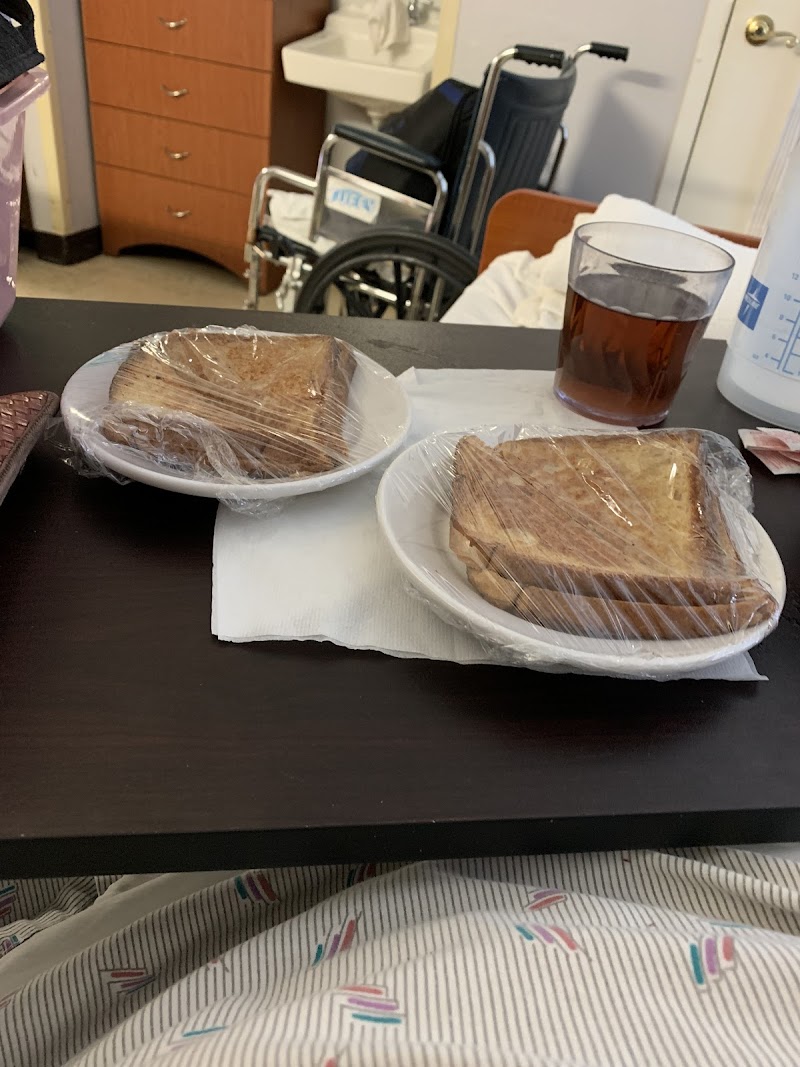
How Does Vivo Healthcare Wauchula Compare to Other Florida Nursing Homes?

Compared to the 100 nursing homes in Florida, VIVO HEALTHCARE WAUCHULA's overall rating (2 stars) is below the state average of 3.2, staff turnover (36%) is near the state average of 46%, and health inspection rating (2 stars) is below the national benchmark.

What Should Families Ask When Visiting Vivo Healthcare Wauchula?

Based on this facility's data, families visiting should ask: "Can I visit during a mealtime to observe dining assistance and food quality?" "How do you handle medical emergencies, and what is your hospital transfer rate?" "Can I speak with family members of current residents about their experience?"

Is Vivo Healthcare Wauchula Safe?

Based on CMS inspection data, VIVO HEALTHCARE WAUCHULA has a clean safety record: no substantiated abuse findings (meaning no confirmed cases of resident harm), no Immediate Jeopardy citations (the most serious violation level indicating risk of serious injury or death), and is not on the Special Focus Facility watch list (a federal program monitoring the lowest-performing 1% of nursing homes). The facility has a 2-star overall rating and ranks #100 of 100 nursing homes in Florida. While no facility is perfect, families should still ask about staff-to-resident ratios and recent inspection results during their visit.

Do Nurses at Vivo Healthcare Wauchula Stick Around?

VIVO HEALTHCARE WAUCHULA has a staff turnover rate of 36%, which is about average for Florida nursing homes (state average: 46%). Moderate turnover is common in nursing homes, but families should still ask about staff tenure and how the facility maintains care continuity when employees leave.

Was Vivo Healthcare Wauchula Ever Fined?

VIVO HEALTHCARE WAUCHULA has no federal fines on record. CMS issues fines when nursing homes fail to meet care standards or don't correct problems found during inspections. The absence of fines suggests the facility has either maintained compliance or corrected any issues before penalties were assessed. This is a positive indicator, though families should still review recent inspection reports for the full picture.

Is Vivo Healthcare Wauchula on Any Federal Watch List?

VIVO HEALTHCARE WAUCHULA is not on any federal watch list. The most significant is the Special Focus Facility (SFF) program, which identifies the bottom 1% of nursing homes nationally based on persistent, serious quality problems. Not being on this list means the facility has avoided the pattern of deficiencies that triggers enhanced federal oversight. This is a positive indicator, though families should still review the facility's inspection history directly.