AVIATA AT COLONIAL LAKES
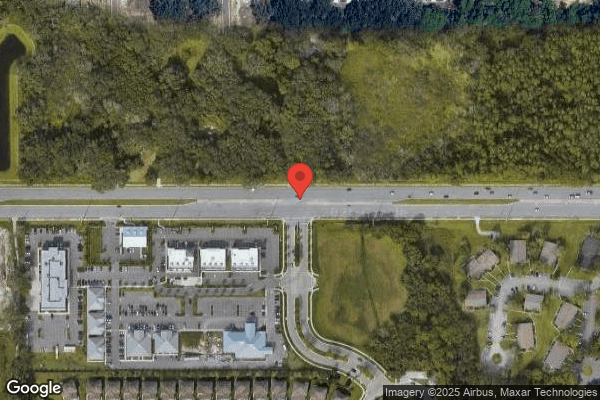
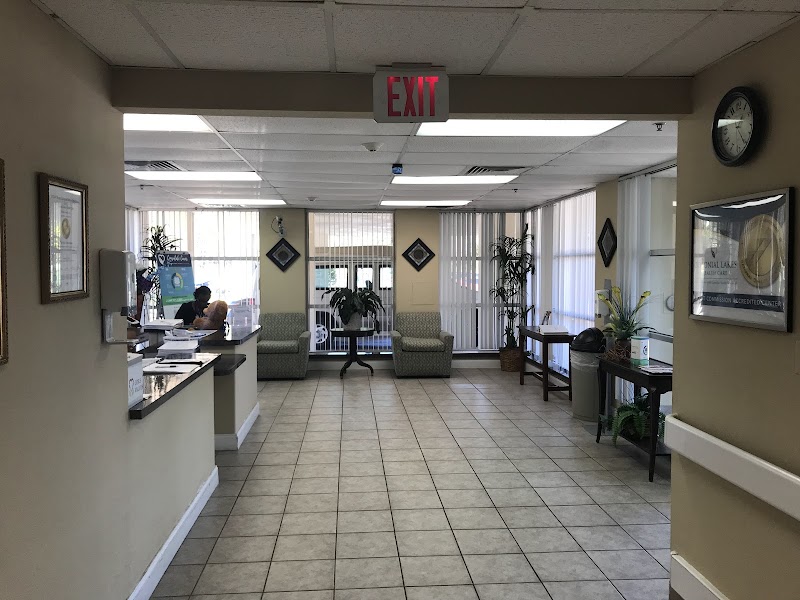
15204 W COLONIAL DR, WINTER GARDEN, FL 34787 (407) 877-2394
For profit - Limited Liability company 180 Beds AVIATA HEALTH GROUP Data: November 2025 4 Immediate Jeopardy citations
Trust Grade
0/100
#603 of 690 in FL
Last Inspection: July 2024

Within standard 12-15 month inspection cycle. Federal law requires annual inspections.

Overview

Aviata at Colonial Lakes has received a Trust Grade of F, indicating significant concerns regarding the quality of care. It ranks #603 out of 690 facilities in Florida, placing it in the bottom half, and #32 out of 37 in Orange County, suggesting limited local options for better care. While the facility's trend is improving, reducing issues from 11 in 2024 to 4 in 2025, it still faced serious incidents, including a resident choking on the wrong diet due to staff errors, resulting in a hospital admission. Staffing is a mixed bag; while the turnover rate of 38% is below the state average, RN coverage is concerning as it is less than that of 75% of Florida facilities. Lastly, the facility has incurred $38,060 in fines, which is average but still raises questions about compliance with care standards.

Trust Score
F
0/100
In Florida
#603/690
Bottom 13%
Safety Record
High Risk
Review needed
Inspections
Getting Better
11 → 4 violations
Staff Stability
○ Average
38% turnover. Near Florida's 48% average. Typical for the industry.
Penalties
✓ Good
$38,060 in fines. Lower than most Florida facilities. Relatively clean record.
Skilled Nurses
⚠ Watch
Each resident gets only 29 minutes of Registered Nurse (RN) attention daily — below average for Florida. Fewer RN minutes means fewer trained eyes watching for problems.
Violations
⚠ Watch
42 deficiencies on record. Higher than average. Multiple issues found across inspections.
★☆☆☆☆
1.0
Overall Rating
★★★☆☆
3.0
Staff Levels
★★★☆☆
3.0
Care Quality
★☆☆☆☆
1.0
Inspection Score
Stable
2024: 11 issues
2025: 4 issues

The Good

  • Full Sprinkler Coverage · Fire safety systems throughout facility
  • No fines on record
  • Staff turnover below average (38%)

    10 points below Florida average of 48%

Facility shows strength in fire safety.

The Bad

1-Star Overall Rating

Below Florida average (3.2)

Significant quality concerns identified by CMS

Staff Turnover: 38%

Near Florida avg (46%)

Typical for the industry

Federal Fines: $38,060

Above median ($33,413)

Moderate penalties - review what triggered them

Chain: AVIATA HEALTH GROUP

Part of a multi-facility chain

Ask about local staffing decisions and management

The Ugly 42 deficiencies on record

4 life-threatening
Sept 2025 1 deficiency
CONCERN (D) 📢 Someone Reported This

A family member, employee, or ombudsman was alarmed enough to file a formal complaint

Potential for Harm - no one hurt, but risky conditions existed

Deficiency F0694 (Tag F0694)

Could have caused harm · This affected 1 resident

**NOTE- TERMS IN BRACKETS HAVE BEEN EDITED TO PROTECT CONFIDENTIALITY** Based on observation, interview, and record review, the facility failed to ensure a Midline Intravenous (IV) dressing care was c...

Read full inspector narrative →
**NOTE- TERMS IN BRACKETS HAVE BEEN EDITED TO PROTECT CONFIDENTIALITY** Based on observation, interview, and record review, the facility failed to ensure a Midline Intravenous (IV) dressing care was completed as per professional standards for 1 of 1 resident of a total sample of 4 residents, (#1).Resident #1, an [AGE] year-old female was readmitted to the facility on [DATE]. Her diagnoses included abscess left great toe, cerebral infarction (stroke), type 2 diabetes, heart failure, peripheral vascular disease, elevated white blood cell count and lymphedema. A Midline Catheter is a thin, flexible tube placed into a vein in the arm. The catheter is 8-10 centimeters long and can stay in the arm for up to 29 days. This allows patients to get IV (intravenous) medicines and have blood samples drawn. The catheter is placed by a trained nurse. (retrieved on 10/4/25 at 3:57 PM from https://patient.uwhealth.org/healthfacts).On 9/30/25 at 12:30 PM, resident #1 was observed lying in recliner type chair in her room. The 200 Unit Manager was observed doing wound care to the resident #1's left great toe which was swollen and red. The Unit Manager acknowledged that resident #1 had transparent dressing on her right upper arm midline IV site dated 9/26/25. She acknowledged the IV dressing was dirty, half off and gauze was covering the insertion site. The nurse explained the resident had been getting antibiotics in her IV for foot wound infection and the physician wanted to keep the IV in place should she need more IV antibiotics. The Unit Manager said because there was gauze present covering the IV the dressing should have been changed on 9/28/25. The nurse added that even if there are no orders it is standard of nursing practice to change IV dressing every 7 days when clear dressing present and every 2 days when gauze is used. Current nursing orders for resident #1's midline IV were dated 9/22/25: flush with normal saline every shift, measure right arm circumference and external catheter length on admission and with each dressing change, evaluate right forearm IV site for leakage/bleeding /signs of infection every shift. Resident #1 received IV Zosyn every 6 hours for 7 days starting on 9/18/25. The resident had care plan in effect last updated on 9/22/25 for IV medication related to left great toe abscess with goal that she will not have any complications related to her IV therapy. Review of the medication administration record revealed that although the nurses were flushing the midline IV twice daily with saline, they failed to notice the dressing needed to be changed 5 times between 9/28/25 to 9/30/25. On 9/30/25 at 12:57 PM, the Regional Registered Nurse (RN) said they teach the nurses who take the IV course that when gauze is present to change the IV dressing every 48 hours and it is preferred, they place a clear transparent dressing instead to allow for visualization of the IV insertion site. Review of the facility Catheter Insertion and Care policy revised 1/17/19 read, Midline catheter dressings will be changed at specified intervals, or when needed, to prevent catheter-related infections associated with contaminated, loosened or soiled catheter -site dressings. General Guidelines 1. Change midline catheter dressing 24 hours after catheter insertion, every 5-7 days, or if it is wet, dirty, not intact, or compromised in anyway. The facility workbook provided to the nurses for IV training on page 60 gave instructions Change dressing weekly or per facility policy or every 2 days if gauze is used.
Jan 2025 3 deficiencies 2 IJ
CRITICAL (J) 📢 Someone Reported This

A family member, employee, or ombudsman was alarmed enough to file a formal complaint

Immediate Jeopardy (IJ) - the most serious Medicare violation

Deficiency F0692 (Tag F0692)

Someone could have died · This affected 1 resident

**NOTE- TERMS IN BRACKETS HAVE BEEN EDITED TO PROTECT CONFIDENTIALITY** Based on interview, and record review, the facility failed to ensure prescribed therapeutic diet of dysphagia mechanical soft co...

Read full inspector narrative →
**NOTE- TERMS IN BRACKETS HAVE BEEN EDITED TO PROTECT CONFIDENTIALITY** Based on interview, and record review, the facility failed to ensure prescribed therapeutic diet of dysphagia mechanical soft consistency was followed for 1 of 8 sampled residents, (#1). This failure resulted in resident #1 consuming the wrong consistency snack, causing her to choke, and turn blue until she was transferred and admitted to the hospital Intensive Care Unit (ICU) and treated for acute respiratory failure with hypoxia. On 12/20/24 at 11:00 AM, resident #1, who was on a mechanical soft consistency diet, was allowed to consume a peanut butter and jelly (PB&J) sandwich from a tray of snacks left on a table in the dayroom by Certified Nursing Assistant (CNA) A. The CNA was aware resident #1 was on a mechanical soft diet but allowed the resident to eat the sandwich because she had seen her eat bread in the past. The CNA recalled she was called back into the dayroom by CNA B who told her resident #1 did not look good. She said resident #1 was sitting up in a chair with her mouth open and tongue sticking out. Licensed Practical Nurse (LPN) C and LPN D immediately responded, and LPN C attempted to administer the Heimlich maneuver but the resident was unresponsive. The resident was lowered to the floor and suctioned with some food removed from her airway. The resident remained unconscious with a pulse when the paramedics arrived and removed food from the back of the resident's airway. The resident was transported to the hospital and admitted to the Intensive Care Unit with admitting diagnoses of acute respiratory failure with hypoxia. The facility's failure to follow the prescribed therapeutic diet resulted in substandard quality of care at the Immediate Jeopardy level, starting on 12/20/24. The facility implemented actions to remove the immediacy as of 1/14/25. Findings: Cross reference F726 Resident #1 was admitted to the facility on [DATE] from an acute care hospital with diagnoses that included Parkinson's disease, unspecified psychosis, dysphagia oropharyngeal phase, history of cerebral infarction (stroke), unspecified dementia, generalized anxiety disorder, and major depressive disorder. Review of resident #1's physician orders for December 2024 revealed an order for a dysphagia mechanical soft texture diet since 8/29/23. Resident #1's Quarterly Minimum Data Set (MDS) assessment dated [DATE] revealed she had a Brief Interview for Mental Status score of 10 out of 15, which indicated moderate cognitive impairment. The assessment indicated resident #1 had no upper or lower extremity limitations, was independent for eating, and required set up or clean-up assistance for other Activities of Daily Living (ADLs). The assessment did not document any symptoms of a swallowing disorder but showed she was on a mechanically altered diet which required a change in food texture or liquids. Dysphagia is defined as difficulty swallowing that could, in some cases, make it almost impossible to swallow. Oropharyngeal phase dysphagia can be caused by neurological conditions such as Parkinson's disease. Not being able to swallow correctly can lead to complications such as aspiration pneumonia due to food entering the lungs and choking due to food getting stuck in the throat. When food gets stuck in the throat it can block the airway and lead to death if not attended to promptly (retrieved on 01/21/25 from the mayoclinic.org). The National Foundation of Swallowing Disorders, following the recommendations of The American Dietetic Association, described dysphagia mechanical soft texture diet included foods such as pureed breads but advised all other bread textures should be avoided. The recommendations included other foods to be avoided included sandwiches and peanut butter, (retrieved on 1/23/25 from swallowingdisorderfoundation.com). A progress note written by the Director of Nursing (DON) on 12/20/24 at 11:28 AM, revealed that at 11:10 AM, a hospice CNA and floor CNA were in the dining room of the memory care unit passing snacks. The floor CNA was called to assist on the floor and within seconds the hospice CNA alerted the floor CNA that the resident didn't look like she felt well. The note described the floor CNA stated that the resident had her mouth open and tongue sticking out, so she called the nurse immediately. The DON documented the LPN started the Heimlich maneuver and soggy bread material came out, then she was laid on the floor on her side and suctioned. The APRN, Physician Assistant (PA), and another LPN also responded. She detailed the resident's oxygen saturation was 71% on room air so oxygen was applied, and the oxygen saturations came up to 92%. The DON detailed that Emergency Medical Service (EMS) arrived and used a laryngoscope (a small tool to look in your throat) to remove the remaining object from blocking the airway. Resident #1 was transferred to the hospital for possible aspiration and the family was notified. Normal oxygen saturation levels should be between 95% and 100% for most people. Oxygen is essential to all body functions so low oxygen levels are concerning and may lead to many serious conditions and damage to individual organ systems, especially your heart and brain. If your level is lower than 88% you should get emergency treatment, (retrieved on 1/27/25 from www.myclevelandclinic.org). Review of a nursing progress note revealed a change in condition note entered on 12/20/24 at 1:30 PM, that indicated resident #1 had respiratory arrest. The note revealed resident #1's vital signs at that time were, blood pressure 85/56, pulse 44, no respirations, oxygen saturation 71% on room air, and mental status was unresponsive. The LPN documented that she responded immediately and noticed the resident had something in her mouth and her face was discolored. She started the Heimlich maneuver and soggy bread material was expelled from her mouth, so they lowered her to the floor on her side and suctioned. EMS was called, oxygen was applied on the resident, and the APRN gave the order to transfer the resident to the hospital. At 2:34 PM, the LPN documented she spoke with the resident's son who said he was at the hospital with the resident. A nursing progress note dated 12/24/24 at 11:02 PM, indicated resident #1 returned to the facility from the hospital with orders for a diet change. On 12/25/24 at 10:25 AM, the Respiratory Therapist (RT) assessed the resident and documented she was awaiting orders from the APRN. The Registered Dietician (RD) evaluated the resident on 12/26/24 and noted resident #1's diet order was changed to a regular diet with pureed texture and thin liquids. She also documented the resident required supervision with meals due to her history of attempting to take food from others. On 12/26/24 a change in condition note was documented by a nurse that the resident had abnormal lung sounds (rales, rhonchi, wheezing) and the doctor ordered a chest X-ray due to chest congestion. Review of a physician progress note dated 12/29/24, revealed resident #1 was evaluated for resumption of care after a hospitalization from 12/20/24 to 12/24/24 due to choking resulting in intubation (a tube in her throat to breath) as per hospital records with administration of multiple Intravenous antibiotics in the ICU setting. She returned to the facility on antibiotic therapy for five days. Review of resident #1's hospital records with admission date 12/20/24, revealed she was seen due to a choking incident where she was unresponsive. The admission summary indicated the resident choked on her meal and became unresponsive, so EMS were called. Upon arrival to the hospital emergency room (ER), she remained unresponsive, so they intubated her for hypoxic (low oxygen) respiratory failure and admitted her to the ICU. The discharge summary on 12/24/24 showed the discharge diagnosis of acute hypoxic respiratory failure and noted that speech and swallow tests had been done, and her diet was adjusted. On 1/13/25 at 1:56 PM, the DON stated she served as the facility's Risk Manager. She confirmed that on 12/20/24 around 11:00 AM, CNA A alerted staff that resident #1 was choking on a snack in the memory care unit day room. The DON stated the facility found the root cause of the event was staff were not familiar with the approved snacks per diet texture orders and snacks being placed unsecured in the dementia unit. In a joint interview on 1/13/25 at 4:15 PM, with the Director of Rehabilitation (DOR) and the Speech Therapist (ST), the DOR stated resident #1's most recent Speech evaluation was completed on 8/27/24 and showed a decline in cognitive and swallowing function which required a mechanical soft/chopped textured diet. The DOR explained resident #1 also required supervision during meals and cues for swallowing. The ST stated their goal was for resident #1 to implement compensatory strategies to increase safety during meals. She explained that a mechanical soft diet consisted of foods like pudding, applesauce, Jello, and pureed bread but would not include peanut butter and jelly sandwiches. On 1/14/25 at 9:24 AM, in a telephone interview CNA A said she had worked at the facility since July 2024 and had no prior experience as a CNA. She recounted that on 12/20/24 she was assigned to work the secure memory care unit and had worked with resident #1 before. CNA A stated she was aware resident #1 required a dysphagia mechanical soft texture diet and said around 11:00 AM she went to the nourishment room, outside of the secured unit, to get snacks for the residents. She recalled she grabbed a tray that contained labeled snacks with resident's names and other unlabeled snacks such as peanut butter sandwiches and cookies. She returned to the memory care unit's dayroom and saw resident #1 sitting at a table by herself, next to the door. CNA A said she placed the tray of snacks on a table across from resident #1 and saw her grab the peanut butter and jelly sandwich from the tray. She confirmed she allowed resident #1 to have the sandwich because she had seen her eating bread before, thought the sandwich was soft, and ok for her to eat. CNA A explained she was then called away by another CNA that needed help and left the dayroom. She recalled there was a hospice CNA in the dayroom that was attending to another resident who called her back into the dayroom a few moments later to say that resident #1, didn't look good. CNA A explained she returned to the dayroom and saw resident #1, who was turning blue, had her mouth open and tongue sticking out. She said she immediately called for help and LPN C and LPN D arrived to provide emergency care for resident #1. CNA A remembered resident #1 was unresponsive and they gave her supplemental oxygen until EMS arrived and transferred her to the hospital. CNA A explained she had not been educated about which foods were appropriate for a dysphagia mechanical soft diet and had not asked anyone if a peanut butter and jelly sandwich was appropriate for resident #1. On 1/14/25 at 9:35 AM, LPN C stated that she was assigned to the memory care unit on 12/20/24 and around the time of the incident she was out of the secured unit making copies at the nurse's station. She recalled at approximately 11:00 AM, CNA A came out of the secured unit saying she needed help right away. When she entered the dayroom, she saw resident #1 sitting up in a chair with her mouth open, tongue sticking out, and a creamy substance in her mouth. LPN C said she immediately started the Heimlich maneuver, and some food came out, but the resident was unresponsive. She recounted that LPN D came to the room with portable suction and assisted her to lower resident #1 to the floor, place her on her side and suction her mouth. LPN C explained some food came out of resident #1's moth, but she was still unresponsive, and her oxygen saturation was low at 71%. She said at that time that they gave her supplemental oxygen and waited for EMS to arrive. LPN C said when EMS arrived they used the laryngoscope to get more food out of her mouth and then transported her to the hospital. She confirmed that resident #1 had known behaviors of grabbing food from others and ate very fast. LPN C stated resident #1 required a mechanical soft texture diet and therefore a peanut butter and jelly sandwich would not be appropriate for her because it was very sticky and hard to swallow. On 1/14/25 at 9:40 AM, the Certified Dietary Manager (CDM) confirmed that resident #1 was prescribed a dysphagia mechanical soft texture diet on 12/20/24. He stated that prescribed snacks were served around 10:00 AM and 2:00 PM daily but resident #1 did not get a prescribed snack. The CDM explained resident #1 was offered a daily snack because she liked them so extra snacks were always added to the tray. He related that the dietary aides were directed to place the snack trays in the 400-hall nourishment room and not in the memory care unit's dayroom, to prevent memory care residents from grabbing foods not prescribed for their diet. He explained some of the snacks offered were peanut butter sandwiches, applesauce, pudding, and cookies. He confirmed that resident #1 had behaviors of grabbing foods from others, so trays should not be left unattended. The CDM said pureed bread was okay, but peanut butter and jelly sandwiches were not acceptable or safe for a resident who needed a dysphagia mechanical soft texture diet. On 1/14/25 at 1:46 PM, LPN D explained he had not worked on the secured memory care unit, but on 12/20/24 he was at the nurses' station outside the secured unit when he heard CNA A calling for help. He recounted that when he entered the dayroom, resident #1 was sitting in a chair making gasping sounds and appeared to be having trouble breathing. He explained LPN C was administering the Heimlich maneuver to resident #1 when she went unconscious but had a pulse. He said they lowered her to the floor on her side and suctioned her mouth with some food coming out. On 1/14/25 at 2:24 PM, in a telephone interview CNA B confirmed she worked for an outside hospice and was at the facility on 12/20/24 to provide care to hospice residents in the building. She explained that on that day at approximately 11:00 AM, she was visiting a resident in memory care unit and was working with a resident in the dayroom when she noticed that resident #1 did not look good. Hospice CNA B said she did not see CNA A bringing the snack tray in to the room and had not seen resident #1 take the peanut butter and jelly sandwich. She explained that CNA A had left the room and CNA B ran out to get her back when she saw resident #1 looking ill. Hospice CNA B said CNA A arrived immediately and went to call for help. She reported that because she was not directly observing resident #1 when CNA A left the room, she could not say how long she had been choking before she noticed. On 1/15/25 at 2:05 PM, the APRN said that around lunch time on 12/20/24, she was called to the memory care unit by a nurse who told her a resident was choking. She recounted when she arrived in the dayroom she saw resident #1 sitting up in a chair and a nurse was behind her performing the Heimlich maneuver. The APRN described the resident as looking ashen and not responding but having a pulse. She said during the Heimlich some food came out, but the resident was still unresponsive. The APRN directed the staff to lower the resident to the floor on her side and a male nurse started suctioning. She recalled that oxygen was applied until EMS arrived and proceeded with additional life saving measures. The APRN said the resident's color started improving and EMS transported her to the ER. She explained that prior to the incident she had not worked with resident #1 and was unaware of her dysphagia diagnosis or food texture order. but was told by staff that the resident had ingested some type of bread, and which caused her to choke. The APRN indicated she did not believe bread was part of a mechanical soft texture diet and it was her expectation for staff to be knowledgeable on the types of textures and foods appropriate for each diet. She said that a resident with swallowing difficulties could potentially choke, aspirate, or become unresponsive if they ingested food not suitable for their diet texture. The Immediate Jeopardy was determined to be removed on 1/14/24 after verification of the immediate actions implemented by the facility. The scope and severity of the deficiencies was decreased to D, no actual harm, with potential for more than minimal harm, that is not Immediate Jeopardy. The resident sample was expanded to include seven additional residents who required dysphagia diets. Review of immediate actions to remove the Immediate Jeopardy implemented by the facility revealed the following, which were verified by the survey team: *CNA A received a teachable moment regarding appropriate snacks according to diet texture with the DON on 12/20/24. * On 12/20/24 an Ad Hoc Quality Assurance Performance Improvement (QAPI) meeting was convened to review the action plan. The Medical Director reviewed and approved the plan. * On 12/20/24 the RD completed a quality review on residents diet orders and validated with the CDM against the kitchen's meal ticket identifiers to ensure that diets were being served as prescribed. Orders were clarified as needed. * On 12/20/24 resident diet orders were posted in pantry rooms and dining rooms. Print outs listing approved snacks for regular texture, dysphagia advanced, dysphagia mechanical soft, and dysphagia pureed were posted to dining rooms, nursing stations, and med carts. The CDM validated that snacks were delivered to the secured pantry. * Education for staff started on 12/20/24 and continued through 1/3/25. They educated staff on appropriate snacks based on resident diet texture order and the procedure to validate the resident's diet order if needed. Training also included Abuse/Neglect training and supervision during snack pass. Newly hired staff would receive education during orientation regarding appropriate snacks to be offered based on diet texture orders. * On 12/23/24 the CDM completed 100% training with dietary staff regarding meal ticket accuracy and procedures for snacks. New diet orders would be reviewed during morning clinical meeting. *On 12/23/24 Unit Managers began weekly audits to ensure appropriate snacks were being passed, meal tickets matched what was being served, and staff was able to verbalize where to find correct diet information. Audits were done 12/23/24, 12/30/24, and 1/06/25 with no discrepancies noted. *On 12/24/24 a facility wide quality review was begun by Speech Language Pathologist to verify that residents with dysphagia diagnosis were on the correct texture diets. The audit was completed on 1/14/25 with no discrepancies noted. *Resident #1 returned to the facility on [DATE] from the hospital with diet texture downgraded to puree. Orders and care plans were updated accordingly to reflect the texture change. The RD followed up with resident #1 on 12/26/24 with no new recommendations. * On 12/24/24 NHA and Interdisciplinary Team (IDT), including Medical Director, met for monthly QAPI meeting and to review the progress made. They determined that all plans that had been put in place were effective. *On 12/30/24 the RD completed the second quality review to ensure diet orders in the electronic medical record matched the meal tracker. There were no issues noted. Interviews conducted from 01/15/25 through 01/16/25 with 21 total facility staff who represented the dietary and nursing departments revealed they were knowledgeable of the facility's policy and procedure for dysphagia diet orders, and appropriate snacks. Interviews conducted with nursing staff, including 9 CNAs, 2 Registered Nurses, and 3 Licensed Practical Nurses, revealed they received education between 12/20/24 and 12/25/24.
CRITICAL (J) 📢 Someone Reported This

A family member, employee, or ombudsman was alarmed enough to file a formal complaint

Immediate Jeopardy (IJ) - the most serious Medicare violation

Deficiency F0726 (Tag F0726)

Someone could have died · This affected 1 resident

**NOTE- TERMS IN BRACKETS HAVE BEEN EDITED TO PROTECT CONFIDENTIALITY** Based on interview, and record review, the facility failed to ensure a Certified Nursing Assistant (CNA) had the knowledge, skil...

Read full inspector narrative →
**NOTE- TERMS IN BRACKETS HAVE BEEN EDITED TO PROTECT CONFIDENTIALITY** Based on interview, and record review, the facility failed to ensure a Certified Nursing Assistant (CNA) had the knowledge, skill sets, and competencies to provide foods/snacks to residents in accordance with their plan of care and physician orders for 1 of 8 sampled residents, (#1). This failure resulted in the resident being allowed to consume the wrong consistency snack which resulted in the resident choking and being transferred to a higher level of care where she was admitted to the Intensive Care Unit (ICU) and treated for acute respiratory failure with hypoxia. On 12/20/24 at 11:00 AM, resident #1, who was on a mechanical soft consistency diet, was allowed to consume a peanut butter and jelly (PB&J) sandwich from a tray of snacks left on a table in the dayroom by CNA A. The CNA was aware resident #1 was on a mechanical soft diet but allowed the resident to eat the sandwich because she had seen her eat bread in the past. The CNA recalled she was called back into the dayroom by CNA B who told her resident #1 did not look good. CNA A said resident #1 was sitting up in a chair with her mouth open and tongue sticking out. Licensed Practical Nurse (LPN) C and LPN D immediately responded, and LPN C attempted to administer the Heimlich maneuver but the resident was unresponsive. The resident was lowered to the floor and suctioned with some food removed from her airway. The resident remained unconscious with a pulse when the paramedics arrived and removed food from the back of the resident's airway. The resident was transported to the hospital and admitted to the Intensive Care Unit with admitting diagnoses of acute respiratory failure with hypoxia. The facility's failure to follow the prescribed therapeutic diet resulted Immediate Jeopardy starting on 12/20/24. The facility implemented actions to remove the Immediate Jeopardy as of 1/14/25. Findings: Cross reference F692 Resident #1 was admitted to the facility on [DATE] from an acute care hospital with diagnoses that included Parkinson's disease, dysphagia oropharyngeal phase (trouble swallowing in the mouth or throat), history of cerebral infarction (stroke), and unspecified dementia. Review of resident #1's physician orders for December 2024 revealed orders for a dysphagia mechanical soft texture diet since 8/29/23. The Quarterly Minimum Data Set (MDS) assessment dated [DATE] revealed the resident had a Brief Interview for Mental Status score of 10 out of 15, which indicated moderate cognitive impairment. She had no upper or lower extremity limitations, was independent for eating, and required set up or clean-up assistance for other Activities of Daily Living (ADLs). She was not identified as having any symptoms of a swallowing disorder but was on a mechanically altered diet which required a change in food texture or liquids. Review of resident #1's care plan, with revision date 11/20/24, identified she had a potential nutritional problem related to the need for mechanically altered diet texture and past medical history of Parkinson's disease, dysphagia, dementia, and Gastro Esophageal Reflux Disease. The interventions included staff to monitor/document/report as needed any signs or symptoms of dysphagia but failed to include interventions for staff to serve diet as ordered. According to the National Foundation of Swallowing Disorders, which followed the recommendations from the American Dietetic Association, a dysphagia mechanical soft texture included foods such as soft pancakes, and pureed breads but all other bread textures should be avoided. Other foods that should be avoided included sandwiches and peanut butter, (retrieved on 1/23/25 from Swallowingdisorderfoundation.com). On 1/13/25 at 1:56 PM, the facility's Reportable and Adverse incident log from December 2024 was reviewed with the Director of Nursing (DON) who was also the Risk Manager. She said that on 12/20/24 at around 11:00 AM, CNA A alerted staff that resident #1, who at the time was in the day room of the memory care unit, was choking on a snack. The Heimlich maneuver was performed, and the resident was suctioned but ultimately, was transferred via Emergency Medical Services (EMS) to the hospital. The DON recalled she responded to the scene along with two nurses, the Advance Practice Registered Nurse (APRN), and the Physician Assistant (PA). According to the DON, the root cause was staff not being familiar with the approved snack list based on diet texture orders and snacks being placed unsecured on a dementia unit. On 1/14/25 at 9:24 AM, during a telephone interview, CNA A stated she had worked at the facility since July 2024 and had no prior CNA experience. She reported on 12/20/24 she was assigned to work on the secure memory care unit. She noted she had worked with resident #1 before and was aware she was on a dysphagia mechanical soft texture diet. She recalled at about 11:00 AM, she went to the nourishment room, located outside of the secured unit, to get snacks for the residents. She said she picked up a tray with labeled snacks with resident names and other snacks such as peanut butter sandwich and cookies, that had no resident names. She stated she went back to the memory care unit's dayroom where resident #1 was seated at a table by herself next to the door. She said she placed the tray of snacks on a table across from resident #1 and then saw the resident grab a peanut butter and jelly sandwich. She said she allowed the resident to have the sandwich because she had seen her eating bread before, and the sandwich was soft. She remembered she was called away by another CNA that needed help and left the dayroom. She noted she was called back to the dayroom by a hospice CNA a few seconds later as resident #1 didn't look good. She said the resident was turning blue, had her mouth open and tongue sticking out. She recalled she immediately called for help and LPN C administered the Heimlich maneuver and LPN D assisted with suctioning the resident's airway. She reported resident #1 was unresponsive and was given supplemental oxygen until paramedics arrived and transferred the resident to the hospital. She said she was not trained on what foods were appropriate for a dysphagia mechanical soft diet and did not ask anyone if a peanut butter and jelly sandwich was appropriate for the resident. Review of the nursing progress notes revealed a change in condition note entered on 12/20/24 at 1:30 PM, by an LPN that noted the resident went into respiratory arrest. The note revealed resident #1's vital signs at the time of the incident were, blood pressure 85/56, pulse 44, respirations 0, oxygen saturation 71% on room air, and mental status was unresponsive. The LPN documented that she responded immediately and noticed the resident had something in her mouth and her face was discolored. She started the Heimlich maneuver and soggy bread material was expelled from her mouth. The note showed they lowered the resident on to the floor on her side and suctioned. The note read that EMS arrived, applied oxygen and the APRN gave the order to transfer the resident to the hospital. At 2:34 PM the LPN noted she spoke with the resident's son who said he was at the hospital with the resident. According to resident #1's hospital records with admission date 12/20/24, noted she was seen due to the choking incident and resident being unresponsive. The admission summary showed the resident was having her meal, started to choke and became unresponsive. On arrival to the emergency room (ER), she remained unresponsive, was intubated for hypoxic respiratory failure and admitted to the ICU. The Discharge summary dated [DATE] showed the discharge diagnosis of acute hypoxic respiratory failure and noted that speech and swallow tests were done, and diet was adjusted. Review of resident #1's modified Quarterly MDS completed on 12/27/24, post readmission from an acute care hospital, revealed she required setup assistance for eating, had a new behavior of rejecting care, had difficulty swallowing due to coughing or choking during meals, and continued on mechanically altered diet. Review of a physician progress note dated 12/29/24, noted resident #1 was evaluated for resumption of care after hospitalization from 12/20/24 to 12/24/24 due to choking resulting in intubation as per hospital record with administration of multiple intravenous antibiotics in the ICU setting. She returned to the facility on antibiotic therapy for five days. Review of CNA A's personnel file revealed she was hired on 7/09/24 and had received her CNA certification in 2024. The facility's Job Description for CNAs noted CNAs were entrusted to provide responsible healthcare and were responsible to provide each of their assigned residents with routine daily nursing care and services in accordance with the resident's assessment and care plan. Other duties and responsibilities included providing direct care in accordance with treatment plans and attending scheduled facility in-services, orientations, and educational classes. According to the job requirements, CNAs must demonstrate the knowledge and skills necessary to provide care appropriate to the age-related needs of the residents served. On 1/14/25 at 4:34 PM, the Assistant Director of Nursing (ADON) was interviewed with the Regional Nurse Consultant (RNC) and DON present. The ADON confirmed she was the Staff Educator and stated staff received orientation with general nursing topics that included nutrition but not specific to diet types and appropriate food textures. Review of CNA A's education file revealed she completed the new hire orientation packet and skills competency assessment for eating support on 7/10/24. There were no documented competencies or in-services related to caring for dysphagia residents, food textures, or appropriate foods/snacks for each diet type. On 1/15/25 at 12:43, CNA E said that prior to the choking incident she had not been educated on diet types or food textures. She worked with resident #1 regularly and said she preferred not giving resident #1 a snack because she was at risk for choking. On 1/15/25 at 1:10 PM, CNA A stated she had not received training related to diet types or food textures when she was hired, and she did not remember attending any in-services prior to the choking incident. On 1/15/25 at 1:46 PM, LPN D reported he had worked at the facility for a total of two years. He said he had never received education during orientation related to diet types and food textures but had received education at a prior facility. On 1/15/25 at 3:21 PM, interviews were conducted with five CNAs from the first and second shift, who said they did not receive education regarding diet types or food textures prior to the choking incident. They confirmed they were responsible for passing out meal trays, handing out snacks, assisting with feeding residents, and monitoring residents during meals. A review of the Facility Assessment revised 8/01/24, noted the facility provided resident services such as eating assistance and nutritional services including individualized dietary plans and specialized diets. The assessment lacked an explanation of how the facility would educate their staff to ensure these services were provided safely and appropriately. According to section 3.4, Staff training/education and competencies, in-service trainings for nursing aides must address areas of weakness as determined in nurse aides' performance reviews and may address the special needs of residents as determined by the facility staff. According to the Consistency Census Report printed on 1/14/25 at 2:51 PM, 31 out of 175 residents in the facility required a mechanically altered texture diet (mechanical soft, pureed, thickened liquids) related to a dysphagia diagnosis. In the memory care unit six residents required a mechanically altered texture diet. The resident sample was expanded to include seven additional residents who required dysphagia diets. Review of immediate actions to remove the Immediate Jeopardy implemented by the facility revealed the following, which were verified by the survey team: *CNA A received a teachable moment regarding appropriate snacks according to diet texture with DON on 12/20/24. * On 12/20/24 an Ad Hoc Quality Assurance Performance Improvement (QAPI) meeting was convened to review the action plan. The Medical Director reviewed and approved the plan. * On 12/20/24 the RD completed a quality review on resident diet orders and validated with the Certified Dietary Manager (CDM) against the kitchen's meal ticket identifiers to ensure that diets were being served as prescribed. Orders were clarified as needed. * On 12/20/24 resident diet orders were posted in pantry rooms and dining rooms. Print outs listing approved snacks for regular texture, dysphagia advanced, dysphagia mechanical soft, and dysphagia pureed were posted to dining rooms, nursing stations, and med carts. CDM validated that snacks were delivered to the secured pantry. * Education for staff started on 12/20/24 and continued through 1/3/25 with 98% trained. Education included recognizing the different diet types and food textures, appropriate snacks for each diet type, and procedure to validate the resident's diet order as needed. Training also included Abuse/Neglect training and supervision during snack pass. Newly hired staff would receive education during orientation regarding appropriate snacks to be offered based on diet texture orders. * On 12/23/24 CDM completed 100% training with dietary staff regarding meal ticket accuracy and procedure for snacks. New diet orders would be reviewed during morning clinical meeting. *On 12/23/24 Unit Managers began weekly audits to ensure appropriate snacks were being passed, meal tickets matched what was being served, and staff was able to verbalize where to find correct diet information. Audits were done 12/23/24, 12/30/24, and 1/6/25 with no discrepancies noted. *On 12/24/24 a facility wide quality review began by Speech Language Pathologist verifying that residents with dysphagia diagnosis were on the correct texture diets. The audit was completed on 1/14/25 with no discrepancies noted. *Resident #1 returned to the facility on [DATE] from the hospital with diet texture downgraded to puree. Orders and care plan were updated accordingly to reflect the texture change. Registered Diet (RD) followed up with resident on 12/26/24 with no new recommendations. * On 12/24/24 the Administrator and Interdisciplinary Team (IDT), including Medical Director, met for monthly QAPI meeting and to review the progress made. They determined that all plans that had been put in place were effective. *On 12/30/24 the RD completed the second quality review to ensure diet orders in the electronic medical record matched the meal tracker. There were no issues noted. Interviews conducted from 01/15/25 through 01/16/25 with 21 total facility staff who represented the dietary and nursing departments revealed they were knowledgeable of the facility's policy and procedure for dysphagia diet orders, and appropriate snacks. Interviews conducted with nursing staff, including 9 CNAs, 2 Registered Nurses, and 3 Licensed Practical Nurses, revealed they received education between 12/20/24 and 12/25/24.
CONCERN (D) 📢 Someone Reported This

A family member, employee, or ombudsman was alarmed enough to file a formal complaint

Potential for Harm - no one hurt, but risky conditions existed

Comprehensive Care Plan (Tag F0656)

Could have caused harm · This affected 1 resident

**NOTE- TERMS IN BRACKETS HAVE BEEN EDITED TO PROTECT CONFIDENTIALITY** Based on interview, and record review, the facility failed to develop a comprehensive, person-centered care plan with measurable...

Read full inspector narrative →
**NOTE- TERMS IN BRACKETS HAVE BEEN EDITED TO PROTECT CONFIDENTIALITY** Based on interview, and record review, the facility failed to develop a comprehensive, person-centered care plan with measurable goals and interventions for a vulnerable resident with behaviors that posed a risk to their safety, (#1). Findings: Resident #1 was admitted to the facility on [DATE] from an acute care hospital with diagnoses that included Parkinson's disease, unspecified psychosis, need for assistance with personal care, dysphagia oropharyngeal phase, history of stroke, and unspecified dementia. Dysphagia oropharyngeal phase is a term to describe swallowing problems that occur in the mouth or throat, usually from impaired muscle function or sensory changes, (retrieved on 1/27/25 from www.uclahealth.org). Resident #1's Quarterly Minimum Data Set (MDS) assessment with reference date 9/30/24 revealed she had a Brief Interview for Mental Status score of 10 out of 15, which indicated moderate cognitive impairment. She had no upper or lower extremity limitations, was independent for eating, and required set up or clean-up assistance for other Activities of Daily Living (ADLs). The assessment noted resident #1 required a mechanically altered diet due to her dysphagia diagnosis. A modified Quarterly MDS was completed on 12/27/24, post readmission from an acute care hospital which indicated she now required setup assistance for eating, had new behavior of rejecting care, and had difficulty swallowing due to coughing or choking during meals. The assessment noted resident #1 continued to require a mechanically altered diet. Review of resident #1's medical record revealed her diet orders were changed from a regular texture to a dysphagia mechanical soft texture on 8/29/23 which was continued until 12/25/24 after the choking incident. After 12/25/24 when resident #1 returned from the hospital her diet was changed to dysphagia with pureed texture. On 1/13/25 at 1:56 PM, the facility's Reportable and Adverse incident log from December 2024 was reviewed with the Risk Manager. She said that on 12/20/24 at around 11:00 AM, Certified Nursing Assistant (CNA) A alerted staff that resident #1, who at the time was in the day room of the memory care unit, was choking on a snack that had been provided to her. The Risk Manager continued to explain, the Heimlich maneuver was performed, and the resident was suctioned and subsequently transferred via Emergency Medical Service (EMS) to the hospital and admitted to the Intensive Care Unit (ICU) for acute respiratory failure with hypoxia. She recounted the facility's investigation of the event revealed that on 12/20/24 at around 10:50 AM, CNA A entered the memory care unit with a tray of snacks that included peanut butter and jelly (PB&J) sandwiches and placed the tray on a table across from resident #1. Resident #1 was not prevented from grabbing a sandwich by CNA A because she said that although the resident required a mechanical soft diet she had previously seen her eating bread and assumed the PB&J sandwich was okay. On 1/14/25 at 9:24 AM, in a telephone interview CNA A corroborated the Risk Manager's statements of the incident that involved resident #1 on 12/20/24. She recalled she had worked with resident #1 regularly and knew her well. CNA A explained that resident #1 had behaviors where she grabbed food from other resident's plates and staff tried to keep her safe by doing things like sitting her at a table by herself and ensuring the snack tray was not left unattended. She stated the snack trays were delivered to the nourishment room outside the secure memory care unit to prevent residents from grabbing food not prescribed for their diet. CNA A said she had never observed resident #1 grabbing food from the tray or from other residents during her shift, but other CNAs had previously reported the behavior to her. On 1/14/25 at 9:35 AM, Licensed Practical Nurse (LPN) C confirmed that on 12/20/24 she responded to the choking incident with resident #1 and assisted with first aid including the Heimlich maneuver. She recounted that she worked with resident #1 before and had observed her grabbing food from other residents during mealtimes. She stated resident #1 loved to eat and often ate very fast. On 1/14/25 at 9:40 AM, the Certified Dietary Manager (CDM) confirmed resident #1 was on a mechanical soft diet and did not have prescribed snacks but was offered a snack daily. He said he was aware resident #1 had behaviors of grabbing food from trays and from other residents. He confirmed dietary aids delivered the snack trays to the nourishment rooms. Review of resident #1's medical record revealed she had a care plan with revision date of 11/20/24 for potential nutritional problem related to need for mechanically altered diet, texture and past medical history of stroke, dysphagia, and history of significant weight gain. The interventions included monitor/document/report as needed any signs or symptoms of dysphagia. Review of the care plan revealed goals and interventions did not address the resident's known behaviors to ensure the resident's safety during meals. On 1/02/25, two weeks after the choking incident and nine days after readmission from the hospital, the Registered Dietician (RD) added to the care plan that resident #1 attempted to eat foods not on her prescribed food consistency. On 1/15/25 from 12:43 PM to 3:21 PM, interviews were conducted with CNAs E, F, G, H, I, J and K who had worked with resident #1 previously or had knowledge of her behaviors. The CNAs confirmed that resident #1 was known to grab food from others. CNA E said that resident #1 needed feeding assistance and monitoring during meals because she ate so fast and could choke. She said she avoided giving resident #1 snacks and sat her at a table by herself to ensure she would not grab foods from others. The six other CNAs corroborated the behaviors saying that prior to the choking incident they had observed resident #1 grabbing food from other residents and on one occasion a CNA attempted to remove food from her mouth to prevent her from choking. On 1/16/25 at 12:42 PM, the MDS Coordinator stated she was one of two staff members responsible for resident care plans and attended care plan meetings with residents and representatives. She explained the whole clinical team was responsible for developing and revising care plans. The MDS Coordinator said that in general, the care plan was updated when there were changes in the resident's condition, behavior, or preferences. She said she attended clinical meetings every morning with the administrative team and clinical staff where they reviewed resident changes such as falls, behaviors, and orders. The MDS Coordinator reported that if the resident developed any behaviors that were constant or posed risk to their safety, staff were responsible for reporting the behavior to a supervisor so that a care plan could be developed and implemented. She explained that the Social Service Department was responsible for developing care plans for a resident's behavior. The MDS Coordinator confirmed resident #1 had behaviors but said that none were related to grabbing food and did not recall speaking about these behaviors during clinical meetings with the resident's son. On 1/16/25 at 1:10 PM, in a joint interview with the Unit Manager (UM) for the memory care unit and the Director of Nursing (DON), the UM stated she was not aware that resident #1 had behaviors of grabbing food from others. She said she frequently observed staff in the dayroom to ensure that residents were properly monitored during meals but had not noticed any behaviors during mealtime. The UM explained she attended clinical meetings, and the choking incident had been discussed. She stated she expected staff to report any changes in resident behavior to their immediate supervisor. The DON reported she first learned about resident #1's behavior of grabbing food after the choking incident. She said they had discussed the choking incident during clinical meetings, but her behaviors had not been mentioned at that time. The DON confirmed the Social Service Department was responsible for behavioral care plans and her expectation was for staff to report any changes in behaviors to their immediate supervisor to ensure care plans were updated accordingly. On 1/16/25 at 1:51 PM, the Social Services Assistant confirmed she was responsible for creating the behavioral care plans and reported she attended the daily clinical meetings. She did not recall discussing resident #1 having unsafe behaviors during meals. Review of the facility's Policies and Procedures revised 9/25/17 revealed an individualized person-centered plan of care would be established by the interdisciplinary team (IDT) with the resident and/or representative and updated in accordance with state and federal regulatory requirements. The policy detailed that the care plan must be reviewed, updated and/or revised based on changing goals, preferences, and needs of the resident and in response to current interventions as needed. The document indicated that the IDT should ensure the plan of care addressed any resident needs and that the plan was oriented towards attaining or maintaining the highest practicable physical, mental, and psychosocial wellbeing.
Dec 2024 2 deficiencies
CONCERN (D) 📢 Someone Reported This

A family member, employee, or ombudsman was alarmed enough to file a formal complaint

Potential for Harm - no one hurt, but risky conditions existed

Medical Records (Tag F0842)

Could have caused harm · This affected 1 resident

**NOTE- TERMS IN BRACKETS HAVE BEEN EDITED TO PROTECT CONFIDENTIALITY** Based on interview, and record review, the facility failed to maintain medical records that were complete and accurately documen...

Read full inspector narrative →
**NOTE- TERMS IN BRACKETS HAVE BEEN EDITED TO PROTECT CONFIDENTIALITY** Based on interview, and record review, the facility failed to maintain medical records that were complete and accurately documented in accordance with professional standards of practice for 1 of 3 sampled residents, (#1). Findings: Resident #1 was re-admitted to the facility on [DATE] from an acute care hospital with new diagnoses that included urinary tract infection (UTI), need for assistance with personal care, and muscle weakness. She also had a past medical history of type II diabetes, chronic kidney disease stage III, major depressive disorder, vascular dementia with agitation, and persistent mood disorder. The Quarterly Minimum Data Set assessment dated [DATE] revealed that resident #1 had a Brief Interview of Mental Status score of 5 out of 15 which indicated she was severely cognitively impaired. The assessment revealed she required substantial to maximum assistance for toileting, dressing, and personal hygiene. On 12/04/24 at 12:35 PM, in a telephone interview, resident #1's daughter confirmed at she was the Power of Attorney (POA) for her mother. She said that she noticed her mother's functional abilities started to decline in October 2024 and she required more assistance with activities of daily living. She said that on 11/04/24 she had visited the facility and noticed that her mother was not acting like herself. She reported her mother's condition to the nurse and was told that they would notify the doctor. On 11/05/24 she visited resident #1 again and requested for her to be transferred to the emergency room (ER) because she had vomited and was lethargic. Resident #1 was transferred to the ER, but she felt that her mother had not been assessed appropriately, so she requested to see progress notes from 10/23/24 to 11/03/24. She said that the facility provided her the progress notes but they contained no care notes documenting her mother's change of condition. She said there were several notes regarding refusal of care by her mother. She confirmed that at the hospital they diagnosed resident #1 with a urinary tract infection and she was ordered antibiotics. Review of resident #1's daily progress notes revealed that on 10/23/24 she was seen by the doctor and there were no changes reported. The next entry starts on 10/29/24 with several notes that reported she refused medications and glucose monitoring. The daughter and Nurse Practitioner were notified of the refusals on 10/29/24. On 10/30/24 there was a single note entry at 5:34 AM, which documented that the resident refused glucose monitoring. There were no entries on 11/04/24 to indicate that staff assessed resident #1 after the daughter expressed concern with her altered mental status and medication refusals. On 11/05/24 at 4:46 AM, there was a note that documented that resident #1 refused lab work that was ordered due to lethargy. On the same day at 11:59 AM, there was a change of condition note for altered mental status and an order for resident to be transferred to the hospital per the daughter's request. On 12/05/24 at 12:59 PM, Registered Nurse (RN A) said that she documented any changes from baseline for the resident, such as changes in mood, behavior, or mental status. She would assess, report and document the changes even if it was reported by the family member. On 12/05/24 at 3:20 PM, the Director of Nursing (DON) stated that nurses were expected to document by exception meaning that any changes in condition or change from baseline would be documented in the resident's medical record. She said that she was not aware that resident #1's daughter had reported a change with her mother on 11/04/24. On 12/05/24 at 3:45 PM, the Medical Director stated that on 11/04/24 resident #1 was seen by the Physician Assistant (PA) after a staff member reported that she was lethargic, and labs were ordered to rule out a UTI. He stated that on 11/05/24 he ordered for the resident to be transferred to the ER by request of the daughter. The DON was present during the interview and stated that if the nurse identified a change in the resident's condition on 11/04/24, it should have been documented. Review of the facility's policies and procedure for Medical Records, revised 8/25/17, revealed that the policy required clinical records to be maintained in accordance with professional practice standards to provide complete and accurate information on each resident for continuity of care. It stated that the purpose of the clinical record was to document the course of the resident's plan of care and to provide a medium of communication among health care professionals involved in the care. The policy indicated the clinical record should include a record of the resident's assessments, the plan of care and services, and progress notes which indicated a change toward achieving the care plan objectives.
CONCERN (E) 📢 Someone Reported This

A family member, employee, or ombudsman was alarmed enough to file a formal complaint

Potential for Harm - no one hurt, but risky conditions existed

Grievances (Tag F0585)

Could have caused harm · This affected multiple residents

**NOTE- TERMS IN BRACKETS HAVE BEEN EDITED TO PROTECT CONFIDENTIALITY** Based on interview, and record review, the facility failed to appropriately document, investigate, follow up, and promptly resol...

Read full inspector narrative →
**NOTE- TERMS IN BRACKETS HAVE BEEN EDITED TO PROTECT CONFIDENTIALITY** Based on interview, and record review, the facility failed to appropriately document, investigate, follow up, and promptly resolve grievances for 1 of 3 sampled residents, (#1). Findings: Resident #1 was initially admitted to the facility on [DATE] with diagnoses that included type II diabetes, chronic kidney disease stage III, major depressive disorder, vascular dementia with agitation, hemiplegia/hemiparesis following stroke affecting the right dominant side, and persistent mood disorder. The Quarterly Minimum Data Set assessment dated [DATE] revealed resident #1 had a Brief Interview of Mental Status score of 5 out of 15 which indicated severely impaired cognition. The assessment revealed she required substantial to maximum assistance for toileting, dressing, and personal hygiene. On 12/4/24 at 12:35 PM, a telephone interview with resident #1's daughter confirmed that she was the Power of Attorney (POA) and visited her mother daily. She said that she had been having issues with her mother's missing items for about six months but she was unsure of the exact date. She said that about six months earlier, her mother's dentures went missing when a staff member accidentally threw them away. She was told by the previous Administrator and Social Service Director (SSD) that they would work on replacing them. She said she did not hear anything else regarding the dentures until recently when the new SSD started working at the facility and told her that they were working on getting a new dentist for her mother. She explained that in October 2024 she had complained to staff because when her mother was moved to a different room, per her request, all her mother's belongings went missing. She reported that the facility lost her clothing, shoes, cellphone, and glasses. These items were listed on her mother's inventory sheet, and she was the one responsible for doing her mother's laundry. She said that she spoke with the facility Administrator, Assistant Administrator, SSD, and Business Office Manager (BOM) but nothing was done, and they did not offer to reimburse her for the lost items. She said that she was unsure if a grievance was ever filed for the missing items. Review of the facility Grievance log from June 2024 to November 2024 revealed that a grievance had been filed on 9/19/24 for resident #1's missing dentures. The investigation had been assigned to the Administrator but there was no resolution indicated. There were no other grievances found for resident #1 during that time period. Further review revealed that from June 2024 to November 2024 there were 155 grievances filed, with 9 unresolved, and 83 that were either not assigned to a staff member to investigate or not properly documented with a resolution and complainant notification date. There were 22 grievances related to missing items included. On 12/04/24 at 12:21 PM, the SSD confirmed she was the Grievance Officer and had started working in the facility in October 2024. She noticed that there were grievances dating back to July 2024 that had not been investigated or resolved by the previous SSD. She met with the current Administrator, previous SSD, and Regional SSD regarding the unresolved grievances and let them know that her plan would be to start with the unresolved grievances since September 2024. She explained that when a grievance was received from a resident either verbally or in writing, the staff member receiving the grievance would complete a grievance form and submit to the Grievance Officer. Then she would assign a department leader to investigate, resolve, follow up with the resident, and have them sign acknowledging the resolution was to their satisfaction. When a resident reported a missing item, the staff member receiving the grievance would attempt to find the item first and then if still not found the grievance was given to the SSD to be assigned for further investigation. She said that when items were not found they would replace or reimburse the resident. The SSD said that she was aware that resident #1's representative had reported the dentures were missing in June of 2024 but was unsure why the grievance had not been filed until September 2024. She confirmed that there were no grievances filed for resident #1's missing clothing, cellphone, shoes, or glasses. On 12/04/24 at 1:04 PM, the Social Service Assistant (SSA) said that she had been working at the facility since July 2024. She confirmed that based on the facility's grievance policy, grievances had to be resolved within seven days of receipt and not exceed 14 days. She said that one of the issues that prevented timely resolution of grievances was that when they were assigned to the department leaders for investigation, they would often return the forms to Social Services with no resolution or notification to the resident. On 12/05/24 at 12:31 PM, the Resident Council President confirmed that several grievances had been filed regarding missing items. She said that she had not received a resolution for the grievances and the facility did not follow up with her regarding the status of the grievances. On 12/05/24 at 4:15 PM, the facility Administrator confirmed that he was made aware by the SSD, shortly after being hired in September 2024, that there were grievances that had not been resolved since July 2024. He said that the issue had been discussed at the Quality Assurance and Performance Improvement (QAPI) meeting on 11/14/24, which was attended by the Administrator, Director of Nursing, Medical Director, SSD, and Assistant Administrator. The plan was to audit and review grievances that had been outstanding prior to the new team, review the grievances with the resident or representative, and to ensure the resolution was acceptable. The SSD, Administrator, and all departments would work together to audit and resolve the outstanding grievances. He said that the goal was for all outstanding grievances to be resolved by the end of the year and to ensure that new grievances were handled in a timely manner. When asked for audits or documentation to show the work that had been done from 11/14/24 to present, he said that they had no documentation to show what had been done. He confirmed that resident #1's missing items had been reported to him around October 2024 by the resident's representative, but he did not complete a grievance form. He said that the facility looked for the items but did not find them and he had not followed up with the resident's representative regarding a reimbursement for the items. He said that the expectation was for grievances to be documented, investigated, and resolved in a timely manner. Review of the Complaint/Grievance Policies and Procedures revised 10/24/22, revealed that the center would make prompt efforts to resolve the complaint/grievance and inform the resident of progress towards resolution. The grievance procedures stated the following: an employee receiving a complaint/grievance from a resident, family member or visitor would initiate a Complaint/Grievance Form, the Grievance Officer or designee shall act on the grievance and begin follow-up of the concern or submit it to the appropriate department director for follow up, the grievance follow up should be completed in a reasonable time frame, which should not exceed 14 days, and the individual voicing the grievance would receive follow up communication with the resolution, and a copy of the grievance resolution would be provided to the resident upon request.
Nov 2024 1 deficiency
CONCERN (E) 📢 Someone Reported This

A family member, employee, or ombudsman was alarmed enough to file a formal complaint

Potential for Harm - no one hurt, but risky conditions existed

Infection Control (Tag F0880)

Could have caused harm · This affected multiple residents

Based on observation, interview, and record review, the facility failed to prevent the potential spread of infection by not ensuring Enhanced Barrier Precautions (EBP) were followed by not wearing per...

Read full inspector narrative →
Based on observation, interview, and record review, the facility failed to prevent the potential spread of infection by not ensuring Enhanced Barrier Precautions (EBP) were followed by not wearing personal protective equipment (PPE) for 1 of 5 residents reviewed for urinary catheter (#3), failed to identify the type of precaution staff needed to follow for EBP for 2 of 5 residents, (#3 and #12) and failed to follow manufacturer's guidelines for cleaning and disinfection of shared glucose meters for 1 of 5 residents reviewed for blood sugar monitoring (#11) of a total sample of 20 residents. Findings: 1. On 11/19/2024 at 9:44 AM, resident #3 was resting in bed. Urinary catheter tubing was noted near the siderail of the resident's bed. Certified Nursing Assistant (CNA) E was in the room at the time and confirmed the resident had a urinary catheter. The resident's room door did not have any signage to indicate type of precautions or the required PPE that staff needed for residents with urinary catheters. On 11/19/2024 at 3:55 PM, resident #3 was observed lying in bed and had indwelling urinary catheter in place. Registered Nurse (RN) C and CNA B were in the room providing care to the resident. CNA B applied ointment to the resident's buttocks. RN C assisted CNA B to apply incontinence brief on the resident then applied moisturizing lotion to the resident's lower legs and feet. Neither CNA B nor RN C wore a PPE gown while they provided high contact care to the resident #3 with an indwelling foley catheter. On 11/19/2024 at approximately 4:50 PM, RN C acknowledged resident #3 did not have identification outside of her room to indicate the type of precautions or the required PPE needed for high-contact care for residents with indwelling catheter. RN C noted the resident had an indwelling urinary catheter and staff should have worn gowns to provide incontinence care. 2. On 11/21/2024 at 12:55 PM, resident #12 was observed sitting up in bed. He stated he had an indwelling urinary catheter. There was no signage outside the resident's room to indicate the type of precautions or the required PPE, and high-contact areas that required use of PPE. On 11/21/2024 at 4:50 PM, RN D verified resident #12 had an indwelling urinary catheter. She stated EBP should be used when providing high contact care. She confirmed there was no signage on the resident's room to alert staff of the type of precautions and PPE needed when providing high contact care to the resident. Review of the policy and procedure effective date: 09/01/2022 read that enhanced barrier precautions (EBP) are used to reduce the spread of multi-drug resistant organisms among residents by utilizing gloves and gowns for high contact resident care activities. Residents who are appropriate for EBP include residents who have an indwelling medical device such as a urinary catheter. For those residents who have such indwelling medical devices like a foley catheter the procedure section notes to place an identification outside the resident room to include type of precaution, required personal protective equipment, and high-contact areas that require the use of personal protective equipment. High contact care activities, such as transferring, changing linens, incontinent care, provide an opportunity for transfer of multi-drug resistant organisms to staff hands and clothing. 3. On 11/19/2024 at 12:07 PM, Licensed Practical Nurse (LPN) A was observed as she checked resident #11's blood sugar with a glucometer. She said she used the same glucometer for 5 residents who needed blood sugar monitoring. LPN A completed the blood sugar monitoring, then returned to the cart to clean the glucose monitor. LPN A used a single use alcohol prep pad to wipe all the surfaces of the glucometer. She said she was supposed to wipe the glucometer with bleach wipes. She said there might be bleach wipes on other medication carts or they might be on back order. Review of resident #11's medical record revealed a physician order dated 05/10/2024 for Insulin Lispro with a sliding scale to be administered based on blood sugar taken prior to meals. Review of the glucometer's procedure guide section about cleaning and disinfecting the meter noted that to minimize the risk of transmitting blood borne pathogens, the cleaning and disinfecting procedure should be performed as recommended. to use specific disinfecting wipes, which did not include an alcohol prep pad, to wipe the entire surface of the meter.
Sept 2024 1 deficiency
CONCERN (D) 📢 Someone Reported This

A family member, employee, or ombudsman was alarmed enough to file a formal complaint

Potential for Harm - no one hurt, but risky conditions existed

Deficiency F0778 (Tag F0778)

Could have caused harm · This affected 1 resident

**NOTE- TERMS IN BRACKETS HAVE BEEN EDITED TO PROTECT CONFIDENTIALITY** Based on interview, and record review, the facility failed to make transportation arrangements for a resident to a specialty med...

Read full inspector narrative →
**NOTE- TERMS IN BRACKETS HAVE BEEN EDITED TO PROTECT CONFIDENTIALITY** Based on interview, and record review, the facility failed to make transportation arrangements for a resident to a specialty medical care appointment, for 1 of 6 sampled residents, (#1). Review of resident #1's record revealed an admission date of 06/14/24. His diagnoses included: cardiomyopathy, type 2 diabetes mellitus with diabetic neuropathy, idiopathic progressive neuropathy, chronic pain syndrome, and acquired absence of left leg below the knee. Review of resident #1's Minimum Data Set Significant Change in Condition assessment dated [DATE] indicated his Brief Interview for Mental Status Summary Score was 15, the highest score value, which suggested the resident is cognitively intact. Review of Resident #1's medical record under Order Details revealed an order dated 07/23/24 at 2:41 PM, which read resident #1 had a neurology appointment scheduled for 09/04/24 at 1:00 PM. The order included a direction for [sic] transportation service to be used for the transportation and for them to arrive 15 minutes early. On 09/05/24 at 10:00 AM, resident #1 stated he was not taken to his neurology appointment the previous day on 9/04/24 at 1:00 PM, although the facility was supposed to arrange transportation to the appointment. On 09/05/24 at 3:06 PM, the Director of Nursing acknowledged the facility was responsible for arranging resident #1's transportation to his neurology appointment on 09/04/24 at 1:00 PM, but did not do it. On 09/06/24 at 11:45 AM, the 200 Unit Manager confirmed she should have arranged with the ordered transportation service to take Resident #1 to the neurology appointment on 09/04/24 at 1:00 PM, but it did not get done. She said the next nurse on the shift should have told her. On 09/06/24 at 12:21 PM, the Administrator could not provide documentation that the transportation service had been contacted by the facility to arrange transport for Resident #1 to his neurology appointment on 09/04/24 at 1:00 PM.
Jul 2024 7 deficiencies
CONCERN (D)

Potential for Harm - no one hurt, but risky conditions existed

Deficiency F0554 (Tag F0554)

Could have caused harm · This affected 1 resident

**NOTE- TERMS IN BRACKETS HAVE BEEN EDITED TO PROTECT CONFIDENTIALITY** Based on observation, interview, and record review, the facility failed to conduct a medication self-administration assessment t...

Read full inspector narrative →
**NOTE- TERMS IN BRACKETS HAVE BEEN EDITED TO PROTECT CONFIDENTIALITY** Based on observation, interview, and record review, the facility failed to conduct a medication self-administration assessment to ensure safety for 1 of 1 resident reviewed for self-administration of medications, out of a total sample of 59 residents, (#321). Findings: Resident #321 was admitted to the facility on [DATE] with diagnoses including a nondisplaced zone 1 fracture of the sacrum, subsequent encounter for fracture with routine healing, type 2 diabetes, chronic kidney disease, and depression. Review of the Medical Certification for Medicaid Long-Term Care Services and Patient Transfer Form (3008) dated 7/11/24 revealed the resident's mental cognitive status as alert, oriented, and followed instructions. On 7/15/24 at 03:19 PM, resident #321 was observed lying in bed with her son standing beside her. A 1.5-ounce Major Deep-sea Saline nasal moisturizing spray, Tylenol PM, Magnesium 400 milligrams (mg), and Cranberry extract 500 mg were on the resident's nightstand. Resident #321 stated she used the nasal spray in her nose because it got dry. On 7/15/24 at 3:26 PM, the resident's bedside table was observed with the primary care nurse, License Practical Nurse (LPN) A. She acknowledged the 1.5 ounces of Major Deep-sea Saline nasal moisturizing spray, Tylenol PM, Magnesium 400 mg, and Cranberry extract 500 mg were noted on the resident's nightstand. Resident #321's son stated he brought the nasal spray, Magnesium, Tylenol, and Cranberry to her in the hospital. A review of the resident's physician orders was conducted with LPN A, which revealed no orders for the Saline nasal spray, Tylenol PM, Magnesium, or Cranberry found on the resident's nightstand. The LPN explained for someone to self-administer medications, they must have a physician order and a self-administration evaluation completed. LPN A stated there was no order for self administration of the medications nor had a self-administration evaluation been completed for the resident. On 7/15/24 at 3:34 PM, the 300-500 Unit Manager stated if a resident was to self-administer medications, they had to have a physician's order. The Unit Manager explained nursing would have done a self-administration evaluation, and a care plan for self-administration of medication would have been initiated for the resident. Then the facility would provide the resident with a lock box to store the medication safely. The 300-500 Unit Manager acknowledged those protocols were not in place for resident #321. On 7/18/24 at 2:10 PM, the Regional nurse confirmed resident #321 did not have a self-administration evaluation assessment completed prior to 7/15/24 for medication self-administration. A review of the facility's policy and procedure for Medication Administration Self-Administration at the Bedside, dated 11/30/2014 and revised 8/22/2017, revealed, Verify physician's order in the resident's chart for self-administration of specific medications under consideration. Complete Self-administration of Medication Evaluation. Complete the Care Plan for approved self-administered drugs.
CONCERN (D)

Potential for Harm - no one hurt, but risky conditions existed

Deficiency F0657 (Tag F0657)

Could have caused harm · This affected 1 resident

**NOTE- TERMS IN BRACKETS HAVE BEEN EDITED TO PROTECT CONFIDENTIALITY** Based on observation, interview, and record review, the facility failed to review or revise the individualized fall plan of care...

Read full inspector narrative →
**NOTE- TERMS IN BRACKETS HAVE BEEN EDITED TO PROTECT CONFIDENTIALITY** Based on observation, interview, and record review, the facility failed to review or revise the individualized fall plan of care to include a new intervention after every fall for 1 out of 3 residents reviewed for care plans, from a total sample of 59 residents, (#62). Findings: Review of the medical record revealed resident #62 was admitted to the facility from an acute care hospital on [DATE] and had diagnoses that included history of falls, difficulty walking, paranoid schizophrenia, anxiety disorder, and dementia. The Quarterly Minimum Data Set with Assessment Reference Date 6/29/24 noted the resident scored 10 out of 15 on the Brief Interview for Mental Status (BIMS), which indicated she was cognitively impaired. The assessment noted the resident required significant/maximum staff assistance to complete Activities of Daily Living. The comprehensive fall care plan included focus items for an actual fall with a goal that resident #62 would resume usual activities and minimize the risk of further incident through the next review date. The care plan was dated 3/23/23 and revised on 5/01/24. The interventions for the care plan did not include interventions for every fall. On 7/18/24 at 10:32 AM, the Regional Nurse Consultant explained a new intervention relative to the actual fall should be added to the care plan after each fall. She reviewed resident #62's medical record for falls that occurred on 1/08/24 and 1/20/24 and acknowledged there were no new individualized interventions added to the care plan for these and and the other falls identified. She could not explain why new interventions were not included in the fall care plan for all of resident #62's falls. Review of resident #62's medical record revealed she had five falls including the falls on 1/08/24 and 1/20/24 which had no new intervention on the Fall care plan. Review of the Fall Management policy and procedure dated 11/30/14 and revised 7/29/19 included the purpose to identify residents at risk for falls and establish/modify interventions to decrease the risks of future falls and minimize the potential for a resulting injury. Post fall strategies included, Update care plan and Nurse Aide [NAME] with interventions.
CONCERN (D)

Potential for Harm - no one hurt, but risky conditions existed

Deficiency F0685 (Tag F0685)

Could have caused harm · This affected 1 resident

**NOTE- TERMS IN BRACKETS HAVE BEEN EDITED TO PROTECT CONFIDENTIALITY** Based on observation, interview, and record review, the facility failed to ensure a resident had a timely appointment for vision...

Read full inspector narrative →
**NOTE- TERMS IN BRACKETS HAVE BEEN EDITED TO PROTECT CONFIDENTIALITY** Based on observation, interview, and record review, the facility failed to ensure a resident had a timely appointment for vision care and services for 1 out of 2 residents reviewed for vision and hearing, of a total sample of 59 residents, (#156). Findings: Resident #156 was admitted to the facility on [DATE] from the hospital with diagnoses including hypoglycemia, adjustment disorder, anxiety disorder, and symbolic dysfunctions. Resident #156's Annual Minimum Data Set (MDS) assessment with a reference date of 3/27/24 revealed the resident scored 15 out of 15 on the Brief Interview for Mental Status exam which indicated he was not cognitively impaired. The MDS assessment indicated resident #156 had adequate vision and did not exhibit behavior symptoms or rejection of care necessary to achieve the resident's goals for health and well-being. Resident #156's Order Summary Report showed the resident had an order on 4/19/24 for Optometry/Ophthalmology as needed and an Ophthalmology Appointment order was placed on 7/17/24 for the date of 7/30/24. Review of resident #156's medical record revealed a care plan was initiated on 4/19/24 for impaired visual function related to double vision of the left eye with interventions that included arrange consultation with eye care practitioner as required. The physician's progress noted dated 4/19/24 for resident #156 revealed the chief complaint was a follow up visit for double vision in the left eye. It noted the resident had asked to be seen by an eye doctor and would discuss with facility staff about an eye appointment. The physician' progress note dated 5/09/24 and 5/30/24 for resident #156 noted the chief complaint was a follow up visit for left eye double vision. It also noted social services was to assist with an eye appointment. The physician's progress note dated 7/08/24 for resident #156 revealed the chief complaint again was a follow up visit for double vision. It noted the resident still had double vision which was discussed with social services to set up an eye appointment. On 07/15/24 at 1:27 PM, resident #156 stated he asked to see an eye doctor about a month ago and no appointment had been set up. He acknowledged he had trouble seeing out of both eyes. On 7/18/24 at 2:31 PM, the Social Service Director (SSD) indicated nursing would inform her when the provider requested an eye appointment to be scheduled for a resident. She stated it was her responsibility to schedule eye appointments when ordered. The SSD accessed resident #156's medical record and verified that on 4/19/24, 5/09/24, 5/30/24, and 7/08/24, the provider had requested an eye appointment be scheduled for the resident. She stated she was not informed of the eye appointment request until yesterday, 7/17/24, by the Administrator. The SSD conveyed the resident had not had an eye appointment since being admitted . She acknowledged there should have been an eye appointment scheduled for the resident on 4/19/24 when the provider first requested one. On 7/18/24 at 3:12 PM, the 300/500 Unit Manager (UM) stated he started working at the facility on 5/23/24. He accessed the progress notes for residents #156 and confirmed on 4/19/24, 5/9/24, 5/30/24, and 7/08/24 the provider had requested for the resident to be scheduled an eye appointment. He acknowledged there should have been an eye appointment scheduled for the resident on 4/19/24 when the provider had first requested it. The UM stated he was not informed of the resident needing an eye appointment until yesterday, 7/17/24, when notified by social services. The facility's Medical Consultation policy read, Members of the medical staff will request a medical consultation when appropriate .The member of the medical staff requesting a consultation will order the consultation and a Request for Consultation (Attachment A) will be initiated by nursing to the consulting physician .
CONCERN (D)

Potential for Harm - no one hurt, but risky conditions existed

Deficiency F0883 (Tag F0883)

Could have caused harm · This affected 1 resident

**NOTE- TERMS IN BRACKETS HAVE BEEN EDITED TO PROTECT CONFIDENTIALITY** Based on interview, and record review, the facility failed to provide proof of consent, refusal, or medical contraindication for...

Read full inspector narrative →
**NOTE- TERMS IN BRACKETS HAVE BEEN EDITED TO PROTECT CONFIDENTIALITY** Based on interview, and record review, the facility failed to provide proof of consent, refusal, or medical contraindication for Pneumococcal vaccine for 2 of 5 residents reviewed for immunizations, (#5, and #129). Findings: 1. Resident #105, a [AGE] year-old male was admitted to the facility on [DATE] with diagnoses of protein calorie malnutrition, dysphagia, malignant neoplasm of prostate, anemia and chronic obstructive pulmonary disease. Review of resident #105's medical record on 7/17/24 revealed no documentation of consents, refusal, or medical contraindication for the Pneumococcal vaccine. 2. Resident #129, a [AGE] year-old female was admitted to the facility on [DATE] with diagnoses of muscle weakness, type 2 diabetes, dysphagia, hypertension, cerebrovascular disease, syncope and collapse. Review of resident #129's medical record on 7/17/24 revealed no documentation of consent, refusal, or medical contraindication for the Pneumococcal vaccine. On 7/17/24 at 4:42 PM, the Regional Registered Nurse (RN) verified the prior Infection Preventionist Nurse was no longer working in that role and the new one started within the last week. The Regional RN explained residents #105 and #129 should have been offered the Pneumococcal vaccine and given education upon admission to the facility. Review of the facility's Policy and Procedure for Pneumococcal Vaccine revised October 2019 read, All resident will be offered pneumococcal vaccines to aid in preventing pneumonia/pneumococcal infections. Prior to or upon admission, resident will be assessed for eligibility to receive the pneumococcal vaccine series, and when indicated, will be offered the vaccine series within thirty [30] days of admission to the facility unless medically contraindicated or the resident has already been vaccinated .
CONCERN (E)

Potential for Harm - no one hurt, but risky conditions existed

Infection Control (Tag F0880)

Could have caused harm · This affected multiple residents

Based on observation and interview the facility failed to maintain clean and soiled utility rooms to ensure proper storage of contaminated and clean linens, and failed to maintain adequate handwashing...

Read full inspector narrative →
Based on observation and interview the facility failed to maintain clean and soiled utility rooms to ensure proper storage of contaminated and clean linens, and failed to maintain adequate handwashing supplies on 2 of 2 units, out of a total of 3 units, to prevent cross contamination, and exposure to blood-borne pathogens and infectious microorganisms according to established guidelines. Findings: The Infection Prevention and Control Program policy revised 10/18 read, An infection prevention and control program is established and maintained to provide a safe, sanitary and comfortable environment and to help prevent the development and transmission of communicable diseases and infections .Coordination and Oversight .The infection prevention and control program is coordinated and overseen by an infection prevention specialist [infection preventionist] .Important facets of infection prevention include .educating staff and ensuring that they adhere to proper techniques and procedures . On 7/16/24 at 10:51 AM, interview and observations were conducted with the Infection Preventionist (IP) Registered Nurse (RN) who said she had been in her current position for only 4 days and had not yet toured the laundry areas or clean and soiled utility rooms in the facility. On the 300/400/500 unit soiled utility room was not organized and the countertops and floors were noticeably dirty. The lid on 1 of 2 soiled laundry bins was open with exposed soiled linens, hand sanitizer on the wall was inaccessible, plastic storage bins used for isolation rooms still needed to be cleaned and sanitized, the handwashing sink drain had a thick layer of black colored film and was plugged with paper/debris which caused the sink to not drain properly. The handwashing sink in the utility room was obstructed by various items on and around the sink which included crutches, lift device battery, open sharps container, 2 flower vases, wheelchair rests, used resident continuous positive airway pressure machine, and other miscellaneous resident equipment items in unlabeled plastic bags. A few minutes later in the clean utility room on the 300/400/500 unit with the IP nurse the handwashing sink was dirty with black residue noted around the sink handle base the soap dispenser was broken and had no soap. The room was not organized and the countertops and floors were noticeably dirty. No garbage can was noted in the room for disposal of soiled paper towels or other trash. On 7/16/24 at 11:36 AM, an interview was conducted with the 300/400/500 Unit Manager (UM) and IP Nurse who validated all the concerns noted in the clean and soiled utility rooms. The UM added that the cleaning and restocking of handwashing supplies should be done by housekeeping staff at least daily for both clean and soiled utility rooms. The UM added the used resident equipment should be labeled once cleaned and put back into circulation by the nursing staff. The IP nurse verbalized the staff should always keep the soiled laundry bins closed to help reduce potential spread of infection from the presence of soiled/wet linens. On 07/16/24 at 11:45 AM, the soiled and clean utility rooms on the 200 unit were observed with the IP Nurse. The soiled utility room had 1 of 2 large bins overflowed with soiled/wet laundry which billowed over the top so the lid would not close. The sink on the right of the room had no hand sanitizer for hand hygiene and the hand sanitizer dispenser outside the soiled room was empty as well. The mini fridge in the right corner of the room was dirty and had brownish, sticky residue/streaks outside the door. In the small, clean utility room, 2 large carts were noted with clean linens. The floor was visibly soiled with brown dust and numerous insects lying dead on the floor. On 7/16/24 at 11:50 PM, the IP nurse validated the condition of the soiled/clean rooms on 2 of 2 units (300/400/500 and 200) were not maintained in clean or sanitary condition, nor were the clean/soiled linens stored properly to prevent cross contamination and exposure to blood-borne pathogens and infectious microorganisms according to established guidelines. On 7/17/24 at 3:44 PM, the Housekeeping and Laundry Supervisor was informed of the concerns noted on 300/400/500 and 200 units soiled and clean utility rooms. He said the housekeeping staff were supposed to clean the countertops, sinks, exterior refrigerator surface, sweep and mop floors, refill hand soap at least daily. He said all staff should make sure the soiled laundry was covered to prevent potential spread of infections as well. The Environmental Services Account Managers and Laundry Employees policy revised 10/23 read, Handling, Transport and Storage of Laundry .Regardless of the location where laundry is processed, facility staff is required to handle, store, process and transport all linens and laundry in line with accepted national standards .prevent the spread of infection to the extent possible all use laundry as potentially contaminated
CONCERN (F)

Potential for Harm - no one hurt, but risky conditions existed

Food Safety (Tag F0812)

Could have caused harm · This affected most or all residents

Based on observation and interview, the facility failed to store raw foods (e.g., produce) in a manner to reduce the risk of contamination of ready-to-eat foods and failed to store other food items by...

Read full inspector narrative →
Based on observation and interview, the facility failed to store raw foods (e.g., produce) in a manner to reduce the risk of contamination of ready-to-eat foods and failed to store other food items by sealing, labeling and dating when opened. The facility also failed to ensure dishes and flatware were cleaned and stored under sanitary conditions and equipment was clean and in safe working order. These issues had the potential to negatively affect the health of 154 of the 166 residents in the facility. Findings: On 07/15/24 at 9:55 AM, surveyors entered the kitchen for the initial tour accompanied by the Certified Dietary Manager (CDM). In the walk-in refrigerator, liquid was dripping from the refrigerator condenser onto raw produce including tomatoes, 6 vented plastic containers of strawberries, and other boxes of fresh produce. An approximately 18 inch by 18-inch puddle as well as most of the floor was wet. The CDM stated it was not sanitary to have liquid from a piece of equipment dripping onto food items, but she didn't have anywhere else to put the produce. The surveyors pointed out several other storage area options for the raw, ready-to-eat food items. An open, unsealed box of chocolate chips dated 6/03 were found in the walk-in refrigerator. The exterior of the box had circular spots of discoloration resembling mold on it. The CDM removed this box from the walk-in and stated their policy was to have all food items sealed, dated and discarded after 7 days of opening. The CDM also discarded six undated hardboiled eggs wrapped in plastic wrap. In the walk-in freezer, there were 2 boxes of opened, unsealed and undated hard/frozen food items; one was tilapia fish and the other, burgers. The CDM noted these 2 items were not stored properly and removed them to seal and date them. On a kitchen counter, an opened, unrefrigerated, half-full jar of jelly dated 6/04 was found and the CDM threw it away stating this did not follow their food storage policy. When the CDM ran the dish machine, the wash and rinse temperature dials did not move so their temperatures could not be verified. When she submerged a test strip into the dish machine liquid to measure the concentration of sanitizer, it appeared clear, indicating the amount of sanitizer running in the machine did not register to the minimum 50 points per million. The CDM stated she could not be sure how long the dish machine had been without working temperature dials or sanitizer. Paper products were then used at the next meal until the dish machine could be put into proper working order for cleaning and sanitizing. The nozzles on the juice dispenser were noted to have a dark, slimy film on them. The CDM stated it was obvious cleaning of the juice nozzles had been neglected. She removed both nozzles, with one of the nozzles being very difficult to remove and set them in a pan of hot water. A second visit to kitchen on 7/16/24 revealed the raw produce including the strawberries and tomatoes, were still stored with liquid from the walk-in refrigerator condenser dripping on them. This issue was pointed out as a concern to the facilities Manager-In-Training who verified the findings. The juice dispenser nozzle was found being stored in a large plastic bucket as it continually dripped. The morning cook stated a repair company had been called to fix it. During a 3rd visit to the kitchen on 7/17/24, the District Manager verified the raw produce, including the strawberries and tomatoes, was still stored in the same spot under the condenser now with a sheet pan, approximately 1/2 high, placed on top of it. The shallow sheet pan was catching, and almost filled from, the dripping liquid. The surveyor expressed concern the shallow pan would soon be full and overflow onto the produce again. The District Manager agreed and stated he would take care of it. On the 4th visit to the kitchen on 7/18/24, the pipes from the condenser had been defrosted and were no longer dripping. The produce was still located under the condenser, including one half-full container of strawberries. The District Manager acknowledged concern ov possible contamination of the food items and discarded the remaining strawberries. The food service department Food Storage policy dated 02/23 stated all foods would be appropriately stored in accordance with guidelines of the FDA food code and would be stored wrapped or in covered containers, labeled, and dated and arranged in a manner to prevent cross-contamination. The facility's food service department's equipment policy dated 09/17 indicated all equipment would be kept in proper working order and all food contact equipment would be cleaned and sanitized after every use.
CONCERN (F)

Potential for Harm - no one hurt, but risky conditions existed

Room Equipment (Tag F0908)

Could have caused harm · This affected most or all residents

Based on observation, interview and record review, the facility failed to maintain the walk-in refrigerator in safe operating condition for all mechanical and electrical equipment. This issue had the ...

Read full inspector narrative →
Based on observation, interview and record review, the facility failed to maintain the walk-in refrigerator in safe operating condition for all mechanical and electrical equipment. This issue had the potential to negatively affect the health of 154 of the 166 residents in the facility who received food and nutrition by mouth. Findings: On 07/15/24 at 9:55 AM, during the initial kitchen tour with the Certified Dietary Manager (CDM), it was noted the walk-in refrigerator's condenser was leaking liquid onto food products including raw produce. Most of the floor was wet along with a puddle measured approximately 18 inches by 18 inches. The CDM stated they dry mopped the walk-in floor regularly to remove liquid from it. She stated the condenser had been dripping liquid for more than 6 months. The CDM demonstrated the floor underneath the condenser was soft and boggy from the moisture when it dipped down as she jumped on it. She stated she had informed the Maintenance Department and Administration about the leak. The facility's food service equipment policy with revision date of September 2017 stated all food service equipment would be clean, sanitary, and in proper working order.
Mar 2023 2 deficiencies 2 IJ
CRITICAL (J) 📢 Someone Reported This

A family member, employee, or ombudsman was alarmed enough to file a formal complaint

Immediate Jeopardy (IJ) - the most serious Medicare violation

Deficiency F0578 (Tag F0578)

Someone could have died · This affected 1 resident

**NOTE- TERMS IN BRACKETS HAVE BEEN EDITED TO PROTECT CONFIDENTIALITY** Based on record review and interview, the facility failed to honor the right to refuse treatment related to implementing a Do No...

Read full inspector narrative →
**NOTE- TERMS IN BRACKETS HAVE BEEN EDITED TO PROTECT CONFIDENTIALITY** Based on record review and interview, the facility failed to honor the right to refuse treatment related to implementing a Do Not Resuscitate Order (DNRO) to prohibit aggressive resuscitation measures at the end of life for 1 of 7 residents reviewed for advance directives, (#1). On [DATE] at approximately 5:00 AM, Licensed Practical Nurse (LPN) A discovered resident #1 in bed, unresponsive and without a pulse. She directed staff to use the facility's overhead paging system to announce a Code Blue while she called 911. Registered Nurses (RNs) B and C responded from another unit and asked about the resident's resuscitation status. LPN A informed them resident #1 had Full Code or full resuscitation status, which meant she should receive Cardiopulmonary Resuscitation (CPR) procedures including chest compressions, intubation, and defibrillation to keep her alive. RNs B and C entered resident #1's room and initiated CPR. LPN D responded from another unit and joined the resuscitation effort. The three nurses took turns doing chest compressions and manually forcing air into her lungs with a bag valve mask as they continued aggressive measures to revive resident #1. When Emergency Medical Services (EMS) personnel arrived at approximately 5:10 AM, they found resident #1 still had no pulse or respirations, so they took over CPR. Continued resuscitation efforts in the hospital Emergency Department (ED) were unsuccessful, and resident #1 was pronounced dead at 5:55 AM. On [DATE] at approximately 9:45 AM, during review of resident #1's medical record, the Unit Manager (UM) discovered a Do Not Resuscitate Order (DNRO) form and realized the resident received CPR against her wish for a natural, peaceful, and dignified death. The facility's failure to honor the right to choose DNR status to promote a natural death contributed to resident #1 suffering unwanted, aggressive resuscitation efforts for approximately one hour, and placed all residents who had DNROs at risk for serious injury/impairment/prolonged death. This failure resulted in Immediate Jeopardy starting on [DATE]. The Immediate Jeopardy was removed on [DATE]. The scope and severity of the deficiency was decreased to D, no actual harm, with potential for more than minimal harm, that is not Immediate Jeopardy after verification of the facility's removal of immediacy. Findings: Cross reference F678. Review of the medical record revealed resident #1, a [AGE] year-old female, was admitted to the facility from the hospital on [DATE]. Her diagnoses included Coronary Artery Disease, Hypertension, Hyperlipidemia, Dementia, and Schizophrenia. The hospital record included a history and physical progress note dated [DATE] that described resident #1's neurological status as awake, alerted oriented [to] person place situation. The note indicated the resident's resuscitation status was Full Code. Resident #1's medical record was updated on [DATE] to include a State of Florida DO NOT RESUSCITATE ORDER that was signed by the resident and her attending physician. The document showed the resident's signature under the statement, Based upon informed consent, I, the undersigned, hereby direct that CPR be withheld. The physician's statement read, I hereby direct the withholding or withdrawing of cardiopulmonary resuscitation.in the event of the patient's cardiac or respiratory arrest. The resident's revised advance directive related to DNR status was reflected in the Order Review Report for February and [DATE]. The DNRO was transcribed to the electronic medical record (EMR) on [DATE] and remained an active physician order until the date of resident #1's death. Review of resident #1's paper chart revealed the canary yellow-colored DNRO form was displayed prominently as the first page of the chart. Review of the Quarterly Minimum Data Set (MDS) assessment with assessment reference date of [DATE] revealed resident #1 had a Brief Interview for Mental Status score of 11 out of 15, which indicated she had moderately impaired cognition. The MDS assessment showed the resident had clear speech, was usually able to make herself understood and usually understood others. A Change in Condition form dated [DATE] at 6:23 AM, was completed by LPN A. The document revealed resident #1 was found unresponsive at 5:00 AM, CPR was started, and 911 was called for assistance. LPN A inaccurately documented resident #1's code status as Advance Care Planning Information (the resident/patient has orders for the following advance care planning) Full Code. An associated Nursing Progress Note dated [DATE] at 9:06 AM revealed LPN A discovered resident #1 unresponsive in bed at 5:00 AM when she attempted to administer the resident's medication. The note indicated nurses initiated CPR and 911 was contacted. The progress note indicated EMS personnel arrived ten minutes later and continued resuscitation efforts in the facility until 5:30 AM, after which they transported resident #1 to the hospital. On [DATE] at 10:01 AM, in a telephone interview, LPN A stated she was familiar with resident #1 as she was often on her assignment on the 200 Unit. She recalled on [DATE] at approximately 5:00 AM, she was passing morning medications and found resident #1 unresponsive in bed. LPN A stated she instructed the CNAs to page Code Blue over the intercom while she called 911 and printed the resident's face sheet with demographic information. When asked if she informed the nurses who responded to the Code Blue announcement that resident #1 had Full Code status, she said, I don't recall the other nurses asking me anything. LPN A explained later that morning, the UM of the 300 Unit discovered a DNRO form in resident #1's chart. LPN A said, I did not check the code status. It happened so fast; I didn't check the chart. I didn't check the chart. I'm sorry this happened. It was a mistake. On [DATE] at 10:19 AM, in a telephone interview, RN B recalled on [DATE] at approximately 5:00 AM, he was working on the 300 Unit. He stated he was about to administer medications when he heard the Code Blue announcement. RN B explained he and RN C, the other nurse on the 300 Unit, responded to the 200 Unit where LPN A informed them resident #1 had Full Code status. He stated RN C accompanied him to resident #1's room where they assessed the resident and determined she did not have a pulse and was not breathing. He confirmed they initiated and continued CPR until EMS personnel arrived. RN B explained he returned to work later that day on the afternoon shift of [DATE] and was informed resident #1 had a DNRO. RN B said, In hindsight, yes. I should have looked in the medical record for the resident's code status myself. He indicated if he had seen the DNRO form in the medical record, he would not have initiated CPR. On [DATE] at 10:49 AM, in a telephone interview, RN C recalled the events of [DATE]. She verified she was assigned to residents on the 300 Unit and was starting medication administration when she heard the Code Blue announcement at about 5:00 AM. She stated on arrival at the 200 Unit nurses' station, resident #1's assigned nurse told her the resident had Full Code status. RN C confirmed she participated in CPR efforts with RN B and another LPN who responded to the room. RN C described resident #1's assigned nurse as a veteran nurse and said, She had been at the facility ten-plus years. That's why they believed her when she said resident was a Full Code. RN C stated the following morning, the Director of Nursing (DON) informed her resident #1 had a DNRO. RN C acknowledged she should have checked resident #1's code status before performing CPR. On [DATE] at 5:04 PM, the facility's Social Services Director (SSD) explained she discussed advance directives with residents and/or their representatives upon admission. She stated during these discussions she reviewed the implications of both CPR and DNR status and includes information on the potential adverse consequences of CPR. The SSD said, Advance directives including DNROs are a matter of life and death. They are very important, and they should be honored by all staff. A DNRO is the resident's wish to go in peace. On [DATE] at 3:09 PM, in a telephone interview, resident #1's son described his mother's medical history as including multiple hospitalizations, a heart valve replacement and recent early signs of Parkinson's Disease or dementia. He recalled a telephone call from the facility on [DATE], when a staff member informed him that his mother was found unconscious and had been sent to the hospital. Resident #1's son stated the facility never informed him staff performed CPR on his mother. He explained when he arrived at the ED, hospital staff told him his mother already passed away. Resident #1's son stated his mother made her own decisions and might had been upset that she got CPR because it was against her wishes. He verified the DNRO was his mother's choice and said, If she had chosen that; that's what they should do. Review of the immediate actions to remove the Immediate Jeopardy implemented by the facility revealed the following, which were verified by the survey team: *From [DATE] to [DATE], the SSD completed an audit of the code status for all 144 current residents of the facility and no discrepancies were found. *On [DATE], the facility initiated education for licensed nurses, including agency nurses, on policies and procedures for Advanced Directives, CPR, the Nurse Practice Act, and Florida DNROs. Licensed nurses who scored less than 80% on the post-test received re-education until a passing score was achieved. *On [DATE], all staff, including licensed and non-licensed personnel, received educated on the Abuse/Neglect prohibition policy and procedure and Resident Rights. *On [DATE], mock Code Blue drills were initiated for all three nursing shifts, 7am to 3pm, 3pm to 11pm, and 11pm to 7am. As of [DATE], five Code Blue drills have been completed. Mock Code Blue drills will continue twice weekly on all shifts to include weekends. *As of [DATE], staff members who did not receive education related to Advanced Directives, CPR, the Nurse Practice Act, Florida DNROs, Abuse/Neglect prohibition, and Resident Rights were notified by telephone that they may not return to work until education is received. Newly hired staff will receive education at the time of new hire orientation. *As of [DATE], the facility educated 91% of licensed staff. Review of in-service attendance sheets validated the participation of licensed staff in education on the above topics. The attendance sheets contained the signatures of 29 of 32 nurses, 14 RNs and 15 LPNs. Review of the code status audits with the SSD revealed no concerns. On [DATE], interviews were conducted with two RNs, seven LPNs, and one CNA who represented all three shifts, and weekend and weekday schedules. The nurses were able to demonstrate the ability to locate residents' code status in the paper medical chart and EMR, and all verbalized it was necessary for two nurses to verify code status prior to the initiation of CPR. All staff interviewed verbalized understanding of the education provided. The resident sample was expanded to include six additional residents. Interviews and record reviews revealed residents #2, #3, and #4 had Full Code status, and there were no concerns related to honoring advance directives for residents #5, #6, and #7 who had DNROs.
CRITICAL (J) 📢 Someone Reported This

A family member, employee, or ombudsman was alarmed enough to file a formal complaint

Immediate Jeopardy (IJ) - the most serious Medicare violation

Deficiency F0678 (Tag F0678)

Someone could have died · This affected 1 resident

**NOTE- TERMS IN BRACKETS HAVE BEEN EDITED TO PROTECT CONFIDENTIALITY** Based on record review and interview, licensed nurses failed to follow the facility's policy and procedure for Cardiopulmonary R...

Read full inspector narrative →
**NOTE- TERMS IN BRACKETS HAVE BEEN EDITED TO PROTECT CONFIDENTIALITY** Based on record review and interview, licensed nurses failed to follow the facility's policy and procedure for Cardiopulmonary Resuscitation (CPR) related to verification of resuscitation or code status in an emergency for 1 of 7 residents reviewed for advance directives, (#1). On [DATE] at approximately 5:00 AM, Licensed Practical Nurse (LPN) A discovered resident #1 in bed, unresponsive and without a pulse. She directed staff to use the facility's overhead paging system to announce a Code Blue while she called 911. Registered Nurses (RNs) B and C responded from another unit and asked about the resident's resuscitation status. LPN A informed them resident #1 had Full Code or full resuscitation status, which meant she should receive Cardiopulmonary Resuscitation (CPR) procedures including chest compressions, intubation, and defibrillation to keep her alive. RNs B and C entered resident #1's room and initiated CPR. LPN D responded from another unit and joined the resuscitation effort. The three nurses took turns doing chest compressions and manually forcing air into her lungs with a bag valve mask as they continued aggressive measures to revive resident #1. None of the nurses verified the resident's code status prior to implementing CPR. When Emergency Medical Services (EMS) personnel arrived at approximately 5:10 AM, they found resident #1 still had no pulse or respirations, so they took over CPR. Continued resuscitation efforts in the hospital Emergency Department (ED) were unsuccessful, and resident #1 was pronounced dead at 5:55 AM. On [DATE] at approximately 9:45 AM, during review of resident #1's medical record, the Unit Manager (UM) discovered a Do Not Resuscitate Order (DNRO) form and realized the resident received CPR against her wish for a natural, peaceful, and dignified death. The facility's failure to ensure staff followed procedures related to honoring an advance directive to withhold CPR contributed to resident #1 suffering unwanted, aggressive resuscitation efforts for approximately one hour, and placed all residents who had valid DNROs at risk for serious injury/impairment/prolonged death. This failure resulted in Immediate Jeopardy starting on [DATE]. The Immediate Jeopardy was removed on [DATE]. The scope and severity of the deficiency was decreased to D, no actual harm, with potential for more than minimal harm, that is not Immediate Jeopardy after verification of the facility's removal of immediacy. Findings: Cross reference F578. Review of the medical record revealed resident #1, a [AGE] year-old female, was admitted to the facility from the hospital on [DATE]. Her diagnoses included Coronary Artery Disease, Hypertension, Hyperlipidemia, Dementia, and Schizophrenia. Resident #1's medical record revealed a State of Florida DO NOT RESUSCITATE ORDER dated [DATE] that was signed by the resident and her attending physician. The document showed the resident's signature under the statement, Based upon informed consent, I, the undersigned, hereby direct that CPR be withheld. The physician's statement read, I hereby direct the withholding or withdrawing of cardiopulmonary resuscitation.in the event of the patient's cardiac or respiratory arrest. Review of the Order Review Report for February and [DATE] revealed resident #1 had an active physician DNRO at the time of her death. The resident's electronic medical record (EMR) showed the advance directive DNR was noted on the ribbon of the resident information screen. Review of resident #1's paper chart revealed the canary yellow-colored DNRO form was displayed prominently as the first page of the chart. A Nursing Progress Note dated [DATE] at 9:06 AM revealed LPN A discovered resident #1 unresponsive in bed at 5:00 AM when she attempted to administer the resident's medication. The note indicated nurses initiated CPR and 911 was contacted. The progress note indicated EMS personnel arrived ten minutes later and continued resuscitation efforts in the facility until 5:30 AM, after which they transported resident #1 to the hospital. Review of the facility's policy and procedure Cardiopulmonary Resuscitation (CPR) revised [DATE] read, Cardiopulmonary Resuscitation (CPR) will be provided to all residents who are identified to be in cardiac arrest unless such resident has a valid Do Not Resuscitate (DNR) order. The procedure directed staff to first call for assistance immediately, and then two staff members are to verify the current physician order for code status. The documented indicated if there was no DNRO, nurses would initiate CPR. On [DATE] at 1:02 PM, the facility's the Director of Nursing (DON) and the Administrator discussed the incident investigation and Root Cause Analysis related to resident #1 receiving CPR despite documentation of a DNRO. They provided the facility's policy and procedure for CPR and the DON explained the document included the instruction for two nurses to verify a resident's code status prior to the initiation of CPR. The DON and Administrator were informed the document indicated two staff, not two nurses, needed to verify code status. The DON stated the facility staff had been educated that the code status verification had to be done by two licensed nurses, and this protocol had existed for a while. The DON explained on [DATE], during the investigation of incident, the UM of the 300 Unit discovered resident #1's DNRO form in the medical record. The DON explained DNRO forms were printed on yellow paper to ensure they were easily visible, and resident #1's DNRO form was found on the first page in her paper chart. The DON recalled the UM for the 300 Unit opened resident #1's paper chart and said, It was right there, the first page you see. The Administrator and DON stated during the investigation, LPN A acknowledged she never checked resident #1's medical record after she found her unresponsive. They stated they tried to get her to elaborate, but LPN A could not explain why she did not check the resident's medical record for her code status. Review of the facility's investigation showed a focus on LPN A's failure to check resident #1's code status, but it did not fully address the other three nurses who initiated and performed CPR without verification of the resident's code status. When asked if staff were required to bring the resident's paper chart to the bedside for proof of code status during a Code Blue situation, the DON stated the facility had no such requirement. She acknowledged if the chart was brought to the room for a Code Blue, all nurses who responded would be able to view the resident's code status to ensure the circumstances required provision of CPR. On [DATE] at 10:01 AM, in a telephone interview, LPN A explained she had been on staff at the facility for over 20 years. She confirmed she had received education regarding necessary actions if a resident was found unresponsive, not breathing, and/or without a pulse. LPN A explained the resident's code status must be verified by two licensed nurses prior to the initiation of CPR. She stated that protocol had been in place for as long as she could remember. LPN A confirmed she was aware resident who elected DNR status had a DNRO form placed in the paper chart and a copy was scanned into the EMR. She recalled on [DATE] at approximately 5:00 AM, she was passing morning medications and found resident #1 unresponsive in bed. LPN A stated she instructed the CNAs to page Code Blue over the intercom while she called 911 and printed the resident's face sheet with demographic information. When asked if she informed the nurses who responded to the Code Blue announcement that resident #1 had Full Code status, she said, I don't recall the other nurses asking me anything. LPN A explained later that morning, the UM of the 300 Unit discovered a DNRO form in resident #1's chart. LPN A said, I did not check the code status. It happened so fast; I didn't check the chart. I didn't check the chart. I'm sorry this happened. It was a mistake. On [DATE] at 10:19 AM, in a telephone interview, RN B recalled on [DATE] at approximately 5:00 AM, he was on the 300 Unit with RN C when the Code Blue announcement was made. He stated they arrived at the 200 Unit nurses' station, and LPN A told them resident #1 had Full Code status. RN B stated he and RN C entered resident #1's room and found she had no pulse and was not breathing. RN B stated as the staff at bedside tried to decide who would go first, RN C started chest compressions and he grabbed the bag valve mask. He recalled there was a third nurse present, LPN D, and he said, They did a couple of rounds of CPR, apiece. RN B recalled LPN A did not do participate in the resuscitation efforts but she came in and out of the room three to four times while resident #1 received CPR. RN B stated when EMS personnel arrived, they asked for the resident's code status and LPN A said, Full Code. He stated the resident's paper chart was not in the room while they performed CPR. RN B said, In hindsight, yes. I should have looked in the medical record for the resident's code status myself. He indicated if he had seen the DNRO form in the medical record, he would not have initiated CPR. On [DATE] at 10:49 AM, in a telephone interview, RN C confirmed she responded to the 200 Unit nurses' station with RN B. She stated she asked LPN A about the resident's code status and LPN A told her the resident had Full Code status. RN C recalled when she arrived in the room, another nurse was already performing CPR, then RN B took over. She stated when he was tired, he called for relief, and she took over. RN C recalled LPN A came back and forth to the room, and repeated resident #1 had Full Code status. RN C acknowledged she did not verify resident #1's code status in the medical record because LPN A was an experienced nurse. RN C said, All the time I thought the resident was a Full Code because [name of the assigned nurse] said so. But it's my bad too, because I did not check the chart. On [DATE] at 11:15 AM, in a telephone interview, LPN D stated she was on the 100 Unit when she heard the Code Blue paged on the intercom system. She stated when she arrived in resident #1's room, CPR was already in progress. LPN D stated she did not ask anyone about the resident's code status. She recalled she performed two to three rounds of CPR and said, It seemed like it took forever for 911 to arrive. She stated she was the last nurse to do a round of chest compressions before EMS personnel took over. LPN D emphasized the resident's assigned nurse was responsible for verification of the code status but added, I could have looked in the medical record too, but it was not my unit. It was not my resident. On [DATE] at 3:09 PM, in a telephone interview, resident #1's son described his mother's medical history as including multiple hospitalizations, a heart valve replacement and recent early signs of Parkinson's Disease or dementia. He stated his mother made her own decisions and the DNRO was her choice. The resident's son said, If she had chosen that; that's what they should do. On [DATE] at 5:04 PM, the facility's Social Services Director (SSD) explained she discussed advance directives with residents and/or their representatives upon admission. She stated during these discussions she thoroughly explained the differences between Full Code and DNR status. The SSD stated a resident's code status can be revised at any time, and if a new DNRO was obtained, several copies of the document were made. She stated one copy was placed directly in the resident's paper chart, and another added to the designated Red Binder for DNRO forms that was located at the nurses' stations on all units. The SSD stated a copy of the DNRO was also scanned into the resident's EMR and a physician's order for the new code status was entered into the EMR. She explained a DNRO would be reflected in the resident's the care plan for Advance Directives. The SSD explained prior to staff performing CPR on resident #'1 she had conducted twice weekly audits to ensure each resident's code status was accurately reflected in the paper chart, the EMR, all Red Binders, physician orders and care plans. She validated no discrepancies were noted during the audits for resident #1's advance directives related to her code status. The SSD said, Advance directives including DNROs are a matter of life and death. They are very important, and they should be honored by all staff. A DNRO is the resident's wish to go in peace. Review of the immediate actions to remove the Immediate Jeopardy implemented by the facility revealed the following, which were verified by the survey team: *From [DATE] to [DATE], the SSD conducted an audit of all 144 current residents' advance directives to include DNROs and Full Code status. *On [DATE], the Human Resources Coordinator reviewed all nurses' CPR certification and found none to be expired. *On [DATE], all staff, licensed and non-licensed staff were educated the policies and procedures for Abuse/Neglect prohibition and Resident Rights. *From [DATE] to [DATE], the facility's licensed nurses, to include licensed agency nurses, were educated by the DON with regards to Advanced Directives, CPR policy and procedure, and the Nurse Practice Act related to Unprofessional Conduct. *As of [DATE], licensed nurses, including nurses from staffing agencies, completed post-tests on the topic of Florida DNROs. Nurses who scored less than 80% received re-education by the Regional Director of Clinical Services and re-tested until they demonstrated understanding with a score of 80% or above. *On [DATE], mock Code Blue drills were initiated for all three nursing shifts, 7am to 3pm, 3pm to 11pm, and 11pm to 7am. As of [DATE], five Code Blue drills have been completed. Mock Code Blue drills will continue twice weekly on all shifts to include weekends. *As of [DATE], the facility educated 91% of licensed staff. Any staff members who did not receive education related to CPR, Advanced Directive, Abuse/Neglect prohibition, and Resident Rights were notified by phone and informed they may not return to work until the education was received. The nurses who performed CPR for resident #1 on [DATE] were removed from the schedule. Newly hired staff will receive education at new hire orientation. Review of in-service attendance sheets validated the participation of licensed staff in education on the above topics. The attendance sheets contained the signatures of 29 of 32 nurses, 14 RNs and 15 LPNs. Review of the code status audits with the SSD revealed no concerns. On [DATE], interviews were conducted with two RNs, seven LPNs, and one CNA who represented all three shifts, and weekend and weekday schedules. The nurses were able to demonstrate the ability to locate residents' code status in the paper medical chart and EMR, and all verbalized it was necessary for two nurses to verify code status prior to the initiation of CPR. All staff interviewed confirmed they were made aware of the incident that involve a resident who selected DNR status receiving CPR. They verbalized understanding the education provided and verified they were required to pass a post-test. Each staff member verified participation in at least one mock Code Blue drill. The resident sample was expanded to include six additional residents. Interviews and record reviews revealed residents #2, #3, and #4 had Full Code status, and there were no concerns related to honoring advance directives for residents #5, #6, and #7 who had DNROs.
Jan 2023 3 deficiencies
CONCERN (D) 📢 Someone Reported This

A family member, employee, or ombudsman was alarmed enough to file a formal complaint

Potential for Harm - no one hurt, but risky conditions existed

Deficiency F0554 (Tag F0554)

Could have caused harm · This affected 1 resident

**NOTE- TERMS IN BRACKETS HAVE BEEN EDITED TO PROTECT CONFIDENTIALITY** Based on observation, interview, and record review, the facility failed to ensure 1 of 1 resident was assessed for self-administ...

Read full inspector narrative →
**NOTE- TERMS IN BRACKETS HAVE BEEN EDITED TO PROTECT CONFIDENTIALITY** Based on observation, interview, and record review, the facility failed to ensure 1 of 1 resident was assessed for self-administration of medications, of a total sample of 7 residents, (#1). Findings: Clinical record review revealed resident #1 was a 77- year-old female admitted to the facility on [DATE] with her most recent readmission on [DATE]. Her diagnoses included, hemiplegia, and hemiparesis following cerebrovascular disease affecting left dominant side, dementia, generalized anxiety disorder, pseudobulbar affect, mood disorder, and major depressive disorder. The resident's quarterly Minimum Data Set (MDS) assessment with Assessment Reference Date 12/15/22 revealed the resident's cognition was intact with a Brief Interview For Mental Status (BIMS) score of 15/15. The assessment noted the resident required extensive assistance of one-person with bed mobility, and dressing, was totally dependent on staff for toilet use, and personal hygiene, and had impairment in functional limitation in range of motion to one side of her upper and lower extremities. On 1/04/23 at 10:45 AM, resident #1 was lying in bed on her back. The overbed tray table to the right of the resident's bed, had a medication cup containing nine tablets. The resident stated her nurse left the medications there for her to take. She verbalized there were eleven tablets and she had already taken two tablets. The resident's assigned nurse was down the hallway at her medication cart. On 1/04/23 at 10:50 AM, Licensed Practical Nurse (LPN) A stated she was resident #1's assigned nurse. She came to resident 1's room and confirmed the medication cup on the resident's tray table contained nine tablets. LPN A stated the resident took one tablet at a time and took about ten minutes to finish taking all her medications. LPN A then elevated the resident's bed and left the room. The resident still had the tablets in the medication cup at her bedside. LPN A stated, she will take her medications. LPN A said she usually waited until the residents took their medications, but since she knew resident #1 for a long time, she trusted the resident would take her tablets. The LPN explained that in the interim, she went and gave medications to her other residents, and then would have checked back with resident #1. On 1/04/23 at 10:57 AM, LPN A went back into the resident's room, and the resident stated she had finished taking her medications and had placed the medication cup in the trash bag hanging from her bedside rail. LPN A stated the policy for medication administration directed staff to remain with the resident until all medications had been taken. She said if medications were to be left with the resident, a physician's order for self-administration was required. The resident's physician orders were reviewed with LPN A. She acknowledged there was no physician order for the resident to self-administer her medications. LPN A said she did not usually leave pills with the resident, but she was running late with medications, and was trying to catch up. Review of the resident's physician orders, and Medication Administration Record (MAR) was conducted with LPN A and showed the medications left with the resident included, Acidophilus 1 milligram (mg)-a probiotic, Cetirizine 5 mg for allergies, Duloxetine 30 mg for mood disorder, Fish oil capsule 500 mg-supplement, Lisinopril 5 mg for high blood pressure, Tamsulosin 0.4 mg for urinary retention, Vitamin C 500 mg-supplement, Ferrous Sulfate 325 mg for anemia, Senna-S 8.6-50 mg for constipation, Sodium Bicarbonate 650 mg for metabolic acidosis and Xanax 0.5 mg for anxiety. On 1/04/23 at 11:22 AM, the Director of Nursing (DON) stated nurses must observe residents take their medications. She explained that if residents were to self-administer their medications, the resident needed to have an assessment for self-administration, demonstrate competency to administer their medications, and residents required a physician order for self- administration. The DON stated resident #1 was not assessed for self- administration of medications, and the resident did not have a physician's order for self-administration. She said the medications should not have been left at the resident's bedside. The policy, Self-Administration of Medication at Bedside revised 8/22/2017 read, Criteria must be met to determine if a resident is both mentally and physically capable of self-administering medication and to keep accurate documentation of these actions. Verify physician's order in the resident's chart for self-administration of specific medications Complete Self-administration of Medications Evaluation The MAR must identify meds (medications) that are self-administered. The policy, Administering Medications revised April 2019, read, Residents may self-administer their own medications only if the Attending Physician, in conjunction with the Interdisciplinary Care Planning team, has determined that they have the decision-making capacity to do so safely.
CONCERN (D) 📢 Someone Reported This

A family member, employee, or ombudsman was alarmed enough to file a formal complaint

Potential for Harm - no one hurt, but risky conditions existed

Report Alleged Abuse (Tag F0609)

Could have caused harm · This affected 1 resident

**NOTE- TERMS IN BRACKETS HAVE BEEN EDITED TO PROTECT CONFIDENTIALITY** Based on interview, and record review, the facility failed to ensure the Federal report of an allegation of abuse for 1 of 1 res...

Read full inspector narrative →
**NOTE- TERMS IN BRACKETS HAVE BEEN EDITED TO PROTECT CONFIDENTIALITY** Based on interview, and record review, the facility failed to ensure the Federal report of an allegation of abuse for 1 of 1 resident was submitted within the appropriate timeframe of two hours, (#1). Findings: Clinical record review revealed resident #1 was a 77- year-old female admitted to the facility on [DATE] with her most recent readmission on [DATE]. Her diagnoses included, hemiplegia and hemiparesis following cerebrovascular disease affecting left dominant side, dementia, generalized anxiety disorder, pseudobulbar affect, mood disorder, and major depressive disorder. The resident's quarterly Minimum Data Set (MDS) assessment with Assessment Reference Date of 12/15/22 revealed the resident's cognition was intact with a Brief Interview For Mental Status (BIMS) score of 15/15. The assessment noted the resident required extensive assistance of one-person with bed mobility, and dressing, was totally dependent on staff for toilet use, and personal hygiene, and had impairment in functional limitation in range of motion to one side of her upper and lower extremities. Review of the nursing Progress Note documented by Registered Nurse (RN) B dated 12/20/22 at 3:48 AM read, 0300 Resident noted yelling, pt (patient) addressed and noted with skin tear to right arm. 0320 Pt reports she was hit by staff during change 0330 DON (Director of Nursing) notified of reports. 0345 Attempted to clean area, pt refuses, states wants to keep arm as is for authorities. On 1/04/23 at 10:45 AM, resident #1 stated approximately two weeks ago, a Certified Nursing Assistant (CNA) from an agency grabbed her right arm, and hit her, causing an opening on her arm. A dry dressing with Kerlix wrap was noted on resident's right arm. Resident #1 verbalized she told the CNA how to place her brief, and the CNA said you don't need to tell me my job, I know my job. She recalled the incident happened at 3 AM, and she yelled out for help. Review of the facility's incident report revealed an entry of abuse allegation for resident#1 dated 12/20/22. On 1/04/23 at 4:01 PM, the incident was discussed with the Executive Director who was also the Risk Manager, and the Director of Nursing (DON). They stated the date and time of the incident was 12/20/22 at 3 AM and that resident #1 reported to RN B that CNA C physically abused and hit her. They recalled the resident reported CNA C grabbed her right arm and caused a skin tear. They explained RN B removed CNA C from the resident's assignment and reported the incident to the DON at approximately 4 AM. The DON stated RN B reported the name of the wrong resident that caused a delay in the investigation. They said the Executive Director was notified of the incident at 8:45 AM and the immediate Agency For Healthcare Administration (ACHA) Report #174944 was submitted on 12/20/22. They could not say when the report was submitted, but verbalized the incident of abuse was not reported to ACHA within the required timeframe. Review of the Federal Immediate Report Manager indicated the immediate Report #174944 was filed/created on 12/20/22 at 5:04 PM, approximately fourteen hours after the allegations were made. The Incident date/time was 12/20/22 at 3 AM. The policy Abuse, Neglect, Exploitation & Misappropriation with effective date of 11/30/2014, and revision date of 11/16/2022 read, Any employee or contracted service provider who witnesses or has knowledge of an act of abuse or an allegation of abuse .to a resident, is obligated to report such information immediately, but no later than 2 hours after the allegation is made.
CONCERN (D) 📢 Someone Reported This

A family member, employee, or ombudsman was alarmed enough to file a formal complaint

Potential for Harm - no one hurt, but risky conditions existed

ADL Care (Tag F0677)

Could have caused harm · This affected 1 resident

**NOTE- TERMS IN BRACKETS HAVE BEEN EDITED TO PROTECT CONFIDENTIALITY** Based on observation, interview, and record review, the facility failed to provide fingernail care as needed for 1 of 1 dependen...

Read full inspector narrative →
**NOTE- TERMS IN BRACKETS HAVE BEEN EDITED TO PROTECT CONFIDENTIALITY** Based on observation, interview, and record review, the facility failed to provide fingernail care as needed for 1 of 1 dependent resident of a total sample of 7 residents, (#4). Findings: Review of the medical record revealed resident #4 was a [AGE] year-old male admitted to the facility on [DATE] and readmitted on [DATE]. His diagnoses included chronic respiratory failure, quadriplegia, contractures of right and left ankle, and contractures of his right and left hands. The resident's Minimum Data Set (MDS) assessment with Assessment Reference Date 12/19/22, revealed the resident was totally dependent on staff for bed mobility, transfers, dressing, toilet use, and required extensive assistance with personal hygiene. On 1/04/23 at 1:39 PM, and on 1/05/23 at 1:50 PM, resident #4 was lying in bed on his back. The fingernails of both his hands were long, untrimmed, with a dark substance underneath the nails. The resident's left hand was contracted, and his fingernails were bent into his palm. Resident #4 stated his fingernails had not been trimmed in a while, and he wanted his nails trimmed, but did not know who his Certified Nursing Assistant (CNA) was. On 1/05/23 at 2:00 PM, CNA D stated nail care was done by CNAs during activities of daily living (ADL) care. The resident's nails were observed with CNA D, who confirmed the fingernails to both hands were long, untrimmed, and dirty. Resident #4 told the CNA he wanted his nails trimmed. On 1/05/23 at 2:05 PM, Licensed Practical Nurse (LPN) E stated nail care should be done during ADL care by the CNAs. The resident's fingernails were observed with the LPN and she acknowledged the resident's nails were long, and dirty. On 1/05/23 at 2:39 PM, the Director of Nursing (DON) stated nail care was provided by CNAs during ADL care and was included in the resident's care plan as needed. An intervention in the resident's care plan for ADL initiated on 11/24/22 indicated the resident required one staff for assist with personal hygiene. The DON stated that personal hygiene included nail care. The policy Care of Nails with effective date of 11/30/2014, and revision date of 9/1/201, noted steps included, trim fingernails. Clean nails.
Dec 2022 1 deficiency
CONCERN (D) 📢 Someone Reported This

A family member, employee, or ombudsman was alarmed enough to file a formal complaint

Potential for Harm - no one hurt, but risky conditions existed

Staffing Information (Tag F0732)

Could have caused harm · This affected 1 resident

Based on observation, interview and record review, the facility failed to ensure nurse staffing data was provided upon written request. Findings: On 12/01/22 at 12:01 PM, review of a records requests...

Read full inspector narrative →
Based on observation, interview and record review, the facility failed to ensure nurse staffing data was provided upon written request. Findings: On 12/01/22 at 12:01 PM, review of a records requests dated 10/24/22 read, Please also consider this as our request that we be provided with all daily 'posted nurse staffing data' for each day of the eighteen months prior to the date of this letter. On 12/01/22 at 12:22 PM, the Executive Director stated she did not know if the daily nurse staffing data was sent as requested. She explained she would check her emails and contact the legal department to verify. On 12/01/22 at 12:32 PM, the Medical Records clerk sated he spoke to their legal department and he could not release the staffing data until approved by their legal department. He revealed the request had not been sent to the legal department for review. On 12/01/22 at 4:35 PM, the Executive Director verified the nurse staffing data was not provided as requested.
Aug 2022 15 deficiencies
CONCERN (D)

Potential for Harm - no one hurt, but risky conditions existed

Assessment Accuracy (Tag F0641)

Could have caused harm · This affected 1 resident

**NOTE- TERMS IN BRACKETS HAVE BEEN EDITED TO PROTECT CONFIDENTIALITY** Based on observation, interview, and record review, the facility failed to accurately assess and complete the Minimum Data Set (...

Read full inspector narrative →
**NOTE- TERMS IN BRACKETS HAVE BEEN EDITED TO PROTECT CONFIDENTIALITY** Based on observation, interview, and record review, the facility failed to accurately assess and complete the Minimum Data Set (MDS) assessment Section F-preferences for customary routine and activities for 1 of 4 residents reviewed for activities of a total sample of 68 residents, (#138). Findings: Clinical record review revealed resident #138 was a [AGE] year-old female who was admitted to the facility on [DATE]. Her diagnoses included, metabolic encephalopathy, Alzheimer's disease, transient ischemic attack, dementia, and contracture of the right and left hip, and right knee. The resident's significant change Minimum Data Set (MDS) assessment with Assessment Reference Date (ARD) 8/02/22 revealed the resident was rarely/never understood. Assessment for Section F0500 Interview for Activity Preferences indicated it was very important for the resident to have books, newspaper, magazines to read, to do things with groups of people, to do favorite activities, to go outside to get fresh air when the weather is good, to participate in religious services or practices, and it was somewhat important to listen to music, be around animals such as pets, and keep up with the news. Response for F0600 Daily and Activity Preferences Primary Respondent was coded as 1. indicating the primary respondent was the resident. On 8/18/22 at 3:43 PM, the Activity Director stated she completed section F of the resident's significant change MDS. She explained that to complete the assessment, she conducted interviews with the resident/resident representative, and with the assigned Certified Nursing Assistant (CNA). Section F 0500 of the resident's significant change MDS with ARD of 8/02/22 was reviewed with the Activity Director. She acknowledged the findings, and confirmed the she completed the assessment. The Activity Director stated she obtained the responses from observation of the resident. She acknowledged all responses could not be obtained by observations and verified the resident and/or family was not interviewed to complete the assessment. The Activity Director verbalized the resident could not speak, and she had never spoken to the resident. She acknowledged the assessment was incorrect. On 8/18/22 at 4:10 PM, Section F 0500 of the resident's significant change MDS with ARD of 8/02/22 was reviewed with the Director of Nursing (DON). The DON stated resident #138 was rarely understood, and was not capable of answering questions in Section F. The DON stated the expectation was that staff would complete an accurate and truthful assessment. Duties and responsibilities listed on the job description of the Dir. Therapeutic & Recreational Services I &II (Activity Director)' updated 01/2018 included, Conduct and document a thorough assessment of each resident's recreational needs .Complete required documentation in an accurate and timely manner. The Centers for Medicare & Medicaid Services ' Long Term Care Facility Resident Assessment Instrument 3.0 Manual Version 1.17.1 October 2019 Section F read, The intent of items in this section is to obtain information regarding the resident ' s preferences for his or her daily routine and activities. This is best accomplished when the information is obtained directly from the resident or through family or significant other, or staff interviews if the resident cannot report preferences.
CONCERN (D)

Potential for Harm - no one hurt, but risky conditions existed

Deficiency F0645 (Tag F0645)

Could have caused harm · This affected 1 resident

**NOTE- TERMS IN BRACKETS HAVE BEEN EDITED TO PROTECT CONFIDENTIALITY** Based on interview and record review, the facility failed to ensure the Preadmission Screening and Resident Review (PASRR) was c...

Read full inspector narrative →
**NOTE- TERMS IN BRACKETS HAVE BEEN EDITED TO PROTECT CONFIDENTIALITY** Based on interview and record review, the facility failed to ensure the Preadmission Screening and Resident Review (PASRR) was completed for 1 of 3 residents reviewed for PASRR of a total sample of 68 residents, (#36). Findings: Review of resident #36's medical record revealed he was admitted to the facility on [DATE] with diagnoses of schizophrenia, anxiety, depression, and mood disorder. The resident's PASRR form was dated 7/21/20, which reflected a completion date of four months after the resident was admitted to the facility. On 8/18/22 at 11:10 AM, the Social Services Director said, My process is to review the PASRR for completeness and accuracy. I was not here when the resident was admitted and I cannot speak for the previous person. She explained the PASRR form should have been completed prior to resident #36's admission. On 8/18/22 at 11:21 AM, the Corporate Admissions Director stated PASRR forms should be reviewed by facility staff prior to resident's admission. She stated if a resident was admitted with an incomplete PASRR form, usually a nurse or Social Worker would complete the document. The facility's Preadmission Screening and Resident Review (PASRR) Policy and Procedure dated 11/08/21 read, It is the responsibility of the center to assess and assure that the appropriate preadmission screenings, either Level I or Level II, are conducted and results obtained prior to admission and placed in the appropriate section of the resident's medical record.
CONCERN (D)

Potential for Harm - no one hurt, but risky conditions existed

Deficiency F0655 (Tag F0655)

Could have caused harm · This affected 1 resident

**NOTE- TERMS IN BRACKETS HAVE BEEN EDITED TO PROTECT CONFIDENTIALITY** Based on interview and record review, the facility failed to develop a person-centered baseline care plan, that addressed care a...

Read full inspector narrative →
**NOTE- TERMS IN BRACKETS HAVE BEEN EDITED TO PROTECT CONFIDENTIALITY** Based on interview and record review, the facility failed to develop a person-centered baseline care plan, that addressed care and services, and failed to provide a summary to the resident and resident representative within 48 hours for 2 of 4 newly admitted residents reviewed for baseline careplans of a total sample of 68 residents, (#108, #343). Findings: 1. Resident #108 was admitted to the facility on [DATE], with diagnoses of chronic kidney disease, hemiplegia and hemiparesis right dominant side, diabetes, and heart failure. The resident's admission Minimum Data Set (MDS) assessment dated [DATE] revealed a Brief Interview for Mental Status score of 5 out of 15 which indicated the resident's cognition was severely impaired. The assessment noted the resident required extensive assistance from staff with activities of daily living, was occasionally incontinent of bladder and bowel, and was not steady moving from seated to standing position, walking or moving on or off the toilet. Review of the resident's medical record showed a baseline care plan was created on 7/16/22 to address the resident's care needs. The signature on the form from the facility representative was dated 7/28/22 with a handwritten comment, Reviewed with family via phone. The signature and date lines for resident and signature of representative were blank. On 8/17/22 at 2:26 PM, resident #108 stated, no, I didn't sign anything, no one talked to me about a care plan, or things to help me with getting better to go home. On 8/17/22 at 5:03 PM, in a telephone interview with resident #108's wife stated she did not remember discussing the baseline care plan, or services with facility staff by telephone. 2. Resident #343 was admitted to the facility on [DATE], with diagnoses of metabolic encephalopathy, chronic obstructive pulmonary disease, diabetes, adult failure to thrive, hypertension and depressive disorder. Review of the Nursing admission Assessment form dated 8/10/22 at 3:30 PM, revealed resident #343 was alert, and oriented to person, place, and time. Review of the paper medical record revealed a blank baseline care plan with no documentation of concerns, goals, interventions, signatures, or dates. Review of resident #343 electronic medical did not reveal a baseline care plan. There was no baseline care plan developed, implemented or summary provided to the resident, or resident representative. On 8/15/2022 10:45 AM, Resident #343 stated no one spoke to me regarding a baseline care plan, and review of problems, goals was not done. She stated, did not get copy of or sign any care plan form. On 8/17/22 10:39 AM, Unit Manager (UM) 300, 400, 500 hallway explained nurses and the UM do not do anything with the care plans and added they were completed by MDS staff. She stated MDS staff were responsible for baseline care plans, and she was unsure how soon baseline care plan should be completed or when they were discussed with residents or their representative. On 8/17/22 at 1:12 PM, the Director of Nursing (DON) stated nurses were responsible for starting the baseline care plan and care needs were discussed in the morning clinical meeting with review of new admissions. She stated MDS staff and nursing staff should review the baseline careplan with resident/representative. She explained the facility practice is the baseline care plans were discussed with resident or representative within 48 hours by the admitting nurse. She further explained the DON and unit managers were responsible to ensure documentation for baseline careplans was completed, it is a collaborative effort. On 8/18/22 at 12:15 PM , the MDS Case Manager stated the team discussed newly admitted residents in morning meetings and base line care plans were started by the admitting nurse. She explained the care plans can be updated as needed. Review of the facility Policies and Procedures for Plans Of Care with an effective date 11/30/14 and a revision date of 9/25/17 revealed under Procedure: Develop and implement an Individualized Person-Centered baseline plan of care within 48 hours of admission that includes, but not limited to, initial goals based on the admission orders, physician orders, dietary orders, therapy services, social services, PASRR recommendations, if applicable, and other areas needed to provide effective care of the resident= that meets professional standards of care to ensure that the resident's needs are met appropriately until the Comprehensive plan of care is completed.
CONCERN (D)

Potential for Harm - no one hurt, but risky conditions existed

Comprehensive Care Plan (Tag F0656)

Could have caused harm · This affected 1 resident

**NOTE- TERMS IN BRACKETS HAVE BEEN EDITED TO PROTECT CONFIDENTIALITY** 2. Review of the medical record revealed resident #121 was admitted to the facility on [DATE] with diagnoses that included demen...

Read full inspector narrative →
**NOTE- TERMS IN BRACKETS HAVE BEEN EDITED TO PROTECT CONFIDENTIALITY** 2. Review of the medical record revealed resident #121 was admitted to the facility on [DATE] with diagnoses that included dementia, recurrent depressive disorders, and bipolar disorder. Review of the quarterly MDS assessment with ARD 7/28/22 revealed a Brief Interview for Mental Status (BIMS) score of 11 which indicated she was moderately cognitively impaired. The assessment showed resident #121 was totally dependent on staff for bed mobility, toileting, and personal hygiene and required extensive assistance with dressing. The assessment revealed transfers occurred only once or twice during the entire 7-day lookback period and noted no rejection of care necessary to obtain goals for her health and well-being. Review of the annual MDS assessment with ARD 10/31/21 revealed it was very important to her to have family involved in the discussions about her care and somewhat important for her to go out and get fresh air when the weather was nice. Review of resident #121's care plan for Activities of Daily Living (ADLs) included a goal for the resident to receive the appropriate staff support with bed mobility, transfers, dressing, toileting, grooming and bathing. Review of the care plan for mood included interventions dated 11/19/20 to provide the resident with a program of activities that was meaningful and of interest and assist the resident or resident representative to identify strengths, positive coping skills and reinforce those. On 8/15/22 at 2:59 PM, resident #121's husband stated he was concerned his wife spent too much time in bed. He said staff were supposed to take her out of bed every Friday so he could take her out to the patio, but this had not been done the two previous Fridays. He mentioned staff were inconsistent when it came to getting his wife ready on Fridays. He indicated he sometimes saw her for weeks at a time in bed, and said, this is her world, and it breaks my heart. He noted she was isolated here because her limited mobility reduced the activities she could participate in. On 8/17/22 at 9:38 AM, resident #121's husband repeated to two Certified Nursing Assistants (CNAs) to get his wife ready by 2:30 PM this coming Friday because it was her birthday and he wanted to take her out. CNA D stated resident #121 looked forward to her husband taking her outside to the patio as he spent a good amount of time with her. On 8/17/22 at 5:39 PM, the 200 Hall Unit Manager (UM) stated she knew resident #121's husband requested his wife to be ready every Friday for him to take her out. She explained he visited every day, but wanted to take her out every Friday. The UM said resident #121's husband called every Friday to remind staff to get his wife out of bed. She indicated she was unsure if this request was included in the resident's care plan and acknowledged it should be. After reviewing the resident's care plan, the UM confirmed the intervention was not included in the care plan. included. On 8/18/22 at 11:38 AM, the MDS Lead explained she made updates to the care plans for each resident based on information she learned during clinical meetings. She said she was not aware resident #121 and her husband had requested to be up and ready every Friday. She reviewed resident #121's care plan and acknowledged the request to be ready each Friday was not included in the care plan. The MDS Lead stated the purpose of the care plan was for everyone to know how to take care of the residents. She indicated if an intervention was something that happened every single Friday, it should have been documented in the care plan so the resident would be ready. Review of the policy titled Plans of Care revised on 9/25/17 read, Review, update and/or revise the comprehensive plan of care based on changing goals, preferences and needs of the resident and in response to current interventions . The Individualized Person-Centered plan of care may include but is not limited to the following: Individualized interventions that honor the resident's preferences and promote achievement of the resident's goals. Based on observation, interview and record review, the facility failed to develop and implement a comprehensive person-centered care plan for activities for 1 of 4 residents reviewed for activities, (#138), and failed to update a care plan to reflect the residents' preferences and choices for 1 of 4 residents reviewed for choices in a total sample of 68 residents, (#121). Findings: 1. Review of the resident #138's medical record noted she was 64-years-old and admitted to the facility on [DATE] with diagnoses of metabolic encephalopathy, Alzheimer's disease, transient ischemic attack, dementia, and contractures of the right and left hips, and right knee. The resident's significant change Minimum Data Set (MDS) assessment with Assessment Reference Date (ARD) of 8/02/22 revealed the resident was rarely/never understood. Assessment for Section F0500 Interview for Activity Preferences indicated it was very important for the resident to have books, newspapers, magazines to read, to do things with groups of people, to do favorite activities, to go outside to get fresh air when the weather is good, to participate in religious services or practices, and it was somewhat important to listen to music, be around animals such as pets, and keep up with the news.' Response for F0600 Daily and Activity Preferences Primary Respondent indicated the primary respondent was the resident. On 8/15/22 at 12:31 PM, 8/16/22 at 9:27 AM, and on 8/17/22 at 10:43 AM, resident #138 was in bed, her eyes were open, but there was no response when spoken to. The resident was not observed in any activities and neither the television nor radio were playing. On 8/16/22 at 4:35 PM, Licensed Practical Nurse (LPN) F stated activities were mainly done during the day shift, but she was unsure of the activities provided for the resident. On 8/17/22 at 5:07 PM, the Activity Director stated resident #138's Certified Nursing Assistant (CNA) offered 1:1 activities for the resident, such as reading, music therapy, and turning on the resident's television to a channel of her choice. She stated Activity staff also provided music and turned on the resident's television. The resident's clinical records were reviewed with the Activity Director and no documentation by activity staff was identified. She stated nothing was charted for the resident today. She could not identify any program of activities for the resident, and said the resident assessment had not yet been completed but was in progress. She explained a care plan for activities would be developed by her based on the resident's assessment, and verbalized she had not initiated/implemented a care plan for activities for the resident. The resident's care plans were reviewed with the Activity Director and no current or past care plan for activities could be identified.
CONCERN (D)

Potential for Harm - no one hurt, but risky conditions existed

Deficiency F0657 (Tag F0657)

Could have caused harm · This affected 1 resident

**NOTE- TERMS IN BRACKETS HAVE BEEN EDITED TO PROTECT CONFIDENTIALITY** Based on interview and record review, the facility failed to ensure the comprehensive care plan was reviewed, revised, and indiv...

Read full inspector narrative →
**NOTE- TERMS IN BRACKETS HAVE BEEN EDITED TO PROTECT CONFIDENTIALITY** Based on interview and record review, the facility failed to ensure the comprehensive care plan was reviewed, revised, and individualized, for falls for 1 of 4 residents reviewed for falls out of a total sample of 68 residents, (#108). Findings: 1. Resident #108 was admitted to the facility on [DATE] with diagnoses of hemiplegia, hemiparesis, and heart failure. The resident's Minimum Data Set (MDS) admission assessment dated [DATE] revealed a Brief Interview for Mental Status score of 5 out of 15 which indicated the resident's cognition was severely impaired. The assessment identified the resident required extensive assistance of one staff person with activities of daily living, was occasionally incontinent of bladder and bowel, not steady moving from seated to standing position, and walking or moving on or off the toilet. It noted the resident had history of falls since admission, and one fall in the facility with no injury. Review of the medical record showed a care plan initiated 7/18/22 with revision date 7/27/22 that noted risk of falls related to weakness, decreased endurance, recent Coronavirus infection, kidney disease stage 4, cerebrovascular accident with right sided paralysis. The goal was to minimize the risk of falls, and interventions included to anticipate resident's needs, call light in reach, encourage assistance as needed, bed low position, ensure appropriate footwear/nonskid socks when ambulating or mobilizing in wheelchair, and physical therapy to evaluate as ordered or as needed. The medical record revealed resident #108 fell on 7/22/22 at 3:00 PM. A Change in Condition note dated 7/22/22 at 3:55 PM showed resident stated he was walking with walker and fell to the floor. On 8/18/22 at 11:16 AM, the fall incident and record review with Director of Nursing (DON) revealed the resident fell in his room on 7/22/22 at 2:30 PM and he was assessed with no injuries. The DON reviewed the care plan and acknowledged the fall was neither listed on the resident's care plan nor any post fall interventions added. She stated the resident's care plan was not updated, and the expectation was resident care plans to be updated, revised, and individualized. 08/18/22 03:36 PM, the MDS Manager explained the facility always discussed falls in morning clinical meetings with the team and new interventions were included at the time. She stated MDS staff were responsible for updating the care plans and did not know why resident #108's care plan was not done. Review of the facility Policies and Procedures for Plans of Care with an effective date 11/30/14 and a revision date of 9/25/17 under Procedure: showed, Review, update and/or revise the comprehensive plan of care based on changing goals, preferences and needs of the resident and in response to current interventions after the completion of each OBRA MDS Assessment (except discharge assessments), and as needed. The interdisciplinary team shall ensure the plan of care addresses any resident needs and that the plan is oriented towards attaining or maintaining the highest practicable physical, mental and psychosocial well-being.
CONCERN (D)

Potential for Harm - no one hurt, but risky conditions existed

ADL Care (Tag F0677)

Could have caused harm · This affected 1 resident

**NOTE- TERMS IN BRACKETS HAVE BEEN EDITED TO PROTECT CONFIDENTIALITY** Based on observation, interview, and record review, the facility failed to provide oral care for 1 of 4 residents reviewed for A...

Read full inspector narrative →
**NOTE- TERMS IN BRACKETS HAVE BEEN EDITED TO PROTECT CONFIDENTIALITY** Based on observation, interview, and record review, the facility failed to provide oral care for 1 of 4 residents reviewed for Activities of Daily Living (ADL) of a total sample of 68 residents, (#12). Findings: Review of resident #12's medical record noted he was admitted to the facility on [DATE] with diagnoses that included apraxia, schizophrenia, contracture, dementia, and gastrostomy. Review of the physician orders revealed the resident was to have nothing by mouth and had orders for tube feedings, Glucerna 1.5 at 60 milliliters/hour for 22 hours per day. The resident's quarterly Minimum Data Set (MDS) assessment with Assessment Reference Date (ARD) of 5/25/22 revealed the resident's cognition was severely impaired with a Brief Interview for Mental Status score of 3/15. The assessment indicated the resident was totally dependent on staff for bed mobility, dressing, eating, and personal hygiene, and had functional limitation in range of motion on one side of his upper extremity, and on both sides of his lower extremities. On 8/15/22 at 11:27 AM, 8/16/22 at 9:07 AM, and 8/17/22 at 10:47 AM, resident #12 was lying in bed on his back and gave no response when spoken to. The resident's bottom lip was dry, and cracked with plaque/scab noted. On 8/17/22 at 10:51 AM, Licensed Practical Nurse (LPN) I stated resident#12 was on tube feedings. She observed the resident and acknowledged his bottom lip was dry and cracked. On 8/17/22 at 11:00 AM, Certified Nursing Assistant (CNA) G stated she had worked with resident #12 before, and he required total care with all his Activities of Daily Living (ADL) including oral care. She stated the resident was not resistant to care, and was not combative. She explained he received tube feedings, and oral care should be provided every shift but noted she had not provided oral care for the resident. On 8/17/22 at 3:35 PM, the Director of Nursing (DON) stated oral care was to be completed every shift by the CNAs or the nurse and should be documented. A care plan for oral/dental health problems created on 5/30/22 noted intervention to provide mouth care as per ADL personal hygiene. Review of the resident's care plan for ADL self-care performance deficit created 5/30/22 revealed the resident required assistance by 1 staff with personal hygiene and oral care. The facility's policy Oral Hygiene with effective date of 11/30/2014, and revision date of 9/01/2017 listed instructions for mouth care, and directed that staff should repeat procedure as frequently as necessary to keep mouth clean and moist.
CONCERN (D)

Potential for Harm - no one hurt, but risky conditions existed

Quality of Care (Tag F0684)

Could have caused harm · This affected 1 resident

**NOTE- TERMS IN BRACKETS HAVE BEEN EDITED TO PROTECT CONFIDENTIALITY** Based on observation, interview, and record review the facility failed to ensure physician's orders were implemented for compres...

Read full inspector narrative →
**NOTE- TERMS IN BRACKETS HAVE BEEN EDITED TO PROTECT CONFIDENTIALITY** Based on observation, interview, and record review the facility failed to ensure physician's orders were implemented for compression stockings for 1 of 1 resident reviewed for edema, of a total sample of 68 residents, (#114). Findings: Review of resident #114's medical record revealed he was admitted to the facility on [DATE] with diagnoses of chronic obstructive pulmonary disease, heart failure, chronic peripheral venous insufficiency, and generalized edema. Review of the the resident's physician orders revealed an order dated 7/14/22 that read, TED hose: Nursing to assist patient with don/doff of TED hose on BLE [bilateral lower extremities], size 2 XL thigh high at all times for edema. 'TED hose are long, tight fitting stockings that place mild static pressure on the legs to prevent blood from clotting. [Retrieved from-health. com 8/26/22] On 8/16/22 at 11:02 AM, resident #114 explained he had edema to his thigh, and approximately three weeks ago, the physician ordered thigh high support stockings for him. He said he had not heard anything about the stockings, and stated he really needed them to help with the edema of his thighs. On 8/17/22 at 4:56 PM, Licensed Practical Nurse (LPN) F reviewed the resident's physician orders, and stated the resident was supposed to have thigh high TED hose on at all times. On 8/17/22 at 5:00 PM, observation of the resident was conducted and LPN F acknowledged the resident did not have TED hose stockings on. On 8/18/22 at 3:11 PM, the resident's physician orders were reviewed with the 100 Hall LPN Unit Manager (UM). She confirmed the resident had an order dated 7/14/22 for thigh hose, and verbalized she was not aware the hose were not available. Clinical record review conducted with the LPN UM revealed no documentation to indicate the physician was made aware the TED hose were not available. On 8/18/22 at 3:20 PM, observation of the resident was conducted with the 100 Hall UM. She confirmed the resident was not wearing thigh high TED hose/stockings but had on knee high tubi-grip. The resident told the 100 Hall UM he was supposed to have thigh high stockings a long time ago and told her that he had never had thigh high stocking. The UM stated the expectation was for nurses to follow through with the physician's orders, and if the treatment was not available, nurses should notify the UM, so the physician could be made aware and new/ additional orders could be obtained. On 8/18/22 at 3:30 PM, LPN I stated resident #114 was included in her assignment, and the resident did not have thigh high hose on, instead he had knee high hose on. LPN I said the expectation was to follow the physician's order, and if the treatment was not available, the physician should be notified. On 8/18/22 at 3:56 PM, the resident's physician's orders were reviewed with the Director of Nursing (DON). She confirmed physician's order dated 7/14/22 was for thigh high TED hose. Observations and interview with the resident was shared with the DON. She said the expectation was that nurses would follow the physician's orders, and if order/treatment was not available, the physician should be informed, and encounter documented as communication with the provider.
CONCERN (D)

Potential for Harm - no one hurt, but risky conditions existed

Deficiency F0688 (Tag F0688)

Could have caused harm · This affected 1 resident

**NOTE- TERMS IN BRACKETS HAVE BEEN EDITED TO PROTECT CONFIDENTIALITY** Based on observation, interview, and record review the facility failed to provide bilateral palm guards and left elbow brace per...

Read full inspector narrative →
**NOTE- TERMS IN BRACKETS HAVE BEEN EDITED TO PROTECT CONFIDENTIALITY** Based on observation, interview, and record review the facility failed to provide bilateral palm guards and left elbow brace per physician orders to prevent further decrease in range of motion (ROM) for 1 of 5 residents reviewed for limited ROM of a total sample of 68 residents, (#139). Findings: Review of resident #139's clinical record noted she was admitted to the facility initially on 7/22/05, with her most recent readmission on [DATE]. Her diagnoses included, injury of head, quadriplegia, spinal stenosis, dementia, and drug induced subacute dyskinesia. Review of the Functional Maintenance Program document with effective date 4/28/22 indicated the resident should have Bilateral Palm guards for 4-6 hours as tolerated. Progress note on 7/22/22 read, Continues on restorative nursing program for activity tolerance, strengthening, splinting .Resident d/c [discharged ] from restorative to have therapy eval.[evaluation] The resident's physician's order dated 5/16/22 read, bilateral upper extremities palmar guard-apply to bilateral hands as needed, left elbow brace-apply daily 3-4 hours. Resident #139's quarterly Minimum Data Set (MDS) assessment with Assessment Reference Date (ARD) of 8/04/22 revealed the resident was rarely/never understood. The assessment indicated resident #139 had total dependence of one staff person assistance for bed mobility, dressing, toilet use, and personal hygiene, and had functional limitation in range of motion to both sides of her upper and lower extremities. Observations on 8/15/22 at 12:30 PM, and on 8/16/22 at 9:28 AM, showed resident # 139 lying in bed. Her right and left hands were contracted, and the resident did not have any splint on. On 08/16/22 at 4:35 PM, Licensed Practical Nurse (LPN) F stated resident #139 had contractures and had physician orders for palm guards to both hands, and a brace to her left elbow. On 8/16/22 at 4:46 PM, observation of resident #139 was conducted with LPN F. She confirmed the resident did not have palm guards to her bilateral hands and did not have a brace to her left elbow. She stated Restorative Therapy staff usually placed the palm guards, and they would be removed for activities of daily living (ADL) care. The resident's palm guards were found by LPN F in the resident's chest of drawers, but her splint/brace was not located. On 8/16/22 at 4:58 PM, the 100 Hall LPN Unit Manager (UM) stated resident #139 had contractures of her bilateral hands. The resident's physician orders were reviewed with the UM, she confirmed active orders were in place for palm guards, and left elbow brace, and stated the Director of Nursing (DON) was responsible for the Restorative Nursing Program (RNP). Multiple observations of the resident without palm guards, and her left elbow brace was shared with the UM. On 8/16/22 at 5:29 PM, the Director of Nursing (DON) stated resident #139 was discharged from the RNP on 7/22/22 and was referred to therapy for further evaluation. The DON said she was not sure if therapy was done, or if the resident was currently on therapy caseload. Review of the resident's active physician orders were conducted with the DON. She confirmed the resident had active physician orders for palm guards, and brace to her left elbow. On 8/17/22 at 4:27 PM, the Director of Rehab stated the facility had restorative meetings monthly, and at the meeting on 7/22/22, the DON referred resident #139 back to Therapy and stated the resident's splint and palm guards were missing. The Director of Rehab stated she ordered palm guards, but did not order a splint, and the new palm guards came in on Friday 8/12/22. She stated nursing inputs orders in the electronic medical records, and RNP was discontinued on 7/22/22 for the resident, but orders for palm guards, and left elbow splint were not discontinued. The Director of Rehab stated there was the potential for the resident's contractures to worsen when treatment was not provided as ordered. The resident's care plan for ADL self-care performance deficit related to quadriplegia, impaired ROM to bilateral upper and lower extremities was initiated on 8/16/22. An intervention initiated on 8/16/22 was for bilateral upper extremities palmar guard- apply to bilateral hands as needed, Left elbow brace -apply daily as ordered. A care plan to address the resident's contracture and splinting could not be identified until 8/16/22. The Facility Assessment Tool updated on 5/05/2022 indicated that services and care offered included contracture prevention/care, and management of braces,splints.
CONCERN (D)

Potential for Harm - no one hurt, but risky conditions existed

Deficiency F0698 (Tag F0698)

Could have caused harm · This affected 1 resident

**NOTE- TERMS IN BRACKETS HAVE BEEN EDITED TO PROTECT CONFIDENTIALITY** Based on observation, interview and record review, the facility failed to ensure ongoing communication, coordination and collabo...

Read full inspector narrative →
**NOTE- TERMS IN BRACKETS HAVE BEEN EDITED TO PROTECT CONFIDENTIALITY** Based on observation, interview and record review, the facility failed to ensure ongoing communication, coordination and collaboration between the nursing home and the dialysis center for 1 of 1 resident reviewed for dialysis of a total sample of 68 residents, (#136). Findings: Resident #136 was admitted to the facility on [DATE], readmitted [DATE] and 8/06/22 with diagnoses including dysphagia, end stage renal disease (ESRD), dependence on renal dialysis, encephalopathy and heart failure. Review of the Minimum Data Set admission assessment with assessment reference date 8/04/22 revealed resident #136 had a Brief Interview for Mental Status score of 4 which indicated he had severe cognitive impairment. He required extensive to total assistance for activities of daily living and did not reject care. Review of resident #136's medical record revealed a physician order dated 8/01/22 for hemodialysis at an outside facility on Mondays, Wednesdays and Fridays at 12:45 PM. Hemodialysis is a procedure where a dialysis machine and special filter are used to remove wastes and fluids from the blood to keep a person healthy when the kidneys no longer function properly (retrieved 8/20/22 from the National Kidney Foundation website at www.kidney.org). A care plan initiated 8/10/22 indicated resident #136 required hemodialysis related to renal failure. Interventions included hemodialysis at an outside center on Mondays, Wednesdays and Fridays at 12:45 PM. The care plan did not include any interventions or approaches for communication, coordination and collaboration between the facility and the dialysis center. A review of resident #136's physical chart revealed the chart did not include any Dialysis Communication forms. A review of the Progress Notes from 8/01/22 through 8/17/22 revealed no documentation the facility communicated with the dialysis center on 8/01/22, 8/03/22, 8/05/22, 8/10/22, 8/12/22 and 8/17/22 following resident #136's return to the facility following dialysis. On 8/17/22 at 2:31 PM, the 400/500 Unit Manager (UM) provided a dialysis binder for resident #136 which contained a blank dialysis information form but did not contain any Dialysis Communication forms. The 400/500 UM verified there were no Dialysis Communication forms in the binder nor in the resident's physical chart. She stated she would check the electronic medical record. On 8/17/22 at 4:00 PM, the 400/500 UM stated she could not locate any Dialysis Communication forms in her office, the paper chart nor the electronic medical record. On 8/17/22 at 4:13 PM, the Medical Records Director stated Dialysis Communication forms were sent with the resident to the dialysis center and were returned with the resident. He explained nursing reviewed the form and provided the form to medical records to be scanned into the electronic medical record. He reviewed the electronic medical record and paper chart and confirmed he had no 'Dialysis Communication forms for resident #136. On 8/17/22 at 4:37 PM, Licensed Practical Nurse (LPN) A confirmed that nursing sent Dialysis Communication forms with residents to dialysis. She recalled seeing forms sent from the 100 unit but had not seen forms on the 500 unit. LPN A stated she took vitals and assessed the port site for resident #136 when he returned from dialysis but did not have any communication with dialysis. On 8/17/22 at 4:54 PM, the Director of Nursing stated when a resident went out for dialysis, the nurse assessed the resident before leaving and upon return. She explained there was a communication book with a Dialysis Communication form that went with the resident to the dialysis center. She stated the expectation was for nurses to check the form upon resident's return and to contact the dialysis center if the form was not completed to gather information. She clarified the nurse should document the conversation in the resident's progress notes. The Director of Nursing reviewed resident #136's medical record and verified there were no nursing progress notes regarding communication with the dialysis center. She stated if nurses called and did not document it in the record, the record would be incomplete. The facility's Coordination of Hemodialysis Services policy revised 7/02/19 read, residents requiring an outside ESRD facility will have serviced coordinated by the facility. There will be communication between the facility and the ESRD facility regarding the resident. Procedures included a Dialysis Communication form would be initiated by the facility and reviewed by the ESRD facility. The form would be completed by the ESRD facility and returned with the resident or the ESRD facility would provide treatment information to the facility. Nursing would review the Dialysis Communication form or information sent by the ESRD facility and complete the post dialysis information section on the form and file the completed form in the resident's clinical record.
CONCERN (D)

Potential for Harm - no one hurt, but risky conditions existed

Deficiency F0760 (Tag F0760)

Could have caused harm · This affected 1 resident

**NOTE- TERMS IN BRACKETS HAVE BEEN EDITED TO PROTECT CONFIDENTIALITY** Based on observation, interview, and record review the facility failed to ensure the accurate dosage of insulin was administered...

Read full inspector narrative →
**NOTE- TERMS IN BRACKETS HAVE BEEN EDITED TO PROTECT CONFIDENTIALITY** Based on observation, interview, and record review the facility failed to ensure the accurate dosage of insulin was administered as per physician's orders, and failed to ensure the medication was administered as scheduled to 1 of 7 residents observed for medication administration observation of a total sample of 68 residents, (#9). Findings: Review of resident #9's clinical record showed he was admitted to the facility on [DATE] with diagnoses of diabetes type II with neuropathy, and long-term use of insulin. On 8/16/22 between 10:00 AM-10:05 AM, during medication administration observation with Registered Nurse (RN) H, resident #9's blood glucose was monitored at 360 milligram/deciliter (mg/dL). On 08/16/22 at approximately 10:19 AM, RN H withdrew 15 units of insulin Lispro from a multi-dose vial and administered the insulin in the resident's upper right arm. In an interview conducted with resident #9 immediately after the administration of the insulin, the resident stated he had already eaten breakfast. RN H stated breakfast was served on the unit at 8 AM. RN H reviewed the electronic physician order at the medication cart and verbalized that there was no directive regarding the time of administration. Review of physician's orders for resident #9 revealed he was prescribed Humalog [Lispro] subcutaneously as per sliding scale with meals, instruction was, only give if eating and was scheduled for 8 AM, 11 AM, and 4 PM. The resident was to receive insulin based on his blood glucose results, as follows: if 151-200= 6 units, 201-250=8 units, 251-300=10 units, 301-350=12 units, 351-400=14 units. Additional orders were for Levemir [insulin] 14 units subcutaneously daily. Resident #9's blood glucose was 360 mg/dL indicating the resident should have received 14 units of insulin. RN H administered 15 units of insulin. On 8/16/22 at 2:20 PM, RN H verbalized she administered 15 units of Lispro insulin to resident #9 during medication administration observation. The resident's physician orders were reviewed with the RN. She verbalized that for a blood glucose of 360 mg/dL the resident should have received 14 units of Lispro Insulin. RN H also verbalized the insulin was to be given with meals, at 8 AM, and she was approximately two hours late with administration. On 8/16/22 at 2:28 PM, the resident's physician's orders were reviewed with the 100 Hall Licensed Practical Nurse (LPN) Unit Manager (UM). She confirmed that for a blood glucose level of 360 mg/dL, orders indicated the resident should receive 14 units of Humalog [Lispro] insulin. She verbalized the insulin was to be administered with meals and was scheduled for 8 AM, 11 AM, and 4 PM. The LPN UM stated she would inform the physician of the medication error. On 8/16/22 at 5:40 PM, the Director of Nursing (DON) stated she was aware of the concern and said she spoke with RN H. She said she asked RN H if she had administered 14 units of insulin as she documented on the Medication Administration Record (MAR) and the RN said round about 15 units Review of the resident's MAR for 8/16/22 revealed documentation in the 8 AM box was 14. However, observation during medication administration observation, and interview with RN H, she verbalized and confirmed she administered 15 units of Lispro to the resident. On 8/17/22 at 3:51 PM, the DON verbalized she spoke with RN A again, and the RN said she gave 14 units of Lispro on 8/16/22 at 10:04 AM. She said RN A told hr the resident's blood glucose was checked, and he received his scheduled 11 AM insulin between 12 and 1 PM. The resident's Medication Admin Audit Report for 8/16/22 was reviewed with the DON, and revealed the resident received his scheduled 8 AM insulin at 10:04 AM. Levemir 14 units scheduled for 9 AM, was administered at 10:19 AM, and for Lispro sliding scale scheduled at 11 AM documentation indicated 6 units was administered at 10: 21 AM. The DON stated she was not with the RN when she administered the insulin to the resident, but the administration times documented on the resident's Medication Admin Audit Report did not correspond with the interview she obtained from the RN. The facility's policy Insulin Administration with effective date 11/30/2014 and revision date 11/04/2020 steps in the procedure instructs the staff to obtain physician's order . withdraw the insulin slowly until the correct dose is measured.
CONCERN (D)

Potential for Harm - no one hurt, but risky conditions existed

Medical Records (Tag F0842)

Could have caused harm · This affected 1 resident

**NOTE- TERMS IN BRACKETS HAVE BEEN EDITED TO PROTECT CONFIDENTIALITY** Based on interview and record review, the facility failed to accurately document physician's order for thigh high compression ho...

Read full inspector narrative →
**NOTE- TERMS IN BRACKETS HAVE BEEN EDITED TO PROTECT CONFIDENTIALITY** Based on interview and record review, the facility failed to accurately document physician's order for thigh high compression hose for 1 of 1 resident reviewed for edema, of a total sample of 68 residents, (#114). Findings: Review of resident #114's clinical record noted he was admitted to the facility on [DATE] with diagnoses of chronic obstructive pulmonary disease, heart failure, chronic peripheral venous insufficiency, and generalized edema. Review of the physician's orders for resident #114 revealed an order dated 7/14/22 read, TED hose: Nursing to assist patient with don/doff of TED hose on BLE [bilateral lower extremities], size 2 XL thigh high at all times for edema. 'TED hose are long, tight fitting stockings that place mild static pressure on the legs to prevent blood from clotting. [Retrieved from-health. com 8/26/22]. On 8/16/22 at 11:02 AM, resident #114 stated he had edema of his thigh, and approximately three weeks ago, the physician ordered thigh high support stockings for him. He said he has not heard anything about the stockings, and stated he really needed the stockings to help with the edema of his thighs. On 8/17/22 at 4:56 PM, Licensed Practical Nurse (LPN) F reviewed the resident's physician's orders, and stated the resident was supposed to have thigh high TED hose on at all times. Review of the resident's Treatment Administrative Record (TAR) for the period 7/14/22 to 8/17/22 revealed nurses signed for the physician order for thigh high TED hose on the day, evening, and night shifts. On 8/18/22 at 3:11 PM, and 3:20 PM, the resident's physician's order and TAR were reviewed with the 100 Hall LPN Unit Manager (UM). She confirmed the resident had orders dated 7/14/22 for thigh high TED hose, and stated the order would populate on the resident's TAR. The UM reviewed the resident's TAR, and verbalized the order was on the TAR, and was signed by nurses as being done. She stated if the resident was not wearing the appropriate size TED hose, signing off on the TAR was not correct. On 8/18/22 at 3:30 PM, LPN I stated resident #114 was included in her assignment. She said the resident did not have thigh high hose on, instead he had knee high hose on. LPN I said the expectation was to follow the physician's order, and if the treatment was not available, the physician should be notified. Review of the resident's TAR for 8/01/22 to 8/18/22 revealed LPN I's signature six times indicating the physician 's orders were followed. LPN I did not explain why she signed for the order when thigh high hose was not available. On 8/18/22 at 3:35 PM, LPN F stated she signed on the resident's TAR for the TED hose which indicated the physician order was followed. LPN F verbalized resident #114 did not have thigh high TED hose in place at the time the TAR was signed. LPN F explained she signed for the order as he the resident had some sort of stocking on even though it was not the correct type. LPN F's signature was on the TAR nine times for the period 8/01/22 to 8/14/22. On 8/18/22 at 3:56 PM the resident's physician's orders were reviewed with the DON who confirmed the order on 7/14/22 was for thigh high TED hose. Observations, and interviews with the resident and staff were discussed with the DON, and the resident's TAR was reviewed. The DON stated the facility did not have a policy regarding documentation, but the expectation was that nurses would follow the physician's orders
CONCERN (D)

Potential for Harm - no one hurt, but risky conditions existed

Infection Control (Tag F0880)

Could have caused harm · This affected 1 resident

**NOTE- TERMS IN BRACKETS HAVE BEEN EDITED TO PROTECT CONFIDENTIALITY** Based on observation, interview, and record review, the facility failed to follow appropriate infection control practices to pre...

Read full inspector narrative →
**NOTE- TERMS IN BRACKETS HAVE BEEN EDITED TO PROTECT CONFIDENTIALITY** Based on observation, interview, and record review, the facility failed to follow appropriate infection control practices to prevent cross contamination during wound care for 1 of 3 residents reviewed for pressure ulcers of a total sample of 68 residents, (#129). Findings: Review of the medical record revealed resident #129 was admitted to the facility on [DATE] and readmitted on [DATE] with diagnoses to include vascular dementia, and atrial fibrillation. The physician orders for resident #129 included consult Infectious Disease specialist for left heel wound; obtain an x-ray of the left heel regarding an ulcer related to osteomyelitis or bone infection; and give antibiotics, Augmentin 875-125 milligrams (mg) tablet twice a day and Doxycycline 100 mg twice a day for left heel wound. The physician's wound treatment order directed nurses to apply a non-sting skin protectant and a protective dressing to the left heel daily. On 8/18/22 at 10:15 AM, during resident's wound care observation, Licensed Practical Nurse, (LPN) C washed her hands, put on clean gloves and removed a soiled dressing from the resident's left heel. The dressing had a moderate amount of bloody drainage. LPN C proceeded to clean the wound with normal saline, then applied the skin protectant and covered the area with a border dressing. LPN C did not perform hand hygiene or change her gloves after removing the soiled dressing and before cleaning the wound. LPN C acknowledged she did not wash her hands and don clean gloves after she removed the soiled dressing and cleaned the wound as she only applied a skin protectant film. On 8/18/22 at 4:13 PM, the Director of Nursing (DON) was informed LPN C completed wound care and dressing changes for residents #129 without performing hand hygiene or changing gloves between clean and dirty procedures. The DON said, It is an infection control concern when a nurse does not maintain hand hygiene and change her gloves when performing a dressing change. A Policy and Procedure for Dressing changes, dated 11/30/14 and revised on 12/06/17 provided detailed guidance for nurses regarding wound care. The document read, Perform hand hygiene, apply gloves, remove and dispose of soiled dressing, remove gloves, perform hand hygiene, apply gloves. cleanse wound as ordered, dispose of gauze, remove gloves and perform hand hygiene, apply treatment as ordered and clean dressing.
CONCERN (E)

Potential for Harm - no one hurt, but risky conditions existed

Deficiency F0567 (Tag F0567)

Could have caused harm · This affected multiple residents

**NOTE- TERMS IN BRACKETS HAVE BEEN EDITED TO PROTECT CONFIDENTIALITY** Based on interview and record review, the facility failed to ensure resident funds were accessible on weekends for 1 of 3 reside...

Read full inspector narrative →
**NOTE- TERMS IN BRACKETS HAVE BEEN EDITED TO PROTECT CONFIDENTIALITY** Based on interview and record review, the facility failed to ensure resident funds were accessible on weekends for 1 of 3 residents reviewed for personal funds of a total sample of 68 residents, (#32). Findings: Review of resident #32's medical record revealed he was admitted to the facility on [DATE]. His diagnoses included stroke with left side weakness and paralysis, contracture of the left knee and hip, and anxiety. Review of the Minimum Data Set quarterly assessment with Assessment Reference Date of 6/9/22 revealed resident #32 had a Brief Interview for Mental Status score of 15 which indicated he was cognitively intact. On 8/15/22 at 1:32 PM, resident #32 stated he requested a withdrawal of $50.00 from his account on the previous weekend but had not received it. He indicated he requested access to his funds from staff members but no one got back to him. On 8/17/22 at 3:49 PM, the Business Office Manager (BOM) explained residents could request money from their personal funds account for up to $50.00 in cash per day. She indicated she was not aware resident #32 had requested $50.00 and confirmed his account had adequate funds to cover the requested withdrawal. The BOM stated the facility had a bag in which she kept fifty $1.00 bills. She said the bag was to be left with the nursing staff on weekends, but this was not done. She acknowledged in the 6 months she had been on staff, she had never provided the bag with $50.00 cash for the residents to the nursing department for the weekend. She explained she was unable to leave the bag with nursing staff on Friday evenings because there was no lock for the bag which ensured the resident funds were secure. The BOM confirmed funds were not available to the residents on the weekends and indicated this concern had been discussed in meetings, but a decision was never made, and she did not have the authority to implement a new system. On 8/17/22 at 6:26 PM, the Administrator stated to her knowledge, residents had access to their money every day, including the weekend. The Administrator stated the weekend receptionist kept the petty cash provided by the Business Office. On 8/17/22 at 6:30 PM, the BOM informed the Administrator she had never given petty cash to the receptionist nor anyone else in the facility since she started working at the facility. The Administrator stated she was not aware petty cash was not available for residents on the weekend. Review of the policy titled Resident Trust Fund - Banking Hours revised on 6/8/17 read, All Care Centers will keep banking hours as mandated by law. The procedure list revealed the facility may have an assigned designee, in addition to the Business Office, to assist with resident's request for cash withdrawals after regular banking hours and on the weekends.
CONCERN (E)

Potential for Harm - no one hurt, but risky conditions existed

Deficiency F0635 (Tag F0635)

Could have caused harm · This affected multiple residents

**NOTE- TERMS IN BRACKETS HAVE BEEN EDITED TO PROTECT CONFIDENTIALITY** Based on record review and interview, the facility failed to obtain physician orders upon admission to address wound care for 1 ...

Read full inspector narrative →
**NOTE- TERMS IN BRACKETS HAVE BEEN EDITED TO PROTECT CONFIDENTIALITY** Based on record review and interview, the facility failed to obtain physician orders upon admission to address wound care for 1 of 4 residents reviewed for pressure ulcers, of a total sample of 68 residents, (#343). Findings: Review of resident #343's medical record revealed she was admitted to the facility on [DATE], with diagnoses of chronic obstructive pulmonary disease, diabetes, adult failure to thrive, and metabolic encephalopathy. Review of the Nursing admission Assessment form dated 8/10/22 revealed the resident was was alert, her memory was okay, and she was oriented to person, place, and time. The form noted the resident had wounds to left buttock and left heel. Review of the physician progress note dated 8/11/22 at 11:53 AM, showed the resident had sacral and left heel ulcers. A care plan dated 8/10/22 and revised 8/17/22 for risk of skin breakdown, related to decreased mobility included interventions for staff to follow facility protocols and treatment as ordered by the physician and Wound Doctor evaluation and Treatment as ordered/indicated. Review of physician orders, nurses progress notes, Treatment Administration Record (TAR) and Medication Administration Record (MAR) for the month of August 2022 revealed neither treatment orders for wound care nor documentation regarding treatment orders, nor any communication to the physician regarding obtaining orders to address treatment for wounds. On 8/16/22 at 11:25 AM, resident #343 confirmed she had open areas on left buttock and left heal. She stated she was upset that nurses had not done any wound care to the open areas and explained she was diabetic. In an interview and record review on 8/17/22 at 10:42 AM, the Unit Manager (UM) of 300, 400, 500 hallways acknowledged there were no physician orders for wound care to the resident's left heel or left buttocks. She stated the nurse that admitted the resident was responsible to obtain wound care orders. She explained all new admission resident orders were reviewed in the morning clinical meetings but did not explain why wound care orders were not obtained for resident #343. On 8/17/22 at 1:12 PM, the Director of Nursing (DON) stated they ensured all newly admitted resident's charts including physician orders were reviewed in morning meetings. She noted she was unsure what happened with the chart check that morning meeting, after the resident was admitted . She could not explain why the nurse did not notify the physician and obtain orders for resident #343's wounds upon admission. The DON indicated she and the UM were responsible to ensure orders were obtained for new admissions. Review of the facility Policies and Procedures for Physician Orders with an effective date of 11/30/14 and revised date of 3/3/21, The center will ensure that Physician orders are appropriately and timely documented in the medical record. Review of the facility Policies and Procedures for Clinical Guideline Skin & Wound with an effective date 4/1/17 revealed To provide a system for identifying skin at risk, implementing individual interventions including evaluation and monitoring as indicated to promote skin health, healing and decrease worsening of/prevention of pressure injury.
CONCERN (E)

Potential for Harm - no one hurt, but risky conditions existed

Food Safety (Tag F0812)

Could have caused harm · This affected multiple residents

Based on observation and interview, the facility failed to ensure potentially hazardous foods were at a cold holding temperature of 41 degrees Fahrenheit, or below, to prevent foodborne illness. Find...

Read full inspector narrative →
Based on observation and interview, the facility failed to ensure potentially hazardous foods were at a cold holding temperature of 41 degrees Fahrenheit, or below, to prevent foodborne illness. Findings: Review of the facility lunch menu on 8/17/22, revealed residents had a choice between egg salad sandwich or ham sandwich, creamy dill macaroni salad or potato chips, mandarin oranges, country tomato salad or marinated cucumber and onion salad. On 8/17/22 at 11:35 AM, the lunch tray line was observed and noted one cook, one dietary aide and the Certified Dietary Manager (CDM) in the vicinity of the tray line. [NAME] B checked the temperatures of the cold food items on the holding table with the facility's digital, bayonet style thermometer. She reported the egg salad had a holding temperature of 43.6 degrees Fahrenheit, the macaroni salad had a hold temperature of 43.7 degrees Fahrenheit, the pureed macaroni salad had a holding temperature of 42.3 degrees Fahrenheit, the pureed egg salad had a temperature of 41.6 degrees Fahrenheit and the pureed green bean salad had a holding temperature of 44 degrees Fahrenheit. The items were noted to be in deep pans. The CDM stated the holding temperature was supposed to be 40 degrees Fahrenheit or less for cold items. The CDM instructed the cook and aides to place the items in shallow pans and place them in the freezer. On 8/18/22 at 1:08 PM, the CDM stated upon preparing lunch on 8/17/22, the staff made an error and placed the cold food items in deep pans instead of shallow pans to cool which caused the incorrect holding temperatures. The United States Food and Drug Administration's Food Code 2017, notes in chapter 3 that potentially hazardous foods, need to be at a cold holding temperature of 41 degrees or below.
Jan 2021 6 deficiencies
CONCERN (D)

Potential for Harm - no one hurt, but risky conditions existed

Deficiency F0554 (Tag F0554)

Could have caused harm · This affected 1 resident

**NOTE- TERMS IN BRACKETS HAVE BEEN EDITED TO PROTECT CONFIDENTIALITY** Based on observation, interview and record review, the facility failed to assess 1 of 1 resident for self-administration of medi...

Read full inspector narrative →
**NOTE- TERMS IN BRACKETS HAVE BEEN EDITED TO PROTECT CONFIDENTIALITY** Based on observation, interview and record review, the facility failed to assess 1 of 1 resident for self-administration of medication of a total sample of 58 residents, (#68). Findings: Resident #68 was admitted to the facility on [DATE]. His diagnoses included chronic obstructive pulmonary disease, diabetes type II, chronic respiratory failure, and bronchitis. A physician order dated 5/21/20 read, ProAir HFA (Hydrofluoroalkane) (Albuterol) Aerosol Solution 108, 2 puffs every (Q) 6 hours as needed for shortness of breath (SOB). The resident's quarterly Minimum Data Set (MDS) assessment with assessment reference date 11/24/20 revealed the resident's cognition was intact, with a brief interview of mental status score of 15/15. On 1/25/21 at 12:32 PM, the medication Albuterol 90 mcg (microgram) inhaler was on the resident's tray table. Resident #68 stated he used the Albuterol inhaler as needed and the medication was kept at his bedside. On 1/26/21 at 10:44 AM, the inhaler was again observed on the resident's tray table with the Director of Clinical Services (DCS) present. The DCS stated she would review the resident's clinical record to see if the resident was assessed for self-administration of medication. On 1/26/21 at 10:58 AM, Licensed Practical Nurse (LPN) A stated that resident #68 had a physician order for ProAir HFA Aerosol Solution 108, also named Albuterol, 90 mcg 2 puffs Q 6 hours as needed. LPN A noted the inhaler was kept at the resident's bedside. When questioned about self administration assessment, LPN A stated the resident was alert and oriented On 1/26/21 at 11:26 AM, the 100 unit Unit manager (UM) stated that for residents to administer their own medication, the resident needed to be assessed for self-administration, and an order for self-administration, and storage of the medication obtained from the physician. On 1/26/21 at 3:20 PM, the Albuterol 90 mcg inhaler was observed on the resident's tray table with the UM and LPN A. The resident's physician orders reviewed with the UM and LPN A, revealed an order dated 5/21/20 for ProAir HFA Aerosol Solution 108 (90 Base) 2 puff Q 6 hours as needed for SOB. The UM and LPN A acknowledged an order could not be located for self-administration of the medication for resident #68, and an order could not be identified for storage of the medication at the resident's bedside. The facility's policy and procedure Self- Administration of Medication at Bedside with effective date 11/30/2014 and revision date 8/22/2017 read, Criteria must be met to determine if a resident is both mentally and physically capable of self-administering medication and to keep accurate documentation of these actions. Verify physician's order in the resident's chart for self-administration of specific medications under consideration. Complete Self-administration of Medications Evaluation If kept at bedside, the medication must be kept in a locked drawer.
CONCERN (D)

Potential for Harm - no one hurt, but risky conditions existed

Deficiency F0561 (Tag F0561)

Could have caused harm · This affected 1 resident

**NOTE- TERMS IN BRACKETS HAVE BEEN EDITED TO PROTECT CONFIDENTIALITY** Based on observation, interview and record review, the facility failed to provide showers as preferred for 1 of 7 resident revie...

Read full inspector narrative →
**NOTE- TERMS IN BRACKETS HAVE BEEN EDITED TO PROTECT CONFIDENTIALITY** Based on observation, interview and record review, the facility failed to provide showers as preferred for 1 of 7 resident reviewed for activities of daily living (ADL) of a total sample of 58 residents, (#86). Findings: Resident #86 was admitted to the facility on [DATE]. His diagnoses included paraplegia, and degenerative disease of nervous system. The resident's quarterly Minimum Data Set (MDS) assessment, with assessment reference date 12/8/20 revealed the resident's cognition was intact, with a Brief Interview of Mental Status score of 15/15. Resident #86 required extensive assistance of one-person physical assist with dressing, toilet use, and personal hygiene, and was totally dependent on staff for bathing. On 01/25/21 at 3:12 PM, resident #86 stated he had not had a shower in one year. He said he was given sponge baths but preferred to have showers at least once per week on Fridays. Review of the unit's shower schedule showed the resident was scheduled for showers on Tuesdays, and Fridays. On 01/27/21 at 12:07 PM, the 100 unit Unit Manager (UM) stated the resident was scheduled for showers twice weekly, and as needed. The UM said, that If the resident refused a shower, it would be documented in the progress notes. On 01/28/21 at 12:53 PM, the Director of Clinical Services (DCS) stated that resident #86 was alert, and oriented, and if he requested a shower, it would be honored. The DCS said that if the resident refused a shower, it would be documented. On 1/28/21 at 2:16 PM, the resident stated he received sponge baths but wanted a shower two times a week, on Monday and Friday evenings. The resident said that he refused a shower once as he was having some pain. On 01/28/21 at 2:20 PM, Licensed Practical Nurse (LPN) C stated that resident #86 was scheduled for showers on Mondays and Fridays on the 3 PM-11 PM shift. LPN C said that Certified Nursing Assistants (CNA) were to complete a Bath shower Skin Sheet, document task in the facility's electronic record, and inform the nurse if the resident refused showers. LPN C added that agency CNAs would document on the CNA-ADL Tracking Form since they did not have access to the facility's electronic system. The CNA-ADL Tracking Form from 12/01/20 through 1/28/21 was reviewed with the UM, LPN C, and CNA B. Documentation revealed the resident received a bed bath on 12/07/20, and had partial baths on 12/15/20, 12/18/20, 12/23/20 and 12/27/20. Documentation could not be identified to indicate the resident refused his showers on his scheduled shower days. The resident's Documentation Survey Report V2 for the period 12/01/20 to 1/28/21 was reviewed with the UM and LPN C. Documentation revealed the resident received a bed bath on 12/25/20, and on 1/12/21. Resident #86 received a shower on 1/08/21, and on 1/22/21. On 1/19/21 the code 2 was entered, indicating the resident refused his shower. Blank spaces were identified on the resident's scheduled shower days on 12/01/20, 12/04/20,12/08/20, 12/11/20, 12/15/20, 12/22/20, 12/29/20, 1/01/21, 1/05/21, 1/15/21 and 1/26/21. The UM stated that blank spaces on the Documentation Survey Report V2 indicated showers were not given as scheduled. On 01/28/21 at 2:59 PM, CNA B stated that if nothing was charted then it indicated that showers were not given. The resident's care plan for ADLs related to neurodegenerative diagnosis of paraplegia revised on 12/15/20 included interventions that, The resident requires assist of 1 staff with bathing/showering as scheduled and as necessary.
CONCERN (D)

Potential for Harm - no one hurt, but risky conditions existed

Assessment Accuracy (Tag F0641)

Could have caused harm · This affected 1 resident

**NOTE- TERMS IN BRACKETS HAVE BEEN EDITED TO PROTECT CONFIDENTIALITY** Based on observation, interview and record review, the facility failed to accurately complete the Minimum Data Set (MDS) quarter...

Read full inspector narrative →
**NOTE- TERMS IN BRACKETS HAVE BEEN EDITED TO PROTECT CONFIDENTIALITY** Based on observation, interview and record review, the facility failed to accurately complete the Minimum Data Set (MDS) quarterly assessments related to insulin injections, anticoagulants and oxygen use for 2 of 58 sampled residents, (#131,#27). Findings: 1. Resident #131 was originally admitted to the nursing home in 2017. He was readmitted to the facility on [DATE] following hospitalization. His diagnoses included Diabetes type 2, and Cerebral Infarction (stroke). On 1/26/21 at 10:44 AM, resident #131 said he received daily insulin injections. Review of the resident's physician medication orders for January 2021 noted orders for long acting Insulin in the evening, regular Insulin per sliding scale prior to meals and 325 milligrams of enteric coated Aspirin for clot prevention since 9/24/20. Review of the MDS quarterly assessment with reference date 12/29/20 documented the resident did not receive any injections, did not receive Insulin and that he received an anticoagulant medication. On 01/28/21 at 11:47 AM, the MDS coordinator acknowledged the MDS quarterly assessment of 12/29/20 should have documented the insulin injections. She stated the Aspirin was assessed as an anticoagulant medication in error. She stated the medication section of the MDS was not assessed correctly for resident #131. 2. Resident #27 was admitted to the facility in 2004. Her diagnoses included Cerebral Palsy, Convulsions, Dementia, and Traumatic Brain Injury. On 1/25/21 at 1:45 PM, the resident was sitting up in bed and had Oxygen (O2) at 2 liters per minute via nasal cannula. A review of the January 2021 physician orders did not reveal an order for O2 therapy. There was an order for measuring pulse oxygen levels every shift for monitoring. Review of pulse oxygen monitoring for January 2021 noted she was getting O2 by nasal cannula. On 1/28/21 at 12:15 PM, the Director of Nursing presented a physician order dated 5/06/17 for O2 at 2 LPM. She said the scheduling detail was not selected so the order did not appear on the physician orders. Review of the MDS quarterly assessment with reference date of 10/29/20 documented the resident was not receiving Oxygen therapy. The assessment was signed as complete on 11/09/20 by the 100 Unit Manager. On 01/28/21 at 11:50 AM, the MDS Coordinator acknowledged the MDS quarterly assessment in 12/29/20 did not document that resident #27 was receiving Oxygen therapy. She stated that it was an assessment error.
CONCERN (D)

Potential for Harm - no one hurt, but risky conditions existed

Deficiency F0757 (Tag F0757)

Could have caused harm · This affected 1 resident

**NOTE- TERMS IN BRACKETS HAVE BEEN EDITED TO PROTECT CONFIDENTIALITY** Based on observation, interview and record review, the facility failed to follow physician orders from pharmacy recommendations ...

Read full inspector narrative →
**NOTE- TERMS IN BRACKETS HAVE BEEN EDITED TO PROTECT CONFIDENTIALITY** Based on observation, interview and record review, the facility failed to follow physician orders from pharmacy recommendations for serum blood levels for for 1 of 6 residents out of a total of 56 sampled residents, (#111). Findings: Resident #111 was initially admitted to the facility on [DATE] with diagnoses of Atrial Fibrillation, Hypertension, and Schizophrenia. His latest quarterly minimum data set (MDS) with assessment reference date of 12/17/20 revealed he had memory problem, but did not indicate a Brief Interview for Mental Status (BIMS) score or cognitive skills level. Review of Pharmacy Consultation Report dated 04/18/20 revealed that resident #111 received Digoxin 250 milligrams (mg) daily but does not have a serum digoxin concentration documented in the medical record within the previous 12 months. Recommendation was made to obtain a trough serum digoxin concentration on the next convenient lab day and every 6 to 12 months thereafter. Rationale for recommendation was maintaining a serum digoxin concentration of 0.5 to 0.9 nanograms/milliliter (ng/ml) may reduce the risk of mortality and hospitalization for heart failure, while higher concentrations increase the risk of toxicity especially in older adults. The physician accepted the recommendation and wrote order digoxin level on 04/20/20. Another pharmacy medication review dated 12/01/20 noted the same recommendations were made for resident #111. The physician accepted the same recommendations and signed on 01/06/21. A review of the labs did not reveal a digoxin serum level was done. The facility was not able to provide copies of serum digoxin levels for resident #111 since April 2020 to January 28, 2021. Digoxin is used to treat heart failure, usually along with other medications. It is also used to treat certain types of irregular heartbeat (such as chronic atrial fibrillation). Treating heart failure may help maintain your ability to walk and exercise and may improve the strength of your heart. Treating an irregular heartbeat can also improve your ability to exercise. Nausea, vomiting, headache, dizziness, loss of appetite, and diarrhea may occur. Lab and/or medical tests (such as digoxin levels, mineral levels in the blood, kidney function tests, electrocardiograms) should be done while you are taking this medication. (www.webmd.com) Review of heart rate readings conducted between 04/01/20 to 01/28/21 revealed there were days the heart rate of resident #111 ranged from 103 to 129 beats per minute. On 01/27/21 at 10:24 AM, the resident was noted to be sleeping in bed. On 01/28/21 at 12:44 PM, the Director of Nursing (DON) stated that when the pharmacist had given recommendations after medication regimen review, the attending physician reviewed the recommendations and either accepted or declined them. She noted the Unit Manager was responsible to input the physician's order in the computer. She stated the recommendations made for resident #111 were noted by the UM but did not say why the serum digoxin levels were not performed. On 01/28/21 at 1:45 PM, the Nurse practitioner (NP) stated that serum digoxin levels should be monitored regularly to prevent complications like bradycardia, lethargy, loss of appetite or slow response. It could also lead to digitalis toxicity manifested by high blood pressure, agitation , nausea, vomiting and irregular heartbeat. Monthly drug regimen review policies and procedures with a revised date of 10/10/18 revealed that drug regimen irregularities to be communicated to the attending physician, the Medical Director and the DON/designee. DON/designee to complete follow up as indicated.
CONCERN (E)

Potential for Harm - no one hurt, but risky conditions existed

Respiratory Care (Tag F0695)

Could have caused harm · This affected multiple residents

**NOTE- TERMS IN BRACKETS HAVE BEEN EDITED TO PROTECT CONFIDENTIALITY** Based on observation, interview and record review, the facility failed to administer oxygen (O2) therapy as ordered by the physi...

Read full inspector narrative →
**NOTE- TERMS IN BRACKETS HAVE BEEN EDITED TO PROTECT CONFIDENTIALITY** Based on observation, interview and record review, the facility failed to administer oxygen (O2) therapy as ordered by the physician for 1 of 2 residents reviewed for tracheostomy care (#97), and failed to ensure oxygen concentrator filters were clean for 4 of 27 residents on oxygen therapy (#27,#73,#68, #97) of a total sample of 58 residents. Finding: 1. Resident #97 was readmitted to the facility on [DATE]. Her diagnoses included intracerebral hemorrhage, pneumonia, quadriplegia, and acute respiratory failure with hypoxia. The resident's annual Minimum Data Set (MDS) assessment with reference date 12/21/20 revealed the resident had a tracheostomy, and received oxygen therapy, and suctioning. On 01/25/21 at 1:09 PM and at 1:13 PM, resident #97 was noted with oxygen therapy via her tracheostomy collar at 2 LPM. Resident #97's physician order dated 8/19/20 read, Respiratory Oxygen-Continuous at 5 LPM (liter per minute). On 01/27/21 at 11:12 AM, O2 therapy was infusing via the resident's tracheostomy collar at 2 LPM. The resident's nurse, Licensed Practical Nurse (LPN) A was at the resident's bedside providing care for the resident and verified the resident's O2 was infusing at 2 LPM. LPN A stated that resident #97 received O2 via her tracheostomy collar at 2 LPM. The resident's physician orders were reviewed with LPN A, and revealed an order dated 8/19/20 which read Oxygen continuous at 5L. LPN A stated that if her resident (s) were on O2, she usually checked on the O2 settings during her rounds to ensure the O2 therapy was at the setting ordered by the physician. LPN A said she missed checking, and verifying resident #97's O2 setting, and confirmed the resident's O2 was infusing at 2 LPM and should have been infusing at 5 LPM, as ordered by the physician. On 01/27/21 at 11:48 AM, the 100 Unit Manager (UM) stated that nurses received report on their assigned residents from the off going nurses, and should round on their residents. The UM added that residents with a tracheostomy were specialty resident, and staff should be more observant, and should review orders to ensure O2 therapy was infusing as per the physician orders. The resident's care plan, Tracheostomy r/t (related to) intracerebral hemorrhage created on 1/02/19, and revised on 12/23/20 included intervention, O2 via trachea as ordered. The facility's policy and procedure Oxygen Therapy with effective date 11/30/2014 and revision date 8/28/2017 read, Physician's order for oxygen therapy shall include: Administration modality . or liter flow, continuous or PRN.(as needed) 2. On 1/26/21 at 10 AM to 1:45 PM, observations were made of residents #27, #68 #73, and #97s' oxygen concentrators for oxygen therapy. Residents #27, #68, and #73s' concentrator filters were unclean. The filters were completely covered with gray/white substance which restricted air flow and caused the filter to bow outward. Resident #97's oxygen concentrator did not have a filter. On 1/26/21 at 10:49 AM, during the observation of the O2 filter, resident #68 stated, needs cleaning, right? According to WebMD an oxygen concentrator machine pulls oxygen directly from the air, purifies it by removing nitrogen and other impurities from the air via filter and delivers oxygen rich air to the user. On 1/27/21 at 12:54 PM, the Plant Operations Director said the facility did not have any scheduled routine cleaning of oxygen concentrator filters. He added that cleaning of filters was not incorporated into their electronic maintenance schedule. He said the contracted service company came in when they called them to clean the equipment but they had not made any calls to clean the filters. Review of biomedical equipment company last visit dated 6/18/20 noted they serviced 3 oxygen concentrators. On 1/27/21 at 3:04 PM, the 200 Unit Manager stated she was not aware that resident #27's concentrator filter was dirty. she said she did not know how to change or clean the filter and was not aware of any scheduled filter cleanings. On 1/27/20 at 4:30 PM, the Administrator said there were 27 residents in the facility with oxygen concentrators. On 01/28/21 at 2:55 PM, the Infection Preventionist said that she monitored whether oxygen tubing was changed for residents receiving oxygen but she did not always check the filters. She reviewed the corporate policies and procedures and presented Departmental (Respiratory Therapy)-Prevention of infection revised November 2011. The purpose of this procedure is to guide prevention of infection associated with respiratory therapy task and equipment including ventilators, among resident and staff. The section noting Steps in the procedure: #9. Wash filters from oxygen concentrators every seven days with soap and water. Rinse and squeeze dry. Review of the Facility Assessment Tool, dated 01/27/20, revealed the facility had the ability to care for residents with respiratory issues such as chronic obstructive pulmonary disease (COPD), pneumonia asthma, chronic lung disease and respiratory failure. The staff will be competent to ensure oxygen equipment is maintained to promote resident health and safety.
CONCERN (E)

Potential for Harm - no one hurt, but risky conditions existed

Food Safety (Tag F0812)

Could have caused harm · This affected multiple residents

Based on observation and interview, the facility failed to ensure that foods in the walk-in freezer were stored safely. Findings: On 1/25/21 at 9:28 AM, the walk-in freezer evaporator fans were cove...

Read full inspector narrative →
Based on observation and interview, the facility failed to ensure that foods in the walk-in freezer were stored safely. Findings: On 1/25/21 at 9:28 AM, the walk-in freezer evaporator fans were covered in ice and ice dripped on food directly under the fans. There was ice build up on boxes of pie crusts, magic cups, chocolate chips, and containers of frozen fruit. At this time, the Certified Dietary Manager said she was not aware that food should not be stored directly under the evaporator fans.
Understanding Severity Codes (click to expand)
Life-Threatening (Immediate Jeopardy)
J - Isolated K - Pattern L - Widespread
Actual Harm
G - Isolated H - Pattern I - Widespread
Potential for Harm
D - Isolated E - Pattern F - Widespread
No Harm (Minor)
A - Isolated B - Pattern C - Widespread

Questions to Ask on Your Visit

  • "What changes have you made since the serious inspection findings?"
  • "Can I speak with families of current residents?"
  • "What's your RN coverage like on weekends and overnight?"

Our Honest Assessment

Strengths
  • • 38% turnover. Below Florida's 48% average. Good staff retention means consistent care.
Concerns
  • • Multiple safety concerns identified: 4 life-threatening violation(s), $38,060 in fines. Review inspection reports carefully.
  • • 42 deficiencies on record, including 4 critical (life-threatening) violations. These warrant careful review before choosing this facility.
  • • $38,060 in fines. Higher than 94% of Florida facilities, suggesting repeated compliance issues.
  • • Grade F (0/100). Below average facility with significant concerns.
Bottom line: This facility has 4 Immediate Jeopardy findings. Serious concerns require careful evaluation.

About This Facility

What is Aviata At Colonial Lakes's CMS Rating?

CMS assigns AVIATA AT COLONIAL LAKES an overall rating of 1 out of 5 stars, which is considered much below average nationally. Within Florida, this rating places the facility higher than 0% of the state's 100 nursing homes. A rating at this level reflects concerns identified through health inspections, staffing assessments, or quality measures that families should carefully consider.
How is Aviata At Colonial Lakes Staffed?

CMS rates AVIATA AT COLONIAL LAKES's staffing level at 3 out of 5 stars, which is average compared to other nursing homes. Staff turnover is 38%, compared to the Florida average of 46%. This relatively stable workforce can support continuity of care. RN turnover specifically is 59%, which is notably high. RNs provide skilled clinical oversight, so turnover in this role can affect medical care quality.

What Have Inspectors Found at Aviata At Colonial Lakes?

State health inspectors documented 42 deficiencies at AVIATA AT COLONIAL LAKES during 2021 to 2025. These included: 4 Immediate Jeopardy (the most serious level, indicating potential for serious harm or death) and 38 with potential for harm. Immediate Jeopardy findings are rare and represent the most serious regulatory concerns. They require immediate corrective action.
Who Owns and Operates Aviata At Colonial Lakes?

AVIATA AT COLONIAL LAKES is owned by a for-profit company. For-profit facilities operate as businesses with obligations to shareholders or private owners. The facility is operated by AVIATA HEALTH GROUP, a chain that manages multiple nursing homes. With 180 certified beds and approximately 169 residents (about 94% occupancy), it is a mid-sized facility located in WINTER GARDEN, Florida.
How Does Aviata At Colonial Lakes Compare to Other Florida Nursing Homes?

Compared to the 100 nursing homes in Florida, AVIATA AT COLONIAL LAKES's overall rating (1 stars) is below the state average of 3.2, staff turnover (38%) is near the state average of 46%, and health inspection rating (1 stars) is much below the national benchmark.

What Should Families Ask When Visiting Aviata At Colonial Lakes?

Based on this facility's data, families visiting should ask: "What changes have been made since the serious inspection findings, and how are you preventing similar issues?" "Can I visit during a mealtime to observe dining assistance and food quality?" "How do you handle medical emergencies, and what is your hospital transfer rate?" "Can I speak with family members of current residents about their experience?" These questions are particularly relevant given the facility's Immediate Jeopardy citations.

Is Aviata At Colonial Lakes Safe?

Based on CMS inspection data, AVIATA AT COLONIAL LAKES has documented safety concerns. Inspectors have issued 4 Immediate Jeopardy citations (the most serious violation level indicating risk of serious injury or death). The facility has a 1-star overall rating and ranks #100 of 100 nursing homes in Florida. Families considering this facility should ask detailed questions about what corrective actions have been taken since these incidents.

Do Nurses at Aviata At Colonial Lakes Stick Around?

AVIATA AT COLONIAL LAKES has a staff turnover rate of 38%, which is about average for Florida nursing homes (state average: 46%). Moderate turnover is common in nursing homes, but families should still ask about staff tenure and how the facility maintains care continuity when employees leave.

Was Aviata At Colonial Lakes Ever Fined?

AVIATA AT COLONIAL LAKES has been fined $38,060 across 4 penalty actions. The Florida average is $33,459. While any fine indicates a compliance issue, fines under $50,000 are relatively common and typically reflect isolated problems that were subsequently corrected. Families should ask what specific issues led to these fines and confirm they've been resolved.

Is Aviata At Colonial Lakes on Any Federal Watch List?

AVIATA AT COLONIAL LAKES is not on any federal watch list. The most significant is the Special Focus Facility (SFF) program, which identifies the bottom 1% of nursing homes nationally based on persistent, serious quality problems. Not being on this list means the facility has avoided the pattern of deficiencies that triggers enhanced federal oversight. This is a positive indicator, though families should still review the facility's inspection history directly.