WINTER GARDEN REHABILITATION AND NURSING CENTER
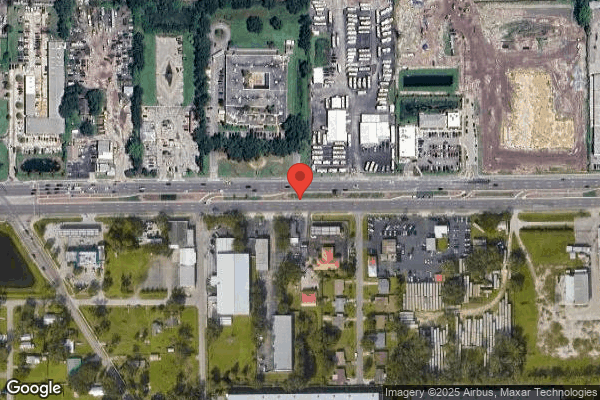
12751 W COLONIAL DRIVE, WINTER GARDEN, FL 34787 (407) 877-6636
For profit - Limited Liability company 120 Beds ASTON HEALTH Data: November 2025
Trust Grade
43/100
#588 of 690 in FL
Last Inspection: February 2025

Within standard 12-15 month inspection cycle. Federal law requires annual inspections.

Overview

Winter Garden Rehabilitation and Nursing Center has a Trust Grade of D, indicating below-average performance with some significant concerns. It ranks #588 out of 690 facilities in Florida, placing it in the bottom half of nursing homes statewide, and #30 out of 37 in Orange County, meaning there are very few local options that are better. The facility has remained stable in its performance, with 9 issues reported in both 2023 and 2025, but it has received serious findings related to inadequate supervision, which led to falls and fractures for some residents. Staffing is a strength, with a good 4 out of 5 stars rating and a turnover rate of 39%, which is below the state average, suggesting that staff are experienced and familiar with the residents. However, the facility has faced $7,901 in fines, which is an average amount but still indicates some compliance issues, and specific incidents include failures in ensuring proper food safety and supervision that contributed to resident injuries. Overall, while there are strengths in staffing, the facility's low trust grade and serious incidents raise concerns for families considering it for their loved ones.

Trust Score
D
43/100
In Florida
#588/690
Bottom 15%
Safety Record
Moderate
Needs review
Inspections
Holding Steady
9 → 9 violations
Staff Stability
○ Average
39% turnover. Near Florida's 48% average. Typical for the industry.
Penalties
✓ Good
$7,901 in fines. Lower than most Florida facilities. Relatively clean record.
Skilled Nurses
○ Average
Each resident gets 36 minutes of Registered Nurse (RN) attention daily — about average for Florida. RNs are the most trained staff who monitor for health changes.
Violations
⚠ Watch
25 deficiencies on record. Higher than average. Multiple issues found across inspections.
★★☆☆☆
2.0
Overall Rating
★★★★☆
4.0
Staff Levels
★★★★☆
4.0
Care Quality
★★☆☆☆
2.0
Inspection Score
Stable
2023: 9 issues
2025: 9 issues

The Good

  • 4-Star Staffing Rating · Above-average nurse staffing levels
  • 4-Star Quality Measures · Strong clinical quality outcomes
  • Full Sprinkler Coverage · Fire safety systems throughout facility
  • No fines on record
  • Staff turnover below average (39%)

    9 points below Florida average of 48%

Facility shows strength in staffing levels, quality measures, fire safety.

The Bad

2-Star Overall Rating

Below Florida average (3.2)

Below average - review inspection findings carefully

Staff Turnover: 39%

Near Florida avg (46%)

Typical for the industry

Federal Fines: $7,901

Below median ($33,413)

Minor penalties assessed

Chain: ASTON HEALTH

Part of a multi-facility chain

Ask about local staffing decisions and management

The Ugly 25 deficiencies on record

1 actual harm
Sept 2025 1 deficiency
CONCERN (D) 📢 Someone Reported This

A family member, employee, or ombudsman was alarmed enough to file a formal complaint

Potential for Harm - no one hurt, but risky conditions existed

Resident Rights (Tag F0550)

Could have caused harm · This affected 1 resident

**NOTE- TERMS IN BRACKETS HAVE BEEN EDITED TO PROTECT CONFIDENTIALITY** Based on observation, interview, and record review, the facility failed to treat residents in a dignified and respectful manner ...

Read full inspector narrative →
**NOTE- TERMS IN BRACKETS HAVE BEEN EDITED TO PROTECT CONFIDENTIALITY** Based on observation, interview, and record review, the facility failed to treat residents in a dignified and respectful manner for 1 of 6 residents reviewed for resident rights of a total sample of 12 residents, (#5). Findings: Review of resident #5's medical record revealed he was admitted to the facility on [DATE] with diagnoses including atrial fibrillation, type 2 diabetes, orthostatic hypotension, and history of falling. Review of the Minimum Data Set (MDS) quarterly assessment with Assessment Reference Date (ARD) of 7/15/25 revealed resident #5 had a Brief Interview for Mental Status score of 15 out of 15 which indicated he was cognitively intact. Review of the MDS admission assessment with ARD of 7/15/25 revealed it was somewhat important for resident #5 to do things with groups of people and do his favorite activities. On 9/24/25 at 11:00 AM, resident #5 expressed frustration regarding the delivery of his meals. He stated that meals were not always served at the same time and when food arrived, it was often cold. He explained a few weeks ago the kitchen staff brought out the cart, but the nursing staff was not present in the dining room, so he got his tray and began serving others. He reported when staff saw what he was doing, he was told he was not permitted to serve the other residents. The resident recalled he got upset and yelled to get people's attention hoping staff would pass the meals to the residents. He mentioned, because of his behavior, the facility punished him with a four-week suspension requiring him to eat in his room. Resident #5 stated he had a week remaining of his suspension but planned to leave the facility next week to an Assisted Living Facility. The resident confirmed he had filed grievances about the meal delays but said he felt his concerns had fallen on deaf ears. Review of resident #5's medical record revealed a care plan dated 1/14/25 regarding his ability to make leisure needs and preferences known and participate in facility activities as desired. The care plan included resident #5 preferred a balance of social and independent leisure activities. Goals included expressing satisfaction with his leisure routine, engaging in independent activities, and participating in facility activities as desired. Interventions included staff encouraging participation in preferred activities and honoring resident #5's choices. Review of a Change in Condition Evaluation dated 8/29/25 revealed a change in resident #5's behavior and mood. The nursing observations and evaluation documented he exhibited increased abnormal behaviors and increased yelling, cursing, pushing furniture items around the room; he appeared infuriated regarding mealtime, and behavior was not easily directed. The form revealed the physician was notified and orders were received for a room change, blood work, and psychiatric consult. Review of a Grievance Form, dated 8/29/25, filed by resident #5 revealed he expressed concern about food not being served on time in the dining room and expressed concern for staff to be present and on time in the dining room for all meals. The Grievance Official Follow-up section read, Spoke with resident regarding concerns. Notified resident that staff was late to dining room due to an emergency on the unit. Staff re-educated that even when an emergency is occurring, at least one team member is to be present in the dining room. Resident expressed his appreciation. Stated he would take a break from attending dining room for a bit. Psych [psychiatric] consult and 30 min [minute] safety checks initiated. Resident provided with dining room coverage. On 9/29/24/25 at 4:33 PM, the Certified Dietary Manager (CDM) said For a period of time [resident #5] was not in the dining room for a problem that happened. She indicated she was not present when the incident occurred, but he would be allowed to return to the dining room the first week of October. She stated resident #5 previously ate meals in the dining room. She explained she learned about the incident during a meeting. The CDM stated in her three years at the facility, she had never seen any other residents restricted from eating in the dining room. On 9/25/25 at 1:09 PM, Restorative Certified Nursing Assistant (CNA) B stated she often saw resident #5 seated and interacting with others in the dining room whenever she worked. She recalled going to resident #5's room the day after the incident happened and learning he could not go to the dining room for 30 days. She recalled the resident explained to her that he became upset that day because he was hungry, and the food was taking too long to be served. On 9/25/25 at 2:02 PM, in a telephone interview, Registered Nurse (RN) C shared that on 8/29/25 after the incident occurred, she was surprised to learn about resident #5's behavior that night. She indicated he was probably upset about the service and just had enough. She stated the facility restricted him from eating meals in the dining room for 30 days. The nurse said she learned about the restriction from upper management, resident #5's former roommate and resident #5 himself. On 9/25/25 at 2:25 PM, resident #11 stated she had been the Resident Council President for one year and usually ate her lunch and dinner in the dining room. She confirmed some residents had expressed the food was not served timely or hot in previous Resident Council meetings. She validated she was present during the incident on 8/29/25 and was upset that people might get hurt. She recalled that staff had to restrain resident #5 and told him to go to his room. The Resident Council President explained they had a Resident Council meeting the morning after the incident and were informed resident #5 would not come to the dining room for about a month. She shared everyone at the meeting was in agreement with the decision. She said, His punishment ended early, and he returned to the dining room yesterday. On 9/25/25 at 2:40 PM, resident #12 said people in the kitchen do not listen or care. He confirmed they had shared concerns during meetings but felt nothing was done. He recalled resident #5 got upset because there was no one to serve the food. He stated all the residents in the dining room were upset that night. Resident #12 indicated he walked down to get the nursing staff to serve them dinner but could not find anyone at first, then his assigned nurse informed him someone would go to the dining room. He stated when he returned to the dining room, resident #5 was cursing, moving chairs and tables, and a female resident pushed him with her walker. Resident #12 said he learned in a Resident Council meeting that resident #5 was banned for 30 days. On 9/25/25 at 2:59 PM, resident #5 elaborated the kitchen staff refused to serve them and the food was getting cold. He indicated he was frustrated with too many rules. He reiterated he was told he had a 30-day suspension of eating in the dining room and other activities like outings to restaurants and such. He said his suspension from the dining room was announced to everyone. He shared he did not remember when the suspension was up and went once to the dining room, sat with other residents, but was taken aside and reminded his time to return was not up yet, so he had to return to his room to eat his meal. He stated he felt he was treated like he was a child. Resident #5 expressed at the time he was mad, but it didn't matter because he was leaving the facility in a few days. On 9/25/25 at 10:58 AM, the Administrator (NHA) stated she was not present when the incident occurred, but when called, she returned to the facility. She recalled the Social Services Director informed her resident #5 was upset the CNA was not in the dining room timely. She indicated resident #5 told them he was testing out his acting skills because the CNA was late and he thought that would be funny. The NHA stated she educated resident #5 and told him his behavior was inappropriate and disrespectful to other residents. She shared he thought other residents would find it funny and he was now embarrassed, so he did not want to return to his room because his roommate was in the dining room when the incident happened. She stated resident #5 was offered a room change which he accepted. The NHA stated she was unaware resident #5 thought he could not eat his meals in the dining room. The NHA denied making the decision to prohibit resident #5 to eat his meals in the dining room for 30 days and could not explain why resident #5, other residents, and staff would say that. She shared it was resident #5 who stated he would take a break from going to the dining room. On 9/25/25 at 5:34 PM, during a telephone interview, the former Director of Nursing (DON) explained she was not present when the incident occurred, but she returned to the facility shortly after. She stated the kitchen corroborated nursing staff was not in the dining room when the dinner trays were brought out but said they arrived within five minutes. She said the nurse who came to serve the residents did not know the process and started passing coffee instead of the trays, and resident #5 went ballistic. She stated he was placed in another room temporarily and she received physician orders for laboratory tests and a psychiatric evaluation. She stated the NHA came after she had left and added steps to keep everyone safe. She recalled having a Resident Council meeting the next morning which resident #5 attended. She indicated she explained the new plan they implemented to make the dining process smoother. She shared he was such a mild manner man and they were surprised by his behavior. She indicated she felt once they resolved the dining room process, everything would be okay. She said not allowing him to return to the dining room for his meals for 30 days was extreme, but it was not her decision. She stated he enjoyed doing eating in the dining room, and they informed resident #5 he could participate in certain activities but could not eat his meals in the dining room or go on outings. Review of the minutes for an Emergency Resident Council Meeting held on 8/30/25 revealed 12 residents attended including the Resident Council President and resident #5. The form showed residents expressed concerns about the previous evening event and overall meal delivery. The DON shared their new plan to be implemented to ensure a smooth process in the dining room. The residents agreed with the plan. Review of the facility's Resident Rights policy and procedure revised on January 2024 read, A facility must treat each resident with respect and dignity and care for each resident in a manner and in an environment that promotes maintenance or enhancement of his or her quality of life, recognizing each resident's individuality. The facility must protect and promote the rights of the residents.
Feb 2025 8 deficiencies
CONCERN (D)

Potential for Harm - no one hurt, but risky conditions existed

Deficiency F0554 (Tag F0554)

Could have caused harm · This affected 1 resident

**NOTE- TERMS IN BRACKETS HAVE BEEN EDITED TO PROTECT CONFIDENTIALITY** Based on observation, interview, and record review, the facility failed to conduct a medication self-administration assessment t...

Read full inspector narrative →
**NOTE- TERMS IN BRACKETS HAVE BEEN EDITED TO PROTECT CONFIDENTIALITY** Based on observation, interview, and record review, the facility failed to conduct a medication self-administration assessment to ensure safety for 1 of 1 resident reviewed for self-administration of medications, of a total sample of 39 residents, (#93). Findings: Resident #93 was admitted to the facility on [DATE] with diagnoses including heart failure, hyperlipidemia, hypertension, and prostate cancer. On 2/03/25 at 10:10 AM, resident #93 had a tube of drug store brand Multipurpose Antibiotic ointment, on the bedside table. Resident #93 stated he used it for a rash on his right ear and applied it himself a few times a day. Resident #93 picked up the tube and asked that the facility not be told of the tube of ointment as he feared they would take it away from him. On 2/04/25 at 10:30 AM, resident #93's bedside table was observed with Registered Nurse (RN) B, a primary care nurse. The RN reported the resident was not supposed to have medications at bedside and explained she had to ask the physician to put an order in for self-administration of medications. The RN clarified that resident #93 may not keep a box of the ointment at the bedside. Resident #93 explained to RN B that he used the ointment for a painful rash on his right ear. He stated he received powder and a cream before for the rash but they didn't work. RN B stated the medication was discontinued, and she needed to remove the ointment. She explained she would get a self-administration order from the physician and keep the medication in the cart. The RN confirmed that medications could not be kept at bedside. Resident #93 stated he had the medication for a week and nobody noticed. The RN responded, I didn't notice. On 2/04/25 at 11:26 AM, a review of resident #93's physician orders revealed no order for self-administration of medications. A review of the medical record revealed no care plan for self-administration of medications. The annual Minimum Data Set (MDS) assessment with assessment reference date 11/01/24, revealed a Brief Interview of Mental Status score of 15/15 that indicated the resident have any cognitive impairment. The assessment revealed the resident required minimal or touch assistance for dressing and personal hygiene, and was independent for eating, bed mobility, and toilet use. On 2/05/25 at 11:00 AM, the Director of Nursing (DON) confirmed the facility policy on self-administration of medication. The DON validated residents should not have medications at bedside unless they have an evaluation and a physician's order for self-administration of medication. On 2/07/25 at 11:53 AM, a review of the facility's 190301 Welcome Packet revealed Prescription medication and over the counter medication may not be brought into the facility. These items include antibiotic tablets, aspirin, laxatives, and arthritis creams. Please send these items home with your family. Our nursing staff may administer medications dispensed from our pharmacy that have been ordered by a facility physician only, unless otherwise approved by administration. Includes locked boxes/drawers for residents and a policy for self-administration of medication with approval by Physician.
CONCERN (D)

Potential for Harm - no one hurt, but risky conditions existed

Deficiency F0657 (Tag F0657)

Could have caused harm · This affected 1 resident

Based on interview, and record review, the facility failed to ensure the care plan for activities of daily living (ADL) self-care deficit was revised to accurately reflect the interventions for toilet...

Read full inspector narrative →
Based on interview, and record review, the facility failed to ensure the care plan for activities of daily living (ADL) self-care deficit was revised to accurately reflect the interventions for toileting for 1 of 2 residents reviewed for bowel and bladder incontinence, of a total sample of 39 residents, (#89). Findings: The most recent Annual Minimum Data Set (MDS) assessment for resident #89 was completed on 12/06/24. The Bladder and Bowel Incontinence section indicated the resident was not on a bladder or bowel toileting program and was always incontinent (no episodes of continent voiding or bowel movements). A comparison with the Quarterly MDS completed on 9/06/24 revealed the Bladder and Bowel incontinence section assessment had the same findings. The care plan for resident #89 for ADL self-care deficit for toileting was revised on 12/20/24 with a target date of 3/05/25. The goal was, the resident will maintain and/or improve ADL functioning through next review date. The interventions for toileting indicated the resident needed, extensive assistance of one or two staff to stand and transfer on and off the commode or bedpan. On 2/06/25 at 1:30 PM, resident #89's assigned Licensed Practical Nurse (LPN) C stated the resident did not get out of bed to use the commode and did not use a bedpan. She stated the resident was incontinent. On 2/06/25 at 1:45 PM, the resident's Certified Nursing Assistant (CNA) B also confirmed resident #89 did not get out of bed to use a commode and did not use a bedpan. The MDS assessment completed on 12/06/24 and the Care Plan revised on 12/20/24 were reviewed with the MDS Care Plan Coordinator on 2/07/25 at 10:24 AM. The MDS Coordinator confirmed the care plan had not been revised to accurately reflect the interventions for toileting.
CONCERN (D)

Potential for Harm - no one hurt, but risky conditions existed

ADL Care (Tag F0677)

Could have caused harm · This affected 1 resident

**NOTE- TERMS IN BRACKETS HAVE BEEN EDITED TO PROTECT CONFIDENTIALITY** Based on observation, interview, and record review, the facility failed to provide activities of daily living (ADLs) related gro...

Read full inspector narrative →
**NOTE- TERMS IN BRACKETS HAVE BEEN EDITED TO PROTECT CONFIDENTIALITY** Based on observation, interview, and record review, the facility failed to provide activities of daily living (ADLs) related grooming/personal hygiene for 1 out of 5 residents sampled for ADLs, of a total sample of 39 residents, (#88). Finding: Resident #88 was a non-geriatric age resident who was admitted to the facility on [DATE]. Her diagnoses included Huntington's disease, respiratory failure, neuromuscular dysfunction, and dementia. On Tuesday, 2/04/25, at 3:15 PM, resident #88 was in bed and her legs were unshaven. Resident #88 stated she could make her needs known but had poor memory. She stated she couldn't get out of bed by herself due to her condition. She acknowledged she would like her legs to be shaved but could not recall the last time staff had shaved them. Resident #88's Quarterly Minimum Data Set assessment dated [DATE] indicated she required substantial/maximal assistance with bathing and personal hygiene. Review of resident #88's care plan initiated on 7/15/23 and revised on 2/02/24 noted she was dependent on staff for bathing, but there were no approaches that included shaving her legs. Review of the shower schedule revealed staff showered resident #88 on Tuesdays and Fridays on the 3:00 PM to 11:00 PM shift. On 2/07/25 at 11:08 AM, resident #88 was in bed and her legs were still unshaven. Resident #88 spoke about her dementia and memory loss. She believed she had a shower but could not recall if she had asked the staff to shave her legs. The resident indicated it would be a good idea to put the intervention for shaving her legs on her care plan so staff would know she preferred them to be shaved without her having to ask them to do it. On 2/07/25 at 2:32 PM, resident #88's care plan, [NAME] and ADL care were discussed with the Care Plan staff and the Social Worker (SW). The Care Plan staff confirmed the intervention for staff to shave the resident's legs were not on either the care plan or the [NAME]. A short time later at 2:40 PM, the resident was in bed and told the SW her legs were, as hairy as her ex-husband. Upon leaving the resident's room the SW acknowledged resident #88's hairy legs had more than a week's growth. The SW did not want to speculate how long it had been since the resident had her legs shaved.
CONCERN (D)

Potential for Harm - no one hurt, but risky conditions existed

Quality of Care (Tag F0684)

Could have caused harm · This affected 1 resident

**NOTE- TERMS IN BRACKETS HAVE BEEN EDITED TO PROTECT CONFIDENTIALITY** Based on observation, interview, and record review, the facility failed to address an alteration in a resident's skin integrity ...

Read full inspector narrative →
**NOTE- TERMS IN BRACKETS HAVE BEEN EDITED TO PROTECT CONFIDENTIALITY** Based on observation, interview, and record review, the facility failed to address an alteration in a resident's skin integrity in a timely manner, for 1 of 4 residents reviewed for skin conditions, of a total sample of 39 sampled residents, (#2). Findings: Review of resident #2's medical record revealed an initial admission date of 10/24/22. The resident's diagnoses included cerebral infarction (stroke), chronic kidney disease (unspecified), and cervicalgia (neck pain). Resident #2's Annual Minimum Data Set assessment dated [DATE] revealed a Brief Interview for Mental Status score of 12/15, which indicated mild cognitive impairment. Resident #2's medical record revealed a physician's order dated 6/26/24 for Calamine external lotion with directions to apply to rash on arms topically every eight hours as needed for itching. Review of the resident's weekly skin checks dated 1/11/25 and 1/17/25 indicated scratch marks to legs, right arm and right chest, with order for Calamine lotion for itching. The skin check on 1/25/25 indicated resident #2 had a rash on both arms and treatment was in place. Review of resident #2's Treatment Administration Record revealed Calamine external lotion had not been applied to resident #2 in January 2025 nor for February 2025. On 2/07/25 at 3:12 PM, after consent from resident #2, Certified Nursing Assistant (CNA) A observed multiple scabbed and open areas of skin on resident #2's front chest area and the front of his legs. CNA A stated resident #2's skin had scabbing and some open areas for approximately a month from scratching. On 2/07/25 at 3:25 PM, after consent from resident #2, the Director of Nursing (DON) and East Unit Manager observed resident #2's skin and verified he had multiple scabbed areas with several open wounds on his front upper chest above the waistline to under his neck, along the front of his arms, and on the front of his legs from the upper thigh to the front of the calf areas. On 2/07/25 at 6:10 PM, the DON verified that skin checks completed on 1/11/25, 1/17/25 and 1/25/25 indicated resident #2 had problems with his skin. The DON verified that no additional treatment such as applying the Calamine external lotion in January nor February 2025 had been performed nor was the physician notified of the scratch marks noted on the skin checks in January 2025. She acknowledged the condition of resident #2's skin she observed earlier warranted the nurse to complete a significant change in condition note as well as scheduling a dermatology consult for the next day.
CONCERN (D)

Potential for Harm - no one hurt, but risky conditions existed

Infection Control (Tag F0880)

Could have caused harm · This affected 1 resident

**NOTE- TERMS IN BRACKETS HAVE BEEN EDITED TO PROTECT CONFIDENTIALITY** Based on observation, interview, and record review, the facility failed to ensure infection control practices were followed rega...

Read full inspector narrative →
**NOTE- TERMS IN BRACKETS HAVE BEEN EDITED TO PROTECT CONFIDENTIALITY** Based on observation, interview, and record review, the facility failed to ensure infection control practices were followed regarding safe medication administration for 1 of 7 residents sampled for medication administration, of a total sample of 39 residents, (#51). Findings: Resident #51 was admitted to the facility on [DATE]. Her diagnoses included type 2 diabetes mellitus with hyperglycemia. Resident #51 had a physician's order dated 9/24/24 for Humalog Kwikpen Subcutaneous solution pen injector 100U (units)/ml (milliliter) (insulin Lisro) inject subcutaneously before meals and at bedtime per sliding scale for type 2 diabetes mellitus with hyperglycemia. Inject as per sliding scale: if 150-200=1 U, 201-250=2U; 251-300=3U; 301-350= 4U; 351-400= 5U; 401-500= 6 units greater than 500, call physician. Review of the facility provided manufacturer's instructions for use of the Humalog KwikPen insulin injection, revised on 7/20/23, revealed in preparing the pen section step 1 included to wipe the rubber seal with an alcohol swab before inserting the needle into the pen. On 2/3/25 at 11:37 AM, Registered Nurse (RN) A used a small plastic tray to carry resident #51's finger stick blood glucose monitoring supplies from the top of the medication cart to resident #51's room. RN A placed the tray on resident #51's bedside table. Upon completing resident #51's blood glucose check, he carried the tray out of resident #51's room and placed it back on top of his medication cart. He did not disinfect the tray prior to placing it on his medication cart. After he returned to his cart, RN A did not use an alcohol prep pad to clean the hub of the Humalog KwikPen injection device before attaching the disposable needle. RN A confirmed he should have cleaned the tray after removing it from the resident's room because it could have been contaminated which would then transfer any germs to the top of his medication cart. RN A stated he forgot to disinfect the rubber seal of the insulin pen prior to attaching the needle. On 2/03/25 at approximately 11:40 AM, the Director of Nursing (DON) acknowledged RN A did not disinfect the tray he used to carry blood glucose monitoring supplies into resident #51's room before setting it down on his medication cart and he did not clean the hub of the Humalog KwikPen injection device with alcohol before attaching the disposable needle. She verified it was best practice to disinfect the tray after it had made contact with the surface in the resident's room so as not to potentially contaminate the top of the medication cart. The DON stated nurses received education regarding disinfecting the Humalog Kwikpen rubber seal prior to attaching a needle and said RN A should have done that.
CONCERN (E)

Potential for Harm - no one hurt, but risky conditions existed

Food Safety (Tag F0812)

Could have caused harm · This affected multiple residents

Based on observation, record review, and interview, the facility failed to determine if potentially hazardous foods were at a safe cold holding temperature prior to distribution. Findings: On 2/07/25 ...

Read full inspector narrative →
Based on observation, record review, and interview, the facility failed to determine if potentially hazardous foods were at a safe cold holding temperature prior to distribution. Findings: On 2/07/25 at 11:30 AM, during observation of the lunch trayline, the facility cook initiated taking temperatures of the hot food items on the steam table. At 11:45 AM, the cook stated she had completed taking all of the food holding temperatures and the Certified Dietary Manager (CDM) instructed the staff to start the lunch trayline. There was a small table across from the steam table which had beverages including milk, a potentially hazardous food. Review of the facility's food holding temperature log for February 2025 revealed the cold holding temperature for the milk had not been obtained. Shortly after 11:45 AM, as staff began plating food, the cook acknowledged she had not taken the temperature of the milk. The CDM stated the holding temperature of the milk should have had been taken before the start of the trayline but did not offer any reason as to why it was not done. The cook and the CDM confirmed the cold holding temperature of potentially hazardous foods was required to be at or below 41 degrees Fahrenheit.
CONCERN (E)

Potential for Harm - no one hurt, but risky conditions existed

Administration (Tag F0835)

Could have caused harm · This affected multiple residents

Based on interview, and record review, the administration failed to ensure safe water temperatures from 2 of 2 boiler rooms that supplied hot water to all resident areas were adequately monitored and ...

Read full inspector narrative →
Based on interview, and record review, the administration failed to ensure safe water temperatures from 2 of 2 boiler rooms that supplied hot water to all resident areas were adequately monitored and failed to oversee environmental services to ensure resident room repairs were conducted routinely. Findings: On 2/03/25 at 3:15 PM, during an interview with resident #62, she stated the bath water the Certified Nursing Assistant (CNA) brought to her bedside that day from the bathroom was too hot and the CNA had to make it cooler. She could not recall the CNA's name. At 3:25 PM, the hot water from the faucet in the bathroom was felt for temperature, but the water was too hot to hold a hand under the water for more than a few seconds. Later at 5:00 PM, the Maintenance Director was asked to take water temperatures in bathrooms for resident #50 and resident #62. At 5:10 PM, the Maintenance Director arrived with an infrared thermometer and a digital probe thermometer. The Maintenance Director turned on the hot water and after approximately 15 seconds, put the probe under the running hot water in the bathroom of resident #50. The water temperature was 151.7 degrees Fahrenheit (F), (photographic evidence obtained). The water temperature in the bathroom for resident #62 was checked at 5:13 PM, and it was 149.1 F, (photographic evidence obtained). The Maintenance Director also used the infrared thermometer at that time and acknowledged the temperature read 20 degrees less than the probe thermometer. At that time the Maintenance Director confirmed the water was too hot. In an interview with the Administrator on 2/03/25 at 6:30 PM, he acknowledged the water temperatures obtained on earlier at 5:10 PM, and 5:13 PM, were not safe for resident's use. The water temperatures in two resident bathrooms were 151.7 F and 149.1 F respectively. He explained the acceptable temperature was 115 F. A review of the Performance Evaluation for the Maintenance Director dated 12/11/24 indicated the Maintenance Director needed to anticipate safety measures. On 2/03/25 at 6:46 PM, the Administrator stated he was not aware the Maintenance Director adjusted the mixing valve that provided the hot water to the resident rooms. He also stated he was not aware the Maintenance Director used an infrared thermometer to check water temperatures. The Administrator acknowledged he did not have knowledge of the Maintenance Director's actions on any given day and he was not aware of any training the Maintenance Director received or did not receive. The Administrator confirmed the Maintenance Director reported directly to the Administrator. The Administrator did not provide documentation of how he monitored the Maintenance Director's performance or how the Maintenance Director's anticipated safety measures were evaluated. Review of the job description, undated, for the Director of Environmental Services (Maintenance Director), revealed the Maintenance Director reported directly to the Administrator. Review of the job description for the Administrator dated 8/15/19 revealed the Overview: The Administrator administers, directs, and coordinates all functions of the facility to assure that the highest degree of quality of care is provided to the patients. The Responsibilities section included but was not limited to: • Interview, hire, orient, train, supervise, and evaluate staff. • Maintain safe working and living environment. • Operate the facility in accordance with Citadel Care Center policies and federal, state, and local regulations. The Administrator did not acknowledge the job description for Administrator for [name of facility corporation], the job description did not include the correct facility name. The job description's Supervisory Responsibilities indicated the Administrator position oversaw all departments within the facility.
CONCERN (E)

Potential for Harm - no one hurt, but risky conditions existed

Safe Environment (Tag F0921)

Could have caused harm · This affected multiple residents

**NOTE- TERMS IN BRACKETS HAVE BEEN EDITED TO PROTECT CONFIDENTIALITY** Based on observation, interview, and record review, the facility failed to maintain a safe environment to protect residents, sta...

Read full inspector narrative →
**NOTE- TERMS IN BRACKETS HAVE BEEN EDITED TO PROTECT CONFIDENTIALITY** Based on observation, interview, and record review, the facility failed to maintain a safe environment to protect residents, staff, and the public from potential burns to skin by not monitoring the hot water temperatures for water supplied to all resident rooms from 2 of 2 sets of hot water tanks; failed to maintain walls in a resident room in a sanitary manner, (#62); failed to repair the wall after a water leak under the sink, (#97); and failed to maintain the area around a wall unit air conditioner, leaving open space to the outside, (#97). Findings: 1. On 2/03/25 at 3:15 PM, resident #62 stated the bath water the certified nursing assistant (CNA) brought to her bedside that day from the bathroom was too hot and the CNA had to make it cooler. At 3:25 PM, the hot water faucet in the bathroom was turned on and tested by feel. The water was too hot to hold a hand under it for more than a few seconds. On 02/03/25 at 5:10 PM, the Maintenance Director tested the water temperatures in resident #50's and resident #62's bathrooms. The Maintenance Director arrived to the first room with an infrared thermometer and a digital probe thermometer. The Maintenance Director turned on hot water and after approximately 15 seconds, put the probe under the running hot water in the bathroom of resident #50. The water temperature on the digital probe indicated 151.7 degrees Fahrenheit (F), (photographic evidence obtained). The hot water temperature in the bathroom for resident #62 was checked a few minutes later at 5:13 PM, and the thermometer reading was 149.1 degrees F, (photographic evidence obtained). The Maintenance Director used the infrared thermometer at that time to measure the temperature of the water and acknowledged the temperature read 20 degrees F less than the probe thermometer. At that time the Maintenance Director confirmed the water from the resident's faucets was too hot. The time required for a third degree burn to occur at those temperatures is 2 seconds, (Studies of thermal injuries - see below): Time and Temperature Relationship to Serious Burns Water temperature Time required for a third degree burn to occur 155 F (Fahrenheit)/68 C (Celsius) 1 second 148 F/64 C 2 seconds 140 F/60 C 5 seconds 133 F/56 C 15 seconds 127 F/52 C 1 minute 124 F/51 C 3 minutes 120F/48 C 5 minutes 100 F/37 C Safe temperatures for bathing Reference: [NAME], A.R., Herriques, F.C. Jr. Studies of thermal injuries: II The relative importance of time and surface temperature in the causation of cutaneous burns. Am J Pathol 1947; 23:695-720. On 2/03/25 at 5:15 P, the Maintenance Director stated he checked water temperatures in a few rooms of the facility every day on Monday through Friday. He explained routine temperature checks were not conducted on Saturdays and Sundays. The Maintenance Director added he did not check water temperatures that day, Monday 2/03/25, and did not recall what the water temperatures were on the previous Friday. On 2/03/25 at 5:30 PM, two hot water tanks were located in the [NAME] boiler room. The Maintenance Director revealed he adjusted the mixing valve on Friday 1/31/25 to provide hotter water after a resident told him the water was too cold. The Maintenance Director was unable to say who complained about water being too cold and could not provide documentation of any complaint of cold water from that day. The Maintenance Director stated he did not document the temperatures from Friday before the adjustment or afterwards. The Maintenance explained he turned the mixing valve to allow more hot water, but acknowledged the only way to know how it affected the resident areas was to actually take the temperature in the resident's bathrooms. At 5:44 PM, he adjusted the mixing valve and said he turned it to allow more cold water to bring the water temperature down in the resident rooms. The Maintenance Director stated he was not trained on how to adjust the equipment that delivered hot water to the building and may have turned it too far so that it raised the water temperature in resident rooms to an unsafe temperature. The Maintenance Director said the [NAME] water tanks provided hot water to the middle hall and [NAME] wing (rooms 150 to 188). He acknowledged the temperature gauge for the water heaters was broken and did not show the current temperature in the water tanks, (photographic evidence obtained). The Maintenance Director acknowledged he had not been trained on the process for taking water temperatures and had not been aware the infrared thermometer was not appropriate for taking water temperatures. The Maintenance Director stated he had used the infrared thermometer to take water temperatures for the past two weeks, (photographic evidence of the infrared thermometer obtained). The Maintenance Director stated no one else in the facility monitored water temperatures in his absence or at any other time. Review of the undated user manual for the infrared thermometer indicated the laser grip thermometer could only measure surface temperature and could not accurately measure internal temperature. On 2/03/25 at 6:46 PM, the Administrator stated he was not aware the Maintenance Director adjusted the mixing valve that provided the hot water to the resident rooms. He added he was not aware the Maintenance Director had used an infrared thermometer to check water temperatures. On 2/03/25 at 7:05 PM, the Maintenance Director revealed he had also adjusted the mixing valve for the other boiler room that supplied hot water to the rest of the resident rooms (100-148) on 1/31/25. The Maintenance Director then conducted a random check of water temperatures in the affected areas. The probe thermometer that the Maintenance Director used for temperatures at 5:10 PM, no longer functioned and he did not have another working thermometer to take water temperatures. A digital probe thermometer was retrieved from the kitchen and was calibrated in an ice bath. At 7:15 PM, the water temperature in the bathroom sink in room [ROOM NUMBER] was 125.1 F. The water temperature in room [ROOM NUMBER] at 7:22 PM was 125.4 F. On 2/03/25 at 6:30 PM, the Administrator acknowledged the water temperatures in resident rooms were not safe. He said acceptable temperature was 115 degrees F. A review of the maintenance Log Book documentation on 02/04/25 for the dates 1/04/25, 1/10/25, 1/17/25, 1/24/25, and 1/31/25, revealed steps for water temperature checks: Test and log the hot water temperatures. The Log Book text suggested the user review the training video that accompanied the task. The steps were listed as follows: • The dial thermometer is accurate to 1 to 2 degrees F - however it is not a precision instrument and should be calibrated on a regular basis. • Let the hot water run for 3 to 5 minutes. • Insert the stem into the stream of running water so that the sensor is fully immersed . • After the temperature of the water is taken, hold your hand under the running water about the same time to assess how the water feels on your skin. The Log Book documentation included: 1. For burn prevention, federal guidelines advise that you keep domestic water temperatures below 120 degrees Fahrenheit although this temperature can still cause burns if exposure reaches five minutes. 2. Test temperature in shower areas. 3. Test temperature at the mixing valve. 4. Check resident rooms at the end of each wing on a rotating basis or per facility policy. 5. Common area bathrooms, public bathrooms and any other areas having sinks should be checked and recorded as well. The Maintenance Director was unavailable for interview from 2/04/25 through 2/07/25. A review of the electronic report for Water Temps from the two weeks the Maintenance Director reported using the infrared thermometer revealed temperatures were logged to range from 110.2 F to 114.7 degrees F. On 2/05/25 at 10:59 AM, the [NAME] wing Unit Manager, said no there had been no recent reports of hot water issues. She explained that staff had three ways to report maintenance issues: via a paper Maintenance Work Order, verbally to the Maintenance Director, or electronically. The Administrator was asked for the policy and procedure for monitoring water temperatures. He provided the Standards and Guidelines: Water Temperatures for Environmental Services, issued April 2021 and revised on January 2024. The document listed a Standard: The facility utilized water heaters (with control valves) to maintain water temperatures between 105 and 115 F in resident care areas. The Procedure listed as follows: 1. Maintenance was responsible for performing periodic tap water temperature checks and should record results of the water temperatures as indicated. 2. Any temperature found out of compliance would be adjusted, the water in the area with the out of compliance temperatures would be temporarily turned off until temperatures were returned to normal. 3. Water temperatures were controlled through the use of temperature control valves (mixing valves) with the temperatures set at or slightly below 115 F. 4. Any malfunction of the system relating to not being able to control the water temperature, would cause the system to be taken offline it had been repaired. The job description for the Director of Environmental Services (Maintenance Director) signed on 5/21/24 listed responsibilities including but not limited to: • Ensure that staff provided a safe environment for the facility and its residents. • Develop maintenance procedures and schedules. • Directs the maintenance and operations of various facility systems to ensure uninterrupted service - Covered systems may include .water. • Oversees necessary repairs and maintenance in rooms and common areas including refurbishment for move-ins. 2. On 2/03/25 at 3:15 PM, the wall behind the headboard in resident #62's room was damaged with deep scratches exposing the drywall. The affected area was approximately the same size as the headboard. On 02/07/25 at 6:03 PM, the Administrator presented a schedule for room renovations that extended into 2026 as part of the plans for regular repairs for wall damages in resident's rooms. He was unable to discuss or produce a schedule or plan for routine repairs in resident rooms. The Administrator stated the Maintenance Director was responsible for resident room repairs. The Administrator located a schedule for paint touchups in resident rooms, but it did not include a time frame or dates of when the repairs would occur. The Administrator stated repairs could be reported to the Maintenance Director in daily meetings. The Administrator did not have evidence of any room repairs that had been addressed or scheduled. Review of the Maintenance Work History report for the past three months, November 2024, December 2024, and January 2025 listed all categories for routine maintenance tasks, but the report did not include a regular schedule to address resident room repairs. 2. Review of resident #97's medical record revealed an admission date of 7/18/24. Her quarterly Minimum Data Set, dated [DATE] included a Brief Interview for Mental Status Score of 15 out of 15 that indicated her cognition was intact. On 2/3/25 at 10:40 AM, resident #97 said she had roaches in her bathroom, especially in her bathroom cabinet. She said she used her bathroom daily for toileting and used the sink daily. On observation, the bathroom vanity had 2 brown insects approximately several millimeters (mm) in length that moved on the interior of vanity cabinet door. A numerous amount of black approximately 1 mm circumference round bits noted on the cabinet's interior and at top of cabinet door. See photos. Within the cabinet near the sink's drain pipe there appeared to be a wet area with bubbled cabinet material noted to surface of cabinet's bottom. See photos. Along the north wall outside of the vanity there was bubbled paint. Resident #97 said she was concerned that her air conditioner was not flush with the wall. Observations showed tissue in thickness and size pieces pressed between the air conditioner panel and wall along its top and side. See photos. On 2/3/25 at 11:25 AM, resident #97 said she had not told staff about the roaches she saw in the bathroom because it would not do any good. On 2/4/25 at 8:35 AM, the Visiting Maintenance Director of a sister facility observed and verified that resident #97's vanity area had black 1 mm circumference round bits noted on the cabinet's interior. He would not say what he thought those black round bits were. He noted 1 brown insect several millimeters in length moving on the interior of the vanity cabinet. He used his finger to verify that liquid was under the sink's drain pipe on the cabinet's bottom surface and there was bubbled cabinet material in the wet area. He said the bubbled paint along the north wall adjacent to the vanity could have occurred from wicking along the wall from the liquid under the sink. He said the damage was so extensive it would warrant removal of the vanity. The Visiting Maintenance Director viewed the air conditioner wall unit and removed the tissue-like material from the edges between the unit and the wall. The outdoors was viewed when the tissue was removed. He noted black bits approximately 1 mm in circumference on the floor near the air conditioner wall unit as well as along the wall, behind the bed of resident #97's roommate. He said caulking would be needed around the air conditioner.
Oct 2023 1 deficiency
CONCERN (D) 📢 Someone Reported This

A family member, employee, or ombudsman was alarmed enough to file a formal complaint

Potential for Harm - no one hurt, but risky conditions existed

Report Alleged Abuse (Tag F0609)

Could have caused harm · This affected 1 resident

**NOTE- TERMS IN BRACKETS HAVE BEEN EDITED TO PROTECT CONFIDENTIALITY** Based on interview, and record review, the facility failed to ensure an injury resulting in serious bodily harm was reported to ...

Read full inspector narrative →
**NOTE- TERMS IN BRACKETS HAVE BEEN EDITED TO PROTECT CONFIDENTIALITY** Based on interview, and record review, the facility failed to ensure an injury resulting in serious bodily harm was reported to the relevant Federal and State Agencies for 1 of 3 residents reviewed for falls, of a total of 10 residents, (#1) Findings: Resident #1, a [AGE] year-old female was admitted to the facility originally on 1/12/21, with her most recent readmission on [DATE]. Her diagnoses included Parkinson's disease, urinary tract infection, acute respiratory failure with hypoxia, generalized muscle weakness, and abnormalities of gait and mobility, and history of falls. Review of the facility's incident log from June 2023 to current revealed the resident had a fall on 9/12/23. A nursing progress note dated 9/12/23 at 9:19 PM, indicated the resident was observed lying on her left side on the floor mat. Resident stated she was trying to get in wheelchair, since her son wants her to walk more. Review of the Change in Condition form dated 9/20/23 revealed the resident was transferred to an acute care hospital for evaluation per the resident's daughter's request. Although the resident had a fall on 9/12/23, a progress note dated 9/21/23 read, Call received from ER (Emergency Room) doctor, informed that resident is being admitted , T8 (Thoracic) fracture found, states it could have been a spontaneous break due to no record noted of recent fall, or trauma. On 10/10/23 at 2:45 PM, and 5:25 PM, the resident's fall and fracture were discussed with the Administrator and Director of Nursing (DON). The DON recalled that on 9/22/23, she was notified by the Advanced Registered Nurse Practitioner (ARNP), that resident #1 had a fracture that was probably due to Prednisone use. The Administrator stated the facility started an investigation and identified the resident had a fall on 9/12/23. She recalled they did an Adverse incident workup, and concluded the fracture was caused by the resident's fall on 9/12/23 with the resulting transfer to a higher level of care. The Administrator explained they did not submit a report to the Agency For Health Care Administration (AHCA) because the resident's care plan was followed. She noted that following the resident's plan of care was reason for not reporting the resident's fall with a fracture. The Administrator stated they did not have a policy for reporting but they followed the facility's Abuse policy. The facility's policy Abuse, Neglect, Exploitation, Misappropriation, Mistreatment, and Injury of Unknown Origin (ANEMMI) revised on 10/2022, noted the facility must: Ensure that all alleged violations involving abuse, neglect .are reported immediately, but not later than 2 hours after the allegation is made, if the events that caused the allegation involve abuse or result in serious bodily injury .The ANEMMI Prevention Coordinator will also submit to the Agency for Health Care Administration (AHCA) Federal Immediate/5-Day Report.
Jun 2023 6 deficiencies
CONCERN (D)

Potential for Harm - no one hurt, but risky conditions existed

Transfer Notice (Tag F0623)

Could have caused harm · This affected 1 resident

**NOTE- TERMS IN BRACKETS HAVE BEEN EDITED TO PROTECT CONFIDENTIALITY** Based on interview, and record review, the facility failed to provide written Notification of Transfer or Discharge form for 2 o...

Read full inspector narrative →
**NOTE- TERMS IN BRACKETS HAVE BEEN EDITED TO PROTECT CONFIDENTIALITY** Based on interview, and record review, the facility failed to provide written Notification of Transfer or Discharge form for 2 of 2 residents reviewed for hospitalization, of a total sample of 58 residents, (#82, #99). Findings: 1. Resident #82 was admitted to the facility on [DATE] with diagnoses that included diabetes, muscle weakness, chronic kidney disease and heart attack. Review of resident #82's medical record revealed he was emergently hospitalized on [DATE]. A nurse's Progress Note dated 4/13/23 described resident #82 with mental status changes and abnormal vital signs and was sent to the hospital via 911 for a possible stroke by the physician. The medical record did not contain a written Notification of Transfer or Discharge form for the hospitalization. 2. Resident #99 was admitted to the facility on [DATE] with diagnoses that included Parkinson's disease, heart failure, breast cancer and stroke. Review of resident #99's medical record revealed she was emergently hospitalized on [DATE]. A nurse's Progress Note dated 5/25/23 revealed resident #99 was found unresponsive in her room and was sent immediately by 911 to the hospital. The nurse documented she notified a family member and the physician of the transfer. The medical record did not contain a written Notification of Transfer or Discharge form for the hospitalization. On 6/01/23 at 10:05 AM, the East Wing Unit Manager (UM) stated nurses were not responsible for completing and sending the written Notification of Transfer or Discharge form when a resident was transferred to the hospital. She explained she did not know who or if anyone was responsible for the form. On 6/01/23 at 10:58 AM, the Social Services Director explained the nursing department was responsible for completing and sending the written Notification of Transfer or Discharge form because they were the ones to send the residents out. He explained he did not know what happened to the forms after the residents went to the hospital. He was not aware if anyone was responsible for giving the resident's representative a written notice of the form. On 6/01/23 at 11:25 AM, the [NAME] Wing desk nurse stated the transfer and discharge form was in a packet of papers the nurses were supposed to fill out and send to the hospital when a resident was transferred. She explained if a resident was unresponsive or unable to sign the forms, the nurse would notify the resident's representative and document it on the form. The [NAME] Wing desk nurse stated the nurse should put a copy of the completed form in the front of the resident's chart. On 6/01/23 at 11:50 AM, the facility was asked to provide documentation of the written transfer and discharge notifications for resident #82 and #99. On 6/01/23 at 4:17 PM, the Nursing Home Administrator (NHA) stated they were unable to provide documentation that resident #82 or #99 nor their representative signed and received the Notification of Transfer or Discharge form. On 6/01/23 at 4:35 PM, the Director of Nursing (DON) stated she was not sure what the process was for the Notification of Transfer or Discharge forms at the facility. She explained the nurses sent them in the packet with the resident to the hospital. She did not know if a copy was made or if there was any documentation done to indicate the resident or their representative had been notified of the requirements on the form. On 6/02/23 at 11:10 AM, the East Wing UM stated she now recalled they stopped sending the transfer forms, a while ago. She explained management of the facility kept changing hands and the process kept changing, so they hadn't been done since at least last year. The East Wing UM stated the purpose of the form was to notify the resident or family of why the resident needed to be transferred and where they were being transferred to. On 6/02/23 the Social Service Director stated he was told by the last DON that nursing department would handle the transfer forms and the nurse managers were responsible to send a copy to the resident's representative. He explained prior to that, the Social Services department was responsible to help track the notifications. He acknowledged the point of the notifications were for the resident or representative to be able to dispute any facility-initiated transfers if desired. On 6/02/23 at 12:36 PM, the DON stated her expectation was nurses should complete the Notification of Transfer or Discharge form, make a copy of it, send a copy with the resident, and place the facility's copy in the resident's chart to go into the medical record. Review of the Transfer or Discharge Notice policy with revision date of December 2016, revealed the resident and/or representative would be notified in writing of the reason, the effective date, the location, the right to appeal, contact information for the Long-Term Care Ombudsman, and other related agencies.
CONCERN (D)

Potential for Harm - no one hurt, but risky conditions existed

Comprehensive Care Plan (Tag F0656)

Could have caused harm · This affected 1 resident

**NOTE- TERMS IN BRACKETS HAVE BEEN EDITED TO PROTECT CONFIDENTIALITY** Based on observation, interview, and record review, the facility failed to develop a comprehensive individualized care plan with...

Read full inspector narrative →
**NOTE- TERMS IN BRACKETS HAVE BEEN EDITED TO PROTECT CONFIDENTIALITY** Based on observation, interview, and record review, the facility failed to develop a comprehensive individualized care plan with interventions to address administration of Continuous Positive Airway Pressure (CPAP) for 1 of 3 residents reviewed for respiratory care of a total of 58 residents, (#90). Findings: On 5/30/23 at 1:45 PM, resident #90 was observed in her room. She was alert and oriented to person, place, and time. She had a CPAP device observed on her bedside table. Resident #90 said she recently became very sick with Corona Virus Disease 2019 (COVID 19) which made her weak and unable to get out of bed. Prior to the infection she was able to walk up and down the halls with her walker. She explained she could not use her CPAP when she became sick. The resident indicated concerns that CPAP equipment had not been cleaned, the mask did not fit properly, and the humidifier reservoir water had not been changed since she had COVID 19. Resident #90 was admitted to the facility from the community on 3/1/22 with diagnoses that included obstructive sleep apnea, heart failure, age related debility, and recently positive for COVID 19 on 5/18/23. Review of the resident's medical record showed a physician order dated 3/1/22 currently in effect for, CPAP with setting of 9 CMH2O (centimeters of water) pressure with mask humidification apply at HS [bedtime] and removed in AM every evening shift, fill humidifier every night and clean mask after use. Further review of the physician orders showed that transmission-based precautions were in effect from 5/19/23 to 5/29/23 due to resident testing positive for COVID 19. An invoice dated 11/14/2022 showed the special equipment (CPAP) was delivered to the facility for the resident #90 and included a small full-face mask. The Minimum Data Set (MDS) assessment dated [DATE] showed resident 90's Brief Interview for Mental Status (BIMS) was 14, indicating she was cognitively intact. CPAP therapy was included as special treatment while a resident in the facility. Review of resident #90's care plans revealed there was no specific care plan for CPAP therapy related to her diagnosis of obstructive sleep apnea. On 6/2/23 at 11:03 AM, Licensed Practical Nurse (LPN) MDS Coordinator said resident #90's respiratory care plan was initiated on 3/1/22 for congestive heart failure and hypertension. The MDS nurse admitted she did not realize the resident had diagnosis of obstructive sleep apnea or was using CPAP until yesterday. She acknowledged that since the resident had an order for CPAP dated 3/1/22, it should have been added to the comprehensive care plan at that time. The MDS nurse explained that if the CPAP intervention was added to the comprehensive care plan, the interventions specific to resident #90's needs and goals could have been customized. She verified the comprehensive care plan regarding sleep apnea had been overlooked for more than one year. On 6/2/23 at 2:36 PM, Registered Nurse (RN) MDS coordinator said she had been at the facility for a few years and did not recall any discussion at the Interdisciplinary Team (IDT) meetings regarding resident #90's diagnosis of obstructive sleep apnea nor intervention of CPAP. She acknowledges there was an active order for CPAP dated 3/1/22 for resident #90. She said the pulmonary physician notes dated 6/2/22 and 9/15/22 included active diagnosis of obstructive sleep apnea. She explained that although the resident had respiratory care plan in effect for difficulty breathing, congestive heart failure and hypertension, there was no mention of obstructive sleep apnea with CPAP. She acknowledged the plan of care did not have individualized goals including application of CPAP, cleaning or follow up with pulmonary physician. Review of the facility policy for Care Plans, Comprehensive Person-Centered revised December 2016 read, A comprehensive, person center care plan that include measurable objectives and timetable to meet resident's physical, psychosocial and functional needs is developed and implement for each resident. The Interdisciplinary Team [IDT], in conjunction with the resident and his/her family or legal representative, develops and implements a comprehensive person-centered care plan for each resident. The care plan interventions are derived from a thorough analysis of the information gathered as part of the comprehensive assessment .The comprehensive, person-centered care plan will .Describe services that are to be furnished to attain or maintain the resident's highest practicable physical, mental, and psychosocial wellbeing .Identify the professional services that are responsible for each element of care .Reflect currently recognized standards of practice .
CONCERN (D)

Potential for Harm - no one hurt, but risky conditions existed

Respiratory Care (Tag F0695)

Could have caused harm · This affected 1 resident

**NOTE- TERMS IN BRACKETS HAVE BEEN EDITED TO PROTECT CONFIDENTIALITY** Based on observation, interview, and record review, the facility failed to provide care and services consistent with professiona...

Read full inspector narrative →
**NOTE- TERMS IN BRACKETS HAVE BEEN EDITED TO PROTECT CONFIDENTIALITY** Based on observation, interview, and record review, the facility failed to provide care and services consistent with professional standards of practice pertaining to continuous positive airway pressure (CPAP) for 1 of 3 residents (#90) reviewed for respiratory care, and failed to ensure oxygen concentrator was maintained in a clean manner for 2 of 3 residents (#28, #79) reviewed for respiratory care and failed to provide oxygen rate per physician order for 1 of 3 residents reviewed for respiratory care (#28) of a total of 58 residents. Findings: 1. Resident #90 was admitted to the facility on [DATE] with diagnoses of obstructive sleep apnea, heart failure, neuropathy, diabetes, osteoarthritis left shoulder, age related debility, and recently positive for COVID 19 (Coronavirus Disease 2019) on 5/18/23. A Pulmonary consultation note dated 9/15/22 read, This [AGE] year-old female. History of Present Illness .Telemedicine follow-up for obstructive sleep apnea. Patient's obstructive sleep apnea was diagnosed 8 years ago .Patient is compliant with CPAP and using it every night .Her CPAP machine is very old, and she needs a new CPAP machine .5/10/22 30-day compliance reported was reviewed with patient. Patient is very compliant with therapy-using and benefiting . An invoice dated 11/14/2022 showed the special equipment (CPAP) was delivered to the facility for the resident #90 and included a small full-face mask. The Minimum Data Set (MDS) assessment dated [DATE] showed resident 90's Brief Interview for Mental Status (BIMS) was 14, indicating she was cognitively intact. CPAP therapy was included as special treatment. Review of the physician orders showed transmission-based precautions were in effect from 5/19-5/29/23 due to resident testing positive for COVID 19. On 5/30/23 at 1:45 PM, resident #90 was observed in her room. She was alert and oriented to person, place, and time. She had a CPAP device on her bedside table with the reservoir half full of water. Resident #90 said she was recently very sick with COVID 19 which made her weak and unable to get out of bed. Prior to the infection she was able to walk up and down the halls with her walker. She explained when she had COVID 19, she could not use her CPAP. The resident indicated concerns that CPAP equipment had not been cleaned. She indicated the mask did not fit properly, and the humidifier reservoir water had not been changed since having COVID infection. She said she used CPAP at home prior to coming to the facility and cleaned the equipment at home with soap/vinegar and water. Review of resident #90's medical record showed a physician order dated 3/1/22 currently in effect for, CPAP with setting of 9 CMH2O (centimeters of water) pressure with mask humidification, apply at HS [bedtime] and removed in AM every evening shift, fill humidifier every night and clean mask after use. Review of the Treatment Administration Record (TAR) record from 5/22/23-5/31/23 showed Licensed Practical Nurses (LPN) B, C, D, F and H documented providing ordered treatments and cleaning equipment. Review of the nurses' notes and TAR showed no documentation of resident refusal for treatments. Observations conducted from 5/30/23 to 6/2/23 revealed CPAP equipment at the bedside with humidifier reservoir half full of water. Interviews with the resident revealed she had not received CPAP treatments and was reluctant to use CPAP equipment as it had not been cleaned since her recent COVID 19 infection. On 6/1/23 at 9:37 AM, the resident was observed in bed. The CPAP machine was on the bedside table and remained the same as yesterday with the water reservoir half full. The resident stated she did not use CPAP last night. The resident added, the nurse did not clean CPAP or offer to assist with treatment either. The resident denied refusal of treatment. On 6/1/23 at 1:33 PM, LPN A said resident #90 had recent COVID 19 infection which caused her decline. She stated the resident could go to the bathroom by herself prior to getting ill and now, she needs help with bathing and activities of daily living (ADLs). On 6/1/23 at 1:35 PM, the East Unit Manager (UM) verified resident #90 just came off isolation precautions this week and had not started physical therapy (PT) as she was still too weak. On 6/1/23 at 4:37 PM, LPN C verified she worked the 3 PM to 11 PM shifts from 5/29 to 5/31/23 and was assigned to resident #90's care. She said resident #90 refused her CPAP treatment last night. Review of the medical record showed LPN C provided treatment and did not document refusal. LPN C indicated she cleaned the CPAP equipment with diaper wipes, but had not added any water to the reservoir for humidification. She acknowledged she had not changed the CPAP mask since the resident came off isolation precautions. She did not know if the equipment had been changed or if the mask fitted properly. On 6/1/23 at 4:44 PM, the Director of Nursing (DON) said LPN B who cared for the resident from 5/23 to 5/25/23 on the 3 PM to 11 PM shift documented providing CPAP treatment and cleaning of mask. The DON stated, LPN B was currently out of the country and not available for an interview. The DON validated that none of the nurses documented refusal of treatments. On 6/1/23 at 5:13 PM, LPN G was assigned to resident #90's care on 3 PM to 11 PM shift on 5/19/23 and today. LPN G stated, she had not cleaned the CPAP mask or equipment as it did not need to be done daily. LPN G explained she used alcohol pads to clean the face mask and washed the canister with sterile water. LPN G said she did not know if the equipment at bedside was clean or changed since resident came off isolation precautions. LPN G did not know how often mask and tubing needed to be changed. On 6/1/23 at 5:47 PM, the East UM said resident #90 had orders for CPAP treatment nightly and she had not been assessed by Respiratory Therapist (RT) to ensure proper mask fitting. The UM explained the assigned nurse was responsible for cleaning the mask which her son brought to the facility not too long ago. The UM said she thought CPAP equipment was cleaned with plain water but was not sure. The UM reviewed the medical record and verified the nurses had not documented any refusal of treatment nor had they reported this to her. On 6/1/23 at 5:59 PM, LPN F who was assigned to the resident on the 3 PM to 11 PM shift on 5/27/23 stated, I normally do nothing with resident #90's CPAP as she is self-sufficient. LPN F verified she had not added any water to the CPAP humidifier reservoir and said she cleaned the equipment weekly by wiping the exterior surfaces with sanitizing wipes. She said she did not know how to clean or empty the reservoir. On 6/2/23 at 9:54 AM, resident #90's son said he had not visited his mother since she was on isolation precautions for COVID. He verbalized, his mom was on CPAP at home for years prior to coming to the facility. He indicated he brought new masks every few months until the facility changed her CPAP machine. He was informed by the facility that they would now provide the masks since they were leasing the CPAP machine. He explained the facility staff kept telling him that they would take care of her CPAP needs and getting her fitted for proper mask. He said he still provided distilled water for the CPAP humidifier reservoir as the facility would not provide it. On 6/2/23 at 10:23 AM, the DON said resident #90 was on isolation for 10 days. She verified the CPAP equipment at the bedside was leased and she did not know if anyone ever checked to ensure proper fitting of full-face mask. The DON noted they did not replace the mask or tubing unless, they break. The DON did not know what the standard of practice was to change the mask or tubing. She was not aware how often the reservoir should be cleaned and only had physician orders for nurses to clean the mask daily with soap and water. The DON verbalized, she expected the bedside nurse to clean all equipment and provide new distilled water in the reservoir when the resident came off isolation precautions on 5/29/23. The DON clarified it was the facility's responsibility to provide all needed equipment and distilled water for CPAP treatments. On 6/2/23 at 11:40 AM the resident informed the East UM she had not received her CPAP treatments. The resident added someone said they cleaned the equipment while she was asleep but the reservoir was never changed and was still half full of water. The facility policy and procedure for CPAP/BiPAP Support revised March 2015 read, Purpose 1. To provide the spontaneously breathing resident with continuous positive airway pressure .2. To improve arterial oxygenation .in resident with respiratory insufficiency, obstructive sleep apnea, 3. To promote resident comfort and safety .General Guidelines for Cleaning .Specific cleaning instructions are obtained from manufacturer .Machine cleaning: Wipe with warm, soapy water and rinse at least once a weak and as needed. 4. Humidifier .a. use clean, distilled water only in the humidifier chamber. B. Clean humidifier weekly and air dry. c. To disinfect, place vinegar-water solution .6. Masks, nasal pillows, and tubing: Clean daily by wiping mask with mild soap and warm water . Based on general wear and tear, we suggest that you use the following as a guideline to replace your CPAP parts: Every month; Mask cushions and/or nasal pillows, CPAP machine filters. Every 3 months; Mask frame (not including the headgear), CPAP tubing. Information obtained on 6/9/23 https://www.resmed.com (manufacture of CPAP device observed at bedside). 2. Review of resident #28's medical record revealed she was admitted to the facility on [DATE] with diagnoses including Chronic Obstructive Pulmonary Disease (COPD), pulmonary edema, and pleural effusion. Review of the Quarterly Minimum Data Set (MDS) assessment dated [DATE] documented she was receiving oxygen. Review of resident #28's plan of care for alteration in respiratory status, difficulty breathing related to her COPD and to provide oxygen (O2) as ordered. Review of the physician's orders dated 02/07/22 noted to encourage and assist resident to use O2 at 1 Liter (L) per minute via nasal cannula (nc) continuously every shift for shortness of breath. On 05/31/23 at 9:41 AM, 11:40 AM and 4:03 PM, resident #28's oxygen concentrator was set to deliver 3L of O2 per minute via nc. The vents on the resident's concentrator were covered with gray dust. On 06/01/23 at 9:28 AM, the resident's O2 concentrator was set at 2L per minute via nc and the gray dust remained on the concentrator's vents. On 06/01/23 at 10:29 AM, Licensed Practical Nurse (LPN) I stated resident #28 had a physician order for O2 at 1 L per minute. At 10:30 AM, LPN I observed resident #28's oxygen concentrator and stated the concentrator was set at 1.5 L per minute and she confirmed the vents were dirty. 3. Review of resident #79's medical record revealed she was admitted to the facility on [DATE] with diagnoses of COPD, anemia and was legally blind. Review of the Quarterly MDS assessment dated [DATE] showed she received oxygen therapy. Review of resident #79's plan of care for respiratory status with difficulty breathing directed nursing staff to provide oxygen, check oxygen saturations and to monitor for signs and symptoms of respirator distress. Review of the physician's orders dated 12/09/21 documented O2 at 2L per minute via nc and to check concentrator setting to read 2L every shift. Observations conducted on 05/30/23 at 2:22 PM, 05/31/23 at 9:36 AM and 4:03 PM, and on 06/01/23 at 9:50 AM revealed resident #79 received O2 at 2L per minute. The oxygen concentrator's external was completely covered with a layer of gray dust which was able to be peeled off of the filter. 06/01/23 at 10:30 AM, LPN I confirmed the oxygen concentrator's external filter was completely covered with layer of gray dust. LPN I explained the oxygen concentrator takes in room air through a filter to deliver clean oxygen to the resident. If the filter is blocked the air can not get through to deliver the correct amount of O2 to the resident. She stated, I have never cleaned the oxygen concentrator filters. On 06/01/23 at 10:36 AM, the Central Supply staff member explained the blue oxygen concentrators were rented and the black concentrators were facility owned. I am not sure who is responsible for cleaning the oxygen concentrators. It may be the maintenance staff. On 06/01/23 at 10:49 AM, an interview with the Maintenance Director (by telephone) revealed he was not responsible for the cleaning of the concentrator filters. Review of the facility's Oxygen Administration Policy, revised October 2010, read, The Purpose of the procedure is to provide guidelines for safe oxygen administration. Preparation 1. Review the physician's order . for oxygen administration. 2. Review the resident's care plan to assess for any special needs of the resident . Steps in the Procedure . 9. Check the mask, tank, humidifying jar, ect., to be sure they are in good working order . 10. Observe the resident upon setup and periodically thereafter to be sure oxygen is being tolerated . Review of the Facility Assessment documented the facility is competent to provide oxygen therapy services to residents with diagnosis of the respiratory system which included COPD, Pneumonia, Asthma, Chronic Lung Disease, and Respiratory Failure.
CONCERN (D)

Potential for Harm - no one hurt, but risky conditions existed

Deficiency F0726 (Tag F0726)

Could have caused harm · This affected 1 resident

**NOTE- TERMS IN BRACKETS HAVE BEEN EDITED TO PROTECT CONFIDENTIALITY** Based on observation, interview, and record review, the facility failed to ensure nursing staff received the necessary training ...

Read full inspector narrative →
**NOTE- TERMS IN BRACKETS HAVE BEEN EDITED TO PROTECT CONFIDENTIALITY** Based on observation, interview, and record review, the facility failed to ensure nursing staff received the necessary training for care of residents on continuous positive airway pressure (CPAP) therapy for 1 of 3 residents reviewed for respiratory care of a total of 58 residents, (#90). Findings: Resident #90 was admitted to the facility from the community on 3/1/22 with diagnoses that included obstructive sleep apnea, heart failure, neuropathy, diabetes, osteoarthritis left shoulder, age related debility, and recently positive for Corona Virus Disease 2019 (COVID 19) on 5/18/23. A Pulmonary consultation note dated 9/15/22 read, This [AGE] year-old female. History of Present Illness .Telemedicine follow-up for obstructive sleep apnea. Patient's obstructive sleep apnea was diagnosed 8 years ago .Patient is compliant with CPAP and using it every night .Her CPAP machine is very old, and she needs a new CPAP machine .5/10/22 30-day compliance reported was reviewed with patient. Patient is very compliant with therapy-using and benefiting . An invoice dated 11/14/2022 showed the special equipment (CPAP) was delivered to the facility for resident #90 and included a small full-face mask. The Minimum Data Set (MDS) assessment dated [DATE] showed resident 90's Brief Interview for Mental Status (BIMS) was 14, indicating she was cognitively intact. CPAP therapy was included as special treatment while a resident in the facility. Review of the physician orders showed that transmission-based precautions were in effect from 5/19-5/29/23 due to resident testing positive for COVID 19. On 5/30/23 at 1:45 PM, resident #90 was observed in her room. She was alert and oriented to person, place, and time. She had a CPAP device observed on her bedside table with the reservoir half full of water. Resident #90 said she recently got very sick with COVID 19 which made her weak and unable to get out of bed. Prior to the infection she was able to walk up and down the halls with her walker. When she was infected with COVID 19, she could not use her CPAP. The resident indicated concerns that CPAP had not been cleaned, and the mask did not fit properly. She stated the water in the reservoir had not been changed since she had COVID 19 and remained half full. She said she used CPAP at home prior to coming to the facility and cleaned the equipment at home with soap/vinegar and water. Review of resident #90's medical record showed a physician order dated 3/1/22 currently in effect for, CPAP with setting of 9 CMH2O pressure with mask humidification, apply at HS [bedtime] and removed in AM, every evening shift fill humidifier every night and clean mask after use. Review of the Treatment Administration Record (TAR) record from 5/22-5/31/23 showed Licensed Practical Nurses (LPN) B, C, D, F and H documented providing ordered treatments and cleaning equipment. Review of the nurses' notes and TAR showed no documentation of resident refusal for treatments. Observations conducted from 5/30/23-6/2/23 revealed resident #90's CPAP equipment at the bedside. The reservoir was half full of water. Interviews with resident #90 revealed she had not received CPAP treatments and was reluctant to use equipment as it had not been cleaned since prior to having COVID 19 infection. On 6/1/23 at 9:37 AM, resident #90 was observed in bed and the CPAP on bedside table was observed same as yesterday with water reservoir ½ full of water. The resident said she did not use CPAP last night. She noted the nurse did not clean the CPAP equipment or offer to assist with treatment. She noted she did not refuse treatment. On 6/1/23 at 4:37 PM, Licensed Practical Nurse (LPN) C verified she worked the 3 PM to 11 PM shifts from 5/29 to 5/31/23 and was assigned to resident #90's care. She said resident #90 refused her CPAP treatment last night. Review of the medical record showed LPN C provided treatment and did not document refusal. LPN C added that she cleaned the CPAP equipment with diaper wipes, and she did not add any water to the reservoir for humidification. LPN C verbalized she did not realize she could go to the DON/ADON to ask questions regarding care/equipment she was not familiar with. The nurse verified she did not change CPAP mask since resident came off isolation and did not know if the equipment had been changed out or if the mask fitted properly. On 6/1/23 at 4:44 PM, the Director of Nurses (DON) validated that none of the nurses documented refusal of treatments. On 6/1/23 at 5:13 PM, LPN G who was assigned to resident #90's care on 3 PM to 11 PM shift on 5/19/23 and today stated she did not clean CPAP mask or equipment as it did not need to be done daily. LPN G explained she used alcohol pads to clean the face mask and washed the canister with sterile water. LPN G denied having any training regarding use/care of CPAP equipment and did not know if the equipment at bedside was clean or changed since the resident came off isolation for COVID 19. LPN G did not know how often mask and tubing needed to be changed. On 6/1/23 at 5:47 PM, the East Unit Manager (UM) said resident #90 had orders for CPAP treatment nightly and the assigned nurse was responsible for cleaning the mask. The UM explained she thought CPAP equipment was cleaned with plain water. The UM denied having any training regarding use and care of CPAP equipment. On 6/1/23 at 5:59 PM, LPN F who was assigned to the resident on the 3 PM to 11 PM shift on 5/27/23 stated, I normally do not do anything with the resident's CPAP as she is self-sufficient. LPN F verified she had not added any water to the CPAP humidifier reservoir. She noted she cleaned the equipment weekly by wiping down the exterior surfaces with sanitizing wipes and did not know how to clean or empty the reservoir. LPN F denied having any training or competency test regarding use or care of CPAP devices. On 6/2/23 at 9:54 AM, interview with resident #90's son revealed he had not visited his mother since she was on isolation for COVID 19 infection. He verbalized, his mom was on CPAP at home for years prior to coming to the facility. He explained he used to bring her a new mask every couple of months until the facility changed her machine. He was informed by the facility that they would now provide the equipment since the machine was leased by the facility. He stated the facility staff repeatedly told him they would take care of her CPAP needs and getting her fitted for a proper mask. He noted he still provided the distilled water for the CPAP humidifier reservoir and was told the facility was not able to provide it. On 6/2/23 at 10:23 AM, the Director of Nursing (DON) said resident #90 had COVID 19 positive test on 5/18/23 and was placed on isolation precautions starting 5/19/23 for 10 days. The DON explained changing of CPAP equipment and noted, we do not replace mask or tubing unless they break. The DON was not aware of the standards of practice or manufacturer's recommendations for how often to change the CPAP mask or tubing and did not know how often the reservoir should be cleaned. The DON verified the facility only had orders for nurses to clean the mask daily with soap and water. The DON indicated she did not know if CPAP training was provided to newly hired nurses or if any of the nurses caring for resident #90 ever had CPAP training/competency test. On 6/2/23 at 11:20 AM, resident #90 said she had never refused CPAP treatments and prior to COVID 19, she was able to put mask on by herself. She said she was now too weak to do the treatments by herself. The CPAP equipment was noted same as prior observations on 5/30 to 6/1/23. The CPAP reservoir remained half full of water. The resident stated she did not get her treatment again last night and did not know if the staff ever cleaned the equipment. On 6/2/23 at 12:09 PM, the Assistant Director of Nursing (ADON) verified she was the facility's staff educator and had not done any training with nurses for CPAP equipment. She said the nurses should clean the mask daily with soap and water. The ADON explained resident #90's device needed to be taken apart and cleaned monthly and as needed with soap and water. The ADON clarified that when resident #90 came off isolation precautions, the nurse should have taken the CPAP equipment apart including emptying old water from reservoir and then added distilled water. The ADON explained nurses should have clarified questions they had with CPAP with her when the resident's isolation precautions were discontinued. The ADON conveyed respiratory equipment could harbor bacteria in the tubing, mask, and reservoir. She indicated nurses should not be cleaning equipment with sanitizing or alcohol wipes. On 6/2/23 at 2:01 PM, the ADON verified upon review of the CPAP manufacturer's recommendation the device needed to taken apart and cleaned weekly with warm soapy water and rinsed with tap water. She reported that in general orientation for new nurses, they did not review CPAP equipment and LPN's B, C, D, F, and H who had recently cared for resident #90 had not done any CPAP training competency. The facility policy and procedure for CPAP/BiPAP Support revised March 2015 read, General Guidelines for Cleaning .Specific cleaning instructions are obtained from manufacturer .Machine cleaning: Wipe with warm, soapy water and rinse at least once a weak and as needed. 4. Humidifier .a. use clean, distilled water only in the humidifier chamber. B. Clean humidifier weekly and air dry. c. To disinfect, place vinegar-water solution .6. Masks, nasal pillows, and tubing: Clean daily by wiping mask with mild soap and warm water . Based on general wear and tear, we suggest that you use the following as a guideline to replace your CPAP parts: Every month; Mask cushions and/or nasal pillows, CPAP machine filters. Every 3 months; Mask frame (not including the headgear), CPAP tubing. Information obtained on 6/9/23 https://www.resmed.com (manufacture of CPAP device observed at bedside).
CONCERN (D)

Potential for Harm - no one hurt, but risky conditions existed

Deficiency F0757 (Tag F0757)

Could have caused harm · This affected 1 resident

**NOTE- TERMS IN BRACKETS HAVE BEEN EDITED TO PROTECT CONFIDENTIALITY** Based on interview, and record review, the facility failed to ensure behavior monitoring was initiated and provided for 1 of 5 r...

Read full inspector narrative →
**NOTE- TERMS IN BRACKETS HAVE BEEN EDITED TO PROTECT CONFIDENTIALITY** Based on interview, and record review, the facility failed to ensure behavior monitoring was initiated and provided for 1 of 5 residents reviewed for Unnecessary Medication Review out of a total sample of 58 residents, (#434). Findings: Review of resident #434's medical record revealed he was admitted to the facility on [DATE] with diagnoses including Cerebral Vascular Accident (CVA), Anxiety Disorder, Depression and other specified disorders of the brain. Review of the physician's orders dated 05/29/23 documented Trazodone 100 milligrams (mg) orally (po) at hours sleep for major depression, Escitalopram 20 mg po daily for depression, and Buspirone 10 mg po three times a day for anxiety. Review of resident #434's plan of care dated 05/30/23 documented antipsychotic medication use with interventions to monitor/document/report as needed any adverse reactions of antipsychotic medications: unsteady gait, tardive dyskinesia, extrapyramidal side effects (EPS) shuffling gait, ridged muscles, shaking, frequent falls, refusal to eat, difficulty swallowing, dry mouth, depression, suicidal ideations, social isolation, blurred vision, diarrhea, fatigue, insomnia, loss of appetite, weight loss, muscle cramps, nausea, vomiting, behavior symptoms not usual to the person. Uses anti-anxiety medications with interventions to monitor/document/report any adverse reactions to anti-anxiety therapy: drowsiness, lack of energy, clumsiness, slow reflexes, slurred speech, confusion and disorientation, depression, dizziness, lightheadedness, impaired thinking and judgement, memory loss, forgetfulness, nausea, stomach upset, blurred or double vision, mania, hostility, rage, aggressive or impulsive behavior, and hallucinations. Review of the 05/01/23 to 05/31/23 and 06/01/23 to 06/30/23 Medication Administration Record (MAR) revealed no behavior monitoring listed on the MAR. It was not until 06/02/23 (4 days after admission) that the behavior monitoring was added to the MAR. On 06/01/23 at 3:17 PM, the Director of Nursing (DON) reviewed resident #434's 05/29/23 physician's orders, care plan and the Medication Administration Records (MAR). The DON stated the required monitoring for the resident's antianxiety, antipsychotic and antidepressant medications was not entered onto his MAR. She explained the nurse had to select the batch button when entering these types of medications in order for the behavior monitoring to be entered on the MAR. Once entered, the nurses were required to complete the behavior monitoring documentation on every shift. She stated, Since the behavior monitoring was not initiated at the time of his admission the nurses were not monitoring or documenting any behaviors related to his medication use. Review of the facility's Behavioral Assessment, Intervention and Monitoring Policy, revised March 2019, read, Policy Statement 1. The facility will provide and residents will receive behavioral health services as needed to attain or maintain the highest practicable physical, mental and psychosocial well-being in accordance with the comprehensive assessment and plan of care. 2. Behavioral symptoms will be identified using the facility-approved behavioral screening tools and the comprehensive assessment . Assessment . 3. The nursing staff will identify, document, and inform the physician about specific details regarding changes in an individual's mental status, behavior, and cognition, including: a. Onset, duration, intensity and frequency of behavioral symptoms . Management . 10. When medications are prescribed for behavioral symptoms, documentation will include: . h. Monitoring for efficacy and adverse consequences . Review of the Facility Assessment, revised May 2, 2023 revealed the facility is competent and able to manage medication-related services related to anxiety and depression.
CONCERN (E)

Potential for Harm - no one hurt, but risky conditions existed

Staffing Information (Tag F0732)

Could have caused harm · This affected multiple residents

Based on observation, interview, and record review, the facility failed to present up-to-date staffing hours for residents and visitors in a complete and accurate format. Findings: On 5/30/23 at 9:55...

Read full inspector narrative →
Based on observation, interview, and record review, the facility failed to present up-to-date staffing hours for residents and visitors in a complete and accurate format. Findings: On 5/30/23 at 9:55 AM, observations revealed an incomplete daily staffing projection form to the left of the receptionist desk located on the wall across from the staffing office. The form showed no data for hours for Registered Nurses (RN) on the 7 AM to 3 PM (day shift), Licensed Practical Nurses (LPN) or Certified Nursing Assistants (CNA's) in the columns for 11 PM to 7 AM (night shift), 7 AM to 3 PM (day shift) or 3 PM to 11 PM (evening shift). On 5/30/23 at 3:30 PM, observations revealed no hours entered on the posted daily staffing projection form. During review of the daily staffing posting with the Labor/Staffing Coordinator, she explained she had not posted the hours and no one told her they were to be posted. On 5/31/23 at 1:39 PM, review of the 18 months of various daily staffing projection forms with the Labor/Staffing Coordinator noted staffing form dated 5/1/23 with no hours for RNs on the 7 AM to 3 PM shift. LPNs or CNAs in the columns for 11 PM to 7 AM night shift, 7 AM to 3 PM day shift or 3 PM to 11 PM evening shift or 11 PM to 7 AM night shift. The form dated 4/16/23 showed no hours posted in the columns for LPNs or CNAs for the night shift, or evening shift. The form dated 1/6/23 showed no hours in the columns for RNs on the day shift, LPNs or CNAs for the night shift, day shift or evening shift. The form dated 11/4/22 revealed no documentation of actual hours in the columns for RNs on the day shift, LPNs or CNAs for the night shift, day shift or evening shift. She confirmed there were no hours documented on the above forms. On 5/31/23 at 5:57 PM, the Executive Director stated there was no specific policy regarding posting of staff hours on the staffing sheet. She stated, we put down the number of staff hours for nurses and CNAs working. On 6/01/23 at 10:27 AM, the Labor/Staffing Coordinator stated she was never told to put hours on the staffing sheet. She had worked at the facility for about 20 years and reported to the DON (Director of Nursing), ADON (Assistant Director of Nursing) and the Administrator. On 6/01/23 at 12:18 PM, the DON stated she was not aware that hours needed to be on the posted staffing form. She stated just found out yesterday (5/31/23) or the day before (5/30/23), but can't remember the exact day. On 6/01/23 at 4:26 PM, the Executive Director stated the staffing coordinator indicated she was following the previous education regarding completing the posting forms (Staffing projection forms). She stated we check the date, and posting to make sure it is posted on the board daily. She stated she was accustomed to having the hours on the form, but was unsure if the ADON or the DON knew that the hours were to be posted on the form. She stated she will check to see who was responsible to verify the hours were posted. On 6/01/23 at 5:39 PM, the Executive Director provided a copy of the signed job description for the Labor/Staffing Coordinator and said the DON was responsible for checking that the posted staffing projection forms were correctly completed. Review of the Labor/Staffing Coordinator job description dated 1/11/23 showed RESPONSIBILITIES: Establishes staffing patterns and schedules for nurses and nursing assistants.
Jan 2023 2 deficiencies 1 Harm
SERIOUS (G) 📢 Someone Reported This

A family member, employee, or ombudsman was alarmed enough to file a formal complaint

Actual Harm - a resident was hurt due to facility failures

Accident Prevention (Tag F0689)

A resident was harmed · This affected 1 resident

**NOTE- TERMS IN BRACKETS HAVE BEEN EDITED TO PROTECT CONFIDENTIALITY** Based on observation, interview, and record review, the facility failed to provide adequate supervision for cognitively impaired...

Read full inspector narrative →
**NOTE- TERMS IN BRACKETS HAVE BEEN EDITED TO PROTECT CONFIDENTIALITY** Based on observation, interview, and record review, the facility failed to provide adequate supervision for cognitively impaired residents to prevent falls with fractures for 2 of 7 residents reviewed for falls, of a total sample of 8 residents, (#2 & #3). The lack of adequate supervision contributed to the residents sustaining fractures, hospitalizations, and decline in their functional range of motion. Findings: 1. Review of the medical record noted resident #2 was a [AGE] year-old, admitted to the facility on [DATE]. She was hospitalized on [DATE], readmitted on [DATE], and hospitalized again on 12/15/22 with readmission on [DATE]. Her diagnoses included fracture of the right femur, fracture of the left femur, osteoarthritis, dementia, and reduced mobility. Resident #2's Medication Administration Record revealed she received medications that could increase her risk for falls. She had physician orders for Donepezil 10 milligram (mg) at bedtime for dementia, Melatonin 3 mg at bedtime for insomnia, and Quetiapine 25 mg two times per day, an antipsychotic medication for bipolar disorder. Review of the resident's quarterly Minimum Data Set (MDS) assessment with Assessment Reference Date (ARD) 11/24/22, revealed her cognition was severely impaired with short- and long-term memory problems. The assessment showed she required extensive assistance of one person for bed mobility, and personal hygiene. She was assessed to be totally dependent on staff for dressing, and toilet use, and had impairment in functional limitation in range of motion to one side of her lower extremity. The resident's Fall Risk Evaluation score on 10/01/22 was 7.0, and documentation read, occasional confusion with behaviors, includes screaming and crawling out of bed. If the total score is 10 or greater, the resident should be considered at High Risk for potential falls. Review of the facility's incident report log conducted with the Director of Nursing (DON) and the Regional Nurse Consultant (RNC) on 1/25/23 at 11:07 AM, revealed the following: On 10/01/22 at 6:23 PM, the resident was observed on the floor. The report indicated that a staff was in the resident's room providing care to the resident's roommate, and asked resident #2 to wait for assistance. On exiting the room, resident #2 was observed on the floor. The assessment revealed there was no indication of pain, the resident was returned to her bed, and the physician and family were notified. The DON stated the Interdisciplinary Team (IDT) met on 10/03/22 and the resident's fall was discussed. She explained the interventions included bed in lowest position, call light within reach, and frequent rounds. The care plan for at risk for falls related to dementia, potential side effects of medication and history of fractures initiated on admission and revised 1/20/23 included interventions to anticipate and meet the resident's needs, be sure the resident's call light is within reach, bed at lowest position and encourage the resident to use call light for assistance as needed. The resident needs prompt response to all requests for assistance. There were no interventions for supervision or frequent rounds. Review of the incident report revealed that on 11/24/22 at 2:55 PM, the resident was observed on the floor calling for help. She was assessed with no injury and was transferred back to bed with two staff assistance. Neurological checks were initiated. The report showed the resident had a second fall less than 90 minutes later, on 11/24/22 at 4:20 PM, where she was observed on the floor and complained of pain to the left side of her hip. A nursing progress note dated 11/24/22 at 5:25 PM read, Nursing informed by CNA (Certified Nursing Assistant) that resident was back on the floor again. She was observed on the floor at around 1555 (3:55 PM). Resident was assisted back into bed, then nursing observed resident complaining of pain of the left side of her hip thigh and knee area appeared swollen and kneecap out of place. ARNP (Advanced Registered Nurse Practitioner) was called and informed. The physician and family were notified, and the resident was transferred to the hospital for evaluation. The hospital's history and physical dated 11/24/22 revealed the resident had a left femur fracture from to an unwitnessed fall, and plans were for surgery for fixation of the left femur. The hospital note noted the resident came in after two unwitnessed falls earlier in the afternoon .Imaging done in ED (Emergency Department) shows L femur fxr (fracture). Pt does not ambulate at baseline, has not walked in many years due to flexion contractures. Surgery was performed for the fractured left femur. On 1/23/23 at 12:52 PM, resident #2 was lying in bed on her back and her responsible party was at the resident's bedside. He stated the resident was alive on 11/20/22 and showed a picture of the resident. He said she fell on Thanksgiving Day and was now barely alive. On 1/25/23 at 1:14 PM, LPN B in a telephone interview stated resident #2 had periods of confusion and forgetfulness and would sometimes yell and scream. When asked what was wrong, the resident would say she was fine. LPN B stated a CNA found the resident on the floor on her back and he went with two other nurses to assess the resident. He said he assessed the resident for pain, did range of motion (ROM), checked for wounds and no injury was identified. He recalled the resident was placed back in bed, with the bed in low position. LPN B indicated he notified the supervisor and initiated neurological checks. When asked if any interventions were initiated for supervision or frequent observation after the fall at 2:55 PM, LPN B stated he talked to a CNA, and asked her to keep an eye on the resident since the incident happened during shift change. He stated that while giving report to the oncoming nurse, a CNA reported that the resident was on the floor again. He stated the oncoming nurse took over care of the resident. On 1/24/23 at 4:15 PM, Licensed Practical Nurse (LPN) A stated resident #2 fell twice on 11/24/22. She recalled she was informed of the resident's first fall while receiving report from the off going nurse. LPN A stated that while receiving the report she was told the resident fell the second time. She said she observed the resident, and evaluated her, and noted her left knee was swollen. She verbalized she informed the physician and the resident's family, and she was sent out to the Emergency Department for evaluation. LPN A stated she could not recall if the resident had floor mats in place, but her bed was in the low position. On 1/24/23 at 11:03 AM, the East Wing Unit Manager (UM) stated resident#2 was residing on the East Wing when she was transferred to the hospital on [DATE]. The UM recalled that on Thanksgiving Day, the resident was observed on the floor twice. The first fall was at 2:55 PM, when the resident was observed on the floor next to her bed, calling for help. She was assessed, no injury was identified, the resident was returned to her bed, neurological checks were initiated, and her bed was placed in the low position. The second fall occurred approximately one hour later, when a Certified Nursing Assistant (CNA) observed the resident on the floor. She complained of pain, the physician was notified, and the resident was transferred to the hospital. She sustained a left femur fracture. The UM stated that when the resident returned from the hospital, she was placed on one-on-one observation. She verbalized the resident was assessed to be at risk for falls prior to her falls on 11/24/22 and stated that before her cluster of falls she usually had family and/or friend with her. On 1/26/23 at 5:49 PM, during a telephone interview, CNA C recalled she worked on Thanksgiving Day, and had resident #2 in her assignment. She stated she was off the unit when the resident fell, and when she returned to the unit she heard about the incident. The CNA stated she could not recall if the resident was placed on frequent observation, or one-on-one supervision. A review of the fall risk assessment completed after the resident fell twice on 11/24/22 noted her fall risk score was 4, lower than the previous score. Instructions on the evaluation read, If the total score is 10 or greater, the resident should be considered at High Risk for potential falls. A prevention protocol should be initiated immediately and documented on the care plan . Initiate a Fall risk care plan for high-risk components/factors (i.e., blind, unsteady gait, seizure disorder) regardless of resident not scoring a 10 or above. The resident's care plan for falls which was canceled out on 1/20/23 showed no updated interventions to increase supervision or more frequent observations of the resident. Review of the resident's clinical record showed no documentation of one-to-one supervision. On 1/24/23 at 2:39 PM, the RNC stated the resident's fall risk evaluation dated 11/24/22 was completed incorrectly and noted the score should have been higher after the two falls. The DON stated there was no documentation in the resident's clinical records regarding interventions that were initiated after the resident's first fall on 11/24/22. They did not explain or provide documentation of any additional supervision/observations implemented after the resident's falls to help prevent any further falls. A Physical Therapy evaluation and plan of treatment with start of care 12/03/22, for resident #2 indicated the resident had 6 falls in the facility in the past 7 months, and most recently sustained a left femoral fracture. Documentation noted the resident was not appropriate for physical therapy at the time and was at her maximum level of function. On 1/24/23 at 3:00 PM, the Director of Rehab stated the resident was confused and could not retain any information or direction given to her. On 1/24/23 at 11:52 AM, the resident's private care giver stated that before the resident came to the facility, she was ambulating. She said it was very different now, she could not ambulate, and yelled all the time. Resident #2 was lying on her back in bed, positioned with pillows to her bilateral side, and between her legs. When asked if she was having pain, the resident shook her head indicating no. The private care giver stated she did not believe the resident understood what was being asked and explained the resident used to talk to her but did not speak now. A Podiatry note dated 12/15/22 read, I am concerned with septic or aseptic arthritis of the right knee. I believe the patient will benefit from evaluation and treatment in the hospital as surgical intervention may be needed. The medical progress note on 12/15/22 reflected there was a change in condition, increase in knee pain and swelling, clear serosanguinous drainage draining .possible right knee infection . open area to right knee measuring 0.1 x 0.1 . send out to hospital for further evaluation of right knee. On 1/24/23 at 11:10 AM, the UM stated the resident was transferred to the hospital again on 12/15/22, two weeks after the hospitalization for the fall with left femur fracture. She said the resident was seen by the podiatrist and he noted the resident's right knee was swollen, painful and had some drainage. The UM said the knee became worse with movement and the podiatrist wanted the resident sent out to the hospital to be assessed. She explained an x-ray was done at the hospital that showed a right femur fracture. The UM did not explain how the resident sustained a second fracture in less than one month. The hospital history and physical dated 12/16/22 revealed resident #2 was brought to the Emergency Department, and X-ray of the right knee showed comminuted and displaced/angulated distal femoral fracture. The orthopedic surgeon at the hospital where the resident had surgery for left femur fracture on 11/26/22 was contacted, and she was started on antibiotic therapy. Review of the hospital Discharge summary dated [DATE], revealed her admitting diagnosis was fractured right femur. Documentation read, open fracture of distal end of right femur . incidental finding during workup for right knee infection, no reported fall/trauma, patient bed bound at SNF (Skilled Nursing Facility), per family this is her 3rd fracture in last 5 mo (month) at SNF. Proxy suspects unreported fall at the nursing home. On 1/24/23 at 2:45 PM, the RNC and the DON said the resident was sent out to the hospital on [DATE] for a wound to her right knee and a right femur fracture was discovered. They did not explain if an investigation was done to determine the cause of the right femur fracture discovered 12/15/22. They did not explain how the resident sustained a fracture to her right femur. The resident's care plan for falls dated 1/20/23 was discussed. The interventions included to encourage and assist resident to use bed in the lowest position as tolerated, encourage, and assist the resident to wear appropriate footwear such as rubber-soled shoes, non-slip bedroom slippers, non-skid socks when ambulating, transferring, or mobilizing in wheelchair, encourage and remind resident to use call bell and to wait for staff assistance with transfers, ambulation, toileting. The DON did not explain how resident #2, with severe cognitive impairment was expected to use the call bell and wait for staff assistance with transfers, ambulation, or toileting. The DON acknowledged the care plan was not individualized, and there were no interventions for level of supervision needed to prevent further falls that could result in additional injuries for the resident. 2. Record review revealed resident #3 was a [AGE] year-old, admitted to the facility on [DATE] and readmitted on [DATE]. His diagnoses included fracture of the left femur, diabetes type II, and acquired absence of other left toes. Review of the resident's quarterly MDS assessment with ARD 12/06/22 revealed the resident's cognition was severely impaired with a Brief Interview for Mental Status (BIMS) score of 06/15. The assessment showed he required extensive assistance of one-person physical assist for transfers, dressing, toilet use, and personal hygiene. The resident's balance during transitions and walking was assessed as not steady and he could only stabilize with staff assistance. He had impairment in functional limitation in range of motion to one side of his lower extremity. Section J showed the resident had two or more falls with no injury since his admission to the facility. A nursing progress note dated 12/26/22 at 8:00 AM, noted the resident complained of left leg pain and physician orders were obtained to do x-rays of the left hip and femur. A progress note dated 12/27/22 at 1:42 AM read, Call received from MD to send resident to hospital 911. The transfer form showed he was sent to the hospital on [DATE] at 12:47 AM. Review of a facility report revealed that on 12/25/25 at 2:46 PM, the resident was on the phone with his son and the CNA doing one to one supervision heard the resident tell his son that he had fallen. The resident's son then called the facility and reported that his father told him he fell. On 1/24/23 at 10:53 AM, the East Wing UM stated resident #3 had frequent falls, had history of going to the bathroom by himself, and was placed close to the nurses' station. The UM verbalized that the resident's family called, and said he fell in the bathroom and hit his head. The UM recalled she worked on 12/25/22, and the resident was on one-to-one observation, and was not alone at any time during that day. She noted an Agency CNA was doing one to one supervision with the resident, and when he went on break, she stayed with the resident. She stated she was not aware on any falls the resident sustained that day. She explained the resident reported he fell in the bathroom, and his son picked him up. She said his son had not visited that day, 12/25/22. She said the resident was assessed, evaluated for pain, neurological checks were initiated, and the physician was notified. She indicated the interventions for the resident included floor mats, low bed, and 1:1 supervision. The UM recalled X-rays were done on 12/26/22 that showed moderate displaced fracture of the left femur, and the resident was sent out to the hospital. On 1/25/23 at 11:07 AM, the DON stated staff were not aware the resident had any falls on 12/25/22. She explained an investigation was initiated and reports were made to the relevant State Agencies. The DON said the resident was on one-to-one observation the entire day, and the resident's son reported the incident on 12/26/26. The DON, and RCN stated the facility could not identify any falls for the resident since his last documented fall on 10/27/22. They stated they did not know how the fracture occurred. They indicated they did 72 hour look back on the one-to-one observations and did not identify any concerns. Review of the clinical record with the DON showed no documentation to indicate the resident fell, and documentation for one-to-one supervision could not be identified. The facility's Fall prevention policy not dated, indicated the purpose of the policy was to identify those residents at risk and initiate appropriate interventions to ensure a safe environment and prevent falls and injury from occurring . The Fall Preventative measures includes a safety intervention measurer, which can be helpful in preventing future falls, however, it does not eliminate the need for staff monitoring . All interventions must be entered in the Care Plan. The Facility Assessment updated January 6, 2023, indicated services and care offered were based on the residents' needs, and listed in the general care was mobility and fall/fall with injury prevention.
CONCERN (E) 📢 Someone Reported This

A family member, employee, or ombudsman was alarmed enough to file a formal complaint

Potential for Harm - no one hurt, but risky conditions existed

Safe Environment (Tag F0921)

Could have caused harm · This affected multiple residents

**NOTE- TERMS IN BRACKETS HAVE BEEN EDITED TO PROTECT CONFIDENTIALITY** Based on observation, and interview, the facility failed to ensure shower rooms were maintained in a clean and homelike conditio...

Read full inspector narrative →
**NOTE- TERMS IN BRACKETS HAVE BEEN EDITED TO PROTECT CONFIDENTIALITY** Based on observation, and interview, the facility failed to ensure shower rooms were maintained in a clean and homelike condition in 2 of 4 shower rooms on 2 of 2 wings, (shower rooms #2 and #3) Findings: On 1/23/23 at 1:04 PM, the floor tiles, and wall tiles below the shower in the second shower stall in shower room [ROOM NUMBER] had dark, discolored and dirty grout. A bucket with water was in one corner, and the wall tiles and grout under the shower fixture had areas with dark black substance. On 1/23/23 at 1:16 PM, the middle stall floor tiles were noted with dark, black areas to the right wall of shower room [ROOM NUMBER]. On 1/23/23 at 3:03 PM, Housekeeper D stated she was responsible for the middle hall, which included shower rooms #1 and #2. Observation of the shower rooms were conducted with Housekeeper D. She stated the 3rd shower stall in shower room [ROOM NUMBER] was closed off by maintenance and they would be working on it. She acknowledged the dark, black areas in the tiles and grout of shower room [ROOM NUMBER]. Housekeeper D verbalized the shower room was pressure washed with bleach by maintenance but could not say how long the shower room was in this condition. On 1/23/23 at 3:11 PM, Housekeeper E acknowledged observations of dark, dirty grout in shower room [ROOM NUMBER]. On 1/23/23 at 3:14 PM, Floor Technician F stated the black areas were mildew and mold, and the facility was getting ready to take care of the problem. He stated it had been like that for at least six months, and verbalized shower room [ROOM NUMBER] was currently in use. Floor Technician F said the condition of the shower room was not good for anyone, staff or resident. On 1/23/23 at 3:20 PM, the Maintenance Director stated the housekeepers were responsible to clean the shower rooms daily, and the Floor Technician did deep cleaning of the showers weekly, pressure washing monthly. On 1/23/23 at 3:39 PM, shower room [ROOM NUMBER] was observed with the Maintenance Director. He acknowledged the dark stains and dirty condition of the shower stall and stated it did not appear as if the shower room was cleaned or pressure washed last month. He stated the shower rooms should be checked daily, and if they were looking as observed, it should have been reported to him. The Maintenance Director said it looks bad and verbalized the last time the shower room should have been pressure washed was in December 2022. He stated the facility did not have a log to verify when the shower rooms were pressure washed.
Dec 2022 3 deficiencies
CONCERN (D) 📢 Someone Reported This

A family member, employee, or ombudsman was alarmed enough to file a formal complaint

Potential for Harm - no one hurt, but risky conditions existed

Resident Rights (Tag F0550)

Could have caused harm · This affected 1 resident

Based on observation, interview and record review, the facility failed to treat residents who required assistance with meals in a dignified and respectful manner and failed to respect privacy of 1 of ...

Read full inspector narrative →
Based on observation, interview and record review, the facility failed to treat residents who required assistance with meals in a dignified and respectful manner and failed to respect privacy of 1 of 11 sampled residents of a total sample of 13 residents, (#6). Findings: On 12/11/22 at 12:33 PM, the Director of Nursing (DON) stated the facility used a lot of agency staff and added, we are struggling here. We are trying to hire more staff and hoping they stay. She explained new hire orientation included education about resident rights and dignity. She indicated agency staff received a packet when they first came to the facility which they were expected to read and sign. On 12/11/22 at 2:11 PM, Registered Nurse (RN) B stated she knew Certified Nursing Assistant (CNA) D's assignment had a lot of feeders. She explained when report was given, resident who required assistance with meals were referred to as feeders. She indicated she received education about resident rights but did not recall being informed that feeders was not a respectful term. On 12/11/22 at 2:32 PM, Certified Nursing Assistant (CNA) C stated she worked every Sunday. She indicated most of the residents required total assistance with activities of daily living. She said, Sometimes I get extra feeders added to me. When asked why she called residents feeders, she indicated that was how they were called in the facility. On 12/12/22 at 10:41 AM, resident #6 stated staff were not always respectful and she was not treated with dignity. She indicated staff did not introduce themselves and explained a nurse came into her room yesterday and said she needed to search her room because her prior roommate accused her of taking something. She indicated the nurse searched through her personal belongings without her permission, which she did not like at all. Resident #6 mentioned she felt as if she was accused of stealing something even though the nurse did not find anything. Review of the facility policy and procedure titled Resident Rights revised in December 2016 read, Employees shall treat all residents with kindness, respect, and dignity. The Resident Rights included, A dignified existence; be treated with respect, kindness, and dignity.
CONCERN (D) 📢 Someone Reported This

A family member, employee, or ombudsman was alarmed enough to file a formal complaint

Potential for Harm - no one hurt, but risky conditions existed

Grievances (Tag F0585)

Could have caused harm · This affected 1 resident

**NOTE- TERMS IN BRACKETS HAVE BEEN EDITED TO PROTECT CONFIDENTIALITY** Based on observation, interview, and record review, the facility failed to ensure staff were knowledgeable and followed the faci...

Read full inspector narrative →
**NOTE- TERMS IN BRACKETS HAVE BEEN EDITED TO PROTECT CONFIDENTIALITY** Based on observation, interview, and record review, the facility failed to ensure staff were knowledgeable and followed the facility's grievance process related to provision of care for 2 of 3 residents reviewed for grievances of a total sample of 13 residents, (#1, #9). Findings: 1. Review of resident #1's medical record revealed she was admitted to the facility on [DATE] with diagnoses of partial intestinal obstruction, chronic obstructive pulmonary disease, and atrial fibrillation. Review of the admission Minimum Data Set assessment dated [DATE] revealed a Brief Interview for Mental Status score of 14 out of 15, which indicated she was cognitively intact. The MDS assessment noted no rejection of evaluation or care necessary to obtain goals for health and well-being. The preferences section of the MDS assessment showed it was very important for the resident to have family involved in discussions about her care. The assessment showed both the resident and family participated in completing the assessment and setting goals. Resident #1's medical record showed her husband and daughter were her emergency contacts. On 12/12/22 at 9:17 AM, resident #1's daughter stated she had spoken with the Director of Nursing (DON) 3 times regarding concerns about her mother's care. She explained the first time was the week after her mother's admission to the facility, the second time was the week of Thanksgiving and the last time was on Monday, 12/5/22. She said she mentioned concerns such as long wait times to answer call lights, oxygen tubing not changed for weeks, and a noted change in her mom's behaviors which could be related to a urinary tract infection. She recalled she also reported a nurse who snatched the cup of medications from her mother's hand when she asked her what medications were given. Resident #1's daughter indicated she had not heard back from the DON about her voiced concerns. Review of the Grievance Log revealed a grievance was received from resident #1's daughter on 12/7/22 that was resolved, and a written decision was completed the same day. The form read, On 12/7/22 at about 9:00 AM, daughter reported she was unable to read the dates on oxygen tubing and IV (intravenous) line. Unit Manager (UM) and DON went to room to see resident. Daughter also reported her mom's upper lip looked a little swollen the night before. The Resolution and Follow-up section noted resident #1 was visited by the UM and DON and tubings were dated but not clearly written so tubing was changed and IV discontinued. The form indicated resident #1 reported nothing wrong with her lip and stated she was okay. The form reflected the concern was resolved satisfactorily and was signed by the Social Services Director (SSD), DON and Administrator on 12/9/22. On 12/12/22 at 11:25 AM, the SSD explained the grievance process included assignment of grievances to appropriate department heads for investigation and communication with complainant within 5 days with resolution or update. He explained if a family member reported a concern on behalf of a resident, the facility would communicate with the resident if the resident was alert and oriented. He explained the facility would not contact the family member who filed the grievance. On 12/12/22 at 3:38 PM, the DON explained she did not call resident #1's daughter back because the resident was alert and oriented, made her own decisions and was satisfied with her care. She stated resident #1 was clear in her decision making and knew what she wanted. She explained she did not ignore the resident's daughter but addressed the concern with the resident directly. She indicated she should have asked the resident to call her daughter to inform her the concerns were addressed. 2. Review of resident #9's medical record revealed she was admitted to the facility on [DATE] with diagnoses of fractured right femur, chronic obstructive pulmonary disease, atrial fibrillation, and dementia. Review of the 5-day Minimum Data Set assessment dated [DATE] revealed a Brief Interview for Mental Status score of 14 out of 15, which indicated she was cognitively intact. On 12/12/22 at 10:23 AM, resident #9's daughter stated a few weeks ago, she spoke with the DON to file a written grievance of her concerns. She indicated she told the DON she wanted to write down her concerns but the DON wrote the concerns herself. She noted the DON did not give her the opportunity to review what she wrote or to sign the form. Review of the grievance form dated 11/26/22 revealed the concern was presented by resident #9's family in person and read, Called for mother to be cleaned. Daughter upset stating it took too long. The form was signed by Licensed Practical Nurse G. The Resolution and Follow-up section included resident #9 received care by assigned Certified Nursing Assistant. The form noted an entry dated 11/29/22 that read, call light audits to be completed. The form declared the concern was resolved satisfactorily and was signed by the SSD, DON, and Administrator on 11/29/22. On 12/11/22 at 3:20 PM, Registered Nurse (RN) B stated she had received phone calls from family members who were upset and stated call lights had not been answered when the resident needed assistance. She indicated the resident was no longer in the facility. She explained when she received such calls, she ensured the CNA addressed the care need. She indicated she did not complete a grievance report because the family member was not angry and identified she was not familiar with the grievance process. Review of the Grievance/Complaints, Filing policy revised on April 2017 read, Residents and their representatives have the right to file grievances, either orally or in writing, to the facility staff or the agency designated to hear grievances. The Administrator and staff will make prompt efforts to resolve grievances to the satisfaction of the resident and/or representative. The policy included, Any resident, family member, or appointment resident representative may file a grievance or complaint concerning care, treatment, behavior of other residents, staff members, theft of property, or any other concerns regarding his or her stay at the facility. Grievances also may be voiced or filed regarding care that has not been furnished. The resident, or person filing the grievance and/or complaint on behalf of the resident, will be informed (verbally and in writing) on the findings of the investigation and the action that will be taken to correct any identified problems.
CONCERN (E) 📢 Someone Reported This

A family member, employee, or ombudsman was alarmed enough to file a formal complaint

Potential for Harm - no one hurt, but risky conditions existed

Deficiency F0725 (Tag F0725)

Could have caused harm · This affected multiple residents

Based on observation, interview, and record review, the facility failed to maintain sufficient nursing staff to provide the necessary care and services to ensure Activities of Daily Living (ADLs) were...

Read full inspector narrative →
Based on observation, interview, and record review, the facility failed to maintain sufficient nursing staff to provide the necessary care and services to ensure Activities of Daily Living (ADLs) were performed timely for 8 of 11 residents reviewed for call light response of a total sample of 13 residents, (#1, #4, #5, #6, #9, #10, #11 and #12). Findings: On 12/11/22 at 11:28 AM, resident #4 explained he had diarrhea since he came from the hospital. He stated he had accidents all the time because he had to wait for staff to assist him to the toilet and it took them 20 to 30 minutes to respond to the call lights. He said, Staff do not answer right away, they come when they want to. He explained he had an accident by the time staff came to assist him and added it was, painful and embarrassing. On 12/11/22 at 11:52 AM, resident #5's daughter stated she visited her mother daily. She explained resident #4 could not use the call light when she needed assistance because she had dementia and Parkinson's disease. She indicated she assumed staff checked on her but was not sure how often as her mother had sustained 2 falls in less than 3 months she had been at the facility. She explained when her mother fell the first time, she ended up in the hospital for a few days. She said, My sister, dad and I come every day because it takes forever for staff to come. She stated she could hear the beeping of call lights from the moment she came into the facility until she left. She pointed to the beeping sound that could be heard in the room as her mother's roommate waited for staff to respond to her call light. She mentioned the facility was short staffed on weekends and said it was scary for her to think about her mom needing help when she was not there. She explained staff were supposed to provide care but there had been times when she or her sister had to change her mother's brief because it took a long time for staff to come and her mother had a wound on her sacrum. She explained she waited 5 minutes, and if no one responded, she walked out and found someone. She explained staff did not like it when she went looking for them and some got upset. She shared last Sunday, at about 2 PM, she noticed her mom was wet and while changing her, she noticed her wound dressing was not on. She explained she called the Certified Nursing Assistant (CNA) and learned her mom had received a bath that morning around 8 AM and a diaper was placed on with no dressing. She stated urine or feces could get into the wound. She mentioned last week they took residents out to see the lighting of the facility's Christmas tree, but her mom was left in her room. She stated she asked someone to help her transfer her mom to her wheelchair, so she could take her mother there, but no staff came. She indicated she brought her concerns to the Administrator's attention and was told it was hard to hire people. On 12/11/22 at 12:05 PM, the call light was answered for resident #6 that had been on since 11:52 AM, for a total of 13 minutes. On 12/11/22 at 1:37 PM, resident #1's husband stated he visited his wife every day. The call light was on and the husband stated his wife had pressed the call light about 15 minutes ago He noted it usually took more than an hour for staff to answer call lights. Resident #1 stated she needed the CNA to change her. She indicated it took longer at night to get the assistance she needed, and this happened regularly. At 1:58 PM, the call light was still on, and staff had not responded. Twenty-eight minutes later, at 2:05 PM, the call light was still unanswered. At 2:06 PM, CNA A walked past resident 1's room which still had the call light on. She stated she would come after she assisted another resident with her lunch. At 2:18 PM, CNA A returned and stated she just finished assisting another resident. She explained when a call light was activated, it could be seen on a monitor near the nurse's station. She stated she was assigned to care for 16 residents, and when she mentioned that was a heavy load, she was told she could be assigned up to 20 residents. She responded she would pay anyone to see if they could take care of 20 residents safely. She acknowledged she had not brought her concerns to management and added, It is getting terrible here. Nothing is organized. Right now, there is new leadership and there are a lot of agency staff and staff working overtime. She indicated when she started her shift this morning, there was no assignment prepared by the nurse. She explained the CNAs worked on the assignment themselves and figured it out. If not, it would have been chaos. She reported there was a Unit Manager (UM) most of the times during the week but the UM started work at 8:00 AM but the CNAs began their shift at 7:00 AM. She added there were times when there wasn't any regular nurses that worked the 11 PM to 7 AM shift so the CNA assignments were not done. She stated, Sometimes assignments were incomplete as staff called off or agency staff did not show up. It is always an issue. On 12/12/22 at 9:17 AM, during a telephone interview, resident #1's daughter stated response to call lights took one and a half hours. She explained her mother wore disposable underwear before admission to the facility for occasional incontinence but her mother was now fully incontinent because staff took over an hour to answer the call light. On 12/11/22 at 2:11 PM, Registered Nurse (RN) B stated when residents activated their call lights, it showed on a monitor at the nurse's station. RN B looked at the monitor and noted 2 room numbers with call lights on, #137B and #138B. The two call lights flashed in red and noted each had been waiting 15 and 16 minutes respectively. She stated the monitor was supposed to beep when a call light was activated by a resident and could not explain why the call lights did not sound on the monitor. At 3:20 PM, RN B stated when she answered a call light this morning, after breakfast, resident #11 told her he had waited a long time and needed to be changed. She indicated resident #11 was alert and oriented with limited mobility who required assistance from staff with ADLs. She explained an unanswered call light could lead to a fall if the resident tried to get up unassisted. She said she had received phone calls from family members who stated their relative needed assistance and their call light had not been answered. On 12/11/22 at 2:32 PM, CNA C explained she was always very busy during her shift and there were times she left an hour past her shift so she could finish providing care to residents. CNA C stated residents mentioned they had to wait a long time for call lights to be answered. She indicated she had seen relatives coming to the nurses' desk looking for staff to assist their relatives. She stated she had mentioned her concerns of not having enough staff to management but nothing was resolved. On 12/11/22 at 3:51 PM, CNA D stated residents had told her their call light took a long time to be answered. She recalled while passing meal trays today, she noticed the call light on in one of the rooms and a family member who stood by the room's door. She indicated she was told the call light had been on for over an hour and the resident needed incontinence care. She said she told CNA C as she was the assigned CNA, but CNA C was busy assisting another resident. On 12/11/22 at 4:26 PM, the Staffing Coordinator stated she was responsible for ensuring daily staffing needs were met. She indicated she staffed based on the facility census. On 12/11/22 at 5:40 PM, CNA E stated he regularly worked the 11 PM to 7 AM shift. He indicated he had been assigned between 21 to 28 residents. He explained it was difficult to care for that many residents and there were times he did not get his assignment until 1:30 AM. He stated residents had told him they had not been changed for hours and he usually started his shift by changing residents. He stated he had not mentioned anything to management because by the time morning came, he was exhausted and ready to go home. He stated it was a common occurrence and nurses were too busy taking care of their own issues, so he just apologized to the residents and moved on to the next fire. He said, Putting out fires the whole night is what I do. He stated one night he was not aware he had additional residents assigned to him until approximately 5:30 AM when someone asked him if he had seen the residents that were on the other unit. On 12/12/22 at 9:55 AM, resident #10 stated she depended on staff for her ADL care and transfers. She explained it took anywhere from 10 minutes to 3.5 hours for call lights to be answered. She indicated when she had COVID last month, it took staff 3 hours to provide care and change her. She explained it took longer for staff to provide care during the 3-11 PM shift and when agency staff worked. She stated there were times she had to argue with agency staff to get anything done. She stated staff would tell her they will be back shortly and returned 2 hours later. She indicated she knew they were shorthanded but, I have heard staff at night laughing while I am lying here pressing the button and waiting for someone to respond. They have no sense of urgency. On 12/12/22 at 10:23 AM, resident #9's daughter stated her mother was hard of hearing, was admitted for rehabilitation services and had just been discharged home. She explained staff took a long time to answer the call lights and it was worse on weekends. She noted yesterday her mother's roommate waited more than 2 hours to be changed after a bowel movement. She said the roommate looked desperate and sad so she went to the nursing station. She stated the nursing supervisor told her they were short staffed, and the aide assigned to their room was busy. She shared one morning when she arrived, her mom was wet, soiled, and crying. She explained her mom told her she had not been changed all night and this happened at the beginning of her stay at the facility. The daughter stated she filed a complaint and started visiting her mother every day from 7 am to 5 pm. She explained her focus was for her mother to receive therapy in order to return home. She explained she provided for her mother's care needs. She indicated they needed more staff especially on the weekends. Resident #9's daughter indicated her mother's teeth were not brushed in the morning when she woke up and she often changed her mother's bed sheets as staff did not have time. She noted there was not enough staff to provide care for the residents. On 12/12/22 at 10:41 AM, resident #6 stated call lights took at least 30 minutes and up to 2 hours to be answered. She stated she had waited 2 hours to be changed with her underwear wet or soiled. She indicated when this happened, she felt horrible, very bad. She stated she was last changed at approximately 2:00 AM. She indicted she pressed the call light at about 10:00 AM and the CNA responded she would return but returned just a few minutes ago, more than half hour later. On 12/12/22 at 2:05, resident #12's daughter stated she visited her mother weekly, and her mother told her the call light took longer to be answered at night. She indicated staff mentioned they were short-staffed. On 12/12/22 at 3:38 PM, the Director of Nursing (DON) stated staff were expected to answer call lights timely. She stated 5 minutes for a resident may seem like 30 minutes but call light response was a priority because a resident could be in pain and to prevents falls. She stated she did not know if staff were educated recently regarding call lights, but it was a topic discussed at their meetings. She said they did not find a lot of issues with call light response times, maybe 1 or 2, when doing Guardian Angel Rounds. On 12/12/22 at 3:58 PM, the Administrator stated his expectation from staff was to timely answer call lights during all shifts. He indicated they were not working on anything specifically in their Quality Assurance Performance Improvement (QAPI) Committee at this time. He noted they had performed audits for call lights during Guardian Angel rounds and discussed any significant findings during their daily meetings but had not identified any issues. Review of the facility policy and procedure titled Staffing revised in October 2022 revealed a statement which read, Our facility provides sufficient numbers of staff with the skill and competency necessary to provide care and services for all residents in accordance with resident care plans and the facility assessment. Review of the facility policy and procedure titled Answering the Call Light not dated revealed the Purpose of this procedure is to ensure timely responses to the resident's requests and needs. The steps included to indicate approximate time it will take for staff to respond, if request is something staff answering call light could fulfill, to complete the task within 5 minutes if possible and if not able to fulfill, ask nurse supervisor for assistance. Procedure also included to document any significant requests or complaints made by the resident and how the request or complaint was addressed. Review of the Facility Assessment, approved by the QAPI committee on 11/8/22, revealed the purpose included to determine the resources necessary to care for residents competently during their day-to-day operations and emergencies; using a competency-based approach focused on ensuring each resident was provided care that allowed the resident to maintain or attained their highest practicable physical mental, and psychological well-being. The assessment included the following information: Residents who needed assistance with ADL: The following # of residents need assistance from staff with Dressing 1-2 staff: 85 dependent: 6 Bathing 1-2 staff: 88 dependent: 14 Transfer 1-2 staff: 49 dependent: 14 Eating 1-2 staff: 58 dependent: 5 Toileting 1-2 staff: 57 dependent: 12 List of types of care their resident's population required and the facility provided: ADL: included oral/denture care, dressing, supporting resident independence in doing as much of these activities by himself/herself. Bowel/bladder: included incontinence prevention and care, responding to requests for assistance to the bathroom/toilet timely in order to maintain continence and promote resident dignity. Provide person-centered/directed care: Find out what resident's preferences and routines are; what makes a good day for the resident; what upsets him/her and incorporate this information into the care planning process. Offer and assist resident and family caregivers (or other proxy as appropriate) to be involved in person-centered care planning and advance care planning. Provide family/representative support.
Nov 2021 4 deficiencies
CONCERN (D)

Potential for Harm - no one hurt, but risky conditions existed

Deficiency F0655 (Tag F0655)

Could have caused harm · This affected 1 resident

**NOTE- TERMS IN BRACKETS HAVE BEEN EDITED TO PROTECT CONFIDENTIALITY** Based on observation interview and record review, the facility failed to develop a baseline plan of care for 2 of 2 residents re...

Read full inspector narrative →
**NOTE- TERMS IN BRACKETS HAVE BEEN EDITED TO PROTECT CONFIDENTIALITY** Based on observation interview and record review, the facility failed to develop a baseline plan of care for 2 of 2 residents reviewed in a total sample of 40 residents (#676 & 677). Findings: 1. Resident #676 was admitted to the facility on [DATE] with muscle weakness falls, myelodysplastic syndrome, cancer and multiple comorbidities. She left the facility and returned on10/28/21. On 11/01/21 at 11:32 AM, she had a left side chest catheter with a sealed covering with tubing extending outside the covering, dated 10/28/21. The resident said that it was used for a chemotherapy treatment for a blood disorder. It was flushed daily when she was in the hospital. The staff at the facility covered it with a plastic bag when she showered but no one changed the sealed dressing. When asked about her plan of care, the resident did not recall an initial care plan in writing but the facility may have had a phone call with a family member. The admission orders entered on 10/27/21 did not include any monitoring of the catheter site. There were no additional orders added when she returned on 10/28/21 after a hospitalization. The initial nursing assessment, dated 10/28/21, did not reflect the catheter or port site. The State of Florida Form 3008, a hospital information transfer form, identified an implanted Port in the left chest inserted in 1989. Interview on 11/03/21 at 4:22 PM, Licensed Practical Nurse (LPN) B said that during shift report and information that was passed along from the hospital, she was informed not to touch the catheter. At 4:49 PM, LPN D was aware resident #676 had the access port but she was not aware of any orders. On 11/03/21at 5:03 PM, the Director of Nursing (DON) said We would not have flushed it [port via catheter]. Per her conversation with resident #676, she was supposed to go to chemotherapy on 11/01/21 but the resident had cancelled the appointment and did not inform the facility. The DON confirmed that there was no initial plan of care for the external access to the port. A central venous catheter is a tube that goes into a vein in your arm or chest and ends at the right side of your heart (right atrium). If the catheter is in your chest, sometimes it is attached to a device called a port that will be under your skin The catheter helps carry nutrients and medicine into your body. It will also be used to take blood when you need to have blood tests. Having a port attached to your catheter will cause less wear and tear on your veins than just having the catheter. (medline plus.gov; retrieved 11/04/2021). On 11/01/21 at 10:39 AM, resident #676 complained that she was receiving a regular diet which was incorrect. She said her blood glucose was okay because did not eat those items that would raise her blood sugars. Review of the physician orders, dated 10/28/21, did not note a specific diet order. On 11/03/21 on 4:22 PM, LPN B said she was told on report when resident #676 came from hospital, she was on regular diet. She said, I was the admitting nurse and would be responsible for putting in the diet order. Whatever was sent from hospital orders. I did not enter a diet order. 2. Resident #677 was admitted to the facility on [DATE] with diagnoses including left lower leg fracture, Cerebral infarction (stroke), chronic obstructive pulmonary disease, heart failure, hypertension, depression, and cognitive communication deficit. On 11/01/21 at 11:41 AM, resident #677 was asked if she had received a written plan of care. She said it might give been given to a family member. Review of initial admissions evaluation by nursing assessment started on 10/26/21 at 10:30 PM and signed as complete on 10/27/21 at 8:27 AM by LPN D. The area for baseline care plan had not been completed and not noted that it was shared with resident #677 or family member/health surrogate. Progress notes from 10/26/21 to 11/03/21 did not contain documentation that a baseline care plan was reviewed or given to the resident or family member. On 11/03/21 at 11:21 AM, the Minimum Data Set assessor A said she and care plan coordinator would visit the residents within a day or two of admission. They would put a note in the chart. She confirmed there was no documentation that any care plan was given to resident #677. On 11/03/21 at 4:49 PM, LPN D agreed that she was the nurse that completed the admission evaluation, and had not given a copy to the resident of her baseline plan of care.
CONCERN (D)

Potential for Harm - no one hurt, but risky conditions existed

Respiratory Care (Tag F0695)

Could have caused harm · This affected 1 resident

**NOTE- TERMS IN BRACKETS HAVE BEEN EDITED TO PROTECT CONFIDENTIALITY** Based on observation, interview and record review, the facility failed to dispense oxygen as ordered for 2 of 2 residents review...

Read full inspector narrative →
**NOTE- TERMS IN BRACKETS HAVE BEEN EDITED TO PROTECT CONFIDENTIALITY** Based on observation, interview and record review, the facility failed to dispense oxygen as ordered for 2 of 2 residents reviewed for respiratory care in a total sample of 40 residents (#677 & 35). Findings: 1. Resident #677 was admitted to the facility on [DATE] with diagnoses including chronic obstruction pulmonary disease (COPD), anxiety and depression. On 11/01/21 at 11:38 AM, Resident #677 sat in her wheelchair and used oxygen via an oxygen (O2) concentrator. The O2 was set between 1.25 and 1.5 liters per minute (l/min). The resident said, I use two liters per minute at home. Physician orders at 3:30 PM for O2 therapy, dated 10/27/21, was for oxygen at two liters per minute via nasal cannula continuously; monitor every shift for shortness of breath. On 11/01/21 at 3:40 PM, LPN A reviewed the order and verified the O2 should be 2 l/min. Resident #677 room was enetered at 3:43 PM, and LPN A confirmed the oxygen concentrator was set at 1.5 l/min. 2. Resident #35 was admitted on [DATE] with diagnoses including COPD and emphysema. On 11/01/21 at 3:38 PM, resident #35 sat up in her bed receiving O2 via an O2 concentrator set at 1.5 l/min. The November 2021 physician orders reflected Oxygen 2 l/min via nasal cannula continuously since 6/02/21. On 11/01/21 at 3:53 PM, LPN A said the O2 should be 2 l/min. She reviewed the order and validated the O2 concentrator should be set at 2 l/min. At 3:48 PM, LPN A agreed the concentrator was set at 1.5 l/min and should be at 2 l/min. A care plan was initiated on 6/03/21 for altered respiratory status due to COPD, and emphysema. The goal was to provide O2 as ordered.
CONCERN (E)

Potential for Harm - no one hurt, but risky conditions existed

Deficiency F0802 (Tag F0802)

Could have caused harm · This affected multiple residents

Based on observation, interview and record review, the facility failed to ensure all dietary staff were trained to operate a temporary dishwashing machine. Findings: On 11/02/21 at 10:28 AM, the dishw...

Read full inspector narrative →
Based on observation, interview and record review, the facility failed to ensure all dietary staff were trained to operate a temporary dishwashing machine. Findings: On 11/02/21 at 10:28 AM, the dishwashing machine was a low temperature machine. The Wash temperature was 120°F, rinse temperature was 120°F. The water very sudsy. There was no sanitizer present The Food Service Director (FSD) said that they had washed the dishes yesterday with pot and pan soap. The sanitizer did not function properly. The FSD said that the dishwashing machine changed out while she was on vacation. She had always used a high temperature dishwashing machine. She was not trained on how to operate this machine. When asked how the staff were trained to use the temporary machine. She did not have a response. On 11/02/21 at 11:33 AM, the Regional Director of Dietary Service said she would look for the and training procedures for dishwashing, and the orientation checklist. On 11/02/21 at 11:51 AM , the administrator explained, We ordered a new machine, the supplier sent us a temporary machine and a low temperature machine was the best option. An installation crew came to install it and dropped off the supplies. The old machine was leaking on electrical and needed to be removed. He was not able to identify who was managing the kitchen when the FSD was on vacation. He then said, the Dietary Supervisor (DS) would have been the designee. She was not present when the machine was installed. At approximately 12 PM the DS and the FSD were not aware as to when the machine was to be installed. The administrator and corporate person had made arrangements for the install. Neither the DS or the FSD were aware that they were going to have it installed when the FSD was not in the building. On 11/02/21 at 12:13 PM, The FSD said she came back to work 10/20/21. As soon as she came back asked for information on the machine. The installer trained the staff that were present when it was installed the DS left at 2 PM that day . She was not aware that dish washer was being installed. We were not provided with an operating manual. When I first returned I asked for assistance on the machine operation from the chemical company. On 11/02/21 at 12:21 PM the afternoon cook was present when the machine was installed. She demonstrated how to drain and fill the machine. She did not know what the chemicals were. The installers connected chemicals. She did not know when or how chemicals came in for the dishwashing machine. She validated that the rinse aid was same as the old high temperature dishwashing machine. The holder was mounted to the left of the machine. No rinse aid was observed. Lack of appropriate training on the low temperature dishwashing machine may have resulted in the potential of food borne illness due to improper washing of resident dishware.
CONCERN (F)

Potential for Harm - no one hurt, but risky conditions existed

Food Safety (Tag F0812)

Could have caused harm · This affected most or all residents

Based on observation, interview and record review, the facility failed to ensure the dishwashing machine was operating to properly wash and sanitize resident dishware, and failed to ensure sanitizing ...

Read full inspector narrative →
Based on observation, interview and record review, the facility failed to ensure the dishwashing machine was operating to properly wash and sanitize resident dishware, and failed to ensure sanitizing strips for the 3-compartment sink were not expired. Finding: 1. On 11/02/21 at 10:28 AM, the dishwashing machine revealed a low temperature with the wash temperature at 120°Fahrenheit (F) and rinse at 120°F. The test strip used for the chlorine-based sanitizer was not readable. The wash and rinse water were very sudsy. There was no sanitizer solution present. The Food Service Director (FSD) said that they washed the dishes yesterday with pot and pan soap when the correct soap was not available. She said she had just brought out a bottle of sanitizer. The label read rinse agent. The FSD said that the facility previously had a high temperature dishwashing machine. The machine was changed while she was on vacation. The facility was waiting for a new high temperature dishwashing machine. 11/02/21 at 11:17 AM, the FSD had one test strip for chlorine sanitizer that read 200 parts per million (PPM) in the dishwashing machine. The November 2021 dishwasher log noted on 11/01/21, the wash temperature for breakfast, lunch and dinner was 120°F. The sanitizer was 200 PPM for breakfast 100 PPM for lunch and 100 PPM for supper. On 11/02 21, the wash temperature was 120°F and no sanitizer was noted. The October 2021 dishwasher log noted that the low temperature machine was installed on 10/13/21. From 10/14/21 to 10/31/21, the wash temperature was always 120°F. The sanitizer was documented at 100 or 200 PPM for all three meals. Photographic evidence was provided. Review of the most recent invoice, dated 11/01/21 with a delivery date of 11/02/21, did not include the low temperature dishwashing machine soap or sanitizer. The last invoice was dated 10/12/21 with a delivery of multi- temperature machine detergent. Review of the facility Policy for Dishwashing Machine use effective 1/15/21 read in part: 4. Dishwashing machines that use chemical sanitizer to sanitize must maintain a minimum temperature of 120°F or about for any size machine with PPM concentration of the chemical sanitizer. 5 Dishwashing machine concentration and contact times for chlorine solution should have a minimum concentration of 50-100 PPM for a contact time of 10 seconds. 6. A supervisor will check the dishwashing machine for proper concentration of sanitizer solution after filling the machine and one a week thereafter. Concentrations will be record in a facility approved log. 7. Corrective action will be taken immediately. 10. If hot water or chemical sanitation concentrations do not meet requirement, cease use of dishwashing machine immediately until the temperatures or sanitizer PPM are adjusted. The potential of food borne illness was present due to improper washing of resident dishware. 2. On 11/01/21 at 9:31 AM, the three-compartment sink was set up to wash the pots and pans. When attempting to verify the sanitizing solution with the FSD, she said there was no reading, and the strips may have gotten wet. The quaternary ammonia test strips had expired in September of 2021. The FSD was not aware that the test strips had an expiration date. There were no additional testing strips available to check the concentration. Not using the correct sanitizer concentrations in the three-compartment sink may have the potential of food borne illnesses to the residents.
Understanding Severity Codes (click to expand)
Life-Threatening (Immediate Jeopardy)
J - Isolated K - Pattern L - Widespread
Actual Harm
G - Isolated H - Pattern I - Widespread
Potential for Harm
D - Isolated E - Pattern F - Widespread
No Harm (Minor)
A - Isolated B - Pattern C - Widespread

Questions to Ask on Your Visit

  • "Can I speak with families of current residents?"
  • "What's your RN coverage like on weekends and overnight?"

Our Honest Assessment

Strengths
  • • 39% turnover. Below Florida's 48% average. Good staff retention means consistent care.
Concerns
  • • 25 deficiencies on record, including 1 serious (caused harm) violation. Ask about corrective actions taken.
  • • Grade D (43/100). Below average facility with significant concerns.
Bottom line: Trust Score of 43/100 indicates significant concerns. Thoroughly evaluate alternatives.

About This Facility

What is Winter Garden Rehabilitation And Nursing Center's CMS Rating?

CMS assigns WINTER GARDEN REHABILITATION AND NURSING CENTER an overall rating of 2 out of 5 stars, which is considered below average nationally. Within Florida, this rating places the facility higher than 0% of the state's 100 nursing homes. A rating at this level reflects concerns identified through health inspections, staffing assessments, or quality measures that families should carefully consider.
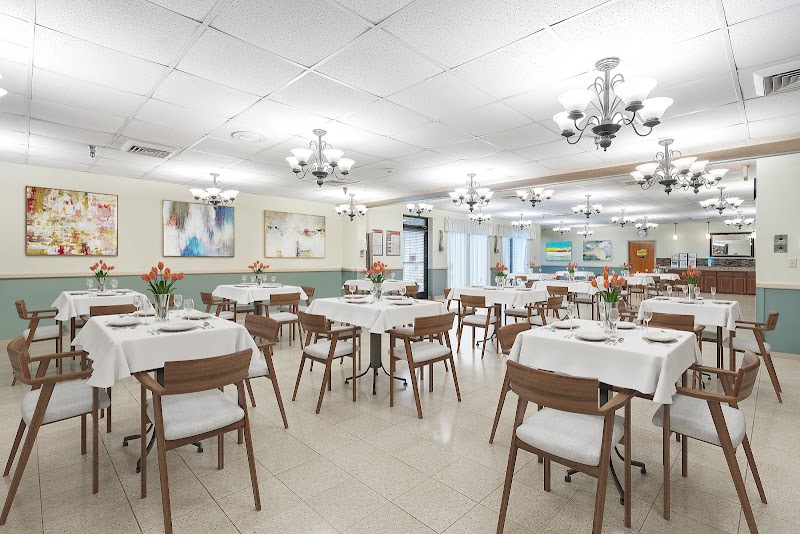
How is Winter Garden Rehabilitation And Nursing Center Staffed?

CMS rates WINTER GARDEN REHABILITATION AND NURSING CENTER's staffing level at 4 out of 5 stars, which is above average compared to other nursing homes. Staff turnover is 39%, compared to the Florida average of 46%. This relatively stable workforce can support continuity of care.

What Have Inspectors Found at Winter Garden Rehabilitation And Nursing Center?

State health inspectors documented 25 deficiencies at WINTER GARDEN REHABILITATION AND NURSING CENTER during 2021 to 2025. These included: 1 that caused actual resident harm and 24 with potential for harm. Deficiencies causing actual harm indicate documented cases where residents experienced negative health consequences.
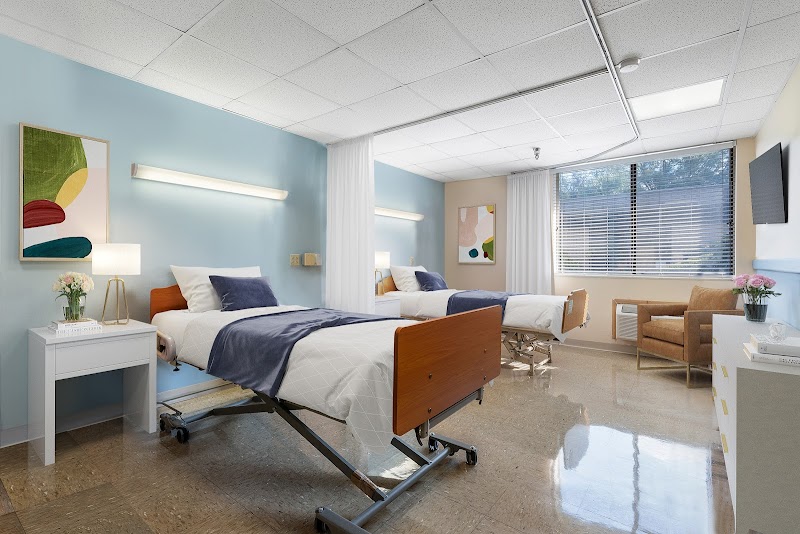
Who Owns and Operates Winter Garden Rehabilitation And Nursing Center?

WINTER GARDEN REHABILITATION AND NURSING CENTER is owned by a for-profit company. For-profit facilities operate as businesses with obligations to shareholders or private owners. The facility is operated by ASTON HEALTH, a chain that manages multiple nursing homes. With 120 certified beds and approximately 101 residents (about 84% occupancy), it is a mid-sized facility located in WINTER GARDEN, Florida.
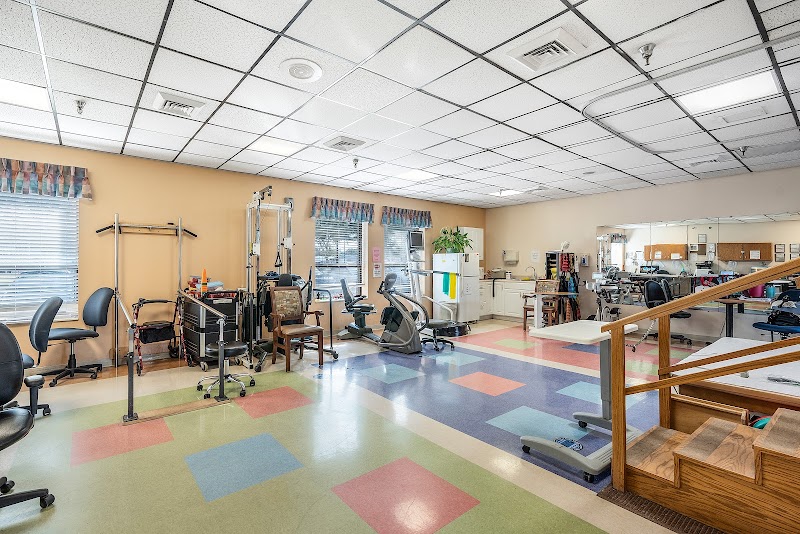
How Does Winter Garden Rehabilitation And Nursing Center Compare to Other Florida Nursing Homes?

Compared to the 100 nursing homes in Florida, WINTER GARDEN REHABILITATION AND NURSING CENTER's overall rating (2 stars) is below the state average of 3.2, staff turnover (39%) is near the state average of 46%, and health inspection rating (2 stars) is below the national benchmark.

What Should Families Ask When Visiting Winter Garden Rehabilitation And Nursing Center?

Based on this facility's data, families visiting should ask: "Can I visit during a mealtime to observe dining assistance and food quality?" "How do you handle medical emergencies, and what is your hospital transfer rate?" "Can I speak with family members of current residents about their experience?"

Is Winter Garden Rehabilitation And Nursing Center Safe?

Based on CMS inspection data, WINTER GARDEN REHABILITATION AND NURSING CENTER has a clean safety record: no substantiated abuse findings (meaning no confirmed cases of resident harm), no Immediate Jeopardy citations (the most serious violation level indicating risk of serious injury or death), and is not on the Special Focus Facility watch list (a federal program monitoring the lowest-performing 1% of nursing homes). The facility has a 2-star overall rating and ranks #100 of 100 nursing homes in Florida. While no facility is perfect, families should still ask about staff-to-resident ratios and recent inspection results during their visit.

Do Nurses at Winter Garden Rehabilitation And Nursing Center Stick Around?

WINTER GARDEN REHABILITATION AND NURSING CENTER has a staff turnover rate of 39%, which is about average for Florida nursing homes (state average: 46%). Moderate turnover is common in nursing homes, but families should still ask about staff tenure and how the facility maintains care continuity when employees leave.

Was Winter Garden Rehabilitation And Nursing Center Ever Fined?

WINTER GARDEN REHABILITATION AND NURSING CENTER has been fined $7,901 across 1 penalty action. This is below the Florida average of $33,158. While any fine indicates a compliance issue, fines under $50,000 are relatively common and typically reflect isolated problems that were subsequently corrected. Families should ask what specific issues led to these fines and confirm they've been resolved.

Is Winter Garden Rehabilitation And Nursing Center on Any Federal Watch List?

WINTER GARDEN REHABILITATION AND NURSING CENTER is not on any federal watch list. The most significant is the Special Focus Facility (SFF) program, which identifies the bottom 1% of nursing homes nationally based on persistent, serious quality problems. Not being on this list means the facility has avoided the pattern of deficiencies that triggers enhanced federal oversight. This is a positive indicator, though families should still review the facility's inspection history directly.