PARKVIEW REHABILITATION CENTER AT WINTER PARK
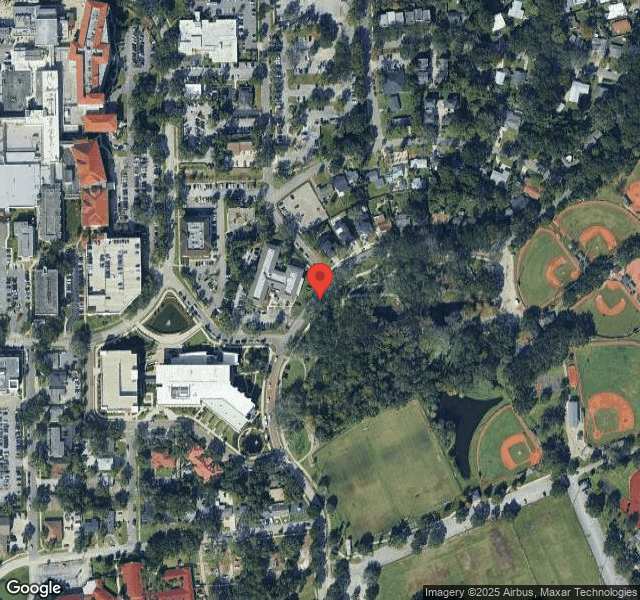

2075 LOCH LOMOND DRIVE, WINTER PARK, FL 32792 (407) 628-5418
For profit - Limited Liability company 138 Beds SOVEREIGN HEALTHCARE HOLDINGS Data: November 2025
Trust Grade
75/100
#256 of 690 in FL
Last Inspection: February 2025

Within standard 12-15 month inspection cycle. Federal law requires annual inspections.

Overview

Parkview Rehabilitation Center at Winter Park has a Trust Grade of B, indicating it is a good choice for families, though there are some areas for improvement. It ranks #256 out of 690 facilities in Florida, placing it in the top half, and #10 out of 37 in Orange County, meaning there are only nine other local options that are better. However, the facility is experiencing a worsening trend, with reported issues increasing from one in 2024 to three in 2025. Staffing is a weakness, receiving a 2 out of 5 star rating with a turnover rate of 52%, which is average but indicates staff may not be as stable as desired. Notably, the facility had no fines recorded, which is a positive sign, and it offers more RN coverage than many other facilities, which helps in catching potential health issues. However, there are specific concerns regarding care. For example, the facility failed to administer medications on time for five residents, which could lead to serious health risks. Additionally, they did not follow dietary care plans for three residents requiring thickened liquids, potentially putting them at risk for choking. Lastly, one resident's oxygen concentrator was found to be dirty, raising concerns about hygiene and infection control. While there are strengths, families should weigh these issues seriously when considering this facility.

Trust Score
B
75/100
In Florida
#256/690
Top 37%
Safety Record
Low Risk
No red flags
Inspections
Getting Worse
1 → 3 violations
Staff Stability
⚠ Watch
52% turnover. Above average. Higher turnover means staff may not know residents' routines.
Penalties
✓ Good
No fines on record. Clean compliance history, better than most Florida facilities.
Skilled Nurses
○ Average
Each resident gets 38 minutes of Registered Nurse (RN) attention daily — about average for Florida. RNs are the most trained staff who monitor for health changes.
Violations
⚠ Watch
14 deficiencies on record. Higher than average. Multiple issues found across inspections.
★★★★☆
4.0
Overall Rating
★★☆☆☆
2.0
Staff Levels
★★★★☆
4.0
Care Quality
★★★★☆
4.0
Inspection Score
Stable
2024: 1 issues
2025: 3 issues

The Good

  • 4-Star Quality Measures · Strong clinical quality outcomes
  • Full Sprinkler Coverage · Fire safety systems throughout facility
  • No fines on record

Facility shows strength in quality measures, fire safety.

The Bad

Staff Turnover: 52%

Near Florida avg (46%)

Higher turnover may affect care consistency

Chain: SOVEREIGN HEALTHCARE HOLDINGS

Part of a multi-facility chain

Ask about local staffing decisions and management

The Ugly 14 deficiencies on record

Feb 2025 3 deficiencies
CONCERN (D)

Potential for Harm - no one hurt, but risky conditions existed

Deficiency F0694 (Tag F0694)

Could have caused harm · This affected 1 resident

**NOTE- TERMS IN BRACKETS HAVE BEEN EDITED TO PROTECT CONFIDENTIALITY** Based on observation, interview, and record review, the facility failed to provide intravenous (IV) care and services according ...

Read full inspector narrative →
**NOTE- TERMS IN BRACKETS HAVE BEEN EDITED TO PROTECT CONFIDENTIALITY** Based on observation, interview, and record review, the facility failed to provide intravenous (IV) care and services according to standards of practice and the plan of care for 1 of 1 residents reviewed for IV care, of a total sample of 40 residents, (#510). Findings: Resident #510 was readmitted to the facility on [DATE] from an acute care hospital with diagnoses of acute respiratory failure, pleural effusion, pneumonia, and multiple sclerosis. Review of hospital records from her admission on [DATE] revealed she had a midline (IV) line in her right upper arm for administration of IV antibiotics. Resident #510's physican orders indicated she received two grams (gm) Ceftriaxone sodium solution daily beginning on 1/27/25 that was to continue until 2/21/25. A midline catheter is put into a vein by the bend in the elbow or the upper arm .midline catheter may allow you to receive long-term intravenous medicine or treatments, (retrieved on 2/14/25 from www.drugs.com). On 2/03/25 at 10:31 AM, resident #510 was alert and oriented, sitting up in her bed. She had a midline IV with a transparent dressing on her right upper arm. The dressing was dated 1/25/25 and the resident explained she got the IV when she was recently hospitalized . The Registered Nurse (RN) A was outside of the resident's room at that time. She entered the room and explained she was the Evening Supervisor. She confirmed the date on resident #510's midline IV dressing and acknowledged the dressing had not been changed in nine days. RN A explained the facility policy was for IV dressings to be changed at least every seven days or more if needed, and confirmed the dressing should have been changed. RN A explained IV dressing changes were important to prevent infection. and said the dressing should be changed immediately. On 2/03/25 at 1:30 PM, resident #510's assigned RN B confirmed that IV dressing changes should be at least every seven days. She acknowledged that resident #510's midline IV dressing should have been changed on 2/01/25 and explained dressing changes were important care in preventing infections and complications in IV lines. Review of resident #510's medical record revealed no documentation of IV site assessment, nor documentation of midline IV dressing changes from 1/25/25 to 1/31/25 on the Treatment Administration Record. Review of the medical record revealed no physician orders for IV site assessment or midline IV dressing changes. Review of resident #510's care plan revealed a focus for IV therapy related to Pneumonia Infection was initiated on 1/25/25. The care plan did not include interventions to assess the IV site. On 2/05/25 at 1:05 PM, Licensed Practical Nurse (LPN) C said she had worked at the facility for more than twenty years. She explained for residents with IV lines, their IV should be assessed for patency; for signs and symptoms of infection at insertion site; and nurses should change the transparent dressing every seven days and as needed to prevent infection or complications. On 2/05/25 at 3:21 PM, RN D, the Infection Preventionist explained for newly admitted residents with an IV line, nurses had twenty-four hours to change the dressing if needed and enter the appropriate orders for dressing changes every week and as needed. The Infection Preventionist stated the insertion site should be assessed for signs and symptoms of infection every shift. On 2/05/25 at 3:36 PM, the Director of Nursing (DON) explained the facility's protocol regarding IV dressing changes was that the dressing be changed every week, the site monitored for signs and symptoms of infection and that it was the responsibility of the assigned nurse to complete dressing changes. The DON acknowledged resident #510's IV dressing had not been changed as required and said that the expectation was for it to have been changed per protocol to prevent infection. On 2/5/25 at 3:50 PM, the Assistant Director of Nursing (ADON) said, nurses should monitor IVs every day, change the dressing every week and assess to prevent infection. She confirmed resident #510's midline dressing had not been changed per protocol and said, it should have been changed. On 2/6/25 at 10:02 AM, the Nursing Home Administrator stated even though he was not clinical he hoped the facility's protocol for IVs was followed. The facility's Policy and Procedures-Midline Catheter Dressing Change and Infection Prevention and Control Plan, revised on June 2024 indicated Sterile Dressing Change using Transparent dressing is performed upon admission and if transparent dressing is dated clean dry and intact, the admission dressing change may be omitted and scheduled for 7 days from the date on the dressing label. Review of the facility's Infection Control Policy revised June 2024 revealed, An Infection Prevention and Control Program (IPCP) [was] established and maintained to provide a safe sanitary and comfortable environment and to help prevent the development and transmission of communicable diseases and infections. Section 11-Prevention of Infection part d described, Important facets of infection prevention include instituting measures to avoid complications and educating staff and ensuring that they adhere to proper techniques and procedures.
CONCERN (D)

Potential for Harm - no one hurt, but risky conditions existed

Deficiency F0698 (Tag F0698)

Could have caused harm · This affected 1 resident

**NOTE- TERMS IN BRACKETS HAVE BEEN EDITED TO PROTECT CONFIDENTIALITY** Based on interview, and record review, the facility failed to assess the resident's condition and monitor and document for compl...

Read full inspector narrative →
**NOTE- TERMS IN BRACKETS HAVE BEEN EDITED TO PROTECT CONFIDENTIALITY** Based on interview, and record review, the facility failed to assess the resident's condition and monitor and document for complications after dialysis treatments for one of three residents reviewed for dialysis, of a total sample of 40 residents, (#82). Findings: Resident #82 was admitted to the facility on [DATE] with diagnoses that included End Stage Renal Disease with dependence on renal dialysis. Review of the physician order summary for February 2025 revealed an order for hemodialysis on Tuesday, Thursday, and Saturday via a left upper arm fistula. Review of the medical record on 2/05/25 revealed no post-dialysis documentation of nursing Progress Notes from Thursday 1/30/25, Saturday, 2/01/25 or Tuesday, 2/04/25 to indicate post-dialysis nursing care or assessment was completed. On 2/05/25 at 5:37 PM, the Director of Nursing (DON) stated the facility completed the resident information with blood pressure on the top of the Dialysis Communication Form prior to the resident going for dialysis. She explained the dialysis center was supposed to fill out their section of the form but often did not. The DON continued that the staff nurse assessed and monitored the resident's condition when they returned from dialysis. They documented the resident returned then took their blood pressure. She added that the medical records staff checked the resident's Dialysis notebook the following day and followed up with the dialysis center to get any information regarding the resident's dialysis treatment. The DON indicated she or whoever she designated, the Infection Control nurse or the Staff Development Coordinator would also follow up with medical records to ensure they got the information from the dialysis center. The Infection Control nurse was present and acknowledged she had never been involved in the process of ensuring the information from the dialysis center was received. The Regional Nurse stated medical records did not check the resident's dialysis book daily and recommended an interview with the Medical Records Coordinator. On 2/05/25 at 6:05 PM, the Medical Records Coordinator stated last November the facility switched from more frequent record gathering to requesting information from the dialysis center on their resident's dialysis treatment monthly. She added, on Monday, 2/03/25, she requested dialysis records for all the facility residents who received dialysis from December 2024 and January 2025. The Medical Records Coordinator explained there had been a glitch in the system and the facility had not received December's records yet. On 2/06/25 at 2:13 PM, in an interview with the DON and the Regional Nurse B, the DON stated she would expect the nurse assigned to the dialysis resident's unit to document at a minimum, the resident returned from dialysis. The Regional Nurse added the DON should expect the resident's nurse to include the resident's vital signs as well and the DON agreed. They confirmed the documentation by the nurse should include if the resident was stable or not. The DON verified resident #82's scheduled days for dialysis were Tuesday, Thursday and Saturdays and confirmed there were no post-dialysis documentation of nursing Progress Notes from the recent dates of Thursday, 1/30/25, Saturday, 2/01/25 or Tuesday, 2/04/25. They acknowledged without the documentation there was no way to know if the resident received dialysis treatments on those days, their status or monitoring of their condition upon their return. The DON and Regional Nurse tried to locate the information in the resident #82's medical record but were unable to locate it. The Regional Nurse phoned the dialysis center to confirm resident #82 had received dialysis treatments on 1/30/25, 2/01/25, and 2/04/25. The DON and Regional Nurse agreed nursing staff needed to document when a resident went to dialysis, returned from dialysis, and that they were monitored for infection, bleeding at the dressing site and vital signs when the resident returned from dialysis. On 2/06/25 at 3:45 PM, the Regional Nurse stated the facility did not have a policy regarding batch orders for residents receiving dialysis treatments. The facility's policy entitled Dialysis dated June 2024 indicated its purpose was to monitor and care for hemodialysis residents in the skilled nursing center, and that the resident was to be monitored for bleeding, post-dialysis treatment. The policy detailed the resident was to be monitored for signs of dyspnea (trouble breathing), rales (crackles or high pitched lung sounds), jugular venous distention (bulging of neck veins) and occasional peripheral edema (swelling of extremities).
CONCERN (D)

Potential for Harm - no one hurt, but risky conditions existed

Menu Adequacy (Tag F0803)

Could have caused harm · This affected 1 resident

**NOTE- TERMS IN BRACKETS HAVE BEEN EDITED TO PROTECT CONFIDENTIALITY** Based on observation, interview, and record review, the facility failed to ensure menu choices were met for 1 of 2 resident revi...

Read full inspector narrative →
**NOTE- TERMS IN BRACKETS HAVE BEEN EDITED TO PROTECT CONFIDENTIALITY** Based on observation, interview, and record review, the facility failed to ensure menu choices were met for 1 of 2 resident reviewed for food, of a total sample of 40 residents, (#99). Findings: Review of the medical record revealed resident #99, a [AGE] year old female was admitted to the facility on [DATE] from an acute care hospital. The resident's diagnoses included chronic heart failure, hypertension, type 2 diabetes mellitus with chronic kidney disease, Alzheimer's Disease, need for assistance with personal care, and moderate protein-calorie malnutrition. The Minimum Data Set Quarterly Assessment with an Assessment Reference Date of 1/08/25 noted during the look-back periods, resident #99 scored 0 out of 15 on the Brief Interview for Mental Status which indicated she was severely cognitively impaired. The assessment showed resident #99 required a therapeutic diet, and staff assistance to complete Activities of Daily Living (ADLs) including eating. The Order Summary Report showed resident #99 had active physician's orders that included, Multivitamins-Minerals once daily for nutritional supplement, protein drinks twice daily, Consistent Carbohydrate (CCHO) diet with fortified foods, fingerstick blood glucose monitoring as needed for diabetes mellitus, and encourage extra liquids to prevent/reduce the risk of infection for rehydration. The Comprehensive Care Plan included focuses for person-centered care, impaired communication and thought processes related to dementia, risk for pressure wounds related to incontinence, diabetes mellitus with a goal to have decreased disease process complications with an intervention to monitor nutritional status and appetite. Other care plans included dependence on staff to complete all activities and ADLs, risk for decreased nutritional status and dehydration related to protein-calorie malnutrition, diabetes mellitus, therapeutic diet, and low body mass index (BMI) with interventions to monitor diet tolerance and intake, supplements, and to provide food preferences and substitutions. On 2/04/25 at 10:42 AM, resident #99's daughter said she completed handwritten menu choice forms a week in advance, but the facility didn't provide what was requested. She explained they often brought sandwiches and cranberry juice that her mother didn't like, and staff just left them on the bedside table. An undated, unwrapped sandwich and a 4-ounce individual cranberry juice was observed on the resident's bedside table. Resident #99's daughter explained she was concerned because her mother didn't eat well, especially if she or her father weren't there for encouragement. She said she gave up asking staff for substitutions, and she brought snacks for her mother from home. The [NAME] for Certified Nursing Assistants (CNA) noted staff were to assist resident #99 with meals, encourage fluids, and monitor her diet tolerance. On 2/06/25 at 12:22 PM, CNA I said the facility had cranberry juice and apple juice for residents. She explained resident #99 required staff assistance for her meals and the kitchen had her menu preferences that were provided on the meal tray. On 2/06/25 at 11:33 AM, the Certified Dietary Manager (CDM) explained she was newly hired and it was her fourth day on the job. She described the process for providing residents' menu choices was done via a handwritten form, and preferences were entered into the computer system. On 2/06/25 at 12:52 PM, resident #99 was observed sitting in a wheelchair in her room with her daughter. CNA I brought in the resident's lunch tray that included spaghetti covered with marinara tomato sauce. The lunch menu ticket included with the tray dated 2/06/25 read, (Fortified Food) Item(s) not specified, NO PREFERENCES, and a handwritten note that read, no tomato beside the item listed as spaghetti marinara. Resident #99's daughter said she completed menu selections a week in advance with notes. She checked the ticket and said she had written the note for no tomato sauce. Resident #99's daughter explained the resident didn't like any gravy or sauces, but her requests were always ignored. A short time later on 2/06/25 at 1:43 PM, the resident's daughter said she tried to remove the sauce because her mother wouldn't eat the spaghetti and barely ate from the other items on her tray. Two 64-ounce bottles of apple juice and strawberry juice were observed on the resident's dresser. The resident's daughter said she brought them in because staff only gave her mother cranberry juice that she wouldn't drink. The Nutrition Quarterly Note dated 1/03/25 included a plan of care update that read, . BMI : 22.5 indicates underweight . Nutritional interventions in place to promote PO [by mouth] intake . Preferences obtained and honored .will have PO intake greater than 50% at meals . On 2/06/25 at 1:43 PM, the CDM checked resident #99's lunch ticket and confirmed there was an advance request for no tomato/marinara sauce. She said the kitchen could and should have omitted the sauce, and explained the facility kept apple juice on hand. The CDM acknowledged all resident menu choices should be verified and updated to ensure they were honored. She explained she did not have computer access yet and could not verify how the previous CDM managed resident's menu preferences. The CDM stated it was important to provide correct menu choices for residents with items they liked to ensure they ate well. On 2/06/25 at 3:56 PM, the Nursing Home Administrator said the CDM reported to him, and he expected the Dietary Department to meet with residents and/or family representatives to obtain menu choices and update them regularly. He said the facility was working on the process with the new CDM to ensure accuracy. On 2/06/25 at 3:15 PM, Regional Nurse B said the facility did not have a written policy and procedure for how staff obtained resident menu preferences and choices. Review of the Facility assessment dated [DATE] noted all residents' dietary preferences were met daily per diet order and resident preferences.
Aug 2024 1 deficiency
CONCERN (E) 📢 Someone Reported This

A family member, employee, or ombudsman was alarmed enough to file a formal complaint

Potential for Harm - no one hurt, but risky conditions existed

Pharmacy Services (Tag F0755)

Could have caused harm · This affected multiple residents

Based on observation, interview, and record review, the facility failed to ensure scheduled medications were administered as per physician's orders and according to accepted professional standards of ...

Read full inspector narrative →
Based on observation, interview, and record review, the facility failed to ensure scheduled medications were administered as per physician's orders and according to accepted professional standards of practice for 5 of 5 residents reviewed for medication administration, of a total sample of 9 residents, (#5, #6, #7, #8, & #9). Findings: On 8/08/24 at 12:07 PM, Licensed Practical Nurse (LPN) A was at her medication cart preparing medications. The LPN stated she was still giving her morning medications and had three more residents to give morning medications to. The 1st floor Unit Manager (UM), and Registered Nurse (RN) Supervisor were seen sitting at the nurse's station. LPN A stated the UM was aware she was still giving morning medications after 12:00 PM. On 8/08/24 at 12:34 PM, and at 12:40 PM, LPN A was still administering her morning medications. On 8/08/24 at 12:50 PM, the 1st floor UM stated staff had a four-hour window to administer morning medications as directed by the facility's medication administration schedule. The UM stated he did not know the facility's protocol if medications were administered out of that recommended timeframe. Review of the facility's undated Medication Administration Times revealed the following, one time a day: upon rising 6:00 AM to 10:00 AM. In the morning: 6:00 AM, in the afternoon: 12:00 PM to 5:00 PM or 2:00 PM. In the evening: prior to bed 6:00 PM to 10:00 PM. Two times per day: upon rising and prior to bed 6:00 AM to 10:00 AM and 6:00 PM to 10:00 PM. Review of the Medication Administration Audit Reports for the day shift on 8/08/24 revealed the following: Resident #5 received her scheduled morning medications late, between 11:58 AM to 12:16 PM, including Carvedilol 3.125 milligram (mg) twice daily for high blood pressure, and Eliquis 2.5 mg daily for clot prevention. Resident #6 received her scheduled morning medications late, between 12:19 PM to 12:34 PM, including Apixaban 5 mg every 12 hours for clot prevention, Amlodipine 5 mg daily for high blood pressure, Phenytoin 125 mg/5 milliliter (ml) give 8 ml twice daily for seizures, and Buspirone 5 mg twice daily for anxiety. Resident #7 received her scheduled morning medications late, between 12:36 PM to 12:40 PM, including Folic acid 1 mg daily. Resident #8 received her scheduled morning medications late, between 12:49 PM to 12:57 PM, including Apixaban 5 mg every 12 hours, Furosemide 40 mg daily, Diltiazem 120 mg daily, Losartan Potassium 25 mg daily, and Metoprolol extended release 50 mg daily for high blood pressure. Resident #9 received her scheduled morning medications late, between 12:41 PM to 12:47 PM, including Acetaminophen 325 mg- 2 tablets twice daily for pain, Furosemide 20 mg daily for congestive heart failure, Depakote 250 mg twice daily for mood disorder, Lisinopril 5 mg in the morning for high blood pressure, and Celebrex 200 mg daily for pain. On 8/08/24 at 12:29 PM, resident #5 stated she had just received her morning medications. The resident said only two nurses gave her medications on time, all the others gave them late. On 8/08/24 at 1:25 PM, the Assistant Director Of Nursing (DON) B stated the scheduled morning medication administration time was upon rising, and the window the medications were to be given was between 6:00 AM to 10:00 AM. She stated if medications were given after 11:00 AM, the medications were considered late. ADON B said the facility's protocol for late administration of medication was the nurse would notify the physician, and obtain orders as needed for the late medications. She stated the nurse should document the communication with the physician in the resident's electronic medical record (EMR). Review of medical records for residents #5, #6, #7, #8 and #9 revealed notification to the physician was not done until after the surveyor discussed the late medication administration with the facility. The policy Person- Centered Medication Administration Schedule adopted on 10/25/2021 and revised on 8/06/2024 read, Medications shall be administered according to established schedules.
Sept 2023 1 deficiency
CONCERN (E) 📢 Someone Reported This

A family member, employee, or ombudsman was alarmed enough to file a formal complaint

Potential for Harm - no one hurt, but risky conditions existed

Comprehensive Care Plan (Tag F0656)

Could have caused harm · This affected multiple residents

**NOTE- TERMS IN BRACKETS HAVE BEEN EDITED TO PROTECT CONFIDENTIALITY** Based on observation, interview, and record review, the facility failed to implement nutrition / hydration care plans that inclu...

Read full inspector narrative →
**NOTE- TERMS IN BRACKETS HAVE BEEN EDITED TO PROTECT CONFIDENTIALITY** Based on observation, interview, and record review, the facility failed to implement nutrition / hydration care plans that included physician orders for thickened liquids for 3 of 4 residents reviewed for dietary services, out of a total sample of 4 residents, (#4, #6, and #8). Findings: On 9/07/23 at 10:17 AM, [NAME] D stated residents' meal trays were prepared according to pre-printed diet slips that reflected the type of diet, required food texture, and consistency of fluids. She explained the kitchen stocked large, pre-mixed containers of mildly thickened water (nectar consistency) and moderately thickened water (honey consistency) from which kitchen staff dispensed the correct fluid into cups at mealtimes. [NAME] D stated if residents needed fluids between meals, nursing staff on the units would have to check diet orders in the computer to ensure they provided the right consistency. She stated nursing staff could come to the kitchen for pitchers of honey and/or nectar thickened water and keep them in the nourishment room refrigerators. [NAME] D selected diet slips for three residents who required thickened liquids for review, residents #4, #6, and #8. 1. Review of resident #8's medical record revealed he was admitted to the facility on [DATE], and most recently readmitted on [DATE]. His diagnoses included end-stage kidney disease with dependence on dialysis, type 2 diabetes, and schizoaffective disorder. The Minimum Data Set (MDS) Discharge-Return Anticipated assessment with assessment reference date (ARD) of 8/09/23 revealed resident #8 had short term memory problems and moderately impaired cognitive skills for daily decision making. He required supervision with eating and had a therapeutic diet. Resident #8's medical record included a care plan for risk for decreased nutritional status and dehydration, initiated on 7/07/23. The interventions included provide a controlled carbohydrate diet, encourage fluids, and monitor oral intake. Review of the Order Summary Report revealed a physician order dated 9/05/23 for a regular diet, regular texture, and mildly thick consistency fluids. On 9/07/23 at 10:30 AM, there was a white Styrofoam cup labeled with resident #8's room and bed number on his tray table. The 100 Unit Manager (UM) confirmed the cup was filled with regular water. On 9/07/23 at 10:50 AM, Certified Nursing Assistant (CNA) C confirmed resident #8 was on her assignment but she was not aware he required thickened water. She stated she usually asked the nurse if she had questions about residents' care needs. CNA C verbalized the importance of providing fluids of the correct consistency. She said, I know they might choke. On 9/07/23 at 1:05 PM, the 100 UM stated all staff should check care plans at the start of every shift as physician orders and nursing interventions could change. She validated it was important for staff to know what type of care their residents needed. The 100 UM stated to her knowledge, the kitchen sent thickened water to the units. She explained the night shift staff who filled resident #8's water cup early that morning should have obtained thickened water from the nourishment room. 2. Review of the medical record revealed resident #4 was admitted to the facility on [DATE]. Her diagnoses included cerebrovascular disease, dementia, generalized muscle weakness, and severe protein calorie malnutrition. The MDS Quarterly assessment with ARD of 7/09/23 revealed resident #4 had severely impaired cognitive skills for daily decision-making. She required extensive assistance from one person for eating, and had a mechanically altered diet-require change in texture of food or liquids (e.g., pureed texture, thickened liquids). Resident #4 had a care plan for risk for decreased nutritional status and dehydration initiated on 3/31/22. The goal was for the resident to tolerate her diet as ordered. The interventions were assist with meals as needed, provide diet as ordered, encourage oral fluids, and monitor oral intake. The care plan was revised on 3/04/23 to reflect thickened liquids as ordered. Review of resident #4's medical record revealed an Order Summary Report with a physician order dated 1/10/23 for meals with pureed texture and fluids of moderately thick consistency. A Nutrition Quarterly assessment dated [DATE] indicated resident #4 continued to experience difficulty swallowing and still required a pureed diet texture and fluids of moderately thick consistency. On 9/07/23 at 10:35 AM, resident #4 was in bed and there was no water on her tray table or bedside table. Registered Nurse (RN) A confirmed the resident did not have water at bedside and offered to get a cup of water from the nourishment room. She returned with a white Styrofoam cup and straw, stated it was regular water and ice, placed the straw in resident #4's mouth, and encouraged her to sip. RN A was prompted to pause and check the resident's diet order. On 9/07/23 at 10:43 AM, RN A checked the electronic medical record and validated resident #4 had a physician order for moderately thickened water. 3. Review of the medical record revealed resident #6 was admitted to the facility on [DATE] with diagnoses including dysphagia or difficulty swallowing, Alzheimer's Disease, and Chronic Obstructive Pulmonary Disease. The MDS Significant Change in Status assessment with ARD of 8/18/23 revealed resident #6 had severely impaired cognitive skills. He required supervision with assistance of one person for eating, and had a mechanically altered diet. Resident #6's care plan for risk for decreased nutritional status and dehydration was initiated on 4/13/22. The goal was the resident would tolerate his diet as ordered. The interventions included assist with meals as needed, provide diet as ordered, encourage oral fluids, and monitor for signs and symptoms of dehydration. Review of the Order Summary Report revealed resident #6 had physician orders dated 10/13/22 for a regular diet and fluids of mildly thick consistency, and 6/20/23 for Speech Therapy three times weekly for four weeks to address management of dysphagia. Review of a Speech Therapy Evaluation and Plan of Treatment dated 6/20/23 revealed resident #6 had mild to moderate dysphagia characterized by coughing during intake of thin liquids. The document read, [Patient] deficits impact airway protection and risk for aspiration pneumonia. The resident's Speech Therapy Discharge summary dated [DATE] read, .continues with significant swallowing impairment impacting safety for tolerating thin liquids. He presents with decreased safety awareness. The recommendation on discharge was for resident #6 to remain on mechanical soft food texture with mildly thickened liquids to reduce his risk for aspiration. On 9/07/23 at 10:40 AM, RN A confirmed resident #6 should definitely have thickened liquids at bedside as she was certain he had difficulty swallowing. She checked the white Styrofoam cup on his tray table that was labeled with the resident's room and bed number. RN A removed the lid and stated it was regular water, not thickened water. On 9/07/23 at 10:43 AM, RN A checked the resident's electronic medical record and verified there was an order for mildly thickened liquids. On 9/07/23 at 10:48 AM, during observation of the 200 unit's nourishment room with RN A, there were no containers of thickened water noted in the refrigerator. There was one dry, unlabeled, empty pitcher on the counter. On 9/07/23 at 11:12 AM, the Rehab Program Manager was informed of concerns regarding residents #4, #6, and #8 who required thickened liquids, but instead were provided regular thin liquids by staff. He explained the correct consistency of fluids was important as there was the potential for respiratory complications related to aspiration and pneumonia. The Rehab Program Manager explained his expectation was nursing staff would follow therapy recommendations and physician orders to ensure residents' safety during consumption of food and fluids. On 9/07/23 at 12:25 PM, the Director of Nursing (DON) acknowledged it was concerning that three of three residents who represented both units were offered thin liquids, rather than thickened liquids as ordered. The DON stated her expectation was nursing staff would follow all physician orders, including diet orders, to meet the needs of the ten residents in the facility who required thickened liquids. She validated the correct consistency was important in decreasing aspiration risk for residents who had difficulty swallowing. The DON said, We don't want to cause harm. She stated she was not sure whether dietary staff delivered thickened water to the units or nurses retrieved pitchers from the kitchen. The facility's policy and procedure for Hydration Evaluation & Approaches revised on 2/19/11, indicated staff would observe care delivery to determine if the interventions identified in the care plan have been implemented. The document revealed staff would verify the correct type of fluid was provided to a resident with dysphagia.
Jun 2023 6 deficiencies
CONCERN (D)

Potential for Harm - no one hurt, but risky conditions existed

Comprehensive Assessments (Tag F0636)

Could have caused harm · This affected 1 resident

**NOTE- TERMS IN BRACKETS HAVE BEEN EDITED TO PROTECT CONFIDENTIALITY** Based on interview, and record review, the facility failed to ensure the Minimum Data Set (MDS) comprehensive assessments were c...

Read full inspector narrative →
**NOTE- TERMS IN BRACKETS HAVE BEEN EDITED TO PROTECT CONFIDENTIALITY** Based on interview, and record review, the facility failed to ensure the Minimum Data Set (MDS) comprehensive assessments were completed timely for 1 of 4 residents reviewed for Resident Assessments from a total sample of 46 residents, (#311). Findings: Review of the medical record revealed resident #311 was admitted to the facility on [DATE] from an acute care hospital with diagnoses that included history of falls, fracture of the right arm and shoulder, delirium, and dementia. The MDS comprehensive admission assessment with Assessment Reference Date (ARD) 5/18/2023 showed staff documented the assessment was completed late on 6/05/2023. On 6/07/2023 at 4:20 PM, the Director of Nursing (DON) stated the facility had been short staffed for MDS Coordinators since approximately April 2023 when the full-time coordinator left. She said there was one part time person, and she was not working on 6/07/2023 or 6/08/2023. She explained the facility received additional support on occasion from a traveler MDS Coordinator. She said she was responsible for the department and an additional full-time nurse was planned to start soon. On 6/08/2023 at 1:52 PM, the DON checked the medical record and acknowledged resident #311's MDS admission assessment had been completed late. She said she had been informed by corporate management there were multiple late MDS assessments. Review of the MDS 3.0 Final Validation Report dated 6/05/2023 noted a message with resident #311's 5/18/2023 assessment that read, Assessment Completed Late . is more than 13 days after A1600 (entry date). The facility's policies and procedures dated 3/27/2018 titled, SHCO40001.01 Resident Assessment Process, read, 1. The facility conducts a comprehensive assessment {MDS, including Care Area Assessment (CAA)} to identify the resident's needs within 14 days after admission .
CONCERN (D)

Potential for Harm - no one hurt, but risky conditions existed

Deficiency F0638 (Tag F0638)

Could have caused harm · This affected 1 resident

**NOTE- TERMS IN BRACKETS HAVE BEEN EDITED TO PROTECT CONFIDENTIALITY** Based on interview, and record review, the facility failed to ensure Minimum Data Set (MDS) quarterly assessments were completed...

Read full inspector narrative →
**NOTE- TERMS IN BRACKETS HAVE BEEN EDITED TO PROTECT CONFIDENTIALITY** Based on interview, and record review, the facility failed to ensure Minimum Data Set (MDS) quarterly assessments were completed timely for 3 of 4 residents reviewed for Resident Assessments from a total sample of 46 residents, (#74, #84, #103) Findings: 1. Review of the medical record revealed resident #74 was admitted to the facility on [DATE] from an acute care hospital with diagnoses of pressure ulcer of the right heel, dysphagia (swallowing difficulty), presence of gastrostomy (tube feeding device), peripheral vascular disease (poor circulation to extremities), muscle contractures, dementia, depression, and malnutrition. Review of the MDS quarterly assessment with Assessment Reference Date (ARD) 5/24/2023 showed it was in progress and due for completion on 6/07/2023. 2. Review of the medical record revealed resident #84 was admitted to the facility on [DATE] from an acute care hospital and had diagnoses of repeated falls, viral hepatitis, severe kidney disease, heart disease, weakness, cognitive communication deficit, and difficulty in walking. Review of the MDS quarterly assessment with ARD 5/20/2023 showed it was in progress and due for completion on 6/03/2023. 3. Review of the medical record revealed resident #103 was admitted to the facility on [DATE] from an acute care hospital with diagnoses of liver transplant, renal dialysis dependence, kidney failure, history of falls, depression, anxiety, weakness, need for assistance with personal care, and anemia. Review of the MDS quarterly assessment with ARD 5/18/2023 noted it was completed late on 6/6/2023. Review of the MDS 3.0 Final Validation Report dated 6/06/2023 noted a message for resident #103's 5/18/2023 assessment that read, Assessment Completed Late . Z0500B (assessment completion date) is more than 14 days after A2300 (assessment reference date). On 6/07/2023 at 4:20 PM, the Director of Nursing (DON) stated the facility had been short staffed for MDS Coordinators since approximately April 2023 when the full-time coordinator left. She said there was one part time person, and she was not working on 6/07/2023 or 6/08/2023. She explained the facility received additional support on occasion from a traveler MDS Coordinator. She said she was responsible for the department and an additional full-time nurse was planned to start soon. On 6/08/2023 at 1:52 PM, the DON checked the medical record and acknowledged the MDS assessments were overdue and not completed yet, or had been completed late. She said she had been informed by corporate management there were multiple late MDS assessments. The facilities policies and procedures dated 3/27/2018 titled, SHCO40001.01 Resident Assessment Process, read, 13. The MDS completion date (Z500B) must be within 14 days of the Assessment Reference Date (ARD) (A2300) .
CONCERN (D)

Potential for Harm - no one hurt, but risky conditions existed

Assessment Accuracy (Tag F0641)

Could have caused harm · This affected 1 resident

**NOTE- TERMS IN BRACKETS HAVE BEEN EDITED TO PROTECT CONFIDENTIALITY** Based on observation, interview, and record review, the facility failed to accurately complete Minimum Data Set (MDS) assessment...

Read full inspector narrative →
**NOTE- TERMS IN BRACKETS HAVE BEEN EDITED TO PROTECT CONFIDENTIALITY** Based on observation, interview, and record review, the facility failed to accurately complete Minimum Data Set (MDS) assessment related to functional range of motion (ROM) for 1 of 1 resident reviewed for mobility, of a total sample of 46 residents, (#55). Findings: Resident #55, a 68- year-old female was admitted to the facility on [DATE] with diagnoses which included stroke, contractures of her left upper extremity, and generalized muscle weakness. The resident's admission, and modification to admission MDS assessment with Assessment Reference date of 2/24/23, revealed the resident's cognition was intact with a Brief Interview For Mental Status (BIMS) score of 13 out of 15. Resident #55 required extensive assistance of two persons for bed mobility, transfers, dressing, toilet use, personal hygiene, and required one person assistance for eating. The assessment indicated the resident had no impairment in functional limitation in range of motion of her upper and lower extremities. On 6/05/23 at 10:15 AM, resident #55 was sitting up in bed, her left hand was contracted, and the resident was not wearing a splint/brace. A palm guard was noted on the bedside table. Resident #55 stated she had two strokes and could not move her left arm or hand. On 6/07/23 at 12:56 PM, Licensed Practical Nurse (LPN) D confirmed the resident had a contracture of her left upper extremity and stated therapy had been working with the resident for the contracture, but the resident had been refusing splint placement. On 6/07/23 at 2:36 PM, the Rehab Program Manger stated resident #55 had a contracture of her left hand/arm, but the resident would not allow therapy to do much ROM and had refused all splinting. On 6/08/23 at 1:20 PM, the resident's clinical records were reviewed with the Regional Clinical Services Director, and she confirmed the resident's admitting diagnoses included contracture of her left upper extremity. On 6/08/23 at 1:43 PM, the Director of Nursing (DON) stated the facility had a part time MDS Coordinator who was currently unavailable. The resident's clinical records, her admission and modification of admission MDS assessments were reviewed with the DON. She stated the resident had limitation in her ROM due to the contracture. The DON acknowledged section G0400 on the admission MDS assessment was not accurate. The Centers for Medicare & Medicaid Services Long-term Care Facility Resident Assessment Instrument 3.0 user's manual Version 1.17.1 dated October 2019, defines Functional limitation in range of motion as Limited ability to move a joint that interferes with daily functioning (particularly with activities of daily living) or places the resident at risk of injury. The manual indicated that assessment would be Coded 0 no impairment: if resident has full functional range of motion on the right and left side of upper/lower extremities. Resident #55 had contracture of the muscles of her left upper extremity, and contracture of unspecified joint.
CONCERN (D)

Potential for Harm - no one hurt, but risky conditions existed

Deficiency F0657 (Tag F0657)

Could have caused harm · This affected 1 resident

**NOTE- TERMS IN BRACKETS HAVE BEEN EDITED TO PROTECT CONFIDENTIALITY** Based on interview, and record review, the facility failed to review and revise care plans to meet the residents' need pertainin...

Read full inspector narrative →
**NOTE- TERMS IN BRACKETS HAVE BEEN EDITED TO PROTECT CONFIDENTIALITY** Based on interview, and record review, the facility failed to review and revise care plans to meet the residents' need pertaining to activities for 3 of 3 cognitively impaired residents reviewed for activities, of a total sample of 46 residents, (#17 #20 #74). Findings: 1. 1. Resident #17, a [AGE] year-old female was admitted to the facility originally on 8/14/22 and readmitted on [DATE]. Her diagnoses included mood disorder, schizoaffective disorder, anxiety disorder. schizophrenia, dementia, and major depressive disorder. Review of the resident's quarterly Minimum Data Set (MDS) assessment with Assessment Reference Date (ARD) of 5/18/23 revealed the resident's cognition was not assessed. The assessment revealed the resident required extensive assistance of two persons for bed mobility, transfers, dressing, toilet use, and personal hygiene. On 6/05/23 at 10:37 AM, and on 6/06/23 at 11:16 AM, resident #17 was lying on her back in a low bed. The resident did not respond when spoken to. The resident's television was not on, no music was playing, and no form of activity was noted for the resident. On 6/08/23 at 11:16 AM, the Activities Director stated care plans for activities were developed, reviewed/revised by the Activities Director. The resident's care plan for activities initiated on 8/22/22 and revised on 3/02/23 was reviewed with the Activities Director. She confirmed the goal of the care plan was for the resident to continue to make their choices regarding activities and express satisfaction on their activities of choice. Interventions included honor resident right to choose programs of own liking daily .including self-directed. Provide resident with alternative choices for self-directed/non- organized activities. Provide with a life enrichment programming calendar to encourage self-direction when choosing daily activities. The Activities Director stated the resident's cognition was moderately impaired. She acknowledged the care plan interventions were not individualized, or person centered since the resident could not do self-directed activities or choose activities from the activity calendar. 2. Resident #20, a [AGE] year-old female was admitted to the facility on [DATE] with diagnoses which included dementia, generalized anxiety disorder, schizoaffective disorder, and major depressive disorder. Review of the resident's quarterly MDS assessment with ARD of 5/02/23, revealed the resident's cognition was rarely/never understood. The assessment revealed the resident required extensive assistance of two persons for transfers, dressing, toilet use, and personal hygiene. On 6/05/23 at 10:32 AM, and on 6/06/23 at 10:45 AM, resident #20 was lying in bed. There was no response when spoken to, and no activities were noted. The television was not on and there was no music playing in the room. On 6/06/23 at 4:16 PM, Certified Nursing Assistant (CNA) C stated resident #20 required total care for all her activities of daily living and could not make her needs known. On 6/07/23 at 1:03 PM, and at 2:28 PM, the Activities Director stated that a care plan for activities would be initiated as soon as a resident was admitted . She explained interventions initiated would be dependent on the MDS assessment. The Activities Director stated she conducted an audit in April 2023 to identify mental status and communication needs of residents. She noted resident #20 had severe cognitive impairment, was never /rarely understood. The resident's care plan for activities initiated 11/05/22 and revised on 11/09/22 was reviewed with the Activities Director. Interventions included, assist with arranging community activities, introduce to residents with similar background, interests, and encourage/facilitate interaction. The Activities Director said the care plan was not person centered or individualized since the resident was unable to do any self-directed activities or choose activities from the activity calendar. 3. Resident #74, an [AGE] year-old female was admitted to the facility on [DATE]. Her diagnoses included dementia, dysphagia, acute respiratory failure with hypoxia, and gastrostomy. Review of the resident's quarterly MDS assessment with ARD of 2/02/23 revealed the resident was rarely/never understood. Resident #74 was totally dependent on staff for bed mobility, transfers, toilet use, and required extensive assistance of two persons for dressing. On 6/05/23 at 10:32 AM, resident #74 was lying in bed, with her eyes closed. There was no response when spoken to. On 6/06/23 at 10:43 AM, the resident was lying in bed with her eyes open. There was no response when spoken to. The television was not on, no music or any other activities were observed in the resident's room. On 6/07/23 at 1:03 PM, and at 2:28 PM, the Activities Director stated she reviewed resident #74's care plan for activities on 5/30/23 , and no significant changes were identified so a revision of her activities care plan was not done. The residents' care plan for activities was reviewed with the Activities Director. She verbalized the resident's care plan was initiated prior to her hire date, and since she had been hired, she had not reviewed or revised the activities care plan. The care plan interventions included honor resident right to choose programs of own liking daily .including self-directed. Provide resident with alternative choices for self-directed/non- organized activities. Provide with life enrichment programming calendar to encourage self-direction when choosing daily activities. The Activities Director said the care plan was not person centered and individualized since resident #74 could not do self-directed activities or choose activities from the activity calendar. The facility policy Comprehensive Person-Centered Care Plans with revised date of 8/31/2022, and effective date of 10/24/2022, read, The center will develop a comprehensive person-centered care plan for each resident that is individualized and includes measurable objectives and timetables to meet a resident's medical, nursing, mental and psychosocial needs. the document indicated the care plan would be Reviewed and revised by the interdisciplinary team after each assessment .and as changes in the resident's care and treatment occur
CONCERN (D)

Potential for Harm - no one hurt, but risky conditions existed

Deficiency F0679 (Tag F0679)

Could have caused harm · This affected 1 resident

**NOTE- TERMS IN BRACKETS HAVE BEEN EDITED TO PROTECT CONFIDENTIALITY** Based on observation, interview, and record review, the facility failed to ensure an ongoing program of activities was provided ...

Read full inspector narrative →
**NOTE- TERMS IN BRACKETS HAVE BEEN EDITED TO PROTECT CONFIDENTIALITY** Based on observation, interview, and record review, the facility failed to ensure an ongoing program of activities was provided for 3 of 3 cognitively impaired residents reviewed for activities, of a total sample of 46 residents, (#17 #20 #74). Findings: 1. Resident #17, a [AGE] year-old female was admitted to the facility originally on 8/14/22 and readmitted on [DATE]. Her diagnoses included mood disorder, schizoaffective disorder, anxiety disorder, schizophrenia, dementia, and major depressive disorder. Review of the resident's quarterly Minimum Data Set (MDS) assessment with Assessment Reference Date (ARD) of 5/18/23 revealed the resident's cognition was not assessed. The assessment revealed the resident required extensive assistance of two persons for bed mobility, transfers, dressing, toilet use, and personal hygiene. On 6/05/23 at 10:37 AM, and on 6/06/23 at 11:16 AM, resident #17 was lying on her back in a low bed. The resident did not respond when spoken to. The resident's television was not on, no music was playing, and no form of activity was noted for the resident. Review of the resident's Point of Care Response History record from 5/10/23 to 6/07/23 revealed the resident refused one to one activities on 5/27/23. The records showed the resident actively participated in conversation and talking during activities on 5/09/23, 5/10/23, 5/11/23, 5/13/23, 5/15/23, 5/16/23, 5/17/23, 5/20/23, 5/25/23, and 5/27/23. Not applicable was selected for activities on 5/19/23,5/20/23, 5/25/23, and 5/26/23 2. Resident #20, a [AGE] year-old female was admitted to the facility on [DATE] with diagnoses which included dementia, generalized anxiety disorder, schizoaffective disorder, and major depressive disorder. Review of the resident's quarterly MDS assessment with ARD of 5/02/23, revealed the resident's cognition was rarely/never understood. The assessment revealed the resident required extensive assistance of two persons for transfers, dressing, toilet use, and personal hygiene. On 6/05/23 at 10:32 AM, and on 6/06/23 at 10:45 AM, resident #20 was lying in bed. There was no response when spoken to, and no activities were noted. The television was not on and there was no music playing in the room. On 6/06/23 at 4:16 PM, Certified Nursing Assistant (CNA) C stated resident #20 required total care for all her activities of daily living and could not make her needs known. Review of the resident's Point of Care history log from 5/10/23 to 5/27/23 revealed no documentation for one to one activity visits. The log showed the resident actively participated in conversation and talking activities on 5/10/23, 5/11/23, 5/12/23, 5/16/23, 5/17/23, 5/23/23, 5/25/23, and 5/27/23. No other documentation could be identified regarding activities for resident #20. 3. Resident #74, an [AGE] year-old female was admitted to the facility on [DATE]. Her diagnoses included dementia, dysphagia, acute respiratory failure with hypoxia, and gastrostomy. Review of the resident's quarterly MDS assessment with ARD of 2/02/23 revealed the resident was rarely/never understood. Resident #74 was totally dependent on staff for bed mobility, transfers, toilet use, and required extensive assistance of two persons for dressing. On 6/05/23 at 10:32 AM, resident #74 was lying in bed, with her eyes closed. There was no response when spoken to. On 6/06/23 at 10:43 AM, the resident was lying in bed with her eyes open. There was no response when spoken to. The television was not on, no music or any other activities were observed in the resident's room. Review of the resident's Point of Care record from 5/10/23 to 5/31/23 noted the resident refused one to one activity visit on 5/27/23. The record showed the resident actively participated in conversation and talking activities on 5/10/23, 5/11/23, 5/12/23, 5/13/23, 5/16/23, 5/17/23, 5/19/23, 5/23/23, 5/25/23, and 5/27/23. The activities staff had noted Observation on 5/09/23, and 5/19/23, and Not applicable was selected on 5/23/23, and 5/31/23. No additional documentation could be identified for activities for resident #74. Review of the Activities Calendar for January 2023 to June 2023 showed one-to-one visits were scheduled for every Monday and Thursday. Review of the one-to-one log revealed resident #17 was not on the log, resident #20 had one one-to-one visit on 1/12/23, and resident #74 had one one-to-one visit on 2/09/23. The Activities calendars, and the one-to-one logs were reviewed with the Activities Director. She acknowledged the documentation. On 6/07/23 at 1:03 PM, and on 6/08/23 at 11:00 AM, the Activity Director stated she conducted an audit in April 2023 to identify the mental status and communication needs of residents. She stated that from the audit, it was identified that residents #17, #20, and #74 had severely impaired cognition and the residents were never/rarely understood. She recalled that based on the audit, she had to revise the activities calendar and add activities for residents who were cognitively impaired. This included weekly one-to-one visits for all cognitively impaired residents on Mondays and Wednesdays, and sensory group activity twice monthly. She stated the one to one log was completed by the Activities Assistant, along with daily visits, which would be documented in the residents' Point of Care Response History. She acknowledged there was no documentation to confirm one-to-one visits were provided for the residents as scheduled on the activity calendars. The Activities Director stated that from documentation reviewed, weekly one-to-one visits were not done for residents #17, #20, and #74. The residents Point of Care Response History was reviewed with the Activities Director. She explained that morning rounds were conducted by the Activity Assistant, and they were directed to talk with residents, and read the daily news provided in Spanish and English. She explained that Active indicated the resident actively participated in the activity, and passive indicated staff performed the activity. The Activity Director explained passive response would apply to residents with severely impaired cognition. She stated residents #17, #20, and #74's cognition was severely impaired and they could not comprehend the news. She said the documentation on the Point of Care record indicated the residents actively participated in the task which was not correct. She noted the Activity Assistant should have selected, passive participation which would have been appropriate for residents #17, #20 and #74. The facility's policy Activity Program revised on 6/26/2018 indicated the facility would provide an ongoing program of activities designed to meet the interests and the physical, mental and psychosocial wellbeing of each resident.
CONCERN (D)

Potential for Harm - no one hurt, but risky conditions existed

Respiratory Care (Tag F0695)

Could have caused harm · This affected 1 resident

**NOTE- TERMS IN BRACKETS HAVE BEEN EDITED TO PROTECT CONFIDENTIALITY** Based on observation, interview, and record review, the facility failed to ensure Oxygen (O2) therapy was administered at the co...

Read full inspector narrative →
**NOTE- TERMS IN BRACKETS HAVE BEEN EDITED TO PROTECT CONFIDENTIALITY** Based on observation, interview, and record review, the facility failed to ensure Oxygen (O2) therapy was administered at the correct flow rate per physician's order for 1 of 2 residents reviewed for oxygen, of a total sample of 46 residents (#104). Findings: Resident # 104 was admitted to the facility on [DATE] with diagnoses of chronic obstructive pulmonary disease (COPD), dementia, psychotic disorder with hallucinations, diabetes type II, major depressive disorder, and Alzheimer's disease. Review of the resident's quarterly Minimum Data Set (MDS) assessment with Assessment Reference Date of 4/07/23 revealed the resident's cognition was severely impaired with a Brief Interview For Mental Status score of 03 out of 15. Resident #104 had total dependence on staff of two persons for transfers and required extensive assistance of two persons for bed mobility, toilet use, personal hygiene, and dressing. The assessment revealed the resident received oxygen therapy. Review of the resident's physician's order revealed an order dated 10/03/23 for oxygen at 2 Liters per minute (LPM) continuously via nasal cannula every shift for COPD. On 6/05/23 at 10:25 AM, and at 1:16 PM resident #104 was lying in bed on her back, O2 therapy was infusing at 3 LPM via nasal cannula. On 6/05/23 at 2:09 PM, Licensed Practical Nurse (LPN) A stated resident #104 was on 02 as needed. The resident's physician orders were reviewed with the LPN and revealed an order for 02 continuously at 2 LPM every shift. Observation of the O2 flow rate for resident #104 was conducted with LPN A. She confirmed O2 was infusing at 3 LPM instead of 2 LPM as ordered by the physician. The LPN stated O2 was adjusted by nurses and was checked during medication administration. She said she checked the resident's O2 therapy this morning, and thought it was on 2 LPM. On 6/05/23 at 2:13 PM, Unit A LPN/Unit Manager stated O2 administration was by physician order, and nurses should be checking O2 every shift. She stated the expectation was that O2 was to be administered per the physician's order. On 6/06/23 at 4:25 PM, the Director of Nursing (DON), said nurses were expected to follow the physician order for flow rate for residents on O2 therapy, and nurses were expected to check on the resident's O2 therapy every shift, or if there were any changes with the resident. The resident's care plan Oxygen therapy related to impaired gas exchange, COPD, initiated on 3/31/23 with revision on 4/17/23 interventions included Oxygen therapy as per MD (Medical Doctor) orders 5/23/23 Oxygen via nasal cannula 2 liters/COPD. The facility's policy Oxygen Administration revised on 5/22/2018 instructions included, Check physician's order Turn the unit on to the desired flow rate.
Jul 2021 3 deficiencies
CONCERN (D)

Potential for Harm - no one hurt, but risky conditions existed

ADL Care (Tag F0677)

Could have caused harm · This affected 1 resident

Based on observation, interview, and record review, the facility failed to provide adequate activities of daily living (ADL) care for 1 of 2 dependent residents of a total sample of 47 residents, (#74...

Read full inspector narrative →
Based on observation, interview, and record review, the facility failed to provide adequate activities of daily living (ADL) care for 1 of 2 dependent residents of a total sample of 47 residents, (#74). Findings: Resident #74 was re-admitted to the facility from an acute care hospital on 3/25/21. Her diagnoses included Parkinson's disease, dementia, joint disease and muscle weakness. The resident's significant change Minimum Data Set (MDS) assessment with Assessment Reference Date 7/1/21 revealed no history of rejection of care. Her Brief Interview for Mental Status (BIMS) score was 5/15 which indicated she was severely cognitively impaired. The resident required extensive assistance of 1 staff with her personal hygiene and was totally dependent on staff for bathing. The resident's care plan for ADL self-care performance deficit revised on 7/8/21 noted interventions that included, Bathing: The resident needs limited assistance on staff for personal hygiene This care plan contradicted the most recent MDS assessment that noted she needed extensive assistance. 07/21/21 at 12:31 PM, the MDS Coordinator acknowledged the ADL care plan was not updated after the most recent significant change MDS assessment was completed. She said resident #74 had a decline and now needed extensive assistance for personal hygiene. On 7/18/21 at 11:25 AM, resident #74 was lying in bed. Her fingernails were dirty with brownish/orange colored debris under the nails. Resident #74 was observed again on 7/18/21 at 12:30 PM eating lunch while in bed and her fingernails remained dirty with orange/brown residue noted under the nails. On 7/18/21 at 3:45 PM, resident #74 was resting in bed and her fingernails remained the same. On 7/19/21 at 12:25 PM, resident #74 was sitting up in bed eating lunch with her fingers and her fingernails remained dirty with brownish/orange residue present under nails and around the cuticles. The Director of Nursing (DON) walked into the room and observed the resident eating her lunch with dirty hands/fingernails. The DON said they used to have wipes for residents to use prior to eating to clean their hands. On 7/20/21 at 12:05 PM, the resident was lying in bed with untouched lunch tray on the over-bed table. Certified nursing assistant (CNA) A was in the room and acknowledged the resident's dirty hands and fingernails with orange/brown residue under the nails. The CNA did not offer to clean the resident's hands/nails and said that the resident was too drowsy to eat at this time. On 7/20/21 at 12:30 PM, the resident's assigned CNA B was at the bedside and acknowledged the resident's hands/fingernails were dirty. The CNA said she wiped the resident's hands earlier today with a washcloth but did not clean under her fingernails. She explained she did not know when they did nail care at this facility as this was her first day working here. On 7/20/21 at 1:47 PM, the DON acknowledged residents #74's hand/fingernails were dirty and said the staff should have cleaned them during ADL care and prior to meals. The DON added that CNAs should not have to be instructed to do nail care as it was part of their job duties. The facility's policy for Fingernail Care dated 4/10/2019 read, The purpose of the care of fingernails promotes circulation to the hands and helps prevent small tears around the nails that could lead to infections Clean under the fingernails with an orange stick
CONCERN (D)

Potential for Harm - no one hurt, but risky conditions existed

Food Safety (Tag F0812)

Could have caused harm · This affected 1 resident

Based on observation and interview, the facility failed to ensure the upright freezer was maintained in a clean and sanitary condition to prevent the potential of cross contamination of stored frozen ...

Read full inspector narrative →
Based on observation and interview, the facility failed to ensure the upright freezer was maintained in a clean and sanitary condition to prevent the potential of cross contamination of stored frozen food items in 1 of 1 freezer. Findings: On 7/17/21 at 10:52 AM, the six door upright freezer had a red liquid spilled on the floor of the middle bottom door. A ready to eat turkey pot roast and another ready to eat roast were stored on the floor of the freezer directly on top of the spill. At the time of the observation, the Certified Dietary Manager acknowledged the red liquid spill and the food stored on the floor on top of the spill. There was no rack to keep the food items from being in direct contact with the bottom floor of the freezer and in contact with the spill.
CONCERN (E)

Potential for Harm - no one hurt, but risky conditions existed

Respiratory Care (Tag F0695)

Could have caused harm · This affected multiple residents

Based on observation, interview and record review, the facility failed to ensure the oxygen concentrator was clean for 1 of 2 residents reviewed for respiratory care out of 6 residents receiving oxyge...

Read full inspector narrative →
Based on observation, interview and record review, the facility failed to ensure the oxygen concentrator was clean for 1 of 2 residents reviewed for respiratory care out of 6 residents receiving oxygen via oxygen concentrator in a total sample of 47 residents, (#28). Findings: On 7/18/21 at 12:04 PM, resident #28 was lying in bed. She received oxygen (O2) via concentrator. The air intake area on back of the concentrator was completely covered with dust. The O2 tubing bag was dated as changed on 7/12/21. On 7/20/21 at 1:52 PM, Registered Nurse (RN) J said she checked the concentrator to ensure it was set at the right flow rate. She added the tubing was changed weekly on the 11 PM to 7 AM shift. She said nurses were responsible for the cleanliness of the concentrators and washing of the air filters. The Infection Control Preventionist (ICP) was present and explained that an outside service came to check the filters. When both RN J and ICP observed resident #28's oxygen concentrator, they both acknowledged the exterior air intake area of the oxygen concentrator was covered with dust. On 7/20/21 at 5:15 PM, the Maintenance Supervisor noted the air intake of the concentrator was covered in dust when he observed resident #28's oxygen concentrator. He said the concentrator was one of two rented machines and an electrical inspection was done April 2021. He opened the internal filter which was dated 5/15/19. He said he contacted the manufacturer and the internal filter should have been changed every 2 years and acknowledged it should have been changed 2 months ago. On 7/21/21 at 1:30 PM, the air intake vent of the concentrator for resident #28 remained covered with dust. Review of the physician orders dated 2/07/21 noted change nebulizer tubing and clean concentrator filter every Sunday on the 11 PM to 7 AM shift. Review of the oxygen concentrator manufacturer's manual noted, Periodically use a damp cloth to wipe down the exterior case of the .device. The facility policy and procedure for Oxygen Administration via Concentrator last revised on 4/24/18 did not have any procedures for cleaning the concentrator.
Understanding Severity Codes (click to expand)
Life-Threatening (Immediate Jeopardy)
J - Isolated K - Pattern L - Widespread
Actual Harm
G - Isolated H - Pattern I - Widespread
Potential for Harm
D - Isolated E - Pattern F - Widespread
No Harm (Minor)
A - Isolated B - Pattern C - Widespread

Questions to Ask on Your Visit

  • "Can I speak with families of current residents?"
  • "What's your RN coverage like on weekends and overnight?"

Our Honest Assessment

Strengths
  • • No major safety red flags. No abuse findings, life-threatening violations, or SFF status.
  • • No fines on record. Clean compliance history, better than most Florida facilities.
Concerns
  • • 14 deficiencies on record. Higher than average. Multiple issues found across inspections.
Bottom line: Generally positive indicators. Standard due diligence and a personal visit recommended.

About This Facility

What is Parkview Rehabilitation Center At Winter Park's CMS Rating?

CMS assigns PARKVIEW REHABILITATION CENTER AT WINTER PARK an overall rating of 4 out of 5 stars, which is considered above average nationally. Within Florida, this rating places the facility higher than 99% of the state's 100 nursing homes. This rating reflects solid performance across the metrics CMS uses to evaluate nursing home quality.
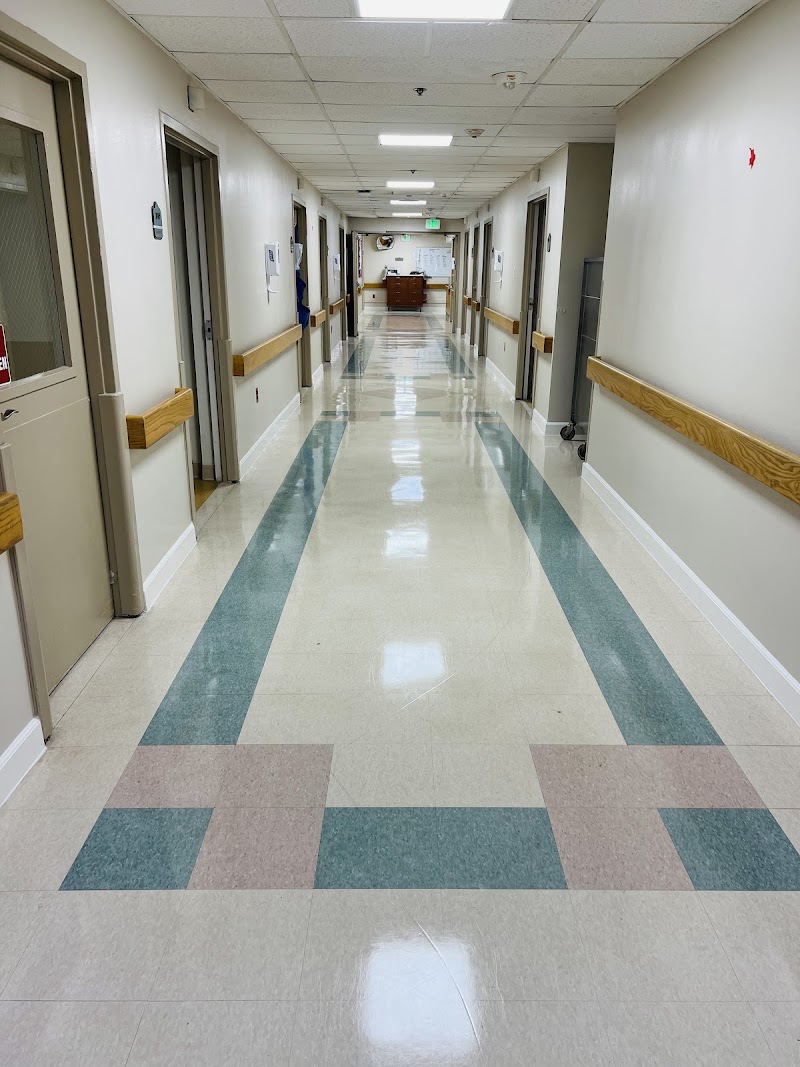
How is Parkview Rehabilitation Center At Winter Park Staffed?

CMS rates PARKVIEW REHABILITATION CENTER AT WINTER PARK's staffing level at 2 out of 5 stars, which is below average compared to other nursing homes. Staff turnover is 52%, compared to the Florida average of 46%. RN turnover specifically is 63%, which is notably high. RNs provide skilled clinical oversight, so turnover in this role can affect medical care quality.

What Have Inspectors Found at Parkview Rehabilitation Center At Winter Park?

State health inspectors documented 14 deficiencies at PARKVIEW REHABILITATION CENTER AT WINTER PARK during 2021 to 2025. These included: 14 with potential for harm.
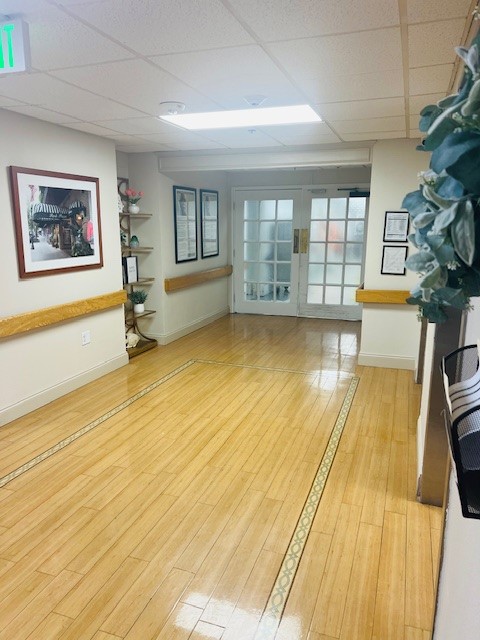
Who Owns and Operates Parkview Rehabilitation Center At Winter Park?

PARKVIEW REHABILITATION CENTER AT WINTER PARK is owned by a for-profit company. For-profit facilities operate as businesses with obligations to shareholders or private owners. The facility is operated by SOVEREIGN HEALTHCARE HOLDINGS, a chain that manages multiple nursing homes. With 138 certified beds and approximately 113 residents (about 82% occupancy), it is a mid-sized facility located in WINTER PARK, Florida.
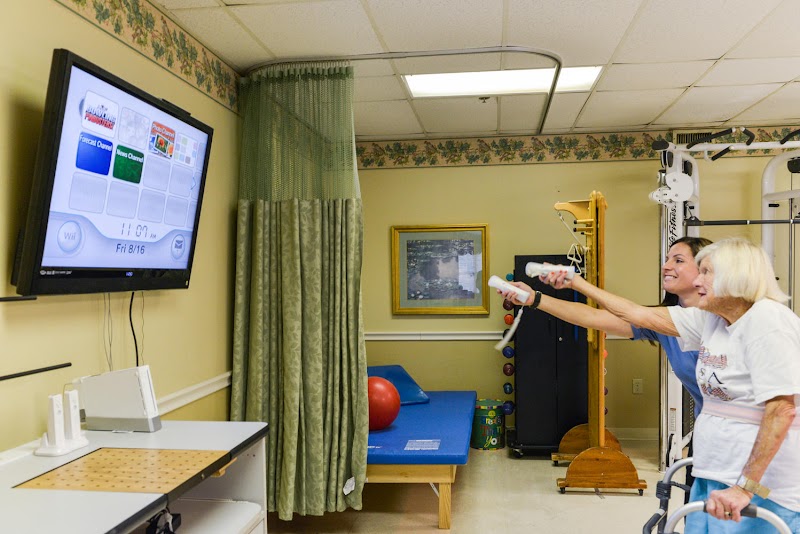
How Does Parkview Rehabilitation Center At Winter Park Compare to Other Florida Nursing Homes?

Compared to the 100 nursing homes in Florida, PARKVIEW REHABILITATION CENTER AT WINTER PARK's overall rating (4 stars) is above the state average of 3.2, staff turnover (52%) is near the state average of 46%, and health inspection rating (4 stars) is above the national benchmark.

What Should Families Ask When Visiting Parkview Rehabilitation Center At Winter Park?

Based on this facility's data, families visiting should ask: "Can you walk me through typical staffing levels on day, evening, and night shifts?" "Can I visit during a mealtime to observe dining assistance and food quality?" "How do you handle medical emergencies, and what is your hospital transfer rate?" "Can I speak with family members of current residents about their experience?" These questions are particularly relevant given the below-average staffing rating.

Is Parkview Rehabilitation Center At Winter Park Safe?

Based on CMS inspection data, PARKVIEW REHABILITATION CENTER AT WINTER PARK has a clean safety record: no substantiated abuse findings (meaning no confirmed cases of resident harm), no Immediate Jeopardy citations (the most serious violation level indicating risk of serious injury or death), and is not on the Special Focus Facility watch list (a federal program monitoring the lowest-performing 1% of nursing homes). The facility has a 4-star overall rating and ranks #1 of 100 nursing homes in Florida. While no facility is perfect, families should still ask about staff-to-resident ratios and recent inspection results during their visit.

Do Nurses at Parkview Rehabilitation Center At Winter Park Stick Around?

PARKVIEW REHABILITATION CENTER AT WINTER PARK has a staff turnover rate of 52%, which is 6 percentage points above the Florida average of 46%. Moderate turnover is common in nursing homes, but families should still ask about staff tenure and how the facility maintains care continuity when employees leave.

Was Parkview Rehabilitation Center At Winter Park Ever Fined?

PARKVIEW REHABILITATION CENTER AT WINTER PARK has no federal fines on record. CMS issues fines when nursing homes fail to meet care standards or don't correct problems found during inspections. The absence of fines suggests the facility has either maintained compliance or corrected any issues before penalties were assessed. This is a positive indicator, though families should still review recent inspection reports for the full picture.

Is Parkview Rehabilitation Center At Winter Park on Any Federal Watch List?

PARKVIEW REHABILITATION CENTER AT WINTER PARK is not on any federal watch list. The most significant is the Special Focus Facility (SFF) program, which identifies the bottom 1% of nursing homes nationally based on persistent, serious quality problems. Not being on this list means the facility has avoided the pattern of deficiencies that triggers enhanced federal oversight. This is a positive indicator, though families should still review the facility's inspection history directly.